ஆற்றைக் கடக்க துணையாக வருபவர் யார்? (Post No.10,666)

WRITTEN BY S NAGARAJAN
Post No. 10,666
Date uploaded in London – – 17 FEBRUARY 2022

Contact – swami_48@yahoo.com
Pictures are taken from various sources for spreading knowledge;
this is a non- commercial blog. Thanks for your great pictures.
tamilandvedas.com, swamiindology.blogspot.com

கம்பன் தரும் காதல் காட்சிகள்
ஆற்றைக் கடக்க உனக்குத் துணையாக வருபவர் யார்?
ச.நாகராஜன்

கம்பன் எழுச்சிப் படலத்தில் சிருங்கார ரஸம் ததும்பும் பாடல்களில் ஆறு இளைஞர்களைச் சுட்டிக் காட்டுகிறான்.மூவரைப் பார்த்தோம். இன்னும் மூவரை இப்போது பார்ப்போம்.

அவளது கேஸம் சுருண்டு அழகாக அலை போல இருக்கிறது. அந்தக் கேஸத்தின் ஈர்ப்பினால் வண்டுகள் அவள் தலையைச் சுற்றி ரீங்காரம் இடுகின்றன. அந்த அழகியின் விழிகளோ கூர்மையாக இருக்கின்றன. அவளைப் பார்க்கின்றான் யானை போல நடந்து செல்லும் ஒரு வாலிபன். (சின்ன யானை நடையைத் தந்தது என்ற திரைப்படப் பாடலை இங்கு ஒப்பிடலாம்) அவள் கண்களின் கூர்மை அவன் சிந்தனையைத் தூண்டி விடுகிறது.

தன் கையிலிருந்த வேலைப் பார்க்கிறான். இந்த வேலின் நுனி கூர்மையா, இல்லை அந்தக் கண்கள் கூர்மையா என்று தன்னைத் தானே கேட்டுக் கொள்கிறான்.

இந்த வேலை விட அந்தக் கூரிய கண்கள் மிகவும் ஆபத்தானவை என்ற முடிவுக்கு அவன் வந்து விடுகிறான்.
ஏனெனில் இந்த வேல், கேவலம், ஒருவனின் உடலின் மீது மட்டுமே பாய்ந்து அவனை வருத்த முடியும். ஆனால் அந்தக் கண்களோ எனது உயிரின் மீது பட்டு உயிரையே அல்லவோ வருத்துகிறது, ஆகவே அந்தக் கண்களே மிகக் கூர்மையானவை என்ற முடிவுக்கு வருகிறான்.

பாடலைப் பார்ப்போம்:
சுழியும் குஞ்சிமிசை சுரும்பு ஆர்த்திட,
பொழியும் மா மத யானையின் போகின்றான்,
கழிய கூரிய என்று ஒரு காரிகை
விழியை நோக்கி, தன் வேலையும் நோக்கினான்
-எழுச்சிப் படலம் பாடல் 34
பொருள் :
சுழியும் குஞ்சிமிசை – சுழியலுடன் இருக்கும் ஒருத்தியின் கூந்தலின் மேல்
சுரும்பு ஆர்த்திட – வண்டுகள் ஆரவாரித்துக் கொண்டிருக்க
மா மதம் பொழியும் யானையின் போகின்றான் – மத நீரைச் சொரிகின்ற யானை போலச் செல்லும் ஒரு வாலிபன்
ஒரு காரிகை விழியை நோக்கி – அழகியான அவளது கண்களை நோக்கி, அவை கூர்மையாய் இருப்பதைப் பார்த்து
தன் வேலையும் நோக்கினான் – தனது வேலையும் நோக்கினான் (ஒப்பிட்டுப் பார்த்தான் – எது கூர்மை என்று)

இன்னொரு வாலிபன். பேரழகன். அவன் ஒரு பேரழகியைப் பார்க்கிறான். அவனுக்கு வந்தது ஒரு சந்தேகம்.
அலை போல் நீண்டு சுருண்டிருக்கும் கூந்தல் ஒரு புறம். தாமரை போன்ற அழகிய சிறு பாதங்கள் இன்னொரு புறம். நெருங்கிய ஆபரணங்களை அணிந்த பெருத்த மார்பகங்கள்; அழகிய வளையல்கள் கொண்ட அழகிய தோள்கள். ஆனால், அடடா, அவளது இடையைக் காணோமே! அது தான் அவனது சந்தேகம். சரி, இதை யாரிடம் கேட்பது.

அவளிடமே கேட்டு விடுவது என்று தீர்மானித்து அவளையே கேட்டு விடுகிறான்.
(அவள் நாணினாளா, கன்னத்தில் ஒரு அறை கொடுத்தாளா, என்பது நமக்குத் தெரியாது)
கம்பன் தரும் காட்சியைப் பார்ப்போம்:

தரங்க வார் குழல் தாமரைச் சீறடிக்
கருங் கண் வாள் உடையாளை, ஓர் காளை தான்,
‘நெருங்கு பூண் முலை நீள் வளைத் தோளினீர்!
மருங்குல் எங்கு மறந்தது நீர்?’ என்றான்.
எழுச்சிப் படலம், பாடல் 35

பொருள்:
தரங்கம் வார் குழல் – அலை போலச் சுருண்டு நீண்ட கூந்தலையும்
தாமரைச் சீறடி – தாமரை மலர் போன்ற சிறிய பாதங்களையும்
வாள் கருங் கண் – வாள் படை போன்ற கரு நிறமுள்ள கண்களையும்
உடையாளை – கொண்டிருக்கும் பேரழகியைக் கண்ட
ஒரு காளை – ஒரு வாலிபன்
‘நெருங்கு பூண் முலை நீள் வளைத் தோளினீர்!
மருங்குல் எங்கு மறந்தது நீர்?’ – ‘நெருங்கிய ஆபரணங்களை அணிந்த, மார்பகங்களையும் நீண்ட வளையலை அணிந்த தோள்களையும் உடையவரே!நீர் உமது இடையை எங்கு மறந்து வைத்திருக்கிறீர்?’

என்றான் – என்று கேட்டான்.
ஆக அந்த அழகியின் இடை கண்ணுக்குப் புலனாகாதவாறு அவ்வளவு நுண்மையாக இருக்கிறது.

கடைசியாக இன்னொரு இளைஞனை கம்பன் சுட்டிக் காட்டுகிறான்.
இவன் கொஞ்சம் குறும்புப் பேர்வழி!
தைரியமாக ஒரு கேள்வியைக் கேட்டு நான் உதவிக்கு வரலாமா என்று கேட்கிறான்.
யமனைப் போல கொலை செய்ய வல்ல கண்கள் அவளுடையது. கண் ஜாடையினால் மட்டுமே அவள் பேசுவாள்; வாயைத் திறக்க மாட்டாள். அவளிடம் சென்ற ஒரு வாலிபன்,

ஆற்றைக் கடக்கும் போது உம்மைக் கைகளால் எடுத்து அக்கரை சேர்ப்பார் யார்? என்கிறான்.
‘நீ பேச மாட்டேன் என்கிறாய்? உன் பேச்சுக்கு உரியவன் அல்லாதவன் உன்னைத் தீண்டுதற்கு மட்டும் உரியவனோ, ஆகவே (தேன் மொழியாளே, உன் குரலைக் காட்டி) கொஞ்சம் பேசேன்’ என்கிறான்.

பாடல் இதோ:
கூற்றம் போலும் கொலைக் கணினால் அன்றி,
மாற்றம் பேசுகிலாளை, ஓர் மைந்தன் தான்,
‘ஆற்று நீரிடை, அம் கைகளால் எடுத்த்
ஏற்றுவார் உமை, யாவர் கொலோ?’ என்றான்
எழுச்சிப் படலம், பாடல் 36

பொருள்:
கூற்றம் போலும் – யமனைப் போன்ற
கொலை கணினால் அன்றி – கொல்லும் தன்மையுள்ள கண் ஜாடையினால் அல்லாமல
மாற்றம் பேசுகிலாளை – வாயைத் திறந்து பேசாமல் மௌனம் சாதிக்கும் ஒருத்தியை

ஓர் மைந்தன் – ஒரு இளைஞன்
‘ஆற்று நீரிடை, அம் கைகளால் எடுத்த்
ஏற்றுவார் உமை, யாவர் கொலோ?’ – ‘வழியே இருக்கும் ஆற்று நீரில் உம்மை அழகிய கைகளால் எடுத்து கரை ஏற்ற வல்லவர் யார்?’
என்றான் – என்று கேட்டான்.
மைந்தனை காதலன் என்றும் கொள்ளலாம்; கணவன் என்றும் கொள்ளலாம்.

பேசுவது கிளியா இல்லை பெண்ணரசி மொழியா என்பது அவள் பேசினால் தான் அவனுக்குப் புரியும்!
ஆக இப்படி ஆறு பாடல்களில் அழகிய காதல் சித்திரங்களை சித்தரிக்கும் கவிஞன் மகா கவிஞன் தானே!



MYSTERIOUS BRIDGE TO CROSS AFTER DEATH IN HINDU AND PARSI RELIGION (Post.10,665)

WRITTEN BY LONDON SWAMINATHAN

Post No. 10,665

Date uploaded in London – –    16 FEBRUARY   2022         

Contact – swami_48@yahoo.com

Pictures are taken from various sources for spreading knowledge.

this is a non- commercial blog. Thanks for your great pictures.

tamilandvedas.com, swamiindology.blogspot.com

MYSTERIOUS BRIDGE TO CROSS AFTER DEATH IN HINDU AND PARSI RELIGION

SAMSARA SAGAR (Kural 10)  is the word used in Tamil Veda Tirukkural and Sanskrit Bhagavad Gita (4-36)

In the Bhagavad Gita it is the sea of sins which one can cross by the boat of wisdom (4-36)

Tamil poet Tiru Valluvar says,

“None but those who have meditated constantly on the feet of god can cross the ocean of births by swimming” –Tirukkura 10

Tamil words Neenthuvar ‘will cross by swimming’ Neenthaar ‘will be unable to swim to cross are used by Valluvar. This Sea of Births and Deaths is used in umpteen verses by Alvars, Nayanmars, Paripatal poet of Sangam literature. Most of us imagined it as a sea. This is only a symbolic way of saying. Since South India is surrounded by the sea on three sides it will be easy to make it understandable by using water and boat. But if it is a land locked country or a vast country where sea is several hundred miles away, poets may not use sea to cross but a bridge to cross. This is what happened in Ancient Iran (Persia or Paraseekam) and India.

xxx

CINVAT BRIDGE

The Cinvat Bridge (Bridge of the Gathers) also spelt Chinvad Bridge is the bridge to paradise. All good people will be allowed to cross over this bridge (Gatha Ushtavaiti in Zend Avesta) to reach paradise. It is in Parsi book .

Earth and heaven are separated by a space, empty except for the wind. In order to go from the earth to heaven one must pass through this intermediate space. Only the soul is capable of such an act, so that except for special cases like that of Arda Viraf,  it must take place after death. The old Hindu views are very similar.

The path by which one can cross over this empty space is the bridge (in the Rig Veda and Atharvana Veda the space is mentioned as sea in Sanskrit, probably both looked blue in colour). The wind may help or harm anyone according to their good and bad actions. If someone is neither very bad nor very good will remain in the windy area and suffer. Good souls go to heaven and bad souls go to hell.

Primitive people used other symbolism- one can cross the chasm or a stream with a rope. Old Teutons imagined a rain bow by which they can climb and cross. Earlier scholars explained that the Cinvad Bridge is the Rainbow.

XXX

IN HINDU SCRIPTURES

In the Rig Veda, the bridge occurs only once (9-41) as a figure of speech but not as a path into the other life. But we find this idea in the Yajur Veda -Kathaka Samhita 28-4,

“By means of the mid-day (soma) pressing the gods entered into the world of heaven. Their steps and ladder were the Daksinas. If one offers Daksinas (fees), one crosses a bridge and enters into the world of heaven. One has as many breaths in that world as one gives breath (Prana dhana rite?) here. On that account much must be given here. therefore they praise what is generously given here as better bridge for him who crosses over (read Tirtvaa and Tirate instead of Kirtvaa nd Kirate)

Compare Maitrayani Samhita (4-8-3)

The mid-day pressing is the world of heaven if  Daksinas were given by mid day pressing.   You must give much in order to ascend into the world of heaven; indeed you must make abridge for yourself with your gifts in order to attain the world of heaven.

(It may mean Dhana on earth, i.e. doing charity, will make it easier to go to heaven; Dhaana= Dontions)

And compare also Taittiriya Samhita 6-5-3-3,

Verily the sacrifice makes himself a ladder and bridge to attain the world of heaven.

Another reference is also worth noting. Satapatha Braahmana 14-7-2-27 (Brhad Aranyaka Upanishad 4-4-24),

This one (the Atman) is the bridge, which holds the worlds apart, so that they cannot be confused.

xxx

MAGIC BRIDGE !!!
 A similar passage is in the Chandogya Upanishad 8-4-1 where in addition  to a statement  as above, it goes on to say,

Neither day nor night can cross the bridge, nor death nor suffering , neither good nor evil deeds. All evils turn back from there; for this Brahman world as banished all evil. Therefore if a blind man goes over the bridge, he receives his sight, if a wounded man , he is healed, if a sick person , he is cured. Therefore if the night crosses the bridge , it is turned to day; for this Brahman world is ever luminous.

In Kathopanishad -2 we read

We care solicitously for Naciketas fire, the bridge of the sacrificers to the eternal highest Brahman, the saving shore for those, who wish to cross.

In Svetasvatara Upanishad 6-9

God himself is called the highest bridge to immortality (also Mundakopanishad 2-2-5)

The Cinvat Bridge  in later literature is translated as Bridge of Separator. It is assumed God is the separator, who as a judge of the pious and the wicked discriminates between hem and sets them apart.

Xxx

YOUR ANCESTORS COME AND GREET YOU!

Another interesting similarity is about the spirits of ancestors come to greet you when you die.

When the soul arrives in the world beyond, the other souls come to meet and greet. Zarathustra himself says so, only with reference to perdition (Y.49-11). The same thing is told later with reference to paradise( Had.N.Yast) and we are reminded of the benign words with which Ahura Mazda protects the new arrival.

Strangely similar is the report in Kausitaki Upanishad 1-3 of what Brahman says upon the arrival of a deceased person in that other world:

“Run to meet him for through my glory he has attained to the ageless stream, truly he shall not grow old”.

According to Zarathushtra, the souls go to meet the liar arriving in hell with bad food (Y 49-11; comp. Y 53-6 and 31-20) . This again is supplemented by the Hadokht Nask with the report that in the paradise heavenly food and drink are brought to the virtuous.

We can compare this with Kausitaki Upanishad,1-4

Five hundred Apsaras go to meet him, , one hundred with fruits in their hands, one hundred with wreaths, one hundred with raiment, one hundred with fragrant powder in their hands.

According to Rig Veda 10-154-1

Ghee , among other things is eaten in heaven which corresponds to the ‘raoghna -zaramaya’, the spring butter.

In the same way we can compare with the sweet scent which blows from the Southern quarters to the soul of the pious on the third morning after death (Had N.2-18)- ie. shortly before his arrival in the world beyond– the agreeable and beneficent winds which according to Atharva Veda 18-2-21 the fathers and Yama waft toward the deceased.

(South is the direction of the departed souls in Sanskrit and Tamil books).

xxxx

TWO DOGS OF YAMA

In the Zoroastrian scriptures we see Daena appearing as a damsel (V.19-10) who looks like Apsaras in the Cinvat Bridge with two dogs. We have the two dogs (with four eyes) in the Vedas.

There are other interesting comparisons:-

In both Hindu  and Parsi religions , body parts are compared in similar way :

Eye- Sun;

Blood and Semen – Water

Dog’s Sense of Smell – go to Water Source

Another parallelism ,

Rain water = semen

Kausitaki Upanishad says,

The moon lets the soul which cannot answer its questions satisfactorily, turn to rain and fall upon the earth from which animals are born.it coincides with the Iranian. According to Chandogya Upanishad 5-10-6 rice and barley , herbs and trees, sesame and beans originate in this way.

In the Zoroastrian Bundahis 9-2,

Amerodad , the arch angel , as the vegetation was his own, pounded the plants small, and mixed them up with water which Tistar seized and Tistar made that water rain down upon the whole earth. Plants grew up from them. Birds mix them with water and Tistar seize them and rain them down. This cycle goes on

Source book –

DR MODI MEMORIAL VOLUME, BOMBAY, 1930, with my inputs

Tags- Bridge to heaven, Cinvat , Cinvad, bridge, Parsi, Hindu, Upanishad, Zend Avesta

கற்பு பற்றி வள்ளுவர், வால்மீகி , கம்பர், ஷேக்ஸ்பியர், மநு! (Post No.10,664)

WRITTEN BY LONDON SWAMINATHAN

Post No. 10,664

Date uploaded in London – –    16 FEBRUARY   2022         

Contact – swami_48@yahoo.com

Pictures are taken from various sources for spreading knowledge.

this is a non- commercial blog. Thanks for your great pictures.

tamilandvedas.com, swamiindology.blogspot.com

சிறைகாக்குங் காப்புஎவன் செய்யும் மகளிர்

நிறைகாக்குங் காப்பே தலை – குறள் 57

பெண்களை பலவகையான காவலுக்கு இடையே சிறைவைப்பது என்ன பயனைத் தரும்?  தம் 

கற்பு நெறியால் தம்மைத் தாமே காத்துக் கொள்ளும் காப்புதான் சிறப்புடைய காவல் ஆகும் .

பெண்களை என்ன காவலில் வைத்த்தாலும் பலன் தராது. அவர்களுடைய கற்புதான் அவர்களைக் காக்கும். இந்தக் கருத்து வால்மீகி ராமாயணம், உலகின் முதல் சட்ட நூலான மனு ஸ்ம்ருதி, ஷேக்ஸ்பியரின் நாடகம் , கம்பராமாயணம் ஆகியவற்றிலும் வருகிறது. ஆயினும் வால்மீகியும் மனுவும் இதை அப்படியே சொல்லியிருக்கிறார்கள்.

வால்மீகி சொல்கிறார் ,

न गृहाणि न वस्त्राणि न प्राकारास्तिरस्क्रियाः |

नेदृशा राजसत्कारा वृत्तमावरणं स्त्रियः ||

ந க்ருஹானி ந வஸ்த்ரானி ந ப்ரகார ஸ்திரஸ்க்ரியாஹா

நேத்ருசா ராஜஸத்காரா வ்ருத்தமாவரணம் ஸ்திரியஹ

இதன் பொருள் :

வீடோ , அணியும் உடைகளோ,வீட்டைச் சுற்றி எழுப்பப்படும் காவல் மதில்களோ , கதவுகளோ அல்லது அரசர்கள் கொடுக்கும் விருதுகளோ ஒரு பெண்ணுக்கு பாதுகாப்பாக இராது .அவளுடைய ஒழுக்கமே (கற்பு) அவளைப் பாதுகாக்கும் கேடயம் ஆகும் — யுத்த காண்டம், அத்தியாயம் 114

Xxx

மானவ தர்ம சாஸ்திரத்தில் மநுவும் இதையே சொல்கிறார்,

பெண்களை ஆண்கள் , ஒரு வீட்டுக்குள் காவலில் வைப்பது அவர்களைக் காக்காது; பெண்மணிகள், தங்களைத் தாங்களே பாதுகாத்துக் கொள்வதே நல்ல பாதுகாப்பு ஆகும் – மநு ஸ்ம்ருதி 9-12

अरक्षिता गृहे रुद्धाः पुरुषैराप्तकारिभिः ।

आत्मानमात्मना यास्तु रक्षेयुस्ताः सुरक्षिताः ॥ ९.१२॥

அரக்ஷிதா க்ருஹே ருத்தாஹா புருஷைராப்தகாரிபிஹி

ஆத்மானமாத்மனா  யாஸ்து ஸுரக்ஷிதாஹா

“நம்பிக்கை மிக்க ஆண்களைக் காவல் காக்கவைத்தாலும்” அது அவர்களைக் காக்க முடியாது என்பதையும் மநு சேர்த்துச் சொல்லியுள்ளார். அவர்களிடம் மனக் கட்டுப்பாடு , கற்பு நெறி, இல்லாவிடில் இது சாத்தியமாகாது என்று உரைகாரர்களும் உறுதிப்படுத்துகின்றனர்.

XXXX

ஸம்ஸ்க்ருத , தமிழ் இலக்கியங்களில் கற்பு என்பதை ஒரு முக்கிய பண்பாகக் கருதி நிறைய பாடல்களை எழுதிச் சேர்த்துள்ளனர். அருந்ததி என்னும் கற்பரசியை சங்கத் தமிழ் நூல்களும் வேத இலக்கியங்களும் போற்றிப் பாடியுள்ளன . இப்படிப்பட்ட ஒரு பண் பையோ , மாதரசியையோ மேலை நாட்டு இலக்கியத்தில் காண்பது அரிதிலும் அரிது. ஆயினும் நாடக மன்னன் ஷேக்ஸ்பியர் தனது நாடகம் ஒன்றில் டயானா DIANA  என்னும் கத பாத்திரம் வாயிலாக சொல்லுவதைப் படியுங்கள்

டயானா

என்னுடைய மானம் ஒரு மோதிரம் ;

என் கற்புதான் எங்கள் வீட்டின் ஆபரணம்

அது என் முன்னோர்களிடமிருந்து வந்தது

……….

இழப்பதற்கு அரியது

All is well that ends well, Act 4, Scene 2

Xxx

கம்பனும் கற்பு பற்றி, சீதையின் கற்பு பற்றி , அது எப்படி அவளைக் காக்கும் என்பதை குறைந்தது இரண்டு இடங்களில் காட்டுகிறான் . சீதையை தூக்கிச் செல்லும் ராவணனை தடுக்க முயன்று வெட்டுப்பட்ட ஜடாயு என்னும் பறவை அரசன், அடடா இவள் ராவணனால் சிறை வைப்படப்போகிறாளே என்ன ஆகுமோ என்று புலம்புகிறான். பின்னர் தன்னைத் தானே தேற்றிக்கொண்டு கவலைப்பட ஒன்றுமில்லை; சீதையின் கற்பு அவளைக் காக்கும் என்று சொல்கிறான்

3560.  பரும் சிறை இன்னன பன்னி உன்னுவான்;

அருஞ்சிறை உற்றனளாம் ” எனா மனம்

பொரும் சிறை அற்றதேல் பூவை கற்பு எனும்

இரும் சிறை இறாது ‘என இடரும் நீங்கினான்.

ஆரண்ய காண்டம் சடாயு உயிர்நீத்த படலம்

பூவை – நாகண வாய்ப்பறவை போல மொழியுடைய சீதை 

Xxx

சுந்தர காண்டத்தில் மற்றோர்  காட்சி ,

ராவணனின் அரண்மனை படுக்கை அறை , அந்தப் புரம் எல்லாவற்றிலும் சீதையைத் தேடும் அனுமன், அசோகவனத்தில் ஒரு மரத்தின் அடியில், அரக்கிகளின் காவலுக்கு  இடையில் சீதையைக் கண்டவுடன் வியக்கிறான் : அற்புதம், அற்புதம் ! இவள் இங்கே மானபங்கம் ஆகாமல் இருந்ததற்கு ஜனகன் செய்த பூர்வ ஜென்ம புண்ணியம் காரணமா?அல்லது தர்மம் இவளை இதுவரை காத்து உதவியதா? அல்லது சீதையின் உயரிய கற்பு நெறிதான் அவளைக் காத்து நிற்கிறதா?  ஒப்பற்ற காட்சி;  எது காரணம் என்பதை என்னைப் போன்றவர் உரைக்கவும் இயலுமோ என்று கம்பன் பாடி முடிக்கிறான்.

5143. 

தருமமே காத்ததோ ? சனகன் நல் வினைக்

கருமமே காத்ததோ? கற்பின் காவலோ ?

அருமையோ !அருமையே ! யார் இது ஆற்றுவார் ?

ஒருமையே, எம்மனோர்க்கு, உரைக்கற்பாலதோ ?

-சுந்தர காண்டம் , காட்சிப் படலம்

Xxxx

ஆக கற்பு நெறியின் சிறப்பை வால்மீகி முதல் கம்பன் வரை கண்டோம். நாலடியார், பழமொழி ஐம்பெரும் காப்பியங்களிலும் நிறைய குறிப்புகள் உள .

–சுபம் —-

tags-  கற்பு , வள்ளுவர், வால்மீகி , கம்பர், ஷேக்ஸ்பியர், மநு, 

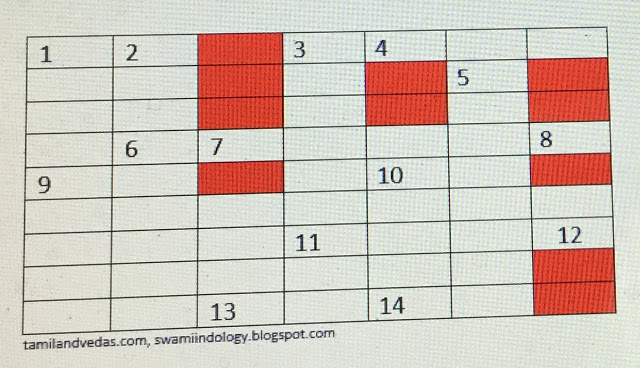
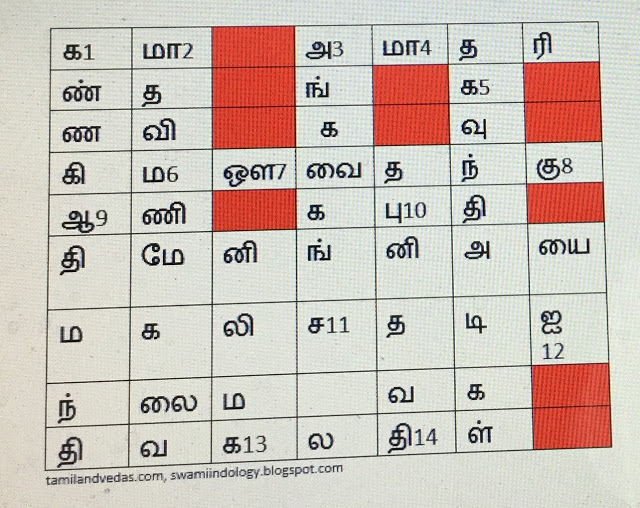
SWAMI CROSSWORD 932020 (Post No.7672)

Written  by  London Swaminathan

Post No.7672

Date uploaded in London – 9 March 2020

Contact – swami_48@yahoo.com

Pictures are taken from various sources for spreading knowledge; this is a non- commercial blog. Thanks for your great pictures.

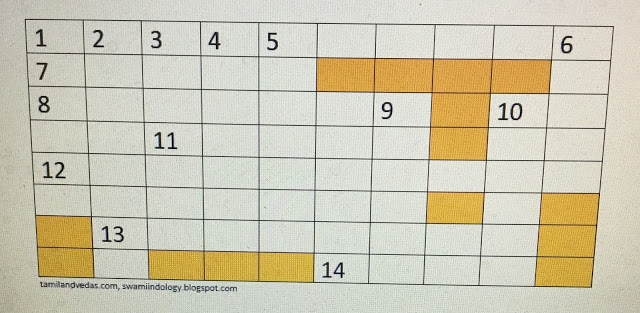
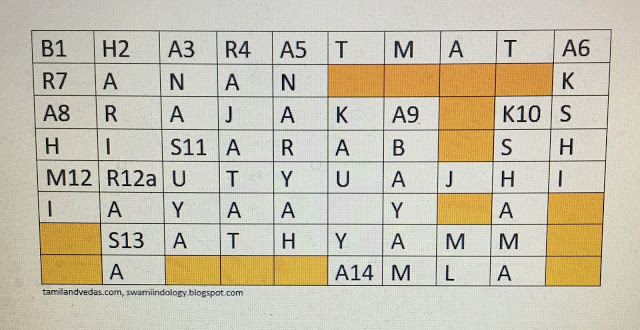
ACROSS

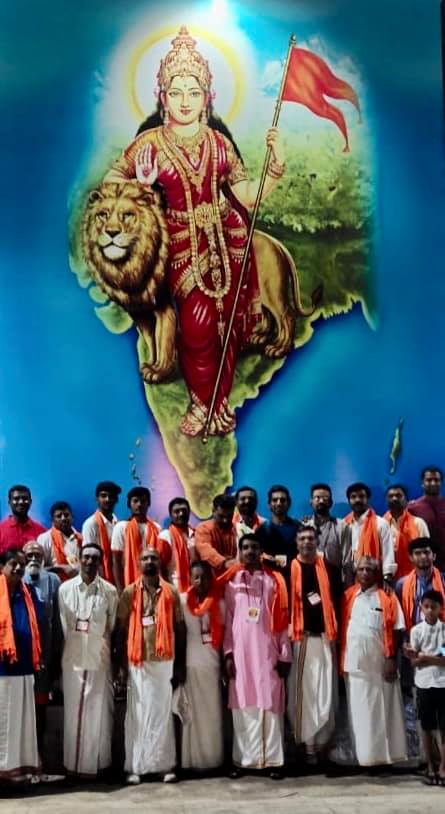
1. (10)- Mother India in Sanskrit

7. (4) -battlefield

8. (7)- kingless; lawless

11. (4)- extract

12. (6)- death

13. (7)- truth

14. (4)- sour;acid

DOWN

1. (6)- Sarasvati; name of the script used from Asokan Times

2. (4) – Vishnu’s popular name

3. (7)- a famous woman in mythology; meaning no jealousy

4. (6)- silver

5. (6)- uncultured, uncivilized

6. (5)- eye; part of feminine names

9. (6)- protection

10. (6)- patience in Sanskrit

12a. (4) sentiment; there are 9 types

–subham–

நாட்டிய தாரகையின் 5 நிபந்தனைகள்; மாந்தோப்பு அழகியுடன் புத்தர் சந்திப்பு (Post.7671)

Written  by  London Swaminathan

Post No.7671

Date uploaded in London – 9 March 2020

Contact – swami_48@yahoo.com

Pictures are taken from various sources for spreading knowledge; this is a non- commercial blog. Thanks for your great pictures.

நாட்டிய தாரகையின் 5 நிபந்தனைகள்; மாந்தோப்பு அழகியுடன் புத்தர் சந்திப்பு (Post.7671)

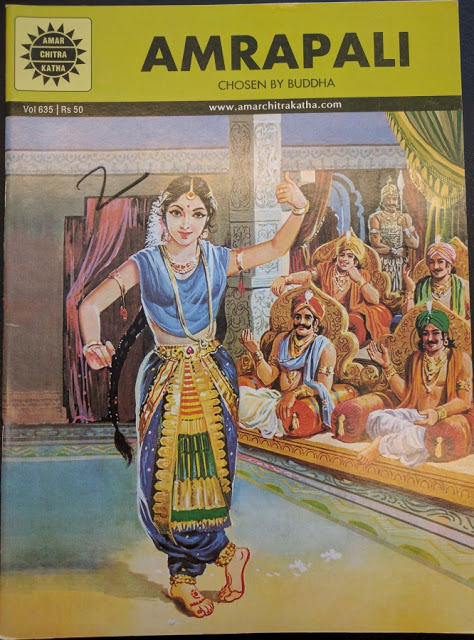
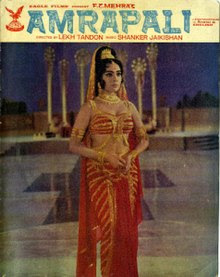
2600 ஆண்டுகளுக்கு முன்னர் இந்தியா எப்படி இருந்தது என்பதை சம்ஸ்கிருத நூல்களும், பாலி மொழி நூல்களும்  காட்டுகின்றன.  இதில் மிகவும் சுவையான விஷயம் மாந்தோப்பு அழகி பற்றிய நான்கு  செய்திகளாகும்.

1.அவளுக்கு ஆம்ர பாலி (பாலி  மொழியில் அம்பா பாலி )   ‘மாந் தோப்புக்காரி’ என்று பெயர் வந்தது ஏன்?

2.புத்தர் பிரான் ஏன் அவள் வீட்டுக்குப் போய் சாப்பிட்டார்?

3.அவளுடன் ஒரு நாள் படுக்க, அவள் போட்ட ஐந்து நிபந்தனைகள் என்ன?

4.மகத சாம்ராஜ்ய சக்ரவர்த்தி பிம்பி சாரன் அவளுடன் படுக்க செய்த தந்திரம் என்ன?

2600 ஆண்டுகளுக்கு முன்னர் புத்தர் பிரான் அடிக்கடி சென்ற இடம் பீஹார் மாநிலம் ஆகும். அந்த மாநிலத்தில் வைசாலி என்னும் புகழ்மிகு நகரம் சீ ரும் சிறப்புடனும் திகழ்ந்தது. அதில் சாக்கிய குல பிரபு ‘மஹாநாமா’ வாழ்ந்து வந்தார். அவருக்கு குழந்தைகள் கிடையாது. ஒரு நாள் அவர் மாந்தோப்பில் உலவச் சென்றபொழுது ஒரு பெண் குழந்தை கேட்பாரற்றுக் கிடந்தது. அதை எடுத்து மனைவியிடம் கொடுக்கவே அவளுக்குப் பேரானந்தம் கிட்டியது. செல்வச் சீமாட்டி போல அவளை வளர்த்தார்கள். அவள் பருவத்துக்கு வந்தபோது பேரழகியாகத் தோன்றினாள் . மாந்தோப்பில் கிடைத்த பெண் ஆதலால் அவள் பெயரும் அம்பா பாலி என்றே நிலைபெற்றுவிட்டது (சம்ஸ்கிருத மொழியில் ஆம்ர என்றால் மாமரம். அது பேச்சு வழக்கு மொழிகளான பாலி /பிராக்ருதத்தில் ‘அம்பா’ ஆகிவிடும்).

பெண்ணுக்குக் கல்யாணம் கட்ட வேண்டிய தருணம் வந்தவுடன் பெற்றோருக்கு கவலையும் வந்தது. ஏனெனில் லிச்சாவி குல வழக்கப்படி அந்த ஜாதியில்தான் மணம் முடிக்க வேண்டும். ஆகையால் லிச்சாவி சபை கூட்டப்பட்டது . எல்லோரும் மண்டபத்தில் கண்களை அகலவிரித்து காத்திருந்தனர். பேரழகி அம்பா பாலி  உள்ளே புகுந்தாள் . அனைவரும் ஆச்ச ரியத்தில் மூழ்கினர். இதயம் ‘படக் படக்’ என்று துடித்தது. இவள் எனக்குத்தான் என்று எல்லோரும் ஏகமனதாக தீர்மானம் போட்டுக்கொண்டனர். அறைக்குள் யுத்தம் வெடிக்கும் அளவுக்கு போட்டா போட்டி; காட்டா குஸ்தி. சபைத் தலைவர்கள் ஒரு சமாதானத் தீர்மானம் போட்டனர் . இவளை ‘பொது மகளாக்கி’ எல்லோரும் அனுபவிப்போம் என்று தீர்மானம் போட்டனர். தந்தை தாய் மனம் துடித்தது; ஒப்புக்கொள்ள மறுத்தனர்.

வீட்டில் நுழைய ஐந்து நிபந்தனைகள்

ஆனால் பெரும் சண்டை நிகழ்வதைத் தடுப்பதற்காக அந்த புத்திசாலிப் பெண் ஒரு அறிவிப்பைப் பிரகடனம் செய்தாள் . உங்கள் தீர்மானத்தை நான்  ஏற்கிறேன் . நான் போடும்  நிபந்தனைகளை நீங்கள் ஏற்கவேண்டும் என்று சொல்லிப் புல்லட் பாயிண்டு (Bullet Points )களில் பட்டியல் போட்டாள் –

1. ஒவ்வொரு நாளும் ஒரு ஆண்மகன் மட்டுமே என் வீட்டுக்குள் நுழையலாம்

2. அவர் ஒரு இரவு என்னுடன் படுக்க 500 ‘கார்ஷா பணம்’ தரவேண்டும்; (இந்தப் பழங்கால நாணய முறை இன்று வரை தமிழில் கூட ‘காசு’ ‘பணம்’ என்று வழங்கப்படுகிறது )

3.என் வீட்டுக்குள் வந்து போவோரை யாரும் கண்காணிக்கக் கூடாது

(நல்ல வேளையாக அக்காலத்தில் சி சி டி வி C C T V cameras, காமெராக்களும் கிடையாது; கூகுள் வாட்ச் Google Watch-ம் கிடையாது)

4.எனக்கு நகரத்தில் முக்கிய இடத்தில் பெரிய வீடு கொடுக்க வேண்டும்.

5.எந்தக் காரணத்துக்காகவாவது அரசாங்க அதிகாரிகள் என் வீட்டை சோதனை போடவேண்டுமானால் எனக்கு ஏழு நாள் நோட்டிஸ் (Seven Day Notice)  கொடுத்து அதற்குப்பின்னரே என் வீட்டுக்குள் அதிகாரிகள் வரவேண்டும் .

இந்த ஐந்து நிபந்தனைகளையும் சபை ஏற்றுக்கொண்டது.

அம்பாலிக்கு பெரிய வீடு கிடைத்தவுடன் சிறந்த ஓவியனைக் கூப்பிட்டு வீட்டுச் சுவர்களில் மன்னர்கள், பிரபுக்கள், பெரிய வியாபாரிகள் ஆகியோரின் ஓவியங்களை  வரைய ச் சொன்னாள் . அதில் மகத சாம்ராஜ்யத்தின் மாமன்னன் பிம்பிசாரனின் படமும் இருந்தது. அதைப் பார்த்தவுடன் அவளுக்கு காதல் மலர்ந்தது. இந்தச் செய்தி மன்னன் காதிலும் விழுந்தது . அவனும் அம்பாபாலியின் புகழ் பரவுவதை அறிந்து அவள் வீட்டுக்குப் புறப்படத் தயாரானான். ஆனால் அதில் ஒரு சிக்கல் . மகதப் பேரரசுக்கும்  லிச்சாவிகளுக்கும் இடையே உரசல் நிலவியது. அமைச் சர்கள் வைசாலி நகருக்குள் நுழைவது ஆபத்து என்று எச்சரித்தனர் . பிம்பி சாரன் மாவீரன் ; ராணுவ தளபதி கோபன் என்பவனைப் பாதுகாப்புக்கு அழைத்துக்கொண்டு மாறு  வேடத்தில் வைசாலி நகருக்குள் போய் அம்பாபாலியுடன் ஆறு இரவுகள் தங்கினான்.

இதற்குள்  நகர அதிகாரிகளுக்கு பராபரியாகத் தகவல் கிடைக்கவே எதிரி நாட்டு மன்னனைப் பிடிக்க வீடு வீடாக சோதனை போடத் துவங்கினர். அம்பா வீட்டுக்கும் வந்தபோது அவள் 7  நாள் நோட்டிஸ் நிபந்தனையைச் சுட்டிக்காட்டியவுடன் அவர்கள் போய்விட்டனர். மன்னன் பிம்பிசாரனும் மாறுவேடத்தில் தப்பித்துச் சென்றான்.

பிம்பிசாரன் விடைபெற்றுச் செல்லும் முன்பாக அம்பாபாலிக்கு ராஜமுத்திரை பதித்த மோதிரத்தை அவளுக்கு அன்பளிப்பாகக் கொடுத்து எப்போதும் தன் அரண்மனைக்கு வரலாம் என்றான். அவளும் ஒன்பது மாதத்தில் ஒரு பிள்ளையைப் பெற்றாள் .அவன் பள்ளிப்பருவம் எய்தியபோது எல்லோரும் அவனை ‘யாருக்குப் பிறந்தவனோ’ என்று ஏசினர் . உடனே அவனை அம்பா , அரண்மனைக்கு அனுப்பிவைத்தாள். அங்கே அவன் விமல கொண்டன்னா என்ற பெயருடன் வளர்ந்து பிற்காலத்தில் புத்த பிட்சுவாக மாறினான். காலம் உருண்டோடியது .

புத்தர் வருகை

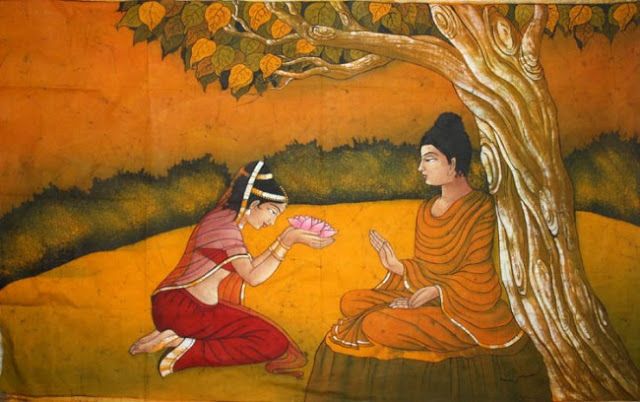
வைசாலி நகருக்கு அருகில் உள்ள கொடிகாம என்னும் ஊரில் புத்தர் தங்கியிருப்பதை அறிந்து அம்பாவும் அவருக்கு அஞ்சலி செலுத்தச் சென்றாள் அவருடைய சொற்பழிவைச் செவிமடுத்தாள் ;அதே நேரத்தில் லிச் சாவி குலத் தலைவர்களும் அங்கே வந்தனர். புத்தர் பிரானை சிஷ்யர்கள் புடைசூழ தம் இல்லத்துக்கு விருந்துண்ண அவள் அழைத்தாள் ;லிச் சாவி குலத் தலைவர்களும் புத்தரை அழைத்தனர். அனால் புத்தர் பிரான் அம்பாவின் அழைப்பை ஏற்று அவள் வீட்டுக்குச் சென்று விருந்துண்டார். இது லிச்சாவி குலத் தலைவர்களுக்குப் பெருத்த ஏமாற்றத்தை அளித்தது . புத்தர் பிரான் சாப்பிட்டு முடித்தவுடன் தனது பெரிய மாந்தோப்புகளையும் வீடுகளையும் புத்த சங்கத்துக்கு அன்பளிப்பாகக் கொடுத்தார் .

நாளடைவில் தனது உடலைத் தானே பார்த்து வருத்தமுற்றாள் . உலகையே ஈர்த்த அழகான தோல், இப்போது சுருங்கிப்போய் அவளுக்கே பார்க்க அருவருப்பாக இருந்தது. அந்த நேரத்தில் புத்த பிட்சுவாக மாறிய தனது மகன் விமல கொண்டன்னா உபன்யாசம் செய்வதை அறிந்து காது குளிர கேட்டாள் ; வாழ்க்கையின் நிலையாமையை உணர்ந்தாள்; நித்யானந்தம், பேரானந்தம் பெரும் வழி புத்தரின் வழி என்று அறிந்து புத்த பிக்ஷுணி ஆனார். அதில் அர்க்கத் என்ற பெரிய நிலையை அடைந்து பெரும்பேறு பெற்றாள் ; மகத சாம்ராஜ்யத்தின் மாமன்னனான பிம்பி சாரனும் புத்த மதத்துக்குப் பேராதரவு நல்கினான்.

TAGS- அம்பபாலி ,பிம்பி சாரன், புத்தர், நாட்டிய தாரகை

–சுபம்—

‘மேலைச் சிதம்பரம்’ பேரூரில் தாண்டவமாடிய பட்டீசுரன்! (Post .7670)

Written  by  S NAGARAJAN

Post No.7670

Date uploaded in London – 9 March 2020

Contact – swami_48@yahoo.com

Pictures are taken from various sources for spreading knowledge; this is a non- commercial blog. Big Thanks for your pictures.

மேலைச் சிதம்பரம் என்று புகழ் பெற்ற பேரூரில் தாண்டவமாடிய பட்டீசுரன்!

ச.நாகராஜன்

மேலைச் சிதம்பரம் என்று புகழ் பெற்றது பேரூர். அங்கு கோமுனி, பட்டி முனி காண மரகதவல்லி சமேதரான பட்டீசுரன் தாண்டவமாடினார். இப்படிப்பட்ட பெருமையைக் கொண்ட பேரூர் உள்ளது கொங்கு மண்டலத்திலேயாம் என்று கூறிப் பெருமைப் படுகிறது கொங்கு மண்டல சதகம்.

பாகான சொல்லிதென் பேரூர் மரகதப் பார்ப்பதிமா

நாகா பரணர்பட் டீசுரர் பாதத்தை நம்பியெங்கும்

போகாத கோமுனி பட்டி முனிக்குப் பொதுநடஞ்செய்

வாகான மேலைச் சிதம்பர முங்கொங்கு மண்டலமே

இது கொங்கு மண்டல சதகத்தில் வரும் 17வது பாடல்.

பேரூர் உள்ளது ஆறை நாடு. பேரூர்ப் புராணம் கூறும் செய்யுள் இது:

கோமுக முனியும்பட்டி முனிவனுங் குறுகியேத்த

வேமுறு பூதநாத ரிடனறத் துவன்றிப் போற்ற

காமுறு விசும்பிற் றேவர் கடிமலர் மாரி தூர்ப்பத்

தீமுழங் கங்கைவள்ள றிருநடன நவிற்றலோடும் (பேரூர்ப் புராணம்)

இந்த வரலாற்றைச் சுந்தர மூர்த்தி நாயனாரின் தேவாரத்திலும் காணலாம் :

ஏழாம் திருமுறையில் கோயில் பகுதியில் உள்ள பத்துப் பாடல்களில் பத்தாவது பாடலாக அமைவது இது:

பார் ஊரும் அரவு அல்குல் உமைநங்கை அவள் பங்கன் பைங்கண் ஏற்றன்

ஊர் ஊரான் தருமனார்தமர் செக்கில் இடும்போது தடுத்து ஆட்கொள்வான்

ஆரூரன் தம்பிரான் ஆரூரன் மீ கொங்கில் அணி காஞ்சிவாய்ப்

பேரூரர் பெருமானைப் புலியூர்ச் சிற்றம்பலத்தே பெற்றாம் அன்றே.

கொங்குமண்டல சதகத்தில் அடுத்த பாடலாக மலரும் 18வது பாடல் பட்டீசுரன் பள்ளனான வரலாறைக் கூறுகிறது இப்படி:

கடுவாள் விழியினைப் பாரூர்ப் பரவை கலவிவலைப்

படுவார் தமிழ்ச்சுந் தரர்பாடற் கீயப் பரிசின்மையால்

நெடுவாளை பாயும் வயலூடு போகி  நெடியபள்ள

வடிவாகி நின்றதும் பேரூர்ச் சிவன்கொங்கு மண்டலமே

இதன் பொருள் :- சுந்தரர் நம்மைப் பாடி வருவார்; அவருக்குக் கொடுக்கப் பரிசு (பொன்) இல்லையே என்று ஒளிந்தவர் போலப் பட்டிப் பெருமான், பள்ள வடிவு கொண்ட பேரூரும் கொங்குமண்டலத்தில் உள்ளதேயாம்.

இதைப் பேரூர்ப் புராணம் இப்படி விவரிக்கிறது:

உயர்ந்தவுந்தாமே யிழிந்தவுந்தாமே யெனமறையோல மிட்டுரைக்கும்

வியந்ததஞ்செய்கை யிரண்டினுளொன்று வேதியனாகிமுன் காட்டிப்

பயந்தரு றைவர் மற்றதுங்காட்டப் பள்ளனாய்த் திருவிளையாட்டால்

நயந்தபூம் பணையின் வினைசெய வன்பர் நண்ணிமுனண்ணிரம்மா

கொங்கு மண்டல சதகம் தனது நூறு பாடல்களில், பட்டீசுரத் திருவிளையாடலுக்கு மட்டும் மூன்று பாடல்களை ஒதுக்குகிறது. (பாடல்கள் 17,18,19). இந்த மூன்றையும் நமது கொங்கு மண்டல சதகத் தொடரில் விரிவாகப் பார்த்து விட்டோம்.

***

BUDDHA’S MEETING WITH MANGO GARDEN BEAUTY; KING’S SECRET VISIT TO HER (Post No.7669)

Written  by  LONDON SWAMINATHAN

Post No.7669

Date uploaded in London – 8 March 2020

Contact – swami_48@yahoo.com

Pictures are taken from various sources for spreading knowledge; this is a non- commercial blog.

Three interesting things happened with a beautiful courtesan in India two thousand six hundred years ago.

1.Buddha’s meeting with her and accepting her food surprised every one and Buddha’s own clan Sakhyas were disappointed

2.Emperor Bimbisara entered enemy’s territory to spend one night with her and escaped incognito.

3.That courtesan who was named Mango Garden lady imposed five interesting conditions to entertain anyone for one night.

Here is the most interesting story of Ambapali. In Sanskrit her name is Amra Pali ,i.e. Lady from Mango Garden .

There is a very interesting story about the name.

A Shakyan clan noble called Mahanama found a baby girl in a mango garden in the big city of Vaishali. Now that city is in the Bihar state of India. Mahanama was childless and so his wife reared her amid pomp and luxury as her own daughter. When she grew up she became exquisitely beautiful.

There were strict caste restrictions in Sakhya clan. Mahanama can’t give her to anyone outside his clan. So when she was ready to marry, the Assembly of Lichcavis was convened. Everybody waited to see the girl. When she entered the hall all were wonderstruck with her beauty. Each one vied to marry her. It looked like there would be a big fight to get her. At last they decided to own her jointly. It is called ‘Ghana bhogya’. Her father refused to it. But the clever girl came with a proposal. She put five conditions to spend a night with anyone.

What are the conditions?

1.She should be provided a big house in the centre of the city;

2.Only one person can enter her house eachday.

3.Her fee for one night is 500 karshapanas ( very expensive lady; this word is used even today in Tamil as ‘Kasu’ ‘Panam’) .

4.If anyone wants to inspect her house for any reason the government should give her seven day notice and the Administration would be allowed into her house only on the seventh day.

5.There should be no watch over persons coming in and going out of her house.

(Thank God, there was no CCTV cameras or Google watch 2600 years ago).

The assembly accepted all her conditions.

She selected the best house in the best locality of the city. She had the walls of her house painted by an artist with the portraits of kings, ministers, nobles, rich bankers and traders. While scanning the portraits she fell in love with the portrait of emperor Bimbisara and very anxious to meet him

Since her name and fame spread far and wide Bimbisara also wanted to spend some time with her. But there was a big problem. He was the mighty emperor of Magadha Empire. Even Alexander was not ready to enter India 300 years after Bimbisara. But the Licchavi clan of Vaishali was not in good relationship with him. So his ministers warned him not to go to Ambapali’s house. But he boldly went to her house with the help of Gopa, Commander in Chief of the Army. He spent some time with her. However, the Licchavi spies got the information that the enemy in their territory. But they never suspected Ambapali. When they made house to house search Ambapali reminded them the administration should give her seven- day notice. This is one of the five conditions. In the meantime, sensing the trouble Bimbisara escaped in disguise.

When Bimbisara stayed with her for six nights he gave her a ring with his official seal and told her she could approach him anytime. After nine months Ambapali gave birth to a son. When he grew up his classmates were teasing him as an Illegitimate son of a courtesan. Then Ambapali sent him to Bimbisara. In later life that boy became a Buddhist monk and came to be known as Vimala Kondanna.

Ambapali was very successful in her trade and amassed huge wealth.Buddha in his last days came to Kotigama near Vaishali. Ambapali went to pay her respects. She listened to his discourse and became a lay devotee. She invited Buddha with his disciples for lunch in her house. At the same time the Licchavi leaders also came to invite him. But Buddha accepted only Ambapali’s invitation. This disappointed the Licchavis. At the end of dinner, she gave her entire mango garden with its big buildings to Bikshu Sanga, the Buddhist Association.

Some time after this she listened to her own son Vimala’s discourse. She decided to become a bikshuni, monk. She looked at her own body which was beautiful at one time and now became shrunken. She realised the impermanence of worldly existence and attained arhathood. She gave expression to her mind in verses.

She was one of the most famous women of ancient India. Vasanta sena, Vasava data and Ambaplali became famous and was the plot of several Sanskrit dramas and Kanyas.

While Maitreyi and Gargi Vachknavi were known for their spiritual attainments, the above three were known for their sacrifice , devotion and affection towards their lovers.

Ancient Indian love stories were more beautiful than Romeo and Juliet and Antony and Cleopatra.

-subham-

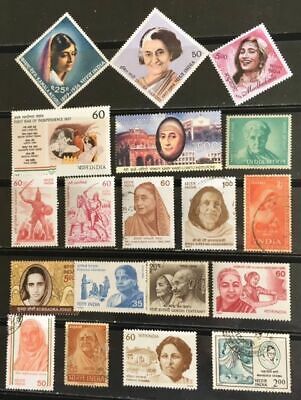
மகளிர் சிறப்பு குறுக்கெழுத்துப் போட்டி832020 (Post No.7668)

Written  by  LONDON SWAMINATHAN

Post No.7668

Date uploaded in London – 8 March 2020

Contact – swami_48@yahoo.com

Pictures are taken from various sources for spreading knowledge; this is a non- commercial blog.

ACROSS

4. – (3) கண்ணகிக்கு அடைக்கலம் கொடுத்த ஆயர்குலப் பெண்

7. (2)- சங்க காலத்தில் புகழ்பெற்ற பெண் புலவர்

8. (R to L)- (4) வலமிருந்து இடம் செல்க/  ராஜராஜ சோழனின் தமக்கை

14. – (5) அப்பர் பெருமானின் சகோதரி

DOWN

1– (4)- சிலப்பதிகார கதாநாயகி

2. சிலப்பதிகார ஆடல் அழகி

3. – பாரிமகளிரில் ஒருத்தி

5.– (8) கோவலனுக்கு வழித்துணையாக வந்த சமண மத பெண் துறவி

6. – (5)- சிலப்பதிகாரத்துடன் வந்த இரட்டைக் காப்பியம் இந்தப் பெண்மனியின் பெயர் கொண்டது

9. – (5 )காவிரியில் விழுந்த ஆட்டநத்தியைத் தொடர்ந்து சென்ற கரிகால் சோழன் மகள்

10. – (5)காரைக்கால் அம்மையார் ஆனவர்

11., go up — (4) கீழிருந்து மேலே செல்க/பாரி மகளிரில்  மற்றவர்

12. go up – (2) -கீழிருந்து மேலே செல்க/ சிலப்பதிகார ஆயர்குலப் பெண் /ஆர்யை என்பதன் தமிழ் வடிவம்

—subham—-

நலுங்கு பாடல்கள் ஆராய்ச்சி (Post No.7666)

Written  by  LONDON SWAMINATHAN

Post No.7666

Date uploaded in London – 8 March 2020

Contact – swami_48@yahoo.com

Pictures are taken from various sources for spreading knowledge; this is a non- commercial blog.

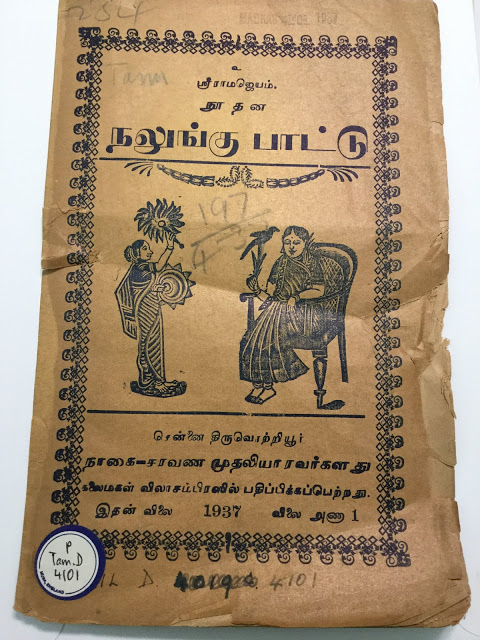
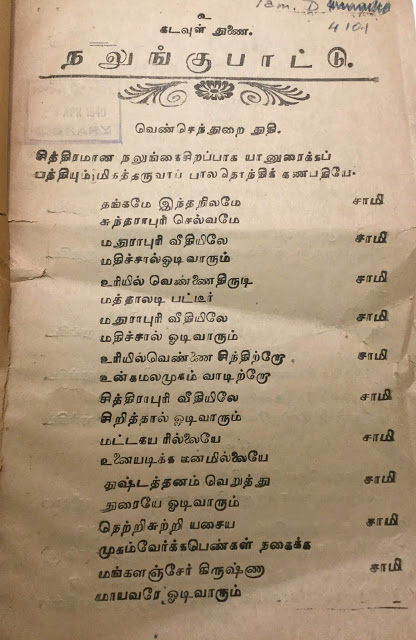
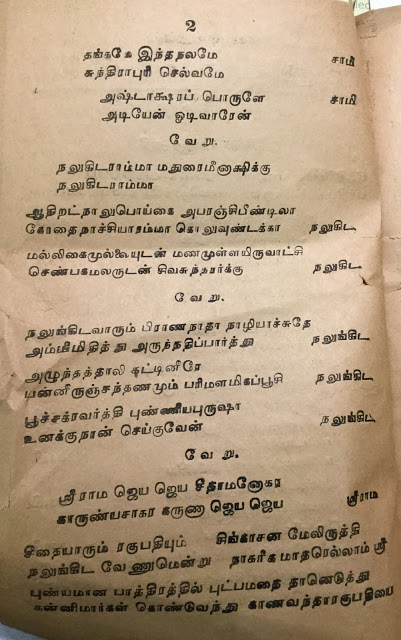
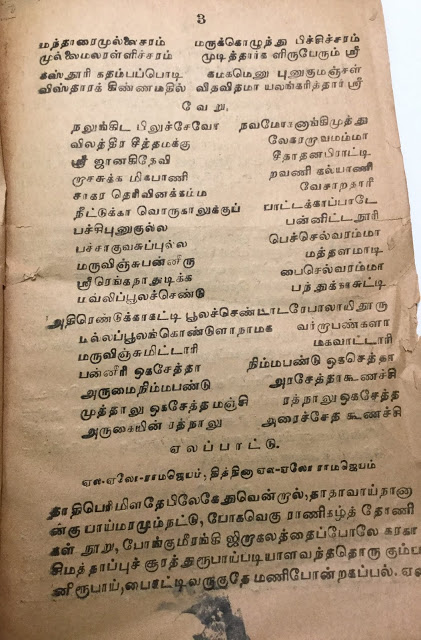
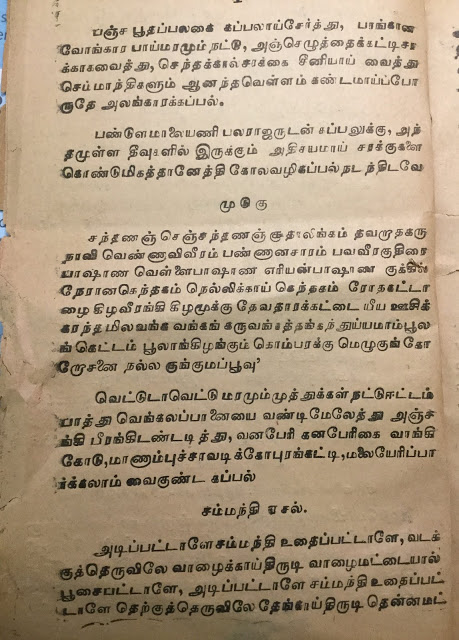
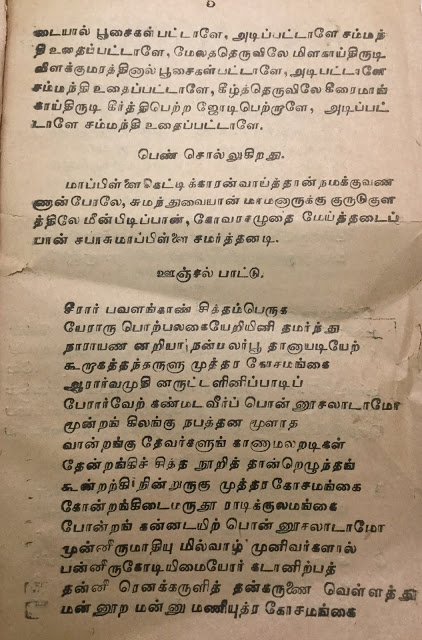
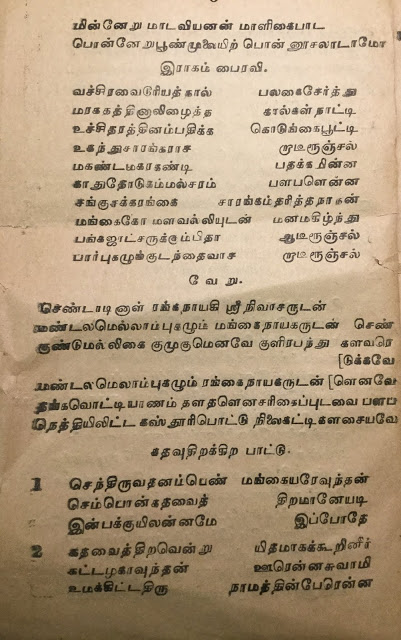
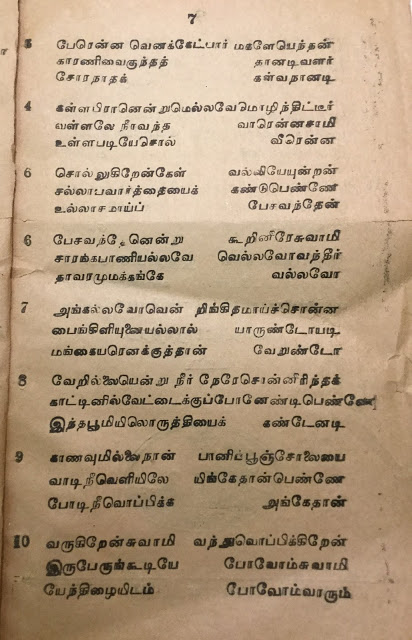
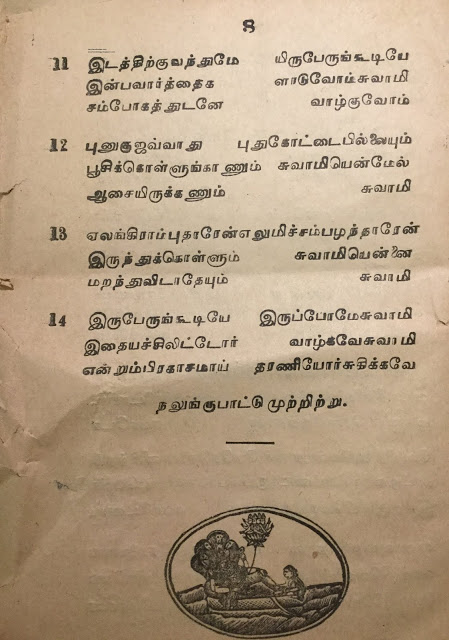
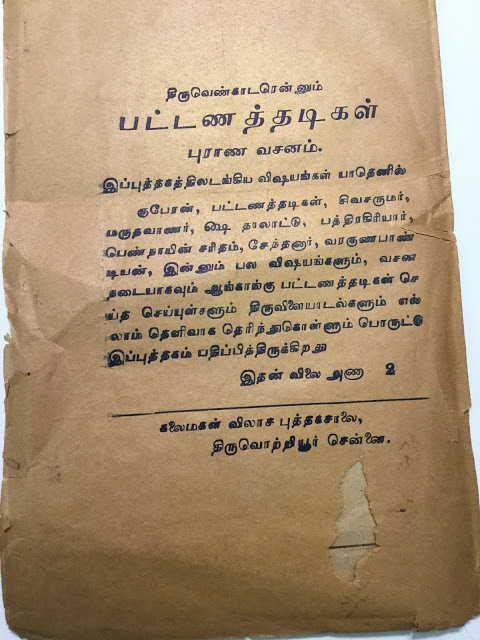
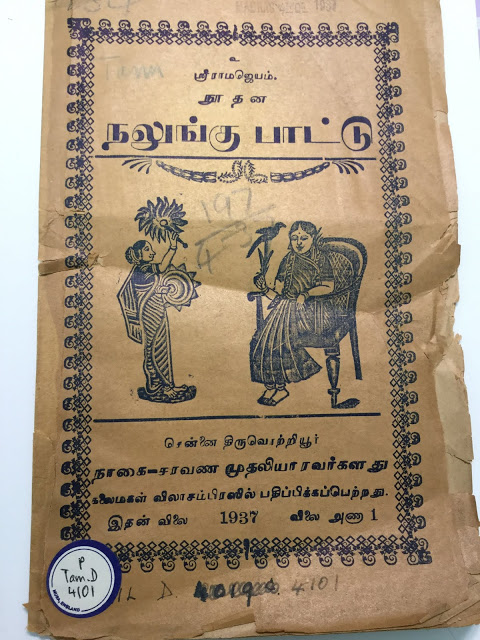
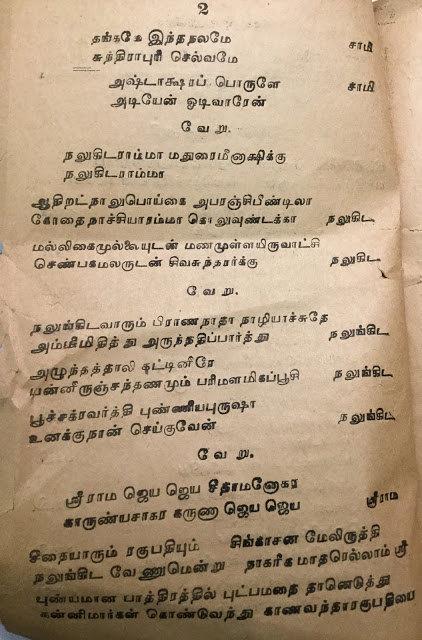
நலுங்கு பாடல்கள் பற்றி ஆராய்ச்சி செய்து வருகிறேன் . ரிக் வேதத்திலும் நலுங்குப் பாடல்கள் இருக்கின்றன. அது பற்றி தனியாக எழுதுகிறேன். இதோ லண்டனில் உள்ள பிரிட்டிஷ் நூலகத்தில் கிடைத்த பழைய நலுங்குப் பாடல் புஸ்தகம். வாசகர்களும் காமெண்ட் பத்தியில் நலுங்குப் பாடல்களையும் அது  பற்றிய தகவல்களையும் கொடுத்தால் எதிர்கால ஆராய்ச்சியாளர்களுக்குப் பயன்தரும்

நூலின் தலைப்பு – நூதன நலுங்குப் பாட்டு

ஆண்டு- 1937

வெளியிட்டவர்- சென்னை திருவொற்றியூர் நாக்கை சரவண முதலியார்

அவர்களது கலை மகள்  பிரஸ்

BREAKING NEWS ஆடிப் போயிருக்கும் சில டி.வி. சானல்கள், பத்திரிகைகள்! (Post No.7665)

Written   by S NAGARAJAN

Post No.7665

Date uploaded in London – 8 March 2020

Contact – swami_48@yahoo.com

Pictures are taken from various sources for spreading knowledge; this is a non- commercial blog.

A request : Please spread this news to all of your friends, relatives…

ஆடிப் போயிருக்கும் சில டி.வி. சானல்களும், பத்திரிகைகளும்!

ச.நாகராஜன்

பரபரப்புச் செய்தி!

டாக்டர் சுப்ரமண்யம் ஸ்வாமி அவர்களின் அப்பீலை ஒட்டி மத்திய அரசுக்கு சுப்ரீம் கோர்ட் நோட்டீஸ் அனுப்பியுள்ளது.

தனது அப்பீலில் டாக்டர் சுப்ரமண்யம் ஸ்வாமி, இந்தியாவில் உள்ள அனைது நியூஸ் சானல்களும், ஊடக நிறுவனங்களும் இந்தியர்களையே சொந்தக்காரர்களாகக் கொண்டிருக்க வேண்டும் என்று கூறியுள்ளார்.

ஆனால் உண்மை என்னவெனில் நியூஸ் சானல்கள் மற்றும் செய்தி நாளிதழ்களில் பெரும்பாலானவை சவூதி அரேபியா, இத்தாலி, அமெரிக்கா, பிரிட்டன் மற்றும் துபாய் குடி மக்களுக்கே சொந்தமாக இருக்கின்றன!

சொந்தம் கொண்ட உரிமையாளர்களின் நிலை இப்படி இருக்க, இந்த ஊடகங்கள் அவற்றின் சொந்தக்காரர்கள் இசைக்கும் பாட்டுக்கு டான்ஸ் ஆட வேண்டிய நிலையில் உள்ளன. அவற்றின் சொந்தகாரர்களுக்கோ  தாங்கள் அடைய வேண்டிய, யாருக்கும் தெரியாத, சொந்தக் குறிக்கோள் இருக்கிறது!

தேசத்தின் நலனைக் கருதி, சுப்ரீம் கோர்ட் இந்த நிலையை மாற்ற தகுந்த ஆணையைப் பிறப்பிக்க வேண்டும் என்று அவரது அப்பீல் முடிகிறது!

      சுபிர்ரிம் கோர்ட் உறுதியான இறுதியான ஒரு ஆணையை டாக்டர் சுப்ரமணியம் ஸ்வாமியின் அப்பீலுக்குத் தந்து விட்டால் – ABP, AAJ TAK, NDTV மற்றும் அதையொத்த சானல்களும் / செய்தித்தாள் ஊடகங்களும்

மூடப்படும்!

இந்த வார்த்தையைக் கேட்ட வினாடியிலிருந்து அந்த ஊடக நிறுவனங்கள் அடி வயிறு கலங்கி ஆடிப் போயுள்ளன.

அவை  கவலையின் உச்சிக்கே போய் விட்டன!

ஆனால் இதில் பரிதாபரகரமான ஒரு விஷயம் என்னவெனில், எப்போதுமே பரபரப்பைப் பரப்பி விட்டுக் கொண்டே இருக்கும் இந்த சானல்கள் இந்த செய்தியை ஃப்ளாஷ் நியூஸாகவும் வெளியிடமுடியவில்லை. டி.வியில் பளீர் செய்தியாகவும் காண்பிக்க முடியவில்லை; செய்தித்தாள்களிலும் தலைப்புச் செய்தியாக வெளியிட முடியவில்லை!

உண்மையான இந்தியர்களாகிய நாம் இந்த செய்தியை தேசம் முழுவதும் உள்ள ஒவ்வொரு குடிமகனுக்கும் கொண்டு செல்வோமாக!

நன்றி : வார இதழ் ட்ரூத், தொகுதி 87- இதழ் 42 21-2-2020 தேதியிட்ட இதழ்

***

அன்பர்கள் இந்த கட்டுரை செய்தியை முடிந்த அளவு அனைவருக்கும் கொண்டு செல்ல வேண்டுகிறேன்.

இதன் ஆங்கில மூலம் :-

Breaking News. 

Against an Appeal by Dr. Subramaniam Swamy, Supreme Court has given Notice to the Central Government…… 

In his Appeal, Dr. Swamy has stated that all News Channels and Media Houses in India should only be owned by Indians. 

But the truth is that a majority of News Channels and News Magazines are owned by Saudi Arabia, Italy, America, Britain and Dubai citizens! 

Because of this ownership status, these Media Houses are made to dance to the tunes of their owners, who have hidden Agendas to achieve! 

His Appeal concludes with a plea that the Supreme Court should pass a suitable Order to end this status in the interest of the Nation!

If the Supreme Court issues a firm and conclusive Order in favour of Dr. Swamy’s Appeal– ABP, AAJ TAK, NDTV and similar other Channels/News Media will be closed! 

From the time this situation has been heard of, these Media Houses have been shaken up to their bones! 

They are really, really worried!

But, it is a pitiable situation that these Media Houses could not highlight this as Flash News in their Telecast or in their printed material! 

It is our duty as a true Indians to take this news forward and spread it to every citizen across the country! 

Thanks to Weekly Magazine TRUTH Vol 87 Issue 42 dated 21-02-2020  

***