Pictures are taken from various sources for spreading knowledge; this is a non- commercial blog.
Women who could Compose Verses in Eight Languages in 24 Minutes! (Post.7663)
Ramabhadramba
Madhuravaani and Raamabhadraambaa were two great poets who were well versed in Telugu and Sanskrit.
We have already seen Madhuravani’s achievement sometime ago.
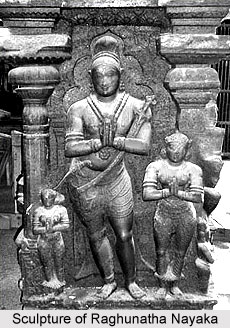
Raama bhadraambaa wrote a historical poem in twelve cantos called ‘Raghunaathaabhyudayam’, describing the political and military events that happened during the reign of Raghunatha Nayaka (1600-34). It is in Sanskrit. Apart from its literary merits, the poem is of very great source of Vijayanagara history. It is a contemporary account of the political revolution which hastened the disintegration and the downfall of the Rayas.
As a poetess she is in no way inferior to Madhuravani. Having chosen a historical theme for her poem, she could not give full play to her poetic fancy and imagination. That was not due to her want of ability, but to the limitation of the subject she had chosen. She has a great power of narration, and her descriptions of battle scenes are lovely. Her style is spontaneous and her verse flows smoothly like an unobstructed stream. Owing to her being adept in the rhetoric, her imagery is varied and original.
Two cantos of the poem describe the accomplishments of the ladies of the Thanjavur court, who could compose with facility verses in eight languages. Some of them could even expound the Vaiseshika philosophy and grammar.
Ramabhadramba herself was a shatalekhini, one who could compose one hundred verses in eight languages in a ‘ghatika’, about 24 minutes. Vijaya vilasam is another poem attributed to her.
RANGAJAMMA received Gold Shower
Rangajamma was the daughter of Paupuleti Venkatadri and Mangalamba. She was a consort of Vijayaraghava Nayaka 1633-1673,
She also was a shatalekhini, and her forte was erotic poetry, though she was skilled in Rajaniti, politics.
Her two Telugu poems are
Mannaarudasavilasam and
Ushaa parinayam
She also wrote the Ramayana saram and Bharata saram and a Yakshaghana play.
Usha parinayam is perhaps the greatest of her works and deserves a place among the great ‘prabandhas’ in the Telugu language. In composing her Yakshaghana, she followed the literary techniques of Vijayaraghava. Her style is simple and homely.
Vijayaraghava who was attracted by her charms and talents, spent most of his time in her company, and in appreciation of her versatility bathed her in a shower of gold, Kanakabisheka.
MUDDUPALANI
Muddupalani was a daughter of a courtesan in the harem of Pratapa sSmha, 1739-1763 of Thanjavur. The Bhonsle rulers of Thanjavur continued the literary and cultural traditions of the Nayaks, whom they supplanted. Like most of the courtesans in the court of Thanjavur, she was highly educated and was proficient in Sanskrit and Telugu. Her command over Telugu was commendable. She was an expert in dance and music; and her skill on the Vina won the admiration of her contemporaries. MUDDUPALANI, was above all, a poetess of great literary merit, and her works are still popular.
She is the authoress of two works
Radhika santwana or Ilavidya and the
Ashtapadi
The former, an erotic poem, describing the loves of Radhika and Krishna, is a work of uncommon literary excellence. Her diction and imagery are fine, her descriptions charming; and the style is simple, homely and graceful.
The Ashtapadi is a Telugu rendering of Jayadeva’s work of the same name. Competent music critics are of opinion that the translation is worthy of the original which gives us an insight into the great musical talents of the authoress.
source book – Great Women of India, Advaita Ashrama, Almora, Year 1953
Pictures are taken from various sources for spreading knowledge; this is a non- commercial blog.
உலகமே வியக்கத்தக்க அளவுக்கு முதல் இலக்கண நூலை யாத்தவர் பாணினி. ‘நம்பரும் திறல்’ என்று பாரதியார் பாடலில் புகழப்பட்டவர். சுருக்கம் என்றால் அப்படிச் சுருக்கமாக, வான் புகழ் வள்ளுவனை விழுங்கிச் சாப்பிடும் அளவுக்குச் சுருக்கமாக 4000 சூத்திரங்களைக் கொண்டு சமஸ்கிருத மொழிக்கு இலக்கணம் கற்பித்தார். அவர் எழுதிய நூலுக்கு அஷ்டாத்யாயீ (எட்டு அத்தியாயம்) என்று பெயர். அவர் 2700 ஆண்டுகளுக்கு முன்னர் தற்போதைய பாகிஸ்தானில் பிறந்தார். அவருக்கு அடுத்த படியாக காத்யாயனர் என்பவர் விளக்க உரை எழுதினார். இவ்வளவு சுருக்கமாக இருந்தால் எதிர்கால சந்ததியினருக்குப் புரியாமல் போய்விடுமே என்று எண்ணி, 500 ஆண்டுகளுக்குப் பின்னர், பதஞ்சலி முனிவர் ‘மஹாபாஷ்யம்’ இயற்றினார். மஹா பாஷ்யம் என்றால் பேருரை என்று பொருள். உண்மையிலேயே அது அளவிலும் சரி, பொருளடக்கத்திலும் சரி, பேருரைதான். அதிலுள்ள சில நயங்களை ஒருவர் ஆங்கிலக் கட்டுரையில் தந்தார். அதன் மொழிபெயர்ப்பு இதோ-
ப்ராயேன ஸம்க்ஷேப ருசினான் அல்பவித்யா பரிக்ரஹான்
ஸம்ப்ராப்ய வையாகராணான் ஸங்க்ரஹே சமுபாகதே
க்ருதே ச பதஞ்சலினா குருணா தீர்த்த தரிசினா
ஸர்வேஷாம் ந்யாய பீஜானாம் மஹாபாஷ்யே நிபந்தனே
–பர்த்ருஹரி
“பெரும்பாலும் காணப்படும் குறைவான அறிவுடையவர்களால், வியாடி எழுதிய ஸங்க்ராஹானை விளங்கிக் கொள்ள முடியாததால் நலிவடைந்து போன இலக்கணத்தை மிகப்பெரிய தீர்க்கதரிசியான பதஞ்சலி முனிவர், எல்லா விதமான மூலச் சொற்களையும் மஹாபாஷ்ய உரையில் விளக்கினார்” – என்று பர்த்ருஹரி புகழ்மாலை சூட்டினார்
பதஞ்சலி முனிவர் கொடுக்கும் பல எடுத்துக்காட்டுகள் அக்கால பாரத சமுதாயத்தை விளங்கிக்கொள்வதற்கு வகை செய்கிறது. விவசாயம், கிராமீ யக் காட்சிகள் , நகர்ப்புற வாழ்வு, பெண்களின் உயர்ந்த கல்வி அறிவு, வரலாறு, பூகோளம் என்று அவர் தொடாத விஷயங்களே இல்லை.
கெட்ட தண்ணீரில் காலை நனைத்தால் நோய் வரும்; கெட்டுப்போன தயிரைப் பயன்படுத்தினால் ஜுரம் வரும் என்பது போல
2200 ஆண்டுகளுக்கு முன்னர் மக்களிடையே இருந்த சுகாதார அறிவையும் மருத்துவ அறிவையும் இதன் மூலம் அறிகிறோம்.
Xxx
ஒருமையில் சொன்னால் போதும்; எல்லாவற்றுக்கும் இலக்கண சுத்தமாகப் பன்மையைப் பயன்படுத்த வேண்டாம் என்றும் விளக்குகிறார்
‘இதம் மே அக்ஷி பஸ்யதி அயம் மே கர்ணஹ சுஸ்து ஸ்ருனோதி’
கண் பார்க்கிறது ; காது கேட்கிறது என்று ஒருமையில் சொல்வர். இருமை/ பன்மை அவசியமில்லை.
Xxxx
ஒருவருடன் உரையாடு கையில் சொற்களைப் பயன்படுத்தும் திறமையை அழகாக விளக்குகிறார். ‘சொல்லுக சொல்லிற் பயனுடைய’ – என்ற வள்ளுவன் வாக்கை நினைவுபடுத்துவதாக இது உள்ளது
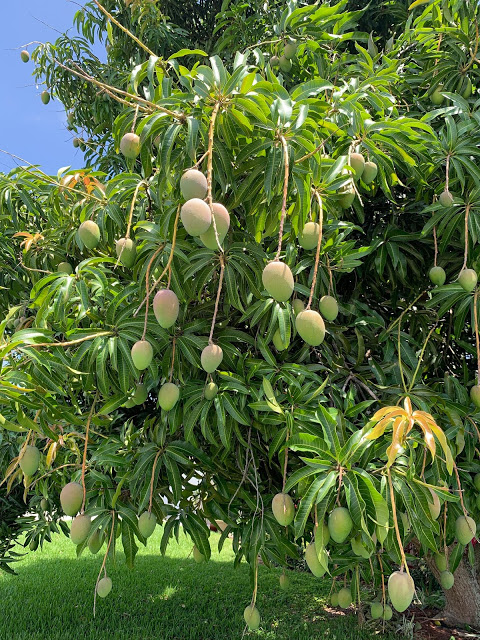
‘ஒரே கல்லில் இரண்டு மாங்காய் அடிப்பது’ என்று தமிழில் சொல்லுவோம். ஒருவர் நீத்தார்க்கு நீர்க்கடன் செய்ய நினைத்தார். அட, மாமரத்தின் அடியில் செய்தால் மாமரத்துக்குத் தண்ணீர் விட்ட பயனும் கிட்டும் நீத்தார்க் கடனையும் முடித்ததாக இருக்கும் என்று மாமரத்துக்கு அடியில் தர்ப்பணம் செய்தாராம்;
Xxxx
இரு பொருள் தரும் சொற்களை இவ்வாறு விளக்குகிறார்
ஸ்வேதா (White) தாவதி
நாய் ஓடியது ; வெள்ளை ஓடியது .
Xxx
உரிச் சொற்களைப் பயன்படுத்துவதிலும் அ ல்பம் என்ற இடத்தில் ஹ்ரஸ்வம் வரா து என்று காட்டுகிறார்–
அல்பம் க்ருதம் அல்பம் தைலம் இத்யுச்சதே ந புனஹ
ஹ்ரஸ்வம் க் ருதம், ஹ்ரஸ்வம் தைலம்
அல்பம் என்றால் குறைவான என்று பொருள் நெய் குறைவு , எண்ணெய் குறைவு என்று சொல்லலாம் ஆனால் குள்ளமான / ஹ்ரஸ்வம் என்ற சொல்லை அங்கே பயன்படுத்த மாட்டோம்.
தமிழிலும் கூட கன்றுக் குட்டி, அணில் பிள்ளை , பன்றிப் போத்து, கோழிக் கு ஞ்சு என்று சொல்கிறோம்.
Xxxx
சம்ஸ்கிருதத்தில் வர்ணங்களைப் பயன்படுத்துவதிலும் கூட சில விதி முறைகள் உண்டு—
சமானே ரக்தே கௌஹு லோஹித அஸ்வ சோனஹ
சமானே காளார்த்தே கௌஹு க்ருஷ்ண அஸ்வ ஹேமஹ
சமே தவளார்த்தே கௌஹு ஸ்வேதஹ அஸ்வ கர்கஹ
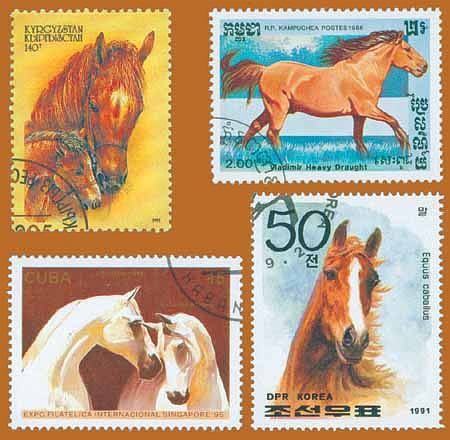
சிவப்பு நிறப் பசுவை ‘ரத்த’ வர்ணம் எனலாம் ; சிவப்பு நிற குதிரையை சோனக என்போம் .
கருப்பு நிறப் பசுவை க்ருஷ்ண வர்ணம் எனலாம் ; கருப்பு நிற குதிரையை ஹேம வர்ணம் என்போம்.
வெள்ளை நிறப்பசுவை ஸ்வேத வர்ணம் எனலாம் ; வெள்ளை நிற குதிரையை கர்கஹ என்போம்.
அதாவது வர்ணம் ஒரே வர்ணம்தான்; ஆனால் பசு, குதிரைகளின் நிறத்தைக் குறிப்பிடுகையில் வெவ்வேறு வர்ண சொற்கள் பயன்படுத்துவது மரபு..
உலகத்தில் நாம் காண்பது என்ன ? இரண்டாவது பிச்சை கிடைத்தாலும் முதலில் கிடைத்த பிச்சையைத் தூக்கி எறிவதில்லை. அவன் எல்லாவற்றையும் சேர்த்து வை த்துக் கொள்வான் ; இதை அவர் உரிச் சொற்களின் தேவையை விளக்குகையில் எடுத்துக் காட் டாகத் தருகிறார் . சாதாரணமாக நாம் காணும் காட்சியை க் கொண்டு இலக்கண விதிகளை அவர் விளக்கும் பாங்கு மிகப்பெரிய, அரிய பாணினி இலக்கணத்தை எவரும் புரிந்துகொள்ள உதவுகிறது. பாணினி ‘உயிர்’ என்றால், பதஞ்சலி எழுதியதை ‘உடல்’ என்று சொல்லலாம்.
xxxx
வெவ்வேறு உடைகளுக்கு வெவ்வேறு பெயர்கள் சொல்லப்படும்
அன்யேன சுத்தம் தவுத்கம்
அன்யேன சேபாலிகம்
அன்யேன மாத்யமிகம்
Xxx
ஊர்க் குருவி உயர உயரப் பறந்தாலும் பருந்து ஆகிவிடாது
‘காப்பி’ அடிப்பதில் (Imitating) பயனில்லை என்று ஓரிடத்தில் விளக்குகையில்
ந கல்வன்யத் ப்ராக்ருதமனு வர்த்தநாத் அஞ்ஞாத நஹி கோதாஹா ஸர்பந்தி ஸர்பனாதஹிர் பவதி .(பாம்பு போல வளைந்து நெளிந்து உருண்டாலும் கீரி , பாம்பு ஆகிவிடாது) .
அதாவது பிறரைப் பார்த்து அவர் போல நடித்தாலும் குணம் வேறுபடாது .
எவன் ஒருவன் உடனடியாகச் செய்யவேண்டியதை தாமதமாகச் செய்கிறானோ அவன் குளிர்ந்தவன்
எவன் ஒருவன் உடனடியாகச் செய்யவேண்டியதை உடனே செய்கிறானோ அவன் வெப்பமானவன்
வெப்பம், குளிர் என்பதையும் குணங்களுக்குப் பயன்படுத்துவதற்கு இவை எடுத்துக் காட்டுகள்.
மேலை நாடுகள் குளிர்ப் பிரதேச நாடுகள் ; ஆகவே இங்கு வெப்பம் போற்றப்படும். ஒருவருக்கு உற்சாக வரவேற்பு என்பதை இளம் சூட்டு – warm welcome வார்ம் வெல்கம் — வரவேற்பு கொடுக்கப்பட்டது என்பர்.
வெப்ப நாடான இந்தியாவில் அவர்கள் பேசும் மொழிகளில் இது எதிர்மறையான பொருளைத் தரும்
xxx
‘காஸுக்ருஸ்தா ப்ராஹ்மணி’ என்ற சொல் அக்காலத்தில் மீமாம்ச சாஸ்திரத்தில் வல்ல பெண்கள் இருந்ததைக் காட்டும்; பெண்கள் கல்வி உயர் நிலையில் இருந்தது.
Source (with my inputs from Tamil literature)
Article written by P .Narayanan Namputiri in
New Horizons of Indological Research , Edited by Dharmaraj Adat , KAIR, 2013
Pictures are taken from various sources for spreading knowledge; this is a non- commercial blog.
நம்ம ஊர் திராவிடங்களுக்கு பக்தர்கள் கொடுத்த, கொடுக்கும் சூடான பதில்கள் எல்லோரும் அறிந்ததே.
“அவருடைய நாவில் சரஸ்வதி தேவி தவழ்கிறாள்” என்று உபன்யாசகர் சொன்னார் .
ஒரு திராவிடன் கேட்டான்- ஐயா! அவர் நாவில் சரஸ்வதி தேவி வசித்தால் , சிறுநீர் கழிக்க எங்கே போவாள்? என்று கேட்டான்.
உபன்யாசகர் சொன்னார்- “அப்போது மட்டும் உன்னுடைய நாக்கிற்குள் வந்து விடுவாள் என்று !”
இதே மாதிரி “அதோ இருக்காண்டா , பூ ணுல்காரன் ! என்று ஒரு திராவிடம்” கத்திய ‘ஜோக்’கை முன்னரே எழுதிவிட்டேன்.
இதே போல சீனாக்காரனிடம் ஒரு வெள்ளைக்காரன் நமட்டு விஷமம் செய்தா ன் ; அவன் கொடுத்த சூடான பதில் இதோ—
ஒரு வெள்ளைக்கார அதிகாரியிடம் வேலை பார்த்த சீன ஊழியர் ,
“ஐயா ! நாளை ஒரு நாள் விடுமுறை வேண்டும். நெருங்கிய சொந்தக்காரர் இறந்துவிட்டார் ;இறுதிச் சடங்கிற்குப் போகவேண்டும்” என்று சொன்னார் .
அதிகாரியும் “சரியப்பா , போய் வா” என்று அனுமதி கொடுத்துட்டு …….
“உங்கள் சீன வழக்கப்படி நீயும் கல்லறையில் உணவு படைப்பாயோ ?” என்று விஷமத்த தொனியில் வினவினார்.
சீனாக்காரனுக்கு என்னவோ போல் இருந்தது .
“ஆமாம் ஐயா , கட்டாயம் உணவு படைப்பேன்” என்று விடையிறுத்தான் .
அந்த அதிகாரிக்கு விஷமம் அதிகரித்தது.
“செத்துப்போனவர் எப்போது அதைச் சாப்பிடுவார் ?” என்று நமட்டுச் சிரிப்புடன் வினவினார் .
அவன் பதில் வில்லில் இருந்து பாய்ந்த அம்பு போல வந்தது. அம்பு போலவே வெள்ளைக்காரன் நெஞ்சில் பாய்ந்தது —
“ஐயா, போன வாரம் நீங்கள் உங்கள் நெருங்கிய உறவினர் மரணத்துக்குப் போய்விட்டு கல்லறையில் மலர்கள் வைத்துவிட்டு வந்தீர்கள் அல்லவா ? செத்துப்போன உங்கள் உறவினர் அந்த மலர்களின் மணத்தை முகர வரும் நாளன்று எங்கள் உறவினரும் கல்லறையில் இருந்து வந்து படைத்த உணவை அருந்திவிடுவார்” என்றார் .
வெள்ளைக்காரனுக்கு சுரீர் என்றது.
இதைத்தான் தமிழில்’ நாயை அடிப்பானேன் பீயைச் சுமப்பானேன்’ என்றும் புகல்வர் பழமொழி அறிந்தோர்!
Pictures are taken from various sources for spreading knowledge; this is a non- commercial blog.
MAHA PRAJAPATI GAUTAMI ( correct spelling of the woman’s name given above in Pali language) was the daughter of Suppabhudda of Sakyan village of Devadaha. She was the younger sister of Mahamaya, (Mahaa Mayaa), mother of Siddhartha Gautama. Both the sisters were married to King Suddhodana. Queen Mahamaya died seven days after giving birth to Siddhartha. Her sister became the Queen and took care of Siddhartha and nursed him as her own child. She gave birth to a son called Nanda and a daughter called Sundari nanda. She entrusted the care of her own children to nurses and she herself raised Siddhartha.
After the attainment of wisdom, Siddhartha Gautama Buddha paid a visit to Kapilavastu and delivered a few discourses. King Suddhodana became a lay convert and others in the family joined the order. After the death of Suddhodana, Gotami became dejected and determined to renounce worldly life. At that time a war broke out between Sakhyans and Koliayans over drawing water from river Rohini. Both the clans lost lot of people in the fight. Several widows approached Gotami and wanted to become Buddhist nuns. Buddha was residing at Vaishali at that time. But Buddha turned Gotami’s request to become a nun on a previous occasion.
So Mahapajapati Gotami and 500 women had their hair cut, put on yellow robes and then went to Vaishali city to meet the Buddha. He was very unwilling to form an order of nuns. But his chief disciple Ananda begged to him to give permission. He insisted that equal opportunity should be given to women to attain salvation. Buddha at last permitted women to become nuns and imposed eight conditions. Even a Queen must obey a young (man) Bikshu, who just joined the order. Considering the weakness of women, he made men superiors. A bikshu can admonish a nun/ bikshuni, but not vice versa. Other conditions were also like these.
MAHAPAJAPATI Gotami did meditation and attained perfection soon. She lived up to the age of one hundred and twenty and was declared by the Master as ‘the oldest and most experienced of ordained nuns’. Buddha did not show any special considerations to her.
It is said that on one occasion he refused to accept the excellent robe made by her with extraordinary materials. She was very much disappointed and even Ananda’s intercession on her behalf was of no avail. He ordered her to give it to Sangham. But Buddha paid her several visits when she was on death bed and gave her suitable discourses . He altered only one rule. Previously no monk should go near the bed of a sick bikshuni. Now that rule was changed.
The Theri gatha, story of Nuns, attributes a few gathas to her. She offered her respects to Buddha saying that he saved many a being from the world of suffering. She practised eight fold path and it was her last birth.
Theri gatha
The only Pali text which throws any light on the spiritual attainments of women is the Theri Gaathaa, a small text containing only 522 stanzas said to have been uttered by several nuns giving expression to their joy at the attainment of highest spiritual goal, ‘nirvana’. The commentary on this text Paramaththa Dipani furnishes us with biographical accounts of Theris, but many of them seem to have been drawn from imagination.
Source book – Great Women of India, Advaita Ashrama,Almora 1953
Pictures are taken from various sources for spreading knowledge; this is a non- commercial blog.
சாகும்போதும் சூதாட்டம் ஆடியவர்
ஸ்க்ரோப் டேவிஸ் ( Scrope Davies 1782-1852) என்பவர் சூதாட்ட மன்னன். இங்கிலாந்தில் ஹார்ஸ்லியில் பிறந்த பிரமுகர். இவர் நகைச் சுவை மன்னரும் கூட . பிரபல ஆங்கிலக் கவிஞரான பைரன் (Lord Byron) பிரபுவின் நண்பர் என்பதால் ‘பூவோடு சேர்ந்த நாறும் மணம் பெறும்’ என்பது போல எல்லோருக்கும் தெரிந்த நபர்.
ஸ்க்ரோப் டேவிஸ் மரணப்படுக்கையில் கிடந்தார்; டாக்டர் வந்தார்;சாவு மணி அடித்தார் . ‘நாளை காலை எட்டு மணிக்குள் உம்முடைய உயிர் பிரியும் ; வேண்டுவதை செய்துகொள்ளுங்கள்’ என்று எச்சரித்தார். டேவிஸும் மிகவும் ஸீரியஸாக அதைக் கேட்டார் . டாக்டருக்கு தக்க மரியாதை செய்து குட் பை (Good Bye) சொன்னார் . அப்பொழுதும் அவருக்கு சூதாட்டமும் மறக்கவில்லை ;நகைச் சுவை உணர்வும் அழியவில்லை . டாக்டரை அவசரமாக ‘சார் உள்ளே வாருங்கள் ; ஒரு முக்கிய விஷயம் .ஐந்து கினி (five Guineas) பணம் பந்தயம் கட்டுகிறேன் . நான் காலை 9 மணி வரை உயிருடன் இருப்பேன் ; பந்தயம் கட்டத் தயாரா ? என்றார் .
‘தொட்டில் பழக்கம் சுடுகாடு மட்டும்’ என்ற பழமொழி உண்மைதான் !
Xxxx
சாகும்போது விடுகதையா ?
ஒரு மனிதன் மரணப் படுக்கையில் கிடந்தான் . வழக்கம்போல கிறிஸ்தவ பாதிரியார் துதி பாட வந்தார் ; ஐயா, செத்துக் கொண்டு இருக்கிறீர்களே ; எந்த தேவன் உம்மை ரட்சிப்பான் என்று நினைவிருக்கிறதா? என்று கேட்டார்.
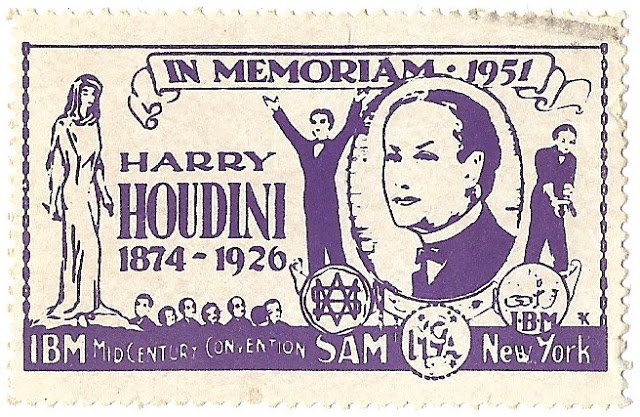
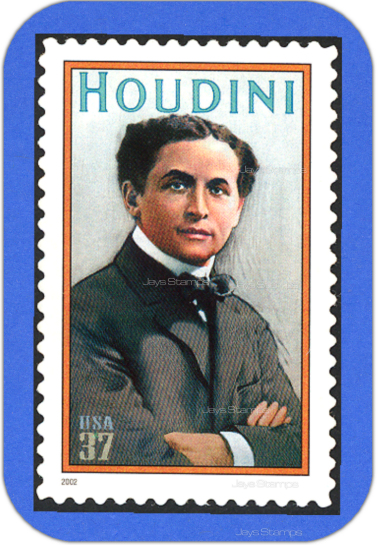
உலகப் புகழ்பெற்ற மந்திரவாதி ஹாரி ஹுடினி (Harry Houdini, died in 1926) ; ஹங்கேரியில் பிறந்தவர் ; அமெரிக்காவில் வளர்ந்தவர் ; இந்தியாவின் கயிறு வித்தை மந்திரவாதிகள் (Indian Rope Trick) போல மாயமாய் மறைவார் . ஸ்டண்ட்(Stunt) வித்தை மன்னன். 1926ல் அவர் இறந்தார் . அவரது சவப்பெட்டியைத் தூக்கும் பாக்கியம் ஹாலிவுட்டின் இரண்டு புகழ்பெற்ற திரைப்படத் தயாரிப்பாளர்களுக்குக் கிடைத்தது ; அவர்களில் ஒருவர் பெயர் சார்ல்ஸ் டில்லிங்ஹம் (Charles Dillingham) ; இரண்டாமவர் பெயர் பிளாரன்ஸ் செக்பெல்டு (Florence Ziegfeld) . அழகான , கனமான சவப்பெட்டியை இருவரும் தோளில் ஏற்றிக் கொண்டனர்.
அப்போது டில்லிங்ஹம் ஒரு ஜோக் அடித்தார் –
ஏ , சிக்பெல்ட் ! ஒருவேளை அவர் சவப்பெட்டியில் இல்லையோ ! வழக்கம் போல ஸ்டண்ட் அடித்து எஸ்கேப் ஆயிருந்தால் ………….! நல்ல வேளை இதை அவர் காதுக்குள் கிசுகிசுத்தார்; உரக்கச் சொல்லவில்லை !
Pictures are taken from various sources for spreading knowledge; this is a non- commercial blog.
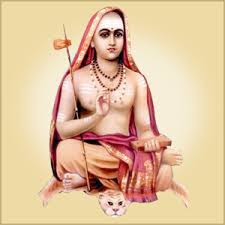
ஆதி சங்கரர் அருளிய நூல்கள் – 1 – பஜகோவிந்தம் – கட்டுரை எண் 7579 – வெளியான தேதி 16-2-2020; ஆதி சங்கரர் அருளிய நூல்கள் – 2 – சிவானந்த லஹரி – கட்டுரை எண் 7611 – வெளியான தேதி 24-2-2020
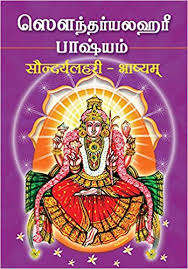
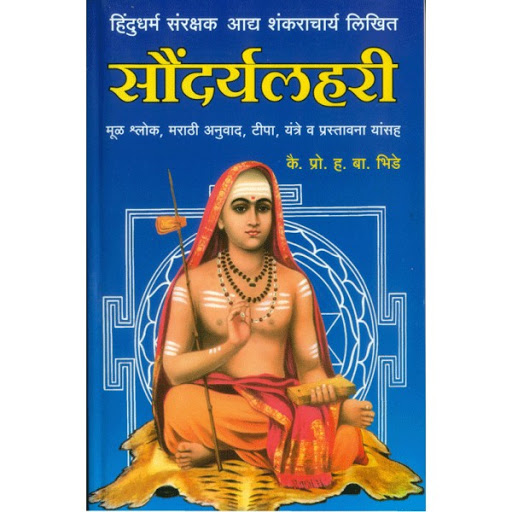
ஆதி சங்கரர் அருளிய நூல்கள் – 3 – சௌந்தர்ய லஹரீ
ச.நாகராஜன்
3. சௌந்தர்ய லஹரீ
நூறு சம்ஸ்கிருத ஸ்லோகங்களைக் கொண்ட நூல் சௌந்தர்ய லஹரீ.
இதைப் பற்றி மிக விரிவாக காஞ்சி காமகோடி பரமாசார்யாள் தனது உரைகளில் எடுத்துரைத்துள்ளார். நூலின் ரஹஸ்ய அர்த்தங்களைத் தெரிந்து கொள்ளவும், பெருமையைப் புரிந்து கொள்ளவும் அதைப் படிக்க வேண்டியது மிக அவசியம்.
அவரது உரையின் ஒரு சிறிய பகுதி இங்கு (நூல் பற்றிய அறிமுகத்திற்காக)
பவானி – பவன் எனப் பெயர் பெற்ற பரமசிவனுடைய பத்தினியே
த்வம் – நீ
தாஸே மயி – அடிமையாகிய என்னிடத்தில்
ஸகருணாம் – கருணையுடன் கூடின
த்ருஷ்டிம் – பார்வையை
விதர – செலுத்தியருள்வாயாக
இதி – என்று
ய; – எவனாவது ஒருவன்
ஸ்தோதும் – துதி செய்ய
வாஞ்ச்சன் – விரும்பி
‘பவானி த்வம்’ – ‘பவானி நீ என்ற இரண்டு வார்த்தைகளை
கதயதி – சொன்னால்
ததைவ – அப்போதே
த்வம் – நீ’
தஸ்மை – அவனுக்கு
முகுந்த-ப்ரஹ்ம- இந்த்ர -ஸ்புட- முகுட- நீராஜித பதாம்– விஷ்ணு, பிரம்மா, இந்திரன், ஆகியவர்களின் கிரீட ஒளியால் நீராஜனம் செய்யப் பெற்ற திருவடிகளையுடைய
நிஜ – ஸாயுஜ்ய பதவீம் – உனது ஸாயுஜ்ய பதவியை
திசஸி – அளிக்கிறாய்
(பதவுரை – அண்ணா, ஸ்ரீராமகிருஷ்ண மடம் நூல்)
நமஸ்கரித்தல், ஆசி கூறுதல், சித்தாந்தத்தை எடுத்துக் கூறுதல், பராக்கிரமத்தைப் புகழ்தல், பெருமைகளை விளக்குதல், பிரார்த்தனை செய்தல் ஆகிய ஆறு ஸ்தோத்திர லக்ஷணங்களைக் கொண்ட சௌந்தர்ய லஹரீ ஆதி சங்கரரின் அற்புதமான நூலாகும்.
ஒவ்வொரு ஸ்லோகத்திற்கும் ஒரு பிரத்யேக பலன் உண்டு என்பதை மந்த்ர சாஸ்திர விற்பன்னர்கள் கூறுகின்றனர்.
லிப்கோவின் ஸ்ரீசௌந்தர்ய லஹரீ என்னும் நூல் ஒவ்வொரு ஸ்லோகத்திற்குமான பயனை விளக்குகிறது இப்படி:
முதல் ஸ்லோகத்திலிருந்து நாற்பத்தி ஒன்றாம் ஸ்லோகம் முடிய வரிசைப்படி பலன்கள்:
எல்லா நன்மைகளும் பெற, ஜடப்பொருளால் தடை நீங்க, வேதப் பொருள் விளங்க, வியாதிகள் நீங்க, அனைவரையும் வசீகரிக்க, தம்பதிகளுக்குள் ப்ரேமை ஏற்பட, சத்ருக்களை வெற்றி கொள்ள,சம்சார பந்தம் நீங்க, பஞ்ச பூதங்கள் ஸ்வாதீனமாக, சரீர சுத்தியுண்டாக, மலடு நீங்க, கவிதை உண்டாக, ஸ்திரீ வஸ்யம் உண்டாக, துர்பிக்ஷம் நீங்க, கவிதை புனையும் வல்லமை ஏற்பட, சபையோரை மகிழ்விக்க, சகல கலைகளிலும் வல்லமை பெற, ஸ்திரீ வஸ்யம் உண்டாக, ஸ்திரீ மோஹனத்திற்காக,விஷ பயம் நீங்க, மக்களிடம் மரியாதை பெற, இக லோக சுகம் பெற, வியாதி கடன் தொல்லை நீங்க, பேய், பூதத் தொல்லை நீங்க, உயர் பதவி கிடைக்க, பகைமை நீங்க, ஆத்ம ஞானம் உண்டாக, அபம்ருத்யு பயம் நீங்க, முரட்டுத் தனம் நீங்க, எண்வகை சித்தி பெற, ராஜ வஸ்யம் பெற, தங்கம் செய்யும் வழியை அறிய, செல்வம் செழிக்க, சந்தேகம் நீங்க, மார்பு நோய் நீங்க, பயங்கர ரோகங்கள் நீங்க, பிசாசு, பீடை நீங்க, குழந்தைகளின் நோய்கள் நீங்க, துர் ஸ்வப்னம் (கெட்ட கனவு) நீங்க, வருங்காலம் உணர,வயிற்று வலி நீங்க.
இன்னும் 42 முதல் 100 முடிய உள்ள ஸ்லோகங்களுக்கும் இதே போல பலன்கள் தனித்தனியே உண்டு. இவற்றை புத்தகத்தில் காணலாம்.
ஸ்லோகங்களை குரு மூலமாக உபதேசம் பெறுதல் சிறப்பாகும்.
சௌந்தர்ய லஹரீ கூறும் மந்திர, யந்திர மகிமைகளை வல்லார் மூலம் அறியலாம்.
எல்லையற்ற தேவியின் மஹிமையை உணர ஒரு அற்புத நூல் சௌந்தர்ய லஹரீ!























 Tamil and Vedas