Pictures are taken from various sources; beware of copyright rules; don’t use them without permission; this is a non- commercial, educational blog; posted in swamiindology.blogspot.com and tamilandvedas.com simultaneously. Average hits per day for both the blogs 12,000
9 Dec 2014 – Dr R Nagasamy ,an eminent archaeologist, historian and a Tamil-Sanskrit scholar has written several books on Tamil culture. கட்டுரையை எழுதியவர் … அதிசயம் 5 அகநானூற்றில் பல காடுகளின் பெயர்கள் வருகின்றன. அவை … Related. அகநானூறு அதிசயங்கள்– பகுதி 1In “தமிழ் பண்பாடு”.
MYSTERIOUS MEDICINAL PROPERTIES OF THE SOMA PLANT IN RIG VEDA (Post No.7069). Oct 7th … Oct 1st. கவிதையில் இலக்கண அதிசயம்! வேற்றுமைக் கவிதைகள்!! … MY TAMIL BOOK. Sep 23rd.
Pictures are taken from various sources; beware of copyright rules; don’t use them without permission; this is a non- commercial, educational blog; posted in swamiindology.blogspot.com and tamilandvedas.com simultaneously. Average hits per day for both the blogs 12,000.
வெற்றி பெற்ற மேதைகள்
கடைப்பிடிக்கும் 10 விஷயங்கள்!
ச.நாகராஜன்
டாக்டர் ஹென்றி க்ளவுட் எழுதியுள்ள நெவர் கோ பேக் : 10 திங்ஸ் யூ வில் நெவர்
டூ எகெய்ன் என்ற புத்தகம் வெற்றி பெற்ற மேதைகள் திருப்பிச் செய்யாத 10 விஷயங்களைச்
சொல்கிறது.
அந்த 10 விஷயங்களை அலசிப் பார்த்தால் நமக்குக் கிடைக்கும் முக்கிய
கருத்துக்கள் :
ஒரு வேலையோ அல்லது உறவில் விரிசலோ எதானாலும் சரி, ஒரு நல்ல காரியத்தை
முன்னிட்டு முடிந்து விட்டது என்றால் அதை மீண்டும் திருப்பிக் கிளறக் கூடாது.
எந்த ஒரு காரியத்தைச் செய்தாலும், இதை நான் ஏன் செய்கிறேன், இதற்கு நான்
தகுதியானவன் தான, இது எனக்குப் பொருந்துமா, இது நீடித்து நிலைக்குமா என்று கேட்க
வேண்டும். ஆம் என்ற பதில் கிடைத்தால் அதைச் செய்ய வேண்டும்.
இன்னொருவரை மாற்ற முயலுதல் : இன்னொருவரை மாற்ற முயலாமல் இருந்தால் அவருக்குத்
தனது சுதந்திரத்தை நீங்கள் வழங்குகிறீர்கள். அதன் விளவாக என்ன ஏற்படும் என்பதை அனுபவிக்க
அவரை அனுமதிக்கிறீர்கள். இப்படிச் செய்தால் உங்களது சுதந்திரமும் உறுதிப் படுகிறது.
அனைவரையும் திருப்திப் படுத்த எண்ணுதல்
: அனைவரையும் திருப்திப் படுத்த ஒருக்காலும் முடியாது என்பதை அறிந்து கொண்டால் நீங்கள்
நல்ல இலட்சிய வாழ்க்கையை வாழ முடியும்.சரியான நபர்களை மட்டும் திருப்திப் படுத்த முடியும்.
நீண்ட காலப் பயனை விட்டு விட்டு குறுகிய கால சுகத்தை அனுபவிக்க நினைப்பது :
கொஞ்சம் கஷ்டத்தை அனுபவிப்பதானாலும் நீண்ட காலப் பயன் தரும் விஷயத்திற்காக வெற்றிகரமாக
வாழ விரும்புவோர் அந்த வழியையே தேர்ந்தெடுப்பர்.
6) ஒரு வித குறைபாடும்
இல்லாதவரை நம்புதல் : உலகில் பிரமாதமான ஆட்களையே அனைவரும் விரும்புவது இயல்பு. ஆனால்
உலகத்தில் உள்ள அனைவரும் ஏதோ ஒரு விதத்தில் சிறு குறையுடன் தான் இருப்பர். அதை அப்படியே
ஏற்றுக் கொள்ளத் தான் வேண்டும்.
7) ஒரு சிறு சம்பவம்
முழு கதையாக ஆகி விடாது : ஒரு விஷயத்தின் முழு உருவத்தை நாம் அறியும் போது நன்கு செயல்
பட முடியும்; நமது வாழ்க்கையில் திறம்படச் செயலாற்ற முடியும். ஒரு சிறு சம்பவம் முழுக்
கதை அல்ல. இதை வெற்றியாளர்கள் ஒவ்வொரு நாளும்நன்கு மனதில் பதிய
வைக்கின்றனர்.
8) முழுதுமாகப் புரிந்து
கொள்ளுதல் : வெளிப்பார்வைக்கு எது எப்படி இருந்தாலும், பிரமாதமாக இருந்தாலும் ஆழ்ந்து
உன்னிப்பாக ஒன்றைக் கவனிக்கும் போது அதன் உண்மை நிலையை நம்மால் புரிந்து கொள்ள முடியும்.
பின்னர் நாம் செயலாற்றலாம்.
9) நாம் ஏன் இப்படி
இருக்கிறோம் எனக் கேள்வி கேட்டல் : வெற்றியாளர்கள் எப்போதுமே தன்னைத் தானே நான் இந்த
நிலையில் என்ன பங்கை வகிக்கிறேன் என்ற கேள்வியைக் கேட்டுக் கொள்வர். சூழ்நிலை ஒன்றில் அவர் பாதிக்கப்பட்டவராக இருந்தாலும்
கூட தான் பாதிக்கப்பட்டதாக நினைக்காமல் உண்மை நிலையை அறியக் கேள்விகளைக் கேட்பர்.
10. வெளி வாழ்க்கையும்
உள் வாழ்க்கையும் : வெற்றியாளர்களுக்கு அந்தக்கரண வாழ்க்கை என்னும் உள் வாழ்க்கையே
முக்கியமானது. இது அழகாக, வெற்றி தரும் ஒன்றாக இருக்கும் போது அது வெளியிலும் பரிணமிக்கிறது;
கட்டுரையின் ஆங்கில வடிவம் இதோ!
June 24, 2014
“Never go back.” What does that mean?
From observations of successful people, clinical psychologist and author
of Never Go Back: 10 Things You’ll Never Do Again(Howard Books, June 2014), Dr. Henry Cloud has
discovered certain “awakenings” that people have—in life and in business—that
once they have them, they never go back to the old way of doing things. And
when that happens, they are never the same. In short, they got it.
Successful people never again…
1. Return to what hasn’t worked.
Whether a job, or a broken relationship
that was ended for a good reason, we should never go back to the same thing,
expecting different results, without something being different.
2. Do anything that requires them to be
someone they are not.
In everything we do, we have to ask
ourselves, “Why am I doing this? Am I suited for it? Does it fit me? Is it
sustainable?” If the answer is no to any of these questions, you better have a
very good reason to proceed.
3. Try to change another person.
When you realize that you cannot force
someone into doing something, you give him or her freedom and allow them to
experience the consequences. In doing so, you find your own freedom as well.
4. Believe they can please everyone.
Once you get that it truly is impossible
to please everyone, you begin to live purposefully, trying to please the right
people.
5. Choose short-term comfort over
long-term benefit.
Once successful people know they want
something that requires a painful, time-limited step, they do not mind the
painful step because it gets them to a long-term benefit. Living out this
principle is one of the most fundamental differences between successful and
unsuccessful people, both personally and professionally.
6. Trust someone or something that
appears flawless.
It’s natural for us to be drawn to
things and people that appear “incredible.” We love excellence and
should always be looking for it. We should pursue people who are great at what
they do, employees who are high performers, dates who are exceptional people,
friends who have stellar character, and companies that excel. But when someone
or something looks too good to be true, he, she, or it is. The world is
imperfect. Period. No one and no thing is without flaw, and if they appear that
way, hit pause.
7. Take their eyes off the big picture.
We function better emotionally and
perform better in our lives when we can see the big picture. For successful
people, no one event is ever the whole story. Winners remember that – each and
every day.
8. Neglect to do due diligence.
No matter how good something looks on
the outside, it is only by taking a deeper, diligent, and honest look that we
will find out what we truly need to know: the reality that we owe ourselves.
9. Fail to ask why they are where they
find themselves.
One of the biggest differences between
successful people and others is that in love and in life, in relationships and
in business, successful people always ask themselves, what part am I playing in
this situation? Said another way, they do not see themselves only as victims,
even when they are.
10. Forget that their inner life
determines their outer success.
The good life sometimes has little to do
with outside circumstances. We are happy and fulfilled mostly by who we are on
the inside. Research validates that. And our internal lives largely contribute
to producing many of our external circumstances.
And, the converse is true: people who
are still trying to find success in various areas of life can almost always
point to one or more of these patterns as a reason they are repeating the same
mistakes.
Everyone makes mistakes…even the most
successful people out there. But, what achievers do better than others is
recognize the patterns that are causing those mistakes and never repeat them
again. In short, they learn from pain—their own and the pain of others.
A good thing to remember is this: pain
is unavoidable, but repeating the same pain twice, when we could choose to
learn and do something different, is certainly avoidable. I like to say, “we
don’t need new ways to fail….the old ones are working just fine!” Our task, in
business and in life, is to observe what they are, and never go back to doing
them again.
Pictures are taken from various sources; beware of copyright rules; don’t use them without permission; this is a non- commercial, educational blog; posted in swamiindology.blogspot.com and tamilandvedas.com simultaneously. Average hits per day for both the blogs 12,000.
“, ஹலோ யார் பேசறது? என்ன வேணும்?”
“நீங்க யாரு ஸார்? நீங்கதானே கூப்பிட்டீங்க?”
“ஓ அதுவா! இல்ல! நீங்க ஊரிலதான் இருக்கீங்களான்னு கேட்கத்தான்?
என்ன செய்தி?சொல்லுங்க”
ஏன் ? ஏதாவது
ஸம்திங் கடன் கிடன் வேணுமா? கூப்பிட்ட நீங்கதானெ செய்தி
சொல்லனும்……………………………………………
இப்படி நிறைய ‘ஹலோ’க்களைக் கேட்டு
அலுத்துப் போய்விட்டீர்களா? உங்கள் நேரத்தையெல்லாம் வீணடிக்கும்
ஹலோவின் கதையைக் கேளுங்கள் தினமணி 1992 ஏப்ரல் 26
Pictures are taken from various sources; beware of copyright rules; don’t use them without permission; this is a non- commercial, educational blog; posted in swamiindology.blogspot.com and tamilandvedas.com simultaneously. Average hits per day for both the blogs 12,000.
கம்பர் தமிழுக்குத் தந்த கலியாண வரி! (Post No.7144)
WRITTEN BY S NAGARAJAN
swami_48@yahoo.com
Date: 27
OCTOBER 2019
Time in London – 5-08 AM
Post No. 7144
Pictures are taken from various sources; beware of copyright rules; don’t use them without permission; this is a non- commercial, educational blog; posted in swamiindology.blogspot.com and tamilandvedas.com simultaneously. Average hits per day for both the blogs 12,000.
அரசன் கம்பரை நோக்கி,”கொங்கு மண்டலமும்
சோழ மண்டலமும் காப்பாற்றப்பட்டது. இதற்கு யாது கைம்மாறு செய்வேன்”
என்று கேட்டான்.
கம்பர் புன்னகையுடன், “அரசே! எப்பொழுதும் அரசனும்
குடிகளும் நினைக்கத்தக்கதாக இருக்க வேண்டும். ஆதலின் கலியாண வரி என்று ஒரு வரியை ராஜ்யத்துக்கு
மக்கள் செலுத்தி வருகிறார்கள். அதை இதற்கு உதவுங்கள். அது போதும்”
என்றார்.
உடனே சோழன் ஒரு சாசனம் எழுதிக் கையெழுத்திட்டுக் கொடுத்தான்.
கதுவி வருபொன்னி கரைகடவா வண்ணம்
பதுமமுகக் கம்பனவர் பாட – வதுவைவரி
மாடை யரைக்கழஞ்சு வண்கம்பர்க் கீந்தபரி
சேடர் குலோத்துங்க னெழுத்து.
என்ற பாடல் குலோத்துங்கன் ஓலையில் சாசனம் எழுதிய நிகழ்ச்சியைக்
குறிப்பிடுகிறது.
‘கம்பர்க்கு ஈந்த பரிசு ஏடர் குலோத்துங்கன் எழுத்து’
என்பதில் ஏடர் என்றால் ஏடு அல்லது ஓலை. ஆகவே
சாசனம் என்றாகிறது.
கம்பர் உடனே, “இது என் வல்லமையால் நிகழ்ந்த ஒன்று
அல்ல; தெய்வத் தமிழால் நடந்தது. ஆகவே வதுவை வரி எனப்படும் இந்த கலியாண வரியை அத்தமிழுக்கே
உரிமை ஆக்குகின்றேன்”
என்றார்.
பின்னர் அரசனையும் குடிமக்களையும் நோக்கி அவர், “அரசே!
குடிமக்களே! இந்தத் தமிழ்நாட்டின் குடிகளான புலவர் பெருமக்கள் இந்தக் கொங்கு நாட்டில்
வாழையடி வாழையாக வாழ்ந்து வருகின்றனர். அரசர்களாலும் குடிகளாலும அவர்கள் ஆதரிக்கப்பட்டு
தமிழை நன்கு வளர்த்து வந்தார்கள். இப்போது அவர்களின் செழிப்பு சற்று மலினப்பட்டது போல
இருக்கிறது. ஆகவே இந்தக் கொங்கு மண்டலத்தில் கல்யாண காலத்தில் மணமகன் மணமகளை ஆசீர்வதித்து
வாழ்த்தும் சமயம் எனக்குக் கொடுத்த கலியாண
வரியை அவர்களுக்குக் கொடுக்க விரும்புகிறேன்” என்றார்.
அரசனும் குடிமக்களும் கம்பரின் இந்தப் பெருங்குணத்தை
வியந்து போற்றி, அப்படியே ஆகுக என்றனர்.
கம்பர் வாழி பாடி அப்புலவர்களிடம் சாசனத்தைக் கொடுத்துத்
தலைமுறை தலைமுறையாக, காலங்களில் வாழி கூறி வரிப்பணத்தைப் பெற்றுத் தமிழை வளர்த்து வாருங்கள்
என்று கூறினார்.
கொங்கு நாட்டில் சோழர்களின் ஆதிக்கம் இருந்ததை வரலாறு
மூலம் நன்கு அறியலாம்.
கரூர் சோழர்களது ஐந்து முடிசூட்டும் தலங்களின் ஒன்றாக
இருந்தது.
ஜயங்கொண்ட சோழேச்சுரம்
கரிகாலச் சோழேச்சுரம்
பராக்கிரம சோழேச்சுரம்
விக்கிரம சோழேச்சுரம்
குலோத்துங்க சோழேச்சுரம்
குலோத்துங்க விண்ணகரம்
என இப்படிப் பெயர் பெற்ற பல சிவ, விஷ்ணு ஆலயங்களும்
இங்கு உள்ளன.
பல சிலாசாசனங்களும் உள்ளன. பிரபந்தங்களும் உள்ளன.
குலோத்துங்கன் காலத்தில் காவேரி கரை கடந்தது என்றும்
கம்பர் பாட அது அடங்கிற்றென்றும் கூறும் பல பிரபந்தங்களும், சாசனங்களும் உள்ளன.
கம்பர் காலத்தில் இருந்தவன் இரண்டாம் குலோத்துங்கன்
என்பது ஆராய்ச்சியாளரின் துணிபு.
இந்த அழகிய வரலாற்றைக் கொங்கு மண்டல சதகத்தின் முப்பதாவது
பாடல் இப்படி விளக்குகிறது :-
கன்னி யழிந்தனள் கங்கை திறம்பினள் கண்ணின்முனே
பொன்னி கரைகடந் தாளெனு நிந்தை புவியிலுளோர்
பன்னி யிகழா தமரெனக் கம்பரோர் பாச்சொலச்செய்
மன்னிய கங்கைக் குலத்தாரும் வாழ்கொங்கு மண்டலமே
பொருள் : ‘கன்னியழிந்தனள்’
என்று தொடங்கும் பாட்டை கம்பர் பாடும் படி செய்த கங்கா குலத்தவர்கள் வசிப்பதும் கொங்கு
மண்டலமே!
***
Kambar Samadhi, Nattarasankottai, picture sent by Venkat Kannan
Pictures are taken
from various sources; beware of copyright rules; don’t use them without
permission; this is a non- commercial, educational blog; posted in
swamiindology.blogspot.com and tamilandvedas.com simultaneously. Average hits
per day for both the blogs 11,000.
தமிழர்களின் ஆலோசனைக் குழு (சிலப்பதிகாரம் சொல்லும் எண்பேராயம்)
கரணத்தியலாவர்- கணக்கர்
கருமக்காரர்- செயலர்
கனகச் சுற்றம் – கருவூல ஆதிகாரி
கடைக் காப்பாளர்- அரண்மனைக் காவலர்
நகர மாந்தர் – முதியோர்
படைத்தலைவர் – காலாட்படைத் தளபதி
யானைவீரர் – யானைப்படையின் தலைவர்
இவுளி மறவர் – குதிரைப்படையின் தலைவர்
Xxx
செக்ஸ்
SEX விஷயத்தில்
எண் எட்டு
அஷ்டாங்க மைதுனம்
1.பெண்களை நினைத்தல்
2.பெண்கள் பற்றிப் பிதற்றல் (கனவிலும்
நனவிலும்)
3.அவளுடன் விளையாடல்
4.அவளைச் சந்தித்தல்
5.அவளுடன் ரஹசியம் பேசுதல் (டெலிபோனிலோ,
நேரிலோ),
6.அவளை அனுபவிப்பதாக நினைத்துப்
பார்த்தல்,
7.அதற்காக முயற்சித்தல்,
8.ஏனைய கடமைகளை அறவே மறத்தல்
இதைச் சொல்லும் சம்ஸ்க்ருத ஸ்லோகம்–
ஸ்மரணம் கீர்த்தனம் கேலிஹி ப்ரேக்ஷணம்
குஹ்ய பாஷணம்
சங்கல்போ அத்யவசாயஸ்ச க்ரியா
நிஷ்பத்திரேவ ச
Xxx
எட்டுத் தொகை
சங்க கால இலக்கியம் 18 நூல்களைக் கொண்டது. சுமார் 30,000
வரிகள். இதில் இரண்டு தொகுப்புகள் உள. மிகப் பழைய படல்களின் தொகுப்பு எட்டுத் தொகை
என்றும், பின்னர் வந்தவை பத்துப் பாட்டு என்றும்
தொகுக்கப்பட்டுள்ளது.
Pictures are taken from various sources; beware of copyright rules; don’t use them without permission; this is a non- commercial, educational blog; posted in swamiindology.blogspot.com and tamilandvedas.com simultaneously. Average hits per day for both the blogs 11,000.
Pictures are taken from various sources;
beware of copyright rules; don’t use them without permission; this is a non-
commercial, educational blog; posted in swamiindology.blogspot.com and
tamilandvedas.com simultaneously. Average hits per day for both the blogs
11,000.
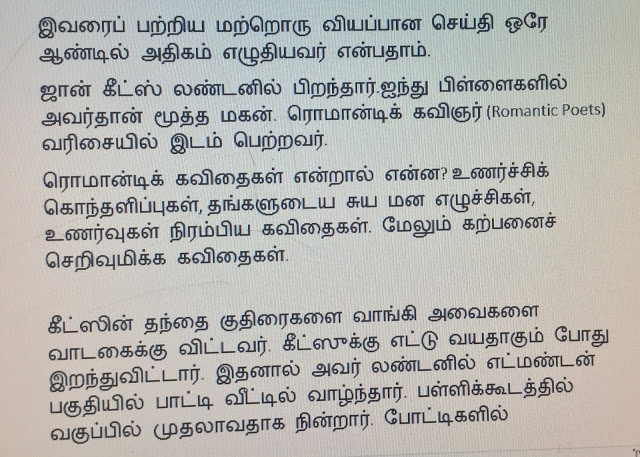
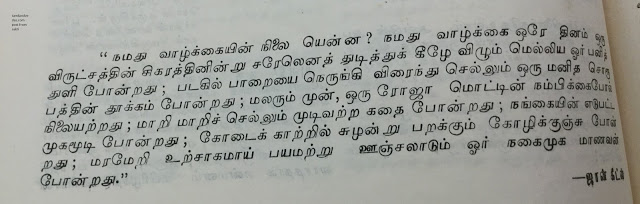
வாழ்க்கை பற்றி கீட்ஸ் எழுதிய வரிகளை கண்ணதாசன் பாடலுடன் ஒப்பிடலாம்
John Keat’s Poem Sleep and Poetry
(Lines 85-95)
Stop and consider! life is but a day;
A fragile dew-drop on its perilous way
From a tree’s summit; a poor Indian’s sleep
While his boat hastens to the monstrous steep
Of Montmorenci. Why so sad a moan?
Life is the rose’s hope while yet unblown;
The reading of an ever-changing tale;
The light uplifting of a maiden’s veil;
A pigeon tumbling in clear summer air;
A laughing school-boy, without grief or care,
Riding the springy branches of an elm.
போனால் போகட்டும் போடா போனால் போகட்டும் போடா – இந்த பூமியில் நிலையாய் வாழ்ந்தவர் யாரடா? போனால் போகட்டும் போடா
ஒஹோஹோ… ஒஹோஹோ…
வந்தது தெரியும் போவது எங்கே வாசல் நமக்கே தெரியாது வந்தவரெல்லாம் தங்கிவிட்டால் – இந்த மண்ணில் நமக்கே இடமேது? வாழ்க்கை என்பது வியாபாரம் – வரும் ஜனனம் என்பது வரவாகும் – அதில் மரணம் என்பது செலவாகும்
——போனால் போகட்டும் போடா
இரவல் தந்தவன் கேட்கின்றான் – அதை இல்லை என்றால் அவன் விடுவானா? உறவைச் சொல்லி அழுவதனாலே உயிரை மீண்டும் தருவானா? கூக்குரலாலே கிடைக்காது – இது கோட்டைக்குப் போனால் ஜெயிக்காது – அந்தக் கோட்டையில் நுழைந்தால் திரும்பாது
—போனால் போகட்டும் போடா
…
எலும்புக்கும் சதைக்கும் மருத்துவம் கண்டேன் இதற்கொரு மருந்தைக் கண்டேனா? இருந்தால் அவளைத் தன்னந்தனியே எரியும் நெருப்பில் விடுவேனா? நமக்கும் மேலே ஒருவனடா – அவன் நாலும் தெரிந்த தலைவனடா – தினம் நாடகமாடும் கலைஞடா —-போனால் போகட்டும் போடா
திரைப்படம்: பாலும் பழமும் (1961) பாடியவர்: டி.எம். சௌந்தரராஜன் இசை : எம்.எஸ்.விஸ்வநாதன் வரிகள் : கவிஞர் கண்ணதாசன் xxxx
ஆசையே அலை போலே நாமெல்லாம் அதன் மேலே
ஓடம் போலே ஆடிடுவோமே வாழ்நாளிலே
ஆசையே அலை போலே நாமெல்லாம் அதன் மேலே
ஓடம் போலே ஆடிடுவோமே வாழ்நாளிலே
பருவமென்னும் காற்றிலே பறக்கும் காதல் தேரிலே பருவமென்னும் காற்றிலே பறக்கும் காதல் தேரிலே
Pictures are taken from various sources; beware of copyright rules; don’t use them without permission; this is a non- commercial, educational blog; posted in swamiindology.blogspot.com and tamilandvedas.com simultaneously. Average hits per day for both the blogs 11,000.
ச.நாகராஜன்
கொங்குமண்டல சதகம் 91ஆம் பாடலில்
ஒரு அரிய செய்தியைத் தெரிந்து கொள்ள முடிகிறது.
அலைகடல் சூழு மவனியிற் செந்தமி
ழாய்பவர்கள்
நலனுறத் தக்க வகையாக வுள்ள நனிமகிழ்ந்தே
இலகு முரிச்சொ னிகண்டுவெண் பாவி
நிசைத்தகலை
வலவெழிற் காங்கேயன் வாழுமோ ரூர்கொங்கு
மண்டலமே
பாடலின் பொருள் : தமிழிலக்கியம்
கற்பவர்கள் எளிதில் பாடம் செய்யவும், தெரிந்து கொள்ளவும் உதவியாகும் படி உரிச்சொல்
நிகண்டு என வெண்பாவினால் ஆன நூலைச் செய்து உதவிய காங்கேயன் என்பவன் வாழும் மோரூருங்
கொங்கு மண்டலம் என்பதாகும்.
பலதலைதேர் காங்கேயன் பட்ட முடையான்
உலகறியச் சொன்ன வுரிச்சொல்
– (உரிச்சொல் நிகண்டு)
என்றும்
முந்து காங்கேய னுரிச்சொல்
– (ஆசிரிய நிகண்டு)
என்றும்
பெருத்த நூல்பலவுஞ் சுருக்கித்
தமிழில்
உரிச்சொல் நிகண்டென உரைத்த காங்கேயன்
–
(பாம்பணகவுண்டன் குறவஞ்சி)
என்றும் இப்படிப் பலபட நூல்கள்
காங்கேயன் இயற்றிய உரிச்சொல் நிகண்டு பற்றிக் குறிப்பிடுகின்றன.
ஆனால் காங்கேயன் என்ற பட்டப்பெயரை
உடைய இவர் யார் என்பது தெரியவில்லை.
கங்கைக் குலத்தவரான வேளாண்டலைவைருக்குக்
காங்கேயன் என்ற பட்டப் பெயரிட்டு அரசர் அழைத்திருக்கின்றனர் போலும்.
புதுவைக் காங்கேயன், ஆட்கொண்ட
காங்கேயன் என்னும் பெயர் கள் வழங்கி வந்திருக்கின்றன என்பது குறிப்பிடத்தகுந்தது.
வேறொருவர் தான் இந்த உரிச்சொல்
நிகண்டை இயற்றினார் எனக் கூறுவதுமுண்டு.
கொங்குமண்டல சதகத்துள் 54 மற்றும் 94 ஆகிய பாடல்கள் இம்மோரூர்க் காங்கேயர்களையே
குறிப்பிடுகின்றன.
இவர்களுக்கு இம்முடி என்ற பட்டப்பெயர்
இருக்கிறது.
காங்கேயர்களைப் பற்றிய சிறப்புக்களை
கொங்குமண்டல சதகத்துள் கண்டு மகிழலாம்.
Pictures are taken from various sources; beware of copyright rules; don’t use them without permission; this is a non- commercial, educational blog; posted in swamiindology.blogspot.com and tamilandvedas.com simultaneously. Average hits per day for both the blogs 11,000.
அடைப்புக்குறிக்குள் உள்ள எண், அந்தச் சொல்லில் எத்தனை
எழுத்துக்கள் என்பதைக் குறிக்கும்.
குறுக்கே
1. -(5)- கட்டபொம்மன் தம்பி
4. (4) வலமிருந்து இடம் செல்க-தடுமன் வந்தால்
இதுவும் வரும்
6.(2) – செங்கல் செய்யும் இடம்
7.- ( 5)- கனியன் பூங்குன்றன் பாட்டின் முதல் வரி
10.- (2)- க ணக்கில் கூட்டலுக்கு எதிர்ப்பதம்
11. -(4) – கல்யாண வீட்டில் கேட்கும் மேள சப்தம்
கீழே
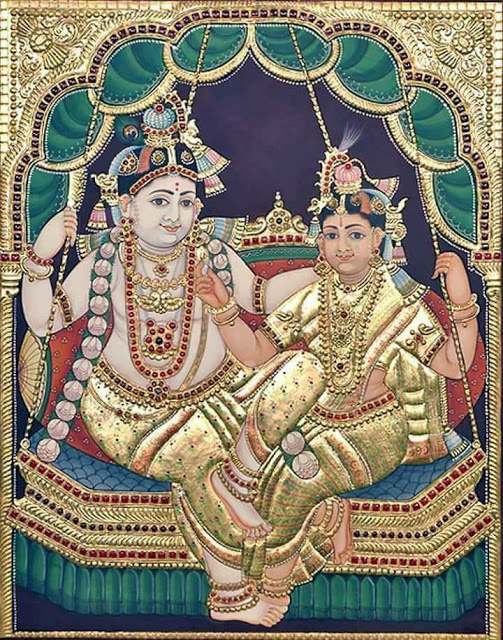
1. -(3) – ஊஞ்சல் என்பதன் சுருக்க வடிவம்
2. (4) – பேரிகை வாத்தியம்
3. – (4) கிர்நார் மலையின் மற்றொரு பெயர்
5.- (5) — சிறுவர்கள் ஆடுவது; ஒலிம்பிக்கிலும் உண்டு
6.- (2)- தர்மபுத்திரன் இதற்கு அடிமை
8.– (3)- அனுமானம்
9. –(2) – வீட்டு வாசலையும் முதல் கட்டு ஹாலையும் இணைக்கும் நடைபாதை













 Tamil and Vedas