Yellow clad Krishna and Blue Clad Balarama!

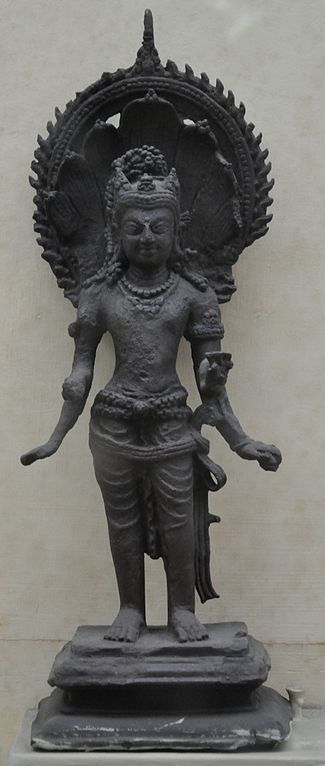
-Balarama_kolkatta8
Balarama in Kolkatta Museum

Research Paper written by London Swaminathan
Post No.1323; Dated 2nd October 2014.

Our forefathers were very clever and honest. They did not have anything to hide. They called a spade a spade. Whenever there was scope for criticism, they did not hesitate to do it just because it is your own relative is involved. Life history of Balarama is the best example to elucidate this point. His life was very colourful and controversial. Let us look at some interesting facts about Balarama, who was Krishna’s elder brother.

Puranas describe Balarama wearing a blue clothe and Krishna a yellow clothe: Neelambaradhari, Peetambaradhari.

Puranas describe Balarama as a Madhu priya (fond of wine) and Krishna as a Maadhu Priya (interested in women such as Gopis).

Hindus were very colour conscious. I have demonstrated this fact elsewhere in my articles. They allocated five different colours for Lord Shiva’s five faces and Mayas and Buddhists followed the Hindus in allocating colours to four directions.

Balarama had a white complexion and Krishna had a black complexion!
Both were brothers but had divergent views on current issues! They were very affectionate. Though openly fought for different things, they never lost the brotherly affection.

Both of them were worshiped from Kashmir to Kanyakumari together as Avatars (incarnation) of Vishnu.

Two thousand year old Sangam Tamil literature praises both of them together (Puram Verse 56 by Nakkirar). They followed Kalidasa (Megaduta 61) in this. Kalidasa lived in first century BCE which I have proved using the Sangam Tamil verses.
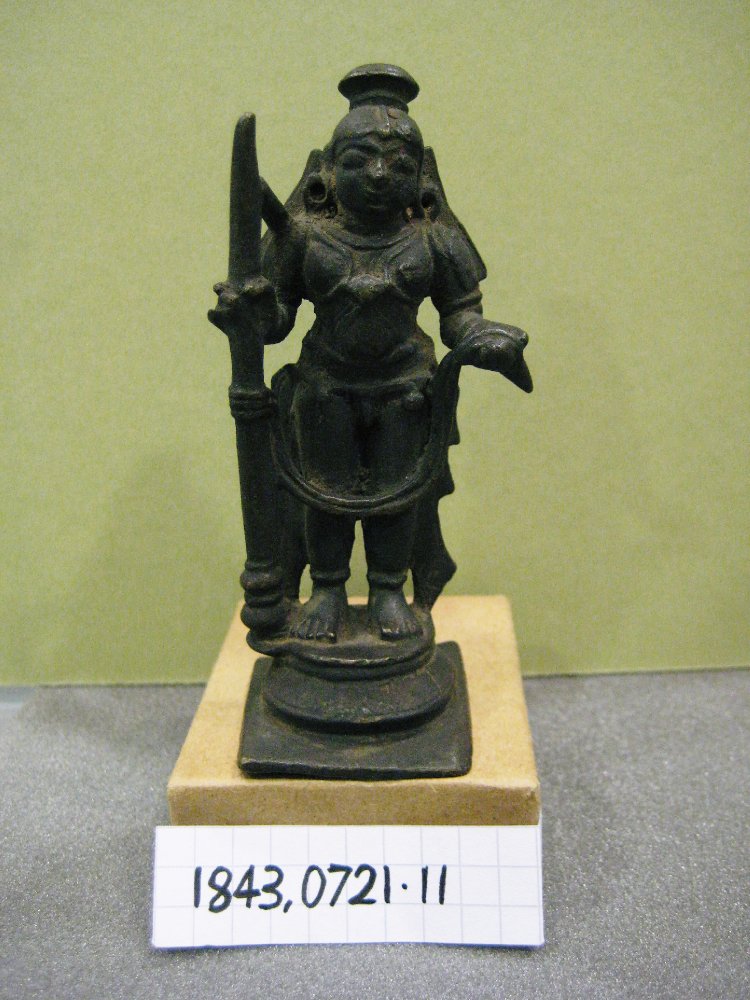
bala big
Balarama in British Museum, London

Sangam age Tamils describe Balarama as a Palmyra Flag bearer and Krishna as an Eagle Flag bearer.
Ancient Tamil Nadu had temple for Krishna and Balarama together, but in course of time Balarama worship was dropped.

Balarama image is beautifully portrayed on coins along with Krishna .
Krishna supported Pandava side in the Great Indian War Mahabharata war; but Balarama was neutral.
When Krishna abducted Rukmini Balarama supported, but when Arjuna abducted Subhadra he objected.

Balarama taught mace fight to both Duryodhana and Bhima. But when Bhima hit Duryodhana below the belt violating the rules, Balarama was furious; but Krishna calmed him.
What a contrast among brothers!!!

This proved that our scriptures were 100 % honest in reporting everything. Moreover the authors like Vyasa, Valmiki and Sukar were very good observers. They did not miss anything good or bad!

Mahabharata gives an interesting story about Balarama and his brother Krishna. It says Vishnu took two hairs , a white and a black one and left them in Devaki’s womb which became Balarama and Krishna. When Balarama was born he was taken to Gokula to preserve his life from Kamsa, the tyrant king. He was raised by Nanda as a child of Rohini. Balarama killed several demons. He carried his plough always. He killed Rukmin in a drunken brawl.
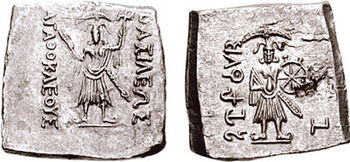
baladevakrishna
Indo Greek Coin of Balarama and Krishna

He used his ploughshare as a magic wand twice. When he was intoxicated with drinks, he called River Yamuna river to come to him. When it did not come he had used his ploughshare to drag the river towards him and used this water. So he was called Kalindiharshana or mardhana. He killed Romaharshana out of anger, though he repented. When Krishna’s son Samba was imprisoned by Duryodhana , Balarama forced him to release Samba and his lady love. He threatened that he would use his ploughshare.
Balarama was a great wrestler and he killed Dhenukasura, Mushtika and Dwivida
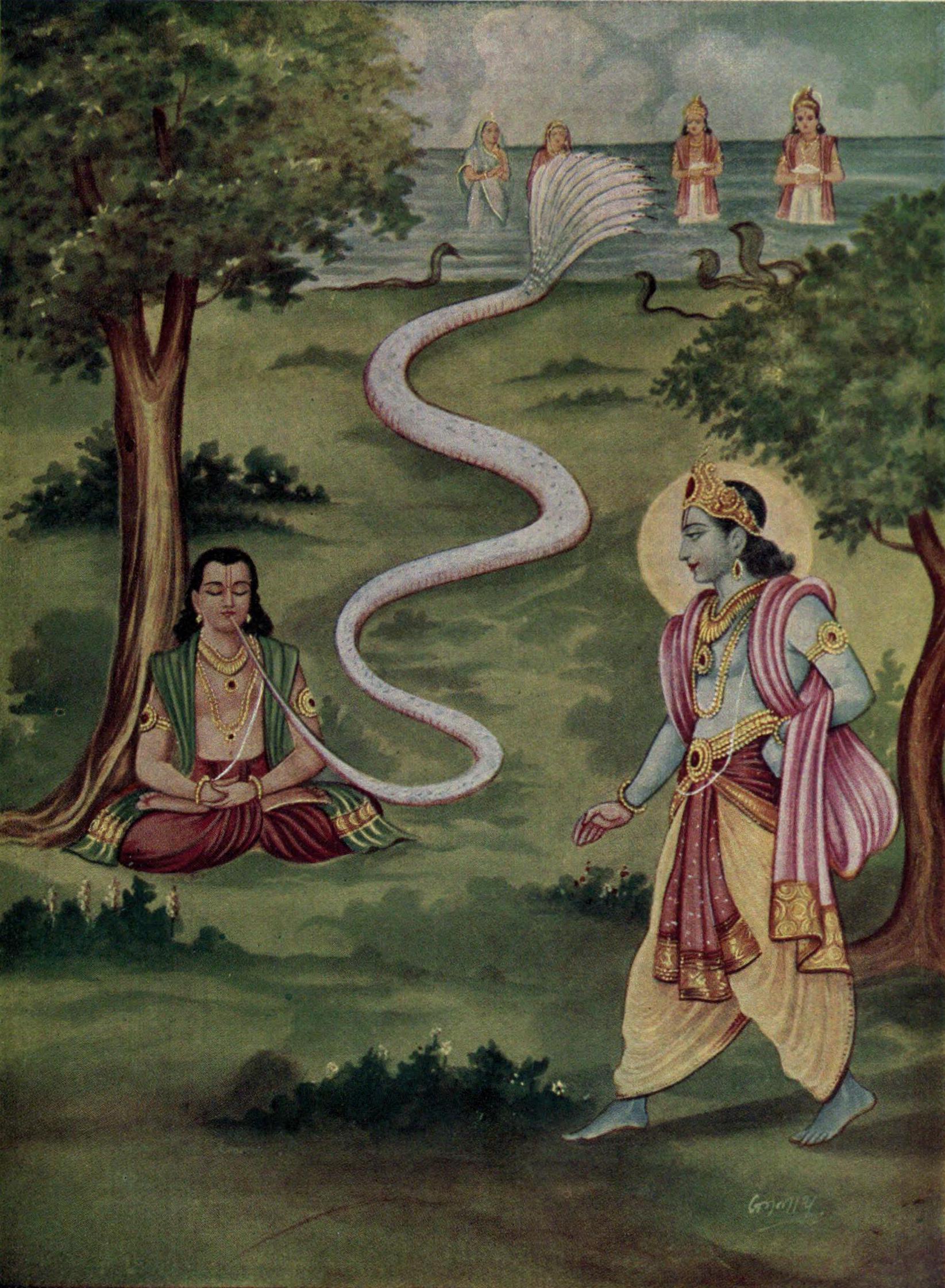
Death_of_Bala_Rama
Blarama’s death

Facts about Balarama :

Wife’s name: Revathi (Daughter of King Raivata)
Person who raised him : Rohini (foster mother)
Father and Moher : Vasudeva and Devaki
Younger Brother: Krishna
Weapon he was holding Halayuda/ploughshare and Musala/pestle
Flag : Palmyra (Taldwaja)
Sons: Nisatha and Ulmuka

Krishna_meets_parents
Krishna and Balarama meet parents

Favourite drink: Madhu (wine)
Favourite pastime: Pilgrimage (went on a tour during war)
Killed: Dhenuka, Mushtika, Pralamba, Dwivida, Romaharshana and Rukmin.
Love marriages he opposed or supported: Krishna – Rukmini, Arjuna—Subhadra and Samba – Laxmana (Duryodhana’s daughter)

Avatara of Adisesha: Balarama is described as one of the ten incarnations of Vishnu. Some people believed that he was Adi Sesha came to help Krishna.
Worship Record: From Kautilya’s Arthasastra period:3rd Century BCE

Puri Chariot Festival: Of the three chariots of Puri , the chariot of Balabhadra is called ‘Taladhvaja’ – has 16 wheels and is 22 cubits in height. Baladeva’s cart is blue, with a palm tree insignia, and four black horses. The protecting deity is Sesa.

Temples: in Odisah and Tamil Nadu (In Tamil Nadu the statues are not there anymore; proof comes from Alwar Hymns)

Oldest Agricultural Engineer!
My research shows that he was a great agriculturist. He spread agriculture everywhere. That is the reason he held a ploughshare always. Since he was interested in drinking he had Palmyra on his flag. His name Kalindikarshana, Yamuna bhid show that he dug out canals from Yamuna for irrigation. He was a great wrestler that is why he had the prefix Bala in his name. The white colour may be due to albinism.
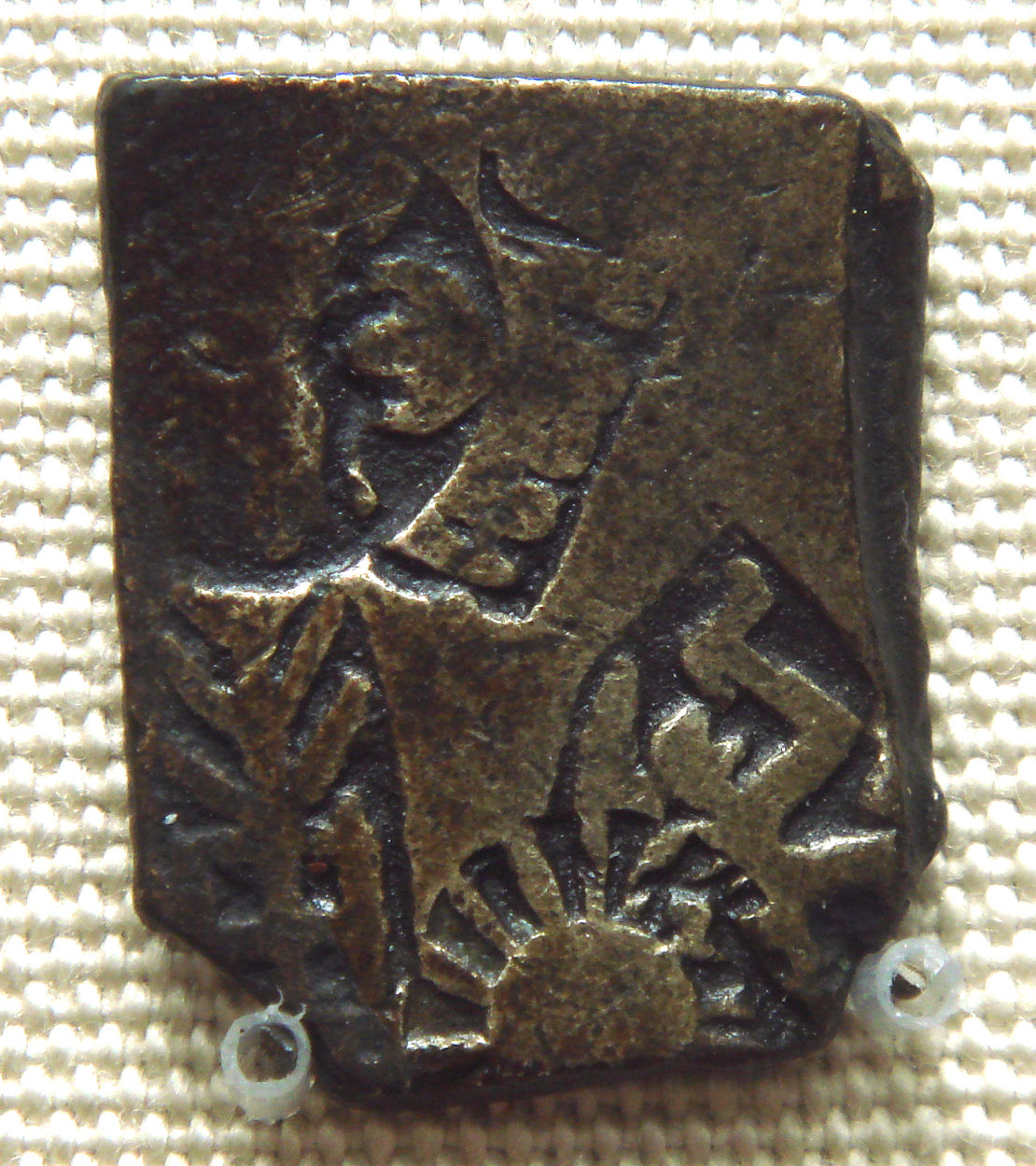
MauryanBalaramaCoin3rd-2ndCenturyCE
Mauryan Balarama Coin ,3rd Century BCE

15 Names of Balarama
Amarakosa, the oldest thesaurus, gives 15 names for Balarama!
Balabhadra = Strong
Pralambagna = killer of Pralamba
Baladeva= strong
Achyutagraja= elder to Krishna
Revathiramana = one who loves Revati & loved by Revati
(Bala) Rama-=strong and attractive
Kamapalah= who gets what he wanted
Halayudhah= ploughshare bearer
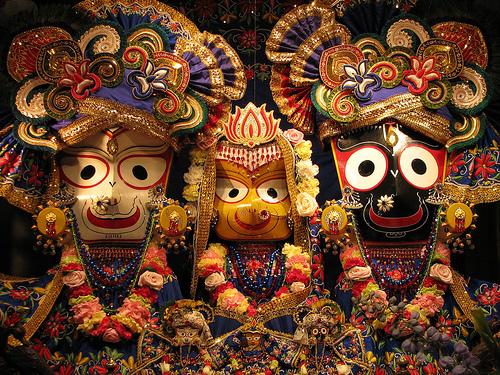
Balabhadra_Subhadra_Jagannath
Balabhadra, Subhadra, Jaganatha, Puri

Neelambarah= wearing blue clothes
Rohineyah= Rohini raised him
Talaangah= Palmyra Flag bearer
Musalihali= pestle holder
Sankarshana= who had two mothers or who attracts his Yadava clan
Kshirapani= ploughshare bearer
Kalindhibedanh= one who diverted River Yamuna
His other names: Halabhrit=Plughbearer, Langali+ ploushare holder, Guptas chara= who goes secretly, Mahupriya or Priya madhu= wine loving, Yamuna bid, Kalindi karshana = breaker or dragger of Yamuna, Musali=pestle holder.
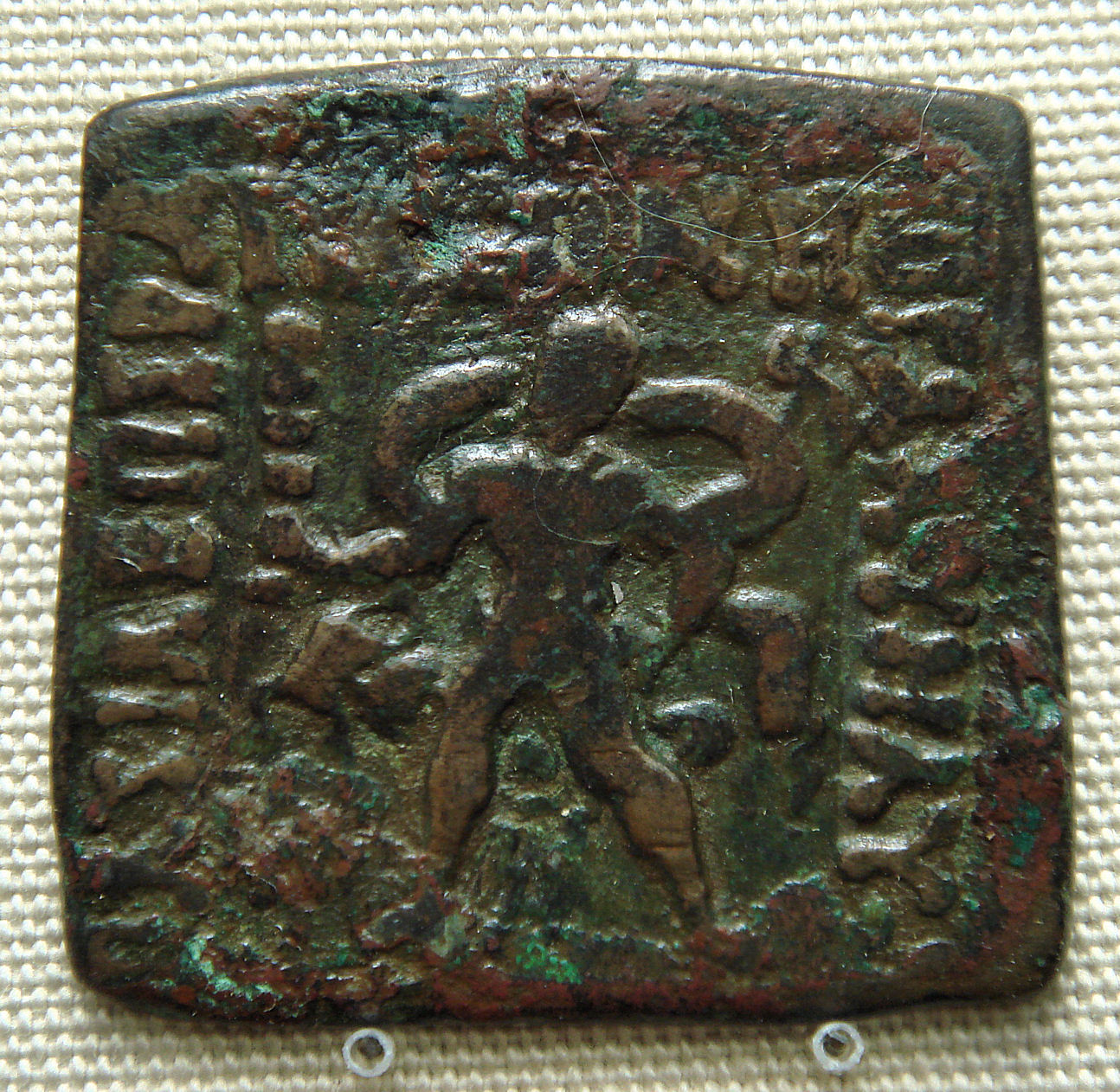
BalaramaMauesCoin1stCenturyBCE
First century BCE coin

My previous Post:
Rama, Balarama and Parasurama in Ancient Tamil Literature (posted on First June 2014)

Contact swami_48@yahoo.com
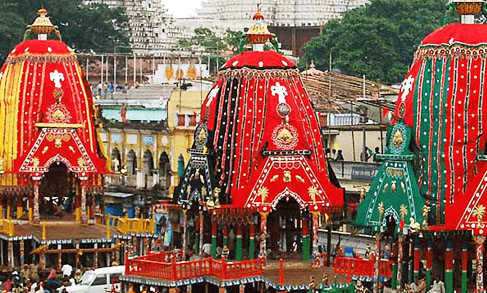
rath-yatra-and-appliqua

Balarama chariot along with other chariots in Puri, Odissa

New Zealand Maoris and Chinese Worship Agastya!

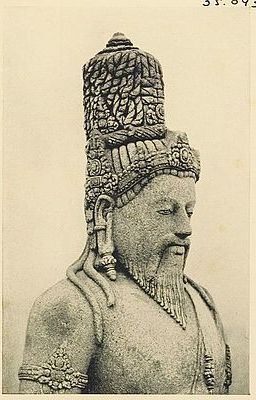
450px-agastyaprambananindonesia
Agastya from Prambanan ,Indonesia

Research Paper written by London Swaminathan
Post No.1319; Dated 30 September 2014.

I have written about Agastya’s presence and worship in South East Asian countries outside India. We see his statues in all the countries of South East Asia and all major museums around the world. I have also pointed out what ‘Agastya drank the ocean’ and ‘Agastya Humbling the Vindhya Hills’ meant. It means he was the first Brahmin to cross the ocean to establish a Hindu empire in Cambodia, Laos, Thailand, Vietnam, Malaysia, Singapore, Indonesia and beyond. He was the first one to lay a road route to South India. Before that all the Rishis (sages) used the sea coast to travel around India where it was easy to cross the huge rivers with boats. They avoided travelling through thick forests of central India. But Agastya, a great engineer and a pioneer of ancient India, broke all these traditions. In fact he paved the way to Columbus, Magellan, Vasco Da Cama, Captain Cook, Marco polo and umpteen Greek and Roman sailors.

agastya ashram

Now let us look at his presence in China and New Zealand. Scholars have arrived at a conclusion about the origin of Polynesians. They say that they migrated from Taiwan area of China to different locations. But they settled in Indonesia and adjacent countries and slowly migrated to New Zealand and other Pacific islands.

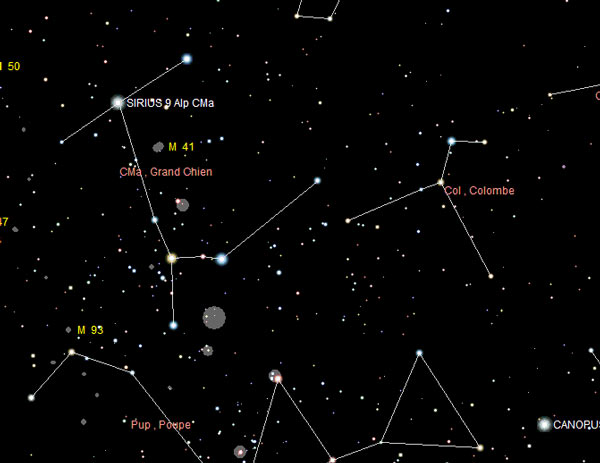
Agastya’s name as a saint and a star is in China in Fu Lu Shou worship. But his presence in Maoris of New Zealand was not noticed by any one. When I was searching for the Star Canopus I was surprised to find his name in Maori worship in New Zealand. Since all Polynesians came from China region they could have brought it to Indonesia or they could have taken it from Indonesian Hindus. Whole of South East Asia was Hindu-Buddhist rule for 1300 years till Muslims occupied those lands.

Maori tribes have several names for Agastya/Canopus star:
Ariki= High born (one of the seven virtues of sages is high birth)
Atutahi, Aotahi = all these are corrupted form of AGATHI (ya)
Tapu = Tapas (penance)
dr k ravi kumaragastya
Agastya and Lopamudra, modern period.

Since scholars could not find any etymology in Maori language they used the ordinary meaning for those words stand alone, solitary etc.

Food is offered to the star as offering. This shows the respect and worship of Maoris.
One mythology says that Atutahi was left out of the basket when Tane wove it. This is a Hindu story where he was known to be born out of a pot (basket). Agastya is called Kumbha muni, Kalasi Suta, Ghatodbhava and Kumbha sambhava all meaning pot born or basket born. Atutahi sounds Agathi.

It is interesting to compare the veneration, worship, food offering and star staus with that of the Hindu Agastya. Hindus also has his name in Sraddha mantra ( ancestor worship). Sanskrit saying praises him as the patron saint of the sailors:
sriagathiyarlopamudratemple72

Agastyodaye jalani prasidanti = when the star Agastya rises, the waters become calm.

Mr A Kalyanaraman, author of Aryatarangini has done extensive research in Agastya cult and Maori culture. He gives lot of Sanskrit terms from Maori culture: See page 307 to 377 of Aryatarangini – part 2.
Hindu scriptures praise him as “fish of great lustre” born in a water jar.

He was very small when he was born, not more than a span in length and he was called Mana. Mana means term of measurement, respectful and son of Mana as well.

Canopus in Latin means a vase or jar. Vedas praise him as the priest respected by both the Varnas (RV 1-179), may be Devas and Asuras. We know the story of Asuras Vatapi and Ilvalan inviting him for dinner.

agastyanepal, carole R Bolon
Agastya from Nepal by Carole R Bolon

Agastya is associated with the South in Kalidasa’s Raguvamsam, Sangam literature and Hindu Puranas. He was one of the ancient Rishis in the rig-Veda. Shrikant G. Talageri points out five families of Rishis of early period including Agastya’s mention the three Vedic goddesses in the same order Bharati, Ila, Sarsvati. Later period Rishis change this order. Kalidasa links Agastya with Pandya kings.

All sages that were born in the Agastya gotra (clan) were called Agastya Rishis leading to lot of confusion. Ashramas of Agastya were shown in different places in different periods adding to this confusion. One must remember different Agastyas lived at different periods with the same surname.

Chinese_temple_malaysia
Chinese Temple in Malysia: Fu Lu Shou

Agastya in China

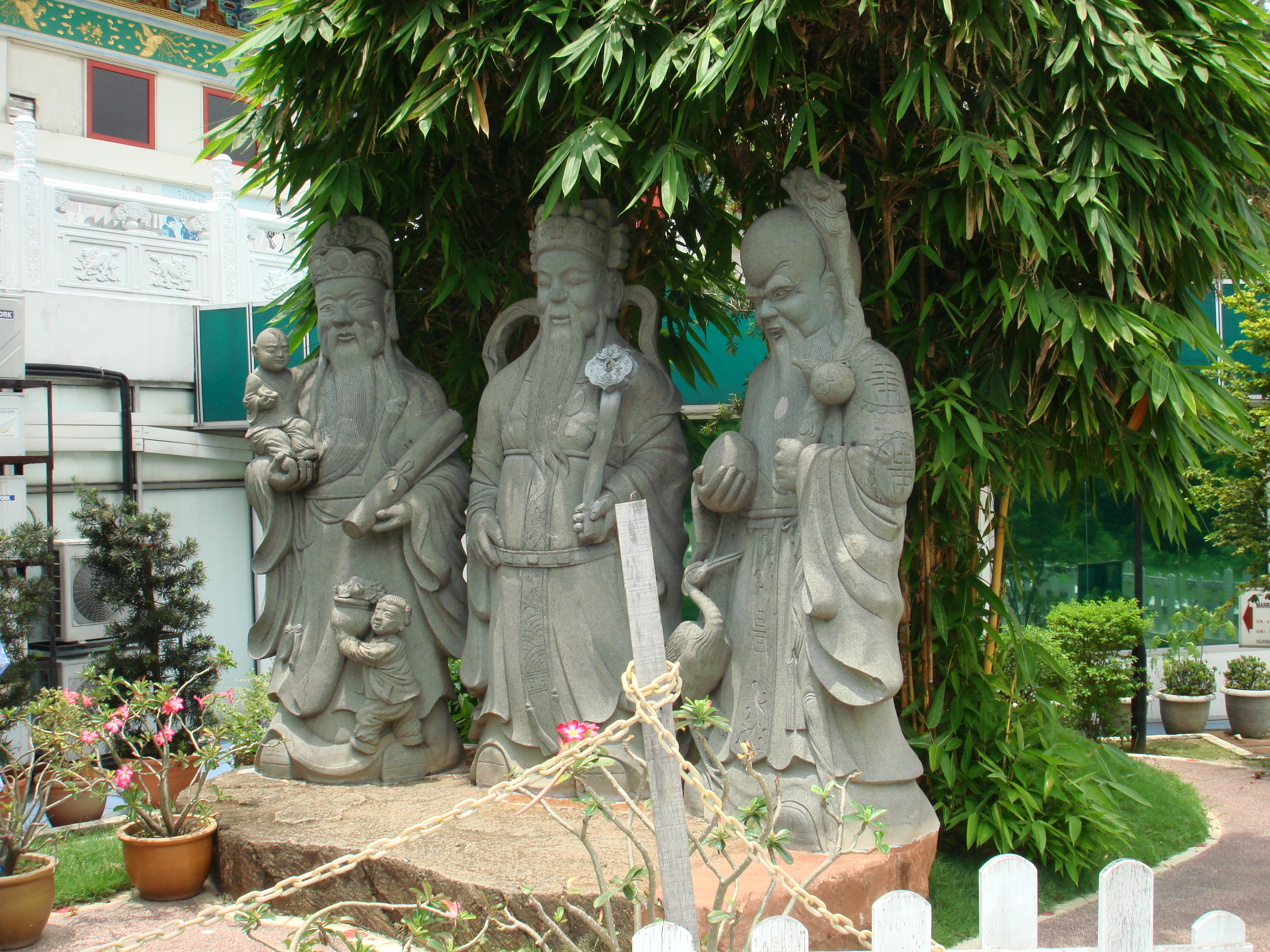
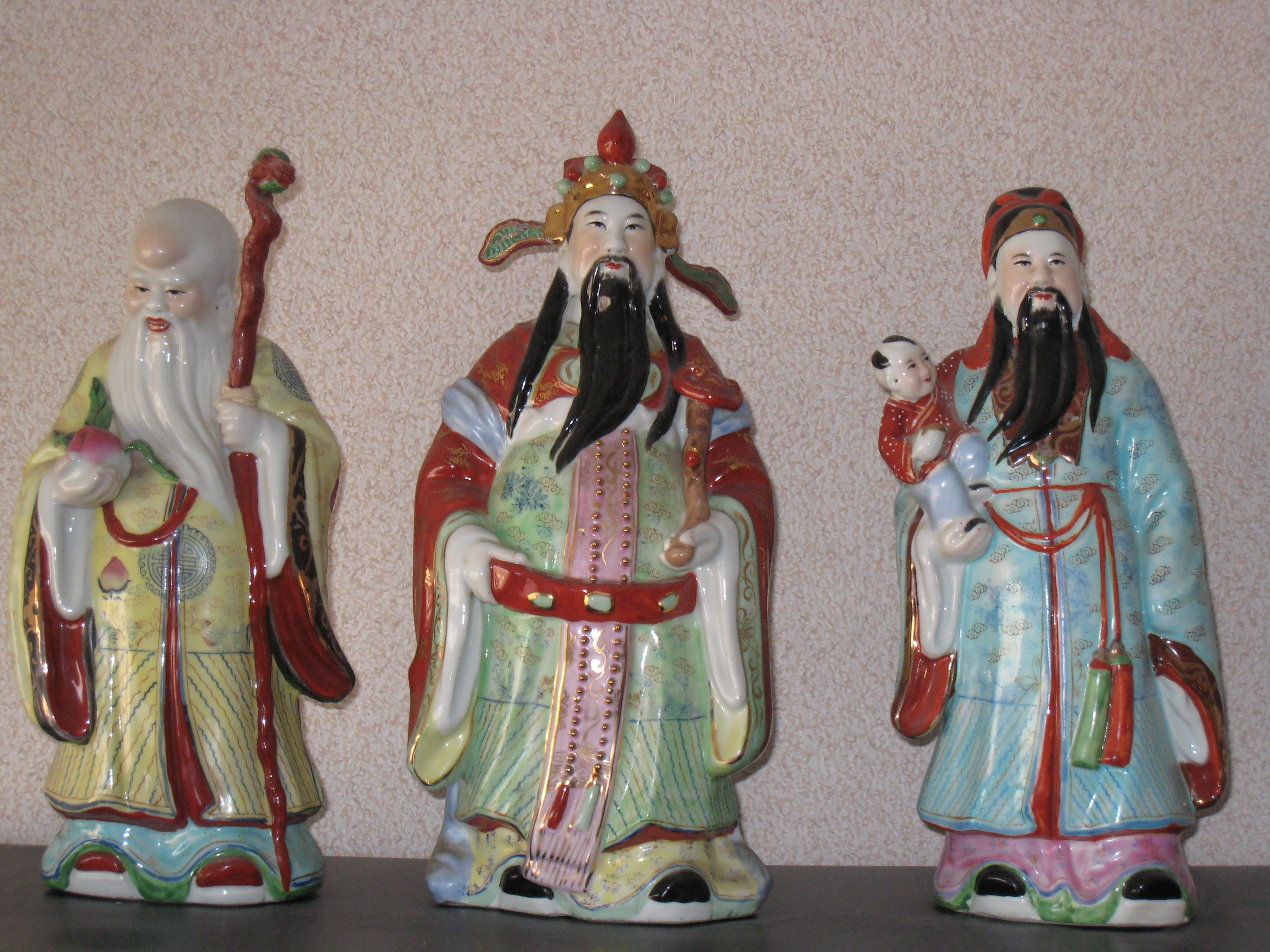
Chinese worship three Devas Fu, Lu, Shou representing Happiness, Prosperity and Longevity. They are worshipped as stars in the sky. Fu represents Jupiter (Guru), Lou represents Vasishta Nakashatra in Ursa Major constellation or Saptarishi Mandalam and Shou represents Agastya Naksahatra /Canopus in the southern sky. They have been worshipping these stars in the form of three human figures for at least 800 years. There is no doubt that they have learnt all these things from the Hindus. Vasishta and Arundhati are in Sangam Tamil literature which is at least 2000 years old. Agastya Star is visible only for people living in the southern latitudes. Only Hindus could have made him a God or a Star!

candi banon

My previous articles on Agastya in the past four years:

Is Brahmastra a Nuclear Weapon?
Agastya in Jataka Tales and Kalidasa
Did Agastya drink ocean?
Population Explosion: Oldest reference in Hindu scriptures
Ravana-Pandya Peace Treaty! Kalidasa solves a Tamil Puzzle

map_sirius_web
Star Canopus is at the bottom right.
Contact swami_48@yahoo.com

Japan, China and Tamil Epic: A Strange coincidence!

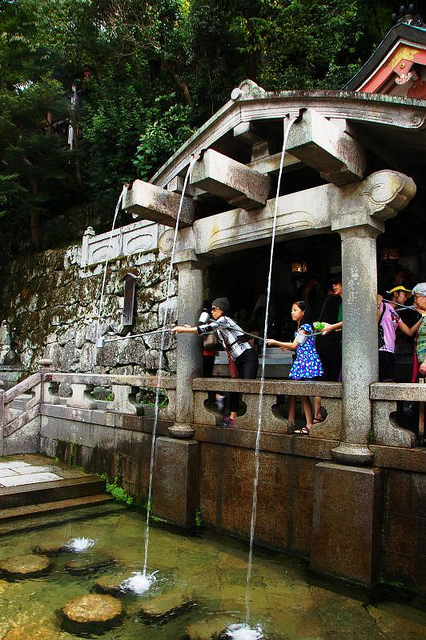
waterfall clear
otowa girls

Otowa Warefall in Kiyomizu Dera Temple in Kyoto, Japan

Research Paper written by London Swaminathan
Post No.1315; Dated 28th September 2014.

I was talking to my friend today who visited Kyoto in Japan sometime ago. He was narrating an incident where he drank some holy water to get three benefits at one go. Suddenly I remembered one such thing in the Tamil epic Sillapadikaram.

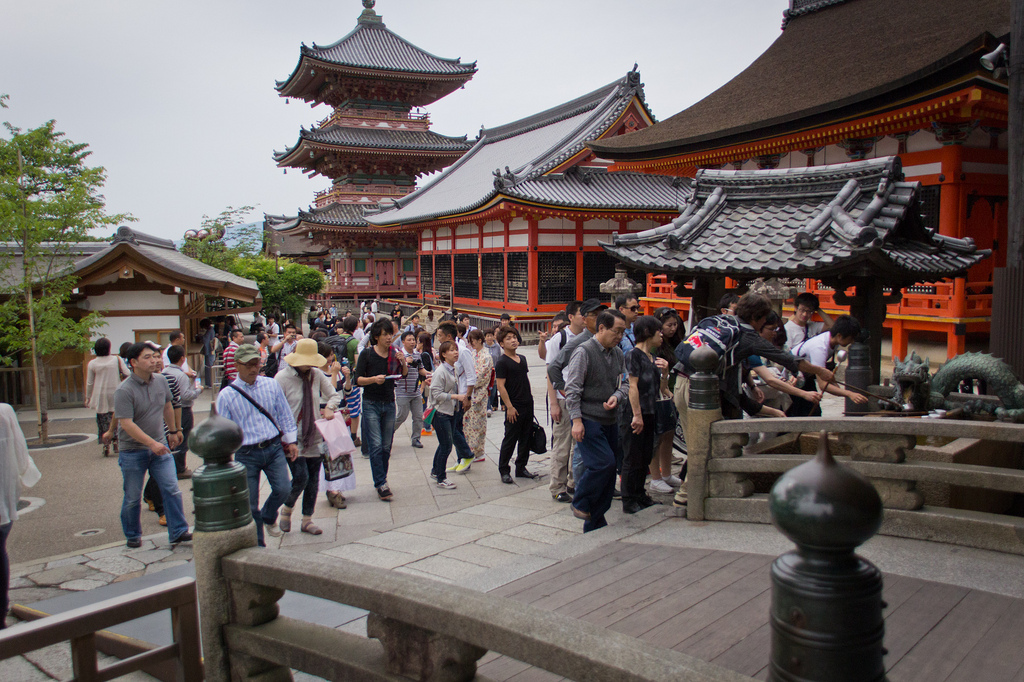
Kiyomizu Dera Temple near Kyoto in Japan is a UNESCO heritage site. This temple was built 1200 years ago by an ancient Buddhist sect. Kiyomizu Dera Temple means The Temple of Pure Water. The main hall of the temple is considered a national treasure. Fifteen colourfully painted halls, Otowa Waterfall, Forty feet tall wooden columns, a wooden stage assembled with 410 cypress tree boards, Three storied Pagoda, Eleven headed -Thousand handed Bodisattva idol and decorative gates attract thousands of tourists every year.
It is halfway on the Otowa mountain. The temple met with several fire accidents and the latest structures are only 400 years old.

The Otowa Waterfall has some similarity to the Three Magic Ponds mentioned in the Tamil Epic Silappadikaram. The waterfall in Kyoto comes from a mountain stream and it is divided into three streams. It is said that one of the three gives you Longevity and the other two Wisdom and Health. Wisdom is interpreted as success in life or good marks in the examinations etc. So students are also attracted to it. People use metal cups to collect the water and drink. Tradition says that only two streams must be used. If anyone drinks water from all the three streams then the person is called a greedy person!

Tamil epic Silappadikaram has some magical element! Kovalan, with his young wife Kannaki, was travelling from Choza Kingdom to Pandya Kingdom. He met a Brahmin who performed Vedic sacrifices. Kovalan asked the learned Brahmin to show him the way to Madurai. Then the Brahmin explained to him the various routes. Following is the one that has similarity with three streams of Otowa water fall of Kiyomizu Dera in Japan:
“If you do not take the route lying to the right, but choose the route to the left, you will hear winged beetles singing the tune of Sevvali melody. Paasing this you reach Tirumaalkundram (Present Alakar Koil near Madurai) that opens into a cave which removes all delusion, and leads to the miraculous three ponds, greatly praised by the gods, and called the

Sacred Saravanam
Bava Karani and
Ishtasiddhi.

map

If you bathe in the sacred Saravanam you will get the knowledge of the book attributed to the King of Gods (commentators identify this book with Aindra Vyakaranam, a grammar book or a system).

If you bathe in the Bavakarani, you will learn the deeds of your past which lead to your present birth.

If you bathe in the Ishtasiddhi pond, you will gain all that you wish for.

If you choose to enter the cave, worship then the great lord on the lofty hill, meditating on his lotus feet and going thrice round the hill; then you will see a nymph by name Varottama near Cilambaru” – Katukan Katai, Silappadikaram

kiyomizudera_temple_kyoto
Kiyomizu Dear Temple, Kyoto, Japan

The above passage is almost similar to Japanese belief. I had been to Cilambaru and Nupura Ganaga, a small water fall at Alakar hill. Though I have not gone to Japan, the picture shows something like Nupura Ganga, a small stream falling as water fall. In both the places the holy water is said to have some magical properties. It gives one wisdom, health, longevity and wishes.

Madurai people throng to Alakar Hills to bathe in the medicinal cum holy water of Cilambaru. We too used to drink Cilambaru water for its medicinal qualities. Japanese drink it for its magic effects. Both the shrines are located up the hill.

Fulushouqi

Fu Lu Shou
Chinese Belief

Chinese also worship Fu, Lu, Shou representing Happiness, Prosperity and Longevity. They are worshipped as stars in the sky. Fu represents Jupiter (Guru), Lu represents (Vasishta Nakashatra in Ursa Major constellation or Saptarishi mandalam and Shou represents Agastya Nakashatra- Canopus in the southern sky. They have been worshipping these stars in the form of three human figures for at least 800 years. There is no doubt that they have learnt all these things from the Hindus. Vasishta and Arndhati are in Sangam Tamil literature which is at least 2000 years old. Agastya Star is visible only for people living in the southern latitudes. Only Hindus could have made him a God or a Star!

swami_48@yahoo.com

84,000 Letters to Emperor Asoka!

letter writing4
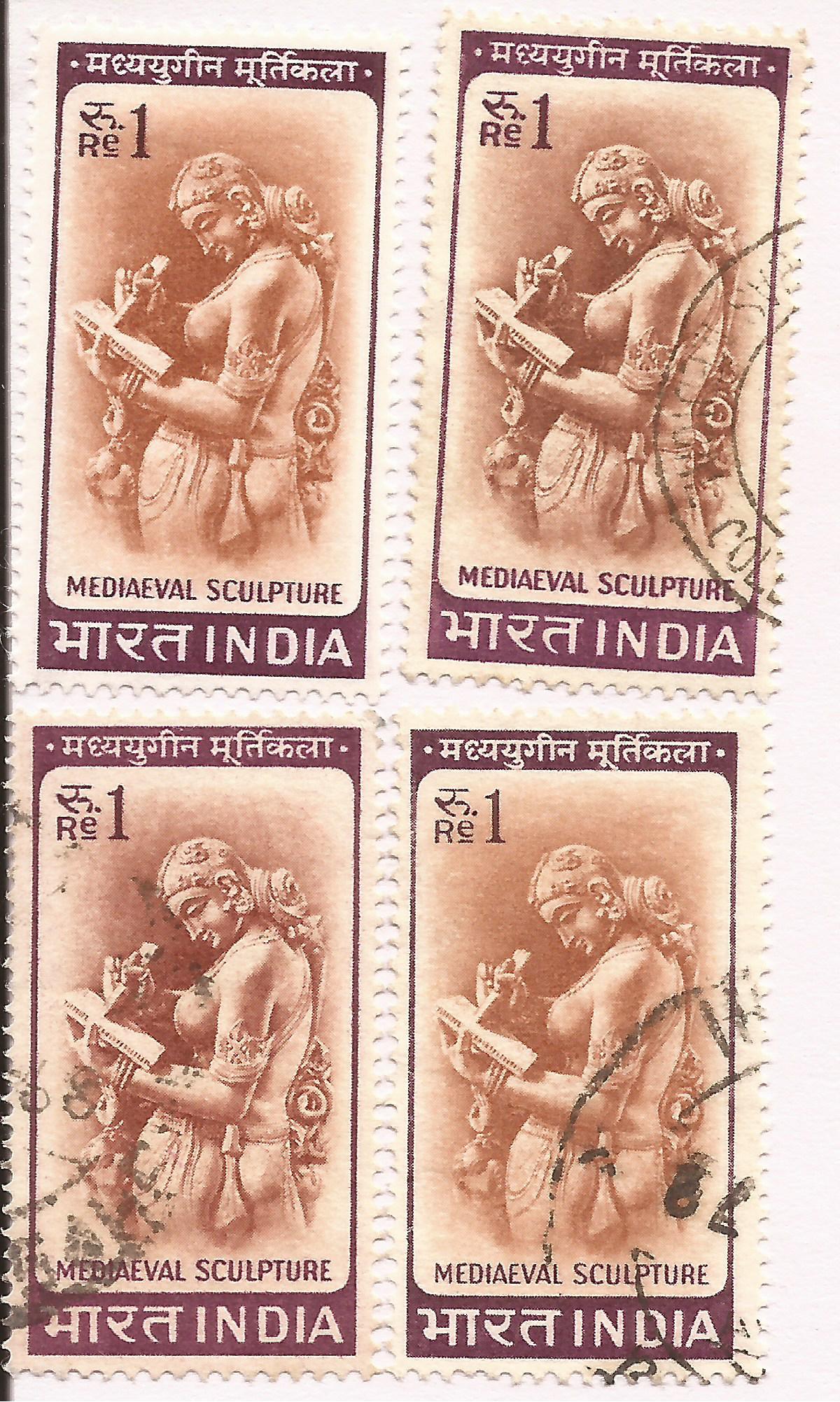
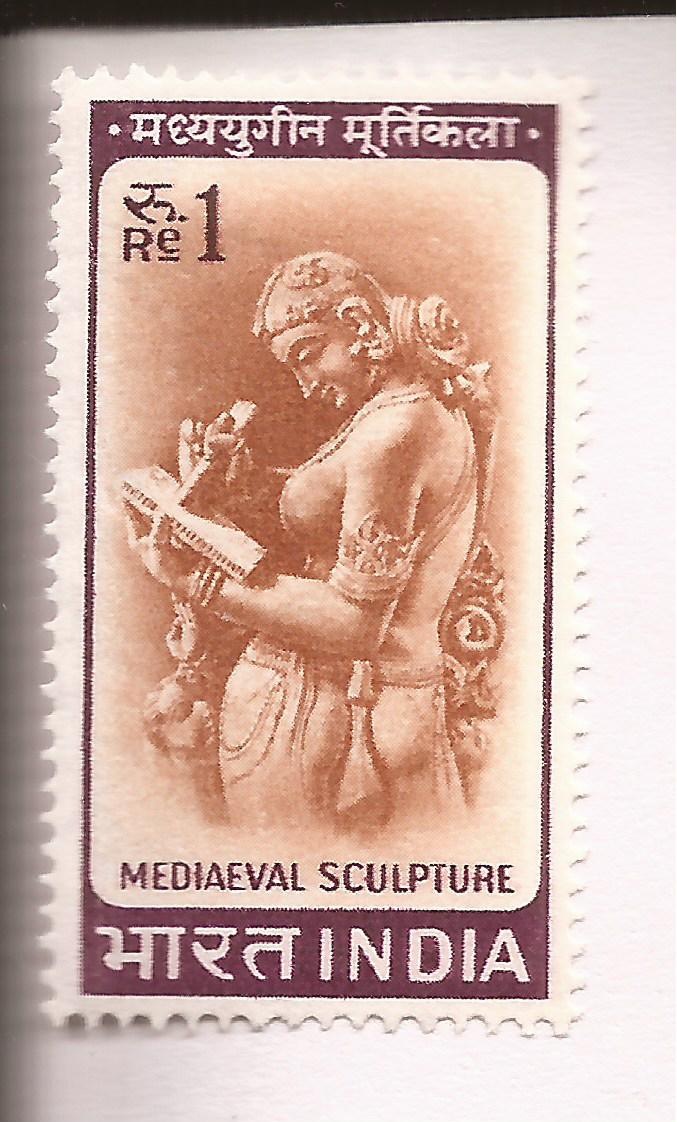
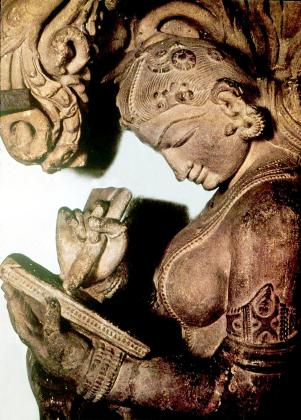
Indian Postage Stamp with a woman writing a letter!

Research Paper written by London Swaminathan
Post No. 1312; Dated 26th September 2014.

This is part of my series of articles on Mahavamsa.

This article gives more proof for the Art of Letter Writing in Ancient India from the Sri Lankan Chronicle Mahavamsa.

Scholars in the past have debated whether Indians knew writing and if at all they knew writing when they started to write. We knew that the writing existed during the Indus valley civilization. But we did not know what they wrote. Still it remains undeciphered. Then there was a big gap. Just before Asokan’s time (Third Century BCE) we see writing again. During Asoka’s time we had inscriptions from Karnataka to Afghanistan. And in Sri Lanka also we have had writing on inscriptions around that time.

The fact of the matter is Asoka was the first one to write on stone. Even before Asoka ,we had been writing, but only on perishable materials such as palm leaves and tree barks. Unfortunately all those perished and disappeared. Mahabharata itself is a proof for writing. We have heard the story of Ganesh writing Mahabharat just to help Vyasa. We have similar stories in Ramayana where we read about Ram’s name on arrows and rocks. But historians and archaeologists don’t take into account these stories from epics and mythology.
If the writing was understood by people from Afghanistan to Kandy in Sri Lanka, then writing should have existed several centuries before Asoka. This is a logical conclusion. If people could not understand the script, Asoka would not have embarked on a huge mission.

letter writing

We know about the love letter written by Rukmini to Lord Krishna before 3100 BCE. We have ample references to letter writing from Kalidasa’s time. Tamil epic Silappadikaram also mentioned letter writing in several places. I have given all these references in the following two articles posted here in this blog:
Love Letters from Ancient India – posted on 21st April 2012
Techniques of Secret Writing in India –posted on 19th March 2013

Letter Writing in Mahavamsa
Sri Lankan chronicle Mahavamsa mentioned letter writing in at least in six places. In one of them it says that Asoka received letters from 84,000 centres on the same day. Even if we ignore the number 84,000, we knew for sure he received letters from lot of centres on the same day. This proves improved communication between people and the administration and a well established Postal system. More over the letter writing existed at his time. His stupas were in Kancheepuram in Tamil Nadu as well. Let us look into the details:

Chapter 5:Asoka received letters from 84,000 centres
“On every side from the 84000 cities came letters on one day with the news “The Viharas are completed”. Then he proclaimed that there will be a festival in seven days time” — Mahavamsa
About 84,000 cities I would like to add something interesting from 2000 year old Sangam Tamil Literature. The most famous Tamil poet Kabila says in one of his verses that the chieftain of Parambu Hills, Pari, was ruling over 300 towns. So it is no wonder that Asoka had control over 84,000 towns. I wouldn’t think it as an exaggeration.

letter-writing
10th Century of Letter Writing in Kolkatta Museum

Chapter 8: Vijaya’s Letter
Vijaya who was banished by his father and the general public for his atrocities in Bengal, settled in Sri Lanka. He married a local Yakshini girl and then a Tamil princess from Pandya Kingdom of Madurai. Since Yakshini wife was forced to leave the palace with her children and the Tamil princess had no issues, he wrote a letter to his brother Sumitta. He requested him to come down and rule Sri Lanka.Then more people from Bengal came in to Sri Lanka and continued the royal line, according to Mahavamsa. Vijaya wrote his letter in fifth century BCE.

Chapter 10:
In chapter 10 also we have a reference to letter writing. When Pandukabhayan defeated all his uncles who were against him, the king wrote to him that he should not cross the Ganges (all rivers in Sri Lanka are called Ganga) but he can retain the lands he had won on the other side of the river.

Chapter 22: Love Letter and Murder

In chapter 22, we come across an interesting love letter and murder. King Kakavanatissa had a wife by name Vihara Devi. There is a story behind this strange name. In Kalyanai region of Sri Lanka there was a king by name Tissa. His younger brother Ayya-Utika loved the queen. When his brother came to know about it he became furious. But before he took any action, Ayya Utika escaped to a forest where from he sent a love letter through a man disguised as a Buddha Bikshu. He entered the palace with the Thera and dined with the king. While the royal couple were leaving the dining hall, this disguised Bikshu threw the love letter in front of the queen. When the king heard the rustle of the paper, he turned back. When he came to know what happened he killed the genuine Thera and the disguised Bikshu together without thinking.
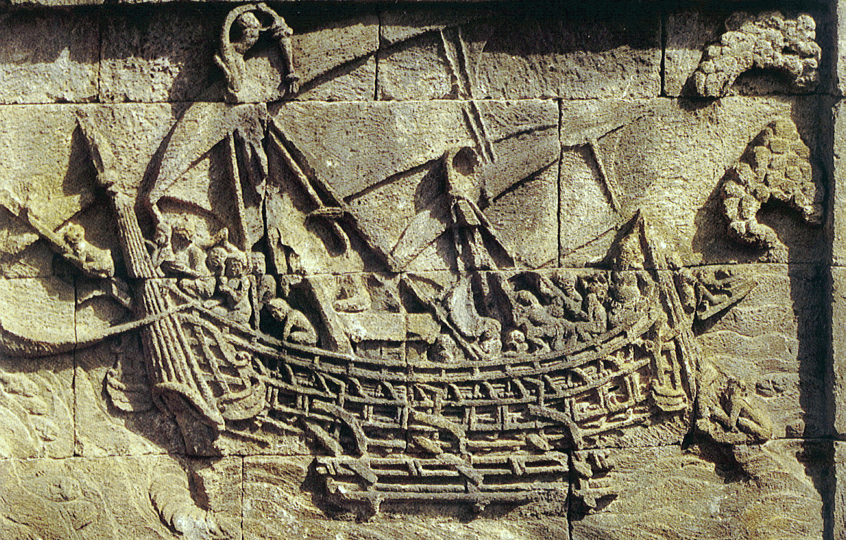
After he threw the bodies in to sea, there was a Tsunami and the sea invaded the land. The king put his daughter Devi in a golden vessel and floated it in the sea just to pacify the sea god. When the vessel reached the shore near Lanka Vihara, the king Kakavanna tissa noticed the princess and married her. That is how she got the epithet “Vihara Devi”. We come to know sending love letters through disguised ascetics existed in those days.

Chapter 23
A gigantic strong man, but very idle, earned the wrath of his brothers. So his mother sent him to the king. He wanted to check his strength and capacity and so sent him to a Brahmin friend by name Kundali who lived in far away town. He sent a letter to Kundali asking him to send him some goods. The idle man succeeds in his mission and gets a big job.

Chapter 33
In Chapter 33, we come across a rebel Brahmin fighting against the king. At that time Seven Tamils from Tamil Nadu lands in the area and joined him in the fight. They send a written message to the king to surrender. But the king followed the Divide and Rule policy. He persuaded the Brahmin to support him saying that the land belonged to him. Here we see written threat.
Maha vamsa covers a period between 543BCE to 361CE. We have seen letter writing from the earliest Vijaya period to Common Era.
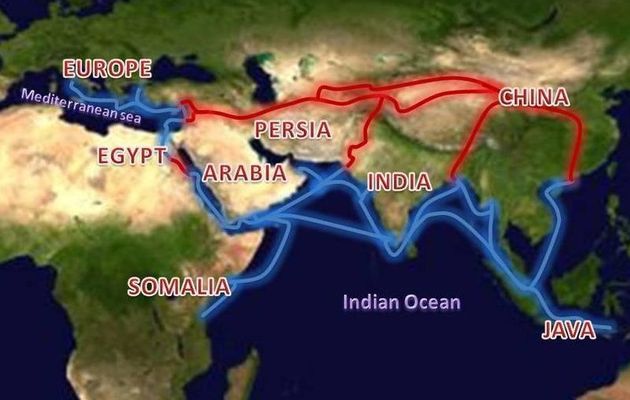
My conclusion is that Indians from Kashmir to Kandy were literate and they used letter writing to send the messages of love, threats and administrative matters even in the Sixth Century BCE!
Contact swami_48@yahoo.com

ரோம் நகரில் 700 மித்ரன் கோவில்கள்!

vatican mithra
Mithra in Vatican Museum

தொகுத்து வழங்குபவர்- கட்டுரை மன்னன் லண்டன் சுவாமிநாதன்
கட்டுரை எண்..1311; தேதி- 26 செப்டம்பர் 2014

லண்டன் நகரில் இருந்து வெளிவரும் ‘டெய்லி டெலிகிராப்’ (Daily Telegraph) பத்திரிக்கையில் சில நாட்களுக்கு முன் ஒரு கட்டுரை வெளியாகி இருக்கிறது. லண்டனில் 60 ஆண்டுகளுக்கு முன் மித்ரனென்னும் தெய்வத்தின் கோவில் கண்டுபிடிக்கப்பட்டது பெரும் பரபரப்பை உண்டாக்கியதன் அறுபதாவது ஆண்டு தின நினைவாக (60th Anniversary) இக்கட்டுரை வெளியானது. அதில் கண்ட வியப்பான, சுவைமிகு தகல்களை மேலும் மூன்று என்சைக்ளோபீடியா தகவல்களுடன் தொகுத்து அளிப்பேன்.

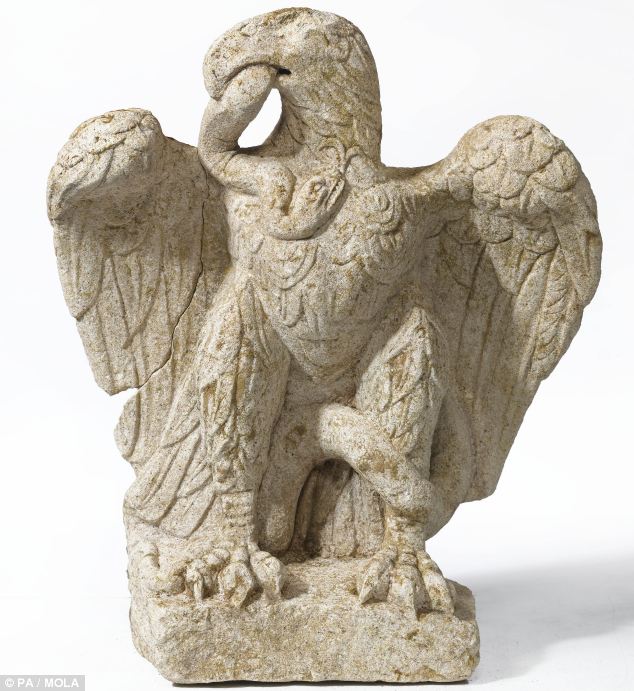
பிரிட்டனை ரோமானியர்கள் 400 ஆண்டுக்காலம் ஆண்டனர். ஆகையால் முதல் 4 நூற்றாண்டுகளைச் சேர்ந்த சின்னங்கள் லண்டனில் ஆண்டுதோறும் கிடைத்து வருகின்றன. சென்ற ஆண்டு மட்டும் 10,000 ரோமானியப் பொருட்கள் கிடைத்தன. இதில் 250 ஜோடி தோல் (Leather Shoes) செருப்புகள், மட்பாண்டங்கள், கோப்பைகள், தட்டுகளும் அடங்கும். ரோமானியரின் ஒரு சின்னமான கழுகும் அதன் வாயில் பாம்பும் உடைய (Eagle and Snake) ஒரு கற்சிலையும் அண்மையில் கிடைத்தது.

மித்ரன் யார்?

மித்ரன் (Vedic God Mitra) என்பது வேத காலத்தில் வழங்கப்பட்ட ஒரு தெய்வம். வியப்பான விஷயம் என்ன வென்றால் இன்றும் பிராமணர்கள் நாள்தோறும் செய்யும் சந்தியா வந்தனத்தில் இந்த தெய்வத்தை வழிபடுகின்றனர். சூரிய நமஸ்காரம் செய்வோர் சொல்லும் முதல் மந்திரம் “ஓம் மித்ராய நம:”. மித்ரன் என்ற சொல்லுக்கு சூரியன், ஒப்பந்தம், நண்பன் (Sun, Contract, Friend) என்ற பொருள் உண்டு. விஷ்ணு சர்மா எழுதிய பஞ்ச தந்திரக் கதைகளில் ஒரு தந்திரம் மித்ர பேதம் என்பதைப் பலரும் அறிவோம்.

mithraeum in Rome hidden

Mithra hidden underground in Rome.

இதை எல்லாம் விட வியப்பான விஷயம் மித்ரன் பொறித்த களிமண் பலகைக் கல்வெட்டு சிரியா- துருக்கி ஆகிய முஸ்லீம் நாட்டு பிதேசத்தில் கிடைத்ததாகும். கி.மு. 1380 ஆண்டில் மிட்டனிய (Mittanian) வம்ச அரசன் ஒருவன் பக்கத்து நாட்டுடன் சமாதான நட்புறவு ஒப்பந்தம் செய்து கொண்டான். மிட்டனிய வம்சம் வேத கால இந்துக்கள் ஆவர். அவர்கள் மித்ரன், வருணன், இந்திரன், நாசத்யர்கள் (அஸ்வினி தேவர்கள்) பெயரில் சத்தியப் பிரமாணம் செய்து சமாதான ஒப்பந்தம் நிறைவேற்றினர். ஆகவே 4000 ஆண்டுகளாக மித்ரன் வழிபாடு நடக்கிறது!!!

மித்ரன், காலை நேர தெய்வம், வருணன், இரவு நேர தெய்வம். நம்மை எல்லாம் சூரியன், சந்திரன் போல எப்போதும் கண்காணித்துக் கொண்டே இருப்பார்கள். நல்லாட்சியை மலர வைப்பதும் தீயோரை நையப் புடைப்பதும், விதிகள் (ருதம்) ஒழுங்கு, கட்டுப்பாடு ஆகியனவற்றைச் செயல் படுத்துவதும் இவர்கள்தம் பணி என்று வேதங்கள் முழங்குகின்றன.

சில விஞ்ஞானிகள் பாசிட்டிவ், நெகட்டிவ் (Positive & Negative energy) என்ற இருவகை சக்திகளையே இந்துக்கள் மித்ர—வருண என்று சொன்னார்கள் என்பர். ஏனெனில் வேதத்தில் மித்ர—வருணன் என்று ஜோடியாகவே சொல்லுவர். பிரித்துச் சொல்வது அபூர்வம்.

mithraeum-san-clemente-8966p40
Mthra temple under San Clementine church.

ரோமானிய மித்ரன்

ரோமானிய படை வீரர்கள் இடையே 2000 ஆண்டுகளுக்கு முன்னரே மித்ரன் (Mithras) வழிபாடு பரவிவிட்டது. இவர்கள் ஏது காரணத்தினாலோ மித்ரன வழிபாட்டை ரகசியக் காப்பு பிரமாணத்தோடு, பாதாள குகைகளிலும், அறைகளிலும் நடத்தினர். ஒரு நேரத்தில் ரோம் நகரில் மட்டும் 700 மித்ரன் கோவில்கள் இருந்தன. ரோமானிய மித்ரன், ஈரான் வழியாக வந்த மித்ரன் என்பதால் பாரசீகக் குல்லாயைக் காணலாம். பாரசீக மித்ரன், (Azura Mazda) அசுர மஸ்தாவுடன் சேர்ந்தவன் இவர்கள் மித்ரன், ஒரு காளை மாட்டை கொல்லுவது போல சிலைகள் வடித்துள்ளனர். இதுவே ரோமாபுரி முழுதும் காணக்கிடக்கும். இந்தக் காளையைக் கொல்லும் சின்னம் வானியல் தொடர்பான சின்னமாகும். உண்மையில் காளை வதை அல்ல.

ரோமானியர், காளையை பலியிட்டு வணங்குவர். ஆயினும்அக் காளை வழிபாடு வேறு ஒரு பெண் தெய்வத்துகானதாகும்.

mithraism-carvings-ancient-rome

பாரசீக (ஈரான்) மித்ரன்

பாரசீக நாட்டில் வாழ்ந்த சொராட்ஸ்ரர் (Zoroaster) இந்தியாவின் குஜராத்/சௌராஷ்ட்ர (Saurashtra= Zoroastra) மாநிலத்தில் இருந்து சென்றவர் என்பது காஞ்சி மஹாபெரியவரின் கணிப்பு. அவரது காலமும் கி.மு.800-ஐ ஒட்டியதே. . அவர் வேதத்தின் ஒரு பகுதியை தலை கீழாக மாற்றி வைத்துக் கொண்டார். வேதம் அசுரன் என்று சொன்னால் அவர் தேவர் என்பார். ஆயினும் அவர்களும் தீயை வழிபடுவர், பூணூல் போட்டுக் கொள்வர். பல வகைகளில் ஒருமைப்பாடு காணலாம். அவர்களுடைய மித்ரன் நான்கு குதிரை பூட்டிய ரதத்தில் செல்லும் சூரியனாகவும், போர்த் தெய்வமாகவும், நீதி தேவனாகவும் வழிபடப்பட்டான். இந்த தெய்வம் அவருக்கு ஆயிரம் ஆண்டுகளுக்குப் பின்னர் ரோமானிய சாம்ராஜ்யத் துக்குள் நுழையும்போது இன்னும் உருமாறிப்போனார். எல்லோரும் ஒப்புக் கொள்ளக்கூடிய ஒரு விஷயம் இவர் முதலில் வேதகால தெய்வம் என்பதாகும்.

Mithras in bath

ரோம் ஆட்சி எங்கு எங்கெல்லாம் பரவியதோ அங்கு எல்லாம் ரோமானிய படைவீரர்கள் இந்த தெய்வத்தையும் கொண்டு சென்றனர். லண்டனில் இவரைப் போற்றும் கல்வெட்டுகளும் கிடைத்தன. இப்போது உலகம் முழுதுமுள்ள மியூசியங்களில் மித்ரன் சிலைகளைக் காணலாம். இந்துக்கள் மட்டும் உள்ளத்தில் மித்ரன் வழிபாடு செய்வர். மற்றவர்கள் மியூசியத்தில் காட்சிப்பொருளாகக் காண்பர்.
வாழ்க மித்ரன் புகழ்!

–சுபம்–

Eagle/Garuda in India, Rome and Sri Lanka

eagle

It was discovered near the Aldgate Tube station in London.

Research paper written by London Swaminathan
Post No.1310; Dated 25th September 2014.

I wrote three articles about Eagle/ falcon (Garuda in Sanskrit) sometime ago:

“Hindu Eagle Mystery Deepens” — posted on 16th Feb. 2013
Gods and Birds, posted on 3rd Feb. 2013
“Double Headed Eagle: Sumerian –Indian connection”– posted on18 December 2011.

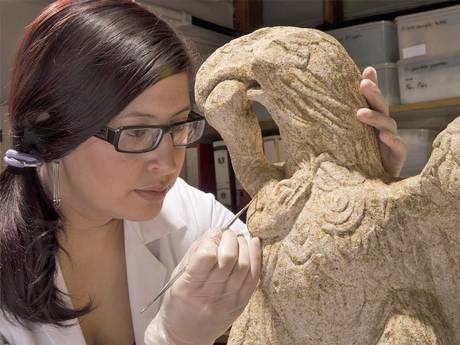
Now there are more interesting things about the eagle in History. Last year the same time, a remarkable discovery was made in London. A Roman eagle with a snake in its mouth was dug out very near the Tower of London. The amazing thing about the sand stone sculpture is that it is intact as if it was made yesterday. Actually it was made 1900 years ago and buried with a wealthy Roman general or businessman of Londinium (London’s original name). From 1st century to fourth century of Common Era, Britain was under the rule of Romans.

pg-28-eagle-2-mola

Let us look at the interesting things about this remarkable find:
I have already written that the fight between the Snake People and the Eagle people is depicted all over the world from Egyptian to Mayan civilizations. Actually this Garuda- Naga fight has started in Mahabharata times. Flags and emblems of many countries have this Garuda/Naga logo.
This Garuda emblem is mentioned in the Sri Lankan chronicle Mahavamsam as well.

In Sri Lankan Mahavamsam (chapter 19), when Sangamitra, daughter of Emperor Asoka, was travelling in a ship with the Pipal tree (Ficus religiosa), the Nagas (people with snake totem) objected to it. Then Sangamitra ‘assumed’ the form of Garuda and threatened the Nagas. Immediately they made peace with her and accompanied the ship up to the Naga Country (northern part of Sri Lanka). Here we can read between the lines. When Nagas objected, she showed the Garuda devouring Naga emblem to threaten them. The message given by her was “I will take severe action against the Nagas like in the olden days”.

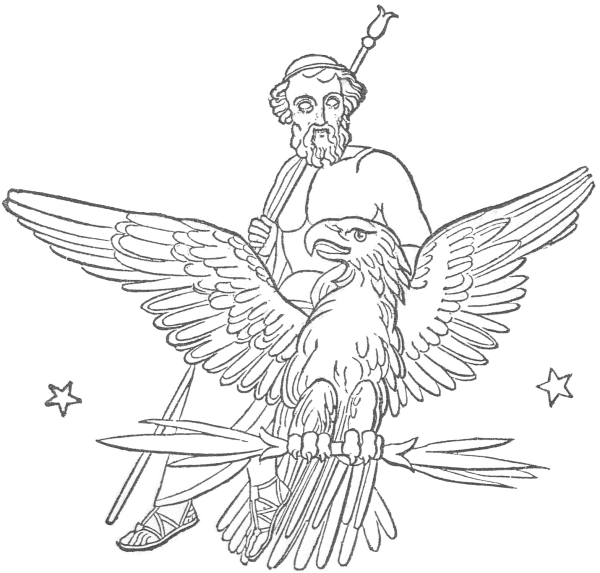
Zeus (Jupiter) on eagle
Zeus riding on an eagle
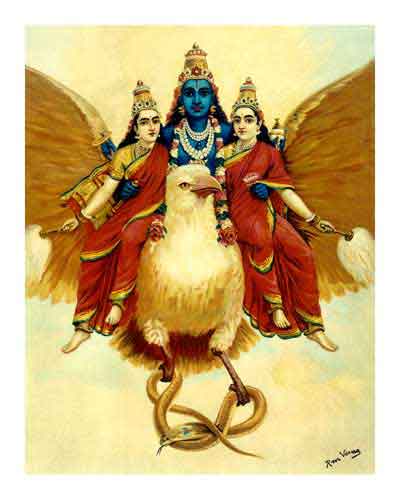
raviLord-Garuda

Ravi Varma picture of Vishnu riding eagle

((What happened in the olden days is explained in detail in the Mahabharata. The clash started when Arjuna and Krishna started burning Naga forest called Khandava Vana (Gond wana Land) and then the enmity continued until a Naga hid himself in a fruit basket and killed Pariksheet. Then Janamaejaya started killing all the Nagas (Sarpa Yaga) and at last Saint Astika made a peace treaty between them. Even today Brahmins recite this story in a mantra every day in the Sandhya Vandhanam))

In Greece Zeus is shown riding an eagle like Vishnu. In Egypt also Naga/eagle logo is shown in some of the seals.

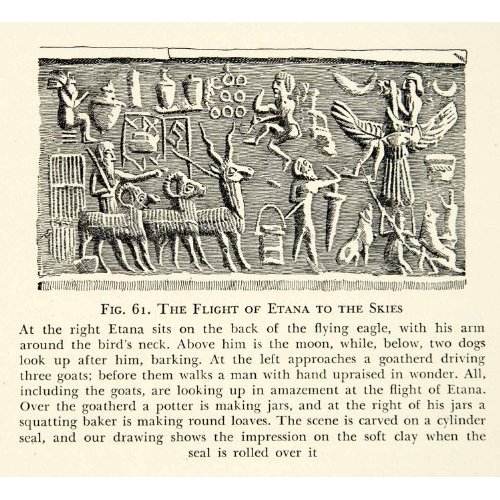
Etana
Etana in Babylonia riding on eagle on his way to heaven to get medicinal herb(Soma !)

Roman and Hindu similarities
Rome has eagle as its emblem. But why did they bury a big statue 65 cms tall in a London mausoleum (grave). ‘Daily Mail’ of London explained it in a box item along with the news:–

a) The eagle signifies ‘good’ in Roman art.
b) It is also the symbol of Jupiter, the most popular Roman god at that time.
c) The fact that eagle is eating a snake shows that it has triumphed over death or evil.
d) In Roman art eagles are often shown carrying the souls of Roman emperors to the gods making the mortals divine. This is the reason for placing it in a mausoleum, said Michael Marshall, Roman Finds expert.

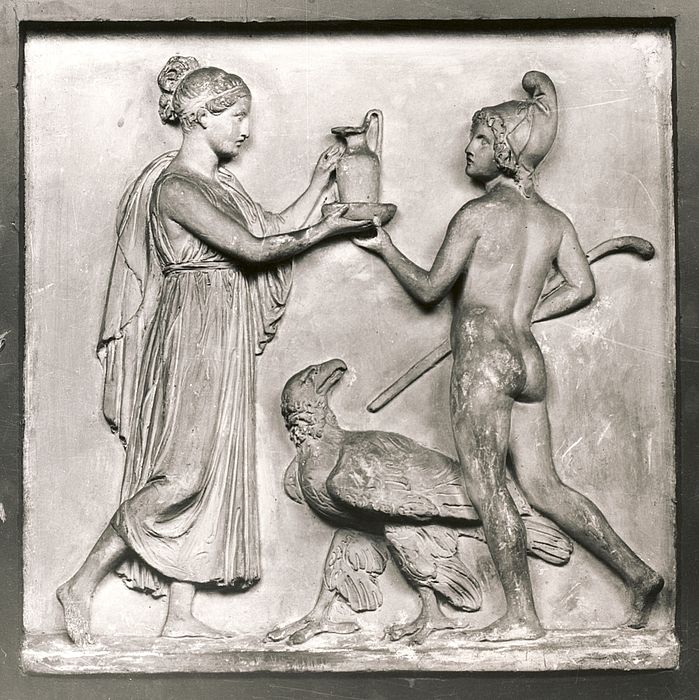
hebe-and-ganymede-by-bertel-
Ganymede taken to heaven by eagle (Zeus)

All these points correspond with Hindu mythology. Hindus recite Garuda Purana (Eagle Myth) on the last day of mourning period. They have the same belief of Garuda’s role in the transit of soul. Sumerians also believed that Etana was taken to heaven by an eagle. Greeks also believed that Zeus was riding an eagle like Hindu God Vishnu. Like Sangamitra (In Mahavamsa) threatened the Nagas with eagle emblem, we have similar stories in the Vedas. Ahi, the snake demon was killed by Indra who is comparable to Jupiter of Romans and Zeus of Greeks (I have explained this in detail in my previous articles on Indra).
In short, last year’s London find explains the belief that existed 2000 years ago throughout the world.
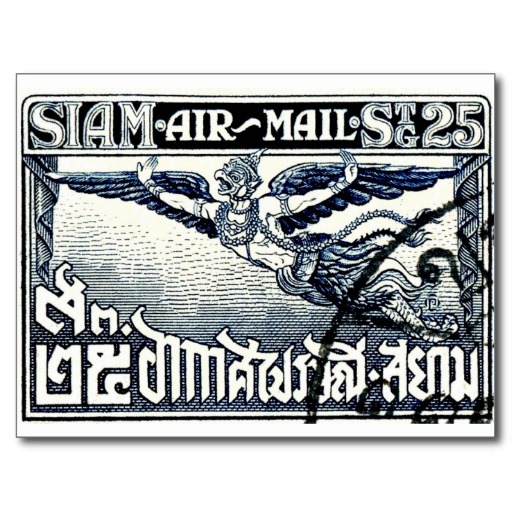
siam garuda

Thailand airmail stamp of Garuda; Indonesian airlines is also Garuda Airlines!

பனை மர வழிபாடு: மகாவம்ச, சங்க இலக்கியச் சான்றுகள்

palmyra with 8 branches
Rare type of Palmyra with 8 branches in Sri Lanka

தொகுத்து வழங்குபவர்- கட்டுரை மன்னன் லண்டன் சுவாமிநாதன்
கட்டுரை எண்.. 1309; தேதி- 25 செப்டம்பர் 2014

மஹாவம்ச ஆய்வுக் கட்டுரை வரிசையில் இது பதினோராவது கட்டுரை.

2014 ஜனவரி 27ல் — “பனமரங்கள் வாழ்க” — என்று ஒருகட்டுரை (எண் 804) வெளியிட்டேன். மஹாவம்ச நூல் ஆராய்ச்சியில் ஈடுபட்டபோது சங்க இலக்கியத்தில் உள்ள பனைமர வழிபாடு இலங்கையில் பௌத்த சமயத்திலும் இருப்பதைக் கண்டு வியந்தேன். அதன் விளைவாகப் பிறந்து இக்கட்டுரை.

மரங்களிலும் ஏரி, குளங்களிலும், காடுகளிலும் கடலிலும் அணங்குகள் (தேவதைகள்) வசிப்பதாக சங்க காலத் தமிழர்கள் நம்பினர். இவர்கள் பற்றியும் பேய்கள், பூதங்கள் பற்றியும் நூற்றுக் கணக்கான குறிப்புகள் சங்க இலக்கியத்தில் உண்டு.

மரங்கள் பற்றி மகாவம்சத்தில் 25–க்கும் மேலான குறிப்புகள் இருக்கின்றன. பட்டப் படிப்பில் தாவர இயலைக் கற்ற எனக்கு இவை எல்லாம் தேன் போன்று இனிக்கும் தகவல்கள். பனைமரம் பற்றிய குறிப்பு இதோ:

அத்தியாயம் 10– பாண்டுஅபயன் காலத்தில் நடந்தது இது.
“பொது கல்லறை, கொலைக் களம், மேற்றிசை ராணிகளின் ஆலயம், வேசவனத்து ஆலமரம், வேட்டை பூதத்துக்குரிய பனை மரம், யோனர்களுக்கு ஒதுக்கப்பட்ட இடம், மகா யக்ஞ சாலை – ஆகிய இவைகளை அவன் மேற்கு வாயிலுக்கு அருகில் அமைத்தான்”.

இந்த மகாவம்ச தகவலுக்கு விளக்கம் எழுதியோர் இதை வேட்டைக் காரர்களின் கடவுள் என்று எழுதி இருக்கின்றனர்.

battocaola branched palmyra
Branched Palmyras in Mattakilappu (Batticaloa) of Sri Lanka

இதே போல சங்க இலக்கியத்திலும் பேசப்படும்.ஆனால் அது நெய்தல் என்னும் கடலும் கடற்சார்ந்த நிலமும் பற்றிய குறிப்பு. நற்றிணைப் பாடல் 303-ல் மதுரை ஆருலவிய நாட்டு ஆலம்பேரி சாத்தனார் பாடிய பாடலில்

“தொன்று உறை கடவுள் சேர்ந்த பராரை
மன்றப் பெண்ணை வாங்கு மடற் குடம்பைத்
துணை புணர் அன்றில் உய்வுக்குரல் கேட்டொறும்
………………………………

என்ற வரிகளுக்கு உரை எழுதிய பின்னத்தூர் அ. நாராயணசாமி அய்யர் கூறுவது யாதெனில்: “ பண்டுதொட்டு உறைகின்ற கடவுள் தங்கப் பெற்ற பருத்த அடியையுடைய ஊர்ப்பொதுவிலுள்ள பனையின் வளைந்த மடலிடத்துச் செய்த குடம்பையின் கண் இருந்து தன் பெடையைப் புணர்கின்ற மகன்றிலின் வருத்தம் தரும் குரலைக் கேட்கும்தோறும்”

இதில் நமக்குத் தேவையானது பருத்த பனைமரத்தில் கடவுள் இருக்கிறார் என்ற நம்பிக்கையாகும். இதே நம்பிக்கை 2000 ஆண்டுகளுக்கு முன் இலங்கையை அரசாண்ட பாண்டு அபயனுக்கும் இருந்தது ஒப்பிடற்பாலது.

பனைமரக் கொடியை கிருஷ்ண பரமாத்மாவின் அண்ணன் பலராமன் வைத்திருந்ததை ஒல்காப் புகழ் தொல்காப்பியனும் மதுரைக் கணக்காயனார் மகனார் நக்கிரனாரும் (புறம் 56) விதந்து ஓதுவதும் வியப்புக்குரியது. எத்தனையோ மரங்கள் இருக்க பலராமன் பனை மரத்தைத் தேர்ந்தெடுத்தது ஏன்? என்று நான் வியப்பதுண்டு. ஆனால் விக்கிபீடியா பொன்ற கலைக்களஞ்சியங்கள் பனைமரம் 800 வகைகளில் பயன்படுத்தப்படுவதாக எழுதியதைப் படித்தவுடன் வியப்பு போய்விட்டது. பலராமன், கண்ணன் விளையாடிய ராஜ தந்திர ஆட்டங்களில் சிக்காமல், நாடு முழுதும் விவசாயத்தைப் பிரசாரம் செய்வதையே தனது அரும்பணியாகக் கொண்டவர். தோளில் கலப்பயுடன் காட்சிதருவார்!

palmyra 7
Rama piercing seven Palmyra Trees with a single arrow in Amriteshwar Temple, Karnataka

பனை மரம் பற்றிய மற்றொரு புதிரை பனைமரங்கள் வாழ்க என்ற கட்டுரையில் வெளியிட்டு ஒருவேளை இப்படி இருக்கலாம் என்று ஒரு ஊகச் செய்தி வெளியிட்டேன். இப்போது அதுவும் உறுதிப்படுத்தப்பட்டு விட்டது. இலங்கை மன்னனாக விபீஷணனை அம்ர்த்திவிட்டுப் புறப்பட்ட இராம பிரானுக்கு விபீஷணன் ஒரு பரிசுப்பொருள் தருகிறான். இது தங்கத்தினால் ஆன ஏழு பனை மரங்கள் என்று இராமாயணம் பகரும். ஒருவேளை இரமன் ஒரே அம்பில் ஏழு மராமரங்களைத் துளைபோட்டு (கின்னஸ்) சாதனைப் புத்தகத்தில் இடம் பெற்றதால் இப்படி இருக்குமோ என்று ஊகச் செய்தி வெளியிட்டேன்.

கோவில் சிற்பங்களில் உள்ள மரங்கள் பற்றி வெளியான ஆரய்ச்சிப் புத்தகத்தில்(See page 200 of Plants in Indian Temple Art by Shakti M Gupta) ராமபிரான் ஏழுபனை மரங்களைத் துளைத்த காட்சி கர்நாடக மாநில அமிர்தேஸ்வரர் கோவிலில் இருப்பதாக அவர் எழுதி இருந்தார். ஆக ராமன் பனைமரம் ஏழையும் துளை போட்டதற்காகவே விபீஷணன் ஒரு நினைவுப் பரிசு கொடுத்தான் என்பது பொருத்தமாகவே இருக்கிறது. ராமாயன மரா மரம் அந்தச் சிற்பத்தில் பனை மரமானதும் ஆய்வுக்குரியது.

அடிமுதல் முடி (நுனி) வரை நமக்குப் பயன்படும் பனை மரம் வடமொழியில் தாட என்றும் தால என்றும் எழுதப்படும். இதை ஓலைச் சுவடிகளாகப் பயன்படுத்தியதே இதன் புனிததன்மைக்குக் காரணம் என்று வேறு ஒரு புத்தகத்தில் படித்தேன். அவருக்கு மஹாவம்ச, சங்கத் தமிழ் இலக்கிய அறிவின்மையே அத்தகைய முடிபுக்குக் காரணம்.

இந்திய வரலாற்று ஆராய்ச்சியில் இறங்குவோருக்கு தமிழும் சம்ஸ்கிருதமும் தெரிந்திருக்கவேண்டும். இல்லாவிடில் நிறைய தவறான முடிவுக்கு வருவார்கள்.

OLYMPUS DIGITAL CAMERA
Tasty Palmyra fruits (fleshy parts inside is eaten)

கம்போடியா நாட்டு தேசிய மரமாகத் திகழும் பனை மரம், தமிழ்நாட்டில் திருப்பனந்தாள், திருப்பனங்காடு, திருப்பனையூர், திருமழல்பாடி, திருக்குறுங்குடி ஆகிய தலங்களில் தல மரங்களாக வழிபடப்படுவதும் குறிப்பிடத் தக்கது.

அனுராதா நட்சத்திரத்தை தமிழர்கள் முடைப் பனை என்று அழைப்பது, ஞான சம்பந்தப் பெருமான் ஆண் பனை மரங்கள் அனைத்தையும் பூத்துக் குலுங்கும் பெண் மரங்களாக மாற்றி அற்புதம் செய்தது, ஆதிசங்கரர் தாடங்கப் பிரதிஷ்டை செய்தது ( தால/தாட அங்கம் = தோடு), தாயத்துக்கும் பனைமரத்துக்கும் உள்ள தொடர்பு முதலிய விஷயங்களை முந்திய கட்டுரையில் கண்டு கொள்க.

2000 ஆண்டுகளுக்கு முன்னர் காதலில் தோவியுற்ற தமிழ் இளைஞர்கள் ஊர் அறிய பனைமர மடலான குதிரை மீது பவனி வருவர். இது தமிழர்களுக்கே உரித்தான வழக்கம். ஆயினும் இதிலும் வடக்கில் இருந்தோ அல்லது வெளிநாட்டில் இருந்தோ இறக்குமதி செய்யப்பட்ட குதிரையின் தொடர்பு இருப்பது ஏன் என்று விளங்கவில்லை. ஆனால் தமிழர்கள் பற்றிய செய்தி எல்லாம் குதிரைகள் நன்கு பயன்படுத்தப்பட்ட காலத்துக்குப் பிற்பட்டவையே. இதைத் தனியாக ஆராய்வோம்.

122 Amruteshwara temple Rama Sita Lakshmana Golden Deer
Ramayana is depicted in sculptures in Karnataka

My earlier Ramayana and Tree related posts:
1.Where is Rama Setu (Rama’s Bridge) ? 2. Did Sita Devi Die in Earth Quake? 3. Ramayana Wonders Part1 (4) . Ramayana Wonders Part2 :How many miles did Rama walk? (5) Ramayana Wonders Part 3: Rama and Sanskrit G’ramma’r (6) Part 4: Who can read all 300 Ramayanas? (7) Ramayana Wonders part 5: Indus Valley Cities in Ramayana (6) Indian wonder: The Banyan Tree (7) Ramyana Wonders Part 6 (8) Where there is Rama, No Kama and many more 9) இந்திய அதிசயம்: ஆலமரம் 10) பனை மரங்கள் வாழ்க 11)தமிழ் பக்தர்களின் அபார தாவரவியல் அறிவு 12)அருகம்புல் ரகசியம் 12)சிந்து சமவெளியில் அரச மரம் 13)மரத் தமிழன் வாழ்க 14) வேதத்தில் 107 மூலிகைகள் 15) சிவனுக்கும் தமிழர்களுக்கும் மரங்கள் சுவீகார புத்திரர்கள் 16)ஒன்றுக்கும் உதவாத உதிய மரமே 17) தமிழ்நாட்டைப் பற்றி 100 அதிசய செய்திகள் 18) Magic of Trees 19)இளநீர் மகிமையும் தென்னையின் பெருமையும் 20) வாழைப்பழம் வாழ்க 21) தக்காளி ரசத்தின் மகிமை.

Contact swami_48@yahoo.com

700 Temples for ‘Hindu Mitra’ in Rome!

vatican mithra
Mithra in Vatican Museum

Compiled by London Swaminathan
Post No 1308; Dated 24 September 2014.

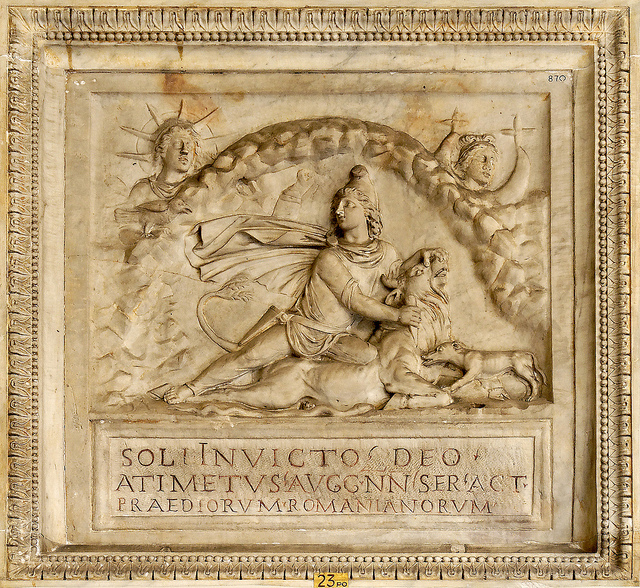
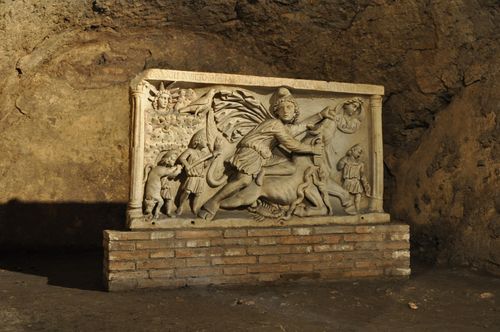
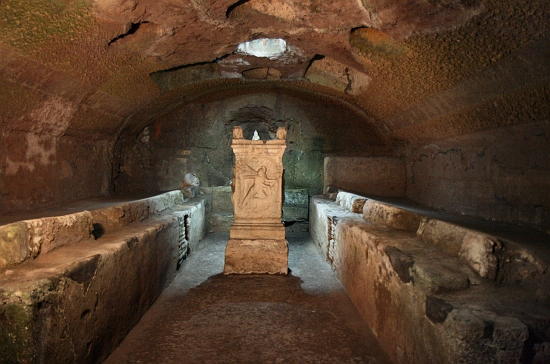
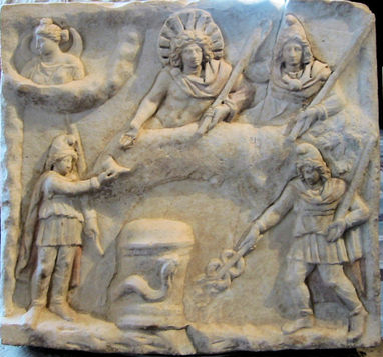
Mitra is a Vedic god. He is associated with the Sun. Mitra is another name of Sun as well. This Vedic god was worshipped throughout the Roman empire 2000 years ago. At one time there were 700 temples for Mitra in Rome. The worship reached Rome from Iran in a degenerated form. Wherever the rule of the Romans was extended there the cult of Mitra was also practised. Even in London they have excavated one Mitra temple sixty years ago. Because of construction of big companies were involved when they dug out the heart of London, they could not install the temple in its original place. Some of the statues were removed from its original site. Now there is a plan to build the temple in the same place as it was during the Roman rule of Britain.

London’s name came from the Roman Londinium. Places of Mithra worship were called Mithraeums. A third century structure was discovered in London. Following this discovery, some Roman artefacts are discovered in London every year. Last year a delicately carved stone sculpture of a Roman eagle with a snake in its beak was discovered in the Tower of London area. Last year alone they dug out 10,000 Roman objects including 250 leather shoes, hundreds of plates and timber writing tablets near the London Mitra temple. Romans ruled Britain in the first four centuries of the Common Era. Roman soldiers worshipped Mithra and accorded high status like an emperor.

In London an inscription dated to 310 CE was discovered. It said, “For the salvation of our Lords, the four emperors and the Caesar, and to the God Mithras the invincible sun from the east to the west”. Most of the British Christian churches were built in the model of Mithraeums.

Mithras in bath
Mitra coming out of rocks

Historians have discovered scores of human skeletons badly injured and mutilated. They were gladiators who were fighting wild animals such as lions bears and tigers. Thousands of Romans enjoyed watching people torn to pieces by wild animals. They even watched people fighting one another till one of them was killed. Huge crowd cheered them to kill one another. Most of the victims were prisoners of war or slaves. They were all young and under 30!

God Mitra in Vedas (1380 BCE Inscription of Turkey)

Even today Mitra is worshipped as Sun by millions of Brahmins in their daily ritual called ‘Sandhyavandhanam’ and by the practisers of ‘Surya Namaskara’. The first mantra is Om Mitraya Nama:.

The archaeological evidence for Mitra goes back to 1380 BCE. He was invoked in a contact between two kings. Mitannian king swore in the name of Mitra, Varuna, Indra and Nasatyas. Mitannians ruled over an area covering Syria and Turkey. The clay tablet inscription with a peace treaty was discovered in Bogazkoy in Turkey.
mithraism-carvings-ancient-rome
Mithra in museums

Mitra and Varuna are the sons of Aditi or Adityas. They are called kings/ Rajas and they possess power/Kshatram. This is the reason for worship by the roman soldiers. Both Mitra and Varuna were endowed with universal power/ Samraj. They maintain universal order/ Rita=rhythm. Mitra presides over friendship and ratifies contracts. This is the reason for Mitannian king to invoke him in the contract. Sanskrit word Mitra means sun and a friend. One of the Pancha Tantras of Vishnu Sarman in ‘Mitrabedham. Zoroaster who went from Saurashtra area of Gujarat to Iran around 800 BCE also used this name Mitra who is considered very close to Asura Mazda.

In the Vedas, Mitra is the ruler of the day and Varuna the ruler of the night like sun and moon. Both maintain the order in the world and this is the reason for Vedas always pairing them as Mitra-Varuna. People with a scientific bent of mind see them as the positive and negative nodes in an electric battery. They together uphold and rule the earth and the sky, guard the world, encourage religion and punish the sinners
mithraeum-san-clemente-8966p40
Mithraemple under San clemente Church

Mithra Cult of the Romans
Mithra in Persia was a god of war, justice and the sun. As a god of war he rode in a golden chariot drawn by four horses to combat the demons.

Under the Roman empire, Persian Mithra became the focus of a mystery cult particularly popular among the roman soldiers. Mithraic shrines were characterised by an image of Mithras slaying a bull. The slaying of bull was an ancient Persian rite said to have been established by the first man Yima. For the followers of Mithraism this rite symbolised the renewal of creation. In killing the bull it was believed that Mithras brought back Yima’s rule over a world where hunger and death were yet unknown. Romans sacrificed bulls, but to different mother goddess.

Note how the spelling changes from Vedic India to Iran to Rome. Mitra becomes Mithra and then to Mithras.

(In Hindu mythology, Yama was the man said to have died as the first person. Hindu mythology is distorted in Persian and Greek mythologies).

mithraeum in Rome hidden
Mysterious Mithra temples are always in under ground locations.

Sources for the article:
Daily Telegraph (London),
Encyclopaedia of Gods by Michel Jordan,
Dictionary of World Myth by Roy Willis and
New Larousse Encyclopaedia of Mythology

Palmyra Tree Worship in India and Sri Lanka!

battocaola branched palmyra
Rare branched palmyra trees in Batticaloa in Sri Lanka.

Research paper written by London Swaminathan
Post No 1306; Dated 23rd September 2014.

Tree worship is practised around the world. We see it in Sumer, Indus and Maya civilizations to name a few. But India is a country where it is practised till today with same fervour as it was 2500 years ago. Vishnu Sahasranamam gives three trees as Gods names : Asvatta, Udumbara and Nyagrodha. All these trees belong to the genus Ficus (Pipal, Fig and Banyan Trees). We have even people named after these trees in our old literature- both secular and religious. But the surprising thing is the Worship of Palmyra Trees!

Palmyra’s botanical name is Borassus flabellifer (Family: Arecaceae or Palmae). It is indigenous to India. Lord Krishna’s brother Balarama had it on his flag. It is strange that he chose this tree when there were hundreds of beautiful flowering and fruit laden trees in India. The oldest Tamil book Tolkappiam mentioned the Palmyra flag of Balarama. Nakkirar in Purananauru verse 56 also praised Balarama carrying Palmyra flag and plough. The tree and its parts are used in hundreds of ways. No part of this tree is useless. So it is called Karpaga Taru (Wish Fulfilling Tree).

Major temples in Tamil Nadu have “Sthala Vrkshas” meaning the local tree of the temple. This is the tree of the temple in Tiruppanandal, Tiruppanangkadu, Tiruppanaiyur, Tirumazalpadi and Tirukkurungkudi. Both Buddhists and Hindus worshiped this tree. Some people thought it was because the palm leaf that was used for writing the scriptures and preserving them. But it is not convincing. Moreover the 2000 year old Sangam Tamil literature and Sri Lanka’s chronicle Mahavamsam specifically say that these trees are abodes of Gods!!

It is called Panai or Pennai in Tamil and Tal or Tad in most of the Indian languages. In a few temples in Tamil Nadu Adi Shankara and his followers did Tadanga Pradhista to Goddesses. It was used as an earring of women at one time. That is why it was called Thadanga ( In Tamil Thodu).

palmyra with 8 branches
Palmyra tree with 8 branches

In Mahavamsa

During the reign of Pandu abhayan in Sri Lanka he built several buildings and made several facilities for the public. One of them was the erection of a Palmyra tree surrounded by a fence which was the God of the Hunters (See chapter 10).

In Sangam Tamil literature Palmyra tree is said to be worshipped by the residents of Neithal landscape (sea shore and its surrounding area). Alamperi Sathanar of Natrinai verse 303 says that there was a Palmyra tree in the meeting place of the village and the tree had a huge stem where God resides. The commentator adds that it is common for the people of the littoral land to invoke family deity and city deity in the Palmyra tree.

Indian temple sculptures from second century BCE show Palmyra tree in at least eight places. In many of them Balarama’s killing of Dhenukasura is portrayed with the tree. I have already written about Vibhishana’s gift to Rama in the Ramayana Wonders series where Vibishana presented Ram, a momento with seven golden Palmyra trees. It was a puzzle and I commented that it may be due to Rama’s heroic act of piercing through seven trees with one arrow. Now my guess is proved right.

palmyra 7
Amriteshwara temple, Karnataka

At the Amriteshwara temple in Amritapura, Karnataka, there is a sculpture with seven Palmyra trees. There are markings on the tree to show that it was pierced by an arrow and Sri Ramachandra is standing on the left with his bow. The arrow having pierced through the trees is denoted by a downward moving line. There is a snake under the trees. Lakshman, Hanuman and Sugreeva are all watching the scene (See page 200 of Plants in Indian Temple Art by Shakti M Gupta). So this is the reason for Vibishana donating a Seven Golden Palmyra trees memento to Rama. Ramayana refers to a different tree. Palmyra tree is Tala tree. There may be some confusion in the transcription of the word. There is scope for more research here.

In my Tamil article Long Live Palmyra Tress posted on 27th January 2014, I have listed the Tamil proverbs on Palmyra trees and the important Tamil verses where Palmyra is used as a simile.

Palmyra Tree Miracle
When the famous Saivite saint Sambandhar visited Tiruvothur he saw a devotee crying. The devotee raised some Palmyra trees so that he can use the income for his community service in the Shiva temple. By rare coincidence all the trees were male trees and did not yield fruits. Atheists were mocking at him and teased him asking when his god would yield him fruits. When Sambandhar asked him the reason for his sad face, he told him about the ‘male only Palmyra trees’. Later Sambandhar visited the Shiva temple and looked at the Palmyra trees and he sang ten verses in praise of the Lord and said the male trees will yield (Kurumpai Aan Panai Eenum in Tamil). Next minute all the trees bloomed and bore plenty of Palmyra fruits! Dr R Nagasamy, renowned historian and archaeologist, has quoted the Sanskrit lines from the Upamanyu Bhakta Vilasam giving the same meaning: Tala: pumamsa: sruthvai they bhavanthu paritha: palai:
OLYMPUS DIGITAL CAMERA
Fruits of Palmyra Tree

Talisman and Tale Tree
I guess the English word Talisman and Tamil word Tali came from the Sanskrit word Tala for Palmyra leaf. In the ancient India, Hindus wore ornaments made up of Palmyra leaf in which they wrote mantras. Adi Shankara and his followers installed Thadanga in Kanchi Kamakshi Temple and Trichy Akilandeswari Temple. But that is worn on the ear as ear studs.

During lunar and solar eclipse times the Brahmin priests visited my house and asked us to wear the Palmyra leaf with written mantra on our foreheads. This is to ward off the evil effects of the planets, if the eclipse occurred on the day of your birth star etc. This custom shows that wearing the palm leaf with written mantra has been there for ages.

Tamil Youths Ride on Toy Palmyra horses
In ancient Tamil Nadu, Tamil youths who fell in love with girls used to make a horse toy with Palmyra leaves and used to ride on it along the streets to make it public. Then the parents of the girls were forced to marry them. Though it was practised only by the Tamils in ancient India, the association of horse in this ritual show that it also came from the north. Horses came to India from outside. The oldest reference is in the Rig Veda.

Star Anuradha is called Mudai panayam in Tamil meaning stunted Palmyra tree.
Countries like Cambodia have Palmyra trees as their national emblem. In Tamil Nadu and Palakkadu area of Kerala the tree plays a big role in common man’s life. It may be due to the toddy tapped from these trees.

122 Amruteshwara temple Rama Sita Lakshmana Golden Deer
Ramayana in Karnataka Temple

My earlier Ramayana and Tree related posts:

1.Where is Rama Setu (Rama’s Bridge) ? 2. Did Sita Devi Die in Earth Quake? 3. Ramayana Wonders Part1 (4) . Ramayana Wonders Part2 :How many miles did Rama walk? (5) Ramayana Wonders Part 3: Rama and Sanskrit G’ramma’r (6) Part 4: Who can read all 300 Ramayanas? (7) Ramayana Wonders part 5: Indus Valley Cities in Ramayana (6) Indian wonder: The Banyan Tree (7) Ramyana Wonders Part 6 (8) Where there is Rama, No Kama and many more

Contact swami_48@yahoo.com

Pictures are taken from different websites;thanks.

இந்தியாவுக்கு இராவணன் எப்படி வந்தான்? கப்பலா? விமானமா?

tamluk

கட்டுரை மன்னன் :– லண்டன் சுவாமிநாதன்
ஆராய்ச்சிக் கட்டுரை எண்:-1303; தேதி: 22 செப்டம்பர் 2014

மஹாவம்ச ஆய்வுக் கட்டுரை வரிசையில் இது ஒன்பதாவது கட்டுரை.

இராவணன் ஆண்ட இலங்கை இப்போதைய ஸ்ரீலங்கா இல்லை என்றும் அது கோதாவரி முகத்வாரத்தில் இருந்த நதியிடைத் தீவு என்றும் , அக்காலத்தில் பறக்கும் புஷ்பக விமானம் இருந்ததற்கு தடயம், சாட்சியம் இல்லை என்றும் வெளிநாட்டு அறிஞர்களும், மார்கசீய வரலாற்று அறிஞர்களும் கதைத்த ஒரு காலம் உண்டு. ராமாயணம், மஹாபாரதம் ஆகியனவற்றை “வர்க்கப் போராட்ட வருணனைகள்” என்று அவர்கள் நகைத்த காலமும் உண்டு. இவர்களுக்கு தமிழ் இலக்கிய அறிவு போதாமையே இது போன்ற அரைகுறை ஆய்வுகளுக்குக் காரணம்.

சிலப்பதிகார தமிழ் காவியத்தில் கடல் சூழ் இலங்கைக் கயவாகு வேந்தன் (கஜபாகு) என்று இளங்கோ அடிகள் குறிப்பிட்டத்தில் இருந்து கடல் ச்சூழ்ந்த இலன்கையே நாம் அறிந்த இலங்கை, ஆற்றிடை திட்டு அல்ல என்பது விளங்கும். அது மட்டுமல்ல ஏழாம் நூற்றாண்டில் வாழ்ந்த ஆழ்வார்களும் நாயன்மார்களும் இப்போதைய ஸ்ரீல்ங்காவை ராமனோடும் ராவணனோடும் தொடர்பு படுத்திப் பாடியுள்ளனர். எனினும் இவை எல்லாம் பழங்கதைகள். இப்போது உலகமே ஒப்புக்கொண்ட உண்மை- இன்றைய ஸ்ரீலங்காதான் அன்றைய ராமாயண இலங்கை.

தொல்முதுகோடி என்று தனுஷ்கோடி பற்றிய குறிப்பும் சங்க இலக்கியத்தில் உண்டு. ராமசேது என்னும் கடற்பாலம் இருந்ததற்கான தடயங்களை ‘நாஸா’ என்னும் அமெரிக்க விண்வெளி ஆராய்ச்சி நிலையமும் படம் மூலம் நிரூபித்துள்ளது.

ஒன்றுவிட்ட சகோதரனான குபேரனிடமிருந்து ராவணன் புஷ்பக விமானத்தைப் பறித்தான். இது எண்ணத்தால் — பெட்ரோலால் அல்ல — பறக்கச் செய்யும் விமானம். இதுபற்றி நியூ சைன் டி ஸ்ட் பத்திரிக்கையில் வந்த ஒரு விஞ்ஞான கட்டுரையை நான் எழுதி இருக்கிறேன். அதில் முழு விவரம் காண்க.

patna

புஷ்பக விமானத்தை நம்ப மறுக்கும் அறிவியல் புத்தி ஜீவிகளுக்கு மஹாவம்சம் சில அரிய பயணக் குறிப்புகளைப் படைக்கிறது.

இந்தியர்களுக்குப் பருவக் காற்றின் ரகசியம் தெரியும். இந்த ரகசியம் கரிகால் சோழனுக்கும் தெரிந்திருந்ததால் அவன் கடலுக்கு அப்பால் உள்ள தீவுகளை வெல்ல முடிந்தது.

நளியிரு முந் நீர் நாவாய் ஓட்டி
வளிதொழில் ஆண்ட உரவோன் மருக!
களியியல் யானைக் கரிகால் வளவ
— – புறநானூறு, பாடல் 66, வெண்ணிக் குயத்தியார் பாடியது.

வளவனே! உனது முன்னோர்கள் காற்று இயக்கும் திசையை அறிந்தே அதற்கான பொறிமுறைகளைப் பொருத்தி கப்பல் செல்லுமாறு செய்த அறிவாற்றல் உடையவர்கள். மத யானை மிகுந்த படைகளை உடைய கரிகால் வளவ! – என்று உரைகாரர்கள் இதற்குப் பொருள் எழுதியுள்ளனர்.

அவன் வழியில் “ஞாலம் நடுங்கவரும் கப்பல்களுடன்” சென்று ராஜராஜ சோழனும் மாயிருடிங்கம் (பிலிப்பைன்ஸ்), மாபூப்பாளம் (போர்னியோ) மாநக்கவாரம் (நிகோபர் தீவு முதல் இந்தோ நேஷியா வரை)— முதலிய பல தீவுகளை வென்றான்.

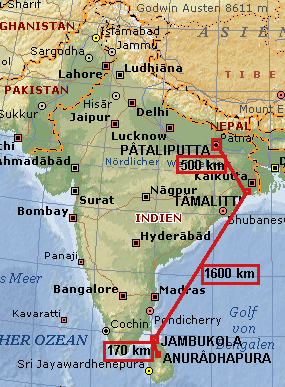
இலங்கை – வட இந்திய கடற்பயணத்துக்கு ஒரே வாரம் போதும் என்கிறது மஹாவம்சம் (அத்தியாயம் 11):

தேவானாம் ப்ரிய திஸ்ஸன் (கடவுளருக்கு பிரியமானான்) என்ற இலங்கை மன்னன், அதே பெயருள்ள அசோகச் சக்ரவர்த்திக்குப் பரிசுப் பொருட்களுடன் தூதர் குழு ஒன்றை அனுப்புகிறான். அவர்கள் இலங்கையில் உள்ள ஜம்புகோளத்தில் கப்பல் ஏறி ஏழு தினங்களில் தாம்ரலிப்தியை அடைகின்றனர். இது மேற்குவங்கத்தில் மிதுனபுரி அருகே உள்ளது. 51 சக்தி பீடங்களில் ஒன்று. இன்று தாம்லுக் என்ற சிறிய ஊராக இருக்கிறது. எப்படி பூம்புகார், குமரிக்கோடு, தனுஷ்கோடி, துவாரகா முதலிய ஊர்களை சுனாமிப் பேரலைகள் விழுங்கினவோ அப்படியே இந்த ஊர் துறைமுகத்தையும் கடல் விழுங்கிவிட்டது.

ship

இலங்கைக்கு புத்தர் வாழ்ந்த காலத்தில் வந்த வங்காளதேச அரசன் விஜயனும் இங்கேயிருந்துதான வந்தான். முதலில் யக்ஷிணி (குபேர) வம்சப் பெண்ணைக் கல்யாணம் செய்துகொண்டுவிட்டு பின்னர் பாண்டியநாட்டுத் தமிழ் பெண்ணைக் கல்யாணம் முடித்தான. துரதிருஷ்டவசமாக குழந்தைகள் பிறக்கவில்லை!

தாம்ரலிப்திக்குச் சென்ற இலங்கைக் குழு அடுத்த ஏழே நாட்களில் பீஹார் மாநிலத்தில் உள்ள பாட்னா (பாடலிபுத்ரம்) நகரை அடைந்துவிட்டது. மாமன்னன் அசோகன் இலங்கைத் தூதுக்குழுவுக்கு ஐந்து மாதங்களுக்கு ராஜ உபசாரம் செய்கிறான். பின்னர் அசோகன் அனுப்பிய நிறைய பரிசுப் பொருள்களுடன் அந்தக்குழு இலங்கைக்குத் திரும்புகிறது. இதற்கு 12 நாட்கள் ஆயின.

ஏன் ஐந்து மாதம் இலங்கைக் குழு அங்கே தங்கியது? பருவக் காற்றின் போக்கை அறிந்த நம்மூர் மாலுமிகள் இந்த குறிப்பிட்ட காலத்தில் புறப்பட்டால் இதனை நாட்களில் சென்றுவிடலாம் என்பதை அறிந்து வைத்திருந்தனர். ஆகையால் போனவுடன் திரும்பிவர இயலாது. கொஞ்சம் காலம் தங்கிவிட்டு காற்று எதிர்த் திசையில் வீசும் போது திரும்பவேண்டும்.

tamluk board

அத்தியாயம் 18-ல் அசோகன் அனுப்பிய போதி மரம், ஒரு பெரிய குழுவுடன் இலங்கைக்கு வந்த செய்தி கூறப்படுகிறது. அதை வாங்குவதற்காச் சென்றவர், ஐப்பசி மாதம் சுக்லபக்ஷம் த்விதியை திதியில் (வளர்பிறை இரண்டா நாள்) ஜம்புகோளத்தில் புறப்பட்ட அதே நாளன்று புஷ்பபுரத்துக்குப் (பாட்னா) போய்ச்சேர்ந்தார் என்னும் மஹாவம்ச கூற்றை நம்புவது கடினம். ஒருவேளை அதே சுக்ல பக்ஷ த்விதீயை — ஆனால் வேறு ஒரு மாதமாக — ஆக இருக்கலாம். மஹா வம்ச ஒரிஜினலைப் பிற்காலத்தில் எழுதியோர் விட்ட தவறாக இருக்கலாம் இது என்பது என் கருத்து. அல்லது இதை மந்திர –தந்திர –அற்புத– அதிசய வகைச் செய்திகளில் சேர்த்துக் கொள்ளலாம்.

அத்தியாயம் 19-ல், சாலை மார்கம் பற்றிய ஒரு குறிப்பு இருக்கிறது. பாட்னாவில் கங்கை நதியில் போதிமரத்தை ஏற்றிவிட்ட, அசோகன், விந்தியமலையைக் கடந்து ஒரே வாரத்தில் மேற்கு வங்க மாநிலத்தில் உள்ள தாம்ரலிப்திக்கு வந்துவிடுகிறான். இதிலிருந்து அக்காலத்தில் விந்திய மலை வழியாக நல்ல சாலை மார்க்கம் இருந்தது புலப்படும். இது அகத்தியர் அமைத்த பாதை. அதைப் புரணங்கள், “அகஸ்தியர் விந்திய மலையை கர்வ பங்கம்” செய்தார் என்று புகலும்/ புகழும்!

peryplus_first_century_AD_1000px

ஆக மேற்கூறிய குறிப்புகளைக் காண்கையில் அக்காலத்தில் கப்பல் வழி, சாலை வழிப் போக்குவரத்து மிக நன்றாக இருந்தது என்பது தெள்ளிதின் விளங்கும். வெள்ளைகாரன் வந்த பின்னால்தான் இந்த நாட்டில் போக்குவரத்து வசதிகள் அதிகரித்தன என்று கூறுவோரின் வாயை அடைக்க இதுவே போதும். வால்மீகியும் பரதன் — ஈரான்- ஆப்கனிஸ்தான் எல்லையில் இருந்து வந்த வழியை விரிவாகக் கொடுத்துள்ளதை ராமாயணத்தில் படித்து அறிக!!

புஷ்பக விமானத்தை நம்பாதோரும் இந்தக் குறிப்புகளை ஏற்கத்தான் வேண்டும். ஆக கைலாச மலையை ராவணன் அசைத்தான் – சிவபெருமானிடம் நல்ல அடி வாங்கினான் என்று ஞான சமபந்தப் பெருமான பதிகத்துக்கு பதிகம் பாடுவதும் உண்மையே.

அரபு நாட்டு ஷேக்குகள், அவர்கள் நாட்டில் தடை செய்யப்பட்ட, அட்டூழியங்களையும் பாப காரியங்களையும் பண்ணுவதற்கு பம்பாய்க்கும், ஹைதராபத்துக்கும் வந்து செல்லுவது போல அக்காலத்தில் ராவணனும் அவன தங்கை சூர்ப்பநகையும் சமூக விரோதச் செயல்களில் இறங்க மத்திய இந்தியாவில் இருந்த தண்டகாரண்யம், இமயமலையில் உள்ள கைலாசம் ஆகியவற்றைப் பயன்படுத்தினர். ராவணனால் விரட்டப்பட்ட குபேரன், இமயமலை திபெத் பகுதியில் குடியேறினான். அக்கலத்திலும் இந்தியா அகதிகளை ஏற்றுக் கொண்டதற்கு இதுவும் ஒரு சான்று.

Silk_Route_China_

பருவக்காற்றைக் கண்டுபிடித்தவன் தமிழனா? கிரேக்கனா? என்ற எனது பழைய கட்டுரையில் இது பற்றி விரிவாக எழுதியுள்ளேன். பருவக்காற்று ரகசியத்தை ஒரு இந்திய அசடு (மண்டு), எகிப்தில் அலெக்சாண்டிரியா நகரில் உள்ள ஒரு மாலுமியிடம் உளறிவீட்டான். அதன் பின்னர் போர்ச்சுகீசியர், பிரெஞ்சுக்காரர், பிரிட்டிஷ்காரர் முதலிய ஐரோப்பியர்கள் இந்தியாவைச் சூறையாட வழிவகை ஏற்பட்டது. — ((காண்க: தமிழ் இலக்கியத்தில் அதிசயச் செய்திகள், ச.சுவாமிநாதன், நாகப்பா பப்ளிகேஷன்ஸ், சென்னை-14, ஆண்டு 2009; இதே புத்தகத்தை நிலாசாரல்.காம் ஈ-புத்தகமாகவும் வெளியிட்டுள்ளது)) —

contact swami_48@yahoo.com