AYAS and ASVA : Most Misunderstood Words

Foreign scholars have derailed the history of India by misinterpreting some words. Sanskrit and Tamil literatures are very clear about such words as Ayas, Asva, Mlecha, Asura, Rakshasa and Dasyu. Words of all the languages in the world lose certain meanings or acquire some new meanings in course of hundreds of years. Linguists knew it very well as historical change of meaning. But when it comes to Indian words they are adamant and stick to one meaning from the very beginning because it fitted very well in dividing the Indians on Aryan Dravidian basis. They wanted to perpetuate their rule and spread their religion. They had believed very strongly that the world was created just 4000 years ago, because the Bible says so! They even refused to translate certain portions of Vedas and Tamil Veda Tirukkural saying they were too sexy! Once again they thought that it is against Biblical injunctions.

I would like to take only a few words now.

Ayas: Ayas is iron. Rig Veda refers to it and so Rig Veda can’t be dated before Indus Valley Civilization is the argument of foreign scholars. It suited very well with the Marxist scholars (because Karl Marx spoke against India and Hinduism) and the Indian scholars who applied for jobs with the then British government controlled educational institutions. Even now our “scholars” are very scared that they won’t be invited or given any visiting professorship if they speak against the ‘accepted’ theories. Accepted by who? The great ‘scholars’ abroad.

In Tamil ‘ayas’ is translated as ‘PON’ in Sangam Tamil literature. But this word means all metals in Tamil. When they say that the temple idols are made with ‘Aim Pon’ it means five different metals or alloys. One single poet uses this word as gold and iron in the same book (Tiruvalluvar in Tirukkural).

If we apply the same rule to Rig Veda, Ayas may mean any metal. Thoguh in some places we get red Ayas for copper black ayas for iron, it may not mean iron in other places. But the translators translated it as iron in all the places where the suffix red is not found. This mislead all the new scholars.

Asva: The word ‘asva’ is translated as horse. Since Rig Veda is full of references to horse, it can’t be dated before the Indus valley Civilization is the view of foreign scholars. There was no horse seal in Indus valley. But there are scholars who argue that the unicorn seal is nothing but horse. They also point out that horse bones were excavated in the valley. But again the foreign scholars don’t agree with them saying it may be the bones of asses or onagers. If we translate asva as horse in all the places in the Vedas it doesn’t make any sense. So it may not be horse at all. It may mean fast, speedy, sun etc. Even if we argue asvamedaha yagna as horse sacrifice, it may not have been the same in the early ages. When Soma plant was not available they used different varieties as Soma plant. So horse may not mean the same. The word Samudra means ocean I Sanskrit. But foreign scholars that it did not mean sea at all!.

In Tamil the word ‘Pari ‘ is translated as horse. Ma is translated as animal. But the same word may mean various animals which has to be understood from the context. In addition, Ma has been used to denote other animals as well with a prefix:  Pari+ Ma, Kari+Ma, Ari+Ma, Kalla+Ma, Asuna+Ma.

If we apply the same rule, asva may mean any animal depending upon the context or the prefix or the suffix.
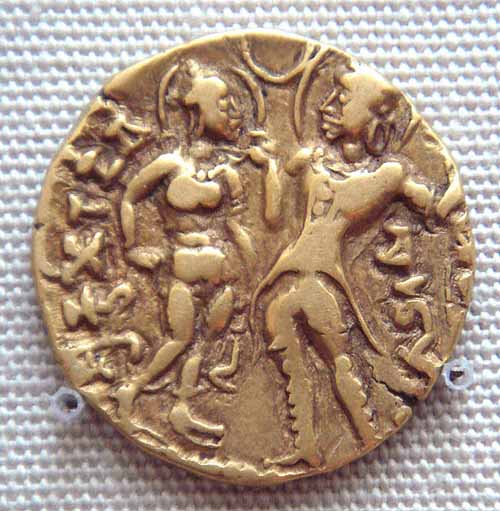
 

Dravidian Queen (1320 BC) in North India

Picture shows gUpta Gold Coin With Queen Kumara Devi

A Puranic reference about an ancient queen DRAVIDA missed the attention of many research scholars. It is because we still read the ancient history written by the British 150 years ago. Indian history begins from the days of Buddhists, according to them. But Sumerian, Babylonian, Egyptian, Greek and Mayan histories have been vastly revised and newer and newer information is added every year. But our text books remain the same.

Dravida was a princess mentioned in the Hindu Puranas. Trnabindu’s daughter was Dravida, who was the mother of Visravas. His son was Visala.  Dravida was read as Idavida by some. The confusion arose because there was another girl Idavida mentioned elsewhere. It is easy to suggest that princess Dravida married an Aikshvaka.

Dravida—Visravas—Visala—Hemachandra—Sucandra—Dhumrasva—Srnjaya—Sahadeva—Krsasva—Somadatta—Janamejaya—Pramati is the line of kings and queens.

Pramati  is contemporary with Dasaratha Aja and Lomapada. This synchronism is important, as it places Trnabindu 12 generations up at 1320 BC says R .Morton Smith in his book “Dates and Dynasty in Earliest India” ( Motilal Banarsidas, 1973, pages 70-72).

Lines quoted by him from the Puranas (in Sanskrit):

Atha Dhuntumatah putro dharmatma Vegavan nrpah

Budho Vegavatah putras Trunabindur Bhudatmajah

Treat yugamukhe raja tritye sa babhuva ha

Kanya tu tasya Dravida mata visravas tu sa


Dasaratha’s daughter in Egypt

We have several references to Indian queens marrying even foreigners. Mittanni  king  Tushratta  1354 BC (Of Indian origin, but ruled Syria and Turkey) gave his sister Ghilukhipa and his daughter Tadukhipa in marriage to the Egyptian king Amenhotep III. He wrote ten letters to the Egyptian king and all are preserved in clay tablets in Cuneiform script. Anyone who needs the interesting letters can google and find them in websites like Wikipedia.(There were four or five Dasarathas who ruled various parts of India).

Early in the fifth century BC in South India, Pandyan girls were “exported” to Sri Lanka in hundreds. When the banished Indian king Vijayan landed in Sri Lanka, he or his ministers could not find girls of royal blood for marriage. They sent an SOS to the Pandyan king. He tomtomed and assembled all the girls and sent them in bulk to Sri Lanka. Mahavamsa  which gives the history of Sri Lanka narrated it with all the minute details.

The Pandava prince Arjuna also travelled widely and married women of different races according to Mahabharat. There are even folk dances in Tamil Nadu about his wedding to Alli Rani. Dridharashtra married Gandhari from Kandahar of Afganistan. Dasaratha’s wife Kaikeyi was from Iran –Afgan border. Rama’s wife  Mythili was from Mithila on the border of India-Nepal.

Ravana was called a Southerner (Thennavan) in Maduraikanchi written 2000 years ago. He married lot of women and wanted to marry Sita as well. It was the custom of Indian kings to marry from different countries or regions for political gains.

Chandra Gupta Maurya married daughter of Selucas Nicator, the Greek general. Agastya travelled to South East Asia and married a Cambodian girl and founded a Hindu empire which lasted for 1300 years.(Agastya of Rig Veda is different seer who married another princess Lopamudra).

The most famous Indian poet Kalidasa says that kings from various regions of India including the Pandyan King came for the swayamvaram of Indumati. Swayamvaram is the ceremony where a royal princess selects her future husband.

Gujarati-Pandya Contacts

The first king of modern Madurai , Malayadwaja Pandyan married the daughter of a Surasena king, probably from Gujarat. His consort’s name was Kanchanamala. She was the mother of great queen Meenakshi in whose name the world famous Meenakshi temple was built. (Please read my article The Wonder That was Meenakshi Temple). Lord Sundareswara married Meenakshi.

The Jain literature gives very realistic accounts of sea voyages. The “Avasya Churni” informs us that there were regular sailings from Madurai to Sourashtra (Gujarat). It is mentioned in the story that the ruler of Madurai PANDUSENA, had two daughters, who while sailing to Sourashtra, met with a shipwreck in a storm. They prayed to Lord Shiva and Lord Skanda for their protection (Ref. Trade and Trade Routes in Ancient India by Moti Chandra). It is interesting to note that Shiva and Skanda are believed to have sat at Tamil Sangam 2000 years ago. Commentators on Sangam Tamil literature gave us more details in their commentaries. More over 2300 year old inscriptions in and around Madurai confirms the historicity of Madurai.

Boat City and Matsyavatar

Tamil and Sanskrit literature confirm that the first Avatar of Lord Vishnu happened at the southern part of India in the remotest period of history. The Pandyan king who ruled at that time was Sathyvrata. The most famous seventh century Saivaite saint Gnana Sambhandhar also sang about the great floods happened in the past and his town Sirkazi survived this catastrophe giving the name Boat City (Thoni Puram/ Noah’s Ark) to his native place (Ref. Matsyapurana in Sanskrit and Thevaram In Tamil).

All the above facts demolish the fake Aryan-Dravidian divisions. Indians were free to move to any part of the country to marry and maintain unity of the country. There was no mention of Aryan, Dravidian conflicts in the Tamil and Sanskrit literature.

***********************


தமிழன் காதுல பூ!!!

மேல் நாட்டு “அறிஞர்கள் ” பலர் இந்தியர்கள் காதில் பூவைச் சுற்றினர். ஆனால் தமிழர்களின் இரண்டு காதுகளிலும் கொஞ்சம் கூடுதலாகவே பூவைச் சுற்றிவிட்டனர். நாகரீகம் இல்லாத காட்டுமிராண்டி ஆரியர்கள் கைபர் கணவாய் வழியாக வந்து நாகரீகம் மிக்க திராவிடர்களை தெற்கே ஓட ஓட விரட்டினார்களாம். அதில் பல திராவிடர்கள் இன்றும் மலை ஜாதி மக்களாக ஆங்காங்கே வசிக்கிறார்களாம். கொஞ்சம் பேர் நாகரீகத்தை மறக்காமல் தெற்கே தமிழர்களாக வாழ்கிறார்களாம். தமிழர்களை கோழைகள் என்றும் குதிங்கால் பிடரியில் அடிக்க ஓட்டம் பிடித்தவர்கள் என்றும் சித்தரித்து நன்றாகவே காதுல பூ சுற்றி விட்டார்கள்.


எங்கேயாவது தொல்காப்பியத்தில் வேத கால இந்திரனையும் வருணணையும் தமிழர்களின் கடவுளாகச் சொல்லியிருப்பதைக் கண்டு பிடித்து விடப் போகிறார்களே என்று பயந்த “ அறிஞர்கள் “ அந்தக் கடவுள் வேறு, இந்தக் கடவுள் வேறு, இரண்டும் கொஞ்சம் கொஞ்சமாக கலந்து விட்டது என்று கதை கட்டி பயங்கர குழப்பத்தையும் உண்டாக்கி விட்டார்கள். ஆரிய சிவன் வேறு, திராவிட சிவன் வேறு, ஆரிய முருகன் வேறு, திராவிட முருகன் வேறு, ஆரிய துர்க்கை வேறு, திராவிட கொற்றவை வேறு, ஆரிய விஷ்ணு வேறு, திராவிட கிருஷ்ணன் வேறு—இப்படி எக்கச் செக்க பூக்கள்!!! பூக்களோ பூக்கள் !!!


சரியப்பா, சிந்து சமவெளியில் எத்தனை திராவிட மண்டை ஓடுகள் கிடைத்தன, எத்தனை ஆரிய மண்டை ஓடுகள் கிடைத்தன? என்றால் பதில் கிடைக்காது. ஐயா, குதிரைகளில் வந்ததால்தானே வீர சூர திராவிடர்கள் கூடத் தோற்றுப் போனார்கள். அந்த குதிரை எலும்புகள் சிந்து வெளியில் கிடைத்ததா? என்றால் பதில் வராது. சாதுவான, சத்திய சந்தர்களான திராவிடர்களை இரும்பு ஆயுதங்களால் தாக்கியதால் தானே திராவிடர்கள் தோற்று தெற்கே ஓடினார்கள்.அந்த இரும்பு ஆயுதங்கள் எங்கே ஐயா? என்றால் பதில் வராது. அட. எத்தனை டி.என்.ஏ. ஆய்வுகளை செய்கிறீர்கள். கொஞ்சம், கிடைத்த ஆயுதங்கள், எலும்புகள் மீதான டி.என்.ஏ.யை எடுத்து ஆரிய, திராவிட டி என் ஏ.க்களைப் பிரித்து வெட்ட வெளிச்சத்துக்கு கொண்டுவரலாமே?


ஐயா, இதெல்லாம், போகட்டும். அருமையான செங்கற்களைக் கொண்டு சிந்து வெளியில் கட்டிடம், வீடு, குளம் கட்டினார்களே.அது கூட மறந்துபோய் தமிழர்கள் (திராவிடர்கள்) குடிசை வீடு கட்டத் துவங்கி விட்டார்களா? மலைக் குகைகளுக்குப் போய்விட்டார்களா?


போகட்டும். சிந்து வெளியில் கிடைத்த பாதி புலி,பாதி பெண் தெய்வம், ஆட்டு முகத்தோடு தெய்வங்கள், ஆண்குறியோடு தெய்வங்கள் இவை எல்லாம் தமிழ் இலக்கியத்தில் எங்கே உள்ளன? கங்கை நதி பற்றி சங்க நூல்களில் பாடிய தமிழன், இமய மலை பற்றிப் பாடிய திராவிடன் ஏன் சிந்து வெளியையும் நதியையும் அடியோடு மறந்தான்? சிந்து என்ற சொல்லே தெரியாதே. உலகில் பூர்வீகத்தை மறந்த நாகரீகம் எங்கேயும் இல்லையே!


காதுல பூ! ஆரியர்கள் கைபர் கணவாய் வழியாக வந்தார்களாம். அவர்களுடைய “ட, டி” ஒலி எல்லாம் திராவிட ஒலியால் மென்மைப் பட்டு ல, லா, லி, லீ ஆகிவிட்டதாம். இந்தப் பூவை மட்டும் இன்று பறித்துக் கீழே போடத்தான் இந்தக் கட்டுரை.


அக்னி மீடே புரோஹிதம் என்று மந்திரம் சொல்லிக் கொண்டே வந்தார்களாம். திராவிடர்கள் பேசுவதைக் கேட்டவுடன் அக்னி மீளே புரோஹிதம் என்று மற்றிக் கொண்டார்களாம். எத்தனை இடத்தில் இப்படி மாறியது? காதுல பூ. உலகில் எல்லா மொழி பேசுவோரும் சிற்சில சொற்களை இப்படி மாற்றித்தான் உச்சரிகிறார்கள். அதற்கு ஆரியமும் தேவை இல்லை! திராவிடமும் தேவை இல்லை !!

சிவனையும், முருகனையும் செம்மேனி அம்மான், செய்யோன் என்றெல்லாம் வருணித்து ஆயிரக் கணக்கான பாடல்கள் இருப்பதால் சிவன் திராவிடக் கறுப்பனா, ஆரியச் சிவப்பனா என்பதை எல்லாம் நான் எழுதத் தேவையே இல்லை. தேவாரம், திருமுருகாற்றுப் படயைப் படிப்பவர்கள் தாங்களாகவே காதுல சுற்றிய பூவை கழற்றிக் கீழே போட்டு மிதித்து விடுவார்கள்.

ஆனால் மொழியியல் சொற்களான நாமடி ஒலி, “ரெட்ரோப்ளக்ஸ்” போன்ற சொற்களைப் பயன்படுத்தினால் பயந்து ஒதுங்கி நிற்பார்கள். ஆகையால் தான் அந்தப் பூவை மட்டும் நான் கீழே எடுத்துப் போட வந்தேன்.


உண்மையில் உலகில் எல்லா மொழிகளிலும் இந்த ட, ல, ர மாற்றங்கள் உள்ளன. ஆரிய, திராவிடக் கலப்புக்கும் இதற்கும் சம்பந்தமே இல்லை!! கிரேக்க இதிஹாச கதாநாயகனை யுலிஸ்ஸஸ் என்றும் ஆடிஸ்ஸியஸ் என்றும் சொல்லுவார்கள். ல, ட மாற்றங்களைக் கவனித்திருப்பீர்கள்.


மாயா, இன்கா நாகாரீகத்துக்கும் ஆரிய, திராவிட மொழிகளுக்கும் சம்பந்தம் இல்லை. அங்கும் கூட பழைய பெயர், புதிய பெயர் பட்டியலில் இந்த மாற்றங்களைக் காண முடியும். கீழே சில எடுத்துக்காட்டுகள் உள்ளன.


தமிழ் மொழியிலேயே சந்தி சேர்க்கும்போது இந்த மற்றங்களைக் காணலாம். உலகில் தமிழ் மொழியில் எழுத்துக்கள் ஒலி மாற்றம் அடையும் அளவுக்கு வேறு எந்த மொழியிலும் எனக்குத் தெரிந்த வரை இல்லை. சம்ஸ்கிருதத்திலும் அதன் வழியாகப் பிறந்த மொழிகளுக்கும் இந்த குணம் கொஞ்சம் இருக்கிறது. இதை ஏற்றால் தமிழும் சம்ஸ்கிருதமும் ஒரு தாய்ப் பிள்ளைகள் என்று ஆகிவிடும். கீழேயுள்ள எடுத்துக் காட்டுகளைப் பாருங்கள்:


வடக்கில் கூட தார்வார்=தார்வட், ஜூனாகர்= ஜூனகட், சிம்மகட்= சிம்மகர், ராஜகட்= ராஜகர் என்ற பிரயோகங்கள் உண்டு. முன்பு கூறியது போல ர, ல, ட மூன்றும் இடம் மாறும், இதனால் ஒலி மாறும். நான் பிரெஞ்சுக்காரர்களுக்குத் தமிழ் சொல்லிக் கொடுத்தால் பழம் என்பதை “பர்ரம்” என்று சொல்லிவிட்டு சரியாகச் சொல்வதாக சாதிப்பார்கள். நீண்ட பயிற்சிக்குப் பின்னர்தான் தமிழன் போல பழம் என்று சொல்ல முடியும். இரண்டும் எவ்வளவு நெருக்கமான ஒலி என்பதற்காக இந்த உதாரணத்தைச் சொன்னேன்.


குலம்=குடி= குழு= Clan

குலம் என்ற சொல்லைத் தமிழர்கள் குடி என்று மாற்றிக் கொண்டார்கள்.

ல வை ட ஆக மாற்றியது தமிழர்கள் ! ஆரியர்கள் அல்ல.


சைவ சித்தாந்த உதாரணம்:

தாள்+தகை= தாடகை

ள வை ட ஆக மாற்றியது தமிழர்கள் !!! ஆரியர்கள் அல்ல.


Colon=Gut=குடல்=குழல் வடிவான உடல் உறுப்பு (ல=ட=ழ)

Ulyssys = Odysseus (Greek Hero)

சூடாமணி= சூளாமணி (ட=ள), வாள்+ போர்= வாட் போர் (ள-ட)

ஆள்= ஆட்கள், தாள்= தாட்கள்,முள்=முட் புதர்,கேள்=கேட்க (ள=ட)

சிஷ்யன்=சீடன்=சேளா (இந்தி)

பதர்= பதடி ,சக்ரம்=சகடம் (ர=ட)

ஜல்தி=சடுதி (ல=ட), கருட=கழுகு (ர=ல)

ம்ருத்யு=மரணம்= mortal (ர=ட)

கனரா வங்கி=canarese language=கன்னட (ர=ட)

Tranqubar =தரங்கம் பாடி (ர=ட)


அம்ருத=அமிழ்த=அமுத=Ambrosia (மேலும் சில :அமுது, அமிர்தம்)

அமிர்தம்: சங்கத் தமிழ் நூல்களிலேயே மூன்று ஒலிகள் உள்ளன

(Even in Sangam Tamil literature three different spellings are used (R=L=D)


உலகின் முதல் இலக்கண நிபுணரான பாணிணியும் கூட சம்ஸ்கிருதத்திலேயே ர=ல இடம் மாற்றம் பற்றி சூத்திரம் செய்திருக்கிறார்.


பாலிநேசியர்கள் பசிபிக் கடல் தீவுகளிலிருந்து போய் தென் அமெரிக்காவில் இன்கா நாகரீகத்தை ஏற்படுத்தியபோது தாங்கள் அங்கே இட்ட பெயர்கள் எப்படி எல்லாம் உரு மாறின என்று சொல்வதைப் பாருங்கள்:


Polynesians migrated to South America and established Inca civilization, argue some scholars. They give a list of Polynesian names which the Inca used in Peru. Look at the spelling changes:

INCA                       POLYNESIAN

Lampa                      Rama

Laro                       Raro

Apurima                     Apolima

Mauri                       Mauli

Atico                       Atitu

Coracora                    Porapora

Locumba                    Rotuma

This list illustrates sound changes can happen between any two languages. But we can see a pattern of R=L=D and M=V=P/B all over the world.

***********