நாகர்- மாயா இன அற்புத ஒற்றுமைகள்- பகுதி 1

( English translation is already posted in this blog )

  1. கலியுக துவக்கம் கி.மு 3102, மாயா ஆண்டு துவக்கம் கி.மு 3114.மாயா மக்களும்
  2. இந்தியாவின் மணிப்பூர், நாகாலாந்து ஆகிய வடகிழக்கு மாநில மக்களும் உருவத்தில் ஒரே மாதிரியாக இருப்பர்.
  3. பல்லவ, தென் கிழக்கு ஆசிய கட்டிடக்கலை அம்சங்களை தென், மத்திய அமெரிக்க மாயா கட்டிடங்களிலும் காணலாம்.
  4. நாகர்கள் தான் மாயாக்கள் என்பதைச் சொல்லாமல் சொல்லுகிறது மாயா கட்டிடங்களில் காணப்படும் பாம்பு உருவங்கள்.
  5. மயன் என்பவன் பெரிய கட்டிடக் கலை நிபுணன். இவன் பெயரில்தான் மாயா நாகரீகமே இருக்கிறது. பெயருக்கேற்றார் போல எங்கு நோகினும் கட்டிடம்தான்.
  6. மதுரை நாயகர் கட்டிய மீனாட்சி கோவில் போன்ற கோவில்களிலும் வேதத்திலும் ஆயிரம் கால் மண்டபம் பற்றிக் கேள்விப் படுகிறோம். மெக்சிகோவில் யோகஸ்தான் தீபகற்பத்தில் கிஷன் இட்சா என்னும் இடத்தில் ஆயிரம்கால் மண்டபம் உள்ளது.
  7. மாயாக்களும் இந்தியர்களும் ஒரே ஆடு புலி ஆட்டத்தை விளையாடுகின்றனர். இப்படி ஒரே விளையாட்டை இரண்டு இன மக்கள் தனித் தனியே கண்டுபிடிப்பது அபூர்வத்திலும் அபூர்வம்!
  8. மாயாகள் கட்டமரத்தில் பயணம் செய்திருக்கலாம். இன்றும் மெக்சிகோவில் தமிழ் சொல்லான கட்டமரம் அதே பொருளில் பயன்படுத்தப்படுகிறது. அந்தக் கலத்தில் நடுக்கடலில் செல்லாமல் கடலோரமாகவே பயணம் செய்வார்கள்.
  9. நாகர்கள் எந்தப் பாதையில் சென்றார்கள் என்பதும் தெளிவாகிவிட்டது. இலங்கை, தென்கிழக்கு ஆசிய நாடுகள்,மத்திய அமெரிக்கா என்று படிப்படியாகச் சென்றதால் இந்த நாடுகள் அனைத்தும் நாகலோகம், நாகத்தீவு என்று அழைக்கப்படுகின்றன. சிந்து நதி முகத் த்வாரத்தில் பாதாள என்ற துறைமுகம் இருந்ததை பழங்கால பயணிகள் எழுதிவைத்தனர். பலி முதலிய மன்னர்களை பாதாள லோகத்துக்கு அனுப்பியதாகக் கூறுவதன் போருள் அவர்கள் கடல் வழியாக நாடு கடத்தப் பட்டனர் என்பதாகும்.

10. நாகர்களை வேதமும் பழைய இனமாக (பஞ்சவிம்ச பிராமணம் -9-4) குறிப்பிடும்.

11. சங்க இலக்கியமும் மஹாபாரதமும் நாகர்கள் செய்யும் அரிய வேலைப்பாடமைந்த ஆடைகளைக் குறிப்பிடுகின்றன.

12. சங்க இலக்கியத்தில் மட்டுமே இருபதுக்கும் மேலான நாகர்கள் பாடல்களை எட்டுக்கட்டி இருக்கிறார்கள்.

13. மஹாபாரத காலத்தில் அர்ஜுனன் இரண்டு நாகர் இனப் பெண்களை திருமணம் செய்துகொண்டா: உலூபி, சித்திராங்கதை. (தமிழ்நாட்டில் இவளை அல்லி ராணி என்று பாடுகின்றனர்).

14. இந்துமத நூலகள் கிருஷ்ணனை நாகர்களின் எதிரியாகவும் இந்திரனை நாகர்களின் நண்பனாகவும் சித்தரிக்கின்றன.

15. நாகர் இனப் பெண்களை எல்லோரும் மணந்தனர். அகத்தியர் வழியில் வந்த பிற்கால அகத்தியர் கம்போடியாவில் யசோவதி என்ற பெண்ணைக் கல்யாணம் செய்தார்.

16. கிருஷ்ணர் இரண்டு முறை நாகர்களுடன் மோதினார்: காண்டவ வனத்தை எரித்தார், காளீயன் என்ற நாகர் இனத் தலவனைக் கொன்றார்.

17. அர்ஜுனனின் பெயரான பரீட்சித்தை நாகர்கள் படுகொலை செய்ததால் நாகர்கள் வெளிநாட்டில் குடியேற நேரிட்டது.

18. ஜனமேஜயன் துவக்கிய நாகர் ஒழிப்பு இயக்கத்தை ஆஸ்தீகர் என்ற பிராமண ரிஷி ஒரு சமாதான உடன்பாடு மூலம் நிறுத்தினார்.

19. நர்மதை நதிக் கரையில் மஹிஸ்மதி நகரில் நடந்த சர்ப்ப யாகத்தையும் (நாகர் படுகொலை) சமாதான உடன்பாட்டையும் இன்றுவரை பிராமணர்கள் தினசரி சந்தியாவந்தனத்தில் கூறிவருகிறார்கள். உலகிலேயே நீண்ட வரலாறு படைத்த சமாதான உடன்பாடு இதுதான்!

20. பத்மபுராணம் மேல் ஏழு உலகங்களையும் கீழ் ஏழு உலகங்களையும் நன்றாக வருணிக்கிறது. அதள,பாதாள, ரசாதள என்பது தானவர்கள் நாகர்கள் வசிக்கும் இடம் என்றும் சொல்லுகிறது.மாயா பெயர்களில் வரும் ஏ டி எல் என்ற எழுத்துக்கள் அதள, தள என்ற பின் ஒடு சொல்லாக இருக்கலாம்.

21. தமிழர்களும் தெலுங்கர்களும் விளையாடும் பரமபத சோபான படத்தில் இன்றும் தடசகன், கார்க்கோடகன் போன்ற நாகர்கள் நினைவு கூறப்படுகின்றனர். நாகர்களை மட்டப்படுத்தும் வகையில் கிருஷ்ணபக்தர்கள் இந்த ஆட்டத்தை அமைத்துள்ளனர். யார் பாம்புக் கட்டத்துக்கு வந்தாலும் அவர்கள் கீழே போய் விடுவார்கள்.

22. நாகர்கள் தங்கள் உடம்பில் பச்சைக் குத்திக் கொண்டதாகத் தெரிகிறது. சங்க இலக்கியத்தில் இவர்கள் ஓவியர்கள், அருவாளர்கள் என்றும் வடமொழியில் இவர்களுடைய பெயர்கள் சித்திர என்ற சொல்லுடனும் உள்ளன. கிரேக்க வரலாற்று ஆசிரியர்களும் ஒபைட்ஸ் ( ஒவியர்) என்பவர்களை நாகங்களை வழிபடும் இனம் என்று வருணிப்பர்.

23. பஞ்சவிம்ச பிராமணத்தில் சர்ப்பராக்ஞி ( பாம்பு ராணி) யும் அதர்வ வேதத்தில் அலிகி, விளிகி யும் குறிப்பிடப்படுகின்றனர். அலிகி, விளிகி சுமேரியாவிலும் வேறு பெயர்களில் இருக்கிறார்கள்.

24. அமரிக்காவில் ஸ்வாமி த்ரிபுராரி எழுதிய நூலில், மாயாக்களும் இந்தியர்களும் வெண்கொற்றக் குடையை அரசர்களுக்குப் பயன்படுத்துவதும் ,ஒரே ஆட்டத்தை விளையாடுவதும், ஒவ்வொரு திசைக்கும் ஒரு வர்ணத்தை ஒதுக்கியதும், ஒரே வான சாத்திரக் கதைகளைக் கூறுவதும் தன்னிச்சையாக ஏற்படக் கூடிய ஒற்றுமைகள் இல்லை. உலகில் இப்படி எங்காவது கண்டது உண்டா? என்று கேட்கிறார். புத்த மதத்தினர், சைவர்கள், மாயாக்கள் ஆகிய மூவரும் நான்கு திசைகளுக்கு நான்கு வர்ணங்களை ஒதுக்கியிருக்கின்றனர்.

25. மாயாக்கள் தொடர்பான பெயர்களில் பல சம்ஸ்கிருத சொற்கள்: க்வாடிமாலா நாடு= கேதுமால த்வீபம் அல்லது கவ்தம ஆலய, மிட்லா=மிதிலை, அஸ்டெக் நாகரீகம்= ஆஸ்தீக ரிஷி, மாயா= தேவலோக சிற்பி மயன்,டிகல் நகரம்=த்ரி கால/ சிவன்,தெவாதிஹுவசன்= தேவ தக்ஷன், ஒரிநாகோ= ஓரி நாகன், மச்சுபிச்சு= மச்ச புச்சம்/ மீன் வால். இதே பெயரில் இமயமலையிலும் பெரு நாட்டிலும் இடங்கள் உள்ளன. யூகடன் தீபகற்பம்=யோகஸ்தானம், துலா, யகடக்ளி=யக்ஷ தளி, யக்ச்சிலன்= யக்ஷ சீலன்.

26. நாகர்கள் எகிப்து வழியாகச் சென்றனரோ என்ற ஐயப்பாடும் உண்டு. எகிப்தில் 17 மன்னர்கள் ராம சேஷன் அல்லது ரமேசன் என்ற பெயரில் கி.மு 1500 முதல் ஆண்டார்கள். அவர்கள் அதலையில் சிவன் மாதிரி பாம்பு இருக்கும்.

27. மாயாக்களின் சிற்பங்களில் தாமரை, ஸ்வஸ்திகா, யானை முதலியன இருக்கும். இவைகளில் எதுவுமே அந்த இடத்தில் கிடையா.

28. மாயாக்களின் பிரதான தெய்வம் கொட்சகொட்ல (பறக்கும் பாம்பு). இது கருட சத்ரு என்பதன் திரிபாக இருக்கலாம்.

29. மாயாக்களின் ஒரு ராஜாவின் பெயர் தீயில் பிறந்தவன் (கி.பி 378). மகாபாரத கால திரவுபதி, ராஜஸ்தானிய சௌஹான் ஜாதியினர், சேர மன்னர்கள், வேளிர்கள் (கபிலர் புறநானூற்றில் தடவினில் தோன்றியவனே என்று வேளிரைப் பாடுகிறார்) ஆகியோர் தங்களை யாக குண்டத்தில் பிறந்தவர்கள் என்பர். அகத்தியர், வசிட்டர் போன்றோர் தங்களை குடத்தில் (கும்ப முனி) பிறந்தவர்கள் என்பர். இன்னொரு மாய மன்னரின் பெயர் கான் மாக்ஸ் (கி.பி700). இதன் பொருள் மகா நாகன். கான் என்றால் மாயா மொழியில் நாகம்/பாம்பு என்று பொருள். கான் என்பதைத் திருப்பிப் படித்தால் நாக என்று வரும். இதை மொழியியல் ஆய்வாளர்கள் மிர்ரர் இமேஜ் (கண்ணாடியில் பார்ப்பதைப் போல வட இடமாக)  என்பர். மக்ஸ் என்பது சம்ஸ்கிருத மஹா என்பதன் திரிபு.

30. மாயாக்களின் முக்கிய நகரங்களில் ஒன்று பளிங்கு. அங்கே பளிங்கு போன்ற கற்கோவில்கள் இருக்கின்றன. பளிங்கு என்பது கண்ணாடி, படிகம் என்ற பொருளில் தமிழில் புழங்கும் சொல். தமிழ் நாகர்களும் தென் அமெரிக்க சென்றனர் என்பது கட்டமரம், பல்லவ கிரந்தம், மருதன் இள நாகன் போன்ற சொற்களிலிருந்து புலனாகிறது. மாயாக்களின் எழுத்து பல்லவ கிரந்தம் போலவே சுழிவுகளுடன் இருக்கும், தென் கிழக்கு ஆசிய நாடுகள் பேஎசும் எல்லா மொழிகளுக்கும் பல்லவ கிரந்தமே மூல எழுத்து என்பது எல்லோருக்கும் தெரிந்த விஷயமே.

( பகுதி இரண்டில் மேலும் 30 ஒற்றுமைகளைப் படிக்கலாம்)
நாகர்- மாயா இன அற்புத ஒற்றுமைகள்- பகுதி 2

(English translation is already posted here)

(“மாயா இன மக்கள், இந்திய நாகர்கள்” என்ற கட்டுரையையும், நாகர்- மாயா இன அற்புத ஒற்றுமைகள்- பகுதி 1 என்ற கட்டுரையையும் படித்துவிட்டு இந்தக் கட்டுரையைப் படிக்கவும்)


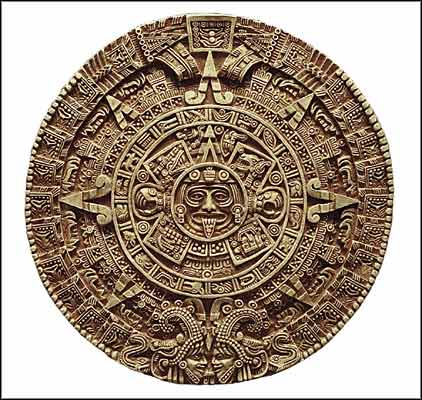
31. மாயாக்களுக்குப் பின்னர், அஸ்டெக், இன்கா இன மக்களும் தென் அமெரிக்க ,மத்திய அமெரிக்க பகுதிகளை ஆண்டனர். ஒலெமக் என்ற நாகரீகம் இதற்கு முன் இருந்தது. மெக்ஸிகோ நகரில் மிகப் பெரிய அஸ்டெக் காலண்டர் இருக்கிறது. அதில் இரண்டு பெரிய பாம்புகள் உள்ளன. இவைகளை இந்துக்கள் கால சர்ப்பம் என்று அழைப்பர். காளி என்ற பெயரில் பிரமிடும் கோவிலும் இருக்கின்றன.


32. மகன், மகள்களை தாத்தா, பாட்டி பெயர் கொண்டே (பெயரன்) அழைக்கின்றனர். பூ, பழம், பாம்பு,கருடன்- இவைகளைப் பெயராகச் சூட்டுகின்றனர். இந்தியாவிலும் இப்படி தாமரை, மல்லிகை மற்றும் பூ, பழம் பெயர்களையே அதிகம் சூட்டுகின்றனர். இந்துக்கள் அனுஷ்டிக்கும் நாமகரணம், புன்யாஹ வசனம், குருகுல வாசம் ஆகியன மாயாக்களிடமும் இருந்தன.

33. இந்தியாவில் படை வீரர்கள் நவ கண்டம் முதலியவற்றின் மூலம் உயிர்த் தியாகம் செய்தனர். கபிலர், குமாரில பட்டர் போன்றோர் தீயில் புகுந்து உயிர்வீட்டனர். மகாபரதத்திலும் அரவான் களபலி கொடுக்கப்பட்டான். இதை மாயாக்களும் செய்தனர்.


34. இந்திய மன்னர்கள் சிம்மாசனத்தைப் பயன்படுத்தினர். மாயாக்கள் சிங்கம் இல்லாததால் ஜாகுவார் புலி ஆசனத்தைப் பயன்படுத்தினர். சிங்கத்தைக் குறிக்கும் சிங் என்ற சொல்லும், கேசரி (சீசர்) என்ற சொல்லும் பல மொழிகளில் உள்ளன.

35.மாயாக்களும் உயரமான கோபுர வடிவக் கோவிலகளைக் கட்டினர். எகிப்தில் பிரமிடுகள் இப்படி இருந்தபோதிலும் அவைகள் சவ அடக்கம் செய்யப்பட்ட இடங்கள். மாயாக்களும் இந்திய ராஜாக்களைப் போலவே நகைகள் அணிந்தனர். எகிப்தியர் போல அல்ல. கிருஷ்ணர் மயிற்பீலி அணிந்தது போல மாயாக்களும் பறவை இறகை அணிந்தனர்.

36. வேத கால காலண்டரில் நாலைந்து வருடத்துக்கு ஒரு முறை மல மாதம் என்று விலக்கப்பட வேண்டிய தீட்டு மாதம் வரும். மாயாக்கள் ஒவ்வொரு மாதத்திலுமே 5 நாட்களை வேண்டாத நாட்களாக கருதினர்.


37. இந்துக்களைப் போலவே நிலவில் முயல் இருப்பதாகக் கருதினர். வேறு பண்பாடுகளில் இதைக் கிழவி, மன் என்றெல்லாம் சொல்லுவார்கள். ராகு கேது பாம்புகள் நிலவை விழுங்குவதே கிரகணம் என்று இந்துக்கள் சொல்வதைப்போல அவர்களும் நம்பினர்.

38. டிகால் என்னும் ஊரிலுள்ள கோவில் மதுரை மீனாட்சி கோவில் போல இருப்பதாக ஒப்பிடுவர். ஊர்ர்ப் பெயர் கூட த்ரிகால என்று சிவனின் பெயர் போல இருக்கிறது.

39. மாயாக்காளும் சப்பாத்தி உணவைச் சாப்பிட்டனர். ஆனால் கோதுமைக்குப் பதிலாக தென் அமெரிக்காவில் அதிகம் விளையும் சோள மாவில் அதைச் செய்தனர். அதன் பெயர் டோர்டியா.

40. சூரிய வழிபாடு இந்த நாகரீகத்திலும் உண்டு. அது 1500ஆம் ஆண்டு வரை நீடித்தது. கடைசியாக சூரியனை வழிபட்ட இன்கா இன மக்களின் பெயர் இனன் (சூரியன்) என்ற சம்ஸ்கிருத சொல்லிலிருந்து வந்தது என்பர்.


41.மாயா நாகரீகத்தில் உள்ள சில அம்சங்கள் பற்றி சில கேள்விகளைக் கேட்டால் அதற்கான பதிலில் அது இந்து நாகரீகம் என்று வந்துவிடும். அ) மாயாக்களுக்கு இந்துக்களுக்குத் தெரிந்த பூஜ்யம் என்பதை யார் சொல்லிக் கொடுத்தனர்? ஆ) அவர்களுக்கு யார் எழுதக் கற்றுக் கொடுத்தனர்? இ) யார் வான சாத்திரம் கற்பித்தனர்? ஈ) யார் அசோக மன்னன் போல கல்வெட்டில் பொறிக்கச் சொல்லிக் கொடுத்தனர்? உ) யார் மன்னர்களுக்குக் குடை பிடிக்கும் வழ்க்கத்தைக் கற்பித்தனர்? ஊ) சிவனின் 5 முகங்களுக்கும் ஐந்து வர்ணம் கூறுவது போல நாலு திசைகளுக்கும் மாயாக்கள் வர்ணம் ஒதுக்கினரே.இதைக் கற்பித்தது யார்? எ) கலியுகத்தை ஒட்டி ஆண்டு துவக்கியது ஏன்? ஏ) இந்துக் கோவில் போல உயரமான கோவில் கட்டக் கற்பித்தது யார்? ஐ) மாயாக்கள் எங்கிருந்து வந்தனர்? ஒ) இந்தியர் விளையாடும் அதே ஆடு புலி ஆட்டத்தை அவர்களும் ஆடுவது எப்படி? இவை எல்லாம் ஒரு தொடர்பும் இல்லாமல் தன்னிச்சையாகக் கண்டுபிடிக்கக் கூடியது அல்ல.


41.மாயாக்களுமிந்தியர் போல பச்சைக் கற்களையும் முத்துக்களையும் நகை செய்யப் பயன்படுத்தினர்.

42. நம்மைப் போலவே சகுனங்களில் நம்பிக்கை வைத்தனர்.

43. இந்துப் புராணக் கதை போலவே சில கடவுள் கதைகள் உள்ளன.

44. இந்துக்கள் அரச மரத்தை வழிபடுவது போல மாயாக்களும் ஆப்ரிக்க மக்களும் கரீபியன் தீவு மக்களும் செய்பா எனப்படும் இலவம் பஞ்சு மரத்தை ( சால்மலி) வழிபட்டனர். இந்து புராணங்களில் சால்மலித்வீபம் என்று ஒரு கண்டம் அழைக்கப்படும்.

45. இந்துக்கள் போல கால்களை மடித்து உட்காருகின்றனர். மன்னர்கள் பல்லக்குகளில் போகின்றனர். ஆனால் உலகில் பல நாகரீகங்களில் காணப்படும் சக்கரங்களைப் பயன்படுத்தாதது ஏன் என்று இன்று வரை தெரியவில்லை.

46.மாயாக்கள் இடையே ஜாதி முறை இருந்தது. மன்னர்களின் ஆட்சி ஆண்டுகளை சோழ பாண்டியர் போலவே கல்வெட்டுகளில் பதித்தனர்.

47. கற்பக விருட்சம், சொர்கம், அம்ருதம் ஆகியவற்றை நம்பினர்.


48. பந்து விளையாட்டைத் தமிழ்ச் சிறுமியர் கைகளால் விளையாடினர். மாயாக்கள் கால்களால் பந்து விளையாடினர்.

49. மத்திய அமெரிக்காவிலுள்ள முக்கிய தெய்வங்களில் ஒன்று வீரகொச்சா. பல்லவ மான்னர்களின் மூதாதையர் பெயரில் வீரகுர்ச்சா என்ற பெயருள்ளது.

50. பாம்புகளின் ஆதிக்கம் எல்லா மட்டங்களிலும் காணப்படுதால் இவர்கள் நாகர்களாக இருக்கக்கூடும்.

51. 1994 ல் மெக்ஸிகோவில் “சோழன் நாகா” புரட்சி வெடித்தது. சோழன் நாகர் தங்களை பழைய நாகரீகப் பிரதிநிதிகள் என்று கூறிக்கொள்கிறனர்.

52. பகல் என்ற மன்னர் 683-ல் ஆண்டார். அவர் சூரிய திலக என்று அழைக்கப்படுவார். நாமும் ராமர் முதாலான அரசர்களை சூரிய குல திலக அல்லது சூர்ய வம்ச ரத்ன என்றெல்லாம் புகழ்கிறோம்.


53.அஸ்டெக்குகளும் மாயாக்களும் கழுகு வாயில் பாம்பு இருக்கும் சின்னத்தைப் பயன்படுத்தினர். சேர சோழ, பாண்டியர் போல இவர்களுக்குள்ளும் பிரிவுகள் இருந்ததைக் காணமுடிகிறது

54.இந்துக்கள் தட்சசீலம், நாளந்தா பல்கழைக் கழகங்களில் புத்தகங்களை சேகரித்து வந்தது போல மாயாக்களும் அழகான புத்தகங்கள் வைத்திருந்தனர். ஸ்பானியர்கள் அவைகள் எல்லாவற்றையும் குவித்து தீவைத்து எரித்து, ஒன்று கூட விடாமல் எரித்தோம் என்று தம்பட்டம் அடித்துக் கொண்டனர். 1562 ஆம் ஆண்டில் டீகோ டெ லாண்டா என்பவர் எழுதிய கடிதத்தில் எல்லா புத்தகங்களையும் எரித்ததைப் பெருமையுடன் குறிப்பிடுகிறார். 1546ஆம் ஆண்டில் கிறிஸ்தவ மதத்தை ஏற்காதவர்களைக் கொன்றுகுவித்ததையும் எழுதி வைத்துள்ளனர்.


55. இந்து மத காபாலிகர்கள் போல சில சடங்குகளில் கறுப்பு உடை தரித்தனர் மாயாக்கள்.

57. குளத்தில் காணிக்கைகளைப் போடும் வழக்கமும் யோகாசன நிலையில் அமரும் வழக்கமும் இவர்களிடையேயும் இருந்தது.

58. குப்தர் காலம் போல குற்றங்களுக்குக் கடுமையான தண்டனைகளை வழங்கினர்.

59. தமிழ் செப்புச் சாசனங்களில் மன்னர்கள் நான்கு கடல்களின் நீரையோ அல்லது இரு பக்கமுள்ள கடல்களின் நீரையோ ஒரே பகலில் நீராடியதைப் பெருமையுடன் கூறுவர் ( நாற்கடல் நீரை ஒரு பகல் ஆடி). தங்களுடைய ஆதிக்கம் நாடுமுழுதும் இருந்தது என்பதை இது குறிக்கும். இதற்காக ரிலே ரேஸ்/ தொடர் ஓட்டம் ஓடும் ஆட்களை வேலைக்கு வைத்திருந்தனர். மாயாக்களும் இப்படி தொடர் ஓட்ட ஆட்கள் மூலம் பல செயல்களைச் செய்தனர். இதுவும் இந்திய வழக்கம்.

60. ரோமானியர்கள் போல இளம் சிவப்பு எனப்படும் பிங்க் கலர் மாயா உலகிலும் சிறப்பு வாய்ந்தது. இதை ஒரு வகை கடல் சிப்பியிலிருந்து எடுத்து ஏற்றுமதி செய்தது இந்தியர்களே.


61. “சாக்” எனப்படும் மழைத் தெய்வத்தை மாயர்கள் வழிபட்டனர். இது இந்திரன் என்றும் அவனுக்கு சக்ரன் என்று வடமொழியில் உள்ள பெயர் சாக் ஆனது என்றும் ஆராய்ச்சியாளர் சுட்டிக்காட்டுவர்.

62. தமிழ் நாட்டில் காணப்படும் அம்மியும் குழவியும் மாயா வீடுகளிலும் இருந்தன.

63. திரிலோக நாத் என்ற தெய்வத்தை அவர்கள் வழிபட்டதையும் அந்தப் பெயர் ஸ்பானியர்களால் உருத்தெரியாமல் மாற்றப்பட்டு எழுதப்பட்டதையும் மாயாக்களுடைய மந்திரங்கள் வேத மந்திரங்கள் போல இருப்பதையும் தாமரை, ஸ்வஸ்திகா சின்னம், யானை முதலியவற்றை அவர்கள் பயன்படுத்தியதையும் 75 ஆண்டுகளுக்கு முன்னரே “இந்து அமெரிக்கா” என்ற புத்தகத்தில் பிட்சு சமன்லால் எழுதிவிட்டார்.

64. மாயா கட்டிட வரைபடங்கள், கோவில் அமைப்புகள் பற்றி இப்பொழுது அமெரிக்கர்கள் புதிய புத்தகங்களை வெளியிட்டு இருக்கின்றனர். அவைகளை நமது வாஸ்து சாத்திரக் கோட்பாடுகளுடன் ஒப்பிட்டால் மேலும் பல புதிய உண்மைகள் வெளிப்படும்

65. மாயாக்கள் காதில் போட்டிருக்கும் வளையங்கள் குண்டலங்கள் நம் நகைகளைப் போலவே இருக்கும். மாயா மன்னர்களும் இந்திய மன்னர்களைப் போலவே அந்தப் புறத்தில் காமக்கிழத்திகளை வத்திருந்தனர். அவர்களை பள்ளா என்று அழைத்தனர். இந்தியில் பள்ளு என்பது புடவையின் மேல் தலைப்பு.

66. போனம்பாக் என்னும் இடத்தில் கிடைத்த படங்களில் நம் ஊர்க் கோவில்களில் சுவாமி ஊர்வலத்தில் இசைக் கலைஞர்கள் ஊர்வலம் போவது போல படங்கள் உள்ளன. குறவஞ்சி, கதகளி நடனம் போன்ற நாட்டியப் படங்களும் இருக்கின்றன.


67. இந்துக்கள் இறந்தோர் வாயில் வாக்கரிசி போடுவதைப் போல மாயர்கள் மக்காச் சோளத்தையும் ஜேட் எனப்படும் பச்சைக் கற்களையும் போட்டனர். இறந்த பின் மனிதன் உள்ள நிலை குறித்து இருவரும் ஒரே நம்பிக்கை வைத்திருந்ததை இது காட்டும்.

68. மற்றொரு புதிரிலும் அவர்கள் இந்தியரைப் போலவே இருக்கின்றனர். கல்ஹணர் எழுதிய ராஜ தரங்கிணி என்ற நூலில் கலியுகத்துக்கும் அவர் கூறும் கணக்கிற்கும் 600 ஆண்டுகள் வித்தியாசம் இருக்கிறது. இதே போல மாயாக்கள் கி.மு.3114 என்று காலண்டரைத் துவக்கினாலும் அவருடைய வரலாற்றுத் தடயங்கள் 2600 முதலே கிடைக்கின்றன. ஆக, இந்தியாவைப் போலவே அங்கும் இரு வகை ஆண்டுக் கணக்கு இருந்தததோ என்று எண்ணவேண்டி இருக்கிறது. இந்தப் புதிரை எதிர்கால ஆய்வுகள் தீர்க்கக்கூடும் !!


69. நாகர்கள் வட கிழக்கு இந்திய மாநிலமான நாகாலாந்து முதல் இலங்கையின் தென்கோடி வரை இருக்கிறார்கள். குப்தர்களின் கல்வெட்டுக்களிலும், இலங்கைத் தமிழ் கல்வெட்டுகளிலும் தமிழ் வடமொழி இலக்கியங்களிலும் ,மஹாவம்சத்திலும் குறிப்பிடப்படுவதால் இவர்கள் அமெரிக்கா வரை சென்று குடியேறினார்கள் என்று நம்புவதில் தவறில்லை.

*********


First Tamil Historian- Paranar

Paranar was a great Tamil poet during Sangam period. He was the first poet to record almost all the historical events that happened during his lifetime. Since he wrote all these things two thousand years ago he can be called First Tamil historian. He was paired with another great poet Kapilar. Kapilar stood first in the number of poems that he composed. He had 205 poems to his credit, the highest for any single poet of Sangam age. Paranar stood first in narrating the maximum number of historical anecdotes.

Paranar gave at least one anecdote in each of his 85 poems. He used similes for this or narrated the actual incidents. We wouldn’t have known much about ancient Tamil rulers without his narrations or similes. He was raised to the level of divine poets. Later day poet Nakkirar equated him with Agastya Rishi. Famous Chera King Senguttuvan even entrusted his son’s education to him. He sent his son Uthiyan Cheral along with Paranar for training in life.

Paranar described four famous battles of Tamilnadu at Venni, Vagai, Kudal and Pazi. He sang about the great Chola Kings Ilamchet Senni, Peruvirar Killi, Karikal Cholan ,  Chera kings Neduncheralathan, Cheran Senkuttuvan, the great philanthropists Ay, Anji, Kari, Ori, Pegan and minor chieftains/ leaders Ay Eyinan, Thazumpan, Mohur Pazaiyan,  Adimanthi, Attanathi, Perunalli,minjili, Akuthai, Aruvai, notorious Nannan, Panan, Thiththan, Veliyan, Katti, Porunan, Kanaiyan, Pasumput Pandian, Maththi, Kazuvul, Azisi,  Senthan, Manthram Poraiyan, Viran, Vichiyar Perumakan, Perumput Poraiyan, Vallan kizavan, Van Paranar, Velli Veethiyar and Maruthi. He had included over forty famous personalities of Ancient Tamilnadu in his list.

In addition to the for battles, he narrated how Senkuttuvan destroyed the sea pirates, how Pegan was rejoined with his separated wife, how Nannan sentenced a young girl to death for plucking a mango from his garden and how even birds came to help for a man who loved birds all his life.

(I have given in five articles about Paranar’s verses  on : Karikalan- fore runner of British Judges Wigs; Tamil Bird Man, where birds made an umbrella shelter for Ay Eyinan; Sea in Kalidasa and Tamil Literature, where Paranar’s geographical knowledge is highlighted; Kannakis burning of Madurai with a single breast; Tulabharam, where Nannan refused gold measure to measure and murdered the Tamil girl; Senkuttuvans destruction of sea pirates in Hindu Gods’ Daring Attacks against Sea Pirates etc.)

Paranar narrated a sad story where in Karikal Chola’s daughter Adi Manthi lost her husband Attanathi in the river Kaveri. She cried and cried and ran along the banks of the river looking for him. At last Attanathi was rescued but the rescuer Maruthu was washed away by the floods.

Paranar gave in full detail the Nannan-mango incident and chastised Nannan for sentencing the girl to death. Paranar looked like an anti war campaigner. He described the bad practises of Tamil community. All the defeated countries were set on fire. Their golden crowns were melted and made as foot stools. The kings made rope with the hair locks of wives of defeated kings. He also said that the blood flowed like a river where wars took place.

OTHER TAMIL HISTORIANS

Another Sangam poet Mamulanar gave an account of a Mauryan invasion against Tamil kings. He described how they laid roads in the mountains (Akam 251,281). The Sangam age was confirmed because of this reference and other references to Roman trade.

Ilango, author of Tamil epic Silappadikaram, listed the kings who took part in the consecration event of Kannaki temple. One of the kings was Kayavahu of Sri Lanka. Seshagiri Sastri, Professor of Sanskrit, identified Kayavahu with Gajabahu I of Mahavamsa who ruled Sri Lanka between 113 A.D and 135 A.D. All the scholars have agreed with him. These lines served as the anchor for dating the Tamil history.

Though Silappadikaram was the most famous book among the five Tamil epics, there was no cross reference anywhere in Sangam literature except one indirect reference. Maruthan Ilanakan, who belongs to the later period of Tamil Sangam Age refers to a lady who lost her breast in Narrinai verse 216. Tamil scholars think that it was a reference to Kannakis burning of Madurai city by throwing her breast on it in anger.

Appar, Saivaite saint of seventh century referred to the poet Tarumi who won a purse of gold in Tamil Sangam. This reference gave credibility to the story of Tiruvilayadal Puranam and Tamil Sangam and the earlier Tsunamis that devoured first two Tamil Sangams (Tirupputtur Tiruthandakam hymns in Thevaram). Appar’s Thevaram hymns helped us to date Manikkavasakar and Adi Sankara. ( I have given the details in my Tamil article– Dating Adi Sankara through Tamil literature).

Paranar praised Karikal Chola’s victory in the Battle field of Venni in Akam. Verse 246. He defeated famous Tamil Kings along with 11 Velir chiefs and destroyed their war drums. In another poem (akam. 125) Paranar narrated what happened at the battle field of Vagai. Karikalan defeated the famous kings and their nine umbrellas were destroyed.

Let us salute the great Tamil historians!

***************

வரலாறு எழுதிய முதல் தமிழன்

சங்கத் தமிழ் இலக்கியத்தில் கபிலரும் பரணரும் இரட்டைப் புலவர்கள் போலக் கருதப்படுகிறார்கள். இவ்விருவரும் தமிழுக்கு ஆற்றிய தொண்டு அளப்பரியது. கபிலர், பாட்டு எண்ணிக்கையால் (205 பாடல்கள்) முதலிடம் பெறுகிறார். பரணரோவெனில், பாடல்களில் அளிக்கும் வரலாற்றுச் செய்திகளால் முதலிடம் பெறுகிறார். பரணரை தமிழ் கூறு நல்லுலகத்தின் முதல் வரலாற்று ஆசிரியர் என்றால் மிகையாகாது. தேதியையும் ஆண்டையும் குறிக்கவில்லை என்றாலும் ஏராளமான நிகழ்ச்சிகளை இவர் கூறுவது பழந் தமிழகத்தை நம் கண் முன் நிறுத்துகிறது.


பரணர் கூறும் எல்லா செய்திகளும் நற் செய்திகள் என்று கூறமுடியாது, ஆனால் உண்மைச் செய்திகள் என்பதில் ஐயமில்லை. பொய் அடிமை இல்லாத புலவர் வரிசையில் முன்னிலையில் நிற்பவர்.


இரு பெரும் சோழர்களையும், இரு பெரும் சேரர்களையும் நேரில் சந்தித்ததாகத் தெரிகிறது. இது தவிர கடை எழு வள்ளல்களில் பேகன், ஆய், அஞ்சி, காரி, ஓரி ஆகியோரைப் பாடுகிறார். அவர் பாடிய 85 பாடல்களிலும் உவமை வாயிலாகவோ நேரடிக் குறிப்பு மூலமாகவோ ஏதேனும் ஒரு புதிய செய்தியைக் கூறுவார். எதிர்காலத்தில் வாழ்வோருக்குத் தெரிய வேண்டும் என்பதற்காகவே நன்கு உணர்ந்து ஒவ்வொரு செய்தியாக அவிழ்த்து விடுகிறார்.


நான்கு பெரிய போர்களைப் பாடலில் வருணிக்கிறார்: வெண்ணிப் பறந்தலை, வாகைப் பறந்தலை, கூடற் பறந்தலை ,பாழிப் பறந்தலை ஆகிய போர்க் கள நிகழ்ச்சிகளை விரித்துரைக்கிறார். கழார்ப் பெருந்துறை நீர் விழாவில் ஆட்டனத்தியை காவிரி அடித்துச் சென்றது, கரிகாலன் வெண்ணிப் பறந்தலையில் அடைந்த வெற்றியைக் கொண்டாட அவனுக்குப் பெண் கொடுத்த அழுந்தூரில் விழா நடந்தது, ஆற்றில் மிதந்து வந்த மாங்காயைத் தின்றதற்காக ஒரு பெண்ணுக்கு, நன்னன் என்பவன் மரண தண்டனை விதித்தது, பாழியில் வேளிர் புதையல் செல்வங்களைச் சேர்த்துவைத்தது, தந்தையின் கண்ணைப் பறித்த கோசரை அன்னி மிஞிலி பழிவாங்கியது, மனைவியைப் பிரிந்து பரத்தை வீட்டில் வாழ்ந்த பேகனை மீண்டும் மனைவியுடன் சேர்த்து வைத்தது—இப்படி எத்தனையோ செய்திகளை பத்திரிக்கை நிருபர்கள் போல பிட்டுப் பிட்டு வைக்கிறார். அந்தக் காலத்தில் பத்திரிக்கைகள் இருந்திருந்தால் சிறந்த பத்திரிக்கையாளர் விருது பரணருக்குத்தான் கிடைத்திருக்கும்!


மேலே கூறிய ஒவ்வொரு நிகழ்ச்சியும் சுவையான நிகழ்ச்சி. இவைகளில் கரிகாலன், நன்னன், பறவை நண்பன் ஆய் எயினன், சேரன் செங்குட்டுவன் போன்றோரின் சுவையான கதைகளை ஏற்கனவே கொடுத்திருக்கிறேன். கீழ்கண்ட கட்டுரைகளில் காண்க:


1.கரிகாலன் வெள்ளை முடி தரித்ததால்தான் இன்றும் பிரிட்டிஷ் நீதிபதிகள் வெள்ளை “விக்” தரித்து வந்து தீர்ப்பு கூறுகிறார்கள்

2. துலாபாரம் கட்டுரையில்,எடைக்கு எடை தராசில் வைத்து தங்கம் தருகிறேன் என்று ஊர்மக்கள் மன்றாடியும் நன்னன் ஒரு பெண்ணைப் படுகொலை செய்தான் என்பதைக் கூறியிருக்கிறேன்

3. அதிசயப் பறவைத் தமிழன் கட்டுரையில் ஆய் எயினனுக்குப் பறவைகள் கூடி குடை பிடித்த அற்புத நிகச்சியைக் கொடுத்துள்ளேன்

4. கடற்கொள்ளையர்: இந்துக் கடவுள்கள் கடற்கொள்ளையரைத் தாக்கி ஒழித்த கட்டுரையில் கடம்பறுத்த செங்குட்டுவன் பற்றி எழுதினேன்.

5. Sea in Tamil Literature and Kalidasa என்ற கட்டுரையில் கடல் பற்றி பரணர் கண்டுபிடித்த அரிய விஷயத்தைக் கொடுத்திருக்கிறேன்


அறுகை என்ற நண்பனுக்கு உதவுவதற்காக மோகூர்ப் பழையன் மீது படை எடுத்த செங்குட்டுவன், பழையனுக்குத் துணையாக வந்த பாண்டியனையும் சோழனையும் விரட்டிவிட்டு பழையனை வென்றான். பழையனின் காவல் மரமான வேம்பை வெட்டித் துண்டுகளாக்கி முரசு செய்ய யானைகளால் இழுத்துவந்தான்.  இதற்குப் பழையன் மனைவியரின் முடியைக் கத்தரித்து கயிறு செய்து அந்தக் கயிற்றைப் பயன்படுத்தினான். ஆக தமிழர் செய்த தவறான தவறுகளையும் துல்லியமாகத் தருகிறார். மாங்காய் எடுத்த பெண்ணைக் கொன்ற நன்னனை ஏசுகிறார். கடற்படையைக் கொண்டு கடல் கொள்ளயர்களைச் செங்குட்டுவன் அழித்ததையும் கூறுகிறார்.


ஆதிமந்தி—ஆட்டநத்தி

அம்பிகாபதி-அமராவதி, ரோமியோ-ஜூலியட், உதயணன்—வாசவதத்தை, மும்தாஜ்- ஷாஜஹான் காதல்கதைகளைத் தெரிந்தோருக்கு ஆதிமந்தி-ஆட்டநத்தி காதல் கதை தெரியாது. கரிகால் சோழனின் மகள் ஆதிமந்தி. அவள் ஆட்டநத்தி என்ற ஆடல்வல்லானை மணக்கிறாள். ஆட்டத்தில் சிறந்த அவன் பல நீர் விளையாட்டுகளைச் செய்து காட்டுகையில் காவிரி நதி அவனை அடித்துச் செல்லுகிறது. அவன் மனைவி ஆதிமந்தி காவிரி கடலுடன் கலக்கும் இடம் வரை அவனைப் பின் தொடர்ந்து அலறியவாறே ஓடுகிறாள். இந்த அவலத்தைக் கண்ட சோழ நாடே கண்ணீர் உகுக்கும் வேளையில் மருதி என்பவர் அவனைக் கரை சேர்த்து விட்டு காவிரியால் அடித்துச் செல்லப்பட்டு மறைந்துவிடுகிறார். இந்தச் சோகக் காட்சிகளை பரணரும் வெள்ளிவீதீயாரும் பல பாடல்களில் பாடியிருக்கிறார்கள்.


வடமொழிக்கு இலக்கணம் கண்ட, உலகமே வியக்கும் மேதை பாணிணீயை, பகவான் பணிணி என்று பதஞ்சலி புகழ்வார். நாமும் வள்ளுவனைத் தெய்வப் புலவன் என்போம். பரணரும் இவ்வாறு தெய்வப் புலவன் என்று நக்கீரரால் வணங்கப்படும் செய்தியைத் தொல்காப்பியத்துக்கு உரை கண்ட பேராசிரியர் கூறுகிறார்: “முரணில் பொதியின் முதற் புத்தேள் வாழி! பரண கபிலரும் வாழி ! என்று அகத்தியரோடு அவரும் போற்றாப்படுகிறார். தெய்வப் புலவன் பரணன் வாழ்க !


இதோ அவரால் பாடப் பட்டோரின் பட்டியலைப் பாருங்கள்:

  1. சோழன் உருவப்பஃற்றேர் இளஞ்சேட்சென்னி 2. சோழன் வேற்பஃறடக்கைப் பெருவிரற்கிள்ளி 3. சேரமான் குடக்கோ நெடுஞ் சேரலாதன் 4. சேரன் செங்குட்டுவன் 5. பேகன் 6. ஊனூர் தழும்பன் 7. உறந்தை வெளியன் தித்தன் 8. மோகூர்ப் பழையன் 9. அறுகை 10. மலையமான் திருமுடிக் காரி 11. ஆய் அண்டிரன் 12. அதியமான் நெடுமான் அஞ்சி 13. கண்டீரக் கோப்பெருநள்ளி 14. வல் வில் ஓரி 15. கரிகாலன் 16. ஆட்டனத்தி 17. ஆதிமந்தி 18. நன்னன் 19.அன்னி மிஞிலி 20. அகுதை 21. ஆய் எயினன் 22.பாணன் 23. கட்டி 24. பொருநன் 25. கணையன் 26. பசும்பூட் பாண்டியன் (தலை ஆலங்கானத்து செருவென்ற நெடுஞ்செழியன் 27. அதிகன் 28. எவ்வி 29. மத்தி 30. கழுவுள் 31. அழிசி 32. பெரும்பூட் பொறையன் 33. தழும்பன் 34. விரான் 35.விச்சியர் பெருமகன் 36. பழையன் 37. வல்லங் கிழவன் 38. பொதியில் திதியன் 39. வன் பரணர் 40. வெள்ளிவீதியார் 41. மருதி 42. உதியஞ் சேரல் (செங்குட்டுவனின் மகனான உதியன் சேரல் பரணரிடம் பாடம் கற்றான்).


தமிழ் வரலாறு கண்ட ஏனையோர்:

பரணரைத் தவிர சங்க காலத்துக்கு முந்திய மௌரியர் காலம் குறித்து தகவல் தருகிறார் மாமூலன் என்ற புலவர். மௌரியர்கள் மலைகளில் சாலைகளை அமைத்து படை எடுத்து வந்தது, வேங்கட மலைக்கு அப்பால் வேற்று மொழிகள் பேசப்பட்டது ஆகிய தகவல்களைத் தருகிறார் (அகம் 251, 281).

சிலப்பதிகாரம் என்னும் அற்புதமான காவியம் குறித்து பழந்தமிழ் நூல்களில் எங்குமே குறிப்பிடவில்லை. ஆனால் மருதன் இளநாகன் என்ற ஒரு புலவர் மட்டும் “முலையைத் தூக்கி எறிந்த பத்தினி” பற்றிப் பாடுகிறார். இது கண்ணகி தன் முலையை பிய்த்து எறிந்து மதுரையைத் தீக்கிரையாக்கிய சம்பவமே என்பது ஆராய்ச்சியாளர்களின் துணிபு.


இளங்கோ அடிகள் சிலப்பதிகாரத்தில் கூறிய சில வரிகள்தான் தமிழ் இலக்கியத்தின் காலத்துக்கே அடித் தளமாக அமைந்தது. “கடல் சூழ் இலங்கைக் கயவாகு வேந்தனும்” கண்ணகி கோவில் கும்பாபிஷேகத்துக்கு வந்தான் என்று அவர் பாடியதால் இலங்கையின் வரலாறு கூறும் மஹாவம்சத்திலிருந்து கஜபாகு மன்னரின் காலம் கி.பி.130 என்பதை அறிந்து சேரன் செங்குட்டுவன் காலத்தை அறிந்தோம். இளங்கோவும் ஏனைய புலவர்களும் கூறும் சுனாமி தாக்குதல்கள் , தென் மதுரை முதலியன கடலுக்குள் சென்றது ஆகியன எல்லாம் கி.பி.130க்கு முன் நடந்தன என்பதையும் அறிகிறோம். இவை எல்லாம் சதகர்ணி மன்னர் பற்றிய குறிப்புகளாலும் ரோமானிய வணிகத் தொடர்பு தடயங்களாலும் உறுதியாக்கப்பட்டன.


திருவிளையாடல் புராணம் பல வரலாற்று நிகழ்ச்சிகளைச் சொன்னாலும் அவைகளைப் புராணக் கதைகள் என்றும் வரலாறு இல்லை என்றும் ஒதுக்கிவத்தனர். ஆனால் ஏழாம் நூற்றாண்டில் வாழ்ந்த அப்பர் (திருநாவுக்கரசு) பெருமான், தருமிக்கு பொற்கிழி கிடைத்த சம்பவத்தைத் தனது தேவாரத்தில் பாடி ஏழைத் தருமிக்கு அழியாத புகழ் வாங்கிக் கொடுத்துவிட்டார். நரியைப் பரியாக்கிய அற்புதத்தைக் குறிப்பிட்டு மாணிக்கவாசகர் தங்களுக்கு முன்னால் வாழ்ந்தவர் எனபதையும் சொல்லாமல் சொல்லுகிறார். செய செய சங்கரா போற்றி என்றும் கீதங்கள் பாடிய அடியார்கள் என்றும் பாடி ஆதிசங்கரர் தங்களுக்கு முன்னால் வாழ்ந்ததையும் காட்டுகிறார். (ஆதிசங்கரர் காலம்: தமிழ் இலக்கியத்தில் சான்றுகள் என்ற எனது கட்டுரையில் முழு விவரம் காண்க).


இந்தியாவின் பீஹார் மாநிலத்தில் பாட்னா நகரில் ஜைனர்களுடன் அப்பர் வாழ்ந்ததால் கங்கை  பற்றியும் அது வங்க தேசத்தை அடைந்தவுடன் ஆயிரம் பிரிவுகளாகப் பிரிந்து கடலில் விழுவதையும் “ஆயிர மாமுக கங்கை” என்றும் பாடுகிறார்.


மருதன் இளநாகன் கண்ணகி பற்றி பாடியது– நற்றிணை 216.

“ஏதிலாளன் கவலை கவற்ற

ஒரு முலை அறுத்த திருமா வுண்ணிக்

கேட்டோர் அனையா ராயினும்

வேட்டோ ரல்லது பிறரின் னாரே”

****

(அப்பர், திருப்புத்தூர் திருத்தாண்டகம் 2-1-2

நன்பாட்டுப் புலவனாய்ச் சங்கமேறி

நற்கனகக்கிழி தருமிக்கருளினோன் காண்

*****


கரிகாலன் வெற்றி பற்றி பரணர் பாடியது:

காய்சின மொய்ம்பிற் பெரும்பெயர்க் கரிகா

லார்கலி நறவின் வெண்ணி வாயிற்

சீர்கெழு மன்னர் மறலிய ஞாட்பி

னிழிமிசை முரசம் பொருகளத்தொழியப்

பதினொரு வேளிரொடு வேந்தர் சாய (அகம். 246)

*****


சிலப்பதிகாரத்தில் கஜபாஹு:

மாளுவ வேந்தரும்

கடல் சூழ் இலங்கைக் கயவாகு வேந்தனும்

மெந்நாட்டாங்க ணிமைய வரம்பனி

னன்னாட் செய்த நாளணி வேள்வியில் (சிலம்பு.30-2-159)

*********************

India needs an Indiana Jones !

Indiana Jones and Temple of doom

Where are our Hindu treasures?

Indians lack historical sense. This is because our ultimate goal is to merge one with God, that is Moksha. So they did not bother much about recording everything with time and date according to modern western standards. Moreover, History begins for Westerners only when they get records, epigraphs, inscriptions, monuments or artefacts. But Hindus laugh at such things. Tamil and Sanskrit literature were very clear about the number of kings the world had seen. They say it is uncountable, innumerable, incredibly big equal to the number of stars in the heaven or the number of water drops in the rain or the number of sand particles on the sea shore. This simile was used 2000 years ago in Mahabharata, Ramayana, Kalidasa’s works and Sangam Tamil literature.


Even Ramkrishna Paramahamsa warned people, “Don’t waste your time by counting the number of leaves in a tree. Such a research won’t take you anywhere near your goal-Moksha”. But yet Hindus did research in Sex (vatsyayana), Medicine (Susruta, Saraka), Grammar (Linguistics/Panini), Astronomy (Varahamihira, Aryabhatta), Mathematics (Leelavati), Theory of Dilation of Time (Mahabharata), Acupuncture (Bheesma’s Arrow bed)–name any subject in the world, we were the first one to have contributed. Then the Greeks took the mantle from us.

The times have changed. We can’t sit idly when the whole world is using mass media to reinterpret their history and religion. Even Krishna’s Syamantaka diamond (now named Hope diamond in Smithsonian ,Washington DC) was used as a plot for Indiana Jone’s film—Indiana Jones and Temple of Doom. So we need an Indiana Jones type person to find out our lost treasures. Some of them have already been traced. Others may be in temple vaults, like the biggest treasure in History at Pathmanabha Swamy temple, Tiruvananthapuram, Kerala,India.


Hindus must create awareness about their treasures. They must know the value of their treasures and display them like the British Museum in London or famous American museums. They must use these plots for interesting feature films like Indiana Jones.

The great Chola king Rajaraja mentioned hundreds of gold items donated to Lord Shiva temple in Thanjavur. Now they are not there!! A lot of temple inscriptions mention thousands of gold items and gems. Now they are not found anywhere. Some temples like Tirupati and Madurai Meenakshi temple have some of the jewelleries. But there is a rumour that some were replaced with fake and artificial jewellery by the politicians. But we can check them with ultra modern scientific instruments.


There is an old Kadamba tree inside Madurai Meenakshi temple well protected with fence. We may do some research to find its age with carbon dating and other methods. Christians did such research on Turin shroud. Every temple had something historic. We have to do scientific research on such artefacts. This wouldn’t affect our faith in Hinduism. This will reinstate our faith in our religion and culture.

Where is Akshya Pathra, the Eternal Bowl, that Draupadi (Mahabharata) used to feed thousands of people? Where is it today?

Where is Amutha Surabhi, that Manimekalai used to feed all the poor in Tamil Nadu? Where is it today?

Where is the Peacock Throne, that is worth millions of dollars today? We knew it was used by Shajahan, the Moghul emperor? There is one Peacock throne in National Museum, Tehran, Iran. But they say the original was broken in to pieces by Nair Shah’s soldiers after he plundered Delhi.


Where is the original Peacock throne-(Mayil Asanam in Tamil)- today?

Where is the Sangam Board/Plank that allowed to Tiru Valluvar to launch his book Tirukkural? The plank that allowed only good and genuine authors. Where is it today?

Where is Syamantaka that produced gold? Is it the Hope diamond at Smithsonian Museum in Washington? Where is it today? ( I argued that it is Syamantaka in my article “ Is Krishna’s diamond in USA”? But a scientific study will prove my theory right or wrong)

Where is our famous  and lucky Kohinoor diamond? Where is it today? We Knew that it is in the Crown Jewellery collection in the Tower Museum. London.


Where is our Kamadhenu that produced food for thousands of people when Vashista was raising it? Where is it today?  If it is a real living animal it would be long dead. But it is magical. So I think it must survive. May be it is an instant cooking machine our ancients invented. Now we have machines that make 1000 chapatis or 1000 Idlis at one go!!

Where is the Karpaka Vruksham tree that fulfils all your wishes? Where is it today?

Where is the Vikramadityan Simhasanam (Lion Throne), the magical throne which will make even a fool the most intelligent man in the world? Where is it today?

Where is the golden throne used by the Pancha Pandava brothers? Where is it today? The Mysore Palace Golden Simhasana which is worth millions of rupees is described as Pancha Pandava throne. Can’t we do some tests to establish the fact?

Where is the blue sapphire that Nala donated? Where is it today? Where is it today?


(Please read my article “The Wonder that was Madurai Meenakshi Temple”. East India Company sent it to Queen Victoria for inspection)

Where is the magical blue cloth that was presented by Neela Nakan to Tamil King Ay which was presented to Lord Shiva (temple) ? Where is it today? Where is the magical blue cloth that Naga tribal leader Karkotakan presented to King Nala for identification? (Please read my article Are Mayas, Indian Nagas? for more details).

Where is Ulavakizi mentioned in Tamil Thiruvilayadal Puranam? Where is Ulava Kottai? It gave us unlimited supply of paddy and gold.


Now that we have discovered the greatest treasure trove on earth in the vaults of Pathmanabha Swamy Temple at Tiruvananthapuram, we must make an inventory of our treasures around the world.

For further information contact author at swami_48@yahoo.com

**************

Amazing Similarities:Mayans & Nagas– Part 2

( Please read Are Mayans, Indian Nagas? &  First part of Amazing similarities….. before reading this post).

30. Mayas were followed by Aztecs and Incas. There was another civilization called Olemec. All are related to one another. The famous gigantic 13 feet diameter Aztec stone calendar in Mexico city has got two serpents on it. Hindus describe it as Kala Sarpa. The round temple in Cali xtlahuaca is in the name of Kali. Teocalli is a pyramid meaning Deva Kali.

31. Maya temples and pyramids are similar to Hindu temples. They have towers, steps leading to higher place. Kings wore feather caps like Krishna. Their jewellery betrays their Indian origin. We see a lot of jewellery all over body like Indian kings. Even Egyptian kings won’t come this close to Indian kings in jewellery.

32. Boys were called after their fathers or grandfathers like Tamil community. Learning was by repetition like Hindu Veda Adhyayanam. Mayas had ceremonies like Namakaranam, Punyaha vachana and Gurukula. They named their children after flowers, eagle and snake. Indian Tamil and Sanskrit names are mostly flower names, particularly lotus and jasmine.

33. Indian soldiers sacrifice themselves before Kali before any war. This is called Navakandam or Kala Bali. This is in Sangam tamil literature and Mahabharata (story of Iravan).Self Immolation (Kumarila Bhatta, Kapila) was practised by Hindu saints. This was practised by Mayas as well.

33. Indian kings had Simhasana/ Lion throne. The very word Caesar is a Sanskrit word KESARI. Some called themselves as SING (lion). Romanians were calling themselves Carsars. But lion was absent in South America. So Mayas used Jaguar (black tiger) Asana.

34. Vedic calendar has a Mala Matha (impure month every five years). But Mayas had five impure days instead every month.

35. Mayas saw hare or rabbit in moon like Indians. They had their own Rahu and Ketu devouring moon (eclipse).

36. Tikal temple of Mayas is compared to Madurai Meenakshi Temple .Tikal may be Tri Kala ,Lord Shiva or Sri Kala.

37. Tortilla is made like our Chapati/Roti. Instead of wheat they made it with corn flour.

38. Sun Worship was prevalent in Maya countries. It continued until Inca days (Ina=Sun in Sanskrit)

39. If anyone asked oneself a few questions , the answers would reveal the relationship between Hindus-Mayas
a) Who taught the Mayas  the concept of Zero?

b) Who taught them to write?

c) Who taught them astronomy?

d) Who taught them to record everything on stone like Asoka?

e) Who taught them to use umbrella for kings like Indians?

f) Who taught them to give colours for four directions like colours for Shiva’s four faces?

g) Who taught them to begin the year nearer to Kaliyuga?

h) Who taught them to build temples like tall towers and big square yards and corridors?

i) Where did they come from?

All these can’t happen in isolation. The closest for all these customs is Hindus.

40. Mayas used green Jades and pearls like Indian women

41. Mayas believed in omens.

42. Maya mythology and Hindu mythology have similarities.


43. Tree worship: Salmali Tree (silk cotton tree) was worshipped by the Caribeans, Central American countries and West African countries. Mayas worshipped it as we worship some trees.It is called Ceiba.

44. Sitting Pasture and Palnquin show Indian connection. But one mystery Mayas never knew the wheel. This reminds a great mystery. If they knew any other culture in the world they would have used wheels and chariots. Why didn’t they use it? Future research may answer this question.

45. Caste system: They had caste system like India.

46. Like Indian kings they used regnal years in their inscriptions. This is very similar to Cholas and Pandyas.

47.  They believed in heaven and Karpaka Vriksha and Amrita (First tree of the world)

48. Tamil literature is replete with Ball Games, but Tamils used hands and Mayas used Foot (ball).

49. Viracocha is a God’s name in Central America. Virakurcha is Pallava’s ancestor.

50. All Hindu Gods have snakes or associated with snakes. Naga /Mayan sculptures are with snakes. Gods in other cultures such as Ariadne, Astarte, Ishtar, Wadjet, Potnia Theron, Ormugudinna and several Maya gods have snakes. Western authors have also noted that all the Pre Colombian civilizations are obsessed with serpents.

51.Cholan Maya: There was a rebellion as recently as 1994 in Southern Mexico and the people who led the rebellion were Cholan Maya, descendants of a nation that had once produced the greatest of all the Pre Colombian civilizations. Chola is one of the three ancient Tamil dynasties.

52. One of the famous Maya kings is Pacal who died in 683 AD. He is called Sun Lord like Indians call Lord Rama as Surya Kula Tilaka (Sun Clan famous).

53. Aztecs who followed Mayas had a symbol of eagle clutching a snake in its beak. So there is every possibility two rival groups existed in Central America. Even in Tamil Nadu Chera, Chola and Pandyas were Tamil Hindus, but yet they fought among themselves for over 1500 years.

54. Arson and Massacre: Spaniard Diego de Landa signed a decree in 1562 and all the Maya books were brought to town of Mani and burnt down. Large number of books were burnt ,boasted Mr Landa. In 1546 Maya tribes who refused the yoke of peace proposed by Roman Catholics were indiscriminately slaughtered. They stored books in libraries like Hindu stored books in Takshaseela and nalanda libraries.

55. Like Hindu Kapalikas, Mayas wore black dress in ceremonies.

56. They also put their offerings in Tanks like Hindus. They sat in Yoga pasture.

57. The punishments meted out for crimes were just like Hindus.

58. Like Tamil kings they had runners to bring messages or necessary religious or royal objects. Tamil kings boasts in heir epigraphs and copper plate inscriptions that they bathed with water that came from two seas of peninsular India.

59. Like Romans, pink colour derived from a mollusc was prized high by Mayas.. India exported this to ancient Rome 2000 years ago.

60. Chac was their rain god similar to Vedic Indra. Some believe that it was nothing but Chakra another name of Indra.


61. The grinding stone they used looked exactly like Tamil’s Ammi and Kuzavi.

62. Bikshu Chamanlal wrote a book “Hindu America”, 75 years ago which drew lot of publicity on this topic. Later he published a book “INDIA-MOTHER OF US ALL” in which he gave a summary of Hindu America. But more the discoveries made, newer and newer interpretations come. He says Ramayana, Mahabharata, Vedic hymns, Sacred thread ceremony and many more rituals were practised by Inca Ayers and Mayas. Everyone must read his original contribution in this field. He mentioned the lotus, elephant, swastika, Surya motifs, Indra, Triloknath (Tloque Nahuaque) and other gods, Hell etc in South American and Central American countries.

63. New books published in USA, give the Maya temple plans. Those who know Hindu temple Vastu Shastra must compare it with Hindu temples and do some research.”Chronicle of the Maya Kings and Queens” by Thames and Hudson will be useful for such a research.

64. Mayan  kings wore ear lobes like Hindu kings. Temple musicians are painted in Bonampak frieze. It is like Indian temple procession. The kings had a lot of concubines called Pallas (Pallu is a sari head in Indian languages)

66. We see Kuravanji (colomche) and Kathakali type of dances in the Maya world.

67. Like Hindus put rice at the mouth of  a dead body, Mayas put maize and jade beads.

68. Another puzzle: Kalhana who wrote the history of Kashmir kings (Raja Tarangini) differs from others on Kaliyuga. His calculation shows that Kaliyuga began around 2600 BC. Mayas also had such a difference. Their records show the year2600 BC. But the tradition says that their age begins at 3114 BC closer to Hindu’s Kaliyuga. This also shows their Indian link. We can conclude that there were two different calculations for Kaliyuga like Maya age.

For further details contact swami_48@yahoo.com

Quechua 

Sanskrit


akapana(clouds colored by sun)  aka (painting)
chani (price) jani (produce)
chinkat (jaguar) sinha (lion)
chirau (resplendent) sura (to shine)
huakra (horn) vakra (curved)
kakarpa (tent) k’arpara (parasol)
mita (time) mita (step passage of time)
muti (pounded corn) mut (to pound)
nana (sister) nanda (sister)
pakkni (to break) pike (to break)
paksa (the moon) paksa (the full moon)
pisi (small) pis (to break into small piece)
pitata (bedroom) pita (house, cottage)
simpa (cord) samb (to tie)
soro (spiritual liqour) sura (spiritual liquor)
sokta (six) s’as (six)


(Quecha is Inca language;source for this words table: The Ayar-Incas  By Miles Poindexter published by Horace Liveright New York volume 1-2. 1930 p. 211-215).

***


Are Mayas, Indian Nagas?

Mayas were a mysterious people. They ruled parts of Central America between 2600 BC and 1500 AD. Their relics are seen in Mexico, Belize Honduras and Guatemala. Though we have archaeological evidence from 2600 BC, their calendar begins from 11th August 3114 BC. They were famous for their accurate calendar, written language, astronomical and mathematical systems. But all these came to our attention only because of their big and beautiful buildings. They built massive structures. The ruthless Spaniards came in 1540 and massacred a lot of people and plundered their gold. The Spaniards destroyed Maya culture and language, but couldn’t do anything to the architectural wonders because they were so huge.

Maya calendar begins on 11th August 3114 BC. Indian calendar Kaliyuga begins in 3102 BC. But Hindu mythology is very clear about their existence long before Kali yuga. Kaliyuga is the last of the four yugas. But Mayas are silent about their existence before this date 3114 BC. The amazing co incidence between Hindus and Mayas, particularly their calendar years, was a puzzle. Now we have solved the puzzle with all the information available.

Mayas were Indian Nagas. They migrated after a big fight with Krishna and Arjuna. Both of them burnt the Khandava Vana (forest) for the sake of general public. But the tribal Naga people living inside the forest resented this act. It looks like lot of Nagas who resisted Arjuna and Krishna were killed. Indra was pro Nagas. But anti Naga Krishna had an earlier fight with another Naga leader called Kaliya. When he objected cowherds coming into his area Krishna went and killed Kaliya. Those who narrated the Puranic stories “Kaliya Mardhanam” slowly projected them as demons and snakes. But the fact of the matter is they were actually people who wore snake symbol (totem).

(Khandava Vana is called Gondwana land in geography lessons and the tribal Naga people are called Ghondus in anthropology lessons).

Following this clash, the enmity between the Nagas and Pandavas widened. Krishna died just before the Kaliyuga began. After all the Pandava brothers demise, the Nagas wanted to take a revenge on Arjuna’s grandson Parikshit. When they were waiting for an opportunity Parikshit was cursed by Shamika that he would die by “snake bite”. In reality the seer’s friend and tribal Naga leader Takshaka was given that task of “snake bite”. Takshaka challenged Parikshit and said that he would be assassinated within seven days. King Parikshit took all the precautions. But like Shivaji escaped in a fruit basket from the prison of mighty Moghul emperor Aurangazeb, Parikshit’s enemies entered Parikshit’s palace in a fruit basket and killed him. Puranas symbolically wrote that Parikshit was killed by “snake bite”.

Like Indira Gandhi’s assassination was followed by revenge attacks on Sikhs, Parikshit’s son Janamejayan went on a killing spree what was described symbolically as a Sarpa Yagna (snake sacrifice) on the banks of river Narmadha. A lot of Nagas were killed, actually massacred. The English word snake originated from Sanskrit word (s)naga.

Brahmin’s Peace Agreement

In those days mixed marriages existed and some Nagas were married to kings and Brahmins. One of them was a seer called Astika. He was asked to go as an emissary for peace talks, because his father Jaratkaru was married to a Naga woman. He was successful in his peace mission and stopped all the killings. Then started the Naga migration from a port called Patala . That is what Hindus called Patala loka (One of the seven worlds “below”the earth). The port was the gate way to Sri Lanka, South East Asia and South America. Hindu scriptures describe these lands as Naka Loka/ Naga Land. When Hindu mythologies said that  Bali and other demon kings were sent to Patala Loka what they meant was they were banished from the mainland. Port Patala at the estuary of Indus river was mentioned even by foreign travellers. Broach (Bharukacha) was another port on the banks of river Narmadha. Both these ports handled much of the foreign trade with the West in ancient India.

When Arjuna burnt the Khandava Vana, one leader was allowed to escape from the burning. His name was Maya Danava. He thanked Arjuna and Yadavas for this and he constructed the palace for the Pandavas as a token of gratitude. He led a massive migration to South East Asia and then to Central America and South America. The day he left the holy Bharat was gratefully remembered by the Mayas as 11th August 3114 BC. It coincided very well with the date of Janamejayan’s rule, Arjunas great grandson, around 3100 BC.

Brahmins are doing an amazing thing thrice a day. They recite the 5000 year old Peace Agreement during their daily ritual called Sandhyavandhanam. They praise the Nagas as Maha Yasa: (Great and famous people) and request them to keep away in the name of Astika and Jaratkaru. The mantra starts with Narmadhayai Nama: (Salute to river Narmadha!).

(Please read Brahmins deserve an entry into Guinness Book of Records)

Divine garments and Nagas:

Nagas were expert weavers. They had some special type of clothes which were so nice and looked exactly like snake skin. 2000 year old Sangam Tamil literature refers to this cloth in two places (Porunar. Lines 82-83;Puram.383).  In another place King Ay was praised by Nallur Nathaththanar for giving the rarest Naga cloth to Lord Shiva (Sirupan. Lines 96-99). It means that he adorned Shiva’s statue with the cloth. It was presented to Ay by Neela Nagan.

Sanskrit literature is also replete with such references. Karkotakan, Naga tribal leader, gave Nala a rare cloth to reveal his identity to his wife Damayanti when both were separated. So this is a rare type of cloth only certain people can afford to buy it. It is in Mahabharata (3/73-3).

(Please read Amazing similarities between Mayas and Hindus (Nagas)

*************

Amazing Similarities between Mayas and Hindu Nagas

Amazing Similarities between Mayas and Hindu Nagas

Amazing Similarities between Mayas and Hindu Nagas

( The first part of this article is Are Mayas, Indian Nagas?)

1. Strange co incidence: Kali Yuga 3102 BC and Maya Yuga beginning 3114 BC

2. Maya appearance: Maya people of Central America look exactly like Manippur or Nagaland people.

3. Maya architecture resembled Pallava and South East Asian monuments

4. Justifying their name NAGAS (Sanskrit name for snake) Snake Symbol is found every wherein Naga buildings.

5. “Maya”– was the divine architect in Hindu mythology. Justifying the name Maya, we see a lot of huge buildings in the Maya countries Mexico, Honduras, Belize and Guatemala.

6. 1000 pillar mandap is mentioned in Vedas and it is found in Madurai and other places. We hear about 1000 pillar mandap in Chichen Itza at the tip of Yucatan peninsula.

7.Patchouli is a game played by both Mayas and Indians

8.Tamil word catamaran is used in Mexico, where Mayas flourished for centuries.

9. Migration Route: Sri Lanka-South East Asia—Central America—South America was the Nga migratory route. All these places are called Naka Loka (Nagaland) in Tamil and Sanskrit literature.

Indus river port Patala was used for travel to the countries down below Indian peninsula and so they were called Patala Loka.

10. Nagas are mentioned in Vedas (  Pancavimsa Brahmana–iv.9,4  ) and they are an ancient race

11. Nagas in Nala Damayanthi  story in Mahabharata and Sangam Tamil literature mention special type of clothes made by the Nagas.

12. Over twenty Naga poets composed Tamil poems which were in the Tamil Sangam anthology.

13. Sri Lanka Nagas and SE Asia Nagas freely mingled with Non Naga races. Agastya Rishi married a Naga princes by name Yasomati in South East Asia. Rig Vedic Agastya was different who married Lopamudra, a princess of Vidharba.( Vedic civilization spread far south beyond Vidharba during Rig Vedic days. This explodes the Westerner’s myth of Aryan-Dravidian divisions).

14.Mahabharata period Nagas married their women to Arjuna (Ulupi and Chitrangatha) One of them is a Tamil also known as Miss Alli Rani.

15. Lord Krishna was Anti Naga and Indra was Pro Naga, according to Hindu scriptures.

16. Krishna’s two clashes with Nagas: Khandava Vana (Gondwana land) and Kaliya Marthan (dancing on the head of a snake)

17. Arjuna’s grandson Parikshit’s assassination culminated in the migration of Nagas outside India.

18. Janamejayan’s massacre was stopped by the good offices of Astika and Jaratkaru.

19.Brahmin’s peace deal was worked out on the banks of Narmadha (Mahismati) and Brahmins remember  this every day in their Sandhyavandana Mantra.

20. The Padma Purana says of the seven infernal regions Mahatala, Rasatala and Patala are occupied by Nagas and Danavas. The suffix  ATL in many Naga names may be ATALA.

21. Paramapatha Sopana Patam/picture is a Snake and Ladder game played by Tamils and Telugus, where in all the Naga leader pictures are drawn.

22.Ophir—Oviyar— Chitra—Painter– is another name of Nagas. Probably they wore Tattoos of snakes on their bodies. Ophites (snake worshippers) is mentioned in Greek literature. Hippolytus and Clement of Alexandria mention this sect.

Sarpa Rakja (Rani) is mentioned in Pancha Vimsa Brahmana. Aligi and Viligi are mentioned in Atharva Veda. Aligi and Viligi are found in Sumerian clay tablets. They may be Nagas/Mayas. Probably Krishna devotees wanted to ridicule them by depicting them as snakes with their names written. When one reaches a snake square by rolling the dices, the player gets negative points and go to the bottom of the board.

23. American born Swami B. V. Tripurari asks, “What mysterious psychological law would have caused Asians, and Americans to both use the umbrella as a sign of royalty, to invent the same games, imagine similar cosmologies, and attribute the same colours to the different directions?”

Hindus and Mayas use umbrella as a royal symbol which is mentioned in Sangam Tamil literature and Sanskrit literature in thousands of places.

Hindus, Jains, Buddhists attribute four different colours to East, South, West and North. Mayas follow it.Maya colours :East-red, South- yellow, West- black, North- white. It is slightly different from Buddhists and Hindus. Shiva’s five faces are attributed with colours. Buddhists colours for directions was even mentioned by a Muslim traveller like Albiruni. Mahabharata attributes four colours for four Yugas (white,yellow,red and black).

23.Sanskrit Names for Towns: Guatemala =Gauthama alaya; Tiwanaku= Deva Naga;Tikal=Trikala,Teotihuachan=Deva Takshan,Mitla=Mithila, Orinoco= Ori Nagan, Machu Pichu= Macha Pucham (exactly looking like fish wall. There is one more place with the same name in the Himalayas/Nepal, Jaina Island, Mani, Copan= Sopana,Cholula=Chola,Aryballus= Arya Bala, Chetumal=Ketumala Dwipa=Guatemala,Aztec=Astika (Rishi who saved Nagas). Loads of Sanskrit and Tamil names can be derived by a patient researcher. We can justify it by observing waves of migrations. Tula, Yacatehctli (Yaga Deva Thali) Yaxchilan (Yaksha Seelan) also sound like Sanskrit names.

24. Over seventeen Egyptian kings who lived 3500 years ago had the same title Ramses.It may be Rama Seshan (Vishnu) or Ramesan (Shiva). Egyptian pharaohs Ramses heads are decorated with snake like Lord Shiva’s head. Vishnu had it (snake Adi Seshan) as his bed.

25. Swastika, elephant, lotus: Hindu motifs lotus, Swastika and elephant are found in Maya sculptures. Americas have not got elephants. Millions of years ago mammoths only roamed American north.

26. Maya God Quetza coatl (Plumed Serpent) may be a distorted word meaning Garuda Sathru (enemy of eagle).

27. Fire is Born: One of the kings who ruled around 378 AD is translated as Fire is born. Draupadi, Rajashani Chauhans and Cheras and Velirs of Tamil Nadu say that they were are Fire born. They belong to Agni Kula. Nagas may belong to Agni kula.

28. The Maya king who ruled around 700 AD is called Kan Maxx which is nothing but Maha Nakan/ great snake (Kan is snake in Mayan language, Na(kan), Maxx is Maha)

Palenque (Tamil word Palingu): One of the town names is Palengue. There is a stone temple which looks like marble temple. Palingu is a Tamil word for Marble, Mirror, Crystal etc. Ther eis no doubt that Tamil Nagas also were part of the migration. One of the twenty Tamil Naga poets is Maruthan Ila Nagan who has contributed a lot.

29.The very script of Mayas is round which looks like Palalva Grantha.

Dravidian Queen (1320 BC) in North India

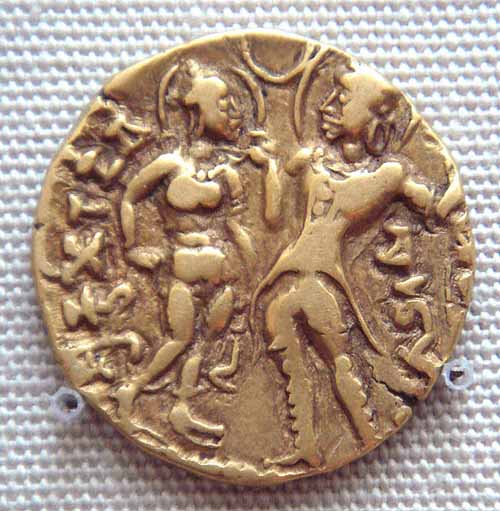
Picture shows gUpta Gold Coin With Queen Kumara Devi

A Puranic reference about an ancient queen DRAVIDA missed the attention of many research scholars. It is because we still read the ancient history written by the British 150 years ago. Indian history begins from the days of Buddhists, according to them. But Sumerian, Babylonian, Egyptian, Greek and Mayan histories have been vastly revised and newer and newer information is added every year. But our text books remain the same.

Dravida was a princess mentioned in the Hindu Puranas. Trnabindu’s daughter was Dravida, who was the mother of Visravas. His son was Visala.  Dravida was read as Idavida by some. The confusion arose because there was another girl Idavida mentioned elsewhere. It is easy to suggest that princess Dravida married an Aikshvaka.

Dravida—Visravas—Visala—Hemachandra—Sucandra—Dhumrasva—Srnjaya—Sahadeva—Krsasva—Somadatta—Janamejaya—Pramati is the line of kings and queens.

Pramati  is contemporary with Dasaratha Aja and Lomapada. This synchronism is important, as it places Trnabindu 12 generations up at 1320 BC says R .Morton Smith in his book “Dates and Dynasty in Earliest India” ( Motilal Banarsidas, 1973, pages 70-72).

Lines quoted by him from the Puranas (in Sanskrit):

Atha Dhuntumatah putro dharmatma Vegavan nrpah

Budho Vegavatah putras Trunabindur Bhudatmajah

Treat yugamukhe raja tritye sa babhuva ha

Kanya tu tasya Dravida mata visravas tu sa


Dasaratha’s daughter in Egypt

We have several references to Indian queens marrying even foreigners. Mittanni  king  Tushratta  1354 BC (Of Indian origin, but ruled Syria and Turkey) gave his sister Ghilukhipa and his daughter Tadukhipa in marriage to the Egyptian king Amenhotep III. He wrote ten letters to the Egyptian king and all are preserved in clay tablets in Cuneiform script. Anyone who needs the interesting letters can google and find them in websites like Wikipedia.(There were four or five Dasarathas who ruled various parts of India).

Early in the fifth century BC in South India, Pandyan girls were “exported” to Sri Lanka in hundreds. When the banished Indian king Vijayan landed in Sri Lanka, he or his ministers could not find girls of royal blood for marriage. They sent an SOS to the Pandyan king. He tomtomed and assembled all the girls and sent them in bulk to Sri Lanka. Mahavamsa  which gives the history of Sri Lanka narrated it with all the minute details.

The Pandava prince Arjuna also travelled widely and married women of different races according to Mahabharat. There are even folk dances in Tamil Nadu about his wedding to Alli Rani. Dridharashtra married Gandhari from Kandahar of Afganistan. Dasaratha’s wife Kaikeyi was from Iran –Afgan border. Rama’s wife  Mythili was from Mithila on the border of India-Nepal.

Ravana was called a Southerner (Thennavan) in Maduraikanchi written 2000 years ago. He married lot of women and wanted to marry Sita as well. It was the custom of Indian kings to marry from different countries or regions for political gains.

Chandra Gupta Maurya married daughter of Selucas Nicator, the Greek general. Agastya travelled to South East Asia and married a Cambodian girl and founded a Hindu empire which lasted for 1300 years.(Agastya of Rig Veda is different seer who married another princess Lopamudra).

The most famous Indian poet Kalidasa says that kings from various regions of India including the Pandyan King came for the swayamvaram of Indumati. Swayamvaram is the ceremony where a royal princess selects her future husband.

Gujarati-Pandya Contacts

The first king of modern Madurai , Malayadwaja Pandyan married the daughter of a Surasena king, probably from Gujarat. His consort’s name was Kanchanamala. She was the mother of great queen Meenakshi in whose name the world famous Meenakshi temple was built. (Please read my article The Wonder That was Meenakshi Temple). Lord Sundareswara married Meenakshi.

The Jain literature gives very realistic accounts of sea voyages. The “Avasya Churni” informs us that there were regular sailings from Madurai to Sourashtra (Gujarat). It is mentioned in the story that the ruler of Madurai PANDUSENA, had two daughters, who while sailing to Sourashtra, met with a shipwreck in a storm. They prayed to Lord Shiva and Lord Skanda for their protection (Ref. Trade and Trade Routes in Ancient India by Moti Chandra). It is interesting to note that Shiva and Skanda are believed to have sat at Tamil Sangam 2000 years ago. Commentators on Sangam Tamil literature gave us more details in their commentaries. More over 2300 year old inscriptions in and around Madurai confirms the historicity of Madurai.

Boat City and Matsyavatar

Tamil and Sanskrit literature confirm that the first Avatar of Lord Vishnu happened at the southern part of India in the remotest period of history. The Pandyan king who ruled at that time was Sathyvrata. The most famous seventh century Saivaite saint Gnana Sambhandhar also sang about the great floods happened in the past and his town Sirkazi survived this catastrophe giving the name Boat City (Thoni Puram/ Noah’s Ark) to his native place (Ref. Matsyapurana in Sanskrit and Thevaram In Tamil).

All the above facts demolish the fake Aryan-Dravidian divisions. Indians were free to move to any part of the country to marry and maintain unity of the country. There was no mention of Aryan, Dravidian conflicts in the Tamil and Sanskrit literature.

***********************


நிர்வாண சாமியார்களுடன் அலெக்ஸாண்டர்

இந்தியா ஒரு அதிசிய நாடு. செல்வக் கொழிப்பும் ஆன்மீகச் சிறப்பும் கொடிகட்டிப் பறக்கும் நாடு என்று கேள்விப்பட்டவுடன் மாமன்னன் அலெக்ஸாண்டருக்கு ஒரே துடிப்பு. எப்படியாவது இந்தியாவுக்குப் போக வேண்டும். அங்குள்ள சந்யாசிகளின் காலடியில் உட்கார்ந்து ஆன்மீகப் பாடம் கற்க வேண்டும். முடிந்தால் சந்யாசிகளைக் கூடவே அழைத்து வர வேண்டும் என்று திட்டமிட்டான். வரும் வழியில் உள்ள நாடுகளை ஒவ்வொன்றாக வென்றான். வட மேற்கு இந்தியாவில் போரஸ் என்ற புருஷோத்தமனை வெல்வதற்குள் போதும் போதும் என்றாகிவிட்டது. மகதப் பேரரசின் மாபெரும் படை வளத்தை ஒற்றர்களின் மூலம் அறிந்தவுடன் செய்ய முடியாத ஒரு செயலில் இறங்கிவிட்டோமே என்று எண்ணி கிரேக்க நாட்டுக்குத் திரும்ப ஆரம்பித்தான்.

இந்திய சந்யாசிகளைக் கூட்டிக்கொண்டு போக அவன் பல முயற்சிகள் செய்ததை அவனுடன் வந்த , அவனுக்குப் பின் வாழ்ந்த கிரேக்க எழுத்தாளர்கள் நமக்கு விட்டுச் சென்றுள்ளனர். மிகவும் அற்புதமான, சுவையான விஷயங்கள் அவை.

அலெக்ஸாண்டர் சந்தித்த சாமியார்களை அவர்கள் அம்மண சாமியார்கள் ஜிம்னோசோபிஸ்ட்(Gymnosophists) என்று எழுதிவைத்தனர். இவர்கள் யார்?


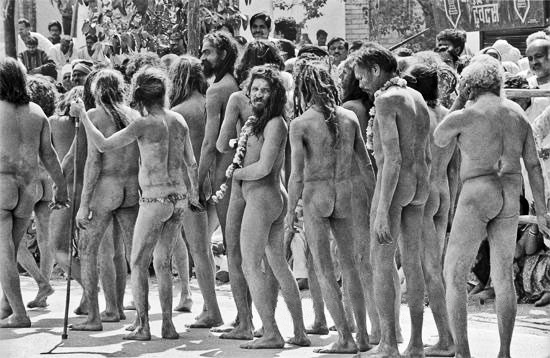
இவர்கள் சமணர்களில் ஒரு பிரிவினரோ என்று நீண்ட காலமாக ஆராய்ச்சியாளர்கள் விவாதித்து வந்தனர். ஆனால் இவர்கள் நாகா சாது சன்யாசிகள் என்பது இப்போது உறுதியாகிவிட்டது. உலகிலேயே பெரிய திருவிழாவான கும்பமேளாவில் 12 ஆண்டுகளுக்கு ஒரு முறை இமய மலைக் காட்டுக்குள் இருந்து வெளியே வரும் அபூர்வ நிர்வாண சாமியார்கள் இவர்கள். மன்னருக்கு எதிராக சபா (Sabhas)என்பவரை எழுப்பி புரட்சி செய்யச் சொன்ன இந்து சந்யாசிக்கள்.

2300 ஆண்டுகளுக்கு முன் இந்தியாவில் நடந்த அற்புதமான உரையாடலை ப்ளூடார்ச்(Plutarch கி.பி 46-120) என்பவர் எழுதிவைத்தார். அலெக்ஸாண்டர் முதலில் கலனஸ் (Calanus) என்ற சாதுவைச் சந்தித்தார். மன்னன் கூறியதை ஏற்க மறுத்து வேத மந்திரங்களை உச்சரித்தவாறு அந்த சாது தீக்குளித்து உயிர்த் தியாகம் செய்தார். இறப்பதற்கு முன் பாபிலோனில் அலெக்ஸாண்டர் இறந்துபோவார் என்று ஆரூடமும் கூறினார். அலெக்ஸாண்டருக்கு பயம் வந்துவிட்டது. கலனஸின் குருவான டண்டாமிஸ் (Dandamis) காலடியில் விழுந்தார். கிரேக்க யாத்ரீகர்களுக்கு நம்முடைய சம்ஸ்கிருத பெயர்கள் பரிச்சயம் இல்லாததால் பெயர்கள் உரு மாறிவிட்டன. டண்டாமிஸ் என்பது தண்டி சுவாமிகள் என்று அறிஞர்கள் ஊகிக்கின்றனர்.


மன்னரின் சுவையான 10 கேள்விகள்

மஹா பாரதத்தில் ஒரு சுவையான கதை “பேயின் கேள்விகள்” எனப்படும் “யக்ஷப் ப்ரஸ்னம்” ஆகும். தர்மபுத்திரன் எல்லா கேள்விகளுக்கும் பதில் கூறவே பேயாக மரத்திலிருந்த யக்ஷன் ஏனைய நான்கு பாண்டவர் களையும் உயிர்ப்பிக்கிறான். இதே பாணியில் அலெக்ஸாண்டரும் பத்து கேள்விகளுக்குப் பதில் சொல்லாதவர்கள் இறக்க வேண்டும் என்று நிபந்தனை போட்டார். இதோ ப்ளூடார்ச் (கி.பி 46-120) சொல்லுவதைப் படியுங்கள்:

“பத்து அம்மண சாமியார்களை மன்னர் பிடித்துவரச் சொன்னார். நான் இப்பொழுது கேள்விகள் கேட்பேன். யார் முதலில் தவறான விடை சொல்லுகிறீர்களோ அவர்களை முதலில் கொல்லுவேன். உங்களுக்குள் வயதில் மூத்தவரே இந்தப் போட்டிக்கு நீதிபதி.”

அலெக்ஸாண்டரின் முதல் கேள்வி : உலகில் அதிகமான எண்ணிக்கை எது. உயிர் வாழ்கின்றவர்களா? இறந்தவர்களா?

இந்து சந்யாசியின் பதில்: உயிர் வாழ்கின்றவர்களே, ஏனெனில் செத்தவர்கள்தான் இப்போது இல்லையே!

கேள்வி 2: பூமியில் பெரிய மிருகத்தை உடையது கடலா? நிலமா?

பதில்: நிலமே. ஏனெனில் பூமி என்னும் நிலப் பரப்பின் ஒரு பகுதிதானே கடல்!

கேள்வி 3: மிகவும் தந்திரமுள்ள பிராணி எது?

பதில்: இது வரை மனிதனால் கண்டுபிடிக்க முடியாதது! (அவ்வளவு தந்திரம் இருப்பதால் இதுவரை மனிதன் கையில் அகப்படவில்லை!)

கேள்வி 4: சபாவை புரட்சி செய்யும்படி ஏன் தூண்டிவிட்டீர்கள்?

பதில்: வாழ்ந்தாலும் இறந்தாலும் மானத்துடன் இருக்கவேண்டும் என்பதால்!

கேள்வி 5: முதியது எது? இரவா? பகலா?

பதில்: நாள், ஒரு நாள் !

பதில் புரியாதபடி புருவத்தை நெறித்தார் அலெக்ஸாண்டர். கடினமான கேள்விகளுக்குக் கடினமான பதில்தான் வரும் என்றார் சந்யாசி.

கேள்வி 6: ஒரு மனிதன் அதிகமாக நேசிக்கப்பட என்ன செய்ய வேண்டும்?

பதில்: சக்தி வாய்ந்தவனாக இருந்தும் மற்றவர்கள் மனதில் அச்சத்தை உண்டுபண்ணாதவனே நேசிக்கப்படுவான் (அலெக்ஸாண்டருக்குப் புரிந்திருக்கும்!!!)

கேள்வி 7: மனிதன் கடவுள் ஆவது எப்போது?

பதில்: மனிதனால் செய்ய முடியாத செயற்கரிய செயல்களைச் செய்யும்போது !

கேள்வி 8: எது வலியது? வாழ்வா? சாவா?

பதில்: வாழ்வே. எத்தனை நோய்களை வளர்க்கிறது !

கேள்வி 9: ஒரு மனிதன் எத்தனை ஆண்டுகள் வாழ வேண்டும்?

பதில்: வாழ்வதை விட சாவதே மேல் என்று எண்ணாத வரைக்கும்.

கடைசி கேள்வி: ஓ, நீதிபதி சாமியாரே, இவர்களில் யார் தவறான விடை கூறியவர்?

பதில்:ஒருவரை விட ஒருவர் மிக மோசமான பதிலைக் கொடுத்தார்கள் !

அலெக்ஸாண்டர்: அப்படியா? இப்படி ஒரு திர்ப்பை வழங்கியதால் நீர்தான் முதலில் சாகப் போகிறீர்.

சந்யாசியின் பதில்: மன்னா ! முடியாது. நீ என்ன சொன்னாய்? முதலில் தவறான பதில் சொன்னவன் தானே கொல்லப்படுவான் என்று!!


இதை ப்ளூடார்ச் 2000 ஆண்டுகளுக்கு முன்னரே எழுதிவைத்தது நாம் செய்த புண்ணியமே!


எலிஸ் என்ற இடத்தைச் சேர்ந்த பைரோ என்பவர் அலெக்ஸாண்டருடன் வந்ததாகவும் நிர்வாண சாமியார்களிடம் பாடம் கற்று கிரேக்க நாட்டுக்குச் சென்று அவர்களைப் போல வாழ்க்கை நடத்தியதாகவும் டயோஜெனிஸ் லேர்சியஸ் (3 ஆம் நூற்றாண்டு கிரேக்க ஆசிரியர்) என்பவர் எழுதிவைத்தார். (இவர் ஆதி சங்கரர் அடிக்கடி பயன்படுத்தும் கயிறு-பாம்பு உவமையைப் பயன்படுத்தியதால் சங்கரரின் அத்வைதத்தை அறிந்திருந்தார் என்று “ஆதி சங்கரரின் காலம்: தமிழ் இலக்கியச் சான்றுகள் என்ற கட்டுரையில் எழுதி இருக்கிறேன்).

***************