EMPEROR ASOKA’S FOUR TANKS OF MEDICINES AT FOUR GATES! (Post No.5134)

Written by LONDON SWAMINATHAN


Date: 21 JUNE 2018


Time uploaded in London –  7- 16 am  (British Summer Time)


Post No. 5134


Pictures shown here are taken from various sources such as Facebook friends, Wikipedia, Books, Google and newspapers; thanks. Pictures may be subject to copyright laws.

EMPEROR ASOKA’S FOUR TANKS OF MEDICINES AT FOUR GATES! (Post No.5134)

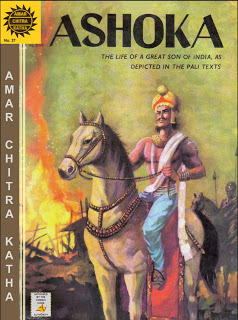
2300 Years ago, Emperor Asoka installed four tanks filled with medicines in four gates of the city (Pataliputra) according to Buddhgosa’s Samantapasadika.

Why?


A Buddha Bikshu died for want of medicines. Immediately Asoka took this drastic step. According to the rock edicts of Asoka, two kinds of medical treatments were available in his kingdom- 1.medical treatment of man and 2.medical treatment of animals.

In later Pali work Culavamsa (Chapter 73) we find Kittisirirajasiiha (Kirti Sri Raja Simha of Sri Lanka) appointed two physicians well versed in medicines and nurses for the bikshus. They were given yearly a big sum for the medicines from the Royal Treasury.

The king gave the best treatment for Upali when he was suffering from a disease in the nose.

Sri Lankan King ParakramabahuI had a big hall built for sick people and he gave to each sick person a special slave and a female slave to prepare medicines day and night, according to need, medicines and food, solid and liquid (Culavamsa, Chapter 76).
Treatment for Poison

Parakramabahu collected different types of medicines and preserved them in cow horns. This was to cure the wounds caused by the poisonous arrows. He also collected iron pincers for extracting arrow heads. He engaged many skilful physicians.


Snake Bites

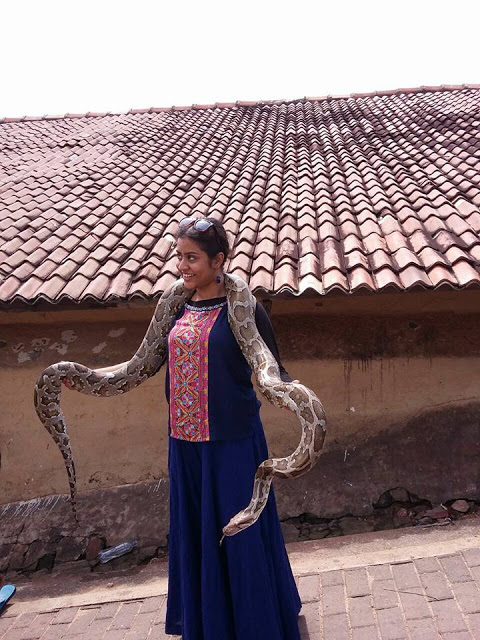
To cure the snake bites, they used four materials: Cow dung, urine, ashes and clay. One physician used drugs made up of vegetables and cured a person even after the poison affected all limbs.

XXX

Hemp water was used as medicine (Mahavagga 6-14-3

To cure constipation, a decoction made up of ashes of burnt rice was administered.

For the wind troubles in stomach salt sour gruel or teka-kula was given which contains ginger and two kinds of pepper.

Following Eye ointments were mentioned in the Buddhist works:

Black Collyrium

Rasa ointment (made with vitriol_

Ointment made with antimony

Geruka (yellow ochre)

Kapalla (soot taken from a lamp)

In case of internal complaint, hot water with fruit juice was given.
 

Plague in RajagrAha

The Dhammapda commentary mentioned two diseases in bankers’ houses.

Bhaddavatiya , a banker got an intestinal disease. When this disease broke out, the first to die were the flies, then insects, then mice, domestic fowls, swine, cattle, slaves, both male and female, and last of all, the members of the household.
The banker with his wife and daughter fled away from the house. The same work also refers to the outbreak of plague in the house of the chief a banker of the Rajagraha with the result that many animals, slaves ,masters and mistresses of the household and the chief treasurer with his wife fell a victim to this disease.

A peculiar kind of disease known as Ahivataroga or snake- wind disease broke out in a Savaththian family.


Besides the diseases mentioned above, a list of diseases is also given:-
Sota Roga = Disease of hearing
Jihva Roga = Disease of tongue
Kaya Roga = Disease  of body
Mukha Roga = Disease of mouth
Dant Roga = Disease of teeth
Kaba =cough
Sasa =asthma
Pinasa= cold in the head
Daha = burning
Kucchi Roga = Disease abdominal trouble
Muchchaa = hysteria
Pakkhandika=  diarrhoea
Suula = acute pain
Visucikaa = cholera
Kilaasa Roga = a cutaneous Disease
Apasmaara = epilepsy
Daddu=  ringworm
vitachchikaa=  scabies
Madhu meha=  diabetes
Lohitapitta=  bile with blood
Bhagandala = fistula
Sannipaatikaa = union of humours
Utuparinaamajaaabaadhaa = change of season disease

In the medicine list we find the usual Ayurvedic ingredients.
Among the non vegetarian ingredients, fat of bear, fish alligator, swine and ass have been prescribed with oil.

It is interesting to note that pulverised ointments were put into pots and saucers.
Boxes were used for ointments.


Summarised from Dr Bimala Churn Law’s article, Calcutta, Year 1940

–SUBHAM–


96 Diseases in Buddhist Works! (Post No.5132)


Written by LONDON SWAMINATHAN


Date: 20 JUNE 2018


Time uploaded in London –  15-02  (British Summer Time)


Post No. 5132


Pictures shown here are taken from various sources such as Facebook friends, Wikipedia, Books, Google and newspapers; thanks. Pictures may be subject to copyright laws.


We come to know about ancient Indian medical system through Buddhist works in Pali language. The Charaka Samhita and Susruta Samhita books are ancient medical treatises in Sanskrit language. If one collect and compare the details from both the sources, we get a very good picture of ancient Hindu medical system that existed 2600 years. One must remember neither Buddha nor Buddhist scholars wrote any medical books. They only narrate what existed in those days. So we can broadly classify them as Hindu Medical system.


Here are some interesting facts:-

In the days of Buddha, 2600 years ago, Magadha Empire (Modern Bihar and surrounding states) suffered from five diseases; they were leprosy, dry leprosy, boils , consumption (T.B) and fits.


Emperor Bimbisara had Jeevaka , the most famous physician of those days. He got a medical degree from the Taxila (Thatchaseelam) University.

The boils were cut and mustard powder was applied. Bandages were used to cover the boils. Decoctions of herbs and lime (calcium) were used.


For headaches oil was used. Nose spoon and double nose spoon were used to give medicine through nose. A pipe was used to send aromatic vapour. Administration of medicine through nose was mentioned in Brahmajaala Sutta of the Digha Nikaya.

Cow’s Urine

For jaundice, a decoction (Kashaaya) made with cows urine was given. For skin diseases, oil was massaged on the body. Purgatives were also used.

A Brahmin named Mogharaaja (Maharaja) had pimples. As he knew that the house was infected he took shelter in the fields though it was winter. A Brahmin named Samitigutta was attacked by leprosy and his limbs were crumbling.


Steam bath

In case of acute rheumatism, steam bath was prescribed. A pit six feet deep was filled with charcoal and covered with a coating of sand. Some herbs were spread over it. The patient’s affected limbs were applied with herbal oil and asked to show it over the charcoal pit.  They were asked to turn over and over until the whole body was steamed.

In case of fever blood is let out with the help of a horn.


Buddha was treated by a Brahmana Doctor!

Once the Exalted Buddha suffered from disorderly humours (Vaata, Pitta, Kapha) and sent Elder Upavaana to Brahmin Devahita for hot water. The Elder caused Buddha to bathe in hot water and then mixing the molasses with hot water gave it to the Exalted Buddha to drink. He got better soon.

The word Roga denoting various diseases has been defined in the Buddhist commentaries. The diseases were enumerated and classified with reference to the parts of the body affected by them e.g. Diseases of the eye, ear etc.


A’ gaathaa’ in the Sutta Nipata says at first there were three diseases, namely Iccha (Desire) anasana (Hunger) and Jaraa (Aging). The diseases , gradually increased in number and the gaathaa fixing the total number as ninety eight. But the editors of Pali-English could not find all the 98 diseases. Dhammapala in his commentary on the Mahaaniddesa speaks of 96 diseases the roots of which lie in the three humours Vaata, Pitta, semhaa (kapha). Out of the 96, thirty two kinds arise from each humour.

Source:- Dr Bimala Churn Law, Calcutta, Year 1940


–SUBHAM–


நமது நூல்கள் தரும் நுட்பமான கருத்துக்கள்! (Post No.5027)

Written by S NAGARAJAN


Date: 20 MAY 2018


Time uploaded in London –  6-28 AM   (British Summer Time)


Post No. 5027


Pictures shown here are taken from various sources such as Facebook friends, Books, Google and newspapers; thanks. Pictures may be subject to copyright laws.


ஹெல்த்கேர் மாத பத்திரிகையில் மே 2018  இதழில் வெளியாகியுள்ள கட்டுரை

ஆரோக்கிய ரகசியம்

நமது நூல்கள் தரும் நுட்பமான கருத்துக்கள்!


ச.நாகராஜன்

நமது ஆயுர்வேத நூல்களிலும், வைத்ய நூல்களிலும் இதர சுபாஷித நூல்களிலும் ஆரோக்கியம் பற்றிய ஏராளமான நுட்பமான கருத்துக்கள் தெரிவிக்கப்பட்டுள்ளன.

இது அடிப்படையான விஷயம். இதை முதலில் தெரிந்து கொண்டால் நமக்குத் தேவையான மருத்துவ உதவியைப் பெற்று நோய்களிலிருந்து மீளலாம்.

நோயே இல்லாத ஆரோக்கிய வாழ்வைப் பெறவும் இந்தக் கருத்துக்கள் இன்றியமையாதவை.

சில கருத்துக்கள் இங்கு தொகுக்கப்பட்டு தரப்படுகின்றன.

1

நோய் வருவதற்கான நான்கு காரணங்கள்

ரோக நிமித்தம்

  • ஆகண்டுகா – Exogenous – வெளியிலிருந்து
  • வாதம்
  • பித்தம்
  • ஸ்லேஷ்மா

சரக சம்ஹிதை (சூத்ர 20-3)


2

நோயாளியின் நான்கு குணங்கள்

ரோகாதுரா குணா:


1) ஸ்மிருதி – நல்ல ஞாபக சக்தி (good memory)

2) நிர்தேசா – மருத்துவ அறிவுரையின் படி நடத்தல் (follwoing the prescription)

3) அபீருத்வா – பயமின்மை (fearlessness)

4) ஞானபாகா – தடையற்ற வெளிப்பாடுகள் (uninhibited expressions)


சரக சம்ஹிதை (சூத்ர 9-9)


3

நோயைப் போக்கத் தேவையான அம்சங்கள்

Aspects of therapeutics for the cure of disease


1)பிஷக் – வைத்தியர் (Physician0

2) த்ரவ்யாணி –  மருந்துகள் (Medicines)

3) உபஸ்தாதா – உடன் இருந்து உதவி செய்பவர் -Upasthata

4) ரோகி – வியாதியஸ்தர் – Rogi

சரக சம்ஹிதை (சூத்ர 9-3)


4

வைத்யருக்கான குணங்கள்

வைத்ய குணா:


1) மிகச் சிறந்த மருத்துவ அறிவு (ச்ருதே பர்யாவதாதத்வம்)

2) பரந்த மருத்துவ அனுபவம் (பஹுஷோ த்ருஷ்டகர்மதா)

3) திறமை (தாக்ஷ்யம்)

4) சுத்தம் (சௌசம்)

சரக சம்ஹிதை (சூத்ர 9-6)


5

அறுவை சிகிச்சை நிபுணருக்கான குணங்கள்

சஸ்த்ர வைத்ய குணா:

பயப்படாமை – சௌர்யம்

எளிதாகக் கையாளும் தன்மை – ஆசுக்ரியா

சஸ்த்ரதைக்ச்ன்யம் – மிகக் கூர்மையான கருவிகள்

வியர்வை இல்லாமல் இருத்தல், நடுங்காமல் இருத்தல் -அஸ்வேதவேபது

குழப்பமின்றி இருத்தல் – அஸம்மோஹ:

சுஸ்ருத சம்ஹிதா (சூத்ர 5-10)


6

நோயாளிகளிடம் வைத்யரின் அணுகுமுறை

வைத்ய வ்ருத்தி


நட்பு – (மைத்ரி)

தயை – (காருண்யா)

சந்தோஷம் – (ப்ரீதி)

இரக்கம் – (உபேக்ஷணம்)

சரக சம்ஹிதை (சூத்ர 9-26)

7

நோய் அறிதல்

வியவஹார தர்ஷணம் (Diagnosis)


கேட்டல்- (ஆகம)

உரையாடுதல் – (வியவஹாரா)

சிகிச்சை – (சிகித்ஸா)

முடுவெடுத்தல் – (நிர்ணயா)

நாரத ஸ்மிருதி (1-36)


8

நோய் அறிதல்

ரோக விஞ்ஞானம்

நோய் வருவதற்கான காரணம் – நிதானம்

முந்தைய நிலை – பூர்வரூபா

தோற்றம் – ரூபா

நோய்க்குத் தீர்வு – உபசாயா

முடிவு – சம்ப்ராப்தி

மாதவ நிதானம் (1-4)


9


வியாதிகளின் வகைகள்

வியாதி


தொற்று நோய் – (ஆகண்டவா)

உடல் சம்பந்தமானது – (சரீரா)

மனோ வியாதி – (மானஸா)

இயற்கையானது – (ஸ்வாபாவிகா)

சுஸ்ருத சம்ஹிதா (சூத்ர 1-23)

10

எலும்பு வகைகள்

அஸ்திவர்கா


தட்டை – (கபாலா)

பல் – (ருசகா)

குருத்தெலும்பு – (தருணா – cartilege)

வட்ட வடிவமானது – (வளயா)

நீளமானது – (நாளகா)

சுஸ்ருத சம்ஹிதா (சரீர 5-20)

11

மருந்துக் கஷாயங்கள்

கஷாயம்


அத்தி – (சமி)

அரசு – (அஸ்வத்தா)

ஆலமரம் – (ந்யாக்ரோதா)

புரசு – (பலாச)


இப்படி ஒவ்வொரு விஷயத்தையும் தர்க்கரீதியாக ஆராய்ந்து எது நல்லது, யார் வியாதியை நீக்கத் தகுதியானவர்கள் என்பன போன்றவற்றை ஆயிரக் கணக்கான செய்யுள்கள் தருகின்றன.


அனுபவத்தின் அடிப்படையில் சிறந்த வைத்தியர்கள் ஒவ்வொரு கிராமம்தோறும் இருந்து மக்களுக்கு உரிய சிகிச்சை அளித்து அவர்களின் ஆரோக்கிய மேம்பாட்டிற்காகப் பாடுபட்டனர். பாரம்பரிய வழியிலான அந்த ஆயுர்வேத மருத்துவம் பற்றி அறிவது நமது கடமை – நமது நலனுக்காகவே!

***


நடைப்பயிற்சியே நல்ல மருந்து – 1 (Post No.4723)

DATE – 10 FEBRUARY 2018
Time uploaded in London- 7-37 am


Written by S NAGARAJAN


Post No. 4723


Pictures shown here are taken from various sources such as Facebook friends, Books, Google and newspapers; thanks. Pictures may not be related to the story. They are only representational.


திருநெல்வேலியிருந்து மாதந்தோறும் வெளிவரும் ஆரோக்கிய மேம்பாட்டு இதழான ஹெல்த்கேர், பிப்ரவரி 2018 இதழில் வெளியாகியுள்ள கட்டுரை


நடைப்பயிற்சியே நல்ல மருந்து – 1


ச.நாகராஜன்


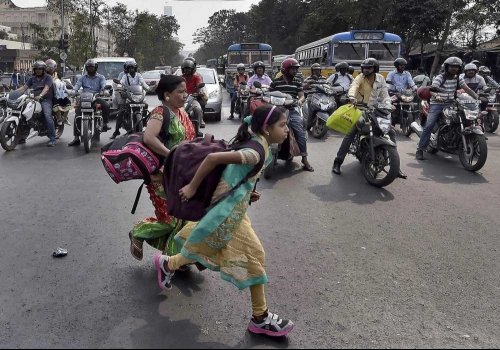
Kolkata Street from Deccan Herald

“நடைப் பயிற்சியே நல்ல மருந்து” – ஹிப்போக்ரேடஸ்!


1

ஓடலாமா?

குதித்துக் குதித்துப் போகலாமா?

தாவித் தாவிப் பார்க்கலாமா?

சைக்கிளை எடுத்து ஓட்டலாமா?

ஸ்கேடிங் செய்யலாமா?

ஆயிரம் யோசனைகள் -ஆரோக்கிய மேம்பாடு அடைய என்ன செய்யலாம் என்று.

இவை அனைத்தையும் விட எளிமையான வழி ஒன்று உண்டு.

அது தான் நடைப் பயிற்சி.

மேலே கூறிய எதுவும் தராத அருமையான பலன்களைத் தருவது

நடைப் பயிற்சியே!

அப்படி நடந்தால் – நடைப் பயிற்சியை மேற்கொண்டால் – நாம் அடையும் நன்மைகள் என்னென்ன?


2

‘ஜாக்கிங்’ (Jogging) செய்வதன் மூலம் எவ்வளவு கலோரிகளை உடலிலிருந்து செலவழிக்க –  எரிக்க – முடிகிறதோ அவ்வளவு கலோரி எரிப்பை நடைப் பயிற்சியே தருகிறது.

முதுகு வலியைப் போக்குகிறது.

இடையளவைக் குறைக்கிறது. (பார்க்க அழகு தான்!)

இரத்த அழுத்தத்தைக் குறைக்கிறது.

கெட்ட கொலஸ்ட்ராலின் அளவைக் குறைக்கிறது.

மாரடைப்பு அபாயத்தைக் குறைக்கிறது.

உடல் வலுவையும், ஆற்றலையும் கூட்டுகிறது.

மன அழுத்தத்தையும் மன இறுக்கத்தையும் குறைக்கிறது.

சிந்தனை ஆற்றலைக் கூட்டுகிறது.

தசைகளை மேம்படுத்துகிறது.

மூட்டுகளை வலுவாக்குகிறது.

ஏதேனும் சாப்பிட வேண்டும் என்று அடிக்கடி ஏற்படும் உணர்வைக் கட்டுப்படுத்துகிறது.

ஏரோபிக் (Aerobic capacity) திறனை அதிகப்படுத்துகிறது.

சிறிது சிறிதான அளவில், அவ்வப்பொழுது நேரம் கொடுத்து நமது சௌகரியத்திற்கேற்ப செய்ய முடியக்கூடியது.

Osteoporosis bone loss – எலும்பு மெலிதலால் ஏற்படும் எலும்பு அடர்த்திக் குறைவைத் தவிர்க்கிறது.

அவ்வப்பொழுது பயணம் மேற்கொள்வோராலும் கூட, எங்கிருந்தாலும் சிறிது நேரத்தை ஒதுக்கிச் செய்ய முடிவது.

இவ்வளவு நன்மை போதுமா?

இன்னும் கொஞ்சம் வேண்டுமா?

இருக்கிறது இன்னும் பல நன்மைகள்.


3

பாதுகாப்பானது!

நடைப் பயிற்சியைப் போல பாதுகாப்பானது எதுவுமே இல்லை.

இதற்கு முன் அனுபவம் எதுவும் தேவையில்லை.

பயிற்சியாளரின் உதவியும் தேவையில்லை.

இப்படிப்பட்ட உடல் தகுதிகள் தேவை என்ற நிபந்தனைகள் எதுவும் இல்லை.

உடல் வலி மற்றும் இதர உபாதைகளோ அல்லது பக்க விளைவுகள் எதுவுமோ இல்லை.

எந்த சாதனத்தின் உதவியும் தேவை இல்லை.

செலவே இல்லை.

ஓடுவது, தாண்டுவது, குதிப்பது, புரள்வது போன்ற எந்த வித செய்கையையும் எடுத்துப் பார்த்தால் அதை விட மிக எளிதானது.

அதிர்ச்சி விளைவு எனப்படும் Shock Impact ஐ எடுத்துக் கொண்டு பார்த்தால் அது ஓடுகின்ற போது ஓடுபவரின் எடையை விட 3 அல்லது நான்கு மடங்கு கூட இருக்கிறது.

ஆனால் நடப்பவருக்கோ இந்த அதிர்ச்சி விளைவு ஒன்றரை மடங்கு மட்டுமே இருக்கிறது.

பேஸ்கட் பால் போன்ற இதர விளையாட்டுக்கள் உடல் எடையைப் போல ஏழு மடங்கு அதிகமாக இந்த ஷாக் இம்பேக்டைத் தருகிறது.


4

நடைப் பயிற்சி உங்கள் உடலுக்கு உகந்தது. எளிமையானது.

ஓடினால் ஏற்படக்கூடிய அதே எடைக் குறைவை இதுவும் நல்குகிறது!

ஒரு மணி நேரத்திற்கு ஐந்து மைல் என்ற வேகத்தில் நீங்கள் ஓடுவதாக வைத்துக் கொண்டால், 30 நிமிடங்களில் நீங்கள் 285 கலோரிகளை எரிக்க முடியும்.

ஒரு மணி நேரத்திற்கு நான்கு மைல் என்ற வேகத்தில் நீங்கள் நடப்பதாக வைத்துக் கொண்டால், அதே 30 நிமிடங்களில் நீங்கள் சமமான தரையில் (தளத்தில்) நடந்தால் 165 கலோரிகளை எரிக்க முடியும். சற்று சாய்வான தளத்தில் – அதாவது 5 % சாய்வில் – 225 கலோரிகளை எரிக்க முடியும்.

பத்து % சாய்வான தளத்தில் 360 கலோரிகளை எரிக்க முடியும்!


5

விலை உயர்ந்த வீடியோ சாதனங்களை வாங்க வேண்டாம்.

கம்ப்யூட்டர் புரோகிராம் எதுவும் தேவையில்லை.

தனி இடம் தேவை இல்லை.

ஆப்ஸ் எதுவும் தேவை இல்லை.

வழிகாட்டி – கையேடு – எதுவும் தேவையில்லை.

இயற்கையாக நடக்கலாம்.

சந்தோஷத்துடன் நடக்கலாம்.

உங்கள் விருப்பப்படி நடக்கலாம்.

உங்களுக்கு உகந்த நேரத்தில் நடக்கலாம்.

நடைப் பயிற்சியில் உங்களுக்கு உதவ, நன்மைகளை அதிகம் அடைய சில எளிய – அனுபவக் குறிப்புகள் உள்ளன.

அவை யாவை? இதோ பார்ப்போம்.


6

நடைப் பயிற்சியின் முழுப் பலனையும் அடைய Posture எனப்படும் தோற்ற அமைவு மிக முக்கியமானது.

தலையை நிமிர்த்தி வைத்துக் கொள்ளுங்கள்.

முதுகெலும்பை நேராக நிமிர்த்தி நடத்தல் வேண்டும்.

கைகளையும், தோளையும் சற்று தளர்ச்சியாக வைத்துக் கொள்ளுங்கள்.

நேராகப் பார்வையைச் செலுத்துங்கள்.

அதற்காக எங்காவது குழியில் விழுந்து விடாதீர்கள். நமது சாலைகளைப் பற்றியும் பிளாட்பாரங்களில் ஆங்காங்கே இருக்கும் குழிகளையும் பற்றிச் சொல்லவே தேவையில்லை.

பள்ளங்களில் மாட்டிக் கொண்டு மருத்துவ  மனைகளுக்குச் சென்று விடக் கூடாது.

ஆகவே அவ்வப்பொழுது சாலை அல்லது பிளாட்பாரத்தின் கோலத்தை அல்லது அலங்கோலத்தையும் மதிப்பீடு செய்யத் தவறாதீர்கள்.

இது தவிர ஆங்காங்கே இருக்கும் சாலைத் தடைகள் – Road Blocks – பற்றியும் கவனம் கொள்ளுங்கள்.

*

ஆழ்ந்த மூச்சை சீரான இடைவெளியில் விடுங்கள்.

நடவுங்கள், ஓடாதீர்கள். அதாவது சுறுசுறுப்பான காலடிகளை எடுத்து வைக்க வேண்டும், அவ்வளவு தான்! வேகமான அடிகளை அல்ல!!

நீங்கள் தினமும் நடக்க ஆரம்பித்தவுடன் உங்களுக்கே நீங்கள் எப்படி நடக்கலாம் என்பது தெரிய வரும்.

மூச்சு விட சற்று சிரமமாக இருந்தால் மெதுவாக நடக்க ஆரம்பியுங்கள்.


*

உங்கள் உடல் தரும் செய்தியைக் கேளுங்கள்.

அட, பிரமாதமாக இருக்கிறதே, நடைப் பயிற்சி முடிந்தவுடன் ஒரு புதிய தென்பு, உற்சாகம் வந்து விட்டதே என்று நீங்கள் நினைத்தால் அது தான் நல்ல நடை!

சற்று வலியோ அல்லது அசதியோ அல்லது வசதிக் குறைவோ, உற்சாகமின்மையோ தோன்றினால் உங்கள் நடைப் பயிற்சியைச் சற்று மாற்றி அமையுங்கள்.

நீங்களே உங்களுக்கு நீதிபதி. அவ்வளவு தான்!

*

எப்படிப்பட்ட அடிகளை எடுத்து வைக்க வேண்டும்? சீரான, நீளமான காலடிகளை எடுத்து வையுங்கள். உங்கள் நடை பிரயத்தனமின்றி இயல்பான ஒன்றாக இருக்க வேண்டும்.

பகீரதப் பிரயத்னம் என்பது நடைப் பயிற்சியில் இல்லவே இல்லை.

கைகளை ஆட்டினால் அது உங்கள் உடல் பாலன்ஸை அனுசரித்து இருக்க வேண்டும்.

எதையும் வலியச் செய்ய வேண்டாம்.


அட, எளிய நடைப் பயிற்சியில் இவ்வளவு இருக்கிறதா, என்று நீங்கள் கேட்டால், இன்னும் நிறைய இருக்கிறது உபயோககரமான குறிப்புகள் என்ற பதில் தான் வரும்.

10000 காலடி நடைப் பயிற்சி என்று ஒன்று உண்டு.

பத்தாயிரம் காலடி நடைப் பயிற்சியா? அது என்ன?

அடுத்த இதழில் பார்க்கலாம்.

அது வரை, நடக்க ஆரம்பியுங்கள், குட் பை!

எல்லாவற்றிற்கும் மேலாக கட்டுரையின் ஆரம்ப வரி அற்புதமான ஒருவரின் அனுபவக் கூற்று.

ஆம், – ஹிப்போக்ரேடஸ் கூறியது அது: “நடைப் பயிற்சியே நல்ல மருந்து”

Rama walked for 14 years!


-தொடரும்

Address of Healthcare R.C.Raja, Editor  Healthcare, 10 Vaiyapuri nagar, Thirunelveli Town 627006 Yearly subscription Rs 120/


காதல் நோய்க்கு களிம்பு! அவுரங்கசீப் மகிழ்ச்சி! (Post No..4721)

Date: 9 FEBRUARY 2018


Time uploaded in London- 20-53


WRITTEN by London swaminathan


Post No. 4721


PICTURES ARE TAKEN BY LONDON SWAMINATHAN


WARNING: PLEASE SHARE MY ARTICLES; BUT DON’T SHARE IT WITHOUT AUTHOR’S NAME AND THE BLOG NAME. BE HONEST; OTHERS WILL BE HONEST WITH YOU.


லண்டன் ஆயுர்வேதக் கண்காட்சியில் உள்ள பல சுவையான படங்களில்

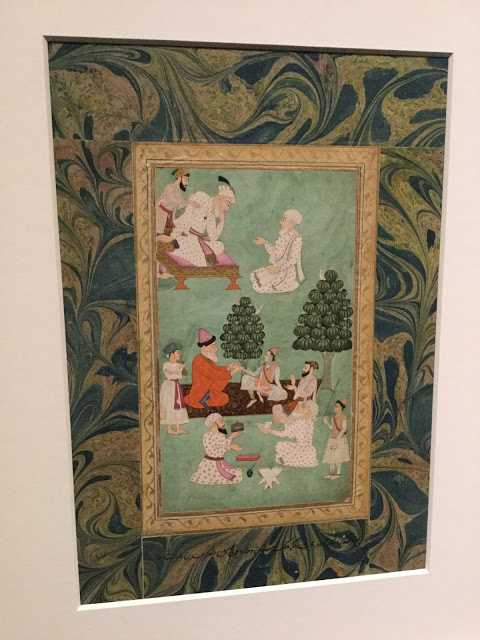
மேலும் மூன்று படங்களைக் காண்போம். ஒரு படம் அவுரங்கசீப்பின் மகனின் காதல் பைத்தியத்தைத் தீர்க்க ஆலோசனை செய்யும் படமாகும். மொகலாயப் பேரரசின் அஸ்திவாரத்தை தன் மதவெறியால் பெயர்த்தெடுத்த அவுரங்கசீப்புக்கு புதிய பிரச்சனை ஒன்று தோன்றியது. அவரது மகன் பேரழகி, இளவரசி மல்லிகே மல்க் மீது காதல் கொண்டான். இந்தக் காதல் பைத்தியம் அளவுக்குப் போனவுடன், அவுரங்கசீப், யுனானி வைத்தியரை (ஹகீம்) அழைத்தார். அவர் (படத்தில் சிவப்பு வண்ண உடை) ஒரு யுனானி களிம்பை சிபாரிசு செய்தார். இந்தப் படம் பாரசீக எழுத்துக்களுடன் உள்ளது. அவுரங்கசீப் கவலையில் ஆழ்ந்திருக்க ஹகீம் களிம்பு பற்றிச் சொன்னவுடன் அவருக்கு கொஞ்சம் திருப்தி!


யுனானி மருத்துவம் என்ற சொல் கிரேக்க சொல்லான ஐயோனிய, யவன என்ற சொல்லில் இருந்து வருகிறது. கிரேக்க மருத்துவர்களான ஹிப்போக்ரடீஸ், காலன் (HIPPOCRATES AND GALEN) ஆகியோரின் சிகிச்சை முறைகளை அராபிரய அறிஞர்கள் இஸ்லாமிய முறைகளுடன் கலந்து தெற்காசிய, மத்திய ஆசிய முஸ்லீம் நாடுகளில் பரப்பினார்கள். மொகலாயப் பேரரசில் இது பெரிதும் பயன்படுத்தப்பட்டது.


முதல் பெண் டாக்டர்

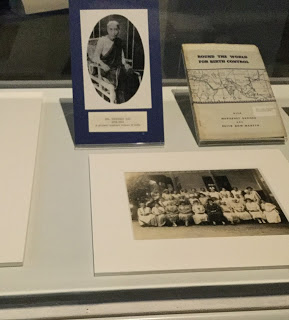
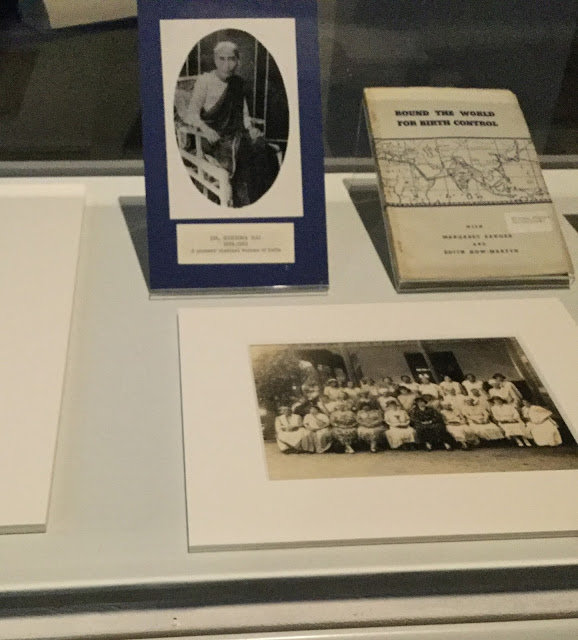
கண்காட்சியில் இந்தியாவின் முதல் பெண் டாக்டர் ருக்மா பாயின் படமும் உள்ளது. இவர் இந்தியாவில் இருந்து லண்டனுக்கு வந்து பெண்களுக்கான மருத்துவக் கல்லூரியில் படித்தபின்னர் பல நாடுகளுக்குச் சென்று பயின்றார். பின்னர் பம்பாய்க்குத் திரும்பி வந்து டாக்டராகப் பணி புரிந்தார். அவ்வகையில் இந்தியாவில் பணி யாற்றிய முதல் இந்தியப் பெண் டாக்டர் இவர்தான். ஆனால் இவருடைய திருமண வாழ்வு, சர்ச்சைக்குள்ளாகி, பின்னர் முறிந்தது. இவர் 11 வயதில் திருமணம் செய்துவைக்கப்பட்டார். பருவம் அடைந்தவுடன் சாந்தி முகூர்த்தத்துக்குப் பல நிபந்தனைகள் விதிக்கப்பட்டன. அவரது கணவர் கோர்ட்டை அணுகி வெற்றியும் கண்டார். கோர்ட் அவரை, கணவருடன் வாழ உத்தரவிட்டது. அவர் மறுத்தார். பால கங்காதர திலகர் போன்றோர் கணவர் சொல்வதே இந்து தர்ம விதிகள் என்றனர். கோர்ட்டும் அதையே சொன்னது. ஆனால் மாக்ஸ்முல்லர் இந்தப் பெண்ணுக்கு ஆதரவு தெரிவித்தார். இறுதியில் ருக்மா பாய், விக்டோரியா மஹாராணியை அணுகி கோர்ட் உத்தரவை ரத்து செய்தார். அந்தக் காலத்தில் மஹாராஷ்டிரத்தில் இது பெரிதும் விவாதிக்கப்பட விஷயம் ஆகவிருந்தது.


யோகிகளும் அபினியும்

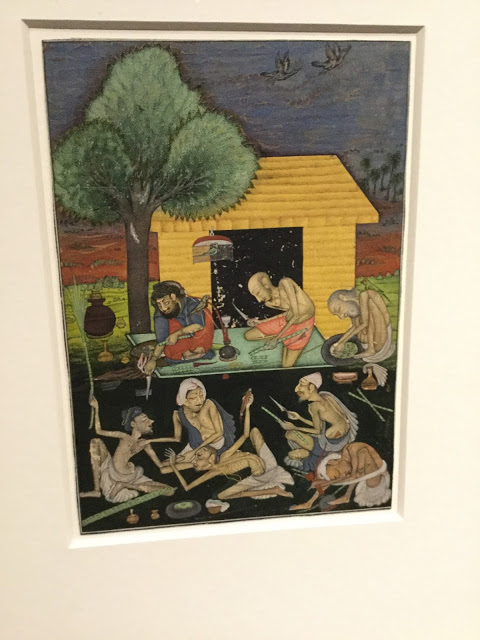
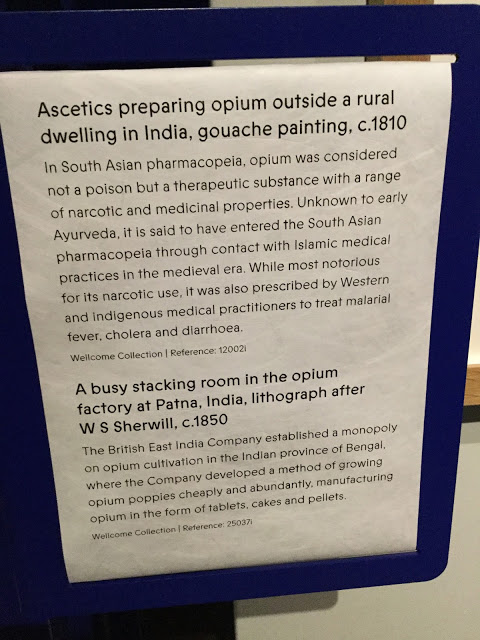
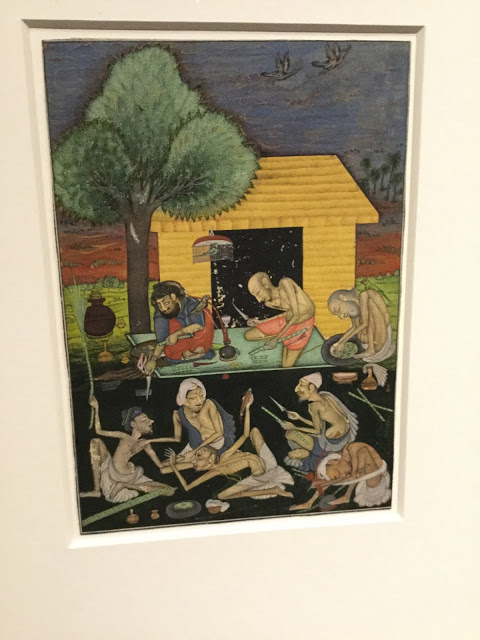
இந்து யோகிகள், குறிப்பாக இமயமலைப் பகுதியில் வசிக்கும் யோகிகள், அபினி (கஞ்சா) சாப்பிடுவதாகச் சொல்லுவர். யோகிகள் அபினி தயாரிக்கும் ஒரு படம் வெல்கம் சென்டர் ஆயுர்வேதக் கண்காட்சியில் இடம் பெற்றுள்ளது. அதில் சொல்லப்பட்ட விஷயமானது:

“தெற்காசிய மருத்துவ சிக்கிச்சையில் அபினி என்பது ஒரு விஷப் பொருள் அல்ல; அதை மருந்தாகவே கருதுகின்றனர். இது பழங்காலத்தில் ஆயுர்வேத மருத்துவத்தில் இல்லை என்றும் இஸ்லாமிய தொடர்பு மூலம் வந்தது என்றும் கருதப்படுகிறது. இது மிகவும் கெட்ட பெயர் எடுத்த போதைப் பொருள் என்றாலும், மேலை நாட்டு, கீழை நாட்டு மருத்துவத்தில், மலேரியா, காலரா, வயிற்றுப் போக்கு ஆகிய நோய்களுக்கு மருந்தாகப் பயன்படுத்தப் படுகிறது


எனது கருத்து:

இந்த 200 ஆண்டுக்கு முந்தைய ஓவிய படத்தின் தலைப்பு சந்யாசிகள் அபினி தயரிப்பதாக சொல்கிறது. இது யோகிகளுக்குக் கடவுள் வைக்கும் ஒரு பரீட்சை. இங்கு லண்டனில் பெரிய இன்வெஸ்ட்மென்ட் வங்கியில்(Investment Bank) வேலை வேண்டுமானால், பல இன்டெர்வியூக்கள் இருக்கும்; பல்வேறு குழுக்கள் பல கோணங்களில் ஒரே ஆளை கேள்வி கேட்பர்; அத்தனை இன்டெரியூக்களிலும் பாஸ் செய்பவரே/ தேறுபவரே வேலையில் அமர்த்தப்படுவர். இதே போல விஸ்வாமித்ரர் கதையிலும் பல சோதனைகளில் அவர் தோற்று கடைசீயில் வெற்றி பெற்று வசிட்டர் வாயால் பிரம்ம ரிஷி பட்டம் பெற்றார். அந்த வகையில் இந்த ஓபியம் Opium எனப்படும் அபினி/ கஞ்சாவும் கடவுள வைக்கும் ஒரு சோதனை. சமாதி நிலை அல்லது தியானத்துக்கு உதவும் அபினி என்று சில யோகிகள் எடுக்கத் தொடங்குவர். பெரும்பாலோர் அந்த நிலயில் இருந்து மீண்டு அபினி இல்லாமலேயே தியானம் செய்யப் போய்விடுவர்; சிலர் மட்டும் சேற்றில் அழுந்திய பன்றிகள் போல போதைப் பொருளுக்கு அடிமை ஆகிவிடுவர். ஆகவே அபினி என்பது கடவுள் வைக்கும் சோதனை; யோகிகள் எவரும் அபினி எடுத்துக்கொள்ளுங்கள் என்று சொல்வதுமில்லை; எழுதியதுமில்லை. ஆகவே அபினியுடன் யோகிகளை இணைத்துக் காண்பது அறியாமையே.

–சுபம்–

If You are in Love and Sick, there is an Ointment! (Post No.4720)

Date: 9 FEBRUARY 2018


Time uploaded in London- 9-23 am


WRITTEN by London swaminathan


Post No. 4720


PICTURES ARE TAKEN FROM VARIOUS SOURCES.


WARNING: PLEASE SHARE MY ARTICLES; BUT DON’T SHARE IT WITHOUT AUTHOR’S NAME AND THE BLOG NAME. BE HONEST; OTHERS WILL BE HONEST WITH YOU.


First Female Doctor in India Rukma Bhai!

‘Ayurvedic Man Exhibition’ in London Wellcome Centre has got pictures of first female doctor of India, Opium making Hindus Yogis, Cow’s Urine as Medicine, Indian Wrestler Picture, Sri Lankan Enema Syringe, Kamadhenu etc with interesting details.

Dr Rukma Bhai (1864-1955) originally from Bombay studied medicine at London School of Medicine for Women and then in a string of other medical colleges in Europe in 1894.As soon as she qualified, she returned to Bombay (Mumbai) and became the first practising female doctor in India. Married at the age of 11, she had lot of problems in her domestic life regarding the consummation right. Though the court ordered her to live with her husband, she refused and got it annulled by the order of Queen Victoria. Her case in the court raised lot of debates in Maharashtra. B G Tilak opposed her saying that it was against Hinduism but Max Muller supported her.


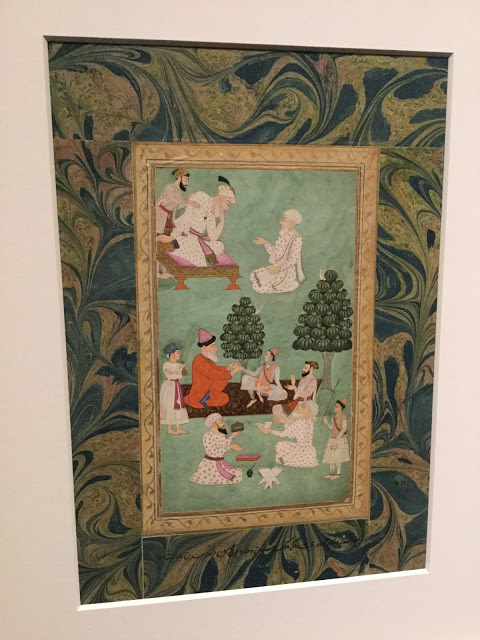
Another interesting picture is the recommendation of an ointment to cure love sickness of Aurangzeb’s son. Moghul emperor Aurangzeb ruled India between 1658 and 1707.


The Persian inscription in the marbled border says: The Prince is sick in love with Mallikeh Mulk, which is making the king reflective.

“This painting depicts an episode from a romance set in the Moghul court. Emperor Aurangzeb , a Hakim (Unani physician) is at his shoulder with his chief minister. He is worried about his son (in red),who is lovesick for Mallikeh Mulk, a fair princess. The hakim on the lower left recommends an ointment.

Unani (Unani Tibb) is the term for Greco- Arabic traditional medicine as practised in Moghul India and Islamic cultures of South Asia and Central Asia. Its name is derived from the Arabic Yuanaanii meaning Ionian or Greek. Unani is based on the teachings of Greek physicians Hippocrates and Galen as they were islamicised on contact with Muslim scholars and sophisticated centres of learning in the medieval Islamic world.” (from welcome centre).


Opium Making Hindu Yogis!

One must be careful with this opium message. If you are applying for a job in any field, there will be an interview for all the applicants. For a post in a prestigious investment bank there are different interviews at different stages by different teams for the same candidate. If you pass in all those interviews you get the job. In the same way God tests Hindu applicants for spiritually higher posts with opium test. It is believed that opium helps you to get in trance in the beginning.  Hindu yogis take it in the beginning and then drop the habit. But if one gets addicted to opium and forgets God, he laughs at you for failing in the first interview itself! So, please be aware that opium is not recommended by Hindu Yogis to spiritual aspirants.

Here is the picture:


–Subham–


ஆயூர்வேத அதிசயங்கள் (Post No.4712)

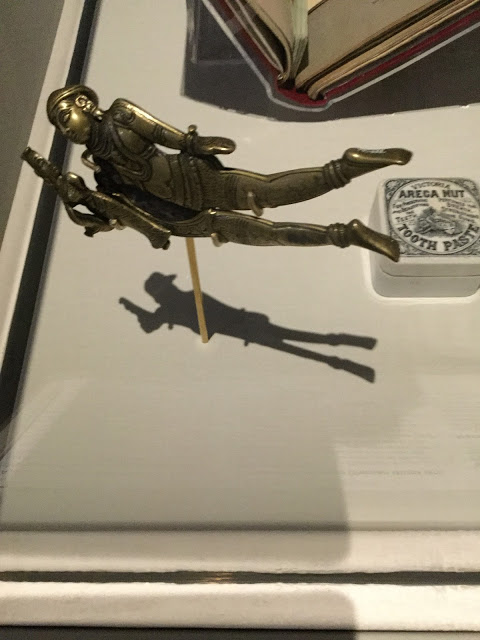
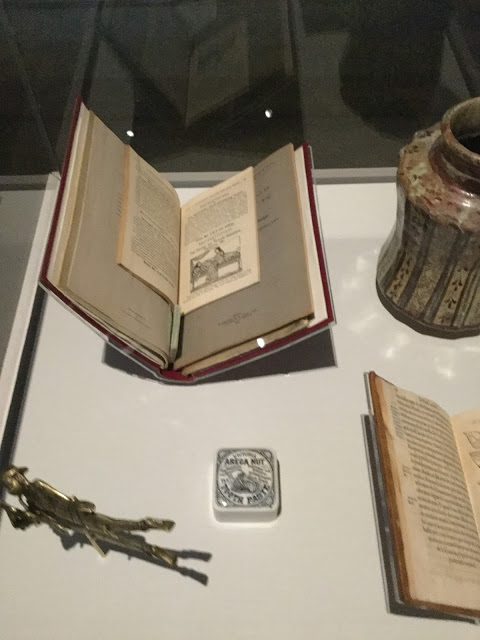
Betel-nut cutter with Vishnu and Lakshmi; areca nut tooth paste

Date: 7 FEBRUARY 2018


Time uploaded in London- 8-39 AM


WRITTEN by London swaminathan


Post No. 4712


PICTURES ARE TAKEN by London swaminathan


WARNING: PLEASE SHARE MY ARTICLES; BUT DON’T SHARE IT WITHOUT AUTHOR’S NAME AND THE BLOG NAME. BE HONEST; OTHERS WILL BE HONEST

WITH YOU.


(நல்லவர்களை எப்படி அறியலாம்? பிறர் எழுதியதை, பிறர் எடுத்த படங்களை அவர்களுடைய பெயர்களுடன் வெளியிடுவார்கள். கெட்டவர்களை எப்படிக் கண்டுபிடிக்கலாம்? பிறர் எழுதியதை,அது வெளியான பிளாக், பத்திரிக்கை பெயர்களை நீக்கிவிட்டு , தங்களுடையது போல வெளியிடுவார்கள்; கெட்டவர்களைக் கண்டுபிடிப்பது மிகவும் எளிது))


லண்டன் ஆயுர்வேதக் கண்காட்சியில் நிறைய அதிசயச் செய்திகள், அபூர்வ படங்கள் இருக்கின்றன. எவ்வளவுதான் சொல்ல முடியும்? இது நாலாவது கட்டுரை. முடிந்தவரை சொல்கிறேன்.


ஜோதிட உடம்பு

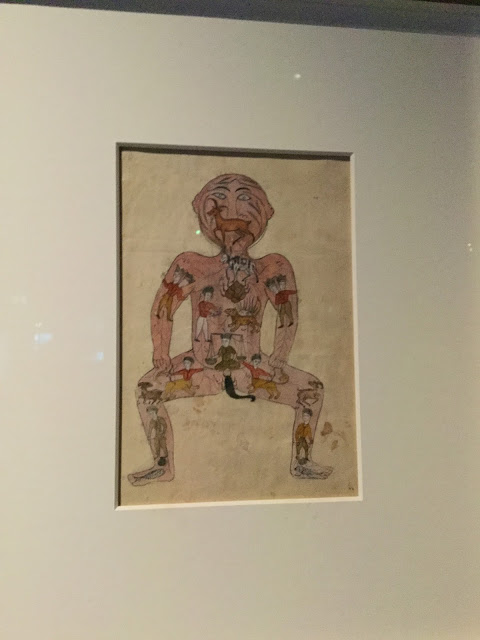
ஒரு உடலில் 12 ராசிகளை வரைந்த படம் இங்கே காட்சிக்கு வைக்கப்பட்டுள்ளது. இதில் பாரசீக மொழிக் குறிப்புகள் உள்ளன. 1396 ஆம் ஆண்டில் பாரசீகத்தைச் சேர்ந்த (இப்போது இந்த நாட்டின் பெயர் ஈரான்) மன்சூர் இபின் முகமது என்பவர் ஒரு நூல் எழுதினார். அந்த மருத்துவ புஸ்தகத்துக்கு தஸ்ரிக் இ மன்சூரி என்று பெயர். அதில் உடலின் ஐந்து அம்சங்கள் விளக்கப்படுகின்றன: எலும்பு, நரம்பு, சதை, சுத்த ரத்தக் குழாய்கள், அசுத்த ரத்தக் குழாய்கள். அவர் கிரேக்க நாட்டில் வாழ்ந்த மருத்துவ மேதை காலன் (GALEN, 130-210 CE) என்பவரைப் பின்பற்றி இந்த புஸ்தகத்தை எழுதினார். . இஸ்லாமிய நாடுகளில் இதுதான் முதல் வைத்திய கிரந்தம் என்று சொல்வதற்கிலை. ஆயினும் இந்தக் க்ரந்தத்தின் சிறப்பு யாதெனில் அழகிய வரைபடங்களுடன் வெளியானதே; இதற்கு முந்திய நூல்களில் உடற்கூறுகளின் படங்கள் இல்லை. இதே முறையில்தான் ராஸி மனிதன் படமும் அமைந்துள்ளது


உடலின் பல அங்கங்கள், நவக் க்ரஹங்களின் கட்டுப்பாட்டில் இருப்பதாக இந்துக்கள் நம்புவர். கண்ணுக்கு சூரியன், மனதுக்கு சந்திரன், ஜனன உறுப்புகளுக்கு சுக்கிரன் என பல க்ரஹங்களுக்குப் பல பணிகள் உண்டு. இதன் அடிப்படையிலேயே பாரசீக 12 ராஸி மனிதன் வரையப்பட்டிருக்க வேண்டும் என்பது என் நம்பிக்கை.

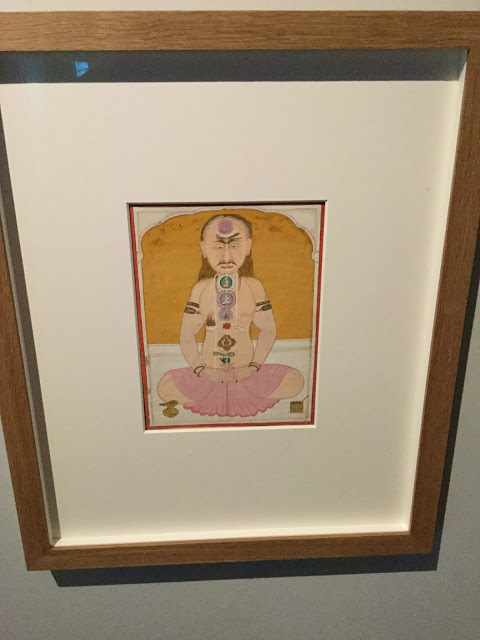
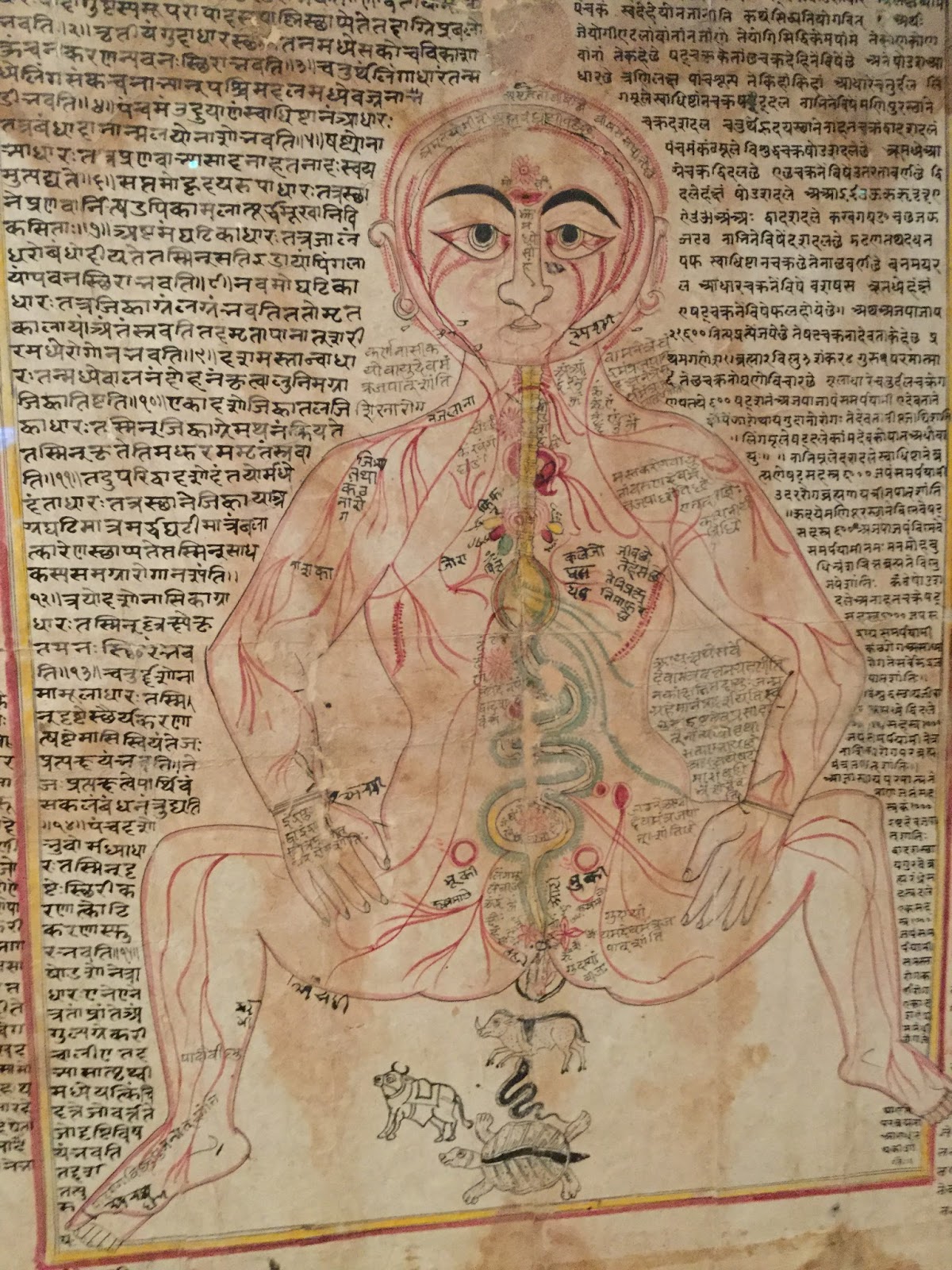
மனிதனின் முதுகெலும்புக்கு அருகில் உள்ள தண்டுவடம் வழியாக ஆறு சக்கரங்கள் இருப்பதாக இந்துக்கள் நம்புவர். இத்தகைய ஆறு சக்கரங்களைக் காட்டும் பழைய ஓவியமும் இங்கே உள்ளது. இந்த தண்டு வடத்துக்குக் கீழே பாம்பு சுருண்டு கிடப்பதுபோல மஹத்தான ஒரு சக்தி உறக்க நிலையில் இருப்பதாகவும் அதை தியானம் மூலம் தட்டி எழுப்பி ஆறு சக்கரங்கள் வழியே வழிநடத்தும் வல்லமை உடையோர் ஆன்மீக விழிப்புணர்ச்சி அடைவார்கள் என்றும் அத்தோடு நில்லாமல் நெற்றிக் கண்  (மூன்றாவது கண் எனப்படும் ஞானக் கண்) திறக்கப்பட்டு அற்புதங்களை செய்ய முடியும் என்றும் இந்துமத நூலகள் செப்பும். இக்கால விஞ்ஞானிகளுக்கோ, மாற்றுமதத்தினருக்கோ இந்த பிரம்மாண்ட ரஹஸியம் இன்று வரை தெரியாது; விளங்காது.


விநாயகர் அகவலில் அவ்வையார் கூறுவதை அறிந்தோருக்கு இதன் சிறப்பு புரியும்.

குண்டலி யதனிற் கூடிய அசபை

விண்டெழு மந்திரம் வெளிப்பட உரைத்து

மூலா தாரத்தின் மூண்டெழு கனலைக்

காலால் எழுப்பும் கருத்தறி வித்தே

அமுத நிலையும் ஆதித்தன் இயக்கமும் (45)

குமுத சகாயன் குணத்தையும் கூறி

இடைச்சக் கரத்தின் ஈரெட்டு நிலையும்

உடல்சக் கரத்தின் உறுப்பையும் காட்டிச்

சண்முக தூலமும் சதுர்முக சூக்கமும்

எண் முகமாக இனிதெனக் கருளிப் (50)

புரியட்ட காயம் புலப்பட எனக்குத்

தெரியெட்டு நிலையும் தெரிசனப் படுத்திக்

கருத்தினில் கபால வாயில் காட்டி

இருத்தி முத்தி யினிதெனக் கருளி

என்னை யறிவித்(து) எனக்கருள் செய்து (55)


ஆயூர் வேதம் என்றால் ‘நீண்ட வாழ்க்கை வாழ்வதற்கான அறிவு’ என்று பொருள்படும். உடலில் உள்ள வாத, பித்த, கப தோஷங்களின் அடிப்படையில் அமைந்த மருத்துவ முறை இது. இப்பொழுது இந்தியாவுக்கு வெளியிலும் பிரபலமாகிவிட்டது.


இந்தக் கண்காட்சிக்கு ‘ஆயுர்வேத மனிதன்’ என்று பெயர் சூட்டியமைக்குக் காரணம் ஒரு நேபாள ஓவியம் ஆகும். இது 200 ஆண்டுப் பழமையானது. நேபாள நாட்டிலிருந்து இந்தியா வழியாக லண்டன் வரை வந்ததிலிருந்தே இதன் சிறப்பு விளங்கும்.


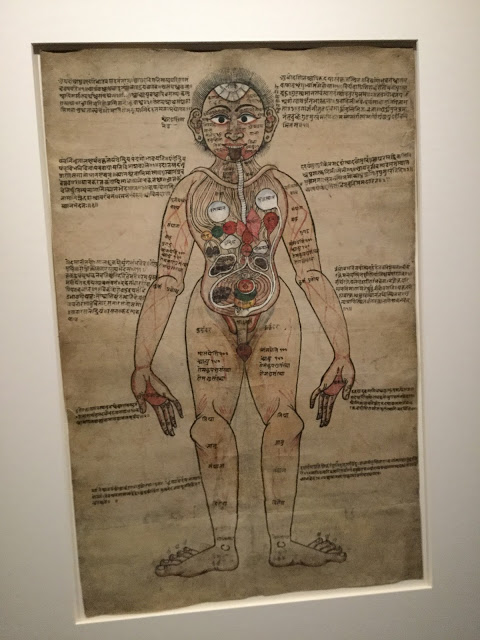
இந்த வண்ண ஓவியத்தில் ஆயுர்வேத நூல் அடிப்படையில் உடல் உறுப்புகளும் ரத்த நாளங்களும் காட்டப்பட்டுள்ளன. சுமார் 400 ஆண்டுகளுக்கு முன் எழுதப்பட்ட ‘பாவ ப்ரகாஸ’ என்ற சம்ஸ்க்ருத மருத்துவ நூலில் இருந்து எடுக்கப்பட்ட குறிப்புகள் இந்த ஓவியத்தில் இருக்கின்றன. ஓவியத்தை வரைந்தவர் நல்லறிவு பெற்றிருந்தாலும் சம்ஸ்க்ருத எழுத்துக்களை எழுதியவர் பிழைபட எழுதியுள்ளார். எழுத்துப் பிழைகளோடு கருத்துப் பிழைகளும் உள.


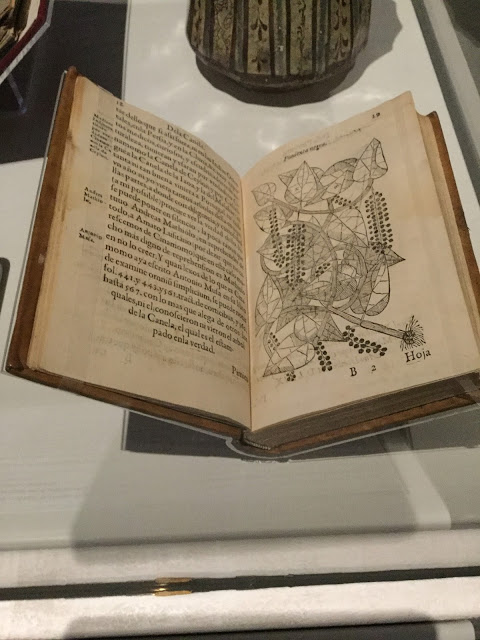
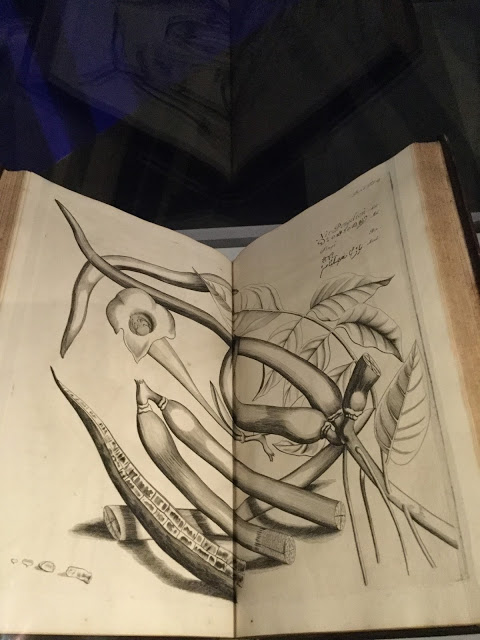
விஷ்ணு-லெட்சுமி உருவத்துடன் கூடிய பித்தளை பாக்குவெட்டியும் கொட்டைப் பாக்கில் இருந்து செய்யப்பட்ட பற்பசையும் காட்சியில் இடம்பெற்று உள்ளன. அந்தக் காலத்தில் மூலிகைகளை பெரிய வரைபடமாக வரைந்த மூலிகைப் புஸ்த்தகத்தையும் காணலாம். இவை எல்லாம் 200-ஆண்டுப் பழமையானவை.


பார்க்க அருமையானவை.

–SUBHAM–
What did Dr.Paira Mall buy for Rs.229 for London Museum in 1911? (Post No.4704)

Date: 5 FEBRUARY 2018


Time uploaded in London- 7-03 am


Compiled by London swaminathan


Post No. 4704


PICTURES ARE TAKEN BY LONDON SWAMINATHAN


WARNING: PLEASE SHARE MY ARTICLES; BUT DON’T SHARE IT WITHOUT AUTHOR’S NAME AND THE BLOG NAME. BE HONEST; OTHERS WILL BE HONEST

WITH YOU.


LONDON AYURVEDA EXHIBITION- PART 3

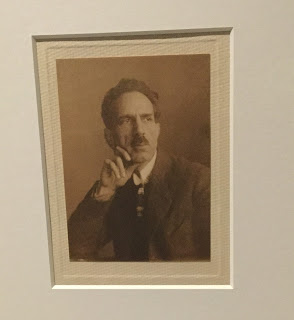
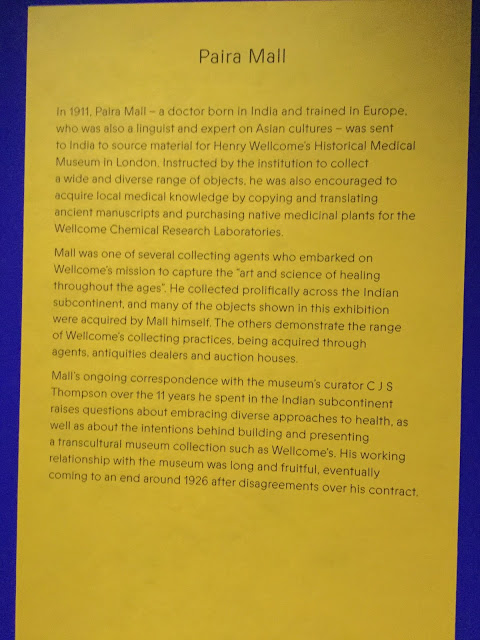
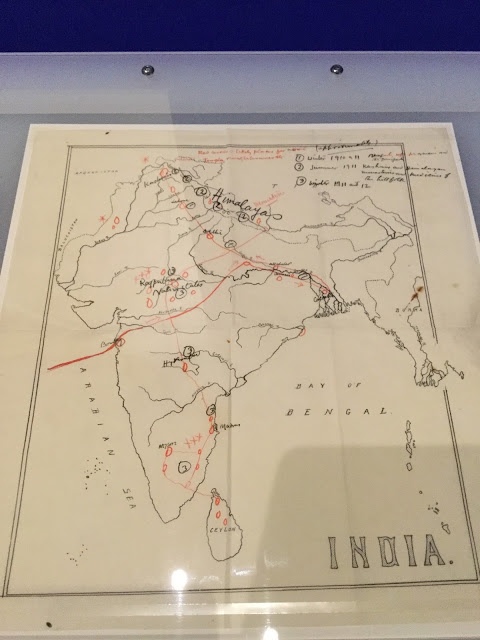
Paira Mall was a doctor born in India and trained in Europe. He was sent to India by Henry Wellcome to collect medical treasures from India. Henry wanted him to collect the books in manuscripts or translations and important herbs. He was one of the several agents Henry employed for collecting valuable materials for his research museum. Paira Mall spent 11 years in India and he was in regular correspondence with Mr C J S Thompson, the curator of Museum.


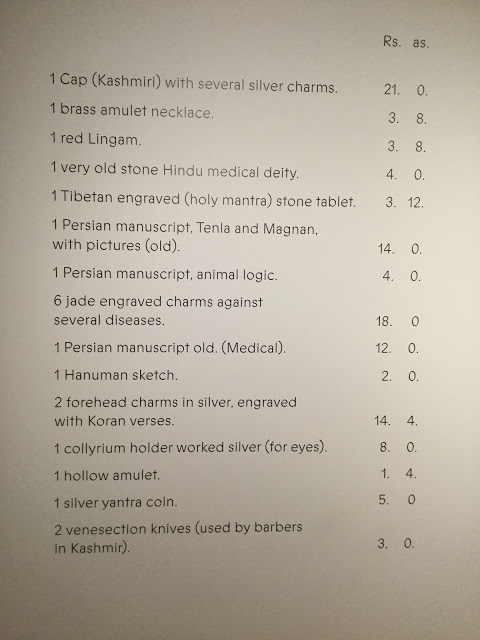
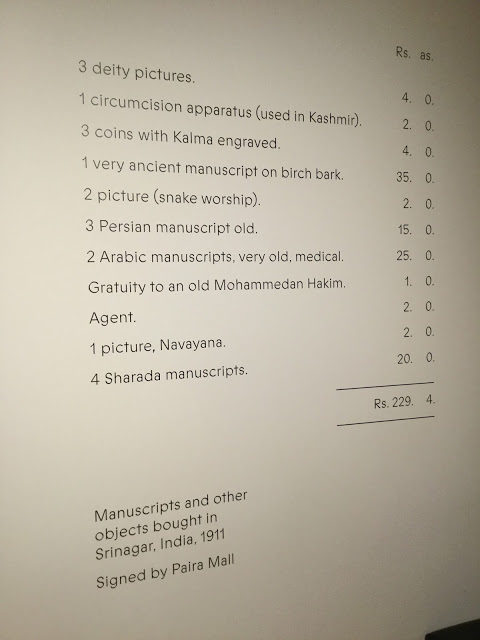
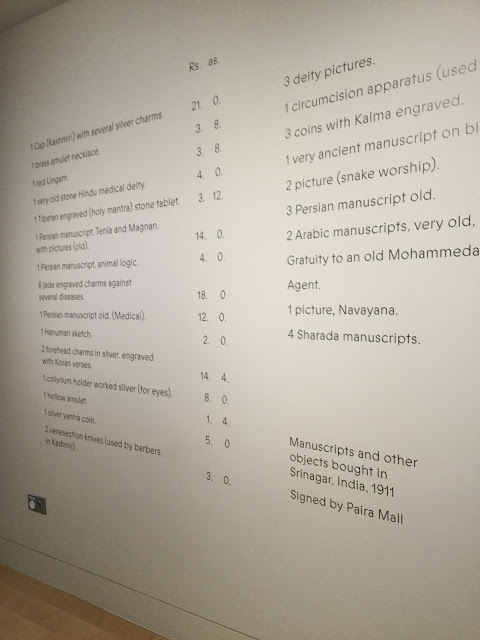
There is a list of things Mr Mall bought in Sri Nagar, Kashmir. It makes a very interesting list and shows what type of things were collected from different parts of the world by Henry Wellcome. Here is the list of things (displayed in Ayurvdic Man Exhibition in London)  he bought in 1911 for 229 rupees 4 annas:


Rupees- Annas

One Kashmiri cap with Silver charms –  21- 00

One Brass Amulet necklace                     –       3- 8

1 red Lingam                                                            –           3-8

1 very old stone Hindu medical deity     4-00

Tibetan Stone tablet with Mantra                     3-12

1 Persian manuscript with pictures       14-00

1 Persian manuscript, Animal logic                   4-00

6 jade engraved charms

against several diseases                                      18-00

1 old Persian medical manuscript            12-00

1 Hanuman sketch                                                 2-00

2 forehead silver charms with

Koran Verses –                                                                     14-4

1 kollyrium silver holder for eyes            8-00

1 hollow amulet                                                     1-4

1 silver yantra coin                                                            5-00

2 barber knives                                                       3-00

3 Deity pictures                                                      4-00

1 circumcision apparatus                         2-0

3 coins with Kalma engraved                              4-00

1 very ancient manuscript on bark                   35-00

2 pictures of snake worship-                              2-00

3 Very old Persian manuscripts              15-00

2 old Arabic medical manuscripts                     25-00

Gratuity one Mohammedan Hakim      1-00

Agent                                                                         2-00

Picture of Navayana                                              2-00

4 Sharada manuscripts                                         20-00

———


Total                                                                           229-4


This receipt was signed by Paira Mall and sent to London.


It is very interesting to see what were the objects Henry Well come was interested in. Anything to do with cures, medical beliefs and cures for snake bites and other diseases.


–Subham–


அதிசய மூக்கு ஆபரேஷன்! லண்டன் கண்காட்சி தரும் தகவல்!! (Post No4701)

Date: 4 FEBRUARY 2018


Time uploaded in London- 14-56


Compiled by London swaminathan


Post No. 4701


PICTURES ARE TAKEN BY LONDON SWAMINATHAN


WARNING: PLEASE SHARE MY ARTICLES; BUT DON’T SHARE IT WITHOUT AUTHOR’S NAME AND THE BLOG NAME. BE HONEST; OTHERS WILL BE HONEST

WITH YOU.

(நல்லவர்களை எப்படி அறியலாம்? பிறர் எழுதியதை, பிறர் எடுத்த படங்களை அவர்களுடைய பெயர்களுடன் வெளியிடுவார்கள். கெட்டவர்களை எப்படிக் கண்டுபிடிக்கலாம்? பிறர் எழுதியதை,அது வெளியான பிளாக், பத்திரிக்கை பெயர்களை நீக்கிவிட்டு , தங்களுடையது போல வெளியிடுவார்கள்; கெட்டவர்களைக் கண்டுபிடிப்பது மிகவும் எளிது))

லண்டனில் நடைபெற்றுவரும் ஆயுர்வேதக் கண்காட்சியில் நிறைய புதிய தகல்கள் உள்ளன. 2600 ஆண்டுகளுக்கு முன்னர் சுஸ்ருதர் என்ற மாமேதை சம்ஸ்க்ருதத்தில் மருத்துவ நூலை எழுதினார். இதில் உலகம் வியக்கும் இரண்டு விஷயங்கள் இருந்தன. 1.மனிதனுக்கு செயற்கை மூக்கு பொருத்தும் அறுவைச் சிகிச்சையும் 2. நூற்றுக்கணக்கான ஆபரேஷன் (சர்ஜரி= அறுவைச் சிகிச்சை) கருவிகளின் வருணனையும் எல்லா மருத்துவர்களையும் வியப்பில் ஆழ்த்தின. அது சரி! இவை எல்லாம் 2600 ஆண்டுகளுக்கு முன்னர் நடந்தது என்பதற்கு என்ன சான்று? என்று கேள்வி கேட்போருக்கு லண்டன் வெல்கம் (WELLCOME CENTRE) சென்டர், ஆதாரத்தோடு படங்களை  வெளியிட்டுள்ளது.


பிரிட்டிஷ் கிழக்கிந்தியக் கம்பெனியார், இந்தியாவை ஆண்ட காலத்தில் மைசூர் போர் நடந்தது. அதில் ஒருவரின் மூக்கு சேதம் அடைந்துவிட்டது. அவர் கிழக்கிந்திய கம்பெனியின் ஊழியர். அவரைப் பிடித்த மைசூர் வீரர்கள், அவருடைய மூக்கை அறுத்துவிட்டனர். இது பற்றி 1794-ஆம் ஆண்டில் லண்டன் ஜென்டில்மேன் என்னும் பத்திரிக்கை படத்துடன் செய்தி வெளியிட்டது. அதில் சொல்லப்பட்ட தகவலாவது:-  சம்பந்தப்பட்ட ஊழியரின் நெற்றியில் இருந்து கொஞ்சம் சதை வெட்டப்பட்டு அதை மூக்கின் மேல் பதியம் வைத்து செயற்கை மூக்கு உருவாக்கினர். இந்தச் சிகிச்சை நடந்த போது பிரிட்டிஷ் சர்ஜன்கள் அதைப் பார்த்துக் கொண்டிருந்தனர். இதனால் 1700-ஆம் ஆண்டில் இந்திய சர்ஜரி முறைகள் புத்துயிர் பெற்றன என்று லண்டன் பத்திரிக்கை செய்தி வெளியிட்டது. மேலும் அறுவைச் சிகிச்சை செய்யப்பட்ட ஆளின் படத்தையும் வெளியிட்டுள்ளது.

200 ஆண்டுகளுக்கு முன்வரை நம்மவர்கள் இந்த முறையை நினைவிற்கொண்டு அறுவை செய்ததையும் அதைப் பிரிட்டிஷார் பாராட்டி அதிசய செய்தியாக லண்டன் பத்திரிக்கையில் வெளியீயிட்டதையும் வெல்கம் சென்டர் நமக்குத் தெரி விக்கிறது. இதன் காரணமாக சுஸ்ருதர் சம்ஸ்க்ருத மொழியில் விளக்கிய ஆயுதங்களை இரும்பில் செய்து காட்சிக்கும் வைத்தனர்.


இந்தியச் செல்வங்களை (HENRY WELLCOME) ஹென்றி வெல்கம் சேகரித்ததோடு பழைய ஆயுர்வேத நூல்களை மைக்ரோபில்ம் (MICROFILM) எடுத்து லண்டனில் சேகரித்து வைத்துள்ளார்.

இத்து தவிர டில்லி பார்மஸி (மருந்துக் கடை) ஒன்றில் இருந்த அனுமன் படத்தையும் கண்காட்சியில் காணலாம். இதில் மயங்கிக் கிடக்கும் லெட்சுமணனைக் காப்பாற்ற, அனுமன் மலையுட ன் பெயர்த்தெடுத்து சஞ்சீவினி மூலிகையைக் கொண்டு வந்த படம் இது.


ஆயுர் வேத முறைப்படி உடலின் உறுப்புகளையும், இரத்த நாளங்களையும் கா ட் டும் படமும் , அதாவது ஓவியமும் இங்கே உள்ளது. இது குஜராத்தி, சம்ஸ்க்ருதச் சொற்களுடன் இருப்பதால், இந்தியாவின் மேற்குப் பாகத்தில் இருந்து வந்தது தெரிகிறது. சுமார் 300 ஆண்டு பழமையானது இந்த ஓவியம். இது இந்தியர்களுக்கு எந்த அளவுக்கு உடற்கூறு சாஸ்திரம் தெரிந்தது என்பதற்குச் சான்று.

கண்காட்சி ஏப்ரல் 8 வரை உண்டு. ஆனால் திங்கட்கிழமை கண்காட்சி கிடையாது. அனுமதி இலவசம். யூஸ்டன் ஸ்கொயர் ஸ்    டேஷனுக்கு அடுத்த கட்டிடம் வெல்கம் சென்டர்.


இன்னும் சில அதிசயங்களை நாளை காண்போம்.


–சுபம்–

2600 YEAR OLD ANCIENT INDIAN PLASTIC SURGERY! (Post No.4700)

Date: 4 FEBRUARY 2018


Time uploaded in London- 10-03 am


Compiled by London swaminathan


Post No. 4700


PICTURES ARE TAKEN BY LONDON SWAMINATHAN


WARNING: PLEASE SHARE MY ARTICLES; BUT DON’T SHARE IT WITHOUT AUTHOR’S NAME AND THE BLOG NAME. BE HONEST; OTHERS WILL BE HONEST

WITH YOU.


AYURVEDA EXHIBITION – PART 2


Sushruta who lived 2600 years ago in India is the Father of Surgery. He described  over 100 medical instruments. He was famous for nose surgery known as rhinoplasty. The amazing thing about the Nose Surgery is that it was used even 300 years ago in India. A British magazine has described it and the magazine news is displayed in the Ayuevdic man in Wellcome Centre in London (For full details of the Ayurvedic exhibition, please read my article posted yesterday here.

The news item says,

“Cowasjee, a man who had his nose reconstructed with the aid of plastic surgery, stipple engraving by W Nutter, after drawing by J Wales 1795.


Among the surgical techniques described in the  Ssruta Samhiat is rhinoplasty, the repair of a severed nose. Variations of this technique have survived in India over the centuries. In 1794, an article in the Gentleman’s magazine of London reported an operation carried out on an employee of the British East India Company who had been captured and mutilated during the Mysore Wars. As witnessed by Company surgeons, a flap of skin incised from the forehead was grafted onto the stump from which a new nose was formed. Such reports heled the resurgence of Indian surgical methods in the 1700s and foreshadowed the modern plastic surgery.


Here is another anatomical image from Western India. It has Sanskrit and Gujarati terms for body parts. It is like Persian picture, but the Indian artist had added Chakras and Tantric iconography to the spinal column.

Hanuman bringing the Magical Herb Sanjeevani along with the hill. When Lakshmana was injured, Hanauman was asked to get the Life Giving Sanjeevani herb. Since he could identify the herb he uprooted the entire hill where it is grown and brought it to Lanka.

–Subham–