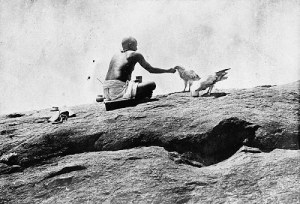
Tree Miracle and Statue Miracle of a Saivaite Saint

Tree Miracle and Statue Miracle of a Saivaite Saint

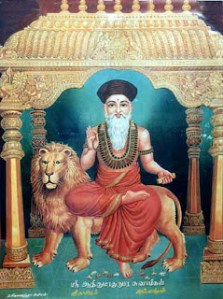
Thirugnana Sambandhar was a child prodigy. He started composing poems when he was three years old. We know many other child prodigies from different parts of the world who composed poems. But there is a big difference between Sambandhar and those poets. He composed devotional poems in different metres and genres. Though he did compose them 1300 years ago still they are used by millions of Tamil Hindus. His words had miraculous powers. Whatever he wanted to achieve, he achieved them through his verses. His poems led to a big moral and religious reformation. Above all, though we lost several thousands of his verses, we have more than 4000 of them today.

Hundreds of miracles happened during Sambandhar’s life. He travelled to nook and corner of Tamil Nadu and sang about the temples. We come to know a great deal of Tamil history through his poems. Periapuranam of Sekkizar commented on everything he did and added further details. This hagiology of Tamil saints in Tamil poetry form was composed by Sekkizar in 12th century, approximately 500 years after Sambandhar.

Sambandhar’s big achievement came in Madurai ,the capital of seventh century Pandya kings. He reconverted Pandya king Nedumaran to Hinduism and defeated the Jains in several contests. Jains are a peace loving community and they believe in absolute non violence. The 24th Jain saint (Thirthankara) Mahavir was the contemporary of the Buddha. He and his followers commanded great respect. But the Jains who occupied Madurai involved them in politics and violence. When Sambandhar visited Madurai at the request of Pandya Queen and the Chief Minister, the Jains set fire to the building where the boy wonder Sambandhar was staying. This increased the tension between the Saivaites and the Jains.

Palmyra Tree Miracle

When Sambandhar visited Tiruvothur he saw a devotee crying. The devotee raised some Palmyra trees so that he can use the income for his community service in the Shiva temple. By rare coincidence all the trees were male trees and did not yield fruits. Atheists were mocking at him and teased him asking when his god would yield him fruits. When Sambandhar asked him the reason for his sad face, he told him about the male only Palmyra trees. Later Sambandhar visited the Shiva temple and looked at the Palmyra trees and he sang ten verses in praise of the Lord and said the male trees will yield (Kurumpai Aan Panai Eenum in Tamil). Next minute all the trees bloomed and bore plenty of Palmyra fruits! Dr R Nagasamy, renowned historian and archaeologist, has quoted the Sanskrit lines from the Upamanyu Bhakta Vilasam giving the same meaning: Tala: pumamsa: sruthvai they bhavanthu paritha: palai:

Temple Statue Miracle

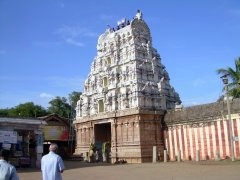
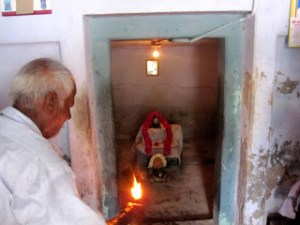
Sambandhar visited Tirukkovilur. It is the custom of the Hindus to worship the temple tower as soon as they see it for the first time. When Sambandhar saw a temple building from a distance, he immediately paid due respects to the temple. The devotees who were following the Boy Wonder were embarrassed because it was not a Hindu temple. With very great hesitation a few of them went to him and informed him it was a Jain temple. But yet Sambandhar went in to the building and to the surprise of everyone, it was a Siva statue in the sanctum sanctorum. He converted the statue by his miraculous powers. Periapuranam was translated in to several languages including Sanskrit. Srinivasa Kavi of 16th century translated it verbatim. Dr R. Nagasamy has found out several missing pieces of Periapuranam, through his meticulous research. This episode of statue miracle is found in the Sanskrit version of Periapuranam, Upamanyu Bhakta Vilasam, according to Dr R Nagasamy. He believes that the Periapuranam Tamil verses regarding this miracle might have been lost.

Contact: swami_48@yahoo.com

Medical Evidence for Kumbhakarna’s Long Sleep

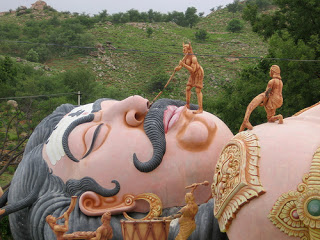
Picture: Kumbhakarna in Kumbhakarna Gardens in Penukonda.


Ramayana Wonders 7:

Medical Evidence for Kumbhakarna’s Long Sleep

Did Kumbha karna suffer from Sleeping Beauty Syndrome, a rare medical condition? Was it a rare sleeping disease? Is there any parallel in medical history?

Yes, there is medical evidence. Read further……

Kumbhakarna, brother of Ravana and son of Visravas and Kaikasi, is a very interesting character in the great Hindu epic Ramayana. He is a 50-50 character. Good and bad qualities mixed together. He slept for six months and was wide awake for another six months. He gave proper advice to Ravana and Vibheeshana. His character was the model for Gulliver’s Travels of Jonathan Swift. If a Hindu child reads Gulliver’s Travels today it will feel it is copied from Kumbhakarna character( I have already written in another post that even the smallest shape of Gulliver is taken from an Indian folk tale).

The interesting aspect of Kumbhakarna’s life is his sleeping pattern. There is a story behind it. He prayed to Brahma for Indra Asana (seat of Indra) but when Brahma actually appeared before him his tongue twisted and asked for Nidra Asana (ever sleeping place/seat).Brahma granted it. There is another version  as well. Kumbhakarna wanted  Nirdevatvam (annihilation of Devas), but ended with Nidratvam (permanent sleep). Whatever the boon may be, we know for sure he slept for a longer period.

Hinduism is based on Truth. Even Gods obey the rutham/truth (Rhythm, Truth etc came from Sanskrit rutham). Once a boon is given it cannot be taken back. There is an in built exit strategy. When Kumbhakarna prayed to Brahma to change it he changed it to six month sleep, six month no -sleep period.

Rip Van Winkle of Washington Irving’s story slept for 20 years and woke up. He missed the American Revolution, the death of his wife, marriage of his daughter and the birth of his grandson. Rabbi Honi slept for 100 years according to Jewish scriptures. Kumbhakarna was very different from these characters. His sleep fell in to a pattern. He became violent if his sleep was disturbed. Enormous efforts were needed to wake him up. They need to bring army of musicians, battalions of elephants, truck loads of food and weapons to get him out of the slumber.

Ravana wanted his help because all his lieutenants were routed. First he chided Ravana for keeping Rama’s wife Sita in custody, but later promised to fight on his side. He killed many on Rama’s side but ultimately got killed by Rama’s arrow. He died as a hero.

Picture of Kumbhakarna statue in Indonesia.

Sleeping Beauty Syndrome

What was his medical condition? It is not coma, because there was a pattern in his sleep. Was it a syndrome? May be something like the Sleeping Beauty Syndrome reported in London News papers:

A rare sleep disorder made Lois Wood sleep for 44 days at a time. 14 year old Lois of Stevenage near London suffers from Sleeping Beauty Syndrome and Kleine- Levin Syndrome, which affects just 65 people in Britain. Lois can fall  asleep anytime. Such sleeping episodes make her violent. She suffers also from zombie like trances where she bangs her head on walls and attacks her family. Once a promising basket ball player, Lois, now needs constant care as she can sleep at any time—but no memory of  her attacks.

Picture of 14 year old Lois Wood who slept for 44 days.

Anyone who reads this will sympathise with Lois and Kumbhakarna. Who knows? Kumbhakarna might have suffered from similar syndrome. Had the western medical men knew Kumbhakarna’s condition, they would have named this condition ‘Kumhakarna Syndrome’.

Read my earlier posts:

(1). Ramayana Wonders Part-1 (2). Ramayana Wonders Part 2 :How many miles did Rama walk? (3) Ramayana Wonders Part 3: Rama and Sanskrit G’ramma’r  (4) Part 4: Who can read all 300 Ramayanas? (5) Ramayana Wonders part 5: Indus Valley Cities in Ramayana (6) Ramayana Wonders 6: Aladdin’s magic in Valmiki Ramayana (7) Largest Story Collection in the World.

She can fall at sleep anytime anywhere.

Contact London Swaminathan at: swami_48@yahoo.com


Miracles by the Blind & Oldest Organ Donation

Post No. 470

Lord Krishna listening to blind poet Surdas.


Miracles by the Blind & Oldest Organ Donation

God is great. When he shuts one organ he gives more powers to other organs. Hindu scriptures are full of miracle stories by the blind. It gives details about the earliest organ donations as well. The most popular story of eye donation is of a hunter belonging to the scheduled tribe.

Dhinnan was a hunter in Tamil Nadu. One day he went to hunt wild boars. One of the boars was a dodgy animal. It took all his time and energy. When he finished the hunt it was already dark. Next day he was attracted towards a holy place like a magnet attracts iron. It was a Shiva temple. When he went there  he wanted to do the ritual bathing of the Lord. But he was an illiterate and knew nothing about scriptures. So he did the worship in his own way in the temple where a  proper priest was also doing Puja (worship) every day. Dhinnan offered meat pieces to the Lord. When the trained priest saw this next morning he was angry. But he had a dream in the night that he should watch a great devotee next day morning from a hidden place. He did that and saw Dhinnan spitting a mouth full of water on the statue to do Abhishek (ritual bathing) and offered flowers plucked out from his hair. He threw some meat pieces to the Lord.

Lord Shiva wanted to test Dhinnan’s devotion so that the properly trained priest also can see it from his hiding place. Suddenly blood started bleeding from one of the eyes of the Lord. Worried Dhinnan plucked out his eye and applied it to the Lord. When the second eye also started bleeding heavily, Dhinnan plucked out his second eye and applied it to Lord Shiva. Immediately God appeared before him and gave him the name Kan Appan (meaning one who applied eye). He regained his vision in both the eyes by the grace of Lord Shiva. Kannappan (Dhinnan) lived in the fifth century.

Picture shows Kannappa Nayanar placing his foot on Shiva to mark the place for placing the second eye.

Jeevaka’s Eye Operation

There is a similar story that happened in Northern India one thousand years before Kannappan. Jeevakan was a great physician cum surgeon in the days of Buddha. He lived in the Maghada (Bihar) empire during Bimbisaran’s rule(603-551 BC). One of the kings who ruled the north western part of India was Sibi. A blind Brahmin approached him asked for eye donation. The Brahmin asked him because the king had already earned the reputation of a big philanthropist donating any thing you ask for. The king sent a word for Jeevaka and he came and removed both the eyes of the king and fixed them to the Brahmin. This is recorded in the Buddhist chronicles. Both these stories show that the organ donation was in vogue in those days. Big surgeons did eye operations and other surgeries easily.

( I have already explained in my post. Look at the bottom for link)

Story of Upamanyu

Upamanyu was a young student of Vyagrapatha. In those days, students have to live with the teacher (Guru in Sanskrit) for at least 12 years to learn the Hindu scriptures. It is like a residential school. One day Guru asked Upamanyu to take 50 cows for grazing. When he went back to Guru’s house in the night with the cows he was refused dinner for no reason. The kitchen staff told him, ‘It is Guru’s order’. Even after a week, he was hale and healthy doing the same task of cow herding. When the Guru asked him the secret of his good health, he told him he got the food by begging. Guru ordered him to bring all the food to his house. A week passed. Still he was energetic. When the Guru asked the secret of his good health, he told him the cows give him the milk after they fed their young calves. Guru ordered him not to drink the milk any more. He did it as per Guru’s order but drank the milk from the plants. He became blind because it contained poison. He fell in to a disused well on his way home. Guru’s party searched him and ultimately found him in the well. When he was asked to recite the Vedic Mantra on Aswini Dewas, they gave him the eye sight. But he refused to accept it without Guru’s permission. Guru felt very happy about his devotion and loyalty and brought water from the heavenly Soma River and poured it on his eyes. His vision was restored. Thus goes the story in Hindu Mythology. In the ancient India, Gurus gave practical lessons according to the Upanishads. It was more than what a chemistry or physics student can learn in the labs of modern day universities.

Lord Vishnu’s Eye Donation

Thiruvvizimizalai is a small town in Tamil Nadu with a Shiva temple. The resident god is called Nethra Arpaneswarar meaning Eye Donation God. Lord Vishnu was praying here to Shiva to obtain the Sudarsana wheel. It is like Boomerang and will come back to Vishnu after every attack. Vishnu did offer worship with 1000 lotus flowers every day. One day he fell short of one flower. Without any hesitation, he gave his one eye to Lord Shiva. Eye is a synonymous word with lotus in Indian literature. All these stories prove organ donation, Organ transplant and advanced surgery existed in those days. This temple is pretty old and existed at least 1300 years ago.

Miracle by Two Handicapped Tamil Poets

There were two Tamil poets by name Ilam surya and Mudu surya (meaning Junior Sun, Senior Sun). One of them was blind and the other was lame. The lame carried the blind on his shoulder and travelled from one town to another singing the glory of the Lord. When they went to Thiru Amathur in Tamil Nadu they composed some verses and arranged to launch the book at the temple. There was a mistake in the verses rightly pointed out by a scholar in the crowd. The poets sung that the temple is on the western side of the river Pampa. Actually it was on the eastern bank of the river. The crowd teased them saying both of them were not blind! At that time the rain started heavily and the crowd dispersed. In the night the river changed its course due to heavy rain in the hills. When they assembled next day to continue the launching event, they need not correct the verses. The river was running like they sang the previous day!!

Sundarar regained vision

One of the great Four Saivaite saints,Sundarar,  lost vision in one eye and went to Tiruvarur. He begged to Shiva to give him the vision back. He sang a decad there. Immediately he regained his vision in the right eye.

Tamil Reference:

மீளா அடிமை உமக்கே ஆளாய்ப் பிறரை வேண்டாதே

மூளாத் தீப்போலுள்ளெ கனன்று முகத்தால் மிக வாடி…………

Nayana Deeksha (Passing power through eyes)

Hindu goddesses have names with eye: Meenakshi, Kamakshi, Visalakshi, Neelayathakshi, Rudrakshi, Indrakshi etc. It shows that the goddesses always favoured them through their eyes. It is called Nayana Deeksha. A Guru or a god can pass miraculous powers to a devotee just by looking at him or her. Nayana, Akshi are Sanskrit words for eye.

We have got a number of stories about miracles of blind poets like Surdas. We will look at them separately.

Read my previous posts:

1.How did a Pandya King get a Golden Hand?

2.Miracles by the Deaf and Dumb

3.Time Travel by Two Tamil Saints

4.Did Agastya drink the ocean?

5. Great Engineers of Ancient India

6.Amazing Powers of the Human Mind

There are 15 more posts on Miracles by men and animals.

contact london swaminathan: swami_48@yahoo.com

Miracles by the Deaf and Dumb

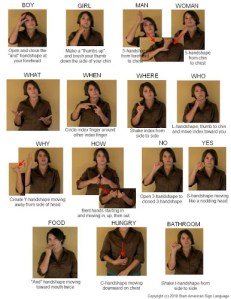
Picture of sign language used by the deaf and dumb


Miracles by the Dumb and Deaf

In Western Countries, it is impolite to call a person, deaf and dumb or blind. They have coined new words to give them more respect and recognition. They call them people with hearing impairment or hard of hearing (deaf and dumb) and visually impaired (for the blind). Hindus have several stories of miracles surrounding the deaf and dumb or the blind. They believe that God’s grace can make even a dumb, a great speaker. There is a Sanskrit sloka:

Mookam karoti vachalam, Pangum langhayate girim

Yat krupa tamham vande, Paramanand Madhavam

(I salute Lord Madhava by whose grace the dumb can become eloquent and the lame can cross over mountains).

There are several stories like Kalidasa, Tenali Rama who have become men of wit and wisdom by the grace of Goddess Kali. Hindus believe that Goddess Kali appeared before them and wrote Mantras in their tongues.

Tamil Dumb Miracle

There is an interesting story about a dumb person settling the dispute among Tamil Sangam poets. Though this story comes from a very late book like Tiruvilaiyadal Puranam of 17th century, it is not impossible to come across a situation like this. 2000 years ago, Tamil Sangam poets fought among themselves due to jealousy. They blamed each other of writing sub standard poems. When they went to Madurai temple to pray to god Shiva to solve their problem, a poet appeared before them and told them to go to a dumb child of Madurai to settle their dispute. They were surprised to hear that a person who could not even hear them is capable of finding a solution. But the saintly poet told them to recite their verses in front of him. He told them, “If he listens to you and enjoies he will shed tears of joy, then that poem is of high standard. If he remains indifferent or doesn’t shed tears of joy, then that poem is not of high quality.

The dumb boy’s name was Rudra Sarman. He was the son of a wealthy business man called Upprikudi kudi Kizan. Rudra Sarman could not speak. When all the poets went to him and recited their poems one by one, he shed tears of joy to the poems of Nakkeeran, Kapilar and Paranar. This standardization settled their dispute and the poets became friends again.


Hasthamalakar Miracle

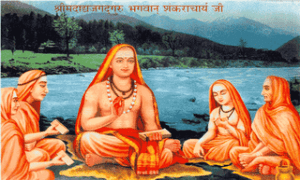
Adi Shankara, the giant among the Indian philosophers travelled through the length and breadth of India. He went to Mahabaleswar Temple at Gokarna and did Bilvarchana to Shiva on a Shivratri day. Then he went to Mukambika and to Srivali. He was lecturing about Advaita every day. Prabhakara Bhattar was the most reputed scholar in the town. But his son was dumb. His parents were very much worried about the future of the handsome teenager. They took him to Shankara. The dumb youth fell at his feet and did not get up. When Shankara lifted his head and asked who he was, he started talking high philosophy: “ I am not a human being, I am not a Deva; neither  I am a Brahmin nor a Kshatriaya, Vaisya or a Shudra. Neithr I am a Brahmachari (bachelor) nor a Grahastha  (house holder), nor  a Sanyasi (ascetic). I am Brahmam”.

Hearing this Shankara told him that you have explained what you are ‘like a goose berry in the hand’ (Hastha Amalaka). This is a phrase in Tamil and Sanskrit used to express extreme clarity of a thing or subject. From that day he was known as Hasthamalaka and he became one of the main disciples of Shankara.

Nammazvar and Kumarakuruparar

Nammazvar, one of the 12 Vaishnavaie saints of Tamil Nadu also did not speak a single word for long time. He was under a tamarind tree in Azvar Thirunagari for 12 years. When saint Madhurakavi went to him and asked questions, he opened his mouth to answer his question. Nammazvar became the foremost among the 12 saints.

Kumarakuruparar  who was born dumb developed eloquence at the age of five when he went to Tiruchendur temple. Both Nammazvar and Kumarakuruparar composed verses of high literary merit. Their hymns were sung by millions of Tamils every day. Nammazavar lived 1200 years ago. Kumarkurupara lived in 17th century.

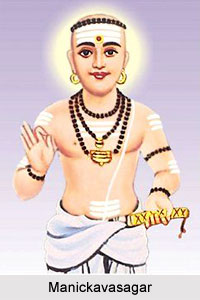
Manikkavasagar episode

Manikkavasagar is one of the Four Great Saivaite saints of Tamil Nadu. He must have lived some time before Gnana Sambandhar who lived around 7th century. Mankikkavasagar’s Tiruvasagam is very popular. During his life time he had to meet many challenges from the king and the scholars from rival religions. One of them was a Buddhist leader (Bhikshu) who travelled all the way from Sri Lanka to Chidambaram with the Sri Lankan king whose daughter was dumb. It is said that the Buddha Bikshu came with a group to challenge the 3000 Priests of Chidmbaram ( Thillai 3000). They asked Manaikkavasagar  to represent them. While the heated argument reached its peak, Manikkavasagar made the Buddhist leader literally speechless.  Sri Lankan king was amazed to see this and requested the saint to make his dumb daughter speak. The saint  made her  not only to speak but also to answer the questions of the rest of the Buddhist team. Sri Lankan king embraced Hinduism.

There are innumerable anecdotes in Hindu scriptures o show that faith can work miracles. Faith can cure illness. It will make even the dumb speak, sing and compose poems and songs.

Two Wonder Boys who controlled Floods

Picture of Dike Boy Statue in Holland

Two Wonder Boys from Holland and India who controlled Floods

Two boys have become immortal due to their hard work and humility; one is from India and the other is from Holland. The Dutch (Holland) is an imaginary boy and Indian boy is a real boy. The story of Indian Hindu boy is attested by the Upanishads and Mahabaharata. The imaginary Dutch boy is from the novel of American writer Mary Mapes Dodge.

The Hindu boy lived at least 3000 years ago. The Dutch boy story appeared first in 1865. The name of the Hindu boy is Uddalaka Aruni and the name of the imaginary Dutch boy is Hans Brinker.

The pity is most of us knew about the imaginary Dutch boy, but not about the real Hindu boy. But the moral of the story is same. Dutch have erected his statues in three towns for the imaginary non –existent boy just to attract tourists. It is a shame Indians never erected a statue or issued a stamp for the great Indian boys Dhruva, Nachiketas, Upamanyu, Uddlaka Aruni, Svetaketu, Satyakama Jabala and Veda.


‘Vidya Vinayanna Sampathe’ is the Sanskrit saying. ‘Education shines through humility (humbleness)’.

Tamil saint Tiruvalluvar in his Tirukkural says:

The angel of virtue will willingly abide in a person who gains self possession through his learning and self control (self restraint).

An echo is heard in what Erasmus said:

“The spirit of God, delighteth to dwell in the hearts of the humble”.

This is the moral of the stories given below:

Story of the Dutch Boy

A long time ago there lived in Haarlem, an important town in the Netherlands (Holland), a blond-haired boy. His father was the lockkeeper and had to make sure that the locks were opened and closed to keep the water in the canals at the right level.

On a beautiful day in Autumn this boy, he was 8 years old, went to visit an old blind man and bring him some home made biscuits. After about an hour he went home, but the weather had changed; it was raining and the water in the canal was rising.

All of a sudden he heard the sound of trickling water and he wondered where it came from. Then he saw a very small hole in the dike (Dyke)! A dyke is an embankment built along the coastline of  the Netherlands to prevent flooding of low lying areas. With the pressure of the water the hole won’t stay small for long and that means flood! He knew what to do. He climbed onto the dike and put his finger in the hole. Now he hoped for someone to come past soon, because he started to feel quite cold, but no one came. When dawn broke, the priest, who had been spending the night at the bedside of a very sick parishioner, was walking home and saw the boy.

“What are you doing there”? he asked when he saw the boy lying on his tummy, halfway up the dike. “I am holding the water back,” was the simple answer. “Please get help!” And of course help came soon after that. Everyone in Holland was very proud of the boy.

Picture of Nachiketas facing Yama; he is one of the Hindu Boy Heroes

Story of Uddalaka Aruni from Maha Bharata

Ayoda Dhaumya was a famous teacher who lived before Buddha, at least 3000 years ago. Princes and paupers came to him to learn the scriptures. In those days one has to stay with the Guru for twelve years and learn the lessons. They have to serve the Guru/teacher every day and get food items for him. Aruni was a young prince who came to study under him. Guru gave him a difficult task. He asked him to go to his field and  fix the breach in the sluice. Though he was a prince he took his spade and basket and rushed to the field. In spite of his repeated attempts to repair the breach and stop the water, he did not succeed. The sun started setting. He did not want to return home without finishing the task. He managed to put his body across the breach and stop the water with the help of leaves and mud.

In the meantime Guru started his evening lesson after sunset. One boy, Aruni, was missing. He was shocked and asked other students where he was. All of them gave the same message: they saw him repairing the breach till late evening. Guru ran to the field holding a fire torch in his hand and called several times “Aruni, Where are you?” After a while, a faint voice came from Aruni saying that he was lying in the mud across the breach. Guru lifted him and hugged him lovingly.


When he came to Guru’s house he put his hand on his head and said to him: Aruni, You have learnt what you are expected to learn. Your education is complete. Go home. My full blessings are with you. The boy was called Uddalaka Aruni.

This was education in ancient days. In addition to learning scriptures by heart, they have to apply it practically in everyday life. He learnt humility, obedience to elders, faith in what teachers say and above all hard work.

These two wonder boys will inspire generations to come.

Picture of Dykes.

Contact Swami_48@yahoo.com

This is Post No 463; Hits so far 87,346.


Hindu Eagle Mystery deepens

Picture shows Tiruk Kazuku Kundram eagles taking temple offering.


Hindu eagle mystery is deepening with more information coming from different sources.

1.Why do Hindus worship eagle (suparna=garuda) from Rig Vedic Days till today?

2.Why do Hindus including the greatest Tamil king Karikal Choza built their Yaga Kundas (Fire altars) in eagle shape?

3.How is that two eagles come to Tirukazuku kundram just to eat rice pudding everyday for over 1300 year period?

4.Why do Hindus call Emeralds as Garuda Ratna (eagle gem), which Sindbad story writer copied it from the Hindus?

5.Why a Saivaite saint sang 1300 years ago about an eagle bringing flowers to Shiva every day?

6.Why do Tamil children shout ‘Drop me  a flower please’ when they see Garudas (falcon/eagle) in the sky? Why do Hindus recite a Sanskrit hymn when they see Garuda?

7.Why does Vishnu use Garuda as his Vahana (Mount of God)?

8.Why did Rama cremate an eagle Jatayu in Ramayana? Was it eagle totem people or real eagle? Why Tamils associate this with Vaitheeswarankoil (eagle town)?

9. Why did Eagle people and Snake people (Garudas and Nagas) fight all over the world? We have the story here in Puranas, but symbols are in Egypt and Maya civilization?

10. How come eagle brought Soma plant for the Yagas (Fire ceremonies of Hindus)?
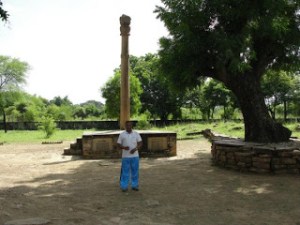
Picture Shows Greek Ambassador Heliodorous’ Pillar at Vidhisha 150 BC

11. Why did a Greek build an eagle pillar with inscription calling himself as a great devotee of Vishnu?

12.Tamil Encyclopedia Abithana Chintamani ( year 1899) attributes sixteen acts to Garudas. Many of them actually belong to people with eagle totem. They were against people with snake totem (Nagas). It is the ancient history of India. One must go deeper in to it to reveal the secrets.

13. Why do women fast on Garuda Panchami day every year?

14. Why is Garuda Purana is associated with the departed souls? It is read in the 13 day mourning period.

15. Indus People painted eagle in (funeral ??)  potteries, Why? Has it anything to do with Hindus reading Garuda Purana after the funeral?

16. Why is it that Amrita (ambrosia) is linked with Garuda/suparna?

17. In the Assyrian bas-relief in Khorsabad (885 BC) Eagle headed  winged genie is carrying a vessel of lustral water and a pine cone sprinkler. It is one of the benevolent genies that protected men from diseases and evil forces. Is it Garuda with Amrita? (see the images)

18. Why does Jaiminiya Brahmana (Vedic literature) say that eagle separates water from milk like Krauncha (swan) bird?

19. Why does Romulus saw an eagle on the Aventine Hill and considered it as a good omen like Hindus and keep it in front of his army? Orthodox Hindus wait for Garuda Darsanam every day.

Picture shows white necked Brahminy Kite (Garuda)

20.Why do newspapers report sighting of Garuda as a good omen during Kumbhabishekam or any religious event?

21. Why does Krishna say that he is garuda/eagle among birds in Bhagavad Gita (10-30)(vainatheyascha pakshinam)? Western cultures also consider eagle as ‘King of Brids’.

If I write answers to all these questions it would become a big book. I am going to answer a few of these questions in this article.

I have already written about Vahanas, eagle shaped fire altars of Karikal Choza, Eagle Vs  Naga clans enmity, Double headed Eagle, Garuda Sthamaba of Greek Ambassador etc. Please see the titles of the articles given at the bottom.

Eagle, falcon, kite, hawk, osprey and vulture are known as symbol of might and valour. Rig Veda, the oldest religious scripture in the world mentions Suparna and Syena. Later literature gives the story of Garuda (Haliastur Indus=Brahminy Kite), which is the Vahana and flag of Lord Vishnu.
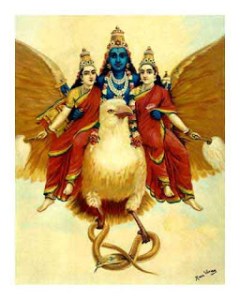
Lord Vishnu and Lakshmi on Garuda Vahana

Oldest Eagle Miracle

Perhaps the oldest and strangest eagle miracle in the world is Tirukkazuku kundram eagle miracle. Two eagles have been visiting this hillock for at least 1300 years just to eat temple rice pudding. We have records from Thevaram and Tiruppukaz . Saivaite saint Sambandhar of seventh century has sung bout Vedagireeswarar temple in Tirukkazuku kundram. The name of the town means eagle hill. Arunagirainathar of 15th century mentions very clearly that the eagles visit and worship god at Vedagiri. So we have records for at least 1300 years. Normally birds of prey like eagles gather in flocks and hunt for food. They are carnivorous and so prefer animals dead or alive. But in Tiruk kazuku kundram only two eagles come to the hill and wait outside for the temple prasad (offering) which is nothing but rice offering. Is it not strange for two birds of prey come just to eat rice that too every day at the appointed time? I heard that nowadays the eagle visit has become irregular. But my family members themselves have seen this wonder.

There is a story behind this eagle visit. Sambu Budhan and Ma Budhan were great devotees of Shiva and Shakti respectively. Now and then they had heated argument on this issue. They wanted to find out who was the greater of the two and went straight to Shiva for an answer. Shiva told them it was like two sides of a coin. No one is bigger than the other. Out they came and started arguing again on the same issue. Shiva cursed them to become eagles. When they begged him to take back the curse, Shiva told them to come to Tiruk kazuku kundram until the end of Kali yuga.

Hindus believe two different persons come as eagles in every yuga. The story has an underlying truth. That is, it has been going on for Yugas (epochs).

Tirukkazuku kundram is not far from Chennai in Tamil Nadu. It is easily accessible by bus from Chengalpattu.
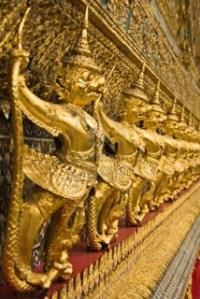
Picture: Garuda in Bagkok, Thailand

Garuda brings flower

As children we used to shout “O Garuda, Drop me a flower”, whenever a Garuda flies just above our head in the sky. At the same time elderly people used to recite a Sanskrit sloka (hymn). Till a few days ago I did not know the meaning. When I read Thevaram hymn in Tamil, there was a reference about Garuda bringing flower to Shiva every day. Probably like Tiruk kaluku kundram there was another eagle mystery happening every day 1300 years ago. Sambandhar sang about another shrine in Vaitheeswarankoil near Mayuram in Tamil Nadu

He says that the eagle brought flower every day from Kaveri Poompattinam, which was a famous harbour 2000 years ago. Some of the Cholza kings ruled from this port city which was mentioned by Greek and Roman writers as Kaberis. Eagles brought flowers from this city to Vaitheeswaran koil every day! It is a small town with a very famous Shiva temple. The very name of the town is named after the bird PULLIRUKKUVELUR ( Pul=eagle, Irukku=Rig Veda, Vel= Lord Skanda, Ur= Sun; all the four worshipped here). Once again we get some new information which no Ramayana gives us. The two great two eagle men Jatayu and Sampathi (Jatayu fought with Ravana while he abducted Sita Devi to Sri Lanka) worshipped Shiva here according to Gnana Sambandhar.

When Jatayu died after giving the vital information about abduction to Rama, he cremated the bird. Birds are not cremated when they die. Even today tourist guides show you the Jatayu’s ash. So my guess is that Jatayu and Sampati were men with eagle symbol (totem). Whatever they may be, they brought flowers every day to Shiva thousands of years before our time. So this is what made Tamil children shout at eagles or Garudas, ‘Please drop me a flower’ (கருடா, கருடா பூப் போடு in Tamil).

Tamil references are given at the end.
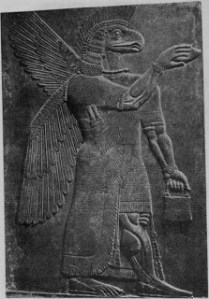
Eagle with holy water, Norrthern Iraq 850 BC

Eagle and Ambrosia, eagle and Soma plant

Hindu epics and mythologies give us some information about Garuda getting Amrita from the heaven. Kadru and Vinata were daughters of Daksha Parajapati and wives of Kashyapa. Because of infighting, Vinata was enslaved by Kadru, mother of snakes (Naga clan). When Garuda came to know about his mum’s pathetic condition he tried to release her from this bondage. But Amrita was demanded for her release. Garuda went to heaven and stole Amrita (elixir of life). When Indra saw this, it ended in a big fight. Indra was worsted but allowed Garuda to take part of the Amrita. Once again this confirms my guess they were men with eagle tattoos or symbols and not birds.

Garuda was a sworn enemy of snakes (people of Naga Clan). Though we see here part of ancient history, we must remember both the clans were cousins. Garuda was considered an incarnation of Fire God Agni. Rig Veda praises him for bringing Soma plant. Probably people of Garuda clan were involved in this business.
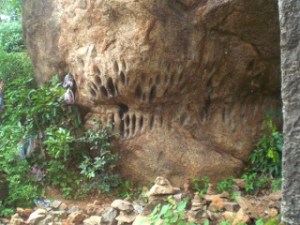
Picture of Tiruk kazuku kundram: The eagles are said to sharpen their beaks here.


Emerald= Garuda Ratna= Eagle Gem

One of the Nine Gems, emerald is known as Garuda Ratna (Eagle Gem). The reason for this name is eagles brought this gem from the valleys and deep ravines. People who could not go deep down the ravines and valleys where emerald stones were in plenty threw lumps of meat. When the eagles brought those meat balls stuck with emerald, people shot the birds with arrows and got the emeralds. This story was copied in the Stories of Arabian Nights and later literature. The link between Garuda  and Amrita- Gem stones- Soma plant throw lot of light on ancient history of India. Deeper research will explode the myth of Soma being an addictive drug producing hallucination. A Pandya copper plate inscription describes Soma plant as purifier of mind (Mano Sudhdha Soam yajee) . I will write a separate post about it.


Tamil References:

1).கழுகுதொழு வேத கிரிசிகரி வீறு

கதிருலவு வாசல்                     நிறைவானோர்

கடலொலிய தான மறைதமிழ்க ளோது

கதலிவன மேவு                      பெருமாளே

(திருக்கழுக்குன்றம் திருப்புகழ்)

2).யோசனை போய்ப் பூக்கொணர்ந்தங் கொருநாளு மொழியாமே

பூசனை செய்தினி திருந்தான் புள்ளிருக்கு வேளீரே (தேவாரம்)

3).தள்ளாய சம்பாதி சடாயு என்பார்தாம் இருவர்

புள்ளானார்க் கரையனிடம் புள்ளிருக்கு வேளூரே (சம்பந்தர் தேவாரம்)

Swami_48@yahoo.com (London Swaminathan)
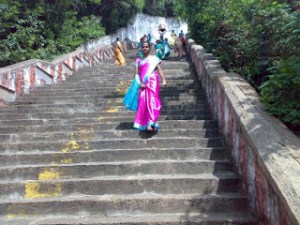
Picture: Tiruk Kazuku kundram hill with 540 steps

Please read my earlier posts:

1.Vishnu Seal in Indus Valley Civilization 2.Double Headed Eagle: Sumerian- Indian Connection 3.Karikal Choza and Eagle Shaped Fire Altar 4. Bird Migration in Kalidasa and Tamil Lterature 5. Friends of Birds 6.Are Mayas, Hindu Nagas? 7. Four Birds in One Sloka 8. Cn Birds Predict Your Future? 9.Hindu Vahanas Around The World 10. Who Rides What Vahana? 11. Hindu Vahanas in Greece and Italy 12. Intersting Facts About Vahanas 13. Deer Chariot: Rig Veda to Santa Claus 14. Mystrous Fisg Gods 14. Why do Animals worship Gods? 15.Can Parrots recites Vedas16. Gods and Birds
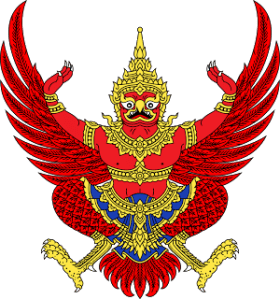
Picture : Garuda emblem in Thailand. Pictures are taken from various websites. Thanks.
 

Multi lingual Parrot mimics Arabic, Urdu and English Words

rocket2

Picture of Rocket who can “speak” three languages.

Multi lingual Parrot mimics Arabic, Urdu and English Words

பல மொழி பேசும் கிளி (கீழே தமிழிலும் தரப் பட்டுள்ளது)


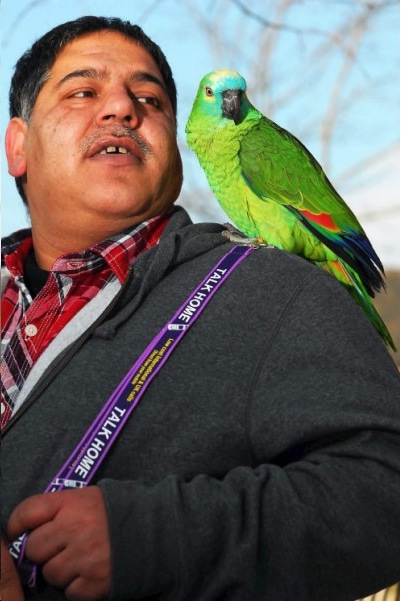
Rocket, a blue fronted parrot can squawk in Arabic, Urdu and English. He lives in Oldham in England.

The bird often surprises passersby with the traditional Arabic greeting ‘asalamu alaikkum’—meaning peace be upon you. Rocket belongs to Mahmood family. It mimics English words. It says Hello to everyone. The owner of the parrot says, “ he sometimes says things that even we don’t understand”. It copies cats and chickens. During summer months, Eshaan Mahmood takes it for a walk. It sits on his shoulder and talks. Children love to chat with it. Rocket has wide publicity in London news papers.

I have already written about parrots reciting Vedas and birds predicting your future. Now after reading this item in today’s newspapers, I am reminded of three other points.

Picture of Arunagirinathar

  1. Sekkizar who wrote Periyapuranam giving the life history of Tamil Saivaite saints composed a poem about parrots. He says that the parrots recited Tamil hymns Thevaram and Myna birds listen to them in Tiruvarur.
  2. Arunagirinathar, a Tamil poet who wrote Thiruppugaz in 15th century is believed to have transformed in to a parrot and sung Kandhar Anubhudi
  3. Suka Brahmam sang the glory of Krishna in Bhagavatha Puranam in Sanskrit. He is believed to have recited it in the form of a parrot.

கீழ்கண்ட கட்டுரைகளையும் படிக்கவும்: Read my earlier posts:

1.Can Parrots Recite Vedas? 2.Birds and Gods 3.Can Birds Predict your Future?

Picture: Parrot statue in Tiruvannamalai Parrot Tower

பல மொழி பேசும் கிளி (கீழே தமிழிலும் தரப் பட்டுள்ளது)

இங்கிலாந்தில் ஓல்தாம் என்னும் இடத்தில் ராக்கெட் என்னும் பெயர் உடைய கிளி வசித்து வருகிறது. இதை இஷான் முகமது என்பவர் வளர்க்கிறார். அந்தக் கிளி அராபிய, உருது ஆங்கிலம் ஆகிய மொழிகளில் பல சொற்களை சொல்லும் கிளிகள் வேதம் சொல்லுவது பற்றி எழுதியுள்ளேன். ஜோதிடம் சொல்லுவது பற்றியும் எழுதியுள்ளேன். முதலில் ஆங்கிலத்தில் ஹலோ மற்றும் சொன்ன கிளி இப்போது உருது, அராபிய சொற்களையும் சொல்லுகிறது. சில நேரங்களில் புரியாத பாசையிலும் பேசுகிறது.


அராபிய மொழியில் ‘அசலாமு அலைக்கும்’ (சாந்தி நிலவட்டும்) என்று அழைக்கும். கோடை காலத்தில் இதை தோள் பட்டையில் உட்கார வைத்துக்கொண்டு இஷான் முகமது உலா சுற்றப் போவார். அவரைச் சுற்றி சிறியோரும் பெரியோரும் கிளியைப் பார்ப்பதற்குக் கூடிவிடுவார்கள்.

இதை லண்டன் பத்திரிக்கைகளில் இன்று படித்தவுடம் மூன்று விஷயங்கள் நினைவுக்கு வந்தன. 1.) திருவாரூர் கிளிகள் தேவாரம் சொல்லியதாகவும் அதை நாகணவாய்ப் பறவைகள் கேட்டதாகவும் சேக்கிழார் பெருமான் பெரிய புராணத்தில் எழுத்கிறார்.2.) அருணகிரிநாதர் 15ஆம் நூற்றாண்டில் வாழ்ந்தவர். அவர் கிளி வடிவில் உரு மாறி கந்தர் அநுபூதி பாடியதாக ஒரு ஐதீகம் 3.)சம்ஸ்கிருதத்தில் பாகவதம் பாடிய சுக பிரம்மம் கிளி வடிவில் அதைப் பாடியதாகவும் மற்றொரு நம்பிக்கை உள்ளது.


இதோ பெரிய புராணப் பாடல்:

உள்ளம் ஆர் உருகாதவர் ஊர்விடை

வள்ளலார் திருவாரூர் மருங்கெல்லாம்

தெள்ளும் ஓசைத் திருப்பதிகங்கள் பைங்

கிள்ளை பாடுவ கேட்பன பூவைகள் (பெரியபுராணம்)

*****

Miracles in Crematorium

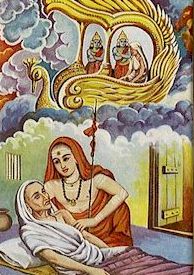
Picture of Shankara with his mother

Miracles have no boundaries. It can happen anywhere and at anytime. Adi Shankara and Tamil saint Pattinathar are known to have done it in the crematoriums. It is the story about mothers on pyres. Hindus hold mother above God. The Vedas say “ Mathru Devo Bhava, Pitru Devo Bhava and Athithi Devo Bhava” (Mother,Father and Guest are treated with great respect). Another Sanskrit saying goes thus “Matha Pitha Guru Deivam “ meaning Mother,Father and Guru/teacher are equal to Gods.

A famous story in Tamil is about Ganesh doing circumambulation of his mum and dad to get the mango fruit in a Round the World competition with his brother Skanda (please read Two Mangoes that changed the Tamil World in my blog). Great saints Ramana Maharishi and Sri Sathya Sai Baba built Samadhis for their mothers. Tamil hymns also praise mother as God.

Picture of Tamil Saint Pattinathar

Adi Shankara tricked his mother to get Sanyas (renouncing the world and becoming an ascetic) when a crocodile grabbed him in the river in Kaladi in Kerala (India). He told his mother that his life span was over for this birth. But Sanyas is second life. So he asked his mum’s permission to become an ascetic. Loving mothers wouldn’t like their sons to be devoured by crocodiles. So she said yes. He was to embark on a mighty mission to change India and reform Hinduism. His mother wouldn’t want her only son to leave her alone. But Shankara promised that he would come back on her last day. Just her thought would bring him back, he said. And that day came. Shankara came back and wanted to cremate her body. The ever quarrelling relatives did not allow him to cremate the body. He took his mother’s body on his shoulders to the garden in the house, just spelt a mantra and his mother’s body was burnt to ashes. Shankara’s life is full of miracles like Krishna, Buddha, Moses and Jesus. This is one of them.


Tamil Miracle

The same thing happened with a great Tamil saint known as Pattinathar. His name means Mr City Dweller. He was from a famous harbour city of ancient Tamil Nadu Kaveri Pumpattinam (Pumpuhar). Born with a silver spoon in his mouth, he was greatly attached to his business and wealth. But a miracle weaned him away from these. He left all his wealth and revelled in divine vagabondry. Like his predecessors, he went from shrine to shrine singing the glory of Lord Siva.

Picture of Pattinathar Temple

Though he renounced everything he had, he never gave up his love and affection towards his mother. When she died he came back to do the last rites. No doubt that his close relatives did not like this. They did not want a vagabond to do this. Sensing this Pattinathar spread his mother’s body on green plantain tree stems and sang a decad. When he sang the seventh verse of the decad the green, wet banana stem burst in to flames consuming the body laid on it.


Dr T N Ramachandran has translated Pattinathar poems in to English. I am giving below the seventh verse only:

“ In the distant past, it was the three

Skyie cities that were set fire to;

The later burning was Lanka, in the south.

By her death, my mother has set aflame my stomach;

Let the fire lit by me swell and soar”– (Pattinathar verse)

Picture of Ramana Maharishi’s Mother Samadhi

Hindu ascetics are not supposed to entertain any connection with blood relatives including own fathers. But one exemption is that they can salute their mothers if they happen to see them. Such a high status was given to mother in Hinduism. Shankara and Pattinathar did that. In their own life times Ramana Maharishi of Tiruvannamalai and Sri Sathya Sai of Puttaparthi did build Samadhis for their mothers.

Earlier posts on Miracles:

1.Miracles Do Happen 2. Do Words Have Powers? 3. The Amazing Power of the Human Mind 4. Miracles! You Can Do It 5.Rain Miracles: Rain by Fire and Music 6. Do Hindus Believe in ETs and Alien Worlds? 7. Aladdin’s Magic Lamp and Tamil Saints 8. Hindu List of Miracles

Picture of Sathya Sai Baba’s Mother Samadhi

தமிழ் மேற்கோள்

முன்னையிட்ட தீ முப்புரத்திலே

பின்னையிட்ட தீ தென் இலங்கையில்

அன்னை இட்ட தீ அடி வயிற்றிலே

யானும் இட்ட தீ மூள்க மூள்கவே ! (தகனக் கிரியை பதிகம்,பட்டினத்தார்)

Pictures are taken from other websites. Thanks. Contact  swami_48@yahoo.com

வேத நாயும் மாதா கோவில் நாயும்

படத்தில் சர்ச்சில் பிரார்த்தனை செய்யும் அதிசய நாய்

உலகில் முதல் முதலில் நாயின் பெருமையைப் போற்றியது உலகின் மிகப் பழைய மத நூலான ரிக் வேதம் ஆகும். இந்துக்கள் எப்போதுமே பிராணிகள் தாவரங்களின் பால் அன்பு மழை பொழிபவர்கள். சம்ஸ்கிருத, தமிழ் இலக்கியங்களில் உள்ள ஆயிரக் கணக்கான குறிப்புகள் இதை உறுதி செய்கின்றன. மஹா பாரதத்திலும் ராமாயணத்திலும் வியாசரும் வால்மீகியும் நாய்கள் பற்றிய சுவையான கதைகளைச் சேர்த்துள்ளனர். டோக்கியோ விலுள்ள நாய் சிலை உலகப் புகழ்பெற்றது. இப்போது இத்தாலிய மாதா கோவில் நாய்க் கதை ஒன்றும் லண்டன் பத்திரிக்கைகளில் படங்களுடன் வெளியாகி இருக்கிறது. இதோ சுவையான நாய்க் கதைகள்:


இத்தாலியில் சான் டொனாசி என்னும் ஊரில் சாண்டா மரியா அசுந்தா மாதாகோவில் இருக்கிறது. அங்கு மரியா மார்கரிட்டா லோசி என்ற பெண்மணி ஏழு வயதான ‘டாம்மி’ என்ற நாயுடன் சர்ச்சுக்கு (மாதாகோவில்) போவது வழக்கம். இதை யாரும் பொருட்படுத்துவதில்லை. அவர் காலடியில் ‘டாம்மி’ அமைதியாக அமர்ந்திருக்கும். சென்ற ஆண்டு அவர் இறந்துவிட்டார். அந்த நாய் திடீரென்று கடந்த இரண்டு மாதங்களாக தினமும் சர்ச் மணி அடித்தவுடன் பிரார்த்தனைக் கூட்டத்துக்கு வந்துவிடுகிறது! அங்குள்ள பாதிரியாரும் அதை அன்புடன் உபசரிக்கிறார்.


நாய்கள் நன்றியுள்ள பிராணிகள். மேலை நாடுகளில் இரண்டாம் உலகப் போரில் சேவையாற்றிய பல நாய்களுக்கு சிலைகள் உண்டு. ஆயினும் போரில் சம்பந்தப்படாத ஜப்பானிய ஹசிகோவின் கதை மிகவும் உருக்கமானது. டோக்கியோ பல்கலைக்கழகத்தில் விவசாயத் துறை பேராசிரியர் யுனோ ஒரு நாயை வளர்த்தார். அதன் பெயர்தான் ஹசிகோ (எட்டாம் எண் என்று அர்த்தம்). பேராசிரியர் தினமும் பல்கலைக்கழகத்தில் இருந்து வரும்போது சிபுயா என்ற ரயில் நிலைய வாசலில் அது காத்து நிற்கும். அவர்களது இந்த நட்பு ஓராண்டு நீடித்தது. ஆனால் அவர் 1925ல் மூளையில் ரத்தம் உறைந்து இறந்துவிட்டார். அவர் எப்படி ரயில் நிலையத்துக்கு வருவார்? ஆயினும் ஹசிகோ ஒன்பது ஆண்டுகளுக்கு அதே ரயில் நிலையத்துக்கு அதே நேரத்துக்கு தவறாமல் போய் பேராசிரியருக்காக காத்து நின்றது. ஜப்பானின் மிகப்பெரிய பத்திரிகை இந்த நாய் பற்றி ஒரு கட்டுரை வெளியிட்டவுடன் அது உலகப் புகழ் பெற்றது. 1934 ஆம் ஆண்டு அந்த ரயில் நிலைய வாயிலில் நாயுக்கு ஒரு வெண்கலச் சிலை வைத்தனர். அந்த சிலைத் திறப்புவிழாவுக்கு ஹசிகோவும் வந்தது!

படத்தில் ஹசிகோ சிலை

1935ல் ஹசிகோ புற்றுநோய் காரணமாக இறந்தது. அதன் உடலைப் பதப்படுத்தி டோக்கியோ தேசிய மியூசியத்தில் வைத்திருக்கின்றனர். மஹா பாரதத்திலும் ராமாயணத்திலும் ரிக் வேதத்திலும் இந்துக்கள் ஏன் நாய்க் கதைகளை எழுதினர் என்பது இப்போது நமக்கு நன்கு விளங்கும்.

நாய்கள் நன்றியுடையவை மட்டும் அல்ல. அபூர்வ சக்திகளை யுடையதும் கூட. மனிதனை விட 3000 மடங்கு அதிகம் மோப்ப சக்தி/முகரும் சக்தி கொண்டவை. பூகம்பம், சுனாமி, எரிமலைச் சீற்றம் ஆகியவற்றை பல நாட்களுக்கு முன்னரே அறிந்து ஊளை இடத் துவங்கிவிடும். பூமிக்கடியில் கேட்கும் உறுமல் சப்தத்தை அவை கேட்கின்றன என்று விஞ்ஞானிகள் சொல்கின்றனர்.


ரிக் வேதத்தில் நாய்

ரிக் வேதம் இற்றைக்கு 3500 ஆண்டுகளுக்கு முன் உலகில் எழுந்த முதல் மத நூல். அதில் ‘சரமா’ என்ற நாய் இந்திரன் வளர்த்த நாய். அதற்கு சரமேயஸ் என்ற பெயரில் இரண்டு குட்டிகளும் உண்டு. அவை ஒவ்வொன்றுக்கும் 4 கண்கள். அதாவது அவற்றின் சக்தியைக் குறிப்பிட இப்படி சங்கேத மொழியில் வேத காலப் புலவர்கள் மொழிவர். பாணிக்கள் இந்திரனின் பசுக்களைத் திருடிய போது சரமாதான் அவைகளைக் கண்டுபிடித்தது. அதன் குட்டிகளான சரமேயஸ் யம தர்ம ராஜனின் காவலர்கள். அதாவது சாவு வருவதை முன் கூட்டி அறிவிக்கும் சக்தி படைத்தவை!

(கிரேக்கர்கள் இதை ஹெர்மிஸ் என்று மாற்றி அவர்கள் புராணத்தில் சேர்த்துவிட்டனர். சம்ஸ்கிருத ‘ஸ’ கிரேக்க மொழியில் ‘ஹ’ ஆக மாறும். இதனால்தான் ‘சி’ந்து நதி ஆட்களை ‘ஹி’ந்துக்கள் என்று மொழிந்தனர்)

ரிக் வேத காலத்தில் மனிதன் நாய் வளர்த்த செய்தி இதில் கிடைக்கிறது. அது மட்டுமா? அதற்கு பெயர் வைத்தது, அதன் சேவைக்கு நன்றி கூறும் முகத்தான் அவை பற்றி கவிதை பாடியது ஆகியவற்றையும் எண்ணி இந்துக்கள் பெருமைப்படலாம்.

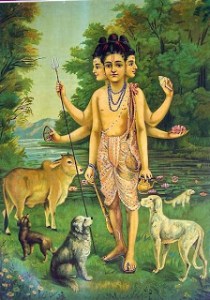
படத்தில் தத்தாத்ரேயர் (ரவிவர்மா ஓவியம்)

மகாபாரதத்தில் நாய்

பாண்டவர்கள் தங்கள் இறுதிக் காலத்தை புனித திசையான வடக்கில் இருக்கும் மேரு மலையை நோக்கி நடந்தே கழிக்க எண்ணுகின்றனர். தர்மபுத்திரனை ஒரு நாய் பின்தொடர்ந்து செல்கிறது. இப்படிப் போகும் வடதிசைப் பயணத்தை மகா பிரஸ்தானம் என்பர். சங்க காலத் தமிழர்கள் வட திசை நோக்கிச் செல்லுவதற்குப் பதிலாக வட திசை நோக்கி அமர்ந்து உண்ணாவிரதம் இருந்து உயிர் நீத்தது புறநானூற்றில் உள்ளது பாண்டவர்கள் ஒவ்வொருவராக சுருண்டு விழுந்து இறந்தனர். கடைசியாக மிஞ்சியது தர்மனும் நாயும்தான். சொர்க்கத்துக்குப் போனபோது நாயை உள்ளேவிட முடியாது என்று சொல்லிவிட்டனர். நாய்க்கு அனுமதி இல்லாவிடில் எனக்கு சொர்க்கமே வேண்டாம் என்று சொன்னார் தர்மர். உடனே அந்த நாய் தான் தர்ம தேவதை என்று சுய ரூபத்தைக் காட்டி இறுதிக் காலத்திலும் தர்மன் கடைப்பிடித்த தர்மத்தைப் பாராட்டியது.


ராமாயணத்தில் நாய்

உத்தரகாண்டம் 60, 61 அத்தியாயத்தில் வால்மீகி முனிவர் ஒரு நாயின் கதையைக் கூறுகிறார். ஒரு நாயை ஒரு பிராமணன் அடிக்கவே அது ராம பிரானிடத்தில் புகார் செய்கிறது. ராமன அந்த பிராமணனுக்கு ‘சம்மன்’ அனுப்பவே அவன் கோர்ட்டில் ஆஜர் ஆனான். அவனுக்கு என்ன தண்டனை கொடுப்பது என்று மந்திரிகளைக் கேட்டபோது பிராமணர்களைத் தண்டிக்கமுடியாது என்று கூறிவிட்டனர். ஆனால் ராமன் அந்த பிராமணனை ஒரு மடத்துக்குத் தலைமை அதிகாரியாக நியமித்து ‘தண்டணை’ கொடுத்தார்! எல்லோருக்கும் ஒரே ஆச்சரியம். உத்தமபுத்திரன், சத்திய ஆத்மா ராமனா இப்படிச் செய்கிறான்? என்று புருவத்தை உயர்த்தினர். இதன் காரணம் நாய்க்குக் கூடத்தெரியுமே என்று ராமன் குறிப்பால் உணர்த்தினார்.

நாய் தன் கதையைக் கூறியது. பூர்வ ஜன்மத்தில் ஒரு மடத்தின்/ கல்வி நிறுவனத்தின் தலைவர் தாம் என்றும் அப்போது பணத்தைக் கையாண்ட குற்றத்தால் இப்போது அந்த பிராமணன் கையில் அடிபட நேரிட்டது என்றும் விளக்கியது. எல்லோருக்கும் விளங்கியது. அந்தப் பிராமணன்அதிகாரியாகப் பதவி ஏற்று தவறு செய்வான், தன்னாலேயே நரகத்துக்குப் போவான் என்று.

இந்தக் கதையில் பல நீதிகள் இருக்கிறது. விரிவஞ்சி விடுக்கிறேன்.


ஆதி சங்கரர் கண்ட 4 நாய்கள்

உலக மகா தத்துவ மேதை ஆதி சங்கரர் காசி மாநகரத்தில் 4 நாய்களுடன் வந்த சண்டாளனைப் பாதையில் இருந்து விலகச் சொன்னபோது அவன் கேட்ட கேள்வி ஆதி சங்கரருக்கு ஞானம் அளித்தது. அந்த சண்டாளனை பரமேஸ்வரனாகவும் 4 நாய்களை 4 வேதங்களாகவும் அவர் உணர்ந்தார்..

தத்தாத்ரேயர் என்னும் திரிமூர்த்தி அவதாரம் 4 வேதங்களை 4 நாய்களாக அழைத்து வரும் அற்புதமான படத்தை பாரதம் போற்றும் ஓவியர் ரவிவர்மா அழகாக வரைந்துள்ளார்.

புண்ய சீலர் நாமதேவ் வைத்திருந்த உணவுப் பண்டத்தில் ஒரு பகுதியை நாய் திருடிக் கொண்டு ஓடியது. அவரும் அதன் பின்னால் ஒடினார். எதற்காக? நெய் இல்லாமல் அதைச் சப்பிட்டால் நாயின் குடல் வெந்து விடுமே என்று எண்ணி நெய்யையும் அதற்குக் கொடுக்க ஓடினார்.

இந்து மதம் முழுதும் மரம், செடி, கொடி, பிராணிகள் எல்லாம் போற்றப்படுகின்றன. இப்போது வெளி நாட்டினர் இதை எல்லாம் படம் பிடித்து நாம் இன்று கூறும் புறச் சூழல் விடயங்களை இந்துக்கள் 3000 ஆண்டுகளுக்கு முன்னரே கூறிவிட்டனர் என்று டெலிவிசனில் காட்டுகின்றனர் (அண்மையில் நாகப் பாம்புகளைப் போற்றும் நாக பஞ்சமி நிகழ்ழ்சிகளை லண்டனில் கண்டோம்)

இந்து என்று சொல்லடா! தலை நிமிர்ந்து நில்லடா!!


Please read other animal stories posted earlier in this blog:

1. Animal Einsteins (Part 1 and Part 2)

2. Can parrots recite Vedas?

3. Why do animals worship Gods?

4. Mysterious Messengers for Ajanta, Angkor Wat and Sringeri

5. Elephant Miracles

6). 45 Words for Elephant

7. Can Birds Predict your Future?

8. Two Little Animals That Inspired Indians

9. Three Wise Monkeys from India

10. Mysterious Tamil Bird Man

11. Gajendra Moksha in Africa

12.அதிசய பறவைத் தமிழன்

Contact London Swaminathan at swami_48@yahoo.com


Vedic Dog and Church Dog


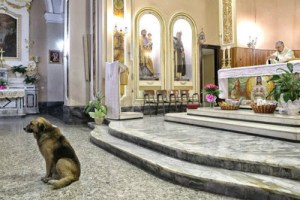
Picture of the dog that regularly attends Mass in an Italian Church

Ramayana Dog and Mahabharata Dog

Dog stories are numerous and very interesting. Hindus were the first to introduce them in to literature. We have the earliest reference to a dog in Rig Veda. That is the oldest reference of this faithful creature. Mahabharata and Ramayana have two interesting dog stories. We have the most famous dog statue in Tokyo railway station. But a church dog story in London newspapers made me to write this article. Let us look at them one by one.


Tommy is a seven year old German shepherd dog who used to accompany its owner Maria Margerita Lochi. Margerita went to Santa Maria Assunta Church in San Donaci in Italy. The dog went with her to the church and sat at her feet during mass. Everybody loved the dog. But its owner Maria died last year. The dog has started coming to mass in the Church for the past two months. On the day of Maria’s funeral, it followed her coffin and joined the mourners. Now it comes to the church as soon as the church bell rings for the mass. Father Donato Panna told the news papermen that the dog is well behaved and doesn’t make any sound.

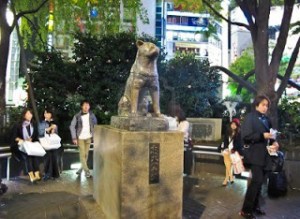
The most famous Tokyo dog Hachiko was raised by a professor at the University of Tokyo. Every day the dog came to Shibuya railway station to receive him. After a year of this strange friendship, Professor H. Ueno died suddenly. He never came to the station, but the dog Hachiko came to the station looking for his master everyday  for nine years!! The dog died of cancer in 1935. Even before it died, a newspaper story about the dog made it a national celebrity. In 1934, one year before its death, people erected a bronze statue in front of Shibuya Railways station and the dog also took part in the opening ceremony! After its death, is body was stuffed and is kept in the National Museum in Tokyo.


Now we know why Rig Veda gave so much importance to the first dog in human history, Sarama and its two children Sarameyas. Now we understand why Vyasa of Mahabharata and Valmiki of Ramayana introduced two dog stories in the epics.

Picture of Dattatreya with the four dogs

Dog in Rig Veda

Sarama was the dog of Indra. It pursued and recovered the cows stolen by the Panis. Some scholars interpreted it symbolically. But whatever may be the truth, Hindus were the first one to raise a faithful dog and use it for guarding the property. We gave them due credit and now we know the name for at least 3500 years. It had two children called Sarameyas each with four eyes.  The Greeks copied this story from us and created a character called Hermes (They change S to H and that is how the word Hindu came from the River Sindhu). Rig Vedic Rishis were grateful and immortalised Sarama.

Sarameyas were the watchdogs of Yama.


Dog in Mahabharata

Dogs are always associated with Yama, God of Death. If a big calamity or death is going to happen, dogs will know it well in advance and bark or howl for several days before that event. We read such stories before big earthquakes or tsunamis or volcanic eruptions. Scientists now know the reason for their strange behaviour. They are thousand times more sensitive than human beings. They can feel the tremors deep beneath the ground. Their smelling is 3000 times more powerful than humans. When Pandavas decided to end their life, what is called Mahaprathanika, a dog was taken by the eldest of the Pandavas, Dharma (See 17th Parva- Mahaprastanika Parva). Tamils also did some sort of ritual sacrifice called Vatakkiruththal, that is fasting to death facing North. Pandavas also travelled towards Mount Meru in the holy direction North and one by one died on the way. Last was Dharma. When he went to the heaven, God of death refused entry/permission for the dog. Immediately Dharma also declined the offer of entry. He told the guards if the dog was not allowed he would not come in. Then the dog showed its real face, ‘God of Dharma’ itself.


We see two points here.1.Dharma wont deviate from the path of dharma( morality) even if it is obtaining heaven.2.Dogs are given so much importance because they are friends of human beings. Rig Veda was the first book to acknowledge it.

Picture of the most famous dog Hachiko in front of Shibuya Railaway Station,Tokyo


Dog in Ramayana

The dog story in Uttarkanda (chapter 60,61) of Ramayana has some sense of humour. A dog went to Rama and complained that a Brahmin hurt it without any reason. Immediately Rama summoned him and admonished him. When he asked the ministers what punishment the Brahmin should be given, they told Rama a Brahmin is exempted from punishments. But Rama made the Brahmin a head of an institution to the astonishment of his ministers. When the ministers questioned him about it he told them that the dog knows it well. The dog explained that in its previous birth it was the head of that institution and misappropriated money. So by giving that position he is liable to commit sins and go to hell. Power corrupts and absolute power corrupts absolutely!


Adi Shankara and the 4 Dogs

We have lots of references to dogs in Hindu religious literature. Adi Shankara shunned a Chandala( low caste) who came with four dogs. Later he realised that the Chandala was Lord Parameswara and the four dogs were four Vedas. Lord Dattatreya’s four dogs were four Vedas. Lord Bhairava’s vehicle (Vahana) is a dog. Saint Namdev gave a dog his whole food when it stole part of it.

Lord Krishna in Bhagavad Gita (5-18) says,

“ Sages see with an equal eye, a learned and humble Brahmin, a cow, an elephant, or even a dog or an outcaste”.


Please read other animal stories posted earlier in this blog:

1. Animal Einsteins (Part 1 and Part 2)

2. Can parrots recite Vedas?

3. Why do animals worship Gods?

4. Mysterious Messengers for Ajanta, Angkor Wat and Sringeri

5. Elephant Miracles

6). 45 Words for Elephant

7. Can Birds Predict your Future?

8. Two Little Animals That Inspired Indians

9. Three Wise Monkeys from India

10. Mysterious Tamil Bird Man

Contact London Swaminathan at swami_48@yahoo.com