கொலைகாரனைக் காட்டிக்கொடுத்த கிளி

parrot-med

கட்டுரையாளர் லண்டன் சுவாமிநாதன்
தேதி மார்ச் முதல் தேதி, 2014; கட்டுரை எண்-

மிருகங்களுக்கும் பறவைகளுக்கும் நாம் நினைப்பதைவிட அதிகமாகவே அறிவு உண்டு என்பதை பல சம்பவங்கள் நிரூபித்து வருகின்றன. இதுபற்றியும் சங்கத் தமிழ் இலக்கியத்தில் உள்ள கிளி வளர்ப்பு, வேதத்தைத் திருப்பிச் சொல்லும் கிளிகள், கிளி ஜோதிடம், பறவைகளில் சகுன சாஸ்திரம், காளிதாசனிலும் சங்கத் தமிழ் இலக்கியத்திலும் காணப்படும் பறவைகளின் அதிசயக் குடியேற்றம், திருக் கழுகுக் குன்றத்தின் கழுகு அதிசயம் ஆகியன குறித்தும் பல தலைப்புகளில் இந்த பிளாக்-கில் எழுதிவிட்டேன். இப்பொழுது கொலைகாரனைக் காட்டிக் கொடுத்த ஒரு இந்தியக் கிளி பற்றி லண்டன் பத்திரிக்கைகளில் செய்தி வெளியாகி இருக்கிறது.

உத்தரப் பிரதேசத்தில் உள்ள ஆக்ராவில் ஒரு இந்தி பத்திரிக்கையின் ஆசிரியராக வேலை பார்ப்பவர் விஜய் சர்மா. அவருடைய மனைவி நீலம் சர்மாவையும் (45 வயது) வளர்ப்பு நாயையும் பிப்ரவரி மாதம் யாரோ கொலை செய்துவிட்டனர். அவர் வீட்டுக்குத் திரும்பி வந்தபோது மனைவியும் நாயும் கத்தியால் குத்தப்பட்டு இறந்து கிடப்பதைக் கண்டு அதிர்ச்சி அடைந்தார். துப்புத் துலக்கிய போலீசார், வீட்டுக்கு வந்து போகும் நெருக்கமான ஒருவர்தான் கொன்றிருக்க வேண்டும் என்று சொன்னார்கள் அவர் அதை நம்பத் தயாராக இல்லை.
26-parrot1

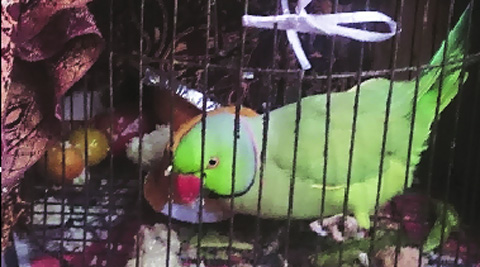
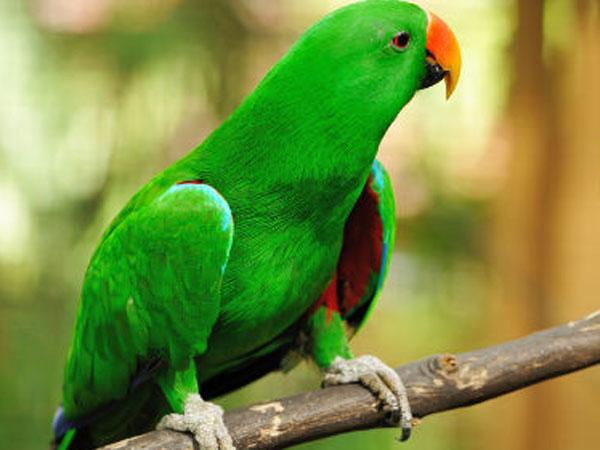
அவர்கள் வீட்டில்ஒரு கிளியையும் வளர்த்து வந்தனர். கொலைச் சம்பவத்துக்குப் பிறகு கிளி ஒரே மௌன மாகிவிட்டது. விஜய் சர்மாவின் மருமான் பெயர் ஆசுதோஷ். ஒரு நாள் அவர் வீட்டூக்குள் வந்தபோது வழக்கமாக அமைதி காக்கும் கிளி, பெரிதாகக் கீச்சிடத் துவங்கியது. ஆசுதோஷ் வெளியே போனவுடன் அமைதி ஆகிவிட்டது.

பிறகு விஜயின் மகள், கிளியிடம் போய் நீலத்தைக் கொலை செய்தது யார்? என்று சொல்லு என்று சொல்லிவிட்டு வரிசையாகப் பல பெயர்களை வாசித்தார். ஆசுதோஷ் பெயர் வந்தபோது, கிளி பட பட வென்று இறக்கையை அடித்துக் கொண்டு கிரீச் என்று கத்தத் துவங்கியது.

போலிசாருக்கும் ஏற்கனவே நெருங்கிய உறவினர்கள் மீது ஒரு கண் இருந்ததால், ஆசுதோஷைக் கைது செய்தனர். அவருடைய போன் முதலியவற்றைச் சோதித்தபோது குற்றத்துடன் தொடர்புடைய பல தடயங்களும் சிக்கின. பின்னர் அவரை விசாரித்ததில் உண்மையை ஒப்புக் கொண்டார். தான் வேறு சிலர் உதவியுடன் விஜய் வீட்டில் திருடப் போனதாகவும், எதிர்பாராதவிதத்தில் அத்தை நீலம் அங்கே இருந்தவுடன் அவரைக் கொன்றதாகவும் ஒப்புக்கொண்டார்.

அவரை உயிருடன் விட்டால், தான் திருடன் என்பதை உலகத்துக்கே அறிவித்துவிடுவார் என்று எண்ணி இப்படிச் செய்ததாகவும் ஆசுதோஷ் சொன்னார். ஒரு வேளை நாயைக் கொண்டு அடையாளம் கண்டுபிடிக்கக்கூடும் என்று பயப்பட்டு நாயையும் தீர்த்துக் கட்டிவிட்டதாகச் சொன்னார்.
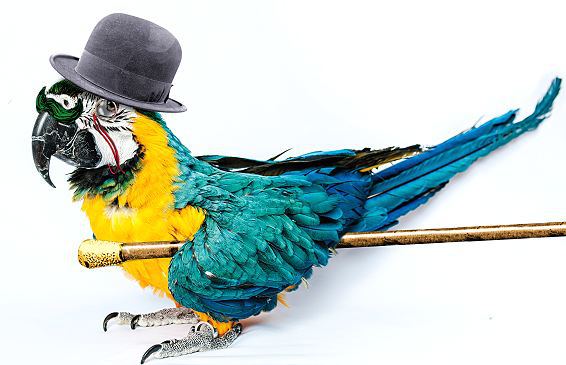
விஜய்—நீலம் தம்பதியினர் வளர்த்த கிளியின் பெயர் ஹீரா. இனிமேல் அதை ஹீரோ என்று அழைப்பதே பொருத்தம்!
parrot (1)

London News papers compared this parrot with Hercule Poirot (Detective in Agatha Christie’s novel), punning with the words Parrot and Poirot, but later Indian newspapers clarified the role of the parrot in this murder case is minor. More over the name of the parrot is not Hercule, but Hera. Any how he is a Hero now!

பறவைகள் மிகவும் கெட்டிக்காரத்தனம் உடையவை. சில மாதங்களுக்கு முன்னால் பிரிட்டனில் ஒரு கிளி கள்ளக் காதலன் பெயரைத் திரும்பத் திரும்பச் சொன்னவுடன் கணவனுக்கு மனைவி மீது சந்தேகம் வலுத்தது. பின்னர் குட்டு வெளிப்பட்டது. மனைவியும் கள்ளத் தொடர்பை ஒப்புக்கொண்டாள். எல்லா பிரிட்டிஷ் பத்திரிக்கைகளும் அந்தக் கிளியின் படத்தைப் பிரசுரித்து அதை கதாநாயகன் அந்தஸ்துக்கு உயர்த்திவிட்டன!

எச்சரிக்கை:- அடுத்தமுறை நீங்கள் ஏதேனும் தவறு செய்யப் போனால் பக்கத்தில் காக்கா, குருவி, நாய் ,பூனை இருக்கிறதா என்று பார்த்துக் கொள்ளுங்கள்!!!!!

இதற்கு முன் இதே பிளாக்—கில் வெளியான பறவை- விலங்குக் கட்டுரைகள்:

Post No 813 மான் குட்டிக்குப் பால் கொடுத்த புலி ! Date 2-2-14
Post No. 814 Tigers and Deer—Friends in Hindu World ! Date 2-2-14
13 Saints in Nature!
இயற்கை போதிக்கும் 13 பாடங்கள்
Dogs at Sringeri and Kanchi Mutts
Hindu Eagle Mystery deepens
INDIAN CROW by Mark Twain
Can Humans communicate with Animals?
Birds for finding Direction: Sumer to Tamil Nadu via Indus Valley
Donkeys in Tamil and Sanskrit Literature
Amazing Andal: Where did she see the Lion?
Vedic Dog and Church Dog
The Great Scorpion Mystery in History-1
Who rides what Vahana (Animal or Bird)?
வேத நாயும் மாதா கோவில் நாயும்
தேள்— ஒரு மர்ம தெய்வம்!
Mysterious Messengers for Ajanta, Angkor Wat and Sringeri
The Mysterious Vedic Homa Bird: Does It Exist?
Gajalakshmi in Kalidasa and Tamil Literature
Bird Migration in Kalidasa and Sangam Tamil literature
Mysteriou Tamil Bird Man
அதிசயப் பறவைத் தமிழன்!!!
Four Birds at One Sloka
சிட்டுக்குருவியிடம் பாரதி கற்ற பாடம்
யானை பற்றிய நூறு பழமொழிகள்
கா! கா! கா! கா!
கழுதைக்குத் தெரியுமா கற்பூர வாசனை
தேள் தெய்வம்
வாகனங்கள் தோன்றியது எங்கே?
சுமேரியாவில் தமிழ்ப் பறவை
Double headed Eagle
Serpent Queen: Indus Valley to Sabarimalai
Can parrots predict your future?
When animals worship god why not men?
Animal Einsteins- Part 1
Animal Einsteins- Part 2
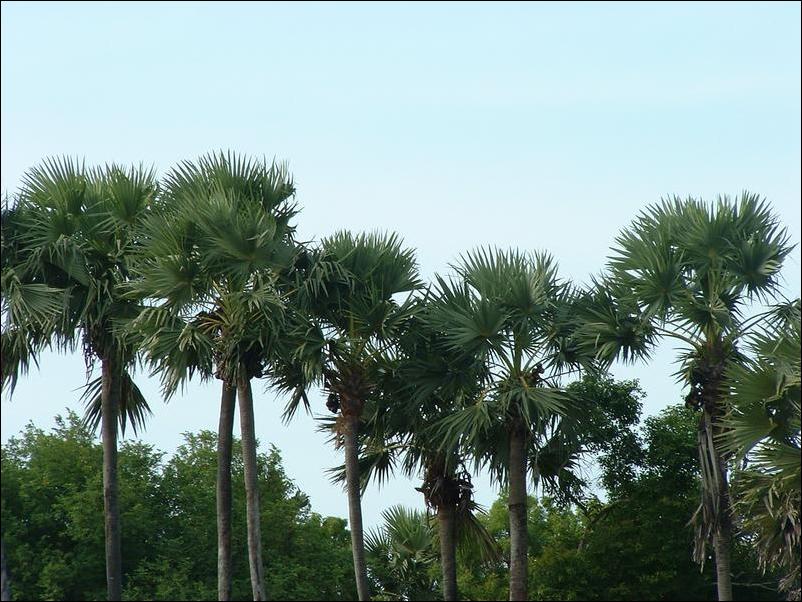

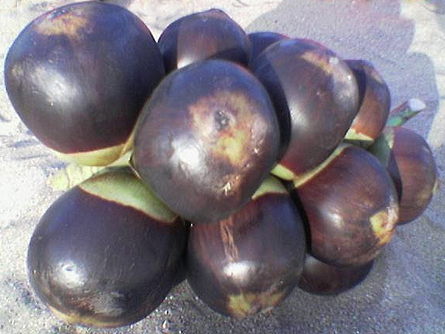
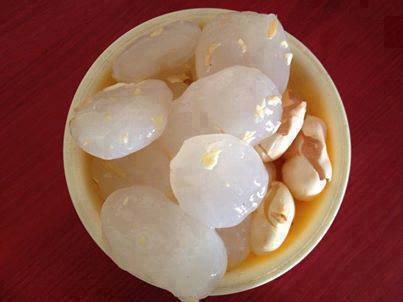
பனை மரங்கள் வாழ்க!

palmyrah_palm_trees

nature's painting

பனைமரங்கள் வாழ்க!
—லண்டன் சுவாமிநாதன்
கட்டுரை எண்- 804 தேதி 27 ஜனவரி 14

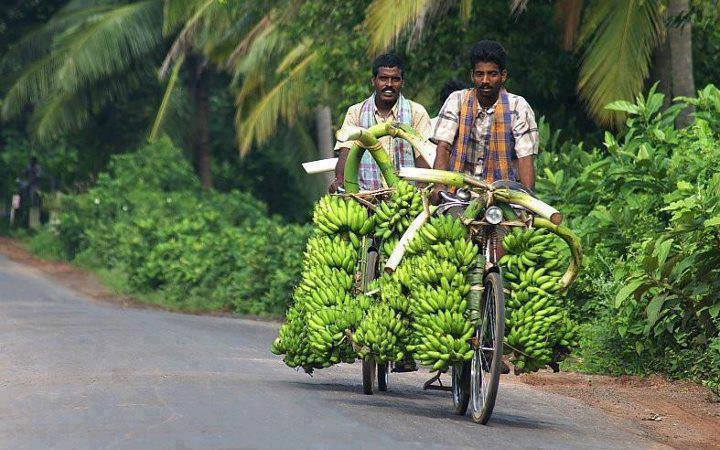
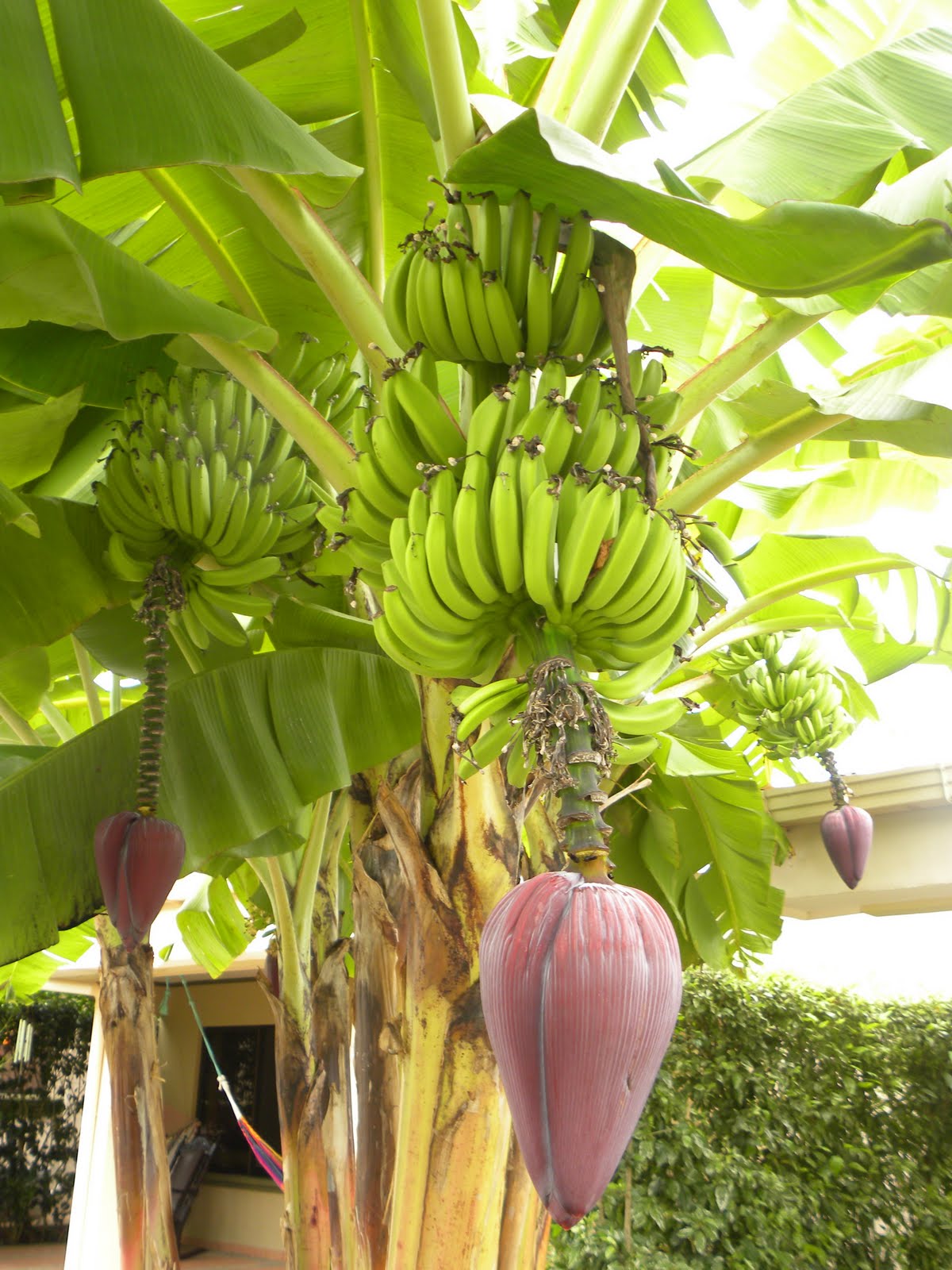
மரத் தமிழன் வாழ்க- வாழை மரத் தமிழன் வாழ்க என்ற கட்டுரை வரிசையில் பனைமரத் தமிழர்களைக் காண்போம்.

மரங்கள் குறித்த தமிழன் அன்பு தனிப்பட்டது. கோவில் தோறும் தல மரங்களை வைத்தவன் தமிழன். அரசாட்சி தோறும் காவல் மரங்களை வைத்தவன் தமிழன். குறிஞ்சிப் பாட்டில் கபிலன் என்ற “புலனழுக்கற்ற அந்தணாளன்”, 99 மலர்களை அடுக்கிப் பாடினார். பனை மரத்தையும் தமிழன் விட்டு வைக்கவில்லை. பழமொழிகள் மற்றும் பாடல்கள் வாயிலாக நமக்கு அரிய பெரிய கருத்துகளைப் புகட்டுகின்றனர் தமிழ் கவிஞர்கள். இதோ சில சுவை மிகு கவிகள்:

உத்தமர்தாம் ஈயுமிடத்து ஓங்குபனை போல்வரே
மத்திமர்தாம் தெங்குதனை மானுவரே—முத்தலரும்
ஆம் கமுகு போல்வார் அதமரவர்களே
தேன் கதலியும் போல்வார் தேர்ந்து (நீதி வெண்பா)

பனை மரம் தண்ணீர் ஊற்றாமலேயே பழம் தருகிறது. அதே போல மேன் மக்கள் யாதொரு உதவியையும் பெறாமலேயே உதவி செய்வர். தென்னை மரம் இடையிடையே தண்ணீர் ஊற்றினால் காய்தருகிறது அதே போல மத்திமர் ஒருவர் உதவி செய்தால் பிரதி உபகாரமாக உதவி செய்வர். கமுகும் வாழையும் எப்போதும் நீர் பாய்ச்சினால்தான் பலன் தரும். இப்படி உதவி செய்பவர்கள் கீழ்மக்கள்.
இன்னொரு வகையிலும் பொருள் கொள்ளலாம். பனம் பழம் தானாகவே பழுத்து பலன் தரும் இத்தகையோர் மேல்மக்கள். தென்னையோ ஏறி காய்களைப் பறித்தால்தான் உதவும் இத்தகையோர் மத்திய மக்கள். கமுகையும் வாழையையும் வெட்டிப் புகைத்தால்தான் பழங்கள் பழுக்கும் இத்தகையோர் கீழ் மக்கள்.இதற்கு நேர்மாறாக, வேறு இரண்டு கவிஞர்கள் பனை மரத்தை கீழ்மக்களோடு உவமிக்கின்றனர்.

விரும்பியடைந்தார்க்கும் சுற்றத்தவர்க்கும்
வருந்தும் பசி களையார் வம்பர்க்குதவல்
இரும்பணை வில்வென்ற புருவத்தாய்! ஆற்றக்
கரும்பணை யன்ன துடைத்து (பழமொழி)
வளைத்த மூங்கில் வில்களை வெல்லும் புருவத்தை உடையவளே! தன்னை அண்டி வந்தவர்க்கும் சுற்றத்தார்க்கும் உதவாமல், அவர்களுடைய பசியைப் போக்காமல், அயலாருக்கு உதவும் மக்கள் கரிய பனை மரத்தை ஒப்பர். (பனை மரம் வித்தை ஊன்றியவர்க்கு உதவாமல் முப்பது ஆண்டுகளுக்குப் பின் தான் பலன் கொடுக்கும்.
தேம்படு பனையின் திரள் பழத்தொரு விதை
வானுற ஓங்கி வளம்பெற வளரினும்
ஒருவர்க்கிருக்க நிழலாகாதே (வெற்றி வேர்க்கை)

பனை மரத்தின் இனிமையான திரண்ட ஒரு கொட்டையானது ஆகாயத்தை நோக்கி நெடிது வளர்ந்தாலும் ஒருவர் கீழே நிற்கக்கூட நிழல் கிடைக்காது. அது போல கீழ்மக்கள் கையில் எவ்வளவு செல்வம் சேர்ந்தாலும் யாருக்கும் பயன்படாது. இது பிறிது மொழிதல் அணி.
ஊர்ப் பனையும் சுடுகாட்டுப் பனையும்
நடுவூருள் வேதிகை சுற்றுக்கோட்புக்க
படுபனை யன்னர் பலர் நச்ச வாழ்வார்
குடிகொழுத்தக் கண்ணும் கொடுத்துண்ணா மாக்கள்
இடுகாட்டுள் ஏற்றைப் பனை (நாலடியார்)

பலரும் விரும்பும்படி வள்ளல் தன்மையுடன் வாழ்பவர் ஊர் நடுவில் மேடையால் சூழப்பட்ட பெண் பனை மரத்தைப் போன்றவர். செல்வம் இருந்தும் பிறருக்குக் கொடுக்காதவர் சுடுகாட்டில் இருக்கும் ஆண் பனை மரத்தைப் போன்றவர்.
கற்றறிந்த நாவினார் சொல்லார்தம் சோர்வஞ்சி
மற்றையராவார் பகர்வர் பனையின் மேல்
வற்றிய ஓலை கலகலக்கும், எஞ்ஞான்றும்
பச்சோலைக்கு இல்லை ஒலி (நாலடியார்)

பொருள்: கற்றுத் தேர்ந்தவர்கள், பேசினால் பிழை வந்துவிடுமே என்று அஞ்சி கண்டபடி பேசமாட்டார்கள். நன்கு கல்லாதவர்கள் பனை மரத்தில் உலர்ந்த ஓலைகள் எப்போதும் சப்தம் உண்டாக்குவது போல பேசிக்கொண்டே இருப்பர் (நிறை குடம் தழும்பாது, குறைகுடம் கூத்தாடும் என்பது போல இது)

வள்ளுவனுக்குப் பிடித்த பனங்கொட்டை
திருவள்ளுவருக்கு மிகவும் பிடித்த சொல் தினையும் பனையும். மூன்று குறள்களில் ( 104, 433, 1282) தினை அளவையும் பனை அளவையும் உவமையாக வைத்து பல விஷயங்கள் சொல்லுகிறார். இதோ ஒரு உதாரணம்:

தினைத் துணை நன்றி செயினும் பனைத்துணையாக்
கொள்வர் பயன் தெரிவார் (104)
பொருள்: ஒருவன் தினை அளவு நன்றி செய்தாலும் அதைச் சிறியது என்று எண்ணாமல் பனை அளவு பெரிதாகவே கருதுவர் உதவியின் பயனை அறிந்தவர்கள்.
இதே கருத்தை நாலடியாரிலும் காணலாம்:
தினை அனைத்தே ஆயினும் செய்த நன்றுண்டால்
பனை அனைத்தா உள்ளுவர் சான்றோர்………………

பலராமனின் பனைக்கொடி
கண்ணனின் சகோதரன் பலராமன். அவனுடைய கொடி பனைக்கொடி. இந்தக் கொடியை தொல்காப்பியம் (உயிர் மயங்கியல் சூத்திரம்: பனை முன் கொடிவரின்………..), சங்கத் தமிழ் நூல்கள் கலித்தொகை (104-7), பரிபாடல் (2-22), புறநானூறு 56-4,58-14), ஆகியன குறிப்பிடுகின்றன. ஆரிய-திராவிட வாதம் பேசிப் பிதற்றித் திரிவோருக்கு மேற்கூரிய சங்கப் பாடல்கள் செமை அடி கொடுப்பதையும் இங்கே குறிப்பிடுதல் பொருத்தம்.
பாண்டியன் தலையாலங்கானத்துச் செரு வென்ற நெடுஞ்செழியனை மாங்குடிக்கிழார் பாடிய புறப்பாட்டில் (புறம்.24) கடலோர பரதவர் மகளிர் இளநீர், பனை நுங்கின் நீர், கர்ப்பஞ்சாறும் கலந்து உண்டார்கள் என்பார்.

அதிசயப் பனை
விபீஷணன் ராம பிரானுக்கு ஏழு பொன்பனைகளைக் கொடுத்ததாக ராமாயணம் கூறுகிறது. இந்த ஏழு பொன் பனை மரங்கள் என்ன, ஏன் என்று விளக்கப்படவில்லை. இது ஒரு ஆராய்ச்சிக்குரிய விஷயம். ஒருவேளை ராமன் ஏழு மராமரங்களை ஒரே அம்பில் துளைத்ததால் இது கொடுக்கப்படதோ?

சம்பந்தரும் பனைமரமும்
காஞ்சிக்கு அருகில் இருக்கும் திரு ஓத்தூரில் (செய்யாறு) உள்ள பனை மரங்களை ஒரு சிவபக்தர் கோவிலுக்கு என்று எழுதிவைத்தார். அவைகள் எல்லாம் ஆண்பனைகளாக இருந்தமையால் காய்க்கவில்லை. நாத்திகர்கள் அவரைக் கிண்டல் செய்தனர். உன் கடவுளுக்கு சக்தி இருந்தால் அவைகளைக் காய்க்கச் செய்யலாமே என்று பகடி பேசினர் (நெற்) பதடிகள். அந்த நேரத்தில் திருஞான சம்பந்தர் திரு அண்ணாமலையானைத் தரிசனம் செய்துவிட்டுத் திரும்பிவந்து கொண்டிருந்தார். பக்தர் தனது மன வருத்தத்தைச் சொன்னவுடன் சம்பந்தர் ஒரு பதிகம் பாடினார். பனை மரங்கள் எல்லாம் காய்த்துக் குலுங்கின.1300 ஆண்டுகளுக்கு முன்னர் இது நிகழ்ந்தாலும் அந்தப் பனை மரங்கள் இறவாப் புகழ் பெற்றுவிட்டன.

பனைமரப் பழமொழிகள்
பனை நிழலும் நிழலோ, பகைவர் உறவும் உறவோ?
பனை மரத்துக்குக் கீழே நின்று பாலைக் குடித்தாலும் கள் என்றுதான் சொல்லுவார்கள்.
பனங்காட்டு நரி சலசலப்புக்கு அஞ்சுமா?
பட்டணத்து நரியை பனங்காட்டு நரி ஏய்த்துவிடும்
பனை ஏறி விழுந்தவனை கடா ஏறி மிதித்ததாம்
பனையிலிருந்து விழுந்தவனை பாம்பு கடித்தது போல
பனை ஏறியும் பாளை தொடாது இறங்கினாற் போல
பனை மட்டையில் மழை பெய்ததுபோல
பனை மரத்துக்கு நிழல் இல்லை, பறையனுக்கு முறை இல்லை
பனை மரம் ஏறுகிறவனை எத்தனை தூரம் தாங்கலாம்?
பனை வெட்டின இடத்திலே கழுதை வட்டம் போட்டது போல
பழமொழி நானூறு என்னும் பதினென்கீழ்க்கணக்கு நூலில் பல பனை மரப் பழமொழிகள் காணப்படுகின்றன:
குறைப்பர் தம்மேலே வீழப் பனை
பனைப் பதித்து உண்ணார் பழம்

மரம் பற்றிய எனது பழைய கட்டுரைகள்:
1.இந்திய அதிசயம்: ஆலமரம் 2.அருகம்புல் ரகசியங்கள்
3.சிந்துசமவெளியில் அரசமரம் 4.ஒன்றுக்கும் உதவாத உதியமரமே
5.நெல்லிக்காய் மகிமை: அவ்வையாரும் ஆல்பிரூனியும் அருணகிரிநாதரும் 6.இளநீர் மகிமையும் தென்னையின் பெருமையும்
7.Indian Wonder: The Banyan Tree 8.Flowers in Tamil Culture
9.Power of Holy Durva Grass 10.Ancient Tamil Dress 11 மரத் தமிழன் வாழ்க- வாழை மரத் தமிழன் வாழ்க 12. ஐந்தில் வளையாதது ஐம்பதில் வளையாது.
தொடர்பு முகவரி swami_48@yahoo.com

nungu1

nungu

Pictures of Palmyra Tress and Fruits taken from other websites;thanks.

‘மர’த் தமிழன் வாழ்க!!

Please click here for the article:

மரத் தமிழன் வாழ்க
vazaikay kulai, fb

8-24 banana trees[1]

banana3

இயற்கை போதிக்கும் 13 பாடங்கள்

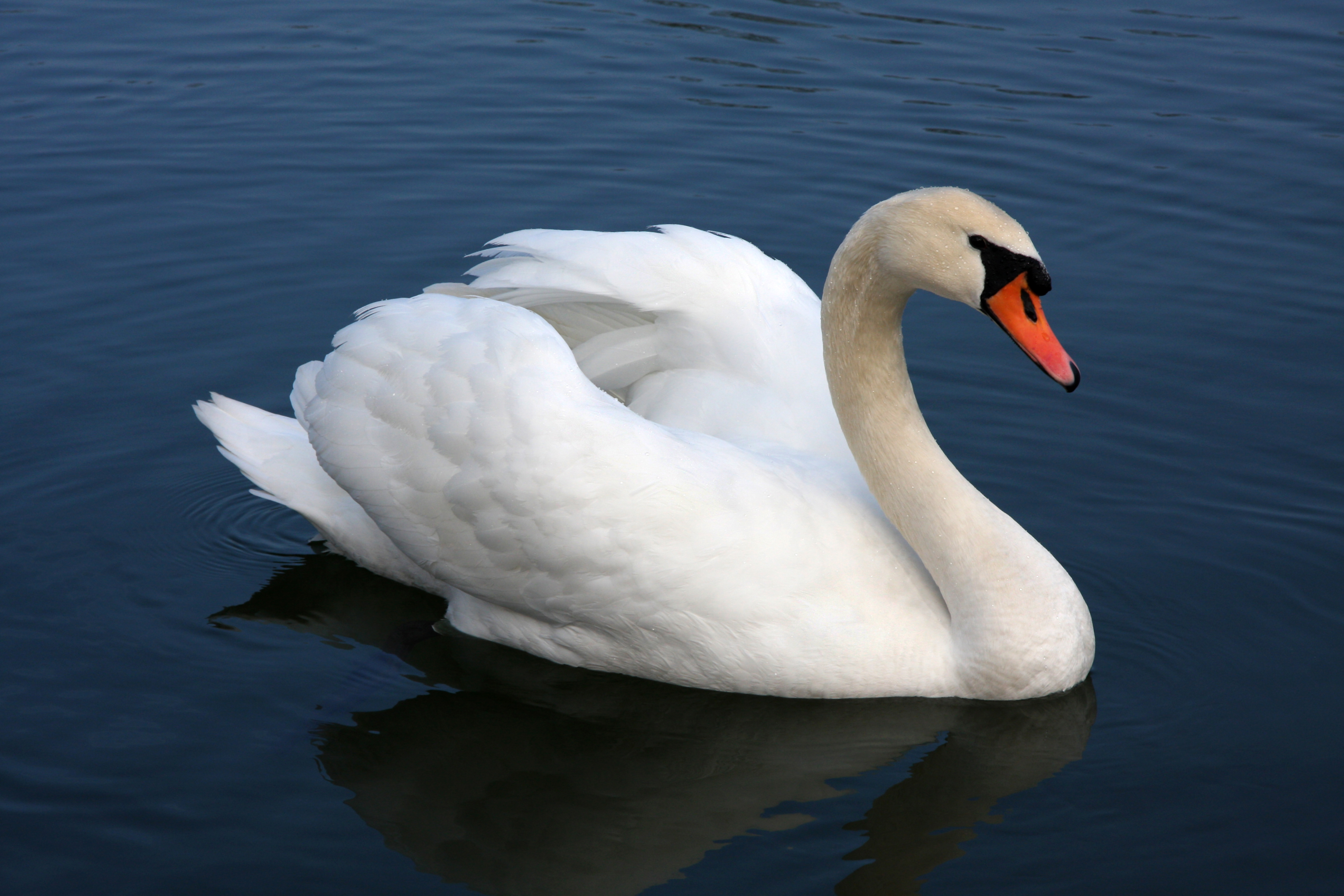
Mute_swan_Vrhnika

இயற்கையில் 13 ‘குரு’க்கள்

இந்து சந்யாசிகள் வாழ்நாள் முழுதும் பாடம் கற்கும் மாணவர்கள். அவர்கள் எதிலிருந்தும் பாடம் கற்பார்கள், எப்போழுதும் பாடம் கற்பார்கள். உயர்திணை, அஃறிணை என்று வேறுபாடு பார்க்காமல் மிருகங்கள், பறவைகள், ஜடப் பொருட்கள் ஆகிய எல்லாவற் றிலிருந்தும் போதனை பெறுவார்கள். எதையும் ஆக்கபூர்வமாகவே அணுகுவார்கள். இது இன்று நேற்று தோன்றியதல்ல. வேத காலத்திலேயே துவங்கிய வழக்கம் இது. உபநிஷத்தில் ஒரு அருமையான கதை உள்ளது.

தேவர்கள், அசுரர்கள், மனிதர்கள் மூவரும் உபதேசம் பெறச் சென்றார்கள். வானத்தில் இடி முழக்கம் கேட்டது. த…த….த… என்ற சப்தத்தோடு இடி உறுமியது. உடனே பிரஜாபதி, “என்ன? புரிந்து கொண்டீர்களா?” என்று தேவர்கள், அசுரர்கள், மனிதர்கள் ஆகிய மூன்று குழுக்களையும் கேட்டார். அவர்கள் “ஆமாம், ஆமாம் நன்றாகப் புரிகிறது” என்றனர். “த என்றால் தம்யத” என்றனர் தேவர்கள். எப்போதும் இன்பம் அனுபவிக்கும் அவர்களுக்குத் தேவையானது தன்னடக்கம் (தம்யத). “த என்றால் தானம்” என்றனர் மனிதர்கள். சுயநலமிக்க மனிதர்களுக்குத் தேவையானது கொடுக்கும் குணம். “த என்றால் தயை” என்றனர் அசுரர்கள். ஈவு இரக்கம் இல்லாத அசுரர்களுக்குத் தேவையானது தயை (கருணை). இந்தக் கதை 3000 ஆண்டுகளுக்கு முன் எழுந்த பிருஹத் ஆரண்யக உபநிஷத்தில் இருக்கிறது.

இதற்குப் பின்வந்த பாகவத புராணத்தில் தத்தாத்ரேய மஹரிஷி, இயற்கையில் காணும் பறவை, மிருகங்கள் ஆகியவற்றிலிருந்து தான் அறிந்த விஷயங்களை எழுதினார். இந்த இரண்டு கதைகளையும் ஆங்கிலத்தில் ஏற்கனவே எழுதியுள்ளேன். இதே போல, தமிழில் உள்ள விவேக சிந்தாமணி என்ற நூலில் பல பாடல்கள் உள்ளன. பர்த்ருஹரியின் நீதி சதகம் பாணியில் அமைந்த இந்த நூலை எழுதியது யார் என்று தெரியவில்லை. இந்த நூலில் உள்ள பெண்கள் எதிர்ப்புப் பாடல்கள் பலருக்கும் தெரிந்திருக்கும். தமிழ்த் திரைப்படம் ஒன்றில் “கோல மாமத யானையை நம்பலாம், சேலை கட்டிய மாதரை நம்பாதே” என்ற சினிமாப் பாடல் இந்த நூலில் உள்ளதுதான்.

மற்றொரு பாடலில் கீழ்கண்ட 13ம் புவியோர் போற்றும் ஈசனுக்கு இணையானது என்று பாடுகிறார். இதற்கு விளக்கம் என்ன என்று ஆசிரியர் கூறாவிட்டாலும், இலக்கிய விமர்சகர்கள் எழுதி வைத்துள்ளனர். இதோ அந்தப் பாடல்:

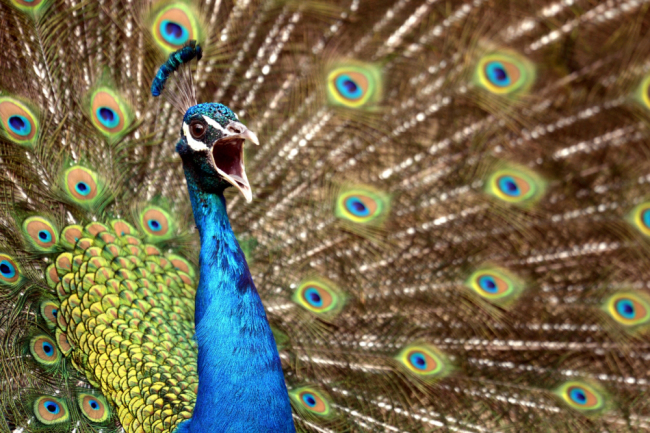
angry peacock,Duisberg, Germany

“மயில் குயில் செங்கால் அன்னம்
வண்டு கண்ணாடி பன்றி
அயில் எயிற்று அரவு திங்கள்
ஆதவன் ஆழி கொக்கோடு
உயரும் விண்கமலம் பன்மூன்று
உறுகுணம் உடையோர் தம்மை
இயலுறு புவியோர் போற்றும்
ஈசன் என்று எண்ணலாமே!

மயில்: நல்லவரை ஏற்று பொல்லாதவர்களை ஒதுக்கும் குணம்
குயில்: எப்போதும் இனிமையாகப் பேசல்
அன்னம்: பாலையும் தண்ணீரையும் வைத்தால் பாலை மட்டும் பிரித்தெடுப்பதுபோல நல்லவற்றைப் பகுத்து ஏற்றல் (தமிழ், வடமொழி இலக்கியங்களில் அன்னப் பட்சிக்கு இப்படி ஒரு அபூர்வ குணம் இருப்பதாக எழுதி வைத்துள்ளனர்)
வண்டு (தேனீ): மற்றவர்களுக்காக இடையறாது உழைக்கும் பண்பு
கண்ணாடி: முன்னால் உள்ள அனைத்தையும் கிரகிக்கும் தன்மை
பன்றி: சாக பட்சிணி (வெஜிட்டேரியன்)
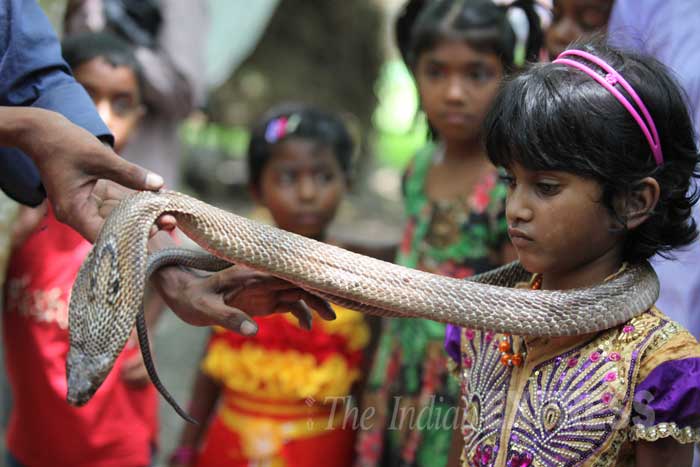
B_Id_411194_manasa-goddess-1

பாம்பு: மகுடத்தில் ரத்தினம் உடைய பெருமை உடைத்து
சந்திரன்: எல்லோருக்கும், பலனை எதிர்பார்க்காமல், குளிர்ச்சியான கிரணங்களை வீசும் குணம்
சூரியன்: எல்லோருக்கும் சக்தியும் பாதுகாப்பும் கொடுக்கும் குணம்
கடல்: எங்கும் பரந்து விரிந்தது, பிரம்மாண்டமான தோற்றம்
கொக்கு: காரியத்தை அடையும் வரை பொறுமையுடன் காத்திருத்தல்
ஆகாயம்: எல்லாவற்றையும் தன்கீழ் வத்திருக்கும் பெருமை
தாமரை: பார்க்கத் தெவீட்டாத அழகு

?????????????????????????????

இப்பேற்பட்ட குணங்களை உடையவை என்பதால் இந்த 13-ஐயும் மக்கள் போற்றும் இறைவனுக்கு சமமானவை என்று அழைக்கலாம் என்கிறது விவேக சிந்தாமணி.

எதிலும் நல்லதையே காணும் ‘பாஸிட்டிவ்’ அணுகுமுறையை இப் பாட்டில் காணலாம்.
உபநிஷத்தும், பாகவதமும், விவேக சிந்தாமணியும் கூறும் கருத்தை 100 ஆண்டுகளுக்கு முன் வாழ்ந்த வோர்ட்ஸ்வொர்த் என்ற ஆங்கிலக் கவிஞனும் பாடியிருக்கிறான். “புத்தகங்களைத் தூக்கி எறிந்துவிட்டு வெளியே வந்து இயற்கை இன்பத்தை அனுபவியுங்கள். வானம் பாடியின் பாட்டைக் கேளுங்கள். எல்லா முனிவர்களும் போதிக்கும் விஷயங்களைவிட கூடுதலாக ஞானம் பெறுவீர்கள் என்பது அவர் தரும் செய்தியாகும்.

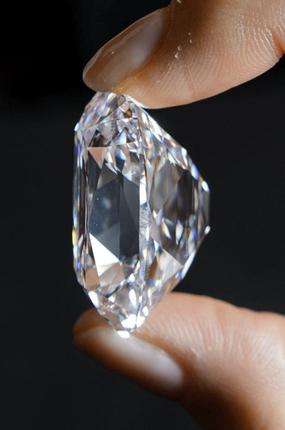
archduke joseph diamond

William Wordsworth echoes this in these lines:

“And hark! how blithe the throstle sings!
He, too, is no mean preacher:
Come forth into the light of things,
Let Nature be your teacher”
“One impulse from a vernal wood
May teach you more of man,
Of moral evil and of good,
Than all the sages can”.

சிட்டுக் குருவியிடம் பாரதி கற்ற பாடத்தையும் ஏற்கனவே ஒரு கட்டுரையில் எழுதியிருக்கிறேன்.
Read my earlier posts :

1.The connection between William Wordsworth and Dattatreya (posted on 10 November 2011).

2.G for Ganga…..Gayatri….Gita….. Govinda…….. (For Upanishad parable about Da..Da…da)

3.சிட்டுக்குருவி,சிட்டுக்குருவி சேதி தெரியுமா? (in Tamil)

700 கட்டுரைகள் பட்டியலுக்குத் தொடர்பு கொள்க: swami_48@yahoo.com

bees

ஹேப்பி பர்த் டே டூ யூ! பூமிக்கு பிறந்த நாள்!

Happy_Birthday_Cake_2013

நாம் வாழும் பூமிக்கு அக்டோபர் 23ஆம் தேதி 6017—ஆவது பிறந்த தினம் என்ற செய்தியை லண்டன் மெட்ரோ பத்திரிக்கை சில நாட்களுக்கு முன் வெளியிட்டது. உண்மையில் பூமியின் உண்மையான வயது 14 பில்லியன் ஆண்டுகள். அப்படியிருக்கையில் இந்த விந்தையான 6017 என்ற எண் எங்கிருந்து வந்தது? 1654 ஆம் ஆண்டு ஆர்மாக் ஆர்ச்பிஷப் ஜேம்ஸ் உஷர் பூமியின் வயதைக் ‘கண்டுபிடித்தார்’. பைபிள் கணக்குப்படி பூமி தோன்றியது கி.மு 4004 அக்டோபர் 23 என்ற “மகா பெரிய உண்மையை வெளியிட்டார்” என்பதையும் மெட்ரோ பத்திரிக்கை குறிப்பிட்டது.

பூமிக்குப் பிறந்தநாள் ‘கேக்’ செய்ய எவராலும் இயலாது. சந்திரன் அளவுக்கு அல்லவா செய்ய வேண்டும்!
இந்த அபத்தமான கணக்கை கிறிஸ்தவ உலகம் அப்படியே ஏற்றுக்கொண்டது.!! போனால் போகட்டுமே! நமக்கென்ன? என்று இந்துக்கள் சும்மா உட்காரமுடியாது. ஏனெனில் இந்தியாவைப் பற்றியும், இந்துமத நூல்கள் பற்றியும் ஆராய்ச்சி நூல்கள் எழுதிய வெள்ளைத் தோல் கிறிஸ்தவ அறிஞர்கள் கி.மு.4004ல்தான் உலகம் தோன்றியது என்று பலமாக நம்பியதால் ரிக் வேதம் முதலிய நூல்களுக்கு மிகமிகத் தவறான வயதைக் கணித்தார்கள். இந்துமதம் பற்றிய எதையும் பிற்காலத்தியது என்று முத்திரை குத்தினார்கள். அப்போது ஆங்கிலம் கற்ற இந்திய அறிஞர்களும் வாயை மூடிக்கொண்டு அந்த தேதியை ஏற்றுக் கொண்டார்கள்.

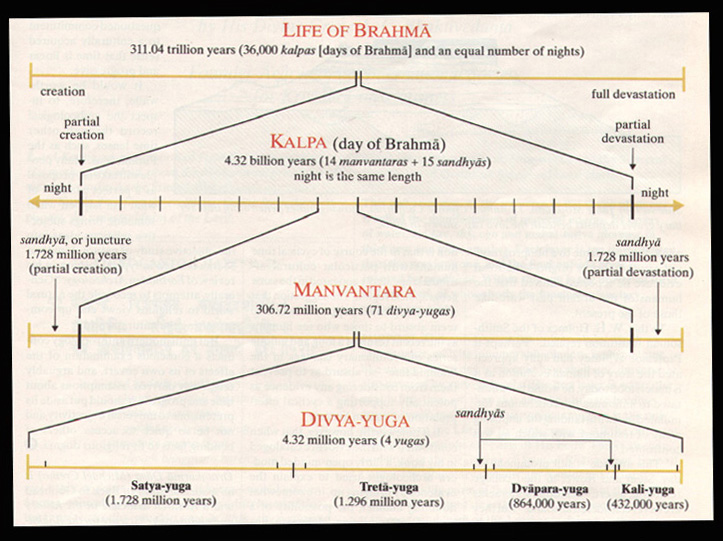
manvanatara

இந்தியவியல் பற்றி ஆராய்ந்து இந்துமத நூல்களின் காலத்தை மட்டமாகக் கணக்குப் போட்டு, ஆரிய திராவிட விஷ வித்துக்களை ஊன்றிய வெள்ளைத்தோல் அறிஞர்கள் கிறிஸ்தவ, இஸ்லாமிய, யூதமத நூல்கள் பற்றி குறைகூறவும் இல்லை, விஷமத்தனமான விமரிசனமும் செய்யவில்லை. அங்கே இனப் பூசல்களையும் திணிக்கவில்லை. நிறைய புத்தகங்களைப் படிப்போருக்கு இந்த பெரிய உண்மை வெள்ளிடை மலை என விளங்கும்.

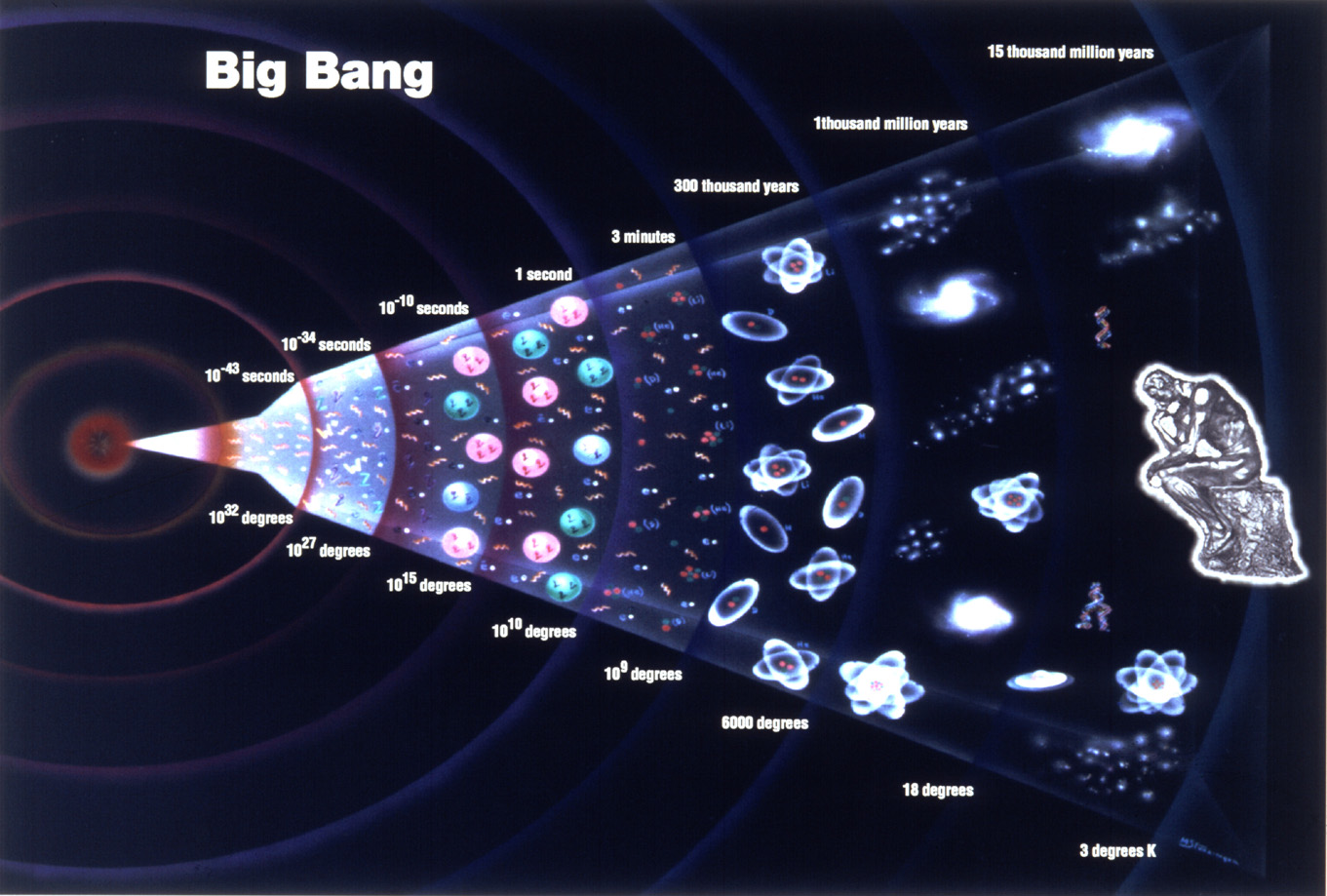
விஞ்ஞானிகளின் கூற்றுப்படி ‘பிக் பேங்’ எனப்படும் ‘மாபெரும் வெடிப்பு’ நிகழ்ந்தது 1400 கோடி ஆண்டுகளுக்கு முன்பு. இந்துக்கள் சொல்லக்கூடிய மன்வந்தரக் கணக்கும் இதுவும் கிட்டதட்ட ஒத்துப் போகிறது. இந்துக்கள் பூஜை செய்கையில் சொல்லப்படும் சங்கல்பத்தில் “14ஆவது மன்வதரமான வைவஸ்வத மன்வந்தரத்தில் இந்த ஆண்டில் இந்த மாதத்தில் இன்ன திதியில் இதைச் செய்கிறேன்”– என்று சொல்லுவார்கள்.

இறைவன் உலகத்தைத் தோற்றுவித்த ஆறாவது நாளன்று களி மண்ணி லிருந்து முதல் மனிதனைத் தோற்றுவித்தான் என்றும் கிறிஸ்தவ அறிஞர்கள் நம்பினார்கள். இதை எல்லாம் தெரு மூலைகளில் நின்று பாடிக்கொண்டு தேவன் மீண்டும் வரப்போகிறான் என்று கூவிக் கொண்டிருந்த காலையில், இந்துக்களோவெனில் விஷ்ணு சஹஸ்ர நாமம் முதலியவற்றில் சஹஸ்ர கோடி யுக கணக்குகளப் போட்டுக் கொண்டிருந்ததை “இந்துக்கள் கணித மேதைகள்” என்ற போன கட்டுரையில் விளக்கிவிட்டேன். இது மலைக்கும் மடுவுக்கும் உள்ள வித்தியாசம்! இமயத்துக்கும் மண்ணாங்கட்டிக்கும் உள்ள அளவுக்கு அறிவு விரிசல்!

இப்போது புரிகிறதா? ஏன் இந்தியாவுக்கும், இந்துமத நூலகளுக்கும் குறைவான வயதைக் கணித்தார்கள் என்று. பாரதியாரோவெனில்—-

“தொன்று நிகழ்ந்தது அனைத்தும் அறிந்திடும் சூழ்கலைவாணர்களும் இவள் என்று பிறந்தவள் என்றுணராத இயல்பினளாம் எங்கள் தாய்”

—என்ற நித்திய சத்தியத்தை பாடல் வடிவில் நமக்குப் போதித்து தூங்கிக் கிடந்த இந்துக்களை உசுப்பிவிட்டார்.

history.bigbang
contact london swaminathan:- swami_48@yahoo.com

Happy Birth Day to you! Happy Birth Day to Earth!

Relative_satellite_sizes

The Big Blue Marble, our Earth, celebrated its 6017th birth day on 23rd October 2013!!! Unfortunately no cake was big enough for it. We have to prepare a birthday cake to the size of moon! Archbishop of Armagh James Ussher, concluded in 1654 that the Earth had been created on October 23, 4004 BC, making the Earth today 6017 years old! Christians believed that Adam (first man) had been crafted from dust on Day 6. White skinned European Christian scholars who strongly believed in these absurd calculations made big blunders in estimating the date of Hindu scriptures. They underestimated everything Hindu. Voracious readers would have noticed that these white skinned Indologists never criticized anything that is Christian, Muslim or Jew (All Semitic religions).

manvanatara

“Sahasra Koti Yuga Dharine Nama:”
While followers of other religions were standing in the street corners and singing the glory of Our Lord, Hindu children were reciting Vishnu Sahasra Nama stotra/hymn (Part of Mahabharata), which praised Vishnu who sustains the universe for 10,000 million yugas. The interesting thing about Yuga is that a Chathur yuga is 4,32,000 years. So this line –SAHASRA KOTI YUGADHARINE NAMA: from Vishnu Sahasra Nama Hymn—means 10,000 million X 4,32,000 years.

All these numbers are just symbolic. Because Hindus believe that God is beyond time (Kalathrayaatheetha:). Vishnu Sahasranama says God is Bhootha BHavya Bhavath Prabhu:–meaning ‘He is the master of three phases of time—the past, the present and the future’. Hindus knowledge in mathematics is amazing. Their knowledge about TIME is more amazing (I have already written about it in my two part article Hindus’ Future Predictions and Time Travel by Two Tamil Saints).

Manvantara
Hindu calculation of Manvantara approximately coincides with the time of Big Bang which happened 14 billion years ago. Now we are living in the 14th manvantara which is repeated by all the Hindus on Puja days (in the Sankalpa). Brahmins say that “we do the ritual on such and such day in the 14th manvanatara i.e.Vaivasvata Manvantare”.

history.bigbang

We come across Sanskrit words Sahasra (1000) and Koti (ten million) in Tamil and Sanskrit literature innumerable times. Famous Tamil poet Tiruvalluvar in his Tirukkural used ‘koti/crore’, seventy crores (couplet 639)and crores after crores in many couplets. The crores after crores phrase (Adukkiya Koti) may mean a bigger number!

Even before the astronomers wrote in science books that there are millions of galaxies and millions of suns, Hindu children were singing a Ganapati sloka/hymn with the words ‘Surya Koti samaprabha’ meaning brightness equal to 10 million suns.

Viveka Cudamani of Adi Shankara has a sloka that says human birth is rare and liberation is attained except through the well earned merits of a hundred crores of births (1000 million births). Hindus recite these numbers in their day to day hymns. Unless the general public is familiar with the decimal system and mathematics in general, poets like Vyasa, Shankara and Tiruvalluvar would not have used these BIG numbers in their hymns.

Decimal System

Decimal system was the biggest contribution of Hindus to the humanity. If any one takes a highlighter and underlines the decimal numbers such as 100, 1000, 100,000 in the oldest religious book Rig Veda, one will find out the whole book is highlighted,almost every page. Without decimal system mankind would not have made any progress in the field of sciences. Even the curse in the Story of Vikramaditya and Vetal, we see the decimal system- ‘your head will blow in to 100 pieces’.

Before the Hindu numerals reached Europe through the Arabs, they were using Roman numerals. We can see these numerals on all old buildings in Europe. It caused great difficulties and chaos. Nowadays even European children can’t read these Roman numbers. They can only understand Hindu numerals (1,2,3,4,5,6 etc).

If one reads an article about BLACK HOLES in a science magazine and then read the Viswa Rupa Darsana (Chapter 11 of Bhagavad Gita), a better understanding of TIME( as Hindus see) would emerge.

Please read my earlier articles on Numbers:
1)Hindu’s Magic Numbers 18, 108, 1008 (Posted on 26 November 2011)
2)MOST HATED NUMBERS 666 and 13 (Posted on 29 July 2012)
3)Amazing TAMIL Mathematics (Posted on 8 August 2012)

1606
Roman Year 1606 in Roman letters.

Pictures are taken from different sites;thanks
Please note that different calculation for Yugas is followed by some people.

Rainbow Cauliflowers ( In Tamil and English)

color cauli.jpg5


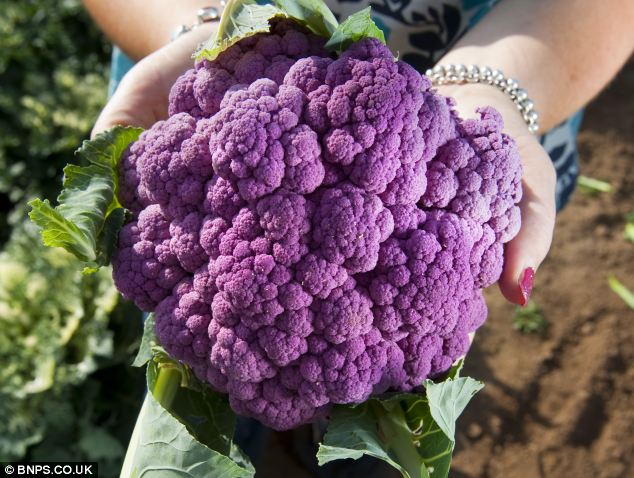
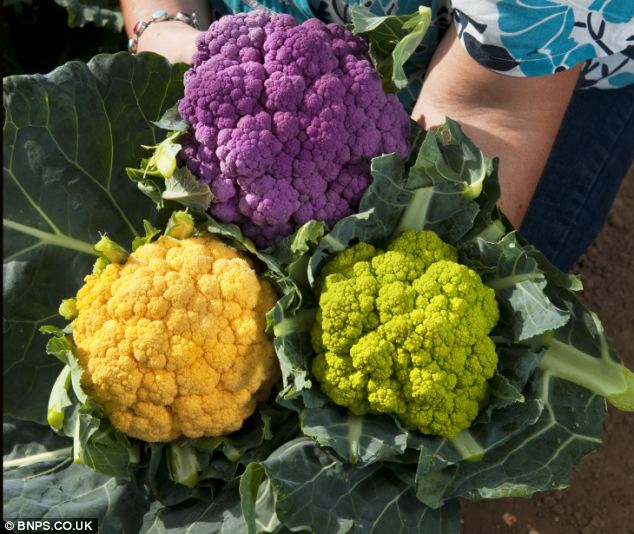
Where? 15,000 acres in Peterborough, Great Britain

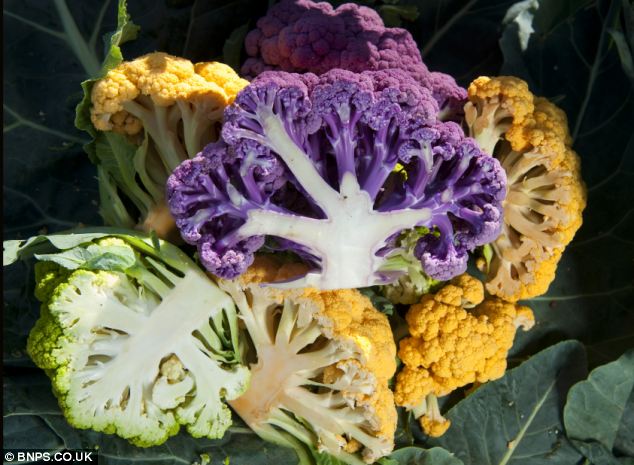
What? Orange, Green, Purple cauliflowers

Who? A 48 year old farmer Andrew Burgess produced multi colour cauliflowers

How? By cross pollinating between ancient varieties. He used organic farming.

Why? To make the vegetables attractive and appealing; moreover they contain additional nutrients.

Orange cauliflower contains carotene (Vitamin A) and purple contains anti oxidants.

Source: Daily Mail, London compiled by London
swaminathan


color cauli.jpg3

பல வண்ண காலிபிளவர்

எங்கே? பிரிட்டனில் இருக்கும் பீட்டர்பரோவில்15,000 ஏக்கரில்.

என்ன? பச்சை, ஆரஞ்சு, கத்தரிக்காய் நிற காலிபிளவர்கள். அவைகளில் வைட்டமின் ஏ (கரோட்டின்),  உடலுக்கு வலிமை சேர்க்கும் ஆண்ட்டி ஆக்சிடண்ட்ஸ் இயற்கையாகக் கிடைக்கின்றன.

யார்? 48 வயதான ஆண்ட்ரூ பர்கஸ் உருவாக்கினார்.

எப்படி? காலி பிளவரின் பழையவகைகளை அயல் மகரந்தச் சேர்க்கை மூலம் சேர்த்த்து, இயற்கை உரங்களைப் பயன்படுத்தி பல வண்ண,காய்கறிகள் உருவாக்கப்பட்டன.

ஏன்? வழக்கமான காலிபிளவர் கறிகள் குழந்தைகளுக்கு ‘போர்’ அடிக்கின்றன. புதுவகை நிறம் ஊட்டினால் சடுகுடு விளையாடும் சிறுவர் முதல் குடுகுடு கிழவர்கள் வரை விரும்பிச் சாப்பிடுவர் அன்றோ!!!

ஆதா ரம் டெய்லி மெயில்; தகவல் தொகுப்பு லண்டன் சாமிநாதன்


color cauli.jpg2

color cauli

Adi Shankara & Alangium hexapetalum

Azhignchil_in_Jaffna

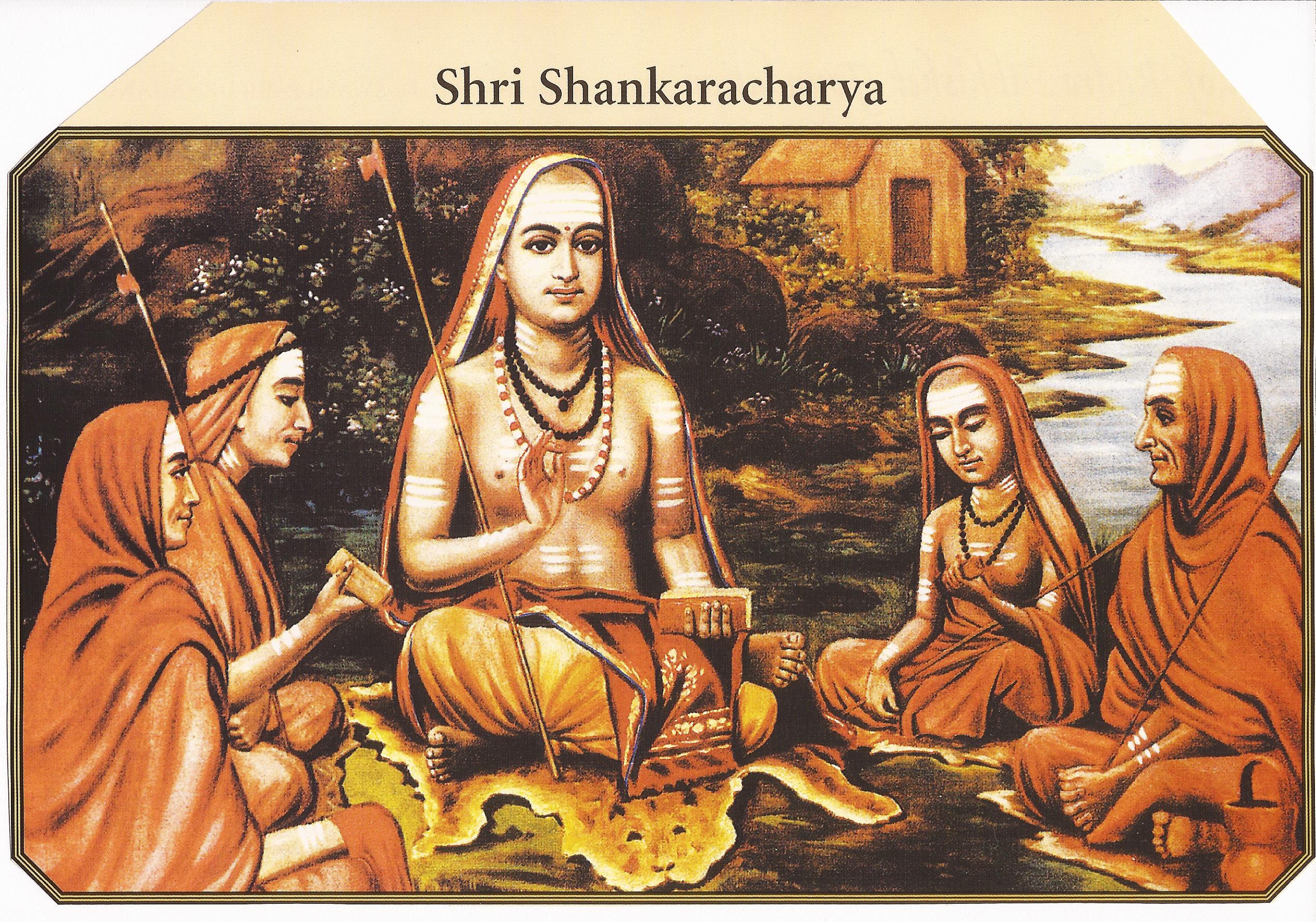
Adi Shankara, the greatest philosopher of India uses lot of similes from nature to illustrate Advaita philosophy. In one sloka he used four birds. I have written about it in my earlier post. One of his interesting observations is about a tree called Ankola in Sanskrit, Alinjil in Tamil and Alangium hexapetalum in botanical term. Its other variety is Alangium salvifolium.


‘’ True Bhakti or devotion is explained with the help of Ankola tree and magnet in Sivananda Lahari and Viveka Chudamani of Adi Shankara.

Ankolam nijabeejasanthathi syaskanthopalam suchika………… (Sivananda Lahari, verse 61)

Sri Shankara has explained what real Bhakti is. The relation between the devotee and Iswara(God) is explained with reference to five examples. They are the tree known as Ankolam and its seeds; the magnet and the needle; a chaste woman and her husband; a creeper and a tree; and a river and the ocean.


The ankola tree (Azinjil in Tamil) is found in the forest. It is said that when its fruits fall to the ground, the seeds, liberated from the fruit by some compelling force within, move close to the trunk of the tree, gradually climb up, and get inseparably attached to the tree. During my travels, I was shown this tree in a forest. I saw the seeds sticking o the trunk of the tree, though I was not able to observe the actual movement of the seeds from the ground to the tree. This example of the seeds which fall away from the tree struggling back and attaching themselves to the tree, is denoted by the words ‘’aankolam nija beeja santatih’’.

—- Kanchi Paramacharya’s Talk on February 8, 1958 in Madras (Page 90/91 ‘Acharya’s Call Part 2)


Later tamil literature Seevaka Chintamani refers to this tree. This tree and its parts have got medicinal properties. It has got anti microbial activity. It is traditionally used for tonic and treatment of haemorrhoids (Piles complaint).

Adi Shankara

Jesus Christ and Nardostachys jatamansi

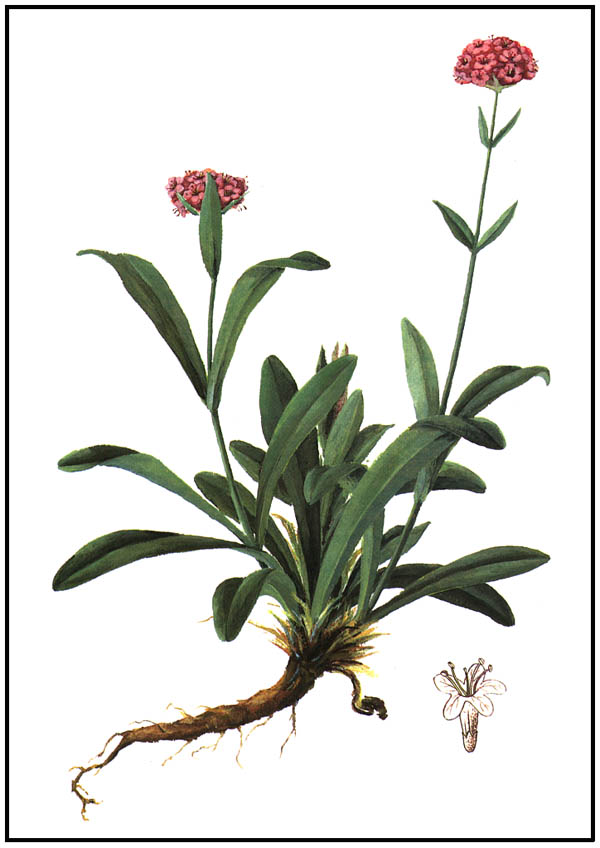
The trade name of the plant is Jatamansi. The botanical term is Nardostachys jatamansi. It has tonic, anti spasmodic  and stimulant properties; it is useful in treatment of certain types of fits, convulsions and palpitation of heart. This is known as Spikenard in English. A costly perfumed ointment is made from this plant.


Spikenard was important for religious ceremony amongst the Greeks, Romans and Egyptians. The term appears to have been used to refer to more one species of plant. Whilst spikenard has been identified as a perfume distilled from the desert camel grass (Cymbopogon schoenanthus) the ointment of spikenard Mary used to anoint Jesus feet before the Last Supper is thought to have been derived  from the stem of and  Nardostachys jatamansi, the perennial Himalayan plant.

—— Page 27, Plants for People

Jatamansi_flowering_plant

Please read the following articles written by me–நான் எழுதிய வேறு மருத்துவக் கட்டுரைகள்:

1.டாக்டர் முருகனும் பேஷன்ட் அருணகிரிநாதரும் 2.இளநீர் மகிமையும் தென்னையின் பெருமையும் 3.தக்காளி ரசத்தின் மகிமை 4.Why Do Hindus Practise Homeopathy? 5.Copper Kills Bacteria 6.Amazing Medical Knowledge of Tamils 7.நெல்லிக்காய் மகிமை: அவ்வையாரும் ஆல்பிரூனியும்,அருணகிரிநாதரும் 8.OM boosts Brain Power 9.Prayers Good for Hearts, says scientists 10.யானைக் காப்பி 11.ஒருவேளை உண்பான் யோகி 12.Tomatoes Prevent Cancer 13.Head towards North is Wrong 14.Miracles by the Blind and Oldest Organ Donation 15.The Tortoise Mystery: Can we live for 300 years? 16.Scientific Proof for Shamudrika Lakshnam 17.Bhishma: First man to practise Acupuncture 18.வடக்கே தலை வைக்காதே 19.How did a Pandya King get a Golden Hand? 20. அருகம்புல் ரகசியங்கள்+ 600 articles on other subjects.

Pictures are taken from other sites;thanks.


Dogs at Sringeri and Kanchi Mutts

sringeri mahasannidhanam

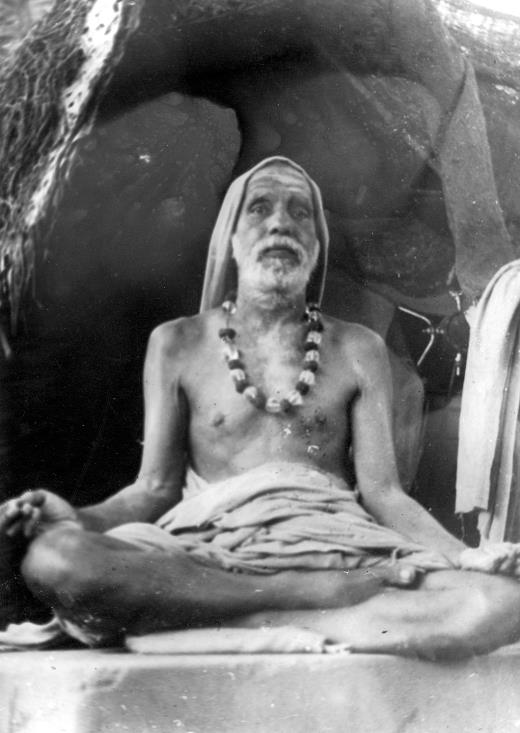
Picture of Sringeri Mahasannnidhanam

A dog used to be roaming about the Mutt (in Sringeri) and any attempt to take it to the other side of the river was not successful as it would swim across the river and come back to the Mutt. A servant who was with His Holiness (Sri Sringeri Shankaracharya) and known to be somewhat dishonest tried to drive it away when it came near His Holiness.

His Holiness, said, ‘’Do not disturb it. It was evidently a servant of the Mutt in its previous birth and still retains affection for it.’’ This seemingly casual remark of the sage made the servant behave better in future—From ‘Golden Sayings’ compiled by Shri Jannanda Bharati Swaminah,Tenkarai,1969

kanchi tapas

Picture of Sri Kanchi Paramacharya

Dog at Kanchi Mutt

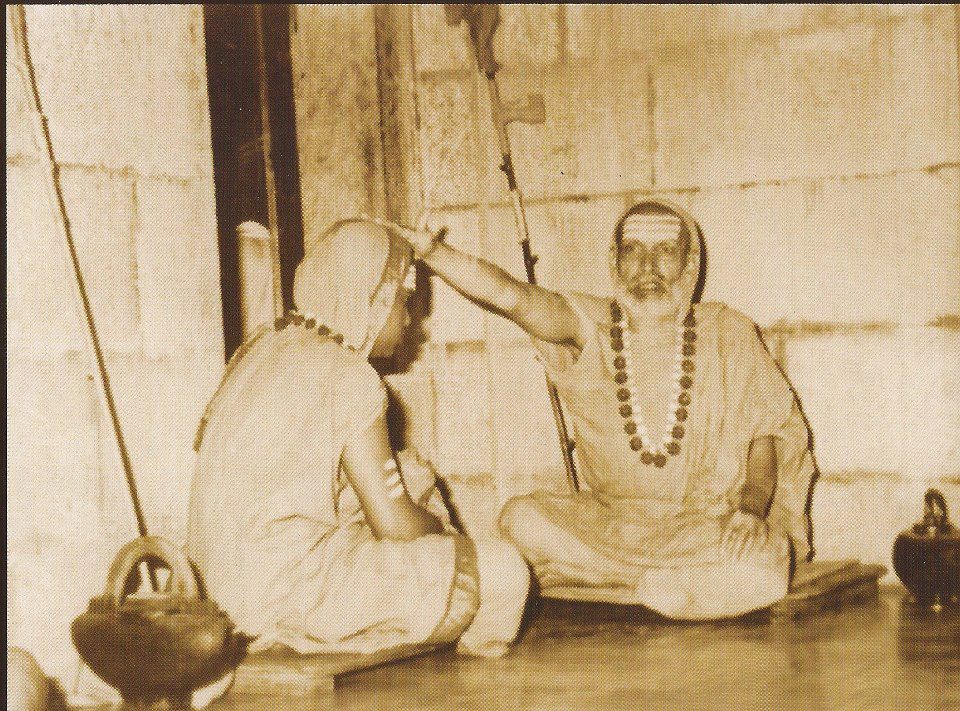
From 1927 a dog was following Kanchi Paramacharya. It stayed near the camp wherever he pitched the camp. It wouldn’t touch anything impure. It was taking food that was given by the Mutt workers. It was guarding the property of the Mutt. Paramacharya used to ask every evening whether the dog was fed. Whenever Swamiji was travelling in the palanquin (Pallakku in Tamil) from one town to another town, it was walking under the palanquin. As soon as the palanquin stopped it would run away and stay at a distance like a humble servant. Sometimes it used to walk under the elephant of the Mutt. It never hurt any devotee but wagged its tail to show them its welcome or gratitude. It starved on the day it was not fed by the Mutt workers. One day a boy threw a stone at it and it came rushing towards him to bite. Mutt workers thought it was a danger to the devotees and took it 25 miles away from the camp and tied it to a pole. But it somehow escaped from that village and came running towards Shankaracharya’s camp. Even before the workers who took it to another village arrived at the camp, the dog was already there!! Till it met its death it was with Swamiji. No one hurt it. Devotees who came to see Swamiji were eager to see the dog as well.—From Sri Jagath Guru Divya Charithram in Tamil, 1959)

Who knows the secret behind its previous births?

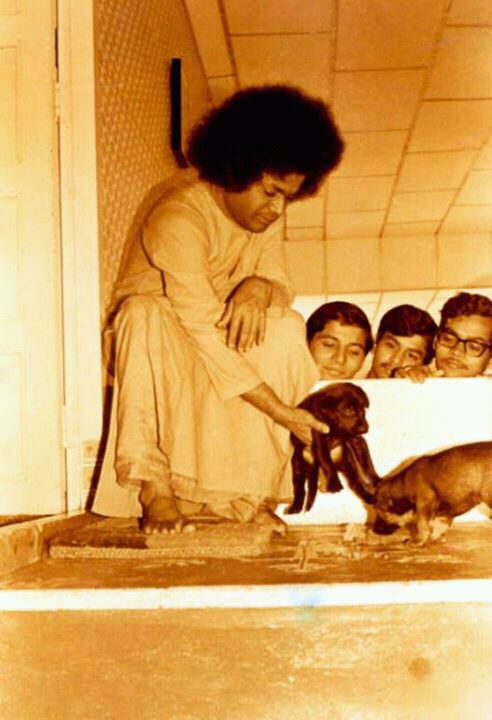
baba dog

Picture shows Sri Sathya Sai Baba with dogs.

For other Dog stories and animal miracles, please read my earlier posts:

1.Animal Einsteins (Part 1 and Part 2) 2. Can parrots recite Vedas? 3. Why do animals worship Gods? 4. Mysterious Messengers for Ajanta, Angkor Wat and Sringeri 5. Elephant Miracles 6). 45 Words for Elephant 7. Can Birds Predict your Future? 8. Two Little Animals That Inspired Indians 9. Three Wise Monkeys from India 10. Mysterious Tamil Bird Man 11.Vedic Dog and Church Dog 11. Deer Chariot:  Rig Veda to Santa Claus 12. Mysterious Fish Gods around the World 13.  Serpent  (Snake) Queen: Indus Valley to Sabarimalai 14.Who Rides What Vahanas (Animal or Bird)? 15. Vahanas in Kalidasa and Tamil Literature 16. Vahanas on coins and in sculptures 17. Gajendra Moksha in Africa 18. The Tortoise Mystery: Can We live for 300 years? 18.Gods and Birds 19.வேத நாயும் மாதா கோவில் நாயும் 20.கழுதைக்குத் தெரியுமா கற்பூர வாசனை 21.Bird Migration in Kalidasa and Tamil Lterature 22.Double Headed Eagle: Sumerian- Indian Connection 23.Karikal Choza and Eagle Shaped Fire Altar 24.Four Birds in One Sloka 25.Hindu Eagle Mystery Deepen 26.Multi lingual parrot mimics Hindi, Arabic and English Word 27.Indian Crow by Mark Twain 28.அதிசய பறவைத் தமிழன்

Pictures are taken from different sites;thanks

Contact swami_48@yahoo.com

Lord Shiva and Tamils adopted Trees!

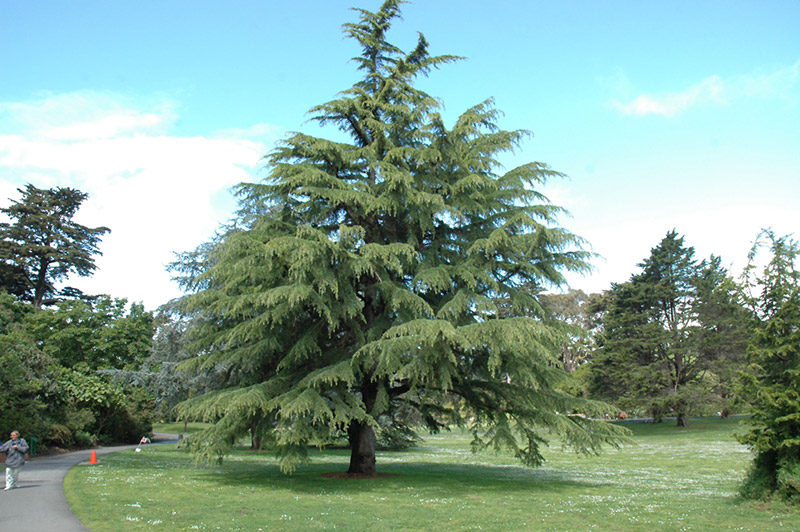
Deodar means Tree of Gods

Picture of Deodar: Tree of the Gods

We have heard about people adopting children. But the greatest of the Indian poets Kalidasa and Sangam Tamil poets give some interesting information about adoption (Sweekar) of trees. Lord Shiva adopted a Devadaru Tree according to Kalidasa. A Tamil woman adopted a Punnai tree and watered it with milk and honey according to 2000 year old Sangam literature!


Love towards animals is known throughout the world. But love towards plants is rarer in literature. Kalidasa in Raguvamasa says (II-36-39):


‘’Look at that Devadaru tree. Shiva considered this tree as his son. Parvati also waters it with water from golden pots like she gave milk to her son Kartikeya (from her breast). The tree is compared to Subramanya. Once a wild elephant scratched its temple against it and destroyed its bark. Parvati grieved for it as if her son Subramanya was injured by the missiles of demons’’.

It looks like Kalidasa liked trees very much. In his Megadutam verse 74 also he says:


‘’Close by grows a young Mandara tree

Nurtured by my love like son and now bending

With clusters of blossoms

Within reach of her hand’’.

This is echoed in Natrinai verse 172 (see below).


Kalidasa’s  most famous drama ‘Sakuntalam’ has more references to love towards plants and animals. ‘I love them like a sister’,says Sakuntala (I-17),pointing to plants. Sakuntala even named her favourite jasmine plant as ‘Vana Jyotsni’(I-20). In another place Sakuntala’s girl friend says, ‘’Look, Sakuntala, here is Madhavi bush. Father Kanva nurtured with his own hands as he nurtured you. Sakuntala refers to plants and deer as sisters in more than three places.


In Kumara Sambhava Kavya (II-55), Kalidasa advocates tree protection. The poet says, ‘’Even a poisonous tree is not cut off’’. Tamils also echo this by saying,  ‘’Even a tree with medicinal properties is not fully destroyed’’ in Natrinai verse 226 by Kani Pun Kundranar. Sakuntalam has a proverb: Can anyone water a jasmine creeper with hot water?’(Sakuntalam IV-1)


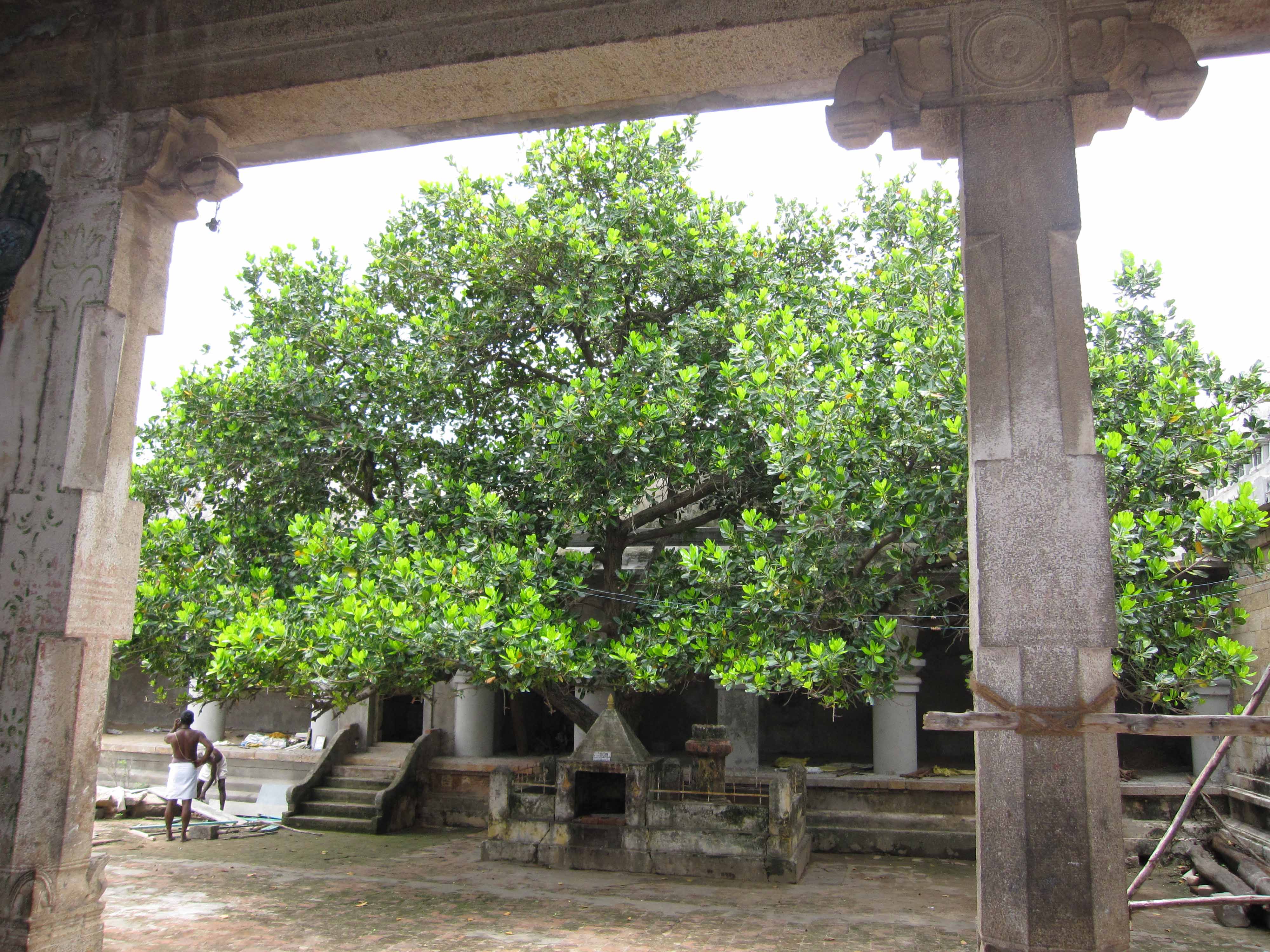
punnai-tree

Picture of Punnai Tree

Tamils adopt Trees

Tamil Sangam literature has a similar episode in Natrinai  verse 172:

‘’Do you remember? When we were young we were playing with Punnai seeds and left one forgetfully under the soil. It grew up big and we watered it with milk mixed with honey. When it became a tree, your mum commented ‘Oh this Punnai tree is better than you. It is like your sister’. Now I feel shy to date my lover under the tree’’.

Since the girl considered the tree as her own sister, she refused to date her lover under the tree. What a great poem! She truly believed her sister is watching. Ancient Hindu girls didn’t date boys in front of others, particularly relatives. Tamil poems even advocate to ‘Do sex like crows’, which is never seen by the public.


A Tamil saint of our times Vallalar Ramalinga Swami said in a song that he withered whenever he saw a withered plant. This was an echo of 2000 year old literature. In Natrinai verse 230, a simile is used by a poet: ‘’I feel (happy) like a withered plant getting water’’.


The best examples are in Tamil in the stories of Pari and Bekan. They are among the Last Seven Philanthropists (Kadai Ezu Vallalkal). Pari gave his chariot to a Jasmine creeper when he saw it fluttering in wind without any support. Bekan gave his royal shawl to a peacock when it danced spreading its feathers. He thought it was shivering in cold! Love is blind!


There are innumerable references in Tamil and Sanskrit where the poets greet the plants, because something good happened. There are hundreds of references about the reactions of plants and animals when good and bad things happened.

Whenever a king visited a sage or saint inside the forest, he always stationed his army at a distance. The reason given for it in Raguvamsa (11-52) was to avoid the destruction of forests. They showed so much concern for environment.


Trees are worshipped by the Hindus. Peepul tree ,banyan tree and fig tree—all the three trees of the Ficus genus (asvatta, Vata and Udembara)  are worshipped by the Hindus. Vishnu Sahasranama also praised the three trees.

cedus deodara in Kumaon, Himalayas painting at London Kew Gardens


Picture of a painting from Kew Gardens,London

Please read my earlier posts on Kalidasa:

1.Gem stones in Kalidasa and Tamil Sangam Literature

2.Holy River Ganges in Kalidasa and Sangam Tamil Literature

3.Gajalakshmi in Kalidasa and Sangam Tamil Literature

4.Sea in Kalidasa and Sangam Tamil Literature

5. Bird Migration in Kalidasa and Tamil literature

6.Hindu Vahanas in Kalidasa and tamil literature

7.Amazing Statistics on Kalidasa

8.Kalidasa’s age: Tamil works confirm 1st Century BC

9.சங்கத்தமிழ் இலக்கியத்தில் காளிதாசன் உவமைகள்

10. காளிதாசனின் னூதன் உத்திகள்: தமிழிலும் உண்டு


contact swami_48@yahoo.com; pictures are taken from other sources;thanks.