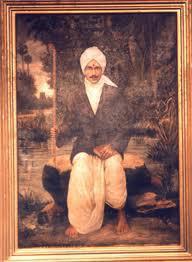
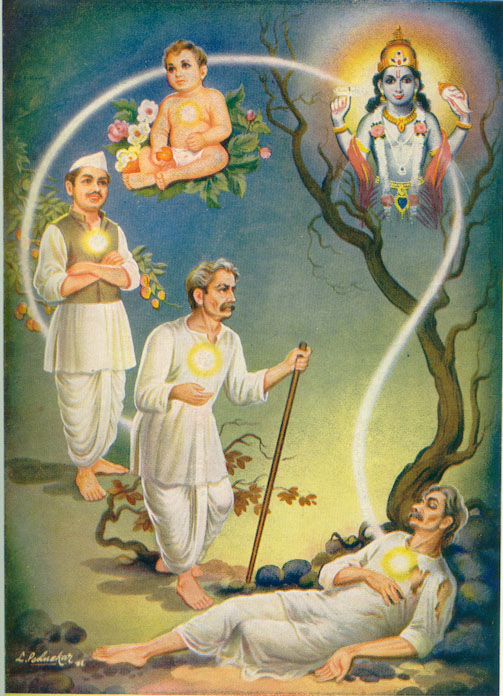
பேய்கள் பற்றி பாரதி & விவேகானந்தர்


பயமே இல்லாத பாரதி!

(All Quotes in English are words of Swami Vivekananda. All quotes in Tamil are words of Subramanya Bharathi: Swami)

பாரதியின் தேசபக்திப் பாடல்களும் தமிழ் மொழி வாழ்த்துப் பாடல்களும் பிரபலமான அளவுக்கு அவருடைய தெய்வ பக்திப் பாடல்கள் பிரபலமாகவில்லை. கண்ணன் பற்றிய பாடல்கள் மட்டும் ஓரளவுக்குப் பரவின. அவர் ஞானம் பற்றியும் பயம் ஒழிப்புப் பற்றியும் பாடிய பாடல்கள் மிகவும் பொருள் பொதிந்தவை. இது பற்றி அதிகம் விளக்குவதற்குப் பதிலாக அவருடைய வரிகளைப் படித்தாலே புரியும். இதையே சுவாமி விவேகனந்தரின் வீர வசனங்களிலும் காணும்போது மெய்சிலிர்க்கிறது.

“அச்சமில்லை அச்சமில்லை அச்சமென்பதில்லையே

இச்சகத்துளோரெல்லாம் எதிர்த்து நின்றபோதிலும்

அச்சமில்லை அச்சமில்லை அச்சமென்பதில்லையே

உச்சிமீது வான் இடிந்து வீழுகின்றபோதினும்

அச்சமில்லை அச்சமில்லை அச்சமென்பதில்லையே.”


Fear is death, fear is sin, fear is hell,
fear is unrighteousness, fear is wrong life.
All the negative thoughts and ideas that are in
the world have proceeded from this evil spirit of fear.

—Swami Vivekananda

“அச்சம் தவிர்

ஆண்மை தவறேல்” (புதிய ஆத்திச்சூடி)

****


“பொய்,கயமை, சினம், சோம்பர்,கவலை, மயல்,

வீண்விருப்பம், புழுக்கம், அச்சம்,

ஐயமெனும் பேயையெல்லாம் ஞானம் என்னும்

வாளாலே அறுத்துத் தள்ளி”

Be a hero. Always say, “I have no fear.”
Tell this to everyone — “Have no fear.” –Swami Vivekananda


“இன்னும் ஒரு முறை சொல்வேன் பேதை நெஞ்சே

எதற்குமினி உலைவதிலே பயன் ஒன்றில்லை;

முன்னர் நமது இச்சையினாற் பிறந்தோம் இல்லை;

முதல் இறுதி இடை நமது வசத்தில் இல்லை;

மன்னும் ஒரு தெய்வத்தின் சக்தியாலே

வையத்தில் பொருள் எல்லாம் சலித்தல் கண்டாய்!”


“The earth is enjoyed by heroes”—this is the unfailing truth. Be a hero. Always say, “I have no fear.”– Swami Vivekananda


பேய்கள் பற்றி பாரதியும் விவேகானந்தரும்

“நெஞ்சு பொறுக்குகுதில்லையே—இந்த

நிலைகெட்ட மனிதரை நினைந்துவிட்டால்

அஞ்சிஅஞ்சிச் சாவார்—இவர்

அஞ்சாத பொருள் இல்லை அவனியிலே!

வஞ்சனைப் பேய்கள் என்பார் –இந்த

மரத்தில் என்பார் அந்தக் குளத்தில் என்பார்;

அஞ்சுது முகட்டில் என்பார்—மிகத்

துயர்ப்படுவார் எண்ணிப் பயப்படுவார்.”


Be strong! Don’t talk of ghosts and devils. We are the living devils. The sign of life is strength and growth. The sign of death is weakness. Whatever is weak, avoid! It is death. If it is strength, go down into hell and get hold of it! There is salvation only for the brave.—–Swami Vivekananda

“அச்சமும் பேடிமையும் அடிமைச் சிறுமதியும்

உச்சத்திற் கொண்டாரடீ—கிளியே

ஊமைச் சனங்களடி!

ஊக்கமும் உள்வலியும் உண்மையிற் பற்றும் இல்லா

மாக்களுக்கோர் கணமும்—கிளியே!

வாழத் தகுதி உண்டோ?”

****

பயம்தான் பேய்

“பயம் எனும் பேய்தனை அடித்தோம்—பொய்மைப்

பாம்பைப் பிளந்துயிர் குடித்தோம்;

வியன் உலகனைத்தையும் அமுதென நுகரும்

வேத வாழ்வினைக் கைப்பிடித்தோம்”


மரணம் பற்றி பாரதியும் விவேகானந்தரும்

“ஆன்ம ஒளிக்கடல் மூழ்கித் திளைப்பவர்க்கு

அச்சமும் உண்டோடா?—மனமே!

தேன் மடை இங்கு திறந்தது கண்டு

தேக்கித் திரிவமடா!”


“Many times I have been in the Jaws of death, starving, footsore, and weary; for days and days I had had no food, and often could walk no farther; I would sink down under a tree, and life would seem to be ebbing away. I could not speak, I could scarcely think, but at last the mind reverted to the idea: “I have no fear nor death; never was I born, never did I die; I never hunger or thirst. I am it! I am it! The whole nature cannot crush me; it is my servant. Assert thy strength, thou Lord of lords and God of gods! Regain thy lost empire! Arise and walk and stop not! ” And I would rise up, reinvigorated; and here I am today, living! Thus, whenever darkness comes, assert the reality, and everything adverse must vanish.

Fear not, and it is banished. Crush it, and it vanishes. Stamp upon it, and it dies.”

Swami Vivekananda


“அச்சத்தை வேட்கைதனை அழித்துவிட்டால்

அப்போது சாவுமங்கே அழிந்துபோகும்”

****

“சாகத் துணியிற் சமுத்திரம் எம்மட்டு

மாயையே—இந்தத்

தேகம் பொய் என்றுணர் தீரரை என்

செய்வாய்1—மாயையே”

****

“காலா! உனை நான் சிறு புல் என மதிக்கிறேன்; என்றன்

காலருகே வாடா—சற்றே உனை மிதிக்கிறேன்”

****

நிலவைப் பற்றிப் பாடும் பாடலில் கூட

“அச்சப் பேயைக் கொல்லும் படையாம்

வித்தைத் தேனில் விளயும் களியாய்

வாராய், நிலவே, வா” – என்று பாரதி பாடுகிறார்.


நீங்கள் பாரதிப் பித்தன் என்றால் கீழ்கண்ட தலைப்புகளையும் காண்க:

(1).சொல்லில் உயர்வு தமிழ்ச் சொல்லே (2).பாரதியுடன் 60 வினாடிகள் (3) பாரதி நினைவுகள் Go to nilacharal.com for items 2 and 3 (4) பாரதி பாட்டில் பழமொழிகள் (5) 60 second Interview with Swami Vivekananda

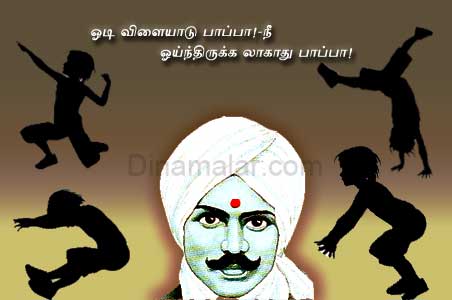
Pictures from Dinamalar and Facebook. Thanks. Contact: swami_48@yahoo.com

சிந்து சமவெளியில் பேய் முத்திரை

லண்டன் சுவாமிநாதன் (English translation of this article has been posted earler)

சிந்து சமவெளி நாகரீகம் என்றும் சரஸ்வதி நதி தீர நாகரீகம் என்றும் போற்றப்படும் நாகரீக அகழ்வாரய்ச்சியில் கண்டு பிடிக்கப்பட்ட பல வியப்பான, புதிரான, புரியாத முத்திரைகளில் ஒன்று பேய் முத்திரை. இதைத் தோண்டி எடுத்த மார்ஷல் என்பவர் இதையும் பதிவு செய்து வைத்திருக்கிறார். இதை ஆய்வாளர்கள் ‘டெவில்’ பேய் என்று குறித்துள்ளனர். இரண்டு பக்கம் உடைய இம்முத்திரையில் வால் உடன் கூடிய ஒரு சாத்தான் போன்ற ஒரு உருவமும் சில எழுத்துகளும் உள்ளன. இது பேயை ஓட்டுவதற்கான தாயத்தா அல்லது பேய்களை வழிபடும் தாயத்தா எனபது தெரியவில்லை.


எதற்கெடுத்தாலும் ஆரிய, திராவிட முத்திரை குத்தும் பகுத்தறிவுப் பகலவர்கள் இதுவரை இது ஆரியப் பேயா அல்லது திராவிடப் பேயா என்று தீர்மானித்து முத்திரை குத்தவில்லை. இது மட்டுமல்ல. ஆடு அல்லது மாடு போன்ற முகத்துடன் கையில் வில்லுடன் செல்லும் ஒரு உருவம், பாதிப் புலி, பாதிப் பெண் உருவம், புலிக்குப் பயந்து மரத்தின் மீது ஏறி அமர்ந்த உருவம், பெரிய ஆட்டுடன் பலி கொடுக்கும் முத்திரை, ஏழு நடனமாதர்கள் ஆடும் உருவம் போன்ற பல தெய்வங்கள் இருக்கின்றன.

சிந்து சமவெளி எழுத்துக்களை இதுவரை யாரும் படிக்கவில்லை. அவரவர் மனம் போல விளக்கம் அளித்து வருகின்றனர். நாளுக்கு நாள் ஆரிய திராவிட உளறல்கள் அதிகரித்து வருகின்றன. ஆனால் இந்த தெய்வ முத்திரைகளைப் பற்றி மட்டும் பலரும் ‘கப்சிப்’ என்று இருந்து விடுகின்றனர். உலகில் மூட நம்பிக்கை இல்லாத சமுதாயமே இல்லை. ஆனால் பகுத்தறிவு, பகுத்தறிவு என்று புலம்பும் சில தமிழர்களுக்கு இந்த உண்மையை ஜீரணிப்பது கொஞ்சம் கடினமே.


மார்ஷல் போன்றோர் சிந்து சமவெளி முத்திரைகளை எந்தெந்த அடுக்குகளில் எடுத்தோம் என்று எழுதி வைக்காததால் பல உண்மைகளை அறியமுடியவில்லை. அது மட்டுமல்ல. ஏற்கனவே மதத்தைப் பரப்ப வந்தவர்களும் நாட்டை ஆளவந்தவர்களும் கட்டிவிட்ட ஆரிய திராவிட வாதத்தை சிந்து சமவெளி ஆய்விலும் நுழைத்துவிட்டார்கள். முதல் கோணல் முற்றும் கோணல் என்ற முது மொழிக்கேற்ப ஆராய்ச்சியாளர்கள் இந்த ஆரிய திராவிட சகதியில் சிக்கியதால்  இன்றுவரை சிந்து சமவெளி பற்றிய உண்மைகள் வெளிப்படவில்லை.

இந்து மதத்தில் உள்ள முப்பத்து முக்கோடி தேவாதி தேவர்கள் போதாது என்று எண்ணி மார்ஷல் போன்றோர் புதுக் கரடிகளையும் புகுத்திவிட்டனர். வேதத்தில் உள்ள உக்கிரமான ருத்திரன் வேறு, தமிழர்கள் போற்றும் சாந்தமான சிவன் வேறு. சிந்து சமவெளி சிவன் ப்ரோட்டோ சிவன்- அதாவது இந்த சிவனுக்கெல்லாம் மூல சிவன் என்று புதிய தெய்வம் ஒன்றைக் “கண்டுபிடித்து” ஏற்கனவே குழம்பிக் கிடக்கும் இந்துவை இன்னும் குழப்பினர்.


இதுவும் போதாது என்று தமிழ் முருகன் வேறு, ஆரிய ஸ்கந்தன் வேறு என்று மேலும் ஒரு புதுக் கரடியைக் கிளப்பி இந்துமதத்தை ஒழித்துகட்டும் வாதங்களையும் பரப்பி வருகின்றனர். தேவார மூவரும், திருவாசகம் அருளிய மாணிக்கவாசகரும், திருப்புகழ் அருணகிரிநாதரும், கந்தபுராண கச்சியப்ப சிவாச்சாரியரும் இதை எல்லாம் படித்தால் மலையிலிருந்து விழுந்து தற்கொலை செய்துகொள்வார்கள். 2000+ சங்க இலக்கியப் பாடல்களிலும் 30000 சங்க இலக்கிய வரிகளிலும் இல்லாத ஆரிய திராவிடக் கடவுள்களை எல்லாம் இவர்கள ஆராய்ச்சிக் கட்டுரைகளில் காணலாம்.

சிந்து சமவெளியில் தோண்டி எடுக்கப்பட்ட ஒட்டக எலும்புக் கூடு எங்கிருந்து வந்தது? போன்ற விஷயங்களை கவனமாக மறைத்தும் மறந்தும் விடுவார்கள். ருக் வேதத்தின் காலம் கி.மு 1500. சிந்து சமவெளி நாக்ரீகத்தின் முடிவுக் காலம் கி.மு.1800. ஆகவே ஏதேனும் தடயம் கிடைத்தாலும் அது வேத கால இலக்கியங்களிலேயே கிடைக்க முடியும்.


தொல்காப்பியத்தில் இந்திரன், வருணன்

இது ஒரு புறம் இருக்க தமிழனின் மிகப் பழைய நூலான தொல்காப்பியம் “ஆரியக் கடவுளான” இந்திரனையும் வருணனையும், விஷ்ணுவையும் தமிழர் கடவுள் என்று உறுதியாகக் கூறுகிறது. மேலும் தொல்காப்பியத்தை அரங்கேற்றியதே நாலு வேதத்திலும் கரைகண்ட அதங்கோட்டு ஆசான் என்றும் பாயிரம் கூறுகிறது. பலராமனின் பனைக்கொடி பற்றிவேறு தொல்காப்பியர் பேசுகிறார். ஆரிய திராவிட வாதக்காரர்களுக்கு இது எல்லாம் செமை அடி கொடுப்பது போல இருக்கிறது.

அது சரி, சிந்து சமவெளி முத்திரையில் காணப்படும் பேய் ஆரியப் பேயா? திராவிடப் பேயா என்று சிறிது பார்ப்போம். பேய் பிசாசுகள் இல்லாத இலக்கியம் உலகில் எம்மொழியிலும் இல்லை. அதர்வண வேதத்தில் பேயோட்டும் மந்திரங்கள் உண்டு. சங்க இலக்கியத்தில் நூற்றுக் கணக்கான இடங்களில் பேய் பிசாசுகள் உண்டு. இந்தியாவின் வட கோடியில் இருந்து தென் கோடி குமரி முனை வரை பேய்க் கதைகளும் பேய் பற்றிய நம்பிக்கைகளும் இருக்கின்றன.

உலகிலேயே நீண்ட இதிஹாசமான மஹாபரதத்தில் பேயின் கேள்வி என்ற பகுதியில் (யக்ஷப் பிரஸ்னம்) பேய் கேட்ட 130 கேள்விகளுக்கும் தர்மபுத்திரன் சரியான பதில் கூறவே இறந்து போன நாலு சகோதரர்களையும் பேய் உயிர்ப்பித்தது. இந்த 130 கேள்விகளுக்கான பதில்கள் சம்ஸ்கிருத மொழியில் இந்து மத தத்துவங்களை பழச் சாறு போல பிழிந்து கொடுக்கிறது. இதே போல சம்ஸ்கிருதத்தில் உள்ள விக்ரமாத்தித்தன்  வேதாளக் கதைகளும் உலகப் பிரசித்தம். இந்த வேதாளம் , யக்ஷன் எல்லாம் தமிழ் இலக்கியத்திலும் உண்டு. காடு மலை, மேடு பள்ளம், ஆறு குளம் மரம் செடி, கர்ப்பிணிகள், குழந்தைகள் ஆகிய அனைத்திலும் உள்ள அணங்குகள் பற்றி சங்கத்தமிழ் நுல்கள் நிறையவே பேசுகின்றன.

போர்க்களத்தில் பேய்கள் அடிக்கும் கூத்துகளையும் கொட்டங்களையும் கலிங்கத்துப் பரணியும், காரைக்கால் அம்மையாரின் பாடல்களும் கூறும். சுடுகாட்டில் திரும்பிப் பார்க்கக்கூடாது என்று புற நானூறும் குறுந்தொகையும் பாடுகின்றன. ஆக பேய்கள் இல்லாத கலாசாரம் இல்லை. அணங்கு என்ற சம்ஸ்கிருதச் சொல்லுக்கு “உருவம் இல்லாத” என்று பொருள். (டாக்டர் இரா. நாகசாமி அவர்கள் எழுதிய முருகன் கட்டுரையில் காண்க)

திருவள்ளுவர் கூறிய பேய்க்கதை, ராமகிருஷ்ண பரமஹம்சர் சொன்ன எழு ஜாடித் தங்கமும் நாவிதனும் என்ற பேய்க்கதையை நினைவுபடுத்துகிறது.


ஷேக்ஸ்பியரில் பேய்கள்

இந்தியக் கதைகளை அராபியர்கள் ‘காப்பி’ அடிக்க அது அராபிய இரவுக் கதைகள் மூலம் மேலை நாடுகளுக்கும் பரவின. ஷேக்ஸ்பியர், மாக்பெத், ஹாம்லெட் முதலிய நாடகங்களில் இறந்தவர்கள் பேயாக வரும் காட்சிகளைப் படைத்திருக்கிறார்.

Picture: please see No 14, a figure with bow (click on the picture to enlarge it)


வேடன் உருவம் முருகனா?

சிந்துவெளி முத்திரைகளில் வில்லுடன் தோன்றும் ஒரு வேடன் போன்ற உருவம் உள்ளது. இந்து மத நூல்களில் தக்ஷனுக்கு சிவன் ஆட்டுத்தலை வைத்த கதையை இது நினைவுபடுத்தும். புருஷா மிருகம், கிம்புருஷன், கின்னரர்கள், சரபேஸ்வரர், நந்திகேச்வரர், தேவியரால் கொல்லப்பட்ட மஹிஷாசுரன், சமண மத நூல்களில் வரும் கோமுக யக்ஷன் போன்றோருக்கு ஆட்டுத்தலையும் மாட்டுதலையும் உண்டு. முருகனுக்கு ஆடு வாகனம் உண்டு. முருகனின் கையில் வில்லுடன் தோன்றும் பல கோவில்கள் தமிழ்நாட்டில் இருக்கின்றன.சூரபத்மனை வில் போட்டு சம்ஹரிக்கும் காட்சி இன்றும் திருவண்ணாமலையில் நடக்கிறது. ஆக கையில் வில்லுடன் திரியும் வேடன் முருகனா?

வில்லுடம் முருகன் தோன்றும் தமிழ்நாட்டுக் கோவில்கள்: திருவேட்டக்குடி, திருகொள்ளிக்காடு, நெய்வேலி, திருச்சாய்க்காடு,திருவிடைகழி, வில்லுடையான்பட்டு,போளக்குறிச்சி, அனந்தமங்கலம், விளாநகர், திருமயிலாடி முதலிய கோவில்களில் வேல் முருகனுக்குப் பதில் வில் முருகன் இருக்கிறார்.

இந்திரனை ஏறு/காளை என்று 20 இடங்களில் ருக் வேதம் புகழ்கிறது இதைத் தொடர்ந்து தமிழர்களும் ஏறு என்ற சொல்லை பல சொற்களுடன் பயன்படுத்துகின்றனர்.


முருகன் தமிழ் சொல் அல்ல

டாக்டர் இரா நாகசாமி அவர்கள் தமிழ் சம்ஸ்கிருதம் ஆங்கிலம் மூன்றிலும் புலமை பெற்ற பேரறிஞர். ஆதாரமில்லாத எதையும் கூறமாட்டார். அவர் முருகன் என்ற சொல் ம்ருகயா (வேட்டைகாரன்) என்ற வடமொழிச் சொல்லில் இருந்து வதிருக்கிறது என்பதை அழகாக எடுத்துரைத்துள்ளார். ஆனால் சிந்துவெளியில் பேய் வடிவில் இருப்பது முருகன் அல்ல என்பதையும் எடுத்துக் காட்டுகிறார். ஆக வில் வீரன் முருகனா என்பது ஆய்வுக்குரிய விஷயமே. (Dr R Nagaswamy’s article: “ Murukan-The origin of the word” from Tamil Arts Academy.org)

Please read my earlier posts:

1.Serpent Queen: From Indus Valley to Sabarimalai

2.Sugarcane Mystery: Indus valley and Ikshvaku Dynasty

3. Vishnu seal In Indus Valley

4. Indus Valley –New Approach required

5.Indra in Indus valley seals+ Symbols for Vedic Gods

Contact swami_48@yaoo.com or swaminathan.santanam@gmail.com

******************

Ghost in Indus Seals

By London swaminathan

A seal with a ghost or devil was recovered from Indus valley. This is a puzzle for many research scholars. Indeed all the gods and goddesses are puzzles and not yet explained satisfactorily. Many seals with tiger goddesses or half tiger or half woman also remain a puzzle. Marshall and other westerners mislead the entire world by introducing Aryan-Dravidian division in this field. Had they not introduced any absurd theories like that scholars would have solved the puzzle by this time. Scholars would have deciphered the script by this time.


Please read my earlier posts:

1.Serpent Queen: From Indus Valley to Sabarimalai

2.Sugarcane Mystery: Indus valley and Ikshvaku Dynasty

3. Vishnu seal In Indus Valley

4. Indus Valley –New Approach required

5.Indra in Indus valley seals+ Symbols for Vedic Gods

Since scholars have discovered new gods such as “Proto Shiva”, “Murugan before Aryanisation”, “Skanda after Aryanisation”, “Rudra diluted into pacific Shiva”, new scholars also fell into this blind alley and are struggling still. Some scholars even discovered “Dravidian structure” in the script and by publicising this theory, mislead the entire world and not a single inch of progress has been made because of these absurd statements. With all the powerful computers in the world and all the discoveries available via google at the press of a button or by the movement of a computer mouse, we have achieved nothing. Reason? The same old Aryan Dravidian absurdity.

When it comes to Indus Gods they keep quiet, because they can’t see any Aryan or Dravidian  in the tiger Gods or Goat faced or Bull faced Gods. When it comes to the camel skeleton discovered in the Indus valley they turn a blind eye. It is said that the early discoverers did not do the job properly. They did not record the layers from which the artefacts were recovered. If one is able to explain the Indus Gods and Goddesses satisfactorily, without worrying much about what is written on the seals, then we can claim some achievement. But whoever reads all the books by the so called scholars on Indus seals can see they still do not agree on gods or goddesses.

The closest records to Indus period (2500 BC to 1800BC) are the world’s oldest religious book Rig Veda (1500 BC). No other language or books come nearer to this book. The oldest Tamil book, Tolkappiam (1st Century BC), baffled the scholars by giving the Vedic Gods as Tamil Gods. Tolkappiam says INDRA and VARUNA are Tamils’ gods. The other Gods mentioned by Tolkappiam, Seyon (SKKANDA/MURUGAN), Mayon (VISHNU) and Kotravai (DURGA) are also Vedic Gods. Those who wanted to explain Indus Gods conveniently forget or hide this reference. Tolkappiam also refers to the Palmyra Flag of Balarama, Lord Krishna’s brother, elsewhere. In short it is a slap on the face of Aryan-Dravidian theory supporters.

Now we will look at the devil seal recovered and recorded by Marshall. Who are these devils? Are they Devils or Gods? Now we have to go to the closest records to Indus period. Mahabharata, the longest epic in the world, with 200000 lines and one million words has the record of many ghost stories. The people of the Indian sub continent from one end to other end believe in spirits that occupy the lakes, ponds, rivers, mountains, hills and trees. Sanskrit and Tamil literature have hundreds of references to them. Tamils call it Anangu, a Sanskrit word, meaning that which has no form. Sanskrit literature has lot of references to Yaksha, the semi divine, semi human, ghost or devil.

The most famous ghost story of Mahabharat is the Yaksha Prasna. It is a spirit that which occupied a water source where it killed four of the five Pandava brothers. When the fifth person, Dharma came and challenged it, it asked him 130 questions and he answered all of them to the satisfaction of the ghost or Yaksha. Then the Yaksha became very happy and revived all the other four brothers. This is a beautiful ghost story giving a gist of moral values that which Hindus held high.

The other ghost story is the famous Vikram and Vedal story. A just and heroic king Vikramaditya answers all the questions of the ghosts correctly. Vikramaditya is a historic figure and he inspired hundreds of kings who named themselves as Vikramadityas. The Arabs and other cultures copied all the ghost stories and wrote Arabian Nights and other stories.

Sangam Tamil literature, which is two thousand year old, has hundreds of references to ghosts and spirits in the lakes,hills, trees, dark nights ,crematoriums, pregnant women. The Tamil literature prescribe anti dotes for ghost attacks throughout its 2000+ poems running to 27,000 + lines composed by 470+ poets.

Sangam literature says that children should wear Aimpatai Thali, and should use Aiyavi (white mustard) to scare away the evil spirits. Tiruvalluvar knows about these ghost stories and refers to them in his Kural couplets. Pura Nanuru and Kuruntokai say that we should not turn back in the crematoriums after burning a body. Anangu references are too many in Sangam works to refer here.

Now we have to decide whether the Indus ghost is Aryan Ghost or Dravidian Ghost. Since it is a ghost seal, Rationalist Tamils won’t compete with anyone else to claim that it is their own ghost.

We have some Indus seals with a goat or bull faced figure. It carries bow and arrow. The earliest form of Murugan carried bow and arrows. Then came the spear what the Tamils called VEL. In Tamil Nadu we have six or seven temples with Murugan statues carrying Bow and Arrows. Murugan defeated demon Sura Padman with bow and arrow.


Murugan Temples wth Bow and Arrow Murugan statues:

Tirukkollikkadu Agneeswarar Temple,Thiruvettakkudi Sundareswarar Temple,Thiruvidaikazi (near Mayiladuthurai),Villumaiyan pattu,Thiru Sayakkadu,Vilanagar,Thirumayiladi,Ananthamangalam,Neyveli, Polakurichi (as hunter)

Gomukha Yakshan

Jain literature talks about Gomukha Yakshan (bull faced). Saivaite Puranas talk about Shiva replacing Taksha with goat head. We have bull faced vehicle of Shiva, Nandikeswara, and Purusha mruga. We have also Sarabeswara, Kinnara, Kimpurusha – all with half human and half animal features. So the Sanskrit literature give us plenty of materials to identify the devil or bull/goat faced figures of Indus valley.

Atharva Veda has got lot of mantras (spells) to drive away the ghosts or devil or evil spirits. Grtsamada in his hymn to Asvins speak about treasure under trees (RV 2-39). Please read my post “27 SIMILES IN ONE VEDIC HYMN”. This treasure under trees is a familiar theme handled by poets like Tiruvalluvar and saints like Ramakrishna Paramahamsa (The barber and the seven Jars of Gold story).

Goddess Devi killed Mahisasura, the buffalo faced demon which is the most famous theme for sculptors from Gupta caves to Pallava caves. Greeks called it Minotaur.

The full impact of Tamil ghosts is in Parani genre literature and the most famous Parani is Kalingathu Parani. Karaikal Ammaiyar of fifth century AD has also described the dance of ghosts in her poems.

Rig Veda describes Gods as Bulls in at least twenty places. Following this Tamils also used the word ERU (bull) as suffix for several words.


Picture: please see No 14, a figure with bow (click on the picture to enlarge it)

Dr Nagaswamy’s View on Murukan

Dr R Nagaswamy, eminent historian and archaeologist says, “There is a word in Tamil  ‘Anangu’ which is taken to refer to Demon. The real meaning of the Word is “One without a form” or “invisible“ Na angah iti anangah. The Murukan is derived from Murukku “Pey”, is an absudidty. Muruka is not a demon in literature but a destroyer of demon.”

“Please note the name of the drum they (Kurinji people) use during hunting is Murukiyam. It clearly indicates that the term Murukiyam is connected with hunting. That gives us the clue to the origin of the word Murukan givien to Ceyon. The word for hunting in Sanskrit is “Mrg” or “Mrgyana+.It is known Mrga stands for animal and hunting is “mrgyam”. Mrgya changes into “Muruku” in Sanskrit. Such a change is quite commonly found from the Rk vedic times onwards. The word “kru” to do is changed into “kuru” in the age of Rk veda itself. see  Karoti – kurutah-  kurvanti” See Monier Williams Just as  krit becomes kurut – Kurute etc in Sanskrit Mrig becomes Muruk in Sanskrit. Muruka stands for hunter, also the lord of hunters. Chief of hunters.. Thus it is proved beyond doubt that the Muruku standing for Ceyon (Kumara) is a direct  word from Sanskrit as Varuna, Vendan Kaman, Durga etc. This has nothing to do with “Pey”, or “Bhuta”  or “skeleton” as proposed by Mahadevan. Once this is understood then all the other iconographic details of Ceyon fall into position. For example Ceyon’s flag is peacock, the bird of the Kurunci region, his  mount is Elephant, Yanai again of Kurunci, his weapon is spear the hunting weapon per excellence, he married a hunter’s daughter Valli, and he was given honey and Tinai mavu etc. “ Murukan-The origin of the word from Tamil Arts Academy.org)

Devil is Not Murugan

So the seal of devil is not Murugan, according to scholars like Dr R Nagaswamy. Who is the devil then? It may be a Kinnara or Kimpurusa or Gomuka Yakshan.

No culture in the world is without superstitions. Probably the Indus Valley people also had such superstitions. When we look at the half human half tiger seals we can come to that conclusion only.

But a hunter seal may be Mrugya= Murugan.


European Ghosts

Ghosts have travelled to Europe, probably from India, and Shakespeare used them in at least two of his dramas Hamlet and Macbeth.

Romans have half man, half goat in Silvanus or faunas and Greeks have it Pan.

Please contact for more research swami_48@yahoo.com or swaminathan.santanam@gmail.com

*************
மறுபிறப்பு உண்மையா ?- Part 1

புனர்ஜென்ம உண்மைகள்! – 1

(அறிவியல், ஆன்மீக நோக்கில் மறுபிறப்பு இரகசியங்கள்!)

ஹிந்துமதத்தின் அடிநாதமான உண்மை: மறுபிறப்பு!

Written by S. Nagarajan

செமிடிக் மதங்கள் என்று கூறப்படும் யூத மதம், கிறிஸ்தவம்,இஸ்லாமியம் ஆகியவற்றிற்கும் ஹிந்துமதத்திற்கும் உள்ள  அடிப்படை வேறுபாடுகளில் முக்கியமான ஒன்று புனர்ஜென்மம்.

மனிதப் பிறவியில் ஒருவர் ஆற்றும் நல்வினை தீவினைக்கேற்ப அடுத்த பிறவி அமைகிறது, அனைத்து மானுடரும் படிப்படியாக முன்னேறி முக்தி அடையலாம்; அடைவர் என்பது ஹிந்து மதம் கூறும் உண்மை. மாறாக செமிடிக் மதங்கள் ஒரே ஒரு பிறவி தான் ஒருவருக்கு உண்டு; அவர் இறந்தவுடன் தீர்ப்பு நாள் வரும் வரை காத்திருந்து தீர்ப்பிற்கேற்ப சுவர்க்கத்தையோ அல்லது நரகத்தையோ அடைய வேண்டும் என்று கூறுகின்றன.

தர்க்கரீதியாக சிந்தித்துப் பார்த்தால் ஒரே ஒரு பிறவி தான் ஒருவருக்கு உண்டு என்றால் ஒருவர்  நீண்ட ஆயுளுடன் இருக்க,  பிறந்த குழந்தை ஒன்று ஏன் மரிக்க வேண்டும், ஒருவர் ஏன் செல்வந்தராகவும் இன்னொருவர் ஏழையாகவும் இருக்க வேண்டும் என்பன போன்ற ஏராளமான கேள்விகள் எழுந்து விடை காண முடியாமல் தவிக்க வேண்டியிருக்கிறது.

மறுபிறப்பில் நம்பிக்கை கொண்ட மாமனிதர்கள்!

ஆனால் பிளேட்டோ,பித்தகோரஸ்,லியனார்டோ டா வின்ஸி, பெஞ்சமின் •ப்ராங்க்ளின்,எமர்ஸன், ஷெல்லி, மாஜினி, தோரோ,ஹென்றி•போர்டு, சி.ஜே.ஜங் உள்ளிட்ட ஏராளமான அறிஞர்கள் ஹிந்து மதத்தின் அடிப்படைக் கொள்கையான மறுபிறப்பில் நம்பிக்கை உடையவர்கள்! அன்னிபெஸண்ட் அம்மையார் இது பற்றித் தீவிரமாக ஆராய்ந்து

‘ரீ இன்கார்னேஷன்’ என ஒரு அரிய புத்தகத்தையே எழுதி இந்தத் தத்துவத்தை விளக்கியுள்ளார்.

விஞ்ஞானியின் ஆராய்ச்சி!

வர்ஜீனியா மாநில பல்க¨லைக் கழகத்தைச் சேர்ந்த பிரபல விஞ்ஞானியான ஐயான் ஸ்டீவன்ஸன் 1040 புனர் ஜென்ம கேஸ்களை ஆராய்ந்து இது உண்மை தான் என ஆய்வு முடிவில் கூறியுள்ளார்!

மிகவும் பிரபலமான எட்கர் கேஸ் 2000 பேரின் பூர்வஜென்மத்தைக் கூறி அவை சரி பார்க்கப்பட்டு அனைவரையும் பிரமிப்பின் உச்சிக்கே ஏற்றியிருக்கிறது.

இதிஹாஸ, புராணங்கள் கூற்று!

ஹிந்து மத இதிஹாஸங்களான ராமாயணம், மஹாபாரதம் புனர்ஜென்மங்களைப் பற்றிக் கூறும் நூற்றுக்கணக்கான சம்பவங்கள் மிகவும் சுவையானவை; பெரிய ஆராய்ச்சிக்கு உரியவை. பதினெட்டு புராணங்கள் தரும் மறுபிறப்பு சம்பவங்களோ நுணுகிப் படித்து உண்மை உணரவேண்டியவை!

சீதையின் முன் ஜென்மம்!

முதலில் ராமாயணத்தில் முக்கியமான சம்பவத்தைப் பார்க்கலாம்!

சுந்தரகாண்டத்தில் அசோகவனத்தில் துன்பப்படும் சீதை, “முன் ஜன்மாந்தரத்தில் எப்படிப்பட்ட பாபம் என்னால் செய்யப்பட்டதோ!ஆகவே தான் கொடுமை கொண்டு  மிக வருத்துகின்ற இந்தத் துயரம் என்னால் அனுபவிக்கப்படுகிறது” (கீத்ருஸம் து மயா பாபம் புரா ஜன்மாந்தரே க்ருதம்I யேநேதம் ப்ராப்யதே துக்கம் மயாகோரம் ஸ¤தாருணம்II 26ம் அத்தியாயம் 18ம் சுலோகம்) என்று கூறுவது நம்மை ஆச்சரியத்தில் ஆழ்த்தும்!

சீதைக்கு ஏது முன் ஜென்மம் என்று ஆச்சரியப்படும் போதே, யுத்த காண்டத்தில் மீண்டும் ஒரு குட்டி சம்பவத்தைப் பார்க்கிறோம். ராவணன் வதம் செய்யப்பட்ட நிலையில் ஹனுமன் சீதையைக் கொடுமைப் படுத்திய ராக்ஷஸிகளைக் கொல்வதற்கு சீதையிடம் அனுமதி கேட்கிறான். நன்கு யோசித்து விட்டு சீதை கூறுகிறாள்:”அவர்கள் வெறும் ஊழியர்கள் தான்!அவர்கள் மீது ஏன் கோபப்படுகிறாய்!நான் அடைந்த துன்பங்கள் அனைத்தும் எனது முன் ஜென்மங்களில் செய்த செயல்களின் விளைவு தான்!” என்று திட்டவட்டமாகக் கூறுகிறாள்! (யுத்தகாண்டம் 113ம் அத்தியாயம்,39ம் சுலோகம்)

சீதையின் முன் ஜென்மம் தான் என்ன? இதற்கு உத்தரகாண்டத்தில் 17ம் அத்தியாயத்தில் 44 சுலோகங்களில் விடையைக் காண்கிறோம்;வியக்கிறோம்!

சீதையின் முன் ஜென்மக் கதை சுருக்கமாக இது தான்:-

ஒரு முறை ராவணன் பூமியைச் சுற்றி வரும் போது ஹிமயமலைக் காட்டுப் பகுதியில் தவம் புரியும் ஒரு மாபெரும் அழகியைப் பார்க்கிறான் காம வசப்பட்ட ராவணன் இளமை பொங்கி வழியும் அழகியிடம் தவத்தை விட்டு விட்டுத் தன்னை மணம் புரிய வேண்டுகிறான். அந்த அழகியோ,  பிருஹஸ்பதியின் புத்திரரான பிரம்ம ரிஷி குஸத்வஜரின் புதல்வி தான் என்றும், தன் பெயர் வேதவதி என்றும், வேதங்களின் பிறப்பாகத் தான் பிறந்ததாகவும்,தன்னை அடையத் தக்கவர் விஷ்ணு ஒருவரே என்று தன் தந்தை கருதியதாகவும்,இதைக் கேட்டுக் கோபம் கொண்ட தைத்ய அரசன் சம்பு இரவில் தூங்கிக் கொண்டிருந்த தந்தையைக் கொன்றதாகவும்,இதனால் துக்கப்பட்டுத் தனது தாயார் அவருடன் சிதை ஏறியதாகவும் அதன்பின்னர் தந்தையின் ஆசையை நிறைவேற்ற நாராயணரை நோக்கித் தவம் புரிவதாகவும் கூறினாள்.

யார் அந்த விஷ்ணு என்று ஏளனமாகக் கூறியவாறே வேதவதியின் கூந்தலைப் பிடித்து ராவணன் தூக்கவே வேதவதி தன் கையைத் தூக்கினாள். அது வாளாக மாற தன் கூந்தலை அறுத்துக் கொண்டு தீயை மூட்டி, “நான் இனியும் உயிர் வாழ ஆசைப்படவில்லை; பெண்ணான என்னால் உன்னைக் கொல்ல  முடியாது; நான் சாபமிட்டாலோ என் தவத்தை இழக்க வேண்டியிருக்கும்.ஆகவே அக்னியில் புகுந்து என் தவ வலிமையால் அயோனிஜையாக (கர்ப்பத்தில் பிறக்காதவளாக) மீண்டும் வருவேன்” என்று கூறி அக்னியில் புகுந்தாள்.

பின்னர் மீண்டும் ஒரு தாமரை மலரிலிருந்து தோன்றினாள்.அவளை மீண்டும் பிடித்த ராவணன் தன் அரண்மனைக்குக் கொண்டு வந்து தனது மந்திரியிடம் காண்பித்தான்.அவளது சாமுத்ரிகா லட்சணத்தைக் கூர்ந்து கவனித்த மந்திரி, “இவள் இங்கு இருந்தால் உன் அழிவுக்குக் காரணமாவாள்” என்று கூறினார். இதனால் ராவணன் அவளை கடலில் தூக்கி எறிந்தான்.கரையை நோக்கி வந்த அவள் ஒரு யாகபூமியை அடைந்தாள்.அங்கு ஜனக மஹாராஜன் உழும் போது பூமியிலிருந்து அவள் வெளிப்பட்டாள்.

உழு சாலிலிருந்து (சீதை) வெளி வந்ததால் சீதை என்ற நாமகரணத்துடன் வளர்ந்தாள். ராமனை மணம் புரிந்தாள்.

கிருத யுகத்தில் வேதவதியாய் இருந்து த்ரேதா யுகத்தில் சீதையாக வெளிப்பட்ட சீதையின்

முற்பிறப்பு ரகசியம் பற்றிய அழகிய பெரிய கதையின் சுருக்கம் இது தான்!

உத்தரகாண்டம் தரும் முன்பிறப்பு இரகசியங்கள்!

சாதாரணமாக ராமபட்டாபிஷேகத்துடன் சுபம் என்று நாம் ராமாயணத்தை முடித்து விடுவதால் உத்தரகாண்டத்தில் உள்ள அரிய ரகசியங்களை நாம் தெரிந்து கொள்ள முடியாமல் போய் விடுகிறது. வால்மீகி அரிய முன்பிறப்பு ரகசியங்களையும் ராமாயணத்திற்கு ஆதாரமாக விளங்கும் பல ரகசியங்களையும் (பிருகு முனிவர் விஷ்ணுவை பூமியில் மானிடனாக அவதரிக்க சாபம் தந்ததால் அவர் ராமனாக அவதரித்தது உள்ளிட்டவற்றை)

உத்தர காண்டத்திலேயே விளக்குகிறார்! சீதையின் முற்பிறவியைப் போலவே ராவணன், கும்பகர்ணன், விபீஷணன் உள்ளிட்ட ராமாயண கதாபாத்திரங்களின் முற்பிறவி பற்றிய சம்பவங்கள் சுவையானவை; படித்து அறிந்து கொள்ள வேண்டியவை.

இனி அடுத்து மஹாபாரதத்தைப் பார்க்கலாம்!

(இந்தக் கட்டுரையை எழுதியவர் என் சகோதரர் எஸ். நாகராஜன்)

தமிழ் பூதமும் கிரேக்க பூதமும்

Picture: Oedipus kills Sphinx

கிரேக்க நாட்டிலுள்ள டெல்பி ஆரக்கிளுக்கும் (ஒரு பெண் சாமி ஆடி குறி சொல்லுதல்) தமிழ் நாட்டிலுள்ள சாமி ஆடிகள், கோடங்கி அடிப்போர், குறி சொல்லுவோருக்கும் நிறைய ஒற்றுமை இருக்கிறது (இதைப் பற்றி தனி கட்டுரையில் தந்திருக்கிறேன்). இது போலவே கிரேக்க ஸ்பிங்ஸ் (SPHINX)  பூதத்துக்கும் சிலப்பதிகாரத்தில் குறிப்பிடப்படும் பல வகை பூதங்களுக்கும் நிறைய தொடர்பு இருக்கிறது. ஏற்கனவே அப்பர், சுந்தரர் ஆகியோருக்கு உதவிய பூதங்கள் பற்றி தனி கட்டுரையில் கூறிவிட்டேன். எகிப்திலும் ஸ்பிங்ஸ் சிலகள் உண்டு. ஆனால் கிரீஸ் நாட்டின் தீப்ஸ் நகரில் உள்ளது பற்றித்தான் இந்தக் கதை.

இதோ சிலப்பதிகார பூதக் கதைகள்:

இந்திரன் தலை நகரான அமராவதியை முசுகுந்தன் என்ற சோழ மன்னன் காத்தான் என்றும் அதற்கு நன்றி தெரிவிக்கும் முகத்தான் காவல் பூதத்தையும் ஐந்து வகை மன்றங்களையும் அனுப்பிவைத்தான் என்றும் சிலப்பதிகாரத்தில் இளங்கோ அடிகள் எழுதியுள்ளார் (5: 65-67, 6:7-17). (முசுகுந்தன் என்ற மன்னன் பெயரை உரைகாரர்கள் தந்தனர்).

காவல் பூதம் அமராவதியில் அசுரர் விடுத்த இருள் அம்பினைப் போக்கியது. இந்திரன் அனுப்பியதால் பூம்புகாருக்கு வந்து நாளங்காடியில் தங்கி பலிகளை ஏற்றுவருகிறது என்று சிலம்பு கூறும் (7: 14)

ஐவகை மன்றம் பற்றி சிலப்பதிகாரம் மிகவும் விரிவான தகவல்களைத் தருகிறது (5: 111- 140). 1.) சுருக்கமாகச் சொன்னால், களவாட நினைப்போரை நடுங்க வைக்கும் வெளியிட மன்றம் 2.) நோயால் அழுகியவரைக் குணப்படுத்தும் மன்றம். அதாவது ஒரு பொய்கையில் குளித்தவுடன் நோய்கள் ஓடிவிடும். நம் ஊர் புஷ்கணிகள் போல 3.) நஞ்சாலும் பேயாலும் துன்புற்றாரின் துயர் நீக்க ஒளியை வீசும் மன்றம். அதாவது நவீன லேஸர் ஒளிக் கற்றை சிகிச்சை போல.4.) ஒழுக்கம் கெட்டவரை நிலத்தில் புடைத்துச் சாப்பிட்டு விடும் சதுக்க பூதம் ( இது உண்மையில் இருந்தால் ஜனத்தொகைப் பெருக்கப் பிரச்சினை பற்றி நாம் கவலையே பட வேண்டாம். அதுவே மக்கட் தொகையைக் குறைத்துவிடும்!! 5.) அரசன் செங்கோல் தவறி ஆட்சி புரியினும் சபையோர் நேர்மை குன்றினாலும் கண்ணீர் விட்டு அழும் பாவை மன்றம் ( இது இன்று இருந்தால் நித்திய அழுகைதான்!!)

இது தவிர அழற்படுகாதையில் ஆதி பூதம், அரச பூதம், வணிக பூதம், வேளாண் பூதம் ஆகிய நால் வருணப் பூதங்களும் மதுரை தீப்பற்றி எரிவதற்கு முன்னரே வெளியேறி விட்டதாகவும் இளங்கோ பாடுகிறார்.

அடைக்கலக் காதையில் பத்தினிப் பெண் ஒருத்தியைப் பற்றிப் பொய்யுரை உரைத்த ஒருவனை ஒரு பூதம் பாசக் கயிற்றால் பற்றிப் புடைத்து உண்டதாகவும் இருக்கிறது. பொய்க்கரி சொன்னவனுடைய தாயார் தனது மகனை விட்டுவிட்டு தன்னைப் பிடித்துக் கொள்ளலாம் என்று கெஞ்சிக் கேட்டபோதும் அதை பூதம் ஏற்கவில்லை. அந்த மனிதனை அவர்கள் கண் முன்னாலேயே அறைந்து கொன்று உண்டு விட்டது என்கிறார் இளங்கோ.

காடுகாண் காதையில் மதுரைக்கு வழி கேட்ட கோவலனுக்குப் பதில் கூறிய மறையவன், திருமாலிருஞ் சோலை பக்கத்தில் மூன்று பொய்கைகள் உள்ளதாகவும் அங்குள்ள தெய்வங்கள் என்ன என்ன கேள்விகள் கேட்கும் என்றும் என்ன பதில் கூறினால் நல்லது என்றும் சொல்லித் தருகிறான். இவை எல்லாம் கிரேக்க பூதக் கதையில் வரும் சில அம்சங்கள்.

புலவர் பெயர்களிலும் பூதம், பேய் உண்டு. சதுக்க பூதனார், பேய்மகள் இளவெயினி, காரைக்கால் பேயார், பூதத்தாழ்வார், பேயாழ்வார்—இப்படி அடுக்கிக் கொண்டே போகலாம்.

கிரேக்க பூதம்

எகிப்திலும் கிரீஸிலும் ஸ்பிங்ஸ் உண்டு. ஸ்பிங்ஸ் சிலை பாதி சிங்கமாகவும், பாதி பெண் ஆகவும் இருக்கும். இரண்டு நாடுகளிலும் தீப்ஸ் என்ற நகரும் உண்டு. ஆனால் பூதக் கதை கிரேக்க வீரன் ஈடிபஸ் பற்றியது. அவன் பாதி சிங்க உடலும் பாதி பெண் உருவமும் கொண்ட ஸ்பிங்ஸைப் பார்க்கிறான். அது கேள்விகள் கேட்கும். பதில் சொல்லாதவர்களைப் பிடித்துச் சாப்பிட்டு விடும். தீப்ஸ் நகர மக்களுக்கு இது ஓயாத கவலை தந்தது. வழிப்போக்கர்களைக் கேள்வி கேட்டு அச்சுறுத்தி வந்தது. இதைப் படிக்கும் போது மஹாபாரதத்திலுள்ள யக்ஷப் ப்ரஸ்னம் கதையும் ,விக்ரமாதித்தன் வேதாளம் கதைகளும் ஞாபகத்துக்கு வரும்.

ஈடிபஸ் போனபோது அவனிடம் கேட்ட கேள்விகள்: எது சில நேரம் இரண்டு காலகளோடும் சில சமயம் மூன்று கால்களோடும் சில சமயம் நான்கு கால்களோடும் நடக்கும். எது அப்படி 4 கால்களோடு நடக்கையில் பலவீனமாக இருக்கும்?

ஈடிபஸ் கொடுத்த விடை: மனிதன். குழந்தையாக இருக்கும் போது எழுந்து நிற்க முடியால் நாலு “கால்”களில் தவழ்ந்து செல்லுவான். பின்னர் இரண்டுடன் நடந்து கைத்தடியுடன் நடக்கையில் மூன்று கால்களோடு இருப்பான்.

ஒருவரை ஒருவர் பாதிக்கும் சகோதரிகள் யார்? பகலும் இரவும் என்று ஈடிபஸ் பதில் கொடுத்தான். இறுதியில் ஸ்பிங்ஸ் ஒரு மலையிலிருந்து விழுந்து இறந்தது.

ஆக கேள்விகள் கேட்டு அச்சுறுத்துவது, தவறிழைப்போரைச் சாப்பிடுவது ஆகிய அம்சங்களில் சிலப்பதிகார தமிழ் பூதத்துடன் ஒற்றுமையைக் காணலாம்.

***************************


டெல்பி ஆரூடமும் குறி சொல்வோரும்

கிரேக்க (Greece) நாட்டில் உள்ள டெல்பி ஆரூடம் ( Delphi Oracle ) உலகப் புகழ் பெற்றது. காரணம் என்னெவென்றால் கிரேக்க நாட்டின் அறிஞர்களும் ரோமானிய மன்னர்களும் இங்கு வந்து ஜோதிடம் கேட்டனர். அது மட்டுமல்ல ஆயிரம் ஆண்டுகளுக்கு மேல் மக்கள் இதில் (கி.மு 800 முதல் கி.பி.300 வரை) நம்பிக்கை வைத்து அங்கே போனார்கள். இப்போதும் இது ஒரு பெரிய சுற்றுலா தலமாக விளங்குகிறது.


தமிழ் நாட்டில் குறிசொல்லும் குறத்திகள், சாமி ஆடுவோர், கோடங்கி அடித்து சோதிடம் சொல்லுவோர், நாடி சோதிடக் குறிப்புகள் எழுதுவோர் என்ன என்ன எல்லாம் செய்தார்களோ அத்தனையும் இங்கே செய்திருக்கிறார்கள். கிரேக்க நாட்டில் இது போல பல குறி சொல்லும் இடங்கள் இருந்தபோதும் பிதகோரஸ், ஹெரோடாட்டஸ், ஈடிபஸ், ப்ளூடர்ச், சாக்ரடீஸ், அலெக்சாண்டர், ரோமானிய மன்னர்கள்  மற்றும் பல தலைவர்கள் வந்த இடம் டெல்பியே. அங்கு இசைப் போட்டி நடத்தி பரிசு கொடுப்பதும் வழக்கம்.


பர்னாசஸ் மலைப் பகுதியில் ஒரு குகை போன்ற அறையில் ஒரு பெண் உட்கார்ந்திருப்பாள். அங்கு புகை வரத் துவங்கும். பின்னர் வந்திருப்பவர்கள் கேள்வி கேட்டால் அதற்கு தெளிவில்லாத, விளங்கிக் கொள்ள முடியாத வகையில் பதில்கள் கிடைக்கும். அம்மையார் ஓரிரு வரிகளில் பதில் தருவார். பல விஷயங்கள் இரு பொருள்பட இருக்கும். பக்கத்தில் உள்ள ஒரு பூசாரி, அந்த அம்மையார் கூறிய ஆரூடத்தை விளக்குவார். அங்கு பூமியிலிருந்து வந்த புகை “எதிலின்” என்ற ரசாயன வாயு என்றும் அது போதையை உண்டாக்கவே இப்படி அம்மையார் உளரத் துவங்கினார் என்றும் சில ஆராய்ச்சியாளர் சொன்னதெல்லாம் இது வரை நிருபணமாகவில்லை.

டெல்பியில் நடந்ததை ஒவ்வொரு அம்சமாகப் படியுங்கள். நீங்களே தமிழ் நாட்டில் நடந்த, நடக்கும் விஷயங்களுடன் ஒப்பிட முடியும். (சிலப்பதிகாரத்தில் இதே போல கேள்வி கேட்கும் பூதங்கள் பற்றி வருகிறது. அப்பர் பெருமானுக்கும் சுந்தரருக்கும் பூதங்கள் வந்து உதவி செய்தன. அவைகளை ஏற்கனவே தனிக் கட்டுரைகளில் கொடுத்துள்ளேன்).

1.இங்கே அபல்லோ தெய்வத்தின் கோவில் உள்ளது. அவர் பைதான் என்னும் பாம்பைக் கொன்று உலகைக் காப்பாற்றினார். அவர் டால்பின் வடிவு எடுத்து, முதுகில் கிரீட் தீவு பூசாரிகளை ஏற்றிக் கொண்டு வந்தார். (கிருஷ்ணனின் காளிங்க நர்த்தனமும் மச்சாவதரக் கதையும் உங்களுக்கு நினைவுக்கு வந்திருக்கும்).

2.இங்கே மூன்று பொன்மொழிகள் எழுதப்பட்டிருக்கும் 1.உன்னையே நீ அறிவாய். 2.அளவுக்கும் மிஞ்சாதே (அளவுக்கு மிஞ்சினால் அமிர்தமும் விஷமாகும் 3. உறுதி எடு, விஷமம் செய்யாதே. இந்தப் பொன்மொழிகள் ஏழு முனிவர்கள் கொடுத்தது. (இப்போது சப்த ரிஷிக்களும், உபநிஷத வாக்கியங்களும் நம் நினைவுக்கு வரும்)

3. சாமி ஆடும் பெண் வேகமாகப் பேசுவார். அதை பூசாரிகள் விளக்கி அர்த்தம் சொல்லுவார்கள் (இதுவும் நம் ஊர் மாதிரிதான். நாடி சோதிடத்தில் அவர் ஒன்று செய்யுள் வடிவில் சொல்ல பக்கத்தில் உள்ளவர்கள் வேறு ஒன்று உரை நடை வடிவில் சொல்லுவார்கள்.)

4. பூசாரினி சொல்லுவதில் ஒரு சொல்லையோ, கமா (காற்புள்ளி) வையோ இடம் மாற்றிப் போட்டால் அர்த்தம் அனர்த்தம் ஆகிவிடும். “Go Return Not Die in War”. என்று பூசாரினி கூறுவாள். இதில் ஆங்கிலச் சொல் “நாட்” என்பதற்கு முன் காற்புள்ளியை (,,,,,) ப் போட்டால் போருக்குப் போ, திரும்பி வா, போரில் இறக்க மாட்டாய் என்று அர்த்தம் வரும். ஆங்கிலச் சொல் “நாட்” என்பதற்குப் பின்னால் காற்புள்ளியை வைத்தால் போருக்குப் போ,,திரும்பி வராதே, செத்துத் தொலை என்று பொருள் வரும். ஆக எப்படியும் பொருள் கொள்ளக் கூடிய நாட்ர்தாமஸ் எழுதிய செய்யுள் வடிவ சோதிடம் போல குழப்பத்தோடு வீடு திரும்புவார்கள் (இதுவும் நம் ஊர் ஜோதிடர்களையும் அவர்கள் கூறும் பரிகாரங்களையும் நினைவு படுத்தும்

5. பூசாரினி இருக்கும் இடத்துக்குக் கீழேயிருந்து நறுமணப் புகை வருவதாக அங்கே பூசாரியாக வேலை பார்த்த ப்ளூடார்ச் எழுதி வைத்துள்ளார். இது இயற்கையான ஊற்றிலிருந்து எழுந்த ரசாயன வாயு என்றும் செயற்கையாகப் போட்ட போதை ஊட்டும் பொருள் என்றும் கூறுவர் ( இதுவும் நம் ஊர் வேத கால சோம பானம் பற்றி மேல் நாட்டார் எழுதி வைத்தது போல எல்லோரையும் குழப்பும்).

6. பூசாரினிகளை இளம் வயதுப் பெண்களிலிருந்து தேர்ந்தெடுப்பார்கள். அவர்கள் பிரம்மசர்ய விரதத்தைக் கடுமையாகக் கடைப் பிடிக்க வேண்டும். இது நம் ஊர் சந்யாசினிகளை நினைவுக்குக் கொண்டு வரும்.

7. ஒரு மன்னன் வந்து “நான் எதனால் சாவேன் என்று கேட்டானாம். பூசாரினி சொன்னாள்: மூஸ், மூஸ், மூஸ் என்று. பக்கத்தில் இருந்த பூசாரி எலி என்று மொழி பெயர்த்தானாம். கிரேக்க மொழியில் எலி (மூஷிகம்),தசை (மஸில்), மனிதனுடைய பெயர் (எடுத்துக் காட்டு: மோசஸ்) என்று பல பொருள்கள் உண்டு. ஆகையால் அந்த மன்னன் எலிகளை எல்லாம் ஒழித்தானாம். மூஸ் என்ற பெயருடையவர் எல்லோரையும் விரட்டிவிட்டானாம். கடைசியில் தசைப் (மஸில்) பிடிப்பால் இறந்தானாம். இதே போல கம்சன்–கிருஷ்ணன், இந்திரன் – விருத்தாசுரன், ஹிரண்யகசிபு—பிரஹ்லாதன் கதைகளில் நாம் படிக்கிறோம்.

8. ஒரு நாள் ஒரு ஆட்டிடையன் பர்னாசஸ் மலை அடிவாரத்துக்குப் போனான் என்றும் ஆடுகள் குகைக்குள் போகவே அவை வினோதமாகக் கூச்சலிட்டன என்றும் அவன் உள்ளே போனபோது சாமி ஆடி வருங்காலம் உரைக்கும் கணியன் ஆக மாறினான் என்றும் எழுதி வைத்துள்ளனர். (இது நம் ஊர் ஸ்தல புராணக் கதகள் போல இருக்கிறது!!)

சுருக்கமாகச் சொன்னால் கிரேக்க நாட்டு பழக்க வழக்கங்கள் இந்திய, அதிலும் குறிப்பாக, தமிழ் நடைமுறைகளை ஒத்து இருக்கும். (கிரேக்க—தமிழ் மொழி தொடர்பு பற்றிய வேறு இரண்டு கட்டுரைகளில் மேல் விவரம் காண்க)


Do our Dreams Have Meaning?


by S Swaminathan


Maya Devi dreaming


Every one of us dreams at night. Most of them are without any meaning. We couldn’t even remember them the next morning. But now and then we read in newspapers or our ancient scriptures about some dreams becoming prophetic. What is the truth?

A devote Hindu knows the importance of good sleep. He prays for it in the Rudram – Chamakam of Yajur Veda. Every day, Brahmins pray to God three times a day to not give them “dus swapna” (nightmares). Ref. Adyano deva savita:,Sandhyavandana Mantra.

Western psychoanalyst Sigmund Freud interpreted dreams as wish fulfilment (nightmares being failed dreams prompted by fears of repressed impulses). In short western psychologists saw them as suppressed desires, feelings and wishes. According to the scientists, dreams occupy one fifth of our sleep and they happen during the REM (Rapid Eye Movement) period of sleep. REM sleep means that the cortex of the brain is about as active as during waking hours.

Hindus don’t agree with western views. We see more meaning in dreams. We think they are telling you what is going to happen to you – like winning the lottery or becoming ill or some misfortune to our near and dear. But not all the dreams are interpreted in this way. Hindus have analysed the status of the mind better than modern scientists. All our religious literature speaks of Jagrat (waking) Swapna (dream) Sushupti (deep sleep) and Turiya (an experience of pure consciousness beyond the three stages of sleep – there is no English word for it).

Swami Sivananda of Rishikesh who himself was a doctor turned ascetic explains dreams in a beautiful way in his book The Philosophy of Dreams ( It is available free of cost on the Divine Life Society website):

Every dream presentation has a meaning. A dream is like a letter written in an unknown language. To a man who does not know Chinese, a letter written in that language is a meaningless scroll. But to one who knows that language it is full of most valuable information. It may be the letter calls for immediate action; or it may contain words of consultation to one suffering from dejection. It may be a letter of threat or it may speak of love. These meanings are there only to one who would care to attend to the letter and would try to decipher it. But alas! How few of us try to understand these messages from the deep unseen ocean of our own Consciousness!”

Dreams in Vedic Literature

We have references to dreams in the Rig Veda, Kaushitaki Brahmana, Chandogya Upanishad and other classical Sanskrit literature. They treated dreams as prophetic- conveying some message of the future. For instance, the Chandogya Upanishad (V 2-8-9) says seeing a woman in a dream means a previous sacrifice (fire ceremony) was successful. But it gives conditions for such dreams. Kaushitaki Brahmana says seeing a man in black with black teeth is not a good omen. Some people even receive messages in dreams. Rishi Viswamitra received mantra upadesa from Lord Siva in his dream. Advocate of Vishistadvaita Sri Ramanuja believed that the dreams are caused by the Lord.

Andal, a great Tamil Vaishnavite woman saint saw Lord Vishnu marrying her in a dream. She sang about her dream in beautiful Tamil verses known as Varanam Ayiram. This is sung in all Tamil Vaishnavite weddings.

Before great men were born, the women had strange dreams. We see this in the birth of Jain saint Vartaman Mahavira, Gautama Buddha, Sri Ramakrishna Paramahamsa, Swami Vivekananda and several saints. Bhuvaneswari Devi, mother of Swami Vivekananda dreamt of Siva agreeing to be born as her son. Being a great devotee of Lord Vireswara Siva of Varanasi, she gave the name

Vireswara to her son. Later it was changed to Narendra and then to Vivekananda.

Ramakrishna Paramahamsa’s parents experienced supernatural incidents, visions before his birth. His father Khudiram had a dream in Gaya in which Lord Gadadhara said that he would be born as his son. Chandramani Devi is said to have had a vision of light entering her womb from Shiva’s temple.

Gauthama Siddhartha’s mother Maya Devi and King Sudhdhodana were trying for a baby for twenty years after their marriage. One day she had a dream of a white elephant with a lotus flower in it’s trunk going around her three times and entering her womb. Before this she dreamt of bathing in a lake in the Himalayas. She was carried away to the lake by four angels in her dream.

Mother of Mahavira Trishala had 16 auspicious dreams before his birth. When King Sidhdharth consulted his astrologers they told him that there were 72 auspicious dreams according to the books on dreams and the king was going to get a son who will rule a spiritual empire. Trishala saw

1.       A white elephant

2.       A lion

3.       The Goddess Gaja Lakshmi

4.       Moon

5.       Two jumping fishes

6.       Sun

7.       Lake full of lotus flowers

8.       Ocean of milk

9.       A celestial palace

10.   A throne of rubies and diamonds

11.   A celestial king

12.   A garland

13.   A white bull

14.   Fragrant Mandara flowers

15.   A tall vase with gems and

16.   A white elephant entering her.

Seeing an elephant in a dream is considered auspicious. In most of the cases of divine births, we see a light entering or elephant entering the mother’s body.

Messages from the Departed souls

The previous Head of Madurai Adheenam (Saiva Mutt) who died several years ago did a lot of research about communicating with dead people. He has narrated several incidents where departed souls appeared in dreams to warn people about coming dangers.

When Vallabhacharya was born prematurely without life signs, his mother left him under a tree. When she came home with all the sadness, she dreamt of Krishna saying to her that he was born as a child to her. She ran back to the tree where the boy was alive and kicking with a divine fire protecting him. All of these stories impart some knowledge about dreams to those who have an interest in their interpretation.

Swami Vivekananda also narrated a strange dream about Jesus Christ to his disciples. Read it in his own words:

“I had a curious dream on my return voyage to England. While our ship was passing through the Mediterranean sea, in my sleep, an old and venerable looking person, Rishi-like in appearance, stood before me and said: I am one of the ancient order of Theraputtas which had its origin in the teaching of the Indian Rishis.
 The truths and ideals preached by us have been given out by Christians as taught by Jesus: but for the matter of that there was no such personality by the name of Jesus ever born. Various evidences testifying to this fact will be brought to light by excavating here. By excavating which place can those proofs and relics you speak of be found? I asked. The hoary-headed one pointing to a locality of Turkey, said, see here.
 Immediately after, I woke up, and at once rushed to the upper deck and asked the captain, ‘what neighbourhood is the ship in just now?’. ’Look yonder’, the captain replied, ’there is Turkey and the island of Crete’.”

Svapnavasava datta (Dream of Vasavadatta) is a famous drama by ancient Sanskrit playwright Bhasa.

The hero of the story is presented with an exact painting of a girl he had previously seen in a dream in the court of King Udayanan. Indians do not miss any opportunity to use a dream as the basis of their novels, dramas and films.

Mathematical Genius Ramanujan

Indian mathematical genius Srinivasa Ramanujan said that he received his inspiration and mathematical solutions in his dreams. He attributed this to the Goddess at Namakkal. He said:

“While asleep I had an unusual experience. There was a red screen formed by flowing blood as it were. I was observing it. Suddenly a hand began to write on the screen. I became all attention. That hand wrote a number of results in elliptic integrals. They stuck to my mind. As soon as I woke up, I committed them to writing”

The most famous Tamil epic Silappadikaram narrated the vivid dreams of Kovalan and Kannaki, the hero and the heroine in great detail.

Tamil Bhakti literature (5th to 9th centuries) has a lot of references to dreams. 2000 year old Tamil Sangam literature talks of animals dreaming – a concept which modern research at MIT and other scientific institutions recently confirmed.

Finally, I will leave you with a list of great people who attributed their discoveries or inventions to strange dreams:

1.       F.A. Kekule: saw the structure of Benzene in his dream and revealed it to the world

2.       Abraham Lincoln: dreamt of his assassination just before his death and told his friends

3.       Otto Loewi: won the Nobel prize for Science having discovered the chemical transmission of nerve impulses in a dream

4.       Paul McCartney: He got his tune for the ‘Yesterday‘ in a dream

5.       Mary Shelley: the idea for Frankenstein came to her in a dream

6.       Elias Howe: invented the sewing machine from a dream

7.       Stephen King: the famous novelist’s plots came from his dreams

Have sweet dreams!

********************