மகாவம்ச பொன்மொழிகள்

MINOLTA DIGITAL CAMERA

தொகுத்து வழங்குபவர்- லண்டன் சுவாமிநாதன்
கட்டுரை எண்..1305; தேதி- 23 செப்டம்பர் 2014
மஹாவம்ச ஆய்வுக் கட்டுரை வரிசையில் இது பத்தாவது கட்டுரை.

மஹாவம்சம் என்ற பாலி மொழி நூல் இலங்கையின் வரலாற்றையும், இலங்கையில் புத்தமதம் தோன்றி வளர்ந்த வரலாற்றையும் இயம்பும் ஒரு நல்ல நூல். கொஞ்சம் புத்தமத ஆதரவு தூக்கலாக இருந்த்போதும் நிறைய வரலாற்று ரகசியங்கள் இதில் பொதிந்து கிடக்கின்றன. மொத்தம் 37 அத்தியாயங்கள் உள்ளன. இந்தக் கட்டுரையில் அதில்உள்ள சில பொன்மொழிகளை மட்டும் காண்போம்.

பயன்படுத்தும் துணை நூல்:–
மகாவம்சம், தமிழாக்கம் எஸ். சங்கரன், சமுதாயம் பப்ளிகேஷன்ஸ், சென்னை, 1962, விலை ரூ.25

அத்தியாயம் 36: அரச போகம்
பெருமைக்குரிய பல காரியங்களைச் செய்ய அரசுரிமை ஆதாரமாக இருப்பது போலவே, பல அநீதிகளுக்கும் காரணமாக இருக்கிறது. இதை உணர்ந்து நடக்கும் பக்திமான்கள் அரச போகம் குறித்து ஆனந்தம் அடைய மாட்டார்கள். அதை விஷத்துடன் கலந்த இனிய உணவாகக் கருதியே நடப்பார்கள்.

அத்தியாயம் 35: அறிவாளிகளும் மூடர்களும்
அறிவுடையவர்கள் பெருமைக்குரிய பல காரியங்களைச் செய்து பயனற்ற செல்வத்தைப் பயன்படுத்தி மதிப்பிட முடியாத அளவு பயன் பெறுகிறார் கள். ஆனால் மூடர்கள் குருட்டுத்தனமாக இன்பத்தை அனுபவிப்பதற்காக பெரும் தீமைகளைப் புரிகிறார்கள்.

அத்தியாயம் 34: பெரும் பதவி
கர்வத்தையும், சோம்பேறித்தனத்தையும் வென்ற, பாசங்களிலிருந்து விடுபட்ட அறிவுடையோர், பெரும்பதவியை அடையும்போது மக்களுக்குத் தீங்கு செய்யாமல் பெருமைக்குரிய பல காரியங்களைச் செய்து மகிழ்ச்சி அடைவர். பக்தியுடன் பல நல்ல காரியங்களைச் செய்வர்.

அத்தியாயம் 33: பேராசை
அறிவுள்ளவர்கள் ஆட்சிக்கு வருகையில் தம்முடைய மகிழ்ச்சிக்காகவும் மற்றவர் மகிழ்ச்சிக்காகவும் பாடுபடுகிறார்கள். ஆனால் அறிவில்லாத வர்கள் தாங்கள் பெற்ற செல்வத்தை தமக்கோ பிறருக்கோ பயன்படுத்து வது இல்லை. மேலும் மேலும் பணம் சேர்க்கவேண்டும் என்ற பேராசையே இதற்குக் காரணம்.

அத்தியாயம் 32: சொர்க்கம்
நல்வாழ்வு நடத்தி பெருமைக்குரிய செயல்களைப் புரிந்தோர் தமது சொந்த வீட்டுக்குள் நுழைவதைப் போல சொர்க்கத்துக்குள் நுழைவார்கள். ஆகையால் அறிவுள்ளோர் பெருமைக்குரிய செயல்களைச் செய்வதில் மகிழ்ச்சி கொள்வார்களாக !
SirLanka.Buddhism

அத்தியாயம் 30: புத்தரின் அஸ்தி
உள்ளத்தில் நம்பிக்கை உடையவன் அருள்பெற்ற ஞானி புத்தருக்கு அவர் உயீரோடு இருகும்போதே வணக்கம் செய்திருப்பான். பின்னர் மனித குல விமோசனத்துக்காக அவர் பிரித்தளித்த அவரது அஸ்திக்கும் மரியாதை செலுத்துவான்.

அத்தியாயம் 28: நம்பிக்கை
உள்ளத்தில் நம்பிக்கையுடன், உடலின் தீமையைப் பொருட்படுத்தாமல் ஒருவன் தேடிச் சேர்த்த பெருமை நூற்றுககணக்கான பலன்களைத் தரும். அவை இன்பச் சுரங்கம் போன்றவை. எனவே உள்ளத்தில் நம்பிக்கையுடன் நல்ல பணிகளைச் செய்யவேண்டும்.

அத்தியாயம் 27: ஈகையில் இன்பம்

பிறருக்குக் கொடுப்பது எவ்வளவு பெருமையானது என்பதை அறிந்தவர்கள் பொருளைச் சேர்த்துவைப்பதைப் பயனற்றது என்று கருதுவர். பிறருக்கு தாராளமாக வழங்குவர். அவர்கள் மனம் ஆசையில் இருந்து விடுபடும். மக்களின் நலனே அவர்களது நாட்டமாக இருக்கும்.
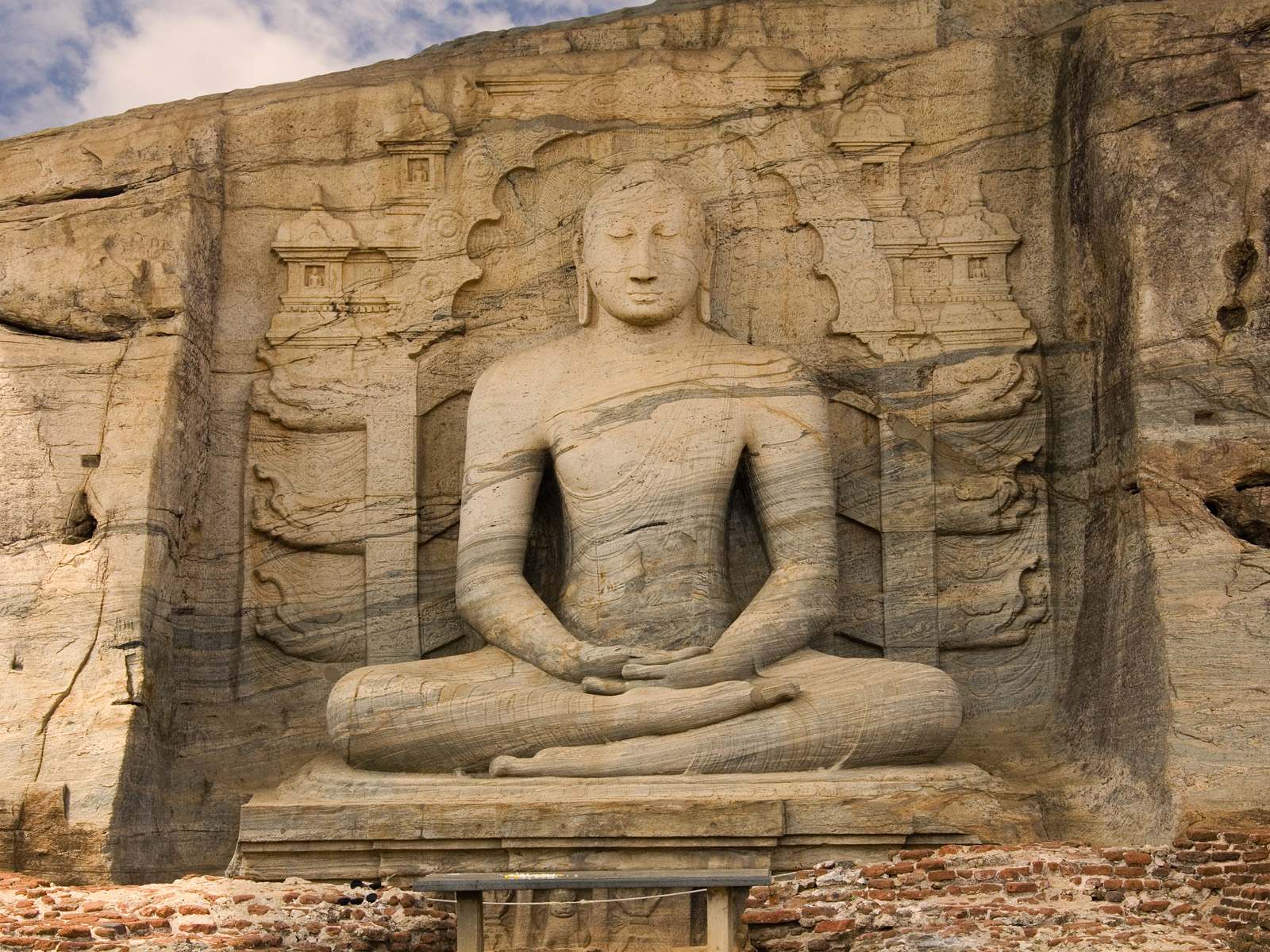
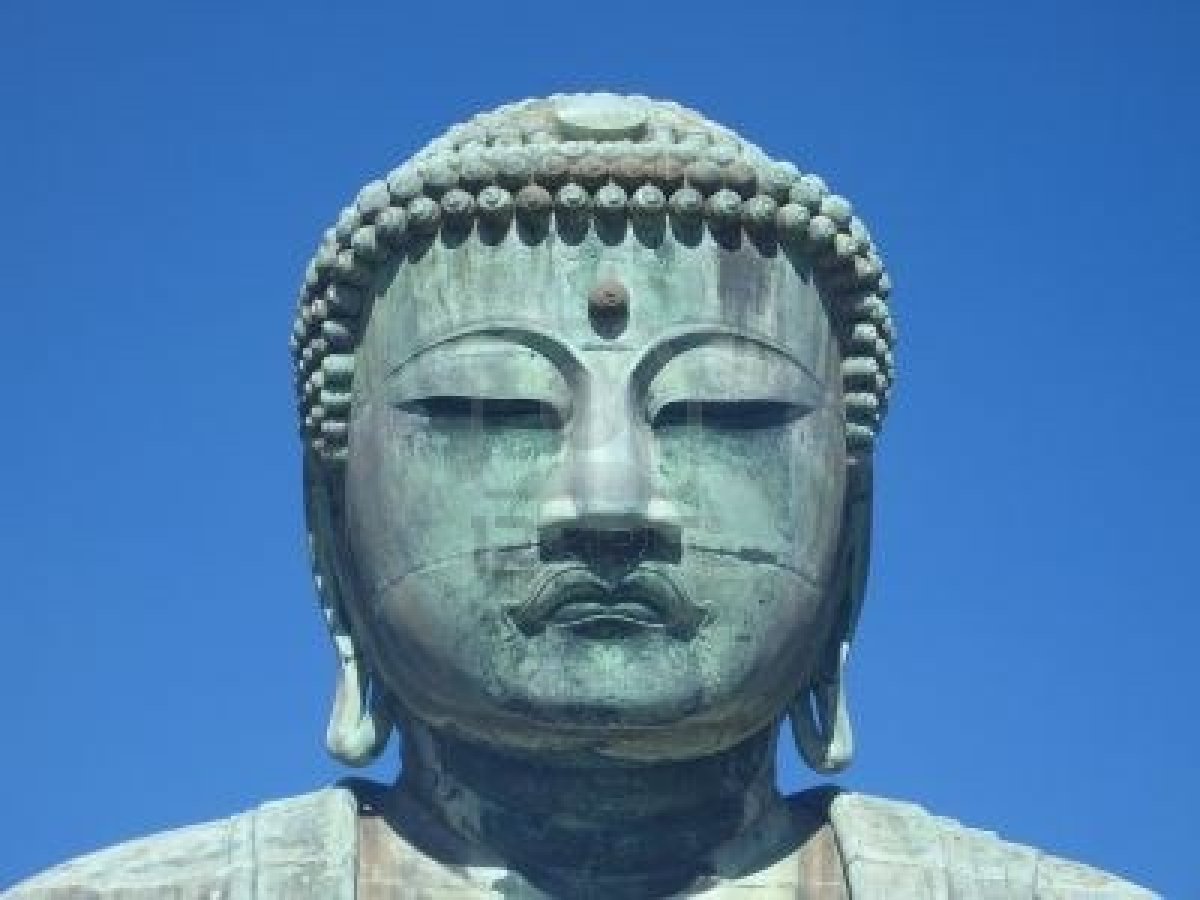
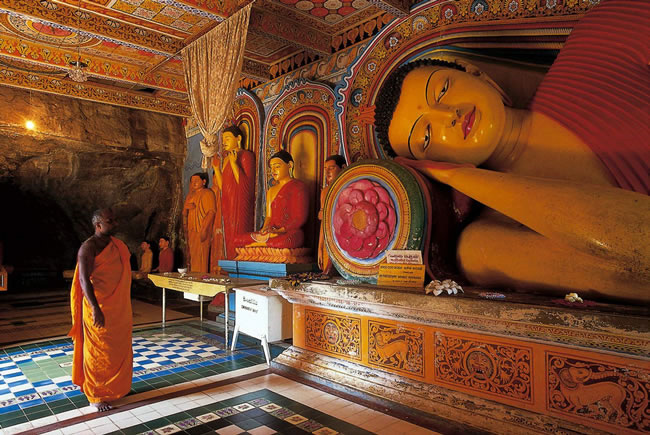
Buddhist statue, Polonnaruwa, Sri Lanka

அத்தியாயம் 26: ஐந்து குற்றங்கள்

ஐந்து குற்றங்களை உடைய பொக்கிஷங்கள் விஷேச அறிவுடையவர்கள் வசப்பட்டால் அவை ஐந்து சாதகங்களாக ஆகின்றன. எனவே அறிவுடையோர் அவைகளை அடைய முயற்சிப்பாளர்களாக;
ஐந்து குற்றங்கள்: தீயினால் ஏற்படும் நஷ்டம், நீரினால் ஏற்படும் நஷ்டம், ஜீவராசிகளால் ஏற்படும் நஷ்டம், பொருட்கள் பறிமுதலாவது, கொள்ளை போவது.
ஐந்து சாதகங்கள்: மக்களிடையே புகழ், சாதுக்களிடையே பெரு மதிப்பு, பெருமை, கடமை செய்யும் உறுதி, மரணத்துக்குப் பின் சுவர்க்கத்தை அடைதல்

அத்தியாயம் 25 மரணம்
பேராசையால் கொல்லப்பட்ட எண்ணற்றவர்களை எண்ணும்போது, அதனால் விளையும் தீமைகளை நினைத்துப் பார்க்கும் போது, எல்லோருக்கும் மரணமே முடிவு என்பதை நினைவில் நிறுத்தவேண்டும். அபோதுதான் ஒருவன் கஷ்டத்தில் இருந்து விடுதலை பெற முடியும்

அத்தியாயம் 24 சமாதானம்
பல காரணங்களால் விரோதம் மூண்டாலும் பக்தியுள்ளோர் சமாதானமாகப் போய்விடுவர்.

அத்தியாயம் 23: அதிசய நிகழ்ச்சிகள்
தன்னுடைய விமோசனத்தில் அக்கறையுடைய மனிதன், சாதுக்களின் அதிசய நிகழ்ச்சிகளைக் கேட்கும்போது தீயவழியைத் திரும்பியும் பாரான். நேர் வழியில் சென்று மேலும் இன்பம் பெறுவான்
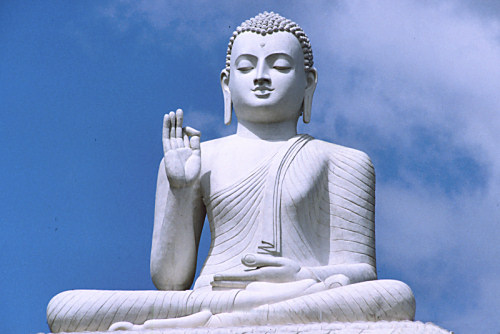
Discover-Sri-Lanka-9-Days-Buddhist-Tour

அத்தியாயம் 22: மறுபிறவி
பெருமைக்குரிய காரியங்களைச் செய்வதாலேயே இவ்வுலகில் மனிதர்கள் விரும்பிய பிறவியை அடைகிறார்கள். இதை எண்ணிப் பார்ப்போர் எப்போதும் பெருமைக்குரிய காரியங்களைச் செய்வதிலேயே உற்சாகத்துடன் மனதைச் செலுத்துவார்கள்

அத்தியாயம் 21: அற்புத சக்தி
இந்த அரசன் தவறான நம்பிக்கைகளைக் கைவிடாதபோதிலும், தீய வழியிலிருந்து விலகி நின்றதால் இத்தகைய அற்புத சக்திகளைப் பெற முடிந்தது.

அத்தியாயம் 20: தீய சக்தியின் வலிமை
சக்தியுள்ள, எதிர்க்கமுடியாத மரணத்தை அறிந்திருந்தபோதும் மனிதன் உலக வாழ்வில் அதிருப்தி கொள்வது இல்லை. இதன் காரணமாகத் தீமையைக் கண்டு வருந்துவதோ நன்மையைக் கண்டு மகிழ்வதோ இல்லை – இத்தீய சக்தியின் வலிமை அத்தகையது – அத்தகையவன் தெரிந்தே மூடனாகிறான்.

அத்தியாயம் 17: புத்தரின் அருள்
ஏற்கனவே நிர்வாணம் அடைந்துவிட்ட உலக நாதர் (புத்தர்) இவ்வாறாக மனித குலத்துக்கு எல்லையற்ற அருள் பொழிந்து கொண்டிருந்தார்.

அத்தியாயம் 12: அலுப்பு வராது
புத்தர் போலவே தேரர்களும் அங்குமிங்கும் சென்று ஆசியை அருளினார்கள். உலகம் உய்யப் பாடுபடும் பணியில் யாருக்குத்தான் அலுப்பு ஏற்படும்?

அத்தியாயம் 5: கடமை பெரிது
பிரம்ம லோகத்தையும் கைவிட்டு, துயரம் நிறைந்த இந்த மக்கள் உலகத்தில் புத்தமதக் கொள்கையின் பொருட்டு அவர் அவதரித்து கடமைகளைச் செய்தார். யார்தான் கொள்கைக்கான கடமையைக் கைவிட முடியும்?
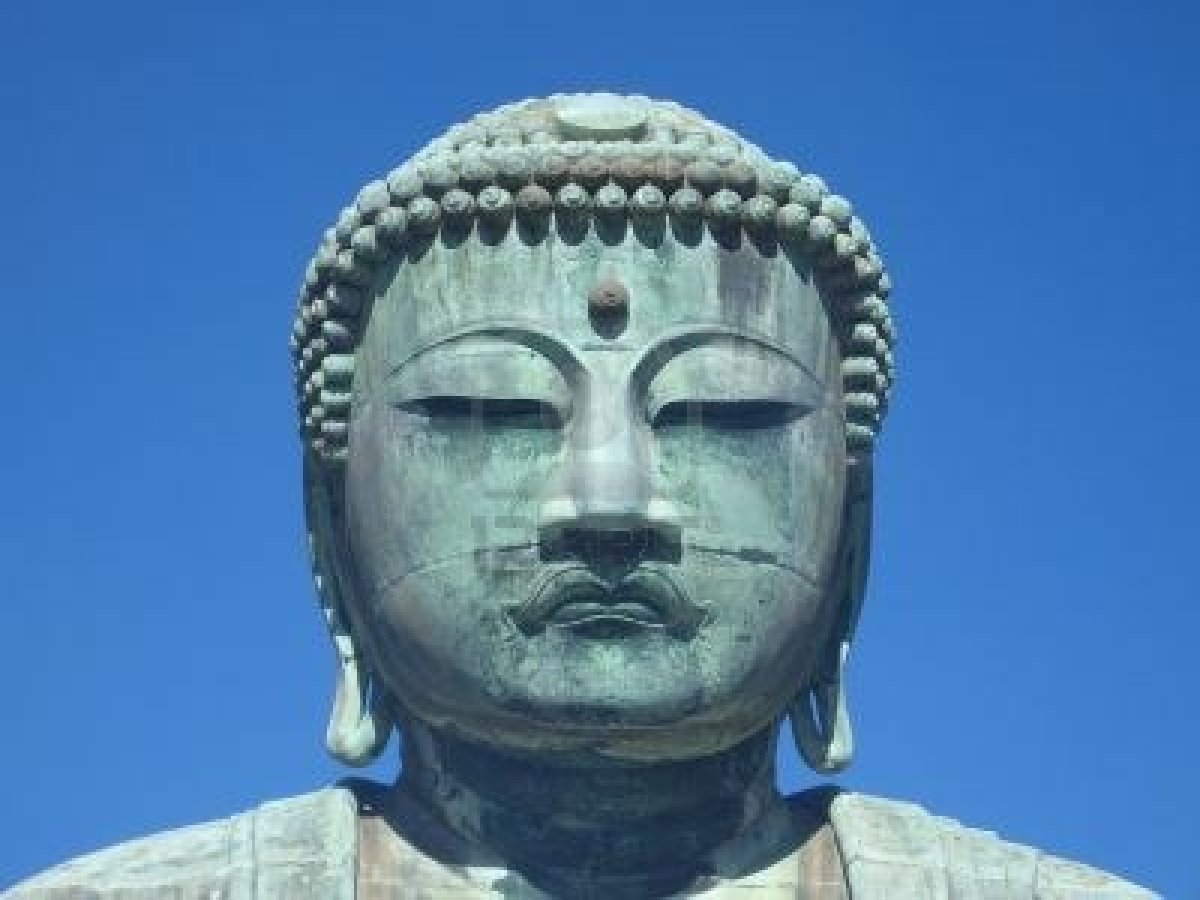
buda-nın-beşiktaşlı-olması_425405

அத்தியாயம் 4 :மாய உலகமும் நிலையாமையும்
பூரணமான உள்ளொளி அடைந்த, மூவகையாக நிலவும் அனைத்து உலகுக்கும் அருள்பாலித்து உதவியர்களுமான உலக போதகரின் புத்திரர்களுடைய மறைவை எண்ணூம்போது நாம் இந்த உலகத்தின் பொய்யான தனமையை மனதில் இருத்தி விமோசனம் அடைவதற்காக விழிப்புடன் பாடுபடுவோமாக.

அத்தியாயம் 3: உலக இன்பத்தை மறுப்பது ஏன்?
அக ஒளியினால் மன இருளைப் போக்கிய தேரர்கள் உலக இருளை வெற்றி கொள்ளும் ஒளி விளக்குகளாகத் திகழ்ந்தார்கள். அந்த ஒளி விளக்குகளும் மரணம் என்னும் பெரும்புயலில் அணைக்கப் பட்டுவிட்டன. அதனால்தான் அறிஞர்கள் உலக இன்பத்தை மறுக்கிறார்கள்.

அத்தியாயம் 2:
நிலையாமை பற்றி சிந்தித்துப் பார்ப்பவர்கள் துயரத்திலிருந்து விடுபடுவார்கள்.

மஹாவம்சத்தில் உள்ள 37 அத்தியாயங்களில் பெரும்பாலான அத்தியாயங்களின் முடிவுப் பாடல் பொன்மொழியாக அமையும். அவைகளில் முக்கியமானவற்றைக் கொடுத்தேன்.
SL buddha
—சுபம்—

contact swami_48@yahoo.com

Quotations from The Mahavamsa

Buddhist statue, Polonnaruwa, Sri Lanka

Buddha in Polannaruva, Sri Lanka

Compiled by London Swaminathan
Post No.1304 ; Dated 22nd September 2014.

This article is part of my series on Mahavamsa.

What is Mahavamsa?
Mahavamsa is a book in Pali language narrating the history of Sri Lanka. It gives a continuous history from the date Vijayan from Bengal ( India ) landed in Sri Lanka. It covers the period between 543 BCE and 361 CE. Mahavamsa means Great Dynasty or Great Chronicle. This book contains good quotations at the end of each chapter. I am giving the quotable quotes below:

RENOUNCING
Theras, who have overcome darkness with the light of insight, those great shining lights in the conquest of the world’s darkness, have been extinguished by death. Therefore will the wise man renounce the joy of life—From the third chapter.

XXX
MORTALITY
When we think of the death of the sons of the Universal Teacher, who were gifted with perfect insight, who had attained all that is to attain, who had conferred blessings on the three forms of existence, then may we lay to heart the entire vanity of all that comes into being and vigilantly strive (after deliverance) — From the fourth chapter

XXX
BUDDHA’S RELICS

Thus by these relics of his body the Master of the World (Buddha), being already passed into nibbana (Nirvana), truly bestowed salvation and bliss in abundance on mankind –From seventeenth chapter.

XXX
IMPERMANENCE of LIFE
A man who, although he knows this overmastering, overwhelming, irresistible mortality, yet is not discontented with the world of existence and does not feel, in this discontent, resentment at wrong nor joy in virtue that is the strength of the fetters of his evil delusion ! Such a one is knowingly fooled.
—From the twentieth chapter.

sri-lanka-lrg-1-

XXX
MIRACULOUS POWER
Only because the king freed himself from the guilt of walking in the path of evil did this (monarch), though he had not put aside false beliefs, gain such miraculous power; how should not then an understanding man, renounce here the guilt of walking in the path of evil? — From the twenty-first chapter

XXX
REBIRTH
Only by works of merit living beings come to such rebirth as they desire; pondering thus the wise man will be ever filled with zeal in the heaping up of meritorious works – From the twenty-second chapter.

XXX
LIFE OF THE PIOUS
When a wise man, mindful of his salvation, hears of the marvels wrought by the pious life, he should surely, turning aside from the evil path, evermore find pleasure in the path of piety — From the twenty-third chapter

XXX
SL buddha

PEACE
Thus are pious men become accustomed to appease an enmity, though heaped up from many causes; what wise man, pondering this, shall not be of peace-loving mind toward others? From the twenty-fourth chapter

XXX
GREEDINESS
Should a man think on the hosts of human beings murdered for greed in countless myriads, and should he carefully keep in mind the evil (arising from that), and should he also very carefully keep in mind the mortality as being the murderer of all, then will he, in this way, shortly win freedom from suffering and a happy condition — From the twenty-fifth chapter

XXX
FIVE DANGERS
Treasures which, in truth, bear on them the blot of the five faults become, if they be acquired by people who are gifted with special wisdom, possessed of the five advantages; therefore let the wise man strive to have them thus — From the twenty-sixth chapter

Five dangers: Loss by Fire, Water, Living creatures, Confiscation or Brigandage(Highway Robbery).
Five Benefits: Popularity among men, High esteem among pious men, Fame, Fidelity in fulfilment of basic duties, Attainment of Heaven after death.

XXX

gal-vihara01

ALMS GIVING
The wise who consider how marvellously precious is the giving of alms, while the gathering together of treasures (for oneself) is worthless, give alms lavishly, with a mind freed from the fetters (of lust), mindful of the good of beings — From the twenty-seventh chapter

XXX

WORKS OF MERIT
Merit, that a man has thus heaped up with believing heart, careless of insupportable ills of the body, brings to pass hundreds of results which are a mine of happiness; therefore one must do works of merit with believing heart –From the twenty-eighth chapter

XXX
GENEROSITY
Every one whose heart is inclined to (faith in) the Three Gems, knowing that by a benefactor of mankind, whose heart is set on generous giving, the highest blessing is brought to pass for the world, strive toward the attainment of many virtues, as faith and so forth — From the twenty-ninth chapter

XXX
buda-nın-beşiktaşlı-olması_425405

HOMAGE TO BUDDHA
If the wise man who is adorned with the good gifts of faith, has done homage to the blessed (Buddha) the supremely venerable, the highest of the world, while he was yet living, and then to his relics, that were dispersed abroad by him who had in view the salvation of mankind – From the thirtieth chapter

XXX
PIOUS
Incomprehensible is the nature of the Buddha, and incomprehensible is the reward of those who have faith in the incomprehensible.
Thus do the pious themselves perform pure deeds of merit, in order to obtain the most glorious of all blessings; and they, with pure heart, make also others to perform them in order to win a following of eminent people of many kinds — From the thirty-first chapter

XXX
WORKS OF MERIT
He who, holding the good life to be the greatest (good), does works of merit, passes into heaven as into his own house; therefore will the wise man continually take delight in works of merit — From the thirty-second chapter

XXX

Discover-Sri-Lanka-9-Days-Buddhist-Tour

WISEMEN

Thus does the wise man labour, when he comes to rule, for the bliss of others and for his own bliss, but a man without understanding does not give the possessions which he has won, however great they are, blissful for both, being greedy of more possessions –From the thirty-third chapter

XXX

GOOD PEOPLE IN POWER

Thus men of good understanding, who have conquered pride and indolence, and have freed themselves from the attachment to lust, when they have attained to great power, without working harm to the people, delighting in deeds of merit, rejoicing in faith, do many and various pious works — From the thirty-fourth chapter

XXX
WEALTH SPOILS
The wise, doing many works of merit, gain with worthless riches that which is precious, but fools in their blindness, for the sake of pleasures, do much evil.
From the thirty-fifth chapter

XXX

SirLanka.Buddhism
POWER CORRUPTS
Reflecting that sovereignty, being the source of manifold works of merit, is at the same time the source of many an injustice, a man of pious heart will never enjoy it as if it were sweet food mixed with poison — From the thirty-sixth chapter

The last chapter 37 hasn’t got any quotation.

Contact swami_48@yahoo.com

MINOLTA DIGITAL CAMERA

30 IMPORTANT QUOTATIONS ON DHARMA

satymaeva jayate

Good Thoughts Calendar (September 2014)
Post No. 1257; Date: 28th August 2014
Compiled by London Swaminathan ©

Important Dates: September 6 Onam; 9 Mahalaya Paksham; 11 Bharati Day; 25 Navaratri begins; 30 Half Yearly accounts closing.
Auspicious Days: 4, 8, 11, 15. Full Moon day- 9, New Moon-23 (Amavasya). Ekadasi – 5, 19.

September 1 Monday
Ahimsaa paramo dharma: Bharat manjari
Non violence is the abode of righteousness.

September 2 Tuesday
Aatmanah pratikuulaani paresaam na samaacaret- Pancha Tantra 3-103
Do not unto others what you would not do to yourself.

September 3 Wednesday
Aanrsamsyam paro dharma: –Valmiki Ramayana 5-38-39
Compassion is the supreme doctrine.

September 4 Thursday
Aapadi praanaraksaa hi dharmasya prathamannkura: Bharat Manjari
Saving a life in jeopardy is the origin of morality.

September 5 Friday
Aartatraanaaya vah sastram na prahartum anaagasi – Shakuntalam 1-11
Your weapon is meant to protect the distressed, not punish the innocent.

sculpture dharma

September 6 Saturday
Istam dharmena yojayet –Panchatantra 4-74
Desire should be in consonance with dharma.

September 7 Sunday
Eka eva suhrud dharma: nidhane pyanusyaati ya: MS 8-17 Hitopadesa 1-66
Dharma is the only constant companion who comes along in death.

September 8 Monday
Esa loke sataam dharmo yaj jyesthavasago bhavet –Valmiki Ramayana 2-40-6
Being respectful to elders is the path of the noble.

September 9 Tuesday
Krte ca pratikartavyam esa dharma: sanatana:
Returning one good turn for another is an eternal doctrine.

September 10 Wednesday
Ghoramapi svam cared dharmam – sup
Though appalling one’s own duty ought to be performed.

Replica_of_Dharma_Chakra

September 11 Thursday
Jayasyaayatanam dharma: paapam varthma kshayasya ca rm 6-11-371
Dharma is the abode of victory; sin, the path of doom.

September 12 Friday
Tirthoparodho hi dharmavadaha: — kas 202-38
It is criminal to impede the flow of a river.

September 13 Saturday
Dharma eva plava: pumsaam samsaaramakaraakare — bkm
Righteousness is man’s singular ship across the ocean of transmigration.

September 14 Sunday
Yató dharma: tató jaya: Vidura Niti 7-9; Susasita Ratna Bhandaagaara 3-35
Where there is Dharma, there lies Victory.

September 15 Monday
Dharmamuulaa hi sampada: – Kathaa Sarit Saagaram
Prosperity is rooted in virtue.

dharma-chakra-5586472

September 16 Tuesday
Dharmaratnena yo hiina: sa hiino sarvavastusu – Vikrama carita 3-832
He who lacks the jewel of righteousness lacks everything.

September 17 Wednesday
Dharmasca arthasca kaamasca kaala karma samaahitaa: — Valmiki Ramayana 4-25-8
Religious merit, worldly prosperity, and sense gratification are accumulated gradually.

September 18 Thursday
Dharmasthita: ko marana adhbibhiiyaat –Jataka Mala
Where is the fear of death for one who is steadfast in dharma?

September 19 Friday
Dharmasya tattvam nihitam guhaayaam—— Mahabharata 3-117-313
The secrets of dharma are hidden in the heart’s cave.

September 20 Saturday
Dharmasya susuuksmo hi gatikrama: Bharat manjari 1-25-1114
The path of righteousness is subtle indeed !

dharmachakra 2

September 21 Sunday
Dharmena carataam satye naastyanabhyudaya: kvacit —-Katha Sarit Sagaram
He knows no failure who righteously treads the path of truth.

September 22 Monday
Dharmena hiinaa: pasubih samaanaa: — Hitopadesam 1-25
They are animals who lack dharma.

September 23 Tuesday
Dharmo raksati raksita: — Manu Smrti 8-15
If righteousness is upheld, it will protect us.

September 24 Wednesday
Dharmo vigrahavaan nrpa: Valmiki Ramayana 7-59-22
The king is the embodiment of dharma.

September 25 Thursday
Dharmo ha vai raksati dharmacaarinam – Jatakamala
The practitioners of dharma are protected by it.

dharma chakra1

September 26 Friday
Dharmo hi paramaa gati: — Valmiki Ramayana 7-3-10
Dharma alone is the ultimate goal

September 27 Saturday
Dharmo hi saanidhyam kurute sataam –Katha Sarit Sagaram
Dharma ensures its proximity with the noble.

September 28 Sunday
Vedókiló dharma muulam – Manu Smrti 2-6
The entire Vedas form the foundation of Dharma.

September 29 Monday
Na hi dharma adbhavét kincid duspraapam iti mé mati: – Valmiki Ramayana 7-60-9
This is my opinion: nothing is unattainable with Dharma.

September 30 Tuesday
Swadharmé nidhanam sréya: paradharmó bhayaavaha: -Bhagavad Gita 3-35
Better is death in one’s own duty; the duty of another is fraught with fear.

Quotations are taken from Suktisudha, Chinmaya International Foundation.
N.B. — Please read calendar posts of earlier months where there are at least 30 important quotations!

கழகத்தில் சேராதே: தமிழர்களுக்கு எச்சரிக்கை!!

mahabharata-game-of-dice

ஆராய்ச்சிக் கட்டுரையாளர்: லண்டன் சுவாமிநாதன்
கட்டுரை எண்:- 1229 ; தேதி 12 ஆகஸ்ட் 2014.

1500 அண்டுகளுக்கு முன்னால் வாழ்ந்த பேரறிஞன் திருவள்ளுவன் தமிழர்களைக் கடுமையாக எச்சரிக்கிறார்:

பழகிய செல்வமும் பண்பும் கெடுக்கும்
கழகத்துக் காலைப் புகின் (குறள் 937)

கழகத்தில் காலத்தைக் கழித்தால் பரம்பரையாக அவனுக்குக் கிடைத்த செல்வமும் தொலையும். அவனிடமுள்ள எல்லா நல்ல குணங்களும் அழிந்து போகும்!
கழகம்= சூதடும் இடம்.

கவறும் கழகமும் கையும் தருக்கி
இவறியார் இல்லாகியார் ( குறள் 935)

கழகத்தை நம்பி பொருள் எல்லாவற்றையும் கோட்டை விட்டவர் பலர் உண்டு! காரணம்? சூதாடும் இடம் (கழகம்), சூதாடும் கருவி, தனது சூதாட்டத் திறமை —- இவற்றை எல்லாம் நம்பி, ‘’இல்லாமல்’’ போனவர்கள் பலர்!

சுருக்கமாகச் சொன்னால் கழகத்தில் சேராதே, கழகத்துக்குப் போகாதே, போனால் நீ அழிந்து போவாய்!
வாழ்க வள்ளுவன்! வளர்க அவன் அறிவுரை!!

இதற்கு முன்னும் பின்னும் உள்ள எட்டு குறள்களில் முத்து முத்தாய் உதிர்க்கிறான் வள்ளுவன்:

sokkattan

புல்லட் பாயிண்ட் 1:
மீனைப் பார்த்தாயா? தூண்டிலைப் பார்த்தாயா? என்ன தெரிந்தது. உன் கதியும் அதே கதிதான் (குறள் 931)

புல்லட் பாயிண்ட் 2
நேற்று லட்டரியில் பத்து ரூபாய் விழுந்ததா? இனிமேல் உனக்கு நூறு முறை தோல்விதான், நீ ஒரு ஏமாளி (குறள் 932)

புல்லட் பாயிண்ட் 3
காயை உருட்டினால் பொருள் கிடைக்கும் என்று சொன்னாயா? உன் கிட்ட நல்ல வழியில் வந்த பொருளும் உருளப் போகுது! (குறள் 933)

புல்லட் பாயிண்ட் 4
டேய்! மண்டு! ‘பெட்’ கட்டினாயா? ரேசுக்குப் போனாயா? லாட்டரி சீட்டாய் வாங்கிக் குவிக்கிறாயா? இனிமேல் உனக்கு வறுமை, சிறுமை ஒன்றுக்கும் குறைவே இல்லை, போ! (குறள் 934)

புல்லட் பாயிண்ட் 5
சூதாட்டத்துக்கு இன்னொரு பெயர் முகடி (மூதேவி). அவள் உன்னை விழுங்கினால் சோற்றுக்கே லாட்டரிதான் (குறள் 936)

புல்லட் பாயிண்ட் 6
சூதாடினாயா? இனிமேல் உன் வாயில் பொய் நிறையவே வரும், அருள் எல்லாம் ஓடிப்போகும் (குறள் 938)

புல்லட் பாயிண்ட் 7
உனக்கு இனிமேல் —- “ரோடி, கப்டா அவ்ர் மகான்” — கிடைக்காது. அதாவது உணவு, புகழ், கல்வி, உடை, செல்வம் ஆகிய ஐந்தும் ‘அவுட்’! (குறள் 939)

புல்லட் பாயிண்ட் 8
நோய் வந்தவுடன் உடம்பின் மேலே கூடுதல் காதல் வருது இல்ல! அதே போல சூதாட்டத்தில் பொருளை இழக்க இழக்க அதன் மேல உனக்கு “லவ்” அதிகரிக்கும், ஜாக்கிரதை! (குறள் 940)

banu karnan 2

ரிக்வேதம் என்ன சொல்கிறது?

சூதாடாதே, நிலத்துக்குப் போய் சோளம் விதை!
கொஞ்சம் ஜெயித்தவுடன் அதைப் பற்றி உயர்வாக எண்ணி விடாதே!
உன்னுடைய ஆடு மாடுகளை எண்ணிப் பார், உனக்கு மனைவியும் உண்டு!
இதுதான் சாவித்ரியே என் கிட்ட சொன்னாள்!
(மண்டலம் 10-34-13)

உலகின் மிகப் பழைய சமய நூல் கூறிய அறிவுரை இது!
கவச ஐலூசர் என்ற முனிவர் காதில் ஒலித்த மந்திரம் இது. வேத மந்திரங்களை சங்க காலப் புலவர்கள் ‘’கேள்வி’’ (காதில் விழுந்தது) என்றும் ‘’மறை’’ (ரகசியம்) பாடுகின்றனர்.

கம்பன் என்ன சொன்னான்?

வள்ளுவனுக்கு சளைத்தவனா கம்பன்? அவன் என்ன சொல்கிறான் என்று பார்ப்போம்?

சூது முந்துறச் சொல்லிய மாத்துயர்
நீதி மைந்த! நினக்கிலை ஆயினும்
ஏதம் என்பன யாவையும் எய்துதற்கு
ஓதும் மூலம் அவையென ஓர்தியே (கம்ப ராமாயணம், மந்தரை-2)
ஒப்பிடுக : குறள் 934

banu karnan

அறநெறிச்சாரம் (147) என்ன சொல்கிறது?

ஓதலும் ஓதி உணர்தலும் சான்றோரால்
மேதை எனப்படும் மேன்மையும் – சூது
பொருமென்னும் சொல்லினால் புல்லப்படுமேல்
இருளாம் ஒருங்கே இவை
ஒப்பிடுக: குறள் 939.

பாரதி என்ன சொன்னான்?

“கோயிற் பூசை செய்வோர் சிலையைக் கொண்டு விற்றல் போலும்
வாயில் காத்து நிற்பான் வீட்டை வைத்து இழத்தல் போலும்
ஆயிரங்களான நீதி அவை உணர்ந்த தருமன்
தேயம் வைத்து இழந்தான் — சீச்சீ! சிறியர் செய்த செய்கை செய்தான்”
என்ற பாரதியாரின் பாஞ்சாலி சபதப் பாடல் சூதாடிய தர்மபுத்திரனைச் சாடுகிறது!

வள்ளுவன் வாழ்க ! (சூதாட்டக்) கழகங்கள் அழிக !!

Quotations on Gambling: From Rig Veda to Tirukkural

dice

Compiled by London Swaminathan
Post No.1224; Dated 9th August 2014.

Do not Gamble:
“Do not play with dice; cultivate your corn fields,
Delight in the gain, thinking highly of it.
There are your cattle, gambler, there is your wife”
So has the noble Savitri told me
———–Rig Veda 10-34-13, Rishi Kavasha, son of Elusha.

BHAGAVAD GITA
I am gambling among the deceiting –Bhagavad Gita 10-36
Dyuutam chalayataam asmi (Lord Krishna in BG 10-36)

dice2

TIRUKKURAL by Tiruvalluvar
Gambling ruins a man’s fortune, and corrupts the innate honesty,
It also hardens the heart and brings on endless misery (Tirukkural 938)

Do not take to gambling even if you can win. What can the fish gain by swallowing the baited hook? (Tirukkural 931)

Wealth, including food and dress, as well as the glory, resulting from learning,
Will desert the man, who seeks gain only from gambling? (Tirukkural 939)

Is there a future for the gambler to thrive, when he loses hundreds,
To gain only one in the bargain? (Tirukkural 932)

chaturan

SANSKRIT SAYINGS
Gambling, to a man, is a kingdom without a throne —-Mrcchakatika
Dyuutam naanma purusasya asimhasanam raajyam

Gambling is the root of all evils Bharata Manjari 2-11-340
Dyuutam sarva apadaam mulam

What will not a defeated fraudulent gambler hesitate to do? –Katha Sarit Sagara
Dyuutanaatasya kim naama kitavasya hi duskaram

Gambling is the destruction of wealth— Bharat Manjari 2-11-308
Dyuutamunmuulanam sriyah

Gamblers do not neglect a chance of profit, even to their very end Rajatarangini 3-393
Na paryante pyupeksante kitavaah svaarthasaadhanam

Don’t ridicule the defeated gambler Satopadesa prabandha
nopahasennirjitam dyuute

Players of dice become the abode of craftiness Brhat Katha Manjari
Bhavanti dyuutakaaraa padam dhiyah

By all means a gambler is despicable Vikrama Carita 3-98
Haa dyuutakaaram satadaah dhigastu

Source: Rig Veda, Bhagavad Gita, Tirukkural, Suktisudha by Chinmaya International Foundation

Two Seers Saved by Asvins: Stories from Rig Veda

ascetics

Written by London Swaminathan
Post No.1220; Dated 7th August 2014.

Noble men dread vulgar company;
Mean men treat the vulgar as kinsmen (Tirukkural 451)

Rig Veda is the oldest religious scripture in the world. The Veda is full of anecdotes which can be interpreted at different levels. The hymns are partly mythical, partly didactic, partly allegorical and partly symbolical. But there are factual stories as well. Some of the names still remain a mystery. We don’t know where they lived and when they lived. The Vedas themselves are very old – the oldest available documents of the Hindus. And those Vedas talk about OLD stories!! That is why the great Tamil poet of modern age Subramanya Bharati sang about Bharat Mata ‘that not even the greatest of the scholars knew how old she (Mother India) was!’

Whatever said in Vedas and other scriptures are summarised in Tirukkural, which is considered Tamil Veda. Tamil poet Tiruvalluvar who composed The Tirukkural says:

No greater help than good companionship
No greater sorrow than bad friendship (Kural 460)

Purity of mind ushers in spiritual growth and personal prosperity
While good associations lead to glory (Kural 457)

Men’s perceptions are of their own mind
But their nature is known by their kind (Kural 453)

o-YOGA-ART-OF-TRANSFORMATION-

Here are two stories from the Rig Veda

It is like watching Indian films. The baddies pushed two good people into wells. One suffered there for 3 days and another was in the dark for ten days. And then the hero of the film (Here, it is Asvins) comes to their rescue!!

Asvins are also known as the Nasatyas or Dasras. They save everyone in trouble. They are Twins.
In the following verses in the Rig Veda we hear about the stories of Vandana and Rheba. Both of them were seers.

“Worthy of praise and worth the winning, Heroes, is that your favouring succour O Nasatyas
What time you, knowing well his case, delivered Vandana from the pit like hidden treasure– RV 1-116-11

One day Rishi (seer) Vandana was returning from another village. As the night fell when he was half way though, he took shelter in one of the nearby hut. Unfortunately it belonged to a demon. On the third day while he was drawing water from the well, the servant came and pushed him into the well, apparently at the instruction of his Master (demon). The well was deep and he could not come out. He prayed to Asvini devas who came and escorted him to a safer place.

Asvins, you raised, like Soma in a ladle, Rheba who for ten days and ten nights, fettered.
Had lain in cruel bonds, immersed and wounded, suffering sore affliction, in the waters” – RV 1-116-24

Rheba was another saint who underwent a similar ordeal. One day when Rheba went to the nearby forest to fetch fuel and grass for the daily ritual, the demons tied him with ropes and then pushed him into a well. His friends and relatives were looking for him for several days. Though he was crying loudly for ten days, no one could hear him who was deep inside the well that was deep inside the jungle. Thus ten days and ten nights passed. When he prayed to the Asvins, they came and brought Rebha out of the well. His body was sore and painful. The Asvins touched him and his pain and fatigue disappeared at once.
Long live the Vedas! Long live the Vedic Seers!!
rishi3

Source: Rig Veda, Tirukkural and The Effulgence of the Veda by Swami Gangeshwaranandaji Maharaj

Contact swami_48@yahoo.com
MORE QUOTATIONS FROM RAMAYANA

ramagreen

Compiled by London Swaminathan
Post No.1216; Dated 5th August 2014.

(31 quotations from Valmiki Ramayana were given already in Good Thoughts Calendar for the month of August; blogged on 30-7-14)

TRIKALA JNANI
By the power of spiritual meditation and Yoga, the sage Valmiki saw the whole of the past as clearly as if it were a fruit placed on the palm of the hand
Balakanda, chapter 3

SATYA PARAKRAMA
King Dasaratha was learned in the interpretation of the Vedas, his chief wealth being pre – eminence in truth and virtue; He was one who never broke his word, who was ever prudent, sagacious and beloved of the subjects.
Balakanda, chapter 6

GUESTS ARE GODS
Those who resided in Ayodhya worshipped the gods and the uninvited guest; They were both magnanimous and charitable.
Balakanda, chapter 6

MINISTERS’ PURE HEART

Dasaratha’s ministers were pure of heart and of chaste conduct. None consorted with his neighbour’s wife, none were wicked and all lived together.
Balakanda, chapter 7

rama bronze
IMPERMANENCE
Who can pity whom with this bubble-like body? 4-21-3
Kasca kasyaanusocyosti dehesminbudbudopame

FORBEARANCE
Forbearance is the best ornament for men and women 1-33-7
Alankaaro hi naariinaam ksamaa tu purusasya vaa

PATIENCE

Patient is not present in all the valiant 7-58-5
Na sarvatra ksamaa viira pursues pradrsyate

ARROGANCE
The one inebriated with wealth thinks that he is everything 5-64-19
Aisvarya madamatto hi sarvohamiti manyate

The power intoxicated cannot be tamed by sowing seeds of dissention 5-41-3
Na bedasaadhyaa baladarpitaa naraah

UNSTEADINESS
I am of the confirmed conviction that human mnd is unsteady 2-4-27
Cittam manushyaanaam anityam ithi me matam

SUCCESS
Great people affirm that success entirely depends on counsel 6-6-5
Mantramuulam hi Vijayam pravadanti manasvinah

FACTUAL KNOWLEDGE
The fire can never have its fill of either wood or grass 5-54-28
Na agni trptyati kaasthaanaam trnaanaam ca

There is nobody in this world who would strike those armed with conciliatory words 4-59-16
Na hi saamopapannaanaam prahartaa vidyatee bhuvi

PENANCE
Penance is ever fraught with obstacles and assailed with difficulties 3-10-14
Baha vighnam tapo nityam duscaram caiva
atakkam, panivu

GIVING
Give and expect not, utter truth and not falsehood 5-33-25
Dadyaanna pratigrhniyaat satyam bruuyannaa caantram

Everything is accomplished by the interactions of givers and takers 1-73-12
Daatr pratgrahii trbhyaam sarvaarthaah sambhavanti hi

A gift is not enjoined in favour of those richly endowed with wealth 5-41-3
Na daanam arthopapaticitesu yujyate.

Contact swami_48@yahoo.com
Source: Suktisudha, Chinmaya International Foundation

31 Quotations from Valmiki Ramayana

ramayan aranyakanda

31 Quotations from Valmiki Ramayana

Good Thoughts Calendar 2014 (August)

Post No. 1204; Date: 30 July 2014
Prepared by London swaminathan (copyright)

31 important Quotes from the Valmiki Ramayana are given in this month’s calendar; Source for quotes: Valmiki Ramayana Quotes from Suktisudha, Chinmaya International Foundation, Ernakulam, India

Important Dates: August 8 Friday Varalakshmi Vrata; 10 Sunday Upakarma, Raksha Bandan; 11 Gayatri Japa; 15 Friday Indian Independence Day; 17 Sunday Janmashtami; 19 Krishna Jayanthi (Tamil Nadu); 29 Friday Ganesh Chathurthy.

Auspicious Days: August 20, 22, 29, 31; Full Moon day August 10
New Moon (Amavasya) August 24; Ekadasi August 7 & 21

August 1 Friday
Like a flowing river, what has gone will never come back 5-20-12
Yadatitam punarnaiti srotah srotasvinaam iva

August 2 Saturday
Surely, destiny is hard to supersede 2-24-33
Nuunam kaalo duratyayah

August 3 Sunday
There is no deity powerful than time 2-88-11
Na nuunam daivatam kincit kaalena balavattaram

August 4 Monday
At the time of doom, one seized by fate disregards good advice 4-15-31
Na rocate tadvacanam hi tasya kaalaabhipannasya vinaasakaale

August 5 Tuesday
He who does not repay a favour is a stigma to humanity 4-38-26
Krtam na pratikuryaadhyah purusaanaam hi duusanah

ram puja

August 6 Wednesday
Never make fun of the cruel and ignoble 3-18-19
Kuurairanaayarino kaaryah parihaasanah kathaancana

August 7 Thursday
Duties not performed, invite the wrath even of the good 5-1-97
Kartavyam akrtam kaaryam sataam manyum udiirayet

August 8 Friday
No life is expunged before the appointed hour 2-39-5
Na tvevaanaagate kaaledehaaccyavati jivitam

August 9 Saturday
No burden is too heavy for Providence; not even death 6-48-19
Na kalasyaatibhaarosti kraantasca sudurjayah

August 10 Sunday
Bygones are gone forever 6-63-15
Gatantu gatameva hi

ram and hut

August 11 Monday
Time is indeed inviolable 3-68-21
Kaalo hi duratikramah

August 12 Tuesday
A night lost cannot be regained. 2-105-19
Atyeti rajani yaatu saa na pratinivartate

August 13 Wednesday
It is my confirmed conviction that desire grips one more than wealth or righteousness 2-53-9
Kaama evaartha dharmaabhyaam gariyaa niti me matih

August 14 Thursday
The doings of the wise should never ever harm the world 7-83-20
Lokapiidaakaram karma na kartavyam vicaksanaih

August 15 Friday
The inspired do not shirk work 4-1-122
Utsaahavantah purusaa naavasiidanti karmasu

ram viswamitra

August 16 Saturday
How can a bird, shorn of its wings, accomplish anything?
Apakso hi katham paksii karma kincitsamaarabhet

August 17 Sunday
The discerning should not give away their daughters to warriors 4-23-8
Suuraaya na pradaatavyaa kanyaa khalu vipascitaa

August 18 Monday
Those whose endeavour has been foiled and purpose thwarted cannot gain their object of pursuit without exertion 4-1-120
Artho hi nastakaaryaarthair ayatnenaadhigamyate

August 19 Tuesday
Without danger knocking on the door of one’s benefactors, where arises the chance to reciprocate ? 7-40-24
Narah pratyupakaaraanaam aapatsvaayaati paatraanaam

August 20 Wednesday
All the worlds are cast by the Creator 4-24-41
Loko hi sarvo vihito vidhaatraa

August 21 Thursday
Where there is Rama , there is neither fear nor failure 4-49-15
Yatra raamo bhayam naatra naasti tatra paraa bhavah

August 22 Friday
Which living being is free from danger? 3-66-6
Praaniah kasya naapadah

August 23 Saturday
People are as repelled by a liar, as they are of serpents 2-109-12
Udvijante yathaa sarpaannaraad anrta vaadinah

August 24 Sunday
Deities happily partake of the very food that a man eats 2-103-30
Yadannah puruso bhavati tadannaastasya devataah

August 25 Monday
Having hewed a mango tree, will anyone nourish a neem tree instead? 2-35-16
Aamram chitvaa kuthaarena nimbam paricarettu kah

ram ahalya

August 26 Tuesday
Despise not others in haste 6-9-12
Paresaam sahasaavajnaa na kartavyaa katanchana

August 27 Wednesday
Show no disrespect even when impelled by desire or anger 1-13-15
Na caavanjnaa prayoktavyaa kaamakrodhavasaadapi

August 28 Thursday
No one is ever infallible
Na kascinnaaparaadhyati

August 29 Friday
To retaliate against him, who has earlier inflicted harm, is no sin 2-96-24
Puurvaapakaarinam hatvaa na hyadharmena yujyate

August 30 Saturday
A guest, though he be ill mannered, deserves to be welcomed by the discerning 5-1-119
Atithih kila puujaarhah praakrtopi vijaanataa

august 2

August 31 Sunday
O, good one! Overdoing anything leads to sorrow 5-24-21
Saravatraatikrtam bhadre vysanaayopa kalpate.

Let Madurai Burn; But don’t Harm Brahmins!

alain danielou

More Quotations from Silappadikaram

Compiled by London Swaminathan
Post No.1200; Dated : –28th July 2014.

(Please read the First Part: ‘Quotations from Tamil Epic Silappadikaram’)
N.B. Madurai is the second largest city in Tamil Nadu. It has one of the world’s wonders– Meenakshi Temple. Please read my earlier post THE WONDER THAT IS MADURAI MEENAKSHI TEMPLE.

Divine Law
“Today we have seen evidence of the sage’s warning: The divine law appears in the form of death before the man who fails in his duty (said by Kannaki) —Canto 20, Vazakkuai Katai
((I am reminded of a similar quotation on page 71 of Swapnavasava data of Bhasa: “Surely fate does not go beyond the well tested declarations of the seers”; M R Kale’s Translation))

Fate is stronger
“Actions committed in the past lives always bear fruit. No amount of austerity or virtue can loosen the bonds of our actions.
Canto 23, Katturai Katai

Breast Destroyed Madurai!
“Suddenly, with her own hands, she (Kannaki) twisted and tore her left breast from her body. Then she walked three times round the city, repeating her curse at each gate. In her despair she threw away her lovely breast, which fell in the dirt of the street (Then God of Fire appeared before her and took her order to burn Madurai City) — Canto 20, Vazakkuai Katai
(Walking around temples etc. THREE TIMES is a Hindu custom. Senguttuvan also did this according to Ilango)

Don’t Touch Brahmins!
“Spare Brahmins, good men, cows, truthful women, cripples, old men, children. Destroy evildoers (Kannaki’s Order to God of Fire who came in the disguise of a Brahmin)
Canto 21, Vanjinamalai

KR VIJAYA as kanaki
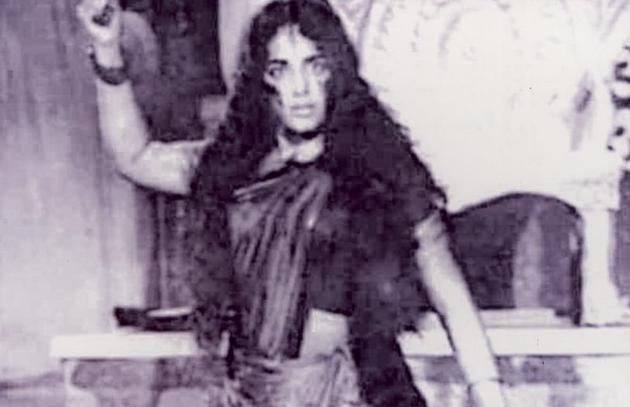
Actress K R Vijaya as Kannaki in Malayalam film.

Special Air Plane from Heaven!
Fourteen days thus passed. On a divine chariot, seated beside Kovalan, who had been put to death in the royal city, Kannaki, with her hair profuse like a forest, ascended, happy, into heaven —- Canto 23, Katturai Katai

(Mourning for 13 days is a Hindu Funeral custom. From 14th day, the bereaved family starts their routine work; coming to the real world)

Shiva’s Sandals on Head, Vishnu’s prasad on Shoulder
The king (Senguttuvan) placed on his head the sandals of Shiva, upon whom the world rests, and who wears in his tangled hair the crescent of the moon. The king who never bowed down before a man, made the circuit of the temple and then prostrated before the himself before the image of the god.

Brahmins from the temple of Adakamadam (Sri Padmanabha Swamy Temple In Thiruvananthapuram), where the god Vishnu sleeps in yogic trance, came with temple offerings. Since he was already wearing in his crown the sandals of the god in whose tangled hair the Ganges is born, he placed the offerings of the other divinity on his handsome shoulder, loaded with splendid ornaments
–Canto 26 Kalkot Katai

(( I have written more about it in my earlier post WHY DO HINDUS WORSHIP SHOES?))

Spies in India !
All the kings of this rosewood continent (Jambudweepa) maintain spies in Vanji (capital city of Chera Nadu/modern Kerala), your great capital. They will themselves despatch the news to their own kings. We need only announce your expedition, to the sound of drums, throughout the city
Canto 25, Katchi katai
((Kautilya in his Arthasastra, deals with SPYING in detail. We see another spying episode in Purananauru. Kovur Kizar saved that “spy”.)

1000 Goldsmiths Massacred!
The victorious Verchezian, King of Korkai (Pandya King), sacrificed one thousand goldsmiths in a single day at the altar of the goddess of Faithfulness who tore away her breast, and by whose curse ancient Madurai was put to shame and overwhelmed by the misfortunes that usually follow when a king fails in his duty.
Canto 27, Nirpatu Katai
(( We know that 8000 Jains died in Pandya Nadu during Sambandhar’s time; it is said that they themselves sacrificed their lives as they promised. But with the goldsmiths, we did not know the truth though poet Ilango repeated this twice in his epic))

50 Tulams Gold to Brahmin Madalan
At these words of the wise Brahmin, the great monarch who bears a lance and wears a wreath of palms, was pleased and said, “Brahmin Madalan, take this gift”. And he gave him fifty Tulams of gold, a weight equal to his own.
Canto 27, Nirpatu Katai

(Senguttuvan who would have crossed 70 years must have weighed at least 100 kilos. So the Brahmin got 100 Kilos of gold. A few years ago a wealthy business man weighed himself in gold at Guruvayur temple. Vijayanagara Kings did this in several temples including Tirupati Balaji temple. This is considered one of the 16 important donations of a king (English word Donation came from the Sanskrit word Dhana)

tamilmani4

Strange dance !
To amuse the king, a Brahmin boy dancer from Paraiyur, famed for the art of its priests learned in the four Vedas, performed the dance of (Ardhanaree) hermaphrodite which the god Shiva once danced after uniting with Uma in a single body.
Canto 28, Natukar Katai

(This is a skilful act. A person will dress like half woman (Uma) and half man (Shiva). And his Shiva part only will move while the other half of the body will stay still!!)

Woman’s plight
Never can a woman survive her husband’s death (said by Pandyan Queen)
—Canto 20, Vazakkuai Katai

The virtue of women is of no use where the king has failed first to establish the reign of justice.
Canto 28, Natukar Katai
(Hindu scriptures are very clear about the role of women. King and chaste women are interdependent. Unless the king rules the country properly, chastity of the women won’t be safe. Unless the women are chaste there won’t be any rain and then drought, robbery and chaos will follow suit)

Poet Ilango’s Farewell address
Seek God and serve those who are near Him
Do not tell lies
Avoid slander
Avoid eating the flesh of animals
Do not cause pain to any living thing
Be charitable, and observe fast days
Never forget the good others done to you
Avoid bad company
Never give false evidence
Do not disguise the truth (Never depart from words of Truth)
Stay near who fear God (Do not fail to join assemblies of people learned in Dhaarma)
Avoid the company of atheists (Strive ever to escape meeting places of thr unrighteous)
Do not associate with other men’s wives
Care for the sick and the dying
Canto 30, Varantaru Katai

( I have given alternate translation of VRR Dikshitar in brackets).

Youth fades, wealth vanishes, this body is only a temporary dwelling
The days of your life are numbered
You cannot escape from your fate
Seek the help of everything that leads you to the ultimate goal of life
Canto 30, Varantaru Katai
((In his Farewell verse Poet Ilango summarises the values as projected in Hindu, Buddhist and Jain scriptures. Indian culture is same from the Himalayas to Kanyakumari. Foreign “Scholars” spread a lie that they united India. In fact they divided India into Aryan, Dravidian and Munda!!!))

Contact swami_48@yahoo.com
Translations from Shilappadikaram by Alain Daneilou, 1965. My personal views are within brackets

Quotations from Tamil Epic Silappadikaram

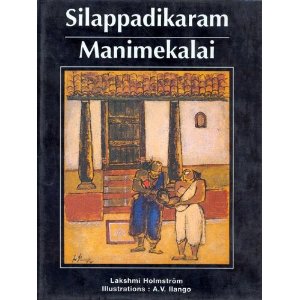
silambu book1

Compiled by London Swaminathan
Post No.1198; dated 27th July 2014.

One of the great classics of Indian culture is Silappadikaram, a Tamil Epic. Silappadikaram means ‘The Story of Anklet’. It was composed by Ilango. The incidents mentioned in the epic took place around second century CE in Tamil Nadu. This is the most popular story of the five Tamil epics. This book gives us a vivid picture of early Indian life in all its aspects.

(Translations by V R Ramachandra Dishitar, Cilappadikaram, 1939; my comments are given within brackets: swami)

1.So we shall write a poem, with songs, illustrating the three truths that
a) Dharma will become the God of Death to kings who swerve from the path of righteousness
b) That it is natural for great men to adore a chaste lady of great fame
c) And that destiny will manifest itself and be fulfilled — (Patikam)

2.Praised be the Moon! Praised be the Moon, for, like the cool white umbrella of the king who wears the pollen spreading garland, He blesses our beautiful world.
Praised be the Sun! Praised be the Sun, for, like the commands of the Lord of the Kaveri lands, He revolves round the Golden peaked Meru — (Mangala Vazthu)

(This prayer in the very beginning of the book shows that Sangam Age Tamils followed the same Hindu culture that was practised in the North. White Umbrella and Meru circled by the Sun are in very ancient Sanskrit works)

3.That was the day on which the Moon moving in the sky approached the star Rohini, when Kovalan who walked round the holy fire in accordance with the scriptural injunctions as directed by the revered Brahmin priest, approached his bride, divinely fair, resembling the Star Arundhati — (Mangala Vazthu)

(Tamils believed in astrology and they got married on the day when moon approached Rohini (Aldebaran). It is in two more verses in Akananuru. This and marrying with circumambulation of Fire God (Agni) are typical Hindu customs followed until today. The same culture existed in the North and the South of India).
Puhar-ILango
Image of Ilango, author of the Epic.

4. The port city Pumpukar resembled Uttarakuru, the residence of great penance performers — (Mangala Vazthu)
(The reference to Uttarakuru, Arundhati, Mount Meru, Fire Worhip in the very first chapter shows that the Tamils were out and out followers of Vedic culture 2000 years ago).

5. Hero of the epic Kovalan praised his wife Kannaki:
O purest gold! O conch white pearl!
O faultless fragrance! O sugar-cane, honey!
Unattainable beauty, life giving nectar!
O noble child of nobly-born merchants! – (Maniyaram patutta Katai)
(Hero Kovalan and heroine Kannaki belonged to the wealthy merchant community of ancient Tamil Nadu. Kovalan is the Tamilized form of Gopala in Sanskrit and Kannaki is the Tamil translation of Meenakshi in Sanskrit. Author Ilango himself called Kannaki in several places ‘lady with fish like eyes’= Meenakshi)

6.They (Kovalan and Kannaki) resembled Kama and Rati – God and Goddess of Love —, enjoyed close embraces like smoke coloured serpents – (Maniyaram patutta Katai)

7.The great sage (Agastya) of the divine Potiyil hill once cursed Indra’s son (along with Urvaci), and the latter obtained redemption by displaying her skill on the stage — (Aranketru Katai)

pumpukar

8. When Kovalan, the hero of the epic fell for a dancing girl, his wife did not do certain things:
Her anklet was no more on her charming feet (Kannaki did no wear the anklet);
The girdle no longer graced her soft waists cloth;
Her breasts were no more painted with vermillion paste;
No jewel other than her sacred Tali – yellow thread – did she wear
No earrings were visible on her ears;
No perspiration adorned her shining moon like face;
Nor was there collyrium on her long fish like eyes;
No more was there tilak on her beaming fore head;
Her milk white teeth were not revealed to Kovalan in a loving smile;
Nor was her dark hair softened by oil (Anti Malai Sirappusey Katai)

(This is the same in Valmiki Ramayana and Megaduta. Wives won’t decorate themselves when their husbands are away; when they are fasting also, they do the same; which is confirmed by Andal a Tamil poetess of Seventh Century CE)

anklets

9.Then the auspicious drum was removed from the temple called Vajra Temple, placed on the nape of the elephant, and conveyed to the temple where the young white (Airavata) elephant stood. After this the auspicious tall flag (bearing the ensign of the white elephant) which stood in the Temple of Kalpaka Tree was hoisted aloft in the sky.

(The epic described Indra Festival in detail in this section. Indra Dwajam that was hoisted for 28 days is referred to in Valmiki Ramayana and other Sanskrit books. Indra Festival is celebrated even today throughout South East Asia as Water Festival. Airavata and Karpaka Tree are used in the flags of South East Asian Countries. Indra statues are found everywhere in South East Asian countries now)

10. Temples in Pumpukar:
Joy prevailed everywhere on account of Indra’s Festival in the
Temple of the Great Lord who was never born (Siva)
In the Temple of Six Faced Red Lord (Subramanya/Muruga)
In the Temple of Valiyon (Baladeva) whose complexion was like white conch shell
In the Temple of Netiyon – Vishnu – of the dark colour
And in the Temple of Indra of the victorious umbrella and the pearl garland.
On one side the Vedic sacrifices as ordained by Brahma, were faultlessly performed, and on another the festivals pertaining to the fur classes of the Devas (Vaus, Adityas,Rudras and Maruts) and the Eighteen Ganas and different gods, were separately and correctly conducted — (Indira Viazvu Etutta Katai)

(Foreign “scholars” divided Indians in to Aryas, Dravidas and Mundas. But Sangam Tamil (Pura Nanuru and Tiru Murukatru Padai) books and Sanskrit literature divided the living beings in to 18 groups. They never knew anything about Aryas, Dravidas and Mundas!!! The Eighteen divisions according to Tamils: Apsaras, Devas/celestials, Nagas, Siddhas, Gandharvas, Vidyadharas, Picasas, Tarakas, Bhogabumiyar, Kimpurusas, Senas, Asuas, Bhutas, Munis, Garudas, Raksasas, Yakshas and Caranas.

Author of the epic, Ilango, gives the list of temples in three more chapters in the epic. He has included the Buddhist Vikaras and Jain Shelters along with Hindu Mutts).
The above quotes are from the first five chapters of the epic. There are thirty chapters (Kaathai) in the epic.
29frSilappadikaram__736602g
Picture of students enacting Silappadikaram.

Silappadikaram is a Tamil Hindu Encyclopaedia with lot of information about the ancient music and dance. I have written about the “11 types of dances performed by Matavi”, the dancing girl, separately. All the dances performed by her at Pumpukar 2000 years ago were from the Puranas!! One full commentary and one incomplete commentary for the epic are available today. Even with those ancient commentaries, we could not understand the terms fully. No wonder we are not able to understand the Vedas which were composed (heard by the seers) several thousand years before the Tamil epic!

Contact swami_48@yahoo.com