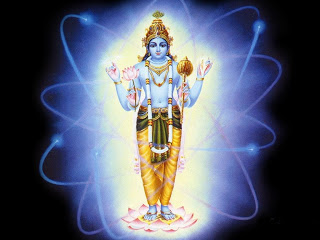
Bhagavad Gita in Tabular Columns


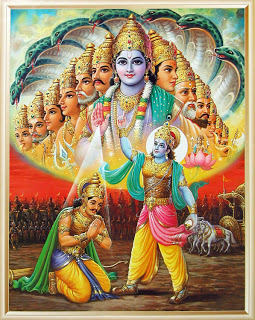
Vibhuti Yoga is Chapter Ten in Bhavad Gita. The message he wanted to convey is–God is the Source of all; to know Him is to know all.
Here is the Vibhuti Yoga in tables and boxes.


I am the Self /Atma In the hearts of all creatures
I am The beginning, the middle and the end Of beings
Of the Adityas I am Visnu  
Of the lights I am The radiant sun  
I am Marici Of Maruts
Of the stars I am Moon  
Of the Vedas I am Sama veda  
Of the gods I am Indra  
Of the senses I am M ind  
Of beings I am Consciousness  
Of the rudras I am Sankara  
Of Yaksas and Raksasas I am Kubera  
Of the Vasus I am Agni  
O f mountain peaks I am Meru  
Of household priests I am Brhaspati  
Of the war generals I am Skanda  
Of the lakes I am Ocean/sagara  
Of the great sages /maharsis I am Bhrgu  
Of utterances I am Ekam Aksaram/ Aum  
Of offerings I am Japa /silent meditation  
Of unmovable things I am The Himalaya  
Of all trees I am Asvattha / ficus religiosa  
Of divine seers I am Narada  
I am Chitraratha Among gandharvas
Of the perfected ones /Siddhas I am Kapila muni  
Of horses I am Ucchaisravas  
Of lordly elephants I am Airavata  
Of men I am The Monarch  
Of weapons I am The thunderbolt/Vajra  
Of cows I am Kamaduk /cow of plenty  
Of the progenitors I am The god of love/Kandarpa  
Of the serpents I am Vasuki  
Of the dwellers of water I am Varuna  
Of the departed ancestors I am Aryama  
Of those who maintain law and order I am Yama  
Of the titans/Daityas I am Prahlada  
Of calculators I am Time  
Of beasts I am The king of beasts/mrgendra/lion  
Of the birds I am Son of Vinata/ Garuda  
Of purifiers I am The wind/pavana  


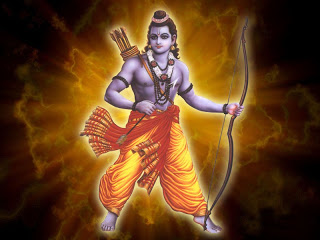
Of warriors I am Rama  
Of fishes I am Makara /The Alligator  
Of rivers  I am The Ganges  
Of creation I am The beginning, the end and also the middle  
Of the sciences  I am Science of the self /Atma vidhya  
Of letters I am The letter A  
Of compounds  I am The dual /dvandvah  
I am also Imperishable time  
I am The creator Whose face is turned on all sides
I am The death, all devouring  
I am The origin of things That are yet to be
Of feminine things  I am Fame ,prosperity, speech, memory, intelligence, firmness and patience  
Of hymns I am Brihatsaman  
Of metres I am Gayatri  
Of months I am Margasirsa (December/January)  
Of seasons I am The flower bearer/ spring  
Of the deceitful I am The gambling  
Of the splendid I am The splendour /Tejas  
I am Victory /Jaya  
I am Effort /Vyavasaya  
I am the Goodness of the good/Satvam  
Of the Vrsnis I am Vasudeva  
Of the Pandavas I am The winner of the wealth /Dhanamjaya  
Of the sages /Munis I am Vyasa  
Of the poets I am Usana  
Of those who chastise I am Rod/ Danda  
Of those that seek victory I am The wise policy/Niti  
Of things secret I am Silence /Maunam  
Of the knowers of wisdom I am The wisdom/ Jnanam  
I am the Seed of all existences  
Nor is there anything Moving or unmoving That can exist without Me
There is no end to My Divine Manifestations  
These are only illustrative Of My Infinite Glory  
Entire universe pervading it  with A single fraction/ekamsena of Myself


Earlier articles on Krishna posted by me:

 
1.ONE MINUTE BHAGHAVAD GITA
2.Krishna’s Diamond in USA?
3.Atom bomb to Zoo of Bhagavad Gita
4.Krishna’s Restaurant in Dwaraka: Hot Satwic Food Sold
5.ஸ்ரீ கிருஷ்ணனுடன் 60 வினாடி பேட்டி (Tamil))
6.கண்ணன் வழி….தனீ…..வழி!(Tamil)
7.கொலவெறி வைரம்
8. 45 Commentaries on Bhagavad Gita
(Pictures are taken from other websites.Thanks)
45 commentaries on Bhagavad Gita

The Bhagavad Gita has more than 45 commentaries. The commentary of Sankara is the most ancient of the existing ones. There were other commentaries older than his, to which he refers in his introduction, but they have not come to us.

Gita has been translated into major languages of the world. The translations are not included in the following list. Some commentaries are not available in full. Gita is multi faceted and many dimensional; a single sloka can be taken up and can be developed for days, as has been done by many commentators

Following are some important commentaries on Gita:

1.Adi Sankara

2.Ananda giri

3.Daivajnya Pandita

4.Dhanapati

5.Hanumat

6.Madhusudana

7.Nilakantha

8.Sadananda

9.Sankarananda

10.Sridhara

11.Venkatanatha

12.Jnaneswara

13.Wamana pandita

14.Kesava kasmirin

15.Ramanuja

16.Madhwa

17.Jayathirtha

18.Raghavendra

19.Ranti deva

20.Yadava prakasa

21.Narayana

Kashmira Group

22.Bhaskara

23.Abhinava Gupta

24.Ananda Vardhana

25.Rajanaka

26.Lasakaka

27.Ramakantha

28.Vasu Gupta

29.Vallabha

30.Purusottama

Modern

31.Bala Gangadhara Tilak

32.Mahatma Gandhi

33.Vinoba bhave

34.Bhakti Vedanta Prabupada

35.Chidbhavananda Swamiji

36.Swami Sivananda

37.Swami Chinmayananda

38.Sri Sathya Sai Baba

39.Paramahamsa Yogananda

40.Sarvapalli Radhakrishnan

41.V.S.Ghate

42.Ekanath Easwaran

43. Sri Aurobindo

Foreigners

44.W D P Gill

45.Senart

46.G.Thibaut

47.F.Edgerton

48.Jeanne Fowler

49.Ithamar Theodore

From  “Comparative Study of the Commentaries on the Bhagavad Gita”- written by T G Mainkar.

Important words

AVATARA & MAYA appear in the Gita five times

BHAKTI with its derivatives occurs in nearly 42 places.

BRAHMAN occurs in 55 times!

For further information, please contact swami_48@yahoo.com

Earlier articles on Krishna posted by me:

1.ONE MINUTE BHAGHAVAD GITA

2.Krishna’s Diamond in USA?

3.Atom bomb to Zoo of Bhagavad Gita

4.Krishna’s Restaurant in Dwaraka: Hot Satwic Food Sold

5.ஸ்ரீ கிருஷ்ணனுடன் 60 வினாடி பேட்டி (Tamil))

6.கண்ணன் வழி….தனீ…..வழி!(Tamil)

7.கொலவெறி வைரம்


அனுமனிடம் சீதை சொன்ன கரடி கதை!

11.ராமாயண வழிகாட்டி

ச.நாகராஜன்


ராமன் சொன்ன புறாக் கதையை முந்திய பகுதியில் படித்தீர்கள். இப்போது சீதை சொன்ன கரடி கதையைப் பார்ப்போம்.


அனுமனிடம் சீதை சொன்ன கரடி கதை! 

ராவண வதம் முடிந்தது. ராமரின் கட்டளைப்படி விபீஷணருக்கு கலச நீரால் அபிஷேகம் செய்து  இலங்கையின் மன்னனாக லக்ஷ்மணர் பட்டாபிஷேகம் செய்தார். அதன் பின்னர் ராமர் அனுமனை அழைத்து சீதா தேவியிடம் தனது க்ஷேமத்தைத் தெரிவித்து ராவணன் கொல்லப்பட்டதையும் தெரிவிக்க கட்டளை இடுகிறார்.சீதையிடம் வந்த அனுமன் ராமரின் க்ஷேமத்தைத் தெரிவித்து விட்டு  ஒரு வேண்டுகோளை முன் வைக்கிறான்.

“நீங்கள் உத்தரவு அளித்தால் உங்களை மிரட்டிய இந்த அரக்கிகள் அனைவரையும் இப்போதே கொல்ல விரும்புகிறேன்.இந்த வரத்தை அருளுங்கள் (ஏதத் வரம் ப்ரபச்ச என்பது வால்மீகியின் வாக்கு)” என்று பணிவாக அனுமன் இந்த வரத்தைக் கேட்க, சீதையோ, “விதிப்பயனாய் என்னால் இது  இப்படி அனுபவிக்க வேண்டியதாகி விட்டது என்று நிச்சயிக்கிறேன். இந்த விஷயத்தில் ராவணனின் வேலைக்காரிகளை நான் மன்னிக்கிறேன்” என்று கூறுகிறார்.


விதியின் வெல்ல முடியாத போக்கும், மன்னிப்பு என்ற மாபெரும் தெய்வீக குணத்தை சீதாதேவி கொண்டிருப்பதையும் இந்த இடம் அருமையாக விளக்குகிறது.

“வானர சிரேஷ்டரே! ராவணனின் கட்டளைக்கு இணங்க இந்த அரக்கிகள் என்னை மிரட்டினார்கள். அவனே இப்போது இறந்து விட்டான். ஆகவே இனி மிரட்ட மாட்டார்கள்.

புராதனமானதும் அறநெறி வழுவாததுமான இந்த ஸ்லோகமானது ஒரு புலியிடம் கரடி ஒன்றினால் சொல்லப்பட்ட்து. அதை என்னிடம் கேட்பீராக!” என்று கூறும் சீதை அதைக் கூறுகிறார்:

ந பர: பாபமாதத்தே பரேஷாம் பாபகர்மணாம்

சமயோ ரக்ஷிதவ்யஸ்து சந்தஸ்சாரித்ர பூஷணா: 

பர: – ஒரு நற்புருஷன்

பாப கர்மணாம் – பாவத்தைப் புரியும்

பரேஷாம் – மற்றவர்க:ளுக்கு (அதாவது தீயவருக்கும்)

பாபம் – பாவத்தை (தீங்கை)

ஆதத்தே ந – புரிவதில்லை

சமய: து – நன்னெறியே தான்

ரக்ஷிதவ்ய: -பாதுகாக்கத் தக்கது

சந்த: – நல்லோர்கள்
சாரித்ர பூஷணா: – நன்னடத்தையையே ஆபரணமாகக் கொண்டவர்கள்


தீங்கு செய்தோருக்குத் திரும்பி நல்லோர் தீங்கை இழைப்பதில்லை. நல்லோர்கள் நன்னடத்தையையே ஆபரணமாகக் கொண்டவர்கள். அவர்கள் நன்னெறியையே பாதுகாப்பார்கள்.

சந்த: சாரித்ர பூஷணா: என்ற வால்மீகியின் வாக்கை நினைத்து நினைத்து மகிழலாம்.

பழம் பெரும் கதையான புலிக் கதையை சீதை கூறுவதிலிருந்தே அது எத்துணை பழமையானது என்பதை ஊகித்துக் கொள்ளலாம்.சரி, கரடியின் கதை என்ன?

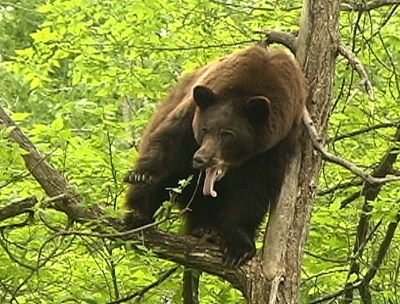
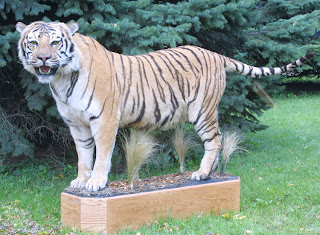
முன்னொரு காலத்தில் புலி ஒன்று வேடன் ஒருவனைத் துரத்தியது. புலிக்கு அஞ்சி ஓடி வந்தவன் அருகிலிருந்த மரம் ஒன்றின் மீது ஏறினான். அந்த மரத்திலோ ஒரு கரடி இருந்தது! பயந்து போன வேடன் அந்த கரடியிடம் சரணாகதி அடைந்தான். அப்போது மரத்தின் கீழே இருந்த புலி, கரடியிடம் வேடனைக் கீழே தள்ளுமாறு கூறியது. ஆனால் கரடி திடமாக அதை மறுத்து விட்டது. பின்னர் கரடி உறங்க ஆரம்பித்தது. அப்போது வேடனை நோக்கிய புலி,” இப்போது கரடியைக் கீழே தள்ளி விடு. உன்னை விட்டு விடுகிறேன்” என்றது. அதற்கு இணங்கிய வேடன் உறங்கிக் கொண்டிருந்த கரடியைக் கீழே தள்ளி விட்டான். ஆனால் முழித்துக் கொண்ட கரடி கீழே விழும் போதே ஒரு மரக்கிளையைப் பற்றிக் கொண்டது, இப்போது புலி கரடியிடம், “ உன்னைத் தள்ளிய வேடனை நீ கீழே தள்ளி விடு” என்றது. அதற்குக் கரடி,” தஞ்சமுற்றவனுக்கு எவ்வாற்றானும் தீங்கு புரிய மாட்டேன்” என்று உறுதியாகக் கூறி மேலே கண்ட ஸ்லோகத்தைக் கூறியது.

ஆகவே கரடி சொன்ன இந்த ஸ்லோகம் காலம் காலமாக வழி வழியாக வழங்கப்பட்டு வருகிறது.


சரணமடைந்தவனை எப்பாடு பட்டேனும் காப்பேன் என்ற அருமையான தத்துவம் பாரதத்தின் பாரம்பரியமான தத்துவங்களுள் ஒன்று என்பதற்கு இதை விட வேறென்ன சான்று வேண்டும்!

இந்த சரணாகதி தத்துவத்தின் படியே விபீஷணனை ராமன் அங்கீகரித்து ஏற்றான் என்பதையும் ராமாயணம் சரணாகதி காவ்யம் என்பதையும் எண்ணிப் பார்த்து மகிழலாம்.

***************

சீதை சொன்ன பழமொழி

Paintings abroad: Sita garlands Rama.

9.ராமாயண வழிகாட்டி

அத்தியாயம் – 9 by ச.நாகராஜன்


உயிரைக் காப்பாற்றிக் கொள்! ஆனந்தம்  உன்னை  வந்து அடையும்!!


தினமும்  புரிய வேண்டிய சந்தியாவந்தனத்தில் மதிய வேளையில் சொல்லும் மந்திரத்தில் சூரியனைப் பார்த்துச் சொல்லும் மந்திரங்கள் இவை:


புரஸ்தாத் சுக்ரம் உச்சரத் – கிழக்கில் பரிசுத்தமாய் உதித்து

தேவஹிதம் சக்ஷு: – தேவர்களுக்கு நன்மை செய்வதும் கண் போன்றதுமான

தத் – அந்த சூர்ய மண்டலத்தை

சரத: சதம் – நூறாண்டு

பச்யேம – கண்டு வணங்குவோம்

ஜீவேம சரத: சதம் – அங்ஙனமே நூறாண்டு வாழ்வோம்

நந்தாம சரத: சதம் – நூறாண்டு உற்றார் உறவினருடன் கூடிக் குலவுவோம்

மோதாம சரத: சதம் – நூறாண்டு மகிழ்வோம்

பவாம சரத: சதம் – நூறாண்டு கீர்த்தியுடன் விளங்குவோம்

ச்ருணவாம சரத: சதம் – நூறாண்டு இனியனவற்றைக் கேட்போம்

ப்ரப்ரவாம சரத: சதம் – நூறாண்டு இனியனவற்றையே பேசுவோம்

அஜீதாஸ்யாம சரத: சதம் – நூறாண்டு தீமைகளால் ஜயிக்கப்படாதவர்களாக வாழ்வோம்


ஆக வேதம் நூறாண்டு ஒரு மனிதன் வாழ வேண்டியதை வலியுறுத்துகிறது. இதையே ஈசாவாஸ்ய உபநிடதத்தில் இரண்டாம் ஸ்லோகத்திலும் காண்கிறோம்.

ஒருவன் எப்பாடுபட்டேனும் எவ்வளவு கஷ்டத்தைஅனுபவித்தாலும் கூட உயிர் வாழ யத்தனிக்க வேண்டும் என்பதே மஹரிஷிகள் நமக்கு வலியுறுத்திக் கூறும் அன்புரை; அறவுரை!


இந்த வழியில் ஆதிகாவியத்தை இயற்றிய வால்மீகி முனிவர் தன் முக்கிய கதாபாத்திரங்கள் வாயிலாக இந்தப் பேருண்மையை வலியுறுத்துகிறார். ஒரு பெரிய மஹாகவி இப்படிப் பட்ட பேருண்மையை ஒரு தரத்திற்கு இரு தரம் வலியுறுத்துகிறார். அதுவும் கூட இருவேறு கதாபாத்திரங்கள் வாயிலாக வலியுறுத்துகிறார். அப்படியெனில் அந்த உண்மை எப்படிப்பட்ட  பேருண்மை என்பதை நாம் சுலபமாகப் புரிந்து கொள்ளலாம்.


சுந்தர காண்டத்தில் சீதை கூறுவதைப் பார்ப்போம்:
கல்யாணீ பத காதேயம் லௌகிகீ ப்ரதிபாதி மா I

ஏதி ஜீவந்த மாநந்தோ நரம் வர்ஷ ஸதாதபி II


ஜீவந்தம் –உயிர் வாழும்

நரம் – ஒரு மனிதனை

வர்ஷ ஸதாத் அபி – பல வருடங்கள் கழித்தாயினும்

ஆனந்தம்  – ஆனந்தமானது

ஏதி – வந்தடைகிறது

இயம் –என்ற இந்த

லௌகிகீ – உலகத்தாரால் வழங்கப்படும்

காயா – முதுமொழி

கல்யாணீ –உண்மையாகவே

மே – என் விஷயத்தில்

ப்ரதிபாதி – தோற்றுகின்றது

வத –சந்தோஷம்

           சுந்தரகாண்டம் 34ஆம் ஸர்க்கம்  6ஆம் ஸ்லோகம்


அனுமன் அசோகவனத்தில் சீதையைக் “கண்களால் கண்டு” ஸ்ரீ ராமர் க்ஷேமமாய் இருப்பதைத் தெரிவித்து “உமக்கும் க்ஷேம சமாசாரத்தை அறிவிக்க நியமித்தனர்”  (கௌஸலம் அப்ரவீத்) என்று கூறியவுடன் சீதை அடைந்த மகிழ்ச்சிக்கு எல்லையில்லை அப்போது அவர் கூறிய வார்த்தைகளே இவை. உலகியல் முதுமொழி என்று அவர் கூறுவதிலிருந்தே இந்த அழகிய கருத்து பன்னெடுங்காலம் வழக்கில் இருந்து வந்திருக்கின்றது என்பதை அறிய முடிகிறது.


இதே  ஸ்லோகத்தை  நந்திகிராமத்தில் இருந்த பரதனும் கூறுகிறார். யுத்தகாண்டம் 129ஆவது ஸர்க்கத்தில் இரண்டாவது ஸ்லோகமாக பரதன் கூறுவது அமைகிறது.


அனுமன், ராமர் ராவணனை வென்று சீதையுடனும் லக்ஷ்மணனுடனும் வருகிறார் என்று பரதனிடம் தெரிவிக்கும் போது “ப்ரீதிகரம் கீர்த்தனம் அஹம் நாம ஸ்ருணோமி?” (உவப்பளிக்கும் செய்தியை நான் தானா கேட்கிறேன்?) என்று மகிழ்ச்சியுடன் கூவிய அவர் இந்த ஸ்லோகத்தைக் கூறுகிறார். உலகோர் கூறி வரும் முதுமொழி உண்மை என்பதை இரண்டாம் முறையாக இதே காவியத்தில் கூறி  நம்மை அதிசயிக்க வைக்கிறார்.


எந்த நிலையிலும் மனம் கலங்காது உயிரை எப்பாடுபட்டேனும் காக்க வேண்டும் என்பது உயிர்மொழியாக இங்கு இலங்குகிறது.

இரண்டாம் உலக மகாயுத்தத்தின் போது ஹிட்லரின் கோரக் கொடுமைகளிடமிருந்து தங்கள் உயிரைப் பாதுகாத்துக் கொண்டவர்களின் கதையை இங்கு நாம் நினைவு  கூறலாம். ஏராளமான நேச நாட்டுப் படையினர் மற்றும் யூதர்கள் சிறைக் கைதிகளாக இருந்து உயிரைக் காப்பாற்ற பல்வேறு முயற்சிகளில் ஈடுபட்டதையும் ஏராளமான உண்மைச் சம்பவங்கள் தெரிவிக்கின்றன. சிறைகளிலிருந்து தப்பித்தவர்களின் கதையோ இன்னொரு பெரிய ஆனந்த காண்டமாக அமைகிறது.


ஆகவே உடல்நலம், மனநலத்தோடு அருமையான உயிரைப் பாதுகாத்தல் எந்த வகையிலும் இன்றியமையாதது.

சீதா தேவி, பரதன் ஆகியோர் வாயிலாக மஹரிஷி வால்மீகி நமக்குத் தரும் முக்கிய ராமாயணச் செய்தி இது!


***********************

ராமாயணத்தில் வரும் ஆறு பிரமாணங்கள்!

Picture: Rama is banished for 14 years.

ராமாயண வழிகாட்டி

அத்தியாயம் – 7  by  ச.நாகராஜன்


ஒன்றை அறியும் விஷயத்தில் ஆறு பிரமாணங்கள்!


வால்மீகி மஹரிஷி இயற்றிய ராமாயணத்தில் நுணுக்கமான விஷயங்கள் ஏராளம் உண்டு. உலகியல் வாழ்க்கையில் தர்ம அர்த்த காமத்தை நன்கு அடைந்து மோக்ஷத்தையும் அடையும் உபாயத்தை ராமாயணம் தருகிறது.


ஒன்றை அறியும் விஷயத்தில் ஆறு பிரமாணங்கள் உண்டு என்று கபந்தன் ராமரிடம் கூறும் இடம் சுவாரசியமானது; வாழ்க்கையில் வெற்றி பெற உதவுவது.


ராம ஷட்யுக்தயோ லோகே யாமி: சர்வம் விம்ருஷ்யதேI


ராம! லோகே – ஸ்ரீராம! உலகில்

ஷட்யுக்தய:  – ஒன்றை அறியும் விஷயத்தில் ஆறு பிரமாணங்கள் உண்டு

யாமி: – அவைகளால்

சர்வம் – எல்லாமும்

விம்ருஷ்யதே – அறியப்படுகிறது.

   (ஆரண்ய காண்டம், 72வது ஸர்க்கம்,12ஆம் ஸ்லோகம்


கபந்தன் ஸ்ரீ ராமரிடம் கூறும் முக்கிய சொற்கள் இவை.

ஒன்றை அறியும் விஷயத்தில் ஆறு பிரமாணங்கள் எவை எவை?


  1. பிரத்யக்ஷம் – நாமே நேரில் காண்பது
  2. அனுமானம் – தெரிந்த விஷயங்களைக் கொண்டு இதர தீர்மானங்களை அல்லது முடிவை அடைதல்
  3. உபமானம் – ஒன்றை உபமானமாகக் கொண்டு அதன் மூலம் தெளிதல்
  4. சப்தம் – வேதம் முதலிய சப்தங்களைக் கொண்டு அறிதல்
  5. அனுபலப்தி – காணாமையால் இல்லை என்று அறிதல்
  6. அர்த்தாபத்தி – பார்த்தவைகள், கேட்டவைகளைக் கொண்டு மற்றவைகளை ஊகித்தல்


இவற்றைக் குறிப்பிட்ட கபந்தன், “நீங்கள் தேவியைப் பிரிந்து கஷ்ட தசையில் இருக்கிறீர்கள். சுக்ரீவனை அடையுங்கள். அவன் உங்களுக்கு உதவி புரிவான்” என்று உரைக்கிறான்.

சுக்ரீவனுடன் நட்பைக் கொள்ளுங்கள் என்று கபந்தன் உரைப்பதால், ஷட்யுக்தய: என்ற வார்த்தைக்கு ஆறு யுக்திகள் என்று பொருள் கொண்டு அந்த ஆறு உக்திகளை வியாக்கியானகாரர்கள் சொல்வதும் உண்டு.


ஆறு உக்திகளாவன:-


1)   ஸந்தி – நட்பைக் கொள்வது

2)   விக்ரஹம் – பகையைக் கொள்வது

3)   யானம் – எதிரியின் மீது படையெடுத்துச் செல்வது

4)   ஆஸனம் – எதிரியை எதிர்பார்த்துக் காத்திருத்தல்

5)   துவைதீபாவம் – பிரித்து வைத்தல்

6)   ஸமாஸ்ரயம் – பணிந்து போதல்


இந்த ஆறு யுக்திகளையும் ஒவ்வொரு விஷயத்திலும் நன்கு ஆய்ந்து முடிவு எடுக்க வேண்டும் என்று கபந்தன் கூறுவதாகப் பொருள் கொண்டு வியாக்கியானம் செய்பவர்கள் பலர்.

கபந்தனின் வரலாறு ஆரண்ய காண்ட்த்தில் 71வது ஸர்க்கமாக அமைகிறது. அற்புதமான அந்த வரலாற்றில் பல உண்மைகளை நாம் அறிய முடியும்.


வெற்றி பெற நாம் கடைப்பிடிக்க வேண்டிய உத்திகளை விளக்குவதால் ராமாயணம் ஒரு வாழ்க்கை நூல் என்ற பெயரைப் பெறுகிறது.


False Rape Complaint in ‘Ramayana’

Picture:Goddess of Justice, Old Bailey, London


False Rape Complaint in ‘Ramayana’

We read lot of news stories in Western Newspapers about false rape complaints. Women do this when they are jilted by their lovers or to black mail a male to get money or to take revenge upon him for some reason or other.

We have more than 300 versions of Ramayana. I have already written several posts about Ramayana wonders. I have also mentioned that 2000 year old Sangam Tamil literature give some interesting information which is not found in Valmiki Ramayana or Kamba Ramayana. Now Thiruppugaz gives a strange story of a false rape complaint about a Ramayana character.

Thiruppugaz consists of 1311 verses sung by the Tamil saint Arunagirinathar in fifteenth century. It has got innumerable references to Ramayana and Mahabharata, though the book is about Lord Muruga/Skanda.


Krupananda Variar (1906-1993)  became popular by giving talks on Saivaite literature in simple Tamil mixed with a sense of humour. He was a great exponent of Thiruppugaz. He explained very minute, but interesting, details from the book. Several secrets of Ramayana were known to Tamils for two thousand years. One of them was a false rape complaint. Krupananda Variar while explaining the meaning of a Thirupugaz gave this interesting story (Talk at Sakthi Sangam, Virudunagar on 9-1-1977)

“ Why did Arunagirinathar in this Thiruppugaz verse called Surpanaka as Vibheesana’s sister? He should have sung Surpanaka, Ravana’s sister to show both were wicked. But he did not compose the verse that way. The reason is:

Satyavrathan was a good king. He had only one son by name Sangachudanan.  He went to a Guru/teacher called  Ananda Guru for learning the scriptures. That teacher had a beautiful daughter named Sumuki. She also joined other students when she was young. She fell in love with Sangachudanan. When she attained puberty, her father did not allow her to sit with other students.


A few months passed. Sangachudanan needed some clarification regarding a lesson and so he went to Guru’s house at night. Guru went to temple for the last puja of the day known as Arthajama puja. Sumuki opened the door for Sangachudanan and felt very happy. After all the formalities, she revealed her love for him. Sangachudanan was shocked to hear that because he considered Guru’s daughter as his sister. All his explanation and reasoning fell in deaf ears.

Sangachudanan ran away from the house. Sumuki was furious. She thought he insulted her by rejecting her love. When her father returned home from the temple she cried loudly and shed tears. She told her dad that Sangachudanan raped her in his absence. Next morning Ananda Guru went to the king and accused his son Sangachudanan of raping his daughter. When such a respected Guru says something like this the king thought there was no need for any enquiry. The king ordered to cut one hand and one leg of his son for the ‘rape’ . He was banished to the forest.

Sangachudanan was very sad. He wondered why it happened to him though he was honest. The earth trembled and Sangasudanan was taken in by the Mother Earth. Adiseshan came out from the earth and promised to punish his accusers. To take revenge upon Sumuki, Sangachudanan was born as Vibheesanan and Sumuki was reborn as Surpanaka. Adiseshan was born as Laksmana.

This was the reason for Thiruppugaz saying Surpana=Vibhieesana’s sister, explained Sri Krupananda Variar. The above details are in a Thiruppugaz verse sung at Thiruththani.

For the sake of Tamil readers, I have given the quoted verse below


மூக்கறை மட்டை மகாபல காரணி

சூர்ப்பநகைப் படுமூளி உதாசணி

மூர்க்க குலத்தி விபீஷணர் சோதரி           முழுமோடி

மூத்த  அரக்கனி ராவணனோடு இயல்

பேற்றி விடக்கம லாலய சீதையை

மோடன் வளைத்தொரு தேர்மிசையே கொடு   முகிலே போய்

மாக்கன சித்திர கோபுர நீள்படை

வீடில் இருத்திய நாளவன் வேரற

மார்க்கமும் முடித்த விலாளிகள் நாயகன் மருகோனே (திருத்தணி)


Contact: Swami_48@yahoo.com

Mother’s Love: Gandhari’s First Night

Mother’s Love: Gandhari’s First Night

(Mothers! Choose anyone: work or child; childminder or you).

From the book SITA MUST LIVE: THE ROLE OF WOMEN IN SOCIETY written by Dr M Lakshmikumari:


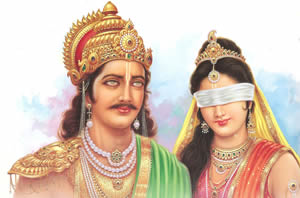
“ An episode from the Mahabharata comes to mind which has some bearing in this context. After the war, the blind king Dritharashtra is consoling his much bereaved queen. He says, “Devi, there is no way out of this tragedy for which you are also responsible. Can you recall the words I spoke on our first wedding night when I entered into our bed chamber and saw you sitting mute and blind? I had hoped to see the world through your eyes but you decided to blindfold yourself without caring for me. No doubt, you earned for yourself the great distinction of being a pathivrata (chaste woman, loyal to husband). When our first child Duryodhana was brought to us, I put him on your lap and begged you to remove your blindfold and look at our first born and drench him with mother’s love, pouring through your eyes. But you cared not. Preserving your unique Pathivratya was more important for you than the well being of your child. Your children were brought up without tasting the rare elixir of mother’s love and no wonder, they grew up rebellious, selfish, non caring as embodiments of adharma. On the other side, Queen Kunti magnanimously gave way for Madri to accompany King Pandu to heaven, nurtured her own and Madri’s children with rare maternal love and care. They grew up to become embodiments of Dharma, and today they stand victorious.

Our present day world is getting filled with blind men and blindfolded women who have no time to take out of their selfish pursuits to care and nurture their children. Children losing their childhood could be the first warning signal— that humanity is about to lose its ‘human hood’.

The above write up was from the book Sita must live.

(I want to add one more episode: swami)


Picture of blind Dhritarashtra and blindfolded Gandhari

Mother’s power

A mother’s loving look can do miracles- is illustrated by another episode in the epic. Gandhari was given a boon for his lifelong pathivratya. Whatever or whoever she looks at will become indestructible. When she remembered theboon, she thought of using it to make her son Duryodhana invincible. She asked him to come naked before her so that her look will make him completely indestructible. When he was going all naked, Krishna came and ridiculed him for going naked. Having heard Krishna he covered his groin area with a cloth and appeared before his mum. She looked at him but the groin area did not get the magical protection. Krishna knowing this weakness, reminded Bhima when he had one to one mace fight with Duryodhana. As per Krishna’s signal, Bhima struck Duryodhana in the thigh area and eventually he was killed. A mother can save her child by her love is the moral of the story. Unfortunately the child was not ready to receive it fully in this story. That is the fate of people who follow adharma.

ராமாயண வழிகாட்டி -1

ராமாயண வழிகாட்டி

அத்தியாயம் – 1

ச.நாகராஜன்


வால்மீகி முனிவரால் இயற்றப்பட்ட ராமாயணத்தில் இல்லாத நன்னெறிகளே இல்லை. வேதத்திற்குச் சமானம் என்று ஆன்றோர்களால் கொண்டாடப்பட்ட இந்த நூலை தினமும் பாராயணம் செய்ய வேண்டும் என்பது அவர்களின் அறிவுரை!


சூக்தி சதகம் என்னும் சுபாஷித தொகுப்பு நூலில் வரும் ஒரு அற்புதமான கவிதை வால்மீகியை ராம ராம என்று கூவும் குயில் என்று வர்ணிக்கிறது. ராமாயணத்தை பாராயணம் செய்யும் பக்தர்கள் முதலில் சொல்லும் ஸ்லோகங்களில் இதுவும் ஒன்று.


கூஜந்தம் ராம ராமேதி மதுரம் மதுராக்ஷரம் I

ஆருஹ்ய கவிதா ஷாகாம் வந்தே வால்மீகி கோகிலம் II


ஆருஹ்ய கவிதா ஷாகாம் – கவிதை என்னும் மரத்தின் உச்சியில் ஏறி

கூஜந்தம் ராம ராமேதி மதுரம் மதுராக்ஷரம் – ராம ராம என்னும் இனிய அக்ஷரங்களை இனிமையாகக் கூவும்

வந்தே வால்மீகி கோகிலம் – அந்த வால்மீகி என்னும் குயிலை வணங்குகிறேன்


முதல் காவியத்தை இயற்றியதால் வால்மீகி ஆதி கவி எனப்படுகிறார். முதல் காவியம் ராமாயணம் என்பதால் இது ஆதி காவியம் என அழைக்கப்படுகிறது. கவிதையின் சிகரத்தில் ஏறியவர் என்பதோடு ராம நாமத்தைக் கூவிக் கூவிப் பாடும் குயில் என வால்மீகி அழைக்கப்படுகிறார்.


24000 ஸ்லோகங்களில் ஏகைகமக்ஷரம் ப்ரோக்தம் மஹாபாதக நாசனம் என்று ஒரு அக்ஷரத்தைச் சொன்னாலே மஹா பாதகங்களும் நாசமடையும் என்று உறுதி சொல்லப்பட்டிருப்பதால் முடிந்த அளவு அதை நாம் கற்று பாராயணம் செய்வது நலம் பயக்கும்.

ராமாயணத்தில் நிச்சயம் தெரிந்து கொள்ள வேண்டிய சில நல்ல ஸ்லோகங்களை இனம் காட்டும் முயற்சியே ராமாயண வழிகாட்டி.

இதன் மூலம் மூல ராமாயணத்தின் அனைத்து ஸ்லோகங்களையும் படிக்கும் ஆசை எழுந்தால் அதுவே இந்த முயற்சிக்கான வெற்றி.


மனப்பூர்வமாகக் கொண்டாடப்பட வேண்டியவர்கள் யார்?


தன்யா: கலு மஹாத்மானோ முனயஸ்த்யக்த கில்பிஷா

ஜிதாத்மானோ மஹாபாகா யேஷாம் நஸ்த: ப்ரியா ப்ரியே


எவர்களுக்கு சுகதுக்கம் இரண்டும் இல்லாமல் இருக்கின்றதோ   அவர்கள் தான் மஹாத்மாக்கள். ஜிதேந்திரியர்கள். மஹாபாக்கியசாலிகள்.முனிவர்கள்.தன்யர்கள். மனப்பூர்வமாகக் கொண்டாடப்பட வேண்டியவர்கள்.

(கொடிய ராக்ஷஸிகள் சீதையை மிரட்ட வருந்தி சீதை புலம்பும் போது கூறியது – வால்மீகி ராமாயணம்; சுந்தர காண்டம் இருபத்தாறாவது ஸர்க்கம் 49ஆம் ஸ்லோகம்)


மஹான்களுக்கு சீதையின் நமஸ்காரம்


ப்ரியாந்ந ஸம்பவேத் து:க்க

       மப்ரியா ததிகம் பயம்

தாப்யாம் ஹி யே வியுஜ்யந்தே

       நமஸ்தேஷாம் மஹாத்மனாம்


சுகமெனக் கொண்டதால் மன அஸந்துஷ்டி இல்லாதிருக்கிறது. துக்கமெனக் கொண்டதால் அனாவஸ்யமான மன ஏக்கம் உண்டாகிறது. எவர்கள் அவ்விரண்டுகளாலும் விடுபட்டிருக்கிறார்களோ அந்த மஹாத்மாக்களுக்கு நமஸ்காரம்

(கொடிய ராக்ஷஸிகள் சீதையை மிரட்ட வருந்தி சீதை புலம்பும் போது கூறியது – வால்மீகி ராமாயணம்; சுந்தர காண்டம் இருபத்தாறாவது ஸர்க்கம் 50ஆம் ஸ்லோகம்)


மஹாத்மாக்களை நமஸ்கரிப்பதால் ஆபத்து, மா சம்பத்து ஆகி விடுகிறது! By S Nagarajan

****************

Aladdin’s Magic in Valmiki Ramayana

Ramyana Wonders 6

Aladdin’s Magic in Valmiki Ramayana

Valmiki Ramayana has some magic shows as well. Bharadvaja Maharishi (seer) showed some amazing magic to Bharata. Chapter 91 of Ayodhya Kanda gives a vivid description of the magic shown by Bharadvaja.

The seer asked him why he came alone leaving his army behind. Bharata replied to him that his army was huge and they may damage the trees and huts and defile the water.

Look at the environmental concerns of Bharata!

But Bharadvaja insisted to him to bring the army so that he can entertain everyone. In the middle of the thick jungle, he summoned all the angels. Suddenly a cool breeze came from Malaya and Dardura hills. There was a rain of flowers. Sound of divine gongs could be heard on every side. Apsaras women danced to the tune of the Gandharvas. Earth and sky were filled with sweet and harmonious sounds. Bharata’s army could see the wonderful creations of Viswakarma (Divine Architect).

The forest looked like a paradise with fruit bearing trees. A royal palace emerged from nowhere. Ambrosial drinks of every kind were provided as also magnificent attire and food of every variety well prepared. Rivers were running with sweet water. Magnificent mansions appeared. Bharata entered a palace full of gems. Rivers of Payasa flowed at the feet of Bharata.20,000 Apsara girls appeared and danced.

All were in ecstasy at these marvels and they thought they were dreaming. Then the Gandharvas returned from whence they had come, as also the lovely Apsaras girls.

This is from the translation of Valmiki Ramayana by Hari Prasad Shastri. Bharadvaja achieved more than what Aladdin achieved through his magic lamp. Probably the authors of Arabian Nights copied it from Valmiki!

Sita worshipped Banyan Tree

I have already written about the Indian Wonder: The Banyan Tree. Valmiki gives more information about this tree in Ayodhya Kanda chapter 55:

Rama, Lakshmana and Sita crossed the river Kalindi in a raft. Sita offered obeisance to the river. Then she went to a banyan tree (nyagrodha) named “Shyama”. Vaidehi approached the tree and offered salutations to it, saying, “ “Homage to thee, Oh Mighty tree! May my lord fulfil his vow! May we behold Kausalya and the blessed Sumitra once more!”

With these words, the virtuous Sita with joined palms circumambulated the tree. This shows tree worship was among royals and general public from time immemorial. We have ancient coins with fenced trees. After killing Ravana Rama, Lakshmana and Sita returned to Ayodhya by aerial car. Rama pointed out the tree to her once again and reminded her.

In chapter 56, there is a beautiful description of Chitrakuta forest. All nature lovers must read it. Valmiki must have been well versed with the jungle trees. He never missed an opportunity to mention the trees. Hundreds of trees are mentioned by name in a lot of places. Valmiki must be a great lover of nature.

Rama—A Tiger

Vedas describe Indra and others as Bull. Ramayana described Rama as a tiger  among men in several places and bull among men in other places.

Venkateswara Suprabatham sung at Tirupati Balaji temple begins with

“Kausalya Supraja Rama purva sandhya pravarthathe

Uththishta narasardhula karthavyam daivamahnikam” (Balakanda)

Not many people know that this is a couplet from Valmiki Ramayana. The meaning of ‘Narasardhula’ in the couplet is Tiger among men.

Cave of Horrors

We have seen mysterious caves with treasures etc in films such as Indiana Jones and the Temple of Doom. But Valmiki beat Indiana Jones stories in the description of mysterious Nikumbila caves. It is a Cave of Horrors where Ravana’s son Indrajit did voodoo ceremonies by sacrificing blood and human beings. Read Valmiki’s own words about this eerie place:

The cave was in a dark place with lot of trees. It was “darkened by trees”. There was “a huge Nyagrodha tree (banyan tree) of fearful aspect”  under which the sacrifice was done.

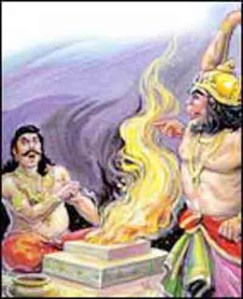
Indrajita went to the sacrificial altar of Nikumbhila and invoked the God of Fire, Pavaka. Indrajita started pour on the libations and the fire blazed up, consuming the oblations of blood. Then he poured libations on the earth.

Indrajita had a boon of winning anyone provided he does a sacrifice there. Vibheeshana warned Rama and Lakshmana to finish off Indrajita before he did the sacrifice. Lakshmana with Hanuman went on time to Nikumbhila and prevented the sacrifice.

Nobody knew what God was worshipped in the cave .Some think it may be Kali or Pratyankara Devi.

Please read other posts by Santanam Swaminathan :

1. Ram –the Best PR Man 2. தியாகராஜ சுவாமிகளுடன் 60 வினாடி பேட்டி 3.நாமும் அனுமார் ஆகலாம் 4.கம்பனுடன் 60 வினாடி பேட்டி 5.ராமாயண வினா-விடை (க்விஸ்) 5.Where is Rama Setu (Rama’s Bridge) ? 6. Did Sita Devi Die in Earth Quake? 7. Ramayana Wonders Part1 (8) . Ramayana Wonders Part2 :How many miles did Rama walk? (9) Ramayana Wonders Part 3: Rama and Sanskrit G’ramma’r 10) Part 4: Who can read all 300 Ramayanas? 11) Ramayana Wonders part 5: Indus Valley Cities in Ramayana 12) Indian wonder: The Banyan Tree  13) இந்திய அதிசயம்: ஆலமரம்

contact : swami_48@yahoo.com

Pictures are from various websites; thanks.

Indus Valley Cities in Ramayana

Ramayana Wonders Part 5

Indus Valley Cities in Ramayana

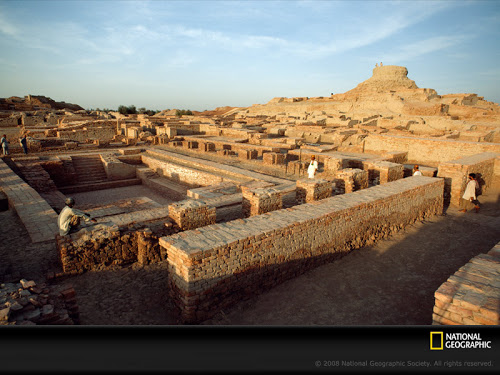
The “destruction of Indus Valley cities” was debated by scholars at one time. The latest theory is that the civilisation declined not because of attacks by foreigners but by natural catastrophes. The changing course of Sarasvati river and the resultant drought may be one of the causes. Ramayana gives valuable information about Indus valley. It was ruled by the Gandharvas and Rama sent  Bharata to conquer the cities. The description of the Indus cities by Valmiki matches very well with Harappa and Mohanjo Daro. Gargya says these words:

“There is a country of Gandharvas, rich in fruits and roots, situated on the banks of Sindhu river; that the country is extremely fertile. The Gandharvas, armed and skilful warriors , defend it. When you have conquered them and destroyed their magnificent CITADELS, take possession of their CITIES, which are WELL CONSTRUCTED , none other can achieve this; the country is extremely beautiful.(Uttara Kanda, chapter 100)

Rajavalia, Sri Lankan history book, puts Rama’s date as 1844 years before the Buddha. This means Rama lived in2500 BC which coincides with the Indus Valley Civilization. Since information given by Rajavalia and Valmiki coincides we may consider it authentic.

Mahabharata war took place after Ram’s time. Mahabharata also has lot of references to Indus Kingdom. Jayadratha was called Sindhuraja and Saindharva. He was the husband of Duryodhana’s sister Dushala. He was one of the eleven commanders of Kaurava army. He fought valiantly, but killed by Arjuna. Jayadratha’s father was Vridhakshetra. He ruled Indus valley area.

Legendary Lovers

Laila and Majnu, Anarkali and Salim, Romeo and Juliet, Antony and Cleopatra, Ambikapathy and Amaravathy, Shah Jahan and Mumtaj, Adhimanthi and Attnathi (Tamil), Kovalan and Madhavi, Radha and Krishna

We know a list of popular legendary lovers or couples. But Valmiki gives another list of ideal couples (Sundara Kanda ,chapter 24):

Sita told the Rakshasa women, “I will follow Rama

As Suvarchala follows the Sun (Surya)

Sachi  follows Indra

Arundhati follows Vashista

Rohini follows Sachin (Moon)

Lopamudra follows Agastya

Sukanya follows  Syavana

Savitri follows Satyavan

Shrimati follows Kapila

Madayanti follows Sandasa

Keshini follows Sagara

Damayanti follows Nishada (Nalan)

Swaha follows  Agni”.


This stanza throws light on ancient Indian society. Women were very intelligent and well informed. The way Sita argued in Ramayana and Draupadi argued in Mahabharata showed that they were well educated. They believed in values such as chastity and husband is god like.

Diplomatic Immunity

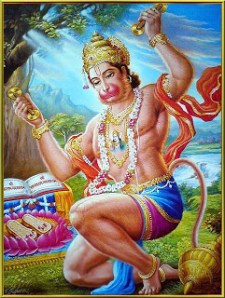
In the modern world embassies are given special rights. The embassy building is considered part of that particular country. No one can enter it without the country’s permission. Diplomatic staff have immunity. Unless it is a serious criminal offence they can’t be detained, they can only be deported. This was applicable to messengers in the olden days. We have more information about the rules governing ambassadors in Mahabharata and Arthashastra. Krishna has acted like messenger several times. In the Ramayana, when Ravana passed death sentence on Hanuman, Vibhishana pointed out to him how an ambassador should be treated. After listening to him, Ravana changed his mind and commuted death sentence to the punishment of setting fire to his tail.

Vibhishana pointed out:

1.No envoy is put to death 2.Mutilation of the body, the whip, the stripes, shaving of the head, branding ,one or all of these can be inflicted on a messenger. 3.The virtuous do not give way to wrath 4. It is on those who sent him must be punished, not the messenger. Whether he be honest or not, the responsibility lies with them.


Big, Big Numbers

Some Tamils have been circulating big numbers as Tamil numbers. They are not. They are Sanskrit numbers. We have been reading about them from the beginning of Vedic literature. They are not found in Sangam Tamil literature, but in early Sanskrit literature.  Commentators on Tamil work Paripatal refers to big numbers, but gives only Sanskrit words such as Sangam, Padmam, Samudram etc. Valmiki also speaks of big numbers Yuddha Kanda chapter 28:


“O King, a hundred thousand multiplied by a hundred is called a Koti

Hundred thousand such Kotis  make one Shanku

A hundred thousand such shankus  make one Maha Shanku

A hundred thousand such Maha Shankus make one Vrinda

A hundred thousand such Vrindas make one Maha Vrinda

A hundred thousand such Maha Vrindas make one Padma

A hundred thousand such Padmas make one  Maha Padma

A hundred thousand such Maha Padmas make one  Kharva

A hundred thousand such Kharvas make one Samudra

A hundred thousand such Samudras make one Ogna

A hundred thousand such Ognas make one Maha Ogna

When we read the number of monkeys that marched to Lanka, it may sound a big exaggeration. What Valmiki wanted to emphasize is that they knew huge numbers and huge army of monkeys took part in the war.

Earlier Vedic literature also speaks about huge numbers which is a proof for mathematical genius of Indians. Other cultures could speak only in 40s or multiple of 40s at the time.

Contd. ……………….. in Ramayana Wonders part 6


Please read other posts by Santanam Swaminathan : 1. Ram –the Best PR Man 2. தியாகராஜ சுவாமிகளுடன் 60 வினாடி பேட்டி 3.நாமும் அனுமார் ஆகலாம் 4.கம்பனுடன் 60 வினாடி பேட்டி 5.ராமாயண வினா-விடை (க்விஸ்) 5.Where is Rama Setu (Rama’s Bridge) ? 6.Did Sita Devi Die in Earth Quake? 7. Ramayana Wonders Part1 (8) . Ramayana Wonders Part2 :How many miles did Rama walk? (9) Ramayana Wonders Part 3: Rama and Sanskrit G’ramma’r 10) Part 4: Who can read all 300 Ramayanas?

Contact swami_48@yahoo.com