Beautiful Names of Ancient Kashmiri Women!

Kashmiri Kundiyaa

Beautiful Names of Ancient Kashmiri  Women!

Compiled by london swaminathan

Article No 1583; Dated 17th January 2015.


R S Pandit who translated Rajatarangini (River of Kings in Sanskrit) gives this intereting information about Kashmiri women:


“Names of women mentioned by Kalhana (in 12th Century CE)  are still current among the Kashmiri Brahmins both in Kashmir and the plains of India. Some of the names such as Valga, Nona, Silla are of interest.Valga, the favourite of Queen Didda, grand daughter of the Sahi was probably an Aryanised Turk and Silla and Sulia are Iranian names. Among the names of men Daryaka and Toramana are respectively Iranian and Turkish in origin”.


Ambikaputrikaa (Canto/Taranga 8, sloka 1648)

Amrtalekhaa (2-148, 3-463, 4-659)

Anangalekhaa (3-484)

Anjanaa (3-105)

Aasamati (7-1487)

Bappatadevi (5-282)

Bappikaa (7-1128)

Bhinnaa (3-464)

Bhuvanamati (7-582)

Bijjaa (8-3343)

Bijjalaa (8-287)

Bimbaa (3-482)


a_legend_of_kashmiri_princess_by_azad

Cakramardikaa (4-213)

Candalaa (7-1121)

Candraavati (1-321)

Caandri (7-1490)

Cintaa (8-3352)

Devalekhaa (8-1443)

Diddaa(6-177)

Dilhaa (7-331)


(From here onwards,  I dont give the references in Rajatarangini; those who want the respective Taranga and Sloka can get it from page 735 of Rajatarangini. But I have given the full references to scholars and poets  referred to by Kalhana, at the end)


Gaggaa (5-251)

Gajjaa

Gunadevi

Gunalekhaa


Hamsi


Indradevi

Iraavati

IIsaanadevi


Jajjalaa

Jayaadevi

Jayalakshmi

Jayamati


Kalhanikaa

Kalyaanadevi

Kamalaa

Kamalaavatii

Kavyaadevi

Kavyaa

Khaadanaa

Ksemaa

Ksillikaa

Kumudalekhaa

kashmiri-girl-lourdes-preethy

Lothikaa

Mallaa

Mammaa

Mammanikaa

Manjarikaa

Mankhanaa

Meghaavalii

Menilaa

Mrgavatii


Naagaa

Naagalathaa

Naagalekhaa

Nandaa

Narendraprabhaa

Nonaa

Nonikaa


Padmalekhaa

Padmasrii

Padmaavatii

Prakaasadevii


Raddaadevii

Rajalakshmi

Rajyasrii

Raamalekhaa

Ramanyaa

Ranaarambhaa

Ratnaadevii

Ratnaprabhaa

Ratnaavalii

Rattaa


RajataranginiKalhana_24466

Sahajaa

Saambavatii

Sammaa

Saaradaa

Sillaa

Somaladevii

Srilekhaa

Subataa

Sugalaa

Sugandaa

Suaa

Surendravatii

Suryamatii

Sussalaa

Suyyaa


Svetaa


Tejalaadiinaa

Thakkanaa

Tilottamaa

Trailokyadevii

kalhana

Uddaa

Valgaa

Vallabhaa

Vimlaprabhaa

Yasomatii

Yasovatii

Yukadevii


Many of these names are found in the Lalita Sahasranama and other Sahasranamas! It is very interesting to note how our people named their children at least 1000 years ago.


Poets and Scholars mentioned by Kalhana


Aanandhavardhana (Poet)- Taranga 5, sloka 34

Bappata – 4-214

Bhartmentha (poet)-3-260

Bhavabuti (poet) 4-144

Bilhana (poet) 7-937

Candaka (poet) – 2-16

Cataka (poet) 4-497

Chavillaakara 1-19

Damodara Gupta 4-496

Helaraja  1-17

kalhana__makers_of_indian

Bhatta Kallata 5-66


(Famous Tamil poets from very early age in Tamil literature bear the name Kallata!!)


Ksemendra (poet) 1-13

Ksiira (grammarian) 4-489

Mamma (Musician) 7-299

Mankha (poet) 8-3354

Manoratha 4-497

Matrgupta (poet) 3-129

Naayaka 5-159

Panini (Grammarian) 4-635

Ratnakara (poet) 5-34

Samdhimat (poet) – 4-497

Sankadatta (poet) 4-497

Sankuka (poet)  4-705

Sivaratha (scholar) 8-111

Suvrata 1-11

Thakkiya 4-494

Vaakpatiraja 4-144

Vasunanda (author of Art of Love) 1-337


Kalhana was a great scholar. He had mentioned so many poets and scholars who lived at least 1000 years before our time.

contact swami_48@yahoo.com

ஆடு முதல் காடு வரை சில நியாயங்கள்!

elephant 3

சம்ஸ்கிருதச் செல்வம் – இரண்டாம் பாகம்

  1. ஆடு முதல் காடு வரை சில நியாயங்கள்!


கட்டுரையாளர் – S Nagarajan


ஆராய்ச்சிக் கட்டுரை எண்- 1581; தேதி 17 ஜனவரி 2015


by ச.நாகராஜன்

நியாயங்களின் வரிசைத் தொடரில் மேலும் சில நியாயங்களைப் பார்ப்போம்.


अन्धगज न्याय:

Andha gaja nyayah

அந்த கஜ நியாயம்

அந்த: – குருடன் ; கஜ – யானை


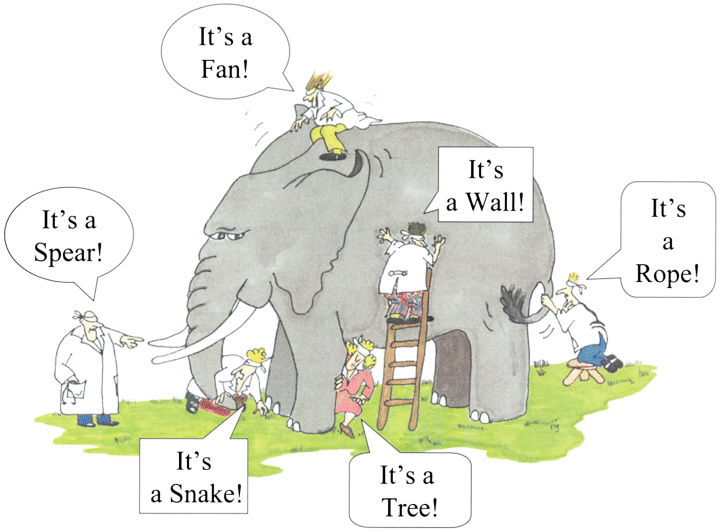
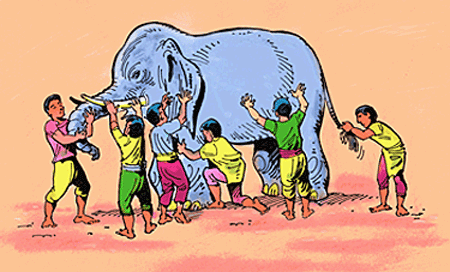
குருடன் யானையைப் பார்த்த கதை என்று பரவலாக அறியப்படும் நியாயம் இது.

சில குருடர்கள் யானை எப்படி இருக்கும் என்று பார்க்க விரும்பினர். ஒருவன் துதிக்கையைத் தொட, இன்னொருவன் யானையின் காதைத் தொட, இன்னொருவன் யானையின் காலைத் தொட அடுத்தவன் யானையின் வாலைத் தொட்டான்.பின்னர் தாங்கள் கண்ட்தை ஒவ்வொருவரும் விவரிக்க ஆரம்பித்தனர். முதலாமவன் யானை ஒரு கொழுத்த பாம்பு போல இருக்கிறது என்கிறான்.அடுத்தவன் அது ஒரு முறம் போல இருக்கிறது என்கிறான். அடுத்தவன் அது தூணைப் போல இருக்கிறது என்கிறான்..வாலைத் தொட்டவனோ அது ஒரு கயிறு போல இருக்கிறது என்கிறான். ஒருவர் சொன்னதை இன்னொருவர் மறுக்க பெரிய சண்டையே வருகிறது. தான் சொன்னது தான் சரி என்று ஒவ்வொருவனும் நம்பியதால் ஏற்பட்ட குழப்பம் இது.

இந்த நியாயம் ஒரு விஷயத்தின் ஒரு பகுதியையே ஒருவன் பார்க்கும் போது ஏற்படும் தவறை விளக்குகிறது.

ஒரு பக்கம் சார்புடைய, சரி இல்லாத, ஒரு பக்க பார்வையைச் சுட்டிக் காட்ட இந்த நியாயம் பயன்படுகிறது.


blindmen-elephant

अन्धचटकन्यायः

Andha cataka nyayah

அந்த சடக நியாயம்

அந்த: – குருடன் சடக – குருவி

இது ஒரு குருடன் குருவியைப் பிடித்ததைச் சொல்கிறது. குருடனால் குருவியை எப்படிப் பிடிக்க முடியும்?

திடீரென்று எதிர்பாராமல் தற்செயலாக நிகழ்ந்தவற்றையும் தெய்வீகத்தால் நிகழும் தற்செயல் ஒற்றுமைகளையும் இந்த நியாயம் விளக்குகிறது. தற்செயலாக ஒருவன் ஒரு அரிய காரியத்தைச் செய்து விட்டால் அது அவனது சாமர்த்தியத்தினால் அல்ல; தெய்வீகத்தால் நிகழ்ந்த ஒன்று.

अरण्यरोदनन्यायः

Aranya rodana nyayah

அரண்ய ரோதன நியாயம்

அரண்யம் – காடு ரோதனம் – அழுதல்

காட்டில் உரக்க அழுவதைச் சுட்டிக் காட்டும் நியாயம் இது.

ஒருவன் சிலரிடமிருந்து உதவியை எதிர்பார்த்துக் காத்துக் கொண்டிருக்கிறான். அதுவோ வரவில்லை. அப்போது அவன் மனநிலையைச் சுட்டிக் காட்டுகிறது இது.

காட்டில் அழுது என்ன பிரயோஜனம்? உதவியோ வரப்போவதில்லை! அந்த நிலையை சுட்டிக் காட்ட இந்த நியாயம் பிரயோகிக்கப்படும்.


asoka

अशोकविनकान्यायः

asoka vanika nyayah

அசோக வனிகா நியாயம்

அசோக வன நியாயம் என அழைக்கப்படும் நியாயம் இது.

சீதையை அசோகவனத்தில் ராவணன் சிறை வைக்கிறான். சீதையை அசோகவனத்தில் ஏன் வைக்க வேண்டும். வேறு இடங்கள் இல்லையா? எத்தனையோ இடங்கள் இருக்கிறதே, லங்கையில்!

ஒரு விஷயத்தைச் செய்ய ஏராளமான வழிகள் இருக்கும் போது அத்தனை வழிகளும் நல்ல வழிகளாகவே இருக்கும் போது ஏதோ ஒரு குறிப்பிட்ட வழி சிறந்தது என்றோ உகந்தது என்றோ சொல்ல முடியாமல் இருக்கும் போது இந்த நியாயம் சுட்டிக் காட்டப்படுகிறது.

अजाकृपाणकन्यायः

aja krpanaka nyayah


அஜா க்ருபானக நியாயம்

அஜ – ஆடு க்ருபானகம் – கூரிய கத்தி

ஆடும் கூரிய கத்தியும் என்ற இந்த நியாயம் ஆபத்தான விஷயங்களில் ஈடுபடக் கூடாது என்பதைச் சுட்டிக் காட்ட எழுந்த ஒன்று.


ஆடு ஒன்று கூரிய கத்தி முனையில் தன் கழுத்தை வைத்துச் சொறிந்து கொள்கிறது. இதன் விளைவாக கழுத்து அறுபட்டு இறக்கிறது.


இதே போல ஆபத்தான விஷயங்களில் தலையைக் கொடுத்து அழிந்து போவதை இந்த நியாயம் சுட்டிக் காட்டுகிறது. ஆபத்தான விஷயங்களில் வலிய ஈடுபடுதல் கூடாது.

இப்படிப்பட்ட நியாயங்கள் தலைமுறை தலைமுறையாக கிராமங்களிலும் நகரங்களிலும் பண்டிதர்களின் பட்டி மன்றங்களிலும் அரச சபைகளிலும் சுட்டிக் காட்டப்பட்டு வந்துள்ளன.

பல நூல்களிலும் ஒரு விஷயத்தை விளக்கும் போதோ அல்லது உரை எழுதும் போதோ இவை மேற்கோள்களாகச் சுட்டிக் காட்டப்படுவதையும் பழம் நூல்களின் வாயிலாக நாம் அறியலாம்.


பாரத வாழ்க்கைமுறையின் ஒரு உன்னதமான அறிவு முறை இந்த நியாயங்கள்!

contact swami_48@yahoo.com

தராசு முதல் கரும்பு வரை சில நியாயங்கள்!

scale2

சம்ஸ்கிருதச் செல்வம் – இரண்டாம் பாகம்


  1. தராசு முதல் கரும்பு வரை சில நியாயங்கள்!

Compiled by ச.நாகராஜன்

Post No. 1578; Dated 16th January 2015


“எனக்கு ஒரு நியாயம் சொல்லுங்க!”

“அங்கே நீதி, நேர்மை நியாயம் எதுவுமே இல்லீங்க!”

“இது நியாயமா!’

அன்றாட வாழ்வில் நாம் இப்படி எத்தனை “நியாயமான” சொற்றொடர்களைக் கேட்டு வருகிறோம்! தீமையான நிகழ்வு எதையும் பார்த்து விட்டால் சாமானியனான எழுத்தறிவற்ற ஒருவனும் கூட “இது என்ன அநியாயமாக இருக்கிறதே” என்று ஆவேசப்படுவதையும் பார்க்கிறோம்.

இந்த நியாய உணர்வு பாரத தேசமெங்கும் வாழும் அனைவருக்கும் பொதுவான பண்பாட்டுடன் வந்த ஒரு சொல். “ஆ ஸேது ஹிமாசல” – அதாவது ஸேது முதல் இமயம் வரை ஒரே பண்பாடு தான் என்பதற்கான எத்தனையோ காரணங்களில் இங்கு திகழும் பொதுவான நியாயங்களும் ஒரு காரணமே!

பொதுவான நியாயமா? அது என்ன? என்று வியப்போருக்காகவே இந்தத் தொடர்!

இந்த நியாயங்கள் இன்றைய இந்தியாவில் நீதிமன்றங்களால் கூட வெகுவாக அங்கீகரிக்கப்பட்டு போற்றப்படுகின்றன.

சில நியாயங்களை வரிசைப்படுத்திப் பார்ப்போம்:

  1. तुलोन्नमन नयायः

tulonnamana nyayah

துலோன்னமன நியாயம்

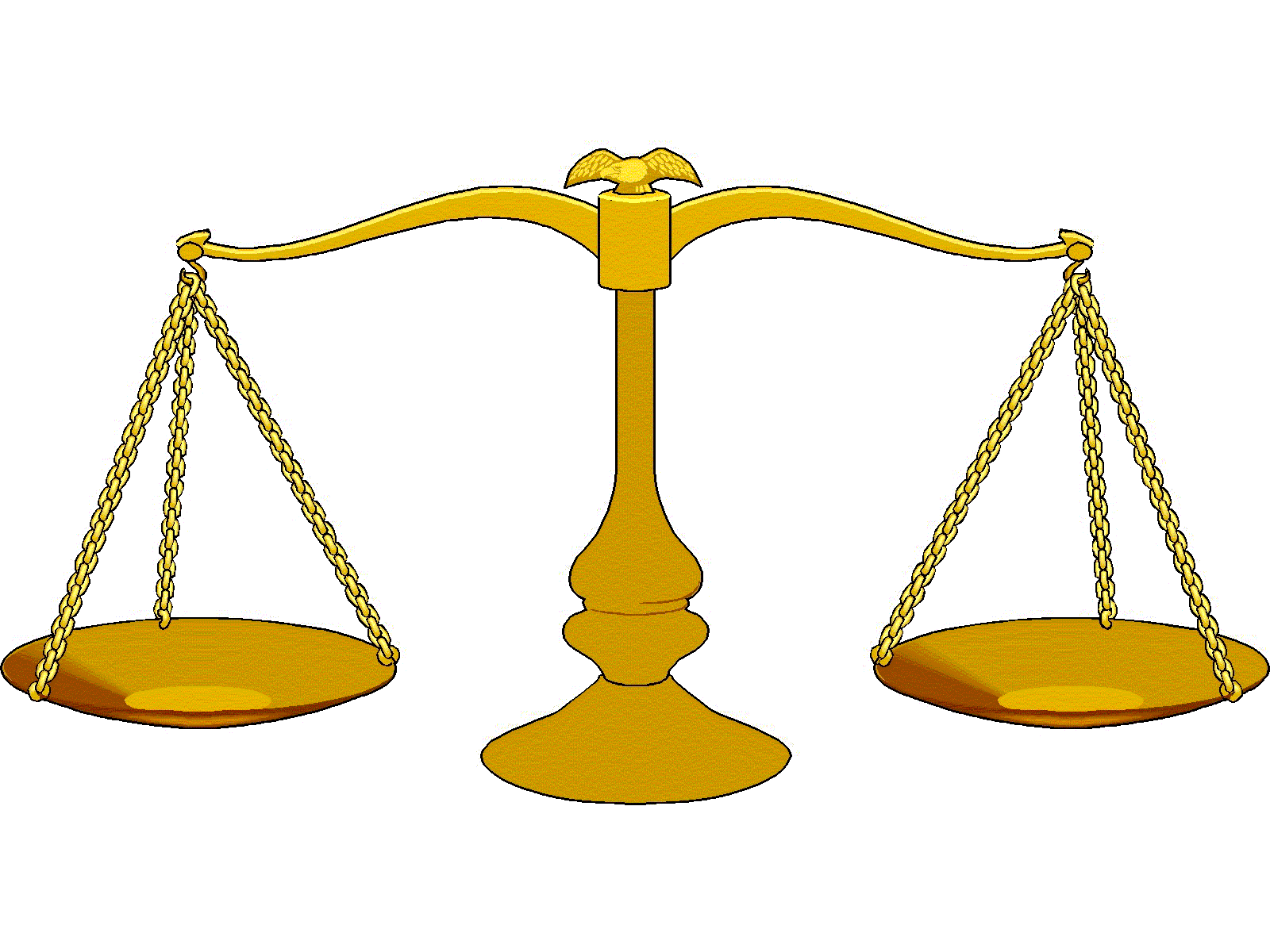
தராசுத் தட்டை அடிப்படையாக க் கொண்டு எழுந்த நியாயம் இது. ஒரு தராசின் இரு தட்டுகளில் ஒன்று கீழே இறங்கும் போது மற்றொரு தட்டு மேலே எழுகிறது.

தராசு இரண்டும் சமமாக இருக்க வேண்டும் எனில் அதில் உள்ளவையும் சமமாக இருக்க வேண்டும். அது போல நம்முடைய முன்னேற்றமும் கூட சமமாக சீராக அனைத்துத் துறைகளிலும் இருக்க வேண்டும். ஒன்றில் மட்டும் இருந்தால் இன்னொரு தட்டு உயரத்தானே செய்யும்! ஒன்றில் மட்டும் உயர்ந்திருந்தால் போதாது, அனைத்திலும் சீரான முன்னேற்றம் வேண்டும் என்பதைச் சுட்டிக் காட்டும் நியாயம் இது.

எடுத்துக்காட்டாக குழந்தைகள் படிக்கும் போது ஒரு பாடத்தில் அதிக மதிப்பெண்கள் பெற்று மற்றதில் குறைந்த  மதிப்பெண்கள் பெற்றிருந்தால் அங்கு இந்த துலோன்னமன நியாயம் சொல்லப்படும்.

(துலா – தராசு)

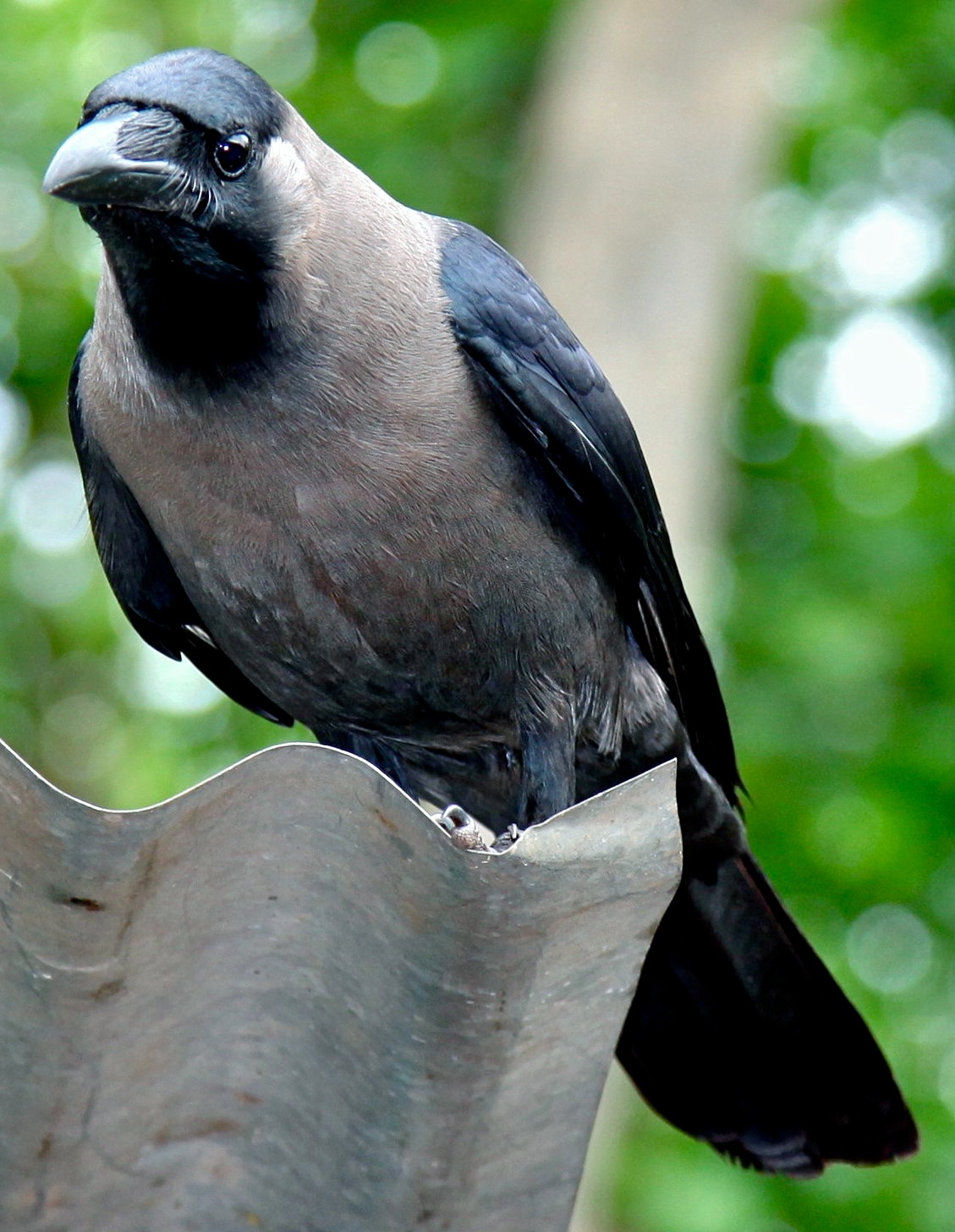
Common_Crow_01

  1.  काकाक्षिगोलकन्यायः

kakaksigolaka nyayah

காகாக்ஷிகோலக நியாயம்

காக்கைக்கு ஒரு கண் தான் உண்டு. ஆனால் அது கண்ணை ஒரு கோடியிலிருந்து இன்னொரு கோடி வரை தேவைப்பட்ட போது சுழற்றிப் பார்க்கும். இதே போல ஒரு சொல்லோ அல்லது சொற்றொடரோ ஒரு வாக்கியத்தில் ஒரு முறைதான் பிரயோகிக்கப்பட்ட போதிலும் கூட அது தேவைப்பட்டால் இரண்டு காரணங்களுக்காக உபயோகிக்கப்படலாம்.

  1. कारणगुणप्रक्रमन्यायः

karanagunaprakrama nyayah

காரண குண ப்ரக்ரம நியாயம்

காரண காரிய விளைவைச் சுட்டிக் காட்டும் நியாயம் இது. ஒரு காரணத்திற்குரிய சில அம்சங்கள் அதன் விளைவில் ஏற்படுவதை இது சுட்டிக் காட்டுகிறது.

  1. काकदन्तपरीक्षान्यायः

kakadantapariksa nyayah

காக தந்த பரீக்ஷா நியாயம்

ஒரு காகத்தின் பல்லைப் பரிசோதிப்பது பற்றிய நியாயம் இது. பயன்படாத ஒரு விஷயத்தை ஆராய்ந்தால் அல்லது செய்தால் யாருக்கு என்ன லாபம்! அதைச் செய்ய முயலும்போது இந்த காக தந்த பரிக்ஷா நியாயம் சுட்டிக் காட்டப் படுகிறது.

(தந்தம் – பல்)

Cut_sugarcane

  1. आक्षुरसन्यायः

iksurasa nyayah

இக்ஷு ரஸ நியாயம்

கரும்புச் சாறை அடிப்படையாக க் கொண்ட நியாயம் இது. கரும்பைச் சாறை எடுப்பதற்காக கரும்பை நசுக்கி ஒரு உருளையில் விட்டி கடைசிச் சொட்டு சாறு வரை எடுத்து விடுகிறோம். அது போல சில சமயங்களில் சில விஷயங்களில் ஒரு பலனைப் பெற கடுமையான திடமான வலுவான நடவடிக்கையை எடுத்தால் தான் எண்ணிய பலன் கிடைக்கும்.

(இக்ஷு ரஸம் – கரும்புச் சாறு)


அன்றாட வாழ்க்கையில் ஏற்படும் பல நிகழ்வுகளில் வளவள என்று பேசாமல் இந்த நியாயங்களைச் சுட்டிக் காட்டி விட்டால் சொல்ல வேண்டியதை நறுக்கென்று சொல்லி விடலாம் இல்லையா!


பாரத தேசத்தில் இப்படி நியாயங்களைச் சுட்டிக் காட்டி நல்நெறிப் படுத்துவது தொன்று தொட்டு இருந்து வரும் ஒரு வாழ்க்கை முறை!


*****************

contact swami_48@yahoo.com

காவியத்தின் நோக்கம்

kamba

Research Article written by Santanam Nagarajan

Research paper No. 1571;    Dated 14th January 2015

பொங்கல் இதழுக்கான சிறப்புக் கட்டுரை

கவிதைச் செல்வம்

காவியத்தின் நோக்கம்

by ச.நாகராஜன்


மூன்று பிரயோஜனங்கள்

ஒரு காவியம் அல்லது கவிதை பயனாக எதைத் தருகிறது? இதைப் பற்றி வடமொழிக் கவிவாணர்கள் பெரிதும் ஆராய்ச்சி செய்துள்ளனர்.

மூன்று பயன்களை ஒரு காவியம்/கவிதை தருகிறது.

இதை காவ்யானுசாஸனம் என்ற நூலில் ஹேமசந்திரர் அழகுற விளக்குகிறார்.

ஒரு காவியம் / கவிதை ஆனந்தம் தரும். புகழைத் தரும். மனைவி அன்புடன் கூறும் அறிவுரை போல அறிவைப் புகட்டும்.

ஆனந்தமும் அறிவுரையும் அனைவருக்கும் உரித்தானது. புகழ் கவிஞனுக்கு உரித்தானது.

இன்பம் நல்கும் கவிதை

ஒரு நல்ல கவிதையைப் படித்தவுடன் இனம் காண முடியாத இன்பம் உள்ளமெங்கும் பொங்குகிறது. கவிதையில் மூழ்கி மெய்மறந்து போகிறோம். வேறு எதையும் நினைக்கத் தோன்றாது. அதைப் படிக்கும் போதெல்லாம் அதே உணர்வு திருப்பித் திருப்பி எழும்.

புகழ் தரும் கவிதை

புகழ் என்பது கவிஞனுக்கு மட்டும் என்றாலும் கூட அதை அழகுற விளக்குபவர்களுக்கும் வந்து சேர்கிறது. காளிதாஸன், கம்பன் போன்ற மாபெரும் கவிஞர்களின் புகழ் உலகம் உள்ளளவும் நிலைக்கும். பாரதியாரின் மேனி சிலிர்க்க வைக்கும் கண்ணன் பாட்டையும் பாஞ்சாலி சபதத்தையும் படிப்போர் சொல்லப்படும் கதாபாத்திரமாகவே ஆகி உள்ளம் உருகுவர்;ஆவேசப்படுவர்.


ezuthachan

மனைவி போல அறிவுரை தரும் கவிதை

கவிதை வெறும் இன்பம் மட்டும் தந்தால் போதாது. அது வாழ்க்கைக்குப் பயன்படும் அற்புதமான வழியைச் சுட்டிக் காட்ட வேண்டும். அறிவுரை தர ஒருவனின் எஜமானன், நண்பன், மனைவி என மூவர் உண்டு. BOSS எனப்படும் அதிகாரி அல்லது எஜமானனின் கண்டிப்பான தோரணையும் அதட்டலுடன் கூடிய ஆணையும் சற்று ஒத்து வராத ஒன்று,

நண்பன் உரிமையுடன் வற்புறுத்திக் கூறும் அறிவுரை சில சமயம் மனதைத் தொடும். சில சமயம் மனதைச் சுடும் – அது உண்மை தான் என்றாலும் கூட.

ஆனால் அன்புள்ள மனைவியின் கவர்ச்சியான வார்த்தைகளோ அன்பைத் தோய்த்து அறிவுரை தரும் போது அதில் இருக்கும் கிளுகிளுப்பு அறிவுரையை ஏற்கச் செய்கிறது.

வேதங்கள், புராணங்கள், ஆக்யானங்கள் முதல் இருவகையில் இருக்கும் போது காவியங்கள் மூன்றாவது வகையைச் சேர்ந்ததாக அமைவதால் அதைப் படிக்கும் தோறும் உள்ளத்தில் உவகை பொங்குகிறது; அறிவுரையை மனதில் ஏற்பது சுலபமாகிறது.

ஹேமசந்திரரின் சூத்திரம்

காவ்யமானந்தாய யஷஸ்ச காந்தாதுல்யதயோபதேஷாய ச I

(ஆனந்தம் – மகிழ்ச்சி; யஷஸ் –புகழ்; காந்தா – மனைவி; துல்யம் – சமமாக;

உபதேசம் – அறிவுரை)

இப்படி ஹேமசந்திர்ர் காவ்யானுசாஸனத்தில் ( I -3) காவியத்தின் பிரயோஜனத்தை ஒரு சூத்திரமாகக் கூறுகிறார்.

ஹேமசந்திரர் கூறிய மூன்றைத் தவிர, ஆசார்ய மம்மட பட்டர் என்னும் புகழ்பெற்ற அறிஞர், செல்வம், பண்பாடு மற்றும் அறிவு, தீமையை அறவே நீக்கிக் கொள்ளும் பண்பு ஆகிய இன்னும் மூன்றையும் ஒரு காவியம் தருகிறது என்கிறார்.

kamba2

இந்த உரைகல்லில் தேருகின்றவையே காவியம்.


காவ்யசாஸ்த்ர விநோதேன காலோ கச்சதி தீமதாம் I

 வ்யஸனேன ச மூர்கானாம் நித்ரயா கலஹேன வா II

  • நீதி சாரம் செய்யுள் 106


புத்திசாலிகள் காவிய சாஸ்திரங்களைப் படித்தும் கேட்டும் அனுபவித்துத் தங்கள் நேரத்தைக் கழித்து மகிழ்கின்றனர். ஆனால் முட்டாள்களோ தூங்கியும் கலகம் செய்தும் தங்கள் நேரத்தை வீணாக்குகின்றனர்.


ஆகவே புத்திசாலிகளாக கம்பனின் ராமாயணம் வில்லியின் பாரதம் ஆகியவற்றை படித்துப் பார்ப்போம். காளிதாஸனின் கவிதைகளை ரஸித்துப் படிப்போம்.பாரதியைப் பயில்வோம்.

காவிய பிரயோஜனம் நமக்குக் கை கூடும்!

Did Hala copy Kalidas in GSS?

Umamaheshwara

Research Paper written by london swaminathan

Research article No 1561; Dated 9th January 2015.


Gatha Sapta Sati (GSS) is a Prakrit book of 700 erotic verses. It is dated  as a first century CE work. Satavahana king Hala compiled 700 good verses from the works of Prakrit poets. But in the present form it cant be a work of first century CE.  There is anachronism. There are lot of anonymous poems as well. Poets who are not popular or unknown to many of us have copied Kalidasa, the most famous poet of the classical age.


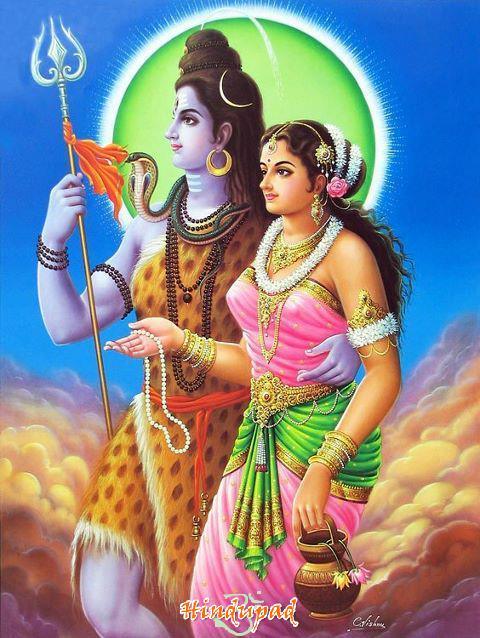
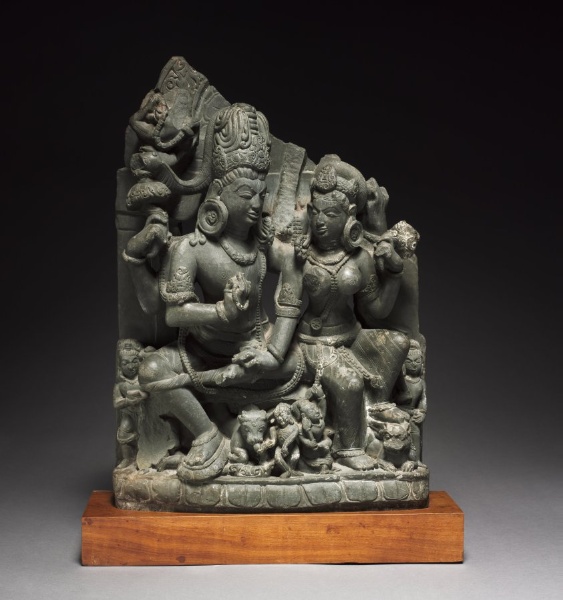
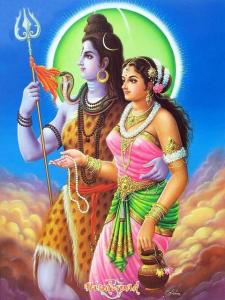
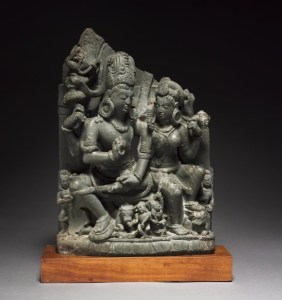
Even Hala who contributed 44 verses to GSS, has imitated Kalidas, at least in one of his poems where he describes an erotic scene. Lord Siva takes off the clothes of Uma. She immediately closed the eyes of Siva with her two hands to save her honour. Immediately Siva opened his third eye. Uma was so clever that she closed his third eye under the pretext of giving a kiss on the third eye.


Kalidasa, who lived in the first century BCE and served as the  Poet Laurate of Emperor Vikramaditya, described the scene in his Kumara sambhava even before Hala composed his verse:


“In private, with her garment taken off, she closed Siva’s two eyes with her two palms; but as his third eye on the forehead continued looking, she had her efforts foiled and became helpless” — sloka 7 of canto 8


Hala improved it by adding one more line by saying that she kissed on his third eye.
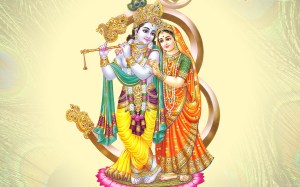
radha-krishna-om

But this is not the only one that will decide the date of Kalidasa and Hala. There are many more things:


1.There is a mention of Tuesday in one of the verses. Days of the week appear very late in Indian litearture. Older poets never used the days of the week. In Tamil it appeared for the first time in the Tamil epic Silappadikaram. Madurai city was burnt down by Kannaki on a Friday. This reference and many other things in the epic made the scholars to doubt the date second century CE given to the epic. Later Thevaram hymn of Sambandhar listed all the seven days from Sunday to Saturday. Though the epic story happened in second century CE, it was put in present form in fifth to seventh century. If we apply the same principle to GSS, it will be dated to fifth to seventh century.


2.Mention of Lord Ganesh in one of the verses also take GSS to a later age. Older poets like Kalidasa never mentioned Lord Ganapathy. Statues of Ganesh came to the South only after fifth century CE.


3.Hora is a word used in GSS and the oldest Tamil book Tolkappiam. Prof. Vaiyapuri Pillay argued that this word is of Greek origin and so Tolkappiam in its present form must be placed after Greek contact in the South. If we apply the same rule GSS may be later than first century.

  1. Vikramaditya’s distribution of gold coins to his soldiers is mentioned in one of the GSS verses. Kalidasa was the court poet of Emperor Vikramaditya.

uma siva

5.Hala was said to have married Leelavathy, daughter of Sri Lankan King Seelamegha. Seelamega ruled between 200 and 600 CE according to V V Mirashi. This means that we have to look for more than one Halan!


6.There are 14 commentaries on GSS; but there are  seven different versions of GSS. Out of the 700 verses, only 430 are common to all. The total number of verses from the seven editions are 1066. So this is not reliable (Source: Mr Patwardhans translation of GSS).


7.One of the famous similes of Kalidasa is Deepa sikha. This was copied by GSS and other Sanskrit poets. It is found even in Maduraikanchi, part of Tamil Sangam literature. Had Kalidasa copied this simile and the above Uma-Siva episode, the ancient poets would not have praised him the Kavikulaguru.Kalidasa would not have become the greatst of the Indian poets. Tamil litearture has more than 200 similes of Kalidasa

8.But there are lot of similarities to prove that the main authors of GSS

lived at the age of Sangam litearture, i.e the first few centuries of CE.


9.The big difference between the Tamil love poems and GSS erotic poems is that the description of bad family women. Though Tamil literature has lot of references to courtesans, there was no immoral family women. But GSS depicts such women having pre marital and post (extra) marital sex with strangers.

10.Some poets of GSS such as Paliyathan ( also of Puram 387), Brhmachari (also of Natrinai 34) are found in Sangam Tamil literature as well. There may be others such as Kayamanar (Gajan in GSS) and  Ulochanar (Trilocana in GSS). Paliathan of Gundukat (Gundakkal) was a good friend of Hala. Satavahanas were good friends of Cheran Senguttuva, one of the great Sera kings of Tamil Nadu. Paliyathan sang about Selvakatungo Vaziyatha, a Sera king. All these prove that Hala and Paliathan were contemporaries of Cheran Chenguttuvan and his immediate follwers. But lot of new verses were interpolated in GSS at a later age.


  1. One GSS poest addresses the cloud, an imitation of Kalidasa’s Megaduta kavya.


12.There are many poets with Naga suffix in both Sangam and GSS.

radha unjal

13.Though Sangam Tamil literature mentioned Gopis and Krishna on rthe banks of Yamuna (Thozunai in Tamil), GSS mentioned Radha with Krishna in several places. So it must be of a later age.

Interesting Names of Raja, Deva, Swami, Sena


Name search gives much interesing information to researchers.


At least 28 poets with RAJA suffix such as Raviraja, Rathiraja, Maharaja, Ahoraraja, Anuraja, Andhraraja etc.


At least 8 names with SWAMI suffix: Govindswami, Chandraswami, Meenaswami, Satyaswami etc.


Five have SEELA, five have SIMHA, six poets have DEVA suffix


At least 8 names with SENA suffix: Pravarasena, Satyasena, Mallasena, Makarandasena.


The interesting thing about SENA is that it is a suffix for kings. Sangam Tamil literature project several kings as poets. In the same way, many of the Andhra kings or commanders of army might have composed poems. Moreover I have written elsewhere that several Sumerian kings have this Sena suffix as SIN. Sin also mean moon (Chandra) in Sumerian. Eitherway it is typical Hindu to have Sena or Chandra as suffix in names (Eg.Mahabharata has 24 kings with Sena suffix. Also we have Hari Chandra, Udaya Chandra, Chandramati as royal names).


Last but not the least is the number of poetesses. Sangam Tamil Literature and world’s oldest literature the Rig Veda can boast of at least 20 poetesses each. But GSS has approximately 12 women poets:

Andhralakshmi, Sarasvati, Sasiprabha, Girisudha, Reka, Reva, Gramakuddika, Chadraputtika, Revathy, Gunamukta, Tharangamathy,Jakkurangy


Strangley GSS did not mention Ganga, Himalaya and Lord Skanda. Both Kalidasa and Sangam Literature have lot of references to them. There is lot of scope for reaserch by comparing GSS with Tamil literature.

contact swami_48@yahoo.com
காதா சப்தசதியில் அதிசயச் செய்திகள்!

Umamaheshwara
Research article written by London swaminathan

Article No. 1559; posted on 9th January 2015
கட்டுரை 1:– முதலில் ஹாலன்- மலயவதி பரிஹாசம் எப்படி ஒரு பெரிய கவிஞன் உருவாக வழிவகுத்தது என்று ஒரு கட்டுரையில் கண்டோம்.

கட்டுரை 2:-கோதாவரி நதிக்கரையில் ஒருவீட்டில் இருந்த ஒரு ராம லெட்சுமண சீதை ஓவியம் எப்படி ஒரு பெண்ணின் மானத்தைக் காப்பாற்றியது என்று இன்னொரு கட்டுரையில் கண்டோம்.

கட்டுரை 3:-சங்க இலக்கியப் பாடல்களில் காணப்படும் குண்டுகட் பாலியாதன், பிரம்மசாரி, கயமனார் ஆகிய புலவர்கள் ஆந்திர தேசத்தைச் சேர்ந்த பிராக்ருத புலவர்கள் என்று இன்னும் ஒரு கட்டுரையில் கண்டோம்.

கட்டுரை 4:- இதில் 700 காதல் கவிதைகளைக் கொண்ட பிராக்ருத —-காதா சப்த சதி— கவிதை நூலில் உள்ள மேலும் சில சுவையான செய்திகளைக் காண்போம்.
ஏழு வெவ்வேறு விதமான காதா சப்தசதி –க்கள் இருக்கின்றன. 700 பாடல்களுக்குப் பதிலாக 1066 பாடல்கள் வரை கிடைக்கின்றன. ஆக எது அசல், எது போலி என்று தெரியவில்லை. பொதுவான பாடல்கள் 430 மட்டுமே! அவ்வளவு பாட பேதங்கள்.
ஹாலன் என்ற மன்னன் சிங்கள மன்னன் சீலமேகாவின் மகள் லீலாவதியை மணந்தான் என்பர். ஆனால் அவனது காலமோ கி.பி 200க்கும் 600க்கும் இடைபட்டது. ஆக இங்கே காலப் பொருத்தமினமை வருகிறது இன்னூல் மீது 14 உரைகள் எழுதப்பட்டன.

radha unjal

சங்க இலக்கியத்துடன் பல ஒற்றுமைகளும் காணப்படுகின்றன:–

சுவரில் கோடு கிழித்து நாட்களை எண்ணுதல்
இடது கண் துடித்தல்
பூக்காரிகள்
காகத்துக்கு சோறிடல்
கூண்டில் கிளி வளர்த்தல்
நாவல் பழம்- நண்டு மயக்கம்
வளை நழுவுதல் (உடல் மெலிதலால்)
நாகன் என்ற பெயரில் பல கவிஞர்கள்.

கோவிந்தசாமி

சாமி என்று முடியும் பெயர்கள் தமிழ் நாட்டில்தான் அதிகம் காணப்படுகிறது. ஆயினும் 2000 ஆண்டுகளுக்கு முன் உருவான இன்னூலில் பல சாமி பெயர்கள் உள்ளன!

கோவிந்தசாமி
சந்திர ஸ்வாமி
மீன ஸ்வாமி
துர்கஸ்வாமி
சத்யஸ்வாமி
பீமஸ்வாமி — என்ற புலவர்கள் கவிதை எழுதியுள்ளனர்.
ராஜ என்ற பெயரில் முடியும் கவிஞர்கள் 28 பேர் உள்ளனர்!! ரவிராஜ, ரதிராஜ, மஹாராஜ, அனுராஜ என்று இப்படிப் பல ராஜாக்கள்!

radha-krishna-om

சேன என்ற பெயரில் முடியும் பல பெயர்கள் மஹாபாரதத்தில் இருப்பது குறித்தும் இந்தப் பெயர் சுமேரியாவில் பல பெயர்களில் “சின்” — என்று ஒட்டிக் கொண்டிருப்பதையும் முன்னர் ஒரு ஆராய்ச்சிக் கட்டுரையில் தந்தேன். சின் என்பதை சுமேரிய மொழியில் சந்திரன் என்பர் என்றும் அப்படிப் பார்த்தாலும் நம் அரிச்சதிரன், உதயசந்திரன், சந்திரமதி முதலிய பெயர்களுடன் ஒப்பிடலாம் என்றும் சொன்நேன். ஆனால் இங்கு புலவர்களில் பலர் சேனர்கள் என்று இருப்பது ஆராயப்பட வேண்டிய விஷயம். ஏனெனில்
சங்க இலக்கிய நூல்களில் பல தமிழ் மன்னர்கள் கவிதை எழுதியது போல ஆந்திர தேச மன்னர்களும் எழுதி இருக்கலாம்.

குறைந்தது எட்டு பெயர்களாவது சேன என்று முடிகிறது. மகரந்த சேன, ப்ரவர சேன, சத்யசேன, மல்லசேன, வசந்தசேன, விஷமசேன, ஜய சேன, மாதவ சேன என்று பல புலவர்கள் உளர்.
பெண் புலவர்கள்
ரிக் வேதத்தில் 20க்கும் மேலான பெண் புலவர்கள் உள்ளனர். சங்க இலக்கியத்தில் 20க்கும் மேலான பெண் புலவர்கள் உள்ளநர். ஆனால் ஆந்திரத்தில் கொஞ்சம் குறைவு. 12 பெண் புலவர்கள் பெயர்கள் மட்டுமே இருக்கின்றன: ரேவா, ரேவதி, க்ராம குட்டிகா, ஆந்திர லெட்சுமி, சரஸ்வதி, கிரி சுதா, ரேஹா, சந்திர புட்டிகா, குணமுக்தா, ஜக்குரங்கி, சசி ப்ரபா, தரங்க மதி
சங்க இலக்கியத்தில் ஏராளமான காதல் கவிதைகள் உண்டு. ஆனால் அங்கே கெட்டுப் போன குடும்பப் பெண்கள் கிடையா. தொழில் ரீதியிலான பரத்தைகள் நிறைய உண்டு. சங்க இலக்கியத்தில் அகத்துறைப் பாடல்களில் ஏறத்தாழ பாதி பரத்தை பற்றிய பாடல்களே. காதாவிலோ கெட்ட செயல்களில் ஈடுபடும் “குடும்பப் பெண்களை”யும் சித்தரித்திருக்கின்றனர்.
காதா சப்த சதியில் சாத வாகன மன்னன் ஹாலனின் 44 பாடல்கள் உள. அவ ன்தான் இந்த நூலைத் தொகுப்பித்தான். அவனது காலம் கி.பி.60. ஆனால் காதாவில் பல பிற்கால கவிதைகள் இடம்பெற்றுள்ளன. அதாவது பழைய காதா இது அல்ல.

uma siva
செவ்வாய்க்கிழமை

செவ்வாய்க்கிழமை யாத்திரை செய்வது துரதிருஷ்டமானது என்று ஒரு பாடலில் வருகிறது. தமிழில் முதல் முதலில் சிலப்பதிகாரத்தில்தான் கிழமை வருகிறது. கண்ணகி மதுரையை எரித்தது வெள்ளிக் கிழமையில்! இதை வைத்து சிலப்பதிகாரம் ஏழாம் நூற்றாண்டுக் காவியம் என்போரும் உளர். அது சரியென்றால் காதாவின் காலத்தையும் பின் போட வேண்டும்.
ஹோரா என்ற சொல் இன்னூலிலும் வருகிறது. தொல்காப்பியத்தில் இச்சொல் உள்ளதால் அது பிற்காலத்தியது என்று பேராசிரியர் வையாபுரிப்பிள்ளை முதலியோர் வாதிடுவர். அது சரியென்றால் காதாவின் காலத்தையும் பின் போட வேண்டும்.
கணபதி (பிளையார்) வழிபாடு பற்றியும் ஒரு பாடலில் வருகிறது. பிள்ளையார் வழிபாடு வந்தது பிற்காலத்தில் —– ஆகவே அந்த வகையிலும் இது பிற்கால த்தியதே —– காளிதாசன், மாணிக்க வாசகர் ஆகியோர் பிள்ளையார் பற்றிக் குறிப்பிடவில்லை.

காதாவில் முருகன், கங்கை, இமயமலை பற்றிய பேச்சே இல்லை. சிவன் என்ற பெயரில் புலவர்கள் உள்ளனர். சிவன் என்ற சொல் தேவார , திருவாசக காலத்துக்கு முன் தமிழில் கிடையாது. அவ்வகையிலும் காதாவின் காலத்தைப் பின் போட வேண்டும்.

ராதா, கிருஷ்ணன் பற்றிய குறிப்பும் இதில் உண்டு. ஆனால் சங்க இலக்கியத்திலும் கிருஷ்ணன்-கோபியர் பற்றிய குறிப்பு உளது. ராதா என்ற பெயர் இல்லை. காதாவில் ராதா பெயர் உள்ளதால் அவ்வகையிலும் காதாவின் காலத்தைப் பின் போட வேண்டும்.
காளிதாசனைக் காப்பி அடித்தனர்

பல புலவர்கள் காளிதாசன் உவமைகளைக் “காப்பி” அடித்துள்ளனர். இதுவும் விக்ரமாதித்தன் பற்றிய ஒரு பாடல் குறிப்பும் காதாவுக்கு முன் காளிதாசன் வாழ்ந்ததைக் காட்டுகின்றன.

காளிதாசன் என்னும் உலக மகா கவிஞன் சங்க காலத்துக்கு முன் வாழ்ந்தவன் என்பதை ஐந்தாறு கட்டுரைகளில் நிரூபித்தேன். இங்கே மேலும் பல சான்றுகள் கிடைக்கின்றன. அவன் ஹாலன் வாழ்ந்த காலத்துக்கும் முந்தியவன்:

சாலிவாஹனன் எழுதிய ஒரு கவிதை இதோ:
கலவியில் மெந்துயில் கழற்றிய சிவன்தன்

இருகண்களைத்தன் இருகரம் பொத்தி

மூன்றாம் கண்ணையும் முத்தமிட்டு

மூடும் உமையவள் நீடு வாழ்க — சாலிவாஹனன் 5-55

(காதா சப்த சதி– மு.கு ஜகன்னாத ராஜாவின் மொழிபெயர்ப்பு)

கலவியின் போது சிவன் உமையம்மையின் உடையை நீக்கினான். அவளுக்கு வெட்கம் தாங்கவில்லை. சிவநுடைய இரு கண்களையும் இரு கரங்களால் மூடிவிட்டாள். சிவன் அதி புத்திசாலி. மூன்றாம் கண்ணால் (நெற்றிக்கண்) பார்த்தான். முத்தமிடும் சாக்கில் மூன்றாம் கண்ணில் முத்தமிட்டு அதையும் மூடி வீட்டாள் உமை.

இந்தக் கவிதை காளிதாசனிலும் இருக்கிறது. அதை ஹாலன் எடுத்தாண்டார் என்பதே சால ப்பொருந்தும். காளிதாசன் இது போல ஒவ்வொரு விஷயத்தையும் காப்பி அடித்திருந்தால் அவனுக்கு உலகப் புகழ் பெற்ற கவிஞன் என்ற பெயரை பழங்கால இந்தியக் கவிஞர்கள் சூட்டியிருக்க மாட்டார்கள். சில வெளி நாட்டு அறிஞர்கள் அவன் தீபசிகா உவமையைக் காப்பி அடித்ததாக எழுதியுள்ளனர். உண்மையில் தீப சிகா உவமை மதுரைக் காஞ்சியிலும் உளது.ஆகவே இதை காளிதாசனிடமிருந்தே அனைவரும் எடுத்தனர்.

பெண்கள் சாதுர்யமாக நடந்துகொள்வர். இதோ காளிதாசன் கவிதை:

சூலின: கரதலத் வயேன ஸா சம்னிருத்ய நயனே ஹ்ருதாம் சுகா
தஸ்ய பஸ்யதி லலாட லோசனே மோக! யத்ன விதுராரஹஸ்பூத்
–குமாரசம்பவம்
. இதோ மேலும் சில எடுத்துக் காட்டுகள்:

அ) பாடல் 430- பாடியவன் கலசன்– மேகத்துக்கு அவன் கூறும் அறிவுரை காளிதாசனின் மேகதூதம் போல உளது
ஆ)காளிதாசனின் புகழ்பெற்ற தீபசிகா உவமை காதாவிலும் உளது.

இ)சங்கர, சங்கர சக்தி என்ற பெயர்களும் மாணிக்ய ராஜ என்ற பெயரும் ஆதி சங்கரர், மாணிக்கவாசகர் ஆகியோரை நினைவு படுத்துகின்றன.

ஈ)விக்ரமாதித்தன், அவன் படைகளுக்கு ஒரு லட்சம் பொன் வரை பரிசுகள் வழங்க்கியதைப் பெருமையுடன் பாடுகிறத் காதா. காளிதாசனும் விக்ரமாதித்தனும் சமகாலத்தவர்கள்.
contact swami_48@yahoo.com

Sign Language of Intelligent Hindu Women!

sitaramalk

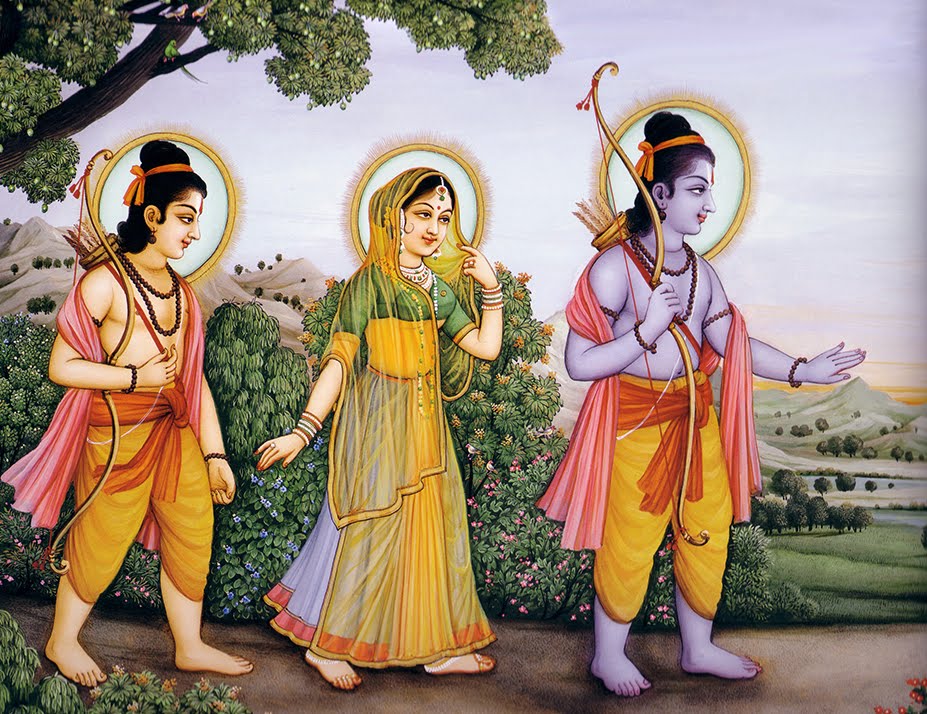
Lakshmana follows Sita Devi and Lord Rama

Research article written by London swaminathan

Article No. 1558; posted on 8th January 2015


Gatha Sapta Sati (GSS) is a book of 700 erotic verses in Prakrit language.It was compiled by Hala, a Satavahana king that ruled around first century CE. Though it is a book of erotic verses, we get a very good picture of social life in the Godavari basin. We gather lot of information about common man’s belief and customs. We see lot of lovers and a few immoral characters as well. In short it is a real life picture of the age. Everyone must read it for its beautiful poetry and real life pen picture of social life.


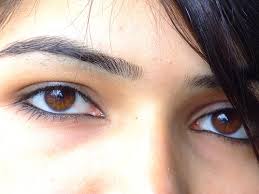
There is a beautiful verse (GSS 1-35) where a woman uses sign language, in fact eye language, to convey her feelings:

Shobhana-707252

There is a beuatiful woman whose husband is away on business. His brother who is brimming with youthfulness, is all alone in the house. He is eying on the lady of the house, who is his sister in law. But she is not for the game. She is chaste like Sita Devi. Because of respect for his brother in law, she did not want to use rude words. But she is very intelligent. When she is struggling to find a way out of this difficult situation a painting on the wall comes to her rescue!

There is a beautiful Ramayana painting on the wall of the house. It showed Rama, Lakshmana and Sita. Lakshmana was very respectful and he never looked at the face of Sita after her marriage with Rama. In those days, chaste men looked at women’s feet first. If she wore a ring in her toe, that means she is married. If he knows that the woman is married he woud not look at her face unlesss and otheriwise it is essential. For example a medicine man has to look at the hands and face of his patient whether it is a woman or man or a child.

In the painting on the wall Lakshmana was looking at the feet of Sita with humility and tranquility on his face. This lady looks at the picture and looks at her brother in law who is suffereing from amorous thoughts. The minute she took that gentle man through her eyes to the picture of Lakhsmana, he felt ashamed for his behaviour. The intelligent woman behaved normally as if nothing had happened. This is ‘sculpted or painted’ in just two lines of the Gatha Sapta sati verse!


eye1

This verse gives us the life of Hindu women 2000 years ago. Houses have paintings on the wall with epic or mythological characters. Ramayana was very popular. We have another scene in Sangam Tamil Literature where a painting of Ahalya, Gauthama and Indra was described. One of the Sangam books — Paripatal verse 19 talks about a couple visiting Tirupparnakundram temple near Madurai. A woman was puzzled at a cat picture with Ahalya and Gauthama. Immediately she asked her husband about the cat in the picture. He explained that it was Indra who was trying to sneak out of the Ashram after molesting Ahalya. Indra was in the guise of a cat. This shows that paintings with mythological characters are found even in the southermost tip of the land. Sangam Tamil literature described wall paintings of Gods in Tamils’ houses.

Women are intelligent and they use sign language and gestures to convey their thoughts. This is highely developed in India. In fact, I would make a bold staement that the Sign Language originated in India. All our Vedic Mantra rituals have Mudras/gestures made by hands and fingers. All our Yogasanas has special names for each posture. All our Bharata Natya Mudras have gestures to convey hundreds of things. Nine sentiments are expressed through face!


We cant see anything like this in any other culture. Only a few Dhyana Mudras, the foreingers have learnt from us (Please read my old post |”Hindu Mudras in Egyptian and Sumerian Statues”, posted on 7 October 2012 and “Hindu Symbolism in France”, posted on 24th August 2014).

Chidambaram Temple in Tamil Nadu has all the 108 Bharata Natya Mudras (hand gestures) displayed on the temple door. Bharata’s Natya Sastra book itself is 2000 years old. Vedic rituals, where Mudras are used, are thousands of years old. So we can claim another first in the field of Sign Language!

gss4

contact swami_48”yahoo.com


சங்க இலக்கியத்தில் பிராக்ருத கவிஞர்கள்!

gss 2

கட்டுரையாளர் – லண்டன் சுவாமிநாதன்

ஆராய்ச்சிக் கட்டுரை எண்:-1557 ; தேதி 8 ஜனவரி 2015


சங்க இலக்கியப் பாடல்களில் பல விநோதமான புலவர்களின் பெயர்கள் உள்ளன. ஏற்கனவே இருபதுக்கும் மேலான காரணப் பெயர்கள் இருப்பது பற்றி எழுதிநேன். விட்ட குதிரையார், மீனெறி தூண்டிலார்,கூவன் மைந்தன் குப்பைக் கோழியார் முதலிய பெயர்கள் அவர்கள் பாடிய சொற்களைக் கொண்டே அமைக்கப்பட்டன இதே போல ரிக்வேதத்திலும் இருப்பதைக் கண்டோம். இதுதவிர நிறைய புலவர்கள் சம்ஸ்கிருதப் பெயர்களாக இருப்பதையும் கண்டோம். இது தவிர பிராமணர்களின் கோத்திரங்கள் பல இருப்பதையும் கண்டோம். கவுணியன் (கௌண்டின்ய கோத்ரம்), கோசிகன் (கௌசிக), வாதுளி(வாதூல), கௌதமன் (கௌதம கோத்ர), காசிபன் (காஸ்யப கோத்ரம்), கார்க்கியர் (கார்க்ய) என்பன  சில சங்கப்புலவர்களின் பெயர்களில் உள்ள கோத்திரப் பெயர்கள்.

இதே போல இரண்டு பெயர்கள் பற்றி  நான் செய்த ஆராய்ச்சி அவர்கள் பிராக்ருதப் புலவர்கள் என்பதைக் காட்டுகின்றன. ஒருவர் பெயர் பாலியாதன். மற்றொருவர் பெயர் பிரம்மச்சாரி. இவ்விருவரும் பிராக்ருத கவிதை நூலான காதா சப்த சதியிலும் கவிதைகள் எழுதியுள்ளனர். இவை இரண்டும் தமிழ் சொற்கள் இல்லை என்பதை விளக்கத் தேவை இல்லை.


இதே போல கயமனார் (சப்த சதியில் கஜன், கஜதத்தன்) , கோவதத்தன் (சப்தசதியில் கைவர்த்தன்) , யாழ் பிரமதத்தன், பூதன் தேவனார் (சப்த சதியில் தேவன்) முதலிய புலவர்களும் ஆராயப்பட வேண்டியவர்களே.


காதா சப்த சதி என்பது அகத்துறை பாடல்கள் 700 உடைய நூல். இதே அகத்துறைப் பாடல்களைத் தான் இவர்கள் சங்க இலக்கியத்திலும் பாடியுள்ளனர்.

பிரமசாரி பாடிய ஒரு பாடல்   நற்றிணையில் (பாடல் 34) உள்ளது. இது அகத்துறைப் பாடலே.


குண்டுகட் பாலியாதன் பாடிய பாடல் நற்றிணை  220- ஆவது பாடலாக அமைந்துள்ளது. குண்டுகட் என்பது ஆந்திரப்பிரதேசத்தில் குண்டக்கல் என்ற ஊராக இருக்கலாம்.

gss3

இவ்விருவரும் பாடிய நிறைய பாடல்கள் சப்தசதியில் உள்ளன.


என்னுடைய கருத்துக்கு வலுச் சேர்க்கும் வேறு சில விஷயங்களும் உண்டு:


1.சிலப்பதிகாரத்தில் சேரன் செங்குட்டுவனின் நெருங்கிய நண்பன் நூற்றுவர்கன்னர் (சாதவாஹனர்) என்று கூறப்பட்டுள்ளது. சாதவாஹன மன்னர்களும் அவர்கள் வெளியிட்ட நாணயங்களில் பிராக்ருதப் பெயர்களுடன் தமிழிலும் எழுதினர். இதன் மூலம் தமிழ்- சாதவாஹன தொடர்பு உறுதிப்படுகிறது


2.காதா சப்த சதியின் பெரும்பாலான பாடல்கள் சங்க காலத்தைச் சேர்ந்தவை.


3.பாலியாதன் என்னும் புலவன் செல்வக்கடுங்கோ வாழியாதனையும் பாடி இருக்கிறான். இவை எல்லாம்  சேரன்- சாதவாஹன தொடர்பைக் காட்டுவன


4.ஹாலனின் மிக நெருங்கிய நண்பன் பாலியாதன் என்பதும் குறிப்பிடத் தக்கது.

கயமனார் என்பவர் ஒரு பாடலில் கயம் என்ற சொல்லைப் பயன்படுத்தியதே அவருக்குக் காரணப் பெயராக அமைந்திருக்கலாம் என்று உ.வே.சா. ஊகிக்கிறார். அது தவறு. இவர்   நிறையப் பாடல்கள் பாடி இருக்கிறார். அங்க்கெல்லாம் கயம் என்ற சொல் இல்லை. உண்மையில் இவர் பிராக்ருதப் புலவர் கஜன் என்பவராக இருக்க வேண்டும். காதா சப்த சதியில் இவருடைய பாடல்கள் உள.


யாழ் பிரமதத்தன் என்ற வடக்கத்திய அரசனையே தமிழ்ப் பாடல் இயற்றவைத்தார் கபிலர். அப்படி இருக்கையில் பிராக்ருதப் புலவர்கள் தமிழில்

பாடியது வியப்பில்லை. மேலும் தமிழுக்கும் சம்ஸ்கிருத மொழிக்கும் பாலமாக அமைந்தது பிராக்ருதம். இரு செம்மொழிகளும் ஒரே மூலத்தில் தோன்றியவை என்று ஒரு கட்டுரை எழுதியிருந்தேன். மூலச் சொல் எப்படிக் கிளை விட்டுப் பிரிந்தது என்பதை அறிய பிராக்ருதம் மிகவும் அவசியம்.

contact swami_48@yahoo.com
புத்திசாலிப் பெண்களின் சைகை மொழிகள்!

eye1

Article wriiten by London swaminathan

Research Article No 1554; Posted on 7th January 2015

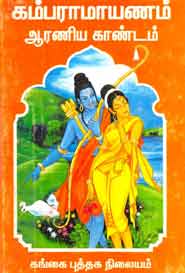
கண்களால் பேசுவர் பெண்கள்!   “அண்ணலும் நோக்கினான் அவளும் நோக்கினாள்” என்ற கம்ப ராமாயணக் காட்சியை நாம் அறிவோம். காதா சப்த சதி என்னும் பிராக்ருத மொழி நூலில் 700 காதல் கவிதைகள் உள. நிறைய விரசமான கவிதைகள் இருப்பதால் அது புகழ் பெறவில்லை. ஆயினும் சில கவிதைகளை கருத்து நயத்துக்காகவும் வேறு சில கவிதைகளை கவி நயத்துக்காகவும் படிக்க வேண்டும். ஒரு காட்சியை மட்டும் காண்போம்.

கோதாவரி வரிக் கரையில் ஒரு வீடு. அங்கே ஒரு அழகி. அவளுடைய கணவன் வெளியே வேலைக்குப் போய்விட்டான். வாலிப வயதுடைய தம்பி மட்டும் வீட்டில் இருக்கிறான். அண்ணனும் வேறு யாரும் வீட்டில் இல்லையே என்று எண்ணீ , அண்ணியைக் கணக்குப்போடுகிறான்.

அந்தப் பெண்ணுக்கோ சொல்லவும் முடியவில்லை, மெல்லவும் முடியவில்லை. அவன் அருகே வருவதற்கு முன்பாகவே கண்கள் மூலமாக அவனைச் சுவற்றில் உள்ள ஒரு ஓவியத்துக்கு அழைத்துச் செல்கிறாள். அவனுக்கு அர்த்தம் புரிந்துவிட்டது வெட்கித் தலை குனிகிறான். அது என்ன ஓவியம்?

ராம லெட்சுமணர்கள் சீதா தேவியுடன் இருக்கும் அற்புதமான ஓவியம் அந்த வீட்டுச் சுவரை அலங்கரிக்கிறது. அதில் லெட்சுமணன் சீதையைப் பார்க்காது நிலத்தை நோக்கிய வண்ணம் பார்த்துப் பணிவுடன் நிற்கிறான். இராமபிரான் சீதையைத் திருமணம் செய்த நாளில் இருந்து அவள் காலில் உள்ள மெட்டியைத் தவிர வெறும் எதையும் காணாத நித்திய பிரம்மச் சாரி அவன்.


இந்த ஓவியத்தைக் கண்களால் காட்டிய அந்த உத்தமி என் கணவன் ராமன்,  நீ லெட்சுமணன் போன்ற பெருந்தகை, நான் கற்பில் வழுவாத சீதை என்பதைச் சொல்லாமல் சொல்லிவிடுகிறாள்.

எவ்வளவு அருமையான கவிதை. பாரதீயப் பண்பாட்டை காதா என்னும் இரண்டு வரிச் செய்யுள் மூலம் கவிஞன் பாடிவிட்டான்.

gss4

இந்தக் கவிதை சொல்லும் வேறு சில செய்திகளும் உண்டு. அந்தக் காலத்தில் வீடுகளில் கூட ஓவியங்க்கள் இருந்தன. அவை தெய்வீக ஓவியங்கள். தென்னாட்டில் 2000 ஆண்டுகளுக்கு முன்னரே ராமாயணம் வீடுதோறும் முழங்கியது — என்ற செய்திகளையும் அறிகிறோம்.

சங்க கால பாடல்களிலும் சுவரில் உறையும் தெய்வங்கள் பற்றிய குறிப்புகள் உள. எட்டுத் தொகை நூல்களில் ஒன்றான பரிபாடலில் (19-59) திருப்பறங்குன்ற ஓவியங்கள் பற்றிய ஒரு காட்சி வருகிறது கணவன் மனைவி எல்லோரும் பறஙகுன்ற கோவிலில் உள்ள ஓவியங்களைப் பார்க்கின்றனர்.


மநைவி ஒரு ஓவியத்தைப் பார்த்து அதோ ஒரு பூசை (பூனை) என்கிறாள். அது என்ன? முனிவர் இருக்கும் இடத்தில் பூனை? என்று வினவுகிறாள். அவன் சொல்கிறான், அடியே! உனக்குக் கதை தெரியாதா? அஹல்யையை மானபங்கப்படுத்திய இந்திரன் நைசாக பூனை உருவத்தி ல் நழுவுகிறான். அவர்தான் கௌதம முனிவர் என்று கதை சொல்கிறான். ஆக அந்தக் காலத்தில் —- 2000 ஆண்டுகளுக்கு முன்னர் — தமிழ் நாட்டுக் கோவிலகளில் புராண ஓவியங்கள் இருந்ததையும் அக்தைகளை மக்கள் நன்கு அறிந்திருந்தனர் என்றும் அறிகிறோம்.


காதா சப்த சதி,  சங்க இலக்கியம் போலவே அந்தக் கால சமுதாய சூழ் நிலையை நமக்கு எடுத்தியம்புகிறது.

eye2

Wife’s Insult inspires Husbands !

gatha_sapt

Article wriiten by London swaminathan

Research Article No 1552; Dated 6th january 2015


Gatha sapta sati (GSS) is a book of 700 erotic verses in Prakrit language. It was compiled by King Hala. There is a story behind his scholarship.


Indian literature has several stories where wives scorn their illiterate husbands as a result of which they study well or earn well and become great! Kalidasa, an illiterate, was married to a learned queen. She rejected him for being illiterate and then he prayed to Goddess Kali and acquired great knowledge. Valmiki went back to his wife to find out whether she will share his sins of hunting animals and she said no. Ho got inspired and became a great sage and poet. Many a lazy men were provoked by their wives to become active in life and earn money. This is the reason, probably for saying, “behind every great man there is a woman!!”


gss4

Hala was a satavahana king who lived around first century CE. His wife was Malayavathy, who was a great Sanskrit scholar. Both of them enjoyed life as king and queen. One day they went to a lake for water sport. In those days kings and queens used to go to rivers or specially constructed royal ponds during Spring Festival known as Vasanta Urchavam. General public also join them. When Hala and Malayavathy were playing with water vigorously, she got annoyed. She cant breathe properly because Hala was throwing water on her continuously. She shouted,”Modakasya tadaya”. The meaning of the Sankrit command is Dont throw water on me i.e. Ma Udakasya tadaya.


The king thought she was enjoying his sport and ordering for “Modaka”, an Indian sweet favourite to Lord Ganesh. Immediately he ordered his servants to fetch Modakams. The queen laughed loudly. In fact, she laughed at him for his ignorance. Hala got insulted when he came to know the reason for her laughter.

gss 2

As soon as he came back to the palace he vowed that he would learn Sanskrit and beat every scholar. So he threw a challenge to every scholar in his town  to teach him Sanskrit grammar within six months time. One scholar by name Sarva varman came forward and accepted his challenge. But Gunatya, who was a royal poet, objected to it saying that no one can teach sanskrit grammar in six months. An argument followed in which Gunatya said that he would stop speaking Sanskrit and writing in Sanskrit if sarvavarman fulfilled his promise.

Gunatya was a great scholar who wrote Brhat katha in Sanskrit. His bad luck, Sarvavarman taught Hala sanskrit in six months. Gunatya started burning his Brhat Katha, which was prevented by Hala. Gunatya went to another country and started wrting the same book in Paisaci language.

In the meantime Hala started composing poems. His Prakrit poems are part of Gatha sapata sati. He was called Kavi Vatsala, one who was a great patron of poets. He gave them gold coins for beautiful verses like his predecessor Emperor Vikaramaditya. He mitated Vikramaditya in all his deeds. Like Vikramaditya he started an era in his name, Salivahana Shahapta, though he did not win any big wars. Like Vikramnaditya who was the patron of great poet Kalidasa he was the patron of Gunatya and others.We can see the inspiration he got from Kalidasa and Vikramaditya. Many poets of Gatha sapata sati have imitated Kalidasa, but they are not very popular.

gss3

Though sapta sati (GSS) is full of erotic verses, we get lot of information about the soicial life of odinary folk in the first few centuries of common era. English, Hindi, Sanskrit, Telugu and Tamil translations of GSS are available.


One must read ancient Sanskrit, Tamil and Prakrit books to understand and appreciate Indian culture.

contact swami_48@yahoo.com