எந்தக் கடவுளுக்கு என்ன வாகனம்?

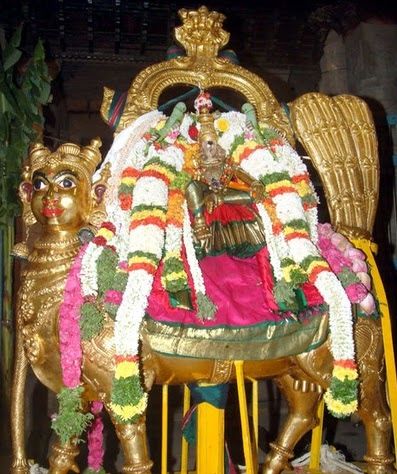
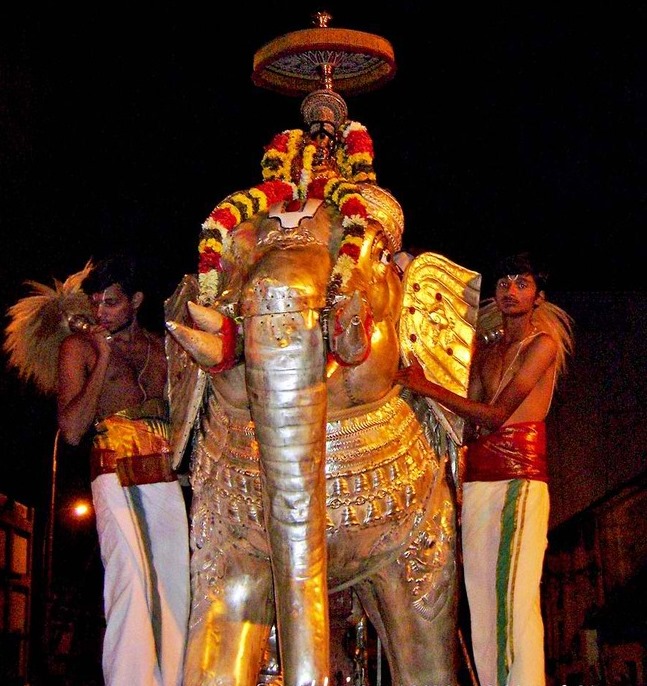
Picture: Gold Rishaba Vahana of Madurai Meenakshi Temple

இந்துக் கடவுளருக்கு வெவ்வேறு வாகனங்கள் இருக்கின்றன. ஒவ்வொரு கடவுளுக்கும் ஒவ்வொரு வாகனம் அமைந்தது எப்படி என்பது பற்றி சுவையான கதைகளும் இருக்கின்றன. பெரும்பாலும் இவைகள் தத்துவத்தின் பெயரில் அமைந்த கதைகள்தான். வேத காலம் முதல் இந்து மதத்தில் வாகனங்கள் உண்டு. சங்கத் தமிழ் இலக்கியத்திலும் வாகனக் குறிப்புகள் இருப்பதைத் தனிக் கட்டுரையில் கண்டோம். உலகம் முழுதும் இந்து வாகனங்கள் இருப்பதை சுமேரிய, பாபிலோனிய, எகிப்திய, கிரேக்க, ரோமானிய நாகரீகத்தில் கண்டோம்.


இப்போது எந்தக் கடவுளருக்கு என்ன வாகனங்கள என்று சைவ, வைணவ ஆகமங்கள் கூறுவதைக் காண்போம்:

1.ஸ்ரீ மஹா கணபதி—மூஞ்சுறு Ganesh/Vinayaka=Mouse

2.வேல் முருகன் —மயில்  Kartikeya/Skanda/Murugan–Peacock

3.சிவ பெருமான் காளை, நந்தி Shiva=Bull/ Nandhi

4.ராஜ ராஜேஸ்வரி—சிம்மம் Raja Rajeswari= Lion

5.மஹா விஷ்ணு— கருடன் Vishnu= Garuda/Eagle

6.பைரவர்— நாய் Bhairava=Dog

7.சாஸ்தா—குதிரை Sastha= Horse

8.அய்யப்பன்— புலி Ayyappa= Tiger

9.சனைச்சரன்–காகம் Sani/Saturn= Crow

10.கல்கி—- குதிரை Kalki Avatar=Horse


11.இந்திரன்—ஐராவதம் யானை Indra= Airavata/ Elephant

12.லெட்சுமி—செந்தாமரை, ஆந்தை Lakshmi= Red Lotus, Owl

13.சரஸ்வதி— வெண் தாமரை, அன்னம் Sarasvati=White Lotus, Swan

14.கங்காதேவி—மகரம்/முதலை Ganga Devi= Crocodile

15.மன்மதன், ரதி—கிளி Manamatha & Rathi= Parrot

16.குபேரன்—மனிதன், கிளி, குதிரை, கீரி Kubera= Man,Parrot or Horse

17.விஷ்ணு— சேஷ (பாம்பு) வாகனம் Vishnu= 7 headed Snake/ Sesha

18.கண்ணன் —ஆல இலை Krishna=Banyan leaf

19.பிரம்மா— அன்னம் Brahma= Swan

20.கார்த்திகேயன்- காண்டாமிருகம் (வியட்நாம்) Kartikeya=Rhino (Vietnam)


21.சண்டி தேவி—பன்றி/வராஹம் (சுஜனாகாட்) Chandi= Pig

22.சிந்தி இன மஹான்—மீன் Sindhi saint= Fish

23.கண்டபேரண்ட பட்சி— மன்னார்குடி ராஜகோபாலசுவாமி

Ganda Beranda Bird= Mannarkudi Rajagopalswamy

24. வருணன் — மகரம் Varuna= Makara (Shark or Crcodile)

25. அக்னி— ஆடு Agni / Fire= Ram

26.துர்க்கை—கலைமான் Durga= Antelope

27. மருத்— மான் Marut= Deer

28.நேபாளத்தில் லெட்சுமி— ஆமை, வங்காளத்தில் —ஆந்தை

Lakshmi in Nepal=Turtle, In Bengal=owl

29.tதுர்க்கை—புலி அல்லது சிங்கம் Durga= Lion or Tiger

30.சாமுண்டி—ஆந்தை Chamundi- Owl
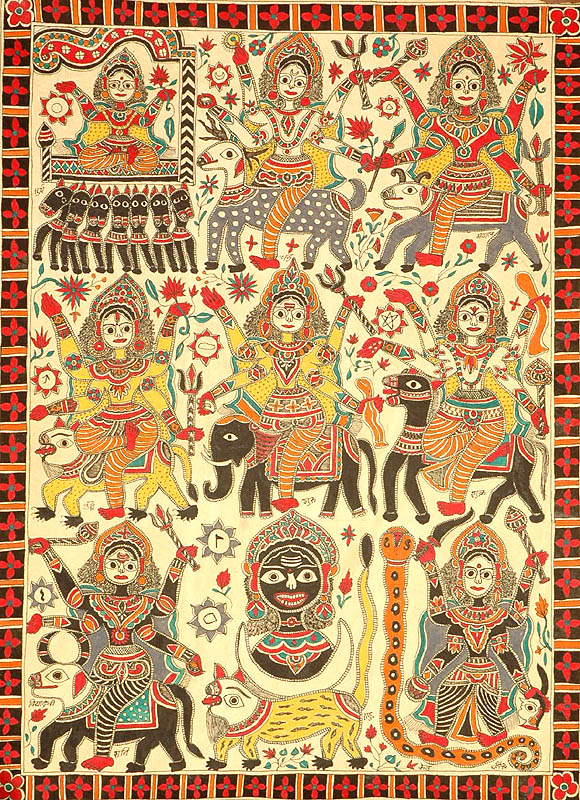
Picture: Navagrahas with Vahanas

31.கழுதை—அஸ்வினிதேவர்கள், இந்திரா, அக்னி

Asvini Devas= Donkey (also for Indra and Agni)

32.பிண வாகனம்—நிருதி Dead Body= Niruthi

33. சூரியன்—ஏழு குதிரைகள் Sun= 7 Horse Chariot

34.ராகு, சஷ்டி— பூனை Rahu/ Shasti= Cat

35.ரதி- புறா Rathi= Pigeon

கீழ்கண்ட (36 to 43) வாகனங்கள் பொதுவாக கோவில்களில் எல்லா தெய்வங்களையும் உலா விடப் பயன்படுத்துகின்றனர்

36.சூரிய பிரபை—வட தமிழ்நாட்டு தெய்வங்கள்

Surya Prabha (SUN)= Northern Districts of Tamil Nadu

37.சந்திர பிரபை– வட தமிழ்நாட்டு தெய்வங்கள்

Chandra Prabha (MOON)= Northern Districts of Tamil Nadu

38. கற்பக விருட்சம் Karpaka Vrksha= (Wish fulfilling Tree)

39. காமதேனு Kamadenu= Wish fulfilling Cow


40. கைலாச வாகனம் Kailash Vahana= Siva

41.பூபால வாகனம் Bhupala Vahanam= Vishnu

42.புருஷாமிருக வாகனம் Purusha Mrugam

43.பூத வாகனம் Bhuta Vahanam= Shiva

44.புன்னைமர வாகனம் Punnai Tree Vahana= krishna

45.காராம்பசு வாகனம் Karampasu Vahanam (See Kamadhenu)

46.ஆடுகள் பூட்டிய ரதம்—பூஷன் Goat Chariot=Pushan

47.ஏழு பசுக்கள் பூட்டிய ரதம்—உஷஸ் 7 Cow Chariot=Ushas

48.காளி—யாளி Kali= Yali (Yali is a mythical animal)

48.பாம்பு—மானசா தேவி Snake= Manasa Devi

49.சீதளா தேவி– கழுதை Seetala= Donkey

50.விஸ்வகர்மா—யானை  Viswakarma= Elephant


நவக்ரஹ வாகனங்கள் (Nine Planets)

சூரியன்- ஏழு குதிரைகள் பூட்டிய ரதம் Sun=Horse Chaiot

சந்திரன்- மான்கள் பூட்டிய ரதம், Antelope chariot= Moon

செவ்வாய்—ஆட்டுக் கிடா/ Mars=Ram

புதன்- குதிரை Bhudan/ Mercury= Horse

வியாழன்/பிருஹஸ்பதி—யானை Jupiter= Elephant

சுக்ரன்/வெள்ளி—குதிரை/ முதலை Venus= Horse/ Crocodile

சனி—காகம் Saturn / Saniswarea= Crow

ராகு— சிங்கம் அல்லது பூனை அல்லது புலி Rahu= Lion/ Cat/Tiger

கேது— மீன் Ketu=Fish

இரண்டாவது பட்டியலில் சப்த மாதா, அஷ்ட பைரவ வாகனங்களைக் காண்போம்.

Other Vahana Articles written and posted by me

Please read my other articles on Vahanas in my blogs:

1.Iraq: 7 Gods Procession on Vahanas,2.Deer Chariot: Rig Veda to Santa Claus, 3.Hindu Vahanas around the World,4.Vahanas in Kalidasa and Tamil Literature, 5.Who Rides What Vahanas? Tamil Articles: 6.உலகம் முழுதும் இந்து தெய்வ வாகனங்கள்,7.சங்கத் தமிழ் இலக்கியத்தில் வாகனங்கள், 8.வாகனங்கள் தோன்றியது எங்கே?ஏன்? எப்போது?9.எந்தக் கடவுளுக்கு என்ன வாகனங்கள்?

Contact: swami_48@yahoo.com

****************
வாகனங்கள் தோன்றியது எங்கே? ஏன்? எப்போது?

வேத காலம் முதல் இன்று வரை தெய்வங்களுக்கு வாகனங்களைப் பயன்படுத்தும் ஒரே மதம் இந்துமதம் தான். சிந்து சமவெளியிலும் யானை மேல் நிற்கும் உருவத்தைக் கண்டோம். சங்கத் தமிழ் நூல்களிலும் சம்ஸ்கிருத நுல்ல்களிலும் சிற்பங்களிலும், பழைய காசுகளிலும் வாகன உருவங்கள் காணப்படுகின்றன. காலக் கண்க்கீட்டின்படி பார்த்தால் சுமேரியாவில் கி.மு.3500 முதல் வாகனங்கள் இருக்கின்றன. ஆயினும் கலாசார தொடர்ச்சியைப் பார்க்கையில் இந்தியாதான் இதன் தாயகமாக இருந்திருக்க வேண்டும் என்று துணிய முடிகிறது.


வாகனங்கள் என்பது என்ன? இறவனைத் தூக்கிச் செல்லப் பயன்படுத்தும் உருவங்கள். பெரும்பாலும் மிருகங்கள் அல்லது பறவைகள் இந்தப் பணியைச் செய்கின்றன. தேர்கள், சப்பரங்கள், மலை, சூரியன் ,சந்திரன், ராவணன், அனுமன் போன்றோரையும் வாகனங்களாகக் காண்கிறோம். கொடிகள் தோன்றியது இந்தியாவில தான். இதை முன் ஒரு கட்டுரையில் விளக்கிவிட்டேன். முதலில் கொடிகளில் என்ன சின்னங்களைக் கண்டோமோ அதுவே பிற்காலத்தில் வாகனமாக மாற்றப்பட்டிருக்கிறது. இதற்கு ஒரு சில எடுத்துக்காட்டுகள் முருகனின் மயில் கொடி மயில் வாகனமாக மாறியதையும், விஷ்ணுவின் கருடக் கொடி, அவரது கருட வாகனமாக மாறியதையும் சிவனின் ரிஷபக் கொடி ரிஷப வாகனமாக மாறியதையும் காணலாம்.


பிற்காலத்தில் வாகனங்களுக்கு தத்துவ பூர்வ விளக்கங்களும் கூறப்பட்டுள்ளன. பிள்ளையார் போன்ற ஒரு கனமான உருவம் எலி மீது போக முடியுமா என்று கேட்கும் போது தீய சக்திகளை இறைவன் அடக்கி ஆள்வதையே இது காட்டுகிறது என்று விளக்கப்படுகிறது. இவை எல்லாம் பிற்காலத்தில் எழுந்த கதைகள்.


பல தெய்வங்களுக்கான காயத்ரி மந்திரங்களில் எதை நாம் இன்று வாகனமாகக் கருதுகிறோமோ அதை கொடியாகவே மந்திரம் சொல்லுகிறது. எடுத்துக் காட்டாக சனைச்வர காயத்ரி மந்திரத்தைப் பார்ப்போம். காகத்வஜாய (காக்கைக் கொடியோன்) என்று மந்திரத்தில் வருகிறது. ஆனால் காக்கை வாகனம் என்று நாம் சொல்லுவதோடு சிற்பங்களில் அப்படியே பார்க்கிறோம்.


வாகனங்களின் சின்னங்கள் எப்படித் தோன்றியது என்பதற்கு சிலர் ஆரிய திராவிட வாதத்தைப் புகுத்தி அபத்தமான விளக்கங்களைக் கொடுக்கின்றனர். பிராணிகள் அல்லது காலுக்கு அடியில் உள்ள அரக்கர்கள், திராவிடர்களை வசப்படுத்தி அடிமைப்படுத்தியதைக் காட்டுகிறது என்பது அவர்களது வாதம். இது உண்மையல்ல என்பதற்கு எனது கட்டுரையில் கொடுத்துள்ள வெளிநாட்டுத் தெய்வ வாகனங்களே சான்று. அங்கும் பிராணிகளைப் பார்க்கிறோம். ஆகவே இவை பொருந்தா வாதங்கள்.

முதல் கட்டத்தில் கொடிகளீல் இருந்த சின்னங்களே வாகனங்களாக மாறின. இரண்டாம் கட்டத்தில் அவைகளுக்கு தத்துவ விளக்கங்கள் கொடுக்கப்பட்டன என்பதே எனது துணிபு. ஆனால் வெளிநாட்டுத் தெய்வங்களுக்கு எப்படி சிம்ம வாகனம், மான் வாகனம், புலி வாகனம் என்பன வந்தது என்பது தெரியவில்லை. ஒருவேளை விலங்குகளையும் வசப்படுத்தும் சக்தி தெய்வங்களுக்கு உண்டு என்பதை இவை காட்டக்கூடும்.


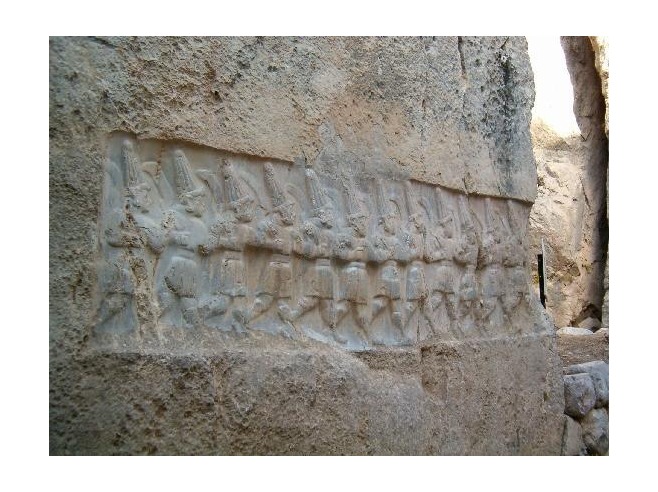
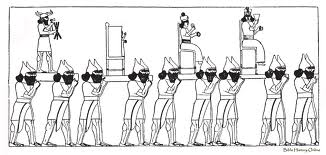
இராக் நாட்டில் ஏழு கடவுளர் வாகனக்களில் பவனிவரும் காட்சியை விளக்கி படங்களையும் கொடுத்திருக்கிறேன் (ஆங்கிலக் கட்டுரையில்). துருக்கியில் எழிலிகாய என்னும் இடத்தில் 12 தெய்வங்கள் அணிவகுத்துப் போகின்றனர். இந்தப் படத்தையும் பிரசுரித்துள்ளேன். இவர்கள் துவாதச ஆதித்யர்களாக இருக்கலாம். இராக், துருக்கி, சிரியா ஆகிய முஸ்லீம் நாடுகள் கி.மு 1800 முதல் வேத கால தெய்வங்களின் வழிபாட்டுத் தலங்களாக இருந்ததை வெளிநாட்டு அறிஞர்கள்தான் முதலில் நமக்கே சொன்னார்கள். வேத கால தெய்வங்களைக் குறிப்பிடும் கி.மு.1400 கல்வெட்டு துருக்கி-சிரியா எல்லை பகுதியில் கண்டெடுக்கப்ப்பட்டது. அந்த பகுதியில் வாகனக் குறிப்புகள் கிடைப்பதாலும் சம்ஸ்கிருத மொழியில் குதிரைப் பயிற்சி நடைபெற்றதாலும் இந்துக்காளே வாகனங்களுக்கு காரண கர்த்தாக்கள் என்றால் மிகையாகா.


Please read my other articles on Vahanas in my blogs:

Iraq: 7 Gods Procession on Vahanas

Deer Chariot: Rig Veda to Santa Claus

Hindu Vahanas around the World

Vahanas in Kalidasa and Tamil Literature


உலகம் முழுதும் இந்து தெய்வ வாகனங்கள்

சங்கத் தமிழ் இலக்கியத்தில் வாகனங்கள்

வாகனங்கள் தோன்றியது எங்கே?ஏன்? எப்போது?


Hindu Vahanas in Kalidasa and Tamil Literature

Picture shows Meenakshi on Kamadhenu vahana


I have posted at least six articles on Kalidasa and Sangam Tamil Literature to prove that the greatest poet of India, Kalidasa, lived in the first century BC or before that. A lot of similes, metaphors, expressions in Tamil literature are echoes of Kalidasa. Now I give a lot of Vahana (Mounts of Gods) references from Tamil and Kalidasa. Sangam Tamil literature belongs to the first three centuries of our era.

Tamil poets were well versed with Hindu mythology and iconography. They had so much belief in Hinduism that they can’t avoid using Vahana references even in secular verses.

Poet Nakkirar of Puram verse 56 sings about four Hindu Gods in one verse referring to their flags or Vahanas. My research in to Vahanas shows that the origin of Vahanas lied in the symbols or flags of Gods. First we see the references of flags which are slowly turned in to Vahanas in course of centuries. I will give you some examples.

The Gayatri verse on Sanaischara (Planet Saturn) says that he has Kakadwaja (Flag with crow on it). Later we see crow as his vehicle. This shows that the myths about vahanas were later developments to cater to the popular tastes. When rational minds questioned whether an elephant god (Ganesh) can travel on a little mouse, then all philosophical explanations were given. Most of the vahanas are considered symbols of evils, which the god subdued and made them as their vehicles.

Some western scholars tried to bring Aryan Dravidian controversy even into the vahanas saying that the Dravidian gods were subdued and made vahanas for Aryan gods. But anyone who has read my previous posts of Sumerian, Greek and Babylonian vahanas would easily dismiss this western theory as absurd. Other cultures also used animals as vahanas. We didn’t have much detail about how the foreign deities got their vahanas.

Kalidasa also described Shiva as one who rides a bull or a person with a bull on his flag (Vrushapaarootan or Vrshabadwajan). Lord Vishnu also had Garutadjwaja or Garudavahana.

Tamil Poet Bharatham Padiya Peruntheanar (Mahadevan who sang Mahabharata) of Purananuru prayer song also described Shiva with Bull vehicle and with Bull flag. Needless to say that this was an echo of Kalidasa.

Kalidasa’s references:

Raghu. VI-4, Meghaduta verse 46: Lord Skanda’s peacock vahana

Mega.54, Raghu-III-23, Kumara.III-14, VII-29, II-35, III-62, VIII-20, Raghu-II-35=Bull Vehicle or Bull flag of Lord Shiva.

Raghu.III-56=Vajra flag of Indra

We have lot of references to God of Love Manmatha with Makaradwaja or Makaravahana.

Ragu. 10-13, 10-61=Garudavahana


Picture shows Karpaka Vrksha vahana

Tamil References:

Kalitokai-101-24, 103-43= Yama’s buffalo vahana

Lord Skanda (Murugan) had an elephant by name Pinimukam as his vehicle. This was referred to in various places:Pari.5-2, Pathirru.11-6, Pari.21-1, Murugu.78-82, Puram-56,Murugu-247,

Indra’s elephant with four tusks- Murugu155-59

Kali.150-13, Palaikali-26-5,Murugu151= Bull Vehicle

Pari. 1-11,13-41, 4-37, 3-18,8-2, Kuru.prayer song= Garudavahana

Sesha vahana of Vishnu is referred to in Perum.372

Balarama’s Palmyra flag was referred to in Tolkappiyam and Puram.58

Tamil poets also spoke about Manmatha, God of Love, and his Shark flag or Shark vahana.


Please read my other articles on Vahanas in my blogs:

Iraq: 7 Gods Procession on Vahanas

Deer Chariot: Rig Veda to Santa Claus

Hindu Vahanas around the World

Vahanas in Kalidasa and Tamil Literature

உலகம் முழுதும் இந்து தெய்வ வாகனங்கள்

சங்கத் தமிழ் இலக்கியத்தில் வாகனங்கள்

வாகனங்கள் தோன்றியது எங்கே?ஏன்? எப்போது?

எந்தக் கடவுளுக்கு என்ன வாகனங்கள்?

Who Rides What Vahanas?

Contact: swami_48@yahoo.com

சங்க இலக்கியத்தில் வாகனங்கள்


Picture shows Garuda Vahana

தமிழ் சங்க இலக்கியம் ஈராயிரம் ஆண்டு பழமையுடையது. அதில் இந்துக் கடவுளரின் வாகனங்களைப் பற்றி பல குறிப்புகள் வருகின்றன. இந்து மதம் எந்த அளவுக்கு தமிழர் வாழ்வில் இரண்டறக் கலந்திருந்தது என்பதற்கு இதுவும் ஒரு சான்று.  தமிழ்நாட்டுக் கோவில்களில் வாகனங்கள் பவனி வரும் அளவுக்கு வேறு எந்த மாநிலக் கோவில்களிலும் இல்லை என்று சொல்லலாம். ஆந்திரம், கர்நாடகம், கேரளம் போன்ற இதர மாநிலங்களில் மிகப் பெரிய கோவில்களில் மட்டுமே வாகன ஊர்வலம், திரு உலா நடைபெறுகிறது.

மதுரை மீனாட்சி கோவிலில் ரிஷப வாகனம் மட்டும் ஆண்டுக்கு 18 முறை உலா வருகிறது. இத்தோடு காமதேனு, கிளி, கற்பக விருட்சம், கயிலாய மலை, யானை, குதிரை, யாளி, பூத வாகனங்களும் அற்புதமாகச் செய்யப்பட்டிருக்கின்றன. மதுரை பெருமாள் கோவிலின் கருட வாகனங்கள், அழகர்கோவில் அழகரின் குதிரை வாகனம், ஆருத்ரா தரிசன நடராஜர் ஊர்வலம் ஆகியவற்றைக் காணக் கண் கோடி வேண்டும்.

தெய்வத் திரு உருவங்களையும் வாகனங்களையும் செய்து உலகம் முழுதுமுள்ள கோவில்களுக்கு அனுப்பும் பணியையும் தமிழ்நாடே செய்துவருகிறது.

வாகனங்கள் வேத காலத்திலேயே தோன்றிவிட்டன. மருத் என்னும் காற்றுத் தெய்வத்துக்கு மான் வாகனம், வருணனுக்கு சுறாமீன் வாகனம், இந்திரனுக்கு யானை வாகனம்.

முதலில் கொடியில் இருந்த சின்னங்களே பிற்காலத்தில் வாகனமாக பரிணாம வளர்ச்சி பெற்றன. இதை இலக்கியக் குறிப்புகளில் இருந்து தெளிவாகப் பெறலாம்.


Picture shows Hamsa Vahana

காளிதாசனின் காலத்தைக் கணக்கிட சங்க இலக்கியம் எப்படி துணை செய்கிறது என்பதை ஏற்கனவே ஐந்தாறு கட்டுரைகளில் விளக்கினேன். அவன் சங்க காலத்துக்கு முன்னால் கி.மு.முதல் நூற்றாண்டில் வாழ்ந்தவன். இப்போது அவன் அளித்த வாகனக் குறிப்புகள் தமிழ் இலக்கியத்திலும் வருவது அவன் காலத்தால் முந்தியவன் என்பதை மேலும் உறுதி செய்கிறது.

புறநானூற்றின் கடவுள் வாழ்த்தில் சிவனின் வாகனமும் கொடியும் ரிஷபம் (ஏறு) என்று பாரதம் பாடிய பெருந்தேவனார் (மஹாதேவன்) பாடுகிறார்.

ரிஷபக் கொடி: காளிதாசனின் ரகு வம்சம்11-44;

விஷ்ணுவின் கருட வாகனம்: ரகு 10-13;10-61

இந்திரன் வாகனம் 4 மருப்புடைய யானை- திரு முருகாற்றுப்படை 155-159

நல்லுருத்திரன் பாடிய முல்லைக் கலியில் யமதர்ம ராஜனின் எருமை வாகனம் பாற்றிப் பாடுகிறார்- பாடல் 1- வரி 25/26

முருகப் பெருமானின் பிணிமுக (யானை) ஊர்தி: புறம் 56;முருகு 247;பரிபாடல் 5-2, 8-10, 17-49, சிலம்பு 24-8-3;

முருகப் பெருமானின் யானையை பிணிமுகம் என்று அழைப்பர்:

பிணிமுக ஊர்தி வெல்போர் இறைவன் (பரி.17-49)

பிணிமுக ஊர்தி ஒண்செய்யோன்-புறம் 56

மயில் வாகனம் : மேகதூதம் பாடல் 46 (காளிதாசன்); பாடல் 54ல் சிவ பெருமானின் விடை ஏறு (ரிஷபம்). மகாபாரதத்திலும் இதே குறிப்பு வருகிறது (8-24)

மணிமயில் உயரிய மாறாவென்றி (புறம் 56)

முருகன் மஞ்ஞையன் (முருகு 210)

விரைமயில் மேல் ஞாயிறு (பரி 18-26)

சேவலங்கொடியோன் (குறுந்தொகை கடவுள் வாழ்த்து)

சேவலங்கொடியன் (முருகு 210)

கலித்தொகையில் சிவபெருமானின் காளைவாகனம் வருகிறது (150-13; 26-5)

மதுரைக் கணக்காயனார் மகனார் நக்கீரனார் ஒரே பாடலில் (புறம் 56) நான்கு கடவுளரின் கொடி வாகனங்கள் பற்றிப் பாடிப் பரவுகிறார்.

காளிதாசனும் கொடியும் வாகனமும் சிவனுக்கு ஒன்றுதான் என்று சொல்லி வ்ருஷபத்வஜன், வ்ருஷாங்கன், வ்ருஷபாருடன் என்று ரகு வம்சம் ,குமார சம்பவம் ஆகியவற்றில் புகழ்கிறார். இதைத் தமிழ் புலவர்களும் பாடியதை மேலே கண்டோம்.

காளிதாசன் இந்திரனின் வஜ்ரக் கொடி, வாகனம் ஐராவதம் ஆகியன பற்றியும் பாடுகிறார் ( ரகு3-56; 1-36. ரகு வம்சத்தில் முருகனின் மயில் பற்றி  ‘மயூரப் ப்ருஷ்ட ஆஸ்ரயினா குஹேன’ என்று சொல்கிறார்.

திருமாலின் சேஷ வாகனம்: பெரும் பானாற்றுப்படை-372/5

பரிபாடல் 8-2: புள்மிசைக் கொடியோனும் புங்கவம் ஊர்வோனும்

பரி 13ல் : சேவல் ஓங்கு உயர்கொடிச் செல்வ (திருமால்)

புறம் 58- பலராமனின் பனைக்கொடியைக் குறிக்கும், தொல்காப்பியமும் பனைக் கொடியைக் குறிப்பிடுகிறது.

ஆக கொடியையும் வாகனத்தையும் மாறி மாறி ஒரே கடவுளருக்கு தமிழ் ,சம்ஸ்கிருத இலக்கியங்கள் பகர்வதாலேயே கொடியிலிருந்து வாகனம் தோன்றியதாக நான் கூறினேன்.

பிற்காலத்தில் தோன்றிய தேவாரம், திருவாசகம், திவ்யப் பிரபந்தம் போன்ற பக்தி இலக்கியங்கள் வாகனம் பற்றிய மேலும் பல சுவையான கதைகளைக் கூறுகின்றன. திரு ஞானசம்பந்தர் தனது பதிகத்தில் துர்க்கைக்கு மான் வாகனம் இருப்பதை ‘கலையதூர்தி’ என்ற சொல்லால் விளக்குகிறார்.

“திருமகள் கலையதூர்தி செயமாது பூமி

திசை தெய்வம் ஆன பலவும்”– (பதிகம் 921, இரண்டாம் திருமுறை)

தொடரும்……….

Please read my other articles on Vahanas in my blogs:

Iraq: 7 Gods Procession on Vahanas

Deer Chariot: Rig Veda to Santa Claus

Hindu Vahanas around the World

Vahanas in Kalidasa and Tamil Literature

உலகம் முழுதும் இந்து தெய்வ வாகனங்கள்

சங்கத் தமிழ் இலக்கியத்தில் வாகனங்கள்

வாகனங்கள் தோன்றியது எங்கே?ஏன்? எப்போது?

எந்தக் கடவுளுக்கு என்ன வாகனங்கள்?

Who Rides What Vahanas?

Contact: swami_48@yahoo.com

Iraq: 7 Gods Procession on Vahanas!

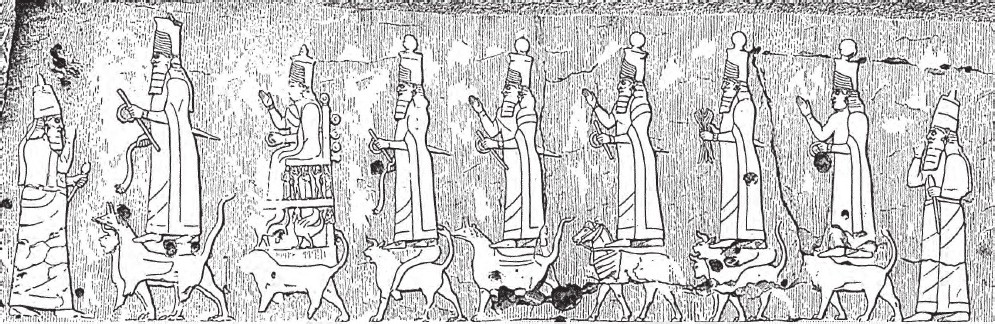
Picture shows seven gods on Vahanas in Iraq.

(Tamil version of this article is also available: London swaminathan)

(Please read Hindu Vahanas around the World–first part of this article and Deer Chariot: From Rig Veda to Santa Claus—second part: swami)

In India, particularly in Tamil Nadu, several gods are taken in procession at the same time on different Vahanas (Mounts of Gods) during festival times. People throng in thousands to see the Gods procession. It is a great feeling one gets after witnessing such a procession. It is amazing that this Hindu custom was followed in Assyria and Babylonia.

An Assyrian king, probably Sennacherib (704 BC) flanks a procession of seven gods on their sacred animals on a rock relief at Maltai in Northern Iraq.In the Middle East, all male gods are in standing position. Goddess is stting on a chair or a vahana.


Procession of 12 Gods in Turkey

In Boghazkoi in Turkey we have a procession of 12 gods. It may be Dwadasa Adityas (12 Adityas of Vedic pantheon). It is significant we see the 12 gods procession in a place where an inscription with the names of Vedic gods Indra, Mitra, Varuna and Nasatyas was excavated. The inscription is about a treaty between a Mitanni king and a Hittite king. It was dated 1400 BC.

Turkey, Syria, Iraq and Iran were ruled by Hittites, Kassites and Mitannis who used Sanskrit Scriptures for their treaties and horse training. We have inscriptional evidence starting from 1400 BC.

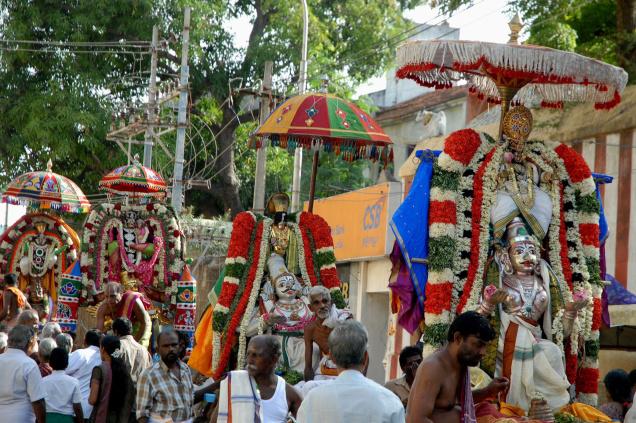
Hindu gods and goddesses are taken in procession during festivals on vahanas. Vahanas are Mounts of Gods. They are mostly animals. In some big temples like Madurai Meenakshi temple we several Gods are taken in procession at the same time.

Description of a procession

Madurai is a temple city and a city of festivals. Throughout the year one or other festival is celebrated in the temple. The temple has got beautiful Vahanas. They are Rishaba (bull),Horse, Kailash mountain, Kamadhenu (wish fulfilling Cow), Karpaka Vrisham (Wish fulfilling Tree), Annam (swan), Simmam (Lion), Parrot, Yali (Mythical animal), Nandhi Deva, Bhutam (shiva’s attendant) and elephant.

Picture shows 12 Garuda Vahana Sevai in Thanjavur.

Madurai temple stands unique in taking out Rishaba Vahana (bull) eighteen times in a year.

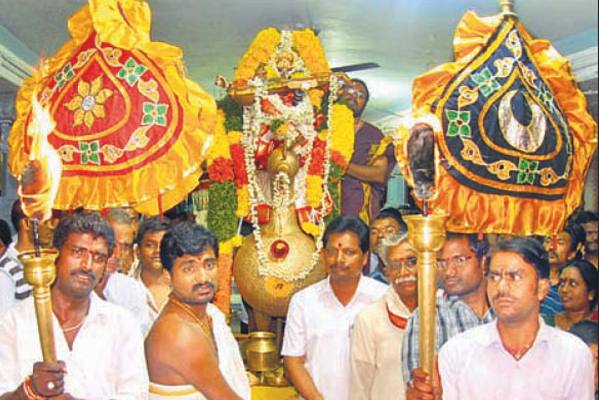
In Madurai, first comes the Vettu Vandi/ explosives cart in a procession. A person is hired to fire explosives to announce the procession to the area. People living in nearby areas, hearing the explosion, immediately rush to the street where the procession is on its way. Behind it comes the Temple Bull with Nagara drum. One person sits on it and beats the drum. It is followed by elephant and camels. Torch bearers, Petromax light bearers, temple flag and standard bearers follow in two lines on either side of the gods procession.

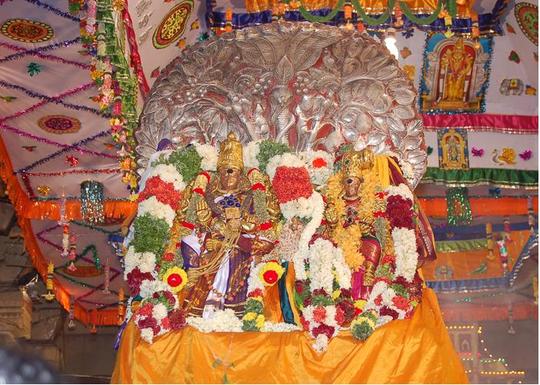
The Vedic Pundits come in a group reciting Vedas. Tamil singers sing the Tamil Hymns in a group and follow them. Then Ganesh, Kartikeya were taken in small Chapparams (vehicles). In the olden days, they were all carried manually. Now due to labour regulations, most of the deities outside the temple are taken in  carts with tyres and they are manually or mechanically operated.

Picture shows a procession in Assyria

The main deities follow Ganesh and Kartikeya in different Vahanas on different days. In Madurai , immediately after the Meenakshi Wedding, even Lord kartikeya of Tirupparankundram and Kudal azakar Perumal of Madurai  follow Meenakshi-Sundareswar and Piriyavidai. So in total there five big deities and three smaller deities will be taken in procession on the same day. Last comes Nandikeswara, the attendance taker. He is the one who maintains the account of devotees’ good deeds and makes sure they are rewarded duly. So, people disperse only after seeing Nandikeswara.

All the advertisement carts, Toffee sellers, Balloon and Toy sellers and bangle sellers follow the God’s procession to cater to the needs of children, women and others.

On Ani Tirumanjanam and Arudra festival days, five to twelve Natarajas are taken in procession in different towns. In Thanjavur 12 Garuda Vahanas are taken on a specific day. Each temple or each town has its own special occasions where more than one deity is taken at the same time. The more the number of deities in a procession, more the excitement and more crowds are seen.

**************

Hindu Vahanas Around the World

Pictures: Tutankhamen of Egypt and Adad of Babylonia


(Tamil version of this article is also available: london swaminathan)

Vahanas are Mounts of Hindu gods and goddesses. For thousands of years Hindus have been worshipping their gods mounted on vahanas. Mostly they are animals. Big Temples in Tamil Nadu take their beautifully  decorated gods and goddesses on various vahanas along the streets of the town. It is happening even today. During the annual festival of each temple, gods’ processions are organised. Some temples like Madurai Meenakshi temple do it more times in a year.

The origin of Vahanas is shrouded in mystery. Hindu Agamas have rules about Vahanas for each deity, each day and specific decoration. Various philosophical explanations are given about the vahanas. But before going into the details, let us look at the mounts of gods and goddesses around the world. This shows the influence of Hinduism, what is known as Sanatan Dharma, is around the world.

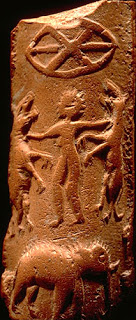
Chronologically speaking Vahanas first appeared in the Middle East in Babylonian and Sumerian cultures. We see them in Egypt and Greece. In India, it has started in Indus Valley. I have already written about Indra on his elephant Airavata in an Indus seal. Some scholars interpreted the figure as a woman standing on elephant. We have Indra’s wife Indrani on elephant in a Bangladesh sculpture. Either way it can be interpreted as Vedic Gods.

Most of the ancient Vahanas are in standing position. But later day Hindu iconography showed them comfortably sitting on an animal or a bird. Kanchi Shankaracharya (who attained Samadhi when he was 100 year old) gave a series of lectures in Chennai in 1935. Talking about California may be a corrupted word for Kapila+Aranaya=kapilaranya (read my article about Is California ,kapilaranaya?) etc., he raised a question and answered at one go “did Hindus go around the world to spread their religion? No. This was the religion that existed once in all parts of the world”.

I agree fully with Sri Kanchi Paramacharya. We see the vestiges of Sanatan Dharma in all parts of the world and Sanskrit words and names of Vedic Gods in every culture. Going by this rule, we can boldly say that the Hindu Vahanas seen in Egypt and Sumerian sculptures are due to Hindu influence.

Picture: Goddess Inana on Lion

Now look at the deities on animals in other parts of the world:

HINDU RELIGION IS THE ONLY RELIGION WHERE GOD IS WORSHIPPED IN FEMININE FORM FROM VEDIC DAYS TILL TODAY.

Lot of deities like Ishtar, Astarte, Inana, Lilith, Kadesh, Qudhu and Hathor are shown riding a lion like the Hindu goddess Durga.

Ishtar was worshipped from 2500 BC till 200 AD in the Middle East. She was compared with Inana of Sumerian culture. Inana ‘s worship goes back to 3500 BC She was the oldest god shown on a lion. She was the goddess of fertility and war. Even today Hindus worship Durga on lion as Goddess of War.

Inana was the paramount goddess of Sumerian pantheon. She was one of three deities involved in primordial battle between god and evil. Ishtar is the counterpart of Sumerian Inana.

Pictures: Astarte of Middle East and Indra on Elephant Airavata in Indus valley

Lilith was the first wife of Adam in Hebrew mythology. Lilith may have been derived from the Mesopotamian fertility goddess Nin lil. She is shown standing on two lions.

Qudshu (Kadesh) was the goddess of good health. She was the consort of fertility god Min of Egypt.  She was of Syrian origin but thought of as another form of Egyptian Hathor. She was depicted naked standing on a lion. She holds snake and lotus flower in her hands.

Astarte , the goddess of the evening star, of war and sexual love, was shown with lion like sphinx on either side. We see some similarity in these descriptions. They were the symbols of fertility or war. Hindu Vedas portray goddesses in the same way and till this day they are worshipped in Sri Suktam, Durga Suktam etc.

Tutankhamen on Tiger

Lilith of Hebrew Mythology

Tutankhamen (1333 BC), the most famous boy king of Egypt was shown standing on a tiger. This is clearly due to Hindu influence. His great grandparents married two Hindu girls from Syria. Mittanni king Dasaratha (Tushratta) who ruled Syria Turkey regions gave his daughters in marriage to an Egyptian king. We have the evidence of Vedic Gods for the first time in Bogazkoy inscriptions (please read my posts on oldest Sanskrit inscriptions).  Seti, another king who ruled after Tutankhamen, was also shown on a tiger. Kings were considered Gods in Egypt.

Padmasambhava, an Indian mystic who went to Tibet and Mongolia to spread Buddhism was shown riding a tiger like the Hindu god Ayyappa of Kerala and Hindu goddess Durga.

Bull Riders

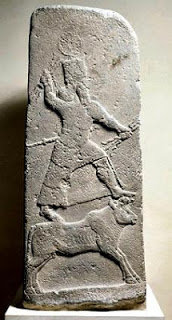
Bull (Nandhi) was the vahana of Hindu god Shiva. Indra was compared to bull in hundreds of places in the Hindu Vedas. A god known as Adad, holding Indra’s thunderbolt, was shown riding a bull in Akkadian sculptures.

Picture: Kadesh In Egypt

Adad had its origin in Mesopotamian around 1900 BC. He was worshipped as a weather god, similar to Indra of Rig Veda. His sculptures were found in Karkara, Mari, and Aleppo in Syria. His other names were Ramman and Iskur.

Iskur was worshipped in Iraq from 3500 BC in Iraq.

Baba Iaga , a witch or ogress of Slav regions was shown riding a pig.

Hindu epics and Puranas give a vivid description of various vahanas. We have excavated coins with Kartikeya on peacock from second century BC. A lot of beautiful sculptures show Hindu vahanas in Cambodia, Indonesia and the Indian subcontinent. (contd. In second part)

Picture: Hindu Goddess Durga


Contact swami_48@yahoo.com

உலகம் முழுதும் இந்து தெய்வ வாகனங்கள்


Goddess Lilith and Tutankhamun

(This article is available in English as well: swami)

தமிழ்நாட்டில் உள்ள எல்லா பெரிய கோவில்களிலும் ஆண்டுதோறும் உற்சவ காலங்களில் சுவாமி புறப்பாடு நடைபெறும். அப்பொழுது இறைவனையோ இறைவியையோ அலங்கரித்து ஒரு வாகனத்தில் தெருக்கள் வழியாக ஊர்வலமாக எடுத்துச் செல்வார்கள். எந்தெந்த சுவாமிக்கு எந்தெந்த நாட்களில் எந்த வாகனம் என்பதை ஆகமங்கள் எடுத்துச் சொல்லுகின்றன.

இந்த வழக்கம் ஒருகாலத்தில் உலகம் முழுதும் இருந்திருக்கிறது. ஆனால் அங்கெல்லாம் அழிந்த பின்னரும் இந்தியாவில் மட்டும் ஆயிரக் கணக்கான ஆண்டுகளாக இன்றுவரை நீடித்துவருகிறது. இந்துப் பண்பாடு காலத்தால் அழியாத ஒரு பொக்கிசம்.

வாகனங்கள் ஏன், எப்போது துவங்கின, அவைகளின் உள்ளர்த்தம் என்ன எனபவைகளைப் பார்ப்பதற்கு முன்னால் சில சுவையான விசயங்களை முதலில் காண்போம். எகிப்திலும் பாபிலோனியாவிலும் கூட இந்த வாகனங்கள் இருந்தன. துருக்கி சிரியா, இராக், ஈரான் முதலிய முஸ்லீம் நாடுகளில் ஒரு காலத்தில் இந்து கலாசாரம் இருந்தது. சம்ஸ்கிருத கல்வெட்டுகள் பற்றிய கட்டுரையில் இது பற்றி பார்த்தோம். துருக்கி –சிரியா எல்லைப் பகுதியில் பொகஸ்கோய் என்னும் ஊரில் கண்டு பிடிக்கப்பட்ட களிமண் படிவ கல்வெட்டில் வேதகால தெய்வங்களின் பெயர்கள் இருக்கின்றன.

காலக் கணக்கீட்டின்படி பார்த்தால், இந்தியாவுக்கும் முன்னதாக சுமேரிய, பாபிலோனிய,எகிப்திய ,கிரேக்க பண்பாட்டில் முதலில் வாகனங்களைக் காண்கிறோம். ஆக, அங்கிருந்து இவை இந்தியாவுக்கு வந்தனவா? அல்லது இந்தியர்கள் அதை அங்கு பரப்பினரா என்று கேட்டால் காஞ்சி பரமாசார்ய சுவாமிகள் சொன்ன பதிலையே சொல்லுவேன். கபில+ஆரண்ய= கபிலாரண்யா=கலிபோர்னியா (அமெரிக்கா) என்று ஆனதாகச் சொல்லிவிட்டு உலகம் முழுதுமுள்ள இந்து தடயங்கள் சின்னங்கள் பற்றி குறிப்பிட்டுவிட்டு, இப்படிச் சொல்கிறார்: “உடனே இந்துக்கள் அங்கெல்லாம் போய் இதைப் பரப்பினார்கள் என்று நினைக்காதீர்கள். ஆதியில் உலகம் முழுதும் சநாதன தர்மம் (இந்துமதம்) ஒன்றுதான் இருந்தது” என்று 1935-ஆம் ஆண்டு சென்னை தொடர் சொற்பொழிவில் கூறுகிறார்.

வேதத்தில் பல மிருகங்கள் குறிப்பிடப்படுகின்றன. புராண இதிகாசங்களில் வாகனங்கள் பற்றிய தெளிவான குறிப்புகள் இருக்கின்றன. சிந்து சமவெளியில் ஒரு முத்திரையில் யானை மீது ஒரு ஆணோ பெண்ணோ நிற்கும் காட்சி இருக்கிறது. இதைப் பற்றி யானை வாகனத்தில் இந்திரன் அல்லது இந்திராணி என்று ஏற்கனவே எழுதி இருக்கிறேன். ஆகவே 5000 ஆண்டுகளுக்கு முன்னரே இந்தியாவில் வாகனம் உபயோகத்துக்கு வந்துவிட்டது..கி.மு இரண்டாம் நூற்றாண்டு காசுகளில் மயில்வாகனத்தில் முருகன் காட்சி தருகிறான். இந்தியா, கம்போடியா, இந்தோநேசியா ஆகிய இடங்களில் வாகன சிற்பங்கள் உள்ளன.

Astarte and Hathor

இந்து வாகனங்கள் உலகம் முழுதும் இருந்ததற்கான சான்றுகள் இதோ:

எகிப்தில் துதன்காமுன் (கி.மு. 1333) என்ற மன்னனை கருஞ்சிறுத்தை மீது நிற்பதாகக் காட்டியுள்ளனர். எகிப்திய பாரோக்கள் (மன்னர்கள்) இறைவனுக்குச் சமமாகக் கருதப்பட்டனர். அவனுடைய தாத்தா, கொள்ளுத் தாத்தா காலத்தில் இருந்து இந்துப் பண்பாட்டில் இருந்த தொடர்பு இதற்குக் காரணமாக இருக்கக் கூடும். மிட்டன்னி (சிரியா/துருக்கி/இராக் பகுதியை ஆண்ட இந்து மன்னர்கள்) மன்னர் தசரதன், தன் பெண்களை எகிப்திய மன்னனுக்கு மணம் முத்துவிட்டு எழுதிய கடிதங்கள் இன்றும் எகிப்தில் உள்ளன. துதன்காமுனுக்குப் பின் சேதி என்ற மன்னர் ஓவியங்களிலும் வாகனத்தைப் பார்க்கலாம்.

இந்துக் கடவுள்களில் துர்க்கா தேவி, அய்யப்பன், புத்த மதத்தில் பத்மசம்பவர் ஆகியோர் புலி வாகனத்தில் செல்வதாகக் காட்டப்பட்டிருக்கின்றனர்.

சீம்ம வாகனம்

வாகனங்களில் மிகவும் பழைய வாகனம் சிம்ம வாகனம். இன்றும் துர்கா தேவியின் வாகனமாக பயன்படுத்தப்படுகிறது. எங்கெல்லாம் தேவி, காளி வழிபாடு இருக்கிறதோ அங்கெல்லாம் சிம்ம வாகனம் இருக்கிறது.

கதேஸ் என்று சிரியா நாட்டிலும் ஹதோர் என்று எகிப்திலும் வழிபடப்பட்ட தேவியின் வாகனம் சிங்கம். நிர்வாணமாக நிற்கும் இந்தக் கடவுளின் ஒரு கையில் பாம்பு இருக்கும். இனவிருத்திக்கான தேவதை.

Adad on bull. Indra onVan, and Durga on vahanas

ஹீப்ருக்கள் வணங்கிய லிலித் என்ற தேவதை இரண்டு சிங்கங்களின் மீது நிற்பதாகக் காட்டப்படுகிறது. லிலித், முதல் மனிதன் ஆன ஆதாமின் மற்றொரு மனைவி. ஜில்காமேஷ் கதையிலும் லிலித் வருகிறாள். அவர் தாக்கியவுடன் லிலித் பாலைவனத்துக்குள் ஓடியதாக கதை.

கி.மு.எட்டாம் நூற்றாண்டு சிற்பம் ஒன்று அசீரிய காதல்-போர் அதி தேவதையான இஷ்டாரையும் சிம்ம வாகினியாகக் காட்டுகிறது.

கி.மு 133 ஆம் நூற்றாண்டைச் சேர்ந்த எழிலிகாயாவில் அரின்னா, சுர்ருமா ஆகிய தெய்வங்களும் சிம்ம வாகனத்தில் நிற்கின்றனர்.

காளை வாகனம்

காளையை இந்திரனுக்கும் ஏனைய தெய்வங்களுக்கும் உவமையாகக் கூறுவதை வேதத்தில் படிக்கிறோம். பிற்காலத்தில் காளையை சிவனுக்கு வாகனமாக்கினர்.5500 ஆண்டுகளுக்கு முன் சுமேரியாவில் ஒருகாளை மீது தெய்வம் உட்காரும் ஆசனம் போடப்பட்டிருக்கிறது

கி.மு.எட்டாம் நூற்றாண்டு சிற்பம் ஒன்று புயலுக்கு அதிபதியான பாபிலோனிய அதாத் என்னும் கடவுளை காளை வாகனத்தில் நிற்கும்படி செதுக்கியுள்ளது. அதாத் இந்திரன் போல கையில் வஜ்ராயுத்தை தாங்குகிறார்.

இந்திய வாகனங்களுக்கும் முற்கால வெளிநாட்டு வாகனங்களுக்கும் உள்ள பெரிய வேறுபாடு அந்த கடவுள்கள் வாகனங்கள் மீது நிற்பார்கள். இந்துக் கடவுளோவெனில் வாகனத்தில் அமந்திருப்பார்கள்.

பாபா இயாகா என்ற ஸ்லாவ் இனக் கடவுள் பன்றியின் மீது பயணம் செய்கிறார்.  (தொடரும்)

Largest Golden Temple in the World

By London Swaminathan

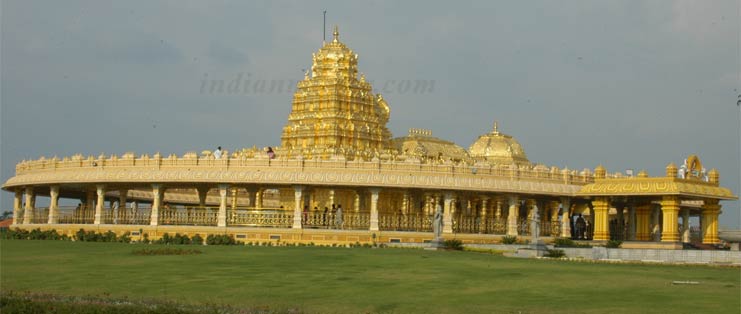
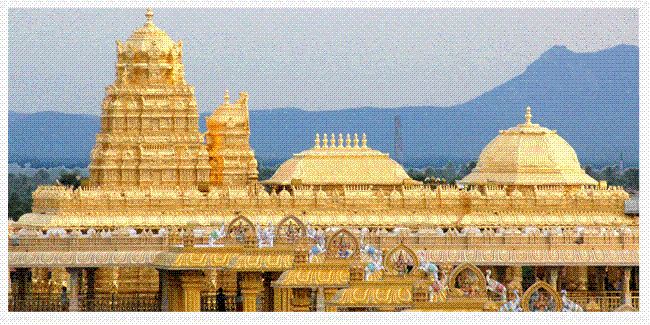
The most famous Golden Temple is in Amritsar (Punjab, India). But it is not the largest Golden Temple. There is another Indian Wonder, carrying several times more gold on its roof than Amritsar temple. No doubt Amritsar is the holy city for Sikhs. But if you take the amount of gold, then Vellore Sri Puram Golden temple is the largest in India, perhaps in the world!


The gold used in Amritsar Golden Temple is about 100 kilos. The gold that was used in Sri Puram temple was 1500 kilo gold!!!

Sri Puram Temple was valued Rs 600 crores including the vast land, buildings and gold.


When I went o Sripuram Golden temple of Goddess Narayani  (Maha Lakshmi) five years ago I was wonder struck. I felt that I have achieved something great in my life by visiting the temple. When I took my family to Bangalore in India, I cancelled the first class Railway reservations and arranged a car to travel from Chennai to Bangalore. My family was not happy for two reasons: 1.Tedious car journey and 2.cramping too many “unimportant” places in our itinerary. One of the “unimportant”, not heard of places is Vellore Sripuram Golden Temple. I told them to shut up till they see the temple.

As we reached Sri Puram, they could see the big crowd going towards the place and they realised there was something unique there. We stood in the queue like we do in Tirupati Balaji temple even after buying a special ticket. This helped us to cut short the queue. All along the walking route you can buy eatables and other memorabilia. When they saw the golden towers and walls of the temple they were all amazed. One disappointing thing was they didn’t allow cameras or mobile phones inside the temple complex.

The Golden Temple at Sri Puram is a must see place for everyone going to Tamil Nadu. Now I am telling all Londoners visiting Tamil Nadu to include it in their main itinerary.


Some important facts about the temple:

It was built in 2007.

The gold used for the temple- 1500 kilos!

Location: five miles from Vellore. Vellore is 80 miles from Chennai and 135 miles from Bangalore. It is under the foot of a small hill. Don’t miss the famous Jalakandeswarar Shiva temple in Vellore on you way.

Area occupied- 100 acres

Who runs the temple? A saint called Sri Sakthi Amma (amma means madam or mother in Tamil; but he is a man). Swamiji’s books , magazines and booklet about the beautiful temple are available in the temple complex.

What is the secret? The temple itself is constructed in star shape (reminding Sri Chakra of Goddess). Like all South Indian temples there is a sanctum sanctorum (Garba Gruham), Vimanam (tower) and Ardha Mandapam (hall before the sanctum sanctorum)

What does he teach? Like any Hindu saint Worship God, Serve the Community, Respect the Hindu scriptures etc. No cult or anything like we see in some other movements.

One can see the sculptures of all the gods when one walks along the long and winding route to the shrine.

It is a modern wonder, but definitely, a Wonder of the World.

For more of the same, contact swami_48@yahoo.com

*******

108,000 TEMPLES IN INDIA !

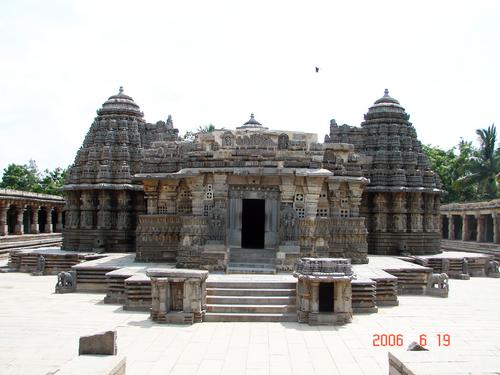
Picture shows Somanathapura temple of Keshava

HOW MANY TEMPLES ARE THERE IN INDIA? by S Swaminathan

The number of Hindu temples in India is a puzzle. Nobody bothered to count them, because they are innumerable. Moreover Hindus are not that keen to record such immaterial things. But days are changing. Our children living in western countries ask such questions and embarrass us. My calculation shows that we have  a readily available list of 108,000 temples. But my guess is that we must have at least 600,000 temples !

India is an agricultural country. We have 638,000 villages, 5000 towns and 400 big cities. A Tamil proverb says DON’T LIVE IN A TOWN WHERE THERE IS NO TEMPLE. A Sanskrit proverb says SEEING A TEMPLE TOWER GIVES YOU A 10 MILLION GOOD THINGS (Gopura dharsanam, Koti Punyam). So going by this, we must have over 600,000 temples. My research into the Tribal people of India (I have a big collection of articles on Tribal Peoples of South India) shows that they have also got a place of worship.

Our parents have taught us why we should go to temples instead of worshipping at home:

Temples teach you to AIM HIGH IN LIFE (look at the tall towers)

Temples teach you to THINK BIG AND ACHIEVE IT (our kings thought about huge temples, planned them and built them)

Temples teach you GOOD THINGS ARE NEVER DESTROYED (look how many years they have been standing in spite of thousands of foreign invasions)

Temples teach you COMMUNITY SPIRIT (think together, work together and execute together)

Temples KEEP YOU FIT MENTALLY AND PHYSICALLY (temples are huge, when you walk through the corridors, you do big exercise. The festivals in temples lift your spirit)

Temples HELP YOU TO FOCUS ATTENTION (you develop concentration power)

Temples are POWER HOUSES (they charge your battery because great saints like Adi Sankara,Ramanuja, Madhwa, Vallabha, Chaitanya, Alvars, Nayanmars,Nivrutti, Gnandev, Sopana,Muktabhai, Eknath, Namdev,Tukaram,Ramdas, Tamil Siddhars  and hundred thousand more saints have stored their energy in the temples for generations to come).

Adi Shankara has installed Jan Akarshan (attracting people) and Dhan Akarshan (attracting money) Chakras in Varanasi ad Tirupati.

The government list of temples is as follows:

Tamil Nadu—34,000 temples

Andhra Pradesh—43,000 temples

Karnataka—34, 000 temples

Kerala—28,000 Bagavathy temples (Travancore and Cochin Devaswam Board –TCDB-alone has 1800 temple)

(Four South Indian States alone total over 108,000 temples!!!)

Maharashtra—45,000 temples

Mathura Brindhavan area—5000 temples

Himachal Pradesh—over 2000 temples and sacred places

Along the banks of 1500 mile long Holy Ganges, thousands of sacred places! And along the 1500 mile long Himalayas every foot is considered sacred place. No need to mention about Badrinath, Kedarnath and Kailash.

Kancheepuram near Chennai alone has 108 temples. Madurai in Tamil Nadu has 50 temples.

The list is not exhaustive. I couldn’t get exact figures for many states. Since the revenue of South Indian temples are used (or misused) by the state governments, the figures come out very often in news papers. The richest temples in the world are in South India. Tirupati Balaji temple, Tiruvananthapuram Anantha Padhmanabha Swamy Temple, Sabarimalai Ayyappan Temple, Madurai Meenakshi Temple, Palani Murugan Temple, Udupi Krishnan Temple and Guruvayur KrishnanTemple.

Puri Jagannath Temple in Orissa, Vashno Devi temple in Kashmir,Siddhi Vinayak Temple in Mumbai, Somnath Temple in Gujarat, Kasi Viswanath Temple in Varanasi,Uttar Pradeshare rich.

These rich temples are like Kamadhenu (wish fulfilling sacred cow), Karpaka Vriksham (wish fulfilling tree) and Akshaya Patram (Magic Vessel that supplies you food for ever) for governments.

Balaji Temple of Tirupati attracts more crowd than Lourdes in France and Vatican City in Italy. Anantha Padhmanabha Swamy’s treasure vaults contain the richest treasure in the world. A charge has been made by a foreign writer, Stephen Knapp, in a book titled Crimes against India and the need to protect Vedic Tradition, published in the United States and it makes shocking reading. Now and then the Indian Newspapers also give us statistics of how the revenue from the Hindu Temples are transferred to state exchequers and used for secular, sometimes, even anti religious activities.

For more information, contact swami_48@yah00.com or swaminathan.santanam@gmail.com

*****************************

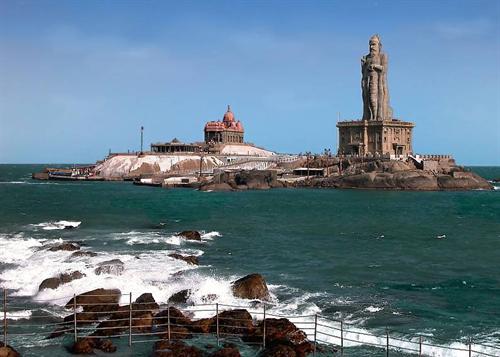
குமரியில் புகழ்மிகு சிலைகள்

Swami Vivekananda Statue at Kanyakumari


Tiruvalluvar Statue at Kanyakumari

வீர கர்ஜனை செய்து இந்துமதத்தின் புகழினை இமயமலை உயரத்துக்குக் கொண்டுசென்ற சுவாமி விவேகாநந்தர் சிலையும், தேனினும் இனிய தெள்ளு தமிழில் திருக்குறள் என்னும் கல்கண்டை வழங்கிய வான் புகழ் வள்ளுவனின் சிலையும் கன்யாகுமரியில் கண்ணுக்கு விருந்தாய் அமைந்ததை நாம் அனைவரும் அறிவோம்

நீலத்திரைக் கடல் ஓரத்திலே (பார்வதி/பகவதி அம்மன்) நின்று நித்தம் தவம் செய்யும் குமரி எல்லையில் முக்கடலும் கூடும் சங்கமத்தில் இரு சிலைகளும் அமைந்தது எவ்வளவு பொருத்தம்!

முப்பால் என்னும் 1330 அருங் குறட் பாக்கள் மூலம் பாரதப் பண்பாட்டின் கொள்கைகள் அனைத்தையும் முக்கனிகளின் சாறு போல பிழிந்து தந்த தமிழர்களுக்குப் புகழ் சேர்த்தான் வள்ளுவன்.

சிகாகோ நகரில் உலக மதங்களின் மாநாட்டு அறையில் “அமெரிக்க நாட்டின் சகோதர சகோதரிகளே” என்று முழங்கி உலக சகோதரத்துவத்தையும் “யாதும் ஊரே யாவரும் கேளிர்” என்ற தமிழ் கொள்கையையும் நிலை நாட்டினான் விவேகாநந்தன்.

அணுவைத் துளைத்து ஏழ் கடலைப் புகுத்தியது போல இரண்டு வரிக் குறட்களில் உலகப் பொதுமறையை வழங்கினான் வள்ளுவன்.

உணர்ச்சி மிகு ஆங்கிலப் பெரு முழக்கத்தால் இந்து மத எதிரிகளை மண்ணைக் கவ்வச் செய்தான் விவேகாநந்தன். எழுமின்! விழிமின்! குறிக்கோளை அடையும் வரை நில்லாது செல்மின் என்று முழங்கினான்.

வள்ளுவனோ எனில் அகர முதல எழுத்துப் போல உலகத்துக்கு ஆதி பகவனே முதல்வன் என்று கூறி தெய்வமே இல்லை என்று கூறியோருக்கு ஆப்பு வைத்தான்.

வள்ளுவன் தெய்வப் புலவன், விவேகநந்தன் தெய்வ தூதன். இருவரின் சிலைகளையும் கண்டு ஊற்றுணர்ச்சி பெற, சில அடிப்படைக் குறிப்புகள் கீழே உள்ளன:

இருப்பிடம்: அரபிக் கடல், வங்காள விரி குடா, இந்து மகா சமுத்திரம் ஆகிய முக்கடலும் சங்கமிக்கும் இடத்தில் கடல் நடுவே இரண்டு பாறைகள் இருக்கின்றன. பெரிய பாறையில் சுவாமி விவேகநந்தரின் ஒன்பது அடி வெண்கலச் சிலையும், சிறிய பாறையில் வள்ளுவனின் 133 அடி உயரச் சிலையும் உள்ளன.

விவேகாநந்தர் சிலை மண்டபத்துக்குள்ளும் வள்ளுவன் சிலை அமெர்க்க சுதந்திர தேவி சிலை போல வானத்தையே கூரையாகவும் கொண்டு அமைக்கப்பட்டன.

விவேகாநந்தர் பாறைக்கு 6000 டன் கற்களும் வள்ளுவன் சிலைக்கு 7000 டன் கற்களும் பயன்பட்டன.

இரண்டு இடங்களும் ஏறத் தாழ 500 மீட்டர் தூரத்தில்கடல் நடுவே இருப்பதால் படகில் செல்லலாம்.


திருவள்ளுவர் சிலை

“கற் சிலையின் உயரம் 95 அடி
பீடத்தின் உயரம் 38 அடி
முகத்தின் 10 அடி
உடல் 30 அடி
கால் 20 அடி
முன் கை 10 அடி
துவங்கிய ஆண்டு 2000
தோள்களின் அகலம் 30 அடி
முடியின் நீளம் 5 அடி
மொத்த எடை 7000 டன்கள்


விவேகாநந்தர் சிலை விவரம்

பாறையின் பரப்பு: 534க்கு 426 அடி

கடல் மட்டத்திலிருந்து உயரம் 55 அடி

பாறையிம் மொத்த பரப்பு 4 ஏக்கர்

வெண்கலச் சிலையின் உயரம் 9 அடி

துவங்கிய ஆண்டு 1970

மண்டபங்களுக்குப் பயன்பட்ட கல் 6000 டன்


விவேகானந்தா மண்டபம் அளவுகள் 180’-11½” x 56’
சிகரம் 65’-6”
சபா மண்டபம் அளவுகள் 130’-1½” x 56’
கூரை 14’
தியான மண்டபம்  அளவுகள் 39’-10” x 57’-10”
கூரை 14’
முக மண்டபம் அளவுகள் 17’ x 11’
கூரை 20’-10”
ஸ்ரீபாத மண்டபம்: இங்கு தேவியின் திருப்பாதங்களைக் காணலாம் அளவுகள் 71’-10” x 71’-10”  
கூரை 9’-3”  
கலசம் 20’  
பிரதட்சிண மண்டபம் பிரகாரம் 1266’  
பதையின் அகலம் 10’  


சுவாமிநாதன் எழுதிய வேறு கட்டுரைகள்:

1. வள்ளுவனுடன் 60 வினாடிப் பேட்டி,

2. வள்ளுவன்,சிவன் ,சாக்ரடீஸ் மர்மத் தொடர்பு,

3. Three Apples that Changed the World

4. Two Little Animals that Inspired Indians and

5. Two Mangoes that Changed the Tamil World

6. 60 Second Interview with Swami Vivekananda

7. Two Statues that Inspired the World


*****************