Ancient Tamil Dress


Picture shows Reed Skirt of women of Hawaii (USA)

(Tamil version of this article is posted in two parts with references: London swami)

Sangam Tamil literature sings about the reed skirts of Tamil women. The skirts were made up of dried grasses or reeds. I was looking for such dress in the sculptures and paintings, but in vain. Recently I came across such reed skirts worn by women of Hawaii. Even today women in Pacific islands wear such reed skirts. While I was reading a book on the customs during the age of the Brahmanas (part of Vedic literature), I read another interesting fact. Brahmin priests were wearing reed skirts made up of certain types of grass for the Yagas (fire ceremonies).

The Priest-King of Indus valley civilization wears an embroidered shawl. Incidentally Brahmana scriptures mention embroidered woollen cloths. Tamils also wore dress with flower designs on it, says 2000 year old Purananuru (274).

Silappadikaram is the most popular Tamil epic that sings the glory of ancient Tamil kingdoms. Adiarkku Nallar, one of the commentators, gives 36 types of Tamil clothes. Their names include clothing imported from Malaysia, Burma, Orissa and Gujarat ( all the 36 types are given in my Tamil version of this article).

Nakkirar, one of the famous poets of Sangam period, says that “we need one Nazi measure of food every day, two pieces of clothes. It shows the ancient Tamils wore one upper garment and one under garment like Dhoti. We have descriptions of shirts called ‘Kanchukam’, mostly worn by soldiers or foreign body guards from Rome (Yavanas=Milechas). Those Milechas were described as speechless, dumb and men of gestures (sign language)—Mullai Pattu lines 66-67.

One great thing about the Tamils was that they produced cloths looking exactly like a snake skin. Ancient Egypt was believed to have imported all the clothes for the mummies from Tamil Nadu. When we look at the Tamil name of the Egyptian God of weaving ‘Neith’, we have to accept the fact that Tamils were the main source of clothes for Egyptian Pyramids.

The clothes that looked like a snake skin were praised by many Tamil poets in the Sangam anthologies. A verse in Akananuru describes a wedding scene. The bridegroom noticed that bride was sweating under her sari. When he took off  her sari to let some air, she looked like a shining sword out of its sheath. His real intention was to have a look at her beautiful face. She tried to hide her body with her hair and the garlands as soon as he took her clothes off. This verse throws some light on the type of clothes (may be saris) they wore during weddings.

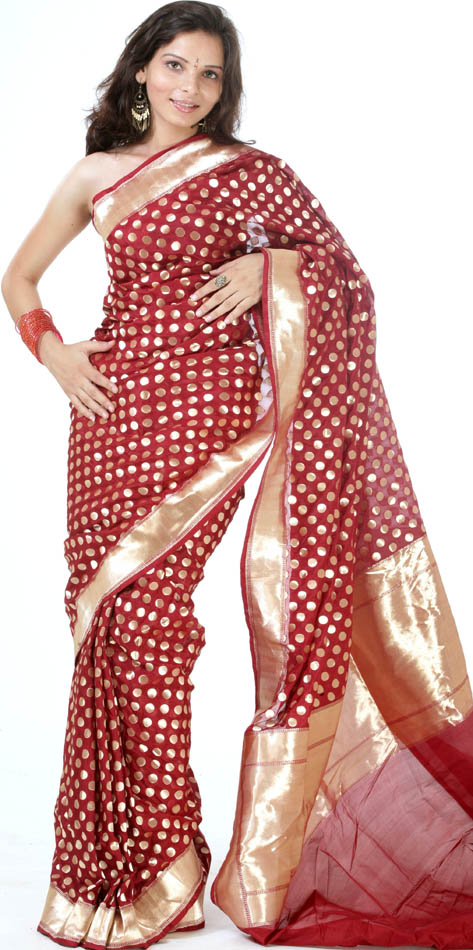
Andal ,a poetess who lived in the seventh century AD describes about a wedding sari called Kooraip Pudavai. This type of sari, red in colour, is still used by the Brahmin ladies on the wedding day.

REED DRESS reference from the Vedic Literature:
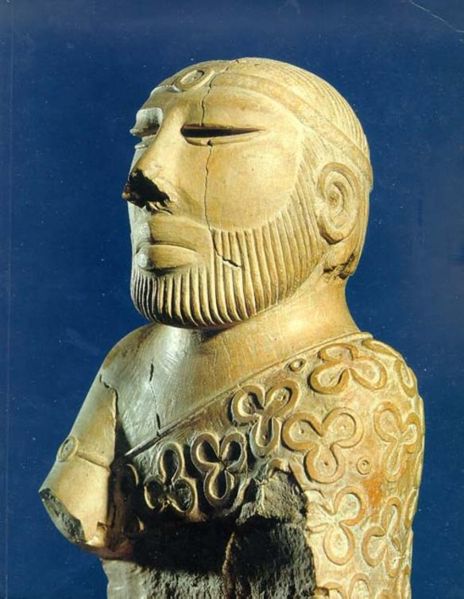
Picture: Embroidered shawl of Indus Priest King

From “India of the age of the Brahmanas” by Jogiraj Basu

‘’garments made up of wool, cotton and silk were worn by the people. Cotton and wool, sewing and knitting  are often referred to. The term sutra refers to cotton and urna to wool which was made up of sheep’s hair. The general dress consisted of three parts—the main portion fitting the body called vaasa, an outer or over garment called aadhi vaasa and an under garment named niivi.

Warp, woof and different aspects of weaving are referred to in SB 3-1-2-18.

Suvaasa (good garment) and suvaasaa (well clad) occur frequently in SB and AB etc.

“ garment is a man’s outward appearance, whence people on seeing a well clad man, asks who can this be? for he is perfect in his outward appearance.” (SatapataBrahmana)

When a cloth is woven it is embroidered at the border before the actual texture is woven; it is embroidered in the middle and again it is embroidered at the end” (Aitareya Brahmana 2-11-10)

Special garments were prescribed for the priests performing sacrifice. Skirts made up of Kusa grass were used in certain sacrifices. From the S.B. we learn that the sacrificial garment consisted of a garment of pure wool not dyed, an under garment made of silk called “taarpya”, an outer garment like adhi vaasa and a head dress or turban (Usniisa). Kings and queens wore such head dress. Indra’s wife Indrani had a most variegated (multi coloured and embroidered) head band, says S.B. 14-2-1-8

Sages, mendicants and Brahmacharis used to put on garment made of hides of black antelope (krsnaajina).

Female ascetic Sabari in the Ramayana was called Krishnaajinaambharadharaa i.e. one who puts on the garment made of black deer skin.

Sanskrit dramas describe the red colour dress of the prisoners who were sentenced to death.
 

Tamils designed the first Bra (ssiere)?

World Tamil souvenirs and Tamil magazines show ancient Tamil women wearing bra. There is a convention of drawing or painting Tamil women like this for hundreds of years. But we don’t see such a custom or costume in any other ancient civilization. They did not wear brassiere. Neither did the Tamil women in ancient paintings at Sithannavasal or temple sculptures. They were shown with bare breasts. Not even in Ajanta paintings in Maharashtra. But the Tamil convention of drawing or painting women with bras made me think that Tamils should have designed it first. But it needs more in depth research on the origin of Bras.

*****************


Kannaki and Andal Weddings

Kannaki & Kovalan pictures from Poompuhar Art Gallery;Picture courtesy: Vijayan

Three Beautiful Tamil Hindu Weddings- Part 2

( Please read first part before reading the second part: swami )

We saw, in the first part, the beautiful descriptions of two weddings that happened 2000 years ago in Tamil Nadu. Another beautiful wedding scene is in the Tamil epic Silappadikaram. This is the most famous epic of the five Tamil epics. The wedding scene of Kannaki- Kovalan is quite a contrast to the scenes from the Akananuru. Here we see the ceremony of going round the fire, Vedic Mantras etc. This is like a typical Tamil Brahmin wedding that is celebrated today. But Kannaki and Kovalan were the daughter and son of two big Tamil merchants. They were not Brahmins. They lived in a city famous for its maritime trade.

The author of the epic was poet Ilango. Like I mentioned in the first part, the wedding was celebrated sometime in the second century AD. But no linguist will date the epic at 2nd century AD. The style of the language, Sanskrit words and knowledge of various fine arts copied from Sanskrit sources—all point to fifth or sixth century AD. Since Vashista Mahrishi’s wife Arundhati is referred to as the chaste woman in Sangam Tamil literature in several places, fire ceremony may have existed in Sangam Time. Seeing Arundhati star in the night of the wedding day is part of Hindu wedding ceremony.

Let’s look at the wedding now:

“Fair maidens seated on an elephant’s neck were sent forth, to invite to the wedding all those lived in the great city. As they went forth into the streets, drums were beaten; mirudangams were sounded; conches were blown; and white umbrellas were lifted high in the sky as if in kingly procession. O, how enchanting was their entry into the pavilion, glimmering with the pearls beneath the canopy of blue silk and with dazzling pillars, decked with diamonds and beautified by overhanging garlands! This was the day the moon moving in the sky approached the star Rohini, when Kovalan who walked around the holy fire in accordance with scriptural injunctions as directed by the revered priest, approached his bride, divinely fair, resembling the star Arundhati. How fortunate were those who enjoyed such a splendid sight!”

“ Lovely maidens bringing spices and flowers, spoke and sang, and looked bewitching. Women with full breasts and glowing tresses took with them sandal paste, frankincense, perfumes and powders. Ladies with lovely teeth bore lamps, vessels and Palikai pots of tender shoots. These maidens who looked like golden creepers and whose hair was decked with flowers, showered blossoms on the bridal pair, saying May you live a flawless life, with a love that knows no separation, and held in close and un relaxing embrace”.

“Then they led Kannaki, the Arundhati of this vast world, to the auspicious nuptial bed with the prayer that the royal tiger emblem, engraved on this side of the Himalayas, might remain forever on the golden crest of the mountain.”

All the three weddings narrated so far were on Rohini star day. But in Kannaki-Kovalan wedding we see the class difference in the ancient Tamil society. The first two were done on sandy floor under a thatched shed. This one was in a dazzling hall decked with diamonds.

Rohini in the Vedas:

Rohini star is an auspicious star according to the Vedas (Vedic Index, Vol. I, page 415).  It is in Brihat Jataka as well. Rohini was the favourite of the 27 wives of the moon. Palikai pots are part of Hindu ceremonies even today. The Bodhayana Grihya sutras mentions five palikais for purpose of marriage.

Andal’s dream of a divine wedding

Andal, one of the glorious Tamil poetesses, lived in the seventh century AD. She fell in love with Lord Vishnu and in her dream she saw her wedding. It is in Varanam Ayiram of Divya Prabandham. This is sung in all Vaishnavaite Brahmin weddings even today. The beauty of Varanam Ayiram is all the steps in today’s wedding ceremony are described in the same sequence.

Arrival of the bridegroom, Betrothal ceremony, arrival of the bride, bridegroom’s sister’s role, the red colour special sari, grasping the hand (Pani Grahanam), Havan/Fire Ceremony, Chanting of Vedic Mantras, Walking around the fire in seven steps (Saptapati), Puffed rice Homam (laja homam)- all these are described in beautiful Tamil verses. This is a wonderful Tamil verse, that too coming from a wise girl, who lived 1300 years ago. Tamil women must be proud of Andal.

Avvaiyar,Andal and Karaikal Ammaiyar are proof for the good education of women in ancient India. Though we have a score of Vedic poetesses and nearly the same number of Sangam Tamil poetesses, Andal’s place is unique in Tamil literature. Her Tiruppavai and Nachiyar Tirumozi were the most popular parts of 4000 Divya Prabandham verses.

Picture shows Saptapati in a Bengali wedding

Varanam Ayiram shows the role of dream in Tamil culture. Lord Vishnu come to marry our poetess Andal with thousand (Ayiram) elephants (Varanam). That is why this piece is called Varanam Ayiram. Purna Kumbham (Holy water pots), Toranams (Decorative streamers),Wedding dais decoration with betel nut trees, Kurai Pudavai (sacred red colour sari that is worn by Hindu goddess), Kankanam (Kaappu mentioned in Akananauru verse), Lighting the holy fire, Walking in seven steps around it in a circle, Stepping on a grinding stone (ammi) to show their steadfastness, Kunkumam (red colour powder) and sandal paste, wedding procession around the city—all these are beautifully described by Andal. This is every girl’s dream in the world. Whoever reads this will get married in a grand ceremony like this is the belief of Tamil Hindus.


**********

Three Beautiful Tamil Hindu Weddings

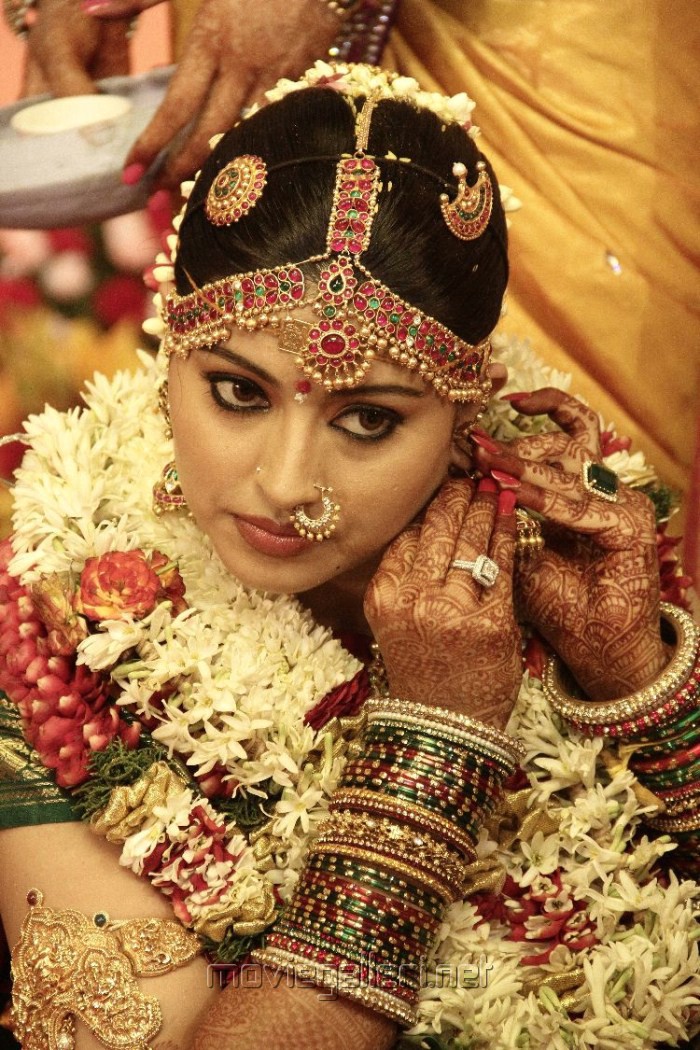
Tamil Actress Sneha on her wedding day

By London swaminathan

How did the ancient Tamil Hindus celebrate their weddings? There are three beautiful wedding scenes in Tamil literature: Akananauru, Silappadikaram and Divyaprabandham.

Two thousand year old Sangam Tamil literature describes Tamil Hindu weddings in two beautiful verses in Akananauru (verses 86 and 136). The poets bring the wedding ceremony in front of our eyes. Anyone who reads those poems can visualise that day. It is like a live running commentary.

In the first verse (86), poet Nallavur Kizar describes the food and the dress. There was a huge heap of rice cooked with black gram (Pongal). There was a wooden shed (pandal) with fresh sand from the river banks spread. Since they believed in astrology and auspicious days ,it was celebrated on the day when Rohini star was with the moon. Since they were orthodox Hindus they lighted lamps even though it was celebrated in the day time. Bridegroom and bride were adorned with flower garlands. Some women were carrying the pots on their head, others bearing new, broad bowls, handed them one after another, while fair elderly dames were making noise. Mothers of sons, with bellies marked with beauty spots, wearing beautiful ornaments, poured water on the bride, so that her black hair shone bright with cool petals of flowers and rice grains (probably yellow rice called Akshatai). They blessed her saying ,’do not swerve from the path of chastity, be serviceable in various ways to your husband who loves you and live with him as his wife. They greeted her ‘Dirgha Sumangali Bhava: in Tamil– Per Il Kizaththi Aguka’–.On the night after the marriage ceremony was over, the neighbouring ladies assembled and sent her to the arms of her lover, to which she went with trepidation ( This is the Shanti Muhurtham alias First Night).

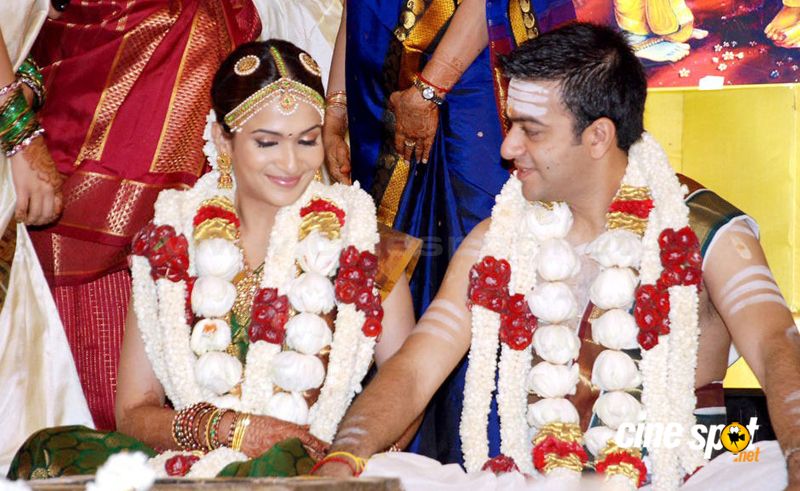
Picture shows Soundarya Rajinikant’s wedding

In another verse136, poet Vitrutru Mutheyinanar says, white rice well cooked with plenty of ghee was served generously to the elders. Since Tamils believed in astrology, the poet remarks, the omens shown by the birds were propitious. It was a bright morning. The moon was in faultless conjunction with the Rohini star. The marriage house was decorated. They worshiped God. The big drums sounded with wedding tunes. Excited women were peeping without a wink with their flower like eyes at the bride who had been bathed. The image (to be worshiped) was made of big flower petals. Clear like a gem that has been well washed, was placed on the soft Vagai flower with the double leaf and the Arukam grass. It was decked with cool, sweet flower buds and white thread clothed with holy cloth, so as to look grand. The bride was seated on the fresh sand under the Pandal ( A thatched shed made over a row of wooden poles). The bride was perspiring with loads of ornaments. They fanned her to dry the wet.( I have used the translations given in History of the Tamils by  PT Srinivasa Iyengar).

Though tying the knot (Thaali=sacred yellow thread around the neck of the bride) is not mentioned  a few other verses hint at it. But no priests, no fire ceremony or no circumambulation of the sacred Fire were mentioned. One can understand it when one understands the caste differences that existed in those days. Since the Tamil epic Silapadikaram mentions the fire ceremony etc we can’t conclude it was never done. Most of the scholars put Silappadikaram event in the Sangam age. But the writing of the epic was dated between 3rd century and 7th century.

What is very clear in the above two Sangam Tamil verses is the Tamils believed in God and astrology. They used lot of vegetarian food and flowers during weddings. Ornaments and decorations, respect for elders are all like modern day weddings. The bride wore a thread (protective Kaappu) and new dress after a shower. Music was part of Tamil Hindu weddings.

(In part 2 Wedding Scenes of Kannaki and Andal are discussed).

Contact swami_48@yahoo.com or Swaminathan.santanam@gmail.com

பெண்கள் பற்றி 300 தமிழ் பழமொழிகள்- இறுதி பகுதி


வீட்டுக்கு அலங்காரம் மனையாள்

வீட்டுக்கு அலங்காரம் மனையாள்
வீட்டுக்கு இருந்தால் வெங்கலப் பெண்டாட்டி வீட்டுக்கு இல்லாமற் போனால் தூங்கற் பெண்டாட்டி
வீட்டுக்காரி என்று பெண்சாதிக்குப் பெயர்
வீதிரும் பெண்ணும் விலை போச்சுது, கை தப்பினால்
வெடவெட என்று தண்ணீர் குடிக்காதவளா உடன்கட்டை ஏறப்பொகிறாள்?
வெட்கத்தால் ஒல்காதவள் குலஸ்த்ரீக்குப் போகாது
வெடகப்படுகிற வேசியும், வெடகங் கெட்ட சமுசாரியும் உதவ மாட்டார்கள்
வெட்கமே கெட்டு வெளிப்பட்ட முண்டைக்கு முக்காடு ஏதுக்கு?
வெட்கம் அற்ற பெண்பிள்ளை வீண்

வேசி பற்றி

வேசி காசு பறிப்பாள் (210)
வேசி அவல் ருசியை அறியாள்,வெள்ளாட்டி எள் ருசியை அறியாள்
வேசி ஆடினால் காசு, வெள்ளாட்டி ஆடினால் சவுக்கு
வேசி உறவு காசிலும் பணத்திலுந்தான்
வேசி உறவும் வெள்ளாட்டி அடிமையும் காசு பணத்தளவே காணலாம்
வேசி கூச்சப்பட்டால் வெண் காசு கிடைக்குமா?
வேசிக்கு ஆணையில்லை,வெள்ளாட்டிக்குச் சந்தோஷமில்லை
வேசிக்கு காசு மேல் ஆசை, விளையாடுப் பிள்ளைக்கு மண் மேலாசை
வேசி மேல் ஆசைபடறது வெள்ளெலும்பை நாய் கவ்வினதுக்கு ஒப்பாம்
வேசியும் நாயும் விதி நூல் வைத்தியரும் பாசம் அற்று நிற்பது காண்பார்
வேசியைப் பெண்டுக்கு வைத்துக் கொண்டால், வேறே வினை தேவையில்லை
வேசி வீடு போவதும் வெந்து சாம்பல் ஆவதும் ஒன்னுதான் (220)
வேடக்காரனுக்கும் ஆடக்காரனுக்கும் பகை, வேசிக்கும் தாசிக்கும் பகை
துக்குணிச் சிறுக்கிக்கு முக்கலக் கந்தை
துடைகாலி முண்டை எல்லாம் துடைத்துப் போட்டாள்
சும்மாக் கிடந்த அம்மையாருக்கு அரைப் பணத்துத் தாலி போதாதா?
சுவத்துக் கீரயை வழித்துப் போடடி சுரணை கெட்ட வெள்ளாட்டி
தையல் சொல் கேட்டால் எய்திடும் கேடு

தைரிய லெட்சுமி தன லெட்சுமி

தைரிய லெட்சுமி தன லெட்சுமி
தோசிப் பெண்ணுக்கேற்ற சொறியாங்கொள்ளி மாப்பிள்ளை
பெற்ற தாயானாலும் குற்றம் எத்தனை பொறுப்பாள்?
பெற்ற தாயிடத்திலேயா கற்ற வித்தையை காட்டறது? 230
பெற்ற தாயுடன் போகிறவனுக்கு பத்தம் ஏது?
வித்துவானை அடித்தவனும் இல்லை, பெற்ற தாயுடன் போனவனும் இல்லை
வித்தைக் கள்ளி மாமியார் விறகு ஒடிக்கப் போனாளாம், கத்தாழை முள்ளு கொத்தோடு தைத்ததாம்
வித்தைக் கள்ளி, விளையாடுக் கள்ளி, பாகற்காய் விற்ற பழங்கள்ளி
விட்தைக்காரப் பெண்பிள்ளை, செத்த பாம்பை ஆட்டுகிறாள்
வித்தையடி மாமி விற்கிறதடி பணிகாரம்
விலைமோரிலே வெண்ணை எடுத்துத் தலை மகனுக்கு கலியாணம் பண்ணுவாள்
வடுகச்சி காரியம் குடுகுச்சு, முடுகுச்சு

கிழவன் கிழவி பற்றி

கிழம் ஆனாலும் கேட்டானாலும் கட்டிக்கொண்டவள் பிழைப்பாள்
கிழவனுக்கு வாழ்க்கைப் படிகிறதிலும் கிணற்றில் விழலாம்
கிழவன் ஆனாலும் கட்டை ஆனாலும் கட்டிக்கொண்டவள் பிழைப்பாள்
கிழவி இருந்த வீடும் கிளி இருந்த காடும் ஈடேறமாட்டாது (241)
கிழவி பாட்டைக் கின்னரக் காரன் கேட்பானா?
கிழவி போனபோது சுவர் இடிந்து விழுந்ததாம்
கிழவியும் காதம் குதிரையும் காதம்
கிழவியை அடித்தால் வழியிலே பேலுவாள்
கிழவியை பாட்டி என்பதற்கு கேட்க வேண்டுமா?
குங்குமக் கோதைக்கும் அஞ்சு பணம், குருட்டுக் கண்ணிக்கும் அஞ்சு பணமா?
கெட்டது கெட்டாய் மகளே கிட்ட வந்து படுத்துக் கொள்
கெட்ட பயலுக்கேற்ற துட்ட சிறுக்கி
கூலிக்குக் குந்துவாள் பிள்ளைக்குத் தவிடு பஞ்சமா? (25)
கூனி ஆனாலும் கூடை சுமந்துதான் கூலி பெற வேண்டும்
கூனி வாயாற் கெட்டாற் போல
செத்த பாம்பு சுற்ற வருகிறதே, அத்தை நான் மாட்டேன் என்றாற் போல
செத்த பாம்பை ஆட்டுவாளாம் வித்தைகார பெண்பிள்ளை
அன்ன நடை நடக்கப் போய் தன் நடையும் கெட்டாற்போல
அன்னிய சம்பந்தமேயல்லாமல் அத்தை சம்பந்தம் இல்லை என்கிறான்
அன்னிய மாதர் அவதிக்குவுவாரா?
அன்னைக்குதவாதவன் ஆருக்குமாகான்
ஆக்கமாட்டாத பெண்ணுக்கு அடுப்புக் கட்டி பத்தாம்
ஆக்கமாட்டாத அழுகல் நாரிக்குத் தேடமாட்டாத திருட்டுக் கணவன் வாய்த்தானாம்
ஆக்கவேண்டாம் அரைக்கவேண்டாம் பெண்ணே, என் அருகில் இருந்தாலும் போதுமடி கண்ணே (260)
ஆக்கி அரைத்துப் போட்டவள் கெட்டவள், வழிக்கூட்டி அனுப்பினவள் நல்லவள்
ஆங்காரிகளுக்கு அதிகாரி
ஆங்காலம் எல்லாம் அவசாரி ஆடி,சாங்காலம் சங்கரா சங்கரா என்கிறாள்
ஆசையாய் மச்சான் என்றாளாம், அடிச் சிறுக்கி என்று அறைந்தானாம்
ஆச்சி ஆச்சி மெத்தப் படித்துப் பேசாதே
அண்ணனிடம் ஆறுமாதம் வாழ்ந்தாலுமண்ணியிடத்தில் அரை நாழிகை வாழலாமா?
அண்ணனுக்குப் பெண் பிறந்தால் அத்தை அயல்நாட்டாள்
அண்ணன் உண்ணாதது எல்லாம் மைத்துனிக்கு லாபம்
அண்ணாங்கை அப்சரஸ்த்ரீ
அதமனுக்கு பெண்டாட்டியாய் இருப்பதைவிட பலவானுக்கு வேலைக்காரியாய் இருப்பதே மேல் (270)
அதிசயமான ரம்பை அரிசி கொட்டுகிற தொம்பை

அத்தை பற்றி

அத்தைக்கு மீசை முளைத்தால் சிற்றப்பா
அத்தைக்கொழியப் பித்தைகில்லை ஔவையாரிட்ட சாபத்தீடு
அத்தை மகளானாலும் சும்மா வருமா?
அத்தை மகள் சொத்தை அவள் கேட்கிறாள் மெத்தை
அத்தை மகள் அம்மான் மகள் சொந்தம் போல
கள்ளப் புருடனை நம்பிக் கணவனைக் கை விடலாமா? (277)
மலடி அறிவாளோ பிள்ளை அருமை?
மலடிக்குத் தெரியுமா பிள்ளையைப் பெற்ற அருமை?
மலடிக்குத் தெரியுமோ மகப்பேறு வைத்தியம்? (280)
மலடி மகப் பெற்றாள்
மலடியைப் பிள்ளை பெறச் சொன்னால் பெறுவாளா?
மனையாளுக்கு உற்றது ஒன்றும் சொல்ல வேண்டாம், மாற்றானை ஒருநாளும் நம்பவேண்டாம்
மனைவியில்லாத புருடன் அரை மனிதன்
மனைவி இறந்தால் மணம், மகள் இறந்தால் பிணம்
முகம் சந்திர பிம்பம், அகம் பாம்பின் விடம்
முண்டைகண்ணி பிள்ளை இரண்டு கண்ணும் நொள்ளை
முண்டைச்சி சம்பந்தக்காரன் முன்னுக்கு வருவானா?
முண்டைச்சி பெற்றது மூன்றும் அப்படியே
முண்டையைப் பிடித்த கண்டமாலை முருங்கையையும் பிடித்தது
முப்பணியிட்ட பெண்ணுக்குக் கொப்பு ஒன்றுதான் குறை (290)
மூடு முக்காட்டுக்குள்ளே போகிறவள்தான் ஓடிஓடி மாப்பிள்ளை கொள்ளுகிறது

கல்லானாலும் கணவன்

கல்லானாலும் கணவன் புல்லானாலும் புருசன்
மூதேவி மூதேவி முகம் கழுவ வா மூதேவி
மூன்று முடிச்சு கழுத்தில் விழட்டும், முப்பது இலை குப்பையில் விழட்டும்
மேலான மினுக்கியைக் கொண்டவன் கெட்டான், மேட்டிலே
பயிரிட்டவன் கெட்டான்
கூத்திக்கு இட்டுக் குரங்கு ஆனான், வேசிக்கு இட்டு விறகு ஆனான்
கூத்தியார் பிள்ளைக்கு தகப்பன் யார்?
கூத்தியார் ஆத்தாள் செத்தால் கொட்டும் முழக்கும், கூத்தியார் செத்தால்
ஒன்றுமில்லை
கூத்தியார் செத்தால் பிணம், அவள் தாய் செத்தால் மணம்
குமரிக்கு ஒரு பிள்ளை கோடிக்கு ஒரு வெள்ளை
குமரி தனி வழியே போனாலும் கொட்டாவி தனி வழியே போகாது (300)
குமரியாய் இருக்கையில் கொண்டாட்டம் கிழவியாய் இருக்கையில் திண்டாட்டம்
கனவிலே கண்டவனுக்கு பெண் கொடுத்த கதை
தங்கப் பெண்ணே தாராவே, தட்டால் கண்டால் பொன் என்பான், த்கராசில் வைத்து நிறு என்பான், எங்கும் போகாமல் இங்கேயே இரு
தங்கச்சி பிள்ளை தன் பிள்ளை ஆனால், தவத்துக்குப் போவான் ஏன்?
கலியாண சந்தடியில் தாலி கட்ட மறாந்தது போல
வண்ணானுக்கு வண்ணாத்தி மேல் ஆசை வண்ணாத்திக்கு கழுதை மேல் ஆசை
மயிருக்கு மிஞ்சின கருப்பும் இல்லை மதனிக்கு மிஞ்சின உறவும் இல்லை
ஆத்தங்கரையில் அம்மவைப் பார்த்தால் வீடில் பெண்ணைப் பார்க்கவேண்டாம் (310)
பொண்ணை போத்தி வள, ஆணை அதட்டி வள (ர்)
தாயைப் போல பிள்ளை நூலைப் போல சேலை
கல்யாணமே என்றாளாம், தூரமே என்றாளாம்
மாட்டுக்கு மூக்கணாம் கயிறு பெண்ணுக்கு தாலிக் கயிறு
பொட்டு வச்சுக்கோ மாமியாரே பூ வச்சுக்கோ மாமியாரே என்றாளாம்
கொண்டு வந்தால் மகராசி இல்லாவிட்டால் பரதேசி
அடி வயத்தை அம்மா பார்ப்பாள் அடி மடியை ஆத்துக்காரி பார்ப்பாள்

பெற்ற தாய்

பெற்ற தாய்க்கும் வளர்த்த தாய்க்கும் உதவாமல் பிரிந்த குயில் போல
பெற்ற தாய் செத்தால் பெற்ற அப்பன் சிற்றப்பன்
பெற்ற தாய் பசித்திருக்க பிராமண போஜனம் செய்வித்தது போல
பெற்ற தாய் மூதேவி,, புகுந்த தாரம் சீதேவி (320)
பெற்ற மனம் பித்து பிள்ளை மனம் கல்லு
பெற்றவளுக்குத் தெரியாதா பெயரிட?
பெற்றவளுக்குத் தெரியும் பிள்ளை அருமை
பெற்றவள் வயிற்றைப் பார்ப்பாள், பெண்சாதி மடியைப் பார்ப்பாள்
வலியப் பெண் கொடுக்கிறோம் என்றால் குலம் என்ன? கோத்திரம் என்ன என்பார்கள்
வலிய வந்த சீதேவியைக் காலால் உதைத்துத் தள்ளலாமா?
வலிய வந்தால் கிரந்திக்காரி
வல்லடி வழக்கைச் சொல்லடி மாமி (328)

பொம்பளை சிரிச்சா, உதைச்சா, பார்த்தா போச்சு

பொம்பளை சிரிச்சா போச்சு புகையிலை விரிச்சா போச்சு என்பது தமிழ் பழமொழி. ஆனால் பெண்கள் சிரித்தால் செண்பக மரம் பூக்கும் என்கிறது வடமொழி. பெண்களைப் போல் மரங்களுக்கும் மசக்கை (தோஹத) உண்டாம். பெண்களின் அன்புக்காக அவை ஏங்குமாம். தமிழர்களும் வேங்கை மரத்தை பெண்களின் திருமணத்தோடு இணைத்துப் பேசுவர். சங்க இலக்கிய நூல்கள் வேங்கை பரத்தின் அடியில் பெண்கள் புலி புலி என்று குரலிடுவதையும் அதனால் அது பூப்பதையும் குறிப்பால் உணர்த்தும்

சம்ஸ்கிருதத்தில் ஒரு செய்யுள் இருக்கிறது. அது பெண்களுக்கும் மரத்துக்கும் உள்ள நெருங்கிய தொடர்பு பற்றிப் பேசுகிறது. அசோக மரத்தைப் பெண்கள் உதைத்தால் அது பூக்கும் என்று 2000 ஆண்டுகளாக வடமொழிப் புலவர்கள் பாடினர். இதோ அவர்கள் தரும் பட்டியல்:

பெண்கள் உதைத்தால் பூக்கும் அசோக மரம்
பெண்கள் சிரித்தால் பூக்கும் செண்பக மரம்
பெண்கள் பேசினால் பூக்கும் நமேரு மரம்
பெண்கள் தழுவினால் பூக்கும் குராபக மரம்
பெண்கள் பார்த்தால் பூக்கும் திலக மரம்

நாலிங்கிதக் குரபகஸ் திலகோ ந த்ருஷ்டோ
நோ தாடிதஸ்ச சரணை சுத்ரசாம் அசோக:
சிக்தோ ந வக்த்ரம் அதுனா பகுளாஸ் ச சைத்ரே
சித்ரம் ததாபி பவதி ப்ரஸவ அவகீர்ண என்பது சம்ஸ்கிருதப் பாடல்.

பெண்கள் எத்தனை வகை?

பெண்களை வடமொழி வித்தகர்கள் நாலு வகையாகவும், பரத சாஸ்திர அறிஞர் பரத ரிஷி எட்டு வகையாகவும் தமிழர்கள் வயதின் அடிப்படையில் ஏழு வகையாகவும், ஜப்பானியர்கள் ஒன்பது வகையாகவும், ஆக்ஸ்போர்ட் விஞ்ஞானிகள் டி.என்.ஏ. அடிப்படையில் ஏழு வகையாகவும் பிரித்தனர்.

பத்மினி, சங்கினி,ஹஸ்தினி, சித்ரினி

வடமொழி நூலர்கள் குணத்தின் அடிப்படையில் பெண்களை நாலு வகையாகப் பிரித்தனர். அவர்கள் பத்மினி, சங்கினி, ஹஸ்தினி, சித்ரினி எனப்படுவர்.

பத்மினி பெண்களைப் பார்ப்பது அபூர்வம். அவர்கள் மிகவும் அழகானவர்கள், மென்மையானவர்கள்,புனிதமானவர்கள். முகம் வட்ட வடிவம் உடையது. உடலும் உருண்டு திரண்டு இருக்கும். அவர்கள் சுஹாசினி (மலர்ந்த முகம்) சுபாஷினி ( இனிய சொல்), சாருஹாசினி (புன்சிரிப்புடையோர்) ஆவர். அழகிய கவர்ச்சிகரமான பார்வையால் எதிரிகளையும் தேவர்களையும் வசப்படுத்துவர்.

சங்கினி வகைப் பெண்கள் அழகானவர்கள், புத்திசாலிகள், சுறு சுறுப்பானவர்கள். சங்கு வடிவத்தில் சில உடல் அம்சங்கள் ஒல்லியாக இருக்கும். சுதந்திர சிந்தனை படைத்தவர்கள். அதிக சக்தி உடைய இவர்களுக்கு எடுத்துக்காட்டாக விளங்குவோர் கார்கி, வைதேகி, சுரவந்தியா ஆவர்.

ஹஸ்தினி வகைப் பெண்கள் பார்பதற்கு இனியவர்கள், ஆனால் பருமனானவர்கள். பின் தூங்கி பின் எழும் பத்தினிகள். கேளிக்கை விரும்பிகள். நீங்கள் முடிவு எடுத்தால் கோபிப்பார்கள். தானாகவும் முடிவு எடுக்க மாட்டார்கள். கேளிக்கையே வாழ்க்கையின் குறிக்கோள். பிரபுக்கள் வம்சம்.

சித்ரினி மிக மெல்லிய தேகம் உடையோர். மூங்கில் குச்சியோ எனலாம். அலங்காரத்திலும் கலைகளிலும் ஆர்வம் அதிகம். அலமாரி முழுதும் ஆயிரம் உடைகளைப் பார்க்கலாம். படுக்கப் போகும் போதும் படுத்து எழுந்திருக்கும் போதும் அலங்காரத்துடன் வருவர். அலங்காரி, சிங்காரி ஒய்யாரி-பேஷன் பேர்வழிகள்.

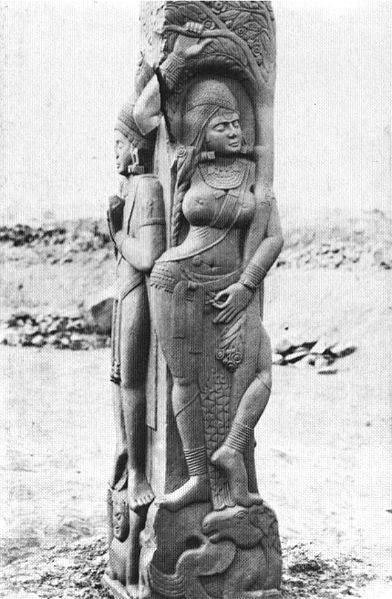
Tree Yakshi Kicking the Asoka Tree, 2200 year old statue

2000 ஆண்டுகளுக்கு முன்னரே பெண்களை வகைப் படுத்தினர் ஆன்றோர்கள். இன்றும் இவ்வகையினரைக் காண்பது நம் முன்னோரின் மேதாவிலாசத்தைக் காட்டும்.
நாட்டிய சாத்திரம் எழுதிய வட மொழி அறிஞன் பரத முனி எட்டு வகை நாயகிகளைப் பற்றிப் பேசுகிறார். இவரகள் குணத்தால் பிரிக்கப்பட்டவர் இல்லை. திரைப்பட கதாநாயகிகள் போல நடிப்பதற்காக தோன்றுபவர்கள்.

அவர்கள் ;1.வாசக சஜ்ஜா நாயிகா:காதலனுடன்டன் குலவத் தயாரான உடையுடன் இருப்பாள் 2.விரஹோத் கண்டிதா நாயிகா: பிரிவால் வருந்தும் பெண் 3. ஸ்வாதீன பர்த்ருஹா நாயிகா: கணவனை தன் கட்டுப்பாட்டுக்குள் வைத்திருப்பவள் 4. கலஹாந்த்ரிதா நாயிகா: சண்டை போட்டுப் பிரிந்தவள் 5.கண்டிதா நாயிகா: காதலுனிடம் கோபமாகச் சீறுபவள் 6.விப்ரலப்தா நாயிகா: காதலனால் ஏமாற்றப்பட்டவள் 7.ப்ரோஷித பர்த்ருகா நாயிகா: கணவனுடன் சுகமாக வசிப்பவள் 8.அபிசாரிகா நாயிகா: கணவணை காண ஆவலுடன் செல்லும் நாயகி.
இந்த எட்டு வகைகாயும் நாடகம் திரைப்படம் ஆகியவற்றில் காண்கிறோம்.

தமிழர்கள் செய்த 7 வகை

தமிழர்கள் 40 வயதுக்குக் குறைவான பெண்களை மட்டும் வயது அடிப்படையில் ஏழு பிரிவுகளாகப் பிரித்தனர். அதற்குப் பிறகு அவர்களைக் கண்டுகொள்ளவில்லை. பேதை (5—7), பெதும்பை (8—11), மங்கை (12—13), மடந்தை (14—19), அரிவை (20—25), தெரிவை (25—31), பேரிளம் பெண் (32 முதல் 40 வயது).

இது தவிர சம்ஸ்கிருத நிகண்டு அமரகோஷம், தமிழ் நிகண்டு பிங்கலந்தை போன்றவற்றில் பல வடமொழிப்ப் பெயர்கள் உள்ளன. வாலை, தருணை, ப்ரவுடை, விருத்தை என்பன அந்தப் பிரிவாகும். இவைகளும் வயதின் அடிப்படையில் அமைந்தனவே.

காமசூத்திரம் எழுதிய வாத்ஸ்யாயனர் 2000 ஆண்டுகளுக்கு முன்னரே பாலியல் ரீதியில் ஆண்களையும் பெண்களையும் பலவகைகளாகப் பிரித்திருப்பதும் குறிப்பிடத்த்க்கது. நம் முன்னோர்கள் எந்த அளவுக்கு ஆராய்ச்சி மனப்பான்மையோடு இவ்விஷயங்களை அனுகினர் என்பதைப் பார்க்கையில் வியப்பாக இருக்கிறது.

பெண்ணின் குணங்கள்

தாயின் கருணை, அடியாள் போல தொண்டு,பூமாதேவி போல பொறுமை, படுக்கை அறையில் மகிழ்விக்கும் பெண், குடும்ப நிர்வாகத்தில் மந்திரி போல அற்புத மூளை—அத்தனையும் வாய்கப் பெற்றவள் தாய். இதோ நீதி வெண்பா பாடல்:

அன்னை தயையும் அடியாள் பணியும் மலர்ப்
பொன்னின் அழகும் புவிப் பொறையும் – வன்னமுலை
வேசி துயிலும் விறல் மந்திரி மதியும்
பேசில் இவையுடையாள் பெண்

மஹாபாரதம், லலிதா சஹஸ்ரநாமம் ஆகியவற்றிலும் பெண்கள் பல வகையில் பிரிக்கப் பட்டிருக்கின்றனர்..

மரபியல் ரீதியில் ஏழு வகை

மனித இனம் முழுதும் ஏழு ரிஷிகளின் (சப்த ரிஷி) வழித்தோன்றியதாக இந்து மத நூல்கள் கூறுகின்றன. அத்ரி, ப்ருகு, குத்ஸ, வசிஷ்ட, கௌதம, காஸ்யப, ஆங்கிரஸ ரிஷி என எழுவர். மேலை நாட்டில் ஆக்ஸ்பர்ட் பேராசிரியர் ப்ரையன் சைக்ஸ் (Bryan Sykes) ஆராய்ந்ததில் வேறு ஒரு உண்மையைக் கண்டார். அவர் ஐரோப்பாவிலிருக்கும் பெண் இனங்களின் உயிர் அணுவிலுள்ள மைடோகாண்ட்ரியாவை ஆராய்ந்து பார்த்து அவர்கள் அனைவரும் ஏழு தாய்மார்கள் இடமிருந்து தோன்றினர் என்றும் அவருக்கு மூலமான பெண்மணி ஆப்பிரிக்காவில் சில லட்சம் ஆண்டுகளுக்கு முன் வாழ்ந்தார் என்றும் கூறுகிறார். ஏவாளின் ஏழு சகோதரிகள் The Seven Sisters of Eve என்று அவர் ஒரு புத்தகமும் எழுதி தனது மரபியல் ஆய்வுகளை வெளியிட்டார்.

ஆண்கள், பெண்கள் ஆகிய இருவர் இடத்திலும் மைடோகாண்ட்ரியல் டி.என்.ஏ.(mitochondrial DNA) இருந்தாலும் அம்மாவிடமுள்ள மைடோகாண்ட்ரியல் டி.என்.ஏ. மட்டுமே குழந்தைகளுக்குப் போகும். ஆகவே இதை வைத்து மூதாதையாரான பெண்மணி யார் என்பதை ஆராயலாம். அவர் கண்டுபிடித்த ஏழு வகைப் பெண்களூக்கும் கற்பனைப் பெயர்கள் கொடுத்திருக்கிறார். அவையாவன: 1.ஊர்சுலா 2.சீனியா 3.ஹெலீனா 4.வெல்டா 5.தாரா 6.காத்ரீன் 7.ஜாஸ்மின்

இந்தப் பெயர்கள் கற்பனை என்றாலும் அவர்களின் முதல் எழுத்து அந்த டைப்பின் (வகையின்) எழுத்தாகும் எ.கா. ஊர்சுலா என்றால் யு, சீனியா என்றால் எக்ஸ்—இப்படி வரும்.
ஜப்பனியர்கள் ஒன்பது குலத்திலிருந்து வந்ததாகவும் அமெரிக்க பழங்குடியினர் 4 குலத்திலிருந்து வந்ததாகவும் இந்துக்கள் ஏழு ரிஷிகளிடமிருந்து வந்ததாகவும் கூறுகிறனர். இவைகளையும் மரபியல் ஆய்வுகள் மூலம் கண்டுபிடிக்கமுடியும்.

இப்படியே ஆராய்ச்சி செய்துகொண்டே போனால் மனித குலம் ஒன்றே –எல்லோரும் ஒரு தாய் மக்கள்- நாம் அனைவரும் சகோதர சகோதரிகள் என்ற பரந்த மனப் பான்மை வளரும். யாதும் ஊரே யாவரும் கேளிர் என்ற தமிழ் முழக்கமும் “ ஒன்று பரம்பொருள், நாம் அதன் மக்கள், உலகு இன்பக் கேணி என்று நல் வேதம் கூறுவதாக பாரதி கூறும் வேத வாசகங்களும் உயிர்பெறும்.

ஒன்று பரம்பொருள் நாம் அதன் மக்கள்
உலகு இன்பக் கேணி என்றே—மிக
நன்று பல் வேதம் வரைந்தகை பாரத
நாயகி தன் திருக் கை (தேசிய கவி சுப்ரமண்ய பாரதி)
**************

பெண்களின் 64 கலைகள்!

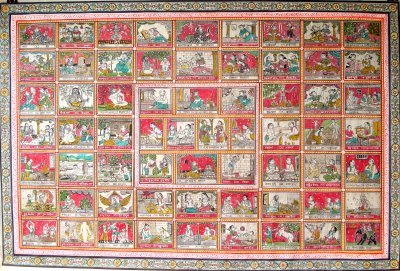
Picture: Sixty Four Arts, Orissa Pata Chitra

ச.நாகராஜன்

ஆயகலைகள் அறுபத்து நான்கினையும்

ஏய உணர்விக்கும் என் அம்மை- தூய

உருப்பளிங்கு போல்வாள் என் உள்ளத்தினுள்ளே

இருப்பள் வாராதிங்கு இடர்.


எழிலரசிகளாக விளங்கியவர்கள் தொழிலரசிகளாகவும் விளங்கியுள்ளனர். ஆயிரக்கணக்கான பாரதப் பெண்களின் மகிமையைச் சித்தரிக்கும் வரலாற்று நூல்கள் நம்மிடம் இல்லை என்பது தான் பரிதாபம்.

(நம்முடைய மஞ்சளை பேடண்ட் (patent) எடுக்கும் அளவு பிற நாடுகள் உரிமை கோரும் இந்தக் காலத்தில் செகுலர் அரசை நம்பாமல் நமது கலைகளைப் பற்றிய அறிவை நமது பெண்மணிகள் கற்பதோடு அவற்றைப் பரப்ப முன்வருவார்களா? வரவேண்டும்!)

இன்றைய நவீன யுகத்தில் பெண்கள் மிகவும் ஆவலுடன் தேர்ந்தெடுத்து நிபுணத்துவம் பெறும் கலைகள் ஏராளம். ஆனால் இவை எல்லாம் முன்பே நமது பழைய நூல்களில் குறிப்பிடப்பட்டுள்ளன என்றால் ஆச்சரியமாக இல்லை? அது மட்டுமல்ல, இவற்றில் எப்படி பாண்டித்தியம் பெறுவது என்பதை விளக்கமாகக் கூறும் நூல்கள் சுவடிகளாக ஆயிரக்கணக்கில் உள்ளன.

இப்படி, பெண்களின் கலைகளாக 64 கலைகளை நமது பழைய நூல்கள் விளக்கமாகக் குறிப்பிட்டுள்ளன. இன்று பெண்கள் ஆர்வம் காட்டுவனவற்றை அவர்கள் ஆங்கில மொழி வாயிலாகக் கற்பதால் எளிதில் புரிந்து கொள்வதற்காக ஆங்கிலத்தில் குறிப்பிடப் புகுந்தால் கீழ்க்கண்டவற்றை உடனே குறிப்பிடலாம்: டான்ஸ் (ஜோடி நம்பர் ஒன் உள்ளிட்ட நடனங்கள்), கொண்டை அலங்காரம் உள்ளிட்ட ப்யூடி பார்லர், ஜெம்மாலஜி, ஆர்கிடெக்சர், டெக்னிகல் ஸ்டடீஸ், ஸ்டோரி டெல்லிங், இன்டீரியர் டெகொரேஷன், குக்கிங் வெரைட்டீஸ், கார்டனிங், கால் சென்டர், மேக்-அப் என்று சொல்லிக்கொண்டே போகலாம்.

லலிதா சஹஸ்ரநாமத்தில் 236-வதாக வரும் நாமமான சதுஸ்சஷ்டி கலாமயி என்ற நாமம் 64 கலைகளின் ரூபமாக இருப்பவள் லலிதாம்பிகை என்று குறிப்பிடுகிறது. ரிக் வேதத்தில் பாஞ்சால மஹரிஷி இந்த 64 கலைகளைப் பற்றி முதன்முதலாகக் குறிப்பிடுகிறார். ஆக உலகின் ஆதி நூலான வேதத்திலேயே 64 கலைகள் குறிப்பிடப்பட்டுள்ளன என்பது குறிப்பிடத்தகுந்த விஷயம்! பெண்களுக்குரிய 64 கலைகளை விரிவாகக் கல்ப சூத்திரம் குறிப்பிட்டுள்ளது. (வாத்ஸாயனர் மஹரிஷி வேறு காமசூத்திரத்தில் பெண்களுக்குரிய 64 கலைகளைப் பட்டியலிட்டுள்ளார்!)

கல்பசூத்திரம் குறிப்பிடும் 64 கலைகள் வருமாறு:-

1) நாட்டியம் 2) ஔசித்யம் 3) ஓவியம் 4) வாஜித்ரம் 5) மந்திரம் 6) தந்திரம் 7) தனவ்ருஷ்டி 8) கலா விஹி 9) சம்ஸ்க்ருத வாணி 10) க்ரியா கல்பம் 11) ஞானம் 12) விஞ்ஞானம் 13) தம்பம் 14) ஜலஸ்தம்பம் 15) கீதம் 16) தாளம் 17) ஆக்ருதி கோபன் 18) ஆராம் ரோபன் 19) காவ்ய சக்தி 20) வக்ரோக்தி 21) நர லக்ஷணம் 22) கஜ பரிட்சை 23) அசுவ பரிட்சை 24) வாஸ்து சுத்தி 25) லகு வ்ருத்தி 26) சகுன விசாரம் 27) தர்மாசாரம் 28) அஞ்சன யோகம் 29) சூர்ண யோகம் 30) க்ருஹி தர்மம் 31) சுப்ரஸாதன் கர்ம 32) சோனா சித்தி 33) வர்ணிக வ்ருத்தி 34) வாக் பாடவ் 35) கர லாகவ் 36) லலித சரண் 37) தைல சுரபீகரண் 38) ப்ருத்யோபசார் 39) கோஹாசார் 40) வியாகரணம் 41) பர நிராகரண் 42) வீணா நாதம் 43) விதண்டாவாதம் 44) அங்கஸ்திதி 45) ஜனாசார் 46) கும்ப ப்ரம 47) சாரி ஸ்ரமம் 48)) ரத்னமணி பேதம் 49) லிபி பரிச்சேதம் 50) வைக்ரியா 51) காமா விஷ்கரண் 52) ரந்தன் 53)கேஸ பந்தன் 54) ஷாலி கண்டன் 55) முக மண்டன் 56) கதா கதன் 57) குஸ¤ம க்ரந்தன் 58) வர வேஷ 59) சர்வ பாஷா விசேஷ 60) வாணிஜ்ய விதி 61) போஜ்ய விதி 62) அபிதான பரிஞான் 63) ஆபூஷண தாரண் 64) அந்த்யாக்ஷ¡ரிகா

இவற்றில் பொருள் விளங்காமல் இருக்கும் கலைகளைப் பற்றி மட்டும் இங்கு ஓரிரு வரிகளில் அர்த்தத்தைத் தெரிந்து கொள்ளலாம்.

ஔசித்யம் என்றால் சரியானவற்றை, தகுந்தவற்றைத் தேர்ந்தெடுக்கும் அறிவு . இந்த ஒரு கலையிலேயே ஷாப்பிங்கில் பொருள்களைத் தேர்ந்தெடுப்பது முதல் வாழ்க்கைத் துணையைத் தேர்ந்தெடுப்பது வரை எல்லாமே அடங்கி விடும்! வாஜித்ரம் என்றால் வாத்ய யந்திரங்களைப் பற்றிய அறிவாகும் க்ரியா கல்பம் என்றால் இன்ன வியாதி தான் வந்திருக்கிறது என்று முடிவாக நிர்ணயம் செய்வதற்கான வழி முறைகள் பற்றிய அறிவு. ஆக்ருதி கோபன் என்றால் முக பாவங்களை மறைத்தல். ஆராம் ரோபன் என்றால் நந்தவனம் தோட்டம் உபவனம் ஆகியவற்றை உருவாக்கும் அறிவு. நர லக்ஷணம் என்றால் ஆண்கள் மற்றும் பெண்களின் சாமுத்ரிகா லக்ஷணத்தைப் பற்றிய அறிவு.

கஜ பரிட்சை என்றால் எட்டு வகையாகப் பிரிக்கப்பட்டுள்ள யானைகளைப் பற்றிய அறிவு. அசுவ பரிட்சை என்றால் பத்து வகையான குதிரைகளைப் பற்றிய அறிவு. வாஸ்து சுத்தி என்றால் கட்டிடக் கலை பற்றிய முழு அறிவு. லகு வ்ருத்தி என்றால் சிறியதாக இருப்பதை பெரியதாக அபிவிருந்தி செய்யும் கலை. சகுன விசாரம் என்றால் பட்சிகள் மற்றும் இதர வகையிலான சகுனங்களை அறிந்து காரியம் வெற்றி பெறுமா எனக் கூறும் அறிவு. சூர்ண யோகம் என்றால் நல்ல மணமுள்ள திரவியங்களைக் கலக்கும் கலை.

வர்ணிக வ்ருத்தி என்றால் குணங்களை விவரித்துச் சொல்லப்படும் பெரிய கதைகளைச் சொல்லும் கலை, வாக் பாடவ் என்றால் வாக்கு சாதுரியம், பேச்சுக்கலை கர லாகவ் என்றால் கைகள் மூலம் செய்யும் தந்திரங்கள் மற்றும் கலைகள்! லலித சரண் என்றால் சிருங்கார ரஸத்தை வெளிப்படுத்தும் அங்க அசைவுகள் (கோரோகிராபி). தைல சுரபீகரண் என்றால் எட்டு விதமான எண்ணெய்களைத் தயாரிக்கும் விதம், அதை மஸாஜ் உள்ளிட்ட வகைகளில் பயன்படுத்தும் அறிவு. ப்ருத்யோபசார் என்றால் சிருஷ்டியில் உள்ள ஜட சேதனங்களுக்கான சேவை பற்றிய கலை. கோஹசார் என்றால் இல்லத்தரசிகள் இல்லங்களை எப்படி நடத்த வேண்டும் என்பது பற்றிய கலை.

வியாகரணம் என்றால் இலக்கணம் கும்ப ப்ரம என்றால் தங்கம் போலவே தோற்றமளிக்கும் போலி தங்கத்தைத் தயாரிக்கும் அறிவு. ரத்னமணி பேதம் என்றால் ரத்னங்களின் பேதங்களை அறிவது அதை பரிட்சை செய்து பார்ப்பது உள்ளிட்ட நவரத்தினங்களைப் பற்றிய அறிவு. லிபி பரிச்சேதம் என்றால் எழுத்துக்களை அழகுற எழுதும் பல்வேறு முறைகள். காமா விஷ்கரண் என்றால் ஊடலும் கூடலும் மற்றும் இதர தாம்பத்ய விஷயங்கள் பற்றிய அறிவு.

ரந்தன் என்றால் உணவு தயாரிக்கும் கலை. கேஸ பந்தன் என்றால் கேஸப் பராமரிப்பு, கொண்டைகள் போடும் விதம் உள்ளிட்ட கேஸ சம்பந்தமான முழு அறிவு. ஷாலி கண்டன் என்றால் வசந்த காலத்தில் நடைபெறும் பெரும் கலைவிழா நடத்தும் அறிவு. கதா கதன் என்றால் கதை சொல்லும் திறமை. இது ஒரு பிரம்மாண்டமான கலை. வர வேஷ என்றால் பதி (கணவன்) போல வேஷம் போடுதல். சர்வ பாஷா விசேஷ என்றால் பல்வேறு மொழிகளில் நிபுணத்துவம் பெறுதல்.

வாணிஜ்ய விதி என்றால் அனைத்து வியாபாரங்களையும் செய்யும் திறன். அபிதான பரிஞான் என்றால் அகராதியில் உள்ளவை அனைத்தையும் அறிவது. ஆபூஷண தாரண் என்றால் ஆபரணங்களை அலங்காரமாக அணிந்து கொள்ளும் கலை. அந்த்யாக்ஷ¡ரிகா என்றால் உடனடியாக நினைவிலிருந்து கேட்ட பாடலைப் பாடும் திறன்.

மேலே உள்ள பட்டியலை ஒரு தரம் படித்தாலேயே நம் பண்டைய பெண்மணிகள் எதிலெல்லாம் சிறந்து விளங்கினார்கள் என்பது தெரிய வரும். அவர்கள் தொடாத துறை இல்லை; வெல்லாத விஷயம் இல்லை. எழிலரசிகளாக விளங்கியவர்கள் தொழிலரசிகளாகவும் விளங்கியுள்ளனர். ஆயிரக்கணக்கான பாரதப் பெண்களின் மகிமையைச் சித்தரிக்கும் வரலாற்று நூல்கள் நம்மிடம் இல்லை என்பது தான் பரிதாபம்.

சரஸ்வதி மஹால் உள்ளிட்ட பல்வேறு உலக நூலகங்களில் அபார அறிவு தரும் ஏராளமான நமது நூல்கள் சுவடிகளாக உள்ளன. ஒவ்வொரு ஊரிலும் பெண்கள் இணைந்து ஏற்படுத்திக் கொள்ளும் ஒவ்வொரு பெண் குழுவும் ஒரு சுவடி நூலைப் பதிப்பு நூலாக வெளியிடுவது என்று முடிவு செய்தால் புராதன கலை அறிவு இன்றைய 55 கோடி பெண்களை தேசம் முழுவதும் சென்று சேரும். இப்படிச் செய்யவில்லை என்றால் மஞ்சளை அமெரிக்கா பேடண்ட் எடுக்க முயன்ற கதை போல அனைத்து அறிவும் சுவடிகள் உள்ள அந்தந்தநாடுகள் உரிமை கொண்டாடி பேடண்ட் எடுக்கும் நிலை விரைவில் ஏற்படும்.
ஆகவே தமிழ் பெண்மணிகள் சேர்வார்களா? சேர்ந்து செய்வார்களா? சேர வேண்டும்! செய்ய வேண்டும்!!


Draupadi and Tamil Heroines

Picture shows Angry Kannaki

Draupadi, wife of Pancha Pandavas came from Punjab. She was a heroic woman. She was called Draupadi because she was the daughter of Drupada, King of Punjab/Panchala. She was also known as Panchali because she was a woman from Punjab/Panchala. She had another name Yagnaseni because she was born out of a holy fire/Yagna.

People of Punjab were famous for their heroic deeds. They protected Hindus from the onslaught of foreign invaders for over two thousand years. Draupadi was an intelligent woman, but she was an arrogant princess as well when she got married to the Pandavas. When the Pandavas constructed a new palace, Duryodhana and others were invited to view the palace. It was so beautifully done that Duryodhana mistook its crystal floor for water and lifted his clothes to step in carefully. Draupadi who watched it from the balcony burst into laughter. Women should never laugh at men, that too for silly mistake, like this. Duryodhana and his brothers were already burning with jealousy. This laughter rubbed salt into their wounds.  They were all waiting for an opportunity to take revenge upon her.

When Dharama (Yudhistra), eldest of the five Pandava brothers, lost everything in the gambling, Sakuni, the most wicked uncle of Dhuryodana provoked Dharma to stake his wife Draupadi in the game of dice. When he did this and lost again,  Duryodhana ordered his brother to undress Draupadi. When she was dragged into the court in front of all the elders in the Royal Assembly, nobody raised a finger against Duryodhana or advised him against this un holy, un Hindu act of molesting a woman in public.

But Draupadi asked them what right Dharma had over her when his independence was already lost in the gambling. She argued like an efficient solicitor. She asked the elders in the Royal Assembly to speak up. No one could answer her questions. But Krishna came to her rescue and saved her modesty. When Duschasana, brother of Duryodhana, tried to denude her by pulling her sari, it became longer and longer and there was no end to the garment. Krishna played many magical tricks throughout the Mahabaharata warand this was one of them. Beyond Krishna’s magical gifts, Hindus believe that chaste women can control even Nature’s forces. Tamils believe that a chaste woman can bring rains and stop anything at their will power. A woman can make or mar a man and she can make or destroy a country.

Draupadi Vs Tamil Heroines

In Tamil country, we have a great heroine by name Kannaki. Her full story is given in the great Tamil epic Silappadikaram. When her husband Kovalan was falsely accused of stealing Pandyan queen’s anklet and executed without proper enquiry, she went straight to the Royal court and challenged the king. Like Draupadi she also argued her case and proved that she was right. The ashamed Pandya king died of heart attack on the spot. Since such an injustice had never happened in the country his wife/the queen also died of heart attack. But yet Kannaki’s anger did not subside and she walked through the streets of Madurai and invoked God of fire to burn all the bad elements in Madurai, the capital city of Pandya kingdom. This is a famous story every Tamil knew. But there was another fiery woman who lived nearer her time who was not known even by Tamils. Her name was AnnI Njimili. Her unusual name itself is a tongue twister.

Anni njimili was an ordinary innocent village girl. Her father was also equally humble and a poor man. He used to take his cows for grazing every day. Kosars, a clan who were famous for their truthful words, were controlling that area. It was Anni Njimi family’s bad luck that the cows went into the field of Kosars. Immediately they arrested Anni Njimili’s father and took him to their leader. He ordered his servants to gouge his eyes. But knowing the seriousness of the situation, Anni went with all the elders of the village and begged him to pardon her dad. The arrogant Kosars did not listen to her and Anni’s dad lost his eyes.

When Draupadi was insulted in the royal court she made a vow not to tie her hair till she saw the end of Duryodhana. Probabbly Anni Njimili knew the story of Draupadi. Mahabharata and Ramayana were very popular in Tamilnadu two thousand years ago that we have new anecdotes in Tamil which were not found in Sanskrit versions of the epics. (Please read my Articles: WHERE IS RAMA STU? and TWO ANIMALS THAT INSPIRED INDIANS in the blogs). Anni also made the same vows. She swore that she wouldn’t eat or dress herself properly till the wrongdoers were punished.

Like Draupadi and Kannaki , Anni was very clever and she was looking for a hero who would punish the bad people. She had heard about valorous Thithiyan of Azunthur. She went to Azunthur and told him what happened. When Thithiyan saw the conviction of this girl, her love and affection for her dad and her determination to punish the bad people ,he made up his mind. He promised her that he would finish off the people who did this to her father. As promised, Thithian went to Kosar country and killed the people who did the barbaric act of gouging her dad’s eyes just for grazing the cows. On that day her angry face changed to beautiful face of a woman. Sangam Tamil poems written two thousand years ago praised her heroic act and determination in Akananuru  verses 196 and 262. Paranar who never missed any of the important events of his days like a war correspondent, recorded this incident in his beautiful poem.


***********************