“ஆற்றல் புரட்சி” செய்யும் 13 வயதுச் சிறுவன் (Post No.3993)

Written by S NAGARAJAN


Date: 12 June 2017


Time uploaded in London:-  6-59  am


Post No.3993


Pictures are taken from different sources such as Face book, Wikipedia, Newspapers etc; thanks.


contact: swami_48@yahoo.com


பாக்யாவில் வெளி வரும் அறிவியல் துளிகள் தொடரில் 19-5-2017 இதழில் வெளியாகியுள்ள கட்டுரை

“ஆற்றல் புரட்சி செய்யும் 13 வயதுச் சிறுவன்

ச.நாகராஜன்

“ மின்சாரம், நீர், ஏன், இசை நிகழ்ச்சி கூடத்தான் – இவை எல்லாவற்றையுமே நாம் எளிதில் கிடைப்பவையாக எண்ணிக் கொண்டிருக்கிறோம். உங்களுக்குக் கிடைத்த வரங்களை எண்ணிப் பாருங்கள் – டாமியன் மார்லே


    பதிமூன்றே வயதான ஒரு சிறுவன் உலகில் ஆற்றல் புரட்சியைச் செய்கிறான் என்றால் அது விழிகளை விரிய வைக்கும் ஆச்சரியச் செய்தி தானே

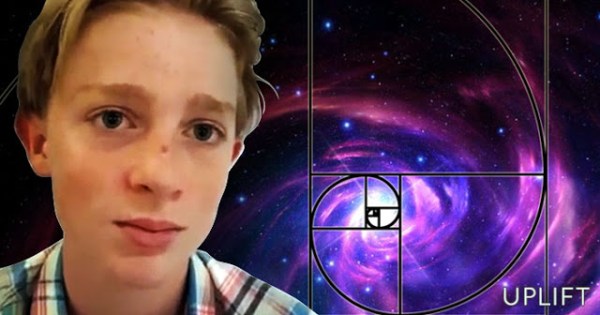
அதிசயம், ஆனால் உண்மை! அமெரிக்காவில் நெவேடா பகுதியைச் சேர்ந்த மாக்ஸ் லோகன் (Max Loughan)  என்ற சிறுவன் தான் பிறந்ததன் நோக்கமே உலகைபிரகாசப்படுத்தத் தான் என்று அடித்துச் சொல்கிறான்.

தந்தையின் பாய்லர் அறை தான் அவனது லாபரட்டரி. எப்போதும் ஒரு லாபரட்டரி கோட்டை அணிந்து வலம் வரும் இந்தச் சிறுவனுக்கு உத்வேகம் ஊட்டுவது ஐன்ஸ்டீனும் நிகோலா டெஸ்லாவும் தான்.

இன்றைய தேவை பவர் தான். இதை இலவசமாக எடுக்க முயன்றால் உலகின் சர்வ பிரச்சினைக்ளும் தீரும் என்று தீர்க்கமாகக் கூறும் லோகன் தனது இரட்டைபிறவியாகப் பிறந்த தம்பி ஜாக்கின் மீது வயர்களைச் சுற்றுகிறான்.

ஒரு காப்பி டின், கொஞ்சம் வயர்கள், இரண்டு காயில்கள், ஒரு ஸ்பூனை வைத்து அவன் உருவாக்கியது எலக்ட்ரோ மாக்னடிக் ஹார்வெஸ்டர்.

இந்தக் கருவியியை வைத்துக் கொண்டு வயர்களை வானத்தை நோக்கிக் காட்ட வானிலிருந்து ஹார்வெஸ்டர் மூலமாக ஆற்றலைப் பெறுகிறான். அதை .சி. மின்சாரத்திலிருந்து டி.சியாக மாற்ற தம்பியின் மீது சுற்றப்பட்ட வயரில் இணைக்கப்பட்ட எல்..டி.பல்புகள் பளிச்சென்று எரிகின்றன.

இந்தச் சிறிய கருவியை உருவாக்க ஆன செலவு வெறும் 14 டாலர்கள் தான். இதையே பெரிய அளவில் செய்தால் ஏராளமான மின்சக்தி கிடைக்கும்.

அதாவது படிம எரிபொருளான பெட்ரோல், டீஸல் போன்றவை இல்லாமல் விண்ணிலிருந்தே இலவசமாக ஆற்றலைப் பெற முடியும். படிம எரிபொருளைப் பயன்படுத்துவதை நிறுத்தி விட்டால் வாகனங்கள் கக்கும் புகை வளி மண்டலத்தை மாசு படுத்தாது. வளி மண்டலம் சுத்தமாக இருந்தால் உலகின் இன்றைய அபாயமானபூமி வெப்ப மயமாதல் என்பது நீங்கி விடும்.

ஆக, இலவசமாக ஆற்றலைப் பெகறுவது சாத்தியம் தான் என்பதை நிரூபித்துக் காட்டிய லோனை டி.விக்கள் மொய்க்கின்றன.

பிரபல விஞ்ஞானியான நிகோலா டெஸ்லா 75 ஆண்டுகளுக்கு முன் வகுத்த கருத்தின் அடிப்படையில் அவர் செய்ய விழைந்த இலவச ஆற்றலைப் பெறும் உத்திக்கான கருவியை இப்போது செய்யும் லோகனைப் பாராட்டாதவரே இல்லை.
 

எலக்ட்ரோ மாக்னடிக் ஹார்வெஸ்டர் என்னும் கருவி எங்குமுள்ள எலக்ட்ரோ மாக்னெடிக் ஆற்றலைத் தன்னுள் பிடித்து சேமித்து வைத்துக் கொண்டு தேவையான இடத்தில் மின் சக்தியை வழங்கும்.

அபல்லோ 13 என்ற ஹாலிவுட் திரைப்படத்தில் ஒரு பரபரப்பான காட்சி வரும். அமெரிக்க விண்வெளி ஆய்வு நிறுவனமான நாஸாவில் ஒரு அறை முழுவதும் நிரம்பியிருக்கும் அதி புத்திசாலிகள் முடங்கி விட்ட விண்கலத்தை எப்படி மீண்டும் இயக்கி அதில் இருக்கும் மூன்று விண்வெளி வீரர்களை எவ்வாறு மீட்பது  என்பதைப் பற்றி தீவிரமாக விவாதிப்பர். அதில் ஒருவர், “நண்பர்களே, இது அனைத்துமே ஆற்றலைப் பற்றியது தான்! (Hey Fellows, It is all about Powr) என்று முத்தாய்ப்பாகக் கூறுவார். இந்த திரைப்படத்தின் பொருள் பொதிந்த இந்தக் கூற்று பிரபலமாகி விட்டது.

 ஆமாம், ஆற்றல் மயம் உலகம். ஆற்றல் இல்லையேல் உலகமே இயங்காது.

உலகின் மிகப் பெரிய விஞ்ஞானியான நிகோலா டெஸ்லா (Nicola Tesla – பிறப்பு 10-7-1856 மறைவு 7-1-1943)வயர்களே இல்லாமல் மின்சக்தியை உலகெங்கும் வழங்குவது குறித்து ஆழ்ந்து சிந்தித்து ஒரு காயிலை 1891ஆம் ஆண்டில் கண்டுபிடித்தார். அது நிகோலா காய்ல் என்ற பெயரால் அழைக்கப்படுகிறது. ஆனால் அவர் இந்த அரிய வயர்கள் இல்லாத மிவின்சக்தியைக் கண்டுபிடிக்கப் போகும் போது ஏற்பட்ட விபத்தினால் அதன் பயன்பாடு தடைப்பட்டது.

  அவரது டெஸ்லா காயிலை மேம்படுத்தி உருவாக்கிப் பயன்படுத்தும் முயற்சியில் உலகின் பல்வேறு பல்கலைக்கழக ஆய்வுக் கூடங்கள் ஈடுபட்டிருக்கின்றன.

  இதில் வெற்றி பெற்றால் உலகின் வாழ்க்கை முறையே மாறிப் போகும்.  இந்த வகையில் 13 வயதுச் சிறுவன் லோகன் உத்வேகமூட்டும் ஒரு கருவியைக் கண்டுபிடித்துச் சாதித்திருப்பது வரவேற்க வேண்டிய ஒன்று தானே!
 

அறிவியல் அறிஞர் வாழ்வில் .. ..

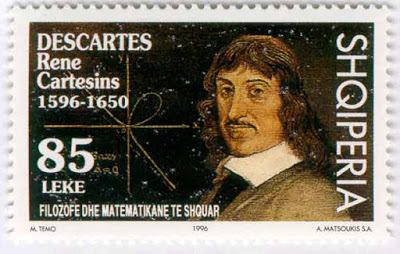
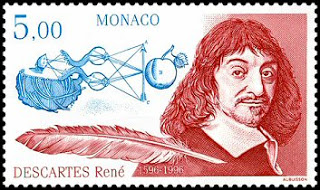
அனலாடிகல் ஜாமட்ரியின் தந்தை என்று கூறப்படும் பிரபல விஞ்ஞானியான ரெனே டெஸ்கார்டெஸ் (1596-1650) இளமையிலேயே மேதையாக விளங்கியவர். ஆனால் அவருக்கு காலையில் சீக்கிரம் எழுந்திருக்கும் பழக்கம் கிடையாது. தினமும் காலையில் 11 மணிக்கு முன்னதாக அவர் நிச்சயமாக எழுந்திருக்க மாட்டார். அவர் இராணுவத்தில் பணியாற்றியபோது கூட இந்தப் பழக்கத்தைக் கைவிடவில்லை. இராணுவத்தில் அவரது உயர் அதிகாரிகளோ அல்லது அவரது பள்ளியில் அவருக்குப் பாடம் கற்பித்த ஆசிரியர்களோ இதை மாற்ற முயற்சிக்கவில்லை. அவரது காலை பழக்கம் அப்படியே தொடர்ந்து வந்தது.

பின்னால் தனது இந்தப் பழக்கத்தைப் பற்றி அவர் கூறுகையில் தனது எல்லா விஞ்ஞான கண்டுபிடிப்புகளும் தத்துவ சிந்தனைகளும் காலையில் படுக்கையில் படுத்திருக்கும்போதே தோன்றின என்று அவர் குறிப்பிட்டார்.

ஆனால் இந்த சந்தோஷகரமான காலைத் தூக்கம் 1649ஆம் ஆண்டு ஒரு முடிவுக்கு வந்தது. ஸ்வீடனின் ராணியான கிறிஸ்டினா அவரைத் தனக்கு ஜாமட்ரி சொல்லித் தரும் பணியைத் தந்தார். ஆகவே அவர் ஸ்டாக்ஹோம் நகருக்குச் செல்ல வேண்டியிருந்தது. அங்கு ராணிக்கோ காலை ஐந்து மணிக்குத் தான் கணிதம் கற்க நேரம் இருந்தது. ஆகவே டெஸ்கார்டெஸ் காலையில் எழுந்திருக்க வேண்டிய நிர்பந்தம் ஏற்பட்டது.
 

காலையில் எழுந்திருக்க வேண்டும் என்ற் அதிர்ச்சியிலிருந்து அவர் மீளவே இல்லை. அத்துடன் காலையில் இருளில் பனி படர்ந்த குளிர் காலத்தில் நடந்து ராணியின் அரண்மனைக்குத் தொடர்நது சென்று வந்ததால் அவருக்கு நிமோனியா ஜுரம் வந்தது. அதுவே அவரது மரணத்திற்குக் காரணமாக ஆனது.

காலையில் நேரம் கழித்து எழுந்திருக்கும் ஒரு சின்ன கெட்ட பழக்கம் ஒரு விஞ்ஞானிக்கு எமனாக அமைந்தது துரதிர்ஷ்டமே!

***


Significance of Neem Tree in Hinduism (Post No.3992)

Compiled by London Swaminathan

Date: 11 June 2017

Time uploaded in London- 13-17

Post No. 3992

Pictures are taken from various sources such as Face book, Wikipedia and newspapers; thanks.

contact: swami_48@yahoo.com


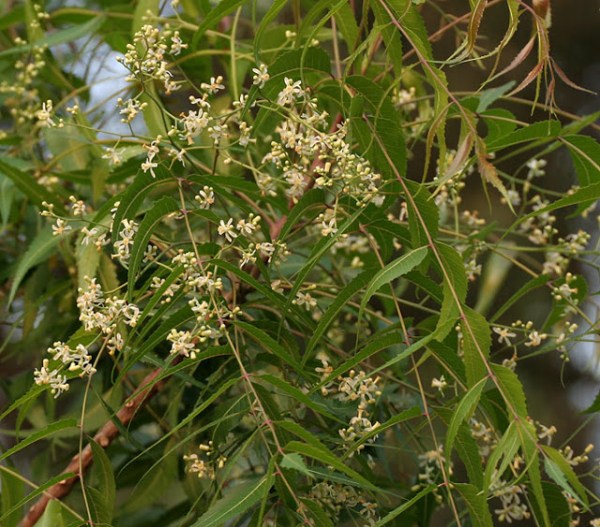
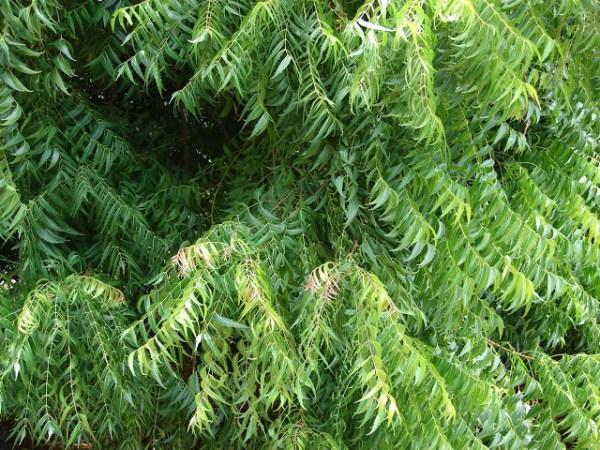
Some interesting stories about Neem trees (Margosa tree, Veppa Maram in Tamil) were compiled by Rev Osborn Martin in  his book the ‘Gods of India’, published in 1914.


“There is a special sect of Sun Worshippers called the NIIbaarak. They are Vaishnavas and, as their name implies, they worship the ‘Sun in the Neem Tree’.

Botanical name of neem tree: Azadirachta indica; Family- Meliaceae

The story runs that their founder was a Bairagi ( a wandering ascetic) to dine with him. He prepared the dinner, but unfortunately delayed to call his guest until the sun had well nigh set. Now the holy man was forbidden by the rules of his order to eat except during the day time, and was afraid he would be compelled to refuse the dinner; but at the solicitation of his host, Surya Narayan (Suuraj Naaraayan), the Sun God, descended on the Neem trees under which the feast was spread and continued beaming upon them till the feast was over”

(This is an extract taken from Popular Religion and Folk lore by Crooke).

“The neem tree in connection with the godlings of disease who are supposed to reside in it. In particular, it is occupied by Sitala (Siitalaa), the small-pox deity, and her six sisters. Hence during the rainy weather when epidemics prevail women bathe, dress themselves in clean clothes, and offer rice, sandalwood, flowers, and sometimes a burnt offering with incense at the foot of this tree. The neem is also connected with snake worship, as its leaves repel snakes.


The leaves are used through out India for its curative and medicinal purposes. Wounds and sore are bound up in Neem leaves, and by mourners they ae used as a means of avoiding death pollution, or as a mode of driving off the evil spirit which accompanies the mourners from the cremation ground. After the cremation of a dead body, people in the funeral procession chew the Neem leaves and some water is sprinkled over them with a branch of the tree.


On the Hindu New Year’s Day it is considered essential for every Hindu to worship the Neem tree., and to eat its leaves mixed with pepper and sugar, that he may not suffer from sickness or disease during the year. In practice, very few worship the tree, but its leaves are generally eaten by most of the.

At child birth a branch of a neem tree is often set at the door of the chamber.


Nearly every Hindu villager cleaned his teeth with a twig of a Neem tree, till plastic tooth brushes were sold.

Test of Truth Speaking

It is used in the test of truth speaking and a few Hindus would date to speak a falsehood whilst under the shade of the tree. Sangam Tamil literature (Kalitokai, Palai Kali verse 37) says that if someone speaks falsehood under a tree, it would wilt and wither away.

Among some tribes, the Banjaras for instance, a jealous husband throws a branch of the Neem tree on the ground and says to his wife, “ If you are a true woman, lift that neem branch”.

My old articles on the same subject:

neem tree | Tamil and Vedas

https://tamilandvedas.com/tag/neem-tree/

The sadhu instructed one of his disciples to bring a good quantity of neemleaves. These leaves are very bitter. He was asked to grind them and make Laddus …

Posted on 16 October 2015

Bodhi Tree | Tamil and Vedas

https://tamilandvedas.com/tag/bodhi-tree/

Tamils have been using Neem (Veppa Maram in Tamil வேப்ப மரம்) for ages to stop the virus of small pox. If one takes it from young age in the prescribed …

Posted on 3 October 2014

Banyan Tree and Sanatkumaras | Tamil and Vedas

https://tamilandvedas.com/tag/banyan-tree-and-sanatkumaras/

Tamils have been using Neem (Veppa Maram in Tamil வேப்ப மரம்) for ages to stop the virus of small pox. If one takes it from young age in the prescribed …

Posted 25 November 2102

Indian Wonder – The Banyan Tree – South Indian Society

http://www.sisnambalava.org.uk/…/indian-wonder-the-banyan-tree-20130318043049.aspx

18 Mar 2013 – Reand and enjoy this article about “Banyan Tree” from Mr. Santhanam Swaminathan.


Tamarind Tree | Tamil and Vedas

https://tamilandvedas.com/tag/tamarind-tree/

Tamils have been using Neem (Veppa Maram in Tamil வேப்ப மரம்) for ages to stop the virus of small pox. If one takes it from young age in the prescribed …

Posted on 26 March  2016

Magic of Trees! | Tamil and Vedas

Magic of Trees!


25 Nov 2012 – Magic of Trees! Picture shows Newton under Apple Tree. Hindu Saints composed Upanishads under the Himalayan Trees. Buddha attained …


Strange LUTA Disease in Kashmir! (Post No.3890); posted on 8 May 2017


–Subham–


மஹாகவி பாரதியார் பற்றிய நூல்கள் – 33-3 (Post No.3990)

Written by S NAGARAJAN


Date: 11 June 2017


Time uploaded in London:-  4-58  am


Post No.3990


Pictures are taken from different sources such as Face book, Wikipedia, Newspapers etc; thanks.


contact: swami_48@yahoo.com


பாரதி இயல்


மஹாகவி பாரதியார் பற்றிய நூல்கள் – 33-3


புதுவை வாழ்க்கை – 3 ( பால் ரிச்சர்ட் முதன் முதலில் ஸ்ரீ அரவிந்தரை சந்திக்க கருவியாக இருந்தவர் பாரதியார் – கொடியாலம் ரங்கசாமி ஐயங்கார் பாரதியாரின் உதவி கொண்டே ஸ்ரீ அரவிந்தரைச் சந்தித்தார் – இரகசியமாக பாரதியார் 1918இல் கொடியாலம் சகோதரர்களைச் சந்திக்க நாகை கிராமம் சென்றார் ஆகியவை உள்ளிட்ட விவரங்கள்)


http://www.sriaurobindoashram.org/research/show.php?set=doclife&id=26

Documents in the Life of Sri Aurobindo

LIFE IN PONDICHERRY 1910 AND AFTER

மேலும் சில சுவையான தகவல்களை இந்தத் தொகுப்பு தருகிறது. முழு விவரங்களையும் படிக்க விரும்புவோர் இணைய தளத்திலிருந்து இதை தரவிறக்கம்  செய்து (டவுன்லோட்) படித்து மகிழலாம்.


மிகவும் சுவையான தகவல் பால் ரிச்சர்ட் முதன் முதலில்  ஸ்ரீஅரவிந்தரைப் பார்க்க வந்த போது அவரை அரவிந்தர் சந்திக்க விருப்பமில்லை என்று கூறி விட்டார். பாரதியாரும்  ஸ்ரீநிவாஸாசாரியாரும் சிபாரிசு செய்யவே சந்திப்பு நிகழ்ந்தது.

இந்தச் சந்திப்பு எவ்வளவு பெரிய எதிர்காலத்தை உருவாக்கியது என்பதை பாரதி அன்பர்கள் கூர்ந்து கவனிக்கலாம்.


கீழே ஆங்கில மூலத்தின் சில பகுதிகள் மட்டுமே இடம் கருதி இங்கு தரப்படுகிறது

7

From Srinivasachari MS.


At first Sri Aurobindo flatly refused to grant [not just] an interview but even a distant look at him. He said, I am not here to satisfy the curiosity of [a] political worker who is come from France on an electioneering campaign here and who may have some academic interest in these matters….

So Bharati and myself did our best to induce him to reconsider his decision as a fine opportunity is offering itself without our seeking. After some more consideration he consented to receive Paul Richard provided the interview is short and ends with the first one. We thanked him and came downstairs to Sankara Chettyar and communicated the glad news. …..


Bharati and myself went in the evening to Sri Aurobindo and communicated my morning conversation and my impressions. At about 7 o’clock Paul Richard came and was received by Sri Aurobindo and after the usual introductions and preliminary talks they both began to exchange their ideas about Mysticism and I acted as their interpreter as Richard could not understand English very well. Their conversation was very interesting then but now they are very vague to me as I had forgotten the interesting links. In the course of their conversation Sri Aurobindo seemed to get more and more interested in Richard, for when the latter asked for a few minutes of private talk with him he readily consented and both went into a separate room taking me with them and their conversation went on for nearly an hour.

13

கொடியாலம் ரங்கசாமி ஐயங்கார் அரவிந்தரைச் சந்திக்க உதவியது பாரதியாரே. இப்படியாக .ரா., கொடியாலம் ரங்கசாமி ஐயங்கார், பால் ரிச்சர்ட், கபாலி சாஸ்திரி உள்ளிட்ட பலரை அரவிந்தர் சந்திக்க பாரதியாரே கருவியாக இருந்தது சரித்திரத்தின் பிரமிக்க வைக்கும் ஒரு அம்சமாக இருக்கிறது!

From Srinivasachari MS.

Kodyalam Rangaswami Iyengar who later became a member of the Central Legislative Council in Delhi sent his man Va Ra who had made a name as a good Tamil writer in his later days, secretly to arrange for an interview with Sri Aurobindo. He went to Bharati and told the purpose he had come for. Bharati mentioned it to me and in the evening when we met him as usual Bharati told him what all he knew about Kodyalam Rangaswami Iyengar and his family and after getting his consent the interview was arranged. 


கொடியாலம் சகோதரர்களைப் பற்றிய குறிப்பு இது. இதில் பாரதியார் 1918இல் ரகசியமாக நாகை கிராமம் சென்ற செய்தி தெரிவிக்கப்படுகிறது.

A brief history of the Kodiyalam brothers:

Practically all the visits of the brothers to Pondicherry to meet both Sri Aurobindo or Subrahmanya Bharathi were kept well guarded secrets that no proper records or even casual mentions are made in the history. That is why most of the details of their assistance or other forms of help were entirely shrouded in mystery. Even a brief visit and stay of Poet Subrahmanya Bharathi in 1918 to Nagai village as the guest of the Kodiyalam brothers (escaping the shrewd British intelligence) was mentioned in the biography of Poet Bharathi by V. Ramaswami (Va. Ra.). It is of interest to observe here that Va. Ra. himself was brought up through the munificence of K.V. Rangaswami Iyengar who was responsible to educate him beyond his school days in S.P.G. College, Trichy. This early association with Kodiyalam family, paved an easy way for the Kodiyalam brothers to contact and convey messages to Sri Aurobindo through Va. Ra. Since K.V.R. was a member of the British Council of State in Delhi he was unable to frequently visit Pondicherry; however the early visit and meeting with Sri Aurobindo is clearly mentioned in the biography and his efforts to undertake the publication of the very first work of Sri Aurobindo christened YOGIC SADHAN was also mentioned. It is of particular interest to note here that the above work was authored by Sri Aurobindo as UTHARA YOGI. A letter written by Sri Aurobindo in April, 1916 to Sri K.R. Appadurai (brother-in-law of Poet Bharathi) show clearly that KVR continued to help Sri Aurobindo during times of need.


****

பல முக்கிய விஷயங்களை குறிப்பாக பாரதியார் சம்பந்தப்பட்டவற்றை மிகச் சுருக்கமாகவே இங்கு சுட்டிக்காட்ட முடியும் என்பதால், இந்த நூலை முழுதுமாகப் படிக்க விரும்பும் அன்பர்கள் கட்டுரையின் ஆரம்பத்தில் குறிப்பிடப்பட்டிருக்கும் இணையதளத் தொடுப்பிற்குச் செல்லவும்.


நன்றி: அருமையான ஆவணங்களை அப்படியே பாதுகாத்து உலகிற்கு வழங்கி அரிய சேவையைச் செய்து வரும் அரவிந்த ஆசிரமத்திற்கு நெஞ்சார்ந்த நன்றி.

***********

இனி அடுத்த பாரதியார் பற்றிய நூல் ஒன்றைப் பார்ப்போம்! தொடரும்

அக்பர் பற்றிய 3 சுவையான சம்பவங்கள் (Post No.3989)

Translated by London Swaminathan

Date: 10 June 2017

Time uploaded in London- 14-58

Post No. 3989

Pictures are taken from various sources such as Face book, Wikipedia and newspapers; thanks.

contact: swami_48@yahoo.com

ரெவரெண்ட் ஆஸ்பார்ன் மார்டின் என்பவர் 1914 ஆண்டில் ‘இந்தியாவின் கடவுள்கள்’ என்று ஒரு புத்தகம் எழுதி வெளியிட்டார். அதில் ஆங்கிலத்தில் தந்துள்ள மூன்று சம்பவங்களைத் தமிழில் தருகிறேன்.

All the three stories are summarised from ‘The Gods of India’ by Rev E Osborn Martin, London, year 1914.


அக்பர் பூர்வ ஜன்மத்தில் இந்து சந்யாசி!

ஆக்ரா கோட்டையில் முகுந்தா என்பவரின் சிலை உள்ளது. இந்த முகுந்தனின் கதை என்ன வென்றால் அவர் முன் ஜன்மத்தில் ஒரு இந்து சந்யாசி. ஒரு நாள் அவர் பசும்பால் குடிக்கையில் பசுவின் ஒரு முடி (ரோமம்) அவர் வயிற்றுக்குள் சென்றுவிட்டது; பாலை வடிகட்டாமல் குடித்ததால் நேரிட்ட தவறு இது. ஆகவே பிராயச்சித்தமாக ஆக்ரா கோட்டையினை ஒட்டி ஓடும் யமுனை நதியில் குதித்து தற்கொலை செய்துகொள்ளத் தீர்மானித்தார். எவ்வளவோ பெயர்கள் தடுத்தும் தனது தவறுக்கு தனக்குத் தானே தண்டனையும் கொடுத்துக்கொண்டார்.


இவர் எவ்வளவுதான் தண்டனை கொடுத்துக் கொண்டாலும், யமனின் கணக்குப்படி, அது போதவில்லை. ஆனாலும் இவர் தவம் செய்த நல்ல சந்யாசி. ஆகவே இவரை அடுத்த ஜன்மத்தில் மொகலாயப் பேரரசின் சக்ரவர்த்தியாக– அக்பர் சக்ரவர்த்தியாகப் பிறக்கச் செய்தார்.

அக்பரிடம் வந்த இந்துப் பேய்!

காலரா, அம்மை முதலிய நோய்கள்  தெய்வக் குற்றங்களால்தான்   வருகின்றன என்பது இந்துக்களின் நம்பிக்கை. ஆகவே நோய் வரும் பருவத்தில், அதைத் தடுக்க பிரார்த்தனை, விழாக்கள் ஆகியன செய்வர். ஆனால், சாதாரண மனிதனை கும்பிடும் வழக்கம் அபூர்வமே; அப்படிப்பட்ட ஒரு சம்பவம் இது.


பண்டல்கண்ட் பகுதியில் ஒரு ராஜா இருந்தார். அவர் பெயர் வீர சிம்ம தேவன். அவருக்கு இரண்டு புதல்வர்கள்; அவர்களுடைய பெயர்கள் ஹரதர், ஜாஜர். அகபரின் மகன் ஜஹாங்கீர்,  ஹரகரரைக் கொண்டு அபுல் பாசல் என்ற பெரிய இலக்கிய கர்த்தாவைக் கொலை செய்யச் செய்தார். அபுல் பாசல் அக்பரின் அரசவையை அலங்கரித்த எழுத்தாளர். அயினி அக்பரி என்ற பெயரில் அக்பரின் வாழ்க்கைச் சரிதத்தை எழுதியவர்.


காலம் உருண்டோடியது; வீர சிம்மன் இறந்தான்; உடனே இரு புதல்வரில் ஒருவரான ஜாஜர் பதவிக்கு வந்தான். தனது சகோதரன் தன் மனைவியுடன் கள்ளத் தொடர்பு வைத்திருப்பதாக சந்தேகித்தான். உடனே தன் மனைவியைக் கட்டாயப்படுத்தி ஹரதருக்கும் அவனது தோழர்களுக்கும் ஒரு விருந்து வைத்து அதில் விஷத்தைக் கலக்கச் செய்து கொன்று விட்டான். இது நடந்தது கி.பி.1627ல்.

இதற்குச் சில காலத்துக்குப் பின்னர் ஜாஜரின் சகோதரி, இளவரசி கம்சவதிக்குத் திருமணம் நிச்சயமாகியது. அவரது தாய் எல்லோருக்கும் பத்திரிக்கை அனுப்பிக் கொண்டிருந்தாள்;

“அட! செத்துப் போன சகோதரனுக்கும் ஒரு பத்திரிக்கை வைக்க மறந்துவிடாதே”– என்று கிண்டல் தொனியில் சொன்னான் ஜாஜர்.

ஆனால் கம்சவதி உண்மையிலேயே ஒரு பத்திரிக்கையை எடுத்துக் கொண்டு ஹரதரின் சமாதிக்குப் போய் புலம்பினாள்

திடீரென்று கல்லறைக்குள்ளிருந்து ஒரு கை நீட்டி அந்தத் திருமணப்  பத்திரிக்கையை வாங்கிக் கொண்டு கல்யாணத்துக்கு வருவதாக உறுதியும் கூறியது.

திருமண நாளில் ஹரதர் (பேய்) வந்த அடையாளங்களும் தெரிந்தன. தக்க மரியாதைகளுடன் ஹரதர் வரவேற்கப்பாட்டார். அன்று இரவு அந்தப் பேய் அக்பரின் படுக்கை அறைக்குச் சென்று “எனக்கு ஊர் தோறும் சின்னம் ஏற்படுத்து. உனது நாட்டில் இயற்கை சேதம் ஏதும் வராமல் காப்பேன்” என்று ((பேய்)) உறுதி கூறியது. அதன்படி அக்பர் சாம்ராஜ்யத்தில் பல இடங்களிலும் ஹரதர் ( பேய்க்கு) நினைவுச் சின்னங்கள் எழுப்பபட்டன. இன்றும் கிராம மக்கள் பலரும் அந்த சின்னங்களை வழிபட்டு வருகின்றனர்.

இந்தக் கதையில் கொஞ்சம் உதைப்பது கால வழுவமைதி ஆகும். அதாவது ஹரதர் இறந்தது 1627 ஆம் ஆண்டில். ஆனால் அக்பரோ அவருக்கு முன்னதாக 1605 ஆண்டில் இறந்தார். ஆகவே பேய் வந்தது அக்பரின் படுக்கை அறையாக இருக்க முடியாது. ஒரு வேளை  ஜஹாங்கீரின் படுக்கை அறையாக இருக்கலாம்.

சூர்ய நமஸ்காரப் பிரியன்!

அக்பரின் மனைவியரில் பலர் இந்துக்கள்; அவருக்கு சர்வ சமய ஒற்றுமையில் ஆர்வம் ஏற்பட இதுவும் ஒரு காரணம். அவருக்கு சூரிய நமஸ்காரத்தில் ஆர்வம் ஏற்படவே சூரியனின் 1001 பெயர்களை எழுதி தினமும் படித்து வந்தார் (சூர்ய சஹஸ்ரநாமம்)


காலை, நன்பகல், மாலை நள்ளிரவு ஆகியவற்றில் சூரிய தேவனை வழிபட்டார். மக்களும் கும்பிடுவதற்கு வசதியாக 4 காலங்களில் பாண்டு வாத்ய இசையை முழங்கச் செய்தார். அவர் எப்படி தலையில் குட்டிக் கொண்டார், காதைப் பிடித்துக் கொண்டார் என்ற விவரங்களையும் சேர்த்து அபுல்பாசல், தனது அயினி அக்பரி புத்தகத்தில் எழுதியுள்ளார். அக்பர் 1605ஆம் ஆண்டில் இறந்தார்.


-சுபம்–

Akbar was a Hindu Saint in his Former Life! (Post No.3988)

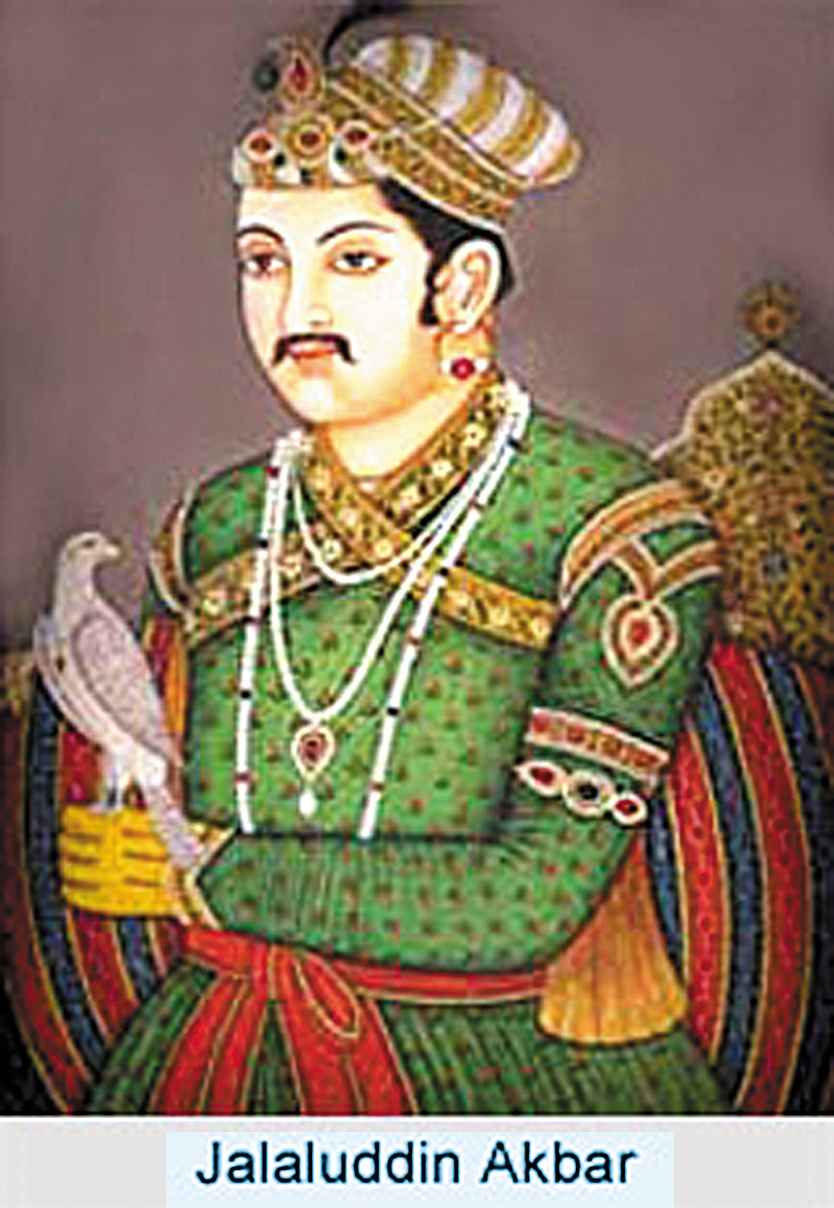
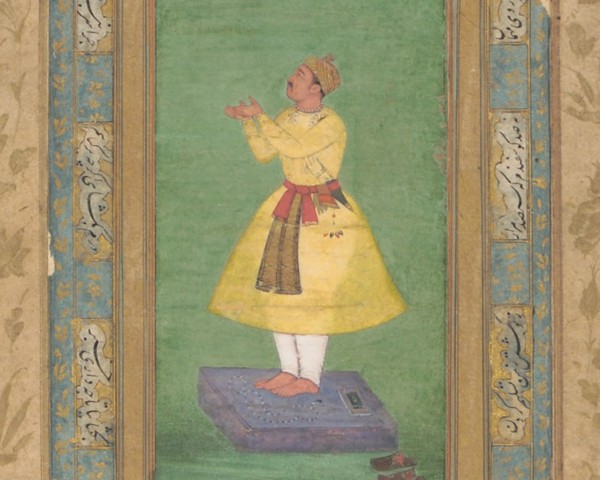
Akbar worshipping sun, Asian Civilisations Museum, Singapore


Compiled by London Swaminathan

Date: 10 June 2017

Time uploaded in London- 7-15 am

Post No. 3988

Pictures are taken from various sources such as Face book, Wikipedia and newspapers; thanks.

contact: swami_48@yahoo.com


There are two interesting stories about the Moghul emperor Akbar (1556-1605) and there is a true anecdote as well.

1.Akbar’s previous birth

2.Akbar and a Hindu ghost

3.Akbar and Surya Namaskar


In the Agra Fort there is an image of a man named Mukunda. He was a celebrated saint who decided to end his life by throwing himself in the river Jamuna, which flows by the fort. The reason for his decision was that he accidentally swallowed the hair of a cow by drinking milk without straining it. Though he punished himself by committing suicide, that was not thought a sufficient punishment. So, he was condemned to be born as a Mohammedan in his next birth, but in view of his sanctity, the harshness of the sentence was partially mitigated and he was born again as Emperor Akbar.

Akbar and the Hindu Ghost!

Hindu villagers attribute diseases like cholera and small pox to village goddesses. But there is a strange story about a historical personage. Hardaur Lala, son of Bir Sinha Deva (Veera Simha Deva), the miscreant Raja of Orcha in Bundelkhand, who at the instigation of Jahangir, assassinated the accomplished Abul Fazl, the literature of the court of Akbar. His brother, Jahjhar, succeeded to the throne on the death of his father, and after sometime, suspecting Hardaur of undue intimacy with his wife, he compelled her to poison her lover, with all his companions, at a feast in 1627 CE.


After this tragedy, the Princess Kanjavati, sister of Jahjhar, was about to be married. When the mother issued wedding invitations, Raja Jhajar mockingly suggested that one invitation should be sent to Hardaur.


Thereupon she in despair went to the tomb of Hardaur and lamented his wretched end. To her surprise Hardaur from below the earth answered her and promised to attend the wedding.


The ghost kept his promise and attended the marriage ceremony. Subsequently he went to the bedside of emperor Akbar at midnight and asked him to erect platforms in his name. If the king did so there would not be any damage by storm or drought in any part of the country. Akbar also did so. Since then the ghost of Hardaur was worshipped in every village in Northern India. But one unsolved problem in this story is a chronological error. Akbar died in 1605. Hardaur was murdered in 1627. (So it may not be Akbar, may be his son)

Akbar and Surya Namaskaram

“Emperor Akbar endeavoured to introduce a special form of Sun Worship into his dominions. He ordered his subjects to adore the sun four times a day; morning, noon, evening and midnight.  His Majesty had one thousand and one Sanskrit names of the Sun collected and read them daily, devoutly turning to the sun. He then caught hold of his both ears by their upper parts and turning himself quickly round used to strike the lower ends with his fists. He ordered his band to play at midnight and was weighed against gold at his solar anniversary (birth day)  — from Blockman’s translation of Ain-i-Akbari.

The Ain-i-Akbari or the “Constitution of Akbar”, is a 16th-century, detailed document recording the administration of emperor Akbar’s empire, written by his vizier, Abu’l-Fazl ibn Mubarak.

All the three stories are summarised from ‘The Gods of India’ by Rev E Osborn Martin, London, year 1914.


–subam–

ஆங்கிலத்தில் நகைச்சுவை கவிதைகள்! (Post No.3987)

Written by S NAGARAJAN


Date: 10 June 2017


Time uploaded in London:-  6-44  am


Post No.3987


Pictures are taken from different sources such as Face book, Wikipedia, Newspapers etc; thanks.


contact: swami_48@yahoo.com


இலக்கிய இன்பம்

ஆங்கிலத்தில் நகைச்சுவை கவிதைகள்!

ச.நாகராஜன்


       தமிழில் தனிப்பாடல் திரட்டு என்று ஒரு திரட்டு நூல் இருக்கிறது. பல கவிஞர்கள் பல்வேறு சந்தர்ப்பங்களில் சந்தர்ப்பங்களுக்குத் தகுந்தவாறு உடனுக்குடன் பாடிய பாடல்கள் அவை. அத்துடன் உதிரிப் பாடல்களும் அந்த நூலில் அடக்கம்.


நகைச்சுவையுடன் இருக்கும் பல பாடல்கள் நமக்குப் பல பாடங்களையும் போதிக்கும், சிந்திக்கவும் வைக்கும், தமிழின் கவிதை நயத்தை ரசிக்கவும் வைக்கும்.


இது போல ஆங்கிலத்தில் தனிப்பாடல் திரட்டு உண்டா என்று தேட ஆரம்பித்தேன்.


குறைந்த பட்சம் நகைச்சுவையுடன் கூடிய கவிதையோ அல்லது தனிப்பாடல் ரகத்தில் இருக்கும் கவிதையோ ஏதாவது கிடைக்குமா என்று கூகிள் செர்ச் (Google Search) ஆரம்பித்தேன்.

நிறைய இருக்கின்றன. இரண்டை மட்டும் இங்கு பார்க்கலாம்.


மூன்று மனைவிகள்


பயமுறுத்தும் சொல்லாக இந்த மனைவி என்ற சொல் இருக்கிறது என்று சிலர் சொன்னால் அவர்கள் சாக்ரடீஸ், போன்றோரை நினைவில் கொண்டிருக்கிறார்களோ, என்னவோ!


ஆனால், ‘மனைவி அமைவதெல்லாம் இறைவன் கொடுத்த வரம் என்று இருக்க வேண்டும் என்று சொல்லாமல் சொல்கிறார் ஒரு கவிஞர்- ராபர்ட் வில்லையம் சர்வீஸ்.

அவரது மூன்று மனைவிகள் கவிதையை ரசிக்கலாம், வாருங்கள்!


Three Wives


by Robert William Service


Said Jones: “I’m glad my wife’s not clever; Her intellect is second-rate.
If she was witty she would never Give me a chance to scintillate; But cap my humorous endeavour And make me seem as addle-pate.
“Said Smith: “I’m glad my wife’s no beauty, For if a siren’s charm she had, And stinted her domestic duty, I fear that she would drive me mad: For I am one of those sad fellows Who are unreasonably jealous.
” Said Brown: “”I know my wife’s not witty, Nor is she very long on looks; She’s neither humorous nor pretty, But oh how she divinely cooks! You guys must come some night to dinner – You’ll see my little girl’s a winner.
”  So it’s important in our lives, (Exaggerating more or less), To be content with our wives, And prize the virtues they possess; And with dispraise to turn one’s back On all the qualities they lack.  ஆக வாழ்க்கையில் முக்கியமான  விஷயம் நமது மனைவிமார்களது அரும் குணங்களைப் போற்றி இல்லாததைப் பற்றி எல்லாம் கவலைப்படாதீர்கள் என்கிறார் ராபர்ட் வில்லியம் சர்வீஸ். நல்ல சர்வீஸ் தான் இவர் கொடுக்கும் புத்திமதி.


****

திருப்பித் திருப்பித் திருப்பி..!!!


அடுத்த கவிதை, அடுத்த கவிதை, அடுத்த கவிதை, திருப்பித் திருப்பித் திருப்பித் திருப்பி – அட தடுமாறி விட்டேன், கவிதையைப் பற்றி சொல்லப் போய்…. ஒன்றுமில்லை, திருப்பித் திருப்பிச் சொல்பவர் ஒருவரைப் பற்றிச் சொல்லப் போய்.. சொல்லப் போய், அட, வாருங்கள் கவிதையைப் பார்ப்போம்!

.

இந்தக் கவிதைக்குரிய கவிஞர் ஜாக் ப்ரெலுட்ஸ்கி. இவர் கவிதைகளில் நகைச்சுவை ததும்புகிறது.

ஒரே ஒரு கவிதையைக் கீழே காண்போம்:-

“I often repeat repeat myself,
I often repeat repeat.
I don’t don’t know why know why,
I simply know that I I I
am am inclined to say to say
a lot a lot this way this way-
I often repeat repeat myself,
I often repeat repeat.

I often repeat repeat myself,
I often repeat repeat.
My mom my mom gets mad gets mad,
it irritates my dad my dad,
it drives them up a tree a tree,
that’s what they tell they tell me me-
I often repeat repeat myself,
I often repeat repeat.

I often repeat repeat myself,
I often repeat repeat.
It gets me in a jam a jam,
but that’s the way I am I am,
in fact I think it’s neat it’s neat
to to to to repeat repeat-
I often repeat repeat myself,
I often repeat repeat.”

     – Jack Prelutsky, A Pizza the Size of the Sun

அம்மாவும் அப்பாவும் கூட எரிச்சல் படுகின்றனர்; என்றாலும் எனக்கு இது இயல்பு தான் என்கிறார் கவிஞர்!

நகைச்சுவை இழையோடச் சொல்லப்படும் விஷயம் திக்கு வாயினால் தானா, அல்லது திடமான பழக்க தோஷத்தினாலா?

சிரிப்போம், சிந்திப்போம்.

****

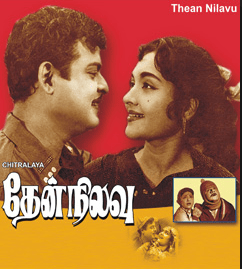
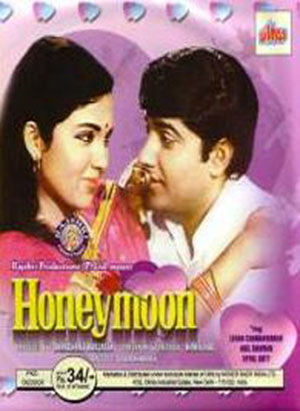
தேன் நிலவு- சுவையான Honeymoon ஹனீமூன் சம்பவங்கள் (Post No.3986)

Written by London Swaminathan


Date: 9 June 2017


Time uploaded in London- 15-45


Post No. 3986


Pictures are taken from various sources such as Face book, Wikipedia and newspapers; thanks.


contact: swami_48@yahoo.com


ஹனீமூன் — தேன் நிலவு — பற்றிய உண்மைச் சம்பவங்கள்; எட்டுக்கட்டியதல்ல– மொழி பெயர்த்தவர் சுவாமி நாதன்.


காரி க்ராண்ட் (Cary Grant) என்பவர் பார்பரா ஹுட்டன் (Barbara Hutton) என்ற பெண்மணியை மணந்துகொண்டார். தேன் நிலவுக்குப் போக முடியவில்லை. காரணம்–

முன் ஒரு காலத்தில் தேன் நிலவு (Once upon a Honeymoon) – என்ற படத்துக்காக அவர் அதே இடத்தில் இருக்க வேண்டியதாயிற்று; என்ன விந்தை? ஹனீமூனே ஹனீமூனை கெடுத்துவிட்டது!

xxxx


ஸ்நேக் சார்மர்! Snake Charmer

திடீர்க் காதல் — இருவரிடையே! நீண்ட நாள் கல்யாணம் தாமதமாகியது; பிறகு ஓடிப்போய்தான் திருமணம் செய்ய நேரிட்டது. இதெல்லாம் முடிந்து ஹனீமூனுக்குப் போனபோது தனது காதலி ஒர் பாம்பாட்டி (Snake Charmer) என்பது தெரிய வந்தது.

அடிக் கள்ளீ! இவ்வளவு காலமாகக் காதலித்தோம்; ஒரு நாளும் நீ பாம்புப் பிடாரி என்பதைச் சொல்லவில்லையே என்று கோபமும் கொஞ்சலும் கலந்த தொனியில் கணவன் கேட்டான்.

அட, நீங்க ஒண்ணு; நீங்களாவது நான் பாம்பாட்டியா என்று கேட்டிருக்கக் கூடாதா? என்றாள் அந்த மேதாவி!


XXX

ஹனீ, ஓ, ஹனீ! கதவைத் திற;


புது மணத் தம்பதியர் புதிய நாட்டில் புதிய நகரத்தைச் சுற்றிப் பார்க்க ஒரு ஹோட்டலில் தங்கினர். சில நாட்களில் நல்ல பழகிப் போனவுடம் அந்த இளம் பெண் மதிய வேளையில் சாமான்கள் வாங்க கடைத் தெருவுக்குப் போனாள்; கணவன், அவள் எப்படித் திரும்பி வரவேண்டும், எப்படி லிப்டி(Lift)லிருந்து இறங்கி எந்தப் பக்கம் திரும்பி எத்தனையாவது அறைக்கு வரவேண்டும் என்றெல்லாம் தெளிவாகச் சொல்லிக் கொடுத்தான்.

அப்பெண்ணும் “அத்தான்! கவலையை விடுங்கள் அரை மணி நேரத்தில் அறைக்குத் திரும்புவேன்” என்று பகர்ந்து வெளியே போனாள்.

ஹோட்டலுக்கு அரை மணி நேரத்தில் சாமான்களுடன் திரும்பியும் வந்தாள். லிப்டில் பலர், பல மாடிகளில் இறங்க வெவ்வேறு பட்டன்களை அமுக்கினர். இந்தப் பெண தவறான மாடியில் தனது மாடி என்று நினைத்து வெளியே வந்து விட்டாள். கணவன் சொன்ன கட்டளைகளை  அப்படியே பின்பற்றி தனது அறை என்று அவள் தப்புக் கணக்குப் போட்ட அறையின் கதவுக்கு வந்தாள்.

புது மணப் பெண் அல்லவா?

குனிந்த தலை நிமிரவில்லை!

கொஞ்சும் குரலில், “அத்தான்! அத்தான்!! கதவைத் திறங்கள்; நான் தான்!”– என்றாள். கதவு திறக்கவில்லை!


சில நிமிடங்கள் காத்திருந்துவிட்டு மீண்டும் “அத்தான்! அத்தான்!! கதவைத் திறங்கள்; நான் தான்!”– என்று உரத்த குரலில் கூவினாள்.

உள்ளே இருந்து கோப த்வனியில் கர்ண கடூரமாக ஒரு குரல் ஒலித்தது:


“அத்தானும் இல்லை; குழம்புத் தானும் இல்லை! இது சமையல் அறையும் இல்லை; இது பாத் ரூம் (குளியல் அறை)”.


அந்தப் பெண் அலறிப் புடைத்துக்கொண்டு ஓடிப் போய் தனது சரியான   அறையைக் கண்டுபிடித்தாள்

XXX

டிக்கெட்டை எடுத்துக்கிட்டீங்களா?

கல்யாணம் என்றாலே மப்பிள்ளைகளுக்குப் பெண்களை விடக் கொஞ்சம்   கூடுதல் உதறல்தான்; ஏனெனில் பெண்ணுக்குத் தோழிகளும், அம்மா  மார்களும் மற்ற உறவுப் பெண்களும் எல்லாவற்றையும்   செய்து கொடுத்துவிடுவர்.

அப்பாவி ஆண்மகனுக்கோ எவரும் உதவவும் மாட்டார்; அந்தப் பிள்ளையாண்டானுக்கு சகோதரனிடம் கேட்கக்கூட வெட்கம். இந்த சூழ் நிலையில் ஒரு இளம் தம்பதியினரின் கல்யாணம் வெற்றிகரமாக நடந்து முடிந்தது.

மறு நாள், காரில் ஏற்றி ஸ்டேஷனில் இறக்கிவிட எல்லோரும் வந்தனர். ஸ்டேஷனில் ரயில் வரப்போகும் அறிவிப்பும் வந்தது.


புதுமணப் பெண் வெட்கத்தோடு, என்னங்க, என்னங்க, அத்தான்; உங்களைத்தான், டிக்கெட்டெல்லாம் எடுத்து வச்சீங்களா பைக்குள்ள?


மாப்பிள்ளைக்கு ‘பகீர்’ என்றது. வேக மாக கால் சட்டைப்பைக்குள் கையை விட்டான்; ஒரு டிக்கெட் (Only one Ticket) மட்டும் வெளியே எட்டிப் பார்த்தது.

அதை “அவளும் நோக்கினாள்; அண்ணலும் நோக்கினான்  ”

என்ன பதில்சொல்ல என்று திணறிப் போனான் மாப்பிள்ளைப் பையன்.


நல்ல வேளை! நிறைய தமிழ் சினிமா பார்த்து இருந்ததால் தக்க வசனம் வாயில் வந்தது!


“தேனே! மானே! கண்ணே! கற்கண்டே!

உன்னைப் பார்த்த நாள் முதல், நான் என்னையே மறந்து விட்டேன்; இதோ உன் டிக்கெட்” என்று கையில் கொடுத்தான்”.


சினிமா வசனம் பேசினாலும் முகத்தில் அசடு வழிந்தது!

“போன மச்சான் திரும்பி வந்தான் பூ மணத்தோட” என்று வீட்டுக்குத் திரும்பி வந்தனர்!


–சுபம்–

Mysterious PURUSA in the Hindu Vedas!(Post No.3985)

Research article Written by London Swaminathan


Date: 9 June 2017


Time uploaded in London- 11-37 am


Post No. 3985


Pictures are taken from various sources such as Face book, Wikipedia and newspapers; thanks.


contact: swami_48@yahoo.com


English word PERSON is derived from the Sanskrit word PURUSA. It is used in grammar, relationships and philosophy. If one studies the ways this word is used in the Hindu scriptures, one would realise how difficult it would be to understand Vedic symbolism.


In Tamil families, they use the word ‘purusa’ to mean one’s husband. In Sanskrit and English grammar, we use it for First person, second person and third person. In the Vedas, they use it to denote MAN. Lot of number symbolism come with it.

1.Purusa is the generic term for Man in the Rig Veda and later in the Atharva Veda (7-104-15; 10-97-4 etc; AV 3-21-1;5-21-4 etc.


  1. Man (Purusa) is composed of five parts (AV 12-3-10)
  2. Man (Purusa) is composed of 16 parts (Aitareya Brahmana
  3. Man (Purusa) is composed of 20 parts (Pancavimsa Brahmana)
  4. Man (Purusa) is composed of 21 parts (Taittiriya Samhita and four more books
  5. Man (Purusa) is composed of 24 parts (Satapata Brahmana 6-2-1-23)
  6. Man (Purusa) is composed of 25 parts (Sankalayana Srauta Sutra 16-12)


One has to get proper explanation from his Guru to understand all these. No translation will help. Vedic language has hidden meaning.


Tamil poets – Alwars and Nayanmars- used this type of number symbolism around 8th century CE. But Vedic poets used it thousands of years before them. This shows how advanced they were in thinking. Foreigners couldn’t understand all these symbolisms and branded them as primitive. Modern research show that the foreign authors were primitive!

Man is the Master of Animals


Man is the first of animals (Satapata Brahmana 6-2-1-18)

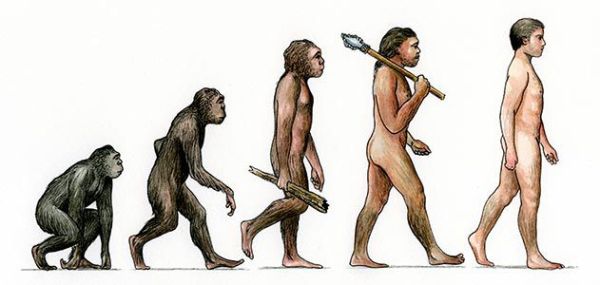
(This goes very well with the theory of evolution and psychologists’ belief)

“Man is a rational animal — so at least I have been told. Throughout a long life I have been looked diligently for evidence in favour of this statement, but so far I have not had the good fortune to come across it.”[— Betrand Russel

“Man is by nature a social animal; an individual who is unsocial naturally and not accidentally is either beneath our notice or more than human. Society is something that precedes the individual. Anyone who either cannot lead the common life or is so self-sufficient as not to need to, and therefore does not partake of society, is either a beast or a god. ”–Aristotle


Man is the Master of Animals (which is shown in Indus Valley Seal, Bahrain/Dilmun seal Celtic seal; pleasesee my earlier research article on Pasupati seal of Indus valley)—Kathaka Samhita 20-10


Height of a Man

Tamil literature says a man’s height is eight times of his hand/Saan (though the modern meaning of Saan is the length of one hand’s extended fingers, the old meaning must be different)


The height of a man is four Aratnis (cubits) accordint to Katyayana Srauta Sutra (here again Aratni means length of an extended arm; it may vary between 18 and 21 inches). Wherever such human limbs used one has to use his own foot or hand or arm for the measurement.)

Purusa itself is used as a measure of length (satapata Brahmana and Taittiriya Samhita). This is also interesting. Even today Indian villages use this measurement. When they want to say how seep is a tank or a lake they will says Four men depth or three men depth. So, Purusa is used to mention the length.


Since Vedas say a man’s life is 100 years, the term is used to denote the length of one’s life and generation as well , a generation (Taittiriya Samhita 2-1-5-5; dvi purusa= two generations- Aitareya Brahmana 8-7).


Strangely purusa is used for the pupil of the eye as well (Satapata Brahmana and Brhad Aranyaka Upanishad)

Purusa also meant Cosmic man, Brahman in the Vedas. Purusa Sukta (10-90) in the Rig Veda sings the glory of cosmic man with thousand heads and thousand feet.

Mysterious PURUSA MRGA!

The ‘man wild beast’ (Purusa Mrga) occurs in the list of Asvamedha Sacrifice list in the Yajur Veda (Taittiriya Samhita 5-5-15-1)

Zimmer thinks it MAY be an ape; according to him it meant an ape in Atharva Veda(6-38-4; 19-39-4)

But Bloomfield and Whitney don’t agree with him.

The mystery continues! were there apes in India those days in North India? Mrga also mean deer; was it a particular type of deer or a male deer?


More Mysterious PURUSA HASTIN!

Purusa Hastin means A Man with a Hand! It is also found in the list of Asvamedha Yaga list of Yajur Veda (Vajasaneyi Samhita 24-29; Maitrayani Sahita 3-14-8)


Hastin – an animal with a hand is used for elephant in later literature. But Purusa Hastin and Purusa Mrga are strange words which have not been used in the sense of ape.

Bhima’s encounter with Purushamiruga is a later story.

Books used: Book of Quotations

Vedic Index by A A Macdonell and A B Keith

–Subham–

பாரதியார் பற்றிய நூல்கள் – 33-2 (Post No.3984)

Written by S NAGARAJAN


Date: 9 June 2017


Time uploaded in London:-  6-57  am


Post No.3984


Pictures are taken from different sources such as Face book, Wikipedia, Newspapers etc; thanks.


contact: swami_48@yahoo.com


மஹாகவி பாரதியார் பற்றிய நூல்கள் – 33-2


புதுவை வாழ்க்கை – 2 ( பிரிட்டிஷார் ஆண்ட போது இந்திய அரசாங்கத்தின் உள்துறை அரசியல் பிரிவில் இருந்த சில ஆவணங்கள்)


மஹாகவி பாரதியார், அரவிந்தர், .வே.சு ஐயர் உள்ளிட்டோர்  புதுவையில் வாழ்ந்த காலத்தில் ஆங்கில அரசு அவர்களைத் தொடர்ந்ர்து கண்காணித்து வந்தது. பல தொல்லைகளையும் கொடுத்தது. கீழே ஆங்கிலத்தில் அப்படியே அரசு ஆவணங்கள் தரப்பட்டுள்ளன


முதல் ஆவணம் பிப்ரவரி 1911, மற்றும் செப்டம்பர் 1912 ஆகிய கால கட்டத்துடன் சம்பந்தப்பட்டவை. இதில் பாரதியாரின் மைத்துனரான நாகஸ்வாமி ஐயருக்கு  சவர்க்கார் எழுதிய Mutiny புத்தகத்தின் ஐந்து பிரதிகள் வந்தது குறிப்பிடப்படுகிறது.


http://www.sriaurobindoashram.org/research/show.php?set=doclife&id=26

Documents in the Life of Sri Aurobindo

LIFE IN PONDICHERRY 1910 AND AFTER


LIFE IN PONDICHERRY – 3

Extracts from Government of India, Home Political-B Proceedings, February 1911, Nos. 1-5, and September 1912, Nos. 21-24. [National Archives of India]

MADRAS.

  1. Pondicherry.— It has been ascertained that amongst the companions of Arabindo Ghose is A.B. Kolhatkar, B.A., of Nagpur, who was convicted of sedition as editor of the Desha Sewak. He has been in communication with Madame Cama with a view to leaving India, and the latter has sent him Rs. 300 to pay for his passage to England or to a place in the West Indies where there is said to be a colony of two or three thousand Indians working as factory hands.

Seditious literature is still coming in large quantities: five copies of Savarkar’s book on the Mutiny addressed to Nagaswami Aiyer, brother-in-law of Subramania Bharati, were recently intercepted, in addition to copies of the Free Hindustan, Talwar and Bande Mataram. In spite of these interceptions S. Srinivasa Chari recently had a considerable amount of this kind of literature in his house.

Weekly reports of the Director of Criminal Intelligence on the political situation during January 1911, p. 5.

****

இரண்டாம் ஆவணம் புதுவை 9 என்ற தேதி குறிப்பிடப்பட்டிருக்கும் அரசு ஆவணம்.

அடுத்த ஆவணம் அரவிந்தரின் பிறந்த தேதியான ஆகஸ்டு 15ஆம் தேதி அவரது 40வது பிறந்த தின விழா நடைபெற்றதைக் குறிப்பிடுகிறது.

இதில் பாரதியார் மீது ஆஷ் கொலை வழக்கு சம்பந்தமான வாரண்டு பிறப்பிக்கப்பட்டிருப்பதையும் அவர் பிரிவினை குற்றச்சாட்டிற்கு உட்பட்டவர் என்றும் குறிப்பிடப்படுகிறது. பாரதியார்,.வே.சு. ஐயர் ஆகியோர் இந்த பிறந்த தின விழாவில் கலந்து கொண்டதைக் குறிப்பிடுகிறது ஆவணம். காளி, பாரத மாத, திலகர், குதிராம் போஸ் பிரபுல்ல சகி ஆகிய ஐவரின் படங்களுக்கு மாலை அணிவித்ததையும் இந்த ஆவணம் குறிப்பிடுகிறது.

அதை அப்படியே ஆங்கிலத்தில்  கீழே காண்போம்.


MADRAS.

  1. Pondicherry. — On 15th August a meeting was held at the house of Arabindo Ghose, in celebration, it is believed, of his 40th birthday. The meeting was attended by V.V.S. Aiyar, who was V.D. Savarkar’s right-hand man in the anarchist conspiracy in London and Paris, C. Subramania Bharati, a well-known writer of sedition against whom a warrant is out for complicity in the murder of Mr. Ashe, and a few other well-known revolutionaries. During the proceedings five pictures were garlanded with flowers, namely those of (1) the goddess Kali,the patron saint of the Bengali revolutionary movement, (2) Bharat Mata,the personification of Mother India, (3) Tilak, and (4) and (5) Khudiram Bose and Profulla Chaki, the two young Bengalis who threw the bomb which killed Mrs. and Miss Kennedy at Muzaffarpur in April 1908. Arabindo Ghose, who at first kept to himself a great deal in Pondicherry, is now in much closer touch with V.V.S. Aiyar and his dangerous gang.

Ibid., August 1912, p. 13.


1

இந்த நூலை முழுதுமாகப் படிக்க விரும்பும் அன்பர்கள் கட்டுரையின் ஆரம்பத்தில் குறிப்பிடப்பட்டிருக்கும் இணையதளத் தொடுப்பிற்குச் செல்லவும்.

நன்றி: அருமையான ஆவணங்களை அப்படியே பாதுகாத்து உலகிற்கு வழங்கி அரிய சேவையைச் செய்து வரும் அரவிந்த ஆசிரமத்திற்கு நெஞ்சார்ந்த நன்றி.

***********

-தொடரும்

‘தஸ்யூ’ என்றால் திருடன்: காளிதாசன் (Post No.3983)

Research article Written by London Swaminathan


Date: 8 June 2017


Time uploaded in London- 21-14


Post No. 3983


Pictures are taken from various sources such as Face book, Wikipedia and newspapers; thanks.


contact: swami_48@yahoo.com


ரிக் வேதத்தில் ‘தஸ்யூ’ (Dasyu) என்ற சொல் பல இடங்களில் வருகிறது; அதன் பொருள் குற்றம் இழைத்தவன், திருடன் , கொள்ளையன் என்பதாகும். ஆனால் இந்து மதத்தை அழித்து, இந்தியாவைப் பிளக்க வேண்டும் என்று எண்ணிய வெள்ளையர்கள் அந்தச் சொல்லுக்கு பழங்குடி மக்களாக ‘இருக்கலாம்’ அல்லது திராவிடர்களாக ‘இருக்கலாம்’ அல்லது ஆப்கனிஸ்தான்/பாகிஸ்தான் பகுதியில் வாழும் பிரஹுயி மொழி பேசுவோராக ‘இருக்கலாம்’ என்றெல்லாம் கதை கட்டிவிட்டனர். இவற்றில் எந்த உண்மையும் இல்லை என்பதை ரிக் வேதத்துக்குப் பின் எழுந்த ஐதரேய பிராமணம் என்னும் நூலும், நமக்கு இரண்டாயிரம் ஆண்டுக்கு முன் வாழ்ந்த உலகப் புகழ் கவிஞன் காளிதாசனும் பறை அறிவித்துள்ளனர்.


உலகிலேயே அதிகம் சண்டை போட்டவர்கள் தமிழர்கள்தான். உலக வரலாற்றைப் படித்தோருக்குத் தெரியும் 1500 ஆண்டுகளுக்கும் மேலாக இடைவிடாமல் போரிட்ட இனம் உலகில் தமிழ் இனம் மட்டுமே. சங்க இலக்கியப் பாடல்களில் இப்படி சண்டை போட்ட சேர, சோழ, பாண்டிய மன்னர்களை வீரர்கள் என்றும் புலவர்கள் போற்றியுள்ளனர். ஆனால் அந்த மூன்று வேந்தர்களையும் யாரும் ஆரியர், திராவிடர், முண்டா இன மக்கள் என்று சொல்லுவதில்லை. இவ்வளவுக்கும் அவர்களிடையே ஜன்மப் பகை! ‘சூ’ என்றால் சண்டைக்கு வருவர். எதிரி மன்னர்களின் மனைவியரின் கூந்தலைக் கத்தரித்து கயிறு திரித்து வெற்றிபெற்ற மன்னரின் ரதத்தை இழுத்துவந்ததாகவும், அவனது அரண்மனைகளைத் தரைமட்டமாக்கி கழுதை பூட்டிய ஏர் கொண்டு உழுது அவமானப் படுத்தியதாகவும் புறநானூற்றுப் புலவர் பாடுவர். அப்படிப் பாடிய போதும் அவர்களை

எவரும் வேற்றினமாகப் பார்க்கவில்லை.


ஆனால் இந்துமதத்தில் விஷ விதைகளை ஊன்ற வந்த மாக்ஸ்முல்லர்களும் கால்டுவெல்களும் சாதாரண ஒரு சொல்லுக்குப் பயங்கரப் பொருள் கற்பித்தனர்.

உலகிலுள்ள எல்லா சமய நூல்களிலும் பழைய இலக்கியங்களிலும் அதே இனத்தைச் சேர்ந்த அல்லது மாற்று இனத்தைச் சேர்ந்த எதிரிகள் வருணிக்கப்படுகின்றனர். இது தவிர திருடர், கொள்ளையர், குற்றவாளிகள் ஆகீயோரும் வருணிக்கப்படுகின்றனர். அர்ஜுனனைப் பார்த்து கிருஷ்ணன் பல இடங்களில் ‘பரந்தப:’ (எதிரிகளை தஹிக்கவைப்பவனே) என்பார் பகவத் கீதையில்; இது போல தமிழ் இலக்கியத்தில் பாலைநில மறவர்கள் எல்லோரையும் கொள் ளையடித்து கொன்ற செய்தியும் உள்ளது ஒன்றுமில்லாத ஒரு பிராமணனைக் கொன்றுவிட்டு ஐயோ இவனைக் கொன்றுவிட்டோமே என்று கையை நொடித்துக் கொண்ட பாடலும் சங்க இலக்கியத்தில் உள்ளது; ஆனால் அவர்களை

வேறு இனமாக நாம் பார்க்கவில்லை. இது போலவே ரிக்வேத காலத்தில் குற்றமிழைத்தவர்களை தஸ்யூக்கள் என்றனர்


காளிதாசனில் ஒரு காட்சி

காளிதாசன் எழுதிய சாகுந்தலம் நாடகம் உலகம் முழுதும் பிரசித்தம்; பல ஐரோப்பிய மொழிகளில் நீண்ட காலத்துக்கு முன்னரே மொழி பெயர்க்கப்பட்ட நூல்; 2000 ஆண்டுப் பழமை வாய்ந்தது; அதில் ஒரு காட்சி.


ஐந்தாம் காட்சி 21ஆவது ஸ்லோகம்


கண்வ மகரிஷியின் வளர்ப்பு மகள் சகுந்தலை; அவள் உலகப் பேரழகி; கானக ரோஜா; கண்வர், ஆஸ்ரம்த்தில் இல்லாத போது துஷ்யந்தன் என்ற மன்னன் அவளை ரஹசியமாகக் கல்யாணம் செய்துகொண்டு கர்ப்பவதி ஆக்கிவிடுகிறான்; அதுமட்டுமல்ல அவளைக் கானகத்திலேயே விட்டு விடுகிறான்; செய்தி அறிந்த கண்வ மஹரிஷி, உரிய காலத்தில் ஒரு சிஷ்யன் மூலமாக துஷ்யந்தனிடம் அனுப்புகிறார். மன்னனோ ஒன்றும் அறியாத அப்பாவி போல நடிக்கிறான். அப்போது கோபமுற்ற கண்வரின் சீடன, ‘ஐயன்மீர்; திருடன் (தஸ்யூ) கொள்ளையிட்ட சொத்தை அவனிடமே திருப்பித் தரவந்துள்ளேன்’ என்று கடிந்துரைக்கிறான். இங்கே திருடனுக்கு காளிதாசன் பயன்படுத்திய சொல் தஸ்யூ. துஷ்யந்தன் திருட்டுத்தனமாக அவளை அனுபவித்து விட்டுப் போனதால் திருடன் கொள்ளையிட்ட சொத்து என்று சகுந்தலா வருணிக்கப் படுகிறாள்; ஆகவே தஸ்யூ என்பதன் உண்மைப் பொருள் திருடன்.


ரிக்வேதத்தில் தஸ்யூ

ரிக் வேதத்தில் தஸ்யூவைக் குறிப்பிடும் இடங்களில், அநாஸ (மூக்கு அற்றவர்), அவிரத (உரிய கருமங்களைச் செய்யாதோர்),அதேவ (கடவுளை வணங்காதோர்), அயஜ்ய ( யாகம் செய்யாதோர்) ம்ருதவாக் (கடுஞ் சொல்லுடையோர்) என்றெல்லாம் வருணிக்கப்பட்டுள்ளனர்.


திராவிடர்களை மூக்கு இல்லாதவர்கள் என்று எவரும் சொல்லமாட்டார்கள்; மஞ்சள் நிறத் தோலுடைய மங்கோலாய்ட் (Mongoloid) இனத்தினர் (ஜப்பான், சீனா) சப்பை மூக்குடையோர். ஜப்பானியர்களுக்கு மூக்கு இருப்பதே  தெரியாது; மேலும் திராவிடர்களுக்கு போண்டா மூக்கு, சுருட்டை முடி, முட்டைக் கண்கள் என்றெல்லாம் வெள்ளையர்களே எழுதி வைத்துள்ளனர். ஆகவே எதிரிகளைத் திட்டும்போது இப்படிப்பட்ட சொற்கள் வருவது இயல்பே.


உண்மையில் தமிழ் அரசர்களை காவல் காத்த யவனர்களைக்கூட ‘கடுஞ்ச் சொல்லுடையோர்’ என்று தமிழ் இலக்கியம் செப்பும்; அது போல இடையர்களைக் கல்லா இடையர் என்று தமிழ்ப் புலவர்கள் பாடுகின்றனர்.


ஒரு நல்ல சொல்லும் காலப் போக்கில் அவப் பெயர் பெறுவதும் , ஒரு கெட்ட சொல் காலப் போக்கில் நல்ல பொருள் பெறுவதும் மொழி அறிஞர்களுக்குத் தெரிந்த விஷயமே.


பறை அறிவிக்கும் அரசு அதிகாரி= பறையன். ஆனால் காலப் போக்கில் தீண்டத்தகாதவன் என்று பொருள் பெற்றது. இன்றும் அதே அர்தத்தில் உலகம் முழுதும் ஆங்கிலப் பத்திரிக்கைகளிலும், டெலிவிஷன் ஸ்டேஷன்களிலும் பயன்படுத்துகின்றனர். வேண்டாத நாடுகளையும் தலைவர்களையும் இன்டெர்நேஷனல் பறையா (International Pariah) என்று ஓலமிடுகின்றனர். ஆக ஆங்கில அகராதியில் இடம்பெற்ற தமிழ் சொல்லுக்கு இவ்வளவு துஷ்பிரயோகம்!


பழைய காலத்தில் கழகம் என்றால் சூதாடும் இடம்; இன்று பல அரசியல் கட்சிகள் கழகம் என்று பெயர் வைதுக்கொண்டுள்ளன. மேலே குறிப்பிட்ட தஸ்யூவும் இப்படி பொருள் மாறி வந்து திருடன் என்று மென்மைப் பொருள் பெற்று இருக்கலாம். பூர்வ காலத்தில் அது எதிரி, குற்றவாளி, கெட்டவன் என்ற பொருளுடன் இருந்திருக்கலாம்.


இந்திரனை வருணிக்கும் ரிக் வேதப் பாடலும் அவனை தஸ்யூவைக் கொல்பவன் என்று சொல்கிறதே தவிர தாசர்களைக் கொல்பவன் என்று சொல்லவில்லை. ஆக தஸ்யூ என்பது கடுமையான குற்றம் இழைத்தோர் ஆவர்.  அதில் இனம் ஏதும் இல்லை. இந்திரன் கொன்ற 30 அரக்கர்களில் மூன்றே பேருக்குத்தான் தஸ்யூ என்ற சொல் சேர்க்கப் பட்டுள்ளது. ஆகவே எல்லோரும்  இப்படி அழைக்கப்படவில்லை. மேலும் வேதங்களில் தென்னகம் குறிப்பிடப்படவில்லை.; வடக்கில் திராவிடர்கள் இருந்ததும் ஊகமே.


–Subham–