paritrāṇāya sādhūnāṁ vināśhāya cha duṣhkṛitām dharma-sansthāpanārthāya sambhavāmi yuge yuge
BG 4.8: To protect the righteous, to annihilate the wicked, and to re-establish the principles of dharma I appear on this earth, age after age.
Not only Hindus but also people who follow Parsi religion believe in future Prophets.
Bhagavata Purana gives a list of 22 Avatars of Vishnu and the last two are Buddha and Kalki.
Great Sanskrit poet Jayadeva of tenth century in his Gita Govinda says,
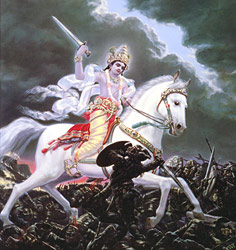
“O Keshava, at the destruction of the multitude of the Mlechas, you will wield the dreadful sword, which is like a COMET.
O Hari, lord of the world, may you be successful having got the body of Kalki.”
In Zoroastrian religion we come across SOSIOSHA as the future prophet (See Fravardin Yt 129)
Garuda purana also says it.
Jayadeva used the Sanskrit words
Dhumaketumiva ‘comet like sword’.
Now we see such sword fights in the imaginary Star War episodes. It looks like Lord Vishnu will also use modern weaponry like Laser swords. Probably you may not need Nuclear bombs or Hydrogen Bombs. With laser light you may be able to destabilise foreign military power.
Dhumaketu is Comet in Sanskrit. We may take it some sword like it. Lord Kalki is shown riding White Horse in Puranic descriptions.
My opinion is ‘Asva’ is wrongly translated from the days of Rig Veda. Asva is ‘fas’t and not horse. Even today we use the term Horse Power, where we do not see any horse.
So Kalki will use some Supersonic Jets painted white or shining bright.
About the Zoroastrian SOSIOSHA, it may be ‘Swayam Ojas’ or Svaroshisa as in Svarosisha Manu.
References to future Avatars…….
the Pairika Khnãthaiti * for whose destruction Sosiosha will be born out of the water Kaçoya from the Eastern country [ from the eastern countries ) .
KALKI AVATAR(Skt.) “Avatar of the White Horse” who will be the last Manvantaric incarnation Vishnu according to the brahmins; Maitreya Buddha, according to Northern Buddhists; Sosiosha, the last hero and Savior of the Zoroastrians, according to the Parsis; and ” Righteous and True“on a white horse.
20 Mar 2015 — We all know that Lord Vishnu will reincarnate himself as Kalki Avatar at the end of Kali Yuga for “Paritraaya Saadhunaam and Vinaasaaya sa …
Kalki Avatar and Holy Ganges in old English Poetry (Post No …
30 Mar 2021 — tamilandvedas.com, swamiindology.blogspot.com. if u want the article in word format, please write to us. HINDU INFLUENCE ON ENGLISH POETS.
மிலேச்சர்களை அழிக்கும் கல்கி அவதாரம்எப்போது?; post 1736;21-3-2015
Pictures are taken from various sources for spreading knowledge;
this is a non- commercial blog. Thanks for your great pictures.
tamilandvedas.com, swamiindology.blogspot.com
காதலில் டைம் -டைலேஷன்!
ச.நாகராஜன்
கால விரிவு – Time dilation – என்பதை எப்படி விளக்குவது?
பிரபல விஞ்ஞானி ஐன்ஸ்டீனிடம் ஒருவர் இதைக் கேட்ட போது அவர் எளிமையாக இதற்கு விளக்கம் தந்தார்.
“உங்களது கையை சூடாக இருக்கும் ஸ்டவ்வின் மீது ஒரு நிமிடம் வையுங்கள். அது ஒரு மணி நேரம் ஆனது போல இருக்கும். ஒரு அழகியுடன் ஒரு மணி நேரம் உட்காருங்கள். அது ஒரே ஒரு நிமிடம் ஆனது போல இருக்கும்”.
“Put your hand on a hot stove for a minute, and it seems like an hour. Sit with a pretty girl for an hour, and it seems like a minute. That’s relativity.” ― Albert Einstein
இந்த விளக்கம் இருபதாம் நூற்றாண்டின் விளக்கம்.
ஆனால் நமது கவிஞர்கள் இதை எப்போதோ சொல்லி விட்டார்கள் தங்கள் காதல் கவிதைகளில்.
இப்படி ஏராளமான காதல் காட்சிகளை அவர்கள் தந்திருக்கின்றனர்.
ஒரு காட்சியை மட்டும் இங்கு பார்ப்போம்.
நைடதம் என்ற நூலை எழுதிப் புகழ் பெற்றான் மன்னன் அதிவீர ராம பாண்டியன்.
அதில் சந்திரோபாலம்பனப் படலத்தில் வரும் ஒரு பாடல் இது:
பணந்தா ழல்குற் பைந்தொடியீர்
பதுமத் திறைக்கும் வானவர்க்குன்
கணஞ்சே ருலகின் மன் பதைக்குங்
காலங் கணித்த கலை வல்லோர்
மணந்தார் தமக்கோ ரிமைப் பொழுது
மாறாக் காதன் மகிழ்நர்புயந்
தணந்தார்க் கூழி யாகுமெனச்
சாற்றா திருந்த தகை யென்னே
(பாடல் எண் 16)
பொருள் :
பணந்தாள் அல்குல் – பாம்பினையுடைய படம் எடுப்பது போன்ற ஜனன உறுப்பைக் கொண்டிருக்கும்
பைந்தொடியீர் – பசுமைப் பொன்னால் ஆன வளையல்களை அணிந்துள்ள மங்கையரே!
பதுமத்து இறைக்கும் – தாமரை மலரின் மேல் இருக்கின்ற பிரமதேவனுக்கும்
வானவர்க்கும் – வானில் உறைகின்ற தேவர்களுக்கும்
கணஞ்சேர் உலகின் மன்பதைக்கும் – கூட்டமாகச் சேர்ந்திருக்கின்ற உலகம் வாழ் மக்களுக்கும்
காலம் கணித்த கலை வல்லோர் – வாழ்நாளைக் கணித்திருக்கின்ற கலை வல்லார்கள்
மணந்தார் தமக்கு – திருமணம் செய்து கொண்டிருக்கும் தம்பதியர்க்கு
மாறாக் காதல் மகிழ்நர் புயம் தணந்தார்க்கு – நீங்காத காதலை உடைய தனது கணவரின் தோளைக் கூடியவர்க்கு அதை விட்டுப் பிரிகின்ற
ஓர் இமைப் பொழுதும் ஊழி ஆகுமென – ஒரே ஒரு இமைப் பொழுது கூட ஊழியளவு காலம் ஆகும் என்று
சாற்றாது இருந்த தகை என்னே?! – சொல்லாமல் இருக்கின்ற முறை என்ன? அது சரியா?
காதலர் ஒருவரை ஒருவர் நெடு நேரம் தழுவிச் சேர்ந்திருந்தாலும் அது ஒரு கணம் தான்; அவர்கள் ஒரு கணம் பிரிந்திருந்தாலோ அது ஒரு ஊழிக் காலம் அளவு ஆகி விடும்!
புராணம் வகுத்தார் தேவர்க்கு ஒரு நாள் என்பது மனிதருக்கு ஒரு வருடம், பிரம்மாவின் ஒரு நாள், மனிதர்களுக்கு பிரளய காலம் வரும் வரையிலுமான காலம் என்றெல்லாம் கணித்துப் புராணத்தில் துல்லியமாகச் சொல்லி உள்ளனர்.
Pictures are taken from various sources for spreading knowledge.
this is a non- commercial blog. Thanks for your great pictures.
tamilandvedas.com, swamiindology.blogspot.com
Tri Karana Suddhi, the moral triad is found in Vedas, Buddhist Dhammapada, Zoroastrian Avesta and later scriptures.
Tamils have coined three separate words Vaimai, Unmai and Meimai with the rhyme of Mai. In Sanskrit we have only one word -Sathya or Rtam.
Zoroastrian religion has Humatha, Hukhta and Hvarshta.
Since ‘S’ is absent in Persian sumata, sukta,suvarsha are pronounced with H sound.
In Dhammapada, Buddha defines Brahminhood in the last chapter, where he says,
“He who commits no sin by body or speech or mind and is restrained in the three respects- him I call a Brahmin”. Dhammapada verse 391; chapter 26
Krishna in Bhagavad Gita says,
“Whatever action a man begins to do by his body, speech and mind”—18-15
Later Garuda Purana, Mahabharata and Tamil devotional poems have this expression. But the earliest references are from the Vedas,
Here is a passage from the Brahmana of Yajur Veda ,
“What a man contemplates in Thought, he speaks in Speech, what he speaks in speech, he does in Deed
Yan Manasa dhyayati tat bachata vadati
Yay vacha vadati tat karma karoti
In Taitriya Aranyaka 10-1-12 , we come across,
Yanme manasa vacha karmana va duskrtam krutham.
Mahabharata , Garuda Purana and other later devotional literature quoted this more often .
xxxx
Manu Smrti
Manu takes it to an interesting level, where he says, (12-9),
“Man attains the condition of vegetables on account of his faulty actions arising from his body; the condition of birds and quadrupeds on account of his faulty speech, and the lowest condition on account of his faulty thoughts.”
So , this Tri Karana Suddhi was known to all the people in India
We find the Tamil words in the Tirukkural and earlier Sangam book Ainkurunuru.
This is one more similarity found between the Avesta and the Vedas.
-SUBHAM—
Tags-Trikarana Suddhi, Thought, Word, Deed, Avesta
Pictures are taken from various sources for spreading knowledge.
this is a non- commercial blog. Thanks for your great pictures.
tamilandvedas.com, swamiindology.blogspot.com
தமிழ் வழி ……………………… தனீ…………………..வழீ……………………
தமிழன் கண்ட 3 அற்புத “மை”
வாய்மை, உண்மை, மெய்மை — மூன்றும் அற்புதமான சொற்கள். ஸம்ஸ்க்ருதத்தில் ஸத்யத்திற்கு (TRUTH) இப்படி மூன்று அற்புத சொற்கள் இல்லை
உள்ளத்தால் பொய்யாது வாழ்வது உண்மை ;
வாயால் பொய் சொல்லாது , தீங்கு செய்யாது வாழ்வது வாய்மை ;
உடலால் தீங்கு செய்யாது வாழ்வது மெய்மை ;
இவை அற்புதமான சொற்கள்; தமிழனின் கண்டு பிடிப்பு. மனோ , வாக், காயம் (THOUGHT, WORD AND DEED) ஆகிய மூன்றிலும் பொய்யாது வாழ்வது இந்துக்களின் சிறப்பு. இதை இன்றும் கூட பிராமணர்கள் தினமும் மூன்று முறை சொல்லும் சந்தியா வந்தனத்தில் கடைசியில் சொல்கிறார்கள். ஆனால் இதற்கான விசேஷ சொற்களை — வாய்மை, உண்மை, மெய்மை — என்பதை திருக்குறளிலும் சங்க இலக்கியத்திலும் மட்டுமே காணலாம்.
(வாய்மை, உண்மை என்ற இரண்டு சொற்களை வள்ளுவர் பல இடங்களில் பயன்படுத்துகிறார். மெய்மை என்பது சங்க இலக்கியமான ஐங்குறு நூற்றில் வருகிறது ; தொல்காப்பியத்தில் வரும் ‘மெய்மை’ இலக்கணம் பற்றியது )
வாய்மை விஷயத்தில் வள்ளுவனின் கருத்து தனிச் சிறப்பு உடைத்து. பொய்யும் கூட உண்மைதான்; அது நன்மை விளைவிக்கு மாயின் !!
உண்மையும் கூட தப்புதான்; அது தீமை விளைவிக்குமாயின்!!!
இதை முன்னரே மஹாபாரதக் கதைகள் மூலம் விளக்கிவிட்டதால் இன்று பிரஸ்தாபிக்கப்போவது இல்லை.
நம்மில் பலர்க்கு உள்ளத்தில் ஒரு கேள்வி எழும் ; குமர குருபரர், சகல கலாவல்லி மாலை பாடினார் – அற்புதம் நிகழ்ந்தது .
ஆதி சங்கரர் , ஏழை பாப்பாத்தி வீட்டு வாசலில் நின்று , தாயே, இப்படி ஒரு வறுமையா, இந்தப்பெண்மணிக்கு, என்று கதறி, கனக தாரா ஸ்தோத்திரம் பாடினார் . அந்தப் பார்ப்பனப் பெண்மணியின் வீட்டில் தங்க நெல்லிக்காய் மழை பெய்தது .
அதெல்லாம் சரி ! இதை நானும் உள்ளன்போடு பாடுகிறேனே! ஏன் அற்புதம் நிகழ்வதில்லை என்று நம்மில் பலர் ஐயுறுகிறோம்.
ஒரே விடைதான் ! நமக்கு ‘திரிகரண சுத்தி’ இல்லை.
மனம், வாக்கு, உடல்/காயம் மூன்றும் உண்மையைக் கடைப்பிடிப்பதில்லை. நம்முடைய எண்ணங்களை காகிதத்தில் எழுதிப் படித்தால் நமக்கே வெட்கமாக இருக்கும். எழுதத் துணியவும் மாட்டோம்.. அதே போல கடும் சொற்களை, கொடும் சொற்களை வாயாலும் மனதாலும் வீசி எறிகிறோம். கடவுள் என்ன முட்டாளா? நம்மிடம் அவர் ஏமாந்து போக?
வள்ளுவன் பல இடங்களில் “எல்லா உயிர்களும் கை கூப்பித் தொழும்” என்று நமக்கு சொல்கிறான்.கோபம், காமம் லோபம்/பேராசை/பிறர் பொருள் நயவாமை ஆகிய மூன்றையும் விட்டால் அற்புதங்கள் செய்ய முடியும் என்கிறான். நம்மால் முடிகிறதா?
இந்தக் கட்டுரை யார் இந்த திரிகரண சுத்தியை- மனம், சொல், நடத்தை — ஆகியவற்றைக் கண்டுபிடித்தார்?? என்பது பற்றியது.
இது ஜராதுஷ்ட்ரர் / ஜொராஸ்டர் ஸ்தாபித்த பார்ஸி மதத்திலும் உளது. அவரது காலம் கி.மு 600ஆ அதற்கு முன்னமா என்பது கேள்விக்குறியாக நிற்கிறது. ஆனால் வேதத்திலும் கீதையிலும் இது தெளிவாக உள்ளது.
இதோ குறிப்புகள்
பகவத் கீதையில்
18-15
‘சரீர வாங் மனோபிர் யத் கர்ம ப்ராரபதே’ என்ற வரியில் உடல், சொல், மனது மூன்றும் குறிப்பிடப்படுகிறது .
தம்மபதத்தில் புத்தரும் இதைச் சொல்கிறார் . பிராமணர் பற்றிய 26ஆவது அத்தியாயத்தில் புத்தர் சொல்கிறார் “. எவன் ஒருவன் மனதாலும், வாக்காலும், செயலாலும் பாவம் செய்யவில்லையோ , திரிகரணங்களிலும் கட்டுப்பாட்டுடன் இருக்கிறானோ அவனையே நான் பிராமணன் என்பேன்”.
மனு ஸ்ம்ருதி இதை மேலும் ஒரு படி மேலே தூக்கிச் செல்கிறது.(12-9)
உடலால் பொய்யாக வாழ்பவன், அடுத்த ஜன்மத்தில் மரம் செடிகொடிகளாக, கல், மண்ணாக பிறக்கிறான் ;
Hemachandra statue in North Gujarat University; Wikipedia
WRITTEN BY S NAGARAJAN
Post No. 10,607
Date uploaded in London – – 29 JANUARY 2022
Contact – swami_48@yahoo.com
Pictures are taken from various sources for spreading knowledge;
this is a non- commercial blog. Thanks for your great pictures.
tamilandvedas.com, swamiindology.blogspot.com
கவிதைச் செல்வம்
காவியத்தின் நோக்கம்
ச.நாகராஜன்
மூன்று பிரயோஜனங்கள்
ஒரு காவியம் அல்லது கவிதை பயனாக எதைத் தருகிறது? இதைப் பற்றி வடமொழிக் கவிவாணர்கள் பெரிதும் ஆராய்ச்சி செய்துள்ளனர்.
மூன்று பயன்களை ஒரு காவியம்/கவிதை தருகிறது.
இதை காவ்யானுசாஸனம் என்ற நூலில் ஹேமசந்திரர் அழகுற விளக்குகிறார்.
ஒரு காவியம் / கவிதை ஆனந்தம் தரும். புகழைத் தரும். மனைவி அன்புடன் கூறும் அறிவுரை போல அறிவைப் புகட்டும்.
ஆனந்தமும் அறிவுரையும் அனைவருக்கும் உரித்தானது. புகழ் கவிஞனுக்கு உரித்தானது.
இன்பம் நல்கும் கவிதை
ஒரு நல்ல கவிதையைப் படித்தவுடன் இனம் காண முடியாத இன்பம் உள்ளமெங்கும் பொங்குகிறது. கவிதையில் மூழ்கி மெய்மறந்து போகிறோம். வேறு எதையும் நினைக்கத் தோன்றாது. அதைப் படிக்கும் போதெல்லாம் அதே உணர்வு திருப்பித் திருப்பி எழும்.
புகழ் தரும் கவிதை
புகழ் என்பது கவிஞனுக்கு மட்டும் என்றாலும் கூட அதை அழகுற விளக்குபவர்களுக்கும் வந்து சேர்கிறது. காளிதாஸன், கம்பன் போன்ற மாபெரும் கவிஞர்களின் புகழ் உலகம் உள்ளளவும் நிலைக்கும். பாரதியாரின் மேனி சிலிர்க்க வைக்கும் கண்ணன் பாட்டையும் பாஞ்சாலி சபதத்தையும் படிப்போர் சொல்லப்படும் கதாபாத்திரமாகவே ஆகி உள்ளம் உருகுவர்;ஆவேசப்படுவர்.
மனைவி போல அறிவுரை தரும் கவிதை
கவிதை வெறும் இன்பம் மட்டும் தந்தால் போதாது. அது வாழ்க்கைக்குப் பயன்படும் அற்புதமான வழியைச் சுட்டிக் காட்ட வேண்டும். அறிவுரை தர ஒருவனின் எஜமானன், நண்பன், மனைவி என மூவர் உண்டு. BOSS எனப்படும் அதிகாரி அல்லது எஜமானனின் கண்டிப்பான தோரணையும் அதட்டலுடன் கூடிய ஆணையும் சற்று ஒத்து வராத ஒன்று,
நண்பன் உரிமையுடன் வற்புறுத்திக் கூறும் அறிவுரை சில சமயம் மனதைத் தொடும். சில சமயம் மனதைச் சுடும் – அது உண்மை தான் என்றாலும் கூட.
ஆனால் அன்புள்ள மனைவியின் கவர்ச்சியான வார்த்தைகளோ அன்பைத் தோய்த்து அறிவுரை தரும் போது அதில் இருக்கும் கிளுகிளுப்பு அறிவுரையை ஏற்கச் செய்கிறது.
வேதங்கள், புராணங்கள், ஆக்யானங்கள் முதல் இருவகையில் இருக்கும் போது காவியங்கள் மூன்றாவது வகையைச் சேர்ந்ததாக அமைவதால் அதைப் படிக்கும் தோறும் உள்ளத்தில் உவகை பொங்குகிறது; அறிவுரையை மனதில் ஏற்பது சுலபமாகிறது.
இப்படி ஹேமசந்திர்ர் காவ்யானுசாஸனத்தில் ( I -3) காவியத்தின் பிரயோஜனத்தை ஒரு சூத்திரமாகக் கூறுகிறார்.
ஹேமசந்திரர் கூறிய மூன்றைத் தவிர, ஆசார்ய மம்மட பட்டர் என்னும் புகழ்பெற்ற அறிஞர், செல்வம், பண்பாடு மற்றும் அறிவு, தீமையை அறவே நீக்கிக் கொள்ளும் பண்பு ஆகிய இன்னும் மூன்றையும் ஒரு காவியம் தருகிறது என்கிறார்.
இந்த உரைகல்லில் தேருகின்றவையே காவியம்.
காவ்யசாஸ்த்ர விநோதேன காலோ கச்சதி தீமதாம் I வ்யஸனேன ச மூர்கானாம் நித்ரயா கலஹேன வா II
நீதி சாரம் செய்யுள் 106
புத்திசாலிகள் காவிய சாஸ்திரங்களைப் படித்தும் கேட்டும் அனுபவித்துத் தங்கள் நேரத்தைக் கழித்து மகிழ்கின்றனர். ஆனால் முட்டாள்களோ தூங்கியும் கலகம் செய்தும் தங்கள் நேரத்தை வீணாக்குகின்றனர்.
ஆகவே புத்திசாலிகளாக கம்பனின் ராமாயணம் வில்லியின் பாரதம் ஆகியவற்றை படித்துப் பார்ப்போம். காளிதாஸனின் கவிதைகளை ரஸித்துப் படிப்போம்.பாரதியைப் பயில்வோம்.
Pictures are taken from various sources for spreading knowledge.
this is a non- commercial blog. Thanks for your great pictures.
tamilandvedas.com, swamiindology.blogspot.com
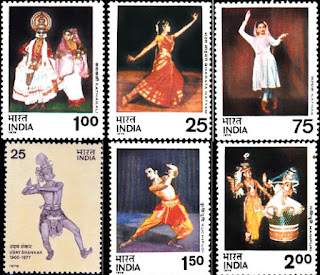
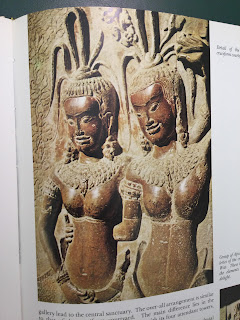
There are innumerable references to dance and music in the Rig Veda (RV), the oldest book in the world. Music originated in the Samaveda. Over 20 dialogue poems in the Rig Veda show us the dance dramas enacted at the end of Yaga, Yajnas (Fire sacrifices) . The Saptaswaras – 7 notes of music — and different musical instruments are in the Vedas. For a Vedic poet, even the dawn looks like a dancer in the sky.
Dawn is personified as a young beauty. She is well decked like a dancer, appearing in the east (RV 1-92-4)
Atharvana Veda (AV) Bhumisuktam shows us that the Vedic society led a happy life with dance and music.
Let us continue our review of Bhumi Sukta (Hymn to Earth). We have already covered up to 36 stanzas out of 63 (AV 12-1).
xxxx
MY COMMENTS
Look at stanza or Mantra 41
The poet described earth as a place where men dance and sing. But it was a heroic race where the sounds of war drums were also heard. There is no history without war. 2000 year old Tamil Sangam literature described the continuous wars fought between three Tamil Kingdoms- Chera, Choza and Pandya. We read about the great wars in Mahabharata and Ramayana. In fact, no society lived without wars.
But the big difference between Hindu society and other societies is Hindus did only Dharma Yuddha and gave back the kingdoms won, to the original rulers. They accepted only tributes.
Even today at any one time, at least 50 wars are fought in different parts of the world according to Economic Times Annual Survey.
If there is no war, Western society will die. They sell arms and provoke fights. If the countries refuse to give them oil, they bomb them and massacre the leaders under some lame excuse. We saw it in Iraq and Libya recently.
In short, the wars have been there from time immemorial whether it is Egypt or Babylonia or India.
xxxx
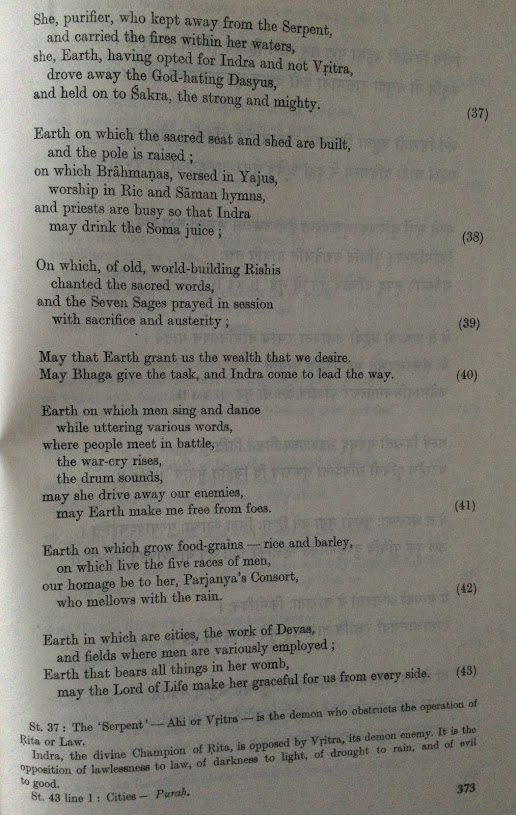
Mantra/stanza 37
God hating Dasyus are mentioned by the poet. Dasyus mean thieves in Kalidasa’s work. They were not only criminals, they did not worship God as prescribed in the book. We see such people even today in atheistic and Marxist groups. Criminals have no religion or any set of rules.
Mantra 38
All the three Vedas are referred to and the fire sacrifice is praised; we must remember that we read these lines in the fourth Veda known as Atharva Veda. We see such Yaga scenes even in 2000 year old Sangam Tamil Literature. The Tamil poets praise Choza king for conducting Rajasyua Yagna and Pandya king for erecting Yupa Poles through out his land. Later inscriptions also confirm it. We also read about eagle shaped Yaga Altar of Karikal Cholza. Kalidasa introduces the Pandya king to Princess Indumati as one ‘with wet clothes after the Avabrutha bath/snan of Asva Meda Yagna’.
From Kanyakumari to Kashmir we see the same scenes. Around second century CE, it spread throughout South East Asia.
Mantra 39
Seven Sages are mentioned by the poet. Millions of Brahmins around the world salute the Seven Rishis, thrice a day. Sangam Tamil literature praise the Seven Rishis as worshiped with joined hands (Kai Thozu Ezuvar). 2700 years ago, Panini in his Ashtadhyayi, gave the names of seven rishis in the same order.
Mantra 40
Poet prays for wealth to all the community. Plural ‘US’ is used.
Mantra 41
Please see above dance and music in the society.
Mantra 42
Here we see the description of an agricultural community. This reference to rice and barley in addition to many references in the oldest Rig Veda, smashes the faces of the Max Muller and Marxist gangs who projected Vedic Hindus as nomads. Very next mantra talks about the cities created by Gods.
Manta 43
Variously employed community and Cities created by Devas/gods figure in this stanza. Here we have to look at a word in mantra 39 which describe Rishis as ‘World Building Rishis’. Krishna also confirmed in Bhagavad Gita those certain rishis or seers were equal to him. Seven Rishis were not only progenitors of human race, but also they the one who created essential things. If one reads the history of all ancient cities in India, one will know they are created by Devas/Gods. There is no holy city in India which has no link to a god or a seer.
Bhumi sukta confirmed everything said in the Rig Veda.
There are 20 more stanzas in this beautiful hymn on earth.
ந ஹி கல்யாண க்ருத் கஸ்சித் துர்கதிம் தாத கச்சதி (6-40) : நல்லதைச் செய்பவன் எவனும் நிச்சயமாக தீய நிலையை அடையவே மாட்டான்.
xxxx
பிப்ரவரி 10 வியாழக் கிழமை
யத் யத் ஆசரதி ஸ்ரேஷ்ட: தத் ததேவ இதர ஜன: (3-21):
பெரியவன் ஒருவன் எதைச் செய்கிறானோ அதையே ஜனங்களும் பின்பற்றுவர்.
xxxx
பிப்ரவரி 11 வெள்ளிக் கிழமை
ஆசையும் அதற்குக் காரணமான சங்கல்பமும் இல்லாமல் வினைகளை ஞானத்தீயில் யார் ஒருவன் பொசுக்குகிறானோ அவனே பண்டிதன்(4-19)
xxxx
பிப்ரவரி 12 சனிக் கிழமை
ஸ சாந்தி மாப்னோதி ந காம காமி (2-70) : ஆசையுள்ளவனுக்கு அமைதி இல்லை.
Xxx
பிப்ரவரி 13 ஞாயிற்றுக் கிழமை
வேள்வி செய்தால் தேவர்கள் உங்களுக்கு இன்பம் தரும் பொருட்களைத் தருவார்கள். அவர்கள் கொடுத்ததை அவர்களுக்குக் கொடுக்காமல் உண்பவன் திருடனேயன்றோ? (10-12)
xxxx
பிப்ரவரி 14 திங்கட் கிழமை
பத்ரம் புஷ்பம் பலம் தோயம் (9-26): எவன் எனக்கு பக்தியுடன் பச்சிலையோ, பூவோ, பழமோ, தீர்த்தமோ தூய்மையுடன் கொடுக்கிறானோ அதை நான் புசிக்கிறேன்.
xxx
பிப்ரவரி 15 செவ்வாய்க் கிழமை
உத்திஷ்ட, யசோ லபஸ்வ (11-33): எழுந்திரு, புகழ் அடை.
xxx
பிப்ரவரி 16 புதன் கிழமை
சர்வ பூத ஹிதே ரதா(12-4, 11-55): தே மாம் ஏவ ப்ராப்னுவந்தி: எல்லா உயிர்களும் இன்புற்றிருக்க நினைப்பவர்கள் என்னையே வந்து அடைகிறார்கள்.
xxxx
பிப்ரவரி 17 வியாழக் கிழமை
உத்தரேத் ஆத்மநாத்மானம்: தன்னைத்தானே உயர்த்திக் கொள்ள வேண்டும்.தன்னைத்தானே தாழ்த்திக் கொள்ளக் கூடாது.தனக்குத் தானே நண்பன், தனக்குத் தானே பகைவன்(6-5).
xxx
பிப்ரவரி 18 வெள்ளிக் கிழமை
ஆத்மவான் பவ: (2-45) : உன்னையே நீ அறிவாய்
xxx
பிப்ரவரி 19 சனிக் கிழமை
சர்வ தர்மான் பரித்யஜ்ய மாமேகம் சரணம் வ்ரஜ (18-66): எல்லா தருமங்களையும் விட்டுவிட்டு என்னையே சரண் அடை. நான் உன்னை எல்லா பாபங்களிலும் இருந்தும் விடுவிக்கிறேன்.
Xxxx
பிப்ரவரி 20 ஞாயிற்றுக் கிழமை
நாலு பேர் என்னைத் தேடி வருகிறார்கள் (7-16) -சதுர்விதா ஜனாஹா பஜந்தே மாம் – துயரம் உள்ளவன், ஞானத்தை நாடுபவன், பணம் வேண்டியவன், ஞானி
சாதுர்வர்ண் யம் மயாசிருஷ்டம் குண கர்மா விபாகஸஹ 11-13 நான் குணங்களுக்குத் தக்கபடி நான்கு வர்ணங்களை / பிரிவுகளை உருவாக்கினேன்
Xxxx
பிப்ரவரி 23 புதன் கிழமை
எவர்கள் என்னை எவ்வாறு வழிபடுகிறார்களோ , அவர்களை நான் அவ்வாறே அனுக்ரஹிக்கிறேன் / அருளாசி வழங்கி ஆதரிக்கிறேன் – யே யதா மாம் பிரபத்யந்தே தாம் ததய்வ பஜாமஹம் 4-11
XXX
பிப்ரவரி 24 வியாழக் கிழமை
நரகத்தின் மூன்று வாசல்கள் -(16-21) – காமம், கோபம், லோபம்/பேராசை
xxx
பிப்ரவரி 25 வெள்ளிக் கிழமை
ஓடு , பொன் ஆகிய இரண்டையும் ஒன்றாகப் பார்ப்பவன் குணக் குன்று ஆவான் 14-21
XXXX
பிப்ரவரி 26 சனிக் கிழமை
ச்ரத்தாவான் லபதே ஞானம் 4-39; முயற்சியுள்ளவன் ஞானத்தை அடைகிறான்
WRITTEN BY S NAGARAJAN Post No. 10,604 Date uploaded in London – – 28 JANUARY 2022
Contact – swami_48@yahoo.com Pictures are taken from various sources for spreading knowledge; this is a non- commercial blog. Thanks for your great pictures. tamilandvedas.com, swamiindology.blogspot.com
ச.நாகராஜன் உலகில் எந்த மொழியிலும் காண முடியாத அற்புதமான நூல் திருக்குறள் என்பதற்கு ஏராளமான காரணங்கள் உண்டு. அவற்றில் ஒன்று திருவள்ளுவர், தேர்ந்தெடுத்த சொற்களைக் கொண்டு தன் நூலை அழகிய ஆடை தயாரிப்பவன் நெய்வது போல நெய்திருப்பது தான்!
ஒரு குறளுக்கு விளக்கம் இன்னொரு இடத்தில் இருக்கும். ஒரே சொற்றொடரின் விளக்கம் இன்னொரு குறளில் தெரிய வரும்.
ஒரு குறளின் கருத்து இன்னொரு குறளில் வலியுறுத்தப்படும். ஒரு குறளில் சொல்லப்பட்டிருக்கும் கருத்திற்கான காரணம் இன்னொரு குறளில் வரும். இப்படி ஏராளமான அழகிய வடிவமைப்பைப் பார்க்கும் போது படைப்பாற்றலின் உச்சகட்டத் தலைமைத் தன்மை கொண்ட, தகை சால் தமிழ் மொழியின் வலிமை உணர்ந்த, ஒருவரால் மட்டுமே இப்படி ஒரு நூலை யாத்திருக்க முடியும் என்பதைத் தெளிவாக அறிந்து கொள்ளலாம்.
சில எடுத்துக்காட்டுகளை இங்கு பார்ப்போம். வியவற்க எஞ்ஞான்றும் தன்னை என்று குற்றங்கடிதல் அதிகாரத்தில் கூறுகிறார். (குறள் எண் 439) ஏன் தன்னை வியக்கக் கூடாது?
பெருமை என்ற அதிகாரத்தில் 978ஆம் குறளில் விடை கிடைக்கிறது. பணியுமாம் என்றும் பெருமை சிறுமை அணியுமாம் தன்னை வியந்து. பெருமைக் குணம் என்பது எப்போதும் பணிந்து நடப்பதே. சிறுமை என்பது தன்னை வியந்து பாராட்டிக் கொள்வது தான்.
புல்லறிவாண்மை என்ற அதிகாரத்தில் 843வது குறள் இது: அறிவிலார் தாம் தம்மைப் பீழிக்கும் பீழை செறுவார்க்கும் செய்தல் அரிது
அறிவில்லாதவர்கள் தமக்குத் தாமே செய்து கொள்ளும் துன்பத்தைப் பகைவர்களாலும் கூடச் செய்ய முடியாது.
பீழிக்கும் பீழை என்ற அருமையான சொற்றொடருக்கு அர்த்தம் துன்பத்தில் துன்பம் என்பதாகும்.
இதே துன்பத்தில் துன்பம் என்ற சொற்றொடரை அவா அறுத்தல் அதிகாரத்தில் 369ஆம் குறளில் காண்கிறோம்:
ஒருவன் ஆசை என்னும் துன்பத்துள் துன்பம் கெடும்படி ஒழுகக் கற்றுக் கொண்டால் அவனுக்கு வாழ்க்கையில் இன்பம் இடையறாது வந்து குவியும். பீழிக்கும் பீழை, துன்பத்துள் துன்பம், இடையறா இன்பம் ஆகிய சொற்றொடரையும் அவற்றின் பிரயோகத்தையும் நினைத்து நினைத்து மகிழ முடிகிறது.
மரத்தின் நுனியை ஒரு குறளில் காண்பிக்கும் வள்ளுவர் மரத்தின் அடியை இன்னொரு குறளில் காண்பிக்கிறார்.
வலியறிதல் அதிகாரத்தில் வரும் 478வது குறள் இது. நுனிக்கொம்பர் ஏறினார் அஃதிறந் தூக்கின் உயிர்க்கிறுதியாகி விடும்.
ஒரு மரக்கொம்பின் நுனியில் ஏறி நிற்பவர் அதையும் கடந்து தன் மனக்கிளர்ச்சியால் இன்னும் மேலே செல்ல நினைப்பாராயின் அந்த ஊக்கம் அவரின் உயிருக்கு இறுதியைத் தான் கொண்டு தரும்.
இனி குடிசெயல்வகை அதிகாரத்தில் வரும் 1030 குறளைக் காண்போம். மரத்தின் நுனியைக் கண்ட நாம் இங்கு மரத்தின் அடியைக் காண் முடிகிறது. இடுக்கண்கால் கொன்றிட வீழும் அடுத்தூன்றும் நல்லான் இல்லாத குடி
பக்கத்திலே இருந்து தாங்கும் ஆள் இல்லாது போனால் துன்பம் என்னும் கோடரி அடிமரமாகிய குடிமரத்தை வெட்டும். அதனால் குடியே சாய்ந்து கிழே விழுந்து விடும்.
இப்படி ஒரு தொடர் இயைபை குறளில் மட்டுமே காண முடியும்.
குறளில் உள்ள சொற்கள் மொத்தம் 4310. இப்படி ஒவ்வொரு சொல்லாக, கருத்தாக எடுத்துக் கொண்டு குறளின் இதர பகுதிகளை சற்று ஊன்றிக் கவனிக்க ஆரம்பித்தால் வள்ளுவர் சொல்லும் கருத்தாழத்தைப் புரிந்து கொள்ள முடியும்.
Pictures are taken from various sources for spreading knowledge.
this is a non- commercial blog. Thanks for your great pictures.
tamilandvedas.com, swamiindology.blogspot.com
This is the second part of my article ‘Were Greeks Asuras? Strange information in Upanishad’ posted yesterday.
Hindus were great civil engineers long before any other civilization in the world. This is proved by continuous references to architectural matters in our literature. In Ramayana we come across building a bridge over sea. In addition, we hear about the spatial palace of Ravana.
In Mahabharata , we hear about the Wax Palace (House of Wax- Lakshagriha= House of Lacquer) with tunnels. But the description in the Sabha Parva about the palace built by Maya Danava at Indraprstha is extraordinary. What period was it? 3000 years ago or 5000 years ago? Or is it just later interpolation?
If one puts all the building references from Hindu scriptures in chronological order, we know that it is not an interpolation.
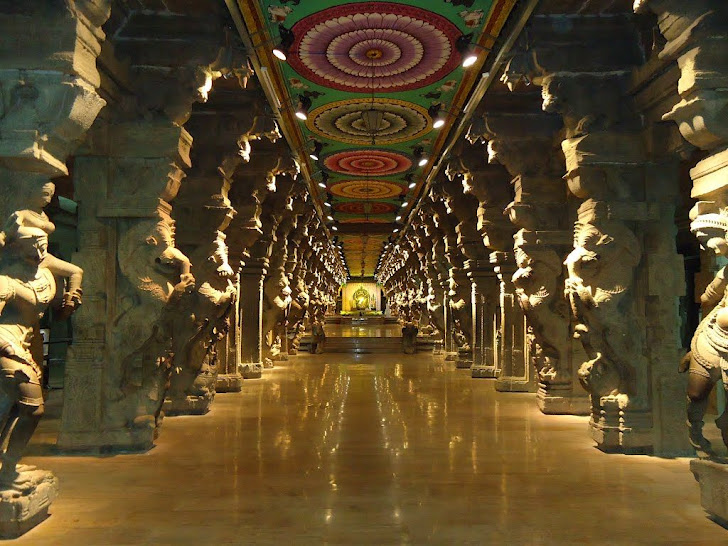
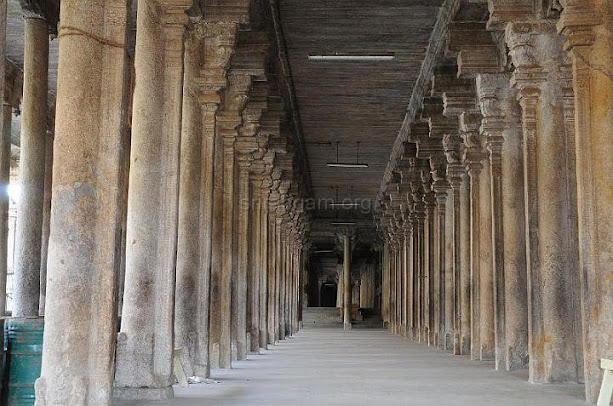
Rig Veda has references to 1000 Pillar Hall. But they did it with wood not stone. 2700 years ago, Panini wrote Ashtadhyayi, first grammar book in the world. Interpreting on some Sutras( pithy rules) later commentators add owl shaped buildings, eagle shaped buildings etc. (Please see the links below)
Later we come across in 2000 year old Sangam Tamil literature that Mauryans laid road route in mountainous area to come to South India. That should have happened during Maurya Chandra Gupta time (3rd century BCE).
Before that, Agastya laid a road route though the Vindhya Hills to South India. The Puranas describe it Agastya subduing the arrogance of Vindhyas.
We also saw two great River diversions in the stories of Bhageeratha and Agastya. Bhageeratha diverted River Ganges and Agastya diverted River Kaveri. Greatest engineering feats in the ancient world.
If we arrange all the great engineering feats then we know that the description of a Glassy / Crystal Palace in Sabha Parva of Mahabharata is neither imaginary nor a later day interpolation.
Danavas/Asuras/Daityas is the community who specialised in this area. They were part of Hindu society according to our scriptures. It looks like they lived in the heart of Uttar Pradesh during Mahabharata time.
Two important words in the World Dictionary entered because of them
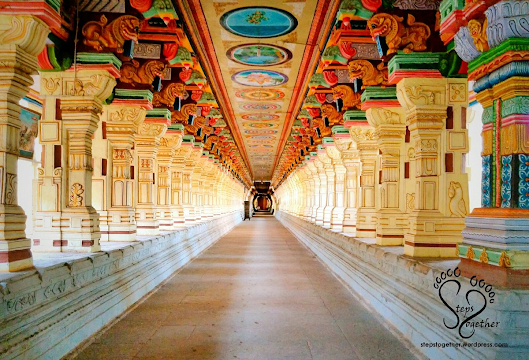
Maya- Mayan- Great builders of South and Central America came from the building community whose chief was Maya. He was the one who built the most famous building in the epic. Immediately Dhritarashtra also wanted one such building with 1000 Pillars. The 1000 pillar halls in many Tamil Nadu and Andhra temples today are engineering wonders of the world. This is also in the Rig Veda; but in those days it was constructed with wood; during Nayak period they did it with stone.
The second word the world dictionary got is Gondwana Land. It is a geological term now. Actually, it was Khandava Vana land. (Khandavavana= Gondwana)
The burning of Khandava Vana near Delhi was a historical event. That lead to a big clash between the Kuru Dynasty and the Nagas who were living in the forest. Maya who was also living in the Khandava forest was rescued by Arjuna and Krishna. Here is the discussion they had after the Forest burning incident.
Mahabharata Palace
We come across thousand pillared buildings in the Rigveda, in the second book of which we read,
“Those two kings…..take their seat in the supremest house , the thousand pillared, firmly based.” R V 2-41-5; 5-62-6.
In another place we read of Varuna’s house with 1000 pillars: RV 7-88-5
In a third place we have a reference to a hundred stone built towns RV 4-30-20
This reference is very important, as showing stone built towns were known even in the Rigveda times. .
xxxx
In the Apastamba Sutra 2-10-25
The king is directed to build a Royal Town and a palace House for himself, so that the palace shall stand in the heart of the town and in front of it, there shall be a hall, called the Hall of Invitation.
In chapter 228 of Adiparva of Mahabharata, called Maya darshana parva, we are told while Khandava forest was being burnt an Asura, by name Maya came out of the dwelling of Takshaka and begged Arjuna to protect him.
The words in the epic,
Then Madhusudana Krishna saw an Asura named Maya, running away from the dwelling of Takshaka. Then fire, with wind for its charioteer, wanted to burn him. So he assumed a body and putting on matted hair he thundered like a cloud. Knowing that he was Maya, who was the best of chief Dana and the best of Architects. Vasudeva stood with a chaktra lifted up.
Arjuna saved him.
Maya tells Arjuna,
I am the all doer, a great sage of the Danavas. O Pandava, I desire to do something for you
Aham hi visvakarma vai danavanam mahakavihi
Soaham vai tvatkrute kartum kinchit ichhami
Then Arjuna answers
O Danava I do not want to frustrate your intentions; do something for Krishna, so that I shall myself requited.
Krishna says to Maya,
O Best of Architects, if you desire to do me a good turn, O then, Daitya build such a hall for Yudhisthira that no one in the whole world will be able to imitate it.
Then Maya who was pleased accepted his word and made Pandavas beautiful hall of the form of a balloon.
In Vasa’s words
Pratigruhya tu tatvakyam samprahrusto mayasthatha
Vimanaprathimam chakre pandavasya Subham sabham
Then Maya began to build the palace hall.
According to the intention of the Pandavas and the high minded Krishna, the illustrious did auspicious acts. Then having satisfied thousands of Brahmins with sweet drinks and giving them various kinds of wealth , that strong one measured the ground, 10000 arms square , which was beautiful, heaven like, full of merits in all seasons.
Further up we are told that the throne hall was built in 14 months.
Xxxx
Katha Sarit Sagara,a later work by Somadeva of 12th century, described Maya as a devotee of Lord Shiva. Rishi Kasyapa blessed him with some boons.
Passages quoted by Curtius and Strabo from Megasthanes show big buildings, pavilions,gardens, palaces belonging to the court of Chandtagupta in Pataliputra.
In Mahabharata there is a beautiful description of Indraprastha, city of the Pandavas,
It was adorned with a ditch as deep as the sea, and was surrounded by a rampart wall, which reached the skies. It shone with doors as be
as the wings of Garuda bird and with tall houses. it was closed by gates which reached the sky and resembled Mandara mountain. It was shining with several white mansions. It resembled heaven and called Indraprastha.
There all architects came to reside. On all sides of the town there were delightful gardens. It shone with houses as pure as looking glasses, with vine pavilions of various kinds, with picture houses and artificial mounds. Beautiful lotus ponds of various kinds, covered over with lotuses were there. And also many large and delightful lakes.
All of us know how Duryodana and his brothers visited the palace and mistook glassy floors for water ponds and water ponds for glassy floors. When they fell in one of the ponds Pandva brothers except Yuthisthira laughed. Whether Draupadi was there and laughed or not is still debated.
In the Sabha parva, 49th chapter ,we read
Dhriarashtra says,
Let architects quickly build for me a large, pretty and beautiful hall with one thousand pillars and one hundred doors. Another passage adds
With pictures of gold and lapis lazuli, with crystal festoons.
We can imagine Indraprastha and Hastinapura were with thousands of Taj Mahal like buildings. I
LINKS TO MY OLD ARTICLES (If the links dont work please go to swamiindology.blogspot.com and try or Copy and paste it in google)
Vedic Origin of Thousand Pillar Halls in Indian and Mayan …
28 Apr 2012 — Posts about Mayas and Tamils written by Tamil and Vedas. … 1000 pillar mandap is mentioned in Vedas and it is found in Madurai and other …
BEAUTIFUL SRIMUSHNAM TEMPLE (Post No.4844) – Tamil …
23 Mar 2018 — … Tiruvannamalai, we have 1000 pillar Mandap/hall here. … 16 pillar mandap; here we have one Purushasukta mandap where Vedic recitation …
NAZCA LINES- Part 1 (Post No.8847) | Tamil and Vedas
23 Oct 2020 — WRITTEN BY LONDON SWAMINATHAN Post No. 8847 Date uploaded in London – –23 OCTOBER 2020 Contact – swami_48@yahoo.com Pictures are taken from …
24 Oct 2020 — Now I will explain that and add more points from Paninian grammar and Hindu Salagrama worship in South America. When we look at these together …
Vedic Origin of Thousand Pillar Halls in Indian and Mayan …
28 Apr 2012 — Posts about Mayas and Tamils written by Tamil and Vedas. … 1000 pillar mandap is mentioned in Vedas and it is found in Madurai and other …
BEAUTIFUL SRIMUSHNAM TEMPLE (Post No.4844) – Tamil …
23 Mar 2018 — … Tiruvannamalai, we have 1000 pillar Mandap/hall here. … 16 pillar mandap; here we have one Purushasukta mandap where Vedic recitation …
NAZCA LINES- Part 1 (Post No.8847) | Tamil and Vedas
23 Oct 2020 — WRITTEN BY LONDON SWAMINATHAN Post No. 8847 Date uploaded in London – –23 OCTOBER 2020 Contact – swami_48@yahoo.com Pictures are taken from …
24 Oct 2020 — Now I will explain that and add more points from Paninian grammar and Hindu Salagrama worship in South America. When we look at these together …
Pictures are taken from various sources for spreading knowledge.
this is a non- commercial blog. Thanks for your great pictures.
tamilandvedas.com, swamiindology.blogspot.com
பூமி சூக்த ஆரய்ச்சிக் கட்டுரை 13
வேத காலம் என்பது மக்கள் மகிழ்ச்சியுடன் வாழ்ந்த காலம்; அதே நேரத்தில் சங்க காலம் போலவே போர்களும் நிகழ்ந்த காலம் ; மக்கள் வீரத்துக்கு முதலிடம் தந்தனர். எனக்கு வீரம் மிக்க புத்திரர்கள் பிறக்க வேண்டும் என்ற துதிகள் ரிக்வேதம் முழுதும் நிரவிக் கிடக்கின்றன
மந்திரம் 41 இந்த ஆடல் பாடலையும் போர் முரசு ஒலிகளையும் எடுத்து இயம்புகிறது. ராமாயணம், மஹாபாரதம் ஆகிய இரண்டும் போர் பற்றியனவே. சங்கத் தமிழ் இலக்கியத்தில் போர் என்ற அம்சத்தை விலக்கினால் வரலாறு என்பதே இராது.காதலும், கொடையும் இன்றும் உளது; ஹோமர் எழுதிய முதல் கிரேக்க காவியம் இலியட்- உம் போர் பற்றியதே.
இந்த அதர்வண வேத பூமி சூக்தத்துக்கு முன்னதாகவே ரிக் வேதத்திலும் ஆடல் பாடல் உண்டு.
ரிக் வேதத்தில்
1-92-8; 2-22-4; 5-52-12 ஆகியவற்றில் நடனம் ஆடுவோர் பற்றிய குறிப்புகள் உள்ளன இசைக்கருவிகள் பற்றிய குறிப்புகள் நிறைய உள . (இது பற்றி பல கட்டுரைகள் இந்த பிளாக்கில் உள்ளன.)
XXXX
மந்திரம் 37ல் தஸ்யூக்கள் என்ற சொல் வருகிறது. எல்லா சமய நூல் களிலும் எதிரிகள் என்று சிலர் வருணிக்கப்படுகின்றனர். அவர்களை உள்ளத்தில் உள்ள தீய எண்ணங்களாகவோ அல்லது உள்நாட்டு, வெளி நாட்டு படைகளாகவோ வியாக்கியானக்காரர்கள் எழுதியுள்ளனர். 2100 ஆண்டுகளுக்கு முன்னர் வாழ்ந்த காளிதாசன், தஸ்யூக்களை திருடர்கள் என்ற பொருளில் பயன்படுத்தியுள்ளான். உண்மை அப்படியிருக்க , விஷமக்கார வெள்ளைக்காரர் கள் தஸ்யூக்களை மட்டும் பூர்வ குடி மக்களாகச் சித்தரித்து இனவாதம் பேசியுள்ளனர். நல்ல வேளையாக அந்தப் பயல்கள் தமிழ் இலக்கியத்தைப் படிக்கவில்லை. சுமார் 1200 ஆண்டுகளுக்கு, தமிழர்கள் குடுமி பிடிச் சண்டையில் ஈடுபட்டனர்; சேரனும் சோழனும் பாண்டியனும் ஒருவனை ஒருவன் அடித்துக் கொண்டு செத்தான். அதையெல்லாம் இனப் பூசல் என்று சொல்லியிருப்பான் வெளிநாட்டுக்காரன்.
பாடல் 38-ல் யாக பூமி வருணிக்கப்படுகிறது ; இதை புறநானூற்றில் முதுகுடுமிப் பெருவழுதி பற்றிய பாட்டிலும். பூஞ்சாற்றூர் பார்ப்பான் விஷ்ணுதாசன் பற்றிய பாடலிலும். இராஜ சூயம் செய்த சோழன் பாட்டிலும் காண்கிறோம் .
பாடல் 39-ல் சப்த ரிஷிகள் என்னும் 7 ரிஷிகள் பற்றி வருகிறது அவர்களை ‘கைதொழு எழுவர்’ என்று சங்க இலக்கியமும் பாடுகிறது. பிராமணர்கள் தினமும் 3 வேளை செய்யும் சந்தியாவந்தனத்திலும் 7 ரிஷிகள் வருகின்றனர் . பாணினியும் 2700 ஆண்டுகளுக்கு முன்னர் அதே வரிசையில் 7 ரிஷிகள் பெயரை அடுக்கியுள்ளான்.
ரிக் வேதம் முழுதும் ரிஷிகளை “உலகைப் படைப்போர்” என்று வருணிக்கின்றனர் ; அதே சொற்கள் — பூதக்ருதே ரிஷயஹ — இங்கும் வந்துள்ளது. பகவத் கீதையில் கண்ணனும் இதைச் சொல்கிறான் தன்னைப் போலவே சக்திபடைத்தவர்கள் சனகர் முதலானோர் என்பார். ரிபுக்கள் என்னும் தேவர்கள் மனித நிலையிலிருந்து தெய்வமானதை ரிக்வேதமே விளம்பும்.
‘மனிதனும் தெய்வமாகலாம்’ என்னும் கட்டுரையில் திருவள்ளுவரும் இதைச் சொல்லுவதை எழுதியுள்ளேன் .
40- ஆவது பாடலில் செல்வத்தை வாரி வழங்க மீண்டும் வேண்டுகிறார் முனிவர்/ரி ஷி.
41ல் ஆடல் பாடல் மிக்க இன்பமயமான வேத கால வாழ்வின் சித்திரத்தைப் பார்க்கலாம்
வேத கால மக்களை நாடோடிகள் என்று சித்திகரித்த விஷமக்கார கும்பல்களுக்கு வேட்டு வைக்கும் பாடல் இது. ரிக் வேதம், அதர்வண வேதம் எல்லாவற்றிலும் சாகுபடி செய்து விளைவித்த தானியங்களைக் காண்கிறோம். அடுத்த பாட்டும் நகர நாகரீகத்தைப் படம் பிடித்துக் காட்டுகிறது
பாடல் 43ல் தேவர்களால் உருவாக்கப்பட்ட நகரங்களை பார்க்கலாம். இன்றுவரை ‘புரம்’ என்பது பூரி, பூர், ஊர் என்று அழைக்கப்படுகின்றன. இவை அனைத்தையும் தாங்கி நிற்கும் பூமியை பிரஜாபதி காக்கவேண்டும். அப்போதுதான் பூமி நம்மீது வளம் சொரிவாள் என்கிறார் புலவர்.; முழுக்க முழுக்க ஆக்கபூர்வ சிந்தனை; நம்பிக்கையூட்டும் காட்சிகள்
63 மந்திரங்களில் மீதமுல்ல 20 மந்திரங்களை அடுத்து வரும் கட்டுரைகளில் தொடர்ந்து காண்போம்.
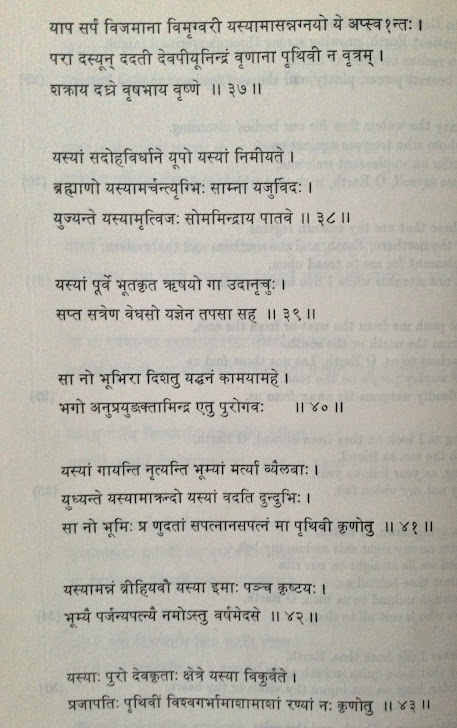
எந்த பூமாதேவியின் நீரில் நெருப்பு உண்டோ, தூய்மை செய்யும் அவள், பாம்பினை நடுங்கச் செய்தாள் ; கடவுள் விரோதிகளான தஸ்யூக்களை நீக்கி, காளை போன்ற வலிமைக்கு இந்திரனை வைத்துக் கொண்டு விருத்திரனை அகற்றினாள் -37
எந்த பூமியின் மீது யாக குண்டமும், மண்டபமும், யூப நெடுந்தூண்களும் நிற்கின்றனவோ அங்கே பிராமணர்கள் ரிக், சாம, யஜுர் வேத துதிகளைப் பாடுகின்றனர் ; இந்திரனை சோம ரசம் பருகச் செய்வதற்காக புரோகிதர்கள் சுறுசுறுப்பாக உள்ளனர்.-38
xxxx
மந்திரம் 39
யஸ்யாம் பூர்வே பூதக்ருத ருஷயோ கா உதாந்ருசுஹு
ஸப்த சத்ரேண வேதஸோ யக்ஞேன தபஸா ஸஹ –39
பொருள்
எந்த பூமியில் சப்த ரிஷிக்கள் வேதம், யாகம், தவம் ஆகியவற்றுடன் துதித்தார்களோ , உலகைப் படைக்கும் ரிஷிகள் புனித மொழிகளை வழங்கி கினார்களோ – 39
xxxx
மந்திரம் 40
ஸா நோ பூபிரா திசது யத்தனம் காமயா மஹே
பகோ அனுப்ரயுங்க் தாமிந்த்ர ஏது புரோ கவஹ –40
பொருள்
அந்த பூமியானது நாங்கள் விரும்பும் செல்வம் அனைத்தையும் வழங்கட்டும் பகன் என்னும் தேவன் பணிகளை வழங்கட்டும்; இந்திரன் எங்களை வழி நடத்திச் செல்லட்டும் – 40
எந்த பூமியில் மக்கள் ஆடியும் பாடியும் மகிழ்கிறார்களோ, எங்கே கூடிக்குலவி கதைக்கிறார்களோ, எங்கே போர் முரசுகள் ஆரவாரம் செய்கின்றனவோ , அந்தப் பூமாதேவியானவள் எங்கள் எதிரிகளை விரட்டட்டும்; எதிரிகள் இல்லாத பூமியை அவள் எங்களுக்கு அளிப்பாளாகுக –41
Xxxx
மந்திரம் 42
யஸ்யாமன்னம் வ்ரீஹி யவௌ யஸ்யா இமாஹா பஞ்ச க்ருஷ்டயஹ
பூம்யை பர்ஜன்ய பத்ன்யை நமோஸ்து வர்ஷ மேதஸே -42
பொருள்
எந்த பூமியில் அரிசியும் யவம் முதலிய தானியங்களும் விளைகின்றனவோ , எங்கு ஐந்து இன மக்கள் வாழ்கின்றனரோ மழை பொழியும் பர்ஜன்யனை துணையாக உடைய அந்த பூமாதேவியை வணங்கித் துதிக்கிறோம்.- 42
தேவர்கள் உருவாக்கிய நகரங்கள் எங்குள்ளனவோ , எங்கு பல்வேறு பணிகளில் மக்கள் ஈடுபட்டுள்ளனரோ , எந்த பூமாதேவி அவளுடைய கருப் பையினுள் அனைத்தையும் தாங்கி நிற்கின் றனளோ அவளை எங்கள் நலனை முன்னிட்டு பிரஜாபதியானவர் கருணை மிக்கவளாக ஆக்கட்டும் -43









 Tamil and Vedas