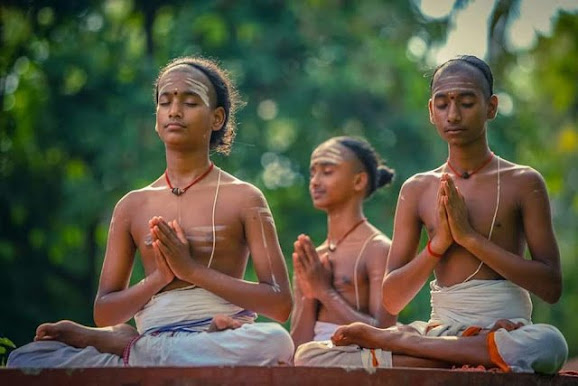
POWER OF BRAHMINS IS GREATER THAN POWER OF RULERS: TAMILS AND VYASA (Post No.10,591)

WRITTEN BY LONDON SWAMINATHAN

Post No. 10,591

Date uploaded in London – –    23 JANUARY   2022         

Contact – swami_48@yahoo.com

Pictures are taken from various sources for spreading knowledge.

this is a non- commercial blog. Thanks for your great pictures.

tamilandvedas.com, swamiindology.blogspot.com

POWER OF BRAHMINS IS GREATER THAN THE POWER OF RULERS: SANGAM TAMIL LITERATURE AND MAHABHARATA

The clash between the great two Vedic Rishis Vasishta and Viswamitra is a well known story. It established the supremacy of Brahmins. Both rishis/seers figure in the oldest book in the world- The Rig Veda (RV). People who are pure at heart and selfless are more powerful than the AK 47 wielding Clint Eastwoods!

This message is in both the Mahabharata, the longest epic in the world and Purananuru, the oldest anthology in 2000 year old Sangam Tamil literature.

First let us look at Mahabharata (Adi Parva, the first of the 18 Books in the Mahabharata):_

Once upon a time great king Viswamitra went out on a hunting expedition. When he and his retinue were tired, they visited the great saint Vasistha. His ashramam (House of Saints; hermitage) was in the middle of the forest. He had a beautiful cow named Nandini. It had the power of fulfilling anyone’s wishes like Kamadhenu.

Vasistha received him with great honour. He gave to Viswamitra precious jewels which were obtained from his wonder working cow Nandini. Viswamitra wondered how come this sage in the middle of the forest , could feed all his retinue and give him precious gifts. Vasishta explained that his holy cow can give anything he wished for. Viswamitra asked Vasishta to give him the cow in exchange for hundred million cows or even his kingdom. When Vasishta refused  to comply with his demand Viswamitra  threatened to use force. He dragged the cow and pushed it hither and thither, but she would not move. She became angry and in order to punish Viswamitra and his army, she created Pahlavas , Dravidas, Sakas,Yavanas , Kiratas and other tribes.  The words of the poet Vyasa are

Asrujat pahlavan, puchchath prasravath dravidaan, sakaan yonidevascha  yavanan sakrutah  savaraan bahuun.

Beholding this great miracle, the Bramanical might , Viswamitra  was humbled at the impotence of a Kshatria nature, and exclaimed

Dhig balam kshatriya balam brahma tejo balam, balam

Balabalam vinistritya tapa eva balam balam

Shame on a Kshatriya’s strength.  The strength of a Brahmins lustre is strength indeed. Determining what is strength and what is weakness, we see that, penance is the greatest strength.

This legend is found in Valmiki Ramayana as well .

Later Viswamitra  went for doing Tapas(penance), but failed in first two attempts because of ego and women (Trisanku Episode and Menaka episode). When he won at the third attempt, Vasishta himself called him “Hello Mr Brahmin” (Brahma Rishi). That has become a phrase in Hindusim equal to ‘From the horse’s mouth’ in English.

The power of penance is in Purananuru, oldest portion of 2000 year old Sangam Tamil literature and later moral book Tirukkural of Tiru Valluvar

Here is the verse from Purananuru:-

Vanmiki , similar to Valmiki, the Ramayana author, has penned the verse 358 in Purananuru. Though there are very interesting information in these seven lined verse, I will highlight only one point here. If you weigh the earth and the penance, penance is so big that earth will look like an iota. Earth means earthly life that is family life, but penance is far greater than the family life. Tamil poet Vanmiki use the Sanskrit word Tavam. Tapo in Sanskrit is tamilized Tavam (P=V). here we are concerned only about the greatness of penance. It is a repetition of  what is said in Mahabharat. True Brahmins are doing penance even when they are in family life. So the word Antanar is used for anyone who is inward looking, ie. God searching. Brahmin also meant the same, i.e. Brahmam seeking. So it is an echo of Mahabharata lines. Even a kshatriya like Viswamitra is called Brahmin when he competed his penance successfully.

Tiruvalluvar also elucidated the power of saints. If any one does any harm to a saint the empire will crumble like dust, he says.

“If those of rigorous penance become enraged, even Indra will crash from power and position” – Kural 899

Venthan is the Tamil word used in this couplet. It means King or Indra. Tolkaappiam used the word for Indra.

The next couplet emphasizes this point,

“Though possessed of great support, they who are exposed to the wrath of persons of exceeding penance will perish”- Kural 900.

Brahma tejo balam balam!!

–subham–
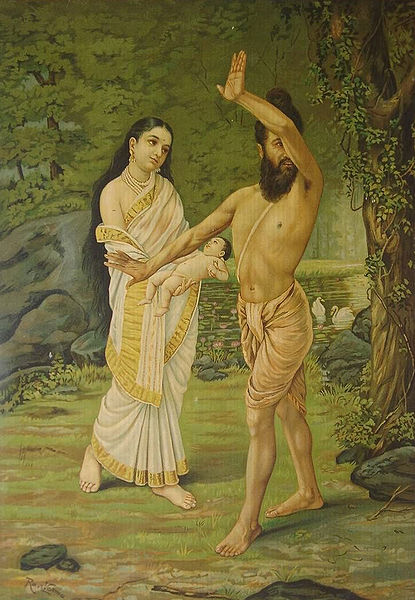
Visvamitra and Menaka

tags-  Brahmins, Kshatria, Power, Visvamitra, Vasistha

வேதங்களில் நாம் அறியாத விநோதக் கதைகள் !! (Post No.10,590)

WRITTEN BY LONDON SWAMINATHAN

Post No. 10,590

Date uploaded in London – –    23 JANUARY   2022         

Contact – swami_48@yahoo.com

Pictures are taken from various sources for spreading knowledge.

this is a non- commercial blog. Thanks for your great pictures.

tamilandvedas.com, swamiindology.blogspot.com

அதர்வண வேதத்தில் (அ.வே) நாம் அறியாத கதைகள் ஆங்காங்கே பொதிந்துள்ளன. பல கதைகள் நமக்குத் தெரியாமலேயே அழிந்துவிட்டன. வேதங்கள் அவ்வளவு பழமையானவை. உலகிலேயே அதிக சமய இலக்கியம் இந்துக்களிடத்தில்தான் உள்ளது. கிரேக்கர்களும், தமிழர்களும், ரோமானியர்களும் எழுத்து என்பதை அறியாத கி.மு.1000-ம் ஆண்டிலேயே பிரமாண்டமான இலக்கியங்கள் சம்ஸ்க்ருதத்தில் தோன்றிவிட்டன. இதை மறுப்பார் எவருமில்லை. இரு வேறு கருத்துக்கு இடமே இல்லை . 20,000 வேத மந்திரங்கள் மற்றும் சங்கேத பாஷையில், மர்ம மொழியில் (CODED, ENIGMATIC) அமைந்த கதைகளும், விஷயங்களும் வேதத்தில் , பிராமண நூல்களில் வந்துவிட்டன. 20,000 வேத மந்திரங்களையும் எழுதாமல் வாய் மொழியாகவே காத்து வரும் உலக மஹா அத்புதம் இன்று வரை நீடிக்கிறது.

200 ஆண்டுகளுக்கு முன்னர் வெள்ளைக்காரர்கள் வேத ஆராய்ச்சியில் இறங்கியவுடன் இவை புஸ்தக வடிவில் இடம்பெற்றன. அதற்கு முன்னர் சாயனர் போன்றோர் சுமார் 700 ஆண்டுகளுக்கு முன்னர், எழுத்து வடிவில் உரைகளோடு , பாஷ்யங்களோடு, நமக்கு ஓலைச் சுவடிகளில் அளித்தனர்.

xxx

நடுங்கும் புறாக்கதை

அ .வே.யில் இருபது காண்டங்களுள்ளன. இருபதாவது காண்டத்தில் இனம்புரியாத மந்திரங்கள் உள்ளன. குண்டாப மந்திரங்கள் எனப்படும் அவைகளை யாகத்தில் பயன்படுத்தியதாக பின்னர் எழுந்த ஐதரேய பிராமணம் கூறுகிறது.

இதோ ஒரு மாதிரி:_

டாம் , டாம் ; இதோ வந்துட்டான் ! நாய்

புஷ், புஷ், ;போய்ட்டான்; கீழே விழுந்த  இலைகள் !

கரக் , கரக் !மிதித்து நசுக்கியாச்சு; பசுவின் குளம்பு !

இந்த தேவர்கள் தப்பான வழியில போய்ட்டாங்க ! அத்வர்யு ! விரைவில் வேலையை முடித்துவிடு

…………………………………

இப்படி 13 மந்திரங்கள். இவை எல்லாவற்றுக்கும் பொருள் உண்டு. நமக்குத் தெரியாது. வெள்ளைக்காரப் பயல்கள் இவை எல்லாம் ஒலி நயம் மிக்க பிதற்றல்கள் (ONOMOTOPEIC ) என்று எழுதிவைத்துவிட்டான். வேதத்தில் 60090 போன்ற எண்கள் வந்த இடம் எல்லாம் இவை கற்பனை சிறகடித்ததால் வந்த பொருளற்ற எண்கள்(FACY NUMBERS)  என்று எழுதி வைத்துவிட்டான். சாயனர் போன்றோர், நமக்கு 700 ஆண்டுகளுக்கு முன்னர் வாழ்ந்ததால் அவர்களுக்கும் பொருள் விளங்கவில்லை. நாம் இப்போது பேந்தப் பேந்த முழிக்கிறோம். ஆயினும் இவைகள் யாகத்தின்போது பயன்படுத்தப்பட்டன என்பதை அறிகிறோம்.

இதில் ஒரு கதை வருகிறது : நடுங்கிய புறாக்கதை

துதி/ஸூக்தம்  723; அ .வே .காண்டம் 20 (ATHARVANA VEDA; BOOK 20; SUKTA 723)

மந்திரம் 12

“ஓ இந்திரா ! நீ சிறகு ஒடிந்த, நடு நடுங்கிய புறாவுக்கு நல்ல தானியத்தை அளித்தாய்.; ‘பிலு’வையும் அளித்தாய்; அதற்குத் தாகம் எடுத்தபோது தண்ணீரையும் கொடுத்து உதவினாய்”   —

என்று ஒரு ரிஷி படுகிறார்.

இந்தக் கதை எதிலும் இல்லை. அதாவது கால வெள்ளத்தில் அடித்துச் செல்லப்பட்டுவிட்டது. ஆயினும் முதலில் உள்ள டஷ் புஷ் , கரக் , முறுக் மந்திரங்களுக்கு சாயனர் போன்ற பாஷ்யக்காரர்கள்  விளக்கம் தருகின்றனர்.

முதலில் புறாக்கதையைப் பார்ப்போம்; சிபிச் சக்ரவர்த்தி புறாக்கதை  எல்லோருக்கும் தெரியும்; சோழர்கள் தாங்கள் வடமேற்கு இந்தியாவில் ஆட்சி புரிந்த சிபி என்னும் மாமன்னனின் வழிவந்தவர்கள் என்று சங்க இலக்கியம், மற்றும் சிலப்பதிகாரத்தில் தம்பட்டம் அடிக்கின்றனர். கழுகு வடிவில் இந்திரன் வந்தான்;புறவு வடிவில் அக்கினி வந்தான். கழுகு , அது எனது உணவு; தடுக்காதே சிபியே என்றது.சிபி, புறவுக்காக பரிந்து பேசி, கழுகுக்கு தன் சதையையே அளித்தான் என்பது கதை . இது மேற்கூறிய மந்திரத்துக்குப் பொருத்தமாக இல்லை.

XXXX

இரண்டாவது புறாக்கதை

மாபாரதம் , புராணம், புறநானூற்றில் சிபி கதை உளது. அதற்கு முன்னர் ராமாயணத்தில் வேறு ஒரு புறவின் கதை உளது. முன்னரே இந்த ‘பிளாக்’கில் உளது. சுருக்கமாகப் பார்ப்போம்.

ஒரு காட்டில் இரண்டு புறாக்கள்; இணை பிரியாத ஜோடிகள்; அன்பே ! ஆருயிரே ! என்று கொஞ்சிக் குலவும் அந்யோன்யம் ; ஆண் புறா இரை தேடச் சென்றது . பக்கத்துக் கிராம வேடன் வந்து வலை விரித்தான் ; மரத்தின் மீதுள்ள பெண் புறா தவறி விழுந்து வலையில் அகப்பட்டது ; அப்போது வேடன் அங்கு இல்லை. காட்டிற்குள் சென்ற வேடன் கடும் புயல் மழையில் சிக்கித்தவித்தான் ; இருள் சூழ்ந்தது. ஒரு வழியாக மரத்துக்கு அடியில் வந்து, ‘வன தேவதையே! என்னைக் காப்பாற்று’ என்று கதறினான். இதைக் கேட்ட பெண் புறா , அடடா , அதிதியாக வந்த விருந்தாளியை நாம் காப்பாற்ற வேண்டும் ; விருந்தோம்பல் என்னும் பண்பு நம்முடையது என்று கருதியது.

அதே நேரத்தில் ஆண்புறாவும் கூட்டுக்குத் திரும்பியது; அன்பு மனைவி அங்கே இல்லாமல் கீழே வலையில் அகப்படத்தைக் கண்டு கண்ணீர் விட்டது. ஆனால் பெண்புறாவோ என்னைப் பற்றிக் கவலைப்படாமல் வந்த அதிதியை, விருந்தாளியான வேடனை உபசரி என்றது . ஆண் புறாவும் பழம் , கிழங்கு, தனியங்களைக் கொடுத்து வேடனை உபசரித்தது. அவனோ தினமும் மாமிச உணவில் மிதப்பவன். இதை உணர்ந்த ஆண் புறா அருகிலுள்ள கிராமத்துக்குச் சென்று சுள்ளிக் கட்டைகளைக் கொண்டு வந்து தீ மூட்டியது; ‘என்னை உண்டு பசி ஆறு’ என்று சொல்லி உயிர்த் தியாகம் செய்தது; இதைப் பார்த்த பெண் புறாவும் உயிர்விட்டது. புறாக்களின் உயிர்த் தியாகத்தைக் கண்டு மெய் சிலிர்த்த வேடன் இனி எந்த உயிரையும் கொல்வதில்லை என்று திட விரதம் பூண்டான்.

இந்தப் புறவின் கதை நாடு எங்கிலும் தெரிந்த கதை போலும். ஏனெனில் ராமபிரான் வால்மீகி ராமாயணத்தில் சரணாகதி தத்துவத்தை விளக்க இதை கோடி காட்டுகிறான்; கதை முழுவதையும் சொல்லவில்லை. சுக்ரீவன் , அனுமன் போன்றோர் , அண்ணனைக் கவிழ்த்துவிட்டு ஓடிவந்த விபீஷணனுக்கு அடைக்கலம் தரக்கூடாது என்று வாதிடுகின்றனர்; கருணைக் கடலான ராமனோ, சரணாகதி அடைந்த அகதிகளைக் காப்பது இந்து தர்மம்- சனாதன தர்மம் என்று சொல்லி விபீஷணனை ஏற்கும்போது வேடனுக்காக உயிர்த் தியாகம் செய்த புறாக்களின் கதைதான் உங்களுக்குத் தெரியுமே என்று சொல்கிறான்; பாரதம் முழுதும் பிரசித்தமான இக்கதையை வால்மீகி கோடி காட்டிவிட்டுப் போய்விடுகிறார். பிற்கால வியாக்கியனகார்கள் நமக்கு கதை சொல்கின்றனர்.

ஆயினும் இந்தக் கதையும் ‘நடுங்கும் புறாவுக்கு இந்திரன் பிலு கொடுத்தத்தை’ச் சொல்லவில்லை. ஆக அந்தக் கதையை சுவடுகள் இன்றி காலம் அழித்துவிட்டது.

கட்டுரையின் இரண்டாம் பகுதியில் வேறு சில கதைகளைக் காண்போம் . பிலு என்றால் என்ன? ஏன் ‘டஷ் புஷ் கரக் முறுக்’ மந்திரம் வந்தது என்பதைக் காண்போம்.

To be continued ……………………………………………….

TAGS- புறாக்கதை, புறா, அதர்வண வேத, கதைகள்

தொழில்களில் சிறந்தது எது? தண்டபாணி சுவாமி பதில் (10,589)

WRITTEN BY S NAGARAJAN

Post No. 10,589

Date uploaded in London – –   23 JANUARY  2022          

Contact – swami_48@yahoo.com

Pictures are taken from various sources for spreading knowledge; 

this is a non- commercial blog. Thanks for your great pictures.

tamilandvedas.com, swamiindology.blogspot.com

தொழில்களில் சிறந்தது எது?  தண்டபாணி சுவாமிகள் பதில்!

ச.நாகராஜன்

திருநெல்வேலியில் சைவ வேளாளர் மரபிலே உதித்தவர் பெரும் புலவர் தண்டபாணி சுவாமிகள்.

இவரை முருகதாச சுவாமிகள் என்றும் திருப்புகழ் சுவாமிகள் என்றும் உலகம் பாராட்டிக் கொண்டாடியது.

சிறந்த முருக பக்தர். சந்தப் பாக்கள் பாடுவதில் வல்லவர்.

இவர் பல நூல்களை இயற்றியுள்ளார்.

அவற்றில் சில:

தில்லைத் திருவாயிரம்

திருவரங்கத் திருவாயிரம்

ஒலியலந்தாதி

புலவர் புராணம்

திருவாமாத்தூர்ப் புராணம்

அறுவகை இலக்கணம்

திருமயிலைக் கலம்பகம்

சென்னைக் கலம்பகம்

 ஆங்காங்கே சமயத்திற்கு ஏற்றபடி பல தனிப்பாடல்களைப் புனைந்து பாடியவர் இவர்.

செய்யும் தொழில்களுள் சிறந்த தொழில் எது என்று ஒரு கேள்வியைக் கேட்டுக் கொண்ட இவர் பல தொழில்களையும் சீர் தூக்கிப் பார்த்துத் தனது விடையை ஒரு பாடலில் அளித்துள்ளார்.

பாடல் இதோ:

செய்யுந் தொழிலனைத்துஞ் சீர் தூக்கிப் பார்க்குங்கால்

நெய்யுந் தொழிலுக்கு நிகரில்லை – வையகத்தில்

தெள்ளு தமிழ்வேதஞ் செப்பியந்நாட் சீர்படுத்தும்

வள்ளுவனார் கொண்ட தல்ல வா

எல்லாத் தொழில்களையும் ஆராய்ந்து சீர் தூக்கிப் பார்க்கும் போது நெய்யும் தொழிலுக்கு நிகரே இல்லை. இந்தப் புவியில் தெள்ளு தமிழில் வேதம் எனக் கொண்டாடப்படும் அரும் நூலான திருக்குறளை எழுதியவர் திருவள்ளுவர். அவர் மேற்கொண்ட தொழில் அல்லவா இது?

இதற்கு மேல் என்ன சிறப்பு வேண்டும்!

அடுத்தாற் போல பல தொழில்களில் ஈடுபட்டவர்களிடம் பழகி அவர்களிடம் நல்ல அனுபவத்தைப் பெற்ற இவர் பல தொழில்களின் தன்மையையும் அந்தத் தொழில் புரிவோரின் தன்மையையும் நன்கு உணர்ந்து கொண்டார்.

அதை அப்படியே ஒரு பாடலில் பதிவு செய்து விட்டார் இப்படி:-

தட்டா னிடத்தினிற் றங்கப் பணிகள் சமைப்பதுவும்

வட்டாடு வாரைத் திருத்திநன் மார்க்கத்தில் வைப்பதுவும்

பட்டாங்கி லுள்ளதைக் காகிதத் தச்சிற் பதிப்பதுவம்

தொட்டார் மனத்தைப் பலவாறு நாளும் துயர் செயுமே

தட்டானிடத்தில் தங்க நகைகள் செய்யும் பணியைக் கொடுத்து விட்டால் போதும், அதை எண்ணியபடி உருப்படியாக வாங்குவதற்குள் போதும் போதும் என்று ஆகி விடுமாம்.

அடுத்து சூதாட்டம், குடி என தீய பழக்கத்திற்கு அடிமைப் பட்டாரைச் சந்தித்து பேசி அவரை நல் வழிப் படுத்துவது லேசுப்பட்ட காரியமல்ல. அவரை நல்ல மார்க்கத்தில் வைப்பது இருக்கிறதே, அதைச் செய்தால் அது ஒரு சாதனை தான்!

அடுத்து பல பல ஓலைச் சுவடிகளை உள்ளதைப் பாதுகாக்கும் பொருட்டு அச்சுப் பதிப்பாக காகிதத்தில் அடித்துக் கொடுங்கள் என்று அச்சகத்தில் கொடுத்தால், கொடுத்தது கொடுத்தது தான். அதை அச்சிட்டு பிழை திருத்தம் பார்த்து புத்தகமாக வாங்குவதற்குள் போதும் போதும் என்று ஆகி விடும்.

இந்த விஷயங்களை ஆர்வக் கோளாறினாலோ அல்லது அவசியத்தினாலோ தொட்டால் அப்படித் தொட்டவர் படும் பாடு அவரே அறிவார்.

தண்டபாணி சுவாமிகள் தான் பட்ட பாட்டைச் சொல்லி விட்டார்.

ஒரு சமயம் தேவிகோட்டையில் முத்தப்பன் என்று ஒருவனைச் சந்தித்தார் அவர். அவனோ சாதாரணமானவன் அல்ல; திருட்டு எண்ணம் கொண்டவன். ஒரு தப்பு, இரண்டு தப்பு அல்ல மூன்று தப்பு என்று போய்க் கொண்டே இருக்கும் அளவு தப்பு செய்பவன்.

அவன் பெயர் முத்தப்பன்.

அவனது இயல்பு குறித்து தண்டபாணி சுவாமிகள் ஒரு பாடலைப் பாடினார் இப்படி:

சித்தப் பிரமை திருட்டெண்ணந் தீங்குடனே

முத்தப்பு முள்ளானை முத்தப்ப னென்றுரைத்தார்

எத்தப்பு மில்லாநீ ரெப்படியோ கைக்கொண்டீர்

மெத்தப் புகழ்படைத்த மேல வீட் டுள்ளாரே

மெத்தப் புகழ் படைத்த மேல் வீட்டில் உள்ளவரே, எத்தப்பும் இல்லாதவர் நீர்.

ஆனால் முத்தப்பன் கதையைக் கேளும். பைத்தியம், திருடு, தீங்கு ஆகிய முத்தப்பும் உள்ளவனை முத்தப்பன் என்று பெயர் வைத்து அழைத்து வந்தனர். அவனிடம் அல்லவா பலரும் மாட்டிக் கொண்டார்கள்!

சமயத்திற்கேற்றபடி தனது அனுபவங்களையும் தனது கருத்துக்களையும் பாடல்களாகப் பாடுவதில் வல்லவர் தண்டபாணி சுவாமிகள்.

முருகனைப் பற்றிய இவரது பாடல்கள் புகழ் பெற்றவை.மேலே கூறியுள்ள நூல்களும் இவரது புலமையைப் பறை சாற்றுபவை.

***

tags-  தொழில், சிறந்தது,  எது? ,  தண்டபாணி சுவாமிகள்,  

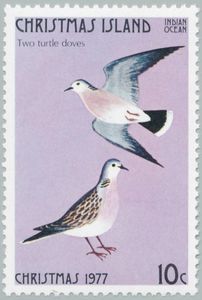
2.STRANGE STORIES FROM ATHARVANA VEDA- DOVE (Post No.10,587)

WRITTEN BY LONDON SWAMINATHAN

Post No. 10,587

Date uploaded in London – –    22 JANUARY   2022         

Contact – swami_48@yahoo.com

Pictures are taken from various sources for spreading knowledge.

this is a non- commercial blog. Thanks for your great pictures.

tamilandvedas.com, swamiindology.blogspot.com

THIS IS SECOND STORY; FIRST STORY WAS POSTED YESTERDAY.

Very strange verses are found in the last part of Atharvana Veda (AV); only from Aitareya Brahmana we come to know where they were used. Reading them separately wouldn’t mean anything to users. If you read the translation, you would understand it. But the commentaries on it ,give some information.

HYMN CXXXV

Verses called Frustration, Abuse, the Gods’ Offering, and Dazzling Power

1Bang! here he is. A dog,
2Swish! it is gone. Falling of leaves.
3Crunch! it is trodden on. A cow’s hoof.
4These Gods have gone astray. Do thou, Adhvaryu, quickly do
   thy work.
5There is good resting for the cows. Take thy delight.


6O singer, the Ādityas brought rich dakshina to the Angirases.
  Singer, they went not near to it. Singer, they did not take the
   gift.
7Singer, they went not near to that; but, singer, they accepted
   this:
  That days may not be indistinct, nor sacrifices leaderless. p. 372
8And quickly Both he fly away, the White Horse swiftest on his
   feet,
  And swiftly fills his measure up.
9Ādityas, Rudras, Vasus, all pay worship unto thee. Accept this
   liberal gift, O Angiras,
  This bounty excellent and rich, this ample bounty spreading far.
10The Gods shall give the precious boon: let it be pleasant to
   your hearts.
  Let it be with you every day: accept our offerings in return.


11Vouchsafe us shelter, Indra, thou to be invoked from far away.
  Bring treasure hither to reward the far-famed bard who praises
   thee.
12Thou, Indra, to the trembling dove whose pinions had been rent
   and torn.
  Gayest ripe grain and Pilu fruit, gavest him water when athirst.
13The ready praiser loudly speaks though fastened triply with a
   strap.
  Yea, he commends the freshening draught, deprecates languor
   of disease.

xxx

Here is a story from the last book of (book 20) from AV:-

AV- Book 20- Sukta 723- Hymn 135

Mantra 12

“You, Indra, to the trembling dove whose wings had been rent and torn

Gave ripe grain and Piilu fruit, gave him water when thirsty.”

This story is not found anywhere in Hindu literature apart from this scanty reference.

First look at the explanation given by Griffith and then my comments on it:

R T H Griffith says,

Piilu- Careya Arborea- a tree of immense size, growing on the mountains of coromandel etc (Choza Mandala of Tamil Nadu), where it blossoms during the hot season, and the seed ripens three or four months after- Roxburg.

According to others it is the Salvadora Persica , a rather uncommon middle-sized tree which produces flowers and fruits all  the year round.. I cannot trace the story referred to; but it was somewhat resembling that of the Suppliant Dove in the Mahabharata. (See Scenes from the Ramayana. pp 327-331

xxx

MY COMMENTS

In the Mahabharata and Sangam Tamil literature we have the famous Sibi Chakravarthy Story. Indra comes as Eagle and Agni comes as Dove and Emperor Sibi saves the dove by giving his own flesh (see my links below for full story).

But that does not match with the description in Mantra 12. There is another Dove story in Ramayana, which is also different from Mantra 12.

Here is the Dove Story from Ramayana:-

In the Yuddha kanda of Valmiki Ramayana,  Rama tells the monkeys army a story of two doves which sacrificed themselves to satisfy the hunger of a murderous, cruel hunter. Rama cites this story to impress upon others who objected to taking Vibhishana, brother of Ravana , as a refugee. In both the incidents the message is that ‘one should not abandon one who seeks refuge’.

Story of Two Doves

The Two Dove Story must be very popular in those days. Rama just quotes it, but commentators give us the details; The story in short is as follows:

Two doves, male and female, were living happily in a forest. One day a hunter comes from the nearby village into the forest and spread his net to catch the birds. When the male dove went in search of food, the female dove gets caught in the net. The hunter who went out was caught in a stormy rain and could not locate his net in the darkness that follwed. After a great struggle he returns to the net he laid. In the meantime, the male dove also returned and wept on seeing his beloved caught in the net.

At the same time the hungry hunter also cried to the Deity of the Forest (Goddess Vana Devata) to save him. On seeing this the female dove advised her companion to entertain the ‘guest’ (hunter). One who has come as a guest to their place must always be saved. Male dove agreed ,also tried his best to satisfy the hunger of the guest/hunter. When he still felt hungry, the male dove went to a near by village , brought fire and made it big with sticks and fell into it saying that the hunter can eat him and satisfy his hunger. Female dove watching his sacrifice also died immediately. The hunter was moved by the birds’ sacrifice and decided not to kill animals anymore in his life.

This chapter in Valmiki Ramayana is considered very important because it explains the ‘Saranagati Tatva’ i.e. one who surrenders to you seeking help must be accepted and protected.

Though here we see the shivering and shaking doves, Indra is not seen. So we don’t know the story behind the AV reference. Probably that is gone into oblivion.

Xxx

Additional information on this hymn :

First three stanzas contain onomatopoeic riddles.

Stanza 7- The White Horse is Sun. We find highest number of words for Sun in Vedas. From Cow to Horse, Stars to Stones, everything is interpreted as Sun in the Vedic commentary. That may not be correct.

Stanzas 11-13 are called the Bhuutechchad or Dazzling Power from the effects produced by their employment by the gods in their contest with the Asuras. Similarly, the recitation will enable the sacrificer to overcome his enemy. This is another strange story of Gods defeating Asuras/demons with Songs and Sounds. I will narrate it in another article.

Dove and Hawk | Tamil and Vedas

https://tamilandvedas.com › tag › dove-and-hawk

12 Mar 2015 — Now let us look at some strange bird stories in the Mahabharata. Swan. (1).Water birds appear in the Yaksha Prasna (Questions of a Ghost) story.

IS DOVE A BAD OMEN? RIG VEDA ANSWERS & TAMIL …

https://tamilandvedas.com › 2021/11/01 › is-dove-a-ba…

1 Nov 2021 — this is a non- commercial blog. Thanks for your great pictures. tamilandvedas.com, swamiindology.blogspot.com. The word for dove or pigeon is …

Sibi Story in Old Tamil Literature!

https://tamilandvedas.com › 2013/07/15 › sibi-story-in-…

15 Jul 2013 — He was a righteous king. Indra and Agni wanted to test his integrity and so they took the form of birds hawk and dove. The hawk chased the dove …

love | Tamil and Vedas

https://tamilandvedas.com › tag › love

There is another story in the epic where two doves sacrificed their lives in the … more so when beauty and virtue are coupled – Valmiki Ramayana 1-77-27.

–Subham—

Tags- strange story, two doves, Atharva Veda, Ramayana story,

புலவரின் குறும்பு: திரௌபதி, மாமனாரைத் தழுவிய பாடல் (10,586)

WRITTEN BY S NAGARAJAN

Post No. 10,586

Date uploaded in London – –   22 JANUARY  2022          

Contact – swami_48@yahoo.com

Pictures are taken from various sources for spreading knowledge; 

this is a non- commercial blog. Thanks for your great pictures.

tamilandvedas.com, swamiindology.blogspot.com

புலவரின் குறும்பு : திரௌபதி மாமனாரைத் தழுவிய பாட்டை எழுதிய அந்தகக் கவி வீரராகவ முதலியார்!

ச.நாகராஜன்

புலவர்களுக்கே குறும்பு சற்று அதிகம்; அவர்களது கற்பனையோ விண்ணையும் தாண்டிச் சிறகடித்துப் பறக்கும்.

ஒரு உதாரணம் பார்ப்போம்.

அந்தகக் கவி வீரராகவ முதலியார் அற்புதமான பாடல்களை அவ்வப்பொழுது சமயத்திற்கேற்றபடி எழுத வல்லவர்.

அவர் இயற்றிய பாடல் இது:

கோளரவேந் துலகிலிந்தப் புதுமையுண்டே வெனமொழிந்த குமுணா கேளாய்,

ஆளரைவந்தமைத்தோய்ந்த கற்புடை பாஞ்சாலி யனைந்த வீமன்,

வாளரிபோலருகிலிருக்க மலயவெற்பிலிருந்து வந்த மாமனாரைச்,

சாளரவாசலைத் திறந்து வரவழைத்து முலையாரத் தழுவினாளே.

கற்பில் சிறந்த திரௌபதி சாளர வாசலைத் திறந்து வைத்து மாமனாரை வரவேற்றுத் தழுவினாள்.

தூக்கி வாரிப் போடுகிறது, இதைக் கேட்டு.

பாடலின் பொருளை ஆழ்ந்து கவனித்தால் புலவரின் குறும்பும் அவரது அபார கற்பனை வளமும் தெரிய வரும்.

பொருளைப் பார்ப்போம்.

கோள் அரவ ஏந்து உலகில் – மிகுந்த வலிமை வாய்ந்த பாம்பாகிய ஆதிசேஷனால் தாங்கப்பட்ட இந்த உலகத்தில்,

இந்தப் புதுமை உண்டோ என மொழிந்த குமுணா, கேளாய் – இந்த ஆச்சரியமுண்டோ என்று கேட்ட குமுணனே, கேட்பாயாக

ஆளர் ஐவர் தமைத் தோய்ந்த – ஐந்து கணவரைத் தழுவிய

கற்பு உடைய பாஞ்சாலி – கற்பிலே சிறந்தவளாகிய பாஞ்சாலியை (திரௌபதியை) 

அணைந்த வீமன் – தழுவிய பீமன்

வாள் அரி போல அருகு இருக்க – ஒளியுள்ள சிங்கம் போல அருகே இருக்க,

மலய வெற்பில் இருந்து வந்த மாமனாரை – பொதிய மலையிலிருந்து வந்த மாமனாரை

சாளர வாசலைத் திறந்து – ஜன்னலைத் திறந்து

வரவழைத்து – உள்ளே வரும்படி அழைத்து

முலையாரத் தழுவினாளே – தன் மார்பகத்தில் சேர்த்துத் தழுவினாள் திரௌபதி!

இங்கு மாமனார் என்று புலவர் குறிப்பிடுவது தென்றல் காற்றை. பொதியம்லையிலிருந்து வீசும் தென்றல் காற்றை திரௌபதி தழுவினாள்.

வாயுவானவர் பீமனுக்குத் தந்தை. ஆகவே அவர் திரௌபதிக்கு மாமனார்.

அவரை ஆரத் தழுவினாள் ; அதாவது மாமனாரான வாயு தேவனை ஜன்னல் வழியே வரவழைத்து திரௌபதி தழுவினாள்.

புலவர் திருமாலைத் துதிப்பதிலும் கூடத் தன் கவித் திறமையைக் காண்பிக்கத் தவறவில்லை.

சோனையுங் காத்து நல் லானையுங் காத்துத் துரோபதைதன்

தானையுங் காத்தடைந் தாளையுங் காத்துத் தடத்தகலை

மானையுங் காத்ததனு மானையுங் காத்து மடுவில் விழும்

ஆளையுங் காத்தவ னேயெனைக் காப்ப தரிதல்லவே.

பாடலின் பொருள் :

சோனையுங் காத்து – சோனை மழையைத் தடுத்து

நல் ஆனையும் காத்து – நல்ல பசுக்களையும் காத்து

துரோபதை தன் தானையும் காத்து – திரௌபதியினுடைய ஆடையையும் காத்து

அடைந்தானையும் காத்து – தன்னைச் சரணம் அடைந்தவனையும் காத்து

தடத்து அகலிமானையும் காத்து – சென்ற வழியில், அகலிகை என்பாளையும் காத்து

அனுமானையும் காத்து – அநுமானையும் காத்து

மடுவில் விழும் – (முதலையால் கவ்வப்பட்டு) மடுவிலே விழுந்த

ஆனையும் காத்தவனே – கஜேந்திரன் என்னும் யானையையும்  காத்து அருளியவனே

எனைக் காப்பது அரிதல்லவே – என்னைக் காப்பது உனக்கு அருமை அல்லவே!

இங்கு பல வரலாறுகள் சொல்லப்படுகின்றன.

சோனை காத்தது – கிருஷ்ணாவதாரத்தில் கோவர்த்தன கிரியை குடையாகத் தூக்கி கல் மழையைத் தடுத்தது முதலில் குறிப்பிட்டப்படுகிறது.

ஆனை காத்தது – பசுக்களை மேய்த்து அவற்றைக் காத்தது

அடைந்தானைக் காத்தது – ராமாவதாரத்தில் தன்னை அடைக்கலம் என்று சரணாகதி அடைந்த விபீஷணனைக் காத்தது

அகலிமானையும் காத்தது – கல்லாய் இருந்த அகலிகையையும் சாபம் தீர்த்து பெண்ணாய் ஆக்கியது

அனுமானையும் காத்தது – அனுமானை ஏழு சிரஞ்சீவிகளுள் ஒருவராக ஆக்கியது.

இப்படி ஏராளமான வரலாறுகளை ஒரே பாட்டில் சுட்டிக் காட்ட வல்ல அரும் புலவர் அந்தகக் கவி வீரராகவ முதலியார்!

***

tags-  அந்தகக் கவி, வீரராகவ முதலியார், புலவரின் குறும்பு , திரௌபதி, 

பகவத்கீதை சொற்கள் INDEX-39; கீதை மூலம் சம்ஸ்க்ருதம்-39 (Post No.10585)

WRITTEN BY LONDON SWAMINATHAN

Post No. 10,585

Date uploaded in London – –    21 JANUARY   2022         

Contact – swami_48@yahoo.com

Pictures are taken from various sources for spreading knowledge.

this is a non- commercial blog. Thanks for your great pictures.

tamilandvedas.com, swamiindology.blogspot.com

பகவத்கீதை சொற்கள் INDEX-39; கீதை மூலம் சம்ஸ்க்ருதம்-39

த்யூதம் 10-36  சூதாட்டம்

த்ரக்ஷ்யஸி  4-35 நீ காண்பாய்

த்ரவந்தி  11-28  ஓடுகின்றன

த்ரவ்யமயாத் 4-33  பொருள் மயமான

த்ரவ்யக்ஞாஹா  4-28  தானமான வேள்வியைச் செய்வோர்

த்ரஷ்டாஹா 14-19  காண்பவன்

த்ரஷ்டும் 11-3 காண்பதற்கு

த்ருபத புத்ரேண 1-3  துருபதன் மகன்- திருஷ்டத்யும்னன்

த்ருபதஹ 1-4 துருபதன்

த்ரோணம் 2-4  த்ரோணனுக்கு …….. 10

த்ரோணஹ 11-26 த்ரோணன்

த்ரௌபதேயாஹா 1-6  திரெளபதியின் மகன்கள்

த்வந்த்வ மோ ஹானிற் முக்தாஹா 7-28 இரட்டை வடிவான மோகத்திலிருந்து விடுபட்ட

த்வந்த்வ மோஹேன 7-27 இரட்டை வடிவான மோகத்தால்

த்வந்த்வஹ 10-33 சமாசங்களுள் த்வந்த்வமாகவும்

த்வந்த்வாதீதஹ  4-22 இரட்டைகளைக்  கடந்தவனும்

த்வந்த்வைஹி  15-5  இரட்டைகளினின்று

த்வாரம் 16-21 வாயில்

த்விஜோத்தம 1-7 பிராமணர்களில்/ இரு பிறப்பாளர்களில்  சிறந்தவனே

த்விதா 3-3  இரண்டு வகைகள்  ……..   20 words

த்விஷதஹ 16-19  பகைமை உடையவர்கள்

த்வேஷஹ  13-6  வெறுப்பு

த்வேஷ்டி 2-57  வெறுப்பு அடைதல்

த்வேஷ்யஹ 9-29 வெறுக்கத்தக்கவன்

த்வௌ   15-16 இருவர்

‘DHA’ SOUNDING WORDS

தனமான மதான்விதாஹா 16-17 செல்வச்  செருக்கும், மதமும் உடையவராய்

தனம் 16-13 பொருள்

தனஞ்சய 2-47 அர்ஜுனனின் மற்றோர் பெயர்

தனானி  1-33  பொருளையும்

தனுர்தரஹ 18-78  வில்லேந்திய வீரன்  ….  30

தனுஹூ 1-20  வில்

தர்ம காமார்த்தான் 1-34  அறம், இன்பம், பொருள்

தர்ம க்ஷேத்ரே 1-1  தர்மம் நிறைந்த புனித இடத்தில்

தர்ம சம்மூட சேதாஹா 2-7  கடமையில் புத்தி தடுமாற்றம் / திகைத்தல்

தர்ம ஸம்ஸ்தாபநார்த்தாய 4-10 தர்மத்தை நிலைநாட்டுதற்கும்

தர்மஸ்ய  2-33  தர்மத்தினுடைய

தர்மம் 18-31  தர்மத்தை

தர்மாத்மா 9-31 தர்ம சிந்தனை உடையவன்

தர்மாவி ருத்தஹ 7-11 தருமம் தவறாத

தர்மே 1-40  அறத்தில், தருமத்தில் ……..  40 words

தர்ம்யம் 2-33   தருமத்திலிருந்து பிறழாத

தர்மயாத் 2-31 தருமத்திலிருந்து

தர்ம்யாம்ருதம் 12-20 தருமத்திலிருந்து வழுவாத, அழியாத

தாதா 9-17  தாங்குபவன்

தாதாரம் 8-9  வினைப் பயனை அளிப்பவன்

தாம 8-21  இடம் , உறைவிடம்

தாரயதே 18-33  காக்கப்படுகின்றனவோ

தாரயன் 5-9  நிச்சயம் உடையவனாய்

தாரயாமி 15-13  தாங்குகின்றேன்

தார்த்தராஷ்ட்ரஸ்ய 1-23  திருதராஷ்ட்ர  புத்திரனுக்கு… 50

தார்த்தராஷ்ட்ராணாம்  1-19   துரியோதனாதியருடைய

தார்த்தராஷ்ட்ரான்  1-20  துரியோதனாதியரை

தார்த்தராஷ்ட்ராஹா 1-46 திருதராஷ்ட்ர  புத்திரர்கள்

தார்யதே 7-5 தாங்கப்படுகிறதோ

தீமதா   1-3  திறமைசாலிகள்

தீமதாம் 6-42 திறமைசாலிகள்  உடைய

தீரம் 2-15  திட சித்தம் உடையவன்

தீரஹ 2-13  ஞானி

தூமஹ -8-25  புகை   — 59 words

59 words added in this  part 39 of Gita Tamil Word Index

To be continued…………………

Tags– Gita Tamil Word Index 39

NATAKA VIYAL BY V G SURYANARAYANA SASTRI


Compiled BY LONDON SWAMINATHAN

Post No. 10,588 b

Date uploaded in London – –    22 JANUARY   2022         

Contact – swami_48@yahoo.com

Pictures are taken from various sources for spreading knowledge.

this is a non- commercial blog. Thanks for your great pictures.

tamilandvedas.com, swamiindology.blogspot.com

Please go to swamiindology.blogspot.com where all the poems under Natakaviyal are posted in two parts.

–subham–

tags- natakaviyal, suryanarayana sastri

TAMILS AND AV POET EXPLODE MAX MULLER, CALDWELL MYTHS (Post No.10,584)

WRITTEN BY LONDON SWAMINATHAN

Post No. 10,584

Date uploaded in London – –    21 JANUARY   2022         

Contact – swami_48@yahoo.com

Pictures are taken from various sources for spreading knowledge.

this is a non- commercial blog. Thanks for your great pictures.

tamilandvedas.com, swamiindology.blogspot.com

LET US CONTINUE OUR ANALYSIS OF HYMN TO EARTH, THE MOST FAMOUR SECULAR HYMN IN THE ATHARVANA VEDA (AV)

It is amazing to see someone is singing 3000 years ago, ‘Let us not hurt the heart and vital organs of the Earth’. What an amazing thought! Wonderful concern for the health of the earth! It must be made a motto and displayed in all the environmental departments around the world.

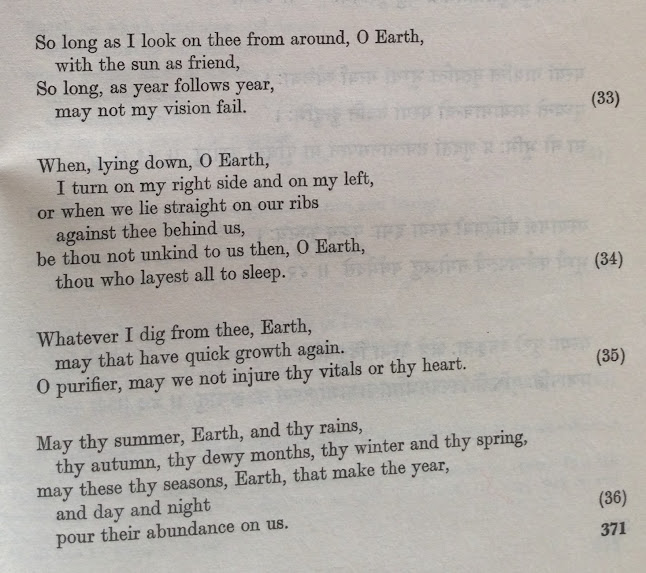
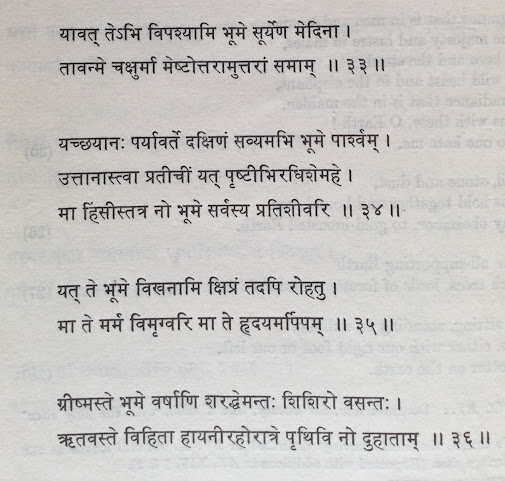
AV hymn has 63 mantras or stanzas in the Hymn to Earth, also known as Bhumi Sukta. We have already seen the first 32 verses. Now here is my commentary on the stanzas from 33 to 36.

xxx

Mantra 33

Here the pet calls Sun as ‘friend’. As long as it shines let me have good vision is his prayer. This is a prayer every Brahmin around the world recites in the mid day prayer to Sun .

Pasyema saradas satam (let me enjoy good vision for 100 years)

Jivema saradas satam (healthy life)

Nandaama saradas satam (happy life)

Modaama saradas satam (make others happy with my happy face)

Bhavaama saradas satam ( useful existence)

Srnvaama saradas satam ( hear good things)

Prabravaama saradas satam (speak good things)

Ajeetaasyama saradas satam (Let me live 100 years unconquered, invincible, ever victorious)

The second interesting point in this calling Gods as Friends. Throughout the Rig Veda, the oldest book in the world, Gods are addressed as Friends. Co workers are addressed as Comrades.

Xxx

Mantra 34

I have already explained that Hindus think it is a sin even to put our feet on Holy Mother Earth; so one prays to earth ‘Please pardon me for putting my feet on you (Samudra vasane Devi……… Pata sparsam kshmamsva me). I do it every morning in London before getting up from the bed.

Xxx

Mantra 35

The recycling principle or thought and the idea of reforestation existed even during Vedic period. The poet prays ‘whatever I dig from you, may that grow again’. And the most beautiful line “O Purifier, May We Not Injure Your Vitals or Your Heart” occurs in this mantra. This must be the moto of every environmental movement.

Xxx

Mantra 36

This stanza explodes he myth spread by Max Muller gang, Marxist gang(sters) and Caldwell gangs. Here the poet talks about SIX SEASONS and not four seasons as found in Europe or any other parts of the world. Here is a very clear message, the Vedic culture is typical Indian and Hindu. Moreover Tamil Hindus also sing about this six seasons in their 2000 year old Sangam literature. So there is only one culture from Himayas to Kanyakumari. There is no Dravidian or Aryan. Kalidasa the most famous poet of India, wrote a long poem known as Rtu Samharam describing all the Six Seasons. Here is another answer to a puzzle in that book. Scholars wondered why Kalidasa begin his poem with Summer as the first season instead of beautiful Vasantha/Spring season. May be he was influenced by this AV mantra where the poet puts Summer (Greeshma Rtu) as the first one. And the poet prays for abundance all along the year- during all the six seasons.

The above four stanzas are full of positive thoughts, positive ideas!

Let us thank the Vedic Brahmins for preserving this hymn and passing it to generations to come by word of mouth. They never wrote it, but simply spread it by word of mouth. They learnt it by heart.

xxx

Linguistic titbits

Look at the word Hrudaya for heart in Mantra 35. That HRT gave us the word Heart in all ancient languages including Tamil.

Look at the word Bhumi for earth. That is used as Puvi and Bhumi in 2000 year old Tamil epic literature (Silappadikaram and Manimegalai).

Tamils followed Six Seasons of the year and divided even a day into six small periods (See Tolkappiam- Porul Athikaram; Sutram:- kaarum……)

I have explained in mantra 31 that Tamils, tamilized even Sanskrit words Udeechyai, Prachyai as Uusi ,Pasi etc (Puram verse 229). We come across directions again in mantra 34.

To be continued………………..

tags- Rtusamharam, six seasons, Tamil, Tolkappiam, Bhumi Suktam, Heart, Vital organs

விருக்ஷ தேவி துளஸி கௌடாவிற்கு பத்ம ஸ்ரீ பட்டம்! (Post No.10583)

WRITTEN BY S NAGARAJAN
Post No. 10,583
Date uploaded in London – – 21 JANUARY 2022

Contact – swami_48@yahoo.com
Pictures are taken from various sources for spreading knowledge;
this is a non- commercial blog. Thanks for your great pictures.
tamilandvedas.com, swamiindology.blogspot.com

ச.நாகராஜன்

2021 ஆம் ஆண்டு நவம்பரில் இந்திய அரசால் வழங்கப்பட்ட பத்ம ஸ்ரீ விருதுகளைப் பெற்றவர்களுள் கர்நாடகாவைச் சேர்ந்த துளஸி கௌடாவும் ஒருவர்.

அனைவருக்கும் உத்வேகம் ஊட்டும் இவரைப் பற்றிய செய்திகள் சுவையானவை; ஆச்சரியகரமானவை.
உத்தர கன்னடா மாவட்டத்தைச் சேர்ந்த இவர் ஹளகி பழங்குடி இனத்தைச் சேர்ந்தவர். ஹொன்னளி என்ற கிராமத்தில் வாழ்பவர்.
இவருக்கு இப்போது வயது 72.

அவர் ஜனாதிபதி ராம்நாத் கோவிந்த் அவர்களிடமிருந்து பத்ம ஸ்ரீ விருதைப் பெற்ற போது கர்நாடகா மட்டும் மகிழவில்லை; இந்தியாவே மகிழ்ந்தது.

30000 மரங்களை அவர் இதுவரை நட்டிருக்கிறார்!
மூலிகைச் செடிகள், மரங்கள் உள்ளிட்ட தாவர வகைகளில் இவரது ஞானம் அபாரமானது.

காடு பற்றிய என்சைக்ளோபீடியா இவர்.
ஒரு ஏழ்மையான குடும்பத்தில் பிறந்த இவர் தனது கணவனை 17ஆம் வயதிலேயே இழந்து விதவையானார்.
பின்னர் தன்னார்வலராக வனத் துறையில் சேர்ந்தார். சில காலம் கழித்த பின்னர் இவரது வேலை வனத்துறையால் உறுதிப் படுத்தப்பட்டது.

அறுபது ஆண்டுகளாக 30000 மரங்களை இவர் நட்டிருக்கிறார்.
நீரின் தரம் அதிகரிக்க வேண்டுமா, நீர் வளம் சிறந்து இருக்க வேண்டுமா அப்போது மரங்கள் அதிகமதிகம் தேவை என்பதே இவரது தாரக மந்திரம்.
அதே போல மண் வளம் சிறக்கவும் காடுகளே காரணம் என்கிறார் இவர்.

சுற்றுப்புறச் சூழல் சிறக்கவும், காற்றின் நச்சுத் தன்மை நீங்கி அது சுத்தமாக இருக்கவும் காடுகள் இன்றியமையாதது என்று கூறும் இவர் மரங்களின் பால் அலாதி அன்பு கொண்டவர்.


தினமும் நூற்றுக் கணக்கான மரங்களை அபிவிருத்தித் திட்டம் என்ற பெயரில் வெட்டித் தள்ளுகிறோம். அதே அளவோ அதற்கு அதிகமாகவோ மரங்களை நட்டு வளர்க்க வேண்டியது நமது தலையாய கடமை அல்லவா என்று கேட்கிறார் இவர்.
மரங்களின் பால் இவர் கொண்டுள்ள அன்பைப் பார்த்த மக்கள் இவருக்கு ‘விருக்ஷ தேவி’ என்ற செல்லப் பெயரைச் சூட்டி அழைக்கின்றனர்.

இவர் பத்ம ஸ்ரீ விருதைப் பெற்றதில் பெருமகிழ்ச்சி கொள்வதாக பிரதமர் நரேந்திர மோடி ட்விட்டர் பதிவில் குறிப்பிட அதை அனைத்து மக்களும் வரவேற்றனர்.

8-11-2021இல் இவர் பத்ம ஸ்ரீ விருதைப் பெற்றார்.
நமது நாடு அதிகம் துளஸிகளை வேண்டி இருக்கும் தருணத்தில் முன்னோடியாக இருந்து அனைவருக்கும் உத்வேகம் ஊட்டும் இவரைப் பாராட்டிப் போற்றுவது அனைவரின் கடமையாகும்!

tags- துளஸி கௌடா


STRANGE STORIES FROM ATHARVANA VEDA –  KRISHNA ASURA (Post No.10,582)

WRITTEN BY LONDON SWAMINATHAN

Post No. 10,582

Date uploaded in London – –    20 JANUARY   2022         

Contact – swami_48@yahoo.com

Pictures are taken from various sources for spreading knowledge.

this is a non- commercial blog. Thanks for your great pictures.

tamilandvedas.com, swamiindology.blogspot.com

KRISHNA ASURA DEFEATED BY INDRA

The last book of Atharvana Veda refers to Seven Enemies in the sukta 725 . Sayana tells us a story not known to us before

Mantra 10

“Then , at your birth, you were the foeman, Indra, of those the seven who never had met a rival.

The hidden pair, heaven and earth, you found, and to the mighty worlds you gave pleasure”.

Sayana’s commentary

The seven enemies – Krishna ,Vritra ,Sambara ,Namuchi  and others .

Sayana , the most famous Vedic commentator who lived just 700 years ago, far removed from the Rig Vedic period, explains the previous  3 mantras , with a legend.

He takes ‘drapsah krishnah ’BLACK DROP’, to mean  the swift moving Krishnah , an Asura or demon , who with ten thousand of his kind, had occupied the banks of  the river Ansumati , which Sayana says river Yamuna . Black demon was defeated by Indra , Brihaspati and the Maruts.

But Sayana never compared him with Lord Krishna of Bhagavata.  Strange coincidence is river Yamuna’s association with Lord Krishna; here demon Krishna’s association with the same river.

But all the demons mentioned above were natural forces such as clouds, rain, wind etc. they were described as Asuras .

But foreign commentators explain it differently.

The ‘black drop’ mentioned in mantra 7, is the darkened moon. Ansumati is a mystical river of the air.

Ten thousand – probably , demons of darkness.

Laid aside his weapons –  after conquering the demons and restoring the darkened moon .

Stanza 8 or mantra 8 – Indra addresses the Maruts

11.Sushna – the Parcher, one of the chief demons of drought.

Even in Tamil Sukku is dried ginger or anything else)

Here is the full hymn and my comments

HYMN CXXXVII

A composite hymn in praise of Indra

1When, foul with secret spot and stain, ye hastened onward to
   the breast.
  All Indra’s enemies were slain and passed away like froth and
   foam.
2Indra is he, O men, who gives us happiness: sport, urge the
   giver of delight to win the spoil.
  Bring quickly down, O priests, hither to give us aid, to drink
   the Soma, Indra son of Nishtigri.
3So have I glorified with praise strong Dadhikrāvan, conquering
   steed.
  Sweet may he make our mouths; may he prolong the days we
   have to live.
4The Somas very rich in sweets, for which the sieve is destined,
   flow,
  Effused, the source of Indra’s joy. May your strong juices reach
   the Gods.
5Indu flows on for Indra’s sake—thus have the deities declared.
  The Lord of Speech exerts himself, ruler of all, because of
   might.
6Inciter of the voice of song, with thousand streams the ocean
   flows,
  Even Soma, Lord of Opulence, the friend of Indra, day by day.


7The black drop sank in Ansumati’s bosom, advancing with ten
   thousand round about it.
  Indra with might longed for it as it panted: the hero-hearted
   laid aside his weapons.
8I saw the drop in the far distance moving, on the slope bank of
  Ansumati’s river,
  Like a black cloud that sank into the water. Heroes. I send you
   forth. Go, fight in battle.
9And then the drop in Ansumati’s bosom, splendid with light,
   assumed its proper body;
  And Indra with Brihaspati to aid him, conquered the godless
   tribes that came against him.
10Then, at thy birth, thou wast the foeman, Indra, of those the
   seven who ne’er had met a rival. p. 374
  The hidden pair, the heaven and earth, thou foundest, and to
   the mighty worlds thou gavest pleasure.
11So, Thunder-armed! thou with thy bolt of thunder didst boldly
   smite that power which none might equal;
  With weapons broughtest low the might of Sushna, and, Indra,
   foundest by thy strength the cattle.
12We make this Indra very strong to strike the mighty Vritra
   dead:
  A vigorous Hero shall he be.
13Indra was made for giving, set, most mighty, o’er the joyous
   draught,
  Bright, meet for Soma, famed in song.
14By song, as ’twere, the powerful bolt which none may parry was
   prepared:
  Lofty, invincible he grew.

XXX

Demon KRISHNA’S  name has occurred in the Rig Veda itself

This hymn is a mixture of RV 10-155-4; 10-101-12; 4-39-6; 9-101.4/6; 8-85-13-17; 8-82-7/9

Mantra 1

Commentators say the meaning is elusive.

Mantra 2

Griffith has given his translation based on Sayana. But Ludwig, Grassmann ,Von Roth  explain it differently.

Here the word Nishtigri is interpreted by Sayana as one who devours Nistri , that is Aditi devouring her rival Diti

Mantra 3

Dadhikravan , is mythical being, a divine flying horse, probably sun , says commentators.

Indu – soma

MY COMMENTS

This may be a description of a Lunar Eclipse. Indu is Moon; here the pun on word may mean Soma drink according to commentator.

Dadhikravan, the Flying Horse is explained as Ostrich bird that occupied Indian Sub continent long ago . Few others compared it to the Unicorn shown on Indus Valley seals.

Millions of Brahmins around the world recite Dadhikravan name three times every day in their Sun Worship.

Since demons are associated with eclipses even in 2000 year old Sangam Tamil literature, I take it as a poems on Lunar Eclipse. That makes sense with Black Demon and an army of 10,000.

Amsumati may not be River Yamuna. It is only Sayana’s guess.

—subham–

 tags– Krishna Asura, Demon,