Pictures are taken from various sources for spreading knowledge.
this is a non- commercial blog. Thanks for your great pictures.
tamilandvedas.com, swamiindology.blogspot.com
The most famous sentence of the Atharva Veda (AV), “O Mother Earth! I am your Son” comes in the Bhumi Sukta of AV. Greeks and other communities of the world got it from us and spread it. Now we have Mother land, Mother tongue etc in many cultures. These are the contributions of Vedic people. All the rivers in the oldest book in the world, the Rig Veda, are described as sisters and in some places Mother. Vedic people saw all things in Nature as their own kith and kin.
Let me continue my commentary from the ninth mantra/stanza out of 63 in this first hymn in Book 12 (AV.12)
AV-1-12-9
This shows the geographical knowledge of Vedic Hindus about the Indian Sub Continent. Here the poet talks about the non- stopping, ever running, perennial rivers of India. Rig Veda, the oldest book in the world, describes rivers from Ganges to rivers in Afghanistan. Its geography extends from Burmese border to Iran. Very often they use the phrase 9 and 90 rivers. Though foreign translators interpreted it ‘as a lot of rivers’ no one is able to explain the significance of 9+90 rivers.
The concept of Rashtra is mentioned in the eighth stanza itself. ‘Desa’ means place, but now used for Country= Desh; e.g.Bangladesh. But Rashtra is Nation which we use in Rashtrapathi (President of India), Rashtriya Swayamsevak Sang (RSS).
The poet requests Earth Mother to pour him milk ‘like a mother ‘.
Tamils use Night and Day. Vedic poets use Ahoratri = Day and Night. But both Tamil words for night and day are derived from Sanskrit. Aha= Pahal in Tamil; Ratri= Iravu in Tamil. But I have been proposing both came from the same root, demolishing the argument of Bishop Caldwell gang.
Varchas , the word for the spiritual light/knowledge, is used in this stanza and many stanzas in the hymn.
Xxxx
AV.1-12-10
Poet describes that the Earth was measured by Asvins and strode by Vishnu. Asvins measuring earth is not explained by the commentators but Vishnu measuring the earth with Three Steps is referred to in all the four Vedas and later mythologies. Vamana- Trivikrama Avatara of Vishnu where he asked for ‘earth measuring only three steps’ is in all sculptures and devotional songs. At the Vedic level it was interpreted differently; it is Sun who traverses the sky in three steps- Morning, Mid day and evening or earth atmosphere and sky.
‘Indra freeing himself’ is the natural phenomena of releasing clouds to pour rains . Again we come across the breast feeding simile- May she pour out milk for me – ‘like a mother to her son’.
Nowadays Western countries spend lot of money in encouraging and ‘training’ mothers to breast feed their children! One of Hindus greatest discoveries and contribution to humans is Mother’s milk and Cow’s milk are almost similar. They called Cow and Earth Mother.
Xxx
AV.12-1-11
It is equally important for its geographical reference to Himalayas. Hima means snow. Here we come across the Sanskrit word Parvata Himavantha. Any mountain that has the height of 19000 feet or over will have snow. But for Hindus , Hima Alaya= Abode of Snow, is the only snow clad mountain which is the protective line running to 1500 miles. Kalidasa of first century BCE , with his amazing telescopic eyes, described Himalayas as the Measuring Rod of Earth. His first 10 stanzas of Kumarasambhava, describing Himalayas, is in 2000 year old Sangam Tamil literature. Tamil poets also talk about Himalayas and Ganges and Yamuna. They never said anything about River Sindhu/Indus.
Vedic poet describes the colours of earth which shows the Vedic community had very clear knowledge of mineral wealth of India . They sing about golden jewellery and iron and copper instruments in various hymns in the Rig Veda itself.
The poet adds “On this earth I stand, unvanquished, unslain and unhurt”- a beautiful and positive picture of a Vedic society. Vedas are full of positive thoughts and pleasant and happy pictures.
Xxxx
AV.12-1-12
The twelfth mantra of the Hymn to Earth, has the most popular and famous line ‘EARTH IS MY MOTHER, HER SON AM I’. Vedic Hindus not only loved Earth like their own mother but also gave respect to her. We are going to see it in the later part of the hymn. The poet begs to purify all human beings. He used US and not ME. Parjanya= Rain is praised as father. Like husbands help wives, Mother Earth is helped by Father Rain. The cycle of Yajna/work- rain- plants-food- man is described by Lord Krishna in Bhagavad Gita 3-14
Poet prays for tremendous energy from the navel of earth. Linguistically speaking we use many of the words even today from the above-mentioned mantras.
நாபி – நேவல்NAVEL – தொப்புள்
மத்ய – மிடில் – MIDDLE மத்தியத்தில்
மாதா – மதர் – MOTHER மாது, மாதர்
புத்ர – புதல்வன்PUTRA= PUTHALVA IN PURANANURU (புறநானூறுகாண்க)
பயஹ MILK – பால் MILK – பயன் USE – பலன் BENEFIT – பழம் FRUIT
xxxx
INSPIRATION TO TWO GREAT POETS
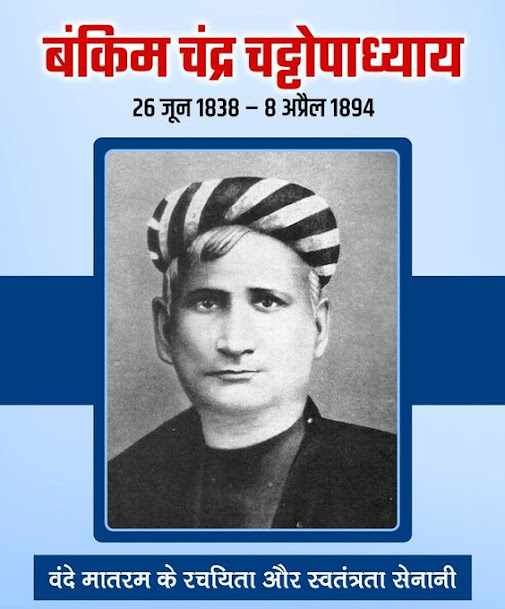
Subrahmanya Bharati, Greatest of the modern Tamil poets, and his predecessor Bankim Chandra Chatterji of Bengal were inspired by this Hymn to Earth. Their picture of earth and the words they used to describe the natural wealth of India point toward this.
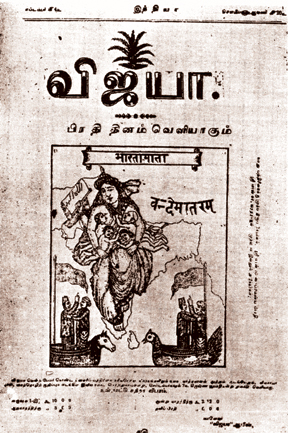
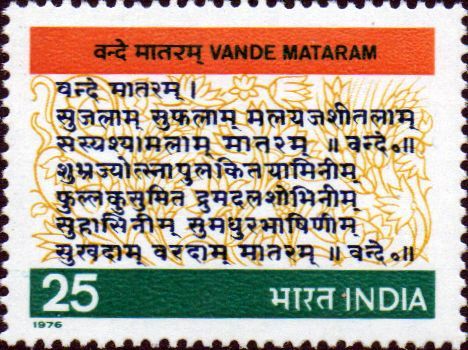
Here is the Second National Anthem of India Vandematarm by B C Chatterji and its translation by Bharati (Two versions are given in my Tamil article yesterday: –
Mother, I bow to thee! Rich with thy hurrying streams, Bright with thy orchard gleams, Cool with the winds of delight, Dark fields waving, Mother of might, Mother free.
Glory of moonlight dreams, Over thy branches and lordly streams, Clad in thy blossoming trees, Mother, giver of ease, Laughing low and sweet, Mother, I kiss thy feet, Speaker sweet and low, Mother, to thee I bow. [Verse 1]
Who hath said thou art weak in thy lands, When the swords flash out in seventy million hands, And seventy million voices roar Thy dreadful name from shore to shore? With many strengths who art mighty and strong, To thee I call, Mother and Lord! Thou who savest, arise and save! To her I cry who ever her foemen drove Back from plain and Sea And shook herself free. [Verse 2]
Thou art wisdom, thou art law, Thou art heart, our soul, our breath Thou art love divine, the awe In our hearts that conquers death. Thine the strength that nerves the arm, Thine the beauty, thine the charm. Every image divine. In our temples is but thine. [Verse 3]
Thou art Goddess Durga, Lady and Queen, With her hands that strike and her swords of sheen, Thou art Goddess Kamala (Lakshmi), lotus-throned, And Goddess Vani (Saraswati), bestower of wisdom known Pure and perfect without peer, Mother lend thine ear, Rich with thy hurrying streams, Bright with thy orchard gleams, Dark of hue O candid-fair [Verse 4]
In thy soul, with jewelled hair And thy glorious smile divine, Loveliest of all earthly lands, Showering wealth from well-stored hands! Mother, mother mine! Mother sweet, I bow to thee, Mother great and free! [Verse 5]
—Subham—
TAGS — Mother Earth, I am Son, Vandemataram, B C Chatterjee, Bharati
WRITTEN BY S NAGARAJAN Post No. 10,503 Date uploaded in London – – 30 DECEMBER 2021
Contact – swami_48@yahoo.com Pictures are taken from various sources for spreading knowledge; this is a non- commercial blog. Thanks for your great pictures. tamilandvedas.com, swamiindology.blogspot.com
தாயுமானவர்! – 3 ச.நாகராஜன்
அவன் அன்றி ஓர் அணுவும் அசையாது எனும் பெரிய ஆப்தர் மொழி ஒன்று பற்றி அவர் சுட்டிக் காட்டுகிறார். அவரது கண்ணிகள் மிகவும் சிறப்பு வாய்ந்தவை. அன்பர் பணி செய்ய வெனை யாளாக்கி விட்டு விட்டால் இன்ப நிலை தானே வந்தெய்தும் பராபரமே என்று பராபரக் கண்ணியில் தொண்டு பற்றிக் குறிப்பிடுகிறார். எல்லோரும் இன்புற்றிருக்க நினைப்பதுவே யல்லாமல் வேறொன்றறியேன் பராபரமே.
இதுவே அவரது கொள்கை. காகமுறவு கலந்துண்ணக் கண்டீர் அகண்டாகார சிவ போகமெனும் பேரின்ப வெள்ளம் பொங்கித் ததும்பிப் பூரணமா யேக உருவாக் கிடக்குதையோ வின்புற்றிட நாம் இனி எடுத்த தேகம் விழுமுன் புசிப்பதற்குச் சேர வாரும் ஜெகத்தீரே என்று ஜெகத்தினரை பேரின்ப வெள்ளத்தை அனுபவிக்க அழைப்பு விடுக்கிறார்.
சைவ சமயமே சமயம் என்பதில் திடமாக இருக்கும் அவர் அதை அப்படியே கூறி விடுகிறார்: சைவ சமயமே சமயம் சமயாதீதப் பழம் பொருளைக் கைவந்திடவே மன்றுள் வெளிக்காட்டு மிந்தக் கருத்தை விட்டுப் பொய் வந்துழலும் சமய நெறி புகுத வேண்டா முத்தி தரும் தெய்வ சபையைக் காண்பதற்கு சேர வாரும் ஜெகத்தீரே இதுவே அவரது அறைகூவல்!
அத்வைத மார்க்கத்தைப் போற்றும் அவர் அதுவே Inference, experience, Logic ஆகிய மூன்றுக்கும் ஒத்தது என்று உறுதி கூறுகிறார் இப்படி:
“வேதமுடன் ஆகம முராண இதிகாசமும் வேறும் உள கலைகள் எல்லாம் மிக்காக அத்வைத த்வைத மார்க்கத்தையே விரிவாய் எடுத்துரைக்கும் ஓதரிய த்வைதமே அத்வைத ஞானத்தை உண்டு பணும் ஞானம் ஆகும்; ஊகம், அனுபவம், வசனம் மூன்றுக்கும் ஒவ்வும் ஈது”
இது அவர் வாக்கு! மனத்தைப் பற்றிப் பல இடங்களில் அவர் அழகுறக் குறிப்பிடுகிறார்:
கந்துக மதக் கரியை வசமா நடத்தலாம்; கரடி வெம்புலி வாயையும் கட்டலாம்; ஒரு சிங்கம் முதுகின் மேல் கொள்ளலாம்; கண் செவி எடுத்து ஆட்டலாம்; வெந்தழலின் இரதம் வைத்து ஐந்து லோகத்தையும் வேதித்து விற்று உண்ணலாம்; வேறு ஒருவர் காணாமல் உலகத்து உலாவலாம்; விண்ணவரை ஏவல் கொள்ளலாம்; சந்ததமும் இளமையோடு இருக்கலாம்; மற்று ஒரு சரீரத்தினுள் புகுதலாம்; ஜலம் மேல் நடக்கலாம்; கனல் மேல் இருக்கலாம்; தன் நிகர் இல் சித்தி பெறலாம்; என்று பட்டியலிடும் அவர் “சிந்தையை அடக்கியே சும்மா இருக்கின்ற திறம் அரிது;
சத்து ஆகி என் சித்தமிசை குடி கொண்ட அறிவு ஆன தெய்வமே! தேஜோமயானந்தமே என்று கூறுகிறார்.
மனதை அடக்குவது என்பது கடினமான ஒரு விஷயம் என்பதால் அவன் இறைவன் அருளை இப்படி வேண்டுகிறார்:
ஆழாழி கரை இன்றி நிற்கவிலையோ கொடிய ஆலமும் அமுதாக விலையோ, அக்கடலின் மீது வட அனல் நிற்கவில்லையோ அந்தரத்து அகில கோடி தாழாமல் நிலை நிற்கவில்லையோ மேருவுந் தனுவாக வளைய விலையோ சப்த மேகங்களும் வ்ஜ்ரதரன் ஆணையிற் சஞ்சரித்திடவில்லையோ வாழாது வாழவே இராமன் அடியால் சிலையும் மடமங்கை யாக விலையோ மணி மந்த்ர மாதியால் வேண்டு சித்திகளுலக மார்க்கத்தில் வைக்க விலையோ என்று இப்படிக் கேட்கும் அவர் பாடலின் இறுதியில் பாழான என் மனம் குவிய ஒரு தந்திரம் பண்ணுவது உனக்கு அருமையோ
என்று,
பார்க்கும் இடம் எங்கும் ஒரு நீக்கமற நிறை நின்ற பரிபூரண ஆனந்தத்திடம் கேட்கிறார்!
‘நேற்றுளார் இன்று மாளா நின்றனர்’ என்ற உண்மையை அவர் சுட்டிக் காட்டுவதோடு, ‘எத்தனை பிறப்போ, எத்தனை இறப்போ எளியனேற்கு இதுவரை அமைத்தது’ என்று கூறி ஜென்மம் இனி வேண்டாம் என்று கூறி அதற்கு அருள் பாலிக்க வேண்டுகிறார். சமய ஆசாரியர்களை அவர் போற்றத் தவறுவதே இல்லை. ‘ஐயா, அருணகிரி, அப்பா, உனைப் போல மெய்யாக ஒரு சொல் விளம்பினவர் யார்?” என்று அருணகிரிநாதரைப் போற்றுகிறார்.
தன் குருவான மௌனகுரு ஸ்வாமிகளை அவர் ஆங்காங்கே குறிப்பிடத் தவறுவதே இல்லை.
‘ஜாதி, குலம், புறப்பு, இறப்பு, பந்தம், முக்தி, அரு உருவத்தனமை, நாமம், ஏதும் இன்றி எப்பொருட்கும் எவ்விடத்தும் பிரிவு அற நின்று இயக்கம் செய்யும் ஜோதியை’ இனம் காட்டும் அவர், அதை ‘சிந்தை செய்வாய்’ என்று அறிவுரை புகட்டுகிறார். உலகத்தின் இயற்கையையும் ஆங்காங்கே அவர் சுட்டிக் காட்டத் தவறுவதில்லை.
“வாயார உண்ட பேர் வாழ்த்துவதும், நொந்த பேர் வைவதுவும் எங்கள் உலக வாய்பாடு” என்று உலக இயல்பை அவர் கூறுகிறார். எளிய தமிழில் இனிய கருத்துக்களைப் பாடுவதில் தாயுமானவர் ஒரு புதுவழியைக் காட்டியவர் என்றே கூறலாம். இவரை அடுத்துப் பின்னால் வந்த திரு அருட்பிரகாச வள்ளலார், மஹாகவி பாரதியார் ஆகியோர் இந்த நடையைப் போற்றித் தாமும் எளிய நடையை மேற்கொண்டதைப் பார்க்கலாம். ஏன், எளிய தமிழில் அரிய கருத்தை அவர் கூறுவது திரைப்படப் பாடல்களில் கூட எதிரொலிப்பதைப் பார்க்க முடிகிறது. ஒரு எடுத்துக் காட்டு இது:
“எண்ணாத எண்ணமெல்லாம் எண்ணி எண்ணி ஏழை நெஞ்சம் புண்ணாகச் செய்தது இனிப் போதும் பராபரமே” இந்தக் கண்ணியைப் படிப்போருக்கு பின்னால் வந்த “எண்ணாத எண்ணமெல்லாம் எண்ணி எண்ணி ஏங்குறே” என்ற பாடல் நினைவுக்கு வருகிறதில்லையா?
அவரது அற்புதமான பாடல்களை விரித்துக் கூறுவதற்கோர் எல்லையே இல்லை. அவரது பாடல்களை அனுதினமும் படிப்போம்; உணர்வோம்; உயர்வோமாக! நன்றி வணக்கம்!
Pictures are taken from various sources for spreading knowledge.
this is a non- commercial blog. Thanks for your great pictures.
tamilandvedas.com, swamiindology.blogspot.com
பூமி சூக்த ஆராய்ச்சிக் கட்டுரை -5
அதர்வண வேத 12-ஆவது காண்டத்தில் முதல் துதி பூமி சூக்தம் ; 63 மந்திரங்களைக் கொண்ட அந்த அற்புதமான துதியைத் தொடர்ந்து காண்போம்.
இரண்டு முக்கியமான விஷயங்கள் கீழே வருகின்றன
1. பூமாதேவியே நீ என்னுடைய தாயார்; நான் உன் மகன் ; பால் தருக
2.இமயம் முதல் குமரி வரை
3000 ஆண்டுகளுக்கு முன்னர், தமிழ் மொழியும், கிரேக்க லத்தீன் மொழியும் இலக்கண இலக்கியம் படைக்கும் முன்னர், இப்படி அற்புதமான, உன்னதமான , நாகரீக முதிர்ச்சி பெற்ற கருத்துக்கள் ஸம்ஸ்க்ருதத்தில் வந்திருப்பது எண்ணி எண்ணி வியக்க வைக்கிறது
ஸா நோ பூமிபூமிரதாரா பயோ துஹா மதோ அக்ஷது வர்ச்சஸா — 9
எந்த பூமியில் இரவும் பகலும் வற்றாத ஜீவ நதிகள் எப்போதும் ஒடிக்கொண்டு இருக்கின்றனவோ , அவள் எங்களுக்கு பல்வேறு வழிகளில் பாலைப் பொழியட்டும் ; அதே நேரத்தில் பேரொளியை அளிக்கட்டும் – 9
ஒவ்வொரு பாடலிலும் ‘வர்ச்சஸ்’ என்னும் ஆன்ம ஒளியைப் புலவர் வேண்டுவதைக் கவனிக்கவும்.
‘அஹோராத்ரி’ என்ற சொல்லையும் கவனிக்க வேண்டும். நாம் ‘இரவும் பகலும்’ என்போம். சம்ஸ்க்ருதத்தில் ‘பகலும் இரவும்’ என்றே பெரும்பாலும் வரும். மேலும் ‘அஹ’ என்பது தமிழில் ‘பகல்’ என்றும் ‘ராத்ரீ’ என்பது ‘இரவு’ என்றும் உருமாறுவதையும் கவனிக்க.
தமிழும் ஸம்ஸ்க்ருதமும் ஒரே மூலத்தில் இருந்து பிறந்தவை; அவ்விரண்டும் உலக மொழிகளுக்கு எல்லாம் தாய் மொழிகள் என்ற எனது கருத்தை இவை உறுதிப்படுத்துகின்றன.
பயஹ என்பது பயன் USE என்றும் பால் MILK என்றும் உருமாறுகிறது.
பசுவின் பயன் = பால் MILK ; சம்ஸ்க்ருதத்தில் ‘பயஹ’ என்றால் பால்.
இன்றும் நாம் பயன் USE, என்ன/ பலன்? BENEFIT என்ன< / பயன்படுமா ?USABLE ? என்றெல்லாம் பேசுகிறோம் . இந்த பய, உலகின் மிகப்பழைய நூலான ரிக்வேதத்தில் உள்ள சொல். அதுவே தமிழில் பழம் FRUIT என்றும் உரு எடுக்கிறது.
ஆக பயஹ MILK – பால் MILK – பயன் USE – பலன் BENEFIT – பழம் FRUIT ஆகிய எல்லாம் ஒரே வேரிலிருந்து SAME ROOT பிறந்தவையே!
வேத கால மக்களுக்கு உள்ள பூகோள அறிவும் இங்கே குறிப்பிடப்படும் பாடல்களில் வருகின்றன. ‘எப்போதும் ஓடும்’ ‘நமக்குத் பொதுவான நீர்’ என்பது பாரதம் முழுதும் ஓடும் நதிகளைக் குறிப்பிடுகின்றன. அடுத்த சில பாடல்களிலேயே இமய மலை வந்து விடுகிறது. இவற்றை எல்லாம் 2700 ஆண்டுகளுக்கு முந்தைய பாணினி தரும் தகவலோடு ஒப்பிடுகையில் ஈரான் முதல் அஸ்ஸாம் வரை அவர்களுக்குள்ள அறிவும் தெளிவாகிறது. அது மட்டுமல்ல கங்கை யமுனையில் துவங்கி ஆப்கானிஸ்தான் நதிகளில் முடியும் ரிக் வேத துதியும் உளது. அதுமட்டுமல்ல 99 நதிகள் என்ற குறிப்பும் வேதம் முழுதும் தொடர்ந்து வருகிறது. உலகின் முதல் பூகோளப் பாடல் பூமி சூக்தம்தான்.வெள்ளைக்காரர் குறிப்பிடும் தேதி கி.மு 1000; இந்துக்கள் குறிப்பிடும் தேதி கி.மு 3150 க்கு முன்னர்.
XXXXXX
மந்திரம் 10
யாமசிவனாவமிமாதாம் விஷ்ணுர்யஸ்யாம் விசக்ரமே
இந்த்ரோ யாம் சக்ர ஆத்மனே அனமித்ராம் சசீபதிஹி
ஸா நோ பூமிர்வி ஸ்ருஜதாம் மாதா புத்ராய மே பயஹ — 10
எந்த பூமி அஸ்வினி தேவர்களால் அளக்கப்பட்டதோ எந்த பூமி விஷ்ணுவின் அடிகள்/ பாதங்களால் படப் பட்டதோ எந்த பூமி இந்திரனால் அவனுடைய எதிரிகளிடமிருந்து விடுவிக்கப்பட்டதோ , அந்த பூமியானவள் ஒரு பிள்ளைக்குப்பாலைப் பொழிவது போல எனக்கு பால் சுரக்கட்டும் — 10
அஸ்வினிகளால் அளக்கட்டது என்பது புதிய விஷயம்; ரிக் வேதம் முழுதும் விஷ்ணு மூன்று அடிகளால் அளந்த விஷயம் வருகிறது; இதை சூரியன் என்று அர்த்தம் செய்து காலை, பகல், மாலை என்றும் ஆண்டின் மூன்று பகுதிகள் என்றும் மனம்போனபோக்கில் வியாக்கியானம் செய்வார்கள். பின்னர்தான் இது வாமன- த்ரிவிக்ரம அவதார “ஓங்கி உலகளந்த உத்தமனுக்கு” சூட்டப்பட்டது என்பர். எப்படியாகிலும் ‘உலகை அளந்த’ என்பது உலகம் முழுதும் வியாபித்த, பரந்த என்ற சிந்தனைப் போக்கைக் காட்டுகிறது. , விருத்திரன் என்ற மேகக் கூட்டத்தை இந்திரன் வென்று, நீர் என்னும் மழையை பூமிக்கு விடுவித்த செய்தி 4 வேதங்களிலும் உளது. இந்திரன் என்ற சொல்லுக்கு நிறைய பொருள் உண்டு. இன்றும் கூட வானவில்லை ‘இந்திர தனுஷ்’ என்போம். ஆக ஒரு இயற்கைச் சக்தி என்பதே இந்திரன் (விருத்ராசுரன் கதையை பொரு த்தமட்டில்)
பூமா தேவியே ! உன்னுடைய பனி படர்ந்த மலைகளும் , குன்றுகளும், காடுகளும் சுகம் தருவதாகுக ; இந்திரனால் பாதுகாக்கப்பட்ட இந்த பழுப்பு, கருப்பு, சிவப்பு முதலிய பல வண்ணக் கலவை மிக்க பூமியில் நான் சுகமாக இருக்கிறேன்; காயங்கள் இல்லை; தோல்வி இல்லை; துன்பமில்லை – 11
VANDEMATARAM BY BANKIM CHANDRA CHATTERJI
அருமையான வரிகள். இதையே பங்கிம் சந்திர சட்டர்ஜி (சட்டோபாத்யாய) எழுதிய வந்தே மாதர கீதத்தில் காண்கிறோம். அதை பாரதியாரும் இரு முறை மொழி பெயர்த்துள்ளார். அவ்விரு கவிஞரையும் ஊக்குவித்தது பூமி சூக்தம் என்பதில் ஐயமில்லை.
வந்தே மாதரம் நமது நாட்டின் இரண்டாவது தேசீய கீதம் என்பது பலருக்கும் தெரியாது . நேதாஜி சுபாஷ் சந்திர போஸ் இதை தேசீய கீதமாகப் பயன்படுத்தியதும் பலருக்கும் தெரியாது.
BHARATI’S TRANSLATION
18. ஜாதீய கீதம்
(பங்கிம் சந்திர சட்டோ பாத்தியாயர் எழுதிய வந்தே மாதரம் கீதத்தின் மொழிபெயர்ப்பு)
கோடி கோடி குரல்கள் ஒலிக்கவும் கோடி கோடி புயத்துணை கொற்றமார் நீடு பல்படை தாங்கிமுன் னிற்கவும், கூடு திண்மை குறைந்தனைஎ என்பதென்? ஆற்றலின் மிகுந்தனை, அரும்பதங் கூட்டுவை, மாற்றலர் கொணர்ந்த வன்படை யோட்டுவை. (வந்தே)
அறிவும் நீ தருமம் நீ, உள்ளம் நீ, அதனிடை மருமம் நீ உடற்கண் வாழ்ந்திடும் உயிர் நீ தோளிடை வன்புநீ, நெஞ்சகத்து அன்புநீ. ஆலயந் தோறும் அணிபெற விளங்கும் தெய்வச் சிலையெலாம், தேவி, இங்குனதே. (வந்தே)
21 Sept 2013 — “இனிய நீர்ப் பெருக்கினை! இன்கனி வளத்தினை” என்றும் பின்னர் “நளிர்மணி நீரும் …
GEOGRAPHICAL KNOWLEDGE
11 ஆவது மந்திரம் மிகவும் முக்கியமானது. இமய மலை பற்றிய குறிப்பும் காடுகள்/ ஆரண்யம் பற்றிய குறிப்பும் வருகிறது. ஹிமய பர்வதம் என்றால் = பனி மலை. 19,000 அடிக்கு மேல் உள்ள எல்லா மலைகளிலும் ஐஸ் கட்டி இருக்கும். ஆனால் இந்தியர்களுக்கு அவர்களின் பூகோள எல்லையாக அமைந்த இமய மலைதான் பனி மலை ஆகும்.. அது பற்றிய குறிப்பு பூமி ஸூக்தத்தில் வருவது குறிப்பிடத்தக்கது ; 2000 ஆண்டுகளுக்கு முன்னர் வாழ்ந்த புறநானூற்றுப் புலவனும் இமயத்தையும் பொதியத்தையும் குறிப்பிடுகிறான். ரிக் வேதத்தில் மட்டுமே 100க்கும் ,மேலான கடல் பற்றிய குறிப்புகள் உள்ளன . ஆகவே பாரத பூமி பற்றிய தெளிவான இயற்கை அமைப்பு அவர்களுக்கு இருந்தது. ஒருவித தகவல் தொடர்பு, போக்குவரத்து இல்லாத காலத்தில் பர்மா எல்லை முதல் ஈரான் எல்லைவரை வேதகாலத்தில் அறிவு இருந்தது உலக அதிசயம்தான். 2300 ஆண்டுகளுக்கு முன்னர் அலெக்சாண்டர் படை எடுக்கும் வரை வேற்று நாட்டு மக்களுக்கு இந்தியா பற்றி சரியான சித்திரம் கிடையாது; பராபரியாகக் காதில் கேட்ட விஷயங்களை ஹெரெடோட்டஸ் HERODOTUS போன்றோர் எழுதிவைத்தனர்
BREST FEEDING
தாய்ப் பாலின் மஹத்துவதை வலியுறுத்தி மேலை நாட்டு சுகாதாரத் துறைகள் இன்றும் பிரசுரங்களை வெளியிட்டு, கர்ப்பிணிப் பெண்க ளுக்கு வகுப்புகள் நடத்துகின்றனர். ஆனால் வேதம் முழுதும் தாய்ப்பால் (MOTHER’S MILK- BREAST FEEDING )உவமை உளது!
பதினோராவது மந்திரத்தில் பூமியின் வர்ணங்கள் வருகின்றன; அவர்களுக்கு தாதுவளம் நிறைந்த, ரத்தினைக் கற்கள் நிறைந்த இடங்கள் (MINERAL SOURCES AND GEM STONES ) தெரிந்து இருந்தன. ஆகையால்தான் இந்த வண்ண வருணனை வருகிறது
தாஸு நோ கே ஹ்யபி நஹ பவஸ்வ மாதா பூமிம் புத்ரோஹம் ப்ருதிவ்யாஹா
பர்ஜன்யஹ பிதா ஸ உ நஹ பிபர்து —- 12
பூமியே நீ என் தாய் ; நான் உன் புதல்வன் ; பர்ஜன்யன்/ மழை எங்கள் தந்தை ;அவன் எங்களைக் காப்பான் ஆகுக ; எங்களை எல்லாப் பகுதிகளில் இருந்தும் சுத்தப் படுத்து; தூய்மை ஆக்கு. உன்னுடைய உடலின் நடுவிலுள்ள நாபியிலிருந்து என்னை நிறுத்தி , உன் உடலில் இருந்து புறப்படும் சக்தியில் நிலை நாட்டுவாயாக — 12
இந்த மந்திரத்தில் உலகப் புகழ் பெற்ற சொற்றொடர் வருகிறது- பூமாதேவி தாய், நாம் அதன் புதல்வர்கள் ; இன்று உலகமே அதை ஏற்று மதர்லாண்ட் MOTHERLAND என்ற சொல்லை உருவாக்கி இருக்கிறது. உலகில் இதை முதல் முதலில் உருவாக்கிய பெருமை இந்துக்களையே சாரும். அது எங்களைத் தூய்மையாக்கட்டும்; தந்தை போன்ற மழை பொழியட்டும். பூமியின் மத்தியில் நிறுத்தி முழு சக்தியையும் பெரும் வழியைச் செய்யட்டும் என்பதெல்லாம் உயர்ந்த மற்றும் பாசிட்டிவ் எண்ணங்களைக் POSITIVE THOUGHTS காட்டுகின்றன. பூமி சூக்தம் முழுதும் பாசிட்டிவ்- ஆக்கபூர்வ சித்திரத்தையே காண்கிறோம் .
இதிலுள்ள ஸம்ஸ்க்ருதச் சொற்களை அப்படியே தமிழிலிலும் ஆங்கிலத்திலும் இன்றும் பயன்படுத்துவதால் ஸம்ஸ்க்ருதத்தை என்றும் நாம் பேசிக்கொண்டே இருப்பதையும் உணர்கிறோம்
நாபி – நேவல் NAVEL – தொப்புள்
மத்ய – மிடில் – MIDDLE மத்தியத்தில்
மாதா – மதர் – MOTHER மாது , மாதர்
புத்ர – புதல்வன் PUTRA= PUTHALVA IN PURANANURU (புறநானூறு காண்க)
TO BE CONTINUED………….
tags- பூமி சூக்த கட்டுரை 5, பூமா தேவியே, நீ என் தாய், நான் உன் புதல்வன்,
WRITTEN BY S NAGARAJAN Post No. 10,500 Date uploaded in London – – 29 DECEMBER 2021
Contact – swami_48@yahoo.com Pictures are taken from various sources for spreading knowledge; this is a non- commercial blog. Thanks for your great pictures. tamilandvedas.com, swamiindology.blogspot.com
தாயுமானவர்! – 2 ச.நாகராஜன்
ஒரு நாள் திருச்சிக்கு சுவாமி தரிசனம் செய்ய திருமூலர் மரபிலே தோன்றி, மெய்கண்ட தேவ நாயனாரது வழி வந்த குரவரிடத்தில் ஞானோபதேசம் பெற்ற மௌனகுருசாமிகள் என்பார் வந்தார்.
அவரைக் கண்டவுடன் உளம் மிக மகிழ்ந்தார் தாயுமானவர். அவர் கையில் வைத்திருந்த புத்தகம் யாதோ என்று அவருக்கு ஆர்வம் மேலிட்டது. கேட்டார். ஆனால் சுவாமிகளோ பதில் சொல்லாமல் எல்லா இடங்களுக்கும் சென்று ஊர் அடங்கிய பின் தாயுமானவர் சந்நிதிக்குச் சென்று பத்மாசனத்தில் அமர்ந்தார். தொடர்ந்து அந்தப் புத்தகம் யாது யாது என்று தாயுமானவர் கேட்ட கேள்விக்கு இப்போது பதில் வந்தது. சிவஞான சித்தி என்றார் ஸ்வாமிகள். பின்னர் தாயுமானவரின் கேள்விகளுக்கெல்லாம் அவர் தக்க விடையிறுத்தார். பதியிலக்கணம், பசுவிலக்கணம், பாசவிலக்கணம், ஞானாஞ் ஞான இலக்கணம், அத்துவித இலக்கணம் உள்ளிட்ட அனைத்தையும் மௌன குரு ஸ்வாமிகள் விவரிக்க அவரைத் தன் குருவாக ஏற்றார் தாயுமானவர். “இன்னும் சிறிது காலம் இல்லறம் நடத்தி, புத்திரனைப் பெறுக; பின்னர் யாம் வந்து நிஷ்டை கூடும் உபாயத்தை உமக்கு அளிப்போம்” என்று கூறி விட்டுச் சென்றார் மௌனகுரு ஸ்வாமிகள்.
தாயுமானவருக்குத் திருமணமும் நடைபெற்றது. மட்டுவார் குழலம்மை என்ற மாட்சி வாய்ந்த நங்கையை மணந்தார். ஆண் குழந்தை ஒன்று பிறந்தது. அதற்கு கனக சபாபதி என்ற பெயர் இடப்பட்டது. காலம் சென்றது. மட்டுவார்குழலியார் சிவபதம் அடைந்தார். இல்வாழ்க்கையில் ஈடுபாடில்லாத தாயுமானவர் தலம் தலமாகச் சென்றார். ஒரு முறை சேது தரிசனம் செய்த பின்னர் குமரிக் கடலில் நீராடி அங்கிருந்து பொதிய மலை சென்றார். அங்கே அகத்திய மஹரிஷியின் தரிசனம் பெற்று பெரும் ஞான நிலையை அடைந்தார்.
அவரது அருள் சக்தியைக் கண்டு வியந்த அரசன ஒரு நாள் அவரை அழைத்து, “இனீ நீர் எனக்குச் சேவை செய்ய வேண்டாம். நான் தான் உமக்குச் சேவை செய்ய வேண்டும்” என்று கூறி அவரை அரசுப் பணியிலிருந்து விடுவித்தான். அவருக்கு ஏவல் செய்ய ஆரம்பித்து, “எனது அரசு மற்றும் உடைமைகளை ஏற்று அருள்க” என்று அவரிடம் வேண்டினான். தாயுமானவரோ அவருக்கு அரிய உபதேசங்களை அருளித் தன் குருநாதரை அடைந்தார். அவரிடம் ஞானாவுத்திரி என்னும் தீட்சை செய்யப்பெற்று துறவறம் பூண்டார்.
அன்று முதல் ஆடைகளைத் துறந்து கௌபீனதாரியாகத் திகழலானார். ஜோதிடர்கள் கூற்று மெய்யாகும்படி அரசர்களிலிருந்து சாமானியர் வரை அவரை நாடி அவர் அடி பணிந்தனர். ஒரு பெரிய அரசனுக்குரிய, ஒரு பெரியவருக்கான, தச அங்கங்களான நாமம், நாடு, நகர், ஆறு, மலை, ஊர்தி, படை, முரசு, தார், கொடி ஆகிய பத்தும் அவருக்கு இயல்பாகவே அமைந்தன.
அவர் மெய்யரசராக விளங்கியமையால் அவாவின்மை, மெய்யுணர்வு துறவு ஆகியவை குணம் என்னும் மலையாக அமைந்தன.
நித்தியானந்தம் நதியாக ஆனது. வேதம் முதலிய கலைகளாலும் அறிய முடியாத சிற்சத்தித் தானம் நாடாக ஆனது..அநுபூதி அவருக்கு ஊராகவும் அருள் அவருக்கு மாலையாகவும் வியாபகத்வம் என்பது குதிரையாகவும் சிவஞானம் யானையாகவும் அமைந்தன. வைதிக சைவ சித்தாந்தம் அவரது வெற்றிக் கொடியாக ஆனது. நாதம் என்னும் முரசும், அறிவித்தல் என்னும் ஆணையும் கூடிய தசாங்கங்கள் அவருக்குக் கிட்டின. பேரறிவு பெருஞ்சுடர் முடியாக ஆனது. அந்தண்மை வெண்கொற்றக் குடையாக ஆக, சமாதி சிம்மாசனம் ஆனது. மனம் புத்தி சித்தம் அகங்காரம் ஆகிய நான்கும் அவருக்கு நால்வகைச் சேனைகளாக ஆயின. நிஜமாகவே தவ அரசராக அவர் ஆனார். அவர் வாயிலிலிருந்து அருட் பாடல்கள் மழையெனப் பொழிய ஆரம்பித்தன. அருகே இருந்த அவர் மாணாக்கர்கள் உடனுக்குடன் பாடலைப் படி எடுத்தனர். நீண்ட நாள் வாழ்ந்த அவர் இராமநாதபுரம் சென்று சிவத்தோடு கலக்க எண்ணினார். அவர் ஒரு தைமாதம் விசாக நட்சத்திர நாள் அன்று சமாதி எய்தினார். அவரது சமாதி இராமநாதபுரத்தில் லக்ஷ்மிபுரம் வெளிப்பட்டினம் பகுதியில் அமைந்துள்ளது. தவறாமல் குருபூஜை வருடந்தோறும் அங்கு நடைபெறுகிறது.
ஸ்வாமி சித்பவானந்தர் அண்மைக் காலத்தில் அந்தர்யோகங்களை ஆங்காங்கே நடத்தி தாயுமானவர் பாடல்களுக்கான விரிவுரை தந்து வந்தார்; பல நூல்களையும் அவர் படைத்துள்ளார். அவரது திருப்பராய்த்துறை ஸ்ரீ ராமகிருஷ்ண தபோவனமே தாயுமானவரின் சமாதியை பரிபாலித்து நிர்வகித்து வருகிறது.
தாயுமானவரின் காலம் 1705ஆம் ஆண்டு முதல் 1742 முடிய என்று வரலாறு கூறுகிறது. இதுவே தாயுமானவரின் திவ்ய சரித்திரமாகும். தாயுமானவர் பாடல்களில் நமக்கு இன்று கிடைத்துள்ளவை 1452 பாடல்கள் ஆகும். இவை 56 தலைப்புகளில் உள்ளன.
திருவருள் விலாசப் பரசிவ வணக்கம் என்ற தலைப்பில் உள்ள மூன்று பாக்களின் விளக்கவுரையே பல அறிஞர்களால் மிகப் பரந்து விரித்துரைக்கப்பட்டிருக்கிறது.
அங்கிங் கெனாதபடி யெங்கும் பிரகாசமா யானந்த பூர்த்தியாகி யருளொடு நிறைந்ததெது தன்னருள் வெளிக்குளே யகிலாண்ட கோடி யெல்லாந் தங்கும்படிக்கிச்சை வைத்துயிர்க் குயிராய்த் தழைத்ததெது மனவாக்கினிற் றட்டாம னின்றதெது சமய கோடிகளெலாந் தந்தெய்வ மெந்தெய்வ மென் றெங்குந் தொடர்ந்தெதிர் வழக்கிடவு நின்றதெது எங்கணும் பெருவழக்காய் யாதினும் வல்லவொரு சித்தாகி யின்பமா யென்றைக்கு முள்ள தெது மேற் கங்குல் பகலற நின்ற வெல்லை யுள தெதுவது கருத்திற்கிசைந்த ததுவே கண்டன எல்லாம் மோன உருவெளியது ஆகவும் கருதி அஞ்சலி செய்குவாம் இந்தப் பாடல் எல்லாம் வல்ல மன வாக்கிற்கு எட்டாத பெரும் சக்தியைப் பற்றிச் சொல்லி வியக்கிறது.
“எண்ணரிய பிறவி தனில் மானுடப் பிறவிதானியாதினும் அரிது காண். இப்பிறவி தப்பினால் எப்பிறவி வாய்க்குமோ ஏது வருமோ அறிகிலேன்” என்று மானுடப் பிறவியின் சிறப்பைக் கூறி அதில் மெய்யுணர்வு நாட்டம் இருக்க வேண்டும் என்று அவர் வற்புறுத்துகிறார்.
Pictures are taken from various sources for spreading knowledge.
this is a non- commercial blog. Thanks for your great pictures.
tamilandvedas.com, swamiindology.blogspot.com
Let me continue with the ‘Hymn to Earth’ found in the 12th book of Atharva Veda (AV)
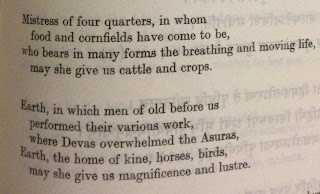
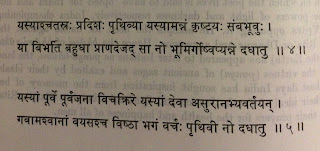
4 out of 63 (AV.12-1- 4)
The fourth stanza/mantra is almost a repetition of third stanza. Here the poet prays for more cattle and crops from earth. Vedic society was an agricultural society mainly based in villages; Rig Veda (RV), the oldest book in the world, shows us the oldest democracy in the world. We come across names of scores of kings in the RV in addition to Sabha (elected assembly) and Samiti. ‘Sabha’ is used throughout India and Samiti=Committee (correct pronunciation is Samittee and not Kamilttee) throughout the world. We also come across Gramani= Village chief. The word Grama=village is known to every Indian.
xxx
Mantra 5/63
Moving to fifth stanza /mantra, we hear the old stories ; Devas defeated the demons; this shows there has been an opposition party from the very beginning. Like we have positive and negative nodes in electricity, a society must always have an opposition party. Otherwise, the rulers will go berserk. This opposition party is supported in the Upanishadic story as well; Kanchi Shankaracharya (1894-1994) spread the story throughout the world through United Nations where his Sanskrit song was sung by most famous musician of India MS Subbulakshmi. There he incorporated the ‘D D D’ story from the oldest Upanishad. Damyata, Dayatva and Datta
Damyata = CONTROL yourself; advice to Devas
Datta = don’t keep everything for you ; share it; GIVE; advise to greedy mankind.
Dayatva = be MERCIFUL; advise to Asuras/Demonic forces.
This story of 3 DDD sounds from the Thunder show that Hindus used Nature to Teach and to Learn.
This story shows Opposition Party/ Asura will always be there. But such demonic forces will be defeated says stanza five of AV 12-5
The same stanza prays for magnificence and lustre.
The words used are Bhagam and Varchas
Varchas is Spiritual quality.
Bhaga means six types of treasures/ virtues.
God is called Bhagavan in Sanskrit because He is the source of Six Bhagas. They are
1.Vairagya (no worldly desire or passion)
2.Aiswarya (prosperity)
3.Kirti (fame)
4.Gnana (wisdom, knowledge)
5. Bhala (Strength) and
6.Sree/Lakkshmi (Wealth)
So the Sanskrit words BHAGA and VARCAS in the fifth mantra are very important.
Xxx
GOLD BREASTED AND SWEET HEARTED EARTH
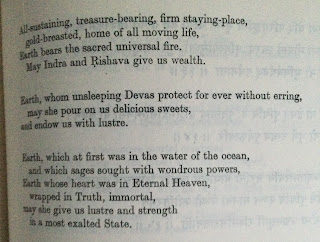
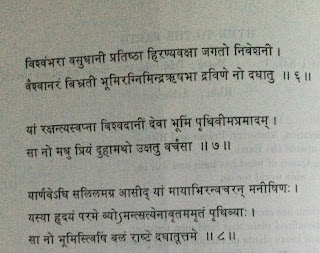
Mantra 6 out of 63
Here the poet describes Mother Earth as gold breasted and sweet hearted. Breast feeding is encouraged throughout the world. All credits go to Hindus for two reasons:-
1.Vedas encourage breast feeding. We have similes showing loving mothers feeding babies; here Mother earth’s breasts are praised as Golden
2.Hindus discovered cow’s milk is the closest alternate to mother’s milk. They domesticated that animal and made it mother of human race and called it Go Matha (Cow Mother; both English words are actually Sanskrit words! Go=cow, Matha=mother)
So, earth’s breasts are praised gold breasted, treasure bearing, firm staying. Indra, who is like bull, is requested to shower wealth on us.
Xxx
Mantra 7/ 63
Here the earth is praised as sweet hearted. Sweet honey MADHU is referred here and HEART (hrudaya) is mentioned in the 8th stanza.
Here we come across the word UNSLEEPING Devas. This is reference to Extra Terrestrials (ET). Throughout Hindu spics and Puranas/mythologies, we have following qualities attributed to ETs.
1.They are in the form of Light; Devas meaning Light Emitting.
2.They don’t wink their eyes; like fish they don’t close their eyes. Even Tamil poet Tiru Valluvar compared Devas with Thieves ; he humorously refers to thieves as Devas because thieves also never sleep during night (Kural 1073) .This is my interpretation of Kural. Other old interpreters said both are same because they can do whatever they want to do; It doesn’t look right to me. Moreover, Valluvar used the Sanskrit word Devas instead of God (Iraivan).
3.They cant have sex in the heaven. (they come to earth for it)
4.They can travel to Earth with the speed of Mind (faster than Light; Einstein is only 50 % right)
6.Their garlands never wither away (because of metals like gold ?)
7.They are always happy
8.They enjoy Dance and Music of Gandharvas and Apsaras
9.Even the Indus/Harappan symbol of Fish is compared to Devas by some scholars because both ‘Shine’ and both ‘never close their eyes’.
The seventh mantra says Devas protect earth without erring. This mean aliens are always watching us. Intergalactic traveller NARADA visits earth now and then. Poet prays to earth to shower sweets on us. Madhu used here is Honey used in all poems on Asvins in the RV. Name of Narada appears fro the first time in AV.
Xxxx
Biology and Theory of Evolution in 8th Mantra (8/63)
Eighth stanza, mantra begins with the line ‘Earth, at first which was in the water of the ocean’ — all the biologists agree that the earth was full of water for some time and then slowly life evolved in water in the form of Phyto planktons. Its heart was eternal heaven, and it was wrapped in Truth. That is beautiful. Vedic poets always emphasises the earth is still there because of Truth and Rhythm.
Dasavataras is in line with Theory of Evolution.
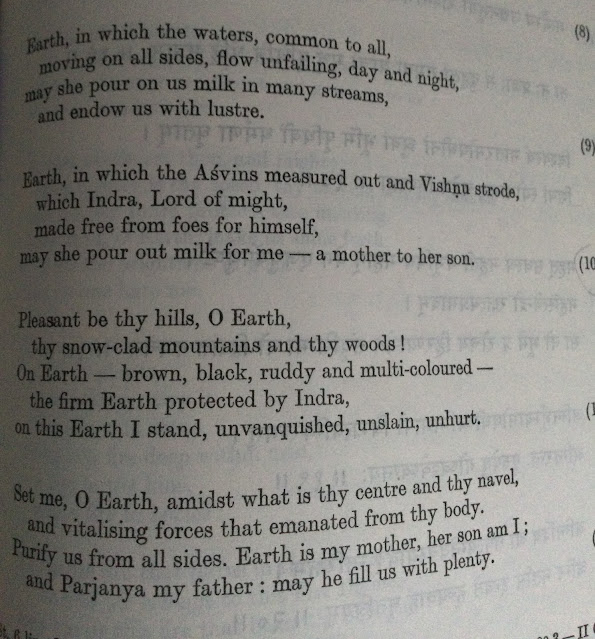
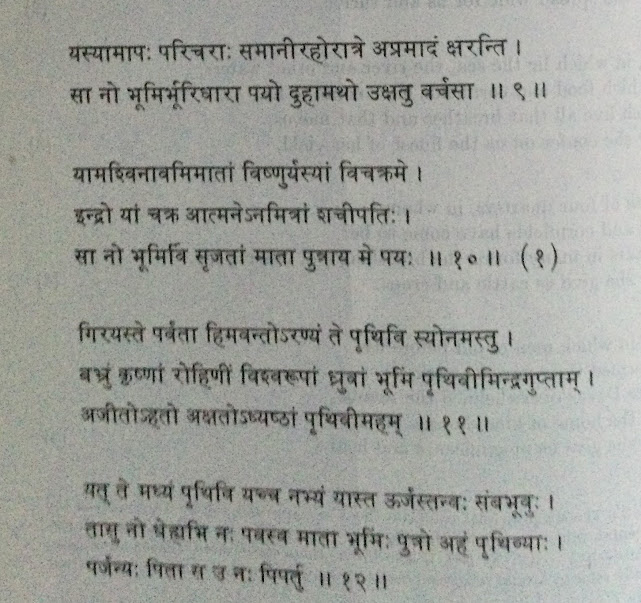
Please see the attachments of English and Sanskrit verses: –
mantras 4 and 5 .
mantras 6,7,8 given below
mantras 6,7,8
–subham–
tags- extra terrestrials, biology, in Atharva veda,










 Tamil and Vedas