சரோஜா பட் தொகுத்த சுபாஷித சதகம் என்ற நூலிலிருந்து சில சுபாஷிதங்களைப் பார்த்தோம். இதோ இன்னும் ஐந்து சுபாஷிதங்கள் :-
குணைர்கௌரவமாவாதி நோச்சைராஸநமாஸ்தித: |
ப்ரஸாதஷிகரஸ்தோபி காகோ ந கருடாயதே ||
உயர்ந்த பதவியை அடைவதனால் மட்டும் ஒருவன் பெரியவன் ஆகி விட முடியாது. நல்ல குணங்களைக் கொண்டிருப்பதாலேயே பெரியவனாக முடியும். காக்கை ஒன்று உயரமான இடத்தில் அமர்ந்திருபப்தால் மட்டும் அது கருடனாகி விட முடியாது.
One becomes great by means of virtues not by occupying high seat. A crow sitting on the top of a place is not regarded as an eagle.
சூடான ஒரு மணல் குவியல் தரும் வெப்பத்தைச் சூரியனால் கூட தர முடிவதில்லை. இன்னொருவனால் ஒரு உயர்ந்த நிலையை அடைந்தவன் பொதுவாக சகிக்கப்பட முடியாதவனாக இருக்கிறான்.
Even the sun does not burn as much as the (heated) heap of sand. One who has attained a position because of another (person) usually becomes unbearable.
*
குணேஷு க்ரியதாம் யத்ன: கிமாடோபை: ப்ரயோஜனம் |
விக்ரீயந்தே ந கண்டாபிகவி: க்ஷீ ரவிவர்ஜிதா: ||
நல்ல குணங்களை அடைவதில் முயற்சி செய். மற்றவற்றை அடைவதால் என்ன பிரயோஜனம்? பால் சுரக்க முடியாத பசுக்களின் கழுத்தில் மணியைத் தொங்க விட்டு அடித்தாலும் அது விற்கப்பட முடியாது!
Make effort in (acquiring) virtues. What is the use of doing much ado? Cows devoid of milk cannot be sold off by tying bells (in their necks).
*
குணி குணம் வேத்தி ந வேத்தி நிர்குண:
பலி பலம் வேத்தி ந வேத்தி நிர்பல: |
பிகோ வஸந்தஸ்ய குணம் ந வாயஸ:
கரி ச சிம்ஹஸ்ய பலம் மூஷக: ||
நல்ல குணங்களைக் கொண்ட ஒருவனே இன்னொருவனின் நல்ல குணங்களை உணர்கிறான், அப்படி நல்ல குணங்களைக் கொண்டிராதவன் அல்ல! நல்ல பலம் கொண்ட ஒருவனே இன்னொரு பலசாலியின் பலத்தை அறிகிறான, பலம் இல்லாதவன் அறிவதில்லை. குயில் வஸந்தத்தின் வருகையை அறிகிறது, காக்கை அல்ல! யானையே சிங்கத்தின் பலத்தை அறிகிறது, சுண்டெலி அல்ல!
The meritorious alone recognizes the merit and not one who is devoid of merit. The powerful alone recognizes power (and) not one who is devoid of power. The cuckoo recognizes excellence of spring, not the crow. The elephant knows the prowess of a lion, not the mouse.
*
குணினி குணக்ஞோ ரமதே நாகுணஷீலஸ்ய குணினி பரிதோஷ: |
அலிரேதி வனாத்கமலம் ந தர்துரஸ்தன்னிவாஸோபி ||
நல்ல குணங்களைப் பாராட்டுபவனே நல்ல குணங்கள் கொண்டவரின் சேர்க்கையில் ரமிக்கிறான். நல்ல குணங்களை மதிக்காத ஒருவன் நல்ல குணங்களைக் கொண்டிருக்கும் ஒருவனிடம் சேர்ந்திருப்பதில் திருப்தி அடைவதில்லை. தேனியானது காட்டிலிருந்து தாமரையை நோக்கி வருகிறது, குளத்திலேயே வசித்தாலும் கூட தவளை தாமரையை நோக்கி வருவதில்லை.
One who appreciates virtues enjoys the company of a virtuous person. One who does not respect virtue is not satisfied in the company of a virtuous person. The bee comes from the woods to the lotus but not the frog, even if it stays there (i.e. in the same pond).
Pictures are taken from various sources for spreading knowledge.
this is a non- commercial blog. Thanks for your great pictures.
tamilandvedas.com, swamiindology.blogspot.com
So far, we have seen 23 topics where the four Vedas, particularly the oldest Rig Veda, shows amazing unity and continuity.
I have noted down nearly 50 topics where this occurs. Let us continue with topic 24.
24.MYSTERIOUS DADHIKRAVAN
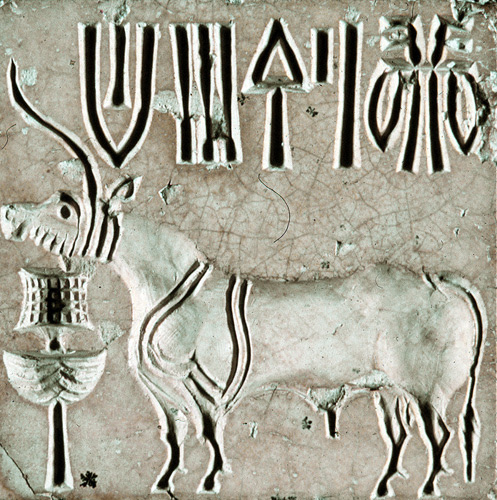
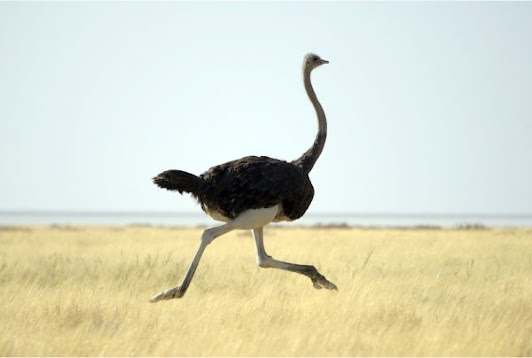
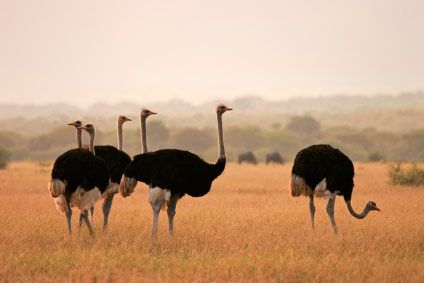
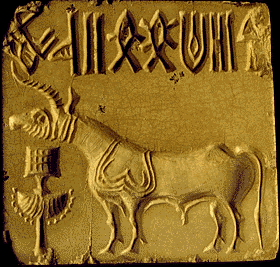
Dadhikravan is a mysterious horse mentioned even in the Atharva Veda. It is not explained properly. One scholar said that ostrich birds were roaming India once upon a time and now became extinct. Others said that the unicorn shown in Indus seals is Dadhikravan.
25.THREE TIMES FIRE CEREMONY
Seers/Rishis did Fire Ceremony three times a day. This is also spoken of by the seers in all the four Vedas. Brahmins do three times water oblations even today. Three time Fire ceremony almost dead. I knew of only one gentleman, who was senior to me in Dinamani Newspaper did it till his death recently.
26.UNIQUE DAWN PRAYER and BATH
The uniqueness with the Vedic Prayer is they started doing it in the early morning. It is unique in the world. Though we know that Muslims also listen to the morning prayer call, that religion came many thousand years after the Vedas. And they do not take ceremonial early morning bath. Only Vedic Rishis did it. They considered Brahma Muhurtha (4 am to 6 am) is the best time for prayer.
27.GODDESS WORSHIP
Aditi is praised as the Mother of all Gods. Sarasvati , as river and Goddess of speech is found all over the Vedas. No modern religion worships Goddess, where as Hindus continue it till this day.
28.FLAG, SEASON, CALENDAR
Flag is mentioned everywhere. Flags originated in India. We see them in Mahabharata and Ramayana. Even Ravana had a flag. Six seasons or five seasons are mentioned. 12 month calendar is also seen in all the Mandalas.
29.MITRA/VARUNA, INDRA/AGNI
For some reason, we see Mira and Varuna are paired and Indra and Agni are paired. Scholars say they are like negative and positive nodes in electricity. Others see them as Shakti and Siva (Kinetic energy and Potential energy). This pairing is seen throughout the Vedas.
30.MYSTERIOUS LANGUAGE; REASON FOR OBSCURITY
Griffith makes at least one remark about obscurity or uncertainty every other page in his Rig Vedic translation. The reason for this so called obscurity is the seers used mysterious, coded language. In one or two places they themselves said that thy like using mysterious language. In other places they talk about mystery names of Gods or men
31.DHARBA GRASS, INVOKING
Amazing thing is all the rishis invoke the gods on Dharba grass. They say ‘The Grass is spread; come and take a seat please’. This becomes more amazing to me because I do the same when I invoke the departed souls in the Dharba grass at least once a month. An orthodox Hindu does it over 90 times every year (Sorry to say I do it only 20++ times in a year)
32.MUSIC LOVERS
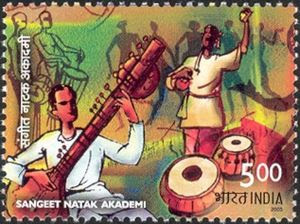
Gods are addressed as Music lovers. There is no wonder that we trace the origin of Indian music in Sama Veda; that Veda is nothing but Music. This word Music lover is also there in the four Vedas.
To be continued…………………………..
tags- unity in Veda-3, Dhadikravan, music, Goddess worship
Pictures are taken from various sources for spreading knowledge.
this is a non- commercial blog. Thanks for your great pictures.
tamilandvedas.com, swamiindology.blogspot.com
சூரியனைப் பற்றி 6 கண்டு பிடிப்புகள் வேதத்தில் உள்ளது. (Already posted in English)
6000 ஆண்டுகள் பழமையான ரிக் வேதத்தில் சூரியனைப் பற்றிய 6 கண்டுபிடிப்புகள் உள்ளன. அவைகளை அண்மைக் காலத்தில் நடந்த விண்வெளி ஆராய்ச்சிகள் உறுதி செய்கின்றன.
1.சூரியனில் கறுப்புப் புள்ளிகள் SUN SPOTS (Already posted in English)
11 ஆண்டுக்கு ஒரு முறை சூரியனில் கருப்புப்புள்ளிகள் அதிகரிக்கின்றன. இவை பற்றி 100, 200 ஆண்டுகளாகத்தான் விஞானிகளுக்குத் தெரியும். சீனாக்காரர்கள் இதை 2800 ஆண்டுகளுக்கு முன்னர் குறிப்பிட்டதாக என்சைக்ளோபீடியாக்கள் என்னும் கலைக்களஞ்சியங்கள் செப்பும். அந்த அரை வேக்காடுகளுக்கு, ரிக் வேதத்தில் SUN SPOTS ‘சன் ஸ்பாட்ஸ்’ எனப்படும் குறிப்புகள் 6000 ஆண்டுக்கு முன்னரே சொல்லப்பட்டிருப்பது தெரியாது!
காண்க மந்திரம் – Sun spots in Sun—RV 10-189
சூரியனின் கருப்புப் புள்ளிகள் 10-189-1
“புள்ளிகள் உடைய காளை கிழக்கே வந்துவிட்டான்.அம்மாவுக்கு முன் அமர்ந்து இருக்கிறான்.தந்தை போலுள்ள வானத்தில் முன்னேறுகிறான் . (வானத்தை தந்தையாகவும் பூமியைத் தாயாகவும் வருணிப்பது வேதம் முழுதும் உள்ளது.)
இது பாம்புராணி (ஸர்ப்ப ராக்ஞி) என்னும் பெண் புலவர் சூரியனை நோக்கிச் சொல்லும் துதி என்று வேதத்தைத் தொகுத்தோர் பல்லாயிரம் ஆண்டுகளுக்கு முன்னரே தலைப்பும் போட்டுவிட்டனர்
உரைகாரர் விளக்கம் புள்ளிக் காளை = சூரியன்; அம்மா= உஷத் காலம் உதயத்துக்கு முன்னர் தோன்றும் ஒளி. உரைகாரர்களே இங்கே குறிப்பிடப்படுவது சூரியன் (SPOTTED BULL= SUN) என்று தெளிவாக எழுதியுள்ளனர் .
கருப்புப் புள்ளிகள் என்பது காந்த மண்டல கொந்தளிப்பினால் (MAGNETIC FLUX) ஏற்படுகின்றன. அங்கு மற்ற இடத்தை வீட வெப்பம் 2000 டிகிரி குறைவு. அதன் நீள அகலத்துக்குள் பூமியை நுழைத்து விடலாம். நம்மைப் போல சூரியனும் தனக்குத் தானே தட்டாமாலை சுற்றுவதால் அவை நகர்வது போலத் தோன்றும். இவை தோன்றும் பொழுது பூமியில் தகவல் தொடர்பு பாதிக்கும்; தோல் புற்று நோய் அதிகரிக்கும் .
XXX
2.சூரியனும் விட்டமின் ‘டி ‘ யும் SUN AND VITAMIN D
இப்போது மேலை நாடுகளில் விட்டமின்/ வைட்டமின் டி VITAMIN D பற்றி பெரிய விழிப்புணர்ச்சி ஏற்பட்டுள்ளது. இந்தியா போன்ற நாடுகளில் கிடைப்பதை விட மேலை நாடுகளில் குறைவாகவே சூரிய வெளிச்சம் கிடைக்கிறது. இதை அறிந்த இந்து விஞ்ஞானிகள் ஜோதிடத்திலும் சூரியனே ‘ஆரோக்கியகாரகன்’ என்று சொல்லி அவனை வழிபட விதி இயற்றினார்கள். இதை அதிகாலை சூரிய நமஸ்காரம் மூலமும் பிராமணர்களின் த்ரி கால / மூன்று வேளை/ சந்தியாவந்தனம் மூலமும் கற்பித்தனர்.
XXX
3.சூரிய ஒளி சிகிச்சை PHOTO THERAPY AV 2-67; RV1-191-8/9
எங்கள் லண்டனில் குழந்தைகள் கொஞ்சம் மஞ்சள் நிறைத்த தோலுடன் பிறந்தாலும் அதை வீட்டுக்கு அனுப்பாமல் ஆஸ்பத்திரிலேயே விளக்கின் கீழ் வைத்து சிகிச்சை தருவார்கள். தோல் நோய் உடைய பெரியவர்களையும் கூட விளக்குத் தொட்டியில் நிற்கவைத்து சிகிச்சை தருவார்கள். சூரிய ஒளியின் இந்த அபார மருத்துவ குணங்களை ஏராளமான ரிக் வேத மந்திரங்கள் பாடுகின்றன.
இது ரிக் வேதத்திலும் அதர்வண வேதத்திலும் இரண்டு மஞ்சள் காமாலை மந்திரங்களில் வரும் செய்தி. AV 2-67; RV1-191-8/9
சூரியனை 7 குதிரைகள்/ VIBGYOR ஏந்து கின்றன;4-13 -3
சூரிய ஒளியை முப்பட்டக (PRISM) கண்ணாடி வழியே செலுத்தினால் வான வில்லின் 7 கலர்களையும் (VIBGYOR) காணலாம். இதையும் கூட புலவர்கள் பாடத் தவறவில்லை .
சூரியனைக் கும்பிடுபவனுக்கு ஒரு குறையும் வராது என்கிறது அகஸ்தியரின் ‘ஆதித்ய ஹ்ருதய’ தோத்திரம் அவர் ரிக் வேத கால ரிஷி. சூரியனைப்பற்றிய ரிக் வேத துதிகளில் இந்தக் கருத்தைக் காணலாம். AV 2-67; RV1-191-8/9
XXX
4. சூரியனே கண்ணுக்கு ஒளி தருபவன் SUN AND EYE; RV 10-90
இறைவனின் கண்களில் இருந்து சூரியனும் மனத்திலிருந்து சந்திரனும் உதித்ததாக ரிக் வேத்தத்தின் புகழ்பெற்ற புருஷ சூக்த மந்திரம் (10-90) சொல்லும். சூரியனை உலகத்தின் கண் என்று வருணிக்கும் துதிகளும் உள .Sun’s link with Eye- RV.10-90
சூரியனே எங்கள் கண்களுக்குக் காட்சியை அளிக்கவும் 10-158. இதைப் பாடிய புலவர் பெயர் கண். அவர் சூரியனின் புதல்வர்
XXX
5.சூரியன் ஒரு நக்ஷத்திரம் SUN IS A STAR
சூரியன் ஒரு நடுத்தர அளவு நட்சத்திரம் என்றும் அது மஞ்சள் நிற YELLOW STAR வகையைச் சேர்ந்தது என்றும் தற்காலத்தில் படிக்கிறோம். இதைவிட கடுமையான வெப்பம் உடையது நீல, சிவப்பு நிற நக்ஷத்திரங்கள் என்பதை தற்கால வானியல் புஸ்தகங்கள் செப்பும். பல்லாயிரம் கோடி நக்ஷத்திரங்கள் உண்டு என்பதை மாணிக்கவாசகர், பாரதி முதிலியோர் பாடியுள்ளனர். இந்து மதத்தில் உள்ள சின்னக் குழந்தை கூட விநாயகரைப் புகழும் ‘வக்ரதுண்ட மஹா காய’ துதியில் பிள்ளையாரை
‘கோடி சூர்ய பிரகாசம்’ உடையவன் என்று புகழும். . பகவத் கீதையில் விசுவ ரூப தரிசன ஸ்லோகத்தை, முதல் முதலில் அணு குண்டு வெடித்ததைக் கண்ட அமெரிக்க விஞ்ஞானி, அப்படியே நினைவு கூர்ந்ததை எழுதியுள்ளேன். அதில் அர்ஜுனன் ‘திவி சூர்ய சஹஸ்ரஸ்ய’ என்று கண்ணனை வருணிக்கிறான் ; கிருஷ்ணா! ஆயிரம் சூரியன் ஒரு சேர உதித்தாற் போல உன்னைக் காண்கிறேன் என்கிறான். ஆக சூரியன் ஒரு நட்சத்திரம் என்பதும் அது போல என்பதும் பல்லாயிரம் ஆண்டுகளுக்கு முன்னரே இந்துக் குழந்தைகளுக்கும் தெரியும். 100 ஆண்டுக்கு முன்னர் ரிக்வேதத்தை ஆங்கிலத்தில் மொழி பெயர்த்த கிரிப்பித் முதலியோர் அப்படியே சொல்லியும் உண்மையை ஒப்புக்கொண்டுள்ளனர்.
காண்க ரிக் வேதம் Sun is a Star — RV 10- 156
“அக்கினியே , ஜன ங்களுக்கு ஒளியை அளித்துக் கொண்டு வானிலே அழியாத நட்சத்திரமான சூரியனை உயர்த்தினாய் “– 1-156
இன்னும் ஏராளமான கண்டுபிடிப்புகள் உள்ளன
பிக் பாங்க் BIG BANG என்னும் மாபெரும் பிரபஞ்ச வெடிப்பு பற்றியும், கருந்துளைகள் BLACK HOLES பற்றியும் எழுதியுள்ளேன்
XXX
6.சூரியகிரஹணம்
அத்ரி மகரிஷியுடைய அற்புதங்களை விவரிக்கும் எல்லா மந்திரங்களும் அவர் சூரிய கிரஹணத்தைக் கணக்கிட்டு, சீடர்கள் மத்தியில் அற்புதம் செய்த நிகழ்வும் ரிக்வேதத்தில் உள்ளது. (இது பற்றி எனது பழைய கட்டுரையில் விவரம் காண்க ). இதே உத்தியை ஜயத்ரதனை வதம் செய்ய மஹாபாரதத்தில் கிருஷ்ணன் பயன்படுத்தியதையும் எழுதியுள்ளேன்
Tamil Article: Solar Eclipse in Tamil and Sanskrit Literature
8 Dec 2017 — Solar eclipses narrated in the Veda cannot be overlooked. In passage 10-138-4 of the Rig Veda, it is said Indra ‘maseva suryo vasu puryam adade’ …
Tamil Article: Solar Eclipse in Tamil and Sanskrit Literature
4 Jan 2020 — TWO RARE VEDIC MANTRAS TO CURE SICKNESS– Part 1(Post No.7418) · Research article Written by London Swaminathan · Uploaded in London on – 4 JANUARY …
TWO RARE VEDIC MANTRAS-PART 2 (Post No.7422) – Tamil …
5 Jan 2020 — Acupressure in Rig Veda HYDROTHERAPY, ACUPRESSURE, MONSOON IN THE RIG VEDA; TWO RARE VEDIC MANTRAS-PART 2 (Post No.7422) Research article …
7 Oct 2021 — Far seeing mother of the eyes”. Greek drama is full of allusions to the link between the eye and the sun. Aeschylus in Prometheus Bound refers …
–subham—
tags- சூரியன், 6 கண்டுபிடிப்புகள், ஒளிச் சிகிச்சை, வைட்டமின் டி , கறுப்புப் புள்ளிகள் , நட்சத்திரம்
Pictures are taken from various sources for spreading knowledge;
this is a non- commercial blog. Thanks for your great pictures.
tamilandvedas.com, swamiindology.blogspot.com
ஸ்வாமி ராமதீர்த்தர்! – 4
சொல்ஜாலங்களில் அவர் வல்லவர். அதற்கு ஒரு உதாரணம்:
Say what you want to say, not what you ought nought.
Q : What is matter?
A : Never Mind
What is Mind?
No matter.
Q : Why are newspapers reliable?
A : They lie, then they lie again, or they re lie and so are reliable
அவரது நகைச்சுவைக்கு ஒரு உதாரணம் இதோ:
The President of a Railway Company being told by a fellow passenger in the train that he ( the passenger) had travelled on that road without paying any fare got his capitalist’s curiosity excited.
He paid $ 20 to learn the way to do that
The man said, “by walking!”
தனது கருத்துக்களை விளக்க அவர் இப்படிப்பட்ட ஜோக்குகளைச் சொல்வது வழக்கம்.
உத்வேகமூட்டும் எழுச்சியூட்டும் சம்பவங்களை அவர் தனது குறிப்பேடுகளில் பதிவு செய்து வைத்திருப்பார். அதை சமயம் வரும்போது அவர் சொல்வார்; அது அனைவருக்கும் உத்வேகம் ஊட்டும். அவர் கூறும் சில சம்பவங்கள் இதோ:
A man wanted to collect $ 2000 to start a hospital. He advertised for a lecture. He found the hall with only one man inmate. He lectured, that single man gave the $ 2000. (from notebook 5)
புதிர்களில் அவருக்கு அளவற்ற ஆர்வம் உண்டு. அதையும் அவ்வப்போது அவர் பயன்படுத்துவார். சில எடுத்துக்காட்டுகள் ;
Q : Why are people very generous when they hear a sermon?
A : They give it all away.
Q : Which is the largest room in the world?
A : Room for improvement
Q : What is that a king can do and God cannot?
A : A king can banish or deport man of his subjects from his kingdom, God cannot.
Q : What does a man see everyday and God never see?
A : His equal
Q : Why does a preacher have an easier time than a Doctor or Lawyer?
A : Easier to preach than practice.
Q : When is it right to lie?
A : When you are in bed.
Q : Is life worth living?
A : It depends on the liver.
தனக்கென ஒரு தனிப்பாணியை வகுத்துக் கொண்டு சொற்பொழிவுகள் ஆற்றியவர் ஸ்வாமி ராமதீர்த்தர்.
ஏராளமான உவமைகளை அடுக்கடுக்காகச் சொல்வது அவர் வழக்கம். அறநெறி போதிக்கும் parables எனப்படும் குட்டிக்கதைகளை அவர் அடிக்கடி கூறுவதுண்டு. இந்தக் குட்டிக் கதைகள் புரிந்து கொள்வதற்குச் சிரமமான பல பெரிய உண்மைகளை அனாயாசமாக விளக்கி விடும்.
உதாரணத்திற்கு ஒரு குட்டிக்கதையைப் பார்க்கலாம் :
ஆண்டி ஒருவர் தனது சணலால் ஆன கம்பளியை இழந்து விட்டார். ஆண்டியை சோதனை செய்வதற்காகவோ என்னவோ ஒரு கான்ஸ்டபிள் அதைத் திருடி விட்டார். போலீஸ் ஸ்டேஷன் அருகே தான் அந்த ஆண்டி வசித்து வந்தார். நேரடியாக போலீஸ் ஸ்டேஷன் சென்ற அவர் அங்கு இருந்த தானேதாரிடம் (போலீஸ் ஸ்டேஷன் பொறுப்பு அதிகாரி – பழைய கால பதவியின் பெயர் இது) புகார் அளித்தார்.
தானேதார் : எதை இழந்து விட்டீர்கள்?
ஆண்டி : என்னுடைய எல்லாமே போச்சு. முதலில் என் மெத்தை போச்சு.
தானேதார் : அப்புறம் வேற என்ன?
ஆண்டி : என்னோட படுக்கை
தானேதார் : அப்புறம் வேற என்ன?
ஆண்டி : என்னோட போர்வை
தானேதார் : அப்புறம் வேற என்ன?
ஆண்டி : என்னோட கோட்டு மற்றும் மேலங்கியும் போச்சு
தானேதார் : அப்புறம் வேற என்ன?
ஆண்டி : என்னோட தலகாணியும் போச்சு
தானேதார் : அப்புறம் வேற என்ன?
ஆண்டி : என்னோட தரை விரிப்பும் போச்சு
தானேதார் : வேற ஏதாவது உண்டா?
ஆண்டி : ஆமாம், உண்டு. என்னோட குடையும் போச்சு
தானேதார் : அவ்வளவு தானா, இன்னும் இருக்கா?
ஆண்டி : இருக்கு சார், என்னோட வேஷ்டி, அதுவும் போச்சு
தானேதார் : வேற ஏதாவது போச்சா, யோசனை பண்ணி சொல்லுங்க
ஆண்டி : அப்புறம்.. அப்புறம்.. அப்புறம்…
அருகில் நின்று கொண்டிருந்த கான்ஸ்டபிள் விழுந்து விழுந்து சிரித்தார். ஆண்டியை நோக்கி ஏளனமாக அப்புறம்..அப்புறம் . அப்புறம் என்று கேலி செய்தார் அவர். “உன்னோட குடிசை ஒரு பெரிய வணிக கோடவுனா என்ன, எல்லாம் போறதுக்கு” என்றார் அவர்.
பின்னர் ஆண்டியினுடைய மெத்தையை அவர் மேல் தூக்கி எறிந்த கான்ஸ்டபிள் தானேதாரை நோக்கி, “சார்! இது மட்டும் தான் அங்கே திருடு போனது” என்றார்.
ஆண்டி அந்த மெத்தையைத் தன்னுடையது தான் என்று அடையாளம் காட்டி அதைப் பெற்றுக் கொண்டார். போலீஸ் ஸ்டேஷனிலிருந்து நகர ஆரம்பித்தார்.
ஆனால் தானேதார் அவரை அரெஸ்ட் செய்தார் – பொய் புகார் அளித்த காரணத்திற்காக!
ஆண்டி புன்முறுவல் பூத்தார். தான் ஒரு பொய்யையும் சொல்லவில்லை என்றார்.
மெத்தையை தன் மேல் போட்டுக் கொண்டு இதோ என் மெத்தை என்றார். பின்னர் அதைத் தரையில் விரித்து அதன் மேல் உட்கார்ந்து, “இதோ எனது படுக்கை” என்றார்.
பிறகு அதைத் தன் தலை மேல் விரித்துக் காண்பித்து, “இதோ, எனது குடை” என்றார்.
இப்படி ஒவ்வொரு விளக்கமாக அவர் கொடுத்துக் கொண்டே போனார்.
பிரபஞ்சத்தை சிருஷ்டித்த பிரம்மத்தை உணர்ந்த ஒருவனுக்கு பிரம்மம் தான் எல்லாமே! அவனது உறவெல்லாம் பிரம்மம் தான். அவனை ஆள்வதும் பிரம்மமே; ஆளப்படுவதும் பிரம்மமே. அவனது நண்பர்களும் பிரம்மமே, எதிரிகளும் பிரம்மமே. அவனது தந்தை, தாய், சகோதரன், சகோதர் எல்லாமே பிரம்மமே. அவனுக்கு பிரம்மம் தான் ஆண்டியினுடைய மெத்தை!
ஸ்வாமி ராமதீர்த்தர் பிரம்மத்தை எப்படி விளக்கி விட்டார் பாருங்கள், ஒரு சின்னக் குட்டிக் கதையின் மூலமாக!
ஸ்வாமி ராமதீர்த்தரைப் பற்றி விரிவாக விளக்கி எழுதிய நூல் தமிழில் இல்லாதது ஒரு பெரும் குறை.
ஆங்கிலத்தில் பூரண் சிங் (Puran singh) எழுதிய வரலாறு அதிகாரபூர்வமான வரலாறு.
அடுத்து லக்னௌ பல்கலைக்கழகத்தில் பணியாற்றிய பி.பிரிஜ்நாத் சர்கா (P.Brijnath Sharga M.A., LL.B) எழுதிய Swami Rama His Life & Legacy என்ற நூல் ஏராளமான சம்பவங்களைத் தருகிறது. 720 பக்கங்கள் கொண்ட இந்த நூல் 1936ஆம் ஆண்டு மார்ச் மாதம் வெளியிடப்பட்டது.
அடுத்து பாரதீய வித்யா பவன் வெளியிட்ட வாழ்க்கை வரலாறும் குறிப்பிடத் தகுந்தது. இந்திய அரசு ஸ்வாமி ராமதீர்த்தரின் தபால்தலையை வெளியிட்டு அவரைக் கௌரவித்துள்ளது.
ஸ்வாமி ராமதீர்த்தரைப் படிப்போம்; நடைமுறை வேதாந்தத்தை அறிந்து கடைப்பிடிப்போமாக.
வாரந்தோறும் திங்கள் கிழமை இந்திய நேரம் மாலை 6.30க்கு ஒளிபரப்பாகும் ஞானமயம் நிகழ்ச்சியில் 1-11-2021 அன்று ச.நாகராஜன் ஆற்றிய உரை.
எந்த நேரமும் ஞானமயம் நிகழ்ச்சிகளை YOU TUBE யூ டியூபிலும் facebook.com/gnanamayam என்ற இணைய வழித் தொடுப்பிலும் காணலாம். இந்த உரை நான்கு பகுதிகளாகத் தரப்பட்டது .
Pictures are taken from various sources for spreading knowledge.
this is a non- commercial blog. Thanks for your great pictures.
tamilandvedas.com, swamiindology.blogspot.com
புலவர் நயம் மதியூகி பொன்னம்பலம் பிள்ளை
எழுதியவர் : B.Kannan, Delhi
அன்புள்ளத் தமிழ் நெஞ்சங்களுக்கு தில்லியிலிருந்து கண்ணன் நமஸ்காரம். வணக்கம் பல.
சமீபத்தில் மகாமகோபாத்தியாய டாக்டர் உ.வே.சாமிநாதையர் அவர்களின் பழைய கட்டுரைத் தொகுப்புக்களைப் படிக்க நேர்ந்தது. அதில் ஒன்று அரசனும் அவனது தலைமை ஆலோசகரும் புலவருமான இருவருக்கும் இடையே மிளிர்ந்த நட்பின் மேன்மை,கருத்தொற்றுமைப் பற்றி விளக்குவதாக அமைந் திருந்தது. கோப்பெருஞ்சோழன்-பிசிராந்தையாருடையது நேர்முகத் தொடர் பில்லாத மானசீக நட்பு. இறுதியில் இருவரும் ஒன்றுகூடி,வடக்கிருந்து உயிர் பிரிந்தனர். ஆனால் நாம் பார்க்கப் போகும் நிகழ்வில் ஒரு திருப்பம் உண்டு. உங்கள் பார்வைக்கு இதோ……….
பழையகாலத்தில் தமிழ்நாட்டில் மேற்குத் தொடர்ச்சி மலையடிவாரத்தில் சிறந்த நிலையில் இருந்த ஜமீன்களுள் சொக்கம்பட்டியென்பது ஒன்று. வடகரையாதிக்க மென்றும் அந்த ஜமீன் வழங்கப்படும். தென்காசி பகுதியைச் சடையவர்மன் பராக்கிரமபாண்டியன் ஆட்சி செய்த காலத்தில்,மிழலைநாடு (சோழ நாட்டுப் பகுதி), ஆப்பநாடு (இராமநாதபுரம் பகுதி), கிழுவை (கீழக்கரைப் பகுதி) நாட்டிலிருந்து வந்த மன்னரின் தளகர்த்தர்களான மறவர்குலத் தலைவர்களுக்குச் சில பிரதேசங்களைக் கொடுத்து ஆட்சியில் அமர்த்தினார். அவர்களுள் ஜமீன் சிவத்தபாண்டியன், ஊருக்குள் புகுந்து அட்டகாசம் செய்த ஒரு புலியைத் தன் கைத்தடியால் அடித்துக் கொன்றதால் “செம்புலி” எனப் பட்டம் கொண்டு, அவரது சந்ததி யினரும் பாண்டியனின் திருநாமமான “சிவனனைந்தான்” எனும் பெயரையும் இணைத்துக் கொள்ள அனுமதிக்கப் பட்டனர். அந்த வீரச் செயலை ஒரு புலவர் இப்படிப் புகழ்கிறார்………
“தம்புலியான மடப்புலியே ! தடிக்கம்பால் அடிபட்டாயே ! எங்கள் முப்புலி துரைப்புலி வீரப்புலி கொண்ட புலி கருணாலய வலங்கைப்புலியால் கைக்கம்பால் அடிபட்டு இறந்தாயே!”
அந்தப் பரம்பரையில் வந்த ஜமீன்தாரர்களுள் ஒன்பதாவதாக பெரிய பட்டம் பெரியசாமித்தேவர். சின்னப்பட்டம் சிவராம சின்னணைஞ்சாத்தேவர் (18-ம் பொ.ஆ. முற்பகுதி) என்பவர் புலவர் பாடும் புகழுடையவர்களாக வாழ்ந்து வந்தனர். திருக்குற்றாலம், பாபநாசம், திருமலை முதலியக் கோவில்களுக்குப் பல வகையான மானியங்களை அளித்துள்ளனர். தண்டமிழ் வாணர்களை மிக்க அன்புடன் ஆதரித்துப் பெரும்புகழ்ப் பெற்றனர். மேலகரம் திரிகூடராசப்ப கவிராயர், செங்கோட்டைக் கவிராச பண்டாரம், கிருஷ்ணாபுரம் கவிராயர் முதலியவர்கள் அவர்களின் ஆதரவு பெற்றவர்கள்.
அக்காலத்தில் பெரியபட்டம் பெரியசாமித் தேவரின் ஆட்சியை எல்லாரும் போற்றினர். ஸ்தானாதிபதி பொன்னம்பலம் பிள்ளையின் அறிவாற்றலால் ஒரு பெரிய அரசாங்கத்துக்கு உதாரணமாகச் சொல்லக்கூடிய நிலையில் அவருடைய சமஸ்தானம் விளங்கியது. பொன்னம்பலம் பிள்ளை சிறந்த தமிழ்ப் புலமை வாய்ந்தவர்; வாசுதேவநல்லூர்ப் புராணத்தையும் வேறுபல தனிப் பாடல்களையும் இயற்றியுள்ளார். அவர் வாசுதேவ நல்லூரில் வேளாளர் குலத்தில் பிறந்தவர். பேராற்றலும் அரசியலைச் சீரானமுறையில் நடத்தும் மதியூகமும் கொண்டவர். அவருடைய நல்லறிவும் ஆட்சிமுறையும் குடிக ளுக்கும் சமஸ்தானாதிபதிக்கும் ஒருங்கே இன்பத்தை உண்டாக்கின. பொன்னம்பலம் பிள்ளையின் அறிவாற்றலில் மிகுந்த ஈடுபாடு கொண்ட சமஸ்தானாதிபதி சின்னணைஞ்சாத் தேவர் தம் அமைச்சரின் ஆலோச னைப்படியே நடந்து வந்தார். அமைச்சருடைய சாதுரியமான மொழிகளும் தமிழ்ப் புலமையும் அரசியல் யோசனைகளும் யாவரையும் கவர்ந்தன. வேறு சமஸ்தானத் தலைவர்களெல்லாம், “இத்தகைய அமைச்சர் ஒருவர் நமக்கு இல்லையே!” என ஏங்கினர்.
அக்காலத்தில் இராமநாதபுரம் சேதுபதி மன்னர் பொன்னம்பலம் பிள்ளையை ஒரு சமயம் வரவழைத்து அவருடையப் பெருமையை உணர்ந்துப் போற்றினார். அவரோடு பேசுவதில் சேதுபதிக்கு மிகுந்த மகிழ்ச்சி உண்டாயிற்று. அடிக்கடி அவருடைய பழக்கம் இருக்க வேண்டுமென்பது அவ்வரசர் விருப்பம். ஆயினும் தம்முடைய ஜமீன்தாரிடத்தில் அன்பும் அந்தச் சமஸ்தான நிர்வாகத்தில் முக்கி யத்துவம் காட்டியப் பொன்னம்பலம் பிள்ளையால் அப்படி இருப்பது சாத்திய மாகுமா? பலமுறை சேதுபதி விரும்பினால் ஒருமுறை சென்று சிலநாள் இருந்து வருவார். அப்பொழுது சேதுபதி மன்னர் அவரை இராமநாதபுரத்திலேயே இருத்திவிடுதற்குரியத் தந்திரங்கள் பல செய்தும் அவையெல்லாம் கைகூட வில்லை.
ஒருமுறை சேதுபதியரசரிடம் பொன்னம்பலம் பிள்ளை வந்திருந்தபோது அவர் தம் ஜமீன்தாருடைய சிறந்த குணங்களைப் பற்றியும் தன்மீது அவருக்குள்ள அன்பைப்பற்றியும் எடுத்துக் கூறினார். இருவருக்கும் இடையே நடந்தக் கருத்துப் பரிமாற்றம் இதோ…..
“உங்களுடைய அபிப்பிராயம் இல்லாமல் சமஸ்தானத்தில் ஒரு காரியமும் நடைபெறாதாமே?” என்று ஏதும் தெரியாதவர் போல் கேட்டார் சேதுபதி.
“ஆம். ஆனால் அப்படி இருப்பது அதிகாரத்தினால் அன்று; அன்பினாலேதான். எங்கள் எஜமானுக்கு நான் செய்வதில் குறையிராது என்ற நம்பிக்கையுண்டு. நாடும் குடிகளும் நன்மை அடைய வேண்டுமென்பதே அவர்களுடைய நோக்கம்; தாமே நேரில் அதிகாரம் செலுத்தவேண்டுமென்ற விருப்பம் அவர்களுக்கு இல்லை. யாருடைய அதிகாரமாக இருந்தால் என்ன? எல்லாம் அவர்களுடைய பெயராலேயே நடைபெறுகின்றன,அல்லவா?.”
” அப்படியானால் உங்கள் ஜமீன்தார் உங்கள் யோசனையைக் கேட்டுத்தான் எல்லாக் காரியங்களையும் செய்வாரோ?”
” கூடிய வரையில் அப்படித்தான் செய்வது வழக்கம். அவர்களிடம் நான் வெறும் சம்பளம் வாங்கும் மந்திரியாகமட்டும் நடந்து கொள்ளவில்லை. அவர்கள் என்னை ஆருயிர் நண்பனாகவே கருதியிருக்கிறார்கள்.
ஒரு சமஸ்தானாதிபதி, ஒரு காரணமும் இல்லாமல் சாமானியனான என்னி டத்தில் இவ்வளவு அன்பு வைக்கும்போது, என்னுடைய நன்மையைக் காட்டிலும் அவர்களுடைய நன்மையையே சிறந்ததாக நினைப்பது என் கடமையல்லவா?”
“அவ்வளவு குணசீலரான உங்களுடைய சமஸ்தானாதிபதியை ஒருமுறை பார்க்க விரும்புகிறேன்.”
” நன்றாகப் பார்க்கலாம். பரிவாரங்களுடன் கூடிய சீக்கிரம் சொக்கம்பட்டிக்கு விஜயம் செய்யுங்கள். மகாராஜாவை வரவேற்பதைக் காட்டிலும் சந்தோஷந் தரும் செயல் வேறொன்றும் இல்லை.”
” நான் அங்கே வருவதைக் காட்டிலும், உங்கள் சமஸ்தானாதிபதி இங்கே வந்தால் நலமாய் இருக்குமே?”
” அப்படியும் செய்யலாம். ஆனால் அதற்கு இது தக்க சமயமன்று. மகாராஜா அவர்களுக்கு முறையாகத் திருமுகம் அனுப்பி மரியாதையோடு அழைக்க வேண்டும். அப்படிச் செய்தாலும் நான் அங்கே சென்று அவர்களை வரச் சொன்னால் தான் அவர்கள் விஜயம் செய்வார்கள். என்னுடைய விருப்பம் இல்லாமல் வரமாட்டார்கள்.”
” அப்படியானால் நீங்கள் இங்கிருந்தே அவரை வரும்படி திருமுகம் எழுதியனுப்பலாமே?”
” அவ்வளவு உரிமையை நான் எடுத்துக் கொள்ளலாமா? எங்கள் தலைவர் கருணை மிகுதியினால் எனக்குச் சில அதிகாரங்களைக் கொடுத்திருக்கிறார்கள்; அவற்றை நான் தவறாகச் செலுத்தலாமா? எனக்கு இணங்கி அவர்கள் நடந்தாலும் அவர்களோ ஒரு சமஸ்தானாதிபதி; நான்ஓர் ஊழியன். நான் என்னுடைய வரம்புகடந்து நடக்கக்கூடாது. இங்கே வரும்படி நான் எழுதுவது முறையன்று.”
” அப்படியானால், நானே ஒரு கடிதம் அனுப்பி வரவழைக்கிறேன்.”
” மகாராஜாவின் திருமுகத்தைக் கண்டவுடன் அவர்கள் புறப்படமாட்டார்கள். இவ்விஷயமாக என் அபிப்பிராயத்தை அறிந்து கொண்டுதான் வருவார்கள்”
” உங்களுக்குத் தெரியாமலே நான் அவரை இங்கு வரவைத்து விடுகிறேன்” என்றார் சேதுபதி மன்னர்.
இருவருக்கும் அப்போது வாக்கு வாதம் நடைபெற்றது. சேதுபதியோ சொக்கம்பட்டி ஜமீன்தாரை வருவித்துவிடுவதாக வீரம் பேசினார். அது முடியாதென்று பொன்னம்பலம்பிள்ளை கூறினார்.
மறுநாள் சேதுபதி வேந்தர் பொன்னம்பலம் பிள்ளை அறியாதபடி அவர் எழுதியது போல ஒரு கடிதம் எழுதி ஆள்மூலம் சொக்கம்பட்டி ஜமீன்தாருக்கு அனுப்பினார். ‘உடனே புறப்பட்டு இவ்விடத்திற்கு விஜயம் செய்யவேண்டும்’ என்று பொன்னம்பலம் பிள்ளை எழுதினதாக அக்கடிதம் அமைந்திருந்தது.
அதுகண்ட சின்னணைஞ்சாத்தேவர் அதுவரை சேதுபதியை நேரிடையாகச் சந்தித்தது இல்லை என்பதால் சிறிது மயங்கினார். அக்காலத்தில் சேதுபதியைப் போன்ற கௌரவம் சின்னணைஞ்சாத் தேவருக்கும் இருந்தது.
‘இம்மாதிரி நம் அமைச்சர் எழுதுவதற்குக் காரணம் தெரியவில்லை. ஆயினும் அவர் நம் நன்மையைக் கருதியே ஒவ்வொரு காரியத்தையும் செய்வார். இப்படி அவர் முன்பு எப்போதும் செய்தது இல்லை. எதற்கும் நாம் அங்கே அதிக ஆடம்பர மின்றிச் செல்வோம்’ என்றெண்ணிச் சில சேவகர்களை மட்டும் அழைத்துக் கொண்டுப் புறப்பட்டார்.
சொக்கம்பட்டியிலிருந்து ஜமீன்தாருடைய பல்லக்கு வருமென்றும், உடனே தமக்குத் தெரிவித்து, விருந்தினருக்கு இடம் கொடுத்து உபசரிக்க வேண்டு மென்றும் சேதுபதி தம் அதிகாரிகளுக்கு உத்தரவிட்டிருந்தார். அதிகாரிகளும் சின்னணைஞ்சாத் தேவரை எதிர்பார்த்திருந்தனர். தேவரும் தமக்கென அமைத்திருந்த விடுதியில் வந்துத் தங்கினார். சேதுபதி வேந்தரைத் தாமே சென்று பார்ப்பது தம் கௌரவத்திற்குக் குறைவாதலாலும்,
தாம் தம் அமைச்சருடைய விருப்பத்தின்படி வந்திருப்பதாலும் அவர் அங்கேயே தங்கித் தம் அமைச்சரது வரவை எதிர்பார்த்திருந்தார். விருந்தாளியை விருந்தோம்பல் செய்பவர் தானே சென்றழைப்பது முறை?
அவர் வந்திருப்பது பொன்னம்பலம் பிள்ளைக்குத் தெரியாது. பிள்ளையை வியப்படையச் செய்யவேண்டுமென்றுக் கருதிய சேதுபதி அவரையும் அழைத்துக்கொண்டு சின்னணைஞ்சாத் தேவர் தங்கியிருந்த விடுதிக்கு
வந்தார். அருகில் வரும்போதே தம்முடைய தலைவரைக் கண்டுகொண்ட பொன்னம்பலம் பிள்ளை ஏதோ சூழ்ச்சி நடந்திருக்கலாமென்றுப் புரிந்து கொண்டார். ஜமீன் பரிவாரங்களைக் காணோம். தேவரின் சாதுரியச் செயல்
ஒருவாறு புரியலாயிற்று. உட்புகுந்து சின்னணைஞ்சாத் தேவரருகில் செல்லும்போது அவர் திடுக்கிட்டுப்போவாரென்று சேதுபதி நினைத்தார். பிள்ளை அவர்களோ எவ்விதச் சலனமுமின்றி அங்கேச் சென்றவுடன், ” ஏனடா
சின்னணைஞ்சா! தேசத்தில் சமூகத்தில் எல்லாரும் சௌக்கியமா?” என்று கேட்டார். சமூகம் என்பது சமஸ்தானாதிபதியைக் குறிப்பது. சின்னணைஞன் என்பதும் ஒரு ஜமீன் அதிகாரியின் பெயராய் இருக்கக் கூடும் என்று
எண்ணிவிட்டார் சேதுபதியும்!
தாமே சமூகமாக இருக்கத் தம்மை இப்படி ஒருமையில் அழைத்துக் கேட்பதுபற்றி ஜமீன்தார் கோபம் அடையவில்லை. தாம் முன்னரே சந்தேகித்தபடி ஏதோ சூழ்ச்சியினால் சேதுபதி தம்மை வரவைத்திருக்கிறார் என்றும், தம் அமைச்சர் தக்க காரணமில்லாமல் அப்படிப் பேசமாட்டாரென்றும் அவர் ஒருநொடியில் ஊகித்துக் கொண்டார். தானும் சமஸ்தானத்தின் ஒரு ஊழியனாகவே நடிக்கலானார்.
” எஜமான்! சமூகத்தில் சௌக்கியமே. உங்களைப் பிரிந்திருப்பதுதான் கஷ்டமாக இருக்கிறதாம்” என்று பணிவுடன் அவர் விடையளித்தார்.
” அப்படியா! விரைவிலேயே புறப்பட வேண்டியதுதான்” என்று சொல்லிவிட்டுப் பொன்னம்பலம் பிள்ளை மேலே நடந்தார்.
சேதுபதி மன்னருக்கு ஒன்றும் விளங்கவில்லை; அவர் அதற்குமுன் சின்ன ணைஞ்சாத் தேவரைப் பார்த்ததில்லை; ஆதலின் அங்கே வந்தவரே ஜமீன்தார் என்று அறிந்து கொள்ளவும் முடியவில்லை. ‘ இவர் ஜமீன்தாராக இருந்தால், நமது முன்னிலையில் இந்த அமைச்சர் இப்படிப் பேசுவாரா? நாம் நினைத்தது சரிதான். இவர் சமஸ்தானத்தைச் சேர்ந்த அதிகாரியாக இருக்கலாம். அமைச் சரை ஏமாற்ற எண்ணிய நாமே ஏமாந்து போனோமே. ஜமீன்தார் இவரைக் காட்டிலும் அறிவாளியென்றுத் தெரிகிறது. தாம் வராமல் தம் பெயருள்ள ஓர் அதிகாரியை அனுப்பிவிட்டார். இல்லாவிட்டால் இவ்வளவு சிறந்தவராகிய பொன்னம்பலம் பிள்ளைக்கு அவரிடத்தில் அன்பு இருப்பதற்கு நியாயம் இல்லையே’ என்று எண்ணினார். இருவரும் சிறிது நேரம் ஜமீந்தாருடன் (!) அளவளாவி விட்டு அரண்மனைக்குத் திரும்பினார்கள்.
பொன்னம்பலம் பிள்ளை தனியே வந்து தம் சமஸ்தானாதிபதிக் கண்டு பொய்க் கடிதம் வந்ததும் பிறவும் தெரிந்து கொண்டார்; ” நான் செய்த அபசாரத்தை மன்னிக்க வேண்டும். சமூகத்தின் கௌரவத்திற்கு இங்கெல்லாம் இவ்வளவு சுலபமாக வருதல் ஏற்றதன்று. அதனால், நான் இந்தத் தந்திரம் செய்தேன். சமுகத்திற்கு அகௌரவம் ஏற்பட்டாலும் நம் இருவருக்கு மட்டுந்தானே அது தெரியும்? உரிமைப் பற்றியும், வேறு வழியில்லாமையாலும் இவ்வாறு செய்தேன்.க்ஷமித்தருள வேண்டும்” என்று வேண்டினார்; தம்முடைய அருமைத் தலைவரை அவ்வாறு பேச நேர்ந்ததே என்பதை நினைத்து நினைத்து உருகினார்.
சின்னணைஞ்சாத் தேவரோ சிறிதும் மனம் வருந்தாமல்,” நீர் நம்முடைய மானத்தைக் காப்பாற்றினீர். நாம் தெரியாமல் செய்த பிழையை உம்முடைய சாதுரியத்தால் மாற்றி விட்டீர். நீர் உள்ள வரையில் நமக்கு என்ன குறை!” என்று கூறித் தம் அமைச்சரைத் தேற்றினார்.
பின்னர், பொன்னம்பலம் பிள்ளை சேதுபதியிடம் தம் அரசர் தம்மை வரும்படி யாகச் சொல்லியனுப்பி யுள்ளாரென்று கூறி விடைபெற்றுக்கொண்டு, சமஸ்தான அதிகாரியாக நடித்த ஜமீந்தார் சின்னணைஞ்சாத் தேவருடன்
சொக்கம்பட்டி போய்ச் சேர்ந்தார். இறுதியில் சூழ்ச்சி புறமுதுகு காட்டி ஓடியது, மதியூகமே வெற்றிவாகைச் சூடியது! சேதுபதிக்கு உண்மை தெரிய வந்ததோ என்னவோ, யார் அறிவார்?!
அதிகாரம்,பதவி ஆகியவற்றைத் தாண்டி நிலவிய அத்தோழர்களின் சங்கிலி இணைப்பை இரக்கமற்றக் காலதேவன் துண்டித்து, பெரியசாமித் தேவரின் இன்னுயிரை 1721 ஆண்டுக்கு முன் பறித்துக் கொண்டான். அவருடையப் பிரிவைப் பிள்ளையவர்களால் தாங்கிக் கொள்ள முடியவில்லை, துக்கம் கரை கடந்து நின்றது. அதன் முழு இயல்பையும் அவர் பாடிய இரங்கல் பாட்டு புலப்படுத்தும்
வானா டரசாளப் போன மகராஜன்
தானா பதியெனவுஞ் சற்றுமதித் தானிலையே
சேனா பதிப்பெருமான் சின்னணைஞ்சான் போனவழி
போனா லொழியமனப் புண்பாடு தீராதே.
(அந்த மகராஜன் வானுலகை அரசாளப் போய்விட்டான். இந்த ஸ்தானாதி பதியைச் சிறிதும் கவனம் கொள்ளாமல் தனியே சென்று விட்டான்.
அந்தச் சேனாபதிப் பெருமான் சின்னணைஞ்சானைப் பிரிந்து என் உள்ளம் புண்பட்டுத் தவிக்கிறது. அவன் போனவழி போனாலொழிய அப்புண்
ஆராது) என நைந்து புலம்புகிறார்.
அவரது அந்திமக் காலம் மிகவும் வேதனைக்கு உரியதாக அமைந்து விட்டது. சின்னப்பட்டம் குமாரர் சிவராமச் சின்னணைஞ்சாத் தேவர் ஜமீந்தார் பொறுப்பேற்றதும்,பிள்ளையை உதாசீனம் செய்யவே மனம் வெறுத்துப் போனார்.
அவர் 1762-ஆம் ஆண்டு* மாசிமாதம் 7-ஆம் தேதி சிவபதமடைந்தார் எனத் தெரிகிறது. தன் உற்ற நண்பர் இயற்கை எய்தி 41 ஆண்டுகள் கழித்து, அன்னாரது நினைவுகளை நெஞ்சில் இருத்தி, மேலுலகம் சென்றடைந்தார். மரணம் இருவரை இணைத்தது என்றால், இங்கோ இயற்கை இவர்களைப் பிரித்து ஒருவரை வாடவைத்து விட்டது!
“மதியூகியும் தமிழ்ப்புலவரும் சிவபக்திச் செல்வருமாகிய பொன்னம்பலம் பிள்ளையின் செயல் ஒவ்வொன்றும், ‘அவர் சாதாரண மனிதர்களோடு சேர்த்து எண்ணுதற்கு உரியவரல்லர்; மனிதவர்க்கத்தில் தமக்கென்று தனிச்சிறப் புடை யப் பதவிக்கு உரியவர்’ என்றே நினைக்கச் செய்யும்” என்று ‘தமிழ்த் தாத்தா’ அவர்கள் தன் கருத்தைக் கூறியுள்ளார்.
ஆழ்ந்த நட்புக்கு ஓர் இலக்கணமாகத் திகழ்கிறது இந்தப் புலவர்–புரவலர் தோழமை என்றால் அது மிகை அல்ல.
குறிப்பு: இவ்வரலாற்றை, திருவாவடுதுறை ஆதீன வித்துவான் ஶ்ரீமத் சங்கரலிங்கத் தம்பிரான் அவர்கள் திரு உ.வே.சாமிநாதையரிடம் தெரிவித்துள்ளார். அதைத் தமிழ்த் தாத்தா தன் கட்டுரை வாயிலாகப்
பிரசுரித்துள்ளார். நல்லுரைக் கோவை தொகுப்பில் இதைப் படிக்கலாம்.
Pictures are taken from various sources for spreading knowledge.
this is a non- commercial blog. Thanks for your great pictures.
tamilandvedas.com, swamiindology.blogspot.com
14.RIVERS – From the beginning of Rig Veda till the end including the most famous Nadhi Stuti (River Hymn), all the river names are in feminine gender. They are praised as Mother or woman and the sea is described as their husband. This led to the scenes where film actresses always longing for her lover in later Indian films. That is, women run after men and not vice versa. And many of the rivers are unidentified until today!!! Mysterious river Rasa is also there. Famous saying ‘Aakaasaath Patitham Thoyam Yathaa Gachchathi Saagaram’…….. like the rain water that falls from the sky runs as rives towards sea…… is used by all Hindus in hymns and other writings.
15.WATER- Water is praised as great medicine. It is in Atharva Veda as well. Brahmins praise water everyday and sprinkle it on their head thrice a day with Water Mantra. It is used in all the Purifying ceremonies (Punyaha Vachanam, Grha Pravesam/House Warming Ceremony) throughout India even today. In a beautiful hymn in Atharva Veda, the etymology of water terms is explained. There are over 120 terms for water. Hindus use it from birth to death ceremonially. They bathe twice a day. This explodes the myths of foreign gangs’ theory that Vedic Hindus came from colder regions outside India. Like Vedas Tamil poet Tiruvalluvar also called it Amrita; he used the exact Sanskrit word in Tamil which is found in Rig Veda and Atharva Veda for water.
16.FALCON,HAWK,EAGLE- SOMA CONNECTION
Falcon and Soma connection is amazing and is unexplained. From the beginning till the end of Rig Veda, the seers praise the birds of prey bringing the mysterious, miraculous herb Soma. Ayur Veda has its beginning in Soma herb. They praise it as King of Herbs. Soma is in all other three Vedas as well. Amazingly Tamils neither knew Soma nor Indus River. Both are not mentioned in 30,000 lines of 2000 year old Sangam Literature. But Ganges, Himalayas, Amruta and all Hindu gods are mentioned.
17.YAGA, YAJNA, FIRE SACRIFICE
The fire ceremony is in every hymn of the Rig Veda. The absence of such ceremonies anywhere else in the world gave a severe blow to the foreign gangs ( I can even use the word gangsters) who talked about migration of Vedic Hindus into India. Only the Parsees who went FROM India’s Gujarat state TO Iran kept the fire ceremony intact. (Please read Kanchi Parmacharya’s explanation about Zarathustra= Saurashtra.) Amazingly the Parsees came back to the same Gujarat when Muslims started the massacres in Iran.
18.BHAKTI/DEVOTIONAL MOVEMENT
Many of our scholars thought that the Bhakti movement started very late in Hindu religion. They are completely wrong. Worshipping Gods as Father, Mother, Friend, Sister, Relatives, King, Servant etc is found in the Rig Veda until the end. Every Tamil Saivite and Vaishnavite’s verse is an echo of those Rig Vedic Mantras. The most interesting thing is that the Tamils themselves boasted they gave the Vedas in Tamil. Even Tirukkural is praised by a poet as the echo of Four Vedas! Bhakti poets of South India describe what the devotees would get in return in the last verse. This is also in the Vedas.
19.CAVE, COWS, RESCUE
From the first Mandala/Book to the Tenth Mandala, the seers sing rescuing the cows from the cave or releasing them from cave. Is it an idiom they use it to convey several things? It is explained variously in different hymns. But almost all seers knew it. In Tamil and Sanskrit ‘cattle’ means ‘wealth’. Is it about Hindu’s Naval attack on Phoenicians, who were greedy marauding merchants into Indian waters? Phoenicians are described as Panis, which became Banias later. (Some half -baked people connect Banias with Banyan trees). If it is not mentioned throughout the Vedas I wouldn’t have included it here.
20.DEMONS
Over thirty demons were killed by Indra. Their names are found throughout the Four Vedas. Some of them are not identified. All religious scriptures mentioned baddies. But the foreign and Marxist gangs dubbed all demons as aborigenes!!! In other religious scriptures they did not paint them as aboriginal tribes. Those gangs massacred millions of tribes in Australia, Pacific islands, Canada, America, South America and Africa. The gangs spread Guns and STD/ VD in those places. The demon names are fond in all the Four Vedas. The names are typical Indian. So, no connection with Europe. Only the Greeks took them from us and distorted them as ugly gods and goddesses- as immoral rakes!!
21.SIMILES OF LOVE AND AFFECTION AMONG FAMILY MEMBERS:
This is another area where we see unity in 1028 hymns. When they wanted to describe love or affection or kindness, they always used mother looking after their children, Sons helped by fathers, brothers protecting sisters, children running into the hem or fringe of mothers’ saris, friend helping a friend etc. Mostly cow showing affection towards its calf known as VAATSALYAM is used. Those similes are uniform throughout the Vedas. We can’t compare it with any other religious book in the world. The reason being Hindu scriptures are like Pacific Ocean and other religious scriptures including ancient Egyptian, Babylonian, Mayan , Chinese are like our village lakes!
Maintaining such unity and uniformity in 20,000 Mantras running into 40,000 lines is not simple. Those similes are found in later Tamil devotional literature as well.
22.SEXY SIMILES
Religious literature which came very late in other parts of the world considered sex as a sin. Sex was a taboo for them. Buddhists failed miserably in this area. But Vedas give us the pictures of wives hugging husbands vice versa and sexual intercourse too. Griffith and early Tamil Translators of Tirukkural were scared to death to touch those verses. They refused to translate them. But we find utter sexy scenes in Jayadeva’s Ashtapati of tenth century CE. But the important point to be noted is that they elevated men spiritually from basal instincts. Swami Vivekananda explains it in his talk on Gopis. Probably Osho tried to imitate Vedic Rishis but failed miserably.
23.DASA AND DASYU, ARYA
These three words are everywhere in the Vedas. All religious and moral books have some words for baddies. When someone translates them into other languages, one uses the nouns for such words in their languages. But the gangs who translated Hindu scriptures put capital A for aryas, capital D for dasas and dasyus. When they came across other words such as Simyu, Grahi and umpteen other words they made them demons or fiends. Actually they should have used the nouns as ‘good natured, cultured , civilized etc for Arya’ and ‘criminals, bad elements for Dasyus and Dasas’.
In fact Manu and Kalidas used Dasyu for criminals only. So the three words we find in all he four Vedas are simple common nouns and not proper nouns. If these are racial terms, they would have become obsolete when they were eliminated. But the terms continued for thousands of years. But the Greek word Barbarian is not used with capital B anymore. Foreign translators came with a bad motive which is indicated in Kanchi Parmcharya’s lectures. Swami Vivekananda says throwing all the mud from under the Indian Ocean wont be enough to punish the foreigners. Greatest Tamil Poet Bharati described them as the ‘1000 year rulers devoid of Kindness!’
Pictures are taken from various sources for spreading knowledge;
this is a non- commercial blog. Thanks for your great pictures.
tamilandvedas.com, swamiindology.blogspot.com
ஸ்வாமி ராமதீர்த்தர்! – 3
அமெரிக்காவிற்குக் கப்பலில் கிளம்பினார் ஸ்வாமி ராமதீர்த்தர். ஆனந்த அலையில் அவர் மிதந்தார். பரந்து விரிந்திருந்த பசிபிக் மாகடல் போல அவரது அன்பும் பரந்து விரிந்திருந்தது. கப்பல் சான்பிரான்ஸிஸ்கோவை அடைந்த போது ராமதீர்த்தர் மேல் தளத்தில் சந்தோஷத்தால் உருண்டு புரண்டார். இதைப் பார்த்த அமெரிக்கர் ஒருவர் வியந்தார். இந்த மனிதர் ஏன் எல்லோரையும் போல அவசரம் அவசரமாக பரபரப்புடன் இறங்கவில்லை?
இந்த எண்ணம் அவர் மனதில் மேலிட.”சார், உங்கள் பயணப்பெட்டி எங்கே?” என்று கேட்டார்.
“நான் எந்த லக்கேஜையும் கொண்டு செல்வதில்லை. நான் மட்டும் தான்”
‘உங்கள் பணத்தை எங்கே வைப்பீர்கள்?”
“நான் பணத்தை வைத்துக் கொள்வதே இல்லை”
“அப்படியென்றால் எப்படி நீங்கள் வாழ்கிறீர்கள்?”
“எல்லோரிடமும் அன்பு செலுத்தி நான் வாழ்ந்து வருகிறேன். எனக்கு தாகமென்றால் எப்போதும் ஒருவர் எனக்கு ஒரு கப் தண்ணீர் கொடுக்கத் தயாராக இருக்கிறார். எனக்குப் பசி என்றால் எப்போதுமே ஒருவர் ரொட்டி கொடுக்கத் தயாராக இருக்கிறார்.”
“உங்களுக்கு அமெரிக்காவில் யாராவது நண்பர்கள் இருக்கிறார்களா?”
“ஓ, இருக்கிறாரே, ஒருவர் இருக்கிறார், அது நீங்கள் தான்!” என்று அவர் தோளைத் தொட்டவாறே ஸ்வாமி ராமதீர்த்தர் கூறினார்.
அவ்வளவு தான், அந்த அமெரிக்கர் அவரது அத்யந்த பக்தரானார்.
அமெரிக்காவில் அவர் காலடி வைத்த முதல் நாளிலிருந்தே அமெரிக்கர்களும், பத்திரிகைகளும் எல்லையற்ற அன்பை அவர் மீது பொழிய ஆரம்பித்தன.
திருமதி பி.விட்மேன் (Mrs. P. Whitman) என்ற பெண்மணி ஸ்வாமியின் அத்யந்த பக்தை. அவர் ஸ்வாமியின் உரைகளை வார்த்தைக்கு வார்த்தை அப்படியே ஷார்ட்- ஹாண்டில் எடுக்க ஏற்பாடு செய்தார். அமெரிக்காவில் அவர் ஆற்றிய உரைகள் அனைத்தும் Rama Tirtha Publication League நிறுவனத்தால் பிரசுரிக்கப்பட்டன. ஒவ்வொன்றும் 400 பக்கங்கள் கொண்ட எட்டுத் தொகுதிகளாக அவை ‘In Woods of God-realisation’ என்ற தலைப்பில் பிரசுரிக்கப்பட்டன.
இவை இன்றும் புதிய பதிப்பில் படிக்கக் கிடைக்கின்றன.
ஸ்வாமி ராமாவிற்கு ஒரு அறைக்குள் உட்கார்ந்திருப்பது என்பது பிடிக்கவே பிடிக்காது. “ராமாவிற்கு அறை என்றாலே பிடிக்காது. ஏனெனில் அது கல்லறை போல இருக்கிறது” என்பார் அவர்.
சூரிய வெளிச்சம் உள்ள மாடியில் தான் அவர் அமர்வார்!
அமெரிக்காவில் இருந்த போது சாஸ்தா நீரூற்றில் (Shasta Springs) என்ற இடத்தில் அவர் தங்கி இருந்த போது அவர் தான் தங்கி இருந்த வீட்டாருக்கு ஒரு சுமையாக இருக்க விரும்பவில்லை. தனது பங்கிற்குச் சிறிது உழைப்பையும் தர வேண்டும் என்று எண்ணினார். ஆகவே மலையிலிருந்து விறகுகளை வெட்டிக் கொண்டு வந்து வீட்டிற்குத் தருவார். அவர் தங்கி இருந்த இடம் டாக்டர் ஹில்லர், திருமதி ஹில்லர் (Dr Hiller and Mrs Hiller) ஆகியோருக்குச் சொந்தமான வீடு. அவர்கள் ராமதீர்த்தரைத் தங்களுடனேயே அமெரிக்காவிலேயே வசித்து விடுமாறு வேண்டினர்.
ஸ்வாமி ராமதீர்த்தர் எப்போதுமே தனிமையையே விரும்பினார்.
சாஸ்தா நதிக்கரையோரம் அவருக்கென ஒரு சிறிய தொங்கு படுக்கை (Hammock) அமைக்கப்பட்டது. பெரும்பாலும் அங்கு அமர்ந்து அவர் தவம் புரிந்து கொண்டிருந்தார். வேதாந்த பிரசாரம் என்றால் மட்டும் உற்சாகமாக அதிலிருந்து வெளியே கிளம்பி கூட்டங்களுக்குச் சென்று உரையாற்றுவார். பொங்கி வரும் சாஸ்தா நதிக்கரையோரம் அமைந்த தொங்குபடுக்கையில் இருந்ததைப் பற்றி அவர் கூறினார் இப்படி :- ‘அமெரிக்க ஜனாதிபதியை விட பறவைகளுடன் இருந்த அவருக்கு அதிக சந்தோஷம் இருந்ததாம்’
ஒரு முறை சில அமெரிக்கர்கள் சாஸ்தா மலை சிகரத்தில் யார் முதலில் ஏறுவது என்ற போட்டியை அமைத்து அவரையும் பங்கு கொள்ள அழைத்தனர். சாஸ்தா மலை கடல் மட்டத்திலிருந்து 14,444 அடி உயரம் கொண்டது. உற்சாகமாக அதில் கலந்துகொண்ட ஸ்வாமி முதல் பரிசை வென்றார். என்றாலும் கூட பரிசைப் பெற அவர் மறுத்து விட்டார். இதைப் பற்றி எழுதிய பத்திரிகளைகள் பெரும் விற்பனைக்குள்ளாயின. அந்தப் பத்திரிகைகள் அவர் முதல் பரிசை வென்றும் கூட அதை வாங்க மறுத்ததை விவரமாக எழுதி வெளியிட்டன.
இன்னொரு சமயம் 30 மைல் தூரம் ஓடும் மாரதான் ரேஸ் (30 mile Marathon race)ஒன்று நடந்தது. அந்த ஓட்டப் பந்தயத்தில் கலந்து கொண்ட ராமதீர்த்தர் முதலாவதாக வந்தார். அனைவரும் அதிசயித்தனர்!
கங்கா தந்த செல்வத்தை ஏற்கவில்லை
அமெரிக்க பெண்மணி ஒருவருக்கு ஸ்வாமி ராமதீர்த்தர் கங்கா என்று பெயர் சூட்டியிருந்தார். அந்த கங்கா என்ற பெண்மணி ஸ்வாமி ராமதீர்த்தரிடம் வந்து தனது வீடு, செல்வம், பெயர், புகழ் அனைத்தையும் அர்ப்பணித்ததோடு தன்னையும் அர்ப்பணித்தார். சந்யாசம் மேற்கொள்வதாகச் சொன்னார்.
ஆனால் ஸ்வாமியோ அவரது பரந்த உள்ளத்தைப் பாராட்டி விட்டு அதை ஏற்கவில்லை.
வேதாந்தா காலனியை இந்தியாவிலேயே அமைக்க விரும்புவதாகவும் அமெரிக்காவில் அல்ல அவர் தெரிவித்தார்.
Pictures are taken from various sources for spreading knowledge.
this is a non- commercial blog. Thanks for your great pictures.
tamilandvedas.com, swamiindology.blogspot.com
After reading all the 1028 hymns and 10,552 mantras in the Ten Books/Mandalas in the RIG VEDA, the oldest book in the world, the oldest anthology in the world, I came to find an amazing unity in it. I only gave it a cursory reading, not studying. Even Rishi Bharadwaja gave up after three hundred years (in three births) when he came to know what he read was only the size of a stone in the Himalayas. We can compare it to Isaac Newton’s famous quotation of picking pebbles on the shore of mighty ocean:-
“I do not know what I may appear to the world, but to myself I seem to have been only like a boy playing on the sea-shore, and diverting myself in now and then finding a smoother pebble or a prettier shell than ordinary, whilst the great ocean of truth lay all undiscovered before me” -Isaac Newton .
Even if someone does not believe that these hymns were ‘heard’ (Sruti= that which is heard) like radio waves, even if someone does not believe that these mantras were ‘seen’ by the seers (Mantra Dhrsta= those who see mantras), one would be struck with amazement in the unity produced by about 450 poets.
Like Sangam Tamil literature poems, which were composed by 450 poets, several thousands of years after the Rig Veda, it would have taken more than 300 year for the Rig Vedic composition. Even Anti Hindu sceptical scholars now estimate the mantas were composed in a period of 500 years between 1500 and 2000 BCE.
Sangam Tamil literature came about 2000 years ago and the Rig Veda came about 6000 years ago according to Herman Jacobi and Bala Gangadhara Tilak. Genuine scholars date it before 4000 years ago on the basis of discovery of River Sarasvati below the surface of earth.
I will just give the things I have discovered in bullet points :-
1.INDRA- Indra is seen from the beginning of Rig Veda to the end of Atharva Veda covering 20,000 Vedic Mantras. He dominates in the 10,000 verses of Rig Veda. The meaning is Leader, King or Thunder/Lightning
2.SOMA-The Mysterious and Magical herb Soma is in the Rig Veda and other Vedas as well. This is the source for Ayur Veda.
3.INDRA= BULL- We see lot of Bull seals in the Indus Valley but not a single Cow seal. Indra is described as a Bull throughout the Vedas and he is always Victorious, His arch enemies Vrtra, Ahi and Sushna figured in all the Vedas, particularly in Rig Veda. Even westerners agree that this is about Natural forces described as demons by the Vedic Rishis.
4.HORSE and CHARIOT- Through out the Vedas two tawny coloured horses of Indra are described. A lot of references refer to speedy Chariots and Races. That means there should be pukka roads in those days! It reminds us again the broad streets of Harappan Civilization
5.FRIENDS – I was thrilled to see that all the Gods were called Friends by the Vedic Rishis. They used the term Comrades for their colleagues! They say Come on Comrades, Let us do it. They say they have come to pray for their friends! They say Indra you are so and so’s friend; I am your friend; so please do me this favour!
6.PATI, MATI, VATI- this is a linguistic wonder! Until this day Hindus use it throughout Asia. Male names end with Pati (Uma pati, Lakshmi Pati, Ganapati, Brhaspati, Vachaspati etc) Female names end with Vati or Mati (Par Vati, Saras Vati, Indu Mati, Chanrdra Mati etc) .Even rivers which are considered feminine have this Vati suffix. Amazing to see it throughout South East Asia . Even today my friends have these Pati, Mati, Vati suffixes in their names. Vedas are very much alive in our genes! From Himalayas to Pacific ocean Mati, Pati and Vati are used.
6.Number Symbolism- Scholars struggle to cope up with numbers in the Vedas. Everywhere Number SEVEN is there. They have to give different interpretations everywhere. As a practising Hindu in London I use Number Seven everyday in the morning Mantra and Evening Mantra called Sandhyavandana ( Sorry to say I miss the midday mantra). Everyday I recite Seven Rishi names, Seven Prosody (Grammar) terms and Seven Vedic Deity names. When I was in India, I used to recite RSS Pratasmaran in RSS shakas in the morning where 7 rivers, 7 mountains, 7 holy cities etc occur. Interestingly Number 7 and Number 3 are more in Harappan seals.
7.Nine + Ninety- For some reasons Vedic Rishsis say 9+90 rivers, 9+90 forts etc. Nobody knows why. But it is throughout the RV (abbreviation for Rig Veda)
8. DECIMAL NUMBERS – Hindus invented the decimal numbers. Number 100 and 1000 used hundreds of times in the RV.
9. HUNDRED YEAR LIFE- Another wonder is Man’s life is fixed for 100 years throughout the Four Vedas. Most interestingly I do recite this 100 year life Mantra everyday. All good Brahmins do it every day. In the Bible we find only one reference to 100 year life. It looks like ancient Hindus were the healthiest community in the world. I have separately given the list of saints who lived 120 years and who lived 300 years.
10.MIRACLES:- Wherever Asvin Twins are praised their long list of amazing miracles are spoken of. This is also found throughout the RV. I urge everyone to start reading Asvini deva hymns and Visvdeva hymns. You will come across a lot of miracle stories
11.THREE GODDESSES- Throughout the RV we come across Apri Hymns where they praise Ila, Bharati and Sarasvati. This shows they valued Goddesses unlike Semitic religions. In Semitic religions we find only Male Gods. Now Hindus worship the same three as Durga Lakshmi and Sarasvati- Amazing Unity and Amazing continuity.
12.Mudra/Signature: In most of the verses we get singer’s name in the last or in the middle mantras. This was continued by music composers until this day. After Vedic Rishis I found it in the Tamil Thevaram, Divya Prapandha Verses. In Bhakti compositions we find it from Jayadeva’s Ashtapati. WE don’t see anywhere in the world. Only Sanskrit and Tamil have this Mudra or Signature ; Meera, Kabhir Bhajan have these names or signatures in their compositions. From Rig Veda we use it until this day ; Amazing continuity.
13. Manu- Word ‘Man’ came from the first man MANU. His name is there everywhere in the Rig Veda. No man in the world can speak without a Sanskrit word. At least a few words will be there in anyone’s speech. Vedic Sanskrit has spread to such an extant. There is no Tamil book without a Sanskrit word. No Indian can speak a language without a Sanskrit word. If thy want to say my friend had a heart operation they had to use HRT/ heart, the root in the RV!
It is a long list , I am afraid. I will continue in the next article.
Pictures are taken from various sources for spreading knowledge.
this is a non- commercial blog. Thanks for your great pictures.
tamilandvedas.com, swamiindology.blogspot.com
பகவத்கீதை சொற்கள் Index 17; கீதை மூலம் சம்ஸ்க்ருதம் கற்போம் -17
ஒரே சொல் பல இடங்களில் வந்திருந்தாலும் ஒரு இடம் அல்லது சில இடங்களே இங்கே கொடுக்கப்பட்டுள்ளன. முதல் எண் பகவத் கீதையின் அத்தியாய எண் ; இரண்டாவது எண் ஸ்லோக எண்








 Tamil and Vedas