Pictures are taken from various sources; beware of copyright rules; don’t use
them without permission; this is a non- commercial, educational blog; posted in
swamiindology.blogspot.com and tamilandvedas.com simultaneously. Average hits
per day for both the blogs 11,000.
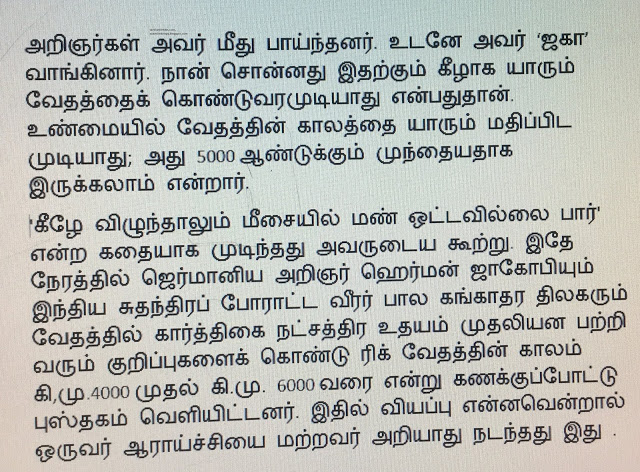
The oldest
book in the world is Rig Veda if we accept the date of Herman Jacobi and Bala
Gangadhara Tilak who independently dated Rig Veda between 4000 and 6000 BCE on
the basis of astronomical references in the Rig Veda.
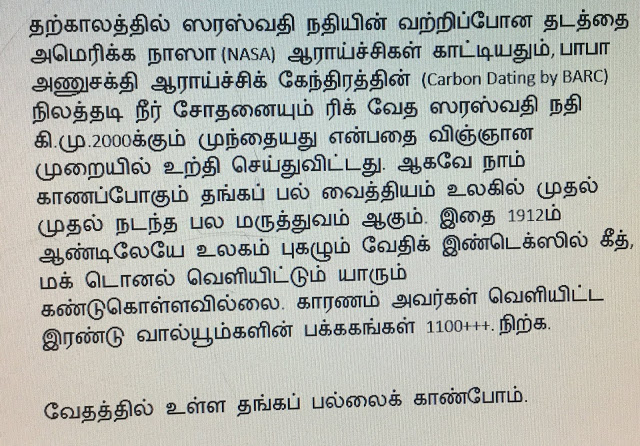
BARC carbon
dating of underground water in the Sarasvati River basin and NASA’s images of dry
beds of Sarasvati river also scientifically proved a date around or before 2000
BCE for the Rig Veda.
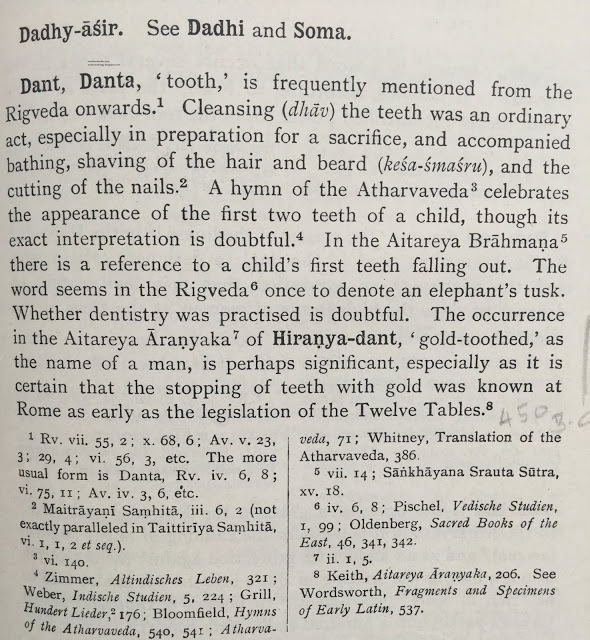
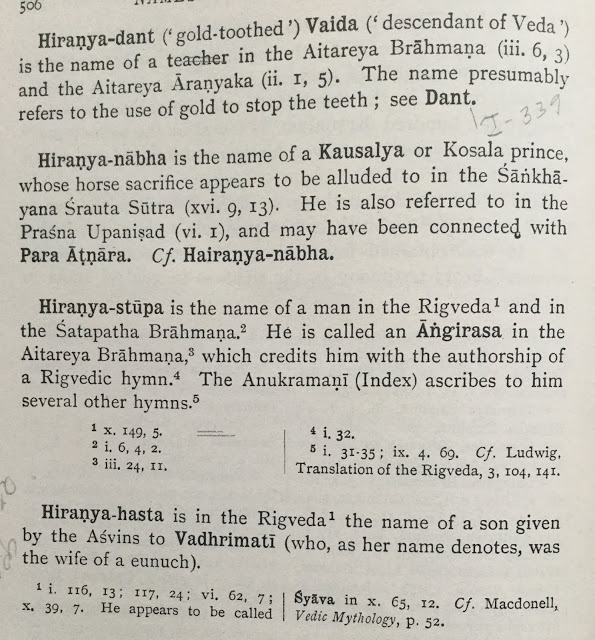
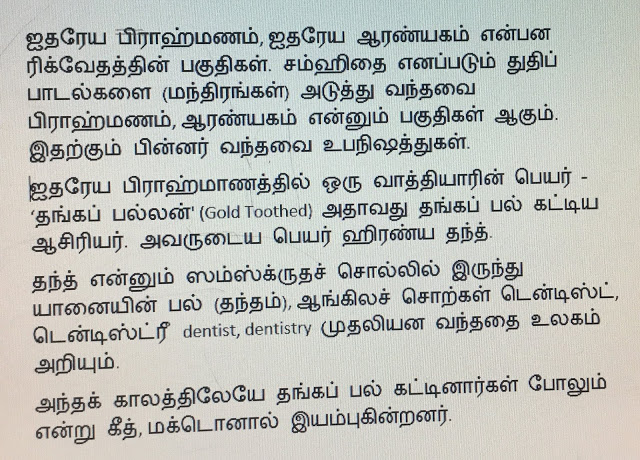
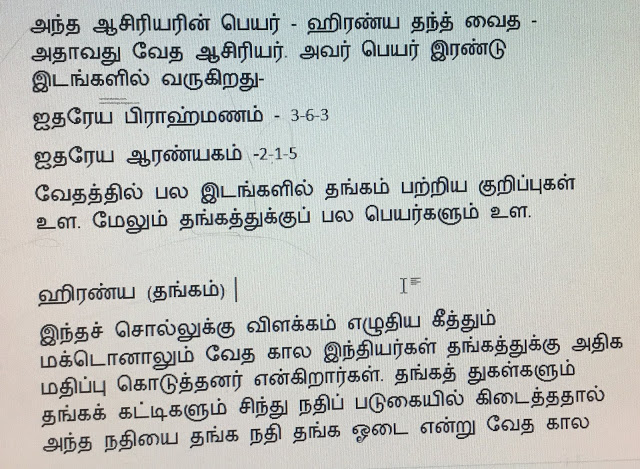
The Aitareya
Brahmana and the Aitareya Aranyaka of the RV have some references to a teacher
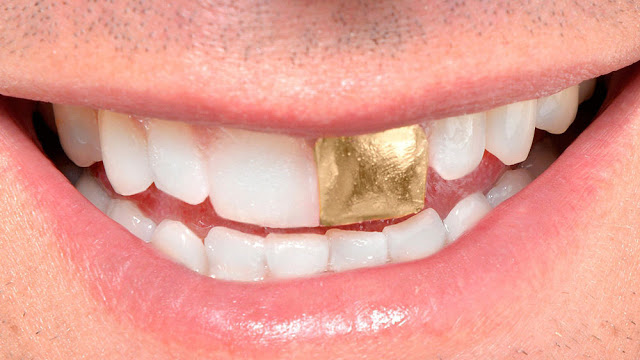
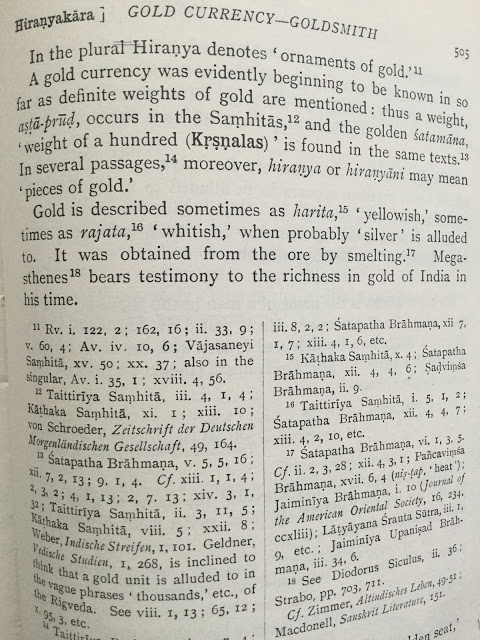
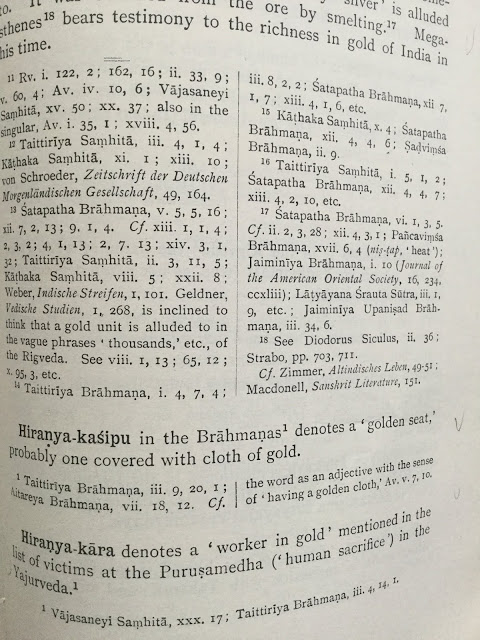
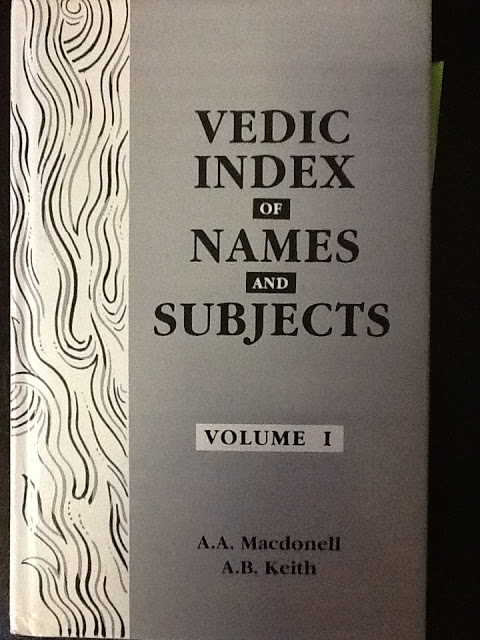
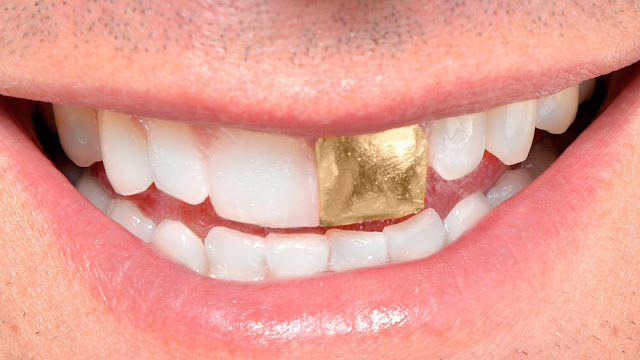
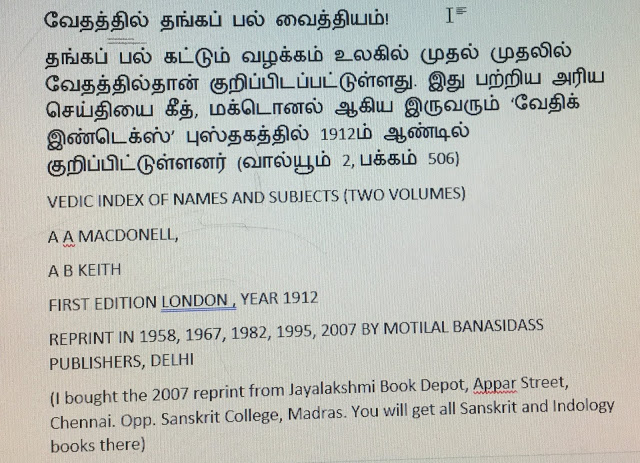
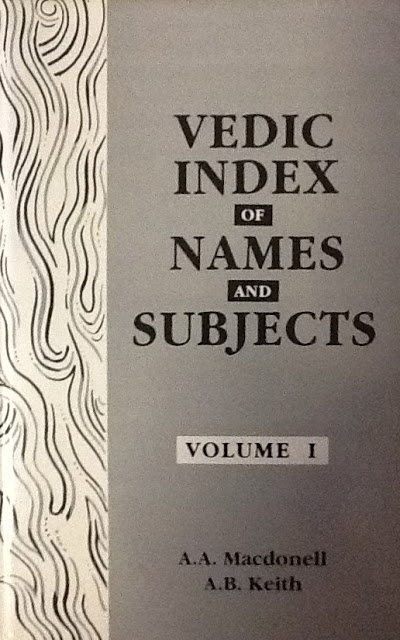
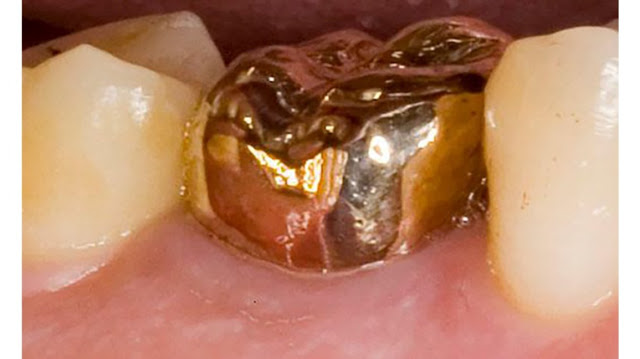
named ‘Mr.Gold tooth’ – Hiranya Dant. Keith and Macdonell in their 1912
publication of the two volume Vedic Index also noticed it and wrote that it was
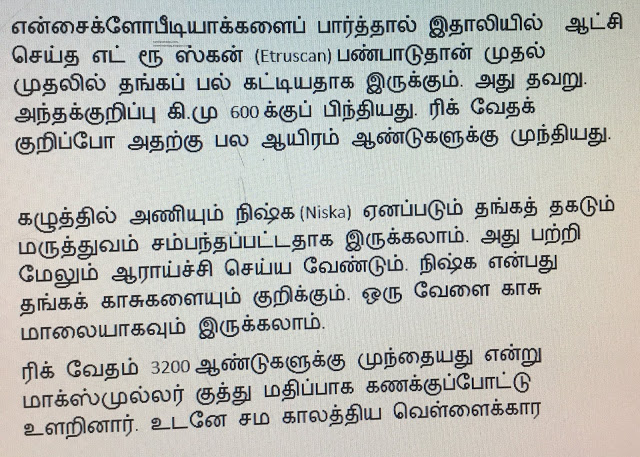
a reference to gold tooth. In spite of this, encyclopaedias mentioned Etruscans
were the first in fixing golden teeth.
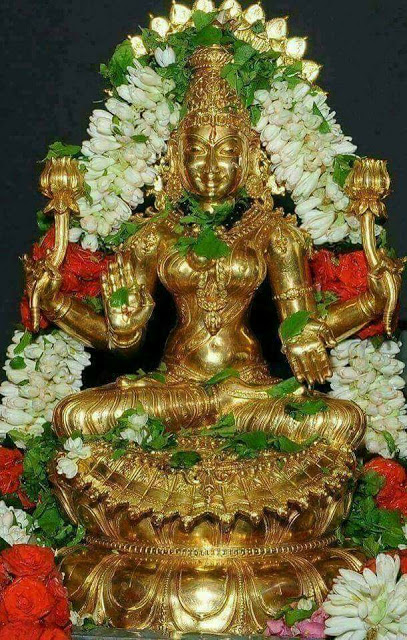
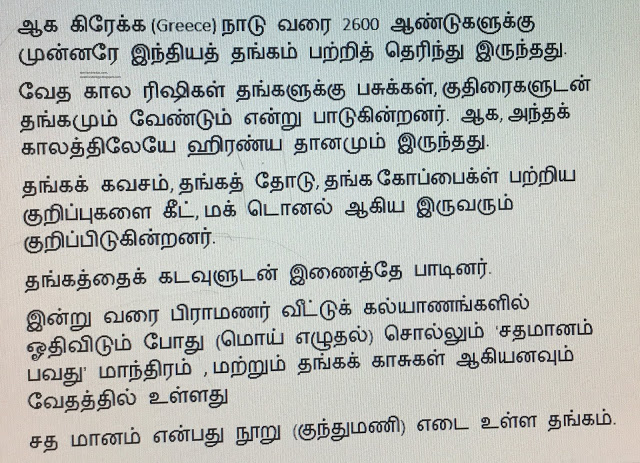
Gold was
widely used in India which is proved by the innumerable references in the Vedic
literature. Keith and Macdonell point out rich Vedic Hindus have Gold cups, ear
rings, neck plates, gold tooth, coins etc.
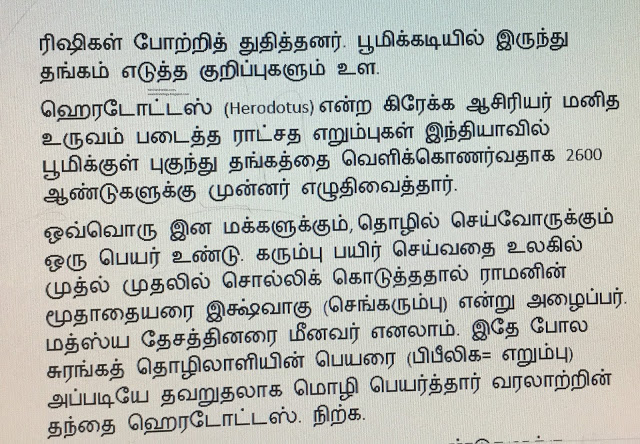
Even
Herodotus mentioned about the mysterious ‘Giant Ants’ entering the ground to
pick up gold in India. He mistook the name of term for miners as Giant Ants.
Indians are very familiar with Fish people (matsya desa) sugarcane people
(Ikshvakus), Kumba karnas, Lamba Karnas etc. Poor Herodotus didn’t know it.
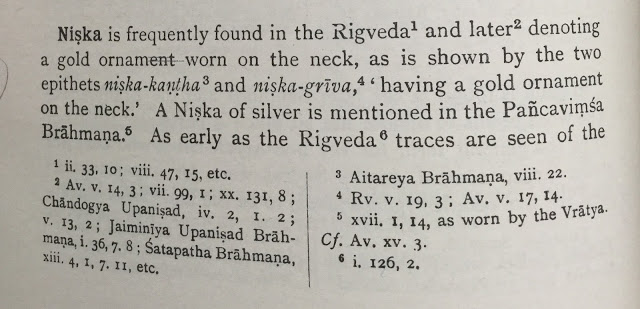
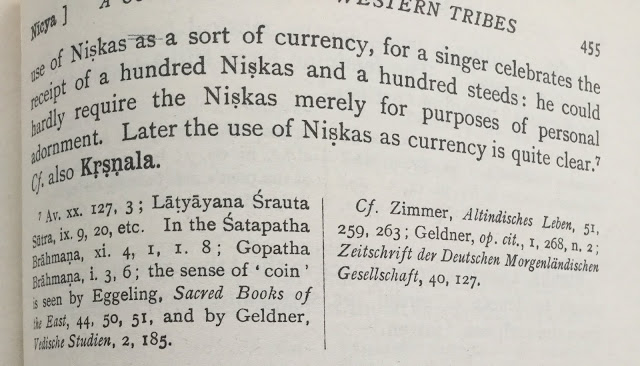
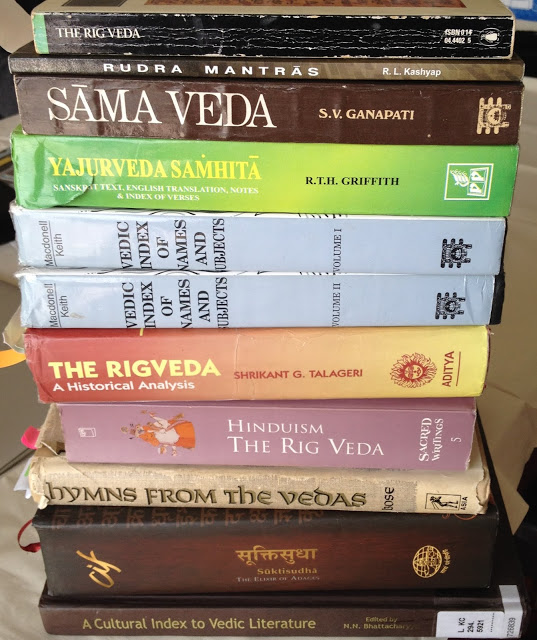
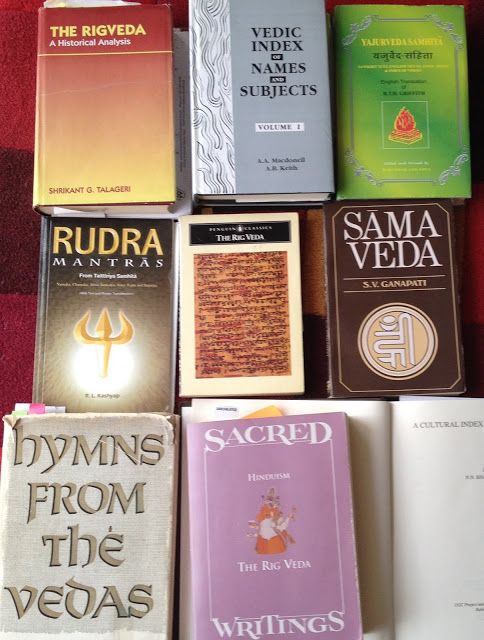
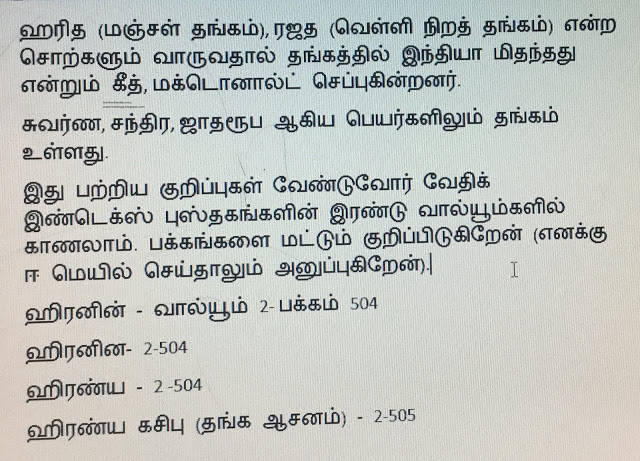
Following
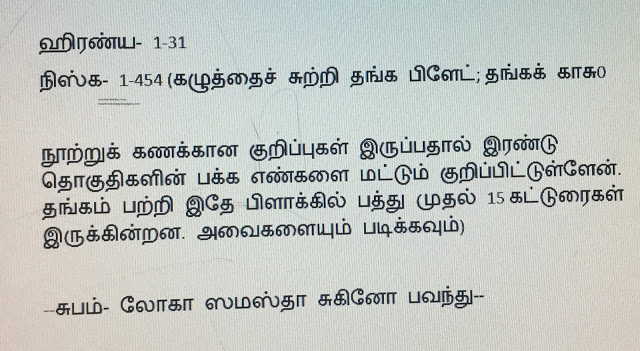
pages were taken from Vedic Index. Hindus must rewrite the history of science.
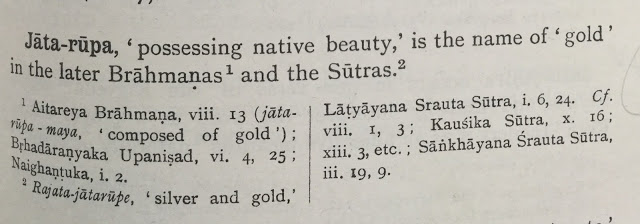
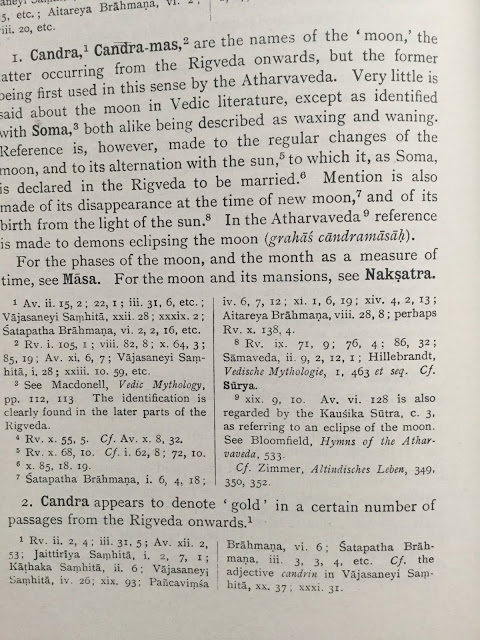
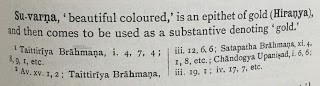
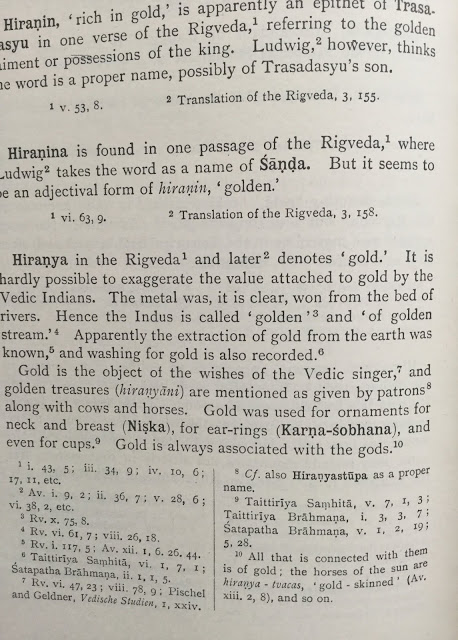
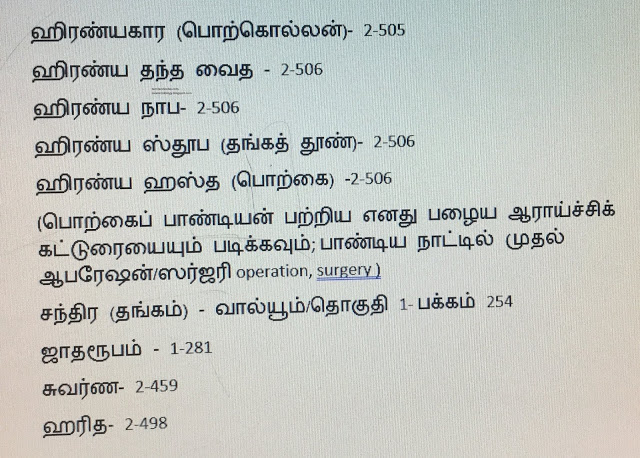
NISKADANTA – DENTAL – DENTISTRYJATA RUPA = GOLDCANDRA = GOLD
Pictures are taken from various sources; beware of copyright rules; don’t use
them without permission; this is a non- commercial, educational blog; posted in
swamiindology.blogspot.com and tamilandvedas.com simultaneously. Average hits
per day for both the blogs 11,000.
Pictures are taken from various sources; beware of copyright rules; don’t use
them without permission; this is a non- commercial, educational blog; posted in
swamiindology.blogspot.com and tamilandvedas.com simultaneously. Average hits
per day for both the blogs 11,000.
Pictures are taken from various sources; beware of copyright rules; don’t use
them without permission; this is a non- commercial, educational blog; posted in
swamiindology.blogspot.com and tamilandvedas.com simultaneously. Average hits
per day for both the blogs 11,000.
Pictures are taken from various sources; beware of copyright rules; don’t use
them without permission; this is a non- commercial, educational blog; posted in
swamiindology.blogspot.com and tamilandvedas.com simultaneously. Average hits
per day for both the blogs 11,000.
On 6th
September 2019, I visited Sri Skandashramam Temple in Selaiyur, Chennai-73
The
temple is situated near busy roads of East Tambaram. But inside the temple one
could see a serene atmosphere. When I went there, ladies were reciting slokas in the
Bhuvaneshwari shrine. Since photography inside the temple is prohibited, I bought
two books and reproduce some pictures here from the books. For some reason Sri
Shanthanantha of Pudukkottai installed unusual and huge idols in two or three
places in Tamil Nadu. He installed peaceful Bhuvaneswari idol along with the
ferocious Ugra Prathyankara Devi and Sri Sarabeswarar. The reason for this, I believe,
is to protect Hinduism and India from ‘adharmic’ (anti social, anti religious) forces.
Because he used to tell us that he was doing all the Yajnas for the welfare of
the society. Since Swamiji Krishna of Ayakkudi (Tenkasi), told us that he had
seen him doing Tapas deep inside forest we believed in him completely.
Our family
was associated with Sri Santhanantha from his early pubic appearance. When he
organised Sahasra Chandi Mahayajnam in Pudukkottai, for the welfare of the world
in 1963, my father and News Editor Sri V Santanam gave huge publicity in
Dinamani News paper. I and my brother were students at the time and we ran the
book shop at Adi Vethi of Sri Meenakshi Sundareswara Temple, Madurai where Sri
Anantha Rama Deekshitar was doing Ramayana Upanyasa/discourse to raise funds
for the Yajna. If I remember correct it was done for 40 days.
Whenever
Sri Santhananda Swamigal visited Madurai, he used to visit my father and had
Bikshai at our house. He was very tall and had rolling matted locks. He looked
like a Vedic Rishi. His hair used to touch the ground. His cheeks were rosy
like a young woman. He had Tejas (divine light, fire and brightness) in his face. I have met so many matted lock
swamijis, but I have never seen any one with such Tejas.
In his
early days, he took three handful of food only. When my mother cooked all sorts
of delicious dishes he just asked her to mix all together and give only three handful
of food. When my mother did thi,s tears rolled down her cheeks. When she came
out of the kitchen she told us that in spite of her serious , laborious,
careful cooking, he just had thee handfuls only. He did mantra Upadesa to us. I
met him again when I went to India in 2000 or 2001. Since he was very ill at
that time he came out for a minute and accepted my pranams and offerings.
Since I visited Bhuvaneswari temple then, I made it a point to visit Skandashramam Temple in Chennai this time.
Following
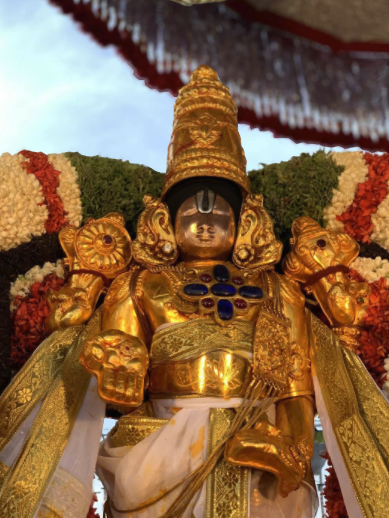
pictures will show what he established in Pudukkottai and Selaiyur, Chennai.
Pictures are taken from various sources; beware of copyright rules; don’t use them without permission; this is a non- commercial, educational blog; posted in swamiindology.blogspot.com and tamilandvedas.com simultaneously. Average hits per day for both the blogs 11,000.
Pictures are taken from various sources; beware of copyright rules; don’t use
them without permission; this is a non- commercial, educational blog; posted in
swamiindology.blogspot.com and tamilandvedas.com simultaneously. Average hits
per day for both the blogs 11,000.
பாக்யா 1-9-19
இதழில் அறிவியல் துளிகள் பகுதியில்
வெளியாகியுள்ள ஒன்பதாம் ஆண்டு பதினைந்தாம் கட்டுரை – அத்தியாயம் 431
ஜப்பானியப் பெண்மணியான மாரி காண்டோ சந்தோஷம் அடைவதற்கான
வழிமுறையைக் காண்பித்துப் புகழ் பெற்ற நிலையில், இன்னொரு பெண்மணி பழக்கவழக்கத்தை
நல்ல விதமாக மாற்றினால் சந்தோஷம் அடையலாம் என்கிறார்.
சந்தோஷமான வாழ்க்கையை அமைத்துக் கொள்வது நம் கையில் தான்
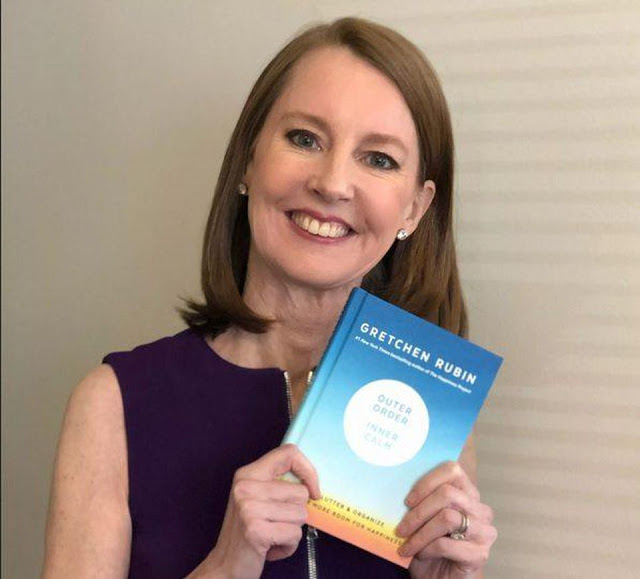
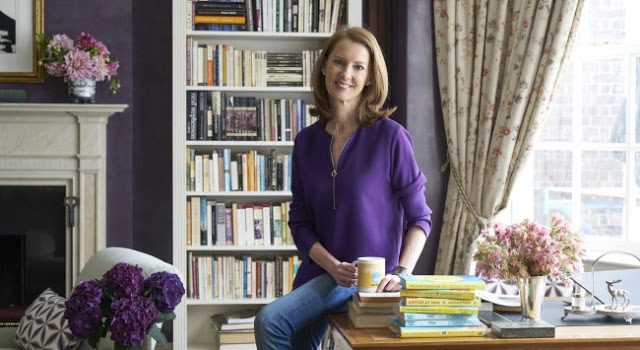
இருக்கிறது, வாரீர், அது சுலபமானதும் கூட என்கிறார் அமெரிக்கப் பெண்மணியான க்ரெட்சென்
ரூபின் (Gretchen Rubin)
இவரது பத்துக்கும் மேற்பட்ட புத்தகங்கள் பல லட்சம் பிரதிகள்
விற்பனையாகி விட்டன; முப்பதுக்கும் மேற்பட்ட மொழிகளில் மொழி பெயர்க்கப்பட்டுள்ளன.
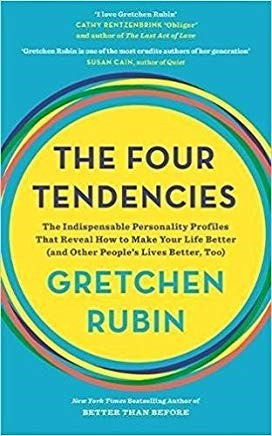
இவரது முக்கியமான புகழ்பெற்ற இரு புத்தகங்கள் : The Four
Tendencies, Better Than Before ஆகியவை.
க்ரெட்சென் மிஸௌரியில் உள்ள கான்ஸாஸ் நகரில் 1965ஆம் ஆண்டு
டிசம்பர் மாதம் 14ஆம் தேதி பிறந்தார். இளமையிலிருந்தே ஒருவரின் பழக்கவழக்கங்கள்
அவர் வாழ்க்கையில் எவ்வளவு முக்கிய பங்கு வகிக்கிறது என்பதை ஆராய ஆரம்பித்தார்.
சட்டம் படித்து பிரபல நீதிபதி ஒருவரிடம் வேலை பார்த்த அவர் பழக்க வழக்கங்களைப்
பற்றிய தனது கண்டுபிடிப்புகளை புத்தக வடிவில் தந்ததோடு அதற்கான கருத்தரங்கம்,
பயிற்சி உள்ளிட்டவற்றை நடத்த ஆரம்பித்தார். மக்கள் ஆவலுடன் அவர் சொல்வதைக்
கேட்டுத் தங்களுக்கு உதவாத பழக்கங்களை உதறி விட்டுத் தங்களை மாற்றிக் கொள்ள
ஆரம்பித்தனர்.
மனிதனின் அன்றாட வாழ்க்கை 40 விழுக்காடு பழக்கத்தின்
அடிப்படையிலேயே அமைகிறது என்கிறார் க்ரெட்சென்.
மனிதர்கள் ஒருவர் போல இன்னொருவர் இல்லை; ஆக இவர்கள் தங்களை
மாற்றிக் கொண்டு சந்தோஷமான வாழ்க்கையை அமைத்துக் கொள்ள வேண்டுமென்றால் முதலில்
தாங்கள் எந்த வகையைச் சேர்ந்தவ்ர் என்பதைப் புரிந்து கொள்ள வேண்டும்.
மனிதர்களை நான்கு வகையாகப் பிரிக்கிறார் க்ரெட்சென்.
UPHOLDER
(திட்டமிட்டு உயர்பவர்)
இந்த வகை மனிதர்களுக்கு தாங்கள் என்ன செய்யப்போகிறோம் எப்போது
செய்யப் போகிறோம் என்ற திட்டம் மிகவும் முக்கியம். காலை முதல் இரவு வரை, திங்கள்
முதல் ஞாயிறு வரை என்ன செய்ய வேண்டும் என்பது பற்றிய திடமான திட்டம் கொண்ட
இவர்களுக்குச் சற்று தூண்டுதல் தேவை.
தங்களது உள்ளார்ந்த விருப்பங்களை
நிறைவேற்றிக் கொள்ள வேண்டுமென்றால் இவர்கள் எப்படியாவது உந்தப் பட வேண்டும்.
தங்களின் செயல்பாடுகளை இவர்கள் அவ்வப்பொழுது மதிப்பீடு செய்து கொண்டே
இருப்பார்கள். இவர்கள் வெற்றி பெற ஒரு சிறந்த உத்தி இவர்கள் இன்னொருவருடன் கூட்டு
சேர்வது தான். அடிக்கடி கூட்டாளியால் உந்தப்பட உந்தப்பட இவர்கள் முன்னேறலாம்.
தங்கள் வாழ்க்கை சிறப்பதைக் கண்டு ஆனந்தம் அடையலாம்.
QUESTIONER
(கேள்வி கேட்பவர்)
எதையும் கேள்வி கேட்டுத் தெளிந்து கொண்ட பின்னரே செயலைச் செய்ய
முற்படும் இவர்களுக்கு எதிலும் தெளிவு தேவை. எதைச் செய்ய வேண்டும், எதற்காகச்
செய்ய வேண்டும் – இது தெரியாவிட்டால் இவர்கள் ஒன்றையும் செய்ய மாட்டார்கள். இவர்களுக்கான
சரியான உத்தி மேற்பார்வையிடல் (Monitoring) தான்!
தனக்குத் தானே கூட இவர்கள் அவ்வப்பொழுது தங்களைச் சரி பார்த்துக் கொண்டால்
இவர்களுக்கு அமைவது சந்தோஷமான வாழ்க்கையே. எதிலிருந்தும் தப்பிக்கும் வழியைப்
பார்ப்பது இவர்கள் பழக்கம்; அதைக் கண்காணித்து அலசி ஆராய்ந்தால் போதும் இவர்கள்
தங்களது கெட்ட பழக்க வழக்கங்களை விட்டுவிட்டு வெற்றி பெறலாம்.
உடல் பயிற்சி செய்வது அவசியம் தான், எனக்கும் அது
பிடிக்கும்; ஆனால் வெளியில் ஒரே குளிராக இருக்கிறதே – இது தான் இவர்களின் தப்பிக்க
முயலும் வழி. இதை உன்னிப்பாகப் பார்த்துத் தவிர்த்தால் இவர்கள் வெற்றி நிச்சயம்.
OBLIGER
(சொன்னால் கேட்பவர்)
இந்த வகை மனிதர்கள் கணக்குக் காட்டும் பொறுப்புடமை என்ற
பழக்கத்தை மேற்கொண்டால் அவர்களின் வாழ்க்கை மாறும். கெட்ட பழக்கத்திலிருந்து
மீண்டு வர கடமை பற்றிய பொறுப்புணர்வு தேவை. எந்த காரியத்தை எப்போது முடிக்க
வேண்டும், அதற்கு உதவுபவர் யார், மருத்துவரா, பயிற்சியாளரா, அல்லது நண்பர்களா, (ஏன்
குழந்தைகளாகக் கூட இருக்கலாம்) – அவர்களை இனம் கண்டு இவர்கள் முன்னேறலாம்.
தங்களுக்காக இல்லாதது போலவும் மற்றவர்களுக்காக செய்வது போலவும் இவர்கள்
சொல்வார்கள் – குழந்தை பிறக்கட்டும் பார், சிகரட் பிடிப்பதை நிறுத்தி விடுவேன்! -இது
இவர்களின் போக்கு.
இவர்களுக்கு
கண்காணிப்பும் மேற்பார்வையும் தேவை. இவர்களைச் சுற்றி யார் இருக்கிறார்கள் என்பதை
முக்கியமாகக் கவனிக்க வேண்டும். நல்ல நட்பு, நல்ல சுற்றத்தார் என்ற வட்டத்தை
அமைத்துக் கொண்டால் போதும் வெற்றிகரமான சந்தோஷ வாழ்க்கை இவர்களுக்கு அமைவது
நிச்சயம். இவர்களுக்கு ஊக்குவிக்க அவ்வப்பொழுது ஒரு பாராட்டு விருந்து தேவை.
REBEL
(புரட்சியாளர்)
எதிலும் புரட்சியை விரும்பும் இவர்களின் முதல் ஆசை தன்னை
அனைவரும் மதிக்க வேண்டும் என்பது தான். எதிலும் தெளிவு தேவை என்பதால் எதற்காக, ஏன்
என்ற கேள்விகளுக்கு இவர்கள் விடை கண்டால் போதும், செயல் பட ஆரம்பிப்பார்கள்.
எதையாவது செய்யச் சொன்னால் அதற்கு உடனே மறுப்பு தெரிவிக்கும் சுபாவத்தை இயல்பாகவே
கொண்டிருக்கும் இவர்களுக்கு, திட்டமிடல், கணக்குக் காட்டல் உள்ளிட்ட எதுவும்
வேலைக்கு ஆகாது. எதையும் வித்தியாசமாகச் செய்ய விரும்பும் இவர்களுக்கு காரண காரியத்துடன்
எதையும் விளக்கினால் தங்கள் பழக்க
வழக்கங்களை மாற்றிக் கொண்டு இவர்கள் வெற்றி பெறுவார்கள்.
இனி பிடிவாதமாக நம்மை ஆட்டிப் படைக்கும் கெட்ட
பழக்கங்களிலிருந்து எப்படி விடுபடுவது என்பதையும் நன்கு ஆராய்ந்து 21 உத்திகளை
க்ரெட்சென் நமக்கு வழங்குகிறார்.
நான்கு வகை மனிதர்களில் நாம் எந்த வகை என்பதை நமக்கு நாமே
கேட்டுத் தெரிந்து கொண்டால் இந்த உத்திகளில் நாம் முன்னேறுவதற்கான வழிகளைத்
தேர்ந்தெடுத்துக் கொள்ளலாம்.
சந்தோஷமான வாழ்க்கைக்கு அடிப்படையானவை நல்ல பழக்க வழக்கங்களே.
அவற்றைக் கைக்கொள்வதற்கான உத்திகளில் முக்கியமான சில:
முதலில் நான்கு வகை
மனிதர்களில் நீங்கள் எந்த வகை என்பதைக் கண்டுபிடியுங்கள்.
எது உங்களுக்கு உதவும் வழி
என்பதை நிர்ணயித்துக் கொள்ளுங்கள் (அடுத்தவருக்கு உதவும் ஒரு வழி உங்களுக்கு உதவ
வேண்டும் என்பதில்லை)
பழக்க வழக்கங்களை அன்றாடம்
மேற்பார்வையிடுங்கள்
நல்ல பழக்கங்களுக்கான
அஸ்திவாரம் அமையுங்கள்
அதற்கான திட்டத்தை வகுத்துக்
கொள்ளுங்கள் (‘புரட்சியாளர்களுக்கு’ இது
உதவாது)
கணக்குக் காட்டும் பொறுப்பை
– கடமைப் பொறுப்பை கடைப்பிடியுங்கள் (‘சொன்னால் கேட்பவருக்கு’ இது
சந்தோஷமாக இருக்கும்)
பழக்கவழக்க மாற்றத்தை
மேற்கொள்ளும் முதல் வாய்ப்பைப் பாருங்கள்; அதைப் பயன்படுத்துங்கள். தொடர்ந்து
வரும் வாய்ப்புகளைப் பயன்படுத்தத் தவறாதீர்கள்
தப்பிக்க வழியைக்
கண்டுபிடிக்கும் மனப்பான்மை பற்றி கவனத்தோடு இருங்கள்
உங்கள் கவனத்தைச் சிதற விடுபவை எவை என்பதைக்
கண்டு பிடித்து அவற்றின் மீது கவனமாக இருங்கள்
மாறிய வாழ்க்கை முறை
சந்தோஷத்தைத் தருவதாக இருப்பின் உடனடியாக உங்களுக்கு நீங்களே ஒரு பாராட்டு
விருந்தை அளித்துக் கொள்ள மறவாதீர்கள். தொடர்ந்து முன்னேறுங்கள்
உங்களுக்கு உதவும்
கூட்டாளியுடன் சேருங்கள்
எதிலும் தெளிவாக இருங்கள்
உங்களின் தனி அடையாளத்தை
உறுதிப் படுத்துங்கள்
தேவையற்ற பழக்கங்களை அகற்ற ஒரு தினசரி டயரி கூட
ஏற்படுத்திக் கொண்டு நமது முன்னேற்றத்தைப் பதிவு செய்து வரலாம்.
ஆயிரக்கணக்கானவர்கள் உலகெங்கும் இந்த உத்திகளால் மகிழ்ச்சிகரமான வாழ்க்கையை அமைத்துக் கொள்ளும் போது நம்மால் முடியாதா என்ன?
அறிவியல் அறிஞர் வாழ்வில்
.. ..
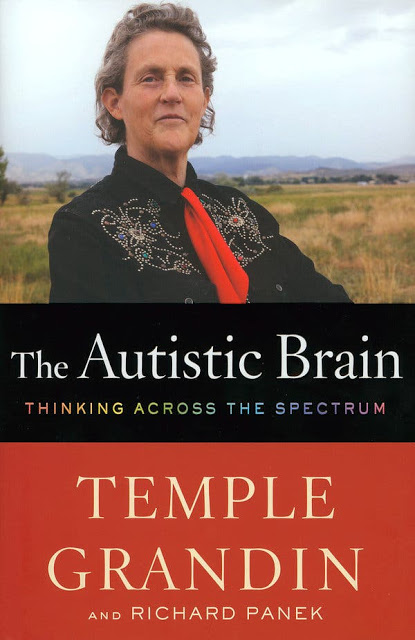
ஆடிஸம் (Autism)
என்னும் தன் பித்த நோயால் பாதிக்கப்பட்டு மீண்டவர் பிரபல
அறிவியல் பெண்மணியான டெம்பிள் க்ராண்டின் (Temple
Grandin). 1947, ஆகஸ்ட் 29ஆம் தேதி பிறந்த இவருக்கு வயது
72. சிறு குழந்தைகளில் சில குழந்தைகள், தங்கள் கற்பனை உலகில் வாழ்ந்து தன் பித்த
நோயினால் மன இறுக்கத்தைக் கொள்வதைக் கண்டு கொண்ட இவர் அதைப் போக்க தன் 17ஆம்
வயதிலேயே ஹக் மெஷின் (Hug Machine) எனும்
அழுத்தம் கொடுத்து அணைக்கும் ஒரு சாதனத்தைக் கண்டுபிடித்தார்.
ஒரு நாள் மாட்டுத்
தொழுவத்தில் மாடுகளுக்கு ஊசி போடும் போது அவைகளை இப்படி அழுத்தம் கொடுத்து அணைத்து
அவைகளின் இறுக்கத்தைப் போக்கும் வழிமுறையைக் கண்டார். ஏன், அதை மனிதர்களுக்கும்
பயன்படுத்தக் கூடாது என்று நினைத்த டெம்பிள் தனது புது சாதனத்தைக் கண்டு
பிடித்தார். இன்று ஆடிஸம் நோயினால் பாதிக்கப்படுவோருக்கு இந்த சாதனம் பெரிதும்
பயன்படுகிறது. இவரைப் பற்றிய Temple Grandin என்ற திரைப்படம்
புகழ் பெற்ற ஒன்று. 2010இல் டைம் பத்திரிகை உலகின் சிந்தனைப் போக்கை மாற்ற வல்ல
நூறு பேரில் இவரையும் ஒருவராகத் தேர்ந்தெடுத்தது. விலங்கியலில் மிகவும் புகழ்
பெற்ற இவரின் இன்றைய சொத்து மதிப்பு 10 லட்சம் டாலர்கள்! ‘Calling
All Minds’ என்ற இவரது புத்தகம் மிகவும் புகழ் பெற்ற
ஒன்று. ஆடிஸம் நோயினால் பாதிக்கப்பட்டோரைச் சுற்றி இருப்பவர்கள் படும் மன வேதனை
சொல்லி மாளாத ஒன்று. அவர்களுக்கு ஆடிஸம் நோயைப் போக்க என்ன செய்ய வேண்டும்
என்பதைக் கற்பித்த இவர் உலகின் தலை சிறந்த மனிதாபிமானியாகக் கருதப்படுகிறார்.
Pictures are taken from various sources; beware of copyright rules; don’t use them without permission; this is a non- commercial, educational blog; posted in swamiindology.blogspot.com and tamilandvedas.com simultaneously. Average hits per day for both the blogs 11,000.
Pictures are taken from various sources;
beware of copyright rules; don’t use them without permission; this is a non-
commercial, educational blog; posted in swamiindology.blogspot.com and
tamilandvedas.com simultaneously. Average hits per day for both the blogs
11,000.
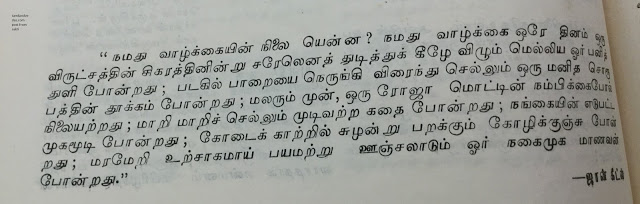
வாழ்க்கை பற்றி கீட்ஸ் எழுதிய வரிகளை கண்ணதாசன் பாடலுடன் ஒப்பிடலாம்
John Keat’s Poem Sleep and Poetry
(Lines 85-95)
Stop and consider! life is but a day;
A fragile dew-drop on its perilous way
From a tree’s summit; a poor Indian’s sleep
While his boat hastens to the monstrous steep
Of Montmorenci. Why so sad a moan?
Life is the rose’s hope while yet unblown;
The reading of an ever-changing tale;
The light uplifting of a maiden’s veil;
A pigeon tumbling in clear summer air;
A laughing school-boy, without grief or care,
Riding the springy branches of an elm.
போனால் போகட்டும் போடா போனால் போகட்டும் போடா – இந்த பூமியில் நிலையாய் வாழ்ந்தவர் யாரடா? போனால் போகட்டும் போடா
ஒஹோஹோ… ஒஹோஹோ…
வந்தது தெரியும் போவது எங்கே வாசல் நமக்கே தெரியாது வந்தவரெல்லாம் தங்கிவிட்டால் – இந்த மண்ணில் நமக்கே இடமேது? வாழ்க்கை என்பது வியாபாரம் – வரும் ஜனனம் என்பது வரவாகும் – அதில் மரணம் என்பது செலவாகும்
——போனால் போகட்டும் போடா
இரவல் தந்தவன் கேட்கின்றான் – அதை இல்லை என்றால் அவன் விடுவானா? உறவைச் சொல்லி அழுவதனாலே உயிரை மீண்டும் தருவானா? கூக்குரலாலே கிடைக்காது – இது கோட்டைக்குப் போனால் ஜெயிக்காது – அந்தக் கோட்டையில் நுழைந்தால் திரும்பாது
—போனால் போகட்டும் போடா
…
எலும்புக்கும் சதைக்கும் மருத்துவம் கண்டேன் இதற்கொரு மருந்தைக் கண்டேனா? இருந்தால் அவளைத் தன்னந்தனியே எரியும் நெருப்பில் விடுவேனா? நமக்கும் மேலே ஒருவனடா – அவன் நாலும் தெரிந்த தலைவனடா – தினம் நாடகமாடும் கலைஞடா —-போனால் போகட்டும் போடா
திரைப்படம்: பாலும் பழமும் (1961) பாடியவர்: டி.எம். சௌந்தரராஜன் இசை : எம்.எஸ்.விஸ்வநாதன் வரிகள் : கவிஞர் கண்ணதாசன் xxxx
ஆசையே அலை போலே நாமெல்லாம் அதன் மேலே
ஓடம் போலே ஆடிடுவோமே வாழ்நாளிலே
ஆசையே அலை போலே நாமெல்லாம் அதன் மேலே
ஓடம் போலே ஆடிடுவோமே வாழ்நாளிலே
பருவமென்னும் காற்றிலே பறக்கும் காதல் தேரிலே பருவமென்னும் காற்றிலே பறக்கும் காதல் தேரிலே














 Tamil and Vedas