MARCH OF HISTORY – 1 (Post No.8243)

WRITTEN BY R. NANJAPPA                        

Post No. 8243

Date uploaded in London – – – 26 June 2020   

Contact – swami_48@yahoo.com

Pictures are taken from various sources for spreading knowledge; this is a non- commercial blog. Thanks for your great pictures.

MARCH OF HISTORY – 1

R. Nanjappa

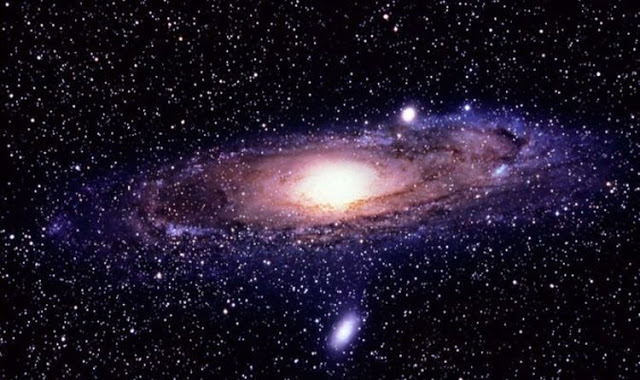
The age of the Universe is beyond human conception. It has been totally beyond the comprehension of scientists. They go on propounding theories, but with each new theory, the past recedes till farther back. Great scientists do realise their limitations. For instance, the astrophysicists speak of “the observable universe”. They know that the real universe, the whole universe goes far beyond what is observed, what can be observed. And it keeps expanding every few years. They keep  discovering  other planets like the earth. One they discovered in July 2015 they  named  Kepler-452b. They hope to find alien life there!

The Christians believed that the world  (earth) was created in 4004 BC! When scientists started applying their mind, they started with calculating the ‘geological’ age and the initial estimates in the 18th century set the age at about 96 million years.  
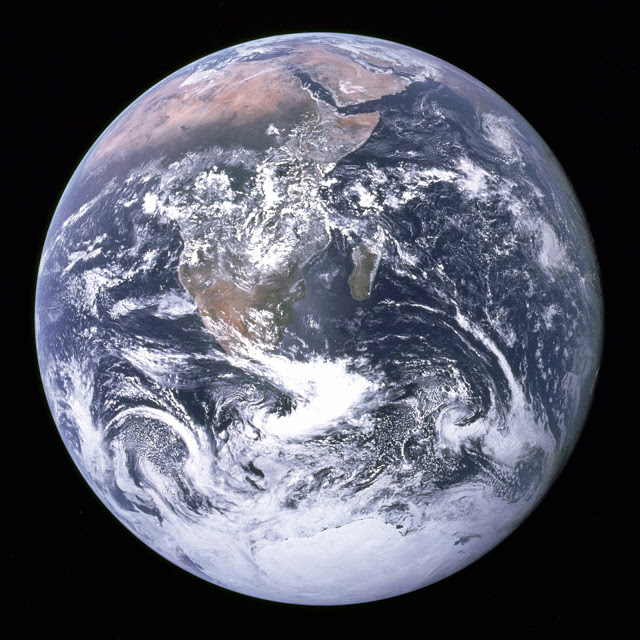

The Earth seen from Apollo 17.

In the next century, they believed that the earth as we know it was a product of accretion of several layers, and put the age between 20 million and 400 million years. Later with radiometric-carbon dating, they went farther back and now consider the earth to be 4.543 billion years old, take or leave 1%. Now the belief is that the earth and the solar system evolved around 4.58 billion years ago!

But when did “Life” start on earth? This is put at 3.5 billion years ago. Can we really comprehend what these figures mean? But let us remember that all these are “hypotheses”. There are as many hypothesis as there are disputes and disputants. The hypothesis accepted by the more powerful elements in the community pass for science, as in the case of the theory of evolution. 

The stance of the scientists is matched by the steps of the historians. They take an arbitrary date and say anything before that date is legendary, not historical. They dig up something, don’t understand it fully, but go on theorising about it nevertheless. Their power in academia confers on their guesses the status of “history”!


During the last two thousand years, Christianity destroyed every previous religion or cult deliberately, systematically, as it believed them to be false, and wanted to ‘save’ the people.
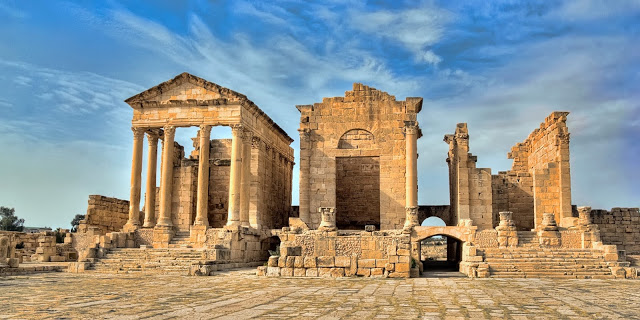
Ruins of a classical Roman temple complex in Tunisia, North Africa.

.
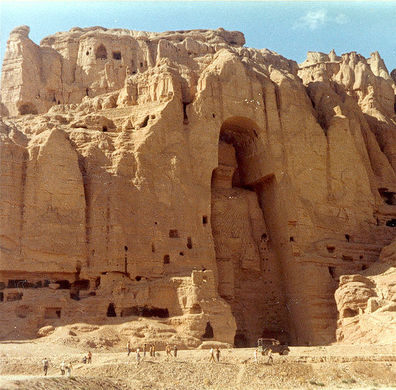
  For the last 1400 years they were joined by the Mohammedans . Wherever they ruled, they destroyed the old religions and societies. 


            Bamiyan Buddha destroyed by the Muslim Taliban in 2001
Even so, they could not extinguish the old cultural vestiges fully. In every Muslim society, there are remnants of old ethnic and cultural groups. For instance, in Pakistan, which is one of the recently created Muslim countries, there are 6  or 7 major ethnic groups, and many sects within Islam. The conflict in the Muslim world today is as much between Muslims and non-Muslims as among the Muslims themselves, who come from different ethnic backgrounds.
So called religious brotherhood has not destroyed ancient ethnic bonds.

In the Christian nations, Christian faith is thinning. Not that there are no ‘good, practising’ Christians. Nearly one third of the people there describe themselves as non-religious. But they do believe in ‘spirituality’.- not in mere dogma, or church-going. More and more, churches are getting deserted. 

A pre-Christian revival! 

At the same time, more and more people are taking up non-Christian  and pre-Christian beliefs and methods of worship. Belief in mother -goddess, regarding the world as a manifestation of divinity, etc  are aspects of universal  pre-Christian beliefs and practices which are being revived spontaneously. The main point is that they are pantheistic and polytheistic, as against the concocted and forced Christian belief in monotheism.These were labelled ‘Pagan’ by the Christians, but it seems the old Pagan deities are waking up from their long dormancy and putting organised Christianity in its place. 

TO BE CONTINUED ………………………

tags- March of History-1

***
அகத்தியரின் கைப்பிடியில் அடங்கிய சிவபெருமான்! (Post No.8242)

WRITTEN BY S NAGARAJAN                     

Post No. 8242

Date uploaded in London – – –26 June 2020   

Contact – swami_48@yahoo.com

Pictures are taken from various sources for spreading knowledge; this is a non- commercial blog. Thanks for your great pictures.

அகத்தியரின் கைப்பிடியில் அடங்கிய சிவபெருமான்!

ச.நாகராஜன்

கங்கையிற் புனிதமாய காவேரியின் மஹிமை சொல்லுக்கு அப்பாற்பட்டது.

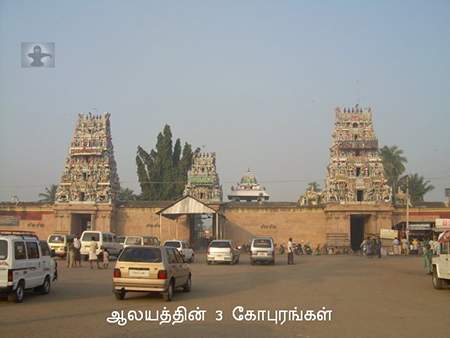
கொங்கு மண்டலத்தில் மேல்கரை அரைய நாட்டில் உள்ள தலம் கறையூர்.  திருப்பாண்டிக் கொடுமுடி என்ற தலப் பெயரைக் கொண்ட இது இந்நாட்களில் கொடுமுடி என்ற பெயரில் அழைக்கப்படுகிறது. திருச்சி –ஈரோடு இருப்புப் பாதையில் கொடுமுடி ரயில் நிலையம் இருக்கிறது.

அங்குள்ள கோவிலில் எழுந்தருளியிருப்பவர் மகுடேசர்.

இறைவியின் திருநாமம்:  மதுரபாஷிணி,திரிபுரசுந்தரி, பண்மொழிநாயகி, வடிவுடைநாயகி.

மகுடேஸ்வரரைப் பற்றிய வரலாறு சுவையானது.

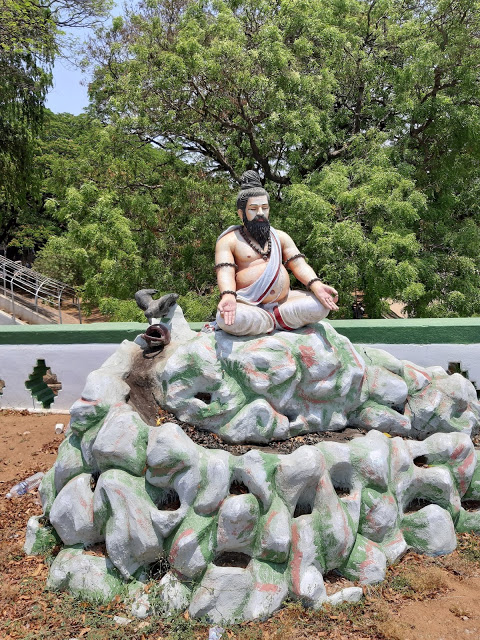
பூச்சாத்த முடியாத படி மிக உயர்ந்த சிவலிங்கமாக விளங்கினார் மகுடேசர். அவரை அகத்தியர் தன் கைப்பிடியில் அடங்கச் செய்ய பூமியில் தாழ்ந்தார் மகுடேசர்.

அகத்தியர் தன் கமண்டலத்துள் அடக்கிக் கொண்டு வந்த காவேரி ஆறானது கீழே தரையில் படிந்து ஓடுமாறு விநாயகர் காக்கை வடிவம் எடுத்துக் கமண்டலத்தைக் கவிழ்த்தார். பெருகி ஓடும் காவேரி மீது முனிவர் கோபப்பட்டார்.

உடனே பெண் வடிவாக அகத்தியர் முன் தோன்றிய காவேரி, “ஐயனே! சிவபிரானின் கட்டளையால் விநாயகர் கமண்டலத்தைக் கவிழ்த்தது தெரிந்தும் கூட என் மீது கோபப்படுதல் தகுமோ என்று கூற முனிவர் சாந்தமடைந்து ஆலயத்தினுள் நுழைந்தார்.

மகுடேசர் ஒரு திருவிளையாடலை நடத்தக் கருதி பாதாளத்தில் அழுந்தினார்.

பிராட்டியார் திருமணச் சேவையைக் காணாது (இறைவன் – இறைவியின் திருமணக் காட்சியைக் காணாமல் அகத்தியர் தெற்கு நோக்கி வந்த கதை நமக்குத் தெரியும்) என்னை அகற்றி விட்டதுமன்றி, இப்போது தரிசிக்கவும் வகையின்றிப் பாதாளத்தில் செல்கின்றாரே என்று எண்ணிய அகத்தியர் ஓடிச் சென்று அவரைக் கையால் பிடித்தார். அந்தக் கைப்பிடிக்குள் அப்படியே சிவபிரான் நின்றருளினார். அப்படியே நாளும் மகுடேசர் அங்கு விளங்குகின்றார்.

இதை கொங்கு மண்டல சதகம் 12ஆம் பாடலில் எடுத்துரைக்கிறது :-

நந்து படித்துறை சூழ்கறை யூர்தனி னம்பரைப் பூத்

தந்து படித்தருச் சிக்கவொட் டாத்திருத் தார்முடியும்

முந்து படிக்கு ளடங்கக் குறுமுனி முன்கையினால்

வந்து பிடிக்கு ளடங்கிய துங்கொங்கு மண்டலமே

கொடுமுடிப் புராணம் இந்தத் திருவிளையாடலைக் கூறும் பாடல் இது:-

விரிதிரைப் பொன்னி போக வினையமுற் றினமென் றின்னோன்

பரிவுறப் போது நின்றான் பாதலத் தடைது மென்றே

இருநிலத் திழிதல் காணா முனிவர னேங்கி மாழ்கி

பிரிவுறா வகைசெங் கையாற் பிடித்தனன் பிடிக்குள் நின்றான்

                                    (கொடுமுடிப் புராணம்)

திருப்பாண்டிக்கொடுமுடி தேவார குரவர் மூவரின் பாடல் பெற்ற தலமாகும். கொங்குநாட்டில் மூவர் தேவாரம் பெற்ற தலம் இது ஒன்றேயாகும்.

சுந்தரமூர்த்தி ஸ்வாமிகள் நமசிவாயத் திருப்பதிகம் பாடி அருளிய திருத்தலமும் இதுவே தான்!

tags — திருப்பாண்டிக் கொடுமுடி, அகத்தியன்,

***
SWAMI CROSSWORD 2562020 (Post No.8241)

WRITTEN BY LONDON SWAMINATHAN

Post No. 8241

Date uploaded in London – 25 June 2020       

Contact – swami_48@yahoo.com

Pictures are taken from various sources for spreading knowledge; this is a non- commercial blog. Thanks for your great pictures.

tamilandvedas.com, swamiindology.blogspot.com

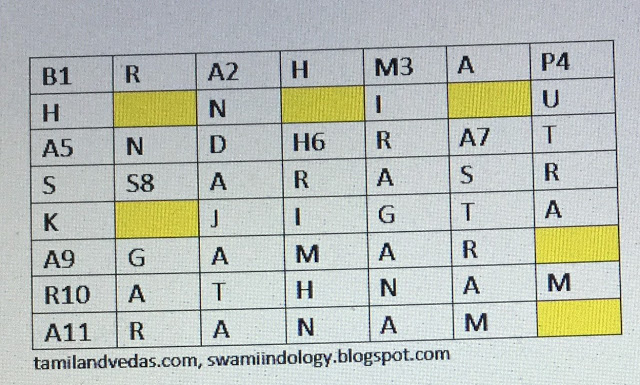
ACROSS

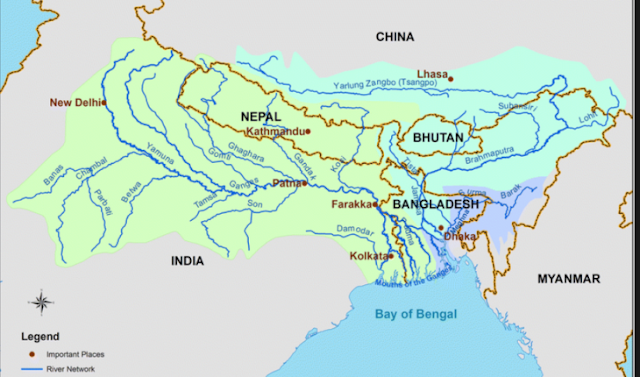
1. – 6 letters- god of creation; if you continue with No 4 (down) you will get the name of a river in Assam

5. – 6– Telegu speaking area in South India mentioned in Vedic literature

8. – lake; holy lakes have this suffix

9. –  5—books detailing temple rituals; Saivites has 28 of them

10.– 7— gem; always go with Nava/9

11. – 5—depth, chasm, abyss; usually around fort

DOWN

1. – -8 letters- name of a great mathematician and a satellite is named after him; not Aryabhatta

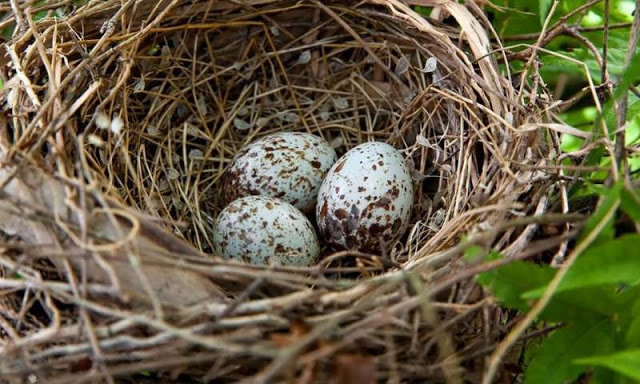
2. – 6–egg in Sanskrit

3.– 8– devotional music by a great woman of Rajasthan

4.– 5—means son; joined with No.1 (across) It means a big river coming via china into India

6. – 4– A Bhija mantra with H as the first letter

7.  – 5- mystical weapon in Hindu epics; With Brahma as suffix it is the most dangerous weapon equal to nuclear bomb

–subham–

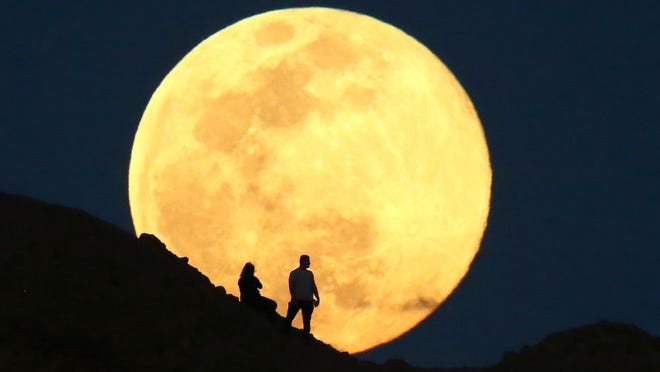
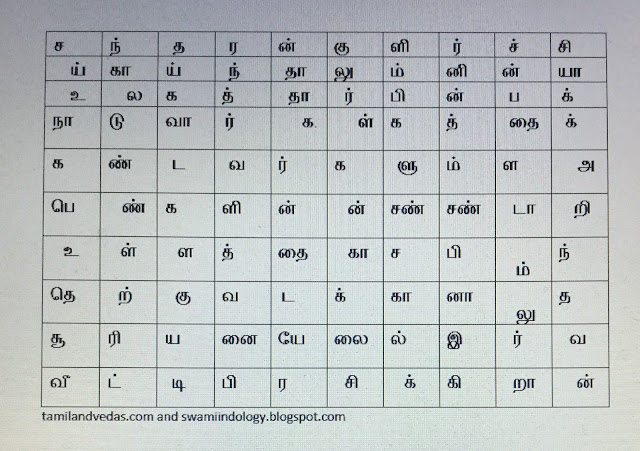
4 சந்திரன் பழமொழிகளைக் கண்டுபிடியுங்கள் (Post No. 8240)

WRITTEN BY LONDON SWAMINATHAN

Post No. 8240

Date uploaded in London – 25 June 2020        

Contact – swami_48@yahoo.com

Pictures are taken from various sources for spreading knowledge; this is a non- commercial blog. Thanks for your great pictures.

tamilandvedas.com and swamiindology.blogspot.com

ஒரே சொல் மீண்டும் மீண்டும் வந்தால் ஓரிரு இடங்களில் மட்டுமே கட்டத்தில் இருக்கும். கொண்டு கூட்டி பொருள் கொள்க . விடை கீழே உள்ளது . சில நேரங்களில் படங்களைப் பார்த்தாலும் விடை காண உதவலாம்.

விடை

1.சந்திரன் குளிர்ச்சியாய் காய்ந்தாலும் சூரியனையே உலகத்தார் நாடுவார்கள் .

2.சந்திரன் சண்டாளன் வீட்டிலும் பிரகாசிக்கிறான்

3.சந்திரன் சூரியன் தெற்கு வடக்கானாலும் பிசகான்

4.சந்திரனின் பின்பக்கத்தைக் கொண்டவர்களும் இல்லை;

பெண்களின் உள்ளத்தை அறிந்தவர்களும் இல்லை.

Source book :–

பயன்படுத்திய நூல்- கழகப் பழமொழி அகர  வரிசை, கழக வெளியீடு

சந்திரன் ,பழமொழி

–subham–

‘KA’ is Brahma – Interesting Info. from Panini and Kautilya (Post No.8239)

Ka= Brahma

WRITTEN BY LONDON SWAMINATHAN

Post No. 8239

Date uploaded in London – 25 June 2020       

Contact – swami_48@yahoo.com

Pictures are taken from various sources for spreading knowledge; this is a non- commercial blog. Thanks for your great pictures.

tamilandvedas.com, swamiindology.blogspot.com

‘KA’ is Brahma – Interesting Info. from Panini and Kautilya

Eight years ago, I wrote about the God ‘Ka’  (Prajapati, Brahma) in this blog. All Sanskrit scholars raised their brows without understanding or pretending not to understand the word ‘Ka’ in the Rig Veda (RV 10-121). The hymn itself ends with praising Prajapati (Brahma). Ka means ‘who’ as well in Sanskrit. In Sanskrit there is no interrogation mark. These half -baked scholars put interrogation mark at the end of each mantra in the hymn and started wondering or misinterpreting. But in Hindus mind, Ka is Prajapati/Brahma. If you remove the interrogation marks and read the poem/hymn it coincides with the last word Prajapati.

I have also shown that Egyptians borrowed it from us and made a hieroglyph out of it. Ka symbol means God and he is shown as the son of Pita (Ptah in Egypt).

Tamil and Sanskrit dictionaries give the meaning Prajapati. Probably Indian Rishi Mahadeva ( in Egypt he is Imhotep-Imho=Maha; tep=Dev )taught them about Vedic Mudras and Vedic Gods (Please see my 20+ articles on Egypt)

Interesting information from Panini

Kautilya who came a few centuries after Panini, proposed to Maurya Chandra Gupta a few interesting ideas.

Use religion to make money.

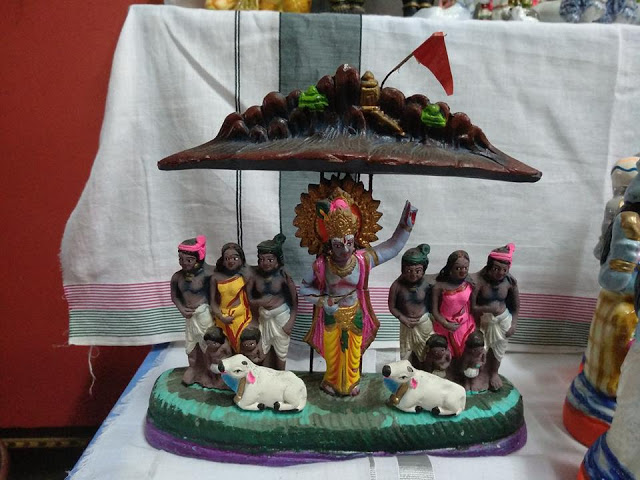
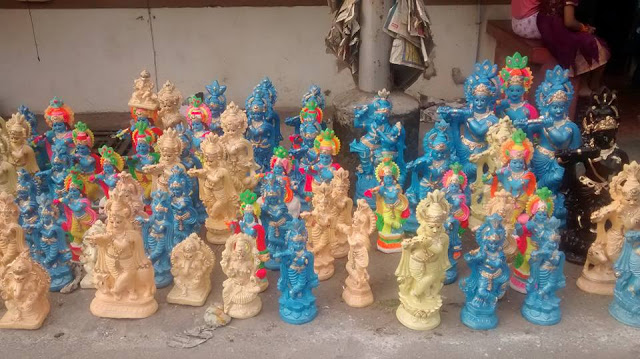
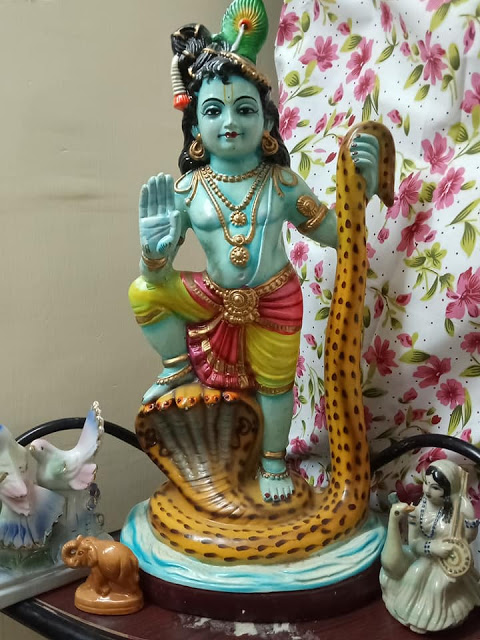
First, celebrate religious festivals ; second, make Gods’ dolls, idols and statues for sale, out of which government can make money.

Kautilya’s wonderful ideas work until today. We Hindus buy dolls of Krishna, Ganesh and Devi until this day to do Pujas on respective festival days. Religious tourism is not only popular in India, but also in other parts of the world. Mecca, Vatican City, Jerusalem and Lourdes are big businesses for Air lines, Hotels and Tourist Industry. The mementos , books and pictures they sell in these places mean huge money.

Let me come back to Panini.

Panini wrote only a grammar book with 4000 couplets in Ashtadhyayi. That and the complimentary works that came after it give encyclopaedic information about Hindu life 2700 years ago.

Panini mentions the following Vedic deities –

Agni, Indra, Bhava, Varuna, Sarva, Rudra, Mrida,

Vrishakapi, Pusha, Aryama, Twashta, Nasatya.

Mostly in 4th and 6th chapters .

I will touch only the controversial gods.

1.Vrishakapi is one of the names of lord Vishnu in Vishnu Sahasranama. When it came in humorous dialogue poem in the Rig Veda, foreigners deliberately translated it as ‘sexy monkey’ but Panini mentioned it as a god (4-1-37) along with other Gods; no fuss is made.

Second interesting thing is about

Nasatya (6-3-75); Two Ashwini Devas are known as Nasatya. The name is derived by Panini from Na Asatyaah- who are the opposite of non-truth. The other interpretation mentioned in Mahabharata and Nirukta is one who are born out of Nasa (nose) of Samnjaa, wife of Surya. Panini rejected this and went for the first one which is originally given by Aurnavabha. He lived before Yaska of Nirukta.

Third interesting thig is about ‘Ka’.

Panini refers to Prajapati under the symbolical name of Ka. Patanjali says Ka is not a pronoun (who), but the proper name of a deity.

Panini mentioned female deities as well –

Indraanii, Varunaanii ,Agnaayii , Vrishaakapaayii (4-1-37)

POST VEDIC DEITIES

Goddess Parvati’s four names are mentioned-

Bhavaanii

Sarvaanii

Rudraanii

Mridaanii (4-1-49)

Mridaani is not found later. This shows Panini lived nearer to Vedic times.

He also gives information about the worship of Month, Year, Season and Stars/Nakshatras.

He shows that Bhakti movement was there 2700 years ago. Particularly Vasudeva bhakti (Krishna Bhakti).

Temples were also there for public worship. There were temples for Kesava, Rama and Kubera (1-43-6)

Kubera worship makes interesting reading.

The reference to the bhakti of Maharaja or Kubera proves on the other hand  that Panini surely had religious bhakti in mind (4-3-97).

An important sutra 5-3-99 ‘jiivikaarthe chaapanye’ proves Panini knows images of deities in his time .

There may be images installed in temples which are not of individual ownership, and hence not for anyone’s livelihood/jiivika, or for sale/panya, but for worship/puujaartha.

If it is for sale ‘kan’ suffix is added

Siva becomes sivaka

Skanda becomes skandaka .

Both ‘chala’ and achala images with the devalakas/owners of shrines would serve for worship/puujaartha, be a source of livelihood to their care takers/owners , but not for sale/apanya.

All these are the object of Panini ‘s rule , and they would be named as siva, skanda without ‘ka’ suffix.

Greedy Maurya kings

Patanjali adds more interesting information.

Mauryan kings , ‘greedy of gold’ /hiranyaathibhih, had ordered to set up , and most probably , to sell images . it served three purposes- jiivika, panya and puujaa .

Kautilya supplies the much needed commentary on this extraordinary Mauryan measure to replenish their exchequer.

The Devtaadhyaksha , officer for religious worship, is directed to raise money  by manipulating the worship of divine images and exploiting the credulousness of the people, such as organising fairs and festivals in the holy shrines of deities – daivata chaitya- , improvising shows of miraculous Naga images with changing number of hoods, and spreading the news of other miracles etc

—Arthashastra 5-2

Kautilya got three birds in one stone – Jiivika/livelihood, Panya/sales and Puuja/divine worship. He is indeed a clever Brahmin!

–Source book – India as known to Panini, VS Agrawala, University  of Lucknow, 1953 (with my inputs )

Vedas and Egyptian Pyramid Texts – Swami’s Indology Blog

swamiindology.blogspot.com › 2012/08 › vedas-and-e…

  1.  

28 Aug 2012 – People of different races were living and ruling Egypt for 3000 years. It has a … Actually ‘Ka‘ means God or Brahma in Sanskrit and Egyptian …


Ka | Tamil and Vedas

tamilandvedas.com › tag › ka

  1.  

Translate this page

Posts about Ka written by Tamil and Vedas … Picture shows Egyptian Manu= Narmer. Did Indians build Pyramids?-Part 2 ( Please read first part before reading …

tags – Ka, Brahma, Kubera, Deities in Panini, Kautilya ideas

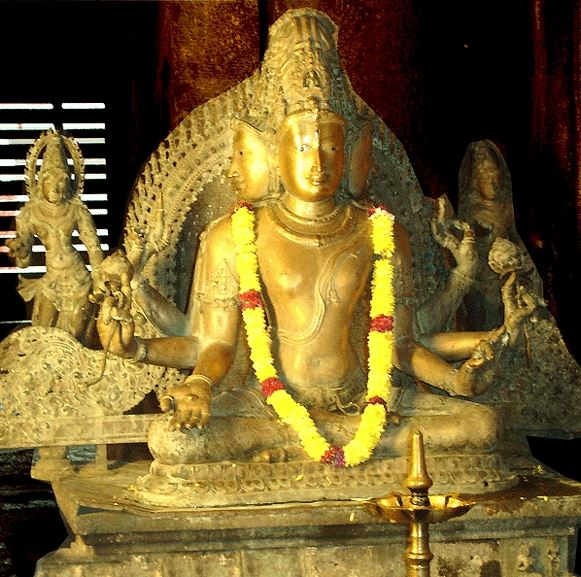
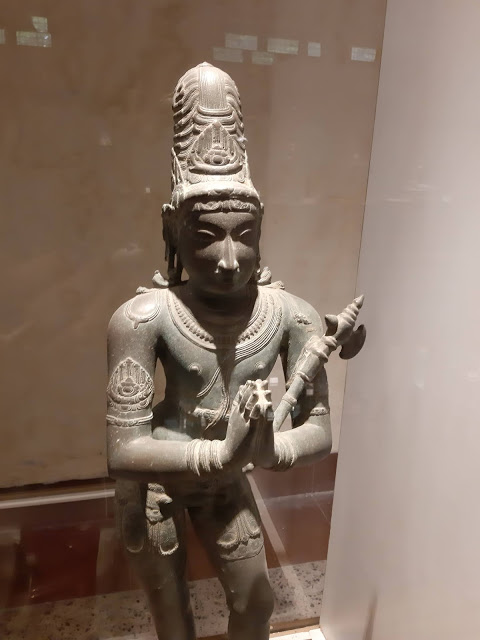
Chandikeswara

–subham–

SAINTS AND SAGES: THE JOY AND THE PAIN-2 (Post No.8238)


SAINTS AND SAGES: THE JOY AND THE PAIN-2 (Post No.8238)     WRITTEN BY R. NANJAPPA                          

Post No. 8238 Date uploaded in London – – – 25 June 2020   
Contact – swami_48@yahoo.com

Pictures are taken from various sources for spreading knowledge; this is a non- commercial blog. Thanks for your great pictures.              

SAINTS AND SAGES: THE JOY AND THE PAIN-2                                        R. Nanjappa

  Bhagavan Sri Ramana Maharshi


On his arrival in Tiruvannamalai on 1 September 1896, Bhagavan Ramana
first moved around various spots within the Big temple. Then he moved on the Eastern slope of the hill, sitting in various temples. In 1899, he came to Virupakshi cave, where he remained for 17 years. But during those days, he used to roam about extensively on the hills, in those valleys and forests. He would say that there was not an inch that he had not seen there. He had many extraordinary experiences those days. But one of them stopped his roaming on the hills. One day, an elderly woman looking like a villager, ostensibly collecting firewood  or something saw him and boldly unleashed her typical village tongue: ‘May you be carried to the burning ghat! Why can you not sit quietly in one place, in the name of God?’ (Vunnai paadaiyilae vaikka! Sivanaennu orae idattulae okkaara koodadha?) Bhagavan thought that it could be no ordinary village woman who would have addressed “swami” like that! Thereafter Bhagavan reduced and stopped his roaming!
 

Next he moved to Skandasramam in 1917, after the permanent arrival of Mother. This continued till 1922, when they shifted to the site of the  present Asramam, after the Mahasamadhi of Mother.   Bhagavan continued here for 28 years. As we saw in a previous post, each place marked a distinct stage in his ministry, and in a sense could be considered improvement on each earlier stage. (This is from our point of view- for Bhagavan, change in external surroundings did not make any difference- except that as he came to be widely known, and crowds started coming, his schedules had to change!)  

Thus we see that unlike in the case of Sri Ramakrishna or Vallimalai Swami, Bhagavan Ramana did not have to leave a place under some compulsion, and for a worse situation. But he has said that he tried thrice to get away from all the crowd and live independently, but every time something prevented him from going away!  


However, Bhagavan Ramana too suffered in the last year due to sarcoma. Some people say that he was a Jnani, above all these things. But it is a fact that there was intense pain, and he suffered. He would never complain or talk of the pain, but in the night, he would moan. He himself did not deny the pain; he would say, “yes, there is pain” but he never said He had pain!  

Jnanis live in a different state of consciousness- we cannot even begin to understand. The two distinct stages could be seen in Sri Ramakrishna- when he was in samadhi, he had no consciousness of the external world at all; once he came down to normal consciousness, he was like us. He could traverse the two at will. But even in the normal state the awareness of Mother would not leave him: as he would speak, he would suddenly say that he could not reveal more as Mother was holding his tongue. To Michael Madhusudan Dutt, a Hindu convert to Christianity, he said he could not give any instruction as he felt Mother was pressing his tongue! So, the pain he felt due to his illness was real, and he spoke about it. Once, as he was walking, he entered into samadhi,  fell down and broke his arm. He felt the pain, and in the normal state, would innocently ask the followers around: why had Mother done this to him?  

With Bhagavan Ramana, we are in a different dimension. Bhagavan was always in a state of samadhi- he didn’t have to “enter” it! But he was also aware of things around him- but we do not know how! Close devotees like Devaraja Mudaliar who were with him and observed him closely said that Bhagavan had no sense of time!  He would not know what time of day it was! Yet to us, it appeared that he was particular about the schedules that were followed, that he was punctual! Mudaliar records Bhagavan saying about some events: ‘It is as if it is happening in a dream’. When he made a translation of Atma Bodha of Sankara, he felt that he had seen or read the verses somewhere, and that no one else should claim them as theirs!  But the pain he experienced was real!   

Whenever there was some talk about the illness, he would try to dismiss it, saying “you attach too much importance to the body”. Once, he translated a verse from Bhagavatam about the state of the Jnani with regard to the body:

  Whether the impermanent body is at rest or moves about, or whether by reason of prarabdha it clings to him or falls away from him, the Self-realised siddha is not aware of it, even as the drunken man blinded by intoxication is unaware   whether his clothes are on his body or not. But we are devotees, and this causes us pain. We wonder why Jnanis should undergo suffering at all. One stock answer is that Jnana burns away sanchita and agami karmas, but that prarabdha will have to be experienced. Bhagavan would counter such people: when a man having three wives dies, how many of the wives will become widows? Will not all? Bhagavan would say that in reality the Jnani has no prarabdha too, but it appears so to the onlookers!  

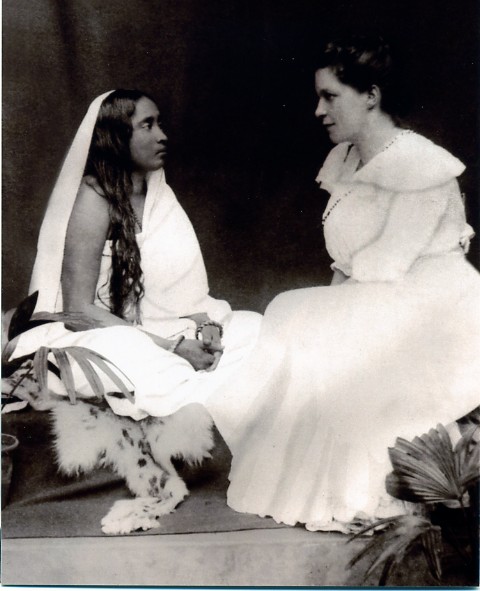
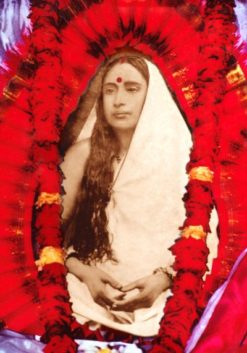
The most probable answer is that the Jnanis suffer on account of the sins of their followers! Sri Ramakrishna used to say this openly. He said that so many impure people came and touched his feet that he had to assume their sins and suffer. It was seen that when someone with some body ailment or wound touched Ramakrishna, he would squirm in pain! We can now understand the orthodox rule that no one with a body injury or wound should perform puja   to the Murtis in temples! Holy Mother Sarada Devi used to say that Thakur came to the earth to absorb the sins of the people. She would ask: Do you think he came to eat sweets all the time? And she would do the Japa for all the people she had initiated, because they did not always do it! She was thus Guru and Mother rolled into one!


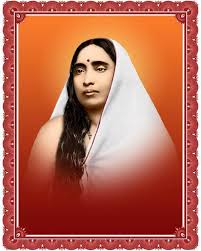
Holy Mother Sarada Devi


In the case of Ramana, no one was allowed to touch his feet. But the case of Jnani is different. One doesn’t have to touch him! Just as he need not touch any one to initiate, but can do it by drishti or even icha or sankalpa, people too need not touch him! By just being in his presence, his beneficial rays come to us. He has no sankalpa or icha. The mere presence of the Jnani / his very nature is such that such absorption takes place! It seems the Jnani has no choice. If this is the case with ordinary people, what about those who call themselves disciples? (See note below).  

A disciple without discipline is not disciple, but devil. All of us who regard someone as our Guru should realise what a great responsibility it is to be a disciple, and what a great burden we impose on the Guru by our impurity! (I am talking of real spiritual guru, not vidya guru or diksha guru) It is here that not only the spiritual instructions, even the worldly lessons become important.  

We often complain that we have not received the Grace. But do we examine whether we deserve it? What has been our preparation? Sri Ramana used to say ‘grace is always there’. Sri Ramakrishna would say that the wind (of grace) is blowing, but we have to open our sails! It is a pity that in spite of such clear instructions, we do not make the effort!

Sarada Devi with Sister Nivedita

  # NOTE: This is illustrated in the case of Bhagavan by a remarkable incident. One day while at Skandasramam, he had an upset stomach. He decided to fast that day and thought he could do it better if he went round the Hill. So he started on giripradakshina. He used to take the inner forest route. When he had gone some distance, he met a group of 5/6  women who looked like villagers gathering firewood- each had a bag. They asked for a source of water. It was some distance away and he led them there. As he was about to go his way, they said that he should not go without taking the food  they had brought. Bhagavan was always kind to such people and he agreed. Each one of them served him something from her bundle and insisted that he should take all! He ate all, as he would never waste food and resumed his walk, with a heavy stomach. After he had walked quite a bit for a few hours, he again met them all in a  new location! Again they insisted that he should take lunch with them and again each one served him her share! Somehow Bhagavan finished it all and resumed his walk.

Around 2 pm, he found another old devotee coming to him. He too carried some food, with some special item prepared for him! It seems with that he had gone to Skandasramam and learning that Bhagavan was on a pradakshina, he started circling the Hill in the opposite direction, so that he would not miss Bhagavan!  So, again Bhagavan could not refuse the food of a devotee! Bhagavan said how his resolution to skip food that day ended in this manner! The point is that the Jnani had no choice in the matter of extending his Grace. It was Automatic Divine Activity!               tags – Saints and Sages- Part 2


***      

ரஜபுதனத்து துர்காதாஸ் இஸ்லாமிய ராஜகுமாரியிடம் காட்டிய அன்பு! (Post No.8237)

WRITTEN BY S NAGARAJAN                     

Post No. 8237

Date uploaded in London – – –25 June 2020   

Contact – swami_48@yahoo.com

Pictures are taken from various sources for spreading knowledge; this is a non- commercial blog. Thanks for your great pictures.

ரஜபுதனத்து துர்காதாஸ் இஸ்லாமிய ராஜகுமாரியிடம் காட்டிய அன்பு!

ச.நாகராஜன்

ஒரு ஹிந்து எப்போதுமே எந்த மதத்தினரைச் சேர்ந்தவராக இருந்தாலும் மதிப்புக் கொடுப்பான்; மரியாதை செலுத்துவான்.

தன் மதத்திற்கு மாற வேண்டுமென்றோ அல்லது மற்ற மதத்தினரை காபிர் என்றோ கூற மாட்டான்.

ஹிந்து சாம்ராஜ்யத்தை நிறுவிய சத்ரபதி சிவாஜி ஒரு ஹிந்து மன்னன் எப்படி இருப்பான் என்பதற்கு ஒரு எடுத்துக்காட்டாகத் திகழ்ந்தார்.

எப்பொழுதெல்லாம் குர் ஆன் அவர் கையில் கிடைத்ததோ அப்போதெல்லாம் அவர் அதை மரியாதையுடன் கையில் எடுத்துக் கொள்வார். அதை இஸ்லாமைப் பின்பற்றும் ஒருவருக்குக் கொடுத்து விடுவார்.

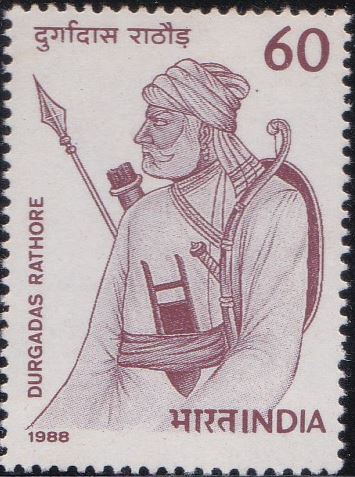
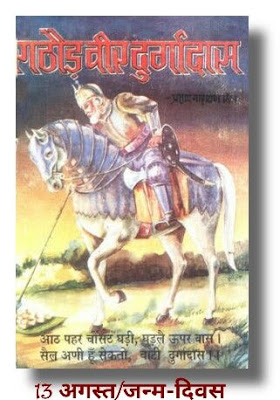
இதே போல, ரதோர் வீரனான துர்காதாஸ் சிறந்த ஹிந்து வீரனுக்கு ஒரு எடுத்துக் காட்டு.

அவர் வாழ்வில் நடந்த ஒரு சம்பவம் ….

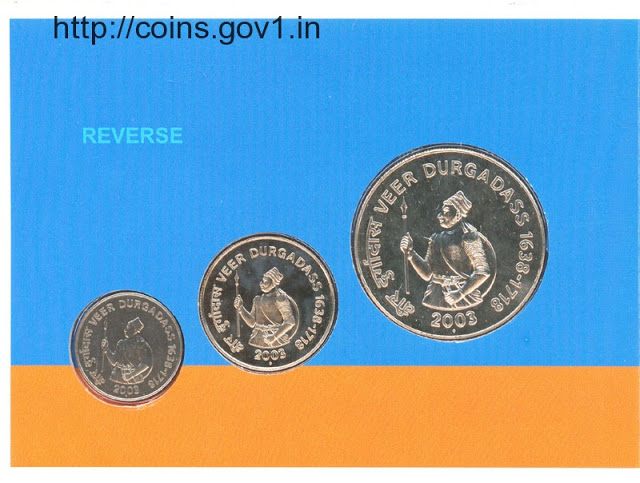
ஔரங்கசீப்பின் நான்காவது மகனான முகம்மது அக்பர் தன் தந்தைக்கு எதிராக பெரும் கிளர்ச்சியைச் செய்து எதிர்த்தான். இந்தக் கிளர்ச்சியின் காரணமாக அவன் பெர்சியாவுக்குத் தப்பி ஓடினான். அப்படி ஓடும் போது தனது இளைய மகளை ராஜபுதனத்து வீரர்கள் கையில் ஒப்படைத்தான்.

துர்காதாஸ் அந்த இளம் பெண்ணை மிக அன்புடன் நடத்தி வந்தார்.

பல வருடங்கள் துர்காதாஸின் பாதுகாப்பில் இருந்த அந்த இளம் பெண் ஔரங்கசீப்பிடம் திரும்பிச் சென்றாள்.

அப்போது தனது தாத்தாவான அவரிடம் துர்காதாஸின் அன்பையும் அவர் தன்னை எப்படி நடத்தினார் என்பதையும் விவரித்துக் கூறினாள்.

துர்காதாஸ் அவளுக்குக் கல்வி கற்பிக்க ஆஜ்மீரிலிருந்து ஒரு இஸ்லாமியப் பெண்ணை அழைத்து வரச் செய்தார்.

அந்தப் பெண்ணின் மூலமாக் குர் ஆன் முழுவதையும் அவள் கற்றாள்; அதை மனப்பாடமும் செய்தாள்!

தனது பரம வைரியான துர்காதாஸின் இந்த செய்கையைப் பற்றி பேத்தி சொன்னதை ஔரங்கசீப் கூர்ந்து கவனித்துக் கேட்டான்.

இதை ஹிந்துக்களைப் பற்றி ஒருதலைப்பட்சமாகவே எழுதும் வரலாற்று ஆசிரியனான காஃபி கானே (Khafi Khan) விவரமாக எழுதி வைத்துள்ளான்.

இதே காஃபி கான் சிவாஜியைப் பற்றி எழுதுகையில் எந்த ஒரு மசூதிக்கும் தீங்கு விளைவிக்கக் கூடாது என்பதை சிவாஜி  மஹாராஜ் ஒரு விதியாகவே பின்பற்றி வந்ததைக் குறிப்பிடுவதோடு குர் ஆனை மதித்ததோடு, இஸ்லாமியப் பெண்களையும் அவர் மிக்க மரியாதையோடு நடத்தியதையும் கூறுகிறான்.

முகலாய ஆட்சியில் அக்பரைத் தவிர மற்ற எந்த மன்னனும் மற்ற மதத்தினரை சகிப்புத்தன்மையுடன் நடத்தவில்லை என்பது வரலாறு கூறும் உண்மை!

ஜிஹாங்கீர் அரசாண்ட காலத்தில் அக்ஷய பட் மரத்தை வேரோடு பிடுங்கி அழித்தான். அந்த மரம் ஒரு நாளும் அழிக்கப்பட முடியாத ஒன்று என்பது ஹிந்துக்களின் தொன்று தொட்டு இருந்து வரும் நம்பிக்கை.

அதைப் பொய்ப்பிக்கவே அவன் இப்படிச் செய்தான்.

மரம் வேருடன் பிடுங்கப்பட்ட நிலையில் வேர் இருந்த மரத்தின் அடிப்பகுதியில் ஈயத்தையும் காய்ச்சி ஊற்றினான், மரம் தழைத்து விடக்கூடாது என்று!

என்ன ஆச்சரியம்! ஒரு வருடத்திற்குள்ளாகவே அக்ஷய மரம் துளிர்த்தது; வளர்ந்தது!

ஹிந்து மதம் ஒரு நாளும் அழிக்கப்பட முடியாது என்பதை முகலாயர் மற்றும் பிரிட்டிஷாரின் கொடுமைக்குப் பின்னரும் வளர்ந்து உலகையே அணைக்கும் ஹிந்து மதம் ஒரு சான்று அல்லவா!

tags – துர்காதாஸ், Durgadas

#***
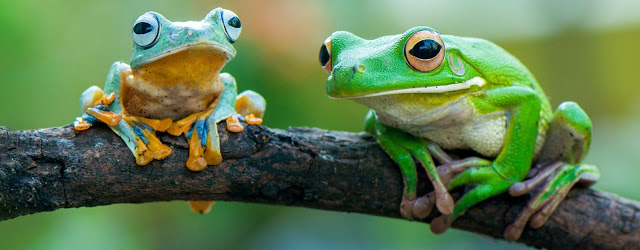
4 தவளை / தேரை பழமொழிகளைக் கண்டுபிடியுங்கள் (Post No. 8236)

WRITTEN BY LONDON SWAMINATHAN

Post No. 8236

Date uploaded in London – 24 June 2020       

Contact – swami_48@yahoo.com

Pictures are taken from various sources for spreading knowledge; this is a non- commercial blog. Thanks for your great pictures.

ஒரே சொல் மீண்டும் மீண்டும் வந்தால் ஓரிரு இடங்களில் மட்டுமே கட்டத்தில் இருக்கும். கொண்டு கூட்டி பொருள் கொள்க . விடை கீழே உள்ளது . சில நேரங்களில் படங்களைப் பார்த்தாலும் விடை காண உதவலாம்.

விடை

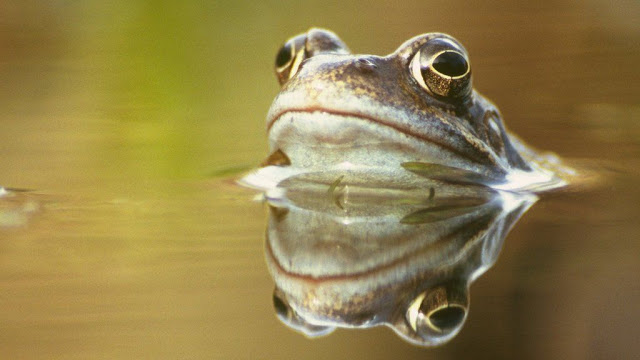
1.தேரை மோந்த தேங் கா ய் போல

2.தேரை வால் போல சுத்த சூனியமாச்சுது

3.நுணலும் தன் வாயா ல் கெடும்

4.தவளை தாமரைக்குச் சமீபமாக இருந்தும் அதன் தேனை உண்ணாது

Source book :–

பயன்படுத்திய நூல்- கழகப் பழமொழி அகர  வரிசை, கழக வெளியீடு.

tags — தவளை ,தேரை , பழமொழி

–subham–

பாண்டிய கல்வெட்டு அதிசயம் (Post No.8235)

WRITTEN BY LONDON SWAMINATHAN

Post No. 8235

Date uploaded in London – 24 June 2020       

Contact – swami_48@yahoo.com

Pictures are taken from various sources for spreading knowledge; this is a non- commercial blog. Thanks for your great pictures.

tamilandvedas.com, swamiindology.blogspot.com

தமிழர்களுக்கு 1500 ஆண்டு கால நல்ல பெயரும் உண்டு ;கெட்ட  பெயரும் உண்டு. முதலில் நல்ல பெயரைப் பார்ப்போம்.சேர, சோழ, பாண்டிய மன்னர்கள் உலகிலேயே நீண்டகாலம் ஆண்ட மன்னர் பரம்பரை ஆகும். ஒரிஸ்ஸாவை ஆண்ட காரவேலன் (King Kharavela)  என்ற புகழ் பெற்ற மன்னன் சேர,சோழ,பாண்டிய மன்னர்களின் கூட்டணி பற்றி குறிப்பிட்டிருக்கிறான் . அவனது காலம் கி.மு.முதல் அல்லது இரண்டாம் நூற்றாண்டு.  அவன் 113 ஆண்டுக் ((த்ரமில சங்காதன் = தமிழ் கூட்டணி ) கூட்டணியை முறியடித்ததாகக்  குறிப்பிடுவதால் அசோகர் காலத்தை நெருங்கி விடுகிறோம். அவனும் தமிழ் மன்னர்களைக் குறிப்பிடுகிறான் ஆக 12, 13 நூற்றாண்டு வரை இந்த மூன்று வம்சம் பற்றியும் நாம் படிக்கிறோம். அதற்குப் பின்னர் சுந்தர பாண்டியன் அழைப்பில் வந்த முஸ்லீம் மன்னர்கள் தமிழ் அரச வம்சத்தை அடியோடு ஒழித்து விட்டனர். அங்குமிங்கும் ஒன்றிரண்டு ‘செல்லாக்காசுகள்’ வம்ச பரம்பரை பற்றி பிதற்றின அசோகன் காலம் முதல் 13ம் நூற்றாண்டு வரை 1500 ஆண்டுகளுக்கு மூவேந்தர்களும் இருந்தார்கள். இது போல மூன்று வம்சங்கள் உலகில் வேறு எங்கும் ஆண்டதில்லை . ஆக (Guinness Book of Records)  கின்னஸ் புஸ்தகத்தில் பொறிக்க வேண்டிய விஷயமே .

கெட்ட  பெயர் என்ன?

உலகிலேயே தங்களுக்குள் சண்டையிட்டுக்கொண்ட வம்சமும் தமிழ் வம்சமே. இது போல 1500 ஆண்டுகளுக்கு சண்டையிட்ட வம்சம் எதுவுமில்லை . ஒருவருக்கொருவர் அடித்துக் கொண்டதை சங்க இலக்கியம் முதல் சுந்தர பாண்டியன் காலம் வரை பார்க்கிறோம். பிரான்சுக்கும்- இங்கிலாந்துக்கும் இடையே ஆயிரம் ஆண்டு யுத்தம் (1000 Year War) நடந்ததாகவெல்லாம் வரலாறு சொல்லும். ஆனால் அவர்கள் இடத்தை வெவ்வேறு வம்சங்கள் ஆண்டன. பாபிலோனிய, சுமேரிய, எகிப்திய நாகரீகங்களிலும் எண்ணற்ற வம்சங்கள் இருந்தன.

வடக்கிலுள்ள நந்த, மௌர்ய , குஷான, குப்த வம்சங்களும்  500 ஆண்டு என்ற எல்லையைக் கடக்கவில்லை.

இதைவிட பெரிய அதிசயம் பாண்டியர் பற்றியதாகும். அந்த அரசர்கள் அந்த வம்சத்து தொடர்ச்ச்சியைக் காட்டுவதற்கு ‘சடையன்’, ‘மாறன்’ என்ற பட்டங்களை மாறி மாறி  பயன்படுத்தியதாகும் . இது போல சேர, சோழ வம்சங்களில் காண முடியாது.

ஜடா வர்மன் மகன் மாற வர்மன்

மாற வர்மன் மகன் ஜடா வர்மன்

என்று மாறி மாறி வரும்

மாறவர்மன் அவனி சூளாமணி 620-645 (பொது ஆண்டு அல்லது கி.பி)

செழியன் சேந்தன் 654-670

அரிகேசரி மாறவர்மன்  670-700

கோச்சடையன் ரணதீரன் 700-730

மாறவர்மன் ராஜசிம்மன் 730-765

பராந்தக நெடுஞ்சடையன் 765-815

மாறவர்ம ஸ்ரீ மாற ஸ்ரீ வல்லபன் 815-862

வரகுண வர்மன் 862-880

பராந்தக வீர நாராயணன் 880-900

மூன்றாம் மாறவர்மன் ராஜசிம்மன் 900-920

சோழர் வெற்றி

வீர பாண்டியன்  946-966

ஜடாவர்மன் பராந்தக பாண்டியன் 1087-1132

மாறவர்மன் ஸ்ரீ வல்லபன் 1132-1163

சடைய வர்மன் குலசேகரன் 1163 1175

xxxxx மாறவர்மன் ????????

ஜடா வர்மன் குலசேகரன் 1190-1218

மாறவர்மன் சுந்தரபாண்டியன் 1216-1238

????????

ஜடா வர்மன் சுந்தர பாண்டியன் 1252-1270

மாற வர்மன் குலசேகரன் 1278-1310

ரவி வர்மன் குலசேகரன் 1311-1312

இவர்களுக்கெல்லாம் முந்தியவன் கடுங்கோன் 570-600

Source -1974 மீனாட்சி  சுந்தரேஸ்வரர் கோவில் மலர் (for kings list)

****

பாண்டிய மன்னர்களின் வரலாற்றில் நிறைய புரியாத புதிர்கள் உள்ளன .

திருவிளையாடல் புராணம் முழுதும் சம்ஸ்கிருதப் பெயர்களே உள்ளன . ஆக தமிழ் பெயர்களுடன் சம்ஸ்கிருதப் பெயர்களையும் பயன்படுத்தியதை அறிகிறோம்.

மேற்கண்ட பட்டியலில் ‘சுந்தர’, ‘குல சேகர’ என்ற இரண்டு மட்டுமே திருவிளையாடல் புராணத்துடன் ஒத்துப் போகின்றன . ஆனால் அதில் அப்பர் காலத்துக்கு முந்திய வரலாறுகளையும் காண்கிறோம்.

இதைவிட பெரிய புதிர் சுந்தர பாண்டியன் ஆகும்.

நமக்குத் தெரிந்த சுந்தர பாண்டியன்கள் இரண்டு பேர்.

ஒருவர் மீனாட்சியின் கணவர் சுந்தரர்.

இரண்டாவது ஆதி சங்கரர், அவரது சம்ஸ்கிருத உரையில் புகழும் சுந்தர பாண்டியன்.

ஆதி சங்கரர் காலத்தை 732 என்று கொண்டாலும் மேற்கூறிய பட்டியலில் சுந்தர பாண்டியன் இல்லை. காஞ்சி

 பரமாசார்ய (1894-1994) சுவாமிகள் சொல்லுவது போல ஆதி சங்கரரை (BCE) கி.மு. காலத்தில் வைத்தால் மதுரை மீனாட்சி கதையும், மெகஸ்தனீஸ் சொல்லும் ‘பண்டேயா’ ராணி கதையும் பழைய சுந்தர பாண்டியனுடன் பொருந்துகிறது .

எனது கருத்து

எகிப்திலும் இந்தியாவிலும் பட்டா பிஷேக காலத்தில் மன்னருக்கு ஒரு புதுப்பெயர் கொடுக்கப்பட்டது. ஆக 2300 ஆண்டுகளுக்கு முன்னர் ஒரு சுந்தர பாண்டியர் இருந்திருக்க வேண்டும். அவருடைய தமிழ்ப் பெயரை நாம் அறியோம் . எப்படி மாறன் , சடையன் பெயர்கள் குறைந்தது 700 வருடங்களுக்குப் பின்பற்றப்பட்டதோ அது போல அதற்கு முந்தைய 700 வருடங்களுக்கு வழுதி, ‘செழியன் என்ற பட்டங்கள் மாறி, மாறி வந்துள்ளன.

வாழ்க தமிழ் வளர்க பாண்டியர் புகழ்

****

கல்தோன்றி மண் தோன்றாக் காலத்தே……….

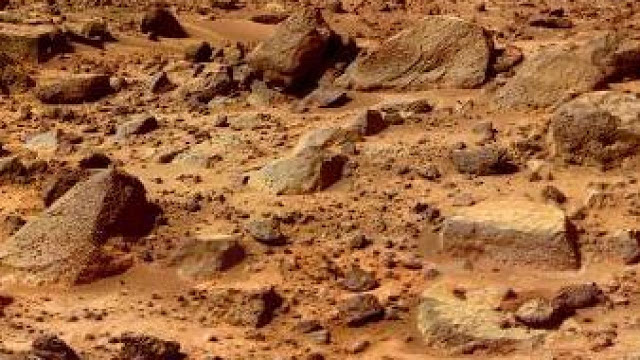
கல் தோன்றி மண் தோன்றாக்  காலத்தே வாளொடு முன் தோன்றிய மூத்த குடி’ – என்று தமிழர்கள் ஆடுவார்கள், பாடுவார்கள். இது உயர்வு நவிற்சி அணி; இதை அறியாத பாமரர் இதை அப்படியே சொல்லுக்குச் சொல் பொருள் (literal meaning) கொள்வர். அதாவது நாஸா (NASA) வெளியிடும்  செவ்வாய், புதன் கிரக பரப்பைப் பார்த்தால் பிரம்மா ண்டமான பாறைகளைப் பார்க்கலாம். பலகோடி ஆண்டுகளுக்கு முன்னர் அப்படித்தான் பூமியும் இருந்தது. பின்னர் கோடிக்கணக்கான ஆண்டுகளில் பெய்த மழை , அடித்த வெப்பத்தில் அவை சிறிதாக உடைந்தன; மணற்பரப்பும் உருவானது. தமிழர்கள் கோடிக்கணக்கான ஆண்டுகளுக்கு முன்னர் உருவானதாக நம்பும் ஜீவன்களும் நமது நிலப்பரப்பில் இப்போதும் உள .

TAMIL GEOLOGIST!

ஆனால் இதிலும் ஒரு விஞ்ஞான  உண்மையை தமிழன் வெளியிட்டுவிட்டான். முதலில் ‘கல்’-தான் இருந்தது;  பின்னர் அது மண்ணாயிற்று . அதற்குப் பின்னர் உலோக காலம் (Copper age, Bronze age, Iron age) வந்தது என்று ஜியாலஜி படிப்போர் அறிந்த விஷயங்களை அதே வரிசையில் தமிழன் சொல்லிவிட்டான்.

இது புறப்பொருள் வெண்பா மாலையில் உள்ள வரிகள்;  இதை இயற்றியவர் ஐயனாரிதனார் . இவர் இளம்பூரணர் ,

நச்சினார்க்கினியர் முதலிய உரைகாரர்களுக்கும் முந்தையவர். ஆக குறைந்தது 800, 900 ஆண்டுகளுக்கு முந்தி வாழ்ந்தவர் அவருக்கு இவ்வளவு புவி கர்ப்பவியல் (Geology) — ஜியாலஜி தெரிந்தது பாராட்டப்பட வேண்டிய விஷயம். அதைவிட உலகெங்கிலும் நடக்கும் தமிழ்ச் சங்கங்களில் ஏன் சண்டை நடைபெறுகிறது என்பதையும் அவர் விளக்கி விடுகிறார். “வாளொடு” (born with the sword) முன் தோன்றிய மூத்தகுடி என்பதில் சண்டைபோடும் குணம் ரத்தத்தில் இருக்கிறது (Genetically programmed to fight) மரபணுவில் இருக்கிறது, உளவியலில் (Psychological; mindset) இருக்கிறது என்பது அவருக்கு — ஐயனாரிதனாருக்கு — புரிந்திருக்கிறது!!

மேலும் பாரதி தாசனும் இதை உறுதி ப் படுத்துகிறார் –

“கொலை வாளினை எடடா மிகு

கொடியோர் செயல் அறவே

குகைவாழ் ஒரு புலியே உயர்

குணமேவிய தமிழா!…………..

உதவாதினி ஒரு தாமதம் ; உடனே விழி தமிழா”

–என்று உந்துதல் கொடுக்கிறார்

ஆக தமிழன் எங்கிருந்தாலும் சேர, சோழர், பாண்டியர் போல உட்சண்டை (infighting) போட்டுக்கொண்டு , சுந்தர பாண்டியன், எட்டப்பன் போல மாற் றானை (Muslim invaders and the British) அழைத்து தன்னைத் தானே தாழ்த்திக்கொள்ள வேண்டும் என்பது இயற்கை விதி போலும் .

இலங்கைக்குள் பலவகை தமிழர்கள்  இருப்பதும், பல்வேறு தமிழ் அமைப்புகள் போட்டி அமைப்புகளை உருவாக்கி வெவ்வேறு தமிழ்த் தேர்வுகள், இசைத் தேர்வுகள் நடத்துவதும், தமிழ்க் கோவில்களின் கமிட்டியிலிருந்து பிரிந்து போய் புதுப் புதுக் கோவில்களை அமைப்பதும் வெளிநாட்டிலும் நாங்கள் ஒற்றுமையாக இருக்க மாட்டோம் என்று சொல்லுவதைப் பார்க்கலாம்!!

வாழ்க தமிழ்!      வளர்க தமிழர் ஒற்றுமை

Tags — பாண்டிய, கல்வெட்டு,

ஜடா வர்மன் ,மாற வர்மன், கல் தோன்றி மண்

–subham–

SAINTS AND SAGES: THE JOY AND THE PAIN-1 (Post No.8234)

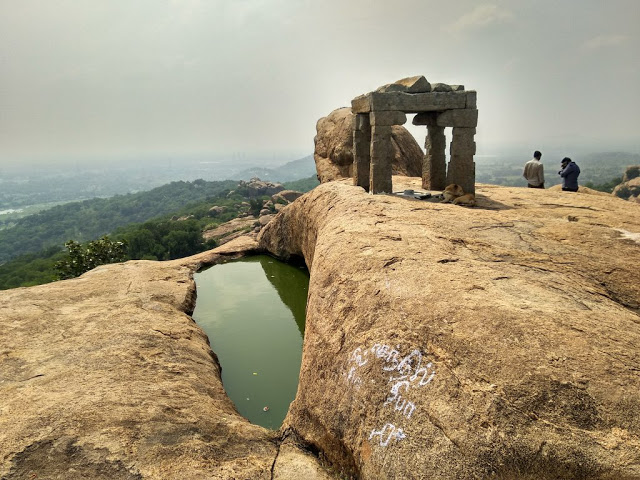
Vallimalai Temple
            SAINTS AND  SAGES: THE JOY AND THE PAIN-1 (Post No.8234)     WRITTEN BY R. NANJAPPA                          

Post No. 8234 Date uploaded in London – – – 24 June 2020    Contact – swami_48@yahoo.com

Pictures are taken from various sources for spreading knowledge; this is a non- commercial blog. Thanks for your great pictures.

       SAINTS AND  SAGES: THE JOY AND THE PAIN-1                                        R. Nanjappa

There is a chapter in the life of all Avatars/Saints/Sages which is full of suffering and pain- for us, devotees.. For it is certain that they themselves were above all such feelings or thoughts.


Lord Shiva sets the tone!  

Perhaps this starts with Lord Shiva himself! The Devas and Asuras churned the ocean to get nectar, and they got terrible poison at first! While they were eager for the nectar, they had to find someone to swallow the poison!  Who else but the Great Lord could do that? Lord Shiva Mahadeva swallowed the poison and let the Devas and their rivals, cousins Asuras  enjoy the nectar!     The great upheaval in the life of Rama was caused by a lowly maid servant, leading to Rama’s exile to the forest, Sita’s abduction , war and rescue, lasting 14 years. But poor Rama’s ordeals did not end there. Years into his rule, a dhobhi makes some snide remarks about Rama having accepted his wife after she had spent a year in the house of another! This leads to another painful separation- Sita,pregnant, is sent to the forest. She comes back years later, with the children, but this time she leaves the world- merging with her mother- Earth! Most pious Hindus do not read this portion of the Ramayana at all- it is too painful to bear. Rama himself enters the Sarayu river and does not return.    Krishna’s days are painful- from our side. At the end of Mahabharata war, almost every one blames him for the war! Karna and Duryodhana openly accuse him of having caused their death unjustly- against dharma. Krishna gives them an earful, reminding them of all their adharmic acts all through their life, and asks them how such people could talk of dharma when it came to their own case! But Gandhari outdoes them all: she curses him: just as he caused the death of all her sons, his own clan would be wiped out! Somehow, every one forgets all their misdeeds, and feels that Krishna could have prevented the war, but did not! Any way, Gandhari’s words turn true, the entire Yadava clan is wiped out. Krishna wanders alone in the forest, and while resting, a hunter mistakes his ruddy foot for the head of a deer and shoots him with an arrow! Thus Krishna leaves the earth!    


The Buddha partakes of a meal at the house of a devotee, Cunda, a metalworker. It consists of some pork and other things.(Some people now say that it was some mushroom,not pork.) The Buddha falls sick. He feels thirsty and sends Ananda his disciple to fetch water. It is said that when he went with the bowl, he found the water muddy and turbid, but when he took it in the bowl, it turned clean! Any way,the Master died shortly thereafter, fully conscious. He told Ananda not to blame Cunda for the meal, as the cause of his death!  His last words were that everything in the world- being compounded, was subject to dissolution; all conditioned things were subject to decay. Buddha also told Ananda that they should not bother about honouring his body after death, but strive for their own good! Jesus Christ was betrayed by one of his own disciples, resulting in his crucifixion. But Christ prayed for forgiveness for those responsible for it, saying they did know what they were doing!    


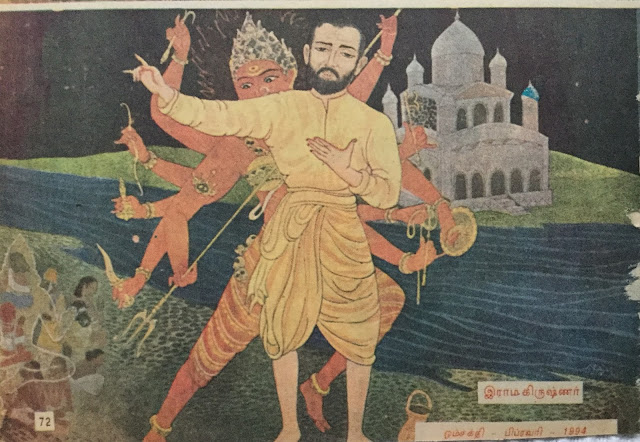
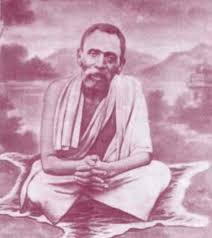
Sri Ramakrishna  

The story of the last year of Sri Ramakrishna’s earthly leela is very painful to read. He was diagnosed with throat cancer, and for facility of treatment was taken to Shyampukur in Calcutta in Sept, 1885. Thus, Ramakrishna had to leave the precincts of his beloved  Bhavatarini at Dakshineswar, where he had lived from 1855. He did not find Shyampukur congenial, so they shifted  him  to a bigger place with open spaces around in Cossipore, another suburb. Ramakrishna had no money, no income, except the pension of Rs.11/- a month that Mathurbabu had arranged. The young disciples attending on him were school/college boys, hardly in their twenties (some of whose parents did not like the boys being with Ramakrishna). None of them was rich, or had employment. Ramakrishna’s expenses were met by two/three householders, who put their own conditions!       At one stage, Ramakrishna wanted to get back to Dakshineswar- but the temple authorities- the relatives and descendants of Rani Rasmani and Mathurbabu did not allow him to come back! So, Ramakrishna spent his last days in Cossipore and attained  Mahasamadhi after midnight on 15th August 1886.   The boys simply took his body and cremated it! There were some bitter quarrels/arguments between two factions – householder followers and ‘disciples’-for his ashes. The disciples-later, monks- managed to outwit the others and retain the larger portion! It was this that Vivekananda carried on his head to be installed at Belur Math later on. Vivekananda admitted that it was a mistake to have cremated the body. In the Hindu tradition, the body of a Sage should have been preserved  in Samadhi. Whatever the ardent or ordained followers may say, to us ordinary devotees, all this looks unpleasant and painful.  


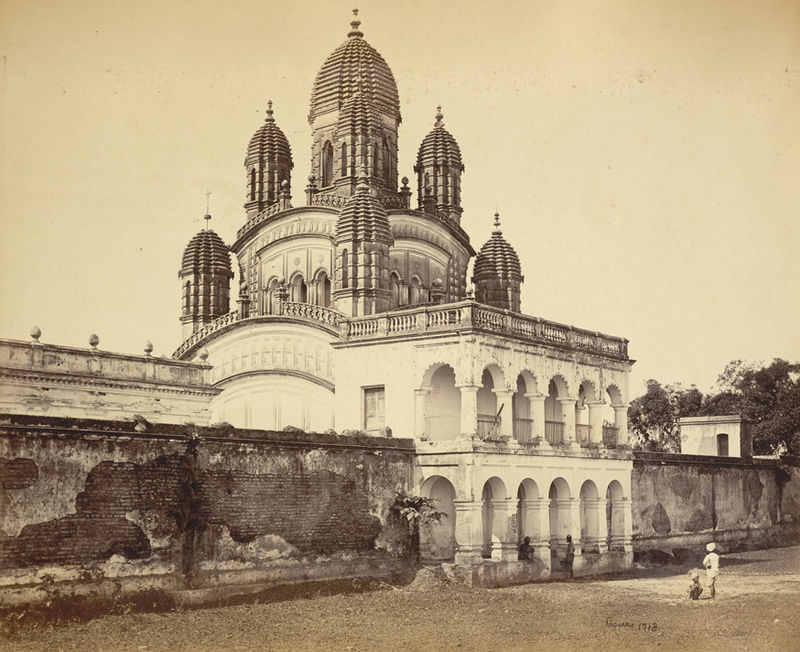
An old view of the Dakshineswar Kali temple.    

We cannot at all understand why Sri Ramakrishna had to leave the holy grounds of Dakshineswar, the place of his tapas , his divine experiences and teaching, the place where he stayed for thirty years, in this fashion. Rani Rasmani and Mathurbabu had fully realised the divinity of Ramakrishna. Ramakrishna would say that Mathur had realised that there was “something in this place” -meaning himself; did he render all that service for nothing? Ramakrishna once mentioned that he would live in Dakshineswar as along as  Mathurbabu  lived; immediately Mathurbabu accosted him, and addressing him as ‘father’  extracted a promise from Ramakrishna that he would not leave Dakshineswar in the lifetime of his  wife Jagdamba and son Dwarka.  Yet their relatives would not let him come back! This too is difficult to understand.(Jagdamba had died in 1881)   Whatever may be Sri Ramakrishna’s divine status, it is plain that he suffered a lot in the last days, which realisation causes us pain.    

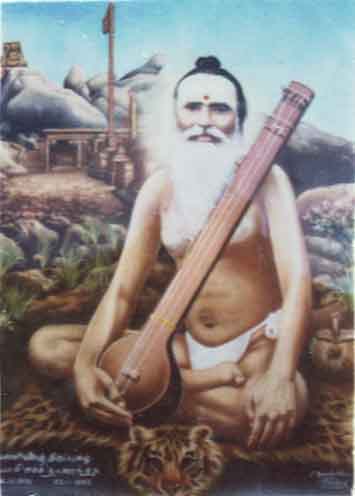
Sri Vallimalai Swamigal


We see this displacement in the case of another Saint, Sri Sachidananda, more familiarly known as Vallimalai Swami, who single-handedly propagated Tiruppugazh songs in the whole of the old Madras Presidency. This swamy is an example of the direct descent of divine grace. An unlettered fellow named Ardhanari, working as a cook in the Mysore palace and given to wrestling, he was directed  to go to Palani, one of the famous shrines of Lord Subrahmanya to seek a cure for his stomach ulcers which the palace doctors could not treat.This was in 1908. For 40 days, he lived only on the “abhisheka thirtha”. He got cured! His attachment for Lord Muruga grew.In the meantime, he happened to listen to a Tiruppugazh song, to which a dancer performed during a temple festival. He was enchanted, came to  know that it was Tiruppugazh. He got the first volume of the song book from Madras- but he did not know the Tamil alphabet! He learned it from an eight-year old school boy and started learning the songs by heart. Soon he had learned all the 400 songs of the first volume. But he could only recite them like prose, not knowing the meter or the tune. He lived in Palni with his wife and son for 4 years, from 1912 to 1916; then he went on pilgrimages, and wandered on the Himalayas.     He returned to Madras in 1916 and went to Tiruvannamalai and was with Ramana Maharshi for a few days when on 13th May 1916, Bhagavan Ramana asked him to go down the hill.Disappointed at such dismissal from holy company, and wondering what offence he had committed, he decided to obey implicitly and walked down the hill. 


On the way , he found Seshadri Swami, another great spiritual Master coming up. He came straight to Ardhanari ,embraced him and making him sit by his side, recited a sloka of Sankara in Sanskrit “Atmatvam Girija mati”. Ardhanari did not know Sanskrit.Seshadri Swami himself explained the meaning and asked him whether there was anything like that in Tiruppugazh! Ardhanari recited a few hymns. Seshadri Swami told him: ‘Tiruppugazh is your Mahamantra. One who studies Tiruppugazh need not study the Vedas! Go to Vallimalai and do tapas there’. Ardhanari went there in June, found a natural cave on the hills there and made it habitable.      


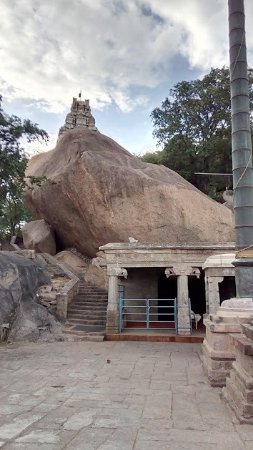
     Vallimalai    


He continued to live there for 12 years, coming out only for his trips to propagate Truppugazh.It was during this time that he learned to sing Tiruppugazh in the proper chandas  and beat (particular way of enunciating   and timing), and also in the appropriate Raga! He said later that while on the hill,  he used to hear Tiruppugazh songs sung by divine voices at night, to the accompaniment of musical instruments, and this is how he tuned them! He had never learnt any music!
    In January 1929, Seshadri Swami, his guru, attained Mahasamadhi. Ardhanari, now known as Tiruppugazh Swami attended the ceremonies, returned to Vallimalai and for the next 12 years remained on the hills without coming down! After that he came out again to propagate Tiruppugazh and this continued for about  6 years. But by 1947, a change had come over the villagers, who had supported him since 1916! They became indifferent and even turned hostile! Swami finally decided to quit the place, and left it in 1948, never to return!  He distributed whatever was there in the Vallimalai Ashramam among the devotees, came to Madras and lived in the houses of different devotees. In April 1950, Bhagavan Ramana, who had directed him to his Guru Seshadri Swami attained Mahanirvana. Our Swamy attended those ceremonies. He entrusted the deity he was worshipping, Pongi or Valli, who had taught him the Tiruppugazh with Raga and tala, to the care of a chosen person, not a devotee at the time, and attained samadhi in November,1950. It is this Pongi who is now celebrated at Tirumullaivoil, near Chennai, as Sri Vaishnavi! It is by the grace of Valli or Pongi, that one attains devotion to Lord Subrahmanya. It is Valli who, by her devotion, brought the Lord to earth from heaven! The person to whose care Pongi was entrusted, himself became a Spiritual Master later,, first with the name Sadhu Parhasarathy, and finally with the sanyasa name, Swami Anvananda!     It is a mystery how the Swami was made to leave his place on the hill and the ashram there! It is strange that the people who had supported him for 30 years turned indifferent or hostile! Was it God’s way of cutting off all traces of earthly attachment? We would never know!


The original image of Vaishnavi, to which Vallimalai Swami transferred the power of Pongi is now in a separate shrine in Tirumullaivoyal, Chennai.  

Pictures are taken from murugan.org. wikipedia etc. Thanks.  

       tags–  Saints and Sages-1, Vallimalai Swamigal, Ramakrishna,                                            ***