வேத கால மக்களுக்கு வெளி உலகவாசிகள் பற்றித் தெரியும்? (Post No.8231)

WRITTEN BY LONDON SWAMINATHAN

Post No. 8231

Date uploaded in London – 23 June 2020       

Contact – swami_48@yahoo.com

Pictures are taken from various sources for spreading knowledge; this is a non- commercial blog. Thanks for your great pictures.

tamilandvedas.com, swamiindology.blogspot.com

வேத கால மக்களுக்கு வெளி உலகவாசிகள் பற்றித் தெரியும்? (Post No.8231)
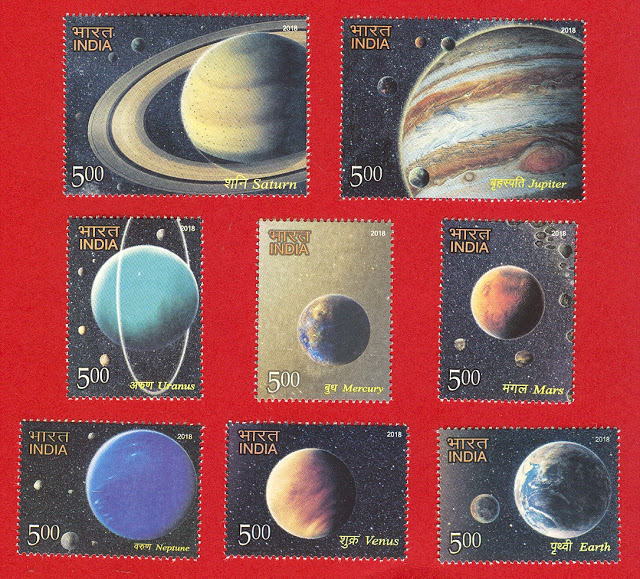
ஆதியில் தெய்வங்களும் பூமியில் மனிதர்களுடன் வாழ்ந்தனராம் ; மனிதர்கள் எங்களுக்கு ‘அதைக்கொடு’ ‘இதைக்கொடு’ என்று நச்சரிக்கவே இந்தப் பிச்சுப் பிடுங்கல்களில்  இருந்து தப்பி ப்பதற்காக பூமியிலிருந்து வெளியேறிவிட்டனராம் . இது ஆதி சங்கரரும் சதபத பிராஹ்மணம் என்னும் நூலும் நமக்குத் தரும் தகவல்.

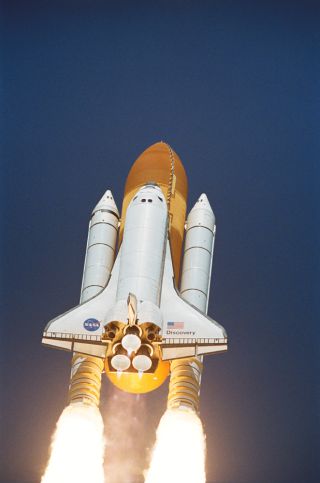
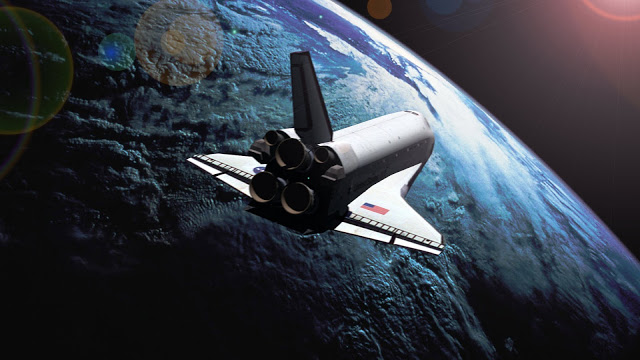
மாதலி தேரில் அர்ஜுனன் விண்வெளிப் பயணம் செய்தபோது பார்த்த ஒளிப்பிழம்புகளைக் கண்டு என்ன என்று வியந்து கேட்கிறான். இவர்கள்தான் பூமியிலிருந்து வந்த புண்ய ஆத்மாக்கள் ; இவர்களைத்தான் பூமியிலுள்ளோர் நட்சத்திரங்கள் என்பார்கள் என்று பதில் தருகிறான் மாதலி(காண்க -வனபர்வம், மஹாபாரதம் ).

தற்காலத்தில் பாரதியாரும் அதற்கு ஆயிரம் ஆண்டுகளுக்கு முன்னர் கம்பன் , அதற்கும் பல நுறு ஆண்டுகளுக்கு முன்னர் மாணிக்கவாசகர் ஆகியோரும் பிரபஞ்சம்  பற்றிக் கூறிய கருத்துக்களை முன்னரே கண்டோம்.


இரண்டாவதாக, ஐன்ஸ்டின் தத்துவப்படி ஒளியின் வேகத்தை எவரும் மிஞ்ச முடியாது; அப்படி முந்தும் ஒரு வாகனத்தைக் கண்டு பிடித்தால் அதில் செல்லுபவர் முதுமையை அடையாமல் மார்க்கண்டேயனாக என்றும் 16 வயதுக்காரனாக இருப்பான் என்று சொன்னதையும் கண்டோம். ஆனால் இந்து மத நூல்கள்  மனோ வேகம் தான் பெரியவேகம் என்கிறது ;ஒளியின் வேகத்தில், அதாவது ஒரு வினாடிக்கு 186,000 மைல் வேகத்தில் ஒருவர் பயணம் செய்தால் பூமிக்கு அருகிலுள்ள ஆல்பா சென்டரை நட்சத்திரத்துக்கு செல்வதற்கு நாலரை ஒளி ஆண்டுகள் பிடிக்கும் . இப்போது நம்மிடமுள்ள ராக்கெட்கள் அதே நட்சத்திரத்தை அடைய பல நுறு ஆண்டுகள் ஆகும். நமது புராணங்களோ மனோ வேகத்தை உண்மை என்று காட்டுகின்றன. இராமபிரான் எண்ண சக்தியால் இயக்கப்படும் புஷ்பக விமானத்தில் இலங்கையிலிருந்து ஒரே இரவில் அயோத்திக்கு வந்துவிடுகிறான்!

ஆக மனோ சக்தியால் (Thought Power), நினைத்த மாத்திரத்தில் எங்கும் செல்லலாம். நாரதர் போன்றோர் ‘திரிலோக சஞ்சாரி’ என்று அழைக்கப்படுகின் றார். ஆயினும் இவை எல்லாம் அரிது.


ராக்கெட்டில் சந்திரனுக்கு செல்லலாம் என்று நாம் எல்லோரும் நம்புகிறோம். ஆயினும் 50 ஆண்டுகளில் சந்திரனில் இறங்கியவர் 12 பேர்தான். பூமியில் வேறு ஒரு காலக் கணக்கு, விண்வெளியில் ஒரு காலக் கணக்கு என்பதை எல்லாம் ரேவதி நட்சத்திர கதை விளக்குகிறது . ஒவ்வொரு கல்பத்திலும் தோன்றும் ‘பிரம்மா’வின் ‘ஒரு நாள்’ என்ன என்ற கணக்கு விஞ்ஞானிகளையும் திகைக்கவைக்கிறது! ஏனெனில் 200 ஆண்டுகளுக்கு முன்னர் அவர்களுக்கு பல பில்லியன் நட்சத்திரங்கள், அதைச் சுற்றி வ லம் வரும் கிரகங்கள் பற்றியெல்லாம் தெரியாது .


ரிக்வேதம் என்பதோ உலகின் பழைய நூல். அதில் கூட 100 பூமிகள், 1000 சூரியன்கள் என்ற வரிகள் வருகின்றன . இது போன்ற கற்பனை கூட சில நுறு ஆண்டுகளுக்கு முன்னர் எவருக்கும் கிடையாது. ஆனால் நமது வீட்டுக்  குழந்தைகளோ ‘வக்ரதுண்ட மகா காய’ என்ற பிள்ளையார் துதியில் இறைவனை ‘சூர்ய கோடி சம பிரபா’ என்று போற்றுகின்றனர். அதாவது கடவுளை ‘10 மில்லியன் சூரியன்’ போன்ற ஒளி உடையவன் என்கிறது


விஞ்ஞானிகளுக்கும் நமது ஸ்லோகம்தான் நினைவுக்கு வருகிறது. அணுகுண்டு என்னும் மஹத்தான் ஆயுதத்தைக் கண்டுபிடித்தவர் அமெரிக்க விஞ் ஞானி (Father of Atomic Bomb- Robert Oppenheimer)  ராபர்ட் ஓப்பன்ஹைமர். ஜப்பானிலுள்ள ஹிரோஷிமா மீது ஆகஸ்ட் 6, 1945 அன்று அணுகுண்டு போட்டு லட்சக்கணக்கானோரை படுகொலை செய்யும் ஒரு மாதத்துக்கு முன்னர் முதல் சோதனை நடந்தது. அதைப்பார்த்த ராபர்ட் ஓப்பன்ஹைமர் “அடக் கடவுளே பகவத் கீதையில் கண்ணன் காட்டிய ஆயிரம் சூரியன் பிரகாசம் போல –திவி சூர்ய  சஹஸ்ரஸ்ய – இருக்கிறதே! என்று வியந்தார் . பின்னர் தான் அணுகுண்டு என்னும் ஆயுதத்தைக் கண்டுபிடித்தமைக்கு வருத்தப்பட்டார் .

ஆனால் அவர்க்கும் கூட கிருஷண பரமாத்மாவின் 1000 சூர்ய பிரகாச விஸ்வரூப தரிசனம் தான் நினைவுக்கு வருகிறது!! 

***

இதோ ரிக்வேத துதி

ரிக் வேதம் 8-70 துதியில் ஆறாவது மந்திரம்

“இந்திரனே , உனக்கு நிகராக நூறு சொர்க்கங்களும் நூறு பூமிகளும் கூட வராது. ; ஆயிரம் சூரியன்களும் உன்னைப் புலப்படுத்த வல்லமை உடையவையில்லை. . படைக்கப்பட்ட எந்த வானுலக மண்டலமும், பூமியும் வேறு எந்தப் பொருளும் உன்னை நிரப்பும் ஆற்றல் பெற்றன அன்று.”

இப்படியெல்லாம் பாடுவது ஒரு அறிவியல் சமுதாயத்திலேயே நடக்கும் . ஒரு பூமியையே முழுதும் அறியாத பொட்டல் காட்டு , பாலைவன மக்களிடையே இது எடுபடாது. அவர்களுக்குப் புரியவும் புரியாது. பல்லாயிரம் ஆண்டுகளாக வேத மந்திரம் பாதுகாக்கப்பட்டு வருவத்திலிருந்தே இது உண்மை என்று தெரிகிறது.

இது போன்ற நிறைய குறிப்புகள் உண்டு . இந்திரன் என்பது ‘தலைவன்’, ‘அரசன்’, ‘இறைவன்’ என்று பல பொருள்களில் வரும். தமிழில்கூட இறைவன் என்பது கடவுள், அரசன், என்னைக்காக்க வந்த தலைவா என்ற பொருளில் பயன்படுத்தப்படுவதைக் காண்கிறோம் .
முந்தைய சில கட்டுரைகளின் இணைப்பு முகவரி இதோ :-

விண்வெளிப் பயணம் | Tamil and Vedas

tamilandvedas.com › tag › விண…

1.      

Translate this page

27 Sep 2017 – மஹாபாரத வன பர்வத்தில் அர்ஜுனனின் விண்வெளிப்பயணம் (Inter Galactic Space Travel by … மாதலி என்னும் விண்வெளி பைலட்டிடம் (விமானியிடம்) அர்ஜுனன் ஒரு … பறக்கும் பட்டம் (kite) என்றும் மன்னரின் தேர் (Dipper, Chariot) என்றும் அழைத்தன.

வெளி உலகவாசிகள் | Tamil and Vedas

tamilandvedas.com › tag › வெள…

1.      

Translate this page

https://tamilandvedas.com/tag/வெளி-உலகவாசிகள்/ … வெளி உலக கிரக வாசிகள் (ET) கண்டு பிடிக்கப்பட்டால் அவர்கள் இப்படிப்பட்ட … ஆனால் வெள்ளைக்காரர் களோவெனில் வெளி உலக வாசிகள் தான் இங்கு …

வெளி உலகவாசிகள் (E.T.), காலம் (Concept …

tamilandvedas.com › 2018/04/30

1.      

Translate this page

30 Apr 2018 – வெளி உலகவாசிகள் (E.T.), காலம் (Concept of Time) பற்றி கம்பன்! … https://tamilandvedas.com/tag/வெளி-உலகவாசிகள்/ … வெளி உலக கிரக வாசிகள் (ET) கண்டு பிடிக்கப்பட்டால் அவர்கள் இப்படிப்பட்ட காலச் …

வெளி உலகவாசிகள் பற்றி தாண்ட்ய …

tamilandvedas.com › 2017/07/02

– Translate this page

2 Jul 2017 – ஆனால் வெள்ளைக்காரர் களோவெனில் வெளி உலக வாசிகள் தான் இங்கு வந்து, பூமியில் உயிரினங்களை உண்டாக்கினர் என்பர்.

tags – வேத காலம், மக்கள், வெளி உலகவாசிகள் , ரிக் வேதம் 8-70

MUSLIM INVASIONS STOPPED RATHA YATRA 32 TIMES (Post No.8230)

WRITTEN BY LONDON SWAMINATHAN

Post No. 8230

Date uploaded in London – 23 June 2020       

Contact – swami_48@yahoo.com

Pictures are taken from various sources for spreading knowledge; this is a non- commercial blog. Thanks for your great pictures.

tamilandvedas.com, swamiindology.blogspot.com

RATHA YATRA  FACTS

Puri is one of the Seven Sacred Cities of India. It is on the east coast of India. Everyday millions of RSS members pay their pranams/salutes to Puri ad other sacred objects, seven sacred cities and saints. Half baked people now and then say in social media that the ‘British United India’. The seven cities explode those myths.

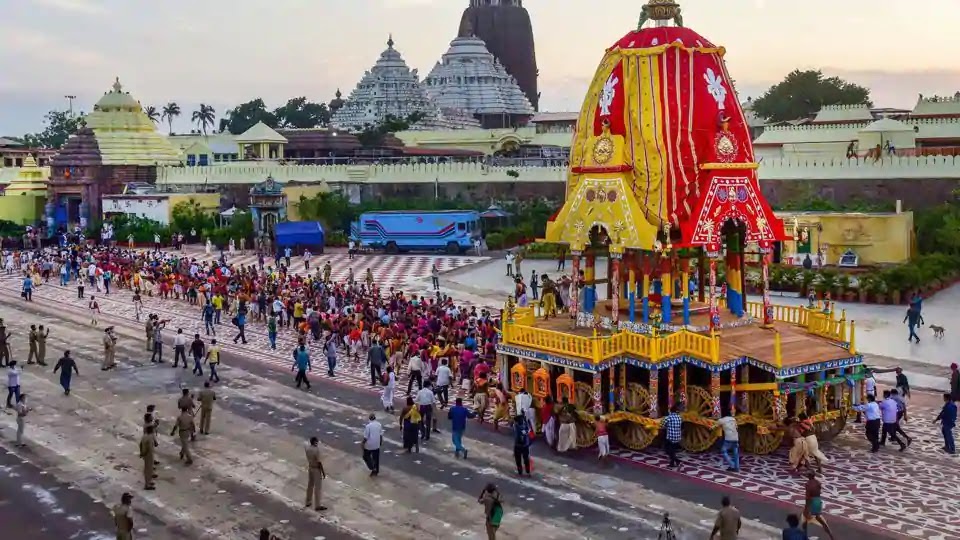
Chariot procession of Puri is one of the largest crowd pulling festivals of India. English word ‘Juggernaut’ came from Jagannath of Puri. There are some unique features in Puri Ratha Yatra which is in the attached Hindustan Times News report. Even the tribal are deeply involved in this festival.

This year it has attracted more social media attention because of the Supreme Court Judgement banning the festival first and allowing it later under strict conditions.

Hare Krishna Movement spread the Ratha Yatra to all big cities around the world.

Here are some interesting facts:

NEWS REPORT FROM HINDUSTAN TIMES

The Jagannath Puri Rath Yatra, one of India’s biggest religious festivals, is underway on Tuesday (JUNE 23,2020) in the temple town PURI in Odisha amid the coronavirus pandemic.

About a million devotees converge in Puri during the festivities but this year people will not be allowed after the Supreme Court placed several conditions, including the imposition of a curfew in Puri during the festivities.

A three-judge bench, headed by Chief Justice of India SA Bobde, said in its order that each chariot would be pulled by not more than 500 people, including officials and police, and there has to be an interval of one hour between pulling of the chariots.

The Odisha government has imposed a 41-hour curfew in the temple town and started Covid-19 tests of 700 temple priests who would pull the three chariots.

PURI RATHA YATRA

Here is all about the Rath Yatra festival in Puri:

* Lord Jagannath, Lord Balabhadra, and Goddess Subhadra are usually worshipped in the sanctum of the famous Jagannath Temple in Puri. They are brought out of the temple every year on the second day of the third Hindu month of Asadha onto the Bada Danda street of Puri in three huge chariots accompanied by Sudarshana Chakra.

* The nine-day Rath Yatra, or the chariot procession, celebrates this annual journey of Lord Jagannath and his two siblings from the 12th-century Jagannath Temple to Gundicha Temple, 2.5km away. The Gundicha Temple is their aunt’s home.

* The rituals for Rath Yatra will begin at 3am inside the 12th-century shrine.

* The Pahandi ritual (procession) will begin at 7am and the deities will board the chariots at the Singha Dwara facing towards the Gundicha Temple by 10am. The Chherapahara ritual will be held at 11.30am. The chariots will be pulled thereafter at around 12pm.

* The three deities are taken in the massive wooden chariots weighing 85 tonnes each. After staying in Gundicha temple for nine days, the three deities come back to the Jagannath Temple on the 10th day in a return journey.

* Lord Jagannath’s chariot Nandighosa is 45.6 feet in height and has 18 wheels. The 45- feet chariot of Lord Balaram comes with 16 wheels and is known as Taladhvaja and Devadalana is Goddess Subhadra’s 44.6 feet chariot with 14 wheels.

* The chariots are built every year only from a particular type of tree.

* Thousands of devotees pull the chariots to their aunt’s temple, the Gundicha Temple. It is considered to be a good omen and is also believed to bring luck and success if one gets a chance to pull the chariots.

* The deities stay at the Gundicha Temple for nine days, after which they ride the chariots back to their Jagannath Temple, a journey known as Bahuda Jatra.

* The chariots on the way back stop at the Mausi Ma Temple or home of Lord Jagannath’s aunt. The deities are offered Poda Pitha, a special pancake which said to be the favourite of Lord Jagannath, at the Mausi Ma Temple.

* In the 425 years of the Rath Yatra, the event has been stopped 32 times, mostly during invasions.

* It was not held for the first time in 1568 when Kala Pahad alias Kala Chand Roy, a general of Bengal king Suleiman Kirrani, attacked the temple and pillaged the deities.

* The last time it could not be held was between 1733 and 1735 when Mohammed Taqi Khan, deputy governor of Odisha, attacked the Jagannath temple, forcing the shifting of the idols to Ganjam district.

FROM HINDUSTAN TIMES , 22-6-2020

TAGS — Puri, Rath Yatra, Ratha, Muslim invasions, juggernaut

ORIGIN OF HINDU ICONOGRAPHY (Post No.8229)

WRITTEN BY LONDON SWAMINATHAN

Post No. 8229

Date uploaded in London – 23 June 2020       

Contact – swami_48@yahoo.com

Pictures are taken from various sources for spreading knowledge; this is a non- commercial blog. Thanks for your great pictures.

tamilandvedas.com, swamiindology.blogspot.com

PEOPLE MAY THINK THAT THERE IS NO IMAGE WORSHIP DURING VEDIC DAYS. BUT THE MANTRAS IN THE OLDEST BOOK RIG VEDA SHOWS THAT IT WRONG.

The Vedic seers gave more importance to fire sacrifices called Yagas and Yajnas; but they might have made images with clay and wood. Even in 2000 year old Sangam Tamil literature we read about paintings of gods on walls inside the houses. We have ample proof for temple paintings of Indra’s molestation of Ahalya in Tirupparankundram near Madurai. The painting is described in Paripatal of Sangam period. We come to know that Ramayana scenes were painted on the walls inside the houses according to Gata Sapta Sati in Prakrita language.

After the introduction of metal and stone in image making , we might have installed them in public places. Ramayana and Mahabharata have mentioned temples where public go for common worship. Kautilya even suggests to make idols and sell them where the king can put some sales tax. He also asked the kings to organise festivals so that religious business flourishes. We have proof for celebration of Indra festival in Ramayana and Sangam Tamil literature. Valmiki’s favourite simile is ‘he fell like Indra Dwaja’. (on the last day of Indra festival the Flag post is used to be knocked down) .

Vedic gods have a human aspect. They are often described in human form holding weapons in their hands and dressed with certain ornaments. An old hymn in the RV 8-29 describes the gods not too differently from the iconography of later times

Here is the hymn

1.One is a youth , brown, active and wise, who adorns himself with gold. It is about Soma.

2.Another radiant is stationed at the origin, wise among gods . it is Agni.

3. Another, firm among the gods, carries an iron sword in hand. It is Twashtar

4.Another holds the thunderbolt steady in his hand, by which he slays dragons. It is Indra

5.Another bears a shar weapon in his hand, luminous and fierce, with healing powers. It is Rudra .

6.One guards over the path, like a thief. He knows the treasures.  It is Pusan

7.another, wide in movement, has measured out three steps, where the gods abide. It is Vishnu .

8.The twins travel with a single wife and dwell far away like travellers . They are Ashwins

9.Two have fashioned the supreme seat in heaven, like emperors anointed with ghee. They are Mitra and Varuna

10.These, while chanting, meditated out the great song, by which they caused the sun to rise (They, here mean the Angirases or, according to Sayana, Atri.

Rig Veda 8-29 (Rishi Manu)

At least ten gods are mentioned here with their attributes.

One more interesting is the mention of Dr Rudra. He is attributed with healing powers. Even the Yajur Veda Mantra Rudram praises him as Doctor and Medicine (Bishak and Besajam)

Another translation (by Ralph T H Griffith

1. ONE is a youth brown, active, manifold he decks the golden one with ornament.

2. Another, luminous, occupies the place of sacritice, Sage, among the Gods.

3. One brandishes in his hand an iron knife, firm, in his seat amid the Deities.

4. Another holds the thunderbolt, wherewith he slays the Vrtras, resting in his hand.

5. Another bears a pointed weapon: bright is he, and strong, with healing medicines.

6. Another, thief-like, watches well the ways, and knows the places where the treasures lie.

7. Another with his mighty stride hath made his three steps thither where the Gods rejoice.

8. Two with one Dame ride on with winged steeds, and journey forth like travellers on their way.

9. Two, highest, in the heavens have set their seat, worshipped with holy oil, imperial Kings.

10. Some, singing lauds, conceived the Sama-hymn, great hymn whereby they caused the Sun to shine.

बभ्रुरेको विषुणः सूनरो युवाञ्ज्यङकते हिरण्ययम ||
योनिमेक आ ससाद दयोतनो.अन्तर्देवेषु मेधिरः ||
वाशीमेको बिभर्ति हस्त आयसीमन्तर्देवेषु निध्रुविः ||
वज्रमेको बिभर्ति हस्त आहितं तेन वर्त्राणि जिघ्नते ||
तिग्ममेको बिभर्ति हस्त आयुधं शुचिरुग्रो जलाषभेषजः ||
पथ एकः पीपाय तस्करो यथा एष वेद निधीनाम ||
तरीण्येक उरुगायो वि चक्रमे यत्र देवासो मदन्ति ||
विभिर्द्वा चरत एकया सह पर परवासेव वसतः ||
सदो दवा चक्राते उपमा दिवि सम्राजा सर्पिरासुती ||
अर्चन्त एके महि साम मन्वत तेन सूर्यमरोचयन ||

babhrureko viṣuṇaḥ sūnaro yuvāñjyaṅkte hiraṇyayam ||
yonimeka ā sasāda dyotano.antardeveṣu medhiraḥ ||
vāśīmeko bibharti hasta āyasīmantardeveṣu nidhruviḥ ||
vajrameko bibharti hasta āhitaṃ tena vṛtrāṇi jighnate ||
tighmameko bibharti hasta āyudhaṃ śucirughro jalāṣabheṣajaḥ ||
patha ekaḥ pīpāya taskaro yathā eṣa veda nidhīnām ||
trīṇyeka urughāyo vi cakrame yatra devāso madanti ||
vibhirdvā carata ekayā saha pra pravāseva vasataḥ ||
sado dvā cakrāte upamā divi samrājā sarpirāsutī ||
arcanta eke mahi sāma manvata tena sūryamarocayan ||

same hymn in another post explained
Vedic riddle | Tamil and Vedastamilandvedas.com › tag › vedic-riddle

Posts about Vedic riddle written by Tamil and Vedas. … Four are his horns, three are the feet that bear him; his heads are two, his hands are seven in number.

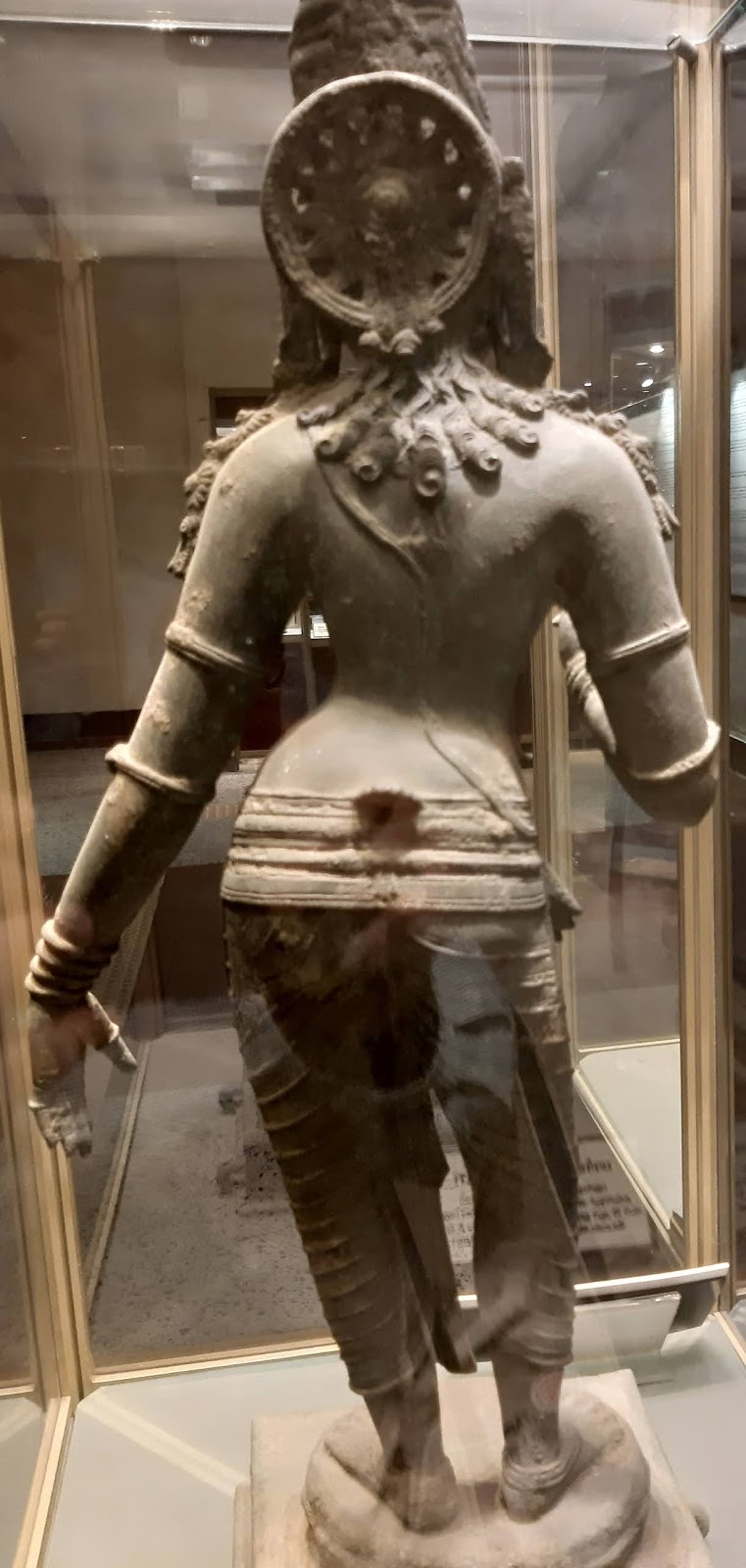
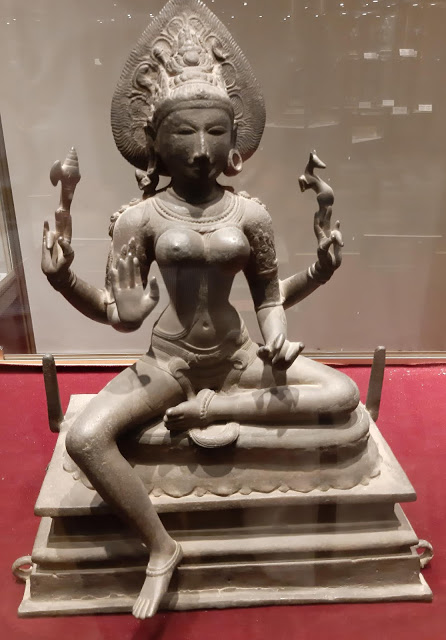
 MAHESWARI FROM VELANKANNI, MADRAS MUSEUM 

TAGS — Hindu iconography, Origin, Rig Veda 8-29

—subham—

MODERN RISHI-3 (Post No.8228)

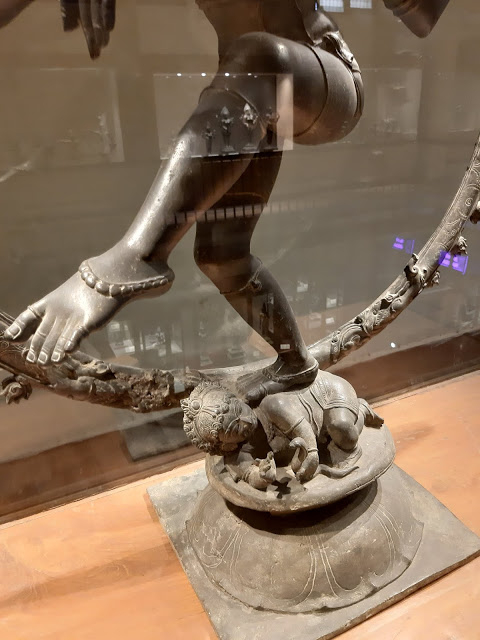
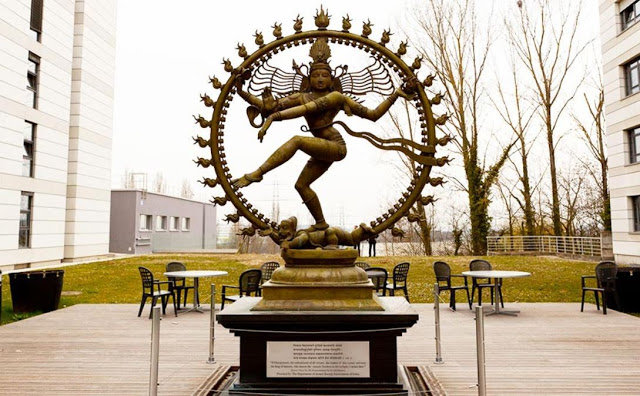
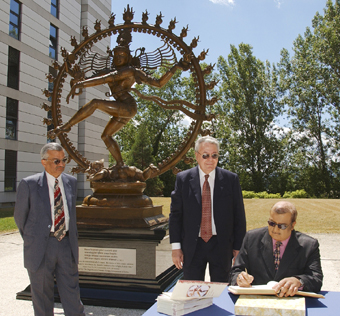
LORD NATARAJA STATUE AT CERN

WRITTEN BY LONDON SWAMINATHAN

Post No. 8228

Date uploaded in London – 23 June 2020       

Contact – swami_48@yahoo.com

Pictures are taken from various sources for spreading knowledge; this is a non- commercial blog. Thanks for your great pictures.

tamilandvedas.com, swamiindology.blogspot.com

MODERN RISHI-3

R. Nanjappa

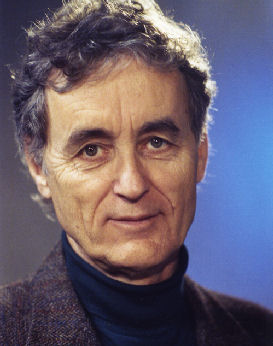
Fritjof Capra


Way of the Rishi

The essence of the Rishi is that he discovers or uncovers an aspect of Reality which permanently changes our understanding, and also helps in the further evolution of our consciousness. We may outwardly continue to do the same things as before, but we do so from a different state of knowledge and understanding. 

 The Zen masters say: Before enlightenment, mountains are mountains and waters are waters; after enlightenment, mountains are not mountains and waters are not waters; but when he attains to the abode of rest, mountains are once again mountains and waters are again waters!

 (Ch’uan Teng Lu.) 

Who can describe such a state in words! It has to be experienced! 


Thus the Rishis continue to live what to us appears as normal lives, though they experience the world differently.

One test of the Rishi is that the wisdom he reveals is permanent, and does not undergo revision or reversal. Every philosophy and theology has its contradictions and counterpoints. But so far, no one has contradicted a Rishi (or the true mystic) This state is what has been described as the “perennial philosophy” by Aldous Huxley. Perhaps, it is better to call it ‘perennial Wisdom’- Sophia perennis.

The Rishis and mystics do not contradict each other; they keep supplementing each other, because the Wisdom they speak about is inexhaustible. This can hardly be said of philosophy, theology or even science.

Rishi and his insight

How does the Rishi arrive at his insight? Popular claims and criticism both suggest that Rishi does not follow reason, and quite a few are prejudiced that he is therefore anti-rational. Really, it is this attitude which is anti-rational! No statement of any Rishi has ever contradicted reason, but it may not stop with reason! There are different, and higher faculties and modes of perception. Even in respect of fine music or art, there is no standard way of appreciation. Albert Einstein, perhaps the greatest scientist of our age, had a totally different understanding of reality from the normal scientist. His first reading of Euclid, it is said, mesmerised him through its visual and spatial forms. He thought in images, not words. As Einstein himself said:


“The words of the language, as they are written and spoken, do not seem to play any role in my mechanisms of thought. The psychical entities which seem to serve as elements in thought are certain signs and more or less clear images which can be voluntarily reproduced or combined..The above mentioned elements are, in my case, of visual and some of muscular type.”

 Quoted from: Howard Gardner: Frames of Mind. p.190. Basic Books, Tenth Anniversary Edition,1993.

Can we say, then, that Einstein was simply “rational” in the normal sense of the word? Was he then irrational? Those who celebrate reason as the highest faculty of man are in a fools’ paradise or madcap world. And they call the Rishis and mystics abnormal! Einstein himself said:

“It is certain that a conviction akin to a religious feeling, of the rationality or intelligibility of the world lies behind all scientific work of a higher order.” – 1923

“Try and penetrate with our limited means the secrets of nature and you will find that, behind all the discernible concatenations, there remains something subtle, intangible, and inexplicable. Veneration for this force beyond anything that we can comprehend is my religion.” –  1927.

Both quotations taken from: The New Quotable Einstein, edited by Alice Calaprice, Princeton University Press, 2005.

Another aspect of the Rishi is that his insight embraces the whole of life. There are no borders or compartments in it. Once we accept those insights, not only our view of the world, but our very way of life changes. A Rishi lives his truth.

Science and divided consciousness

In our times, science is accepted as the supreme standard of highest knowledge or wisdom. Yet, all science progresses by contradiction. Yesterday’s hypothesis in disproved today, and the same fate awaits today’s theory! In the last three centuries, very few facts of science have remained unchanged or unchallenged.

The greatest accomplishment of science is the division of life or the world and the knowledge relating to it into disparate disciplines. In the process, each separate discipline has been so much specialised  (narrowed down) that today there is not a single body of knowledge in the name of science which looks at the world as a whole! There are physicists, chemists, astronomers , astro-physicists, biologists, etc but there is no “scientist” as such today! Yet, any sane person experiences the world as a unity- as a system of connected or related patterns; without this understanding, one would be mentally unstable.

Back to Unity! Fritjof Capra

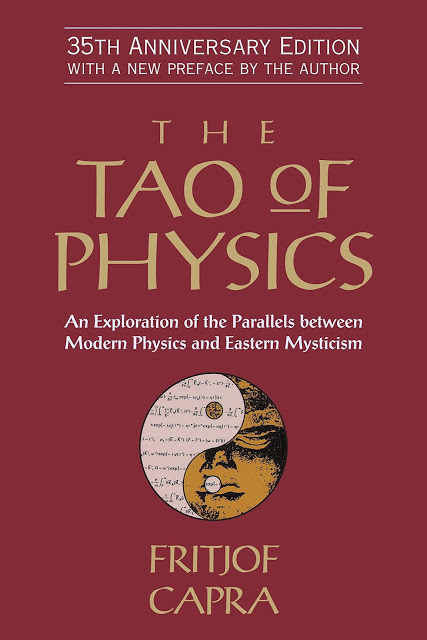
There have been some scientists who have attained to this realisation, and it is entirely to their credit that they did so through their science! But they did not stop at any artificial borders. Perhaps the foremost among them is Fritjof Capra. A Physicist, and researcher in subatomic particles, he burst on  the world of thought with his 1975 book “The Tao of Physics”. In it he related how the latest findings of  atomic physics corroborated the age old mystical wisdom  of all the Eastern traditions- Vedanta, Taoism, Zen, Chinese Yin-Yang.

He confirmed the basic wisdom of these traditions- which posit a Unity beyond all contradictions, which unites all opposites.

“The multitude of things and events  around us are but different manifestations of the same  ultimate reality”.(p.87)

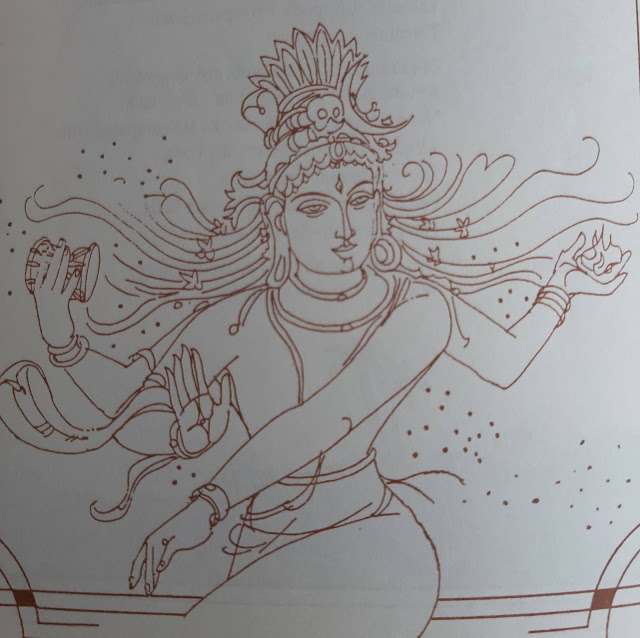
Another basic insight he discovered was that the universe is not static,but in constant flux. And he related it to the image of dancing Shiva! 

In a passage of outstanding beauty and insight, he said:

“To the modern physicists, then, Shiva’s dance is the dance of subatomic matter. As in Hindu mythology, it is a continual  dance of  creation and destruction, involving the whole cosmos; the basis of all existence  and of all natural phenomena. Hundreds of years ago, Indian artists created visual images of dancing Shivas in a beautiful series of bronzes. In our time, physicists have used the most advanced technology to portray the patterns of the cosmic dance. The bubble-chamber photographs of  interacting particles, which bear testimony to the continual rhythm of creation and destruction in the universe, are the visual images of the dance of Shiva equalling those of the Indian artists in beauty and profound significance. The metaphor of the cosmic dance thus unifies ancient mythology, religious art, and modern physics. It is indeed, as Coomaraswamy has said,’poetry, but none the less science”. (p.245) 


Dance of Shiva, Dance of Cosmic Delight!

How did Capra arrive at this insight? Like in all great but true scientists, some faculty above and beside reason was at work! In the preface to the first edition of the book, he said:

“Five years ago, I had a beautiful experience which set me on a road that has led to the writing of this book. I was sitting by the ocean one late summer afternoon, watching the waves rolling in and feeling the rhythm of my breathing, when I suddenly became aware of my whole environment  as being engaged in a gigantic cosmic dance. Being a physicist i knew that the sand,rocks, water and air around me were made of vibrating molecules and atoms, and that these consisted of particles which interacted with one another by creating and destroying other particles. I knew also that the Earth’s atmosphere was continually bombarded  by showers of ‘cosmic rays’, particles of high energy undergoing multiple collisions as they penetrated the air. All this was familiar to me from my research in high-energy physics, but until that moment I had only experienced it through graphs, diagrams and mathematical theories. As I sat on that beach,,my former experiences came to life; I ‘saw’  cascades of energy coming down from outer space,in which particles were created and destroyed in rhythmic pulses; I ‘saw’ the atoms of the elements and those of my body participating 

in this cosmic dance of energy; I felt its rhythm and ‘heard’ its sound and at that moment I knew that this was the Dance of Shiva, the Lord of Dancers worshipped by the Hindus.” (p.11. Written in December,1974)

All quotations here from: The Tao Of Physics, Third edition, Shambhala, 1991

We get an idea here how the great scientist, mystic or Rishi actually “sees” what he knows! We can also see that it is not seeing with the physical or even the mind’s eye! This is the experience of which we speak when we talk of true knowledge by identity.


Capra has written other books since, but each one builds on this basic wisdom of a unity behind the universe, of a pattern which connects everything, of the web of which we all are part. 

The choice before mankind is whether we will be guided by this wisdom which can lead us to the Buddha (State of Enlightenment) or by mere secular knowledge, which surely takes us to the Bomb!


Fritjof Capra has shown us how we are all part of the great Universe! Conventional science since the days of Descartes divided man and nature,man and God, man and other forms of life, and even man from man, and man from his own inner Self.. Capra has turned it upside down. He has shown us the path to Unity and sanity! Establishment science may ignore him, but his insight cannot be contradicted.

I salute Fritjof Capra as one of our great modern Rishis!. 


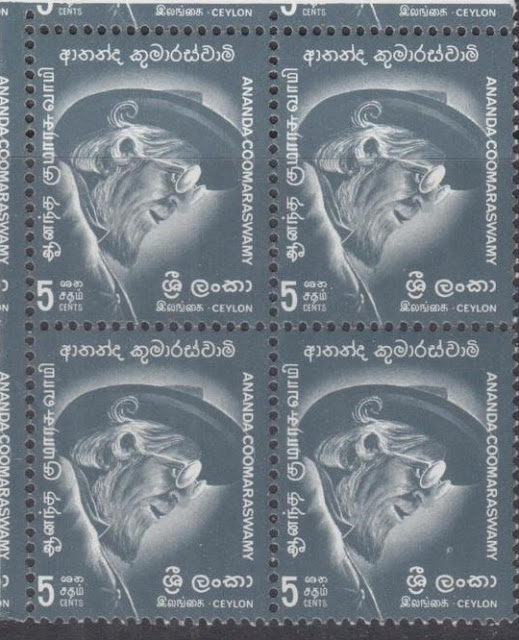
COOMARASWAMY WITH TAGORE

NOTE:

‘Coomaraswamy’ mentioned above is Ananda Coomaraswamy (1877-1947), the great scholar and savant and advocate of Indian wisdom. His book ‘The Dance of Shiva’ is a favourite.

He said in the book that the dance of Shiva is ” the clearest image of the activity of God which any art or religion can boast of”.

tags – Dance of Shiva,  MODERN RISHI-3  ,Fritjof Capra,

***

ஜகாரியா கானை எதிர்த்த சீக்கியர்களின் வீரம்! (Post No.8227)

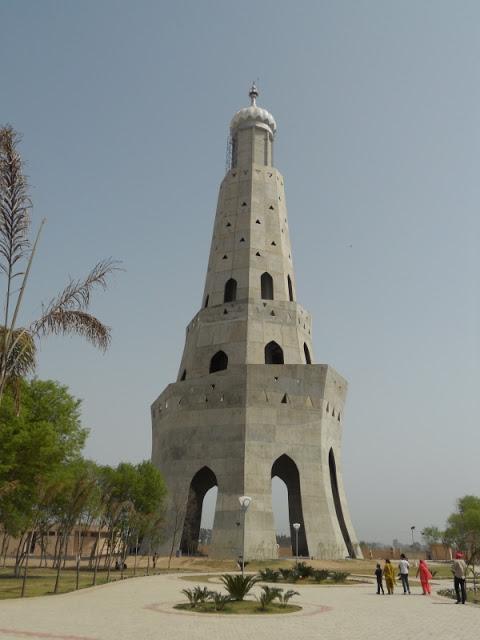
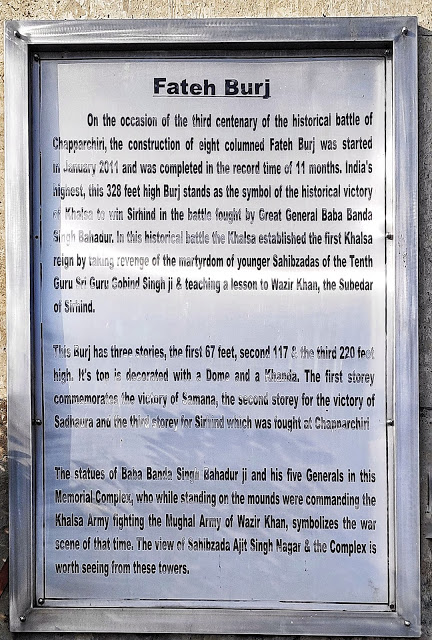
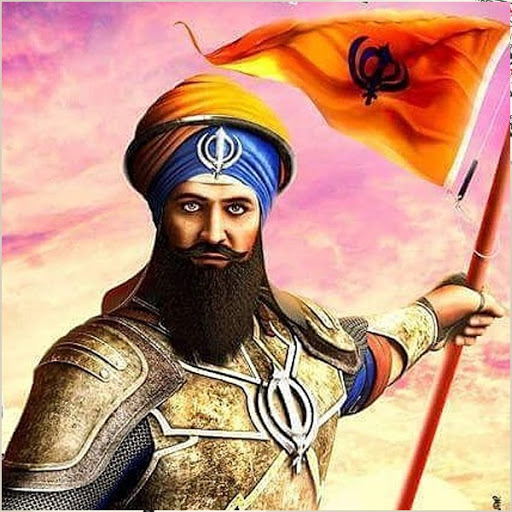
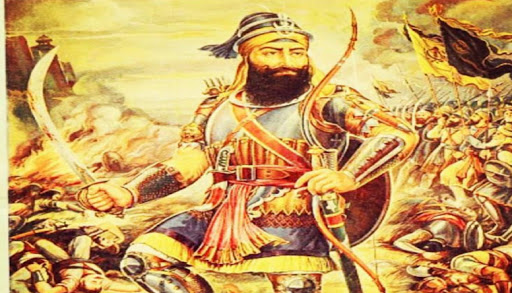
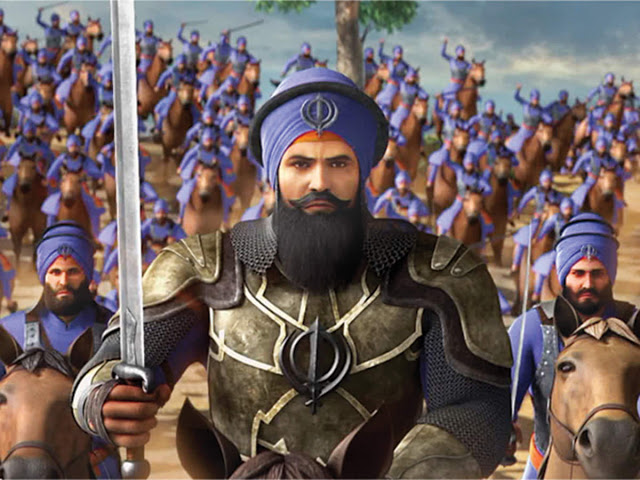
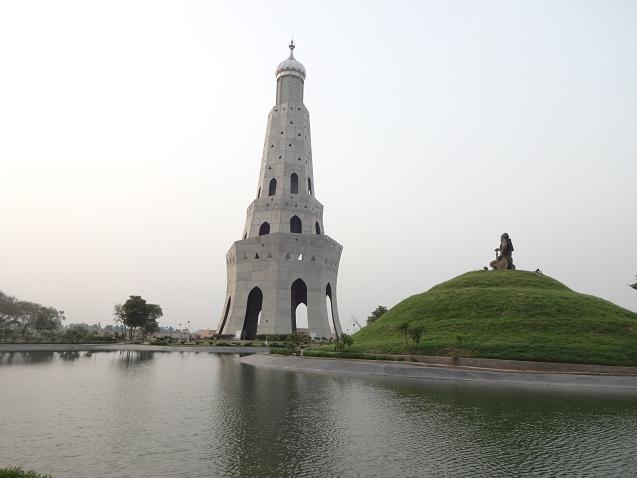
BJP- AKALI DAL GOVERNMENT ERECTED THE TALLEST VICTORY TOWER, 328 FEET, IN INDIA FOR BANDA BAHADUR

WRITTEN BY S NAGARAJAN                     

Post No. 8227

Date uploaded in London – – –23 June 2020   

Contact – swami_48@yahoo.com

Pictures are taken from various sources for spreading knowledge; this is a non- commercial blog. Thanks for your great pictures.

ஜகாரியா கானை எதிர்த்த சீக்கியர்களின் வீரம்!

ச.நாகராஜன்

பாரத வரலாற்றில் பொன்னெழுத்துக்களால் பொறிக்கப்பட வேண்டிய சீக்கியர்களின் வீர வரலாறுகள் மறைக்கப்பட்டும் மறக்கப்பட்டும் இருப்பது வருத்தத்திற்குரியது.

எடுத்துக்காட்டாக ஒரு வீர வரலாறை இங்கு பார்ப்போம்.

பெர்சியாவை ஆண்டு வந்த நாதிர் ஷா (Nadir Shah) ஆப்கானிஸ்தானத்தில் உள்ள காபூலிலிருந்து 1738ஆம் ஆண்டு இந்தியா மீது படையெடுத்தான். டெல்லி வரை சென்று கொள்ளை அடித்தான்; கொலை செய்தான்.

1739ஆம் ஆண்டு அவன் கோடை காலத்தில் பெர்சியாவிற்குத் திரும்பிச் செல்லும் போது அவன் கொள்ளையடித்த ஏராளமான செல்வத்துடன் சென்றான். அதில் கோஹினூர் வைரமும் இருந்தது. ஏராளமான பெண்களையும் பிடித்துச் சென்றான்; அடிமை வேலைக்கான ஆட்களையும் பிடித்துச் சென்றான்.

கோடை கால வெயில் கடுமையாக இருந்ததால் பகலில் பயணப்படாது இரவில் மட்டுமே அவன் சேனையுடன் பயணத்தை மேற்கொண்டிருந்தான்.

சரியாக பகல் 12 மணிக்கும் சரியாக நள்ளிரவு 12 மணிக்கும் சீக்கிய வீரர்கள் அவன் மீது பஞ்சாபிலிருந்து சிந்து வரை கொரில்லா தாக்குதலை தொடர்ந்து மேற்கொண்டனர். இந்தத் தாக்குதல் மூலம் ஏராளமான சிறைப்பிடிக்கப்பட்ட பெண்களை அவர்கள் விடுதலை செய்து மீட்டனர். அத்துடன் கலைஞர்களும், அடிமைகளும் விடுவிக்கப்பட்டனர்; ஏராளமான செல்வமும் மீட்கப்பட்டது.

சீக்கியர்கள் பற்றி இன்று வழங்கும் பகல் 12 மணி இரவு 12 மணி ஜோக்குகள் இந்தத்  தாக்குதலின் அடிப்படையிலேயே எழுந்தவை. இதனுடைய மூலமான வீரப் போரை அறியாமல், உண்மையான வீரத்தை அறியாமல் 12 மணியை மட்டும் எடுத்துக் கொண்டு விவரம் அறியாமல் ஒருவிதமாகத் தவறாக பரிகசிப்பவை தாம் இன்றைய ஜோக்குகளான இவை!

ஜகாரியா கான் (Zakarya Khan –  மரணம் :1745) தனது தந்தையான அப்துஸ் சமத் கானுக்குப் (Abdus-Samad Khan) பின்னர் 1726ஆம் ஆண்டு லாகூரில் கவர்னராகப் பதவியேற்றான். இதற்கு முன்னால் ஜம்முவின் கவர்னராக 1713 முதல் 1720 முடியவும் காஷ்மீர் கவர்னராக 1720 முதல் 1726 முடியவும் அவன் பதவி வகித்தான்.

லாகூரில் சீக்கிய தலைவர் பண்டா சிங் பஹாதூருக்கு (Banda Singh Bahadur) எதிராக அரசு எடுத்த நடவடிக்கைகள் அனைத்திலும் இவன் பங்கு உண்டு. குர்டாஸ் நங்கலில் (Gurdas Nangal) பண்டா சிங்கை 1715இல் பிடித்த அவன், டெல்லிக்கு சிறைக் கைதிகளுடன் சென்றான். செல்லும் வழியில் இருந்த கிராமங்களிலெல்லாமிருந்து சீக்கியர்களைச் சிறைப் பிடித்தான்.

முகலாய தலைநகரை அவன் அடைந்த போது 700 மாட்டு வண்டிகளில் துண்டிக்கப்பட்ட தலைகள் இருந்தன. இன்னும் 700 சிறைக்கைதிகளும் இருந்தனர். 1726இல் கவர்னரானவுடன் அவன், சீக்கியர்களுக்கு எதிரான கடுமையான கொள்கைகளை வகுத்து அவர்களைப் பெரிதும் துன்புறுத்தலானான்.

 அவனது படைகளால் அச்சுறுத்தப்பட்டதால் சீக்கியர்கள் தொலைதூரங்களில் உள்ள மலைப் பகுதிகளிலும் அடர்ந்த காடுகளிலும் ஒளிந்து வாழ்ந்தனர்.

    என்றாலும் விடாமல் அரசாங்க பொக்கிஷத்தையும் அரசாங்க வண்டிகளையும் சேனை வீரர்களையும் சீக்கியர்கள் தொடர்ந்து தாக்கி வந்தனர்.

இந்த கடுமையான தாக்குதலால் ஜகாரியா கான் அவர்களைப் பேச்சு வார்த்தைக்கு அழைக்க வேண்டிய நிர்பந்தம் ஏற்பட்டது.

1735இல் அரசாங்க ஆணை ஒன்றைப் பிறப்பித்து சீக்கியர்களைப் பிடித்துக் கொல்லுமாறு அவன் உத்தரவிட்டான்.

  சீக்கியர்களின் தலை முடியை வெட்டிக் கொண்டு வருவோருக்கு விசேஷ பரிசுகள் அறிவிக்கப்பட்டன.

   சீக்கியர்களைப் பிடிக்க தகவல் தருவோருக்கு பத்து ரூபாய் வழங்கப்பட்டது.

   சீக்கியர்களின் வெட்டப்பட்ட தலையைக் கொண்டு வருவோருக்கு ஒவ்வொரு தலைக்கும் 50 ரூபாய் வழங்கப்பட்டது.

   உயிரோடு பிடிக்கப்பட்ட ஒவ்வொரு சீக்கியருக்கும் 100 ரூபாய் வழங்கப்பட்டது.

   சீக்கியர்களின் வீடுகளைக் கொள்ளையடிப்பது சட்டபூர்வமான ஒன்றாக அங்கீகாரமாக்கப்பட்டது.

   சீக்கியர்களுக்கு தங்க இடம் கொடுப்பதோ அவர்கள் பயணத்திற்கு உதவி செய்வதோ குற்றமாக அறிவிக்கப்பட்டது.

   இதற்காக 20000 (போலீஸ்) கண்காணிப்பாளர்களை அவன் பணியில் அமர்த்தினான்.

    கிராமப்புறங்களில் பிடிக்கப்பட்ட சீக்கியர்களை சங்கிலியால் பிணைத்து இழுத்து வந்தான்.

     இவர்களில் பிரதானமாக இருந்தவர்கள் : பூஜ்யர் பாய் மானி சிங், (Bhai Mani Singh) பாய் தாரு சிங் (Bhai Taru Singh) உள்ளிட்டோர் ஆவர்.

    கடுமையான சித்திரவதைக்கு உள்ளாக்கப்பட்ட பின் லாகூரில் உள்ள நகாஸ் குதிரைச் சந்தையில் (Nakhas, the horse market) இவர்களின் தலைகள் வெட்டப்பட்டன. இந்த இடம் இநத வீரத் தியாகிகளை கௌரவிக்கும் விதமாக ஷாஹித்கஞ்ச் (Shahidgang) என்று பின்னர் பெயரிடப்பட்டது.

 TALLEST VICTORY TOWER IN PUNJAB IN SAS DISTRICT.

    இப்படி சொல்லவொண்ணா கொடுமையை எல்லாம் கட்டவிழ்த்த பின்னும் கூட, ஜகாரிய கானால் வெற்றி பெற முடியவில்லை.

லாகூரில் 1745ஆம் ஆண்டு ஜூலை முதல் தேதியன்று அவன் இறந்தான்!

   வீர சீக்கியரின் வரலாறு பெரும்பாலானோருக்குத் தெரியாத நிலை தான் இன்று நிலவுகிறது!

    வாழ்க சீக்கிய வீரர்கள்! வாழ்க மாபெரும் தியாகிகள்!

TAGS- ஜகாரியா கான், பண்டா சிங் பஹாதூர் , Banda Singh Bahadur, சீக்கியர்

***

SWAMI CROSSWORD 2262020 (Post No.8226)

WRITTEN BY LONDON SWAMINATHAN

Post No. 8226

Date uploaded in London – 22 June 2020       

Contact – swami_48@yahoo.com

Pictures are taken from various sources for spreading knowledge; this is a non- commercial blog. Thanks for your great pictures.

tamilandvedas.com, swamiindology.blogspot.com

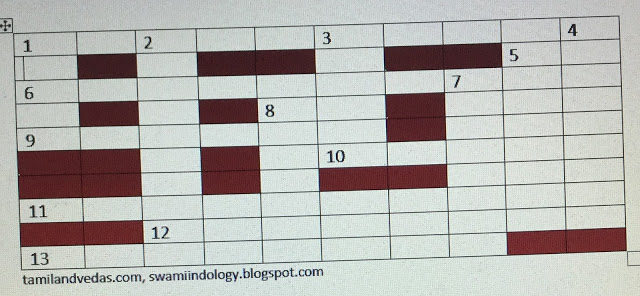
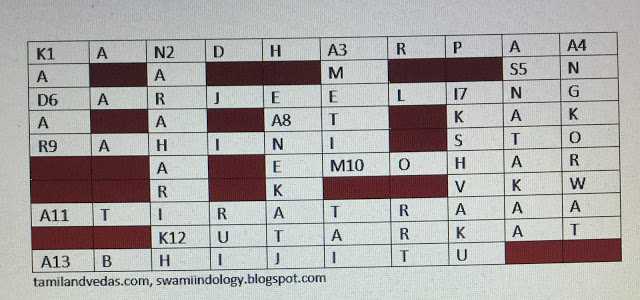
ACROSS

1. (10 letters)- another name for Manmatha/ Cupid/god of love

6. – (10) West Bengal Hill resort with Toy Train Railway

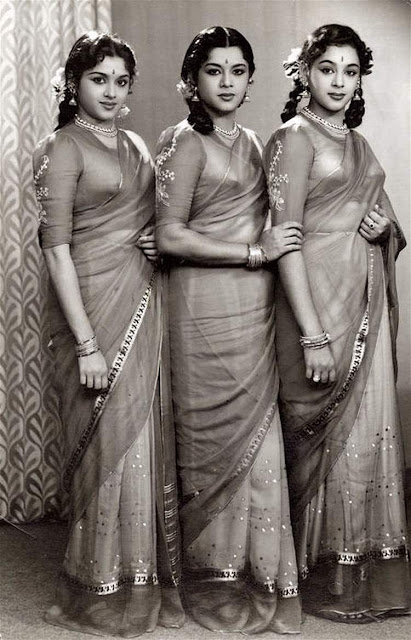
9. –(6) Saraswati’s name; popular girl’s name; one of the three sisters, famous Tamil and Malayalam film actresses ; other two Lalitha, Padmini

10. –(4) – one of the 6 hurdles in spiritual advancement; means delusion, confusion, perplexity

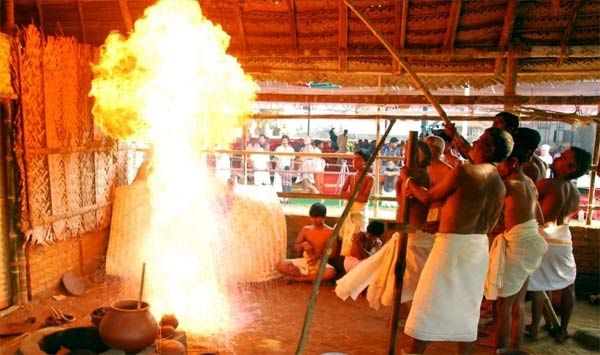
11.– (8) – one of the 7 Somayajnas; Prof. Fritz Stall of California made it popular by doing it in Kerala; meaning of the word- dead of night

12.–(7) – fallacious argument; one type of argument.

13. – (7) – 28th star in Hindu zodiac; general meaning – victorious, auspicious time

DOWN

1. – (5 letters) another name of  Khadi worn during India’s Independent Struggle

2.– (8) Narasimhavataras’s another name meaning; Vishnu’s fourth avatara

3. i –(5) Uttar Pradesh Constituency where from Indira Gandhi and other congress leaders contested (letter ‘h’ is dropped from the actual spelling)

4.—(9) Famous Cambodian Temple

5.– (7) – a student who has finished studies and became a house holder

7– (8) Son of Manu; first king of Solar race; he introduced sugarcane cultivation

8. – (5) – means many; not one

–subham–

ஓணான் பற்றி 4 பழமொழிகள் – கண்டுபிடியுங்கள் (Post No. 8225)

WRITTEN BY LONDON SWAMINATHAN

Post No.     8225

Date uploaded in London – 22 June 2020       

Contact – swami_48@yahoo.com

Pictures are taken from various sources for spreading knowledge; this is a non- commercial blog. Thanks for your great pictures.

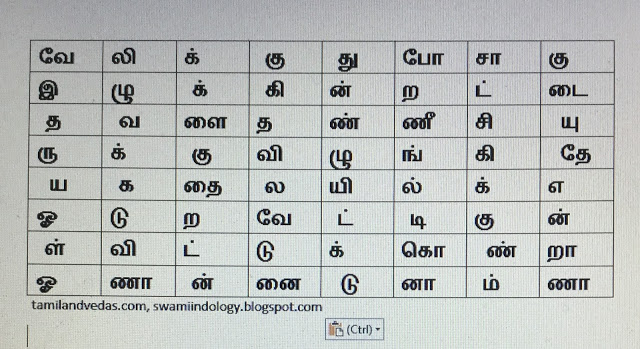
ஒரே சொல் மீண்டும் மீண்டும் வந்தால் ஓரிரு இடங்களில் மட்டுமே கட்டத்தில் இருக்கும். கொண்டு கூட்டி பொருள் கொள்க . விடை கீழே உள்ளது . சில நேரங்களில் படங்களைப் பார்த்தாலும் விடை காண உதவலாம்.

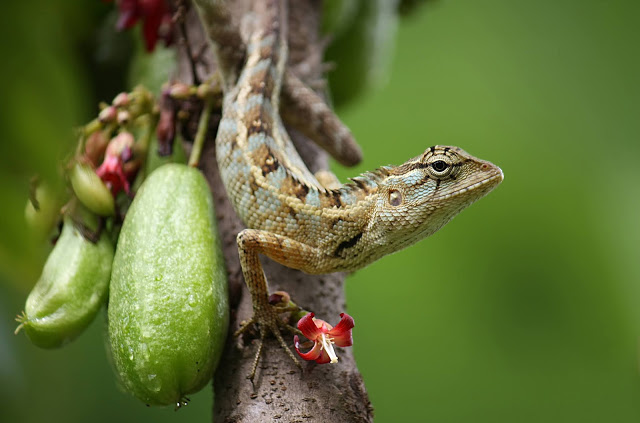
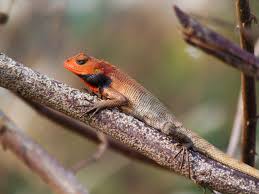
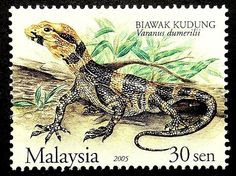
ஓந்தி , கரட்டாண்டி , பச்சோந்தி   (Chameleon, Oriental Garden Lizard) என்ற பெயர்களும் உண்டு.

விடை

1.ஓணான் வேலிக்கு இழுக்கின்றது, தவளை தண்ணீருக்கு இழுக்கின்றது,

2.ஓணான் விழுங்கிய கதை போல 

3.வேலியில் ஓடுற ஓணானை வேட்டிக்குள் விட்டுக்கொண்டு குடையுதே குடையுதே என்றா னாம்

(வேட்டிக்குள் என்பதற்குப் பதிலாக xxxxxxxxxxx என்ற கெட்ட வார்த்தையையும் பயன்படுத்துவர்.)

4.வேலிக்கு ஓணான் சாட்சி

Source book :–

பயன்படுத்திய நூல்- கழகப் பழமொழி அகர  வரிசை, கழக வெளியீடு.

tags– ஓணான் , பழமொழிகள் ,ஓந்தி , கரட்டாண்டி

–subham–

100 EARTHS AND 1000 SUNS IN RIG VEDA; THEY KNEW ALIENS! (Post No.8224)

WRITTEN BY LONDON SWAMINATHAN

Post No. 8224

Date uploaded in London – 22 June 2020       

Contact – swami_48@yahoo.com

Pictures are taken from various sources for spreading knowledge; this is a non- commercial blog. Thanks for your great pictures.

tamilandvedas.com, swamiindology.blogspot.com

Rig Veda is the oldest record of Human achievements. It shows that Hindus knew about ALIEN CIVILIZATIONS long ago. Scientists should study Rig Veda and see whether they can predict future inventions and discoveries. I have been predicting for long that Time Travel is possible. Einstein and others have been predicting that light is the fastest matter in the universe. But all Hindu scriptures say that MIND is the fastest thing in the world. But light is concrete and sound is abstract in our views. Mind power can also be used to travel inter galactically. For instance Narada was an Inter Galactic Traveller. He appeared in Bhu (Earth), Bhuvar and Swarga Loka (Heaven). He is a Tri Loka Chnachari.

***

Now back to science-

Light travels at the speed of 1,86,000 miles per second. So to reach the nearest star Alpha Centauri, you will have to travel at this speed for four and a half years. Scientists believe that it is not at all possible.  At the moment, our satellites and rockets travel at the speed of 60,000 miles PER HOUR. But Hindus believe that thought can take you to any destination faster than light. We saw it in Ramayana. Rama has propelled his plane Pushpaka Vimana with mind power and reached Ayodhya within 24 hours. Even before he reached Ayodhya Hanuman went first with the Good News and stopped Bharata entering Fire Pit (Agni Kunda); it is a 3000 mile trip from one point in Sri Lanka to Ayodhya in Uttar Pradesh.

Tamils also did this. When Kerala King Cheraman Perumal Nayanar and Tamil Nadu saint Sundara murthy went to Kailash on horse back, old Tamil poetess Avvaiar heard about this and went in a trice to Kailash by though power.

If any one thinks that all these are pigments of imagination, at least give them the credit of first science fiction writers.

***

Let me continue—

Two things come to my mind-

Gods were living on earth along with the humans and left them at one point. (Adi Shankara and Satapata Brahmana explains in the link given at the end- Why Gods Left Earth? My article dated 15-1-2017)

This clearly shows that Inter Galactic Travel was done at one time.

The second thing that came to my mind was the Inter Galactic Travel done by Arjuna in the space shuttle piloted by Matali according to Vana Parva of Mahabharata. Dilation of Time is also explained in the story of Revati (Please see the links at the bottom.)

***

Hindu children repeat the words ‘Koti Surya Samaprabha’ ( brightness equal to ten million Suns) in their daily prayers. Even the Father of Atomic Bomb J.Robert Oppenheimer remembered the words  ‘DIVI SURYA SAHASRASYA’ One Thousand Suns (Bhagavd Gita Sloka 11-12) when the first Atomic Bomb was exploded in 1945, just one month before they dropped it on Hiroshima on 6th August 1945.

So, the Hindus knew about billions of Suns (stars) and millions of earths about which we read in our Astronomy columns and magazines today.

All stars are holy souls according to Space Pilot Matali in the Vana Parva of Mahabharata.

This type of information is found even in the oldest book in the world, the Rig Veda.

Hymns from Rig Veda

Here are the hymns from Rig Veda-

“Indra has grown yet greater for vigour. The one un decaying divides the treasures Indra has transcended heaven and earth, half of him is equal to both the worlds – RV.6-30-1

“Indra , the vast axle of your wheel by greatness transcends Heaven and Earth – RV.6-24-3

“INDRA , IF THERE WERE A HUNDRED HEAVENS AND A HUNDRED EARTHS, NOT EVEN IF THERE WERE A THOUSAND SUNS COULD THE WORLD EQUAL YOUR EFFULGENCE AT BIRTH – RV.8-70-5

(The worlds have different levels and are sometimes divided in different ways. Savitar is the Sun God as the divine Father and Creator. He rules five realms divided three fold. Mitra and Varuna rule four realms divided three folds , explains David Frawley.)

(Indra means a leader, a God, a King in Sanskrit; Tamil literature also follow it and use IRAIVA for both God and King. So one has to be careful in interpreting.)

***

“Savitar by greatness has encompassed three atmospheres, three regions and three luminous heavens . Three heavens and three earths he has directed , may he guard us through his nature by his three fold law -RV.4-53-5

“Mitra and Varuna , three luminous realms and three heavens , you uphold three realms. Adityas, you are the upholder of the region, of the luminous Heaven, of Heaven and Earth -RV.5-69-1, 4

***

“All worlds and all creatures exist ETERNALLY in the presence of Savitar. Three heavens are his, with two in his presence. One in the realm of Yama (God of Death) is the abode of the heroes – 1-35-5,6

***

“Men can also go to these regions of the gods and become one with them .

May I attain that beloved abode of his , where godly men rejoice, where there is kinship with him of wide stride, a fountain of bliss in the supreme abode of Vishnu – 1-154-5

“That supreme abode of Vishnu  LIKE AN EYE EXTENDED HEAVEN, the seers ever see” -1-22-20

Griffith translates the same mantra as follows-

“The princes ever more behold that loftiest place where Vishnu is LAID AS IT WERE AN EYE IN HEAVEN .

This Vishnu’s station most sublime, the singers ever vigilant, LOVERS OF HOLY SONG, LIGHT UP .”

**

There are innumerable passages like this. We may not even understand it fully until new discoveries are made. But a scientist with perspective outlook may interpret them even now.

What we must notice is the word ‘LUMINOUS (light)’ in many hymns.

What we must remember is the translation of Sanskrit hymns into English is at least 100 years ago. People don’t know much astronomy in those days.

WHEN IT COMES TO SPEED, HINDUS ALWAYS USE ‘MANO VEGAM’ – SPEED OF MIND/THOGHT (RV.1-23-3)

(About 50 years ago I read a book titled ‘ SCRIPTURE OF THE HEAVENS’, where this ‘abode of Vishnu’ is explained as star VEGAS (more information about Vegas is available in Wikipedia).

Before I conclude I want to point out that Hindus are the only people who gave mind boggling number for ‘a day of Brahma’ (4-32 billion solar years) which means different time scales compared to human years.

Putting all together will give you a good picture of Hindu View of Universe.


WHY GODS LEFT EARTH ? ADI SANKARA EXPLAINS! (Post …

tamilandvedas.com › 2017/10/15 › why-gods-left-earth…

  1.  

15 Oct 2017 – Adi Shankara, one of the great philosophers, says that gods (Devasleft the earth after becoming fed up with the demands of the human beings …

Showing results for time dilation and Arjuna’s travel with Matali from tamilandvedas.com
Search instead for tme dilation and Arjuna’s tarvel with Matali from tamilandvedas.com


Time dilation | Tamil and Vedas

tamilandvedas.com › tag › time-dilation

  1.  
  2.  

28 Jan 2012 – Arjuna was taken to Indra Loka by Matali in his special chariot (may … The theory of Time dilation is explained in the story of Arjuna’s travel to …


Time Travel | Tamil and Vedas

tamilandvedas.com › tag › time-travel

  1.  
  2.  

Posts about Time Travel written by Tamil and Vedas. … I have already written about Arjuna’s travel to alien worlds and the Theory of Time dilation. … dilation. Arjuna was taken to Indra Loka by Matali in his special chariot (may be a spaceship).


Is Brahmastra a nuclear weapon? | Tamil and Vedas

tamilandvedas.com › 2011/06/05 › is-brahmastra-a-nuc…

  1.  
  2.  

5 Jun 2011 – Theory of Time Dilation. If a 16 year old person travels at the … But there is a story in our Puranas about Arjuna’s travel to Swarga (an alien planet?) in Indra’s chariot driven by his driver Matali. When Arjuna came back to earth …


STAR MYSTERIES IN THE RIG VEDA- Part 1 (Post No.4247 …

tamilandvedas.com › 2017/09/26 › star-mysteries-in-th…

  1.  

26 Sep 2017 – The mystery about the star is its heliacal rising at different times in … Matali is always associated with space travel and I have written about Arjuna’s space travel in Matali’s … tamilandvedas.com/2014/09/12/did-kalidasa-fly-in…

Missing: dilation ‎| Must include: dilation


mahabharata | Tamil and Vedas | Page 2

tamilandvedas.com › tag › page

  1.  

Translate this page

19 Oct 2015 – Arjuna was taken to Indra Loka by Matali in his special chariot (may … The theory of Time dilation is explained in the story of Arjuna’s travel to …

—Subham—

tags– 100 earths, 1000 suns, Rig Veda, Space, Universe

MODERN RISHIS-2 (Post No.8223)

      MODERN RISHIS-2 (Post No.8223)  

  WRITTEN BY R. NANJAPPA                          

Post No. 8223

Date uploaded in London – – – 22 June 2020    Contact – swami_48@yahoo.com Pictures are taken from various sources for spreading knowledge; this is a non- commercial blog. Thanks for your great pictures.          

MODERN RISHIS-2                                                      R. Nanjappa

Two Prophets and a Rishi-1      

  [Life today is organised around economics. Economic considerations dictate every other type of activity. Just now, people are anxious to resume full scale economic activities, though Covid19 is still spreading! Even temples are eager to do business as usual, for the sake of income! So, it is important to understand some basic factors relating to our economic life and organization. Economic problems do not spare us because we do not know economics!]  
Rishis in two worlds!       A  Rishi is one who fundamentally alters our conception of Reality by pointing out a basic aspect which  we had hitherto not known. This Reality is two-fold; one aspect relates to the Ultimate Reality  and the other, to aspects of the relative existence. The two are connected. A true religion asks us to order the relative existence in the light of the ultimate Reality and not to neglect our worldly existence. Hindu religion has neatly classified the aims of human existence into 4 categories- Dharma, Artha, Kama and Moksha. A sane householder has to strive for all the four, though the relative importance of any will depend upon the particular stage of his life. A man of 70 cannot behave like a boy of 17! As the saying goes, as we age, we have to repack our bags!  While the highest ranks of the Rishis are almost totally devoted to the Ultimate Truth, they too have to live in this world. Our ancient Rishis did not exactly starve. We have an episode in the Brihadaranyaka Upanishad, where Yajnavalkya engages in the highest philosophical discussions, but does not neglect to collect the reward offered by the King! But he is surely not after wealth-artha-as such. For he knows that the Truth cannot be attained by wealth.     Amrutatvasya tu na aasaa asti vittena iti. (There is no hope of Immortality being gained through wealth.) Yajnavalkya in Brihadaranyaka. II.iv.2



And he is matched by an equally evolved wife. When he offers to divide his property among his two wives, and proceed to the forest, one of them Maitreyi says what would she do with   that wealth which would not confer her Immortality!


Tenaaham na amrutaa syaam
Kim aham tena kuryaam?
What shall I do with that which will not make be immortal?
                                                           II.iv.3
(Brihadaranyaka Upanishad. Sankara’s commentary. Tr. By Swami Madhavananda. Advaita Ashrama,  1975.)     One has to lead a righteous life, never forgetting the ultimate goal that is Liberation. Shunning life is not the solution to the problems of life! The Gita too does not ask Arjuna to run away from the battle field! It makes a distinction between Tyaga and Sanyasa and says that an embodied being cannot avoid action, but the one who while performing the necessary activity yet renounces the fruit of such action is a renouncer- karma phala tyagi. 18.11 This is exactly what is prescribed in the first mantra of the Isha Upanishad-  Tena tyaktena bhunjita. Enjoy by renunciation! Thus our scriptures have an organic unity. It requires patient study and quiet reflection.      We may therefore conclude that life in the world is also important. There are those high souls who teach us how to live properly. But they can not  always  be considered Rishis. There is another category of teachers, whom we may call Prophets. Their job is mainly to draw attention to the defects of our ways and to point in the right direction.  


Marx- the philosopher and the prophet     While the economic aspects of our earthly existence cannot be neglected, no civilisation before our own exalted the economic above all other considerations! Two human inventions have been instrumental in this: the invention of money and the mechanisation or industrialisation of our economic life. It was capitalism which combined both in a heady concoction, but today every form of modern economic organization, including socialism, is based on both money exchange and large scale industrialization..    The first great thinker to draw our attention to the evil effects of such a combination and the industrial mode of production was Karl Marx. [1818-1883] He pointed out how this new mode alienated  man from his humanity, and in the process he too became a commodity to be used and thrown, and valued through the medium of money. This mode concentrated economic wealth and power in the hands of a few, and made the masses of people suffer. The inequalities in wealth increased in the society, and the gap between the rich and the poor widened all the time.    Picture from the National Portrait Gallery, London.   There have been many learned and valid arguments against Marx. But the stark facts speak for themselves. According to all the surveys conducted by all the international agencies, the rich have been growing richer, and the poor, poorer in all parts of the world, where modern economics is practised! Professional economists are wont to confuse us with too many refined theories – like whether we should measure inequalities in wealth, or income or consumption. But by any measure, the greater wealth  is getting concentrated in fewer hands of the super rich: just 1% of the adults own more than 40% of the world’s assets; just 3 individuals owned more wealth than the bottom 48 nations of the world in 2000!  David C.Korten has shown how the balance sheets of a few Corporate bodies   exceed the combined budgets of most countries in the world! This stark reality no ingenious economic theory can white wash or wish away!        The most poignant aspect of the suffering of the people in the modern world is that whether we take hunger, health care, access to minimum amounts of material goods and services, the cause is not scarcity or non-availability, but accessibility and affordability. Production processes and services have been so much mechanised, and centralised  that  productive and meaningful employment , and consequently  access to the means of living have become a problem for most people. Marx anticipated these developments more than 150 years ago and they have not changed, in spite of all the seeming changes!  ( progress!)     Within the capitalist system all methods for raising the productivity of labour are put into effect at the cost of  the individual worker…. Accumulation of wealth at one pole is, therefore, at the same time the accumulation of misery , the torment of labour, slavery, ignorance, brutalization and moral degradation at the opposite pole, ie on the side of the class that produces its own product as capital.  

We may readily concede that the condition of the factory worker has vastly improved – but not in all countries. The wealthier countries have intentionally shifted production to countries like China which do not follow the international norms for labour, to ensure low cost! And in our own country we now have lot of IT savvy employees- called by that ugly epithet ‘Techies’ but look at their over all working conditions: are they free, and do they enjoy moral and intellectual freedoms? Do they have regular working hours and rationally determined work load? Are they not ‘burnt out’ rather early? And what about the millions of those who cannot get employment?    the commercial crises… by their periodical return put on trial, each time more threateningly, the existence of the entire bourgeois society….. In these crises there breaks out an epidemic that, in all earlier epochs, would have seemed an absurdity-   the epidemic of over-production.   Let us briefly note here that this was written in 1867. We had a very serious crisis from 1929 to 1939, again in the 90s and then again in 2008. Each one was more threatening than the previous one. The latest one in 2008 was more severe than the world depression of the 1930s. Thus, for all its so called ‘progress’ the capitalist leopard has not changed its spots!     The last cause of all real crises always remains the poverty and restricted consumption of the masses as compared to the tendency of capitalist production to develop the productive forces in such a way that only the absolute power of consumption of the entire society would be their limit.   Capitalist mode of production keeps improving productivity, and expanding production. This results in a situation of what economists call over-production or under-consumption or equilibrium at less than full employment or secular stagnation etc. This is a definite insight of Karl Marx.   But the most basic objection of Marx to capitalism is on account of its tendency to degrade and brutalise human beings, as shown in the first extract quoted above. Marx was primarily concerned about the human condition. (We may look at this in more detail later.)       Note: We are looking here at Karl Marx as a philosopher and prophet- not as active politician. We should not confuse the original insights of Marx with the political ideology or propaganda that goes by his name. 


Keynes- rebel capitalist, reformer and prophet of the good life Even as Marx was writing, social and industrial reform movements were afoot and the factory working conditions  gradually improved. However, the tendency of the capitalist economy to face periodical crises did not change, or their intensity abate.  These were known by the name Trade or Business cycles. Conventional economic wisdom considered them as part of the system, something that would correct itself, given time. Since they believed in the notion of equilibrium, such upsets were the correctives needed for a new equilibrium.   But what they involved was serious imbalance between production, consumption, investment and employment. This brought misery to whole sections of people. The crisis of the 1920s and 1930s became a world phenomenon, bringing untold suffering in its train to large masses of people.. How long could the people wait for a new equilibrium to show up?   It was here that John Maynard Keynes came up with his solution. He pointed out that the conventional economists began from assumptions which were not based on reality. They assumed that there was equilibrium at full-employment. But Keynes pointed out that there could be equilibrium at many levels of employment, and in a situation of depression as they were in, it called for direct intervention by the government to boost the spending power of the people ( effective demand), so that there would be enough money going round in the system to promote fresh investment and employment.   


   Picture from National Portrait Gallery, London.   This was a novel solution, though still within conventional economics. People overlooked the conventional aspects, and looked at it as a ‘revolution’. Opposition / reservations were expressed from many quarters on many grounds. However when the misery intensified, the US  under Roosevelt took some half-hearted measures under the so called New Deal. Soon the World War intervened, and recovery started.    But there was a more intensive crisis in 2008, when the entire financial system of the so called free world- the arch capitalist countries- almost melted. It was brought about by the unrestrained free market policies of Reagan-Thatcher dispensation. They gave unrestricted freedom to the financial sector to make innovations in products and processes, whose nature they did not know and could  not understand, and which they could not control or regulate. The financial system went bust, banks failed and govt had to intervene in a very big way to save the so called “free market”. And unlike in the 1930s, the governments adopted Keynesian solutions and recovery started within a year or so, without resort to any war! It was thus Keynes who saved capitalism from the capitalists themselves. (But the tax payer bore the burden! )   

People are yet to  realise that Keynes had understood the real problem of capitalism -over production and under employment- as pointed out by Marx and given it a solution based on the conventions and ideals of a free society , thus avoiding the need for any revolution.   But Keynes too was not a mere economist. Like Marx, he too was a philosopher. No doubt he had to deal with the pressing economic problems of the day as an academic, as an official,  as adviser, etc. But above all else, he was concerned with the basic goal of life. For him, money was a means to an end, and he considered preoccupation with money as such as the manifestation of mental illness. Keynes believed that man’s material wants were rather limited , and in a short essay in 1928 and a lecture later, (about ‘the economic possibilities for our grandchildren’) predicted that in about a century , we would be able to solve our economic problems and devote our lives for the real purposes of living: for the first time since his creation man will be faced with his real, his permanent problem- how to use his freedom from pressing economic cares, how to occupy the leisure, which science and compound interest will have won for him, to live wisely, agreeably and well.   This shows that Keynes was not a growth maniac, like the blind modern economists are. He did not consider man as an economic animal., or making money his chief aim in life.     

Two Prophets and a Rishi-2  Marx and Keynes: Failed prophets? People have overlooked the essential aspects of both Marx and Keynes. Both were primarily philosophers, but most people do not know or do not care. Marx said that philosophers interpreted the world, but the need was to change it. He failed in the limited attempts he made to change it, but he sort of believed that capitalism would fall of its own accord due to its internal contradictions. But he did not know how exactly the end would come. Capitalism has shown great resilience and managed to survive so far. Keynes saved capitalism from a severe crisis in the last century, and showed a way to deal with  its tendency for periodical crises. In this preoccupation, his focus was expressly on the short term. But his long range prediction (or hope?) was that technological improvements would enable man to solve his economic problem in a hundred years and he expected him to devote his time for ‘higher ‘ purposes. But this has not materialized   so far, and appears far from getting fulfilled. If anything, the horizon of hope ever keeps receding. Can we thus say that both Marx and Keynes are failed prophets even though their basic philosophies hold a clear view of truth? For Marx, the basic problem was the alienation of man from his own real nature-his essential humanity. Money is a tool in this process. For Keynes, man’s preoccupation with money was a psychological illness, and it obscured the real aims of life. Both these are valid insights. But they did not go deep into the real causes of our economic disease or distress.  


Root of the matter: E.F.Schumacher. In a way, neither Marx nor Keynes went to the root of the matter. Modern economic Organization – whether it is capitalist or socialist or communist, or called by any other Name – is still materialist at base, and in essence. They put material things above all else. Those organizations exist primarily to satisfy human wants, but the wants go on multiplying all the time. The only way to satisfy the wants is to produce more. More production involves more intensive and extensive exploitation of natural resources. Economists of all varieties and descriptions simply assume that the resources will last and ….last! Or, science and technology would somehow stretch their use almost infinitely! Some rare economists like E.J. Mishan of the London School of Economics pointed out that growth involved costs, but they were ignored by the establishment. Mishan even found it difficult to publish his book, as no standard publisher was ready to print it. Moralists like Gandhi objected to the modern economy, but they were not taken seriously  by the economists or the political establishments.    The first economist to seriously question the materialistic model of economic organisation was E.F. Schumacher. In his 1973 book “SMALL IS BEAUTIFUL” – A Study of Economics as if People Mattered, he voiced concerns not only about the effect the economy was having on people, but also on Nature, of which man was part. His propositions were simple, direct:     Modern man treats himself not as a part of nature but as an outside force. He is attempting to ‘conquer’ it;  if he succeeded in that, he would be on the losing side.Modern economy is based on exploitation of fossil fuels (and other natural resource). Man is treating them as income items, even though they are undeniably capital items.  Man is thus living on capital.Our scientists have compounded substances unknown to nature.
Nature is unable to deal with them.Resort to nuclear energy to solve the fossil fuel problem is to solve one problem by creating environmental and ecological problems.Economic theory has been developed only by disregarding qualitative considerations, and  ethical issues.   Problem of poverty cannot be solved unless ‘mass production’ is substituted by ‘production by the masses.’Scientific knowledge is used without wisdom. Technological development has to relate to human scale. Man is small; therefore, small is beautiful! Logic of production is neither the logic of life, nor the logic of society. Man should know when enough is enough.   It can be imagined what an upheaval the book would have created!

 The substance of Schumacher’s thesis is that man has created an economy which is unsustainable.  He pleaded for intermediate, appropriate human scale technologies. He also argued that man is not a mere economic machine but he has other, higher needs. Preoccupation with economics should not be at the cost of his humanity. It is not a good state of affairs when bad things going into machines come out good, while the men attending them get degraded! Some of these themes he developed further in two other books, A Guide For The Perplexed, and Good Work.    Sustainable economics is what Gandhian J.C.Kumarappa called the ‘Economy of Permanence’. But Schumacher treated it more fully, and more academically. Today, it has become a fixed element in the consciousness of the better educated, thinking part of humanity. It is certainly a new consciousness that he has created. As such, he is also a modern Rishi whom I salute.  

  Note: There is no substitute for reading some good literature on the subject. For general readers, I suggest the following: 1. Marx’s Das Capital by Francis Wheen. Indian edition published by Manjul Publishing House, 2008. 2. Keynes: The Return of The Master by Robert Skidelsky. Penguin, 2010. 3.How Much is Enough. by Robert & Edward Skidelsky. Penguin. 2013. 4.  Beyond The Chains of Illusion by Erich Fromm 5.The Affluent Society by John Kenneth Galbraith Books at 2 and 3 above are some of the best I have read in over 40 years.    Schumacher’s books are available in different editions. I have not been able to provide his picture here due to copyright hassles.                                                               ***    


ஹிந்தி படப் பாட்டுகள் – 75 – பக்திப் பாடல்கள்! (Post No.8222)

WRITTEN BY R. NANJAPPA                        

Post No. 8222

Date uploaded in London – – – 22 June 2020   

Contact – swami_48@yahoo.com

Pictures are taken from various sources for spreading knowledge; this is a non- commercial blog. Thanks for your great pictures.

ஹிந்தி படப் பாட்டுகள் – 75 – பக்திப் பாடல்கள்!

R. Nanjappa

” The fear of the Lord is the beginning of wisdom”, என்பது பைபிளில் வரும் வாக்கியம். நம் திருவள்ளுவர் மொழியில்,

கற்றதனாலாய பயனென்கொல், வாலறிவன்

நற்றாள் தொழாஅர் எனின்

என்போம்.

சினிமா என்னதான் பொழுதுபோக்குச் சாதனமாக இருந்தாலும் அங்கும் அடிப்படையில் தெய்வபக்தி சிறிதளவாவது இருக்கிறது. (ஹிந்துக் கடவுளைக் காட்டாவிட்டாலும் வேறு ஏதாவது காட்டுவார்கள்!) சினிமாவில் காட்டுகிறார்களோ இல்லையோ, அதில் ஈடுபட்டுள்ள பலரும் சொந்த வாழ்க்கையில் ஏதோ தெய்வ நம்பிக்கை உள்ளவர்களாகவே இருக்கிறார்கள். எந்தப் படமானாலும் ‘பூஜை” (முஹுரத்) என்று போடாமல் தொடங்குவதில்லை! (நம் ஊரில் சாமி இல்லை என்பவர்களும் தாயே தெய்வம் என்பார்கள்!)

நமது  வேதம் முதலில் தாயைத் தான் தெய்வமாகச் சொல்கிறது: “மாத்ரு தேவோ பவ”! இதை ஒரு படத்தில் அருமையான பாட்டாகத் தந்துவிட்டார்கள்:

உஸ் கோ நஹீ தேகா

उसको नहीं देखा हमने कभी
पर इसकी ज़रुरत क्या होगी
माँ, माँ तेरी सूरत से अलग
भगवान की सूरत क्या होगी, क्या होगी
उसको नहीं देखा हमने कभी

इनसान तो क्या देवता भी
आँचल में पले तेरे
है स्वर्ग इसी दुनिया में क़दमों के तले तेरे
ममता ही लुटाये जिसके नयन ऐसी कोई मूरत क्या होगी
माँ, माँ तेरी सूरत


क्यों धूप जलाए दुखों की  क्यों गम की घटा बरसे
ये हाथ दुआओं वाले  रहते हैं सदा सर पे
तू है तो अँधेरे पथ में हमें  सूरज की ज़रुरत क्या होगी
माँ, माँ तेरी सूरत

कहते हैं तेरी शान में जो कोई ऊँचे बोल नहीं
भगवान के पास भी माता  तेरे प्यार का मोल नहीं
हम तो यही जानें तुझसे बड़ी  संसार की दौलत क्या होगी
माँ, माँ तेरी सूरत… 

உஸ்கோ நஹீ தேகா ஹம்னே கபீ

பர் இஸ் கீ ஃஜரூரத் க்யா ஹோகீ

யே மா, யே மா தேரீ ஸூரத் ஸே அலக்

பகவான் கீ ஸூரத் க்யா ஹோகீ, க்யா ஹோகீ

உஸ் கோ நஹீ தேகா ஹம்னே கபீ

நாங்கள் அவரைப் பார்த்ததில்லை

அப்படிப் பார்ப்பதற்கும் என்ன அவசியம் இருக்கிறது?

அம்மா! அம்மா!

உன் முகத்தைவிட வேறானதாகவா பகவான் முகம் இருக்கும்?

நாங்கள் பகவானைப் பார்த்ததில்லை! (உன்னைப் பார்க்கிறோம்!)

இன்ஸான் தோ க்யா தேவ்தா பீ  ஆன்சல் மே பலே தேரே

ஹை ஸ்வர்க்  இஸீ துனியாமே கதமோ(ன்) கே தலே தேரே

மம்தா ஹீ லுடாயீ ஜிஸ்கே நயன் ஐஸீ கோயீ மூரத் க்யா ஹோகீ

யே மா, தேரீ ஸூரத் 

மனிதர்கள் என்ன, தேவதைகளையும் நீதானே போஷித்து வளர்க்கிறாய்!

உன் காலடியில் ஸ்வர்க்கமே இருக்கிறது!

உன் கண்களிலிருந்து வரும் அன்புக்கு ஈடாக எந்த மூர்த்தியிலிருந்தாவது வருமா?

அம்மா, நாங்கள் கடவுளைப் பார்த்ததில்லை, உன்னைப் பார்க்கிறோம்!

க்யூ(ன்) தூப் ஜலாயே தேகோ(ன்) ..கீ கம் கீ கடா பர்ஸே

யே ஹாத் துவா(ன்) வோ வாலே, ரஹ்தா ஹை ஸதா ஸர் பே

தூ ஹை தோ அந்தேரே பத் மே ஹமே,ஸூரஜ் கீ ஃஜரூரத் க்யா ஹோகீ

யே மா தேரீ ஸூரத்...

அம்மா! உலகில் வெய்யில் காலம் போன்று கஷ்டங்கள் கொளுத்தலாம்,

மழை போன்று வருத்தங்கள் வரலாம்

ஆனால் உன்னுடைய வாழ்த்தும் கரங்கள் எப்போதும் எங்களை ரட்சிக்கின்றன!

நீ இங்கு இருக்கையில், வெளிச்சத்திற்கு சூரியன் தேவையா, என்ன!

அம்மாநாங்கள் உன் முகத்தைப் பார்க்கிறோம், கடவுளைக் கண்டதில்லை!

கஹதே ஹை தேரீ ஷான் மே ஜோ கோயீ ஊஞ்சே போல் நஹீ

பகவான் கே பாஸ் பீ  மாதா தேரே ப்யார் கா மோல் நஹீ.

ஹம் தோ யஹீ ஜானே  துஜ் ஸே படீ ஸம்ஸார் கீ தௌலத் க்யா ஹோகீ

யே மா தேரீ ஸூரத் ஸே அலக்..

அம்மா! உன்னைப் புகழும் சொற்களைவிட உயர்ந்த சொற்கள் இல்லை!.

உன் அன்புக்கு ஈடாக கடவுளும் எதுவும் செய்ய முடியாது!

அம்மா! உன்னைவிட உயர்ந்த செல்வம் இந்த உலகத்தில் எதுவும் இல்லை

என்பது எங்களுக்கு நன்றாகத் தெரியும்!

அம்மா! அம்மா! நாங்கள் உன் முகத்தைப் பார்க்கிறோம்

கடவுளைப் பார்த்ததில்லை!

ஆனால் கடவுள் உன்னைவிட வேறாகவா இருக்கப்போகிறார்!

Song: Usko nahi dekha hum ne kabhi Film: Daadi Maa 1966 Lyrics: Majrooh Sultanpuri

Music : Roshan Singers: Manna Dey & Mahendra Kapoor

Youtube link:  https://www.youtube.com/watch?v=I1XWUbWIO9c

version song;  https://www.youtube.com/watch?v=JQo_-TJcQP8&list=PLFDrs9fiiaE45Ew-dS-99nyVU4yZGEaxj&index=154

பாஹடி ராகத்தில்அமைந்த அருமையான பாட்டு! மஜ்ரூஹ் ஸுல்தான்புரியின் அருமையான கவிதை, ரோஷனின் அரிய படைப்பு! மஹேந்த்ர கபூரும் மன்னாடேயும் இணைந்து அருமையாகப் பாடுகிறார்கள்! கண்ணில் நீர் துளிர்க்காமல் இதை கேட்காதவர் இருக்கமுடியாது!

நம் படங்களில் தெய்வபக்திப் பாடல்கள் அருமையாக அமைந்திருக்கின்றன.

தூ ப்யார் கா ஸாகர் ஹை


तू प्यार का सागर है   तेरी इक बूँद के प्यासे हम
लौटा जो दिया तुमने   चले जायेंगे जहां से हम
तू प्यार का सागर

घायल मन का पागल पंछी उड़ने को बेक़रार
पंख हैं कोमल, आँख है धुँधली, जाना है सागर पार
अब तू ही इसे समझा, राह भूले थे कहाँ से हम
तू प्यार का सागर

इधर झूम के गाये ज़िंदगी, उधर है मौत खड़ी
कोई क्या जाने कहाँ है सीमा, उलझन आन पड़ी
कानों में ज़रा कह दे, कि आएँ कौन दिशा से हम
तू प्यार का सागर… 

தூ ப்யார் கா ஸாகர் ஹை

தேரீ ஏக் பூந்த் கே ப்யாஸே ஹம்

லௌடா ஜோ தியா ஹம்னே சலே ஜாயேங்கே ஜஹா(ன்) ஸே ஹம்

தூ ப்யார் கா ஸாகர் ஹை

நீ கருணைக் கடல்!

உன் ஒரு துளிக்காக நாங்கள் ஏங்கி நிற்கிறோம்!

நீ எங்களை நிராகரித்துவிட்டால்

நாங்கள் இந்த உலகை விட்டே போய்விடுவோம்!

நீ கருணைக் கடல்!

காயல் மன் கா பாகல் பஞ்சீ உட்னே கோ பேகரார்

பங்க் ஹை கோமல், ஆன்க் ஹை துந்த்லீ, ஜானா ஹை ஸாகர் பார்

அப் தூ ஹி இஸே ஸம்ஜா, கே ராஹ் பூலே தே கஹா(ன்) ஸே ஹம்

தூ ப்யார் கா ஸாகர் ஹை..

காயம் பட்ட மனதாகிய இந்தப் பறவை பறப்பதற்கு துடிக்கிறது!

சிறகுகள் மெல்லியவை, கண்கள் தெளிவாக இல்லை

ஆனால் இந்த சமுத்திரத்தைக் கடக்கவேண்டும்!

நாங்கள் எங்கே வழியைத் தவறவிட்டோம் என்று

நீதான் இப்பொழுது எங்கள் மனதிற்குச் சொல்ல வேண்டும்!

நீ கருணைக் கடல்!

இதர் ஜூம் கே காயே ஃஜிந்தகீ, உதர் ஹை மௌத் கடீ

கோயீ க்யா ஜானே, கஹா(ன்) கை ஸீமா, உல்ஜன் ஆன் படீ

கானோ(ன்) மே ஃஜரா கஹ் தே, கே ஆயே(ன்கௌன் தி ஸே ஹம்

தூ ப்யார் கா ஸாகர் ஹை

ஒரு பக்கம் வாழ்வில் ஆட்டம் பாட்டம் கொண்டாட்டம்

அந்தப் பக்கமோ மரணம் நிற்கிறது!

இவற்றைப் பிரிக்கும் எல்லை எது? தெரியவில்லை!

மனதில் ஒரே குழப்பம் நிலவுகிறது!

நீயே என் காதில் சொல்லிவிடுநாங்கள் எந்தப் பக்கத்திலிருந்து  வந்து உன்னை அடைவது?

நீ கருணைக் கடல்

அந்த ஒரு துளிக்காக நாங்கள் ஏங்கி நிற்கிறோம்!

Song: Tu Pyar ka sagar hai Film: Seema 1955 Lyrics: Shailendra

Music: Shankar Jaikishan  Singer: Manna Dey & கோரஸ்

YouTube link:  https://www.youtube.com/watch?v=eMJ3UWYpzcI

நமது திரைப்படங்களிலேயே சிறந்த பாடல்களில் ஒன்று!

மாலிக் தேரே பந்தே ஹம்

मालिक तेरे बन्दे हम  ऐसे हों हमारे करम
नेकी पर चलें और बदी से टलें  ताकि हँसते हुए निकले दम
मालिक तेरे बन्दे हम


ये अंधेरा घना छा रहा  तेरा इंसान घबरा रहा
हो रहा बेखबर, कुछ आता नज़र
सुख का सूरज छुपा जा रहा
है तेरी रोशनी में जो दम  तो अमावस को कर दे पूनम
नेकी पर चलें

जब ज़ुल्मों का हो सामना  तब तू ही हमें थामना
वो बुराई करें, हम भलाई भरें नहीं बदले की हो कामना
बढ़ उठे प्यार का हर कदम  और मिटे बैर का ये भरम
नेकी पर चलें

बड़ा कमज़ोर है आदमी  अभी लाखों हैं इसमें कमी
पर तू जो खड़ा, है दयालू बड़ा  तेरी किरपा से धरती थमी
दिया तूने हमें जब जनम  तू ही झेलेगा हम सबके ग़म
नेकी पर चलें… 

மாலிக் தேரே பந்தே ஹம்

ஐஸே ஹோ ஹமாரே கரம்

நேகீ பர் சலே ஔர் பதீ ஸே டலே

தாகி ஹன்ஸ்தே ஹுவே நிக்லே தம்

மாலிக் தேரே பந்தே ஹம்!

ஆண்டவனே, நாங்கள் எல்லோரும் உனக்கு ஆட்பட்டவர்கள்

எங்கள் கரங்கள் நல்ல செயல்களிலேயே ஈடுபடட்டும்

தீயவற்றிலிருந்து விலகி நிற்போம்

சந்தோஷமாகவே, உயிர் பிரியட்டும்!!

ஆண்டவனே, நாங்கள் உனக்கு ஆட்பட்டவர்கள்

அந்தேரா கனா சா ரஹா

தேரா இன்ஸான் கப்ரா ரஹா

ஹோ ரஹா பேகபர், குச் ஆதா நஃஜர்

ஸுக் கா ஸூரஜ் சுபா ஜா ரஹா

ஹை தேரீ ரோஷனீ மே ஜோ தம்

வோ அமாவஸ் கோ கர்தே பூனம் 

நேகீ பர் சலே

இங்கு எங்கும் இருள் கனத்துப் பரவுகிறது

உன் மக்கள் பீதியில் இருக்கிறார்கள்

எங்கும் எதுவும் கண்ணிற்குத் தெரியவில்லை

சுகம் என்னும் சூரியன் மறைந்துவிட்டான்

ஆனால் உன்னிடம் உள்ள ஒளியின் சக்தி

அது அமாவாசையையும் பௌர்ணமியாகச் செய்துவிடும்!

எங்கள் கரங்கள் நல்ல வழியிலேயே செயல்படட்டும்!

ஜப்  ஜுல்மோ(ன்) கா ஹோ ஸாம்னா

தப் தூ ஹி ஹமே தாம் நா

புராயீ கரே(ன்) , ஹம் பலாயீ பரே(ன்)

நஹீ பத்லே கீ ஹோ காம்னா

பத் உடே ப்யார் கா ஹர் கதம்

ஔர் மிடே பைர் கா யே பரம்

நேகீ பர் சலே..

நாங்கள் தீமைகளை எதிர்கொள்ள நேர்ந்தால்

நீயே எங்களை நிதானப்படுத்து!

அவர் கெட்டதே செய்தாலும், நாம் நல்லதாகவே எடுத்துக்கொள்வோம்

பதிலுக்குப் பதில் பழிவாங்கும் எண்ணம் வராமலிருக்கட்டும்

நாங்கள் எடுத்து வைக்கும் ஒவ்வொரு அடியும் அன்பு நிறைந்ததாக இருக்கட்டும்

துவேஷம் இல்லாமல் இருக்கட்டும்

எங்கள் கரங்கள் நல்லதையே செய்யட்டும்!

நல்ல வழியிலேயே செல்வோம், தீயவற்றிலிருந்து விலகி நிற்போம்!

படா கம்ஃஜோர் ஹை ஆத்மீ

அபீ லாகோ(ன்) ஹை இஸ்மே கமீ

பர் தூ ஜோ கடா ஹை தயாலூ படா

தேரீ கிர்பா ஸே தர்தீ தமீ

தியா தூ நே ஹமே ஜப்  ஜனம்

தூ ஹீ ஜேலேகா ஹம் ஸப் கே கம்

நேகீ பர் சலே….

மனிதன் வலுவில்லாதவன், அதிலும் அனேக குறைகள் உள்ளவன்

ஆனால் நீ எல்லாவற்றையும் பொறுத்துக்கொள்ளும் தயாள இயல்புடையவன்

உன் கருணையினால் தான் இந்த உலகம் பிழைத்திருக்கிறது

நீதான் எங்களைப் பிறப்பித்தாய்

எனில் நீயே எங்கள் சுமைகளையும் தாங்குவாய்

நாங்கள் நல்லதையே செய்வோம், தீயவற்றிலிருந்து விலகுவோம்

சந்தோஷமாகவே எங்கள் உயிர் பிரியட்டும்!

Song: Ae Malik tere bandhe hum Film: So Ankhen Barah Haath 1957 Lyrics: Bharat Vyas

Music: Vasant Desai  Singer: Manna Dey & Lata Maangeshkar (separately)

 நமது திரைப்படங்களில் வந்த பிரார்த்தனைப் பாடல்களிலேயே இது மிகச் சிறந்தது. வட இந்தியாவில் பல பள்ளிகளில் பிரார்த்தனைப் பாடலாக இருந்தது. பாகிஸ்தானிலும் இதை விரும்பி வரவேற்றார்கள்!

இது பைரவ் (பைரவி அல்ல) ராகத்தில் அமைந்த பாட்டு!

நமது திரை இசையில் இது அமர கீதமாகிவிட்டது-

Like an Anthem!

  ஹிந்தித் திரை இசையில் நமது பாரத பண்பாட்டு மரபு எப்படி விரவி வருகிறது என்று பார்த்தோம். சாஹித்யத்தில் நமது இலகிய மரபுகள் பயின்று வருகின்றன. திரை இசை பெரும்பாலும் நமது பிரதேச, சாஸ்திரீய இசையின் அடிப்படையில் அமைந்ததே. மேலை நாட்டு அம்சங்களையும் நமது மரபுக்கு ஒப்பதாகவே செய்தார்கள். நமது பழைய இசையமைப்பாளர்கள் ஒரு ராகத்தை மூன்று-நான்கு நிமிஷங்களுக்குள் ஒரு பாட்டில் பிழிந்து கொடுத்தார்கள் என்றெல்லாம் பார்த்தோம். தெய்வச் சிந்தனை கொண்ட பாடலுடன் இக்கட்டுரைத் தொடர் தொடங்கியது. அதே தெய்வச் சிந்தனையுடன்- இந்த மூன்று பிரார்த்தனைகளுடன் இந்தத் தொடரை முடிப்போம்.

விரும்பிப் படித்தவர்களுக்கு நன்றி. 

முற்றும்

This Series on Hindi Film Songs is concluded.

Attachments area

Preview YouTube video Usko Nahin Dekha Humne Kabhi | Manna Dey, Mahendra Kapoor | Daadi Maa 1966 Songs | Tanuja, Mumtaz

Usko Nahin Dekha Humne Kabhi | Manna Dey, Mahendra Kapoor | Daadi Maa 1966 Songs | Tanuja, Mumtaz

Preview YouTube video Usko Nahin Dekha Humne Kabhi

Usko Nahin Dekha Humne Kabhi

Preview YouTube video Full Bhajan ‘Tu pyar ka sagar hai’ old Hindi movie Seema lyrics English translations.wmv

Full Bhajan ‘Tu pyar ka sagar hai’ old Hindi movie Seema lyrics English translations.wmv

Preview YouTube video AYE MAALIK TERE BANDE HUM – COMPLETE MALE VERSION -DO AANKHEIN BARAH HAATH (1957)

AYE MAALIK TERE BANDE HUM – COMPLETE MALE VERSION -DO AANKHEIN BARAH HAATH (1957)

Preview YouTube video Aye Maalik Tere Bande Hum (Male) [Full Version] – Do Aankhen Barah Haath.flv

Aye Maalik Tere Bande Hum (Male) [Full Version] – Do Aankhen Barah Haath.flv