Pictures are taken from various sources for spreading knowledge; this is a non- commercial blog. Thanks for your great pictures.
tamilandvedas.com, swamiindology.blogspot.com
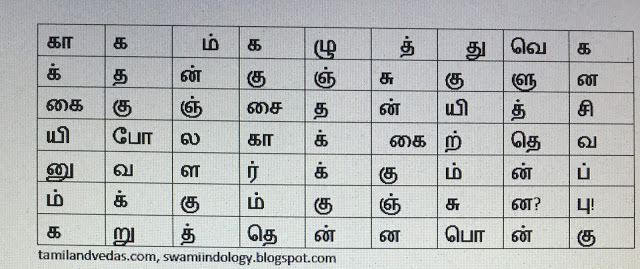
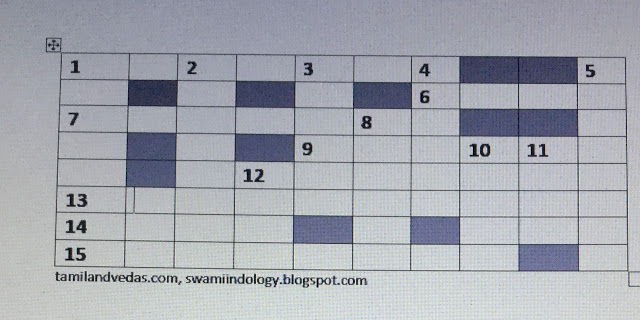
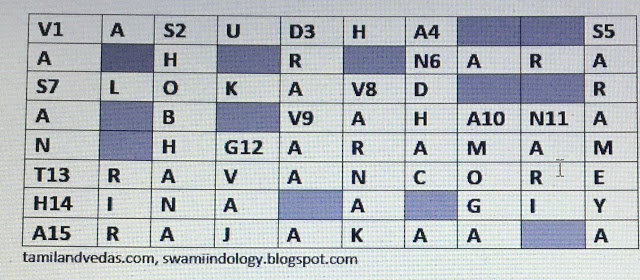
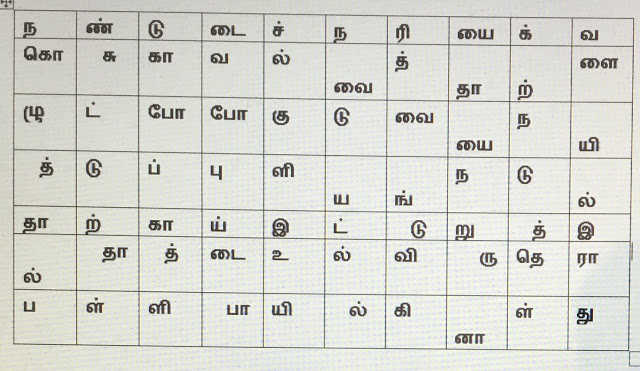
ஒரே சொல் மீண்டும் மீண்டும் வந்தால் ஓரிரு இடங்களில் மட்டுமே கட்டத்தில் இருக்கும். கொண்டு கூட்டி பொருள் கொள்க . விடை கீழே உள்ளது . சில நேரங்களில் படங்களைப் பார்த்தாலும் விடை காண உதவலாம்.
Pictures are taken from various sources for spreading knowledge; this is a non- commercial blog. Thanks for your great pictures.
ஹிந்தி படப் பாடல்கள் -70- ஒரு ராகம்,இரு மலர்கள்-3 பைரவி!
R. Nanjappa
இந்த பைரவி ராகம்தான் நமது இசைஞர்களுக்கு மிகவும் பிடித்த ராகம் போலும்! இதில் நூற்றுக்கணக்கான பாட்டுகள் இருக்கின்றன.ஒரு காலத்தில் மூத்த இசைஞர்கள் நௌஷத்தும் ஷங்கர் ஜெய்கிஷனும் போட்டி போட்டுக்கொண்டு இந்த ராகத்தில் மெட்டுகள் அமைத்தார்கள். ஒவ்வொரு அக்ஷரத்திலும் பல பாட்டுக்கள்-எதை தேர்வுசெய்வது! “ஓ, இதுவும் பைரவிதானா” என்று வியக்கவைக்கும் இரு பாட்டுகளைப் பார்ப்போம்
ஏ தில் துஜே கஸம் ஹைai dil tujhe kasam hai, tuu, himmat na haarana din zindagi ke jaise bhi guzare guzaarana ai dil tujhe kasam hai …
என் நெஞ்சே, உனக்குத்தான் சொல்கிறேன், நீ தைரியத்தை இழக்காதேவாழ்க்கையின் பாதை எப்படிப் போனாலும் அத்துடன் வாழத் தெரிந்துகொள்நெஞ்சே, உனக்குத்தான் சொல்கிறேன்
ulfat ke raaste mein milenge hazaar gam ban jaaye jaan par bhi to gam se na haarana ai dil tujhe kasam hai … அன்பின் பாதையில் ஆயிரம் வருத்தங்கள் வரும்உயிரே போனாலும் துக்கத்திற்கு பணிந்துவிடாதேநெஞ்சே, உனக்குத்தான் சொல்கிறேன்
rone se kam na honge kabhi teri mushakilen bigade hue naseeb ko hans kar sanvaarana ai dil tujhe kasam hai … அழுவதால் என்றும் உன் கஷ்டங்கள் குறையப்போவதில்லைகஷ்டங்கள் வந்தாலும் சிரித்து சமாளிக்கத் தெரிந்துகொள்நெஞ்சே, உனக்குத்தான் சொல்கிறேன்
duniya sitam kare to na karana gila koi jo tere ho chuke hain tu unako pukaarana ai dil tujhe kasam hai … உலகம் உனக்கு துன்பம் தருகிறதா? எங்கும் புகார் சொல்லாதேஉனக்கென்று இருப்பவர்களை உதவிக்கு அழை!நெஞ்சே, உனக்குத்தான் சொல்கிறேன்
என்ன எளிய பாடல், கலப்பில்லாத பைரவி மெட்டு! லதாவின் ஆதி காலக் குரல், இன்னும் பண்படவில்லை. .அவரது ஹிந்தி-உருது உச்சரிப்பும் அவ்வளவு சரியில்லை! இந்த உச்சரிப்பை சரிசெய்ய நௌஷத் மிகுந்த முயற்சி செய்தார். இந்த எளிமையிலேயே ஒரு தனிக்கவர்ச்சி இருக்கிறது! இது பைரவி ராகப் பாட்டிற்கு ஒரு சிறந்த மாதிரி. இப்பொழுது ஒரு வித்தியாசமான பாட்டு!
மேரா ஜூதா ஹை ஜாபானீ
मेरा जूता है जापानी ये पतलून इंगलिश्तानी सर पे लाल टोपी रूसी फिर भी दिल है हिन्दुस्तानी
निकल पड़े हैं खुल्ली सड़क पर अपना सीना ताने मंजिल कहाँ, कहाँ रुकना है,उपरवाला जाने बढ़ते जाए हम सैलानी, जैसे एक दरिया तूफानी सर पे लाल टोपी रूसी
ऊपर-नीचे नीचे-ऊपर लहर चले जीवन की नादान है जो बैठ किनारे, पूछे राह वतन की चलना जीवन की कहानी, रुकना मौत की निशानी
होंगे राजे राजकुंवर हम बिगडे दिल शहज़ादे हम सिंघासन पर जा बैठें जब जब करें इरादे सूरत है जानी पहचानी दुनिया वालों को हैरानी
ஹிந்துஸ்தானி என் செருப்பு ஜப்பனில் செய்தது, என் பேன்ட் இங்கிலிஷ்காரர்களுடையதுஎன் தலையில் சிவப்பு குல்லாய் ரஷ்யர்களுடையதுஆனால் என் மனது என்றும் இந்தியன் தான்!நிகல் படே ஹை குல்லி ஸடக் பர், அப்னா ஸீனா தானேஅப்னா ஸீனா தானேமன்ஃஜில் கஹா(ன்), கஹான் ருக்னா ஹை, ஊபர் வாலே ஜானேஊபர் வாலா ஜானேபட்தே ஜாயே ஹம் ஸைலானி, ஜைஸே ஏக் தரியா தூஃபானிஸர் பே லால் டோபீ ரூஸி..
.நான் திறந்த பாதைக்கு வந்துவிட்டேன்என் மன தைரியத்தினால் நம்பிக்கையுடன் வந்துவிட்டேன்அடையவேண்டிய இலக்கு எங்கே இருக்கிறது? எங்கே நிற்கவேண்டும்?இது ஆண்டவனுக்குத்தான் தெரியும்!நான் முன்னேறிச் செல்கிறேன், நதியின் மேல் வீசும் பெருங்காற்றுபோல்முன்னேறிச் செல்கிறேன்தலையில் சிவந்த ரஷ்யத் தொப்பி இருந்தால் என்ன,என் மனது என்றைக்கும் இந்தியன் தான்!
ஊபர் நீசே, நீசே ஊபர், லஹர் சலே ஜீவன் கீலஹர் சலே ஜீவன் கீநாதா(ன்) ஹை ஜோ பைட் கினாரே பூசே ராஹ் வதன் கீபூசே ராஹ வதன் கீசல்னா ஜீவன் கீ கஹானீ, ருக்னா மௌத் கீ நிஷானீஸர் பே லால் டோபி ரூஸி…மேலே இருப்பது கீழே, கீழே இருப்பது மேலே-இப்படித்தான் வாழ்க்கை அலைபோல மேலும் கீழும் செல்கிறது!இங்கே கரையில் சும்மா உட்கார்ந்துதன் இடத்திற்கு வழியை விசாரிப்பவனைப் பற்றிஎன்ன சொல்ல, வெட்டிப்பயல்!
சென்றுகொண்டிருப்பதுதான் வாழ்க்கை,நின்றுவிடுவது மரணத்தின் அடையாளம்!தலையில் சிவப்பு ரஷ்யத் தொப்பி இருந்தால் என்ன!ஹோங்கே ராஜ், ராஜ்குவர் ஹம், பிக்டேதில் ஷஹ ஃஜாதேபிக்டே தில் ஷஹ ஃஜாதேஹம் ஸிங்காஸன் பர் ஜா பைடே, ஜப் ஜப் கரே இராதேஜப் ஜப் கரே இராதேஸூரத் ஹை ஜானீ பஹசானி, துனியா வாலோ(ன்) கோ ஹைரானீஸர் பே லால் டோபி ரூஸி….நானும் ஒரு நாள் ஒரு ராஜ்யத்தில் ராஜகுமாரனாக இருப்பேன்ஆனால், நான் கொஞ்சம் கர்வம் பிடித்தவன்!நினைக்கும் பொழுது சிம்மாசனத்தில் அமருவேன்! ஆனல், இதென்ன இது தெரிந்த முகமாக இருக்கிறதேஎன உலகத்தவருக்கு என்னைக் கண்டு ஆச்சரியமாகிவிடும்!தலையில் சிவப்பு ரஷ்யத் தொப்பி இருந்தால் என்ன,என் மனது என்றைக்கும் இந்தியன் தான்!
ஹிந்தித் திரை இசையிலேயே மிகப் பிரபலமான பாட்டு! ஒரு சேனலில் மட்டும் 4.2 கோடிப் பேர்கள் பார்த்திருக்கிறார்கள்! இந்தியா தவிர உருது, அராபிய, பெர்ஷியன் மொழி தெரிந்த இடங்களிலும் ரஷ்யா மற்றும் கீழை ஐரோப்பிய நாடுகளிலும் பிரபலமான பாட்டு! ஷைலேந்த்ராவின் கவிதை எளிமையான சொற்களில் வாழ்க்கைத் தத்துவத்தையே போதித்து விட்டது! இத்தகைய ஜன ரஞ்சகமான பாட்டு பைரவி ராகத்தில் அமைந்தது என்பது பலருக்கும் ஆச்சரியமாக இருக்கும்!
சம்ஸ்கிருதத்தில் காதல், செக்ஸ் பற்றிய கவிதைகள் பல்லாயிரக்கணக்கில் உள்ளன. இதே அளவு தமிழிலும் உள்ளன.
உலகில் உள்ள மொழிகளில் ஒருவேளை அதிகமாக இப்படிப்பட்ட கவிதைகள் உள்ள மொழிகள் தமிழும் சம்ஸ்கிருதமும் மட்டும் தானோ?!
படிக்கப் படிக்க ஆவலைத் தூண்டும் வர்ணனைகள், உணர்ச்சிகள், செயல்கள் என ஒவ்வோரு கவிஞனும் ஆண் பெண் உறவைப் பாடி இருக்கும் விதம் சொல்லுக்கு அடங்காத சுவையுடையதாகும்.
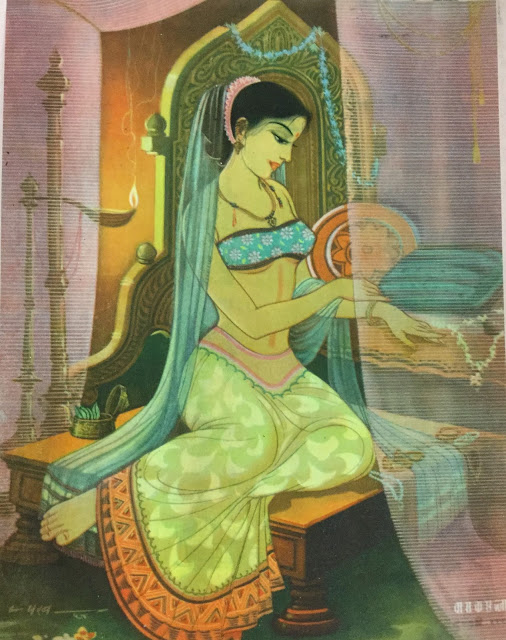
உல்லாசமான படுக்கை அறையில், அந்த அழகியின் மேனி சற்றே அவளது மார்பக பாரத்தினால் வளைந்திருக்க, அங்கு அவளது தலைவன் (கணவன்) அவளை இளமையுடன் சேர்ந்தான். இந்த இருவரும் பரஸ்பரம் ஒருவரை ஒருவர் தழுவ, ஒருவர் உடலில் இன்னொருவர் ஊடுருவிச் செல்ல, இப்படியாக அவர்கள் மறைக்கப்பட்டு விடவே, ஒருவர் கூட அவர்களது தனித்தனியான மேனியைக் கவனிக்கமுடியாத நிலை ஏற்பட்டது!
In the pleasure-house, there is the young girl with her frame slightly stooping (due to the weight of her bosom), and there is the lord of her life (husband) united with youth; these two mutually embracing warmly have entered into the body of each other and are thus concealed and to no one is their separate identity clearly discernible.
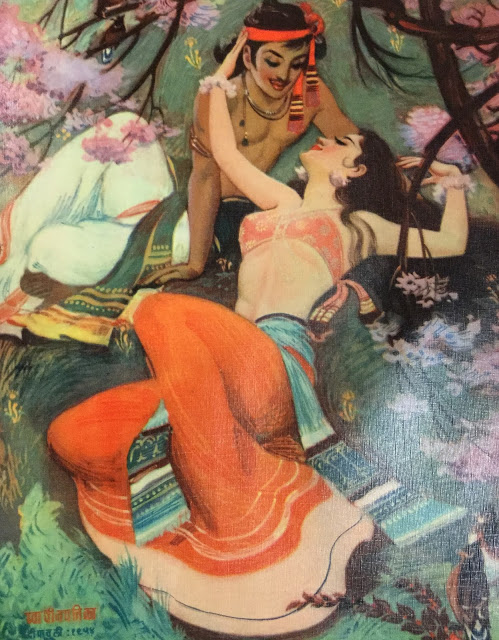
அந்தக் காதலர்கள் தனது அன்புக்குரியவளின் கூந்தலைக் கோதி விட்டு, அவளது நெற்றியையும் கண்களையும் முத்தமிட்டு, உதடுகளையும், பற்களையும் கன்னங்களையும் இன்பம் தரக்கூடிய படி வலியைத் தந்து, அடிக்கடி அவர்களின் கன்னங்களில் முத்தமிட்டு, கழுத்திற்குக் கீழே உள்ள பிரதேசத்திலும், அக்குளிலும் தங்கள் நகக்குறிகளைப் பதித்து, அவளது மார்பகங்களை அழுந்த அழுத்தி, கரங்களால் அவளது நாபியை மெதுவாகத் தடவுகின்றனர்.
யானையின் துதிக்கை போல காதல் விளையாட்டு கிரஹத்தில் தங்கள் லீலைகளைச் செய்கின்றனர்.
அவர்களது முழங்கால்கள்,கணுக்கால்கள், கால் விரல்களை தங்களது முழங்கால், கணுக்கால், கால் விரலோடு பதித்து அன்புக்குரியவர் இருவரும் ஒருவரை ஒருவர் தழுவி சந்திரனின் கதிர்கள் பட்டவுடன் உருகும் சந்திரகாந்தக் கல் போல பரவசத்தில் உருகுகின்றனர்.
Those lovers who fondle the tresses of their beloveds, kiss the forehead and eyes, give (pleasurable) pain to their lips by their lips and teeth, kiss frequently their cheeks, imprint their nail marks in the regions below the neck and armpits, press hard their bosoms and pound at their breasts and give gentle strokes with their palms on the navel; do the sportful activity In the house of love as is done by the trunk of an elephant and press hard at their knees, ankles and toes with their counterparts – doing such pleasing activities by embracing the beloved they melt in ecstasy as does the moonstone under the influence of the moon’s rays.
(Translation by A.A.R.)
அழகியின் கண் என்ற ஆயுதம்!
இயம் வ்யாதாயதே பாலா ப்ரூரஸ்யா கார்முகாயதே |
கடாக்ஷஸ்ச சராயந்தே மநோமி ஹரிநாயதே ||
இந்த அழகி ஒரு வில்லை வைத்திருக்கிறாள்,
அவளது வில்லானது அவள் விழியின் வளைவு தான்,
அவள் நீள்விழி ஓரப் பார்வை தான் குறி பார்க்கப்பட்ட அம்பு
எனது மனம் தான் அவள் குறி பார்க்கும் இலக்கு!
This damsel doth as an archer serve,
The bow she handles is her eye-brow curve,
Her side-long look is the arrow aimed,
My mind the deer, is the target maimed.
(Translation by Dr Velluri Subba Rao)
*
அழகி தரும் வெப்பம்!
அபூர்வோ த்ருஷ்யதே வாஹ்னி
காமின்யாஸ்தனமண்டலே |
தூரதோ தஹதே காத்ரம்
ஹ்ருதி லக்னாஸ்து சீதளா: ||
இந்த அழகியின் மார்பகங்களிலிருந்து எழும் வெப்பம் (அக்னி) பார்ப்பதற்கு விசித்திரமாக இருக்கிறது, மற்றவற்றிலிருந்து வேறுபட்டதாக இருக்கிரது. தூரத்திலிருக்கும் மனிதனை அது பலமாக எரிக்கிறது, ஆனால் அணைத்தாலோ குளிர்ச்சியைத் தருகிறது!
The fire that blazes in a maiden breast
Appears quite strange and different from the rest
It sure consumes the man that’s far away
But lo! Doth, tightly hugged his heat allay.
(Translation by Dr Velluri Subba Rao)
*
இப்படி ஆயிரக்கணக்கில் உள்ள காதல் காவியக் கவிதைகள் சம்ஸ்கிருதத்தில் ஏராளம் உள்ளன? இன்னும் சிலவற்றைப் படிக்க ஆசையா?
Pictures are taken from various sources for spreading knowledge; this is a non- commercial blog. Thanks for your great pictures.
tamilandvedas.com, swamiindology.blogspot.com
Archaeological town Arkaim in Russia is 4000 year old. After President Putin’s visit to this site in 2005, it hit the headlines in world’s popular news papers. Here is a collection of details from four sources. ORGANISER weekly also published a report in 2005.
I have noted following interesting similarities with Hindu beliefs
1.Two rivers with the name of Holy Ganga claim healing powers
2.The Mandala type city like Borobudur and other circular temples of India. (Even my Madurai City in Tamil Nadu is constructed in squares withing squares)
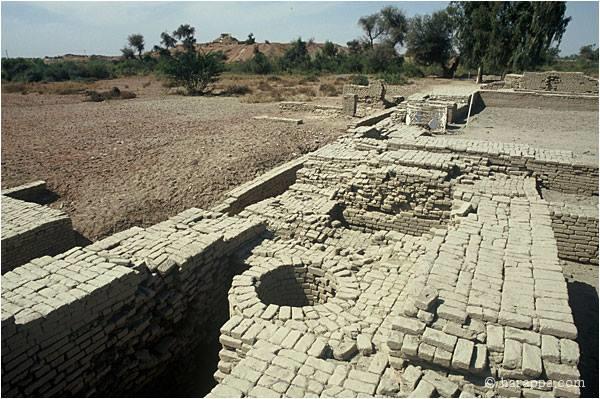
3.The town planning similar to Indus-Saraswati River civilization of Harappa and Mohanja daro with wells, bricks, drainage etc
4.Swastika model and Mandala model
5.Local peoples’ language is related Sanskrit
6.Horse burials with chariots in the near by area.
7.Actual Arkaim structure belongs to Indus period (Bronze Age)
Please read the news items and look at the pictures.(One must remember the Vishnu idol discovered in Russia and my articles on Ganga Rivers around the World from Ma Ganga (Mekong) in South East Asia to Congo (gango) in the middle of Africa)
Arkaim is an archaeological site on the steppe of the Southern Ural near the village of Amursky in Russia.
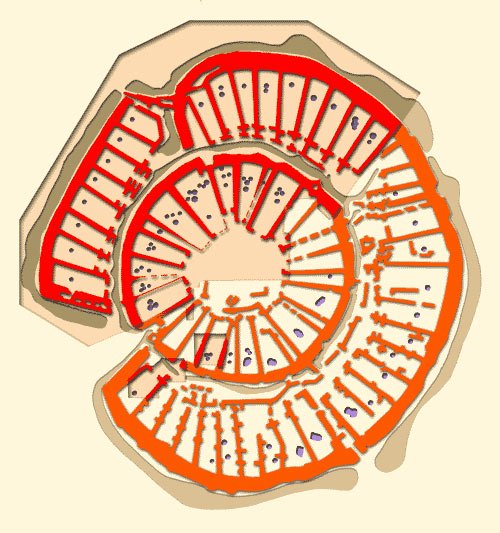
Arkaim consists of a fortified settlement from the Middle Bronze Age, constructed around 3.8-4000 years ago. Arkaim was a circular stronghold that housed 1,500 to 2,500 inhabitants with concentric bastions, constructed using adobe, a building material made from earth and organic materials.
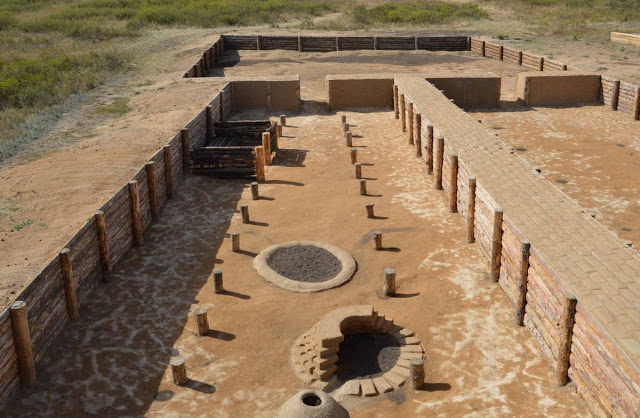
The bastions, measuring 20,000 m² encircled the inhabitant’s dwellings that contained hearths, cellars, wells and even traces of metallurgical furnaces. Each dwelling opened onto a circular street paved with wood that was lined with drainage gutter pits for collecting rainwater. The whole complex centered on a rectangular open courtyard measuring 25×27 metres that was used for festivals and gatherings.
Sintashta culture
Arkaim is attributed to the early “hypothetical” Proto-Indo-Iranians who are assumed to have lived in the late 3rd millennium BC, and are often connected with the Sintashta culture of the Eurasian Steppe and the early Andronovo archaeological horizon.
Many scholars suggest the risky assumption that the concentric design represents “the model of the universe” as described in ancient Aryan/Iranian spiritual literature, the Vedas and the Avesta and reflect the city of King Yima (the fourth Shah of the Pishdadian dynasty of Persia according to Shahnameh) as described in the Rigveda (an ancient Indian collection of Vedic Sanskrit hymns).
TWO GANGA RIVERS !
Originally, seen as unusual circles in the Southern Urals steppe when photographed in 1952 by aerial cartographers, Arkaim wouldn’t be discovered until 1987 when a team of archaeologists, headed by Gennady Zdanovich was sent to survey the archaeological value of the valley at the confluence of the Bolshaya Karaganka and Utyaganka rivers in preparation for the construction of a reservoir. This would have resulted in the area being flooded and any archaeological remains submerged.
The team petitioned to protect the monument and mobilised public support, in April 1991 the Council of Ministers officially canceled the construction of the reservoir (
More than twenty other structures built according to similar patterns have been found in a larger area spanning from the southern Urals’ region to the north of Kazakhstan, forming the so-called “Land of Towns”.
—HERITAGE DAILY
4000 year old !
Arkaim is about 4.000 years old. It is older than Troy. The settlement has the shape of a circle, with external and internal walls. The diameter of the circle is 170 meters. Residential premises were attached to both ring walls. In the very center of the settlement, there was an area to which the streets lead directly. Scientists have come to the conclusion that Arkaim was created according to a previously well-thought-out plan.
In the vicinity, scientists discovered 20 ancient settlements.
At the top of Shamanka Mountain, there is a mandala. Enter the mandala with an open heart. Make a wish. It will be fulfilled if it does not harm the lives of other people. According to the legend, the Bolshaya Karaganka River has healing powers. Wash your feet, and ask for health.
XXXX
Archaeologists who excavate here claim that after visiting Arkaim, their life will never be the same. A lot of tourists feel the same. In addition to new knowledge and impressions, you will receive a powerful charge of energy, and you will remember Arkaim, the unsolved mystery of the Southern Urals, with pleasure. The memory will be relived once again when the wishes that you made there come true.
Tradition and Folklore in the Arkaim Region:
Arkaim is interesting not only as a historic monument. It is reported to be one of the strongest ‘anomaly’ zones in Russia.
Locals believe it to be a sacred place. Pilgrims come here all year round to get some healing water from the Bolshaya Karaganka River, and in the summer they coat themselves with clay. They say it helps treating skin diseases.
The mountains surrounding the fortress are also unusual. The most famous one is Shamanka (or Bold Mountain). People climb to its top to get some positive energy, pray or meditate. People in serious medical condition are brought there for healing. Visitors come to the top of Repentance Mountain to ask for forgiveness. Love Mountain is believed to bring personal luck. The nearby Male Forest is visited by women who have relationship problems. The rumour has it, a walk in this forest will make a woman popular with men. The growth near Grachinaya Mountain (also called Blessed) is infamous. Birch trunks there are abnormally crooked at the bottom. They say people cannot stay there for too long, otherwise they risk losing their mind. (1)
Who were they:
It has been suggested from a series of horse burials, that this site has produced evidence that the cities could have been the home of the Aryans.
Several ancient Indian texts believed to have been written by Aryans recount similar rituals. “These ancient Indian texts and hymns describe sacrifices of horses and burials and the way the meat is cut off and the way the horse is buried with its master … If you match this with the way the skeletons and the graves are being dug up in Russia, they are a millimetre-perfect match.” (3)
Their language has been identified as the precursor of modern Indo-European tongues, including English. Words such as brother, guest and oxen have been traced back to this prototype. In other words Sanskrit
Sintashta-Arkaim Culture:
The most diagnostic feature of the Sintashta settlement site is its closed fortification that consisted of ramparts and ditches, enforced by a fence or wall built from unfired clay bricks and wooden frames. The site plan was based on either a round or rectangular form. The fortified area included from 6,000 to 30,000 sq. meters. Towers and other constructions protected the entrances and the accesses to water (Zdanovich 1995). The houses were 25-130 sq.meters, rectangular and had pit-storage, open fire hearths, wells. Some also included metallurgical furnaces.
Adobe bricks
Arkaim had two protective circular walls and two circles of standard dwellings separated by a street around a central square. The external wall, 160 m in diameter and 4 m wide, was built from specially selected soil that had been packed into timber frames before being faced with adobe bricks (Zdanovich 1997). On the interior, houses abutted the wall and were situated radially with their doors exiting to the circular internal street.
XXXX
Daily Mail Report
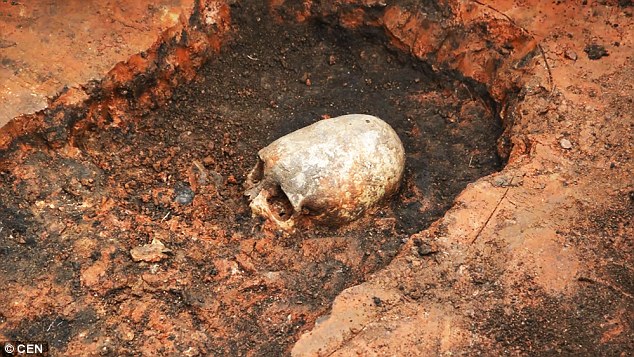
Woman with Long Skull Discovered
Strange ‘conehead’ skeleton unearthed at Russia’s Stonehenge: Elongated head was bound in tribal tradition 2,000 years ago
Skeleton with long skull was unearthed in Arkaim, central Russia
It’s thought to belong to a woman living almost 2,000 years ago
Her skull is elongated because it was bound out of tribal tradition
Arkaim is known as Russia’s Stonehenge because it may have been used by ancient people to study the stars, like the British site (DAILY MAIL 2015)
The skeleton belongs to a woman from the Sarmati tribe that lived in the territories of what is now modern day Ukraine, Kazakhstan and southern Russia.
‘Her skull was elongated because the tribe did so by tying up the heads of their children with rope. It was clearly a tradition in the tribe.’
The skeleton is thought to date to the second or third century AD, making it considerably younger than the site.
It is just another of the mysteries to be unearthed at the spectacular site of Arkaim known as Russia’s Stonehenge, which is believed to have been built in the 17th century BC.
It is believed by some that, like its 5,000-year-old English counterpart, it was used to study of the stars.
But Arkaim is thought to be more advanced.
Astronomy:
Stonehenge allows for observations of 10 astronomical phenomena using 22 elements, while Arkaim enables observations of 18 phenomena using 30 elements.
This means that ancient people could have observed and tracked certain events in the sky by using the site in certain ways from particular positions, and that Arkaim offered more observable events than Stonehenge.
Russian archaeologist K.K. Bystrushkin, who made the comparison between the two sites in 2003, said Stonehenge offers an observational accuracy of 10-arc minutes to a degree, whereas Arkaim offers accuracy of one-arc minute.
This precision was unheard of at the time the monument is thought to have been built.
The Akraim archaeological site was discovered in 1987 and since then it has yielded spectacular discoveries including some artefacts from the Bronze Age.
As well as being a primitive astronomical observatory it was also a village that was fortified by two large stone circular walls.
The settlement covers an area of some 220,000 square feet (20,439 square metres) and consists of two circles of dwellings separated by a street, with a central community square in the centre.
XXX
From Wikipedia:-
Swastika and Rig Veda
Scholars have identified the structure of Arkaim as the cities built “reproducing the model of the universe” described in ancient Aryan/Iranian spiritual literature, the Vedas and the Avesta.[3] The structure consists of three concentric rings of walls and three radial streets, reflecting the city of King Yima described in the Rigveda.[5] The foundation walls and the dwellings of the second ring are built according to what some researchers have described as swastika-like patterns;[6] the same symbol is found on various artifacts.[7]
The fortified citadel of Arkaim dates back to the 17th and 16th century BCE.[citation needed] More than twenty other structures built according to similar patterns have been found in a larger area spanning from the southern Urals’ region to the north of Kazakhstan, forming the so-called “Land of Towns“.[4]
Vladimir Putin’s visit and the “Russian idea”
Russia’s president Vladimir Putin visited the site in 2005, meeting in person with the chief archaeologist Gennady Zdanovich.[13] The visit received much attention from Russian media. They presented Arkaim as the “homeland of the majority of contemporary people in Asia, and, partly, Europe”. Nationalists called Arkaim the “city of Russian glory” and the “most ancient Slavic-Aryan town”. Zdanovich reportedly presented Arkaim to the president as a possible “national idea of Russia”,[14] a new idea of civilisation which Shnirelman calls the “Russian idea”.[15]
TAGS — Ganga in Russia, Arkaim, Indus Valley similarities,
FOLLOWING ARE PICTURES FROM INDUS-SARASWATI RIVER CIVILIZATION
Congo and Ganga rivers | Tamil and Vedas
tamilandvedas.com › tag › congo-and-ganga-rivers
1.
2.
17 Mar 2014 – Posts about Congo and Ganga rivers written by Tamil and Vedas. … In the middle of the thickest forest on the earth is the river Congo of Africa.
Ganga | Tamil and Vedas
tamilandvedas.com › tag › ganga
1.
Posts about Ganga written by Tamil and Vedas. … in River Mekong (Ma Ganga) in South East Asia, Maveli Ganga in Sri Lanka, Congo in Central Africa etc.
Ganges | Tamil and Vedas
tamilandvedas.com › tag › ganges
1.
Posts about Ganges written by Tamil and Vedas. … in River Mekong (Ma Ganga) in South East Asia, Maveli Ganga in Sri Lanka, Congo in Central Africa etc.
River Ganges in Sumerian Culture (Post No.3731) | Tamil and …
Pictures are taken from various sources for spreading knowledge; this is a non- commercial blog. Thanks for your great pictures.
tamilandvedas.com, swamiindology.blogspot.com
ரஷியாவில் வோல்கா (Volga) நதிக்கரையில் ஸ்தரயா மைனா (Staraya Maina) என்ற கிராமத்தில் 1300 ஆண்டு பழமையான விஷ்ணு சிலை கண்டு பிடிக்கப்பட்டது எல்லோருக்கும் தெரியும். இது 2007-ம் ஆண்டு வெளியான செய்தி. ஆனால் ரஷியாவுக்குள் இரண்டு கங்கை நதிகள் ஓடுவதும், சிந்து- சரஸ்வதி நதி தீர நாகரீக செங்கல் வீடுகள் , கோட்டைகள் இருப்பதும் பலருக்கும் தெரியாது. இவை 1987ம் ஆண்டில் கண்டு பிடிக்கப்பட்டாலும் 2005-ம் ஆண்டில் ரஷிய அதிபர் புடின் (President Putin) போய்ப் பார்த்தவுடன்தான் பெரிய அளவில் பிரஸ்தாபிக்கப்படுகிறது .
இது பற்றிய இரண்டு வியப்பான செய்திகள் –
1.இரண்டு நதிகளிலின் பெயர்களில் கங்கை நதியின் பெயர் அப்படியே இன்றும் உள்ளது .
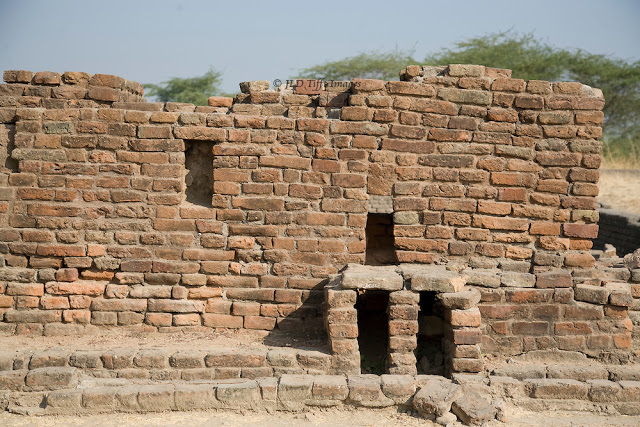
2.சிந்து சமவெளி-சரசுவதி நதி தீர நாகரீகம்போல செங்கல் வீடுகள், கிணறுகள், சாக்கடை/வடிகால் வசதிகள் இருப்பது.
இரண்டும் சமகாலத்தவை!
யாருமே நுழையாத அதிபயங்கரக் காடுகளும் பிக்மி என்னும் குள்ளர்களும் வாழும் ஆப்பிரிக்க கண்டக் காடுகளை முதல் முதலில் வெள்ளையர்கள்தான் கண்டுபிடித்தனர் என்று பூகோள புஸ்தகத்தில் நாம் படித்து இருக்கிறோம் . ஆனால் அங்கு ஓடும் நதிக்கும் நாட்டுக்கும் பெயரும் கங்கைதான் ; அவர்கள் மொழியில் காங்கோ (Congo= Ganga) என்பர். (இலங்கையர்களும் மலையாளிகளும் ‘ஆ’ என்பதை ‘ஓ’ என்றே உச்சரிப்பர்; போம்பே (Bombay) நோர்வே (Norway) என்றே கதைப்பர் ;அது போல கங்கா ‘காங்கோ’ Congo in Africa ஆயிற்று)
இலங்கை மற்றும் தென்கிழக்காசிய நாடுகள் அனைத்திலும் கங்கை என்ற பெயரில் நதிகள் அழைக்கப்படுவதையும் முன்னரே இதே பிளாக்கில் (மீ காங் Me kong = மா கங்கா)எழுதிவிட்டேன். இதோ புதிய செய்திகள்.
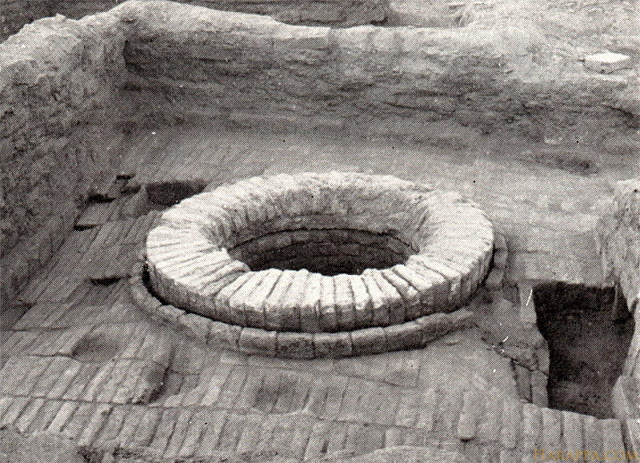
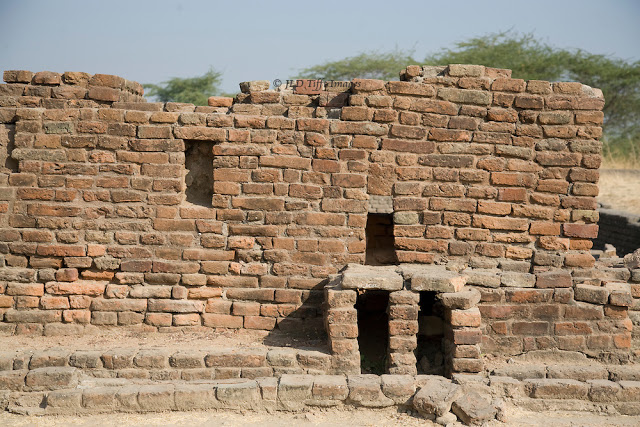
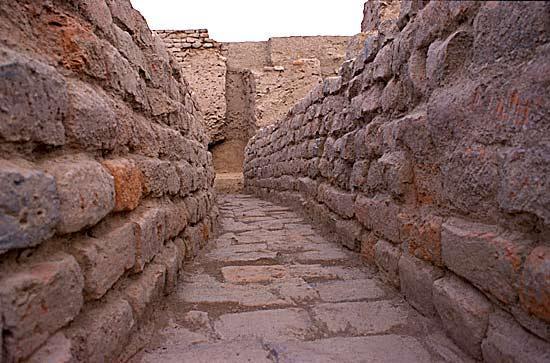
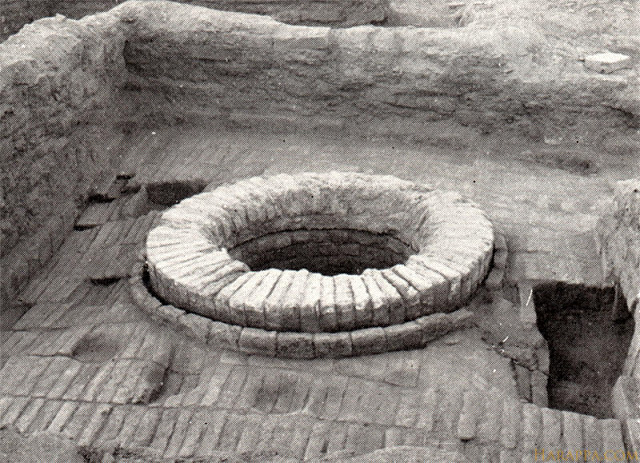
ரஷியாவில் ஆர்கைம் (Arkaim) என்ற ஊரில் வட்டத்துக்குள் வட்டமாக எதோ புதைந்து கிடப்பதை ஆகாயத்தில் இருந்து எடுத்த படங்கள் காட்டின. பூமிக்குள் இப்படி மர்மமான வட்டங்கள் இருக்கிறதே என்று 1987-ம் ஆண்டில் அகழ்வாராய்ச்சியைத் துவக்கினர் . பூமிக்குள் ஒரு அதிசயம் ; 4000 ஆண்டு பழமையான உலோக கால (Middle Bronze Age) கட்டிடங்களைக் கண்டுபிடித்தனர். அங்கே மொஹஞ்சசத்தாரோ, ஹரப்பா நகரங்களில் உள்ளது போல ‘பக்கா’ செங்கல் கட்டிடங்கள். அதே போல வட்ட வடிவ கிணறுகள். உலகம் வியக்கும் வடிகால் வசதிகள் . இதற்கு முன்னர் இது சிந்து சமவெளியில் மட்டும் இருப்பதாக நாம் படித்து வந்தோம். இப்போது பல்லாயிரம் மைல்களுக்கு அப்பால் ரஷியாவின் நடுப்பகுதியில் — சைபீரியக் காட்டுக்குள் இப்படி ஒரு நகரம். இதை சம்ஸ்கிருதத்தில் மண்டில அமைப்பு என்பர். நாம் இந்தோ னேஷியாவில் போரோபுதூரில் கட்டிய ஸ்தூபியும் மஹா மேரு, மண்டிலம் என்றெல்லாம் சொல்லும் வட்ட அமைப்பும் அங்குள்ளது.
Putin
2005ம் ஆண்டில் ரஷிய அதிபர் புடின் போய் இதைப் பார்த்தவுடன் பல புதிய செய்திகள் வெளிக் கிளம்பின. கஜகஸ்தான் நாட்டு எல்லைக்கப்பால், சைபீரிய காட்டுக்குள் இப்படி (Circle within circle- Concentric Circle) வட்டத்துக்குள் வட்டமாக கட்டிடம் காட்டியது வெளி உலக வாசிகள் நம் பூமிக்கு வருவதற்காக அமைக்கப்பட்டது என்று ஒரு புரளியைக் கிளப்பினார்கள்.
இன்னும் சிலர் சைபீரிய பகுதியில் ஆரியர்கள் வசித்ததற்கு இது ஒரு ப்ரூப் (Proof) என்றனர். அதை ஒத்துக்கொண்டால் சிந்து சமவெளி நாகரிகமும் ஆரியர் நாகரிகம் ஆகிவிடுமே என்று திராவிடங்கள் இந்த செய்தியை மறைத்து மூடின. இதனால் சிந்து சமவெளியையும் இதையும் ஒப்பிட்டு யாரும் பேசாமல் மூடி மறைத்தனர்.
அதிசயத்திலும் அதிசயம்
அங்கு ஓடும் இரண்டு நதிகள் அப்படியே கங்கை என்னும் சம்ஸ்கிருதப் பெயர்களை இன்று வரை தக்க வைத்துக் கொண்டிருக்கின்றன; சங்கத் தமிழ் நூல்களில் எட்டு முறை கங்கை நதியைக் குறிப்பிடுகிறார்கள் (ஆனால் சிந்து நதியோ, சிந்து நாடு என்ற சொல்லோ கிடையாது; பூவின் பெயர் சிந்துவாரம்; இலக்கணத்தில் சிந்து– என்ற இரண்டு சொற்களே உண்டு )
நதியின் பெயர் –
Bolshaya Karaganka and Utyaganka
ஒரு நதியின் பெயர் போல்ஷாய கார ‘கங்கா’
மற்றொரு நதியின் பெயர் ‘உதய கங்கா’
இமய மலையில் கூட தெளளி கங்கா, ஆகாய கங்கா (ஆகாச கங்கா, திருமலை-திருப்பதி)என்ற பெயர்களில் பல கங்கை நதிகள் உண்டு.
போல்ஷாயா என்றால் ‘பலமான’ என்று பொருள். ‘உதய’ என்பது கிழக்கு. சூர்ய உதய என்ற பொருளில் வரும்.
உண்மையில் இந்த இரண்டு நதிகள்தான் தொல்பொருட் துறையினரை அங்கே இழுத்து வந்தன. இரண்டு கங்கை நதிகளும் சங்கமம் ஆகும் இடத்தில் ஒரு அணை கட்ட அரசாங்கம் முடிவு செய்தது. உடனே அந்த மர்ம வட்டம் அமிழ்ந்து போகும் என்ற கவலையும் ஆட்சேபமும் எழுந்தன. அப்போது கென்னடி ஜரானோவிச் என்னும் தொல்பொருள் அறிஞர் தலைமையில் அந்த இடத்தை ஆராய்ந்தவுடன் பல அதிசயச் செய்திகள் தெரியவந்தன. 1987 முதல் பல செய்திகள் வந்தவண்ணம் உள்ளன.
உள்ளூர் மக்கள் இந்த கங்கை நீரைக் குடித்தால் நோய்கள் தீரும் என்கிறார்கள். பக்கத்திலுள்ள ‘சர்மங்கா’ (Sharmanka) மலையில் ஒரு மண்டிலம் இருக்கிறது. அதில் புகுந்து எதை வேண்டினாலும் அது நடக்கும் என்பர்.
ஆர்கைம் (Arkaim) நகர் திட்டமிட்டு கட்டப்பட்டுள்ளது. இந்த நகருக்குள்ள 4 வாசல்களும் சரியாக , கன கச்சிதமாக 4 திசைகளை நோக்கி இருக்கின்றன. 20 அடி உயரமும் 15 அடி அகலமும் உடைய சுவர் பாதுகாக்கிறது
‘ஆர்கனைஸர்’ Organiser Weekly முதலிய பல பல பத்திரிகைகளில் வந்த செய்திகளின் சுருக்கம் பின் வருமாறு:-
ஆர்கைம் (Arkaim) எங்கே உள்ளது ?
ரஷ்யாவில் கஜகஸ்தான் எல்லையில் இருக்கிறது . அதற்குப் பக்கத்தில் செல்யாபின்ஸ்க் நகரம் உள்ளது; யூரல் (Ural) மலையின் தெற்கில் இருக்கிறது.
இதன் அருமை பெருமை தெரிந்தவுடன் இரண்டு கங்கை நதிகள் சங்கமம் ஆகும் இடத்தில் கட்டப்படவிருந்த அணை கைவிடப்பட்டது .
இந்த இடம் வான சாஸ்திர சாலையாகவும் (Astronomical Observatory) கோயிலாகவும் திகழ்ந்தது. இங்கிலாந்திலுள்ள ஸ்டோன்ஹெஞ்ச் (Stone Henge) என்னும் பிரம்மாண்ட கல்வட்டத்துடன் இதை ஒப்பிடுகின்றனர்.
வட்டடத்துக்குள் வட்டமாக வீடுகள் வட்ட வடிவில் (Concentric Circles) வரிசைப்படுத்தப்பட்டுள்ளன. மழை கொட்டினால் அந்த நீரை வடிக்கும் வடிகால்கள் உள . மரத்தாலான தரைப்பகுதி காணப்படுகிறது; ஒவ்வொரு வீட்டிலும் அடுப்பு, கிணறு , சாமான்களை சேகரித்து வைக்கும் பகுதி, (Storage Section) சமையல் அறைக்குள் காற்று வரும் பள்ளங்கள் (Trenches) முதலியன இவர்களின் திட்டமிடலுக்கும் சான்று பகர்கினறன.
இவ்வளவும் 4000 ஆண்டுக்கு முன்னர் செய்யப்பட்டிருக்கிறது; இதை பாபிலோனிய, சிந்து சமவெளியுடன் ஒப்பிடலாம் .
இதற்குள் இங்கு காந்த மண்டல வேறுபாடுகள் (Magnetic anomalies) இருப்பதை காரணம் காட்டி இதை பறக்கும் தட்டு (UFOs) வந்து இறங்கிய இடம் என்பர் பறக்கும் தட்டு சங்கத்தினர்.
இது கோட்டை போல பாதுகாக்கப்பட்டுள்ளது; இது மத்திய உலோக கால நாகரீகம் (Middle Bronze Age) . காலம் கி.மு.1800 முதல் 2000 வரை ; வட்ட வரிசை வீடுகளில் 2500 பேர் வரை வசிக்கலாம் ; கட்டிடம் கட்ட மண்ணையும் பிற தாவர பொருட்களையும் கலந்து உருவாக்கிய கலவையைப் (Adobe Bricks) பயன்படுத்தியள்ளனர் . வீட்டிலிருந்து வெளியே வந்தால் 27X 25 சதுர மீட்டர் சதுக்கம் இருக்கிறது. அங்கு விழா, கூட்டம் நடத்தி இருப்பார்கள் .
இந்த மக்களை பக்கத்திலுள்ள பல கலாசாரங்களுடன் தொடர்புபடுத்தி பல கட்டுரைகள் வந்தன. அவர்கள் இந்தோ- ஈரானிய கலாசாரத்துடன் தொடர்புடையோர் என்றும் எழுதி இருக்கின்றனர். இவர்கள் இறந்தோரை புதைப்பதை வழக்கமாகக் கொண்டுள்ளனர். ஆயினும் இவர்கள் பேசிய மொழி என்பன எல்லாம் யூகங்கள் அடிப்படையில் அமைந்தனவே.
அதிசய மண்டை ஓடு !
ஒரு பெண்ணின் முழு எலும்புக்கூடு இங்கே கிடைத்தது. அதன் ‘தலை’ வழக்கத்துக்கு மாறாக மிக நீண்டு காணப்படுகிறது; குழந்தையாக இருக்கும்போதே தலையில் கயிறு கட்டி இப்படி நீளச் செய்வது ஒரு குறிப்பிட்ட இனத்தின் (Tribe) வழக்கம் என்றும் ஆராய்ச்சியாளர் கூறுகின்றனர். குதிரை எலும்புக்கூடுகளும் இந்த பிராந்தியத்தில் அகழ்ந்தெடுக்கப்பட்டுள்ளன . ஆயினும் ஒவ்வொரு கண்டுபிடிப்பும் வெவ்வேறு காலத்தைச் சேர்ந்தவை .
இது போன்ற 20 வட்ட வீடு அமைப்புகள் கண்டு பிடிக்கப்பட்டுள்ளன. சிலர் இங்குள்ள வட்ட வடிவ அமைப்புகள் பிரபஞ்சத்தின் மாடல்/மாதிரி (Model) என்றும் முன்கால பாரசீக புராணத்தில், இந்து மத ரிக் வேதத்தில், கூறப்பட்டுள்ளது போன்றவை என்றும் சொல்வர்.
மேலும் ஆராய்ந்து பார்க்க வேண்டிய விஷயங்கள் இவை.
–subham–
Lothal – Indus- Sarasvati CultureHarappa DrainageWells in Indus-Sarasvati Civilization
Congo and Ganga rivers | Tamil and Vedas
tamilandvedas.com › tag › congo-and-ganga-rivers
1.
2.
17 Mar 2014 – Posts about Congo and Ganga rivers written by Tamil and Vedas. … In the middle of the thickest forest on the earth is the river Congo of Africa.
Ganga | Tamil and Vedas
tamilandvedas.com › tag › ganga
1.
Posts about Ganga written by Tamil and Vedas. … in River Mekong (Ma Ganga) in South East Asia, Maveli Ganga in Sri Lanka, Congo in Central Africa etc.
Ganges | Tamil and Vedas
tamilandvedas.com › tag › ganges
1.
Posts about Ganges written by Tamil and Vedas. … in River Mekong (Ma Ganga) in South East Asia, Maveli Ganga in Sri Lanka, Congo in Central Africa etc.
River Ganges in Sumerian Culture (Post No.3731) | Tamil and …
Pictures are taken from various sources for spreading knowledge; this is a non- commercial blog. Thanks for your great pictures.
tamilandvedas.com, swamiindology.blogspot.com
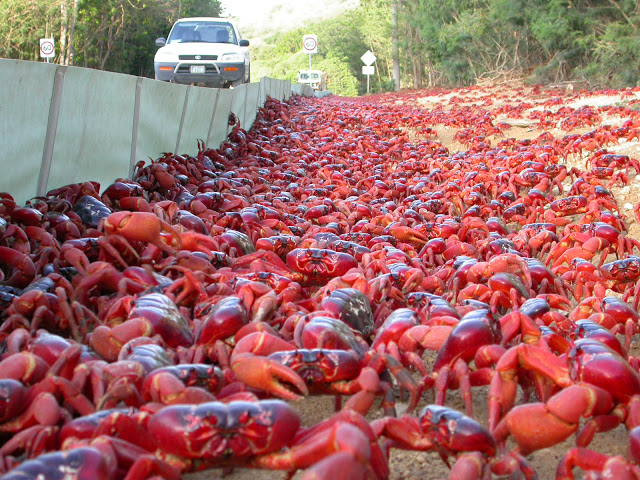
MILLIONS OF CRABS MIGRATE IN CHRISTMAS ISLANDS
ஒரே சொல் மீண்டும் மீண்டும் வந்தால் ஓரிரு இடங்களில் மட்டுமே கட்டத்தில் இருக்கும். கொண்டு கூட்டி பொருள் கொள்க . விடை கீழே உள்ளது . சில நேரங்களில் படங்களைப் பார்த்தாலும் விடை காண உதவலாம்.
விடை
1.நண்டு கொழுத்தால் வளையில் இராது, பள்ளி கொழுத்தால் பாயில் இராள்
2.நண்டைச் சுட்டு நரியைக் காவல் வைத்தாற் போல
3.நண்டுக் குடுவையை நடுத் தெருவில் உடைத்தாற் போல
4.நண்டுக்குப் புளியங்காய் இட்டு நறுக்கினாற் போல
Source book :–
பயன்படுத்திய நூல்- கழகப் பழமொழி அகர வரிசை, கழக வெளியீடு
Pictures are taken from various sources for spreading knowledge; this is a non- commercial blog. Thanks for your great pictures.
ஹிந்தி படப் பாடல்கள்-69-ஒரு ராகம், இரு மலர்கள்-ராகம் யமன்!
R. Nanjappa
ராகம் யமன்
ஹிந்தி இசைஞர்களிடையே செல்லமான ராகங்களில் ஒன்று இந்த யமன். இந்த ராகத்தில் அனேகம் பாட்டுக்கள் இருக்கின்றன. ஒன்றிரண்டு நாம் முன்பே பார்த்திருக்கிறோம். இப்போது இரண்டு பார்ப்போம். இதிலும் மெட்டுகள் எப்படி வித்தியாசமான உணர்ச்சிகளை விவரிக்கின்றன என்பதைக் காண்போம்.
எவ்வளவு அருமையான மெட்டு! ஆர்.டி.பர்மன் இசையில் இப்படி ராகங்கள் மீது அமைந்த பாடல்கள் பல இருக்கின்றன. இந்தக் கவிதை எளியது- குல்ஃஜாருக்கே உரித்தான கடினக் கற்பனைகள் இல்லை. பூபிந்தர் சிங்க் குரல் அருமை.
எத்தனை அருமையான பாட்டு! ஏசுதாஸ் குரலில் தான் எத்தனை கம்பீரம்! இந்த ராகத்தில், இந்தப் பாட்டில் முழுதும் வெளிப்படுகிறது! இந்த “சித்சோர்” படம் முழுதும் இத்தகைய நல்ல பாடல்கள் நிறைந்தது. வட இந்தியாவில் எங்கும் நல்ல வரவேற்பைப் பெற்றது! இந்தப் பாட்டு மிகவும் விரும்பிக் கேட்கப்பட்டது! 45 வருஷங்களுக்கு முன்பு கூட நம் மக்கள் ரசனை கெடவில்லை! நமது இசைஞர்களும் இத்தகைய தரமான இசை தந்தார்கள். ரவீந்த்ர ஜெயின் “சுத்தமான” இசை தந்தவர்.
70களில் வந்தாலும் நம் பொற்காலத்திய இசையை நினைவுபடுத்தும்!
இதன் இசைஞர் ரவீந்த்ர ஜெயின் [1944-2015] கண்பார்வையற்றவர். இந்த பாட்டுப் பதிவானதும், ‘எனக்குப் பார்வை வந்தால் இந்தக் குரலுக்குரியவரை முதலில் பார்ப்பேன்” என்று சொன்னாராம்!
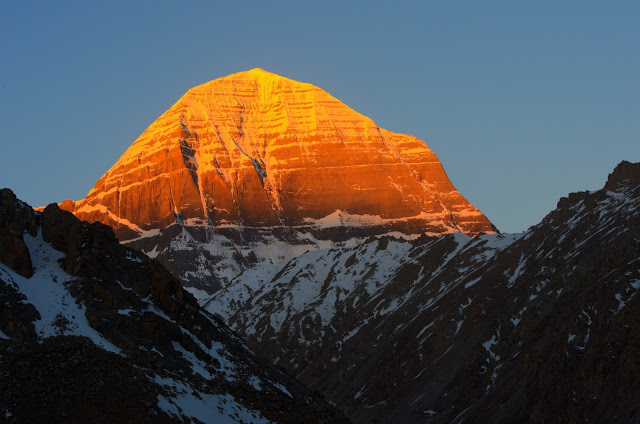
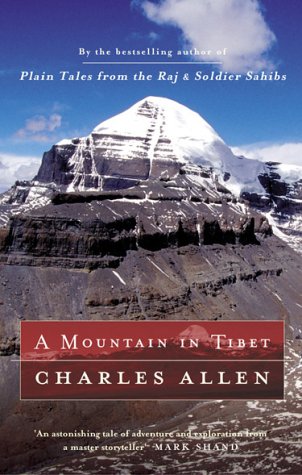
சிவ-பார்வதி உறையும் இடம் எது? இராவணன் தூக்க முயன்ற மலை எது? கங்கை, பிரம்மபுத்திரா உள்ளிட்ட பல புண்ய நதிகள் உற்பத்தியாகும் இடம் எது? இலக்குவன் உயிரைக் காப்பாற்ற அனுமன் தேடிச் சென்ற சஞ்சீவினி மூலிகை உள்ள இடம் எது? கர்ணனை குந்தி பெற்ற இடம் எது? சகுந்தலை வளர்ந்த ஆசிரமம் உள்ள இடம் எது? வேத வியாஸர் மஹா பாரதத்தை இயற்றிய இடம் எது? இது போன்ற நூற்றுக் கணக்கான கேள்விகளுக்கு ஒரே விடை இமயமலைத் தொடர் பகுதி என்பதே ஆகும்!
காளிதாஸனால் நாகாதிராஜன் – மலைகளின் அரசன் என்று போற்றி புகழப்படும் இமயமலை ஹிந்துக்கள், பௌத்தர்கள், ஜைனர்கள் ஆகியோருக்கான புனித மலை.
தூய நீர் ஏரி மானஸசரோவர்!
பிரம்மாவின் மனதில் தோன்றி இங்கு உருவான மானஸசரோவர் உலகின் ஒப்பற்ற பளிங்கு நீர் போன்ற தூய நீர் கொண்ட ஒரே அதிசய அற்புத ஏரி.
15060 அடி உயரத்தில் அமைந்துள்ள வட்ட வடிவமான இந்த ஏரியின் சுற்றுப்பாதை மட்டும் 88 கிலோமீட்டர் நீளம் கொண்டதாகும். இதன் அதிக பட்ச ஆழம் 300 அடி. ஒரு கூழாங்கல்லை இதனுள் போட்டால அது அடியில் அமிழும் வரை அதிசயிக்கத்தக்க விதத்தில் பார்க்கும் அளவு இதன் நீர் தூய்மையானது!
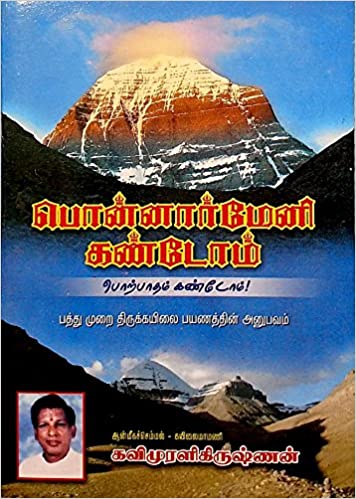
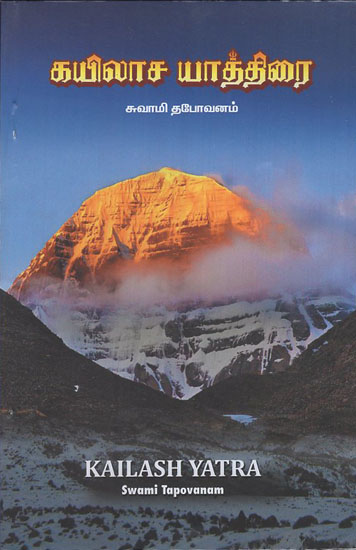
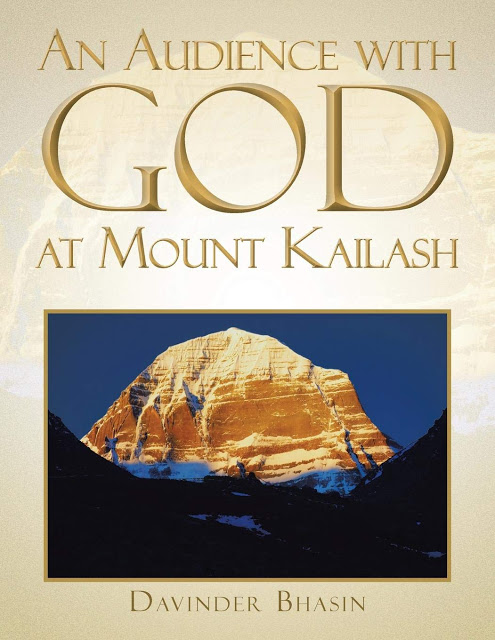
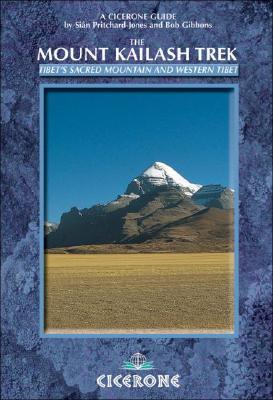
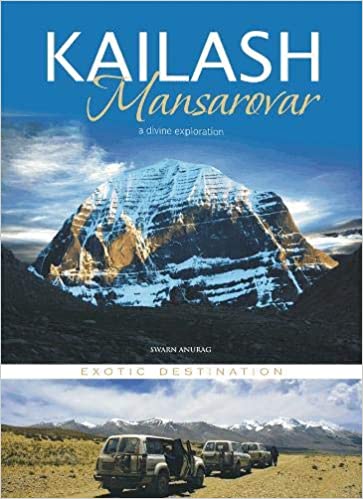
இங்கிருந்து கைலாய மலையைப் பார்க்கும் பக்தர்கள் பரவசப்பட்டு ஆனந்தமடைவர். கைலாயம் சிவ- பார்வதியின் உறைவிடம். 21778 அடி உயரம் கொண்டது இந்த தெய்வீக சிகரம். இதைச் சுற்றி வரும் பாதை 52 கிலோமீட்டர் நீளம் கொண்டது. ஒரு நாளில் இதைச் சுற்றி வருவதாக விரதம் மேற்கொண்டோர் அரும்பாடுபட்டு இந்த கிரிவலத்தை முடிப்பர்.
சுந்தரர், ஔவையார், சேரமான் பெருமாள் உள்ளிட்ட ஏராளமான மகான்கள்
கைலைப் பயணம் மேற்கொண்டதை பல நூல்களும் சிறப்புறக் கூறும்.
தெய்வீகக் கைலாய யாத்திரை!
இமயமலை கைலாய சிகர யாத்திரை என்பது ஒரு தெய்வீக யாத்திரை! லக்ஷக் கணக்கான பக்தர்கள் பல ஆயிரம் ஆண்டுகளாக மானஸ சரோவர் யாத்திரையை மேற்கொண்டு சிவபிரானின் அரிய தரிசனமான கைலாய தரிசனத்தைப் பெற்றுக் கைலாய யாத்திரையை முடித்துப் பெரும் ஆனந்தம் அடைந்து வந்திருக்கின்றனர். முக்திக்கு ஒரு யாத்திரை இந்த யாத்திரையே!
புதிய பாதை உருவானது!
இந்த கைலாய யாத்திரைக்கான புதிய பாதை ஒன்று உருவாக்கப்பட்டு 2020 மே 8ஆம் தேதி நமது பாதுகாப்புத் துறை மந்திரி ராஜ்நாத் சிங் அவர்களால் காணொளிக் காட்சி மூலம் திறந்து விடப்பட்டுள்ளது.
உத்தரகண்டிலிருந்து கைலாய மானஸசரோவர் ஏரிக்கு இனி பக்தர்கள் செல்லும் நாட்களில் மூன்று நாள் குறைந்து விடும்.
பி ஆர் ஓ எனப்படும் நமது எல்லைப்புற சாலை நிறுவனம் (Border Roads Organaisation) வெற்றிகரமாக இந்த அரிய சாதனையை நிகழ்த்தியுள்ளது.
கடும் குளிரில் மிக உயரத்தில் உள்ள இந்தப் பகுதியில் கடினமான இமயமலைப் பாறைகளை உடைத்துச் சாலை அமைப்பது என்பது நினைத்துப் பார்ப்பதற்கும் முடியாத ஒரு தெய்வீகக் கனவு. இதை தனது ஆட்சிக் காலத்தில் ஆரம்பித்து முடிக்க வேண்டும் என்பது நமது பிரதமர் நரேந்திர மோடி அவர்களின் உறுதியான திட்டமாக அமைந்திருந்தது. கோடிக்கணக்கான ஹிந்துக்கள் மனம் மகிழும் படி அவர் இந்த ‘சிகர சாதனையைச்’ சாதித்து விட்டார்!
மூன்று பாதைகள்!
மானஸசரோவரை அடைய மூன்று பாதைகள் உண்டு. ஒன்று சிக்கிம் வழியாகப் போவது, இரண்டாவது உத்தர்கண்ட் வழியாகச் செல்வது, மூன்றாவது நேபாளத்தில் உள்ள காத்மாண்டு வழியாகச் செல்வது. இந்த மூன்று பாதைகளும் கடினமான மிக நீளமான பாதைகள்.
சிக்கிம் வழியாகச் செல்லும் பாதை 2780 கிலோமீட்டர் தூரம் உள்ளது. இதில் 1490 கிலோமீட்டர் சீனப் பகுதியில் செல்ல வேண்டும். மிகவும் கஷ்டமான பாதை இது.
இன்னொரு பாதை நேபாளத்தில் காத்மாண்டுவில் ஆரம்பித்து இரு விமானப் பயணம், ஒரு சாலைப் பயணம் ஆகியவற்றின் மூலம் 1940 கிலோமீட்டர் தூரத்தைக் கடந்து செல்லும் பாதையாகும். இதிலும் பயணம் செய்யும் கஷ்டம் அதிகம். இவற்றை ஒப்பிடும் போது சற்று சுலபமான பாதை உத்தர்கண்ட் பாதை.
நமது பகுதியான உத்தர்கண்டிலிருந்து கைலாயம் செல்லும் பாதையை மூன்று பகுதிகளாகப் பிரிக்கலாம். முதலாவது பித்தோரகரிலிருந்து தவாகட் வரை உள்ள 107. 6 கிலோமீட்டர் நீளமுள்ள பகுதி; அடுத்து தவாகட்டிலிருந்து கதியாப்கர் வரை உள்ள 19.5 கிலோமீட்டர் நீளமுள்ள பகுதி. இது ஒரு வழிச் சாலை. மூன்றாவது பகுதி கதியாப்கரிலிருந்து சீன எல்லையை ஒட்டி உள்ள லிபுலெக் கணவாய் வரை உள்ள 80 கிலோமீட்டர் நீளமுள்ள பகுதி. இதில் நடந்து தான் செல்ல முடியும்! இந்தப் பகுதியைக் கடக்க ஐந்து நாட்கள் ஆகும். லிபுலெக் கணவாய் என்பது இந்திய சீன எல்லையில் 17000 அடி உயரத்தில் உள்ளது.
நமது எல்லைப்புறச் சாலை நிறுவனத்தின் சாதனை!
எல்லைப்புறச் சாலை நிறுவனம் இந்த இரண்டாம் பகுதியை இருவழிச் சாலையாக மாற்றியது. ஆகவே தாராளமாக இரு புறமும் வாகனங்களின் போக்குவரத்து இருக்கும். 76 கிலோமீட்டர் பணி முடிந்து விட்டது. மீதியுள்ள 4 கிலோமீட்டரில் பணியை நடத்த ராணுவ பணிகளுக்கான டைரக்டர் ஜெனரலின் அனுமதி வேண்டும். இந்த அனுமதி கிடைத்தவுடன் 2020 இறுதிக்குள் சாலைப் பணி முற்றிலுமாக முடிந்து விடும். இந்த அகன்ற பாதையால் மூன்று நாட்கள் பயண காலத்தில் குறைக்கப்பட்டு விட்டது!
சீன எல்லைக்குள் நுழைந்த கைலாய யாத்ரீகர்கள் 5 கிலோ மீட்டர் நடக்க வேண்டும்; பின்னர் 97 கிலோ மீட்டர் சாலைப் பயணத்தை மேற்கொள்ள வேண்டும். பின்னர் தான் கைலாய பரிக்ரமம் எனப்படும் கைலாய மலையைச் சுற்றி வரும் பயணம் மேற்கொள்ளப்படும்.
பித்தோரகரிலிருந்து கதியாப்கருக்கு 130 கிலோமீட்டர் சாலை வழியே சென்று அங்கிருந்து லிபுலெக் கணவாய்க்கு 80 கிலோமீட்டர் செல்வதும் இன்னொரு முறையாகக் கடைப்பிடிக்கப்பட்டு வருகிறது.
இப்போது திறக்கப்பட்டுள்ள இந்தப் புதிய பாதை யாத்ரீகர்களின் உடல் சிரமத்தை வெகுவாகக் குறைப்பதோடு செலவில் பெரிய சேமிப்பையும் ஏற்படுத்துகிறது. மற்ற வழிகளை ஒப்பிடும் போது ஐந்தில் ஒரு பகுதி தான் இந்த தூரம் என்பது கோடிக்கணக்கான ஹிந்து மக்களின் உள்ளங்களைக் குளிர வைக்கும் செய்தியாகும். இந்தப் பாதை பெரும்பாலும் இந்தியப் பகுதியிலும் மிகக் குறைவாகச் சீனப் பகுதியிலும் அமைகிறது.
கைலாயப் பயணம் வெளியுறவு மந்திரி அலுவலகத்தால் மேற்பார்வையிடப்படுகிறது.
இமாலய சாதனை!
கதியாப்கர்-லிபுலெக் சாலை 2005இல் திட்டமிடப்பட்டது. இதற்கான செலவு 80.76கோடி ரூபாய். ஆனால் 2018இல் இந்தச் செலவு 439.4 கோடியாக மறு மதிப்பீடு செய்யப்பட்டு 2022க்குள் முடிக்க வேண்டும் என்ற இலக்கையும் நிர்ணயித்தது. மிக அதிக உயரம், கடும் பனி, இமயமலைப் பாறை, மண் மற்றும் பாறைச் சரிவுகள், மேக மூட்டம் – இவை அனைத்தையும் கருத்தில் கொண்டால் இது ஒரு இமாலய சாதனை தான்!
நமது ஹெலிகாப்டர்கள் அதிக பளுவான சாதனங்களை இங்கு பணிக்கென கொண்டு செல்ல உதவின. ஆஸ்திரேலியாவிலிருந்து விசேஷ இயந்திரங்கள் இறக்குமதி செய்யப்பட்டன.
கண்ணின் மணியாகி நின்ற கயிலை மலையானே போற்றி!
கைலாய சிகரத்தை நேரில் பார்ப்பது என்பது எத்துணை புண்ணியம்!





























 Tamil and Vedas