Pictures are taken from various sources for spreading knowledge; this is a non- commercial blog. Thanks for your great pictures.
tamilandvedas.com, swamiindology.blogspot.com
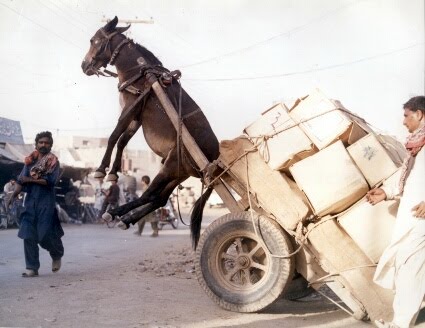
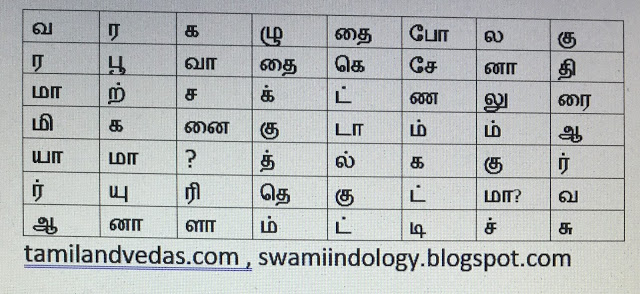
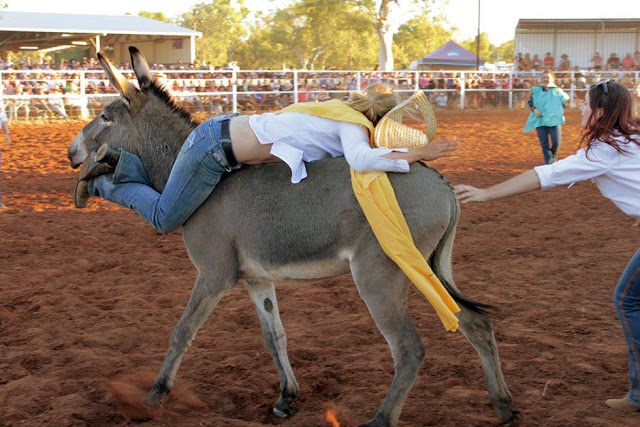
ஒரே சொல் மீண்டும் மீண்டும் வந்தால் ஓரிரு இடங்களில் மட்டுமே கட்டத்தில் இருக்கும். கொண்டு கூட்டி பொருள் கொள்க . விடை கீழே உள்ளது . சில நேரங்களில் படங்களைப் பார்த்தாலும் விடை காண உதவலாம்.
விடை
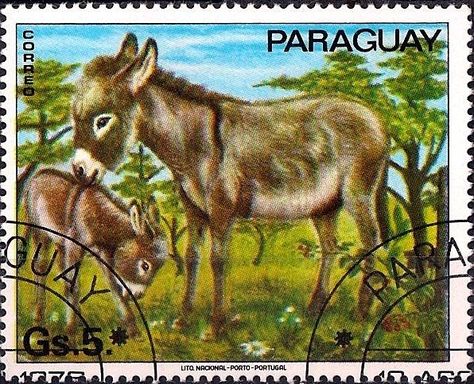
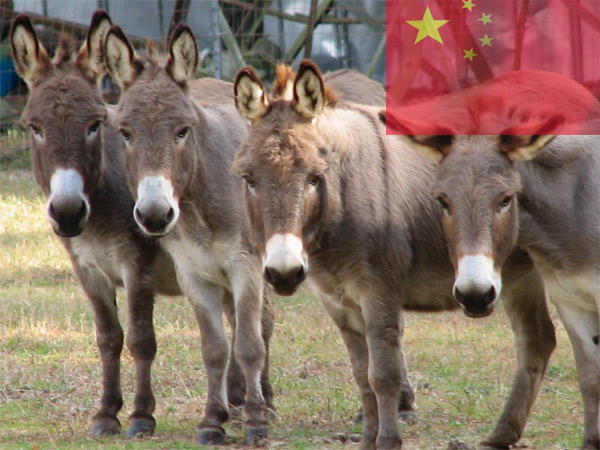
வர வர மாமியார் கழுதை போல ஆனாளாம்
கழுதை கெட்டால் குட்டிச் சுவர்
கழுதைக்குத் தெரியுமா கற்பூர வாசனை
கழுதைக்கு சேணம் கட்டினாலும் குதிரை ஆகுமா?
Source book :–
பயன்படுத்திய நூல்- கழகப் பழமொழி அகர வரிசை, கழக வெளியீடு
Pictures are taken from various sources for spreading knowledge; this is a non- commercial blog. Thanks for your great pictures.
tamilandvedas.com, swamiindology.blogspot.com
இன்டர்நெட் மற்றும் ஈ மெயில் காரணமாக ஆங்கில மொழியில் பல புதிய சொற்கள் உருவாகி வருகின்றன . நாம் இப்போது ஸர்வ சாதாரணமாக உனக்கு இ மெயில் செய்கிறேன், அதை. கூகுள் செய்து பார் என்று ஆங்கிலத்தில் புதிய வினைச் சொற்களைப் பயன்படுத்துகிறோம்.
ஆங்கிலத்தில் 98 நிமிடங்களுக்கு ஒரு முறை ஒரு புதிய சொல் உருவாகிறது என்பது பத்து ஆண்டுக்கு முன் வெளியான செய்தி. இப்போது இன்னும் வேகமாக மொழி வளரும் .
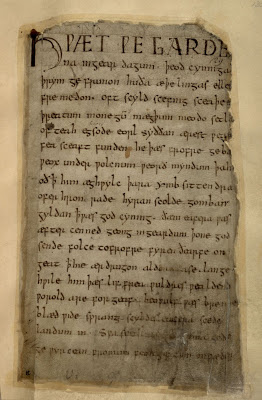
ஆனால் ஒரு அதிசயம் பழைய கால ஆங்கில நூல் ஆகும். 1000 ஆண்டுகளுக்கு முன்னர்தான் ஆங்கில மொழியில் புது நூல் வெளிவந்தது .அதன் பெயர் பியாவுல்ப் (Beowulf) . அது ஒரு ஸ்காண்டிமேவிய கதை. ஸ்காண்டிநேவியா என்பது சுவீடனும் நார்வேயும் சேர்ந்த பிரதேசம் ஆகும்..
அதை ஒரு ஆங்கிலேயனிடம் கொடுத்தால் அவனுக்கு எதுவும் புரியாது. எழுத்திலும் சொற்களிலும் பொருளிலும் அதி பயங்கர மாற்றம் . ஆனால் அதே கால கம்ப ராமாயணப் பாடலை ஒரு தமிழன் கையில் எடுத்தால் பெரும்பாலான சொற்களுக்கு அர்த்தம் புரியும். அதற்கு முன் வந்த திருக்குறளை எடுத்தாலும் அர்த்தம் சொல்லிவிடலாம். திருக்குறள் எழுதப்பட்ட தமிழ் எழுத்து வடிவம் மட்டும் மாறிவிட்டது. இது எதைக் காட்டுகிறது ? ஆங்கில மொழி அசுர வேகத்தில் மாறி வருகிறது; மாறிவிட்டது..
உலகில் கால் பகுதியினருக்கு ஆங்கிலம் தெரியும் .இந்தப் பூ உலகில் 25 சத மக்களுக்கு ஆங்கில மொழி தெரியும். நாலு பேரில் ஒருவருக்கு ஆங்கிலம் புரியும்.
உலக மொழி கண்காணிப்பு (Global Language Monitor) அமைப்பின் அதிகாரி பால் பேயாக் சொல்கிறார்- “நாங்கள் ஹாலிவுட், பாலிவுட் திரைப்பட உலகையும் விடுவதில்லை. அங்கும் புதிய சொற்கள் உருவாகின்றன”.
ஆங்கிலத்தில் பத்து லட்சம் சொற்கள் இருந்தாலும் சாதாரண மனிதன் பயன்படுத்துவது 14,000 சொற்கள்தான். ஆனால் சொல்வலை வேட்டுவர்கள் 70,000 சொற்கள் வரை பயன்படுத்துவர்.
ஒரு புதிய சொல்லை ஆங்கிலத்தில் எப்படிச் சேர்ப்பார்கள் தெரியுமா ? அது பத்து கோடிப் பேருக்கு விளங்க வேண்டும். அதை எப்படிக் கண்டுபிடிப்பது? உலகிலுள்ள முக்கியமான பத்திரிகைகள், திரைப்படங்கள், டெலிவிஷன் ஒளிபரப்புகளில் 25,000 முறை ஒரு புதிய சொல் புழங்கிவிட்டால் பின்னர் அகராதியில் சேர்த்துவிடுவார்கள்.
தமிழ் மொழிக்கு இப்படியெல்லாம் ஒரு அமைப்பு இல்லாதது பெரிய குறையே. இப்போது கடைகளில் வாங்கும் தமிழ் அகராதிகளில் தமிழ்ச் சொற்களைவிட ஸம்ஸ்கிருதச் சொற்கள்தான் அதிகம். அதில் தவறில்லை. மக்களின் புழக்கத்தில் உள்ளதை எல்லோருக்கும் புரிவதைச் சேர்த்துள்ளனர். ஆனால் பிறமொழிச் சொற்களை பிற மொழி என்று குறியீடு மூலம் குறிப்பிட்டால் நலம் பயக்கும். ஸம்ஸ்கிருத சொற்களை அகற்றக்கூடாது . அப்படி அகற்றினால் திருக்குறள் கூடப் புரியால் போய்விடும். ஏனெனில் திருவள்ளுவரே 125-க்கும் மேலான ஸம்ஸ்கிருத சொற்களை பயன்படுத்துகிறார். இதில் ‘காமம்’ என்ற ஒரு சொல்லை எடுத்துக் கொண்டாலே 20 குறள்களில் அந்தச் சொல் வரும். ‘மனம்’ என்ற சொல் இப்படி பத்து குறளகளில் வரும். அதாவது பெரும்பாலான குறள்களில் சம்ஸ்கிருதம்தான் !
xxxx
மொழி பெயர்ப்பால் மூழ்கிய கப்பல்
மொழியும் மொழி பெயர்ப்பும் எவ்வளவு முக்கியம் என்பதற்குப் பல உதாரணங்கள் உண்டு. பைபிளானது ஏசு கிறிஸ்து பேசிய அராமிய மொழியிலிருந்து ஹீப்ரு , கிரேக்க மொழிகளுக்கு மாற்றப்பட்டு ஆங்கில மொழிக்கு வருவதற்குள் ஏராளமான பிழைகள் நேர்ந்தன. மொழி தெரியாததால் கப்பலையே மூழ்க வைத்த சம்பவம் இதோ :-
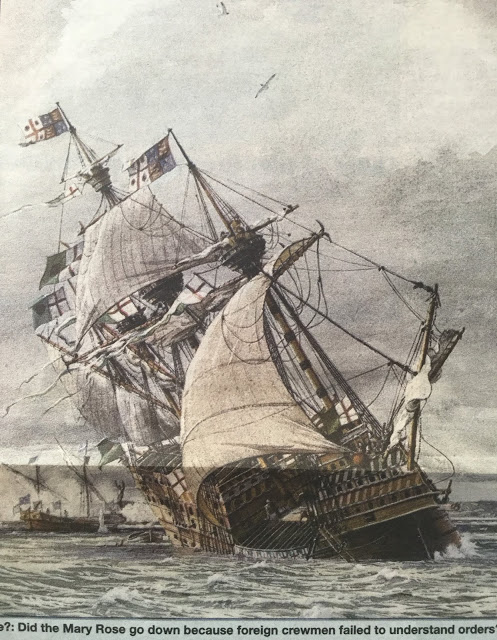
1545ம் ஆண்டில் பிரெஞ்சுக் காரார்களுக்கும் ஆங்கி லேயர்களுக்கும் இடையே போர் நடந்தது அப்பொழுது பிரிட்டிஷ் கடற்படைக் கப்பலான மேரி ரோஸ் (Mary Rose) மூழ்கி விட்டது. இதன் காரணம் அதில் வேலை பார்த்த ஸ்பானியர் களுக்கு (ஸ்பெயின் நாட்டவர்) ஆங்கிலம் புரியவில்லை. பிரிட்டிஷாருக்கு சொந்தமான கப்பலில் பெரும்பாலும் ஸ்பானியர் வேலை பார்த்தனர். போர்க்கப்பலில் எமர்ஜென்ஸி ஏற்பட்டபோது கப்பல் மாலுமி கொடுத்த கட்டளையை அவர்கள் தவறாகப் புரிந்துகொண்டு நேர் எதிர் மாறாகச் செய்தனர். இறந்த கப்பல் ஊழியர்களின் பற்களை தற்போது,
ஆராய்ந்ததில் பெரும்பாலோர் ஸ்பெயின் நாட்டவர் என்பது தெரிய வந்தது.
xxxx
300 மொழிகள் முழங்கும் லண்டன்
உலகின் பெரும்பகுதியை ஒரு காலத்தில் பிரிட்டன் ஆண்டதாலும், உலகின் விமானப் போக்குவரத்துக்கு நடுவில் லண்டன் நகரம் அமைந்திருப்பதாலும் இங்கு 300 மொழிகளை பேசுவோர் காணப்படுகின்றனர். இவர்கள் 270 இன மக்கள் ஆவர். வேலை படிப்பு, என்ற காரணத்துக்காக குடியேற்றகாரர்கள் வருவார்கள். ஆனால் திரும்பிச் செல்வதே இல்லை. அப்படி வெளியே போனால் அவர்களில் பெரும் பாலோர் வெள்ளைக்காரர்களாக இருப்பர்; சில ஆண்டுகளுக்கு முன்னர் வந்த புள்ளி விவரத்தின்படி இந்தியர்கள்தான் அதிகம் வந்தனர் . அதற்கு அடுத்த நிலையில் இருப்பது நைஜீரியர்கள் .இப்படிச் சிறப்புடையது லண்டன நகரம் .
இங்கு பல்வேறு மொழி பேசுவோர் இருப்பதாலும் மேற்கிந்தியத்தீவு நாடுகளின் ராப் Rap Music மியூசிக் பிரபலமனதாலும் கொச்சை மொழி சொற்கள் புதிதாகத் தோன்றுவதும் உண்டு. ஜெம் Gem என்றால் ரத்தினம் அல்ல. முட்டாள் என்று பொருள். நங் Nung என்றால் நல்ல என்றும் கோஸ்ட் Ghost என்றால் ஆள் அடிக்கடி காணாமற் போவான் என்றும், கிரிஸி Greezy என்றால் கெட்ட என்றும் பொருள். Skadoosh ஸ்கடுஸ் = பை , குட் பை Good Bye !!!
tags- ஆங்கில மொழி, விநோதங்கள், கப்பல்,மொழி பெயர்ப்பு,300 மொழிகள்
Popular Hindu religion is mainly based on Saguna upasana- devotion to a divine form. And such forms abound.
An allied aspect is the concept of Avatara, which has been authoritatively explained in the Gita. It is a peculiarity that only Vishnu is believed to take Avatars. Other divinities do assume human forms and sport in the world among men, but they are not considered Avatars.
Though Brahman is the One ultimate Truth, It is considered under various names and forms for devotional purposes, as Iswara.. Ekam Sat, vipra: bahuda vadanti- the Truth is One, Sages call it variously is one of the most famous statements of the Veda.
The most fundamental division is of Trinity, though only Vishnu and Siva are regularly worshipped. Then there is the cult of the Mother Goddess- Shakti. With the rise of the Bhagavata tradition, worship of Vishnu as such has receded into insignificance; the worship of the Avataras of Rama and Krishna constitute the backbone of popular Hinduism.
Siva himself constitutes a Trinity, with Ganapati and Subrahmanya. Then there is Surya- the famous Savitru or Savita of the Veda.
Siva, Vishnu & Shakti
These six- Surya, Shiva, Vishnu, Shakti, Ganapati, Subrahamanya constitute the six main Deities for regular worship. Interestingly, each one is a favourite in different parts of the country! The Smartas worship all under the Panchayatana system of worship. But there are cults around each, and they engage in constant quarrel and denigration of each other. Acharya Sankara showed the Vedic base of all these Deities, and formalised them as “shanmatas” but the quarrels have not abated. The ones between Saivites and Sri Vaishnavites are notorious in the South, while the ones among Saivites, Saktas and Vaishnavites are well-known in Bengal. These followers would not even sit and dine together! Such things are seen even today, as when you read the literature of ISKCON, or of any sectarian Saivite or Vaishnava Mutt. Any serious reader of such literature is most likely to develop distaste for all the deities! Such hatred among the sects was very common in the 19th century and we read in the life of Sri Ramakrishna how he tried to reconcile the quarelling sects. In fact, it is in this context that he talked about the unity of ‘matams’, as clarified by Holy Mother. It is sad that such attitudes still prevail.
Integration of Vedic and Puranik elements
The Smartas however continue with the integral approach. They are the ones who stick to the real, original Vedic way, following the ‘Smritis”. They have many Grama devatas, family deities, many Ishatadevatas, many Upasana murtis, many mantras for dhyana and japa, etc. But when it comes to any ritual act or worship based on Veda, (Vedic karma) the sankalpa starts with recalling 15 names of Vishnu, is done for the sake of pleasing Parameshwara, and at the conclusion the fruits are surrendered to Narayana and the whole dedicated to Brahman! The very names of Rama and Krishna are uttered to ensure internal and external purity, and to infuse correct tithi, vara, nakshatra, etc, with divine power, no matter what else is done. No acharya or philosopher or intellectual has invented a better or simpler method to ensure unity in practice. This neatly dovetails Vedic and Puranic elements in nice ritual form. This also unifies Siva-Vishnu aspects in a single neat stream of actual daily practice. In the orthodox South Indian bhajans, they utter an important shloka: Hari Narayana Durita Nivarana Paramananda Sadashiva Shankara!
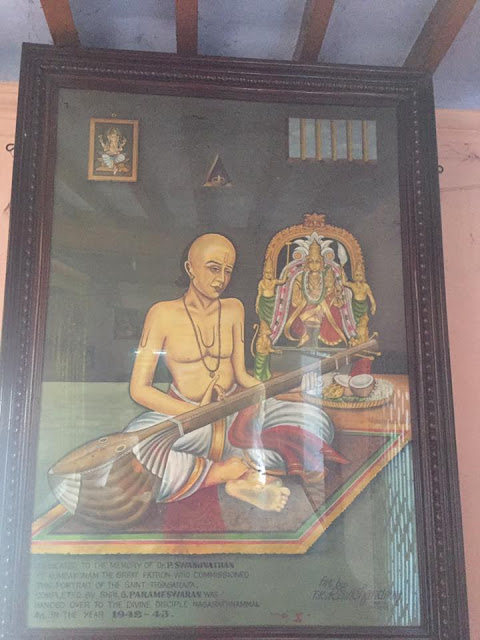
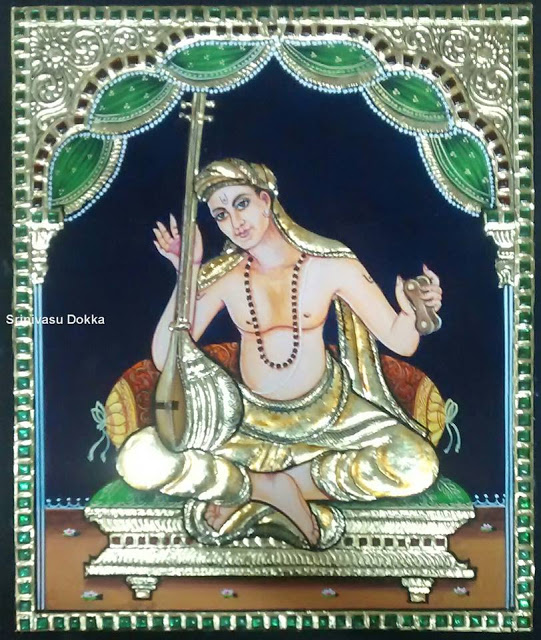
Sri Tyagaraja was a Smarta. His chosen Deity was Rama, his mantra for japa was Ramashadakshari. But he chose to reside in Tiruvaiyaaru, the hallowed kshetra of Panchanadisa Siva- the Lord of the Five rivers of the Cauvery Delta, a fact of which he was proud. And he was equally proud of his name Tyagaraja, the name of the presiding Deity -Siva-of Tiruvarur, where he was born, and which he has immortalised through every one of his kritis! Just for curiosity, contrast this with the fact that the Vishnu Sahasranama starts with the name “Visvam”, which is the name of Siva at Kashi; but have you come across any South Indian Sri Vaishnava Visishtadvaitin with the name Visvanath- though it is the first name in the Vishnu Sahasranama?
Tyagaraja accepted “Apat Sanyas” one day before his samadhi, from Paramahamsa Parivrajaka
Sri Brahmananda Swami- obviously hailing in the Smarta tradition!
Tyagaraja above sectarian distinctions
Sri Tyagaraja was totally above all such cult divisions, or distinctions,which he decried strongly. When he talks of that blessed soul who enjoys the bliss of reciting the Taraka nama of Rama, he mentions as his mark:
Daiva bhedamu leka (Sukhi evvaro)
Without making distinctions between the different forms of God! This along with “satyamu dappaga”- without swerving from Truth.
That is, a true devotee of Rama will not denigrate other Deities. After all, does not the very name Rama incorporate the essence of the names of both Vishnu and Siva? ( as we saw earlier)
Have you become proud that you got this beautiful place,on the shores of Cauvery, where the matchless (fragrant and cool) Southwind blows, which Lord Siva has of His own accord chosen for his sojourn?
You made up your mind to reside in this Chola Desa, the most beautiful part of the world, in this excellent kshetra Tiruvaiyaaru, the abode of Lord Panchanadisa, to be just near to Him!
We can easily see how gracefully Tyagaraja connects Rama and Siva! This is the ancient abode of Lord Siva, who is the presiding Deity of this place but Rama chooses the place to be near Him!
O mind! Establishing Rama in the beautiful pedestal of the heart, to worship Him with the flowers of the names of Siva and Rama- only such a birth is the real human birth!
We have already seen how in another kriti he talks of doing puja with both Tulasi and Bilva! Siva Madhava bhedamujeyaka radu Tyagaraja sakhuni marava radane Hari (bhaktuni Charitramu)
The devotee should not make distinction between Siva and Vishnu. He should not forget Hari, the friend of Siva!
How do the devotees of one Form reconcile to other forms and avoid any hatred or dislike for them? The secret is the knowledge that all Forms are His- the One; they have chosen one for their convenience or inclination. Whatever forms they see, they only think of their own chosen form!
When I have darshan of other Deities, it is You who is appearing before my mind!
Puranapurushadagu Ramuniki ya- purari kini neeku, rajadhari! machcharana verencha radu anu Tyagaraju (karuna juda vamma-Todi)
This Tyagaraja declares that one should not make any distinction between Rama, the ancient one, Siva, the one who burnt the three puras, and you. (You, Rama and Siva are not different)
This is a kriti Tyagaraja sang on Dharmasamvardhini, the consort of Panchanadisa at Tiruvaiyaaru! So, he takes the Siva-Vishnu abhedam a step higher, to include Shakti also. This whole kriti is very moving, for its devotional fervour.
Bhagavatas are singing Harinama Sankirtan , with correct swaras and elaborate alapana of the various Ragas. Observing this grandeur, the Lord wearing the serpents , the Ocean of Mercy, has become vigilant (eager) to bless all the good people quickly, and comes out grandly on His procession, declaring that he is the One who is going to fulfill the requests of the devotees.
This is a kriti on Panchanadisa (Lord Siva), describing the grandeur of the procession of the Deity through the streets of the town. The Bhagavatas are singing Harinama Sankirtan. Lord Siva is coming out eagerly to extend quick blessings! Can the non-difference between Siva and Vishnu be described more grandly or clearly? In a kriti, “Nammakane mosa bodu”, Tyagaraja mentions Nataraja as worshipping Rama. But in another kriti, he talks of the two as one!
Deva Rama Rama Mahadeva Raghava! Bhaavajarari rupa gelabhava paavanaava Maha Sankara Karunakara Nisamkaradruta sara Bhaktavasankara danujaahava
Nissanka rasika Tyagaraja (Deva Rama)
O Rama! Mahadeva! Raghava! O of the form of Siva who burnt down Manmatha! One who explains everything through his dance! O the pure one! Save me. O the Beneficial One! The fund of compassion! O the one bearing arrows in hand! O the one who has no doubt about subduing the enemies! O Rasika! Tyagaraja Deva!
This is a remarkable kriti. It celebrates Rama and Mahadeva as of one form! We do not know to which Kshetra this kriti refers.
People have wondered that though Tyagaraja was born in Tiruvarur, and named after the Deity of that temple, not a single kriti on that kshetra or Deity has come down to us ( though he remembers Tyagaraja in every one). This kriti employs the phrase “Tyagaraja Deva” instead of the usual “Tyagaraja vinuta” . Taking this and other clues in this, Sri T.S Parthasarathy has held that this is about Tiruvarur.
As followers of the Vedic tradition, Hindus should eschew distinctions among different forms of Deities. Ishwara is one, his form for worship is chosen by people according to their taste. Why should they quarrel? Sri Tyagaraja has shown the way to enjoy the Form we adore, but also to find the unity.
Note:
Hindu sects quarrel about the forms of their Deities, which are many. But such quarrels are also common among both Christians and Muslims, even though they speak of one BooK, one Prophet and Only Begotten Son of God! .There are more than 100 denominations among Christians,( based on organization and belief) and those belonging to one will not enter the Church of another. Non-Catholics will not use the Catholic Bible or accept their interpretation of dogma.There are more than 70 divisions among Muslims and they are always quarreling among themselves.There are divisions among Buddhists too. So, it seems to be a fact of our world that people easily find ways to differ from one another! ‘On the earth, the broken arcs”, declared Robert Browning! But our Tyagaraja is urging us to rise above narrow sectarian divisions. Devotion to our chosen deity should not involve dislike for other Forms.
Pictures are taken from various sources for spreading knowledge; this is a non- commercial blog. Thanks for your great pictures.
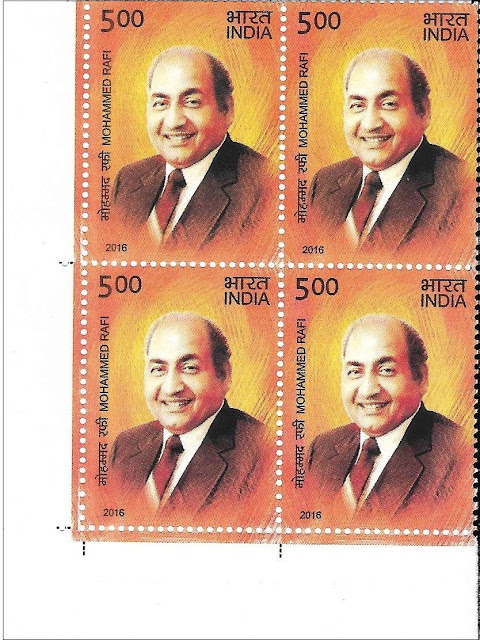
ஹிந்தி படப் பாடல்கள் – 55 – முஹம்மது ரஃபி!
R. Nanjappa
முஹம்மது ரஃபி
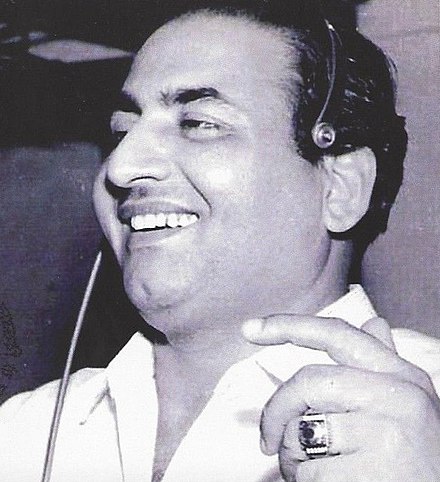
ஹிந்தித் திரை இசைப் பாடகர்களில் முதல் இடத்தை வகிப்பவர் முஹம்மது ரஃபி. முப்பது வருஷங்களில் சுமார் 7000 பாடல்கள் பாடியிருக்கிறார். இவர் குரல் அனேகமாக எல்லா நடிகர்களுக்கும் பொருந்தியது. சில சந்தர்ப்பங்களில் சிலருக்கு தலத் மெஹ்மூத், முகேஷ் என தனிப்பட்ட குரல் சிறந்திருந்தது; ஆனால் பொதுவாக எல்லா நாயகர்களும் இவர் குரலையே முதலில் விரும்பினர். 20 ஆண்டுகள் இந்த நிலை நீடித்தது; 1971ல் ஆராதனா வந்த பிறகு கிஷோர்குமார் முதல் இடத்திற்கு வந்தார்.
நாயகர்களுக்கு மட்டுமின்றி, எல்லோருக்குமே இவர் குரல் பொருந்தியது, அதனால் இவரை எல்லா இசைஞர்களும் சகட்டு மேனிக்குப் பயன்படுத்தினர். அதனால் இவருக்கு ஒரு தனித்தன்மை இல்லாது போயிற்று. மேலும் நாளடைவில் இவர் குரல் வளம் மாறியது. அதுவும் ஷம்மி கபூருக்காக உரத்த குரலில் பாடி இவர் குரலில் இருந்த இனிமை மங்கியது.
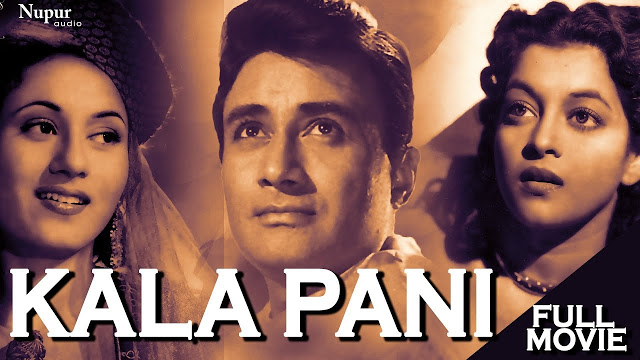
அனில் பிஸ்வாஸ் (1914-2003), எஸ்.டி பர்மன், ஹேமந்த் குமார் முதலிய வங்காள இசைஞர்களுக்கு ரஃபி குரலின் மீது அவ்வளவு பிடிப்பு இருந்ததில்லை. முதல் பத்து ஆண்டுகளில் பர்மன் ரஃபி குரலை அதிகம் பயன்படுத்தவில்லை. 1957ல் குருதத்தின் “ப்யாஸா” படத்தில் குருதத்திற்காக ரஃபி குரலைப் பயன்படுத்த வேண்டிய கட்டாயம் பர்மனுக்கு வந்தது. அதனால் அவர் ரஃபிக்கு தனிப்பயிற்சி அளித்து, அந்தப் பஞ்சாபியின் குரலை மிக இனிமையாக மாற்றினார்! ரஃபியின் குரலில் இருந்த இனிமையைச் சரியாகப் பயன்படுத்திக் கொண்டவர்கள் நௌஷத், எஸ்.டி பர்மன், ஒ.பி.நய்யார், ஜெய்தேவ், என்.தத்தா, மதன் மோஹன் ஆகிய சிலர் தான். அதிலும் பர்மன் இசையில் ரஃபியின் குரல் மிகச் சிறந்து ஓளிரும். அப்படி அமைந்த இரு பாடல்களைப் பார்க்கலாம்.
This is an excellent example of super Urdu poetry, which can be interpreted at various levels. This is a situational song and can be appreciated better in the film context. Obviously a love song, its intention was not straight.
But even as a stand alone, we can enjoy the music.
ரஃபியின் குரலின் இனிமையை சொல்ல சொற்கள் இல்லை. “சலேகயே” என்று அவர் இழுக்கும் இடமும் அதற்கு முன் கொடுக்கும் சிறு தயக்கமும் மிக அருமை- பல விஷயங்களச் சொல்லாமல் சொல்கிறது.
சாயாநாட் ராகத்தில் அமைந்த மிக அருமையான பாடல் இது.
கண்களை மூடிக்கொண்டு அமைதியாகக் கேளுங்கள்- இதே வார்த்தைகள் பிரார்த்தனை போல் அமையும்!
நாம் எத்தனைபேர் சுயப் பிரக்ஞையோடு. வழிபாட்டில் ஈடுபடுகிறோம்?
Full credit goes to the supreme lyrics and the sublime tune!
This song is indeed based on a non-film Bengali song sung by Burman himself! Ghum Bhulechchi Nijhum
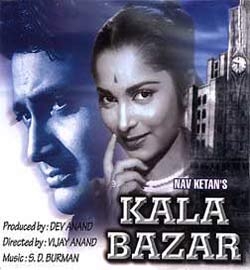
எவ்வளவு இனிமையான இசை! ரஃபியின் குரலில் தான் என்ன இனிமை! பின்னணி வாத்யங்களின் இனிய முழக்கம்! இதை விஜய் ஆனந்த் படமாக்கிய விதம் பலருக்கும் பிடிக்கும்! எளிமையான பாட்டாக இருந்தாலும் இப்படி அர்த்தமுள்ளதாக ஏன் இப்போது எழுதுவதில்லை? இசையில் இனிமை எங்கு போனது?
These two songs showcase the best in our golden years: good lyrics, nice melody, sweet voice and nice picturisation!
This is a double bonus for us- on account of Burman and Rafi!
Pictures are taken from various sources for spreading knowledge; this is a non- commercial blog. Thanks for your great pictures.
பாரத ஸ்தலங்கள்! – 1
ச.நாகராஜன்
பாரதம் ஒரு தெய்வீக நாடு. இது போல இன்னொரு தெய்வீக நாடு இந்தப் பூவுலகில் இல்லை.
தேவர்களும் இங்கு பிறப்பெடுக்க ஆவலாக உள்ளார்கள் என நமது அறநூல்கள் கூறுகின்றன.
தென்கோடி குமரி முனையிலிருந்து வட கோடி இமாலயம் வரை உள்ள தலங்கள் லட்சோபலட்சம் எனலாம்.
இந்த தலங்களின் தொகுப்பையும் தலங்களின் மஹிமையையும் பல்லாயிரக்கணக்கான நூல்கள் மற்றும் கட்டுரைகள் விளக்கியுள்ளன. ஆயிரமாயிரம் அறிஞர்கள் இதைப் பற்றிக் காலம் காலமாக அவ்வப்பொழுது கூறி வந்துள்ளனர்.
நூல்களை யாத்துள்ளனர்.
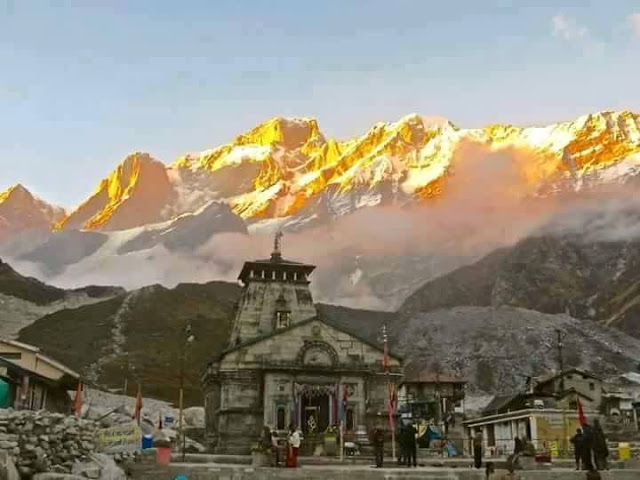
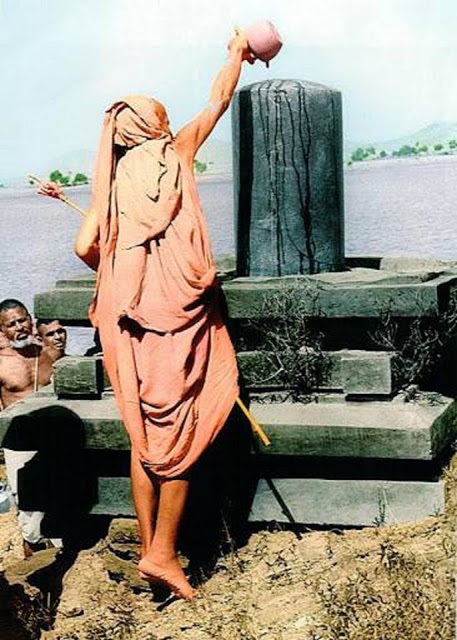
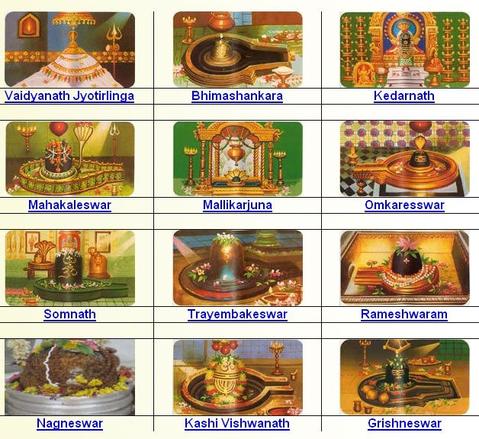
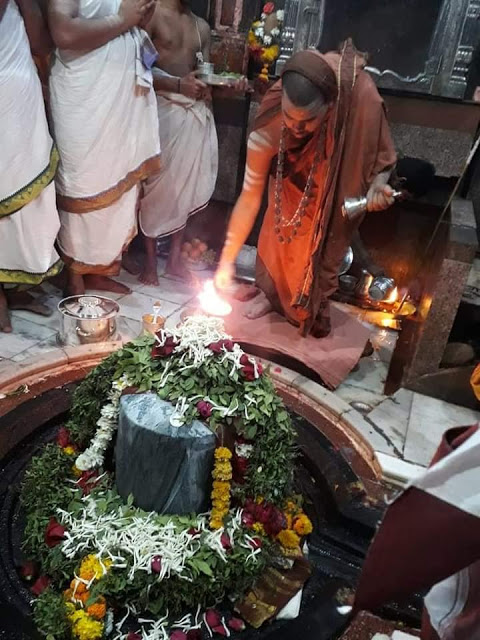
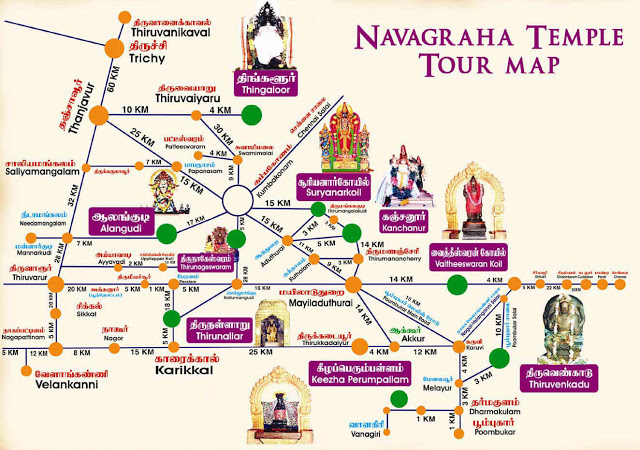
சிவ ஸ்தலங்கள் 1008க்கும் மேற்பட்டவை; வைணவ திருப்பதிகள் 108 + ஆங்காங்குள்ள வைணவத் தலங்கள்; சக்தி பீடங்கள் 108; முருகன் தலங்கள் ஏராளம்; விநாயகர் தலங்கள் ஏராளம்; சூரிய பூஜை ஸ்தலங்கள் ஏராளம், நவகிரஹ ஸ்தலங்கள், அவதாரங்களின் ஸ்தலங்கள், இராமாயண ஸ்தலங்கள், மஹாபாரத ஸ்தலங்கள், புராண வரலாறு கொண்ட ஸ்தலங்கள், ரிஷிகளின் ஸ்தலங்கள், தேவார ஸ்தலங்கள், மகான்களின் ஸ்தலங்கள்/சமாதிகள், விசேஷமான தீர்த்தங்களைக் கொண்ட ஸ்தலங்கள், ஜைன, புத்த ஸ்தலங்கள், என இப்படி கூறிக் கொண்டே போகலாம்.
மஹாமஹோபாத்யாய உ.வே.சுவாமிநாதையர், தி.வெ.கோபாலையர், செங்கல்வராய பிள்ளை உள்ளிட்ட ஏராளமானோர் தலங்களைப் பற்றிய குறிப்புகளை முடிந்த மட்டில் அற்புதமாகச் சேகரித்து நூல்களாக வெளியிட்டுள்ளனர். தமிழ் தவிர இதர மொழிகளில் உள்ள நூல்களுக்கு ஒரு அளவே இல்லை; அதில் உள்ள தகவல்களும் பிரமிக்க வைப்பவையாகும்.
என்றாலும் இது முடிந்த ஒன்று அல்ல. சிவ ஸ்தல மஞ்சரி போன்ற நூல்களைத் தேடிக் கண்டுபிடித்து அந்த நூல்களைத் தொகுத்தாலேயே நாம் இது வரை அறிந்திராத பல நுணுக்கமான விஷயங்களை அறிந்து கொள்ள முடியும்.
பிரம்மாண்டமான அறிஞர் சபை ஒன்று கூட வேண்டும்; அவர்களுக்குத் தேவையான ஏராளமான பொருள் உதவி தர வேண்டும். அப்படிச் செய்தால் ஒரு வேளை தலக் களஞ்சியம் ஒன்று அற்புதமான அனைத்துத் தகவல்களுடன் உருவாகக் கூடும்!
எப்படியெல்லாம் தலங்கள் விசேஷமான ஒரு பெருமையைப் பெறுகின்றன; பக்தர்களுக்கு அருள் பாலிக்கின்றன என்பதைச் சுட்டிக் காட்ட ஒரு சிறு பட்டியல் இங்கு தரப்படுகிறது.
முடிவே இல்லாத இந்தப் பட்டியலை முடிந்த மட்டும் தொடர்ந்து பார்க்கலாம்!
***
பல்வேறு தலங்களைப் பற்றி ஏற்கனவே பல கட்டுரைகளை எழுதியுள்ளேன்.
அகத்தியருடன் தொடர்பு கொண்ட தலங்கள், நவ கிரஹ தலங்கள், மஹாபாரத தலங்கள், இராமாயண தலங்கள், சக்தி பீட தலங்கள், சூரிய பூஜை தலங்கள் உள்ளிட்ட ஏராளமான கட்டுரைகளை www.tamilandvedas.com தளத்தில் படித்திருக்கும் அன்பர்களுக்கு இன்னும் விரிவாக தலங்களைப் பற்றித் தெரிந்து கொள்ள இந்த தல அறிமுக/விஜயத் தொடர் ஒரு புதிய பகுதியாக அமையும்.
Pictures are taken from various sources for spreading knowledge; this is a non- commercial blog. Thanks for your great pictures.
tamilandvedas.com, swamiindology.blogspot.com
London has become the Babel of the modern world. More than a third of Londoners are foreign born. Our city encompasses more than 270 nationalities and 300 languages.
Lot of foreigners come here for work or study. Most of them stay here. According to the statistics published ten years ago Indian community with 157,000 migrants is the largest migrant community. Next comes Nigerians with 68,000 people. European population is a floating population and it may change due to Britain’s decision to come out of European Union.
From Metro Newspaper ,1 March 2011
Xxx
The Secret World of Gang Slang
Often impenetrable and indecipherable to all but those in the know, street slang has become a separatist form of communication. The roots of London’s modern street slang are hard to pinpoint, as the city is a linguistic melting pot of many races that have left their mark on the capital’s language.
The words on our streets:
Irrespective of who uses it and for what purpose, street slang is constantly evolving. Words in common parlance five years ago like ‘buff – good looking’ are deemed antediluvian, replaced by newer terms such as ‘chug’, ‘peak’,and ‘wavey’. Skadoosh, many persons’ favourite, is a relative new comer.
Here is a list of London slang
Bang – Punch
Bare – a lot
Bate – obvious
Blud – friend
Booky- suspicious
Butters – ugly
Chug- good looking
Dutty- nasty
Fam – friends
Gallis- womaniser
Gased- talking nonsense
Gem- fool
Ghost – to be frequently absent
Greezy- bad
Junge- whore
Liccle- small
Marga- extremely skinny
Moist- no rating, silly, naff
Murk- attack
Nang – good
Peak – used to highlight an eventful situation
Penguin- good looking
Shank – stab
Shower- cool
Skadoosh – Goodbye
Skettel – loose woman
Slipping- to be caught off guard
Swag – crap
Tekkers- technique
Wallad- idiot
Wavey – high or drunk
From Metro Newspaper 1 November 2010
Xxx
Ship Lost in Translation
A ship was lost in the mid sea because of language problem.
The Mary Rose was the flagship of the English fleet defending the country against the French in July 1545.
It was during an exchange of cannon fire that the ship capsized and sank, losing all but 35 of its crew.
Named after Henry VIII’s sister she was one of the purpose built warships to serve in the Royal Navy.
This ship went down because most of the crew were foreigners who could not understand their commanders’ orders to save the ship.
Studies of the sailors’ teeth have revealed that many of them were Spanish- lending weight to the theory that the ports were left open because frenzied orders to shut them were lost in foreign ears. Professor Huge Montgomery of University College London, who carried out the study revealed this finding.
Pictures are taken from various sources for spreading knowledge; this is a non- commercial blog. Thanks for your great pictures.
ஒரே சொல் மீண்டும் மீண்டும் வந்தால் ஓரிரு இடங்களில் மட்டுமே கட்டத்தில் இருக்கும். கொண்டு கூட்டி பொருள் கொள்க . விடை கீழே உள்ளது . சில நேரங்களில் படங்களைப் பார்த்தாலும் விடை காண உதவலாம்.
விடை
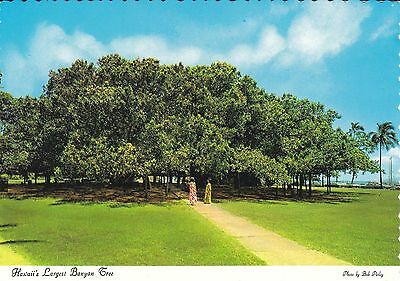
1.ஆலமரம் பழுத்தால் வேடன் பாடு கொண்டாட்டம்
2.ஆலமரம் பழுத்தத்தை என்று பறவைக்கு ஆர் சீட்டு அனுப்பியது ?
3.ஆலை விழுது தாங்கினது போல
4.ஆலும் வேலும் பல்லுக்கு உறுதி , நாலும் இரண்டும் சொல்லுக்கு உறுதி
Source book :–
பயன்படுத்திய நூல்- கழகப் பழமொழி அகர வரிசை, கழக வெளியீடு.
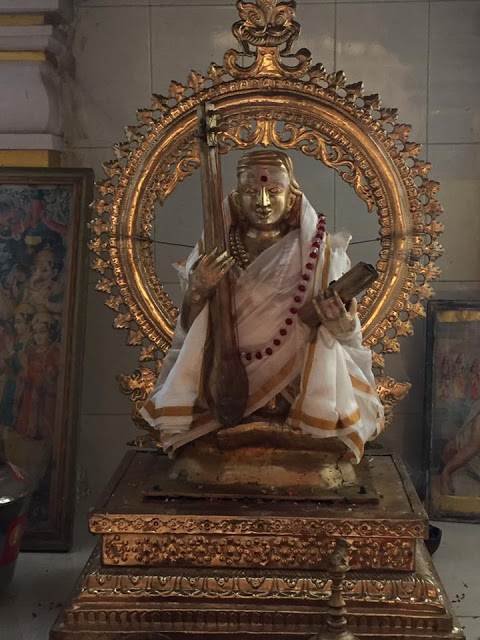
The chronicles of Tyagaraja contain imaginary legends and invented incidents. Pauranikas will relate a story in respect of almost every kriti. Some kritis do have references to some personal issues or concerns, but it is not sound to construct an entire biography of his external life on the basis of his kritis. The life of a saint or Sage does not entirely consist of external events. Nor do they treat external events as we do. The life of a person like Tyagaraja who was almost always immersed in divine consciousness has to be understood on the basis of what he has revealed of his mind and thought and of his divine experiences, and not merely on the basis of reconstruction of some events supposed to have taken place, as interpreted by us. Sri Aurobindo said that his life was not on the surface for people to see! This applies to all mystics.
Sri Tyagaraja did not merely worship Rama, he experienced Him in many moods and aspects.This is what we have to learn from his kritis..
The definite elements known of his life are that he led a very simple life, wholly devoted to spiritual pursuit through the medium of devotion to his Ishta Devata- Sri Rama through ritual worship, japa, dhyana and devotional singing-sankirtana.. His literary output in the form of his musical compositions is an exuberant outpouring of his spiritual experiences. The extraordinary variety, richness and depth of his kritis reflect the quality of his spiritual life over many decades. They do give the clearest clue to his mind and heart. Saint Arunagirinatha sang of a devotee being ‘ skilled of mind and pure of heart’- “Matiyaal vitthakanaagi manadaal utthamanaagi”, மதியால்வித்தகனாகிமனதால்உத்தமனாகி– what in ordinary parlance we call the qualities of ‘head and heart’. We see this amply proved in the case of Tyagaraja.
Tyagaraja lived in troubled times. The foundations of religious life were being shaken. Orthodoxy was degenerating into mere show and hypocrisy. Hindu society was leaderless, dharma lacked royal protection and patronage.. At the same time the traditional economic arrangements were also breaking down. Independent sources of livelihood were disappearing, and large sections were becoming landless labourers. Patronage was dwindling for forms of traditional religious life. The crisis faced was thus religious, social and economic at the same time.
Even so, the Tanjore region- the famed Chola Desa- was still fortunate. There were pockets of traditional art and craft, learning and religion. Above all, some outstanding religious figures appeared and infused new life and arrangements. The chief among them was the path of Nama Siddhanta, and Sankirtan. This could be practiced individually and in groups, did not depend on any social or religious order, though it did not contradict or oppose them, either. It did not need elaborate paraphernalia or organization. Sri Tyagaraja is a great exemplar and advocate of this fresh trend, though he made use of all the ancient elements- like mantra japa and dhyana, legend and lore, itihasa-purana etc. All this is seen in his kritis.
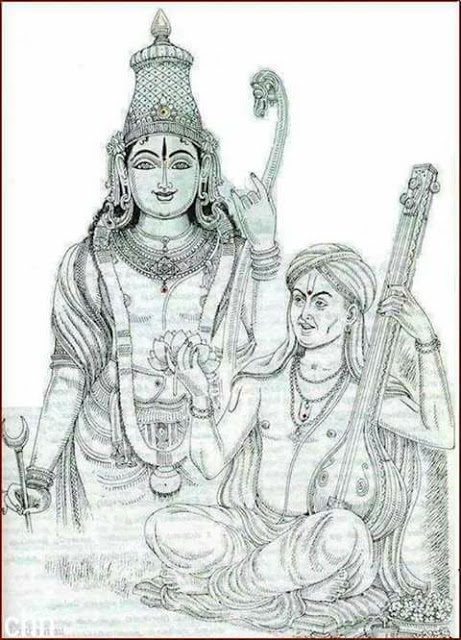
Tyagaraja seeks to know the secrets of worship- from those who are themselves great worshippers- from Sita and Lakshmana- no less!
Pakkala nilabadi
Tanuvuche vandana monarinju chunnara
chanuvuna nama kirtana seyu chunnara
Manasuna dalachi maimarachi yunnara
nenarunchi Tyagarajunito Hari Hari meeru iru
Pakkala nilabadi koliche muchchata
Baaga telpa raada……
Sudati Sitamma Saumitri Ramuniki iru
Pakkala
O mother Sita! O Lakshmana! Can you not tell me the secret of the service you are rendering to Rama, standing by his side?
Do you worship him by prostrating with your body ( ie by sashtanga namaskar)?
Or do you engage in Nama Sankirtan with devotion?
Or do you meditate on Him in your heart and thus forget your body ( ie lose external consciousness)?
Can you two not reveal the secret to me?
Here, Tyagaraja is referring to the very basics- engaging the body ( namaskar), speech (kirtan) and mind (dhyana). True worship involves all three. Also, he is referring here to three aspects of the nine-step bhakti- vandana, kirtana and manana. It is the true blood of the die-hard bhakta that is coursing through the veins of Tyagaraja.
Tyagaraja is a keen observer of life around him. He notices how people indulge in mere show.
Teliyaleru Rama bhaktimargamu
Ilanandata tiruguchu galuvarincere gaani
Teliyaleru Rama bhaktimargamunu
Vega lechi neeta munigi bhuti boosi
vaellanenchi veliki slaaganeeyulai
baaga paina maarjanalolulaire gaani
Teliyaleru
People run about in frenzied activity all over the world, but they do not (care to) know the good way of Ramabhakti.
They get up early in the morning, and after bath, apply sacred ash all over the body and adopt other paraphernalia, count on their fingers ( as if doing japa), show themselves like good outside, but only desire to earn money!
Will such people know where Ayodhya is?
Nadachi Nadachi chooche
Nadachi nadachi chooche
Ayodhya nagaramu gaanare
Pudamisuta sahayudai chelange
Poornuni Atmaramuni gooda…..
Atte kanula goorchi terachi sootramu
batti veliki vesadaarulai
puttu chavuleni taavu teliyaka
pogaderu
Atmarama is perfect, and shines in the company of Sita. People wish to join this Atmarama, they keep walking but have not found Ayodhya! They just open and close their eyes; they hold the rosary and count the beads; they just don such disguises. They indulge in praising God but do not know the place beyond birth and death. Such people cannot find Ayodhya!
Here, Tyagaraja employs both deep philosophy and pungent irony. Rama is not just Ayodhyapati, but Atmarama ie the ruler of Atma! Ayodhya is not just a place out there, but the space of our heart! Unless we realise Rama as seated in our heart ie as our very Atma, how can we find him in any external, physical Ayodhya?
How can people who merely adopt the external signs and symbols without the inner dedication, lacking in spiritual insight, realise that truth of Atma? Hypocrisy will not do.
There is indeed a Royal path one must take!
Chakkani Raja margamu
Chakkani raja margamu lundaga sandula dooranelae O manasa Chikkani paalu meegada undaga cheeyanu ganga sagara mele kantiki sundara taramagu roopame muk- kanti nota chelage naamame Tyagaraju intane nela konna aadi deivame yitu- vanti Srisaketa Ramuni bhaktiyane
O mind! When there is the Royal path, why do you wish to enter the lanes and by lanes? When there is the nourishing milk and cream, why do you take the despicable liquor?
Rama has the beautiful form which delights the eyes.
He has the name which is ever on the tongue of Lord Shiva ( which takes one across the ocean of samsara). He has his abode at the residence of Tyagaraja, as his ancient Deity. Devotion to Him is the Royal path. When this is available, why do you wish to enter lanes
and bylanes ( ie take up less wholesome ways?) This kriti is rather well known among those who listen to Harikatha on Tyagaraja. The pauranikas delight in expounding that this song was sung when Serfoji, the ruler of Tanjore invited Tyagaraja to his court but Tyagaraja declined, incurring the wrath of his brother. The allusion is that Tanjore was full of lanes and by lanes, whereas Tiruvaiyaaru where Tyagaraja resided was better, with broad streets and a famous ancient temple of Lord Shiva. As we see here, the kriti has a philosophical import and can stand on its own.
However, there is a bit of social history here. Those days the poor labourers used to consume country liquor at the end of a day of hard labour, and roll on the streets, in a state of semi-stupor, as if floating on the waves of the ocean! This was called ‘gangasagar’.
(Incidentally, scenes of such people floating on gangasagar can be witnessed even today, in broad daylight, in several areas in Bangalore!) This kriti has as its theme the idea that Bhakti is the Royal path and contemplation on Rupa and japa and kirtan of Nama are sure aids- thus instantly connecting it to the classical ideas and authorities!
O my Father! Please do not stop showing your mercy to me. Considering that I lack the heroism to understand that everything appearing before me is the (one) Self, I am unable to control my five senses ( from wandering among the sense objects), I lack the courage to praise you constantly- do not stop showing your mercy.
Here, Tyagaraja reveals himself as the essential bhakta, who depends only on the mercy of God. As for sadhana, the things he is listing here are typically those of the jnani or yogi- the idea of universal oneness, the control of the senses and also the resort to constant praises- the path of viveka and vairagya. The other idea is even more fundamental for the devotee: we can never DESERVE God’s mercy, by anything that we do. It is only God’s causeless compassion-universal karuna- that can save us. This is what a bhakta pleads for. Sri Ramakrishna used to say: Mother, keep your jnana with you. Give me bhakti!’.
However, in a more basic sense, realisation of oneness of existence and control of the senses are common to all paths. Some strive by them as the means, to others they come as by products!
Everything appearing before me is the One Self: even the bhakta has this attitude- the idea of Vasudeva. In the pujas performed by Smartas, they do utter a mantra at the beginning invoking this oneness: ‘tyajeth ajnana nimalyam So’ham bhavena pujayet’.
Please accept the worship (Puja, archana) I perform with Tulasi, Bilva, Mallika, Lotus etc flowers! This Tyagaraja performs this aradhana to your blessed chest, face, head, your shoulders and arms, and your feet. He always offers these flowers, with deep love and great joy. Please accept this worship.
On the path of saguna worship, every aspect connected with the Deity’s form assumes importance- his feet, arms, eyes, weapons, his retinue etc. Even the mounts like garuda, peacock, sesha, or symbols in flags like the cock assume importance and their worship acquires cult status! Typically, the dhyana slokas systematically recall and describe these aspects! Every one of them symbolises some deep philosophical idea. It is typical of Tyagaraja’s universality that he uses both Tulasi ( held dear to Vishnu) and Bilva ( held sacred for Shiva ) for the puja of Rama! In another place, he says he uses both Shiva and Rama nama for archana! Kallaladaka molla sumamula nee challani padamu kollalaaduchu (Innaallu) I performed archana to your cool feet with jasmine flowers.
Tyagaraja also takes a typical dig at hypocrites, thereby telling us what we should avoid on the path of devotion.
Adikaadu bhajana Edalo jenjutokati pai- yedalo galginacho nokati Adikaadu bhajana manasa If what is thought in the mind, and what is performed outside are different, then that is not bhajan, o mind! Goppadanamukai aasa kuchchita vishaya pipaasa meppulakai bahu vesamidi uppadilledaru…..adikaadu bhajana Assuming different disguises,( as devotees but) wishing to amass wealth, desiring all sorts of despicable sense pleasures,for the sake of achieving worldly name and fame- this kind of activity is not bhajan!
Bhajana seyumani balikiri gaani Nijamuga nee mahima delpa leru They will say outwardly that they want to do your bhajan, but in fact these people are not qualified to expound your greatness. Ajagaja simha srugalaantaramani The difference is like that between sheep and elephant, or fox and lion – (between these people and the real devotees ) Buddhyanu tallini vishaya vidulaku proddu nosagi pakamu laarginche siddhulu sujanula sabhaku raanerani
peddalu……….nijaamuga
They have handed over their buddhi to sense pleasures, like handing over one’s mother to other men. They are the ‘adepts’, constantly engaged in amassing money; they are the ‘ big or great men’ unfit to enter the assembly of holy men. Such people are unqualified to talk about your greatness.
Tyagaraja can deal a deadly punch. He uses harsh language to describe bad people. And the sarcasm! Adepts (siddhulu) and ‘big or great men (peddulu)- oh, what venom is packed in these words! The point is, hypocrisy is bad anywhere but in the religious-spiritual sphere, it is just intolerable. See the damage done even now by false gurus and promoters of cults! So, we are tempted to say, ‘Well done, Swami’.
A real devotee need not be a bum.
Swararaga sudharasayuta bhakti swagaapavargamura o manasa Maddala taala gatula teliyagane mardinchuta sukhama suddhamanasuleka pooja seyuda sookara vrittira o manasa
O mind! Bhakti accompanied by (singing) with the divine essence of swara and raga alone can confer both heaven and Liberation!
Can we enjoy the playing of mridanga, when the player lacks knowledge of its nuances? Likewise, it is low type of existence, like that of a pig, when some one resorts to puja without a pure heart or mind.
O the compassionate Lord! The (so called ) Bhagavatas who lack knowledge of raga, tala, the right emotion, devotion, basic jnana, yoga discipline, love- are they not interested only in filling their belly? (using the art as a means to making a living, or living like animals) Is it becoming of you to treat these people and the real devotees as equal, O Lord of compassion!
We do not know the context in which Tyagaraja wrote this kriti. That God treats the bogus and real Bhagavatas as equal may be an observation based on how prosperous some of these musical exponents are, though they lack the qualifications and discipline required for a Bhagavata. Today, most performing professional musicians will sing any song, including a film song, in a serious classical music concert. And they will sing a song written by a known atheist right next to one by Tyagaraja! Because, it is all for the belly, for the money! These musicians treat ‘vaarini, veerini’ as equals! Those who take our classical music as noble and sacred should ponder over the situation. Above all, Sri Tyagaraja did not write for the concert platform or the sabhas. His kritis are the repositories of our traditional spiritual and religious treasure, based on our Itihasa-Purana-Upanishadic lore,and should be accorded the deserved respect, if we are real Hindus. We must create and evolve a separate order and arrangement for the recital of Tyagaraja keertanas. They cannot be reduced to the status of fillers in a sabha program, conducted for the sake of money, or name and fame.
Aasapaasamula dega kosi yanniyu
Aasapaasamula dega kosi yanniyu Madirosi karmamu baasi ninu karunaa vaaraasiyani puja jesi…. (Idhe bhagyamu) Giving up all worldly attachments, developing intense hatred for them in the heart, giving up all karmas, (one should) only worship You, the repository of all sacred traits.
Only this is real happiness and fortune.
It is important to note here the qualifications prescribed for taking up serious puja. The reference to giving up karma is a direct link to the Gita. Karma here is used in its technical sense- of those prescribed by our sastras, but they are kamya karmas. Gita has dealt with them elaborately, revealing what should be avoided, and what should not. ( We have seen this in earlier postings) Karma is anathema to people taking up the path of devotion seriously. “Give up all dharmas and surrender to Me alone ” is the supreme word of Bhagavan (Paramam vacha). Sadguru Tyagaraja is sticking to that line, undiluted.
Neeke dayaraaka
Manasu nilvanivaaru mayajalamujesi mari mukti konanaune Meppulagai bahu dharmamu jesite migul brova dagune Neeke dayaraaka ne jesiyu panulella neraveruna Rama The man who cannot control his mind (or concentrate on any object)- can he attain Liberation by resorting to some magic? If many dharmas are performed for the sake of attracting wealth, will God save us? If you do not have mercy on me, can my efforts bear fruit, O Rama!
(Gattiga nanu) Performing Siva puja and Vishnu puja, and puffed up that there are no equal to them in performing puja- such people lacking discrimination but full of the pride of wealth… Tyagaraja says in this kriti that Rama prevented Tyagaraja from seeking help (begging){ vedaga vaddu} from such people. A true devotee never advertises his piety or practices, nor does he develop pride.
Snanadi japa tapa yoga dhyana samadhi suka prada…….(ninne bhajana)
You are the one to confer happiness on those who take to the right path of snana, japa, tapas, yoga, dhyana and samadhi!
These are all traditional methods prescribed by experienced authorities- forming part of Vaidi Bhakti, an essential aid and stage on the path. They should not be discarded.
Good and bad people
When all is said and done, we observe that in the world there are people who are inherently religious and spiritual, while there also others who lack or dislike any notion of God, Religion, spirituality. How does this happen? Bhagavan Krishna explains this in an entire chapter of the Gita- chapter XVI titled ” the Yoga of Divine and Demonic Attributes- Deiva Asura Sampat vibhaga Yoga”. There Bhagavan makes it clear that people ARE BORN with divine or non-divine (Asuric) attributes. This is entirely due to their past karma. Bhagavan says there that one should avoid acting according to one’s fancy or inclination, but take sastra as the true guide for action, to avoid bad karma and itsevil effects. Saints do not blame God for their suffering or difficulties, but only blame their own past karma. Tyagaraja has a moving piece on this subject.
Ninne na valasina demi
Ninna na valasina demi Rama nannana vale gaaga Manasuna nenaruna ninu juchi naanaa Sajjana seva vinayamunu nijamuna jesi naanaa Gana padamuna puja nonarinchi naanaa Kalalonu galigina kalumulakale nenchi valachaka balu tapamunu jesinaanaa
Tolijanmamula puja phalamemo teliya O Rama! How can I blame or find fault with you? I have only to blame myself. Did I see you in my mind and meditate on you? Did I serve the true devotees with real humility? Did I perform puja to your holy Feet? Did I consider all the wealth of the world as equal to a dream and avoiding infatuation for it, did I undertake severe penance? I do not know what is the result of my karma in previous births.
Jalajaaptakula varatilaka veenula Neekatalu vinna balu paapamulu ponugaani kalumula palukula chelulu vachyunugaani O the gem of the line of Surya, who is the friend of the lotus! If one listens to your history, all the serious sins will be annihilated. Besides, he will also get the blessings of both Lakshmi and Saraswati!
Here, Tyagaraja Swami is indicating both that our past karmas bear fruit now and also how to achieve good karma! We should keep Bhagavan in our mind’s eye and meditate on Him. We should serve real holy people. We should perform Bhagavad puja. We should avoid infatuation with wealth and do tapas. Above all, we should listen to the divine lore, especially the accounts of the Avataras. This is the way to get good karma and also wisdom and prosperity in this world. Birth in a noble or pious family, or in prosperous circumstances, association with holy company etc are all obtained through spiritual effort in past births.No spiritual effort ever goes waste, as Bhagavan explains in the Gita, vide Chapter VI, slokas 40-44. When Jnanasambandha starts singing hymns at the age of 3, he states in the very first verse that it was God who blessed him to conduct the worship with flowers in previous birth (“Yedudaiya malaraal munai naal panindetta arul seida”).
While talking of divine and demonic qualities, Bhagavan assures Arjuna that he is born with divine attributes. Can one get the fortune of listening to the supreme words of Bhagavan unless he has sufficient merit? And we, who are able to read and listen to these words now, can also consider ourselves fortunate! The cow gives milk for the sake of the calf, but it feeds other children too! It raineth for the just, but the unjust fellow also reaps the benefit! So, there must be some small merit which has enabled us to learn these things, listen to the words of holy people, and read these holy books and scriptures. Sadguru Tyagaraja Swami has given us the accumulated wisdom as the butter roll placed in the palm of our hands- kaivalya navaneetam! Can we thank him enough? We can only prostrate before his blessed feet!



















 Tamil and Vedas