
Written by London Swaminathan
Date: 5 October 2017
Time uploaded in London- 8-36 am
Post No. 4273
Pictures shown here are taken from various sources such as Facebook friends, Books, Google and newspapers; thanks.
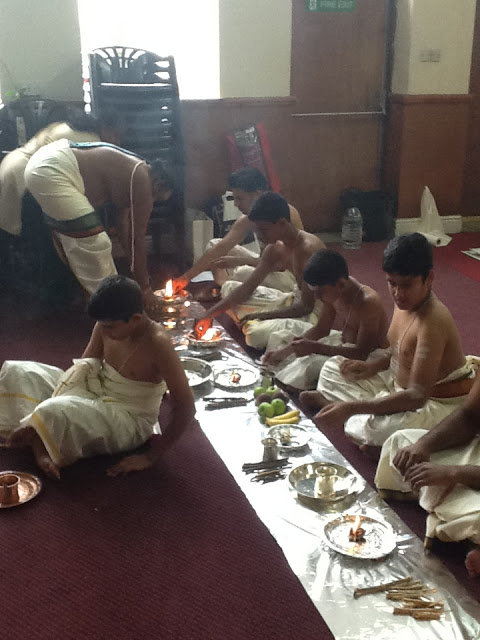
It is amazing to see that Brahmins worship nearly 100 gods and saints everyday in their worship. Seven Vedic gods, seven seers (rishis), Goddess Gayatri, nine planets, historical figures like Janamejaya, Jarat karu, Astika and their Gotra(clan) seers (rishis), Yama (god of death), four directions are included in their worship. But some are optional. They do it three times a day! (but I do only two times every day). It is a great wonder they have been doing it for over 5000 years without break. No modern religion existed at that time except Hinduism. Brahmins are like fossils who preserve the oldest rituals in the world. in the olden days, they were called Angels on Earth because of their character and selfless service. Sangam Tamil poet Kabilar, who contributed highest number of poems to Sangam corpus is praised by other poets as a Brahmin of spotless character ( Pulan Azukkatra Anthanaalan). It was sung 2000 years ago. He was a revolutionary Brahmin who opposed the three great Tamil Kings Chera, Choza and Pandya and took two daughters of a philanthropist chieftain called Pari and begged to every Kshatria to marry them. A man who did selfless service without any caste differences. At the end, he sacrificed himself in the fire like the great Ramayana Rishis (seers) and the tribal woman Sabari.
Now back to daily worship of Brahmins:–
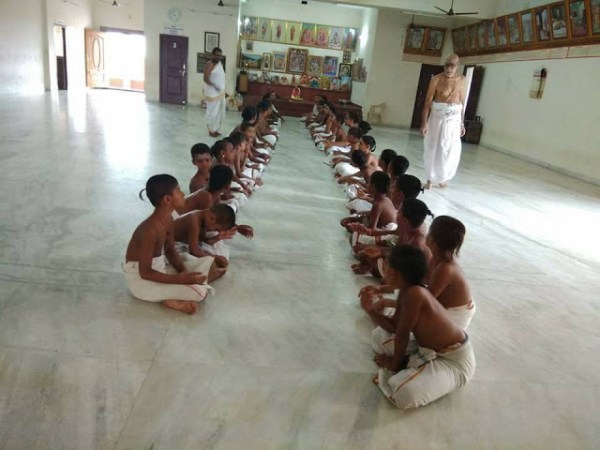
Brahmins have been doing a daily ritual called Sandhya Vandanam. It is Sun Worship three times a day. In the morning before sunrise, in the noon and in the evening before sunset Brahmins do it. And in the olden days other two castes (Kshatriyas/warriors and Vaisyas/Businessmen) were also doing it. After wearing the sacred thread at the age of 7 or 9 or 11 respectively the males of 3 castes started doing it. It is a water ceremony. They can’t do it without water.
(This explodes the Max Muller Myth about Vedic Hindus coming from cold central Asia or Europe. This is the oldest ceremony followed by any community in the world. Had they lived in cold countries they would not have used WATER. Hindus take bath everyday where as other communities don’t do it. So Hindus are the sons of the soil- India. During 3 times Sandhya vandana they have to use water over 100 times!!!!!!!!!!!!)
In this article, I am going to show you a wonder the Brahmins do every day. As a Brahmin I do it twice a day instead of thrice a day on the banks of River Thames in London. When I counted the number of saints and Gods in the ritual I was surprised.
Though different sects of Brahmins slightly change it, the main rituals are same. They use the oldest book in the world- the Rig Veda in addition to other Vedic scriptures.
Let us count the number of Gods according to Yajur Veda (smarta) followers:
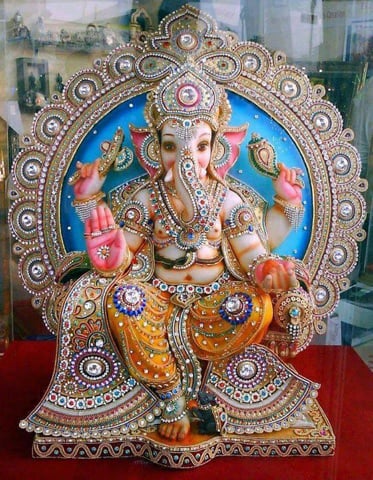
Lord Ganapathi
1-3:- First they purify themselves by taking three sips of water by reciting Achyuta, Anantha and Govinda
4-15: Then they do touch twelve parts of the body with water while reciting 12 names of Vishnu (though Govinda is repeated here I will include it):–
Keshava, Narayana, Madhava, Govinda, Vishnu, Madhusoodana, Trivikrama, Vamana,Sridhara, Hrushikesa, Padmanabha, Damodara.
- Then they worship Lord Ganapathi facing sun in the east.
- Om is also added with most of the Mantras
18-24.Here they do recite the names of seven Lokas (holy spheres)
Bhu, Bhuvaha,Suvah, Mahah, Janah, Tapah, Satyam
- The most powerful mantra Gayatri is recited in several places
- In the Sankalpa (intention to do this ritual or Vow) They do say ‘Parameswara/ Siva’ (other sects may have different God’s names)
- Then Apah/water is worshipped/praised
28.Then Surya/Sun or Agni /Fire mantra is recited
- Brahman’s name– The Supreme Being– comes in the Upanishad mantra, identifying f the self with the supreme God (brahmai vaham asmi)
30.-38 At the end of the first part water is offered to Nine celestial objects. 12 names of Vishnu are also recited, which we have already included.
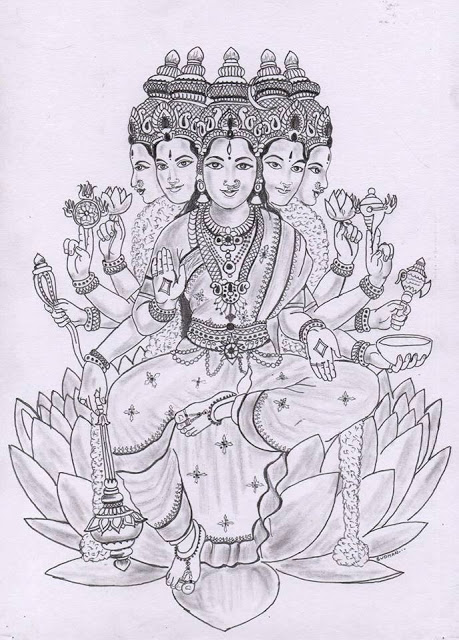
SECOND PART of Sandhya Vandana
39.Brahma
40.Paramatma
41-46: Seven Seers: Atri, Bruhu, Kutsa, Vasistha, Gautama, Kasyaa, Aangiasa:
47-53: Seven meters are recited; they mean the some meters in prosody and Goddesses as well:
Gayatri, Ushnik, Anushtu, Brhati, Pankti, Trishtup, Jagatya
( I have included Gayatri in the count because it may be considered a grammatical term here)
54- 60 Seven Vedic Gods are worshipped here
Agni, Vayu, Arka, Vageesa, Varuna, Indra, Visvedevatah
(Note Agni comes for the second time)
Then Gayatri is worshipped
61 and 62 :Visvamitra Rishi’s name and Savita’s name are recited
63 Gayatri is asked to go to her abode: Uttame Shikare (Mount Meru is mentioned ; she resides on top of a mountain like Babylonian Gods; Ziggurat= Shikara)
64.Sun God is worshipped
65.Mitra is worshipped
(Then comes Sun and Varuna; we have already counted their heads)
66-69: Four Devis in four directions and ‘All gods’ are worshipped: Sandhya, Savitri, Gayatri, Saraswathy, Sarva Devatas
70 to 75: during personal salutation we give our name, our Gotra name, names of the rishis in the Gotra (clan or group) , Sutra name ( in my case I say Vaisvamitra, Aghamarshana, Kausika,Apastamba Sutrah ; My name swaminathan etc)
76-79: Four Directions are worshipped
80, 81, 82,: Upper Region, Middle region, Sky
83 and 84- Yama and his assistant Chitragupta
85.Harihara (Krshna Pingalam)

PM NARENDRA MODI WORSHIPPING RIVER NARMADHA
86, 87, 88, 89, 90-Certain people do Narmadha vandanam where the names of River Narmada, and historical figures Janamejaya, Astika, Jaratkaru, Nga Kings Pannakebhya are worshipped
(Some people don’t do it)
91.Narayana
- Krishna
93.Om Tat sat
In each mantra every god has several attributes; for instance in the Yama vandana, God of death (Yama) is praised as 1)Yama, 2)Dharmaraja, 3)Mrtyu, 4)Andaka, 5)Vaivasvata, 6)Kaala/Time, 7)Sarvabhutakshayaya, 8)Audumbaraya, 9)Dadnaya (death= dadnaya), 10)Neelaya, 11)Vrkodaraya, 12)Chitraya, 13)Chitraguptaya
If we include all the names for Sun, Yama, Varuna it will exceed over 100 names.
Followers of other Vedas such as Rig Veda, Sama Veda they have longer and additional mantras. So it is definitely over 100 Gods at one go.
Normally it will take 20 minutes to finish it even if one recites Gayatri mantra 108 times. So a Brahmin who does Tri Kala (three times a day) Sandhya vandana do one hour or less worship by reciting over names of 100 Gods and Seers/rishis!
Long Live Brahmins who do Tri Kala Sandhya Vandana. They are historical wonders!
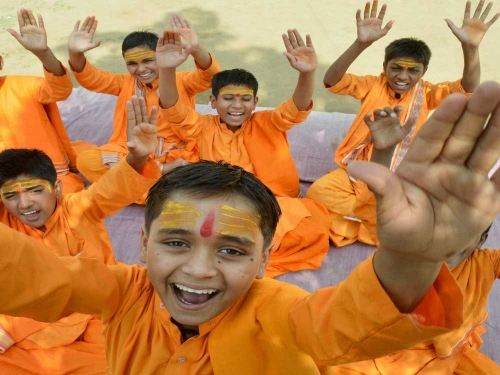
Students of Jabalpur Veda Patasala
Please read my old articles:-
Brahmins deserve an entry in to Guinness Book of Records …
tamilandvedas.com/2012/01/26/327
Brahmins deserve an entry in to Guinness Book of … That is why I say Brahmins deserve a mention in the Book of Records. 32. … by Tamil and Vedas on January 26, …
Brahmins deserve an entry in to Guinness Book of Records -Part 5
- tamilbrahmins.com
- Brahmins | Tamil and Vedas
- com/category/brahmins
- … Asoka mentioned Brahmins first and … //tamilandvedas.com/2017/05/30/about-brahmins-buddha-and … “Brahmins deserve an entry in to Guinness Book of …

· No Brahmins, No Tamil!! | Tamil and Vedas
tamilandvedas.com/2012/01/14/no-brahmins-no-tamil
No Brahmins, No Tamil!! … political parties in Tamil Nadu has misled the public to a great extent that they really believed Brahmins were aliens to Tamil culture.
· No Brahmins, No Tamil!! | Swami’s Indology Blog
swamiindology.blogspot.com/2012/01/no-brahmins-no-tamil.html
No Brahmins, No Tamil!! By S Swaminathan … literature would find out that without Brahmins Tamilwould have died or at least become poorer two thousand years ago.
-SUBHAM–


 Tamil and Vedas