திருவள்ளுவர் யார்?

valluva-nayanar

இந்திரன் குறித்து பரிமேலழகர் செய்த தவறு!
By London Swaminathan; Post No. 748 dated 17th December 2013.

–லண்டன் சுவாமிநாதன்
தமிழ் வேதமான திருக்குறளுக்கு உரை எழுதிய பதின்மரில் பரிமேலழகர் எழுதிய உரையே மேலானது என்பது அறிஞர் உலகம் ஒருமனதாக ஏற்றுக்கொண்ட முடிவு. ஆயினும் யானைக்கும் கூட அடி சறுக்கும் என்பது போல அவரும் சில தவறுகளைச் செய்திருக்கிறார். இன்று ஒரு குறளை மட்டும் காண்போம்:

ஐந்தவித்தான் ஆற்றல் அகல்விசும்புளார் கோமான்
இந்திரனே சாலுங் கரி (குறள் 25)

‘ஐம்புல ஆசைகளை அறவே ஒழித்த ஒருவனுடைய ஆற்றலுக்கு தேவர் கோமான் இந்திரனே சான்று பகர்வான்’ என்பது இதன் பொருள்.

இந்தப் பொருளை எழுதி அதற்குப் பின் ஒரு ஆச்சர்யக் குறியையோ கேள்விக்குறியையோ போட்டுவிட்டால் அர்த்தம் அனர்த்தம் ஆகிவிடும். பரிமேலழகர் இது இந்திரனைக் கிண்டல் செய்து எழுதிய இகழ்ச்சிக் குறிப்பு என்று கொண்டுவிட்டார். அவன் அகல்யை இடத்தில் நடந்துகொண்ட ஒரு சம்பவத்தை வைத்துப் பலரும் இந்திரனை தவறாக எடைபோட்டுவிட்டனர்.

இந்துமத நூல்களிலும் புத்தமத வேதப் புத்தகமான தம்மபததிலும் இந்திரனை உயர்வாகவே கூறியுள்ளனர். பதின்மர் உரையில் மணக்குடவர் எழுதிய உரையில் இதை இகழ்ச்சிக் குறிப்பாகக் கொள்ளாமல், பாராட்டும்படியாகவே எழுதியுள்ளார். இதை டாக்டர் எஸ்.எம்.டயஸ் அவர்கள் எழுதியுள்ள ஆங்கில மொழிபெயர்ப்பில் குறிப்பிட்டு மணக்குடவர் உரையே திருவள்ளுவரின் மொத்த அணுகுமுறைக்கு இசைவாக இருக்கிறது என்றும் எழுதியிருக்கிறார்.

எனது கருத்து:
“இந்திரன் அவனுடைய பிரம்மசர்யத்தால் தேவர்களுக்கு தேஜஸை (ஒளியை) உண்டாக்கினான்”- என்று அதர்வ வேதம் கூறுகிறது ( அதர்வணம் 11-5-19).

“இந்திரன் மிகவும் கவனமாக/விழிப்பாக இருந்ததால் தேவர்களுக்கு எல்லாம் இறைவன் ஆனான்” – என்று புத்தர் தம்மபதத்தில் (2—10) கூறுகிறார்.

பூமியில் யாராவது தவம் செய்தாலோ, நூறு அஸ்வமேத யாகம் செய்தாலோ, தனது பதவிக்கு ஆபத்து வந்துவிடும் என்று இந்திரன் நடுங்கத் துவங்கி மண், பெண், பொன் ஆசைகளால் துறவிகளைக் கவிழ்த்துவிடுவான். ஆகையால் மணக்குடவரும் மற்றவர்களின் தவ வலிமை இந்திரனை நடுங்கச் செய்வதே “ இந்திரனே சான்று பகர்வான்” என்பதன் பொருள் என்கிறார். பரிமேலழகர் சொல்லுவது போல இந்திரனை வள்ளுவர் பகடி செய்யவில்லை.

மணக்குடவர் உரை: ஐந்து= நுகர்ச்சியாகிய ஐந்து. இந்திரன் சான்று என்றது இவ்வுலகின் கண் மிகத் தவம் செய்வார் உளரானால், அவன் தன் பதம் இழக்கின்றானாக நடுங்குமாதலான், இது தேவரினும் வலியன் என்றவாறு.

பரிமேலழகர் உரை: ஐந்தும் என்னும் முற்றும்மையும் ஆற்றர்க்கு என்னும் நான்கனுருபும் செய்யுள் விகாரத்தால் தொக்கன. தான் ஐந்து அவியாது சாபம் எய்தி நின்று அவித்தானது ஆற்றல் உணர்த்தினானாகலின் ‘இந்திரனே சாலுங் கரி’ என்றார்.

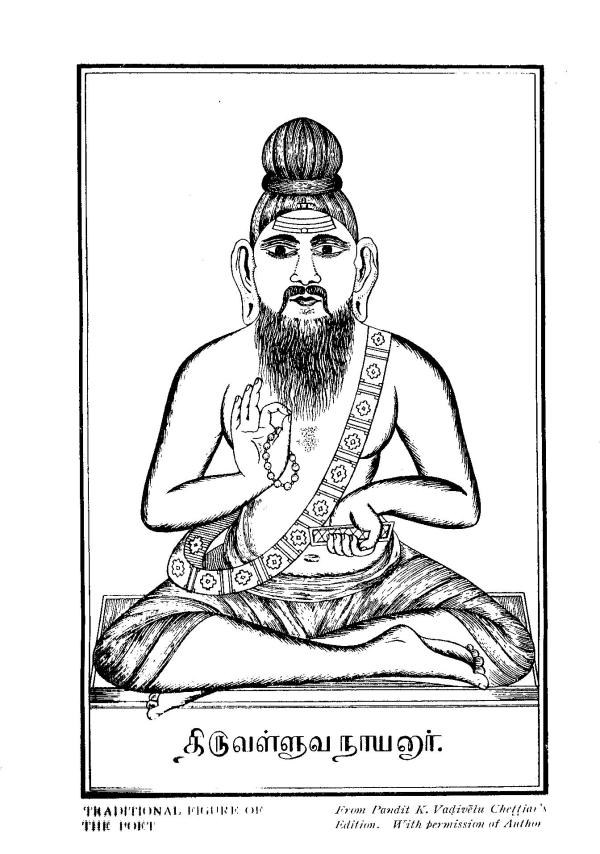
திருவள்ளுவர் யார்?

மேற்கோள் விளக்கக் கதை அகர வரிசை,இரண்டாம் பகுதி, கருப்பக்கிளர் சு.அ. இராமசாமிப் புலவர், திருநெல்வேலித் தென்னிந்திய சைவ சித்தாந்த நூற்பதிப்புக் கழகம் லிமிடெட், திருநெல்வேலி-6, 1963 பக்கம் 714 கதை 805

805.பகவன் கதை

இவர் பெருஞ்சாகரன் என்னும் அந்தணனுடைய புதல்வர். தம்முடைய ஊரிலிருந்து காசிக்குப் பயணம் சென்றார்; திரும்பிவந்தார். தொண்டை மண்டலத்தில் அகரம் என்னும் ஊரில் தங்கியிருந்தார். அப்பொழுது ஆதி என்னும் பெயருடைய அந்தண மாது ஒருத்தி அங்கு வந்தாள். இவர்கள் இருவருக்கும் திருமணம் நடைபெற்றது. ஔவை, அதிகமான், உப்பை, உறுவை, வள்ளி, கபிலர், திருவள்ளுவர் என்னும் பெயரினுடைய மக்கள் எழுவர் தோன்றினர். இவர்களில் திருவள்ளுவர் என்பவர்தாம் தமிழ் மறையாகிய திருக்குறளை உலகிற்கு வழங்கியவர். ஔவை, கபிலர் ஆகியவர்களும் சிறந்த புலவர்களாகவே திகழ்ந்தனர். தம்முடைய மக்கள் அறிவாளிகளாய் உலகிற்குப் பயன்பட்டதைக் கண்டு பகவனும் ஆதியும் மிகவும் களிப்படைந்தார்கள். தம்மைப் பார்க்கிலும் தம் மக்கள் அறிவுடைவர்களாக இருத்தல் உலகத்திற்கு மிகுந்த நன்மையை உண்டாக்கும் என்பதை இவர்கள் தம்முடைய மக்கள்பாற் கண்டு தெளிந்தனர்.

Also read my earlier post: Who was Tiruvalluvar? In this blog.
Contact swami_48@yahoo.com

Divine Dinners by Moses, Jesus, Hindu Saints & Draupadi !

Image


Picture of Draupadi with Akshaya Patra.

By London Swaminathan: Post No.  747   dated 15th December 2013.

Divine dinners are miraculous dinners provided by great saints, religious leaders and pathfinders. Every religion has got some stories like this. Here are eight famous episodes from different cultures.


Divine Dinner 1

First a story from Ramayana: Bharadvaja Maharishi (seer) showed some amazing magic to Bharata, brother of Lord Rama. Chapter 91 of Ayodhya Kanda of Valmiki Ramayana gives a vivid description of the magic shown by Bharadvaja.

The seer asked Bharata why he came alone leaving his army behind. Bharata replied to him that his army was huge and they may damage the trees and huts and defile the water. (Look at the environmental concerns of Bharata!)

But Bharadvaja insisted to him to bring the army so that he can entertain everyone. In the middle of the thick jungle, he summoned all the angels. Suddenly a cool breeze came from Malaya and Dardura hills. There was a rain of flowers. Sound of divine gongs could be heard on every side. Apsaras women danced to the tune of the Gandharvas. Earth and sky were filled with sweet and harmonious sounds. Bharata’s army could see the wonderful creations of Viswakarma (Divine Architect).

When Rama returned to Ayodhya, Bharadwaja wanted to honour him with sumptuous dinner. He brought all the best things from the heaven through his mental power. As he thought of Amutha Surabhi, Chintamani and Amrita, all those came to serve him. Bharadwaja served the same type of food to every one. All were very happy.


Divine Dinner 2

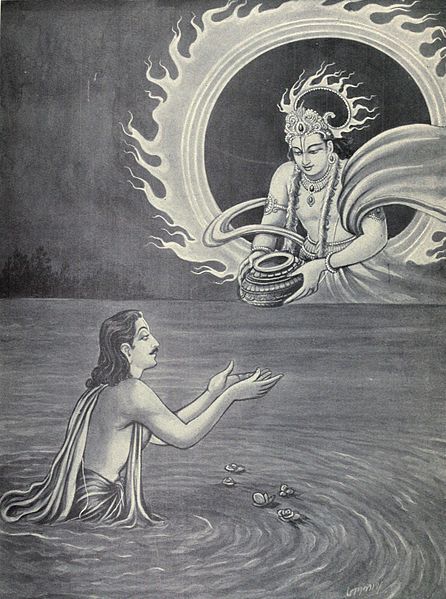
Now a story from Mahabharata: Draupadi stayed in the forest for twelve years with the Pandavas. During her stay in the forest, a lot of pilgrims and saints visited her. When her husband Yudhistra was struggling to find food, Dhaumya advised him to pray to sun god. He did and received an Akshaya Patra from the Sun God. This magical vessel supplied Draupadi with food without stopping. It was always full even after she distributed food. Akshaya Patra  means an inexhaustible vessel.

When Duryodana sent the short tempered saint Durvasa at an odd time to the Pandavas in the forest, he thought the Pandavas could not satisfy this man and eventually he would curse them. Durvasa went to the Pandavas and told them that he would take food after bathing in the river. Pandava’s wife Draupadi got so worried for lack of food at home and prayed to Lord Krishna. He asked whether there was at least anything left over in the vessel. There was only one rice sticking to the pan. Krishna ate it and smiled at her. Durvasa came and told them that his stomach was full and he did not want any food!

Sathya Sai Baba also was said to have distributed Laddus (sweets) to his disciples during his birth day with never ending supply from his basket!


Divine Dinner 3

Queen Meenakshi, also known as Thatathakai, got married to Sundreswara. Grand dinner was arranged for their wedding in Madurai. But after all the guests eaten there was plenty of leftover food. The cooks came to queen Meenakshi and told her their problem. She went to her faithful husband King Sundara Pandya alias Sundareswara, who was god Shiva, and told her grievance. He simply smiled at her and winked at his servant Gundotharan who was standing behind him. He went to the kitchen and started eating whatever he saw. The vessels became empty in a few minutes. When he asked for more and more food, the kitchen staff ran to the queen and told her what was happening. She went to her husband again and he thought of Annapurani. Immediately fountains of food appeared.  When his hunger was over, Gundothara asked for water. Shiva asked him to put his hand on the ground and there came a river. It is called Vaikai (Put Hand) river which runs through Madurai. The place he ate was called Anna Kuzi Mandapam near the west tower of Goddess Meenakshi temple. This story is part of Thiruvilaiyatal Purana, detailing 64 leelas (plays) of Lord Shiva in Madurai. Every year there is a festival to celebrate this divine dinner.


Divine Dinner 4

This is also a story from the same T V Puranam. A farmer’s wife by name Dharmaseela was a philanthropist of Madurai. She ran a charity kitchen to feed all the pilgrims, the poor and the saints. Lord Shiva, the presiding deity of Madurai, wanted to show her greatness to everyone in the Pandyan kingdom. So he made all her fields yield less. She had to borrow money to feed the people. But in course of time, the lenders pressed her for their money. Both the husband and wife went to the temple and decided to commit suicide. Lord Shiva appeared before them and asked them to go back home where they would find lot of paddy in the barn. It provided them undiminished supply of paddy. It was called ‘Ulavak Kottai’, meaning a barn with inexhaustible supply.

Image

Divine Dinner 5

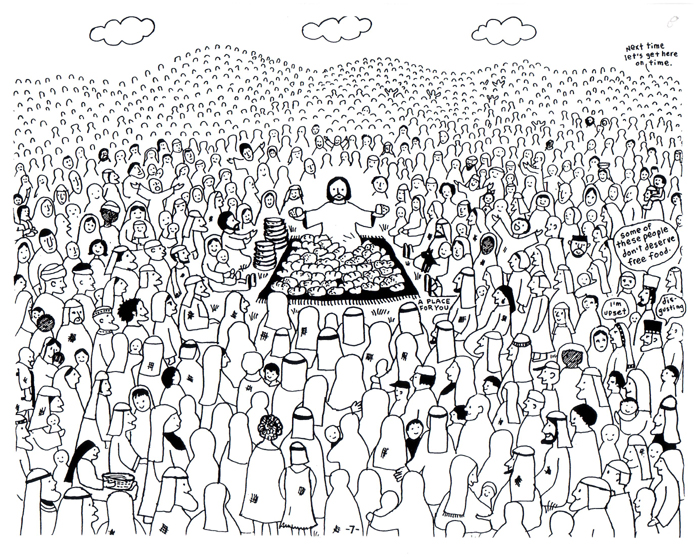
When Jesus Christ went to a desert area near the Sea of Galilee, a crowd of 5000 people followed him. Sun was going under the mountains and it was getting dark. His disciples came to him and asked him to send the crowd back to their villages because there was no food for them. Jesus asked them to give food. They told him they have got only five loaves of bread and two fish. Jesus got them and started distributing them to his 5000 disciples. They were all happy and their stomachs were full. At the end of the day his disciples went around and collected 12 baskets of leftover fish and bread! This is one of the miracles as reported in the gospels in the New Testament of the Bible.


Divine Dinner 6

King Viswamitra and Sage Vashista clashed several times and one of them was over the divine cow Kamadhenu. It would give anything one wants. When Vashista fed the entire army of the king with this magical wish fulfilling cow, Viswamitra was wonder struck. He asked for the cow which provided them a divine dinner. When Vashista refused to give him the divine cow he forcefully took it from him. The cow produced an army of soldiers who decimated Vishvamitra’s army completely.


Divine Dinner 7

 The old testament of the Bible describes the ‘Manna from the heaven’. It was the food given by the God for the Israelites. Moses and his disciples survived for forty years with this food. Though scholars see a cognate word of Manna in Egyptian ‘mennu’ meaning food, I have explained in my article ‘Sanskrit in the Bible’, Manna means Annam in Sanskrit meaning food. The mirror image of the word ‘Manna’ is ‘Annam’ (food). Since there are more Sanskrit words in the Bible, it is not a co incidence. Please read my two part article ‘SANSKRIT IN THE BIBLE’.

 Image

Divine Dinner 8

Prisoners’ rehabilitation is a new concept in the western countries. Manimekalai, the heroine of the Tamil epic ‘Manimekalai’, did this service 2000 years ago and transformed all the prisoners as good citizens. Prisons were converted into charitable homes.

When Manimekalai went to the prison she spoke to the prisoners kindly with gentle words of advice and comfort. She gave them all a hearty meal from her magic bowl Amuthasurabhi. The inmates became penitent and their behaviour was reformed beyond recognition. When the prison guards informed the king he asked Manimekalai to come to the palace. She advised him to release all the prisoners and convert all the prisons in to charitable houses for saints and sages. The king readily agreed to do it. This type of service was unheard of in any other countries till modern days. (Divine Dinner 8 is taken from my earlier post).

Contact swami_48@yahoo.com  

மோசஸ், ஜீஸஸ், திரவுபதி, வசிஷ்டர்—தெய்வீக விருந்துகள்

_Akshayapatra, sun god

Picture of Sun God giving Akshaya Patra to Yudhistra.

மோசஸ், ஜீஸஸ், திரவுபதி, வசிஷ்டர்—தெய்வீக விருந்துகள்

By Santanam Swaminathan

Post Number 746 dated 15th December 2013

சாது சந்யாசிகளுக்கும் ,ஏழை எளியவர்களுக்கும் தெய்வீக சக்தியால் விருந்து கொடுத்த சம்பவங்கள் எல்லா மத நூல்களிலும் இருக்கின்றன. இதோ எட்டு சுவையான சம்பவங்கள்:

தெய்வீக விருந்து 1
பஞ்ச பாண்டவர்களும் திரவுபதியும் 12 ஆண்டுகளுக்கு காட்டில் வசிக்க நேரிட்டது. அப்போது பல முனிவர்கள், யாத்ரீகர்கள் முதலியோர் அவர்களைக் காண வந்தனர். வீட்டுக்கு வந்தோரை ‘சாப்பிட்டுவிட்டுப் போங்கள்’ என்று சொல்லுவது பாரதப் பண்பாடு அல்லவா? காட்டில் ஏது உணவு? யுதிஷ்டிரருக்கு தர்ம சங்கடமாகப் போனது. தௌம்யர் என்பவர் சூரிய பகவானைப் பிரார்த்திக்கும்படி சொன்னார். அவ்வாறே தர்மரும் (யுதிஷ்டிரர்) செய்தார். சூரிய பகவான் வந்து அக்ஷய பாத்திரத்தை அளித்தார். திரவுபதி அதைக் கொண்டு குறைவில்லாத விருந்து படைத்தார். அக்ஷய என்றால் ‘அழிவில்லாத’, குறைவில்லாத’ என்று பொருள்.(ஆதாரம்: மஹாபாரதம்)

தெய்வீக விருந்து 2
ஏசு பிரான் கலீலி கடலைத் தாண்டி வறண்ட பகுதிக்குச் சென்றார். அவர் செய்த அற்புதச் செயல்களால் ஈர்க்கப்பட்ட 5000 மக்கள் அவரைப் பின் தொடர்ந்து வந்தனர். அவர் சென்ற இடமோ வறண்ட பிரதேசம். அவருக்கு நெருக்கமான சீடர்கள் அவரிடம் வந்து 5000 பேரையும் அவரவர் ஊருக்குப் போகும்படி சொல்லுங்கள், நம்மிடம் உணவு இல்லை என்றனர். ஏசுவோ, எவ்வளவு உணவு இருக்கிறது ? என்று கேட்டார். இரண்டு மீன்களும் ஐந்து ரொட்டிகளும் தான் உள்ளன என்றனர். அதைக் கொண்டுவர கட்டளையிட்ட ஏசு, எல்லோருக்கும் உணவு பரிமாறத் தொடங்கினார். எல்லோருக்கும் வயிறு நிறைந்தது. சீடர்கள் அந்தப் பகுதியைச் சுற்றிப் பார்த்தபோது 12 கூடை மீன்களும் ரொட்டியும் மீதம் இருந்தன!!(ஆதாரம்: பைபிள் புதிய ஏற்பாடு)
feeding5000coloring

Jesus feeding 5000.

தெய்வீக விருந்து 3
மகரிஷி வசிஷ்டருக்கும், மாமன்னன் விஸ்வாமித்ரருக்கும் எப்போதும் மோதல்தான். ஒருமுறை காட்டில் இருந்த வசிட்டரைக் காண விஸ்வாமித்ரர் வந்தார். மாமன்னன் வந்தால் உபசரிக்க வேண்டுவது கடமை அல்லவா? வசிட்டரும் அன்போடு உபசரித்து, மன்னனின் படை முழுதுக்கும் அறுசுவை உணவு படைத்தார். விசுவாமித்திரருக்கு வியப்பு தாங்கவில்லை. நினைத்ததை எல்லாம் வழங்கும் காமதேனு என்ற தெய்வீகப் பசுதான் வசிட்டருக்கு உதவியது என்பதைக் கேட்டு, அதைத் தனக்குக் கொடுக்குமாறு கேட்டார்.

வசிட்டர் அதற்கு மறுக்கவே, பலவந்தமாக காமதேனுவைக் கைப்பற்றினார். வசிட்டர் என்ன நினைத்தாரோ தெரியவில்லை. காமதேனுவின் உடலில் இருந்து நூற்றுக கணக்கான வீரர்கள் வெளியே வந்து விசுவாமித்திரரின் படைகளைத் துவம்சம் செய்துவிட்டனர்(ஆதாரம்: ராமாயணம்)

தெய்வீக விருந்து 4
இஸ்ரேலியர்களை மோசஸ் அழைத்துச் சென்ற பாலைவனப் பகுதியில், ‘மன்னா’ என்ற உணவு வானத்தில் இருந்து கிடைத்ததாக பைபிளின் பழைய ஏற்பாடு கூறுகிறது. நாற்பது ஆண்டுக் காலத்துக்கு இந்த உணவின் மூலம் அவர்கள் உயிர் வாழ்ந்தனர். ‘மன்னா’ என்பது எகிப்திய ‘மென்னு’ ( உணவு) என்ற சொல்லுடன் தொடர்புடையதாக ஆராய்ச்சியாளர் கூறுவர். ஆனால் ‘அன்னம்; என்பதே ‘மன்ன’ என்று திரிபடைந்ததாக நான் ஏற்கனவே “பைபிளில் சம்ஸ்கிருதம்” என்ற எனது ஆங்கிலக் கட்டுரையில் எழுதி இருக்கிறேன். !!(ஆதாரம்: பைபிள் பழைய ஏற்பாடு)

moses

தெய்வீக விருந்து 5
ராமனைக் காண காட்டிற்கு வந்த பரதன், பரத்வாஜர் என்னும் முனிவரைத் தரிசிக்க அவரது ஆஸ்ரமத்துக்கு வந்தான். எல்லோரும் எங்கே? என்று முனிவர் கேட்டார். நான் பெரும் படையுடன் வந்து இருக்கிறேன். படைகளை அழைத்துவந்தால் செடி, கொடிகளூக்குச் சேதம் வருமே என்று கருதி தொலைவில் நிறுத்தினேன் என்றார். அவருக்கு முனிவர் அறுசுவை விருந்து படடைத்தார். புறச்சசூழல் பாதுகாப்பின் முன்னோடி பரதன்! ராமன் இலங்கையில் இருந்து திரும்பிப் போகையில், பரத்வாஜ முனிவரை சந்தித்தான். அவர் தனது மந்திர சக்தியால் அங்கிந்திருந்த அனைவருக்கும் உணவு கொடுத்தார்.!(ஆதாரம் வால்மீகி ராமாயணம்)

தெய்வீக விருந்து 6
மணிமேகலை என்பவர் மாதவியின் மகள். ஐம்பெரும் தமிழ் காப்பியங்களில் ஒன்று மணிமேகலை. அந்தப் பெண்ணிடம் அமுத சுரபி என்னும் மந்திரக் கலயம் கிடைத்தது. ‘உண்டி கொடுத்தோர் உயிர் கொடுத்தோரே’ என்பதை அறிந்த மணிமேகலை, அமுத சுரபி மூலம் சிறைச் சாலை கைதிகளுக்கு உணவு படைத்தார். (ஆதாரம்:மணிமேகலை)

தெய்வீக விருந்து 7
திருவிளையாடல் புராணத்தில் வரும் நிகழ்ச்சி இது. வேளாளக் குடியில் பிறந்த தரும சீலை என்பவர் மதுரையில் இருந்து எல்லோருக்கும் உணவு வழங்கி வந்தார். அவருடைய பெருமையை பாண்டிய நாடு முழுதும் அறியவேண்டி சிவபெருமான் ஒரு லீலை செய்தார். அவர்கள் நிலத்தில் விளைச்சலைக் குறைத்தார். அப்படியும் அந்த தம்பதிகள், கடன் வாங்கி தருமச் சாப்பாடு போட்டனர். கடன்காரர்கள் வந்து மொய்க்கவே சிவன் கோவிலுக்குச் சென்று தற்கொலை செய்துகொள்ள முடிவு செய்தனர். அங்கே அவர் முன் தோன்றிய ஆலவாய் அண்ணல் சிவபெருமான், ‘வீட்டுக்குப் போய் பரண் முழுதும் இருக்கும் நெல்லை ஏழை எளியவர்களுக்குத் தானம் செய்யுங்கள்’ என்றார். அது எடுக்க எடுக்க வளரும் ‘உலவாக் கோட்டை’ என்றும் சிவன் அருளினார்.( ஆதாரம்: திருவிளையாடல் புராணம்)

kamadhenu

Picture of Divine Cow Kamadhenu

தெய்வீக விருந்து 8
மதுரையின் மஹாராணி மீனாட்சிக்கும் சிவனின் அவதாரமான சுந்தரபாண்டியனுக்கும் திருமணம் தடபுடலாக நடந்தது. எல்லோரும் சாப்பிட்டு முடித்து ஏப்பம் விட்டனர். ஆனால் இன்னும் ஆயிரக கணக்கான மக்களுக்கான உணவு அப்படியே மிஞ்சி இருந்தது. சமையல்காரகளுக்கு மனக் கஷ்டம். அன்னை மீனாட்சியிடம் முறை இட்டனர். அவளோ அன்புக் கணவர் சுந்தரேஸ்வரிடம் முறையிட்டாள். ஒரு புன்சிரிப்பு முகத்தில் தவழ்ந்தது. பக்கத்தில் இருக்கும் குண்டோதரனை அழைத்து ‘போய், சாப்பீட்டு வா’ என்றார். அவன் சமையல் அறையில் நுழைந்த அடுத்த நிமிடம் அறையே காலி!!
‘கல்யாண சமையல் சாதம், காய்கறிகளும் பிரமாதம்’ என்று பாடிய வண்ணம், அவன் மேலும் உணவு கேட்டான்! மலைத்துப் போய்விட்டனர் அரண்மனை சமையல்காரர்கள். மீண்டும் மீனாட்சியிடம் உதவியை நாடி ஓட, அவர் மீண்டும் சிவனிடம் ஓடினார். அவர் அன்னபூரணியை மனதில் நினைத்த அடுத்த நிமிடம் பூமியில் இருந்து சாப்பாடு வந்தது. இப்போது அவனுக்கு தாகம் வரட்டியது. ‘தண்ணீர் தண்ணீர்’ என்று அலறவே அங்கிருந்த நீர் எல்லாம் போதவில்லை. குண்டோதரனை அழைத்த சிவ பெருமான், ‘வை’ ‘கை’ என்று சொல்லி அவன் கைகளைக் கீழே வைக்கச் சொன்னார். அதில் இருந்து ‘வைகை’ நதி பீறிட்டெழுந்தது. அவனும் தாக சாந்தி செய்துகொண்டான். அவன் சாப்பிட்ட அன்னக் குழி மண்டபம் இன்றுவரை மதுரை கோவில் அருகே உள்ளது.(ஆதாரம்: திருவிளையாடல் புராணம்)

Contact swami_48@yahoo.com

Tamil Saints ‘No’ to Amrita and Indra Loka!

tamil yal panan

Post No 745 dated 13th December 2013

‘Butchers and Lepers are our Gods’
By Santanam swaminathan

It is amazing to see that Hindus all over India thought the same way. All the saints and poets held Amrita (ambrosia) and Indraloka (heaven) in high esteem. So they always used them as similes. We see this trend from the days of Valmiki Ramayana until the days of modern day Tamil poet Bharatidasan. They compared Indra Loka and Amrita with some principles and said their principles are higher than or more esteemed than Amrita or heaven.

1300 years ago , a Tamil Saivite saint Appar alias Tirunavukkarasar clashed with the mighty Pallava emperor Mahendra Varman who embraced Jainism. Appar also converted himself as a Jain and then reconverted to Hinduism. When the Pallava King gave him lot of troubles, Appar composed verses and sang them with very great confidence and succeeded. One of the poems says:

“Even if the entire wealth of Kubera (Lord of Wealth) is given to us, even if the kingship of the whole world is given to us, we would not care, if the donors are not Shiva devotees. But even butchers and lepers are our Gods if they are Shiva’s devotees”.

This revolutionary thought is reflected in various verses of various periods. A Vaishnavite saint Thondardippodi Alvar says:

“Even if the kingship of Indarloka is given, I would prefer only singing the glory of Achyuta, Bull among the Devas and Yadava child residing in Tiruvarangam (modern day Trichy)”.

2000 years ago a Pandya king by name, Ilamperu Vazuthi also used Amrita as a simile. He died in a sea expedition. He says: Even if Indra’s Amrta is available, we would not eat it alone (We will share it). For any good action that would earn us name and fame, we will even give our life; but any bad thing that would earn us a bad name, we would not dare to do it. Good people earn the name of the greats because of this principle: They are never selfish; they always help others(Puram 182).

Ramayan 1

Sanskrit word ‘Amrita’ (Nectar/Ambrosia) is used with three different spellings in five or six places in Sangam Tamil Literature which is 2000 year old. Ancient Tamils are well versed with Hindu scriptures. I have written several articles about it and posted here in my blog.

Post Sangam poet Tiruvalluvar in his Tamil Veda ‘Tirukkural’ says about Amrita in two of his couplets:

“Even though what one eats may be Amrita/ambrosia, eating it alone without sharing it with one’s guests is highly improper (Kural 82)
“The food into which children’s little hands have been dipped will be far sweeter to the parent than Amrita “(Kural 64)

A later day Tamil poet prefers Tamil language to Amrita. A popular modern poet Bharatidasan compared Tamil language to Amrita. He says that the name for the Tamil language is Amrita.
It looks like the origin of all these similes is in Valmiki Ramayana. When Lakshmana praised the golden Sri lanka, Rama said:

“Mother and Motherland are greater than Heaven”- ( Janani Janma Bhumischa, swargaath api gareeyasai). This comparison of Swarga/Indra Loka and Amrita is reflected in 2000 year old Tamil literature.

rohit prasad

(Please see the Tamil version of this article for the original verses; London swaminathan)
Contact swami_48@yahoo.com
Pictures are taken from face book and other sites;thanks.

‘இந்திரனும் வேண்டாம், அமிழ்தமும் வேண்டாம்’: தமிழர் நிலைப்பாடு

tamil yal panan

‘இந்திரனும் வேண்டாம், அமிழ்தமும் வேண்டாம்’: தமிழர் நிலைப்பாடு
Post No 744 dated 13th December,2013.

தமிழர்கள் இந்திரனையும் அமிழ்தத்தையும் மிக உயர்வாகக் கருதியதால் அவைகளை அளவு கோலாக வைத்துப் பாடிய பாடல்கள் புறநானூறு முதல் நாயன்மார்கள், ஆழ்வார்கள், பாரதிதாசன் பாடல்கள் வரை பல இடங்களில் காணப்படுகின்றன.. இதிலிருந்து அவர்கள் இந்திரன் மீதும் அமிழ்தம் மீதும் எவ்வளவு மதிப்பு வைத்திருந்தார்கள் என்பதும் தெளிவாகின்றது. உலகமே அறிந்திருந்த உயர்வான பொருள்களைத்தான் புலவர்கள் உவமையாகப் பயன்படுத்துவார்கள்.
கடலுள் மாய்ந்த இளம்பெரு வழுதி என்னும் பாண்டிய மன்னன் கூறுகிறான்: “இந்திரனின் அமிழ்தமே கிடைத்தாலும் தனியாக உண்ண மாட்டோம். உலகமே கிடைத்தாலும் பழி என்றால் அதன் பக்கமே போக மாட்டோம். ஆனால் புகழ் தரக்கூடிய நற்செயல்கள் என்றால் உயிரையே கொடுக்கவும் தயங்க மாட்டோம். இப்பேற்பட்ட தனக்கென வாழாத, பிறர்க்கு என வாழ்வோர்தான் பெரியோர்கள். அவர்களால்தான் இவ்வுலகம் நிலைபெற்றுள்ளது.”

உண்டால் அம்ம, இவ்வுலகம்; இந்திரர்
அமிழ்தம் இயைவதாயினும், இனிது எனத்
தமியல் உண்டலும் இலரே; முனிவிலர்;
துஞ்சலும் இலர்; பிறர் அஞ்சுவது அஞ்சிப்
புகழ் எனின் உயிரும் கொடுக்குவர்; பழியெனின்
உலகுடன் பெறினும் கொள்ளலர்; அயர்விலர்;
அன்னமாட்சி அனையராகித்
தமக்கென முயலா நோன் தாள்
பிறர்க்கென முயலுநர் உண்மையானே
–புறம் 182, கடலுள் மாய்ந்த இளம்பெரு வழுதி

திருவள்ளுவரும் அமிழ்தத்தை அளவு கோலாக, உவமைப்பொருளாக வைத்து சில குறள்கள் இயற்றினார்:

அமிழ்தினும் ஆற்ற இனிதே தம் மக்கள்
சிறு கை அளாவிய கூழ் —-(குறள் 64)
தனது குழந்தை கைகளைப் போட்டு துளாவிய கூழ் அமிழ்தத்தை விட சிறந்தது.
விருந்து புறத்ததாத் தானுண்டல் சாவா
மருந்தெனினும் வேண்டற்பாற்றன்று—- (குறள் 82)

அமிழ்தமே கிடைத்தாலும் வீட்டுக்கு வந்த விருந்தினரை விட்டுவிட்டு தனித்து உண்ணுவது விரும்பத்தக்கதல்ல. (புறநானூற்று செய்யுளின் கருத்தையே வள்ளுவரும் எதிரொலிக்கிறார்).
Ramayan 1

‘இந்திரலோகம் வேண்டாம்‘

பன்னிரு ஆழ்வார்களில் ஒருவரான தொண்டரடிப்பொடி ஆழ்வார் திருவரங்கப் பெருமானைப் போற்றும் பணியைத்தவிர இந்திரலோகம் ஆளும் பதவி கிடைத்தாலும் வேண்டாம் என்கிறார்:
பச்சை மாமலைபோல் மேனி, பவளவாய், கமலச் செங்கண்
அச்சுதா! அமரர் ஏறே! ஆயர்தம் கொழுந்தே! என்னும்
இச்சுவை தவிர, யான் போய் இந்திர லோகம் ஆளும்
அச்சுவை பெறினும் வேண்டேன் அரங்கமா நகருளானே!
–தொண்டரடிப்பொடி ஆழ்வார்

கந்தபுராணத்தில் வீரவாகுத் தேவரும் முருகனுடைய பாத கமலங்களில் சேவித்துப் பெறும் அன்பும் ஆதரவுமே வேண்டும். இந்திரலோகம் ஆளுவதைக் கனவிலும் கூடக் கருத மாட்டேன் என்கிறார்:

“ கோல நீடிய நீதிபதி
வாழ்க்கையும் குறியேன்
மேலை இந்திரன் அரசினைக்
கனவிலும் வெஃகேன்
மாலையன் பெறு பதத்தையும்
பொருளென மதியேன்
சால நின்பதத் தன்பையே
வேண்டுவன் தமியேன்” கந்தபுராணம்:
இவ்வாறு வீரவாகு தேவர் முருகனிடம் வரம் கேட்கிறார்:

இன்னொரு புலவர் தமிழ் ஒன்றே போதும், அமிழ்தமே வேண்டாம் என்கிறார்.
இருந்தமிழே உன்னால் இருந்தேனே வானோர்
விருந்தமிழ்தம் என்னினும் வேண்டேன் (ஒரு புலவர் பாட்டு)

பாரதிதாசனோ தமிழுக்கும் அமுது என்று பெயர் என்கிறார்.

அப்பர் தேவாரம்: குபேரனுடைய செல்வமே வேண்டாம்

செல்வத்துக்கு அதிதேவதையான குபேரனுடைய கட்டுப்பாட்டில் இருக்கும் சங்க நிதி, பதும நிதி முதலிய ஒன்பது நிதிகளைக் கொடுத்து இந்த உலகையே ஆளும் பதவியைக் கொடுத்தாலும், அத்தகையோர் சிவபக்தர்கள் இல்லை எனில் அந்த செல்வத்தை ஏற்கமாட்டோம். கங்கையைத் தலையில் தாங்கும் சிவபெருமானின் சீடர்கள் மாடு தின்னும் புலையரானாலும், அங்கம் எல்லாம் அழுகித் தொங்கும் குஷ்டரோகிகள் ஆனாலும் அவர்களைக் கடவுளாக வழிபடுவோம் என்கிறார்.

சங்கநிதி பதுமநிதி இரண்டும் தந்து
தரணியோடு வானாளத் தருவரேனும்
மங்குவார் அவர் செல்வம் மதிப்போம் அல்லோம்
மாதேவர்க்கு ஏகாந்தர் அல்லாராகில்
அங்கமெலாம் குறைந்து அழுகு தொழுநோயராய்
ஆவுரித்துத் தின்று உழலும் புலையரேனும்
கங்கைவார் சடைக்கரந்தார்க்கு அன்பராகில்
அவர் கண்டீர் நாம் வணங்கும் கடவுளாரே.
rohit prasad

சங்க காலத்தில் உலவிய அதே கருத்து, சங்கம் மருவிய கால நூலான திருக்குறளிலும் அதற்குப் பின்னர் மஹேந்திர பல்லவன் காலத்தில் வாழ்ந்த அப்பர் காலத்திலும் அதற்குப் பின்னர் ஆழ்வார் பாடலிலும் இருக்கக் காண்கிறோம். இதில் வியப்பு ஒன்றும் இல்லை. தமிழர்களின் கொள்கையே அகில பாரதத்திலும் நிலவியது.

அழகான பொன்மயமான இலங்கை பற்றி லெட்சுமணன் புகழ்ந்தபோது இராம பிரானும் இதையேதான் கூறுகிறான்:
“ஜனனி ஜன்ம பூமிஸ்ச ஸ்வர்காது அபி கரியஸி”–(வால்மீகி ராமாயணம்)
பெற்றதாயும் பிறந்த பொன்னாடும் நற்றவ வானினும் நனி சிறந்தனவே (பாரதியாரின் மொழி பெயர்ப்பு)

இராமனும் கூட இந்திரலோகத்தை (நற்றவ வானினும்=ஸ்வர்கம்) விட தாய்நாடே சிறந்தது, தாயே சிறந்தவள் என்கிறான். என்ன அருமையான சிந்தனை. இப்படி பாரத நாடு முழுவதும் ஒரே உவமையை — ஸ்வர்கத்தை விட, அமிதத்தை விட— பயன்படுத்தியிருப்பது இந்திய கலாசாரத்தின் மையக் கருத்தை எடுத்துகாட்டுகிறது. சங்க கால பாண்டிய மன்னன் முதல் நமது கால பாரதிதாசன் வரை அமிழ்தத்தை உவமையாகப் பயன்படுத்தியதை எண்ணி எண்ணி மகிழலாம்.

தொடர்பு முகவரி: Contact swami_48@yahoo.com

பாரதி தரிசனம் – Part 2

bharati new

ச.நாகராஜன்
Post No 743 dated 12th December 2013

வினா: புண்ணியன் யார்?
விடை: பக்கத்திலிருப்பவர் துன்பம் – தன்னைப்
பார்க்கப் பெறாதவன் புண்ணியமூர்த்தி
வினா: எது சுகம்?
விடை: வேலைப் பணிந்தால் விடுதலையாம்; வேல்முருகன்
காலைப் பணிந்தால் கவலை போம் – மேலறிவு
தன்னாலே தான் பெற்று, சக்தி சக்தி சக்தியென்று
சொன்னால் அதுவே சுகம்

வினா: பூமியில் மனிதனின் கடமைகள் என்ன?
விடை: தன்னைக் கட்டுதல்
பிறர் துயர் தீர்த்தல்
பிறர் நலம் வேண்டுதல்
விநாயக தேவனாய், வேலுடைக் குமரனாய்,
நாராயணனாய், நதிச்சடை முடியனாய்
பிறநாட்டிருப்போர் பெயர் பலக் கூறி
அல்லா! யெஹோவா! எனத் தொழுதன்புறும்
தேவரும்தானாய், திருமகள், பாரதி,
உமை எனுந் தேவியர் உகந்த வான் பொருளாய்
உலகெலாங் காக்கும் ஒருவனைப் போற்றுதல்
இந்நான்கே இப்பூமியில் எவர்க்கும் கடமை எனப்படும்

வினா: இதனால் விளையும் பயன்கள்?
விடை பயன் இதில் நான்காம்!
அறம், பொருள், இன்பம், வீடெனும் முறையே
வினா: (குழந்தையின் குரல்) வாழும் முறை எது?
விடை: உயிர்களிடத்தில் அன்பு வேணும்;
உண்மை என்றுதானறிதல் வேணும்
வயிரமுடைய நெஞ்சு வேணும்
இது வாழும் முறைமையடி பாப்பா.

வினா: தெய்வம் என்பது…?
விடை: உண்மையின் பேர் தெய்வம் என்போம்
வினா: தெய்வம் எப்போது எல்லோரையும் வாழ்த்தும்?
விடை: அறிவை வளர்த்திட வேண்டும் – மக்கள்
அத்தனை பேருக்கும் ஒன்றாய்
சிறியரை மேம்படச் செய்தால் – பின்பு
தெய்வம் எல்லோரையும் வாழ்த்தும்
வினா: பாரை உயர்த்திட வழி சொல்லுங்களேன்.
விடை: வயிற்றுக்குச் சோறிட வேண்டும் – இங்கு
வாழும் மனிதருக்கெல்லாம்
பயிற்றிப் பல கல்வி தந்து — இந்தப்
பாரை உயர்த்திட வேண்டும்!

வினா: கண்ணனைத் தாயாக, தந்தையாக, தோழனாக, அரசனாக, சேவகனாக்க் கண்டீர்களே, அவனைப் பற்றி ஒரு வரி சொல்லுங்களேன்!
விடை: மழைக்குக் குடை; பசி நேரத்து உணவு;
என்றன் வாழ்வினுக்கு எங்கள் கண்ணன்
வினா: கண்ணன் அருளிய கீதையின் சாரத்தை இரு வரிகளில் கூறுங்களேன்!
விடை: பக்தி பண்ணி பிழைக்கச் சொன்னான்
பலனை எண்ணாமல் உழைக்கச் சொன்னான்

வினா: ஆணும் பெண்ணும் நிகர் தானா?
விடை: ஆணும் பெண்ணும் நிகர் எனக் கொள்வதால்
அறிவில் ஓங்கி இவ்வையம் தழைக்குமாம்
தாதர் என்ற நிலைமை மாறி ஆண்களோடு பெண்களும்
சரிநிகர் சமானமாக வாழ்வம் இந்த நாட்டிலே!

வினா: நீங்கள் வேண்டுவது என்ன?
விடை: எண்ணிய முடிதல் வேண்டும்
நல்லவே எண்ணல் வேண்டும்
திண்ணிய நெஞ்சம் வேண்டும்
தெளிந்த நல்லறிவு வேண்டும்
மனதில் உறுதி வேண்டும்
வாக்கினிலே இனிமை வேண்டும்
நினைவு நல்லது வேண்டும்
நெருங்கின பொருள் கைப்பட வேண்டும்
பாட்டுத் திறத்தாலே இவ்வையத்தைப்
பாலித்திட வேணும்

வினா: நீங்கள் வாழ்க்கையில் எடுத்துக் கொண்ட உறுதிமொழிகள் என்னென்ன?
விடை: இயன்றவரை தமிழே பேசுவேன், தமிழே எழுதுவேன், சிந்தனை செய்வது தமிழிலே செய்வேன். எப்போதும் பராசக்தி – முழு உலகின் முதற்பொருள் – அதனையே தியானம் செய்து கொண்டிருக்க முயல்வேன். அதனைக் குறித்தே ஓயாமல் எழுதிக் கொண்டிருக்க முயல்வேன்.
பொழுது வீணே கழிய இடம் கொடேன்.
லௌகிக கார்யங்களை ஊக்கத்துடனும் மகிழ்ச்சியுடனும், அவை தோன்றும் பொழுதே பிழையறச் செய்து முடிக்கப் பழகுவேன்.
உடலை நல்ல காற்றாலும், இயன்றவரை சலிப்பதாலும் தூய்மையுறச் செய்வேன்.
மறந்தும் தற்புகழ்ச்சி பாராட்டுதல் விரும்பேன்.
மூடரின் உள்ளத்தில் என்னைப் பற்றி பொய் மதிப்புண்டாக இடங்கொடேன்.
சர்வசக்தியுடைய பரம்பொருளைத் தியானத்தால் என்னுள்ளே புகழச் செய்து எனது தொழில்களெல்லாம் தேவர்களின் தொழில்போல் இயலுமாறு சூழ்வேன்.
பொய்மைம் இரட்டுற மொழிதல், நயவஞ்சனை, ந்டிப்பு இவற்றால் பொருளீட்டிப் பிழைத்தல் நாய்ப் பிழைப்பென்று கொள்வேன்.
இடையறாத் தொழில் புரிந்து இவ்வுலகப் பெருமைகள் பெற முயல்வேன்.இல்லாவிடின் விதிவசமென்று மகிழ்ச்சியோடிருப்பேன்.
எப்போதும் மலர்ந்த முகம், இனிய சொல், தெளிந்த சித்தம் இவற்றோடிருப்பேன்.

bharathy and Chelamma
Bharati with his beloved wife Chellamma

வினா: இளைஞர்களுக்கு அறிவுரை சொல்லுங்களேன்.
விடை: அறமொன்றே தரும் மெய்யின்பம் என்ற
நல்லறிஞர் தம்மை அனுதினம் போற்றுவேன்.
பிற விரும்பி உலகினில் யான் பட்ட
பீழை எத்தனை கோடி! நினைக்கவும்
திறனழிந்தென் மனம் உடைவெய்துமால்
தேசத்துள்ள இளைஞர் அறிமினோ!
அறமொன்றே தரும் மெய்யின்பம்; ஆதலால்
அறனையே துணை என்று கொண்டு உய்திரால்

வினா: மஹாத்மா காந்தியைப் பற்றி….?
விடை: வாழ்க நீ எம்மான்! இந்த வையத்து நாட்டிலெல்லாம்
தாழ்வுற்று வறுமை மிஞ்சி விடுதலை தவறிக் கெட்டுப்
பாழ்பட்டு நின்றதாமோர் பாரத தேசந்தன்னை
வாழ்விக்க வந்த காந்தி மஹாத்மா! நீ வாழ்க! வாழ்க!!
வினா: உங்களுக்குப் பிடித்த உங்கள் பாட்டு ஒன்று கேட்க ஆசைப்படுகிறோம்.
விடை: வந்தேமாதரம் என்போம்… எங்கள் மாநிலத் தாயை வணங்குதும் என்போம்!

வினா: உங்கள் தரிசனம் கிடைக்கும் பேறு பெற்றோம்; மகிழ்ச்சி; ஒரு தீர்க்க தரிசனம் சொல்லுங்களேன்!
விடை: எல்லா உயிர்களிலும் நானே இருக்கிறேன்
என்றுரைத்தான் கண்ணபெருமான்
எல்லாரும் அமர நிலையை எய்தும் நன்முறையை
இந்தியா உலகிற்களிக்கும் – ஆம்
இந்தியா உலகிற்களிக்கும் – ஆம், ஆம்
இந்தியா உலகிற்களிக்கும் – வாழ்க!
வந்தே மாதரம்; வந்தே மாதரம்; வந்தே மாதரம்!

முடிவுரை:
பாரதி தரிசனம் கேட்டீர்கள். மஹாகவி பாரதியாரின் கவிதை, கட்டுரைகளிலிருந்து எடுத்து இணைக்கப்பட்ட ஒரு தொகுப்பு.

contact swami_48@yahoo.com
*******************************

Quotes from the Greatest Tamil Poet Bharati

bharathy 4

Compiled by Santanam Swaminathan; Post No 742 dated 11th December 2013.
11th December is Bharati’s Birth Day

Bharathiyar was born on 11 December 1882; Died on 11th September 1921.

Quotes about Bharati:

“Bharati kindled the souls of men by million to a more passionate love of freedom and a richer dedication to the service of the country”—Poet Sarojini Naidu

“Bharati is not only the poet of Tamil Nadu, he belongs also to the whole of India. His verses should be published in all the languages”—Jawaharlal Nehru, First Prime Minister of India.

Bharati’s vastitudes can be known only when the poems of the great one, are translated in to the languages of the world”- Poet Bharatidasan

“In the course of his evolution from Shellydasan as he used to describe himself earlier, to Saktidasan ( Devotee of Goddess Shakti), Bharati reflected the great change which transformed India, a British dependency into a self reliant power”- Prof. K.Swminathan

(Bharati was influenced by English poets Shelly and Byron. Later he changed his name from Shelly Dasan to Shaktidasan).

Bharati was the greatest of the modern Tamil poets. No one has surpassed him in the past 125 years. He was a great patriot, devoted Hindu and ardent supporter of Tamil Language. His poems touch all the subjects from Astronomy to Zoology. His poem on Halley’s Comet is beautiful. He has sung about all the domestic animals. He composed poems on world leaders like Mazini and Indian freedom fighters such as Gandhi, B.G.Tilak and Dadabai Nauroji. All Tamil poets and greatest Sanskrit poet Kalidasa– are all in his poems. His poems are vast. No one can translate his poems. The beauty of his pomes is lost in translation. But for Non Tamils it will give some idea about his poems. He was rightly called Amara Kavi ( Immortal Poet). He knew Tamil, English, French, Hindi and Sanskrit.

bharathy

Here are some samples from ‘Bharati Patalkal’ published by Tamil University, Thanjavur, Edited by Sekkizar Adippodi Dr T N Ramachandran. It contains English translations of Bharati poems by several eminent writers including Dr TNR.

Great Upanishads

Himachal is our mountain
The world hath not its fellow;
Ganga is our fountain
Pellucid, sweet and mellow.
Our Upanishads are twelve
Unknown to any other clime
Deep into our minds they delve,
And soar aloft sublime
Praise we Bharat, golden fair,
Our own land beyond compare! (Tanslated by TNR)
(In Tamil Mannum Imaya Malai engal Maliye——–)

On Liberty
1.Come, that we may sing
For Freedom’s bliss is ours;
Come, that we may dance
For Liberty is ours!

2.A Brahmin no more will be hailed
As “Lord, Lord” again
No more a white man in our land
As “Master” shall remain;
No more to those who receive
Of such their alms, we bow,
Or bend to those who us deceive
Never from Now!
(In Tamil aaduvome Pallup Paaduvome; Paarppaanai ayar endra kaalamum poche…………)

bharati

Our Mother
1.When was our mother born—
Who can hazard a guess?
Not even the learned that discern
What happened in the days of yore.

2.Though our Mother’s age
No one can compute,
Alone on earth does she shine
For ever in virgin bloom.

3.Three hundred million*
Her faces are;
But all, all of them
Throb with one vibrant life.

4. Eighteen are the languages
That she speaks
But animating them all
Is only one thought.

(First 4 stanzas of 12 stanzas translated by S Ramakrishnan ( SRK)
*When Bharati composed this poem the population of India was 300 million.
(In Tamil Thondru Nikaznthathu anaiththum Arinthitum…….)

On Halley’s Comet
1.Like a palm tree set on a millet plant,
With a growing tail on a little star,
You blaze forth in kinship with eastern moon
Oh, lustrous comet! I bid you welcome

2.You range over countless crores of Yojanas
They say your endless tail wrought of gas
The softness of which is indeed peerless

3. They say that yourtail touches the earth too
An you fare forth with no harm to the poor;
The wise talk of your myriad marvels.
( I have given only 3 stanzas from 7 stanzas of translation by Dr T N Ramachandran)
bharati color

In Praise of Saraswati
She dwells in the white lotus
And the sound the Vina makes;
In the poet’s heart whose song
Our inmost being takes;
She is the light at the end
Of the tunnels the Vedas explore;
And of the frank and compassionate words
Of sages, the essence and core.
(First stanza of the 10 Stanza poem translated by Prof.P S Sundaram)
(In Tamil Vellai Thaamarai Puuvinil IruppaL……….)

Advice to Children
Fear not at all my little child
When you meet with evil doers;
Smite them and kick them, oh my child!
And lo, at their face you shall spit.

When thronging sorrows assail us
We should drop not, my little child;
God is there full of compassion
To quell all troubles oh my child!
(Tanslation by Dr TNR; 14 stanza poem)

( In Tamil Paathakam Seyvoraik Kandaal Bayam Kollalaakaathu paappaa………Odi Vilaiyaatu Paappaa)

His poems Panchali Sabhadam (Panchali’s Vow from Maha Bharata), Kannan songs (about Lord Krishna) and Koel Paatu ( Blackbird’s Song) are all great additions to Tamil literature. His songs have been used in lot of Tamil feature films. His name is a house hold name in Tamil Nadu. He simplified the language and style and gave a new direction to Tamil. His name will live as long as the Tamil language exists. In Sanskrit they used to say ‘his name will be on earth as long as the sun and moon shines’. Let Bharati’s name shine as long as the sun and moon shine.)

392223_211304678950415_100002126524506_465523_1961550213_n

My earlier articles on Bharati:
1.சொல்லில் உயர்வு தமிழ்ச் சொல்லே!
2.பாரதியின் பேராசை
3.பாரதியுடன் 60 வினாடி பேட்டி
4.பயமே இல்லாத பாரதி
5.பாரதி பாட்டில் பகவத் கீதை
6.பாரதி வாழ்க
7.பாரதி நினைவுகள்
8.பாரதி பாட்டில் பழமொழிகள்
(9) பேய்கள் பற்றி பாரதி & விவேகாநந்தர்
(10) சிட்டுக் குருவியிடம் பாரதி கற்ற பாடம்
(11). வாழ்க்கையில் வெற்றிபெற பாரதி அட்வைஸ்

Contact swami_48@yahoo.com

வாழ்க்கையில் வெற்றி பெற பாரதி ‘அட்வைஸ்’

bharati color

Post No. 741dated 10th December 2013 (11th December is Bharati’s Birth Day)

டிசம்பர் 11 தேசிய கவி சுப்பிரமணிய பாரதியின் பிறந்த நாள்; அவனை சிரம் தாழ்த்தி வணங்குவோம்.

லண்டன் சுவாமிநாதன்

“அமிழ்தம் அமிழ்தம் என்று கூவுவோம் – நித்தம்
அனலைப் பணிந்து மலர் தூவுவோம்;
தமிழில் பழ மறையைப் பாடுவோம் – என்றும்
தலைமை பெருமை கூடுவோம்”– பாரதி

நான் மதுரை சேதுபதி உயர்நிலைப் பள்ளி மாணவன். எங்கள் ஆசிரியர் வி.ஜி. சீனிவாசன், மஹா கவி பாரதியின் பரம பக்தர். பாரதியாரும் எங்கள் பள்ளிக்கூடத்தில் வேலை பார்த்ததால், முன்னனியில் நின்று பாரதியின் சிலையையும் நிறுவினார் விஜி.எஸ். “பாரதியின் சிலையைச் சுற்றுங்கள் நீங்கள் பரீட்சையில் பாஸ் ஆவீர்கள், பாரதி பாடல்களைப் படியுங்கள் வாழ்க்கையில் வெற்றி பெறுவீர்கள்” என்று வகுப்புக்கு வகுப்பு புலம்பித் தீர்ப்பார்.

மாணவர்களாகிய நாங்கள் எல்லாம் பின் ‘பெஞ்ச்’சில் உட்கார்ந்துகொண்டு , வாத்தியாருக்கு பாரதி பைத்தியம் முத்திவிட்டது, கடவுள்தான் காப்பாற்ற வேண்டும் என்று ‘காமென் ட்’ அடிப்போம். ஆனால் தனிப்பட்ட முறையில் எங்கள் குடும்ப நண்பர் என்பதால் அவர் மீது அளவுகடந்த மரியாதையும் உண்டு. இப்போது பாரதி பாடல்களைப் படிக்கும்போதெல்லாம் அவர் சொன்னது நூற்றுக்கு நூறு உண்மை என்பது தெளிவாகிறது.

வேத மந்திரங்கங்களைப் போலவே பாரதி பாட்டிலும் சோகச் சுவை என்பதே இருக்காது. எல்லாம் ‘பாசிட்டிவ் திங்கிங்’– POSITIVE THINKING– பாடல்களாகவே இருக்கும். பாரதியும் தமிழை எத்தனை புகழ்ந்தானோ அத்தனை வேதங்களையும் புகழ்ந்திருக்கிறான். வேதத்தைச் சொன்னாலும் கேட்டாலும் எத்தனை சக்தி பிறக்குமோ அத்தனை சக்தி பாரதி பாட்டிலும் பிறக்கும். பாரதி ஒரு பெரும் தமிழ்க் கடல். அவனை ஆழம் காணும் அறிவோ சக்தியோ எனக்கில்லை. இதோ சில பாடல்களைப் படித்தால் நீங்களே அவன் பெருமையை எடை போடலாம்.

வெற்றி முழக்கம்

(இன் டெர்வியூ முதலிய போட்டிகளுக்குச் செல்லுகையில் இதைச் சொல்லிக் கொண்டே போகவேண்டும்):
“ எடுத்த காரியம் யாவினும் வெற்றி
எங்கு நோக்கினும் வெற்றி மற்றாங்கே
விடுத்த வாய்மொழிக் கெங்கணும் வெற்றி
வேண்டினேன் எனக்கு அருளினள் காளி;
தடுத்து நிற்பது தெய்வமதேனும்
சாரும் மானுடம் ஆயினும் அஃதைப்
படுத்து மாய்ப்பள் அருட்பெருங் காளி
பாரில் வெற்றி எனக்குறுமாறே

நல்ல சிந்தனை

(கீழ்கண்ட இந்தப் பாடலை தினமும் காலையில் சொல்லுங்கள்; நல்ல எண்ணங்கள் பெருகும்):
எண்ணிய முடிதல் வேண்டும்
நல்லவே எண்ணல் வேண்டும்
திண்ணிய நெஞ்சம் வேண்டும்
தெளிந்த நல்லறிவு வேண்டும்
பண்ணிய பாவம் எல்லாம்
பரிதி முன் பனியே போல
நண்ணிய நின்முன் இங்கு
நசித்திடல் வேண்டும் அன்னாய்

ஒளிபடைத்த கண்கள்
(கண்ணாடிக்கு முன் உங்கள் உருவத்தைப் பார்த்வாறே சொல்ல வேண்டிய பாடல்):

ஒளிபடைத்த கண்ணினாய் வா வா வா
உறுதிகொண்ட நெஞ்சினாய் வா வா வா
களிபடைத்த மொழியினாய் வா வா வா
கடுமை கொண்ட தோளினாய் வா வா வா
தெளிவு பெற்ற மதியினாய் வா வா வா
சிறுமை கண்டு பொங்குவாய் வா வா வா
எளிமை கண்டு இரங்குவாய் வா வா வா
ஏறுபோல் நடையினாய் வா வா வா

சிறுவர்களுக்கு சொல்லித் தரவேண்டியது
துன்பம் நெருங்கி வந்த போதும்—நாம்
சோர்ந்துவிடல் ஆகாது பாப்பா!
அன்பு மிகுந்த தெய்வம் உண்டு—துன்பம்
அத்தனையும்போக்கிவிடும் பாப்பா!

பாதகம் செய்பவரைக் கண்டால்—நாம்
பயம் கொள்ளல் ஆகாது பாப்பா
மோதி மிதித்துவிடு பாப்பா – அவர்
முகத்தில் உமிழ்ந்துவிடு பாப்பா

மனக் கஷ்டம் நீங்க
(மனதில் கஷடம் ஏற்பட்டால் படிக்க வேண்டிய பாரதி பாடல்)
ஓம் சக்தி சக்தி சக்தி என்று சொல்லு – கெட்ட
சஞ்சலங்கள் யாவினையும் கொல்லு;
சக்தி சக்தி சக்தி என்று சொல்லி – அவள்
சந்நிதியிலே தொழுது நில்லு.

ஓம் சக்தி அருளால் உலகில் ஏறு – ஒரு
சங்கடம் வந்தால் இரண்டு கூறு;
சக்தி சில சோதனைகள் செய்தால் – அவள்
தன் அருளே என்று மனது தேறு.

இறைவா ! எனக்கு நீ தர வேண்டியது
செல்வங்கள் கேட்டால் நீ கொடுக்க வேண்டும்
சிறுமைகள் என்னிடம் இருந்தால் விடுக்க வேண்டும்
கல்வியிலே மதியினை நீ தொடுக்க வேண்டும்
கருணையினால் ஐயங்கள் கெடுக்க வேண்டும்
தொல்லை தரும் அகப்பேயைத் தொலைக்கவேண்டும்
துணை என்று நின்னருளைத் தொடரச் செய்தே
நல்வழி சேர்ப்பித்துக் காக்கவேண்டும்
நமோ நம ஓம் சக்தி என நவிலாய் நன்றே!

அச்சமில்லை

(பயம் நீங்க பின்வரும் பாடலைப் படியுங்கள்)
‘நாமார்க்கும் குடி அல்லோம் நமனை அஞ்சோம்’ என்று இடி முழக்கம் செய்தார் அப்பர் பெருமான். ‘நாள் என் செய்யும் வினை தான்’ என் செய்யும் என்று முழங்கினார் அருணகிரிநாதர். ‘ஞாயிறு,திங்கள்,செவ்வாய்,புதன் வியாழன்,வெள்ளி, சனி பாம்பு இரண்டும் உடனே ஆசறு நல்ல நல்ல அவை நல்ல நல்ல அடியாரவர்க்கு மிகவே’ என்று கோளறு பதிகம் பாடினார் சம்பந்தர்.
பாரதி சொல்கிறான்:

அச்சமில்லை அமுங்குதல் இல்லை
நடுங்குதல் இல்லை நாணுதல் இல்லை
பாவம் இல்லை பதுங்குதல் இல்லை
ஏது நேரினும் இடர்ப்படமாட்டோம்
அண்டம் சிதறினால் அஞ்சமாட்டோம்
யார்க்கும் அஞ்சோம் எதற்கும் அஞ்சோம்”

“ஆன்ம ஒளிக்கடல் மூழ்கித் திளைப்பவர்க்கு
அச்சமுண்டோடா? – மனமே
தேன் மடை இங்கு திறந்தது கண்டு
தேக்கித் திரிவமடா!”

பாரதி வாழ்க ! தமிழ் வெல்க !!

My earlier articles on Bharati:
1.சொல்லில் உயர்வு தமிழ்ச் சொல்லே!
2.பாரதியின் பேராசை
3.பாரதியுடன் 60 வினாடி பேட்டி
4.பயமே இல்லாத பாரதி
5.பாரதி பாட்டில் பகவத் கீதை
6.பாரதி வாழ்க
7.பாரதி நினைவுகள்
8.பாரதி பாட்டில் பழமொழிகள்
(9) பேய்கள் பற்றி பாரதி & விவேகாநந்தர்
(10) சிட்டுக் குருவியிடம் பாரதி கற்ற பாடம்
Contact swami_48@yahoo.com

பாரதி தரிசனம்

Post No 740 dated 19th December 2013 (11th December is Bharati’s Birth Day)

By ச.நாகராஜன்

உரைச் சித்திரம்

முன்னுரை

கம்பீரமான ஆண்குரல் : மஹாகவி பாரதியின் தரிசனம்
நவயுகத்து நாயகனின் மேலாம் எண்ணங்களை அவரது கவிதைகள், கட்டுரைகளிலிருந்தே எடுத்துக் கோர்க்கப்பட்ட ஒரு மணியாரம். வினாக்களை நாம் கேட்க விடைகளை பாரதியார் அளிக்கிறார்.
வினா: மஹாகவி பாரதியாரே, நீடு துயில் நீக்கப் பாடி வந்த நிலவே, காலத்தை வென்ற கவிக் குயிலே, புது யுகத்தின் எழுச்சியே, புதிய அறம் பாட வந்த அறிஞனே, உம்மைச் சிரம் தாழ்த்தி வணங்குகிறோம்.

உம்மை அறிமுகப்படுத்திக் கொள்வீர்களா?

விடை: கவிராஜ சி.சுப்பிரமணிய பாரதி
சக்திதாசன் எனப் புகழ் வளரும் சுப்ரமண்ய பாரதி

வினா: உமக்குத் தொழில் யாது?
விடை: நமக்குத் தொழில் கவிதை; நாட்டிற்கு உழைத்தல்
இமைப்பொழுதும் சோராதிருத்தல்

வினா: தவறாக எண்ணாதீர்கள், உங்கள் கவிதையின் பெருமையை உங்கள் வாயாலேயே கேட்க ஆசைப்படுகிறோம்.
விடை: “சுவை புதிது, பொருள் புதிது, வளம் புதிது சொற் புதிது, ஜோதி மிக்க நவ கவிதை, எந்நாளும் அழியாத கவிதை” என்று நன்கு, பிரான்ஸென்னும் சிறந்த புகழ் நாட்டிலுயர் புலவோரும், பிறரு மாங்கே விராவு புகழாங்கிலத் தீங்கவியரசர் தாமு மிகவியந்து கூறிப் பராவி யென்றன் தமிழ்க் கவியை மொழிபெயர்த்துப் போற்றுகின்றார்.

வினா: கவிப் பெருக்கினால் பயன் என்னவோ?
விடை: உள்ளத்தில் உண்மை ஒளி உண்டாயின்
வாக்கினிலே ஒளியுண்டாகும் வெள்ளத்தின் பெருக்கைப் போல் கலைப் பெருக்கும்
கவிப்பெருக்கும் மேவுமாயின் பள்ளத்தில் வீழ்ந்திருக்கும் குருடரெல்லாம்
விழி பெற்றுப் பதவி கொள்வார்

வினா: நாட்டிற்கு உழைத்தல் என்றீர்களே, நம் நாட்டைப் பற்றிக் கூறுங்களேன்.
விடை : “ஞானத்திலே பர மோனத்திலே உயர்
மானத்திலே அன்ன தானத்தி;லே
கானத்திலே அமுதாக நிறைந்த
கவிதையிலே உயர் நாடு”
“ஞானம் என்பதோர் சொல்லின் பொருளாம் நல்ல பாரத நாடு”
பாருக்குள்ளே நல்ல நாடு – எங்கள் பாரத நாடு!

வினா: நாட்டிற்கு உழைக்கும் விதம்?
விடை: இரும்பைக் காய்ச்சி உருக்கிடுவீரே
இயந்திரங்கள் வகுத்திடுவீரே
கரும்பைச் சாறு பிழிந்திடுவீரே
கடலில் மூழ்கி நன் முத்தெடுப்பீரே!
வினா: உங்களுக்குக் காளி மேல் பக்தி அதிகமா? பாரத தேவி மேல் பக்தி அதிகமா?
விடை: “காளியும் நமது கனக நன்னாட்டுத் தேவியும் ஒன்று”
வினா: உங்கள் வாழ்வை யாருக்கு அர்ப்பணம் செய்வீர்கள்?
விடை: தேவி நம் பாரத பூமி – எங்கள்
தீமைகள் யாவும் தீர்த்தருள் செய்வாள்
ஆவி உடல் பொருள் மூன்றும் – அந்த
அன்னை பொற்றாளினுக் கர்ப்பிதமாக்கி
வந்தே மாதரம் என்போம்

வினா: பாரத்த் தாயைப் பற்றி அற்புதமாகக் கவிதை படைத்துள்ளீர்களே இவை உருவாகக் காரணம் என்ன?

விடை: “இனிய நிலவின் ஒளியால் விழுங்கப்பட்டு உலகம் அவாங்மனகோசரமாகிய ஸௌந்தர்யத்தைப் பெற்றிருக்கும் சமயத்தில் ஒவ்வொரு கவிஞனுடைய உள்ளமும் தன்னையறியாது குதூஹலமடைகிறது. சூரியன் உதித்தவுடனே சேதனப் பிரகிருத மட்டுமேயன்றி அசேதன பிரகிருதியும், புதிய ஜீவனையும், உற்சாகத்தையும் பெற்றுத் திகழ்கின்றது. இவற்றினை ஒப்பவே, நாட்டில் ஓர் புதிய ஆதர்சம் – ஓர் கிளர்ச்சி ஓர் தர்மம், ஓர் மார்க்கம், தோன்றுமேயானால் மேன்மக்களின் நெஞ்சமனைத்தும் இரவியை நோக்கித் திரும்பும் சூரியகாந்த மலர் போல, அவ்வாதர்சத்தை நோக்கித் திரும்புகின்றன.சென்ற சுபகிருது வருஷத்திலே பாரத நாட்டில், சர்வ சுபங்களுக்கும் மூலாதாரமாகிய ‘”தேசபக்தி” என்ற நவீன மார்க்கம் தோன்றியது. நல்லோர்களின் சிந்தையெலாம் உடனே புளகிதமாயின. நல்லோருடைய குணங்களிலே குறைவுடையவனாகிய யானும் தேவியினது கிருபையால் அப்புதிய சுடரினிடத்து அன்பு பூண்டேன். அவ்வன்பு காரணமாகச் சில கவிதை மலர் புனைந்து பாரத மாதாவின் திருவடிக்குப் புனைந்தேன்.”

வினா: சொல் எப்படி இருக்க வேண்டும்?
விடை: மந்திரம் போல் வேண்டுமடா சொல்லின்பம்!
வினா: சொல்லில் சிறந்த சொல்?
விடை: சொல்லில் உயர்வு தமிழ்ச் சொல்லே!

வினா: ஆங்கிலம், வடமொழி,ஹிந்தி, உருது, பிரெஞ்சு,லத்தீன், ஜெர்மன், வங்காளம், தெலுங்கு, அரபி, தமிழ் இப்படிப் பல மொழிகள் அறிந்திருக்கின்றீர்கள்.உங்களைக் கவர்ந்த இனிய மொழி எது?
விடை: யாம் அறிந்த மொழிகளிலே தமிழ் மொழி போல் இனிதாவதெங்கும் காணோம்
வினா: தமிழனுக்கு உங்கள் அறிவுரை என்ன?
விடை: ஒரு சொற் கேளீர்!
சேமமுற வேண்டும் எனில் தெருவெல்லாம்
தமிழ் முழக்கம் செழிக்கச் செய்வீர்;
பிற நாட்டு நல்லறிஞர் சாத்திரங்கள்
தமிழ் மொழியிற் பெயர்த்தல் வேண்டும்
இறவாத புகழுடைய புது நூல்கள்
தமிழ் மொழியில் இயற்றல் வேண்டும்!

வினா: (ஒரு குழந்தையின் குரல்) சாதிகள் உண்டா?
விடை: சாதிகள் இல்லையடி பாப்பா
குலத் தாழ்ச்சி உயர்ச்சி சொல்லல் பாவம்

வினா: நிற வேற்றுமை இருக்கிறதே
விடை : வெள்ளை நிறத்தொரு பூனை – எங்கள்
வீட்டில் வளருது கண்டீர்;
பிள்ளைகள் பெற்றதப் பூனை; -அவை
பேருக்கொரு நிறமாகும்
சாம்பல் நிறமொரு குட்டி – கருஞ்
சாந்து நிறமொரு குட்டி
பாம்பு நிறமொரு குட்டி – வெள்ளைப்
பாலின் நிறமொரு குட்டி
எந்த நிறமிருந்தாலும் – அவை
யாவும் ஒரே தரமன்றோ!
இந்த நிறம் சிறிதென்றும் – இஃது
ஏற்றமென்றும் சொல்ல்லாமோ?
வண்ணங்கள் வேற்றுமைப் பட்டால் – அதில்
மானுடர் வேற்றுமையில்லை
எண்ணங்கள் செய்கைகள் எல்லாம் – இங்கு
யாவர்க்கும் ஒன்றெனல் காணீர்!

வினா: எதைப் போற்ற வேண்டும்?
விடை: கைத் தொழில் போற்று
வினா: எதை எதிர்க்க வேண்டும்?
விடை: கொடுமையை எதிர்த்து நில்!
வினா: மேலோர் யார்?
விடை: வையகம் காப்பவரேனும் – சிறு
வாழைப்பழக் கடை வைப்பவரேனும்
பொய்யகலத் தொழில் செய்வோ
பூமியில் எங்கணும் மேலோர்

வினா: வேலை செய்ய வேண்டிய நேரம்
விடை: நாளெலாம் வினை செய்!
வினா: செய்தால்…?
விடை: நினைப்பது முடியும்!
வினா: (பெண் குரல்) நரகம் எது?
விடை: கவலைப் படுதலே கரு நரகம்மா!

வினா: சொர்க்கம்?
விடை: பெற்ற தாயும் பிறந்த பொன்னாடும்
நற்றவ வானிலும் நனி சிறந்தனவே!
வினா: யோகம் எது?
விடை: ஊருக்கு உழைத்திடல் யோகம்

வினா: யாகம்?
விடை: நலம் ஓங்கிடுமாறு வருந்துதல் யாகம்
வினா: மெய் ஞானம்?
விடை: போருக்கு நின்றிடும் போதும் – உளம்
பொங்கல் இல்லாத அமைதி மெய் ஞானம்
– தொடரும்

Articles on Bharati by London Swaminathan posted earlier in this blog:

1.சொல்லில் உயர்வு தமிழ்ச் சொல்லே!
2.பாரதியின் பேராசை
3.பாரதியுடன் 60 வினாடி பேட்டி
4.பயமே இல்லாத பாரதி
5.பாரதி பாட்டில் பகவத் கீதை
6.பாரதி வாழ்க
7.பாரதி நினைவுகள்
8.பாரதி பாட்டில் பழமொழிகள்
(9) பேய்கள் பற்றி பாரதி & விவேகாநந்தர்
(10) சிட்டுக் குருவியிடம் பாரதி கற்ற பாடம்
Contact swami_48@yahoo.com
Tamil Story:As you sow, so shall you reap

tamil veeran

Post No 739 Dated 9th December 2013

Brahmin and the Princess

There was a Brahmin teacher who was teaching a princess in a kingdom. The princess was beautiful. The Brahmin teacher was planning to marry her by hook or crook. He was waiting for the right time to execute his evil plans.

As the years passed, one day she came of age. The king consulted the Brahmin teacher about auspicious time for the girl’s puberty ceremony. Scheming Brahmin told the king that her time of puberty was very bad and so it was not good for the king to keep her in the palace. If she is banished it would benefit both the king and the princess. He advised the king to put her in a basket and float her in the river so that she would find a safe place depending upon her luck. The king who believed the Brahmin completely did what he was told to do.

floating-box

The Brahmin went far way down stream and waited for the basket on the banks of the river. In the meantime a king from a neighbouring country came to the forest on the banks of the river for hunting. It was his lucky day that he caught a tiger quickly. He wanted to take it to his palace. As he felt very thirsty he went to the river to drink some water. When he saw a floating basket, he caught it and opened it with caution. To his surprise he found a beautiful girl, our princess! He wanted to marry her. She told him the full story.

The king wanted to revenge upon the man who did wrong to her. So he put the roaring tiger inside the basket and floated it in the river. At a distance, the Brahmin was eagerly waiting for the basket. When he saw it, he took it to a lonely place and opened it. The tiger sprang upon him and tore him to pieces.
This is a story from the Tamil work Viveka Chintamani. It is a book of verses with moral themes by an anonymous author. The moral of this story is ‘As you sow, so shall you reap’.

princess

Translated by London Swaminathan

Contact swami_48@yahoo.com