Miracles by the Deaf and Dumb

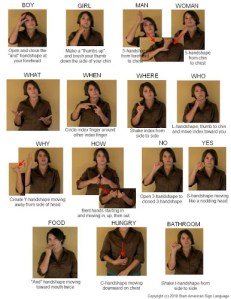
Picture of sign language used by the deaf and dumb


Miracles by the Dumb and Deaf

In Western Countries, it is impolite to call a person, deaf and dumb or blind. They have coined new words to give them more respect and recognition. They call them people with hearing impairment or hard of hearing (deaf and dumb) and visually impaired (for the blind). Hindus have several stories of miracles surrounding the deaf and dumb or the blind. They believe that God’s grace can make even a dumb, a great speaker. There is a Sanskrit sloka:

Mookam karoti vachalam, Pangum langhayate girim

Yat krupa tamham vande, Paramanand Madhavam

(I salute Lord Madhava by whose grace the dumb can become eloquent and the lame can cross over mountains).

There are several stories like Kalidasa, Tenali Rama who have become men of wit and wisdom by the grace of Goddess Kali. Hindus believe that Goddess Kali appeared before them and wrote Mantras in their tongues.

Tamil Dumb Miracle

There is an interesting story about a dumb person settling the dispute among Tamil Sangam poets. Though this story comes from a very late book like Tiruvilaiyadal Puranam of 17th century, it is not impossible to come across a situation like this. 2000 years ago, Tamil Sangam poets fought among themselves due to jealousy. They blamed each other of writing sub standard poems. When they went to Madurai temple to pray to god Shiva to solve their problem, a poet appeared before them and told them to go to a dumb child of Madurai to settle their dispute. They were surprised to hear that a person who could not even hear them is capable of finding a solution. But the saintly poet told them to recite their verses in front of him. He told them, “If he listens to you and enjoies he will shed tears of joy, then that poem is of high standard. If he remains indifferent or doesn’t shed tears of joy, then that poem is not of high quality.

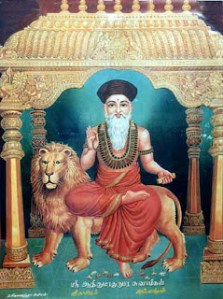
The dumb boy’s name was Rudra Sarman. He was the son of a wealthy business man called Upprikudi kudi Kizan. Rudra Sarman could not speak. When all the poets went to him and recited their poems one by one, he shed tears of joy to the poems of Nakkeeran, Kapilar and Paranar. This standardization settled their dispute and the poets became friends again.


Hasthamalakar Miracle

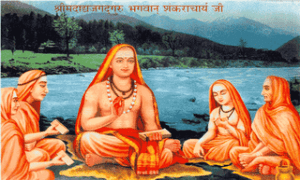
Adi Shankara, the giant among the Indian philosophers travelled through the length and breadth of India. He went to Mahabaleswar Temple at Gokarna and did Bilvarchana to Shiva on a Shivratri day. Then he went to Mukambika and to Srivali. He was lecturing about Advaita every day. Prabhakara Bhattar was the most reputed scholar in the town. But his son was dumb. His parents were very much worried about the future of the handsome teenager. They took him to Shankara. The dumb youth fell at his feet and did not get up. When Shankara lifted his head and asked who he was, he started talking high philosophy: “ I am not a human being, I am not a Deva; neither  I am a Brahmin nor a Kshatriaya, Vaisya or a Shudra. Neithr I am a Brahmachari (bachelor) nor a Grahastha  (house holder), nor  a Sanyasi (ascetic). I am Brahmam”.

Hearing this Shankara told him that you have explained what you are ‘like a goose berry in the hand’ (Hastha Amalaka). This is a phrase in Tamil and Sanskrit used to express extreme clarity of a thing or subject. From that day he was known as Hasthamalaka and he became one of the main disciples of Shankara.

Nammazvar and Kumarakuruparar

Nammazvar, one of the 12 Vaishnavaie saints of Tamil Nadu also did not speak a single word for long time. He was under a tamarind tree in Azvar Thirunagari for 12 years. When saint Madhurakavi went to him and asked questions, he opened his mouth to answer his question. Nammazvar became the foremost among the 12 saints.

Kumarakuruparar  who was born dumb developed eloquence at the age of five when he went to Tiruchendur temple. Both Nammazvar and Kumarakuruparar composed verses of high literary merit. Their hymns were sung by millions of Tamils every day. Nammazavar lived 1200 years ago. Kumarkurupara lived in 17th century.

Manikkavasagar episode

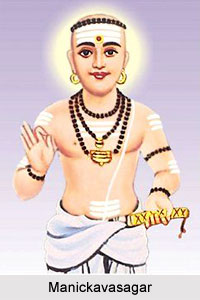
Manikkavasagar is one of the Four Great Saivaite saints of Tamil Nadu. He must have lived some time before Gnana Sambandhar who lived around 7th century. Mankikkavasagar’s Tiruvasagam is very popular. During his life time he had to meet many challenges from the king and the scholars from rival religions. One of them was a Buddhist leader (Bhikshu) who travelled all the way from Sri Lanka to Chidambaram with the Sri Lankan king whose daughter was dumb. It is said that the Buddha Bikshu came with a group to challenge the 3000 Priests of Chidmbaram ( Thillai 3000). They asked Manaikkavasagar  to represent them. While the heated argument reached its peak, Manikkavasagar made the Buddhist leader literally speechless.  Sri Lankan king was amazed to see this and requested the saint to make his dumb daughter speak. The saint  made her  not only to speak but also to answer the questions of the rest of the Buddhist team. Sri Lankan king embraced Hinduism.

There are innumerable anecdotes in Hindu scriptures o show that faith can work miracles. Faith can cure illness. It will make even the dumb speak, sing and compose poems and songs.

உற்சாகமே உயிர்!

5.ராமாயண வழிகாட்டி

அத்தியாயம் – 5 By ச.நாகராஜன்


உற்சாகமே உயிர்!


ராமாயணத்தில் அற்புதமான கதாபாத்திரமாக மிளிர்பவர் அனுமான்.

இறைபக்திக்கும், செயல் திறமைக்கும், மதியூகத்திற்கும், சீலத்திற்கும், அர்ப்பணிப்பு மனப்பான்மைக்கும் இன்ன பிற அனைத்து தெய்வீக குணங்களுக்கும் ஒரு எடுத்துக்காட்டாகத் திகழ்பவர் அனுமான். அவர் வாய் வழியே வரும் கருத்துக்கள் அனைத்துமே சிறப்பானவை.


சீதையைத் தேடச் சென்ற அனுமனின் வாயிலாக ஒரு அற்புதமான வாழ்வியல் கருத்தைச் சுந்தர காண்டத்தில் காண்கிறோம்.

இலங்கையில் சீதையை மாளிகைகளிலும் சித்திர வீடுகளிலும் பூங்கொடி வீடுகளிலும் காணாமல் அனுமான் மனம் கலங்குகிறார்.”ஆஹா, சீதையைக் காணவில்லை என்றால் அனைவரும் நிச்சயமாய் பட்டினி கிடந்து அல்லவா உயிர் துறப்பார்கள்” என்று அவர் வேதனைப் படுகிறார்.


ஆனால் நல்ல ஒரு செயல் வீரன் மனம் தளர்ந்தால், அவன் எப்படி வெற்றி பெற முடியும்? ஆகவே அவர் அற்புதமான இரண்டு ஸ்லோகங்களைக் கூறி தன்னைத் தானே ஊக்குவித்துக் கொள்கிறார்.


அனிர்வேத: ஸ்ரியோ மூல மனிர்வேத: பரம் ஸுகம் I

அனிர்வேதோ ஹி ஸததம் ஸர்வார்த்தேஷு ப்ரவர்த்தக: II


கரோதி ஸபலம் ஜந்தோ: கர்ம யத்தத் கரோதி ஸ: I

தஸ்மாதனிர்வேதக்ருதம் யத்னம் சேஷ்டேஹமுத்தமம் II

சுந்தரகாண்டம் பன்னிரண்டாவது ஸர்க்கம் 10,11 ஸ்லோகங்கள்


அனிர்வேத: – மனம் தளராமையே

ஸ்ரியோ – செல்வத்திற்குக்

மூலம் – காரணம்

அனிர்வேத: – மனம் தளராமையே

பரம் ஸுகம் – மேலான சுகம்

ஸததம் – எப்பொழுதும்

ஸர்வார்த்தேஷு – எல்லா விஷயங்களிலும்

ப்ரவர்த்தக: – முயலும்படி செய்வது

அனிர்வேத: ஹி – மனம் தளராமையே


ஜந்தோ: – மானிடரின்

கர்ம – காரியத்தை

ஸபலம் –பயனுடையதாக

யத் – எது

கரோதி – செய்கிறதோ

த த் – அதை

ஸ: – அது (மனம் தளராமை)

கரோதி – செய்கிறது

தஸ்மாத் – ஆகையால்

அஹம் – நான்

அனிர்வேதக்ருதம் – உற்சாகத்தினால் ஏற்பட்ட

உத்தம்ம் – உத்தம மான

யத்னம் – முயற்சியை

சேஷ்டே – மேற்கொள்கிறேன்.


அனிர்வேதம் என்ற சொல்லுக்கு உற்சாகம், மனம் தளராமை என்ற பொருள் உண்டு.அனுமான் உற்சாகம் மனிதனுக்கு எவ்வளவு இன்றியமையாதது என்பதைத் தனக்குத் தானே சொல்லி தன்னைத் தானே ஊக்கப்படுத்திக் கொள்கிறார். முயற்சியைத் தொடர்கிறார். வெற்றியும் பெறுகிறார்.


செல்வத்திற்கும் அனைத்து காரியங்களிலும் வெற்றிக்கும் மூலம் உற்சாகமே என்ற அற்புத வெற்றி சூத்திரத்தை அனுமார் விளக்கும் இடமும் பொருத்தமாக அமைகிறது.


வால்மீகி இந்த காண்டத்தில் ஒரு அற்புதமான உண்மையைப் பொதிந்து வைத்திருக்கிறார்.

உற்சாகத்துடன் தேடும் பணியைத் தொடர்ந்த அனுமான் அதுவும் பயன்பெறாத நிலையில் பின்னர் இறைவன் அருளை வேண்டுவது தான் அது.


மனித யத்தனமும் இறை அருளும் இருந்தால் தான் ஒரு காரியம் வெற்றி பெறும் என்பதை சுந்தர காண்டம் சுட்டிக் காட்டுகிறது.

வாழ்க்கையில் வெற்றி பெற உன்னதமான சூத்திரத்தைச் சுட்டிக் காட்டும் சுந்தர காண்டத்திற்கு ஈடு இணை இல்லை!


(இந்தக் கட்டுரையைப் படித்தோர் ஆசிரியரின் வெற்றிக்கலை நூலில் உள்ள ‘உற்சாகமே உயிர்’ என்ற அத்தியாயத்தையும் அனுமானின் உற்சாகத்தையும் ராம பக்தியையும் விளக்கும் சுந்தரகாண்டம் பற்றிய கட்டுரையையும் படித்துப் பயன் பெறலாம்)


************

‘ரொம்ப நாளாக எனக்கு ஒரு ஆசை’

‘ரொம்ப நாளாக எனக்கு ஒரு ஆசை’ (கற்பனைப் படைப்பு- ச.சுவாமிநாதன்)

புலவர்கள் மாநாட்டுக்கு வருகை தந்த அனைவருக்கும் வணக்கம். என் பெயர் நக்கீரன். ‘நெற்றிக் கண்ணைத் திறப்பினும் குற்றம் குற்றமே’ என்று சிவ பெருமானையே கண்டித்தவன் நான். ‘சங்கு அறுப்பது எங்கள் குலம், சங்கரனார்க்கு ஏது குலம்?’ என்று சிவனையே தட்டிக் கேட்டவன் நான். கவனமாக உண்மையை மட்டும் பேசுங்கள். இன்றைய தலைப்பு:

“ ரொம்ப நாளாக எனக்கு ஒரு ஆசை ”:


1.சேக்கிழார்: என் பெயர் சேக்கிழார். நான் முதலில் பேசிவிடுகிறேன். நான் எழுதிய பெரிய புராணத்திலிருந்து ஒரு சில வரிகள்:

அளவு கூட உரைப்பரிதாயினும்

அளவிலாசை துரப்ப அறைகுவேன்

Though impossible to reach its limits

Insatiable love(desire) drives me to the task


2.கம்பன்: என் பெயர் கம்பன். நான் எழுதிய ராமாயணத்தில் சேக்கிழார் அய்யா சொன்னதையே சொல்லி இருக்கிறேன்:

ஆசைபற்றி அறையலுற்றேன் மற்றிக்

காசு இல் கொற்றத்து இராமன் கதை அரோ!


3.அப்பர் பெருமான் எழுந்தார். கருவில் இருந்தபோதே எனக்கு ஒரு ஆசை:

“கருவுற்ற நாள் முதலாக உன் பாதமே காண்பதற்கு

உருகிற்றென் உள்ளமும்…………………….”


4.என் பெயர் அருணகிரிநாதன். சுமார் 550 ஆண்டுகளுக்கு முன் திருவண்ணாமலையில் தறுதலைக் காலியாகத் திரிந்தேன். வாழ்க்கையே வெறுத்து தற்கொலை செய்ய கோபுரத்தில் இருந்து குதித்தபோது முருகன் அருள் பெற்று திருப்புகழ் பாடினேன். இதோ ஆசை பற்றி:

புலையனான மாவீனன் வினையிலேகு மாபாதன்

பொறை இலாத கோபீகனந்———- முழு மூடன்

புகழிலாத தாமீகன் அறிவிலாத காபோதி

பொறிகளோடி போய்வீழு————- மதி சூதன்

நிலையிலாத கோமாளி கொடையிலாத ஊதாரி

நெறியிலாத வேமாளி—————-  குலபாதன்

நினது தாளை நாடோறு மனதில் ஆசை வீடாமல்

நினயுமாறு நீமேவி—- யருள்வாயே

4444444


சீத தொங்கலழ காவணிந்து மணம்

வீச மங்கையர்கள் ஆட வெண்கரி

சீற கொம்பு குழல் ஊத தண்டிகயில் ——– அந்தமாகச்

சேர்கனம் பெரிய வாழ்வு கொண்டுழலும்

ஆசை வெந்திட உன் ஆசை மிஞ்சி சிவ

சேவை கண்டுனது பாத தொண்டன் என—— அன்புதாராய்.

5555555


5.என் பெயர் திருமூலர், ஆசையே துன்பத்துக்கு காரணம் என்று புத்தர் மட்டுமா சொன்னார். நானும்தான் பாடி இருக்கிறேன்:

‘ஆசை அறுமின்கள் ஆசை அறுமின்கள்

ஈசனோடாயினும் ஆசை அறுமின்கள்

ஆசைப்படப்பட ஆய்வரும் துன்பங்கள்

ஆசை விடவிட ஆனதம் ஆமே’ (திருமந்திரம் 2615)


6.என் பெயர் திருவள்ளுவர். இதே கருத்தை நான் இவருக்கும் முன்னரே சொல்லிவிட்டேன். ஆசை என்ற சம்ஸ்கிருத சொல்லுக்குப் பதிலாக பற்று என்ற தூய தமிழ் சொல்லைப் பயன்படுத்தி இருக்கிறேன்:

பற்றுக பற்றற்றான் பற்றினை அப்பற்றைப்

பற்றுக பற்று விடற்கு (திருக்குறள்)


7.என் பெயர் சுப்பிரமணிய பாரதி.இதோ பாருங்கள், நான் பாஞ்சாலி சபதத்துக்கு எழுதிய முன்னுரை: “ காரியம் மிகப் பெரிது; எனது திறமை சிறிது. ஆசையால் இதனை எழுதி வெளியிடுகின்றேன், பிறர்க்கு ஆதர்சமாக அன்று, வழிகாட்டியாக”.

இது மட்டுமா: நான் பாடிய

“ஆசை முகம் மறந்து போச்சே—இதை

ஆரிடம் சொல்வேனடி தோழி?

நேச மறக்கவில்லை நெஞ்சம்—எனில்

நினைவு முகம் மறக்கலாமோ?” என்ற பாடல் மிகவும் கீர்த்தி பெற்றுவிட்டது.


நன்று நன்று, வேறு யாராவது ஏதேனும் சொல்ல விரும்புகிறீர்களா?

8.என் பெயர் கண்ணதாசன். நான் ஒரு கவிஞன். திரைப் படங்களுக்கும் பாடல் எழுதுபவன். என் கருத்தையும் சொல்லிவிடுகிறேன்:

ஆசையே அலை போலே நாமெல்லாம் அதன் மேலே,
ஓடம் போலே ஆடிடுவொமே வாழ் நாளிலே
பருவம் என்னும் காற்றிலே, பறக்கும் காதல் தேரிலே
ஆணும் பெண்ணும் மகிழ்வர் , சுகம் பெறுவர் – அதிசயம் காண்பார்
நாளை உலகின் பாதையை இன்றே யார் காணுவர்?

English 
With passions as waves
we dance like the boat
in our passage of life
With the wind of youth,
by flying in the chariot of love,
man and woman make merry, enjoy
and surprise themselves
but who can guess tomorrow’s path
today itself?


நன்று நன்று. இன்னும் ஒருவர் பேசலாம். அத்தோடு கூட்டம் முடிவடையும்.


9.என் பெயர் வைரமுத்து. என் பாட்டுகளும் தமிழ் கூறு நல்லுலகத்தில் பிரசித்தம். இதோ சாம்பிளுக்கு ஒன்று:

சின்ன சின்ன ஆசை சிறகடிக்க ஆசை

முத்து முத்து ஆசை முடிந்துவிட ஆசை

வெண்ணிலவுதொட்டு முத்தமிட ஆசை

என்னையிந்த பூமி சுற்றிவர ஆசை.


இன்றைய கூட்டம் இத்தோடு நிறைவடைந்தது. அடுத்த வார தலைப்பு: “கறுப்புதான் எனக்கு பிடிச்ச கலரு”.

எல்லா புலவர்களும் பலத்த கரகோஷம் செய்தனர். கூட்டம் இனிதே முடிந்தது.

(முந்தைய கட்டுரை மன்னிக்க வேண்டுகிறேன். அதனையும் படித்து மகிழ்க)

False Rape Complaint in ‘Ramayana’

Picture:Goddess of Justice, Old Bailey, London


False Rape Complaint in ‘Ramayana’

We read lot of news stories in Western Newspapers about false rape complaints. Women do this when they are jilted by their lovers or to black mail a male to get money or to take revenge upon him for some reason or other.

We have more than 300 versions of Ramayana. I have already written several posts about Ramayana wonders. I have also mentioned that 2000 year old Sangam Tamil literature give some interesting information which is not found in Valmiki Ramayana or Kamba Ramayana. Now Thiruppugaz gives a strange story of a false rape complaint about a Ramayana character.

Thiruppugaz consists of 1311 verses sung by the Tamil saint Arunagirinathar in fifteenth century. It has got innumerable references to Ramayana and Mahabharata, though the book is about Lord Muruga/Skanda.


Krupananda Variar (1906-1993)  became popular by giving talks on Saivaite literature in simple Tamil mixed with a sense of humour. He was a great exponent of Thiruppugaz. He explained very minute, but interesting, details from the book. Several secrets of Ramayana were known to Tamils for two thousand years. One of them was a false rape complaint. Krupananda Variar while explaining the meaning of a Thirupugaz gave this interesting story (Talk at Sakthi Sangam, Virudunagar on 9-1-1977)

“ Why did Arunagirinathar in this Thiruppugaz verse called Surpanaka as Vibheesana’s sister? He should have sung Surpanaka, Ravana’s sister to show both were wicked. But he did not compose the verse that way. The reason is:

Satyavrathan was a good king. He had only one son by name Sangachudanan.  He went to a Guru/teacher called  Ananda Guru for learning the scriptures. That teacher had a beautiful daughter named Sumuki. She also joined other students when she was young. She fell in love with Sangachudanan. When she attained puberty, her father did not allow her to sit with other students.


A few months passed. Sangachudanan needed some clarification regarding a lesson and so he went to Guru’s house at night. Guru went to temple for the last puja of the day known as Arthajama puja. Sumuki opened the door for Sangachudanan and felt very happy. After all the formalities, she revealed her love for him. Sangachudanan was shocked to hear that because he considered Guru’s daughter as his sister. All his explanation and reasoning fell in deaf ears.

Sangachudanan ran away from the house. Sumuki was furious. She thought he insulted her by rejecting her love. When her father returned home from the temple she cried loudly and shed tears. She told her dad that Sangachudanan raped her in his absence. Next morning Ananda Guru went to the king and accused his son Sangachudanan of raping his daughter. When such a respected Guru says something like this the king thought there was no need for any enquiry. The king ordered to cut one hand and one leg of his son for the ‘rape’ . He was banished to the forest.

Sangachudanan was very sad. He wondered why it happened to him though he was honest. The earth trembled and Sangasudanan was taken in by the Mother Earth. Adiseshan came out from the earth and promised to punish his accusers. To take revenge upon Sumuki, Sangachudanan was born as Vibheesanan and Sumuki was reborn as Surpanaka. Adiseshan was born as Laksmana.

This was the reason for Thiruppugaz saying Surpana=Vibhieesana’s sister, explained Sri Krupananda Variar. The above details are in a Thiruppugaz verse sung at Thiruththani.

For the sake of Tamil readers, I have given the quoted verse below


மூக்கறை மட்டை மகாபல காரணி

சூர்ப்பநகைப் படுமூளி உதாசணி

மூர்க்க குலத்தி விபீஷணர் சோதரி           முழுமோடி

மூத்த  அரக்கனி ராவணனோடு இயல்

பேற்றி விடக்கம லாலய சீதையை

மோடன் வளைத்தொரு தேர்மிசையே கொடு   முகிலே போய்

மாக்கன சித்திர கோபுர நீள்படை

வீடில் இருத்திய நாளவன் வேரற

மார்க்கமும் முடித்த விலாளிகள் நாயகன் மருகோனே (திருத்தணி)


Contact: Swami_48@yahoo.com

உ.வே.சாமிநாதையரின் என் சரித்திரம் – 2


பார்த்ததில் ரசித்தது! படித்ததில் பிடித்தது!! – 16

உ.வே.சாமிநாதையரின் என் சரித்திரம் – 2

                                                                                                                  By ச.நாகராஜன் 


தமிழ்த் தாத்தா எனக் கொண்டாடப்படும் உ.வே.சாமிநாதையரையும் தமிழ் மக்கள் சரியாகக் கௌரவிக்கவில்லை என்பதை எடுத்துக் காட்ட கீழே குறிப்பிடப்படும் இரு செய்திகளே போதும்.

அவர் அரும்பாடுபட்டுச் சேர்த்த கைப்பிரதிகள், சுவடிகள், புத்தகங்களை பேணிக் காப்பாற்ற இயலாத நிலை ஏற்பட்டது. அரசும் இதர “தமிழுக்காகவே வாழ்பவர்களும்” ஒன்றும் செய்யாத நிலை!இந்த நிலையில் கை கொடுத்தவர் ருக்மிணி அருண்டேல்!

மதுரை நீலகண்ட சாஸ்திரியாருக்கு மகளாகப் பிறந்து தியாஸபி இயக்கத்தில் அவர் ஈடுபட்டதால் சென்னையில் வாழத் தொடங்கி அவ்வியக்கத்தில் ஈடுபட்டுப் பின்னால் சதிர் என்ற வார்த்தையை நீக்கி பரத நாட்டியம் என்ற வார்த்தை மூலம் நாட்டியக் கலைக்குத் தனித்தொரு அந்தஸ்தைத் தந்த ருக்மிணி அவர்களே சுவாமிநாதையர் நூலகத்தை தனது கலாக்ஷேத்ராவில் ஏற்படுத்தினார். ஜார்ஜ் அருண்டேலை மணம் செய்து கொண்டதால் ருக்மிணி அருண்டேல் என்று பின்னால் பிரசித்தமான இவர் ஜனாதிபதி தேர்தலுக்குப் பரிந்துரை செய்யப்பட்ட போது அதை வேண்டாமென்று மறுத்தவர். அவரால் ஐயர் அவர்களின் அரிய தமிழ்ச் செல்வம் காப்பாற்றப்பட்டது.


இப்போது சமீபத்தில் நாளிதழ்களில் (17-9-2012 அன்று) வந்த செய்தியின் படி ஐயர் அவர்கள் திருவல்லிக்கேணியில் திருவேட்டீஸ்வரன் பேட்டையில் 1903ஆம் ஆண்டு குடியேறி வாழ்ந்த வீடு இடிக்கப்பட இருக்கிறது. தமிழ் ஆர்வலர்கள் வேதனைப் பட்டுக் குரல் கொடுத்துள்ளனர்; அரசு தலையிட்டு இதை வாங்கிப் பேணிப் பாதுகாக்க வேண்டும் என்று வேண்டுகோள் விடுத்துள்ளனர்.

இது தான் தமிழர்களின் இன்றைய போக்கு!வேதனையுடன் இதைக் குறிப்பிடாமல் இருக்க முடியவில்லை.


என் சரித்திரத்திற்குத் திரும்புவோம்.


திருவாவடுதுறை ஆதீனகர்த்தர் ஸ்ரீ சுப்பிரமணிய தேசிகர், ஐயர் பால் பெரும் அன்பு பாராட்டியவர். அவரைப் பற்றிய அரிய செய்திகளை என் சரித்திரத்தில் ஐயர் அவர்கள் பதிவு செய்துள்ளார். ஒரு சிறிய சம்பவத்தை உதாரணத்திற்காக இங்கு பார்ப்போம்:


“மகாவைத்தியநாதையரும் அவர் தமையனாராகிய இராமசாமி ஐயரும் அணிந்திருந்த ருத்திராட்ச கண்டிகளை வாங்கி அவற்றிற்குத் தேசிகர் தங்க வில்லை போடச்செய்து அளித்தனர். எனக்கு திருவிடைமருதூரில் அளித்த கண்டியில் தங்க முலாம் பூசிய வெள்ளி வில்லைகளே இருந்தன. அந்தக் கண்டிக்கும் தங்க வில்லைகளை அமைக்கச் செய்து எனக்கு அளித்தார். அப்போது இராமசாமி ஐயர் சிலேடையாக, “வெள்ளி வில்லை தங்க வில்லை” என்றார். யாவரும் கேட்டு மகிழ்ந்தனர்.


வெள்ளியையும் தங்கத்தையும் வில்லையையும் தேசிகரது அன்பையும் ஒரு சேர இணைத்த “வெள்ளி வில்லை தங்க வில்லை” ஒரு அற்புதமான சிலேடை அல்லவா!


ஐயர் அவர்கள் ஜைன காப்பியமான சீவக சிந்தாமணியைப் பதிப்பித்தார். பின்னர் ஊர் ஊராகச் சென்று பதிற்றுப்பத்து ஓலைச் சுவடிகளைக் கண்டுபிடித்து அதையும் பதிப்பித்தார். பொறாமைக் காரர்கள் அவரை வம்புக்கு இழுத்தனர். அதில் சிக்காமல் தமிழ்ப் பணியே தன் பணி என்று இருந்த ஐயர் அவர்கள் சிலப்பதிகாரச் சுவடிகளைத் தேடலானார். இதற்காக வரதுங்க பாண்டியரின் ஊரான கரிவலம்வந்த நல்லூர் சென்றார். அங்கு பால்வண்ண நாதர் ஆலயம் சென்றார். அங்கு இறைவனை வேண்டினார். அதற்குப் பிறகு நடந்தவற்றை அவர் சொற்களிலேயே பார்ப்போ“உன்னுடைய திருவருளைத் துணையென நம்பித் தமிழ்த் தொண்டை மேற்கொண்டிருக்கிறேன். சிலப்பதிகாரப் பிரதி கிடைக்கும்படி செய்ய வேண்டும்” என்று பிரார்த்தித்துக் கொண்டேன். பிறகு சுவடிகள் எங்கே உள்ளனவென்று விசாரிக்கலானேன். தேவஸ்தானத்தின்

தர்மகர்த்தாவைத் தேடிச் சென்றபோது அவரைச் சேர்ந்த ஒருவரைக்
கண்டேன். வரதுங்கராம பாண்டியருக்கு வருஷந்தோறும் ஆலயச் செலவில் சிராத்தம் நடந்து வருவதாகக் கேள்வியுற்றிருந்தேன். அது நடந்து வருகிறதா என்று கேட்டேன்.

நடந்து வருவதாக அவர் சொன்னார்.

நான்:- வரகுண பாண்டியர் வைத்திருந்த ஏட்டுச் சுவடிகளெல்லாம்
ஆலயத்திலே இருக்கின்றனவாமே?

அவர்: அதெல்லாம் எனக்குத் தெரியாது. என்னவோ வைக்கோற்கூளம்
மாதிரி கணக்குச் சுருணையோடு எவ்வளவோ பழைய ஏடுகள் இருந்தன.

நான்: அப்படியா! அவை எங்கே இருக்கின்றன? தயை செய்து அந்த
இடத்திற்கு அழைத்துப் போவீர்களா?

அவர்: அதற்குள் அவசரப்படுகிறீர்களே? வரகுணபாண்டியர் இறந்த
பிறகு அவர் சொத்தெல்லாம் கோயிலைச் சேர்ந்துவிட்டதாம். அவர்
வைத்திருந்த ஏட்டுச் சுவடிகளெல்லாம் அப்போது தான் கோவிலுக்கு
வந்தனவாம்.

நான்: அது தெரியும். இப்போது அவை எங்கே இருக்கின்றன?

அவர்: குப்பை கூளமாகக் கிடந்த சுவடிகளை நான் பார்த்திருக்கிறேன்.
எந்தக் காலத்துக் கணக்குச் சுருணைகளோ!

நான்: வேறே ஏடுகள் இல்லையா?

அவர்: எல்லாம் கலந்துதான் கிடந்தன.

எனக்கு அவர் தாமதப்படுத்துவதனாற் கோபம் வந்தது.

நான்: வாருங்கள் போகலாம்.

அவர்: ஏன் கூப்பிடுகிறீர்கள்? அந்தக் கூளங்களையெல்லாம் என்ன
செய்வதென்று யோசித்தார்கள். ஆகம சாஸ்திரத்தில் சொல்லியிருக்கிறபடி
செய்துவிட்டார்கள்.

எனக்கு ஒன்றும் புரியவில்லை. “என்ன செய்து விட்டார்கள்?” என்று
பதற்றத்துடன் கேட்டேன்.

“பழைய ஏடுகளைக் கண்ட கண்ட இடங்களிலே போடக் கூடாதாம்.
அவற்றை நெய்யில் தோய்த்து ஹோமம் செய்துவிட வேண்டுமாம்; இங்கே
அப்படித்தான் செய்தார்கள்.”

“ஹா!” என்று என்னையும் மறந்துவிட்டேன்.


“குழி வெட்டி அக்கினி வளர்த்து நெய்யில் தோய்த்து அந்தப் பழைய

சுவடிகள் அவ்வளவையும் ஆகுதி செய்து விட்டார்கள்” என்று அவர்
வருணித்தார். இப்படி எங்காவது ஆகமம் சொல்லுமா? ‘அப்படிச்
சொல்லியிருந்தால் அந்த ஆகமத்தையல்லவா முதலில் ஆகுதி செய்ய
வேண்டும்!’ என்று கோபம் கோபமாக வந்தது. பழங்காலத்திற் பழைய

சுவடிகள் சிதிலமான நிலையில் இருந்தாற் புதிய பிரதி பண்ணிக்கொண்டு

பழம்  பிரதிகளை ஆகுதி செய்வது வழக்கம். புதுப்பிரதி இருத்தலினால்

பழம் பிரதி  போவதில் நஷ்டம் ஒன்றும் இராது. பிற்காலத்து மேதாவிகள்

பிரதி செய்வதை  மறந்துவிட்டுச் சுவடிகளைத் தீக்கு இரையாக்கும் பாதகச்

செயலைச்  செய்தார்கள். என்ன பேதைமை! இத்தகைய எண்ணத்தால்

எவ்வளவு  அருமையான சுவடிகள் இந்த உலகிலிருந்து மறைந்தன!

வரகுண பாண்டியர் ஏடுகள் அக்கினி பகவானுக்கு உணவாயிற்றென்ற
செய்தியைக் கேட்டது முதல் என் உள்ளத்தில் அமைதி இல்லாமல் போயிற்று.

‘இனி இந்த நாட்டிற்கு விடிவு உண்டா!’ என்றெல்லாம் மனம் நொந்தேன்.


நான் இரண்டு நாட்கள் தங்கிப் பார்க்கலாமென்ற விருப்பத்தோடு
வந்தேன். எனக்குச் சிரமம் கொடுக்காத நிலையில் அவர்கள் செய்து
விட்டார்கள். மறுபடியும் ஆலயத்துள் சென்றேன். “இந்த அக்கிரமம்
இனியாகிலும் நடவாதபடி திருவுள்ளம் இரங்க வேண்டும்” என்று இறைவனிடம்
முறையிட்டேன். “

இது போல ஐயர் அவர்கள்  மேற்கொண்ட இரண்டு பயணங்களாலும் பலன்  ஏதுமில்லை. பின்னர் பல இடங்களிலும் தேடலானார். ஒரு வழியாக மிகுந்த முயற்சியை மேற்கொண்டு அரிய சிலப்பதிகாரத்தைத் தமிழ் மக்கள்  முன்னர் சமர்ப்பித்தார்.

தமிழ் உலகம் வியந்து களித்தது. ஐயரைக் கொண்டாடியது.

தொடரும்

Two Wonder Boys who controlled Floods

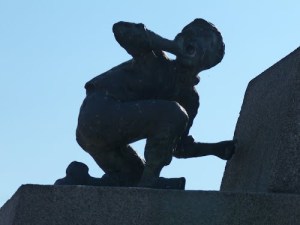
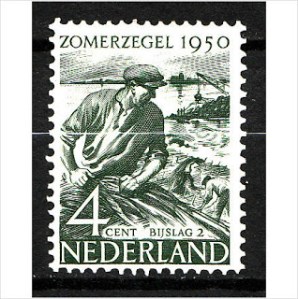
Picture of Dike Boy Statue in Holland

Two Wonder Boys from Holland and India who controlled Floods

Two boys have become immortal due to their hard work and humility; one is from India and the other is from Holland. The Dutch (Holland) is an imaginary boy and Indian boy is a real boy. The story of Indian Hindu boy is attested by the Upanishads and Mahabaharata. The imaginary Dutch boy is from the novel of American writer Mary Mapes Dodge.

The Hindu boy lived at least 3000 years ago. The Dutch boy story appeared first in 1865. The name of the Hindu boy is Uddalaka Aruni and the name of the imaginary Dutch boy is Hans Brinker.

The pity is most of us knew about the imaginary Dutch boy, but not about the real Hindu boy. But the moral of the story is same. Dutch have erected his statues in three towns for the imaginary non –existent boy just to attract tourists. It is a shame Indians never erected a statue or issued a stamp for the great Indian boys Dhruva, Nachiketas, Upamanyu, Uddlaka Aruni, Svetaketu, Satyakama Jabala and Veda.


‘Vidya Vinayanna Sampathe’ is the Sanskrit saying. ‘Education shines through humility (humbleness)’.

Tamil saint Tiruvalluvar in his Tirukkural says:

The angel of virtue will willingly abide in a person who gains self possession through his learning and self control (self restraint).

An echo is heard in what Erasmus said:

“The spirit of God, delighteth to dwell in the hearts of the humble”.

This is the moral of the stories given below:

Story of the Dutch Boy

A long time ago there lived in Haarlem, an important town in the Netherlands (Holland), a blond-haired boy. His father was the lockkeeper and had to make sure that the locks were opened and closed to keep the water in the canals at the right level.

On a beautiful day in Autumn this boy, he was 8 years old, went to visit an old blind man and bring him some home made biscuits. After about an hour he went home, but the weather had changed; it was raining and the water in the canal was rising.

All of a sudden he heard the sound of trickling water and he wondered where it came from. Then he saw a very small hole in the dike (Dyke)! A dyke is an embankment built along the coastline of  the Netherlands to prevent flooding of low lying areas. With the pressure of the water the hole won’t stay small for long and that means flood! He knew what to do. He climbed onto the dike and put his finger in the hole. Now he hoped for someone to come past soon, because he started to feel quite cold, but no one came. When dawn broke, the priest, who had been spending the night at the bedside of a very sick parishioner, was walking home and saw the boy.

“What are you doing there”? he asked when he saw the boy lying on his tummy, halfway up the dike. “I am holding the water back,” was the simple answer. “Please get help!” And of course help came soon after that. Everyone in Holland was very proud of the boy.

Picture of Nachiketas facing Yama; he is one of the Hindu Boy Heroes

Story of Uddalaka Aruni from Maha Bharata

Ayoda Dhaumya was a famous teacher who lived before Buddha, at least 3000 years ago. Princes and paupers came to him to learn the scriptures. In those days one has to stay with the Guru for twelve years and learn the lessons. They have to serve the Guru/teacher every day and get food items for him. Aruni was a young prince who came to study under him. Guru gave him a difficult task. He asked him to go to his field and  fix the breach in the sluice. Though he was a prince he took his spade and basket and rushed to the field. In spite of his repeated attempts to repair the breach and stop the water, he did not succeed. The sun started setting. He did not want to return home without finishing the task. He managed to put his body across the breach and stop the water with the help of leaves and mud.

In the meantime Guru started his evening lesson after sunset. One boy, Aruni, was missing. He was shocked and asked other students where he was. All of them gave the same message: they saw him repairing the breach till late evening. Guru ran to the field holding a fire torch in his hand and called several times “Aruni, Where are you?” After a while, a faint voice came from Aruni saying that he was lying in the mud across the breach. Guru lifted him and hugged him lovingly.


When he came to Guru’s house he put his hand on his head and said to him: Aruni, You have learnt what you are expected to learn. Your education is complete. Go home. My full blessings are with you. The boy was called Uddalaka Aruni.

This was education in ancient days. In addition to learning scriptures by heart, they have to apply it practically in everyday life. He learnt humility, obedience to elders, faith in what teachers say and above all hard work.

These two wonder boys will inspire generations to come.

Picture of Dykes.

Contact Swami_48@yahoo.com

This is Post No 463; Hits so far 87,346.


உ.வே.சாமிநாதையரின் என் சரித்திரம் – Part 1

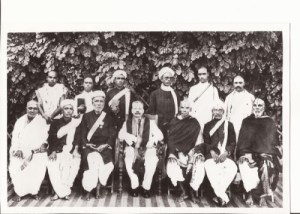
Picture: Rare photo of U Ve Swaminatha Iyer whose birth day falls on 19th February.

பார்த்ததில் ரசித்தது! படித்ததில் பிடித்தது!! –

உ.வே.சாமிநாதையரின் என் சரித்திரம் – Part 1 

By ச.நாகராஜன்

தமிழனாகப் பிறக்கும் பேறு பெற்ற ஒவ்வொரு தமிழனும், தமிழ் தெரிந்த ஒவ்வொருவரும் அறிந்து கொள்ள வேண்டிய ஒரு உத்தமர் உத்தமதானபுரம் வேங்கடசுப்பையர் சாமிநாதையர் ஆவார். (1855-1942) அவரது ‘என் சரித்திரம்’ அற்புதமான தமிழ் உரைநடைக்கு ஒர் எடுத்துக் காட்டு. இந்த நூலைப் படிப்பதால் பல பயன்கள் உண்டு.

தமிழைக் காத்து அரிய ஓலைச்சுவடிகளைச் சேகரித்து அவற்றை முறையாக ஆராய்ந்து அதில் உள்ள உண்மைப் பொருளைக் கண்டறிந்து பல அற்புத நூல்களைப் பதிப்பித்த ஒரு தமிழறிஞரின் வாழ்வை அறிந்து கொள்ளும் பேறு இதைப் படிப்பதால்  முதல் பரிசாக நமக்குக் கிடைக்கிறது. அடுத்து தமிழின் ஆழத்தையும் அற்புதத்தையும் அறியும் பேறு கிடைக்கிறது. அடுத்து ஜிலு ஜிலுவென்ற தெளிந்த ஓட்டத்தை உடைய தூய பளிங்கு நீர் மானசசரோவரிலிருந்து கங்கை  பிரவாகமாக நாடு முழுவதும் பாய்வது போன்ற தமிழ் பிரவாகம் நம்மை பரவசப்படுத்துகிறது.


கவிகளுள் மகாகவி கம்பன். பத்தாயிரம் பாடல்களைப் பாடியவன். அவன் போல் பத்து மடங்கு அதாவது நூறாயிரம் – ஒரு லட்சம் பாடல்களைப் பாடி ‘பத்துக் கம்பன்’ என்ற பெயரைப் பெற்ற  மகாவித்துவான திரிசிரபுரம்  மீனாட்சிசுந்தரம் பிள்ளை அவர்களைப் பற்றிய செய்திகளை அறிய முடிகிறது. அவரின் மாணாக்கரே உ.வே.சா.


தமிழுக்காகவே தன் வாழ்க்கையை அர்ப்பணித்த மாமேதையின் வீட்டில் ஒரு சிறிய சம்பவம்! அதை அவர் சொற்களாலேயே பார்ப்போம்:

“சென்னையிலிருந்து பைண்டர் நூறு சிந்தாமணி பிரதிகள் வரையில் பைண்டு செய்து ஒரு பெட்டியில் அனுப்பியிருந்தார். அதைப் பிரித்துப் புஸ்தகங்களை எடுத்துக் கோலம் போட்ட ஒரு பலகையின் மேல் வைத்து மாலை சுத்திக் கற்பூர நீராஞ்சனம் செய்து மஞ்சள் நீர் சுற்றி என் தாயார் என் கையில் எடுத்து அளித்து ஆசீர்வாதம் செய்தார். என் தந்தையார் கண்குளிரக் கண்டு மகிழ்ந்தார்”


எப்படிப்பட்ட வைபவம்! எப்படிப்பட்ட தாயார்! எப்படிப்பட்ட தந்தையார்! என் சரித்திரம் என்ற நூலில் உ.வே.சா. இதைக் குறிப்பிட்டிருக்கிறார்.


தனக்குக் குடும்பக் கவலையே இல்லாமல்  குடும்பத்தினர் பார்த்துக் கொண்டதால் தமிழ்ப் பணியைத் தன்னால் தொடர்ந்து ஆற்ற முடிந்தது என்று அவர் குறிப்பிடுகிறார். சங்க நூல்களைச் சேகரித்து அவற்றைப் பதிப்பித்து தமிழர்களுக்கு ஒர் முகவரியைத் தந்தவர் உ.வே.சா. தனது வாழ்நாளில் 91 அரிய நூல்களைப் பதிப்பித்தவர் அவர். சுமார் 3067 ஏட்டுப் பிரதிகளை அவர் சேகரித்தார். அதற்காக அவர் பட்ட பாடு கொஞ்சநஞ்சமல்ல.

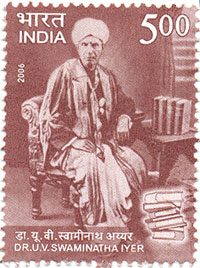
Picture of postage stamp to honour U.Ve.Sa.

என் சரித்திரத்தில் வரும் சில நிகழ்வுகளை இங்கே நினைவு கூர்வோம்! அந்நாளில் எல்லா நூல்களையும் பாடம் கேட்டுப் பயில்வதே பழக்கமாக இருந்தது. பெரியபுராணத்தை மகாவித்துவான் விளக்கமாகப் பாடம் சொன்ன போது நடந்த சம்பவம் இது.


“கண்ணப்ப நாயனார் செயலைக் கண்டு சிவகோசரியார் வருத்தமுற்றதாகச் சொல்லும் சந்தர்ப்பம் வந்தது. நாங்கள் மேலே படித்தோம். உடனே பிள்ளையவர்கள், “இங்கே சில செய்யுட்கள் இருக்க வேண்டும். சிவபெருமான் கண்ணப்ப நாயனாரது அன்பின் பெருமையைச் சிவகோசரியாருக்கு வெளியிடுவதாக அமைந்துள்ள பகுதியில் சில அருமையான செய்யுட்களைப் பதிப்பிக்காமல் விட்டு விட்டார்கள்” என்று சொல்லித் தம் பெட்டியில் இருந்த பெரியபுராண ஏட்டுப் பிரதியை என்னை எடுத்து வரச்செய்து அதனைப் பிரித்துப் பார்த்தார். அவர் கூறியபடியே அங்கே ஐந்து செய்யுட்கள் காணப்பட்டன. அவற்றைப் படிக்கச் செய்து பொருள் கூறினார். நாங்கள் யாவரும் அந்த உயிருள்ள புஸ்தகசாலையின்  ஞாபகசக்தியை அறிந்து வியந்தோம்.”


அனைத்துச் செய்யுள்களையும் மனப்பாடமாக அறிந்த பெரும் வித்தகர் பற்றிய அரிய செய்தியைக் கூறும் உ.வே.சா அடுத்துச் சொல்லும் நிகழ்ச்சி நம்மை வேதனை அடையச் செய்கிறது. தமிழன் இப்படி இருக்கலாமா என்று வெட்கமடையச் செய்கிறது.

பிற்பகலில் தொடங்கிய கண்ணப்ப நாயனார் புராணம் இரவு பன்னிரண்டு மணிக்கு நிறைவேறியது.

அப்பால் மடத்திலேயே ஆகாரம் செய்து கொள்ளும்படி என் ஆசிரியரைத் தம்பிரான் வற்புறுத்திக் கூறினர். அவர் அவ்வாறே இசைந்து  அங்கு உணவு உட்கொண்டார். நான் அதற்குள் என் சாப்பாட்டு விடுதிக்குச்

சென்று போஜனம் செய்துவிட்டு வந்தேன்.

Picture of U.Ve.Sa.’s Statue at his birth place Uthamadhanapuram

ஆகாரம் ஆன பிறகு என் ஆசிரியர் தம்பிரான்களிடம் விடை
பெற்றுக்கொண்டு தம் வீடு சென்றார். நானும் அவருடன் சென்றேன். அப்போது அவர், “மடத்தில் ஆகாரம் செய்தமையால் இன்று நெய் கிடைத்தது” என்றார். அந்த வார்த்தை என் உள்ளத்தை வருத்தியது. அவர் சில நாட்களாக நெய் இல்லாமல் உண்டு\ வந்தார். நெய் வாங்குவதற்கு வேண்டிய பணம் கையில் இல்லை. குறிப்பறிந்து யாரேனும் உதவினாலன்றித் தாமாக ஒருவரிடம் இன்னது வேண்டுமென்று சொல்லிப் பெறும் வழக்கம் அவரிடம் பெரும்பாலும் இல்லை. இடைவிடாது பாடம் சொல்லி வந்த அவர் நெய் இல்லாமலே உண்டு வருவதை நான் அறிந்தவனாதலால் “இன்று நெய் கிடைத்தது” என்று அவர் கூறும்போது  அவர் உள்ளம் எவ்வளவு வெம்பியிருந்ததென்பதை உணர்ந்தேன்.

வறுமையின் கொடுமை எனக்குப் புதிதன்று. அதனால் விளையும்
துன்பத்தை அறிவு வந்தது முதலே நான் உணரத் தொடங்கி யிருக்கிறேன்.ஆயினும் பிள்ளையவர்களிடம் அதனை நான் எதிர்பார்க்கவில்லை.

“பெரிய கவிஞர், தக்க பிரபுக்களால் நன்கு மதிக்கப்படுபவர், தமிழுலகமுழுதும் கொண்டாடும் புகழ் வாய்ந்தவர், ஒரு பெரிய சைவ ஆதீனத்துச் சார்பிலே இருந்து வருபவர், சில நாள் நெய் இல்லாமல் உண்டார், ஒரு வேளை  கட்டளை மடத்தில் உண்ட உண்வு அவர் நெஞ்சப் புண்ணுக்கு மருந்தாயிற்று” என்ற விஷயங்களை அவரோடு நெருங்கிப் பழகினவரன்றி மற்றவர்களால் அறிய முடியாது. அவரும் அந்நிலையை வெளிப்படுத்திக் கொள்வதில்லை.

அவருடைய வாழ்க்கையே நிலையற்றதாகத்தான் இருந்தது. “இருந்தால் விருந்துணவு; இல்லாவிட்டால் பட்டினி” என்பதே அக்கவிஞர் பிரானுக்கு உலகம் அளித்திருந்த வாழ்க்கை நிலை. எனக்கு அதனை உணர உணர ஆச்சரியமும் வருத்தமும் உண்டாயின.”

உ.வே.சா அவர்கள் வருத்தத்துடன் பதிவு செய்யும் இந்த வார்த்தைகள் தமிழன் எப்படி வாழும் போதே பெரிய கவிஞர்களை இனம் கண்டு கொண்டதில்லை என்பதை நன்கு உணர வைக்கிறது.

பாரதியார் பட்ட சிரமம் போலவே மகா கவிஞரும் வேதனைப் பட்டு வாடியிருக்கிறார்.

தொடரும்


247 தமிழ் எழுத்துக்கள் வேண்டாமே!

தமிழ் வாழ்க ! தமிழ் (எழுத்து) ஒழிக!!

ஆண்டுதோறும் லண்டன் பல்கலைக் கழகத்தில் தமிழ் வகுப்பில் முதல் நாள்தான் எனக்கு மிகவும் கஷ்டமான நாள். முதல் ஒரு மணி நேரத்தில் தமிழையும் தமிழ் கலாசாரத்தையும் ‘இந்திரனே சந்திரனே’ என்று புகழ்வேன். தொல்காப்பியத்தில் துவங்கி இட்லி, சாம்பார், வடை, மசாலா தோசை முதலியவற்றை விளக்கிவிட்டு நகைப்புக்குரிய திராவிட கட்சிகள் பிளவுபட்டதையும் தமிழ் அரசியல் சினிமா அடிப்படையுடையது என்பதையும் சொல்லிவிட்டு, தமிழர்கள் சினிமா இல்லாமல் வாழமுடியாது என்ற பொன் மொழிகளை உதிர்த்துவிட்டு ஒரு ‘காப்பி பிரேக்’ கொடுத்து விடுவேன். சுவையான விஷயங்களை கேட்ட மாணவர்கள் ஆர்வத்தோடு திரும்பியவுடன் ஒரு குண்டைத் தூக்கிப் போடுவேன்.

“ ஆங்கிலத்தில் 26 எழுத்துக்கள் இருப்பது உங்களில் பெரும்பாலோருக்குத் தெரியும். தமிழில் எத்தனை எழுத்துக்கள் என்று தெரியுமா?” என்று கேட்பேன். பெரும்பாலும் அமைதியே நிலவும். ஏனெனில் படிக்க வருவோரில் ஒரு இத்தாலியர், ஒரு பிரெஞ்சு,, ஒரு ஜப்பானியர், அதிகமாக பிரிட்டனில் பிறந்த இந்திய-இலங்கைத் தமிழர்கள், அவர்களை மணந்துகொண்ட நார்வே, கனடா, சுவீடன் நாட்டினர் என்று ஒரே அவியல்தான்.

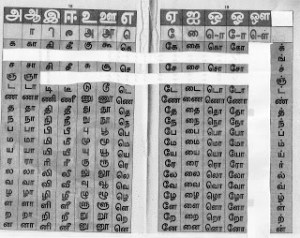
நான் சொல்கிறேன். தமிழில் 247 எழுத்துக்கள் என்றவுடன் வகுப்பில் பெருமூச்சு விடும் இரைச்சல் கேட்கும். பின்னர் ஒருவரை ஒருவர் புருவத்தை உயர்த்தியவாறே முறைத்துப் பார்ப்பார்கள். ஒரு நிமிடம் ‘பாஸ்’ கொடுத்துவிட்டு ஒரு ‘குட் நியூஸ்’ சொல்கிறேன். 12 உயிர் எழுத்துக்களையும் 18 மெய் எழுத்துக்களையும் படித்துப் புரிந்து கொண்டால் போதும் மற்ற 216 (18×12=216) எழுத்துக்கள் தானாக வந்து விடும் என்பேன். அப்போதும் அவர்கள் முகத்தில் ஏமாற்றமே தேங்கி நிற்கும். இன்னொரு ‘குட் நியூஸ்’ சொல்லட்டுமா? என்று சொல்லிக் கொண்டே மதுரை புதுமண்டபம் புத்தகக் கடைகளில் இருந்து வாங்கிவந்த பெரிய ‘போஸ்டர்’களைப் பிரித்து சுவற்றில் ஒட்டி இவைதான் 247 தமிழ் எழுத்துக்கள் என்று அறிமுகப் படுத்துவேன். பெரும்பாலான தமிழ் மாணவர்களுக்குத் தமிழ் தெய்வத்தின் முதல் தரிசனம் அதுதான். கன்னத்தில் போட்டுக் கொள்ளாத குறையுடன் பயபக்தியுடன் எழுத நோட்டுப் புத்தகங்களைத் திறப்பார்கள். இதற்குள் வேறு ஒரு போஸ்டரைத் திறந்து “ இதில் இவை எல்லாம் உதவாக்கரை எழுத்துக்கள். இன்று பயன்படாதவை. அதில் ஒன்று ஆயுத எழுத்து” என்றெல்லாம் விளக்குவேன்.

தமிழில் வேண்டாத எழுத்துக்களை எல்லாம் எடுத்துவிட்டு புதிய அரிச்சுவடி செய்தால் என்ன? என்று தோன்றவே தமிழ் எழுத்துக்கள் ஒழிக என்று தலைப்பிட்டேன்.

தமிழர்கள் ‘டியூப் லைட்’டுகள்! எந்தக் கருத்தைச் சொன்னாலும் முதலில் ஏற்கமாட்டார்கள். காரணம், புரிவதற்கு கொஞ்சம் தாமதமாகும். எங்களைப் போன்று வெளி நாட்டு மாணவர்களுக்குப் பாடம் சொல்லிக் கொடுத்தால்தான் இந்த விசயம் நன்கு புரியும் ‘ங’ வர்க்கம் ‘ஞ’ வர்கம் ‘ஔ’ வர்கம் ‘ ஃ ’ இவை இல்லாமல் தமிழால் வாழ முடியும். பல எழுத்துகளை நாம் பயன்படுத்துவதே இல்லை. ஆனால் அரிச்சுவடியில் இன்னும் இருக்கின்றன!!!!!

‘யுனிகோட்’ வந்த பின்னர்,  முன்னால் இருந்த பல எழுத்துக்கள் போய்விட்டன. பழைய கால குமுதம் ஆனந்த விகடன், கல்கி படிப்பவர்கள் “லை” முதலிய எழுத்துகள் வேறு விதமாக இருப்பதை அறிவார்கள். நானே கூட அவசரத்தில் போர்டில் அப்படி எழுதிவிடுவேன். தொட்டில் பழக்கம் சுடுகாடு மட்டில் என்பது சரிதான். யாராவது ஒருவர் கேள்வி கேட்ட பின்னர் அது பழைய ‘ஆர்த்தோக்ராபி’ பற்றி விளக்குவேன்.


நீங்களும் யோசியுங்கள். கீழேயுள்ள எழுத்துக்கள் தேவையா?

ங வரிசை, ஞ வரிசை, ஔ வரிசையை எடுத்தால் சுமார் 40 எழுத்துக்களைக் குறைக்கலாம். மேலும் சிறிது முயற்சி செய்தால் எதிர்காலத்தில் இன்னும் குறைக்க முடியும்.


நான் முன்னர் எழுதிய இந்தக் கட்டுரைகளையும் படியுங்கள் :–

1.தமிழ் தாய் வாழ்த்தை மாற்றுக 2.தமிழ் ஒரு கடல் 3.தமிழ் எழுத்துக்கள் முப்பதா? ஐம்பத்தொன்றா? 4.மூன்று தமிழ் சங்கங்கள் கட்டுக்கதையா? உண்மையா 5. தொல்காப்பியம் காலம் தவறு- பகுதி 1,2,3,4,5 (6) தமிழர்களின் தழை உடை 1 & 2 (7) Ghost that killed 72 Tamil people 8). Three beautiful Tamil Hindu Weddings 9).இசைத் தமிழ் அதிசயங்கள் 10)தமிழ்நாட்டை உலுக்கிய பேய் 11) வள்ளுவன் ஒரு சம்ஸ்கிருத அறிஞன் 12) வீரத்தாயும் வீர மாதாவும் 13) சங்க இலக்கியத்தில் வாகனங்கள் 14) தமிழர்கள் கணித மேதைகள் 15) Tamil saint’s Mad Experiment 17) Hundred Wonders of Tamil Nadu 18) Time Travel by Two Tamil Saints 19) Tamil Quiz பகுதிகள் 1, 2, 3. 20) First Tamil Historian 21) வரலாறு எழுதிய முதல் தமிழன் 22) தமிழ் பூதமும் கிரேக்க பூதமும் 23) முதல் திராவிட ராணீ 24) கலித்தொகையில் ஒரு அதிசய செய்தி 25) புறநானூற்றில் காமாட்சி 26) புறநானூற்றில் பகவத் கீதை—பகுதி 1&2 27) சுமார் 20 தமிழ் அறிஞர்களுடன் 60 வினாடி பேட்டிகள் (எ.கா) பாரதியுடன்… கம்பனுடன்…. வள்ளுவனுடன்……. 28) குறுந்தொகையில் இருதலைக் குழந்தை 29) 20,000 தமிழ் பழமொழிகள் 30)சங்க இலக்கியத்தில் காளிதாசன் உவமைகள் 31)தமிழர்களின் எண் ஜோதிடம் 32)அதிசய பறவைத் தமிழன் 33)Mysterious Tamil Bird Man 34) 3 Tamil Sangams: Myth and Reality 35) வரலாறு எழுதிய முதல் தமிழன் 36)தமிழன் காதுல பூ 37)Tolkappiyan –A genious 38) தமிழர்களுக்கு தாலி உண்டு

studytamil.wordpress.com

Free YouTube Videos!

The link to my YouTube channel is below.

http://www.youtube.com/user/swaminathansantanam


Hindu Eagle Mystery deepens

Picture shows Tiruk Kazuku Kundram eagles taking temple offering.


Hindu eagle mystery is deepening with more information coming from different sources.

1.Why do Hindus worship eagle (suparna=garuda) from Rig Vedic Days till today?

2.Why do Hindus including the greatest Tamil king Karikal Choza built their Yaga Kundas (Fire altars) in eagle shape?

3.How is that two eagles come to Tirukazuku kundram just to eat rice pudding everyday for over 1300 year period?

4.Why do Hindus call Emeralds as Garuda Ratna (eagle gem), which Sindbad story writer copied it from the Hindus?

5.Why a Saivaite saint sang 1300 years ago about an eagle bringing flowers to Shiva every day?

6.Why do Tamil children shout ‘Drop me  a flower please’ when they see Garudas (falcon/eagle) in the sky? Why do Hindus recite a Sanskrit hymn when they see Garuda?

7.Why does Vishnu use Garuda as his Vahana (Mount of God)?

8.Why did Rama cremate an eagle Jatayu in Ramayana? Was it eagle totem people or real eagle? Why Tamils associate this with Vaitheeswarankoil (eagle town)?

9. Why did Eagle people and Snake people (Garudas and Nagas) fight all over the world? We have the story here in Puranas, but symbols are in Egypt and Maya civilization?

10. How come eagle brought Soma plant for the Yagas (Fire ceremonies of Hindus)?
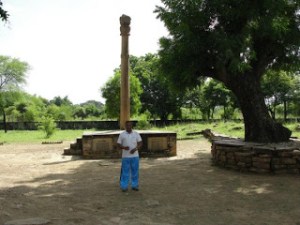
Picture Shows Greek Ambassador Heliodorous’ Pillar at Vidhisha 150 BC

11. Why did a Greek build an eagle pillar with inscription calling himself as a great devotee of Vishnu?

12.Tamil Encyclopedia Abithana Chintamani ( year 1899) attributes sixteen acts to Garudas. Many of them actually belong to people with eagle totem. They were against people with snake totem (Nagas). It is the ancient history of India. One must go deeper in to it to reveal the secrets.

13. Why do women fast on Garuda Panchami day every year?

14. Why is Garuda Purana is associated with the departed souls? It is read in the 13 day mourning period.

15. Indus People painted eagle in (funeral ??)  potteries, Why? Has it anything to do with Hindus reading Garuda Purana after the funeral?

16. Why is it that Amrita (ambrosia) is linked with Garuda/suparna?

17. In the Assyrian bas-relief in Khorsabad (885 BC) Eagle headed  winged genie is carrying a vessel of lustral water and a pine cone sprinkler. It is one of the benevolent genies that protected men from diseases and evil forces. Is it Garuda with Amrita? (see the images)

18. Why does Jaiminiya Brahmana (Vedic literature) say that eagle separates water from milk like Krauncha (swan) bird?

19. Why does Romulus saw an eagle on the Aventine Hill and considered it as a good omen like Hindus and keep it in front of his army? Orthodox Hindus wait for Garuda Darsanam every day.

Picture shows white necked Brahminy Kite (Garuda)

20.Why do newspapers report sighting of Garuda as a good omen during Kumbhabishekam or any religious event?

21. Why does Krishna say that he is garuda/eagle among birds in Bhagavad Gita (10-30)(vainatheyascha pakshinam)? Western cultures also consider eagle as ‘King of Brids’.

If I write answers to all these questions it would become a big book. I am going to answer a few of these questions in this article.

I have already written about Vahanas, eagle shaped fire altars of Karikal Choza, Eagle Vs  Naga clans enmity, Double headed Eagle, Garuda Sthamaba of Greek Ambassador etc. Please see the titles of the articles given at the bottom.

Eagle, falcon, kite, hawk, osprey and vulture are known as symbol of might and valour. Rig Veda, the oldest religious scripture in the world mentions Suparna and Syena. Later literature gives the story of Garuda (Haliastur Indus=Brahminy Kite), which is the Vahana and flag of Lord Vishnu.
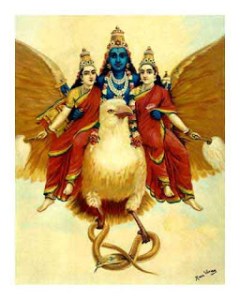
Lord Vishnu and Lakshmi on Garuda Vahana

Oldest Eagle Miracle

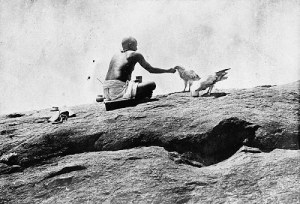
Perhaps the oldest and strangest eagle miracle in the world is Tirukkazuku kundram eagle miracle. Two eagles have been visiting this hillock for at least 1300 years just to eat temple rice pudding. We have records from Thevaram and Tiruppukaz . Saivaite saint Sambandhar of seventh century has sung bout Vedagireeswarar temple in Tirukkazuku kundram. The name of the town means eagle hill. Arunagirainathar of 15th century mentions very clearly that the eagles visit and worship god at Vedagiri. So we have records for at least 1300 years. Normally birds of prey like eagles gather in flocks and hunt for food. They are carnivorous and so prefer animals dead or alive. But in Tiruk kazuku kundram only two eagles come to the hill and wait outside for the temple prasad (offering) which is nothing but rice offering. Is it not strange for two birds of prey come just to eat rice that too every day at the appointed time? I heard that nowadays the eagle visit has become irregular. But my family members themselves have seen this wonder.

There is a story behind this eagle visit. Sambu Budhan and Ma Budhan were great devotees of Shiva and Shakti respectively. Now and then they had heated argument on this issue. They wanted to find out who was the greater of the two and went straight to Shiva for an answer. Shiva told them it was like two sides of a coin. No one is bigger than the other. Out they came and started arguing again on the same issue. Shiva cursed them to become eagles. When they begged him to take back the curse, Shiva told them to come to Tiruk kazuku kundram until the end of Kali yuga.

Hindus believe two different persons come as eagles in every yuga. The story has an underlying truth. That is, it has been going on for Yugas (epochs).

Tirukkazuku kundram is not far from Chennai in Tamil Nadu. It is easily accessible by bus from Chengalpattu.
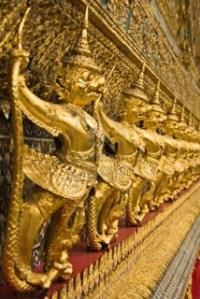
Picture: Garuda in Bagkok, Thailand

Garuda brings flower

As children we used to shout “O Garuda, Drop me a flower”, whenever a Garuda flies just above our head in the sky. At the same time elderly people used to recite a Sanskrit sloka (hymn). Till a few days ago I did not know the meaning. When I read Thevaram hymn in Tamil, there was a reference about Garuda bringing flower to Shiva every day. Probably like Tiruk kaluku kundram there was another eagle mystery happening every day 1300 years ago. Sambandhar sang about another shrine in Vaitheeswarankoil near Mayuram in Tamil Nadu

He says that the eagle brought flower every day from Kaveri Poompattinam, which was a famous harbour 2000 years ago. Some of the Cholza kings ruled from this port city which was mentioned by Greek and Roman writers as Kaberis. Eagles brought flowers from this city to Vaitheeswaran koil every day! It is a small town with a very famous Shiva temple. The very name of the town is named after the bird PULLIRUKKUVELUR ( Pul=eagle, Irukku=Rig Veda, Vel= Lord Skanda, Ur= Sun; all the four worshipped here). Once again we get some new information which no Ramayana gives us. The two great two eagle men Jatayu and Sampathi (Jatayu fought with Ravana while he abducted Sita Devi to Sri Lanka) worshipped Shiva here according to Gnana Sambandhar.

When Jatayu died after giving the vital information about abduction to Rama, he cremated the bird. Birds are not cremated when they die. Even today tourist guides show you the Jatayu’s ash. So my guess is that Jatayu and Sampati were men with eagle symbol (totem). Whatever they may be, they brought flowers every day to Shiva thousands of years before our time. So this is what made Tamil children shout at eagles or Garudas, ‘Please drop me a flower’ (கருடா, கருடா பூப் போடு in Tamil).

Tamil references are given at the end.
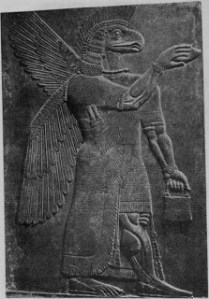
Eagle with holy water, Norrthern Iraq 850 BC

Eagle and Ambrosia, eagle and Soma plant

Hindu epics and mythologies give us some information about Garuda getting Amrita from the heaven. Kadru and Vinata were daughters of Daksha Parajapati and wives of Kashyapa. Because of infighting, Vinata was enslaved by Kadru, mother of snakes (Naga clan). When Garuda came to know about his mum’s pathetic condition he tried to release her from this bondage. But Amrita was demanded for her release. Garuda went to heaven and stole Amrita (elixir of life). When Indra saw this, it ended in a big fight. Indra was worsted but allowed Garuda to take part of the Amrita. Once again this confirms my guess they were men with eagle tattoos or symbols and not birds.

Garuda was a sworn enemy of snakes (people of Naga Clan). Though we see here part of ancient history, we must remember both the clans were cousins. Garuda was considered an incarnation of Fire God Agni. Rig Veda praises him for bringing Soma plant. Probably people of Garuda clan were involved in this business.
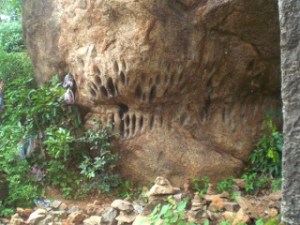
Picture of Tiruk kazuku kundram: The eagles are said to sharpen their beaks here.


Emerald= Garuda Ratna= Eagle Gem

One of the Nine Gems, emerald is known as Garuda Ratna (Eagle Gem). The reason for this name is eagles brought this gem from the valleys and deep ravines. People who could not go deep down the ravines and valleys where emerald stones were in plenty threw lumps of meat. When the eagles brought those meat balls stuck with emerald, people shot the birds with arrows and got the emeralds. This story was copied in the Stories of Arabian Nights and later literature. The link between Garuda  and Amrita- Gem stones- Soma plant throw lot of light on ancient history of India. Deeper research will explode the myth of Soma being an addictive drug producing hallucination. A Pandya copper plate inscription describes Soma plant as purifier of mind (Mano Sudhdha Soam yajee) . I will write a separate post about it.


Tamil References:

1).கழுகுதொழு வேத கிரிசிகரி வீறு

கதிருலவு வாசல்                     நிறைவானோர்

கடலொலிய தான மறைதமிழ்க ளோது

கதலிவன மேவு                      பெருமாளே

(திருக்கழுக்குன்றம் திருப்புகழ்)

2).யோசனை போய்ப் பூக்கொணர்ந்தங் கொருநாளு மொழியாமே

பூசனை செய்தினி திருந்தான் புள்ளிருக்கு வேளீரே (தேவாரம்)

3).தள்ளாய சம்பாதி சடாயு என்பார்தாம் இருவர்

புள்ளானார்க் கரையனிடம் புள்ளிருக்கு வேளூரே (சம்பந்தர் தேவாரம்)

Swami_48@yahoo.com (London Swaminathan)
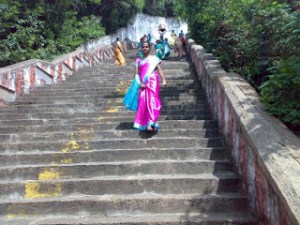
Picture: Tiruk Kazuku kundram hill with 540 steps

Please read my earlier posts:

1.Vishnu Seal in Indus Valley Civilization 2.Double Headed Eagle: Sumerian- Indian Connection 3.Karikal Choza and Eagle Shaped Fire Altar 4. Bird Migration in Kalidasa and Tamil Lterature 5. Friends of Birds 6.Are Mayas, Hindu Nagas? 7. Four Birds in One Sloka 8. Cn Birds Predict Your Future? 9.Hindu Vahanas Around The World 10. Who Rides What Vahana? 11. Hindu Vahanas in Greece and Italy 12. Intersting Facts About Vahanas 13. Deer Chariot: Rig Veda to Santa Claus 14. Mystrous Fisg Gods 14. Why do Animals worship Gods? 15.Can Parrots recites Vedas16. Gods and Birds
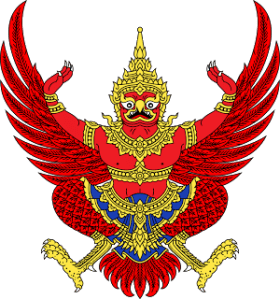
Picture : Garuda emblem in Thailand. Pictures are taken from various websites. Thanks.
 

Orbiting the Earth: Skanda beat Yuri Gagarin

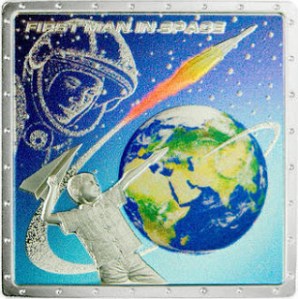
Orbiting the Earth: Skanda beat Yuri Gagarin

(This article is already posted in Tamil)

If you google who was the first person to orbit earth? Then you will get the answer in a second: Russian cosmonaut Yuri Gagarin . If you look at any encyclopaedia you will get the same answer. But if you put the same question to an orthodox Hindu , he or she will tell you it was Lord Skanda/Kartikeya. Arunagirinathar , a 15th century Tamil saint has sung about Lord Kartikeyan circling the earth in a second.


Yuri Gagarin did go round the earth in Vostok spacecraft in April 1961 in 90 minutes, but Skanda on his peacock took one second to go round the earth,  sings the great saint. Even before Magellan sailed around the world, Hindus knew that the earth was round. From the days of Aryabhatta we called this earth -globular. The very word globe came from Gola, Goli =Round.

Arunagiri in his beautiful Tamil verse  ‘Thiru Vakuppu’described that the worlds up and down the earth were shaking when the peacock flew around the earth. For the Doubting Thomas who may not believe that this happened in the hoary past, I would like to say a word, at least give the credit of this concept to Lord Skanda or the Hindu scriptures!

Western scholars attribute everything science to the Greeks or all the inventions to Learnado Da Vinci or the science fiction to Jules Verne. It is not correct. When we advanced far in science and mathematics, the western world did not even know the earth was round.


We have lots of reports about Narada’s Inter Planetary Travel in Hindu mythology. I have already written that the next news story that would shake the entire world will be ‘meeting or discovering aliens’. We have already written how they would look like: 1. Their feet won’t touch the ground 2. They would not sweat 3. Even the flower garlands they wear won’t wither away. 4.They don’t blink 5. They can’t have sex because of Parvathy’s curse  6. They are ever happy 7. They don’t eat food like us i.e. they don’t need it at all 8. Their calculation of time is very different from ours. They stand beyond time.

For more details please go to my post: 1.Do Hindus believe in ETs and Alien Worlds? and 2. Hindus’ Future Predictions Part 1 and Part 2.

Kartikeyan /Skanda flew round the earth to beat his brother Lord Ganesh in a Round the World competition held by his parents and Narada. For the full story, please read my post Two Mangoes that changed the Tamil World.

contact swami_48@yahoo.com