புறநானூற்றில் முனிவர்களும் ஆஸ்ரமங்களும்

animal fables

எழுதியவர் :– லண்டன் சுவாமிநாதன்
கட்டுரை எண் :–992; —தேதி 21st April 2014.

இந்து மத முனிவர்கள், கானகங்களில் ஆசிரமங்களில் வாழ்ந்தார்கள். அவர்கள் வாழ்ந்த ஆசிரமங்கள் மிகவும் இயற்கை வனப்பு மிக்க மலைச் சாரல்களில் அமைக்கப்பட்டன. அவர்கள் மிகவும் எளிமையான வாழ்க்கை வாழ்ந்தனர். காய்கறிகள், கனி வகைகள், பால் தயிர், கொஞ்சம் தானியம் ஆகியவைதான் அவர்களுடைய அன்றாட உணவு.

மான்கள், கிளிகள் முதலியன அவர்களுடைய குடில்கள் அருகே வசித்தன. நெய் மணக்கும் ஹோமப் புகை அவர்கள் குடில்களில் இருந்து காலையும் மாலையும் எழும். அவர்களுடைய அன்றாட உடற்பயிற்சி ஆறுகளுக்குச் சென்று நீராடி வருவதும். செடிகொடிகளுக்குத் தண்ணீர் விடுவதும் ஆகும். அத்தோடு ஹோமத்துக்குத் தேவையான குச்சிகளைப் பொறுக்கிக்கொண்டு வருவர்.

ஆசிரமங்களில் அமைதி தவழ்ந்தது. அவர்களுடைய தவ வலிமையால் அங்கு வரும் புலியும் மான்களும் ஒரே துறையில் தண்ணீர் குடிக்கும். அங்கு வரும் மன்னர் முதலானோருக்கு தாராளமாக விருந்து உபசாரம் கிடைக்கும். யாரேனும் தங்க வேண்டுமானால் அங்கு தங்கவும் அனுமதி உண்டு. மேலும் பிராணிகளும் கூட அவர்களுக்கு ஹோமத்துக்குத் தேவையான பொருள்களைக் கொண்டுவந்து கொடுத்தன. பெண் துறவிகளும் அங்கே இருந்தனர்.

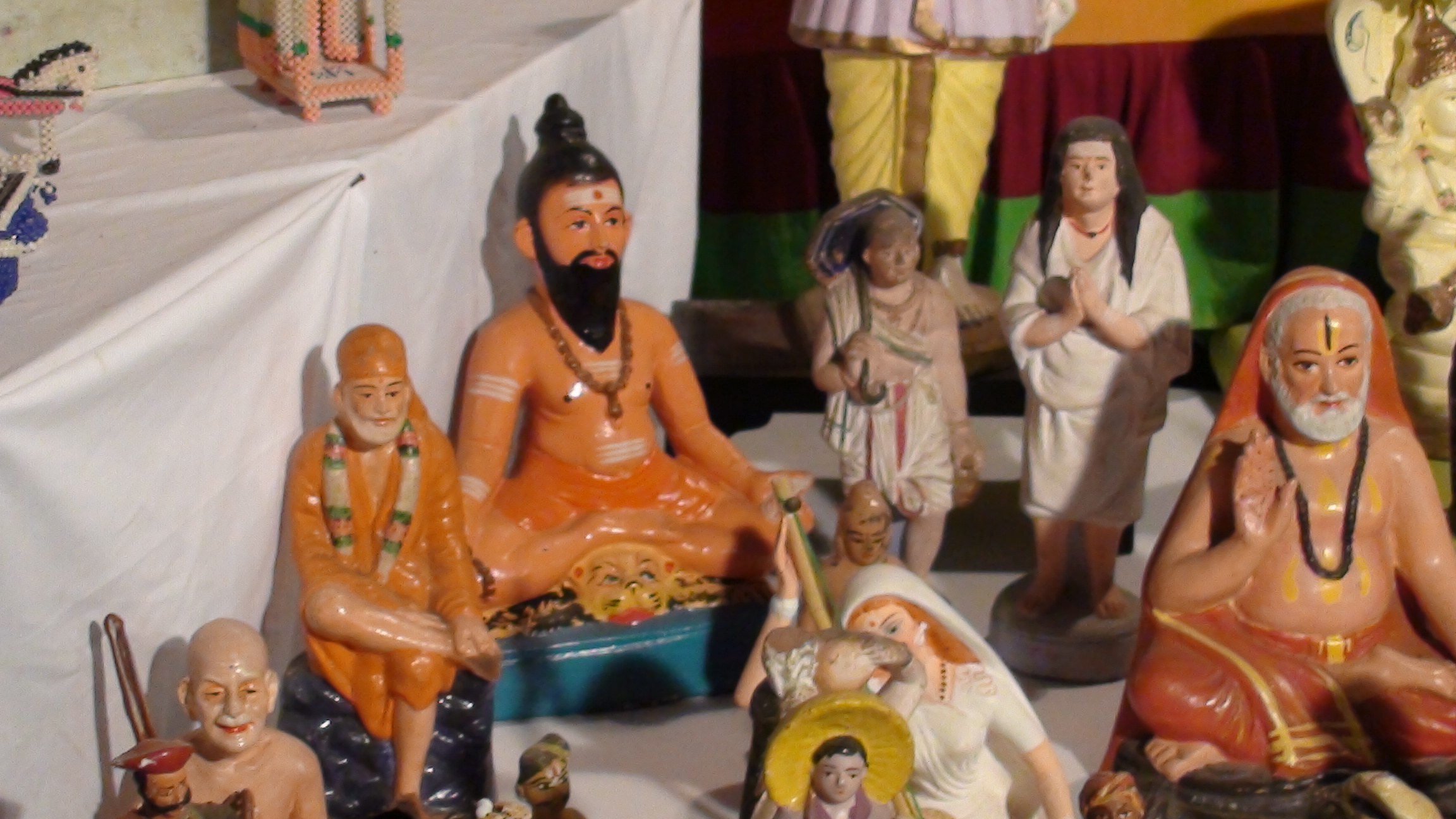
ராமாயணத்திலும் மஹாபாரதத்திலும் ஏராளமான முனிவர்களையும், ஆசிரமங்களையும் பற்றிய செய்திகள் இருக்கின்றன. அவைகளைப் படிக்கும்போதே மனதில் மகிழ்ச்சியும் அமைதியும் ஏற்படும். சம்ஸ்கிருத நாடகங்களில் இந்த ஆஸ்ரமங்கள் பற்றி இன்னும் பல புதிய செய்திகள் கிடைக்கின்றன. உலகின் மிக மூத்த நாடக ஆசிரியர்களில் ஒருவர் பாஷா. அவர் எழுதிய 13 சம்ஸ்கிருத நாடகங்கள் நமக்குக் கிடைத்தது நாம் செய்த தவப் பயனே.
lotus beauty

நாடக உலகில் மிகவும் சிறப்புமிக்க இடத்தைப் பிடிக்கும் காளிதாசனின் மூன்று நாடகங்களில் சாகுந்தலம் என்னும் நாடகம் உலகப் புகழ்பெற்றுவிட்டது. இவைகளில் உள்ள வருணனைகள், ஆஸ்ரமங்களின் அற்புதமான காட்சிகளை நம் மனக் கண்ணுக்கு முன்னே கொண்டு வருகின்றன. மாபெரும் மன்னர்களும் கூட ஆஸ்ரமத்துக்கு தொலை விலேயே ரதங்களை நிறுத்திவிட்டு நடந்து வந்து முனிவர்களின் கால் களில் விழுகின்றனர். ஆயுதங்களையும், அவர்கள் அணிந்துள்ள ஆபரணங்களையும் கூடக் கழற்றிவிட்டு சாதாரண உடையில் வருகின்றனர். ஆசிரமத்தின் அமைதியைக் குலைத்துவிடக் கூடாது என்பதில் கண்ணும் கருத்துமாக இருக்கின்றனர்.

இமயமலை ஆஸ்ரமங்களின் காட்சிகள் புறநானூற்றின் மிகப் பழைய பாடல்களில் இருக்கின்றன. அவர்கள் காளிதாசனின் நூல்களைப் படித்து அதைப் பாடல்களிலும் பயன்படுத்தியுள்ளனர்.
சேரமான் பெருஞ்சோற்று உதியன் சேரலாதன் மீது முரஞ்சியூர் முடிநாகராயர் பாடிய (புற.2) பாடலில்:–

“ நாஅல் வேத நெறி திரியினும்
திரியாச் சுற்றமொடு முழுது சேண் விளங்கி,
நடுக்கின்றி நிலியரோ அத்தை; அடுக்கத்துச்,
சிறுதலை நவ்விப் பெருங்கண் மாப்பிணை,
அந்தி அந்தணர் அறுங்கடன் இறுக்கும்
முத்தீ விளகிற் றுஞ்சும்
பொற்கோட்டு இமயமும், பொதியமும் போன்றே !”

பொருள்:– பாலானது புளித்துப் போனாலும், கதிரவன் ஒளி நீங்கினாலும், நால்வேத நெறி மாறுபடினும் நீ இமயமலை போல நீண்டகாலம் வாழ வேண்டும். அந்த இமயமலைச் சாரலில் பெரிய கண்களை உடைய பெண் மான்கள் இருக்கின்றன. அவைகளின் பக்கத்தில் சின்ன மான் குட்டிகள் இருக்கும் அந்தணர் வீடுகளில் எரியும் முத்தீயில் இருந்து எழும்புகையில் அவை தூங்கும். அந்த இமய மலையோ சூரிய ஒளியில் தக தகவென தங்கம் போல ஒளிவீசும் (பொற்கோட்டு இமயம்= காஞ்சன ஸ்ருங்கம்= தற்போதைய பெயர் கஞ்ஜன் ஜங்கா). அப்பேற்பட்ட இமயமலை போல் நீ நீண்ட நெடுங் காலம் வாழ்வாயாக.
beatles-ashram-huts-II

அந்தணர் வீட்டு முத்தீ= ஆகவனீயம், கார்கபத்யம், தக்ஷிணாக்கியம்

உறையூர் ஏணிச்சேரி முடமோசியார் என்னும் புலவர் வேள் ஆய் அண்டிரன் மீது பாடிய பாடலில்

“நரந்தை நறும்புல் மேய்ந்த கவரி
குவளைப் பைஞ்சுனை பருகி அயல
தகரத் தண்ணிழல் பிணையொடு வதியும்
வடதிசை யதுவே வான் தோய் இமயம்
தென் திசை ஆஅய்குடி இன்றாயின்
பிறழ்வது மன்னோ இம் மலர்தலை உலகம்”.

இந்த உலகம் நிலையாக நிற்க வட திசையில் உள்ள இமயமும் தென் திசையில் உள்ள பொதியமும் (ஆய்க்குடி)தான் காரணம். வட திசை இமய மலையில் கவரி மான்கள் நரந்தைப் புல்லையும் நறுமணம் உடைய மற்ற புல்லையும் மேய்ந்து விட்டு பெண் மான்களுடன் தகர மர நிழலில் தூங்கும். அந்த இமய மலை வானத்தைத் தொடும் அளவு உயர்ந்தது.

இதில் முனிவர்கள் பற்றிய குறிப்பு இல்லாவிடினும் முந்தைய புலவர் முடிநாகராயர் சொன்னதை ஒப்பிட்டால் இவரும் அதையே சொல்கிறார் என்பது தெள்ளிதின் விளங்கும்.

okhla bird sanctuary,hindu

மாற்பித்தியார் வழங்கும் அற்புதக் காட்சி

புறநானூற்றுப் பாடல்கள் 251, 252ம் ஒரு இளைஞன் துறவியான அற்புதக் காட்சியை வருணிக்கின்றன. மாற்பித்தியார் என்ற புலவர் பாடிய பாடல்கள் இவை:–

“ஓவத்தன்ன இடனுடை வரைப்பிற்,
பாவை அன்ன குறுந்தொடி மகளிர்
இழைநிலை நெகிழ்த்த மள்ளற்கண்டிகும்—
கழைக்கண் நெடுவரை அருவியாடிக்
கான யானை தந்த விறகின்
கடுந்தெறல் செந்தீவேட்டுப்
புறம்தாழ் புரிசடை புலர்த்துவோனே?”

பொருள்:– ஓவியத்தில் வரைந்தது போன்ற அழகான வீடு. அதில் சித்திரப் பாவை போல ஒரு அழகி இருந்தாள். அவள் வளையல்கள் கழன்று விழுமாறு காதல் கனலை மூட்டினான் ஒரு கட்டழகுக் காளை போன்ற இளைஞன். இப்போது அவன் எங்கே?

அதோ பாருங்கள், மலையில் ஒரு நீர்வீழ்ச்சி. அதில் நீராடிவிட்டு அனல் மூட்டி ஹோமம் செய்துவிட்டு இப்போது நீண்ட சடையை அந்தத் தீயின் வெப்பத்தில் உலர்த்திக் கொண்டு நிற்கிறான்.

இதோ அவர்பாடிய இன்னும் ஒரு பாடல்:

“கறங்கு வெள்ளருவி ஏற்றலின், நிறம் பெயர்ந்து
தில்லை அன்ன புல்லென் சடையொடு
அள் இலைத் தாளி கொய்யுமோனே
இல்வழங்கு மடமயில் பிணிக்கும்
சொல்வலை வேட்டுவன் ஆயினன், முன்னே”

பொருள்:– அதோ பாருங்கள்! அருவியில் குளிப்பதால் தில்லை நிறம் போன்ற சடையாக மாறிப் போனான். இப்போது தாளி மரத்தின் இளம் தளிர்களைப் பறித்துக் கொண்டு இருக்கிறான். இவன் முன்னர் பேசிய காதல் பேச்சில்—அவன் வீசிய சொல் வலையில் — மயில் போன்ற அத்தனை அழகிகளும் மயங்கி வீழ்ந்தனர்.
desert_elephant.jpg

இந்த இரண்டு பாடல்களும் முன்னர் இளைஞனாக வாழ்ந்த ஒருவன் சந்யாசியாகி காட்டில் வாழும் காட்சியையும் அவன் நீண்ட சடையுடன் இயற்கையோடு இணைந்து வாழும் வாழ்வையும் நம் முன்னே சித்திரம் போலப் படம் பிடித்துக் காட்டுகின்றன.

நற்றிணைப் பாடலில் ஒரு காட்சி

சல்லியங்குமரனார் பாடிய நற்றிணைப் பாடல் (141) ஒரு முனிவரின் தோற்றத்தை அழகாக வருணிக்கிறது:-

“இருஞ்சேறு ஆடிய கொடுங்கவுள், கய வாய்,
மாரி யானையின் மருங்குல் தீண்டி
பொரி அரை ஞெமிர்ந்த புழற்காய் கொன்றை
நீடிய சடையோடு ஆடாமேனிக்
குன்றுரை தவசியர் போல”

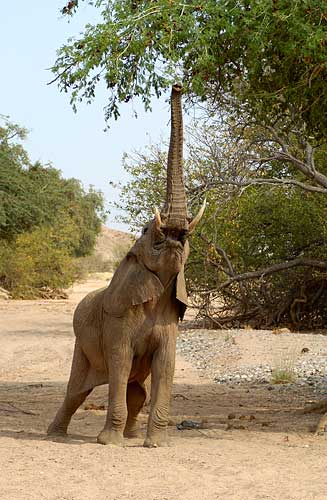
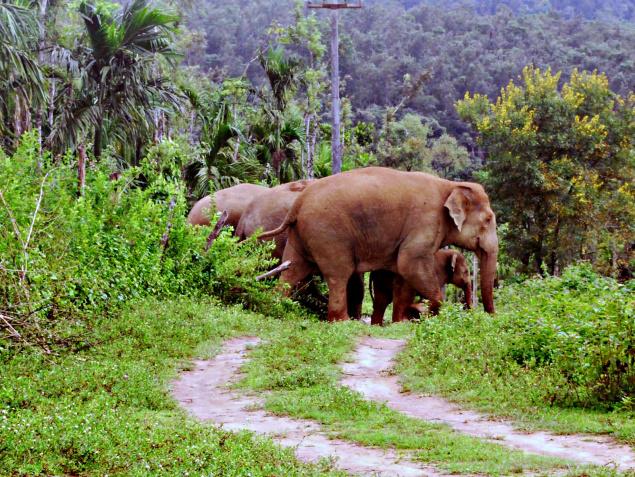
பொருள்:– மண் சேறு படிந்த கன்னத்தையும் பெரிய வாயையும் மேகம் போன்ற தோற்றமும் உடையது யானை. அந்த யானை உரசி உரசி பொரிந்த அடிமரம் உடையது கொன்றை மரம். அவை நீண்ட சடையும், நீராடாத உடம்பையும் உடைய தவசியர் போல இருக்கின்றன. (தவசியர் என்ற சம்ஸ்கிருதச் சொல்லையும் கவனிக்க).

ஒரு கொன்றை மரத்தை வருணிக்க முனிவர்களைக் கூறும் அளவுக்குத் தமிழ்நாட்டில் 2000 ஆண்டுகளுக்கு முன் ஆன்மீகம் வளர்ச்சி பெற்றி ருந்தது!! மக்களுக்குத் தெரிந்த பொருள்களையே உவமையாகக் கூறவேண்டும் என்பதும் உயர்ந்த பொருள்களையே உவமையாகக் கூறவேண்டும் என்பதும் நூல் மரபு. தமிழ் மக்களுக்கு இத்தகைய முனிவர் காட்சி அவ்வளவு சர்வ சாதாரணம்!
elephant_1703752f

காளிதாசனின் ‘சாகுந்தல’ நாடக வருணனையும், பாஷாவின் ‘ஸ்வப்ன வாசவதத்தா’ நாடக வருணனையும் இந்தக் கட்டுரையின் ஆங்கில வடிவில் கொடுத்துள்ளேன்.

Please read:
“Beautiful and Tranquil Hermitages of Ancient India’– posted on 20th April (Post No 991).
Contact swami_48@yahoo.com

Beautiful and Tranquil Hermitages of Ancient India

animal fables

By London Swaminathan
Post No. 991; dated 20th April 2014.

The hermitages of famous ancient seers were on the slopes of the Himalaya and the southernmost hill of India, Pothiyil (Malaya). They were situated in beautiful spots with lot of natural scenery. Those places were refuges for animals and birds. The atmosphere was very tranquil. No one could kill any animal or bird or destroy the plants. The descriptions of such hermitages are in the two great epics and Sanskrit dramas of Kalidasa and Bhasa, the two great playwrights of ancient India. I give below some passages from ‘Sakuntalam’ of Kalidasa and ‘Svapnavasavadatta’ of Bhasa.

Sakuntalam by Kalidasa

Act 1
Ascetic: The deer is of the hermitage. O,King! He should not be killed.

King : It (arrow) is withdrawn.

Ascetic : We are on our way to gather wood for the sacrificial fire. There, clinging to the slopes of the Himalaya, along the banks of the Malini is visible the Hermitage of our Guru, the Patriarch Kanva where Sakuntala dwells like its guardian deity.

“When you behold the sages rich in holiness
Immersed in the tranquil performance of holy rites
Free of impediments, you will know how well
Your arm scarred by the oft-drawn bowstring protects”.

africa

King : Grains of wild rice fallen from tree hollows
Where parrots nest, lie scattered under the trees;
Those stones look moist, glossy, from the oil
Of ingudi-nuts split and pounded on them;
All round, deer browse in their tranquil haunts,
Unafraid of the chariot’s approach; yonder
Drops of water dripping off the edges of bark-garments
in long lines, trace the paths to pools and streams.
(And you see further)

Beneath a passing breeze, waters flow
In deep channels to leave the roots of trees;
Smoke drifts up from oblations to the Sacred Fire
To dim the soft sheen of tender leaf buds;
Free from fear, fawns browse lazily in meadows
Beyond where dharba-shoots are closely cropped
Suta : Yes, Sir, everything is as you say.

okhla bird sanctuary,hindu

King : Suta, Let us not disturb the peace of the Hermitage; stop the chariot right here and I shall get down. Hermit groves should be visited modestly attired. So, here are my jewels and bow (hands them over to the charioteer). Tranquil is the hermitage; I shall go in.

Sakuntala and her friend discussed how much Kanva loved the plants and Sakuntala said to her friend that she was treating the plants as her sisters – and same with the birds and deer in the forest.

The above conversation and description show us Kings did not even go there with their royal dress. They removed all the jewels and arms before entering an Ashram (hermitage). The hermits’ daily routine was to gather firewood for the Fire Sacrifice, extracting oil from the Ingudi nuts. Whenever an ashram is described they always mention the fire and smoke. The ancient Sangam Tamil literature (Purananuru) also mentioned it. Even the deer were so lazy because of no fear from wild animals are hunters. The hermitages were famous for hospitality. Anyone goes there to show respect to the ascetic can have food and shelter.

lotus beauty
Bhasa’s Decription:–

The following passages from Svapnavasavadatta illustrate these points more clearly:

Act 1
Yaugnadharayana: Self possessed dwellers of the hermitages live satisfied with the fruits of the forest. They deserve respect. They wear bark garments.

No rough treatment should be accorded to the inmates of the hermitage; to avoid the insults that are received in a city these high –souled persons come to and reside in a forest.
Chamberlain: So it is her (Vasavadatta’s) intention to take her residence in the hermitage today. So you may bring from the forest the holy water, sacrificial sticks, flowers and dharba grass which form the wealth of the ascetics.

Female ascetic: Come in, dear child, come n. Penance groves are indeed, in the case of visitors, their own homes.

The hermitage is one in which all the ascetics are quite content.
Brahmana: The deer are roaming about freely and without taking fright, full of confidence engendered by the place as being secure; the trees with their branches loaded with flowers and fruits are all tended with kindness. The herds of cow that form the wealth are for the most part brown coloured. The quarters disclose no fields and this smoke is rising from many sources (huts).

beatles-ashram-huts-II

Chamberlain: A hermitage, as is well known, is common to all people.

The above short description shows that the sages had contented life. They ate fruits and cooked grains along with fruits and nuts. Birds like parrots were living near the huts of the hermitage. Seers ate fruits and vegetables along with dairy products. Ascetics helped every visitor with food or fruits. They had only vegetarian food. They lead a simple life with minimum needs. They gave shelter to others. Female ascetics also lived in the hermitages 2000 years ago.

contact swami_48@yahoo.com

சேரவாரும் ஜெகத்தீரே! ஞானிகள் அறைகூவல்!!

sages bommais

கட்டுரையாளர்: லண்டன் சுவாமிநாதன்
கட்டுரை எண்:–990; தேதி:— 20th April 2014.

சங்கத் தமிழ் இலக்கியத்தில் ஆற்றுபடை இலக்கியம் என்று ஒரு பிரிவு உண்டு. திருமுருகாற்றுப்படை, பெரும்பாணாற்றுப்படை, சிறுபாணாற்று ப் படை, பொருநராற்றுப்படை எனப் பல. ஒரு புலவன் பரிசு பெற்றவுடன் “யான் பெற்ற இன்பம் பெறுக இவ்வையகம்”– என்ற எண்ணத்துடன் மற்ற புலவர்களுக்கும் இந்த அரசன் இடத்தில் சென்றால் உங்களுக்கும் இந்தச் செல்வம் எல்லாம் கிடைக்கும் என்று கூறி வழிப்படுத்துவான். திருமுருகா ற்றுபடையில் அறுபடை வீடுகளின் அருமை பெருமைகளை நக்கீரர் விளக்குகிறார். முருகனுக்குள்ள அறுமுகங்களும் பன்னிரு கைகளும் பக்தர்களுக்கு எவ்வறெலாம் உதவுகின்றன என்றும் கூறுகிறார்.

இதே போல ஞானிகளும் தாங்கள் கண்ட பேரின்பத்தை எப்படியாவது உலகிற்குச் சொல்லிவிடவேண்டும்; எல்லோருடனும் பகிர்ந்து அனுபவிக்க வேண்டும் என்று துடியாய்த் துடிக்கிறார்கள். இது அவர்களுடைய பாடல்களைப் படித்தால் சொல்லாமலேயே விளங்கும்.

இன்று மாலை ஒரு சிறந்த உணவு விடுதிக்குப் போய் சாப்பிட வேண்டும் என்று நாலு நண்பர்கள் தீர்மானிக்கிறார்கள். ‘சின்னக் கடைத் தெருவில் இருக்கும் ஐயர் கடை சாப்பாடுதான் மிக பிரமாதம் என்று கோடி வீட்டு குப்புசாமி சொன்னார். ‘இல்லை, இல்லை, பெரிய கடைத் தெருவில் உள்ள கோபி ஐயங்கார் மெஸ்-ஸில்தான் சாப்பாடு மிகப் பிரமாதம்’ என்று மாடி வீட்டு மாடசாமி சொல்கிறார். ‘பஸ் நிலையம் அருகில் உள்ள உடுப்பி பவன் சாப்பாடு தேவாமிர்தம்’ என்று அடுத்தவீட்டு அங்கு சாமி சொல்கிறார். உங்களுக்கு உலகமே தெரியவில்லையே! நான் நீங்கள் சொன்ன எல்லாக் கடைகளிலும் சாப்பிட்டுப் பார்த்திருக்கிறேன். ரயில் நிலையம் அருகில் உள்ள ராமராஜ் பவன் தான் உலகிலேயே சிறந்தது என்று மேஜையில் அடித்துப் பேசினார் எதிர்வீட்டு எத்திராஜ். எல்லோரும் அவர் கூறியபடியே சென்று சாப்பிட்டனர்.

இனி இந்த ஹோட்டலைத் தவிர வேறு எதற்கும் போகக் கூடாது என்று அன்று இரவே முடிவு எடுத்தனர். அவ்வளவு நல்ல சாப்பாடு! மறுநாள் முதல் அவரவர் அலுவலகத்தில் இந்தச் செய்தியைப் பரப்பினர். அன்றுமுதல் ராமராஜ் பவனில் உட்கார இடம் கிடைக்காத கூட்டம்!!

இதே போல ஆயிரம் ஆண்டுகளாக ஞானிகள் நம்மிடம் கெஞ்சுகின்றனர். தயவு செய்து நான் சொல்லுவதைக் கொஞ்சம் காது கொடுத்துக் கேளுங்களேன். ப்ளீஸ்! ப்ளீஸ்! ஒருமுறை இந்த சாப்பாட்டை அனுபவித்துவிட்டால் திரும்பி வீட்டிற்குப் போக மனம் வராமல் ‘வீடுபேறு’ அடைய ஓடுவீர்கள் என்று பாடுகின்றனர். உணவு விடுதிச் சாப்பாட்டில் கிடைத்தது எல்லாம் சிற்றின்பம். நாங்கள் சொல்லுவதோ பேரின்பம் என்று சொல்லி நமக்கு ‘’இன்னும் புரியவில்லையே’’– என்று கதறுகின்றனர். இருந்தபோதிலும் நாம் கேட்பதாகத் தெரியவில்லை. இதோ பாருங்கள்:–

தாயுமானவர் அறைகூவல்:–
காடும் கரையும் மனக்குரங்கு கால் விட்டோட அதன்பிறகு
ஓடும் தொழிலால் பயனுளதோ ஒன்றாய் பலவாய் உயிர்க்குயிராய்
ஆடும் கருணைப் பரஞ்ஜோதி அருளைப் பெறுதற்கு அன்புநிறை
தேடும் பருவம் இதுகண்டீர் சேரவாரும் ஜெகத்தீரே!

மனம் ஒரு குரங்கு. ஓயாமல் தாவிக்கொண்டே இருக்கும். அதன் பின்னால் அலைந்து ‘மனம் போன போக்கில் போய்’ நேரத்தை வீண் அடிப்பதில் என்ன பயன்? எல்லை இலாத கருணயுடைய அன்பு நிறைந்த கடவுளின் அருளைப் பெற அருமையான மனிதப் பிறவி கிடைத்திருக்கிறது. வாருங்கள் ! என்னுடன் சேருங்கள் ! நாம் எல்லோரும் சேர்ந்து பயணம் செய்வோம் என்று தாயுமானவர் கூப்பிடுகிறார்.

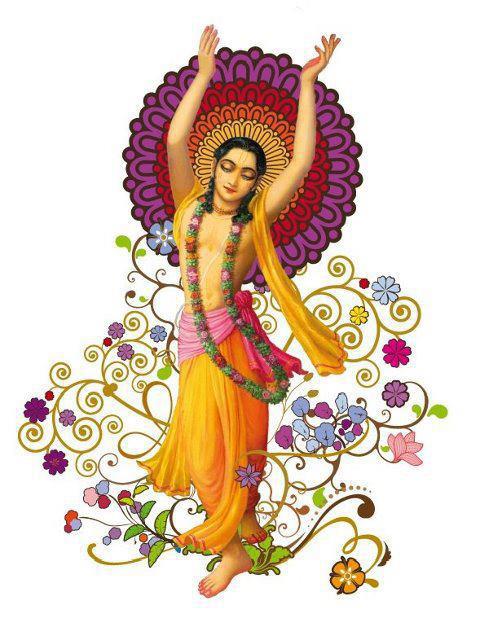
chaitanyam
Picture of Sri Chaitanya

நம்மாழ்வார் துடிப்பு !
கண்டோம், கண்டோம், கண்டோம்; கண்ணுக்கு இனியன கண்டோம்;
தொண்டீர்; எல்லீரும் வாரீர்; தொழுது தொழுது நின்று ஆர்த்தும்;
வண்டு ஆர்த் தண்ணந் துழாயான் மாதவன் பூதங்கள் மண்மேல்
பண்தான் பாடி நின்று, ஆடி, பரந்து திரிகின்றனவே.
நம்மாழ்வார் திருவாய்மொழி

நம்மாழ்வாரோ எனில் “கண்டுவிட்டேன், இது போன்ற இனிய காட்சி உலகிலேயே கிடையாது எல்லோரும் ஓடி வாருங்கள் என்று கூத்தாடுகிறார். வண்டுகள் மொய்க்கும் துளசிமாலை அணிந்த மாதவனைக் கண்டுவிட்ட மகிழ்ச்சி அவருக்கு!

புவியுள் நான் கண்டதோர் அற்புதம் கேளீர்!

பெரியாழ்வார் இதற்கெல்லாம் ஒருபடி மேலே சென்று உலக அற்புதம் ஒன்றைக் கண்டு பிடித்துவிட்டதாக அறிவிப்பு வெளியிடுகிறார். அவர் பார்த்த அற்புதத்தை நாமும் பலமுறை பல இடங்களில் பார்த்திருக்கிறாம். ஆனால் கண்டும் காணவில்லை. அதனால் அவர் போல பூரிப்பு அடையவில்லை!. அனுபவித்தவர்க்கல்லவா அதன் அருமை பெருமைகள் தெரியும்! கண்ணன் ஊதிய புல்லங்குழல் ஓசை செவிக்கு உணவாகக் கிடைத்தது. அதை அருந்த வானவர் (தேவர்கள்) எல்லாம் வந்துவிட்டனர் என்கிறார்.

புவியுள் நான் கண்டதோர் அற்புதம் கேளீர்!
பூணிமேய்கும் இளங்கோவலர் கூட்டத்து
அவையுள் நாகத்து அணையான் குழல் ஊத
அமரலோகத்தளவும் சென்றிசைப்ப
அவியுணா மறந்து வானவர் எல்லாம்
ஆயர்பாடி நிறையப் புகுந்து ஈண்டி,
செவியுள் நாவின் சுவைகொண்டு மகிழ்ந்து
கோவிந்தனைத் தொடர்ந்து என்றும் விடாரே.
-பெரியாழ்வார்

யான் பெற்ற இன்பம் பெருக இவ்வையகம்,
திருமூலர் ஒருபொதுவுடைமைவாதி. கிடைத்ததை எல்லோருக்கும் சமமாகக் கொடுக்கவேண்டும் என்று கருதி நான் நமச்சிவாய மந்திரத்தைச் சொல்லி பேரின்பம் அடைந்தேன். அது எல்லோருக்கும் கிடைக்கவேண்டும் என்று பாடுகிறார்.

யான் பெற்ற இன்பம் பெருக இவ்வையகம்,
வான் பற்றி நின்ற மறைப்பொருள் சொல்லிடில்
ஊன் பற்றி நின்ற உணர்வுறு மந்திரம்,
தான் பற்றப் பற்றத் தலைப்படும் தானே.
—————திருமூலர், திருமந்திரம்

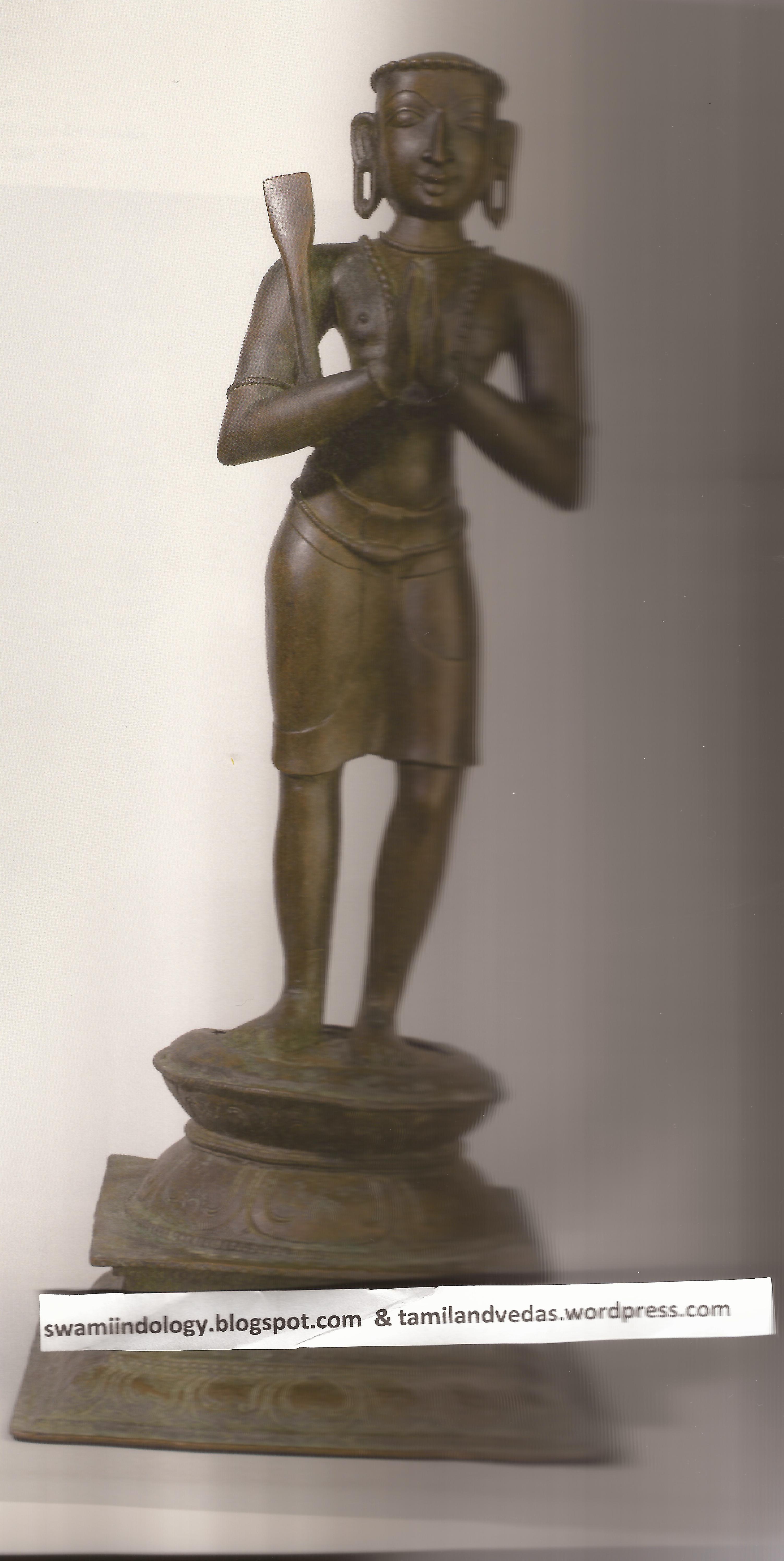
appar1
Image of Appar

மனிதர்காள் இங்கே வாருங்கள் !! ஒன்று சொல்லுகிறேன்!!!

அப்பர் பெருமான் மிகவும் தெளிவாகப் புரியும்படி சொல்லுகிறார். ஏ, மனிதர்களே இங்கே வாருங்கள். ஒன்றே ஒன்றுதான் சொல்லப்போகிறேன். நான் மிக மிக இனிப்பான மாம்பழம் தந்தால் மாம்பழம் சாப்பிடுவீர்களா? சரி, நெய் மணத்துடன் இருக்கும் செவ்வாழைப் பழம் தருகிறேன் சாப்பிடுவீர்களா? இதைக் கேட்ட கூட்டம் ஆமாம் ,சாப்பிடுவோம் என்றது. இதைவிட இனிப்பான இறையருள் என்னும் கனி தருகிறேன். வாருங்கள் என்கிறார்.

மனிதர்காள் இங்கேவம் ஒன்று சொல்லுகேன்
கனி தந்தால் கனி உண்ணவும் வல்லிரே
புனிதன் பொற்கழல் ஈசன் னும் கனி
இனிது சாலவும் ஏசற்றவர்கட்கே.
—————திருக்குறுந்தொகை, 5ஆம் திருமுறை, அப்பர்.

இவ்வளவு தெளிவாகக் கூறிய பின்னரும் புரியவில்லை என்றால் நாம் எல்லோரும் நாடகத்திலோ திரைப்பத்திலோ நடிக்கத்தான் தகுதி உடையவர்கள். அதாவது நாம் புரிந்தும் புரியாதது போல நாடகம் ஆடுகிறோம்!!

contact swami_48@yahoo.com

‘Women’s Freedom’ by Bharatiyar

bharati new, fb

Complied by London Swaminathan
Post No.989; Date :— 19th April 2014.

Also read an article on “The Place of Women by C.Subrahmanya Bharati (1882-1921) posted here on 19-3-14; Post No 918.

This one is a new article he wrote in English on the same subject in 1915.

It is amazing to read Bharati’s views on women. He lived well ahead of his times. To write such things like women’s freedom, liberation etc., was considered blasphemous and anti social in 1910s. Even in the West, we couldn’t see such progressive thinking then. He quotes Maitreyi and Gargi and Andal and Avvai in support of his argument:- swami

WOMEN’S FREEDOM
(April 30, 1915 – “Commonweal”)

“Ages ago, in Vedic times, our nation has produced women like Maitreyi and Gargi, who were able to take part in the discussions and debates of the highest thinkers of the land. But, today, what is woman’s status in our country? There is no use shrinking from strong language when we have to deal with terrible facts. Our women today are slaves. I am quite aware that we still retain something of the old idea that the mother must be looked upon as a goddess by her children. But every woman is wife before she is mother; and the position of the wife, with us, is that of a petted slave – more slave than pet; she must not speak to strangers; in the North she is not supposed to see men, except the prescribed ones.

When sometimes we are pleased to give our ladies the benefits of ’ education’, we are careful to see that the education scarcely reaches further than enabling them to read a few moral tales and ‘Chastity’ novels and to play some hackneyed tunes on the contemptible harmonium. Cooking is their chief trade and child bearing their only contribution to the life and progress of humanity. And the splendid result of all this, which we sometimes make a matter for boasting, is that women are “ the pillars of orthodoxy and conservatism” – which means they are immensely helpful in maintaining and perpetuating the conditions of slavery in our religious, social, and political lives.

The root evil idea that has almost become instinctive among our men-folk that a woman enlightened and liberated, who can face the world boldly, and treat all as her equals, cannot remain chaste.

Now every intelligent human being will admit that chastity is one of the highest social virtues. But, certainly is not everything in life. Indeed no single virtue may be made to do duty for the infinite realisations of a liberated human existence. But it is sheer ignorance to suppose that freedom will lead women to disregard the virtue of chastity. Was Maitreyi un-chaste? Were Andal the god intoxicated poetess of Vaishnavism and Auvai, the fearless moralist, susceptible to the lures of the flesh? Of course, we cannot expect liberated women to be passively and brutishly submissive and obedient to all the fancies and follies of men. And in modern India there is quite a rage for these blessed virtues of submission and obedience. Inept political leaders, grown old in their ineptitude, are loudly complaining that the younger men are not submissive and obedient.

bharati family
Family picture of Bharati

The Brahmanas – our “Gods on earth” — who have nowadays become famous for making sweetmeats and writing romantic police reports, are waxing indignant that the “lower classes” are gradually losing their “virtues” of obedience and submission. “Heaven-born” administrators and ediors of dull, commercial news papers are wondering why the “natives” are not quite as submissive and obedient as dogs and cows. The police peon wants the whole village to be obedient to himself. The priest wants submission. I wonder which class in India does not worry about itself about the growing disobedience on the part of “our inferiors”.

The situation is nauseating. We are men – that is to say, thinking beings. Our chief work in this world is the understanding and the glorification of God’s ways and not the enslaving of God’s creatures. If any man or nation forgets this, that man or nation is doomed to perdition.

The slave and the slave-driver are equally unhappy, equally accursed. It staggers me to think how humanity has managed so far to be even partially blind to this central, essential, most shining truth of God’s world. Bu I feel it as a special shame that we Indians, with our magnificent Vedas and Upanishads, should still be giving sacred names to despicable forms of slavery.

I am anxious that responsible men throughout the country should give the most serious consideration to this question of woman’s status in India and do something immediately to make Indian womanhood free, enlightened and really human, that is to say, divine.

(Bharati is satirical when he mentions the Brahmins, spies and news paper editors. We will understand the satire better if we knew what happened in 1915:- swami.)

Contact swami_48@yahoo.com
மண்டோதரியின் மாண்பு !

mando best
By s Nagarajan
Post No 988a; dated 19th April 2014
ராமாயண வழிகாட்டி; அத்தியாயம் 24

ராமாயணத்தில் வரும் அற்புதமான பாத்திரங்கள் அனைவரையும் சரி சமமாக கவிதா மயமாக்கி இருப்பது வால்மீகி ஒருவராலேயே செய்ய முடிந்த அற்புதம். இந்த வகையில் மண்டோதரியை அவர் சித்தரிக்கும் பாங்கே தனி!

அஹல்யா திரௌபதி சீதா தாரா மண்டோதரீ ததா I

பஞ்ச கன்யா ஸ்மரேன் நித்யம் மஹாபாதக நாசினி: II

ஹிந்துக்களால் காலம் காலமாகத் துதிக்கப்பட்டு வரும் ஸ்லோகம் இது.
அஹல்யா, திரௌபதி, சீதா, தாரா. மண்டோதரீ ஆகிய ஐந்து கன்யாக்களின் பெயரை தினமும் நினைத்தால் மஹாபாதகங்களும் நாசம் அடையும் என்பது இதன் பொருள். இதில் நால்வர் ராமாயணத்தில் வரும் பாத்திரங்கள். திரௌபதி மஹாபாரதத்தில் வரும் பாத்திரம். ராமாயணத்தில் வரும் நால்வரும் ராமரை இன்னார் என்று அடையாளம் தெரிந்து கொண்டு பரம்பொருளே அவர் என்று நிர்ணயித்த மஹா பாக்கியசாலிகள். திரௌபதியோ கண்ணன் உண்மையில் பரம் பொருளே என்று அறிந்தவள். அவரைத் ஹ்ருதயகமலவாசா என்று துதித்தவள்.

மண்டோதரீ ராவணன் வீழ்ந்து கிடந்ததைப் பார்த்தவுடன் புலம்புகிறாள். அவனை வதம் செய்ய வந்தவன் சாதாரண மானுடன் அல்ல; பரம் பொருளே என்று அவள் கூறுகிறாள்
யுத்த காண்டத்தில் நூற்றுப்பதினான்காவது ஸர்க்கத்தில் 16,17,18,19 ஆகிய நான்கு ஸ்லோகங்களில் அவளின் பேரறிவு வெளிப்படுகிறது.

வ்யக்த மேஷமஹாயோகீ பரமாத்மா ஸநாதந: I
நாதிமத்ய நிதநோ மஹத: பரமோ மஹாந் II

தமஸ: பரமோதாதா சங்க சக்ர கதாதர: I
ஸ்ரீவத்ஸ வக்ஷா நித்ய ஸ்ரீரஜய்யச் சாச்வதோ த்ருவ: II

மாநுஷம் ரூபமாஸ்தாய விஷ்ணுஸ்ஸத்யபராக்ரம I
ஸர்வை: பரிவ்ருதோ தேவைர் வாநரத்வமுபாகதை: II

ஸர்வலோகேஸ்வரஸ் ஸாக்ஷாத்லோகாநாம் ஹிதகாம்யயா: I
ஸராக்ஷஸ பரிவாரம் ஹதவாம்ஸ்த்வாம் மஹாத்யுதி: II

mand5

ஏஷ – இவர் (ஸ்ரீராமர்) மஹாயோகீ பரமாத்மா ஸநாதந: – மஹாயோகியும் பரமாத்மாவும் புராணபுருஷரும் அநாதிமத்ய நிதநோ – ஆதியும் மத்தியும் அந்தமும் இல்லாதவரும் மஹத: பரமோ மஹாந் – பெரும்பொருளிலும் சிறந்த பெரும்பொருளூம் தமஸ: பரம: – இருளுக்கு (அஞ்ஞானத்திற்கு) அப்பாற்பட்டவரு தாதா – சிருஷ்டிப்பவரும் சங்க சக்ர கதாதர: -சங்கத்தையும் சக்கரத்தையும் திருக்கரத்தில் கொண்டவரும் ஸ்ரீவத்ஸ வக்ஷா – ஸ்ரீ வத்ஸமென்னும் மறுவை மார்பில் கொண்டவரும் நித்ய ஸ்ரீ –நித்ய லக்ஷ்மீ சமேதரும் அஜய்ய –அஜேயரும் சாச்வதோ த்ருவ: – எக்காலத்திலும் இருப்பவரும், மாறுபடாதவரும் ஸர்வலோகேஸ்வர: – அனைத்து லோகங்களுக்கும் ஈஸ்வரரும் மஹாத்யுதி: -மஹிமை மிக்கவருமாகிய சாக்ஷாத் விஷ்ணு: -சாக்ஷாத் விஷ்ணு பகவான்.

mand17

வ்யக்த – இது திண்ணம் ஸத்யபராக்ரம – ஸத்யமான பராக்ரம்ம் கொண்ட இவர் லோகாநாம் – உலகங்களுக்கு ஹிதகாம்யயா – நன்மை புரியத் திருவுள்ளம் கொண்டு மாநுஷம் ரூபே ஆஸ்தாய – மானிட உருவம் தரித்துக் கொண்டு வாநரத்வம் – வானர உருவத்தை உபாகதை: -அடைந்த தேவைர் ஸர்வை: – தேவர்கள் யாவராலும் பரிவ்ருத: – சூழப்பட்டு த்வாம் – உம்மை ஸராக்ஷஸ பரிவாரம் – அரக்க பரிவாரங்களுடன் ஹதவான் – கொன்று விட்டார்.

mand24

ராமாயணத்தின் மையக் கருத்தை இந்த நான்கே ஸ்லோகங்களில் நாம் காண்கிறோம். விஷ்ணுவுக்கு சஹஸ்ர நாமங்களைச் சொல்லும் விஷ்ணு சஹஸ்ரநாமம் அதி ரஹஸ்யமான அர்த்தங்களைக் கொண்டது. அந்த ஆயிரம் நாமங்களில் தேர்ந்தெடுத்த சிலவற்றை மண்டோதரீ இங்கு குறிப்பிடுவது ரஹஸ்யசாரமாகவும், சுவையுடன் கூடியதாயும், ராமரை விஷ்ணுவே என்று நிர்ணயம் செய்வதாயும் அமைந்துள்ளது.

தாரையும் கூட ராமரை பரம்பொருளே என்று இனம் கண்டவள். மண்டோதரியும் அப்படியே.

ராமாயணத்தின் ஜீவநாடியான விஷ்ணு நாமங்கள் இடம் பெறும் ஸ்லோகங்கள் என்பதால் இவை தனிச் சிறப்புடையவையாக ஆகின்றன; உயர்ந்து நிற்கின்றன!

Contact:— Swami_48@yahoo.com

Beautiful Quotations from a Great Playwright

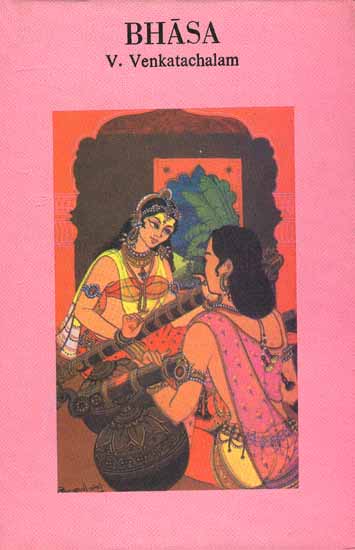
bhasa_idg896

Post 988; Dated 18th April 2014.
Compiled by By London Swaminathan

Bhasa is one of the greatest playwrights of the world. His 13 plays in Sanskrit were rediscovered in Kerala in 1912. He lived in the fourth century BCE. He is one of the greatest playwrights of the world for the number of plays he wrote and for the quality of the plays. He was praised by Kalidasa, the greatest poet of India. Probably Bhasa is the oldest playwright of India because we did not get the plays of earlier writers mentioned by Kalidasa and others. By the language, style and the theme he dealt with, we have to place Bhasa in the fourth century BCE. All others except Bhasa followed the rules laid down in the Natyasastra and this proved his antiquity.

Here are some quotes from ‘Svapnavasavadatta’, his masterpiece and one of the best dramas available today:—

Ignorance
1.Even deities, when not clearly known are insulted.

Wealth
2.The cycle of fortune of the world revolving with the course of time, moves like the spokes of a wheel.
Kalakramena jagatha: parivarthamana
Chakrarampankthiriva gachathi bhagyapankthi:

Hermits
3.No rough treatment should be accorded to the inmates of a hermitage; to avoid the insults that are received in a city these high souled persons come to reside in a forest.

Bright (Intelligent Look)
4.Good, his look is full of practical knowledge.

Attitude
5.Hatred or high regard springs from the mind’s view point (looking at a thing).

Guests to hermitages
6.Penance groves are, indeed ,in the case of visitors, their own homes.

Fate
7.Surely fate does not go beyond the well tested declarations of the seers.

Hermitage
8. A hermitage, as is well known, is common to all people.
( All the above quotes are from Act 1)

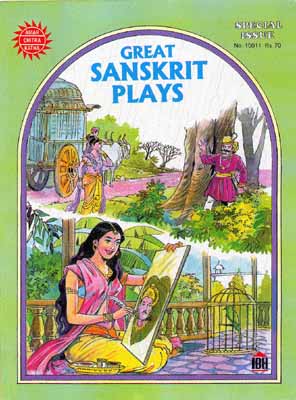
great_sanskrit_plays_ack19

Beauty
9.That is really called beauty which has a charm for the minds of all.

Great men
10.The hearts of great men are such as yield to the first onslaught (of grief); but they are easily composed (afterwards).
(From Act 2 )

Husband
11.It is improper to hear the description of another’s husband.
(From Act 3)

Fate
12.Fate is intransgressible
Anthikramaniyo hi vidhi:

Grief
13.It is difficult to forget deep rooted love; grief revives at each remembrance. It is the course of nature that on shedding tears in this world the mind attains freshness, having a debt paid off.
Courtesy
14.Even the servant of a courteous man is himself also courteous.
(From Act 4)

Women
15.Woman is timid by nature.

Honour
16.Honour met with reciprocal honour, begets affection.
So let your Honour rise.

Appreciation
17.The conferrers of mighty benefits and of high honours are always easily found in the world, but their appreciators are rare.
(From Act 4)

complete_plays_of_bhasa_text_with_english_translation_idg381

Enterprise
18.No enterprising spirit manifests itself in those, who are timid or weak; generally royal fortune is enjoyed by the energetic alone.

19.Who is able to protect whom at the time of death? Who support the pitcher when the rope is cut? Thus man fares equally with trees: each is cut down (dies) when his time comes and grows again (born).

Difficulty
20.How could such lovely complexion meet with terrible destruction! How was this sweetness of face despoiled by fire?

Resemblance
21.Resemblance of form existing between two persons is seen in this world
Returning borrowed things
22.A deposit ought to be returned in the presence of witnesses
(From Act 6)

Contact swami_48@ yahoo.com

சீதை சொன்ன காகாஸுரன் கதை!

ram gem

By S Nagarajan
Post No.986; Dated 18th April 2014.
அத்தியாயம் 23

சுந்தர காண்டத்தில் அனுமன் சீதையைக் கண்டு மன மகிழ்ச்சி கொண்டு தன் விஸ்வரூபத்தைக் காண்பித்துத் தன்னுடன் உடனடியாக ராமரிடம் வருமாறு வேண்ட அதற்குச் சீதை மறுத்து ஸ்ரீராமரே தன்னை வந்து மீட்டுச் செல்ல வேண்டும் என்று தன் திருவுள்ளக் கருத்தை வெளியிடுகிறார். அப்போது ஹனுமான் சீதையிடம் ஒரு அடையாளம் தர வேண்டுமென்று விண்ணப்பிக்கிறார் உடன் சீதை தன் சூளாமணியைத் தருகிறார். அத்தோடு முன் நிகழ்ந்த காகாசுரனின் கதையையும் அடையாளமாக ஹனுமானிடம் சொல்கிறார். 38வது ஸர்க்கமாக அமையும் சீதை சொன்ன காகாசுரனின் கதை இது தான் :-

சித்திரகூடமலையில் வடகீழ் தாழ்வரையில் உள்ளதும் மந்தாகினிக்கு ஸமீபத்தில் உள்ளதும் ஏராளமான கிழங்குகளும், கனிகளும், தீர்த்தங்களும் அமைந்த சித்தாஸ்ரம்ம் என்னும் ஆஸ்ரமத்தில் ஒரு ப்ரதேசத்தில் ஜலத்தில் பலவகை மலர்களால் நறுமணம் வீசிகிற நெருங்கிய சோலைகளிலும் அலைந்து களைத்து தபஸ்விகளின் ஆசிரமத்திலிருந்து வந்த நீர் என் மடியில் படுத்திருந்தீர்,
அப்போது மாமிசம் உண்பதில் ஆசையுற்ற ஒரு காகம் கூரான மூக்கால் என்னைக் குத்திற்று. அந்தக் காகத்தை மண்ணாங்கட்டியால் பயமுறுத்தி விரட்டினேன்.
ஆனால் மாமிசத்தை விட விரும்பாத அந்தக் காகம் என்னைக் குத்திய வண்ணமே அங்கேயே சுற்றிக் கொண்டிருந்தது. நான் காகத்திடம் சினந்து என் அரைநூல் மாலையை மாத்திரம் கழற்றவும் அதனால் ஆடை நழுவி வீழ்கையில் உம்மால் பார்க்கப்பட்டேன்.

தீனியில் ருசி கொண்ட காகத்தால் குத்தப்பட்டு கோபம் மூட்டப்பட்டுக் களைத்திருந்த நான் உம்மால் பரிஹாஸம் செய்யப்பட்டேன். அதனால் மிகவும் வெட்கம் அடைந்தேன். அப்படியிருந்தும் உம்மிடமே வந்து சேர்ந்தேன். உமது மடியில் வந்து உட்கார்ந்தேன்.முகம் மலர்ந்திருந்த உம்மால் கோபமுற்றிருந்த நான் தேற்றப்பட்டேன்.

நாதா! முகமெல்லாம் கண்ணீர் நிரம்பி இருக்கக் கண்ணீரை மெதுவாகத் துடைத்துக் கொண்டிருந்த என்னை அதிகம் கோபம் கொண்டவளாக அறிந்தீர்.

ram in frame

நான் மிகவும் களைப்பால் அப்படியே உமது மடியில் படுத்து உறங்கினேன் நீரும் என் மடியில் கண் வளர்ந்தீர். அப்போது அதே காகம் மறுபடியும் வந்தது. தூங்கி எழுந்திருந்த என்னை மார்பில் கீறிற்று.
அப்படிப் பல தடவை பாய்ந்து பாய்ந்து என்னைக் கீறவே அப்போது சொட்டிய ரத்தத் துளிகளால் ஸ்ரீ ராமர் எழுந்தார்.

அவர் என் மார்பகங்களில் காயப்பட்டதை அறிந்து சினம் கொண்டு,” “உனது மார்பு எவனால் புண்படுத்தப்பட்டது? ஐந்து தலை நாகத்துடன் எவன் விளையாடுகிறான்?”, என்று கேட்டு சுற்றுமுற்றும் பார்த்து காகத்தைக் கண்டார்.

அந்த காகம் இந்திரனுடைய மைந்தன். கதியில் வாயுவுக்கு நிகரானது. அது அங்கே உடனே அங்கிருந்து மறைந்து விட்டது. கோபம் கொண்ட ராமர் தர்ப்பாஸனத்திலிருந்து ஒரு புல்லை எடுத்து பிரம்மாஸ்திர மந்திரத்தை மந்திரித்தார்.அது ஊழித்தீயெனப் பற்றி எரிந்தது. காகத்தைத் துரத்தியது.
உலகனைத்தும் ஓடி ஓடிக் களைத்த அது ராகவரையே சரணம் அடைந்தது.சரணம் என்று தம்மை வந்து அடைந்த காகத்தை நோக்கி,”பிரம்மாஸ்திரத்தை வீணாகச் செய்ய முடியாது. ஆகையால் வழி சொல்” என்றார் அவர்.

காகம், ‘அஸ்திரம் என் வலது கண்ணை அழிக்கட்டும்’ என்று கூறவே பிரம்மாஸ்திரம் அதன் வலது கண்ணை அழித்தது.

அது முதல் காக்கைகளுக்கு ஒற்றைக் கண் என்பது தெரிந்த விஷயம் என்று இப்படி காகத்தின் நீண்ட வரலாற்றை சீதை கூறி அருளினார். பின்னர் தன் சூடாமணியை ஹனுமானிடம் தந்தார்.

ததௌ வஸ்த்ரகதம் முக்த்வா திவ்யம் சூடாமணிம் சுபம் I
ப்ரதேயோ ராகவாயேதி சீதா ஹனுமதே ததௌ II

-சுந்தர காண்டம், முப்பத்தெட்டாவது ஸர்க்கம், எழுபதாவது ஸ்லோகம்

தத: – அப்பொழுது வஸ்த்ரகதம் – வஸ்த்ரத்தில் முடிந்திருந்த சூடாமணிம் – சூடாமணி என்னும் திவ்யம் சுபம் – திவ்ய ஆபரணத்தை முக்த்வா – அவிழ்த்தெடுத்து ராகவாய – ராகவருக்கு ப்ரதேய – சேர்த்து விட்டேன் இதி – என்று சொல்லி சீதா ஹனுமதே ததௌ – சீதை ஹனுமானிடம் தந்தாள்

இந்த சூடாமணியைக் கண்டவுடன் தான் ராமருக்கு உயிர் வந்தது. முக்கியமான ஒரு கட்டத்தை வால்மீகி விளக்குகையில் சூடாமணி தரப்பட்ட இந்த ஸ்லோகம் அர்த்தமுள்ள ஸ்லோகமாக அமைகிறது. காலம் காலமாக கேட்பவரின் மனத்தை உருக வைக்கும் கவிதையாகவும் ஆகி விட்டது.
contact swami_48@yahoo.com

Vedic Hymn — better than National Anthems!

kancci anandam

Compiled by London Swaminathan
Post no.— 985; Dated 17th April 2014.

Hindus’ Views on Vedas

It has become a fashion among Indian scholars to quote what foreigners said about our Vedas in English or German. Half of them are negative remarks. Even when they praised it was divided on racial basis such as Aryan, Dravidian and Munda. They have even gone to the extent of dividing Hindu Gods into Aryan and Dravidian without any rhyme or reason. In most of the places they remark the meaning is obscure or not clear. Sometimes they make fanciful suggestions. They don’t agree with our dating. We have had enough of Max Mullers and Griffiths. Since we have no mention of any racial differences in our Hindu scriptures, whether it is Tamil or Sanskrit, one must first listen to native scholars who are well versed in the Vedas. One must trust their father and mother or an elder in the community for the opinion on the Vedas. Then we must study what foreigners say about us and counter it or appreciate it.

Here are some of the quotes from Hindu saints or Hindu scholars:–

“It is not possible to tell the age of the Vedas. If we say that an object is ‘anadi’( without beginning) it means nothing existed before it. When we chant the Vedas in the manner prescribed by sastras, we mention name of the seer connected with each sukta (hymn), its metre and the deity invoked. Since there are many mantras associated with various seers we think that they were composed by them. Vedas are ‘apauresheya’(not man made); it means not the work of any man. When we say Columbus discovered America we do not mean he created that continent; we mean that he merely made the continent known to the world. In the same way the laws attributed to Newton, Einstein and so on were not created by them. Scientists like Newton perceived the laws of nature and revealed them to the world. Similarly the seers discovered the mantras and made a gift of them to the world.
Kanchi Paramacharya Swami (1894-1994)
Page 138 of Hindu Dharma, B V Bhavan, Bombay, 1995

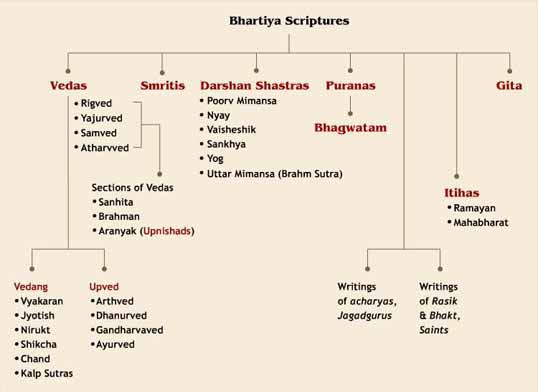
chart of scriptures

“Modern Indologists are of the view that the Rig Veda came first, that the Yajur Veda came later and so on. But, according to our sastras, all Vedas are eternal. In the Rig-Veda itself, the Yajur Veda and the Sama Veda are mentioned in a number of passages. In the Purusasukta occurring in the Rig Veda (10-90) there is a reference to the other Vedas” — Kanchi Paramacharya (1894-1994)

Better than National Anthems!
The Rig Veda has 10,170 rks and 1028 suktas (hymns). It is divided into ten mandalas (chapters/ divisions) or eight ashtakas (Chapters). It begins with a sukta to Agni and concludes with a sukta to the same deity. For this reason some believe that the Vedas must be described as the scripture of fire (Agni) worship, a view with which we would be in agreement, if Agni were believed to be the light of the Atman (the light of knowledge of the Reality). The concluding sukta of the Rig Veda contains a hymn that should be regarded having a higher significance than the national anthem of any country: it is a prayer for amity among all nations, a true international anthem “may mankind be of one mind”, it goes. “May it have a common goal”. May all hearts be united in love and with the mind and the goal being one may all of us live in happiness”.
Kanchi Paramacharya, Page 193 of Hindu Dharma, B V Bhavan, Bombay, 1995

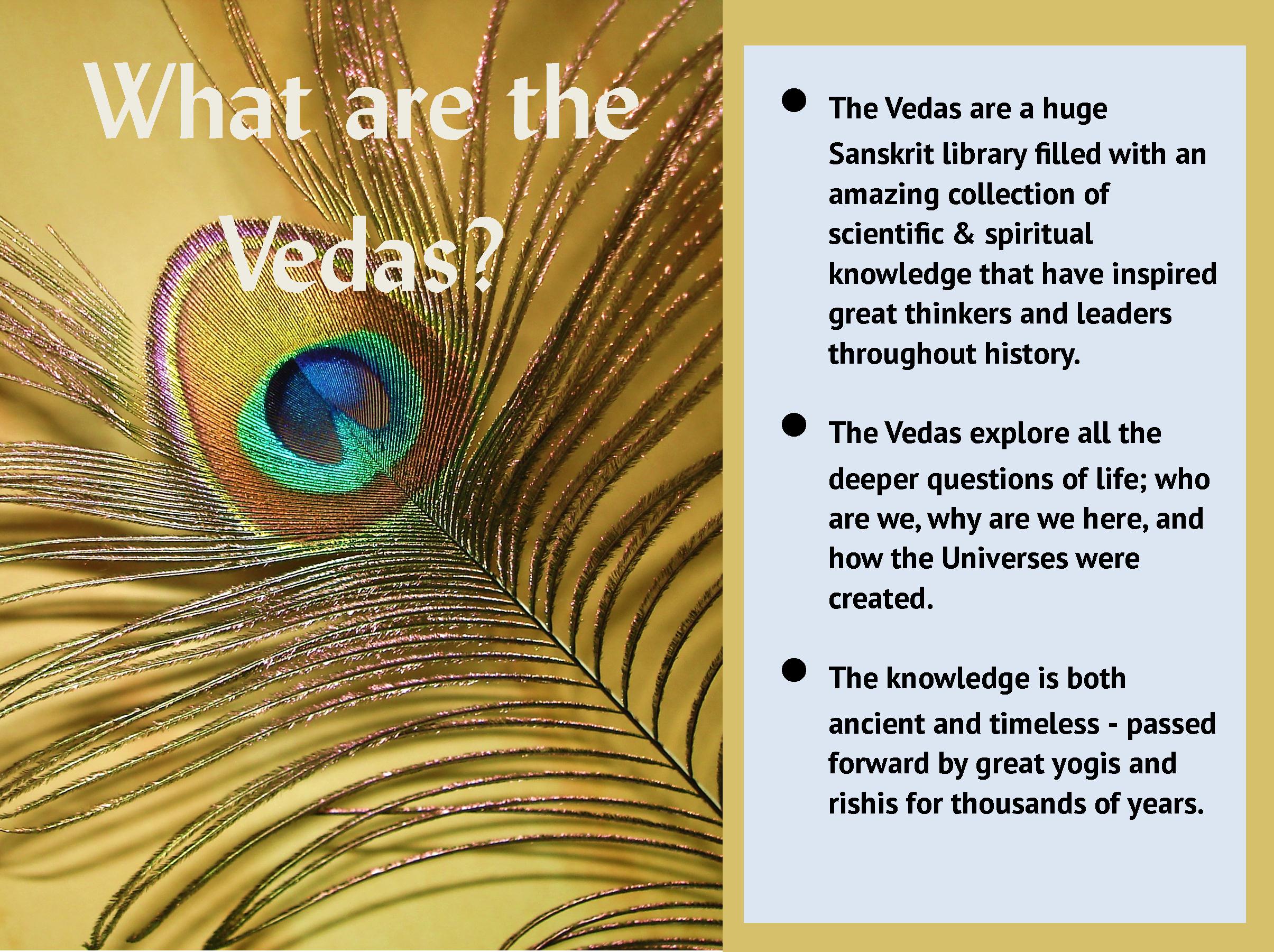
what are vedas

Don’t you like Kushmanda Lehya?
“ There are mantras that are specially valuable for their sound but or otherwise meaningless. Similarly, there are works pregnant with meaning but with no special mantrik power. The glory of the Vedas is that they are a collection of mantras that are at once notable as much for the energising character of their sound as for the lofty truths they proclaim, a medicine, though bitter does the body good, while some types of food, though delicious, do harm. Are we not delighted to have something like Kushmanda Lehya (an Ayurvedic preparation consisting of ash gourd, jiggery and other ingredients) which is sweet to taste and is at the same time nourishing to the body? Similarly, the Vedas serve a two fold purpose; while they have the mantrik power to do immense good to each one of us and to the world, they also contain teachings embodying great metaphysical truths” — Kanchi Paramacharya Swamiji

Page 168 of Hindu Dharma, B V Bhavan, Bombay, 1995

Veda enlightens one on the knowledge of super sensible matters which lie beyond the domain of perception and inference.
Yajnavalkya

The Veda is the repository or fountain head of all religious sects and duties.
Manu, the Hindu Law – Giver

The process of God making in the factory of man’s mind cannot be seen so clearly anywhere else as in the Rig-Veda.
Dr S Radhakrishnan (Ex President of India and Philosopher)

Vedic sages are positive in their acceptance of life and death and life’s struggles and imperfections; positive too, in their acceptance of the ultimate vales of truth, goodness, beauty and of eternal law and the Ultimate Reality.
Abinash Chandra Bose, 1954
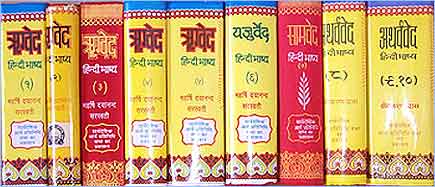
4 vedas

One may clearly discern the rational and scientific spirit in the hymns of the Rig-Veda, the earliest written record of ancient Indian culture, and probably the oldest literary work of some dimension that humanity has bequeathed us.
R S Majumdar, 1954

The four Vedas are the richest, brightest ,most magnificent heritage of the Hindus. They embody all their wisdom, poetry, metaphysics and mysticism. Sri Aurobindo is of the opinion that the Vedas are replete with the suggestion of secret doctrines and mystic philosophies. He looks upon the gods of the hymns as symbols of psychological functions.
P. Nagaraja Rao, 1971

The Vedic texts exist in appearance only, because the real thread of the sense is to be found in an inner meaning. The thread found, the hymns appear as logical and organic wholes and the expression, though alien in type to our modern ways of thinking and speaking, becomes, in its own style, just and precise and shines rather by economy of phrases than by excess, by over-pregnancy rather than by poverty of sense. The Veda ceases to be merely an interesting remnant of barbarism and takes rank among the most important of the world’s early scriptures.
Sri Aurobindo, 1956

Veda is the creation of an age anterior to our intellectual philosophies.
Sri Aurobindo, 1956

veda-online
The Vedas are the basic scriptures of Hinduism. Among the four Vedas rig Veda, Yajur Veda, Sama Veda and atharva Veda, the first one is considered the most ancient work dating back to about 8000 years ago.
Rig Veda is a collection of prayer hymns. Yajur Veda deals with sacrificial rites and rituals. The Sama Veda has set to music a selected number of hymns from rig Veda, prescribing their chanting at appropriate stages in certain sacrifices. The atharva Veda is mostly a compendium of ethical principles as also some branches of science like Ayurveda.
Swami Vivekananda 1885

Even today we can meet in the streets of indian cities the walking treasure house of Vedic learning.
Dr S Radhakrishnan, 1923

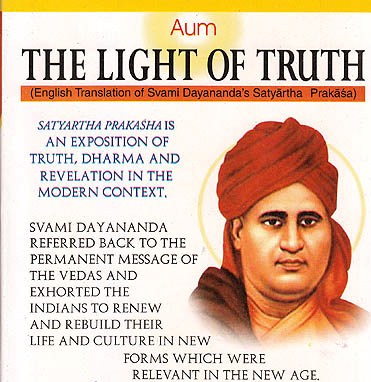
dayanand

The Vedas were handed down from mouth to mouth from a period of unknown antiquity. It is generally believed that they were never composed by men. It was therefore generally supposed that eithy were taught by god to the sages or that they were of themselves revealed to the sages who were the seers of the hymns.
Surendranath Das Guptas, 1922

The Treasury of Hinduism by Harischandra Lal Singh, Robin Books, 2002

Contact swami_48@yahoo.com
கோசலையின் ஆசீர்வாதம்!

namaramayana

கட்டுரை எண்—984; தேதி 17th April 2014.
எழுதியவர் — ச.நாகராஜன்
ராமாயண வழிகாட்டி — அத்தியாயம் 22

வனவாசம் செல்வது உறுதியாகி ராமர் அனைவரிடமும் விடை பெறும் தருணம். வால்மீகி இந்த உணர்ச்சி பூர்வமான கட்டத்தைப் பல்வேறு சித்திரங்களால் அமைத்து நம்மை உருக வைக்கிறார்.
அயோத்யா காண்டத்தில் இருபத்தைந்தாவது ஸர்க்கமாக அமையும் தாயின் அனுக்கிரஹம் பெறும் ஸர்க்கத்தில் கோசலை தன் மகனின் நலனுக்காக ஸ்வஸ்த்திய்யனம் செய்ய மனதைச் செலுத்தி சுபலக்ஷணம் உடைய தேவ ஸ்தோத்திரத்தைச் செய்தாள். பின்னர் மங்களாசாஸனமாக கோசலை கூறும் வாக்கியங்கள் ஒவ்வொருவரும் படித்து மனத்தில் இருத்த வேண்டியவை.

ராமருக்கு அவர் அளிப்பது இது தான்:

யம் பாலயஸி தர்மம் த்வம் த்ருத்யா ச நியமேன ச I
ச வை ராகவாஷார்த்தூல தர்மஸ்த்வாமபிரக்ஷது II
(25 ஆவது ஸர்க்கம், 3 ஆவது ஸ்லோகம்)

ராகவாஷார்த்தூல – ரகு குல திலகமே யே – எந்த தர்மம் – ஒரு தர்மத்தை த்ருத்யா ச- மனோதைரியத்தோடும் நியமேன ச – நியமத்தோடும் த்வம் – நீ பாலயஸி – அனுஷ்டித்து வருகிறாயோ ச தர்ம வை – அந்த தர்மமே த்வாம் – உன்னை அபிரக்ஷது – பாதுகாக்கக்கடவது

ram gem doll

யேப்ய: ப்ரணமஸே புத்ர சைத்யேஷ்வாயதனேஷு ச I
தே ச த்வாமபிரக்ஷந்து வனே சஹ மஹர்ஷிபி: II
(25 ஆவது ஸர்க்கம், 4ஆவது ஸ்லோகம்)

புத்ர – குழந்தாய் சைத்யேஷு – தேவாலயங்களிலும் ஆயதனேஷு ச – யாகசாலைகளிலும் யேப்ய: – எவர்களை உத்தேசித்து ப்ரணமஸே – நீ நமஸ்கரிக்கின்றாயோ தே ச – அவர்கள் எல்லோரும் வனே – வனத்தில் மஹர்ஷிபி: சஹ – மஹரிஷிகளோடு இருக்கும் த்வாம் – உன்னை அபிரக்ஷந்து – பாதுகாக்கக் கடவது

ram on throne

இதைத் தொடர்ந்து ஒரு நீண்ட ஆசீர்வாத வசனத்தை கோசலை அருள்கிறார். ருதுக்கள், பக்ஷங்கள், மாதங்கள், வருடங்கள், ஸப்த ரிஷிகள், நாரதர் திக் பாலர்கள் உள்ளிட்ட அனைவரையும் சொல்லி அனைத்து சூழ்நிலையிலும் நீ பாதுகாக்கப்படுவாயாக என்று மனமுவந்து ஆசீர்வதிக்கிறார்.

இந்த வசனம் ஒரு கவசமாகவே அமைகிறது.

காலம் காலமாக ப்ரவசனகர்த்தாக்கள் தாயார் வழிநடைப் பயணம் மேற்கொள்ளும் பிள்ளைகளுக்குக் கட்டித் தரும் மூட்டை போல கோசலை அவதார புருஷனுக்கு உகந்த விதத்தில் தர்மமே உன்னைப் பாது காக்கக் கடவது என்று ரக்ஷா மூட்டையைக் கட்டித் தருவதைப் புகழ்ந்து போற்றி விளக்கி வருகின்றனர்.

47 ஸ்லோகங்கள் கொண்ட இந்த ஸர்க்க பாராயணம் அனைத்து மேன்மைகளையும் தரும் என்பதில் ஐயமில்லை!

contact swami_48@yahoo.com

Saint who went to Heaven with A Flute in Hand!!!

Anayar

Music Route to Heaven!
Essayist : London Swaminathan
Post No.983; Dated—16th April 2014.

There are different ways to reach God. Jnana route, Bhakti route, Karma route and Yoga route are some of the ways. Hindus popularised another route to heaven—Music route which is part of Bhakti route. That is the simplest and easiest route. It is like a high speed motorway. Anyone can follow it even without knowing music. You simply join a Bhajan group and ‘shout in your coarse and harsh voice’, but with sincerity and purity in heart. God answers immediately. Even in the music route, there are some short cuts. One devotee just played a flute and reached God!! This interesting story is found in the Tamil Purana called Peria (Great) Puranam.

Peria Puranam in Tamil gives the history of 63 saints who were devotees of Lord Siva. It is in verses. It was composed by Sekkizar in the twelfth century CE. This work tells the story of the lives of Tamil Saivite saints who lived at least 1200 years ago. The enthralling stories of the 63 Nayanars (Saivite saints) speak of the matchless devotion and fathomless love for god.

Anayar(pronounced Aanaayar) was a cowherd. He lived in Tirumangalam of Melmazanatu, part of Choza territory. He played ‘panchakshara’ mantra (NAMA SIVAYA) on flute and God came and gave him Moksha!
Here is the beautiful story of Anayar from two English translations:–

“Anayar used to drive his herds to the uncultivated land, and protect them from diseases and wild beasts. He also led them to lush pasture and clear water, so that their number rapidly increased. Like Lord Krishna he carried a flute (Vamsi) with him and used to play divine music. He used to play Lord’s Five Letter Prayer (Pancha Akshara = Na-Ma-Si-Va-Ya), with each of the seven notes accurately pitched. He poured forth a stream of such sweet and graceful sound that the whole world stood still to hear.

anayar color

One day Anayar set out to drive the herds of cattle and their calves to pasture. The blue peacocks called; the beetle sang their forest songs among the creepers; the white jasmine buds smiled seductively. Her waist slender as the lightning, her breast swaying gently as she moved, the maiden TIME drew near to dance in the wide amphitheatre of the world.

The herdsmen, staff in hand drove the cattle out to graze over the cool pastures, and when their leader drew near, they gathered round to greet him. Nearby there stood a cassia tree (Kondrai in Tamil, Siva’s favourite tree), its branches swinging low and its flowers hanging down in clusters, like garlands made by human hands, or like Siva’s matted locks. When Anayar saw the tree, he stood and gazed upon it spell bound, his mind wholly centred on the Lord. Then from his heart he began to pour out his love without restraint.

As his love welled up within and overflowed, Anayar took up his flute and played as he was wont in praise of the Lord’s Five Letter Prayer, with music sweet as nectar that melted the very bones of every living creature!

Herd of cows ceased to chew the cud,
Fell into trance and gathered around him,
Calves with milk-froth ringed mouths
Ceased to suckle at the teats of their mothers,
Bands of bulls with spreading horns
Deer and other forest fauna
All with hairs on their hides a tingle,
Gathered around.

Dancing flocks of peacocks
Ceased their strutting and gathered around him,
Coveys of birds, their hearts filled with the music
Which entered through their ears,
Roosted around him, with roosted senses,
The hefty herdsmen
Working in the neighbourhood
Gathered around him,
Leaving aside half finished jobs.

aanaayanar

Denizens of the underworld of snakes
Debouched through underground passages
Mountain-dwelling maids
Many many massed around
Mazed in their minds
Vinjayas, Saranars, Kinnaras, Amaras,
Heaven-dwellers all of undiminishing luminance
All in daze, on the beautiful sky above,
In their chariots in the clouds crowded they.

As the tormentors and the tormented
Enjoyed with the same emotions,
The snake of mouth with full of pearly teeth
Swooned and fell on the peacock; the lion of unflagging ferocity
And the massive elephant sat together;
Beside the jaws of the tiger,
The delicate mouthed deer bedded.

The music of the fluting
Of the hollow reed,
Filling the world and capturing the heavens,
Rose in volume vast enough
To reach the holy ears
Of the out of reach-of deceitful devotion Sire
Who dances in the Golden Hall.

On graciously hearing
The music of the flute of Anayar,
The creator of the music, the Lord
With an eye on the forehead
Accompanied by the Willowy Dame of Austerities,
Whose heart was compassion incarnate
Mounted the bull
An appeared on the aerial highway
With his matted locks, the Nursery of the Moon
Trailing behind him.

flute, anayanar2

The heavenly hosts came too, jostling with the gods and crowding round. No other sound was heard but the soaring music of the flute, praising the Lord in the Five Letter Prayer.

Wishing to enjoy such music for all eternity, the Lord then said to Anayar, “Come just as you are, and live with us”.

The Lord then returned to the golden court. As he went, the earth shone bright with the flowers that rained down from on high. Countless sages chanted from the Vedas in his praise, and Anayar went with him, still playing on his flute.

Source: The History of the Holy Servants of the Lord Siva by Alastair McGlashan, Trafford Publishing, Oxford,2006 & Peria Puranam by G. Vanmikanathan, General Editor Dr.N.Mahalingam, Sri Ramakrishna Math, Madras, 1985

Contact swami_48@yahoo.com