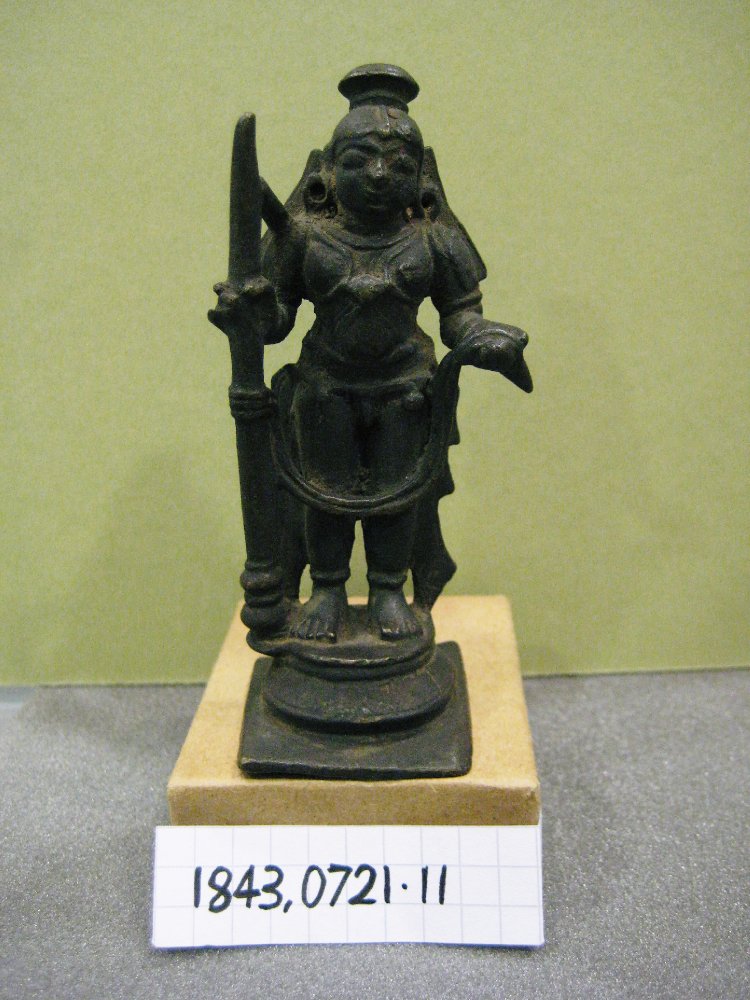
பீதாம்பரதாரியும் நீலாம்பரதாரியும், மதுப் ப்ரியனும் மாது ப்ரியனும்

-Balarama_kolkatta8
Balaraman in Kolkatta Museum

கட்டுரை மன்னன்: லண்டன் சுவாமிநாதன்
ஆராய்ச்சிக் கட்டுரை எண்:1324; தேதி:– 3 அக்டோபர் 2014.

என்றும் நீல உடை அணிபவன் – பலராமன் ( நீலாம்பரன் )
என்றும் மஞ்சள் உடை அணிபவன் – கிருஷ்ணன் ( பீதாம்பரன் )

மதுப் ப்ரியன் – பலராமன் ( மது அருந்துபவர் )
மாதுப் ப்ரியன் – கிருஷ்ணன் ( கோபியர் பின்னால் சென்றவர் )

வெள்ளைக் காரன் – பலராமன்
கருப்பன் – கிருஷ்ணன்

பனைக் கொடி ஏந்தியவன் – பலராமன்
கருடக் கொடி ஏந்தியவன் – கிருஷ்ணன்

இந்த விஷயங்களை எல்லாம் நமக்குச் சொல்பவர்கள் யார் புராணங்களையும் இதிஹாசங்களையும் எழுதியோர் — அவர்கள் உண்மை விளம்பிகள் — எதையும் மறைக்காதவர்கள் — மிகவும் கூர்ந்து கவனிப்பவர்கள். — நல்லது, கெட்டது அனைத்தையும் பட்டியலிடுவோர். இப்படி எல்லா விஷயங்களையும் சொல்வதிலிருந்து புராணங்கள் பொய் சொல்லாது என்பது நமக்குப் புரிகிறது.

கண்ணனும் பலராமனும் ஒரே தாய்க்குப் பிறந்தவர்கள். ஆயினும் அவர்களிடையே எத்தனை வேறுபாடுகள்!!! இதைப் படிக்கையில் வியப்பு மேலிடுகிறது.
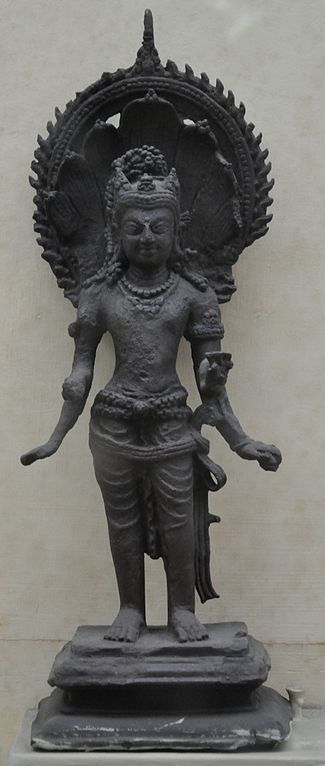
bala big
Balaraman at he British Museum in London

இந்துக்கள் வர்ணங்களை ஆராய்வதில் மன்னர்கள். சிவபெருமானுடைய ஐந்து முகங்களுக்கும் ஐந்து வண்ணங்களைக் கூறுவர். இதைப் பார்த்து பௌத்தர்களும் மாயா நாகரீக மன்னர்களும் திசைகளுக்கும் வர்ணம் சொன்னார்கள்.

பலராமன் அண்ணன் — கிருஷ்ணன் தம்பி — இருவரும் ஒருவரை ஒருவர் விட்டுக் கொடுக்க மாட்டார்கள். அவ்வளவு அன்பு. இருந்த போதிலும் அண்ணன் ஒரு கட்சி — தம்பி வேறு ஒரு கட்சி!!

மாபாரதப் போரில் பாண்டவர்களை ஆதரித்தான் கண்ணன். பலராமன் சுவிட்சர்லாந்து மாதிரி எந்தக் கட்சியிலும் சேராமல் நடுநிலை வகித்தார். மாபாரதம் யுத்தம் முடியும் 18ஆவது நாளில் தீர்த்த யாத்திரையில் இருந்து திரும்பி வந்தார். அன்றுதான் பீமனுக்கும் துரியோதணனுக்கும் இறுதி யுத்தம் — கதாயுதப் போர் — அப்போது கள்ளக் கிருஷ்ணன் சொன்னதைக் கேட்டு விதியை மீறி துரியோதணன் தொடையில் அடித்தான் பீமன். இவ்விருவருக்கும் கதாயுதப் பயிற்சி கொடுத்தது பலராமன் தான். பீமன் தவறு செய்தது கண்டு பொறுக்காமல் களத்தில் குதிக்கத் தயாரானான் பலராமன். கிருஷ்ணன் அவனைத் தடுத்து நிறுத்தினான். அதர்மம் தோற்பதற்காக ஒன்றிரண்டு தப்புகள் செய்யலாம் என்பது கண்ணன் கட்சியின் வாதம்.

அண்ணனும் தம்பியும் இப்படி மோதிக் கொண்டது பல இடங்களில் நடந்தது. கிருஷ்ணனுக்கு ருக்மினி காதல் கடிதம் எழுதினாள். உடனே கிருஷ்ணன் அவளைக் கடத்தி வந்தான். ருக்மினியின் தந்தை ருக்மின் என்பவன் போருக்கு வந்தான். உடனே பலராமன் களத்தில் குதித்து ருக்மினைக் கொன்றான். ருக்மின் மகள் ருக்மினியை கண்ணன் கல்யாணம் செய்தான்.

இதேபோல அர்ஜுனன், சுபத்ரா என்னும் காதலியைக் கடத்திவந்தான். அது தவறு என்று எதிர்த்தான் பலராமன்.

கிருஷ்ணனுடைய பேரன் சம்பா, துரியோதணன் மகள் லெட்சுமனாவை கடத்த முயற்சித்தான். துரியோதனன், அவனைப் பிடித்து வைத்தான். அப்போது சம்ரசத்துக்குப் போன பலராமன் இருவரும் ஒருவரை ஒருவர் மணம் முடிக்க உதவினான். இப்படி மூன்று காதல் – கடத்தல் விஷயத்தில் மூன்று நிலை!! இதுதான் பலராமன்.

Krishna_meets_parents
Blue for Balaraman, Yellow for Krishna; meeting parents.

எப்போதும் நீல நிற உடை அணிவான். கையில் கலப்பை வைத்திருப்பான், உலக்கையும் வைத்திருப்பான். பனைக்கொடி ஏந்திச் செல்வான். ஒருகாலத்தில் இந்தியா முழுதும் கண்ணன் கோவிலில் பலராமன் சந்நிதியும் உண்டு. இவனது வழிபாடு 2300 ஆண்டுகளுக்கு முன்னரே நடந்தது என்பது சாணக்கியன் எழுதிய அர்த்தசாஸ்திரத்தில் தெரிகிறது. கிரேக்க- இந்திய மன்னர்கள், மௌரியப் பேரசர்கள் ஆகியோர் இவனுக்கும் கண்னனுக்கும் நாணயங்கள் வெளியிட்டனர். ஆழ்வார் பாடல்களில் இருந்து இவரது வழிபாடு தமிழ் நாட்டுக் கோவில்களில் ஏழாம் எட்டாம் நூற்றண்டுவரை இருந்ததை அறிகிறோம்.

பலராமனின் பனைக்கொடியை தொல்காப்பியர் குறிப்பிடுகிறார். புற நானூற்றுப் பாடலில் கண்ணனையும் அவன் அண்ணனையும் நக்கீரர் (புறம். 56) புகழ்கிறார். காளிதாசன் மேகதூத காவியத்தில் ( பாடல் 51, பாடல் 61) சொன்னதை தமிழ் கவிஞர்கள் பல இடங்களில் பாடுவர்.

மாபாரதம் ஒரு விநோதக் கதை சொல்லும். வெள்ளை கருப்பு ஆகிய இரண்டு நிற முடிகளை தேவகியின் வயிற்றில் வைத்தானாம் விட்டுணு! ஆகவே இரு நிறக் குழந்தைகள்!! ‘’ஆல்பினிஸம்’’ என்பது தோலில் நிறமிகள் இல்லாமல் செய்யும் ஒரு குறைபாடு. ஒருவேளை மாபாரதக் கதை இதைத்தான் இப்படி முடிக் கதையால் மூடி மறைத்து விட்டதோ !!!

அமரகோஷம் என்னும் அற்புத நிகண்டு பலராமனுக்கு 15 பெயர்களைச் சொல்கிறது. உலக்கைத் தடியன், பனைக் கொடியோன், கலப்பைக் கையன், நீல ஆடையன், யமுனைத் திருப்பி, ரோகிணி மைந்தன், ரேவதியின் காதலன் என்னும் பொருள்படும் பல சொற்கள் பலராமனின் புகழ் பாடுகின்றன.
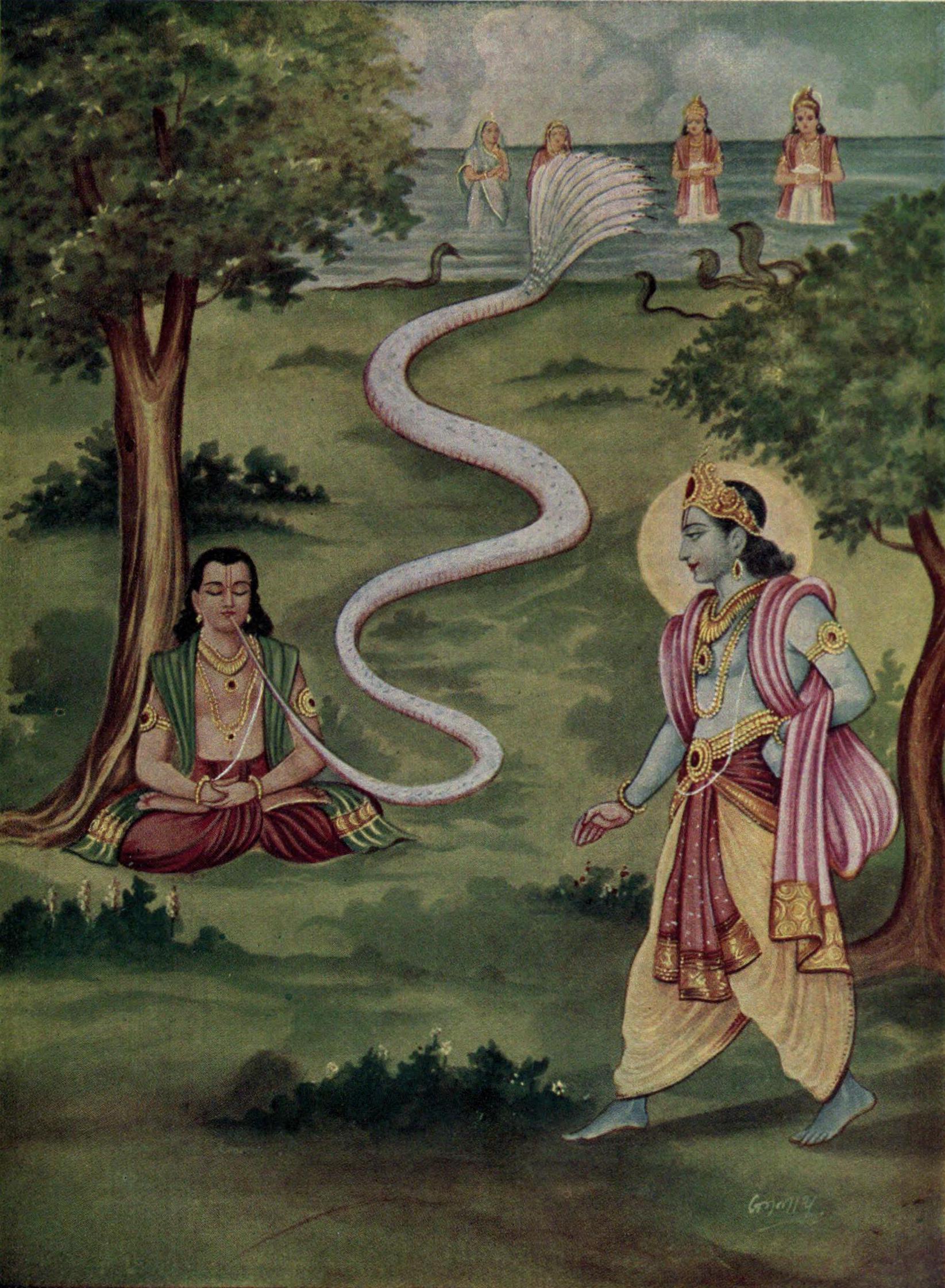
Death_of_Bala_Rama
Balarama’s death; white snake may be Adi sesah or Kundalini power. He left his body by yoga.

பலராமன் பற்றிய எனது ஆராய்ச்சி

பலராமன் எப்போதும் கலப்பை கொண்டு செல்பவர். அவன் ஒரு விவசாயி. கள் குடிப்பதில் பிரியம் இருந்ததால் பனை மரத்தைக் கொடியில் வைத்தார். கிருஷ்ணனுக்கு அரசியலில் விருப்பம், பலராமனுக்கோ விவசாயத்தில் விருப்பம். அது இல்லாவிடில் கலப்பையைக் கையில் ஏந்தித் திரிய நியாயமே இல்லை. அது மட்டுமல்ல. அவரைப் பற்றி ஒரு சுவையான கதையும் உண்டு. ஒரு நாள் குடிபோதை மயக்கத்தில் ஏ! யமுனை நதியே என் அருகில் வா! என்றாரம். அது மறுத்தவுடன் கலப்பையால் கீறியவுடமன் அது பயந்து கொண்டு சொன்ன இடத்துக்கு எல்லாம் வந்ததாம். இந்தக் கதை புராணம் பயன்படுத்தும் பரிபாஷை! அதாவது யமுனை நதியில் இருந்து பாசனக் காலவாய் வெட்டிப் பயிர் செய்தான் என்பதையே புராணங்கள் இப்படி சுவைபடச் சொல்லும்.

அகத்தியர் கடலைக் குடித்தார், விந்திய மலையைக் கர்வ பங்கம் செய்தார் என்பது எல்லாம் பெரிய எஞ்சினீயரிங் சாதனைகள் என்பதைப் பல கட்டுரைகளில் விளக்கமாகக் கொடுத்துவிட்டேன். அது போன்றதே பலராமன் யமுனையை இழுத்த கதையும்.
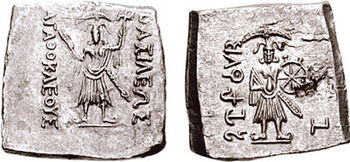
baladevakrishna
Balarama and Krishna on Indo-Greek coins

பலராமனின் பெயர்கள்

பலபத்ரன், ப்ராலம்பக்னன், பலதேவன், அச்யுதக்ரஜன், காமபாலன், ஹலாயுதன், நீலாம்பரன், ரோகிணேயன், தாலங்கன், முசலிஹலி, சங்கர்ஷனன், க்ஷீரபாணி, காளிந்தி பேதனன், காளிந்தி ஹர்ஷணன், ஹல ப்ரித், லாங்கலி, குப்த சரன் (ரகசிய நடமாட்டம்).

இவை அனைத்தும் மேற்கூறிய அவனது சாதனைகளை விளக்கும் வடமொழிச் சொற்கள் ஆகும்.
வெள்ளைப் பாண்டி என்று யாதவ குல மக்களிடையே பெயர் உண்டு. இதுவும் பலராமன் பெயராக இருக்கலாம்.
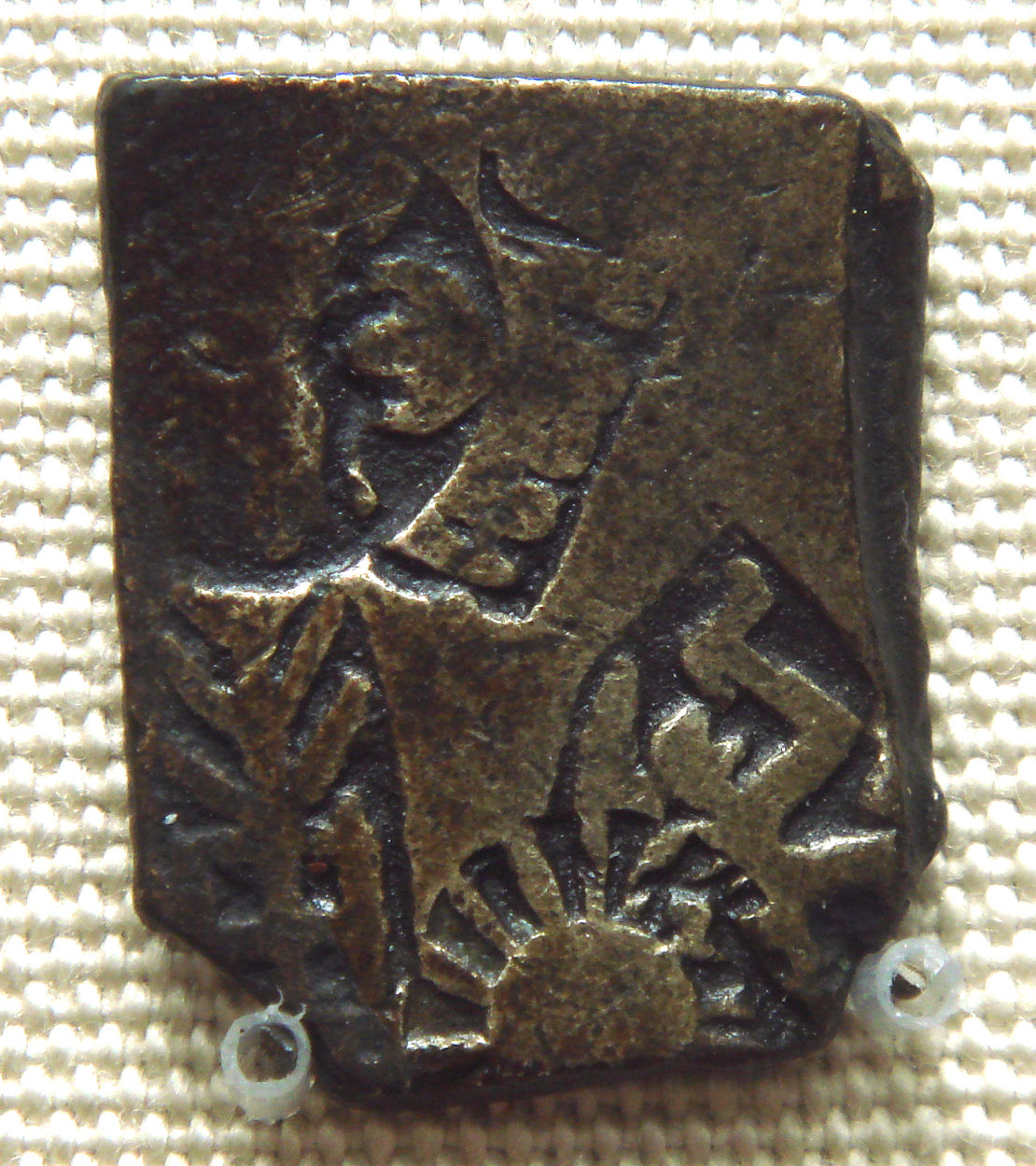
MauryanBalaramaCoin3rd-2ndCenturyCE
Balaraman on Maurya coins;Third century BCE

பலராமன் புள்ளிவிவரம்

1.ஆதிசேஷன் அவதாரம்
2.புரி தேர்த் திருவிழாவில் நீல நிற பனைக்கொடி பொறித்த தேரில் பவனி வருவான்
3.மனைவி பெயர்- ரேவதி
4.வளர்ப்புத் தாய்- ரோகிணி
5.தாய் தந்தை – தேவகி, வசுதேவன்
6.தம்பி பெயர் – கள்ளக் கிருஷ்ணன்
7.கையில் இருப்பது – கலப்பை
8.கொடியில் திகழ்வது – பனை மரம்
9.குடிக்கப் பிடிப்பது – மது
10.எடுக்கப் பிடிப்பது – முசலி எனும் உலக்கை
11.காதல் விவகாரத் தொடர்புகள்: ருக்மினி- கிருஷ்ணன் காதலுக்கு ஆதரவு; சுபத்ரா- அர்ஜுனன் காதலுக்கு எதிர்ப்பு; லெட்சுமனா- சம்பா காதலில் நடுநிலை.
12.மகன்கள் பெயர்:- உள்முகன், நிஷதன்
13.பிடித்த பொழுது போக்கு – ஊர் சுற்றல் (தல யாத்திரை)
14.தம்பியுடன் சேர்ந்து செய்த துஷ்ட நிக்ரஹம்: தேனுகாசுரன், கம்சன், முஷ்டிகன், ரோமஹர்ஷணன், த்விவிடன், ருக்மின், ப்ரலம்பன்.
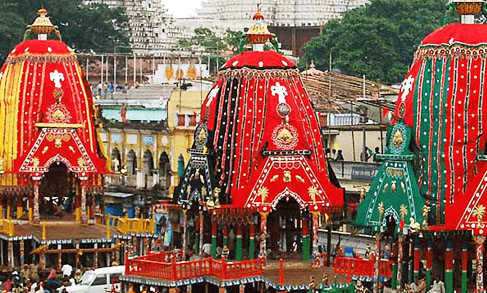
rath-yatra-and-appliqua
Balaraman chariot along with other chariots in Puri, Orissa.

15.இதில் ரோமஹர்ஷனன் கொலை மட்டும் முன்கோபத்தில் தெரியாமல் செய்தது — அந்தப் பாவத்தைத் தீர்ப்பதற்காக தீர்த்த யாத்திரை சென்றார். இவன் மிகுந்த பலசாலீ. பெயரில் பல தேவன், பல பத்ரன், பல ராமன் என்பதில் இருந்தே புலப்படும் — நல்ல மல்யுத்த வீரன் — எதிரிகளின் காலைப் பிடித்து சுழற்றி மரத்தின் மீது எறியும் வல்லமை படைத்தவன்.

நக்கீரனும் சங்க காலப் புலவர் பலரும் காளிதாசனும் பாடியது போல நாமும் பலராமன் புகழ் பாடுவோம்.
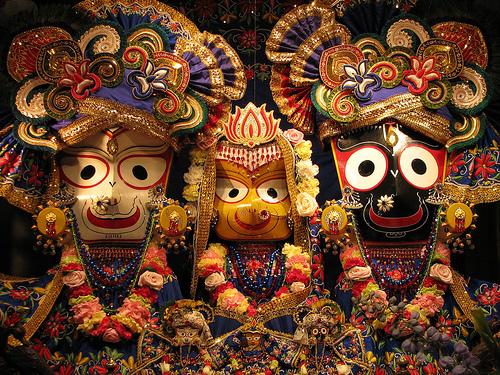
Balabhadra_Subhadra_Jagannath
Balabhadra, Subhadra, Jaganatha in Puri.
Yellow clad Krishna and Blue Clad Balarama!

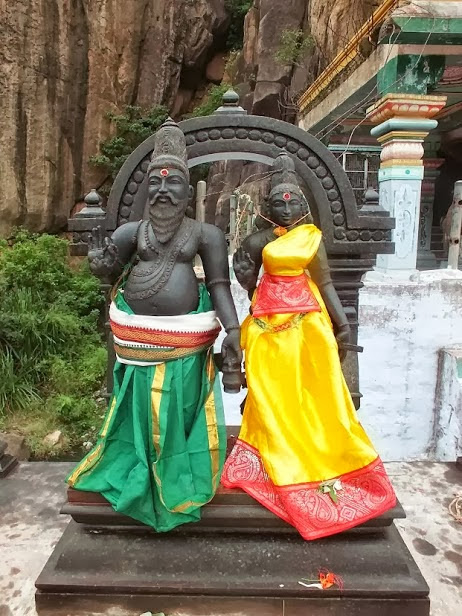
-Balarama_kolkatta8
Balarama in Kolkatta Museum

Research Paper written by London Swaminathan
Post No.1323; Dated 2nd October 2014.

Our forefathers were very clever and honest. They did not have anything to hide. They called a spade a spade. Whenever there was scope for criticism, they did not hesitate to do it just because it is your own relative is involved. Life history of Balarama is the best example to elucidate this point. His life was very colourful and controversial. Let us look at some interesting facts about Balarama, who was Krishna’s elder brother.

Puranas describe Balarama wearing a blue clothe and Krishna a yellow clothe: Neelambaradhari, Peetambaradhari.

Puranas describe Balarama as a Madhu priya (fond of wine) and Krishna as a Maadhu Priya (interested in women such as Gopis).

Hindus were very colour conscious. I have demonstrated this fact elsewhere in my articles. They allocated five different colours for Lord Shiva’s five faces and Mayas and Buddhists followed the Hindus in allocating colours to four directions.

Balarama had a white complexion and Krishna had a black complexion!
Both were brothers but had divergent views on current issues! They were very affectionate. Though openly fought for different things, they never lost the brotherly affection.

Both of them were worshiped from Kashmir to Kanyakumari together as Avatars (incarnation) of Vishnu.

Two thousand year old Sangam Tamil literature praises both of them together (Puram Verse 56 by Nakkirar). They followed Kalidasa (Megaduta 61) in this. Kalidasa lived in first century BCE which I have proved using the Sangam Tamil verses.

bala big
Balarama in British Museum, London

Sangam age Tamils describe Balarama as a Palmyra Flag bearer and Krishna as an Eagle Flag bearer.
Ancient Tamil Nadu had temple for Krishna and Balarama together, but in course of time Balarama worship was dropped.

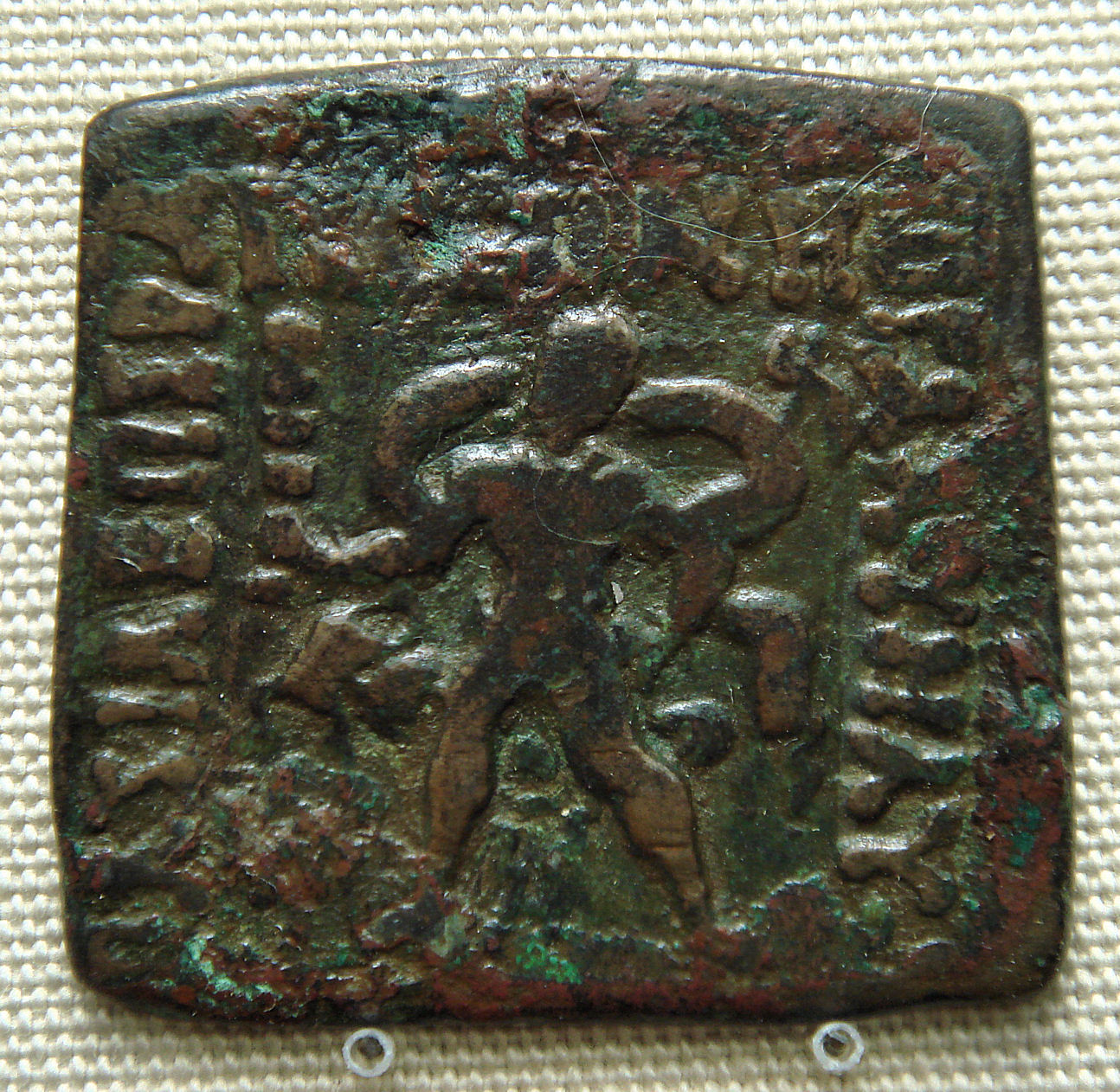
Balarama image is beautifully portrayed on coins along with Krishna .
Krishna supported Pandava side in the Great Indian War Mahabharata war; but Balarama was neutral.
When Krishna abducted Rukmini Balarama supported, but when Arjuna abducted Subhadra he objected.

Balarama taught mace fight to both Duryodhana and Bhima. But when Bhima hit Duryodhana below the belt violating the rules, Balarama was furious; but Krishna calmed him.
What a contrast among brothers!!!

This proved that our scriptures were 100 % honest in reporting everything. Moreover the authors like Vyasa, Valmiki and Sukar were very good observers. They did not miss anything good or bad!

Mahabharata gives an interesting story about Balarama and his brother Krishna. It says Vishnu took two hairs , a white and a black one and left them in Devaki’s womb which became Balarama and Krishna. When Balarama was born he was taken to Gokula to preserve his life from Kamsa, the tyrant king. He was raised by Nanda as a child of Rohini. Balarama killed several demons. He carried his plough always. He killed Rukmin in a drunken brawl.

baladevakrishna
Indo Greek Coin of Balarama and Krishna

He used his ploughshare as a magic wand twice. When he was intoxicated with drinks, he called River Yamuna river to come to him. When it did not come he had used his ploughshare to drag the river towards him and used this water. So he was called Kalindiharshana or mardhana. He killed Romaharshana out of anger, though he repented. When Krishna’s son Samba was imprisoned by Duryodhana , Balarama forced him to release Samba and his lady love. He threatened that he would use his ploughshare.
Balarama was a great wrestler and he killed Dhenukasura, Mushtika and Dwivida

Death_of_Bala_Rama
Blarama’s death

Facts about Balarama :

Wife’s name: Revathi (Daughter of King Raivata)
Person who raised him : Rohini (foster mother)
Father and Moher : Vasudeva and Devaki
Younger Brother: Krishna
Weapon he was holding Halayuda/ploughshare and Musala/pestle
Flag : Palmyra (Taldwaja)
Sons: Nisatha and Ulmuka

Krishna_meets_parents
Krishna and Balarama meet parents

Favourite drink: Madhu (wine)
Favourite pastime: Pilgrimage (went on a tour during war)
Killed: Dhenuka, Mushtika, Pralamba, Dwivida, Romaharshana and Rukmin.
Love marriages he opposed or supported: Krishna – Rukmini, Arjuna—Subhadra and Samba – Laxmana (Duryodhana’s daughter)

Avatara of Adisesha: Balarama is described as one of the ten incarnations of Vishnu. Some people believed that he was Adi Sesha came to help Krishna.
Worship Record: From Kautilya’s Arthasastra period:3rd Century BCE

Puri Chariot Festival: Of the three chariots of Puri , the chariot of Balabhadra is called ‘Taladhvaja’ – has 16 wheels and is 22 cubits in height. Baladeva’s cart is blue, with a palm tree insignia, and four black horses. The protecting deity is Sesa.

Temples: in Odisah and Tamil Nadu (In Tamil Nadu the statues are not there anymore; proof comes from Alwar Hymns)

Oldest Agricultural Engineer!
My research shows that he was a great agriculturist. He spread agriculture everywhere. That is the reason he held a ploughshare always. Since he was interested in drinking he had Palmyra on his flag. His name Kalindikarshana, Yamuna bhid show that he dug out canals from Yamuna for irrigation. He was a great wrestler that is why he had the prefix Bala in his name. The white colour may be due to albinism.

MauryanBalaramaCoin3rd-2ndCenturyCE
Mauryan Balarama Coin ,3rd Century BCE

15 Names of Balarama
Amarakosa, the oldest thesaurus, gives 15 names for Balarama!
Balabhadra = Strong
Pralambagna = killer of Pralamba
Baladeva= strong
Achyutagraja= elder to Krishna
Revathiramana = one who loves Revati & loved by Revati
(Bala) Rama-=strong and attractive
Kamapalah= who gets what he wanted
Halayudhah= ploughshare bearer

Balabhadra_Subhadra_Jagannath
Balabhadra, Subhadra, Jaganatha, Puri

Neelambarah= wearing blue clothes
Rohineyah= Rohini raised him
Talaangah= Palmyra Flag bearer
Musalihali= pestle holder
Sankarshana= who had two mothers or who attracts his Yadava clan
Kshirapani= ploughshare bearer
Kalindhibedanh= one who diverted River Yamuna
His other names: Halabhrit=Plughbearer, Langali+ ploushare holder, Guptas chara= who goes secretly, Mahupriya or Priya madhu= wine loving, Yamuna bid, Kalindi karshana = breaker or dragger of Yamuna, Musali=pestle holder.

BalaramaMauesCoin1stCenturyBCE
First century BCE coin

My previous Post:
Rama, Balarama and Parasurama in Ancient Tamil Literature (posted on First June 2014)

Contact swami_48@yahoo.com

rath-yatra-and-appliqua

Balarama chariot along with other chariots in Puri, Odissa

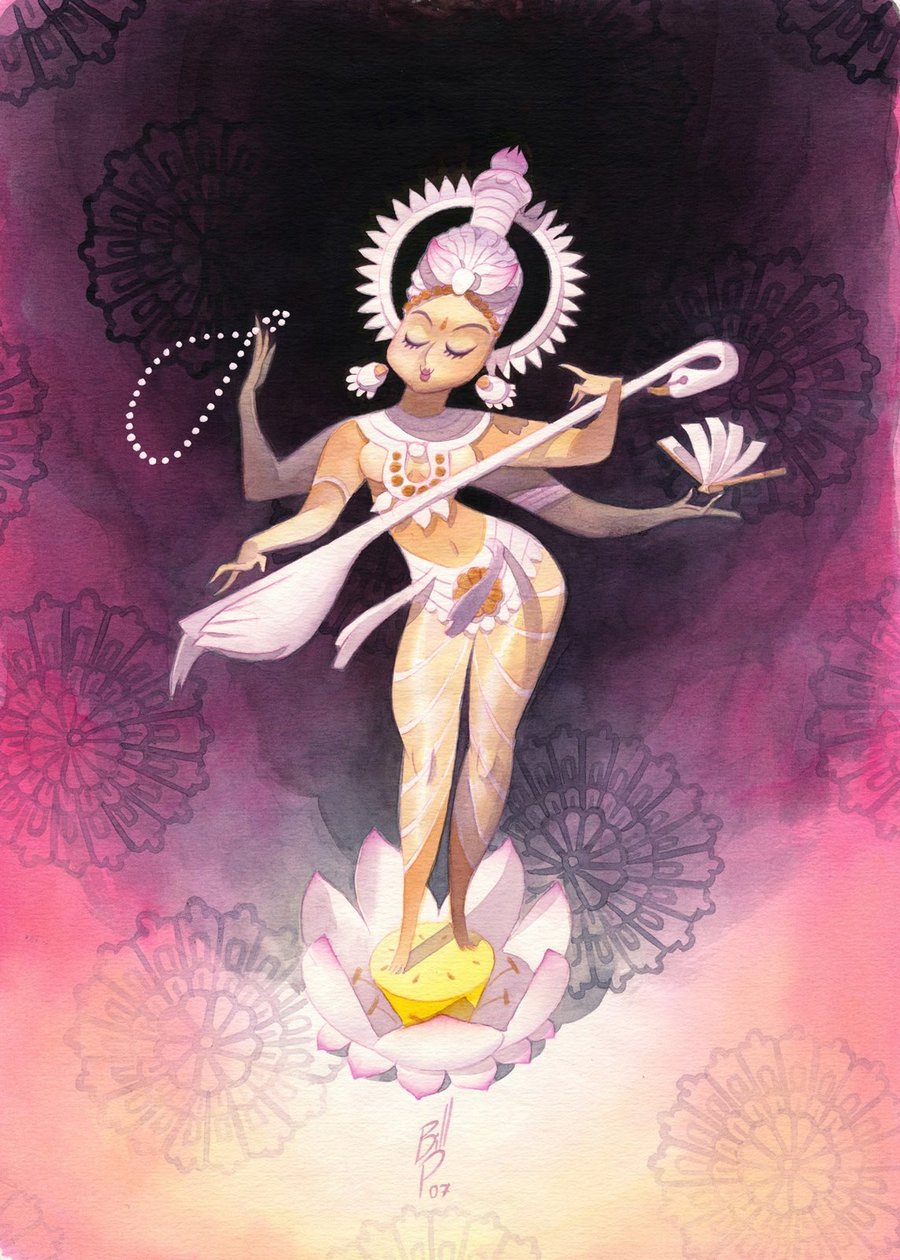
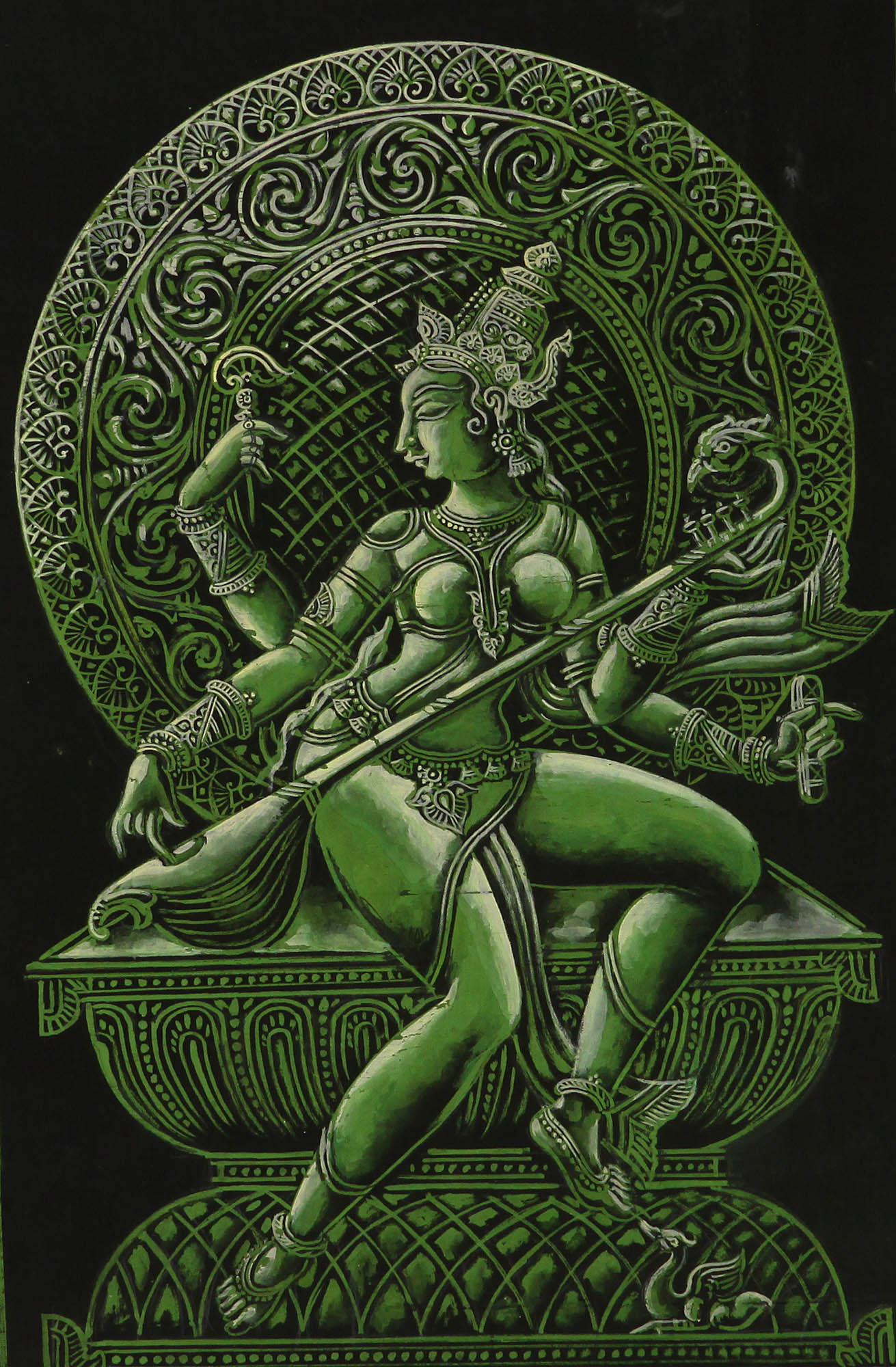
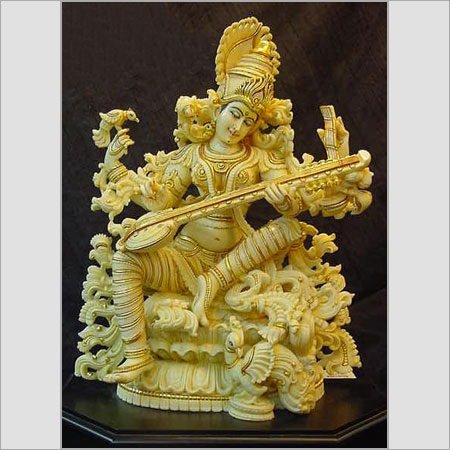
Hymn to Saraswati

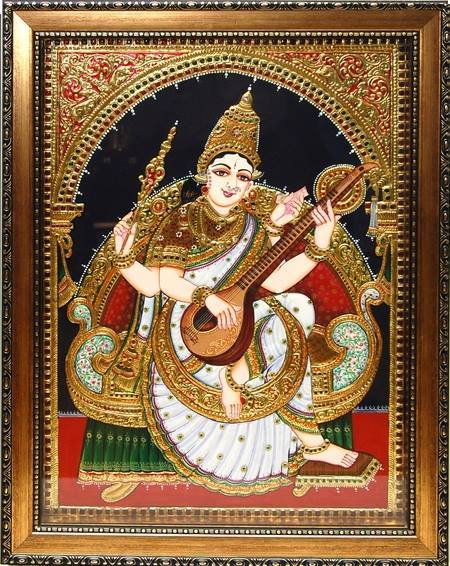
09TH_SARASWATHI__1481666f

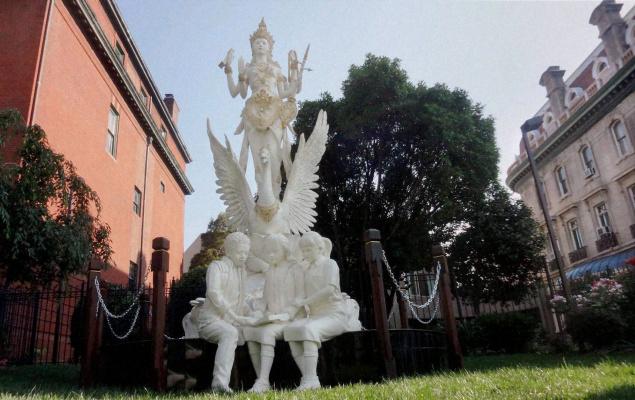
Saraswati Statue in Washington D C ,USA

Compiled by London Swaminathan

Post No. 1322; Dated 1st October 2014.

Sakala Kala Valli Malai by Tamil Poet Kumaragurupara Swami

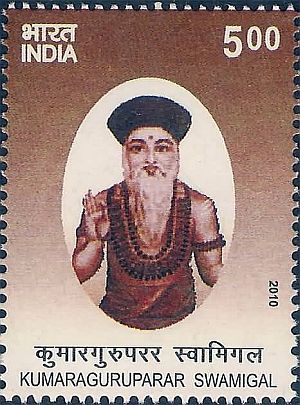
Author of the poem Kumaraguruparar
Life History of Kumaraguruparar

Tirunelveli district saw the birth of many scholars and saints. It was also the birth place of Kumaraguruparar, a great 17th century poet. Shanmukha Sikhamani Kavirayar and Sivagama Sundari Ammaiyar had no children, and the devout couple prayed for a child. They were then blessed with a son, whom they named Kumaraguruparar, who was born near Sri Vaikuntam.

Unfortunately, the child could not speak, even after it attained the age of five. The parents visited Tiruchendur and prayed that their child be blessed with the power of speech. And with the blessings of Lord Muruga, the child immediately broke into verse, and sang ‘Kandar Kalivenba,’
Kumaraguruparar, in the course of his travels, came to Dharumapuram. Masilamani Desikar presided over the mutt there. Kumaragurparar wanted Masilamani Desikar to become his spiritual guru
Kumaraguruparar studied Tamil from his scholar father and became a minister in the court of the Madurai Nayak King.

He composed the Sakalakalavalli Maalai , in praise of Goddess Saraswathi in Kasi/ Varanasi. By the grace of the Goddess, he acquired knowledge of the local language and was thus able to spread the message of Saivism.

It is said that while at Kasi, he also gave discourses on the Kamba Ramayanam , and that Tulsidas, who wrote the Ram Charit Manas , was greatly inspired by these Ramayana discourses. Kumaraguruparar breathed his last in Kasi.

In Chidambaram, he composed ‘Chidhambara Mummanik Kovai,’ ‘Chidhambara Cheyyul Kovai’ and ‘Sivakami Ammai Irattai Mani Malai’ in praise of the God and Goddess of Chidambaram.

Kumaraguruparar was the author of many religious works, including ‘Muththu kkumaraswami Pillai Tamil,’ ‘Tiruvarur Nanmani Malai,’ ‘Maduraik Kalambakam,’ and ‘Meenakshi Pillai Tamil,’ which was listened to by Goddess Meenakshi of Madurai in person (based on news paper cuttings from The Hindu).

kumaraguruparar-1
Kumaraguruparar stamp

Sakala Kala Valli Malai: English Translation from The Tanjore Art Gallery Guide Book, year 1954

1.Saraswathi, Goddess of Learning! While the Lord of Preservation is asleep and the Lord of Dissolution has gone crazy and the Lord of Creation is happy in you- his sweet consort. Your abode is in the white lotus. But can you not condescend to rest your feet on the cool lotus of my simple heart?

thailandfiscal saras
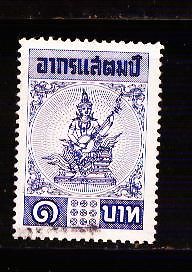
Thailand stamp on Saraswati

2. Goddess of all Learning! Goddess of beautiful breasts and five styled hair! Goddess of slender golden figure who rests in the lotus throne! May you graciously make me sing songs in the four genres, songs with beautiful ideas, couched in sweet language.

(Five Different styles of Hair Do are known as Aimpal Kunthal in Tamil: The five different hairdos are Kondai , Surul , Kuzal, Panichai, Mudi in Tamil.

Four different genres are 1. Asu Kavi: extempore poetry, 2.Madura Kavi= sweet poems set to music, 3.Chitra Kavi= poems composed which will fit into the drawn figure such as Chariot, Snake, Peacock etc. and 4.Visththara Kavi= detailed compositions.

sarasvathy

3. Goddess of all Learning! The peacock dances in ecstasy on the approach of showers. So also you rejoice when the poets rain showers of song of deep thinking and clear expression. When shall I experience the beauty of Tamil, the crystalline nectar that you can bestow? When shall I immerse myself in the ocean of Your Grace?

4. Goddess of all Learning! Ocean of Mercy! You rest on the grateful tongues (lips) of poets and preserve the sea of Sanskrit scholarship and the rich heritage of Tamil songs. May you grant that I become proficient in the deep and varied branches of Learning! May you grant me the gift of singing felicitous songs!

Saraswati_by_bpresing

5. Goddess of all Learning! You rest, as on the lotus throne, on the tongue (lips) and the heart of Brahma, the Creator whose banner depicts the Swan which rests on the lotus with long stalk. Your beautiful soft lotus feet are painted with rouge. Cannot those lotus feet bloom in the cool waters of my heart?

6. Goddess of all Learning! You pervade everything: you pervade the Vedas, the five elements, namely, ether, air, water, fire and the earth; you fill the vision and the hearts of Your devotees. Grant me this boon; make me proficient in all the arts whenever I wish. Make me proficient in music, in dance, in learning and in singing sweet poems.

saras green

7. Goddess of all Learning! Like the white swan which separates water from milk, you also show discrimination in approving of the songs sung poets. Grant me Your benign look: vouchsafe unto me this boon that all song, meaning of song and the goal of all singing, namely, righteousness, wealth and happiness, be integrated in my life.

8. Goddess of all Learning! You are the giver of the supreme everlasting wealth, namely the imperishable wealth of wisdom through learning. The Goddess of Wealth, Lakshmi, who has her abode in the red lotus, cannot bestow this wealth. Grant me eloquence of tongue, skill of attending to many things simultaneously, and the art of singing good songs. Grant me this boon and make me your servant.

saras

9. Goddess of all Learning! The female elephant and the queen swan are celebrated for the beauty of their gait. But they pale into insignificance before the graceful gait of your lotus feet. You are the Manifest form of True Wisdom that pervades all word and thought. Who can comprehend you?

10. Goddess of all Learning! There are myriads of Gods, and celestial beings like the Creator. But is there one to equal you? Grant me this boon that all monarchs, who rule over the earth, bow unto me the moment I sing my poems.
sarastelegu
saras hindi

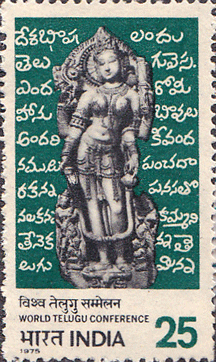
Saraswati stamps of India

contact swami_48@yahoo.com

குமரகுருபரர் அருளிய சகலகலா வல்லி மாலை

saras hindi
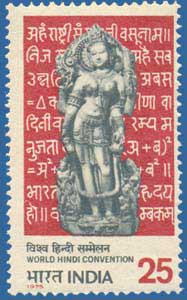
Saraswati stamp issued during World Hindi Conference

(With English Translation of Sakala Kala Valli Malai)

Compiled by London Swaminathan

Post No.1321; Dated 1st October 2014.

வெண் தாமரைக்கன்றி நின்பதம் தாங்க என் வெள்ளையுள்ளத்
தண் தாமரைக்கு தகாது கொலோ சகம் ஏழும் அளித்து
உண்டான் உறங்க ஒழித்தான் பித்தாக உண்டாக்கும் வண்ணம்
கண்டான் சுவைகொள் கரும்பே சகலகலா வல்லியே.

சகம் ஏழும் அளித்து

உண்டான் உறங்க

ஒழித்தான் பித்தாக

உண்டாக்கும் வண்ணம் கண்டான்

சுவைகொள் கரும்பே !

சகலகலா வல்லியே. !

நின்பதம் தாங்க

வெண் தாமரைக்கு அன்றி

என் வெள்ளை உள்ளம்

தண் தாமரைக்கு

தகாது கொலோ?

1.Saraswathi, Goddess of Learning! While the Lord of Preservation is asleep and the Lord of Dissolution has gone crazy and the Lord of Creation is happy in you- his sweet consort. Your abode is in the white lotus. But can you not condescend to rest your feet on the cool lotus of my simple heart?
sarastelegu
Saraswati Stamp issued during World Telugu Conference

நாடும் பொருட்சுவை சொற்சுவை தோய்தர நாற்கவியும்
பாடும் பணியில் பணித்தருள்வாய் பங்கயாசனத்தில்
கூடும் பசும் பொற்கொடியே கனதனக் குன்றும் ஐம்பால்
காடும் சுமக்கும் கரும்பே சகலகலா வல்லியே.

பங்கய ஆசனத்தில்

கூடும் பசும் பொன் கொடியே !

கனதனக் குன்றும்

ஐம்பால் காடும்

சுமக்கும் கரும்பே !

சகலகலா வல்லியே. !

நாடும் பொருள் சுவை சொற்சுவை தோய்தர

நாற்கவியும் பாடும் பணியில்

பணித்து அருள்வாய்

2. Goddess of all Learning! Goddess of beautiful breasts and five styled hair! Goddess of slender golden figure who rests in the lotus throne! May you graciously make me sing songs in the four genres, songs with beautiful ideas, couched in sweet language.
(Five Different styles of Hair Do are known as Aimpal Kunthal in Tamil: The five different hairdos are Kondai , Surul , Kuzal, Panichai, Mudi in Tamil.
Four different genres are 1. Asu Kavi: extempore poetry, 2.Madura Kavi= sweet poems set to music, 3.Chitra Kavi= poems composed which will fit into the drawn figure such as Chariot, Snake, Peacock etc. and 4.Visththara Kavi= detailed compositions.

sarasthanjavur

அளிக்கும் செழுந்தமிழ்த் தெள்ளமுது ஆர்ந்து உன் அருட்கடலில்
குளிக்கும் படிக்கென்று கூடும் கொலோவுளம் கொண்டு தெள்ளித்
தெளிக்கும் பனுவல் புலவோர் கவிமழை சிந்தக்கண்டு
களிக்கும் கலாப மயிலே சகலகலா வல்லியே.

உளம் கொண்டு தெள்ளித் தெளிக்கும்

பனுவல் புலவோர்

கவிமழை சிந்தக்கண்டு

களிக்கும் கலாப மயிலே !

சகலகலா வல்லியே. !

அளிக்கும்

செழும் தமிழ்த் தெள் அமுது

ஆர்ந்து

உன் அருட்கடலில்

குளிக்கும் படிக்கு

என்று கூடும் கொலோ?

3. Goddess of all Learning! The peacock dances in ecstasy on the approach of showers. So also you rejoice when the poets rain showers of song of deep thinking and clear expression. When shall I experience the beauty of Tamil, the crystalline nectar that you can bestow? When shall I immerse myself in the ocean of Your Grace?

SA saraswati
Saraswati in Saudi Arabia

தூக்கும் பனுவல் துறைதோய்ந்த கல்வியும் சொற்சுவை தோய்
வாக்கும் பெருக பணித்தருள்வாய் வட நூல் கடலும்
தேக்கும் செழுந்தமிழ் செல்வமும் தொண்டர் செந்நாவினின்று
காக்கும் கருணைக் கடலே சகலகலா வல்லியே.

வட நூல் கடலும்

தேக்கும் செழுந்தமிழ்ச் செல்வமும்

தொண்டர் செந்நாவில் நின்று

காக்கும் கருணைக் கடலே !

சகலகலா வல்லியே.!

தூக்கும் பனுவல்

துறைதோய்ந்த கல்வியும்

சொற்சுவை தோய்

வாக்கும் பெருக பணித்து அருள்வாய்

4. Goddess of all Learning! Ocean of Mercy! You rest on the grateful tongues (lips) of poets and preserve the sea of Sanskrit scholarship and the rich heritage of Tamil songs. May you grant that I become proficient in the deep and varied branches of Learning! May you grant me the gift of singing felicitous songs!

thailandfiscal saras
Saraswati on Thailand Fiscal Stamp

பஞ்சப்பு இதம் தரும் செய்ய பொற்பாத பங்கேருகம் என்
நெஞ்சத் தடத்தலராதென்னே நெடுந்தாட்கமலத்து
அஞ்சத் துவசம் உயர்த்தோன் செந்நாவும் அகமும் வெள்ளைக்
கஞ்சத்தவி சொத்திருந்தாய் சகலகலா வல்லியே.

நெடும் தாள் கமலத்து

அஞ்சம் துவசம் உயர்த்தோன்

செந்நாவும் அகமும்

வெள்ளைக் கஞ்சம்

தவிசு ஒத்து இருந்தாய்

சகலகலா வல்லியே. !

பஞ்சு அப்பு இதம் தரும்

செய்ய பொன் பாத பங்கேருகம்

என் நெஞ்சம் தடத்து

அலராதது என்னே?

5. Goddess of all Learning! You rest, as on the lotus throne, on the tongue (lips) and the heart of Brahma, the Creator whose banner depicts the Swan which rests on the lotus with long stalk. Your beautiful soft lotus feet are painted with rouge. Cannot those lotus feet bloom in the cool waters of my heart?
saras

பண்ணும் பரதமும் கல்வியும் தீஞ்சொற் பனுவலும் யான்
எண்ணும் பொழுது எளிது எய்தநல் காய் எழுதாமறையும்
விண்ணும் புவியும் புனலும் கனலும் வெங்காலுமன்பர்
கண்ணும் கருத்தும் நிறைந்தாய் சகலகலா வல்லியே

எழுதா மறையும்

விண்ணும் புவியும்

புனலும் கனலும்

வெம்காலும்

அன்பர் கண்ணும் கருத்தும்

நிறைந்தாய்

சகலகலா வல்லியே !

பண்ணும் பரதமும்

கல்வியும் தீஞ்சொல் பனுவலும்

யான் எண்ணும் பொழுது

எளிது எய்த நல்காய்

6. Goddess of all Learning! You pervade everything: you pervade the Vedas, the five elements, namely, ether, air, water, fire and the earth; you fill the vision and the hearts of Your devotees. Grant me this boon; make me proficient in all the arts whenever I wish. Make me proficient in music, in dance, in learning and in singing sweet poems.

Saraswati_by_bpresing

பாட்டும் பொருளும் பொருளாற் பொருந்தும் பயனுமென்பாற்
கூட்டும் படிநின் கடைக்கண்நல் காய் உளங்கொண்டுதொண்டர்
தீட்டும் கலைத் தமிழ்த் தீம்பால் அமுதம் தெளிக்கும் வண்ணம்
காட்டும் வெள்ளோதிமப் பேடே சகலகலா வல்லியே.

தொண்டர் உளம் கொண்டு

தீட்டும் கலைத் தமிழ்

தீம்பால் அமுதம் தெளிக்கும் வண்ணம்

காட்டும் வெள் ஓதிமப் பேடே !

சகலகலா வல்லியே. !

பாட்டும் பொருளும்

பொருளால் பொருந்தும் பயனும்

என்பால் கூட்டும் படி

நின் கடைக்கண் நல்காய்

7. Goddess of all Learning! Like the white swan which separates water from milk, you also show discrimination in approving of the songs sung poets. Grant me Your benign look: vouchsafe unto me this boon that all song, meaning of song and the goal of all singing, namely, righteousness, wealth and happiness, be integrated in my life.

saras green

சொல்விற் பனமும் அவதானமும் கல்வி சொல்லவல்ல
நல்வித்தையும் தந்து அடிமை கொள்வாய் நளிநாசனம் சேர்
செல்விக்கு அரிதென்று ஒருகாலமும் சிதையாமை நல்கும்
கல்விப் பெருஞ்செல்வப் பேறே சகலகலா வல்லியே.

நளின ஆசனம் சேர்

செல்விக்கு அரிது என்று

ஒருகாலமும் சிதையாமை நல்கும்

கல்விப் பெரும் செல்வப் பேறே !

சகலகலா வல்லியே. !

சொல் விற்பனமும்

அவதானமும்

கல்வி சொல்லவல்ல நல்வித்தையும்

தந்து அடிமை கொள்வாய்

8. Goddess of all Learning! You are the giver of the supreme everlasting wealth, namely the imperishable wealth of wisdom through learning. The Goddess of Wealth, Lakshmi, who has her abode in the red lotus, cannot bestow this wealth. Grant me eloquence of tongue, skill of attending to many things simultaneously, and the art of singing good songs. Grant me this boon and make me your servant.

saraswathy

சொற்கும் பொருட்கும் உயிரா மெய்ஞ்ஞானத்தின் தோற்றமென்ன
நிற்கின்ற நின்னை நினைப்பவர் யார்நிலத் தோய் புழக்கை
நற் குஞ்சரத்தின் பிடியோடு அரச அன்னம் நாண நடை
கற்கும் பதாம்புயத்தாளே சகலகலா வல்லியே.

நிலம் தோய் புழக்கை

நல் குஞ்சரத்தின் பிடியோடு

அரச அன்னம் நாண

நடைகற்கும் பத அம்புயத்தாளே !

சகலகலா வல்லியே. !

சொற்கும் பொருட்கும் உயிர் ஆம்

மெய்ஞ்ஞானத்தின் தோற்றம் என்ன

நிற்கின்ற நின்னை நினைப்பவர் யார்?

9. Goddess of all Learning! The female elephant and the queen swan are celebrated for the beauty of their gait. But they pale into insignificance before the graceful gait of your lotus feet. You are the Manifest form of True Wisdom that pervades all word and thought. Who can comprehend you?

kumaraguruparar-1
Kumaragurupara, author of Sakala Kala Valli Malai

மண்கண்ட வெண்குடைக் கீழாக மேற்பட்ட மன்னரும் என்
பண் கண்ட அளவிற் பணியச் செய்வாய் படைப்போன் முதலாம்
விண்கண்ட தெய்வம் பல்கோடியுண்டேனும் விளம்பில் உன்போல்
கண்கண்ட தெய்வம் உளதோ சகல கலா வல்லியே

படைப்போன் முதலாம்

விண்கண்ட தெய்வம்
பல்கோடி உண்டேனும்
விளம்பில் உன்போல்

கண்கண்ட தெய்வம் உளதோ?

சகல கலா வல்லியே !

மண்கண்ட

வெண்குடைக் கீழாக மேற்பட்ட மன்னரும்
பண் கண்ட அளவில்
பணியச் செய்வாய்

10. Goddess of all Learning! There are myriads of Gods, and celestial beings like the Creator. But is there one to equal you? Grant me this boon that all monarchs, who rule over the earth, bow unto me the moment I sing my poems.
English Translation of Sakalakalavallai malai from The Tanjore Art Gallery Guide Book, year 1954

09TH_SARASWATHI__1481666f
Saraswathi statue in Washington,USA.

contact swami_48@yahoo.com
*******************

அகத்தியரை நியூசிலாந்து மயோரி பழங்குடியினர் வழிபடுவது ஏன்?

candi banon

எழுதியவர்:—- கட்டுரை மன்னன் லண்டன் சுவாமிநாதன்
ஆராய்ச்சிக் கட்டுரை எண்:- 1320; தேதி:– 1st October 2014

அகத்தியர் பற்றி தமிழிலும் ஆங்கிலத்திலும் கடந்த நான்கு ஆண்டுகளில் பல கட்டுரைகள் எழுதிவிட்டேன். இதுவரை எழுதிய கட்டுரைகளின் சுருக்கம்:

1.அகத்தியர் என்பவர் தமிழர்களுக்கு மிகவும் நெருக்கமான வடக்கத்திய ரிஷி. ஜனத்தொகை பெருக்கத்தைச் சமாளிக்க, சிவபெருமான் இவரை தெற்கே அனுப்பினார். அதுதான் உலகின் முதல் ஜனத்தொகைப் பிரச்சனை. (ஆதாரம்: திருவிளையாடல் புராணம்)

2.அகத்தியர் ‘’விந்திய மலையின் கர்வத்தை பங்கம் செய்தார்’’. ‘’கடலைக் குடித்தார்’’ — இது புராணம் தரும் தகவல் — இதன் பொருள்:– அவர்தான் முதல் முதலில் வடக்கிற்கும் தெற்கிற்கும் விந்திய மலை வழியாக சாலை மார்கம் கண்டவர். அவர்தான் முதல் முதலில் கடலைக் கடந்து தென்கிழக்காசிய நாடுகளில் இந்து கலாசாரத்தைப் பரப்பியவர். இதையே புராணங்கள் வேடிக்கையான பரிபாஷையில் அப்படிச் சொல்லும். தென் கிழக்காசிய நாடுகளில் இவர் சிலைகளும் வழிபாடும் அதிகம். உலகில் அதிக நாடுகளில் வழிபடப்படும் முனிவர் என்ற (கின்னஸ்) சாதனை படைத்தவர்!!

3.அகத்தியர் 3000 ஆண்டுகளுக்கு முன்னர் (கி.மு.1000 வாக்கில்) 18 குடிகளை அழைத்துக் கொண்டு தெற்கே வந்தார் (ஆதாரம் கபிலரின் புறநானூற்றுப் பாடல் 201 மற்றும் அதற்கு நச்சினார்க்கினியர் முதலியோர் தரும் விளக்கம்)

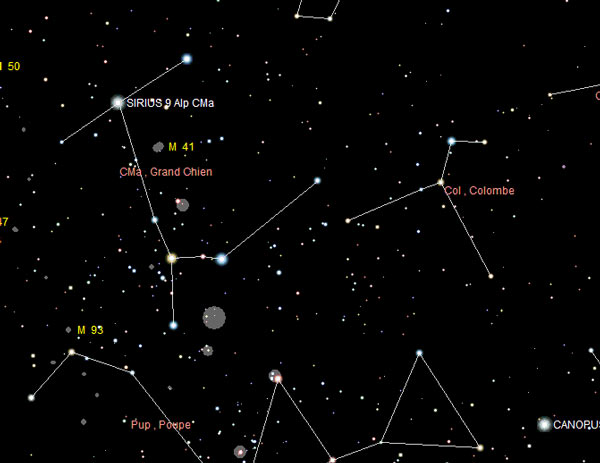
map_sirius_web
Canopus is at the bottom right.

4.அவர் ரிக்வேத கால அகத்தியர் அல்ல. அதற்குப் பின் அதே கோத்திரத்தில் உதித்தவர். பல அகத்தியர்கள் இருந்ததால் பல காலங்களில் பல இடங்களில் அவர் ஆஸ்ரமம் இருந்ததாக புராண, இதிஹாசங்கள் பகரும். இது குழப்பத்திற்கு வழிவகை செய்யும்.

5.தமிழில் சித்த வைத்தியத்தில் வரும் அகத்தியர் மிகவும் பிற்காலத்தில் இருந்த ஒரு சித்தர். தமிழ் மொழிப் பாடலே அவர் காலத்தைக் காட்டிக் கொடுத்துவிட்டது. ஒருவேளை பழங்கால அகத்தியரின் கருத்துக்களை ஒரு புலவர் அவர்தம் கால தமிழில் பாடி இருக்கும் வாய்ப்பும் உளது.

6.அகத்தியருக்கும் அகத்திக்கீரை, நீர் நிலைகள் ஆகியவற்றுக்கும் உள்ள தொடர்பு அந்த நட்சத்திரக் கால உதயத்தில் இருக்கும் காலநிலை (பருவநிலை) பற்றிய குறிப்புகளாகும்.

7. கி.மு.முதல் நூற்றாண்டில் வாழ்ந்த காளிதாசன் என்னும் உலகப் புகழ்பெற்ற கவிஞன் பாண்டியர்களுக்கும் அகத்தியருக்கும் உள்ள நெருக்கத்தை ரகுவம்ச காவியத்தில் அழகாகப் படம்பிடித்துக் காட்டுகிறான்.

agastyanepal, carole R Bolon
Agastya in Nepal by Carole

8.வேதகால அகத்தியர் லோபாமுத்ரா என்னும் பேரழகியை மணந்ததார். அவர் ராஜ வம்த்தில் பிறந்த இளவரசி. இவர் ரிக்வேதகால முனிவர். இவரை குடத்தில் பிறந்தவர் என்று புராணங்கள் புகலும்.

9.அகத்தியர், தமிழுக்கு இலக்கணம் வகுத்தார். மாபெரும் மொழியியல் நிபுணர். அவர் மிகப் பெரிய எஞ்ஜினீயர். காவிரி நதியை திசை திருப்பிவிட்டது, கடல் வழியாக தென் கிழக்கு ஆசிய நாடுகளுக்குச் சென்றது, விந்தியமலை வழியாக ரோடு போட்டது ஆகியன இதற்குச் சான்றுகள். நான் எழுதிய கீழ்கண்ட ஆங்கிலக் கட்டுரைகளிலும் அதேகாலத்தில் வெளியான எனது தமிழ்க் கட்டுரைகளிலும் மேல்விவரம் காண்க

sriagathiyarlopamudratemple72

Agastya in kalyani Thirtham, modern installation

My previous articles on Agastya in the past four years:

Is Brahmastra a Nuclear Weapon?
Agastya in Jataka Tales and Kalidasa
Did Agastya drink ocean?
Population Explosion: Oldest reference in Hindu scriptures
Ravana-Pandya Peace Treaty! Kalidasa solves a Tamil Puzzle
New Zealand Maoris and Chinese worship Agastya!

சீனாவிலும் நியூசிலாந்திலும் அகத்தியர் பற்றிக் கிடைத்த புதிய விஷயங்களை உங்களுடன் பகிர்ந்து கொள்கிறேன்:

அகத்திய நட்சத்திரம் என்பது தென் வானத்தில் பிரகாசிக்கும் ஒரு நட்சத்திரத்தின் பெயர். இதைவிடப் பிரகாசமானது சிரியஸ் நட்சத்திரம். இவைகளை ஐரோப்பிய நாடுகளில் உள்ளவர்கள் காணமுடியாது. ஆகவே இவைகளுக்கு கிரேக்க, லத்தின் மொழி விளக்கங்கள், பெயர்கள் இருந்தாலும் அவை அனைத்தும் இந்துக்களிடம் இருந்து கடன் வாங்கி மாற்றி எழுதப்பட்டனவே. உண்மைப் பொருள் விளங்கா நேரத்தில் புதுக்கதைகள் எட்டுக்கட்டுவதை சுமேரிய, பாபிலோனிய, கிரேக்க நாகரீகங்களிலும் காண்கிறோம்.

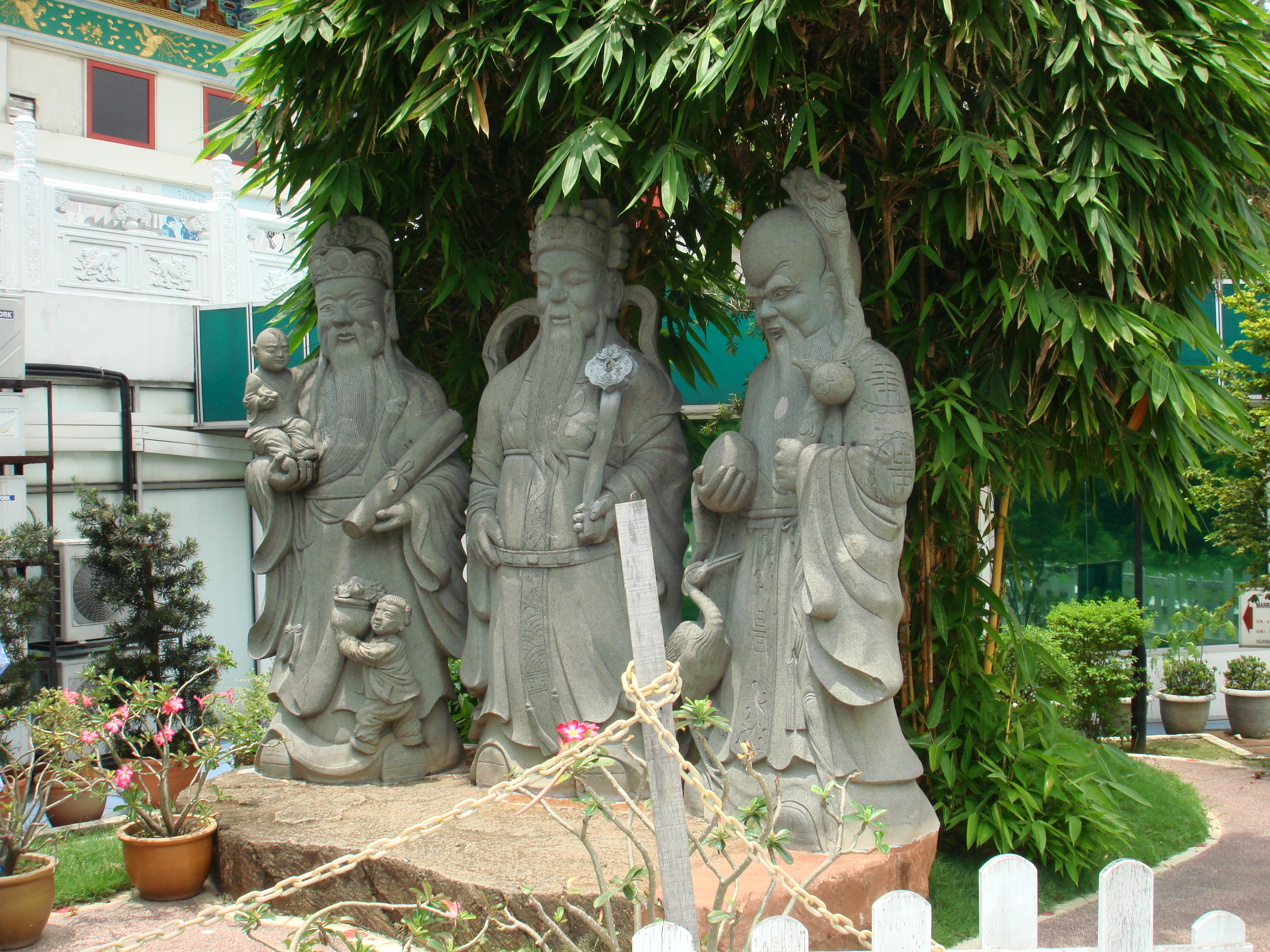
Chinese_temple_malaysia
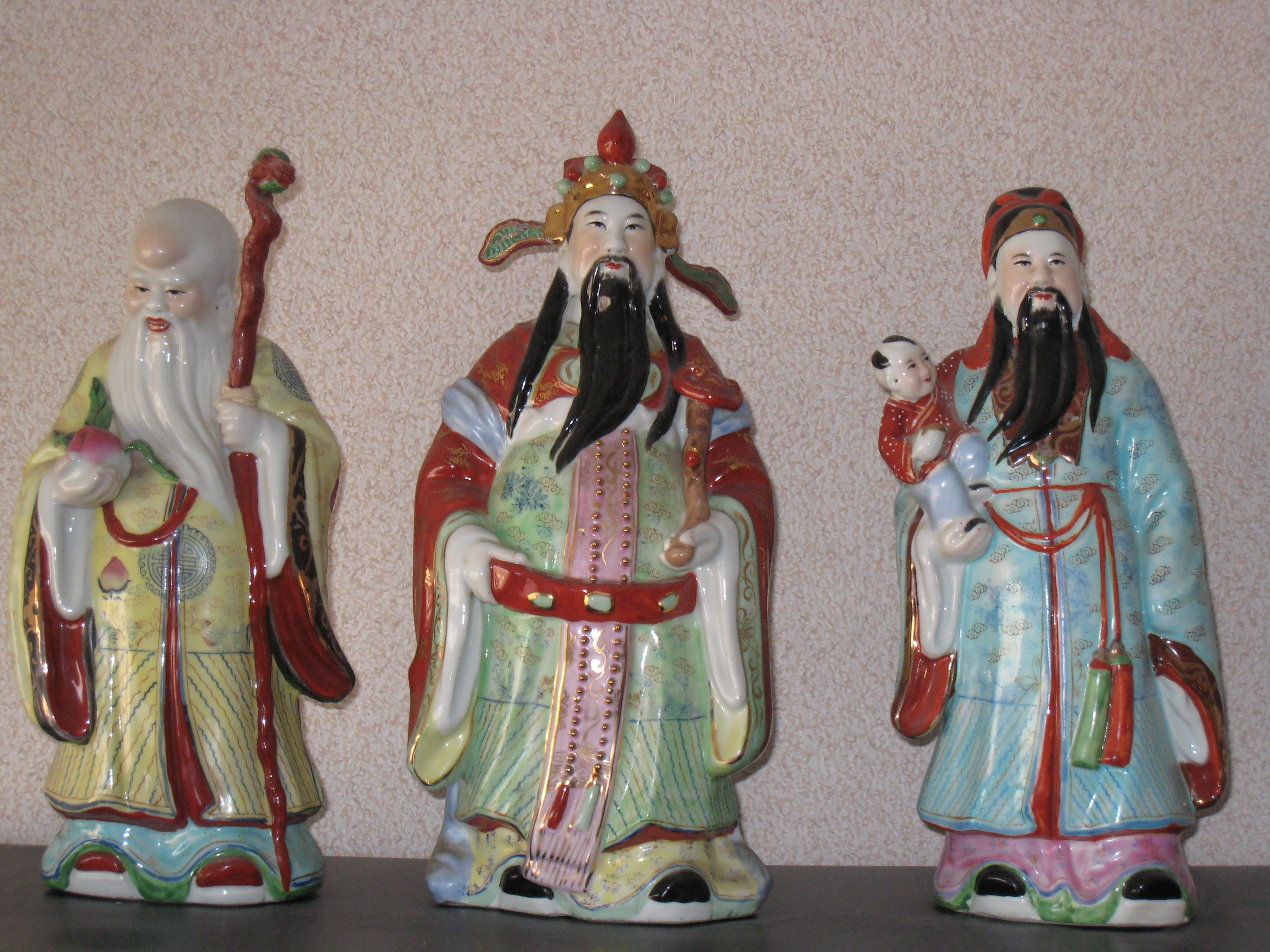
Cinese Temple of Fu Lu Shou in Malaysia

சீனாவில் அதிர்ஷ்டம் தரும் தேவர்கள் என்று மூவரை வழிபடுவர். அவர்கள் பெயர்கள்: பூ, லூ, ஷூ. இவர்கள் மூவரும் குரு எனப்படும் வியாழன் மற்றும் வசிஷ்ட நட்சத்திரம், அகத்திய நட்சத்திரம் ஆகிய மூவராக வானத்தில் தோன்றுகின்றனர். அவர்கள் மகிழ்ச்சி, வளமை, நீண்ட நோயற்ற வாழ்வு ஆகியவற்றை நல்குவர். இதிலும் கூட அகத்திய நட்சத்திரம் நோயற்ற தீர்க்க ஆயுஸ் உடன் தொடர்பு படுத்தப்படுவதால் சித்த வைத்திய நூல்கள் அவர்தம் பெயரில் இருப்பதன் பொருத்தத்தை எடுத்துக்காட்டும். இதில் குறிப்பிடப்படும் அகத்தியர், வசிட்டர் ஆகியோருக்கு தமிழ் வடமொழி நூல்களில் மட்டுமே முழு விளக்கம் இருப்பதால் இவை நம்மூர் கதைகள் என்பது புலப்படும். மேலும் தெற்கத்திய வானத்தில் ஜொலிக்கும் நட்சத்திரங்கள் சீனாவில் ஒரு குறிப்பிட்ட எல்லைக்கு அப்பால் தெரியாது. ஐரோப்பியர்களுக்கும் தெரியாது.

450px-agastyaprambananindonesia
Agastya from Prambanan, Indonesia

நியூசிலாந்து நாட்டில் பழங்குடி வழிபாடு

பாலிநேசியர்கள் எனப்படும் இன மக்கள் பசிபிக் தீவுகள் முழுவதும் வசிக்கின்றனர். இவர்கள் தாய்வான் எனப்படும் சீனப் பகுதியில் இருந்து அலை அலையாக தெற்கு நோக்கி வந்தது அண்மைக்கால ஆய்வுகளில் உறுதியாகியுள்ளது. ஆகவே இவர்கள் பூ, லூ, ஷூ என்னும் சீனக் கதைகளையோ அல்லது ஏற்கனவே இந்து நாகரீகம் இருந்த இந்தோநேஷியக் கதைகளையோ பாலிநேசியாவுக்குக் கொண்டு வந்திருக்கலாம். இந்தோநேசியாவில் இருந்த அகத்தியர் சிலைகள் உலக மியூசியங்களில் அமர்ந்து இன்றும் புகழைப் பரப்பிக் கொண்டிருக்கின்றன.

நியூசிலாந்து நாட்டில் மயோரி Maori எனப்படும் பழங்குடி இன மக்கள் சுமார் ஆயிரம் ஆண்டுகளாக அங்கே வசிக்கின்றனர். இவர்கள் அகத்திய நட்சத்திரத்தை வழிபடுகின்றனர். அவருக்கு அரிசி உணவையும் படைக்கின்றனர். அவருடைய பெயர்கள் பாலிநேசிய மொழியில் இருந்தாலும் அவை அனைத்தும் அகத்திய என்னும் சொல்லின் மரூஉ என்பது தெளிவு. மேலும் அவர்கள் அகத்தியர் பற்றிச் சொல்லும் கதையும் இந்துமதக் கதைகளை ஒட்டி அமைந்துள்ளது. கடவுள் கூடை பின்னிய போது கூடைக்கு வெளியே விடப்படதால் இவர் தெற்கில் ஜொலிப்பதக அவர்கள் கதை சொல்லுவர். கூடை, குடத்தில் பிறந்தவர் என்ற கருத்துக்களில் உள்ள நெருக்கத்தைக் காணலாம். இதைவிட அவர்தம் பெயர்களே காட்டிக் கொடுத்துவிடும்:

dr k ravi kumaragastya

இந்து புராணங்கள் “அவர் கலசத்தில் பிறந்த ஒளிவீசும் மீன்” என்று பாடுகின்றன.

அரிகி= உயர்குலத்தில் பிறந்தவர் (அகத்தியர் ஒரு பிராமணர்)
அதுதாஹி, அயதாஹி = அகத்தி என்ற சொல்லின் மரூஉ.
தப = தவ முனிவன் (தபஸ் என்ற வடமொழிச் சொல்)

ஆங்கிலத்தில் அகத்திய நட்சத்திரம் (Star Canopus) கனோபஸ் எனப்படும். இதன் பொருள் குடம், ஜாடி என்பதாகும். ஆனால் இந்துக் கதைகளை அறியாதோர் பின்னர் இதை கிரேக்க கதா பாத்திரங்களுடன் தொடர்பு படுத்தினர். இதே போல அகத்தி என்ற சபதத்தை அறியாதோர் பாலிநேசிய (மயோரி) மொழிகளில் அவைகளுக்குப் புதுப் பொருள் கண்டனர்.

இந்துப் புராணங்களில் அகத்தியரின் பெயர்கள்: குடமுனி, கும்பசம்பவ, கலசி சுத, கடோத்பவ — இவை எல்லாம் கடம்/பானை, கலசம், கும்பம், குடம் ஆகியவற்றையே குறிப்பிடும். இவர் சோதனைக்குழாய் முறையில் செயற்கை முறையில் கருத்தரிக்கப்பட்ட குழந்தையோ என்று எண்ண வேண்டி இருக்கிறது. மேலும் மேலும் விஞ்ஞானம் வளர, வளர நாம் புதுப் பொருள் காண இயலும். இது பற்றி காந்தாரி கர்ப்பம் முதலிய கட்டுரைகளில் எழுதி இருக்கிறேன்.

agastya ashram

ரிக்வேத ஆராய்ச்சியில் அண்மைக் காலத்தில் கொடிகட்டிப் பறக்கும் ஸ்ரீகாந்த் தலகரி என்பவர் அகத்திய ரிஷி எவ்வளவு பழமையான ரிஷி என்பதற்கு ஒரு காரணம் காட்டுவார்: ரிக் வேதத்தில் வரும் பெண் தெய் வங்களான பாரதி, ஈலா, சரஸ்வதி என்ற கடவுளரை ஐந்து ரிஷிகள் மட்டும் இதே வரிசையில் பாடுவர். அவர்களில் அகத்தியரும் ஒருவர். ஏனைய ரிஷிகள் வரிசை மாற்றிப் பாடுவர்.

அகத்தியர் புகழ் பாடும் வேதங்கள் இவர் இரண்டு வர்ணத்தாருக்கு உரியவர் என்றும் செப்பும் — அதாவது தேவர்கள் அசுரர் (RV 1-179) ஆகிய இருவரும் ஒப்புக் கொள்ளும் முனிவர் என்று சொல்லலாம். இல்வலன், வாதாபி என்ற அரக்கரும் கூட இவரை விருந்துக்கழைத்த கதையை நாம் அறிவோம்.

அகத்தியர் இருக்கும் இடத்தில் நீர்தெளிவாக இருக்கும் (Agastyodaye jalani prasidanti ) என்ற வடமொழிப் பொன்மொழி இவருக்கும் கடலுக்கும் உள்ள தொடர்பைக் கட்டும் என்றும் இவர் கடலோடிகளின் காப்புத் தெய்வம் என்றும் ‘’ஆரியதரங்கிணி’’ என்னும் நூலை எழுதிய திரு கல்யாணராமன் (Mr A Kalyanaraman, author of Aryatarangini ) குறிப்பிடுவார். அவர்தம் நூலில் மயோரி- இந்துக்கள் தொடர்பு பற்றிய அவருடைய ஆராய்ச்சிகளை வெளியிட்டுள்ளார். இந்துக்களும் கூட பிண்டம் (அரிசிச் சோறு) வைக்கும் சிரார்த்த மந்திரத்தில் அகஸ்தியர் பெயரைச் சொல்லுவதை அவர் எடுத்துக் காட்டுகிறார்.

Contact swami_48@yahoo.com

New Zealand Maoris and Chinese Worship Agastya!

450px-agastyaprambananindonesia
Agastya from Prambanan ,Indonesia

Research Paper written by London Swaminathan
Post No.1319; Dated 30 September 2014.

I have written about Agastya’s presence and worship in South East Asian countries outside India. We see his statues in all the countries of South East Asia and all major museums around the world. I have also pointed out what ‘Agastya drank the ocean’ and ‘Agastya Humbling the Vindhya Hills’ meant. It means he was the first Brahmin to cross the ocean to establish a Hindu empire in Cambodia, Laos, Thailand, Vietnam, Malaysia, Singapore, Indonesia and beyond. He was the first one to lay a road route to South India. Before that all the Rishis (sages) used the sea coast to travel around India where it was easy to cross the huge rivers with boats. They avoided travelling through thick forests of central India. But Agastya, a great engineer and a pioneer of ancient India, broke all these traditions. In fact he paved the way to Columbus, Magellan, Vasco Da Cama, Captain Cook, Marco polo and umpteen Greek and Roman sailors.

agastya ashram

Now let us look at his presence in China and New Zealand. Scholars have arrived at a conclusion about the origin of Polynesians. They say that they migrated from Taiwan area of China to different locations. But they settled in Indonesia and adjacent countries and slowly migrated to New Zealand and other Pacific islands.

Agastya’s name as a saint and a star is in China in Fu Lu Shou worship. But his presence in Maoris of New Zealand was not noticed by any one. When I was searching for the Star Canopus I was surprised to find his name in Maori worship in New Zealand. Since all Polynesians came from China region they could have brought it to Indonesia or they could have taken it from Indonesian Hindus. Whole of South East Asia was Hindu-Buddhist rule for 1300 years till Muslims occupied those lands.

Maori tribes have several names for Agastya/Canopus star:
Ariki= High born (one of the seven virtues of sages is high birth)
Atutahi, Aotahi = all these are corrupted form of AGATHI (ya)
Tapu = Tapas (penance)
dr k ravi kumaragastya
Agastya and Lopamudra, modern period.

Since scholars could not find any etymology in Maori language they used the ordinary meaning for those words stand alone, solitary etc.

Food is offered to the star as offering. This shows the respect and worship of Maoris.
One mythology says that Atutahi was left out of the basket when Tane wove it. This is a Hindu story where he was known to be born out of a pot (basket). Agastya is called Kumbha muni, Kalasi Suta, Ghatodbhava and Kumbha sambhava all meaning pot born or basket born. Atutahi sounds Agathi.

It is interesting to compare the veneration, worship, food offering and star staus with that of the Hindu Agastya. Hindus also has his name in Sraddha mantra ( ancestor worship). Sanskrit saying praises him as the patron saint of the sailors:
sriagathiyarlopamudratemple72

Agastyodaye jalani prasidanti = when the star Agastya rises, the waters become calm.

Mr A Kalyanaraman, author of Aryatarangini has done extensive research in Agastya cult and Maori culture. He gives lot of Sanskrit terms from Maori culture: See page 307 to 377 of Aryatarangini – part 2.
Hindu scriptures praise him as “fish of great lustre” born in a water jar.

He was very small when he was born, not more than a span in length and he was called Mana. Mana means term of measurement, respectful and son of Mana as well.

Canopus in Latin means a vase or jar. Vedas praise him as the priest respected by both the Varnas (RV 1-179), may be Devas and Asuras. We know the story of Asuras Vatapi and Ilvalan inviting him for dinner.

agastyanepal, carole R Bolon
Agastya from Nepal by Carole R Bolon

Agastya is associated with the South in Kalidasa’s Raguvamsam, Sangam literature and Hindu Puranas. He was one of the ancient Rishis in the rig-Veda. Shrikant G. Talageri points out five families of Rishis of early period including Agastya’s mention the three Vedic goddesses in the same order Bharati, Ila, Sarsvati. Later period Rishis change this order. Kalidasa links Agastya with Pandya kings.

All sages that were born in the Agastya gotra (clan) were called Agastya Rishis leading to lot of confusion. Ashramas of Agastya were shown in different places in different periods adding to this confusion. One must remember different Agastyas lived at different periods with the same surname.

Chinese_temple_malaysia
Chinese Temple in Malysia: Fu Lu Shou

Agastya in China

Chinese worship three Devas Fu, Lu, Shou representing Happiness, Prosperity and Longevity. They are worshipped as stars in the sky. Fu represents Jupiter (Guru), Lou represents Vasishta Nakashatra in Ursa Major constellation or Saptarishi Mandalam and Shou represents Agastya Naksahatra /Canopus in the southern sky. They have been worshipping these stars in the form of three human figures for at least 800 years. There is no doubt that they have learnt all these things from the Hindus. Vasishta and Arundhati are in Sangam Tamil literature which is at least 2000 years old. Agastya Star is visible only for people living in the southern latitudes. Only Hindus could have made him a God or a Star!

candi banon

My previous articles on Agastya in the past four years:

Is Brahmastra a Nuclear Weapon?
Agastya in Jataka Tales and Kalidasa
Did Agastya drink ocean?
Population Explosion: Oldest reference in Hindu scriptures
Ravana-Pandya Peace Treaty! Kalidasa solves a Tamil Puzzle

map_sirius_web
Star Canopus is at the bottom right.
Contact swami_48@yahoo.com

சீனா, ஜப்பான், தமிழ் சிலப்பதிகாரம் அதிசய ஒற்றுமை!

waterfall clear
otowa girls

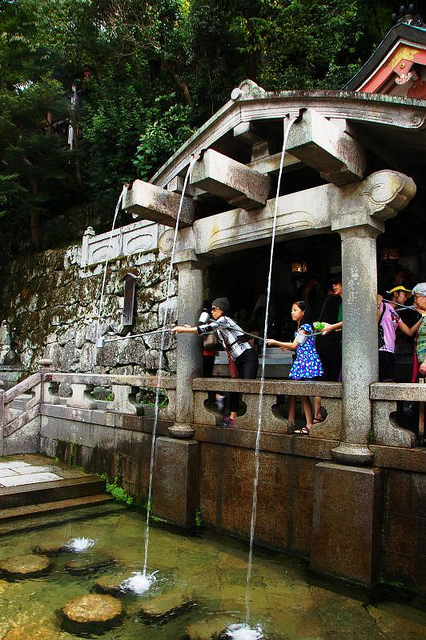
Three waterfalls at Kiyo Mizu Dera Temple in Kyoto

எழுதியவர்:—- கட்டுரை மன்னன் லண்டன் சுவாமிநாதன்
ஆராய்ச்சிக் கட்டுரை எண்:-1318; தேதி:– 30 September 2014.

லண்டனில் எங்கள் குடும்ப நண்பர்கள் டாக்டர் ரெங்கநாதன் தம்பதியினருடன் நேற்று பேசிக் கொண்டிருந்தேன். ஜப்பானில் க்யோடோ (Kyoto) என்னும் நகருக்குப் போனபோது ‘மூன்று நீர்வீழ்ச்சிக் கோவிலை’ப் பார்த்ததாகவும் மூன்றாகப் பிரிந்து விழும் நீர்த்தாரையில் ஒரு நீர்த்தாரையின் நீரைக் குடித்தால் நீண்ட காலம் வாழலாம் என்றும் இன்னொன்றின் நீர் நல்ல அறிவைக் கொடுக்கும் என்றும் மற்றொன்று ஆரோக்கியத்தைக் கொடுக்கும் என்றும் சொன்னார். அட, இதே போல தமிழ் காப்பியம் சிலப்பதிகாரத்திலும் இருகிறதே என்று சொன்னேன். ஆக இருவரும் வியப்பான செய்திகளைப் பரிமாறிக்கொண்டோம். இதோ அந்த விவரங்கள்:

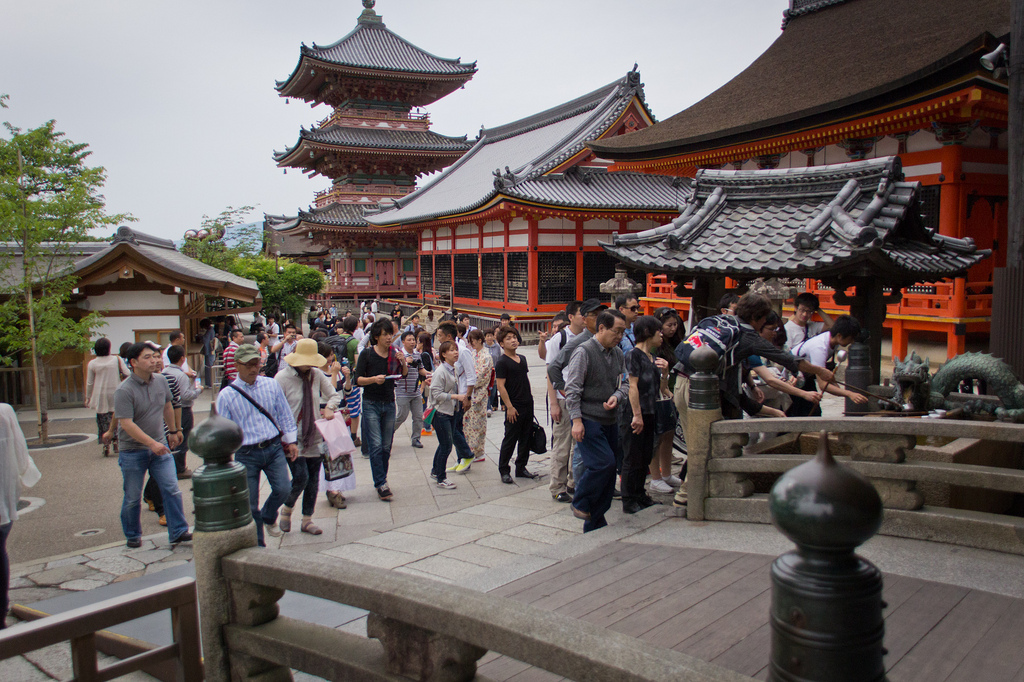
ஜப்பானில் ஒடொவா மலை மீது கியோ மிசு டேரா (Kiyo Mizu Dera) என்ற போதிசத்வர் கோவில் இருக்கிறது. 800 ஆண்டுகளுக்கு முன்னர், ஜப்பானில் மிகப் பழமையான புத்தமதப் பிரிவு இந்தக் கோவிலைக் கட்டியது. இது கலை வேலைப்பாடு மிக்க ஒரு அற்புதமான பொக்கிஷம். இதனால் யுனெஸ்கோ நிறுவனம் இதை உலகப் பாரம்பர்ய சுற்றுலாத் தலம் என்று அறிவித்துவிட்டது.

கியோ மிசு தேரா என்றால் ‘’தூய நீர்ப்பெருக்கு’’ என்று பொருள். மலையில் இருந்து வரும் ஒரு சிற்றாற்றின் நீர் மூன்றாகப் பிரிந்து விழுகிறது. முன் சொன்னது போல ஒவ்வொன்றைக் குடித்தால் ஒரு பலன் கிட்டும். ஆயினும் மூன்றையும் ஒருவர் குடிப்பது பேராசைக்குச் சமம் என்று ஒரு ஐதீகம் இருப்பதால் எதேனும் இரண்டின் நீரை மட்டும் ஒரு கரண்டி மூலம் பிடித்து மக்கள் குடிக்கின்றனர்.

kiyomizudera_temple_kyoto

இந்தக் கோவிலின் வேறு சில சிறப்புகள்:
1).கோவிலின் முக்கிய மண்டபம் தேசிய கலைப் பொக்கிஷம். இங்கே 15 வர்ண ஓவிய அறைகள் இருக்கின்றன. 2) மூன்று பகோடாக்கள் கோபுரத்தை அலங்கரிக்கின்றன.3) நாற்பது அடி உயர மரத்தூண்கள் மீது ஒரு ஆணி கூட இல்லாமல் மண்டபம் அமைக்கப்பட்டது. இதில் 410 மரப் பலகைகளை இணைத்து மேடை போட்டுள்ளனர். 4) 11 தலைகளும் ஆயிரம் கைகளும் உடைய போதிசத்துவர் அங்கே இருக்கிறார். 5) பெரிய அலங்கார வாயில்கள் இருக்கின்றன. 6) பல முறை தீவிபத்துக்கு உள்ளான இக்கோவிலின் இப்போதைய அமைப்புகள் 400 ஆண்டுக்கு முன்னால்தான் கட்டப்பட்டன.

இந்த நீர்வீழ்ச்சி நீரைகுடித்தால் படிப்பு வரும் (அறிவு) என்பதால் நிறைய மாணவர்களும் இதை நோக்கிப் படை எடுக்கின்றனர்.

map
Kiyo Mizu Dera Temple map

சிலப்பதிகார அதிசயம்
சிலப்பதிகாரத்தில் இதே போன்ற நம்பிக்கை இருப்பதைக் காணமுடிகிறது. சோழ நாட்டிலிருந்து பாண்டிய நாட்டுக்கு வரும் கண்ணகியும் கோவலனும் வழியில் யாக யக்ஞங்களைச் செய்யும் ஒரு பிராமண அறிஞரைச் சந்தித்தனர். அவரிடம் மதுரைக்கு வழிகேட்ட போது அவர் கோவலனிடம் கூறுவதாவது.

பாதை ஓரிடத்தில் இரண்டாகக் கிளை விடும். அதில் வலப்பக்கமாகப் போனால் இயற்கைக் காட்சிகளை ரசித்துக் கொண்டே மதுரைக்குப் போகலாம். இடப் பக்கமாகப் போவீரானால் மூன்று பொய்கைகள் இருக்கும்.

விண்ணோர் ஏத்தும் வியத்தகு மரபின்
புண்ணிய சரவணம் பவகாரணியோடு
இட்டசித்தி எனும் பெரபோகி
விட்டு நீங்கா விளங்கிய பொய்கை
முட்டாச் சிறப்பின் மூன்று உள.. – காடுகாண் காதை, சிலப்பதிகாரம்.

முதலில் திருமாலிருங்குன்றத்தைக் காண்பீர்கள். பின்னர் ஒரு குகை வரும். அதுவழியாகப் போனால் புண்ணிய சரவணம், பவகாரணி, இட்ட சித்தி என்ற மூன்று குளங்கள் இருக்கும். புண்ணிய சரவணத்தில் நீராடினால் ஐந்திரம் கற்ற பெருந்தமிழ் வல்லுனர் ஆவீர். பவகாரணியில் நீராடினால் சென்ற பிறப்பில் என்ன செய்ததால் இப்பிறப்பில் ஏன் இப்படிப் பிறந்தீர்கள் என்பதை அறியலாம். இட்ட சித்தியில் மூழ்கினாலோ நினைத்த பொருள் எல்லாம் கிட்டும். இதற்குப் பின் வரோத்தமை என்பவளைப் பார்ப்பீர்கள். அவள் கேட்கும் கேள்விக்குப் பதில் சொல்லாவிடினும் அவள் உங்களை அக்கரையில் சேர்த்துவிடுவாள்.

இந்த மூன்று பொய்கை தரும் பலன்களும் ஓரளவு ஜப்பானிய நீர்வீழ்ச்சிப் பலன்களை ஒத்து இருக்கும். இரண்டு இடங்களிலும் புனித நீர் முன்னிலையில் தான் இப்படி அற்புதங்கள் நடகும். நாங்கள் மதுரையில் வசித்த காலத்தில் அடிக்கடி அழகர் கோவில் சென்று மலைமீதுள்ள பழமுதிர்ச் சோலைக்கும் அதையும் தாண்டி மேலேயுள்ள சிலம்பாற்று நீர்வீழ்ச்சிக்கும் செல்வோம். அங்கு சிலம்பாறு என்னும் ஆற்றின் நீர் ஜப்பானில் விழுவதுபோலவே மெல்லிசாக ‘’நூபுர கங்கை’’ என்ற பெயரில் விழும். அதில் குளிப்போம்.

Fulushouqi
Fu Lu Shou

சீனாவில் பூ– லூ – ஷூ

சீனாவிலும் கூட 800 ஆண்டுகளாக இப்படி ஒரு நம்பிக்கை இருக்கிறது. பூ– லூ – ஷூ (Fu Lu Shou) என்ற மூன்று நட்சத்திர தேவர்கள் இருப்பதாகவும், இவர்கள் மூவரும் சந்தோஷம், சௌபாக்கியம், நீண்ட ஆயுளை வழங்குவர் என்றும் சொல்லுவர். இந்த மூன்று தேவர்களும் இந்தியக் கடவுள் என்பதில் சந்தேகமே இல்லை. ஏனெனில் பூ என்னும் தேவன் குரு/வியாழன் (Jupiter) கிரகம் என்பர். லூ என்பவர் சப்தரிஷி மண்டலத்தில் இந்துக்கள் வணங்கும் வசிஷ்ட நடசத்திரம் (Ursa Major constellation) என்பர். வசிட்டர் மனைவி அருந்ததி பற்றி சங்கத் தமிழ் இலக்கியத்தில் பல பாடல்கள் வரும். மூன்றாவது நட்சத்திரமான சூ என்பவர் அகத்திய (Canopus) நட்சத்திரம் என்பர். தென் வானத்தில் ஜொலிக்கும் அகத்திய நட்சத்திரத்தை சீனாவின் வடகோடியில் உள்ளவர்கள் பார்க்கக்கூட முடியாது. ஆகவே இவர்கள் இந்தியரிடமிருந்தே இவற்றைக் கற்றனர்.

((அகத்திய நட்சத்திரம் வட அட்ச ரேகையில் வசிப்போருக்கு ஒரு எல்லை வரைதான் தெரியும். எடுத்துக்காட்டாக லண்டனில் வசிக்கும் நாங்கள் அகத்திய நட்சத்திரத்தைப் பார்க்கமுடியாது. இந்தியாவில் இருந்தபோது பிரகாசமான அகத்திய நட்சத்திரத்தையும் திரிசங்கு நட்சத்திரத்தையும் பார்த்து மகிழ்ந்தோம்.))

swami_48@yahoo.com

Why did Indra Steal? How did he Escape?

stealing1

Compiled by London Swaminathan
Post No.1317; Dated 29th September 2014.

I wrote an article “When can you tell a Lie? Adi Shankara’s Advice” and posed it here on 13th February 2014. I gave the stories of Kausika, Asvattama hatha: stories and views of Adi Shankara, Tamil poet Tiru Valluvar, Plato and Shakespeare on lying. Shankara and Valluvar said that one can tell a lie provided it protects Dharma or it brings unmixed good result. Now there is one more interesting story in Mahabharata where Indra stole something and escaped without getting any punishment!

Once the Rishis (sages) resolved to visit all the sacred Tirthas (rivers and lakes) on the earth. In their pilgrimage Bhrgu accompanied other sages like Angirasa, Agastya, Vasistha, Kasyapa, Narada , Visvamitra together with Indra. They placed Indra at their head and visited many holy water sources. At last they reached the sacred Tirtha Kausiki (Tirtha means Water).

After their bath and religious rites they started towards Brahmasara. All took their ablution in that sacred lake. Some of them extracted the stalks of the lotus only, others collected the stalks and consumed them. But Agastya extracted them and kept them on the shore. When Agastya returned to the shore after bath, he found those stalks missing. He naturally suspected that someone among his companions must have stolen the stalks. This unseemly behaviour of the sages was simply revolting for Agastya. He was so annoyed that he made up his mind to renounce this world which was replete with unrighteousness.

Stealing2

Bhrgu took the lead among the sages and tried to impress upon others the virtue of an ideal Brahmin and said “Let the culprit be censured and assail when assailed and eat the flesh attached to the back bone of animal slaughtered in the sacrifice.

Forgiveness is one of the virtues of a Brahmin. Any departure from this virtue is looked upon as a deviation from duty. So one who is revengeful by nature can never be accepted as a Brahmin in true sense of the term. Similarly the use of the flesh attached to the backbone of the slaughtered animal is a grave transgression from virtue for a Brahmin. Thus Bhrgu tried to convince others that he was a true Brahmin.

stealing3

In the similar tone all the sages swore their innocence. When Indra’s turn came ,he said that let the man who had stolen the stalks be endowed with all sorts of virtues. Agastya thought that Indra to be the real offender and asked him to return the stalks. Indra immediately returned the stolen goods to Agastya and said that he had done this mischief on purpose, because he thought that such an act would generate a learned discourse among the sages and he would enjoy this!!! – (Mbh. 13-96)

contact swami_48@yahoo.com

பட்டினத்தாரின் 31 முக்கிய பாடல்கள்

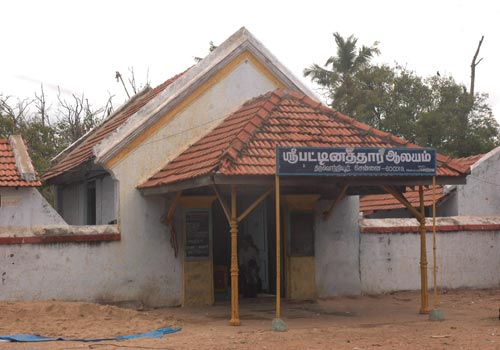
patti.temple
Sri Pattinathar Temple at Tiruvotriyur, Chennai

சிந்தனைச் சிற்பிகள் (ஜய வருடம்) 2014 அக்டோபர் மாத காலண்டர்
(( பட்டினத்தாரின் முக்கிய பாடல் மேற்கோள்கள் ))

Post No. 1316; Date: 29 செப்டம்பர் 2014
Prepared by London swaminathan (copyright)

பட்டினத்தார் பாடல்களிலிருந்து முக்கிய 31 மேற்கோள்கள் இந்த அக்டோபர் மாத காலண்டரை அலங்கரிக்கின்றன.

முக்கிய நாட்கள்: அக்டோபர் 2: சரஸ்வதி பூஜை, 3 விஜய தசமி/தசரா; 22, 23 தீபாவளி (தமிழ் நாட்டில் 22, வடக்கில் 23).
அமாவாசை:23; சுபமுஹூர்த்த நாள்:– 30; பௌர்ணமி – 8, ஏகாதசி- 4, 19

My Previous Articles on Pattinathar:
1.Alexander and Tamil Saint Pattinathar, Posted on 19th June 2013
2.Miracles at Crematorium, Posted on 11th February 2013
3.God’s Notebook, Posted on 16th March 2014
4.Tamil Saint Pattinathar’s Warning, Posted on 4th April 2014
5.பட்டினத்தாருடன் 60 வினாடி பேட்டி Posted on 25 ஜனவரி 2012

அக்டோபர் 1 புதன் கிழமை
பிறக்கும்பொழுது கொடுவந்ததில்லை பிறந்து மண்மேல்
இறக்கும்பொழுது கொடுபோவதில்லை இடை நடுவில்
குறிக்கும் இச்செல்வம் சிவன் தந்ததென்று கொடுக்கறியா
திறக்கும் குலாமருக்கு என் சொல்லுவேன்கச்சி ஏகம்பனே

அக்டோபர் 2 வியாழக் கிழமை
“உலகப் பொய் வாழ்க்கையை உடலை ஓம்பற்க
பிறந்தன இறக்கும் இறந்தன பிறக்கும்
தோன்றின மறையும் மறைந்தன தோன்றும்”

அக்டோபர் 3 வெள்ளிக் கிழமை
நாய்க்குண்டு தெண்டு, நமக்குண்டு பிச்சை, நமனை வெல்ல
வாய்க்குண்டு மந்திர பஞ்சாட்சரம், மதியாமல் வரும்
பேய்க்குண்டு நீறு, திகைப்புண்டு நின்ற பிறவிப்பிணி
நோய்க்குண்டு தேசிகன் தன் அருள், நோக்கங்கள் நோக்குதற்கே (43,பொது)

அக்டோபர் 4 சனிக் கிழமை
கட்டி அணைத்திடும் பெண்டீரும் மக்களும் காலத்தச்சன்
வெட்டி முறிக்கும் மரம் போல் சரீரத்தை வீழ்த்திவிட்டால்
கொட்டி முழக்கி அழுவார் மயானம் குறுகிய அப்பால்
எட்டி அடி வைப்பரோ இறைவா கச்சி ஏகம்பனே (2, திருவேகம்பமாலை)

அக்டோபர் 5 ஞாயிற்றுக் கிழமை
மனையாளும் மக்களும் வாழ்வும் தனமும் தன் வாயில் மட்டே
இனமான சுற்றம் மயானம் மட்டே, வழிக்கு ஏது துணை ?
தினையாமனவு எள் அளவாகினும் முன்பு செய்த தவம்
தனை ஆள என்றும் பரலோகம் சித்திக்கும் சத்தியமே (12,பொது)

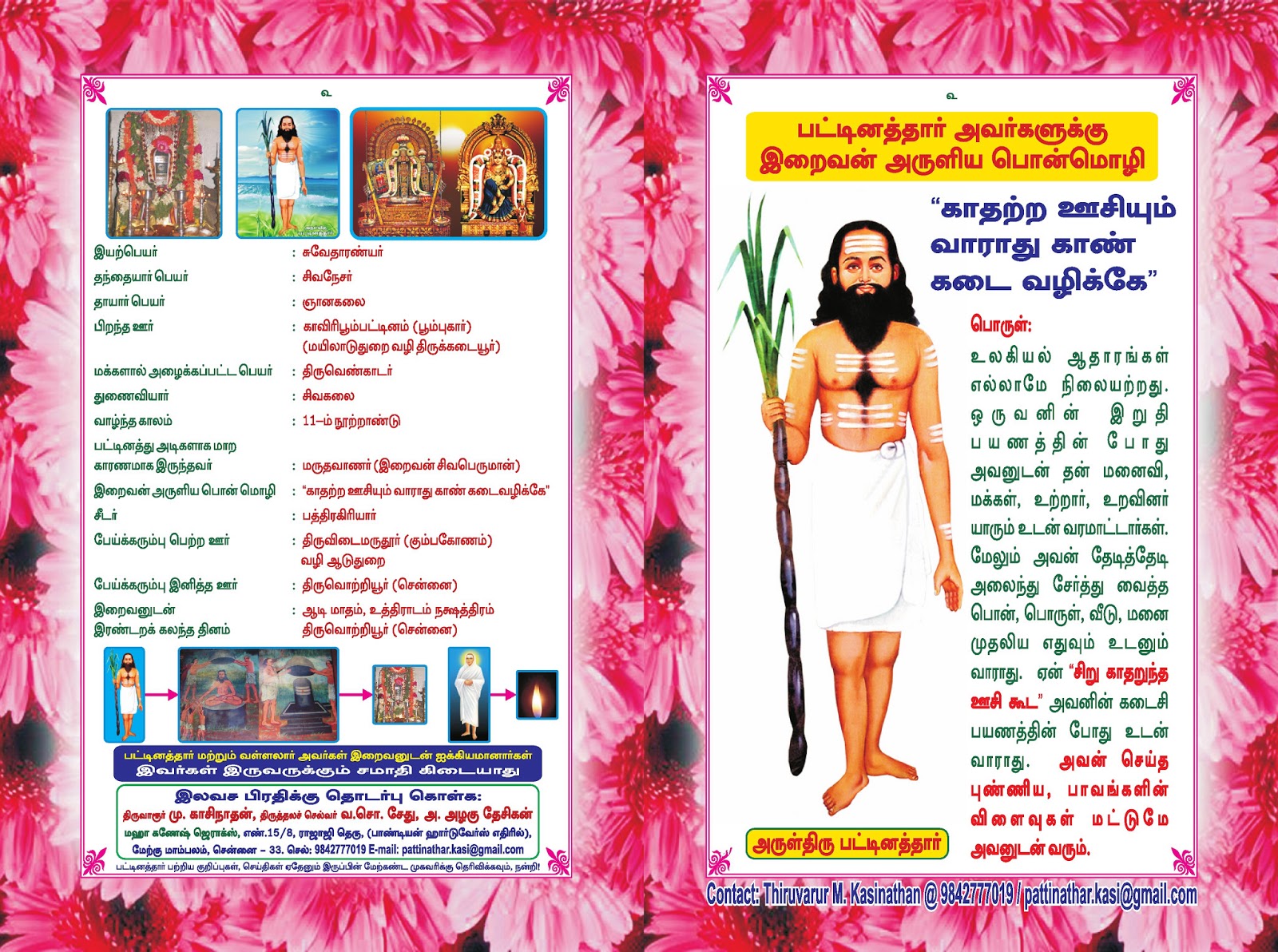
pattinathar wrapper0002

அக்டோபர் 6 திங்கள் கிழமை
என் பெற்ற தாயாரும் என்னைப் பிணம் என்று இகழ்ந்துவிட்டார்
பொன் பெற்ற மாதரும் போ என்று சொல்லிப் புலம்பிவிட்டார்
கொன்பெற்ற மைந்தரும் பின் வலம் வந்து குடம் உடைத்தார்
உன் பற்று ஒழிய ஒரு பற்றுமிலை உடையவனே (28,பொது)

அக்டோபர் 7 செவ்வாய்க் கிழமை
முடிசார்ந்த மன்னரும் மற்றுமுள்ளோரும் முடிவில் ஒரு
பிடி சாம்பராய் வெந்து மண்ணவதுங் கண்டு பின்னும் இந்தப்
படிசார்ந்த வாழ்வை நினைப்பதல்லால் பொன்னின் அம்பலவர்
அடிசார்ந்து நாம் உய்யவேண்டும் என்றே அறிவாரில்லையே.

அக்டோபர் 8 புதன் கிழமை
காம்பவிழ்த்துதிர்ந்த கனியுறுக் கண்டு / வேம்புகட்கெல்லாம் விதானம் அமைத்தும்
விரும்பின கொடுக்கை பரம்பரற்கென்று / புரி‘குழல்தேவியைப் பரிவுடன் கொடுத்த
பெரிய அன்பின் வரகுண தேவர்’’

அக்டோபர் 9 வியாழக் கிழமை
கல்லாப் பிழையும் கருதாப் பிழையும் கசிந்துருகி
நில்லாப் பிழையும் நின் ஐந்தெழுத்தைச்
சொல்லாப் பிழையும் துதியாப் பிழையும் தொழாப் பிழையும்
எல்லாப் பிழையும் பொறுத்தருள்வாய் கச்சி ஏகம்பனே

அக்டோபர் 10 வெள்ளிக் கிழமை
வாதுற்ற திண்புயர் அண்ணாமலையர் மலர்ப் பதத்தை
போதுற்ற எப்போதும் புகலும் நெஞ்சே? இந்தப் பூதலத்தில்
தீதுற்ற செல்வமென்? தேடிப் புதைத்த திரவியம் என்?
காதற்ற ஊசியும் வாராது காணும் கடைவழிக்கே

pattinathar3

அக்டோபர் 11 சனிக் கிழமை
உடை கோவணம் உண்டு, உறங்கப் புறத் திண்ணை உண்டு உணவு இங்கு
அடை காய் இலை உண்டு, அருந்தத் தண்ணீர் உண்டு, அருந் துணைக்கே
விடை ஏறும் ஈசர் திரு நாமம் உண்டு இந்த மேதினியில்
வட கோடு உயர்ந்தென்ன, தென் கோடு சாய்ந்தென்ன வான் பிறைக்கே?

அக்டோபர் 12 ஞாயிற்றுக் கிழமை
வீடு நமக்குத் திரு ஆலங்காடு, விமலர் தந்த
ஓடு நமக்கு உண்டு வற்றாத பாத்திரம்

அக்டோபர் 13 திங்கள் கிழமை
தன் வினை தன்னைச் சுடும் ஓட்டப்பம் வீட்டைச் சுடும்

அக்டோபர் 14 செவ்வாய்க் கிழமை
முன்னை இட்ட தீ முப்புறத்திலே பின்னை இட்ட தீ தென் இலங்கையில்
அன்னை இட்ட தீ அடிவயிற்றிலே யானும் இட்ட தீ மூள்க மூள்கவே

அக்டோபர் 15 புதன் கிழமை
ஒன்று என்று இரு; தெய்வம் உண்டு என்று இரு
உயர் செல்வம் எல்லாம் அன்று என்று இரு; பசித்தோர் முகம் பார்
நல் அறமும் நட்பும் நன்று என்று இரு; நடு நீங்காமலே நமக்கு இட்ட படி
என்றுன்றிரு; மனமே உனக்கு உபதேசம் இதே!

pattinathar2

அக்டோபர் 16 வியாழக் கிழமை
வாளால் மகவு அரிந்து ஊட்ட வல்லேன் அல்லன்; மாது சொன்ன
சூளால் இளமை துறக்க வல்லேன் அல்லன்; தொண்டு செய்து
நாள் ஆறில் கண் இடத்து அப்ப வல்லேன் அல்லன்; நான் இனிச் சென்று
ஆள் ஆவது எப்படியோ திருக் காளத்தி அப்பனுக்கே.

அக்டோபர் 17 வெள்ளிக் கிழமை
ஆரூரர் இங்கு இருக்க அவ்வூர் திருநாள் என்று ஊர்கள் தோறும்
உழலுவீர்;–நேரே உளக் குறிப்பை நாடாத ஊமர்காள்! நீவீர்
விளக்கு இருக்க தீ தேடுவீர்

அக்டோபர் 18 சனிக் கிழமை
நேமங்கள் நிட்டைகள் வேதங்கள் ஆகம நீதி நெறி
ஓமங்கள் தர்ப்பணம் சந்தி செப மந்திர யோக நிலை
நாமங்கள் சந்தனம் வெண்ணீறு பூசி நலமுடனே
சாமங்கள் தோறும் இவர் செய்யும் பூசைகள் சர்ப்பனையே

அக்டோபர் 19 ஞாயிற்றுக் கிழமை
உளியிட்ட கல்லையும் ஒப்பற்ற சாந்தையும் ஊத்தை அறப்
புளியிட்ட செம்பையும் போற்றுகிலேன்

அக்டோபர் 20 திங்கள் கிழமை
ஆசாரம் இல்லா அசடருடன் கூடிப் / பாசாங்கு பேசிப் பதி இழந்து கெட்டேனே
குரு மார்க்கம் இல்லா குருடருடன் கூடிக் / கரு மார்க்கத்துள்ளே கருத்தழிந்து கெட்டேனே
ஆலம் அருந்தும் அரன் பெருமை எண்ணாமல் / பாலர் பெண்டிர் மெய் என்று பதி இழந்து கெட்டேனே

pattinathar1

அக்டோபர் 21 செவ்வாய்க் கிழமை
நரிக்கோ கழுகு பருந்தினுக்கோ வெய்ய நாய் தனக்கோ
எரிக்கோ விரையெதுக்கோ விறை வாகச்சி ஏகம்பனே

அக்டோபர் 22 புதன் கிழமை
ஈயா மனிதரை ஏன் படைத்தாய் கச்சி ஏகம்பனே

அக்டோபர் 23 வியாழக் கிழமை
சொன்னபடி நில்லார் அறத்தை நினையார் நின் நாமம் நினைவிற் சற்றும் இலார் இருந்தென் இறந்தென் புகல் கச்சி ஏகம்பனே

அக்டோபர் 24 வெள்ளிக் கிழமை
பட்டப் பகலில் வெளிமயக்கே செயும் பாவையர் மேல்
இட்டத்தை நீ தவிர்ப்பாய் விறை வாகச்சி ஏகம்பனே

அக்டோபர் 25 சனிக் கிழமை
உருகி எலும்பு கருகி அடங்கி ஓர் பிடி நீறுமிலாத உடம்பை
நம்பும் அடியேனை இனி ஆளுமே

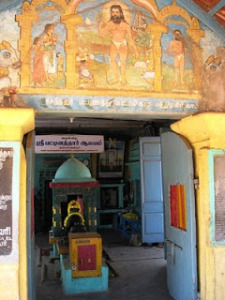
pattinathartemple19

அக்டோபர் 26 ஞாயிற்றுக் கிழமை
பாவலன் ஒருவன் செந்தமிழ்க்கிரங்கிப்
பரவையாருடைய மாற்ற ஏவலாளாகி இரவெலாம்
உழன்ற இறைவனே ஏக நாயகனே

அக்டோபர் 27 திங்கள் கிழமை
உண்டதே உண்டு உடுத்ததே உடுத்தும்
அடுத்தடுத்து உரைத்ததே உரைத்தும்
கண்டதே கண்டும் கேட்டதே கேட்டும்
கழிந்தன கடவுள் நாள் எல்லாம்

அக்டோபர் 28 செவ்வாய்க் கிழமை
நாப்பிளக்கப் பொய்யுரைத்து நவநிதியந் தேடி நலமொன்றும் அறியாத நாரியரைக் கூடி /
பூப்பிளக்கப் பொய்யுரைத்துப் புற்றீசல் போலப் புலபுலெனக் கலகலனப் புதல்வர்களைப் பெறுவீர் / காப்பதற்கும் வழி அறியீர் கைவிடவும் மாட்டீர் கவர் பிளந்த மரத்துளையிற் கால் நுழைத்துக் கொண்டே / ஆப்பதனை அசைத்துவிட்ட குரங்கதனைப் போல அகப்பட்டீர் கிடந்து உழல அகப்பட்டீரே.

அக்டோபர் 29 புதன் கிழமை
முதல் சங்கு அமுதூட்டு மொய்குழலாராசை
நடுச் சங்கு நல் விலங்கு பூட்டும் – கடைச் சங்கம்
ஆம்போது அது ஊதும் அம்மட்டோ விம்மட்டோ
நாம் பூமி வாழ்ந்த நலம்.

அக்டோபர் 30 வியாழக் கிழமை
ஆசைக் கயிற்றிலாடு பம்பரத்தைக்
காசிற் பணத்திற் சுழலுங் காற்றாடியை
மக்கள் வினையின் மயக்குந் திகிரியை- – – –
அம்பலத்தரசே அடைக்கலம் உனக்கே

அக்டோபர் 31 வெள்ளிக் கிழமை
“தம்மை மறந்து நின்னை நினைப்பவர் / செம்மை மனத்தினும் தில்லை மன்றினும் நடம்
ஆடும் அம்பல வாண!——————– / நிந்தமர் பெயர் எழுதிய வரிநெடும் புத்தகத்து
என்னையும் எழுத வேண்டுவன், நின்னருள் / ஆனை வைப்பில், காணொனா அணுவும்
வானுற நிமிர்ந்து காட்டும்.”

—-பட்டினத்தாரின் கோயில் நான்மணி மாலை

Pictures are taken from pattinatharkasi.blogspot.com and other sites;thanks.
contact swami_48@yahoo.com

Japan, China and Tamil Epic: A Strange coincidence!

waterfall clear
otowa girls

Otowa Warefall in Kiyomizu Dera Temple in Kyoto, Japan

Research Paper written by London Swaminathan
Post No.1315; Dated 28th September 2014.

I was talking to my friend today who visited Kyoto in Japan sometime ago. He was narrating an incident where he drank some holy water to get three benefits at one go. Suddenly I remembered one such thing in the Tamil epic Sillapadikaram.

Kiyomizu Dera Temple near Kyoto in Japan is a UNESCO heritage site. This temple was built 1200 years ago by an ancient Buddhist sect. Kiyomizu Dera Temple means The Temple of Pure Water. The main hall of the temple is considered a national treasure. Fifteen colourfully painted halls, Otowa Waterfall, Forty feet tall wooden columns, a wooden stage assembled with 410 cypress tree boards, Three storied Pagoda, Eleven headed -Thousand handed Bodisattva idol and decorative gates attract thousands of tourists every year.
It is halfway on the Otowa mountain. The temple met with several fire accidents and the latest structures are only 400 years old.

The Otowa Waterfall has some similarity to the Three Magic Ponds mentioned in the Tamil Epic Silappadikaram. The waterfall in Kyoto comes from a mountain stream and it is divided into three streams. It is said that one of the three gives you Longevity and the other two Wisdom and Health. Wisdom is interpreted as success in life or good marks in the examinations etc. So students are also attracted to it. People use metal cups to collect the water and drink. Tradition says that only two streams must be used. If anyone drinks water from all the three streams then the person is called a greedy person!

Tamil epic Silappadikaram has some magical element! Kovalan, with his young wife Kannaki, was travelling from Choza Kingdom to Pandya Kingdom. He met a Brahmin who performed Vedic sacrifices. Kovalan asked the learned Brahmin to show him the way to Madurai. Then the Brahmin explained to him the various routes. Following is the one that has similarity with three streams of Otowa water fall of Kiyomizu Dera in Japan:
“If you do not take the route lying to the right, but choose the route to the left, you will hear winged beetles singing the tune of Sevvali melody. Paasing this you reach Tirumaalkundram (Present Alakar Koil near Madurai) that opens into a cave which removes all delusion, and leads to the miraculous three ponds, greatly praised by the gods, and called the

Sacred Saravanam
Bava Karani and
Ishtasiddhi.

map

If you bathe in the sacred Saravanam you will get the knowledge of the book attributed to the King of Gods (commentators identify this book with Aindra Vyakaranam, a grammar book or a system).

If you bathe in the Bavakarani, you will learn the deeds of your past which lead to your present birth.

If you bathe in the Ishtasiddhi pond, you will gain all that you wish for.

If you choose to enter the cave, worship then the great lord on the lofty hill, meditating on his lotus feet and going thrice round the hill; then you will see a nymph by name Varottama near Cilambaru” – Katukan Katai, Silappadikaram

kiyomizudera_temple_kyoto
Kiyomizu Dear Temple, Kyoto, Japan

The above passage is almost similar to Japanese belief. I had been to Cilambaru and Nupura Ganaga, a small water fall at Alakar hill. Though I have not gone to Japan, the picture shows something like Nupura Ganga, a small stream falling as water fall. In both the places the holy water is said to have some magical properties. It gives one wisdom, health, longevity and wishes.

Madurai people throng to Alakar Hills to bathe in the medicinal cum holy water of Cilambaru. We too used to drink Cilambaru water for its medicinal qualities. Japanese drink it for its magic effects. Both the shrines are located up the hill.

Fulushouqi

Fu Lu Shou
Chinese Belief

Chinese also worship Fu, Lu, Shou representing Happiness, Prosperity and Longevity. They are worshipped as stars in the sky. Fu represents Jupiter (Guru), Lu represents (Vasishta Nakashatra in Ursa Major constellation or Saptarishi mandalam and Shou represents Agastya Nakashatra- Canopus in the southern sky. They have been worshipping these stars in the form of three human figures for at least 800 years. There is no doubt that they have learnt all these things from the Hindus. Vasishta and Arndhati are in Sangam Tamil literature which is at least 2000 years old. Agastya Star is visible only for people living in the southern latitudes. Only Hindus could have made him a God or a Star!

swami_48@yahoo.com