Sanskrit & Tamil Quotations on Guru

rama,madhva
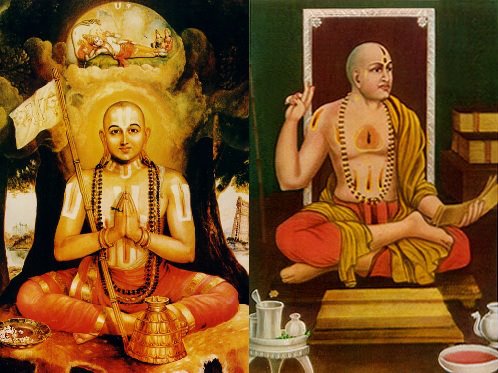
Sri Ramanuja and Madhva

Compiled by London Swaminathan
Post No. 1085; Dated 4th June 2014.

*How can the Veda be grasped without tutelage
Anaditya gurOragrE pratibhaati katham srutih – Bhaarata Manjari 3-21.938

*A teacher who fosters a bad student due to personal gains demeans himself
Asisya sEvayaa laabhalObhEna syaad gururlaguh

*Consider the teacher your god
Aachaarya dEvO bhava – Taittiriya Upanishad

*The teacher is censured for the defects of the disciple.
Aachaaryamaagacchati sisyadOsah – Panca Tantra

*Question not the preceptor’s precepts
Aajnaa guruunaam hyavicaaraniiyaa — Raghuvamasa 14-46

*For the children, the teacher indeed is God
guravO hi daivatam baalaanaam

*One can engage in harmless jest with the tutor
Gurunaapi samam haasyam kartavyam kutilam vinaa – Granthastha gathegaaku

*The preceptor’s words should not be transgressed
Guruvachanam alanghaniiyam — Granthastha gathegaaku

*Even amongst the many learned, the wealthy tower
Gururhi dhanavaanagrE sarvavidyaavataamapi — Bhaarata Manjari 2.2.18

*The teacher is like a lamp that lights up the path
Gurustu diipavan maarga darsakah

*Follow the Guru’s words implivitly.
Guruuktam avicaaritam kuryaat – Satopadesa prabandha

*What is learnt from the preceptor should be submitted at his feet
gurOradhitam guravE samarpitam –Kahaavat ratnaakar

*Rare indeed are those preceptors who can steal the hearts of pupils.
Durlabhassa hururlOkE sisyacitta apahaarakah — – Subhasita Ratnakhanda Manjuusaa

*Blessings of one’s preceptors fructify as bonds with the noble.
Mahaajananisca sambandhah phalam gurujanaasisaam – Ramayana Manjari 1-12-525

*Go not empty handed to meet the ruler, God and teacher.
Riktapaanirna pasyEtu rajaanaam dEvataam gurum – Subhasita Ratnakhanda Manjuusaa

*Unbearable is the curse of the preceptor which acts like an axe on the creeper of prosperity.
LakshmiilataakuthaaarO hi gurusaapah suduh sahah –Brhat Kathaa Manjari

*How can total success be yours without the guidance of the teacher?
Vinaa hi gurvaadEsEna sampuurnaah siddhayah kutah –Kathaa Sarit Sagar

*All the knowledge of the preceptor is naturally imbibed by the devoted.
Sarvaam gurugataam vidyaam susruusur adhigacchati –Kahaavat ratnaakar

Source: Suktisudha, Chinmaya International Foundation.
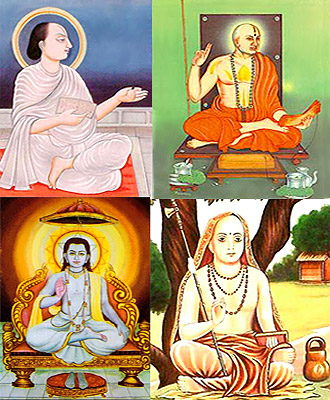
Schools-of-Vedanta
Lotus Feet of the Guru: Adi Sankara

*One’s body may be handsome, wife beautiful, fame, excellent and varied, and wealth like unto Mount Meru; but if one’s mind not be attached to the lotus feet of the Guru, what thence, what thence, what thence, what thence?

Sariiram suruupam tathaa vaa kalatram
Yasascaaru citram dhanam mErutulyam
ManascEnna lagnam gurOranghripadmE
Tatah kim Tatah kim Tatah kim Tatah kim – Guruvastakam by Adi Sankara

*Wife, wealth, sons, grandsons, etc., all these; home, relations – the host of all these there may be; but if one’s mind not be attached to the lotus feet of the Guru, what thence, what thence, what thence, what thence?
Kalatram dhanam putrapautraadi sarvam
Grham baandhavaah sarvametaddhi jaatam
ManascEnna lagnam gurOranghripadmE
Tatah kim Tatah kim Tatah kim Tatah kim – Guruvastakam by Adi Sankara
Source: Guru Ashtakam by Adi Sankara

Human Guru and Divine Guru
*He who considers his Guru to be merely human, what good can he derive from his prayers and devotion? We should not consider our Guru to be a mere man. Before the disciple sees the deity, he sees Guru in the first vision of Divine illumination. – Ramakrishna Paramahamsa

*The human Guru whispers the sacred formula (mantra) in the ear; the Divine guru breathes the spirit into the soul. . – Ramakrishna Paramahamsa

*The Guru is a mediator. He brings man and God together, even as a match-maker brings together the lover and the beloved. – Ramakrishna Paramahamsa

*The Guru is like the mighty Ganges. Men throw all filth and refuse into the Ganges, but the holiness of that river is not diminished thereby. So is the Guru above all petty insult and censure. – Ramakrishna Paramahamsa
Source: Sayings of Sri Ramakrishna, Ramakrishna Math, Madras 600 004
indian philosophers

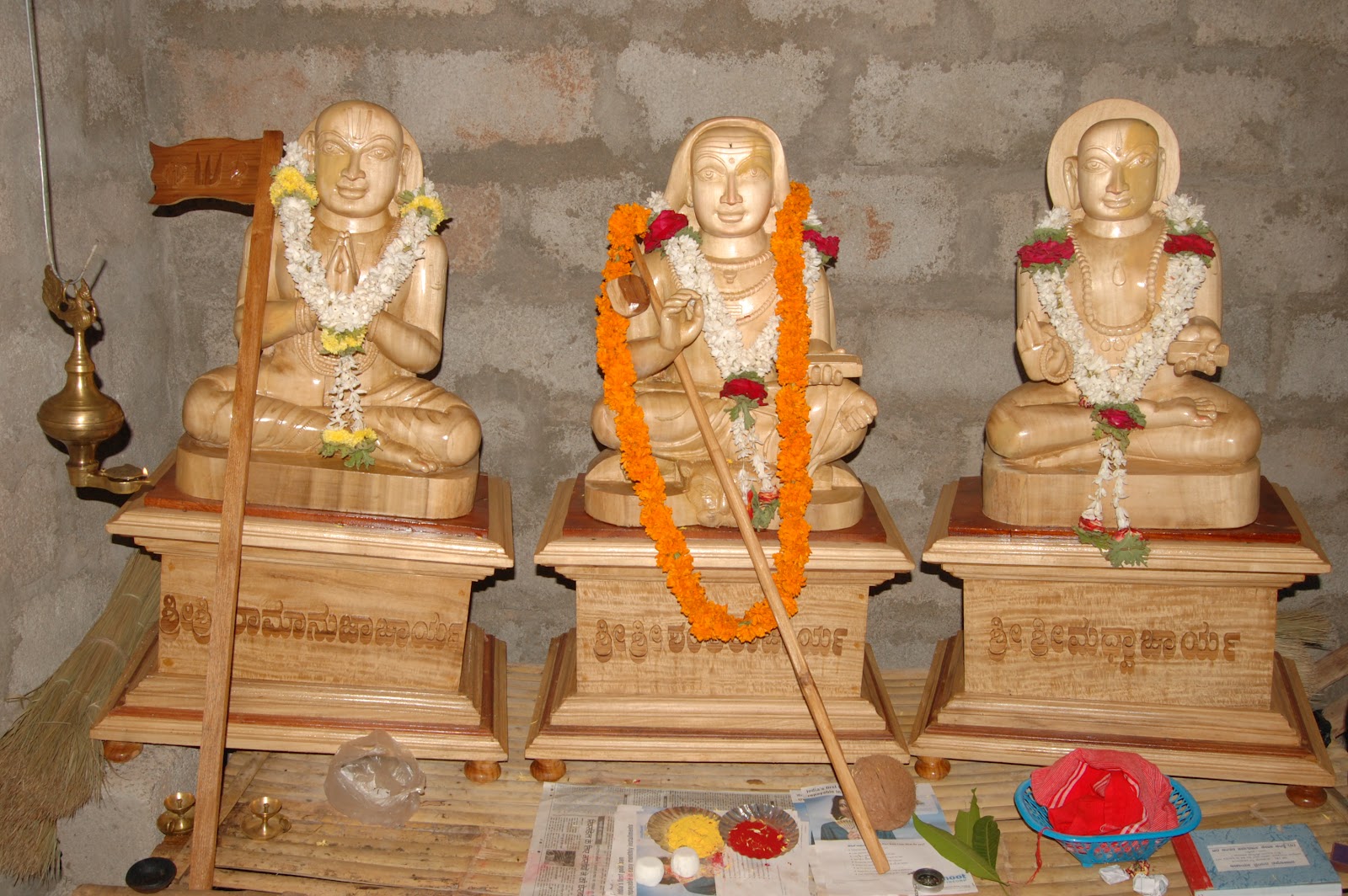
Sri Ramanuja, Sri Sankara and Sri Madhva

Who is a Guru?
*As soon as one thinks about the Garuda (eagle) the snake poison is nullified; as soon as one thinks about the Guru, all the bad things (Trimalas) vanish – Tirumular Tirumantiram in Tamil ( Garudan uruvam karuthum aLavil…….)

*One should see his Guru, listen to him, think about him and recite his name; that is the essence wisdom – Tirumular Tirumantiram in Tamil (TeLivu Guruvin tirumeni kaandal……)

*Like the philosopher stone changes everything that it touches into gold, Guru’s touch will change people into God – Tirumular Tirumantiram in Tamil (Parisanavethi parisiththa thellaam…….)

*A good teacher (Guru) is one who knows the inner meaning/secret of the Mantras, Yoga, Rules laid in the scriptures, wisdom and the power of discriminating attachment and non attachment; one who hasn’t these virtues, but live for eating he is blind. –Tirumular Tirumantiram in Tamil (Manthira thanthira maayOga njaanamum……..)

Source: Tirumantiram in Tamil
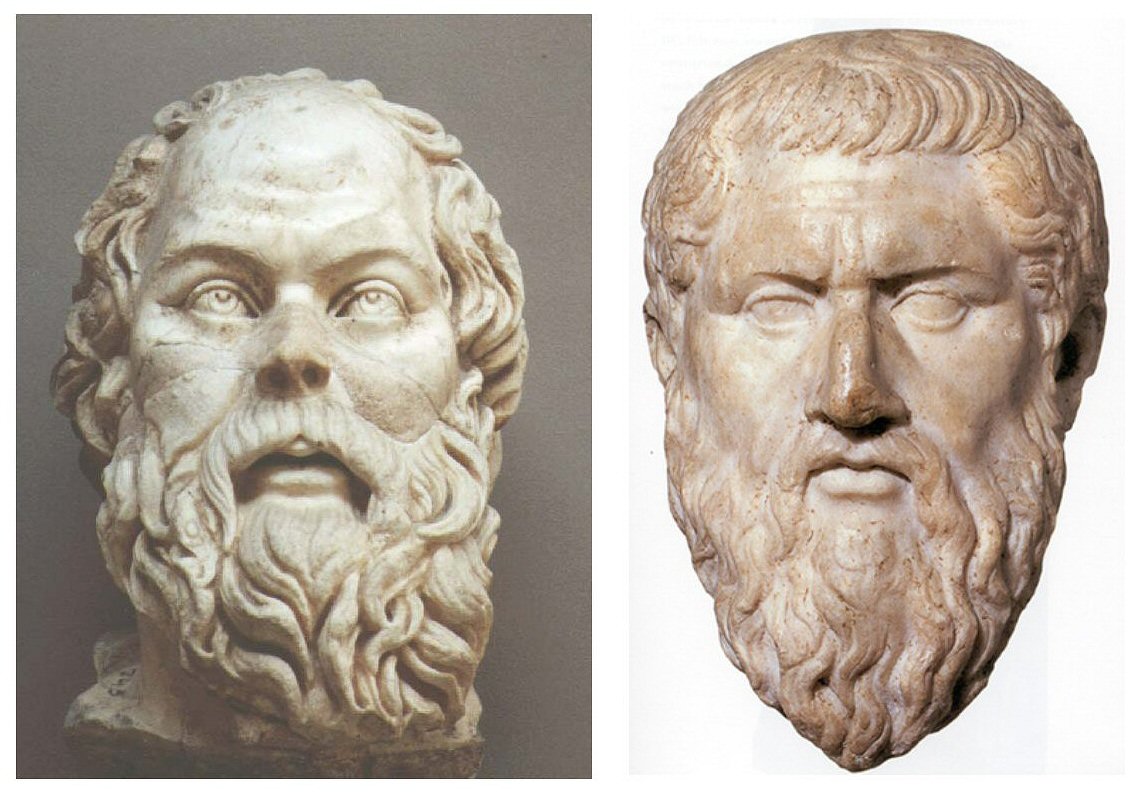
socrates and plato

Greek Philosophers with beards: Socrates and Plato

‘ It is not the Beard that makes the Philosopher ’

*Can all those disguise themselves as Gurus become real Gurus?—Tamil Proverb (Guru vesham koNdaar ellaarumE guruvaay viduvaarkaLaa?)
Equivalent English proverbs: you can’t judge a horse by its harness (German);You can’t judge of the horse by the harness.
It is not the beard that makes the Philosopher

*Those who haven’t got a Guru, learn nothing; those who have not invested money gains nothing. – Tamil Proverb (Guruvillaarkku Viddhaiyum Illai; muthal illaarkku laabhamum ilai)
Equivalent English proverbs: he that is only his own pupil, shall have a fool to his tutor.
He that teaches himself has a fool for his master.
Source: Tamil Proverbs by South India Saiva Siddhanta Publishing Society
gerage bernard shaw
George Bernard Shaw
Guru Gita
*All harmful desires and past deeds will be completely washed away by service at the feet of the Guru — Guru Gita

*Any place where the Guru dwells is the holy place Varanasi/Kasi; the water that washes his feet is the Ganges – Guru Gita

*Gu is the symbol for darkness; Ru is the remover of darkness. The Guru is supreme knowledge indeed, the swallower of darkness. – Guru Gita

Contact swami_48 @yahoo.com
ஒவ்வொரு தமிழனும் ஒரு ஜோதிட ஆர்வலனே!

india
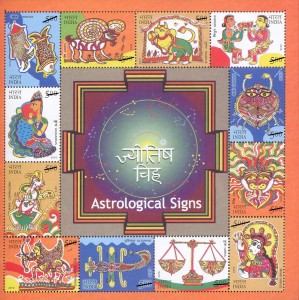
Zodiac signs on Indian postage Stamps

Post No.1084 ; Dated 4th June 2014.

சங்க இலக்கியக் கூற்றின் படி ஒவ்வொரு தமிழனும் ஒரு ஜோதிட ஆர்வலனே!

by ச.நாகராஜன்

சங்க இலக்கியத்தில் நூற்றுக்கும் மேற்பட்ட ஜோதிடக் குறிப்புகள்!

பகுத்தறிவாளர்கள் தமிழன் பண்பாட்டிற்கு ஒவ்வாத ஜோதிடத்தின் பக்கம் போகலாமா என்று கேட்டு இதற்கு எதிராக ‘முழங்கி’ வருவதை எண்ணிப் பார்த்தால் சிரிப்புத் தான் வருகிறது! தமிழர்களின் பாரம்பரியத்தின் படி ஜோதிடம் மகத்தான ஒரு இடத்தை அவர்கள் வாழ்வில் கொண்டிருந்ததை சங்க இலக்கியம் நன்கு விளக்குகிறது.

அஸிரிய, பாபிலோனிய, மாயா, கிரேக்க,எகிப்திய நாகரிகத்தை விடப் பழமையான நாகரிகம் தமிழர் நாகரிகம் என்பது உலக அறிஞர்களால் ஒப்புக் கொள்ளப்பட்ட ஒரு உண்மை! தமிழர்களின் சங்க இலக்கியம் காலத்தால் முற்பட்ட கருத்துக் கருவூலம் என்பதும் அனைவராலும் ஒப்புக்கொள்ளப்பட்ட ஒன்று! இந்த சங்க இலக்கியங்களில் சுமார் 154க்கும் மேற்பட்ட குறிப்புகள் ஜோதிடத்தைப் பற்றி உள்ளன!

அனைத்துத் தமிழ் இலக்கியத்தையும் ஆராயப் புகுந்தால் ஆயிரத்திற்கும் மேற்பட்ட, வாழ்வை மேம்படுத்தும் சிறந்த ஜோதிடக் குறிப்புகள் இருப்பதைப் பார்க்கலாம். அகத்தியரில் ஆரம்பித்து பல சான்றோரால் இயற்றப்பட்ட ஆயிரக் கணக்கான அற்புதமான ஜோதிட நூல்கள் தமிழில் உள்ளன. சரஸ்வதி மஹால் வெளியிட்ட மிகச் சில நூல்களைத் தவிர பல நூல்கள் அச்சேறாது சுவடி வடிவிலேயே இருக்கும் அவல நிலையும் நம்மிடத்தில் மட்டுமே உண்டு!

ஒவ்வொரு பழந்தமிழனும் ஜோதிடத்தைப் பார்ப்பவனே!
நாள்தோறும் நல்ல காரியங்களைச் செய்வதற்கு நாளும் ஒரையும் பார்த்தவர்கள் பழந்தமிழர்கள். நாள் என்ற தமிழ் வார்த்தையே நட்சத்திரத்தைக் குறிக்கும் என்பது ஒரு சுவையான செய்தி! களவொழுக்கத்தில் தலைவனுக்கு தீய ராசி, தீய நாள் இல்லை என்பதை “மறைந்த ஒழுக்கத்து ஓரையும் நாளும் துறந்த ஒழுக்கம் கிழவோற்கு இல்லை” என்று தொல்காப்பியம் (1081) கூறுகிறது.
இதனாலேயே களவொழுக்கம் இல்லாத இயல்பான ஒழுக்கம் உடைய தமிழர் நாளும் ஒரையும் பார்த்து வாழ்ந்தவர்கள் என்பது தெளிவாக விளங்குகிறது இல்லையா!

israel
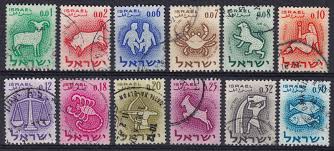
Zodiac Signs on Israel Stamps

கணியன் பூங்குன்றனார் ஒரு சிறந்த ஜோதிட மேதை!

பழந்தமிழில் ஜோதிடம் என்ற வார்த்தை புழக்கத்தில் இல்லை. மாறாகக் கணியம் என்ற சொல் பல இடங்களிலும் பயிலப் படுகிறது. உலகமே இன்று போற்றி வியக்கும் தமிழ்ப் புலவர் கணியன் பூங்குன்றனார் ஒரு சிறந்த ஜோதிடர்; வான நூல் விற்பன்னர். அதனால் தான் அவர் “யாதும் ஊரே யாவரும் கேளிர்; தீதும் நன்றும் பிறர் தர வாரா” என்ற அடிப்படை ஜோதிட உண்மையைக் (அவனவன் கர்மமே அவனுக்கு நன்மையையும் தீமையையும் தருகிறது!) கூறினார்! கணியன் பூங்குன்றனாரை தலை சிறந்த உலகனாகச் சுட்டிக் காட்ட விழையும் பகுத்தறிவாளர்கள் அவர் ஒரு கணியன் என்பதால் ஜோதிடத்தை அங்கீகரிக்க வேண்டிய அவசியம் ஏற்படுகிறது அல்லவா?

நற்றிணை (373.6), காரரும்பு அவிழ்ந்த கணிவாய் வேங்கை என்றும் அகநானூறு (151.15)கணிவாய்ப் பல்லிய காடிறந்தோரே” என்றும் கூறுகின்ற வரிகளால் கணி என்ற வார்த்தை பயிலப்படுவதைப் பார்க்கலாம். கணிப்பது ஜோதிடம்; அதைக் கணிப்பவர் கணி அதாவது ஜோதிடர். இன்றும் கூட நாம் ஜாதகத்தைக் கணித்துத் தாருங்கள் என்று கூறுவதை வழக்கமாகக் கொண்டிருக்கிறோம்!

கணிவாய் வேங்கை என்றால் என்ன?

மேலே கண்ட வரியில் வரும் கணிவாய் வேங்கை என்றால் என்ன? வேங்கை பௌர்ணமியன்று தான் பூக்கும்!அந்த தினத்தில் சந்திரன் ரோஹிணி நட்சத்திரத்தைச் சேரும்.ஆகவே அது காதலர் அல்லது புதுமணம் செய்யப் புகும் யுவதியும் வாலிபனும் கடிமணம் செய்து கொள்வதற்கு உகந்த நாளாகத் தமிழரால் கொள்ளப்பட்டது. கணியர் போல (ஜோதிடர் போல) நல்ல நாள் இதுவெனப் பூத்துக் காட்டுவதால் அது கணிவாய் வேங்கை எனச் சொல்லப்பட்டது! பல்லி சொல்வதை கேட்டு நம்பும் பழக்கமும் பழந்தமிழரிடம் பரவலாக இருந்தது!தன்னைப் பிரிந்து இருந்த தலைவன் வருவான் என்பதை பல்லி சொல் கேட்டுத் தலைவி உணர்ந்து கொள்வாள்! இப்படிக் கணித்துச் சொல்வதால் அதுவும் ‘கணிவாய்ப் பல்லி’எனப்பட்டது.

ஜோதிடம் இன்றித் தமிழரின் தொன்மம் இல்லை!

அன்று தமிழரின் வாழ்வில் (ஏன், இன்றும் தான்!) எப்படி ஜோதிடம் முக்கியத்துவம் பெற்றிருந்தது என்பதற்கு இன்னும் ஏராளமான சுவையான செய்திகளைச் சுட்டிக் காட்டலாம் – சங்க இலக்கியத்தின் மூலம்! ஆகவே ஜோதிடத்தை மறுத்தால் தமிழனின் பாரம்பரியமே கேள்விக்குறியாகி விடும்!அவ்வளவு தொன்மம் தமிழர் வாழ்வில் ஜோதிடத்துடன் இணைந்திருப்பது வியப்பூட்டும் ஒரு உண்மை!

நாள்மீனும் விண்மீனும்
அசுவனி முதலாக ரேவதி ஈறாக பெயர் சூட்டப்பட்ட 27 நட்சத்திரங்கள் நாண்மீன்கள் என்றும் பெயர் சூட்டப்பெறாத இதர நட்சத்திரங்கள் விண்மீன்கள் என்றும் தமிழ் இலக்கியத்தில் குறிக்கப் படுகின்றன.
maldive stamps

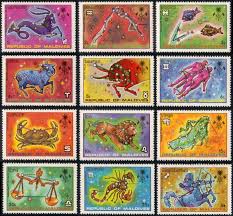
Zodiac Signs on Maldives Stamps

அருந்ததியின் சிறப்பு

அருந்ததியை புது மணம் புரிந்தோர் பார்ப்பது சம்பிரதாயமாக இருந்தது. அருந்ததியை சங்க இலக்கியம் வடமீன்,செம்மீன்,மீன்,சிறுமீன்,சாலினி,வானத்து அணங்கு எனப் பலவாறாகச் சுட்டிக் காட்டுகிறது! சில சங்க வரிகளைக் கீழே காணலாம்:

வடமீன்போல் தொழுதேத்த வயங்கிய கற்பினாள் (கலி 221)
வடமீன் புரையும் கற்பின் மடமொழி அரிவை (புறம் 228-9)
விசும்பு வழங்கு மகளிருள்ளும் சிறந்த
செம்மீன் அனையள் நின் தொன்னகர்ச் செல்வி (பதிற்றுப்பத்து 3127-28)
கார்த்திகை நட்சத்திரமும் கார்த்திகை மாதரும்
கார்த்திகை நட்சத்திரம் அறுமீன் என்றும் ஆரல் என்றும் குறிப்பிடப்படுகிறது!
அறுமீன் பயந்த (நற்றிணை 202-9)
அறுமீன் சேரும் அகலிருள் நடுநாள் (அகநானூறு 141-8)

என்பதோடு அறுவர் பயந்த ஆலமர் செல்வ (முருகு 255) என்பதன் மூலம் கார்த்திகை மகளிர் அறுவரும் சுட்டிக் காட்டப்படுவதையும் கண்டு மகிழலாம்!

சுக்கிரனும் மழையும்

சுக்கிரன் மழை தரும் கிரகமாக தமிழர் தமது ஜோதிட -விஞ்ஞான அறிவால் கண்டுபிடித்திருந்தனர்! அது தெற்குப் பக்கம் ஏகினால் மழை பெய்யாது என்பதை புறநானூறு “இலங்கு கதிர் வெள்ளி தென்புலம் படரினும் அந்தண் காவிரி வந்துசுவர் பூட்ட” என்று அற்புதமாகக் குறிப்பிடுகிறது!இதே கருத்தை புறநானூற்றின் மேலும் ஐந்து பாடல்கள் வலியுறுத்துகின்றன! (ஆர்வமுள்ளோர் பாடல்கள்172,383,384,386,388 ஐப் படித்துணரலாம்)
-தொடரும்

சங்கத் தமிழில் ராமன், பலராமன், பரசுராமன்

baladevakrishna

பலராமர், கிருஷ்ணர் காசு. இந்திய-கிரேக்க மன்னரால் 2200 ஆண்டுகளுக்கு முன் வெளியிடப்பட்டது.

Written by London Swaminathan
Post No. 1083 ; Dated 4th June 2014.

நாத்திக வாதம் பேசும் தமிழர்களும், தங்களுக்கு முன் திராவிடர் என்ற அடைமொழியைச் சேர்த்துக் கொண்ட சில தமிழர்களும் நூறு வருடங்களாக உலகை ஏமாற்றி வருகின்றனர். இதற்கு தமிழ் இலக்கியம் பற்றிய அறியாமையே காரணம். ஏமாறுபவன் இருக்கும் வரை உலகில் ஏமாற்றுபவர்களும் இருப்பார்கள் என்பது இயற்கை நியதி. “இளிச்ச வாயனைக் கண்டால் எருதும் மச்சான் முறை கொண்டாடும்”, “குனியக் குனியக் குட்டுவார்கள்” என்ற பழமொழிகளே இதற்குச் சான்று.

வெள்ளைக் காரர்கள் அவர்களுடைய மதத்தைப் பரப்பவும், ஆட்சியை நிலை நாட்டவும் ஆரிய-திராவிட இனவாதத்தைப் பரப்பி இந்து தெய்வங்களை இரு கூறுபோட்டு ஒரு கோஷ்டி ஆரிய தெய்வங்கள் என்றும் மற்றொரு கோஷ்டி திராவிட தெய்வங்கள் என்றும் ‘அக்மார்க்’ முத்திரை குத்தினர். இதை சில திராவிடங்களும் பற்றிக் கொண்டு பொய்ப் பிரசாரம் செய்துவந்தனர்.

தமிழர்களுக்கு தெய்வங்களே கிடையாதென்றும் ஆரியர்கள்தான் இப்படி இந்து மத தெய்வங்களைப் “புகுத்தினார்கள்” என்றும் ஆங்கிலத்தில் கட்டுரைகள் எழுதினார்கள். ஆங்கிலமும் தெரியாத, தமிழும் படிக்காத, பாமர ஜனங்கள் அதை நம்பி ஏமாந்தனர். காஞ்சிப் பெரியவர் போன்ற சிலர் மட்டும் அன்பான முறையில் அறிவுபுகட்ட முயன்றனர். ராக்காயி, மூக்காயி, மஹமாயி, சாத்தன், ஐயனார் என்பன எல்லாம் வேத கால தெய்வங்கள் என்றும், அந்தப் பெயர்கள் அனைத்தும் சம்ஸ்கிருதப் பெயர்கள் என்றும் சொற்பொழிவாற்றி உதரணங்களையும் கொடுத்தார்.

சங்க இலக்கியத்தில் உள்ள 2389 பாடல்களைப் பயின்றவருக்கு ஆரிய, திராவிட என்ற சொல் எல்லாம் நகைப்பைத் தரும். திராவிட என்ற சொல் சங்க இலக்கியத்தில் இல்லை. ஆரிய என்ற சொல் இருந்தாலும் அது இனவாதப் பொருளில் பயிலப்படவில்லை.

தமிழ் இலக்கியத்தின் மிகப் பழைய பகுதிகளில் ராமன், பலராமன், பரசுராமன், சிவன், கொற்றவை (துர்கை), முருகன் ஆகிய எல்லோரும் மதிப்புடன் குறிப்பிடப்பட்டுள்ளனர். நூற்றுக் கணக்கான இடங்களில் பிராமணர்கள், வேதங்கள், இந்து மத நம்பிக்கைகள், மறு ஜன்மம், தகனம், கர்ம வினைக் கொள்கை, இந்திரன் வருணன், அக்னி, சதி என்னும் உடன்கட்டை ஏறுதல், சுவர்க்கம், நரகம் முதலியவையும் குறிப்பிடப்படுகின்றன.

800px-Heliodorus-Pillar2
பெஸ்நாகர் என்னும் இடத்தில் கிரேக்க மன்னன் எழுப்பிய கருட ஸ்தம்பம்.

தொல்காப்பியத்தில் இந்திரன், வருணன், துர்க்கை, அக்னி, பலராமன், விஷ்ணு ஆகியவர்களைத் தமிழர் தெய்வங்களாகப் போற்றி இருப்பதை ஏற்கனவே மூன்று கட்டுரைகளில் கொடுத்துவிட்டேன்.
இதோ சங்கத் தமிழ் நூல்களில் இருந்து சில பகுதிகள்:

புறநானூறு:
ஓங்குமலைப் பெருவிற்பாம்பு ஞாண் கொளீ இ
யொருகணை கொண்டு மூவெயிலுடற்றிப்
பெருவிறலமரர்க்கு வென்றி தந்த
கறைமிடற்றண்ணல் காமர் சென்னிப்
பிறைநுதல் விளங்கு மொருகண் போல (புறம் 55)

பொருள்: மலையையே வில்லாகவும் பாம்பை நாண் ஆகவும் கொண்டு ஒரே வில்லில் அசுரர்களின் மூன்று கோட்டைகளை அழித்த சிவபெருமானைப் போற்றும் பாடல் இது. கழுத்தில் கறை ஏற்பட்டு நீலகண்டனாக விளங்கும் சிவனுக்கு நெற்றியில் ஒற்றைக் கண் இருப்பது தலையில் நிலவின் பிறை இருப்பது ஆகியவற்றையும் புலவர் மருதன் இள நாகன் குறிப்பிடுகிறார்.

முதுகுடுமிப் பெருவழுதி என்னும் பழைய பாண்டிய மன்னனைப் பாராட்டும் பாடலில் காரி கிழார் என்னும் புலவரும் சிவனின் மூன்று கண்களையும், சடையையும் பாடுகிறார்:-முக்கட் செல்வர், நீணிமிர் சடை (புறம் 6)

சிவபெருமான் தான் ஆதிசிவன், முதற் கடவுள் என்று புறம் 166 கூறும்: ‘’முது முதல்வன்’’.

அகநானூறு:
ஞாலநாறு நலங்கெழு நல்லிசை
நான்மறை முதுநூல் முக்கட் செல்வ
னாலமுற்றங்கவின் பெறத்தை இ (அகம் 181)
பொருள்:–உலகம் எல்லாம் பரவும் புகழுடைய நான்கு வேதங்களான பழைய நூலை அருளிய சிவபெருமானின் ஆலமுற்றம்! என்று பரணர் என்னும் புகழ்மிகு புலவர் பாடுகிறார். இதே பாடலில் ஆய் எயினன் என்பவன் முருகப் பெருமான் போல வீரம் உடையவன் என்றும் போற்றப் படுகிறான்.

பரணரும் கபிலரும் இரட்டைப் புலவர் போல சங்க நூல்கள் முழுதும் வியாபித்து நிற்கின்றனர். அவர் தம் திரு வாயால் மலர்ந்தருளிய சொல்லில் வேதத்தை, நான்மறைகளை ‘’முதுநூல்’’ என்று போற்றுவதைக் கவனிக்கவேண்டும். 2000 ஆண்டுகளுக்கு முன் வாழ்ந்த பரணருக்கே அது மிகப் பழைய நூல் என்றால், வேதங்களின் காலத்தை யாரே கணிக்க வல்லார்?

azakaana sivan

நக்கீரர் பாடிய பாடலில் (புறம் 56) இந்துமதம் பற்றிய ஏராளமான கருத்துகளை அளிக்கிறார்:-
ஏற்றுவலன் உயரிய எரிமருள் அவிர்சடை
மாற்றருங் கணிச்ச்சி மணிமிடற்றோனுங்
கடல்வளர் புரிவளை புரையும் மேனி
அடல் வெந் நாஞ்சிற் பனைக் கொடியோனும்
மண்ணுறு திருமணி புரையும் மேனி
விண்ணுயர் புட்கொடி விறல் வெய்யோனும்
மணிமயி உயரிய மாறா வென்றிப்
பிணிமுக ஊர்தி ஒண் செய்யோனும் (புறம் 56, நக்கீரர்)

பொருள்:–காளையைக் கொடியாகக் கொண்ட தீயைப் போல விளங்கும் சடையையும் மழு என்ற ஆயுதத்தையும் உடைய நீலமணி போன்ற கழுத்தை உடையவனும், கடலில் வளரும் வெண்மையான சங்கு நிறம் கொண்ட, கொல்லும் கலப்பை என்ற ஆயுதத்தை உடைய பனைக்கொடி உடைய பலதேவனும் தூய்மை செய்யப்பட்ட நீலமணி போன்ற மேனியயும் கருடக் கொடியையும் உடைய வெற்றியை விரும்பும் கண்ணனும் , நீலமணி போன்ற மயில் கொடி உடைய மாறாத வெற்றி பொருந்திய மயில் ஊர்தியை உடைய முருகப் பெருமானும் உலகம் காக்கும் வலிமையும் தோற்காத நல்ல புகழும் உடையவர்கள்.

இந்துமத தெய்வங்களின் கொடிகள் வாகனங்கள், வருணனைகள் எல்லாம் ஆப்கனிஸ்தான் முதல் கன்னியாகுமரி வரை இதே காலத்தில் ஒரே மாதிரியாக இருப்பது எண்ணி எண்ணி இறும்பூது எய்ய வைக்கும். குஷான மன்னர்கள் கட்பீஸசும், கனிஷ்கரும் காளைவாகனத்துடன் சிவன் இருக்கும் நாணயங்களை வெளியிட்டனர். வடமேற்கு இந்தியப் பகுதிகளை ஆண்ட கிரேக்க வம்சாவளி மன்னர்கள் பலராமனுக்கும் கண்ணனுக்கும் (Bactrian coins of Agathocles 180 BCE) நாணயம் வெளியிட்டதும், (Greek King Heliodorous 113 BCE) விஷ்ணுவின் கருட வாகன தூண் அமைத்ததும் கி. மு. இரண்டாம் நூற்றாண்டில் நிகழ்ந்தன. அதற்கு 200 வருடங்களுக்குப் பின் 4000 மைல்களுக்கு அப்பால் வாழ்ந்த நக்கீரரும் அதையே செப்புவது இந்து மதத்தின் பரந்த தாக்கத்தை நிலைநாட்டுகிறது.

avatars6only
பல ராமன் & கண்ணன்
நக்கீரர் பாடலில் பலராமனை பனைக்கொடியோன் என்று பாடியதைக் கண்டோம். தொல்காப்பியரும் இந்த பனைக்கொடியைக் குறிப்பிட்டவுடன் உரைகாரர்கள் இது பலதேவனுடைய கொடி என்று உரை கண்டுள்ளனர். புறம் 58ல் இதைவிட உறுதியான ஒரு செய்தி வருகிறது. கண்ணனும் பலதேவனும் இணைபிரியாமல் இருப்ப்பது எல்லோருக்கும் தெரியும். பழந்தமிழ் நாட்டில் கண்ணனுக்கும் பலதேவனுக்கும் சேர்ந்தே சந்நிதிகள் இருந்தன. காலப்போக்கில் பலதேவன் மறைந்துவிட்டார். காரிக்கண்ணன் பாடிய புறம் 58ல் இரண்டு மன்னர்கள் ஒன்றாக இருந்ததைக் கண்டவுடன் அவருக்கு ‘’கண்ணன் – -பலதேவன்’’ நினைவே வந்தது. சோழன் குராப்பள்ளித் துஞ்சிய பெருந்திருமாவளவனும், பாண்டியன் வெள்ளியம்பலத்துத் துஞ்சிய பெருவழுதியும் ஒருங்கு இருந்தாரை காவிரிபூம்பட்டினத்துக் காரிக்கண்ணனார் பாடிய பாடல் இதோ:–

“பால்நிற உருவின் பனைக்கொடியோனும்
நீல்நிற உருவின் நேமியோனும், என்று
இரு பெருந்தெய்வமும் உடன் நின்றா அங்கு
உருகெழு தோற்றமொடு உட்குவர விளங்கி
இன்னீர் ஆகலின், இனியவும் உளவோ?”
இந்தப் பாடலில் ‘’இரு பெரு தெய்வங்கள்’’ என்ற சொற்றொடரைக் கவனிக்கவும். இனி சில ராமாயணக் காட்சிகள்:

தமிழ் ராமாயணம்
வால்மீகி, கம்பன் சொல்லாத விஷயங்களை சங்கப் புலவர்கள் கூறுகின்றனர்:-
புறம் 378 ஊன்பொதி பசுங்குடையார்:–
கடுந்தெறல் இராமனுடன் புணர் சீதையை
வலித்தகை அரக்கன் வௌவிய ஞான்றை,
நிலம் சேர்மதர் அணி கண்ட குரங்கின்
செம்முகப் பெருங்கிளை இழைப் பொலிந்தா அங்கு
அறாஅ அரு நகை இனிது பெற்றிகுமே
. . . . . . . . .
பொருள்:– இராமனுடன் வந்த சீதையை மிக்க வன்மையுடைய அரக்கனான இராவணன் கவர்ந்துகொண்டு போன சமயத்தில் சீதை கழற்றி எறியக் கீழே விழுந்த அணிகளைக் கண்டெடுத்த குரங்கின் , சிவந்த முகமுடைய மந்திகளான சுற்றம், அந்த அணிகளை அணிந்து விளங்கிக் கண்டவர் நகைத்து மகிழ்ந்தது போல……..

பெண் குரங்குகளுக்கு (மந்தி) எந்த நகையை எந்த உறுப்பில் அணிய வேண்டும் என்று தெரியாததால் வெவ்வேறு இடங்களில் தாறு மாறாக அணிந்தனவாம்!

ராவணன் ஒரு தமிழன் என்று சிலர் பொய்ப் பிரசாரம் செய்கையில் 2000 வருடங்களுக்கு முன்னர் வாழ்ந்த ஊன்பொதி பசுங்குடையார், ராவணன் ஒரு அரக்கன் என்று தெள்ளத் தெளிவாக உரைப்பது படித்துச் சுவைக்க வேண்டியது ஆகும்.

அகம் 70 மதுரைத் தமிழ்கூத்தனார் கடுவன் மள்ளனார்:–

. . . . . .
விழவு அணி மகளிர் தழை அணிக் கூட்டும்
வென்வேற் கவுரியர் தொல்முது கோடி
முழங்கு இரு பௌவம் இரங்கும் முன் துறை
வெல்போர் இராமன் அரு மறைக்கு அவித்த
பல் வீஷ் ஆலம் போல
ஒலி அவிந்தன்று, இவ் அழுங்கல் ஊரே.

பொருள்:– வெற்றிவேலை ஏந்திய பாண்டிய மன்னரின் மிகுந்த பழமை உடைய திருவணைக்கரையின் (தனுஸ்கோடி) அருகில், ஒலிக்கும் பெரிய கடல் துறையில், பறவைகள் ஆரவாரம் செய்தன. வானரங்களுடன் போர் திட்டத்தை வகுப்பதற்காக இராமன் அங்கே வந்தான். ஆல மரத்தில் இருக்கும் பறவைகளிடம் கை அசைத்து பேசாதே என்று சைகை செய்தவுடன் பறவைகள் பேசாமல் இருந்தன. அதே போல இவ்வூரும் ஆரவாரம் அடங்கி அமைதியாகி விட்டது.

இராம பிரானின் அபூர்வ ஆற்றல் பற்றிக் கூறும் இப்பாடல் போலவே பிற பாடல்களில் கிருஷ்ணனுடைய அபூர்வச் செயல்களையும் காண்கிறோம். 2000 ஆண்டுகளுக்கு முன்னரே தமிழ்நாட்டின் தென்கோடி வரை, மாய மந்திரம், அபூர்வ ஆற்றல்கள் பற்றி நம்பிக்கை ஏற்பட்டத்தானது பகுத்தறிவு என்ற பெயரில் பொய் பிரசாரம் செய்வோருக்கு சரியான சவாலாக அமையும்.

aghora and agni veerabhadra
அக்னி வீரபத்ரர், அகோர வீரபத்திரர்

கண்ணனின் அபூர்வ ஆற்றல்

அகம் 59 (மதுரை மருதன் இளநாகன்)
வண் புனல் தொழுநை வார் மணல் அகன் துறை
அண்டர் மகளிர் தண் தழை உடீ இயர்
மரம் செல மிதித்த மா அல் போல
புன் தலை மடப்பிடி உணீ இயர்

கண்ணன் குருந்த மரத்தை ஆய மகளிர்க்கு (கோபியர்) வளைத்துத் தந்தாற் போன்று ஆண்யானை ஒன்று, தன் பெண் யானை உண்ணும்படியாக மரத்தின் கிளையை வளைத்துத் தந்தது.
இதே பாடலில்,

சூர் மருங்கு அறுத்த சுடர் இலை நெடுவேல்
சினம் மிகு முருகன் தண் பரங்குன்றத்து
என்ற வரிகள் திரு முருகனின் சூரபதுமன் வதையையும், திருப்பரங் குன்றத்தின் பெருமையையும் கூறுகிறது.

புறம் 174 (மாறோக்கத்து நப்பசலையார்):–
அணங்குடை அவுணர் கணங்கொண்டி ஒளித்தெனச்
சேண் விளங்கு சிறப்பின் ஞாயிறு காணாது
இருள் கெடுத்த பருதி ஞாலத்து
இடும்பைகொள் பருவரல் தீரக் கடுந்திறல்
அஞ்சன உருவன் தடுத்து நிறுத்தாங்கு

—— . . .
பொருள்:–மற்றவரை வருத்தும் அச்சம் பொருந்திய அரக்கர் ஞாயிற்றை எடுத்துக் கொண்டுபோய் மறைத்தனர். தொலைவில் விளங்கக் கூடிய அந்த்த ஞாயிற்றைக் காணாததால் இருளன்னது உலகத்தாரின் கண்ணை மறைத்தது. அப்பொழுது உலகத்தாரின் நோய்கொண்ட துன்பம் நீங்குமாறு மிகுந்த வன்மை உடைய மை போன்ற கரிய நிறம் உடைய மேனியனான திருமால், அந்த வட்டமான ஞாயிற்றைக் கொண்டுவந்து இந்த உலகத்தின் இருள் நீக்குவதற்காக வானத்தில் நிறுத்தினான் – என்று புறநானூற்று உரை கூறும்.

இது சூரிய கிரகணம் பற்றிய பாடலென்றும் மஹாபாரதத்தில் ஜெயத்ரதன் கொல்லப்பட்ட நிகழ்ந்த அற்புத நிகழ்ச்சியாக இது இருக்கலாம் என்றும் நான் ஏற்கனவே எனது ஆய்வுக் கட்டுரை ஒன்றில் குறிப்பிட்டேன். 2000 ஆண்டுகளுக்கு முன்னரே தமிழ் நாட்டின் தென் கோடி வரை கண்ண பிரானின் மாயச் செயல்கள் பற்றிய கதைகள் பாமர மனிதனுக்கும் தெரிந்ததை இப்பாடலின் வாயிலாக அறிகிறோம்.

19.-Marichi-Vadh,Large-Vishnu-temple,-Janjgir
ராமாயண சிற்பங்கள்

அகம் 175 (ஆலம்பேரி சாத்தனார்)
மா இரு விசும்பில் கடி இடி பயிற்றி
நேர்கதிர் நிரைத்த நேமி அம் செல்வன்
போர் அடங்கு அகலம் பொருந்திய தார் போல்
பொருள்:– கதிர்கள் ஒழுங்காக அமைந்த சக்கரத்தை உடைய திருமாலின் பகைவர் போர் ஒழிவதற்குக் காரணமான மார்பிலுள்ள மாலை போல பல நிறம் உடைய வான வில்லை உண்டாக்கியது. கண்ணன் கையில் உள்ள சுதர்சன சக்ரம் தமிழ் நாடு வரை புகழ் எய்தியதைக் காண்கிறோம்.

புறம் 198 (வடம வண்ணக்கன் பேரிசாத்தனார்):–
ஆல் அமர் கடவுள் அன்ன நின் செல்வம் – என்று புலவர் குறிப்பிடுவதை சிலர் ஆலமரத்துக்கு அடியில் அமர்ந்த சிவன் என்றும் இன்னும் சிலர் ஆல் இலையில் மிதந்த திருமால் என்றும் உரை கண்டுள்ளனர்.

பரசுராமன் அகம் 220 (மருதன் இளநாகன்):–

மன்மருங்கு அறுத்த மழுவாள் நெடியோன்
முன்முயன்று அரிதினின் முடித்த வேள்விக்
கயிறு அரை யாத்த காண்தகு வனப்பின்

பொருள்:– என்றும் நீங்காத வேள்வித் தீயை உடைய செல்லூரில், மதம் பொருந்திய யானையின் கூட்டம் போர்முனையிலே அழித்த மன்னர் பரம்பரையை அழித்தவர் பரசுராமன். அவர் முன்காலத்தில் அரிதாய் முயன்று செய்த வேள்வியில் கயிற்றால் கட்டப்பட்ட வேள்வித் தூணைப் போல அரிதில் காண முடியாதது என் தலைவியின் மார்பு.

கேரள மக்கள் பரசுராமனை முழுமுதற் கடவுளாக வழிபடுவதும் மேலைக் கடற்கரை முழுதும் பரசுராமன் தந்த பூமி என்று கொண்டடுவதும் எல்லோரும் அறிந்ததே. அவர் சங்கப் பாடலில் மழுவாள் நெடியோன் என்று போற்றப்படுவது படித்து இன்புறத் தக்கது.

தமிழர்கள் 2000 ஆண்டுகளாக வணங்கும் ராமன், பலராமன், பரசுராமனை நாமும் வணங்கி தமிழ் பண்பாட்டைத் தழைக்கச் செய்குவோம்.

Tamil’s Strong Belief in Astrology

astrologer
Written by London Swaminathan
Post No. 1082; 3rd June 2014.

Sangam Tamil literature in its 2389 poems sung by 461 poets give us voluminous information about their beliefs in supernatural and paranormal things. All these poets lived in the first three centuries of modern era. They believed in different types of predictions. Though they have some specialised techniques to read the future of any person, most of them are same like North India. This not only debunks the Aryan – Dravidian Racist theory, but also belies the atheist propaganda about an ancient rationalist Tamil society.

Tamil literature has got encyclopaedic information on astrology. For want of space, I give below some of the popular beliefs: this is not an exhaustive list—

The oldest Tamil book Tolkappiam mentions that the Royal umbrella and the Royal sword should be moved in the direction of travel on an auspicious day. Tamil weddings took place on the day of Rohini’s (Star Aldebaran) alignment with the moon (Agam 86 and 136). What Tolkappiar said nearly 2000 years ago is still followed by the Hindus. If they book plane tickets for some auspicious functions such as weddings abroad and the travel date is not auspicious, they simply move their luggage to the next door or a neighbour or do a Puja at an auspicious time .

I have written an article about Rohini star and the Tamil weddings. The references are at the end of this post.

Meteor
Meteors: Kudalur Kizar (Puram 229) described the effect of a meteor he and his colleagues saw in the sky. They predicted that the Chera King Mantharan Ceral Irumporai would die in seven days time and it came true.

india
Indian stamps on Zodiac signs.

Venus
The connection between Venus and Rain are seen in many of the Sangam verses:– Puram 117 by Kapilar, Puram. 35,41,384, 385,386, 388, 390, 398; Maduraikanchi Lines 106-109; Pattinappalai 1and 2. Depending upon the movement or position of the planet they predicted floods and drought. This is a new field for research. Modern scientists or astronomers have not yet found any link between rain and Venus. But Tamil and Sanskrit books are very clear about this link. Future research would prove that the Hindus are the first to discover this link.

Zodiac signs
Lot of people suspected Greek influence in Indian astronomy. For instance the 12 zodiac signs did not exist in Indian astrology before the Greek occupation of North West India, they say. Hindus divided the path of moon in the sky into 27 constellations from the Vedic days. But ‘’Nedunal Vadai’’ (lines 160–161 ) sung by Nakkirar and Pura. 229 by Kudalur Kizar mention Mesha Rasi (Aries).

I doubt about Hindus borrowing these signs from the Greek. If we believe that Nakkirar and other 460 Sangam poets lived in the first three centuries of modern era, the Greek knowledge would not have spread that fast to Tamil Nadu from the North Western corners of India or Tamil’s direct contacts with the Yavanas. It will take hundreds of years to absorb foreign ideas and use them in popular poetry. Sometimes people start using certain terms in certain ages. This doesn’t mean that they learnt it late from other sources. Lord Ganesh is not mentioned by any Sangam poet or Manikkavasagar. Inspite of their knowledge about Lord Siva, the word SIVA was not used by any of the Sangam poets. So I will take all these as trends in literature.
israel
Israel Stamps onZodiac signs

27 Stars
Amazing thing about the Tamil astronomy is that they have lot of pure Tamil names for 27 stars in the sky, even during Sangam period. Star Anuradha is called Mudapanaiyam (stunted Palmyra tree) and Punarvasu a Kadaikulam (Pond). We don’t know why they named the stars so. But we know the same star clusters are seen by different cultures as different shapes. For instance, what we see as Saptarishi Mandalam (seven sages) is seen as Ursa Major (Great Bear) by the Greeks. Other cultures described it as a kite, a chariot etc.
Tamils must have observed the stars from very early times which is known from the way they named the star clusters/ constellations. At the same time they did not hesitate to use the Sanskrit words in Tamilized form as well. Kudalur Kizar in Puram.229 used the words Panguni (falguna), Uusi (Udichyai for North in Sanskrit), Paasi (Prachyai for East) etc.

Like their northern counterparts Tamils also worshipped the Saptarishi/Seven Stars, Arundhati (alcor)and Pole Star. All these are referred to in Sangam poems.

maldive stamps
Eclipse
Eclipse: Though ancient Hindus knew very well that the eclipses are caused by the shadows of earth and moon, they told the laymen a story about a snake devouring the sun and the moon. Tamils also reflected this Puranic story in their ancient verses. (Puram 260, Agam 114 & 313. They have calculated the days of eclipse well in advance.

Bird signs
Details are in the verses of Puram. 204, 124, 68,41.
I have given the details in my four posts : 1)Etruscan- Hindu Tamil Link, 2)Kapinjala Bird Mystery in Rig Veda, 3)OWLS: Are they Good or Bad Omens? 4)Can Birds Predict Your Future? See the links at the bottom of this article.

Lizards
The sound made by the lizards served as omens for the Tamils. Kavan mullai putanar says,” the lizard on the Kalli tree makes its characteristic tickling sound and is taken as predicting the events to the wayfarers (Agam 151). Another poet says that the travellers paused a while hearing the tickling sound of the lizard (Agam 387). Even wild animals followed lizard sounds! A boar was just about to enter a millet field, but it went back on hearing the tickling sound of the lizard (Agam 186).
More references:–Agam 9, 151, 289, 387; Narrinai 98, 169,3 33, 9.
Comets

canada zodiac

Comets: Like any ancient community Tamils were also afraid of the comets. They used the Sanskrit word ( Dhuma ketu) and Tamil word (Pukai Kodi) for it. Reference: Puram 117. Also in post- Sangam Tamil epic Manimekalai 6-64, 7-74, Silappadikaram 10-102

Extinct Astrology
Virichi (Mullaippaattu 6-11,Pura 280), Unnam (Pathirrupathu 7th decad), Dark Bird Karik Kuruvi, Kurathi, Veri Atal are special techniques used by the Tamils to find about good and bad that is going to happen. The techniques are almost extinct now.

Virichi is hearing good or auspicious words before embarking on a task. Maravars sought Virichi before entering another country to ‘capture’ the cattle. This was the first step in waging a war. Tolkappiar also mentioned it.
Unnam is a tree. If it is very green it is considered positive and good. If it is wilted it is no good.
Veri Aatal is asking about the impending wedding of a daughter from a fortune teller. Sometimes the girls who had clandestine love affair were laughing at their mothers secretly about the futility of the task.

Nadi Jothidam
No reference of Nadi Jothidam is available in Sangam Literature: But it is prevalent from the olden days. It is about giving predictions with the help of old palm leaf manuscripts in which already one’s life predictions are written by the sages in verse form. Please read my article What India could teach the NASA scientists? (Link is at the end of this post).

There are many more beliefs about sneezing, twitching of eyes, blossoming of the Venkai trees, dreams etc.

star chart
My earlier posts related to this topic
Post No.1062.OWLS: Are they Good or Bad Omens? 24-5-14
Post No.1065.ஆந்தைகள் அலறல்: நல்ல சகுனமா? கெட்ட சகுனமா? பகுதி-1(26-5-14)
Post No.1067. ஆந்தைகள் அலறல்: நல்ல சகுனமா? கெட்ட சகுனமா? பகுதி-2(27-5-14)
1058.Ode to Skylark:Shelley,Kalidasa and Vedic poet Grtsamada 22/5
1059.ரிக்வேதத்தில் ஒரு பறவைப் பாட்டு23-5-14
1060.Kapinjala Bird Mystery in Rig Veda 23-5-14
1061. வேதத்தில் கபிஞ்ஜலா பறவை மர்மம்! 24-5-14
1054.Why did Sangam Tamils marry on Rohini star?20/5
1055.ரோகிணி நட்சத்திர மர்மம்: தமிழர்கள் திருமணம் நடத்தியது ஏன்?21-5-14
1003. வெள்ளி கிரகம்—மழை தொடர்பு பற்றி உபநிஷத்! 26th April, 2014.
967.What Hindus know that Scientists don’t know, 9-4-14
Can Birds Predict your Future? (July 22, 2012)
Tamil Astrology :Rope Trick for Predictions (Feb.27, 2013)
What India could teach NASA Scientists? (May 5, 2014)
1021.நாடி ஜோதிட ரகசியங்கள்: நாஸா விஞ்ஞானிகள் கவனிக்க, 5-5-14
Hindus Future Predictions- Part 1 (May 20, 2012)
Etruscan- Hindu/Tamil Link (July 28, 2012)
Do our Dreams have Meaning? (29 December 2011)
புறநானூற்றில் சூரிய கிரஹணம் (2 9 December 2011)
rk narayan

ஆரியக் கழைக் கூத்தாடி

acrobat chennai

கட்டுரை எழுதியவர்:- லண்டன் சுவாமிநாதன்
கட்டுரை எண் :- 1081; தேதி ஜூன் 3, 2014.

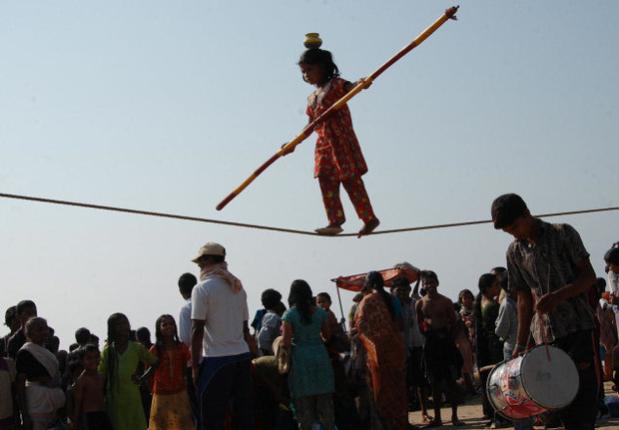
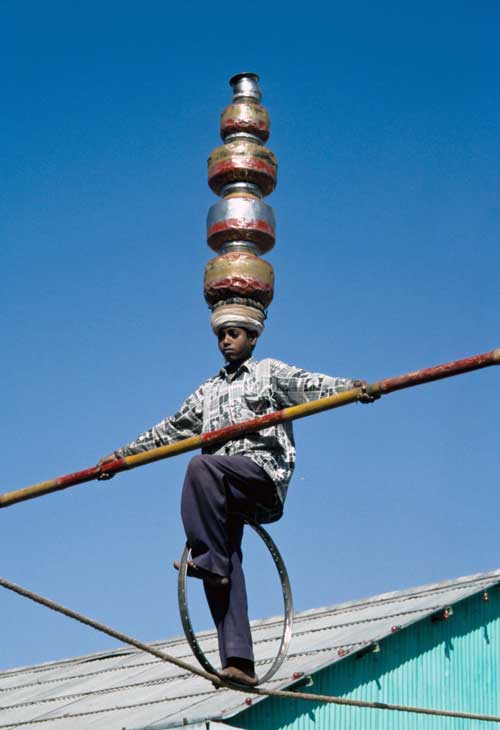
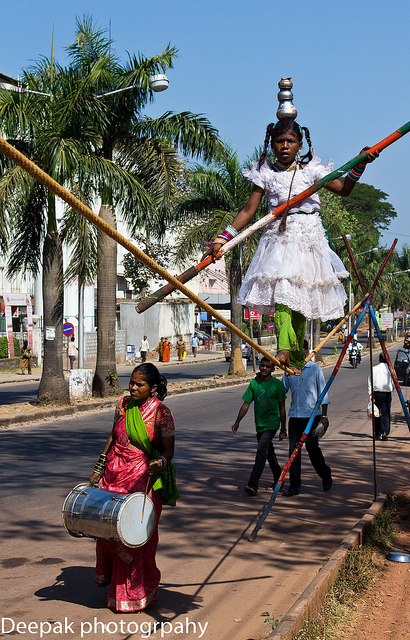
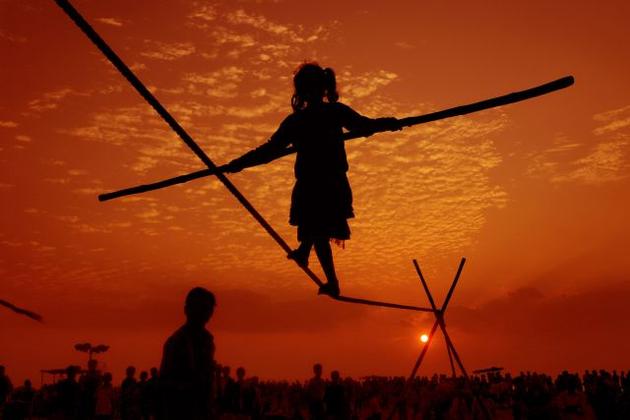
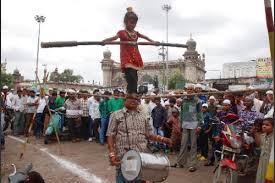
தமிழ் நாட்டில் பல நகரங்களிலும் தெருக்களில் வித்தை செய்து காட்டும் கழைக் கூத்தாடிகளைப் பார்க்காதவர் யாரும் இருக்கமுடியாது. இது தமிழ் நாடு மட்டும்மின்றி வட இந்தியா, பாகிஸ்தான் முதலிய இடங்களிலும் நடை பெறுகிறது. ஆப்பிரிக்கா, ஐரோப்பா கண்டங்களிலும் இப்படி தெரு வித்தை செய்வோர் உண்டென்றபோதிலும் உத்திகள் மாறுபடும். ஆனால் இதியா முழுதும் இது ஒரே மாதிரி இருப்பது வியப்புக்குரியது. அதைவிட வியப்பான விஷயம் இது சங்க காலம் முதல் தமிழ் நாட்டில் நடை பெற்று வருவதாகும். அதையும் விட வியப்பான விஷயம் இவர்களை ஆரியக் கூத்தாடிகள் என்று அழைப்பதாகும்.

சங்க இலக்கியத்தில் திராவிட என்ற சொல் எங்குமே இல்லை. ஆயினும் ஆரியர் என்ற சொல் மிகச் சில இடங்களில் கையாளப்படுகிறது. ஆரிய என்ற சொல்லுக்கு வெள்ளைக்கரன் கொடுத்த புதிய இனத்வேஷ பொருள் கிடையாது. ‘வட பகுதி’, ‘இமயம்’, ‘முனிவர்’கள் என்ற நற்பொருளில் மட்டுமே பயிலப்படும் சொல். ஆனால் கூத்தர்களுக்கு முன்னும், பொருநர்களுக்கு ( மல்யுத்த வீரர்கள் ) முன்னும் இரண்டு இடங்களில் ‘’ஆரிய’’ என்ற சொல் முன்னொட்டாக வருகிறது. வடக்கே இருந்து வந்த பொருநனை ஆரியப் பொருநன் என்று அழைப்பதில் வியப்பொன்றும் இல்லை.

PakIndia056

கழைக்கூத்தை ஆரியக் கூத்து என்று அழைப்பது ஏன்? இது பழமொழியிலும் இப்படி வருகிறது. உ.வே.சாமிநாத ஐய்யர் போன்றோரும் அப்படியே உரை கண்டுள்ளனர். தமிழ் நாட்டில் இவ்வகைக் கூத்தே இல்லையா? இதில் குறவன், குறத்தி இனத்தாரே பெரும்பாலும் ஈடுபட்டும் இதை ‘’ஆரிய’’ என்ற சொல்லுடன் தொடர்புபடுத்தியது ஏன் என்று தெரியவில்லை.

2000 ஆண்டுகளாக இது தமிழ் நாட்டில் நடந்து வருவதை அறியும் போது இதைப் பாடியுள்ள சங்கப் புலவர் இருவரும் நம் நெஞ்சில் நீங்கா இடம் பெறுகின்றனர். இதோ முதல் பாட்டு:–

குறுந்தொகை 7 ,பெரும்பதுமனார்

வில்லோன் காலன கழலே தொடியோள்
மெல்லடி மேலவுஞ் சிலம்பே நல்லோர்
யார் கொல்? அளியர்தாமே ஆரியர்
கயிறாடு பறையின் கால்பொரக் கலங்கி
வாகை வெண்ணெல் ஒலிக்கும்
வேல் பயில் அழுவம் முன்னியோரே.

பொருள்: ஆரியக்கூத்தர் கழையில் கட்டிய கயிற்றின் மேல் நின்று ஆடும்பொழுது கொட்டப்படும் பறையைப் போல, மேல் காற்று வீசியதால் நிலைகலங்கி வாகை மரத்தினது வெள்ளிய நெற்றுகள் ஒலிக்கும், மூங்கில் மரங்கள் நிறைந்த, பாலை நிலப்பரப்பைக் கடக்கும் இந்த வில்லேந்திய ஆடவன் காலில் வீரக் கழல்களும் தோள்வளை அணிந்த பெண்ணின் காலில் சிலம்பும் இருப்பதால் இவர்களுக்கு திருமணம் ஆகவில்லை என்பது தெளிவு. இவர் யாரோ?

acrobat domaba
விளக்கம்:—“ஆரியர்—ஆரிய நாட்டிலுள்ள ஒருவகைக் கூத்தர்; அவர் இயற்றும் கூத்து ஆரியக் கூத்தெனப்படும். “ஆரியக் கூத்தாடினாலும் காரியத்திலே கண்”– என்ற பழமொழி அக்கூத்தின் அருமையைப் புலப்படுத்தும்”. (ஆதாரம்: குறுந்தொகை மூலமும் உரையும், டாக்டர் உ.வே.சமிநாதையர் பதிப்பு)
இது பதினான்கு வகைக் கூத்துகளில் ஒன்று. சிலப்பதிகார உரையாசிரியர் இது பற்றி விவரித்துள்ளார்.(சிலப்.3-12-25,அடியார்க்கு நல்லார்).

ஆடியற் பாணிக் கொக்குமாரிய வமிதப் பாடற், கோடியர் –(கம்பராமாயணம். கார் காலப்.33) என்று கம்பரும் இக்கூத்து பற்றிக் கூறியுள்ளார்.

dip_girl_1772571gvishak

நற்றிணை 95, கொட்டம்பலவனார்

கழைபாடு இரங்க, பல் இயம் கறங்க
ஆடு மகள் நடந்த கொடும்புரி நோன் கயிற்று
அதவத் தீம்கனி அன்ன செம்முகத்
துய்த் தலை மந்தி வன் பறழ் தூங்க,
கழைக்கண் இரும்பொறை ஏறி விசைத்து எழுந்து
குறக் குறுமாக்கள் தாளம் கொட்டும் அக்
குன்றகத்ததுவே……………………….

பொருள்: ஒரு பக்கத்தில் புல்லாங்குழல் ஒலிக்கிறது; மறு பக்கத்தில் இசைக் கருவிகள் முழங்குகின்றன.முறுக்கான புரிகளால் ஆன வலிமையான கயிற்றில் கழைஏறி விளையாட்டுகள் நடத்தி விளையா யாடினாள். இனிய அத்திப் பழம் போல சிவந்த முகத்துடைய குரங்குக் குட்டி அதைப் பார்த்துக் கொண்டிருந்தது; மெல்லிய தலை உடைய பெண் குரங்கின் வலிமையான அக்குட்டி கயிற்றில் தொங்கி விளையாடியது. மலைவாழ் குறவரின் சிறு பிள்ளைகள் மூங்கில் கணுக்கள் மீது ஏறி தாளம் கொட்டினர்.
street-performer_1527213i

ஆரியக் கூத்தைக் கண்டு நாமும் மகிழ்வோம்; ஆரிய—திராவிட பிரிவினை இனவாதப் பேச்சைக் கண்டு நகைப்போம்!

Aryan Acrobats in Tamil Nadu

dip_girl_1772571gvishak

Written by London Swaminathan
Post No. 1080; Dated 2nd June 2014.

It is very interesting to watch street circus and acrobatics in India. The nomads travel from one town to another town and perform such acts. Though nobody likes child labour, most of the acts are done by children. When children perform such acts and show their acrobatic skills people are moved easily and the sympathy thus evoked get more money from the watching general public. It is more interesting to know that such street circus has been held in Tamil Nadu for more than 2000 years. The performers were called Aryan acrobats. The commentators explained that they came from the north. Sangam literature and later literature also had many references to Aryan wrestlers and singers from the North. They challenge the Tamils for some open contest and loose in most of the contests and run away. And in few of them they have won.

PakIndia056

There are at least two references to such acrobats in Tamil Nadu from the ancient literature where they are praised.

Sangam poet Kottampalavanar sings in Natrinai verse (95): “A dancing girl climbs and dances over a rope skilfully to the accompaniment of flute(musical ) tunes and leaves the place, when a female monkey with red face full of soft hair like a ripe fig, climbs over it and carefully moves and balances itself. The young boys there witness it and immediately join together and keep time with their hands. Kottu is the verb used by the poet to denote the rhythm of their clapping, and so the poet is called “Kottu” ambalavanar.

acrobat domaba

Tamil scholar AK Ramanujan has translated another poem from Kuruntokai, part of Sangam anthology, which gives a graphic description of an acrobat:

“The bowman has a warrior’s band
On his ankle;
The girl with the bracelet on her arm
Has a virgin’s anklets
On her tender feet.
They look like good people.
In these places the winds beat
Upon the vakai trees
And make the wide seed pots rattle
Like drums for Aryan acrobats
Dancing on the tight ropes.

Poor things who could they be?
And what makes them walk
With all the others
Through these desert ways
So filled with bamboos. — (Kuruntokail-7 by Perumpatumanar)
Kuruntokai and Narrinai are two Sangam anthologies with 400 verses each.

acrobathyderabad

Tamil Proverbs also exist about Aryan acrobats. “Even if one does perform Aryan Acrobatics, one does not lose focus on the task”.

Kamba Ramayanam, a 12th century text, also has reference to Aryan acrobatics.
Such is beauty and continuity of Indian culture.

But one may still wonder why they were called Aryan (Northern) acrobats. Were there no Tamil acrobats in those days?
acrobat chennai

மூன்று முறை கணவனைச் சோதித்த அற்புதப் பெண்மணி !

YogaVasisthaTitleFinal

எழுதியவர்: லண்டன் சுவாமிநாதன்
கட்டுரை எண்:– 1079; தேதி:- 2 June 2014.

This article was already posted in English.

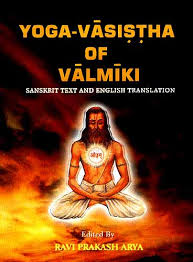
வால்மீகி முனிவர் எழுதிய யோகவாசிஷ்டம் என்னும் வடமொழி நூல் ஒரு அற்புதமான நூல். இதில் 32,000 ஸ்லோகங்கள் உள்ளன. மஹாபாரதம், கதா சரித் சாகரம் (கதை கடல்) என்னும் இரண்டு நூல்களுக்கு அடுத்தபடியாக “நீண்ட நூல் வரிசை”யில் இடம் பிடிக்கிறது இந்த அரிய, பெரிய புத்தகம். இதில் வரும் கதைதான் சுடாலாவின் கதை.

மாளவ தேச இளவரசன் சிகித்வஜன், அதாவது மயில்கொடியோன். சௌராஷ்டிர தேச இளவரசி சுடாலா. பேரழகி. அழகிற்கு மேல் அறிவு. பழங்கால உலகின் ‘‘அறிஞி’’ கார்க்கிக்கு நிகர்.

சுடாலாவுக்கும், சித்வஜனுக்கும் கொட்டு மேளம்–கல்யாணம்! இளம் தம்பதி அரசாங்க தம்பதிகள் அல்லவா? போகாத இடமில்லை, சுற்றாத ஊர் இல்லை. வாழ்க்கையின் எல்லா இன்பங்களையும் அனுபவித்துத் தீர்த்து விடுகின்றனர். வயதான மாளவ தேச மன்னன் முழு அதிகாரத்தையும் சிகித்வஜனிடம் ஒப்படைத்து விட்டு வனத்துக்குச் சென்று (வானப் ப்ரஸ்தம்) விடுகிறான்.

பழகப் பழகப் பாலும் புளிக்கும் என்பார்கள். இந்த தம்பதிகளுக்கும் வாழ்க்கை புளித்து விடுகிறது. புதுமைகளைச் சாதிக்க உள்ளம் துடிக்கிறது. அறிவாளி சுடலா ஆன்மீகக் கடலில் நீந்தத் துவங்குகிறாள். ஆனந்தம், பேரானந்தம்!! நாளடைவில் முகம் ஒளிவிடத் துவங்குகிறது. கணவனுக்கு ஒரே ஆச்சரியம். “அன்பே உன் முகத்தில் புத்தொளியைக் காண்கிறேன். என்ன காரணம்? ஏதேனும் புதிய பவுடர், வாசனைப் பொடி, வாசனைப் பூச்சு, வண்ணத் திரவம் பயன் படுத்துகிறாயா?” என்று கேட்கிறான். அவள் “நாதா! நான் கண்ணாடியில் பார்க்கையில் புதுமை எதையும் காணவில்லை. ஆனால் என் உள்ளத்தில் உண்மை ஓளி வீசுகிறது. புதிய ஆனந்தம் மலர்ந்துள்ளது” என்கிறாள். பின்னர் அதற்கான காரணங்களை ஆன்மீக பரிபாஷையில் விளக்குகிறாள். அவனுக்கு அது அதிகம் விளங்கவில்லை. அவளுக்கு மனதில் ஒருகுறை! புதிய ‘’மேக் அப் (வாசனைப் பொடி) போடுகிறாயா’’ என்று கணவர் கேட்டுவிட்டாரே! என்று.

yv1

கணவனும் ஆன்மீகப் பாதையில் செல்ல முயல்கிறான். நாட்டை நன்றாக ஆட்சி செய்யும் மன்னனுக்கு மனதை ஆளத் தெரியவில்லை. இகலோக வாசனைகள் அவனை இழுத்துப் புரட்டி அடிக்கின்றன. ஆன்மீகத்தில் வளர முடியவில்லை. ஒரு நாள் மனைவியிடம், “நான் காட்டுக்குப் போகிறேன் அங்குதான் நல்ல தவம் செய்ய முடியும்” என்கிறான். அவளோ “நாட்டில் அடைய முடியாததைக் காட்டில் அடைவது எப்படி?” என்கிறாள். மறு நாள் காலையில் பாதி படுக்கை காலியாக இருக்கிறது! கணவன் இரவோடிரவாக கானகம் ஏகிவிட்டான்.

நாடாளும் பொறுப்பு முழுதும் பெண்ணரசியின் தலையில் விழுகிறது. நாட்டை நன்றாக ஆளுகிறாள். ஒரு நாள் கானகம் சென்று “சுக்கான் ஒடிந்த கப்பலைப் போல” காட்டில் திரியும் கணவன் முன், ஒரு (ஆண்) துறவி போல மாற்றுருவில் காட்சி தருகிறாள். அவளுடைய யோக சக்தியால் அவள் நினத்த உரு எடுக்க முடியும்!

“என் பெயர் கும்பா (ஆணின் பெயர்). நான் ஒரு துறவி. உன் மனக் கஷ்டம் எனக்குத் தெரியும். நீ மன அமைதி பெற நான் வழி சொல்லித் தருகிறேன். வெளியில் காணப் படும் வசதிகளை மட்டும் துறப்பது மன அமைதி நல்காது. பற்றற்ற மன நிலை வேண்டும்”– என்றெல்லாம் உபதேசம் செய்தவுடன் சிகித்வஜன் ஆழ்ந்த தியானத்தில் இறங்கி விடுகிறான்.

கும்பன் (சுடாலா) ஏதோ சாக்குப் போக்குச் சொல்லி நாட்டின் தலை நகருக்குப் போய் அரசுப் பணிகளைக் கவனிக்கிறாள். சின்னாட்களுக்குப் பின் காட்டிற்கு வந்தபோது சிகித்வஜன் கற்பாறை போல் அமர்ந்து சமாதி நிலையில் இருக்கிறான். கும்பன் திரும்பிச் சென்று மீண்டும் வந்தபோதும் இதே நிலை! யோக சக்தியால் சிங்க நாதம் ( சிம்ம கர்ஜனை) செய்தும் பலனில்லை. பின்னர் தன் யோக சக்தியால் சிகித்வஜனுடைய மனதில் வேற்றுருவில் நுழைந்து சமாதியைக் கலைக்கிறாள்.

yoga-vasistha2

முதல் சோதனை
கணவனைச் சோதிக்க எண்ணி பல சோதனைகளை முன்வைக்கிறாள். ஒரு நாள் வெளியே போய்விட்டுக் கும்பன் (சுடாலா), முகத்தைச் சோகமயமாக வைத்துக் கொண்டு திரும்புகிறான். உடனே சிகித்வஜன், “துறவியாரே, உங்கள் முகம் வாட்டம் அடைந்திருக்கிறதே; காரணம் என்னவோ? என்று கேட்கிறான். கும்பனோ இந்திரலோகத்துக்குப் போய்விட்டு வரும் வழியில் துர்வாச முனிவர் பற்றி தமாஷ் (ஜோக்) செய்ததாகவும் அவர் தான் இரவு நேரம் முழுதும் பெண்ணுருவுக்கு மாறி விடுவேன் என்று சாபம் கொடுத்துவிட்டதாகவும் கூறுகிறான்.

இதைக் கேட்ட சிகித்வஜன், அதனால் என்ன? நீங்கள் இரவில் பெண் ஆனால் தனியாக ஒரு புறத்தில் ஒதுங்கி இருந்துவிட்டுப் போங்களேன் என்று சொல்லிவிடுகிறான். இரவும் வந்தது. கும்பன் ஒரு மறைவிடத்தில் நின்றுகொண்டு தனது உடலில் ஏற்படும் மாற்றங்களை எல்லாம் மிகவும் அங்கம் அங்கமாக வருணிக்கிறான். பின்னர் தான் வெளியே வரப் போவதாக எச்சரித்துவிட்டு பேரழகி போலத் தோன்றுகிறான். இனி தன் பெயர் மதனிகா என்றும் சொல்லிக் கொள்கிறான். மெல்ல மெல்ல நெருங்கிவந்து அவன் தோள் மீது கைகளை வைத்து நானும் நீயும் கணவன் மனைவி போல வாழ்வோம் என்றவுடன் சிகித்வஜனும் உடன்படுகிறான். ஆனால் அவன் மன நிலை துறவி நிலையீல் இருக்கிறது. உடல் மட்டும் பற்று இல்லாமல் மதனிகா இழுத்த இழுப்புக்கு எல்லாம் செல்கிறது. மதனிகாவுக்கு (கும்பன்=சுடாலா) மிகவும் சந்தோஷம், தனது கணவன் முதல் சோதனையில் வெற்றி பெற்றுவிட்டான் என்று.

இரண்டாம் சோதனை
பகல் நேரத்தில் எல்லாம் கும்பனாகவும் இரவு நேரத்தில் எல்லாம் மதனிகாவாகவும் காட்சி தரும் சுடாலா ஒரு மாய இந்திரனை தோன்றும் படி செய்கிறாள். அவன் சிகித்வஜனிடம் சென்று, “நாட்களை எல்லாம் இப்படி வீண் அடிக்கிறீர்களே! நீங்களோ தவத்தில் உயர் நிலையை எய்துவிட்டீர்கள். இந்திர லோக இன்பங்களை அனுபவிக்க என்னுடன் வாருங்களேன்” என்கிறான். அதற்கு சிகித்வஜனோ இன்பம் என்பது நம்முள் இருக்கும் போது வெளியே தேடுவது அறிவுடைமை ஆகாது” என்று கூறுகிறான். மாய இந்திரன் திடீர் என்று மறைந்து விடுகிறான். கும்பனுக்கு ( சுடாலா) ஏக மகிழ்ச்சி. தன் கணவன் இரண்டாம் சோதனையிலும் வெற்றி பெற்றுவிட்டான் என்று.

முதல் சோதனை காமம் தொடர்பான சோதனை; இரண்டாம் சோதனை மோஹம் தொடர்பான சோதனை. இதில் வெற்றி பெற்ற கணவனுக்கு க்ரோதம் (கோபம்) தொடர்பான சோதனையைத் தர சுடாலா திட்டம் தீட்டுகிறாள்.

yoga_vasistha3

மூன்றாவது சோதனை

ஒரு நாள் மாலை நேரத்தில், தனது யோக சக்தியால், அழகிய ஆண்மகனை உருவாக்குகிறாள். மதனிகா உருவில் அவனைக் கட்டித் தழுவி இன்பம் துய்க்கிறாள். வெளியில் இருந்து வந்த சிகித்வஜன் இதைப் பார்த்தும் மனம் சஞ்சலப்படவில்லை; கோபப்படவும் இல்லை. மதனிகா மெதுவாக அந்த ஆண்மகனை அனுப்பிவிட்டு சிகித்வஜனிடம் மன்னிப்பு கேட்கிறாள். தன்னை மீண்டும் மதனிகா என்னும் மனைவியாகக் கருத வேண்டும் என்றும் இனிமேல் தப்பு செய்ய மாட்டேன் என்றும் கெஞ்சுகிறாள்.

சிகித்வஜன், ‘’அதனால் என்ன, நீ உணர்ச்சிக்கு அடிமையாகி இதைச் செய்துவிட்டாய். அது உன் முடிவு;– எனக்குத் தொடர்பேதும் இல்லை.கணவந்மனைவி உறவு இனி தேவை இல்லை. இனி நீ இரவு நேரத்தில் மதனிகாவாகவும், பகல் நேரத்தில் கும்பனாகவும் என்னுடன் ‘’நண்பன்’’ என்ற முறையில் தங்கி இருக்கலாம் என்கிறான். கொஞ்சமும் கோபம் அடையவில்லை. மதனிகாவுக்கு மட்டற்ற மகிழ்ச்சி. மூன்றாவது சோதனையிலும் கணவன் வெற்றி பெற்று விட்டான் என்று!

உடனே தனது சுயரூபத்தில் சுடாலாவாகத் தோன்றுகிறாள். சிகித்வஜனுக்கு ஒரு பக்கம் குழப்பம், மறு பக்கம் வியப்பு. தானே மதனிகாவாவும், கும்பனாகவும் தோன்றி அவனைச் சோதித்ததாகவும் அவன் இப்போது மிக உயர்ந்த ஜீவன் முக்தன் ( நடமாடும் தெய்வம்) நிலை அடைந்து விட்டதாகவும் சொல்கிறாள். தன்னை மீண்டும் பணிவுடைய சுடாலா என்னும் மனைவியாக ஏற்க வேண்டும் என்றும் மன்றாடுகிறாள். சிகித்வஜன், “வா , நானும் நீயும், துறவி ஆவோம்” என்று சொல்கிறான். ஆனால் சுடாலாவோ, நீங்கள் ராஜாவாக ஆளவேண்டும். மக்களுக்கு இப்போதுதான் சேவை செய்ய முடியும் என்கிறாள். உடனே இரண்டாவது பட்டாபிஷேகம் தடபுடலாக ஏற்பாடாகிறது. அவர்கள் இருவரும் பத்தாயிரம் ஆண்டுகளுக்கு இனிதே ஆட்சி புரிகின்றனர் என்று யோக வாசிஷ்டம் கூறுகிறது.

(வடமொழியில் 10,000 ஆண்டுகள், 60,000 ஆண்டுகள், 60,000 மனைவியர் என்று சொல்வதெல்லாம் மரபுச் சொற்றொடர்கள். அதன் உண்மைப் பொருள் “நீண்ட நெடுங்காலம்” என்பதே!)

Rama ,Balarama & Parasurama in Ancient Tamil Literature

baladevakrishna

Krishna and Baladeva on Indo-Greek Coins (Picture from Wikipedia)

Written by London Swaminathan
Post No.1078; Dated 1st June 2014.

Tamil politicians who called themselves Dravidians and atheists have propagated false information about Tamil culture for long. This was initially put forward by Christian missionaries and foreigners with a motive to stabilize their rule and spread their religion. They were spreading Aryan- Dravidian racist theory and said Hindu gods were introduced to Tamils who were without a religion. Those who studied history and religion knew that human beings believed in some supernatural force from the very early times.

Knowledgeable Tamils who have studied approximately 2500 poems of ancient Tamils know that the Vedas, Brahmins, Hindu Gods, Hindu beliefs about birth and death, Rebirth, Karma theory, Vegetarianism, Seven Stars (Saparishi), Six Stars (Pleiades= Skanda), Pole Star (Druva), Arundhati (Alcor), Amrita (ambrosia), Heaven and Hell, Astrology, Epics and Puranas are all mentioned in innumerable places in Sangam Tamil literature, which is at least 2000 years old.

800px-Heliodorus-Pillar2
Besnagar aruda Pillar of Indo -Greek King Heliodorus

I give below some references to Hindu deities from Purananuru and Agananuru. Both these books with 400 poems each in the anthology give us a picture of Tamil society that existed 2000 year ago in Tamil Nadu. They had the same beliefs like their northern counter parts about most of the things. Like any other society we see some minor changes in different areas. A language changes every 200 years and a culture changes every 200 miles, say the scholars. Why can’t people have different beliefs, customs in a vast country like India which is equal to 20+ European countries? In a country like United Kingdom, just the size of Andhra Pradesh in India, we see four different cultures and numerous English dialects. So it is no wonder we had minor differences in the long history of India.

azakaana sivan
Lord Siva in his dancing pose.

Lord Siva
Lord Siva is referred to in a lot of places in the Sangam Tamil Poems. One reference is to His helping the Devas to by shooting the Three Forts of Asuras with a single arrow, having a serpent as the bow string and hill as the bow, and He is described as blue throated, wearing the crescent on his fair head and with an eye shining on his fore head—Puram 55, Marudan Ilanagan (contemporary of Nakkiran) on Pandyan Nanmaran.
Nanmaran was also sung by Nakkiran, son of Madurai Kanakkayanar.

The other references are to
Lord Siva’s three eyes:– Puram 6 by Kari kizar on Mudukudumi Peruvazuthi .
His matted locks:– Puram 6 by Kari kizar on Mudukudumi Peruvazuthi
His blue throat:– Puram 56 by Nakkirar, 91 by Avvaiyar on Adiyaman Anji.

Puram 56 by Nakkirar gives the following information:–
Nakkirar, in this poem, has given a beautiful description of all the Gods worshipped in ancient Tamil Nadu two thousand years ago. In one stanza he praised Siva, Balarama, Krishna and Skanda (Subramanya or Murugan in Tamil).

“He who is riding on a strong bull, has matted locks like blazing fire, the invincible battle axe and a throat like the blue gem, and He whose body is the colour of the chank (conch) from the sea and who wields the death desiring plough and has the Palmyra flag and He whose body is the colour of the well washed sapphire and who raises aloft to the sky the bird flag and desires victory, and He who holds up the gem like peacock flag, who is always victorious, rides the peacock (or the elephant) and is bright red.
This is the most informative poem about Hindu faith in Sangam period. Hindu religion was the main religion and all the Hindu Gods were very familiar to the Tamils. The beauty of the poem is that it gives all the flags or Vahanas of the Hindu Gods. When we see that the same concept existed in the North around the same period or earlier we are wonder struck with the impact of Hinduism in a vast geographical area—the largest in the ancient world.

Approximately at the same time in the North, Kanishka of first century BC issued a coin with Lord Shiva. Yaudheya coins have Subramanya. Balarama and Krsihna are seen on Bactrian coins of Agathocles (180 BCE)*. Garuda emblem was on the Besnagar Pillar of a Greek King Heliodorous (113 BCE). From Afghanistan to Tamil Nadu in the southern most part of India it was the same gods, same religion, same flags and same Vahanas!!!
(For more information read Balarama and Krishna in Bactrian coins by Dr R Nagaswamy in http://www.tamilartsacademy.com)

avatars6only
Parsurama and Krishna avatar.

Lord Krishna & Balarama

Palmyra flag of Balarama is also referred to in the oldest Tamil book Tolkappiam and in Puram 58 by Karikannan on Pandya and Choza kings. Karikannanar compared the unity of Choza and Pandya to Balarama and Krishna. In those days Hindus considered kings as gods.

There are more references to Krishna in other poems:

Puram 57 of Karikannanar
A Pandya is described as full of fame like Mayon (Krishna or Vishnu), “famous
for his power of teaching” (Reference to Gitopadesam of Bhagavad Gita).

And “the crescent moon on his head”– in verse 91 by Avvaiyar on Adiyaman Anji.
“The Ancient Lord of long, stiff matted locks”– in Puram 166 by Avur Mulankizar on Punchatrur Brahmin Kaundinya Vinnanthayan /Vishnudasan)

In Puram 198, Vadama vannakan Peri Sathan on Nanamaran (this poet is a contemporary of Nakkiran and Marudan Ilanagan. Both these poets praised Pandya Namaran):–
The God under the banyan tree (Some commentators say it was Vishnu who sat on a Banyan leaf and some others points out that is Siva who sat under a Banyan tree.
An incident in the life of Krishna is also described in the Puram verse 174:-
When the terrible Asuras swarmed and concealed the sun who hone in the sky and disappeared, (men) could not see on account of darkness. To relieve the distress of the round world, the collyrium coloured one of great strength brought the sun back and raised him in the sky. (It may be the Jayadratha episode in the Majhabharata).

aghora and agni veerabhadra
Agni and Agora Veerabadrar, forms of Siva

Agam references on Siva:–
“He who has a head shining with milk like crescent moon and throat like sapphire”- Agam 181by Paranar, contemporary of Kapilar.

Paranar and Kapilar are like Twin Poets and belonged to first century CE.
In the same poem Paranar refers to Four Vedas (Nan Marai), Lord Skanda (Murugu) as well.
“The three eyed Lord whom the sweet toned Four Vedas which spread good to the world (sing about) embellished beautifully the yard where the banyan trees grows”.

Krishna Leela in Agam
Agam stanza 59 refers to Krishna’s bending the branches of the tree, that the cowherdess may wear the cool leaves for the cloth.
There is one more reference to Krishna in Agam 175:–
“Like the garland of the wide, all conquering chest of the discus whose bright spokes are well arranges, was the rain bow”.

Ramayana In Sangam Literature:–
Lord Rama is alluded once in Puram and once in Agam. Both these episodes are not found in any of the major Ramayanas of India. Kamban, a 12 th century Tamil poet mentioned three Ramayanas and said that he followed Valmiki. So these may be from Baudayana or Vashista Ramayana.

Puram 378 by Unpothi Pasungkudaiyar
It is said that monkeys picked up Sita ’s ornaments which she dropped when Ravana carried her in his aerial car and wore them topsy-turvy.
“As the jewels sparkled on the red-faced relations of the monkey that saw the bright ornaments dropped on the ground by Sita, the wife of Rama of the strong car, when she was forcibly carried away by the powerful Rakshasa”.

19.-Marichi-Vadh,Large-Vishnu-temple,-Janjgir
Maricha Vadha from Ramayana

Agam 70 by Madurai Thamizkuthanar Kaduvan Mallanar
In Agam 70, the following simile occurs. “As was silenced the banyan tree with many aerial roots (the sound of whose birds disturbed) the thoughts of victorious Rama near the shore of the roaring sea at the ancient Kodi (Dhanuskodi) which belongs to the Pandiyas of the conquering spear”.

Parasurama
Parasurama is allured to once in Agam:- Parasurama is associated with the West coast of India from very early times. All their written and oral history begins with Parasurama, one of the Ten Incarnations of Lord Vishnu. Yaga (Fire Sacrifice) performed by Parasurama is found in a simile in Agam 220 by Marudan Ilanagan. “Like the long pole (yupa) well guarded, beautiful to see and tied with roperound its middle, at which (the inclination of Vishnu who wielded the battle axe and destroyed the Kshatriyas dynasties, performed the yaga with great effort”.

Tamil culture is Vedic culture is established from the above poems. Wherever religious references occur, we see only Hindu Gods and beliefs as tamil beliefs. I have already given in my posts that the oldest book Tolkappiam referred to Indra, Varuna, Agni and Durga as Gods of the tamil people.

There are many more references to Yagas, Karma Theory, Rebirth, Svarga, Burial and cremation rites, three references to Sati custom (wife dying in the funeral pyre of her husband) and Vedas and Brahmins. I will write about them in another article.
Contact swami_48@yahoo.com

அபூர்வ நினைவாற்றல், அபார ஞாபக சக்தி

yajnavalkya_idh111

கட்டுரை எழுதியவர்- லண்டன் சுவாமிநாதன்
கட்டுரை எண். 1077; தேதி:– 1 ஜூன் 2014

பழங்கால இந்தியாவில், இந்துக்களுக்கு இருந்த நினைவாற்றல் பற்றி பல சுவையான கதைகள், சம்பவங்கள் உண்டு. யஜூர் வேதத்தின் ஒரு பிரிவான சுக்ல யஜூர் வேதம் தோன்றியது எப்படி என்று அக்கதை விளக்குகிறது. படிப்பதற்கு கொஞ்சம் அருவருப்பாக இருக்கும். ஆனால் அதன் ஆழமான கருத்தைப் புரிந்து கொண்டால் மூக்கில் விரலை வைத்து வியக்கத் தோன்றும்.

புராதன இந்தியாவின் பெரிய அறிவாளி யாக்ஞவல்கிய மஹரிஷி. இந்த முனிவருடன் மோதிய உலகின் முதல் பெண் அறிவாளி கார்கி பற்றி ஏற்கனவே எழுதிவிட்டேன். எப்போதுமே சர்ச்சையில் அடிபடும் யாக்ஞவல்கியர், இந்தக் கதையிலும் அப்படித்தான்! வேத வியாசர் என்னும் முனிவர் வேதங்கள் கட்டுக்கடங்காமல் போனதால் அதை நான்காகப் பிரித்து யஜூர் வேதத்தைப் பரப்பும் பொறுப்பை வைசம்பாயனரிடம் ஒப்படைத்தார்.

வைசம்பாயனரிடம் பயின்ற பல மாணவர்களில் யாக்ஞவல்கியரும் ஒருவர். ஒரு நாள் அவருக்கும் ஆசிரியருக்கும் இடையே காரசார விவாதம். நான் வெளியே போகிறேன் என்றார். உடனே குரு வைசம்பாயானர், ஒரு உத்தரவு போட்டார். என்னிடம் கற்றதை எல்லாம் ‘கக்கு’ என்றார். உடனே அவர் கற்றதை எல்லாம் ‘வாந்தி’ எடுத்தார். அங்கிருந்த சக மாணவர்கள் எல்லோரும் தித்திரிப் பறவைகளாக மாறி அந்த ‘’வாந்தியைக் கொத்தித்’’ தின்றனர். பின்னர் யாக்ஞவல்கியர் வெளியேறி சூரிய தேவனை நோக்கித் தவம் இருந்து புதிய –சுக்ல—யஜூர் வேதத்தை உண்டாக்கினார். பழைய வேதத்துக்கு கிருஷ்ண யஜூர் வேதம் என்று பெயர்.

prashna20upanishad

கதையைப் படித்தால் கொஞ்சம் அருவருப்பாகத்தான் இருக்கும். மற்றவரின் வாந்தியைச் சாப்பிடுவதா? ஆனால் உண்மையில் இதன் பொருள் ஆழமானது. இருவருக்கும் கருத்து வேறுபாடு வந்தவுடனோ அல்லது யாக்ஞவல்கியர் தவம் செய்ய விரும்பியதாலோ ஆசிரியர் ஒரு உத்தரவு போட்டிருப்பார். அது என்ன? ‘’ யாக்ஞவல்கியரே நீர் போகலாம். ஆனால் சக மாணவர்களுக்குச் சொல்லிக் கொடுத்துவிட்டுப் போங்கள்”. அவர் உடனே ‘’சிஷ்யர்களே! எனக்கு அதிக நேரம் கைவசம் இல்லை. ஒரு முறை எனக்குத் தெரிந்த எல்லாவற்றையும் ( வாந்தி எடுக்கிறேன்) சொல்கிறேன். நினைவிற் கொள்ளுங்கள்’’ என்று சொல்லி இருப்பார். வேதத்தை வாய்மொழியாகவே கற்க வேண்டும் என்ற விதி இன்றுவரை பின்பற்றப் படுவதால் மாணவர்கள் (தித்திரி) கிளிகளாக மாறி முடிந்ததைக் கற்றனர் (வாந்தியைச் சாப்பிட்டனர்).

இதுதான் உண்மையில் நடந்தது. மாணவர்கள் அவர் சொன்னதை அப்படியே கிரகித்துக் கொண்டனர்! ஏன் கிளிகளைச் சொன்னார்கள்? சொன்னதைத் திருப்பிச் சொல்லும் அபூர்வ சக்தி கிளிகளுக்கு உண்டு என்பதால் மாணவர்கள் கிளிகளாக மாறியதாக சங்கேத மொழியில் சொன்னார்கள். கிளிகளுக்கும் பிராமணர்களுக்கும் உள்ள தொடர்பை ஏற்கனவே கட்டுரையாகக் கொடுத்துள்ளேன். பிராமணர் வீட்டில் கிளிகள் இருப்பதை சங்கத் தமிழ் நூல்களும், சம்பந்தர் தேவாரமும், ஆதிசங்கரர்- மண்டன மிஸ்ரர் வாக்குவாத நிகழ்ச்சியும் காட்டுவதை ஏற்கனவே எழுதி இருக்கிறேன். ‘தித்திரி’ என்ற சொல் தமிழில் ‘தத்தை’ (கிளி) என்று மருவியது.
ganapathy sachi
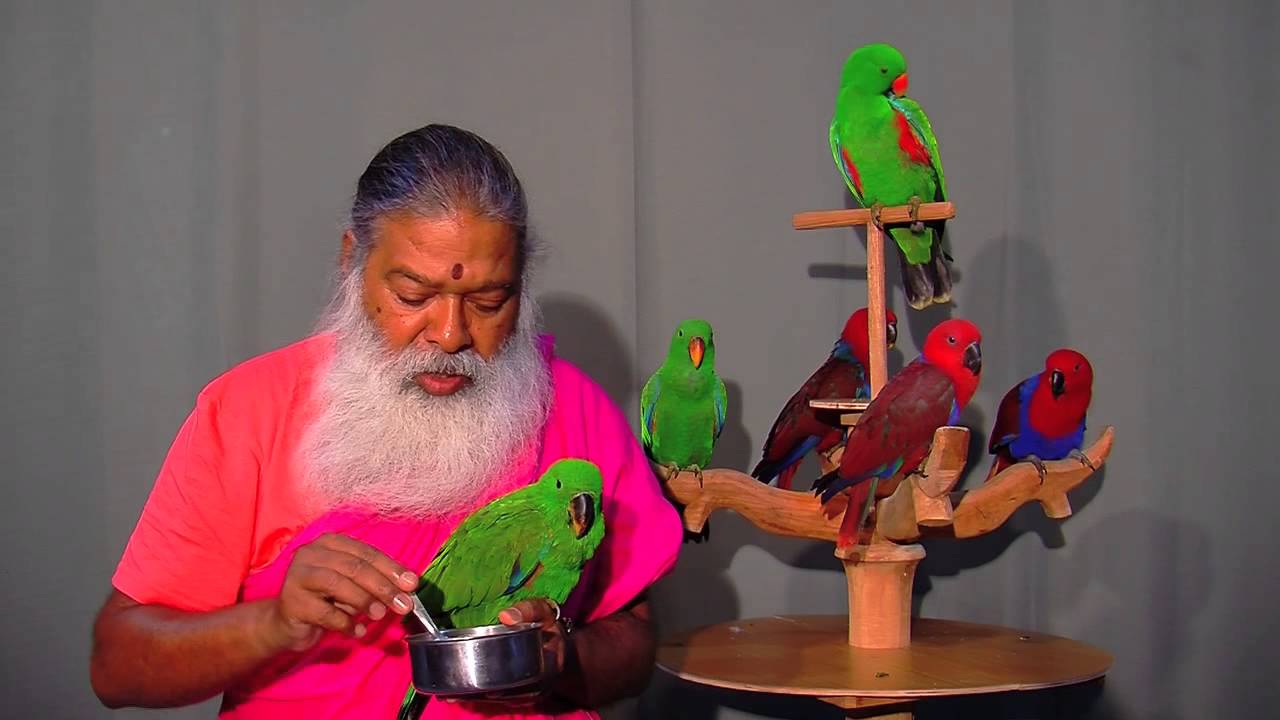
Swami Ganapathy Sachidananda with a parrot.

((நல்ல வேளை ! ஆரிய- திராவிட இன வாதம் பேசும் வெளிநாட்டு, வெள்ளைக்கார ‘ அறிஞர்களும்’ அதற்கு ஆமாம்சாமி போடும் நம்மூர்க் கோமாளிகளும் இந்தக் கதையில் இதுவரை ‘’கை வைக்க’’வில்லை. கிருஷ்ண என்றால் கருப்பு, சுக்ல என்றால் வெள்ளை!– “கருப்பு யஜூர் வேதத்தை திராவிடர்கள் உடையது என்றும் வெள்ளை (சுக்ல) யஜூர் வேதத்தை ஆரியர்களுடையது என்றும் இது ஆரியர்-திராவிடர் மோதலின் விளைவே”– என்றும் எழுதி இருப்பார்கள் அந்தக் கோமாளிகள். இது வரை ஏனோ அவர்களின் ‘’தீய பார்வை’’ இதன் மீது விழவில்லை!!))

நியாய சாஸ்திரம் பற்றி ஒரு கதை

வாசுதேவ சர்வபௌமன் என்ற பண்டிதர் நியாய (லாஜிக்) சாஸ்திர நிபுணர். ஆனால் இதைக் கற்க மிகவும் கஷ்டப்பட்டார். காரணம்? அந்தக் காலத்தில் பீஹாரில் உள்ள மிதிலா (சீதையின் ஊர்) நகரத்தில் ஒரே ஒருவர்தான் இதைக் கற்றுக் கொடுத்தார். வாசுதேவ சர்வ பௌமன் அவரிடம் சென்றார். ஆனால் அவர் எந்தப் புத்தகத்தையும் நகல் எடுக்கக் கூடாது என்றும் வேண்டுமானால் தங்கிக் கற்கலாம் என்றும் சொல்லிவிட்டார்.
ganapathy2

வாசுதேவர், இதற்காகவே அங்கு தங்கி, முழுப் புத்தகத்தையும் மனப்பாடமாகக் கற்றார். பின்னர் மேற்கு வங்கத்தில் நவத்வீபம் என்னும் இடத்தில் தானே ஒரு கல்லூரி துவங்கி எல்லோருக்கும் சொல்லிக் கொடுத்தார்.. அவ்வளவு நினைவாற்றல் அவருக்கு!

Wife’s three Tests to her Husband! Story from Yoga Vasishta

yoga_vasistha3

Written by London Swaminathan
Post No. 1076; Dated 31st May 2014.

There is a beautiful story in Yoga Vasishta about a queen and a king which has got deeper meaning. The wife puts three tests to her husband and he passes all the three tests. What are they?

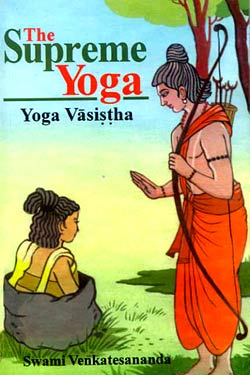
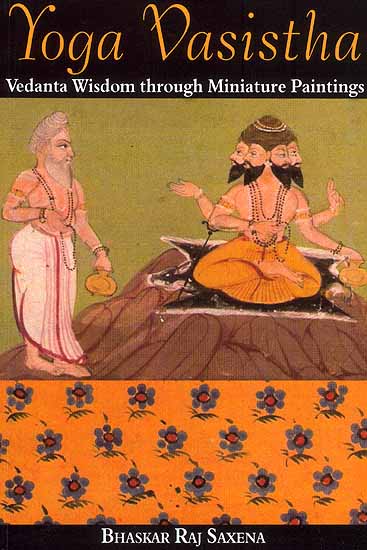
Before reading the story, many may wonder what Yoga Vasishta is. It is a book written by sage Valmiki in Sanskrit. It has got 32,000 verses, one of the longest books in Sanskrit, probably occupying a place next to Maha Bharata and Katha Sarit Sagara. It has got a lot of Hindu stories that are not found elsewhere.

Sikidwaja was the prince of Malava in ancient India. Sikidwaja means a king with peacock flag. His queen was Chudala from Saurashtra country in ancient India (now part of Gujarat state). She was very beautiful and extremely intelligent.

When Sikidwaja was 18 years old, he married Chudala. As young royal couple they enjoyed all the pleasures available for a queen and a king. Sikidwaja’s father transferred his authority to the prince and retired into the forest. They passed many years and suddenly found out that life was boring and monotonous. They both resolved to turn over a new leaf in their lives.

Chudala spent all her time in studying about the Self. She progressed very quickly in the realm of spiritual matters. A great serenity came upon her and a new lustre shone in her face. Sikidwaja was struck by the change in her and asked her about it. She explained to him that though she did not notice any change in her face, she knew more about inner self. She told him that it gave her a lot of inner peace and joy. She explained it in detail. But Sikidwaja could not understand everything she said. He also decided to pursue the path of self illumination.

Sikidwaja proved a good and conscientious king and ruled his subjects justly, but his spiritual development was stunted, and that made Chudala sad. She performed all her duties as a wife correctly. One day he suddenly last his complacency. He couldn’t meditate anymore because of the perennial cravings of the physical self. When all his efforts to bridge the gap failed he decided to go to the forest. Chudala said to him , “What you cannot attain here, you will never attain in a forest”. Finally one morning, waking up, she found his half of the bed vacant; he was gone. In the king’s absence Chudala ruled the country.

She had mastered the art of assuming any form she chose, and presently she took the shape of a young male ascetic and appeared before her wandering husband in the forest. When he asked her who she was she introduced herself as Khumba. She told him that she knew the reason for his restlessness and ready to teach him. Khumba explained to him that renunciation of external possessions alone would not help. One had also to cultivate perfect detachment. Then she left him to meditate and went on the pretext of going somewhere. Actually she went back to the kingdom to attend to state duties.
When she came back to the forest after a few days her husband (Sikidwaja) was in Samadhi. She went back to the capital and came back after a few days. When she saw him still in Samadhi and she created Simhanada (roar of a lion) with her Yogic powers. He was undisturbed. She left her own body and transmigrated into his and awoke him from within. Khumba (chudala) asked him, “Do you feel assured that you will never more be affected by Kama (passion), Krodha (anger) and Moha (attraction). He told Khumba that he was above all passions and felt very confident now.
yoga-vasistha2

First Test
Now Khumba left Sikidwaja on the pretext of visiting Indraloka. When he came back he had a sad face. Sikidwaja asked the reason for his sadness. Since he cracked a joke at Durvasa on his way back, he cursed him to become a woman during night and that made him sad. Sikidwaja told him that he wouldn’t mind even if he became woman during night time. The night came and he went behind a curtain and started describing all the changes in his body. Khumba said to him that now his name was Madanika. She came out like a beautiful woman. As the night advanced she came closer to Sikidwaja and said to him, “Let us spend the night as husband and wife”. She found that the king, though responsive, remained untouched by any experience. He took no initiative at any stage although he never denied her anything when she made a demand on him as a wife. Chudala (Khumba/Madanika) felt very happy that her husband had come through the first test successfully.

Second test
Now Chudala wanted to put him through a second test. She created an illusory Indra with her magical powers and set him to tempt Sikidwaja. Indra invited him to visit Indra loka (heaven) to enjoy all the pleasures. The king looked at Indra with amusement and asked, “Does one have to go so far to seek happiness? There is no need for one to go in search of anything”. Indra disappeared at once. Chudala felt triumphant that her husband had come successfully through the second test also.
yv1

Third test
She had tested his passion and attitude to pleasure in the first and second tests. She planned a third test to find whether he had mastered Krodha/anger. Chudala converted herself into Madanika and created a handsome man out of thin air. She embraced him tightly. When Sikidwaja saw her in intimate contact with another man, he said nothing. When she explained the reason for her fickle mindedness, he told her that she had followed her inclination and he had no voice in it. When she promised him that she would not do it again and asked him to accept her as his wife Madanika again, he told her that there was no need for husband and wife relationship anymore, but she can still stay with him as his friend Khumba in the daytime and Madanika in the night.

Then Chudala felt very happy to see that her husband passed the third and final test as well. Now she assumed her original form as Chudala and told her husband Sikidwaja,“I have tried you in every way to see if you have attained ripeness and maturity. You have attained the stability of a rock, you are a Jivan Mukta (living saint). You have surpassed me in a hundred ways. Let me become your humble wife”.

YogaVasisthaTitleFinal

When Sikidwaja suggested total renunciation, she told him that he should return to his worldly duties as a king. A second coronation was held in the capital in grand style. It is recorded that Sikidwaja ruled happily for ten thousand years!

Source: summarised from R K Narayan’s Gods, Demons and others.

(I have explained elsewhere that the numbers 10,000 years, 60,000 years are all phrases in Sanskrit and they simply mean ‘for a very long time.’)
Contact swami_48@yahoo.com