ராமாயணத்தில் அந்தணர்கள்

21-gurukulam-tv-serial-2-600

எழுதியவர்—லண்டன் சுவாமிநாதன்
கட்டுரை எண்- 1005 தேதி—-27th April 2014.

கம்பன் காலத்தில் பிராமணர்கள் புகழ் ஓங்கியிருந்தது என்பதை அவன் பாடல்களில் இருந்து அறிய முடிகிறது. வால்மீகி, போதாயனர், வஷிஷ்டர் ஆகிய மூவர் எழுதிய ராமாயணங்களில் தேவபாஷையில் எழுதப்பட்ட வால்மீகி முனிவரின் கவிதைகளையே—காவியத்தையே அடிப்படையாகக் கொண்டு எழுதியதாக அவனே ஒரு பாடலில் கூறிகிறான். ஆக வால்மீகி முனிவன் பிராமணர்கள் பற்றிச் சொன்னதைத் தானே அவனும் சொல்லியிருப்பான் என்று சிலர் எண்ணலாம். அது சரியல்ல. எவ்வளவோ இடங்களில் அவன் வால்மீகி ராமாயணத்தில் சொன்னதை எழுதாமல் விட்டிருக்கிறான். இன்னும் பல இடங்களிலும் மாற்றியும் எழுதி இருக்கிறான். ஆக கம்பன் கூறுவதை அவன் நம்பிய ஒரு கருத்தாகவே எடுத்துக் கொள்வதில் தவறு ஒன்றும் இல்லை. கம்பன் என்ன சொன்னான்?

வசிட்ட முனிவன் இராமனுக்குக் கூறிய உறுதிப்பொருள்

அயோத்தியா காண்டம்—மந்தரை சூழ்ச்சிப் படலம்

பாடல் 99
என்று பின்னும் இராமனை நோக்கிநான்
ஒன்று கூறுவது உண்டு உறுதிப்பொருள்
நன்று கேட்டு கடைப்பிடி நன்கு என
துன்று தாரவற் சொல்லுதல் மேயினான்

பொருள்: நான் உனக்குச் சொல்ல வேண்டிய உறுதிப்பொருள்
ஒன்று இருக்கிறது. அதை நீ நன்றாகக் கடைப்பிடிக்க வேண்டும். மாலை அணிந்த ராமனுக்குச் சொல்லத் தொடங்கினான்

பாடல் 100
கரிய மாலினும் கண்ணுதலானினும்
உரிய தாமரைமேல் உறைவானினும்
விரியும் பூதம் ஓர் ஐந்தினும் மெய்யினும்
பெரிய அந்தணர் பேணுதி உள்ளத்தால்

அந்தணர்களை மனமார ஆதரிக்கவேண்டும். ஏன் தெரியுமா? அவர்கள்
பிரம்மா (தாமரைமேல் உறைவான்), விஷ்ணு (கரிய மால்), சிவன் (கண்ணுதலான்) ஆகிய மூவரைக் காட்டிலும், ஐந்து பூதங்களையும், சத்தியத்தைக் காட்டிலும் பெரியவர்கள்.

பாடல் 101
அந்தணாளர் முனியவும் ஆங்கு அவர்
சிந்தையால் அருள் செய்யவும் தேவருள்
நொந்து உளாரையும் நொய்து உயர்ந்தாரையும்
மைந்த எண்ண வரம்பும் உண்டாம் கொலோ

மகனே! அந்தணர்கள் கோபித்தபோது எத்தனை தேவர்கள் கஷ்டப் பட்டார்கள் என்று சொல்லி மாளாது; கணக்கே இல்லை. அது போல அவர்கள் மகிழ்ந்தபோது எத்தனை தேவர்கள் இன்பம் அடைந்தார்கள் என்பதையும் கணக்கிட்டுப் பார்க்க இயலாது. இல்லையா?

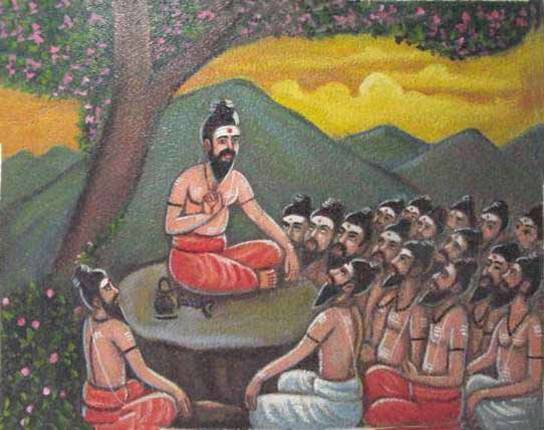
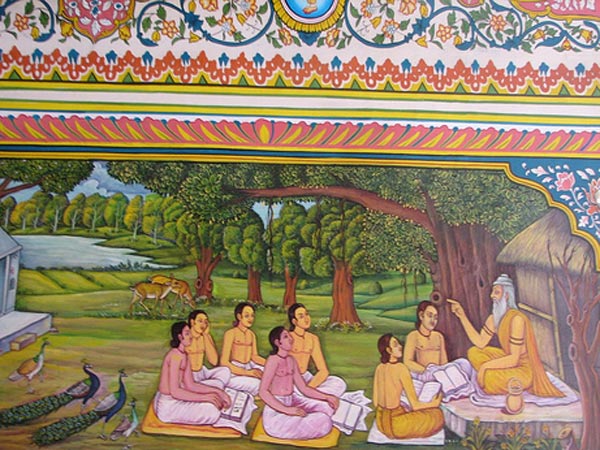
GURUKULAM Water color 10x13in

பாடல் 102
அனையர் ஆதலின் ஐய இவ் வெய்ய தீ
வினையின் நீங்கிய மேலவர் தாள் இணை
புனையும் சென்னியையாய்ப் புகழ்ந்து ஏத்துதி
இனிய கூறி நின்று ஏயின செய்தியால்

மகனே! அந்தணர்கள் இப்படிப்பட்டவர்கள் என்பது புரிகிறதல்லவா? கொடிய பாவங்களில் இருந்து விலகி நிற்கும் மேன்மை உடையவர்கள் அந்தணர்கள் .ஆகவே அவர்கள் திருவடிகளை உன் முடிமேல் தாங்கி, இனிய சொற்களைக் கூறி அவர்களை வாழ்த்து. அவர்கள் ஏவும் செயல்களை உடனே முடிப்பாயாக.

பாடல் 103
ஆவதற்கும் அழிவதற்கும் அவர்
ஏவநிற்கும் விதியும் என்றால் இனி
ஆவது எப்பொருள் இம்மையும் அம்மையும்
தேவரைப் பரவும் துணை சீர்த்தே

ஒருவனை உச்சாணிக் கொம்பில் வைப்பதும், அதள பாதாளத்தில் வீழ்த்துவதும் ஒருவனுடைய தலைவிதி ஆகும். அந்த விதிகூட, அந்தணர் ஏவலின் படி நடக்கும் என்றால் பார். அவர்களைக் காட்டிலும் சிறந்தவர் உண்டா? எதுவுமே இல்லை. ஆகவே இப்பிறவியிலும் மறு பிறவியிலும் பூலோக தேவர்களாகத் திகழும் அவர்களைப் போற்றுவதே சிறப்புடைய செயல்.

இதைத் தொடர்ந்து நல்லாட்சி, அமைச்சர் சொல் கேட்டல், அன்புடன் இருத்தல் ஆகியவற்றையும் வசிஷ்டர் உபதேசிக்கிறார்.

இங்கு ஒரு கேள்வி எழும். அந்தணர்கள் என்பது பிராமணர்களா? அல்லது முனிவர்களா என்று. புறநானூற்றிலும் ஏனைய சங்க நூல்களிலும், அதற்குப்பின் வந்த சிலப்பதிககரத்திலும் ‘நான்மறை அந்தணர்கள்’, ‘முத்தீ வழிபடும் அந்தணர்கள்’ என்று வருவதை நோக்குங்கால் இது பிராமணர்களையே குறிக்கும் என்பது வெள்ளிடை மலையென விளங்கும். வள்ளுவனும் (543) குறளில் அந்தணர் என்பவரை வேதத்தோடு தொடர்புபடுத்திப் பேசுவதைக் கண்கிறோம்.

பிராமணர்களை பூவுலக தேவர்கள் (பூசுரர்) என்றும் அழைப்பர். பாடல் 103–ல் பூலோக தேவர்கள் என்ற சொல்லைக் குறிக்கும் விளக்கம் வருகிறது. உரைகாரர்களும் பூலோக தேவர் என்றே உரை செய்கின்றனர். ஆக இந்தப் பாடல்களில் கம்பன் குறிப்பது பிராமணர்களைத் தான் என்பதில் ஐயமில்லை.
பாலகாண்டத்தில்

“அருந்தவ முனிவரும் அந்தணாளரும்” (பாடல் 183) என்று பிராமணர்களையும் முனிவர்களையும் கம்பன் வேறுபடுத்திப் பாடி இருப்பதையும் காண்கிறோம்.

மற்றொரு பாடலில்
மாதவத்து ஒழுகலம்; மறைகள் யாவையும்
ஓதலம்; ஓதுவார்க்கு உதவல் ஆற்றலம்;
மூதெரி வளர்க்கிலம்; முறையும் நீங்கினேம்;
ஆதலின் அந்தணரேயும் அல்லாமால் (பாடல் 2644)

மா தவம் செய்தல், வேதங்களை ஓதுதல், ஓதுவித்தல், முத் தீ வளர்த்து யாகம் செய்தல் ஆகியன் அந்தணர் பணியாக மேல் கூறிய பாடலும் கூறுகிறது.

ஒரு காலத்தில் பிராமணர்களும் துறவியரும் சத்தியம், ஒழுக்கம் என்பனவற்றில் சம நிலையில் இருந்தனர். ஆகவே இரண்டு பொருள்களிலும் சில நூல்களில், இச் சொல் பயன்படுதப்பட்டது என்பதும் உண்மையே.

contact swami_48@yahoo.com

Hindus are the Pioneers of National Anthems

indian anthem
By Santanam Swaminathan (London Swaminathan)

(S Swaminathan was a Senior Sub Editor of Dinamani, a Tamil language daily, in Madurai before taking over as the Producer of the BBC Tamil Service in London. Later he started teaching Tamil as a part time tutor at SOAS; now retired and contributing to magazines.)

Post No 1004; Date:- 26th April 2014.

Many inquisitive youths ask the question, “Who invented the National Anthem? Who sang the first national Anthem? Which one is the oldest?” If you go to encyclopaedias you would not get an answer in one word or one sentence. They will start from the oldest lyric or the oldest one set to music or the oldest one to appear in print etc. But my answer to the questions is ‘THE HINDUS’ are the one who started singing the national anthem.

What is a National Anthem?

It is a song in praise of a particular country wishing all the best for its people and the land. Hindus started singing this, thousands of years ago and continue this even today, though the official national anthem of India is different. The official national anthem of India was written by the great poet Rabindranath Tagore in highly Sanskritised Bengali.

Every religious discourse, traditional Bhajan (Hindu Choir) and temple Pujas (Flower offering to Gods) recite the following two hymns/anthems at the end of the ceremony:

Swasthi prajabhya paripalayantam
Nyayena margena mahim mahisaha
Go Brahmanebhya subhamastu nityam
Lokas samasto sukhino bhavantu

May there be happiness for all people
May the rulers righteously rule the earth
May there be welfare for the animals and men of wisdom at all times
May all beings be happy and prosperous

Though the translation of the third line says ‘animals and men of wisdom’ in the above hymn, the literal translation is ‘Cows and Brahmins’. The ancient Hindu society placed these two at the top of the animal world and human world for their purity and holiness. What they really meant is that starting from the cows and Brahmins every creature and every human must be prosperous.

This is a beautiful and universal anthem that can be used by any country. One of the great Four Saivite Saints (called Naalvar i.e The Four in Tamil) Tiru Jnana Sambandhar also translated it verbatim in Tamil. Sambhandar, the Boy Wonder, who started composing poems at the age of three, lived in Tamil Nadu in the seventh century CE.
india 1

The second hymn (sloka in Sanskrit) that is sung at the end of all the Hindu ceremonies is as follows:

Kale varshatu parjanya,
Prithivi sasya shalini
Deshoyam kshobharahitaha
Brhamana santu nirbhayaha

May the clouds rain at proper time
May the earth produce plenty of grains
May this country be free from famine
May men of contemplation be fearless

Alternative translation:
Let the monsoon be timely and plentiful
Let earth be covered with vegetation
Let the country live without problems
And let good people never have fear.

The beauty of these two slokas/hymns is that they are universal and can be used by anyone at any time. Another beauty is that it prays for fearless survival of intellectuals of the country. Only when intellectuals live fearless, they can suggest novel ideas and execute progressive policies. We have seen such reforms in India in the past.

janaganamana

My humble suggestion is that these two hymns should be sung at every event in all parts of the world. They are the property of the humanity. Sri Jagadguru Chandra Sekarendra Saraswati of Kancheepuram, who is known as Paramacharya, gives the following suggestion:-

Better than National Anthem:

“The concluding sukta of the Rig Veda contains a hymn that should be regarded having a higher significance than the national anthem of any country: it is a prayer for amity among all nations, a true international anthem “May mankind be of one mind”, it goes, “May it have a common goal”, “May all hearts be united in love. And with the mind and the goal being one, may all of us live in happiness”- – Kanchi Paramacharya (1894-1994).

Page 193 of Hindu Dharma, Bharatiya Vidhya Bhavan, Bombay, 1995

national-song-of-india

Bharatavakyas in Sanskrit Literary Works

Hindus prayed for the welfare of the people and their king even in the entertainment shows such as dramas staged in the public!

Bharatavakya is the benedictory address spoken at the close of every Sanskrit drama. We find this in all the dramas of Bhasa and Kalidasa. It expresses good wishes to everyone and prosperity for the country. Kalidasa’s master piece ‘Abhijnana sakuntalam’, has the following benediction (Bhatatavakya):

Marica says:
Honour the gods in full measure
With holy rites and all due offerings;
May the God of gods in return
Bless your people with abundant rains;
Let Time run its round in this pattern
Woven of acts of mutual service:
May both the Worlds enjoy Glory and Plenitude
Built on such enduring friendship

King
May kings ever work for the good of their subjects;
May the utterance of those blessed by the Word
Be ever honoured;
May the Self-Existent Lord who unites in Himself
The Dark and the Light
Whose Infinite Power pervades the Universe
Annihilate forever the round of my birth.

(Translated by Chandra Rajan, Kalidasa, The Loom of Time, Penguin, 1990)

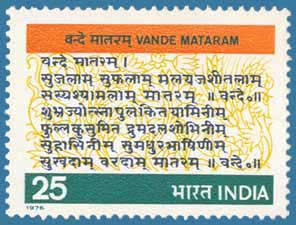
vandemataram_stamp
Author’s e mail: swami_48 @ yahoo.com

வெள்ளி கிரகம்—மழை தொடர்பு பற்றி உபநிஷத்!

shisya

உபநிஷத அற்புதங்கள்– Part 4; எனது ஆராய்ச்சிக் குறிப்புகள்

எழுதியவர்:– லண்டன் சுவாமிநாதன்
கட்டுரை எண்:-1003; தேதி:– 26th April 2014.

32. “உபநிஷத் காலத்தில் புவியியல் அறிவு” என்று பூகோள விஷயங்கள் பற்றி B G தமஸ்கர் என்பவர் ஒரு புத்தகம் எழுதியுள்ளார். அதில் அவர் 250 உபநிஷத்துகள் இருப்பதாகவும் தான் 134 புத்தகங்களை மட்டும் எடுத்துக்கொண்டு இந்த ஆய்வை நடத்தியிருப்பதாகவும் சொல்லி 134 உபநிஷத்துகளின் பட்டியலைக் கொடுத்திருக்கிறார்.

33.பூமியின் இரண்டு பகுதிகளும் ரிஷிகளுக்குத் தெரியும் என்பதை சாந்தோக்கிய உபநிஷத் (2-2-3) மூலம் காட்டுகிறார். பிரபஞ்சம் தோன்றியதும் அதே உபநிஷத்தில் இருக்கிறது (5-6-1; 6-8-7)

34. நிலம், நீர் ஆகியன எந்த அளவுக்கு இருக்கிறது என்பதை பிருஹத் ஆரண்யக உபநிஷத் (3-3-2) சொல்கிறது.

35.வலம் வருதல் பற்றியும் பி.ஆ.உ.-வில்(4-2-4) வருகிறது கடிகார முள் சுற்றுவதில் இருந்து கோவில் சுற்றுவது வரை எல்லாம் வலமாகவே இருக்கும். இது இந்துக்களின் கண்டுபிடிப்பாகத் தான் இருக்க வேண்டும். கண்ணகி சிலையை பிரதிஷ்டை செய்த செங்குட்டுவன் அச்சிலையை மும்முறை வலம் வந்து வணங்கியதாக சிலப்பதிகாரம் கூறுகிறது.

36.வடமொழியிலும் தமிழிலும் பருவத்தை ஆறு பிரிவுகளாகப் பிரித்திருக்கிறோம். இது வேத காலத்தில் துவங்கியது தைத்ரீய சம்ஹிதையில் இதை முதல் முதலில் (4-3-2; 5-6-3; 7-6-19) படிக்கிறோம். பாரதம் முழுதும் ஒரே நாகரீகம், பண்பாடு இருந்ததற்கு இதுவும் ஒரு சான்று. மஹாகவி காளிதாசன் ஆறு பருவங்கள் பற்றி ருது சம்ஹாரம் என்ற ஒரு கவிதை நூலே எழுதிவிட்டார்.

தமிழர்கள் கண்டுபிடிப்பு

37. புற நானூற்றிலும் ஏனைய சங்க இலக்கிய நூல்களிலும் வெள்ளி கிரகத்துக்கும் மழைக்கும் உள்ள தொடர்பு பற்றி நிறைய பாடல்கள் இருக்கின்றன. இன்னும் விஞ்ஞானிகள் இதுபற்றி எதுவும் கண்டு பிடிக்கவில்லை. எதிர்காலத்தில் என்ன என்ன கண்டுபிடிப்புகள் வரும் என்று நான் ஏற்கனவே இரண்டு கட்டுரைகள் எழுதி இருக்கிறேன். அதில் வெள்ளி கிரகம்—மழை பற்றிய கண்டுபிடிப்பும் ஒன்று. தமிழ் ,சம்ஸ்கிருத நூல்களில் உள்ள இந்தக் கருத்து மைத்ரீ உபநிஷத்தில் இருக்கிறது (7-4)

sondara_gurukula

38.ஆதி காலத்தில் மார்கழி மாதத்தில் ஆண்டு துவங்கியது. இதனால்தான் கீதையில் மாதங்களில் நான் மார்கழி என்று பகவத் கீதையில் கண்ணன் கூறுகிறான். பகவத் கீதையில் கிருஷ்ணன் இப்படி ஒவ்வொரு விஷயத்திலும் தான் என்ன என்னவாக இருக்கிறேன் என்று கூறுவதை வைத்து கண்ணதாசன் ஒரு திரைப்பட பாடலே எழுதிவிட்டார்:- “காலங்களில் அவள் வசந்தம், கலைகளில் அவள் ஓவியம்”– என்ற பாடல் பலருக்கும் தெரிந்திருக்கும் நிற்க.

ஆண்டு துவக்கம், பிற்காலத்தில் வசந்த கலத்துக்கு மாற்றப்பட்டது.. அதாவது மார்ச் மாதம்தான் முதல் மாதம். ஜனவரி அல்ல. இதனால்தான் செப்டம்பர் (சப்த=ஏழு), அஷ்டோபர் (அஷ்ட=எட்டு), நவம்பர் (நவ=ஒன்பது), தசம்பர் (தச= பத்து) என்று ஆங்கில மாதங்களுக்கு சம்ஸ்கிருத எண்களை பயன்படுதுகிறோம். மார்ச் முதல் மாதம் என்றால்தான் இது சரியாக, 7, 8, 9, 10 ஆவது மாதங்களாக வரும்.

தைத்ரீய பிராமணத்தில் (1-12; 6-7; 3-10-4-1; 6-5-3) வசந்த காலம்தான் முதல் மாதம் என்று இருக்கிறது. வேதங்கள் பல்லாயிரக் கணக்கான வருடங்களாக இருப்பதால் ஒரு காலத்தில் மார்கழி முதலாவது இருந்திருக்க வேண்டும். இதுகுறித்து சுதந்திரப் போராட்ட வீரரும் பேரறிஞருமான பால கங்காதர திலகர் விரிவான நூல் எழுதி இருக்கிறார்.

39. எங்கெங்கோ தோன்றும் நதிகள் எல்லாம் இறுதியில் கடலில் சங்கமித்து தன் நாமத்தை இழந்து கடல் நீர் என்று பெயர் பெறும் உவமை= ஆகாசாத் பதிதம் தோயம் யதா கச்சதி சாகரம்= நிறைய வடமொழி நூல்களில் பயன்படுத்தப்படுகிறது. பிராமணர்கள் ஒரு நாளில் மூன்று பொழுதுகளில் செய்யும் சந்தியாவந்தனத்திலும் இதைக் கூறுவர். இது முண்டகோபநிஷத் (3-2-8) என்னும் பழைய உபநிஷத்திலேயே வருகிறது. இந்துக்களுக்கு கடலும் நதியும் “தண்ணீர் பட்டபாடு: என்று சொல்ல முடியும். கடல்கடந்து வணிகம் செய்த மக்கள் இந்த உவமையைப் பயன்படுத்துவதில் வியப்பே இல்லை. மதத்திலும் கூட புவியியல் உண்மைகளைப் புகுத்தும் மதிநுட்பம் உயையோர் பாரத நாட்டு மக்கள்.!!
40.தாமரை: உபநிஷத்தில் தாமரைக்கு எட்டு பெயர்கள் வருகின்றன. பிற்கால நிகண்டுகளில் இன்னும் அதிகமான சொற்கள் வருகின்றன. இது தெரிந்துதான் பாரதீய ஜனதா கட்சி இதை சின்னமாகத் தேர்ந்தெடுத்தார்களோ என்னவோ!

siddha2

41. தானிய வகைகளில் எள், அரிசி, பார்லி, கடுகு முதலியன மிகவும் பழைய , பெரிய உபநிஷத்தான பிருஹத் ஆரண்யக. உபநிஷத்திலேயே வருகிறது. ஏற்கனவே சிந்து சமவெளி அகழ்வாரய்சியில் வெட்டி எடுக்கப்பட்ட எள் வேதங்களிலும் பிராமணர்களின் சடங்குகளிலும் (திவசம், தர்ப்பணம்) பயன்படுத்தப்படுவது பற்றி ஒரு ஆராய்ச்சிக் கட்டுரை எழுதி இருக்கிறேன்.

42. இன்னொரு விநோதம் என்னவென்றால் மூன்று உபநிஷத்துகள் பறவைகளின் பெயரில் இருப்பதாகும்: கருட உ., ஹம்ச உ., சுகரஹஸ்ய உ., ஆகியன கழுகு, அன்னம், கிளி ஆகியவற்றின் பெயரில் உள்ளன. உலகில் முதல் முதலில் மேகத்தை தூது விட்டு புத்தகம் (மேகதூதம்) எழுதியவன் காளிதாசன். உலகில் முதல் முதலில் காலங்களின் பிரிவுகளை (அறுபொழுது) வைத்து நூல் எழுதியவன் (ருதுசம்ஹாரம்) காளிதாசன். இதற்கெல்லாம் அவனுக்கு உதவியது உபநிஷத்துகள்தான்!! பறவைகளையும், காற்றையும் தூதுவிடுவது வேத,உபநிஷத ,இதிஹாசங்களிலேயே வந்துவிட்டது.

43. உபநிஷத்துகள் என்பவை தத்துவம், இறையுணர்வு பற்றிய நூல்கள். ஆனால் அதில் கூட தங்கம் (சாந்தோக்யம் 3-19; 5-10-9; 8-3-2; 6-24-1) பற்றியும், வெள்ளி (சாந்தோ. 3-19-1) பற்றியும் இரும்பு, காரீயம், வெள்ளீயம் பற்றியும் குறிப்புகள் வருகின்றன.

guru

44. வெளிநாட்டு “அறிஞர்கள்” (? ! ? ! ? ! ) சங்க இலக்கிய நூல்களிலும் சம்ஸ்கிருத வேத இதிஹாச, புராணங்களிலும் இல்லாத ஆரிய—திராவிட இனவெறியைப் புகுத்தி இந்திய வரலாற்றில் விஷம் கலந்ததை மகாத்மா காந்தி, ஹரிஜன தலைவர் அம்பேத்கர், மகரிஷி அரவிந்தர், காஞ்சி பரமாசார்ய சுவாமிகள் ஆகியோரின் கண்டனம் செய்தது பற்றி ஆறு, ஏழு கட்டுரைகளில் கொடுத்துவிட்டேன்.

அப்படியானால் நம்மவர்கள் எல்லோரையும் எப்படிப் பிரித்தார்கள் என்ற கேள்வி எழுகிறதல்லவா? புற நானூற்றின் முதல் பாடலிலேயே 18 கணம் பற்றிய செய்தி வருகிறது. பாரியின் மகள்களை கபிலன் என்ற பிராமணப் புலவன் ஒவ்வொரு மன்னனிடமாக அழைத்துச் சென்று திருமணம் செய்துகொள்ளுங்கள் என்று கெஞ்சும் புற நானூற்றுப்பாடல்களில் ஒரு பாட்டின் உரையில் 18 கணத்தினரை அகத்தியர் அழைத்துவந்த செய்தியும் வருகிறது.

மைத்ரீ உபநிஷத் இந்த 18 கணங்களீல் அசுர, கந்தர்வ, யக்ஷ, ராக்ஷச, பூத பிசாச வர்க்கத்தினரைக் குறிப்பிடுகிறது. உபநிஷத்துகள் தத்துவ நூல்கள் என்பதால் இதற்கு மேல் எதிர்பார்ப்பதில் நியாயம் இல்லை. இதில் என்ன பெரிய அதிசயம் என்றால் இவர்கள் எல்லோரையும் ஒரு தாய் வயிற்று புதல்வர்கள் என்றே புராண, இதிஹாசக் கதைகள் கூறுகின்றன. வெள்ளைக்காரன் பிரித்தது போல போண்டா மூக்கு- கருப்புத் தோல் திராவிடன் மத்தியதரைக் கடல் வாசி, என்றும் கூரிய மூக்கு- வெள்ளைத் தோல் ஆரியன் மத்திய ஆசியப் பேர்வழி என்றெல்லாமும் உபநிஷத்துகள் பேசவில்லை! கிருஷ்ணன் கருப்பன், அவனுடைய அண்ணன் பலராமன் வெள்ளையன்!! திரவுபதி கருப்பாயி, அவள் புருஷன் அர்ஜுனன் ஒரு வெள்ளையத் தேவன்!!

45. ரிக்வேதத்தில் புருஷசூக்தத்தில் முதல் முதலாக வரும் நான்கு ஜாதிகள், சாந்தோக்ய உபநிஷத்தில் ஒரு இடத்தில் (5-10-7) வருகிறது

தொடரும்……………………………………. (பகுதி–5-ல் மிகுதியைக் காண்க)

Please read Part 1, 2, 3 of this article posted in the past few days.

contact swami_48 @ Yahoo.com

“If There is No Food, Let Brahma Perish!”

guimet brahma from cambodia
Statue of Brahma from Cambodia at Guimet Museum, Paris, France.

By London Swaminathan;
Post No. 1002; Date:25th April 2014.

((Please read post No.860 “ Reference to Brahma in Purananuu- by Dr R.Nagaswamy posted here on 23-2-14.))

Hindu poets are far ahead of communists! Communists in India raise slogans only against private industrialists and big companies in their meetings and processions. But Hindu poets raised slogans against Brahma, God of Creation, for the disparities in the society. What they meant is that inequality must be done away with. In India, if some poet quotes God’s name that means the highest emphasis and not that God of creation should perish.

Tamil poet Valluvar, who lived at least 1500 years ago, said ‘Let the creator of the world (Brahma) Perish’!
Tirukkural 1062 of Tiru Valluvar:

May the creator perish wandering about if he has pre ordained begging too, as a mean of existence.
Mr C Rajagopalachari, First Governor General of India, commented on this Kural: “ If the world were so ordered that one of its inhabitants lives in dependence and on the mercy of others, the Creator would indeed deserve the curse of becoming a wandering beggar himself”.

A Sangam age poet says Brahma was uncultured! (Puram 194:5) because we could see in one house women are happy because a wedding is going to take place and another house had a deserted look because of a death in the family. Hasn’t the Creator any sense? So do good things and avoid bad things in life.

A Buddhist poet bursts out in fierce anger:
He who has eyes can see the sickening sight;
Why does not Brahma set his creatures right?
If his wide power no limits can restrain,
Why is his hand so rarely spread to bless?
Why are his creatures all condemned to pain?
Why does he not to all give happiness?
Why do fraud, lies and ignorance prevail?
Why triumphs falsehood – truth and justice fail?

(The Jataka Stories; translated by Cowell and Rouse, vol.6 (1907, p.110)

Bharati’s Outburst
But Subramanya Bharathi, greatest of the modern Tamil poets, said let us destroy the world even if one has to go without food! He was revolutionary in his thoughts, words and deeds.

brahma3,cholas,1050
Brahma statue of Choza Period.

Krishna says it is sin to cook for one’s own sake:-
Lord Krishna said in Bhagavad Gita, It is sin to eat without giving it to others:
“ But those who cook for their own sake truly eat sin”—(Gita 3-13)
Bhagavad Gita Commentators refer here to the Pancha Yajnas (Five Types of offering) that Hindu householders have to perform every day:

1.Deva Yajna: Offering to Gods by way of Pujas
2.Brahma Yajna: Studying Scriptures
3.Pitru Yajna: Offering to ancestors (water oblations)
4. Manushya Yajna: Feeding the poor or any guest that comes to your door step
5.Bhuta Yajna: Feeding all creatures from Elephant to ant, particularly cows.

Manu on Householder’s duty:
Manu, the Hindu Law Giver, says in 3-77 that the people who are in three stages (Student, Pensioner and acetic) depends on householders (grihasthas) and in another rule 3-76, he says:

From food creatures come into being;
From rain is the birth of food;
From sacrifice rain comes into being;
And sacrifice is born of work

Annad bhavanti bhutani
Parjanyad anna sambhavah
Yajnad bhavati parjanyo
Yajna karma samudbhavak (The Laws of Manu 3-76)

Valluvar even spoke about violence against who refuse to give: “Crush them like sugarcane; Twist their arms and punch on the jaw till it breaks!”

Kural 1077:
The mean will not even shake off what sticks to their hands to any but those who would break their jaws with their clenched fists.

Kural 1078:
Good men of virtue give charity at the mere call for help, but ignoble ones,
Will give only when crushed like the sugarcane.

At a mere word the good will melt; but the mean, like the sugarcane, yieled only under pressure.

Contact swami_48@yahoo.com
புளியமரத்தை ஒடித்துவிட்டு ஓடிப்போன பேய் !

Brahmarakshas begs to a vaishnavite saint
Brahmarakshas begs to a Vaishnavite saint

எழுதியவர்—லண்டன் சுவாமிநாதன்
கட்டுரை எண்— 1001 தேதி—-25 ஏப்ரல் 2014

தமிழ்நாட்டில் ஸ்ரீ சேங்காலிபுரம் அனந்தராம தீட்சிதரைத் தெரியாதோர் யாரும் இல்லை. அவருடைய ராமாயண, மஹாபாரத உபன்யாசங்களைக் கேட்க ஆயிரக்கணக்கானோர் அணிவகுத்துச் செல்வர். அவர் குருவாயூ ரப்பனை உபாசித்து தன்னுடைய பெருநோயைப் போக்கிக் கொண்டவர். வாழ்நாள் முழுதும் தர்மப் பிரசாரத்தில் ஈடுபட்ட அவரும் அவரது குடும்பத்தினரும் மந்திர சாஸ்திரங்களில் வல்லவர்கள். ஸ்ரீ குருவாயுரப்பன் மீதான வாதபுரநாதஷ்டகம், நாராயணீயம், மஹிஷாசுரமர்த்தனி ஸ்லோகம் ஆகியன அவர் மூலம் தமிநாட்டில் பரவின. தனக்கென்று ஒரு புதிய உபந்யாச பாணியை வகுத்துகொண்டு சம்ஸ்கிருதக் கவிதைகளை அக்ஷரசுத்தமாகச் சொன்னவர்.

( சஹஸ்ரசண்டி என்ற பெரிய யாகத்தை நடத்துவதற்காக 1962-ஆM ஆண்டில் மதுரையில் புதுக்கோட்டை ஸ்ரீ சாந்தானந்த சுவாமிகள், நிதி எழுப்பும் நிகழ்ச்சிகளை ஏற்பாடு செய்தார். அதற்காக 45 நாட்கள் மதுரை மீனாட்சி கோவில் ஆடிவீதியில் ஸ்ரீ சேங்காலிபுரம் அனந்தராம தீட்சிதர் உபந்யாசம் ஏற்பாடு செய்யப்பட்டிருந்தது. அப்போது எங்கள் குடும்பத்தினர் அதில் மிகவும் ஈடுபட்டதால் அவரை தந்தையுடன் சென்று தனியாகச் சந்திக்கும் பாக்கியமும் கிடைத்தது. அப்போது பள்ளி மாணவர்களாக இருந்த நாங்கள் மதுரை ஆடிவீதியில் சமய நூல் விற்பனை செய்து யாகத்துக்கு நிதி எழுப்பினோம்)

அவர் தனது முன்னோர்களின் தவ வலிமை பற்றி எழுதுகையில் இரண்டு பிரம்மராக்ஷஸ் ( அமானுஷ்ய ஆவிகள்) பற்றிய கதைகளையும் எழுதியுள்ளார். இதோ அவரது எழுத்துக்களிலேயே இரண்டு பேய்க் கதைகளையும் படியுங்கள்:—-

“ஸ்ரீ முத்தண்ணாவாளின் இளைய சகோதரரைச் சின்ன முத்தண்ணா என்று அழைப்பார்கள். அவர் தமது தமையனாரான பெரிய முத்தண்ணாவாளை தெய்வமென்றே கருதுவார்கள். எங்காவது வெளியூர் சென்றாலும் பெரியவரை நமஸ்கரித்து அனுக்ரஹம் பெற்றுத்தான் புறப்படுவார்கள். அவ்விதம் ஒரு சமயம் ஸ்ரீ சின்ன முத்தண்ணாவாள் செதலப்பதி என்ற பந்து (உறவினர்) கிராமத்திற்குச் சென்றிருந்தார். அங்கிருந்து இரவில் முடிகொண்டான் என்ற ஊருல்குப் போகும்படி நேர்ந்தது அந்தப் பாதை முழுவதும் மிகுந்த மரங்கள் நிறைந்திருக்கும். அதிலும் மத்தியில் ஒரு பெரிய ஆலமரம் மிக அடர்ந்து பரவி வளர்ந்திருக்கிறது. அவ்விடத்தில்தான் திருடர்கள் மறைந்து நின்று வருகிறவர்களிடமிருந்து பொருள்களைப் பறிப்பது வழக்கமாம்.

statue of B rakshas
Statue of Brahmarakshas in Kerala.

அதே பாதையில் ஸ்ரீ சின்ன முத்தண்ணாவாள் போய்க்கொண்டிருந்தார். அந்த பயங்கரமான ஆலமரத்தைத் தாண்டியதும் ஓர் பலத்தகுரல் கேட்டது. அதாவது, “ஓ, சுப்பராம தீக்ஷிதரே! தாங்கள் நன்றாக வேதத்தைப் பதம் சொல்வீராமே!” என்றது. இதைக்கேட்ட ஸ்ரீ சின்ன முத்தண்ணாவாள் என்ற சுப்பராம தீக்ஷிதர் காலடிச் சத்தம் கேட்காமல் சமீபத்தில் குரல் பலமாக இருப்பதையும் எண்ணி ஆலோசித்து இது ‘ப்ரும்மரக்ஷஸ்’ என்று அறிந்தார். “பிறகு நான் அறிந்தவரை சுமாராகச் சொல்லுவேன்”, என்றார். உடனே அது , வேதத்தில் சம்ஹிதை என்ற பாகத்தில் , இரண்டாவது காண்டத்தை ஆரம்பித்துச் சொல்லிற்று. இவரும் அதோடு சர்ச்சையாக சொல்லிக் கொண்டே நடந்து சென்றார். அதுவும் தொடர்ந்து சொல்லிக்கொண்டே சென்றது.(சர்ச்சை என்றால் ஒருவர் ஒரு பதம் அடுத்தவர் அதற்கு மேல்பதம் , இவ்வாறு இருவர் மாறி மாறிச் சொல்வதே ஆகும்). முடிகொண்டான் சமீபம் சென்று கொண்டிருந்தனர்.

அதுசமயம் அங்கு சற்று தூரத்தில் ஒருவர் வீட்டிற்குள் தூங்குகிறவனை, மணி நான்கு ஆகிவிட்டது. சீக்கிரம் வண்டி பூட்ட வேண்டும் எழுந்து வா” என்று அழைத்துக் கொண்டிருந்தார். ஆதற்குள் நூற்றுக்கண்ககான பஞ்சாதி ஆகியும் பொழுது விடியாததை அறிந்து, ஸ்ரீ முத்தண்ணாவாள் அகாலத்தில் நாம் வந்துவிட்டோம் என்று உணர்ந்தார். முன்பு அழைத்துக் கொண்டிருந்த வீட்டுக்குச் சமீபம் வந்ததும் , அந்த ப்ரும்மரக்ஷஸ், “என்னைக் கைவிட்டு விடாதீர்கள்” என்று உரக்க அழுது, எனக்கு நல்ல கதி கிடைக்கும் என்று தாங்கள் அனுக்ரஹிக்க வேண்டும் என்றது. பிறகு அவர்கள் பகவானை பிரார்த்தனை செய்யுங்கள், கிடைத்துவிடும்” என்றார்களாம். அதுவும் நகர்ந்து விட்டது.

இவர்களும் அந்த வீட்டண்டை சென்றதும், அங்கிருந்தவர் இவர்களைக் கண்டு வியந்து, “சற்று தூரத்தில் அழுகை கேட்கிறதே, யார் அழுவது? என்ன விசேஷம்? என்று கேட்டார். அதற்கு ஸ்ரீ சின்ன முத்தண்ணாவாள் நடந்த விவரங்களைக் கூறி, “ஸ்ரீ பெரிய முத்தண்ணாவாள் அனுக்ரஹத்தால் சிறிதும் பிசகு இலாமல் வேதம் கூறினேன். இல்லாவிடில் ஏதேனும் பெரிய கஷ்டம் ஏற்பட்டிருக்கும்” என்று கூறினார்கள். இதைக்கேட்டு அங்குள்ள எல்லோரும் மிகவும் ஆச்சர்யமடைந்தார்கள்.
பிறகு இவர்கள் ஊருக்கு வந்து ஸ்ரீ பெரிய முத்தண்ணாவாளை நமஸ்கரித்து நடந்தவைகளைக் கூறி, “ தங்கள் அனுக்ரஹத்தால் எக்கு ஓர் கஷ்டமும் ஏற்படாம க்ஷேமமாக வந்து சேர்ந்தேன்” எனக் கண்ணீர் வடித்துக் கூறினார். அவர்களும் ஸ்ரீ சின்ன முத்தண்ணாவாளைத் தூக்கிக் கட்டித்தழுவி ஸமாதானம் செய்த், “ ஸ்ரீ பகவானை நம்பினவர்களுக்கு ஒரு குறையும் வராது என்று கூறினார். அதிலிருந்து ஸ்ரீசின்ன முத்தண்ணாவாள் வெளியூர் போக வேண்டியிருந்தால் நான்கு சிஷ்யர்களை கூட அனுப்புவார்கள்.
ஆதாரம்:–பக்கம் 109, ஸ்ரீ ஜெயமங்கள் ஸ்தோத்திரம் எட்டாம் பாகம்

brahma2

இரண்டாவது கதை: மந்திர சக்தி !

சேங்காலிபுரம் என்ற ஊரில், ஒரு பெரிய கிருஹஸ்தரும், ஆஸ்திகரும், தனவந்தருமான ஒருவருடைய பத்னிக்கு ப்ரும்மரக்ஷஸ் பிடித்திருந்தது. அது வீட்டிலுள்ள யாவருக்கும் துன்பமளித்தது. பல மந்திரவாதிகலைக் கொண்டு அந்த பிரும்மரக்ஷஸை விரட்ட முற்பட்டார்கள். ஆயினும் ஒன்றும் பூர்ணமான பயனளிக்கவில்லை. பிறகு கடைசியாக ஓர் பெரிய மந்திரவாதியைக் கொண்டு பல மஹன்யாச ஜப ஹோமங்கள் இரண்டு மூன்று தினங்கள் செய்தார்கள். கடைசி தினத்தன்று அம்மந்திரவாதி அந்த பிரும்மரக்ஷஸை அழைத்து, “ நீ போகப் போகிறாயா?இல்லையா? உனக்கு ஏதேனும் பலி வேண்டுமா? நீ சீக்கிரம் போகாவிடில் இன்னும் கடுமையாய் ஜபம் செய்து உனக்கு மிகுந்த துன்பத்தை தரப்போகிறேன்”, என்றார். அதுவரை பேசாதிருந்த பிரும்மரக்ஷஸ், “ நான் இவ்வூரில் இருக்கும் பெரிய முத்தண்ணா என்கிற ஸ்ரீ வைத்தியநாத தீக்ஷிதர் இங்கு வந்து அவர் வாக்கினால் எனக்கு நல்ல கதி கிடைக்கும் என்று கூறினால், சீக்கிரமே இவ்விடத்தை விட்டுப் போய்விடுகிறேன்” என்று கூறியது.

அதைக்கேட்ட வீட்டிலுள்ள யாவரும், ஸ்ரீ பெரிய முத்தண்ணாவாளிடம் வந்து “தங்களால்தான் எங்களுக்கு க்ஷேமம் ஏற்படவேண்டும். தங்களைத் தவிர வேறு கதி எங்களுக்கு இல்லை” என்று நமஸ்கரித்து வருந்தி னார்கள். பிறர் துன்பப்படுவதை சகியாத ஸ்ரீ பெரிய முத்தண்ணா வாளும், இம்மாதிரி கார்யங்களில் ஈடுபட மனமில்லது இர்ந்தும், கருணையால் அவர் வீட்டிற்குச் சென்று, அந்த பிரும்மரக்ஷசை, “ ஏன் ஒரு குடும்பத்தை துக்கப்படும்படி செய்யவேண்டும்?” என்று கேட்டார். அதற்கு பிரும்மரக்ஷஸ் தங்கள் வாக்கினால் எனக்கு நல்ல கதி கிடைக்கும் என்று கூறினால், சீக்கிரமே இவ்விடத்தை விட்டுச்செல்கிறேன்” என்றது.

ஸ்ரீ முத்தண்ணாவாள், உனக்கு பகவான் நல்ல கதி கொடுப்பார் என்றார். உடன் பிரும்மரக்ஷஸ், “தாங்கள் இவ்விதம் கூறியதே போதும். நான் பாவம் நீங்கி, நல்ல லோகம் சென்று விடுவேன். சீக்கிரமே இவ்விடத்தை விட்டுப் போய்விடுகிறேன்” என்றது. அது ஸமயம் அங்கிருந்த மந்திரவாதி முதலியோர்கள், “நீ செல்வது எங்களுக்கு எவ்விதம் தெரியும்?” என்று கேட்டார்கள். அது நான் போகும்போது கொல்லையில் இருக்கும் பெரிய புளியமரத்தின் கிளையை முறித்துச் செல்வேன்” என்றது. இவர்கள் எதிர்பார்த்திருந்தார்கள். அவ்விதமே படபவென்று, நடு இரவில் சத்தம் கேட்டதைக் கேட்டு கொல்லையில் ஓடிப்போய் பார்த்தார்கள். பெரிய புளியமரத்தின் பெரிய கிளை காரணமின்றி முறிவதைக் கண்டு வியந்தார்கள்.

பிரும்மரக்ஷஸ் விட்ட ஸ்த்ரீ, பிறகு யாதும் துன்பமில்லாமல் சௌக்கியமாக இருந்தாள். அவர்கள் குடும்பம் முழுவதும், மந்திரவாதியும் ஸ்ரீ பெரிய முத்தண்ணாவாளின் அனுக்ரஹத்தையும் பெருமையையும் எப்பொழுதும் கூறி ஆனந்தமடைந்தார்கள்.
பக்கம் 113, ஜெயமங்கள ஸ்தோத்திரம் எட்டாம் பாகம்

Rakshas_&_Brahmarakshas_idol_in_Veroor_Sri_Dharmashastha_Temple
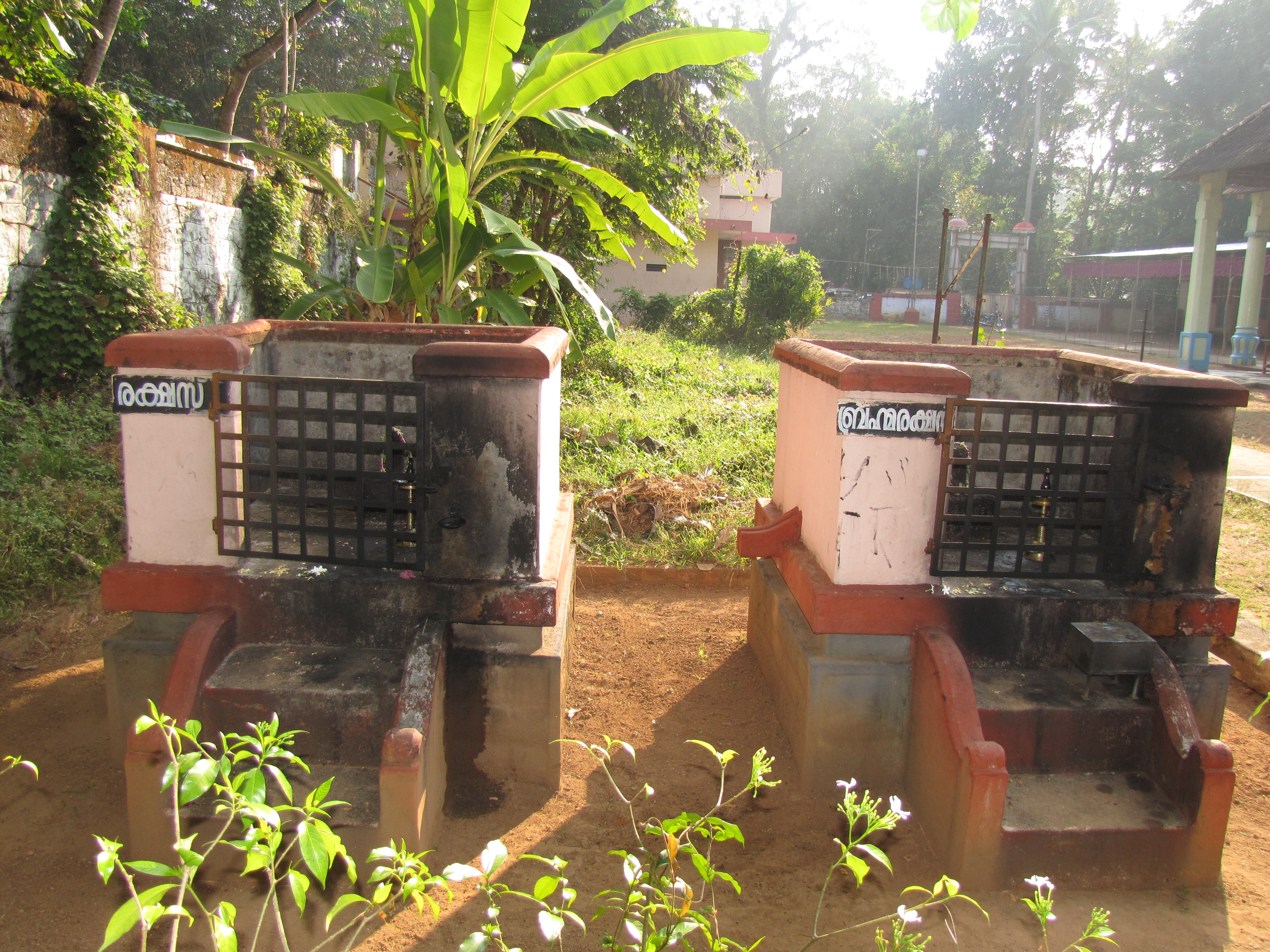
Rakshas and Brahmarakshas temple in Veroor, Kerala

பிரும்மரக்ஷஸ் என்றால் என்ன?

பிரும்மரக்ஷஸ் என்றால் பிராமணப் பேய்.
பிரம்மரக்ஷஸ் என்பது பேயாக மாறிய பிராமணன் ஆகும். கொடிய பாவம் செய்தாலோ கற்ற வித்தையை யாருக்கும் கற்பிக்காமல் இருந்தாலோ இறந்த பின்னர் பிராமணர்கள் பிரம்மரக்ஷஸாக மாறி மரத்தில் தலை கீழாகத் தொங்கிக் கொண்டிருப்பார்கள். அவர்கள் கற்ற விஷயங்கள் அப்படியே நினைவில் இருக்கும் . வருவோர் போவோரிடம் கேள்விகள் கேட்டு சரியான பதில் சொல்லாவிடில் விழுங்கிவிடுமவர் என்ற நம்பிக்கையும் உண்டு. பஞ்சதந்திரக் கதைகள், வேதாளமும் விக்ரமாதித்தனும் போன்ற கதைகளில் பிரம்மரக்ஷஸ் வருகிறது. கேரளத்திலும் கர்நாடகத்திலும் பிரம்மரக்ஷஸ் வழிபாடு உண்டு. கேரளத்தில் ஊருக்கு ஊர் பிரம்மரக்ஷஸ் கதைகள் சொல்லுவார்கள்.

பேயை விரட்டும் இரண்டு சக்தி வாய்ந்த மந்திரங்கள்:
தமிழில் கந்த சஷ்டி கவசம்
ஹிந்தியில் அனுமான் சாலீசா.

நான் எழுதிய முந்தைய பேய்க் கட்டுரைகள்:–

1.Ghost that killed 72 people (posted on 23 December 2012)
2.Ghost in Indus Seals
3.Tamil Poetess Encounter with a Ghost (19-12-2013)

4.தமிழ்நாட்டை உலுக்கிய பேய் (டிசம்பர் 23/ 2012 கட்டுரை)
5.தமிழில் பூதம், பேய், பிசாசு (ஆகஸ்ட் 12/ 2013 கட்டுரை)
6.அவ்வையாரை மிரட்டிய பேய் ( டிசம்பர் 19, 2013)
7.தமிழ் பூதமும் கிரேக்க பூதமும் (ஏப்ரல் 15, 2012)
8.டெல்பி ஆருடமும் குறிசொல்வோரும் (ஆகஸ்ட் 12, 2013)
9. சங்கத் தமிழ் இலக்கயத்தில் யக்ஷிணி, அணங்குகள்

contact swami_4 @yahoo.com

சிவனை வழிபட மூன்று மருத மரங்கள்

tv marudur temple
Tiruvidaimarudur Temple

சிவனை வழிபட மூன்று மருத மரங்கள் தேவியை வழிபட மூன்று மாணிக்கங்கள்

எழுதியவர்—லண்டன் சுவாமிநாதன்

கட்டுரை எண்— 1000 (ஆயிரம்) தேதி—-25 ஏப்ரல் 2014

சிவன் எங்கே இருக்கிறான்? நம் உள்ளத்தில் இருக்கிறான் என்று ஞானிகள் சொல்லுவர். ஆனால் நாம் எளிதாகக் காண முடிவதில்லை. பாலில் வெண்ணை இருக்கிறது என்று பாட்டி சொன்னாள். குழந்தை போய் பாலை எட்டிப் பார்த்தது. வெண்ணையைக் காணவில்லை. விறகில் தீ இருக்கிறது என்று அம்மா சொன்னாள். குழந்தை போய் விறகைத் தொட்டுப் பார்த்தது. தீயும் இல்லை, சுடவும் இல்லை. பாட்டியும் அம்மாவும் சொன்னதைத்தான் அப்பர் பெருமானும் கூறினார். ஆனால் அந்த வெண்ணையையும் தீயையும் பார்க்க கடைய வேண்டும் என்ற ஒரு வரியையும் சேர்த்துக் கொண்டார். மத்ததைக் கொண்டு பாலைக் கடைந்தால் வெண்ணை மேலே வரும். அரணிக் கட்டையைக் கடைந்தால் தீப்பொறி பறக்கும். நம் உள்ளத்தைக் கடைந்தால் சிவன் வெளிப்படுவான்:

விறகில் தீயினன், பாலில் படு நெய் போல்
மறைய நின்றுளான் மாமணிச் சோதியான்
உறவுகோல் நட்டு உணர்வு கயிற்றினால்
முறுக வாங்கிக் கடைய முன் நிற்குமே. (5-ஆம் திருமுறை, அப்பர்)

உள்ளத்தை எப்படிக் கடைவது. பல வழிகள் உண்டு. புனித யாத்திரை போனாலும் உள்ளம் கடையப்படும். தமிழ் கூறு நல்லுலகில் இதற்கு நமக்கு வழிகாட்டியவர்கள் தேவாரம் பாடிய மூவரும், திருவாசகம் பாடிய ஒருவரும், திவ்யப் பிரபந்தம் பாடிய பன்னிருவரும் ஆவர். அவர்களைத் தொடர்ந்து வந்த பக்தர் பட்டியலை எழுதி மாளாது. 300 தலங்களுக்கு மேல் பாத யாத்திரையாகச் சென்று சிவபெருமானையும், பெரிய பெருமாளையும் தரிசித்தனர்.

Srisailam-Mallikarjuna Swami Temple-13
Srisailam Mallikarjuna Temple

நமது காலத்தில் வாழ்ந்த காஞ்சி பரமாசார்ய சுவாமிகள் அவருடைய சொற்பொழிவில் மூன்று மருத மரங்களிடையே வாழும் சிவன் பற்றிக் கூறினார். அவருக்கு முன் வாழ்ந்த வள்ளலார் பெருமான் மூன்று மாணிக்கங்கள் இடையே வாழும் சிவ பெருமான் மற்றும் தேவியர் பற்றிக் கூறினார். இந்த ஆறு தலங்களையும் மனதால் தரிசித்து வருவோம்.

மூன்று தலங்களில் மருத (அர்ஜுன) மரம் தல விருட்சமாக இருக்கிறது.

ஸ்ரீசைலம்= மல்லிகார்ஜுனம்
திருவிடை மருதூர் = மத்யார்ஜுனம்
திருப்புடை மருதூர் = புடார்ஜுனம்

திருவிடை மருதூர் கோவிலில் உள்ள லிங்கம் மஹாலிங்கம். மத்ய அர்ஜுன என்றும் அழைப்பர் ( மத்யார்ஜுனம்= இடை மருது). அர்ஜுன என்பது மருத மரத்தின் சம்ஸ்க்ருதப் பெயர்.
மருத மரத்தின் தாவரவியல் பெயர் டெர்மினாலியா அர்ஜுனா. தமிழ்நாட்டில் திருவிடை மருதூர், திரு இடையாறு ஆகிய இடங்களில் இதுதான் தல மரம். ஆந்திரப் பிரதேசத்தில் ஸ்ரீசைலம் என்னும் புண்ய க்ஷேத்திரத்திலும் மருதமரமே. ஸ்ரீசைலத்தில் உள்ள இறைவன் மல்லிகார்ஜுனன். இங்கு மல்லைகை, அர்ஜுன (மருது) இரண்டும் சேர்ந்து உள்ளன. இது சக்தியும் சிவனும் இணை பிரியாதவர்கள் என்பதைக் காட்டும் சின்னம். அருகில் கிருஷ்ணா நதி பெருக்கெடுத்து ஓடுவதையும் காணலாம்.

tpudai marudur
Tiruppudaimarudur near Amabsamudram, Tirunelveli district.

ஆந்திரத்தின் ஒரு கோடியில் இருக்கும் மல்லிகார்ஜுனரையும் இடையே இருக்கும் (மத்யார்ஜுனம்) மஹாலிங்கத்தையும் தரிசித்தோம்.இன்னும் கொஞ்சம் தெற்கே போனால் தாமிரபரணி நதிக்கரையில் திருப்புடைமருதூர் (புடார்ஜுனம்) என்னும் க்ஷேத்திரத்தில் ஒரு மருதமரமும் ஈஸ்வரனும் உள்ளனர். நாறும்பூநாதர் என்பது இறைவனின் பெயர். கோமதியம்மன் என்பது இறைவியின் பெயர். இங்கு சாய்ந்த நிலயில் ஈஸ்வரன் காட்சிதருவது பற்றி பல கதைகள் உண்டு. திருநெல்வேலி மாவட்டத்தில் இத்தலம் உள்ளது.அற்புதமான நாயக்கர் கால ஓவியங்களும், வேலைப்பாடுடைய மரச் சிற்பங்களும் இங்கே இருக்கின்றன. ஆயிரம் ஆண்டுக்கும் மேலான பழமை உடைய கோவில்.

Source: Kanchi Paramachrya Talks

சென்னையில் மூன்று மாணிக்கங்கள்

மேலூர் = திருவுடை மாணிக்கம்
திருவொற்றியூர் = வடிவுடை மாணிக்கம்
திருமுல்லைவாயில் = கொடியிடை மாணிக்கம்

சென்னையில் மூன்று மாணிக்கங்கள் உண்டு. சென்னை அருகில் மேலூர் என்னும் திருத் தலத்தில் திருவுடை மாணிக்கம். திருவொற்றியூர் வடிவுடை மாணிக்கம். திருமுல்லை வாயில் கொடியிடை மாணிக்கம் என்பார்கள். நிறைநிலா நாளில் மூன்று மாணிக்கங்களையும் தரிசித்து மகிழும் வழக்கம் நெடுங்காலமாகத் தாய்மார்களிடையே இருந்து வருகிறது.. அங்கே உறையும் தேவியர் அருள் மழையில் நனைவர்.

திருஒற்றியூரில் பட்டினத்தாருக்கு பேய்க்கரும்பும் இனித்தது. சென்னையில் இருந்தபோது வள்ளலார் (இராமலிங்க சுவாமிகள்) நாடோறும் வழிபட்ட இடம் இது. வடிவுடை அம்பிகையை வள்ளலார் துதித்து வடிவுடைமாணிக்க மாலை அருளியிருக்கிறார்.

paintings,TP  marudur
Beautiful Nayak period paintings of Tiruppudaimarudur

அதிலிருந்து ஒரு பாடல்:

திருநாள் நினைத் தொழும் நண்ணாள் தொழாமல் செலுத்திய நாள்
கருநாள் என மறை எல்லாம் புகலும் கருத்தறிந்தே
ஒருநாளினும் நிந்தனை மறவார் அன்பர் ஒற்றியில் வாழ்
மருநாள் மலர்க்குழல் மானே! வடிவுடைமாணிக்கமே!

உதவிய நூல்:வள்ளலார் வாழ்கின்றார்,கவிஞர் முருக சரணன், கலைவாணி வெளியீடு,சென்னை. ஆண்டு 1995.

திருமுல்லைவாயில் பதிகம்

கூடிய இலயம் சதிபிழை யாமைக்
கொடியிடை உமையவள் காண
ஆடிய அழகா அருமறைப் பொருளே
அங்கணா எங்குற்றாய் என்று
தேடிய வானோர் சேர்திரு முல்லை
வாயிலாய் திருப்புகழ் விருப்பால்
பாடிய அடியேன் படுதுயர் களையாய்
பாசுபதா பரஞ் சுடரே (7-ஆம் திருமுறை,சுந்தரர்)

Contact swami_48@yahoo.com

Temples are Occult Laboratories

murdeshwar remote
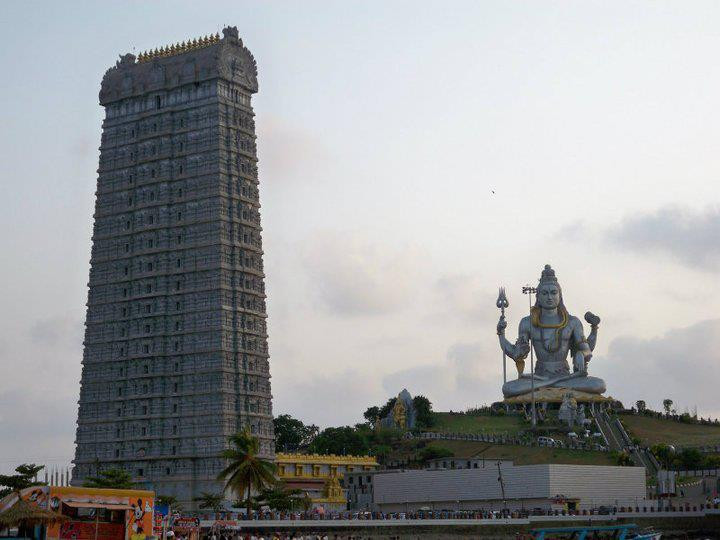
Murudheeswar Temple in Karnataka.

Compiled by London Swaminathan
Post No.999; Dated 24th April,2014.

Why do we need temples?

1.People will immediately say that ‘not everyone has facilities at home for a peaceful prayer’.
2.Others will point out that temples are clean places for doing prayers.
3.Some may say that joint prayer is more effective than individual prayer.
4.Temples are places where people can socialise.

5.We may add that temples are not just places of worship but also centres of art and culture.
6.Temple festivals like Car (chariot) festivals help to establish communal unity since all castes are allowed to worship from the same place, brushing shoulder with shoulder.

7.Temples are places where you can feel the positive vibrations.
8.Temples are located in places where there is natural energy.
9.Temples are occult centres with some magical powers.
10.In India temples are a big industry. Millions of people are employed by the temples and the associated industries.

11.Indian tourism depends mainly on temples and its devotees.
12.Temples are centres of beautiful sculptures, musical pillars, architectural wonders, Engineering marvels and unsolved mysteries.

13.Temples are heritage centres that show continued practice for at least 2000 years.
14.Temples have thousands of inscriptions and copper plates that helps us to study and write history.
15.Temples have old records of Sthalapuranas (local history) and palm leaf manuscripts.

16.Temples are the richest places in India where kings and rich people deposited their wealth. Examples: Balaji temple at Tirumala/Tirupati, Padmanabhaswamy Temple at Trivandrum, Somnath Temple of Gujarat which Muhammed of Gazni raided 17 times and robbed all the gold and took it to Aghanistan, and Mulasthan/Multan Sun Temple in Pakistan which Muhammad Bin Kazim raided and took tons of gold to Iraq.

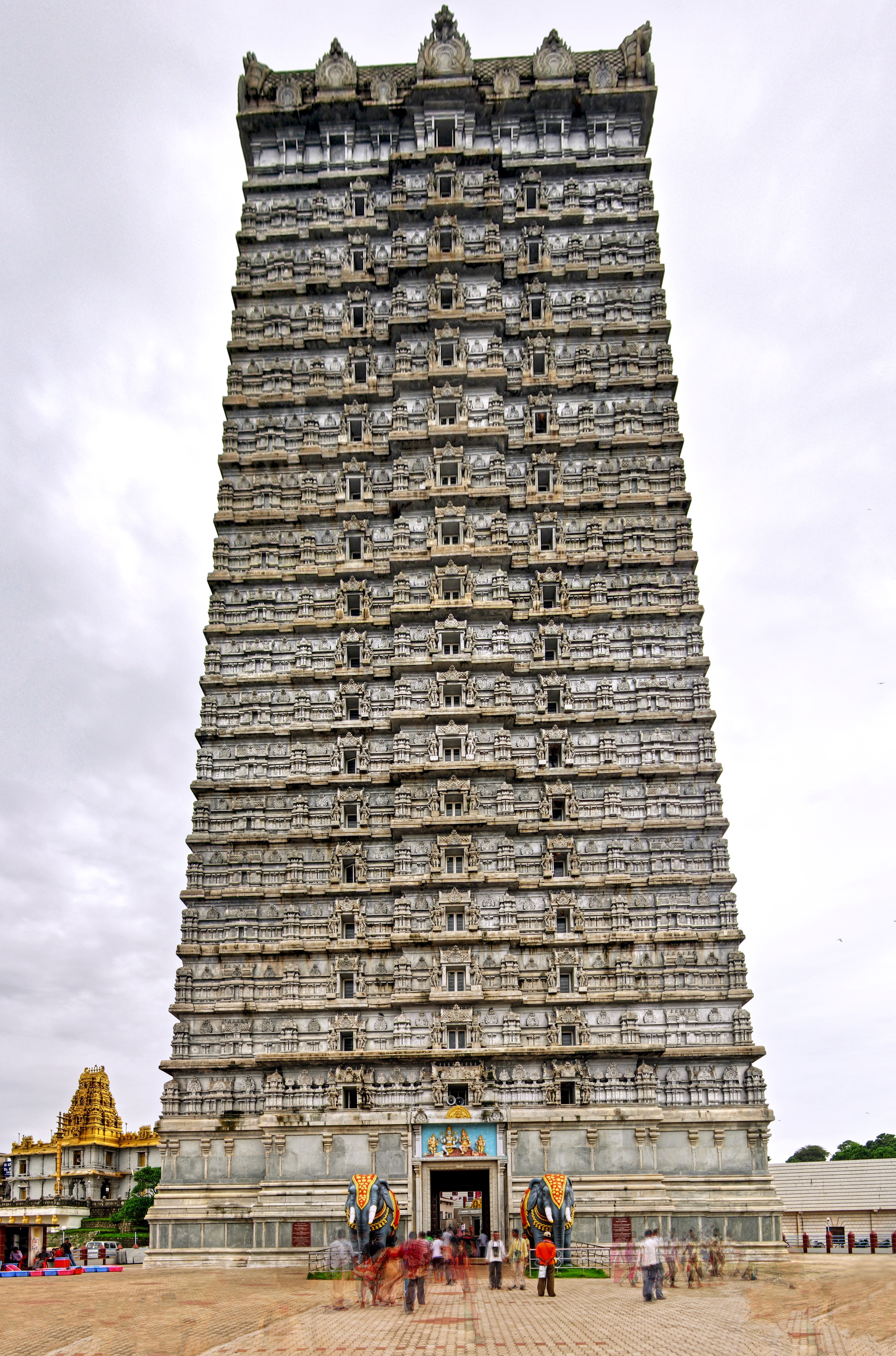
Murudeshwara_raja_gopura_HDR,_Jul_2012
17.Temples are feeding centres of the poor. At times of severe drought, even the middle class people went to temples and took food. Examples: Thevaram of Appar and Sambandhar to get gold coins to feed the people.
18.Temples supported dancing girls. Thanjavur Brhadeeswar temple name all the 400 dancing girls with their addresses in the inscriptions.

19. There are over one lakh (100,000) temples in India giving enormous scope for further research.
20.Temples are Yoga centres where Yoga is taught. Temples have libraries with religious books. Temples have Veda Patasalas, Thevaram teaching centres and Bhajan centres.
21.Temples are places where big concerts , religious discourses and Yagas, Havans and Homams are held.
22. Temples are places where ceremonies for departed souls are held in proper sanctified atmosphere. Example: Adi New moon day (Amavasya) etc.

Occult Laboratories!
Professor Ramanujam Srinivasan gives a novel explanation about the temples in his book Facets of Indian Culture:–

“In the first place, the temple is a place of worship where people gather to think of God, pray to Him and worship Him. Though theoretically we could do this at any place and at any time, certain conveniences and environments are provided in the temples which one cannot command always in other places. In most homes, quiet worship of the supreme is almost impossible.

“Congregational or community worship provides an effect out of proportion to the number taking part. There is feeling of devotion and aspiration surging forth from the hearts of those assembled in such places of worship. If thought is a reality several minds and hearts tuned to a particular attitude of aspiration and devotion are bound to produce tremendous results.
agk and tpk

Tirupparankundrama and Alakarkoil near Madurai

“Apart from all these things, there is an important aspect of temple which is often lost sight of when people talk about temples. Certain great centres have been chosen by Greta Seers as most effective for the purpose of achieving ceratin definite results in the common life of a community. There are centres of great occult powers and the Great Ones who founded these great centres magnetized those places, in consequence of which these centres become channels for certain types of influences from on high to flow through them, not only to the people gathered there, but to all surrounding locality. It will enable people coming under those influences to achieve what otherwise they might not have been to accomplish.

“ We may look upon these temples some kind of occult laboratories. Certain physical adjustment coupled with certain systematized sounds (Mantras or Music) gives rise to certain results as a matter of course. If these physical processes are properly gone through the results will be there, whosoever the person or persons who did it provided they have been taught the right way of doing it and also are competent to do it.

Keshava_Temple_at_Somanathapura
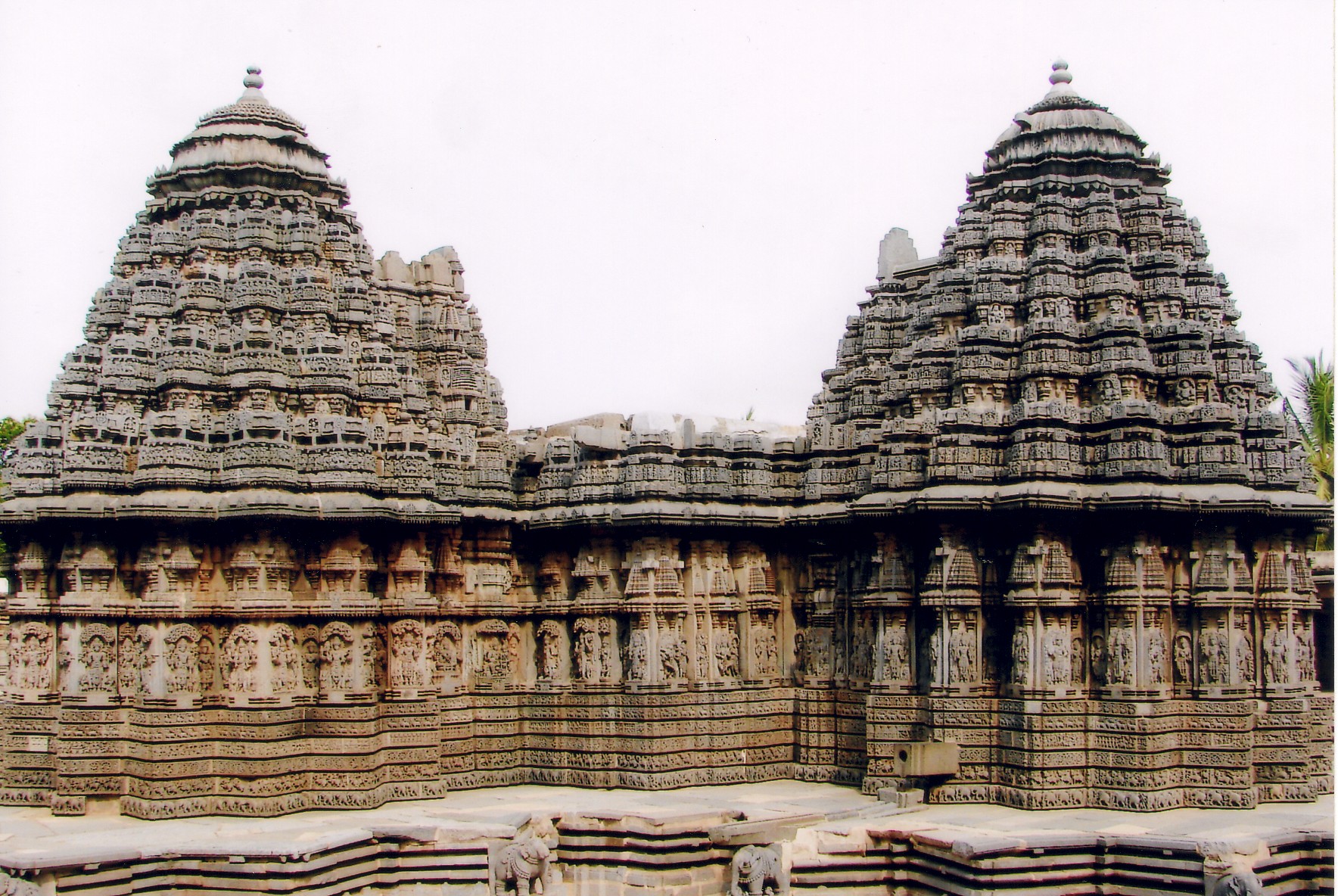
Somnathpur,Karnataka.

“A person of high character will able to put more life into what he does and to that extent the effect will be modified and quality improved. One of the essentials for the proper conduct of such rituals is the proper ordaining of the priest.

“There are certain laws governing the operation of these occult laboratories. Just as in an ordinary science laboratory, certain conditions have to be fulfilled before the desired result is achieved, so also in these occult laboratories we have to provide the necessary favourable conditions if we have to reap good results. Beyond a certain limit, no dirt or filth shall be allowed. In some temples none shall enter the Garba Griha (sanctum sanctorum)in North Indian temples, there is no restriction. They speak of Ugra Prathista and Saumya Prathista. In some cases very strict adherence of physical purity is insisted upon, in other cases the conditions are not so rigid. If some great people who founded them have laid down some conditions, they should be fulfilled.

“But all this is the purely material aspect. Before mysticism, neither temple nor theology is of any avail. The purpose of religion is to satisfy the inner hunger of man for the realisation of the Larger Self, the Divine. All the time this inner urge is there and seeks expression and fulfilment. The world evolves and man also evolves. His nature expands; he becomes less selfish, less insular, less parochial”.

mahabakipuram
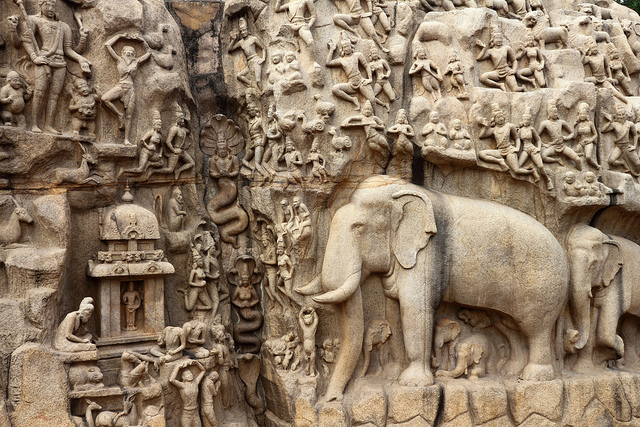
Mahabalipuram/Mamallapuram

Please read my earlier posts related to temple worship:
1.The Wonder That is Madurai Meenakshi Temple ( posted 29 September 2013)
2. Acoustic Marvel of Madurai Temple (Posted on 12th May 2013)
3.Largest Golden Temple in the World (posted on 23 July 2012)
4.Mirror Temples! Hindu Wonders! ( posted on 3rd October 2013)
5. Musical Pillars in Hindu Temples (Posted on 12th May 2013)
6. Multan in Pakistan: Magnetic Hindu God (posted on 26 February 2014)
7. 108,000 Temples in India (Posted on 21 July 2012)
8. Temple Visit ‘Good for Health’ (posted on 15 May 2013)
9. Prayers are good for Heart, says Scientists (10 July 2013)
10. OM boosts Brain Power: US University Research Posted ( Posted 12 June 2013)
& 900 more articles on similar subjects

(Most of these English articles are posted in Tamil also)

Contact:– swami_48@yahoo. com

உபநிஷதத்தில் நகைச்சுவை!

madhva2

உபநிஷத அற்புதங்கள்–Part 3; எனது ஆராய்ச்சிக் குறிப்புகள்

எழுதுபவர் – லண்டன் சுவாமிநாதன்
கட்டுரை எண் 998; தேதி 24th April 2014.

23.நூற்றுக்கும் மேலான உபநிஷத்துக்கள் இருந்த போதிலும் பத்து உபநிடதங்கள் மட்டும் முக்கியமானதாகவும் பழமையான தாகவும் கருதப்படுகின்றன. இவைகளுக்கே ஆதி சங்கரர் உரை (பாஷ்யம்) எழுதினார். அவையாவன: ஈச, கேன, கட, பிரஸ்ன, முண்டக, மாண்டூக்ய, தைத்ரீய, ஐதரேய, சாந்தோக்ய, பிருஹத்ஆரண்யக உபநிஷத்துகள். ஸ்ரீ சங்கர பகவத்பாதர், ஸ்வேதஸ்வதார உபநிஷத்திற்கும் உரை எழுதியதாக சில அறிஞர்கள் கருதுகின்றனர். கௌசீதகி, மஹநாராயண, பைங்கள, ஜாபால உபநிடதங்களின் பெயர்களையும் அவர் தனது பிரம்மசூத்ர பாஷ்யத்தில் குறிப்பிடுகிறார்.

24. முக்கிய பத்து உபநிடதங்களில் மாண்டூக்யம் மிகவும் சிறியது. பிருஹத் ஆரண்யகம் மிகவும் பெரியது. உபநிஷத் என்றால் அருகில் அமர்ந்து கற்றல் என்று பொருள். குறைந்தது 12 ஆண்டுகளாவது ஆசிரியர் வீட்டில் தங்கி படிக்கவேண்டும் ஒருவர் 12 ஆண்டுகள் மனம், மொழி, மெய் மூன்றாலும் பிரம்மசர்யத்தைக் கடைப்பிடித்தால் அவர்களுக்கு அபூர்வ சக்திகள் உண்டாகும் என்று நமது சாத்திரங்கள் கூறுகின்றன.

சுவாமி விவேகநந்தரும் தனது அபூர்வ ஞாபக சக்திக்கும், மற்றவர் மனதில் உள்ள சிந்தனைப் போக்கை அறியும் சக்திக்கும் பிரம்மசர்யமே காரணம் என்று கூறியிருக்கிறார்.

gurukulam1

நகைச்சுவைக் காட்சிகள்

25. உபநிஷத்துகள் என்பவை தத்துவ நூல்கள் என்று பலருக்கும் தெரிந்திருக்கும். ஆயினும் இதில் நகைச்சுவை இல்லாமல் இல்லை! ஜெப்ஃரி பரீந்தர் என்பவர் சில காட்சிகளைப் பட்டியலிட்டு உள்ளார். அவைகளை ஒவ்வொன்றாகக் காண்போம்:-

26.விதேக நாட்டின் மன்னன் ஜனகனுடைய குரு யாக்ஞவல்கியர் என்ற பெரிய வேத அறிஞர். தானே தலை சிறந்த அறிஞன் என்று சொல்லி ஆயிரம் பொற்கிழிகள் கட்டப்பட்ட பசுமாடுகளை வீட்டுக்கு ஓட்டிச் செல்லும்படி தன் மாணவர்களுக்குக் கட்டளையிடுகிறார். இதற்கு அவர் கூறும் காரணம்: நான் தலை சிறந்த அறிஞன் மட்டுமல்ல. எனக்கு பசுமாடுகள் வேண்டாமா? என்கிறார்.

(முகமது பின் துக்ளக் நாடகத்தில் நகைச்சுவை நடிகர் சோ பேசுவது நினைவுக்கு வருகிறது. அமெரிக்கா போக ஏற்பாடு செய்யவேண்டும் என்று அவர் சொன்னவுடன், எதற்காக அமெரிக்கா என்று மந்திரிகள் வியக்கின்றனர். உடனே சோ, “நான் அமெரிக்கா பார்க்கவேண்டாமா? என்று கூச்சலிடுவார்).

27.இதற்குப் பின்னர் ஜனக மன்னன் தனது ஆசிரியர் யாக்ஞவல்கியரைப் பார்த்து ஒரு கேள்வி கேட்கிறார். உங்களுக்குப் பசு மாடுகள் வேண்டுமா, தத்துவ விசாரனை செய்ய வேண்டுமா? என்று. அப்போதும் அவர் சொல்கிறார்: எனக்கு இரண்டும் வேண்டும் என்கிறார்! ஆனால் எதையும் சொல்லிக்கொடுக்காமல் எந்த தானத்தையும் ஏற்கக் கூடாது என்று என் தந்தை கற்பித்திருக்கிறார் என்றும் சொல்கிறார்.

( இதைப் படித்தவுடன் ஒரு ஹோட்டலில் நடந்த சம்பாஷணை நினைவுக்கு வருகிறது. இட்லி, வடை இரண்டையும் வைத்துவிட்டு உங்களுக்கு சாம்பார் வேண்டுமா?, சட்னி வேண்டுமா? என்று சர்வர் கேட்கிறான். சாம்பாரும் வேண்டும், சட்னியும் வேண்டும் ஏன், இரண்டும் போடமாட்டீர்களோ ? என்று சாப்பிட வந்தவன் சொல்கிறான்!)

28. ஓம் என்ற அரிய மந்திரத்தை முனிவர்கள் ஜபித்துக் கொண்டிருக்கின்றனர். ஆனால் பகன் என்பவருக்கு, நாய்கள் ‘ஒம்’ என்று ஊளையிட்டுக் கொண்டு முன்னும் பின்னும் வரும் காட்சி மனதில் தோன்றுகிறது. அது ‘உணவு கொடுங்கள், உணவு கொடுங்கள்’ என்று ஊளையிடுகிறதாம். இது அர்த்தமில்லாமல் பகட்டாக மந்திர உச்சாடனம் செய்வோரை நையாண்டி செய்வதாகும்.

(இதைப் படித்தவுடன் மாமன்னன் மகேந்திர பல்லவன் எழுதிய ‘மத்தவிலாசப் பிரகசனம்’ என்ற சம்ஸ்கிருத நாடகத்தில் போலி புத்த பிட்சுக்களையும் சமணத் துறவிகளையும் நையாண்டி செய்வது நினைவுக்கு வருகிறது. காஞ்சி பரமாசார்ய சுவாமிகள் இந்த நாடகம் பற்றி அருமையான, சுவையான சொற்பொழிவு ஆற்றியிருக்கிறார்.)

21-gurukulam-tv-serial-2-600

29.கடவுள்களின் மொத்த எண்ணிக்கை எவ்வளவு என்பதை சொல்லும்போது யாக்ஞவல்கியர் பல ஆயிரம் கடவுளரில் இருந்து கொஞ்சம் கொஞ்சம் ஆகக் குறைத்து கடைசியில் ‘ஒன்றரைக் கடவுள்’ என்று முடிக்கிறார். இது நகைச் சுவையாக தோன்றினாலும் இதன் பின்னால் ஆழ்ந்த அர்த்தம் உள்ளதை பாஷ்யம் படிப்பவர்கள் அறிவார்கள். அவர் தனது எதிரிகளை எச்சரிப்பதும் குறிப்பிடத் தக்கது. நீங்கள் இந்த உண்மையை ஒப்புக்கொள்ளாவிடில் உங்கள் தலை தெரித்துவிழும் என்பார். விதக்தா என்பவர் தலை தெரித்துவிழ அவருடைய எலும்புகளை ஏதோ விலையுயர்ந்த பொருள் என்று நினைத்து திருடர்கள் திருடிக்கொண்டு போய்விடுகின்றனர்! இதுவும் ஒரு நகைச் சுவை காட்சி போல தோன்றினாலும் அந்தக் காலத்தில் உண்மையில் நடந்த சில சம்பவங்களை இவர் பயன்படுத்துகிறாரோ என்று எண்ணத் தோன்றுகிறது.

30. ஜனஸ்ருதி என்ற பெரிய பணக்காரன் பல அன்ன சத்திரங்களைக் கட்டி அன்னதானம் செய்துவிட்டு பெருமை அடித்துக்கொள்ளும்போது ஒரு அன்னப் பட்சி சொல்கிறது:– “நீ, அதோ சொறி சிரங்குடன் வண்டிச் சக்கர நிழலில் அமர்ந்திருக்கும் ரைக்வன் என்பவனுக்கு ஈடாக மாட்டாய் என்று. உடனே ஜனஸ்ருதி, ரைக்வனிடம் போய் கெஞ்சுகிறார். எனக்கு இறையுணர்வு பற்றிய உண்மை–களை போதித்தால் உனக்கு ஏராளமாகப் பணம் தருகிறேன் என்று சொன்னவுடன் அவன் அதை மறுத்து விடுகிறான். ஆனால் அந்த பணக்காரர் தனது அழகான மகளைக் கூட்டிக்கொண்டு வந்தவுடன், இவளுடைய அழகிய முகம் ஒன்றே போதுமே! என்னைப் பேச வைப்பதற்கு என்கிறான்!

மேம்போக்காக இவை நகைச்சுவையாக எழுதப்பட்டதா அல்லது ஆழ்ந்த தத்துவப் பொருளுடன் எழுதப்பட்டதா என்பதை ஆராய்ந்தறிய வேண்டும். ஜெஃப்ரீ பரீந்தர் என்பவர் எழுதிய நூலில் இவைகளை நகைச்சுவைப் பட்டியலில் சேர்க்கிறார்.

31.உஷஸ்தி என்ற ஏழை முனிவர் யார் எதைக் கொடுத்தாலும் வாங்கிச் சாப்பிடுவார். ஆனால் தண்ணீர் கொடுத்தபோது, இதுதான் எங்கும் கிடைக்குமே! எனக்கு எதற்கு! என்பார். பின்னர் ஒரு மன்னரின் சபைக்குச் செல்கிறார் அங்கே வேதம், தத்துவம் பற்றி பலமாக வாதப்ரதிவாதங்கள் நடக்கின்றன. நிறுத்துங்கள் என்று சொல்லி நிறுத்திவிட்டு, எனக்கும் அவர்களுக்குச் சமமான தட்சிணை கொடுத்தால் விவாதம் நீடிக்கலாம் என்கிறார்.

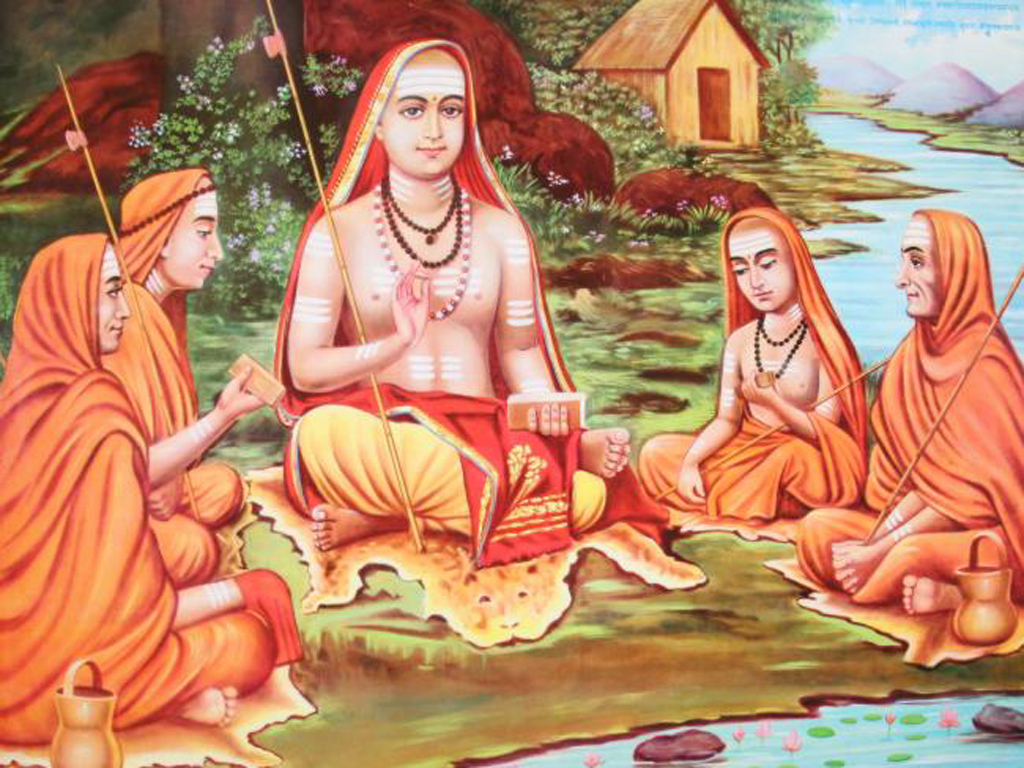
Adi shankaracharya with his disciples
நான் முன்னர் கூறியபடி, இவைகள் எல்லாம் 3000 ஆண்டுகளுக்கு முன் நடந்த உண்மைச் சம்பவங்கள். இவைகளின் பொருள் என்ன என்பதை அறிய முழு உபநிஷத்தையும் படித்து அவை சொல்ல வந்த விசயம் என்ன என்பதை ஆராய்தல் நலம்.

உபநிஷத அற்புதங்கள் பகுதி-1 ஏப்ரல்-22, பகுதி-2 ஏப்ரல் 23 தேதிகளில் வெளியிடப்பட்டன. அவைகளையும் படிக்க வேண்டுகிறேன்.

Contact :— swami_48 @ Yahoo.com

To be continued……………………………………….

Humour in the Upanishads!

upanishad book

Compiled by London Swaminathan
Post No. 997 ; Dated 23 April 2014.

Upanishads are philosophical treatises. In the forests and quiet places of India many thoughtful men and women have meditated upon truth and sought for union with the universal being. The principal Upanishads are the following ten Upanishads on which Adi Shankara wrote commentaries: Isa, Kena, Katha, Prasna, Mundaka, Mandukya, Tattiriya, Aitareya, Chandogya and Brahadaranyaka Upanishads. Some scholars believe Shankara also commented on Svetasvatara Upanishad. In his commentary on the Brahma Sutra, he refers to four more, namely, Kausitaki, Jabala, Mahanarayana and Pingala.

The Mandukya Upanishad is the briefest of the surviving principal Upanishads. Brihadaranyaka Upanishad is the longest Upanishad. Upanishad means “sitting down near. This means Gurukula vasam. The students sit at the feet of their teachers/Gurus for at least twelve years and learn about Brahman.

Though the sages discussed serious philosophical matters, the discussions were not bone dry. Geoffrey Parrinder has selected some humorous anecdotes and presented in his book ‘The Wisdom of the Forest’:–

1.Yajnya-valkya tells his pupils to drive away the cows, not only because he claims to be the best scholar but he wants cows. And when King Janaka later asks his teacher if he wants cows or subtle arguments, he answers ‘both’, though he qualifies this by saying that his father had taught him not to accept gifts without giving instruction.

2.Elsewhere he reduced the number of gods from thousands to one and a half. Opponents were often told that if they did not accept the truth their heads would fall off and Vidagtha’s head did fall off, and robbers stole his bones thinking they were something valuable.

purmada

3.The sages meditated upon the mystic syllable OM but Baka saw dogs moving backwards and forwards like holy beggars and howling OM, ‘give us food’. Modern reciters of OM and other mantras might note the mockery of vain repetition.

4.Then there are subtle digs at the wealthy Jana-Shruti who built many rest houses and provided food but heard the swan comparing him unfavourably with Raikva who lived underneath a cart scratching his itchy scabs. When Jana-Shruti came offering greta wealth for his knowledge Raikva called him a serf, but when the rich man brought his daughter Raikva said that her face alone would make him speak.

5.Ushasti was another poor sage who accepted beans when hungry, against the rules of purity, but when he was offered water he refused it because water could be had anywhere. Then he went off to a king who was ordering a sacrifice, stopped the priests while they had a philosophical discussion, then allowed them to continue provided he received the same payment as they did.

sohum-upanishad

Please read my earlier Post:–
Post No.852 Da………..Da……………Da…………… (Posted on 19 the February 2014).

Post No.909 Good Thoughts Calendar 2014 (April): It has 30 important quotes from the Upanishads (posted on 15th March 2014.

Contact swami_48@yahoo.com
உபநிஷத அற்புதங்கள்– Part 2

upanishads (1)

உபநிஷத அற்புதங்கள்– Part 2 எனது ஆராய்ச்சிக் குறிப்புகள்

எழுதுபவர் – லண்டன் சுவாமிநாதன்
கட்டுரை எண். 996; தேதி—23 April 2014.

13.பிருஹத் ஆரண்யக உபநிஷத்
மிகவும் பழைய உபநிடதம் இதுதான். கி.மு 800 என்பது வெளி நாட்டினர் கணிப்பு. மிகவும் பெரியதும் இதுதான். இதில் 400 பாடல்கள் உள்ளன. பிற்கால உபநிஷதத்தில் காணப்படும் எல்லா கருத்துகளும் இதில் விதை ரூபத்தில் இருப்பதை உணரலாம்.

அஸ்வமேத குதிரை உருவகம் இதில் காணப்படுகிறது
.(1-1-1)
கண்- சூரியன், மயிர்/முடி—மரம் செடி, கொடி, மூத்திரம் – மழை என்ற ஒப்பீடும் உள்ளது. இது ரிக்வேத புருஷ சூக்தத்திலும் வருவதால் பல்லாயிரம் ஆண்டுகளாக பிரபஞ்சத்தை ஒரு மாபெரும் கடவுளாக காண்பது இந்துக்களின் சிந்தனை மரபு என்று காட்டுகிறது.

14.ஒன்றாகக் காண்பதே காட்சி

ஒன்றாகக் காண்பதே காட்சி (அவ்வை பாடல் வரி) என்ற வாசகம் — இரண்டு இருக்குபோதுதான் பயம் இருக்கும் என்ற உபநிடத வாக்கியத்தில் இருந்து உண்டானதே. 1-4-1

கடவுள் தன்னை இரண்டாகப் பிரித்துக் கொண்டார்: கணவன் மனைவி என்று. மனைவியை கணவனின் மற்றொரு பாதி (தி அதர் ஹாப்) என்று கூறுவதற்கு இதுதான் முக்கியக் காரணம். பிற்காலத்தில் வந்த அர்த்தநாரீஸ்வரன் உருவத்துக்கு (மாதொருபாகன்) மூர்த்திக்கு இதுவே மூலம். இதையே பைபிள் ஆதாம் என்பவர் இடது பக்க விலா எலும்பை முறித்து பெண்ணை உருவாக்கியதாகச் சொல்லுகிறது. இடது பக்கத்தில் தேவி இருப்பது இந்து மதத்தில் இருந்து எடுக்கப்பட்டது. ஆதாம் என்பது ஆத்மா என்பதன் திரிபு. பரம ஆத்மா தன்னை ஜீவ ஆத்மா என்று இரண்டாக வேறு படுத்தியதே இக்கதை. இதையே உபநிடதத்தில் இரண்டு பறவைகள் கதையாகவும் காண்கிறோம். காஞ்சி பரமாசார்ய சுவாமிகள் இது பற்றி அற்புத விளக்கம் கொடுத்துள்ளார். நானும் ஏற்கனவே ‘த்ரீ ஆப்பிள்ஸ் தட் சேஞ்ட் தெ ஓர்ல்ட்’ என்ற கட்டுரையிலும் , ‘பைபிளில் சம்ஸ்கிருதம்’ என்ற கட்டுரையிலும் எழுதி இருக்கிறேன்.

புதிய பரிணாமக் கொள்கையையும் இந்த உபநிடதத்தில் காணலாம்: பசு, குதிரை, கழுதை, ஆடு, காளை, எறும்பு, மனிதன் ,மற்ற மிருகங்கள்

upanishad book

1000 பொற்கிழி
15.ஜனகர் நடத்திய யாகத்தின் இறுதியில் ஒரு போட்டி நடத்தப்படுகிறது 1000 பசுக்களின் கொம்புகளில் சுற்றப்பட்ட பொற்கிழிகளுடன் முதல் பரிசு என்று அறிவிக்க ப்படுகிறது. இதில்தான் யாக்ஞவல்க்யர் – கார்க்கி வாதம், யாக்ஞவல்க்யர் – மைத்ரேயி சம்பாஷணை எல்லாம் வருகிறது. (3-1-1)
(1000 பசுக்கள் ஒவ்வொன்றிலும் பத்து வீதம் 10,000 பொற்காசுகள்).
இதே போல திருவிளையாடல் புராண தருமி- நக்கீரன் சம்பவத்திலும் ஆயிரம் பொற்கிழி வருவதால் போட்டி நடத்தி இப்படிப் பரிசு வழங்குவது இந்தியாவில் ஆயிரக் கணக்கான ஆண்டுகளாக இருந்து வருகிறது என்று அறிகிறோம்.

16.இதில் தெரியும் விஷயங்கள்
யாராவது ஒருவர் அறிவாளி என்று அறிவித்தால் அவர் சபையில் அதை நிரூபிக்க வேண்டும். அதை எதிர்த்து அறிஞர்கள் கேள்வி கேட்கலாம். இதில் பெண் அறிஞர்களும் கலந்து கொண்டனர். உலகில் இல்லாத புதுமை!
தமிழ் சங்கமும் இதே பணியைச் செய்து வந்ததை திருக்குறள் அரங்கேற்றம் மற்றும் தருமி—நக்கீரன் மோதலில் படிக்கிறோம்.

17.ஆண்டு, பட்சம்
இந்த உபநிஷத்தில் 12 மாதம் ,பட்சம் எல்லாம் வருகிறது. ஆனால் வாரம் என்ற கணக்கு இல்லை. காலத்தை சக்கரமாக உருவகித்து 12 கம்பிகள் என்று 12 மாதங்களும் வருணிக்கப்படுகின்றன.

18.கடவுள் விஷயத்தில் அதிக கேள்விகள் கேட்கக்கூடாது என்று யாக்ஞவல்கியர் கார்க்கியைக் கண்டித்தது—கடவுள் பட்டிமன்ற விவாதத்துக்கு அப்பாற்பட்டவர் என்ற உண்மையைப் புலப்படுத்தும்.

purmada

19.பணமும் கடவுளும் வெகுதூரம்
யாக்ஞவல்கியருக்கு இரண்டு மனைவியர்: மைத்ரேயி, காத்யாயனி. அவர், என் சொத்துக்களைப் பிரித்துக் கொடுத்துவிட்டு நான் தவம் செய்யப் போகிறேன் என்று சொன்னார். உடனே பணத்தின் மூலம் என்ன பயன்? என்று மைத்ரேயி கேட்கிறார். பணத்தின் மூலமாக கடவுளை அடைய முடியாது என்று கேட்டவுடன் தனக்கு சொத்தின் ஒரு பகுதி வேண்டாம் என்று சொல்லி விடுகிறாள். உலகில் முதல் முதலில் பணமும் சுகமும் வேண்டம் என்று சொன்ன பெண்மணி இவராகத்தான் இருக்க வேண்டும்!

20.உன்னையே நீ அறிவாய் என்ற வாசகம் வருவதும் இங்கேதான் (4-5–1). சாக்ரடீஸ் இதை நம்மிடம் கற்றுக் கொண்டார்.

‘பெண்ணுக்கு ஞானத்தை வைத்தான்’ என்று பாரதி பாடியது ஏன் என்று இப்போது தெரிகிறது.
21.பெண்களுக்கு சொத்தில் ஒரு பகுதி உண்டு என்பதும் இதில் இருந்து தெரிகிறது.

இது எல்லாம் 3000 ஆண்டுகளுக்கு முன்!!! மற்ற நாடுகளில் நாகரீகம் என்றால் என்ன என்றே தெரியாத காலம். பிரம்மாண்டமான பிரமிடுகள் இருந்தனவே அன்றி ‘’உள்ளுவது எல்லாம் உயர்வுள்ளல்’’— என்ற தத்துவம் இல்லை!

22.சத்யம் ஞானம் அனந்தம் பிரம்மா
சத்ய சாய் பாபா பாடும் ‘’சத்யம் ஞானம் அனந்தம் பிரம்மா’’ பஜனையின் வாசகம் இந்த உபநிஷத்தில்தான் இருக்கிறது. இது அற்புதமான ஒரு வாக்கியம்.(3—9—28)
இது தனியாக விவாதிக்கப்பட வேண்டிய ஆராய்ச்சி விஷயம்.

முதல் பகுதி வெளியிட்டது 22 ஏப்ரல் 2014
sohum-upanishad

Contact: swami_48@yahoo.com