Superstition in World of Music !

Musical Instruments

Compiled by London Swaminathan
Post No. 975; Date 12th April 2014

“Superstition is a seasoned sneak who can insidiously worm his way into any field of human thought or activity. There is practically no department of human life where he does not rear his ugly head and music is no exception

“Superstition is generally defined as blind belief or action which has not the support of reason. Superstitious people do a thing simply because other people do it or tradition demands it. The following story gives a striking picture of typical superstition.

STORY 1
“ A Guru was living in an Ashrama with his disciples. A sick cat one day strayed into the place and the Guru tended it and brought it back to normal health. The cat became the pet of the hermitage and stayed there. As time went on, it began to take liberties with the Guru and started disturbing him when he was in meditation. So he tied it to his cot before sitting for meditation. All the disciples noticed it. In course, the Guru passed away and the senior disciple took his place as the head of the Ashrama.
As time went by, tying the cat to the cot became an important item in meditation, and accent shifted from meditation proper to tying the cat. The cat died. As meditation cannot begin without the cat-tying item they got hold of another cat for the purpose. After some time meditation reduced to tying the cat to a cot and nothing more. Every disciple got hold of a cat and meditation started and ended with tying the cat to the cot!!
Musical Instruments3

STORY 2
“I attended a music competition at which there were two judges one of whom was a well known musicologist and so dominated the show. The lady who was to me obviously was the best singer did not get the first prize. I was greatly surprised. The musicologist judge was asked to say a few words at the end. He referred a Ragamalika song sung by the best singer (who did not however get the prize) and said it was not right to have used the raga (tune) Saveri as the last in raga series, it being associated with the sentiment of sorrow and it was usual to finish with auspicious ragas like Sourashtra or Madhyamavati. I was greatly amused to hear the savant indulging in such a fabric of fanciful assumptions, probably based on hearsay.

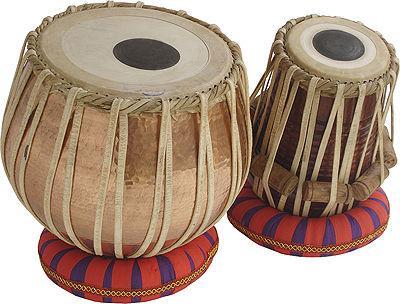
good tabla

STORY 3
Here is again another striking example of superstition. Till a few years ago it was usual to begin a classical concert with the piece “Vatapi Ganapatim” in raga Hamsadhwani by Dikshitar. It had many advantages and set the right atmosphere at the beginning and it was in praise of Ganapati, the remover of all obstacles. After sometime I noticed some performers began their concerts with the kritis ‘Raghunayaka’ or ‘Raghukula tilaka’, all in Hamsadhwani. I asked one of the musicians why they did not begin with a piece on Sri Ganapati as per tradition. His answer simply floored me. He said that he intention was NOT to propitiate Ganapati , but to begin with raga Hamsadhwani in which vatapi ganapatim was composed!

Tambourine_21787

STORY 4
Take again the unfortunate raga ‘Ahiri’. It is sincerely believed by some that if one sings it in the morning he will have to go without food for the whole day. This superstition developed almost on the lines of the cat story given above. A musician tied his food packet to the end of a bent bamboo and started singing ‘Ahiri’ raga. As the day got hot the bent bamboo straightened itself and the food packet went up high in the air and beyond possibility of being reached. So the man missed his lunch. From this solitary instance developed the superstition about Ahiri raga. Poor Ahiri!!

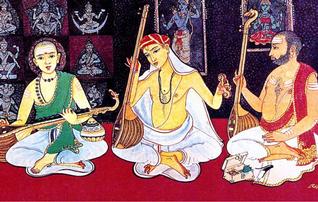
trimurti

Do we need Miracles for making one great?

Some people do not feel happy unless the lives of great people abound in fantastic occurrences; they mistakenly think that such stories and miracles add glamour to the lives of such great saints and sages. The truth is just the other way about. The greatness of saint Thygaraja stands rooted in his music and his unparalleled devotion to Sri Rama; he does not need any boosting up with the stories and miracles.”
Source: Facets of Indian Culture by Professor Ramanuja Srinivasan, Bharatiya Vidya Bhavan, Bombay. Year 1990.

contact swami_48@yahoo.com

‘India – Most Important Country for Students of Religion’

13 p

Compiled by London Swaminathan
Post No. 974 Date:- 12th April 2014

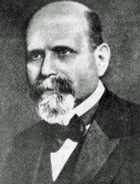
Professor Moriz Winternitz (1863—1937) was an Austrian Orientalist. He assisted Max Muller in the preparation of the second edition of the Rig Veda.

PROFESSOR WINTERNITZ wrote in 1916:—

“ India remains still the most important country on earth for the student of religion. In India we meet with all forms religious thought and feeling which we find on earth, and that not only at different times but also all together even today. Here we find the most primitive belief in ancestral Spirits, in Demons and Nature Deities with a primeval imageless sacrificial cult. Here also is a polytheism passing all limits, with the most riotous idolatry, temple cult, pilgrimages and so forth. And, side by side with and beyond these crudest forms of religious life, we find what is deepest and most abstract of what religious thinkers of all times have ever thought about the deity, the noblest pantheistic and the purest monotheistic conceptions.

MORIZ_WINTERNITZ_1863-1937

In India we also find a priest craft as nowhere else on earth side by side with a religious tolerance which lets sect after sect, with the most wonderful saints, exist together. Here there were and still are forest recluses, ascetics and mendicant monks, to whom the renunciation of this world is really and truly a matter of deepest sincerity, and together with them idle mendicant monks, vain fools and hypocrites, to whom religion is only a cloak for selfish pursuits for the gratification of greed for money, of greed for fame or the hankering after power.

From India also a powerful stream of religious ideas has poured forth over the West , and especially over the East, has flooded central Asia , has spread over Tibet, china, Korea and Japan, and has trickled through the further East down to the remotest islands of the East Indian Archipelago. And finally, in India as well as outside India, Indian religions have often mixed with Christianity and with Islam, now giving and now taking.

poets of india

Indeed, sufficient reasons exist to welcome every work which contributes in one way or other to a richer, or deeper or wider knowledge of Indian religion. I would like, therefore, to draw attention in what follows to recently published works of this nature.

There are the exceedingly meritorious publications of Arthur Avalon with reference to the literature of the Tantras………………..

Source: Page 117 of Arthur Avalon’s ‘Shakti and Shakta’

contact swami_48@yahoo.com

கடவுள் ஏன் கை, கால்களை கொடுத்தார்?

akhandabhajan2001_1

கடவுள் ஏன் கை, கால்களை கொடுத்தார்? வேதம் முதல் பாரதி வரை தந்த பதில்கள்

எழுதியவர் லண்டன் சுவாமிநாதன்
கட்டுரை எண் 973; தேதி 12th April 2014

உடலின் அங்கங்கள் ஒவ்வொன்றும் இறைவனை வணங்குவதற்கே என்று முதல் முதலில் வேத கால ரிஷிகள் பாடினார்கள். இதில் அற்புதம் என்னவென்றால் தமிழில் இளங்கோ அடிகள், அப்பர், குலசேகர ஆழ்வார், பாரதியார் ஆகிய எல்லோரும் இதே கருத்தை மேலும் மேலும் சுவைபடப் பாடியுள்ளனர்.

வேதத்தில் ரிஷிகள் பிரார்த்தனை

ஓம் பத்ரம் கர்ணேபி: ஸ்ருணுயாம தேவா:
பத்ரம் பஸ்யேமாக்ஷபிர் யஜத்ரா:
ஸ்திரை ரங்கைஸ் துவஸ்டுவாம்ஸஸ் தனூபி:
வ்யஸேம தேவஹிதம் யதாயு:
ஓ தேவர்களே! நல்ல மங்களகாரமான செய்திகள் எங்கள் காதுகளில் விழட்டும். போற்றுதலுக்குரிய பெரியோர்களே, எங்கள் கண்கள் மங்களகரமான விஷயங்களைக் காணட்டும். நாங்கள் (வாயால்) உன் புகழைப் பாடிக் கொண்டிருப்போமாக. கடவுளால் எங்களுக்கு கொடுக்கப்பட்ட வாழ்நாள் முழுதும் கட்டுடலும் வலிமையான அங்கங்களும் எங்களுக்கு இருக்க அருள் புரிவாயாக (யஜூர் வேதம்)
இதே பிரார்த்தனை அதர்வ சீர்ஷோபநிஷத் முதலிய பல இடங்களிலும் வருகின்றன.

datta speaking
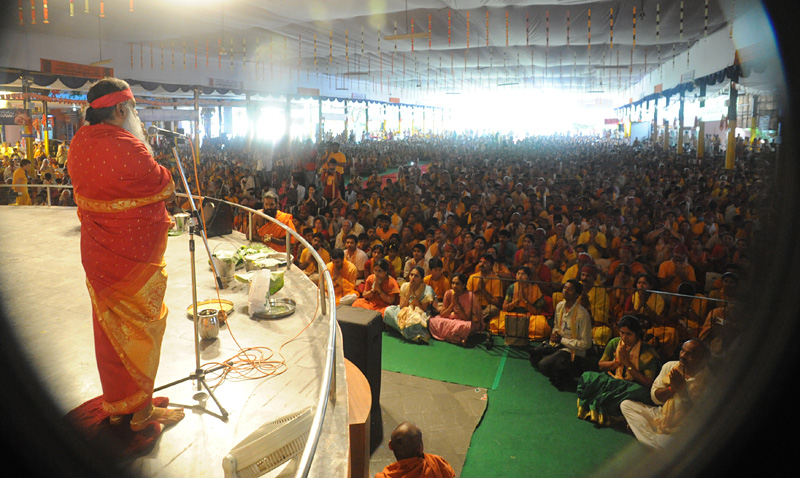
People are listening to Sri Ganapati Sachidanada Swamiji

சிலம்பில் நாராயணன்

முதலில் ‘நெஞ்சை அள்ளும் சிலப்பதிகாரம்’ என்று பாரதியாரால் பாடப்பட்ட சிலம்பில் இளங்கோ கூறுவதைப் பார்ப்போம்.

இறைவன் நமக்கு நாக்கைக் கொடுத்ததே நாராயணன் புகழ் பாடத்தான் என்று இளங்கோ அடிகள் பாடுகிறார்.

வடவரையை மத்தாக்கி, வாசுகியை நாணாக்கி
கடல் வண்ணன்! பண்டொரு நாள் கடல் வயிறு கலக்கினையே;
—————————–
மூ உலகும் ஈரடியால் முறைநிரம்பா வகைமுடியத்
தாவியசே வடிசேப்பத் தம்பியொடும் கான் போந்து,
சோ அரணும் போர்மடியத் தொல் இலங்கைக் கட்டழித்த
சேவகன் சீர் கேளாத செவியென்ன செவியே!
திருமால் சீர் கேளாத செவியென்ன செவியே!

பெரியவனை மாயவனைப் பேர் உலகம் எல்லாம்
விரிகமல உந்தியுடை விண்ணவனைக் கண்ணும்
திருவடியும் கையும் திருவாயும் செய்ய
கரியவனைக் காணாத கண்ணென்ன கண்ணே
கண்ணிமைத்துக் காண்பார் – தம் கண்ணென்ன கண்ணே?

மடந்தாழும் நெஞ்சத்துக் கஞ்சனார் வஞ்சம்
கடந்தானை நூற்றுவர் பால் நாற்றிசையும் போற்றப்
படர்ந்தாரணம் முழங்கப் பஞ்சவர்க்குத் தூது
நடந்தானை ஏத்தாத நாவென்ன நாவே?
நாராயணா என்னா நாவென்ன நாவே?

சிலப்பதிகாரம், ஆய்ச்சியர் குரவை, இளங்கோ அடிகள்

பொருள்: மூன்று உலகங்களையும் இரண்டே அடிகளில் முடித்தான் (வாமன அவதாரம்). அந்த அடிகள் சிவக்குமாறு தம்பியுடன் காட்டுக்குப் போனான் ‘சோ’ என்னும் அரணை அழித்ததைவிட பழமைமிகு இலங்கையின் காவலை அழித்தான். இந்த சேவகன் புகழைக் கேட்காத காதுகளும் காதுகள் என்று சொல்லத் தகுதி உண்டா?

எல்லோர்க்கும் மூத்தவன் — உலகம் எல்லாம் அவன் உந்தியிடத்தில் தோன்றிய தாமரையில் விரிந்தது — கண்கள், கைகள், வாய். காலடிகள் ஆகியன சிவந்து தோன்றும் அந்தக் கருப்பனை (கிருஷ்ணனை) காணாத கண்களை யாராவது கண் என்று அழைப்பார்களா! அவனைக் கண்கொட்டாமல் பார்க்கவேண்டும். அதை மீறி கண்களை இமைத்தால் அவைகள் கண்களே இல்லை!

அறியாமையின் ஒட்டுமொத்த வடிவம் கம்சன். அவனுடைய வஞ்சனை எல்லாவற்றையும் கண்ணன் சமாளித்தான். பாண்டவர்க்காக அவன் கௌரவர்கள் இடத்தில் தூது சென்றபோது வேதங்கள் எல்லாம் அவனோடு சென்றன. அத்தகையவனின் பெருமையைச் சொல்லாத நாக்கும் ஒரு நாக்கா? நாராயணா என்று சொல்லாத நாக்கை எவரேனும் நாக்கு என்று சொல்ல முடியுமா?

mouth for singing

Sri Sathya Sai Baba singing Bhajan songs

குலசேகர ஆழ்வாரின் முகுந்தமாலா

குலசேகர ஆழ்வார் எழுதிய முகுந்த மாலையில் 40 ஸ்லோகங்கள் இருக்கின்றன. அதில் 16ஆவது ஸ்லோகம் கடவுளை வணங்குவதே கை, கால்களின் பணி என்று காட்டுகிறது. ‘’ஜிஹ்வே! கீர்த்தய கேசவம் முரரிபும் சேதோ’’ என்ற ஸ்லோகத்தின் மொழிபெயர்ப்பு இதோ:

வாராய் நாக்கே! கேசவனை ஸ்தோத்திரம் செய்!
நெஞ்சே முராசுரனைக் கொன்ற கண்ணனை தியானம் செய்.
கைகளே திருமாலை ஆராதியுங்கள்!
காதுகளே தன்னையடைந்தவர்களை ஒருகாலும் நழுவ
விடாதவனான கண்ணனுடைய கதைகளைக் கேளுங்கள்!
கண்களே! கண்ணனைக் கண்டு அனுபவியுங்கள்!
கால்களே! எம் பெருமான் திருக்கோயிலுக்குச் செல்லுங்கள்!
மூக்கே! முகுந்தனுடைய திருவடிகளில் ஸமர்ப்பித்த துளசியை நுகரு!
தலையே! எம்பருமானை வணங்கு!

வேதத்தில் அவர்கள் படித்த ‘’பத்ரம் கர்ணேபி ஸ்ருனுயாம தேவா” என்ற கருத்துக்களை எல்லோரும் பதிகங்களிலும் பாசுரங்களிலும் பாடுவதைப் படிக்கையில் பேரின்பம் கிட்டும்.

அப்பர் பாடிய திரு அங்க மாலை

தலையே நீ வணங்காய் – தலைமாலை தலைக்கணிந்து
தலையாலே பலிதேரும் தலைவனைத் தலையே நீ வணங்காய்
கண்காள் காண்மின்களோ – கடல் நஞ்சுண்ட கண்டம் தன்னை
எண்தோள் வீசி ஆடும் பிரான் தன்னைக் கண்காள் காண்மின்களோ
செவிகாள்! கேண்மின்களோ! – சிவன் எம்மிறை செம்பவள
எரிபோல் மேனிப் பிரான் திறம் எப்போதும் செவிகாள்! கேண்மின்களோ!
வாயே! வாழ்த்து கண்டாய் – மதயானை யுரி போர்த்துப்
பேய்வாழ் காட்டகத்து ஆடும் பிரான் தன்னை வாயே! வாழ்த்து கண்டாய்

மேலும் பல பாடல்களில் — மூக்கே, நெஞ்சே, கை, ஆக்கை, கால் என்று பல உறுப்புகளும் இறைவனையே வணங்கவேண்டும் என்று பாடுகிறார்..
திருவங்க மாலை 4-9-5 தேவாரத் திருமுறை 4

hands for worship

Swamiji praying with hands

பாரதி பாடல்

நமது காலத்தில் வாழ்ந்த பாரதியும் வேதக் கருத்துக்களை எதிரொலிக்கும் பாடலைப் பாடுகிறார். அவர் பாடிய பாடல்தான் மிக நீண்ட பாடல். 46 பகுதிகளைக் கொண்டது :–
பாடலின் தலைப்பு: சக்திக்கு ஆத்ம சமர்ப்பணம்

கையைச், சக்தி தனக்கே கருவியாக்கு – அது
சாதனைகள் யாவினையும்ங் கூடும் – கையைச்
சக்தி தனக்கே கருவியாக்கு – அது
சக்தியுற்றுக் கல்லினையுஞ் சாடும்.

கண்ணைச், சக்தி தனக்கே கருவியாக்கு – அது
சக்தி வழியினை அது காணும் – கண்ணைச்
சக்தி தனக்கே கருவியாக்கு – அது
சத்தியமும் நல்லருளும் பூணும்.

செவி, சக்தி தனக்கே கருவியாக்கு – சிவ
சக்தி சொலும் மொழியது கேட்கும் – செவி
சக்தி தனக்கே கருவியாக்கு – அது
சக்தி திருப்பாடலினை கேட்கும்.

இதைத் தொடர்ந்து மனம், சித்தம், மதி, அகம் என்று எல்லாவற்றையும் சேர்த்துப் பாடுகிறார். இறுதியாக:-

“சிவ, சக்தி என்றும் வாழி என்று பாடு – சிவ
சக்தி சக்தி என்று குதித்தாடு – சிவ
சக்தி என்றும் வாழி என்று பாடு சிவ
சக்தி சக்தி என்று விளையாடு” —- என்று சொல்லி முடிக்கிறார்.

பாரதி ஆடுவதும் பாடுவதும் விளையாடுவதும் இறைவனைக் குறித்தே!
bodypartsadaptivebook
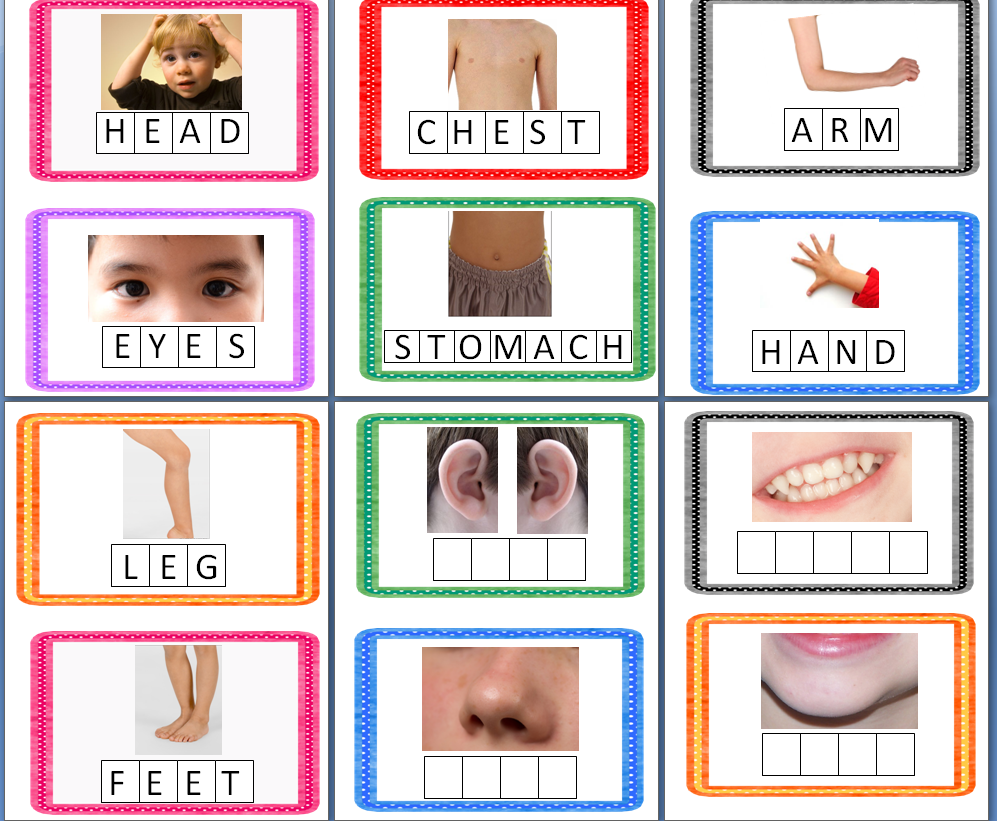
Body Parts are for worshipping God

Contact swami_48@yahoo.com

Interesting Story about Music in Purana!

musical-instruments-ak47-guitar

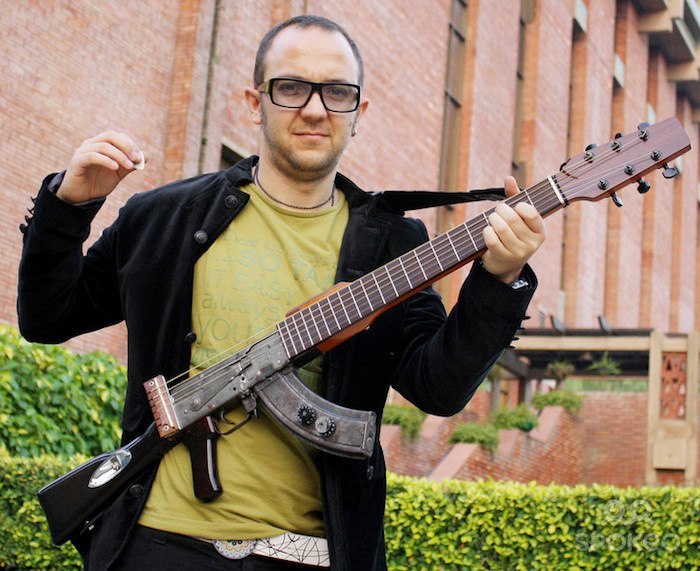
AK-47 look alike Guitar!

Compiled by London Swaminathan
Post No.972; dated 11th April 2014.

“A man is not merely his brain or stomach; there is his heart, he has his emotions which play a more important part in his life as a man than mere brawn and brain. We find Arjuna is not only a great warrior, a superb archer but an expert in music and dance. This comes in handy to him when he enters service in Virata’s court as Vrihannala and teaches these arts to the princess there”.

“Music is to be produced by the throat, the hands to be used to bring out the meaning of the song, the eyes should express the appropriate ’bhava’ and the feet keep rhythm all the time”.

young artist.
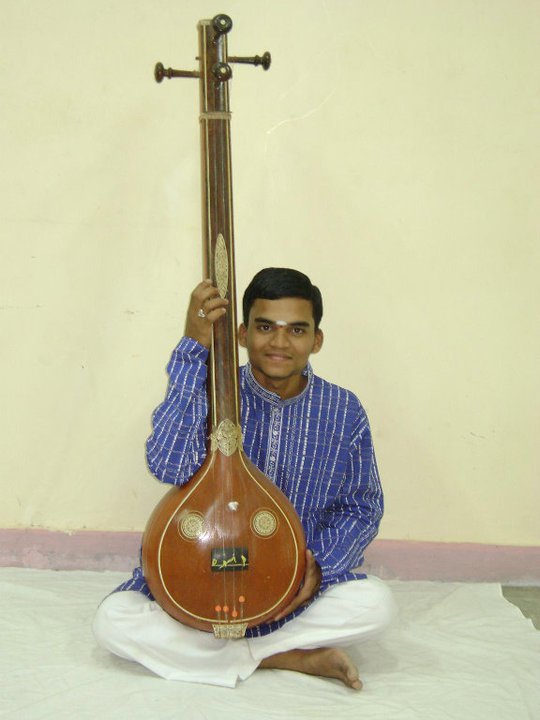
Young Musician

Teaching Music at Schools

“The value of musical instruction in schools can never be over estimated. Music is a great purifie, it cleanses the school as it does our homes of all that is ugly to our senses. It gives a real tone to all that forms part of school life. In ways which may be at times imperceptible, it works out an emotional alchemy, expunges the dross from the human nature and makes it pure, harmonious and balanced. In an institution where good music is taught by really good musicians many of the problems of discipline will be automatically solved. The child’s nature becomes refined, delicate and responsive to higher impulses and ideas.

The psychology of music is a very interesting study. In some mysterious way music goes to affect the child’s character for the better. The harmony of the vibrations set up by music produces a wonderful soothing influence on the nervous system; in very many cases tends to curb the otherwise rebellious tendencies of many a youth.

Even snakes are charmed by music, the deer and the cows are moved by by harmony of sounds. Is it then wonder that a human being is moved by music? The wonder is that we are not more musical than we are. An unmusical nature is an abnormality, a freak of nature.

The ancient Greeks realised this so well that they planned their whole politics in such a way that music and art played a very important part in every kind of national activity”.

Source:– Prof. R Srinivasan in his book ‘’Facets of Indian Culture’’,B V Bhavan, Bombay, 1990

scottish symphony in chenai

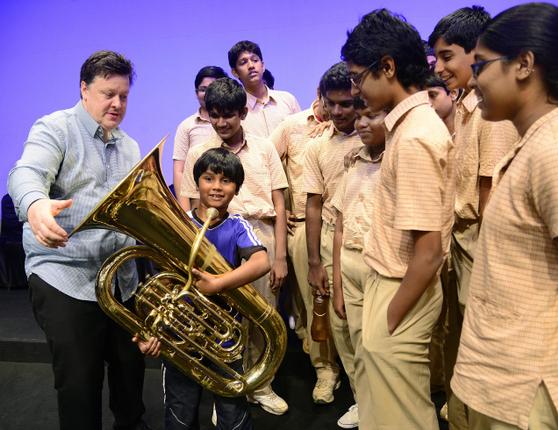
Scottish symphny visited Chennai schools

Music is the language of human souls

“Music is the language of human souls and is the one and only medium which can easily convey human feelings direct to the divine realm. It is a unique and unchallengeable medium that gives the singer supreme delight and transports him to sublime heights, to a state of bliss and godliness.

Music melts the hardest of hearts and draws every living being with its magical notes, transporting the listeners to the unknown region of enchanting sound harmonies far beyond the trammels of this world. It makes the singer loses himself/herself in the ecstasy of his/her own melody, plunging him/her in to a ‘’Bhava Samadhi’’, a state of intensely elevating meditation.

Music of India owes its origin to the practice of Vedas. The Sama Veda was the source of music. Large number of tunes came into use as Samans which are believed to be the original sources of later indian music. It is said that there is a thousand ways of singing the Samans.

As found in the Chandogya Upanishad, Samans were addressed to different elements of nature like the cloud, the seasons, the tree, the plant, the animals etc.

The music of the Vedas inspired the popular music of India the following saying fully bears this out:

Sama vedaa diidam geetam
Samjagraaha pitaamahah

beautiful saraswati

Hindu Gods with Musical Instruments

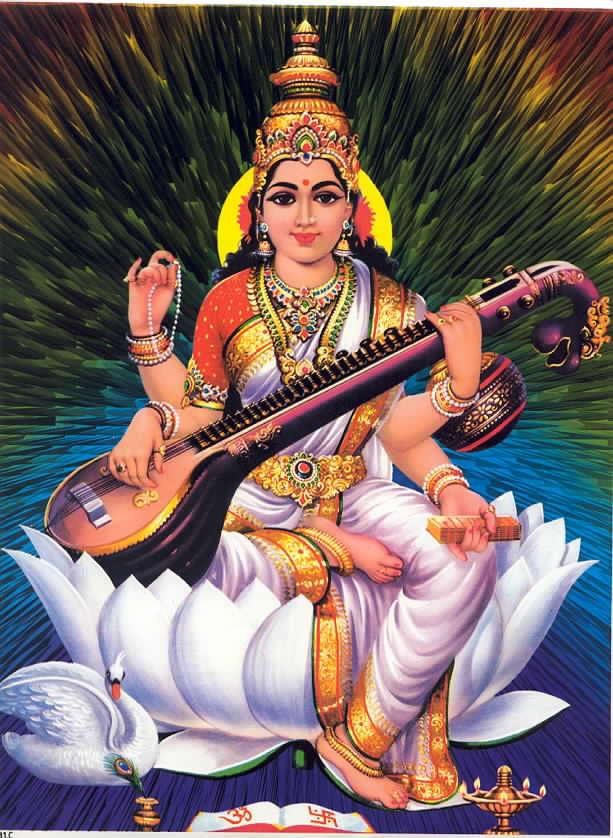
“Goddess Saraswati is always shown with a Veena in her hands, lord Siva with a Damaru, lord Vishnu with a conch, lord Krishna with the flute and Narada with an Ektara or Veena.
In no other musical system in the world does ‘tala’ (time measure) assume such an important role or allow of such wide and intricate manipulation as in Karnatik (South Indian) music. What a variety of Tala instruments have been in use and also associated with great saints and Devas!

In some verses describing music we have references such as these:–
“Prahlada handles the cymbals: Uddhava plays the Tala instrument called Kamsya; Indra, the king of Devas, plays Mridangam; Brahma, the creator, and Prahlada keep time with cymbals; great ones like Nandi, Bringi play varieties of drums, and all these keep in tune with the great Cosmic Dance of Nataraja (dancing Siva)”.

flute

STORY FROM BRAHMA PURANA

There is an interesting legend in the Brahma Purana about how music was created out of chaos.
“The story goes like this. When lord Siva restored his wife sati to life and took her to with him to Kailash, Narada communicated this news to Narayana, Brahma and other gods. They all expressed a keen desire to meet the couple and stage some entertainment in their honour and to greet and welcome them.

Accordingly, Siva, sati and all the gods were invited to Vaikuntha puri, the abode of Narayana. Narada used to pride himself on his prowess as a great music artiste, and he offered to sing before this distinguished assembly of gods and goddesses.

With the kind permission of Vishnu, Narada started singing. Narada had an impression that nobody could sing like him in the Tribhuvana (all the three worlds).

Though Narada prided himself very much for the mastery of the art of music, he failed miserably to make a correct and perfect representation of the musical notes. It is said that because of this failure of Narada to maintain the correct symmetry of musical notes, a great disaster took place; and the disaster was that the Ragas and Raginis had their arms and feet, faces and heads completely chopped off. Those days a musical Raga and Ragini were believed to be animate like human beings. Each raga and Ragini had a body and face, arms and feet and each was glowing with beauty and lustre.

In the vocal recital of Narada, the musical notes were not sung correctly and therefore ragas and Raginis became grotesquely disfigured. For restoring the former normal figures of these mutilated creatures, gods decided that some master singer should be invited for demonstrating a correct vocal recital of those musical notes. Now who could be there in the Tribhuvana except lord Siva to render the musical notes correctly? He was the best musician unrivalled in the art. All the gods and goddesses prayed unto lord Siva for his agreeing to give a vocal recital of celestial music.

Siva agreed, but he asked, ‘’if I have to sing where is the person who could rightly appreciate my music.’’. Eventually lord Vishnu was invoked to become listener to lord Siva’s music. Lord Siva started singing, he rose to the highest pitch of celestial music and lo, the figurines of ragas and Raginis regained their old forms and original lustre.”

Source: Sixty-four Arts in Ancient India by Anil Baran Ganguly, The English Boos Store, Delhi, 1962

Contact swami_48@yahoo.com

Pictures are used from face book and news papers;thanks

இராமபிரானுக்கு கம்பரும், காந்தியும், சுவாமி விவேகாநந்தரும் புகழ்மாலை

lord-rama

இராமபிரானுக்கு கம்பரும், காந்தியும், சுவாமி விவேகாநந்தரும் புகழ்மாலை

கட்டுரையாளர்:- லண்டன் சுவாமிநாதன்
கட்டுரை எண். 971; தேதி- 11th April 2014

கம்ப ராமாயண கடவுள் வாழ்த்து
உலகம் யாவையும் தாமுள ஆக்கலும்
நிலைபெறுத்தலும் நீக்கலும் நீங்கலா
அலகிலா விளையாட்டுடையார் அவர்
தலைவர்; அன்னவர்க்கே சரண் நாங்களே

பொருள்: படைத்தல், காத்தல், அழித்தல் ஆகிய மூன்று தொழில்களை முடிவேயில்லாத விளையாட்டாகச் செய்யும் தலைவன் எவனோ அவன் காலில் சரணடைகின்றேன்.

மும்மைசால் உலகுக்கெல்லாம்
மூல மந்திரத்தை முற்றும்
தம்மையே தமர்க்கு நல்கும்
தனிப் பெரும் பதத்தை, தானே
இம்மையே, எழுமை நோய்க்கும்
மருந்தினை இராமன் என்னும்
செம்மைசேர் நாமம் தன்னை
கண்களில் தெரியக் கண்டான்
வாலிவதைப் படலம், கம்ப ராமாயணம்

இராம நாமம்தான் எல்லா மந்திரங்களுக்கும் மூத்த மந்திரம், மூல மந்திரம் என்பான் கம்பன். அது ஏழு பிறவிகளில் செய்த தீவினைகளைப் பொடியாக்கும். இராம என்ற சொல்லை, வாலி தனது மார்பில் பாய்ந்த அம்பில் கண்டான். அடடா! ராமன் கையினால் மரணம் சம்பவித்தால் எனக்கு நேரடி மோட்சம்தான் என்று மகிழ்கிறான்.

இராம நாமம் நமக்கு என்ன என்ன தரும்?

நன்மையும் செல்வமும் நாளும் நல்குமே
தின்மையும் பாவமும் சிதைந்து தேயுமே
சென்மமும் மரணமும் இன்றித் தீருமே
இம்மையே இராம என்ற இரண்டெழுத்தினால்.

****
நாடிய பொருள் கைகூடும் ஞானமும் புகழும் உண்டாம்
வீ டியல் வழியதாக்கும் வேரியம் கமலை நோக்கும்
நீடிய அரக்கர் சேனை நீறு பட்டழிய வாகை
சூடிய சிலையிராமன் தோள்வலி கூறுவார்க்கே.

இராமனுடைய இரண்டெழுத்தைச் சொன்னால் எல்லா நன்மைகளும் கிடைக்கும். செல்வம், ஞானம் (நல் அறிவு), புகழ், லெட்சுமி கடாட்சம் எல்லாம் கிடைப்பதோடு பாவங்கள் அழிந்து இந்த ஜன்மத்திலேயே ஜன—மரணச் சுழலில் இருந்து விடுதலையும் கிட்டும்.

lord-rama-43a

சிவபெருமான் கூற்று
விஷ்ணு சஹஸ்ரநாமத்தில் சிவ பெருமானே ராமன் புகழ் பாடும் ஒரு பலஸ்ருதி ஸ்லோகம் வருகிறது. இந்த ஸ்லோகத்தைப் படித்தால் சஹஸ்ரநாமத்தை முழுக்கப் படித்த பலன் உண்டு
ஈஸ்வரோ உவாச

“ஸ்ரீ ராம ராம ராமேதி
ரமே ராமே மனோ ரமே
சஹஸ்ர நாம தத்துல்யம்
ராம நாம வரானனே”

காந்திக்குப் பிடித்த ரகுபதி ரகவ ராஜா ராம்!
மஹாத்மா காந்திஜி, துப்பாக்கி ரவையால் சுடப்பட்டு உயிர் இழந்த போது அவர் கூறிய கடைசி சொல் ‘’ஹே ராம்!’’ ஒருவர் வாழ் நாள் முழுதும் ராம நாமத்தை ஜபித்தால்தான் கடைசி நிமிடத்தில் அவன் பெயர் நினைவுக்கு வரும்! அவர் எல்லா பஜனைகளிலும் ரகுபதி ராகவ ராஜாராம் பாடலைப் பாடியதோடு மட்டுமின்றி, உலகிற்கே அப்பாட்டை அறிமுகம் செய்தார்.

சங்கீத மும்மூர்த்திகளில் ஒருவரான தியாகராஜர், வாழ் நாள் முழுதும் ராம நாமத்தை ஜபித்தார். 21 ஆண்டுகளில் 96 கோடி முறை அவர் ராம நாமம் சொன்னதாக அவர் வரலாறு கூறுகிறது. வாயினால் சொல்லும் வேகத்தைவிட மனதினால் கூடுதலாகச் சொல்லமுடியும்.

maha mantra

தர்ப்பண மந்திரம்
பிராமணர்கள் செய்யும் தர்ப்பணத்தில் க்ஷத்ரிய அரசனான ராமனின் பெயரைச் சொல்லுகிறார்கள்:
ய: ஸ்மரேத் புண்டரீகாக்ஷம் ஸ பாஹ்யாப்யந்தர: சுசி:
மானஸம் வாசிகம் பாபம் ஸகுபார்ஜிதம்
ஸ்ரீ ராம ஸ்மரணேனைவ வ்யபோஹதி ந ஸம்சய:
ஸ்ரீ ராம ராம ராம

பொருள்:— அசுத்தமாகவாயினும், சுத்தமாகவாயினும் எந்த நிலையில் இருந்தாலும் எவன் ஒருவன் தாமரைக் கண்ணனை நினைக்கின்றானோ அவன் உள்ளும் புறமும் சுத்தமானவனே.
மனதாலோ, வாக்காலோ, செயலாலோ வந்தடைந்த பாவம் ஸ்ரீ ராமனை நினைத்த மாத்திரத்திலேயே கழிந்து போகும். இதில் சந்தேகம் இல்லை. ஸ்ரீ ராம ராம ராம.

இராமனுடைய பெயரை மூன்று முறை சொன்னவுடனேயே எல்லாப் பாவங்களும் அகன்று பரிசுத்தனாகி விடுவான்.
நாமும் ராம நாமம் சொல்லி பரிசுத்தம் அடைவோம்!!

rama shantham

சுவாமி விவேகாநந்தர் சொற்பொழிவு!

ஆங்கிலத்தில் சுவாமி விவேகாநந்தர் பேசியதை தமிழில் தருகிறேன். குறை இருப்பின், அது எனது மொழி பெயர்ப்பின் பிழையே அன்றி அவர் குற்றம் ஆகாது.

“இராமபிரான், புராதன வீர சகாப்தத்தின் சின்னம், தர்மத்தின் ஒட்டுமொத்த உருவம் அவர்; அறநெறிகளின் சின்னம் அவர். அதுமட்டுமல்ல, முன் உதாரணமாகத் திகழும் ஒரு மகன், ஒரு தந்தை, ஒரு கணவன், எல்லாவற்றுக்கும் மேலாக ஒரு அரசன் எப்படி இருக்க வேண்டுமோ அப்படி நம் கண் முன்னே கொண்டுவந்து ராம பிரானைத் தருகிறார் வால்மீகி முனிவர்.

அவருடைய அற்புதமான தூய மொழி, மாசு மருவற்ற நடை, அழகான மொழி, அதே நேரத்தில் எளிமையான ஒரு மொழி நடை! இதை மிஞ்ச உலகில் எதுவுமே இல்லை அப்படிப்பட்ட ஒரு மொழியில் ராம பிரானை வருணிக்கிறார்.

சீதா தேவி பற்றி நான் என்ன சொல்ல! அடடா!! அது போன்ற ஒரு சீதையைக் காண நீங்கள் உலகில் இதுவரை தோன்றிய எல்லா இலக்கியங்களையும் —- இன்னும் ஒரு படி மேலே சென்று உறுதி படச் சொல்லுவேன் —– வருங்காலத்தில் உலகத்தில் எழுதப்படப் போகின்ற அத்தனை இலக்கிய நூல்களையும் கற்றாலும் — நீங்கள் இன்னும் ஒரு சீதையைக் காண்பது அரிது! அவள் ஒப்பற்றவள். ஒரு முறைதான் அப்படிப்பட்ட குணம் உடைய பெண்ணைப் படைக்க முடியும். இராமர்கள் பலர் இருக்க முடியும். ஆனால் ஒரு சீதாதேவிக்கு மேல் காண முடியாது”.

rama color

— சுவாமி விவேகாநந்தரின் சொற்பொழிவுகள். ஆங்கிலத்திலும் கீழே கொடுத்துள்ளேன். ஆங்கில வாசகம் அவர் சொன்னது:–

“Rama, the ancient idol of heroic ages, the embodiment of truth, of morality, the ideal son, the ideal husband, the ideal father, and above all the ideal king, this Rama has been presented before us by the great sage Valmiki. No language can be purer, none chaste, none more beautiful, and at the same time simpler, than the language in which the great poet has depicted the life of Rama. And what to speak of Sita? You may exhaust the literature of the world that is past, and I may assure you that you will have to exhaust the literature of the world of the future, before finding another Sita. Sita is unique; that character was depicted once and for all. There may have been several Ramas, perhaps, but never more than one Sita!”
—-Swami Vivekananda

Contact swami_48@yahoo.com

Man Who ‘Recited’ 640 Million Names!

goddess-parvati-

Written by London Swaminathan
Post No. 970; Dated 10th April 2014

Hindus always think about big numbers. ‘Aim High’ was their motto. Looking at the tallest peak in the world, they thought only lofty things. From the Rig Veda, the oldest scripture in the world, we read hymns with big decimal numbers. Their Yuga calculation and the life span of one Manu or one Brahma give us mind boggling numbers. This shows that they were not primitive nomads, but great mathematicians. Later scriptures support this view. Here is one more amazing figure of 640 million (64 Crore) women in another hymn!!

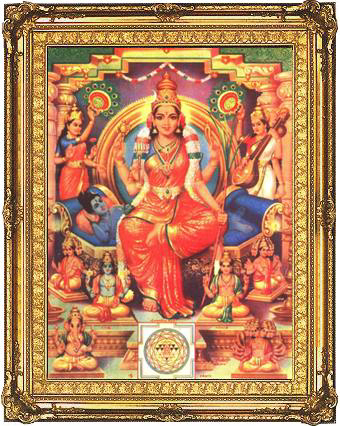
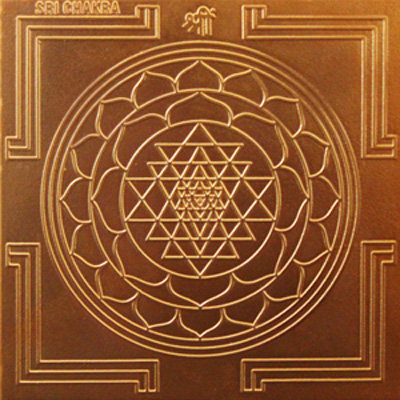
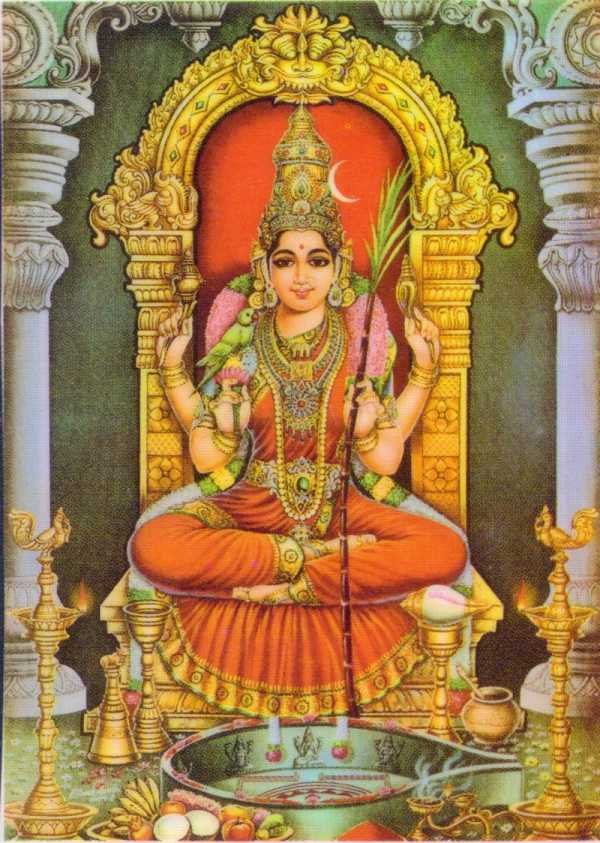
Bhaskara Raya (1690 – 1785) was a great devotee of Mother Goddess. Born In Maharashtra and educated at Kasi (Varanasi), he attained fame in Tamil Nadu by writing a commentary to the Lalita Sahasranamam. It is a monumental work. He wrote and explained the meaning of all the 1008 names of goddess with great insight and scholarship. Normally a person cannot write such a work unless there is divine grace. His life shows he was a blessed one.

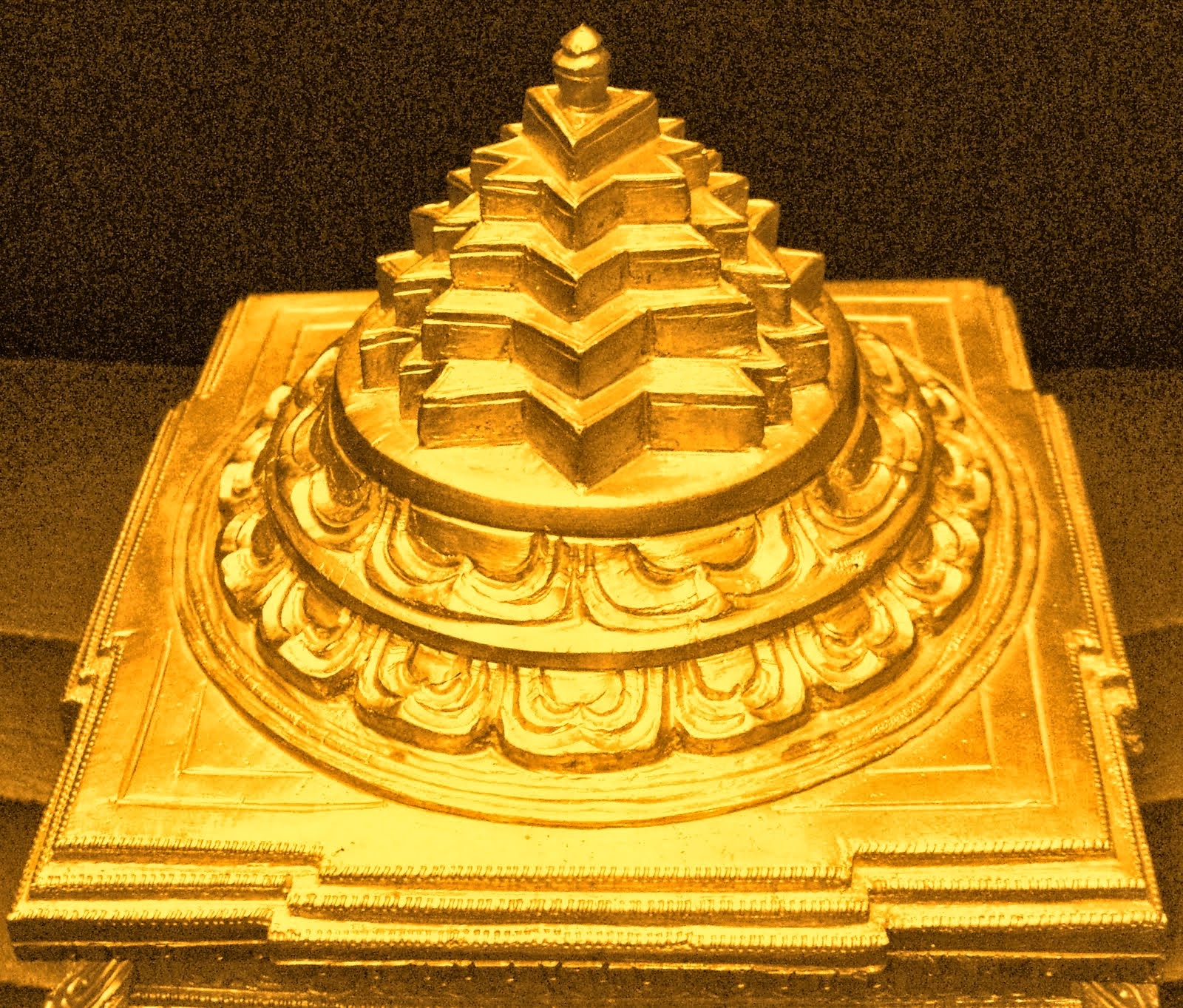
sri_chakra400

Bhaskara’s father Gambira Rayar was a scholar and he taught him a Mantra on Sarasvati which helped him to get the gift of the gab. He mastered many subjects in his early age under Narasimhananda nath in Varanasi. But Gangadhara Vajpayee is the one who taught him Gauda sastras. He learnt Atharvan Veda and started giving discourses about Devi Mahatmiya. It is one of the Upa Puranas that describes the greatness of Goddess (Devi in Sanskrit).

He married Anandhi and later Parvati. He initiated his first wife into the worship of the goddess. She also mastered the subject and was instrumental in building a temple for her husband after his death.

Bhaskararaya, before migrating to Tamil Nadu at the invitation of Marathi King of Thanjavur, went to Gujarat and other places and won many awards. He defeated many scholars in debates. Marathi king of Thajavur (Tamil Nadu) gifted him a village near Thiruvalankadu and he died at the ripe old age in Thiruvidaimarudur. The village that was given to him is called Bhaskararayapuram.

goddess-kamakshi-stotram

Maha Chathushashti Koti Gana Sevitha (worshipped by 640 million)

A few miracles are also attributed to him. When he was living in the holy city of Kasi, some scholars who were jealous or who don’t like his way of Tantrik worship, challenged him in the public. They wanted to tarnish his image. Bhaskararaya wanted to settle the score once and for all and so invited them for a Yaga he performed. His opponents who were waiting for an opportunity attended the fire ceremony (Yaga). They tried to trap him by asking some unanswerable questions. One of the names in the list of 1008 names, describes the Goddess surrounded 640 million Yoginis (devoted women assistants). The scholars asked him to explain the term .He explained it immediately. Then they asked him to recite the names of all the 640 million Yoginis and explain their appearance, origin and history. With the help of his intuition he got ready and asked them to copy whatever he says. The challengers were ready with pen and paper (in those days it was palm leaves and ink or stylus). He kept on giving names one after another with minute descriptions. They realised his greatness before long and fell at his feet. Another enlightened soul in the crowd, Kunkumananda Swami, warned all the challengers not to test him. The reason was that he could see the goddess herself sitting on his shoulder reciting the 640 million names.

goddess-madurai-meenakshi-picture

The Lalita Sahasranamam commentary known as “Sowbagya Sagaram” is an authority on Goddess Worship. In addition to his monumental commentary on the 1008 names of the goddess, he wrote some Sanskrit books. It is said that he was inspired by goddess herself to write the commentary. The commentary is divided into twelve parts named after 12 aspects of the sun. He said in his introduction that this commentary will be appreciated by all from Gandhara (Afghanistan) in the West to Kamarupa (Assam) in the East and Kedar (Himalayas) in the North to Ram Setu in the South. He knew all the secrets and deep mysteries of Mantra sastras.

Another miracle attributed to him was burning a Danda (holy stick of another saint) of an ascetic. The saffron clad ascetic used to go to Shiva temple through the street where Bhaskararaya was living. Everyone in the street fell at the feet of that ascetic except Bhaskara. One day in the presence of ascetic someone questioned his behaviour. Then he asked the ascetic to place his Danda and his saffron cloth on the ground. Holy men should carry the holy stick whenever they go out. As soon as Bhaskara prostrated before the cloth and stick to pay his respects, they were in flames. Then he told the crowd that this was the reason he did not prostrate before the ascetic. It was very clear that he was more powerful than the ascetic.
His commentary stands as a proof for his immense scholarship. From North to South it is the Veda for all the Devi Upasakas (Worshippers of Mother Goddess).

SRECHAKRA

Contact swami_48@yahoo.com

ராமம் ஸத்யபராக்ரமம்!

rama shantham

ராமாயண வழிகாட்டி — அத்தியாயம் 21
கட்டுரையாளர்: ச.நாகராஜன்
கட்டுரை எண்- 969; தேதி ஏப்ரல் 10, 2014

ராமாயண மஹா காவியத்தில் ஏராளமான ரிஷிகள் நம் கண் முன்னே நிறுத்தப்படுகின்றனர். ஒவ்வொருவரும் ஒவ்வொரு விதத்தில் சிறப்பு வாய்ந்தவர்கள்.

தேவரிஷியில் சிறந்தவரான நாரதரால் தான் கதை ஆரம்பிக்கப்படுகிறது.
பிரம்மரிஷியில் சிறந்தவரான வசிஷ்டரால் தான் கதை வழி நடத்தப்படுகிறது.
ராஜரிஷியில் சிறந்தவரான விசுவாமித்திரரால் தான் ராமரின் வாழ்வில் திருமணம் என்னும் திருப்பு முனை ஏற்படுகிறது.

சீதையின் தந்தையும் ராமரது மாமனாரும் ஆன ஜனகரோ ராஜரிஷி.
இவர்கள் தவிர நாஸ்திக வாதத்தை ராமரிடமே பேசிய (!) ஜாபாலி உள்ளிட்ட ஏராளமான ரிஷிகளின் பட்டியலை நாம் காவியத்தில் காண்கிறோம். சில ரிஷிகளின் அதிசயச் செய்திகள் நம்மை வியப்பில் ஆழ்த்தும்.

விசுவாமித்திரர் ராமரை இன்னார் என்று முதலில் அறிவிக்கும் ஸ்லோகம் பால காண்டத்திலேயே இடம் பெற்று விடுகிறது.
அவர் கூறிய முக்கியமான ஸ்லோகத்திற்கு இன்றும் தேர்ந்த பிரவசனகர்த்தாக்கள் முடிவில்லா விரிவுரை சொல்லிக் கொண்டிருக்கிறார்கள்!.அவ்வளவு பொருள் பொதிந்த சொற்களை வால்மீகி விசுவாமித்திரர் வாயிலாக ஒரே ஸ்லோகத்தில் கூறி விட்டார்.
ஸ்லோகத்தைப் பார்ப்போம்:-

அஹம்வேத்மி மஹாத்மானம் ராமம் ஸத்யபராக்ரமம் I வசிஷ்டோபி மஹதேஜா யே சேமே தபஸி ஸ்திதா: II
– பால காண்டம், பத்தொன்பதாம் ஸர்க்கம், 15ஆம் ஸ்லோகம்

அஹம் – நான் ராமம் – ராமரை மஹாத்மானம் – மஹாத்மாவாக ஸத்யபராக்ரமம் – ஸத்யபராக்கிரமராக வேத்மி – உண்மையாய் அறிகிறேன் மஹாதேஜா – மஹா தேஜஸ்வியான வசிஷ்டோபி – வசிஷ்டரும் கூட யே – எவர்கள் தபஸி – தவம் புரிவதில் ஸ்திதா – நிலை கொண்டவர்களோ: இமே ச – அந்த இவர்களும் அறிவார்கள்

அஹம் வேத்மி என்ற வார்த்தைகள் வேதம் கூறும் வேதாஹமேதம் புருஷம் மஹாந்தம் என்று புருஷ ஸுக்தத்தில் வரும் வேத வாக்கியத்தைச் சுட்டிக் காட்டுகிறது. புருஷம் இங்கு ஸத்ய பராக்ரமாகவும் மஹாந்தம் மஹாத்மாவாகவும் இங்கு சுட்டிக் காட்டப்படுகிறது.

வசிஷ்டரும் என்ற வார்த்தையில் வரும் ‘உம்’ பெரிய நீண்ட உரைக்கு இடம் தரும் ‘உம்’ ஆகும். வசிஷ்டருக்கும் விசுவாமித்திரருக்கும் இடையில் நடந்த போட்டியை புராண இதிஹாஸங்கள் நன்கு விளக்குகின்றன. இருவருக்கும் இடையே இருந்த அந்த இயல்பான பழைய வரலாற்றினால் வசிஷ்டரும் கூட அறிவார் என்று விசுவாமித்திரர் சொல்லும் போது அதில் உள்ள சுவாரசியத்தை நன்கு ரசிக்க முடிகிறது. அவரே மஹா தேஜஸ்வீ என்று வசிஷ்டரைப் புகழ்ந்து கூறுவது பொருள் பொதிந்தது.

அங்கு தசரதனின் ராஜ சபையில் கூடியுள்ள இதர தபஸ்விகளும் ரிஷிகளும் இதை அறிவர் என்று விசுவாமித்திரர் கூறுவது உலகிற்கே இந்த உண்மையை அறிவிக்கத் தான்!

ram business

இனி கம்ப ராமாயணத்தை எடுத்துக் கொண்டால் பால காண்டத்தில் கம்பன் விசுவாமித்திரரை ‘எண்ணிலா அருந்தவத்தோன்’ என்று குறிப்பிடுகிறான்.

இந்த ஒரே ஒரு சொற்றொடருக்கும் ஏராளமான அர்த்தங்கள் கூறப்பட்டு நம்மை வியக்க வைக்கின்றனர் அறிஞர்கள்!

எண்ணிலா அருந்தவத்தோனை எண் + இலா + அரும் + தவத்தோன் என்று பிரித்து எண் என்பதற்கு ஆலோசனை என்று பொருள் கொண்டு இந்த முனிவர் அருந்தவத்தர் ஆயினும் இன்னாரிடத்தில் இன்ன பொருளை இன்ன இடத்தில் இன்ன காலத்தில் கேட்கலாம் என்பதை ஆலோசனை புரிந்து அறியாதவர் என்று பொருள் கொண்டு தசரதனின் உள்ளக்கிடக்கையை அறிந்து கொள்ளலாம்.

எண் + நிலாவு + அரும் + தவத்தோன் என்று பிரித்து ராமாயணத்தைப் படிப்பவரின் எண்ணத்தில் அதாவது நினைவில் நிலாவு அதாவது நிலவி இருக்கும் படியான அரும் தவத்தோன் – பெரும் தவத்தைப் புரிந்த மஹரிஷி என்று பொருள் கொண்டு படிப்பவர் மனம் மகிழலாம். விசுவாமித்திரர் வாழ்வில் நடந்த பல்வேறு நிகழ்ச்சிகளை நினைவு கூர்ந்து அவரது வரலாற்றுச் சிறப்பினையே இப்படிப் பிரித்துப் பொருள் கொள்ளலாம்.

எண்ணில் + ஆ + வரும் + தவத்தோன் = நினைத்துப் பார்த்தால், ஒரு பசுவாகிய காமதேனுவினால் வந்த தவத்தோன் என்று கொண்டு வசிஷ்ட – விசுவாமித்திர வரலாறை நினைவு கூரலாம்.
இன்னும் எண்ணில் + ஆ + வருந்து + அவத்தோன் என்றும்,
எண்ணில் + ஆ+ அருந்து + தவத்தோன் என்றும்,
எள் + நிலா + அரும் + தவத்தோன் என்றும்,
எள் + நிலா + வரும் + தவத்தோன் என்றும் பிரித்துப் பொருள் கூறலாம்.

ராமரை மஹாத்மாவாகச் சுட்டிக் காட்டும் விசுவாமித்திரரின் இந்த ஸ்லோகம் ஆழ்ந்த பொருள் கொண்டது எனில் விசுவாமித்திரரை யார் என்று இனம் காட்டும் கம்பனின் ஒரு சொற்றொடரும் அற்புதமானது என்றே கூறலாம்.

ராமாயணம் ஒரு தங்கச் சுரங்கம். வேண்டுமட்டும், வெட்டிய மட்டும் தங்கம் பெறலாம்!
தொடர்பு முகவரி: swami_48@yahoo.com

இராமன் பற்றிய தமிழ் பழமொழிகள்

jaya sri ram

கட்டுரையாளர்:- லண்டன் சுவாமிநாதன்
கட்டுரை எண்—968 தேதி 10 ஏப்ரல் 2014

அனுமார் வால் போல நீளுகிறதே or அனுமார் வால் போல நீண்டதாம்!
இந்தப் பழமொழி ராமாயண சுந்தர காண்ட நிகழ்ச்சியில் இருந்து வந்தது. ராவணனால் துன்புறுத்தப்பட்ட அனுமன், இலங்கைக்கு தீ வைத்தான். அப்பொழுது அவன் வால் திரவுபதியின் புடவை வற்றாது வந்தது போல நீண்டு கொண்டே போனது. அதாவது ஆஞ்சநேயனை தீயானது சுடவே இல்லை. இந்தியாவின் ‘’சூப்பர்மேன்’’ Superman மாருதி. அவன் செய்யாத சாகசம் இல்லை. அத்தனையையும் இன்று வெள்ளைக்காரர்கள் ‘காப்பி’ அடித்து காமிக்ஸ் Comics ஆக (சூபர்மேன், superman ஸ்பைடர்மேன் Spiderman, போகேமான் Pokeman, பேண்டம் Phantom) என்றெல்லாம் எழுதி, விற்றுக் கோடிக் கணக்கில் சம்பாதிக்கிறார்கள்.

இன்னொரு சம்பவமும் சுந்தர காண்டத்தில் உண்டு. ஆஞ்சநேயனக்கு ஒரு தூதருக்கு (ambassador) உரிய மரியாதை கொடுக்கப்பட வேண்டும்.ஆனால் அது கொடுக்கப்படவில்லை இன்று சர்வதேச ‘ப்ரோடோகோல்’Protocol (சம்பிரதாய விதிகள்) என்ற பெயரில் தூதர்களை எப்படி நடத்த வேண்டும் என்று விதிகள் உள்ளன. இதை உலகிற்குக் கற்பித்தது இந்தியர்கள்! சாணக்கியன் எழுதிய விதிகளை திருவள்ளுவனும் ஒரு அதிகாரம் முழுதும் பாடியிருக்கிறான். அப்படி மரியாதை தர ராவணன் மறுத்தான். ஆசனம் கூட கொடுக்கவில்லை. அனுமார் தன் வாலை நீட்டி அதன் மூலம் ஒரு ஆசனம் அமைத்து ராவணனைவிட உயரத்தில் உட்கார்ந்து ‘பதில் மரியாதை’ செய்தான்!
Proverbs

இராம பாணம் பட்டு உருவினாற் போல
அந்தக் காலத்தில் ஒருவர் வீரத்தை மெய்ப்பிக்க ஏழு பொருள்களை ஒரே அம்பினால் துளைக்கச் சொல்லுவார்கள். இந்த ஏழு மர துளை போடும் போட்டி வேறு கலாசாரங்களிலும் உண்டு. இதை ஒட்டியே ராமனின் திறமையைக் கண்டுபிடிக்க ஏழு மரா மரங்களைத் துளைக்கும் அம்பைவிடச் சொன்னான் சுக்ரீவன். ராமன் விட்ட அம்பு ஏழு மரங்களையும் துளை போட்டது. இதே போல ஒரு வகைப் பூச்சியும் புத்தகத்தில் முதல் பக்கத்தில் இருந்து கடைசி பாக்கம் வரை குண்டு துளைத்தாற்போல துளை போடும் அந்த பூச்சிக்கும் இந்தியர்கள் ராமபாணம் என்று பெயர் வைத்தனர்.

இராமர் இருக்கும் இடம் அயோத்தி
மக்களுக்கு குணம் மிக்க ஒரு தலைவன் இருந்தால் போதும்; ஒரு ஆபத்தும் வராது என்று தெரியும். முறையாக ஆட்சி செய்யும் மன்னவன் இறைவனுக்கு சமம் என்று வள்ளுவனும் கூறுவான். இதனால்தான் மக்கள் அனைவரும் இரண்டு முறை இராமனைப் பின் தொடர்ந்து சென்றனர். முதல் முறை அவன் காடேகிய நாள் அன்று. ஆனால் இராமனே அவர்களைத் திருப்பி அனுப்பி விட்டான். இரண்டாவது முறை ராமன் ஆற்றில் ஜல சமாதி அடைய இறங்கிய போது அயோத்தியில் உள்ள அத்தனை மனிதர்களும், ஜீவராசிகளும் ராமனுடன் சரயு நதியில் இறங்கி மோட்சம் அடைந்தனர். அவர்களைப் பொறுத்த மட்டில், இராமன் எங்கே இருக்கிறானோ அதுதான் அயோத்தி! (Ayodhya now in Uttar Pradesh was the capital of Kingdom of Kosala)
rama color

இராம லெட்சுமணரைப் போல இசைந்திருக்கிறது
இராம,லெட்சுமணன்—ஆகிய இருவரும் இணை பிரியாத ஜோடிகள். எல்லா படங்களிலும் இதைக் காணலாம். அவர்கள் ஒற்றுமையை உவமையாக கூறும் போது, இராம லெட்சுமணரைப் போல இசைந்திருக்கிறது என்று சொல்லுவர்.

இராம வாக்குக்கு இரண்டு உண்டோ?
இராமன் சத்ய தர்ம பராக்ரமன். சொன்ன சொல்லை மீறாதவன். ஆயுதம் இழந்த ராவணனைக் கூட கொல்லாமல் ‘’இன்று போய், நாளை வா!’’ என்று இயம்பினன். ஆகையால் ராமனின் சொல்லுக்கு மறு சொல் கிடையாது. இலட்சுமணன் மிகவும் (short tempered) கோபக்காரன். எதற்கும் பொங்கி எழுவான. ஆனால் அண்ணன் ஒரு சொல் சொன்னால் போதும். அடங்கிவிடுவான். இராம வாக்குக்கு இரண்டு உண்டோ?

இராமனைப் போல ராசா இருந்தால் அனுமாரைப் போல சேவகனும் இருப்பான்
மனம் போல மாங்கல்யம். தலைவன் எவ்வழி அவ்வழி தொண்டன். ஆகவே இராமன் போல ஒரு ராஜா (Truthful, honest, sincere, amicable, easily accessible,heroic, people friendly) இருந்தால் உலகமே அவனுக்கு அடங்கி நடக்கும். இராம சேது என்னும் பாலம் கட்டும் போது அணில் கூட உதவி செய்யவில்லையா?
15173-yiddish-proverb-

இராமன் ஆண்டால் என்ன? இராவணன் ஆண்டால் என்ன?
உலகில் நிறைய பேர் சுயகாரியப்(Selfish, self centred) புலிகள். தங்களுக்கு வேண்டியது கிடைத்தால் போதும். வாயை மூடிக்கொண்டு அநியாயங்களைக் கண்டும் காணாமல் இருந்து விடுவர். மஹாத்மா காந்தி, பல சத்தியாக் கிரகம், பாத யாத்திரை என்று அறைகூவல் விடுத்தபோதும் சிறை சென்றவர்கள் எண்ணிக்கை சில ஆயிரம்தான். எனக்கு என்ன? வெள்ளைக்காரன் ஆண்டால் என்ன? இந்தியர் ஆண்டால் என்ன? என்று இருந்தவர்களைக் கண்டு பாரதியும் பாடி இருக்கிறான். “நெஞ்சில் உரமும் இன்றி” என்ற பாடலைப் படித்தால் புரியும். இராமன் ஆண்டால் என்ன? இராவணன் ஆண்டால் என்ன? என்று இருப்போரே உலகில் அதிகம்.

இராமன் மங்கையோடு இணங்கியது அவம்
இராமனுடைய மங்கை சீதை. அவளுடன் இராவணன் வாழ நினைத்தது தவறு. இராமன் மங்கையோடு இணங்கியது அவம்.

இராமாமிர்தமே சீவனம் என்று பட்டினியாய் இருக்கலாமா?
ராமனுடைய பெயரைச் சொல்லுவதே அமிர்தம் என்று உண்ணாவிரதம் இருந்தோரைக் குறித்து சொன்ன சொல் இது. மனிதனாகப் பிறந்துவிட்டால் உடலையும் பேணித்தான் ஆகவேண்டும். இராமாமிர்தமே சீவனம் என்று பட்டினியாய் இருக்கலாமா? சுவர் இருந்தால்தான் சித்திரம் வரைய முடியும் உள்ளம் பெருங் கோயில், ஊனுடம்பு ஆலயம்.
hindi rama

இரா முழுதும் இராமாயணம் கேட்டு சீதைக்கு ராமன் என்ன வேண்டும்? என்ற கதை (சீதைக்கு ராமன் சித்தப்பன் என்றானாம்)

சொன்ன சொல்லை மனதில் ஏற்றிக் கொள்ளாமல் ஒரு செயலை சடங்கு போல செய்வோரைக் குறிக்கும் வசனம் இது. அர்த்தத்தைப் புரிந்துகொண்டு உண்மையான ஆர்வத்தோடு ஒரு செயலை செய்ய வேண்டும். எதைப் படித்தாலும் கேட்டாலும் சிரத்தையோடு செய்தால் உண்மைப் பொருள் விளங்கும். வாத்தியார் பாடம் சொல்லிக் கொடுத்து முடித்த பின்னர் அடிப்படையே புரியாமல் ஒரு கேள்வி கேட்டல் அவருக்கு எப்படி இருக்கும்! ஒரு கச்சேரிக்குப் போனவர் வித்துவானைப் பார்த்து, உங்கள் தோடி ராகத்தைக் கேட்க அல்லவா நான் வந்தேன் என்று ஒருவர் சொன்னாராம். அவர் அப்போதுதான் தோடி ராகம் பாடி முடித்திருந்தார்!

இராமேசுரத்துக்கும் காசிக்கும் போயும் என்னைப் பிடித்த சநீசுரன் தொலையல்ல
சனி பகவான் யாராக இருந்தாலும் ஏழரை ஆண்டுக் காலம் பிடித்தே தீருவான். அதை மூன்று இரண்டரை ஆண்டுகளாகப் (3X2.5 years=7.5 years) பிரிப்பர். ஒரு குறிப்பிட்ட இரண்டரை ஆண்டு, சொல்ல முடியாத துயரம் கொடுப்பான. அவரவர் ஜாதகத்தைப் பொறுத்து இதன் உக்கிரம் அமையும். அப்போது அவர்கள் காசி ராமேஸ்வரம் சென்றாலும் கர்மவினை தொடர்ந்தே வரும். இதையே மற்ற விஷயங்களுக்கும் மக்கள் உவமையாகப் பயன்படுத்துவர். என்னதான் பரிகாரம் செய்தாலும் ஒரு கெட்டது விலகவில்லையானால் அப்பொழுது இந்த சொற்றொடரைப் பயன்படுத்துவர். தொடர்ந்து வரும் கஷ்டங்களை இது குறிக்கும். புராணத்தில் அரிச்சந்திரன் பட்ட பாட்டை நினைத்தால் இது சட்டென விளங்கும்.

Clash between Shiva and Saturn

சிவ பெருமான் பற்றியும் ஒரு கதை சொல்லுவர். சனி பகவானிடம் “நான் மும்மூர்த்திகளில் ஒருவன். என்னை நீர் ஒன்றும் செய்ய முடியாது” என்றார் சிவன். சனைச்வரன் (Sanai:= slow, Charan= Moving; slow moving) சிரித்துக் கொண்டே “இதற்கு யாரும் விதி விலக்கு அல்ல” என்று சொல்லிவிட்டுப் போய்விட்டார். சிவனுக்கு கொஞ்சம் சந்தேகம் வந்துவிட்டது. சரி இந்த ஆள் கண்டுபிடிக்காமல் இருக்க வேண்டுமானால் யாராலும் கற்பனை செய்ய முடியாத இடத்தில் ஒளிந்து கொள்வோம் என்று ஒரு சாக்கடையில் ஒளிந்து கொண்டாராம். சனிச்சரன் மறு முறை சிவனை சந்தித்தபோது, “பார்த்தாயா, என்னை நீ ஒன்றும் செய்ய முடியவில்லை” என்று சிவ பெருமான பெருமையாகச் சொன்னாராம்.

சனைச்சரன், “இல்லையே, சோதிட விதிகளுக்கு கடவுளும் விதி விலக்கல்ல. இந்தக் குறிப்பிட்ட காலத்தில் நீங்கள் எங்கே இருந்தீர்கள்?” என்று சிவனை சனி பகவான் கேட்டார். சிவன் பெருமையாக “நீங்கள் கண்டு பிடிக்கமுடியாத பாதாள சாக்கடையில் ஒளிந்திருந்தேன். நீங்கள் ஏமாந்து போனீர்கள்” என்று பதில் சொன்னார். சனி பகவான் சிரித்துக் கொண்டே கைலாசத்தில் பாரிஜாதம் முதலான புஷ்பங்கள் கமழும் இடத்தில் இருக்கவேண்டிய நீவீர் சாக்கடையில் காலம் தள்ளினீர் அல்லவா? அதுதான் உமக்கு சனி திசை” என்று சொன்னவுடன் சிவன் முகம் சிவந்து போனது!!!
71792-Famous+Proverbs+

தம்பி உடையான் படைக்கஞ்சான் ( லெட்சுமணன் பற்றிய மொழி)
இராமனுக்கு பெரிய பலம் அவன் தம்பி லெட்சுமணன். அண்ணன் தம்பி ஒற்றுமைக்கு இலக்கணமாகத் திகழ்ந்தவர்கள் இராம லெட்சுமணர்கள். 14 ஆண்டுக் காலமும் இமைப் பொழுது சோராமல் அண்ணனைக் காத்தவன் லெட்சுமணன். உலக இலக்கியத்தில் இப்படி ஒரு சகோதர ஜோடியை எங்கும் பார்க்கமுடியாது. இரட்டையரைக் காணலாம். ஆனால் இரு வேறு தாயாருக்குப் பிறந்து ஒரு சேர ஜோடி சேர்ந்த சகோதரர் இவர்கள். அப்பேற்பட்ட தம்பி உடைய ஒரு வீரன் எப்பேற்பட்ட படை வந்தாலும் அஞ்சாமல் எதிர்த்து நிற்பான்; வெற்றியும் பெறுவான்!

இராவண சந்யாசி போல இருக்கான்
ராவணன் ஒரு ‘ருத்திராட்சப் பூனை’ (Hypocritical Cat). துணிச்சலாக வீரன் போல வந்து சீதையைக் கவரவில்லை. ஏனெனில் ராமனை வெல்ல முடியாது என்பது அவனுக்குத் தெரியும். சந்யாசி வேடத்தில் வந்து ஏமாற்றியவன். யாரேனும் ஒருவன் வேடம் தரித்து ஏமாற்றுகிறானோ என்ற சந்தேகம் வந்தால் உடனே மக்கள், “ஜாக்கிரதை இவன் ஒரு ராவணன்” என்று சொல்லி உஷாராகி விடுவர்.
rama thai

இராவணன் குடிக்கு மஹோதரன் போலும், சுயோதனன் குடிக்கு சகுனி போலும்
துரியோதனன் கெட்டுக் குட்டிச் சுவராகப் போக அவன் மாமன் சகுனிதான காரணம் சூதாட்டத்தில் மாயா ஜாலம் செய்து வெற்றி பெற்றுப் பின்னர் போர் ஏற்பட வழி செய்தவன். இதே போல ராவணனிடம் மகோதரன் என்பவன் முதல் மந்திரியாக (Chief Minister) இருந்தான். மகா மாயாவி (Cheat). இந்திரன் போல வேடம் கொண்டு வெள்ளை யானை மேல் ஏறி லெட்சுமணனுடன் போரிட வந்தவன். ராமன் பற்றி உளவு (Spy) வேலைகளில் ஈடுபட்டவன். சீதையை அனுப்பவேண்டாம் என்று கெட்ட யோசனை(wrong Advice) கூறி ராவணன் அழிய வழிவகுத்தவன்.(ஆதாரம்: அபிதான சிந்தாமணி-Tamil Encyclopaedia)
ஆக யாராவது ஒருவர் குடியைக் கெடுக்கும் வேலைகளையோ, மற்றவர்கள் அழிய துர் போதனை செய்தாலோ அவர்களை சகுனி, மகோதரன் ஆகியோருக்கு ஒப்பிடுவர்.

படிப்பது ராமாயணம் இடிப்பது சிவன் கோவில் / ராமன் கோவில்
சொல் ஒன்றும் செயல் ஒன்றுமாய் செய்பவர்களைக் குறை கூறும் பழமொழி இது. நல்ல விஷயங்களைப் பேசிவிட்டு, கேட்டுவிட்டு அதற்கு நேர் மாறான செயல்களைச் செய்வோர் ராமாயணத்தைப் படித்துவிட்டு கோவிலையே இடித்தது போல இது.
தேசத்தையே வைத்து சூதாடிய தருமபுத்திரனைக் குறைகூறும் பாரதி

“கோயிற்பூசை செய்வோர் சிலையை கொண்டு விற்றல் போலும்
வாயில் காத்து நிற்போன் வீட்டை வைத்து இழத்தல் போலும்
ஆயிரங்களான நீதி – அவை உணர்ந்த தருமன்
தேயம் வைத்திழந்தான் சீச்சீ சிறியர் செய்கை செய்தான்”
என்று சாடுகிறான். சொல் ஒன்று செயல் வேறு என்பதற்கு, இது நல்ல எடுத்துக் காட்டு. இப்படிப்பட்டவர்களை ‘படிப்பது ராமாயணம் இடிப்பது ராமர் கோவில்’ எனலாம்.
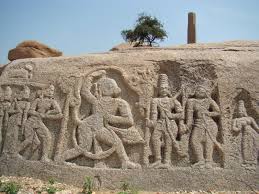
rama,hampi
ராமன் இருக்கும் இடத்தில் காமன் இரான்.

“இந்த இப்பிறவியில் இரு மாதரை சிந்தையாலும் தொடேன்”- (Kamba Ramayanam Quote) என்று சபதம் செய்தவன் ராமன். அந்தக் க லத்தில் அரசர்கள் நிறைய பேரைக் கல்யாணம் செய்வது இந்திய மரபு. நாடுகளுடன் நட்புறவு வேண்டும் என்பதற்கும், வேற்று நாட்டான் படை எடுக்கையில் அருகிலுள்ள நாடுகள் படை அனுப்பி உதவி செய்யவேண்டும் என்பதற்காகவும் பல நாட்டுப் பெண்களை மணப்பது ராஜ நீதி (diplomacy), சாணக்கிய நீதி! இதனல்தான் ஆப்கனிஸ்தானத்தில் உள்ள காண்டஹார் (காந்தாரம்) நகரில் இருந்து வந்த பெண்ணை காந்தாரி என்றும் பஞ்சாபில் இருந்து வந்த பெண்ணை பாஞ்சாலி என்றும், சோழதேசப் பெண்ணை சோழமாதேவி என்றும், பாண்டிய தேச இளவரசியை பாண்டிமாதேவி என்றும் அழைப்பர். அவர்களுடைய அம்மா அப்பா வைத்த பெயர் எல்லாம் காலப் போக்கில் மறைந்துவிடும். இப்படிப் பல தேசப் பெண்களை மணக்கும் வழக்கம் இமயம் முதல் குமரி வரை இருந்ததற்கு இலக்கியமும் கல்வெட்டுகளும் சான்று பகரும் .ஆனால் ராமன் மட்டும் ஒரே பெண்ணைக் கல்யாணம் செய்ததோடு மட்டுமின்றி மனதாலும் வேறு ஒரு பெண்ணை நினைக்கமாட்டேன் (சிந்தையாலும் தொடேன்) என்றான். இதனால் அவன் உயிர் வாழ்ந்த காலத்திலேயே, அவனை கடவுள் நிலைக்கு உயர்த்தினர் மக்கள். அந்த ராமனின் நாமத்தைச் சொன்னாலேயே காம எண்ணங்கள் பறந்தோடிப் போகும்.

வாலை ஒட்ட நறுக்கிவிடுவேன்! என்னிடம் வாலாட்டாதே!
அனுமனைப் பார்த்து ராவணன் சொல்லிய சொல் இது. ஆனால் அனுமனோ இலங்கைக்கே தீவைத்து “ராவணன் வாலை” ஒட்ட அறுத்து விட்டான். வால் என்பதும் அஹம்காரம் என்பதும் ஒன்றே. நாமெல்லாரும் யான் எனது என்னும் செருக்கில் ( I-ness, My-ness) ஆடாத ஆட்டம் ஆடுகிறோம். இதுதான் நமது வால். இதை நாய்வால் மாதிரி நிமிர்த்தவே முடியாது. ஒட்ட வெட்டி எறியவேண்டும். நாமும் நமது அகந்தை(Ego & Arrogance) என்னும் வாலை நோக்கி தினமும் “என்னிடம் வாலாட்டாதே ஒட்ட நறுக்கிவிடுவேன்”– என்று சொல்லச் சொல்ல ஞானம் பிறக்கும்.

இந்தப் பழமொழிகளை மட்டும், விளக்கம் எழுதாமல், நான் ஏற்கனவே “இந்து மதம் பற்றிய 200 பழமொழிகள்”– என்ற தலைப்பின் கீழ் கொடுத்து உள்ளேன்
famous proverbs

பழமொழிகள் பற்றிய எனது முந்தைய கட்டுரைகளையும் படிக்க வேண்டுகிறேன்:—-
1.இருபதாயிரம் தமிழ் பழமொழிகள்
2.இந்துமதம் பற்றிய 200 பழமொழிகள் (பகுதி 1,2)
3.பெண்கள் பற்றிய 300 பழமொழிகள் (பகுதி 1,2,3)
4.யானைகள் பற்றிய நூறு பழமொழிகள்
5.ஒன்றுக்கும் உதவாத உதிய மரமே
6.உடம்பைக் கடம்பால் அடி
7.பாரதி பாட்டில் பழமொழிகள்
8.அப்பர் தேவாரத்தில் பழமொழிகள் (இது மட்டும் எஸ்.நாகராஜன் எழுதியது)
9.20,000 Tamil Proverbs (English article)

Contact swami_48@yahoo.com

There are over 960 posts here in this blog touching all topics On Hinduism, Tamil Literature and Sanskrit Literature.

I welcome your feedback. Please post your comments. In addition to my two blogs, my English articles are posted in the speakingtree.com (Times of India website)
What Hindus know that Scientists don’t know!

kanchi acharya, bw
Written by London Swaminathan
Post No. 967 Date 9th April 2014.

Whenever some discovery is made or invention is announced, Hindus boast that it is already in their scriptures! Whenever some catastrophe happens, immediately some people write that it is already forecast by Nostradamus. I used to laugh at them. If Nostradamus has predicted everything that is going to happen in the next fifty years, let us have it straight on the table in black and white. The same applies to Hindus as well. So I wrote to some scholars and saints and they are yet to reply. But I have started to work in this direction by writing two posts: Hindus Future Predictions (Part 1 and Part 2) in this blog. I have interpreted some passages in the Hindu scriptures that which may be discovered in future. I have also written about the concept of TIME as Hindus see it. Now I want to draw your attention to what Kanchi Parmacharya Swami (1894-1994) said about SOUND and VIBRATIONS.

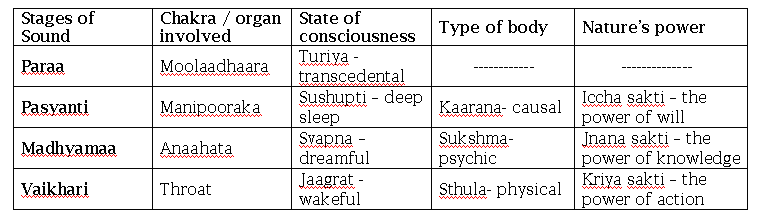
“If the mantras are the life breadth of the Vedas, the life breadth of the mantras themselves is the purity or clarity of the sound, their proper intonation. I have spoken about how by altering the sound or tone of the mantras the vibration in space as well as our ‘nadis’ will change and how the fruit yielded by the chanting will not be what is desired. The Siksa sastra deals in a scientific manner with how the sound of syllables originating in different parts of the body is revealed.

quantum mind2

The sound we hear with our ears is called ‘Vaikhari ‘and its source is within us and called ‘Para’. Vaikhari originates in the lips and Para is the sound present in the Muladhara below the navel. Before it is revealed as Vaikhari through the mouth it goes through two stages, Pasyanti and Madhyama. It is only when we go higher and higher on the path of Yogic perfection that we shall be able to hear the sounds Pasyanti, Madhyama and Para. The seers who are masters of Yoga are capable of hearing the Para sounds. There are certain ‘Para’ sounds originating in the Muladhara which on being transformed into Vaikhari, can be heard by men. Such sounds please the deities, create good to the world and bring Atmic uplift. It is such ‘Para’ sounds that the seers have grasped from the transcendent space and given us as the Veda mantras. That the Tamil work Tolkappiyam mentions these truths and a clear understanding of them came to light recently.
Vedic_sound_table-image

Tolkappaiyam about Mysterious Sounds

It had been known for some time that the words Para and Pasyanti occur in old Tamil works as parai and paisanti. But it came to our knowledge only recently that the very first Tamil work – extant – , the Tolkappiyam, mentions profound matters like , for instance, the fact that the sounds of Muladhara are created by the upward passage of Udana, one of the five vital breadths. Apart from containing references to mantra yoga, the ancient Tamil work also reveals knowledge of Vedic intonation.

Recently, there was a controversy as to why the mantras recited in temples must be Sanskrit and not Tamil. Tamil scholars themselves gave the reasons: “It is totally wrong to raise questions about language in which mantras are couched. The language and meaning are of secondary importance. The special quality or the special significance of mantras, is their sound and fruits they yield. Tolkappiyar has himself stated that the Veda mantras have a special quality and power arising from their sound’’.

vaikhari
***
The vibrations of the sound of the Vedic language are beneficial to all orders of creation including bipeds and quadrupeds; so too the language n which all mantras belonging to the mantra sastra are couched. This is not a language in the sense we understand the term in ordinary usage and is not the property of one caste or of one race, but of the entire world.

***

Tolkappiyar stated that he would not deal with the Vedic sounds since they had their source in Para and were of great import. “I will deal with the sounds that are within the reach of ordinary people, Vaikhari, he said. The other sounds belong to the inner mysterious world…. Tamil scholars have pointed out that there is the authority of the Tolkappiyam itself for not changing the mantras used in temples.

Page 739-740 of Hindu Dharma , Voice of Guru Pujyasri Candrasekarendra Sarasvati Svami, Bharatiya Vidya Bhavan, Mumbai-400 007, Year 2000.

chakras,muladhara

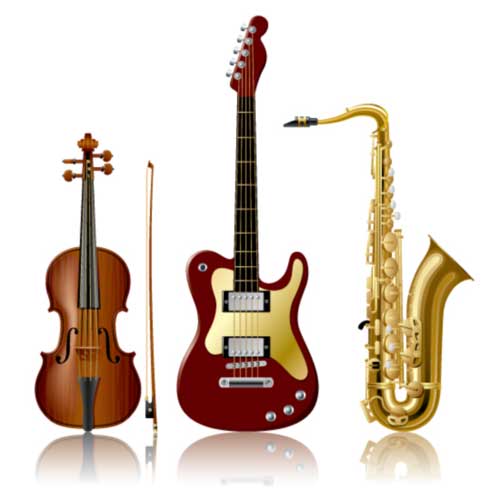
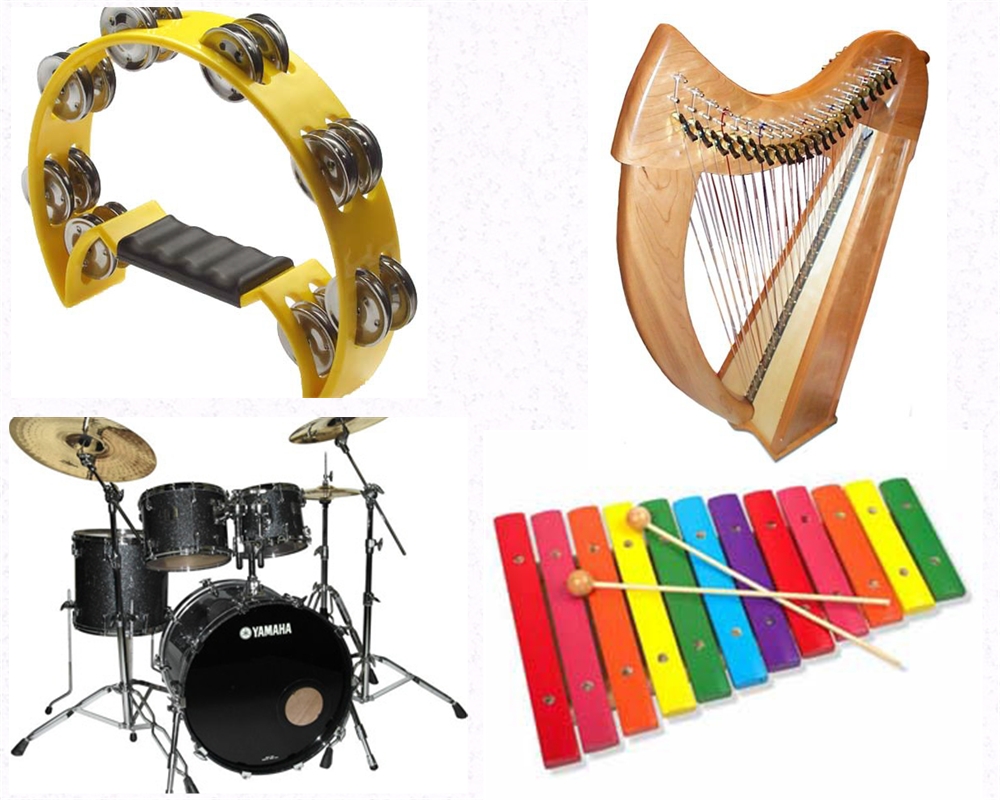
Sound of Music
“ Not all mantras that create benign vibrations are necessarily meaningful. Inn this context we have the example of music. During the research conducted by a university team, it was discovered that the vibrations created by instrumental music quickened the growth of plants and resulted in a higher yield of fruits and vegetables. Here is a proof that sound has the power of creation.
Page 167 of the above book

Some people are at a loss to understand why the sound of the Vedas is given so much importance. How does sound originate or how is it caused? Where there is vibrartin, where there is movement or motion, there is sound. This is strictly according to rational science. Speech is constituted of vibrations of many kinds. We hear sounds with our eras. But there are sounds that are converted into electric waves and these we cannot hear. We know this from the working of the radio and the telephone. All that we hear or perceive otherwise are indeed electric waves. Science has come to the point of recognising all to be electric waves — the man who sees and listens, his brain, all are electric waves.

Sound and vibration go together. The vibrations produce either a gross object or a mental state. We come to the conclusion that creation is a product of sound. This ancient concept is substantiated by science itself.
The mantras of the Vedas are sounds that have the power to inspire good thoughts in people.
Rainfall depends on the production of particular sounds which, in turn, create particular vibrations the same applies to all our needs in life.

great abstract background audio or sound wave image

The Vedas are sounds emanating from the vibrations of Great Intelligence, the Great Gnosis. That is why believe that the mantras of the Vedas originate from the Paramatman (supreme god ) himself. We must take special care of such sounds to ensure the good of the world. Yes , the Vedic mantras are sequences of sounds that are meant for the good of the world.
Page 82-83 of the above book.

Please read my earlier posts:
1.Hindu Wisdom: Copper Kills Bacteria
2.Scientific Proof for Samudrika Lakshana
3.Is Brahmastra a Nuclear Weapon?
4.How did Rama fly his Pushpaka Vimana/plane?
5.Power of Holy Durva Grass
6.Science behind Swayambu Lingams
7.Hindus’ Magic Numbers 18,108,1008
8.Amazing Power of Human Mind
9.107 Herbs in Rig Veda
10.Hindus Future Predictions Part 1 (posted 20 May 2012)
11.Hindus Future Predictions Part 2 (Posted on 20 May 2012)
12.Science behind Deepavali (Two parts)
13.Amazing Tamil Mathematics

Over 950 articles are available in Tamil and English.

Contact swami_48@yahoo.com

பஜனைப் பாடகருக்கு 12 ஆண்டு சிறைத் தண்டனை !

ramadasu

By London Swaminathan
Post No.966 Date 9th April 2014

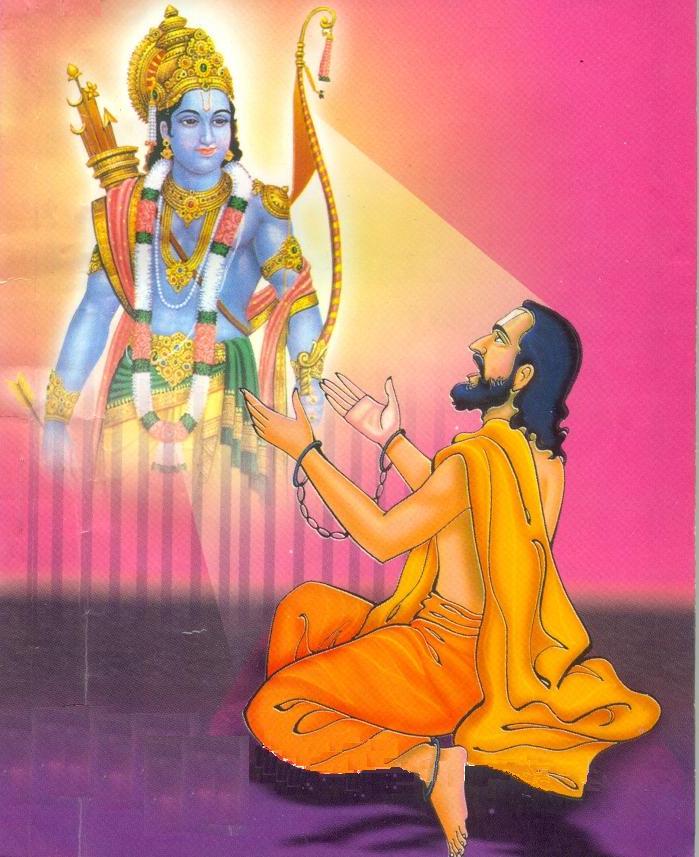
இராமபிரான் 14 ஆண்டுகள் காடுகளில் வாழ்ந்தார். பாண்டவர்கள் 13 ஆண்டுகள் வனவாசம் செய்தனர். பத்ராசலம் ராமதாசர் 12 ஆண்டுகள் சிறையில் வாடி வதங்கினார். இனியும் தாக்குப் பிடிக்க முடியாது என்று உயிர்விட எண்ணிய நிலையில் ராமனும் லெட்சுமணனும் மாறுவேடத்தில் வந்து உதவிய அதிசயம் நடந்தது.

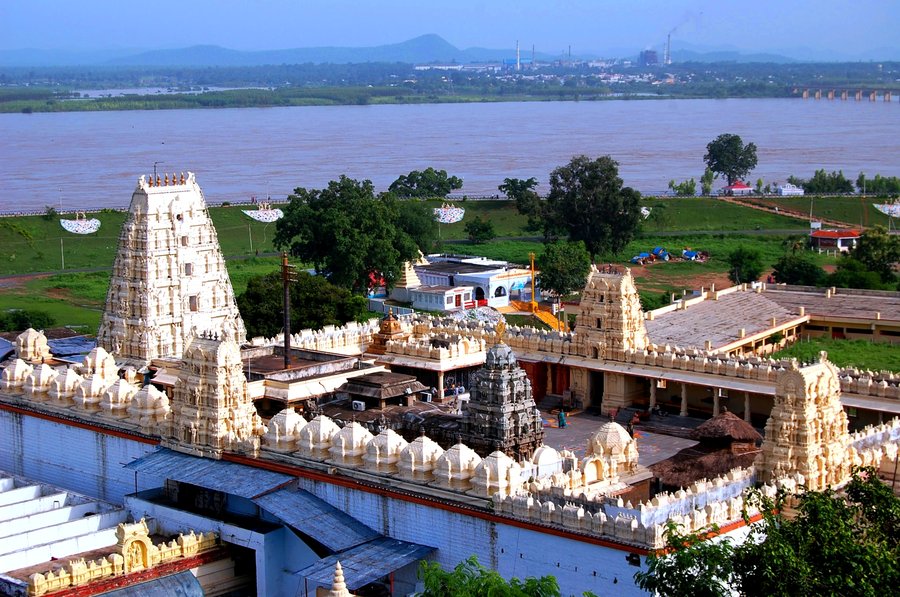
மஹாராஷ்டிரத்தில் சமர்த்த ராமதாசர், பஞ்சாபில் சுவாமி இராம தீர்த்தர், கேரளத்தில் சுவாமி ராமதாஸ் என்று பல சாது சந்யாசிகள் இராமன் பெயரில் வாழ்ந்தனர். இவர்களில் பத்ராசலம் ராமதாசர் (1620 – 1680) ஆந்திரப் பிரதேசத்தில் கோல்கொண்டா ,பத்ராசலம் ஆகிய இடங்களில் வாழ்ந்தவர் ஆவார்.
லிங்கண்ணா என்ற பிராமணருக்கு புத்திரனாக அவதரித்த ராமதாசரின் உண்மைப் பெயர் கோபண்ணா. அவர் கமலம்மா என்பவரைத் திருமணம் செய்துகொண்டு பஜனைப் பாடல்கள் பாடிக் காலம் கழித்து வந்தார். இவருக்கு இரண்டு நூற்றாண்டுகளுக்கு முன்னர் வட இந்தியாவில் கபீர்தாசர் என்ற புனிதர் வாழ்ந்து வந்தார். ராமதாசர் கனவில் வந்த கபீர்தாசர் அவருக்கு இராம நாமத்தை உபதேசம் செய்து இராமனை சிக்கெனப் பிடித்துக் கொள் என்று அருளுரை பகன்றார். அவ்வாறே கோபண்ணாவும் செயல்பட்டார். கோபண்ணாவுக்கு இராமதாசர் என்று பெயர் சூட்டியதும் கபீர்தாசர்தான்.

ஒரு சமயம், ராமதாசர் வீட்டில் பெரிய விருந்து நடந்தது. அப்போது அவர்களுடைய குழந்தை தாய் தந்தையரை விட்டுச் சென்று சமையல் அறையில் இருந்த கஞ்சித் தொட்டியில் விழுந்து மூழ்கியது. குழந்தை இறந்ததை அறிந்தும், விருந்து கெடக் கூடாதென்பதற்காக தாயார் யாருக்கும் தெரியாமல் மரணத்தை மறைத்து வைத்தார். எல்லோரும் வெளியே சென்றவுடன் துக்கம் வெடித்தது. ஓவென்று கதறி அழுதார். ராமதாசருக்கும் நிலைமை புரிந்தது. குழந்தையின் சடலத்தை இராம பிரான் விக்கிரகத்தின் முன்னால் கிடத்தி மனம் உருகப் பிரார்த்தித்தனர். அதிசயம் நடந்தது. தூக்கத்தில் விழித்தெழுந்த குழந்தை போல அந்தக் குழந்தை உயிருடன் திரும்பி வந்தது.

ராமதாசர், அவரிடமிருந்த பணத்தை எல்லாம் ஏழைகளுக்கு அன்னதானம் செய்வதில் செலவழித்தார். வறுமையின் எல்லைக் கோட்டைத் தாண்டியபோது வயிறு காயத் துவங்கியது. இராமனே வந்து உதவுவார் என்று காத்திருந்தார். ‘’முயற்சி திருவினை ஆக்கும்’’– என்பதை மனைவி நினைவு படுத்தினார்.
உடனே ஹைதராபாத்தில் இருந்து ஆட்சி புரிந்த தானி ஷா (1674-1699) என்ற முஸ்லீம் மன்னரை அணுகினார். அவரிடம் மாடண்ணா, அக்கண்ணா என்ற இரண்டு பிராமண அமைச்சர்கள் இருந்தனர். அவர்கள் ராமதாசுக்கு சொந்தக்கார்கள். அவர்கள் மூலமாக பத்ராசலத்தில் தாசில்தார் பதவி கிடைத்தது. அரசாங்கத்துக்கான வரிப் பணத்தை வசூலித்து ஹைதாராபாத்துக்கு அனுப்பவேண்டியது இவர் பொறுப்பு.
பக்தி முற்றிய நிலையில், மாணிக்கவாசகரைப் போல , இவரும் அரசாங்க பணத்தை கோவில் கட்டப் பயன்படுத்தினார். பத்ராசலம் இராமர் கோவிலுக்கு எல்லா வசதிகளையும் செய்து சுவாமிக்கு நகை, நட்டுக் களையும் வாங்கினார். பெரிய ஒரு தொகையை மன்னருக்கு பாக்கி வைத்தார். உண்மை நிலையை அறிந்த மன்னன் தானி ஷா, ராமதாசருக்கு 12 ஆண்டு சிறைத் தண்டனை விதித்தார்.

bhadrachalam-sree-rama-temple-andhrapradesh

கடவுள் எப்போதும் அரசாங்க விதிகளை மீறச் சொல்வதே இல்லை. பத்ரம், புஷ்பம், பலம், தோயம் (இலை, பூ, பழம், நீர்) இவைகளை அளித்தாலே தமக்கு பரம திருப்தி என்று பகவத் கீதையில் கடவுளே சொல்லி இருக்கிறார். ஆகவே மாணிக்கவாசகர், ராமதாசர் போன்றோர் நாட்டின் சட்ட விதிகளை மீறுகையில் கடவுள் உதவிக்கு வாராமல் வாளா விருக்கிறார். இருந்தபோதிலும் இனியும் பக்தன் உயிர்வாழ மாட்டான் என்னும் நிலை வரும்போது, ஓடி வந்து உதவத் தவறுவதில்லை! தயங்கினதும் இல்லை!

ராமதாசர் 12 ஆண்டுக் காலம் சிறையில் வாடி வதங்கினார். மாணிக்கவாசகர் போலவே அரசாங்க ஊழியரின் சித்திரவதைக்குள்ளானார். பக்தரின் கோரிக்கையை நிறைவேற்ற எண்ணிய இராம பிரான், தனது தம்பி லெட்சுமணனையும் அழைத்துக் கொண்டு பூமிக்கு இறங்கிவந்தார். ஒரு ரெவின்யூ அதிகாரியின் சேவகர்கள் போல வேஷம் போட்டுக் கொண்டு பெரிய தொகையை எடுத்துக் கொண்டு மன்னர் தானி ஷா அரண்மனைக்கு வந்து கதவைத் தட்டினர். அர்த்த ராத்ரியில் இருவர் வந்தவுடன் அந்தப்புரப் பெண்களை அனுப்பிவிட்டு சேதி என்ன என்று கேட்டார்.

ரெவின்யூ அதிகாரி ராமதாசர் பாக்கி செலுத்தவேண்டிய பெருந் தொகையை கொடுத்து அனுப்பியதாகச் சொன்னார்கள். பணத்தைக் கொடுத்துவிட்டு அத்தாட்சிப் பத்திரத்தில் கையெழுத்தும் வாங்கினர் ராம லெட்சுமணர். உடனே ராமதாசரை விடுதலை செய்யவும் வேண்டினர். ராமதாசர் விடுதலை செய்யப்பட்டவுடன் நடந்த அதிசயத்தை அறிந்தார்.

தானிஷாவுக்கு தரிசனம் கொடுத்தனையே, எனக்கு தரிசனம் தரவில்லையே என்று ஒரு தெலுங்கு கீர்த்தனையும் பாடினார். தானி ஷாவுக்கு ஒரே மகிழ்ச்சி. முஸ்லீம் மன்னராக இருந்தபோதிலும் கோவில்களுக்கு வாரி வாழங்கிய மன்னர்களில் இவரும் ஒருவர். அவருடைய மன்னர்களில் இருவர் பிராமணர்கள். பின்னர் ராமதாசருக்கும் இராம பிரான் தரிசனம் கொடுத்தார்.
rama color

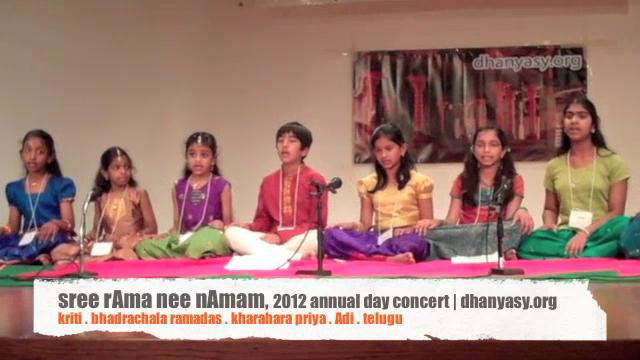
இராமதாசர் பாடிய நூற்றுக் கணக்கான தெலுங்கு கீர்த்தனைகள் தமிழ் நாட்டிலும் ஆந்திரத்திலும் இன்னிசைக் கச்சேரிகளில் இன்றும் பாடப்படுகின்றன. அவருடைய கீர்த்தனைகளில், “இராமா, நீ நாமம் ஏமி ருசிரா, எந்த ருசிரா என்ற பாடல் மிகவும் புகழ் பெற்ற பாடல் ஆகும். நாமும் பாடி மகிழ்வோம்:—

சுருக்கமான பொருள்: உன் பெயரை சொல்லச் சொல்ல இனிக்குதடா! தேன், தயிர், நெய், திராட்சை, கரும்பு, வாழைப்பழம், பேரீச்சம்பழம் ஆகியவற்றை விட சுவையானது உன் நாமம். அனுமனும், சிவனும் உன்னை துதித்து ஆனந்தம் அடைகின்றனர். நாரதனும் தும்புருவும் பாடி மகிழ்கின்றனர். சரணடைந்தவர்களைக் காப்பாற்றுபவன் என்பது உன் பெயரிலேயே இருக்கிறது. சீதை, விபீஷணன், பிரகலாதன், கஜேந்திரன் போன்ற எவ்வளவு பெயரை நீ காப்பாற்றி இருக்கிறாய். பத்ராசல ராமதாசிடத்திலும் அன்பு காட்டி அரவணைத்தாயே உன் நாமம் எவ்வளவு ருசியானது!!

girls singing

ஓ ராமா நீ நாமம் ஏமி ருசிரா?
ஓ ராமா நீ நாமம் எந்த ருசிரா?
மதுரசமுல கண்டெ ததி க்ருதமுல கண்டெ அதிகமொ
நீ நாமம் ஏமி ருசிரா?
த்ராக்ஷாரசமுல கன்ன இக்ஷு ரசமுல கன்ன
பக்ஷி வாஹன! நீ நாமம் ஏமி ருசிரா?
அஞ்சனதனய ஹ்ருத் கஞ்ச தளமுலண்டு ரஞ்சிலு
நீ நாமம் ஏமி ருசிரா?
சதா சிவுடு மடி சதா பஜிஞ்சேதி சதானந்தமாகு
நீ நாமம் ஏமி ருசிரா?
சரநன்ன ஜனமுல சரகுண ரக்ஷிஞ்சு
பிருது கலிகின நீ நாமம் ஏமி ருசிரா?
கரிராஜ ப்ரஹ்லாத தரணீஜா விபீஷணகுல காசின
நீ நாமம் ஏமி ருசிரா?
கதலி கர்ஜூரபல ரசமுல கதிகமு
பதித பாவன, நீ நாமம் ஏமி ருசிரா?
தும்புரு நாரதலு டம்பு மீராக
கானம்பு சேசேதி, நீ நாமம் ஏமி ருசிரா?
அரய பத்ராசல ஸ்ரீ ராமதாசுனி ப்ரேம நெளின
நீ நாமம் ஏமி ருசிரா?

rama kudai

இந்தப் பாட்டை பிரபல பாடகர்கள் பாடியது ‘’யூ ட்யூபிலும்’’ கிடைக்கும். கேட்டு மகிழுங்கள். பாடி மகிழுங்கள். இராமன் அருள் கிட்டும்!

contact swami_48@yahoo.com