Tamil Saint Pattinathar’s Warning

sadhu shank

By London Swaminathan
Post No. 955 4th April 2014.

Tamil saint Pattinathar warns us about the impermanence of life. He reminds us of the ‘three important chanks’ our family uses. Life is short and we must do everything good within that short period.

Pattinathar’s life was full of very interesting events. He lived in the tenth century CE. He was a rich man of a port city called Kaveri Poom Pattinam, also known as Pumpuhar in Tamil Nadu. He got his name from this city meaning ‘City man’ (Pattinathar). He was married but had no issue. So they took a child that was left uncared for in a garden at Tiruvidaimarudur. The child was given the name Marudaipiran. As he grew up, one day he came to Pattinathar’s wife, his foster mother, and asked her to give a parcel to Pattinathar. Later he disappeared. It was the box that changed his life.

When Pattinathar came home and opened the box with all curiosity he found an eyeless needle and a palm leaf on which a conundrum had been written. He considered that was a ‘special delivery parcel with a special message’ for him from Lord Shiva. Immediately he distributed his vast wealth to the poor and became an ascetic. He wandered far and wide and came to Tiruvotriyur to spend his last days. His thought provoking hymns are well known to Tamils.

lot women conch
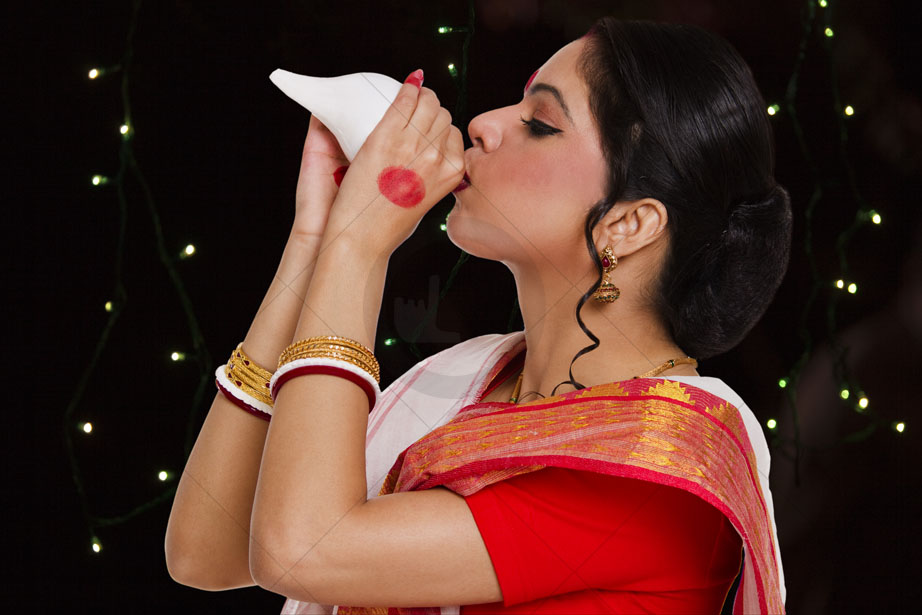
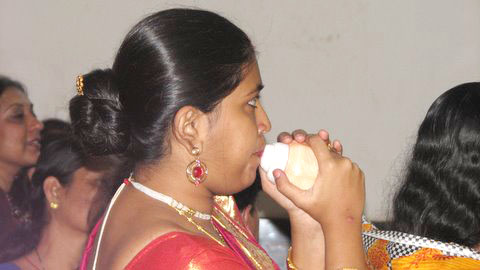
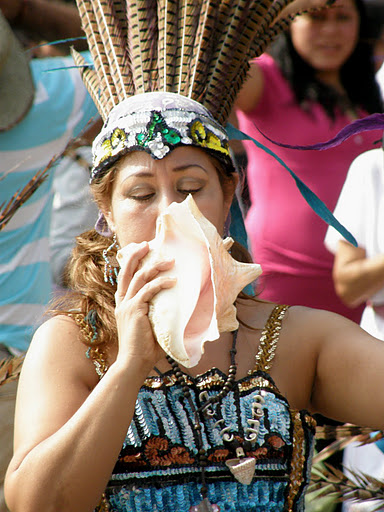
In one of his poems he warns us that we must remember three sounds from the blowing conches at family events:

The first of the chanks feeds with milk
The second shackles us with women of dense locks;
The third is sounded to announce our death.
How much, Oh, how much is the weal of worldly life?

bengali blow

(Translation from Tamil into English was done by Sekkizar Adippodi Dr T N Ramchandran of Thanjavur).
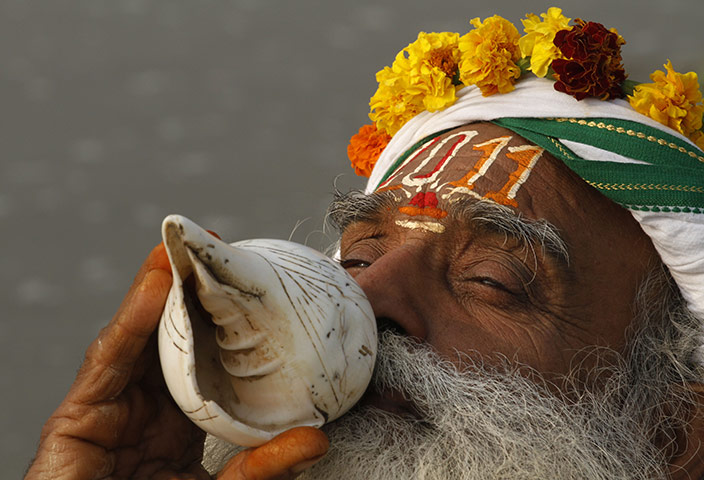
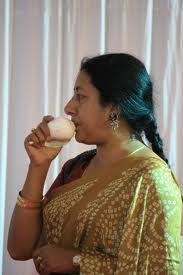
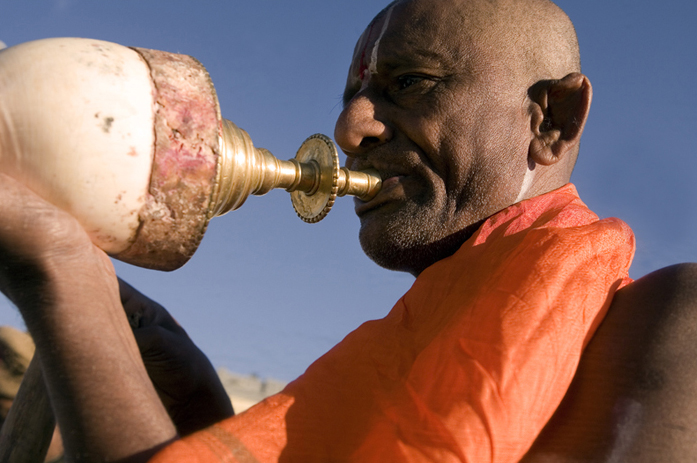
The custom of blowing conches in the weddings was practised by all the Hindus until a few centuries ago. Now Bengalis only use Chanks (conches) in all the ceremonies. Andal, a famous Tamil poetess, mentioned about blowing conches in the Tamil weddings 1300 years ago. Hindu mothers used conches (chanks) to feed the babies with milk. Now this practise is also dropped after the introduction of feeding bottles. Just to attract the attention of the child, they used to play blowing chanks in the olden days. Blowing conches is practised during the funeral procession in certain parts of the country even today.

So the last of the three sounds will be heard only by family members, because it will be our last journey.

conch-blowing

A V Subramania Aiyar, in his book ‘The Poetry of Tamil Siddhas’, compared him with another Siddha (enlightened soul) Sivavakkiyar. He aptly commented about Pattinathar’s poems:-

“As a Saiva mystic and saint Pattinathar has been held in great veneration. His poems are happily free from the violent denunciations of idol worship, temples, rituals, caste, Vedas, Agamas etc. which Sivavakkiyar indulges in. He has shown an excessive desire to extol the virtues of unqualified asceticism and Yogic mysticism in language that that can be understood by the masses. He shows leanings towards Bhakti in his later poems. As a poet he is far superior to Sivavakkiyar. Pattinathar has a greater command over imagery and language. His poetry has sweetness, simplicity and emotional appeal. He has sung of his religion and philosophy with freedom, vigour and breadth of outlook. He has good mastery over form, especially Ahaval metre, in which some of his most brilliant poetical passages have been written. Pattinathar is the most widely read Siddhar in the Tamil language”.

conch 4

I would recommend the following two English books for non Tamil readers:
The Poetry and the Philosophy of THE TAMIL SIDDHAS by A.V. Subramania Aiyar, published by S.Mahadevan, Tirunelvely, Year 1957; St.PATTINATHAR, Tamil Text with English Translation by Sekkizhaar Adippodi T N Ramachandran, International Institute of Saiva Siddhanta Research, Dharmapura Adhinam, Dharmapuram, MAYILADUTHURAI 609 001, Year 1990.

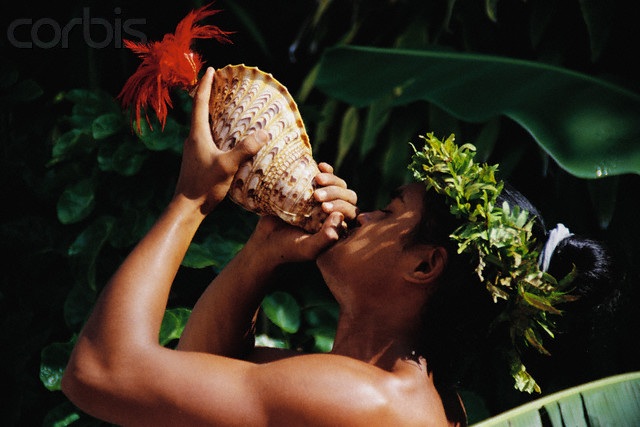
Polynesian Man Blowing Conch Shell

Contact swami_48@yahoo.com

ஒன்றே செய்க! நன்றே செய்க! இன்றே செய்க!

bengali blow

By London swaminathan
Post No.954 Dated 4th April 2014

நம் எல்லோருக்கும் பட்டினத்தார் ஒரு எச்சரிக்கை விடுக்கிறார். அதிக நேரம் உங்கள் கையில் இருப்பதாக நினைத்துக் கொள்ளாதீர்கள். உங்கள் கையில் இருக்கும் நேரம் எல்லாம் மூன்று ஒலிகளுக்குள் அடங்கிவிடும் என்கிறார். மூன்று முறை சங்குகள் ஒலிக்குமாம்; பிறகு நாம் இருக்க மாட்டோமாம். புரியவில்லையா?

நான்கே வரிகளில் அவர் எவ்வளவு அழகாக சொல்லுகிறார் என்று கேளுங்கள்:

முதல் சங்கு அமுதூட்டு மொய்குழலாராசை
நடுச் சங்கு நல் விலங்கு பூட்டும் – கடைச் சங்கம்
ஆம்போது அது ஊதும் அம்மட்டோ விம்மட்டோ
நாம் பூமி வாழ்ந்த நலம்.

சேக்கிழார் அடிப்பொடி டாக்டர் டி. என். ராமச்சந்திரனின் ஆங்கில மொழி பெயர்ப்பைப் படியுங்கள். இன்னும் நன்றாகப் புரியும்:

womanconch

The first of the chanks feeds with milk
The second shackles us with women of dense locks;
The third is sounded to announce our death.
How much, Oh, how much is the weal of worldly life?

முதல் சங்கில் நமக்கு நம் தாய் பால் ஊட்டுவாள். நாம் குழந்தையாக இருந்தபோது “நான் பால் குடிக்க மாட்டேன், போ” என்று அடம் பிடிப்போம். நம் தாய் நமக்கு வேடிக்கை காட்டி நமக்கு அமுதூட்ட அந்த சங்கை வாயில் வைத்து ஊதி ஒலி எழுப்பி இருப்பாள். இது நமக்கு இறைவன் விட்ட முதல் எச்சரிக்கை. ஆங்கிலத்தில் வினா விடை போட்டி நடத்துவோர் ஒவ்வொரு குழுவுக்கும் குறித்தநேரம் கொடுப்பர். விளையாட்டு துவங்கும் போது YOUR TIME STARTS NOW ‘யுவர் டைம் ஸ்டார்ட்ஸ் நவ்’ எனபர். கடிகாரம் ஒவ்வொரு வினடி ‘டிக்,டிக்’ என்று அடிக்கும்போது நம் இருதயம்— நேரம் முடிந்துவிடுமே– என்று ‘டக், டக்’ என்று அடிக்கும். அதுபோல உன் வாழ்நாள் கடிகாரம் இதோ துவங்கிவிட்டது (Your Clock is Ticking) என்று கடவுள் எச்சரிக்கிறார் முதல் சங்கில்!

woman conch
இரண்டாவது சங்கு திருமணத்தில் ஒலிக்கும் சங்கு. அந்தக் காலத்தில் எல்லார் வீட்டு திருமணங்களிலும் சங்கு ஊதி தாலி கட்டுவர். அதாவது அது ஒரு மங்கல வாத்தியம். ஆண்டாள் கூட வாரணம் ஆயிரத்தில் தாம் திருமாலைத் திருமணம் செய்யும் கனவுக் காட்சியை வருணிக்கையில் சங்கு ஊதுவதைக் குறிப்பிடுகிறார்.:—

மத்தளம் கொட்ட, வரி சங்கம் நின்று ஊத,
முத்து உடைத் தாமம் நிரை தாழ்ந்த பந்தல் கீழ்
மைத்துனன் நம்பி மதுசூதன் வந்து என்னைக்
கைத்தலம் பற்றக் கனாக் கண்டே, தோழீ! நான்.
–ஆண்டாள் நாச்சியார் திருமொழி

பட்டினத்தார் என்ன சொல்கிறார்? திருமணத்தன்று நமக்கு விலங்கு பூட்டப்படுகிறது என்பார். பேச்சுத் தமிழிலும் கூட அவன் திமிர் பிடித்த காளை போலத் திரிகிறான். எல்லாம் ‘கால் கட்டு’ போட்டால் சரியாகி விடும் என்று தானே பெரியோர் அங்கலாய்க்கிறார்கள்! சம்ஸ்கிருதத்திலும் இதற்கு சம்சார ‘பந்தம்’ (கட்டு) என்றே பெயர். ஆண்டவன் விடுக்கும் இரண்டாவது எச்சரிக்கை இது!

sadhu shank
மூன்றாவது சங்கு? கடவுளே சொல்லக் கூடாது! அது நம் காதிலேயே விழாது. ஏனெனில் அது நமது இறுதி ஊர்வலச் சங்கு.

ஆகையால், மெய்யன்பர்களே!

ஒன்றே செய்க!
அதுவும் நன்றே செய்க!!
அதுவும் இன்றே செய்க!!!

என்பது இறைவன் விடுத்த செய்தி ஆகும்.

lot women conch

நாளை நாளை எண்ணாதே
நாளை வீணில் போக்காதே
நாளை செய்யும் காரியத்தை
இன்றே நலமாய் முடித்திடலாம்.
நாளை நம்முடைய முறையோ?
நமனுடைய முறையோ? என்று ஒரு தமிழ் கவிஞர் பாடியது நினைவுக்கு வருகிறது.
பொங்கும் மங்களம் எங்கும் தங்குக!!

Contact swami_48@yahoo.com
Hindu_priest conch_

நார்வேயில் ‘சம்பாஷணை முழுவதும் ஸம்ஸ்கிருதத்தில்’

konow_sten
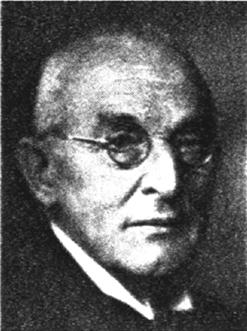
Picture of Norwegian Sanskrit scholar Sten Konow.

Compiled by London Swaminathan
Post No 953 Dated 4th April 2014

Part 4 அரியநாயகிபுரம் ஐயரின் வடதுருவ யாத்திரை………………………….
இந்த நாலாவது பகுதியுடன் இந்தத் தொடர் நிறைவுபெறுகிறது.
தொகுத்தவர் லண்டன் சுவாமிநாதன்

“இங்கிலாந்தில் புகழ்பெற்ற சிறந்த வித்தியாசாலையுள்ள ஆக்ஸ்போர்ட் என்ற நகரத்தைப் பார்க்கப் போயிருந்தேன். அவ்விடமுள ஸம்ஸ்கிருத புஸ்தகசாலை அதிகப் பிரஸித்திபெற்றது ஸமீபத்தில் கூட நேபால் மகாராஜா அவர்கள் சுமார் 6000 ஏட்டுப் பிரதிகளை அப் புஸ்தகசாலைக்குக் கொடுத்திருக்கிறார். இங்குள்ள உயர்தரக் கல்லூரியில்தான் மியாக்ஸ் முலர் என்ற (இப்பொழுது ஸ்வர்கலோகத்தில் வாஸம் செய்கிற) புகழ்பெற்ற ஸம்ஸ்கிருத வித்வான் சுமார் 80 வருஷங்களுக்கு முன் ருக்வேத பாஷ்யம் முதலானவைகளை ஆராய்ந்து வெளியிட்டார். இப்பொழுது அவரது சீடர்கள் பலர் அநேக கலாசாலைகளில் உபாத்யாயர்களாக வாழ்ந்து வருகிறார்கள்.

நார்வேயின் பிரதான நகரமான ஓஸ்லோ போய்ச்சேர்ந்தேன். அவ்விடத்து வித்தியாலய ஸம்ஸ்கிருத பண்டிதர் பிரஸித்தி பெற்றவர். அவர் பெயர் ஸ்டென் கோநோ என வழங்கும். இந்தப் பண்டிதர் மூலமாக மகா மேரு யாத்திரா ஸௌகரியங்கள் கிடைத்தன. அங்கிருந்து புறப்பட ஒரு வாரமாயிற்று. நாள்தோறும் ஸ்டென் கோநோவுடன் வேதாந்த விசாரணை செய்வது வழக்கம். இந்த வித்வானுடைய ஆசாரத்தையும் ஞானத்தையும் நோக்கினால் நம் ரிஷிகளுள் இவரை ஒருவராகக் கொள்ளலாம். என்னை மேருப் பிரதேசத்துக்கு வழியனுப்ப மேற்படி பண்டிதர் தம் சீடர்களுடன், ரயில்வே ஸ்டேஷனுக்கு வந்திருந்தார்; சம்பாஷணை முழுவதும் ஸம்ஸ்கிருதத்திலேயே நடந்தது. எங்கள் சம்பாஷணை முடிகிற வரை ரயில்வே கார்ட் தூரத்திலிருந்து பெருந்தன்மையுடன் கவனித்துக் கொண்டிருந்தார். பிறகு அவர் நம் பண்டிதர் ஸமீபம் வந்து ரயில் வண்டியை விடலாமா வென்று கேட்டார். உடனே பண்டிதர் கடியாரத்தைப் பார்த்து, ஓ! பத்து நிமிஷம் அதிகமாகிவிட்டதே என்றார். அதற்கு கார்ட் துரை, “அதனால் குற்றம் ஒன்றுமில்லை. கீழ்நாட்டு வித்வானை ரயில் வண்டியில் உடகாரவைத்து அவர்கள் அனுமதியைப் பெற்று வாருங்கள். பிறகு நான் வண்டியை ஓடவிடுகிறேன்” என்றார்.

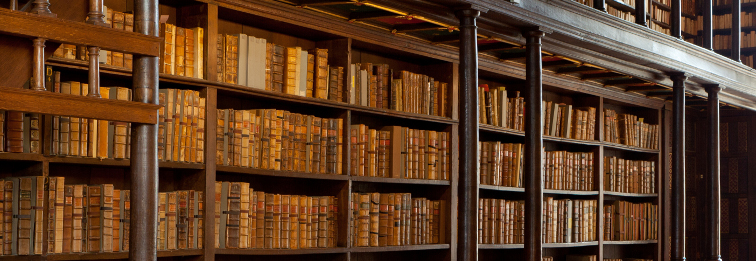
oxford bodleian libraries
Picture of Oxford Bodleian Library

இதை இவ்விடத்தில் தெரிவிக்கும் காரணம் மேல்த் தேசத்தில் ஸம்ஸ்கிருத வித்வான்களுக்குப் பொதுஜன ஆதரவு எவ்வளவு என்பதை விளக்குவதற்காகவே. பிறகு மாணவர் வழியனுப்புப் பாட்டை நார்வே பாஷையிற் பாடி எனக்குத் தம் குருவுடன் வணக்கம் கூறினர். கார்டு துரைக்கு ரயிலை விட அனுமதி கொடுத்தார்கள். நண்பர்களே இவ்விஷயம் இந்தியாவில் நடக்கக்கூடுமாவென்று யோசியுங்கள்.

(இதற்குப் பின் ஐயர் நார்வேஎ நாட்டு நள்ளிரவு சூர்ய தரிசனத்தை வருணிக்கிறார். மகாமேரு யாத்திரை என்ற இரண்டு கட்டுரைகளில் சுருக்கம் ஏற்கனவே வெளியிடப்பட்டது. ஆகையால் புத்தகத்தின் இறுதிப் பகுதியிலிருந்து சில விஷயங்களைக் காண்போம்)

ஐரோப்பா கண்டம் நம் இந்தியாவை விடச் சிறியது; ஆதலால் அடிக்கடி ஒரு நாடு விட்டு அடுத்த நாடு வரும்பொழுது சுங்கச் சாவடியாட்களின் சோதனை நடக்கும். ஏதாவது தவறுதல் நேர்ந்தால் உடனே அந்த யார்த்திரைக்காரனை கீழே இறக்கிவிடுவார்க.ள். சோதனையும் மிகக் கடுமையக இருக்கும். இந்தச் சோதனைத் துன்பம் எனக்குக் கொஞ்சம் கூடவில்லை. ஒரு யோக்கியதா பத்ரம் என்னிடத்தில் உண்டு. அதில் நான் “இந்தியாவில் ஒரு வைதீகப் பிராமணன்; ஆகார நியமம் உள்ளவன்; புகையிலை முதலானவைகளை நிந்திக்கிறவன்’ ஒரு ஆரியன்; வித்வான்; எல்லோராலும் உபசரிக்கத்தக்கவன்” என்று எழுதி இருந்தது; ஒவ்வொரு கஸ்டம்ஸ் ஆபீஸரும் என்னையும் என் தலைப்பாகை சால்வை முதலானவற்றை பார்த்தது,ம், யோக்கியதா பத்ரத்தைப் பார்த்தது,ம், எழுந்திருந்து வந்தனம் சொல்லி வினயத்துடன் போய்விடுவார்கள்.

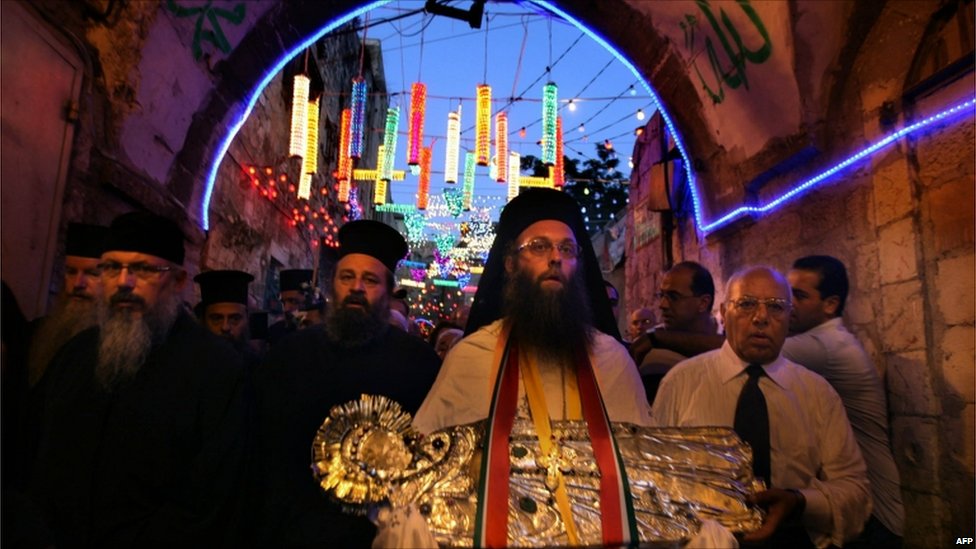
ஜரூஸலத்தில் ஸ்வாமி புறப்பாடு

பக்கம் 73ல் ஜரூஸலம் பற்றி ஐயர் எழுதுவது:

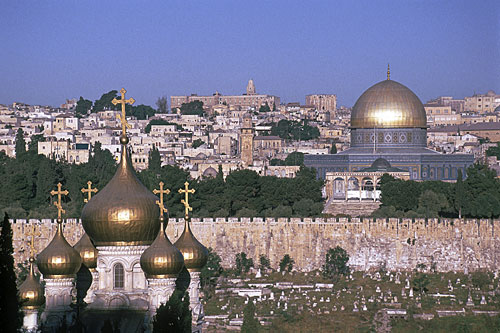
இந்நகரம் ஐந்து மலைகளின் நடுவில் அமைக்கப்பட்டிருக்கிறது. முதல் மலை கிறிஸ்துவை விசாரணை செய்து சிலுவையில் அறைந்த இடமாகும்; இரண்டாவது மலையில் இப்பொழுது யூதர்கள் வித்தியாசாலை ஸ்தாபித்திருகிறார்கள். மூன்றவதில் ஜர்மன் சக்கரவர்த்தி தாம் வந்து இறங்குவதற்காகக் கட்டின அரண்மனையுள்ளது. ஐந்தாவதில் கிறிஸ்துமாதா ஸமாதி இருக்கிறது. இந்துக்கள் ஸ்ரீகாசியிருப்பது போல இந்த இடங்களில் மரணத்தை எதிர்பார்க்கும் கிறிஸ்தவர் பலர் நெடுந்தூரத்திலிருந்து வந்து காத்திருகிறார்கள். ஸ்ரீ கிறிஸ்துவின் ஸமாதி இந்த ஐந்து மலைகளுக்கும் நடிவில் உள்ளது. ஸமாதியின் மேல் ஒரு கண்ணாடிக் கூண்டு அமைக்கப்பட்டிருக்கிறது. அதைச் சுற்றிலும் பெரிய மண்டப முண்டு. ஸமாதிக்கு மின்சார விளக்குகள் போடப்பட்ட்டு அணையா விளக்கொடு பூஜை நடக்கிறது.

greek mary idol
Picture of Mary idol in Jerusalem

கிறிஸ்தவ மத உட்பிரிவுகளில் உள்ள ஏழு மடாதிபதிகள் நாள்தோறும் ஒவ்வொருவராக அவரவர்க்கு நியமிக்கப்பட்ட காலங்களில் வந்து நேரே பூஜை செய்கிறார்கள். ஸ்ரீ சிதம்பரம் முதலான கோவில்களில் எப்படி உத்ஸவ காலங்களில் பூஜைகளும் பாராயணங்களும் அலங்கார முதலானவைகளும் நடக்கின்றனவோ அப்படியே இந்த ஸமாதிக்கு பெருஞ் செலவில் பூஜை நடத்தப்படுகிறது.

நான் அவ்விடம் போனபொழுது ஸமாதியில் சிறந்ததொரு உத்ஸவம் நடந்தது. மாலையில் ஸ்வாமி வீதி புறப்பாடும் உண்டு. சிறந்த தங்கச் சப்பிரத்தில் கிறிஸ்து விக்கிரகமும் மற்றொரு வாகனத்தில் மாதா மேரியின் விக்கிரகமுமிருந்தன. புத்தமத உத்ஸவங்களே இப்படி கிறிஸ்தவ மத உத்ஸவங்களாகப் பரிணமித்தன.

jerusalem-panorama-500
Panoramic View of Jerusalem.

இவ்வளவு ஸம்பத்துக்களை நம் க்ஷேத்திரங்களில் நான் பார்த்தது இல்லை. அளவிற்படாத ஸொத்து……………………………………

நாம் இப்பொழுது உலகில் காணும் ஸொத்தை ஒரு தராசிலும் ரோமாபுரி போப்பின் ஸொத்தை ஒரு தராசிலும் வைத்தால் அநேகமாகப் போப்பின் ஸம்பத்தே அதிகமாக இருக்கலாம்.

(இவை எல்லாம் 1935-ல் எழுதப்பட்டது. ஐயரின் புத்தகம் 1936 ஜனவரியில் விற்பனைக்கு வந்துவிட்டது. 110 பக்கம் உடைய புத்தகம் என்னிடம் உள்ளது. பிற்காலத்தில் ஆராய்ச்சியாளருக்குப் பயன்படலாம்).
முற்றும்.

contact swami_48@yahoo.com
Pictures are used from various sites;they are NOT from aiyer’s book. Thanks.

HYMN OF THE GOLDEN AGE

bharati new

This post is in both English and Tamil. Ten verses of Nammalvar are given below in English and Tamil.

பாரதி – நம்மாழ்வார் – கிருதயுகம்!

கட்டுரை எண் 952 தேதி 3 ஏப்ரல் 2014
தொகுத்து எழுதியர் லண்டன் சுவாமிநாதன்

Dawn of Golden Age

Of the Twelve Great Tamil Vaishnavite saints known as ‘Alvars’, Bharati liked Nammalvar and Andal very much. He has translated some of their hymns way back in 1910s. He was greatly influenced by Nammalvar. Alvar’s revolutionary theme of bringing Golden Age (Krta Yuga) in our own time attracted him very much. He wanted to destroy the Iron Age (Kaliyuga) and its associated evils. He wanted to destroy slavery in all forms and attain freedom. Though Nammalvar meant only spiritual freedom in his hymns, Bharati used it for political freedom as well. When Tsar of Russia was dislodged he hailed it as the dawn of Krta Yuga. In three other songs he praised Krta Yuga and swore that he would establish Krta Yuga on earth. No doubt he brought a Golden Age into Tamil literature through his inimitable poetic style. As long as his poems exist there is every possibility of establishing a real Golden Age in India.

பாரதியாருக்கு மிகவும் பிடித்த ஆழ்வார் நம்மாழ்வார். கலியுகத்தைக் கொன்று கிருத யுகத்தை மீண்டும் இப்பூவுலகில் கொண்டுவருவேன் என்று ஆழ்வார் பாடியது, பாரதியை மிகவும் கவர்ந்தது. பாரதி புரட்சிக் கவியன்றோ. ஆகவே தனது கண் முன்பே ஒரு யுகப் புரட்சியை உண்டாக்க வேண்டும் என்று அவர் விரும்பியதில் வியப்பொன்றும் இல்லை. கிருத யுகத்தைக் கொண்டுவந்தே தீருவேன் என்ற இக்கருத்து பாரதியாரின் பாடல்களில் பல இடங்களில் பரிணாம வளர்ச்சி பெற்றுள்ளது. ஆயினும் அவரால் கிருதயுகத்தைக் கொண்டு வர முடிந்ததா? என்ற கேள்வி நமக்குள்ளே எழத்தான் செய்யும். ஆம், அவர் கிருத யுகத்தைக் கொண்டு வந்தார் என்றே நான் உறுதிபடச் சொல்லுவேன். தமிழ் மொழி என்னும் உலகத்தில் அவர் ஒரு கிருத யுகம் படைத்துவிட்டார்! அவருக்கு முன் இருந்த காலத்துக்கு ஒவ்வாத கவிதை நடைகளை விலக்கி விட்டு, கவிதை உலகில் ஒரு கிருத யுகத்தைப் படைத்து விட்டார்! அவருடைய பாடல்கள் எதிர் காலத்தில் உண்மையான கிருத யுகத்தைப் படைக்கும் ஆற்றல் பெற்றவை என்பதிலும் இருவேறு கருதுக்கு இடமே இல்லை.

nammalvar

அவர் பாடல்களில் பரிணமிக்கும் கிருதயுகம்: இதோ சில வரிகள்:

பாடல் 1
“மொய்க்கும் கலியை நான் கொன்று
பூலோகத்தார் கண்முன்னே,
மெய்க்கும் கிருத யுகத்தினையே
கொணர்வேன், தெய்வ விஃதியிதே”
பாடல் 2
கிருத யுகத்தினைக் கொணரும் சக்தி இந்து மதத்துக்கு உண்டு என்று ‘ஹிந்து மதாபிமானத்தார் சங்கத்தார்’– என்ற பாடலில் சொல்கிறார்:–

மக்கள் எல்லாம் கவலை என்னும்
ஒரு நரகக் குழியதனில் வீழ்ந்து தவித்து
அழிகின்றார் ஓய்விலாமே
இத்தகைய துயர் நீக்கிக் கிருதயுகத்
தனை உலகில் இசைக்கவல்ல
புத்தமுதாம் ஹிந்துமதப் பெருமைதனைப்
பார் அறியப் புகட்டும் வண்ணம்…………
பாடல் 3

புதிய ருஷியா என்ற கவிதையில் ஜார் சக்கரவர்த்தியின் வீழ்ச்சியில் மகிழ்ச்சி பொங்கப் பாடுகிறார் பாரதி:–
“இடி பட்ட சுவர் போலக் கலி விழுந்தான்
கிருத யுகம் எழுக மாதோ!”
பாடல் 4

சொல் என்ற கவிதையில்
“வலிமை வலிமை என்று பாடுவோம் – என்றும்
வாழும் சுடர்க்குலத்தை நாடுவோம்;
கலியைப் பிளந்திடக்கை யோங்கினோம் – நெஞ்சில்
கவலை இருள் அனைத்தும் நீங்கினோம்” – என்று பாடுகிறார்.

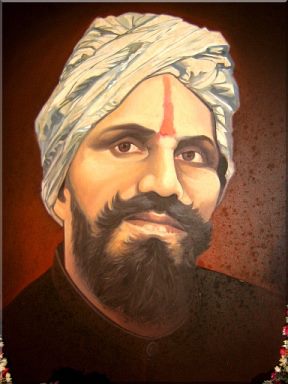
நம்மாழ்வார் பாடல்களை பாரதியார் மொழிபெயர்த்தது, நமக்கு மேலும் சில உண்மைகளையும் காட்டுகிறது. பாரதியாருக்கு ஆங்கில மொழியில் இருந்த நல்ல புலமையும் அதில் எழுதும் துடிப்பு அவருக்கு இருந்ததும் இதில் தெரிகிறது. 1917ஆம் ஆண்டில் எழுதியது இது. நிறைய விஷயங்களை அவர் ஆங்கில மொழியில் எழுதியுள்ளார். ஆனால் அவரது தமிழ் கவிதைகள் என்னும் சூரிய ஒளிக்கு முன்பாக அவரது ஆங்கிலப் படைப்புகள் மங்கிவிட்டன.

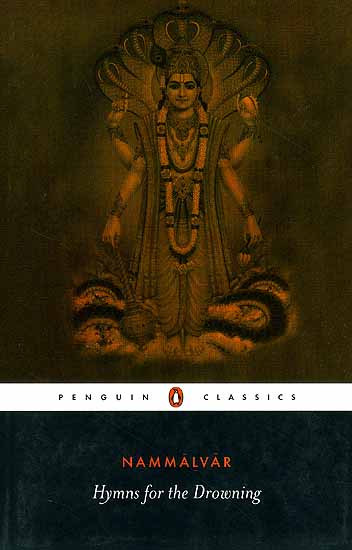
இன்னோரு உண்மை ;’பிற நாட்டு நால்லறிஞர் சாத்திரங்களை மொழி பெயர்க்கவேண்டும்’ என்றும் நம்முடைய நூல்களை ஆங்கிலத்தில் மொழி பெயர்க்க வேண்டும் என்றும் பாடியும் எழுதியும் வந்தார். அவரே அதற்கு முன்னுதாரணமாகத் திகழ்ந்ததை நம்மாழ்வார் பாடல் மொழி பெயர்ப்புகள், ரவீந்திரநாத் தாகூரின் பாடல் மொழி பெயர்ப்புகள் காட்டுகின்றன. பன்னிரு ஆழ்வார்களில், அவர் ஆண்டாள், நம்மாழ்வார் ஆகியோரின் பல பாடல்களை மொழி பெயர்த்தார். அதில் பத்துப் பாடல்களை மட்டும் காண்போம்.
ramanujan_nammalvar-hymns
HYMN OF THE GOLDEN AGE
From Nammalvar’s Tiruvaymoli, (August, 1917, Arya)

நம்மாழ்வாரின் திருவாய்மொழி
பொலிக; பொலிக; பொலிக !
போயிற்று வல்லுயிர்ச் சாபம்;
நலியும் நரகமும் நைந்த;
நமனுக்கு இங்கு யாதும் ஒன்றும் இல்லை;
கலியும் கெடும்; கண்டு கொண்மின்;
கடல்வண்ணன் பூதங்கள் மண்மேல்
மலியப் புகுந்து, இசைபாடி,
ஆடி, உழிதரக் கண்டோம்.
1)’Tis glory, glory, glory! For Life’s hard curse has expired; swept out are Pain and Hell, and Death has nought to do here. Mark ye, the Iron Age shall end for we have seen hosts of Vishnu; richly do they enter in and chant His praise and dance and thrive.

கண்டோம், கண்டோம், கண்டோம்;
கண்ணுக்கு இனியன கண்டோம்;
தொண்டீர்; எல்லீரும் வாரீர்;
தொழுது தொழுது நின்று ஆர்த்தும்;
வண்டு ஆர்த் தண்ணந் துழாயான்
மாதவன் பூதங்கள் மண்மேல்
பண்தான் பாடி நின்று, ஆடி,
பரந்து திரிகின்றனவே.
2)We have seen, we have seen, we have seen, …… seen things full sweet in our eyes, come, ye all lovers of God, let us shout and dance for joy with oft-made surrendering. Wide do they roam on earth singing songs and dancing, the hosts of Krishna who wears the cool and beautiful Tulsi, the desire of the bees.

திரியும் கலியுகம் நீங்கி,
தேவர்கள் தாமும் புகுந்து
பெரிய கிருதயுகம் பற்றி,
பேரின்ப வெள்ளம் பெருக,
கரிய முகில் வண்ணன், எம்மான்,
கடல்வண்ணன் பூதங்கள் மண்மேல்
இரியப் புகுந்து, இசை பாடி
எங்கும் இடம் கொண்டனவே.
3)The Iron Age shall change. It shall fade, it shall pass away. The gods shall be in our midst. The mighty Golden Age shall hold the earth and the flood of the highest Bliss shall swell. For the hosts of dark hued Lord , dark hued like the cloud, dark hued like the sea, widely they enter in, singing songs and every where they have seized on their stations.

இடம்கொள் சமயத்தை எல்லாம்
எடுத்துக் களைவன போலே,
தடம் கடல்-பள்ளிப் பெருமான்
தன்னுடைய பூதங்களேயாய்,
கிடந்தும், இருந்தும், எழுந்தும்,
கீதம் பலபலப் பாடி,
நடந்தும், பறந்தும், குனித்தும்,
நாடகம் செய்கின்றனவே.
4)The hosts of our Lord who reclines on the sea of Vastness, behold them thronging hither. Me seems they will tear up all these weeds of grasping cults. And varied songs do they sing, our Lord’s own hosts, as they dance, falling, sitting, standing, marching, leaping, bending.

செய்கின்றது என் கண்ணுக்கு ஒன்றே
ஒக்கின்றது – இவ்வுலகத்து
வைகுந்தன் பூதங்களேயாய்,
மாயத்தினால் எங்கும் மன்னி;
ஐயம் ஒன்று இல்லை; அரக்கர்
அசுரர் பிறந்தீர் உள்ளீரேல்
உய்யும் வகை இல்லை, தொண்டீர்!
ஊழி பெயர்த்திடும் கொன்றே.
5)And many are the wondrous sights that strike mine eyes. And if by magic Vishnu’s hosts have come in firmly placed themselves everywhere. Nor doubt it, ye fiends and demons, if such be born in our midst, take heed! Ye shall never escape. For the spirit of Time will slay and fling you away.
nammalvar__makers_

கொன்று உயிர் உண்ணும் விசாதி,
பகை, பசி, தீயன எல்லாம்
நின்று இவ்வுலகில் கடிவான்,
நேமிப்பிரான் போந்தார்;
நன்று இசை பாடியும், துள்ளி
ஆடியும் ஞாலம் பரந்தார்;
சென்று, தொழுது, உய்மின்; தொண்டீர்!
சிந்தையைச் செந்நிறுத்தியே.
6)These hosts of the Lord of the Discus, they are here to free this earth of the devourers of Life, Disease and Hunger, vengeful Hate and all other things of evil. And sweet are their Songs, as they leap and dance, extending wide over earth, go forth, ye lovers of God, and meet these hosts divine; with right minds serve them and be saved.

நிறுத்தி நும் உள்ளத்துக் கொள்ளும்
தெய்வங்கள் உம்மை உய்யக் கொள்
மறுத்தும் அவனோடே கண்டீர்;
மார்க்கண்டேயனும் கரியே;
கறுத்த மனம் ஒன்றும் வேண்டா;
கண்ணன் அல்லால், தெய்வம் இல்லை;
இறுப்பது எல்லாம் அவன் மூர்த்தி –
யாயவர்க்கே இறுமினே.
7)The Gods that ye fix in your minds, in His name do they grant you deliverance. Even thus to immortality did the sage Markanda attain. Let none be offended, but there is no other god but Krishna. And let all your sacrifices be to them who are but his forms.

இறுக்கும் இறை இறுத்து, உண்ண,
எல் உலகுக்கும் தன் மூர்த்தி
நிறுத்தினான் தெய்வங்கள் ஆக;
அத் தெய்வ நாயகன் — தானே;
மறுத் திரு மார்வன் அவன் – தன்
பூதங்கள் கீதங்கள் பாடி
வெறுப்பு இன்றி, ஞாலத்து மிக்கார்;
மேவித் தொழுது, உய்ம்மின் நீரே.
8)His forms he has placed in the various worlds as Gods to receive and taste the offerings due. He, our divine sovereign, on whose mole-marked bosom the Goddess Lakshmi rests – his hosts are singing sweetly and deign to increase on earth. O men, approach them, serve and live.

மேவித் தொழுது உய்ம்மின் நீர்கள்;
வேதப் புனித இருக்கை
நாவில் கொண்டு, அச்சுதன்—தன்னை
ஞானவிதி பிழையாமே
பூவில் புகையும் விளக்கும்
சாந்தமும் நீரும் மலிந்து,
மேவித் தொழும் அடியாரும்
பகவரும் மிக்கது உலகே.
9)Go forth and live by serving our Lord, the deathless one. With your tongues chant ye the hymns, the sacred Riks of the Veda, nor err in the laws of wisdom. Oh, rich has become this earth in the blessed ones and the faithful who serve them with flowers and incense and sandal and water.

மிக்க உலகுகள் தோறும்
மேவி, கண்ணன் திருமூர்த்தி
நக்க பிரானோடு அயனும்
இந்திரனும் முதலாகத்
தொக்க அமரர் குழாங்கள்
எங்கும் பரந்தன; தொண்டீர்;
ஒக்கத் தொழ கிற்றிராகில்,
கலியுகம் ஒன்றும் இல்லையே.
10) In all these rising worlds they have thronged and wide they spread, those beauteous forms of Krishna – the unclad Rudra is there, Indra, Brahma, all. The Iron Age shall cease to be – do ye but unite and serve these.
நம்மாழ்வார் திருவாய்மொழி

Please read the related articles posted already in this blog:

Post No.915 ‘Nammalvar by Bharatiyar’ (posted on 18-3-14)

Contact swami_48@yahoo.com

அபாய நோயிலிருந்து பிரபஞ்ச ஆற்றலால் மீண்டவர்!

jill bolte

By S Nagarajan
Post No 951 Date 3rd April 2014

ச.நாகராஜன்

புத்தர் தரும் போதம்

புத்தரின் அருமையான போதனைகளைப் போதிக்கும் தம்ம பதத்தின் முதல் ஸ்லோகமே பெரும் உண்மையை விளக்கும் ஒன்று: “நமது எண்ணங்களின் அடிப்படையிலேயே அவற்றின் மொத்த விளைவாக நாம் வார்க்கப்பட்டு உருவாக்கப்படுகிறோம். யாருடைய மனத்தில் சுயநல எண்ணங்கள் உருவாகின்றனவோ அவர்கள் பேசும் போதும் செயலாற்றும் போதும் துன்பத்தையே விளைவிக்கிறார்கள்.எருதுகள் இழுத்துச் செல்லும் வண்டிகளின் சக்கரங்கள் அந்த எருதையே பின்பற்றுவது போல துன்பங்கள் அவர்களைப் பின் தொடர்கின்றன.”

யோக வாசிஷ்டம் தனது ஆயிரக்கணக்கான ஸ்லோகங்களில் இதையே விரிவாகக் கதைகள் மற்றும் உவமான உவமேயங்கள் மூலம் அழகுற விளக்குகிறது.இதை நவீன காலத்தில் விளக்கும் ஒரு அதிசய விஞ்ஞானி Jill Bolte Taylor ஜில் போல்ட் டெய்லர்!

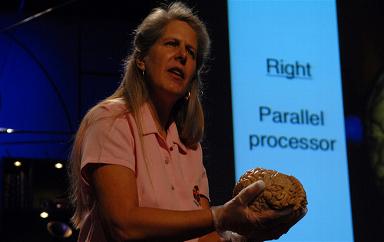
மூளையியல் விஞ்ஞானி ஜில் போல்ட் டெய்லர்

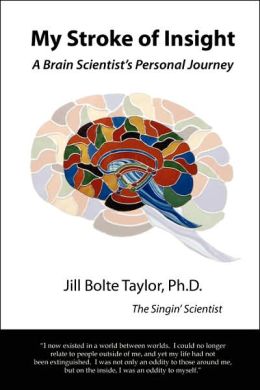
உலகையே பரபரப்புள்ளாக்கி விற்பனையில் சாதனையைப் படைத்து வரும் ‘மை ஸ்ட்ரோக் ஆஃப் இன்சைட்’ My Stroke of Insight என்ற புத்தகம் ஜில் போல்ட் டெய்லர் (Jill Bolte Taylor) என்ற பெண்மணியின் அற்புத அனுபவத்தால் எழுதப்பட்ட ஒன்று.

1996ஆம் ஆண்டு டிசம்பர் 10ஆம் தேதியன்று படுக்கையில் எழுந்திருந்த டெய்லர் தான் பக்கவாதத்தால் பாதிக்கப்பட்டிருப்பதை அறிந்து திகைத்தார். அப்போது அவருக்கு வயது 37 தான். இடது பக்க மூளையில் ஒரு ரத்த நாளம் வெடித்ததால் வந்த நோய் அது. அவரோ பிரபலமான மூளையியல் விஞ்ஞானி. ஹார்வர்டில் படித்தவர். அவரால் தனக்கு வந்த நோயை நம்பவே முடியவில்லை. மூன்று வாரங்கள் கழித்து டிசம்பர் 27ஆம் தேதி அவருக்கு மூளையில் ஆபரேஷன் செய்யப்பட்டது. கோல்ப் பந்து அளவு இருந்த ஒரு கட்டி அவரது இடது பக்க மூளையை அழுத்தவே அவரால் பேச முடியவில்லை. அந்தக் கட்டியை அறுவைச் சிகிச்சையின் மூலம் அகற்றினார்கள்.

அவரால் படிக்க முடியவில்லை. எழுத முடியவில்லை. பேச முடியவில்லை. எதையும் நினைவில் கொண்டு வர முடியவில்லை. ஆனால் மூளை இயக்கத்தை நன்கு அறிந்த விஞ்ஞானியான அவர் தனது நோயுடன் வெற்றிகரமாகப் போராடி வெல்ல நிச்சயித்தார். இடது பக்க மூளை தர்க்க ரீதியாக சிந்தித்து அனைத்தையும் ஒழுங்குபடுத்தி வகைப்படுத்தி விளக்கி நன்கு மதிப்பிட்டு செயலாற்றுகையில் வலது பக்கமோ உள்ளுணர்வின் அடிப்படையில் நம்மை செயலாக்க வைக்கிறது. டெய்லர் இரண்டு பக்கங்களையும் சரியான விதத்தில் செயலாற்ற தனது உடல் மனம் ஆன்மா இந்த மூன்றையும் பயிற்றுவித்தார். வலது பக்க மூளையின் மூலம் உள்ளுணர்வு ஆற்றலை வளர்த்தார்.

My Stroke of Insight

பிரபஞ்ச ஆற்றலுடன் ஒருங்கிணைவதே வெற்றிக்கு வழி

“நானே ஆற்றல் மயம். என்னைச் சுற்றியுள்ள பெரும் ஆற்றலுடன் என்னை பிரக்ஞை மூலமாகவும் வலது பக்க மூளையினால் இணைத்துக் கொள்ள ஆரம்பித்தேன்” என்று பின்னால் அவர் விளக்கினார். இந்த பகுதியின் மூலம் உள்ளுக்குள் அமைதியைக் கொண்டு வர முடியும் என்பதை தேர்ந்த மூளை விஞ்ஞானியான அவர் எளிதில் உணர்ந்து கொண்டார். பிரபஞ்சத்தின் ஒரு கூறான நாம் அதனுடன் ஒன்றும் போது எல்லையற்ற ஆற்றல் நம்மை வந்தடைவதை அவர் அனுபவத்தால் உணர்ந்து கொண்டார்.

எட்டு வருட காலம் போராட்டம் தொடர்ந்தது. டெய்லர் விடவில்லை.இறுதியில் முழு ஆற்றலுடன் அவர் நோயிலிருந்து மீண்டார். தனது அனுபவங்களின் அடிப்படையில் அருமையான தனது ‘மை ஸ்ட்ரோக் ஆஃப் இன்சைட்’ என்ற புத்தகத்தை எழுதினார். அத்தோடு பக்கவாதம் மற்றும் இதர மன நோய்களினால் பாதிக்கப்பட்டோரிடம் எப்படி நடந்து கொண்டால் அவர்கள் எளிதில் மீள முடியும் என்பதை அறிவியல் அடிப்படையில் விளக்க ஆரம்பித்தார்.அவரது புத்தகம் 2008ஆம் ஆண்டின் நியூயார்க் பெஸ்ட் செல்லராக ஆனது.

ஓப்ரா வின்ஃப்ரே அவரைத் தனது பிரபலமான ஷோ நிகழ்ச்சிக்கு அழைத்தார். அவர் தனது அனுபவங்களை அதில் சொல்ல லட்சக்கணக்கானோர் பார்த்தனர். பலர் உருகி அழுதனர்.

brain

அமைதி சர்க்யூட் உருவாக வழி

யோகம் தியானம் மூலமாக உள்ளத்தில் ஒரு அமைதி சர்க்யூட்டை உருவாக்க முடியும் என்பது தான் அவர் தரும் சாரமான யோசனை!

இதையே தான் ஸ்வர யோகம் என்று நமது யோகிகள் கூறி வலது பக்க நாசியின் மூலமாகவும் இடது பக்க நாசியின் மூலமாகவும் இடது மற்றும் வலது பக்க மூளை பாகங்களைச் செம்மைப் படுத்த முடியும் என்பதை விளக்கினர். பிராணாயாமம் இதற்காகவே அமைக்கப்பட்டது. வலது பக்க மூளை சர்க்யூட் அமைதியை ஏற்படுத்தும் போது அது பிரபஞ்ச மனத்துடன் இணைந்து அனைத்தையும் அறிய வைக்கிறது. எண்வகை சித்திகளைத் தருகிறது.உலகில் சாந்தியை உருவாக்குகிறது.

நல்ல எண்ணங்களை வளர்க்கும் போது நல்லவராக வளர்கிறோம். அதன் உச்ச கட்டத்தில் ஞானியாக ஆகிறோம்.

இதை யோகிகள் சொல்வது ஒரு புறம் இருந்தாலும் ஒரு மூளையியல் விஞ்ஞானி பெரும் நோயால் எட்டு வருடங்கள் அவதிப்பட்டு அதிலிருந்து மீண்டு வந்து அறிவியல் அடிப்படையில் சொல்லும் போது நமது யோகத்தின் வலிமையை உணர்ந்து அதிசயிக்கிறோம்!

சில நிமிட யோகப் பயிற்சி நம்மையும் மேம்படுத்தும்; உலகையும் வளமாக்கும் என்பது பொய்யல்ல; மெய்! விஞ்ஞானி தனது அனுபவத்தில் விளக்கும் மெய்யோ மெய்!!

(ஆன்மீக மாத இதழான ஞான ஆலயம் ஜுன் 2013 இதழில் பிரசுரிக்கப்பட்ட கட்டுரை.)

This article was written by my brother S Nagarajan of Bangalore for Tamil magazine Jnana Alyam. Contact swami_48@yahoo.com
********************

Cucumber in the Rig Veda!

CUCUMBERFRUIT

By London Swaminathan
Post No. 950 Date 2nd April 2014.

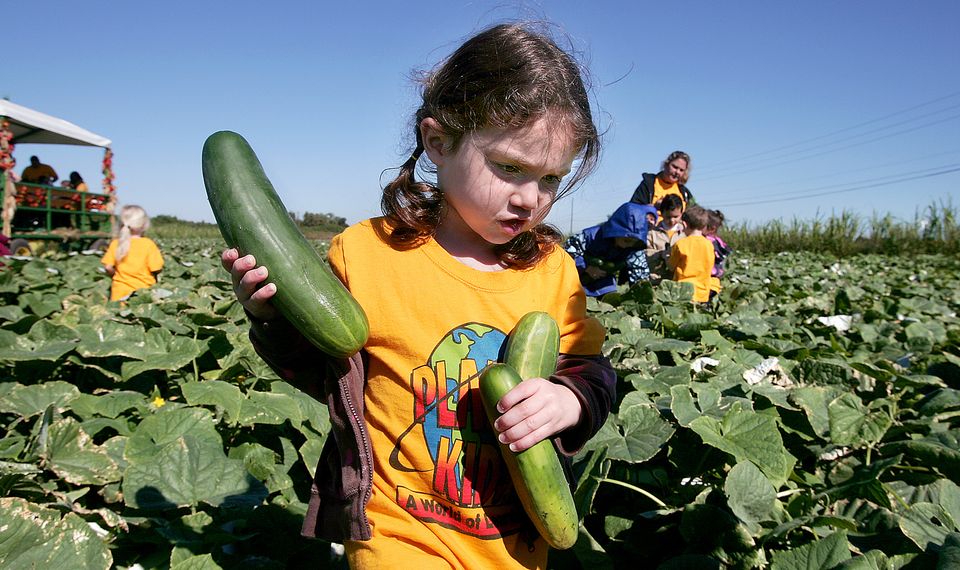
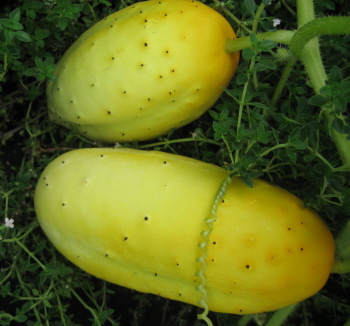
Ancient Hindu saints loved nature. Hindu saints always used nature to illustrate great truths. They lived a simple life surrounded by beautiful flowering plants, lofty mountains, crystal clear running water and singing birds. Their life was as pure as gold. They composed lot of hymns with very positive thoughts to uplift the mankind. The hymns are universal; common to every human being irrespective of their faiths. The beauty lied in the apt similes they used in their hymns called ‘Mantras’ and’ Slokas’. One such mantra known as — MAHA MRUTYUNJAYA MANTRA–is in the oldest religious literature of the world, the Rig Veda. But the same mantra is in the Rudram-Chamakam hymn of the Yajur Veda as well. Since this Rudram is used every day in the temples and at homes of orthodox Hindus, the Mrutyunjaya mantra was popularised through Rudram.
golden cucumber

Sri Rudram has two parts ‘Namakam’ and ‘Chamakam’. Mrutyun Jaya Mantra comes in the Namakam. The most famous mantra NAMASIVAYA comes in the same Rudram for the first time in the Vedas. Following this Namasivaya, comes this short and sweet Maha Mrutyun Jaya Mantra. The meaning is Great Death Conquering Mantra.

(Maha means Great, Mrutyu means death. English words linked to death such as ‘mortal’ came from this root. Jaya means win, conquer. Mantra is a spell, a hymn or a prayer to god).

Hindus believe that mantras are ‘not composed’ but given by god. The seers ‘hear’ it as we hear certain radio stations when we fine tune to particular frequencies. When the Vedic seers fine tuned their minds after a great penance they ‘heard’ the mantras and passed on to us by word of mouth for thousands of years. So the Vedas are called Sruti = That which is ‘heard’. The seer or Rishi for this mantra is Markandeya.

blonde_cucumber2

Mrutyun Jaya Mantra is very short. It runs as follows:

(Om) Trayamabakam Yajaamahe Sugandhim Pushtivardhanam
Urvaarukamiva Bhandhanaan Mrtyoor Mukshiiya Mamrutaat

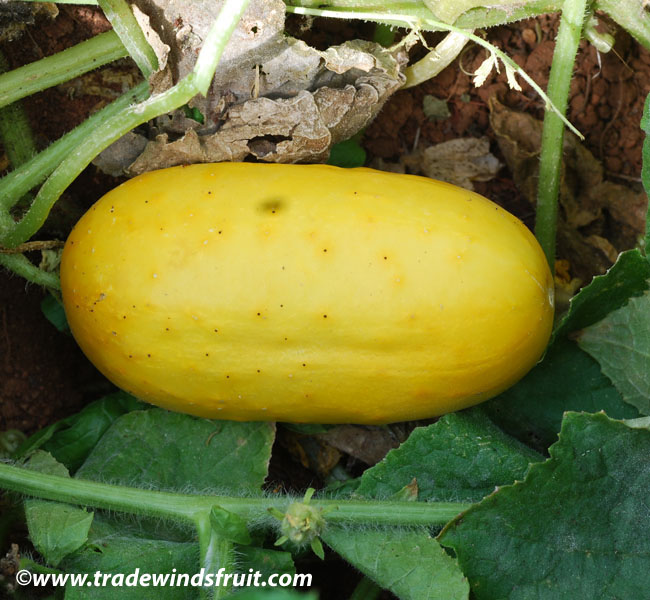
The meaning is very simple: We worship the Three Eyed Lord, who is fragrant, who nourishes all living beings. As the ripe cucumber is freed from its bondage (attachment to the plant), May He liberate us from death and give us immortality.

Key Words: Trayambakam= Three Eyed; Sugandhim= Fragrant; Pushtivardhanam= Nourishing; Urvaaruka = Cucumber Fruit; Maa Amrtaat = Give us immortality.

child cucumber
Why did Markandeya Rishi use Cucumber Fruit simile?

Most of the fruits are hanging in the upper part of a tree or a shrub. When it is ripe it falls due to the gravity of the earth. We know the impact of a falling fruit. It creates shock on the earth and if a coconut falls on our heads, it gives us ‘Kapala Moksha! (Straight death). But the beauty of Cucumber plant is, when the fruit is ripe, the stem loosens itself and detach without any impact or fuss! So we pray to god such a smooth detachment when our final minute comes. In the case of other fruits, the fruit is displaced; either it falls to the ground from the top or thrown away. In the case of a cucumber, the fruit never moves even an inch. It stays put.

Cucumber fruit stands for a full life as well. When a ninety or hundred year old person dies in the house, the relatives don’t cry. They know it is the law of nature. Whoever is born must die, but when a person dies after living a full life, we say ‘Good Bye and RIP’ to the departed soul. Cucumber fruit stands for such a ripe old person. Moreover, the way the fruit detaches itself from its stem stands for a peaceful detachment/death. Such a peaceful detachment will release one from the cycle of birth and death. So the prayer is to get released from the bondage of life and death smoothly, as smooth as like the cucumber fruit – stem detachment. The last few words clearly say give me Amrta = sweet nectar of immortality. Amrita in Vedic literature stands for immortality. Every spiritual aspirant knows the famous prayer from the Brihad Aranyaka (Big Forest) Upanishad “ Lead me from the unreal to the Real; Lead me from darkness to Light; Lead me from death to Immortality (Mrtyor Ma Amrtam Gamaya).

golden cucumber2

In the modern documentaries on Nature we see how a flower blooms or a how a pod ripens in slow motion. We enjoy the marvel at nature. In the olden days there was neither powerful camera nor slow motion display. But yet our ancient seers watched the cucumber detaching from its plant and feeling happiness in slow motion through their third eye or keen observation. The simile the seer chose for this occasion is very apt.

Mrutyunjaya is considered a panacea for all diseases by the Hindus. When they want to get rid of the fear of death they recite it. When they smear Vibhuti on their foreheads and at the start of a journey they recite it just to avoid untimely death. When they want to lengthen the life span of a person they recite it hundreds of times. They even do Homas (Fire Ceremonies) with this mantra. They give water or Vibhuti (holy ash) after reciting this mantra a number of times to ward off diseases. One can easily memorise it and say whenever one feels low or scared.

(Kanchi Paramacharya has dealt with this simile very briefly in in his Madras discourses between 1957 and 1959 )

blonde_cucumber

References to Cucumber in the Vedic Literature:

‘URVAARU’ (Cucumber plant or Cucumber or its fruit)
AV 6-14-2 (Plant)
RV 7-59-12; 14-1-17 (FRUIT)
MAITRAYANI SAMHITA 1-10-4
TAITTIRIYA SAMHITA 1-8-6-2
VAJASANEYI SAMHITA 3-60
PANCHAVIMSA BRAHMANA 9-2-19

swami_48@yahoo.com

வேதத்தில் வெள்ளரிக்காய் !

fruit cucumber

By London Swaminathan
Post No. 949 Date 2nd April 2014.

வெற்றி எட்டு திக்கும் எட்ட கொட்டு முரசே !
வேதம் என்றும் வாழ்க என்று கொட்டு முரசே !!
நெற்றி ஒற்றைக் கண்ணனோடு நிர்த்தனம் செய்தாள்!
நித்த சக்தி வாழ்க என்று கொட்டு முரசே !!
–மஹா கவி பாரதி.

இந்துக்கள் இயற்கையை நேசிக்கும் அன்பர்கள். இயற்கையில் கடவுளைக் கண்டுபிடித்தவர்கள். இயற்கை மூலம் கடவுளைக் காட்டியவர்கள். இன்று எல்லோரும் புறச் சூழல் பாதுகாப்பு என்று பெரிய கூக்குரல் எழுப்புவதற்கு முன் ‘எறும்பு முதல் யானை வரை’ எல்லாவற்றுக்கும் இறை அந்தஸ்து வழங்கினவர்கள், ஒரு ஊருக்கு ‘திரு ஆனைக் கா’ என்று பெயரிட்டு பக்தி இலக்கியத்தில் யானைக்கு அழியாத இடம் கொடுத்தனர். அதன் பக்கத்திலேயே ‘திரு எறும்பூர்’ என்று மற்றொரு ஊரில் எறும்புக்கு மதிப்பு கொடுத்தனர். வேதத்தில்—உபநிஷதத்தில்– ஆலமரவிதை, பசுமாட்டின் வாலில் உள்ள முடி, உப்பு முதலியவற்றின் மூலம் கடவுள் பற்றி பாடம் நடத்தியதைப் படிக்கிறோம். இதே போல வெள்ளரிப் பழம் மூலம் ஒரு பெரிய உண்மையைக் கற்பிக்கிறது யஜூர்வேதம்.

CUCUMBERFRUIT

வேதங்கள் நான்கு : ரிக், யஜூர், சாமம், அதர்வணம் என்று. இவைகளில் சைவர்களின் தாரக மந்திரமான நமசிவாய என்னும் மந்திரம் யஜூர்வேதத்தில் வருகிறது. யஜூர் வேதத்தில் ருத்ரம் சமகம் என்ற பகுதியில் ருத்ரத்தின் நடுவில் அமைந்துள்ளது நமசிவாய மந்திரம். அதற்குச் சற்றுப் பின்னால் சிவனின் பெருமையைக் கூறுகையில் ‘ம்ருத்யுஞ் ஜய மந்திரம்’ என்று போற்றப் படும் ஒரு சிறிய மந்திரம் வருகிறது. ரிக் வேதத்திலும் இந்த மந்திரம் இருக்கிறது (7-59-12). இதை நமக்குக் கொடையாக வழங்கியவர் மார்க்கண்டேய மகரிஷி.. ‘ம்ருத்யு’ என்றால் மரணம் (இறப்பு)—.அதை ஜயிக்கக்கூடிய மந்திரம் என்பதால்—-மரணத்தை வெல்லும் இம் மந்திரத்துக்கு ‘‘மஹா மிருத்யுஞ் ஜய மந்திரம்’’ என்று பெயர். இதில்தான் வெள்ளரிப் பழம் வருகிறது. இதோ அந்த மந்திரம்:–

ஓம் த்ரயம்பகம் யஜாமஹே ஸுகந்திம் புஷ்டிவர்த்தனம்
உர்வாருகமிவ பந்தனான் ம்ருத்யோர் முக்ஷீய மாம்ருதாத்

ஸுகந்திம் = இயற்கையான நறுமணம் உடையவரும்
புஷ்டிவர்த்தனம் = கருணையால் அடியார்களை ஊட்டி வளர்ப்பவரும் ஆகிய
த்ரயம்பகம் = முக்கண்ணனை
யஜாமஹே = பூஜித்து வழிபடுகிறோம்.
உர்வாருகம் இவ = வெள்ளரிப் பழம் காம்பிலிருந்து விடுபடுவது போல
ம்ருத்யோ: = சாவினுடைய
பந்தனாத் = பிடியிலிருந்து
முக்ஷீய = உமது அருளால் விடு படுவோமாக!
மா அம்ருதாத் = முக்தி வழியில் இருந்து விலகாமல் இருப்போமாக!

golden cucumber

ஸ்ரீ ருத்ரம் (நமகம்-சமகம்) மந்திரத்தை– கவிதாமணி, உபய பாஷா ப்ரவீண, செந்தமிழ் கவிதைச் செம்மல் அ.வெ.ர. கிருஷ்ணசாமி ரெட்டியார் அழகிய தமிழில் மொழிபெயர்த்து வெளியிட்டுள்ளார். அதில் இந்த மந்திரப் பகுதியின் தமிழ் வடிவத்தை மட்டும் பார்ப்போம்:-

இயற்கை நறுமணம் உடைய தேவரே
ஈடில்லாக் கருணையால் அடியாரை வாழ்விக்கும்
வியத்தகு முக்கண் உடைய எம்பெரும
வினயமாய்ப் போற்றி அஞ்சலி செய்தோம்
வெள்ளரிப் பழம் காம்பினின்று விடுவதொப்ப
மேவிய உமதருளால் மரணத்திலிருந்து விடுபடவும்
தெள்ளிய சன்மார்க்க நெறியில் இருந்து யாம்
திசை மாறாதென்றும் வாழ்ந்திடுவோமாக

வேதம் படித்த சைவர்கள், விபூதி பூசும் போது இந்த மந்திரத்தைச் சொல்லிகொண்டே விபூதி இட்டுக் கொள்வார்கள். யாருக்காவது, ஆயுள் அதிகரிக்கவோ, மரண பயம் நீங்கவோ, நோய்கள் நீங்கவோ வேண்டுமானால் மிருத்யுஞ் ஜய ஹோமமும் நடத்துவது வழக்கம். இந்தச் சிறிய மந்திரத்தை அனைவரும் சொல்லலாம். முதலில் வெள்ளரிப் பழத்தை ஏன் இதில் சொன்னார்கள் என்று காண்போம்.

child cucumber

மற்ற பழங்கள் பழுத்தவுடன் அது கீழே விழும். பழம் விழுந்தால் அது தரும் அதிர்ச்சியை நாம் அறிவோம். கீழே விழுந்தாலும் சரி ஒருவரின் தலையில் விழுந்தாலும் சரி, அதில் பக்க விளைவுகள் உண்டு. ஆனால் வெள்ளரிப்பழம் மட்டும் பழுத்தவுடன் பழம் இருந்த இடத்திலேயே இருக்கும். ஒரு அங்குலம் கூட நகராது, அதன் காம்பு மட்டும் தனது தொடர்பை அழகாகத் துண்டித்துக் கொள்ளும். பழுத்த பழத்துக்கு அவ்வளவு மரியாதை. காம்பே ஒரு ‘கும்பிடு போட்டு விட்டு’ சற்றே விலகிவிடும்.

இன்று டிஸ்கவரி (Discovery Channel) சேன்னலில் இயற்கை பற்றிய டாகுமெண்டரிகளை பார்க்கையில் பூ மலர்வதையும் ,காய் வெடிப்பதையும் ‘ஸ்லோ மோஷனில்’ (Slow Motion) பார்த்து வியக்கிறோம். அந்தக் காலத்தில் பெரிய சக்திவாய்ந்த கேமராக்களும் இல்லை. அதை ‘’ஸ்லோ மோஷ’’னில் போட்டுப்பார்க்கும் வசதிகளும் இல்லை. ஆனால் நமது ரிஷிகள் தன் ஞானக் கண்களால் அதை கண்டார்களா அல்லது ஊனக் கண்களை வைத்து உன்னிப்பாகப் பார்த்தார்களா என்று சொல்லமுடியாது. நல்ல ஒரு கவிதை உவமையை நமக்குத் தந்துவிட்டார்கள்.

வெள்ளரிப் பழ உவமையின் பொருத்தத்தையும் காண்போம். வீட்டில் 80, 90 வயதுப் பாட்டி, பாட்டனார் இறந்தால் அதைக் ‘கல்யாணச் சாவு’ என்று சொல்லுவர். பெரிய வருத்தம் இருக்காது. ஏனெனில் பிறந்தவர் எல்லாம் இறப்பதை எல்லோரும் அறிவர். அது இயற்கை நியதி. ஏன் நமக்கு வருத்தம் வரவில்லை? அவர்கள் நிறைந்த வாழ்வு வாழ்ந்து பேரன், பேத்தி, கொள்ளுப் பேரன்களைப் பார்த்தாகிவிட்டது. அதாவது முழு வெள்ளரிப்பழம் போல ஆகிவிட்டனர். இனியும் அது இருந்தால் பழமே தன்னால் பிளவுபட்டு வெடித்துவிடும். காம்பே விலகியது போல அதிர்ச்சி இல்லாத, மிருதுவான, அழகான முறையில் மரணம் சம்பவித்தால் இறந்தவருக்கும் கஷ்டம் இல்லை, அவர்களுடைய உறவினர்களுக்கும் வருத்தம் இல்லை. அதாவது பந்தங்களை அதிரடிப் போகில் தூக்கி எறியாமல், நம்மைப் பிடித்த பந்தங்கள்—கட்டுகள்—தளைகள் — விலங்குகள் – தானாக, ‘ஸ்மூத்’தாக, விலகுவதையே வெள்ளைப்பழ உவமை காட்டுகிறது.

blonde_cucumber

ஆகையாலதான் இந்த உவமை; வெள்ளரிப் பழம் காம்பில் இருந்து விடுபடுவதுபோல சாவில் இருந்து விடுபடுவோமாக. ஞானம், பழுத்த நிலையில் மரணம் சம்பவித்தால் நேரடி மோட்சம் தானே. மற்ற மரணங்களைப் போல பல ‘’மண்டகப் படிகள்’’(Stop overs) கிடையாது. இது நேரடி விமான சர்வீஸ். நடுவில் ஸ்டாப் ஓவர் (stop over) கிடையாது.– டைரக்ட் Fலைட் Direct Flight— ஆகையால் வெள்ளரி போல பழுத்த நிலையில் இறப்போம்—அது போல பந்தங்கள் கஷ்டமின்றி பிரியட்டும்—பிரிந்த பின்பு மீண்டும் பிறப்பின்றி மரணமிலாப் பெருவாழ்வு வாழ்வோம்– என்பதே இந்த மந்திரத்தின் பொருள் என்று ஆன்றோர் விளக்குவர்.

(காஞ்சி பரமாசார்ய சுவாமிகள் 1957-59 ஆம் ஆண்டுகளில் சென்னையில் நடத்திய உபந்யாசம் ஒன்றில் வெள்ளரிப் பழ விஷயத்தை சுருக்கமாகத் தொட்டுக் காட்டினார். அதை அடிப்படையாக வைத்து எழுதப்பட்டது இக்கட்டுரை).

Contact swami_48@yahoo.com
Salt Doll Stories explain Brahman

Sri_Ramakrishna

By London Swaminathan
Post No 948 Date 1st April 2014.

Salt Doll Stories & Chemistry Experiments explain ‘Satyam, Janam, Anantam Brahma’

Brahman is the word used for God in the Upanishads. Sri Sathya Sai Baba popularised the Taittiriya Upanishad line ‘Satyam Jnanam Anantam Brahma’ through his sweet and beautiful Bhajan song, meaning God is Truth, God is Knowledge and God is Infinite. Though great philosopher saints Shankara , Ramanuja and Madhwa elaborated on this line, experiencing Brahman is explained the best in the short and crisp stories of Sri Ramakrishna Paramahamsa.

Earlier, the Vedic seers explained great doctrines through simple experiments like we do it today in the chemistry labs of schools and colleges. Many chemical salts are used in the laboratory for qualitative and quantitative analysis experiments. Vedic seers asked young students to bring a handful of salt and asked them to put it in a glass of water. Then questions were asked to find where the salt had gone and how it disappeared, did the water taste differently in various parts of the cup etc. Through this simple experiment seers explained the nature and qualities of God. They used the tiny seeds of the Banyan tree as well. Tamil saints and Siddhas (enlightened souls) also used the same salt doll similes in their verses. Earliest reference comes from a 2000 year old Tamil book called Kalitokai.

best ice use it

Ramakrishna’s Stories

Story 1
A salt doll went to measure the depth of the ocean. It wanted to tell others how deep the water was. But this it could never do, for no sooner did it get into the water than it melted. Now, who was there to report the ocean’s depth?
What Brahman is cannot be described in Samadhi one attains the knowledge of Brahman – one realises Brahman. In that state reasoning stops altogether, and man becomes mute. He has no power to describe the nature of Brahman.

Story 2
Once four friends, in the course of a walk, saw a place enclosed by a wall. The wall was very high. They all became eager to know what was inside. One of them climbed to the top of the wall. What he saw on looking inside made him speechless with wonder. He only cried Ah! Ah! And dropped in. he could not give any information about what he saw. The others too climbed the wall, uttered the same cry,’ Ah! Ah!’ and jumped in. now who could tell what was inside!
What Brahman is cannot be described. Even he who knows it cannot talk about it.

scaling wall

Story 3
The husband of a young girl has come to his father in law’s house and seated in the drawing-room with other young men of his age. The girl and her friends are looking at them through the window. Her friends do not know her husband and ask her pointing to one young man, “Is that your husband? “No”, she answers, smiling. They point to another young man and ask if he is her husband. Again she answers, “No”. They repeat the question referring to a third, and she gives the same answer. At last they point to her husband ask, “Is he the one?” She says neither yes nor no, but only smiles and keep quiet. Her friends realize that he is her husband.

One becomes silent on realising the true nature of Brahman.

There is a proverb in Tamil, “Those who have seen never talk; those who talk have never seen (the God)” (Kandavar Vindilar; Vindavar Kandilar).

ice-sculpture-350

A Siddha by name Sivavakkiyar uses the simile of mixing water with salt to establish the truth that Lord Vishnu and Lord Shiva are one and the same. Once the water is mixed with the salt it becomes unseparable. Shiva and Vishnu are one.

Another Tamil saint Tirumular says in Tirumanthiram that the dumb are trying to describe that which cannot be described.

The following Upanishad line is translated in Tamil verses by several Tamil saints in several of their verses:

Yato vacho nivartante aprapya manasa saha (Whence all speech turn back with the mind, not reaching It). Taittiriya Upanishad

Mozikkum winaivukkum ettatha nin tirumurtham (Abirami Andhati) in Tamil.

ocean

Contact swami_48@yahoo.com

கண்டவர் விண்டிலர்! விண்டவர் கண்டிலர்!!

Sri_Ramakrishna

சம்ஸ்கிருத, தமிழ் மொழி உப்பு பொம்மை கதைகள்

எழுதியவர்: லண்டன் சுவாமிநாதன்
கட்டுரை எண்:947 தேதி ஏப்ரல் 1, 2014.

கல்லூரியில் ‘கெமிஸ்ட்ரீ’ படிக்கும் மாணவர்களுக்கு இரசாயன (வேதியியல்) பரிசோதனைக் கூடத்தில் உப்பு பரிசோதனைகள் நிறைய வரும். இந்தப் பரிசோதனை களைத் துவக்கிவத்தவர்கள் உபநிஷத ரிஷிகள். பெரிய கருத்துக்களை சின்னக் குழந்தைகளுக்குச் சொல்லித் தருவது போல உபநிஷதங்கள் கற்பிக்கின்றன. ஒரு மாணவனை ஒரு கைப்பிடி உப்பைக் கொண்டுவரச் சொன்னார் ஒரு ரிஷி. அவனையே விட்டு ஒரு கோப்பை நீரில் போடச் சொன்னார். அது கரைந்த பின்னர் உப்பு எங்கே போனது என்று கேள்வி கேட்டு, உப்பு நீரை சுவைக்கச் சொல்லி இன்னும் சில கேள்விகளைக் கேட்டுவிட்டு பிரம்மம் பற்றிப் பாடம் நடத்துகிறார். பிற்காலத்தில் எல்லோரும் இந்த உவமைகளைப் பயன்படுத்தத் துவங்கினர்.

இதே கருத்தைச் சொல்லும் ஒரு சித்தர் பாடல்:

நாழி உப்பும் நாழி அப்பும்/ என்ற பாடலை “சிவவாக்கியருடன் 60 வினாடி பேட்டி” என்ற தலைப்பில் ஏற்கனவே கொடுத்துள்ளேன்:

நாழி அப்பும் நாழி உப்பும் நாழியான வாறு போல்
ஆழியோனும் ஈசனும் அமர்ந்து வாழ்ந்திருந்த இடம்
ஏறில் ஆறு ஈசனும் இயங்கு சக்ரதரனையும்
வேறு கூறு பேசுவோர் வீழ்வர் வீண் நரகிலே.

அரியும் சிவனும் ஒன்னு, அறியாதவன் வாயிலே மண்ணு என்னும் கிராமியப் பழமொழியை விளக்க உப்பு- நீர் உவமையைப் பயன்படுத்துகிறார் சிவவாக்கியர் என்னும் சித்தர். உப்பு – எல்லோருக்கும் தெரிந்த சொல். அப்பு என்றால் தண்ணீர் என்று பொருள்.

கடவுளைப் பார்த்த எவரும் அவரை வருணிக்க முடியாது. அவ்வளவு மகிமை நிறைந்தவர். வருணனைகளுக்கு அப்பாற்பட்டவர். கண்டவர் விண்டிலர்.

யாராவது ஒருவன் கடவுளின் ரூப லாவண்யங்களை வருணித்து கடவுள் இப்படித்தான் இருப்பான் என்று சொன்னால் அவன் கடவுளைப் பார்த்ததே இல்லை என்று பொருள். அதவது விண்டவர் கண்டிலர். இதற்கு ராமகிருஷ்ண பரமஹம்சர் சில கதைகளைச் சொல்கிறார். அதே விஷயங்களை சித்தர்களும் தமிழ் அடியார்களும் சொல்லுகின்றனர். சங்கத் தமிழ் இலக்கியத்திலும் இந்த உவமை இருக்கிறது!!

ஒரு நாமம் ஓருருவம் ஒன்றுமிலார்க்கு ஆயிரம் திருநாமம் பாடி நாம் தெள்ளேனம் கொட்டாமோ—என்று மாணிக்கவாசகர் பாடினார்.

best ice use it

நான்கு சுவையான கதைகள்

ராமகிருஷ்ண பரமஹம்சர் சொன்ன கதைகள் மிகவும் பிரபலமானவை; எல்லோரும் கேட்டிருப்பார்கள் ஆகவே சுருக்கமாகப் பார்த்துவிட்டுத் தமிழ் அடியார்களின் பாடல்களைக் காண்போம்.

கதை 1:– ஒரு உப்பு பொம்மை கடலின் ஆழத்தைக் காண வேண்டும் என்று ஆசைப்பட்டது. அது மட்டும் அல்ல. அதை எல்லோருக்கும் சொல்லவேண்டும் என்றும் திட்டம் தீட்டியது. உடனே கடல் நீரில் குதித்தது. அதற்கு மிகவும் சந்தோஷம். வாழ்நாள் முழுதும் எதை எண்ணியதோ அது நடந்துவிட்டது! ஆனால் சில அடி ஆழம் போவதற்குள் உப்பு எல்லாம் கரைந்து கடலுடன் ஐக்கியமாகிவிட்டது. அதே போலத்தான் பிரம்மன் பற்றிய அறிவும். கடவுளுக்கு நெருக்கமானவர்கள் சமாதியில் செல்லும் போது பிரம்மம் பற்றி ஞானம் வருகிறது. அதில் மூழ்கியவர்கள் வெளியே வருவதில்லை. பிரம்மத்துடன் ஐக்கியமாகிவிடுகிறார்கள்.

கதை 2: புதிதாக கல்யாணம் ஆன ஒரு பையன் மாமனார் வீட்டுக்கு நண்பர்களுடன் போனான். ஹாலில் (கூடத்தில்) உட்கார்ந்தான். அவனுடைய மனைவியின் தோழிகள் புது மாப்பிள்ளையைப் பார்க்கக் கூடிவிட்டனர். கட்டுக்கடங்காத ஆர்வம்! எல்லோரும் ஜன்னல் வழியாகப் பார்த்து, ஒவ்வொரு பையனையாக காட்டி ‘இவன்தான் உன் புருஷனா?’ என்று கேட்கின்றனர். ஒவ்வொரு பையனைக் காட்டி தோழிகள் கேள்வி கேட்கும் போதெல்லாம், புன்னகை செய்தவாறே ‘அவன் இல்லை’, ‘அவன் இல்லை’ என்று சொல்லிக்கொண்டே இருந்தாள். அவளுடைய உண்மையான கணவனைக் காட்டி இவன் தானா உன் புருஷன்? என்ற போது அவள் முகம் மலர்ந்தது. ஆனால் ‘இல்லை’ என்ற பதிலோ ‘ஆமாம்’ என்ற பதிலோ வரவேயில்லை. தோழிகளுக்குப் புரிந்துவிட்டது. பிரம்மமனைக் கண்டவர் நிலையும் இதே. அவர்கள் பேரானந்தத்தில் மூழ்கி மவுனம் ஆகிவிடுவர்.

ice-sculpture-350

கதை 3:- ஒரு மனிதனுக்கு இரண்டு பையன்கள் இருந்தனர். இரண்டு மகன்களையும் குருகுலத்தில் சேர்த்தார். பல ஆண்டுகளுக்குப் பின்னர் இருவரும் வீடு திரும்பினர். மூத்தவனைப் பார்த்து பிரம்மத்தின் இயல்புகள் என்ன? என்று கேள்வி கேட்டார். உடனே அவன் பல செய்யுள்களை ஒப்புவித்து, தனது மேதா விலாசத்தைக் காட்டினான். நீ பிரம்மத்தை அறியவே இல்லை என்று தந்தை சொல்லிவிட்டார். இரண்டாவது மகனை அதே கேள்வி கேட்டார். அவன் கீழ் நோக்கிய பார்வையுடன் மவுன நிலைக்குப் போய்விட்டான். தந்தைக்குப் புரிந்துவிட்டது; அவனுக்கு பிரம்ம ஞானம் எற்பட்டு விட்டது என்று.

கதை 4: நான்கு நண்பர்கள் ஒரு பெரிய சுவரால் சூழப்பட்ட ஒரு உயரமான கட்டிடத்தைப் பார்த்தனர். உள்ளே என்ன இருக்கிறது என்பதை அறிய நால்வருக்கும் ஒரே ஆசை. முதல் ஆள் உயர ஏறிப் போய் எட்டிப் பார்த்தான். ஆ! ஆ! ஆ! என்று குரல் மட்டுமே வந்தது. உள்ளே குதித்து விட்டான். இரண்டாவது, மூன்றாவது, நாலாவது ஆள் ஒவ்வொருவனாகப் போனார்கள். அவர்களுக்கும் இதே கதிதான். பிரம்மத்தை அறிந்தவர்கள் வெளியே வரவும் மாட்டார்கள், பிரம்மத்தினது குண இயல்புகளை வருணிக்கவும் மாட்டார்கள். வருணிக்கவும் முடியாது. ஆனந்தக் கடலில் நீந்தத் துவங்கிவிடுவார்கள்.

scaling wall

இந்த நாலு எடுத்துக் காட்டுகள் மூலம் ராமகிருஷ்ண பரமஹம்சர் பிரம்மஞானிகளின் இயல்பை விளக்குகிறார். ஆனால் ஒரு சில ஞானியர் மட்டும், மனித குல நன்மைக்காக மிகவும் ஆர்வத்தைக் கட்டுப்படுத்திக் கொண்டு நம்மிடையே திரும்பி ஓடிவருகிறார்கள்.

“கண்டேன், கண்டேன் கண்டேன்!! கண்ணுக்கினியன கண்டேன், தொண்டீர் எல்லோரும் வாரீர்”– என்று ஆனந்தக் கூத்தாடி நம்மை எல்லாம் உய்விக்க முயற்சி செய்கிறார்கள். “சேரவாரும் ஜெகத்தீரே”– என்று நம்மிடம் கெஞ்சுகின்றனர். அப்படியும் நாம் போகாவிட்டால் “கடைவிரித்தேன் கொள்வரில்லையே”— என்று வருத்தப் படுகிறார்கள்.

திருமூலரின் திருமந்திரம் காட்டும் உண்மை:

உரையற்றது ஒன்றை உரை செய்யும் ஊமர்காள்
கரையற்றது ஒன்றைக் கரைகாணல் ஆகுமோ
திரையற்ற நீர்போல் சிந்தை தெளிவார்க்குப்
புரையற்றிருந்தான் புரிசடையோனே (2915)

பொருள்; கடவுளை வருணிக்க முடியாது. கரை காண முடியாத கடல் போல அவன் எங்கும் நிறந்தவன். அவனைச் சொல்லுக்குள் அடக்க முயன்றவர்கள் எல்லாம் திணறிப் போய் ஊமையர் போல நிற்கின்றனர். கண்டவர் விண்டிலர். விண்டவர் கண்டிலர். ஆனால் தெளிந்த மனது உடையோருக்கு அவன் எளிதில் புரிபடுவான்.

.பகவத் கீதையில் பெருங் கடலை, சமுத்திரத்தை ‘’ஆபூர்யமாணம், அசலப் ப்ரதிஷ்டம்’’= எங்கும் நிறைந்தது, நிலைகுலையாதது என்று கிருஷ்ணன் கூறுவான் (2-70). ஆர்பரித்துத் துள்ளி ஓடும் பெரிய, பெரிய நதிகள் எல்லாம் கடலுக்குள் இறங்கியவுடன் சப்தம் ஒடுங்கி தன் நாமம் இழந்துவிடும். இது போல ஆசைகள் எல்லாம் ஒருவனுக்குள் ஒடுங்கவேண்டும். பின்னர் இறைவனைக் காண முடியும்.என்று விளக்க வந்த உவமை இது.

ocean

அப்பினில் உப்பென அத்தன் அணைந்திட்டுச்
செப்பு பராபரஞ் சேர்பரமும் விட்டுக்
கப்புறு சொற்பத மாளக் கலந்தமை
எப்படி அப்படி என்னும் அவ்வாறே (திருமந்திரம்,2905)

பொருள்: தண்ணீரில் உப்பைப் போட்டால் எப்படி இரண்டறக் கலக்கிறதோ அது போல இறைவன் பக்தனுள் இணைந்துவிடுவான் அல்லது பக்தன், இறைவனுக்குள் ஒடுங்கிவிடுவான். பராபரம்= இறைவன், பரம்=பக்தன். பேருயிர் என்னும் இறைவனில் நம் ஆருயிர் இணைந்துவிடும் அத்வைத நிலை. அத்வைதம்= இரண்டில்லை, ஒன்றே.

longexposurewaves-7

கலித்தொகையில் உப்பு பொம்மை

சங்கத் தமிழ் நூல்களில் ஒன்று கலித்தொகை. அதில் கடற்கரையில் உப்பினால் செய்யப்படும் பாவை உறைந்து நெகிழ்ந்து விடுவதுபோலத் தன் உயிர் உகுந்துவிடும் என்று தலைவன் கூறுகிறான்:

நிறை அழி காம நோய் நீந்தி, அறை உற்ற
உப்பியல் பாவை உறையுற்றது போல
உக்குவிடும் என் உயிர் —(கலி 138/16-17)

பொருள்: காம நோய் என்னும் கடலில் நீந்தும் உப்பு பொம்மை கரைவது போல நான் கரைந்து மறைந்து விடுவேன். இந்தப் பாடல் நல்லந்துவனார் பாடிய நெய்தற்கலியில் வருகிறது. ராமகிருஷ்ண பரமஹம்சர் சொன்ன அதே கதைதான். ஆனால் பிரம்ம ஞானக் கடலுக்குப் பதில் காமக்கடல் பற்றி நல்லந்துவனார் பாடுகிறார்.

சின்ன உவமை, பெரிய உண்மைகளைப் புகட்டுகின்றன. உபநிடதங்களில் ஆலமர விதை, மனிதனின் கேசம் (முடி) ஆகியவற்றை மேலும் மேலும் சின்னதாகப் பிரித்துக் கொண்டே போகும் உவமைகள் மூலம் நமக்கு விளங்க வைக்கின்றனர். படித்து இன்புறுக.

Contact swami_48@yahoo.com
Agni in the Oldest Tamil Book ‘Tolkappiam’

durga from indonesia

Durga from Java, Indonesia in US museum

By London Swaminathan
Post no.946 Dated 31st March 2014.

The oldest Tamil book available today is Tolkappiam, a grammatical treatise. It is dated around first century BC. It has got clear references to Vedic Gods Indra and Varuna along with Vishnu, Skanda and Durga. They have the Tamil names Venthan, Varunan, Mayon, Seyon and Kotravai respectively. But the reference to Agni is not that clear. Tolkappiar mentioned three deities Kodinilai, Kanthazi and Valli in one of his Sutras in the third chapter ( Porul Adhikaram—Purath thinai Iyal).

According to the oldest commentator Ilampuranar, Kodinilai is the Sun, Kanthazi is Fire (Agni) and Valli is the Moon. It is mentioned in his rule/Sutra on the prayer. Anyone will readily agree with him given the mention of the Vedic gods Indra and Varuna by Tolkappiam. But the strangest thing about these words Kodinilay and Kanthazi is that they are not found anywhere in the Sangam Tamil literature. Another strange thing about this book is that it never mentioned about Lord Shiva. Foreigners who wrote about the Indus Valley civilisations wrote that Dravidians worshipped Lord Shiva. But the oldest book never mentioned it. Sangam Tamil literature has many references to Shiva without using the word ‘’Shiva’’. His attributes as we in the Yajur Veda such as Trinetra, Neelakanda etc, are there in the Sangam Tamil literature.

three_fires_1

Brahmin’s Three Fires: Kanchi Paramacharya’s Talk

Another interesting reference to Fire God is in another Tamil book. It is about the Three Fires that are found in Brahmin’s house. But this is from Sangam Tamil literature, not from Tolkappiam. I will give it in the words of Kanchi Paramacharya Swamiji (1894—1994):–

“In a Tamil work as ancient as the Purananuru, there is a reference to God with his long matted hair chanting the Vedas all the time, the Vedas with the six limbs (Sadanga). I read this in an article recently. The following appears in another Purananuru passage: The rulers of three Tamil Kingdoms – Cera, Cola and Pandya – were always at war. But on one occasion the three were seen together as friends in the same place. The old lady Avvai saw the three kings together and was immensely delighted. She wished to compare the scene to something worthy. And how did she express her idea? “The three of you”, she said, “seen together remind me of the three sacred fires in a Brahmin’s household, garhapatyagini, ahavaniyagni and dakshinagni.”
Even after the Sangam period, the Tamil rulers continued to give away gifts of lads free of tax to Brahmins. They promoted scriptural learning by establishing Vedic schools throughout the land.
(Tamil version of this article carries all the original references).

ajanta Cave14_DurgaSamhara
Durga in Ajanta Cave

‘No Basis for Aryan –Dravidian Race theory’

Kanchi Paramacharya said,

“Researchers in modern times propagate the view that the Vedas came to the south from the north, that the south had another religion and religious texts. This view of theirs, along with the theory that Northerners are Aryans and the Southerners are Dravidians, had created a conflict among the people. But if you truly examine Sanskrit and ancient Tamil texts you will find no basis for such a view or for the race theory. The researchers say that one should not be deceived by placing blind faith in the Shastras. But, in the end, what obtains today? Many people have come to accept the view of these researchers without examining it properly; merely because the research scholars concerned claim that their view is ‘rational; and ‘scientific’.

In the Vedas and Shastras there are indeed matters that have to be accepted in faith. But there are also scriptural aspects that can be examined rationally. If we inquire into such texts together with the ancient works in Tamil we will realise that the race theory is baseless. The fact that there was such a thing as Tamil religion will also be seen to be unfounded. It is a matter for regret that wrong notions have arisen with regards to subjects of great value, along with lack of faith in the Shastras. All these must go and the Vedic culture flourishes again, a culture that brings good to all the worlds and all the creatures. This is the prayer we must always make to the Lord”.

Kanchi Paramacharya’s Talk as in pages 741 and 745/6 of Hindhu Dharma, Bharatiya Vidya Bhavan, Mumbai. Year of Publication 2000.

Durga in Dulmi (Jharkhand)
Durga in Dulmi,Jharkand.

Please read my earlier posts:
No Brahmins ! No Tamil ! (posted on 12/1/2012)
Tolkappian- A Genius ( posted on 12/9/2012)
Indra in the Oldest Tamil Book
Varua In the Oldest Tamil Book
Three Tamil Sangams: Myth or Reality
Contact swami_48@yahoo.com