திருவிளையாடல் புராணம் உண்மையே!

tv sirpam2

Part 1 of Thiru Vilaiyadal Puranam by s. swaminathan

எழுதியவர் : லண்டன் சுவாமிநாதன்
கட்டுரை எண் 855 தேதி 21 February 2014

பெரும்பற்றப்புலியூரார் (13 ஆம் நூற்றாண்டு) என்ற கவிஞரும் அவருக்குப்பின் வந்த பரஞ்சோதி முனிவர் (17 ஆம் நூற்றாண்டு) என்ற கவிஞரும் இரண்டு திருவிளையாடல் புராணங்களை எழுதினர். இவைகளை ஹாலாஸ்ய மஹாத்மியம் என்றும் சிவ லீலா வர்ணம் என்றும் சம்ஸ்கிருதத்தில் வேறு இரு வடமொழிக் கவிஞர்கள் மொழிபெயர்த்தனர். இது மதுரையில் சிவபெருமான் நடத்திய 64 லீலைகளை புரணக் கதை ரூபத்தில் வருணிக்கின்றன. இதில் பல பாண்டிய மன்னர்களின் பெயர்கள் வருகின்றன. அவை எல்லாம் வடமொழிப் பெயர்களாக இருப்பதாலும் அந்தப் பெயர்களில் கல்வெட்டுகள் கிடைக்காததாலும் இது உண்மை வரலாறா? கட்டுக கதையா? என்று ஐயப்பாடு நிலவி வந்தது. ஆனால் இது உண்மை வரலாறு என்பதற்கு இலக்கியச் சான்றுகள் இருக்கின்றன.

பாண்டியர் செப்பேடுகளிலும் சிலப்பதிகாரம், கல்லாடம் போன்ற நூல்களிலும் திருவிளையாடல் நிகழ்ச்சிகள் (குறிப்பிட்ட மன்னர்களின் பெயர்கள் இல்லாமல்) குரிப்பிடப்படுவதால் இவை 1500 ஆண்டுகளுக்கு முன்னரே பிரபலமாகிவிட்டதை அறிய முடிகிறது.

மதுரைக்கு வந்த திரு ஞான சம்பந்தர் பல அற்புதங்களைப் புரிந்து கூன் பாண்டியனை நின்ற சீர் நெடுமாறனாக்கியது தேவாரப் பாடல்களாலும் உறுதி செய்யப்படுகிறது. மதுரையிலும் மதுரையைச் சுற்றிலும் ஊர்ப்பெயர்கள் திருவிளையாடல் நிகழ்ச்சிகளை அடிப்படையாகக் கொண்டவை. இவையெல்லாம் பொய்க் கதைகளால் உருவாக முடியாது. அப்படி உருவானாலும் காலத்தைக் கடந்து நிற்கமுடியாது. எல்லாவற்றுக்கும் மேலாக தமிழன் செய்த தவப் பயன் அப்பர் பாடிய தேவாரப் பாடல்களாகும். தருமி, பொற்கிழி வாங்கிய வரலாறும், நரியைப் பரியாக்கிய வரலாறும் அப்பரின் தேவாரப் பாடல்களில் வருகிறது.
tv sirpam3

Picture of Tiruvilayadal from Madurai Sri Meenakshi Temple.

திருவிளையாடல் புராணமென்ற திரைப்படம் சிவாஜி கணேசனின் சிறந்த நடிப்பால் பெரிய வெற்றி அடைந்தது. அதிலுள்ள அருமையான வசனங்களும் ஏ.பி நாகராஜனின் டைரக்சனும் மேலும் மெருகூட்டின. இதிலுள்ள கதைகளுக்கு மதுரையில் ஏராளமான ஆதாரங்கள் உள்ளன. அன்னக் குழி மண்டபம், மேங்காட்டுப் பொட்டல் (மெய் காட்டிய), கால் மாறிய நடராஜர் உள்ள வெள்ளியம்பலம், புட்டுத் தோப்பு — இப்படி அடுக்கிக் கொண்டே போகலாம். இந்தக் கட்டுரையாளர் 30 ஆண்டுகளுக்கும் மேலாக மதுரையில் வசித்ததால் ஆண்டு முழுதும் நடக்கும் திருவிளையாடல் திருவிழாக்களை நேரில் கண்டு ரசித்ததுண்டு.

வளையல் விற்ற திருநாளன்று வளையல் கொடுப்பார்கள். புட்டுத் திருவிழா அன்று புட்டு கிடைக்கும். நரியைப் பரியாக்கிய திருநாளன்று உண்மையான நரியைக் கொண்டுவருவார்கள். அதைப் பார்க்க கூட்டமாகச் செல்வோம். திக்கு விஜயம் அன்று மீனாட்சியும் சிவனும் நான்கு திக்குக்கும் பல்லக்கில் ஓட்டம் ஓட்டமாகச் செல்வார்கள். பல்லக்குகள் பின்னால் நாங்களும் ஓடுவோம். இவை எல்லாம் இப்பொழுது கொஞ்சம் கொஞ்சமாகக் குறைந்து கொண்டும் மாறிக் கொண்டும் வருகின்றன. கால வெள்ளத்தை யாரால் தடுக்க முடியும்?

ther sirpangkal from potramarai

Wooden sculptures from the chariot (Ther); from Potramarai book.

இந்தப் புராணத்தில் கூறப்படும் பாண்டிய மன்னர்கள் உண்மையிலேயே மதுரையை அரசாண்டார்கள் என்றால் அது எந்தக் காலத்தில் என்ற கேள்வியும் எழுகிறது. இரண்டு திருவிளையாடல் புராணங்களுக்கும் சிறிது வேறுபாடு இருந்தாலும் பரஞ்சோதி முனிவரின் புராணமே மிகவும் பிரபலமானது. அதிலுள்ள நிகழ்ச்சிகளின் வரிசையும் மன்னர்களின் வரிசையும் உண்மையா என்று தெரியாது. ஆயினும் அதில் வரும் மாடக் கூடல், தாமரை வடிவில் அமைந்த நகரின் நடுவில் கோவில் இருந்தது ஆகிய செய்திகள் கலித்தொகை, பரிபாடல் ஆகிய சங்க இலக்கிய நூல்களில் இருக்கின்றன.

மதுரையுடன் தமிழ் மொழிக்குள்ள தொடர்பும் ஐம்பது சங்கப் புலவர்களால் தெரிய வருகிறது. மேலும் ஒன்பதாம் நூற்றாண்டு நூலான கல்லாடத்தில் 30க்கும் மேலான லீலைகள் வருகின்றன. இந்த லீலைகள் சார சமுச்சயம் என்ற வடமொழி நூலைத் தழுவி எழுதப்பட்டது. ஆக இவை அனைத்தும் கட்டாயம் ஒன்பதாம் நூற்றாண்டுக்கு முன்னர் நடந்தது தெரிகிறது. மேலும் களப்பிரர் ஆட்சிக்குப்பின் வந்த பாண்டிய மன்னர்களின் வரலாறு ஆறாம் நூற்றாண்டில் இருந்து வரிசையாக கல்வெட்டு, செப்பேட்டு ஆதாரங்களுடன் கிடைத்துவிட்டதால் அதற்கு முன் தான் இவை நடந்திருக்க முடியும்.

மீனாட்சி ஆட்சி எப்போது நடந்தது?

மீனாட்சி பற்றிய மறைமுகக் குறிப்பு கிரேக்க தூதரான மெகஸ்தனீஸ் (கி.மு. 330-290) எழுதிய இண்டிகா என்ற நூலில் இருந்து கிடைக்கிறது. பண்டேயா என்ற தெற்கத்திய தேசத்தை ஒரு பெண் அரசி ஆண்டதாக அவன் எழுதியுள்ளான். ஆக குறைந்தது 2300 ஆண்டுகளுக்கு முன் மீனாட்சி ஆட்சி புரிந்தது இதில் இருந்து தெரிகிறது. ஆக மலயத்துவஜ பாண்டியன் கி.மு நாலாம் நூற்றாண்டில் ஆண்டிருக்க வேண்டும். இதை மஹாவம்சமும் அதரிக்கிறது. இலங்கையில் வந்து இறங்கிய ஒரிஸ்ஸா மன்னன் விஜயனுக்கு ராஜ வம்ச பெண்கள் இலங்கையில் இல்லாததால் அவனுக்கும் அவனது அமைச்சர்களுக்கும் பெண் கொடுத்து உதவியது பாண்டிய நாடே! இது நடந்தது கி.மு 543 வாக்கில்( காண்க: மஹா வம்சம்)

மதுரையை அரசாண்ட மீனாட்சியும் வடக்கத்திய தொடர்புடைய பெண்மணியாக இருக்கக்கூடும். மலத்துவஜனின் மனைவியான காஞ்சன மாலா (மீனாட்சியின் தாய்) சூரிய குல வேந்தன் சூரசேனனின் மகள். சூரிய குலம் என்பது சோழ தேசத்தைக் குறித்தாலும் கூட, அவர்களும் வடக்கத்திய மன்னர்களே என்பதை “சோழர்கள் தமிழர்களா?” என்ற கட்டுரையில் எழுதிவிட்டேன். மேலும் பாண்டியர்—பாண்டவர் தொடர்புக்கும் சில ஆதாரங்கள் இருக்கின்றன. ஆகையால் மெகஸ்தனீஸ் சொல்லுவது உண்மையே என்பது இதிலிருந்து தெளிவாகிறது.

இதை எல்லாம் ராமயாணம், மஹா பாரதம், காத்யாயனர் (கி.மு நாலாம் நூற்றாண்டு) நூல், கவுடில்யரின் அர்த்தசாஸ்திரம், அசோகர் கல்வெட்டுகள், மதுரையைச் சுற்றியுள்ள பிராமி கல்வெட்டுகள், காளிதாசரின் ரகுவம்சம் ஆகியன உறுதிப் படுத்துகின்றன.

ther sirpangkal from potramarai3

தருமி பொற்கிழி கதை

நன் பாட்டுப் புலவனாய்ச் சங்கமேறி
நற்கனகக் கிழி தருமிக்கு அருளினோன் காண்
– திருப்புத்தூர் தாண்டகம், அப்பர் தேவாரம்

திருவிளையாடல் சினிமாவில் மிகவும் மறக்க முடியாத லீலை நாகேஷும் சிவாஜியும் சேர்ந்து நடித்த தருமி பொற்கிழி கதையாகும். இதை அப்பர் பெருமான் தன் பாட்டில் கூறுவதும் சிவன் எழுதிக் கொடுத்த பாட்டு குறுந்தொகை என்னும் சங்க நூலில் இருப்பதும் இதன் காலத்தை ஓரளவுக்குக் காட்டிவிடுகிறது. அப்பரின் காலம் மஹேந்திர பல்லவனின் காலம் (கி.பி 600- 630). ஆக கி. பி. 600-க்கு முன்னர்தான் தருமி கதை நடந்திருக்க வேண்டும். சங்க இலக்கியம் முழுதும் கி.பி.300க்கு முன் எழுதப்பட்டதாக பொதுவான கருத்து இருப்பதால் சிவன் எழுதிய கொங்குதேர் வாழ்க்கை கவிதையும் அப்போதுதான் எழுதப்பட்டிருக்க வேண்டும். ஆக, தருமி கதையின் காலத்தை கி.பி.மூன்றாம் நூற்றாண்டில் அல்லது அதற்கு முன் வைக்கலாம்.

நரி—பரி லீலையும் அப்பர் தேவாரத்தில் வருகிறது.

நரியைக் குதிரை செய்வானும் நரகரைத் தேவு செய்வானும்
விரதங் கொண்டு ஆடவல்லானும் விச்சின்றி நாறு செய்வானும்
முரசு அதிர்ந்து ஆனை முன் ஓட முன் பணிந்து அன்பர்கள் ஏத்த
அரவு அரைச்சாத்தி நின்றானும் ஆரூர் அமர்ந்த அம்மானே
–(4-33 அப்பர் தேவாரம்,திருவாரூர் பதிகம்)

மாணிக்க வாசகர் காலம் ஒன்பதாம் நூற்றாண்டு அல்ல என்பதற்கு நரி பரியாக்கிய குறிப்பு உதவுகிறது. நரியைப் பரியாக்கிய நிகழ்ச்சியையும் அப்பர் தேவாரத்தில் காண்கிறோம். ஆக, மாணிக்கவாசகரும் அப்பர், சம்பந்தர் காலத்துக்கு முந்தையவரே. (இதற்கு மேலும் பல ஆதாரங்கள் உண்டு. அதைத் தனியாக எழுதுவேன்).

தருமி காலத்தில் அரசாண்ட மன்னன் செண்பக பாண்டியன். அவன் தான் கூந்தலுக்கு இயற்கை மணம் உண்டா என்று ஆராய, அது பெரிய மோதலில் முடிந்தது. அதில் நக்கீரரும் சம்பந்தப் பட்டிருப்பதால் கட்டாயம் முதல் மூன்று நூற்றாண்டுக்குள்தான் நடந்திருக்க வேண்டும். தருமி சம்பவத்தைத் தெள்ளத் தெளிவாக அப்பர் குறிப்பிடுவதால் மஹேந்திர பல்லவன் காலத்துக்கு ஓரிரு நூற்றாண்டுகள் முன்னர்தான் இது நடந்திருக்கவேண்டும்.

மேலும் சில செய்திகள்

சிலப்பதிகாரத்தில் வன்னி மரம் – லிங்கம் கதை இருக்கிறது. கடல் மேல் வேல் விட்ட கதை, மேகம் சிறை செய்யப்பட்ட நான்மாடக் கூடல் கதைகளும் உள்ளன. இந்தக் காவியம், குறள், தொல்காப்பியம் ஆகிய மூன்றும் ஐந்தாம் நூற்றண்டில் எழுந்தவை என்பது என் கணிப்பு. முன்னரே எழுதியுள்ளேன் (காண்க ‘தொல்காப்பியம் காலம் தவறு’).

பராந்தக வீர நாராயணனின் ( 895—907; ஒன்பதாம் நூற்றாண்டு) கல்வெட்டிலும் இச் செய்திகள் உள்ளன.

குலசேகர பாண்டியன் காலத்தில் கீரந்தை சம்பவம் நடந்தது. அவன் தான் பொற்கை பாண்டியன். இந்தக் கதையும் சிலப்பதிகாரத்தில் உள்ளதால் எல்லாம் ஐந்தாம் நூற்றாண்டுக்கு முன்னரே நடந்தவை.

சம்ஸ்கிருதப் பெயர்கள் இருப்பதால் இவர்கள் முற்கால மன்னர்களாகவே இருக்க வேண்டும். கடலில் மூழ்கிய தென்மதுரை மன்னர் பெயர்களிலும் மாகீர்த்தி முதலிய வடமொழிப் பெயர்கள் உண்டு. தென் கன்னடத்தை ஆண்ட ஆலூபா மன்னர்கள் பாண்டியருடன் தொடர்புடையவர்கள். அவர்களில் தனஞ்ஜயன், சித்திரவாகனன் முதலிய மஹா பாரதப் பெயர்கள் பாண்டியர் பெயர்களாக வருவதைக் கவனத்தில் கொள்ள வேண்டும்.

*மதுரைப் பேராலவாயார் அகநானூற்றில் நெடுஞ்செழியன் ஆண்ட மதுரையைப் பாடுகையில் மலை போன்ற மதில்கள் பற்றிப் பாடுகிறார்.

*சேரமான் பெருமாள் நாயனார்,சுந்தரர், பாண பத்திரர், அவ்வையார் ஆகியோர் சம காலத்தவர்கள். (சங்க கால அவ்வை வேறு)

*ஸ்ரீமாறன் என்ற பாண்டிய மன்னனின் சம்ஸ்கிருத பெயர் வியட்னாமில் இரண்டாம் நூற்றாண்டிலேயே கிடைக்கிறது.

*ப்ளினி (கி.பி.75) கொற்கையிலிருந்து மதுரைக்கு தலை நகர் மாறியதைக் குறிப்பிடுகிறார். கொற்கை= கபாடபுரம்?

மேலும் மூர்த்திநாயனார் போன்ற களப்பிரர் கால மன்னர்களை பெரியபுராணத்தில் இருந்து அறிகிறோம். ஆனால் சம்ஸ்கிருத பெயருடைய இவர் பற்றி வரலாறு பூர்வ ஆதாரங்கள் ஏதுமில்லை. இருந்தபோதிலும் இது உண்மை என்பதில் யாருக்கும் ஐயமில்லை.

தி வி புராணத்தில் உக்கிரகுமாரன், வீரபாண்டியன் வரலாறுகள்: —இதில் கடற்கோள், வரட்சி, இமயம் வரை பயணம் ஆகியன இருப்பதால் இவைகளை உண்மையான வரலாற்று நிகழ்ச்சிகளாகக் கொள்ளலாம். மேலும் தமிழ்நாட்டில் அதிகம் கானப்படும் பாம்புக் கடி பற்றி பல குறிப்புகள் வருகின்றன. ஒரு பாண்டியன் புலி அடித்து இறந்தது, மற்றொரு பாண்டியன் காமப் பிசாசாக வாழ்ந்தது ஆகிய எல்லாம் உண்மை வரலாற்றை எழுதுவார் போலவே எழுதப்பட்டுள்ளன. மற்ற பாண்டிய மன்னர்களின் குணாதிசயங்களை, காளிதாசன் சூரிய குல மன்னர்களின் பெருமைகளை வருணிப்பதுபோலவே பரஞ்சோதியாரும் வருணித்துள்ளார்.

ஒரு தனி மகாநாடு கூட்டிப் பொறுமையாக உட்கார்ந்து ஆராய்ந்தோமானால் மேலும் பல உண்மைகளை வெளிக் கொணரலாம்.

(தி.வி.புராணம் மதுரை, கூடல், ஆலவாய் என்ற வரிசையில் மூன்று காண்டங்களாகப் பிரிக்கப்பட்டுள்ளது. இது மதுரையின் காலமுறை வளர்ச்சியைக் குறிக்கிறதா என்றும் காணவேண்டும் வங்கியசேகரன் காலத்தில் மதுரை நகரம் ஆலவாய் ஆகியது. மதுரைப் பேராலவாயார் என்ற புலவர் சங்க நூல்களில் காணப்படுகிறார்.)

Continued in part-2

(Pictures are from the Book Potramarai and Temple Souvenirs;thanks)

தொடர்பு முகவரி : swami_48@yhaoo.com

Lord Rama Vs Kama

ram with dwaja

By London Swaminathan
Post No. 854 Date:20th February 2014

Prasnottara Ratna Malika Hymn of Adi Shankara is unique in many respects. First of all it is in Question and Answer format. Secondly, he raises several questions on secular subjects and answers them. On religious topics also he discusses very interesting subjects. One of the questions in verse number 32 (out of 67 verses) is

Q:-Who is braver than even Rama? (Ramad api ka: sura:?)
A:-One who does not waver even when hit by the arrows of Cupid.
(Rama: King of Ayodhya, Hero of Ramayana; Kama: God of Love, Cupid.)

He is indirectly saying that it would be very difficult to be A ‘Rama’. And it is an indirect praise for Rama for being true to every word in the scripture.

The reason he raised this question is, there is a saying in Indian languages ‘No Kama Where Rama is’. Rama is praised as Eka Patni Vratan (Vow to marry only one woman and stick to her come what may). When the great Tamil poet adapted Valmiki Ramayana he added one verse in Tamil, where Rama says “In this birth I wouldn’t even think about a second woman ( In Tamil: Intha Ippravikku Iru Matharaii sinthaiyalum Thoten).

Swami Vivekananda also touched this point in one of his lectures:
“What is the teaching of the Great Ones? — “Where there is Rama, there is no Kama; where there is Kama, there Rama is not. Night and Day can never exist together.” The voice of the ancient sages proclaims to us, “If you desire to attain God, you will have to renounce Kâma-Kânchana (lust and possession). The Samsâra is unreal, hollow, and void of substance. Unless you give it up, you can never reach God, try however you may. If you cannot do that, own that you are weak, but by no means lower the Ideal. Do not cover the corrupting corpse with leaves of gold!” So according to them, if you want to gain spirituality, to attain God, the first thing that you have to do is to give up this playing “hide-and-seek with your ideas”, this dishonesty, this “theft within the chamber of thought”.

From The Complete Works of Swami Vivekananda, Volume 3 ‘WHAT HAVE I LEARNT?’(Delivered at Dacca, 30th March, 1901)
rama travel

In India, kings can marry any number of women. Even Rama’s father Dasaratha had many wives. Krishna, another incarnation of Vishnu, had many wives. But Rama, a king, was unique in marrying only one woman Sita Devi.

In another talk, swami Vivekananda says,

“Rama, the ancient idol of the heroic ages, the embodiment of truth, morality, the ideal son, the ideal husband, the ideal father and above all the ideal king, this Rama has been presented before us by the great sage Valmiki. No language can be purer, none chaste, none more beautiful and at the same time simpler, than the language in which the poet has depicted the life of Rama. And what to speak of Sita? There may have been several Ramas perhaps, but never more than one Sita. She is the very type of Indian women”.

Saints like Tulsidas and Thyagaraja have sung the greatness of Rama.

When a blind disciple approached Lahiri Mahasaya, he touched the disciple’s forehead asked him to pray to Rama.

“Keep your mind concentrated there and frequently chant the name of Rama for seven days. The splendour of the sun shall have a special dawn for you.”He got the vision in a week’s time.

Source: An Autobiography of a Yogi by Paramahansa Yogananda.

Even Valmiki, a hunter, was turned into a poet and saint by reciting Rama’s name. Swami Vivekananda pointed out that Rama, Krishna and the Buddha were all Kshatriyas (Warrior caste) and worshipped by all.

Those who recite the name of Rama will get out of the bad influence of Kama ( Lust and Desire). So there is a custom in India to write the name of Rama several hundred times every day in a note book. Hindus write ‘SRI RAMAJAYAM’ in the note books, on walls and in the wedding invitations.

Rama stood for universal brotherhood. The person (Guhan) who took Rama across the Ganges in his boat would be regarded as an untouchable. But he proclaimed him as another brother! He was an ideal king because he did not control the areas he won. He gave them back to its legitimate owners Angada and Vibhishana.

ram ka nam

So Shankara is indirectly praising Rama and the implied meaning is no one can be braver than Rama. If one beats the Cupid, one can be elevated equal to Rama. In India people who control the five senses are called Mahavir ( E.g.Jain Saint Mahavira and Anjaneya). In other cultures people who killed more were called Mahavira (Great Hero).

Pictures are taken from different sources. Thanks.

Contact swami_48@yahoo.com

‘தீதும் நன்றும் பிறர்தர வாரா’

nepali kutti sanyasi

Picture: Little boy from Nepal.

எழுதியவர் லண்டன் சுவாமிநாதன்

கட்டுரை எண் 853 தேதி 20, பிப்ரவரி 2014

This is a translation of my Post No 832 posted in English on 10th February 2014 in this blog.

புறநானூற்றில் ஒரு அருமையான தமிழ் பாட்டு இருக்கிறது. எல்லோருக்கும் முதல் வரி மட்டும் தெரியும்: யாதும் ஊரே; யாவரும் கேளிர்; அதற்கு அடுத்த வரியோ, அந்தப் பாட்டின் முழுப் பொருளோ பலருக்கும் தெரியாது. ஆகையால் இரண்டாவது வரியை தலைப்பாகக் கொடுத்துள்ளேன். இது இந்துக்களின் கர்ம வினைக் கொள்கையை அழகாக படம்பிடித்துக் காட்டுகிறது. “ஆற்று வெள்ளத்தில் அடித்துச் செல்லும் மிதவை போல”– என்ற சித்திர உவமையை இந்து சந்யாசிகளும் புத்தரும் பயன்படுத்துகிறார்கள். இந்துக்கள், சமணர்கள், பௌத்தர்கள், சீக்கியர்கள் ஆகிய அனைவரும் மறு பிறப்பு, கர்மா கொள்கைகளில் நம்பிக்கை உடையோர்.

யாதும் ஊரே; யாவரும் கேளிர்;
தீதும் நன்றும் பிறர்தர வாரா;
நோதலும் தணிதலும் அவற்றோரன்ன;
சாதலும் புதுவதன்றே; வாழ்தல்
இனிது என மகிழ்ந்தன்றும் இலமே; முனிவின்
இன்னாது என்றலும் இலமே; ’மின்னொடு
வானம் தண் துளி தலைஇ, ஆனாது
கல் பொருது இரங்கும் மல்லல் பேர் யாற்று
நீர் வழிப்படூஉம்’ புணை போல் ஆர் உயிர்
முறை வழிப்படூஉம்’ என்பது திறவோர்
காட்சியின் தெளிந்தனம் ஆகலின், மாட்சியின்
பெரியோரை வியத்தலும் இலமே;
சிறியோரை இகழ்தல் அதனினும் இலமே.

—-புறம்.192, கனியன் பூங்குன்றன் ( பொருண்மொழிக் காஞ்சித் துறை))
இந்து தர்மக் கோட்பாடுகளை விளக்கும் அருமையான பாட்டு இது.

இவை அத்தனையும் பகவத் கீதையில் உள்ள வரிகள்!!!

வசுதைவ குடும்பகம்

ஒன்று பரம்பொருள் நாம் அதன் மக்கள்
உலகு இன்பக் கேணி என்றே—மிக
நன்று பல்வேதம் வரைந்த கை பாரத
நாயகி தன் திருக்கை (Subramanya Bharati)

என்று பாரதி பாடுகிறார். 3000 ஆண்டுகளுக்கு முன் அதர்வண வேதத்திலும் ‘பூமி என் தாய், நான் அதன் மகன்’ என்ற வரி உள்ளது. மஹோபநிஷத்திலுல் (6-71), பஞ்ச தந்திரத்திலும் (5-3-37), ஹிதோப தேசத்திலும் (1-3-71) ‘வசுதைவ குடும்பகம்’ (உலகம் ஒரே குடும்பம்) என்ற கோட்பாடு உள்ளது. ஆக உலகம் “ஒரே குடும்பம் நாம் எல்லோரும் அதன் மக்கள்” என்ற கருத்து வேத காலம் முதலே இருக்கிறது.

சாதலும் புதுவதன்றே; வாழ்தல்
இனிது என மகிழ்ந்தன்றும் இலமே; முனிவின்
இன்னாது என்றலும் இலமே

இறந்து போவது ஒன்றும் புதிது அல்ல. ஆகையால் வாழ்வதிலும் பெரிய இன்பம் கிடையாது. அதற்காக அதை வெறுத்து ஒதுக்குவதும் எங்களிடம் இல்லை. இந்தக் கருத்து கீதை முழுதும் பல இடங்களில் வருகிறது.

ஜாதஸ்ய ஹி த்ருவோ ம்ருத்யுர், த்ருவம் ஜன்ம முதஸ்ய ச
தஸ்மாத் அபரிஹர்யேர்த்தே ந த்வம் சோசிதும் அர்ஹஸி (2-27)

பகவத் கீதை 2—27

பொருள்: பிறந்தவன் இறப்பதும் இறந்தவன் பிறப்பதும் நிச்சயமாக இருக்கிறது. ஆகையால் தவிர்க்க முடியாத விஷயத்தில் வருத்தப்பட ஒன்றும் இல்லை.

தமிழ் திரைப் படப் பாடலிலும் இதே கருத்தைக் காண்கிறோம்:

போனால் போகட்டும் போடா
போனால் போகட்டும் போடா – இந்த
பூமியில் நிலையாய் வாழ்ந்தவர் யாரடா?
போனால் போகட்டும் போடா
ஒஹோஹோ… ஒஹோஹோ…
வந்தது தெரியும் போவது எங்கே
வாசல் நமக்கே தெரியாது
வந்தவரெல்லாம் தங்கிவிட்டால் – இந்த
மண்ணில் நமக்கே இடமேது?

வாழ்க்கை என்பது வியாபாரம் – வரும்
ஜனனம் என்பது வரவாகும் – அதில்
மரணம் என்பது செலவாகும்

(படம்- பாசமலர்; பாடல்-கவிஞர் கண்ணதாசன்)

இதையே புத்த மதப் பாடலிலும் காணலாம்:

“Weep not, for such is here the life of man
Unasked he came, unbidden went he hence
Lo! Ask thyself again whence came thy son
To bide on earth this little breathing space
By one way come and by another gone…..
So hither and so hence— why should ye weep?”

— Psalms of Sisters (E.T. by Mrs Rhys Davids (1909) quoted by Dr S Radhakrishnan in his Bhagavad Gita commentary.

மஹா பாரதத்திலும் வியாசர் உலகிலேயே மிக அதிசயமான விஷயம் எது என்ற கேள்விக்கு தருமன் வாய் மொழியாக விடை கூறியதை யக்ஷப் ப்ரஸ்னத்திலும் ‘உலகிலேயே எது பெரிய அதிசயம்? எது ஆச்சர்யம்?’ என்ற கட்டுரையிலும் ஏற்கனவே எழுதிவிட்டேன். வள்ளுவனும் இந்த ஆச்சரியத்தைக் (குறள் 336) குறிப்பிட்டதையும் எழுதிவிட்டேன்.

தீதும் நன்றும் பிறர்தர வாரா;
நோதலும் தணிதலும் அவற்றோரன்ன;

ஒருவருக்கு நல்லதும் கெட்டதும் பிறர் தருவதில்லை. நமக்கு நாமே உண்டாக்கிக் கொள்கிறோம். தினை விதைத்தவன் தினை அறுப்பான் ,வினை விதைத்தவன் வினை அறுப்பான் என்றும் முற்பகல் செய்யின் பிற்பகல் விளையும் என்றும் தமிழ் சான்றோர்கள் பகர்வர். வேதகாலம் முதல் இந்தியாவில் இந்தக் கருத்தை வலியுறுத்தி வருகின்றனர். பாவ புண்ணியம் என்பது இந்தியாவில் பிறந்த எல்லோருக்கும் தெரிந்த கருத்து.

கருட புராணத்தில் வரும் ஒரு ஸ்லோகத்தை டாக்டர் ராதாகிருஷ்ணன் எடுத்தாள்கிறார்:

Garuda Purana says
Sukhasya dukkhasya na kopi data
Paro dadatiti kubhuddir esa
Swayam krtam svena phalena yujyate
Sarira he nistara yat tvatya krtam

இன்பமும் துன்பமும் பிறர் தருவது இல்லை. மற்றவர்கள் நமக்குக் கெடுதி செய்துவிட்டனர் என்பது தவறு. நாம் என்ன விதைத்தோமோ அதுதான் பழம் ஆகி பலன் தருகிறது.

’மின்னொடு
வானம் தண் துளி தலைஇ, ஆனாது
கல் பொருது இரங்கும் மல்லல் பேர் யாற்று
நீர் வழிப்படூஉம்’ புணை போல் ஆர் உயிர்
முறை வழிப்படூஉம்’ என்பது திறவோர்
காட்சியின் தெளிந்தனம் ஆகலின்,

devotion

பெரியாறு என்பது தமிழ்நாடு—கேரள எல்லையில் இருக்கிறது. புலவர் இதையும் சொல்லி இருக்கலாம். அல்லது பொதுவாக கங்கை முதலிய பெரிய நதிகளில் வரும் தெப்பத்தையும் (படகு) சொல்லி இருக்கலாம். வாழ்க்கை என்பது ஆற்று வெள்ளத்தில் அடித்துச் செல்லப்படும் படகு போன்றது. அது போய்ச் சேர வேண்டிய இடத்துக்குச் சேரும் என்பது அறிஞர்கள் கண்ட உண்மை என்று கனியன் பூங்குன்றன் கூறுகிறார். ஆதிசங்கரரின் விவேக சூடாமணி யிலும் இதைக் காணலாம் ஆனால் தமிழ்ப் புலவர் இதைப் படித்துதான் எழுத வேண்டும் என்பதில்லை. பெரியோர்கள் ஒரேமாதிரி சிந்திப்பர்:

ஆதிசங்கரரின் விவேக சூடாமணி (பாடல் 550): ஆற்று வெள்ளத்தில் மிதக்கும் ஒரு கட்டை அதன் போக்கில் உயர்ந்தோ தாழ்ந்தோ ஏறி இறங்கிச் செல்லும். அதே போல கடந்த கால செயல்களுக்கு ஏற்ப (அவரவர் கர்மாப் படி) ஒவ்வொருவரும் அவற்றின் பலன்களை அனுபவிப்பர்.
சிலப்பதிகாரம் என்னும் தமிழ் காவியம் முழுதும் ஊழ்வினையின் விளையாட்டைக் காணலாம்.

பெரியோரை வியத்தலும் இலமே;
சிறியோரை இகழ்தல் அதனினும் இலமே.

ஆகையால் பெரியவர்களைக் கண்டால் அவர்களைப் புகழ்வதும் இல்லை. சிறியவர்களைக் கண்டால் இகழ்வது என்பதும் கொஞ்சமும் இல்லை என்கிறார் புலவர் பூங்குன்றன். இதைத் தான் சமத்துவ பாவனை என்பர். சான்றோர்களுக்கு எல்லோரும் ஒன்றே.

“ஸமத்துவ பாவனையே அச்சுதனுக்கு செய்யும் ஆராதனையாம்”

(ஸமத்வ- மாராதன-மச்யுதஸ்யாம், பிரஹ்லாதன்; விஷ்ணுபுராணம், 1-17-90)

வித்யா – விநய – ஸம்பன்னே ப்ராஹ்மணே கவி ஹஸ்தினி
சுனி சைவ ச்வபாகே ச பண்டிதா: ஸமதர்சின: ( கீதை 5-18)

பொருள்: கல்வியும் அடக்கமும் நிறைந்த பிராமணனிடத்தும், பசுவி னிடத்தும்,யானையினிடத்தும், நாயினிடத்தும், நாயைத் தின்னும் புலைய னிடத்தும் ஆத்ம ஞானிகள் (பண்டிதர்கள்) சமதர்சனம் (ஒரே பார்வை) உடையவர்கள்.

(ஆதாரம்:– அண்ணா எழுதிய ஸ்ரீ விஷ்ணு ஸஹஸ்ர நாம பாஷ்யம், மற்றும் ஸ்ரீமத் பகவத் கீதை, இரண்டு புத்தகங்களும் ஸ்ரீராமகிருஷ்ண மடம் வெளியீடுகள், மயிலாப்பூர், சென்னை)

ஆக கனியன் பூங்குன்றனின் கருத்துகள் இந்திய தத்துவம்; இது பாரதம் முழுதும் ஒன்றே என்பதைக் காட்டும்.

தொடர்பு கொள்க: swami_48@yahoo.com

Da……………Da……………Da Story

Indiagatelightening

Thunder/Lightning over New Delhi

By London Swaminathan
Post No 852 Date: 19th February 2014

“Da… Da….Da: The Thunder Said”- is the most popular story in the Upanishads. Most of you know it already. In our own times, Kanchi Paramacharya popularised it through his Sanskrit song Maithreem Bhajatha. Famous singer M S Subbulakshmi sang it in the United Nations in 1966. It echoed through every county in the world including India.

Before Kanchi Paramacharya (1894—1994), TS Eliot (1888—1965), the American poet, publisher and playwright made it known to the Western world in his famous poem ‘The Wasteland’. This long poem is regarded as one of the most important poems of the 20th Century.

But 3000 years before Kanchi Shankaracharya and T S Eliot, the Vedic seers of the Brihad Aranyaka (Big Forest) Upanishad wrote this episode. It explains beautifully well the nature of humans and demons in addition to the angels (Devas). Even before Homer wrote Iliad and Odyssey, even before other cultures had any philosophical book, even before the Buddha, Mahavira, Confucius and Lao Tzu, Jesus may be even Moses, appeared in the world, Hindus wrote the Upanishads.

The Da…Da….Da……episode found in the fifth chapter of the Brihdaranyaka Upanishad is very simple: Gods, humans and demons had their education under Prajapathi. At the end of their learning, they asked him to give a farewell message. Then the thunder said Da.. Da.. Da… Prajapathiy asked them whether they understood the message. All the three groups nodded their heads saying ‘Yes, Master, We understood it very well’.
Devas (angels) took Da for Damyata (self control). According to Hindu mythology Devaloka is a place for pleasures. So their conscience told them that they should have more self control.

Da meant Datta (Give, Donate) for humans. Human beings were miserly. They have to share the wealth. Even before Karl Marx and Engels spread the word, Hindus got it from the thunder!
Da meant Dayatva (practise compassion) for the demons. They were mercilessly cruel. So they needed compassion.

The amazing thing about this episode is even before 3000 years Hindus were experts in human psychology. More over this story exploded the Aryan—Dravidian myth. We clearly see the Asuras, Devas and Men took lessons from the same teacher Prajapathi. They were his sons!

Hindus were far advanced in literature and the quantity they produced 3000 years ago was incredibly voluminous. This highly quantitative and qualitative production showed that India was more ancient than most of the ancient countries. The literary production of a country shows its advancement in the civilisation. Greece and other countries followed India in its literary production. More over riddles and puzzles found in the Vedas show the knowledge and wisdom of the ancient society. If there was one country in the world that could compete with India, that was Greece. Greek writers said that they met Indian sages at various points in their history.

Now let us look at Kanchi Paramacharya’s Sanskrit poem to see how he spread this message to the world:

Maithreem Bhajatha , Akhila Hruth Jethreem,
Atmavateva paraan api pashyatha
Yuddham thyajatha , Spardhaam Tyajata , thyajatha Pareshwa akrama aakramanam
Jananee Prthivee Kaamadughaastey
JanakO Deva: Sakala Dayaalu
Daamyata Datta Dayathvam Janathaa
Sreyo Bhooyaath Sakala Janaanaam

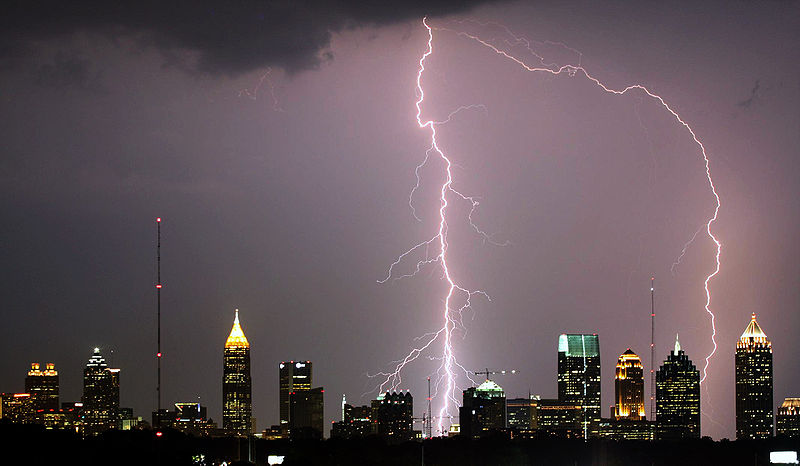
Atlanta_Lightning_
English Tanslation of Maithreem Bhajatha Akila Hrith Jeththreem –

Picture from Atlanta,USA

Serve with Friendship and Humility, which will conquer the Hearts of Everyone.

Look upon others similar to yourself.

Renounce War

Renounce unnecessary Competition for Power

Give up Aggression on others’ properties which is wrong

Mother Earth is wide enough and ready to give us all we desire like a Kaamadenu (Wish fulfilling Divine Cow)

God, Our Father, is very Compassionate to All

Daamyata – So, Restrain yourself

Datta – So, Donate your wealth to others

Dayathvam – So, Be Kind to others

Oh People of the World

Sreyo Bhooyaath Sakala Janaanaam –
May All People of this World be Happy and Prosperous.

Sreyo Bhooyaath Sakala Janaanaam –
May All People of this World be Happy and Prosperous.

Sreyo Bhooyaath Sakala Janaanaam – May All People of this World be Happy and Prosperous.

My humble opinion is that this song should be made ‘World Anthem’ or the ‘National Anthem of India’.

T S Eliot’s The Wasteland

TS Eliot mentions the DA DA DA Upanishad parable in the final stanzas of his poem ‘The Wasteland’, where he links the Eastern Traditions with the Western Traditions:

“I sat upon the shore
Fishing, with the arid plain behind me
Shill I at least set my lands in order?
London Bridge is falling down falling down falling down
Poi s’ascose nel foco che gli affina
Quando fiam uti chelidon – 0 swallow swallow
La Prince d’Aquitaine a la tour abolie
These fragments I have shored against my ruins
Why then Ile fit you. Hieronymo’s mad againe
Datta. Dayadhvam. Damyata.
Shantih Shantih Shantih”.

thunder-and-lightning

Let us salute Kanchi Sri Shankaracharya, T S Eliot and the Vedic seers for this beautiful mono syllabic parable Da… Da…da.

Da…………….Da……………Da…………… Modern day men need all the three ‘Da’s.

Contact swami_48@yahoo.com

த……….த……….த……….:- தேசிய கீதம் ஆக்கலாமே!

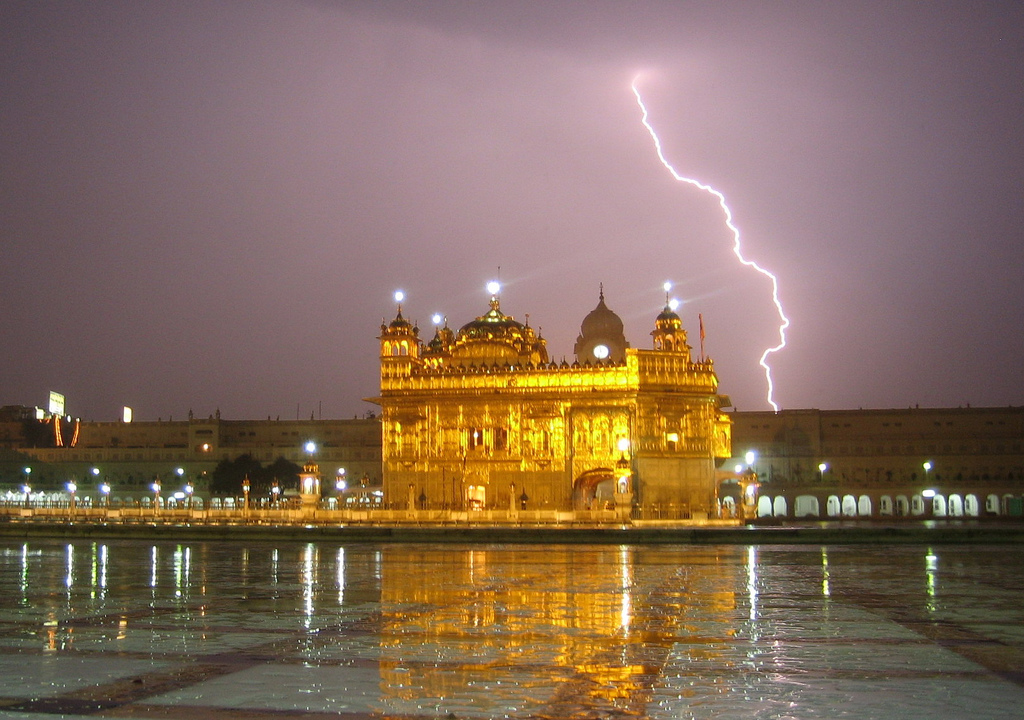
golden-temple-lightning
Thunder and lightning over Amritsar

த………………….த…………………..த…………………….:-தேசிய கீதம் ஆக்கலாமே!

எழுதியவர் லண்டன் சுவாமிநாதன்

கட்டுரை எண் 850 தேதி 19 பிப்ரவரி 2014

Translation of my Post posted in English on 19th February 2014 in this blog.

த…..த…..த….. என்ற மூன்று எழுத்துக்களை (சொற்களை) பிரபலமாக்கியோர் மூவர். ஒருவர் நமது காலத்தில் வாழ்ந்து, நமக்கு எல்லாம் அருள் புரிந்து சிவமயமாகிவிட்டவர்-காஞ்சி பரமாசார்ய சுவாமிகள் (1894-1994). மற்றொருவர் ஆங்கில இலக்கிய பாடம் படிக்கும் எல்லோருக்கும் தெரிந்த அமெரிக்க ஆங்கில மொழிக் கவிஞர்– நாடக ஆசிரியர் டி.எஸ்.எலியட் (1888—1965). மூன்றாவது மனிதர் , 3000 ஆண்டுகளுக்கு முன் இந்தியாவில் வாழ்ந்த ஒரு ரிஷி. பிருஹத் ஆரண்யக (பிருஹத்= பெரிய, ஆரண்யக= காடு) உபநிஷத்தில் த….த…த…..கதையை முதலில் நமக்குச் சொன்னவர். அதாவது வேத கால ரிஷிகள்.

முதலில் நமது காலத்தில் வாழ்ந்து மறைந்த காஞ்சிப் பெரியவர் எழுதிய சம்ஸ்கிருதப்பாடலும் அதன் மொழி பெயர்ப்பும். இதை 1966 ஆம் ஆண்டில் ஐக்கிய நாடுகள் சபையில் பாடுவதற்காக அவர் எம்.எஸ்.சுப்புலெட்சுமிக்கு எழுதிக் கொடுத்தார்:

மைத்ரீம் பஜத, அகில ஹ்ருஜ்-ஜேத்ரீம்!
ஆத்மவதேவ பராநபி பச்யத!
யுத்தம் த்யஜத! ஸ்பர்தாம் த்யஜத!
த்யஜத பரேஷ்வக்ரமம்-ஆக்ரமணம்!
ஜநநீ ப்ருதிவீ காமதுகாஸ்தே,
ஜநகோ தேவ: ஸகல தயாளு:!
தாம்யத! தத்த! தயத்வம் ஜநதா:!

ச்ரேயோ பூயாத் ஸகல ஜநாநாம்!

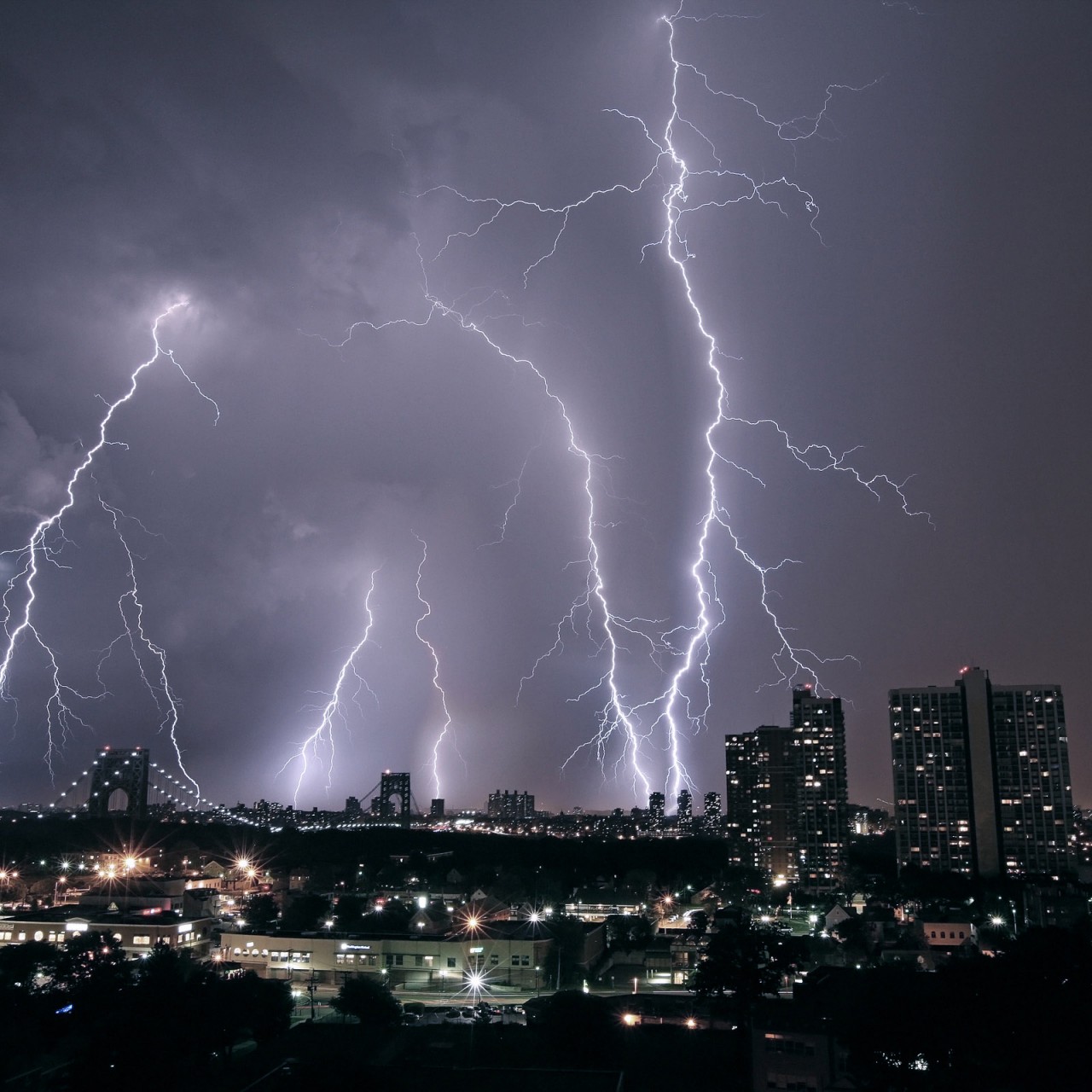
Lightning,New-York-
Thunder and lightning over New York

இந்த கீதத்தின் தமிழாக்கம்:

அனைத்துளம் வெல்லும் அன்பு பயில்க!
அன்னியர் தமையும் தன்னிகர் காண்க!
போரினை விடுக! போட்டியை விடுக!
பிறனதைப் பறிக்கும் பிழை புரிந்தற்க!
அருள்வாள் புவித்தாய், காமதேநுவாய்!
அப்பன் ஈசனோ அகிலதயாபரன்!
அடக்கம் – கொடை – அருள் பயிலுக, மக்காள்!

உலகினரெல்லாம் உயர்நலம் உறுக!
உலகினரெல்லாம் உயர்நலம் உறுக! – என்பதுதான்.

கதை என்ன?

இப்பாடலில் வரும் தாம்யத – தத்த – தயத்வம் என்ற சொற்றொடர் ப்ருஹதாரண்யக உபநிஷத்தில் வருவதாகும். அது குறித்த கதை: ஒரு சமயம் தேவர்கள், மானுடர்கள், அசுரர்கள் ஆகிய மூன்று இனத்தாரும் ப்ரஜாபதி (ப்ரஹ்மா) யிடம் உபதேசம் வேண்டினர். அவர் தமது உபதேசத்தை த-த-த என்ற இடியின் ஒலியாகக் கூறி அருளினார். ‘த ‘ என்பதை தேவர்கள், ‘தாம்யத’ எனப் பொருள் கொண்டனர். அப்பதத்துக்குப் ‘புலன்களைக் கட்டுப்படுத்துங்கள்’ என்று அர்த்தம். தேவர்கள் புலனின்பம் துய்ப்பதிலேயே ஈடுபட்டவர்கள். ஆதலால் தங்களுக்கு இந்த உபதேசம் எனக் கொண்டனர்.
மானுடரோ ‘த’ என்பதை ‘தத்த’ எனப் பொருள் கொண்டனர். ‘தத்த’ என்பதற்கு ஈகை உடையவர் ஆக இருங்கள் என அர்த்தம். மானுடர்களுக்கு ஈகை குணம் மிகவும் குறைவாக இருப்பதாலேயே இப்படி உபதேசம். அசுரர்கள் ‘த’ என்பதை ‘தயத்வம்’ – அதாவது, தயையுடன் இருங்கள் – எனப்பொருள் கொண்டனர்.

ஆதிசங்கரர் இதற்கு உரை எழுதுகையில், மானுடரிலேயே தெய்விக குணமும், அசுர குணமும் உடையவர்கள் இருப்பதால் இம்மூன்று உபதேசங்களுமே மானுடர்களுக்கானவை எனத் தெளிவு செய்துள்ளார். –நன்றி கல்கி

இந்தப் பாடல் வெளியானபோது ஒலிப் பதிவோடு, எம்.எஸ். அவர்கள் காஞ்சி சுவாமிகளைச் சந்தித்து ஆசிபெறச் சென்றார். உனது கியாதி (புகழ்) சூரிய சந்திரர் உள்ள வரை இருக்கும் என்று எம்.எஸ்.ஸை ஆசிர்வதித்தார். அர்த்தம் புரிகிறதா? சம்ஸ்கிருதமும் காஞ்சி சுவாமிகளின் பெருமையும் எக்காலத்தும் அழியாது.

சூரிய சந்திரர் உள்ள வரை இருக்கும்!

அமெரிக்க கவிஞர் டி.எஸ்.எலியட்டுக்கு இந்துமதத்தில் பேரார்வம் உண்டு. அவர் கீழை—மேலை நாட்டு கருத்தொற்றுமை காணும் முகத்தான் அவரது நீண்ட தத்துவக் கவிதையான தி வேஸ்ட்லாண்டின் இறுதிப் பகுதியில் இந்த தாம்யத, தத்த, தயத்வ என்ற சம்ஸ்கிருதச் சொற்களை அப்படியே சேர்த்து சாந்தி, சாந்தி, சாந்தி, என்று சொல்லி கவிதையை முடிக்கிறார்.
எனது ஆங்கிலக் கட்டுரையில் முழு விவரம் காண்க.

ஒரு சிறிய ஆராய்ச்சி

1. பெரிய காட்டு உபநிஷத்தில் உள்ள இந்தக் கதை மனிதனின் உளவியலை நன்கு ஆராயும் ஒரு கதை. காரல் மார்க்சும் எங்கல்சும் கம்யூனிஸ தத்துவத்தைப் பரப்புவதற்கு 3000 ஆண்டுகளுக்கு முன்னரே மனிதன் பகுத்துண்டு வாழ வேண்டும் என்று கூறும் கதை இது. ஒவ்வொரு மனிதன் இடத்திலும் உள்ள தீய குணங்களை அகற்ற மூன்று த—க்களும் அவசியம்தான்.

2. இந்தக் கதையை விளக்கும் காஞ்சி சுவாமிகளின் கவிதை அற்புதமான ஒரு கவிதை. அதை இந்தியாவின் தேசிய கீதமாகவோ அல்லது ஐ.நா.சபை மூலம் உலக கீதமாக அறிவிக்க வேண்டும்.

3. இந்தக் கதை ஆரிய திராவிட வாதத்துக்கு 3000 ஆண்டுகளுக்கு முன்னரே ஆப்பு வைத்து விட்டது. மனிதர்கள், அசுரர்கள், தேவர்கள் ஆகிய மூன்று பிரிவினரையும் பிரஜாபதி (பிரம்மாவின் ) குழந்தைகளாகவும் மாணவர்களாகவும் வருணிக்கிறது பிருஹத் ஆரண்யக உபநிஷத். அது மட்டுமல்ல. மூவரும் ஒரே ஸ்கூலில்தான் படித்து இருக்கிறார்கள்! ஆக வெள்ளைக்காரன் எழுதியதெல்லாம் பொய் என்பது தெளிவாகிறது. அசுரர்களும், தேவர்களும், மனிதர்களும் ஒரு தாய் வயிற்றுப் புதல்வர்கள். ஆனால் செய்தொழிலால் வேறுபட்டு நின்றனர். நம் மனதுக்குள்ளேயே இந்த மூன்று குணங்களும் மறைதிருப்பதை விளக்கி நமக்கு தன்னடக்கம்/ புலனடக்கம், தானம் செய்யும் மனப்பாங்கு, கருணை மூன்றும் வேண்டும் என்கிறது.

4. இதில் இன்னும் ஒரு முக்கிய விஷயம்– தமிழ், கிரேக்கம் ,லத்தீன் மொழிக்காரர்களுக்கு எழுதவும், இலக்கியம் படைக்கத் தெரியாமலும் காலத்தில் எழுந்தவை உபநிஷதங்கள். புத்தர், மஹாவீரர், கன்பூசியஸ், லாவோட்சு, சொராஸ்தர், ஏசு கிறிஸ்து, ஒரு வேளை மோசசும், பிறப்பதற்கு முன்னால் எழுந்தவை உபநிடதங்கள். இவ்வளவு உயரிய சிந்தனை மலர வேண்டுமானால் அவர்கள் உலக மகா அறிவாளிகளாக இருந்திருக்க வேண்டும். ஹோமர் என்னும் கவி கிரேக்க நாட்டில் முதல் நூலான இலியட்டையும் ஆடிசியையும் எழுதும் முன்னர் வேதகாலரிஷிகள் எழுதிக் குவித்துவிட்டனர்.

5. அளவிடற்கரிய அற்புதமான இலக்கியங்களை வைத்தே ஒரு நாட்டின் அறிவு முதிர்ச்சியையும் அனுபவ முதிர்ச்சியையும் அளந்துவிடலாம். அந்த வகையில் பார்க்கப்போனால் உலகில்—பழங்கால உலகில்— ஒரே நாகரீக நாடு இந்தியாதான். கல் கட்டிடங்கள் எகிப்தில் உருவாகி இருக்கலாம்—ஆனால் கல்வி என்னும் கட்டிடங்கள் இமயமலை அடிவார குருகுலங்களில்தான் முதலில் உருவாகின. அதற்கு தெள்ளிய எடுத்துக் காட்டு பெருங்க்காட்டு (பிருஹத் ஆரண்யக) உபநிஷதம்!!!

பன்னரும் உபநிடத நூல் எங்கள் நூலே
பார் மீது ஏதொரு நூல் இது போலே— என்று சும்மாவப் பாடிவைத்தான பாரதி!

contact swami_48@yahoo.com

பசுவும் பாம்பும் !

direct milk supply

சம்ஸ்கிருத செல்வம் — அத்தியாயம் 30
Post No 851 Date 19-02-2014
ச.நாகராஜன்

நல்லவனுக்கும் கெட்டவனுக்கும் உள்ள வித்தியாசத்தைச் சொல்ல வந்த கவிஞர் பசுவையும் பாம்பையும் பார்த்தார். அவருக்குப் பளிச்சென்று அற்புதமான கருத்து தோன்றியது.

நல்லவனுக்கும் கெட்டவனுக்கும் உள்ள வித்தியாசத்தை அறிய பசுவையும் பாம்பையும் பாருங்கள்! பசுவானது பசும் புல்லைத் தின்று அதைப் பாலாக மாற்றிப் பாலைத் தருகிறது. பாம்போ பாலைக் குடித்து அதை விஷமாக மாற்றி விஷத்தைக் கக்குகிறது.

பாத்ராபாத்ரவிவேகோஸ்தி தேனுபன்னகயோ இவ I
த்ருணாத் சஞ்சாயதே க்ஷீரம் க்ஷீராத் சஞ்சாயதே விஷம் II

B_Id_411184_nag-panchmi

தேனு – பசு
பன்னகயோ இவ – பாம்பு இவற்றில் (பன்னகம் – பாம்பு)
பாத்ர அபாத்ர விவேக அஸ்தி – நல்லவன், கெட்டவன் ஆகியோரைப் பற்றிய விவேகம் உள்ளது.
த்ருணாத் சஞ்சாயதே க்ஷீரம் – புல்லைத் தின்று பாலாக மாற்றுகிறது (பசு)
க்ஷீராத் சஞ்சாயதே விஷம் – பாலைக் குடித்து விஷமாக மாற்றுகிறது (பாம்பு)

சரி கெட்டவரின் லக்ஷணம் என்ன?
தூர்த்த லக்ஷணம் பற்றி சுபாஷித ரத்னாகார பாண்டாரத்தில் வரும் சுபாஷிதம் தெளிவாக விளக்கத்தைத் தருகிறது.

முகம் பத்மதளாகாரம் – தூர்த்தனைப் பார்த்தால் தாமரை போன்ற முகம் இருக்கும்
வாணி சந்தன ஷீலதா – பேச்சோ சந்தனம் போல குளுமையாக இருக்கும்
ஹ்ருதயம் க்ரோத சம்யுக்தம் – இதயமோ கோபத்தால் கொப்பளிக்கும்

த்ரிவிதம் தூர்த்த லக்ஷணம் – இப்படி மூன்று விதமாக கெட்டவனின் லக்ஷணத்தை அறிந்து கொள்ள வேண்டும்

முகம் பத்மதளாகாரம் வாணி சந்தன ஷீலதா I
ஹ்ருதயம் க்ரோத சம்யுக்தம் த்ரிவிதம் தூர்த்த லக்ஷணம் II

இது தான் தூர்த்தனின் லக்ஷணம்! இவர்களைப் பார்த்தவுடன் இடத்தை விட்டு அகன்று விட வேண்டும்!

***************

contact swami_48@yahoo.com (Pictures rae used from different sources.Thanks.

How ‘Non Brahmins’ became ‘Brahmins’

415px-Raja_Ravi_Varma_-_Mahabharata_-_Birth_of_Shakuntala

Viswamitra and Menaka

Compiled by by London Swaminathan;
Post No.848 dated 18th February 2014

I have already written how Ramanuja converted lot of people from non Brahmins to Brahmins. I have also written another post ‘Who is a Brahmin?’

Now see what Sarvapalli Radhakrishnan, a great scholar, philosopher and former President of India, says about non Brahmins becoming Brahmins:

“Caste divisions are based on individual temperament, which is not immutable. In the beginning there was only one caste. We were all Brahmins or Sudras. A Smriti text says that one is born a Sudra, and through purification he becomes a Brahmin. People were divided into different castes according to social needs and individual action.

The Brahmins are the priests. They should have neither property nor executive power. They are the seers who constitute the conscience of society.

392px-Menaka_Vishwamitra_by_RRV
Viswamitra and Menaka

The Kshatriyas are the administrators, whose principle is reverence for life.
The Vaisyas are traders and craftsmen, men of technical ability who aim at efficiency.
The routine workers, the proletariat are the Sudras. They take no interest in their work as such, where they carry instructions and contribute only a fraction. They lead a life of innocent impulse and adopt traditional ways.

“Hinduism has a bewildering variety of racial elements at all levels of development. The four orders supersede the original racial elements. It is a classification based on social facts and psychology. The recognition of the spirit in man is the essential feature of Hindu religion, and in this respect all men are equal.
india_brahimns_map_20070604
Brahmin Poulation of India Map

In the Mahabharata , we are told that the Yavanas (Greeks), the Kiratas, the Dardaras (Dards), the Chinas (Chinese), the Sakas (Scythians), the Pahlavas (Parthians), the Savaras (Pre Dravidian Tribes) and several other non Hindu peoples, belonged to the one or the other of the four classes. These foreign tribes were absorbed into the Hindu society.

“The great empire builders, the Nandas, the Mauryas and the Guptas were according to the orthodox view, low-born. The Gupta emperors married the Licchavis, who were regarded as Mlecchas.

The basis of the Varna dharma is that every human being must try to fulfil the law of his development.

Non Brahmins who became Brahmins:

“While it was the intention of the scheme to develop the requisite spirit and tradition in the members of the classes by a proper employment of the forces of heredity and education, it was not viewed in a rigid way. In special cases individuals and groups changed their social class.

Visvamitra, Ajamidha and Puramidha were admitted to the status of the Brahmin class, and even composed Vedic hymns.

Yaska in his Nirukta, tells us of two brothers Santanu and Devapi , one became a Kshatriya king and the other a Brahmin priest.

Kavasa, the son of a slave girl Ilusa, was ordained as a Brahmin priest at a sacrifice.
Janaka, a Kshatriyas by birth, attained the rank of a Brahmin by virtue of his ripe wisdom and saintly character.

The Bhagavatham tells us the elevation of the Kshatriya clan named Dhastru to Brahminhood.
Jatyutkarsa is provided for. Even though a Sudra, if you do good, you become a Brahmin. We are Brahmins not on account of birth or the performance of rites, not by study or family, but on account of our behaviour. Even if we are born Sudras, by good conduct we can raise ourselves to the highest status.

“The human being is always becoming. His essence is movement, not arrested movement. Megasthenes gives us a division different from the caste groupings. He puts the class of statesmen and officials at the top and hunters and jungle men as the sixth division.

Patanjali refers to Brahmin kings, and Manu to sudra rulers. There were Brahmin soldiers in the time of Alexander, as there are today.

“Manu’s unfortunate references to Sudras were perhaps motivated by his opposition to Buddhism. Manu limits the right to study the dharma sastras to Brahmins, while Sankara holds the members of all castes can read them.

A famous verse of Mahabharata makes out that we are all born Brahmins, and happen to belong to different classes on account of our conduct and occupation.

The Bhagavad Gita points out that there are only four Varnas based on natural aptitude and vocation, and two classes of persons, divine (Deva) and demoniac (Asura)”.

From the book Radhakrishnan Reader- An Anthology, published by Bharatiya Vidya Bhavan.

Brahmin_boy_ritual

Picture of Present day Brahmin

King Baliraja’s wife was Sudeshna. Bali persuaded her to produce a son through Dirghatama. She had five sons named Anga, Vanga, Kalinga, Pudrya and Suhya. Each of them started a separate dynasty and ruled over different parts. This anecdote describing how Kshatriyas kings were sometimes born of Brahmana fathers, was related by Bhishma to Satyavati to support his suggestion that a Brahman be invited to produce sons in the wives of Vichitravirya who had died childless (MB 1/104)

Yajur Veda prays for all the Four Castes:

“Give lustre to our Brahmanas
Give lustre to our Kingly men
Give lustre to our Vaisyas and Sudra” (Y.V. VS 18-48)

Buddha and Asoka on Brahmins:

Buddha has one full chapter on Brahmins in The Dhammapada. That was the last chapter, probably to emphasise their importance. He admired the ascetic virtues of the Brahmanas. Buddha talked about building a new type Brahminhood irrespective of one’s heredity.

Emperor Asoka showed respect to Brahmins by mentioning them first and then other sects like Sramans etc. in his edicts. (E.g Girnar Edict No-13).

Buddha had two Brahmin Teachers :
Gautama’s search led him to become the disciple of the Brahmin ascetics Aalaara Kaalaama and Uddlaka Raamaputta who instructed him in their own doctrine and discipline.

Brahmins
Picture of Brahmins at present.

Brhad- aranyaka Upanishad

Knowing him, the atman, the Brahmins relinquish the desire for posterity, the desire for possessions, the desire for worldly prosperity and go forth as mendicants (bhikshacaryam caranti)iii-5

Brahmins in Ancient Tamil Nadu

There were two types of Brahmins in ancient Tamil Nadu, those who followed the Srutis (Vedas) and Smritis (Law Books) and others who did not follow the Vedic strictures. Prof. V R RAMACHANDRA DIKSHITAR in his commentary on The Cilappatikaram (Purancheri iruththa katai lines 37,38) adds the following details:

“A community of Brahmanas , but coming low in the social hierarchy. They are said to be ‘ambanavar’ who took to the profession of acting and dancing. As they did not pursue their swadharma society regarded them as inferior. The position which the Brahmanas held in the society in the age of the Cankam classics is clear. There was the Vedic Brahmana engaged in reading and teaching the Vedas and also in performing Vedic sacrifices. He evoked respect from every one. There was the laukika Brahmana who strayed from the prescribed path and took to professions other than those enjoined by the law of the land.

“In the Akananuru (24) we have the expression ‘velaparppan’ meaning Brahmana engaged in making bangles. Among the laukikas come the ‘ambanava’ also. The term ‘ur parppan’ in South Indian inscriptions is another reference to the laukika members of the Brahmana community. This only shows that in addition to the Vedic Brahmanas there also existed Brahmanas who took to worldly professions, and to whom society did not give the same status as that enjoyed by the Vedic Brahmanas”.

My comments: Nakkirar was a well known Tamil poet of Sangam Age. Though he was a Brahmin ,he did not follow the Brahminical customs. He was making bangles cut out of white Chanks (conches). When he questioned another poor Brahmin by name Dharumi in the Royal Court of Pandyas, Shiva himself came in support of the Brahmin poet. But Nakkirar challenged even Lord Shiva. When Shiva laughed at his challenge, he asked him “At least I belong to the sect of Bangle makers. You don’t even have a clan, or caste or creed.”
(Sangu Aruupathu Engal Kulam, Sankaranaarkku Ethu Kulam? In Tamil)
This shows that there were a s group of Brahmins doing other types of jobs. This historical incident was referred to in Thevaram by Appar and in Tiru Vilayatal Purana by Paranjothi.

Quotes from Katha Sarit Sagara (Largest Story Collection in the World)
On Brahmanas:–
Brahmanas are always soft hearted (Story of Vararuci)
Brahmanas can accomplish all things in the world by means of ceremonies in accordance with the scriptures (Story of Devasmita)
Brahmanas who live by chanting Samaveda are the home of timidity, boorishness and ill- temper (Story of Vidusaka)

Contact swami_48@yahoo.com

My previous posts:
1. Ramanuja and Non Brahmins; posted on 15 May 2013
2. Who is a Brahmin?; Posted on 4 June 2013
3. No Brahmins! No Tamil ! (posted on 14 January 2012)
4. Foreign Travel banned for Brahmins (posted 26 November. 2013
5. Who are Dravidians? Posted on July 17,2013
6. Brahmins deserve an entry into Guinness Book of Records (26 January 2012 in this blog and earlier as a series in a Tamilbrahmin site)

Contact swami_48@yahoo.com

Pictures are taken from various sites.Thanks.

மனைவிகளின் பெருமையும், லேக தோஷமும்!

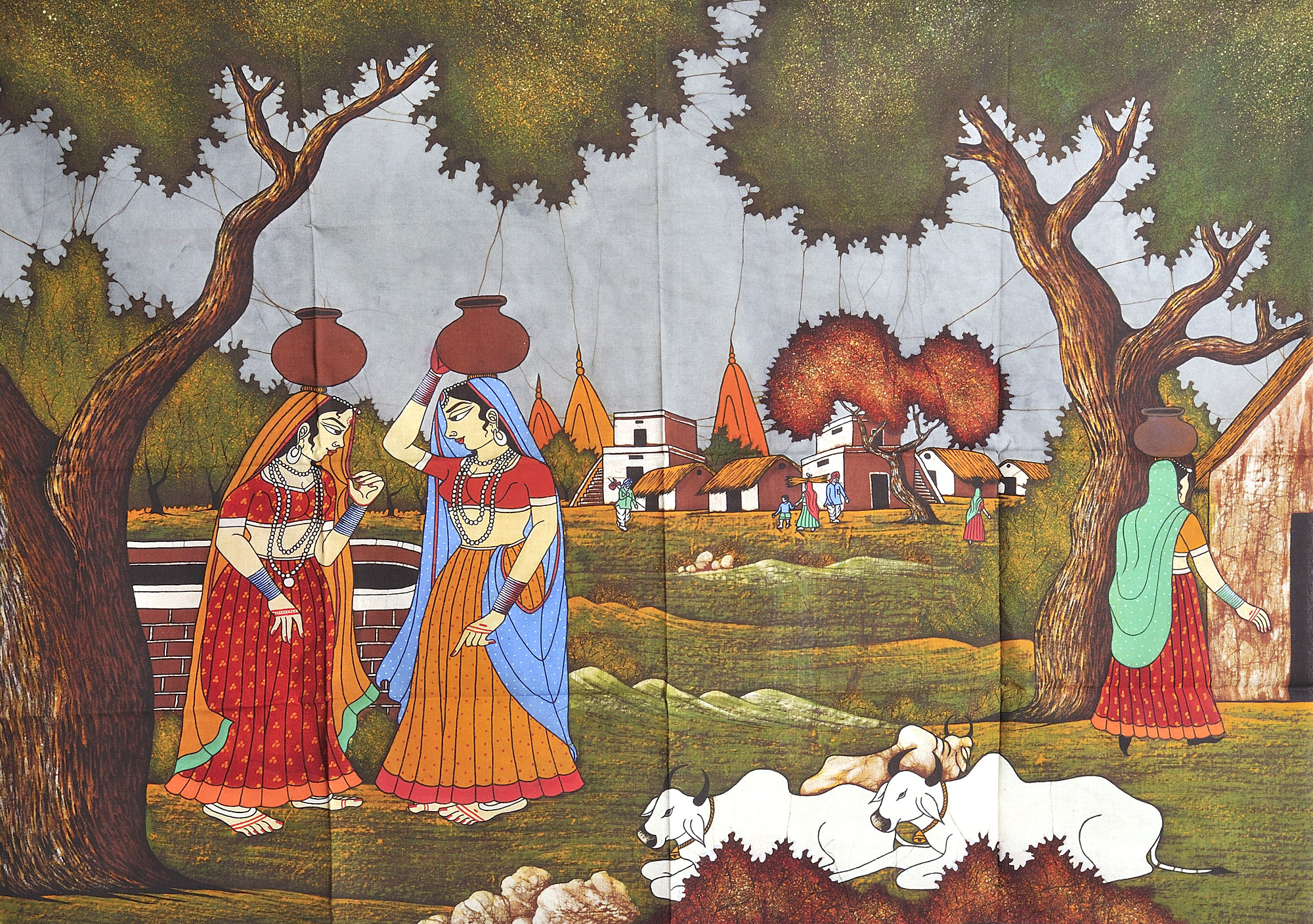
gossip at village well

சம்ஸ்கிருத செல்வம் அத்தியாயம் 29

ச.நாகராஜன்

இரண்டு பெண்மணிகள் ஓரிடத்தில் கூடினர். தங்கள் தங்கள் கணவன்மார் ‘பெருமையைப்’ பேசி மகிழ்ந்தனர்.

ஒருத்தி சொன்னாள்: “ எனது அன்பிற்குரிய கணவர் எப்படி எழுதுவார் தெரியுமா? பெரிய புத்திசாலி! அவர் எழுதுவதை அடுத்தவர் யாராலும் புரிந்து கொள்ள முடியாதபடி எழுதுவார்”.

இதற்கு அடுத்தவள் பதில் சொன்னாள்: “ஹூம்! இவ்வளவு தானா! என் புருஷர் இன்னும் அதிக புத்திசாலி. அவர் எழுதுவதை அவராலேயே புரிந்து கொள்ள முடியாது.

இந்தக் காட்சியைக் கண்ட கவிஞர் அப்படியே நையாண்டிப் பாடலாக எழுதி விட்டார். பாடலைப் பார்ப்போம்:-

சதுர: சகி மே பர்த்த யத் லிகதி

தத் பரோ ந வாசயதி I

தஸ்மாத் அபி அதிக: மே ஸ்வயம் அபி

லிகிதம் ஸ்வயம் ந வாசயதி II

gossiping

சகி – ஹே! சகியே
மே பர்த்த சதுர: – எனது கணவர் மிகவும் திறமைசாலி
யத் லிகதி தத் பரோ ந வாசயதி – அவர் எதை எழுதுகிறாரோ அதை வேறு யாராலும் படிக்க முடியாது

மே தஸ்மாத் அபி அதிக: – அதைக்காட்டிலும் என் கணவர் இன்னும் அதிக புத்திசாலி.

ஸ்வயம் அபி லிகிதம் ஸ்வயம் ந வாசயதி – தான் எழுதியதை அவரால் தன்னாலேயே படிக்க முடியாது!

சரி, எழுதுவதை எப்படி எழுத வேண்டும்?

இதைச் சொல்வதற்கு சாணக்கியரை விடத் தகுதி வாய்ந்தவர் யார்? அவர் ‘லேக தோஷ:’ என்று எழுதுவதில் உள்ள ஐந்து தோஷங்களைக் கூறுகிறார்.

1) அகாந்தி – எளிதில் புரியாதபடி எழுதுதல்
2) வ்யாகத – முரண்பட்டு எழுதுதல் (முன்னுக்குப் பின் முரணாக எழுதல்)
3) புனருக்த – சொன்னதைத் திருப்பிச் சொல்வது போல எழுதியதையே திருப்பி எழுதுதல்
4) அப சப்த – இலக்கணமின்றி வார்த்தைகளை கண்டபடி எழுதுதல்
5) சம்ப்லவ – ஒழுங்கான வரிசையின்றி மாற்றி மாற்றித் தொடர்பில்லாது எழுதுதல்

two women tying

அகாந்திர்வ்யாகாத: புனருக்தமபசப்த:
சம்ப்லவ இதி லேக தோஷா: I
அர்த்த சாஸ்திரம் II – 10 – 57
இந்த ஐந்து எழுத்து தோஷங்களையும் நீக்கி எழுதினால் வெற்றி தான்!

**********

Pictures are used from different sources.Thanks.
swami_48@yahoo.com

Mind is a Tiger: Adi Shankara

Hindu Encyclopaedia of the Mind – Part 1

Compiled by London Swaminathan.

Post No. 846 Date: 17 February 2014

It is a shame that neither Sigmund Freud (1856-1939), father of psycho analysis or Carl Gustav Jung (1875—1961), founder of analytical psychology, are here today to study the Hindu Yogis. Hindu saints have tremendous knowledge of the function of mind and thought power. They understood the power of mind and demonstrated it publicly. I don’t know how people like Freud and Jung missed those saints and their views and coined new terms and misinterpreted dreams etc. Hindus are well ahead of western researchers on mind. Sri Ramakrishna Paramahamsa is one of the saints who explained it in crystal clear terms. So let me start with Sri RKP.

Following are some of the quotations of Sri Ramakrishna Paramahamsa and Swami Vivekananda:
The mind is everything. If the mind loses its liberty, you lose yours. If the mind is free, you too are free. The mind may get dyed in any colour. Like a white cloth fresh from the laundry. Study English and you will mix English words in your talk in spite of yourself. The pundit who studies Sanskrit must quote verses. If the mind is kept in bad company, the evil influence of it will colour one’s conversation and thought. Placed in the midst of devotees, the mind is sure to meditate on god and god alone. It changes its nature according to the things amongst which it lives and acts.

The mind is everything. The attraction for the wife is of one kind, and the affection for the child is of quite a different nature. On one side is one’s wife, on another side is the child, one caresses both , but moved by quite different impulses.

Bondage is of the mind; freedom too is of the mind. If you say, “ I am a free soul. I am a son of god! Who can bind me?” free you shall be. If one is bitten by a snake and can say with all the force of will and faith, “ There is no venom, there is no venom”, one will surely get rid of the venom.

Mind and machines (Swami Vivekananda)

Machines never made mankind happy and never will make. He who is trying to make us believe this will claim happiness is in the machine; but it is always in the mind. That man alone who is the lord of his mind can become happy, and none else.

Kill the Mind: The direction of the mind which always runs after the senses has to be turned within. The mind has to be killed. The body dies and dissolves in the five elements. But the bundle of mental impressions which is the mind does not die soon. It remains for sometime in seed form and then sprouts and grows in the form of a tree – it takes on another physical body and goes the round of birth and death, until self knowledge arises. Therefore I say, by meditation and concentration and by power philosophical discrimination plunge this mind in the ocean of Existence-Knowledge- Bliss Absolute. When the mind dies, all limiting adjuncts vanish and you are established in the Brahman.
Source: Sayings of Sri Ramakrishna , Sri Ramakrishna Math, Mylapore, Chennai 600 004 and Selections from The Complete Works of Swami Vivekananda, Advaita Ashrama, Calcutta 700 014

Lord Krishna in Bhagavad Gita

Without doubt, O Might armed (Arjuna), the mind is difficult to control and restless but it can be controlled. O,Son of Kunti, , by constant practice and non attachment (6-35).
Even here on earth the world is overcome by those whose mind is established in equality (5—19)
Purushasuktam of Rik Veda also confirms one can attain mukti/liberation even on earth (tam evam vidvan amruta iha bhavati).

TIGER: Adi Shankara in Viveka Chudamani

“In the forest tract of sense pleasures there prowls a huge tiger called the mind. Let good people who have a longing for liberation never go there “
( Viveka Chudamani–176)
Source : Viveka Chudamani, Advaita Ashrama, Calcutta 700 014

In Shankara’s Question and Answer hymn (Prasnottara Ratna Malika ) there are a few questions on the mind:
Q: What spoils the mind (madhi) and brings down its efficiency like an
alcoholic drink?
A: Love (or) Friendship (snehah) of the abnormal or extreme kind.

Q: Where is the receptacle of poison (Visham)?
A: In the mind of evil men (dushta-jane)

Q: Whose mind is always on the right track?
A: Of one who honours holymen.

Q: What is difficult for human beings (Kim Dushkaram Naraanaam)?
A: The constant control of Mind (Yan Manaso Nigraha: Satatam).

Monkey-mind

Buddha on Mind (from The Dhammapada)

The mind is wavering and restless, difficult to guard and restrain: let the wise man straighten his mind as a maker of arrows makes his arrows straight (33)
Like a fish which is thrown on dry land, taken from his home in the waters, the mind strives and struggles to get free from the power of death (34)

It is good to control the mind; a mind self controlled is a source of great joy (35)

Considering that this body is frail like a jar, make your mind strong like a fortress and fight the great fight against MARA, all evil temptations. After victory guard well your conquests, and ever forever watch (40)

An enemy can hurt an enemy, and a man who hates can harm another man; but a man’s own mind, if wrongly directed, can do him a far greater harm (42).
Source: Penguin 60s Classics Buddha’s Teachings

Contact swami_48@yahoo.com

Mind is a Woman: Tamil Poet Bharati

Hindu Encyclopaedia of the Mind – Part 2
Compiled by London Swaminathan
Post No.847 Date: 17 February 2014

Please read the first part of Hindu Encyclopedia of the Mind under the title Mind is a Tiger: Adi Shankara.

Tamil Saint THAYUMANAVAR ON MIND

Tamil saint Thayumanavar echoes it in the following poem:
You may control a mad elephant;
You may shut the mouth of the bear and tiger;
Ride the lion and play with cobra;
By alchemy you may earn your livelihood;
You may wander through the universe incognito;
Make vassals of the gods; be ever youthful;
You may walk on water and live in fire;
But control of the mind is better and more difficult. – Thayumanavar.

Mind is a Monkey is an expression used by the Buddhists in China and Japan. Neither Buddha nor Hindu saints used it. But they indirectly referred to it.

VALLUVAR ON MIND
In Indian context zeal, will power, thoughts, good heart and mind are all linked to one another. They are interchangeable words. English translations of great Tamil and Sanskrit works often mix up these words.
Tamil poet Tiruvalluvar links a healthy mind with good companions. Valluvar’s thoughts on zeal and mind are as follows:

“The lotus stem is high according to water depth
A man’s merit is the measure of his mental strength” – 595
Another translation for the same couplet runs like this
With the rising flood, the lotus stalk extends
On mind, the dignity of man depends.

“Think lofty thoughts always; in such a context even if you fail
Your aspirations keep you on a higher plane” – 596

Another translation for the same couplet runs like this
Think ever of rising higher. Let it be your only thought. Even if your object be not attained, the thought itself will have raised you.

“The quality of water changes with the soil
The mind changes with association” – 452

“Men ‘s perceptions are of their own mind
But their nature is known by their kind” –453

“Intelligence depends upon the mind
Character of a man upon companions “–454

“Purity of action and purity of mind both come from purity of good company” – 455
The pure of heart leave behind a virtuous line; on the other hand
The efforts of those with clean associations will never fail –456–

“Purity of mind ushers in spiritual growth and personal prosperity
While good associations lead to glory” –457–

“Even wise and virtuous gentlemen of pure mind
Need good friends for effective strength”–458

“Admittedly purity of mind would lead to heaven. This is strengthened by good company” – 459.

Tamil Poet Subramanya Bharati on Mind

The Damozel Mind

1.Maiden Mind! Listen.
Clinging to one thing
You swing to another;
As I ask you to hold on to the good,
You sink away disgusted;
When I order you to skip an idea,
You grasp it more tightly;
And you cling to the past
With dogged persistence

2.Novelty makes you afraid
You love new things and newer,
Yet you shrink behind.
As the bee to the honey,
You return to ancient things—
Then grumble again;
“Where is the new creation?
Everywhere the old rules”.
As the crow to the corpse,
You are drawn to the garbage
That rots and dies.

3.Likewise
Loving me ever, and guarding my soul;
My sensitive organs
My seeing eye, you are
That make me share
The earth’s movement;
Giving joy, and swooning in it,
And committing blunders
In search of happiness;
Guarding and cherishing it, and destroying sorrow;
Running after pleasure,
Sinking in gloom;
Yourself unknowing
But souring the universe,
Hungering to see
The Supreme one who is
Within you all the time.

4.Ah, when asked to look somewhere,
Your eyes roam elsewhere;
Knowing all partial laws
You know not the law of laws
Nor the meaning
Behind the laws.

5.Maiden Mind ! Listen
I do not know
How to live with you.
And yet I want always
Your company.
I shall try to make you grow
And strive for realisation.
The Supreme whom I have seen –
But you have not –
Claims my daily homage,
And through That
You too may be redeemed.
Translation from Bharatiar Patalkal by Tamil University, Thanjavur,pages 396-397

Contact swami_48@yahoo.com