Hindus’ Ultra Modern Weapons!

Brahmos_imds

Written by London swaminathan

Research Article no. 1703; dated 9 March 2015

uploaded at 19-40 Monday London Time.

“Oh Dharba grass, you have the capacity to ward off death till long age. You are the best armour of all the armours in the world. Shielding the king with the self-same armour, kill the enemies with your strong powers.

“Oh Dharba! hundreds are your shields and thousands are the means of strength and power. All the learned scholars have given you to the king for protection till old age or for long life”– Atharva Veda Book 19, Hymn 30

“O Man, I (physician says) tie this Kuhsa grass, which is forceful, energising herb, with hundreds of reeds infallible, with thousands of leaves and far efficacious than other herbs, for lengthening your life span” – Hymn 31, Book 19

Brahmins believe in this efficacy of Kusha grass till this day. Their entire work is done with the Kusha/Dharba grass.

My opinion is that ancient Hindus channelized the energy through Dharba and Water. Great teachers like Drona and Kripa of Mahabharata knew about ultra-modern weapons which work with sound vibrations. Western Scientists are yet to invent such weapons. It is like cancer drugs with certain nuclear isotopes targeting only the bad cells, the Vibration weapons will target only the intended targets.
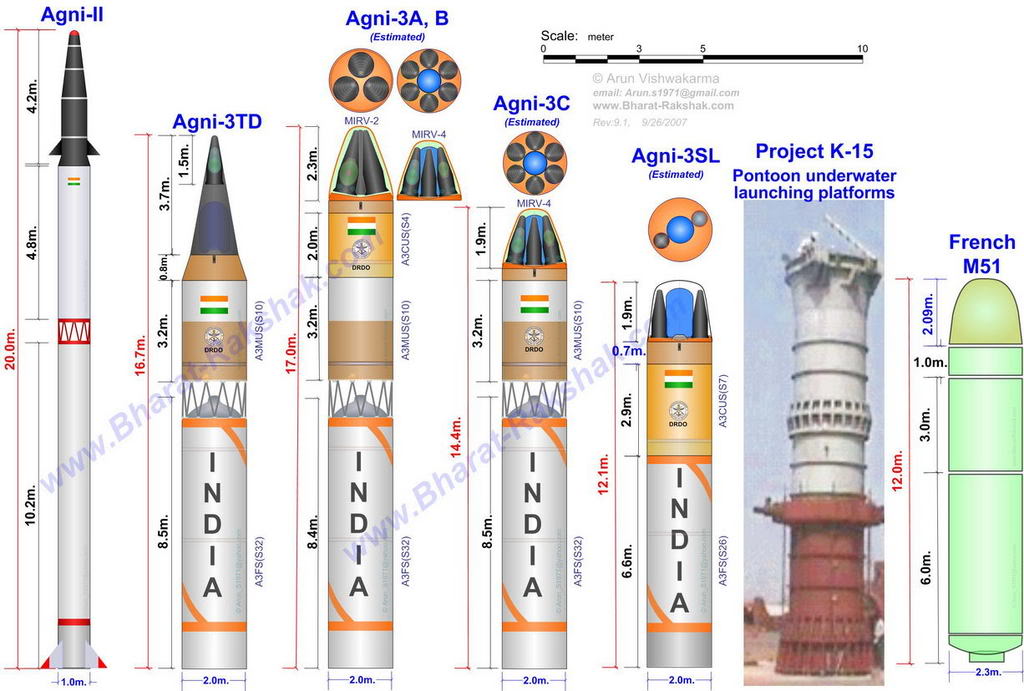
A23_M51_Pontoon_r13d

These mantra (Sound) weapons are taught only to Kings and selected people. Like nuclear bomb buttons have secret passwords which are known only to Prime Ministers and Presidents of countries these Ultra Modern Sound Weapons are taught only to the Kings. But like we use nuclear weapons very rarely, they also used it only when it was absolutely necessary. That is why commoner Ekalaiva was denied a place in the Royals class by Drona.

Dharba grass is like the modern delivery vehicles for nuclear war heads. Even when the Hindu kings were taught such most dangerous weapon techniques, they were forced to promise that they use it only once. That too if necessary. So far seven countries have made thousands of nuclear bombs, but only USA used it once in Hiroshima and Nagasaki in in Japan which killed millions of people.

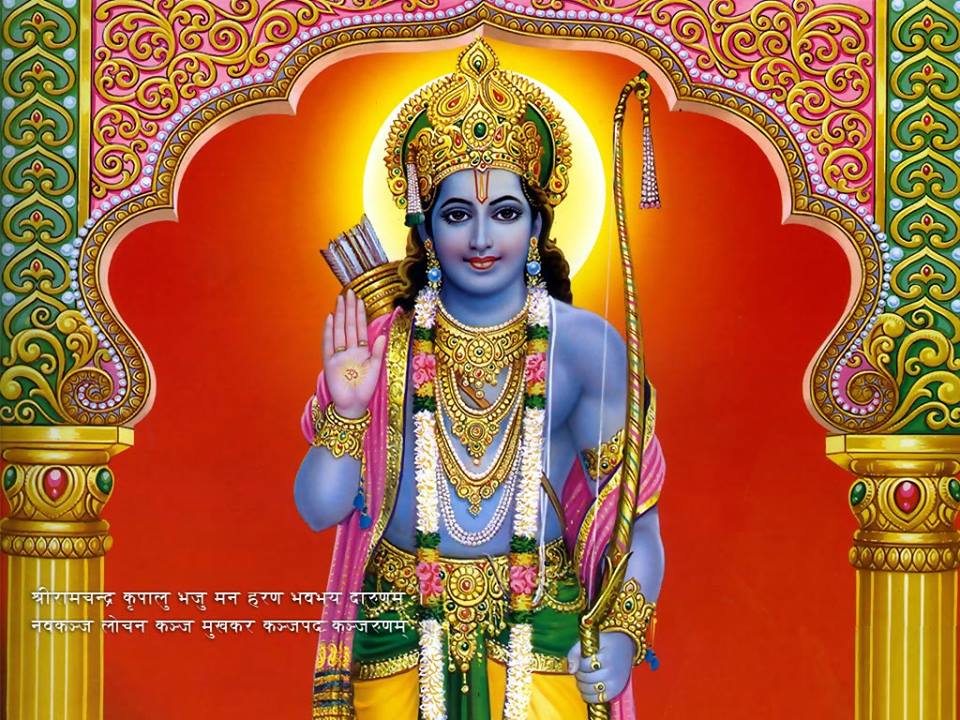
Lord Rama also finished of seven million Kara Dushana demons like we kill the mosquitoes. Demons do not follow any code of conduct in wars. But the same Rama did not use it against Ravana who was ready for a decent fight. He was a great hero and he would not hit anyone below the belt. Ram was also great. When Ravana was disarmed in the battle field, Rama stopped fighting and asked Ravana to go home and come back the next day with full preparations (“Go Today and Come Tomorrow” — was the most famous quote in the Yuddha Kanda of Ramayana)

Like nuclear materials have good and bad uses, Dharba is also used in all the good ceremonies.

pavithram

Power of Dharba Grass!

I posted my article on “Power of Holy Durva Grass” here on 12th July 2013. Now I give below some hymns highlighting the power of sacred Dharba grass. A Brahmin priest won’t leave the house without the sacred Dharba grass. It is his essential tool. It is neatly cut and preserved in its dry form. Hindus believe that that Dharba grass (also known as Kusha) can purify one just by wearing it in the ring finger. Hindu saints do penance or meditation sitting on the Dharba mat. Though Yogis or saints do such meditation sitting on deer skin or tiger skin, Dharba mats are easily available, less expensive and environment friendly.

Botanically it falls under the Graminae ( Poaceae or grass family ) family and it is known as Eragrostis cynosoroides. It is mentioned in all the four (Rig Veda 1-191-3)Vedas. Atharva Veda mentions it as an amulet.

During eclipse period, they put the grass in all the food items to save it from the bad rays. The following hymns show how much they valued it. As a Brahmin, I always keep it here in my London home. I use it during the ceremonies. Usually they make a ring like figure and wear it in the ring finger. It is called Pavitram. That means the dharba as well as Pure and holy in Sanskrit. The ring finger itself is called Pavitra finger.

pavitra

Ghosts will run away!

Hanuman Chalisa of Goswami Tulsidas says that the ghosts will run away when the name of Hanuman is recited. In the same way

Bhuta Preta Pisasascha ye chanye Brahmarakshasaaha

Vipra anguli Kusaan drustwa duuram gachcha adhomukaaha

When the ghosts, ghouls, spirits and goblins see the Dharba worn in the Brahmins’ fingers, they go far away with their heads bowed down.

Another hymn says

Vajro Yathaa Surendrasya Suulam hastha Harasya cha

Chakraaydham Yathaa Vishno: evam vipra kare Kusha:

Like Vajra weapon for Indra, Sula weapon for Lord Shiva, Wheel weapon for Vishnu, Kusha grass weapon is for Brahmins. (Dharba grass is as powerful as Vajra, Sula and Chakra weapons)

If a Brahmin stands with a kusha and is without vain or not showy, he can destroy all the sins like dews driven away by the sun light. ( He can drive away the sins like the sunlight drives away the snow)

Another hymn praise “ even Shiva was cleared of sin by Kusha grass after killing a Brahmin” ( One of Brahma’s five heads was cut off by Shiva; actually  it is a symbolic story saying the four Vedas will be beneficial only when the ego is eliminated)

Anyone wearing gold or dharba in the fingers are considered pure even if their hands are not clean, says another couplet.

darbha02

Picture of Dharba Mat

Such is the greatness of Dharba (Kusha) grass in the Hindu scriptures. The use of water, sesame seeds, white rice in funeral ceremonies, yellow rice in auspicious ceremonies, Kusha grass, cow, its milk, daily bath and Abishek rituals, Asvamedha Yajna, Swayamvara, decimal system and the absence of all these things in the Western world explodes the Aryan –Dravidian Race theory. Actually all these put together with the six divisions of seasons, four divisions of armies, four values in life (Dharma Artha Kama Moksha)  in the oldest parts of Tamil literature, it bulldozes the Aryan Dravidian fake theory.

Long live Dharba Grass! Long Live Durva Grass!

Is Brahmastra a Nuclear Weapon? Written by me in South Indian Society Magazine in London in 2005 and posted here in this blog in 2011 is getting a lot of hits every day until today! Please read it if you have read it already.

D-128

Pictures are taken from various sites; thanks.

ஐந்து தந்தை, ஐந்து தாய், ஐந்து குரு யார்?

Five-Men-with-Cap-Oil-Painting

Compiled by London swaminathan

Article no. 1702; dated 9 March 2015

லண்டன் மாநகர நேரம்  காலை 9-25

நம் ஒவ்வொருவருக்கும் 5 தந்தைகள், 5 தாய்மார்கள், 5 குருக்கள் இருக்கிறார்கள். அவர்களுக்கு உரிய மரியாதை கொடுக்க வேண்டும். அந்தக் காலத்தில் இந்த மாதிரி செய்யுட்களை சிறு வயது முதலே போதித்து வந்தனர். சில செய்யுட்கள் பஞ்ச தந்திர, ஹிதோபதேசக் கதைகளுக்கு நடுவில் கொடுக்கப்பட்டன. இதனால் அவை சிறுவர் மனதில் பசுமரத்தாணி போலப் பதிந்துவிடும். அது மட்டுமல்ல. ஏதேனும் வழக்கு வாய்தாவில் தீர்ப்புச் சொல்லவும் இவை பயன்பட்டன. இதோ பழங்காலப் பொக்கிஷம்:

தந்தைக்குச் சமமாகக் கருதப்பட வேண்டியவர்கள்:

  • பிறப்பினால் நமக்குத் தந்தையாக இருப்பவர், (2) நமக்கு மந்திர உபதேசம் செய்தவர் அல்லது குருவை அறிமுகப்படுத்தியவர், (3) நமக்கு கல்வி கற்பித்த ஆசிரியர், (4 )நமக்கு உணவு கொடுத்து உதவியவர் (5) ஆபத்திலிருந்து நம்மைக் காப்பாற்றியவர்.

ஜனிதா ச உபநீதா ச யஸ்து வித்யாம் ப்ரயச்சதி

அன்னதாதா, பயத்ராதா பஞ்சைதே பிதர ஸ்ம்ருதாஹா

–சுபாஷித ரத்ன பாண்டாகாரம் 165/ 542, பஞ்சதந்திரக் கதைகள், சாணக்ய நீதி

5-el-teachers-for-suai-2009

ஐந்து தாய்

ராஜாவின் மனைவி (மஹாராணி), குருவின் மனைவி, அண்ணனின் மனைவி, தன்னுடைய சொந்தத் தாய் மற்றும் மாமியார் ஆகிய அனைவரும் தாய்க்குச் சமமானவர்கள்:–

ராஜ பத்னீ குரோஹோ பத்னீ ப்ராத்ரு பத்னீ ததைவ ச

பத்னீ மாதா ஸ்வமாதா ச பஞ்சைதா மாதர ஸ்ம்ருதாஹா

–சுபாஷித ரத்ன பாண்டாகாரம் 160/ 326, — சாணக்ய நீதி

இன்னொரு ஸ்லோகம் பஞ்ச தந்திரக் கதைகளில் வருகிறது: எந்த வீட்டில் தாய் இல்லையோ, மனைவி இனிமையாகப் பேசுவதில்லையோ அவன் காட்டிற்கு ஏகுவதே மேல்; ஏனெனில் அவனுக்குக் காடுதான் வீடு!

மாதா யஸ்ய க்ருஹே நாஸ்தி பார்யா ச ப்ரியவாதினீ

அரண்யம் தேன கந்தவ்யம் யதாரண்யம் ததா க்ருஹம்

–பஞ்சதந்திரக் கதைகள்

Five-teachers-who-are-changing-lives

ஐந்து குரு

குரு யார் என்பதில் இரண்டு விதக் கருத்துகள் இரண்டு ஸ்லோகங்களில் உள்ளன:

மஹாபாரத வனபர்வம் கூறுகிறது:

அம்மா, அப்பா, அக்னி, ஆத்மா (தனக்குத் தானே குரு), ஆசிரியர் ஆகிய ஐவரும் குரு – ஆவர்.

பஞ்சைவ குரவோ ப்ரம்மன் புருஷஸ்ய புபூஷதஹ

பிதா மாதா அக்னிர் ஆத்மா ச குருஸ்ச த்விஜசத்தமஹ

—மஹா பாரத – வன பர்வ – 204-27

யோக வாசிஷ்டம் சொல்லுகிறது:

அம்மா, அப்பா, ஆசிரியர், தாய்மாமன், மாமனார் ஆகியோர் குரு ஸ்தானத்தில் இருப்பவர் ஆவர்.

குரவஹ பஞ்ச சர்வேஷாம் சதுர்னாம் ஸ்ருதிசோதிதாஹா

மாதா பிதா ததாசார்யோ மாதுல ச்வசுரஸ்ததா

–யோக வாசிஷ்டம் 1-60

5 women

உண்மை அன்பு

அம்மா, அப்பா, நண்பர்கள் ஆகியோருடைய உள்ளத்தில் உண்மையிலேயே கருணை இருக்கும். ஆனால் மற்றவர்களோ வெனில் காரியம் நடக்க வேண்டுமானால் (பொய்) அன்பை வெளிப்படுத்துவர்.

மாதா மித்ரம் பிதா சேதி ஸ்வபாவத் ஹ்ருதயம் ஹிதம்

கார்ய காரணத்தஸ்சான்யே பவந்தி ஹித புத்தயஹ


இவை எல்லாம் காரண காரியங்களுடன் சொல்லப்பட்ட பொன்மொழிகள். சில இக்காலத்துக்குப் பொருந்தாவிடினும் அக்காலச் சிந்தைப் போக்கையும் சமுதாய நடைமுறைகளையும் அறிய உதவும்.

வாழ்க சம்ஸ்கிருதம்! வளர்க பொது அறிவு!

men-in-black-clip-art

-சுபம்-

முள்ளைத் தின்று மகிழும் ஒட்டகம்!

camel thorn

Compiled by Santanam Nagarajan

Article no. 1701; dated 9 March 2015


சம்ஸ்கிருதச் செல்வம் – இரண்டாம் பாகம்

21. முள்ளைத் தின்று மகிழும் ஒட்டகம்!

.நாகராஜன்

நியாயங்களின் வரிசைத் தொடரில் மேலும் சில நியாயங்களைப் பார்ப்போம்:

उष्ट्रकण्टकभक्षणन्यायः

ustrakantakabhaksana nyayah

உஷ்ட்ரகண்டகபக்ஷண நியாயம்

உஷ்ட்ரம்ஒட்டகம்; கண்டகம்முள்; பக்ஷணம்உணவு

ஒட்டகமும் முள்ளும் பற்றிய நியாயம் இது.

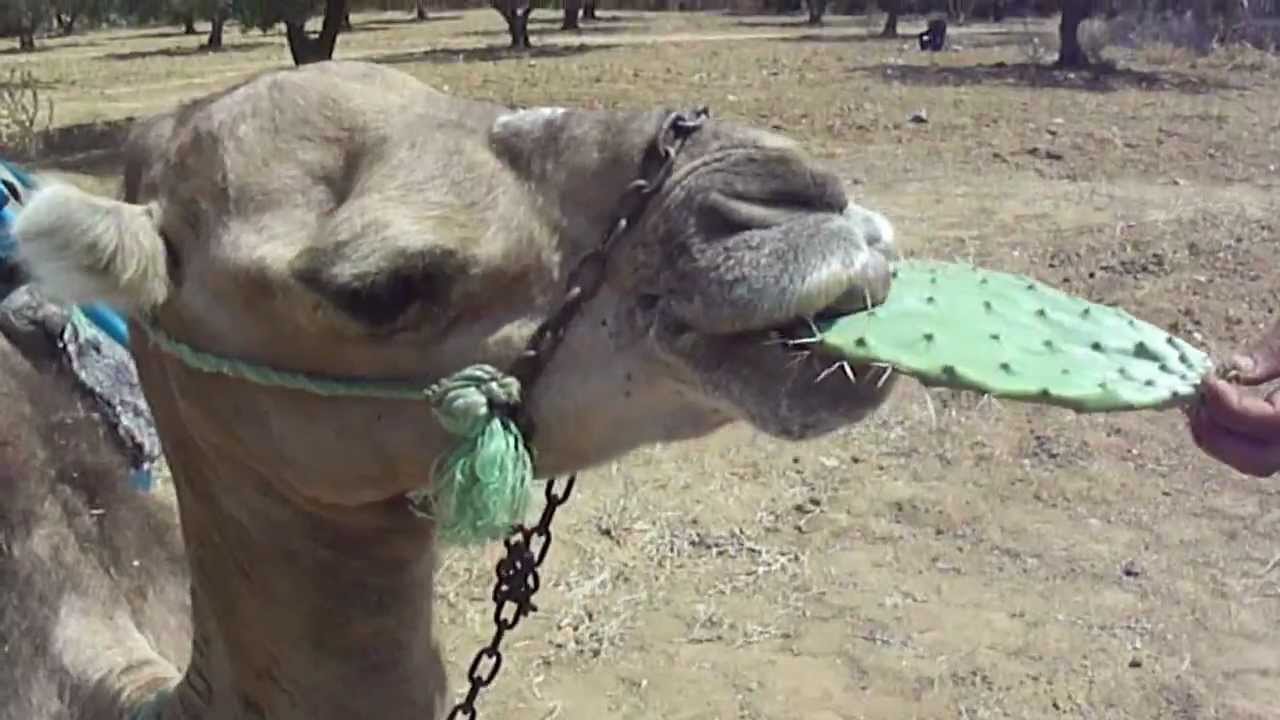
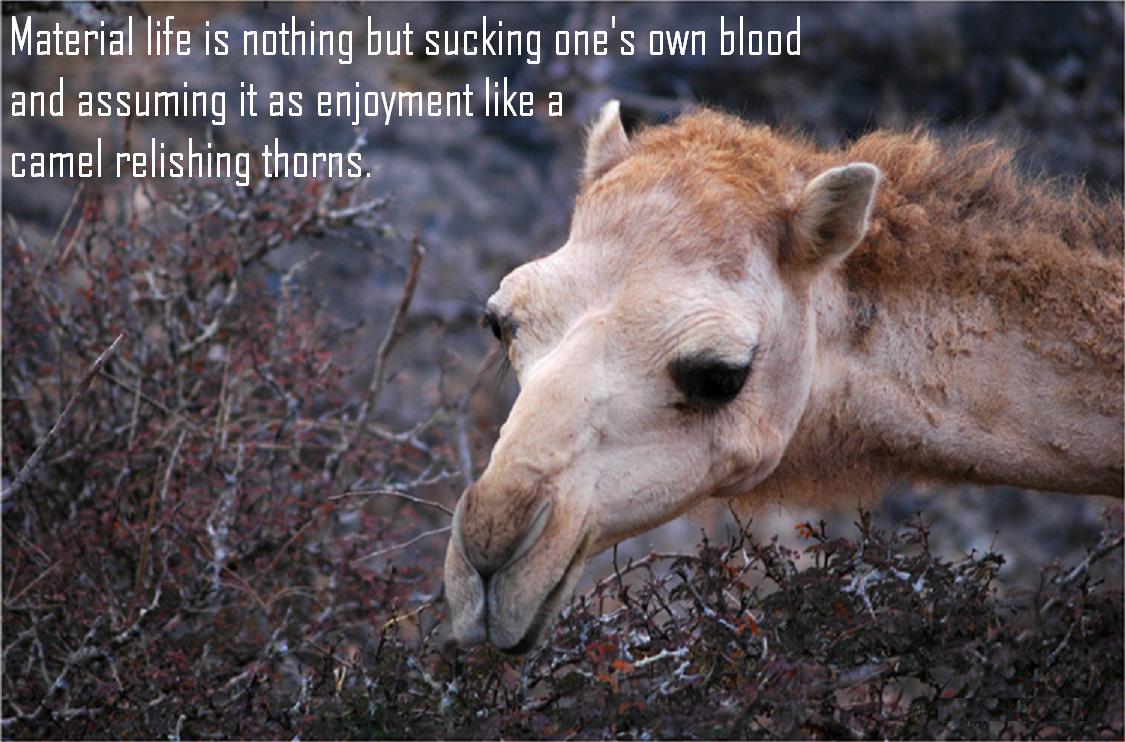
தாவரங்களுள் முள் என்றால் ஒட்டகத்திற்கு அதிகம் பிடிக்கும். ஆனால் அதைச் சாப்பிடும்போதோ அதன் வாயிலிருந்து ரத்தம் ஒழுகும். அதன் வாயில் முள் குத்தலினால் ஏற்படும் வலி தாங்க முடியாத ஒன்று! என்றாலும் கூட அது முள் சாப்பிடுவதை விடுவதில்லை!

என்ன கஷ்டம் வந்தாலும் சரி தான், தான் செய்வதை ஒருவன் விடுவதில்லை என்னும் சமயத்தில் இந்த நியாயம் சுட்டிக் காட்டப்படும். நியாயமாகப் பார்த்தால் அவன் செய்வது சரியில்லை என்றாலும் கூட தனக்குப் பிடித்ததை ஒருவன் செய்யும் போது அது ஒட்டகம் சாப்பிடும் முள் போல என்று சொல்லப்படும்.

Camels_Eating_Thorns

एकसम्बन्धिदर्शने अन्यसम्बन्धिस्मरणम्

ekasambandhidarsane anyasambandhismaranam

ஏகசம்பந்திதர்ஷனே அன்யசம்பந்தி ஸ்மரணம்

ஒன்றை இன்னொன்று தொடர்பு படுத்துவது பற்றிய நியாயம் இது!

ஒரு சம்பந்தியைப் பார்க்க்கும் போது இன்னொரு சம்பந்தியின் ஞாபகம் ஏற்படுகிறது.

ஒன்றை இன்னொன்று ஞாபகப்படுத்தும் போது அல்லது அதே போல இருக்கும் இன்னொன்றைச் சுட்டிக் காட்டும் போது தொடர்பைச் சுட்டிக் காட்ட இந்த நியாயம் சொல்லப்படும்.

titanic-1

काशकुशावलम्बनन्यायः

kasakusavalambana nyayah

காஷகுஷாவலம்பன நியாயம்

துரும்பைப் பிடிப்பது அல்லது புல்லைப் பிடிப்பது பற்றிய நியாயம் இது.

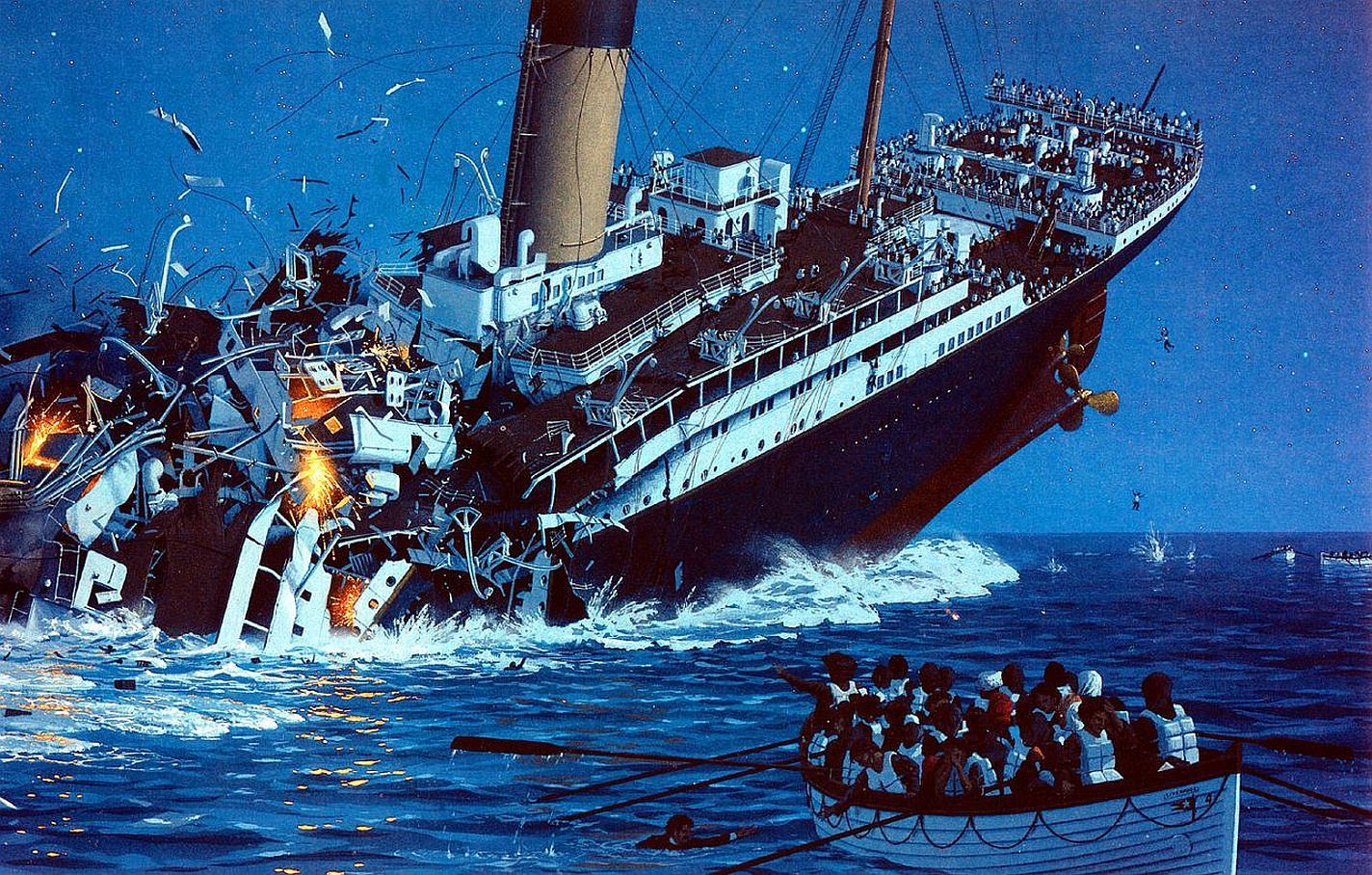
கப்பல் ஒன்று நீரில் மூழ்குகிறது. பயணிகள் நீரில் மூழ்குகின்றனர். அப்போது எப்படியேனும் உயிர் பிழைக்க வேண்டும் என்ற நிலையில் கையில் கிடைத்ததைப் பிடித்துக் கொண்டு உயிர் தப்ப அனைவருமே நினைப்பர்கரை ஓரமாக வளர்ந்திருக்கும் நாணலாகவோ அல்லது தர்ப்பைப் புல்லாகவோ இருந்தாலும் சரி, அதைப் பிடித்து நதியின் வெள்ளத்திலிருந்து தப்ப நினைப்பதே மனித இயல்பு.

இந்த நியாயம் பட்டிமன்றம் அல்லது விவாத மேடையில் பயன்படுத்தப்படுகிறது.

ஒரு விவாதத்தில் நிச்சயம் தோற்று விடுவோம் என்ற நிலையில் சிறிய முக்கியமற்ற ஒரு விஷயம் கைக்குக் கிடைத்தால் அதைப் பிடித்துக் கொண்டு (தொங்குவது போல) விவாதத்தைத் தொடர முயலும் ஒருவரின் நிலையை இந்த நியாயம் சரியாகப் படம் பிடித்துக் காட்டுகிறது! ஆனால் இப்படி (விதண்டா) வாதம் புரிவோர் அனைவரின் ஏளனத்திற்கும் இலக்காவர்.

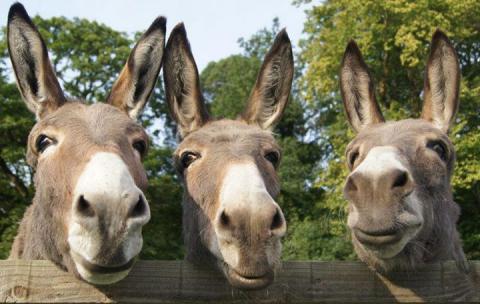
donkeys

Birmingham Donkey Sanctuary, UK

गर्दभरोमगणनन्यायः

gardabharomaganana nyayah

கர்தப ரோம கணன நியாயம்

கர்தபம்கழுதை; ரோமம்மயிர் அல்லது ரோமம்

கழுதையின் ரோமம் பற்றிய நியாயம் இது.

கழுதையே பொதுவாக அசுத்தம் என்று அனைவரும் நினைக்கும் ஒரு பிராணி.

அதனுடைய ரோமமும் கூட யாருக்கும் பிடிக்காது. ஆக அதை வெட்ட நினைக்கும் ஒருவனை என்ன சொல்வது? அந்த ரோமத்தால் அவனுக்கு எந்த பயனும் ஏற்படப்போவதில்லை!

பயனற்ற ஒரு செயலை ஒருவன் செய்ய முற்படும் போது இந்த நியாயம் சுட்டிக்காட்டப்படும்.

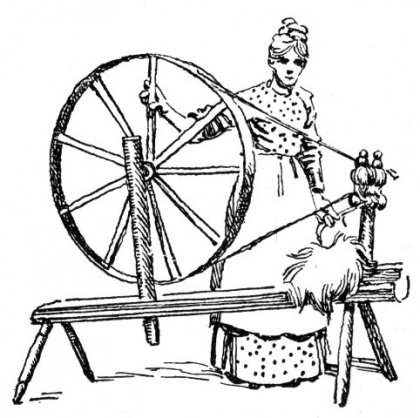
spinning wheel

चक्रभ्रमणन्यायः

cakrabhramana nyayah

சக்ர ப்ரமண நியாயம்

சுழற்றி விடப்படும் சக்கரம் பற்றிய நியாயம் இது.

ஒரு சக்கரத்தைச் சுழற்ற அதை இயக்கும் விசை வேண்டும். விசை இருக்கும் வரை அது ஓடிக் கொண்டிருக்கும். அந்த விசை நிறுத்தப்பட்டு விட்டால் அது அந்த விசையின் விளைவு இருக்கும் வரை ஓடும். பின்னர் நின்று விடும்.

ஒரு இயக்கமானது அதை ஆரம்பித்து அதை இயக்குபவர் இயக்கும் வரை நன்கு இயங்கும். அது நிறுத்தப்பட்டு விட்டால் இயக்கும் தளர்வடைந்து விடும்.

சமூக இயக்கமாக இருந்தாலும் சரி, ஒரு மத ரீதியிலான இயக்கமாக இருந்தாலும் சரி அதை ஊக்கப்படுத்தி செயல்படுத்துபவர் இருக்கும் வரை உற்சாகமாக இயங்கும். ஆனால் அந்த ஊக்கம் அதை இயக்குபவர் இல்லாத போதோ அல்லது அவர் செயல்படாத போதோ தானே நின்று விடும்.

இதைக் குறிக்கும் நியாயம் இது.இடைவிடாத ஊக்கமூட்டும் ஆற்றல் இருந்தால் மட்டுமே எந்த ஒரு விஷயமும் வெற்றியைக் கொண்டிருக்கும்!

*******************

Our Five Fathers, Five Mothers and Five Teachers!

Five-Men-with-Cap-Oil-Painting

Compiled by London swaminathan

Article no. 1700; dated 8 March 2015

Hindu scriptures say the following five men are equal to father and five women are equal to mother.

Janita cha upaniita cha yastu vidyaam prayacchati

Annadataa bhayatraataa panchaite pitarah smrutaaha

-Panchatantra, Subhasitaratnabhandakaram 165/542 and Chanakya Niti

Your own father, the person who takes you to a Guru (one who initiates), the one who gives you education (teacher), one who gives you food and one who saves you from danger are to respected as father.

5-el-teachers-for-suai-2009

Five Mothers

Following five women are considered equal to mothers:

Raaja patni Guroho patni bhraatru patni thadaiva cha

Patnimaathaa svamaathaa panchaitaa maatara smrutaahaa

–Chanakya Niti

Queen (King’s wife), Teacher’s wife, Brother’s wife, own mother and wife’s mother (Mother in law) are considered mother.

Five-teachers-who-are-changing-lives

Five Teachers

Panchaiva guravo brahman purushasya bubhushathah

Pithaa mathaa agnir aatmaa cha guruscha dvijasattama

-Mahabharata – Vana parva – 204-27

Father, Mother, Agni, Self and Teacher are Five Gurus or Preceptors

Guravah pancha sarveshaam vchaturnaam srtichoditaah

Maathaa pithaa thathaachaaryaa  maatulah svasurasthathaa

-Yogavasistha 1-60

Mother, Father, Teacher, Maternal Uncle and Father in Law are respected as Teachers.

men-in-black-clip-art

Where is home?

Mathaa yasya gruhe naasti  bharyaa cha priyavaadhinii

Aranyam tena ganthavyam yathaaranyam thathaa gruham

–Panchatantram

House that is without mother, house where the wife is not soft spoken (not home), then he has to go to a forest; because, for him, the house is where the forest is.

5 women

Who are kind?


Mathaa mithram pithaa cheti svabhaavaatrithayam hitham

Kaarya kaaranataschaanye bhavanti hita buddhaya:

–Hitopadesam

Mother, father and friend are kind at heart by nature; others are kind to you to get some favours; expecting some benefits from you, they are kind.

Ancient wisdom is worth memorising!

swami_48@yahoo.com

யாருக்கு ஜானகி காத்திருந்தாள்!

sita_devi_p

Written by S Nagarajan

Article No 1699; Dated 8th march 2015


தமிழ் திரைப்படங்களில் ராமர் – 9

by ச.நாகராஜன்

யாருக்கு ஜானகி காத்திருந்தாள்!

காதலர் எதிர்பார்ப்பு

காதலனும் காதலியும் ஒருவரை ஒருவர் சந்திக்க விரும்பி எதிர்பார்ப்பதைச் சித்தரிக்கும் திரைப்படங்கள் உலக மொழிகள் அனைத்திலுமே உண்டு. இதற்குத் தமிழ் திரைப்படங்கள் மட்டும் விதி விலக்கு அல்ல!

ராமர் விஷ்ணுவின் அவதாரம்; சீதையோ ராம பத்தினி. விஷ்ணுவின்  மார்பில் இடம் கொண்டவள். ஆகவே அவர்கள் ஒருவரை ஒருவர் சந்திப்பதை எப்படி எதிர்பார்த்தனர் என்பதைக் கம்பன் அழகுற மிதிலைக் காட்சிப் படலத்தில் சித்தரித்துள்ளான். இது போன்ற ஒரு கவிதையை உலக இலக்கியத்திலேயே அப்படிப்பட்ட  நயத்துடன் பார்க்க முடியாது (இதை அத்தியாயம் 3-இல் பார்த்தோம்)


“கருங்கடல் பள்ளியில் கலவி நீங்கிப் போய்

பிரிந்தவர் கூடினால் பேசவும் வேண்டுமோ!”

இதை தற்காலத்திற்கு ஏற்றவாறு தர நினைத்தார் கவிஞர் கண்ணதாசன்; பிறந்தது பாட்டு.

1962ஆம் ஆண்டு வெளியான அன்னை படத்தில் இடம் பெற்ற பாட்டிற்கு இசை அமைத்தவர் சுதர்ஸனம். பாடலைப் பாடியவர்கள் பி.பி.ஶ்ரீனிவாஸ், பி.சுசீலா.

பி.பி. ஶ்ரீனிவாஸின் குரலே மிகவும் அபூர்வமான மென்மையான குரல்; அவர் பாடிய பாடல்கள் அனைத்துமே அற்புதமானவை என்பதை ரசிகர்கள் அவர் பாடலைக் கேட்க இன்றும் விரும்புகிறார்கள் என்பதிலிருந்தே அறிய முடியும்.

ஆக, அன்னை படத்தில் இடம் பெற்ற அழகிய இந்தப் பாடலையும் இன்றும் விரும்பிக் கேட்காதவர்களே இருக்க மாட்டார்கள்!

கூடுதல் போனஸாக வீடியோ காட்சியில் பழைய சென்னையையும் கூட ஒரு ‘ரவுண்ட்’ அடித்து விடலாம்.

rama ramapriya

பாடலைப் பார்ப்போம்:-

மிதிலை நகரில் யாருக்கு ஜானகி காத்திருந்தாள்!

அழகிய மிதிலை நகரினிலே

யாருக்கு ஜானகி காத்திருந்தாள்

பழகிடும் ராமன் வரவை எண்ணி

பாதையை அவள் பார்த்திருந்தாள்

பாதையை அவள் பார்த்திருந்தாள் (அழகிய)

காவியக் கண்ணகி இதயத்திலே .. ஆ ஆ

காவியக் கண்ணகி இதயத்திலே

கனிந்தவர் யார் இளம் பருவத்திலே

கோவலன் என்பதை ஊரறியும்

கோவலன் என்பதை ஊரறியும்

சிறு குழந்தைகளும் அவன் பேரறியும் (அழகிய)

பருவத்துப் பெண்கள் தனித்திருந்தால் (ஆஹ்ஹா, ஓஹோ, ஓஹோ, ஆஹாஹா)

பருவத்துப் பெண்கள் தனித்திருந்தால்

பார்ப்பவர் மனதில் என்ன வரும்

இளையவரென்றால் ஆசை வரும்

இளையவரென்றால் ஆசை வரும்

முதியவரென்றால் பாசம் வரும்

ஒருவரை ஒருவர் உணர்ந்து கொண்டால்

உள்ளத்தை நன்றாய் புரிந்து கொண்டால்

இருவர் என்பது மாறிவிடும்

இரண்டும் ஒன்றாய் கலந்து விடும்


குமாரி சச்சுவும் புதுமுக ஹீரோ ஹரநாத்தும் (ஹரநாத்ராஜு – தெலுங்கு நடிகர்)) கார் ஓட்டிக் கொண்டே பாடும் கேள்வி- பதில் பாட்டான இதில் அழகான அம்சங்கள் ஏராளம் உள்ளன. இளையவர் என்றால் ஆசை வரும்; முதியவர் என்றால் பாசம் வரும் என்ற பதில் ‘இன்டெலிஜெண்ட் பதில்’, இல்லையா!

ஜனகனின் மகளான ஜானகி, ராமனை எதிர்பார்த்துக் காத்திருந்ததை காதலி காதலனின் கேள்விக்குப் பதிலாகத் தருவது, “கருங்கடல் பள்ளியில் கலவி நீங்கிப் போய்

பிரிந்தவர் கூடினால் பேசவும் வேண்டுமோ!” (பழகிடும் ராமன் வரவை எண்ணி!)

என்பதைச் சுட்டிக் காட்டுகிறது.

கடைசி சரணத்தில், இடம் பெறும்,

“ஒருவரை ஒருவர் உணர்ந்து கொண்டால்

உள்ளத்தை நன்றாய் புரிந்து கொண்டால்

இருவர் என்பது மாறிவிடும்

இரண்டும் ஒன்றாய் கலந்து விடும்

என்ற வரிகளோ

“ஒருங்கிய இரண்டு உடற்கு உயிர் ஒன்று ஆயினார்”  என்ற கம்பனின் காவிய வரியை சுருக்கமாக நவீன வடிவில் தந்ததை அல்லவா காட்டுகிறது.

ஜானகி, மிதிலை நகர் என பாரம்பரிய சொற்களைக் கையாண்டதால் அதன் பின்னணியில் வரும் கருத்துக்களையும் அல்லவா கவிஞர் பாடலில் கலந்து தருகிறார்!

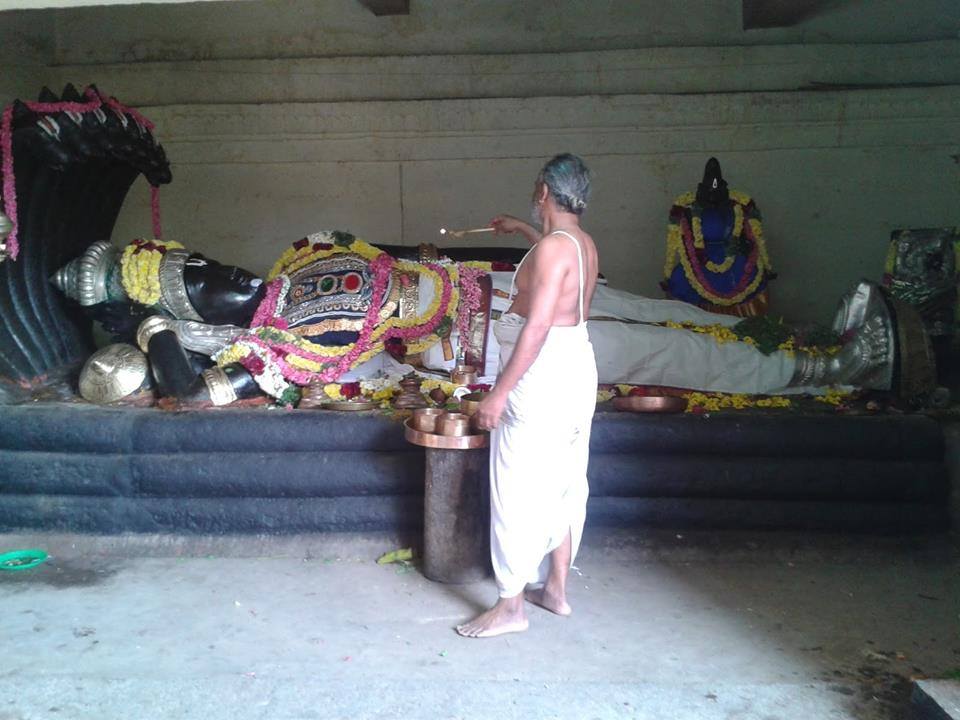
ramar sayana kolam, 18 ft, vengadampettai, cuddalore Dt

Ramar Sayanam, Vengadampettai, Cuddalore District

கவிதை வண்ணம் கம்பன் வண்ணமே!

கம்பனில் மனதைப் பறி கொடுத்த கவிஞர் கண்ணதாசன் கம்பனின் கருத்துக்களை மட்டும் அவ்வப்பொழுது திரப்படங்களில் தரவில்லை; கம்பனின் ஓசை நயம் வார்த்தை நயத்தைக் கூட வாய்ப்பு வரும் போதெல்லாம் தந்து விடுவார்;

கம்ப பக்தி! அதனால் கூடவே வரும் ராம பக்தி!!

எடுத்துக் காட்டாக கம்ப ராமாயணத்தில் வரும் ஒரு பாடலைக் காண்போம்:


“இவ்வண்ணம் நிகழ்ந்த வண்ணம், இனி இந்த உலகுக்கெல்லாம்

உய்வண்ணம் அன்றி மற்று ஓர் துயர் வண்ணம் உறுவதுண்டோ

மைவண்ணத்து அரக்கி போரில், மழை வண்ணத்து அண்ணலே! உன்

கைவண்ணம் அங்குக் கண்டேன்; கால் வண்ணம் இங்குக் கண்டேன்!”


(பாலகாண்டம்-அகலிகைப் படலம் பாடல் 24)

அற்புதமான கருத்து நயம்; ஓசை நயம், எழுத்து நயம், வார்த்தை நயம் உள்ள இதற்கு இணையான இன்னொரு பாடலை எந்த இலக்கியத்திலுமே காண முடியாது என்பது மட்டும்; உண்மை!

ராமனின் கை வண்ணத்தை அரக்கி தாடகை அழிவில் கண்ட மஹரிஷி விஸ்வாமித்திரர் அவன் கால் ஒரு கல்லில் பட அகலிகை சாப விமோசனம் பெற்று எழும் போது கால் வண்ணத்தையும் கண்டு கூறிய வார்த்தைகள் இவை!

இந்த கவிதையின் தாக்கத்தை கவிஞர் 1962ஆம் ஆண்டு ‘பாசம்’ படத்திற்காக எழுதிய பாடலில் காணலாம். இது எம்,ஜி.ஆரும் அன்றைய அழகிய கதாநாயகியான சரோஜாதேவியும் மலர் மஞ்சத்தைச் சுற்றி வந்து பாடும் அழகிய பாடல். பி.பி, ஶ்ரீனிவாஸும் பி.சுசீலாவும் எம்ஜிஆர்-சரோஜாதேவிக்காக பாடிய அரிய சில பாடல்களுள் இது முக்கியமான ஒன்று. இசை அமைத்தவர் எம்.எஸ். விஸ்வநாதன், டி.கே.ராமமூர்த்தி


rama abhishek

Rama Abishek

பாடல் இது தான்:

பால் வண்ணம் பருவம் கண்டு வேல் வண்ணம் விழிகள் கண்டு மான்வண்ணம் நான் கண்டு வாடுகிறேன்

கண்வண்ணம் அங்கே கண்டேன் கை வண்ணம் இங்கே கண்டேன் பெண் வண்ணம் நோய் கொண்டு வாடுகிறேன்

கன்னம் மின்னும் மங்கை வண்ணம் உந்தன் முன்னும் வந்த பின்னும் அள்ளி அள்ளி நெஞ்சில் வைக்க ஆசையில்லையா

கார் வண்ணக் கூந்தல் தொட்டு தேர் வண்ண மேனி தொட்டு பூவண்ணப் பாடம் சொல்ல எண்ணமில்லையா

மஞ்சள் வண்ண வெயில் பட்டு கொஞ்சும் வண்ண வஞ்சிச் சிட்டு அஞ்சி அஞ்சி கெஞ்சும் போது ஆசையில்லையா

நேர் சென்ற பாதை விட்டு நான் சென்ற போது வந்து வா என்று அள்ளிக் கொண்ட மங்கை இல்லையா!

ராமரின் தாக்கம் பெற்ற, கவிஞன் கம்பனின் தாக்கம் பெற்ற, கவிஞரின் தாக்கம் பெற்ற, பாடலின் சிறப்பை விவரிக்கத் தேவையே இல்லையே!

கம்பனின் பாடல்களை ஆழ்ந்து சிந்தித்து மகிழ கண்ணதாசன் பெரிதும் உதவுகிறார், இல்லையா!

***************

swami_48@yahoo.com

தமிழில் ‘ஜ’ ‘ய’ மர்மம்!

JJJJJ

Written by London swaminathan

Article No 1698; Dated 7th march 2015

London Time 22-11

பழனி அருகில் உள்ள பொருந்தலில் ஆறு ஆண்டுகளுக்கு முன் ஒரு கல்வெட்டு கிடைத்தது. அது பிராமி (ஸரஸ்வதி என்று பொருள்) லிபியில் எழுதப்பட்டுள்ளது—ஆனால் மொழி சம்ஸ்கிருதம்! இது 2500 ஆண்டுப் பழமை உடையது. இந்த தேதி சரியென்றால் இதுதான் இந்தியாவில் கிடைத்த மிகப் பழமையான கல்வெட்டு! வஜ்ர என்ற வடசொல் வைரத்தையும் வஜ்ரம் போன்ற கடினமான வஜ்ராயுதத்தையும் குறிக்கும். இது புறநானூறு உள்பட பல சங்க இலக்கியப் பாடல்களில் பயன்படுத்தப்பட்ட சம்ஸ்கிருத சொல்.

வஜ்ரம் என்பது தமிழ் விதிகளின் படி வயிரம் ஆனது. அதாவது ஜ (J) என்னும் ஒலி ய (Y) என்னும் ஒலியாகத் திரிந்தது. ஏன்? இது உலகம் முழுதும் நடந்த ஒரு அதிசயம். “மர்மம்” என்றாலும் தவறில்லை.

ஜ (Ja) அல்லது ஆங்கில எழுத்தில் “ஜே” (J) என்ற எழுத்தின் வரலாற்றை கலைக் களஞ்சியங்களில் படித்தால் அவர்கள் பயன்படுத்தும் மொழியியல் கலைச் சொற்களைக் கேட்டு மயக்கம் போட்டு விடுவீர்கள். அவர்களும் குழம்பிப்போய், உங்களையும் குழப்பி விடுவார்கள். பல மொழிகளின் பெயர்களை சம்பந்தா சம்பந்தமில்லாமல் சேர்த்துக்கட்டியவர்கள் தமிழையோ சம்ஸ்கிருதத்தையோ எங்குமே குறிப்பிட இல்லை. உண்மையில் இவ்விரு மொழிகளில் 2500 ஆண்டுகளுக்கு முன்னரே இது காணப்படுகிறது. இவ்விரு மொழிகளையும் பயிலாதோர் இந்திய கலாசாரம் பற்றியோ வரலாறு பற்றியோ எழுதினால் அது தவறாகப் போய்விடும்.

YYY!

யாமம் =ஜாமம்

யேசு = ஜீஸஸ்

யூத மதம் = ஜூடாயிசம்

யாத்திரை = ஜாத்ரா

யவை = ஜாவா (தீவு)= சாவகம்

யாஸ்மின் = ஜாஸ்மின்

யூசுப் = ஜோசப்

அயன் = அஜன் (தானுமாலயன்)

வயிரம் = வஜ்ரம்

இப்படி எவ்வளவோ சொற்கள் உள்ளன. ஜ-வையும், ய-வையும் மாற்றிப் புழங்குகின்றனர். இதில் எது சரி?

‘ஜே’ (J) என்ற எழுத்தும் ‘வி’ (V) என்ற எழுத்தும் சாமுவேல் ஜான்ஸன் தயாரித்த புகழ் பெற்ற ஆங்கில அகராதியில் கிடையாது! அவர் 1755ல் வெளியிட்ட அகராதியில் ஆங்கில நெடுங்கணக்கில் 24 எழுத்துக்கள்தான்!! 26 இல்லை!! ஆனால் சொற்களின் ஸ்பெல்லிங்குகளில் (Spellings)  அவர் இதைப் பயன்படுத்தினார். ஜே என்பது ஒய் Y (ய) என்ற ஒலியிலும் வி V என்பது யு U என்ற ஒலியிலும் பயன்படுத்தப்பட்டன. இதுபோல பழங்கால லத்தீன் எழுத்திலும் இவ்வொலிகள் கிடையா!

ஜே என்ற ஆங்கில எழுத்தை 500 ஆண்டுகளுக்கு முன் பார்த்திருக்க முடியாது– உண்மையில் Ja ஜ-வும் Ya ய-வும் இடம் மாறி ஒலிப்பதுண்டு. ஆகையால் இதை அராபிய மொழியிலும், ஹீப்ரூ மொழியிலும் கூட சொற்களில் காணலாம். ஆனால் படிப்பது ‘ய’ என்றே படிப்பர். (யேசு YESU என்பது சரி; ஜீஸஸ் JESUS என்பது பிழை).

வெளிநாடுகளில் மொழியியல் படித்தவர்கள் தமிழையும் சம்ஸ்கிருதத்தையும் பயிலாததால் பக்கம் பக்கமாகத் தப்பான விஷயங்களை எழுதி வைத்துள்ளனர்.

JJ2

அவர்கள் சொல்லுவது என்ன?

‘ஜ’ J என்ற எழுத்து இல்லை என்றும் ஐ I (அய்) அல்லது ஒய் Y (ய) என்பதைப் பயன்படுத்த இந்தக் குறியீட்டைப் பயன்படுத்தியதாகவும் காலப்போக்கில் உச்சரிப்பு மாற்றத்தில் அது ஜ J–ஆக மாறிவிட்டதாவும் எழுதி வைத்துள்ளனர். இது முற்றிலும் தவறு.

இந்திய மொழிகளில் ஜ- வும் ய-வும் இடம் மாறும். யவை (Yava in Rig Veda) தானியம் = ஜாவா (Java Islands of Indonesia) , யாமம்= ஜாமம், அஜன் = அயன்/பிரம்மா, யாத்திரை = ஜாத்ரா எனப் பல சொற்கள் உண்டு.

வெள்ளைக்கார ஆராய்ச்சியாளர்கள் இந்த எழுத்தின் 500 ஆண்டு வரலாறு பற்றி மட்டுமே பேசுகின்றனர். ஆனால் பொருந்தலில் கண்டுபிடிக்கப்பட்ட கல்வெட்டில் ‘வயிர’ என்று வஜ்ரம் (டயமண்ட்) குறிப்பிடப்பட்டுள்ளது. இந்தக் கல்வெட்டு கி.மு. ஐந்தாம் நூற்றாண்டைச் சேர்ந்தது என்பது அதனுடன் இருந்த நெல்லை அமெரிக்க சோதனைச் சாலைகளில் ஆராய்ந்ததில் தெரியவந்தது. துல்லியமாகச் சொன்னால்  கி.மு 499 என்ற தேதி கிடைத்திருக்கிறது. ஆகவே 2500 ஆண்டுகளுக்கு முன்னரே ஜ – ய – ஆக மாறுவதைக் காண முடிகிறது (வஜ்ர= வயிர). இவ்விரு மொழிகளும் தெரியாத “அறிஞர்கள்” பக்கம் பக்கமாக எழுதித் தள்ளிவிட்டனர்.

பொருந்தல் கல்வெட்டு கிடைக்காவிட்டாலும் கூட சங்க இலக்கியத்தில் வயிர, யாமம் என்ற சொற்கள் உள்ளன. இவை சம்ஸ்கிருதச் சொற்கள். லத்தீன், தமிழ் ஆகிய இரண்டும் ஏறத்தாழ சமகாலத்தியவை. இரண்டிலும் கி.மு. மூன்றாம் நூற்றாண்டுக்குப் பின்னரே இலக்கியம். ஆனால் லத்தீன் மட்டுமின்றி, ஹீப்ரூ (எபிரேயம்), அராபிய மொழிகளிலும் ஜ = ய மாற்றம் இருக்கிறது. ஜீஸஸ் என்பது தவறு. அவருடைய அப்பா, அம்மா வைத்த பெயர் ஏசு. ஜூடாயிஸம் என்பது தவறு யூத (யெஹுதி) என்பதே சரி.

language problem

தொல்காப்பியத்திலேயே வடசொற்களைக் கடன்வாங்குகையில் தமிழ் ஒலிக்கு மாற்ற வேண்டும் என்று சொல்லி இருப்பதால் வஜ்ர – வயிர ஆனது.

புற நானூறு பாடல் 365 ஐ எழுதியவர் பெயர் மார்க்கண்டேயன். தூய சம்ஸ்கிருதம்! அவர் பாடலில் வயிரக் குறடு என்ற சொல்லைப் பயன்படுத்துகிறார். அந்தப் பாடல் முழுதும் வட மொழிக் கருத்துகளே. ரிக்வேதத்தின் புருஷசூக்தம், விஷ்ணு சஹஸ்ரநாமம் முதலியவற்றில் வரும் விராட புருஷன் அதில் வருணிக்கப்படுகிறது. சூரியனும் சந்திரனும் கண்கள். மற்றும் பூமாதேவியை என்றும் கன்னிப் பெண்ணாக இரு என்று பார்வதி சபித்த கதை வருகிறது. பூமாதேவி அழுகிறாள். என்னை மணந்து கொண்ட ஒவ்வொரு அரசனும் போன பின்னரும் நான் மட்டும் என்றும் இங்கே கஷ்டப் படுகிறேனே என்று. பூமி என்பது அரசனின் மனைவி என்பதும் காளிதாசன் பாடலில் வரும் வடமொழிக் கருத்தே. இப்படியெல்லாம் மார்க்கண்டேயனார் சொல்லுவதற்கிடையில் வயிர என்ற சொல்லும் வருகிறது. விஞ்ஞான உண்மைப்படி உலகிலேயே மிகக் கடினமான பொருள் வயிரம் என்பதால், இந்திரனின் ஆயுதத்துக்கு வஜ்ராயுதம் என்று வேதங்கள் கூறும். ஆக ஜ = ய இடமாற்றம் இந்தியாவில் இருந்து உலகிற்குச் சென்றதே அல்லாமல் வெளி நாட்டு அறிஞர்கள் கூறுவது போல “உச்சரிப்பு மாற்றம்” (Pronunciation Shift), ஸ்பெல்லிங் மாற்றம் (Spelling Change) , ஸ்பெல்லிங் குழப்பம் என்பதெல்லாம் பொருந்தா வாதம். மேலும் ஹீப்ரூ, அராபிய, லத்தீன் மொழிகள் வெவ்வேறு குடும்பத்தை சேர்ந்தவை. லத்தீன் சம்ஸ்கிருதத் தொடர்புடைய மொழி! அவர்கள் இப்படி எல்லா மொழிகளையும் முடிச்சுப்போடுவது குழப்பத்தின் உச்சகட்டம்!

accent

உலகில் உள்ள எல்லா மொழிகளையும் தமிழ், சம்ஸ்கிருதம் ஆகிய மூலத்தில் கொண்டு சேர்த்து விடலாம் என்ற என் வாதம் இந்த ஜ=ய (J = Y ) மாற்றத்தால் வலுப்பெறுகிறது. பல மொழிக் குடும்பங்களில் இந்த மாற்றம் இருப்பதும் பொருந்தல் கல்வெட்டில் 2500 ஆண்டுகளுக்கு முன்னர் இது துவங்கியதும் உலக மொழிகள் அனைத்தும் தமிழ் – வடமொழியில் இருந்து சென்றவை என்பதும் தெளிவாகிறது.

முன்னரே சொன்னேன் :– ஆங்கிலத்தில் ஆயிரக்கணக்கான தமிழ் சொற்கள் உள்ளன. இவைகளைப் பட்டியலிட்ட சாத்தூர் சேகரனை 1987-ல் இலண்டன் பி.பி.சி. தமிழோசையில் பேட்டிகண்டு ஒலிபரப்பினேன்.

ஒரே ஒரு எடுத்துக் காட்டு:–ஒன்று, எட்டு என்பதை ஆங்கில எண்களில் உள்ள ONE ஒன்,  EIGHT எய்ட் என்பதில் காணலாம். ஏனைய எண்கள் எல்லாம் சம்ஸ்கிருத அடிபடையிலானவை: த்வ, த்ரீ (டூ TWO , த்ரீ THREE ). இதே போல ஆங்கிலத்தில் முதலில் சம்ஸ்கிருதப் போக்கில் எண்கள் வரும்: த்ரீ+ டென்=தர்டீன் Thirteen, போர்+டென்= fஓர்டீன் Fourteen, பைவ்+டென்=Fப்டீன் Fifteen. இருபதுக்கு மேல் தமிழ்ப்போக்கில் எண்கள் வரும்; ட்வெண்டி+ஒன்= ட்வெண்டி ஒன் Twenty One, ட்வெண்டி டூ Twenty Two என்று—  சம்கிருதத்தில் இப்படி இரா.

சுருக்கமாகச் சொன்னால் ஆங்கிலத்தில் எண்களில்கூட பாதி தமிழ் வழியிலும் பாதி சம்ஸ்கிருத வழியிலும் இருக்கும். இப்படி எல்லாப் பழைய மொழிகளிலும் தமிழ்–வடமொழித் தாக்கம் இருப்பதால் இந்தியர்களே உலகம் முழுதும் சென்று நாகரீகத்தை நிலை நாட்டியது விளங்கும்.

YY22

புணர்ச்சி/ சந்தி விதிகள் உலகில் உள்ள இரண்டே மொழிகள்:- தமிழும் சம்ஸ்கிருதமும்தான். இது பாரதீய சிந்தனையில் பிறந்த விதிகள். இன்று வரை சந்தி விதிகளுக்கு இலக்கணம் அமைத்து அவைகளைப் பின்பற்றுவது இவ்விரு மொழிகளே என்பதால் இவை இரண்டுக்கும் உள்ள தொடர்பு வேறு எந்த இரண்டு மொழிகளுக்கும் இடையில் உள்ள தொடர்புகளைவிட அதிகம்! தமிழுக்கு மிக நெருக்கமான ஒரே மொழி சம்ஸ்கிருதம் மட்டுமே.

இரண்டு சொற்கள் இணையும் போது மட்டும் மாறுவதோடு (மா+கோடு= மான்கோடு அல்லது மாங்கோடு) நில்லாமல் சொற்களுக்குள்ளும் மாறும் (பல்+கள்=பற்கள்; ஆள்+கள்= ஆட்கள், கண்+செவி=கட்செவி; மல்லிப் புத்தூர்= வில்லிப் புத்தூர், முழி-விழி). இந்தப் புணர்ச்சிவிதிகளை ஐரோப்பாவில் சம்ஸ்கிருதம் தொடர்பான மொழிகளில் இப்போது கொஞ்சம் காணலாம். தமிழிலும் வடமொழியிலும் முழுவீச்சில் பயிலப்படுவதால் இவ்விரு மொழிகளும் ஒரே சிந்தனையில் ஒரே மூலத்தில் பிறந்தவை! காலப்போக்கில் அதனதன் பாதையில் கிளைவிட்டுப் பிரிந்து சுதந்திரமான மொழிகளாகத் திகழ்ந்தன!

swami_48@yahoo.com

Mystery of ‘J’and ‘Y’ in literature!

JJJJJ

Written by London swaminathan

Article No 1697; Dated 7th march 2015

London Time 14-08

The history of letter ‘J’ is mysterious. It is also very confusing. If you read the history of this letter in encyclopaedias you can see how confused the linguists are. They have used all the terms in linguistics that are available to describe the letters: vowel, consonant, fricative, post alveolar fricative, palatal approximant, voiced, voiceless alveolar plosive, diphthong, pronunciation shift etc. They have linked various languages such as Latin, Greek, Hebrew, Arabic and Romance languages. These languages belonged to different families, not at all related! In short they are confused and they would confuse you!

Strange Facts: Most famous Samuel Johnson’s English dictionary (1775) had only 24 letters! No J, No V! Later dictionaries such as Webster only used 26 letters! Then the English were forced to use 26 letters. Samuel used the letters J and V in the spelling of words, J for y or I;  V was used for u.

YY22

Ancient Latin had no sound ‘J’, hence no letter for it. Ancient Romans of 100 CE had 23 letters only; no J, no V and no  W!

–from the book The Alphabet by David Sacks

Look at the following words; which is correct?

Yesu = Jesus

Yuda/Yehudim = Jew

Yasmin = Jasmin

Yulius = Julius

Yusuf = Joseph

Yitro = Jethro (crescent)

Yatra = Jatra

TAMIL = SANSKRIT

Yama = Jama

Yava = Java ( Savakam in Tamil)

aYan = aJan ( AJAN means Brahma;Than+Mal+ Ayan;Suchindram)

vYira = vaJra (Porunthal Inscription)

gaYamukasura = gaJamukasura

RamaDan = RamJan = RamaLan (D=J=L)

JJ2

YYY!

Nowhere in the encyclopaedia had they mentioned Tamil and Sanskrit, two ancient languages. My research shows that their theories are wrong. Since they don’t know Tamil and Sanskrit, they have come to wrong conclusions. Those who study Tamil and Sanskrit and compare them with other languages will rewrite linguistic theories.

Letter ‘J’ is used as ‘Y’ in many languages now. The origin of this change lies in Tamil and Sanskrit literature.

Oldest Sanskrit Inscription in India!

Sometime ago a fifth century BCE inscription was discovered at Porunthal near Palani in Tamil Nadu. It has a Brahmi inscription with the Sanskrit word “Vayira”. This is a Sanskrit word used for diamond = VaJra. Here also we see the J=Y change. Tolkappiam , the oldest Tamil book gives the rules for borrowing Sanskrit words. So this vaJra is a Sanskrit word borrowed and changed to vaYira. If the dating of this inscription ( Fifth Century BCE) is correct, then  we see the change in the oldest inscription in Tamil Nadu. When the archaeologists sent the paddy found in the place it was dated 490 BCE by American laboratories.

Sanskrit word Vayira is used in Sangam Tamil literature in many verses. Poet Markandeya used it in Purananuru verse 365. The verse is full of stories from Sanskrit scriptures. Rig Vedic Purusha sukta descrition of the universe, Kalidasa’s story of cursing Bhumadevi to be a spinster for ever, Bhumi being the wife of Hindu kings, Vajra Suci (Diamond needle) etc are found in the verse. Sangam poet name is also in Sanskrit!

language problem

Now we know how Yeshu changed to Jesus and Yusuf changed to Joseph. It happened even before Latin literature appeared in the world in 3rd century BCE.

Yama is a unit of time; one fourth of the day. It is written as Jama. Vajra (vayira) and Yama (jama) are found in ancient Tamil literature. Tamil and Latin have contemporary literature. Even without the Palani Brahmi inscription, we can prove that J=Y from Tamil and Sanskrit literature.

The conclusion is that there is no truth in the explanations given in encyclopaedias for many pages about “spelling shift or pronunciation shift” Y=I=J. It is all happened in ancient India. Since Tamils and Sanskrit speakers spread to different parts of the world they took it with them. We can trace back most of the ancient words to Tamil and Sanskrit. I already gave the example Number ‘One’ and ‘Eight’ in English are from Tamil (Ondru, Ettu) where as other English numbers are from Sanskrit. We can see it English numbers from 21, 31, 41 etc. They are done in the Tamil way: twenty + one, thirty+one (in Tamil irupaththu ondru, muppathu ondru etc). The English numbers before twenty are done as in Sanskrit: 3+10= thirteen, 4+ten= Fourteen, Five+ Ten = Fifteen etc.

All the ancient languages in the world develop either the Tamil way or the Sanskrit way. In English we see both the trends.

In short, all the ancient languages have come from Tamil and Sanskrit. There are thousands of Tamil words in English. The long list was given by Sathur Sekaran 40 years ago, who I interviwed in the BBC Tamil Service in London in 1988.

If we go deeper still, we can see both Tamil and Sanskrit have the same roots and same grammar rules; Sandhi (Punarchi in Tamil) rules or Joining of words rules are followed until today only in two languages Tamil and Sanskrit. Some of the vestiges we can still see in European languages which have come from Sanskrit! (Or cal it Indo-European!)

Tamil is closely related to Sanskrit. There is no other language that comes this closer. This did not happen because of geographical proximity; it happened because of internal thinking process. Both languages evolved from the same source and diversifies or branched out 2500 years ago.

accent

swami_48@yahoo.com

மாந்தோப்பு மரங்கள்!

Mango_

Written by S Nagarajan

Article No 1696; Dated 7th march 2015

London Time 6-35 am


சம்ஸ்கிருதச் செல்வம் – இரண்டாம் பாகம்

20. மாந்தோப்பில் உள்ள மரங்கள்!

.நாகராஜன்

நியாயங்களின் வரிசைத் தொடரில் மேலும் சில நியாயங்களைப் பார்ப்போம்:

आचरार्यत्वन्यायः

acararyatva nyayah

ஆசாரார்யத்வ நியாயம்

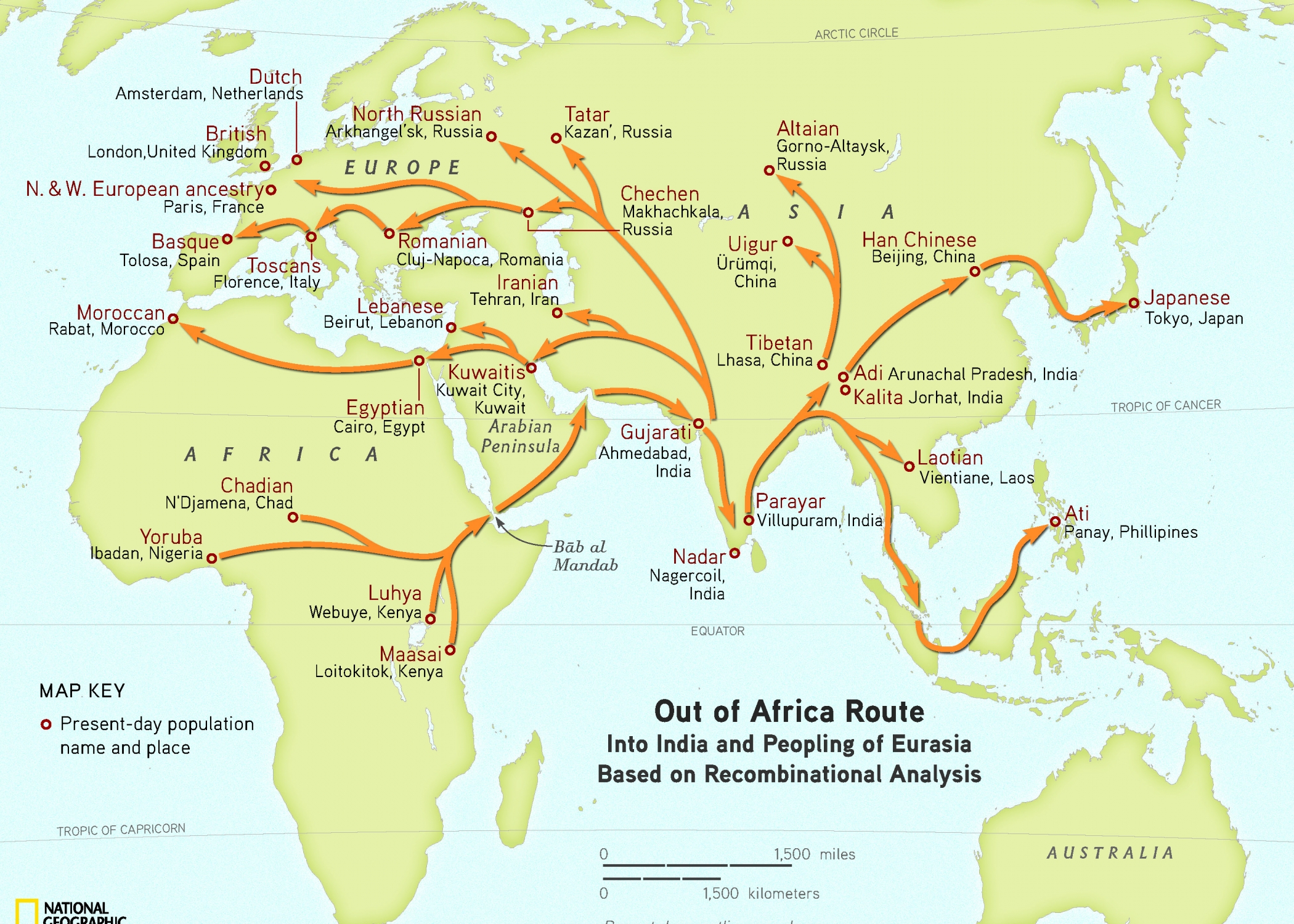
ஆர்யன் என்ற சொல்லுக்கு பண்புடையவன் என்று அர்த்தம். ஆரிய இனம் எங்கிருந்தோ வந்தது, பாரதத்தில் புகுந்து தலைமை இடத்தைப் பிடுங்கிக் கொண்டது என்பதெல்லாம் வெள்ளைக்காரர்களின் பிரித்தாளும் சூழ்ச்சி, வேற்றுமைகளைத் தொடர்ந்து உருவாக்கும் உத்தி ஆகியவற்றின் அடிப்படையில் பரப்பப்பட்ட கருத்துக்கள். இதை முதலில் மனதில் கொண்டு இந்த நியாயத்தின் பொருளைப் புரிந்து கொள்ளும் அணுகுமுறை இருத்தல் வேண்டும்.

human-migration-map

வர்ணாச்ரம தர்மம் சமூகத்தின் நான்கு முக்கிய பிரிவுகளைச் சுட்டிக் காட்டும் ஒன்று. இதில் ஏற்றத் தாழ்வு எதுவும் இல்லை. இதே போல வாழ்க்கையின் முக்கிய பிரிவுகளாக க்ரஹஸ்தாச்ரமம், வானப்ரஸ்தம் போன்றவையும் அமைக்கப்பட்டுள்ளன.

இந்த நியாயம் ஆசாரம் மற்றும் ஆர்யத்வம் பற்றிச் சொல்லும் நியாயம்ஆசாரங்கள் எனப்படும் நல் நடத்தைகளும் பண்பாடுள்ள வாழ்வும் ஆர்யர்களின் வம்சத்தை, அதாவது பண்பாடுள்ளவர்களின் வம்சத்தை வளர்க்க இன்றியமையாதவை என்று சொல்கிறது இந்த நியாயம்.

ஒன்று இன்னொன்றைச் சார்ந்திருக்கிறது என்கிறது இந்த நியாயம். ஆசாரம் இருந்தால் மட்டுமே ஆர்யத்வம் எனப்படும் பண்பாட்டுத் தன்மை இருக்கும். ஆர்யன் எனப்படுபவன் ஆசாரமுள்ளவன் அல்லது நல்நடத்தைகளின் தொகுதியால் பின்னப்பட்ட வாழ்க்கையை உடையவன் என்பதையே இந்த ஆசாரமும் ஆர்யத்வமும் என்னும் நியாயம் சொல்கிறது.

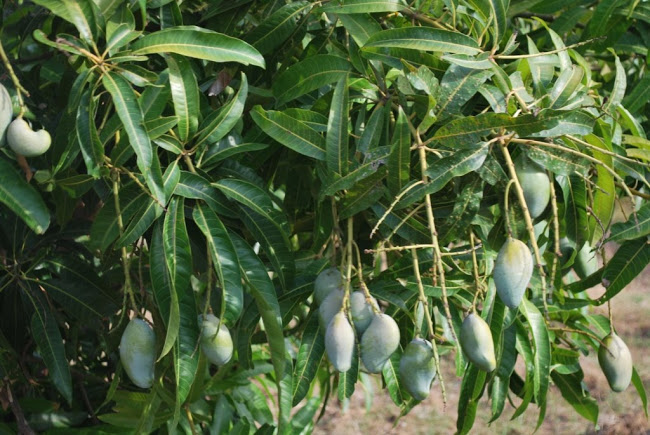
Mango Grove (1)

आम्रवनन्यायः

amravana nyayah

ஆம்ரவன நியாயம்

ஆம்மா; வனதோப்பு; ஆம்ரவனம்மாந்தோப்பு

மாந்தோப்பின் அடிப்படையில் எழும் நியாயம் இது.

மாமரங்கள் அதிகம் அடங்கிய ஒரு தோப்பு இருக்கிறது. அந்தத் தோப்பில் வேறு வகை மரங்களும் கூட சில இருக்கக்கூடும். என்றாலும் கூட எண்ணிக்கை மற்றும் முக்கியத்துவத்தின் அடிப்படையில் அது மாந்தோப்பு என்றே அழைக்கப்படும். வழக்கத்தின் அடிப்படையில் ஏற்படும் சொல்வழக்கத்தை இந்த நியாயம் சுட்டிக் காட்டுகிறது. அத்தோடு சகவாசத்தால் ஏற்படும் விளைவையும்நல்லவர், தீயவர் சேர்க்கையால் ஏற்படும் விளைவையும்இது சுட்டிக் காட்டும்.

 blaring

करिबृंहितन्यायः

karivrnhita nyayah

கரிப்ரிங்ஹித நியாயம்

கரியானை; ப்ருங்ஹிதம்யானை

கரி என்ற சொல் யானையைக் குறிக்கும். ப்ரிங்ஹிதம் என்றாலும் யானையையே குறிக்கும்.

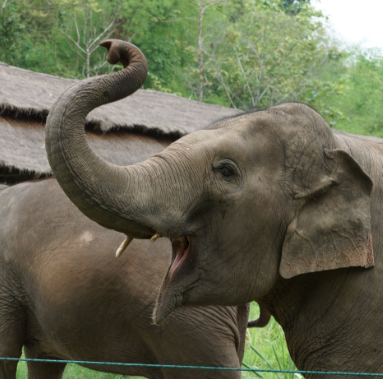
யானை பிளிறுவதைச் சொல்கிறது இந்த நியாயம்.

ப்ருங்ஹிதம் என்றாலேயே யானை பிளிறல் என்று தான் பொருள். கரி என்ற சொல் இங்கு அதிகப்படியாக இருக்கிறது. இது ஒரு சிறப்பான அழுத்தத்தைத் தரப் பயன்படுத்தப்பட்டுள்ளது.

உதாரணமாக மாலை என்ற சொல்லை எடுத்துக் கொள்வோம். மாலை என்றாலேயே பொதுவாக பூக்களால் தொடுக்கப்பட்ட ஒன்று என்று தான் அர்த்தம். என்றாலும் கூட பூமாலை அல்லது புஷ்பமாலா என்றே சொல்கிறோம். இங்கு மாலையில் பூக்களின் மேன்மையை எடுத்துக் காட்டவே பூமாலை என்ற சொல்லை வழக்கத்தில் பயன்படுத்துகிறோம். அது போலவே ப்ரிங்ஹிதம் என்னும் பிளிறலை கரிப்ரிங்ஹிதம் என்று யானையின் பிளிறல் என்று கூறி யானையைச் சிறப்பிக்கிறோம். இது போல ஒரு விஷயத்தின் சிறப்பைக் குறிக்க அதே பொருளைக் கொண்ட சிறப்புச் சொல்லைப் பயன்படுத்திக் கூறுவதை இந்த நியாயம் நியாயப்படுத்துகிறது. கூறியது கூறல் என்ற குற்றம் இங்கு எழாது.

crow

काकदधिघातकन्यायः

kakadadhighataka nyayah

காகததிகாதக நியாயம்

காகம்காக்காய்; ததிதயிர்

காகமும் தயிர்ப்பானையும் பற்றிய நியாயம் இது.

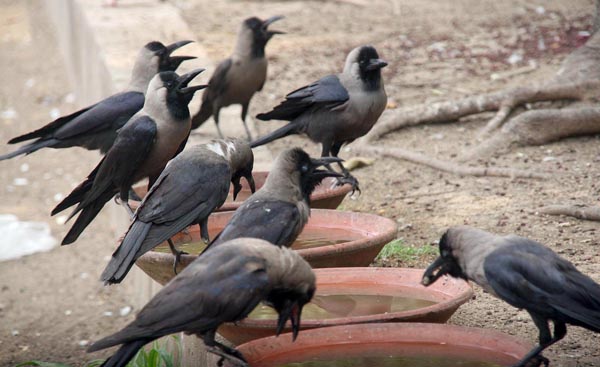
இதன் அடிப்படையிலான சம்பவம் இது தான்: ஒருவர் தயிரை வைத்திருக்கும் தயிர்பானையை பத்திரமாக காக்கையிடமிருந்து பாதுகாக்குமாறு இன்னொருவரிடம் கூறினார். காக்கையிடமிருந்து தானே பாதுகாக்கச் சொன்னார் என்று அதை மட்டும் விரட்டி விட்டு மற்ற மிருகம், பறவைகள் அந்த தயிர்பானையில் உள்ள தயிரை எடுக்க அவர் விடலாமா? கூடாது.

crow2

காகத்திடமிருந்து காக்க வேண்டும் என்று சொல்லும் போதே இதர அனைத்து பறவைகள், மிருகங்கள் முதலியவற்றிடமிருந்து தயிரைப் பாதுகாக்க வேண்டும் என்பது சொல்லாமலேயே அதில் அடங்குகிறது, இல்லையா! அதே போல முக்கிய விஷயத்தை ஒரு சொல்லால் கூறி அனைத்தையும் உள்ளடக்குவதற்கு இந்த நியாயம் பயன்படுத்தப்படுகிறது.

***********

Hindu Issues: Questions from Medical Students!- Part 2

IMG_2472

Written by London swaminathan

Article No 1695; Dated 6th march 2015

London Time 11-09 am

This is the second and final part of my talk to the medical students at Kings College, London. Please read the first part before reading this part.

Alcohol prohibited

When I said alcohol is also prohibited, a girl student interrupted me asking where in Hindu scriptures it is said that you should not drink? I answered her: It is written in all the Hindu scriptures from the Vedas to the latest literature (Tirukkural in Tamil). I told her that I wrote an article on the same topic in my blog showing the difference between Sura Pana (alcoholic drinks) and Soma Pana. Even soma pana is not a narcotic drug. It was a medicinal herb. (One student took my website ID)

IMG_2476

ABORTION: Brunu Hathi

Abortion is a big issue in the U S.; during the American elections it becomes a heated issue. In India the female foeticide has created a big problem now. The ratio between male and female has gone down to a dangerous level. In some places there are only 800 girls for 1000 boys. It may create moral issues. Even now marriages are becoming difficult. But Hindu religion never allowed foeticide. Killing a foetus is considered a murder- Brunu Hathi. 1500 years ago the families of boys went to bride’s house and gave money to get the girl. We have enough proof for it in ancient Tamil and Sanskrit literature. After 1000 year foreign rule in India, it changed topsy-turvy. Boys were demanding dowry money. Then having a girl in the house was considered a burden. This was the reason for female foeticide. It is not allowed in Hindu religion. Because of this imbalance, now boys are ready to give dowry!

I had a chat with a London doctor about it. She believes in all the old Hindu values. She told me that she also supported abortion, when it was known that the child will have some serious genetic diseases. Nowadays people do it if they know for sure that would be child will have some serious deformities. In those days we did not have tests such as amniocentesis.

Two thousand years ago the condition of women were very different in India. They were highly educated and attended conferences where philosophical debates took place. Even before the Greeks started writing their epics Hindu women were attending such sessions and questioning great scholars of those days. We know Gargi Vachaknavi and other such women who lived 3000 years ago.

Organ donations

Very often I am asked about organ donations and religious sanction for it. We did not have much about it in our literature. Though medical scholars like Susruta talk about Rhinoplasty (Nose Transplant) 2500 years ago, we don’t know about organ “donations”. We have to do certain organ transplants within few hours of their availability. We did not have those facilities 2000 years ago.

There are interesting stories such as a devotee of Lord giving eye (Kannappa Nayanar) and another devotee giving his bone (Dadichi). But they all fall under mythology. We know for sure a Pandya king getting golden hand after he cuts his hand for some blunder he did the previous night. I narrated the story of Golden Handed Pandya king (Por Kai Pandiya: It is already in my blog). This showed clearly that they had the techniques of transplanting eyes, hands, noses etc.

Going back to the question of signing some documents regarding donating the organs after one’s death, it is all individuals’ choice. Hinduism is an ever changing religion. It adapts quickly. Only the basic values are kept intact. So even if my son comes to me tomorrow asking my opinion on donating his organs, I will leave it to his discretion. We read a lot of moving stories in the newspapers about donating organs for the benefit of others. Even when a youth dies, his organs are living in four or five persons’ bodies!

IMG_2469

Euthanasia & Attitude towards Life

Again euthanasia is a new concept. I can’t see anything against or for in the scriptures. 2000 years ago, the third stage of a Hindu’s life was Vanaprastha. Parents themselves withdrew from everything worldly and went to the forest for yoga and meditation. They were ready to die. When they saw their grandchildren well off in life, they thought they must leave home. Since Hindu scriptures explain that death is like changing garments (Bhagavad Gita), they did not bother about dying at ripe old age. But finishing someone’s life at an early age because of suffering is not documented.

Dead bodies and Post-mortem

Hindus feel discriminated against in the Western hospitals. When they allow Muslim dead bodies to be buried within 24 hours even without a post-mortem or namesake pot mortem, they insist post mortem in the case of Hindu patients even when they knew the reason for death. Recently my friend died in hospital aged 87, after 15 years on dialysis. They insisted post mortem in spite of his wife’s protests. As a result of which the funeral was delayed by a week. But according to scriptures the body must be cremated within 24 hours. Back home they did not even cook food in the house where a death occurred and the community used to cook for the families for the first few days. (Then I narrated the court case that was filed in a Northern England city for open cremation like in India etc.)

Charaka, Susruta and “AYUSH” – a new Department

I told the students that India was far advanced in medical sciences 2500 years ago. We have the medical books written by Charaka and Susruta. Charaka in his 120 chapters dealt with pathology, anatomy, toxicology, nursing, nutrition and pharmaceutics. Susruta in 184 chapters dealt with 1120 illnesses, 700 medicinal plants, surgical procedures, rhinoplasty, cataract, hernia surgeries etc. He mentioned the names of innumerable surgical instruments!

Immediately one student interrupted me saying that he understood allopathic system is practised in India. I answered him that it is very correct to say that in Indian cities, English medicine is more used, but in village areas still the native medicines are used. After Indian life style changed to “Sofa and TV culture”, they wanted quick solution for their illnesses and allopathic medicines came very handy. But the Indian Government has set up a department called “AYUSH” ( A for Ayurveda, Y for yoga, U for unani, S for siddha and H for homeopathy) to encourage scientific research in the traditional medicines.

Then I mentioned the controversy about Yoga, after a remark by an American pastor that Christians should not practise Yoga and the BBC Radio programme on it a few days back. I told them that even my Muslim colleagues attended Baba Ramdev’s Yoga programme here in London. Though mantra is used in initiation, people can still practise the exercise part of it without involving religion.

Vegetarianism: Are all Hindus vegetarians?

Not all Hindus are vegetarians. But beef is prohibited. When Hindu patients get admitted to hospitals hospital staff ass their preferences. But vegetarian dishes are always very few and not cooked tastily. It is always boiled potatoes plus something else!

When I said beef is prohibited, one person asked a question: So you don’t drink milk or take Yogurt (curd) then?

My answer: I was born in a vegetarian family. But I have been drinking milk from my childhood days. The Vegan concept is not known in India. Our ancient Hindu seers were living just on milk and honey. They raised cows and bulls in their Ashrams (holy shelters).

The reason for adopting vegetarianism is that they dont want to kill animals. They know very well that plants are also living beings, but they thought it is less evil to kill the plants. Even non vegetarians have their own views; some don’t kill pigs, some don’t eat horses or elephants. Theoretically speaking a man can eat another man. There is no higher or lower among the living things. But we don’t do it on moral grounds. There was a strange case of man eating men in South American jungle after a plane crash. It was reported in a Readers Digest Article. Men do anything for survival. Recently we read in the British newspapers that after a ferry disaster everybody wanted to escape. Nobody listened to the captain who said that children and women should be given priority. We only setup rules for certain reasons. Hindu seers don’t eat non vegetarian. Even Sikh Gurudwaras never cook or serve non vegetarian food. Recently we saw Prime Minister David Cameron’s photo making chapatis in a Sikh Gurudwara in Northern England.

(I told them about high Upansihdic principles of Tat tvam asi, Aham Brahmasmi etc and explained that even Charvakam/atheism is considered part of Hindu way of life. Like Buddha one can follow a set of moral code without thinking about God/agnostic)

It was a two hour talk. I did not put everything I said there. Only the gist is given to show the medical students’ areas of interest.

Swami_48@yahoo.com

ரகுராமன், ராஜாராமன், சிவராமன், சீதாராமன், ஜெயராமன், ஜானகிராமன்,வெங்கடராமன்….

எழுதியவர் –Santanam Nagarajan

கட்டுரை எண்: 1694 தேதி 6 மார்ச் 2015

rama beauty

தமிழ் திரைப்படங்களில் ராமர் – 8

ச.நாகராஜன்

சீதைக்கேற்ற ராமனோ!

அம்பிகையின் கேள்வி

கோடானுகோடி பிரம்மாண்டங்களைப் படைத்துக் காக்கும் அம்பிகைக்கு ஒரு பெரிய கவலை – தான் படைத்துக் காக்கும் இந்த மனிதர்கள் எப்போது கடைத்தேறப் போகிறார்கள்!  உள்ளம் கருணையினால் ததும்ப சிவபிரானை நோக்கி அம்பிகை இந்தக் கேள்வியைக் கேட்க சிவபிரானோ புன்முறுவலுடன் அது தான் விஷ்ணுவைத் துதிக்கும் ஆயிரம் நாமங்கள் உள்ளனவே, அதைச் சொன்னால் சம்சார சாகரத்தைக் கடந்து விடலாமே என்கிறார். ஆயிரம் நாமங்களையா? இருக்கின்ற கொஞ்ச நேரத்தில் சுயமாக உருவாக்கிக் கொண்ட தமது பிரச்சினைகளையே இவர்களால் நினைத்துக் கூடப் பார்க்க முடியவில்லை, எப்படி ஆயிரம் நாமங்களைச் சொல்வதாம்! அம்பிகை கவலை மிகக் கொண்டு சிவபிரானை நோக்கிக் கேட்கிறாள்:

“கேனோபாயேன லகுனா விஷ்ணோர் நாம ஸஹஸ்ரகம் I

பட்யதே பண்டிதைர் நித்யம் ஸ்ரோதுமிச்சாம்யஹம் ப்ரபோ II”

“ப்ரபோ! பண்டிதர்கள் சொல்லும் விஷ்ணுவின் ஆயிரம் நாமங்களைச் சொல்ல லகுவான வழி ஒன்று இருக்கிறதா? அதைக் கேட்க எனக்கு விருப்பமாக உள்ளது!”

என்று இவ்வாறு அம்பிகை லகுவான உபாயத்தை கேட்க சிவபிரான் அதற்கான இரகசியத்தை இப்படி அருளுகிறார்:-

“ஶ்ரீராம ராமேதி ரமே ராமே மனோரமே I

ஸஹஸ்ரநாம தத்துல்யம் ராமநாம வரானனே II”

ஆயிரம் நாமங்களுக்குச் சமமான ராம நாமத்தைச் சொன்னாலே, போதுமே – இது சிவனாரின் அருளுரை. மானுடர் அனைவருக்கும் லகுவான ஒரு உபாயத்தைக் காண்பித்து விட்ட திருப்தி அன்னைக்கு!

 rama with anuman

எங்கும் ராமர்; எதிலும் ராமர்

  இந்த அன்னையின் ஆணையை ஏற்றுக் கொண்ட பாரத தேச மக்கள் தொன்று தொட்டு இந்த இரு எழுத்துக்களைத் திருப்பித் திருப்பிச் சொல்ல வேண்டும் என்பதற்காக ஆங்காங்கே ராமர் கோயிலைக் கட்டுகின்றனர்; பிறக்கும் பிள்ளைகளுக்கு ராமர் பெயரை வைக்கின்றனர். முடிந்த வழிகளில் எல்லாம் ராமரை நினைக்க வழி செய்து கொள்கின்றனர்!

பெயர்களில் தான் எத்தனை ராமர்!

ரகுராமன், ராஜாராமன், கோதண்டராமன், சீதாராமன், சிவராமன், ஜானகிராமன், ஆத்மாராமன், ஶ்ரீராமன், வெங்கடராமன்,சங்கரராமன், சாந்தாராம், ஹரிராம், விஷ்ணுராம், மாதவராம், கேசவ் ராம், கோவிந்தராம்,கோபால்ராம், விநாயக்ராம், சகாராம்,கல்யானராமன், ஜெயராமன், செண்பகராமன், சேதுராமன்,முரளிராமன், ராமலக்ஷ்மி, ராமராஜன், ராமசுப்ரமணியன், ராமசந்திரன், ராமகோபாலன், ராமமகிருஷ்ணன்,ராமேசன்,ராமசேஷன், ராமகூலம், சிவராம கிருஷ்ணன்,சங்கர ராமலிங்கம் .இப்படி ராமனை முதலிலும் இடையிலும், பின்னும் கொண்டுள்ள பெயர்களுக்கு முடிவே இல்லை! இப்படி, குழந்தைகள், நண்பர்கள், உறவினர்கள் பெயர்களை அழைக்கும் போதெல்லாம் ராம நாமம் சொல்லும் பாக்கியம் கிட்டட்டும் என்பதாலேயே நம் முன்னோர் இப்படி வாழ்க்கையின் ஒரு அங்கமாக ராமரைப் பெயரில் அமைக்கலாயினர்!

ஆக இந்த ராமனை திரைப்படப் பாத்திரங்களில் ஆயிரக்கணக்கானோருக்குச் சூட்டுவது இயல்பு தான்! இதைக் கணக்கெடுக்கவும் முடியாது; தேவை யுமில்லை1

 ram gambira

இதே பாரம்பரியத்தைப் பாடல்களிலும் திரையிசைக் கவிஞர்கள் கடைப் பிடித்தனர். இதில் அவர்களுக்கு பெருத்த லாபம் ஒன்று இருந்தது. ராமர், சீதா, லக்ஷ்மணன், பரதன் என்று சொற்களை அமைத்து விட்டால் ஆயிரமாயிரம் ஆண்டு பாரம்பரியப் பின்னணியைக் கொண்டு, சொல்ல வேண்டிய விஷயத்தையும்  சுலபமாக அவர்களால் சொல்லி விட முடிகிறது.காதல், நட்பு, அரசாட்சி, அறத்தை வெல்லுதல், தந்தை தாய் சொல்லைக் கடைப்பிடித்தல், வீரம், ஈகை போன்ற குணங்களைச் சுட்டிக் காட்டல், இப்படி எதை எடுத்தாலும் ராமாயணம் நமக்கு உதவும். ஏன், எதிர்மறை குணங்களான வஞ்சகப் பேராசைக்கு ஒரு கைகேயி, சூழ்ச்சிக்கு ஒரு கூனி, தகாத காமத்திற்கு ஒரு சூர்ப்பநகை, ஆணவம், சர்வாதிகாரத்திற்கு ஒரு ராவணன் என்று கூடாத விஷயங்களைச் சுட்டிக் காட்டவும் ராமாயணமே போதும்!

 இந்த வகையில் ராமரை எப்படியெல்லாம் பயன்படுத்தி இருக்கிறார்கள் என்பது ஒரு சுவையான விஷயம். நெகடிவ் பாத்திரங்களாக இருக்கும் சூர்ப்பநகை, ராவணன், கும்பகர்ணன் கூட பாடல்களிலும், நகைச்சுவை உரையாடல்களிலும் இடம் பெற்று வந்து கொண்டே இருந்ததையும் நீண்ட காலத் தமிழ் திரைப்பட வரலாறு சுட்டிக்காட்டுவதைப் பார்க்கலாம்!

ராமர் எப்படியெல்லாம் பாடல்களில் பயன்படுத்தப்பட்டார் என்பதற்குச் சில உதாரணங்களைப் பார்க்கலாம்.

 rama,sarathy bhattar

எதிர்காலக் கணவனைக் கற்பனையில் காண – ராமர்!

1962ஆம் ஆண்டு ஶ்ரீதர் இயக்கத்தில் வெளியான சுமைதாங்கி திரைப்படத்தில் எம்.எஸ்.விஸ்வநாதன் டி.கே.ராமமூர்த்தி இசையில் எஸ்.ஜானகி பாடும் பாடலுக்கான கவிஞர் கண்ணதாசனின் வரிகள் இவை:-

ராதைக்கேற்ற கண்ணனோ சீதைக்கேற்ற ராமனோ

கோதைக்கேற்ற கோவலன் யாரோ

அழகுக் கோட்டைக் கேற்ற காவலன் யாரோ

காதலிப்பவனோ அதில் பேர் எடுப்பவனோ

கண்ணிரண்டில் பெண்ணைக் கைது செய்பவனோ

ஆதரிப்பவனோ உன்னை அனுசரிப்பவனோ

இல்லை, ஆசை தீரும்போது நெஞ்சம் மாறுகின்றவனோ – ராதைக்கேற்ற

17 மொழிகளில் பாடி சாதனை படைத்துள்ள எஸ்.ஜானகியின் இன்குரலில் இந்தப் பாடலை இன்றும் கேட்போர் ஏராளம். படத்தில் நடிகை தேவிகா இந்தப் பாடலைப் பாடுவதாக காட்சி அமைப்பு உள்ளது. ‘உனது வரும் காலக் கணவர் ராமர் போல இருப்பாரா’ என்ற கேள்வியைக் கொண்டுள்ள இந்தப் பாடலில் ராமரைத் திரைப்படம் கையாளும் ஒரு அம்சத்தைப் பார்க்கலாம்!

*************

swami_48@yahoo.com