Sundara Kanda in Pictures!

Sundarakanda1

Compiled by London swaminathan

Article No.1871; Dated 17 May 2015.

Uploaded in London at 20-37

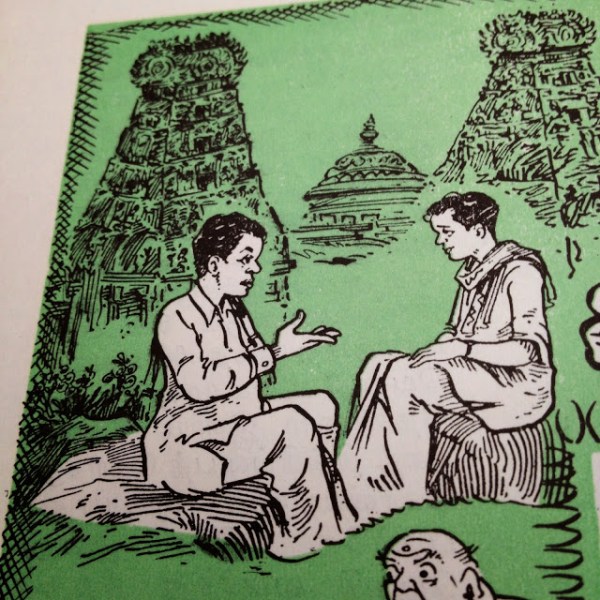
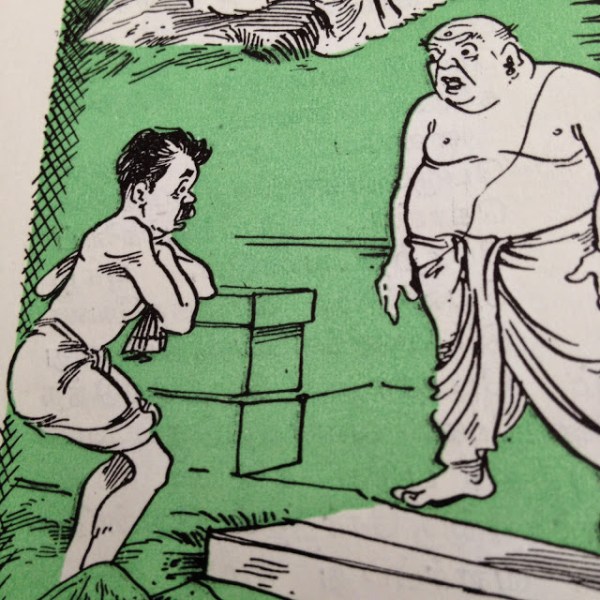
So far you have seen Bala kanda, Ayodhya kanda, Aranyaka Kanda, Kiskindha kanda in pictures. Today I am posting the pictures of Sundara kanda from the Picture Ramayana book released 100 years ago.

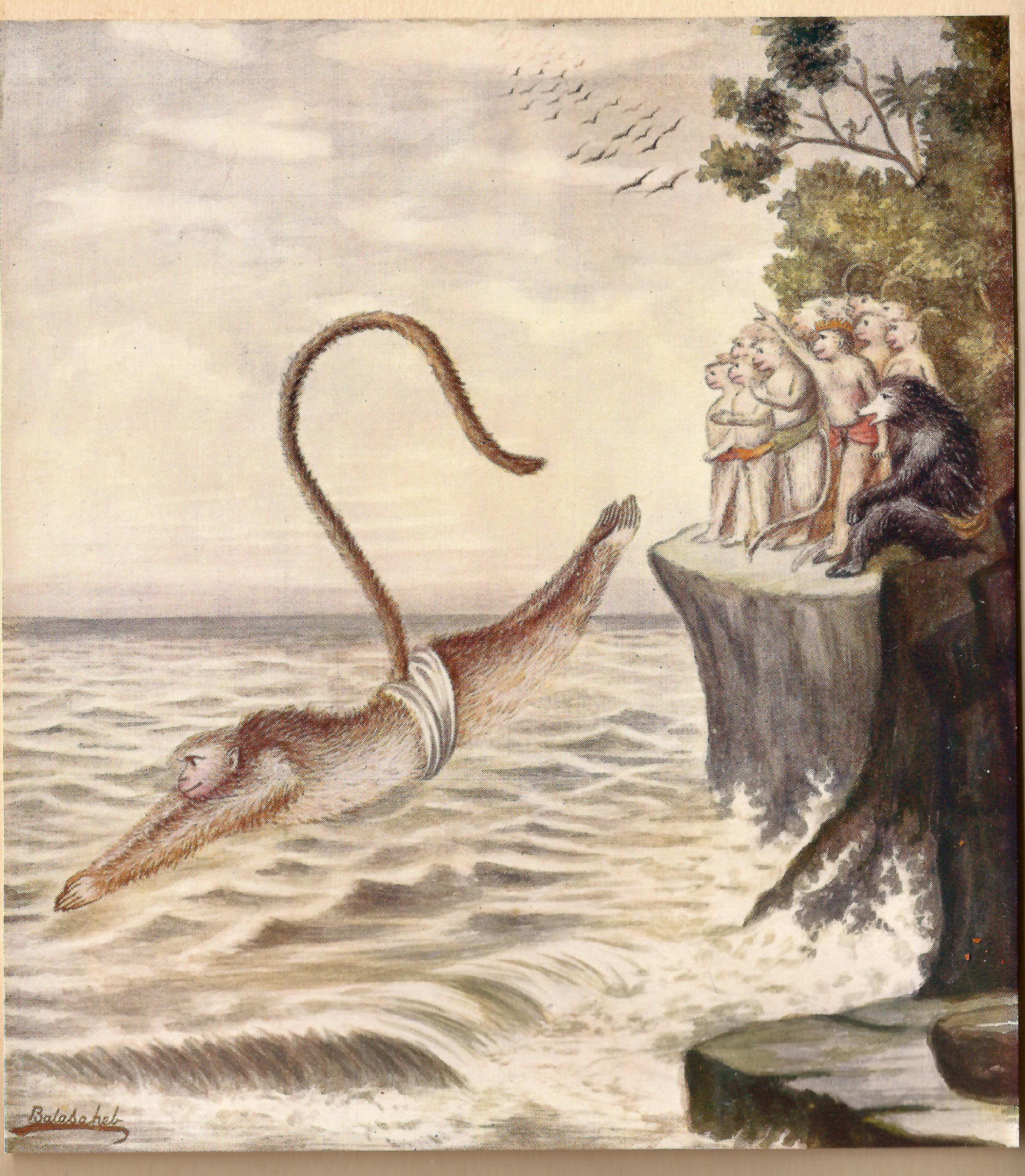
SUNDARA KANDA PICTURE 1 (Ramayana Picture No.39)

Reading Sundara Kanda of Valmiki Ramayana brings Good Luck, wealth, health and all auspicious things in the family such as Kalyana/Wedding, Birth of a child etc. Here is the first picture of Sundara Kanda. Having prayed to all Gods, Hanuman leapt with all his might from the top of Mahendra Hill. The monkeys on the shore raised a mighty shout of joy. On his way to Lanka, Hanuman met several hurdles including Surasa, Simhika and Mainaka Parvata. Surasa’s episode teaches us big problems can be solved by taking a different route. Simhika episode teaches us to kill the problem with a severe blow. Mainaka Parvata episode teaches us don’t take rest until you reach your target. Temptations must be avoided.

S kanda 2

SUNDARA KANDA PICTURE 2 (Ramayana Picture No.40)

Maruti/Hanuman entered the City of Lanka after assuming a small form. The Guardian Angel of the City stopped him. Hanuman gave her a big punch with his left hand and entered Lanka unobstructed.

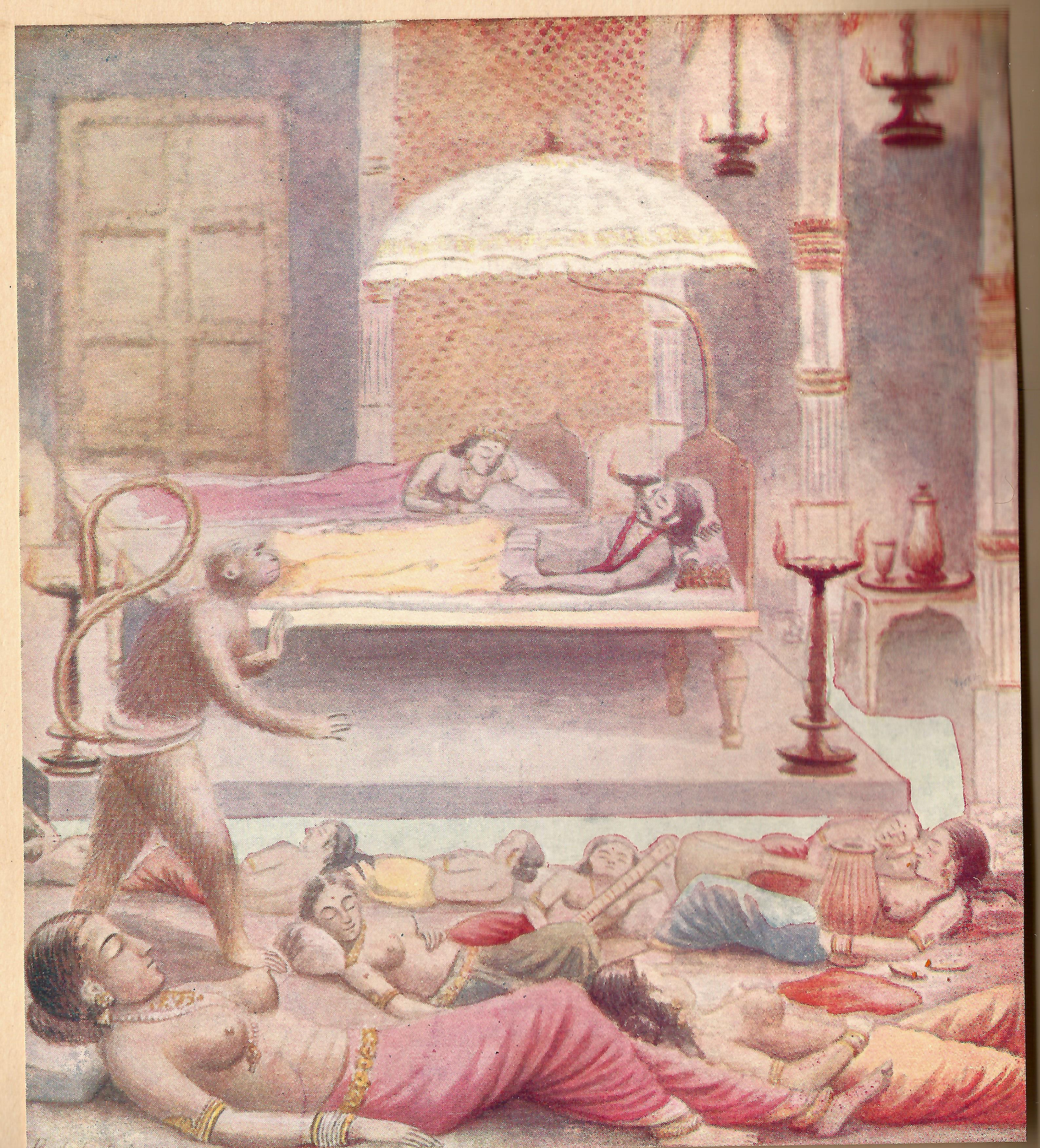
SUNDARA KANDA PICTURE 3 (Ramayana Picture No.41)

Maruti, after searching in vain many mansions, entered the palace of Ravana, and looked about for Sita in his harem, where he was sleeping in a bed with Mandodari, his wife. Many other women were lying with their musical instruments, which they played during the first part of the night. Maruti first mistook Mandodari for Sita, but soon found out his mistake when he remembered the description given by Rama.
S kanda 3

SUNDARA KANDA PICTURE 4 (Ramayana Picture No.42)

Maruti was extremely sorry that Sita could not be found anywhere in the palace. At last, utterly dejected, he entered Asokavana and found Sita there. She looked pale and pensive sitting under a tree. All the time she kept calling upon the name of Rama. Immediately Maruti concluded that it must be Sita. She was surrounded by fearful and horrid female demons. Maruti was overjoyed to have found Sita at last.
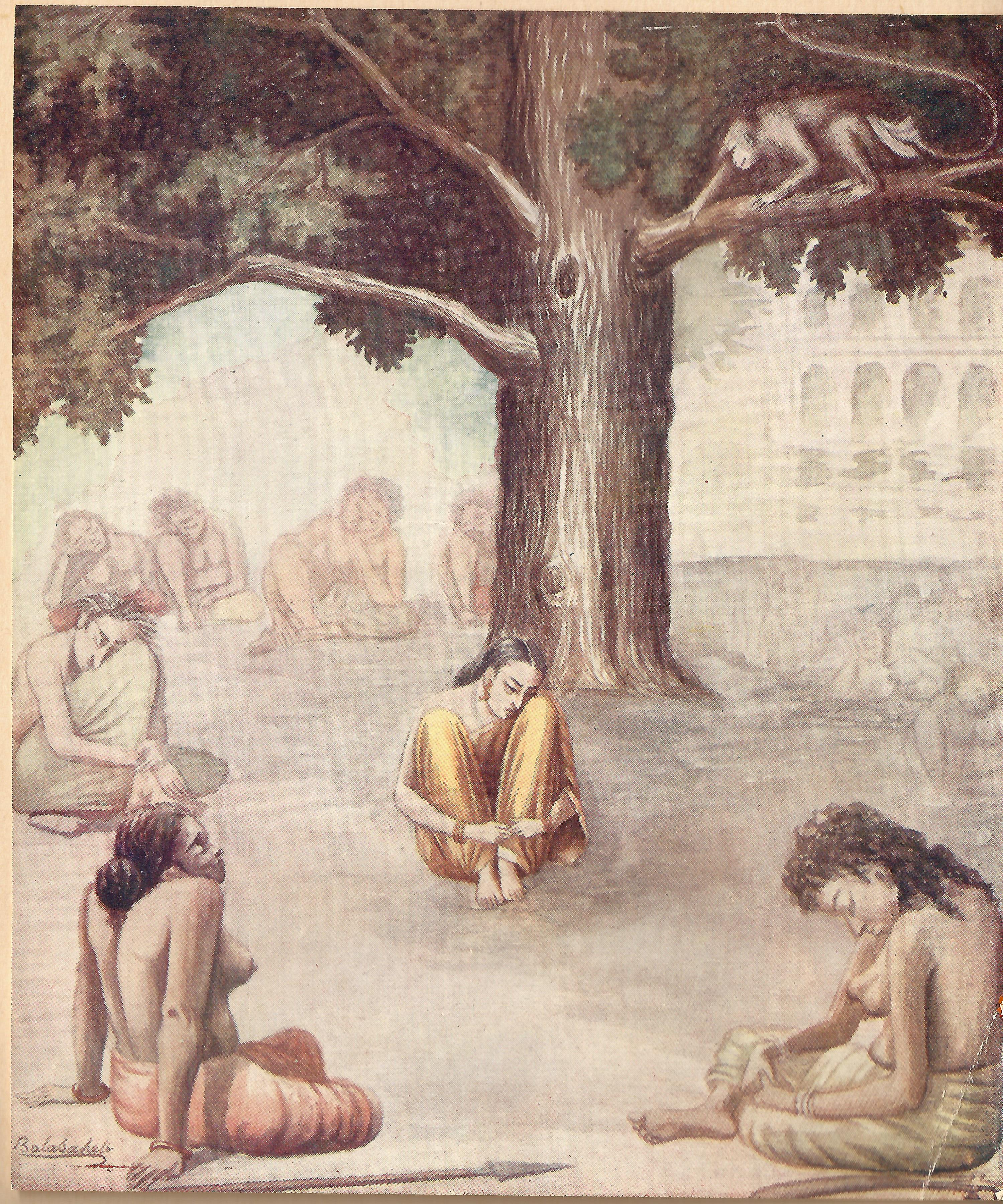
S kanda 4

SUNDARA KANDA PICTURE 5 (Ramayana Picture No.43)

At dawn a noise came from the harem, at which Maruti hid himself in the thick branches of a tree. Just then Ravana arrived there with Mandodari and other women. Some were holding torches, and some chauries, while others carried wine jars. Ravana said to Sita, “Forget all about Rama. Submit to me. Rama being a man cannot have access here”. Sita answered,” boast not, you villain. Why could you not face Rama? Why did you steal me like a coward when Rama and Lakshmana were absent? Ravana was enraged at these words and drawing his sword rushed at her to kill her. But Mandodari stopped him and begged him to pardon the woman.
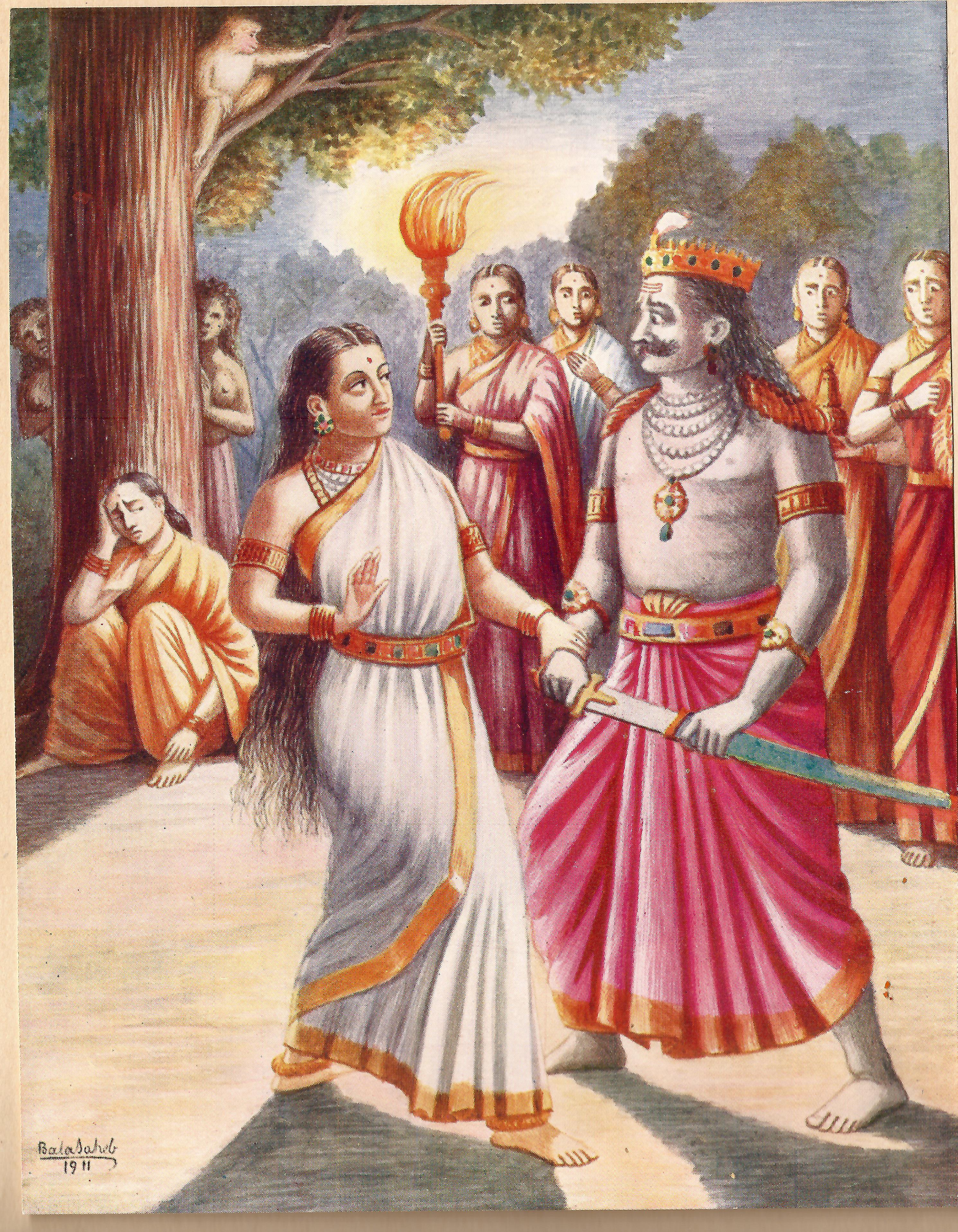
S kanda 5

SUNDARA KANDA PICTURE 6 (Ramayana Picture No.44)

When Ravana had left the place, the female demons guarding the place tried to induce and frighten Sita in many ways, but afterwards being tired went to sleep. When all was quiet, Maruti called told her, “I am a servant of Rama and the messenger of Sugriva, and am sent to find you”. Saying this, he gave her Rama’s ring. Sita was filled with joy to receive the ring from him and asked him to relate to Rama all her misery and to tell him to release her within two months. Then she gave Maruti a token to be presented to Rama. She gave him the jewel from her necklace.
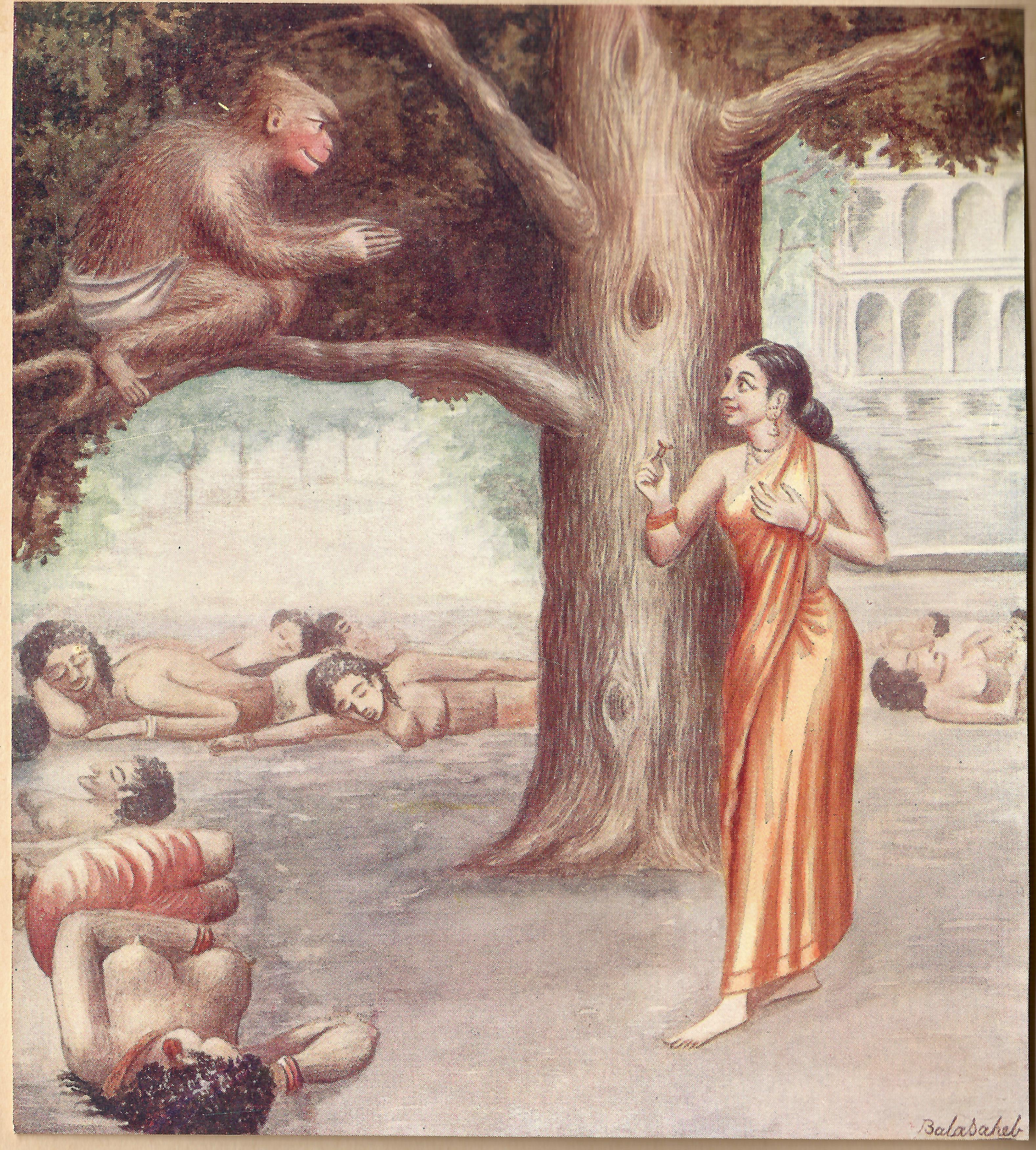
S kanda6

SUNDARA KANDA PICTURE 7 (Ramayana Picture No.45)

At the day break Maruti (Hanuman/Anjaneya) destroyed all the trees in the garden, except the one under which Sita was sitting. He killed all the forest guards who tried to stop him. Some of the female demons who were watching Sita sent an SOS to Ravana. He sent Jambumali with an army. Maruti slew him with one stroke of an iron rod and killed his army too. Hearing this, Ravana sent his son Aksha, but he too suffered the same fate. At last Indrajit skilfully caught Maruti in a snare and took him to Ravana.
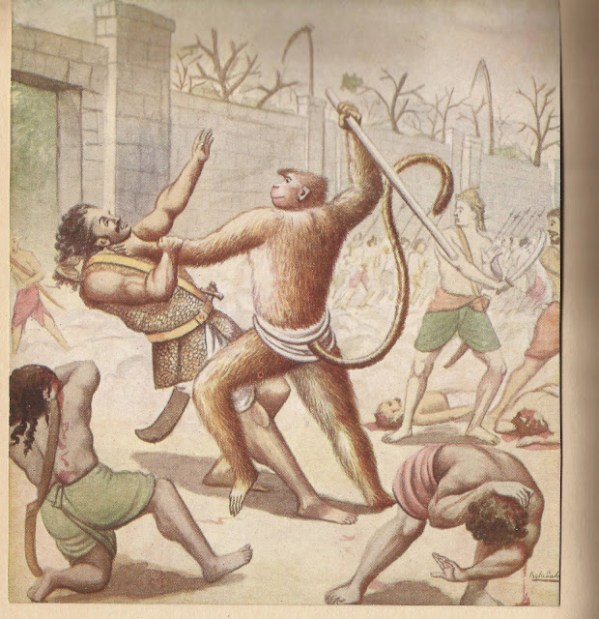
SUNDARA KANDA PICTURE 8 (Ramayana Picture No.46)

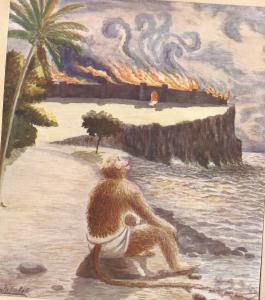
Ravana in anger ordered his men to wrap Maruti’s tail in rags soaked in oil and to ignite it. Maruti with his tail on fire was taken in triumph round the capital with drums beating along with him. Suddenly Maruti attained a small form and eluded the captors. Then with his ignited tail he flew from one house top to another and set all Lanka on fire. Women and children ran through the streets helter-skelter and within a short time the whole city was ablaze. (Whatever we read in today’s comics and stories such as Superman, Spiderman, Harry Potter are already in Ramayana, Mahabharata, Katha Sarit Sagara and Vikram and Vetal stories. All these stories have been in circulation for 2000 years in India!)

S kanda 8

SUNDARA KANDA PICTURE 9 (Ramayana Picture No.47)

Then going to the ocean, Maruti dipped his burning tail into the cool water. He was glad to see Lanka ablaze. But it suddenly occurred to him that Sita too might have been burnt in the fire that destroyed the Ashoka forest. So he rushed off to see and was glad to find her safe. He said to her, “Rama will soon come and kill Ravana and release you.” She then with tears in her eyes let Maruti go.
S  kanda 9

SUNDARA KANDA PICTURE 10 (Ramayana Picture No.48)

MARUTI leapt across the sea and came back to where the other monkeys were anxiously waiting for him. He related to them what had happened and they all returned in triumph to RISHYAMUKA HILL to see Rama. Maruti told Rama what he had done and placed the jewel given by Sita before him. Rama recognised it at once and caressed him. Then Sugriva made ready his vast army of monkeys and started with Rama and Lakshmana for the southern sea.

S kanda 10

Next comes Yuddha Kanda
ரிக் வேதத்தில் பூகம்பம்

f0c4a-earthquake

Compiled by London swaminathan

Article No.1870; Dated 17 May 2015.

Uploaded in London at 17-05

சங்கத் தமிழ் இலக்கியத்திலும் மணிமேகலையிலும் காணப்படும் “நிலம் பெயர்தல்” (பூகம்பம்) பற்றிய குறிப்புகளை முன்னர் ஒரு கட்டுரையில் கண்டோம். இது போல சம்ஸ்கிருத இலக்கியத்திலும் நிறைய பொதுவான குறிப்புகள் உள. சீதையை பூமாதேவி திரும்ப அழைத்தது ஒரு பூமி அதிர்ச்சியில் அவர் உயிரிழந்த சம்பவம் என்றும் ராவணன் கயிலை மலையை அசைத்தது மற்றொரு பூகம்பம் என்றும் ஒரு ஆய்வுக் கட்டுரையில் ( “Ravana trapped and Sita Devi died in Earth Quake” 22-1-2012) தந்தேன்.

ஆயினும் 1500 ஆண்டுகளுக்கு முன் வராஹமிகிரர் எழுதிய பிருஹத் சம்ஹிதாவில் 1.வால் நட்சத்திரம், 2.விண்கற்கள், 3.வானவில், 4.மூன்று சூரியன்கள் தோற்றம், 5.சந்திரக் கோட்டை, சூரியக் கோட்டை, 6.வானில் தோன்றும் வண்ண ஒளி ஆகிய ஒவ்வொன்று பற்றியும் தனித்தனி அத்தியாயங்கள் இருக்கின்றன. அவரோ இதை, “தான்” எழுதவில்லை என்றும், தனக்கு முன்னர் வாழ்ந்த இருபதுக்கும் மேலான அறிஞர் பெருமக்கள் செப்பியவற்றைத் தான் “சுருக்கி வரைவதாகவும்” பணிவுடன் எழுதியுள்ளார்.

உலகில் நாகரீக முன்னேற்றம் வாய்ந்த ஒரு நாட்டில்தான் இத்தகைய ஆய்வுகள் நடைபெற முடியும். பெர்Fயூம் செய்வது முதல் சோதிடம் வரை அவர் எழுதாத பொருளே இல்லை. அவருக்கு முன்னர் இப்படிப் பலரும் எழுதியது பாரதீய அறிவியல் பார்வையைப் பட்டெனக் காட்டும்.அவர் எழுதியது இன்று நூற்றுக்கு நூறு சரி என்று சொல்ல முடியாது. ஆயினும் அதிலுள்ள பல விஷயங்களை இன்றும் பயன்படுத்த முடியும். 25 ஆண்டுகளுக்கு முன் எழுதப்பட்ட வானவியல் நூல்கள் எல்லாம் இன்று லண்டனில் பழைய புத்தகக் கடைகளுக்குப் போய் விடுகின்றன. ஆயினும் வரலாற்று நோக்கில் பார்க்கையில் அவையும் தேவைப்படும். உலகில் வராஹமிகிரர் போல நூற்றுக் கணக்கான விஷயங்களை ஒரே நூலில் வேறு எவரும் தொகுத்திருப்பது அரிதிலும் அரிது!

50456-nepal-quake

ரிக்வேதத்தில் நில அதிர்வு

உலகில் முதல் முதல் பூகம்பம்/நில அதிர்ச்சி பற்றிய குறிப்பு ரிக்வேதத்தில் (2-12-2) காணப்படுகிறது. ஆதிகாலத்தில் மலைகளுக்கு இறக்கைகள் இருந்தன என்றும் அவை பறந்து வந்து தாக்கியதில் பல சேதங்கள் ஏற்பட்டதாகவும் புராணங்களிலும் , வால்மீகி ராமாயணத்திலும் (1-23-27), காளிதாசனின் குமார சம்பவத்திலும் (1-20) நேரடியாகவும் மறைமுகமாகவும் பல குறிப்புகள் வருகின்றன. இதற்கு எல்லாம் மூலக் கதை ரிக்வேதத்தில் இருக்கிறது.

“நடுங்கிக் கொண்டிருந்த பூமியை நிலைப் படுத்தியவன் அவன். கொந்தளித்த மலைகளை நிலைப் படுத்தினான்.

அந்தரத்தை அளந்து, ஆகாசத்தைத் தாங்கியவன் அவன், மனிதர்களே! அவன் தான் இந்திரன்” – ரிக் 2-12-2

என்று கிருத்சமடர் என்னும் புலவர் குடும்பத்தினர் பாடிய வேத கால துதிகள் சொல்லும்.

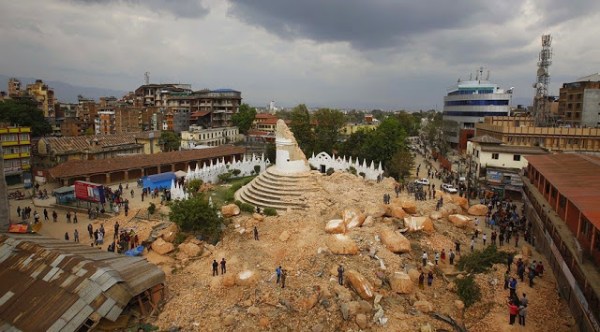
இந்தியாவில் வரலாற்றுச் சின்னங்கள் கிடைக்காமைக்கு வட இந்தியாவில் ஏற்பட்ட பூகம்பங்களும் ஒரு காரணமாகும். மாபெரும் நதிகளை திசைமாறிச் செல்ல வைத்து பல நகரங்களை அழித்துவிட்டது. மக்களை இடம் பெயரவைத்து நகரங்களைப் பாழடைய வைத்தது. குஜராத்திலும், நேபாளத்திலும், பீஹாரிலும் நடந்த பூகம்பங்கள் என்ன விளைவுகளை ஏற்படுத்தியன என்பதை நாமே நேரில் கண்டோம்.

நில அதிர்ச்சி ஏன் ஏற்படுகிறது?

பூமியின் மேல் ஓடு (கண்டங்கள்)  உட்கார்ந்து கொண்டிருக்கும் அடிப்பகுதிகள் (Tectonic Plates) நகருகையில், ஒன்றுடன் ஒன்று மோதுகையில் பூமி அதிர்ச்சி ஏற்படுகிறது. இமய மலை போன்றவை இப்படி மோதியபோது நீருக்கடியில் இருந்து எழுந்தன.

ஆனால் வராஹமிகிரர் கூறும் காரணங்கள் விநோதமானவை. இவை அவரால் “தொகுக்கப்பட்டவை”:

1.சிலர் கடலில் உள்ள ராட்சதப் பிராணிகள், நில அதிர்ச்சியை உண்டாக்குவதாகக் கருதுகின்றனர். கர்க போன்றோர், பூமியைத் தாங்கி நிற்கும் அஷ்ட திக்கஜங்கள் (எட்டு யானைகள்) பூ பாரத்தைச் சுமக்க முடியாமல் களைப்படையும் தருணத்தில் நில அதிர்வு ஏற்படும் என்பர்.

(இதில் கொஞ்சம் விஞ்ஞான உண்மை உண்டு. பெரிய நீர்த்தேக்கன்கள் கட்டுகையில் அந்தப் பகுதியில் முன்னெப்போதும் இல்லாத நில அதிர்வுகள் ஏற்படுகின்றன. மேலும் “எட்டு யானைகள்” என்பன உண்மையான யானைகள் அல்ல. எண் திசைகளையே குறிக்கும்; களைப்பு என்பதும் வேறு பல பொருளைத் தரும்)

2.வசிஷ்டர் போன்றோர் வான மண்டலத்தில் ஏற்படும் காற்று மோதல்கள், கீழே இறங்கும் போது இது ஏற்படுகிறது என்பர் (உண்மையில் பூகம்பம் ஏற்பட்ட பின்னர் புகை மண்டலம் எழும்பி வானின் வரை செல்லும்). விருத்த கர்க போன்றோர் கண்ணுக்குப் புலனாகாத சக்தியால் ஏற்படும் என்பர். (இது ஓரளவு உண்மை. எவ்வளவோ மிக நுண்ணிய கருவிகள் இருந்தும், இன்று வரை பூகம்பத்தை முன்னரே உணர்ந்து அறிவிக்க முடியவில்லை!)

3.பராசரர் போன்ற முனிவர்கள் கூறும் காரணம்: முன் காலத்தில் மலைகள் பறந்து வந்து பூமியில் மோதின. பூமா தேவி, படைப்புக் கடவுளான பிரம்மாவிடம் அழுதுகொண்டே முறையிட்டாள்: என்னை அசலம் (நிலை பெயராத) என்பர். ஆனால் நானோ பறந்து வரும் மலைகளால் தாக்கப்பட்டு நிலகுலைந்து நிற்கிறேன் என்று காண்ணீர் சிந்தவே, மலைகளின் சிறகுகளை வெட்ட இந்திரனுக்கு உத்தரவிட்டார் பிரம்மா. இந்திரனும் வஜ்ராயுதத்தால் அவற்றின் இறக்கைகளை வெட்டினான்.

4.கிரகணங்களாலும், ஒரு நாளின் சிறு பொழுதுகளுக்கு உரிய தெய்வங்களாலும் நில அதிர்வு ஏற்படுவதாகச் சிலர் கருதுவர்.

5.இதற்குப் பின் வராஹ மிகிரர் 27 நட்சத்திரங்களை மூன்று பிரிவுகளாகப் பிரித்து பூகம்பத்துகான சோதிட காரணங்களை விளக்குகிறார்.

6.எந்த நட்சத்திரத்தில் நில அதிர்வு ஏற்படுகிறதோ அந்த நட்சத்திரக்காரர்கள் பரிகாரம் செய்ய வேணும் என்றும் விளக்குகிறார்.

மேற்கூறியவற்றில் விஞ்ஞான உண்மைகள் எதுவும் இருப்பதாகத் தெரியவில்லை. ஆனாலும் “அடிக்கடி ஏற்படும் நில அதிர்வுகள்”  – என்ற சொற்றொடர்கள், அவர்கள் நீண்ட நெடுங்காலத்துக்குப் பூமியைக் கவனித்து வந்ததைக் காட்டுகிறது. இதுபற்றி அவர்கள் புத்தகம் புத்தகமாக எழுதியதும் அவர்களுடைய ஆர்வத்தைக் காட்டுகிறது. 2000 ஆண்டுகளுக்கு முன் பூகம்பம் பற்றி வேறு எந்த நாகரீகத்திலும் இவ்வளவு விதமான கருத்துக்கள் பதிவு செய்யப்பட்டதாகத் தெரியவில்லை.

வராஹமிகிரர் எழுதிய பல புத்தகங்களைப் புரிந்து கொள்ள நல்ல சம்ஸ்கிருத அறிவு வேண்டும். ஆயிரம் ஆண்டுகளுக்கு முன்னால், அரபு நாட்டிலிருந்து இதை ஆராய வந்த ஆல்பிருனிக்கு இருந்த மொழி அறிவும் ஆர்வமும் கூட நமக்கு இல்லாதது வெட்கப்பட வேண்டிய விஷயம். நானும் ஆங்கில மொழி பெயர்ப்பை அடிப்படையாக வைத்துத் தான் எழுதுகிறேன். அதில் பல வகையான விளக்கங்கள் இருப்பதையும் தான், ஒரு குறிப்பிட்ட கருத்தை ஏற்பதாகவும் மொழி பெயர்ப்பாளர்கள் எழுதுவர். அவர் எழுதிய கருத்தைத் தான் நாம் ஏற்க வேண்டும் என்பதில்லை. ஆனால் சம்ஸ்கிருத மொழி அறிவு இல்லாதவரை அவர்கள் சொல்லுவதே வேத வாக்கு!

(புதைக்கப்பட்ட ஒரு குழந்தையின் நெஞ்சில் ஒரு பானை ஓடு இருந்ததை அக்குழந்தையின் விளையாட்டுச் சாமான் என்று தொல்பொருட் துறை அறிஞர்கள் எழுதினர். ஆனால் ஈமச் சடங்குகளில் பயன்படுத்தும் “கபல” என்ற பானை ஓடு அது என்று வேதம் தெரிந்த அறிஞர்கள் சொன்னார்கள். இது போல “செவன் சிஸ்டர்ஸ்” என்பது ஒரு பறவை வகை என்பதை தவே என்னும் பறவை இயல் அறிஞர் கண்டு பிடித்தார். வேதத்தை மொழி பெயர்த்த வெள்ளைக் காரர்கள் இதை “ஏழு பெண்கள்” என்று மொழி பெயர்த்தனர். உள்ளூர் கலாசாரம் தெரியாமல் “ஆராய்ச்சி” செய்யும் அறிஞர்கள் இப்படித் தத்துப்பித்து என்று உளறுவார்கள். வள்ளுவன் சொன்னது போல ‘எப்பொருள் யார் யார் வாய் கேட்பினும் அப்பொருள் மெய்ப்பொருள் காண்பது அறிவு’!)

Five Beautiful Stories on Hindu Concept of Time

akrura vision

Akrura’s Vision under Water, Bharat Kalabhavan, Varanasi

Compiled by London swaminathan

Article No.1869; Dated 16 May 2015.

Uploaded in London at 20-14

Time is cyclical according to Hindu scriptures and linear according to Westerners. Hindus repeat it in several stories to emphasize that time is cyclical. No ancient culture in the world has bothered about time whereas Hindus have been naming their Gods after TIME.

Lord Shiva is called Mahakala=Great Time or Great Death; also Kalabhaksha= Devourer of Time. Rudram (Yajur Veda) describes him as Kalagni Rudraya= the fire that destroys the end of time. Vishnu is called Bhuta,Bhavya, Bhavat Prabhu= Lord of the Past, the Future and the Past. Vedas say God is beyond Time (kalatrayadita:)

When the world did not know to write the numbers, Hindus taught them to write with 1,2,3….0 without which modern computers would not have been on our tables today. When the western scientists complete the study of Black holes, they will understand the Hindu Concept of (cyclical) Time.

Here are five stories to illustrate the cyclical nature of Time:

க்ரிஷ்ன ஈட்டி

Story 1

In an episode in the Vishnu Purana, one reads of Vishnu accompanied by the divine sage Narada, stopping at one point in the course of their wanderings, and asking Narada to fetch him some water from a nearby village. While he waits at the edge of the forest, Narada goes to the village , knocks at the door, falls in love with the young woman who answers, marries her, founds a family, and lives happily with his wife and children for years until a flood comes and inundates the village sweeping everything before it. Narada too is washed away by the current and is thrown perchance at exactly the point where he had parted company with Vishnu. As he lands there, he is greeted by Vishnu who asks him for the water that he had gone to fetch.

The pace at which TIME has moved for Vishnu and Narada is very different.

Story 2

In Balagopalastuti of Lilashuka there is a famous verse in which Yashoda, Krishna’s foster mother, recites the story of Ramayana to young Krishna while she puts him to bed. The narrative reaches the point where the demon Maricha, assuming the guise of a golden deer, lures Rama away from his forest-hut in the hermitage, leaving Sita exposed to danger. As Yasoda speaks of the evil of Ravana’s arrival on the scene to abduct Sita, suddenly young Krishna, half asleep, jerks into action and shouts aloud: “Lakshmana! Where, Oh where, is my bow?” It is as if the memory of an earlier incarnation of himself as Rama, the seventh, overtakes Krishna in his present life, as the eighth incarnation of Vishnu.

Suddenly Time moves in a loop.

 IMG_3526

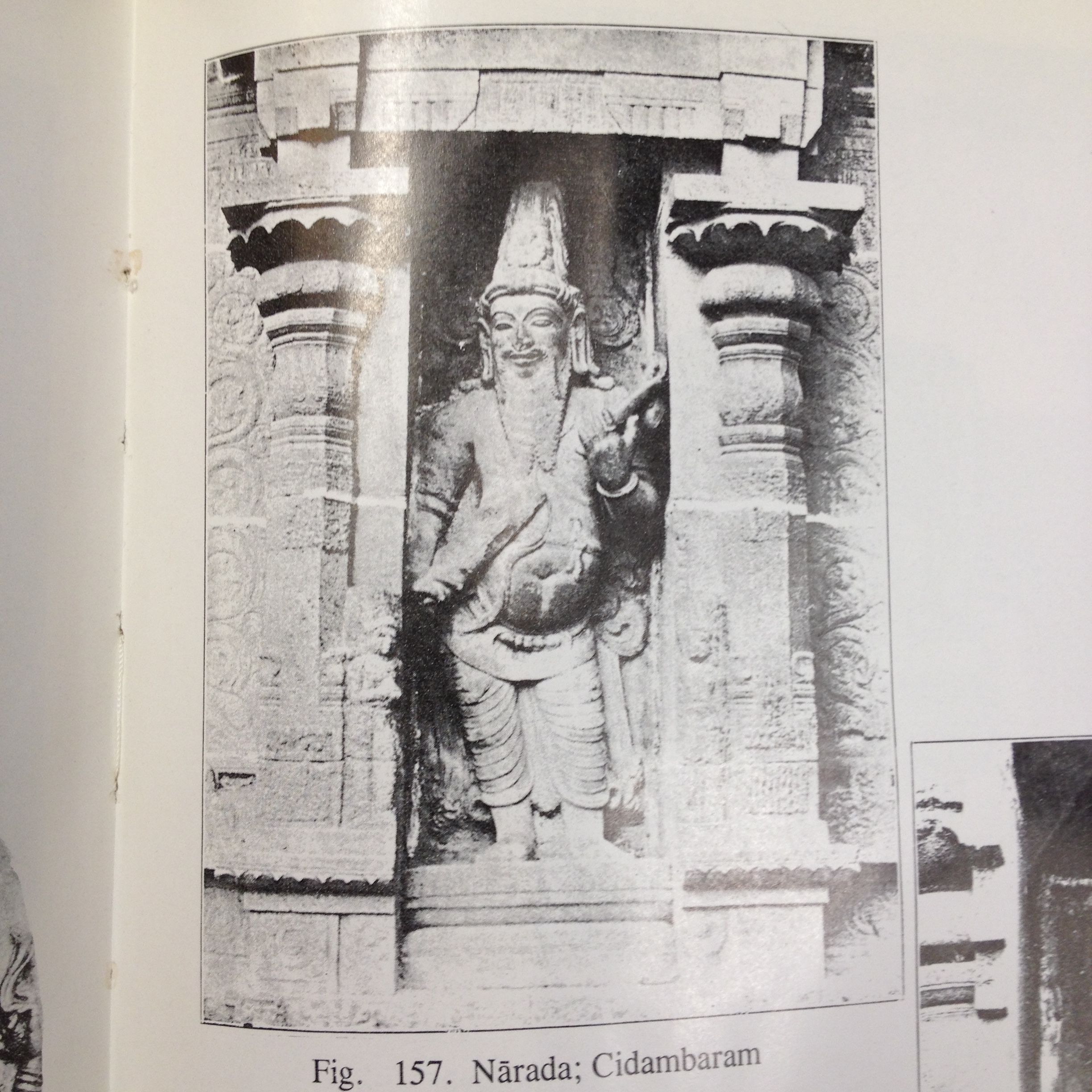
Narada from Chidambaram Temple

Story 3

Another story in the Brahmavaivarta Purana speaks of humbling of Indra’s pride. As the king of the gods sits majestically in his, self-satisfied and aware of his own importance, into this assembly moves a phalanx of ants that takes everyone by surprise. Only one man in the assembly, seeing his strange vision, laughs aloud. When asked by Indra what causes him this laughter, he says that each of these ants was an Indra in a previous birth.

Countless cycles of Time are hinted at.

ants

Story 4

When Narada visits Krishna’s kingdom at Dwaraka, as narrated in the Bhagavata Purana, he enters the inner apartments. As he approaches the senior most queen of Krishna, he finds her attending upon Krishna with chowri (fly-whisk) in her hand. Greeting the divine pair, Narada withdraws and moves into the next chamber to pay his respects to the wife of Krishna next in seniority and, as he enters, sees her playing a game off dice with Krishna. In another palace he sees one of Krishna’s queens massaging the soles of Krishna’s feet while he lies on a bed. Amazed Narada moves further on, and finds, in each chamber a queen in Krishna’s company, serving him food, helping him with oblations, and so on.  In chamber after chamber Narada encounters Krishna, and is greeted by him each time as if he had seen the sage just then.

Simultaneous presences of the same person at different places are being spoken of

krishnarjuna fb

Story 5

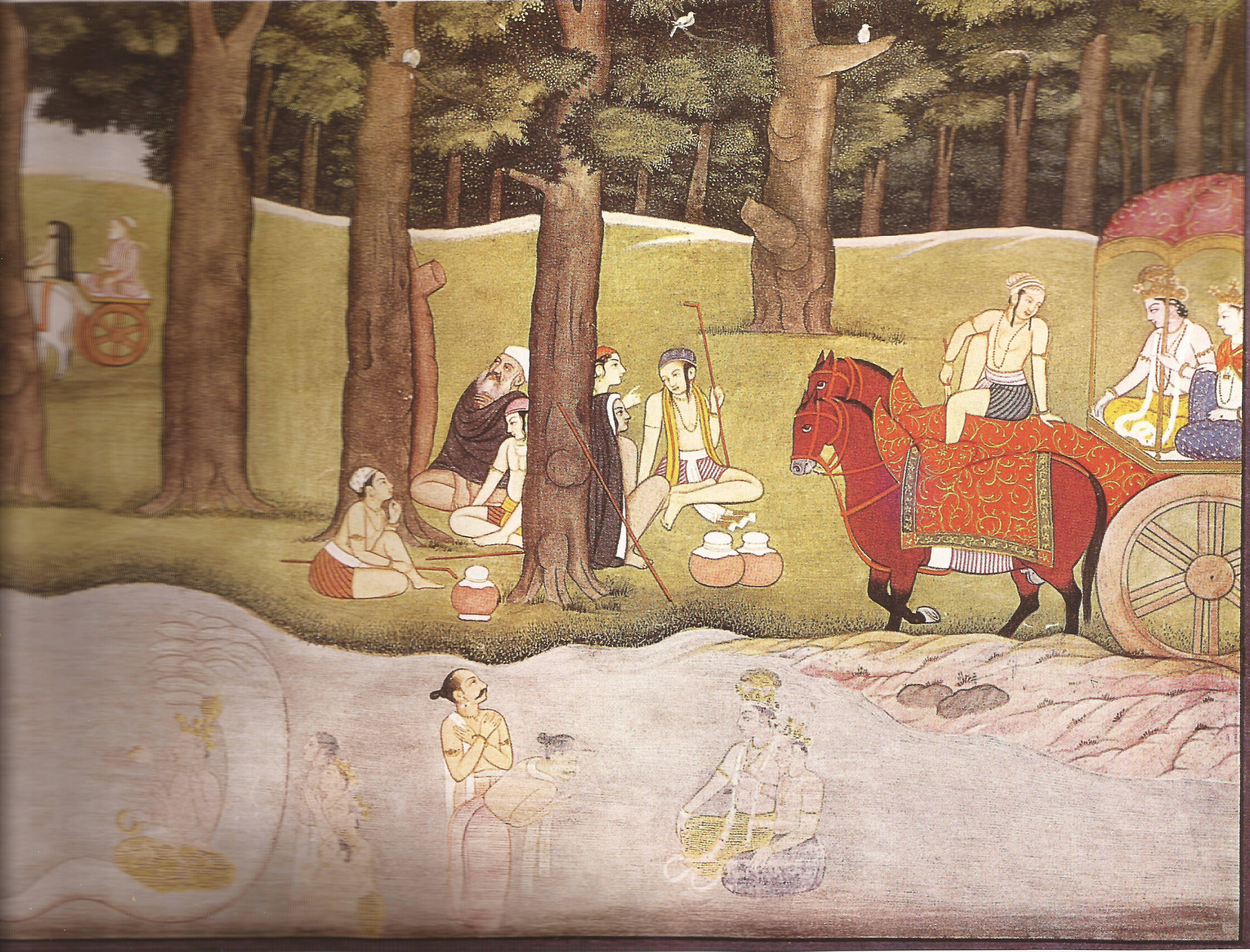
In the Bhagavata Purana, again, Akrura, the great devotee of Krishna, is described as being entrusted with the responsibility of escorting Krishna and Balarama to Mathura. On the way, Akrura feels the need to refresh himself by taking a bath in the Yamuna along the banks of which they are moving. With the permission of the two brothers, Akrura halts his chariot, enters the water, and dips his head only to see, below the surface of the water, Krishna and Balarama seated in the chariot exactly as he had left them on the river bank. Greatly confused, he lifts his head out of the water, and sees them again on the bank, in the very same chariot. Disbelieving, he takes another dip: this time, under the water, he sees Krishna as Vishnu lying on the serpent couch of Sesha, Krishna and Balarama having assumed their true forms. Akrura suddenly sees, in this vision, the identity of Krishna and Vishnu, Balarama and Sesha. But when he lifts his head, he sees on the river bank Krishna and Balarama again as youthful boys engaged in conversation.

vishnu pink

With a sense of wonder, the elusiveness of time and appearances is put across.

Tales like this, presenting the many aspects and hues of time, can be multiplied. What emerges from these is time moving in a cyclic fashion, making bends and loops, turning back upon itself, rising spiral like, splitting itself, assuming different tempi for different people – mercurial, illusive, elusive.

The above five stories are reproduced from Picture Showmen, Edited by Jyotindra Jain, Marg Publication.

I have already written about Arjuna’s travel to alien worlds and the Theory of Time dilation. I have already written about the Time Travel by two Tamil Saints.

Please read my articles:

TIME TRAVEL by TWO TAMIL SAINTS, posted on 14-2-2012

Do Hindus believe in ETs and Alien Worlds?, posted on 28-1-2012

Is Brahmastra a Nuclear Weapon?, posted on 5 June 2011

Hindus Future Predictions Part 1 (posted 20 May 2012)

Hindus Future Predictions Part 2 (Posted on 20 May 2012)

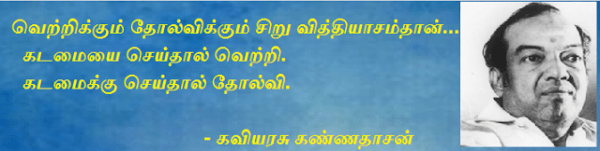
கண்ணதாசனைப் புரிந்து கொள்வது எப்படி?

Written by S NAGARAJAN

Research Article No.1868; Dated 16 May 2015.

Uploaded in London at 6-35 am

By ச.நாகராஜன்

கவியுளம் காண்க!

அணிசெய் காவியம் ஆயிரம் கற்கினும்                            ஆழ்ந்திருக்கும் கவியுளம் காண்கிலார்


என மஹாகவி பாரதியார் பாடியிருப்பது எத்துணை ஆழ்ந்த பொருள் படைத்தது!

ஆயிரம் காவியம் கற்பார்கள்; ஆனால் கவிஞன் என்ன சொல்ல வந்தான், எப்படிச் சொல்லி உள்ளான் என்பதைப் புரிந்து  கொள்ளாமல் தன் மனதில் தோன்றியதைக் கவிஞன் கூறியதாக நினைத்துக் கொள்வார்கள். இப்படிப்பட்டவர்களின் ‘மனத்தடைகள்’ பல்வேறு காரணங்களால் ஏற்படுகிறது.

இந்த ‘மனத்தடைக்காரர்கள்’ கவியரசு கண்ணதாசனைக் கொண்டாட நினைக்கும் போது சங்கடம் தான் ஏற்படுகிறது; ஏற்படும்.

தனக்குப் “பிடித்தவர்களுக்குப் பிடிக்காத விஷயங்களைக்’ கவியரசு கண்ணதாசன் கூறும் போது ஒன்று, அதை மறைத்து விடுகிறார்கள், இல்லை, மாற்றி விடுகிறார்கள்! இரண்டுமே தவறு!

காலத்தை வென்ற ஒரு கவிஞனாக ஒருவன் எப்படி மிளிர முடியும்? சமகாலத்தவரான இந்தத் தலைமுறையினர் தன்னை என்ன சொல்வார்கள், அடுத்த தலைமுறையினர் என்ன சொல்வார்கள் என்றெல்லாம் நினைத்து பயந்தா கவிஞன், கவிதை எழுதுகிறான்!

எல்லா குறுகிய எல்லைகளையும் மீறி அவன் படிப்படியாக வளர்கிறான்; பல்வேறு பரிமாணங்களைக் கொள்கிறான்.

பக்குவம் வாய்ந்த இறுதி வடிவமே அவனது முகிழ்ச்சி.


தன்னைப் பற்றிக் கண்ணதாசன்

உண்மையைச் சொல்ல மிகுந்த நெஞ்சுரம் வேண்டும்! அதுவும் தன்னைப் பற்றி விமரிசித்து உண்மையைச் சொல்வதென்றால் இன்னும் அதிக தைரியம் வேண்டும்!

காந்திஜியின் சோதனை, அதனால் தான், ‘சத்திய சோதனை’ ஆனது.

கவியரசு கண்ணதாசனும் இந்த சத்தியத் தீயில் தன்னைப் புடம் போடவே நினைத்தார். அதன் வெளிப்பாடாகவே அவர் தன்னைப் பற்றி இப்படிக் கூறியுள்ளார்:-

“கவிஞன் ஒருவன் அரசியல்வாதியாகவும் இருந்தால் கவிதைக் கருத்துக்கள் எவ்வளவு முரண்படும் என்பதற்கு இந்தத் தொகுப்புகளே சான்று.

யார் யாரைப் போற்றியிருக்கிறேனோ அவர்களைக் கேலி செய்தும் இருக்கிறேன்.

யார் யாரைக் கேலி செய்திருக்கிறேனோ அவர்களைப் போற்றியும் இருக்கிறேன்…

கருத்து எதுவாயினும் கவிதை என்னுடையது .. ..

கருத்து உங்களைக் குழப்பும்; கவிதை உங்களை மயக்கும். .. ..

என்னை மையமாக வைத்தே எல்லோரும் சண்டை போட்டுக் கொள்ளலாம்.

எந்தத் தலைவரையும் பழிப்பதிலும் புகழ்வதிலும், என் தமிழ் எப்படி விளையாடி இருக்கிறதென்பதை இப்போது படியுங்கள். விமர்சனங்களை அடுத்த தலைமுறைக்கு விட்டுவிடுங்கள்.”

கண்ணதாசன் கவிதைகள் – முதல் இரண்டு தொகுதிகள் நூலுக்கு  25-9-1968 இல் அவர் தந்த ‘என்னுரை’யில் உள்ள சில பகுதிகளே மேலே தந்திருப்பவை.

ஒரு தலைமுறையை சுமார் 30 ஆண்டுகள் என்று எடுத்துக் கொண்டால் இந்த முன்னுரையை எழுதியே ஒன்றரை தலைமுறைகள் கடந்தாகி விட்டது. (கவிதைகள் இன்னும் முன்னாலேயே படைக்கப்பட்டிருக்க வேண்டும்)

ஆனால் இன்றைய விமர்சனத்தில் காழ்ப்புணர்ச்சி எதுவுமற்ற தேசிய தமிழ் கவிஞராக அவர் ஒளிர்கிறார்.

தனது கவிதைகளை அப்படியே மாற்றாமல் அவரே வெளியிட்டு அதனை விமரிசிப்போர் விமரிசிக்கட்டும் என்று அவரே கூறியுள்ளதைக் கவனிக்க வேண்டும். ஆக நமக்குப் ‘பிடித்தவர்களுக்குப் பிடிக்காத விஷயங்களை” – புராணங்கள், ராமாயண, மஹாபாரத இதிஹாஸங்கள், சம்ஸ்கிருதம், அதில் தோன்றிய நூல்கள், தொன்மங்கள், நம்பிக்கைகள் உள்ளிட்டவற்றை அவரே கூறியிருக்கும்போது அதை மறைக்கக் கூடாது; மாற்றக் கூடாது.

கவிஞனின் வழியில் சென்று அவன் கூறும் சாசுவத உண்மைகளைப் புரிந்து கொள்ள வேண்டும்.

கண்ணதாசனை முழுமையாகப் படித்தால் மட்டும் போதாது, முழுவதுமாகப் படித்துப் புரிந்து கொள்ள வேண்டும்.திறந்த மனதுடன் படிக்க வேண்டும். அப்போது தான் அவரது முழுப் பரிமாணங்களையும், அவனது “ஆழ்ந்திருக்கும் கவி உள்ளத்தையும்” காண முடியும்!

செம்மொழி என்ற சிறப்பு அடைமொழிக்கும் மேலான தெய்வ மொழியாம் தமிழ் மொழியைப் புரிந்து கொள்ள சங்க இலக்கியம் மற்றும் அதற்குப் பின்னால் தோன்றிய பக்தி இலக்கியம் ஆகியவற்றைப் படிக்க வேண்டும்.

அதில் தோய்ந்திருக்கும் மனம் கண்ணதாசனை அணுகும் போது ஆனந்தப்படும்; மகிழ்ச்சிக் கூத்தாடும்.

அங்கே ராமனும், கண்ணனும்,தமிழும், சம்ஸ்கிருதமும், சத்தியக் கொள்கைகளும், நித்திய உண்மைகளும் அற்புதமாக நடனமாடும்.

காழ்ப்பு உணர்ச்சி, ஜாதி உணர்ச்சி, குறுகிய மொழிவெறி, அரசியல் கலந்த, அதில் தோய்ந்த தமிழ்ப் பற்று ஆகியவற்றை உதறி எறிந்தால் கண்ணதாசன் முழுமையாக இறுதி வடிவில் நம் முன் வருவார்.

பார்வை நேராக இருக்க வேண்டும்; நேரடியாக இருக்க வேண்டும்!

மஞ்சள் கண்ணாடி போட்டுப் பார்த்தால், “மஞ்சள் பத்திரிக்கையே” கண்ணுக்குப் புலப்படும்!

கண்ணதாசனோ திறந்த வெள்ளைக் காவியம்! அவரை அணுக வெள்ளை மனம் – பிள்ளை மனம் – வேண்டுமல்லவா!

01kannadasan

கண்ணதாசனை –

அனைத்துக் குறுகிய எல்லைகளையும் மீறி, தடை கடந்த நிலையில் திறந்த மனதுடன் அணுகுவோம்; புரிந்துகொள்வோம்; ஆனந்திப்போம்!

***********

Earth Quake in Rig Veda

Written by London swaminathan

Research Article No.1867; Dated 15 May 2015.

Uploaded in London at 21-20

Three years ago on 22nd January 2012, I posted an article “Ravana trapped and Sita Devi died in Earth Quake” in my blogs. I interpreted both Ravana shaking the Himalayas (Kailash) and Sita Devi entering the earth when Bhuma Devi opened to receive her, were actually earth quakes. I also cited the references to earth quakes from Sangam Tamil literature and post Sangam Tamil literature.

The earliest reference to an earth quake is in the Rig Veda (2-12-2). Throughout our Puranas and classical Sanskrit literature we read about flying mountains and Indra clipping their wings. The origin of this story is in the Rig Veda where Grtsamada sings in a hymn on Indra:

“He who fixed fast and firm the earth that staggered, and set at rest the agitated mountains.

Who measured out the air’s wide middle region and gave the heaven support, He, men, is Indra”

Later Valmiki in his Ramayana (1-23-27) and Kalidasa in his Kumarasambhava (1-20) allude to this incident. All these are nothing but the natural phenomena that our ancients observed several thousand years ago. These natural catastrophes are mythicized in later Sanskrit literature.

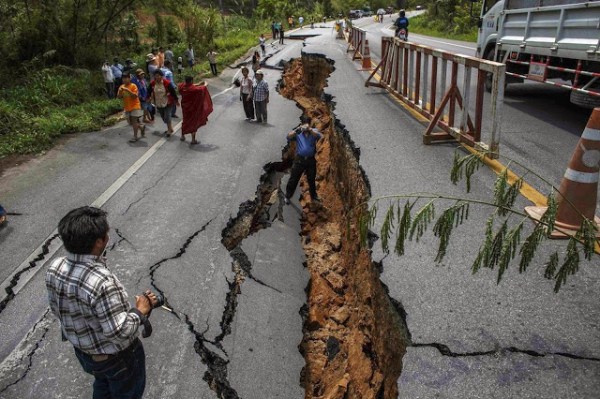
Earth quake in Nepal

Varahamihira’s Starnge and Funny accounts

Anyone who reads the Brhat Samhita of Varahamihira would be amazed to see the topics he has covered 1500 years ago. He covered lot of subjects including perfume making, rain bows, meteors, comets, sun dogs, and sun and moon halos. He did not stop there and there are 100 more topics. He was humble enough to tell us he had given only the summary of what was written in volumes by twenty of his predecessors!

Though the ancient’s accounts of meteors and earth quakes are strange and funny we must appreciate their scientific quest. I don’t think any other culture has a book with so many topics devoting once chapter each. Now I will summarise what Varahamihira says in his chapter on Earth Quakes:

1.Some sages hold that an earth quake (abbreviated as EQ  here afterwards) is brought about by the huge animals in the oceans, while others like Garga opine that is caused by the elephants of eight quarters. When they become tired by the weight of the earth they cause this.

(This has some scientific truth in it. The Ashta Dig Gajas/ Eight elephants of Eight directions may be compared to tectonic plates. Alternately the weight factor may be taken into account. Several theories are there about local reservoirs causing a chain of events including tremors.)

2.Yet other sages like Vasistha declare that it is caused by the atmospheric wind colliding with another and falling to the earth with a booming (This is what one watches after a big EQ). There are still others like Vrdha Garga who maintain that it is occasioned by some unseen power (This may be interpreted as the tectonic plate movements).

3.There are some more sages like Parasara who declare as follows: In bygone days, the earth being shaken by severely by the winged mountains which flew up and came down heavily, spoke to the Creator (Brahma), in the Assembly of the Gods: “My Lord, You have given me the name Acala (Immovable), which is falsified by the flying mountains and I am unable to put up with this suffering. Hearing these words, Mother Earth shed tears. Immediately the Creator said, “Indra, remove this humiliation of Mother Earth; chop off the wings of the mountains with your thunderbolt”. At this Indra said, ‘so be it’.

Earth quake in San Francisco

4.Another couplet/sloka says that EQs are caused by the eclipses and deities in charge of the divisions of the day.

5.Scores of couplets give astrological reasons for the EQ. They have divided the 27 stars into groups for this.

6.According to Garga, persons in whose natal asterisms EQs occur must do propitiatory rituals to the deities to avoid troubles.

7.The reference to repeated earth quakes show that they have observed them for long.

Though the sages’ accounts are not scientific, still we can appreciate their thirst for knowledge and their long observation.

On the chapter on Meteors also there are many funny explanations. We can only appreciate that Varahamihira compiled all the facts and summarised them for future generations.

உலகின் மிகப் பழைய நகரம் – காசி/வாரணாசி!

26abc-festival-at-varanasi

Written by London swaminathan

Research Article No.1866; Dated 15 May 2015.

Uploaded in London at 10-21

உலகின் மிகப் பழைய நகரம் எது?

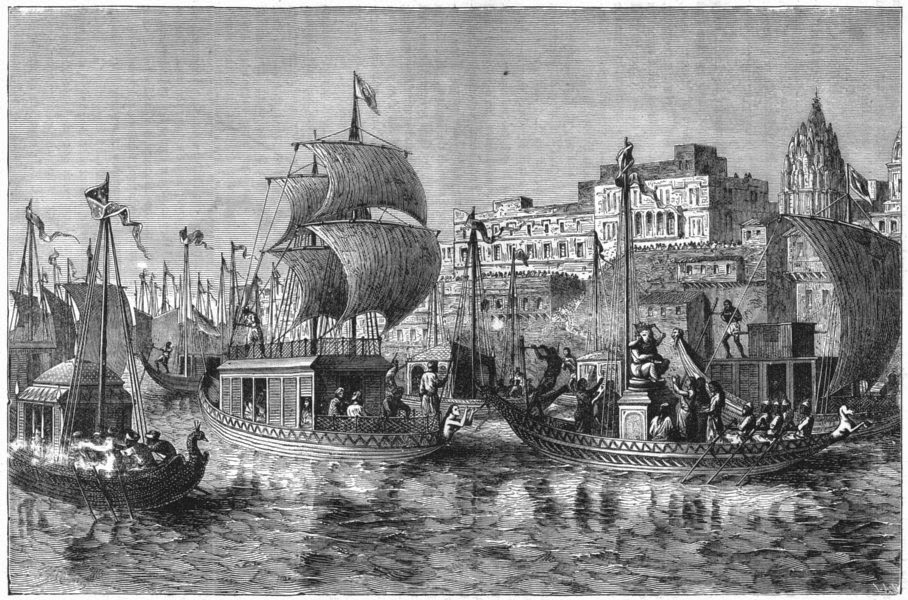
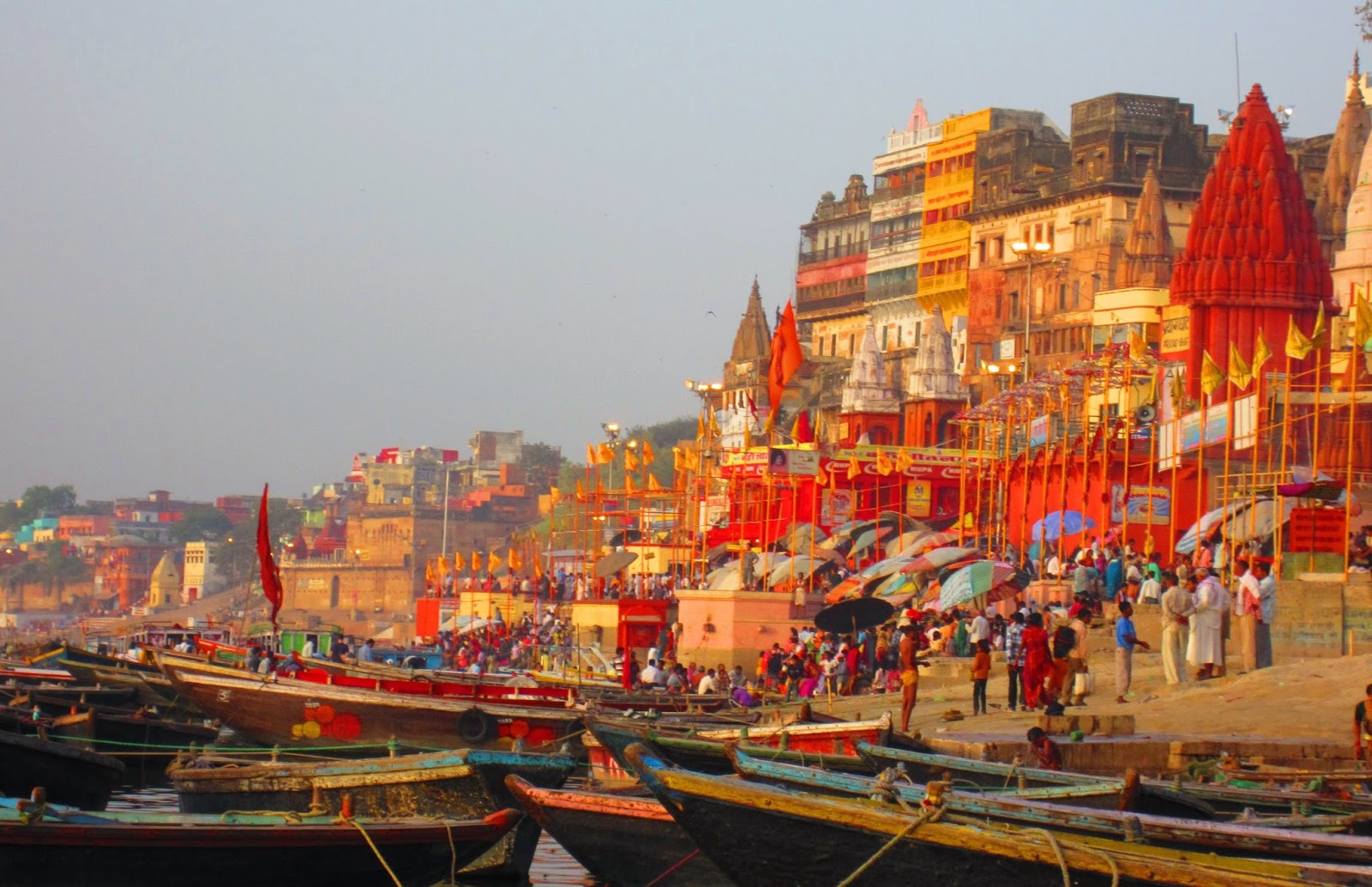
காசி என்றும் வாரணாசி என்றும் அழைக்கப்படும் இந்துக்களின் புனித நகரமே உலகின் மிகப் பழைய நகரம் ஆகும். இதுவரை கிடைத்த தொல் பொருட் துறை கி.மு.900 வரையே இந்த நகரின் பழமையைக் காட்டும். ஆனால் கங்கைச் சமவெளியில் கி.மு 1200 வரை பழமையான பானை ஓடுகள் கிடைத்துள்ளன. சிலர் இதை 1400 வரை கொண்டு செல்வர். ஆயினும் இலக்கியச் சான்றுகள் இதுதான் உலகின் மிகப் பழைய நகரம் என்று காட்டும்.

அண்மையில் ஏற்பட்ட வெள்ளத்தில் கேதார்நாத் கோவில் சேதமானதையும், நேபாள பூகம்பத்தில் முக்திநாத் கோவில் சேதமானதையும் கண்டோம். தனுஷ்கோடி கோவில் கொஞ்சம் கொஞ்சமாகக் கடலுக்குள் போகவே, எங்கு கரை இருக்கிறதோ அதை தனுஷ்கோடி என்று சொல்லுகிறோம். இந்தியாவின் பருவக்காற்றும், வெய்யிலும் மாறி மாறி அடிப்பதால் கட்டிடச் சின்னங்கள் அழிந்துவிட்டன. முஸ்லீம்படை எடுப்பாளர்கள் அவர்களால் முடிந்த மட்டும் அழித்துவிட்டுச் சென்றனர். இதற்குப் பின் எஞ்சியுள்ள சின்னங்களையே நாம் இன்று காண்கிறோம்.

1).இந்துக்கள் நம்பிக்கை

மஹாபாரத யுத்தம் முடிந்த பின்னர் கலியுகம் துவங்கியதாக (கி.மு.3102) இந்துக்கள் ஆயிரக் கணக்கான ஆண்டுகளாக நம்பிவருவதை பஞ்சாங்கங்களும் கல்வெட்டுகளும் உறுதி செய்கின்றன. அந்த மஹாபாரத காலத்தில் பீஷ்மர் என்னும் நித்திய பிரம்மச்சாரி, பாண்டவர் குலம் தழைக்க பெண்களைத் தேடிக்கொண்டிருந்தார். காசி மகாராஜன் அம்பா, அம்பிகா, அம்பாலிகா என்ற மூன்று புதல்விகளுக்கும் ஸ்வயம்வரம் ஏற்பாடு செய்தான். அதில் பீஷ்மர் தோன்றி, மூன்று பெண்களையும் கடத்தி வந்தார் என்பது உங்களுக்குத் தெரியும். அப்போதே காசி சாம்ராஜ்யம் மிகவும் புகழ் பெற்றிருந்தது.

கலியுகத்தை நம்பாதவர்கள் கூட மஹாபாரத யுத்தம் கி.மு.1500 வாக்கில் நடந்திருக்கும் என்று ஒப்புக் கொள்வர். கல்ஹணரோ மாபாரத காலத்தை கி.மு.2500 வாக்கில் வைக்கிறார். எப்படியாகிலும் காசியின் பழைய வரலாறு உறுதியாகிறது.

bcc3e-varanasi-ganga-ghat2

2).பௌத்தர்களும் சமணர்களும் கூறுவது என்ன?

பௌத்தர்களும் சமணர்களும்கூட காசியே பழைய நகரம் என்பதை எழுதி வைத்துள்ளனர். நேபாளத்தில் உள்ள கபிலவஸ்துவில் பிறந்து பீஹாரில் உள்ள புத்த கயாவில் ஞானோதயம் அடைந்த புத்தர், ஏன் உத்தரப்பிரதேசத்தில் உள்ள காசிக்கு வந்து முதல் சொற்பொழிவை நடத்தினார்? அவர் உபதேசம் செய்த சாரநாத், காசியின் புறநகர்ப் பகுதியாகும். ஏன் என்றால் காசிதான் நாட்டின் புனித, பழைய தலம்.

அந்தக் காலத்தில் யாரேனும் புதிய தத்துவம்/கொள்கை கண்டு பிடித்தால் அதை காசிக்குச் சென்று நிரூபிக்கவேண்டும். அங்கே தெரு மூலைகளில் அறிஞர்கள் நிற்பார்கள். அவர்கள் எல்லோரையும் வாதத்துக்கு அழைப்பார்கள். அதில் வென்றால் அவர்கள் சித்தாந்தம் அங்கீகாரம் பெறும். அதாவது அந்த நகரமே ஒரு பல்கலைக் கழகம்!

3.வேத இலக்கியங்களிலும் காசியின் பெயர் உள்ளது. காசி என்பது பன்மைப் பொருளில் அதர்வண வேதத்தில் பயிலப்படுகிறது. ஆதிகாலத்தில் அந்தந்த குழுக்களின் பெயரே அந்த தேசத்தின் பெயராகக் கொள்ளப்பட்டது. சோழர் வாழ்ந்த இடம் சோழநாடு. தமிழர் இருப்பிடம் தமிழ்நாடு; ஆங்கிலோ-சாக்ஸன் இனம் இருந்த இடம் ஆங்கிலாந்து (இங்கிலாந்து). இந்த காசி இனத்தாலேயே காசி என்றழைக்கப்பட்டது.

வருண, அஸ்ஸி என்ற கங்கையின் இரண்டு உபநதிகளுக்கு இடைப் பட்ட நகரம் என்பதால் வாரணாசி என்று பெயர் பெற்றது. உலகம் முழுதும் உள்ள பெயர்களை உருக்குலைக்கும் ஐரோப்பிய இனத்தால் வாரணாசி என்னும் பெயர், பனாரஸ் என்று உருமாறிப்போனது.

4.பாபிலோனியாவில் காசி இன மக்கள்

4காசி இனமக்கள் மத்திய கிழக்கு நாடுகளுக்குச் சென்று ஒரு சாம்ராஜ்யத்தை நிறுவினர். பாபிலோனியாவில் கி.மு.1800 முதல் காசைட் இன மக்கள் காணப்படுகின்றனர். இவர்களை அடுத்து கி.மு.1400 முதல் மிடன்னிய இனம் துருக்கி-சிரியாவில்,   ஆட்சியைப் பிடித்தது. அவர்கள் தூய சம்ஸ்கிருதப் பெயர்களுடன் ரிக்வேத மந்திரத்தின் மேல் சத்தியம் செய்து உடன் படிக்கை செய்த கி.மு.1400 கல்வெட்டும் கிடைத்திருக்கிறது. காசைட் இன மக்களும் சம்ஸ்க்ருதம் தொடர்பான மொழையையே பேசினர். இவ்வளவையும் ஒப்புக் கொள்ளும் வெள்ளைக்காரகள் இன்றுவரை அவர்களுடைய “ஆரிஜின்” (மூலம்) தெரியவில்லை என்று புத்தகம் எழுதி மழுப்பி வருகின்றனர். இவர்கள் அனைவரும் கங்கைச் சமவெளியில் இருந்து வெற்றி விஜயம் மேற்கொண்ட இந்துக்களாவர்.

சௌராஷ்டிரர் என்பவர் (ஜொராஸ்தர்) ஈரான் வரை சென்று வேதத்துக்கு ஏட்டிக்குப் பூட்டியாக ஒரு மதம் தாபித்தார்.அவர் குஜராத்தில் உள்ள சௌராஷ்டிர பிரதேசத்தில் இருந்து சென்றவர். அதை ஈரானியர்கள் “ஜொராஸ்தர்” என்று எழுதிவிட்டனர். இதை காஞ்சிப் பெரியவர் (1894-1994) தனது உபந்யாசங்களில் கூறியுள்ளார். அதே குஜராத்தில் உள்ள கிருஷ்ணரின் துவாரகை கடலுக்கடியில் கண்டு பிடிக்கப்பட்டதும், கிருஷ்ணர் மறைந்த பின்னர் அது கடலில் மூழ்கியதை  பாகவத புராணம் உறுதி செய்வதும் கலியுகத்தையும் மஹாபாரத காலத்தையும் உண்மையாக்குகின்றன.

34dfa-pilgrimage-map

6.பௌத்ததில் காசி

புத்த மதத்தினர் ஜாதகக் கதைகள் என்ற பெயரில் பாலி மொழியில் நிறைய பழைய கதைகளைத் தொகுத்து வைத்துள்ளனர். இது எழுதப்பட்டது 2300 ஆண்டுகளுக்கு முன். அதில் புத்தரின் பூர்வ ஜன்ம அவதாரங்களைப் பற்றிப் பேசுகையில் “முன்னொரு காலத்தில் காசியில் பிரம்மதத்தன் அரசாளுகையில், போதிசத்துவர் …………….” என்று எழுதுகின்னர். 2300 ஆண்டுகளுக்கு முன் கதை எழுதியவர்கள் “முன் ஒரு காலத்தில் “என்று சொன்னால் அதற்கும் முன்னர் ஒரு ஆயிரம் ஆண்டுகளாவது ஆகியிருத்தல் வேண்டும்.

7.சமணத்தில் காசி

சமணமதத்தைச் சேர்ந்த 24 தீர்த்தங்கரர்களில் கடைசி தீர்த்தங்கரரான மாஹாவீரர், புத்தருக்கும் சிறிது முந்தையவர். அவர்களில் ஏழாவது தீர்த்தங்கரர் பிறந்தது காசியில்! 23ஆவது தீர்த்தங்கரரான பார்ஸ்வநாதர், கிருஷ்ணர் காலத்தில் வசித்தவர். இதையெல்லாம் கணக்கில் சேர்த்தால் ஏழாவது தீர்த்தங்கரர் மஹாவீரருக்கும் சில ஆயிரம் ஆண்டுகளுக்கு முன்னால் வசித்திருக்க வேண்டும்!! காசியின் கதையும் அவருடன் பின்னால் போகும்!

8.வேதத்தில் காசி

பௌத்த, சமண மத இலக்கியங்களுக்கு எல்லாம் முந்தையது வேத கால இலக்கியம் என்பதில் இரு வேறு கருத்துக்கு இடமே இல்லை. அதர்வண வேதத்தில் (5-22-14) காசி மக்கள் இடம் பெறுகின்றனர். வருணாவதி என்னும் ஆறும் (4-7-1) இடம்பெறுகிறது. இதுவே பின்ன வருண+ அஸ்ஸி= வாரணாசி ஆயிற்று. சதபத பிராமணத்திலும் உபநிஷதங்களிலும் காசியை ஆண்ட தார்தராஷ்ட்ர, அஜாத சத்ரு போன்ற பழங்கால மன்னர்கள் பெயர் இடம் பெறுகின்றன.

9.காசி-கௌசல்ய, காசி- விதேக முதலிய சொற்றொடர்கள் பிராமணங்களில் இடம் பெற்றுள்ளன. அக்காலத்தில் சாம் ராஜ்யங்களுக்கு இடையில் நிலவிய நட்புறவுக்கு இவை சான்று தரும். கௌசல்ய என்பது கோசல நாட்டின் அடியாகப் பிறந்த உரிச்சொல். கோசலத்தின் தலைநகரான அயோத்தியில், முதல் சமண மத தீர்த்தங்கரர் பிறந்ததும், ராமனுக்கு எல்லாம் மூத்த இக்ஷ்வாகு வம்சத்தினர் ஆண்டதும் அயோத்தியின் பழமையையும் பறை சாற்றும்

10.கபல என்னும் பானை ஓடுகள் பற்றி ஆஸ்வலாயன கிருஹ்ய சூத்திரம் ( 4-3-5) முதலிய வேத கால இலக்கியங்களில் வருகின்றன. இதை இறந்தோர் சடங்குகளில் பயன்படுத்துவர். மஸ்கி என்னும் கங்கைச் சமவெளி ஊரில் ஒரு குழந்தையின் புதைகுழி கண்டுபிடிக்கப்பட்டது. இந்துக்கள் குழந்தைகள் இறந்தால் எரிக்க மாட்டார்கள். அந்தக் குழந்தையின் சடலத்தின் மீது ஒரு கபல பானை ஓடு இருந்தது. இது அந்தக் குழந்தையின் விளையாட்டுச் சாமான் என்று ஆங்கிலம் படித்த “அறிஞர்கள்” எழுதினர். பின்னர் வேதம் படித்த அறிஞர் இது விளையாட்டுச் சொப்பு அல்ல, கபல என்னும் ஈம ஓடு என்று எடுத்துக் காட்டினர். நமது கலாசாரமே தெரியாமல் ஆங்கிலத்தில் கட்டுரை எழுதுவோர் என்ன என்ன கேடுகளை விளைவிக்க முடியும் என்பதற்கு இதுவும் ஒரு எடுத்துக் காட்டு!!

காசி வாழ்க! வாரணாசியின் புகழ் வளர்க!

சம்ஸ்கிருத பொன் மொழிகளும் இணையான தமிழ்ப் பழமொழிகளும்

தொகுத்தவர்—லண்டன் சுவாமிநாதன்

கட்டுரை எண்: 1865; தேதி 14 மே 2015

லண்டனில் பதிவு ஏற்றப்பட்ட நேரம்: 20-29

1.அஞ்ஞாத குல சீலஸ்ய வாஸோ தேயோ ந கஸ்யசித் – ஹிதோபதேசம்

குல ஒழுக்கங்களை அறியாமல் எந்த ஒருவருக்கும் இடம் தரக்கூடாது.

“குலத்து அளவே ஆகும் குணம்”- அவ்வையார்/மூதுரை

“ஆழம் தெரியாமல் காலை விடாதே”

2.அதரே பயசா தக்தே தக்ரம் பிபதி ப்பூத்க்ருத்ய

பாலால் சுடப்பட்ட பின்னால், மோரைக் கண்டால் கூட பூ.. பூ.. அன்று ஆற்றிக் குடிப்போம்.

“பட்டால்தான் தெரியும் பார்ப்பானுக்கு”

“சூடு கண்ட பூனை”

3.அதிகஸ்யாதிகம் பலம் – சுபாஷித ரத்ன பாண்டாகாரம்

எவ்வளவுக்கு எவ்வளவு அதிகமோ அவ்வளவுக்கு அவ்வளவு பலன்.

முயற்சி தன் மெய்வருத்தக் கூலி தரும் – குறள்

“அடிக்க அடிக்க அம்மியும் நகரும்”

“எறும்பூரக் கல்லும் தேயும்”

4.அத்ருவாத் துருவம் வரம்

நிச்சயமில்லாமல் இருப்பதைவிட நிச்சயமாக இருப்பதே சிறந்தது

“துணிந்தவனுக்கே உலகம் கிடைக்கும்”

“வெட்டு ஒன்று, துண்டு இரண்டு!”

5.அனதிக்ரமணீயானி ஸ்ரேயாம்சி- அபிக்ஞான சாகுந்தலம்

உயர்ந்த விஷயங்களை மீறக்கூடாது

பெரியவாள் சொன்னால் பெருமாள் சொன்ன மாதிரி

மூத்தோர் சொல்லைத் தட்டாதே

வழியே ஏகுக, வழியே மீளுக—வெற்றி வேற்கை

6.அனார்யஜுஷ்டேன பதா ப்ரவ்ருத்தானாம் சிவம் குத: -கதா சரித் சாகரம்/கதைக்கடல்

பண்படற்றவர்களால் வழிநடத்தப்படுவோருக்கு நற்கதி ஏது?

“தீயாரைக் காண்பதுவும் தீதே; திரு அற்ற தீயார் சொல் கேட்பதுவும் தீதே” – அவ்வையாரின் முதுரை

7.அநார்யப் பரதார வ்யவஹார: – அபிக்ஞான சாகுந்தலம்

பிறர் மனைவியுடன் தொடர்பு வைத்திருப்பது அநாகரீகமாகும் (ஆரியர் அற்றவர்/ பண்பாடாதல்லவர் வழக்கு)

“பிறன்மனை நோக்காத பேராண்மை சான்றோர்க்கு அறன்”– குறள்

8.அந்யாயம் குருதே யதி க்ஷிதிபதி: கஸ்தம் ந்ரோத்தம் க்ஷம: — சுபாஷித ரத்ன பாண்டாகாரம்

அரசனே தவறு செய்தால் அதைத் தடுக்க யாருக்கு சக்தி உண்டு?

“வேலியே பயிரை மேய்ந்தால்?”

9.அபி சாஸ்த்ரேஷு குசலா லோகாசார விவர்ஜிதா:  சர்வே தே ஹாஸ்யதாம் யாந்தி – பஞ்சதந்திரம்

சாத்திரங்களில் எவ்வளவு கெட்டிக்காரனாக இருந்தாலும், உலக விவகாரம் தெரியாவிட்டால் பிறரின் நகைப்புக்கு உள்ளாக நேரிடும்.

உலகத்தோடு ஒட்ட ஒழுகல் பல கற்றும் கல்லார் அறிவில்லாதார் – குறள்

படகு உடைந்தபோது நீந்தத் தெரியாத சந்யாசிக்கு நேர்ந்த கதி—ராமகிருஷ்ண பரமஹம்சர் சொன்ன கதை

10அபூஜ்யா யத்ர பூஜ்யந்தே பூஜ்யாம் து விமானனா

த்ரீணி யத்ர ப்ரவர்த்தந்தே துர்பிக்ஷம் மரணம் பயம் – –பஞ்சதந்திரம்

மதிக்கப்படக் கூடாதோர் எங்கு மதிக்கப்படுகிறார்களோ, மதிக்கப்பட வேண்டியவர்கள் எங்கு அவமதிக்கப்படு கிறார்களோ அங்கே மூன்று வரும்: வறுமை, சாவு, பயம்.

வேங்கை வரிப்புலி  நோய் தீர்த்த விடகாரி

ஆங்கு அதனுக்கு ஆகாரம் ஆனால் போல் – பாங்கு அறியாப்

புல் அறிவாளர்க்குச் செய்த உபகாரம்

கல்லின் மேல் இட்ட கலம் – மூதுரை/அவ்வையார்

நிரில் தத்தளித்த தேளைக் காப்பாற்றினாலும் அது கொட்டதான் செய்யும் – ராமகிருஷ்ண பரமஹம்சர் சொன்ன கதை

Oldest City in the World: Varanasi/Kasi/Benares

Written by London swaminathan

Research Article No.1864; Dated 14 May 2015.

Uploaded in London at 12-07

“There is hardly any city in the world that can claim greater antiquity, greater popular veneration than Banaras”- P V Kane

Varanasi also known as Kashi and Benares is the oldest city in the world. Those who believe that Mahabharata war was fought just before the dawn of Kaliyuga in 3102 BCE would agree with me. King of Kasi is also mentioned in the Mahabharata. Before Mahabharata, we have references to Varanasi in the Vedic literature as well. Those who believe in encyclopaedias written by English only knowing lot may dis agree with me.

The archaeological proof we could get so far from Varanasi region takes us back to 900 BCE only. Those who witnessed the recent floods that destroyed Kedarnath temple and the Nepal earth quake that destroyed the Muktinath temple could understand that the enemies of Indian civilization are the floods and earth quake in addition to Muslim invaders. The changing course of Rivers Sarasvati, Sindhu, Ganga and Yamuna destroyed the oldest parts of our civilization. The monsoon rains coupled with the scorching sun make everything crumble into dust.

Three tributary rivers Varuna, Assi and Rajapur of Ganga contributed significantly to the make up of Varanasi. The city’s name came from the two rivers Varuna and Assi.

Following are the evidence for Kasi to enter the Records Book, as the oldest city in the world:

1.Why did Lord Buddha choose Kasi (Saranath is its suburb) to deliver his first lecture, particularly when he attained enlightenment in Buddha Gaya? He avoided all the places such as Kapilavastu (Nepal), Pataliputra/Patna, Gaya in Bihar, Rajagriha and came all the way to Saranath, part of Kashi area to deliver his most famous lecture. This is because Kashi was the holiest city in the whole of India and the oldest.

2.Kassites who ruled Babylonia from 1500 BCE, but settled there from 1800 BCE bore names in a language related to Sanskrit. Like Mitanni, who have very pure Sanskrit names (from 1400 BCE), they also spoke a language related to Sanskrit. All the encyclopaedias “dodge and escape” by saying that their origins were not known. The fact is that they migrated from Gangetic plain, like Saurashtra (Zoaraster) migrated to Iran from Saurashtra coast of Gujarat (Please read Kanchi Paramacharya’s (1894-1994) talk on Zoaraster/Saurashtra.

3.Most of the Jataka stories are centred around Kashi and the previous births of the Buddha are attributed to that city, because that was the oldest city in the world. Several stories begin with ,”Once upon a time when Brahmadatta was reigning in Kashi”. They wrote this “once upon a time” story 2300 years ago! So once upon a time for them meant at least 1000 years ago!

4.Jain literature also supports that Kashi was one of the oldest cities. Mahavira was the 24th Tirthankara who was Buddha’s senior. Before Mahavira there 23 were Tirthankaras and the seventh one Suparsvanath was born in Benares. Jains believe that the 23rd Tirthankara Parasvanath, also born in Benares, was Krishna’s contemporary in 3200 BCE. So seventh must be well before that period!

5.Ancient Varanasi was a famous education centre. Anyone who follows a new philosophy must go to Kashi and win over the scholars there in philosophical debates. It was an unofficial University – a unique Indian institution. Scholars used to stand in street corners and invite others for debates. We have to compare this with other cities of the world where prostitutes or beggars were standing in the street corners!

Scholars and “Scholars”

6.If one doesn’t know the culture of a country and write something, then the person’s ignorance will be revealed. At Maski, a megalithic deposit, a burial of a child was found with a pottery disc on the chest of the child’s body. Earlier “Scholars” described it as the play object of the child. But actually the Vedic rituals say that a kapala should be offered on the body of the diseased (AvalayanaGrihya Sutra 4-3-5). Kapala is a mud disc. Other Grihya sutras also describe the Kapalas as offerings in Vedic rituals. Literal meaning of Kapala is ‘broken piece of clay pot or a pot shred’. Such kapalas are discovered in various places in the Gangetic plain establishing its antiquity.

7.The earliest human occupation in Varanasi is found in the Atharvaveda (5-22-14) according to which Kasis are the indigenous people wo lived in Varanasi region. The name Kasi came from these people.

8.The name Kasi denotes (in the plural) the people of Kasi (Satapatha Brahmana 13-5-4-19). The Satapatha Brahmana tells of Dhrtarashtra, King of Kashi, who was defeated by Satanika Satrajita. We hear also of Ajatasatru as a king of Kasi (Brhadaranyaka Upanishad) and another king Bhadrasena Ajatasatrava of Kasi.

The River Varnanavati is referred to in the Atharva Veda (A.V. 4-7-1). It was known as Varuna in later literature.

9.Compound words Kasi-Videha and Kasi-Kausalya occurring in Brahmanas indicate the friendship between these kingdoms. Ayodhya, Capital of Kosala (Kausalya) is also one of the oldest cities in the world which is linked with the first Jain Tirthankara, Rishaba/Adinath.

10.Amba, Ambika and Amabalika are the three daughters of King of Kashi. They were abducted by Bhisma in a swayamvara ceremony. Abduction is one of the eight types marriages approved by Smritis (Hindu Law Books). Oldest Tamil work Tolkappiam also lists this type of marriage. It is well known from this story that several kingdoms including Kashi existed at the time of Mahabharata war. Conservative estimates date the war to 1500 BCE. Kalhana dates it to 2600 BCE. Hindu scriptures date it to 3150 BCE.

Hindus’ holiest city has a glorious history!

பைபிள் தோன்றியது எப்போது?

பழைய பைபிள்- கோடெக்ஸ் சைனடிகஸ்

தொகுத்தவர்- லண்டன் சுவாமிநாதன்

கட்டுரை எண்- 1863; தேதி 13 மே 2015

லண்டன் நேரம்: 19-55 

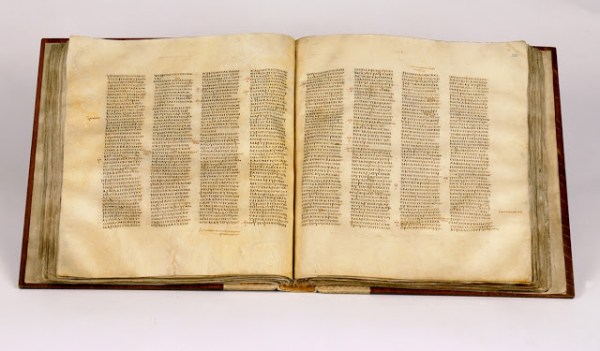
இப்பொழுது கிறிஸ்தவ மதத்தினர் போற்றிவரும் பைபிள் எனும் கிறிஸ்தவ வேதப் புத்தகம் இன்றைய நிலையில் உருவாக்கப்பெற்றது கிறிஸ்து இறந்து 633 ஆண்டுகளுக்குப் பின்னர்தான்! டோலிடோ என்னும் இடத்தில் கி.பி.633-ல் நடந்த கூட்டத்தில் இது இறுதி வடிவம் பெற்றது. அதற்கு முன் பலவிதமான கதைகளும், ஏசுவின் வாழ்வு பற்றி பல வாக்குவாதங்களும் நடந்திருக்கின்றன.

பழைய ஏற்பாட்டைக் குறித்து 2048 பாதிரிமார்களும், புதிய ஏற்பாட்டைக் குறித்து 50 சுவிசேஷங்களும் ஒன்றுக்கொன்று ஒவ்வாத முறையில் தர்க்கமிட்டுக் கொண்டிருந்ததை அறிந்து கான்ஸ்டன்டைன் மன்னர் கி.பி.335-ஆம் ஆண்டில் நைஸ் என்னும் இடத்தில் ஒரு மாபெரும் மகாநாட்டினைக் கூட்டி அதில் 1730 பாதிரிமார்களின் கூற்றுகளையும், 46 பாதிரிமார்கள் வைத்திருந்த சுவிசேஷங்களையும் நெருப்பிலிடும்படி ஆணையிட்டார். பாக்கியிருந்தவற்றில் அந்த மன்னர் ஒப்புகொள்ளும் விஷயங்களை மட்டும் அங்கீகாரம் செய்து அதைக் கடவுளின் வாக்கியம் என்றும் அனைவரும் பின்பற்றவேண்டும் என்றும் கட்டளையிட்டார். இது கிறிஸ்தவ வேதப் புத்தகம் பற்றிய சரித்திரச் சான்றுகள் அடிப்படையில் எழுதப்பட்ட உண்மையாகும். இதன் முழு விவரத்தை ஹெரால்டு ஷெர்மன் எழுதிய நீ இறந்த பின் வாழ்கிறாய் (You Live After Death) என்ற புத்தகத்தில் 104ஆம் பக்கம் முதல் 115ஆம் பக்கம் வரை காண்க—திருஞான சம்பந்தர் மடத்தின் ஆதீன கர்த்தர் வெளியிட்ட பிரசுரம், 1-9-1966

அஷ்டமி, நவமி பற்றி சத்ய சாய் பாபா

தொகுத்தவர்- லண்டன் சுவாமிநாதன்

கட்டுரை எண்- 1862; தேதி 13 மே 2015

லண்டன் நேரம்: 19-12

வளர்பிறையின் எட்டாவது, ஒன்பதாவது நாட்களாகிய அஷ்டமி, நவமி திதிகளை நல்லவை அல்ல என்று மக்கள் கருதுவது மிகவும் தவறாகும். ஏனெனில் உண்மை இதற்கு நேர் மாறானது. இவ்விரு நாட்களும் இவ்வுலகில் அவதாரங்கள் தோன்றிய திரு நாட்களைக் குறிப்பனவாகும். கண்ணன் எட்டாம் நாளாகிய அஷ்டமியிலும், ராமன் ஒன்பதாம் நாளாகிய நவமியிலும் தோன்றினர்.

கண்ணன் தோன்றிய ரோகிணி நட்சத்திரம் யோக ஆற்றலைப் பெறுவதோடு தொடர்புடையது. இராமர் தோன்றிய புனர்பூசம், சரணாகதி நெறியோடு தொடர்புடையது. அதாவது இந்த நட்சத்திரத்தில் தோன்றியவன் எளிதில் இரக்கம் கொண்டு, தன்னிடம் அடைக்கலமாக வந்த யாருக்கும் தன்னால் முடிந்த அளவுக்கு உதவி செய்யும் இயல்பினன்.

சாதனையைத் தொடங்குவதற்கு இந்த நாட்களைத் தேர்ந்தெடுங்கள்; பூசை செய்யவும், வழிபாடு செய்யவும், நீங்களே தேர்ந்தெடுத்த கடவுள் வடிவத்தை நாடுவதற்கும் இந்நாட்களைத் தேர்ந்தெடுங்கள். இந்நாட்களுடனும், நட்சத்திரங்களுடனும் கெட்டவற்றைத் தொடர்பு படுத்தாதீர்கள். நீங்கள் இவற்றை மதித்து வழிபடுங்கள். இந்நாளில் இதுவே என் அறிவுரையாகும்

–பிரசாந்தி, அக்டோபர் ,1965