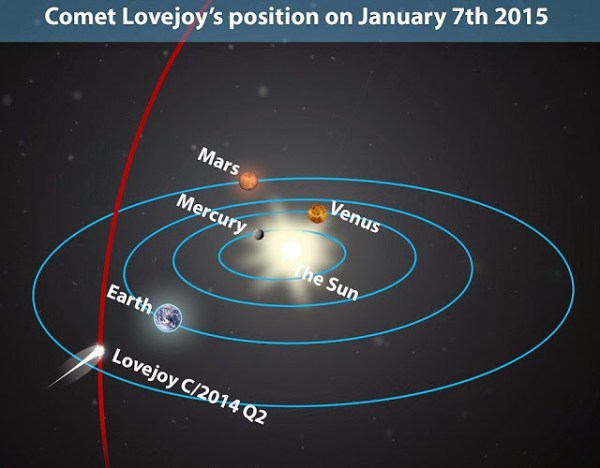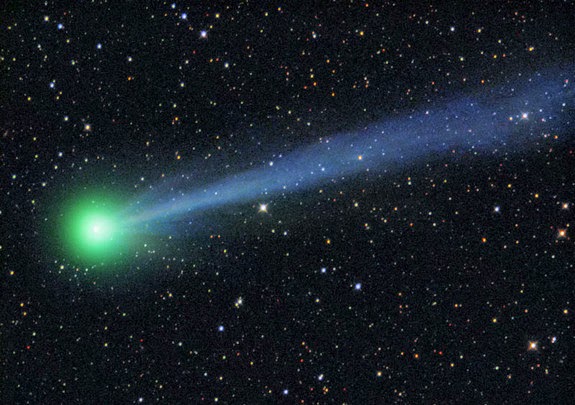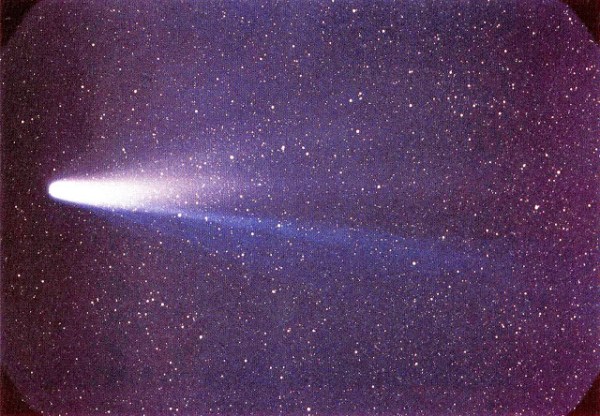
Comets in Brhat Samhita!

Written by London swaminathan

Research Article No.1861; Dated 13 May 2015.

Uploaded in London at 10-38 am

It is amazing to read about the chapter on Comets in the Brhat Samhita which Varahamihira wrote 1500 years ago. No modern astronomer can appreciate it with today’s knowledge of comets. But if you consider the knowledge that existed 1500 years ago, Varahamihira’s knowledge was far better than others. He quotes his predecessors who might have lived at least a few hundred years before him. First let us look at what today’s scientists say about the comets:-

Comet Halebopp

What is a Comet?


Comets are essentially piles of rock, gravel, and dust held together by various kinds of ice – essentially water and carbon dioxide ice.

As the comet nears the sun, its icy tail turns into a gas and blows away – due to pressure from the solar wind and sunlight.

They also release dust and gravel which tend to follow the comet around the sun – and if the Earth’s orbit intersects this material, it results in annual meteor showers.

According to the latest count there are over 5000 comets.

Varahamihira’s Chapter on Comets:

Varahamihira wrote over sixty couplets about comets. He did not have the modern facilities like Telescope or other electronic equipment. He says that sages Garga, Parasara, Asita, Devala and others had already written about the comets. They must have observed the sky for hundreds of years to write so much about it.

Now scientists are warning about Dark Comets crashing on to earth which would not glow because they lost its ice. This means that our knowledge is growing slowly with all the modern equipment. Two centuries ago astronomers thought that there are only 500 comets. But Garga told us that there are 1000 comets!

I will just summarise the ancients’ thoughts on Comets:

1.It is not possible to determine by calculation the rising or setting of the comets. (It is true even today. Now and then amateur astronomers discover new comets and now there over 5000 comets. Unless we know the orbits, we can’t say whether it will come back to earth or not. Halley’s Comet is a regular visitor which appears every 85 years).

2.There are three categories of comets as celestial, atmospheric and terrestrial (It would not make any sense in modern astronomy).

3.The atmospheric Ketus (Dhumaketu=comet) are those that are sighted on flagstaff, buildings, trees, horses elephants and other animals. The celestial ones are seen amidst the constellations, and the terrestrial ones are those that do not come under either of the two categories (I honestly don’t know what Varahamihira means by these three categories).

Comet Mcnaught

4.Some sages like Parasara speak of 101 Ketus (comets), while others such as Garga of 1000 Ketus (comets). However sage Narada declares that there is only one Ketu which appears in many forms and places (Probably Narada means to say that all comets are made of same materials).

5.Next Varahamihira gives his opinion: “What difference does it make whether there is a single Ketu or many? Under any circumstance, its effects ought to be declared through the positions of its appearance and setting, contact with planets or asterisms, smoky mantle and colours.

Halley’s Comet

6.The effects of Ketu (comet):- The effects of comet (Ketu) would be felt for so many months as the number of days during which it remains visible. Similarly its effect would last for so many years as the number of months during which it remains visible. However the effects in all cases would come to pass only after the first three fortnights of its appearance (This verse has got different interpretations from Bhattotpala. Al Biruni also commented on this verse)

7.All Ketus are not evil. There are some which augur well for the world. If a Ketu be short, slender, clear, glossy, straight, white and visible and if its appearance is followed by rain, there would be abundance of food crops and happiness.

8.A comet whose form is contrary to what has been described above, is considered as Dhumaketu – a portentous comet – that has risen; and it is disastrous in its effects, all the more so when resembles the rainbow or is possessed of two or three crests.

My comments: These couplets show that the Hindus have been observing comets for several hundreds of years or thousands of years before 500 CE. Otherwise they could not write about different colours and different types. It is scientifically true that comets appear in different colours and shapes. But its effects are not proved scientifically. Tamils also believed in its effects. Sangam Tamil Literature confirmed the death of a king within seven days of the appearance of a comet. I have already given the full details from Purananauru verse in one of my articles.

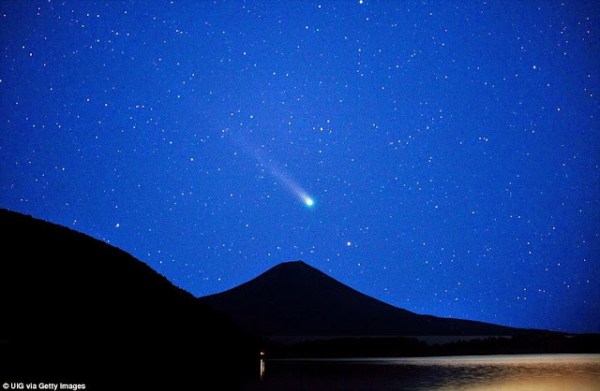
Comet Lovejoy seen from Japan.

  1. Varahamihira introduces a new element in to the Study of comets. He had written about the effects of comets appearing in different directions from East to North

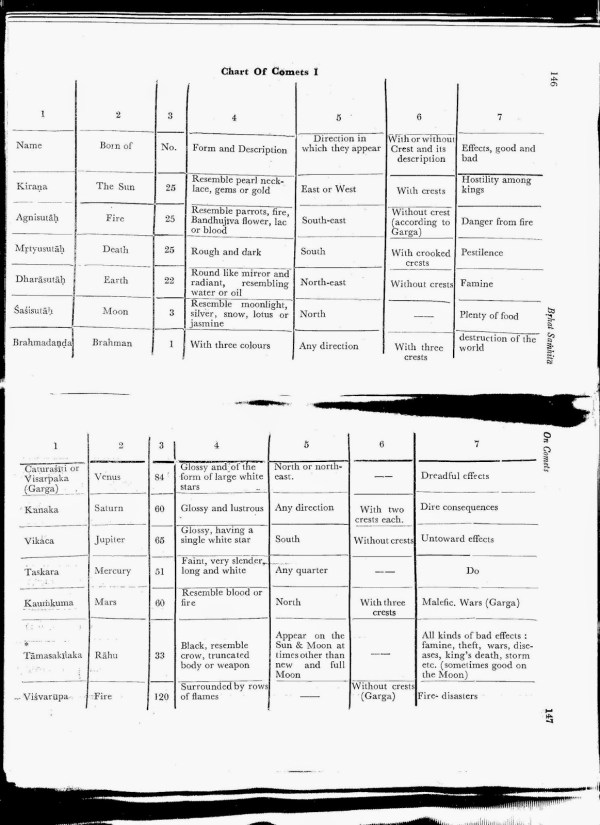
10.He described the types of comets in many verses which would not be understood by modern astronomers (Please see the charts).

  1. It requires lot of research by astronomers to see whether any of the information given by Varahamihira is useful today. We must appreciate that he had summarised the ancient Hindus’ knowledge in over 50 couplets 1500 years ago. The world was without much knowledge about comets at that time. Comets only created fear among the public in the ancient past.

I have followed Brhat Samhita translated in to English from Sanskrit by Prof. M Ramakrishna Bhat.


Comet Chart 1

Comet Chart 2.

Subham.

கி.மு.1700-இல் ஒரு பெண் எம்.பி.! இந்திய அதிசயம்!!

025c5-parliament

Written by London swaminathan

Research Article No.1860; Dated 12 May 2015.

Uploaded in London at 16-42

உலகின் மிகப் பழைய நூல் ரிக் வேதம். இதை இந்து மதத்தைக் குறைகூறுவதையே வாடிக்கையாகக் கொண்ட அமெரிக்க “அறிஞர்களும்” கி.மு.1700 என்று தேதி குறித்துள்ளனர். இதில் சபா, சமிதி என்ற இரண்டு ஜனநாயக அமைப்புகள் பற்றி நிறைய துதிகளில் பாடப்படுகிறது. இதில் உறுப்பினர்களாக இருந்தவர்களில் பெண்களும் உண்டு!! உலகில் பெரும்பாலான நாடுகளில் நாகரீகம் என்பதே தெரியாமல் இருந்த காலத்தில்—அப்படியே நாகரீகம் இருந்த இடத்திலும் பெண்களுக்கு உரிமை தரப்படாத காலத்தில் – பெண்களும் உறுப்பினர் என்றும் அவர்கள் சிறந்த பேச்சாளர்கள் என்றும் ரிக் வேதம் கூறுவது எல்லா இந்தியர்களும் பெருமைப்பட்வேண்டிய விஷயம்.

இது உண்மை-வெறும் புகழ்ச்சி அல்ல- என்பதற்கு “உலகிலேயே மிகவும் புத்திசாலியான பெண்” என்ற கட்டுரையில் வேறு ஒரு உதாரணத்தையும் முன்னரே தந்தேன். 2850 ஆண்டுகளுக்கு முன்னர் மாபெரும் அகில இந்திய தத்துவ மாநாட்டை ஜனக மாமன்னன் கூட்டினான். அதில் யாக்ஞவல்கியர் என்பவர் ஆயிரம் பொற்காசுகள் பரிசை எடுத்துச் செல்ல முயல்கையில் செல்வி கார்க்கி வாசக்னவி என்ற பெண் தடுத்து நிறுத்தி தத்துவ விஷயங்களை அலசியதை முன்னரே நீங்கள் அறிவீர்கள். ஆக ரிக்வேதம் சொல்லுவது மிகைப்படுத்தப்பட்ட கூற்று அல்ல.

8dbc0-tn2bassembly

சபை, சமிதி என்ற சொற்கள் இன்று இமயம் முதல் குமரி வரை, தமிழ், ஆங்கிலம் உள்பட பல மொழிகளில் அப்படியே பயன்படுத்தப் படுகின்றன. தொல்காப்பியர் ச- என்னும் எழுத்தைத் தமிழர்கள் முதல் எழுத்தாகப் பயன்படுத்தக் கூடாது என்று தடை போட்டு விட்டதால் நாம் “சபை” என்ற சொல்லை “அவை” என்று மாற்றிக் கொண்டோம். மற்ற மாநிலங்களில் விதான் சபா என்பர் ; நாம் சட்டப் பேரவை (சபை=அவை) என்போம். சமிதி என்ற சொல் கமிட்டீ (சமிட்டி=சமிதி=கமிட்டி) என்ற ஆங்கிலச் சொல்லாக மருவி உலகம் முழுதும் நிலவுகிறது.

நூற்றுக் கணக்கான ரிக் வேதச் சொற்களை இந்தியர்கள் தினமும் அன்றாடப் பேச்சு வழக்கில் பயன்படுத்துகிறோம் அதில் இந்த சபையும் சமிதியும் அடக்கம்.

இவை இரண்டும் அர்த்தம் மாறாமல் இன்றும் லோக் சபை, ராஜ்ய சபை, விதான் சபை என்ற சொற்களில் பயன்படுகின்றன. அதர்வ வேதமானது இவ்விரு சபைகளையும் பிரஜாபதியின் இரண்டு மகள்கள் என்று வருணிக்கும்.

e225f-bihar2bvidhan

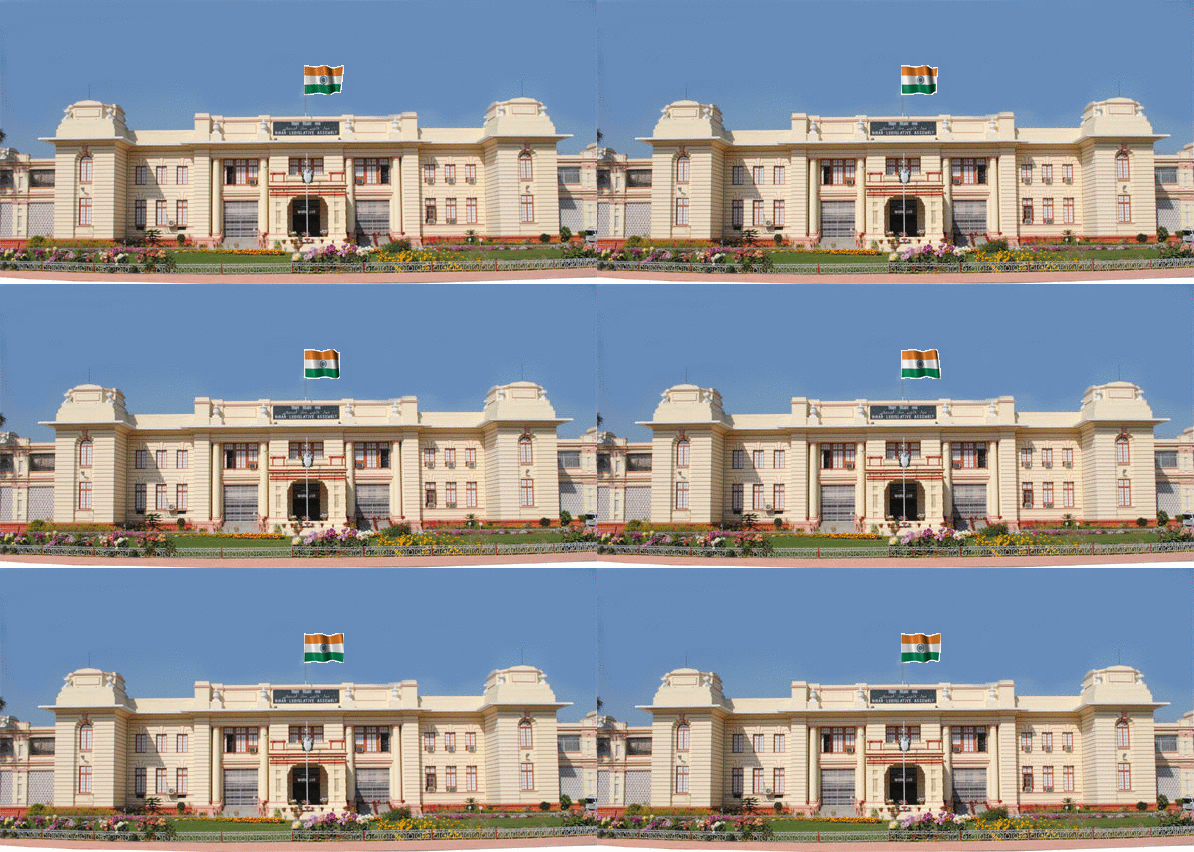
பீஹார் சட்ட சபை

சபை சமிதி சம்பந்தமாகப் புழங்கும் சொற்களைப் பட்டியலிட்டால் இன்றைய தினம் போலவே அன்றும் சபாநாயகர், சபைத் தலைவர், பெண் அங்கத்தினர், சட்டம் இயற்றல், மக்களைக் கலந்தாலோசித்தல் முதலியன இருந்தது புலனாகிறது.

சபையை விடச் சமிதிக்கு குறைவான அதிகாரங்கள் இருந்தன. ஆனால் சமிதி என்பது போர்க்கால கவுன்சில் என்று சாயனர் பாஷ்யம் சொல்லும்.சபைக்கும் சமிதிக்கும் ராஜாவும் வந்தை வேதம் குறிப்பிடும்.

இன்றும் கூட பிரிட்டன் முதலிய நாடுகளில் அரசின் கொள்கைகளை அறிவிக்கவும், பார்லிமெண்டைத் துவக்கிவைக்கவும் ராணி அல்லது ராஜா வருகிறார். இதெல்லாம் அக்கால வழக்கை ஒட்டியதே.

ராஜாவே தனது மகனை அடுத்த ராஜாவாக நியமிக்கும் அதிகாரம் இருந்தபோதிலும் மக்களில் முக்கியமான தரப்பினரை அழைத்து ஒப்புதல் பெறுவது வழக்கம். தசரதனும் தனது முடிவை நாட்டு மக்களுக்கு அறிவிப்பதற்கு முன்னர் முக்கியப் பிரமுகர்களை அழைத்து ஆலோசித்த பின்னரே ராமனுக்கு முடிசூட்ட முடிவு செய்வதாகப் படிக்கிறோம். விஜயன் என்பவன் செய்த கெட்ட செயல்களால் நாடு கடத்தப்பட்டு இலங்கையில் ஒரு புதிய அரசை நிறுவியதை மஹாவம்சம் மூலம் நாம் அறிவோம். மனு ஸ்மிருதியும் தீய செயல்களால் பதவி இழந்த மன்னர்களின் பட்டியலைத் தருகிறது.

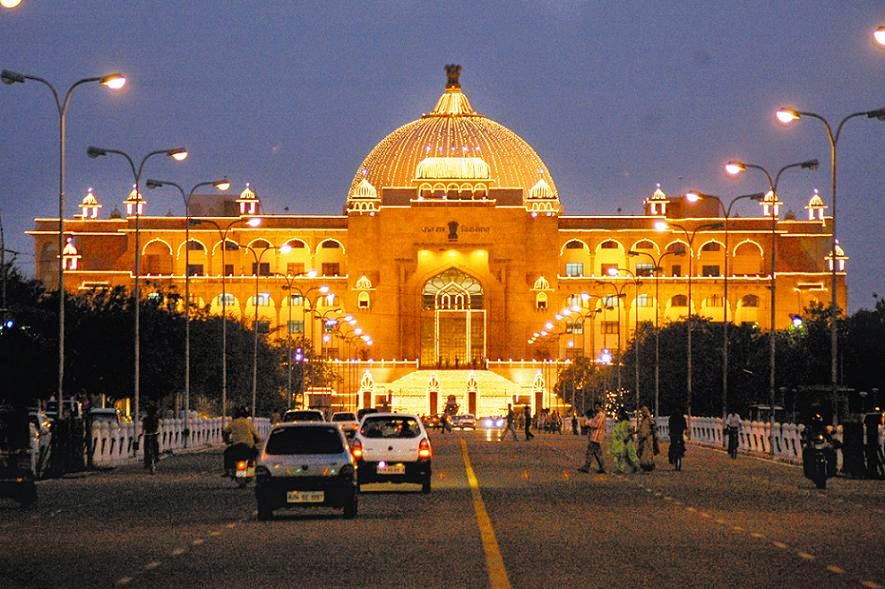
276ca-rajasthan_vidhansabha

ராஜஸ்தான் சட்ட சபை

இனி வேதத்தில் இருந்து சில குறிப்புகள்:

1.சபையின் பெண் உறுப்பினர்கள் சபாவதி என்று அழைக்கப்பட்டனர் (RV 1-167-3) அவர்கள் சபையில் உரிய சொற்களையே பேசுவர். சட்டத்தைப் பாதுகாக்கும் பெண் மூன்று முறை சபைக்கு வருவார் என்றும் ஒரு மந்திரம் (RV 3-56-5) சொல்லும். இன்று நாம் இதன் முழுப் பொருளையும் உணரமுடியாது.

2.சபையில் முக்கிய உறுப்பினர்கள் சந்தித்து, முக்கிய விஷயங்களை விவாதித்தனர். அதை ஏற்பாடு செய்பவர் சபாஸ்தாணு (அவையின் தூண்) என்று அழைக்கப்பட்டார் (RV.6-28-6; 8-4-9; 10-34-6; 7-12-1; 8-10-5; 12-1-56; 19-55-6 etc). சபையில் சண்டை, சச்சரவுகளும் தீர்த்துவைக்கப்பட்டதாக மஹீந்தரா என்பவர் வாஜசனேயி சம்ஹிதை உரையில் சொல்லுகிறார். கிராம சபை கூடும் இடம் என்றும், செல்வந்தர்கள் அங்கம் வகித்ததாகவும் குறிப்புகள் உள (பிரிட்டனில் இப்பொழுதும் செல்வந்தர்கள், பிரபுக்கள் இடம்பெறும் ஹவுஸ் ஆப் லார்ட்ஸ் உள்ளது!)

3.முக்கியப் பங்காற்றியவர்கள் ‘சபேயர்கள்’ என்று அழைக்கப்பட்டனர்.சபையில் தரமான உயர்ந்த சொற்கள் பேசுவதை ஒரு மந்திரம் குறிப்பிடுகிறது (RV 2-24-13; AV 20-12-8; VS 22-22)

a179a-tn2bseats

4.சமிதி, சபைக்கு ராஜா வருவது பற்றியும் மந்திரங்கள் உள்ளன. அவர்களுடைய கருத்துக்களை ராஜா கேட்டறிந்தார். பிற்கால தமிழ், சம்ஸ்கிருத இலக்கியங்களில் இது பற்றிய குறிப்புகள் மற்றும் எண்பேராயம் (எட்டு பேர் அமைச்சரவை), ஐம்பெருங்குழு ( ஐந்து பேர் ஆலோசனைக் குழு), அஷ்ட திக் கஜங்கள், நவரத்னங்கள் முதலிய பல அமைச்சர்/அறிஞர் குழுக்கள் பற்றியும் தகவல்கள் கிடைக்கின்றன.

5.வேதத்தில் சபை, சமிதி பற்றி வரும் குறிப்புகளையும், அது தொடர்பாக உண்டாக்கப்பட்ட சொற்றொடர்களையும் பார்க்கையில் கி.மு.1700-க்கும் நீண்ட நெடுங்காலத்துக்கு முன்னரே சபையும் சமிதியும் உண்டாகி இருக்கும் என்பதை ஊகிப்பது கடினமில்லை. சுமேரிய, எகிப்திய, மினோவன், மைசீனிய, கிரேக்க சாம்ராஜ்யங்களில் கி.மு 1700ஐ ஒட்டி இத்தகைய அமைப்புகள் எதுவுமில்லை. ஆகவே உலகின் முதல் ஜனநாயக நாடு இந்தியாதான். பெண்களையும் உறுப்பினர் ஆக்கும் மனப்பக்குவம் உலகில் வேறு எங்கும் காணக்கிடைக்காதது! அரசன் மனைவியோ, மகளோ அதிகாரம் பெறுவதில் வியப்பில்லை. அது குல முறைப்படி அல்லது ராஜா வகித்த பதவி வழியாகக் கிடைக்கக்கூடியது. செல்வி வாசக்னவி, மைத்ரேயி போன்ற தனிநபர் ஒரு சபைக்குச் செல்வது அறிவு முதிர்ச்சியின் உச்சம் ஆகும்!

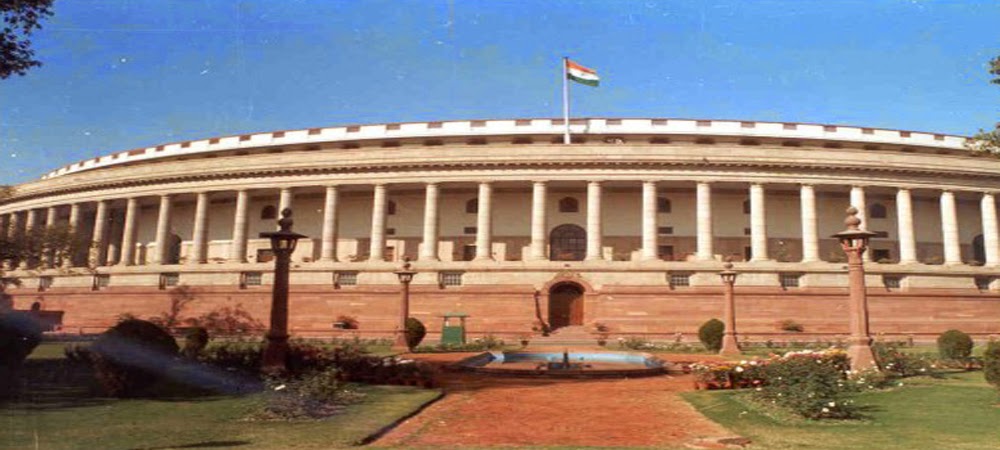
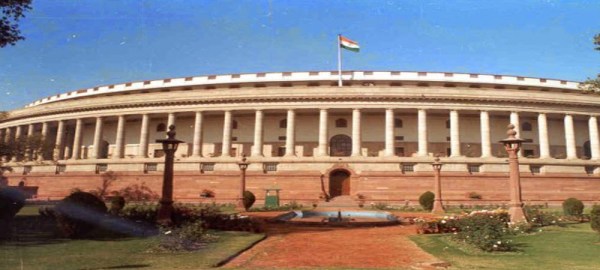
கீழே மக்களவையின் படம் (லோக் சபா)

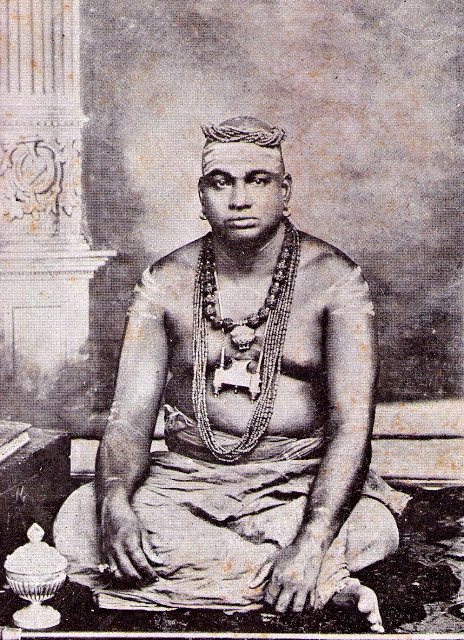
பாட்டுக்கு பத்து ரூபாய்! ஞானியார் அடிகள் கதை

ஞானியார்  அடிகள் படம்

Written by London swaminathan

Article No.1859; Dated 12 May 2015.

Uploaded in London at 14-32

செங்குந்தர் ஜாதியில் பிறந்து பின்னர் துறவறம் மேற்கொண்ட ஞானியார் அடிகள் பல மொழிகளைக் கற்றுத் தேர்ந்தார். அவர் தெலுங்கு மொழியை சென்னை கேசவுலு நாயுடுவிடம் இருந்தும் சம்ஸ்கிருத மொழியை ராமநாத சாஸ்திரிகள் இடமிருந்தும் தமிழ் மொழியை சி.மு.சாமிநாத அய்யர் என்னும் பெரும் புலவரிடமிருந்தும் கற்றார்.

சாமிநாத அய்யர் தினமும் பாடம் சொல்லி முடித்தவுடம் ஒரு பாடலை எழுதி வீட்டுப் பாடமாகக் (ஹோம் ஒர்க்) கொடுப்பார். அந்தச் செய்யுளில் என்ன “சீர், தளை” இருக்கிறது என்பதை ஞானியார் அடிகள் எழுதி வைப்பார். மறுதினம் வரும் போது அதைச் சரிபார்த்துவிட்டு, ஐயர் மேலும் ஒரு பாடல் எழுதுவார்.

ஒருமுறை அவருக்கு பொருள் தட்டுப்பாடு போலும்.அது மனதை வாட்டியதாலோ என்னவோ கீழ்கண்டவாறு ஒரு கவிதையை ‘ஹோம் ஒர்க் நோட்புக்’கில் எழுதிக் கொடுத்துவிட்டுப் போய்விட்டார்.

“நற்பாடலிபுரத்து நாதனே! நாயினேன்

பொற்பாம் நினதடியைப் போற்றினேன் தற்போது

வேண்டுஞ் செலவிற்கு வெண்பொற்காசுப் பத்து

ஈண்டு தருக இசைந்து”—

என்னும் வெண்பாவினை எழுதி வைத்துவிட்டுச் சென்றார். இந்தச் செய்யுளுக்கு இலக்கணக் குறிப்பு எழுத வேண்டியது அடிகளார் வேலை.

மறுநாள், ஐயர் வழக்கம்போல பாடம் கற்பிக்க வந்தார். அன்றைய பாடம் முடிந்த பின் மேலும் ஒரு செய்யுளை எழுதுவதற்காக குறிப்புப் புத்தகத்தைத் திறந்தார். அதில் பத்துரூபாய் பணமும் இருந்தது கண்டு வியந்தார்.

“இது என்ன? நான்பாட்டுக்கு (அதாவது என் மனம் போனவாறு) ஏதோ கவிதை எழுதி வைத்தேன். பொருள்மட்டும்தானே எழுதச்சொன்னேன்” என்றார். உடனே அடிகாளாரும் “நான் பாட்டுக்குப் பொருள் தந்தேன்; வேறு எதுவும் இல்லை” என்றார்.

தமிழ் நயம் உணர்ந்தோர் இதில் வரும் “பாட்டுக்கு”, “பொருள்” என்ற சொற்கள் சிலேடையாகப் பயன்படுத்தப்பட்டிருப்பதைக் அண்டு இன்புறுவர்.

(இதை 1958-ஆம் ஆண்டு சிங்கப்பூர் தமிழ் முரசு ஆண்டு மலரில் படித்தேன்)

Oldest Democracy in the World! Oldest Female MP in the World!!

Written by London swaminathan

Research Article No.1858; Dated 11 May 2015.

Uploaded in London at 21-07


India is the oldest democratic country in the world. Rig Veda, the oldest book in the world, confirms it. Not only that but also the two words used by the Vedic Hindus are used until today from the Himalayas to Kanyakumari and throughout the world. They had two assemblies: Sabha and Samiti. Sabha is used in all the states of India (Lok Sabha, Rajya Sabha, Vidhan Sabha etc) Since Tolkappiam, the oldest Tamil book banned the use of letter ‘Sa’ in Tamil,  Sabha is changed as Avai (Sabhai) in Tamil Nadu. Samiti is used throughout the world as Committee (C=S; samiti=committee).

Several hundred words from the Rig Veda are being used throughout the country. Tamils have been using them for 2000 years! Sanskrit will never die! All the major languages of the world have Sanskrit words!

Bihar Vidhan Sabha

OLDEST FEMALE MP!!

Oldest female MP or MLA was also from India! Rig Veda mentioned female members of the Sabha as sabhavati (RV 1-167-3). It says female member utters fitting words in the sabha!! They were the best speakers! It also said that a woman who protects law (rta) comes thrice to the Sabha (RV 3-56-5). I have already given one proof where Miss Gargi Vachaknavi attended the Religious Conference convened by Janaka. She stood up in the conference and challenged the greatest scholar of the period Yajnavalkya! All this happened before Homer wrote the first book in Greek!

The words regarding Sabha, its activities, its members and its uses show that Rig Vedic society was the most advanced civilization in the world.

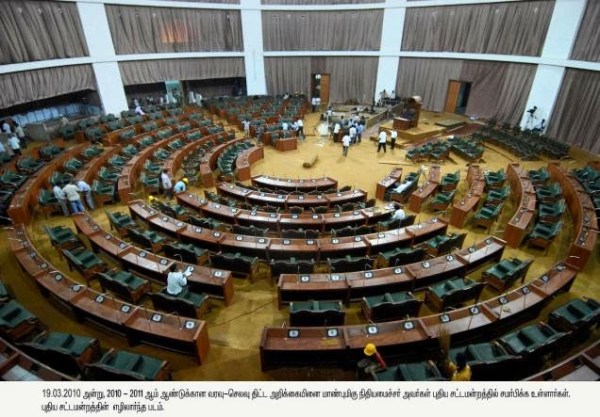
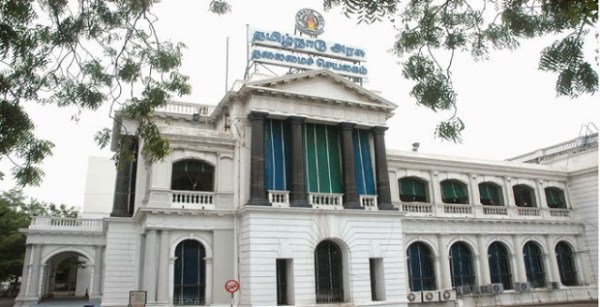
Tamil Nadu Assembly

ROLE OF SABHA (Avai in Tamil; S becomes ‘a’ and B becomes ‘v’; sabha=avai)

Sabha was an assembly where important members met and discussed matters of public interest (RV.6-28-6; 8-4-9; 10-34-6; 7-12-1; 8-10-5; 12-1-56; 19-55-6 etc). It is also mentioned in the later Samhitas and Brahmanas. The members were called sabhasaha like we call MLA or MP. Its director was called sabhasthanu; may be compared to Chief Secretary or the Speaker. The word literally meant Pillar of the Assembly.

The hall was used for social intercourse. General conversations and debates were also held there (RV2-24-13). Disputes were also solved and mitigated in the Sabha according to Mahidhara. He mentioned it in his commentary on Vajasaneyi Samhita (20-27). Financial affairs like wealth of the cattle were also discussed and settled in the sabha (RV6-28-6). Atharva Veda says that higher subjects were also discussed there (AV 7-12-3).

It looks like they performed various functions like enacting new laws, solving the problems. Another suggestion is that it was the assembly of the affluent (maghavan), like the House of Lords.

It was the meeting place of Village council. Domestic use of the sabha was confirmed in several passages of the later Samhita and Brahmanas (AV 8-10-5; TS 3-4-8-6; TB 1-1-10-3

Rajasthan Assembly

Dignity and Decorum of the House

Care was taken to maintain the standard of speech in the Sabha. No unparliamentarily words were allowed. Important participants were called ‘sabheya’ or fit for assembly (RV 2-24-13; AV 20-12-8; VS 22-22

Chandogya Upanishad says that the king attended the sabha (53-6). Chairperson of the Sabha was known as Sabhapala. Members were also known as sabhachara (TB 3-7-46)

Both Sabha and Samiti are described as the Twin Daughters of Prajapati (AV 7-12; SB 4-1-4-1)

Tamil Nadu Assemly

ROLE OF SAMITI (Comiti=Committee)

Samiti means a collective body (RV 9-92-6). Kings attended the samiti (RV 10-97-6)

Atharva Veda which described Samiti and Sabha as twin daughters of Prajapati says they are deliberative bodies (712). RV shows its importance and the business transacted there in 10-193-3.

AV gives more information about the Samiti

a)Courtly men coming as guests 8-10

b)Samiti’s praise sung in all gatherings of men 12-1-56

c)It was an assembly of people and its consent is essential for the King 5-19

Sayana says that Samiti was a War Council, where kings or tribal chiefs assembled to discuss the course of action.

It was conveyed to elect and accept the king or to approve of his acts (RV 1-95-8;9-92-6; 10-97-6.

Compared to Sabha, it was a smaller assembly.

Picture of Lok Sabha

Dasaratha’s Consultation

Even in Valmiki Ramayana we read that Dasaratha called the assembly of ministers and VIP.s and asked their opinion and consent to appoint Rama as the next king. Manu in his Smrti says how bad kings were thrown out of power. We read about Vijaya’s banishment from Kalinga/Bengal region who established a new dynasty in Sri Lanka. Later literature gives us information about Council of Five and Council of Eight people. So we have a continuous history of democratic institutions. The king was decorative post without much power.

மூன்று சூரியன்கள் தோன்றிய அதிசயம்!!

Compiled by London swaminathan

Article No.1857; Dated 11 May 2015.

Uploaded in London at 9-35

சமீபத்தில் மங்கோலியாவில் மூன்று சூரியன்கள் தோன்றியது சென்னை முதல் லண்டன் வரை எல்லா பத்திரிக்கைகளிலும் ஜனவரி (2015) மாதத்தில் வந்தன. இது ஒரு அதிசய நிகழ்வே. சுமார் முப்பது ஆண்டுகளுக்கு முன் காரைக்காலில் இப்படி மூன்று சூரியன்கள் தோன்றியது தினமணியில் செய்தியாக வந்தது. இதைவிட வியப்பான விஷயம் வராஹமிகிரர் என்பவர் சம்ஸ்கிருத கலைக் களஞ்சியமான பிருஹத் சம்ஹிதாவில் 1500 ஆண்டுகளுக்கு முன் இது பற்றி எழுதி வைத்ததாகும்!! அதற்கு முன் அரிஸ்டாடில் போன்ற கிரேக்க அறிஞர்கள் இது பற்றிப் பேசியிருந்தாலும் வராஹ மிகிரரே முதலில் இதைச் சொல்லி இருக்க வேண்டும். ஏனெனில் அவர், தனக்கு முந்திய 20-க்கும் மேலான அறிஞர்கள் பெயர்களைச் சொல்லி அவர்கள் சொன்ன விஷயங்களைச் “சுருக்கமாகச்” சொல்வதாக எழுதியுள்ளார்.

மூன்று சூரியன்கள் தோன்றுவது எப்படி என்பதைக் காண்பதற்கு முன்னால், இது பற்றி வராஹமிகிரர் சம்ஸிருதத்தில் எழுதியது என்ன என்பதைக் காண்போம்

பிருஹத் சம்ஹிதா, அத்தியாயம் 37 (ப்ரதி சூர்ய லக்ஷணம்)

1).போலி சூரியன்கள் தோன்றுவது நல்ல சகுனமே! அந்தந்த பருவத்துக்கு ஏற்ற வண்ணத்தில் தோன்றினால் நல்லது. மேலும் தூய வெண்மை அலது வைடூர்ய ரத்ன வர்ணத்தில் இருந்தால் நல்லது.

ப்ரதிசூர்யக: ப்ரசஸ்தோ திவசக்ருத்ருதுவர்ணசப்ரப: ஸ்நிக்த:

வைடூர்ய நிப: ஸ்வச்ச: சுக்லஸ்ச க்ஷேமசௌர்பிக்ஷ:

2).போலி சூரியன்கள் மஞ்சள் வர்ணத்தில் இருந்தால் வியாதிகள் மலியும்; சிவப்பு வர்ணத்தில் இருந்தால் ஆயுதப் போராட்டம் நிகழும். பல சூரியன்கள் வரிசையாகத் தோன்றுமானால் வியாதிகள், அரசர் படுகொலை, கொள்ளைக்காரர் தொல்லைகள் நிகழும்

பீதோ வ்யாதீம் ஜனயத்யசோகரூபஸ்ச சஸ்த்ரகோபாய

ப்ரதிசூர்யாணாம் மாலா தச்யுபயாதங்கன்ருப ஹந்த்ரீ

3).உண்மைச் சூரியனுக்கு வடக்கில் போலி சூரியன் தோன்றினால் மழையும் தெற்கில் இருந்தால் கடுங் காற்றும் தோன்றும். மேலே தோன்றினால் மன்னனுக்கு கேடு, கீழே தோன்றினால் மக்களுக்குக் கேடு. இரு பக்கங்களிலும் தோன்றினாலோ நீர் நிலைகளால் (ஆற்று வெள்ளம், கடல் சுனாமி அலை) கேடு வரும்.

திவஸக்ருத: ப்ரதிசூர்யோ ஜலக்ருதுதக்தக்ஷிணோ ஸ்திதோ அனிலக்ருத்

உபயஸ்த: சலிலபயம் ன்ருபமுபரி நிஹன்யத்யதோ ஜனஹா

இதற்கு மேல் அவர் காஸ்யபர், பராசரர் முதலியோர் இது பற்றி என்ன சொன்னார்கள் என்ற ஸ்லோகங்களையும் நமக்கு விட்டுச் சென்றுள்ளார்.

ஹிந்துக்கள் வான மண்டலத்தைக் கூர்ந்து கவனித்ததோடு நில்லாமல் அதை எழுதியும் வைத்தது அவர்களது விஞ்ஞான கண்ணோட்டத்துக்கு சான்றாகத் திகழ்கிறது.அவர் எழுதியது இன்றைய அறிவியல் அளவுக்கு இல்லாவிட்டாலும் அன்றே நாம் இதைக் கண்டு பிடித்து எழுதினோம் என்பது பெருமைக்குரியது. வானவியல் உண்மைகள் மாறிக்கொண்டே வருகின்றன. 25 ஆண்டுக்கு முந்தைய வானவியல் புத்தகங்கள் இங்கு லண்டனில் பழைய புத்தகக் கடைகளில்தான் பார்க்கலாம். 2000 ஆண்டுகளுக்கு முன் இந்துக்கள் இதை சம்ஸ்கிருதத்தில் எழுதியதற்கு அவர்களுக்கு ஒரு பெரிய கும்பிடு போட வேண்டும். மேலும் வராஹமிகிரர் பூகம்பம் பற்றியும் ஒரு தனி அத்தியாயம் எழுதுயுள்ளார். இவ்வாறு இன்றைய உலகை உலுக்கும் விஷயங்கள் பற்றி அன்றே தனித்தனி அத்தியாயங்கள் எழுதியது அதிசயமன்றோ!!! சம்ஸ்கிருதத்தைக் கற்றால் இது போன்ற பல்லாயிரக் கணக்கான உண்மைகளை உணரலாம்.

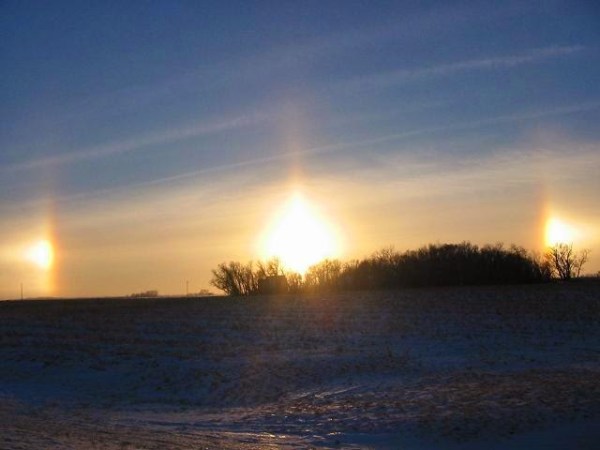
32496-sun-dogs02

மூன்று சூரியன்களுக்கு விஞ்ஞான விளக்கம்

இது மிக உயரத்தில் உள்ள மேகங்களில் இருக்கும் அறுகோண வடிவ பனிக்கட்டி ஸ்படிகங்களால் (ஹெக்சகனல் கிறிஸ்டல்ஸ்) தோன்றுகின்றன. பிரிஸம் எனப்படும் முக்கோண வடிவ கண்ணாடியின் வழியே ஒளி செல்லும் போது அது வானவில் நிறத்தில் ஏழாகப் பிரிகிறது. அது போலவே அறுகோண வடிவ ஸ்படிகம் வழியே செல்லுகையில் அது சரியாக 22 டிகிரி கோணதில் பிரிகிறது. இதை ஒலி விலகல் என்பர். இந்த அறுகோண ஐஸ் ஸ்படிகங்கள் மேகத்தில் பல இடங்களில் பரவலாகக் காணப்பட்டால் சூரியனைச் சுற்றி ஒரு வட்டம் தோன்றும். இதைத் தமிழில் சூரியனைச் சுற்றி கோட்டை கட்டி இருக்கிறது என்பர்.

இதற்கு மாறாக அந்த ஐஸ் ஸ்படிகங்கள் கீழே போய் செங்குத்துக் (வெர்டிகல்) கோடுகளாக நிற்குமானால், விலகும் ஒலியானது படுக்கை (ஹரிஸாண்டல்) வடிவத்தில் இருக்கும் அவை போலி சூரியன்களைத் தோற்றுவிக்கும்.

போலி சூரியன்கள் பல வண்ணங்களில் – ஆரஞ்சு, மஞ்சள், நீலம்—இருக்க முடியும். சூரியனுக்கு மிக அருகில் இருந்தால் சிவப்பாகவும், தள்ளிப் போக போக மஞ்சள், ஆரஞ்சு, நீலம் என்று மாறிக்கொண்டேயும் வரும்.

கிரேக்க அறிஞர் அரிஸ்டாடில் கி.மு.384, மீண்டும் கி.மு.322ல் தோன்றிய போலி சூரியன்களைக் குறித்துவைத்தார். அவருக்குபின் வந்தோர் இது பற்றி எழுதிவிட்டு இதனால் வரும் கேடுகள் என்ன என்ற நம்பிக்கைகளையும் எழுதினர்.

சம்ஸ்கிருத நூல்களில் மேலும் பல இடங்களிலும் போலி சூரியன்கள் பற்றிய குறிப்புகள் உள.

Is it good to see Three Suns in the Sky?

Picture of three Suns in Mongolia

Compiled by London swaminathan

Article No.1856; Dated 10 May 2015.

Uploaded in London at 20-30

A news item about the appearance of three Suns in Mongolia excited a lot of people around the world. It happened in the third week of January this year (2015) in Mongolia. When I was working as Sub Editor of Dinamani newspaper we published one such news item from Karaikal. Actually it happens very often, but go unnoticed because of the time and location.

We have one chapter on Mock Suns also known as Sun Dogs in the Sanskrit Encyclopaedia Brhat Samhita written 1500 years ago. Varahamihira in that book says that he has summarised all those information from twenty other authors who lived well before his time. So Hindus knew about this natural phenomena at least 2000 years ago.

Let us first look at what Varahamihira says and then the science behind the Mock Suns:

Chapter 37 of Brhat Samhita

1)A mock sun is auspicious, if it is glossy and possessed of the colour appropriate for the Sun in the particular season, if it is similar to beryl in lustre, and is clean and white, it is productive of happiness and plenty

Pratisuraka prasasto divasakrydrutuvarnasaprabhah snigdhah

vaiduryanibha svachchah suklasca kshemasaurbikshah


2)A mock sun that is yellow engenders diseases; one of the colour of the Asoka flowers (red) leads to clash of arms; and row of mock suns causes dangers from robbers, diseases and murder of kings.

Pito vyadhim janayatya sokarupascha sastrakopaya

Pratisuryanam mala dasyubhayatanganrupahantri

3)The mock sun appearing to the north of the sun causes rain; to the south, a strong wind; on both sides danger from water (i.e floods, Tsunami etc); the same appearing above the sun destroys the king; and below, the people.

Divasakrutah pratisuryo janakrududagdakshine stithognilakrut

Upabhayasthah salilabhayam nrupamupari nihanyadho janaha

4)The mock sun is nothing but a reflection of the Sun’s disc in the thin clouds near the Sun in the morning hours. This phenomenon may occur in the evening also.

Yamye vataprado njeya uttare vruddido raveh

Ubayoh parsvayobharti salilam bhuri yachchati


My comments:

1)Hindus are keen observers of the sky

2)Not only keen observers, but also recorded such events and made their own judgements/conclusions.

3)Whether Varahamihira agrees with modern science or not, he took care to write one chapter on it, that too 1500 years ago!

Science behind Mock Suns or Sun Dogs

They are created by the refraction of light passing through flat, hexagonal ice crystals in high, cold clouds.

The crystals act like prisms so that as light passes through them, it is bent by exactly 22 degrees before reaching viewers’ eyes to make the illusion.

If the crystals are more randomly located in clouds, a complete ring around the sun is visible, called a halo.

But if the crystals sink through the air, they become arranged in vertical lines, so that the sunlight is refracted horizontally, to make sundogs, as seen in these images.

They are reddest in colour when they are near to the sun and fade to yellow, orange and then blue as they move away. The colours of sun dogs merge into a white halo in some instances.

The strange phenomenon was recorded by Aristotle between 384 and 322 BC. The Greek philosopher wrote: ‘two mock suns rose with the sun and followed it all through the day until sunset’. He noted that they were always to the sun’s side and never rose above or below it.

The poet Aratus, who lived between 310 and 240 BC mentioned them in his catalogue of Weather Signs, saying that they indicate wind, rain or an approaching storm, while Artemidorus, a diviner in the second century, included the phantom suns in his list of celestial deities.

Sundogs were sometimes seen as an omen for bad times ahead, such as war, and observations of them feature in ancient texts by Aristotle, Seneca and Cicero, among others. This depiction of sundogs appeared in the Nuremberg Chronicle, an early printed book showing world history, published in 1493.

Subham.

தமிழனுக்கு நேரம் காலம் தெரியுமா?

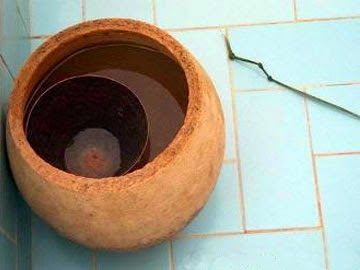
தமிழ் நாழிகை வட்டில்  இது போல  இருந்திருக்கும்

ஆராய்ச்சிக் கட்டுரை எண்.1855; தேதி 10 மே 2015

எழுதியவர் லண்டன் சுவாமிநாதன்

லண்டனில் பதிவு ஏற்றிய நேரம்- 14-53

Compiled by London swaminathan

Article No.1855; Dated 10 May 2015.

ஒரு சமுதாயம், நாகரீக வளர்ச்சியில் முன்னேறியதை எப்படிக் கண்டுபிடிக்க முடியும்? அவர்களுக்கு நேரம் ,காலம் பற்றிய அறிவும் உணர்வும் இருக்கிறதா? என்பதைக்கொண்டு கண்டுபிடிக்கலாம்.

முதலில் நேரத்தைக் காலத்தை அறிய ஒரு கருவி இருக்க வேண்டும். அதாவது கடிகாரமோ அல்லது அதற்கு இணையான மணி காட்டும் கருவியோ இருக்கவேண்டும்

இரண்டாவதாக, காலம் காட்டும் கருவி இருந்தாலும் நேரத்தின் அருமை பெருமையை உணர்ந்து அதை மதித்து நடக்க வேண்டும்.

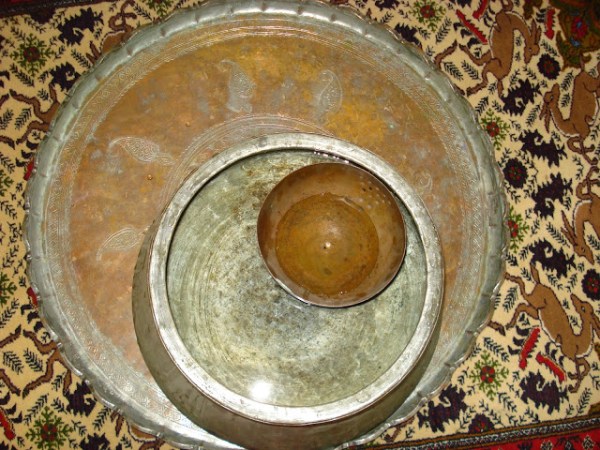
பாரசீக நீர்க் கடிகாரம்

இந்த இரண்டும் தமிழர்களிடம் இருந்ததா? இரண்டும் இருந்தன. ஒன்றிரண்டு எடுத்துக் காட்டுகளைக் காண்போம். கிராமத்தார் பேச்சு வழக்கில் கூட ‘உச்சில’ (பகல் 12 மணி), ‘விடியல’ ( சூரிய உதயத்துக்கு முன்), ‘கருக்கல்ல’ (இரவு) என்று கொச்சைத் தமிழில் பேசிக்கொள்வார்கள்.

பிராமணச் சிறுவர்களுக்கு “காணாமல், கோணாமல், கண்டு கொடு” என்று கற்றுத் தருவார்கள். அதாவது ஒரு நாளைக்கு மூன்று முறை இறைவனைத் தொழுவதற்கு விதிக்கப்பட்டாலும் அதைச் சரியான நேரத்தில் செய்ய வேண்டும் அல்லவா? காலையில் சூரியனைக் ‘காணாமல்’, அதாவது சூரிய உதயத்துக்கு முன்னர், பகலில் நிழல் “கோணாமல்” —அதாவது உடலின் நிழல் கீழே விழாமல் இருக்கும் உச்சிப் பொழுதில், சந்தியா வந்தனம் செய்ய வேண்டும். மாலையில் ‘கண்டு’ —அதாவது சூரியன் மலை வாயில் விழுந்து மறைவதற்குள், சூரியனைக் “கண்டு” சந்தியாவந்தனம் செய்யவேண்டும் .

இவையெல்லாம் கடிகாரமின்றி சூரியனைக் கொண்டே நேரம் கணக்கிட உதவின. பெரிய அரண்மனைகளில் நாழிகைக் கணக்கர் என்போர் சரியாக நேரத்தைக் கணக்கிட்டு மணி ஓசை மூலம் அறிவித்தனர். இதற்காக அவர்களிடம் நாழிகை வட்டில் என்னும் கண்ணாடிக் குடுவை இருந்தது. நாழிகைக் கணக்கர் என்பார் பழைய பாட்டில்களைக் கூர்ந்து கவனித்து ஒரு மணிக்கு ஒரு முறை மணி அடிப்பர். இந்தக் கருவி பற்றி சங்க இலக்கியப் பாடல்கள் சொல்லும்.

how_did_the_ancient_chinese

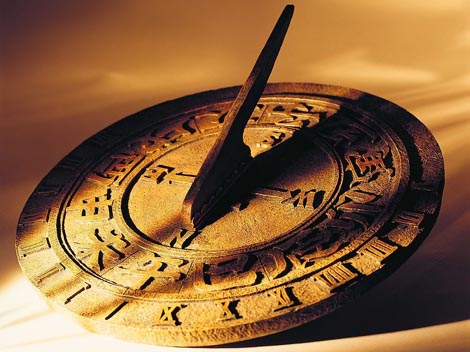
சீன சூரிய ஒளி கடிகாரம்

நிழல் மூலம் நேரம் அறிய ஒரு பாடலையும் கற்பித்தனர். கருவிகளே இல்லாமல் மணியை அறிய இது உதவியது.

“காட்டுத் துரும்பெடுத்துக்

கண்டம் பதினாறாக்கி

நீடிக் கடந்தது போக

நின்றது நாழிகை”

ஒரு நீளமான வைக்கோல் அல்லது கயிறு அல்லது ஓலையை எடுத்துக் கொண்டு அதில் 16 விரல் அளவு எடுத்துக் கொள்ளவேண்டும். மீதிப் பகுதியை வெட்டி எறிந்து விட்டு 16 விரல்கடை துரும்பை (கயிறு/ஓலை/வைக்கோல்) இரு பாகமாக்கி மடித்து, வெய்யிலில் ஒரு பகுதியின் நிழல் ஏற்படுமாறு உயர்த்திப் பிடிக்கவேண்டும். நிற்கும் பாகத்தின் நிழல் கீழேயுள்ள பகுதியின் நுனியோடு பொருந்தும் வகையில் நிறுத்த வேண்டும். இதற்கு தேவையான அளவைவிட மிச்சப் பகுதி உங்கள் கையில் இருக்கும். அது எத்தனை விரல் அளவு இருக்கிறது என்பதை அளந்து, அத்தனை நாழிகை நேரம் என்று சொல்லலாம்.

அதாவது காலையில் இப்படி எடுத்தால் சூரியன் உதித்து இத்தனை நாழிகை ஆயிற்று எனலாம். மாலையில் பயன்படுத்தினால், சூரியன் மறைய இன்னும் இத்தனை நாழிகை என்று சொல்ல வேண்டும். ஒரு நாழிகை என்பது 24 நிமிடம். ஒரு நாளைக்கு 60 நாழிகைகள். தமிழ் நாட்டில் வசிப்போருக்கு பொதுவாக சூரிய உதயம்  காலை 6-30 மணி.

எ.கா.மாலையில் நின்ற பாகத்தின் அளவு ஏழரை விரல் அளவு.அப்படியானால் சூரியன் மறைய இன்னும் ஏழரை நாழிகை (7.5×24=180 நிமிடம்= 3 மணி நேரம்)

இன்னொரு முறை

சூரியனுக்கு முதுகைக் கட்டி நிற்க.தலையின் உச்சி நிழல் எங்கே விழுகிறதோ அங்கே ஒரு கோடு கிழித்தோ, ஒரு கல்லை வைத்தோ அடையாளம் செய்க. உங்கள் கால்கலைப் பய்ன்படுத்தி எத்தனை அடி (காலடி) என்று அளக்க. அந்த எண்ணுடன் 11ஐக் கூட்டுக. அனத எண்ணை 210ல் வகுக்கவும். இதில் வரும் ஈவு எண் (காலை நேரமானால்) உதயத்துக்குப் பின் உள்ள நாழிகை, அல்லது அஸ்தமனத்துக்கு முன் உள்ள நாழிகை (மாலை நேரமானால்).

எ.கா. நிழல் அளவு 31; 31+11+42

210/42=5; ஐந்து நாழிகை (5×24=120 நிமிடம்=2 மணி நேரம்)

எகிப்திய தண்ணீர்க் கடிகாரம்

இரவு நேரம்

இரவு நேரத்தில் சந்திரன் அல்லது நட்சத்திரங்களைக் கொண்டு நேரம் அறியலாம். ஆனால் இதற்கு நமக்கு முக்கிய நட்சத்திரங்கள் பற்றிய அறிவு வேண்டும். நிலவு, நட்சத்திரங்கள் ஆகியன ஒவ்வொரு நாளும் உதயமாகும் நேரம் குறிப்பிட்ட இடைவெளியில் தள்ளிக் கொண்டே போகும். இதைவைத்து நேரம் அறியலாம். இது பற்றி தனியே எழுதுகிறேன்.

நாழிகை வட்டில் (மதுரைக் காஞ்சி, வரி 671)


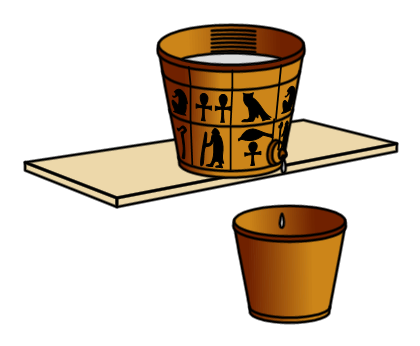
இது நாழிகை அளவைத் தெரிவிக்கும் கருவி. இது மெல்லிய தகட்டால் கிண்ணம் போல குழிந்து இருக்கும். அதில் ஊசி முனைத் துவாரம் இருக்கும். நீரில் மிதக்கவிட்டால் கொஞ்சம் கொஞ்சமாக நீர் உள்ளே வரும். அது நிறைந்தவுடன் மூழ்கும். அதற்கு ஆகும் நேரம் ஒரு நாழிகை (24 நிமிடம்).

மேலை நாடுகளில் இரண்டாகப் பிரிக்கப்பட்ட கண்ணாடிக் குடுவைகள் (Hour Glass) ஒன்றில் மணல் இருக்கும் அந்த மணல் கீழேயுள்ள குடுவையில் சேர்ந்தால் அரை மணி அல்லது ஒரு மணி என்று கணக்கிடுவர். உடனே அதைத் தலை கீழாகத் திருப்பி வைப்பர்.

சீன தண்ணீர்க் கடிகாரம்

-சுபம்-

Brahmin Kings of Sri Lanka!

Compiled by London swaminathan

Article No.1854; Dated 9 May 2015.

Uploaded at London time: 18-11

Dictionary of 10,000 Indian Kings – Part 19


ARYA CHAKRAVARTI DYNASTY: Nineteen Brahmin Kings ruled Jaffna region of Sri Lanka from 13th century to 17th century CE and the last king Cankili II was ousted by the Portuguese. They were of Tamil Brahmin origin who came from Rameswaram. They alternated the names Pararajasekaran and Jegarajasekaran following the Pandyan model of Maran and Sadayan. Pandya kings alternated their names with Jatavarma (sadayan) and Maravarman (maran). We know the names of Aryachakravarti kings from Tamil inscriptions

Summary of Previous 18 Parts:–

160 Kings in Rig Veda published here on 23rd November 2014.

First part of the article –146 kings beginning with letter ‘A’.

Second part– 65 Pandya Kings of Madurai+ Puranic Kings

Third part — 122 kings beginning with letter ‘B’

Fourth Part- 43 Kings of Vijayanagara Empire + 34 Kings under letter C.

Fifth Part – 106 Kashmiri Hindu Kings

Sixth Part – 30 Satavahana  Kings  + 136 Kings under letter D.

Seventh Part –  35 Tamil Pandya Kings of Sangam Age.

Eighth Part – List of Chera (Kerala) 22 kings of Sangam Age+ Kings listed under E (3),G(37) & H(28)=68kings

Ninth Part- 39 Choza Kings of Tamil Nadu

Tenth Part- 104 kings from Cambodia, Champa, Sri Vjaya Kingdom of Indonesia and Pallava

11th part:Under ‘I’  13 kings+ Under ‘J’ 40 kings+ Under ‘K” 147 kings are listed.

12th Part:– 113 kings of various Indonesian kingdoms are listed.

13th Part –UNDER ‘L’ 14 + UNDER ‘M’ 72 + PANDYA II LIST 36=122 KINGS

14TH PART:Dynasties of Vishnukundina (10), Vakataka (16),Salankayana (4),Andra Ikshvaku (4) and Names under “N”(60)=94 kings.

15th Part:—-Kadamba dynasty – 14 kings, Badami Chalukya -10 kings, Rashtrakuta dynasty kings- 16

Western Chalukya kings – 14, Kakatiya dynasty – 16, Eastern Chalukya kings – 33, Ganga vamsa – 16, Kalachuri dynasty- 14,Pala vamsa -21, Chandela dynasty 34, Gurjara Pratihara -17

Hoysala-13, Alupa – 32 kings are listed = Total 226 kings

16th part – Under R—121 kings and 152 Kings of Nepal = 273 kings

In this 17th part, I have listed Kings under ‘S’

18th part I list the kings of Kushan (18), Gupta Dynasties(26) and Kings under the letter ‘T’ (38 kings). So far we have listed 2565+39(U)+ 131(V)kings+202 Sri Lankan Kings=2937!
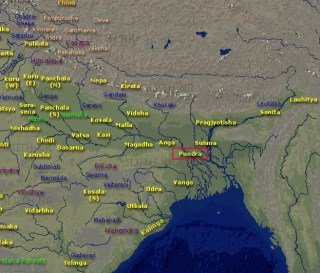
Kings under letter “U” from Dates and Dynasties in Earliest India by R Morton Smiths

U1)Uddaalaka Aruni – 855 BCE (all dates are in BCE unless stated otherwise)

U2)Uddhava Devasravas – 1160 BCE

U3)Uddhava Kalinga 850 BCE

U4)Ugradeva Rajani Janaki – 880 BCE

U5)Ugrasena, father in law of Akrura – 1125

U6)Ugrasena Ahuki Yadava – 1020

U7)Ugrasena, brother of Janamejaya – 1230

U8)Ugrasena, nanda vamsa –

U9)Ugratirtha Kalinga – 925

U10)Ugrayudha Dvimidha – 1070

U11)Ulmuka ,son of Rama – 1075

U12)Uluka (Urnanabha) –

U13)Upabahyaka Sarnjayvi – 1200

U14)Upabimba Vasudeva – 1055

U15)Upadaanaavi , wife of Sudyuma

U16)Upadeva Yadava- 1080

U17)Upadeva Daivaka-

U18)Upadeva Daivaki

U19)Upagraavant Bhangakari -1090

U20)Upagu vaideha – 682

U21)Upagupta vaideha – 660

U22)Upamadgu Yadava- 1090

U23)Upananda Vasudeva –

U24)Upasanga Saura – 1210

U25)Upendra Yadava – 1020

U26)Urja of Magadga- 1050

U27)Urjavaha Vaideha – 1050

U28)Urnanabha Aiksvakava – 1180

U29)Uruksaya Amahiyava – 1140

U30)Uruksaya    Aiksvakava –  945

Urvasi wife of Pururuvas

Usad-gu

U31)Usanas Sukra Bhargava – 1820

U32)Usanas Yadava – 1440

U33)Usij Brother of Gautama – 1320

U34)Usinara Anava – 1365

U35)Usna vatsa – 830

Uthathya Ucathya –

U36)Uttamaujas -890

Uttanka –

U37)Utkala Saudyumna – 1280

U38)UtkilaKata Vaisvamitra – 1240

U39)Uttara Abhimanyu – 970
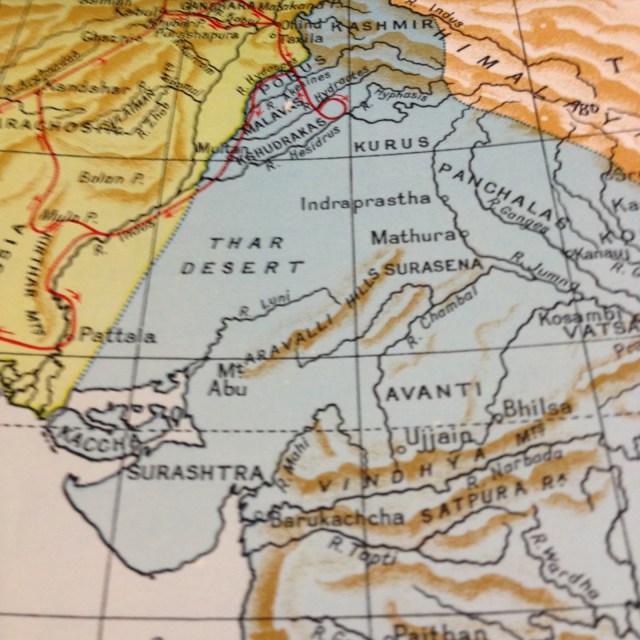
Kings under Letter “V”

V1)Vadava paricarika

V2)Vadrayasva Pancala – 1190

V3)Vagindra Saunaka – 1050

V4)Vahinara vatsa – 450

Vahini , wife to Kuru

V5)Vahni Turvasa – 1400

V6)Vaibhandaki – 1030

V7)Vainateya – father in law of Citaratha- 1130

V8)Vainateya , father in law of Brahanmanas – 950

V9)Vaisaki Bhadra

Vaisampayana – brother of Vyasa – 1000

V10)Vaitarana daivarha Yadava -1115

V11)Vajramitra Sunga Magadha – 129

V12)Vajra Asvasuta – 945

V13)Vajranabha Aiksvakava – 1160

V14)Vajrara Saura – 1190

Valmiki Adi Kavi – 400

V15)Vanga Baleya – 1210

Vantivana

V16)Vapusmant Laumapada -1060

V17)Varanta Divarha Yadava – 1120

Varangi – wife of Samyati

V18)Varcas saunaka – 1220

V19)Vardhamana auradevala – 119

V20)Vardhamana Jina Mahavira – 44

V21)Varsakara , minister in Magadha – 485

V22)Varsaketu of Kasi – 1195

Varuthin

V23)Vasavadatta  Pradyota – 485

V24)Vasati aiksvakava – 1810

V25)Vasin vaideha – 350

V26)Vasistha ikshvaku – 1840

V27)Vasistha Trisanku – 1335

V28)Vasistha Apava – 1315

V29)Vasistha Maitravaruni – 1320

V30)Vasu Kausika – 1360

V31)Vasu Upasanga – 1200

V32)Vasu Caidya – 1190

Vasudha

V33)Vasudana Vatsa -540

V34)Vasudeva saura – 1260

V35)Vasudeva II father of Krishna – 1010

V36)Vasudeva Kanva Magadha – 73 CE
V37)Vasudeva Kushan -189 BCE

V38)Vasujyestha Sunga –

V39)Vasumanas Aiksvakava -1350

V40)Vasumitra Sunga – 142

V41)Vasunabha (Abhayada Suvanant) -1680

Vasundhara Mother of Srutavant 1050

V42)Vatapati bhangakari – 1090

V43)Vatsa Rtadwaja Kasya- 1290

V44)Vatsa Avantaka Nipa -1300

V45)Vatsapri Bhalandana –

V46)Vatsavana Saura- 1155

V47)Vatsavyuha akisvakava – 930

V48)Vedisri satakarni – 193

V49)Vegavant Saka – 1360

V50)Venuhaya Yadava – 1560

V51)Venuhotra of Kasi – 1060

V52)Vibhandaka Kasyapa – 1165

V53)Vibhraja Nipa – 1140

V54)Vibhu of Kasi- 1140

V55)Vibudha vaideha – 1200

V56)Vicitravirya of Kasi 905

V57)Vicitravirya Kaurava – 1035

V58)Vidarbha Yadava – 1290

V59)Vidura Vaicitravirya -990

V60)Viduratha,  father in law of Sudhrtri

V61)Viduratha Bhajamana Yadava – 1140

V62)Viduratha Vaidarbha – 1190

V63)Viduratha Kaurava -1200

V64)Vidathin Marutasva –

V65)Vihavya Saunaka – 1200

V66)Vijaya Aiksvakava 1380

V67)Vijaya Vaideha – 528 CE

V68)Vijaya Ksatradharmana – 1510

V69)Vijaya Saura – 1190

V70)Vijaya Anava Satyaratha 1080

V70)Vijaya Andhra – 226 CE

V71)Vijaya, wife of sahadeva

V72)Vikarna Anava – 780

V73)Vikrama Aditya – 58

V74)Vikuksi sasada

V75)Vikunthn Hastina – 1100

Vimala, wife of Ajamidha

V76)Vimsa Pramsava – 1380

V77)Vinatasva Saudyumna – 1280

V78)Vinda of Avanti- 980

V79)Viprthu Caitraka Yadava – 1080

V80)Virabahu of Mahabharata Nala story

V81)Viraja kaurava – 1425

V82)Viraratha Dwimidha -950

V83)Virasena Nisada- 1390

V84)Virasena maurya Saubhagasena-200

V85)Virocana of Hiranyakasipu

V86)Virupa Nabhagi – 1410

V87)Visakhayupa Pradyota- 456 CE

V88)Visala Vaisravasa Saka- 1260

V89)Visala, wife of Uruksaya – 1140

V90)Visnuvrddha Aiksvakava 1390

V91)Visravas Dravideya Saka – 1280 BCE

Visruta Sruta –

V92)Visrutasva Aiksvakava-830

V93)Visrutavant Aiksvakava 1025

V94)Visvagasva Aiksvakava 1740

V95)Visvajit ,Brother of Bhima- 1540

V96)Visvajit of Magadha- 572

V97)Visvaksena pancala- 1070

V98)Visvamitra gathina- 1340

Visvaratha Visvamitra-

V99)Visvasaha Nabhagi- 1180

V100)Visvasaha Aiksvakava1100

V101)Visvasaha Laumapada -1180
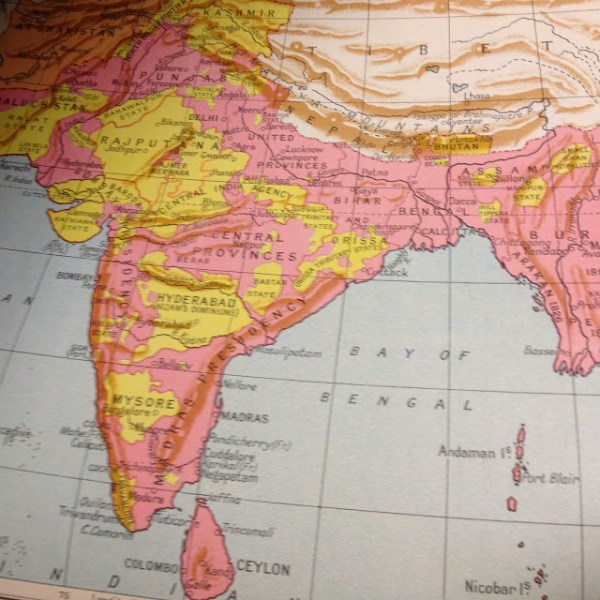
V102)Visvavasu, father of Pramadvara -1010

V103)Vitahavya Haihaya – 1295

V104)Vitaratha Laumapada – 990

V105)Vitarka Kaurava – 1130

V106)Vitatha Marutasva- 1205

V107)Vitatya Saunaka -1180

V108)Vitihotra vaideha- 462 CE

V109)Visvavant, father of Manu

V110)Vivimsa Pramsava – 1360

V111)Vratini Bhagavati Yadavi- 1170

V112)Vrddhasarman Karusa- 1000

V113)Vrddhasarman Nabhagi 1200

V114)Vrjini, daughter of Susila Madri

V115)Vrjnivant Yadava – 1620

V16)Vrka Aiksvakava 1340

V117)Vrkadeva -1230

V118)Vrkadeva sisirayani- 1200

V119)Vrkati Vaidarbha – 1130

V120)Vrsa Arjuni Yadava -1335

Vv121)rsa Anava Varsasena -940

V122)Vrsabha 1150

V123)Vrsabhuta Indra -1810

V124)Vrsadarbha Saibhya Anava – 1320

V125)Vrsala Madhava Yadava- 1290

V126)Vrsaparvan, father in law of Yayati- 1820

V127)Vrsasena Anava -960

V128)Vrsni satvata Yadava – 1190

V129)Vrsnimant Vatsa- 770

Vyasa Krsna – 1050

V130)Vyoman Vaidarbha -1170

V131)Vyusitasva Aiksvakava – 1120
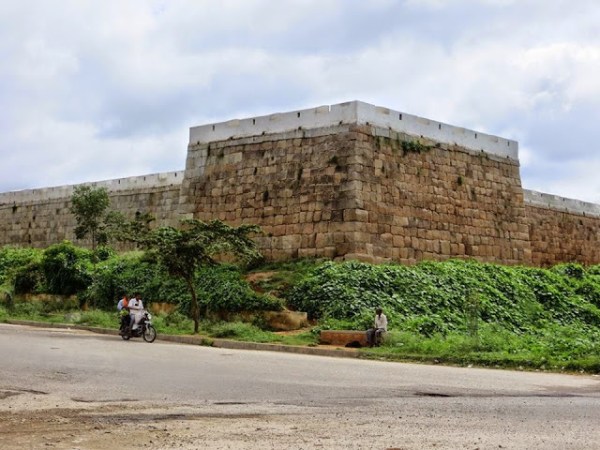
Magadhi Fort

Kings of Sri Lanka

SL1)Vijaya 38 Years 543 – 505 BC Thammanna Nuwara
Upathissa 01 Year 505 – 504 BC Upathissa Nuwara
Panduwasa Dewa 30 Years 504 -474 BC Upathissa Nuwara
Abhaya 20 Years 474 – 454 BC Upathissa Nuwara
Pandukabhaya 70 Years 437 – 367 BC Anuradhapuraya
Mutasiwa 60 Years 367 – 307 BC Anuradhapuraya
Devanampiyathissa 40 Years 307 – 267 BC Anuradhapuraya
Uththiya 10 Years 267 – 257 BC Anuradhapuraya
Mahasiwa 10 Years 257 – 247 BC Anuradhapuraya
SL10)Surathissa 10 Years 247 – 237 BC Anuradhapuraya
Sana & Guththika 10 Years 237 – 215 BC Anuradhapuraya
Asela 10 Years 215 – 205 BC Anuradhapuraya
Elara 44 Years 205 – 161 BC Anuradhapuraya
Dutugemunu 24 Years 161 – 137 BC Anuradhapuraya
Saddhathissa 18 Years 137 – 119 BC Anuradhapuraya
Thullaththana 01 Month 119– BC Anuradhapuraya
Lanjithissa 09 Years & 08 Month 119 – 109 BC Anuradhapuraya
Kallathanaga 06 Years 109 – 103 BC Anuradhapuraya
Wattagamini Abhaya ( Walagamba ) 05 Month- ( 1st rulling time ) 103 BC Anuradhapuraya
SL20)Walagamba 12- Years ( 2nd rulling time ) 89 – 76 BC Anuradhapuraya
Pualahattha 03 Years 103 – 100 BC Anuradhapuraya
Bhahiya 02 Years 100 – 98 BC Anuradhapuraya
Panayamara 07 Years 98 – 91 BC Anuradhapuraya
Piliyamara 07 Month 91 – 90 BC Anuradhapuraya
Dhatiya 02 Years 90 – 89 BC Anuradhapuraya
Mahasilu Mahathissa 14 Years 76 — 62 BC Anuradhapuraya
Choranaga 12 Years 62 – 50 BC Anuradhapuraya
Thissa ( Kuda Thissa ) 03 Years 50 – 47 BC Anuradhapuraya
Anula & Her Husbonds– 04 Years & 03 Month 47 – 42 BC Anuradhapuraya
SL30)Kutakannathissa 22 Years 42 – 20 BC Anuradhapuraya
Bhathiya , Bhathika

Abhaya, Bhathiya Thiss

28 Years 20 BC – 09 AC Anuradhapuraya
Mahadathiya Mahanaga 12 Years 09 – 21 AC Anuradhapuraya
Amanda Gamini 09 Years- 21 – 30 AC Anuradhapuraya
Kanirajanuthissa 03 Years 30 – 33 AC Anuradhapuraya
Chulabhaya 02 Years 33 – 35 AC Anuradhapuraya
Queen Seewali 04 Month 35 AC Anuradhapuraya
Eylanaga 09- Years 35 – 44 AC Anuradhapuraya
Chandramukhaseewa 08 Years 44 – 52 AC Anuradhapuraya
SL40)Yasalalakathissa 07 Years & 08 Month 52 – 60 AC Anuradhapuraya
Subharaja 06 Years 60 – 66 AC Anuradhapuraya
Wasabha 44 Years 66 – 110 AC Anuradhapuraya
Wankanasikathissa 03 Years 110 – 113 AC Anuradhapuraya
Gajabahu – I 22 Years 113 – 135 AC Anuradhapuraya
Mahallakhanagha 06 Years 135 – 141 AC Anuradhapuraya
Bhathiya Thissa – II 24 Years 141 – 165 AC Anuradhapuraya
Kanitthathissa 28 Years 165 – 193 AC Anuradhapuraya
Chulanaga ( Kujjanaga ) 02 Years 193 – 195 AC Anuradhapuraya
Kunchanaga 01 Years 195 – 196 AC Anuradhapuraya
SL50)Sirinaga 19 Years 196 – 215 AC Anuradhapuraya
Voharikathissa 22 Years 215 – 236 AC Anuradhapuraya
Abhayanaga 08 Years 236 – 244 AC Anuradhapuraya
Sirinaga – II 08 Years 244 – 246 AC Anuradhapuraya
Vijayakumara 01 Year 246 – 247 AC Anuradhapuraya
Sangathissa 04 Years 247 – 251 AC Anuradhapuraya
Sirisangabhodhi ( Sirisagabo ) 02 Years 251 – 253 AC Anuradhapuraya
Ghotabhaya 13 Years 253 – 266 AC Anuradhapuraya
Detuthis – I ( Jettathissa ) 10 Years- 266 – 276 AC Anuradhapuraya
Mahasen 27 Years 276 – 303 AC Anuradhapuraya
SL60)Sirimewan 28 Years 303 – 331 AC Anuradhapuraya
Detuthissa – II 09 Years 331 – 340 AC Anuradhapuraya
Buddhadasa 29 Years 340 – 369 AC Anuradhapuraya
Upathissa – I 42 Years 369 – 410 AC Anuradhapuraya
Mahanama 22 Years 410 – 432 AC Anuradhapuraya
Soththisena 01 Day 432 AC Anuradhapuraya
Chaththagrahaka 01 Year 432 – 433 AC Anuradhapuraya
Miththasena 01 Years 433 – 434 AC Anuradhapuraya
Pandu 434 – 459 AC Anuradhapuraya
Parinda 434 – 459 AC Anuradhapuraya
SL70)Kudaparinda 434 – 459 AC Anuradhapuraya
Thirithara 434 – 459 AC Anuradhapuraya
Dhatiya 434 – 459 AC Anuradhapuraya
Phitiya 434 – 459 AC Anuradhapuraya
Dhatusena 18 Years 459 – 477 AC Anuradhapuraya
Kashayapa 18 Years 477 – 495 AC Anuradhapuraya
Mugalan — I 18 Years 495 – 512 AC Anuradhapuraya
Kumaradasa ( Kumara Dhathusena ) 09 Years 512 – 521 AC Anuradhapuraya
Keerthisena 09 Month 521 AC Anuradhapuraya
Siwa 25 Days 521 AC Anuradhapuraya
SL80)Upathissa – II 01 Year 521 – 522 AC Anuradhapuraya
Silakala 13 Years 522 – 535 AC Anuradhapuraya
Dathappabhuthi ( Dhapuphasen ) 06 Month 535 AC Anuradhapuraya
Mugalan — III 20 Years 535 – 555 AC Anuradhapuraya
Kithsirimewan- ( Keerthi Sri Megawarna ) 19 Years 555 – 573 AC Anuradhapuraya
Mahanaga 03 years 573- -575 AC Anuradhapuraya
Agbo – I ( Agrabhodhi ) 34 Years 575 – 608 AC Anuradhapuraya
Agbo – III 10 Years 608 – 618 AC Anuradhapuraya
Sangathissa 02 Month 618 AC Anuradhapuraya
Mugalan – III 05 Years 618 – 623 AC Anuradhapuraya
SL90)Asigrahaka ( Shilamegawarna ) 09 Years 623 – 632 AC Anuradhapuraya
Agbo – III 06 Month ( 1st rulling time) 632 AC Anuradhapuraya
Jetthathissa ( Detuthissa )- – III 05 Month 632 AC Anuradhapuraya
Agbo- – III 16 Years- ( 2nd rulling time ) 632 – 648 AC Anuradhapuraya
Dathasiwa – I 02 Years 648 – 650 AC Anuradhapuraya
Kashayapa — II 09 years 650 – 659 AC Anuradhapuraya
Dappula – I 03 Years 659 – 662 AC Anuradhapuraya
Haththadatha ( Dhatopathissa – II ) 09 Years 659 – 667 AC Anuradhapuraya
Agbo – IV ( Aggabhodhi ) 16 Years 667 – 683 AC Anuradhapuraya
Daththa 02 Years 683 – 684 AC Anuradhapuraya
SL100)Haththadatha- 06 Month 684 AC Anuradhapuraya
Manawamma 35 Years 684 – 719 AC Anuradhapuraya
Agbo – V 06 Years 719 – 725 AC Anuradhapuraya
Kashshapa – III 06 Years 725 – 731 AC Anuradhapuraya
Mahinda – I– ( Mihindu ) 03 Years 731- 733 AC Anuradhapuraya
Agbo- – VI 40 Years 733 – 722 AC Anuradhapuraya
Agbo – VII 06 Years 772 – 718 AC Anuradhapuraya
Mihindu – II 20 Years Anuradhapuraya
Dappula -II ( Udaya – I ) 05 Years 797 – 802 AC Anuradhapuraya
Mihindi – III 03 Years 802 – 805 AC Anuradhapuraya
SL110)Agb0 – VIII 11 Years 805 – 816 AC Anuradhapuraya
Dappula – III 16 Years 816 – 831 AC Anuradhapuraya
Agbo – IX 02 Years 831 – 833 AC Anuradhapuraya
Sena – I 20 Years 833 – 853 AC Anuradhapuraya
Sena – II 35 Years 853 – 887 AC Anuradhapuraya
Udaya – II 11 Years 887 – 898 AC Anuradhapuraya
Kashshapa- – IV 17 Years 898 – 915 AC Anuradhapuraya
Kashshapa- – V 09 Years 915 – 924 AC Anuradhapuraya
Dappula – IV 07 Month 924 AC Anuradhapuraya
Dappula – V 12 Years 924 – 935 AC Anuradhapuraya
SL120)Udaya – II 03 Years 935 – 938 AC Anuradhapuraya
Sena – III 08 Years 938 – 946 AC Anuradhapuraya
Udaya – III 06 Years 946 – 952 AC Anuradhapuraya
Sena – IV 03 Years 952 – 955 AC Anuradhapuraya
Mihindu – IV 16 Years 955 – 972 AC Anuradhapuraya
Sena – V 10 Years 972 – 982 AC Anuradhapuraya
Mihindu – V 36 Years 982 – 1018 AC Anuradhapuraya
Vijayabahu – I 55 Years 1055 – 1110 AC Polonnaruwa
Jayabahu – I 01 Year 1110 AC Polonnaruwa
Vickramabahu 21 Years 1110 – 1131 AC Polonnaruwa
SL130)Gajabahu – II 22 Years 1131 – 1153 AC Polonnaruwa
Maha Parakramabahu – I 33 Years 1153 – 1186 AC Polonnaruwa
Vijayabahu – II 01 Year 1186 – 1187 AC Polonnaruwa
Mihindu ( mahinda ) – IV 05 Days 117 AC Polonnaruwa
Nishshankamalla 09 Years 1187 – 1196 AC Polonnaruwa
Veerabahu – I 01 Day 1196 AC Polonnaruwa
Vickramabahu – II 03 Month 1196 AC Polonnaruwa
Chidaganga 09 Month 1196 – 1197 AC Polonnaruwa
Leelawathi 03 Years ( 1st rulling time ) 1197 – 1200 AC Polonnaruwa
Leelawathi 01 Year ( 2nd rulling time ) 1210 AC Polonnaruwa
SL140)Leelawathi 07 Month ( 3rd rulling time ) 1212 AC Polonnaruwa
Sahasamalla 02 Years 1200- – 1202 Ac Polonnaruwa
Kalyanawati 08 Years 1202 – 1210 AC Polonnaruwa
Darmshoka 01 Year 1210 AC Polonnaruwa
Anikanga 17 days 1210 AC Polonnaruwa
Lokeshwara 09 Month 1211 AC Polonnaruwa
Parakramapandu 03 Years 1212 – 1215 AC Polonnaruwa
Kalinga- Maga 21 Years 1215 – 1236 AC Polonnaruwa
Vijayabahi – III 04 Years 1220- 1224 AC Dambadeniya
Parakramabahu – II 35 Years 1234 -1269 AC Dambadeniya
SL150)Vijayabahu – IV 03 Years 1267 – 1270 Ac Dambadeniya
Buvanekabahu – I 12 Years 1270 -1283 AC Dambadeniya & Yapahuwa
Parakramabahu – III 06 Years 1287 – 1293 AC Polonnaruwa
Buwanekabahu – II 09 Years 1293 – 1302 AC Kurunegala
Panditha Parakramabahu – IV 24 Years 1302 – 1326 AC Kurunegala
Buwanekabahu – III Kurunegala
Vijayabahu – V Kurunegala
Buvanekabahu – IV 12 Years 1341 – 1353 AC Gampola
Parakramabahu – V 15 Years 1344 – 1359 Dedigama & Gampola
Vickramabahu – III 17 Years 1500 – 1374 AC Gampola
SL160)Buvanekabahu – V 37 Years 1372 – 1408 AC Gampola
Veerabahu – II 05 Years 1392 – 1397 AC Raigama
Veeraalakeshvara 12 Years 1397 – 1410 Ac Raigama
Parakramabahu – VI 55 Years 1412 – 1467 AC Kotte
Jayabahu – II 05 Years 1467 – 1472 AC Kotte
Buvanekabahu – VI 09 Years 1472 – 1480 AC Kotte
Parakramabahu – VII 04 Years 1480 – 1484 AC Kotte
Veeraparakramabahu – VIII 24 Years 1484- 1508 AC Kotte
Darma Parakramabahu – IX 20 Years 1508 – 1528 AC Kotte & Kelaniya
Vijayabahu – VII 12 Years 1510 – 1522 AC Kotte
SL170)Buwanekabahu- – VII 30 Years- 1522 – 1551 AC Kotte
Darmapala 46 Years 1551 – 1597 Ac Kotte
Mayadunna 60 Years 1521 – 1581 AC Seethawaka
Rajasinghe – I 39 years 1554 – 1593 AC Seethawaka
Don Pilip 01 Year 1591 AC Mahanuwara
Wimaladarmasuriya – I 13 years Mahanuwara
Senarath 31 Years 1604 1635 AC Mahanuwara ( Senkadagala )
Rajasinghe – II 52 Years 1635 – 1687 AC Senkadagala
Wimaladarmasuriya – II 20 Years 1687 – 1707 AC Mahanuwara ( Senkadagala )
Narendrasinghe 32 Years 1707 – 1739 AC Mahanuwara ( Senkadagala )
SL180)Vijaya Rajasinghe 08 Years 1739 – 1747 AC Mahanuwara ( Senkadagala )
Keerthi Sri Rajasinghe 35 years 1747 – 1782 AC Mahanuwara ( Senkadagala )
Radhirajasinghe 16 Years 1782 – 1798 AC Mahanuwara ( Senkadagala )
SL183)Sri Wickrama Rajasinghe 17 Years 1798 – 1815 AC Mahanuwara ( Senkadagala )


Ninteen Kings (Pararaja, Jegaraja)184 to202
Arya Chakravarti – 1277 –Jaffna (Northern Sri Lanka)

Devan

Azakan

Minatungan

Singai Parasasekaran

SL202) Cankili II

Though nineteen kings ruled, we don’t know about them. Only the contemporary inscriptions help us to identify them. Some people have attributed their origin to Malaya, Java and Kalinga.

மீன்களுக்குப் பிடிக்காத நீர்நிலை எது? எதனால்? சம்ஸ்கிருத புதிர்

boat, bridge

Written by S NAGARAJAN

Post No.1853; Date: 9 May 2015

Uploaded at London time: 14-29


சம்ஸ்கிருதச் செல்வம்பாகம் 3

கவிதைப் புதிர்களின் தொடர் வரிசையில் இன்னும் ஒரு பஹிர் ஆலாப வகை புதிர்:


கீத்ருக் கிம் ஸ்யான்ன மத்ஸ்யானாம் ஹிதம் ஸ்வேச்சாவிஹாரிணாம் I

குணை: பரேஷாமத்யர்தம் மோததே கீத்ருஷ: புமான் II


தங்கள் இஷடம் போல விளையாட நினைக்கும் மீன்களுக்கு எது, எதனால் பிடிக்காமல் இருக்கும்? இதற்கான விடை விமத்சரா –  இதன் பொருள் ; நீரிலேயே வாழும் பறவைகள்


ஏன் என்று சுலபமாகப் புரிந்து கொள்ளலாம். நீர் நிலைகளையே ஆதாரமாகக் கொண்டு வாழும் பறவைகளுக்கு உணவு அந்த நீர் நிலைகளில் வாழும் மீன்கள் தானே! ஆகவே தான் அப்படிப்பட்ட பறவைகள் வாழும் இடத்தில் வசிக்கவே அவை அஞ்சும்!


மற்ற மனிதர்களின் நல்ல குணங்களினால் எப்படிப்பட்ட மனிதன் சந்தோஷமடைகிறான்?


விடை : விமத்சரா: பொருள் : பொறாமை அற்ற ஒரு மனிதரால்.

விமத்சரா: என்ற ஒரே சொற்றொடரை இரு விதமாகப் பிரித்தால் அது இரு வேறு கேள்விகளுக்கு விடையை அளிக்கிறது.


இன்னொரு புதிர்:

கீத்ருக் தோயம் துஸ்தரம் ஸ்யாத் திதீர்ஷோ:                                                       

கா பூஜ்யாஸ்மின் கட்கமாமந்த்ரயஸ்வ  I                                   

த்ருஷ்ட்வா தூமம் தூரதோ மானவிஞ்ஞா:                                              

கிம் கர்தாஸ்மி ப்ராதரேவாஷ்ரயாஷம்  II


இது சாலினி என்ற சந்தத்தில் அமைந்துள்ள ஒரு புதிர் செய்யுள்.


ஒருவன் கடந்து செல்ல விரும்பும் போது எந்த நீர் நிலை (நதி) கடந்து செல்ல மிகவும் கஷ்டமானது? (தோயம் என்றால் நீர் அல்லது இங்கு நீர்நிலை/நதி)


இதற்கான விடை: நுபடகு இல்லாத போது

 mum and child deepu bhat

மதிக்கப்பட வேண்டியவர் மாதா (தாயார்)

மதிப்பதற்குத் தகுதியானவர் யார்?

இதற்கான விடை : மாதா (தாயார்)


வாளை எப்படி அழைப்பது? –

இதற்கான விடை: ஆஸே!  ( கத்தியே என்று)

மிக்க அறிவார்ந்தவர்களே, தூரத்தில் புகையைக் கண்டால் நான் என்ன செய்வது?

இதற்கான விடை: அனுமாதாஸே (காலையிலேயே தீ இருப்பதை அனுமானத்தால் அறியலாம்)


இப்படி, அனுமாதாஸே என்ற ஒரே சொற்றொடர் நான்கு கேள்விகளுக்குப் பதில் அளிக்கிறது.

 shivaji sword

வீர சிவாஜியின் கத்தி

விடை தெரிந்து புதிர்களைக் கையாள்வது சுலபம். விடை தெரியாமல் இருக்கும் போது சம்ஸ்கிருதத்தில் சொற்விற்பன்னராக இருக்கும் ஒருவர் மட்டுமே விடையைச் சரியாகக் கூற முடியும், இல்லையா!

*************


Ramayana Eagle Seal in Indus Valley!

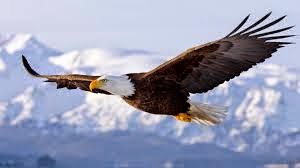
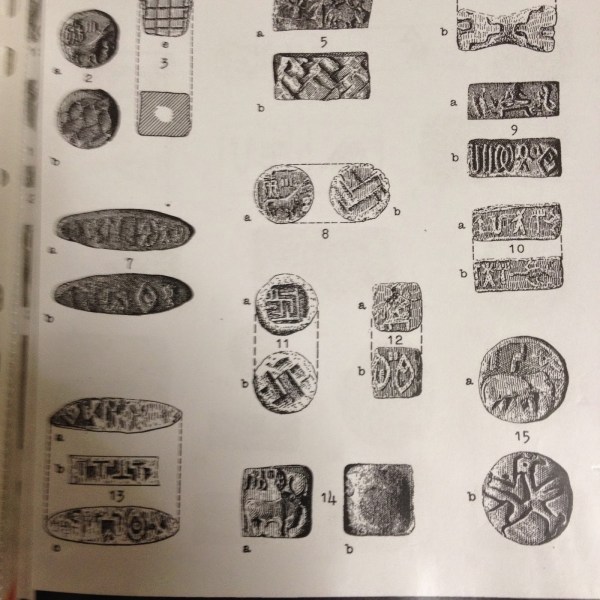
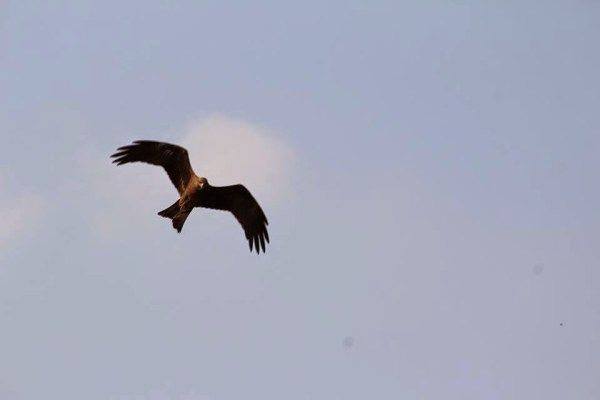
Picture of Indus Valley Eagle seal

Written by London swaminathan

Post No.1852; Date: 8 May 2015

Uploaded at London time: 5-52 am

Indian kings have been using seals from time immemorial. Chozas of Tamil Nadu used tiger seal and Pandyas the fish. There is a very interesting information in Kamba Ramayana who adapted Valmiki Ramayana in Tamil. Kamban mentioned Ramayana of three people in one of his verses in the Balakanda. The commentators say that the three Ramayanas mentioned by Kamban are Vaistha Ramayana , Bodhayana Ramayana and Valmiki Ramayana. Kamban mentioned that he follows the Adi Kavya of Valmiki. He specifically mentioned the greatness of Valmiki in one of his verses. He praised him as Great Divine Poet (Deiva Ma Kavi). But yet we have certain information that is not found in the Valmiki. He might have used the other two Ramayanas that are lost.
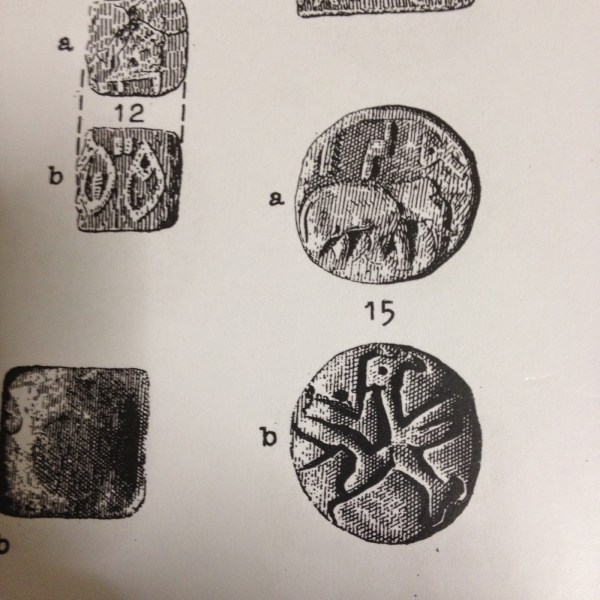
One of the interesting facts mentioned by Kamban is the EAGLE SEAL.

Purananauru of Sangam Tamil literature gives us two Ramayana episodes which are not found in Kamban or Valmiki. The squirrel episode given by the Azavars in Tamil is also not found in others. It shows that there were several facts which were missed by Valmiki and Kamban or we might have missed those verses.

Kamban, in Ayodhya Kanda, says

When Dasarartha sent the invitations of Raman’s Coronation to all the kings of Bharat (India), it was in gold leaves. And it had the EAGLE seal of Kosala country. Eagle seal is found in Indus valley. Eagle, falcon and vulture are mentioned in countless places in the Vedas. Eagle/Garuda plays a key role in the Hindu scriptures.

Eagle and Garuda are holy symbols. Garuda was the vehicle of Vishnu. Even the Greek king of North West India installed a pillar with Garuda on top and proclaimed him as the great devotee (Parama Bhagavata) of Vishnu. Eagle is linked with the Soma creeper and ambrosia/Amrta. In fact it is not the EAGLE BIRD, but the people who had eagle as their totem symbol like the Jatayus of Ramayana. No wonder we have eagle featured in Ramayana and discovered it in the Indus Valley civilization. Sangam Tamil literature says that Karikal Choza constructed Yaga Kunda in eagle shape which is already in the Vedas.

I have already written that the Indus Civilization was not monolithic and it had several peoples like today’s Hinduism worshipping various Gods. Gandharvas played a key role in the Indus Valley. They fought with Lava and Kusa and Rama’s brothers and lost. They fought with Duryodhana and captured him. Arjuna rescued him. I have shown elsewhere the strong link of Gandharvas to the Indus area. We know the names of the kings who ruled the Indus valley (Amabarisha, Jayadratha etc)

This eagle symbol and the mysterious Soma Juice Filter symbol found in hundreds of Indus seals confirm the Vedic connection to the Indus. In fact there was only one culture from the Himalayas to the Kumari in the south from the very beginning. Since it covered geographically a vast area with different climates and terrain, regional variations are there like every part of the world. There is no country in the world today without such regional variations. Even in small countries such as Britain, Spain and France that are equal to one state in India, we see various cultures.

So we must approach Indus Valley with this view. It had several types of people and several types of worship; may be more than one language!!!

Reference:–

Tamil Verse of Kamban is given below

வென்றி வேந்தரை வருக என்று உவணம் வீற்றிருந்த

பொன் திணிந்த தோட்டு அரும்பெறல் இலச்சினை போக்கி

நன்று சித்திர நளிர் முடி கவித்தற்கு நல்லோய்

சென்று வேண்டுவ வரன்முறை அமைக்க எனச்செப்ப

–அயோத்தியா காண்டம், மந்திரப் படலம்

Subham.