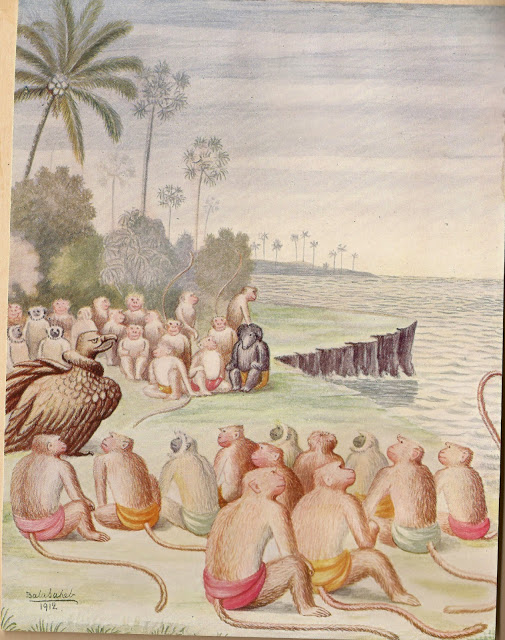
நான் பாற்கடலை நக்கிக் குடிக்கும் பூனை – கம்பன்

பணிவு

Written by London swaminathan

Post No.1851; Date: 7 May 2015

Uploaded at London time: 19-51

புலவர்கள் பணிவும் அடக்கமும்!!

வாய் ஆறாக வயிறு களனாக உணரும் அறுசுவைகளோ சிறிது நேரமே நிலைத்து நிற்கும். செவி ஆறாகச் சிந்தை களனாக உணரத் தக்க கவிச் சுவையோ தெவிட்டாத தெள்ளமுதம் ஆகும்.

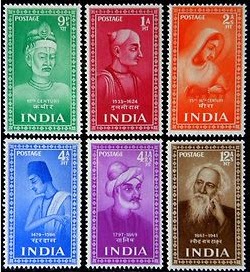
வால்மீகி முனிவர் வழிப்பறிக் கொள்ளைக்காரனாக இருந்தவர். பின்னர் முனிவர் ஆனவர். காட்டில் வசித்த அவர் ஒருநாள், ஒரு வேடனைக் கண்டார். ஒரு ஆண் பறவையும் பெண் பறவையும் கொஞ்சிக் குலாவிக் கொண்டிருந்த நேரத்தில் ஆண் பறவையை வில்லால் அடித்துக் கொன்றான் வேடன். பெண் பறவையோ சோகத்துடன் தனது கணவனை வட்டமிட்டுக் கொண்டிருந்தது. உடனே வால்மீகி, அவனைச் சபித்தார். அந்த சாபம் பாடல் வடிவில் வெடித்தது. அட! இது என்ன ஆச்சர்யம்! நான் சபித்த சாபம் “அனுஷ்டுப் சந்தஸ்” என்ற யாப்பில் ஒரு பாடலாக வந்ததே என்று வியந்தார். அதாவது, “சோகத்திலிருந்து ஸ்லோகம்” பிறந்தது.

அந்த நேரத்தில் பிரம்மதேவன் அவர் முன்னிலையில் தோன்றி சகல குண சம்பன்னனான, சத்ய பராக்ரமனான இராமபிரானின் தெய்வீகக் கதையைப் பாடச் சொன்னார். அப்படிப் பிறந்ததே ராமாயணம்.

இப்பேற்பட்ட வால்மீகியின் அற்புதமான ராமயணத்தைப் பாடவே தான் தமிழில் ராமாயணத்தை இயற்ற முயன்றதாக கவிச் சக்ரவர்த்தி கம்பன் கூறுகிறான்:

“வையம் என்னை இகழவும் மாசு எனக்கு

எய்தவும் இது இயம்புவது யாது எனின்

பொய் இல் கேள்விப் புலமையினோர் புகல்

தெய்வ மாக்கவி மாட்சி தெரிக்கவே”

இதற்கு முன் தனது செயலானது, ஒரு பெரிய பாற்கடலை பூனை நக்கி, நக்கி குடிக்க முயற்சிப்பது போலத்தான் தன் முயற்சியும் என்று அவை அடக்கத்துடன் கூறுகிறார்:

ஓசை பெற்று உயர் பாற்கடல் உற்று ஒரு

பூசை முற்றவும் நக்குபு புக்கென

ஆசை பற்றி அறையலுற்றேன் மற்று இக்

காசு இல் கொற்றத்து இராமன் கதை அரோ!

பூசை=பூனை, காசு இல் கொற்றம்= குற்றமற்ற வெற்றியை உடைய

கவிதை என்பது என்ன?

உள்ளத்திலிருந்து பீறிட்டெழும் உணர்ச்சியே கவிதை. இந்த உணர்ச்சி இரக்கத்தின் காரணமாகவோ, அன்பின் காரணமாகவோ , அழகை ரசிப்பதன் காரணமாகவோ, தார்மீக கோபத்தின் காரணமாகவோ எழக்கூடும்.

காளிதாசன் எழுதிய மாளவிகா அக்னி மித்ரம் என்ற நாடகத்தில் சொல்லுகிறார்:

பழையதெல்லாம் நல்லது; புதியது எல்லாம் பயனற்றது என்று ஒதுக்கி விடாதீர்கள். அறிவுள்ள விமர்சகர்கள் தக்க முறையில் ஆராய்ந்து முடிவு எடுப்பர். மூடர்களோவெனில் மற்றவர் முடிவைச் சார்ந்து நிற்பர் என்கிறார்.

ரகுவம்ச காவியத்துவக்கத்தில் முடவன் கொம்புத்தேனுக்கு ஆசைப்படது போல சூர்ய வம்சப் பேரரசர்கள் பற்றித் தான் எழுத முயற்சிப்பதாகவும், இது ஒரு பெரிய சமுத்திரத்தை சிறிய படகின் மூலம் கடப்பதற்குச் சமம் என்றும் சொல்லுவார்.

ஆயினும் முன்னோர்கள் (வால்மீகி போன்ற ஆதி கவிகள்) ஏற்கனவே துளைத்த வைரத்தில் நூலை நுழைப்பது தனக்கு சிரமமான பணியல்ல என்றும் பணிவோடு பேசுகிறார்.

ஜஹான் ந பஹுஞ்சே ரவி, வஹாம் பஹுஞ்சே கவி

இந்தியில் ஒரு பழமொழி உண்டு:

ஜஹான் ந பஹுஞ்சே ரவி, வஹாம் பஹுஞ்சே கவி—என்று. சூரியன் (ரவி) பூக முடியாத இடத்திலும் கவி(ஞன்) புகுந்து விடுவான் என்பது இதன் பொருள். இதற்கு உதாரணமானவர்கள்: வால்மீகி, காளிதாசன், கம்பன், இளங்கோ, பாரதி முதலியவர்கள் ஆவர்.

பெரிய கலைக் களஞ்சியத்தை – ப்ருஹத் ஜாதகம் – ப்ருஹத் சம்ஹிதா முதலிய நூல்களை எழுதிய வராஹமிகிரர்,

சோதிட சாத்திரம் என்னும் பாற்கடலை, எனது புத்தி என்னும் மந்தர மலையால் கடைந்து, உலகிற்கு சந்திரன் போல ஒளியூட்டக்கூடிய சாத்திரத்தைக் கொடுக்கிறேன். முன்னோர் சொன்ன எல்லாவற்றையும் சுருக்கித் தந்துள்ளேன். அவற்றுடன் எனது நூலை ஒப்பிட்டு, தள்ளுவன தள்ளி கொள்ளுவன கொள்ளுங்கள் என்று அடக்கமாக வாசிக்கிறார்.

கவிஞர்கள் மாபெரும் அறிவாளிகள்; அதே நேரத்தில் மிக மிகப் பணிவுடையோர்.

கவிஞர்கள் இறக்கலாம்; கவிதைகள் இறக்காது; அவை அமரத்துவம் வாய்ந்தவை!

Kiskindha Kanda Pictures from Valmiki Ramayana

Written by London swaminathan

Post No.1850; Date: 7 May 2015

Uploaded at London time: 7-51 am

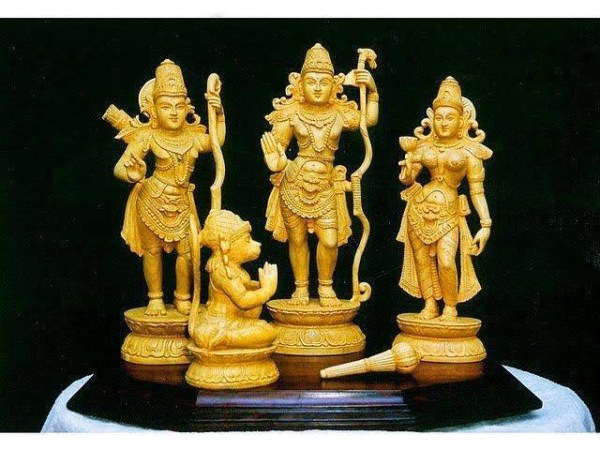
You have seen the pictures of Balakanda, Ayodhya Kanda and Aranya Kanda already in my previous posts. Now you can enjoy the beautiful pictures drawn one hundred years. Pictures are from Picture Ramayana book.

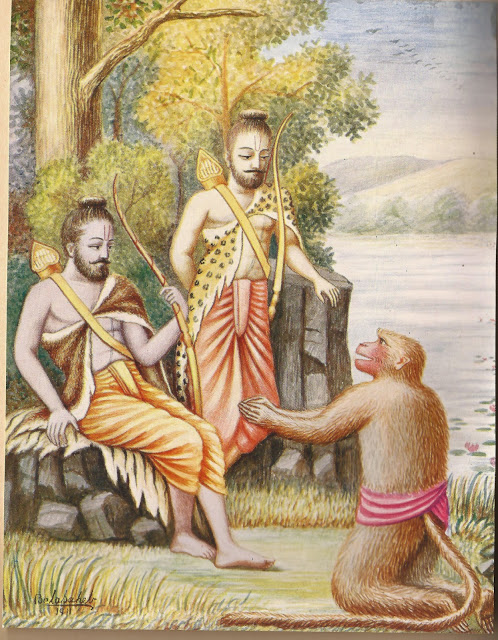
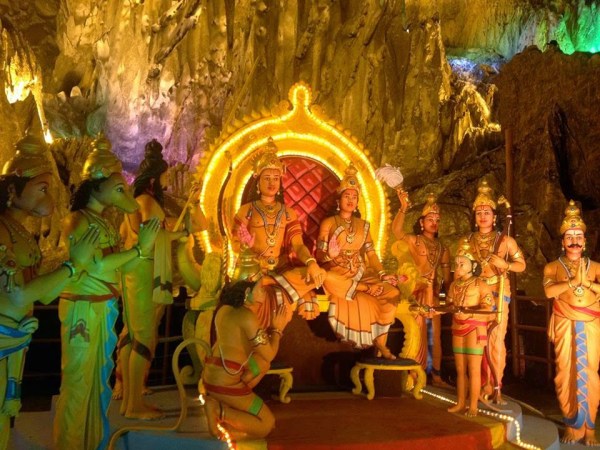
Maruti meets Rama: KISHKINDHA KANDA PICTURE 1

Rama and Lakshmana went to Lake Pampa. Sugriva was afraid to see two mighty heroes from the top of Rishyamuka hill. He sent Maruti (Hanuman/Anjaneya) to find out who they were. Maruti/Hanuman went on a fact finding mission (scouting) and found out they were good people. Immediately he told them the sad story of Sugriva whose wife was abducted by his brother Vali. Maruti wanted to form an alliance with him so that they could help Sugriva in the Rescue Mission. Rama who was on the same boat, readily agreed. Then Maruti took the brothers to Sugriva, the King of Monkeys.

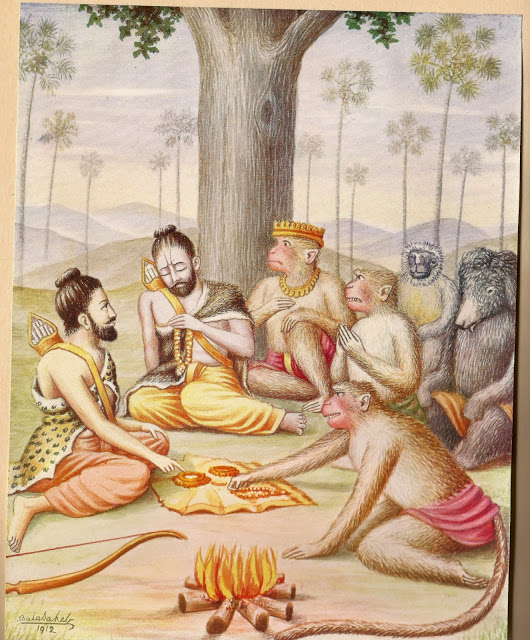
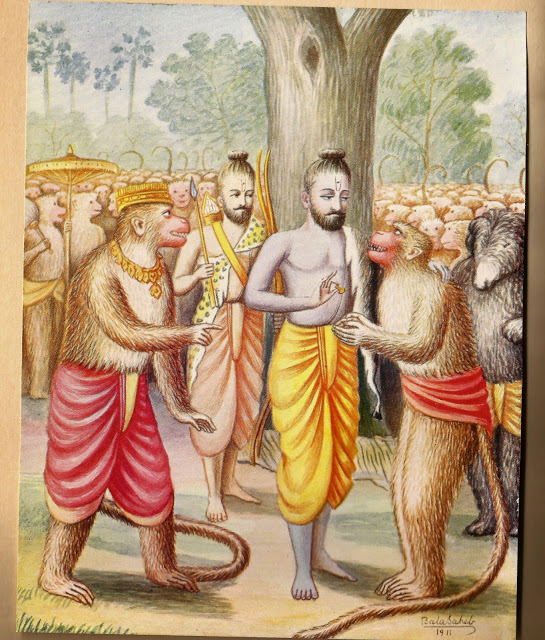
Rama – Sugriva Agreement:-KISHKINDHA KANDA PICTURE 2 (Ramayana Picture No.31) Rama and Sugriva took an oath, in the presence of sacred fire, to be friends even unto death and to help each other in all their undertakings. Then Sugriva brought the ornaments and garments cast down by Sita and showed them to Rama. He recognised them. Lakshmana could recognise Sita’s anklets. Rama promised Sugriva to kill Vali and make him the King of Monkeys again. Sugriva promised Rama to find Sita. An agreement was reached. In those days they did not sign any agreement but took an oath in front of Fire like we do during weddings nowadays. That is more than a written agreement.

KISHKINDHA KANDA PICTURE 3 (Ramayana Picture No.32)

VALI KILLED BY RAMA :-Once Vali fought with a demon named Dundubhi in a cave; Vali asked his friend Sugriva to guard the entrance but he did not come out for several days. Sugriva thought that Vali was dead and crowned himself as the king. When Vali killed Dundubhi and tried to come out, the cave was shut. He was angry and so dethroned Sugriva when he managed to come out. Sugriva took refuge in Rishyamukha Mountain which is a ‘No Go zone’ for Vali because of a curse. When Rama was ready to help, Sugriva asked Vali to come for a duel. Rama killed Vali from behind a tree. Lot of debates were done by scholars whether it was right to kill one hiding behind the tree. But the answer is in Vali’s final words. He himself praised Rama for upholding Dharma. After Vali’s death, Sugriva was crowned as the King of Kiskindha.

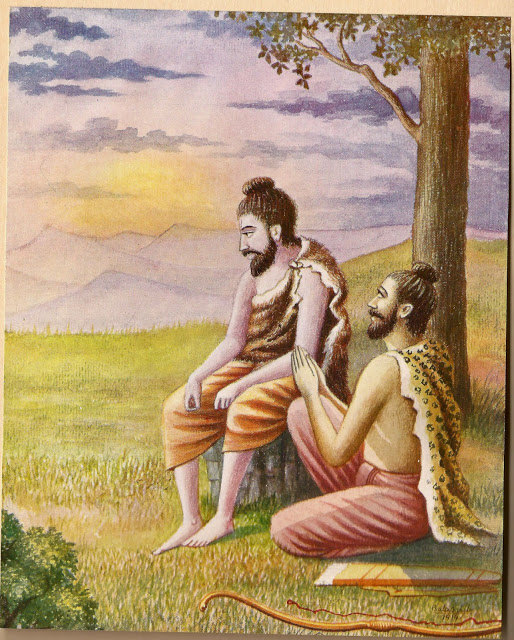
Sugriva’s Faithlessness:-KISHKINDHA KANDA PICTURE 4 (Ramayana Picture No.33) Sugriva stopped visiting Rama after he became the king. Rama was waiting for him at the Mountain Prasravana. He became very much worried about Sita. His brother Lakshmana consoled him.

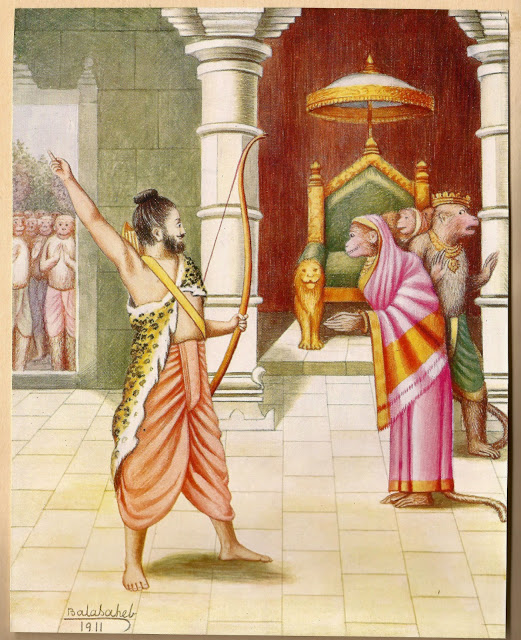
Angry Lakshmana:-KISHKINDHA KANDA PICTURE 5 (Ramayana Picture No.34) Ordered by Rama, Lakshmana went to Kiskindha and reproached Sugriva severely for not honouring his agreement. Sugriva was enjoying life with his wives Tara, Ruma and others. When Lakshmana was angry, Sugriva hid himself behind Tara. She pacified Lakshmana who brought Sugriva into Rama’s presence.

GOLD JEWELS in RAMAYANA:-KISHKINDHA KANDA PICTURE 6 (Ramayana Picture No.35):Sugriva yielded to Rama and summoned all his force at Mount Prasravana. It was divided into four squadrons. Since they knew Ravana went towards South the elite commandos Maruti (Hanuman) and Angada were selected for the mission towards the south. Rama described the features of Sita to them and gave him his ring, which Sita could recognise easily. Women should note here that Indians used gold from time immemorial for good purpose. Sita threw her jewels for identification. Rama sent his ring for identification. Sita sent back her Choodamani. Kalidasa used this technique in two of his dramas.

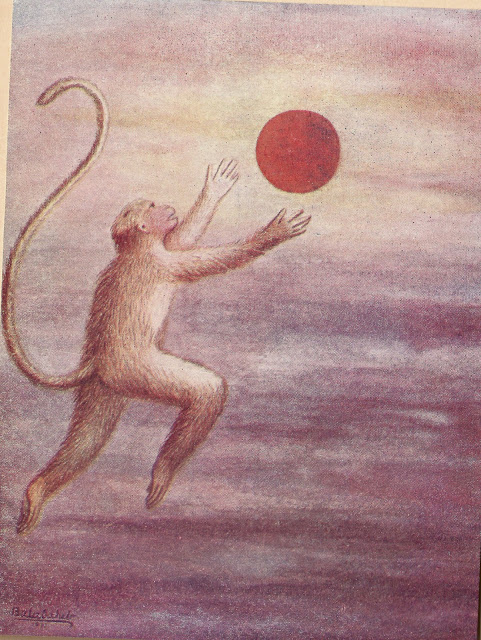
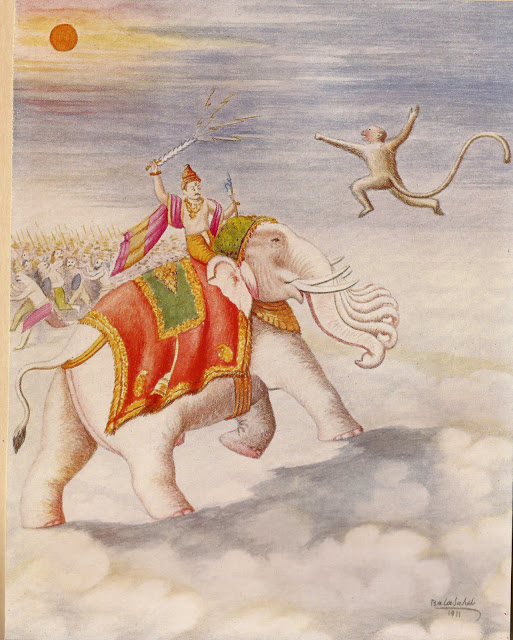
STORY OF HANUMAN-KISHKINDHA KANDA PICTURE 7 and 8 (Ramayana Picture No.36 & 37Maruti was born on a full moon day in Chaitra. When his mother Anjana went to get him some fruits he tried to catch the sun and got burnt. When Indra came to know about it he started attacking him. Then Maruti was hurt and he got a scarred chin. That is why he is called Hanuman. Anajaneya/Maruti/Hanuman is a SUPERMAN. All the comics such as Superman, Spiderman are based upon him. (Scientific explanation: On the day Maruti was born there was a Lunar eclipse followed by Rains. He fell down and broke his chin. Probably that led to the story of him catching the sun, fighting with Inda/thunder and Hanuman/fell and broke his chin)

Hanuman Selected–KISHKINDHA KANDA PICTURE 9 (Ramayana Picture No.38)

Hanuman, Jambavan and Angada encountered many difficulties and reached the shores of southern ocean. Jatayu’s brother Sampati came and told them that Ravana kept Sita at Ashokavana in Lanka. It was unanimously decided by the monkeys that Hanuman should cross the ocean and search for Sita. Accordingly Hanuman climbed the Mahendra mountain and prepared to cross the ocean. (Kiskindha Kanda finito. Next comes Sundara Kanda)

SUBHAM.

சிந்து சமவெளியில் ராமாயண முத்திரை!!

Written by London swaminathan

Research Article No.1849; Date: 6 May 2015

Uploaded at London time: 21-25

வென்றி வேந்தரை வருக என்று உவணம் வீற்றிருந்த

பொன் திணிந்த தோட்டு அரும்பெறல் இலச்சினை போக்கி

நன்று சித்திர நளிர் முடி கவித்தற்கு நல்லோய்

சென்று வேண்டுவ வரன்முறை அமைக்க எனச்செப்ப

–அயோத்தியா காண்டம், மந்திரப் படலம்

பொருள்: அரண்மனையை அடைந்த தசரதன், வெற்றி வேந்தர்களை இங்கே வாருங்கள் என்று அழைக்கும் பொன்னால் அமைந்த ஓலைகளை, கருடன் திகழும் முத்திரையை இட்டு அனுப்பினான். இன்பு வசிட்டனை நோக்கி, உத்தமரே, நீர் சென்று, சித்திர வேலைப்பாடு அமைந்த பெருமை பொருந்திய மகுடத்தைச் செம்மையாக ராமனுக்குச் சூட்டுவதற்கு வேண்டிய செயல்களை முறைப்படி கவனிப்பீர்களாக என்று கூறினான்.

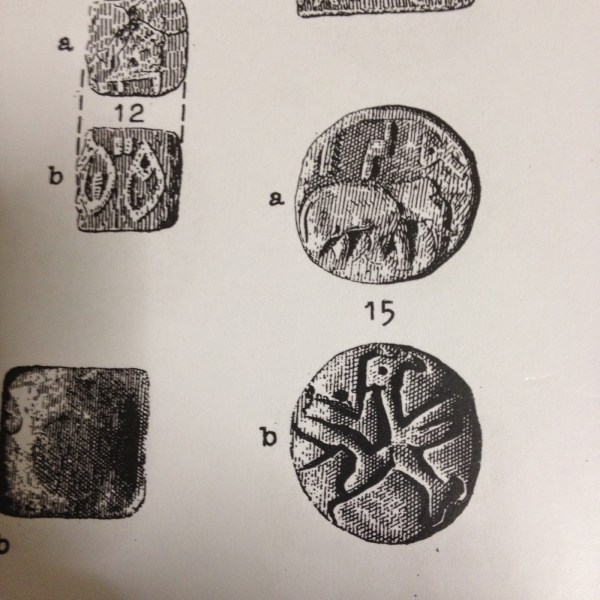
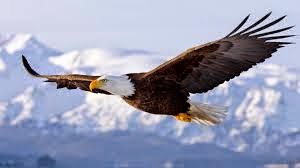
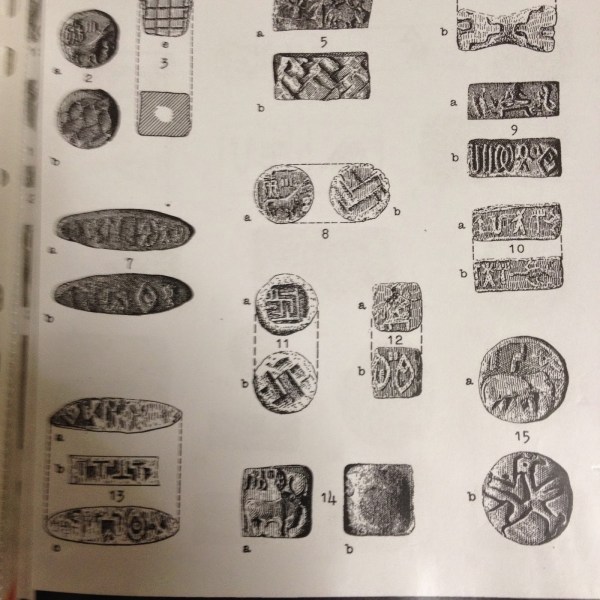
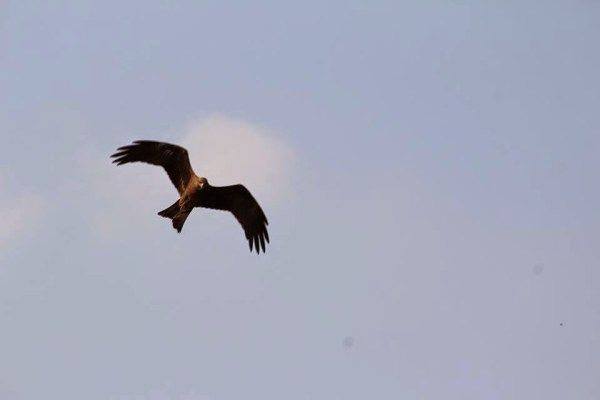
சிந்து சமவெளியில் கிடைத்த முத்திரைகளில் பல கருட முத்திரைகள் கிடைத்திருக்கின்றன. வேத கால, புராண கால , இதிஹாச கால இலக்கியங்கள் முழுவதிலும் பருந்து, கருடன், கழுகு உருவங்களே அதிகம் காணப்படுகின்றன.

வேதத்தில் சொன்னது போல கரிகால் சோழன் பருந்துவடிவ யாகம் செய்ததை சங்க இலக்கியப் பாடலில் முன்னரே கண்டோம். கிரேக்க அரசன் வடமேற்கு இந்தியாவில் வைத்த கருட ஸ்தம்பம் (கருடன் தாங்கிய தூண்) பற்றியும் அவன் தன்னை பரம பாகவதன் (பகவான் விஷ்ணுவின் மஹா பக்தன்) என்று அழைத்துக் கொண்டது பற்றியும் முன்னரே எழுதி விட்டேன். விஷ்ணுவின் வாஹனம் கருடன் என்பது நாம் அனைவரும் அறிந்ததே.

ராமாயணத்துக்கும் சிந்து சமவெளிக்கும் உள்ள பல தொடர்புகளையும் எழுதிவிட்டேன். கந்தர்வர்கள் சிந்து சமவெளியை ஆண்ட பொழுது ராமனின் மகன்களும், சகோதரர்களும் அப்பகுதியில் அவர்களுடன் சண்டையிட்டு வென்றதை ராமாயணம் பகர, கந்தர்வர்களுக்கும் கௌரவர்களுக்கும் நடந்த சண்டையை மஹாபாரதம் செப்புகிறது. சிந்து சமவெளியை ஆண்ட ஜயத்ரதன், அம்பரீசன் ஆகிய மன்னர்கள் பெயர்களையும் சம்ஸ்கிருத இலக்கியங்கள் நுவலும்.

சங்க இலக்கியத்தில் சிந்து நதி பற்றியோ அந்தச் சமவெளிப் பகுதி பற்றியோ குறிப்புகள் எதுவும் இல. ஆனால் சம்ஸ்கிருத இலக்கியத்திலோ ஏராளமான குறிப்புகள் உள.

இந்தப் பின்னணியில் கருட முத்திரைகள் சிந்து வெளியில் கிடைத்திருப்பதும் அதை ராமாயணம் உரைப்பதும் எனது ஊகங்கள உறுதிப்படுத்துகின்றன.

நான் கூறுவது:–

சிந்து சமவெளி நாகரீகம் வேத கால இந்துக்களுடன் மிகவும் நெருங்கிய தொடர்புடையது. அது இன்றைய இந்துமதம் போலவே பலதரப்பட்ட இந்துக்களை உடைத்தாயிருந்தது. அதில் கந்தர்வர்கள் உள்பட பலர் ஆட்சி செய்த்ருக்க வாய்ப்பு இருந்தது. நமக்குக் கிடைத்த இதிஹாசம் அதை அதிகமாக கந்தர்வர்களுடன் தொடர்பு படுத்துகிறது. 18 கணங்களில் ஒரு பிரிவினரே கந்தர்வர். அவர்களைத் தவிர மேலும் 17 பிரிவுகள் இருந்ததை புராணங்களும் சங்கத் தமிழ் புறநானூற்று உரையும் உறுதிப்படுத்துகிறது.

சிந்து வெளி முத்திரைகளில் கண்டுபிடிக்கப்பட்ட மர்ம வடிகட்டி, சோமரஸ வடிகட்டி என்பதை பல ஆராய்ச்சியாளர் ஒப்புக் கொள்ளத் துவங்கிவிட்டனர். ஆரிய—திராவிட இனவெறி வாதம் பேசி பகச் சொல்லி கேளிர் பிரிக்கும் பறங்கித்தலையன் (வெள்ளைக் காரர்) மனப்பான்மையால் சிந்து சமவெளி ஆய்வு தடம்புரண்டு போனது. இப்பொழுது அதை மேலும் தண்டவாளத்தில் ஏற்றிவைக்க கருடன் முத்திரை – ராமாயணத் தொடர்பு உதவும்!

வேதத்தில் கருடன்

வேதத்தில் அதிகமாகப் புகழப்படும் பறவை பருந்து,கருடன்,கழுகு வகைப் பறவைகளே.சுபர்ண, ஸ்யேன, க்ருத்ர, பலாக முதலிய பறவைகள் ஏராளாமான இடங்அளில் வருகின்றன. பருந்து வடிவ யாக குண்டம், சோம லதையை (சோமக் கொடி வகைத் தாவரம்) கருடன் கொண்டுவந்தது முதலிய இடங்களில் அதன் முக்கியத்துவமும் வலியுறுத்தப் படுகிறது. ராமாயணத்தில் ஜடாயு-சம்பாதி என்ற கருட இன மக்கள் குறிப்பிடப்படுவது போலவே ரிக்வேதத்தில் கருடன்  -சோமக் கொடி சம்பவமும் கருடன் இன மக்களைக் குறிப்பதாகவே நான் எண்ணுகிறேன்.

வாழ்க ரகுகுல கருட முத்திரை! வளர்க சிந்துவெளி ஆய்வு!! தகர்க ஆரிய-திராவிட இனவெளியாளர்; மலர்க ஏக பாரதம்!

சிந்து/ சரஸ்வதி சமவெளி பற்றிய எனது முப்பதுக்கும் மேற்பட்ட தமிழ், ஆங்கிலக் கட்டுரைகளில் இதுவரை எவரும் சொல்லாத பல புதிய கருத்துக்களைச் சொல்லியிருக்கிறேன். படிக்க! சிந்திக்க!

Arya Putra Ravana Spoke Sanskrit! Hanuman spoke Prakrta!

Written by London swaminathan

Research Article No.1848; Date: 6 May 2015

Uploaded at London time: 8-43 am


Sanskrit was spoken by all the well educated people in ancient India. Sanskrit was the language used as official language in all the Royal courts. Dance, Drama and Music used Sanskrit. All the Tamil dictionaries and ancient Tamil Nighandus give Sanskrit words as Tamil words!!! In short there is no ancient Tamil literature without Sanskrit words. They treated both Tamil and Sanskrit as their two eyes. The oldest Tamil book Tolkappiam has a lot of Sanskrit words. He even formulated rules to use Sanskrit words in Tamil literature. His book was certified and approved by the Acharya of Tiruvithankodu who had mastered the four Vedas. All these details are documented in literature.

Sanskrit was the link language throughout India. Ravana and Hanuman were great Sanskrit scholars. Ravana mastered Sama Veda as well. Tamil poets were well versed in Sanskrit. Kapila taught Tamil to a North Indian King named Brahma Dutta who ridiculed Tamil and made him to write poems in Tamil. His poems are included in 2000 year old Sangam Tamil literature. Kovalan, hero of Tamil epic Silappadikaram, helped a Brahmin woman who was crying in the street holding a letter written in Sanskrit by her husband. Kamban who adapted Valmiki Ramayana in Tamil was a great Sanskrit scholar.

Hanuman’s Hesitation!

Hanuman hesitated to speak Sanskrit thinking that Sita would mistake him for Ravana (Ramayana, canto 30)

Ravana and his spies spoke in Sanskrit. So when Hanuman went to Asokavana, he thinks:

“Shall I, a puny Vanar, chose

The Sanskrit men delight to use?

If, as a man of Brahman kind,

I speak the tongue by rules refined.

The lady, yielding to her fears,

Will think’ it’s Ravana’s voice she hears.

I must assume my only plan-

The language of a common man”

—Translated by T H Griffith

The language of the common man in those days was Prakrit. In Sanskrit dramas women (even queens), children, court jester spoke Prakrit. Kings, ministers and Brahmins spoke Sanskrit. Low characters (in dramas) like fishermen, policemen spoke in dialect.

In Sudraka’s Mrccakatika, the comedian (jester) says,“ I hate a woman speaking Sanskrit and a man singing”. It is followed until this day in Tamil and Hindi films. Kings or high officers or heroes speak a chaste language and low characters like village folk, comedians speak in dialect or colloquial language. We also speak a dialect or colloquial language at home but when we go to a stage and speak in front of a huge crowd we speak literal, posh language. So Hanuman also wanted to be very careful in choosing his language.

Aryaputra Ravana!

In the Ramayana Ravana and Vali were addressed as Arya while Kaikeyi was addressed as Anarya ( Non-Arya i.e. uncultured, uncivilized)

Door Keepers of Ravana’s palace addressed him Aryaputra (Yuddha Kanda, Sarga32, Sloka 35)

Vijayasvaryaputreti soabivadhya prasadya cha

Nyavaidayadanuprasam prahastam vaahiniipatim

In the following sloka of Kiskindha Kanda of Valmiki Ramayana, Vali was addressed as Aryaputra by his wife Tara

Supteva punaruththaaya aaryaputreti vaadinii

Ruroda saa patim drstvaa samviitam ptrunyudamabih

In the Sloka 14 of Sarga 36 of Ayodhya kanda, Kaikeyi was addressed as Anarya by King Dasaratha

Vahantam kim tudasi maam niyujya dhuri maahite

Anaarye krtyamaarangam kim purvamupaarudhah


Writing during Ramayana Days

We know that Hanuman was well versed in Nava vyakarana. All the monkeys wrote Ram on the stones and they started floating in water. Rama gave his ring to Hanuman as a token to be shown to Sita. His name was engraved on it. Hindus used scripts, but sparsely.

T H Griffith’s translation of relevant Valmiki verse is as follows:

He gave the ring that bore his name,

A token for the captive dame,

That the sad lady in her woe

The missive of her lord might know.

‘This ring’, he said, ‘my wife will see,

Nor fear an envoy sent by me…’

Since writing was prevalent in ancient India, Asoka installed hundreds of rock edicts in Brahmi script from Afghanistan to Kancheepuram in Tamil Nadu (Most of the edicts including Kanchi’s) were destroyed by the Muslim invaders and the monsoon weather. Brahmi inscriptions were available up to the Southern Sri Lanka 2600 years ago!!

Pictures are taken from various websites; thanks.

Ramayana came first; Mahabharata came later!

Written by London swaminathan

Research Article No.1847; Date: 5 May 2015

Uploaded at London time: 16-08


Which came first Ramayana or Mahabharata? It is a question debated for long. Hindus believe that Ramayana happened in Treta Yuga and Mahabharata happened in Dwapara Yuga. That means Ramayana happened well before Mahabharata. But the question arose because of Parasurama and a few others who figured in both the epics. How is it possible if both the epics are Yugas (eras) apart?

The answer is very simple. There were more than one Parasurama.

Let us look at this issue in more details. There are two questions: Which one happened first? Which one was written first?

1.Ramayana happened first and was written first. Mahabharata has abridged Ramayana in the Ramopakhyayanam. Since Mahabharata (here afterwards abbreviated as Mbh) included lot of old stories Vyasa did not want to miss it. Like he gave other stories, he gave Ramayana in short. It is not the other way round.

2.The word Arya is used in its archaic sense in an archaic way in Ramayana. Sita addressed Rama, Hey Arya! and Ravana’s palace guards address him as Hey Arya (Respected Sir, or Cultured man)

  1. In the Ramayana we come across many ‘not so civilized’ tribes such as the Monkey people (Hanuman), Eagle (Jatayu) People, Bear (Jambhavan) People. These may be their totem symbols or they had such tattoos for identification and recognition. We see such customs among forest tribes around the world. During Ramayana days the forests were full of cannibals called demons. Mahabharata has more urban areas and urban culture. Very rarely we come across tribes or cannibals (except Bakasura). Both the cultures are poles (Yugas) apart.

4.Hanuman came across Mainaka Parvat, Simhika, Langini and other hurdles on his way to Lanka. We don’t see such things or similar hurdles in Mahabharata.

5.Parasurama fought with Karta Veerya Arjuna. Mahabaharata Arjuna came several hundred years after Karta Veerya Arjuna, according to historians. So that Parsurama could not have taught Karna martial arts. Some one bearing similar name or someone was called  Parasurama for his Anti Kshatriya stance. Throughout our Puranic literature this confusion exists. There were several Parikshits, several Janamejayas etc. But Pauranics confused the public by saying all are one!

6.In Ramayana we come across some old phrases such as Dasaratha ruled for 60,000 years, Dasaratha had 60,000 wives. The meaning is “a lot of”. This archaic expression was not used in Mahabharata (Mbh).

7.Rama –Ravana battle was like an old style battle. No military formations etc. Whereas Mbh yuddha was fought on military formations. The result of the battle was decided by such formations. Abhimanyu was killed because of this. Moreover the army was divided into 7 and 11 divisions and each one had its commander. In Ramayana days they were never organised on similar lines.

8.Lava and Kusa “sang” Ramayana ballads. Valmiki taught them the ballads. Valmiki himself was praised as a Koel (Vande Valmiki Kokilam). So Ramayana evolved out of ballads like the Odyssey and Illiad of Homer. Whereas Mbh was “written” by Vyasa. There is a big time gap between the ballad period and writing period.

9.Some people were misled by the archaic style of Mahabharata and simple style of Valmiki Ramayana. Vyasa was well versed in the Vedas. In fact he was the one he compiled all the Vedic hymns fearing that it may be lost once and for all. But for him we would have got anything Vedic. Moreover he knit all the existing older materials into Mbh. To make the style uniform he used archaic style. Valmiki being the Adi Kavi—the First Poet—sang in the Anustubh metre for the first time in Sanskrit (apart from the Vedas).

  1. The message of Ramayana is very simple: Be honest, Speak the Truth, Obey your parents, Don’t desire for another man’s wife. Being Treta Yuga people were 50 percent to 75 percent good. But Mbh is full of intrigues, conspiracies, infightings in the family, hatred and jealousy. It was nearer to Kaliyuga, the Dark Age. So we have lot of moral teachings.
  1. Ramayana days were nearer to Upanishadic age. So there was no need for philosophical teaching. Whereas Mbh has the Bhagavad Gita which is the gist of all major Upanishads.

12.Ramayana has 24,000 slokas. When Lava and Kusa sang the ballads it might have been done in a different way; but the story line did not change. Mbh is the largest book in the ancient world with 100,000 slokas. It was that big even in the first century BCE. Lot of scholars have bluffed that it slowly grew to the present level. No scholar could show until today what the original was and what snowballed later. In spite of computers and other modern techniques they could not show it. The fact of the matter is Vyasa compiled everything available at his time. That is why we even see some contradictions in the moral teachings in it. The very word VYASA means a compiler, an essayist.

  1. Ramayana has 300 different versions because it was very old. The longer it travelled it, more and more varied it became. Whereas Mbh has got only one version throughout South East Asia. Ramayana has different versions from country to country in S E Asia. This shows the length of gap between the two epics.
  1. Mbh has got at least 29 countries represented in the great war. Ramayana has not got that many political divisions. We knew even the names of lots of kings of Mbh time. Whereas Ramayana gives only four or five kings names in the entire subcontinent.

15.We could identify many of the places mentioned in Mbh whereas we did not even know where Kiskidha was. We could only guess, but no written or literary records for Lanka or Kiskindha. Mbh places have been continuously repeated in several written or literary records.

  1. Mahabharata has many stories woven into the main Pandava-Kaurava conflict. Whereas Ramayana has only one simple story. It shows that it was the first one.

17.We have highly developed subjects/sciences in Mbh; but Ramayana did not deal with medicine or astronomy or astrology in the same way.

18.In short we see more advanced civilization in the Mbh and a very simple culture in Ramayana.

Since Parasurama existed at the time of Karta Veerya Arjuna he could not have lived at the time of Mahabharata Arjuna to teach martial arts to Karna.

I will deal with more minute details in another article.

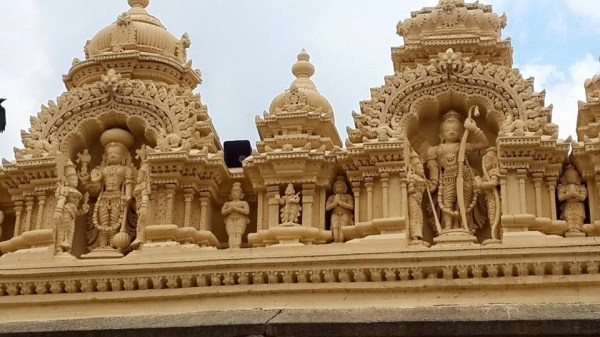
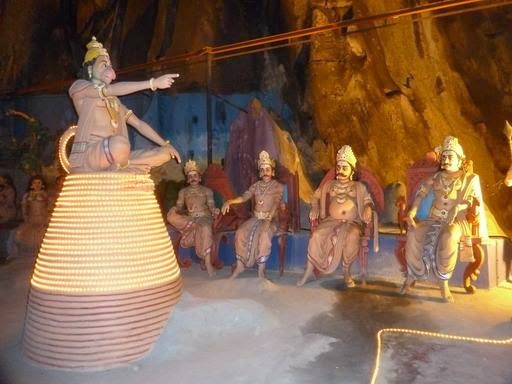
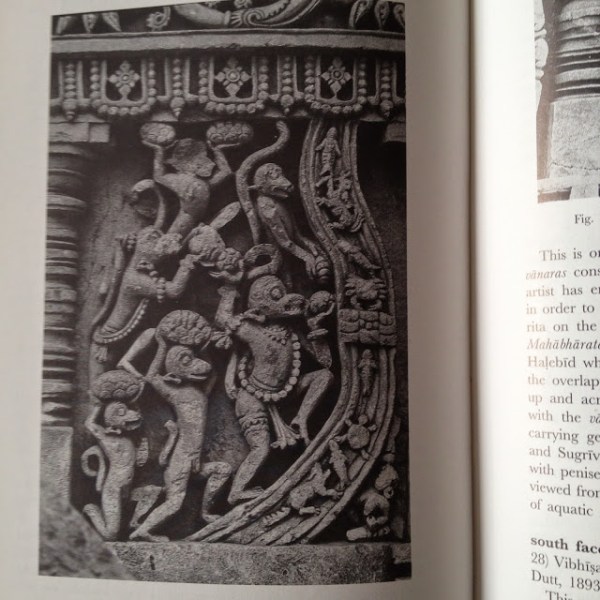
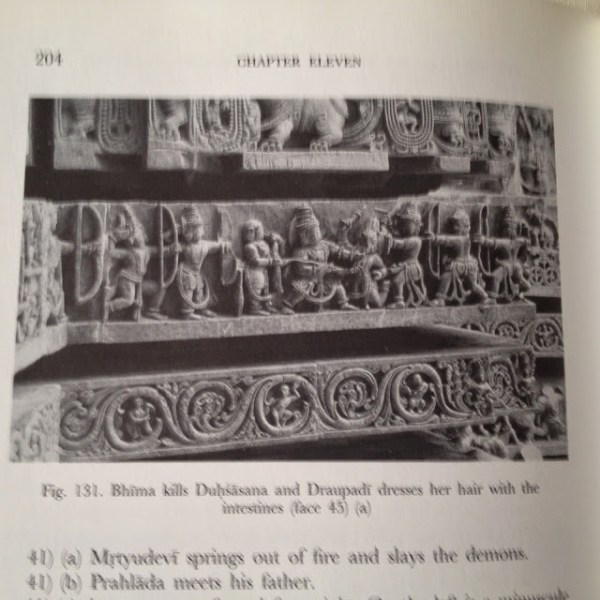
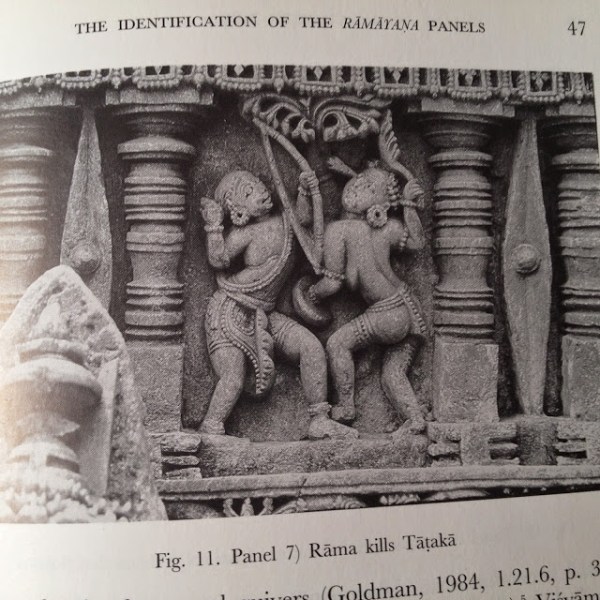
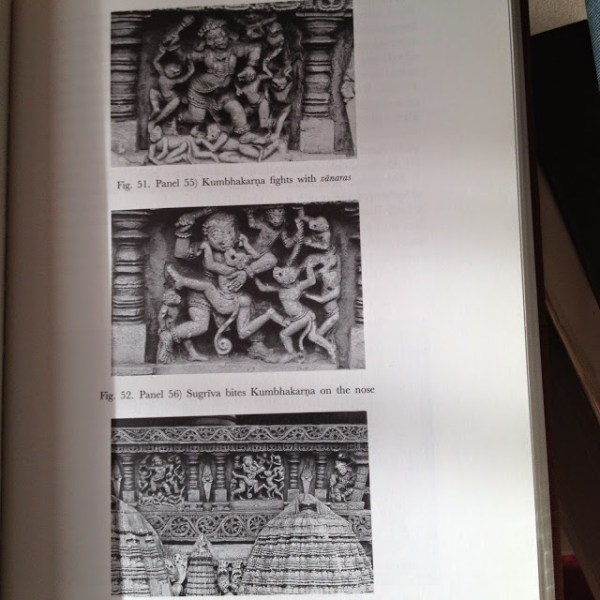
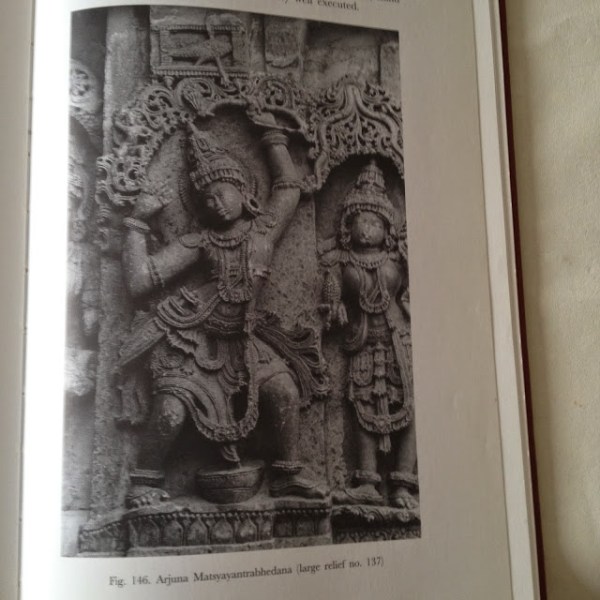
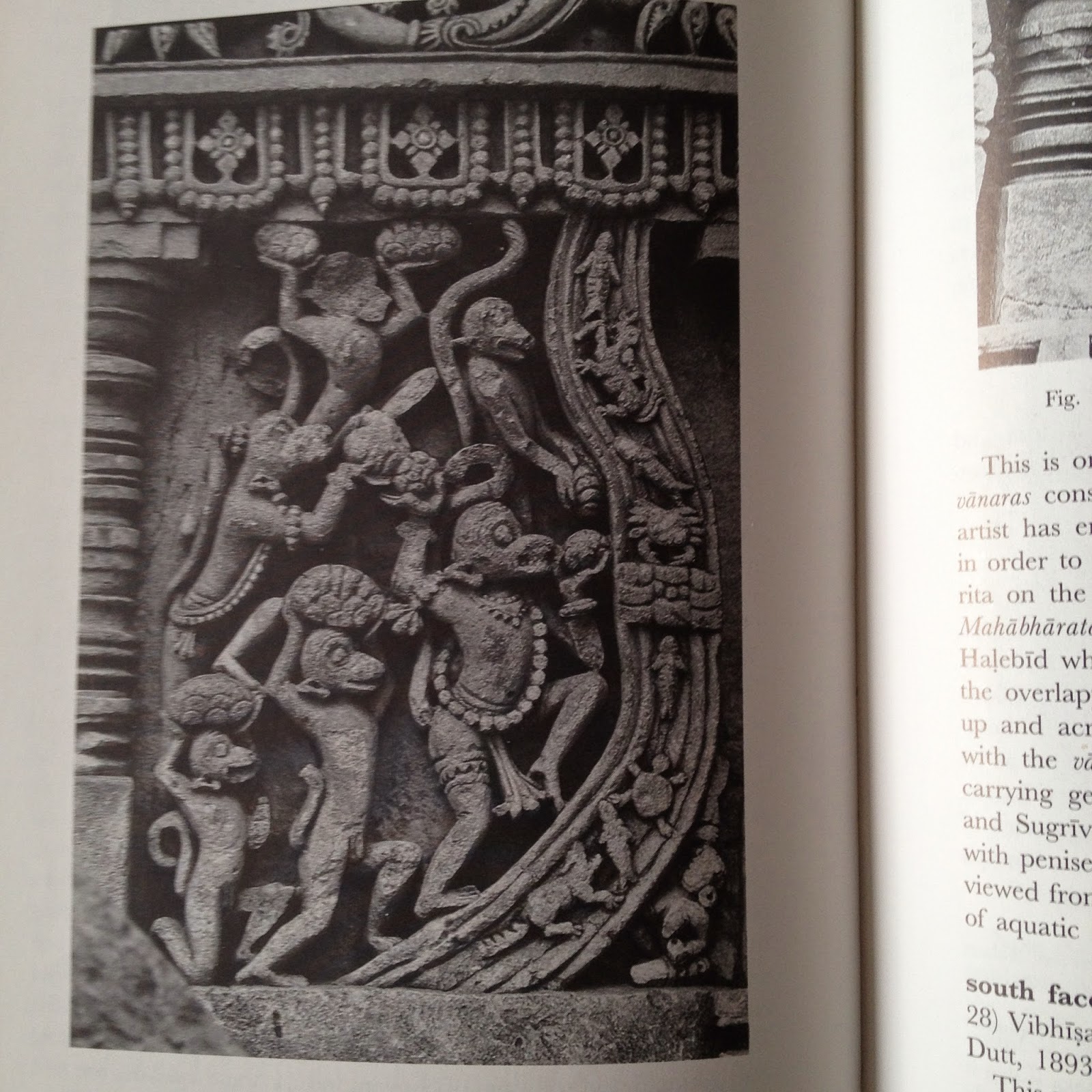
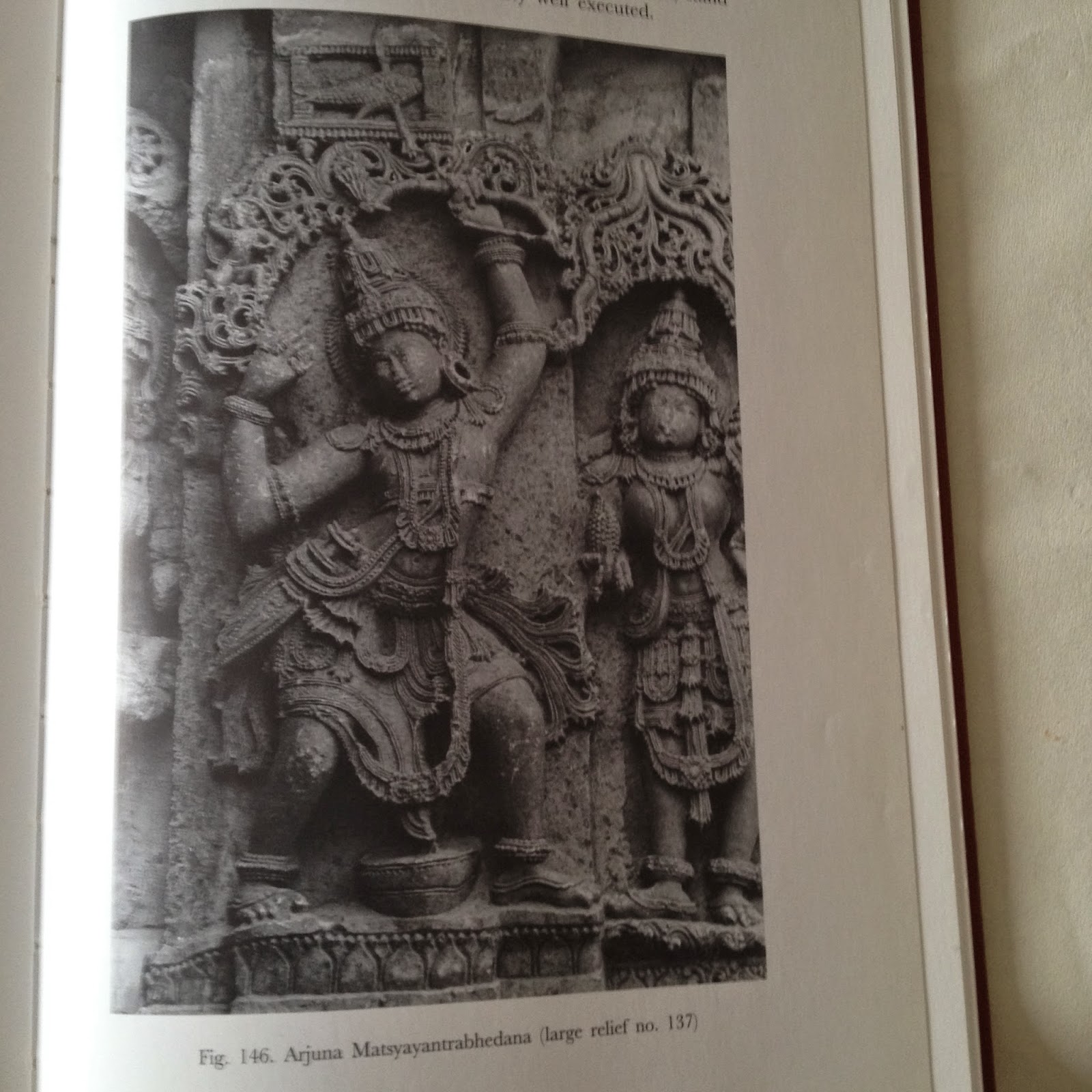
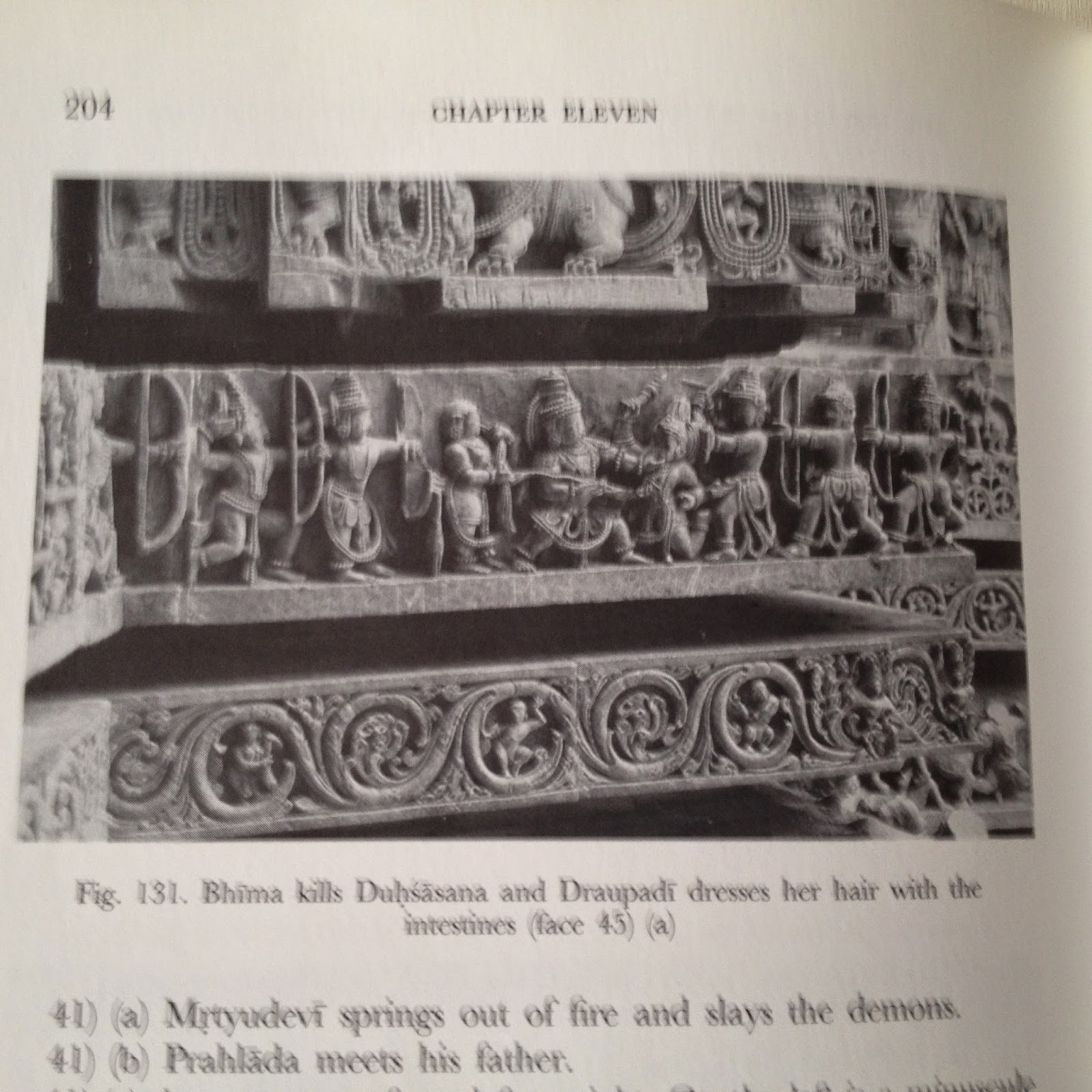
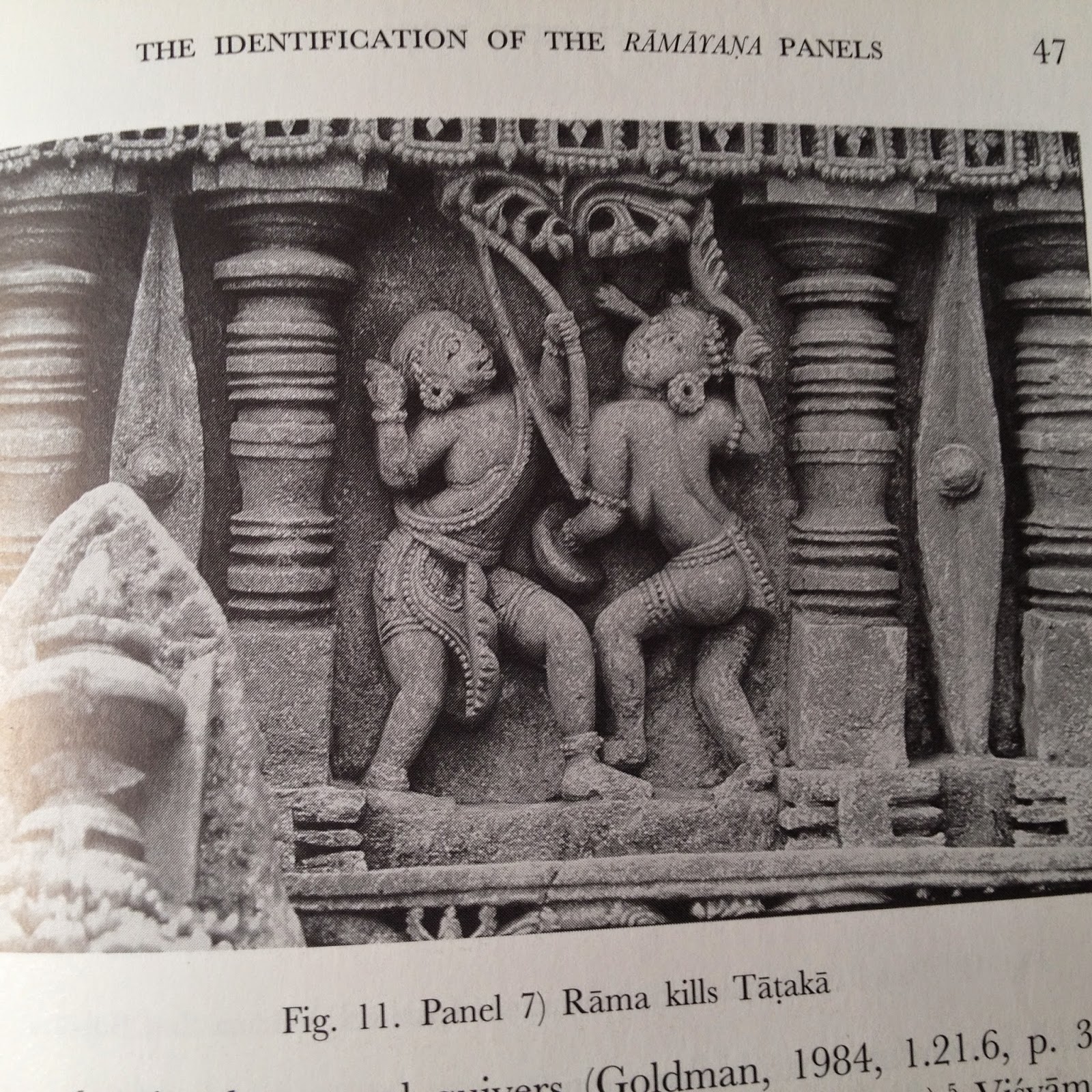
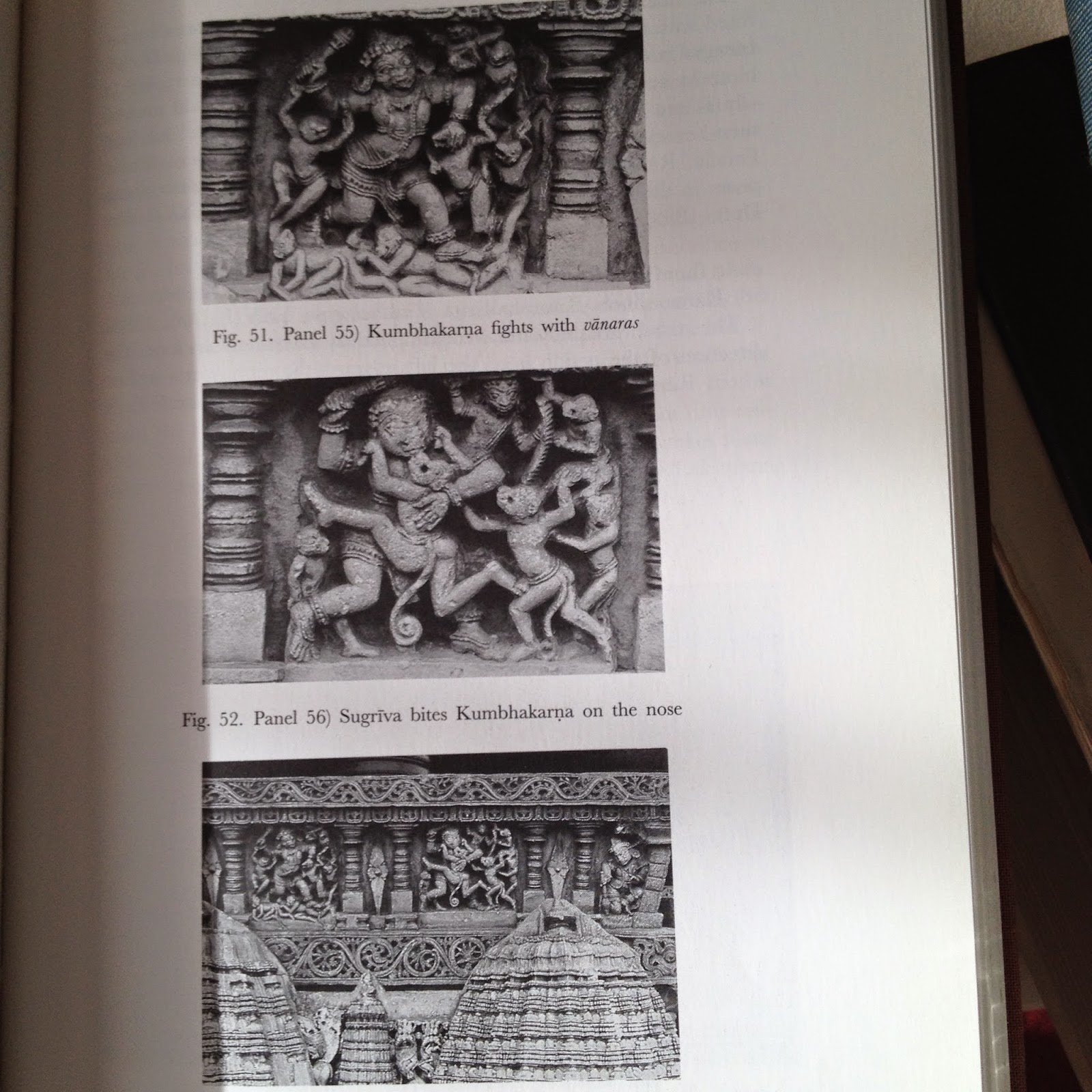
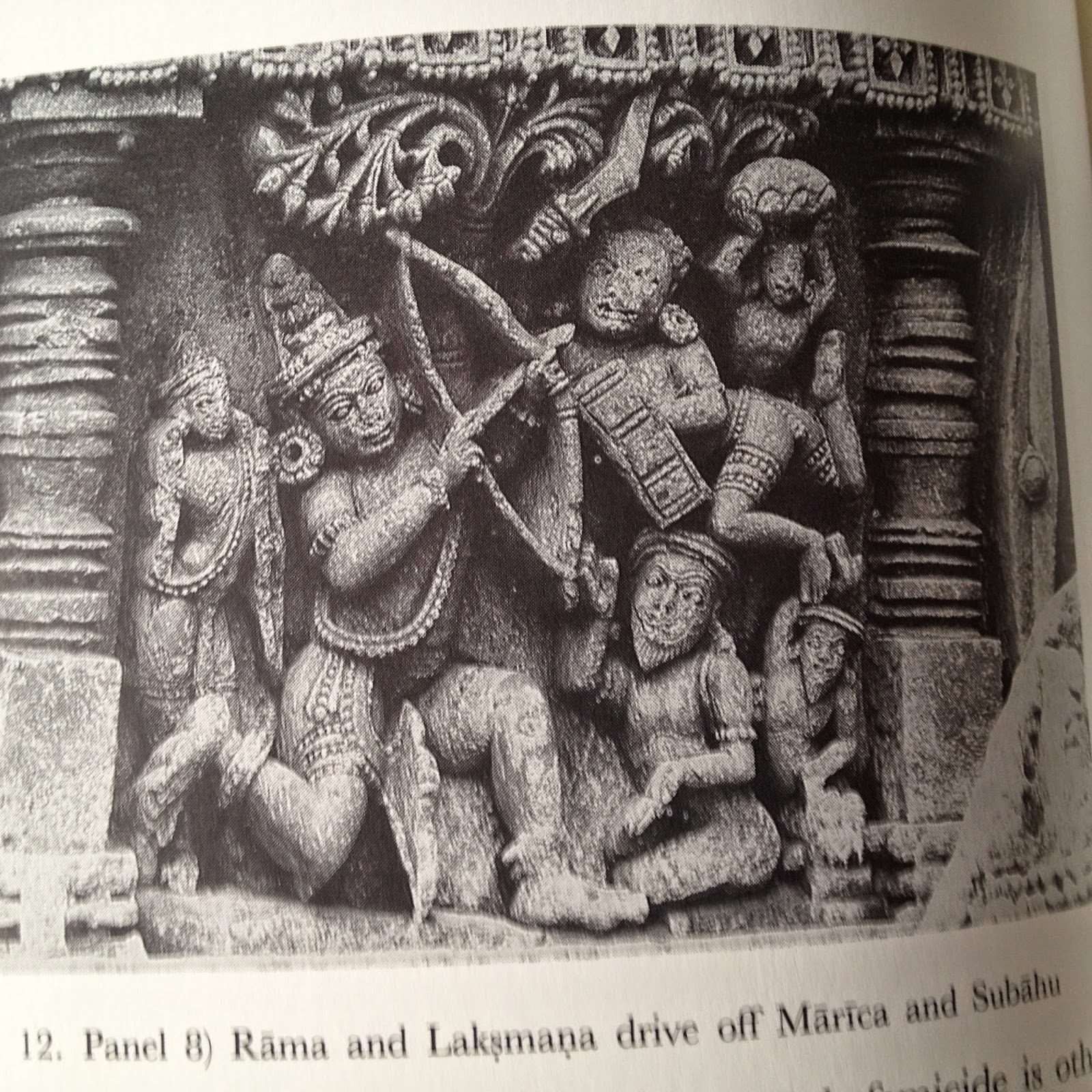
Pictures re used from the book “Epic Narratives in the Hoysala Temples” by Kirsti Evans;thanks.

முதலில் வந்தது ராமாயணமா? மஹாபாரதமா? பெரிய குழப்பம்!!!

Written by London swaminathan

Research Article No.1846; Date: 5 May 2015

Uploaded at London time: 8-55 am

(கர்நாடகத்திலலுள்ள கோவில்களில் காணப்படும் ராமாயண , மாபாரத சிற்பங்களின் படங்கள்–   ஒரு ஆங்கிலேயர்  எழுதிய புத்தகத்திலிருந்து எடுக்கப்பட்டவை;நன்றி)

பரசுராமன் குழப்படி!

பரசுராமன், அனுமன் போன்ற சில கதா பாத்திரங்கள் ராமாயணம், மஹாபாரதம் ஆகிய இரண்டு இதிஹாசங்களிலும் வருவதால் ராமன் கதையும் கிருஷ்ணன் கதையும் ஏக காலத்தில் அல்லது அடுத்தடுத்து நிகழ்ந்தது போலத் தோன்றுகிறது. பல அர்ஜுனன்கள், பல பரசுராமன்கள் இருந்ததால் இந்தக் குழப்பம். பரசுராமன் வென்றது கார்த்தவீர்ய அர்ஜுனன். மஹாபாரத அர்ஜுனனோ சுமார் 400 ஆண்டுகள் பின்னால் வாழ்ந்தவர். ஆகவே ராமாயண—மஹாபாரத இடைவெளி குறைந்தது 500 ஆண்டுகளாவது இருக்க வேண்டும். இந்துக்களின் யுகக் கணக்குப்படி பார்த்தால் ஆயிரக்கணக்கான ஆண்டுகள் இடைவெளி இருக்க வேண்டும். ஆக பலரும் பரசுராமன் போல க்ஷத்ரிய எதிரியாக இருந்ததால் அவரை பரசுராமன் என்று அழைக்கத் துவங்கிவிட்டனர் என்று கொள்வதே பொருத்தம்.

உண்மையில் ராமாயணம் முதலில் நிகழ்ந்தது மட்டுமல்ல. முதலில் எழுதப்பட்டதும் ராமாயணமே! இதோ இதற்கான ஆதாரங்கள்.

1.மஹாபாரதத்தில் சுருக்கமாக ராமாயணம் உள்ளது. ஆனால் ராமாயணத்தில் மஹாபாரதத்தின் சுவடே கிடையாது. ஆகையால் வால்மீகி எழுதிய பின்னர், அதைச் சுருக்கமாக மஹாபாரதத்தில் சேர்த்தாரென்பதே நமது முடிவு.

2.ராமாயணத்தில் ராமனை சீதை, “ஆரிய” (மதிப்பிற்குரிய ஐய) என்றும் ராவணனை அரண்மனைக் காவலர்கள் “ஆரிய” என்று அழைப்பதும் ராமாயணத்தின் பழமையைக் காட்டும்.

3.ராமாயணத்தில் குரங்கு மனிதர்கள் (அனுமன்), கரடி மனிதர்கள் (ஜாம்பவான்), கழுகு மனிதர்கள் (ஜடாயு) ஆகியோர் வருகின்றனர். இவை மஹாபாரதத்தில் இல்லை. உண்மையில் குரங்கு, கழுகு, கரடி என்பன அவர்கள் அணிந்த முகமூடி அல்லது பச்சை குத்திக் கொண்ட சின்னத்தையே குறிக்கும். ஆனால் அது நடந்து மிகவும் அதிக காலம் உருண்டோடிவிட்டதால், முதலில் வாய் மொழியாக ராமாயணத்தைப் பரப்பிய  பௌராணிகர்கள் கொஞ்சம் கொஞ்சமாக அதை மிகைப்படுத்தி பிராணிகளும் உதவி செய்ததாகச் சொல்லிவிட்டனர். எப்படியாகிலும் இத்தகைய சின்னங்களை அணிந்தோர்  மாஹாபாரத காலத்தில் இல்லை! மாபாரத  காலத்தில் நாகரீகம் வெகுவாக முன்னேறிவிட்டது.

3.லங்காதேவி, லங்கிணி, மைநாக பர்வதம் போன்ற குறுக்கீடுகளும் ராமாயணத்தின் பழமையைக் காட்டும். இது போன்றவை மஹாபாரதக் கதைகைளில் இரா.

  1. ராமாயணத்தில் அடிக்கடி 60,000 மனைவியர், 60,000 ஆண்டு தசரதர் ஆட்சி என்ற மரபுத் தொடர்கள் (Idioms and Phrases) இவை மஹாபாரதக் கதைகைளில் இரா.

“வனம் கண்ட வால்மீகி”, “ரணம் கண்ட வியாசர்”

5.ராமாயணத்தை எழுதியது “வனம் கண்ட வால்மீகி”, மாபாரதத்தை எழுதியது “ரணம் கண்ட வியாசர்” (ரணம்=போர்). அதாவது ராமாயணம் என்பது பொதுவாக இற்கையோடு இயைந்த வாழ்வு. மாபாரத காலமோ போட்டி, பொறாமை மிகுந்த நகர வாழ்வு.

6.ராம-ராவண யுத்தத்தில் வியூஹம் போன்ற ராணுவ முன்னேற்றங்களைக் (Military Formations) காண முடியாது. மாபாரதத்தில் சக்கர, பத்ம வியூஹம், பட்டாளத்தை எண்ணிக்கை வாரியாகப் (divisions of Army) பிரிக்கும் (7 அக்ஷௌகிணி, 11 அக்ஷௌகிணி) முன்னேறிய உத்திகளைக் காணலாம். இப்படி மாறுவதற்கு இரண்டுக்கும் இடையே மிக அதிக காலம் ஆகி இருக்க வேண்டும். முப்பதுக்கும் மேலான தலைமுறை வித்தியாசம் இருப்பதாக புராணங்கள் பகரும்.

“பாடியது” (ballads) ராமாயணம், “எழுதியது” மாபாரதம்

7.குசனும் லவனும் “பாடியது” (ballads) ராமாயணம்; அவர்களுக்கு தனது ஆஸ்ரமத்தில் பாடக் கற்பித்தவர் குயில் எனப் புகழப்படும் வால்மீகி முனிவர் ஆவார் (“வந்தே வால்மீகி கோகிலம்”).

வியாசர் “எழுதியது” மாபாரதம். கி.மு.800 வாக்கில் எழுந்த ஹோமரின் இலியட், ஆடிஸிக்கு முன் பாடல் வடிவில் இருந்த கதைகளையே ஹோமர் (Homer) என்பவர் கிரேக்க மொழியில் முதல் நூலாக எழுதினார். அதற்கு முன்னரே நூறுக்கணக்கான நூல்களைப் பெற்றிருந்தது சம்ஸ்கிருதம்!! ஆகவே பாடல் வடிவ ராமாயணம் அதற்கும் முந்தையது! மாபாரதம் என்பது, அக்காலத்தில் வழங்கிய பல்வேறு விஷயங்கள் அழிந்து போய்விடக் கூடாதென்பதற்காக வியாசரால் (compiled) தொகுக்கப்பட்டது. வியாசர் என்றால் கட்டுரை (Essayist, Compiler) எழுதுபவர் என்று பொருள்.

8.வால்மீகி ராமாயணத்தில் சாதாரண தர்மத்தைக் காண்கிறோம். மாபாரதத்தில் பெரிய தத்துவ (கீதை) போதனைகளைக் காண்கிறோம். உபநிஷத காலத்தை ஒட்டி எழுந்த ராமாயணத்தில் இதைச் சொல்லத் தேவ எழவில்லை. திரேதா யுகத்தில் 50 சதவிகிதம் நல்லது இருந்தது. கலியுகத்துக்குச் சற்று முன்னர் இருந்த மாபாரத காலத்தில் அதர்மம் ஓங்கவே உபதேசம், தத்துவ போதனைகளைச் சொல்ல வேண்டி இருந்தது.

  1. ராமாயணத்தில் 24,000 ஸ்லோகங்களைக் காண்கிறோம் மாபாரதமோ உலகிலேயே பெரிய இதிஹாசம்; அதில் ஒரு லட்சம் ஸ்லோகங்கள் உள. “எழுதாமல்” இவ்வளவு பெரிய விடயங்கள் நீடித்திருக்க வாய்ப்பில்லை.

10.மாபாரதத்தில் தெளிவாக 29 நாடுகள் பிரிக்கப்பட்டிரு  ப்பதைக் காண்கிறோம். மன்னர்களின் பெயர்களும் உள. ஆனால் ராமாயணத்தில் இப்படி இல்லை. இரண்டுக்கும் இடையே பெருத்த வேறுபாடு உள்ளது.

11.பூகோள ரீதியில் கிஷ்கிந்தா போன்ற இடங்களும், பின்னர் இந்திய சரித்திரத்தில் அல்லது புவியியலில் இல்லை. ஆனால் மாபாரதம் குறிப்பிடும் இடங்கள் தொடர்ச்சியாகப் பேசப்படுகின்றன.

12.ராமாயணம் அளிக்கும் செய்தி எளிமையானது: “சத்தியத்தைக் கடைப்பிடி, அடுத்தவன் மனைவி மீது கைவைக்காதே”. மாபாரதத்தில் ஏராளமான மோதல்கள், போட்டி, பொறாமைகள், சூழ்ச்சிகள் முதலியவற்றைக் காண்கிறோம் அதாவது தர்மம் மிகவும் கீழ் நோக்கிச் செல்வதைக் காண்கிறோம்.

13.மாபாரதத்தில் பழமையான சொற்கள் இருப்பதைக் கொண்டும், ராமாயணத்தில் எளிமையான சொற்கள் இருப்பதைக் கொண்டும் சிலர் மாபாரதமே பழையது என்பர். உண்மையில் வியாசர் வேதத்தைக் கரைத்துக் குடித்தவர். அதைத் தொகுத்தவர்; நான்காகப் பகுத்தவர். ஆகையால் வேத காலச் சொற்கள் அவர் நாவில் நடமாடியதில் வியப்பதற்கொன்றும்  இல்லை. மேலும் பழைய காலத்தில் இருந்த பல விஷயங்கள் அழியக் கூடாதென்பதற்காக அவர் காலத்தில் நிலவிய அத்தனை விடயங்களையும் மாபரதக் கதையில் பின்னிப் பிணைந்தவர் வியாசர். ஆகையால் பழமையையும் புதுமையையும் ஒருங்கே காணலாம்.

14.மாபாரதத்தில் ஆக்கியானம், உபாக்கியானம் எனப் பிரிவுகள் உண்டு. ராமோபாக்கியானமும் அதில் ஒன்று. இது போல ஏராளமான கதைகள் சொருகப்பட்டுள்ளன. ஆனால் ராமாயனத்திலோ உப கதைகள்— வேறு கதைகள்– சொருகப்படவில்லை. காண்டம், சர்கம் என்று பிரித்து சொல்லவந்த ஒரே காவியத்தை மட்டும் வரைந்தார் வால்மீகி.

  1. மாபாரதத்தில் ஜோதிஷம், வைத்தியம்,வானசாத்திரம், தனுர்வேதம் முதலியன வளர்ச்சி அடைந்த நிலையில் காணப்படுகின்றன.. இது தவிர பல நுணுக்கமான விஷயங்கள் உள்ளன. அவைகளை இன்னொரு கட்டுரையில் காண்போம்.

இரண்டு எதுகை அகராதிகள் !!

Written by London swaminathan

Article No.1845; Date: 4 May 2015

Uploaded at London time: 15-54

ஊத்தங்கரை பி.ஆர்.அப்பாய்  செட்டியார் தொகுத்த எதுகைத் தமிழ் அகராதியையும் இசைப் பேரறிஞர் பாபநாசம் சிவன் தொகுத்த வடநூல் சொற்கடல் என்ற சம்ஸ்கிருத எதுகை (யதி) அகராதியையும் இரண்டு கட்டுரைகளில் கண்டோம். இந்த மூன்றாவது கட்டுரையில் இரண்டு அகராதிகளிலிருந்தும் சில எதுகைகளைக் காண்போம்:–

முதலில் தமிழ் எதுகை

அசைஇ=வருந்தி, இளைப்பாறி, இருந்து,இளைத்து

அளைஇ=கலந்து

இரீஇ=இருந்து, இருத்தி

கடைஇ=முடுகி, செலுத்தி

குரீஇ=பறவை,குருவி, புள்

குலைஇ=குலவி

குவைஇ=பரவி,குவித்து

குழீஇ=திரண்டு

கொளீஇ=கொளுத்தி

சினைஇ=சினந்து

செரீஇ=செருகி

தடைஇ=தடவிப்பார்த்து,சரிந்து

தரீஇ=தந்து

தலைஇ=சொரிந்து

தழீஇ=தழுவி, உள்ளடக்கி, அணத்து

துழைஇ=துழாவி

தொலைஇ=அழித்து

நிலைஇ=நிலைபெற்று

நிறீஇ=நிறுத்தி

நினைஇ=நினைந்து

சம்ஸ்கிருதத்தில் சில எதுகைகள்:-

ராஜிகா=கருங்கடுகு

தாடகா=தாடகை(அரக்கி)

ஏடகா=பெண் செம்மறியாடு

ரேணுகா=பரசுராமன் தாய், அரேணுகம் என்னும் தக்கோலம்

ஸூதிகா=பிள்ளை பெற்றவள்

யூதிகா=முல்லை, மாது

வேதிகா=யாக குண்டம்

பாதுகா=பாதரட்சை, காலணீ

கோதிகா=நீருடும்பு

ராதிகா= ராதை

மேனகா=அப்சரஸ், பார்வதியின் தாய், இமவான் மனைவி

தேனுகா=பெண்யானை, ப்சௌ

கோபிகா=இடைச்சி

பூமிகா= காவிய முன்னுரை, நாடக அலங்காரசாலை

மாமிகா=என்னுடையவள்

காமுகா=காமப் பேய் பிடித்தவன்

தாரகா=நட்சத்திரம்,கண்ணுட் கருவிழி, காப்பவள்

காரிகா=இலக்கணவுறுப்பு, செயல், தாத்பர்யம்

கைரிகா= மலை விளை தாதுப் பொருள்

சீரிகா= சேலை

சைரிகா=திருட்டு

சாரிகா=கிளி

சீருகா=சுவற்றுக்கோழி

காலிகா=சண்டி, தேள், காக்கை, ரோமாவளி, கறுப்பு, மேகக்கூட்டம்

கேலிகா=விளையாட்டு

சூலிகா=சுருண்ட மயிர், பார்வதி

தூலிகா=தராசுக்கோல், சித்திரம் எழுதும் கோல்,தூரிகை

நாலிகா=தண்டு, காம்பு, நரம்பு

நீலிகா=கருநொச்சி, அவுரி, ஏவல்

பாலிகா=விவாஹம்,உபநயனாதிகளில் வைக்கும் பஞ்ச பாலிகை, கொட்டைக் கொல்லைப்பொம்மை

மாலிகா=மலர் மாலை, ஒரு ஆறு, மணி மாலை

வாலுகா=வால்மிளகு, ஏலச் செடி, வாலுரிவை

ஜீவிகா=பிழைப்பு, ஜீவனோபாயம்

தேவிகா=விளையாட்டு

நாவிகா=ஓடம்

வாசகா, வாசிகா =ஆடாதோடை

காசிகா=ஒரு நூல்

ஏஷிகா=எழுதுகோல்

தூஷிகா=கண்மலம்

மூஷிகா=பெண் எலி

நாஸிகா=மூக்கு

லாசிகா=நாட்டியக்காரி

இவ்வாறு ஒரு மொழியைப் படிக்கையில், படிக்கும் ஆர்வமும் ஏற்படும்; படிப்பதும் எளிதாகும். இதை வைத்து விளையாட்டும் விளையாடலாம்.

நான் என் மகன்களுடன் ரயிலில் பயணம் செய்கையில் ஆங்கிலத்தில் சொல் விளையாட்டு விளையாடுவோம். “ஷன்” என்று முடியும் சொற்கள் (Words ending TION) என்று தீர்மானிப்போம்: ஒருவர் எஜுகேஷன் education என்பார், அடுத்தவர், அட்ராக்சன் attraction என்பார், அடுத்தவர் கான்ஸ்டர்னேஷன் consternation என்பார். இப்படி நிறைய ரவுண்டுகள் ஆன பின் திடீரென ஒருவர் திணறுவார். உடனே அவர் ‘அவுட்’ (out).

கடைசி ஆள் இருக்கையில் அவர் எல்லோரையும் மீண்டும் சேர்த்துக்கொண்டு புதிய விகுதி (முடியும் ஒலி) ஒன்றைச் சொல்லுவார். எடுத்துக்காட்டாக அவர் மெடெர்னிடி maternity என்று சொல்லி “டி”—யில் முடியும் சொற்கள் என்பார். உடனே அடுத்தவர் பி(ட்)டிpity என, அதற்கடுத்தவர் ஷ்யூரிட்டி surity அதற்கடுத்தவர் கன்Fஎட்டி confetti  என்று — இப்படிப் போய்க்கொண்டே இருக்கும் (‘போர்’  boredom அடித்து நிறுத்தும் வரை அல்லது இறங்க வேண்டிய ரயில்வே ஸ்டேஷன் வரும் வரை). இதனால் சொல் வளம் மிகும். சில புதிய சொற்களைக் கற்கும் வாய்ப்பு ஏற்படும். தமிழிலும், சம்ஸ்கிருதத்திலும் இவ்விளையாட்டை விளையாட வேண்டுமானால் இப்படிப்பட்ட எதுகை அகராதிகள் உதவும்.

வாழ்க அகராதி தொகுத்தோர்; வளர்க அவர்தம் புகழ்!!

India in Silappadikaram

Written by London swaminathan

Article No.1844 Date: 4 May 2015

Uploaded at London time: 8-36 am

(This article was sent for publication in the Bharatiya Vidhya Bhavan, Delhi souvenir last year)

(S Swaminathan was a Senior Sub Editor of Dinamani, a Tamil language daily, in Madurai before taking over as the Producer of the BBC Tamil Service in London. Later he started teaching Tamil as a part time tutor at SOAS, University of London)

Tamil epic Silappadikaram (also written as Cilappatikaram) is an encyclopaedia of art and music of the ancient Tamils. Ilango Adikal, author of Silappadikaram, has dealt with almost all the topics under arts and culture of the land. But not many people know that Ilango was equally proficient in the geography and history of India as well. I would like to point out the amazing knowledge of Ilango about the Indian subcontinent. But for his reference to King Gajabahu of Sri Lanka, we wouldn’t have fixed the date of Kovalan and Kannaki. Though the story of Kannaki and Kovalan happened around second century CE, the epic must have been written a few centuries later. The language and style of the poetry in the epic serve as strong pointers in this direction.

The epic runs to 5270 lines and it contains 13,870 words. This is the biggest work closer to the Sangam period. It is worthwhile to compare it with the oldest Tamil work Tolkappiam. Tolkappiam, the Tamil grammar book, runs to nearly 4000 lines with 13,708 words. But again there is some controversy about the dating of Tolkappiam and particularly the third chapter of the grammar book, namely Porul Adhikaram that is considered a later addition by many scholars.

The epic is divided into three Kandams (cantos) on the basis of geographical and political divisions of Tamil country Choza, Pandya and Chera corresponding to Pukar, Madurai and Vanji. These are the capital or major cities of ancient Tamil Nadu. The use of the words Kandam for divisions is copied from Valmiki Ramayana which has seven Kandams(6+1).
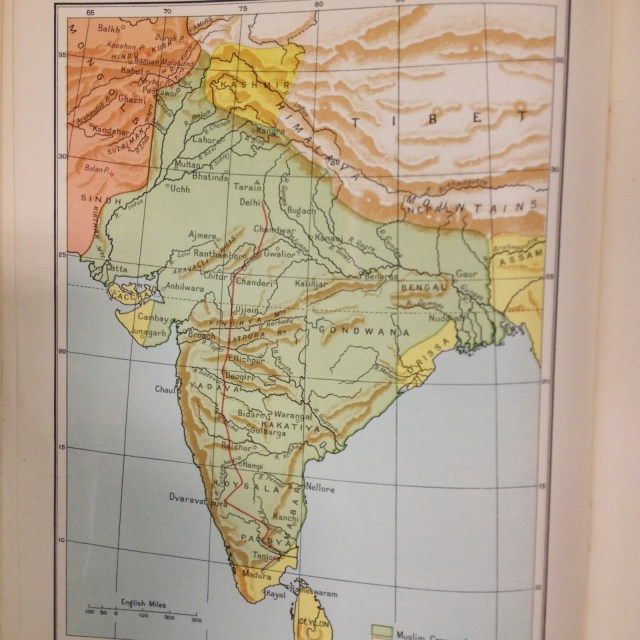
We see a very clear shift from the four fold natural divisions of Sangam literature (Kurinji, Mullai, Neithal and Marutham) to a fully fledged city culture in the epic. The graphic description of Pukar(5-6/40) and Madurai streets (Ur Kan Katai) is remarkable. There is no denying the fact cities did exist even during Sangam period. But that was not the main basis of those poems. We see such descriptions in Madurai Kanchi, a Sangam Tamil work. In short we read more about urban culture in the epic than the rural culture of the Sangam literature. The absence of Kurinji, Mullai, Neithal and Marutham in the epic is noteworthy. Ilango mentioned even Ujjain (6-29) and the forests of Vindhya Mountains (6-29) in Madhya Pradesh.

Ilango did not miss the opportunity to describe in detail the two great rivers Kaveri and Vaigai that run through Choza and Pandyan territories. The beautiful descriptions of these rivers are a treat to nature lovers. The River Kaveri has not changed much in the past two thousand years, but Vaigai has lost its beauty. Even in Paripatal, an anthology of Sangam Literature, we see beautiful descriptions of Vaigai.

Ode to River Kaveri (kanalvari)

Hail, Kaveri!

Robed with flowers, swarmed by singing bees, you roam,

Sinuous and fanciful,

Casting dark glances from your swift

And carp like eyes

Your gait and charming looks are the pride

Of your lord, whose virtuous sceptre’s never gone astray

Hail, Kaveri!

(Another two stanzas are there in the epic)
River Vaigai in the background

Vaigai and the city of Madurai are described in the ‘Puranceri Irutha Katai’:-

The Vaigai River, daughter of the sky, wanders ever on the tongues of the poets, who sings the generous gifts she bestows on the land she has blesses. Most cherished possession of the Pandya Kingdom, she resembles a noble and respected maiden. Her dress is woven of all the flowers that fall from the date tree, the Vakulam, the Kino, the white Kadamba, the gamboges, the Tilak, the jasmine, the Myrobalan, the pear tree, the great Champak and the saffron plant. The broad belt she wears low around her hips is adorned with lovely flowers of Kuruku and golden jasmine, mixed with Musundai’s thick lianas, the wild jasmine, he convolvulus, the bamboo, the volubilis, the Pidavam, the Arabian jasmine. The sand banks, edged by trees in blossom, are her youthful breasts. Her red lips are the trees that spread their red petals along the shore her lovely teeth are wild jasmine buds floating in the stream. Her long eyes are the carp, which playing in the water, appear and vanish like a wink. Her tresses are the flowing waters filled with the petals (13-151/174).

Both Kannaki and Kovalan cried out in wonder, “This is not a river but a stream in blossom”.

This beautiful description of River Vaigai is different from River Kavery. This shows his skill and his love of nature.
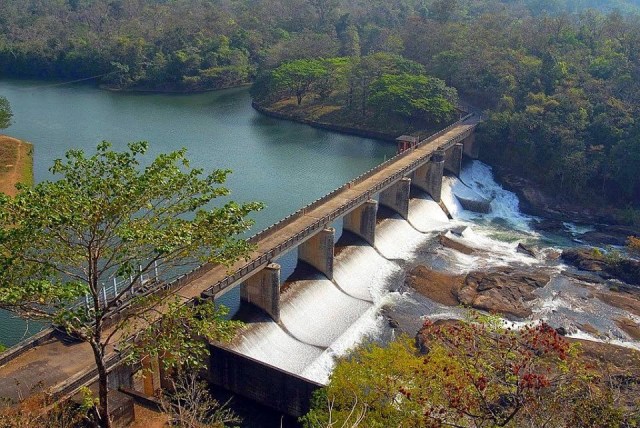
River Kaveri (Cauvery)

Holy Mountain and Holy River

Tamils were very familiar with the Himalayas and the River Ganges. We have lot of references to these in the oldest part of Sangam literature such as Purananuru. There is no wonder that Ilango also referred to this mountain and the river in several places in the epic. Sangam poets used Himalayas and Pothiyam Hill in pairs (Puram 2-24), probably an indirect reference to sages of the Himalayas and Sage Agastya who had settled in the Pothiyam Hill from the North. The very concept of taking a stone from the holy Himalayas and bathing it in the holiest of the Indian rivers, Ganges, (Vazthu Katai) show that the ancient Tamils considered the big land mass from the southernmost Kanyakumari to the northernmost Himalayas as one entity that belonged to everyone in the country. Chera King Senguttuvan was praised as the ruler of the land between the Himalayas and Kumari.

Reference to holy shrines such as Venkatam where the most famous Balaji temple is located at present, and Srirangam (11-40/41), is also interesting.

Ilango’s reference to Senguttuvan’s sea expedition to destroy the pirates (23-81) and the foreign intruders are examples of his knowledge about the seas surrounding the peninsular. Marine trade with Rome and the West was flourishing during the first few centuries of our era. Though Silappadikaram is a post Sangam work, the Tamils must have felt very proud of their success in the foreign trade. Yavanas are mentioned in four places in the epic 5-10, 14-67, 28-141 and 29-26. The epic says that Chera king ruled the prosperous land of the Yavanas (28-141 and 29-26), may be the North West region of India. It was under the Indo-Greek kings for few centuries.

Ilango’s knowledge of the seas, rivers, mountains, cities and other spots of natural beauty, is amazing. To make the epic more interesting he had added some interesting details about the caves or underground tunnel routes (Katukan Katai)  to Madurai from Alagarkoil, a Vaishnavite shrine near Madurai. As of now we don’t know any such route linking Madurai with Alagarkoil, but in his days probably mountain pass or caves must have existed. Until very recently Alagarkoil hill was very green with thick forests.

In the Venir Katai, he defined the boundaries of Tamil Nadu between Venkatam and the Southern seas. He refers to the semi mythical land Uttarakuru (2-10). Strangely the earliest reference to the River Jamuna and Krishna comes from Sangam Tamil Literature (Aka 59-4) and Ilango refers to it in Aychiyar Kuravai(17-22).

Gajabahu and King of Malava

At the end of the epic he narrates the consecration ceremony attended by Gajabahu, King of Sri Lanka and Kings from Malava (30-157/160). Earlier in the poem he refers to the Satavahanas, who were his friends.

Author’s e mail: swami_48 @ yahoo.com
Books used

The Cilappatikaram, translated by Prof.V R Ramachandra Dikshitar, 1939. Second edition, The South India Saiva Siddhanta Works Publishing Society Tinnelvelly Limited, 1978

Shilappadikaram (The Ankle Bracelet), translated by Alain Danilelou, A New Directions Book, New York, 1965

சம்ஸ்கிருத எதுகை அகராதி!

சம்ஸ்கிருத எதுகை அகராதி!

Compiled by London swaminathan

Article No.1843 Date: 3 May 2015
Uploaded at London time: 23-47

ஊத்தங்கரை ஏ ஆர் அப்பாய் செட்டியாரின் தமிழ் எதுகை அகராதி பற்றி சின்னாட்களுக்கு முன் எழுதினேன். இதே போல பிரபல சங்கீத சாஹித்யகர்த்தா, பாடல் ஆசிரியர், நடிகர், இசை அமைப்பாளரான பாபநாசம் சிவன் அவர்களும் வடமொழிச் சொற்கடல் என்ற பெயரில் சம்ஸ்கிருத எதுகை அகராதி தயாரித்து வெளியிட்டார். இதை அவர் தயாரிக்க எட்டு ஆண்டுகள் ஆயின. இந்தப் புத்தகத்தின் முதல் பதிப்பு 1954-ல் வெளியானது.

சம்ஸ்கிருதம் கற்க விரும்போருக்கு ஆர்வத்தை ஏற்படுத்தும் வகையிலும் ஏற்கனவே சம்ஸ்கிருதம் அறிந்தோருக்கு அச்சொற்களைத் திறம்பட பயன்படுத்தும் வகையிலும் தொகுத்து வழங்கியுள்ளார். ஆனால் அவரோ தன்னடக்கத்துடன் பெரிய கடலை ஒரு சிறு கரண்டியால் அளக்க முயல்வதாக முகவுரையில் எழுதியுள்ளார். தான் எழுதியதைக் கட்டி ஆற்றில் எறிந்துவிடலாமா என்று எண்ணியிருந்த சமயம் டாக்டர் வீ ஆர் மூர்த்தி இதை வெளியிட உதவிசெய்ததாகவும் நன்றிப் பெருக்குடன் கூறியுள்ளார்.

அதில் ஓரெழுத்துக்கான சம்ஸ்கிருதப் பொருளை மட்டும் இன்று காண்போம்; இதில் சம்ஸ்கிருத நாகரி லிபியில் சொற்களும் அதற்கான பொருள் தமிழிலும் கொடுத்திருப்பது எல்லோருக்கும் பயன்  தரும்:

அ- மங்களகரமான முதல் எழுத்து; எதிர்மறை

உ- ஐயக்குறி, வினாக் குறி

கு- இழிவு, கொஞ்சம்

து- பிரித்தல்

ந – இல்லை

நி- இன்மை, மிகவும்

னு- ஐய வினா

வ- போல

வி-வெறுப்பு, விரோதம், விசேஷம்

சு-நன்மை, நன்றாக

ஹ-வியப்பு,துயரம்

ஹி-அல்லவா

(இவை யாவும் அவ்யயம் எனப்படும்)

ஆ-வியப்பு

ஓ-விளி,வியப்பு

கா-எவள்

ஜா-பிறந்தவள்

நா-மனிதன்

நோ-இல்லை

பா-ஒளி

போ-விளி

மா-தகாது, லெட்சுமி

மே-எனக்கு, ஆட்டின் குரல்

யா-யாதொருவன்

ரே-விளி

வா-அல்லது

வை-உறுதி

சா-அவள்

ஹா-ஐயோ

ஹீ-ஆச்சர்யம்

ஹே-விளி

ஜம்-காற்றொளி

டம்-நாணொலி

பம்-நட்சத்திரம்

சம்-நன்றாக

ஸம்-சுகம்

ஹும்-அச்சுறுத்தல்

அ:-பிரமன்,விஷ்ணு,சிவன்

இ:-இந்திரன்

உ:-சிவன்

க:-பிரமன்

க:-எவன்

கு:-பூமி

கி:-விழுங்குதல்

ஜ:-பிறவி

ய:எவனொருவன்

வி:-பறவை

ஸ:-அவன்

ஆ:-வியப்பு, வேதனை

ஊ: பெருக்கம்

கீ: சொல்

கௌ: பூமி, பசு

ஜூ: ஜுரம், வானம், பிசாசு,வாணி,வாயு

தூ: வேகம்

தீ: புத்தி

தூ: சுமை

பா: ரட்சிப்பவன்

பூ: பூமி

பீ: அச்சம்

மா: தடுத்தல்

மூ: மூர்ச்சை

ரா: ஐச்வர்யம், அக்னி

வா: ஜலம்.

இந்துக்கள் கண்டுபிடித்ததை வெளிநாட்டினர் மீண்டும் “கண்டுபிடித்த” விநோதம்!!

Compiled by London swaminathan

Article No.1842 Date: 2 May 2015

Uploaded at London time: 13-52

உலகம் உருண்டையானது என்பதை யார் முதலில் சொன்னார்கள்?

சூரியனை பூமி சுற்றுகிறது என்பதை யார் முதலில் சொன்னார்கள்?

கிரஹணம் எப்படி ஏற்படுகிறது என்பதை யார் முதலில் சொன்னார்கள்?

சந்திரனின் மீது படும் சூரிய ஒளியே அதன் பிரகாசத்துக்கு காரணம் என்பதை யார் முதலில் சொன்னார்கள்?


—–இது போன்ற பல கேள்விகளுக்கு விடை வேண்டும் என்று என்சைக்ளோபீடியாவுக்குப் போனீர்களானால் உங்களுக்கு தவறான தகவலே கிடைக்கும். இவை அனைத்தும் ரிக் வேதத்திலும் அதர்வ வேதத்திலும் ஏற்கனவே உள்ளன. அதுவும் வெள்ளைக்காரர்கள், ஆங்கிலம், ஜெர்மன், பிரெஞ்சு மொழிகளில் மொழிபெயர்த்த பகுதிகளில் உள்ளன. இருந்தபோதிலும் இவைகளை இன்னும் கலைகளஞ்சியங்களில் ஏற்றவில்லை!!!!

அதுமட்டுமல்ல. 2000 ஆண்டுகளுக்கு முன்னர் எழுதப்பட்ட சங்கத் தமிழ் பாடல்களிலும் கடல் சூழ் மண்டிலம் என்று நிறைய இடங்களில் வருகிறது. பூகோளம், ககோளம் என்ற சொற்கள் சம்ஸ்கிருதத்தில் வருகின்றன. கோளம் என்பதில் இருந்தே ‘குளோப்’ (பூமி உருண்டை) என்ற சொல் வந்தது.

வேத இலக்கியத்தில் வரும் 27 நட்சத்திர முறையை ஐரோப்பியர்கள் ரிக் வேத காலமான கி.மு 1700-ல் அறிந்திலர். ஆகவே நாம் யாரிடமும் வானவியலையோ சோதிட சாத்திரத்தையோ கடன் வாங்கவும் இல்லை. இந்துக்கள் வெளி நாட்டில் இருந்து வந்து இங்கு குடியேறவும் இல்லை.

ஜெர்மானிய அறிஞர் ஹெர்மன் ஜாகோபியும், சுதந்திரப் போராட்ட வீரர் பால கங்காதர திலகரும் ரிக் வேதத்தில் உள்ள வான சாத்திரக் குறிப்புகளை தனித்தனியே ஆராய்ந்ததில் வேதத்தின் காலம் கி.மு.4500—க்கு முன் என்று கண்டறிந்தனர். இருவரும் ஒருவர் மற்றொருவரை அறியாமல் செய்த ஆராய்ச்சியில் கிடைத்த வியத்தகு முடிவு இது. இன்னும் கொஞ்சம் காலத்தில் மேலை உலகமும் இதை ஒப்புக் கொள்ளும்.

1.வானசாத்திரம் பற்றிய படிப்பை ரிக் வேத முனிவர்கள் நட்சத்திர வித்யை என்றும் வானசாத்திர வல்லுனர்களை ‘நட்சத்திர தர்ச’ அல்லது ‘கணக’ என்றும் அழைத்தனர். சங்கத் தமிழரும் ‘கணி’ என்றே அழைத்தனர்.

2.ரிக் வேதகால ரிஷிகள் பிருத்வி=பூமி, அந்தரிக்ஷம் (நடு), தியௌ (வானம்) என்று மூன்றாகப் பிரித்தனர் (1 -115-1, 2-40-4 etc).

3.பூமி வட்ட வடிவமானது என்றும் அது அந்தரத்தில் தொங்குகிறது என்றும் ரிஷிகள் கூறினர் ( RV 1-33-8; 4-55-3). சதபத பிராம்மணமும் பூமியை பரிமண்டலம் என்று கூறுகிறது. சங்கத் தமிழரும் மண்டிலம் என்றே கூறினர்.

4.பூமி சுற்றுகிறது என்றும் அது சூரியனால் நிகழ்கிறது என்றும் அவர்களுக்குத் தெரியும். பகல், இரவு, பருவ காலம் ஆகியனவும் சூரியனால் நிகழ்கிறது என்பதும் வேதங்களில் உள்ளது ( RV 6-58-1, 1-95-3).

5.நிலவு என்பது சூரியனின் ஒளியைப் பிரதிபலிக்கிறது என்பதையும் ரிஷிகள் கூறுகின்றனர் (9-71-9).

6.குதிரைக்கு 34 -விலாஎலும்புகள் (17+17) இருப்பதாக(RV 1-161-18) வேதம் கூறுவதும் வானசாத்திரக் குறிப்பு என்று சில வெளி நாட்டினர் எழுதியுள்ளனர். ஐரோப்பிய குதிரைகளுக்கு 36 விலா எலும்புகள் என்பதால் ரிக்வேத கால இந்துக்கள் இந்த நாட்டில் தோன்றிய குதிரைகள் பற்றியே பேசியதும் அவர்கள் இங்கே தோன்றியவர்க ளேயன்றி வெளி நாட்டில் இருந்து வந்தவர்கள் அல்ல என்பதும் தெளிவாகிறது. அண்மையில் நடந்த ஆய்வில் காண்டாமிருகம், குதிரைகள் இங்கு தோன்றியதற்கான பாஸில் அச்சுகளும் (படிம அச்சு) கிடைத்திருக்கின்றன.

7.ஒரு ஆண்டை 12 ராசிகளாக/ 12 மாதங்களாகப் பிரித்ததும் வேத கால விற்பன்னர்களே. சூரியனின் போக்கை அனுசரித்து தட்சிணாயனம், உத்தராயணம் என்றும் ஆண்டை இருகூறாகப் பிரித்தனர். ஆறு பருவங்களாகப் பிரித்தனர். தொல்காப்பியமும் ஆறு பருவப் பிரிவையே கூறுவதால்  இந்துக்கள் ஐரோப்பாவில் இருந்து குடியேறவில்லை என்பது தெளிவாகிறது. ஐரோப்பாவிலும் பிற நாகரீகங்களிலும் ஆறு பருவப் பிரிவுகள் கிடையாது.

8.நட்சத்திரங்களை 27 ஆகவும் அபிஜித் என்னும் நட்சத்திரம் துருவ நட்சத்திரமாக இருந்த காலத்தில் 28 ஆகவும் பிரித்திருந்தனர்.

9.ஆண்டுத் துவக்கத்தை மார்ச்/ஏப்ரலிலிலும், டிசம்பரிலும்/மார்கழி (மாசானாம் அஹம் மார்கசீர்ஷம்—பகவத் கீதை) இந்துக்களின் நூல்கள் கூறுவதால் அவர்கள் வெவ்வேறு நட்சத்திர நிலைகளை அறிந்ததும் அவ்வளவு பழைய காலத்தில் அவர்கள் வாழ்ந்ததும் தெரிகிறது வானாவதாரத்தில் ஓங்கி உலகளந்த உத்தமன் மூவடியால் உலகத்தை அளந்த குறிப்பும் வேதத்தில் உள்ளது இதுவும் வான சாத்திரக் குறிப்பு என்ற ஒரு விளக்கம் உளது.

10.ஒரு சில குறிப்புகளை மட்டும் வைத்து வேத கால நாகரீகத்தை மதிப்பிட முடியாது. அவர்கள் வான சாத்திரம் முதல் பிராணி இயல், மருத்துவம் வரை கூறும் எல்லா விஷயங்களையும் ஒட்டு மொத்தமாகப் பார்க்கையில் — அவர்கள் கூறும் பிரம்மாண்டமான எண்களைப் பார்க்கையில் — இன்று கம்ப்யூட்டர்களுக்கு எல்லாம் மூல காரணமாக இருக்கும் பூஜ்யம் முதலியவற்றைக் கண்டு பிடித்ததைப் பார்க்கையில் — எல்லோரும் இன்புற்றிருப்பதேயன்றி வேறொன்றும் அறியோம் என்ற கருத்ததைத் தொனிக்கும் ரிக்வேதத்தின் கடைசி துதியைப் பார்க்கையில் —- உலகிலேயே அதிக நாகரீகம் வாய்ந்தவர்கள் வேத கால இந்துக்களே என்று துணியலாம்.

11.சூரிய, சந்திர கிரகணங்கள் பற்றிய குறிப்புகள் ரிக் வேதத்திலும் அதர்வணத்திலும் உள. அது பூமி, நிலவின் நிழல்களால் ஏற்படுவதையும் கூறி இருக்கின்றனர்.

இது எனது ஆங்கிலக் கட்டுரையின் சுருக்கம். முழு விவரம் வேண்டுவோர், சில தினங்களுக்கு முன் வெளியான ஆங்கிலக் கட்டுரையைக் காணவும்.