Oldest Bribery in the World! Rig Veda speaks of Bribes!!

bribery_2

Research paper No 1954

Written by London swaminathan

Date: 25 June 2015

Uploaded in London at 14-23

I wrote about the Vedic Dog Sarama and the story’s occurrence in various cultures in mutilated or corrupted forms. The hymn in the Rig Veda (10-108) is very interesting in various ways. Here we read about

1.Corruption

2.Inducement to change party loyalty

3.Ambassadorial role

4.Dog as human pet

5.Dog employed in detective work

All these show that the Vedic society is well advanced. Earlier I wrote about the Rig Vedic Sabha and Samitis, oldest democratic institutions in the world. All these are my observations.

Bribery01

Here is the Sarama hymn (RV.10-108):–

The hymn, as Griffith notes, “is a colloquy between Sarama, the messenger of the Gods or of Indra …… and the Panis or the envious demons who have carried off the cows or Rays of Light which Indra wishes to recover”.

But, according to Macdonell, the hymn is about “the capture by Indra of the cows of the Panis ….. (who) possess herds of cows which they keep hidden in a cave far beyond the Rasaa, a mythical river. Sarama, Indra’s messenger, tracks the cows and asks for them in Indra’s name, but is mocked by the Panis”.

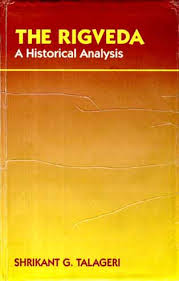
Clearly there is a basic difference in the above descriptions of the myth, says Shrikant Talageri in his book—“The Rig Veda – A Historical Analysis”.

From Griffith’s translation (R V 10-108):–

“I come appointed messenger of Indra, seeking your ample stores of wealth, O Panis

This has preserved me from the fear of crossing; thus I have made my way over Rasaa’s waters (Sarama said this) 10-108-2

Wat is that Indra like, what is his aspect whose envoy, Sarama, from afar thou comest?

Let him approach, and we will show him friendship; he shall be made the herdsman of our cattle (Panis said this) 10-108-3

Even thus, O Sarama, hast thou come here by celestial might to make the journey

Turn thee not back, for thou shalt be our sister; O Blest One, we will give thee of the cattle (10-108-9)

bribe 2

My comments:


1.From the above three stanzas we come across the word MESSENGER/ENVOY.

This shows that the dogs have detective power to find the hidden cows and the hymn says the dog travelled long distances, even crossed a river. Nowadays we hear amazing animal stories where the dogs travel hundreds of miles to go back to their owners. Probably this is the oldest dog story. Dogs have powerful smelling – 3000 times more powerful than human beings.

2.The second point is that sending an animal as AMBASSADOR. We come across swan as a messenger in the Nala – Damyanti story and later great poet Kalidasa sings about Cloud Messenger in his poem Meghaduta. In the 2000 year old Sangam Tamil poetry and later devotional poetry we see lot of animal and bird messengers to their lovers or God. Probably Rig Veda has the oldest reference to such ambassadors (apostrophes to birds etc).

3.The third point is that Panis were ready to bribe Sarama with some cattle and ready to take her their sister. But Sarama rejected the bribe. Panis were the bad people in this episode.

Later Vedic literature Jaiminiya Brahmana (2-440/442) has a slightly different story, according to Talageri. Here, the cows and are clearly referred to as the cows of the Gods stolen by the Panis. This time, the Gods first send Suparna, the eagle or the Sun Bird. However the Panis BRIBE him into silence, and he accepts their gifts and returns without any information. The enraged Gods strangle him, and he vomits out the curds etc. received from the Panis.

Then the Gods send Sarama. She crosses the River Rasaa and approaches the Panis. She is also offered BRIBES, but (as in the Rig Veda), she refuses their bribes and returns to Indra with the information that the cows are hidden (DETECTIVE WORK) inside the Rasa. She and her descendants are then blessed by a grateful Indra.

bribe3

4.Dogs are grateful animals. Sarama stick to her loyalty in spite of temptations. Dogs are kept as pets from the Vedic days.

According to Talageri, the myth appears in Brhatdevata (8-24/36). Here the myth develops a curious twist. The same sequence of events take place, but this time Sarama accepts the bribe of the Panis, and apparently transfer her loyalty to them. When she returns to Indra and refuses to disclose the hideout of the cows, Indra kicks her in a rage she vomits out the milk she received as a BRIBE and then goes back trembling to the Panis (Ayaram, Gayaram stories in Indian political field).

We know that all these are symbolic stories of what is happening in Nature. But even if we accept it, the similes such as bribe etc used reflects the ways of life in Vedic days. But the good thing about the bribe is, it is offered by the bad people (Panis). Moreover good people reject it or get punishment for accepting it.

prison-cell-phone-bribery2

5.Two other notes won’t be out of context here:

Chanakya, the author of Arthashastra, says that like the fish that lives in water drinks water, the government officers take bribe!

There is a Tamil Proverb, “Wont the person who extracted honey (from the honeycomb) lick his fingers?”

So, taking bribes has been there from Vedic days, but it is condemned in the Vedas.

(Bribery pictures are used from various sites;thanks)

ரிக் வேத சரமா, கிரீஸ் நாட்டுக்கு போனது எப்படி?

indra

Research paper No 1953

Written by London swaminathan

Date: 25 June 2015

Uploaded in London at காலை 9-50

ரிக்வேதத்தில் (10-108) சரமா என்ற நாயின் கதை பத்தாவது மண்டலத்தில் உள்ளது. அந்த நாய்க்கு இரண்டு குழந்தைகள் (குட்டிகள்). அவற்றின் பெயர் சரமேயஸ். இந்து கிரேக்க நாட்டில் ஹெர்மஸ் ஆனது. பாரசீகர்களுக்கும் (ஈரான்), கிரேக்கர்களுக்கும் (கிரீஸ்) எஸ் – என்ற எழுத்து எல்லாம் எச்- என்ற எழுத்தாகி விடும். சிந்து என்ற நதியின் பெயரை உச்சரிக்க முடியாமல் நமக்கு ஹிந்து என்ற பெயர் சூட்டியவர்களும் அவர்கள்தான்.

சரமா என்பது ஹெர்மஸ் ஆனது மாக்ஸ்முல்லர் காலத்திலிருந்தே அடிபட்ட விஷயம்தான். ஆயினும் “ரிக் வேதத்தில் வரலாறு” — என்ற ஆங்கில நூலை எழுதிய ஸ்ரீகாந்த் தலகரி இதை மூன்று தலைப்புகளில் விரிவாக ஆராய்ந்து சில புதிய விஷயங்களைச் சொல்கிறார். சுருக்கமாகக் காண்போம்:

ரிக் வேதம் உலகிலேயே பழமையான நூல்; இந்துக்களின் பூர்வீக வரலாற்றை இதிலிருந்து ஓரளவு அறியலாம். ஏனெனில் இது வரலாற்று நூல் அல்ல. மதம் பற்றிய நூல்.

சர்மா கதை ரிக் வேதம் தவிர, ஜைமினீய பிராமணம், பிருஹத் தேவதா ஆகிய நூல்களிலும் இருக்கிறது.. சரமா பற்றிய துதி என்ன செப்புகிறது:

1.சரமா நீண்ட பாதை வழியாகச் சென்று ரசா நதியைக் கடந்து, பாணிக்களைச் சந்தித்து, அவர்களுடைய செல்வம் வேண்டும் என்று இந்திரன் கேட்டதைச் சொல்கிறது.

2.பாணிக்கள் அதை நிராகரித்து, இந்திரனை வேண்டுமானால் மாடு மேய்ப்பவனாக நியமிக்கத் தயார் என்று சொல்லி எள்ளி நகையாடுகின்றனர்.

3.சரமா, இதனால் வரும் விளைவுகளைச் சொல்லி எச்சரிக்கிறது.

4.இந்திரனுடன் போரிடத் தயார் என்று சொல்லும் பாணிக்கள், சரமாவைத் தங்கள் பக்கம் வரும்படி கோருகின்றனர்.

5.சரமா, அதை நிராகரித்துவிட்டு இந்திரனிடம் சென்று விடுகிறது.

6.பாணிக்கள், இந்திரனின் பசுக்களைத் திருடிச் சென்று குகைகளில் வைத்தனர். சரமா தூது சென்றும் பலிக்கவில்லை; பின்னர் இந்திரன் சண்டை போட்டு அவைகளை மீட்கிறான்.

சரமேயஸ் பற்றி என்ன அறிகிறோம்?

அவை இரண்டும் யம தர்மனின் காவல் நாய்கள்.

talagheri book

தலகரி சொல்கிறார்: இது அன்றாடம் நிகழும் இயற்கை நிகழ்வைப் பின்னர் கதையாக மாற்றி விட்டனர். அதாவது சூரியன் பூமிக்கு அடியில் (பின்புறம்) சென்று மறைவதையும் பின்னர் மறுநாள் வெளிவருவதையும் கூறும் கதை இது என்கிறார். துதியில் வரும் பசுக்கள்—சூரிய ஒளியையும், சரமா – உதயத்தையும், பாணிக்கள் — இருளையும் குறிக்கும் என்பார்.

எனது கருத்து: இது துவக்கத்தில் சரியாக இருக்கலாம். பின்னர் அதையே உவமையாக்கி மற்றொரு சம்பவத்தைக் குறிக்கவும் பயன்படுத்தி இருக்கலாம்.

பாணிக்கள் என்பவர்களை  பீனீஷியர்கள் என்று இன்னொரு கட்டுரையில் குறிப்பிட்டிருந்தேன். அவர்கள்தான் பணம் (காசு) என்பதையும் அகர வரிசை எழுத்து முறை என்பதையும் உலகிற்குக் கற்றுக் கொடுத்தவர்கள் என்று மேலை நாட்டுப் புத்தகங்கள் கூறும்.

பாணி என்ற சொல்லிலிருந்து வந்த சம்ஸ்கிருதச் சொற்கள் அனைத்தும் வணிக சம்பந்தமானவை:

பாணி = பணம் = வணிக = பனியா/வியாபாரி = ஆபணம் = கடை/மார்க்கெட்

sarama_and_her_chil

முக்கிய தொடர்பு

சரமா கதை, கிரேக்க நாடு தவிர, உலகில் வேறு பல நாடுகளிலும் இருக்கிறது. பாரசீகத்திலும், ரோமானிய சாம்ராஜ்யத்திலும், ஸ்காண்டிநேவிய பண்பாடுள்ள நாடுகளிலும் இருக்கிறது. ஆயினும் அங்கெல்லாம் அது உருச் சிதைந்து காணப்படுகிறது. இவை எல்லாம் தொடர்பு படுத்தும் முழுக்கதை ரிக் வேதம் ஒன்றில்தன் இருக்கிறது!! எடுத்துக் காட்டாக ஹெர்மஸ் என்பது ரோம் கலாசரத்தில் மெர்குரி என்ற தெய்வமாக ஆனதாக எழுதுவர். அவரும் வணிகக் கடவுளே. மெர்கண்டைல் போன்ற வணிகச் சொற்கள் அதிலிருந்தே வந்தன. ஆனால் ஹெர்மஸ் – மெர்குரி வணிக விஷயத்தைத் தொடர்புபடுத்த ரிக் வேத பாணி ஒன்றால்தான் முடியும். இது போல ட்யூடானிக் (ஸ்காண்டிநேவிய) கலாசாரத்தில் அசீர் (அசுர என்பதன் உரு மாறிய வடிவம்), வாணீர் (பாணி என்பதன் சிதைந்த வடிவம்) என்ற இரண்டு வகைத் தெய்வங்கள் சண்டையிடும் கதைகள் உள்ளன. இது நமது புராணங்களில் தேவாசுர யுத்தமாக —- (கடல் கடைந்து அமிர்தம் எடுத்த கதை) —– வருகிறது.

சுருங்கச் சொல்லின் நான்கு நாட்டுக் கதைகளின் மூலம் வேதத்திலுள்ள சரமா கதையில் இருக்கிறது!!

வெள்ளைக்காரன் இந்தியாவுக்குள் நுழைந்தவுடன் ஒரு பெரிய கதை கட்டிவிட்டான். பாருங்கள்! சம்ஸ்கிருதம் போலவே ஐரோப்பிய மொழிகள் எல்லாம் இருக்கின்றன. ஆகையால் நீங்களும் எங்களைப் போல வெளிநாட்டில் இருந்து வந்தவர்கள். பாருங்கள்! தமிழ் மொழி போலவே, சிதிய மொழி உள்ளது. ஆகையால் திராவிடர்களும் மத்திய தரைக் கடலிலிருந்து வந்தவர்கள் என்று மாக்ஸ்முல்லர், கால்டுவெல் பாதிரியார் எல்லாம் கதை கட்டிவிட்டனர். இவை எல்லாம் இப்போதைய ஆராய்ச்சியில் புஸ்வாணமாகப் போய்விட்டன.

dog3

யார் யாரிடமிருந்து கடன் வாங்கினர்?

இன்னும் சில திராவிடங்களும், மார்கஸீய வாதிகளும், அதுகளும் இதுகளும் — நீங்கள் எல்லாம் வெளியே இருந்து வந்தவர்கள் என்று வாதிடுகிறார்கள் அல்லவா?

அதற்குப் பதில்:

வேதம் என்பது கி.மு.1700 ஐ ஒட்டி எழுந்தது என்பது இப்போது எல்லோராலும் ஒப்புக் கொள்ளப் படுகிறது. அதற்கு ஆயிரம் ஆண்டுகளுக்குப் பின்னர்தான் கிரேக்க மொழியில் நூலே தோன்றியது. லத்தீன், தமிழ் முதலியன அதற்கும் மிகமிகப் பின்னே வந்தவை. ஸ்காண்டிநேவிய கதைகள் எல்லாம் நேற்று (கி.பி.700) வந்தவை. இப்படியெல்லாம் யாராவது புத்திசாலித் தனமாக சொல்லிவிடுவார் என்பதை அறிந்த தந்திரக்கார குள்ள நரி வெள்ளைக் காரன் – வாழைப் பழத்தில் ஊசி ஏற்றுவது போல- இன்னுமொரு பொய்யையும் ஏற்றிவைத்தான். இதற்கெல்லாம் மூலம் ஒன்று இருந்தது – அதிலிருந்து தோன்றியவை இவை என்றான். ஆனால் அதுவும் செல்லாக் காசு ஆகிவிட்டது.

சம்ஸ்கிருத மொழிக்கும் கிரேக்க மொழிக்கும் இடையே மட்டுமே ஆயிரம் ஆண்டு இடைவெளி! ஆட்டைச் சாப்பிட விரும்பிய ஓநாய் , அட நீ கலக்காவிடில் உன் அப்பன் கலக்கியிருப்பான் என்று சொல்லி ஆட்டை முழுங்கிய ஈசாப் கதை ஞாபகம் வருகிறதல்லவா? அந்த ஓநாய்தான் வெள்ளைத் தோல் படைத்த வெளிநாட்டான்! அந்த ஓநாய்க்காக முதலைக் கண்ணீர் விடுபவைதான் திராவிடங்களும் அதுகளும் இதுகளும்!

முடிவுரை:

1.இந்திய-ஐரோப்பிய புராணக் கதைகளில் வரும் எல்லா அம்சங்களையும் கொண்ட கதைகள் வேதங்களில் மட்டுமே உள்ளன (மற்ற கலாசாரங்களில் இதே கதைகளின் சில அம்சங்கள் மட்டும் உருமாறிச் சிதைக்கப்பட்டு சட்னியாகவோ அவியலாகவோ காணப்படுகின்றன. ஹெர்மஸ் என்னும் கிரேக்க தேவனின் கதையில் சரமா, பாணீக்களின் அம்சங்கள் – அவியல் போலக் காட்சி தரும்).

2.வேதங்களிலுள்ள கதைகள் இல்லாவிடில் இவைகளைத் தொடர்புபடுத்த முடியாமலே போயிருக்கும் (மொழி விஷயத்தில் ஒற்றுமை இருந்தால் மூலக் கதை. கலாசரத்திலும் தொடர்பு இருக்க வேண்டுமல்லவா? அது வேதத்தில் மட்டுமே உளது.

  1. மேலும் பீனிஷியர்கள் பற்றிய தகவல் எல்லாம் காலத்தால் மிகவும் பிந்தியவை. வேதத்தில் உள்ள பாணீக்களுடன் பணம், ஆபணம்(மார்க்கெட்/கடை) முதலியவற்ரைத் தொடர்புபடுத்துவது சரியெனக் கொண்டால், அந்தக் காலத்திலேயே வேத கால மக்கள் வணிகம், வியாபாரம் ஆகியவற்றில் சிறந்து விளங்கினர் என்றும் முடிவு செய்யலாம். (உலகிற்கு பணம் என்ற சொல்லே ரிக் வேதத்தில் இருந்து வந்தது என்று சில வாரங்களுக்கு முன் ஒரு கட்டுரை எழுதியுள்ளேன்).

4.எல்லாக் கதைகளிலும் இழையோடும் பொது அம்சங்கள்:–

அ)பசுக்களைத் திருடுதல்

ஆ)சரமா தூது போதல்

இ)பாணிக்கள் என்போர் தீயோராக வருதல்

ஈ)நாய்கள் இறந்தோருடன் செல்லுதல்

–சுபம்–

Vedic Sarama and Greek Hermes!!

dog3

Research paper No 1952

Written by London swaminathan

Date: 24 June 2015

Uploaded in London at 20-50

Who is Sarama?

In the Rig Veda (10-108) the dog of Indra is called Sarama. It has got two children and they are called Sarameyas. They were the watch dogs of Yama, the god of death. Panis (who are identified with Phoenicians) stole the cows of Indra. Sarama was sent as a messenger who warned the Panis.

Who is Hermes?

Sarama became Hermes in Greek mythology and Panis became Pan. Greeks borrowed lot of Hindu stories and mutilated them beyond recognition. Hermes is the son of Zeus and Maiya. From the day of birth Hermes was cunning and stole the cows of Apollo. He became the herald of the gods and escort of the shades of the dead. He was the God of Travellers, patron of music and wore a hat and the caduceus (a serpent twined wand).

Letter S changed to H in Greek. They changed Sindhu River into Hindu (S=H) via Persia (Iran).

Both the Vedic and Greek stories have some similarities:

a) Accompanying the dead

b)Stealing the Cow

c)Messenger of the Gods

d)Panis=Pan

But who borrowed it from whom? Definitely the Greeks borrowed it from us and jumbled it with attributes of several other Vedic Gods. Then Romans identified their god Mercury with Hermes. Mercury is connected with Mercantile like Pani is connected with Vanik (business)

So the new equation is

Sarama= Hermes = Mercury

But in Vedic story the lines are clearly demarcated, while in Greek and Roman stories, they got mixed up.

Who is Aesir and Vanir?

These are two races of Gods in Teutonic myth (Scandinavian). Aesir is ASURA and Vanir is PANIS. Once again the same Vedic story! But to understand the links between these Gods one must go to the Rig Veda. All are Sanskrit words get corrupted and stories changed Ulta (upside down)! Rig Veda is the oldest scripture and other myths came at least 1000 years later.

Now the equation IS

Sarama= Hermes = Mercury= Aesir/Vanir

Though the connection between Sarama and Hermes is known for long, Shrikant G Talageri has analysed the story by comparing them with Persian, Teutonic and Greek stories. The conclusion is that we are the original source. The dates of Greek, Teutonic and Persian myths are later than the Rig Veda.

indra

Indra on his elephant

My comments:

This shows that the Hindus migrated to various parts of Europe long ago. Talageri points out that without our Vedas no one could know the links between the Gods in four different cultures. All have a common thread and the Vedic story is changed in every culture. For instance Pusan is the God of Travellers in Vedas.

Now I give below Talageri’s view on this episode from his book ‘The Rig Veda, a Historical Analysis’:–

1.Griffith and Mac donell give different translations!

2.In course of time, a regular phenomenon of nature was converted into a single mythical incident:-

Sarama is at first, the dawn who recovers the rays of the sun that have been carried away by the night; then

The hound of Indra and mother of the two dogs called Sarameyas who are the watch dogs of Yama; then

The messenger of the Gods or Indra

sarama_and_her_chil

3.The Panis are at first,

Merchants or traders; then

A class of envious demons watching over treasure; then

The fiends who steal cows and hide them in mountain caverns

4.The cows are at first

The Rays of Light carried off and concealed by the demons of darkness, the Panis; then

The rain clouds carried off and kept concealed by the Panis; then

The Panis hoarded the wealth, the cattle and the wealth in horses and in kine.

5.The myth starts off with the idea of the Panis, the demons of darkness, stealing the rays of light and hiding them away at night, and Sarama, the dawn, recovering them in the morning, as a matter of daily routine. A regular phenomenon gradually becomes a single incident.

6.Apart from the Rig Veda, the story is in Jaiminiya Brahmana (2-440) and Brhatdevata

7.The gist of the Rig Vedic Hymn is

a)Sarama makes her way over long paths and over the waters of Rasaa (River) and conveys to the Panis, Indra’s demand for their ample stores of wealth

b)The Panis refuse, and tauntingly make an offer to make Indra the herdsman of their cattle

c)Sarama warns them of the consequences

d)The Panis express their willingness to do battle with Indra. But they offer to accept Sarama as their sister

e)Sarama however rejects the offer.

  1. Panis variant Vani is also found two places in the Rig Veda. A range of words pertaining to trade, commerce, economics and business activity are derived from Pani: Apana/market, Apanika/mercantile, Pan/money,coin, Vani/Bania/Trader, Vanijya/commerce etc.

9.Teutonic mythology has the cognate word Vanir and Aesir (asura). The rivalry between the Aesir and Vanir is reflected throughout Teutonic Mythology. But in Teutonic mythology Vanir are a second race of Gods. Aesir are first race of Gods.

talagheri book

Conclusion

1.Practically all the elements in any reconstructed proto Indo European Mythology are found in Vedic Mythology, whereas only a few of them are found in any other  Indo European Mythology.

2.The common elements are found in Vedic Mythology in their most primitive forms, closest to the original nature myths; while fragments of the original myths, in later developed versions, are found in other  Indo European Mythologies.

3.Each of the other Indo European Mythologies has several elements in common with Vedic mythology, but hardly any with any of the others (not counting historical borrowings, such as Greek Apollo in Roman mythology)

4.In respect of common elements, the Vedic version provides the connecting link, often the only one, between the versions in other mythologies.

5.Iranian Mythology has no connection with any other mythology except Vedic.

6.If the word Pani in the Rig Veda, which is pre cursor of the Teutonic Vanir and the Greek Pan, originally meant a merchant or trader in the earlier part of the Rig Veda, then it certainly means that the VEDIC PEOPLE WERE ALREADY A SETTLED AND A COMMERCIALLY PROSPEROUS PEOPLE IN THE GEOGRAPHICAL REGION INDICATED BY THE RIG VEDA BEFORE THE DEVELOPMENT OF THE MYTHICAL CONCEPT OF THE PANIS.

ஆங்கில கலெக்டருக்கும் முஸ்லீம் அரசருக்கும் ஸ்ரீ ராமர் தரிசனம்!

rama young

கட்டுரை எண்:-    1951

Written by London swaminathan

Date: 24 June 2015

Uploaded in London at 9-32 காலை

(தமிழ் அன்பர்களுக்கு ஒரு வேண்டுகோள்! நல்ல விஷயங்களைச் “ஷேர்” செய்யுங்கள். யார் எழுதினாரோ, யார் படம் எடுத்தாரோ அவரவர் பெயருடன் வெளியிடுங்கள். நிறைய பேர், எனது ஆயிரத்து எண்ணூறு கட்டுரைகளை எனது பெயரை நீக்கிவிட்டு, தங்கள் பெயரில் வெளியிடுவதை எனது நண்பர்களும், உறவினர்களும் எனக்குச் சுட்டிக் காட்டி வருகின்றனர். எல்லோருக்கும் நல்ல புத்தி வரவேண்டும் என்று பிரார்த்தித்து எழுதும் கட்டுரைகளையும் கூடத் திருடுபவர்கள், கொஞ்சமும் மாற மாட்டார்களோ!!! ஆனால் இப்படி ஒரு கலாசாரத்தைப் பரப்பினால், அவர்களது முதலாளிகளும் பிள்ளைகளும் கணவன்மார்களும் மனைவியருமே அவர்களை இப்படி ஏமாற்றி விடுவார்கள் என்பதை மறக்கவேண்டாம்.)

தென் இந்தியாவில் இரண்டு அதிசய சம்பவங்கள் நடந்தன. இரண்டுக்கும் நல்ல ஆதாரங்களும் உள்ளன. செங்கல் பட்டுக்கு அருகிலுள்ள மதுராந்தகம் ஏரிகாத்த இராமர் கோவிலின் கதை பலருக்கும் தெரிந்திருக்கும். இதே போல 12 ஆண்டு சிறையில் இருந்த பத்ராசலம் இராமதாசர் செலுத்த வேண்டிய வரிப்பணத்தை முஸ்லீம் மன்னரிடம் இராம லெட்சுமணர் வந்து செலுத்திய கதையும் பலருக்குத் தெரிந்திருக்கும். இதிலிருந்து பக்தர்களுக்குக் கிடைக்கும் செய்தி என்ன என்பதையும் இது போன்ற வேறு இரண்டு சமபவங்களையும் சேர்த்து நான்கு கதைகளைச் சுருக்கமாகக் காண்போம்:

கதை 1

செங்கல் பட்டுக்கு அருகில் மதுராந்தகத்தில் கடல் போலப் பரந்து விரிந்து காட்சி அளிக்கும் மதுராந்தகம் ஏரி உளது. ஆண்டுதோறும் வடகிழக்குப் பருவமழை வந்துவிட்டால் இந்த ஏரி நிரம்பும். எந்த நேரத்திலும் கரையை உடைத்து ஊருக்குள் பாயும் அபாயம் ஏற்படும். 1795 முதல் 1799 வரை அந்தப் பகுதியில் கர்னல் லியோனல் பிளேஸ் என்பவர் கலெக்டராக இருந்தார். இப்படி ஏரி நிரம்பி உடையும் தருவாயில் கரையைப் பலப்படுத்தும் பணியில் மும்முரமாக ஈடு பட்டார். ஊரிலுள்ள ராமர் கோவிலில் மண்டபம் கட்டுவதற்காக வைக்கப்பட்ட கற்களைக் கண்டவுடன் அதையும் ஏரிக் கரையைப் பலப்படுத்த பயன்படுத்த எண்ணினார். கோவில் பட்டர்கள் அதற்கு எதிர்ப்பு தெரிவித்தனர். அந்தக் கற்களின் மீது கைவைக்க வேண்டாம் என்றும் அப்போது ராமனே ஏரியைக் காப்பார் என்றும் அர்ச்சகர்கள் கூறிவிட்டனர்.

அர்ச்சகர்களின் வாதம் ஆங்கிலேய கலெக்டர் பிளேசுக்கு திருப்தி தரவில்லை. உங்கள் இராம பிரான் ஏரியைக் காக்க முடியுமானால் ஏன் இப்படி அடைக்கடி ஏரிக்கரை உடைகிறது? என்று எள்ளி நகையாடியவாறு சென்றுவிட்டார். அன்று இரவு ஏரி முழுதும் நிரம்பி வழிந்தோடும் அல்லது கரை உடையும் அபாயம் இருந்ததால் கலெக்டர் விழித்திருந்து கரைகளைப் பாதுகாக்கும் பணியில் எல்லோரையும் ஈடுபடுத்தி இருந்தார். அப்பொழுது கலெக்டர் ஒரு அதிசயக் காட்சியைக் கண்டார்.

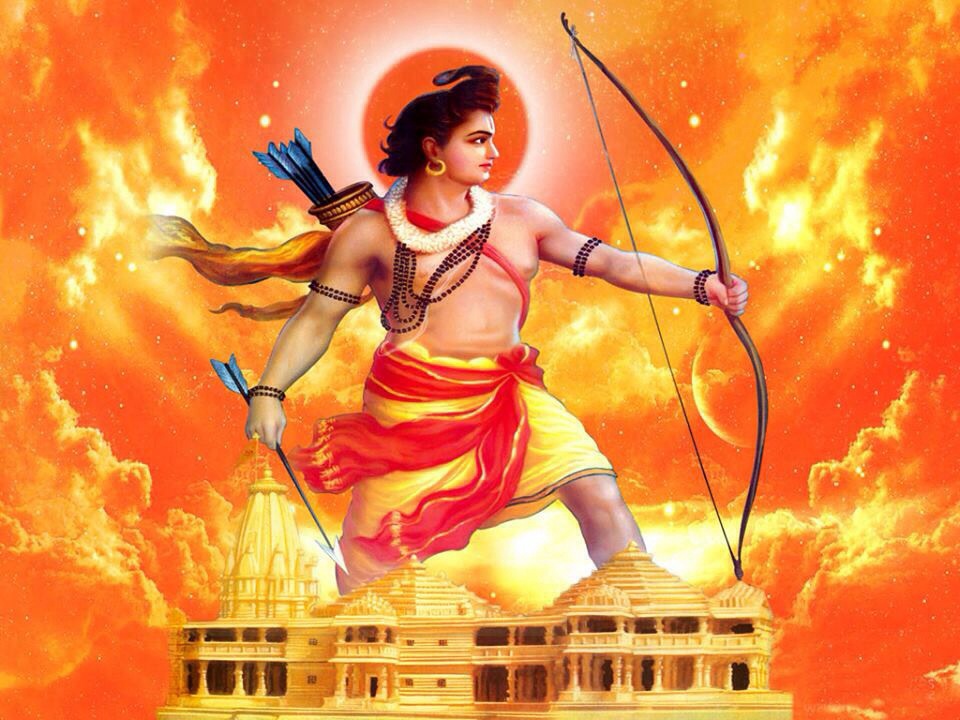
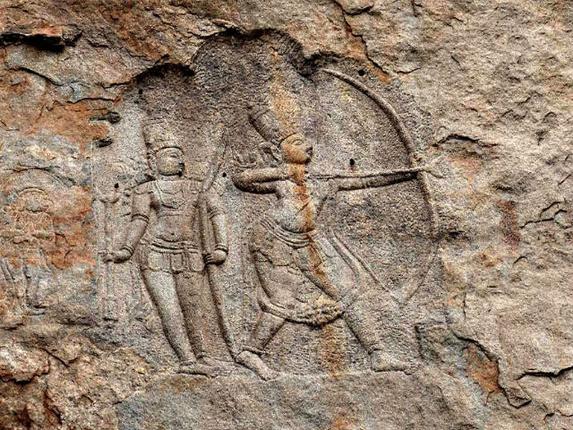
ஏரிக் கரையின் மீது, கையில் வில்லும் அம்புமாக இரண்டு உருவங்கள் நடந்து சென்று கொண்டிருந்தன. பளிச்சிடும் ஒளியுடன் அவர்கள் நடந்து சென்றனர். அதற்குப் பின்னர் மழையும் நின்றவுடன் கலெக்டர் பெருமூச்சுவிட்டார். மறுநாள் இந்த அதிசயத்தை அவரே சொல்லி, வந்தவர்கள் இராம லெட்சுமணரே என்றும் உணர்ந்தார். வெள்ளைக்காரர்கள் எங்கு போனாலும் முதலில் ஊர்க் கதைகளை அறிந்து அதை டயரி அல்லது கடிதம் அல்லது புத்தகமாக எழுதிப்போட்டு விடுவர். ஆகையால் அவருக்கு இராம லெட்சுமணர் கதை, தோற்றம் எல்லாம் அத்துபடி.

இதுபோல பல அதிசய சம்பவங்கள் செங்கல்பட்டு காஞ்சீபுரம் பகுதியில் நடந்ததால் கர்னல் பிளேஸ், ராபர்ட் கிளைவ் போன்றவர்கள் அங்குள்ள கோவில்களுக்கு நகைகளை அளித்து அவை இன்றுவரை அவர்கள் பெயரிலேயே உள்ளன. கர்னல் பிளேஸின் பெயர் மதுராந்தகம் கோவிலிலும் உளது. சாதாரண ராமர் – ஏரி காத்த ராமர் ஆகி இன்றும் நமக்கு அருள் பாலிக்கிறார்.

rama,hampi_2445924g

கர்நாடகத்தில்  ஹம்பியி், சமீபத்தில் கண்டுபிடிக்கப்பட்ட  ராமர் (இந்து நாளேடு)

கதை 2

தவறு செய்தவர் தண்டனையை அனுபவித்தே ஆக வேண்டும். இது இந்து மத விதி. மக்கள் வரிப்பணத்தை எடுத்து இறைவனுக்கே கோவில் கட்டினாலும் தவறுதான். இப்படித் தமிழ் நாட்டில் தவறு செய்து, அடி உதை பட்டவர், கல்லினையும் உருக்கும் அமுதத் தேன் போன்ற திருவாசகத்தை அருளிய மாணிக்கவாசகர் ஆவார். குதிரை வாங்கக் கொடுத்த பணத்தில் கோவில் கட்டியமைக்காக, அவரைப் பாண்டிய மன்னர் தண்டித்தார். பின்னர் இருவரும் சிவனைக் காணும் பேறு பெற்றனர்.

இறைவனின் அருள் கிடைப்பதற்கான விதிகளை யாரும் அறியார். அதனால்தான் இவைகளையெல்லாம் அவனது திருவிளையாடல்—லீலா விபூதீ- என்று முத்திரை குத்தி, தலைப்பிட்டு விடுகிறோம். பிரபஞ்சத்தையே கட்டி ஆளும் இறைவனின் விதிகளை ஐன்ஸ்டைன், ஐசக் நியூட்டன் போன்றோரின் விதிகள் போல 1, 2, 3 என்று எழுதிக் காட்ட வொணாது.

இதே போல ஆந்திரப் பிரதேசத்தில் பத்ராசலத்தில் இராமதாசர் என்பவர் இராம பக்தனாக இருந்தார். தனிர் ஷா என்னும் மன்னன், அவரை வரி வசூல் அதிகாரியாக நியமித்தார். அவர் இராமன் மீதுள்ள பேரன்பின் காரணமாக வரிப் பணத்தில் ஸ்ரீ இராமனுக்குக் கோவில் எழுப்பினார். அவர் மீது சட்டம் பாய்ந்தது. 12 ஆண்டு சிறைத் தண்டனை கிடைத்தது. அவருக்கு வாழ்க்கையே வெறுத்துப் போய்விட்டது. ராமன் பெயரைச் சொல்லிக் கதறினாலும் பலன் இல்லை. தற்கொலை செய்துகொள்ள திட்டம் போட்டார். ஆனால் மறு நாளைக்கு சிறைக் கதவுகளைக் காவலாளிகள் திறந்து விட்டு நீங்கள் முழு வரிப் பணத்தையும் செலுத்தியதால் அரசன், உம்மை விடுவித்தான் என்றனர். அவருக்கு ஒன்றுமே புரியவில்லை. ஏனெனில் அவர் வரிப் பணத்தைத் திருப்பித் தரவுமில்லை. அவ்வளவு பணம் அவரிடம் இல்லவும் இல்லை.

சிறையிலிருந்து வெளியேறி மன்னனின் அரண்மனைக்குச் சென்ற போதுதான் முதல் நாளிரவு இரண்டு பேர் இராம லெட்சுமண உடை அணிந்து வந்து, முழு வரிப்பணத்தையும் இராமதாசர் அனுப்பியதாகச் சொல்லி ஒப்படைத்து விட்டுச் சென்றனர் என்பதை அறிந்தார். ஏற்கனவே இராமர் மீது பல கீர்த்தனைகளை இயற்றிய அவர், தனிர் ஷா பெயருடன் இன்னும் ஒரு கீர்த்தனையும் பாடினார். எனக்குக் காட்சி கொடுக்காமல் தனி ஷாவுக்குக் காட்சி கொடுத்தனையே! இராமா இது என்ன நியாயம்? என்று. இறுதியில் அவரும் இராமரின் தரிசனம் பெற்று வாழ்க்கையின் லட்சியத்தை ஈடேற்றினார்.

நம்பினார் கைவிடப் படார்.

“நம்பினார் கெடுவதில்லை! இது நான்கு மறைத் தீர்ப்பு” – என்று யுகப் புரட்சி செய்த பாரதி போன்ற கவிஞர்கள் பாடியது இதனாலன்றோ!

sivaji

கதை-3

ஆனந்தாஸ்ரம சுவாமி ராம்தாஸ் சொன்ன கதை:

ஒரு சிப்பாய் (வீரன்) இருந்தான். அவனுக்கு ஓரிடத்தில் காவல் காக்கும் பொறுப்பு தரப்பட்டது. ஒரு நாள், அவனுக்கு இரவுக்காவல் “ஷிப்ட்” வந்தது. அப்போது ஒரு பஜனை கோஷ்டி இனிய சங்கீதத்தை இசைத்து இறைவனின் திருநாமத்தைச் சொல்லிக்கொண்டு ஆடிக் கொண்டும் பாடிக்கொண்டும் சென்றது.

காவல் பொறுப்பை மறந்துவிட்டு அவனும் அந்த கோஷ்டியில் சேர்ந்தான். நேரம் போனதே தெரியவில்லை. பொழுது விடிந்தது. எல்லோரும் வீட்டுக்குச் சென்றார்கள். இவன் மட்டும் காவல் காக்கும் இடத்துக்கு வந்தான். படைத் தளபதி பிடித்துக் கொண்டார். அவன் நடந்ததை உள்ளது உள்ளபடி சொன்னவுடன் கடும் எச்சரிக்கையுடன் அனுப்பப்பட்டான்.

மறுநாள் இரவும் பஜனை கோஷ்டி அவ்வழியாக சென்றது. ஒரு அழகிய பெண் மீது காதல் கொண்டவன் கதிதான் இறைவன் மீது ஆராக் காதல் கொண்டவனின் நிலையும். அன்றும் பஜனை கோஷ்டியுடன் சென்றுவிட்டு காவல் பணிக்குத் திரும்பினான். காலையில் படை அதிகாரி வந்ததும் அவனே ஓடிச் சென்று கடமை தவறியதை ஒப்புக் கொண்டான்.

அதிரிகாரியோ, “என்ன உளறுகிறாய்? நான் தான் இரவு உன்னைச் சோதிக்க வந்தேனே! எங்கேயாவது நீ மறுநாளும் இப்படிப் போய்விடுவாயோ என்று எண்ணி வந்தேன். நீ நன்றாகக் காவல் காத்தாய். இப்போது நீ போகலாம்” – என்று சொன்னார்.

பக்தனுக்கு உண்மை விளங்கியது. இறைவனே தனக்காக இப்படிக் காவல் காக்கவந்தான் என்பதை அறிந்து வேலைக்கு ஒரு முழுக்குப் போட்டுவிட்டு முழுநேர பக்தன் ஆகிவிட்டான். மதுரையில் பிட்டுக்கு மண் சுமந்த சிவ பெருமான், வந்தி என்னும் கிழவிக்காக அடி வாங்க வில்லையா? அது போன்ற கதைதான் இதுவும்!

sivaji2   indian-stamp

கதை 4

இரண்டாம் கதையில் பத்ராசல ராமதாசைக் கண்டோம். மூன்றாம் கதையில் ஆனந்தாஸ்ரம சுவாமி ராமதாசைக் கண்டோம். இதோ இந்த நான்காம் கதையில் வேறு ஒரு ராமதாஸை – சமர்த்த ராமதாசரைக் காண்போம்:–

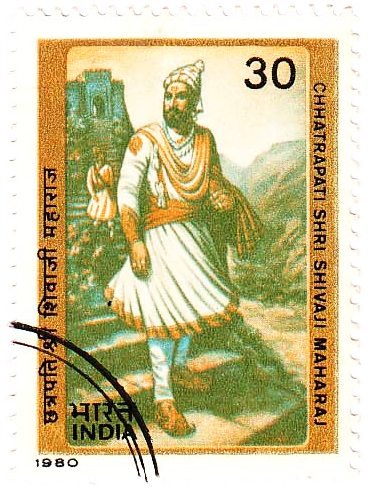
மொகலாய சாம்ராஜ்யத்தின் கண்களில் விரலை விட்டு ஆட்டி, முஸ்லீம் மன்னர்களை நடுநடுங்கச் செய்தவன் மாவீரன் சிவாஜி. பவானி தேவியின் அருள் பெற்று இந்து சாம்ராஜ்யத்தை அவன் ஸ்தாபித்தவுடன், இந்தியாவில் 700 ஆண்டு முஸ்லீம் ஆட்சிக்கு சாவு மணி அடிக்கப்பட்டதை நாம் நன்கு அறிவோம்.

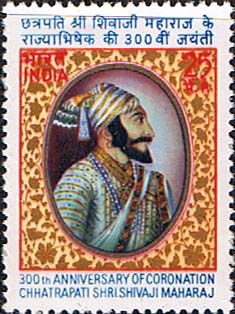
மாவீரன் சிவாஜி இரண்டு சந்யாசிகள் மீது பக்தி பூண்டவன். சமர்த்த ராமதாசரையும் துகாராம் சுவாமிகளையும் இரு கண்களெனப் போற்றியவன் அவன். ஆகையால் இரவு நேரத்தில் குதிரையில் ஏறி, துகாராம் கதை சொல்லும் – உபந்யாசம் செய்யும் – இடத்துக்குப் போவது அவன் வழக்கம். இதை நன்கு அறிந்த முஸ்லீம் படைகள், ஒரு நாளிரவில் அவன் போய் கதை கேட்டுக் கொண்டிருந்த மண்டபத்தைச் சூழ்ந்து கொண்டனர். பக்தி வெள்ளத்தில் மூழ்கிய சிவாஜிக்கோ ஒன்றும் தெரியவில்லை. துகாராம் சுவாமிகளோ முக்காலமும் உணர்ந்த முனிவன். உடனே சிவாஜியைக் காப்பாற்றும்படி இறைவனிடம் வேண்ட ஒரு அதிசயம் நிகழ்ந்தது.

இறைவனே சிவாஜி போல வேடம் அணிந்து பஜனை மடத்தின் வெளியே ஒரு குதிரையில் தாவி ஏறி ‘சிட்டாக’ப் பறந்தார். உடனே முஸ்லீம் படை வீரர்கள் சிவாஜியைத் தீர்த்துக் கட்டும் ஆவேசத்தோடு அந்தக் குதிரையைப் பின்  தொடர்ந்தனர். அதுவோ அடர்ந்த காட்டுக்குள் சென்று மறைந்துவிட்டது. படைவீரர்கள் வழிதெரியாமல் திகைத்து நின்றனர்.

பஜனை முடிந்தவுடன், ‘அசல்’ சிவாஜி ஒரு சிரமுமின்றி அரண்மனை சேர்ந்தார். ஒற்றர்கள் மூலம் நடந்த எல்லாவற்றையும் பின்னர்தான் அறிந்தார். இறைவனுக்கும் குருவுக்கும்  மேலும் ஒரு முறை நன்றி செலுத்தினார்.

—சுபம்—-

Seclusion of Women in Hinduism!

pen thaiyal

Research paper No 1950

Written by London swaminathan

Date: 23 June 2015

Uploaded in London at 19-19

Seclusion of women during the time of their menstruation is stressed in the Hindu Dharmasastras (law books) and Puranas (Mythology). Though we see some restrictions in other cultures, Hindus are very strict about it. But we don’t read about it in early Vedic texts. Probably they might have left it out because it was already known.

The Grhyasutras give the following conditions:

1.A student ( of Vedic Studies) must not see a  woman during her monthly period time.

2.He must be careful not to come across a menstruating woman.

3.The Vedas must not be recited in front of a woman who is in her monthly impurity.

4.Those who have retired from family should not see a menstruating woman.

5.A student must not talk or play with girls in their menses.

Even within the family, the above restrictions are followed with their own sisters or mother or close relatives. For married couple sex was banned for four days. A woman is allowed to resume her normal work only after a ritual bath. In Brahmin families they follow it strictly. In Nepal, Hindus follow these restrictions.

Though the Smrtis are very open about this subject, no one talks about it in public because they see it as a taboo subject.

Like Hindus Jewish women also take a ritual bath after seven days. In some Christian sects, they follow certain restrictions.

Hindus never allow them to touch the plants, particularly holy plants Tulsi, Bilva etc during this period. They believe the negative energy in the body or the impurity will spoil the plants. South Indian Brahmins had separate room for such women. Now the city life has changed everything. But yet they don’t participate in any religious events and they don’t go to temples or even the prayer rooms in their own houses.

It is a known that fact that women get irritated easily during that period. But no scientific study has been done about “negative energy” etc. Though several Hindu religious institutions follow strict rules regarding admitting menstrual women to participate in their events, saints like Sathya Sai Baba did not insist such rules. Saint Guru Nanak, founder of Sikhism also, condemned restrictions on menstruating women.

When a girl comes of age it is celebrated in most of the Hindu castes.


Dictionary of Symbolism give the following information:

“In the classical theory of procreation, menstrual blood is one of the two components (along with sperm) from which new life comes about. Yet it is considered “impure” by many peoples and charged with negative power, so that menstruating women are often separated from the community. In Judaism, a woman is obliged to take a ritual bath known as ‘mikveh’ seven days after the conclusion of her monthly menstruation. For a minimum of 12 days, a woman is not permitted to have sexual relations with her husband.”

IMG_4506

Manu Smrti

Manu deals with the menstrual women in several chapters: 3-239; 4-40/41, 57, 208; 5-66, 85, 108; 11- 88, 174.

All these rules were applied for the three castes of twice born people: Brahmins, Kshatriyas and Vaisyas.

He says,

If anyone has touched a menstruating woman he can be cleaned by a bath.

A river is cleaned by its current, a woman whose mind has been corrupted is cleaned by her menstrual blood and priests are cleaned by renunciation.

A Vedic graduate should not have sex with a menstruating woman, he should not even lie down in the same bed with her. If he does it he loses his wisdom, brilliant energy, strength, vision and long life. He should not carry on a conversation with a menstruating woman.

A priest should not eat food touched by a menstruating woman.

A menstruating woman should not watch a priest eating.

All the above rules insist that one should not approach a woman in her periods. Probably it gives more safety and security for a woman in that condition.

(Somewhere I have read that even ancient Greeks had strange beliefs about menstruating women such as they should not look at a mirror etc. Tribes around the world have strange beliefs about women in periods).

Even Draupadi was menstruating while she was dragged by Dussasana to the court of Duryodhana. She was wearing one piece of cloth following the custom of the day.

Pictures are taken from magazines and face book;thanks.

அண்டத்தில் உள்ளது பிண்டத்திலும் உண்டு

earth

Research paper No 1949

Written by London swaminathan

Date: 22 June 2015

Uploaded in London at 9-45

அண்டம்= பிரபஞ்சம்

பிண்டம் = நமது உடல்

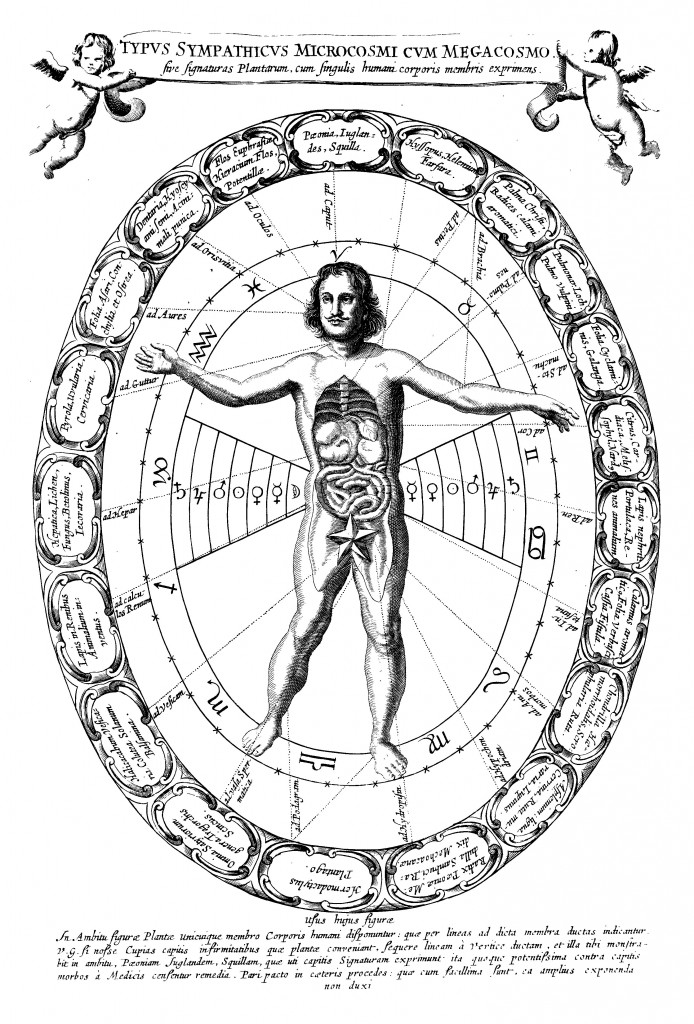
அண்டம், பிண்டம் என்பதெல்லாம் சம்ஸ்கிருதச் சொற்கள் என்பதை நான் சொல்லித்தான் நீங்கள் தெரிந்து கொள்ள வேண்டியதில்லை. இவை வேத காலம் முதல் வழங்கி வரும் சொற்கள். அண்டத்தில் உள்ளது பிண்டத்திலும் உள்ளது என்றால் என்ன பொருள்? நாம் பிரபஞ்சத்தில் காணும் எல்லாவற்றின் சிறு வடிவமே நமது உடல். இது இந்து மதத்தில் உள்ளது வெளிநாட்டினருக்குத் தெரியாது. அவர்கள் இதை கிரேக்க மொழியில் இதைப் பார்த்தவுடன் இது கிரேக்கர்களின் கண்டுபிடிப்பு என்று ‘என்சைக்ளோ பீடியா’ (கலைக் களஞ்சியம்) எல்லாம் எழுதி வைத்து விட்டனர். அவர்கள் இதை மைக்ரோகாஸ்ம், மேக்ரோ காஸ்ம் என்று அழைப்பர்.

இது எப்படி கிரேக்க மொழிக்கும் போனது? இந்துக்கள் வேத காலத்துக்குப் பின்னால் ஐரோப்பா முழுதும் குட்யேறி வேத நாகரீகத்தைப் பரப்பினர். விஞ்ஞான ரீதியில் அமைந்த சம்ஸ்கிருத மொழியைப் பரப்பினர். இதனால் கிரேக்கம், லத்தீன் மொழிகள் எல்லாம் பிறந்தன. இதற்குப் பின் ஐரோப்பிய மொழிகள் தோன்றின. மொழிகளில் இப்படி அபூர்வ ஒற்றுமை கண்டவுடன், வெள்ளைக்காரகள், அங்கிருந்து நாம் இங்கு வந்ததாகக் கதை கட்டிவிட்டனர். ஏனெனில் இது இந்தியாவை அவர்கள்  ஆளவும் மதத்தைப் பரப்பவும் வசதியாக இருந்தது. ஆக அந்தக் காலத்திலேயே இந்தக் கொள்கை அங்கு போனதற்கு எடுத்துக் காட்டாக வேதத்தில் உள்ள சரமா நாய்க் கதை கிரேக்க இதிஹாசத்தில் ஹெர்மஸ் என்ற பெயரில் உள்ளது. பஞ்ச பூதம், சப்த ஸ்வரம், பூமி என்பவள் தாய் — முதலிய கொள்கைகளை அவர்கள் நம்மிடமிருந்து எடுத்துக் கொண்டனர். அதில் ஒன்றுதான் இந்த அண்டம்—பிண்டம் பற்றிய கொள்கை.

பிதகோரஸ் முதலிய கிரேக்க அறிஞர்கள் இந்தியாவை நன்கு அறிவர். அவருக்குப் பின் வந்த சாக்ரடீஸின் சீடர் பிளாட்டோ, அவரது சீடர் அரிஸ்டாடில், அவரது சீடர் அலெக்ஸாண்டர். இதனால் அலெக்சாண்டருக்கு இந்தியா மீதும் சாது சந்யாசிகள் மீதும் அபார பற்று.

kircher_079-694x1024

“யத் அண்டே தத் பிரஹ்மாண்டே”

அண்டத்தில் உள்ளது பிண்டத்திலும் உள்ளது என்பதை வடமொழியில் யத் அண்டே த பிரம்மாண்டே – என்பர். இதை கிரேக்கர்கள் மைக்ரோ காஸ்ம் (உடல்), மேக்ரோகாஸ்ம் (பூமி அல்லது பிரபஞ்சம்) என்றனர். உபநிஷதங்களும், “ஒன்றே எல்லாவற்றிலும் உள்ளது, எல்லாம்  ஒன்றில் உள்ளது” — என்று கூறின. எல்லாம் ஒன்றுடன் ஒன்று தொடர்புடையன. ஒன்றை ஒன்று சார்ந்துள்ளன. அவைகளைத் தனியாகப் பிரிக்கமுடியாது என்றனர். விஞ்ஞானிகள் அணு மற்றும் அணுசக்தி பற்றிக் கொண்ட கருத்துகள் இதே போல இருக்கும். உபநிஷதங்கள் பிரம்மத்தையும் ஆத்மாவையும் வருணிப்பது விஞ்ஞான- பௌதீக கருத்துக்களை ஒத்திருக்கும்:

“இது பெரியதுக்குள் பெரியது, சிறியதெல்லாவற்றையும் விடச் சிறியது. பருப்பொருளும் அல்ல; நுணுக்கமானதும் அல்ல. தீயும் அல்ல, தண்ணீரும் அல்ல. நிழலும் அல்ல, இருட்டுமல்ல; ஆகாசமுமல்ல, வாயுவுமல்ல; எதிலும் ஒட்டாதது, சுவை இல்லாதது, வாசனை இல்லாதது, கண், காது, மூக்கு, வாய் இல்லாதது.உள்ளுக்குள் இல்லை, வெளியே இல்லை. எடுத்தாலும் குறையாது. அதிலிருந்து அதை எடுத்தால் அது குறையாது, அதுவே மிஞ்சி நிற்கும் (பூர்ணமதப் பூர்ணமிதம் ……………….. பூர்ணம் ஏவா உதிச்யதே)- பிருஹதாரண்யக உபநிஷத்தில் உள்ள இவை எல்லாம் இயற்பியலில் “குவாண்டம் தியரி” போல இருக்கிறது என்று அறிஞர்கள் கூறுவர்.

இந்துக்கள் எல்லாவற்றையும் விட வேகமானது மனம் என்பர். ஒளியானது ஒரு வினாடிக்கு 1,86,000 மைல் வேகத்தில் பயணம் செய்து ஓராண்டில் கடக்கும் தொலைவை ஒளி ஆண்டு என்பர். இந்த வேகத்தை எதுவும் எட்ட முடியாது. இதற்கு அருகில் கூட வரமுடியாது என்கிறது விஞ்ஞானம். ஆயினும் மனோவேகம் என்பது 500 ஆண்டு ஒளி ஆண்டுக்கு அப்பால் உள்ளதையும் விட ஒரு நொடியில் நினைக்கும் சக்தியாகும். ஆனால் அவ்வேகத்தில் போக முடியுமா? நினைப்பது வேறு, போவது வேறு அல்லவா? ஆயினும் இந்து சாது சந்யாசிகள் அந்த வேகத்தில் செல்ல முடியும் என்கின்றனர். நாரதர் முதலிய த்ரிலோக சஞ்சாரிகள் நினைத்த மாத்திரத்தில் இவ்வாறு பயணம் செய்தனர்.

சாந்தோக்ய உபநிஷத் சொல்கிறது:

இருதயத்தில் ஒரு சிறு ஆகாசம் உள்ளது. இது விரிவடையும் அளவுக்கு வெளியே ஆகாசம் உள்ளது. அதை எல்லோரும் அறிய வேண்டும். வெளியே சூரியன், சந்திரன், நட்சத்திரங்களை எல்லாம் உள்ளடக்கிய பேராகாசம் இருதயத்தில் உள்ள ஆகாசத்துக்குள் இருக்கிறது.

சுவாமி விவேகாநந்தரும் இதை தனது சொற்பொழிவுகளில் தந்துள்ளார். நம்முடைய மனது போலவே பிரபஞ்ச மனது ஒன்று உள்ளது. எல்லாம் ஒன்றினுள் ஒன்று அடக்கம் என்பார்.

திருமூலர்

தமிழில் உடல் என்பது பிண்டம் என்றும், பிரபஞ்சம் என்பது பிரம்மாண்டம் என்றும் பல பாடல்களில் வருகிறது. ஆயினும் திருமூலர்தான் இக்கருத்தை அதிகமான பாடல்களில் சொல்கிறார். இதோ ஒரு பாடல்:

அண்டத்தி னுள்ளே அளப்பரி தானவள்
பிண்டத்தி னுள்ளே பெருவெளி கண்டவள்
குண்டத்தி னுள்ளே குணம்பல காணினும்
கண்டத்தி னுள்ளே கலப்பறி யார்களே

garudapurana

கருட புராணம்

சாதாரண மனிதனுக்குப் புரியவைக்க உடலில் உள்ள ரத்த நாளங்களை ஆறுகளுக்கும், மேடு பள்ளங்களை- மலைகள் பள்ளத் தாக்குகள் ஆகியவற்றுக்கும், முடி முதலியவற்றை தாவரங்களுக்கும் ஒப்பிடுவர்.

கருட புராணத்தில் ஒரு நீண்ட வருணனை உள்ளது:

உள்ளங்கால்=அதலம்

கணைக்கால்=விதலம்

முழந்தாள்=சுதலம்

அதற்குமேல்=நிதலம்

தொடை=தராதலம்

ஆசனவாய்ப் பகுதி=ரசாதலம்

இடை=பாதாளம்

நாபி=பூலோகம்

வயிறு=புவர் லோகம்

இருதயம்=சுவர்கம்

தோள்=மஹாலோகம்

முகம்=ஜனலோகம்

நெற்றி=தபோலோகம்

தலை=சத்தியலோகம்

திரிகோணம்=மேரு

கீழ்க்கோணம்=மந்தரம்

வலப்பக்கம்= கயிலை

இடப்பக்கம்= இமயம்

மேற்பக்கம்=நிஷதம்

தென்பக்கம்=கந்தமாதனம்

இவ்வாறு ஈரேழு 14 புவனங்களையும் மனித உடலுக்குள் அடக்கிய பின்னர் இடக்கை ரேகைகளை வருண பர்வதத்துகும்,எலும்பை நாவலந்தீவுக்கும், மேதசை சாகத் தீவுக்கும், தசயை குசத் தீவுக்கும்,நரம்பை கிரவுஞ்ச தீவுக்கும் ஒப்பிட்டுவிட்டு ஏழு கடல்களை உடலில் ஓடும் திரவங்கள் ஆகியவற்றுக்கு ஒப்பிடுகிறது.

பின்னர் நவக் கிரஹங்களை கீழ்கண்டவாறு ஒப்பிடும்:

சூரியன்= நாத சக்ரம்

சந்திரன்=பிந்து சக்ரம்

அங்காரகன்=நேத்திரம்

புதன்=இருதயம்

குரு= வாக்கில்

வெள்ளி/சுக்ரன்

சனி=நாபி

ராஹு=முகம்

கால்=கேது

இவை எல்லாம் இந்துக்களின் சிந்தனை சென்ற வழித் தடத்தை காட்டும். அறிவியல் பூர்வமாகச் சிந்தித்ததோடு பிரபஞ்சத்தையே தன்னில்  – ஒரு மனிதனிடத்தில் – அடக்கிவிட்டனர்.

Global human chain

அஹம் பிரம்மாஸ்மி

நானே பிரம்மம் என்பது வேத வாக்கு. நான் என்பதை சம்ஸ்கிருதத்தில் ‘அஹம்’ என்பர். சம்ஸ்கிருத அரிச் சுவடியில் அ- என்பது முதல் எழுத்து, ஹ—என்பது கடைசி எழுத்து. உலகிலுள்ள எந்தப் பொருளையும் இந்த எழுத்துக்களால் சொல்லிவிடலாம். ஆக அஹம் – நான் – என்பது உலகம் முழுவதையும் உள்ளடக்கியது. அஹம் என்றால் உலகிலுள்ள எல்லாப் பொருள்களையும் நாம் குறிக்கிறோம்:-

அஹம்= பிண்டம்

அ – – ஹ = பிரம்மாண்டம்

அஹத்தில் (நான்/என்னில்,பிண்டத்தில், எனது உடலில்) அடங்கிவிட்டது பிரம்மாண்டம்!!!

—சுபம்—-

Four Stories: GOD’S LOVE FOR HIS DEVOTEES

sivaji   sivaji2 indian-stamp

Post No 1948

Written by London swaminathan

Date: 22 June 2015

Uploaded in London at 20-16

If anyone is a sincere devotee and surrenders to God completely, God helps that person without fail. All of us know the story of Draupadi who was helped with endless metres of saris when Dussasana tried to disrobe her in public. There are similar stories in Hindu devotional literature.

In the following four anecdotes, three different saints with the same name Ramdas appear:  Samartha Ramadas, Bhadrachalam Ramadasa and Swami Ramdas of Anandashram.

1.Samarth Ramdas

Shivaji, the greatest of the Hindu kings in the Moghul period, was a great devotee of Saint Samartha Ramadas and Saint Tukaram. Very often he attended the Bhajan sessions and discourses of saint Tukaram. Moghuls who were after Shivaji tried to attack him wherever it was possible. Once they came to know that Shivaji was attending a discourse of Saint Tukaram. They surrounded the hall where the saint was lecturing. The saint also knew by Jnan Dhrsti (through the eye of wisdom) that the Muslim soldiers were waiting outside to kill Shivaji. Saints can do many things simultaneously. He prayed to god to distract the soldiers. Immediately god came in the guise of Shivaji and jumped on the horse like Shivaji and sped towards the jungle. Seeing that fanatical soldiers followed the horse and were led into the thick jungle. They lost their way and god disappeared! When Shivaji was about to leave he came to know what happened in that area through his spies. He thanked the saint and the god.

When you are in Gods service it is his duty to give you security.

rama young

2.Bhadrachalam Ramadasa

Following was posted by me last year:

“Hindu saint jailed for 12 years”, posted on April 8, 2014

Bhadrachalam Ramadasa built a temple for Lord Rama with the tax money due to the king Tani Shah. Though Ramadasa’s intention was good, he violated the law of the land. God never asks anyone to go out of the way to propitiate him. He says in the Bhagavad Gita that even leaves or flowers or water is enough for him to bless a devotee. Ramadasa was jailed for 12 years. But yet lord Rama answered Ramadasa’s intense prayers after twelve years! He and Lakshmana dressed as guards of a revenue officer went to the king and paid the big amount that was due. Both of them asked the king to release Ramadasa and disappeared. When Ramadasa came to know about it he told the king that he did not send anyone with the money. Tani Shah was happy that he had the darshan of Lord Rama. Those were the days when Hindus and Muslims lived supporting one another. Tani Sha’s ministers were Brahmins.

Ramadasa was very sad that Lord Rama and Lakshmana appeared before the Muslim king but did not give ‘Darshan’ to him. He sang in Telugu naming the Muslim king Tani shah in one of his compositions. Later he also had ‘darshan’ of Lord Rama.

3.Story Told by Swami Ramdas

There was a soldier in the service of a State. He was put on duty as guard at night. One night, when he was as usual on duty as a sentry, he saw at a distance devotees going in a procession singing God’s name. At this the soldier was overcome with devotional fervour. He ran giving up his duty, and joined the Kirtan party and started singing God’s name in their company. The whole night was spent in the Kirtan and the soldier returned to duty only in the morning. Soon after, he was ordered to appear before the commanding officer to answer the charge of absence from duty the previous night. The soldier explained what had happened. Though the charge was a serious one, he was let off with a warning.

The following night also he was on duty and again the same Kirtan party was seen passing nearby. The soldier could not resist joining the Kirtan party again. The next morning he returned to duty. He thought it would be better for him to report it to the officer before he called him. But the commanding officer could not understand what the soldier was saying. He said, “Why do you say you were absent from duty? Thinking that last night also you would absent yourself from duty and join the street singers, I myself came at midnight to the security post to check if you were there. And I saw you there on duty. So where is the question of absence?”

At this the soldier was stunned. He could guess how God was so gracious to him as to stand sentry, assuming his form, so as to save him from punishment. This incident completely changed his vision and life. He renounced everything and dedicated his life entirely to God.

rama,hampi_2445924g

Rama, recently discovered in Hampi, Karnataka

4.British Collector who saw Lord Rama

During the British rule, Colonel Lionel Blaze was the collector of Chengalpattu District near Chennai. Madurantakam, a nearby town has a huge lake. Every year the monsoon rains filled the lake and many a time it overflew or its banks breached. During his collectorship between 1795 and 1799, Col. Blaze camped there to oversee the repairing of the banks. When he saw big granite pillars in the famous ancient Rama temple he told that it could be used for strengthening the banks of the lake. The priests objected to the proposal saying that Rama would protect the town. But the collector insisted that if God could protect the lake why it breached several times. But he wanted to wait and see what happens in the next few days’ rain. The lake was full to the brim. Worried collector was supervising the banks at the dead of night. Suddenly he saw a flash of light and there stood two people with bow and arrow walking on the banks of the lake. The rain also stopped and nothing untoward happened. The collector knew that it was Lord Rama and his brother Lakshmana who were guarding the lake. He had seen those pictures in the local temple. Collector Blaze’s name is in the inscription in the temple and the temple was renamed as Eri Kaatha Ramar in Tamil meaning ‘Rama who saved the Lake’ temple. It is on record that Col. Blaze along with Robert Clive had donated jewellery to the temples in that area including Kancheepuram.

Photos are used from news papers and face book friends;thanks

இரத்த ஓட்டத்தைக் கண்டுபிடித்தவர் யார்?

heartrelatedproblems

Research paper No 1947

Written by London swaminathan

Date: 22 June 2015

Uploaded in London at 9-12 காலை

இது என்னப்பா? எப்போது பார்த்தாலும் பழங் கதைகளைப் பேசிக் கொண்டு இருக்கீறீர்கள்?  எதைக் கண்டுபிடித்தாலும் இது எங்கள் இந்து மதத்தில் அன்றே சொல்லி விட்டோம்!! என்று அங்கலாய்த்துக் கொண்டு இருக்கிறீர்கள். இப்படி கதைத்துக் கதைத்து என்னதைக் கண்டீர்கள்? உங்கள் இந்து மதம் மொபைல் போனைக் கண்டுபிடித்ததா? இன் டெர் நெட்டைக் கண்டு பிடித்ததா? எங்கே உங்கள் நூல்களில் ஆதாரம் காட்டுங்கள். அட! அது சரி, தொலைந்து போகட்டும்! இனி அடுத்த 25 ஆண்டுகளில் என்ன நடக்கப் போகிறது என்பதையாவது சொல்லித் தொலையுங்களேன் – என்று உங்களில் பலர் நினைக்கலாம். இந்துக்களின் எதிர் காலக் கண்டு பிடிப்புகள் என்ற தலைப்பில் நான் ஒரு வருடத்துக்கு முன்பாகவே ஆங்கிலத்தில் 2 கட்டுரைகளை எழுதிவிட்டேன். படியுங்கள். நிற்க.

இரத்த ஓட்டத்தைக் கண்டுபிடித்தவர் வில்லியம் ஹார்வி (கி.பி 1578- 1657) என்று நாம் எல்லோரும் பள்ளிக்கூடத்தில் படித்தோம். அது தவறு. இரத்த ஓட்டம், இருதயத்தின் பணி ஆகியவற்றைக் கண்டு பிடித்தது இந்தியர்களே என்பது இப்போதைய மொழி ஆராய்ச்சியில் தெரியவந்துள்ளது.

சம்ஸ்கிருதத்தில் இதயத்தின் பெயர் ஹ்ருதயம். இதிலிருந்து “ஹார்ட்” என்ற ஆங்கிலச் சொல்லும் இருதயம் என்ற தமிழ்ச் சொல்லும் பிறந்தன. இந்தியாவிலுள்ள எல்லா மொழிகளும், ஐரோப்பாவிலுள்ள எல்லா பெரிய மொழிகளும் ஹ்ருதயம் என்ற சம்ஸ்கிருதச் சொல்லின் வடிவங்களையே பயன்படுத்துகின்றன. வேறு சொல் கிடையாது!!

ஹ்ரு — என்றால் உள்ளே இழு, த- என்றால் வெளியே கொடு, ய – என்றால் சுற்று. ஆக இந்துக்களுக்கு இந்த உடல் உறுப்பு இவ்வாறு ரத்தத்தை உள்ளே இழுத்து வெளியேற்றி சுழலச் செய்கிறது என்பது தெரிந்தே இப்படிப் பெயர் வைத்தனர். ஏனெனில் சம்ஸ்கிருதம் விஞ்ஞான ரீதியில் செம்மை செய்யப்பட்ட – பண்பட்ட மொழி. ஆகையால் எல்லா சொற்களும் 2700 ஆண்டுகளுக்கு முன், பாணீனி என்னும் மாமேதை பட்டியலிட்ட 2000 வேர்ச் சொற்களில் இருந்தே பிறக்கும். அகராதியே இல்லாமல் ஓரளவு அர்த்தத்தைப் புரிந்து கொண்டு விடலாம்.. எடுத்துக் காட்டாக மரங்களுக்குப் பல பெயர்கள் உண்டு. அதில் ஒரு பெயர் பாதபா: — அதாவது கால்களின் வழியே நீரைக் குடிக்கும் – என்பது பொருள். மரங்கள் கால்களின் / வேர்களின் – வழியே தண்ணீரை உறிஞ்சுகிறதல்லவா! ஆகவே இருதயம் என்பதற்குத் திடீரென்று புதுப் பொருள் கண்டு பிடித்துவிட்டதாக யாரும் குற்றம் சொல்ல முடியாது.சம்ஸ்கிருதத்தில் எல்லாச் சொற்களும் 2000 வினைச் சொற்களில் இருந்தே பிறந்தன.

இந்த விஞ்ஞான அணுகுமுறை அதர்வண வேதத்திலேயே இருக்கிறது. 2000 ஆண்டுகளுக்கு முன் உருவானதாகக் கருதப்படும் தொல்காப்பியத்தில் உயிரினங்களை ஆறுவகையாகப் பிரித்துப் பாடியிருக்கிறார். ஆனால் அதற்கு குறைந்தது ஆயிரம் ஆண்டுகளுக்கு முன்னரே தவரங்களைப் பலவகையாகப் பிரித்துப் பேசும் பாடலும் நோய்களைப் பலவகைப் படுத்தும் பாடல்களும் உள. இதே போல பிராணிகளையும் ஜராயுஜ, அண்டஜ, ஸ்வேதஜ, உத்பீஜ என்று நால்வகையாகப் பிரித்தனர். இன்று இவை எல்லாம் பயனற்றதாகத் தோன்றலாம் ஆயினும் அவர்களுடைய அறிவியல் சிந்தனைக்கு இவை எல்லாம் எடுத்துக் காட்டுகள் என்பதில் இரு வேறு கருத்துக்கு இடமே இல்லை. அவர்கள் தோற்றுவித்த இந்த அறிவியல்- ஆய்வியல் நோக்கு உலகம் முழுதும் பரவி இன்று மேலை நாட்டிற்குக் குடியேறிவிட்டது!!

நான் 45 ஆண்டுகளுக்கு முன் பி.எஸ்சி. பாடனி (தாவரவியல்) வகுப்பில் சேர்ந்தபோது எனக்கு லின்னேயஸ் என்பவர் உருவாக்கிய தாவரப் பகுப்பு முறை கற்றுத் தரப்பட்டது. அதற்கு முன் கிரேக்கர்கள் இத்துறையில் சில ஆராய்ச்சிகளைச் செய்திருந்தனர். அதற்கும் முன்பாக நாம் ஆராய்ச்சி செய்தோம். மாற்றம் என்பது இயற்கை நியதி. உலகில் எல்லாம் மாறிக் கொண்டே இருக்கும். அந்த வகையில் நாம் விதைத்த அறிவியல் வித்து வளர்ந்து பலன் தருகிறது.

பாரத நாடு 700 ஆண்டு முஸ்லீம் ஆட்சியிலும் 300 ஆண்டு கிறிஸ்தவ ஆட்சியிலும் இருந்தபோது (“ஆயிரம் வருஷ அன்பிலா அந்நியர் ஆட்சி”—சுப்ரமண்ய பாரதி) நமது ஆய்வுகள் எல்லாம் முடங்கிப் போயின. நூலகம் எல்லாம் தீக்கிரையாக்கப்பட்டன. அதன் விளைவே வெளிநாட்டினர் நம்மை முந்திச் சென்றமைக்குக் காரணம். ஆனால் அந்த அறிவு மழுங்கி விடவில்லை என்பதற்கு ஒரு சான்று — இன்று உலகம் முழுதும் நம்முடைய டாக்டர்களும் கணித மேதைகளும் கம்ப்யூட்டர் வல்லுநர்களும் வேலை செய்வதாகும்.

 atharva-veda-8

அதர்வண வேத தகவல்கள்!

நான்கு வகையான தாவரங்கள் இருக்கின்றன. அவையாவன: வனஸ்பதி-பெரிய மரங்கள்; வானஸ்பத்ய – சிறிய மரங்கள்; வீருத்த – கொடிகளும் புதர்களும் ஓஷதி- மூலிகைகள்.

மூலிகைகளை நான்கு வகையாகப் பிரிக்கலாம் என்று கல்பம் கூறும்:ஆதர்வணீ- சாந்தி மற்றும் பௌஷ்டிக கர்மாக்களில் பயன்படுபவை,  , ஆங்கிரஸி- மயக்கம் கொடுக்கவும், ஆளைக் கொல்லவும் பயன்படும் தாவரங்கள், தைவி –மனிதர்களுக்கு நரை, மூப்பு, மரணம் வராமல் பாதுகாக்கும் மூலிகைகள், மனுஷ்யஜா- நோய் தீர்க்கும் மருந்துகள்.

கோணல் பார்வையும், காமாலைக் கண்களும்,மனத்தில் கருப்பும், மனைவி மீது கணவனுக்கே சந்தேகம் உண்டாக்கும் ஜோடனைகளில் வல்லவர்களுமான வெளிநாட்டுக்காரர்கள் நம்முடைய பங்கு பணியை எல்லாம் மட்டம் தட்டிவிட்டனர்.

அதர்வண வேதம் ஒன்பது வகையாக ஜுரம்—காய்ச்சல் பற்றியும் கூறுகிறது. இப்படி பிரித்துப் பார்த்ததே அவர்கள் இத்துறையில் எவ்வளவு காலம் ஆராய்ச்சி செய்திருக்க வேண்டும் என்பதைக் காட்டும்:

ரூர:, சியவ:, நோதன:, த்ருனு:,  சீதா:, பூர்வக்ரத்வாத், அந்யேத்யு, உபவேத்யு, அவ்ரதா: என்பன அவை.

அதர்வனம்

டாக்டர் கடவுள்!

உலகில் வேறு எந்த மத நூலும் கடவுளை டாக்டர் என்று வருணிக்கவில்லை. ஆனால் இந்து மதவேத வேதங்கள் இந்திரன், ருத்ரன், அக்னி முதலிய தெய்வங்களை (பிஷக்), அதாவது மருத்துவன் என்று பாடுகின்றன. அவன் உடல் நோய்க்கு மட்டுமின்றி, பிறவி என்னும் நோய்க்கும் மருந்து ஆனவன்!

அபாலா என்பவளின் மலடித்தனமையைப் போக்கியதாக வேதங்களில் இந்திரன் புகழப்படுகிறான்.

அஸ்வினி தேவனைத் தான் வேதங்கள் மிகவும் புகழ்கின்றன. முதுமையைப் போக்கி இளமை தருபவன், விஸ்பலா என்பவளுக்கு செயற்கைக் கால் தந்ததாக அஸ்வினி தேவர்கள் புகழப்படுகின்றனர்.

மருத்துக்கள் எனப்படும் வாயு தேவனுக்கு மலைகளில் வளரும் அத்தனை மூலிகைகளும் தெரியும் என்றும் வேதங்கள் துதிபாடும்

இவை எல்லாம், அக்காலத்தில்  மக்களின் உடல்நலத்தில் எவ்வளவு அக்கறை இருந்தது என்பதைக் காட்டும். இதே போல சோமரசம் என்பதும் பல நோய்களுக்கு மருந்தாக விளங்கியது. மனோசுத்த சோமயாஜி என்று ஒரு பார்ப்பனனைப் புகழிகிரது பாண்டியர் செப்பேடு. ஆகவே இன்றைய மருத்துவத்தின் தந்தை ஹிப்போக்ரடீஸ் அல்ல, தன்வந்திரியே என்று அடித்துச் சொல்லலாம்.

(மேல் விவரங்களுக்கு இது பற்றிய ஆங்கிலக் கட்டுரையை நாடவும்)

Indian Poets’ favourite topic: Instability of Riches,Youth and Body

kuruvi weaver bird

Picture of Bird and nest

Research paper No 1946

Written by London swaminathan

Date: 21 June 2015

Uploaded in London at 18-32

Saints and the Poets of India from the Himalayas to Kanyakumari have sung about one theme with the same tune, from the Bhagavad Gita to Bharati, the great Tamil poet, from Adi Shankara to Tiruvalluvar, the famous Tamil poet, all of them used the same similes, same words and same concerns. It is their most favourite topic. Hundreds of proverbs are available in every Indian language on the theme.

Though we find such references in other cultures Indians are unanimous in urging the public to do some charity before they leave the world and to do something to get out of the cycle of birth and death. This is absent in Abrahamic (Semitic) religions. This shows that the Indians are united in their thought. They are not divided on racial lines as propagated by the vested interests.

Poets of India deal with the instability of youth, riches and the body. Here are some examples from the two ancient languages of India, Sanskrit and its younger sister Tamil:

1.In this world of transmigratory existence, impermanence is the only permanence (Katha Sarit Sagara)

Aasamsaaramjagatyasminnekaa nityaa hyanityataa

2.Who can pity whom with this bubble like body? (Valmiki Ramayana 4-21-3

Kasca kasyaanusocyosti dehesmin budbudopame

bubliny

Picture of Bubbles

Tamil poem Naladiyar also use the same bubble simile:

Who are there in this wide world who can be compared to those men of profound wisdom, who look upon the body as nothing more than a thing which like the bubbles caused in the falling rain many a time vanishes, and who in consequence determine to rid themselves of the evil of births?

3.Joy and sorrow come and go like a revolving wheel (Yoga Vasistha and Hitopadesa 1-174

Chakravath parivaratante  duhkhaani ca sukhaani ca

This wheel simile is also used by most of the poets. Life is full of ups and downs. It goes up and comes down like a wheel.

rainbow

Picture of Rainbow

Our body is like a Rainbow

4.Life is like an autumnal cloud (Kahavat Ratnakar)

Jiivanam saradabhravat

The first verse in Naladiyar compared the body to a rainbow. The poet Padumanar says, Knowing that our body is as unstable as the rainbow that appears in the sky, I prostate before you and invoke the God, whose feet do not touch the earth, that the objects in my view may be well accomplished (Hindus believe that the feet of Devas (Extra Terrestrials) never touch the earth.

5.Everything born is transient

Sarvamutpaadi bhanguram

This is in the Bhagavad Gita (2-27)

Jatasya hi dhruvo mrtyur

Dhruvam janma mrtyur ca

For to the one that is born death is certain and certain is birth for the one that has died.

Bird and Nest: Soul and Body

The most famous Tamil poet Tiru valluvar in his Tirukkural, which is considered the Veda in Tamil language, summarises the Hindu teachings beautifully well in 100 couplets in some chapters such as impermanence, penance, virtue, charity, vegetarianism, renunciation, purity, realization, desire and fate.

He says

“Wealth is of a transitory nature; therefore one should seize the opportunity to do charity when one gets it “(Kural 333)

“The affinity of the body and the soul is like is like that of the egg and the chick within. The soul departs from the body even as the chick deserts the egg”. This is in Naladiyar, another Tamil book

Lord Krishna compared this to changing garments (2-22)

“Just as a person casts off the worn out garments and puts on others that are new, even so does the embodied soul cast off worn out bodies and take on others that are new.”

Katha Upanishad (1-6) gives the same message with corn simile:

“Like corn a mortal ripens and like corn he is born again”.

“The characteristic feature of the world is the transistorines of life. The disappearance today of one who existed yesterday is a common occurrence”. This is in Yaksha Prasna of Mahabharata as well.

IMG_1187 (2)

Picture of Wheel

World is a Drama Theatre

Another famous simile is comparing the world to a drama theatre and the people to actors who leave the stage when the drama is over.

“Great wealth is gradually accumulated like the audience tickling in to witness a show

But its disappearance will be instantaneous, also as it happens after a show”-  -Kural 332

It is in Bhartruhari’s Neeti Satakam

Tamil anthology Purananuru 29 has also referred to the filling up and emptying of the show-arena to bring out the impermanence of the world.

Shakespeare in his Play As You Like it, says

“All the world’s a stage, and all the men and women merely players; They have their exits and their entrances, And one man in his time plays many parts, His acts being seven ages. At first, the infant, mewling and puking in the nurse’s arms”.

We come across similar similes in Viveka chudamani 292 and Bhagavad Gita 18-61

Great men think alike!

கலாப மயில் பெருமை!

mayil kuttam

Article No 1945

Written by S NAGARAJAN

Date: 21st  June 2015

Uploaded in London at 6-19 am

By ச.நாகராஜன்

அருணகிரிநாதர் அருளிய நூல்கள்

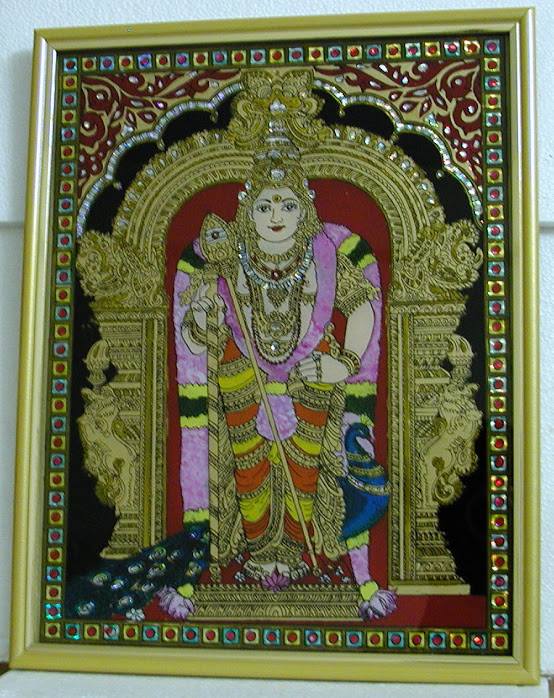
முருகனின் அனைத்துப் பெருமைகளும் சொல்லில் அடங்கா. ஆனால் அருணகிரிநாதர் அந்தப் பெருமைகளில் பெரும்பாலானவற்றைத் தன் பதினாறாயிரம் திருப்புகழ் பாடல்களில் பாடி வைத்துள்ளார். இன்று நமக்குக் கிடைத்திருப்பதோ சுமார் 1311 பாடல்கள் மட்டுமே!

திருப்புகழுடன் அருணகிரிநாதர் அருளியுள்ள இதர நூல்களாவன:-

கந்தர் அந்தாதி    (நூறு செய்யுள்கள்)

கந்தர் அலங்காரம் (நூறு பாடல்கள்)

கந்தர் அநுபூதி    (51 செய்யுள்கள்)

திருவகுப்பு (மொத்தம் 18 வகுப்புகள்)

வேல் விருத்தம்

மயில் விருத்தம்

சேவல் விருத்தம்

திரு எழு கூற்றிருக்கை


சிவத்தின் சாமி, நாம் புரியும் பிழை பொறுக்கும் சாமி

முருகனை அவர் விவரிக்கும் அழகை உணர இரு பாடல்களை மட்டும் இங்கு காண்போம்.

புவிக்குள் பாதமதை நினைபவர்க்கு எனத் தொடங்கும் திருப்புகழில் இறுதிப் பகுதி இது:-

சிவத்தின் சாமி, மயில்மிசை நடிக்கும் சாமி, எமதுளெ

சிறக்கும் சாமி, சொருபமி   தொளிகாணச்

செழிக்கும் சாமி, பிறவியை ஒழிக்கும் சாமி, பவமழை

தெறிக்கும் சாமி முனிவர்க ளிடமேவுந்

தவத்தின் சாமி, புரிபிழை பொறுக்கும் சாமி, குடிநிலை

தரிக்கும் சாமி, அசுரர்கள்     பொடியாகச்

சதைக்கும் சாமி, எமை பணி விதிக்கும் சாமி, சரவண

தகப்பன் சாமி என வரு                 பெருமாளே!

எப்படி? இனிய தமிழ். எளிய தமிழ். அரிய கருத்துக்கள்.

புரிபிழை பொறுத்து நம்மைக் காக்கும் முருகப் பிரானின் அருமைகளை சில வார்த்தைகளில் சொல்லி அருள்கிறார் அருணகிரிநாதர்.

murugan by akila k

வரோதயன்

மயில் விருத்தத்தில் பத்தாவது பாடலில் முருகப் பெருமானின் திருநாமங்கள் அருமையாக தொகுத்துக் கூறப்படுவதைக் காணலாம்.

நிராசத – ராஜஸ குணம் இல்லாதவர்

விராசத – ராஜஸ குணத்திற்கு மாறுபட்ட சத்வ குணம் உடையவர்

வரோதயன் – வர உதயன் – வரங்களுக்கு உறைவிடமானவர்

பராபரம் – மிக மேலான பரம் பொருள்

நிராகுலன் – நிர் ஆகுலன் – துன்பம் இல்லாதவர்

நிராமயன் – நிர் ஆமயன்  (ஆமயம் என்றால் நோய்) நோய் இல்லாதவர்

பிரான் – பிரியான் என்பதன் சுருக்கம் பிரான் ( உயிர்களை விட்டு ஒரு போதும் பிரியாதவர்)

நிலாதெழுதலாலலறமிலானெறி யிலான் —

அறமிலான், நெறியிலான் நிலாது எழுதலால் என மாற்றிப் பார்த்தால் வரும் அர்த்தம் – அறமில்லாதவர்களும் நெறியில்லாதவர்களும் முருகன் திருவடியில் நில்லாது விலகி விடுகிறார்கள்.

ஆக முருகனைத் தொழுவதற்கே ஒரு அடிப்படைத் தகுதி தேவையாக இருப்பதைக் காணலாம். முருக பக்தர்கள் அறநெறி தவறாது வாழ்பவர்கள், புண்ணியசாலிகள் என்பதை அறியலாம்.

நெறி நிலாவிய உலாச இதயன் – நன்னெறிகள் தம்மிடம் விளங்க மகிழ்வுடன் கூடிய உள்ளத்தைக் கொண்டவர்.

இப்படி அரும் பெயர்களைச் சுட்டிக் காட்டும் பாடல் இது தான்:-

நிராசத விராசத வரோதய பராபர

நிராகுல நிராமய பிரான்

இலாதெழு தலாலற மிலானெறி யிலானெறி

நிலாவிய உலாசவி தயன்

குராமலி விராவுமிழ் பராரை யமராநிழல்

குராநிழல் பராவு தணிகைக்

குலாசல சராசர மெலாமினி துலாவிய

குலாவிய கலாப மயிலாம்

புராரிகுமரா குருபரா வெனும் வரோதய

புராதன முராரி மருகன்

புலோசமசை சலாமிடு பலாசன வலாரிபுக

லாகுமயிலாயுதன் நெடுந்

தராதல கிராதர்கள் குலாதவபி ராமவல

சாதனன் விநோத சமரன்

தடாரி விகடாசுரன் குடாரித படாதிகழ்

ஷடாநநன் நடாவு மயிலே

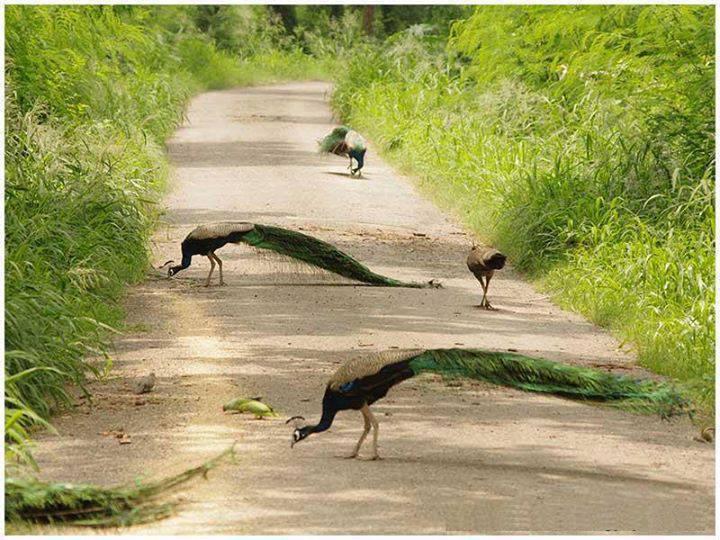
அற்புதமான இந்தப் பாடலில் மயிலின் பெருமை தெரிகிறது.

mayil 1

“திரிபுரத்தை எரித்த சிவபெருமானுடைய குமரனே! குருமூர்த்தியே என்று புகழ்ந்த, வரங்களுக்கு இருப்பிடமானவனும், பழையோனும் ஆகிய திருமாலின் திருமருமகன், கிளி போன்ற இந்திராணி, வணங்குகின்ற இந்திரனுக்கு புகலிடமாகிய வேலாயுதக் கடவுள், நீண்ட, பூமியில் உள்ள, வேடர்கள், குலத்துக்கு சூரியனைப் போல மாப்பிள்ளையாய் வந்த அழகராம் வல்லமையைச் சாதித்தவன், விளையாட்டாகப் போர் புரிகின்றவர், கிரவுஞ்ச மலைக்குப் பகையாக இருப்பவர், தொந்தரவு தந்த அசுரனாகிய சூரனை (சூர்மாவை), வெட்டித் தள்ள கோடாரி போல இருந்தவர், மகிழ்ச்சியுற்று விளங்குகின்ற ஆறு திருமுகங்களை உடையவர், நடத்துகின்ற மயில் தான்  இராஜஸ குணம் இல்லாதவர், சத்வ குணத்தை உடையவர், வரங்களுக்கு இருப்பிடமானவர், மேலான பரம்பொருள், வருத்தம் இல்லாதவர், நோயற்றவர், உயிர்களை விட்டுப் பிரியாதவர், அறமில்லாதவனும் நெறியில்லாதவனும் தம்மிடத்தில் சாராது, விளங்குவதால், நன்னெறியில் விளங்குகின்ற, மகிழ்ச்சியுடன் கூடிய, உள்ளத்தை உடையவர், குராமரத்தில் நிறைந்து கலந்து வெளித் தோன்றும் பருத்த அடிப்பாகத்தில் (திருவிடைக்கழியில்) அமர்ந்து, ஒளி பொருந்திய குரா  மரங்களின் நிழல் மிகுந்துள்ள தணிகை என்கின்ற சிறந்த மலை முதலாக அசைவன, அசையாதனவாகிய எல்லாவற்றிலும் இனிது உலாவிய களித்த தோகை மயில் ஆகும்.”

இதுவே கிருபானந்தவாரியார் தரும் செய்யுளின் பொழிப்புரை. ஆறுமுகன் நடத்தும் மயில் உலகெலாம் உலாவி உவக்கும் பெருமையை உடையது.

சலாம் என்ற வார்த்தை பிரயோகமும் இந்த செய்யுளில் அமைந்திருப்பதைக் காணலாம்.

முருகனின் அழகை மயில் விருத்தம் மூலமாக அறியும் போது மனம் மிக மகிழ்கிறோம்.

இதே பிளாக்கில் லண்டன் சுவாமிநாதன் எழுதிய திருப்புகழ்ஆராய்ச்சிக் கட்டுரைகளையும்   படியுங்கள்:–


சலாம் முருகாசலாம் முருகா! அருணகிரிநாதரின் தனி வழி!! —வெளியிட்ட தேதி ஜூன் 25, 2014

அருணகிரிநாதருடன் 60 வினாடி பேட்டி – வெளியிட்ட தேதி ஜனவரி 16, 2012

சம்பந்தருக்கு அடிமை அருணகிரிநாதர்— வெளியிட்ட தேதி ஜனவரி 17, 2013

டாக்டர் முருகனும் ‘பேஷண்ட்’ அருணகிரிநாதரும் – வெளியிட்ட தேதிஜனவரி 15, 2013

தனிமையில் இனிமை –அருணகிரிநாதர் — வெளியிட்ட தேதி ஜனவரி 14, 2013

திருப்புகழ் நெருப்பு என்று அறிவோம் யாம் – வெளியிட்ட தேதி ஜனவரி22, 2013

நரகத்துக்குப் போவோர் பட்டியல் – வெளியிட்ட தேதி ஜனவரி 23, 2013

தமிழில் திட்டத் தெரியுமாவசைபாடுவது எப்படி? —வெளியிட்ட தேதிஜனவரி 21, 2013

((படங்கள் முக நூல் நண்பர்களனுப்பியவை;நன்றி உரித்தாகுக:சுவாமி))

***************