துருக்கியை ஆண்ட ஹிட்டைட்ஸ்கள் இந்துக்களா?

lion gate

அரண்மனையின் சிங்க வாசல்

Written by London swaminathan

Research article No.1924

Date :11th June 2015

Time uploaded in London: 11-07

ஹிட்டைட்ஸ்கள் பற்றி நான் ஆங்கிலத்தில் எழுதிய நீண்ட ஆராய்ச்சிக் கட்டுரையின் சுருக்கத்தை மட்டும் தமிழில் தருகிறேன். முழு விவரம் வேண்டுவோர் நேற்று வெளியான எனது ஆங்கில கட்டுரையைப் படிக்கவும்.

1.ஹிட்டைட்ஸ் எங்கிருந்து வந்தனர் என்பது ஆராய்ச்சியளர்களுக்குத் தெரியவில்லை. அவர்கள் கி.மு.1800 முதல் கி.மு1200 வரை இருந்துவிட்டு திடீரென்று காணாமற் போய்விட்டனர்.

2.அவர்கள் துருக்கியையும், வடக்கு சிரியாவையும் ஆண்டது பைபிள் குறிப்புகள், எகிப்திய கல்வெட்டுகள், 10,000 களிமண் பலகை கியூனிபார்ம் எழுத்துக் கல்வெட்டுகள் மூலம் தெரியவந்தது.

3.துருக்கியிலுள்ள பொகஸ்கோய் என்னும் இடத்திற்கு பழங் காலத்தில் ஹட்டுசா என்று பெயர். அங்குதான் இவர்கள் அரண்மனை, நூலகம், கல்வெட்டுகள், கோவில்கள் கண்டுபிடிக்கப் பட்டன. இதே நகரில்தான் மிடன்னிய வம்சம் பற்றிய தகவல்களும் கிடைத்தன. கி.மு.1400 ஆம் ஆண்டிலேயே வேத கால தெய்வங்கள், தசரதன், பிரதர்தனன் முதலிய மன்னர்கள் பெயர்கள் எல்லாம் அங்கே கிடைத்ததால் வேதமும் சம்ஸ்கிருதமும் கி.மு.1400 ஆம் ஆண்டிலேயே துருக்கியிலும் சிரியாவிலும் முழங்கிய அசைக்க முடியாத சான்றுகள் கிடைத்தன.

4.ஆனால் ஹிட்டைட்ஸ் பற்றி இவ்வளவுத் தெளிவாக எதுவும் கிடைக்கவில்லை. ஆயினும் அவர்கள் பேச்சிய மொழி இந்தோ-ஐரோப்பிய குடும்பத்தைச் சேர்ந்தது — அதாவது சம்ஸ்கிருத மொழிக் குடும்பத்தைச் சேர்ந்தது என்பது எல்லோருக்கும் தெரியும்.

5.தென் கிழக்காசிய நாடுகள் முழுவதும் ராமாயணத்திலுள்ள பெயர்களை எல்லாம் அவர்கள் எப்படி உருத் தெரியாமல் மாற்றினரோ அப்படி இவர்களும் பெயரை மாற்றியிருக்கலாம். இனி இந்துக்களுடன் இவர்களைத் தொடர்புபடுத்தும் அம்சங்களை மட்டும் பார்க்கலாம்

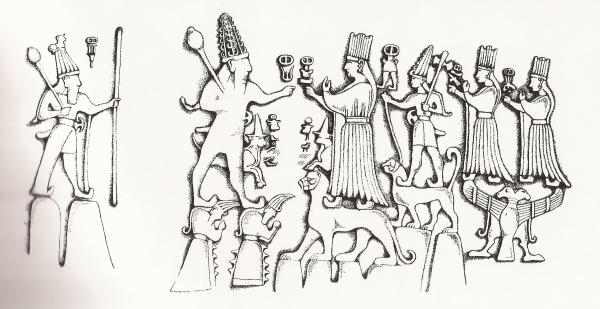
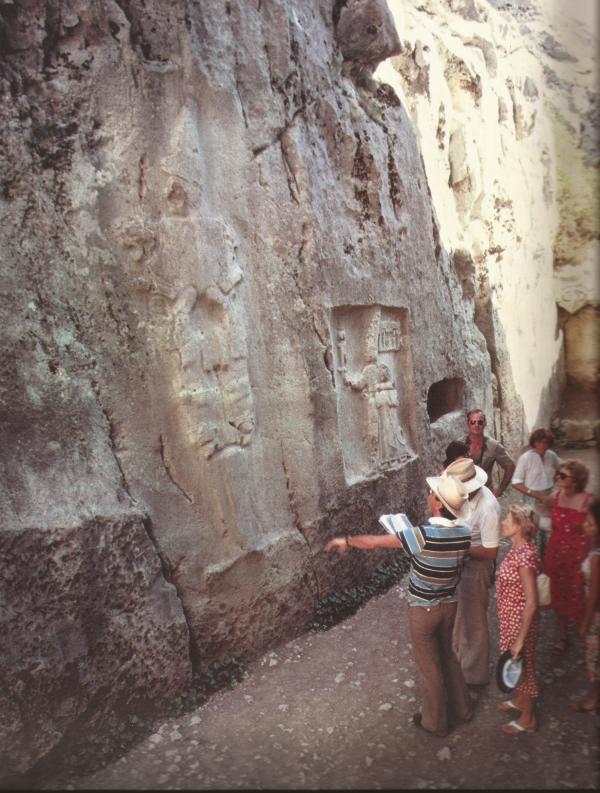
yazilikaya

சம்ஸ்கிருத மொழிக் குடும்பம்

6.இவர்கள் சம்ஸ்கிருத மொழிக் குடும்பத்தைச் சேர்ந்த மொழியை பேசினர்.

7.ஒரு ஹிட்டைட் மன்னரும் எகிப்திய மன்னரும் செய்த உடன்படிக்கையில் ஆயிரம் தெய்வங்கள் சாட்சியாக செய்தனர். இந்த ஆயிரம் என்பதை இந்து மத நூல்களில் மட்டுமே காணமுடியும். தசாம்ஸ முறையைக் கண்டுபிடித்ததும் நம்மவர்கள்தான். சஹஸ்ர நாமம், சஹஸ்ர கண்கள், கைகள் என்றெல்லாம் வேதங்கள் துதிபாடும். இந்திரனை ஆயிரத்துடன் தொடர்பு படுத்தும் பெயர்கள் சிலவும் உண்டு

8.இறந்தவர்களை எரிக்கும் வழக்கம் இவர்களிடம் இருந்தது. இறந்தவுடன் மன்னன் கடவுள் ஆகிவிடுகிறான் என்பதும் அவர்கள் கொள்கை. இது எல்லாம் இந்து மத நம்பிக்கைகள். ஆய் அண்டிரன் என்ற மன்னன் இறந்தவுடன் சொர்க்கத்தில் அவனுக்கு இந்திரன் வரவேற்பு கொடுக்க நிற்பது பற்றி புற நானூறு பாடுகிறது. இது போன்று நிறைய உதாரணங்களைக் காட்டமுடியும்.

9.இந்த மன்னர்கள் மற்றவர்களுடன் சமாதான உடன்படிக்கை செய்தது, பெண் கொடுத்து மற்ற நாட்டுடன் உறவைப் பல்ப்படுத்தியது ஆகியனவும் இந்து மத வழக்கங்களே. ராவணன் — பாண்டிய மன்னன் உடன்படிக்கை, மிடன்னிய தசரதன் – எகிப்திய மன்னன் உடன்படிக்கை ஆகியன பற்றி ஏற்கனவே கட்டுரைகள் எழுதிவிட்டேன். காந்தாரத்தில் இருந்து வந்த காந்தாரி, கேகயத்தில் இருந்து வந்த கைகேயி, விதேக நாட்டில் இருந்து வந்த வைதேகி ஆகியோரை நம் இதிஹாசங்களில் காண்கிறோம்.

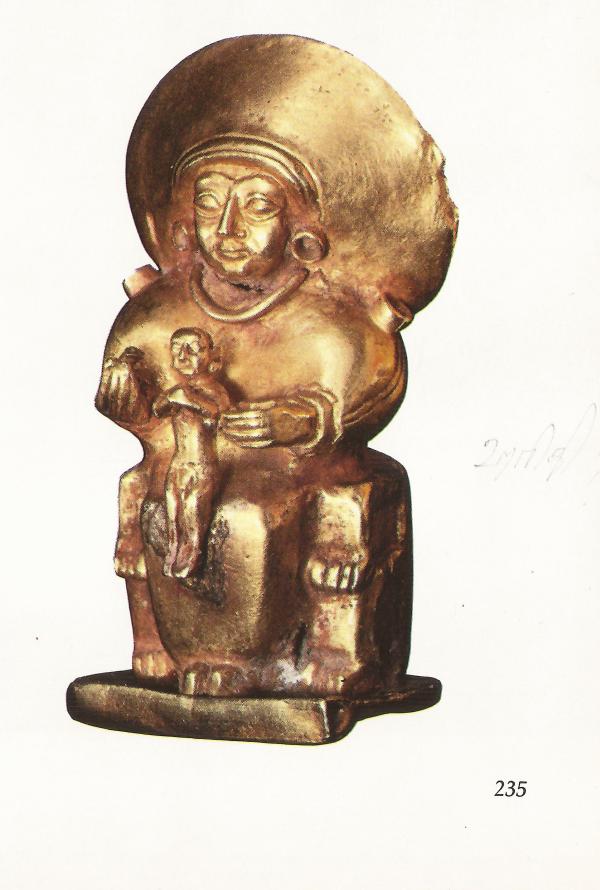
 hariti

65 கடவுள் உருவங்கள்

10.இவர்களுடைய 65 கடவுள் உருவங்கள் எழிஜிகாய என்னும் இடத்தில் சுவற்றில் வரையப்பட்டுள்ளன. அவர்கள் ஒவ்வொருவரும் இந்து தெய்வங்களைப் போல வாகனங்கள் மீது பவனி வருகின்றனர். சிலப்பதிகாரமும் , தேவரமும் துர்க்கையை மான் வாகன தேவி (கலையதூர்தி) என்று வருணிக்கின்றன. தமிழ் நாட்டிலோ இந்தியாவின் இதர பகுதிகளிலோ அததகைய கலயதுர்தியை இப்போது காணமுடிவதில்லை. ஆனால் துருக்கியில் காணலாம்.

11.ஹிட்டைட்ஸ்களும் வேத காலம் போல இடி மின்னல் கடவுளையும் (இந்திரன்) , சூரியனையும் வணங்கினர்.

12.ஹிட்டைட்ஸ் அரண்மனையின் முன்னால் இரண்டு பெரிய சிங்கங்கள் நிற்பதைக் காணலாம். வேதத்தில் சிங்கம், சிம்மாசனம் இருப்பது பற்றி ஏற்கனவே எழுதிவிட்டேன்.

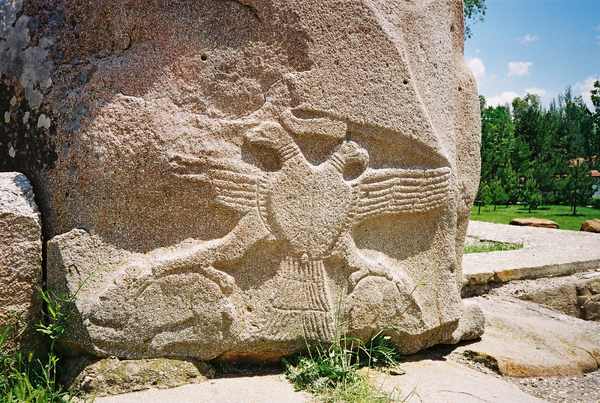
13.இதே போல இருதலைக் கழுகு அவர்கள் சின்னமாகக் காட்டப் பட்டுள்ளது. இது விஜய நகர அரசர் காலம் வரை நம் சின்னமாகப் பயன்படுத்தப்பட்டுள்ளது. அது பற்றிய ஆராய்ச்சிக் கட்டுரையையும் முன்னரே எழுதிவிட்டேன். இவை எல்லாம் இந்து மத தாக்கத்தைக் காட்டுகின்றன.

14.ஒரு கல்வெட்டில் கடவுளருக்கு வெள்ளியில் விக்ரகம் செய்தது பற்றியும், காளைகள் ரதத்தை இழுத்துச் செல்வது பற்றியும், காளையே கடவுள் என்றும் படிக்கிறோம். இவை எல்லாம் இந்து மத தாக்கமே. இந்திரனை காளை என்று வேதங்கள் புகழ்கின்றன.

15.ஹரிதி என்ற குழந்தைகளைக் காக்கும் தெய்வம் புத்த மதக் கடவுள் என்றும் நேபாளம், சீனா, ஜப்பான் ஆகிய நாடுகளில் ஹரிதி வழிபடப்படுவதாகவும் கலைக் களஞ்சியங்கள் கூறும். இந்தக் கடவுள் இந்து மதக் கடவுளே. ஏனெனில் புத்தர் கடவுள் வழிபாடு பற்றி எதுவுமே சொல்லவில்லை. இந்த ஹரிதி போன்ற தேவி சிலை துருக்கியில் கிடைத்து இருக்கிறது.

vahanas

16.அதர்வண வேத மந்திரங்களைப் போல பல வழிபாட்டுத் துதிகள் உள்ளன. பில்லி சூனியம் போக்கல், பேய்களை உண்டாக்கி பாதுகாப்பு பெறல், குடும்பச் சண்டையைத் தீர்த்துவைத்தல், மலடித் தன்மையை நீக்கல் போன்ற பல வழிபாடுகள் ஹிட்டைட்ஸ் இடமும் உண்டு. தந்தை செய்த பாவம் மகனுக்கு வருமென்று எண்ணி ஒருவர் உருக்கமாக வழிபடும் துதியும் உளது.

17.இவர்களுடைய பெயர்கள் சம்ஸ்கிருத மொழியின் திரிபே என்று ஆரியதரங்கிணி நூலில் விரிவான ஆரய்ச்சிக்கட்டுரை எழுதியுள்ளார் கல்யாணராமன் என்ற அறிஞர்.

18.வாய்மொழிக் கோசர், அதியமான் போல இவர்கள் பெயர்களிலும் சத்திய என்பது நிறைய வரும். ராம்செஸ் (ராம சேஷன்) என்ற எகிப்திய மன்னனுடன் சமாதான உடன்பாடு செய்தவன் பெயர் ஹட்டுசீலி. இது சத்தியசீல என்பதன் திரிபு. அவர்களது தலைநகர் ஹட்டுசா. இது சத்தியவாச என்பதன் திரிபு. இப்படி நிறைய பெயர்கள் கல்யாணராமன் கொடுத்த பட்டியலில் உள்ளது. (சத்திய வான் என்பதன் திரிபு அதியமான்; இவர்களை சத்யபுத்ரர்கள் என்று அசோகர் கல்வெட்டு கூறும்)

19.ஹிட்டைட்ஸ்களுடைய மோதிரங்கள், முத்திரைகள் ஆகியனவும் இந்து மத தாக்கத்தைக் காட்டும். ராமன் பட்டமேற்பு விழாவுக்கு தசரதன் அனுப்பிய அழைப்பிதழில் கழுகு முத்திரை வைத்து அனுப்பியதாக கம்பன் பாடியதையும் அதே கழுகு முத்திரை சிந்து சமவெளியில் கிடைத்திருப்பதையும் தனியொரு கட்டுரையில் தந்துள்ளேன். இது போல பலவகை முத்திரைகள் துருக்கியில் கிடைத்திருக்கின்றன. சாகுந்தலம், முத்ராராக்ஷசம் போன்ற வடமொழி நாடகங்களில் மோதிர-முத்திரைகள் கதையின் அடித்தளமாக விளங்குகின்றன.

20.கல்யாணராமன் தரும் பட்டியல்:

ஹிட்டைட் – ஹட்டி-க்ஷத்ரிய- கேட்டா (பைபிள்)

ஹட்டுசா= சத்வாச

அனிட்டா = அநீத

ஹட்டுசீலி= சத்வ சீல

முரஸீலீஸ்= முர சீல

துதாலியா= துக்தாலயா

அர்ணவாண்டா= அருணபந்த.

ஹட்டுசீலிஸ் மனைவி புதுகீபா= பத்மசிவா

double headed

புதுஹீபா, ஹூரியன் வம்சத்தைச் சேர்ந்தவள். இது சூரியன் என்பதன் திரிபாகும். ப=வ, ஹ=ச, ஜ=ய, ர=ல ஆக மாறுவது பற்றி எனது முந்தைய ஆராய்ச்சிக் கட்டுரைகளில் ஏராளமான சான்றுகள் கொடுத்துள்ளேன்.

Hittite Mystery! Were they Hindus?

lion gate

Huge lions guard the gate at Hattusa (later it became Lion Throne/Simhasana)

Written by London swaminathan

Research article No.1923

Date :10th June 2015

Time uploaded in London: 21-10

Who are Hittites?

Scholars say that no one knew who were they and where from they came. Their monuments have been found in Bogazkoy (previously known as Hattusa; now called Bogazkale) in Turkey.

Where were they?

They ruled Turkey (Anatolia) and Northern Syria.

When did they rule?

We knew that they existed between 1800 BCE and 1200 BCE.

What language did they speak?

They spoke an Indo –European language to which Sanskrit, Greek, Latin and most of the European languages belong.

Were they Hindus?

Other than the Sanskrit connection there are lot of similarities between Hindus and Hittites.

I have listed them below.

Why did their rule come to an end 1200 BCE?

Hattusa (Bogazkoy) , their capital was razed to ground about 1200 BCE. The end was sudden and this has been largely attributed to “sea people” from the Mediterranean. Some disagree.

Hittites are known from Old Testament and clay tablets discovered in Turkey ( area ruled by Hittites). In 1906, Dr Hugo Winckler began excavation in Bogazkoy and found a Royal archive of 10,000 tablets. The tablets give a good picture of Hittite politics and society. Czech scholar B.Hrozny deciphered the script and wrote about it.  Hittite called their language NESILI.
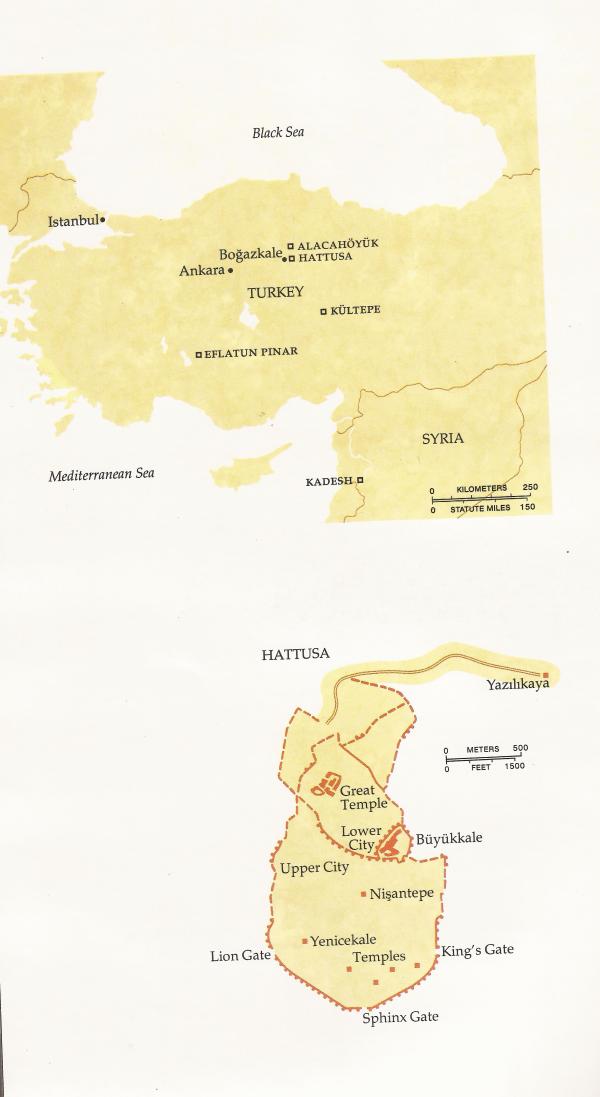
bogazkoy

Bogazkoy = Hattusa in Turkey

Similarities with the Hindus

1)They spoke a language related to Sanskrit. All scholars agree on it. And so they did not belong to Anatolia (Turkey).

2)They use the phrase 1000 Gods in their peace treaty and this is very common in Hindu scriptures. Decimal system was invented by the Hindus. Vedic god Indra is decribed as a man with 1000 testicles (so potent!) and his Vahra Aydha is 1000 pointed! Thousand here means “a lot”.

3.They signed a peace treaty with the Egyptians 3000 years ago. The signing of peace treaty is also a typical Hindu custom. We hear about the Peace Treaty between Ravana and a Pandya king in Tamil literature (Please read my earlier article on it) We knew about another peace treaty between Mitanni king Dasaratha and Egyptian king around 1400 BCE.

4.Hittite Treaty:–Treaty of Rea-masesha mai Amana, the great king, the king of the Land of Egypt, the valiant, with Hattusili, the great king of the Land of Hatti, his brother, for establishing good peace and good brotherhood worthy of great kingship between them for ever.

The treaty goes on to define the relationship between the two nations; to renounce aggression; to establish a defensive alliance; to guarantee, upon the death of either party, he succession of legitimate heir; and to provide for the extradition of fugitives. The treaty was carved on the wall of a great temple of Karnak and at the Ramesseum of Thebes (Egypt). One of the final passages calls upon the gods as witnesses to the good faith of the signatories (this is also typical Hindu custom):

“As for these words —— as for him who shall not keep them, a thousand gods of the land of Hatti together with a thousand gods of the land of Egypt, shall destroy his house, his land and his servants”

Rea- masesha mai Amana was the Egyptian Pharaoh Ramses II. (Again this name is Sanskrit Ramasesha) .The Hittite king’s name was Hattusili (in Sanskrit it is Sathyaseela; s=h in many languages)

5)Royal Marriages :Hittites survived by Royal marriages, diplomacy and heroic fights. They were superb fighters. Royal marriages mean marrying girls from neighbouring countries which is also typical Hindu custom: Dasaratha married a woman from Kekaya, Dhritarashtra married a woman from Gandhara/Kandahar, Rama married a woman from Videha etc (Kaikeyi, Gandhari, Vaidehi)

6)Hattusa was full of temples. They were worshipping Storm God (similar to Indra) and Sun Goddess (similar to Gayatri)

7)Buyukkale (Turkish word for Great Castle) occupies a rocky place in Eastern Hattusa, where the king resided. It had its own temple and two libraries, where thousands of cuneiform clay tablets have been found.

8)A tablet from one of the temple archives says, “The deity  has now been made as a statue in silver covered with gold in the shape of a bull standing on all fours”. The storm god sometimes was represented a s a bull and at other times was shown accompanied by two bulls that pulled his chariot. Indra is also represented as bull in the Vedas.

9)Hattusili III, who signed a peace treaty with Ramses II,gave his daughter to Ramses II in marriage. Hattusili’s (Sathyaseela) wife was Pudushepa (may be Padmashiva in Sanskrit). She was a Hurrian (Suryan; belongs to Surya Kula of Hindus)
vahanas

Hindu Vahanas in Yazilikaya, Turkey

65 deities and Vahanas

10)Hindu Gods and goddesses have Vahanas (mounts or vehicles) until today. Hittites’ gods always ride vahanas. North west of Hattusa is  Yazilikaya which is described as the most impressive of all Hittite religious structures. Here on the wall, storm god and his consort Hepatu were shown. There are 65 deities on the walls of the rocks. There were big festivals and ceremonial processions with the King and the Queen along with festival sports such as races, wrestling, stone throwing contests and boxing.

Hindu Goddess Durga is described as riding a deer in Tamil epic Silappadikaram and Thevaram of Saivite saints (Kalaiyathurthi in Tamil). We could not see such statues nowadays in India. But in the Hittite world we see deer riding gods!

11)Like Hindus Hittites cremated the bodies. Scholars believe that one of the galleries in Yazilikaya contained the urn with the ash of Tudhaliya, son of Hattusili and Pudushepa. They have identified two figures by hieroglyphs. The larger is the God Sharruma, the smaller is Tudhaliya IV. The relief depicts Sharruma, son of Storm God of Heaven and the goddess Hepatu.

12)Among the Hittites, when a king died it was said that he became God, and the relief may represent a celebration of of Tudhaliya’s entrance in to the Hittite pantheon. Hindus believed that their king was god and in the heaven they were waiting to receive them. Sangam Tamil verse says that Indra was waiting to welcome Tamil chieftain Ay Andiran. Sanskrit literature has such references too.

13)Manu’s Law Code: Hittites had very strict law like Hindu Law book Manu Smriti. Disobedience to the king was one of the few offences punishable by death – not just the offender but of his family as well. A Tamil king who was praised as Manu Neeti (smrti) Choza crushed his own sun under the wheels of his chariot because he crushed to death a calf. And the cow itself came to his palace and rang the Calling/enquiry Bell.
hariti


Vedic Prayer

14)What we read in Hindu Atharva Veda is also in the Hittites: From the tablets we have precise descriptions of various rituals: to counteract sorcery, to end pestilence, to engage the help of protective demons, to patch family quarrels, even to cure impotence. One tablet contains words of Muwatalli, the king who fought at Kadesh, concerning what must be said to the gods “when things get too much for a man”.

15)Their prayer was similar to Vedic paryers; one of the Hittite prayer runs like this, “Hattian Storm God, my lord, ye gods, my lords! It is only too true that man is sinful. My father sinned and transgressed against the word of the Hattian Storm god, my lord. But I have not sinned in any respect. It is only too true, however the father’s sin falls upon the son. So my father’s sin has fallen upon me…. Take pity on me and drive the plague out of the Hatti land”. This echoes the Hindu prayers. This is the prayer of Mursili II, a king who ruled near the end of 14th Century BCE. On the annual sacred thread changing day (Upakarma) of the Hindu Brahmins, the priest recites a long list of sins (in fact an amazing list of sins done in seven generations) and begs for pardon.

16).Lion and Double Headed Eagle

Hittites monuments have huge lions carved at the entrance of the Place gate. They depict double headed eagle. Both of them figure in Hindu scriptures. Please see my articles Double headed Eagle: India –Sumeria connection (posted on 18 December 2011) and Vedic Lion around the world (posted on 9 November 2014) . I have dealt with them in detail.

17)Rings with emblems and seals: Ramayana says Dasaratha sent the coronation invitations to all kings of the land with eagle emblem engraved on the invitation. Sanskrit dramas like Sakuntalam, Mudra Rakshasam are based on rings with emblems. We have such rings and seals in Hittite world. Hittite craftsmen fashioned elaborate seals for stamping official and commercial documents and correspondence.  The five sided stone seal depicted religious scenes. The seal was hanging around the neck of the king. Hieroglyphs on the gold signet ring identify it as that of the son of a king. In India all such ancient rings were melted and made into new ornaments.

18).A goddess with disc shaped headdress sits on a throne holding an infant on her lap. We have such goddess in Hindu pantheon. Her name is Hariti. Hariti ma is worshiped in Swayambunath temple in Nepal. Neplaese Newars worship her Ajima. She is praised as the protector of children. A Hindu deity later taken by Buddhists went up to Japan. Chinese worship her as Kishimojin and Japanese worship her as Kariteimo (=Hariti Ma). She was said to be a child devouring demon and later converted by Buddha. Since Buddhism had no duties and Buddha never spoke about deity worship, all these must have gone from Hinduism.

19)Scholars have found several similarities between Greek mythology and Hittite mythology. This brings them closer to the Hindus because Greek mythology is nothing but the corrupted form Hindu mythology according to Max Muller and Edward pocoke.

20)Hittites were often attacked by Kaska people from the North. During the reign of Muwatalli, in the late 14th century BCE, Kaska ttacked Hattusa and set it ablaze. Muwatalli fled, taking his court and the Hittite cult gods with him. His son Uri-Teshub, returned to Hattusa and restored the city as Imperial capital.

21)Huge storage jars were discovered in the Great Temple complex, probably stored oil or grains. One of them had the capacity to store 3000 litres!
yazilikaya

Yazilikaya sculptures on huge rocks

A.Kalyanaraman’s Research

22.A Kalyanaraman in his book Aryatarangini has done a very detailed research into West Asian Hindu Civilizations and found out all Sanskrit names behind the corrupted West Asian names. He was very reasonable in arriving at the names. I am very much convinced because even in London, Sri Lankan Tamils corrupt all Indian Sanskrit names. Kanaga Durga Temple is called Kanaka Turka and Ganesh is called Kanesh, Damayanti is called Tamayanti. We see such corruptions in Mauritius Hindu community because of French influence. In South East Asian countries all the Ramayana names are corrupted beyond recognition.Ravana became Rab and Dhanajaya became Tenemjya, Nara Uttama became Nordom Sihanuk. So Kalyana Raman is right in identifying the names with Sanskrit equivalents. Here is the list:

Hittite =Hatti= Kshatriya=Kheta (in Bible)

Hattusas =Sathwasa = My reading is Sathya vacha

(In Tamil we have Vay Mozi Kosar=Truthful Kosar and Athiyaman=Sathyavan=Sathyaputra in Asoka’s inscription)

Anittas = Anitha = son of Pitkhana

Hattusilis = Sathva sila = my reading is Sathyasila

Mursilis = murasila

Telepinus= Dilipa

Tudhaliya – Dugdalaya

Suppiluloma = he of the golden hair

Tusratha = Dasaratha

Aranawanda= Arna Bandha
double headed

Now that lot of Hittite tablets are translated and books published, we can compare these and find some supporting documents.

So far as Mitannis are concerned the Sanskrit names are crystal clear. So we have archaeological proof from 1400 BCE for kings with Sanskrit names and Sanskrit numbers in the Horse Training manual of Kikkuli in Turkey/Syria area.

Let us continue our research with Kassites in another article.

Pictures are used from Splendors of the Past, Published by National Geographic Society;thanks.

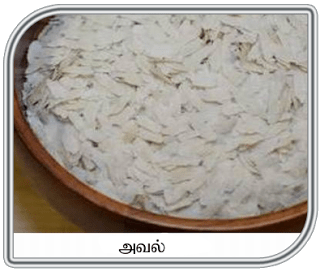
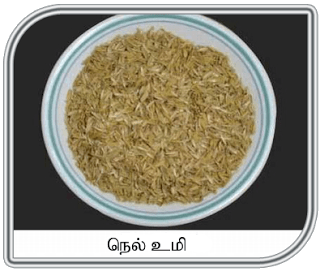
நீ அவல் கொண்டு வா, நான் உமி கொண்டு வருகிறேன்……

Compiled by London swaminathan

Article No.1922; Dated 10 June 2015.

Uploaded at London time: 10-56 am


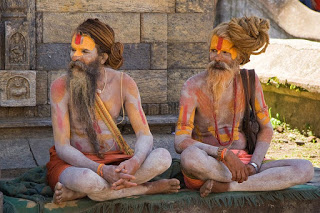
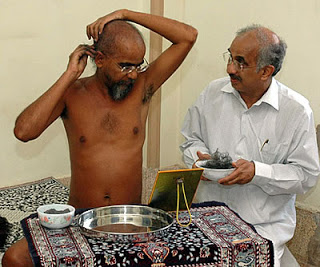
சுய நலம் பற்றி தமிழ், சம்ஸ்கிருதம், ஆங்கிலத்தில் உள்ள பழமொழிகளைப் பாருங்கள். வயிற்றுக்காக சாமியார் வேஷம் போடுவோரை ஆதிசங்கரர் எப்படித் தாக்கித் தகர்க்கிறார் என்றும் படியுங்கள். இதோ 16 பொன்மொழிகள்:–


1.கோ ஹி  ஸ்வாதர்த்துமுபேக்ஷதே

யார்தான் தன்னலத்தில் அக்கறை இல்லாதிருப்பர்?

2.அவரவர் அக்கரைக்கு அவரவர் பாடுபடுவார்

Each one will exert himself for his own interest

3.ஊரார் வீட்டைச் சோற்றைப் பார், ஒசுபாடி வயிற்றைப்பார்

Look at the villager’s rice; look at this shameless man’s stomach

4.எங்கள் வீட்டுக்கு வந்தால் என்ன கொண்டு வருகிறாய்? உங்கள் வீட்டுக்கு வந்தால் என்ன தருகிறாய்?

If you come to my house what will you bring me? If I come to your house what will you give me?

What is yours is mine, what is mine, is my own


5.நீ அவல் கொண்டு வா; நான் உமி கொண்டு வருகிறேன்; அதை எங்கள் வீட்டுத் திண்ணையில் ஊதி ஊதித் திண்ணலாம். (அதாவது கொண்டுபோன உமியும் திரும்பக் கிடைக்கும்)

6.எது எப்படி போனாலும் தன் காரியம் தமக்கு

7.தன் காரியம் என்றால் தன் சீலை பதைபதைக்கும்

If it concerns her own affair, even her cloth will be restless

Everyman wishes water to his own mill – English proverb

8.பார்த்திருக்க தின்று, முழித்திருக்க கை கழுவுவான்

Though I saw him, he went on eating; and though I watched him, he washed his hands

(He finished his meal without giving me a share said of one who enjoys himself selfishly.)

9.குக்ருத்யே கோ ந பண்டித: – சுபாஷித ரத்ன பாண்டாகாரம்

கெட்ட செயல்களில் யாருக்குத்தான் கெட்டிக்காரத்தனம் இல்லை?

10.அரைக்கிரவன் ஒன்று நினைத்து அரைக்கிறான், குடிக்கிறவன் ஒன்று நினைத்துக் குடிக்கிறான்

He who grinds the ingredients thinks one thing and grinds, he who drinks the medicine thinks of something else, and drinks

(A doctor only thinks of the profit he will get by medicine he is preparing, the sick person only wonders whether it will cure him or not. Each thinks of his own interests.)


11.உதரநிமித்தம் பஹுக்ருதவேஸ:

வயிற்றுப்பாட்டுக்காக பல வேஷம் போடுகிறான்

12.வெட்கம் கெட்டாலும் கெடட்டும், தொப்பை இட்டால் போதும்

Let me lose my respect (if necessary); I am satisfied, if I get fat (said of one who seeks profit at any cost

Kashmiri proverb: A fat man has no religion.

These pictures are shown only  as examples. Shankara made the statement only in general.

13.BHAJA GOVINDAM

“Matted locks, the shaven heads, and the plucked hair,

Diverse, the guises in saffron robe,

The fool sees it, but perceives not

All guises are, indeed devices to fill the belly big”- verse 14, Bhaja Govindam

jaûilo muïãi luòchitakeùaç
káúayámbarabahukøtaveúaç
paùyannapi ca na paùyati müãho
hyundaranimittam bahukøtaveúaç.(14)

The ascetic with matted lock, the one with his head shaven, the one with hairs pulled out one by one, the one who disguises himself variously with the ochre-coloured robes – such a one is a fool who, though seeing, does not see. Indeed, this varied disguise is for the sake of the belly.

ஜடிலோ முண்டி, லுஞ்சித கேச:

காஷாயாம்பர பஹுக்ருத வேஷ:

பஸ்யன்னபி ச ந பஸ்யதி மூடோ

ஹி உதர நிமித்தம் பஹுக்ருத வேஷ:

—–(பாடல் 14, ஆதி சங்கரரின் பஜ கோவிந்தம்)

14.ஆத்மார்தே கோ ந ஜீவதி – ஹிதோபதேசம்

தனக்காக வாழாதவர் யார்?

தனக்கு என்றால் பிள்ளையும் களை வெட்டும்

தன் காரியத்தில் புலி (சுய கார்யப் புலி)

15.ஆத்மார்தே கோ ந பண்டித:

தன் விஷயத்தில் யார்தான் அறிவாளி இல்லை?

16.சுய காரிய துரந்தரன், சுவாமி காரியம் வழ வழ

He is smart about his own business, but let God’s things slip.

Kalidasa’s Famous Quotations

kali1

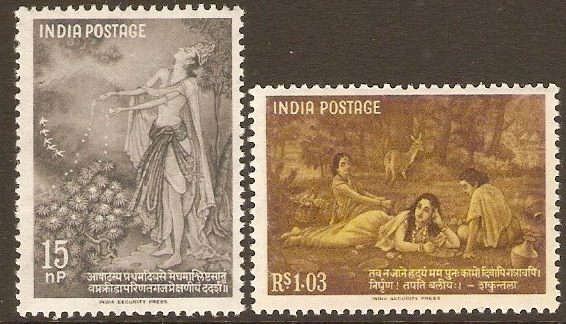
Indian Postal Stamps on Kalidasa’s works

Compiled by London swaminathan

Article No.1921; Dated 9 June 2015.

Uploaded at London time: 20-51

I give power and knowledge to him I love;

In invest him with Holy Power;

I make him a sage, a seer— Rig Veda 10-125-5

Kalidasa is one of the greatest poets of India. He is the most famous poet of ancient India. He has used over 1000 apt similes in his seven works. And there are quotations in his works which are used by the Sanskrit knowing general public in their every day conversations; his seven works are

POEMS

1)Meghadutam (MES)

2)Rtusamharam (RTS)

3)Kumarasambhavam (KS)

PLAYS

4)Malavikagnimitram (MA)

5)Vikramorvasiyam (VU)

6)Abhijnana sakuntalam (AS)

EPIC

7)Raghuvamsam (RV)

He is a dramatist, a writer of epic and a lyric poet of extraordinary scope. In his hands the language attained a remarkable flexibility, becoming an instrument capable sounding any moods and nuances of feeling – says Chandra Rajan in her book Kalidasa- The Loom of Time.

Here are twenty five of his quotations (source Suktisudha published by Chinmaya International Foundation):

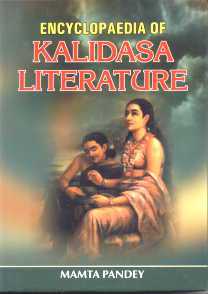
kalidas-encyclopedia

Excess Affection

Deep affection often hits upon the specific remedy (VU)

Ati snehah khalu kaaryadarsi

Excessive affection suspects that evil will happen (to loved ones)

Ati snehah paapasanki (AS 4)

Authority / Power

The office of the government knows no rest (AS.5)

Avisramoyam lokatantraadhikaarah

Thoughtlessness

Which heartless soul will sprinkle scalding water on the tender Navamallika creeper? (AS.4)

Ka idaaniimsnodakena Navamaalikaam sincati

Misfortune

Misfortune enters through a miniscule loophole in an uncompromising truth (AS.6)

Randhropanipaatinonarthaa iti yaducyate tadavyabhicaari

kalidas-cinema-song-book

Hope

Hope makes bearable even the intense sorrow of separation (AS.4)

Gurvapi virahaduhkhamaasaabandhah saahayati

Senses

The senses toe the line of fate (VU3)

Bhavitavyataanuvidhaayin indriyaani

God

None has understood the real nature of Lord Siva (KS 5-77)

Na santi yathaarthyavidah pinaakinah

Nectar turns into poison, and poison into nectar, if the Lord so choses (RV 8-46)

Visamapyamrtam kvacid bhavedamrtam vaa visamiisvarecchayaa

Daughter/ unmarried girl

A daughter is another’s wealth (AS 4-22)

Artho hi kanyaa parakiiya eva

The daughter wedded to a virtuous groom will never be a source of grief to her father (KS 6-79)

The girl should be given to a virtuous man (AS 4)

Gunavate kanyakaa pratipaadaniiyaa

Action/ work/ deed

Will not he who undertakes a futile task become a butt of ridicule? (MES 1-54)

Ke vaa na syuh paribhavapadam nisphalaarambhayatnaah

Efforts, when directed towards a meaningful end, bear fruit (RV 3-29)

Kriyaa hi vastupahitaa prasiidati

A spirit tired by toil gets refreshed by reward (KS 5-86)

Klesah phalena hi punarnavataam vidhatte

kali2

Russian stamp to honour Kalidasa

Love/ desire

The desirous are self-centred (AS 2-2)

Kami svataam pasyati

Time

Requests submitted to bosses by the proficient at the opportune time will surely be granted (KS 7-93)

Kaalaprayuktaa khalu kaarya vidbhir vijnaapanaa bhartrsu siddhimeti

Anger

What else can scorch better than fire? (AS 4)

Ko nyo hutavhaaddagdhum prabavati

Warrior caste

All the exertion of warriors is to safeguard dharma (RV 15-4)

Dharmasamraksanaayaiva pravrttirbhuvi saarnginah

Virtue

Virtues are set foot everywhere (RV 3-62)

Padam hi sarvatra gunairnidhiiyate

The creator is averse to bringing together a totality of positives in a single soul – (KS 3-28)

Praayena saamagryavidhau gunaanaam paraanmukhi visvasrjah pravrttih

Guru /spiritual teacher

Question not the preceptor’s precepts (RV 14-46)

Aajnaa guruunaam hyavicaaraniiyaa


Senseless

The numb at heart do not recognise virtue (AS 6-13)

Acetanam naama gunam na laksayet

Factual knowledge

Fie on the transience of the lives of men (RV 8-51)

Dhigimaam dehabhrtaamasaarataam

Fear

Place a wreath on a blind man’s brows and he tears it off, fearing it to be a snake (AS 7-24).

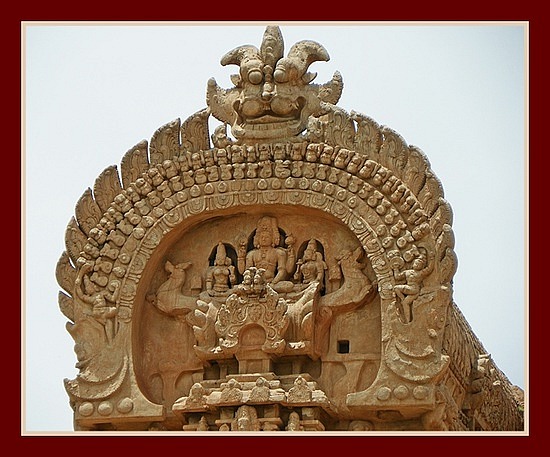
தஞ்சாவூர் பெரிய கோவில் அதிசயங்கள்

Thanjavur_Big_Temple

தொகுத்து வழங்குபவர்- லண்டன் சுவாமிநாதன்

கட்டுரை எண் 1920

கட்டுரை தேதி- 9 ஜூன் 2015

லண்டனில் பதிவு ஏற்றப்பட்ட நேரம்—காலை 11-00

உங்கள் எல்லோருக்கும் தெரிந்த விஷயம்தான்; தஞ்சைப் பெரிய கோவில் ஒரு உலக அதிசயம் என்று; பலமுறை படித்திருப்பிர்கள்.. ஆயினும் இதில்,  பல நூல்களில் உள்ள சுவையான புள்ளி விவரங்களைத் தொகுத்துக் கொடுக்கிறேன்.

தஞ்சாவூர் பெரியகோவிலில் ஐந்து அதிசயங்கள் உள்ளன:

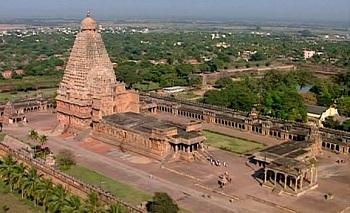
1.வானளாவிய கோபுரம்; 216 அடி உயரம்; எல்லா ஊர்களிலும் கர்ப்பக்கிரகத்துக்கு மேல் சின்ன கோபுரம்/விமானம் இருக்கும். வெளியே பெரிய கோபுரங்கள் இருக்கும். தஞ்சையிலோ கர்ப்பக்கிரகத்துக்கு மேல் 216 அடி கோபுரம்!

2.பெரிய சிவலிங்கம்; சிவலிங்கம் என்பதன் பொருள் கடவுள் உருவமற்றவர் என்பதாகும். 13 அடி உயரம்!

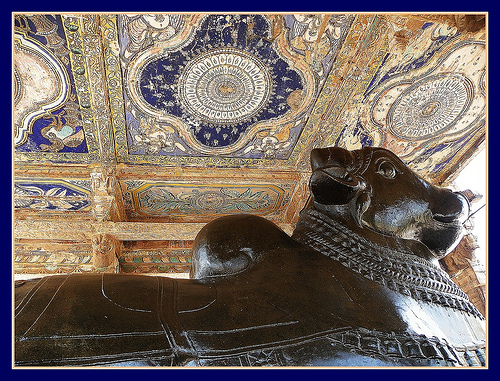
3.கர்ப்பகிரகத்துக்கு நேராக மிகப் பெரிய நந்தி; சிவபெருமானின் வாஹனம்; 12 அடி உயரம். எடை 12 டன்!

4.கோபுரத்தின் உச்சியில் வட்டவடிவ சிகரம். அங்குள்ள கல்லின் எடை 81 டன்!

5.இறுதியாக ஆயிரம் ஆண்டு பழமையான அற்புத ஓவியங்கள்

lord-shiva-linga-

பெரிய கோபுரம், பெரிய லிங்கம், பெரிய நந்தி – இவை அனைத்தும் இக்கோவிலைக் கட்டிய சோழ மாமன்னன் ராஜ ராஜ சோழனின் (கி.பி. 985-1014) பெரிய/ உயர்ந்த சிந்தனையைக் காட்டுகின்றன. நாமும்தான் எதைப் பற்றி எல்லாமோ பெரிய கற்பனை செய்கிறோம்; நடக்கிறதா? இல்லையே! எண்ணிய எண்ணியாங்கு எய்துவர் பெரியோர். அதனால்தான் ராஜ ராஜனை இன்றும் உலகம் போற்றுகிறது.

இந்தக் கோவிலை ராஜ ராஜன் தட்சிண மேரு என்றும் அழைத்தான. அதாவது வடதிசையில் மேரு மலை என்பது உயரத்துக்கும்,, புனிதத்துக்கும் பெயர் பெற்ற மலை. அது போல தென் திசையில் அளவிலும், புகழிலும், புனிதத்திலும் பெயர் பெற்றது இக்கோவில்.

இதற்கெல்லாம் அவனுக்கு உறுதுணையாக நின்றவர்கள் யார் தெரியுமா?

6.அவனது சகோதரி குந்தவை

  1. ராஜ ராஜனது குரு – கருவூர் சித்தர்

8.ராஜ ராஜனின் படைத் தளபதி கிருஷ்ணன் ராமன்

அது சரி, நாம் எண்ணதான் நினைத்தாலும் கட்டிடத்துக்கு அழகாக திட்டம் போட்டுக் கட்ட வேண்டுமே; அப்பேற்பட்ட கட்டிடக் கலை நிபுணர்கள் யார்? அவர்கள் பெயரையும் பொறித்து வைத்துள்ளான் ராஜ ராஜன். யார் அவர்கள்?

thanjavur plan

9.குஞ்சர மல்லன், ராஜராஜப் பெருந்தச்சன் என்ற இருவர்.

இந்தக் கோவிலில் வேறு என அதிசயங்கள்?

10.முழுக்க முழுக்க கருங்கற்களால் ஆனது. ஒரு இடத்திலும் காரை பயன்படுத்தவில்லை! (பிற்காலத்தில் நாயக்கர், மராத்தா ஆட்சியில் புதிய சிலைகள், கட்டிடங்கள் சேர்க்கப்பட்டன. அவைகளில் காரை முதலிய பொருட்கள் உண்டு)

  1. குறைந்தது எண்பைத்தைந்து கல்வெட்டுகள் இருக்கின்றன. இவை நமக்கு பல அரிய விஷயங்களைத் தருகின்றன. 400 ஆடல் அழகிகளின் பெயர்களும் அவர்கள் வசித்த வீட்டு இலக்கமும் இருக்கின்றன!

12.ஐம்பதுக்கும் மேலான இசைக்கலைஞர்கள் கோவிலில் இருந்தனர். அவர்கள் பெயர்களும் பதிவு செய்யப்பட்டுள்ளன.

KONICA MINOLTA DIGITAL CAMERA

KONICA MINOLTA DIGITAL CAMERA

  1. மொத்தம் கோவில் பணியில் ஈடுபட்ட சுமார் 600 ஊழியர்களின் பெயர்கள், அவர்களுடைய வேலை, அவர்களுடைய ஊதியம் எல்லாம் கல்வெட்டுகளில் உள்ளன. இதையெல்லாம் நுணுக்கமாக கல்லில் பொறித்துவைத்த அவனது நிர்வாகம் எவ்வளவு சீரும் சிறப்புடனும் நடந்திருக்க வேண்டும்!

14.டாக்டர் நாகசாமி, தமிழ்நாடு தொல்பொருட்த் துறை இயக்குநராக இருந்த காலத்தில் இக் கல்வெட்டுகள் பிரசுரமாகியுள்ளன. அவைகளில் இருந்து சில ஆடல் அழகிகளின் பெயர்கள்: சேர மங்கை, எடுத்தபாதம், சோழகுலசுந்தரி, தில்லை அழகி, மதுரவாசகி, மாதேவடிகள், இரவிகுல மாணிக்கம், மா தேவி, சீருடையாள், ஆரா அமுது, மழலைச் சிலம்பு, திகைச் சுடர், காமக்கோடி, பொற்கேசி, ஆறாயிரம், தில்லைக் கூத்தி, செம்பொன், இன்னிளவஞ்சி, கயிலாயம், ஆடவல்லாள், இளங்கோயில், அறிவாட்டி, கல்லறை, சோமநாதி, சுந்தர சோழி, இராமி, சற்பதேவி, ஊதாரி, அரநெறி, குந்தவை, பொற்கேசி, கன்னரதேவி, அருள்மொழி.

15.கர்ப்பக்கிரகத்துக்குள் போவதற்கு முன் 12 அடி உயர துவரபாலகர் சிலைகளைக் காணலாம். இதில் சிற்பி ஒரு அழகிய கற்பனையைப் புகுத்தியுள்ளார். ஒரு யானையை ஒரு பாம்பு விழுங்குகிறது. அந்தப் பாம்பு, துவாரபாலகன் கையிலுள்ள கதையைச் சுற்றி ஒரு புழுப் போல காண்பிக்கப்பட்டுள்ளது. இப்பொழுது நாம் காற்பனை செய்ய வேண்டும். யானயின் அளவு நமக்குத் தெரியும். யானையும் பாம்பும் சிறிய அளவுக்கு இருக்குமானால் அந்த துவாரபாலகனின் கதை உருவம் எல்லாம் எவ்வளவு பெரியவை என்று நாம் கற்பனை செய்ய வேண்டும்! அந்தக் கதையைக் கையில் வைத்திருக்கும் துவார பாலகரின் உயரம் என்ன என்பதைக் கற்பனை செய்யவேண்டும். வாயிலைக் காக்கும் துவார பாலகரே இவ்வளவு பெரியவர் என்றால் அவரால் காக்கப்படும் பிருஹதீஸ்வரர் என்னும் பெருவுடையார் எவ்வளவு பெரியவர் என்று கற்பனை செய்யவேண்டும். துவார பாலகரோ பணிவின் சின்னமான விஸ்மய முத்திரையைக் காட்டிய வண்ணம் நிற்கின்றனர்.

Big_Temple-Lingam_Painting

  1. மற்றொரு அதிசயம். 81 டன் எடையுள்ள கல்லை 216 அடி உயரத்துக்கு எப்படி ஏற்றினர் என்பதாகும். தஞ்சைக்கு 9 மைல் தொலைவிலுள்ள சாரப்பள்ளம் என்ற கிராமத்திலிருந்து சரிவாக சாரம் கட்டி கற்களை ஏற்றினர் என்பது ஒரு கருத்து. கோபுரத்தைச் சுற்றி மலைப்பாதை போல சுழல் வட்டப் பாதை அமைத்து அதில் கற்களை இழுத்துச் சென்றிருக்கலாம் என்பது இன்னும் ஒரு கருத்து.

17.கண்ணுக்கெட்டிய தூரம் வரை பச்சைப் பசேல் என்று காட்சிதரும் வயல் பிரதேசங்களை எல்லாம் கடந்து எங்கோ ஒரு மலையிலிருந்து கற்களைக் கொணர்ந்து சோழ நாடு முழுதும் கோவில்களைக் கட்டியது அதிசயத்திலும் அதிசயம். இது சோழ மாமன்னர்களின் பக்திக்கு எடுத்துக்காட்டு. அதே நேரத்தில் நிர்வாகம், படையெடுப்புகள் ஆகியவற்றிலும் அவர்கள் பின் தங்கவில்லை.

18.இறுதியாக இங்கு ராஜராஜனுடன் அழகிய உருவத்துடன் கருவூர்த்தேவர் என்னும் சித்தரும் காட்சியளிக்கும் ஓவியம் உள்பட பல ஓவியங்களும் உள்ளன. இவை அஜந்தா குகை ஓவியங்களுக்கு இணையான சிறப்பு வாய்ந்தவை.

ஆயிரம் ஆண்டுக்கு முன்னிருந்த சோழ சாம்ராஜ்யத்தில் நாமும் வாழ்ந்திருந்தால் இன்னும் இதன் பெருமைகள் தெரிந்திருக்கும். ஏனெனில் ராஜராஜன் அளித்த பெரும்பாலான நகைகள் இன்று அங்கே இல்லை!

Rajaraja_mural-2

வெளிநாட்டுப் படை எடுப்பாளர்களாலும் தகர்க்கமுடியாத கருங்கல் கோவிலைக் கட்டிய அவன் புகழ் என்றும் நிடித்து, நிலைத்து நிற்கும்.

-சுபம்-

Dakshina Meru! 216 ft. Tall Brihadeeswarar Temple !!

Thanjavur_Big_Temple

Compiled by London swaminathan

Article No.1919; Dated 8 June 2015.

Uploaded at London time: 19-22

The Shiva temple in Thanjavur, Tamil Nadu (South India) is full of wonders. It was built 1000 years ago by Raja Raja (985-1014 CE), one of the great Choza kings.

The name of god in the temple is Brihadeeswarar meaning Great Lord or Lord of the World. Raja Raja rightly named it as Dakshina Meru—the Meru Mountain of the South. It is also known as Big Temple.

The Brihadeeswara temple represents the climax of south Indian temple architecture. The pyramidal tower that rises above have 13 storeys that steadily diminish in size. The temple is built entirely with granite blocks, laid one upon another without any mortar!  The temple stands in the middle of a vast rectangular walled courtyard lined by colonnades accommodating smaller shrines.

Rajaraja_mural-2

Painting of Raja Raja and his spiritual Guru Karuvur Thevar

There are five wonders in the temple:

a)The tall tower

b)The colossal Shiva Lingam which is 13 foot tall  (Lingam means formless shape)

c)Colossal Bull (Nandi, Shiva’s Vehicle) 12 feet  tall

d)Top most stone weighing over 80 tonnes

e)Thousand year old paintings

Scholars have speculated about how the blocks were lifted to the upper storeys of the sanctuary tower. Some 9 miles North West of Thanjavur is a village called Sarapallam. Here they began a ramp supported on bamboo scaffolding that led to the summit of the sanctuary tower. Another theory postulates a spiral earthen ramp winding upwards around the tower, along which blocks were hauled.

The plaster work that ornaments the granite tower elements was added in 18th-19th centuries under the Maratha rule. Nayaks of the 17th century added the outer wall, Subrahmanya shrine, goddess shrine and some mandapas. But the greatest achievement rests with Raja Raja and his master architect.

lord-shiva-linga-

Colossal Shiva Linga

The sculptures of men guarding the door to the main sanctum – the Dwarapalakas  – demonstrate the Choza sculptor’s versatility in creating masterpieces regardless of size. To emphasize their scale, the sculptor has used an innovative imagery, a serpent swallowing an elephant. The serpent, which then must have been of monstrous proportions, is curled around the mace of the Dwarapalaka/gatekeeper, like a small worm. For all this incredible size, the guardian is holding his hand in Vismaya Mudra, which suggests that still he is not the tallest amongst all that is within the temple. The sculpture is 12 feet high, but he indicates that the taller being was the deity in the sanctum of the temple!

There are some beautiful paintings from the Choza period.

Names of some of the dancers, found in inscriptions, who lived around the temple 1000 years ago: Cheran Mangai, Chozakula Sundari, Thillai Azaki, Ravikula Manikkam, Thennan Mahadevi, Thilaka Chudar, Aaraa Amuthu, Kamakoti, Mazalai Silambu, Chithira Valli, Sundara Chozi, Uttama Sundari, Kunjara Malli

top

Top of the temple

Factfile

1)Height of the Tower – 216 feet tall

2)Unique feature – unlike other temples, tower is just over the sanctum sanctorum

3)Over 85 inscriptions starting from Raja Raja period are in the temple

4)Inscriptions give us the names of 600 staff with their salary details!

5)Four hundred of them are dancers! We have all the 400 names!

6)Over 50 singers were employed by the temple

7)Sanctuary tower 25 m sq. 60 m hig

nandi2

8)Hemispherical roof 7 m diameter, 7 m high

9)Walled courtyard 241X 121 m

10)Materials – dry stone masonry of granite blocks

11)Decoration – carved granite covered with polychrome plaster work

12)Plinth of the central shrine – 45-72 sq.mts

13)Shikara – the top most circular stone weighs 81-284 tonnes!

14)Shivalinga – 4 mtrs high and 4-5 mts diameter (13 feet tall)

15)The Nandi/Bull is 3-66 mts tall (12 feet high), weight 12 tonnes!

Big_Temple-Lingam_Painting

Big temple paintings

16)Total volume of masonry work – 49000 m3

17)No mortar was used in the construction!

18)Sculptors – Kunjaramallan and Raja Raja Perunthchan

19)Spiritual force behind the temple – A saint by name Karuvur Thevar

20)Family inspiration for the temple – Kundavai, Raja Raja’s sister

21)Military force behind the Temple – Chief Commander Krishnan Raman

22)Renovations – 17th and 19th centuries.

birdseye view

Source:

The Seventy Architectural Wonders of Our World

Thanjavur – A Cultural History by Pradeep Charavarthy with phtos by Vikram sathynathan

Thanjavur Inscriptions by Dr R Nagasamy

Tamil Nadu, Madura welcome

ரோம், கிரீஸில் வாஸ்து கடவுள்

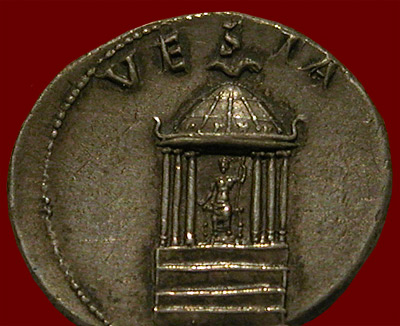
vestatemple_nero

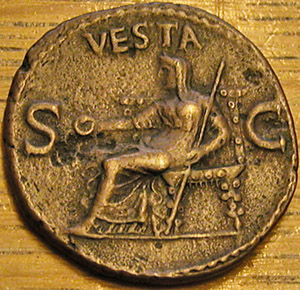
ரோம் நகர வெஸ்டா (வாஸ்து) தேவதை கோவில் (நாணயத்தில்)

Research article by London swaminathan

Article No.1918; Dated 8 June 2015.

Uploaded at London time: காலை 6-09 மணி

வீட்டிலும், கோவில் போன்ற கட்டிடங்களிலும் வாஸ்து புருஷனைப் பூஜிப்பது, வாஸ்து அடிப்படையில் கட்டிடங்களை நிர்மாணிப்பது எல்லாம் ரிக் வேத காலத்திலேயே துவங்கிவிட்டது. அது மட்டுமல்ல அதே பெயரில், அதே நோக்கத்தில் இத்தாலிநாட்டின் தலைநகரான ரோமிலும், கிரேக்க நாட்டிலும் வழிபாடுகள் நடத்தப்பட் டூள்ளன. ஆயினும் அங்கே நிறைய புதிய கதைகளும் எட்டுக்கட்டப் பட்டுள்ளன. எப்படி நம் நாட்டில் ஒரே சிவ பெருமானும், ஒரே மஹாவிஷ்ணுவும் ஊருக்கு ஊருள்ள கோவில்களில் பல ஸ்தல புராணக் கதைகளுடன் விளங்குகின்றனரோ அதைப் போல ரோம், கிரிஸில் வேறுபாடுகள் உண்டு. ஏதோ ஒரு காலத்தில் அங்கு குடியேறிய இந்துக்கள், காலப் போக்கில் பாரதத்துடன் தொடர்பை இழந்தவுடன் அந்த ஊர்க் கடவுளுடன் இணைத்து புதிய கதைகளை உருவாக்கினர் என்று சொல்லலாம்.

ரோம் நகரில் வெஸ்டா என்ற பெயரிலும் கிரேக்க நாட்டில் ஹெஸ்தியா என்ற பெயரிலும் வீட்டிலுள்ள அக்னிமூலையில் இந்த தெய்வங்கள் வழிபட்டன. ஒவ்வொரு வீட்டிலும் குளிர்காலத்தில் சூடு ஏற்றுவதற்காக நெருப்பு எரிந்து கொண்டிருக்கும் அக்னி மூலை இருக்கும்.

vesta_coin4

முதலில் ரிக்வேதத்தில் உள்ள விஷயங்களைக் காண்போம். உலகின் மிகப் பழைய மத நூலான் ரிக்வேதம் குறைந்து 3700 ஆண்டுப் பழமையுடையது. இதில் வசிஷ்டர் கோத்ர ரிஷிகள் பாடிய பாடல்கள் ஏழாவது மண்டலத்தில் இருக்கின்றன. அதில் ஒரு பாடலில் (7-54-1) வாஸ்தோஸ்பதி வணங்கப்படுகிறார். வாஸ்தோஸ்பதி என்றால் வீட்டின் கடவுள் எனப்பொருள். மனிதர்களுக்கும் மிருகங்களுக்கும் நன்மை செய்யவேண்டும்; கால்நடைகளும் குதிரைகளும் பெருகவேண்டும்;நோய்கள் அழிய வேண்டும்; பாதுகாப்பு கிடைக்கவேண்டும் என்று முனிவர்கள் வாஸ்துக் கடவுளை வேண்டுகின்றனர்.

இன்னொரு துதியில் சோமன், த்வஸ்டா ஆகியோராக வழிபடப்படுகிறார். இந்திரனுடன் ஒப்பிடப்படுகிறார்.

பத்தாவது மண்டலத்தில் வரும் ஒரு பாடலில் (10-61-7) அவர் சட்ட நியதிகளை பராமரிப்பவராகவும் கடவுளால் உருவாக்கப்பட்டவராகவும் சித்தரிக்கப்படுகிறார். பிற்காலத்தில் எழுதப்பட்ட கிருஹ்ய சூத்திரங்களில் கிரகப்பிரவேசத்தின் போது அவருக்கு படைப்புகள், காணிக்கைகள் செலுத்தவேண்டும் என்று உள்ளது. அவர் ருத்ரன் போல ஒரு துதியில் போற்றப்பாடாலும் இல்லுறை தெய்வம் அவரே என்று துதிபாடுகின்றனர்.

vesta 3

வெஸ்டா—ஹெஸ்தியா

ரோம் நகர தேவதையாக வெஸ்டா வழிபடப்படுகிறார். ஒவ்வொரு வீட்டிலும் அவர் நெருப்பு மூட்டப்படும் இடத்தில் அவள் உறைவாள். அவளுக்கு நாள் தோறும் படைப்புகள்/காணிக்கைகள் செலுத்த வேண்டும். ரோம் நகரில் ‘போரம்’ என்னும் இடத்தில் அவளுடைய பிரதான கோவில் உள்ளது. அங்கு மார்ச், ஜூன் மாதங்களில் வெஸ்டாலியா என்னும் விழா நடை பெறும். ரோம் நகரிலேயே சிறந்த பெண்கள் அந்தக் கோவிலுக்கு அர்ப்பணிக்கப்படுவர். அவர்கள் அங்கேயே வாழ்ந்து குறைந்தது 30 ஆண்டுகள் ப்ரம்மசாரிணியாக இருந்து விட்டு வெளியே வரலாம். இடையில் கற்புநிலை தவறினால் அவருக்கு கசையடி கொடுக்கப்படும் பின்னர் இந்தக் கசையடிக்குப் பதிலாக அவரைச் சுற்றி சுவர் எழுப்பும் விதிகள் வந்தன. எல்லா பணிகளுக்கும் அந்தக் கோவிலில் எரியும் நந்தாவிளக்கின் ஒளியிலிருந்து தீயை எடுத்துச் செல்ல வேண்டும். விழாக் காலங்களில் பெண்கள் வெறும் கால்களுடன் நடந்து வந்து ரொட்டிகள், அப்பங்களைச் சுட்டுப் படைக்கவேண்டும். வருடம் முழுதும் அங்கு தீ அணையாமல் பாதுகாக்கப்பட்டது. ரோம் நகரில் வெஸ்டாவின் தீ வட்டவடிவான குண்டத்தில் ஏற்றப்பட்டது.

இந்துமத வழக்கங்கள்

இப்பொழுது இவைகளை இந்து மதக் கடவுளருடன் ஒப்பிட்டுப் பார்ப்போம்:-

1.வாஸ்து என்பதே வெஸ்டா என்றும், கிரேக்க மொழியில் ஹெஸ்தியா என்றும் மருவியது

2.எல்லா இடங்களிலும் அக்னியாக, வீட்டுக்கு ஒளியூட்டும் கடவுளாக வழிபடப்பட்டது.

3.பிராமணர் வீடுகளில் தினமும் அக்னிஹோத்ரம், அவுபாசனம், சமிதாதானம் முதலிய ஹோமங்களைச் செய்வர். இதற்காக அணையாத தீ எப்பொழுதும் ஒரு சட்டியில் (உமி) வைக்கப்பட்டிருக்கும். பிறப்பு முதல் இறக்கும்போது தகனக் கிரியை வரை இதிலிருந்தே அக்னியை எடுப்பர்.

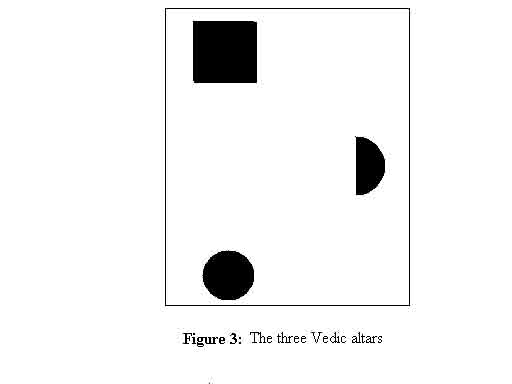
4.ஒவ்வொரு பிராமணர் வீட்டிலும் மூன்று வடிவங்களில் தட்சிணாக்கினீயம் (அரை வட்ட ஹோம குண்டம்), கார்கபத்யம் (வட்ட வடிவம்), ஆஹவனீயம் (சதுர வடிவ ஹோம் குண்டம்) ஹோம குண்டங்கள் இருந்தன. இதில் ரோம் நகரில் எப்பொழுதும் வட்டவடிவத்தில் இருக்கவேண்டும் என்று விதித்தனர்.

5.இந்துக்கள் ஆண் தெய்வமாக வஸ்தோஸ்பதியை வழிபட்டனர். ரோமானியர்கள் பெண் தெய்வமாக வழிபட்டனர். ஆனால் நாமும் கிருஹ லெட்சுமி என்றே சொல்லுவோம்

6.இந்துக்கள் கோவில்களில் நந்தாவிளக்கு என்று அனையாத தீபம் வைத்திருப்பர். அதே போல ரோமிலும் வெஸ்டா கோவிலில் தீயை அணையாமல் பாதுகாத்தனர்.இந்துப் பெண்கள் வெறும் கால்களுடன் கோவிலுக்குச் சென்று நைவேத்யம் செய்தது போல ரோமானியர்களும் செய்தனர்.

kalibanganfirealtars.

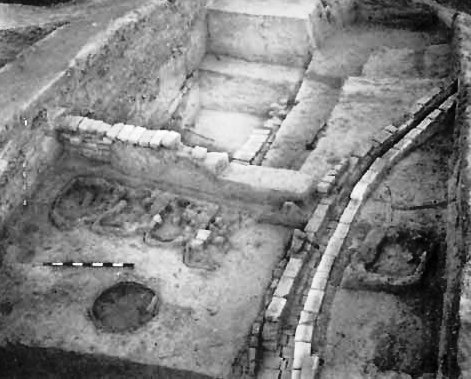
சிந்து சமவெளியில் யாக குண்டங்கள் (காளிபங்கன்)

  1. பால்டிக், ஸ்லாவ் இனமக்கள் வாழும் நாடுகளில் பெண்கள் திருமணமாகி மறுவீடு செல்லுகையில் அம்மா வீட்டிலுள்ள அக்னி மூலையிலிருந்து அக்னியை (விளக்கு) எடுத்துச் செல்லும் வழக்கம் உண்டு. பிராமணர் வீடுகளிலும் ஆண்கள் பரம்பரை பரம்பரையாக அணையாத தீ வைத்திருப்பர். அந்தக் காலத்தில் மூன்று வடிவங்களில் இருந்த ஹோம இடங்கள் இப்பொழுது ஒரு சட்டியில் எரியும் உமிக்கரியாகச் சுருங்கிவிட்டது. எனது நண்பர்கள் சிலர் இன்றும் இதே முறையில் அக்னிஹோத்ரம் செய்துவருகின்றனர்.
  2. இந்த மூன்று வடிவ யாக குண்டங்கள் சிந்து சமவெளி நாகரீக நகரான காளிபங்கனில் கண்டுபிடிக்கபட்டுள்ளன. இவைகளுக்கு சில அளவுகள், சட்டதிட்டங்கள் உண்டு. அந்தக் கணக்குகள் மிகவும் சிக்கலானவை. அவைகளை விளக்கும் சூல்வ சூத்திரங்கள் 3000 ஆண்டுகளுக்கு முன்னரே எழுதப்பட்டன. அதிலிருந்துதான் ஜியோமிதி என்னும் கணித சாத்திரம் உலகிற்கு கிடைத்தது. இது எகிப்து நாட்டில் பிரமிடுகள் கட்டவும் உதவியது. இந்து மத எஞ்ஜினீயர்கள் அங்கு சென்றதால் பிரமிடு கட்டுவோருக்கும் நூல் பிடிப்போர் (சூல்வ சாத்திர நிபுணர்கள்) என்ற பெயர் ஏற்பட்டது. ‘பை’ முதலிய கணித எண்களை அறிந்தோரே வேத கால யாக குண்டங்களை அமைக்கமுடியும்.

9.வெஸ்டா கோவிலில் கன்னிப் பெண்கள் இருந்தது போல இந்துக் கோவில்களிலும் தேவதாசிகள் இருந்தனர்.

10.இந்தியாவில் எப்படி ஒவ்வொரு நகரத்துக்கும் ஒரு தேவதை உண்டோ அப்படியே ரோம் நகர தேவதையாக வெஸ்டா வணக்கப்பட்டாள்.

temple3

ஆதி காலத்தில் பிராமணர் வீடுகளில், இருந்த மூன்று வடிவ யாக குண்டங்கள்

நான்கு நூல்களில் கிடைத்த விஷயங்களைத் தொகுத்து நான் இவைகளை ஒப்பிட்டு ஆராய்ந்தேன். அதன் விளைவே இக்கட்டுரை.

சங்கத் தமிழ் இலக்கியங்களில் உள்ள வாஸ்து சாஸ்திர விஷயங்களைத் தனி கட்டுரையாகத் தருவேன்.

Hindu Vastu God in Rome and Greece!

vestatemple_nero

Research article by London swaminathan

Article No.1917; Dated 7 June 2015.

Uploaded at London time: 17-49

Vastu god was worshipped as Vesta in Rome and Hestia in Greece. Since they lost touch with India for thousands of years after they left the Indian landmass on their migratory routes they developed the stories in their own way. We see such trends in our Puranas and Sthala (local) Puranas of every town in Tamil Nadu. Same Siva or Vishnu will have a different story in each town with interesting turns and twists. This happened with the Vedic God Vaastospati who is invoked in one short hymn in the oldest religious book in the world, the Rig Veda (7-54-1/3). Vaastospati means Lord of the House. He is invoked to bless man and beast, to remove diseases, to make cattle and horses prosper, to afford protection and to grant a favourable entry.

He is elsewhere described as the destroyer of diseases, is identified with Soma, brought into close connection with Tvastr, an artificer, and he is likened to Indra in connection with Soma pressers.

Origin of Grhapravesa (Entering New House) Ceremony

In the Tenth book of Rig Veda (10-61-7) he appears as an observer of ordinances, who was fashioned by the gods. His character is made clearer by the fact that the Grhyasutras prescribed that offerings are to be made to him upon entering new house. In later literature (TS 3-4-10-3) Rudra bears the style in one passage. The god is clearly the god of the house, who when a new house is built, comes and abides in it. Later in the Sutras, we hear more generally of deities in the house.

vesta_coin4

Goddess in Rome Vesta

Vesta was the Goddess of Rome. Vesta sounds like Vastu. She was the goddess of the hearth/fireplace, regarded as the centre of the home, so that in effect she had an altar in every house besides the great sanctuary in the Forum attended by the Vestal Virgins. In contrast to other temples, it was circular in shape. It was served only by virgins who had been selected in their childhood from among the most perfect girls of the city. They were placed under the authority of the great pontiff and received many honours. If they failed to remain chaste, they were whipped or walled up alive at the Collins Gate in Rome.

vesta 3

Now here is the comparison with Vedic deities:

Vasstospati is a male deity but Vesa is a female deity. But the fire place is part of every Brahmin’s house in ancient India. Every Brahmin had three different fire places in his house and one of them is circular like Vesta’s. Another point is the girls were given to temples in India also who remained chaste till their death. But they were not punished for violating the rules of celibacy. Romans thought Vesta was the guardian of the city. In India every city has a guardian goddess like Vesta of Rome.

In Rome, the fire was kept lit all year long and its flame was solemnly stirred up during the festival in March – Vestalia. This flame had to be obtained solely by rubbing two pieces of wood together. This is also a Vedic custom. For all the Vedic fire ceremonies they produce fire by rubbing two woods and there is special mantras for it. Moreover from birth to death, the same fire in the Brahmin’s house is used. So it was never allowed to stop burning. In the temples the flame was kept alive in Nunda Vilakku (Eternal Flame), special type of lamps which will burn for years continuously. Only thing is oil has to be filled now and then in the pot like bottom of the lamp.

kalibanganfirealtars.

Vedic Fire Altars in Indus valley Site in Kalibangan

Her name derives – like the name of Hestia — from a Sanskrit root, vas, which expresses the idea of shining. The Romans made Vesta a goddess who personified earth and fire – the fire required for domestic use or in religious ceremonies. As goddess of fire she received both a private and public cult. Hindu’s Fire god is also treated the same way in the Vedas. Vesta received daily offerings from each family, at the hearth/fire place. In Brahmin families everyday offerings were given to fire god. It was called Aupasanam or Agni Hotram. On 9th of June every year was the Vestalia when barefoot Roman matrons offered food baked on their hearths. In Indian temples women give offerings on barefoot on certain days in a year.

As with the Balts and Slavs, a woman had to bring fire from her mother’s house when she married. The goddess of fire celestial and earthly naturally suggests Agni, the god of fire, lightning and the sun: all forms of fire. The rounded temple echoed the form of the sun: the hearth as the earthly counterpart of the heavenly fire.

In the Rig Veda, every male head of a family was obliged to perform, every day, Purvas. For this purpose he had to set up in his house three kinds of fire, protecting his house and the fires by placing  altars of special design. The fires were known as Dakshinagniyam (Semi Circular altar), Garhapatyam (Circular altar) and Ahavaneeyam (Square altar). The altars, intended to shield the fires, had to be built to design plans which related them to each other in the shape and area. To calculate the correct dimensions, sound knowledge of geometry was required. This is quite a complex calculation, requiring an accurate value of pi and a knowledge of the formula for the areas of a circle and rectangle. In such ways as this, the religious concerns of Hindu heads of families had the effect of raising the arithmetical standards of everyone involved. Advanced Geometry originated in India during the Vedic period.

temple3

Source

The Sun Goddess, Myth, Legend and History by Sheena Mc Grath

New Larousse Encyclopaedia of Mythology

The Rig Veda, Translation by Griifith

கணித மேதை, அழகி, உயிரிழந்த சோகக் கதை

HypatiaQuote

Compiled by London swaminathan

Article No.1916; Dated 7 June 2015.

Uploaded at London time: காலை 6-32

பழங்கால உலகில் இந்தியாவில் மட்டுமே பெண்கள் கல்வி கற்றனர். உயர் நிலையில் இருந்தனர்.சுமேரிய, எகிப்திய,கிரேக்க நாட்டு வரலாற்றைப் படித்த்வர்களுக்கு நன்கு தெரிந்த உண்மை இது. எதை எழுதினாலும் அதற்கு சான்று தருவது அறிவுடைமை; மேலும் அது நம் கடமை.

உலகின் மிகப் பழைய நூலான ரிக் வேதத்தில் இருபதுக்கும் மேலான பெண் கவிஞர்களின் பாடல்கள் உள. அதற்கு 1700 ஆண்டுகளுக்குப் பின் தோன்றிய சங்கத் தமிழ் இலக்கியத்தில் இருபதுக்கும் மேலான பெண் கவிஞர்கள் பாடல்கள் இடம்பெற்றுள்ளன. சங்க இலக்கியம் தோன்றுவதற்கு முன்னர் பீஹாரிலுள்ள பாட்னா நகரில் (பாடலிபுத்ரம்) இருந்து அசோகனின் மகள் சங்க மித்திரை கப்பலில் இலங்கைக்குச் சென்று புத்தமதப் பிரசாரம் செய்தாள். அவள் ஒரு அறிவாளி. புத்த மதத்தில் மேலும் பல தலைவிகளும் இருந்தனர். இதற்கெல்லாம் மிக முன்னதாக, அதாவது கி.மு 850-ல், இற்றைக்கு 2850 ஆண்டுகளுக்கு முன், ஜனக மாமன்னன் கூட்டிய அகில இந்திய தத்துவ மஹாநாட்டில் பல மாநில த்தினர் கலந்து கொண்டனர். அந்த அறிஞர்களின் பெயர்ப் பட்டியல் பிருஹத் ஆரண்யக (பெருங் காட்டு) உபநிஷத்தில்  உள்ளது. அதில் கலந்துகொண்ட மகளிர் அணியில் கார்கி வாசக்னவி என்ற பேரறிவாளி, கூட்டத்தில் எழுந்து பேசினாள். அப்போதைய பேரறிஞர் யாக்ஞவல்கியர் மீது கேள்விக் கணைகளைத் தொடுத்தாள்.

ஆதிசங்கரருக்கும் மண்டன மிஸ்ரருக்கும் நடந்த வாதத்தில் மண்டன மிஸ்ரரின் மனைவி சரஸவாணிதான் ஜட்ஜ்/ நடுவர். அவ்வளவு பெரிய அறிவாளி அவள். ஆயினும் தன் கணவர் பங்கு பெறுவதால் அவள் ஒரு தந்திரம் செய்தாள். அவள் அறிவாளி மட்டும் அல்ல; ஒரு விஞ்ஞானி! ஒரு விஞ்ஞானி மட்டும் அல்ல; பெரிய சைகாலஜிஸ்ட் – அதாவது உளவியல் மாமேதை. அவளுக்குத் தெரியும் யார் உணர்ச்சி வசப்பட்டு வாதாடுகிறார்களோ அவர்கள் உடம்பில் சூடு ஏறும்; குறைகுடம் கூத்தாடும், ஆனால் நிறைகுடம் தழும்பாது என்று. ஆகையால் இருவர் கழுத்திலும் மலர் மாலையைப் போட்டுக் கொள்ளவைத்து, முதலில் யார் மாலை வாடுகிறதோ அவரே தோற்றவர் என்று அறிவித்துவிட்டாள். அவர் கணவரின் மாலை முதலில் வாடவே, அவரே தோற்றவர் என்று அறிவித்துவிட்டு, தன்னுடன் வாதத்துக்கு வரும்படி அழைத்து, பிரம்மச்சாரி சங்கரரிடம் ‘செக்ஸ்’ பற்றிய கேள்விகளைக்கேட்டு அவரைத் திணறடித்தாள். இறுதியில் அவளும் தோற்றுப்போனாள். அப்பேற்பட்ட மாமேதையான பெண்மணிகளை உடையது நம் நாடு.

மேலை உலகத்திலோ பெண்களை மட்டம் தட்டி வைத்திருந்தனர். ஷீபா மஹாராணி, கிளியோபாட்ரா ஆகியோர் பெயர்கள் அடிபட்டாலும் அவர்களின் ‘அழகே’ அதிகம் பாராட்டப்பட்டுள்ளது. அவர்களின் ‘அறிவு’க்குச் சான்று பகரும் கவிகள் ஏதுமில! நமக்கோ இலக்கியச் சான்றுகள் உள!!

அலெக்ஸாண்டர் படை எடுத்தபோது உலகில் பல நகரங்களை ஏற்படுத்தினார். அதில் ஒன்று எகிப்து நாட்டில் நைல் நதிக் கரையில் அமைந்த அலெக்ஸாண்டிரியா. அதில் 2000 ஆண்டுகளுக்கு முன்னரே பத்து லட்சம் மக்கள் வாழத் துவங்கினர். இந்திய அறிஞர்களும், வணிகர்களும் அங்கு வசித்த வரலாற்றுச் சான்றுகளும் உண்டு. அந்த நகரில் மியூசியம், பல்கலைக் கழகம் எல்லாம் ஒன்றாக இணைந்திருந்த இடத்தில் கிரேக்க அறிஞர் தேயன் (தேவன்) பாடம் சொல்லிக் கொடுத்தார். அவரது மகளின் பெயர் ஹைபேசியா. அவள் நன்கு படித்து கணித மேதை ஆனாள். அவள் பேரழகி. தன்னிடம் பாடம் கற்கும் மாணவர்கள் தன் அழகில் மயங்கி புத்தி பேதலித்து விடக்கூடாது என்று எண்ணி, திரைக்குப் பின்னால் நின்றுதான் பாடம் சொல்லிக் கொடுப்பாள். அவள் பிறந்தது கி.பி 350க்கும் 370 க்கும் இடையில் என்பது ஆராய்ச்சியாளரின் கணிப்பு.அப்போது ரோமானிய ஆட்சி எகிப்து வரை பரவி இருந்தது.

hypatia 2

ஹைபேசியா மற்றும் அவரது தந்தை ஆகியோர் கிறிஸ்தவ மதத்தை ஏற்கவில்லை. ஆகையால் கிறிஸ்தவ மதத்தினருக்கு அவளைப் பிடிக்கவில்லை. இந்து மத தத்துவத்துக்கு இணையான (மறுபிறப்பு) கொள்கைகளைப் பரப்பிய சாக்ரடீஸ்-பிளாட்டோ ஆகியோரின் கொள்கைகளை ஹைபேசியா குடும்பம் பின்பற்றியது.

இதற்கிடையில் அலெக்சாண்டிரியாவில் அரசியல் கொந்தளிப்பு ஏற்பட்டு யூதர்களூம் கிறிஸ்தவர்களும் வன்முறையில் இறங்கினர். இருதரப்பிலும் மதத்தலைவர்கள் படுகொலையுண்டனர்.

கான்ஸ்டாண்டி நோபிள் நகரிலிருந்து வந்த வெறிபிடித்த பாதிரியார் சிரில் என்பவருக்கும், ஹைபசியாவின் மாணவரும் ரோமானிய கவர்னருமான ஆரிஸ்டஸ் என்பவருக்கும் மோதல் அதிகரித்தது. கி.பி 415ல் பெரிய ரோமானிய எதிர்ப்பு ஆர்ப்பாட்டம் நடந்தது. ஹைபேசியா, கணிதம் மற்றும் தத்துவ பாடத்தைப் போதித்ததோடு பலரை வாதுக்கு அழைத்து வெற்றியும் பெற்றுவந்தாள். இந்தியாவில் காசி மநகரத்தில் தெரு மூலைகளில் அறிஞர்கள் நின்று கொண்டு எல்லோரையும் வாதுக்கு அழைப்பர். பெரிய பட்டிமன்றங்கள் நடக்கும். இதுபோல ஹைபேசியாவும் செய்து வந்ததால் ரோமானிய எதிர்ப்புக் கிளர்ச்சி நடந்த அன்று அவருடைய வீட்டில் ஒரு கிறிஸ்தவ கும்பல் புகுந்து அவரை நிர்வாணமாக்கி தெருவில் இழுத்து வந்தனர். பின்னர் அவளை உயிருடன் எரித்துக் கொன்றனர். இதுபற்றி சாக்ரடீஸ் ஸ்காலஸ்டிகஸ் என்ற வரலாற்று அறிஞர் அந்தக் காலத்திலேயே எழுதி வைத்தது இப்பொழுது விக்கிபீடியா முதலிய கலைக்களஞ்சியங்களில் உள்ளது.

இந்தப் படுகொலைக்குப் பின்னர் ஆயிரம் ஆண்டுகளுக்கு ஐரோப்பாவில் விஞ்ஞானம் என்பது இருளில் மூழ்கியது. கத்தோலிக்க கிறிஸ்தவர்கள் கலிலியோ, கோபர்நிகஸ் ஆகியோரையும் கொடுமைப் படுத்தினர். இதற்குப் பெரிய எதிர்ப்பு கிளம்பியவுடன் கி.பி.1500 வாக்கில் மறுமலர்ச்சி உதயமானது.

ஹைபேசியா பல நூல்களை எழுதினார். நீரை அளக்கும் பல கருவிகளைக் கண்டுபிடித்தார், ஆனால் ஒன்றுகூட இன்று மிஞ்சவில்லை. இதற்குக் காரணம், முஸ்லீம்கள் நாலந்தா பலகலைக்கழக நூல்நிலையத்தை எரித்து நம்முடைய நூல்களை எப்படி சாம்பலாக்கினரோ அப்படியே கி.பி 640ல் ஒரு அராபிய முஸ்லீம் கும்பல் அலெக்ஸாண்டிரியா நூலகத்தையும் எரித்துச் சாம்பலாக்கியது. இதன் விவரங்களும் கலைக் களஞ்சியங்களில் உள்ளது. பல்லாயிரக்கணக்கான சம்ஸ்கிருத நூல்களின் பெயர்களை மட்டுமே நாம் அறிவோம். அவை அனைத்தும் இன்றும் சாம்பல் ரூபத்தில் பீஹாரில் நாலந்தா பலகலைக் கழகத்தின் அடியில் உள்ளன. இதே கதை அலெக்ஸாண்டிரியாவிலும் நடந்தது.

நாம் இவர்களை மன்னித்துவிடலாம். ஆனால் வரலாறு இவர்களை மன்னிக்கவே மன்னிக்காது.

Murder of a Beautiful Mathematician

HypatiaQuote

Compiled by London swaminathan

Article No.1915; Dated 6 June 2015.

Uploaded at London time: 18-52

India was the only country in the ancient world where women were well educated. Very rarely we see educated women in other parts of the ancient world. 3700 year old Rig Veda has names of scores of poetesses. 2000 year old Sangam Tamil literature has scores of poetesses. As proofs of their existence we have their verses today. Gargi Vachaknavi attended the All India Philosophical Conference convened by the King Janaka 2850 years ago. Asoka’s daughter Sangamitra travelled to Sri Lanka by ship and spread Buddhism 2350 years ago. Draupadi argued her case like a lawyer before she was dragged into Duryodhana’s court. We have at least 100 reputed names of women who lived 2000 years ago. In the other parts of the world, we read lot about Queen of Sheba and Cleopatra but we haven’t got their writings to prove or estimate their intelligence.

There was one woman who was beautiful and intelligent in Alexandria (Egypt), but was brutally murdered by a fanatical gang. Her name was Hypatia. She was so beautiful that she had to teach from behind a curtain so that her students won’t be distracted. She was born between 350 and 370 CE and was murdered in in 415 CE by a Christian mob.

When alexander invaded Egypt in 332 BCE, he founded the city of Alexandria at the mouth of River Nile in Egypt. Within a century it had one million residents including Indian scholars and businessmen. Among the professors who taught at the famous Museum cum University was Theon, a Greek scholar. He was a Pythagorean and educated his daughter Hypatia at a time, when it was comparatively rare for women to receive any sort of intellectual education at all.

Hypatia was appointed Professor of Mathematics and Philosophy in the same prestigious institute as her father.

In India, apart from the women named in the Rig Veda, Upanishads and Sangam Tamil literature, we had a beauty Sarasawani who was asked to be the judge in the debate between Adi Shankara and Mandanamishra. There was intellectual freedom. Women could be the judge where two intellectual giants of the day clashed. Whoever was defeated accepted the opponents teaching and followed him. But the Christian church crippled discussion of intellectual matters, substituting faith for reason as the criterion of truth. Expectation of the imminent Second Coming of Christ, as promised to his disciples, made people intellectually lazy; what was the point or need of further intellectual inquiry?

Hypatia, a neo Platonist, had no truck with such attitudes. She also had the habit of engaging casual passers-by in dialectical explanations or philosophical questions. Hindu philosophers also stood in street corners in Benares and challenged the intellectuals to come for a debate.

hypatia 2

Hypatia was caught in a feud between Cyril the fanatical patriarch of Constantinople and her ex pupil and friend Orestes, the Roman Governor of Alexandria. According to the historian Socrates Scholasticus, a mob of ‘cock brains’, supporters of the fanatical patriarch, came across Hypatia during an anti- Roman demonstration in Alexandria. They were against the pagan philosophy. They dragged her into a church, stripped and murdered her and then burned her corpse.

Hypatia wrote a number of books, intended as texts for students. Unfortunately, none of her works have survived. She is credited with several inventions like Hygrometer and a water level instrument.

Her murder by a Christian mob was taken as symbolic by generations of European free thinkers, scientists and anti-Catholics. She was the last of the pagan scientists. Her death coincided with the last days of Roman Empire and the beginning of the Dark Ages. For 1000 years or so there were no significant advances in Christian Europe.

In 640 CE, the city was Alexandria was attacked by Muslim invaders and they destroyed the great library in Alexandria like they set fire to Nalanda University library in India. In both places most of the ancient works were destroyed and lost for ever. Some were rescued by scholars and later the Arab scholars translated them. Intellectuals suffered a lot at the hands of religious fanatics!

Source for Hypatia story: Number by John McLeish, Bloomsbury, 1991.