Animals in the Bhagavad Gita!

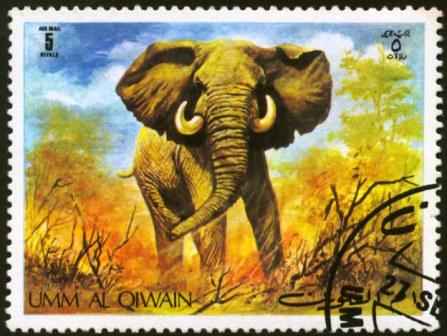
elephants

Research Article No.1982

Written by London swaminathan

Date 8th July 2015

Time uploaded in London: 19-41

Bhagavad Gita is a philosophical work and to look for animals in the holy book may sound a little bit unholy act. It is like looking for recipe for Potato curry in Organic Chemistry book!

But I view it from a different angle. The similes or the few references also reflect their belief in the society. We don’t expect Lord Krishna to talk about a penguin or an albatross or a kangaroo. But we can expect something about a lion or a tiger or an elephant. This shows who the audience he is addressing. We know that Krishna is addressing a person living in a tropical country. Let us straight away go into the references to animals and birds.

I have listed all the things that he mentioned in the Vibhuti Yoga (Chapter 10) two years ago on 3rd June 2013. The birds, the animals and the amphibians  that are mentioned are as follows:
cows and calves kandrus

Of horses I am Uchchaisrvas

Of cows I am Kamaduk (wish fulfilling cow)

Of elephants I am Airavata

Of serpents I am Vasuki

Of birds I am Garuda (eagle)

Of animals I am lion

Of water animals I am Makara (alligator)

—-Chapter-10

But there are many more interesting references:
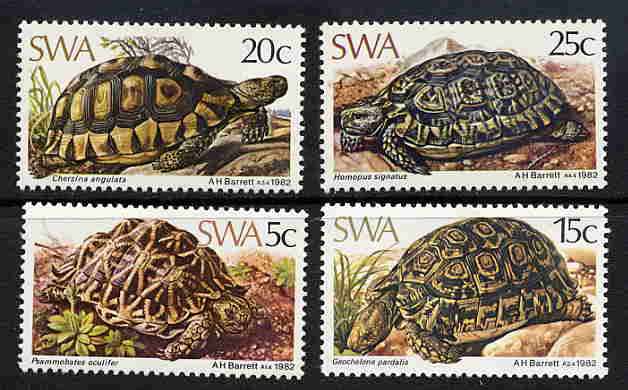
tortoise

Tortoise

He who draws away the senses from the objects of sense on every side as tortoise draws in his limbs (into the shell), his intelligence is firmly set in wisdom (2-58). This is a very popular simile. Several Sanskrit and Tamil poets have used the simile for emphasizing self-control.

Moths

As moths rush swiftly into a blazing fire to perish there, so do these men rush in to your mouths with great speed to their own destruction (11-29)
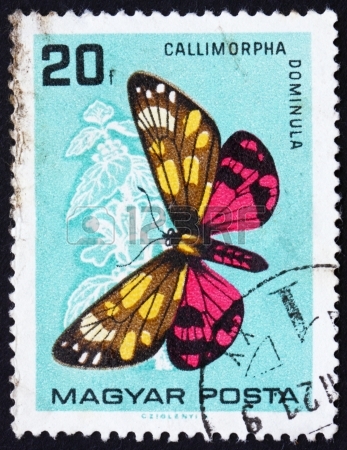
moth

Elephant, Cow and Dog

Sages see with an equal eye, a leaned and humble Brahmin, a cow, an elephant or even a dog or an outcaste (5-18).

This is the most interesting verse to find out Hindus’ respect for certain animals and disrespect for others.

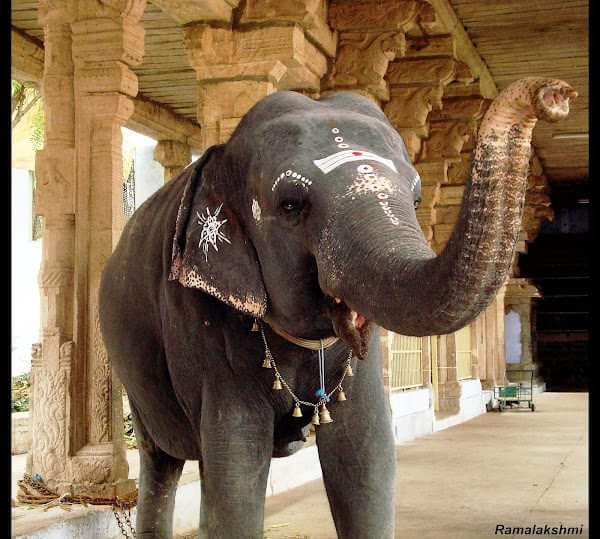
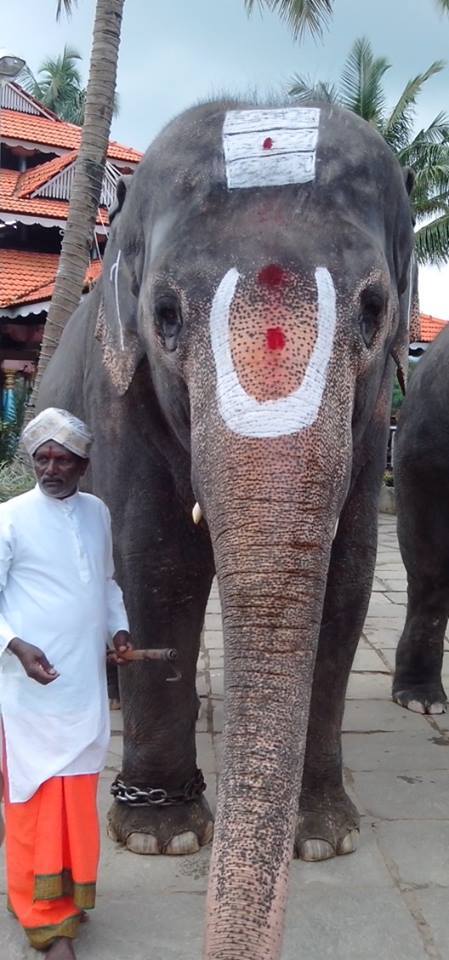
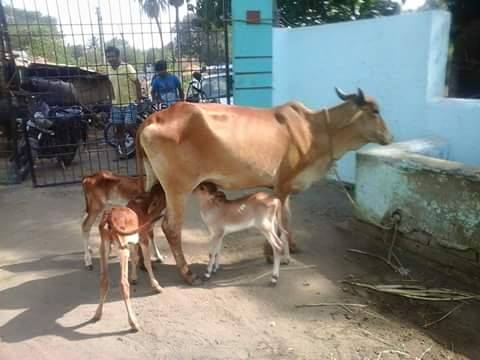
Elephants and cows are respected very much. Go Puja (cow) and Gaja Puja (elephant) are part of many temples and Mutts. They are worshipped every morning. Both are herbivorous. The dog is occupying the lowest rank, because it was considered an unclean animal eating left over food and all non- vegetarian food. But all these are the views of the laymen and the learned men look at them with an equal eye. That is, nothing is high or low. They are equal. This is confirmed by the lines like ‘Sarva Bhuta Hiteratah’ (5-25) and ‘sarvabhutanam suhrutam’ (5-28) in the same chapter.
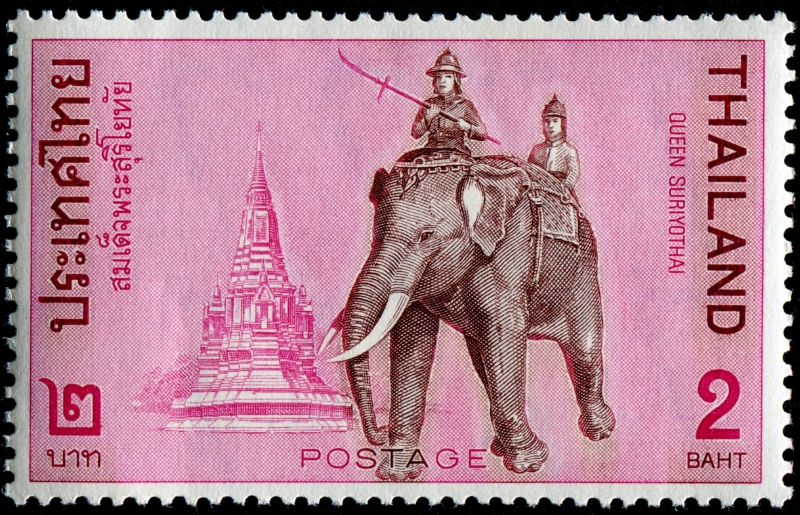
elephant good

PANDITAH SAMA DARSINAH; SAGES SEE WITH AN EQUAL EYE

Sarvabhuta hiteratah (5-25) = holy men doing good to all creatures

Suhrdam sarvabhutanam (5-28) = the friend to all beings

Samoham sarvabhutesu (9-29) = I am the same in (alike to) all beings

Nirvairah sarvabhutesu (11-55) = free from enmity to all creatures

Sarvabhuta hiteratah (12-4) = rejoicing in the welfare of all creatures

Hindus are friends of all creatures from ants to elephants. Hindu scholars view all the living beings as equal.
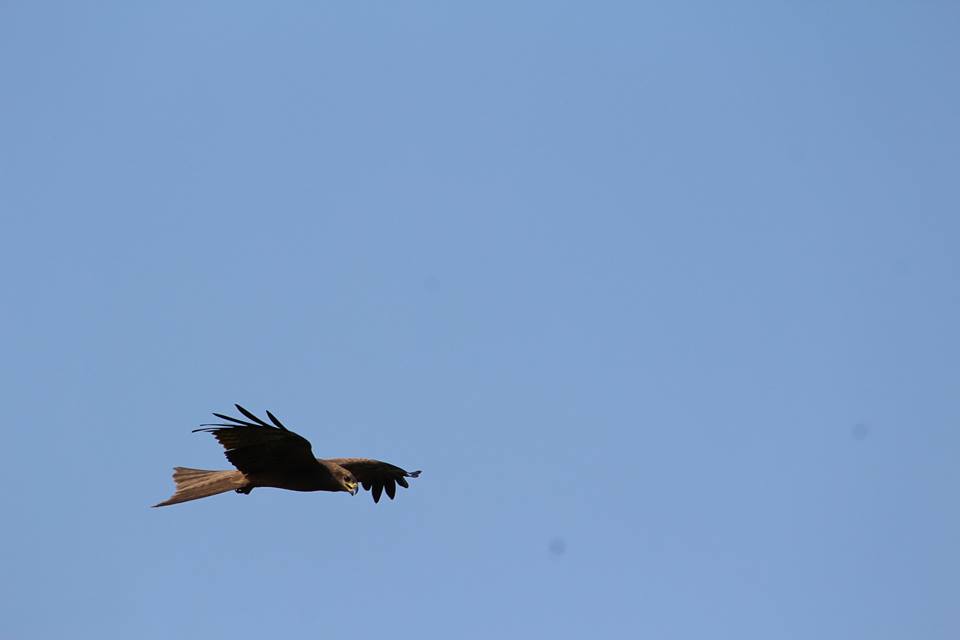
eagle2

Earlier articles on Krishna posted by me:

1.ONE MINUTE BHAGHAVAD GITA

2.Krishna’s Diamond in USA?

3.Atom bomb to Zoo (A to Z) of Bhagavad Gita

4.Krishna’s Restaurant in Dwaraka: Hot Satwic Food Sold

5.ஸ்ரீ கிருஷ்ணனுடன் 60 வினாடி பேட்டி (Tamil))

6.கண்ணன் வழி….தனீ…..வழி! (Tamil)

7.கொலவெறி வைரம்

8) 45 Commentaries on Bhagavad Gita

9.Jesus Name in Bhagavad Gita ( Posted on September 10, 2014)

10.Interesting Words in the Bhagavad Gita (Posted on March 20, 2014)

11.Doing Business with God (June 6, 2014)

(Pictures are taken from other websites. Thanks)

Swami_48@yahoo.com
“பிரிட்டனில் 4500 ஆண்டு பழமையான இந்து கோவில்!”

IMG_1596

ஆராய்ச்சிக் கட்டுரை எண் : 1981

தேதி : ஜூலை 8, ஆண்டு 2015

லண்டனில் பதிவு ஏற்றப்பட்ட நேரம்: காலை10-00

1990 ஆம் ஆண்டு லண்டனிலுள்ள சவுத் இந்தியன் சொஸைட்டி ஏற்பாடு செய்த கோச் டூரில் போர்ன்மவுத், ப்ளிமவுத் கடற்கரைக்குச் செல்லுகையில் ஸ்டோன்ஹெஞ்ச் சென்றோம். 25 ஆண்டுகளுக்குப் பின்னர் சென்ற திங்கட்கிழமை மீண்டும் சென்றேன். சில விஷயங்களை உங்களுடன் பகிர்ந்து கொள்ள ஆசை எழுந்தது.முன்னை விடக் கூட்டம் கூடியிருக்கிறது. குறிப்பாக ஜப்பானிய சுற்றுலாப் பயணிகள் அதிகம் காணப்பட்டனர்.

ஸ்டோன்ஹெஞ்ச் என்றால் என்ன?

15 பவுண்ட் நுழைவுக் கட்டணம் செலுத்துவோருக்கு ஒரு துண்டுப் பிரதி கொடுப்பார்கள். அதில் எழுதப்பட்ட விஷயம்:” ஸ்டோன்ஹெஞ்ச் என்பது ஒரு பழங்கால கோவில்; சூரியனுடைய சஞ்சாரத்தின் அடிப்படையில் 4500 ஆண்டுகளுக்கு முன்பு, மிகவும் நவீன விஷயங்களை அறிந்தோரால் எழுபப்பட்டது”.

இது லண்டனிலிருந்து 100 மைல் தொலைவில் ஏமிஸ்பரியில் இருக்கிறது. (பிரிட்டனில் பல ஊர்களின் பெயர்கள் “பரி” என்று முடியும். இதுசம்ஸ்கிருதச் சொல்= புரி. அதுவே தமிழில் ஊர் ஆனது. மேலும் பல ஊர்கள் “ஹாம்” என்று முடியும். இது கிராமம் எனும் சம்ஸ்கிருதச் சொல்லின் மரூஉ. பர்மிங்ஹாம், ஈஸ்ட் ஹாம், லூயிஸ் ஹாம் என்பர்.)

துண்டுப் பிரதிலுள்ள இரண்டு சொற்களைக் கவனியுங்கள்: கோவில், சூரியனுடைய செலவு/சஞ்சாரம்.

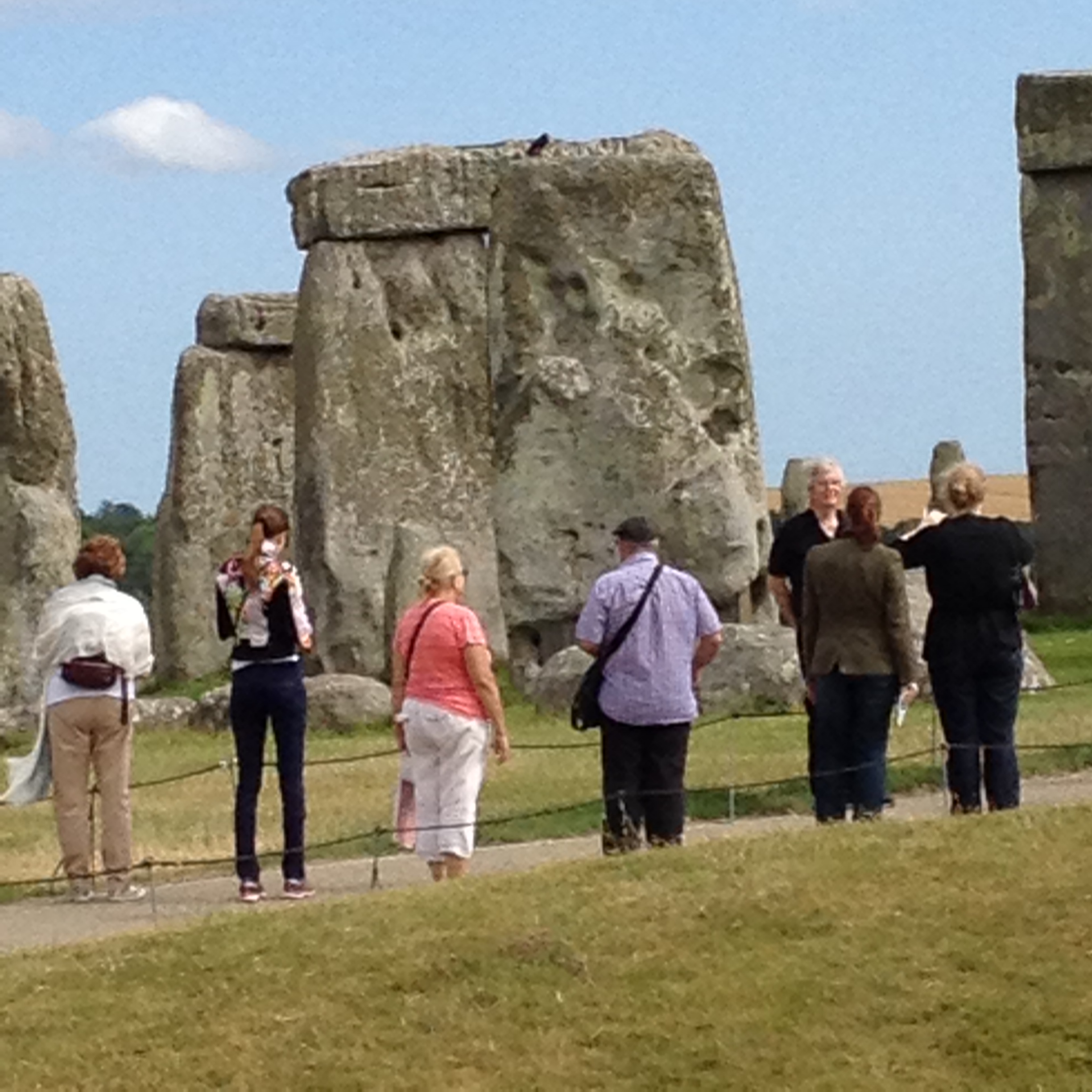
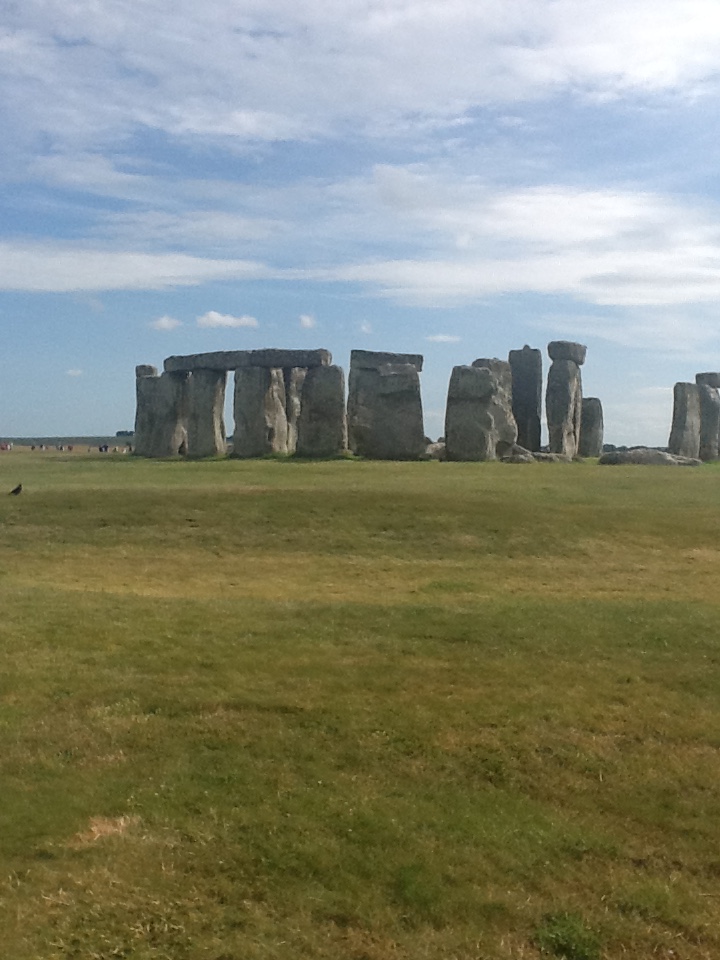
இதனாலும், இந்த இடத்தை “ட்ரூய்ட்ஸ்” என்னும் இனத்தாருடன் தொடர்பு படுத்துவதாலும் இதை இந்துக்களின் சின்னம் என்று நான் எண்ணுகிறேன். முதலில் “ஸ்டோன்ஹெஞ்ச்” பற்றிப் பார்ப்போம். படத்தைப் பாருங்கள். பிரம்மாண்டமான கற்கள் மீது அதே அளவுள்ள கற்களை ஏற்றி வைத்துள்ளனர். இது வட்ட வடிவில் அமைக்கப்பட்டுள்ளது. இப்பொழுது சில கற்கள் (பாறைகள்) அங்கு இல்லை.

இதில் மர்மம் என்ன வென்றால், எங்கிருந்து இந்த பிரம்மாண்டமான பாறைகள் வந்தன? எப்படி அதைக் கொண்டு வந்தனர்? எதற்காக அதை சிரமப்பட்டு ஏற்றி வைத்தனர்? அதை ஏன் வட்ட வடிவில் அமைத்தனர்? யார் இதைச் செய்தனர்? எப்போது இப்படிச் செய்தனர்? அருகில் மலைகளே இல்லையே!

இதே கேள்விகளை நாம் ராஜ ராஜன் கட்டிய தஞ்சைப் பெரிய கோவில் விஷயத்திலும் எழுப்பினோம். விடைகளைக் கண்டோம். அது போல ஸ்டோன்ஹெஞ்ச் விஷயத்திலும் தடைகள் எழுப்பி விடையும் கண்டுவிட்டனர். எனது கட்டுரை ஸ்டோன்ஹெஞ்சின் பெருமையைப் பேச எழுந்த கட்டுரை இல்லை. இந்துக்களுக்கும் இதற்கும் தொடர்பு உண்டா என்று ஆராயும் கட்டுரை.நிற்க.

உலகில் இன்றுவரை சூரியனை வழிபடும் இனம் இந்து இனமே. போன ஆண்டு இராக் நாட்டு யஸீதி என்னும் பழங்குடிகள் பற்றி ஒரு கட்டுரை எழுதினேன். அதில் அவர்களும் இந்துக்களைப் போலவே மயில், அக்னி, சூரியன் ஆகியவற்றை வழிபடுவதைக் குறிப்பிட்டிருந்தேன். அவர்கள் எல்லோரும் ரிக்வேதத்தில் குறிப்பிடப் படும் ஐந்துவகை மக்களின் (பஞ்ச ஜனாஹா) ஒரு குழுவான த்ருஹ்யூ குழுவாகும். ரிக் வேதத்தில் வரும் பத்து ராஜா யுத்தத்துக்குப் பின்னர் அவர்கள் எல்லோரும்  — அதாவது தோற்றுப்போன ராஜாக்களின் மக்கள், ஐரோப்பாவில் குடியேறினர். யது (யாதவ) என்னும் குலத்தை சேர்ந்த சிலர் அங்கு சென்று யூதர் ஆயினர். த்ருஹ்யூ குலத்தினர் ட்ரூய்ட்ஸ் ஆயினர்.

IMG_4788 IMG_4792

கட்டுரையாளர் லண்டன் சுவாமிநாதன்

சூரிய வழிபாடு

உலகில் சூரியனுக்குப் பல இடங்களில் கோவில்கள் உண்டு ஆனால் ஒரிஸ்ஸாவில் கொனாரக், காஷ்மீரில் மார்த்தாண்ட், குஜராத்தில் மதெரா முதலிய 13 சூரியன் கோவில்களில் பூஜைகள் நடைபெற்றன. இவைகளில் பல முஸ்லீம்களின் தாக்குதலால் அழிந்தன; பூஜைகள் நின்றன. ஆயினும் இந்துக்களின் சூரிய வழிபாடு நிற்கவில்லை.

1.பிராமணர்கள் நாள்தோறும் மூன்று முறை வேத மந்திரங்களைச் சொல்லி சூரியனை வழிபடுகின்றனர். அதற்கு த்ரி கால சந்தியா வந்தனம் என்று பெயர்.

2.சூரியனார் கோவில் முதலிய கோவில்களில் இன்றும் வழிபாடு நடக்கிறது. எல்லா தென்னிந்திய கோவில்களிலும் சூரிய, சந்திரர், நவக் கிரஹ சந்நிதிகள் உண்டு.

3.சூரிய சஞ்சாரம்: இது எல்லா ஜாதியினருக்கும் முக்கியமானது. சூரியனின் வடதிசைப் பயணத்தை (உத்தராயண புண்ய காலம்/மகர சங்கராந்தி/ பொங்கல்)  எல்லோரும் கொண்டாடுகிறோம். சூரியனின் தென் திசைப் பயணத்தையும் (தட்சிணாயன புண்ய காலம்) எல்லோரும் கொண்டாடுகிறோம். இந்த இரண்டு நேரங்களில் தை, ஆடி அமாவசைகளில் எல்லா ஜாதியினரும் புனித நதி, கடற்கரைகளில் நீத்தாரை நினைந்து நீர்க்கடன் செலுத்துவர். தமிழர்கள் இன்று வரை இதைச் செய்துவருகின்றனர்.

இதே தான் ஸ்டோன்ஹெஞ்ச்சிலும் நடை பெற்றது. பிரிட்டன் என்பது குளிர் நாடாகையால் தட்சிணாயன புண்ய காலத்தை (தென் திசைப் பயணம்) பெரிதாகக் கொண்டாடினர். இப்பொழுதும் மிக நீண்ட பகல் பொழுதுடைய ஜூன் 21–ஆம் தேதி த்ரூய்ட்ஸ் என்ற பெயரில் வெள்ளாடை தரித்த ஒரு குழு விநோதச் சடங்குகளைச் செய்கின்றது.

IMG_4767 IMG_4773

இதுபற்றி கி.மு நாலாம் நூற்றாண்டில் ஒரு குறிப்பும் கிடைத்திருக்கிறது. பிரிட்டனில் ஓரிடத்தில் வட்ட வடிவக் கற்கோயில் இருப்பதாகவும் அது அப்பலோ கடவுளுக்கு அர்ப்பணிக்கப்பட்டது என்றும் எழுதியுள்ளனர். அப்பலோ என்பது விஷ்ணுவைக் குறிக்க, கிரேக்கர்கள், வேறு சில இடங்களில் பயன்படுத்தியுள்ளனர். ஸ்டோன்ஹெஞ்ச் போல ஏவ்ஸ்பரியிலும் வட்டவடிவப் பாறைகள் உள.

ஆகவே, சூரியனுடைய போக்கின் அடிப்படையில், சூரியன் கோவில் கட்டப்பட்டிருப்பதாலும், அங்கே சூரிய வழிபாடு நடைபெற்றதாலும் இது இந்துக்களுடன் –- வேத கால த்ருஹ்யூக்களுடன் — தொடர்புடையது என்பது எனது துணிபு.

நாம் எல்லோரும் சூரிய நமஸ்காரம் என்று மந்திரத்துடன் பயிற்சியும் செய்கிறோம். அழிந்து போன இந்தப் பண்பாட்டை, ஆர்.எஸ்.எஸ். இயக்கம் நன்கு பரப்பியமையால் இப்பொழுது புத்துயிர் பெற்றுள்ளது.

இந்தக் கட்டுரையின் ஆங்கில வடிவத்தைப் படித்து விட்டு லண்டன் வாழ் திருச்சி கல்யாண குருக்கள் தொலைபேசியில் சில விஷயங்களைச் சொன்னார்:

இந்துக் கோவில்கள் பெரும்பாலும் சூரியன் உதிக்கும் கிழக்கு திசையாஇ நோக்கியே இருக்கும்.

நவக்கிரஹ சந்நிதிகள் வரும் முன்னரே சூரியன், சந்திரன் சந்நிதிகள் நம் கோவில்களில் உள.

மேலும், ஒரு கோவில் தட்சிணாயணத்திலோ, உத்தராயணத்திலோ கட்டப்பட்டால் அதற்குத் தக முகப்பு, சந்நிதிகளை அமைக்கும் வழக்கமும் உண்டு.

யாக சாலை பூஜைகளில் காலையில் துவங்கும் போது சூரிய பூஜை முதலில் செய்ய்ப்படும்.

இவை அனைத்தும் இன்று வரை நாம் செய்யும் சூரியவழிபாட்டுக்கு சான்று பகரும்.

IMG_1542 IMG_1540

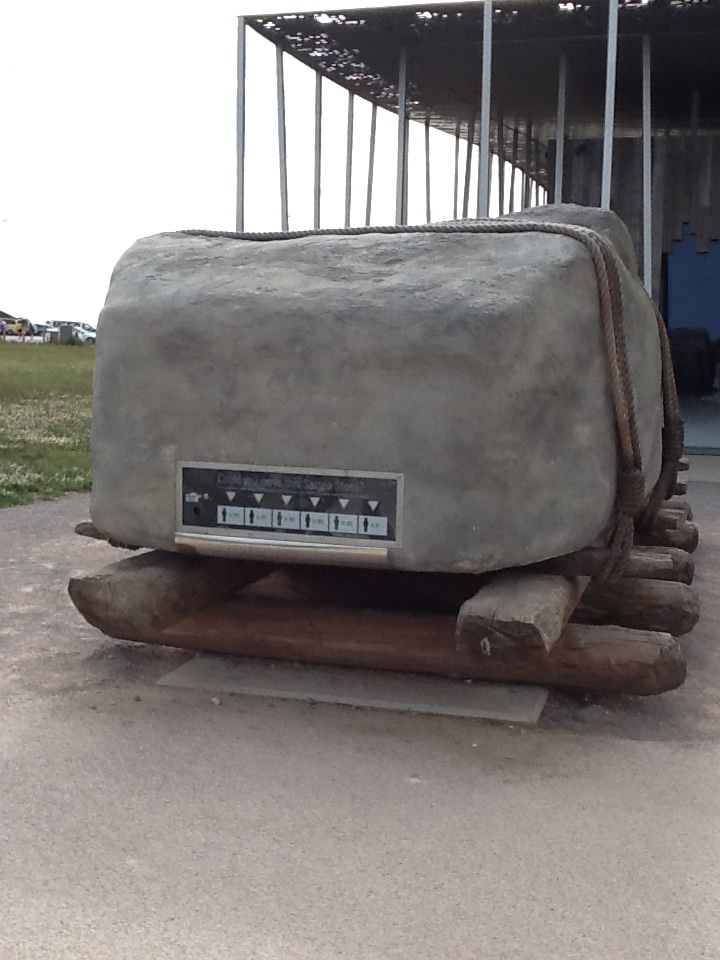
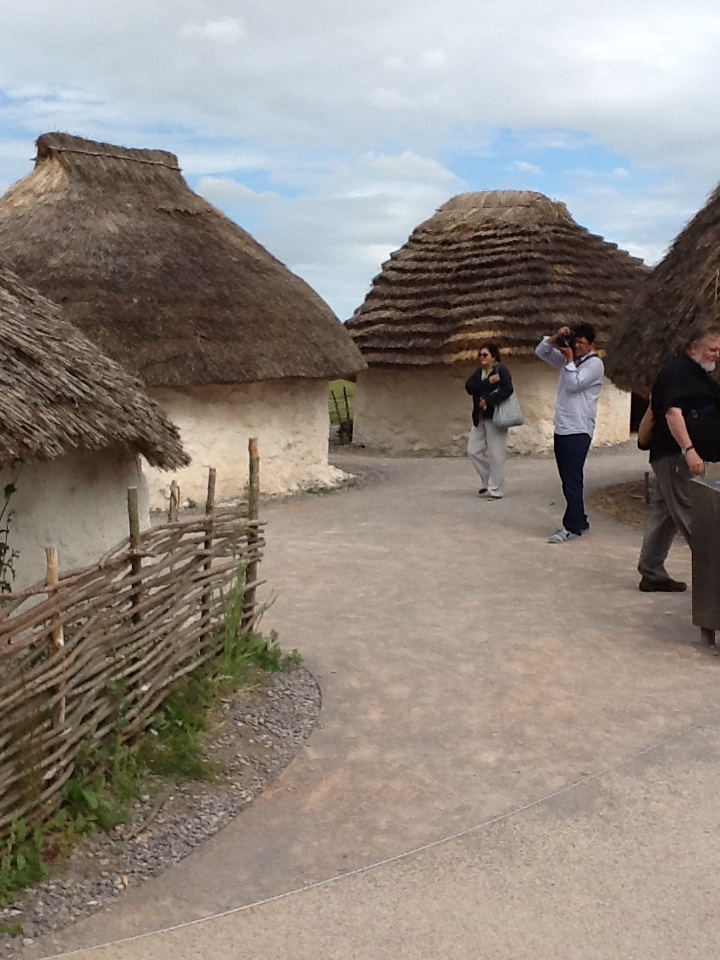
நூற்றுக் கணக்கான எடையுடைய கற்கள்; பழங்காலக் குடிசைகளின் மாதிரி.

ட்ரூயிட்ஸ் – இந்து தொடர்பு

சில அறிஞர்கள் ஸ்டோன்ஹெஞ்ச் வட்டக் கற்பாறை அமைப்பையும் ட்ரூயிட்ஸ் இனத்தாரையும் தொடர்பு படுத்துவது கால வழூஉ ஆகும் என்பர். ஏனெனில் ஸ்டோன்ஹெஞ்சின் எல்லா அம்சங்களும் கி.மு. 1200 க்கு முந்தியவை. ட்ரூயிட்ஸ் இனக் குழுவோ கி.மு 4 அல்லது 5ஆம் நூற்றாண்டு முதலே அறியப்பட மக்கள் என்பது அவர்களுடைய வாதம். ஆனால் இதற்கு மறுப்புச் சொல்ல பல வாதங்கள் உள. மோசஸ் என்பவருக்கு இதுவரை வரலாற்று,  தொல்பொருட் சான்றுகள் உலகில் கிடைக்கவில்லை. ஆயினும் அவரை அஸ்திவாரமாக வைத்து யூத மதம் என்ற மதமே இருக்கிறது!!! ஆகையால் தொல்பொருட் துறைச் சான்றுகள் இல்லை என்ற பெயரில் ட்ரூயிட்ஸ்களை ஓரம் கட்டுவதில் எந்த நியாயமும் இல்லை. நிற்க.

IMG_4772 IMG_4777

ட்ரூயிட்ஸ்கள் யார்?

அயர்லாந்து மற்றும் பிரான்ஸ், பிரிட்டன் ஆகிய நிலப்பரப்புகள் ஒரு காலத்தில் கெல்டிக் (செல்டிக் என்றும் சொல்லுவர்) இனத்தின் கீழ் இருந்தது. இதில் பிராமணர்களைப் போல புரோஹிதர்களாக இருந்தவர்களே ட்ரூயிட்ஸ்கள். இவர்களைப் பற்றி ரோமானியர்களும், கிரேக்கர்களும் நிறைய எழுதிவைத்துள்ளனர். கி.மு. மூன்றாம் நூற்றாண்டு முதல் கி.பி.முதல் நூற்றாண்டு வரையிருந்த அலெக்ஸாண்டர் பாலிஹிஸ்டர், தியோதரஸ் சிகுலஸ், ஜூலியஸ் சீசர், மூத்த பிளினி ஆகியோர் எழுதிய குறிப்புகளில் இருந்து நாம் அறிவது யாதெனின்:

1.இவர்கள் மறு பிறப்பில் நம்பிக்கை உடையோர்.

2.ஆத்மா நிரந்தரமானது; அழிக்கவொணாதது என்பர்

3.கடவுளருக்கு உயிர்ப் பலி, மனித பலி கொடுப்பர்

4.ஓக் மரங்களையும் மிசல்டோ மூலிகையயும் புனிதமாகக் கருதுவர்.

மேற்கூறிய அனைத்தும் வேதங்களில் உள்ளன. புருஷமேத யக்ஞம் என்னும் நரபலி சிந்து சமவெளி முத்திரையில் இருப்பது பற்றி சில ஆண்டுகளுக்கு முன்னரே தனிக் கட்டுரை வரைந்துள்ளேன். ஆயினும் நாம் மாயன் நாகரீகம் போலவோ மத்தியக் கிழக்கு போலவோ இதை பெருமளவு நடத்தியமைக்கு ஆதாரம் இல்லை .பஹ்ரைன் முதலிய மத்தியக் கிழக்கு நாடுகளில் பீனீஷியர்கள் முதலியோர் லட்சக்கணக்கில் குழந்தைகளைப் பலிகொடுத்ததையும், பல்லாயிரக் கணக்கில் குழந்தைகள் கல்லறைகள் கண்டு பிடிக்கப்படுவருவது குறித்தும் வேறு ஒரு கட்டுரையில் தந்து விட்டேன்.

ஆக மேற்கூறிய சில அம்சங்களில் ட்ரூயிட்ஸ் இனம் இந்துக்களுடன் தொடர்புடைத்தே.

கடைசியாக ட்ரூயிட்ஸ் என்ற சொல்லின் பொருளும் இதை இந்துக்களுடன் தொடர்பு படுத்துகிறது. சிலர் இந்தச் சொல்லை ரிஷிகள் (மந்த்ர த்ருஷ்டா= ட்ரூயிட்ஸ்) என்பர். இன்னும் சிலர் தருவை (மரத்தை) வழிபட்டவர்கள் (தரு=ட்ரீ=டரு=ட்ரூயிட்ஸ்=மரம்) என்பர். ஆக த்ருஷ்ட (பார்வை), தரு (மரம்) என்பன எல்லாம் சம்ஸ்கிருதச் சொற்கள். இன்னும் சிலர் இது ‘ரென்’ இனப் பறவை, அல்லது மந்திரவாதி என்பர்.

druids_stonehenge

ஆகவே ட்ரூயிட்ஸுக்கும் ஸ்டோன்ஹெஞ்சுக்கும் தொடர்பு இருந்தாலும் இல்லாவிட்டாலும் இந்துக்களுடன் அவர்களுக்குள்ள தொடர்பு அவர்தம் புனர் ஜன்மம், ஆத்மாவின் அழியாத் தன்மை ஆகிய கொள்கையாலும் மெய்ப்பிக்கப்பட்டுவிட்டது. ஜூலியஸ் சீசர் முதலியோர் இவர்களை ‘பிதகோரியன்’ என்பர். அதாவது கிரேக்க நாட்டு தத்துவவித்தகண் பிதகோரஸின் கொள்கைகலைப் பின்பற்றுபவர்கள் என்பது பொருள். பிதகோரஸ், இந்திய உபநிஷதக் கொள்கைகளைக் கற்று கிரேக்க நாட்டில் பரப்பியதால் சாக்ரடீஸ், பிளாட்டோ, அரிஸ்டாடில் , அலெக்ஸாண்டர் ஆகியோர் இந்து மதத்தில் பேரார்வம் செலுத்தியதை முன்னர் வேறொரு கட்டுரையில் கண்டதால் விரிவஞ்சி விடுக்கிறேன்.

படங்கள் திங்கட்கிழமை என்னால் எடுக்கப்பட்டவை; வெள்ளாடைதரித்தோர் படம் என்னுடையதன்று.

Was Stonehenge in England a Hindu Temple?

IMG_1596

Research Article No.1980

Written by London swaminathan

Date 7th July 2015

Time uploaded in London: 20-33

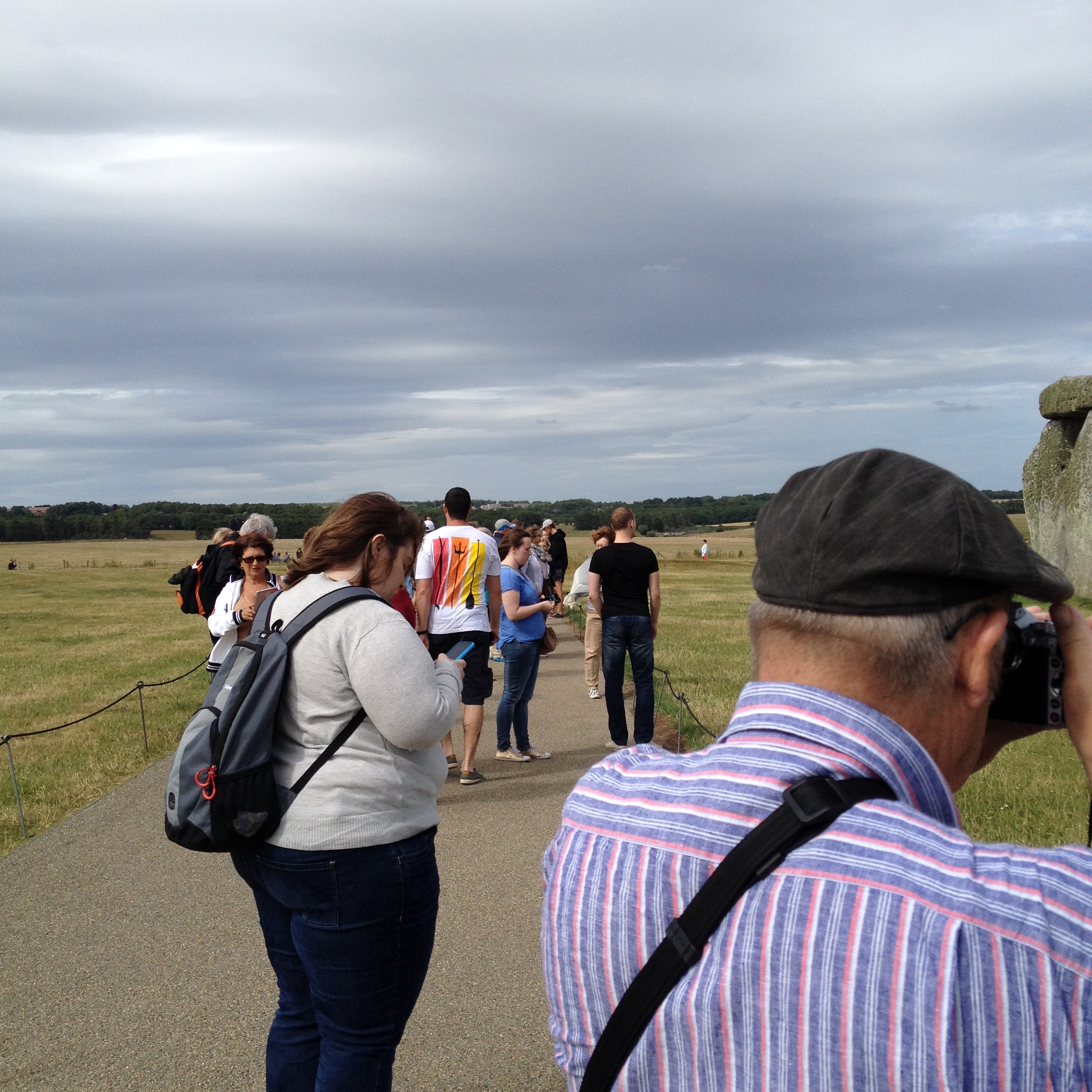
I went to see Stonehenge in Amesbury, England, United Kingdom yesterday. This was my second trip. I went there in 1990 in a coach trip organised by the South Indian Society, UK. After quarter of a century, during my second visit yesterday, I did not find much change because it was huge rocks which withstood weather for 4500 years. But I saw more crowd now, particularly Japanese tourists, and an increase in the entrance fee; now it is fifteen pounds per head!

IMG_4788 IMG_1542

Writer london swaminathan at Stonehenge; each stone weighed several hundred tons

What is Stonehenge?

The official leaflet given to every ticket buyer says,

“Stonehenge is an ancient temple aligned on the movements of the sun. The stones were raised 4500 years ago by sophisticated pre historic people”.

Now it is maintained by English Heritage which manages over 400 historic monuments in Britain. In short, Stonehenge is a pre historic monument.

I would like to point out two key words in the leaflet: ‘Temple’ and ‘Movements of the Sun’. Both these words are used by Hindus only. Sun is worshipped ritually only by the Hindus today. Even today Brahmins worship Sun three times a day. Apart from the Hindu Brahmins we came to know that Iraq Yazidis also worship sun. They hit the headlines recently because of the attack of Muslim terrorists on them. They worshipped fire, peacock and sun like the Hindus. All of them went there from India thousands of years ago.

(Please read my earlier article —  HINDU VESTIGES IN RAQ — posted on 12 August 2014)

Now as part of the same emigration, another group of Hindus went up to Europe. They were the known as Celts. Though scholars knew the connection between Hindu Gods and Greek/Roman gods, the connection between Sanskrit and other major languages of the world, they guessed that they migrated from Europe to India. But the latest dating of Rig Veda by most of the scholars and the advanced civilisation seen in the Rig Vedic age disproved all their guesses. On the contrary Shrikant G Talageri proved that the Hindus migrated to Europe from India. Druhyus were one of them and they were called celts and their priests were called drhyus.

Sun worship is done by al the Hindus. Konarak in Orissa, Marthanda in Kashmir, Modhera in Gujrat were famous Sun Temples. There are ten more Sun Temples in different parts of India. Once again they were damaged or destroyed by the invaders.

Apart from the Sun temples, there are special shrines for Sun and Moon in most of the South Indian Temples. All the Hindus irrespective of their caste salute their departed souls on the banks of rivers and sea coasts on the day Sun takes Northward Movement (Uttarayana Punyakala) and Southward Movement (Dakshina Punyakala). This is what Stonehenge also was used for. Druids were the people who did such worship according to one group of scholars.

druids_stonehenge

Druids and Stonehenge

Every year on the Summer solstice day, the neo-Druids gather at the Stonehenge and do some rituals. But the scholars who studied the Stonehenge say that the Druids came into picture long after the Stonehenge. Stonehenge finished by 1200 BCE. But we hear about the Druids only from fourth century BCE. But whether there is a connection between the Druids and the Stonehenge or not there is a connection between the Hindus and the Stonehenge and between the Hindus and the Druids. Let us look at it in two topics:

IMG_4767 IMG_4773

Hindus and Druids

Alexander Polyhistor (First Century BCE), Julius Caesar (50 BCE), Diodorous Siculus (36 BCE), Pliny the Elder (23-79 CE) and other Greek and Roman writers give us lot of information about the Druids. They were the Celtic Priests, like the Brahmins of India. They believed in

Reincarnation

Immortality of the Soul

Animal sacrifice

Ritual of Oak Tree and Mistletoe Plant (Tree Worship)

All these are Vedic beliefs. Some people say that they sacrificed human beings as well. Vedas also talk about human sacrifice (Purusamedah Yajna) and Indus Valley seal shows us human sacrifice. But no sacrificed human bones are excavated anywhere. The well known sacrifice of human beings happened only in the Middle East where hundreds and thousands of Children were sacrificed. In places like Bahrain we have excavated thousands of graves of children. But nothing like that is found in India or the Druid area.

Druids were Celtic people. They occupied Ireland, France, Britain and other European countries.

The word DRUID is interpreted in various ways. Hindus believe that they were Druhuys who were mentioned in Rig Veda very often along with four more groups. They were known as Pancha janaah (Five Peoples). They migrated to Europe via Iraq after the Dasarajna Yuddha (Ten Kings War) which is mentioned in the Rig Veda in several places.

Other explanations are Druid meant Seer, Sorcerer, a kind of Bird (wren), Tree People. Because of their belief in Atma and Punar janma, they were called Pythagorean by the Roman and Greek scholars. Greek philosopher Pythagoras repeated whatever the Upanishads said.

Another interesting point is Tree People and Seers are Sanskrit words:

Daru = Tree= Druid

Mantra Drsta/ Seer of Mantras= Druid (drus=see)

Tree worship was part of Vedic culture and Indus Valley Civilisation. Since Peepal Tree and Banyan Tree were not available in the West they adopted Oak tree.

In short, language wise, religion wise they were closer to Hindus than any other people. But like Greeks they merged their Gods with local Irish/Celtic gods and created a jumbled mythology. But still the underlying Hindu thread is discernible. People believe that the Druids worshipped sun or they did some rituals on the solstice days like the Hindus.

IMG_4777 IMG_4792

Stonehenge and Druids

A writer in the fourth century BCE refers to the existence in Britain of a magnificent circular temple dedicated to Apollo according to new Larousse Encyclopaedia of Mythology. As teachers and judges they exerted considerable influence. (Apollo is compared to Vishnu)

People who believe in Druidism go to Stonehenge and offer some rituals on 21 June every year. There were no archaeological proofs available from the Stonehenge site or from that period. But there is a religion – Judaism— based on Moses even without any historical or archaeological proof for Moses anywhere in the world. Only literary references are there. If it can be believed Druid – Stonehenge connection also can be believed.  Hindusim is older than any other religion in the world. So if the Druhyu- Druid connection is true then there is a possibility that Stonehenge- Druid connection. Rig Veda is the oldest scripture in the world. No one can ignore it because of the archaeological proof in Bogazkoy, Turkey, clay tablet with the names of  Vedic Gods which is dated to 1400 BCE.

IMG_4772 IMG_1540

4500 years ago Celts lived in huts like this.

ஆண்டியைக் கண்டால் லிங்கன், தாதனைக் கண்டால் ரங்கன்!

Article No.1979

Date: 7 July 2015

Compiled by London swaminathan

Uploaded from London at  11-01 am


‘அகத்தின் அழகு முகத்தில் தெரியும்’ என்ற தலைப்பில் மே 28 ஆம் தேதி 50 பழமொழிகளுக்கு இணையான ஆங்கிலப் பழமொழிகள் கொடுத்தேன். இதோ மேலும் 25 பழமொழிகள்:–

51.To dance to everyman’s pipe

ஆண்டியைக் கண்டால் லிங்கன், தாதனைக் கண்டால் ரங்கன்

52.A hasty man never wants woe

ஆத்திரக் காரனுக்கு புத்தி மட்டு

53.ஆபத்தும் சம்பத்தும் ஆருக்கும் உள்ளவை

Sadness and gladness succeed each other

54.Of evil seed no good grain can come

ஆமணக்கு விதைச்சால் ஆச்சா முளைக்குமா?

55.What is pound of butter among kennel of hounds?

ஆயிரம் பாம்புக்குள் அகப்பட்ட தேரை போல

56.Experience is the mother of science

ஆயிரம் பேரைக் கொன்றவன் அரை வைத்தியன்

57.Empty vessels make most sound

ஆயிரம் பணமுடையான் அமர்ந்திருக்கும், அரை பணமுடையான் ஆடி விழும்

நிறைகுடம் தழும்பாது, குறைகுடம் கூத்தாடும்

58.Time will bring out the truth of every transaction

ஆராத்தாள் செத்ததும் பொழுது விடிந்தால் தெரியும்

59.A fool’s tongue is clean enough to cut his own throat

ஆரால் கேடு, வாயால் கேடு

நுணலும் தன் வாயால் கெடும்

யாகாவாராயினும் நா காக்க

60.Among ignorant people, Scoogin is a doctor

ஆலையில்லாத ஊரில் இலுப்பைப்பூ சர்க்கரை

Among the blind, the one eyed is the king

61.Death devours lambs as well as sheep

ஆறிலும் சாவு, நூறிலும் சாவு

62.The street of Bye and Bye leads to the house of Never

ஆறின கஞ்சி பழங்கஞ்சி

63.Vows made in! storms are forgotten in calms

ஆறு கடக்கிற மட்டும் அண்ணன் தம்பி, அப்புறம் நீ யார், நான் யார்?

64.You can afford to be free with another man’s pottage

ஆற்றிலே போற தண்ணீரை அம்மா குடி! அப்பாகுடி!

கடைத்தேங்காயை எடுத்து வழிப்பிள்ளையாருக்கு உடை

ஊரான் வீட்டு நெய்யே, என் பெண்டாட்டி கையே

65.ஆற்றிலே போட்டாலும், அளந்து போடு

Weight and measure take away strife

66.ஆனைக்கும் அடி சறுக்கும்

Great Homer sometimes nods

67.ஆனைக்கொரு காலம், பூனைக்கொரு காலம்

Every dog hath its day, every man has his hour

68.இக்கரை மாட்டிற்கு அக்கரை  பச்சை

Distance lends enchantment to the view

69.இடத்தைக் கொடுத்தால் மடத்தைப் பிடுங்குவான்

Give him an inch he will take an elf

70.இடுவது பிஷை, ஏறுவது மோக்ஷம்

The poor furnish the ladder up which the rich ascends to heaven

71.இட்ட உறவு எட்டு நாளைக்கு, நக்கின உறவு நாலு நாளைக்கு

A friend that you buy with presents will be bought from you

72.இட்டுகெட்டார் எங்குமே இல்லை

Good deeds are never lost

73.இரப்பவனுக்கு பஞ்சம் என்றுமே இல்லை

Beggars can never be bankrupts

74.இரவற் சேலையை நம்பி இடுப்புக் கந்தையை எறியாதே

அரசனை நம்பிப் புருஷனை கைவிடாதே

Quit not certainty for hope

A bird in hand is worth two in the bush

75.ஆனை வரும் பின்னே, மணி ஓசை வரும் முன்னே

Coming events cast their shadows before.

((Pictures are taken from face book and other websites;thanks.))

swami_48@yahoo.com
Never lend A Book!

mark twain  clemens

Article No.1978

Date: 6 July 2015

Written by London swaminathan

Uploaded from London at  21-48

A saying in the book Samayochita Padyamalika says,

“Pustakm, Vanita, Vittam Parahasta Gatam Gatam!”

The meaning is that once a book or a woman or money is gone from your hand, it is gone for ever. The following episodes explain it beautifully well.

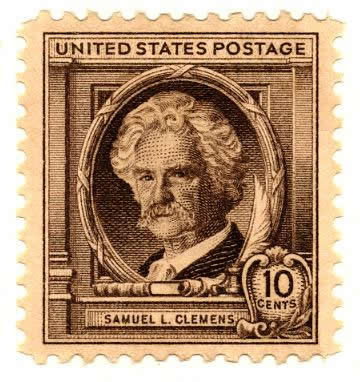
Mark Twain once went to borrow a certain book from a neighbour.

“Why, yes, Mr.Clemens (Mark Twain), you are more than welcome to it” the neighbour told him. “But I must ask you to read it here. You know I make it a rule never to let any book go out of my library”.

Some days later the neighbour wished to borrow Twain’s lawn mower.

“Why, certainly”, the humourist genially assured him. “You are more than welcome to it. But I must ask you to use it here. You know I make it a rule”

Xxx

A visitor in the home of Mark Twain remarked upon the great number of books, many of which piled about without any adequate provision for them.

“You see”, Twain explained, “it is so very difficult to borrow shelves.”

Xxx

“I visit my friends occasionally”, remarked Hazlitt bitterly, just to look over my library”

Xxx

french stamp  voltaire

The famous French satirical writer, Voltaire, was worth $500, 000 at the age of forty. But he did not earn his money from books. He made most of it by lendng money to noblemen. He would lend an heir to an estate a large sum on condition that he would pay him 10% interest on the amount as long as both of them lived the heir would be neither required nor allowed to pay off the principal; and the agreement ended only when Voltaire died. Voltaire picked only younger men, and because of his tubercular appearance, had no difficulty in getting clients. It is said that when a prospective buyer hesitated, the satirist would cough in a way that always closed the deal.

Xxx

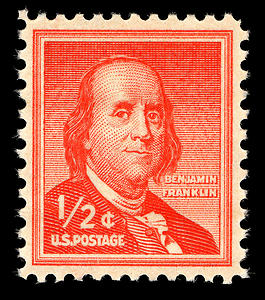
Having persuaded Benjamin Franklin to lend him $50, his “poor relation” asked for a sheet of paper in order to give him a note for the sum.

“What”, said Franklin, “do you want to waste my stationery as well as my money?”

benjamin

xxx

The first time Jerrold saw Tom Dibdin, British song writer said to him, “Youngster, have you sufficient confidence in me to lend me a guines?”

(guinea is old gold coin used in Britain)

“Oh, yes” was the reply. “I have all the confidence – but I haven’t the guinea”.

SOURCE: THESARUS OF ANECDOTES

பிராம்மணோ போஜன ப்ரிய:

ilai

Article No.1977

Date: 6 July 2015

Written by London swaminathan

Uploaded from London at காலை 7-56


திருடாதே! பாப்பா! திருடாதே!

இலக்கியத் திருடர்களுக்கு அன்பான வேண்டுகோள்: மற்றவர்கள் எழுதுவதை, எழுதியவர் பெயரை வெட்டிவிட்டு, வெளியிடாதீர்கள். நீங்கள் இப்படிச் செய்தால், அதாவது திருடினால் — உங்கள் கணவரோ, மனைவியோ, மகனோ, மகளோ, அம்மாவோ, அப்பாவோ உங்களை ஏமாற்ற நீண்ட நேரம் பிடிக்காது. மேலும் தமிழும் அழியும்; தமிழ்த் தாயும் உங்களை அழிப்பாள். ஆகையால் திருடுவதை நிறுத்துங்கள். யார் எழுதினரோ அவர்தம் பெயருடன் வெளியிடுக!

Xxxxxxx

பிராம்மணோ போஜன ப்ரியஹ

“பிராமணர்கள் சாப்பாட்டு ராமன்கள்” —  என்று இதற்குப் பலரும் பொருள் சொல்லுவர். அது தவறு.

இப்படியும் படிக்கலாம்:—

பிராம்மண! “போ” ஜனப்ரியஹ

ஹே! பிராம்மண! நீ மக்களுக்குப் பிரியமானவன்

இதுவும் வேடிக்கையாகச் சொல்வதுதான். உண்மைப் பொருள் என்ன வென்றால்:

Idli Parade

விஷ்ணு அலங்காரப் பிரியன்

சிவன் அபிஷேகப் பிரியன்

சூரியன் நமஸ்காரப் பிரியன்

தேவி பிரதக்ஷிணப் பிரியள்

பிராம்மண: போஜனப் பிரியன்

அதாவது விஷ்ணுவை அலங்காரம் செய்து மகிழ்வித்தால் உனக்கு கேட்டதையெல்லாம் தருவான்.

சிவனை அபிஷேகம் செய்து மகிழ்வித்தால் உனக்கு கேட்டதையெல்லாம் தருவான்.

சூரியனை நமஸ்காரம் செய்து மகிழ்வித்தால் உனக்கு (ஆரோக்கியம் தொடர்பாகக்) கேட்டதையெல்லாம் தருவான்.

தேவியைப் பிரதக்ஷிணம் (வலம் வந்து) செய்து மகிழ்வித்தால் உனக்கு கேட்டதையெல்லாம் தருவாள்.

பிராமணனுக்கு அன்னம் படைத்து மகிழ்வித்தால் உனக்கு பரிபூர்ண ஆசீர்வாதம்  (கேட்டதையெல்லாம்) தருவான்.

துஷ்யந்தி போஜனே விப்ரா: – சாணக்ய நீதி தர்பணம்

“பிராமணர்கள் சாப்பாட்டில் சந்தோஷம் அடைவர்” – என்று வேறு ஒரு நூலும் கூறுவது இதே பொருளில்தான்.

அதே போல சூரியனே மனிதர்களின் ஆரோகியத்துக்கு அதிபதி. (கட்டுரையின் இறுதிப் பகுதியில் இது விளக்கப்பட்டுள்ளது)

தமிழில் சொல் விளையாட்டு!

தமிழிலும் இது போல வார்த்தா ஜாலம் (சொற் பிறட்டு)  உண்டு:——

பிராமாணர்கள் சாப்பிடும்  இடம்.

பிராமணர் “கள்” சாப்பிடும் இடம்! – என்பது போல.

இதுவும் வேடிக்கையாகச் சொல்லுவதே!

கணவன் கெஞ்சிக் கேட்டால் படுக்கையை விட்டு எழுந்திருக்கும் பெண்:

1.தெய்வம் தொழாள் கொழுநன் தொழுது எழுவாள் (கடவுளைக் கும்பிட மாட்டாள், கணவன் வந்து கெஞ்சிய பின்னரே எழுவாள்)

2.தெய்வம் தொழாள் கொழுநன் தொழுது எழுவாள் (தெய்வத்தைக் கும்பிட மாட்டாள், கணவனைக் கும்பிட்டு எழுவாள்)- குறள் 55

இரண்டும் தமிழ் இலக்கணப்படி சரியே!!! (மதுரை சேதுபதி உயர்நிலைப் பள்ளி ஆசிரியர், எங்கள் குருநாதர் வி.ஜி.சீனிவாசன் சொன்னது)

என் தலைவி  திவசம் (என் மனைவிக்கு இன்று திதி)

என் தலை “விதி”  வசம் (எல்லாம் என் தலை விதி )

எனது பள்ளி — மதுரை சேதுபதி உயர்நிலைப்பள்ளி — தமிழாசிரியர் ம.க. சிவசுப்பிரமணியம் சொன்னது)

surya darsanam

லண்டன் சந்துரு குருக்கள், அவருடைய மகனுடன் செய்யும் சூரிய வழிபாடு

லண்டனில் வைட்டமின் “டி” கிடைக்காது !!

ஆரோக்யம் பாஸ்கராத் இச்சேத் – பூஜாப்ரகாச:

அதாவது “சூரியனிடம் ஆரோக்கியத்தைக் கேள்” – என்பது இந்தப் பொன் மொழியின் பொருள்.

இந்தியாவில் வசிப்போருக்கு சூரிய ஒளி இயற்கையாகவே கிடைப்பதால், இதன் அருமை பெருமை தெரிவதில்லை. வைட்டமின் – டி – என்னும் முக்கியச் சத்தை இது கொடுக்கிறது. அந்தக் காலத்தில் இந்துக்களுக்கு சிறு வயது முதல் சூரிய நமஸ்காரத்தைக் கற்றுக் கொடுத்தனர். இப்பொழுது ஆர்.எஸ்.எஸ். இயக்கம் மூலமக இது மீண்டும் புத்துயிர் பெற்று வருகிறது.

எங்கள் லண்டனில் இப்பொழுது எல்லோருக்கும் – டாக்டரிடம் அடிக்கடி போகும் எல்லோருக்கும் –– குறிப்பாக கிழக்கு லண்டனில் முஸ்லீம் பெண்கள் எல்லோருக்கும் – வைட்டமின் “டி” கொடுக்கின்றனர். இது கடந்த சில ஆண்டுகளாக நடந்து வருகிறது. கடந்த சில ஆண்டுகளில் நடை பெற்ற  ஆராய்ச்சியில் குறைந்த சூரிய வெளிச்சமுள்ள மேலை நாடுகளில் இதுதான் உடல்நலப் பிரச்சனைகளுக்கு மூல காரணம் என்று தெரிந்தவுடன் அரசாங்கமே எல்லோருக்கும் – குறிப்பாக கர்ப்பிணிகளுக்கு  — இதை இலவசமாக வழங்க உத்தரவிட்டுள்ளது. யார் ரத்த பரிசோதனைக்குப் போனாலும் இதற்கான சோதனையும் செய்யப்படுகிறது. மற்ற எந்த சமூகத்தின ரையும்விட உடல் முழுவதையும் போர்த்திக் கொள்ளும் முஸ்லீம்களுக்கு வைட்டமின் டி  – இன்னும் மிகவும் குறைவாக இருக்கிறது!

நான் முதல் பத்தியில் “சூர்யன் நமஸ்காரப் ப்ரியன்” என்று சொன்னதற்கு இதுவும் ஆதாரமாகும். சூரிய நமஸ்காரம் செய்யுங்கள். ஆரோக்கியமாக வாழுங்கள்!

நூறாண்டுக் காலம் வாழ்க!

நோய் நொடியில்லாமல் வாழ்க!


பிராமணர்கள் நாள்தோறும் மதிய நேரத்தில் செய்யும் சந்தியா வந்தன வழிபாட்டில் ஒரு அருமையான துதி உள்ளது. அதை சினிமா பாட்டிலும் நூறாண்டுக் காலம் வாழ்க! நோய் நொடியில்லாமல் வாழ்க! என்று மொழிபெயர்த்துள்ளனர்.

சூரியனைப் பாதுகாப்பாகப் பார்க்க பிராமணச் சிறுவர்களுக்கு சிறு வயதிலேயே கற்றுத் தருவர்.

சூரியனை நோக்கிச் சொல்லப்படும் இந்த துதி:

பஸ்யேம சரதஸ் சதம்: நூறு ஆண்டுகள் சூரியனைக் கண்டு வணங்குவோம்

ஜீவேம சரதஸ் சதம்: நூறு ஆண்டுகள் வாழ்வோம்

நந்தாம சரதஸ் சதம்: நூறு ஆண்டுகள் உறவினர்களுடம் கூடிக் குலவுவோம்

மோதாம சரதஸ் சதம்: நூறு ஆண்டுகள் மகிச்சியுடன் இருப்போம்

பவாம சரதஸ் சதம்: நூறு ஆண்டுகள் ஆரோக்கியத்துடன் இருப்போம்

ஸ்ருணுவாம சரதஸ் சதம்: நூறு ஆண்டுகள் இனியதையே கேட்போம்

ப்ரப்ரவாம சரதஸ் சதம்: நூறு ஆண்டுகள் இனியதையே பேசுவோம்

அஜீதாஸ்யாம சரதஸ் சதம்: நூறு ஆண்டுகள் வெற்றியுடன் வாழ்வோம் (தீமைகளை வெல்லுவோம்)

ஜ்யோக் ச சூர்யந் த்ருசே: இவ்வாறு சூரியனை அனுதினமும் காண்போமாக

–தைத்ரீய ஸம்ஹிதை & ஆரண்யகம்

எல்லோரும் வாழ்க! இன்பமே சூழ்க!!

Brahmano Bhojana Priyah!

thalai vazai ilai

Article No.1976

Date: 5  July 2015

Written by London swaminathan

Uploaded from London at 17-48

Brahmano Bhojana Priyah! is a well-known saying. Lot of people interpreted as Brahmins are gluttonous. The reason being the Sanskrit dramas show the jesters, who are Brahmins, as gluttonous. Brahmins are given different roles from Vedic days: Priests, Ambassadors, Teachers, Ministers, Jesters, Commanders (Drona, Krpa, Aswattama, Parasurama etc.). Apart from this Brahmins are fed everywhere in the first batch. In those days they were not supposed to have food provisions for more than three days. They are made dependent on kings, lords, philanthropists and well-wishers. This gave the wrong impression.

There is funny way of interpreting this sayings as :Brahmana, Bho! Janapriya: meaning Hey Brahmin You are Dear (priya:) to people.

But the true meaning of the saying is

Vishnu Alankara priyah

Shiva Abhisheka Priyah

Suryo Namaskara Priyah

Devi Pradakshina Priyah

Brahmanah Bhojana Priyah

The meaning is

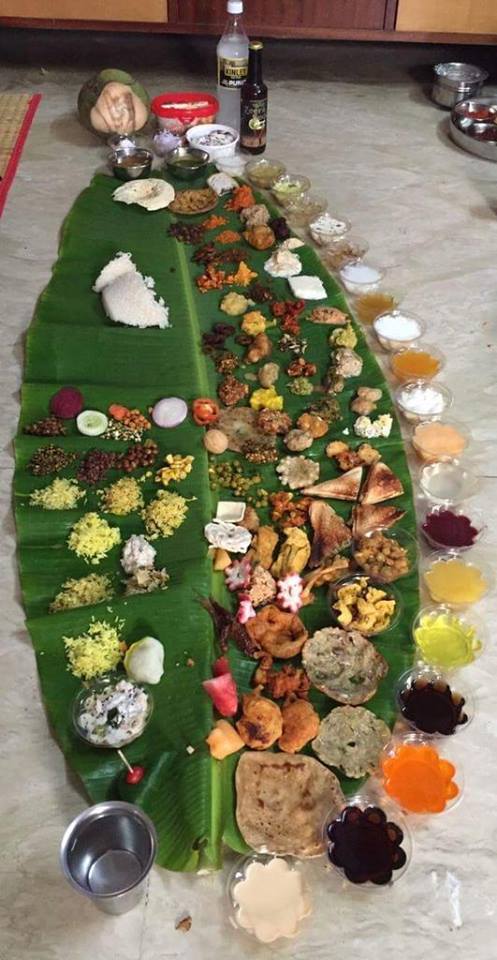
Idli Parade

You can easily satisfy Lord Vishnu by dressing his idol/statue beautifully and get whatever you ask for.

You can easily satisfy Lord Shiva by bathing his idol/statue with water, milk, honey, sandal paste, ash/Vibhuti etc., and get whatever you ask for.

You can easily satisfy Lord Surya/Sun by prostrating before the sun in the morning and get whatever you ask for (health wise).

You can easily satisfy Goddess (Devi) by going around her temple and get whatever you ask for.

You can easily satisfy Holy men (Brahmins) by feeding them well and get whatever you ask for (they will bless you with louder Vedic mantras surcharging the entire atmosphere with big and positive vibrations).

This is confirmed by another saying in Chanakya Neeti darpanam:

Tushyanti Bhojane Viprah (Brahmins feel happy and contented with the food)

Viewed in this context, we get a clearer picture about the Brahmins and Bhojana (food).

Who is not interested food? All of us go to parties and weddings expecting a big feast.

surya darsanam

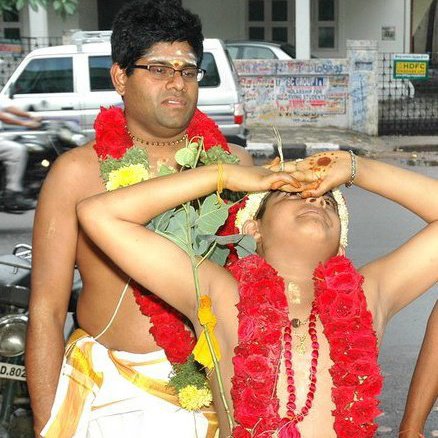
London priest Chandru Kurukkal with his son looking at the sun

Vitamain D and London Muslim Women!

In the first quotation the third line says

Suryo namaskara priyah

There is another famous saying

Arogyam Bhaskarath Ichet

Ask Sun for healthy life.

That is, the Hindus knew it for thousands of years that Sun Light is the energy boosting tonic. In the olden days every Hindu started his life with Surya Namaskar in the early morning. Now RSS is popularising it. Sun light gives us Vitamin D. We get very less sunlight in western countries. Recent studies have shown that lot of health problems can be avoided by giving Vitamin D tablets. The NHS (British National Health Service) has made it compulsory for all the pregnant women in the UK. The problem is more in East London hospitals where the Muslim women cover their whole body with purdah and veil and get less exposure to sun light. So doctors in the UK prescribe them Vitamin D tablets.

Brahmin boy is taught to look at the sun in the safest way!

Hinduism and Science

Vedic Mantras have become more relevant with the latest scientific studies about the necessity of Vitamin D.

Since Indians get lot of exposure to sun light they have taken it for granted. Now the West has realised the power of sun light. Hindus are right in worshipping sun every day in the morning with Surya Namaskar.

Looking at the sun every day around noon, a Brahmin recites this mantra:-

Pasyema saradhassatam

For a hundred autumns may we See (with foresight/prudence)

Jiivema saradhassatam

For a hundred autumns may we Live (healthily)

Nandhaama saradhassatam

For a hundred autumns may we Rejoice (with our friends and relatives)

Modhaama saradhassatam

For a hundred autumns may we be Happy (spread happiness)

Bhavaama saradhassatam

For a hundred autumns may we Be there (with name and fame)

Srunavaama saradhassatam

For a hundred autumns may we Hear (good things)

Prabravaama saradhassatam

For a hundred autumns may we Speak (good things)

Ajiitaasyaama saradhassatam

For a hundred autumns may we be Invincible

Jyok cha suuryam drse

Thus we want to see for a Long time.

This means you will live for hundred years without seeing an optician or a dentist or an audiologist or a psychiatrist or a doctor. All your faculties will remain intact till you die!

Pictures are from my face book friends;thanks

contact:  swami_48@yahoo.com

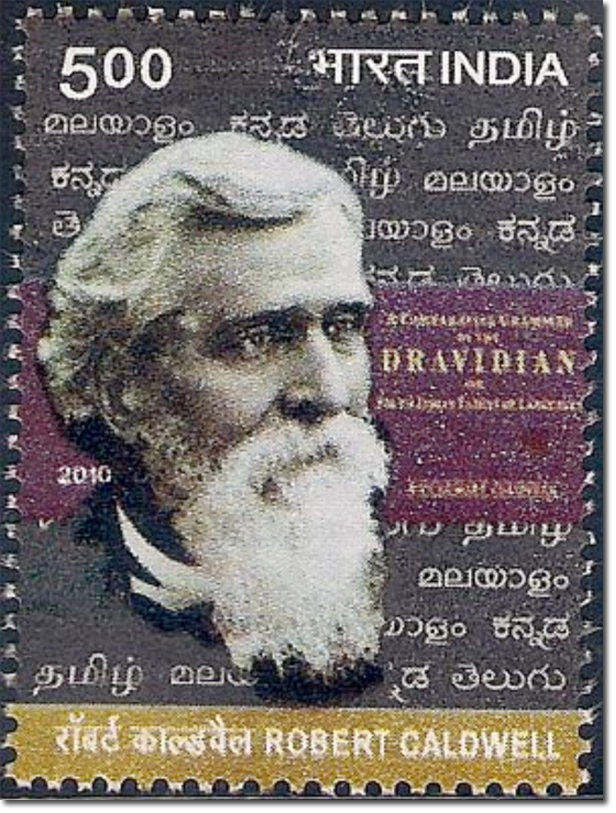
மாக்ஸ்முல்லர், கால்டுவெல், ஜி.யு.போப் மீது இலங்கை அறிஞர் கடும் தாக்கு

 718_Max_Mueller

Article No.1975

Date: 5  July 2015

Written by London swaminathan

Uploaded from London at 12-55

இலங்கையிலுள்ள மட்டக்களப்பு, புளியநகர் ச.பூபால பிள்ளையவர்கள் 1920 ஆம் ஆண்டில் எழுதிய தமிழ் வரலாறு என்னும் நூலில் காணப்படும் தகவல்:

தமிழ் நலப்பேறு

தமிழிலே பிறந்து தமிழிலே வளர்ந்து தமிழையே பயின்று பாண்டித்தியமடைந்த தமிழர்க்கே தமிழ் நூல்கள் பலவும் இருப்புக் கடலை யொக்குமெனில் பிறசாதியார்க் கவை யென்னொக்குமெனப் பேசவும் வேண்டுமா?

தமிழ் உழைப்பிலே தன் வாழ்நாளைச் செலவிட்டு முப்பகுதியாய் இயற்றமிழிலக்கண மியற்றியும் பல தமிழ் நூலKஅலி அங்கிளத்தில் மொழிபெயர்த்தும் புகழ் நிறுவிய “போப்” ஐயர் தமது திருவாசக மொழிபெயர்ப்பில் “இருகை யானையை யொத்திருந்தென்னுள்ளக் கருவையான் கண்டிலேன் – என்பதனை “Like elephant two handed I saw not my mind’s germ” என்று மொழிபெயர்த்து, இரண்டு கரங்களையுடைய யானையே இரு கை யானை எனப்பட்டதாகத் தாங்கொண்ட விபரீத கருத்தை விளக்கிவிட்டனர். இவர் மயக்கத்தை எடுத்துக்காட்டி விளக்கப்புகுந்த மற்றோர் இந்திய தமிழ் பண்டிதர் யானையினது துதிக்கை கரம் போலப் பரிசித்தலும், நாசிபோல முகத்தலுமாகிய இரு தொழிற்குரிய ஒரு கருவியாகலின் “இருகை யானை” எனப்பட்டதென்றனர். இவ்விருவரோ சிறந்த மகா பண்டிதராயிருந்தும் ஒரு அற்ப சொல் விளக்கத்தில் தன் வலி தானறியா யானைபோல் மயக்கமுற் றிருநிலத் தியானை கண்ட குருடரை யொத்தனர். “தென்மொழி” நாளடைவிற் கறைப்பட்டுத் “தமிழ்” என வந்ததாகச் சாதிப்பவருள் இப் “போப்” ஐயரும் ஒருவரே. திருவாசக மொழிபெயர்ப்பில் விபரீதார்த்தங்கள் இன்னும் பல காணலாம்.

G__U__Pope_Tamil_Poet

வீரமாமுனிவர் (ரெவரெண்ட் பெஸ்கி) எனப்பெயர் கொண்ட மற்றொருவர் தொன்னூல் விளக்கம், தேம்பாவணி முதலிய நூல்களியற்றிய பெருந்திறர் கவிஞரென்றாலும் அவரிடமும் தமிழ்நலம் வாய்க்கவில்லை யென்பதற்குச் சான்று தேம்பாவணியிற் செறிந்துள்ள வழூவுக்களேயாம்.

இயல்பிலே சிறந்த நாடகமயிலினாட்டத்துக்கும் கற்று நடிக்கும் வான்கோழியினாட்டத்துக்குமுள்ள தாரதம்மியம்  எத்தூரமோ அத்தூரமே நாநலம் வாய்ந்த செந்தமிழ்ப் புலவர் கவிக்கும் அஃதமையாக் கற்றுச் சொல்லியோர்க் கவிக்குமிடையிலு மென்றுணர்க. இயல்பில் ஐரோப்பியரின் தேச நிலையும் மனக் கிளர்ச்சியும் பழக்கவழக்கங்களும் கீழ்திசையினர்க்கு முற்றாய் மாறுபடலின் இரு கவிதைகளுமொக்கு மாறில்லை.

வடமொழிக் கடலி னெடுநாட் டிளைத்துப் பல நூல்களை அங்கிளத்தில் மொழிபெயர்த்தருளிய “மாக்ஸ்முல்லர்” ஏமாந்த விதத்துக்கோருதாரணம் வேண்டின் மெய்மையாகியாகிய இருக்குவேத சுத்தப் பிரதியொன்றையும் அவர் செய்த ருக்வேத மொழிபெயர்ப்பையும்  பொருந்த ஒட்டிப்பார்த்துத் தெளிக. தமிழ் ஆராய்விற் புக்க மற்றும் ஐரோப்பிய பண்டிதர்களான “கால்டுவெல்”, “உவில்சன் ஆசிரியர்” அதியோர்தாமும் என் கண்டனர்? என் உணர்ந்தனர்? தமிழ் நூல்களை உண்மை தெளிய உணர்ந்தாராயின் தமிழர்க்குரிய சமய உண்மையையுஞ் சிறிதாயினும் கண்டுணர்ந்திருப்பர். அங்ஙன முணர்ந்தஞான்றே தங்கள் மதாசாரங்களை யெல்லாம் கைவிட்டிருப்பரன்றோ?

தமிழ் ஞான குரவர்கள் எவ்வாற்றானும் பக்குவமுள்ள சீடர்க்கேயன்றி மற்றெவர்க்கும் வேத மெய்ப்பொருள்களையும் ஞானோபதேசங்களையும் எளிதில்  வெளிவிடார்.

பிராஞ்சி தேசத்தவரும் தமிழிலே மிக்க பண்டிதரெனக் கவனிக்கபடுபவருமான யூலியன் வின்சன் என்பவர் தமிழிலே ஆதி நூல்களாயுள்ளன கி.பி. ஐந்தாம், ஆறாம் நூற்றாண்டுகளுக்குப் பிற்பட்டவைகளன்றி முன்னெழுதப்பட்டவைகள் இல்லை என்றும் தென் இந்தியாவில் தமிழ் எழுத்துக்கள் வழக்கத்தில் வந்தது கி.பி. மூன்றாம் நூற்றாண்டின் மத்தியென்றும் ஆறாம் நூற்றாண்டுக்கு முன் எழுதியதான கல்வெட்டு முதலிய குறிப்புகள் யாதும் காணப்பட்டதாகத் தாமறியவில்லை யென்றும் சென்னையிற் பிரசுரமாகுஞ் சித்தாந்த தீபிகையில் 1901 ஆம் ஆண்டு வைகாசி மாதம் 31ந் திகதி எழுதிவிட்டனர். அம்மம்ம! இவர் எழுத்து யாருக்குத்தான் நகையை விளைவிக்காது?

இன்னோரன்ன பண்டிதர் பலரும் தாந்தாஞ் சென்ற துறைதொறும் அனுமான அளவையால் கண்டுபெற்ற யொன்றை மாத்திரமே நிசமெனக் கொண்டு பிற அளவைகலால் சாதித்துப் பெறக்கூடியவற்றைப் பேணாதகன்றனர்”.

மேற்கண்டது ச.பூபால பிள்ளியவர்கள் எழுதியது.

YANAI ASI

எனது கருத்து

இரு கை யானை என்றால் என்ன?

திருவாசகத்துக்கு விளக்கவுரை எழுதிய சுவாமி சித்பவானந்தர் போன்றோரும் இரு கை யானைக்கு இரண்டு கைகளையுடைய யானை என்றே எழுதியுள்ளனர். அதாவது ஜி.யு.போப் போலவே எழுதியுள்ளனர். திருவவடுதுறை ஆதீன வித்துவான் ச.தண்டபாணி தேசிகர் எழுதிய உரையில் பல விளக்கங்களைக் கொடுத்துள்ளார்.

இரு கை யானை = இரண்டு கைகளையுடைய யானை போல; அதாவது ஒரு கையால் உண்டால் போதாது என்று இரண்டு கைகள் இருந்தால் எப்படி உண்ணுமோ அப்படி இரண்டு கைகளால் உண்பது போல நான் இருக்கிறேன்

இரு கை யானை = யானை ஒரே துதிக் கையால் சுவாசிக்கிறது. அதே கையால் உணவையும் உண்ணுகிறது. அதாவது மூக்கும், கையும்.

இரு கை யானை= யானை அறிந்தறிந்தும் பாகனையே கொல்லும். அதே போல உன்னுடைய அருளைப் பெற்றும் பரகதி என்பதை மறந்தேன். நீ வா என்று அழைத்தும் யானை நன்றி மறப்பது போல உன்னை மறந்தேன்.

இரு கை யானை = இது இரண்டு கைகளையுடைய ஆசானைக் குறிக்கும். யானை தன்னுடலை அறியாதது போல என்னுள்ளக் கருவை நான் அறியேன்.

இன்னும் சிலர் யானையை பிரணவத்துடன் ஒப்பிடுவர்.

இராமாயணத்தில் கம்பனும் “இருகையின் கரிநிகர் எண்ணிறந்தவர்” என்று ஒரு பாடலிலும், “இருகை வேழத்திராகவன்” என்று இன்னொரு பாடலிலும் சொல்லுவார். இரு கை ராகவன் என்பது இராமனையும் மந்திரிமார்களையும் குறிப்பிடும் என்பர்.

சங்க இலக்கியத்தில் பல இடங்களில் இரு என்பது இருங்கடல், இருங்கண், இருங்கதிர்கள், இருங்கதுப்பு, இருங்கரை, இருங்கயம் என்று பல இடங்களில் வரும். அங்கு எல்லாம் ‘இரு’ என்பது ‘பெரிய’, ‘நீண்ட’, ‘கரிய’ என்ற பொருளிலேயே வருகிறது. இதை அப்படியே யானைக்கும் ஒப்பிட்டால் மிகவும் சரியாக இருக்கும்:

இருங்கை யானை = பெரிய யானை, கரிய யானை, நீண்ட கையுடைய யானை. ஆகவே இரண்டு (2) என்று எண்ணுப் பொருள் கொடுப்பது தவறே. பூபாலபிள்ளையவர்கள் கூறுவது சரியே என்பது என் கருத்து.

தொல்காப்பியம் பெரிய நூலாக மலர்ந்து விரிந்தது எப்படி? ஒரு சுவையான கதை

கி.வா.ஜ

Article No.1974

Date: 5  July 2015

Written by London swaminathan

Uploaded from London at 7- 39

இலங்கையிலுள்ள மட்டக்கிளப்பு, புளியநகர் க.பூபால பிள்ளை 1920 ஆம் ஆண்டில் எழுதிய தமிழ் வரலாறு என்னும் நூலில் காணப்படும் செய்தி:

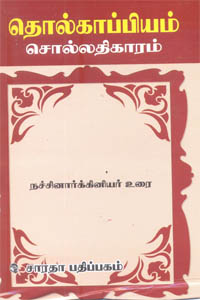
“தொல்காப்பியர் அல்லது திருணதூமாக்கினி என்பவர், அகத்தியர் மாணாக்கருள் முதன்மை பெற்று

விளங்கினர். இவர் இயற்றி தம் பெயர் நிறுத்திய தொல்காப்பியமென்னும் இலக்கணம் அஞ்ஞான்றார் யாவராலும் மிக்க விருப்புடன் கையாடப்பட்டு வந்தமையால் பலவிடங்களில் பரந்து னிலைத்தழிந்த மற்றைய நூல்கள் போல் அழியாமல் நிலைபெற்றது. இந்நூல் முத்தமிழியல் விரிக்கும் அகத்தியம் போன்று துறை விரித்தகலாமல் ஓதுவார்க்கெளிதில் அமைவர இயற்றப்பட்டு இலக்கணத்தை வரிசையிற் சுருக்கிக் காட்டும் பெருஞ் சிறப்பினையுடையது.

அந்நாட்களில் யாரொருவர் எந்த நூலை இயற்றினும் அதனைச் சங்கத்தில் அரங்கேற்றினாலன்றியும் பிறர் ஒப்புக்கொள்வதில்லை. அகத்தியர் இத்தொல்காப்பியத்தை அரங்கேற்றவிடாமல் பலவழியாலும் தடை செய்தனர். தொல்காப்பியருக் கீடாக கல்வித் திறமையும் அவர் மாட்டுப் பேரன்புமுடைய அதங்கோட்டாசான் என்பவரை இந்நூல் அரங்கேற்றத்திற்குச் செல்லாதிருக்கும்படி அகத்தியர் தடுத்தும் அவர் அமையாமல் தொல்காப்பியர் கேள்விப்படி சபைக்குச் சென்றிருந்து தம்மாசிரியராகிய அகத்தியர் மனங் களிப்ப ஆக்ஷேபணை செய்பவர் போலப் பற்பல வினாக்களையும் பொறித்து நண்பனுடைய நூலின் பெருமையை வியக்காமல் வியந்து விளங்கவைத்தனர்.

இந்நூலின்கண் ஆதியிலமைந்த சூத்திரங்களின் எண்ணிக்கை அறுநூறு. அதங்கோட்டாசனார் ஆசங்கித்துக் கடாவக் கடாவத் தொல்காப்பியர் முறையே விடைகளாக விளக்கியிருந்த புதிய சூத்திரங்கள் ஓராயிரத்தின் மேற்றிரண்டு என நூல் மிகவும் விரிந்தது.

நிலந்தருதிருவிற் பாண்டியன் சபையிலே அதங்கோட்டாசான் முன்னிலையில் இந்நூல் அரங்கேறியதாக பனம்பாரன் கொடுத்த சிறப்புப் பாயிரத்தால் விளங்கும். நிலந்தருதிருவிற் பாண்டியன் அரசுபுரிந்த காலம் எண்ணாயிரம் வருஷங்களின் முன்னாதலின் இந்நூல் வயதும் அத்துணைத்தென்க.

நச்சி

அகத்தியர் இந்நூலை வெறுத்தற் கிருந்த நியாயம், யாண்டுந் தலைமை பெருமை பெற்று விளங்கிய தமது அகத்தியத்தின் மகத்துவங் குன்றிவிடுமென் றெழுந்த ஐயத்தானும், பொறாமை யினானுமென்று சிலர் கூறுவர். மற்றுமோர் நியாயம், அகத்தியர் தாம் வதுவை செய்துகொண்ட லோபாமுத்திரையைத் தம்முட  னழைத்துச் செல்லாமல் தம்பின் வரும்படி கட்டளையிட்டுத் தாம் பொதிய மலைக்கு முந்திச் சென்றனெ ரென்றும் பின்னர் வந்த லோபாமுத்திரையுந் தொல்காப்பியரும் செல்வழியில் வையையாற்றைத் தாண்டும் பொழுது வெள்ளம் பெருக்கெடுத்தலும் லோபாமுத்திரை தயங்கித் தத்தளிக்க அதனைக் கண்ணுற்ற தொல்காப்பியர் குரு பத்தினியைத் தீண்டுவது தோஷமென்றெண்ணி ஒரு மூங்கில் கோலை அவள் பற்றும்படி கொடுத்துக் கரைசேர்த்துக் கொடுபோய் குரவரிடம் ஒப்புவித்தாரென்றும், அச்சமாசாரத்தை அகத்தியர் உள்ளது உண்மையை உணர்ந்து கொள்ளாமல் பேதுற நினைந்து கோபவயத்தாற் தொல்காப்பியரை நோக்கி உனக்கு முத்தி கெட்டாதொழியக் கடவதென்று சபிக்க, தொல்காப்பியர் மனங்கொதித்தும், குருவாதலின் அவரை நிந்திக்காமல், அவர் இயற்றிய அகத்தியம் வழங்காதொழியக் கடவதென்று எதிர்ச் சாபமிட்டனரென்றும், அதுமுதல் அவர் இருவர்க்குமிடையே பகை நேர்ந்திருந்ததென்றும் நச்சினார்க்கினியர் கூறுவர். இவர் கூற்று உண்மையென்று கொள்ளற்கேற்ற தடயங்கள் கானப்படவில்லையென்று அவருக்குப் பிந்திய காலத்தில் தோன்றியர் சிலர் சாதிக்கின்றனர்.”

How many Letters are in Sanskrit Alphabet?

manuscript

Article No.1973

Date: 4  July 2015

Written by London swaminathan

Uploaded from London at 17-15

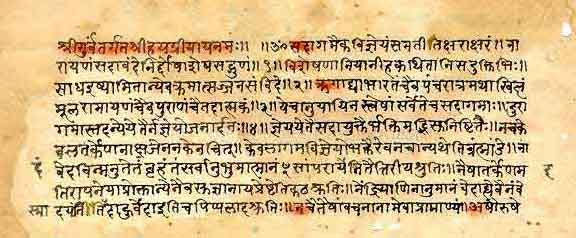
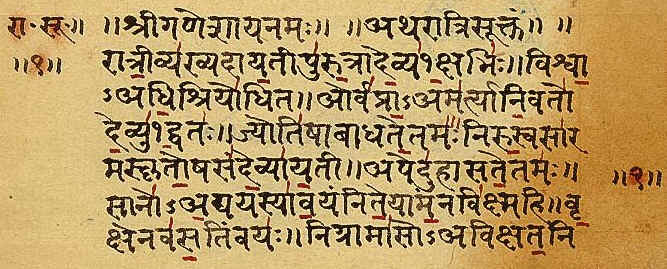
Sanskrit is a beautiful language and it is scientifically constructed.

Grammatical construction in Sanskrit is more concerned with inner vibration and poetical metre, hence a rigid word order guided by a continuous flow of energy brought about by internal and external Sandhi rules. The following is an example of the multiplicity of constructions from a simple root Budh, “to understand”, “to know”.

Bodhati = he or she or it understands (present tense)

Abodhat = he or she or it understood (imperfect tense)

Bodhate = he or she or it knows, understands for himself (Atmanepada)

What is Atmanepada?

Atmanepada infers an action to himself/herself

What is Parasmaipada?

Parasmaipada infers an action for someone else. Some roots belong to either A or P and some can be used both ways, and are called Ubhayapada.

india.1

Now the same verbal root prefixed with a preposition: note new meanings:

Anu bodhyate = to think of internally

Ava bodhyate = to perceive internally

Ud bodhyate = to awaken internally

Pra bodhyate = to awaken internally (a different inner vibration number)

Prati bodhyate = to observe internally

Vibo dhyate = to learn and understand internally

Sam bodhyate = to recognise internally

Now shown in Noun and Adjectival forms

Bodha, bodhana = knowledge

Buddhi = intellect

Bodhaka = informer

Baudha = wise

Buddhimat = intellectual

Budhyate = it is known by him

Bubhudtsate/ bubhudisate = he wishes to know

Bobhudhyate = he knows well

Bodhidharma = he knows a right action

Bodhisattva = one who feels the duality of truth

Budhah = a sage or planet Mercury

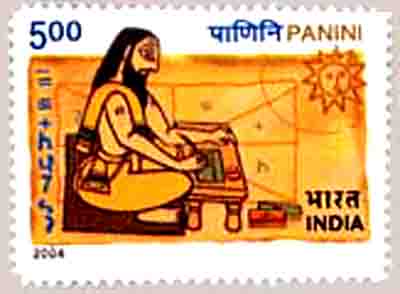
panini_

Yet one more example of verbal root construes, bearing in mind that each incorporates the first, second and third person, singular, dual or plural

Nii = to lead, conjugation I, guna change to radical naya (P and A)

Nayati, present tense = he leads etc (she, it)

Anayat, imperfect tense = he led etc

Nayatu, imperative mood = Let him lead

Nayet, potential mood = may he lead

Ninaaya, perfect tense = he led

Anaisit, aorist tense = he led

Nesyati, future tense = he will lead

Anesyat, conditional mood = he would have lead

Niiyate, passive construction = he is led

Naayayati, causative mood = he causes to lead

Anaayayat, imperfect causative mood = he caused to lead

Nayayatu, imperative causative = let him cause to lead

Nananet, optative causative mood = he may cause to lead

Ninaayayisati, desiderative causative

Niniisu, adjectival form = wanting to lead

Neniiyate, intensive form = he leads forcibly

Now with prefixing root with a preposition

Anunayati = to request

Apanayati = to carry away

Abhinayati = to act on the stage

Aanayati = to fetch or bring

Udnayati = to raise

Upanayati  = to offer

Nirnayati = to decide

Parinayati = to marry

Vinayati = to dispel

Samnayati = to unite

An astounding array of constructions from a simple verbal root!

Tense and Moods

The tense and moods for verbs are grouped together by Panini into ten ‘la’–kaaras. These ten ‘la’–kaaras can be divided into six tenses (kaalaa) and four moods (arthaa):

sanskrit village

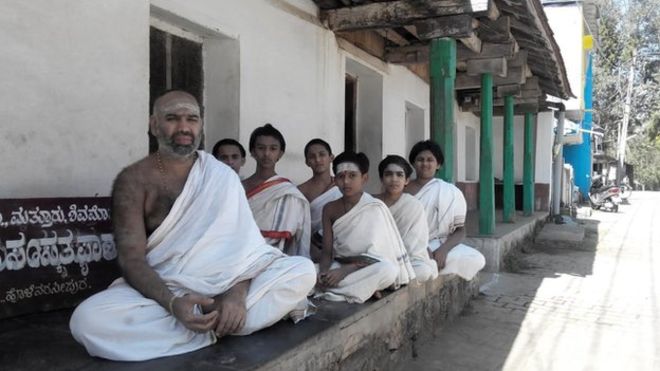
Sanskrit speakers in a karnataka village

Tense = Name by Panini = English

Varathamaana = lat = Present

Anadyatanabhuta = lan = imperfect

Paroksabhuta = lit= perfect

Bhuta = lun = aorist

Anadyatana = lut = periphrastic future

Bhavisya = lrt = simple future

Mood = Name by Panini = English

Aajnaa = lot = imperative

Vidhi = lin = optative

Aasih = let = subjunctive

Samketa = lrn = conditional

Those verbs ending in ‘t’ use primary endings and are listed alphabetically : lat, lit, lut, lrt, let and lot.

Those verbs ending in ‘n’ use secondary endings: lan, lin, lun and lrn

What a great genius!

Ancient Education

Youth in ancient India, after the Upanayana ceremony, lived in the teacher’s house (Gurukula) for twelve years, to the age of 25. Sanskrit lessons, completely oral, emphasized recitation and memorization. According to the Rik Samhita (7-103) “education is hearing and repeating another’s speech”. The teacher would pronounce the verse with the proper accents, and the students, seated on the ground, repeated.

The Paniniya Siksa lists the alphabet 63 or 64 letters. One letter, the long l, is considered Duhspsta or “difficult”.

The alphabet is listed as containing different numbers of letters in various texts. It is listed as containing 43 letters in the Siva sutras. 63 or 64 in the Paniniya Siksa. 47 in the Rik Pratisakhya, 52 in the Taittiriya Pratisakhya, 65 in the Vajasaneyi Pratisakhya, and 57 in the Rik Tantra.

The Aitareya Aranyaka (2-3-6-14) defines the role of ‘a’:– A is the whole of speech, and manifested as different consonants and sibilants, it becomes many forms” (akaaro vai sarvaa vaak saisaa sparsosmabhir vyajyamaanaa bahvii naanaa ruupaa bhavati

INTRODUCTION TO SANSKRIT- PART 2 BY THOMAS EGENES

UNFOLDING THE PETALS – A NEW SANSKRIT GRAMMAR BY DR DAVID TEPLITZ