Erudition: Four Anecdotes!

M Twain

Compiled by London swaminathan

Post No.2236

Date: 11  October 2015

Time uploaded in London: 19-55

Thanks for the pictures.

Don’t use pictures. Don’t reblog for at least a week.


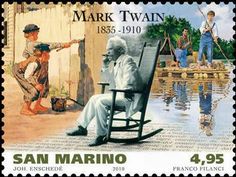
Mark Twain once observed sagely, “one should be careful to get out of an experience only the wisdom that is in it – and stop there; lest we be like the cat that sits down on the hot stove lid. She will never sit down on a hot stove lid again – and that is well; but also she will never sit down on a cold one anymore.”

Xxx

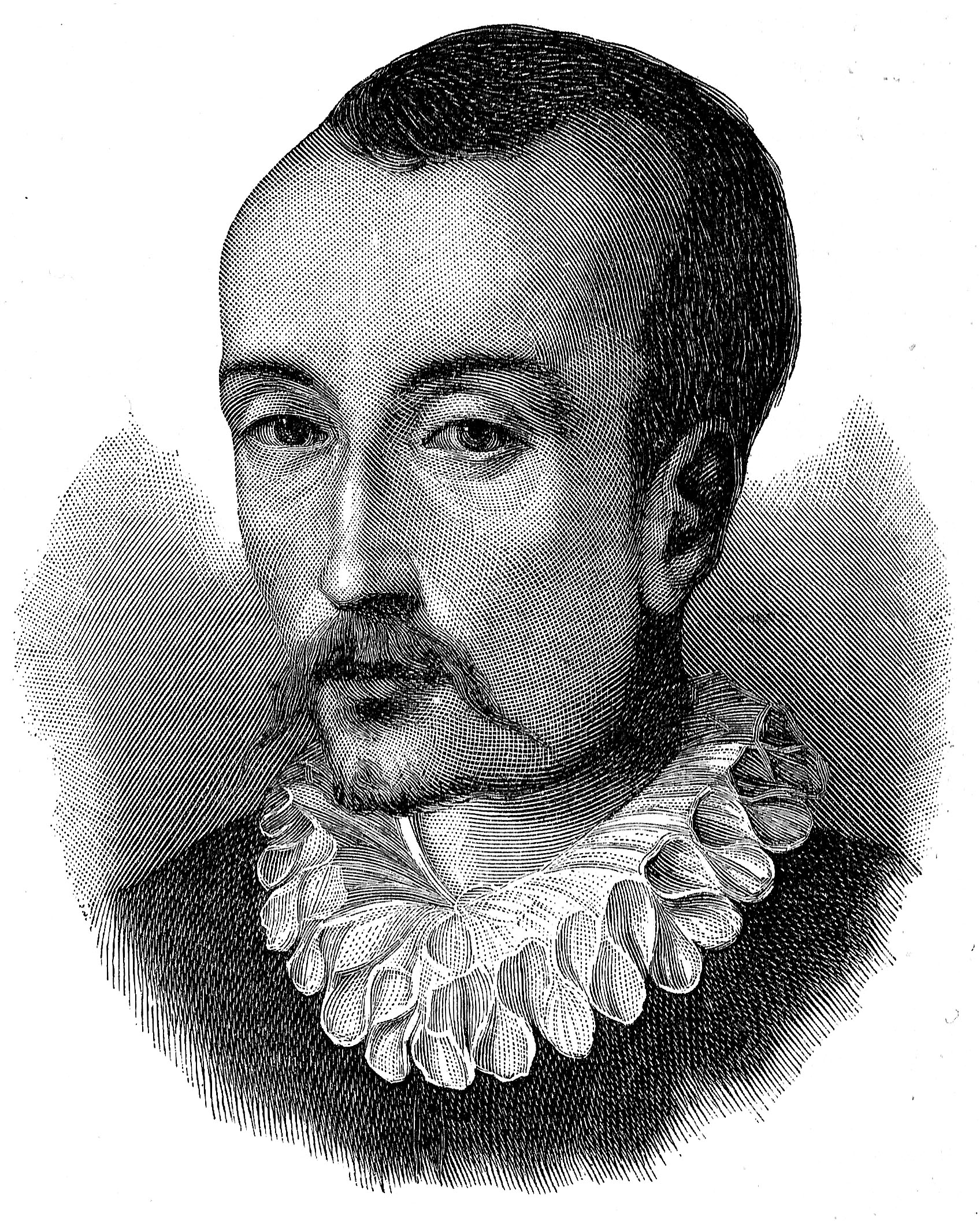
When Bernardo Tasso remonstrated with his son, the immortal Torquato, on his injudicious preference of philosophy to jurisprudence, and angrily demanded: “What has philosophy done for you?”

Torquato replied: “It has taught me to hear with meekness the reproofs of a father.”

Torquato_Tasso

picture of Torquato

Xxx

President Woodrow Wilson would sit down beside his green-shaded lamp and take p one paper after another – and work until the small hours. Approval was designated by “Okeh,W.W.” on the margin of a paper.

Someone asked why he did not use the “O.K.”

“Because it is wrong,” Mr Wilson said. He said that the enquirer look up “Okeh” in a dictionary. That he did and discovered that it is a Choktaw word meaning “It is so”.

Xxx

Someone once rudely taunted John Maynard, Lord Commissioner of the Great Seal of England, with having grown old to forget his law.

“True, Sir,” he replied, “I have forgotten more law than you ever learned.”

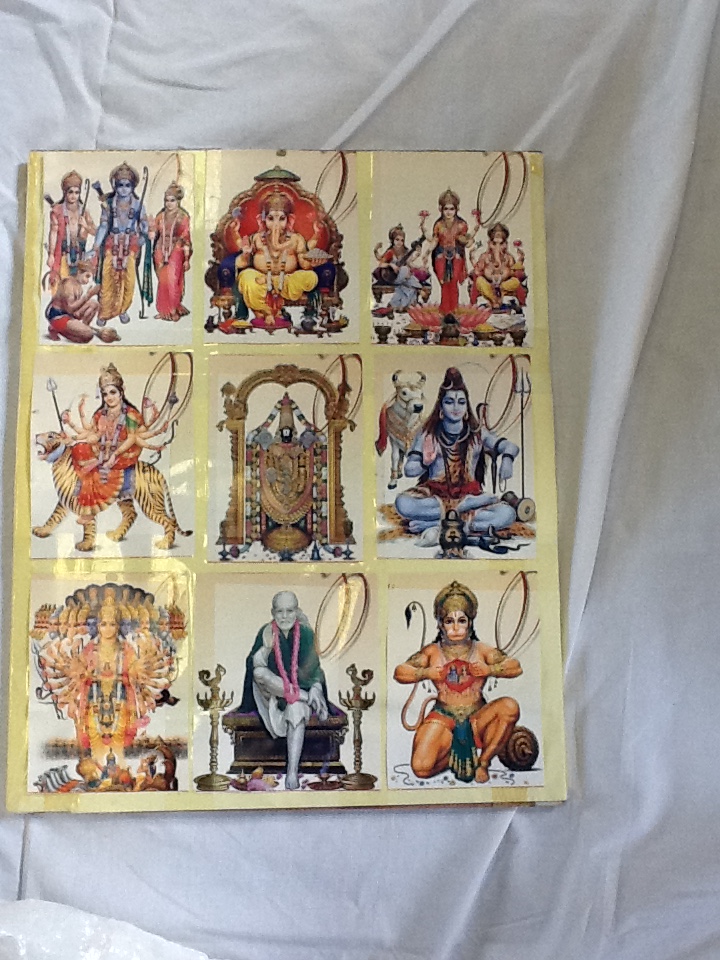
2.இந்துக் கடவுள்களை இனம் காணுவது எப்படி?- பகுதி 2

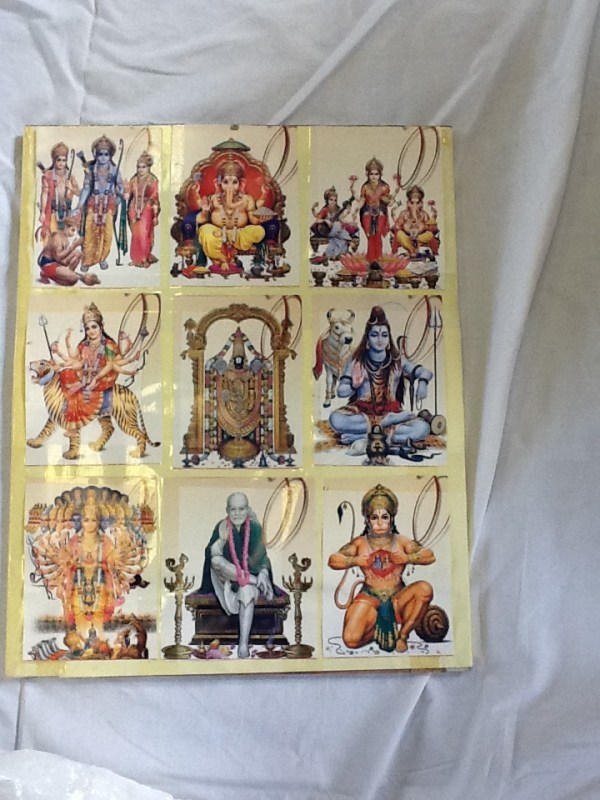
IMG_6803

Compiled by London swaminathan

Post No.2235

Date: 11  October 2015

Time uploaded in London: 17-47

Thanks for the pictures.

Don’t use pictures. Don’t reblog for at least a week.

கட்டுரையின் முதல் பகுதி நேற்று வெளிடப்பட்டது
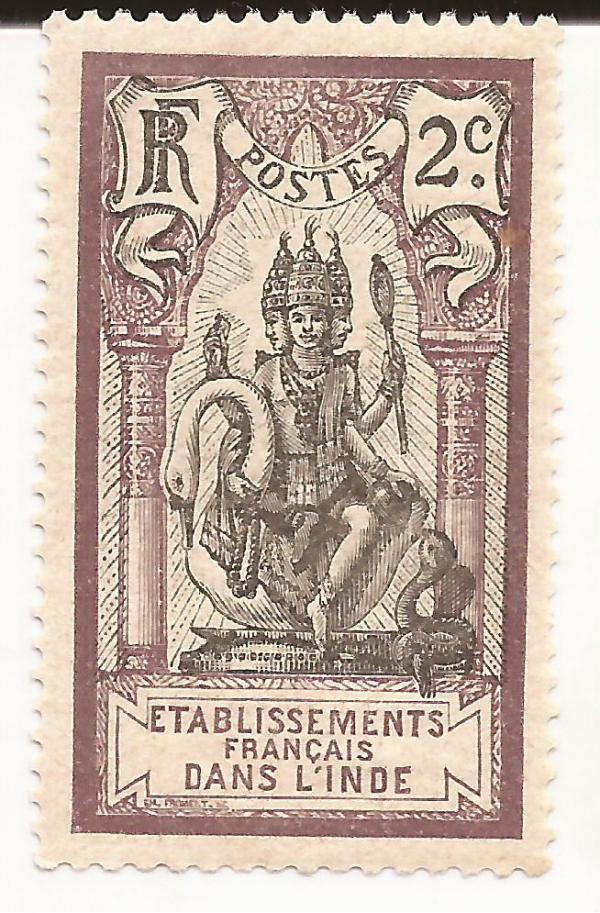
d82cc-brahma-stamp

பிரம்மா

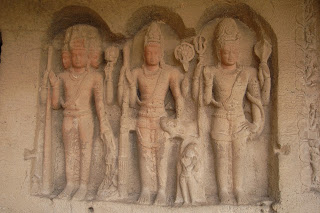
நான்கு தலைகள்; ஆனால் பெரும்பாலும் மூன்று தலைகள் மட்டுமே தெரியும். கையில் ஜப மாலை, வேதப் புத்தகம் இருக்கும். சில உருவங்களில் அன்னப் பட்சியும் அருகில் நிற்கும் அல்லது தாமரை மேலமர்ந்தவராகக் காட்சி தருவார். குறிப்பாகப் பாற்கடலில் பள்ளி கொண்ட விஷ்ணுவின் வயிற்றிலிருந்து வருவது போலக் காட்டுகையில் தாமரை மேல் இருப்பார்.

விஷ்ணு

மும்மூர்த்திகளில் மிகவும் எளிதில் அடையாளம் காணக்கூடிய கடவுள்; கைகளில் சங்கு சக்கரம் தாங்கியிருப்பார். நான்கு கைகளில் ஒரு கையில் கதை இருக்கும். தென் கிழக்காசிய நாடுகளில் கூட, தலை மட்டும் காட்டப்பட்டாலும், சங்கு சக்கரம் பொறிக்கப்பட்டு ள்ளதால் எளிதில் கண்டு பிடித்துவிடலாம். சில இடங்களில் கருட வாகனம் இருக்கும்; பாற்கடலில் ஆதிசேஷன் என்னும் பாம்பின் மீது பள்ளி கொண்ட கோலத்தில் படுத்த நிலையில் இருப்பார். தென் இந்தியக் கோவில்களில் நின்ற, அமர்ந்த, பள்ளிகொண்ட  என்ற மூன்று கோலங்களில் பெரிய சிலைகளாக காட்டப்பட்டுள்ளார்.
df0e0-trimurti_ellora

சிவன் (நடராஜர்)

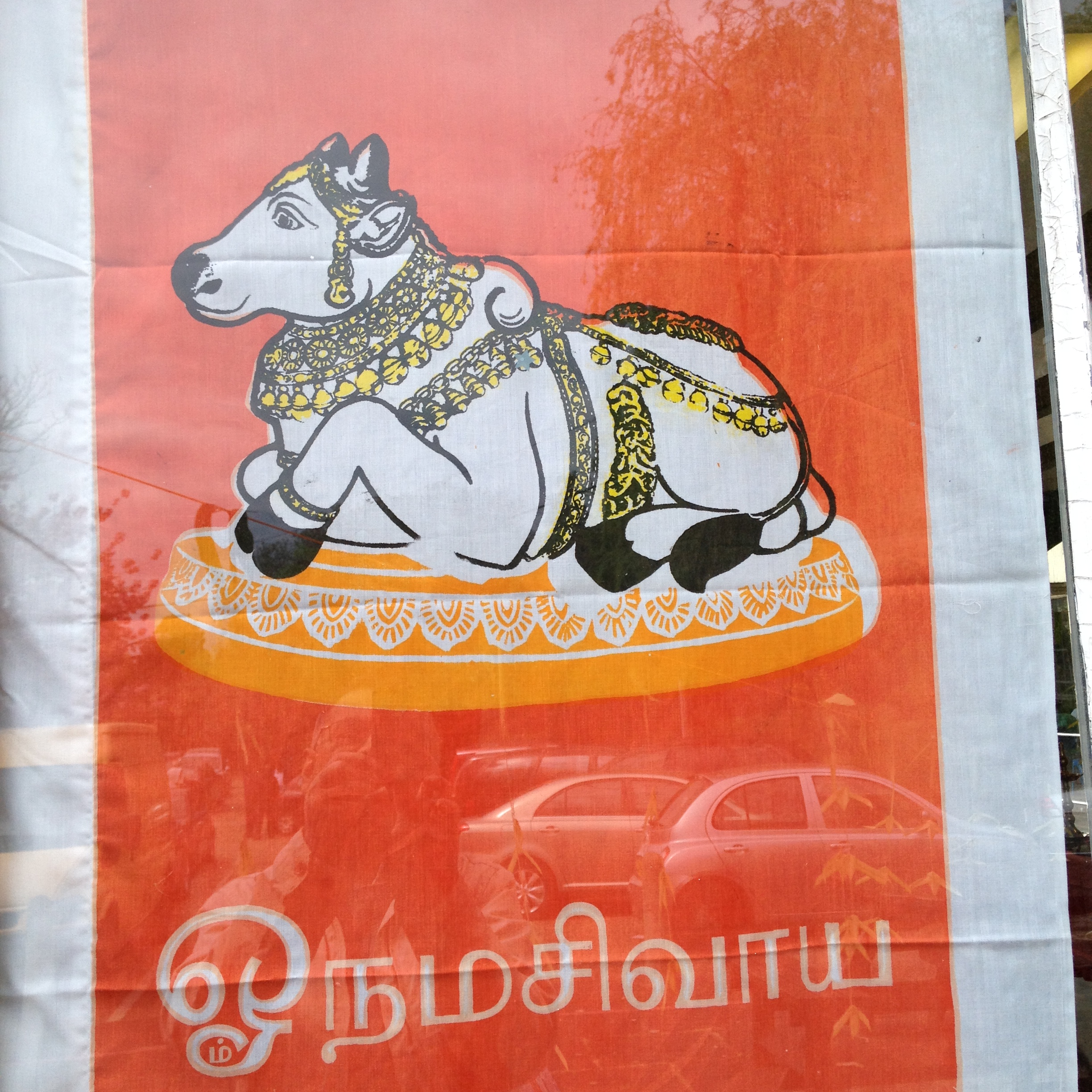
சிவன் உருவங்களில் நடராஜரை அடையாளம் காண்பது எளிது ஒற்றைக் காலைத் தூக்கிய நிலையில் கைகளில் உடுக்கை, தீ இவற்றுடன் கட்சி தருவார். காலடியில் ஒரு அசுரன் இருப்பான். லிங்க உருவமும் சிவன் ஒருவருக்கே உரித்தாகையால் எளிதில் உணரலாம்.ஆனால் மஹேஸ்வரனாகக் காட்டுகையில் சில இடங்களில் நெற்றிக் கண் இருக்கும். சடை முடியில் சந்திரப் பிறையும், கழுத்தில் பாம்பும் இருக்கும். கைகளில் திரி சூலம் இருக்கும். மான், மழு என்னும் ஆயுதம், டமருகம் என்னும் உடுக்கை கைகளில் இருக்கும்.ரிஷப (காளை/விடை) வாஹனம் மேலும் இருப்பார்.

கணபதி

வெளிநாட்டினரும் எளிதில் நினைவு வைத்துக் கொள்ளக் கூடிய கடவுள் யானை முகம் கொண்ட கணபதி ஆவார். வட நாட்டில் சித்தி, புத்தி என்னும் தேவியருடன் காட்சி தருகிறார்.அருகில் மூஷிகம் என்னும் மூஞ்சூறு அல்லது எலி இருக்கும். கைகளில் மோதகம் என்னும் கொழுக்கட்டை இருக்கும் அல்லது அருகில் தட்டில் படைக்கப்பட்டிருக்கும்.

முருகன்

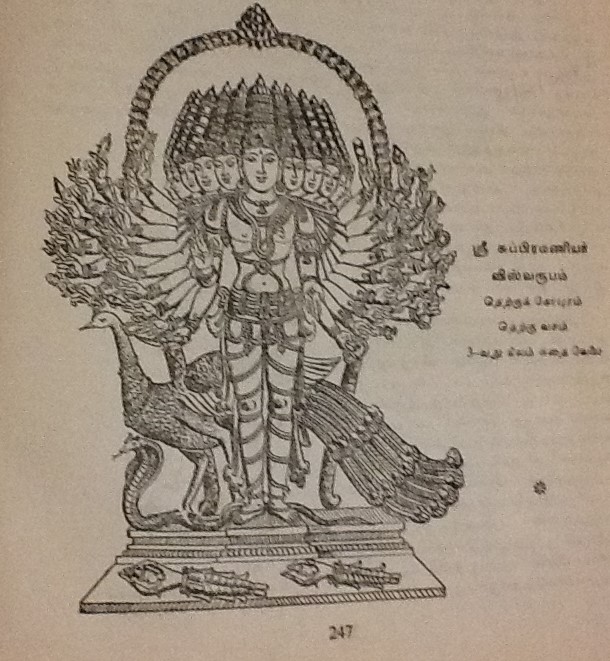
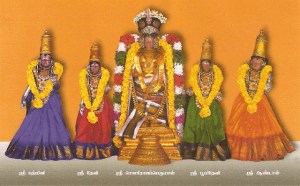
மயில் வாகனத்துடனும் கையில் வேலுடனும் காட்சி தருகிறார் முருகன். ஆனால் தென் கிழக்காசிய நாடுகளில் இவரை அடையாளம் காண்பது எளிதல்ல. தமிழ் நாட்டில் சில இடங்களில் வள்ளி, தெய்வானை ஆகிய இரு மனைவியருடன் காணலாம். தமிழ்நாட்டில் படங்களில் 12 கைகள், ஆறுமுகங்களுடன் காட்டப்படுகிறார்.

துர்கா

உமா, அல்லது பார்வதியின் மற்றொரு தோற்றம் துர்கா. வடநாடு முழுதும் பல்வேறு பெயர்களில் வழிபடப்படும் தெய்வமான துர்கா புலி அல்லது சிங்கத்தின் மேல் இருக்கிறார். கையில் வாள் இருக்கும். தென்னிந்தியக் கோவில்களில் சங்கு சக்கரத்துடன் (நாராயணி) காட்சி தருகிறார். கையில் வில், அம்பு, திரிசூலம், வஜ்ராயுதம் ஆகியனவும் இருக்கும். எட்டு அல்லது பத்து கைகளுடன் தோன்றுவாள். காளியாக காட்சி தருகையில் கபால (மண்டை ஓட்டு) மாலையும் இருக்கும். மஹிஷன் என்னும் எருமைத் தலை அரக்கனை அழிக்கும் காட்சி மாமல்லபுர குகைக் கோவில் முதல் வடநாட்டுக் கோவில்கள் வரை எல்லா இடங்களிலும் சித்தரிக்கப்பட்டுள்ளது, இந்த மஹிஷாசுரமர்த்தனி கோலம் மிகவும் சிறப்புடைத்து.
lakshmi

லெட்சுமி

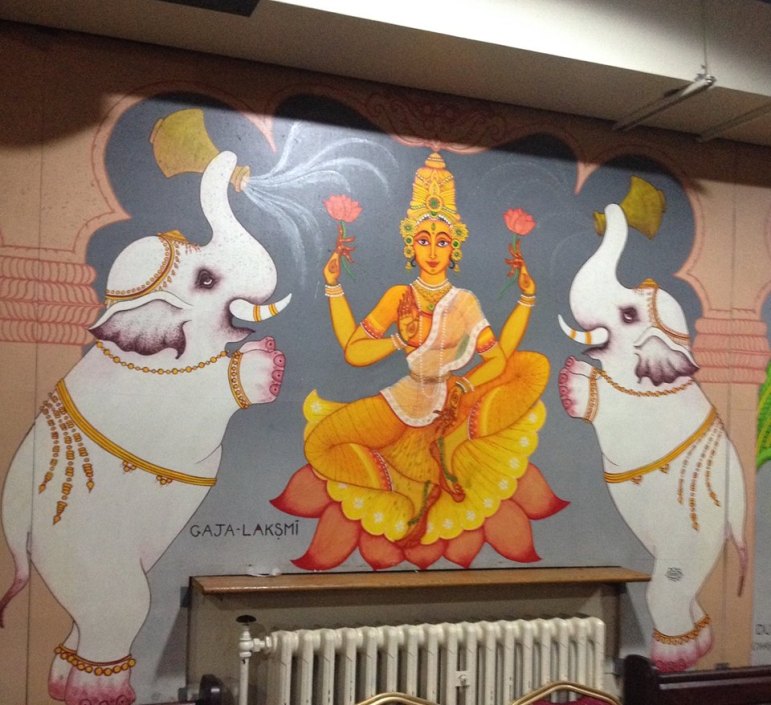
செந்தாமரை மலர் மீது வீற்றிருக்கும் லெட்சுமியின் கைகளில் தாமரை மலர் இருக்கும். கஜ லெட்சுமி உருவம் மிகவும் பிரபலமானது. லெட்சுமியின் இருபுறமும் இரண்டு யானைகள் நின்று நீரால் அபிஷேகம் செய்யும். இது நிறைய செல்வத்தையும் மங்களத்தையும் கொடுக்கும். செட்டி நாட்டார் வீட்டுக் கதவுகள் முதல் பல அரண்மனை வாயில்களிலும் டென்மார்க் நாட்டு சதுப்பு நிலத்தில் கண்டெடுக்கப்பட்ட அண்டாவிலும், நாணயங்களிலும் கஜலெட்சுமி உருவம் இருக்கிறது. சில இடங்களில் ஆந்தை வாகனமும் இருக்கும்.

சரஸ்வதி

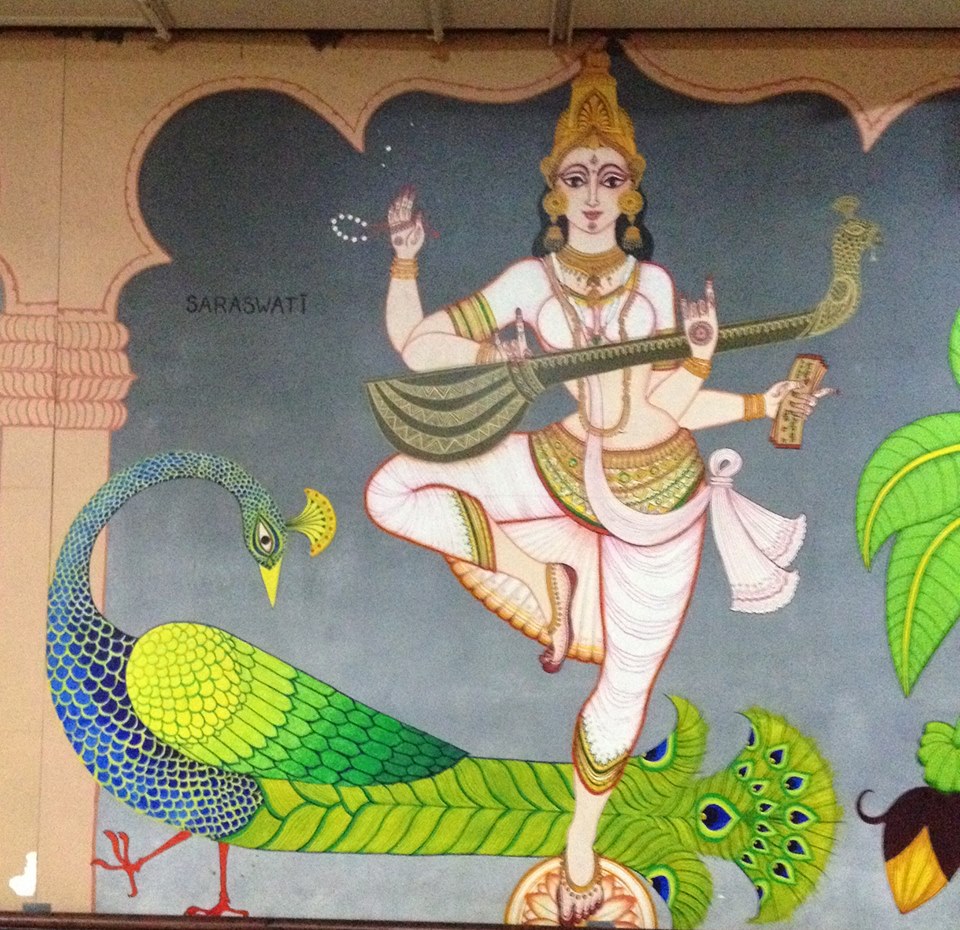
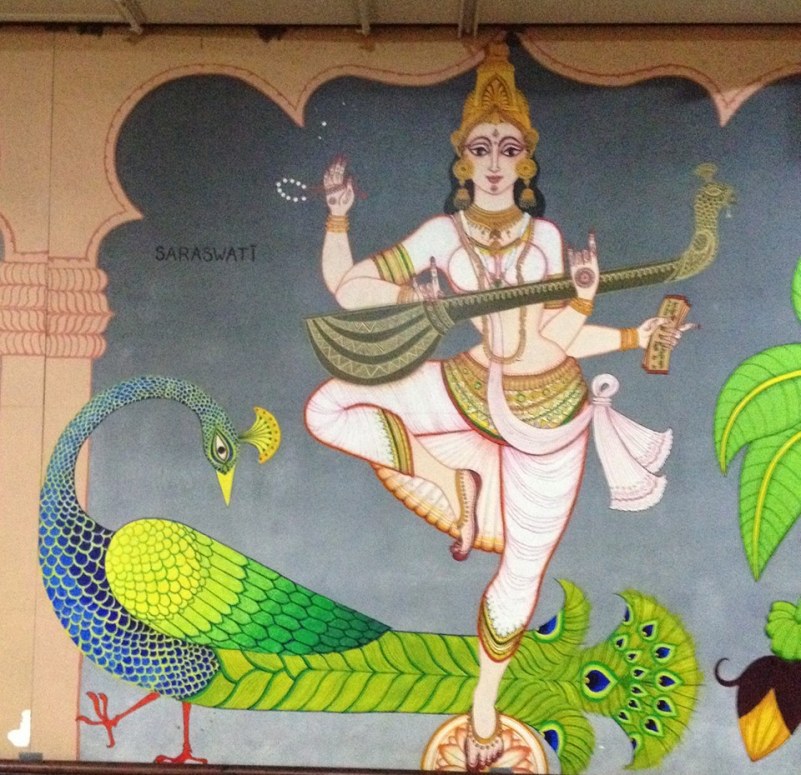
சரஸ்வதி சிலை அன்னப் பறவையுடனோ, மயிலுடனோ இருக்கும். கைகளில் ஜபமாலையும், புத்தகமும் இடம்பெறும். வீணை வாசிக்கும் கோலத்திலும், வெண்தாமரை மலர் மீது அமர்ந்தும் காட்சி தருகிறார்.
saraswati

காயத்ரி

ஐந்து முகங்கள், பத்து கைகளுடன் தோன்றும் காயத்ரி தேவியின் கைகளில் சங்கு, சக்கரம், சாட்டை, தாமரை, அமுத கலசம், மழு, கதை, அபய ஹஸ்த முத்திரை முதலியனவற்றைக் காணலாம்.

அனுமன்

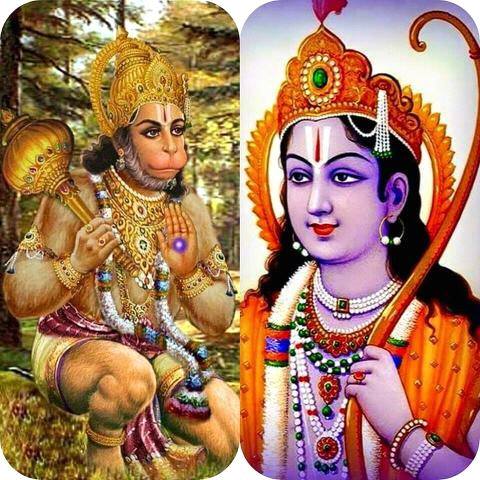
குரங்கு முகத்துடன் தோன்றும் அனுமனை, ஆஞ்சநேயரைக் குழந்தைகளும் அடையாளம் கண்டுவிடுவர். படங்களில் கதை அல்லது, சஞ்சீவி மலையைத் தூக்கும் நிலையில் இருப்பார்.

hanuman raman

சோமாஸ்கந்தர்

தென்னிந்தியக் கோவில்களில் பிரபலமான சோமாஸ்கந்தர் விக்ரஹத்தில் உமையுடனும், சிவனுடனும் ஸ்கந்தன் எனும் முருகன்/கார்த்திகேயன் குழந்தை வடிவத்தில் காட்சி தருவார்.

(சஹ + உமா+ ஸ்கந்த= சோமாஸ்கந்த = சிவன் உமையுடனும் கந்தனுடனும்)

இந்திரன், அக்னி, வாயு, யமன், குபேரன், நிருதி

வேதகாலக் கடவுளரான இந்திரன் ஐராவதம் என்னும் யானையின் மீது வஜ்ராயுத்துடன் தோன்றுவார். யானைக்கு ஒரு முகமோ, பல முகங்களோ இருக்கும். அக்னி ஆட்டு வாகனத்திலும், வாயு மான் வாகனத்திலும், யமன் எருமை வாகனத்திலும் இருப்பார்கள். அக்னியின் தலை(முடி) தீச்சுவாலை வடிவிலும், யமன் கைகளில் பாசக் கயிறும் இருக்கும். நிருதி என்பவர் ஒட்டகம் அல்லது கழுதை வாகனத்தில் இருப்பார். சில இடங்களில் பிரேத வாகனம் இருக்கும். குபேரன் குட்டையாக தொந்தியும் தொப்பையுமாக தங்கக் கலசத்துடன் மனித வாகனத்தில் காட்சி தருவார்.
358bc-vishnu

தசாவதாரம் (கிருஷ்ணன்,ராமன்)

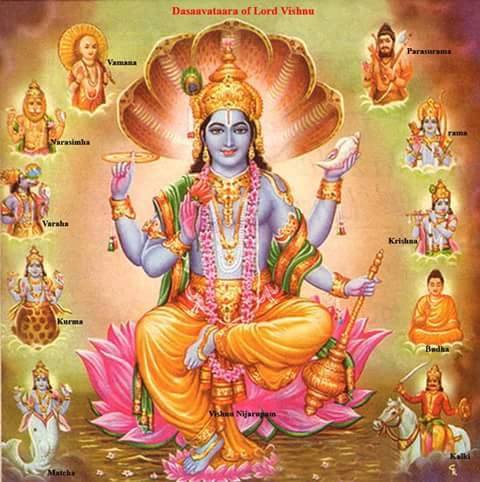
தசாவதாரம் என்பது விஷ்ணுவின் பத்து அவதாரங்கள். இந்த மூர்த்தங்களை அடையாளம் காண்பது எளிது:

மச்சாவதாரம்: அடிப்பகுதி மீன் போல இருக்கும்

கூர்மாவதாரம்: அடிப்பகுதி ஆமை போல இருக்கும்

வராஹாவதாரம்: மூக்கு, பன்றி போல இருக்கும்; அதன் மூக்கில் பூமி இருக்கும்

வாமனாவதாரம்: குள்ளமான பிராமணச் சிறுவன்; குடையுடன் காணப்படுவான்

நரசிம்மாவதாரம்: முகம், சிங்கம் போல இருக்கும். ஆக்ரோஷமாக ஹிரண்யகசிபுவை வதம் செய்வதைக் காணலாம்.

பரசுராமாவதாரம்: கையில் அல்லது தோளில் பரசு/கோடரி இருக்கும்.

ராமாவதாரம்: கையில் அம்புடன் நெடிய உருவம்; பொதுவாக லெட்சுமணன், சீதை ஆகியோருடனும் பாதம் இருக்கும் இடத்தில் அனுமனுடனும் காணப்படுவார்.

பலராமாவதாரம்: தோளில் உழும் கலப்பை இருக்கும்; வண்ணப் படங்களில் மஞ்சள் ஆடையுடன் இருப்பார்.

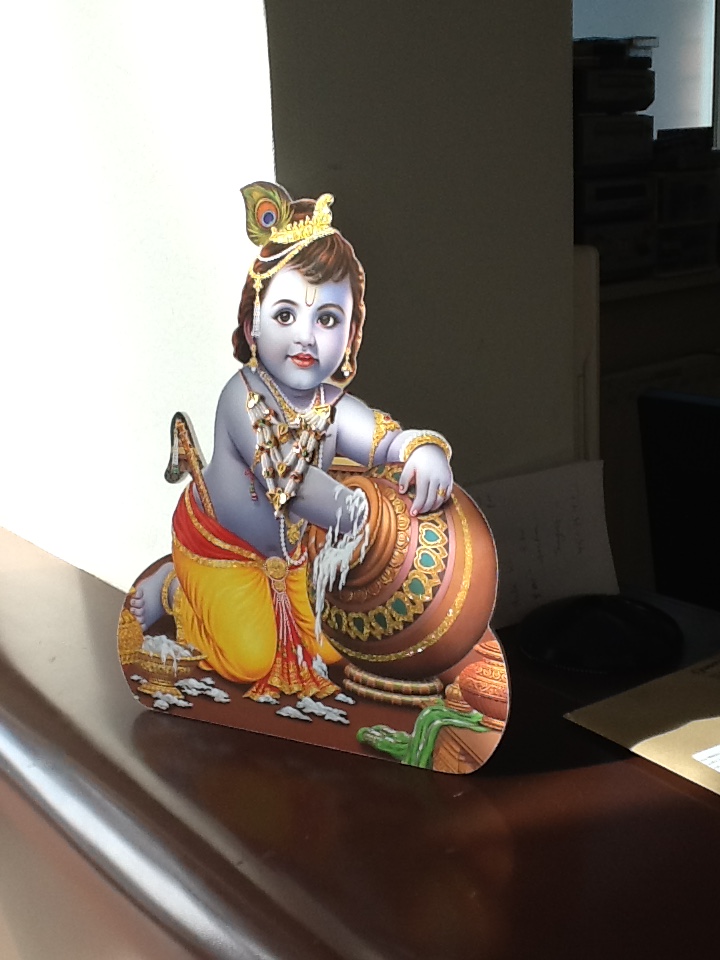
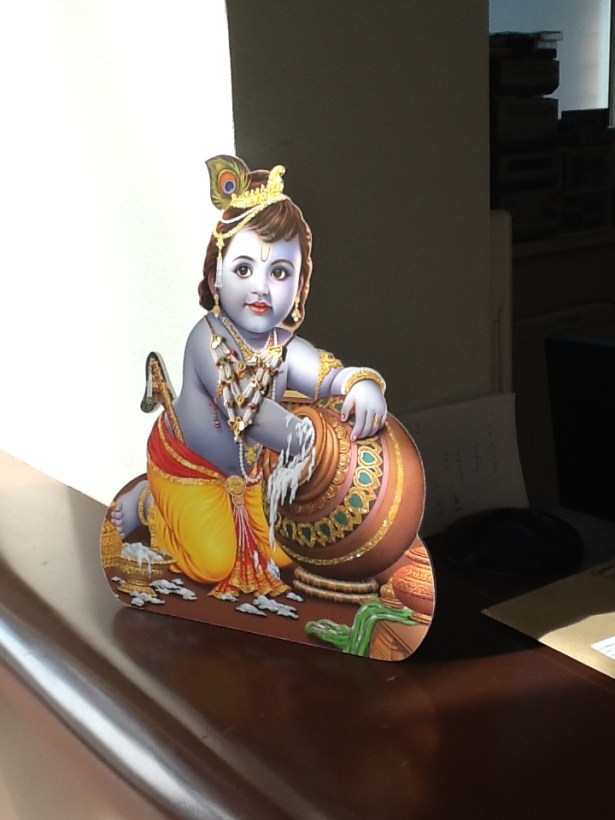
கிருஷ்ணாவதாரம்: தலையில் கிரீடம்; அதில் மயில் தொகை; அருகில் பசு மாடு; வாயில் புல்லாங்குழல்; அருகில் ராதா; வண்ணப் படங்களில் நீலாம்பரதாரியாகக் காட்சி அளிப்பார்.

கல்கி அவதாரம்: வெண்குதிரையில் கைகளில் வாளுடன் வருவார். சில இடங்களில் முகமே குதிரை போலக் காட்டப்பட்டிருக்கிறது.
IMG_6819

நவக்கிரகங்கள்

நவக்கிரகங்களில் ராகு சந்திரனுடனும் கேது – பாம்புடனும் இருப்பர். சூரியன் பின்பக்கம் சூர்யப் பிரபையுடனும் 7 குதிரை, ஒற்றைச் சக்கர ரதத்தில் பவனி வருவார்.சந்திரன் சந்திரப் பிரபையுடன் இருப்பார். ஏனைய கிரகங்களை வாகனம் இல்லாவிடில் அடையாஅள்ம் காண்பது கடினம்.

இந்துக்களின் எண்ணற்ற கடவுள் மூர்த்தங்களை விளக்குவது சாத்தியமல்ல. மேற்கூறிய பட்டியலை வைத்து ஓரளவு சைவ, வைஷ்ணவ திருவுருவங்களை அடையாளம் காணலாம்.

-சுபம்–
b03a6-42bwives2bof2bvishnu

நமது கேள்விகளும் அப்பர் பதில்களும்!

IMG_2990

Written by S NAGARAJAN

Post No.2234

Date: 11  October 2015

Time uploaded in London: 16-28

Thanks for the pictures.

Don’t use pictures. Don’t reblog for at least a week.


தேவார சுகம்

நமது கேள்விகளும் அப்பர் பதில்களும்!

.நாகராஜன்


நல்ல கேள்விகள் கேட்பவர் சிலரே! அதற்குச் சரியான விடைகள் தருபவர் நிச்சயமாக வெகு சிலரே!

நமக்குப் புரிய வேண்டிய பல விஷயங்கள் குறித்து நம்மவரில் பலர் பளிச் பளிச் என்று கேள்விகள் கேட்க அருளாளர் அப்பர் பளார் பளார் என பதில்களை அள்ளி வீசுகிறார்.

எங்கே! தேவாரத்தில்!!


கேள்விகளும் பதில்களும் இதோ:-

  • ஞானம் எது? கல்வி எது?

நமச்சிவாயவே ஞானமும் கல்வியும்


  • நன்னெறி காட்டுவது எது? நமச்சிவாயவே நன்னெறி காட்டுமே


  • நமது வினைகள் ஓடிப் போக என்ன செய்ய வேண்டும்?

ஆடிப்பாடி அண்ணாமலை கை தொழ ஓடிப் போம் நமதுள்ள வினைகளே!


  • துன்பப் படுகிறேன், வினை விடவில்லை, பழைய வினைகள் படுத்துகின்றன, நான் என்ன செய்வது?

IMG_3244

அல்லல் என் செயும்? அருவினை என் செயும்?                                    

தொல்லை வல்வினை தொந்தம் தான் என் செயும்?                                  

தில்லை மாநகர்ச் சிற்றம்பலவனார்க்கு                                          

எல்லை இல்லதோர் அடிமைப் பூண்டேனுக்கே


  • காக்கைக்கு உடலை இரையாக்குவார் யார்?

பூக்கைக் கொண்டு அரன் பொன்னடி போற்றிலார்                                    

நாக்கைக் கொண்டு அரன் நாமம் நவில்கிலார்                                   

ஆக்கைக்கே இரை தேடி அலமந்து                                               

காக்கைக்கே இரையாகிக் கழிவரே             (ஆக்கைஉடல்)


crow2

  • இறைவனது திருவடி நீழல் எப்படி இருக்கும்/

மாசில் வீணையும் மாலை மதியமும்                                       

வீசு தென்றலும் வீங்கு இளவேனிலும்                                                   

மூசு வண்டறை பொய்கையும் போன்றதே                                 

ஈசன் எந்தை இணையடி நீழலே!


  • சுவர்க்கம் செல்ல வழி என்ன?

துளக்கில் நல் மலர் தொடுத்தால் தூய விண் ஏறல் ஆகும்


road-to-heaven-608763_640 (1)

  • மெய்ந் நெறி ஞானம் என்றால் என்ன?

விளக்கிட்டார் பேறு சொல்லின் மெய்ந்நெறி ஞானம் ஆகும்


  • நண்பன் யார்?அவனுக்கு என்ன கொடுப்பது?

கண் பனிக்கும்கை கூப்பும்! கண் மூன்றும் உடை நண்பனுக்கு எனை நான் கொடுப்பன்!


  • நெஞ்சுக்கு உபதேசம் என்ன?

நக்கரையனை நாள்தொறும் நன்னெஞ்சேவக்கரை உறைவானை வணங்கு நீ!!


  • ஈசன் யார்க்கு எளியன்? யார்க்கு அரியன்? வஞ்சகர்க்கு அரியர் போலும், மருவினோர்க்கு எளியர் போலும்!


  • நன்நெறிக் கண் சேராதவர்கள் யார்? “துரிசு அறத் தொண்டு பட்டார்க்கு எளியானை, யாவர்க்கும் அரியான் தன்னை, இன்கரும்பின் தன்னுள்ளால் இருந்த தேறல் தெளியானைத்,

திருநாகேச்சரத்து உளானைச் சேராதார் நன்நெறிக் கண் சேராதாரே!


 palanest

  • கிரகமும், நட்சத்திரமும் சரி இல்லை, என்ன செய்வது?  “நாளும் நாதன் அமர்கின்ற நாகேச்சுரம் நண்ணுவார், கோளும் நாளும் தீயவேனும் நன்கு ஆம்! குறிக்கொண்மினே! (குறித்துக் கொள்ளுங்கள்)


  • இடர் தீர வழி? பொன் ஒத்த நிறத்தானும், பொருகடல் தன் ஒத்த நிறத்தானும் அறிகிலாப் புன்னைத் தாது பொழில் புகலூரரைஎன் அத்தாஎன என் இடர் தீருமே!


  • பிறந்தவர்கள் என்று யாரைச் சொல்லலாம்? வஞ்சர் சிந்தையுள் சேர்விலாதார், கற்றவர் பயிலும் நாகைக்காரோணம் கருதி ஏத்தப் பெற்றார் பிறந்தவரே!                                                  மற்றுப் பிறந்தவர் பிறந்திலரே!!


  • துயர் கெட வழி?                                            
  • கந்த வார் பொழில் நாகைக்காரோணனைச் சிந்தை செய்யக் கெடும் துயர், திண்ணமே!


  • யாருடைய செல்வத்தை மதிக்கக் கூடாது? ஏன்? சங்க நிதி பதும நிதி இரண்டும் தந்து தரணியொடு வான் ஆளத் தருவரேனும், மங்குவார் அவர் செல்வம் மதிப்போம் அல்லோம், மாதவர்க்கு ஏகாந்தர் அல்லார் ஆகில்!


  • யாரைக் கடவுளாக வணங்கலாம்? ஏன்?

அங்கம் எலாம் குறைந்து அழுகு தொழுநோயராய், உரித்துத் தின்று உழலும் புலையரேனும், கங்கை வார்சடைக் கரந்தார்க்கு அன்பர் ஆகில் அவர் கண்டீர் நாம் வணங்கும் கடவுளரே!


  • செத்துச் செத்துப் பிறப்பவர் யார்?

திருநாமம் அஞ்செழுத்து செப்பார் ஆகில்                                      

தீவண்ணர் திறம் ஒரு கால் பேசார் ஆகில்                                

ஒருகாலும் திருக்கோவில் சூழார் ஆகில்                                      

 உண்பதன் முன் மலர் பறித்து இட்டு உண்ணார் ஆகில்                           

அரு நோய்கள் கெட வெண்ணீறு அணியார் ஆகில்                                    

அளி அற்றார் பிறந்தவாறு ஏதோ என்னில்                                

பெரு நோய்கள் மிக நலியப் பெயர்த்தும் செத்துப்                              

பிறப்பதற்கே தொழில் ஆகி இறக்கின்றாரே!


  • குறை இல்லாமல் இருப்பது எதனால்?
  • சிவபெருமான் திருவடியே சேரப் பெற்றோம்,                              
  • ஒன்றினால் குறை உடையோம் அல்லோம் அன்றே!


இப்படி அள்ள அள்ள குறையாத பதில்கள் அப்பரின் பதிகங்கள் முழுவதும் நிரம்பியுள்ளன.


நம் கேள்விகளுக்கு உரிய பதில்கள் மட்டும் அல்ல அவை! அனைத்தும் அற்புத இரகசியங்கள்!


***********

Are Children Innocent or Naughty? Why did the Lady Teacher Cry?

Chinese_students_f_3348697k

Compiled by London swaminathan

Post No.2233

Date: 10  October 2015

Time uploaded in London: 22-13

Thanks for the pictures.

Don’t use pictures. Don’t reblog for at least a week.

Teachers and Class rooms

In the classroom the lady teacher was trying, without success, to quell what looked like a small riot. The principal was passing through the hall, stopped and what all the noise was about.

The pretty young teacher was almost in tears. “I was explaining the students the difference between the concrete and abstract, stating that abstract is something you can’t see, and concrete is something you can see. Then I asked James to give me an illustration.

“My pants are concrete. Yours are abstract, he answered”.

The principal, attempting to repress a smile, helped the teacher restore order to her class, and then, going into the hall, finally gave vent to the laughter he could no longer restrain.

Xxx

Children are Innocent

The day of a big snowstorm, the country school teacher felt called upon to warn her students against playing too long in the snow. She said, “Now, children, you must be careful about colds and over exposure. I had a darling little brother only seven years old. One day he went out in the snow with his new sled and caught cold. Pneumonia set in and three days later he died.”

The room was silent and then a youngster in the back row raised his hand asked, “Where is his sled?.”

Xxx

In English class a small boy was told to write an essay about King Alfred, but was warned not to elaborate overly much on the family story of the cakes. The boy delivered his essay which, after summing up the chief historical facts, concluded with, “There is another incident in King Alfred’s life. One day he visited a house where a certain woman lived – and the less said about that, the better.”
Xxx

bhadravathy sai school

Too beautiful to describe!!

When the pupils are assigned the task of writing an essay on “the most beautiful I ever saw”, the least aesthetic young man in the class handed in his paper first with astonishing speed. It was short and to the point –“The most beautiful thing I ever saw was too beautiful for words.”

Xxx

Stack of One Hundred Dollar Bills U.S.

Stack of One Hundred Dollar Bills U.S.

Million Dollar Question!!

Given the assignment of writing a composition about what they would do if they had a million dollars, all of the children in the class except Willy were busily writing away.

The teacher, becoming of his aware of his idleness, said severely, “Willy, don’t you know that you are supposed to tell what you would do if you had a million dollars?”

“Well”, said the boy, lazily leaning back on his chair, “this is exactly what I would do if I had a million dollars.”

–Subham–

இந்துக் கடவுள்களை இனம் காணுவது எப்படி?- பகுதி 1

IMG_6746 (2)

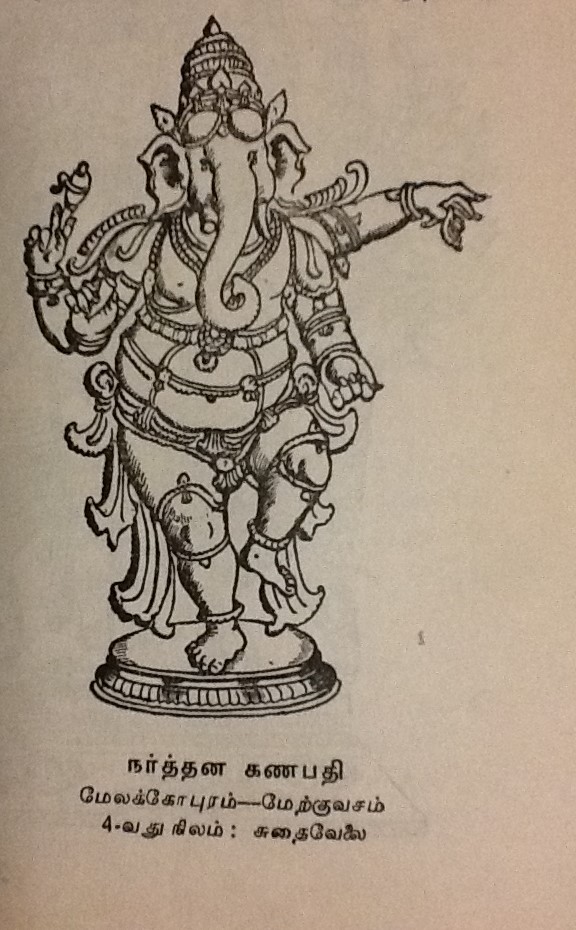
மதுரை மீனாட்சி கோவில் கோபுரத்திலுள்ள சிற்பத்தின் வரைபடம்

Research article by London swaminathan

Post No.2232

Date: 10  October 2015

Time uploaded in London: 15-01

Thanks for the pictures.

Don’t use pictures. Don’t reblog for at least a week.

பாரதியார் பாடினார்:

“கணிதம் பன்னிரெண்டாண்டு பயில்வர், பின்

கார்கொள் வானிலோர் மீனிலை தேர்ந்திலார்

அணிசெய் காவியம் ஆயிரம் கற்கினும்

ஆழ்ந்திருக்கும் கவியுளம் காண்கிலார்”

— 12 ஆண்டு கணிதம் பயின்ற பின்னர், ஆகாயத்தில் இருக்கும் நட்சத்திரம், கோள் முதலியவற்றின் நிலை என்ன என்று தெரிவதில்லையே என்று வருத்தப்படுகிறார்.

அந்தக் காலத்தில் கிராமப்புற மக்களுக்கு எழுதப் படிக்கத் தெரியாமல் இருந்திருக்கலாம். ஆனால் ஒவ்வொருவரும், வானத்திலுள்ள கிரகங்கள் நட்சத்திரங்களின் பெயர்களையும் நிலையையும் அறிந்து வைத்திருந்தனர். தங்களைச் சுற்றியுள்ள மரம், செடி, கொடி, பறவைகள், மூலிகைகள் ஆகியவற்றை அடையாளம் காணவும் அறிந்திருந்தனர். ஏட்டுக் கல்வி வந்த பின்னர், கையில் ‘டிகிரி’ வாங்கிய பின்னரும் கூட அடிப்படை அறிவு இருப்பதில்லை. இதுதான் பாரதியாரிம் வருத்தத்துக்குக் காரணம். சுற்றியுள்ள மரம் செடி, கொடிகளின் பெயர்களும் தெரியாது; வானத்திலுள்ள நட்சத்திரங்கள் என்ன என்றும் சொல்லத் தெரியாது! இதே நிலையில்தான், கோவில் சிலைகள் பற்றிய அறிவும் உளது.

சங்க இலக்கிய நூலான பரிபாடலில் (19ம் பாடல்) ஒரு காட்சி வருகிறது: கணவன், மனைவி ஆகிய இருவர் திருப்பறங்குன்றத் தில் உள்ள ஓவியங்களைக் காணும் போது, ஒரு பூனை ஓவியத்தைப் பார்த்து மனைவி வியக்கிறாள். கணவனிடம் கேட்கவே, உடனே கணவன், “இது உனக்குத் தெரியாதா? இதோ இந்திரன், அகலிகையை மானபங்கப்படுத்திய பின்னர், பூனை வடிவில் பயந்து ஓடுகிறான்” என்று பதில் தருகிறான். மக்களுக்கு ஓவியத்தில் வரும் புராணக் காட்சிகள் எல்லாம் அத்துபடியாக இருந்தன, இது 2000 ஆண்டுகளுக்கு முன்னிருந்த நிலை.

இன்றோ நமது குழந்தைகள், ஒரு கோவில் சிலையைக் காட்டி இது யாருடைய உருவம்? கைகளில் என்ன , என்ன இருக்கிறது? என்று கேட்டால் நமக்குச் சொல்லத் தெரியுமா என்பது சந்தேகமே!

இந்தியாவிலாவது பல கடவுள் திரு உருவங்களை அடையாளம் கண்டு விடலாம். தென்கிழக்காசிய நாடுகளின் சிலைகளில் விஷ்ணுவைத் தவிர வேறு எவரையும் அடையாளம் காணமுடியாது. விஷ்ணுவின் தோள்களில் அல்லது கைகளில் சங்கு சக்ரம் இருப்பதால் இது எளிதாகிறது.

IMG_6747 (2)

மியூசியங்களுக்குப் போனால் இதைவிடப் பெரிய குழப்பம் காத்திருக்கும். புத்தமத, சமணமத கடவுளர் சிலைகளையும் ஒரே காட்சிக்கூடத்தில் வைத்திருப்பர். இந்துக் கடவுள் போலத் தோன்றும். ஆனால் வேறு பெயர்கள் எழுதப்பட்டிருக்கும்.

முன்காலத்தில் சிலைகளையும், விக்ரஹங்களையும் வடித்தவர்கள் சம்ஸ்கிருத நூல்களில் ஸ்லோகங்களாக எழுதப்பட்ட மூர்த்திகளின் வடிவங்களை மனதிற்கொண்டு அவைகளைச் செய்தனர். அவைகளைக் ‘காப்பி’ அடித்த புத்த, சமண மதச் சிற்பிகள் அவரவர்களுடைய கற்பனைக்கேற்ப கொஞ்சம் மாற்றி வடிவமைத்தனர். ஆனால் கூர்ந்து கவனிப்போர் எது, என்ன என்று சொல்லிவிடுவர்.

இந்துக் கடவுளரின் பட்டியல் மிக நீண்டது. ஒவ்வொரு ஊரிலும் ஒரு நிகழ்ச்சி நடந்து இருப்பதாலும், பல அசுரர்களைக் கொல்ல பல உருவம் எடுத்ததாலும் சிற்சில வேறுபாடுகள் இருக்கும். இதைத்தவிர உள்ளூர், பிராந்திய கடவுளரும் உண்டு. வடக்கே இருப்பவர்க்கு அய்யனார், சாஸ்தா பற்றித் தெரிய வாய்ப்பு இல்லை. தெற்கே இருப்பவர்க்கு சந்தோஷி மாதா முதலிய உருவங்கள் தெரியாது. ஓரிடத்தில் அனுமார் பிரம்மச்சாரி, இன்னொரு இடத்தில் பிள்ளையார் பிரம்மச்சாரி. ஆகையாலெங்கு மனைவியருடன் தெய்வங்கள் உளதோ அதன் தத்துவ விளக்கங்களையும் கடவுளரின் கையிலுள்ள பொருள்களின் விளக்கங்களையும் அறிந்து வைக்கவேண்டும்.

பிள்ளையாரின் இரண்டு மனைவியரின் பெயர் சித்தி, புத்தி என்று சொன்னால், பிள்ளையாரைக் கும்பிடுவோருக்கு காரிய ‘சித்தி’யும் (வெற்றி), அதை அடைய நல்ல ‘புத்தி’யையும் (அறிவு) கொடுப்பார் என்று பொருள். சூரியனின் மனைவி பெயர் ‘சாயா’ (நிழல்) என்றால் வெளிச்சம் இருக்கும் இடத்தில் பொருள்களின் நிழலும் அதைத் தொடரும் என்பதே பொருள். சம்ஸ்கிருத அறிவு இருந்தால் ஓரளவு பொருளை உணர்ந்து நாமே மற்றவர்க்கும் விளக்கலாம். எல்லாவற்றையும் கதைகள் மூலமும், உவமைகள் மூலமும், அடையாளச் சின்னங்கள் மூலமும் விளக்குவது நம் முன்னோர் இயல்பு. ஆனால் காலப் போக்கில், உணர்த்தவந்த தத்துவத்தை மறந்துவிட்டு, கதைகளை மட்டுமே பரப்பியதால் அவைகள் புராணங்களாகிவிட்டன.

vishnu

கடவுளரின் வாஹனங்கள், அவர்களின் அடையாளச் சின்னங்கள் என்ன, என்ன வென்று தெரிந்து கொண்டால்  வெறும் தலை அல்லது தோள் மட்டும் தெரிந்தால் கூட அது யாருடையது என்று சொல்லிவிடலாம். கட்டுரையின் இரண்டாவது பகுதியில் ஒரு பட்டியலைத் தருகிறேன். அது முக்கியக் கடவுள் திருமேனிகளை அடையாளம் காண ஓரளவுக்கு உதவும்.

–தொடரும்…………………………

God Is Not Dead

goswami1

Book Review by S NAGARAJAN

Post No.2231

Date: 10  October 2015

Time uploaded in London: 7-13 am

Thanks for the pictures.

Don’t use pictures. Don’t reblog for at least a week.

THIS ARTICLE HAS BEEN PUBLISHED IN www.ezinearticles.com on 1-10-15. Pl log in and go to author’s column select expert author santhanam Nagarajan to real all the articles. For this article the link is:

http://ezinearticles.com/?God-Is-Not-Dead&id=9184178

goswami2

God Is Not Dead

Santhanam Nagarajan

This is the Scientific Age. Man wants proof for everything. Even for the existence of God!

But God is beyond proof. Scientists like Newton believed God. But in this modern age when we are able to explain everything, could it be possible to prove the existence of God.

Toward the end of 19th century, the philosopher Nietzsche declared through one of his fictional characters that ‘God is dead’.
Now based on Quantum Science some scientists are trying to prove the existence of God.  One such person is Amit Goswami. He is a theoretical nuclear physicist and member of The University of Oregon Institute for Theoretical Physics since 1968.

Goswami very strongly believes that the existence of God could be settled by scientific evidence. He claims already it is in God’s favor.

The book has five parts, Introduction, The evidence for downward causation, The evidence for the subtle bodies, Downward causation revisited and Quantum Activism.

He offers two kind of evidence namely ‘the quantum signatures of the divine’ and ‘subtle domains of reality’.

Mental events are acting to cause physical events. This is known as downward causation.

An architect who would like to build a house will start with an idea first and then he would make a blue print of the idea. Then he will start the work.

Similarly now we are able to see the idea of God via Supramental (Body of Laws) and then the blueprint via vital body. The physical body is His work.

The author gives a number of examples based on scientific evidence to prove his point that God Exists. He shows that all the sciences – physics, biology, psychology and medicine – need the hypothesis of downward causation.

goswami3

Once Dalai Lama was asked if there was any scientific research that would ever prompt him to give up his Buddhist beliefs about spirituality. To this Dalai Lama replied that if scientists could ever prove that reincarnation never happens, he might change his mind.

But Stevenson has collected a lot of evidence in proof of reincarnation.

The author himself was invited to join a group of scientists at a conference in Dharma Sala, India in 1999.

The 30 or so scientists presented his or her ideas to the venerable Dalai Lama. The conference was aimed at integrating science and spirituality.

In order to find out God one has to give up materialistic view and adopt the path of  Karma Yoga, doing good without expecting the result there of.

The book has been written in a lucid style, so that even an ordinary reader could understand our origins and how we should live.  Number of anecdotes are interwoven to explain the principles of quantum physics.

Amit Goswami has a knack of explaining things simply. That is his plus point.

Those who believe God, for them no explanation is necessary. Atheists who do not believe God will never accept Him even after getting enough evidence. So this book is for the people who would strengthen their belief once they get new ideas based on scientific evidence.

I very strongly recommend this book for all the people, believers, non-believers and truth seekers. The book is published by Jaico Publishing House, Mumbai, India.

goswami5

Summary:

Toward the end of 19th century, the philosopher Nietzsche declared through one of his fictional characters that ‘God is dead’. Now based on Quantum Science some scientists are trying to prove the existence of God.  One such person is Amit Goswami. He strongly believes that the existence of God could be settled by scientific evidence. He claims already it is in God’s favor. He has a knack of explaining things simply.

Key words

God could be explained, quantum physics shows the way

  1. Nagarajan has written more than 3000 articles in Tamil in 18 magazines and published 19 books. He is revealing Eastern Secret Wisdom through T.V. Programmes, magazine articles, seminars, courses. He has covered various subjects in his wide range of articles which include Mantras,Yantras, Yoga, Meditation, Astrology, Astronomy, Space Science, Science and Spirituality, Hollywood cinema, Womens’ progress, Aura, Significance of Colors, Reincarnation, Divine Geometry, Power of Prayer etc. As an ardent seeker of Truth, he has collected scientific experiments on mantras, mind, Auto suggestion etc. He has written many articles on para psychology

gswami4

–Subham-

Hindu Temple Mystery!

IMG_0534

Thirissur Temple in Kerala

Research article by London swaminathan

Post No.2230

Date: 9  October 2015

Time uploaded in London: 21-43

Thanks for the pictures.

Don’t use pictures. Don’t reblog for at least a week.

If you read any modern book on Hindu Temple architecture they broadly classify the temples into three categories: Nagara, Dravida and Vesara. But these are relatively modern terms. It is neither found in Varahamihira’s classification of temples or Tamil saint Appar’s classification of temples. Both of them lived before seventh century CE. Temples did not exist during Vedic times. But they existed during Epic times. We have references to Temple worship in Ramayana and Bhagavata. They may not be the gigantic temples like the temples we see today. They may be just places of worship inside a palace or under a banyan tree.

DSCF5084

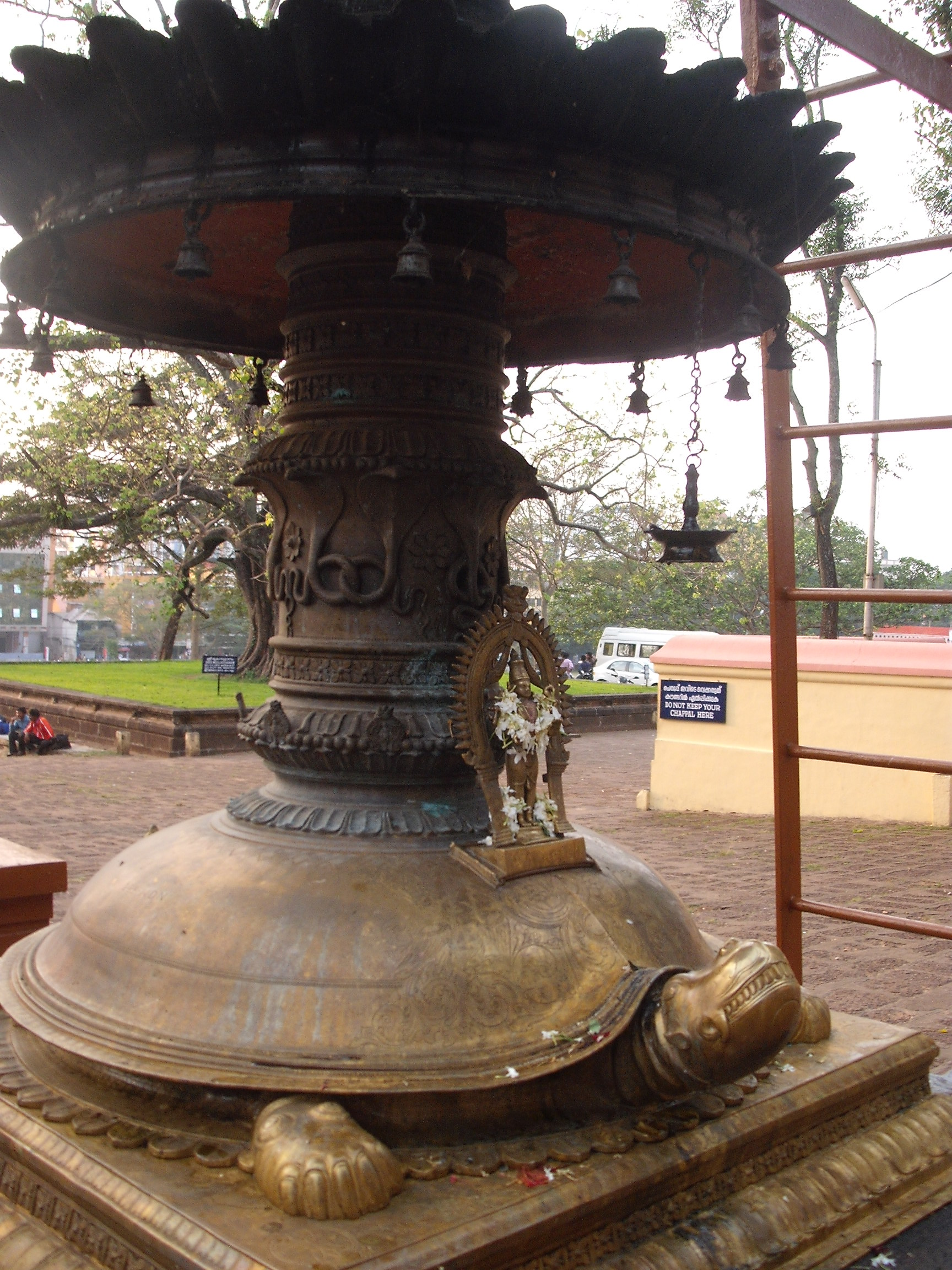
Dwajasthamba with Tortoise

Nagara type of North Indian temples have curvilinear towers. They have square base. Dravida type of South India have towers like pyramids. They have octagonal base. Vesara type of temples combined both these styles. They have circular base. Earlier temples were built with perishable materials such as wood, brick, clay and mortar. Then Guptas built cave temples probably following the Buddhist caves. The gigantic temples we see today came into existence around eighth century CE. In the South, Pandyas and Pallavas made cave temples from sixth century CE at Kazukumalai, Tirupparankundram, Tirumeyyam,Pillayarpatti, Kundrakkudi Kanchi and Mamallapuram. Athiyaman also made such temples in Namakkal.

Varahamihira enumerates twenty types of temples!

(Read my article Twenty Types of Temples in Ancient India- posted on 30th March 2015. In another article I have listed all the temples from the Tamil epic Silappadikaram). Later Appar mentioned seven types of temples:-

Appar alias Tirunavukkarasu, one of the Four Great  Saivite Tamil saints sings about

“If the seventy eight great temples of the Lord

Whose matted crest is adorned with the great flood

KARAKKOYIL, GNAAZHARKKOYIL  girt with well protected

Groves, the hill like KOKUDIKKOYIL of  Karuppariyal

ILANGKOYIL where with the chanting of the Rig Veda

The Brahmins hail and adore the lord MANIKKOYIL

AALAKKOYIL  and every TIRUKKOYIL where Siva abides

Are circumambulated and hailed in humble

Adoration, evil Karma will get annulled “

(Sixth Tirumurai, Adaivu Tiru Thandakam of Appar)

DSCF5082

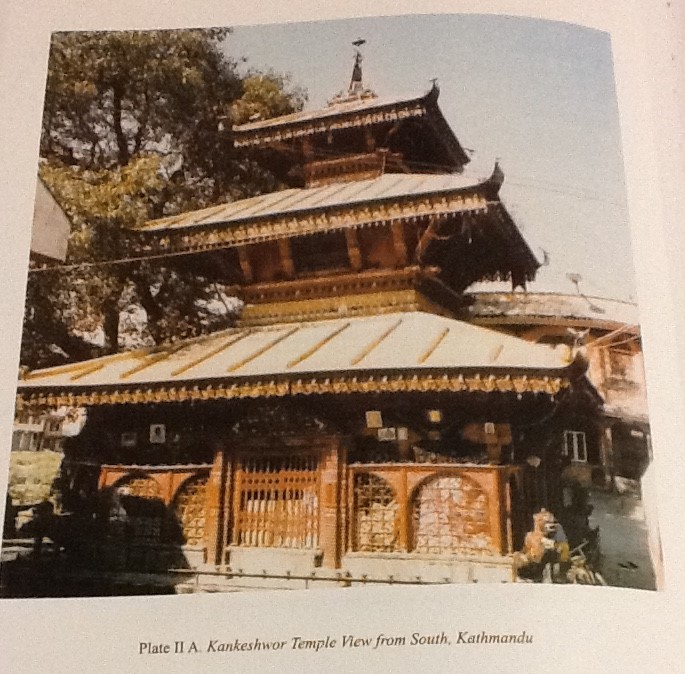
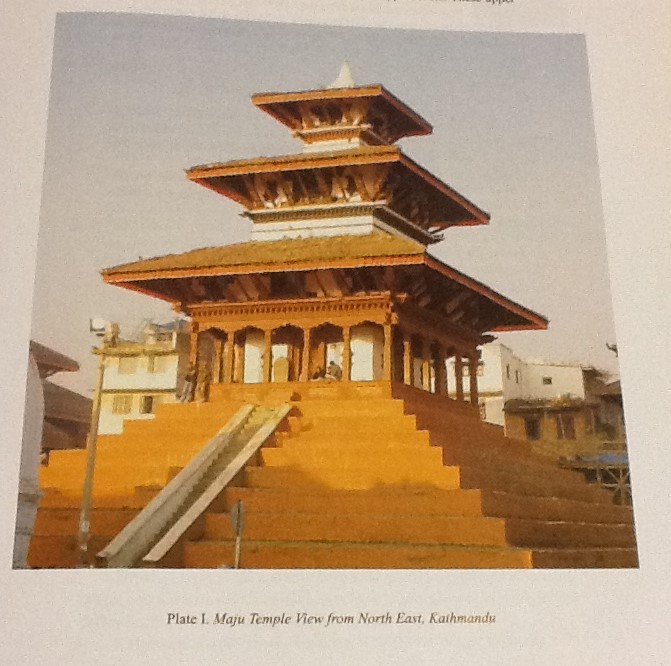
He and his junior contemporary Sambandar visited nearly 300 temples in Tamil speaking areas of South India in the seventh century CE. But we could not even figure out the temples mentioned in Appar’s Thevaram hymn. My research shows that the Kerala Type of temples were the oldest type. We can see such temples from Kerala to North East India. It is also seen in Nepal. Such type of temples don’t fall under the Nagara, Vesara, Dravida Types. The structure of the temples are designed to withstand the monsoon climate. The rain water drains easily in the step like tiled sheds. It helps the teak wood inside to last for longer. Periodically they wold have changed the roof and wood. No mention of these temples in the modern temple architecture books show that they were not taken into account in the classification of temples.

IMG_6786 (2)

Nepalese Temple

The mystery lies not only in its structure but also its occurrence from southernmost tip of the land to the Himalayan country of Nepal. We see them even beyond north east India, in Burma, Thailand and other South East Asian countries. After Cambodian and Javan kings modelled their temples on the stone temples of India, this structure continued its existence only in the royal palaces of those countries. Before eighth century they also must have had temples like Kerala. Two things remain a mystery until today:

  1. How come the temples from Kerala to Nepal were built in the same style?
  2. Why there was no mention of this type in Temple architecture books? I mean they were not listed under the three main categories.

3.Third Mystery

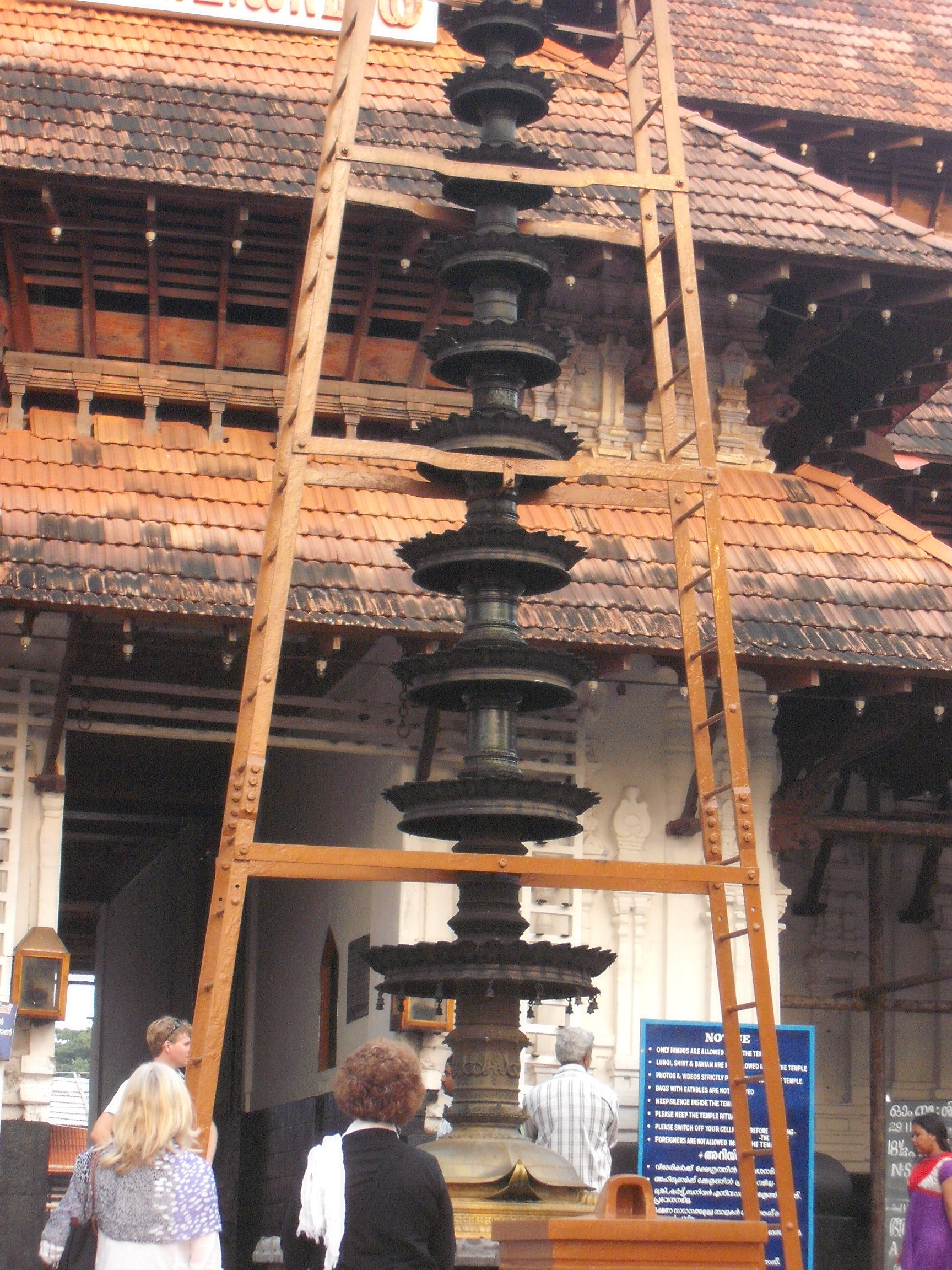
There is another mystery surrounding the Dwajasthama, the Flag Staff. In Kerala, most of the temples have erected the Dwajasthamba on Tortoise/Turtle. There is no explanation to show why Kerala temples only followed this type of Flag staff. Tortoise is associated with various things such as Kurma Avatara, Kurma Mudra, Kurma Asana etc in Hindu literature. But we have no explanation to show why they differed from other temples in the erection of Dwajasthamaba. We have Mandapas (Halls) erected on Turtle/ Tortoise in Tamil Nadu, but no Dwajasthamba.

IMG_6785 (2)

Temple in Nepal

After studying these things and other ancient customs in Kerala temples, I concluded that they were the oldest models available today. More research is required to put them in the correct place in the development of Hindu Temple architecture. Till we do it there will be some gaps in the study of temple architecture.

–Subham–

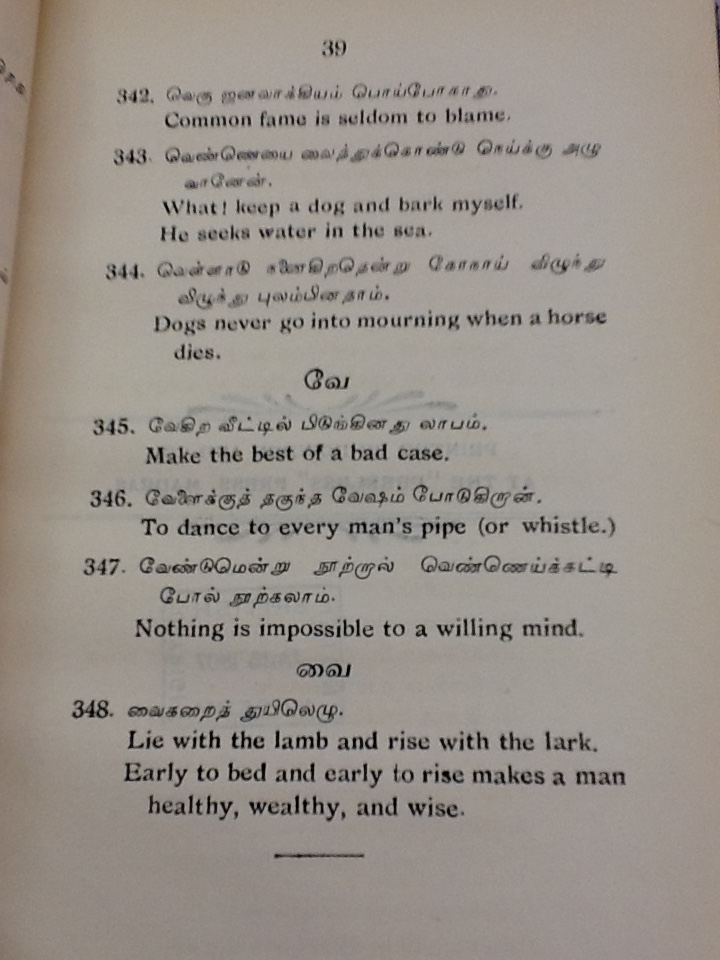
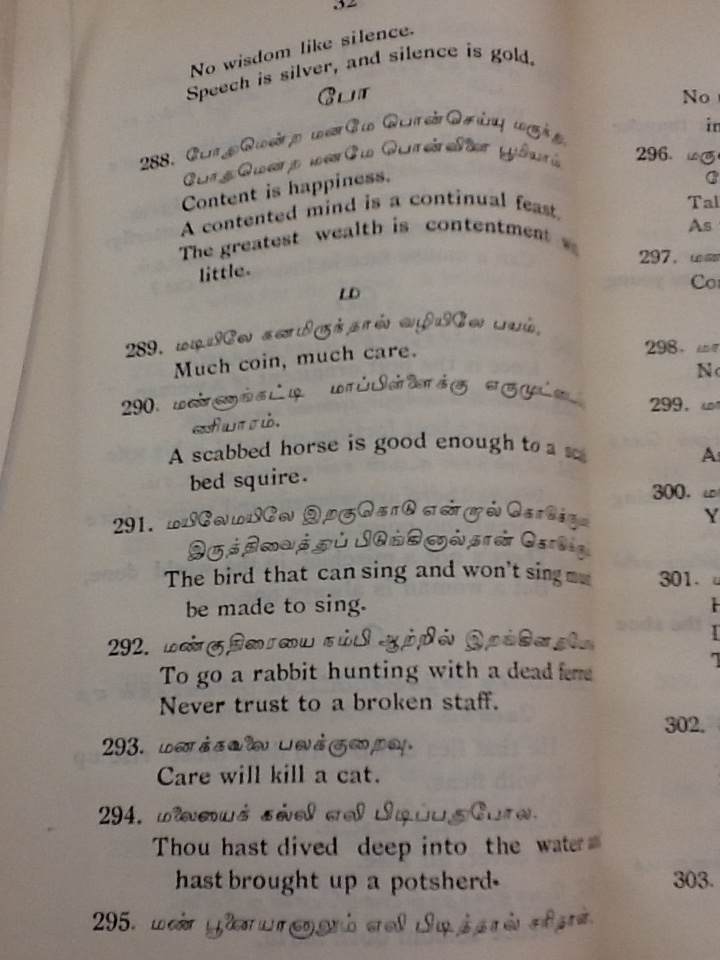
4.தமிழ்ப் பழமொழிகள்: TAMIL- ENGLISH PROVERB BOOK -2 (Fourth/last Part)

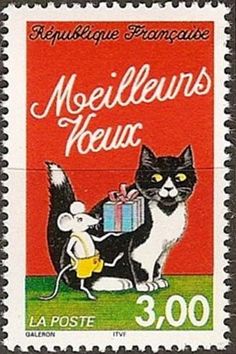
cat and mouse

பாலுக்கும் காவல் பூனைக்கும் தோழன்

Compiled by London swaminathan

Post No.2229

Date: 9  October 2015

Time uploaded in London: 15-17

Thanks for the pictures.

Don’t use pictures. Don’t reblog for at least a week.

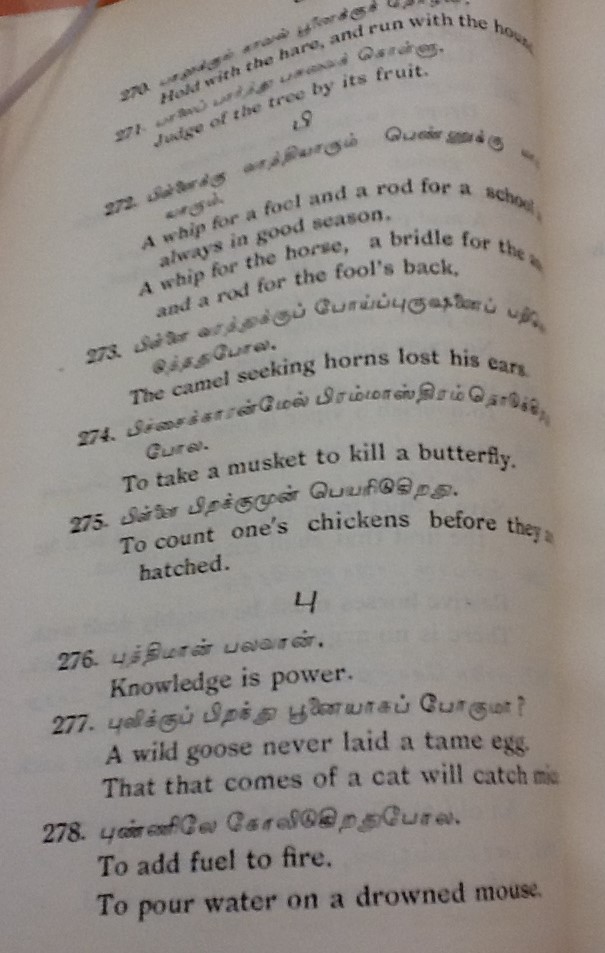
Third part of Proverb book –Two was published yesterday. This is the Fourth and last part of Book Two.

page31

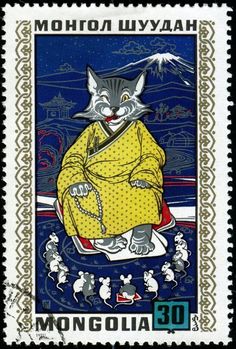
mouse and cat

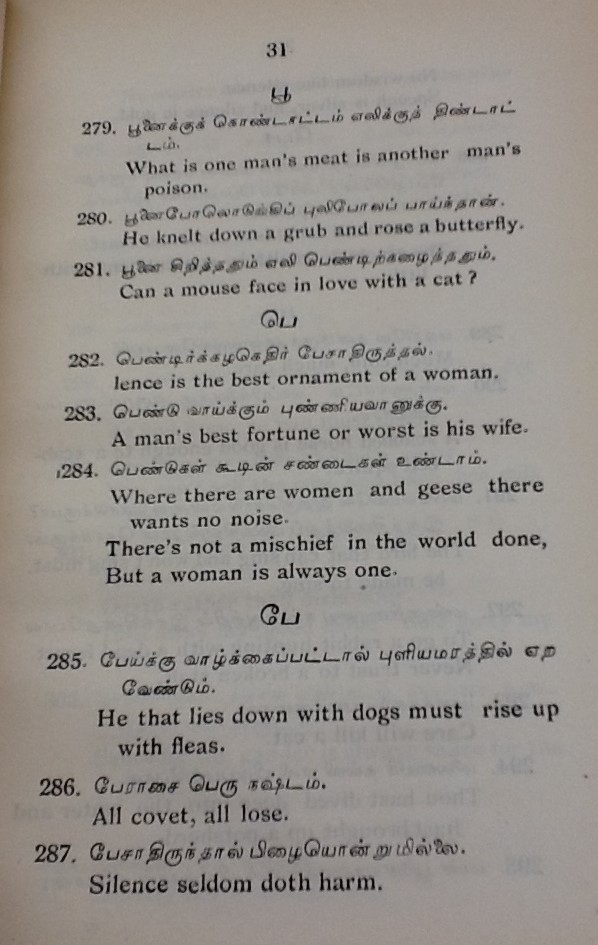
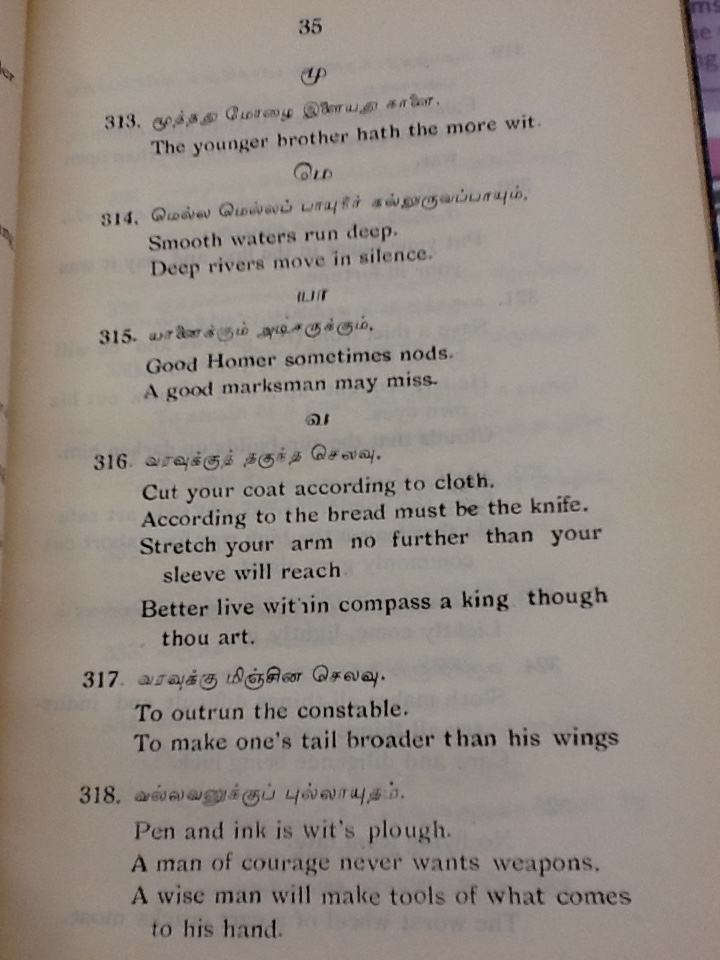
பூனைக்குக் கொண்டாட்டம், எலிக்குத் திண்டாட்டம்

page32

solai mayil

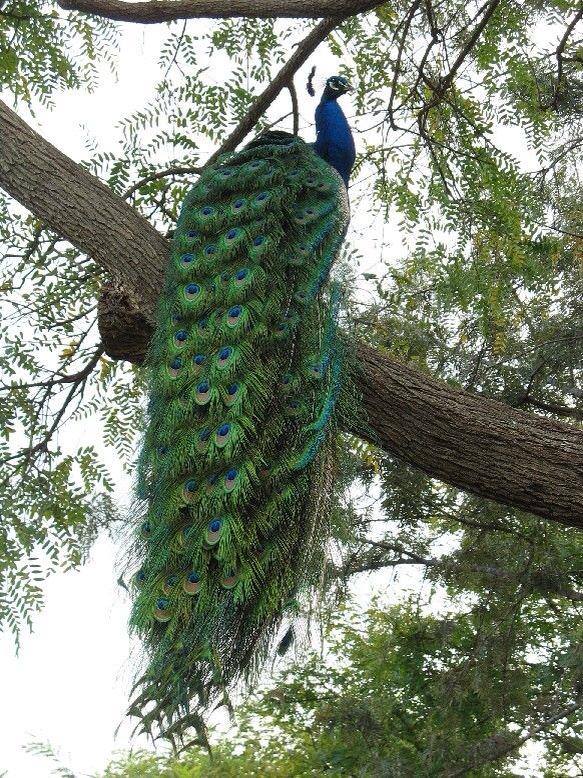
மயிலே மயிலே, இறகு கொடு என்றால் கொடுக்குமா?

page33

ONE PAGE MISSING

pumpkin

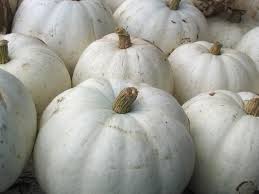
முழுப் பூசனிக்காயை சோற்றில் மறைத்தது போல

page35

2nd yanai anbu

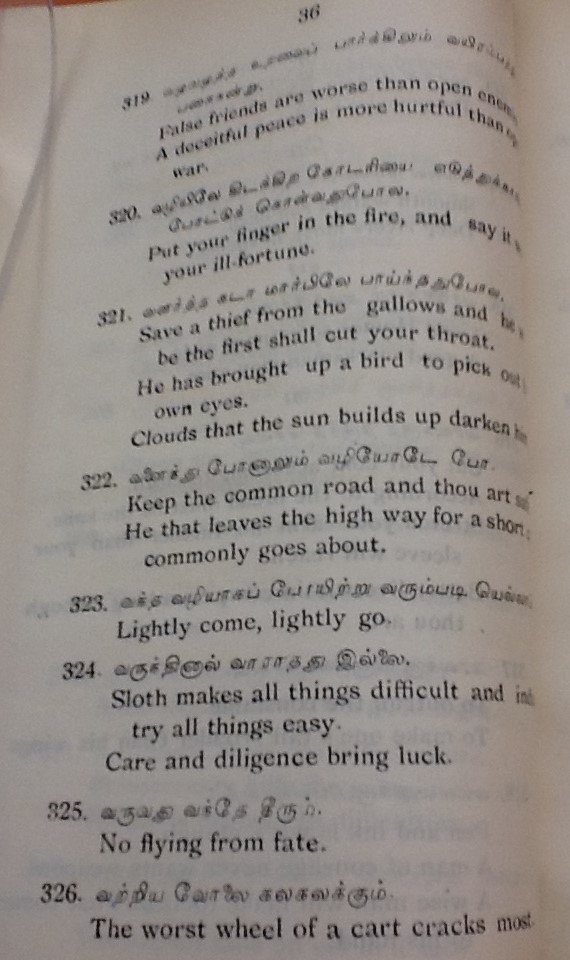
யானைக்கும் கூட, அடி சருக்கும்

page36

Valparai_GhatRoad

வளைந்து போனாலும் வழியோட போ.

page38

plantain leaf whites

விருந்துக்கும் மருந்துக்கும் மூன்று பொழுதுதான்!

page39

dam

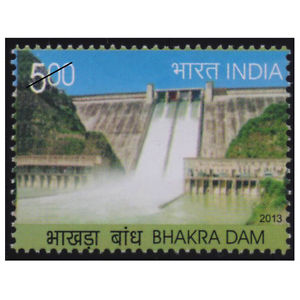
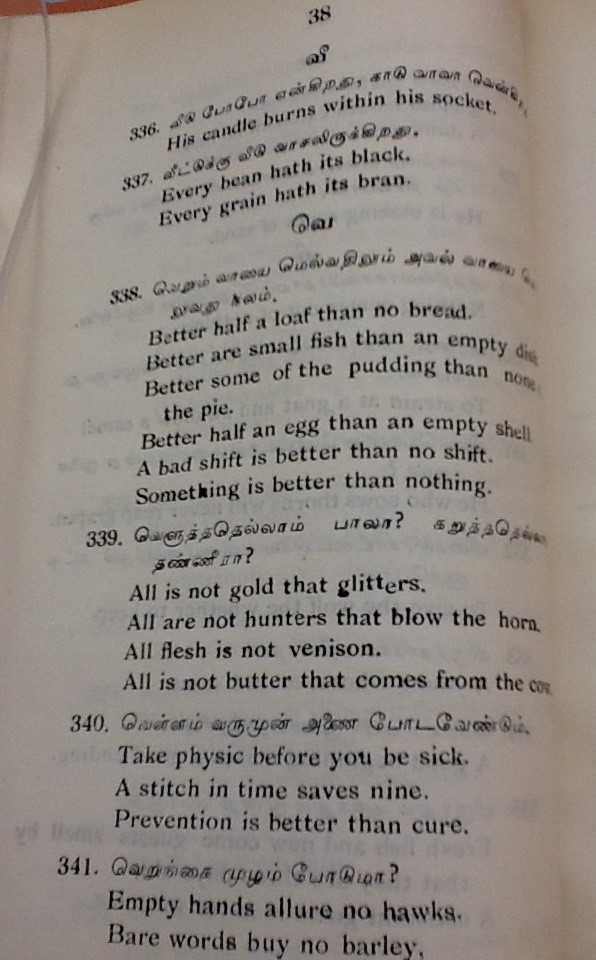
வெள்ளம் வருமுன், அணை போட வேண்டும்

page40

boat suprabadh

வைகறைத் துயில் , எழு!

page41

pag42

–SUBHAM–


பரம (ஹம்ஸ) ரகசியம் !

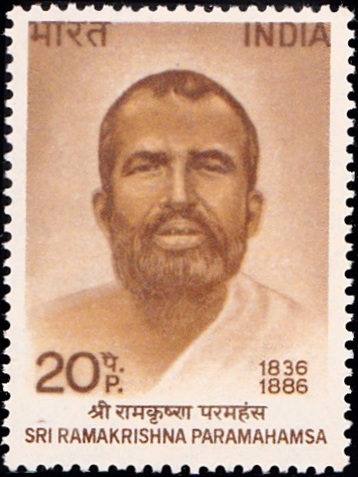
567-Sri-Ramakrishna-Paramahamsa

ராமகிருஷ்ண கதாம்ருதம்

Written by S NAGARAJAN

Post No.2228

Date: 9  October 2015

Time uploaded in London: 9-20 AM

Thanks for the pictures.

Don’t use pictures. Don’t reblog for at least a week.


By .நாகராஜன்


பரமஹம்ஸர் கூறிய மூன்று மந்திரங்கள்

தர்மம் மிக நுட்பமானது. சூட்சுமமானது. பெரியோர்கள் கூட தர்ம விஷயத்தில்  திகைக்கின்றனர்.

அயோக்கியர்கள் நிறைந்த உலகம் இது, அடிக்கடி வந்து தொந்தரவு செய்கின்றனர். அஹிம்சை வழியைப் பின்பற்றி பேசாமல் நடந்து சென்றால் கலி யுகத்தில் நம் பிழைப்பு ஓடுமா? அவர்களை அடிப்பதா? அல்லது நாம் ஓடி வந்து விடுவதா?

ஆகவே தான் இந்த மாதிரி சந்தேகங்களைத் தீர்க்க பெரியோர்களை நாடுங்கள், அவர் கூறுவதே தர்மம் எனத் தெளியுங்கள் என நமது அற நூல்கள் கூறுகின்றன.

இந்த வகையில் ராமகிருஷ்ண பரமஹம்ஸர் போகிற போக்கில் ஏராளமான ரகசியங்களைக் கூறிக் கொண்டே வந்திருக்கிறார். அதை நல்ல வேளையாக விவேகானந்தர், மகேந்திரநாத் குப்தா (எம்), பரமஹம்ஸரின் இதர சீடர்கள் வரி வரியாகத் தொகுத்து நம்மிடம் தந்துள்ளனர்.

மகேந்திரநாத் குப்தா அவற்றையெல்லாம் தம்மிடம் நாடி வந்த பக்தர்களுக்கு அவ்வப்பொழுது தெளிவாகச் சொல்லி வந்துள்ளார்.

ஒரு நாள் தன் சீடர்களிடம் அவர் கூறியது பரமஹம்ஸரின் மூன்று மந்திரங்களைப் பற்றி!

பக்தர் ஒருவர் பரமஹம்ஸரிடம், “என்ன பாவம் செய்தேன் நான்! என்னுடைய தட்டில் இருந்த மீனை பூனை கவ்விக் கொண்டு சென்று விட்டது. அதை என்னால் தடுக்கவே முடியவில்லை” என்றார். அதைக் கேட்டு உறுதியான குரலில் பரமஹம்ஸர் கூறினார்:” அது ஏன் அப்படி இருக்க வேண்டும்? ஒரே ஒரு தடவை அதை அடி! உன் அடி ஒன்றும் பூனையைக் கொன்று விடாது!”

பக்தர் தன்னை பரமஹம்ஸர் வெகுவாகப் பாராட்டுவார் என்று நினைத்திருந்தார். பாவம், அவர் ஏமாந்தே போனார்!

மோசமான நபர்கள் உள்ள உலகத்தில் வாழ பரமஹம்ஸர் மூன்று தாரக மந்திரம் போன்ற வழிகளைச் சொல்லி உள்ளார்.

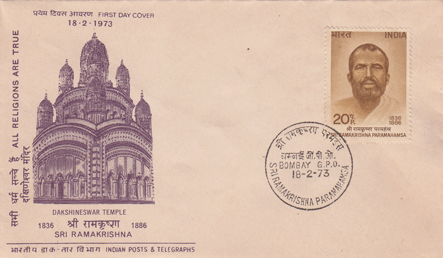
FDC

அனுமதி; சீறு; தள்ளி நில்!

அதை பரம(ஹம்ஸ) ரகசியம் என்றே சொல்லலாம்! 1) முதலில் கொஞ்சம் சலுகை கொடு, அதாவது அனுமதி! 2) அப்புறம் சீறு 3)தள்ளி நில் இவையே அந்த மூன்று ரகசியங்கள்.

நல்லதும் கெட்டதும் கலந்ததே உலகம். அதில் வாழும் மனிதர்களும் அப்படியே தான். அவர்களிடம் நல்லதும் இருக்கும், கெட்டதும் இருக்கும். முதலில் எதைச் செய்யவும் அனுமதி அல்லது சலுகை தரலாம். ஆனால் அது தீமை பயக்கும் விதத்தில் இருக்குமானால் சீறத்தான் வேண்டும். அடிதடி போன்ற வன்முறை இல்லாவிட்டாலும் கூடச் சீறித்தான் ஆக வேண்டும். அப்படிச் செய்ய பிடிக்கவில்லை எனில் மரத்தடியில் சென்று உட்கார்ந்து ஹரி நாமம் ஜெபிக்க வேண்டியது தான்! ஆனால் உலகத்தில் வாழ வேண்டுமென்றால் சீறினால் தான் முடியும்.

மூன்றாவதாக, “ஒரு மனிதனிடம் ஏராளமான குறைகளைக் கண்டால் என்ன செய்வது? அவனைத் தூர இருந்து சல்யூட் செய்! டைகர் நாராயணனுக்கு எப்படி மனிதர்கள் வணக்கம் செலுத்துகிறார்களோ, அதே போல! அந்த நாராயணனுக்கும் நமஸ்காரம் செய்ய வேண்டியது தான் – ஆனால் தூரத்திலிருந்தே செய்ய வேண்டும். அது உன்னை அடித்து முழுங்கி விடாத தூரத்தில் நீ இருக்க வேண்டும்! அதாவது தள்ளி நில்!” என்கிறார் அவர்!

இதைச் சொன்ன மகேந்திரநாத் குப்தா, பரமஹம்ஸர் இதையெல்லாம் ஏன் சொல்ல வேண்டும் என்று கேட்டு விட்டு, அப்போது தான் தன்னை அண்டிய பக்தர்கள் அமைதியாக வாழ்க்கையைக் கழிக்க முடியும், அமைதியாக இருக்கும் வாழ்க்கையில் தான் கடவுளைப் பற்றி அதிகமாகச் சிந்தித்து துதிக்க முடியும் என்பதனால் தான் அவர் இப்படி அருளியுள்ளார் என்று கூறினார்.

“The first thing necessary is a quiet and peaceful life. If I have to go about the world the whole day to make a living, it is hard for me to attain anything very high in this life”” என்று ஸ்வாமி விவேகானந்தரும் இதையே வலியுறுத்திக் கூறியுள்ளார்.

இப்படி எல்லாம் வழி காட்டி வந்ததால் தான் பரமஹம்ஸரை கருணா சமுத்திரம் என்று அழைக்கிறோம் என்று மகேந்திரநாத் குப்தா உணர்ச்சி பொங்கக் கூறினார்.

அவருடைய சீடர்களுக்கு உலகியல் வழியில் தெளிவு ஏற்பட்டது. நமக்கும் தான்!

***********

டாக்டருக்கும் யமனுக்கும் வேறுபாடு என்ன?

cartoon-doctor-8

Compiled by London swaminathan

Post No.2227

Date: 9  October 2015

Time uploaded in London: 9-03 காலை

Thanks for the pictures.

ஒரு அருமையான சம்ஸ்கிருத ஸ்லோகம்.

இது, பல்லாயிரக் கணக்கான சம்ஸ்கிருதப் பாடல்கள் நிறைந்த புத்தகமான சுபாஷித ரத்ன பாண்டாகாரம் என்னும் நூலில் இருக்கிறது. அதாவது சம்ஸ்கிருத தனிப்பாடல் திரட்டு நூலில் ஒரு பாடல். அதில் டாக்டர்களைப் பற்றிக் கூறுவது உலகில் எல்லா மொழிகளிலும் ‘ஜோக்’-குகளாக உள்ளன.

வைத்யராஜ! நமஸ்துப்யம் யமராஜ சஹோதர!!

யமஸ்து ஹரதே ப்ராணான், வைத்ய: ப்ராணான் தனானி ச!

“ஹே, டாக்டர்! யமரஜனின் சகோதரனே!! உனக்கு வணக்கங்கள்!

யமன் என்பவன் உயிரை (மட்டும்) கொண்டுபோகிறான். டாக்டர்களோ உயரையும் பணத்தையும் சேர்த்துக் கொண்டுபோகிறார்கள்!!!”

இதே கருத்து உலகம் முழுவதிலும் டாக்டர்கள் பற்றிய “ஜோக்”–குகளில் இருப்பதை முன்னரே ஆங்கிலத்தில் நிறைய சம்பவங்கள் மூலம் கொடுத்துள்ளேன்.

டாக்டர்களின் அனுபவமின்மை பற்றியும் பல பொன்மொழிகள் உள. தமிழில் சொல்லுவோம்:

“ஆயிரம் பேரைக் கொன்றவன் அரை வைத்தியன்” – என்று! இதுவும் சம்ஸ்கிருதத்தில் காணப்படுகிறது!

ஹத்வா ந்ருணாம் சஹஸ்ரம், பஸ்சாத் வைத்யோ பவேத் சித்த:

ஆயிரம் பேரின் கதையை முடித்தவுடன்தான், ஒரு டாக்டர் பெரிய டாக்டர் ஆகிறார்.

xxx

doctor

யாருக்கு முதல் மரியாதை என்று ஒரு டாக்டருக்கும் வழக்கறிஞருக்கும் வாக்கு வாதம் வரவே டயொஜெனிஸ் (கி.மு.412) என்ற கிரேக்க நாட்டு தத்துவ அறிஞரிடம் சென்றனர். அவர் சொன்னார்:

திருடன் முதலில் போகட்டும்; மரணதண்டனை நிறைவேற்றுபவன் அவன் பின்னால் செல்லட்டும்!

Xxx

அலெக்ஸாண்டர் துமா என்பவர் பிரபல பிரெஞ்சு நாவலாசிரியர். மார்செய் நகரத்தின் பிரபல டாக்டர் ஜிஸ்டால், அவரை விருந்துக்கு அழைத்தார். விருந்து எல்லாம் சுகமாக முடிந்தவுடன் தன்னுடைய ஆல்பத்தைக் காட்டினார் டாக்டர்.

“ஓய், நாவலாசிரியரே! நீரோ எழுத்துச் சித்தர்! எழுத்துத் தச்சர்! எங்கே பார்க்கலாம், உமது கை வல்லமையை? என் ஆல்பத்தில் ஏதாவது எழுதுங்கள் பார்க்கலாம்”– என்றார் டாக்டர் ஜிஸ்டால்.

நாவலாசிரியர் துமா, பேனாவை எடுத்தார், எழுதினார்:

“டாக்டர் ஜிஸ்டால் ஊருக்கு வந்தார்

நோய்களை ஒழிக்க மிகவும் முயன்றார்;

மருத்துவ மனைகளுக்கு வேலையே இல்லை!!

—இதை எழுதிக் கொண்டிருக்கையில் டாக்டர் குறுக்கிட்டார். “எழுத்தாளரே உமது புத்தியைக்காட்டிவிட்டீரே! உங்கள் வர்க்கமே சோறு கண்ட இடம் சொர்க்கம் என்னுமினம். நான் விருந்து கொடுத்தவுடன், என்னை இந்திரனே சந்திரனே என்று புகழ்ந்து தள்ளுகிறீர்களே!”

நாவாலசிரியர் சொன்னார்; “அட! ஏன் அவசரப்படுகிறீர்கள்; நான் இன்னும் எழுதியே முடிக்கவில்லையே”- என்று சொல்லிக் கொண்டே கடைசி வரியை எழுதி முத்தாய்ப்பு (முத்தான ஆப்பு) வைத்தார்:

“ஊரின் இடு(சுடு)காடு பெரிதாகிவிட்டது!”


முழுக்கவிதையையும் படியுங்கள்:—-


“டாக்டர் ஜிஸ்டால் ஊருக்கு வந்தார்

நோய்களை ஒழிக்க மிகவும் முயன்றார்;

மருத்துவ மனைகளுக்கு வேலையே இல்லை!!

“ஊரின் இடு(சுடு)காடு பெரிதாகிவிட்டது!”

–சுபம்–