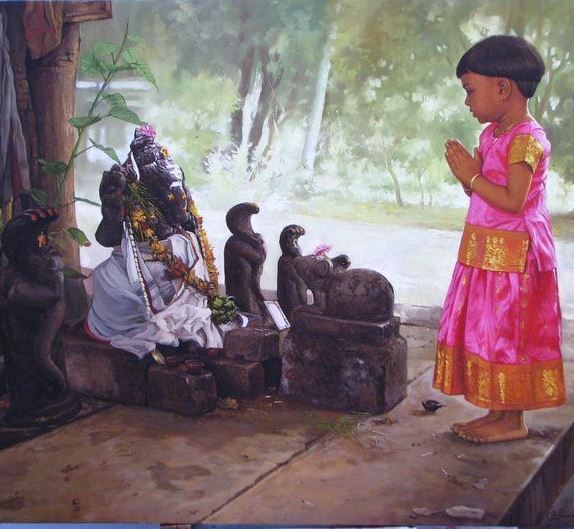
Image Worship in the Vedas: Sringeri Acharya

ganesh kutty

DON’T REBLOG IT AT LEAST FOR A WEEK!  DON’T USE PICTURES; THEY ARE COPYRIGHTED BY SOMEONE.


Compiled  by London swaminathan

Date: 24 September 2015

Post No: 2185

Time uploaded in London :–  20-52

(Thanks  for the pictures) 

His Holiness Sachidananda Siva Abhinava Narasimha Bharati Svaminah of Sringeri Mutt (33rd Head of Sringeri Shankara Mutt) said in one of his lectures:

As long as God remains but a notional hypothesis, it is impossible for our gross to have any contact with Him, much more to surrender ourselves to Him He has to be conceived of as manifesting Himself through forms which are gross enough to be comprehended by us. That conception of Godhead is not a mere abstraction for, by reason of His omnipresence, there is really no form which is not permeated by Him. He can therefore be contacted through any form in the universe. Though this proposition is theoretically perfect and true, when our capacity for such contact is taken into account, it is only some form that help us to have such contact and what those forms are prescribed by the Sastras (scriptures). The grossest of such forms but a very necessary step towards establishing contact with subtler forms is the image of God. It is sheer ignorance to decry the value of image worship.

It is sometimes urged that, in the Samhita portion of the Vedas, there is no warrant for image worship. The several Gods like Agni, Indra and Varuna sre described there with hands and feet, as holding several weapons and as doing several exploits. How can this be possible if they have no forms?

Assuming that the Samhitas do not mention image worship is it not enough if the Brahmana portions mention it? If the Penal Code makes no mention of the law of succession, does the latter lose its validity? As the Vedas comprehend both the Samhitas and the Brahmanas, it is illogical to expect that every portion should mention all that the Vedas intend to say.

It is thought by some that in image worship God the omnipresent is sought to be confined within the dimensions of the image. On the other hand, it is quite illogical to say that the omnipresent God is not in the image. Nobody who engages himself in image worship ever commits the mistake of limiting God to that image. He knows clearly that the image is resorted to for the purpose of establishing contact with the intangible universal godhead who can manifest Himself in any form.
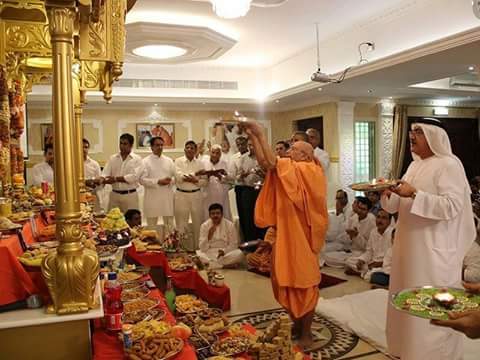
dubai muslim deeparadhana

Nobody who wants to write is immediately able to write small letters and in a neat hand. He has to begin the practice of writing big letters on sand or on rough sheets till he gets some proficiency. Similarly, the aspirant who wants to contemplate on god has to begin by concentrating his mind on a gross visible image of God.

It is meaningless to say that we are in anyway decrying God by worshipping Him in a limited concrete image are we decrying the ruler of the land if we show respect to a picture of his> the ruler will really be pleased to know that even his picture is worshipped. He does not commit the mistaking of thinking that the picture is being worshipped in preference to himself nor is the worshipper foolish enough to think that the picture as such is his ruler

garauda, alakar koil

FOLLOWING IS FROM MY OLD POST:–

WHY DID VYASA WRITE SO MANY PURANAS?

Post No. 725 dated 28th November 2013

“As the tastes and inclinations of people are infinite in their variety, it cannot be said that a single uniform form of God will appeal to all as worthy object of worship. Our system therefore prescribes innumerable forms from which any aspirant may choose that which most appeals to him, as the result of his pre -natal leanings and training.

“This explains why saint Vyasa has written so many Puranas in each of which he has extolled a particular form and described it as the highest. Do we not see that a hospitable host who invites a large number of friends for dinner does not content himself with preparing a particular tasty dish to be relished by all of them but has several dishes prepared so that each guest may select what is most palatable to him and partake of it more than from other dishes? The host will really be inhospitable if he wants all his guests to take only the single dish which he chooses to prepare.  The guests who are not able to relish it will have to return disappointed and hungry. It is to avoid such a contingency that several forms are prescribed for God.

“As the satisfaction of the guests is the prime motive of the host in having a variety of dishes, the variety in the forms of God is intended only to help every aspirant  towards the feet of God.

“If we take children to a sweat meat shop and ask them to select what they want , a child may prefer to have a ring shaped sweat meat, another a rod like one , another in the form of a peacock, another in the form of a chair, and so on. We know all these are made up of sugar and it is not material to us what form each child chooses. We know also that, once the children put the sweat meats in to their mouths and begin to taste them, the particular forms will easily dissolve themselves leaving only the taste of sugar and that this taste will be common to all the children though the forms through which they obtain it are quite different from one another.
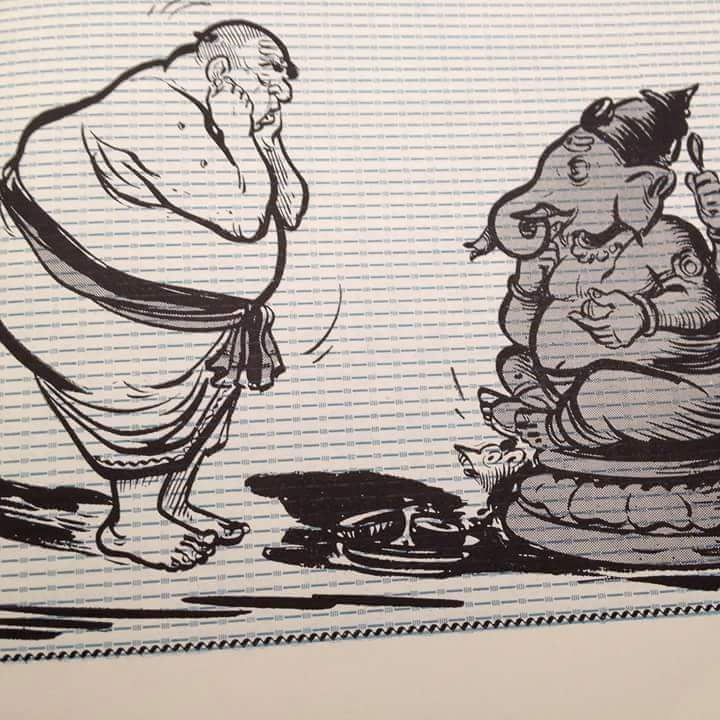
ganesh drawing

“Similarly our religion recognises that forms of God are necessary and that the forms lose their significance when the Godhead in them begins to be realised.

It is only by constant practice of worshipping the formful God that one attains competence to contemplate on God who transcends all forms”.

From the book ‘Golden Sayings’,1969 publication by Sri Jnanananda Grantha Prakasana Samiti, Thenkarai, Madurai District.


இயேசு இறந்தது காஷ்மீரிலா? -1

jesus 1

இயேசு மரணம் பற்றிய ஆய்வு

இயேசு இறந்தது காஷ்மீரிலா?! -1

DON’T REBLOG IT AT LEAST FOR A WEEK!  DON’T USE PICTURES; THEY ARE COPYRIGHTED BY SOMEONE.


Compiled  by S NAGARAJAN

Date: 24 September 2015

Post No: 2184

Time uploaded in London :– 8-07 am

(Thanks  for the pictures) 


.நாகராஜன்

jesus 2

பியர்ஸ் ஜெர்விஸ்: இயேசு இந்தியா வந்தார்

இயேசுவின் மறைவு குறித்துக் காலம் காலமாக ஏராளமான புத்தகங்கள் வெளியாகி வந்துள்ளன. வெளியாகி வருகின்றன.

இந்தப் புத்தகஙள் அனைத்துமே  ஏராளமான ஆதாரங்கள் பலவற்றைத் தருவதால் தான் இந்த விஷயம் குறித்து அனைவரும் ஆவலுடன் இன்று வரை படிக்கின்றனர்.

‘Naked They Pray’ என்ற புத்தகத்தை Pearce Gervis என்பவர் எழுதியுள்ளார். கங்கை நதிப் பகுதியில், கங்கையில் சுற்றி வர நீர் ஓட நடுவில் தீவு போன்ற ஒரு பகுதியில் ஏராளமான சாதுக்களைத் தான் கண்டதாகவும் அவர்களில் பலர் ஆயிரம் வருஷங்களுக்கு மேல் வாழ்ந்து வருவதாகவம், தான் சந்தித்த ஒருவர் பல நூறுஆண்டுகள் வயதானவர் என்று அவர் குறிப்பிடுகிறார்.

அவர் இயேசுவைப் பற்றித் தனது புத்தகத்தில் 72ஆம் பக்கத்தில் குறிப்பிடுவது  இது:-

“I know that there was a belief, now among many peoples, that Jesus Christ, between the age of twelve and twenty-nine was in India, his years there being recorded in Hindu and Buddhist Shastras as well as in certain Yoga manuscripts; that he went to Puri, to South India, and Banares to study the Vedas and Laws of Manu, to the Himalayas where it is said that he studied in the solitary places the different paths of liberation, the art of contemplation and meditated there until found the perfect realization of this oneness with GOD.”

இயேசு கிறிஸ்து இந்தியா வந்ததை இது போன்ற பல நூல்கள் குறிப்பிடுகின்றன. ஆன்மீக பொக்கிஷங்களை இங்கிருந்து அவர் அள்ளிச் சென்றதும் தெளிவாகிறது.

பியர்ஸ் ஜெர்விஸ் மட்டுமல்ல, இன்னும் பல ஆராய்ச்சியாளர்கள் இயேசுவின் இந்திய வருகை பற்றிக் குறிப்பிட்டுள்ளனர்!

jesus 3

 நிகோலய் நோடோவிச்சின் ஆய்வு

நிகோலய் நோடோவிச் (Nicolai Notovich)  என்ற ரஷியர் இந்திய இயல் பற்றி ஆராய்ந்த ஒரு ஆராய்ச்சியாளர். தன் ஆய்வுகளுக்காகப் பல முறை அவர் இந்தியா வந்துள்ளார். 1887ஆம் ஆண்டு அவர் இந்தியா வந்த போது ஜோஜி-லா (Zoji la pass) கணவாயில் புத்த மடாலயம் ஒன்றில் விருந்தாளியாகத் தங்கினார். அங்கிருந்த புத்த குரு ‘ஈசா’ வைப் பற்றிய பல விவரங்களைத் தந்தார். பைபிள் சொல்வதும் இந்து மதம் உபதேசிக்கும் கருத்துக்களும் ஒன்றாக இருப்பதைக் கண்ட அவர் ஈசா என்பது இயேசு என்பதை ஊகித்து மேற்கொண்டு ஆராயலானார்.

16 ஆண்டுகள் மேரியுடன் இயேசு கிறிஸ்து, துருக்கி, பாரசீகம், மேற்கு ஐரோப்பா, (ஒருவேளை இங்கிலாந்திலும் கூட), பயணப்பட்டு காஷ்மீருக்கு அருகில் உள்ள ஒரு இடத்தை வந்தடைந்தார்.அங்கு மேரி மரணமடைந்தார். காஷ்மீரிலேயே வாழ்ந்த இயேசு மக்களுக்கு நல்வழி போதித்தார்; அங்கேயே மரணமடைந்தார்.

சிலுவையில் அறைந்த பிறகு உயிர் பிழைத்த இயேசு நிஸிபிஸ் அரசாங்க அழைப்பை ஏற்று நிஸிபிஸுக்கு வந்ததாக பாரசீக அறிஞரான எஃப் முகம்மது (F.Mohammed) தனது நூலான ஜமி-உத்-டுவாரிக் (Jami-ut-tuwarik) என்ற நூலில் தெரிவிக்கிறார். இந்த இடம் துருக்கியில் நுசேபின் (Nusaybin(( என்று அழைக்கப்படுகிறது. இதே கருத்தை இமாம் அபு ஜஃபார் முகம்மத் என்பவர் தனது டஃப்ஸி- இபின் – இ – ஜமீர் –அட் – டுப்ரி (Tafsi-Ibn_i-Jamir-at-tubri) என்ற நூலில் வலியுறுத்துகிறார்.

இந்தக் கருத்துக்கள் சரிதானா என்பதைப் பலரும் ஆராயப் புறப்பட்டனர்.

jesus 4

ஜெர்மானியர் கெர்ஸ்டனின் நூல்

ஹோல்ஜெர் கெர்ஸ்டென் (Holger Kersten) என்பவர் ஒரு ஜெர்மானியர். இவர் ஜெர்மானிய மொழியில் ‘Jesus Lived in India’ என்ற புத்தகத்தை எழுதியுள்ளார்.

இதில் முகம்மது மற்றும் அபு ஜஃபார் முகம்மத் ஆகிய இருவரின் கருத்துக்களும் சரியே என்று அவர் கூறுகிறார். துருக்கியிலும் பாரசீகத்திலும் கூறப்படும் ‘யுஸ் ஆஸப்‘ தான் இயேசு என்று கெர்ஸ்டன் தன் ஆய்வில் கண்டுபிடித்தார்.

மேலும், இயேசு காஷ்மீருக்கு வந்து பல காலம் வாழ்ந்து அங்கேயே மரணமடைந்தார் என்றும் கெர்ஸ்டன் கூறுகிறார்.

இப்படிப் பல ஆய்வாளர்கள் இயேசு காஷ்மீரில் இறந்தார் என்று கூறும் போது இயேசு இறந்த இடம் பற்றிய குறிப்பு ஏதாவது உள்ளதா என்ற சுவாரசியமான கேள்வி எழும்புகிறது.

இயேசு கிறிஸ்துவின் கல்லறையையே கண்டு பிடித்து விட்டோம் என்றார் இன்னொரு ஆய்வாளர்.

இன்றும் அந்தக் கல்லறை இருக்கிறது. அது பற்றி இன்னொரு கட்டுரையில் காண்போம்.

*******************

Acharya’s Advice to an Angry Brahmin!

chanakya (2)

DON’T REBLOG IT AT LEAST FOR A WEEK!  DON’T USE PICTURES; THEY ARE COPYRIGHTED BY SOMEONE.


Compiled  by London swaminathan

Date: 23 September 2015

Post No: 2183

Time uploaded in London :– 14-21

(Thanks  for the pictures) 

His Holiness Sringeri Shankaracharya Sri Sachidananda siva Abhinava Narasimha Bharati Svaminah (33rd Acharya) was staying in the bungalow of Sri P .N. Krishnamurti, the then Dewan of Mysore. He expressed to His Holiness his desire to give a rupee each to every Brahmana who came to his compound on a particular morning and requested Acharya to depute a competent person to carry it out.
(One rupee in today’s terms is equal to a Silver Coin)

His Holiness well pleased with his generous impulse asked a Sastri to attend to the proper distribution. Thereupon the Sastri entered upon the duty entrusted to him very early on that morning and went on distributing to thousands of Brahmins . Just about the noon the crowd was thinning and Sastri with aching legs and aching hands looked forward eagerly to the close and felt greatly relieved when there was none else in sight and turned about to enter the bungalow. Just then he heard someone call out Sir! Sir!. In his state of exhaustion, the Sastri naturally got vexed and shouted, “No, everything is over” and walked into the bungalow.
His holiness who was about three apartments off sent for the Sastri.

HH: I heard your voice louder than usual. Anything special?

Sastri: I have been standing at the gate from early morning distributing money and when I had finished doing so and turned back somebody called me and I waved him away.

HH: Did anybody approach you yesterday for money? You undertook to pay today and he came  when our host is so generously giving, wil we be carrying out his intention if we allow even one man to go away disappointed? The man is still at the gate. Go and pay him.

From the moment Satri was so patient that he never lost his temper.

angry-red-face-md

XXXXXXX

Even when there as an occasion to chide a servant, His Holiness never used any harsh words.  Once when he went to shrine in the Mutt, he found out the lamp in the sactum was burning feebly. Without mentioning anything about it, he asked the Archaka (priest) there to bring a lighted lamp and added, “I want to see if there is light near the deity.” The Archaka immediately ran up and made the lamp burn brighter.

Source : Golden Sayings, Thenkarai, 1924.

கடவுளுக்கு சவால்!

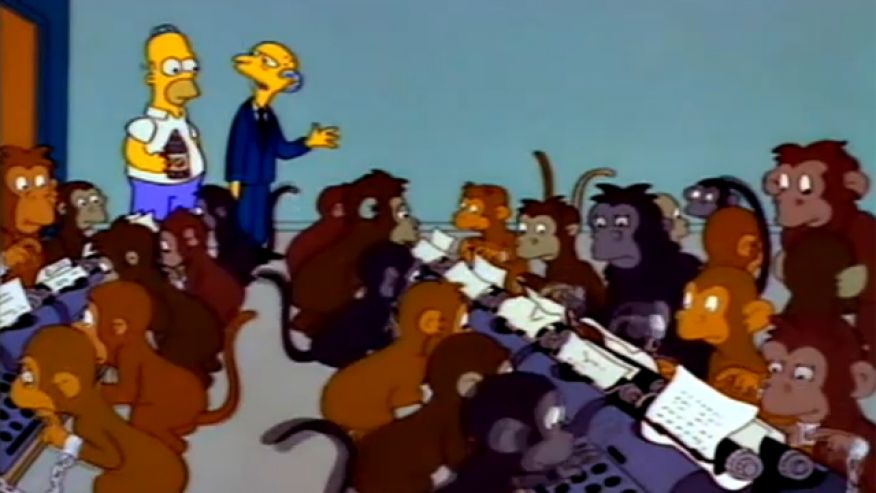
simpsonz

கடவுளும் விஞ்ஞானிகளும்

கடவுளுக்கு சவால்குரங்கு அடிக்கப் போன ஷேக்ஸ்பியர் கவிதை!


DON’T REBLOG IT AT LEAST FOR A WEEK!  DON’T USE PICTURES; THEY ARE COPYRIGHTED BY SOMEONE.


Compiled  by S NAGARAJAN

Date: 23 September 2015

Post No: 2182

Time uploaded in London :– 13-26

(Thanks  for the pictures) 


.நாகராஜன்


கடவுளுக்கு சவால்!

படைப்பு என்பதெல்லாம் சுத்த ஹம்பக்; எல்லாம் நம்மாலேயே செய்ய முடியும் என்றார் ஒரு விஞ்ஞானி.

அந்த நகரிலிருந்த பெரியவரிடம் அனைவரும் அந்த விஞ்ஞானியின் அதிசயமான கூற்றைத் தெரிவித்தனர்பெரியவர் விஞ்ஞானியிடம் வந்தார்.

பெரியவர் கேட்டார்:- “நீங்கள் கடவுளைப் போல எல்லாவற்றையும் செய்ய முடியும் என்று கூறுகிறீர்களாமே!”

 monkeysshakespeare


விஞ்ஞானி முழங்கினார்:+ “ நீங்கள் சொல்வதில் ஒரு திருத்தம்! கடவுளே இல்லை என்கிறேன். எல்லாவற்றையும் மனிதனால் செய்ய முடியும்!”

பெரியவர் விஞ்ஞானியிடம் ஒரு பந்தையும் பேட்டையும் கொடுத்தார்.அவர் ஒரு உயிரியல் விஞ்ஞானி என்பதோடு அவர் ஒரு குரங்கை வளர்ப்புப் பிராணியாக வளர்த்து வந்ததும் பெரியவருக்குத் தெரியும்.

பெரியவர் சொன்னார்:”ஓஹோ! சரி, பெரிய விஷயம் எல்லாம் பேச வேண்டாம். இதோ கொடுத்திருக்கிறேனே, பேட், பந்து, இரண்டையும் உங்கள் செல்லக் குரங்கிடம் கொடுங்கள். அதற்கு பேட் மூலம் பந்து விளையாடக் கற்றுக் கொடுங்கள். நீங்கள் சொல்வதை எல்லாம் அப்புறம் கேட்கிறோம்!”


பூ! இது சுலபம்என்றார் விஞ்ஞானி. அனைவரும் கலைந்தனர்.

விஞ்ஞானி குரங்கிற்கு பந்து விளையாடக் கற்றுக் கொடுக்க ஆரம்பித்தார். பேட்டையும் பந்தையும் வைத்து எவ்வளவோ முயற்சி செய்து பார்த்தார். நாட்கள் ஓடின. குரங்கு பந்து விளையாடக் கற்கவே இல்லை.

கடைசி முயற்சியாக குரங்கை பேட், பந்துடன் ஒரு அறையில் வைத்துப் பூட்டினார். நெடு நேரம் கழித்து ஏதாவது முன்னேற்றம் இருக்கிறதா என்பதைக் கண்டுபிடிக்க அவர் கதவின் சாவித் துவாரம் வழியே பார்த்தார்.

மறுமுனையில் குரங்கு தன் விழிகளை வைத்து இந்தப் பக்கம் பார்த்துக் கொண்டிருந்தது!


விஞ்ஞானி அன்றிலிருந்து தன்னால் எதையும் செய்ய முடியும் என்று சொல்வதை நிறுத்தி விட்டார். பெரியவர் புன்முறுவல் பூக்க அனைவரும் வழக்கம் போல கோவிலுக்குச் சென்று இறைவனைத் தொழுதனர்.

கோவிலில்அலகிலா விளையாட்டுடையான்சிரித்தான்!


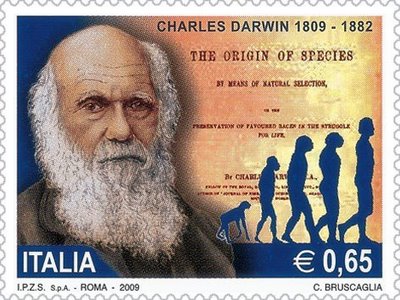
 darwin_italy_stamp

சார்லஸ் டார்வினின் பரிணாமக் கொள்கை    

காலம் காலமாக எதையாவது புதுக் கொள்கையாகச் சொல்வது அறிஞர்களுக்கு ஒரு விளையாட்டு. ஆனால் அவர்களின் பல கொள்கைகள் கால வெள்ளத்தில் ஈடு கொடுத்து நிற்க முடிவதில்லை!

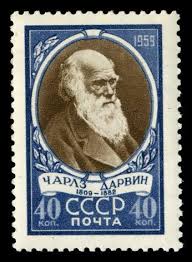
எவல்யூஷன்’ – பரிணாம வளர்ச்சிஎன்ற கொள்கையை முன் வைத்தார் சார்லஸ் டார்வின். ஆனால் அது தோன்றிய காலம் தொட்டே சர்ச்சைக்குள்ளாகி  படாதபாடு பட்டது.


ஆனால் தாமஸ் ஹக்ஸ்லி (Thomal Huxley) அதை பலமாக ஆதரித்தார்.அவர் சிறந்த உயிரியல் வல்லுநர் (eminent biologist)

குரங்கிலிருந்து பிறந்தவனே மனிதன் என்று அடித்துக் கூறினார் அவர். அதற்கும் ஒரு படி மேலே போய் ஒரு குரங்கு டைப் அடித்துக் கொண்டே இருந்தால் அது ஷேக்ஸ்பியரின் கவிதையைக் கூட டைப் அடித்து விடும் என்றார்.

அவரது, ‘Monkeys might type Shakespeare’ என்ற வாக்கியம் பிரசித்தமானது. அவ்வளவு தூரம் இங்கிலாந்தின் சொற்பொழிவு அரங்கங்களில் அந்தக் கருத்தை அவர் முழங்கி வந்தார்.


பரிணாம வளர்ச்சி கடவுளுக்கு எதிரான சவால் என்று விஞ்ஞானிகளும்பகுத்தறிவுகளும்மகிழ மக்களோ முழித்தனர். எது உண்மை?


 cartoon

குழுவினரும் குரங்குகளும்       

இதற்கு ஒரு முடிவு கட்ட ஒரு குழு முன் வந்தது. இங்கிலாந்தின் தென்மேற்கில் உள்ள ப்ளிமத் பல்கலைக்கழகத்தைச் (Plymouth University) சேர்ந்த ஆசிரியர்களும் மாணவர்களும் அடங்கிய குழு தான் அது. இந்த மாணவர்கள் மீடியா லாப் ஆர்ட்ஸ் (Media Lab Arts Course) என்ற பாடத்திட்ட வகுப்பில் பயில்பவர்கள்.


இதற்கான ஆராய்ச்சியை அறிவியல் ரீதியில் நடத்த நாங்கள் தயார் என்று குழுவினர் அறிவித்தனர். 2000 பவுண்டு நிதி உதவி உடனே அளிக்கப்பட்டது. (ஒரு பவுண்டு இன்றைய மதிப்பில் சுமார் 101 ரூபாய்; ஆராய்ச்சி நடந்த காலத்தில் குறைவு தான்!) மத்திய இந்தோனேஷியாவில் இருந்த சோலை குரங்குகள் ஆறை வாங்கினர் குழுவினர்.


இதற்காக தேவான் என்ற இடத்தில் உள்ள பைக்ங்டன் மிருகக்காட்சிசாலையில் (Paignton Zoo, Devon) ஒரு தனி அறை அமைக்கப்பட்டது. ஒரு கம்ப்யூட்டரும் நிறுவப்பட்டது. குரங்குகளின் இலக்கிய இன்பம்எவ்வளவு தூரம் இருக்கிறது என்பதை அன்றாடம் அவ்வப்பொழுது கண்காணிக்க குழுவினர் தீவிரமாக ஈடுபட்டனர்.


ஒரு மாத தீவிர முயற்சியில் அந்த சோலை மந்திகள் கம்ப்யூட்டரை உடைத்ததோடு அதைத் தங்கள் கழிவறையாகவும் பயன்படுத்தியதைக் கண்டு குழுவினர் அதிர்ச்சி அடைந்தனர். அதைக் கேட்ட மக்களோ விழுந்து விழுந்து சிரித்தனர்.

 shakes, falkland

ஷேக்ஸ்பியரை குரங்குகள் மதிக்கவே இல்லை!!

ஒரு குரங்கு ஐந்து பக்கங்களில் ‘S’ என்ற வார்த்தையை மட்டும் அடித்துத் தள்ளி இருந்தது!


குரங்கின் மீதல்ல ஜோக், கொள்கையின் மீதே தான்!


ஆய்வுத் தலைவரான விரிவுரையாளர் ஜெஃப் காக்ஸ் (Geoff Cox) தங்களது ஆய்வின் முடிவை அறிவித்துக் கூறுகையில், “காலப் போக்கில் பரிணாம வளர்ச்சி அடைவதைக் குறிக்கும் ரேண்டம் ப்ராசஸ் (Random Process) முறை மூலம் மிருகங்கள் ஒரு போதும் வளர்ச்சி அடையாது என்பதையும் மிருகங்களைக் கம்ப்யூட்டர் மட்டத்திற்கு கொண்டு வர முடியாது என்பதையும் எங்கள் ஆய்வு உறுதி செய்கிறது. இந்த ஆய்வில் ஜோக் ஏதாவது இருப்பதாக எண்ணி நீங்கள் மகிழ்வீர்களானால் அந்த ஜோக் குரங்குகளின் மீது (அல்லது அதன் செயல்பாடுகளில்) இல்லை. உண்மையில் ஜோக் அந்த பரிணாம வளர்ச்சி கொள்கையில் தான் இருக்கிறதுஎன்றார்.


paington 


ஊடகத்தின் கொண்டாட்டம்


இது என்ன, பிள்ளையார் பிடிக்கக் குரங்காய் முடிந்த கதையாய் இருக்கிறதே என்கிறீர்களா! இல்லை உண்மையில் குரங்கு அடிக்கப் போய் கம்ப்யூட்டர் டாய்லட் ஆன கதை தான் இது!

விஷயம் பிரமாதமான விஷயம் இல்லையா! வரிந்து கட்டிக் கொண்டு ஊடகங்கள் ஆய்வுக் குழுவினரை (குரங்குகள் கூடவே இருக்கும் போது தான்!) முற்றுகை இட்டன.


உலகளாவிய விதத்தில் ஆய்வு முடிவுகள் ஒளிபரப்பப்பட்டன. லண்டனில் பிரபல பத்திரிகையான டைம்ஸ்இல், நிருபர் சாம் லிஸ்டர் (Times, Sam Lister) செய்தியை வெளுத்துக் கட்டி விட்டார். (இதை ஸ்டேட்ஸ்மென் ஆங்கில நாளிதழ் 10-5-2003 இதழில் வெளியிட்டது)


 darwin russia

சார்லஸ் டார்வினின் கொள்கை சந்தி சிரிப்பது ஒரு புறம் இருக்கட்டும்; கடவுளை அடிக்கடி சவாலுக்கு இழுக்கும் விஞ்ஞானிகளின் விளையாட்டு தான் திண்டாட்டத்தில் முடிகிறதுஒவ்வொரு முறையும்!

அலகிலா விளையாட்டுடையான் அவன்!

அவனிடமே ஒரு விளையாட்டா???!!!

****************

Sringeri Acharya’s Advice on Anger Management!

shiva abhinava bharati

DON’T REBLOG IT AT LEAST FOR A WEEK!  DON’T USE PICTURES; THEY ARE COPYRIGHTED BY SOMEONE.


Compiled  by London swaminathan

Date: 22 September 2015

Post No: 2181

Time uploaded in London :– 20-08

(Thanks  for the pictures) 

A Forest Officer who was camping a few miles off Sringeri came there and paid respects to His Holiness Sri Sachidananda Siva Abhinava Narasimha Bharati Svaminah (33rd Acharya of Sarada Mutt between 1879 and 1912).

F.O: I am in the forest department and, as happened to camp in the hills about ten miles from here and learnt that Sringeri was so neat it struck me that I might worship Sri Sarada Devi and pay my respects to you, my hereditary Guru, though I cannot claim to have any orthodox leanings and habits.

HH: I am glad you have come. It is past ten o’clock. You may take your breakfast in the mutt and then go.

F.O: I have to return to my camp forthwith. I pray for your gracious blessings and for any practical advice which even I can follow in spite of my drawbacks.

HH: There is no occasion at all for despair in anybody born of a respectable family. Are you the top most officer in your department?

anger-management-stress-ball-set-67

F.O: Not so. But I am fairly high in the ladder.

HH: I suppose you get frequent occasions which make you angry in the course of your employment.

F.O: Very often.

HH: That is, you have occasion to get angry with your subordinates?

FO: Yes.

HH:  Suppose your anger is not quite justifiable, will your subordinate point it out to you?

FO: He will not have the courage to do so.

HH: If your anger is not justified and if he cannot say it to you, will he not have a sense of resentment?

FO: He may have.

HH: But he cannot show it to you?

FO: If he does show it, his job will be in danger.

HH: How is he then to give vent to his resentment?

F.O: If he chooses, he may visit it on his subordinates.

HH: Will it be proper to direct the resentment against the subordinate when the latter is quite innocent and does not in the least merit it? Will not that subordinate resent such treatment and how is he to give vent to his resentment?

F.O: He must pass it on to a lower official.

HH: It appears therefore that if you unnecessarily get angry, it gives rise to a chain f unnecessary angers and you are primarily responsible for it.

F.O: It may be so. But what can I do?

anger book

HH: People who get angry may be classified under three categories: 1. those that know they are GOING to get angry, 2.those that know that they ARE angry and 3those that they know they WERE angry. Ordinarily the majority belong to the third category. To which category do you belong?

F.O: I think I can feel the anger coming on.

HH: I am very glad to hear it. There must be an interval ever so short between your feeling like that and the actual anger. You may just utilise that interval to think for a moment whether you really need to get angry. If you find that anger is not really so urgent, you may prevent the anger coming on. If the person KNOWS that he is in angry mood, even he may stop for a moment to think whether it is necessary to persist in that mood any longer; if he does so, the anger will lose its momentum. A person who gives way to anger and is aware of it only AFTER he has given vent to it may in his calm moments consider whether the anger he gave vent to was justified; he will be then more careful when he gets angry next time. Thus in all three cases a kind of self-enquiry at the time or later on will easily blunt the edge of anger and he may ultimately get rid of it altogether. It will be very useful if you bear that in mind.

AngerBall

Then the officer took leave of His Holiness and rode his horse back to his tent. It was past one o’clock and the ride for twenty miles had been a tiring one especially in the hot sun so much so that he felt very hungry. As soon as he entered the tent, the cook hastened to place before him a silver plate with a small rice cake in it and also a cup of water. Having missed a sumptuous breakfast at the Mutt and being faced with such a scanty fare before him, he naturally felt a surge of anger coming up with him, he naturally felt a surge of anger coming up with him but before he gave vent to it, he remembered the advice of His Holiness, put a check on his temper and began to question the cook.

F.O: You know I shall be coming late and hungry. How is that you have not prepared the regular meal yet? Is it proper to offer me now this small cake?

Cook: I certainly know. The servant who went down the hills to purchase the provisions has not yet turned up and, as I felt that you must have something to sustain you till he comes and till I prepare the meal, I got together what rice flour I had here and prepared the cake.

F.O: If you have used up all the available flour and if you are to have your meal after preparing the meal and serving me, what will you do then?

Cook: It does not matter. I am accustomed to late meals. But you are not. Hence I prepared this.

The forest officer realised that he was about to get angry with a faithful servant who had so affectionately cared for him and he insisted upon the cook sharing that cake with himself. It need hardly be said that, in course of time, he completely got rid of his anger and, with deep devotion and gratitude to His Holiness for His Gracious blessings and advice, began to resume his traditional habits and earned the status of an earnest devotee.

anger-in-the-workplace-233x300

N.B: There are few more anecdotes which I will post separately: swaminathan

Source: GOLDEN SAYINGS, Compiled by Shri Jnanananda Bharati Svaminah, year of publication 1969,  Shri Jnananda Grantha Prakasana Samiti, Thenkarai, Madura District

–Subham–

நம் பந்தம் போக்க வந்த சம்பந்தர்!

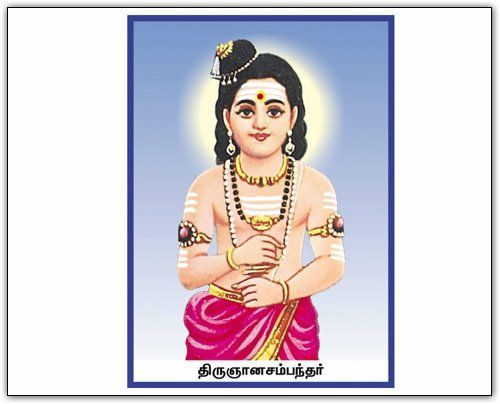
sambadar

திருஞான சம்பந்தர் சிலை

DON’T REBLOG IT AT LEAST FOR A WEEK!  DON’T USE PICTURES; THEY ARE COPYRIGHTED BY SOMEONE.


Compiled  by S NAGARAJAN

Date: 22 September 2015

Post No: 2180

Time uploaded in London :– 14-25

(Thanks  for the pictures) 


தேவார சுகம்

நம் பந்தம் போக்க வந்த சம்பந்தர் கவசம் அணிவோம்!


.நாகராஜன்


சமணரை வென்று சைவம் தழைக்கச் செய்த சம்பந்தர்

சூறாவளிப் புயல் போல பாரதமெங்கும் சுற்றி, தேவையற்றவைகளை அகற்றி, புற மதத்தவரின் வாதங்களைத் தகர்த்து, ஷட் மதங்களை ஸ்தாபித்த ஆதி சங்கரர் உலக வரலாற்றில் ஓர் அற்புதம் என வரலாற்று ஆசிரியர்கள் குறிப்பிடும்போதே அதற்கு இணையான ஒரு அதிசயம் அவர் வயதில் பாதி வயதே வாழ்ந்து சமணர்களின் சூழ்ச்சிகளைத் தவிடு பொடியாக்கி சைவத்தைத் தழைத்தோங்க வைத்த சம்பந்தரின் அவதாரம் என்றால் அது மிகையல்ல!

16 ஆண்டுகளே வாழ்ந்தார். பாலனாக இருந்து பரமனுடன் நேரடியாக உடலுடன் சேர்ந்தார்சூழ இருந்தவர்களையும் அழைத்துக் கொண்டு! வரலாற்றில் இது போன்ற நிகழ்ச்சி இது ஒன்றே ஒன்று தான்!

அதுவும் இந்த நிகழ்ச்சி தமிழகத்தில் தான் நடந்தது.

இறைவியிடம் பால் குடித்த மூன்று வயது பாலகன். தோடுடைய செவியன் என்று கண்ணாரக் கண்ட இறைவனைப் பாடத் தொடங்கினார்.

பாடிக் கொண்டே இருந்தார்தெய்வத் தமிழில்.

சமணர்கள் கொடுமைப் படுத்த, சைவர்கள் நடுங்கி ஒடுங்கி இருக்கப் புயலென எழுந்தார் அந்தப் புனிதர்.

மதுரையில் அவரை எதிர்கொண்டு அழைக்க வந்த பாண்டிய மஹாராணியார் ஒரு பாலனைப் பார்க்கவே வியப்பும் குழப்பமும் அடைந்தாள்.

மஹாசூழ்ச்சிக்காரர்களான சமணர்களின் மாயாஜால சித்து வேலைகளை, பால் மணம் மாறாப் பச்சிளம் பாலகனா வெல்ல முடியும். வெல்லுவது இருக்கட்டும், பாலகனுக்கு எந்த விதத் தீங்கும் ஏற்பட்டு விடக் கூடாதே என்று அந்தத் தாயுள்ளம் உருகியது. கருணை பொங்கும் விழிகளால் சம்பந்தரை அவள் பார்த்தாள். அதில் பொங்கி வந்த கருத்து வெள்ளத்தை உணர்ந்த சம்பந்தர் ஒரு போடு போட்டார் இப்படி:-                                                              

மானின் நேர் விழி மாதராய்! வழுதிக்கு மாபெரும் தேவி!

apparsambandar

கேள்!

பானல் வாயொரு பாலன் ஈங்கிவன் என்று நீ பரிவு எய்திடேல்” 

(பாண்டிமாதேவியே, என்ன பயந்து விட்டாயா? என்னை பாலன் என்று எண்ணி பயப்படாதே!)

ஆனைமாமலி ஆதியாய இடங்களில் பல அல்லல் சேர் ஈனர்களுக்கு எளியேன் அலேன்!

(இந்த ஈனர்களுக்குச் சரியான ஆள் நான் தான்! இவர்களை மட்டும் அல்ல; இன்னும் மோசமானவர்களையும் சந்திக்கத் தயார்!)

திரு ஆலவாய் அரன் நிற்கவே!

(என்னை யாரென்று எண்ணி, நீ பார்க்கிறாய்! நான் பார்வதியின் மைந்தன் கந்தனே! அந்த சிவனுக்கே தகப்பன் சாமி நான்)

இந்த ஒரு பாடலில் முழித்துக் கொண்டவள் தான் மஹாராணி! ‘எனக்கென்ன மனக்கவலைஎன்று முழுப் பொறுப்பையும் அவரிடம் கொடுத்து விட்டாள்.

விளைந்தது பல லீலைகள்! சமணர் கழுவேற, தமிழ் நாட்டில், சைவம் நிலை கொண்டது.

திருஞானசம்பந்தர் பதினாறாயிரம் பதிகங்கள் (ஒரு பதிகம் என்பது 10 பாடல்கள்) அருளிச் செய்ததாக ஆளுடைய பிள்ளையார் திருவந்தாதிஎன்ற தனது நூலில் நம்பியாண்டார் நம்பி குறிப்பிடுகிறார். ஆனால் நமக்குக் கிடைத்திருப்பதோ 383 பதிகங்களே. பாடல் எண்ணிக்கையில் கணக்கிட்டால் நம்மிடம் இன்று இருப்பது சுமார் 4147 பாடல்களே!

Boy saint Sambandhar meeting Appar the great.

பற்று விட ஒரு பற்று பற்றுக!

பற்றுகள் எல்லாம் போக பற்றற்றவனை ஒரே பற்றாகப் பற்று என்றார் திருவள்ளுவர். அதே வழியில் நம் பந்தமெல்லாம் போக some பந்தம்தேவை தானே! ஒரே ஒரு பந்தமாக நம் பந்தம் போக்க வந்த சம்பந்தரைக் கொண்டு விட்டால் கவலை ஏது, இனி!

அவர் பாடல்கள் எதுவானாலும் சிவ புண்ணியம் இருந்தால் மட்டுமே அதைப் பாட முடியும், படிக்க முடியும். அனைத்துமே சிவ அருள் தருபவை. மாதிரிக்காகச் சில பாடல்கள் இதோ!

இந்த சம்பந்தர் பாடல்கள் என்னும் சம்பந்தர் கவசத்தை அணிந்து கொண்டால் எந்த வினையும் வந்த வழி போய் விடும்.

சம்பந்த கவசம் நம் பந்த வினை அறுப்பதோடு இன்னும் ஒரு நன்மையையும் தருவதை அவரே திருச்சிராப்பள்ளி, ‘நன்றுடையானைப் பதிகத்தில்அருளுகிறார் இப்படி:-

ஞானசம்பந்தன் நலம் மிகு பாடல் இவை வல்லார்                               

வான சம்பந்தத்து அவரோடு மன்னி வாழ்வாரே!”

ஆக வான சம்பந்தம் விழைவோரெல்லாம் வாருங்கள்; அவர் பாடல்களைப் படிப்போம்; அருள் பெறுவோம்!

வான சம்பந்தம் பெற ஞானசம்பந்தர் பாடல்கள்!

தோடுடைய செவியன் விடையேறியோர் தூவெண்மதி சூடிக்                            

காடுடைய சுடலைப் பொடி பூசி என் உள்ளங்கவர் கள்வன்                                

ஏடுடைய மலரான் முனை நாள் பணிந்தேத்த அருள்செய்த                         

பீடுடைய பிரமாபுரம் மேவிய பெம்மான் இவன் அன்றே

இடரினும் தளரினும் எனது உறுநோய் தொடரினும் உனகழல் தொழுதெழுவேன்

நனவினும் கனவினும் நம்பா உன்னை மனவினும் வழிபடல் மறவேன்

காதல் ஆகிக் கசிந்து கண்ணீர் மல்கி ஓதுவார் தமை நன்னெறிக்கு உய்ப்பது, வேதம் நான்கினும் மெய்ப்பொருள் ஆவது, நாதன் நாமம் நமச்சிவாயவே

thiruganasambandar

 “துஞ்சலும் துஞ்சல் இலாத போழ்தினும்                                                           

நெஞ்சு அகம் நைந்து நினைமின் நாள்தொறும்                                                                                      

வஞ்சகம் அற்று அடி வாழ்த்த வந்த கூற்று                                               

அஞ்ச உதைத்தன அஞ்சு எழுத்துமே

மந்திரம் ஆவது நீறு வானவர் மேலது நீறு                                      

சுந்தரம் ஆவது நீறு துதிக்கப்படுவது நீறு                                                   

தந்திரம் ஆவது நீறு சமயத்தில் உள்ளது நீறு                                            

செந்துவர்வாய் உமைபங்கன் திருஆலவாயான் திரு நீறே

நாள் ஆய போகாமே நஞ்சு அணியும் கண்டனுக்கே                                    

ஆள் ஆய அன்பு செய்வோம் மட நெஞ்சே

வெய்ய வினை தீர, ஐயன் அணி ஆரூர்                                            

செய்ய மலர் தூவ, வையம் உமது ஆமே

மறையவன் மதியவன் மலையவன் நிலையவன்                               

 நிறையவன் உமையவன் மகிழ் நடம் நவில்பவன்                                

இறையவன் இமையவர் பணிகொடு சிவபுரம்                                              

உறைவு என உடையவன் எமை உடையவனே

நீறு பூசினீர், ஏறு அது ஏறினீர்                                                            

கூறு  மிழலையீர் பேறும் அருளுமே

 “நீ நாளும் நன்னெஞ்சே நினை கண்டாய் யாரறிவார்                                 

சாநாளும் வாழ்நாளும் சாய்க்காட்டு எம் பெருமாற்கே                              

பூநாளும் தலைசுமப்பப் புகழ்நாமம் செவிகேட்ப                                     

நாநாளும் நவின்று ஏத்தப் பெறலாமே நல்வினையே

என்ன புண்ணியம் செய்தனை நெஞ்சமே இருங்கடல் வையத்து                        

முன்னம் நீ புரி நல்வினைப் பயனிடை முழுமணித் தரளங்கள்                           

மன்னு காவிரி சூழ் திருவலஞ்சுழி வாணனை வாயாரப்                              

பன்னி ஆதரித்து ஏத்தியும் பாடியும் வழிபடும் அதனாலே

மண்ணில் நல்ல வண்ணம் வாழலாம் வைகலும்                                 

எண்ணின் நல்ல கதிக்கு யாதும் ஓர் குறைவு இலைக்                                          

கண்ணின் நல்லஃது உறும் கழுமல வளநகர்ப்                                          

பெண்ணின் நல்லாளொடும் பெருந்தகை இருந்ததே

யாமாமாநீ யாமாமா யாழீகாமா காணாகா                                   

காணாகாமா காழீயா மாமாயாநீ மாமாயா

(குறிப்பு: இந்தப் பாடலை கடைசி எழுத்திலிருந்து மாற்றிப் படித்தாலும் அதே பாடலே வரும். சீர்காழியில் பாடிய திருமாலைமாற்றுப் பாடல் இது!)

ஏதுக்களாலும் எடுத்த மொழியாலும் மிக்குச்                                         

சோதிக்க வேண்டா சுடர் விட்டு உளன் எங்கள் ஜோதி                             

மா துக்கம் நீங்கல் உறுவீர் மனம் பற்றி வாழ்மின்                                  

சாதுக்கள் மிக்கீர் இறையே வந்து சார்மின்களே

வாழ்க அந்தணர் வானவர் ஆன் இனம்                                                 

வீழ்க தண்புனல் வேந்தனும் ஓங்குக                                                     

ஆழ்க தீயது எல்லாம் அரன் நாமமே                                                        

சூழ் வையகமும் துயர் தீர்கவே

*****


நாய்வாலை நிமிர்த்த முடியாது!

dog,monkey1

DON’T REBLOG IT AT LEAST FOR A WEEK!  DON’T USE PICTURES; THEY ARE COPYRIGHTED BY SOMEONE.


Compiled  by London swaminathan

Date: 22 September 2015

Post No: 2179

Time uploaded in London :– 14-06

(Thanks  for the pictures) 

பிறவிக் குணம், சுபாவம் பற்றிய பொன்மொழிகள்

1.அங்கார: சததௌதேன மலினத்வம் ந முஞ்சதி

கரியை நூறு தடவைக் கழுவினாலும் அதன் கறுப்பு நிறம் போகாது

(ஒப்பிடுக: நாய் வாலை நிமிர்த்த முடியாது)

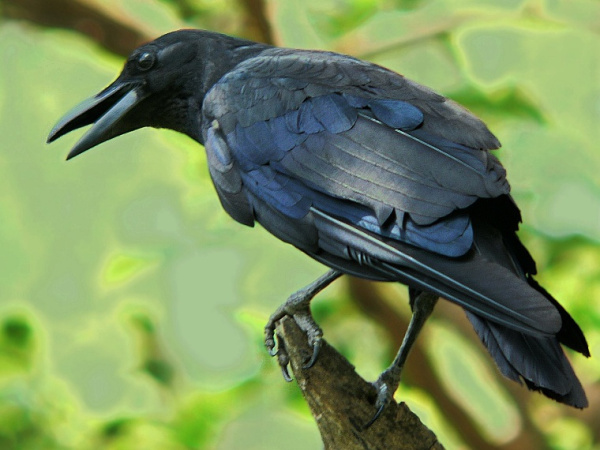
crow

2.ஆஜன்ம உன்மஜ்ஜது துக்தசிந்தௌ ததாபி காக: கில காக ஏவ

பிறந்த நாள் முதல் பாற்கடலில் மூழ்கினாலும் காகத்தின் கறுப்பு நிறம் போகாது

3.அதீத்ய ஹி குணான் சர்வான் ஸ்வபாவோ மூர்த்னி திஷ்டதி – ஹிதோபதேசம்

எல்லா குணங்களையும் மீறி ஒருவனுடைய சுபாவம் தலைதூக்கி நிற்கும்( அதாவது பிறவிக் குணம் மாறாது)

4.சுதப்தமபி பானீயம் புனர்கச்சதி சீததாம் – பஞ்சதந்திரம்

ஒப்பிடுக: சங்கு சுட்டாலும் வெண்மை தரும்

நன்றாகச் சூடேற்றினாலும், நீரின் குணம் குளிர்ச்சிஅடைவதுதான்

பெரியோரின் குணமும் அப்படித்தான்.

குணம் என்னும் குன்றேறி நின்றார் வெகுளி கணமேயும் காத்தல் அரிது (குறள்).

5.சுதப்தமபி பானீயம் சமயத்யேவ பாவகம்- பஞ்சதந்திரம்

நல்ல கொதிக்கும் நீரானாலும்

நெருப்பை அணைக்கத்தான் செய்யும்.

(ஒப்பிடுக: தேளைக் காப்பாற்றினாலும் அது கொட்டத்தான் செய்யும்)

6.ஸ்வபாவம் நைவ முஞ்சந்தி சந்த: சம்சர்கதோ அசதாம்

ந த்யஜந்தி ருதம் மஞ்சு காகசம்பர்கத: பிகா: – த்ருஷ்டாந்த சதகம்

தீயோர் சஹவாசம் இருந்தாலும் நல்லோர் கெடுவதில்லை; காகத்துடன் சம்பந்தம் வைத்திருந்தாலும் குயில்கள் அதன் இனிமையான குரலை விடுவதில்லை

ஒப்பிடுக:-புகைக்கினும் நன்மணம் குன்றாது   …. சங்கு சுட்டாலும் வெண்மைதரும்

7.ஸ்வபாவோ யாத்ருசோ யஸ்ய ந ஜஹாதி கதாசன – சாணக்ய நீதி

ஒருவர், தன் சுபாவத்தை விடுவதே இல்லை

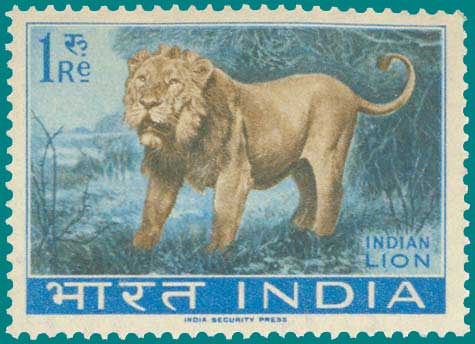
476_Lion

8.ஸ்வபாவோ ஹி துரதிக்ரம: – ஹிதோபதேசம்

ஒருவரின் சுபாவமானது மீறமுடியாதது.

9.அனுஹூங் குருதே கனத்வனிம் நஹி கோபாயுருதானி கேசரி – சிசுபாலவதம்

இடியோசை கேட்டால் சிங்கம், பதிலுக்குக் கர்ஜிக்கும்; சிறு மிருகங்களின் சப்தத்துக்கு பதில்தராது.

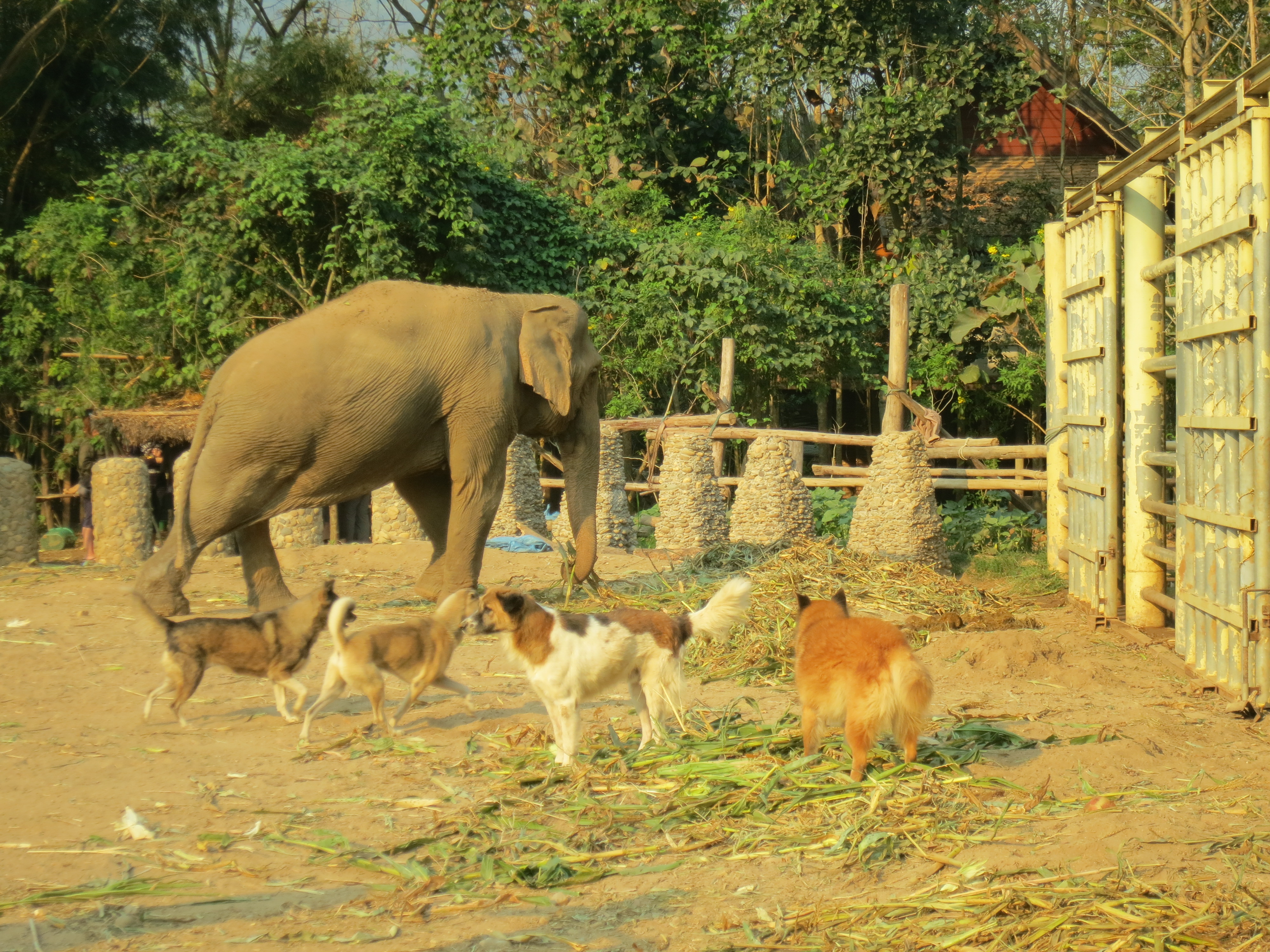
ஒப்பிடுக: யானையைப் பார்த்து குரைத்த நாய் போல

10.ஆகண்ட ஜலமக்னோபி ஸ்வா லிஹத்யேவ ஜிஹ்வயா – சுபாஷித ரத்ன பாண்டாகாரம் (சு.ர.பா)

பால் ஆறாக ஓடினாலும் நாய் நக்கித்தான் குடிக்கும்.

ஒப்பிடுக: காவேரி கஞ்சியாய் ஓடினாலும் நாய் நக்கித்தான் குடிக்கும்

11.ந ஸ்வபாவோ அத்ர மர்த்யானாம் சக்யதே கர்துமன்யதா – பஞ்சதந்திரம்

பூவுலகிலுள்ளவர்களின் சுபாவத்தை (இயல்பான குணத்தை) மாற்ற இயலாது

dog ele

12.நஹி கஸ்தூரி காமோத: சபதேன விபாவ்யதே – சமயோசித பத்ய மாலிகா

கஸ்தூரியின் மணத்தை ஒருவர் சபதம் செய்து நிரூபிக்க வேண்டியதில்லை. அது சுயமாகவே சுகந்த மணம் வீசும். நல்லோரும் சுயம் பிரகாசிகள்

(ஒப்பிடு: பல்பொடி வியாபாரி கூவி விற்பான்; வைர வியாபாரியை மக்கள் நாடிச்செல்வர்)

xxxxxxxxxxxxxxxxxxxxx

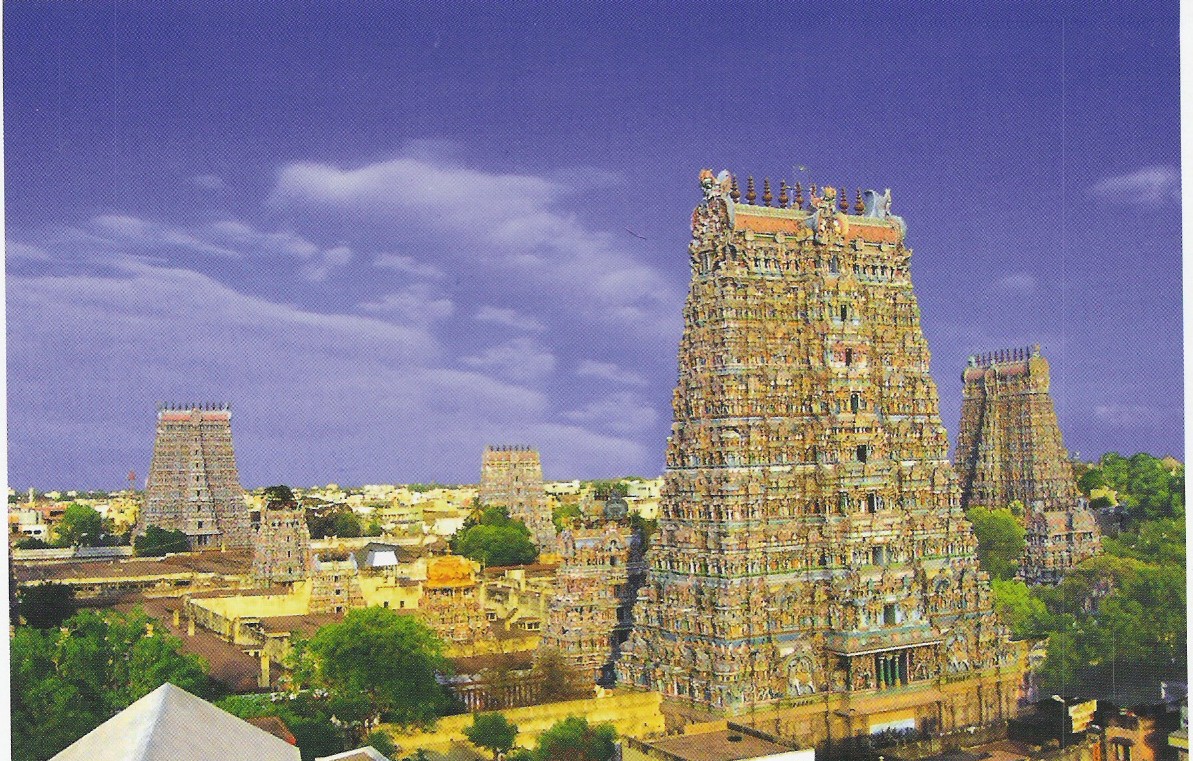
What makes Madurai Unique in the World: Oswald J.Couldrey

temple big

DON’T REBLOG IT AT LEAST FOR A WEEK!  DON’T USE PICTURES; THEY ARE COPYRIGHTED BY SOMEONE.


Research Article: Written by London swaminathan

Date: 21 September 2015

Post No: 2178

Time uploaded in London :– 20-15

(Thanks  for the pictures) 

Please read my post “The Wonder that is Madurai Meenakshi Temple” posted by me here on 14th October 2011.

Following is excerpt from South Indian Hours by Oswald J.Couldrey, Year 1924

“Madura is a city in the far south, and very old. You will find her name recorded in Ptolemy’s Greek, MODOURA, which better represents the Tamil pronunciation than does the English form. Her ancient Pandya kings, who grew early rich upon the local pearl fisheries, and are mentioned in Asoka’s Edicts, were connected by the Greeks with King Pandion, by themselves and neighbours with the five legendary Pandavas, the heroes of the Mahabharata. Of that remote civilization there are now probably few material remains. The monuments of Madura chiefly refer to the seventeenth century Naiks, those powerful viceroys of the great Southern Hindu Empire of Vijayanagar, who rivalled and outlasted the splendour of their suzerain.

But what makes Madura almost unique among the cities of the world, wherein the past can be studied, is the fact that her antiquity generally, though having its roots far back in an almost Babylonish past, is also of the twentieth century. I speaks of no stagnation. Art and religion here were alive and growing with a vigour and direction imparted long ago. The life seen here today is sister to the life of ancient Shinar, a younger sister, and grown up in time.

The glory and potential crown of Madura is the great double temple (but they stand within the same enclosure) of Siva and Minakshi. You hear more of the goddess, the Fish-Eyed, though her husband’s lodging is larger; and I suspect that she represents an older local cult, espoused later by the religion of the Brahmins. There are in India many temples far older, many holier than this, some more cunningly designed and adorned; few larger, grander and more intricate, none more crowded, busy, eloquent of the living past. For size, you could put all the temples of Benares within the Madura precinct, and have room to spare, in extent, variety, and occupation, it resembles a city rather than a temple, and a city where you will not quickly learn your way about.

The good people of Madura, which is large and flourishing town, spend much of their time in temple, like Anglo-Indians at a club, or Greeks in their agora, and so fill the place themselves, without the help of pilgrims and sight seers, f whom, however, there is no lack. I have been to the Madura temple several times, and know well the lie of its courts and edifices; but to explain it is another matter, and I shall attempt only a general description.

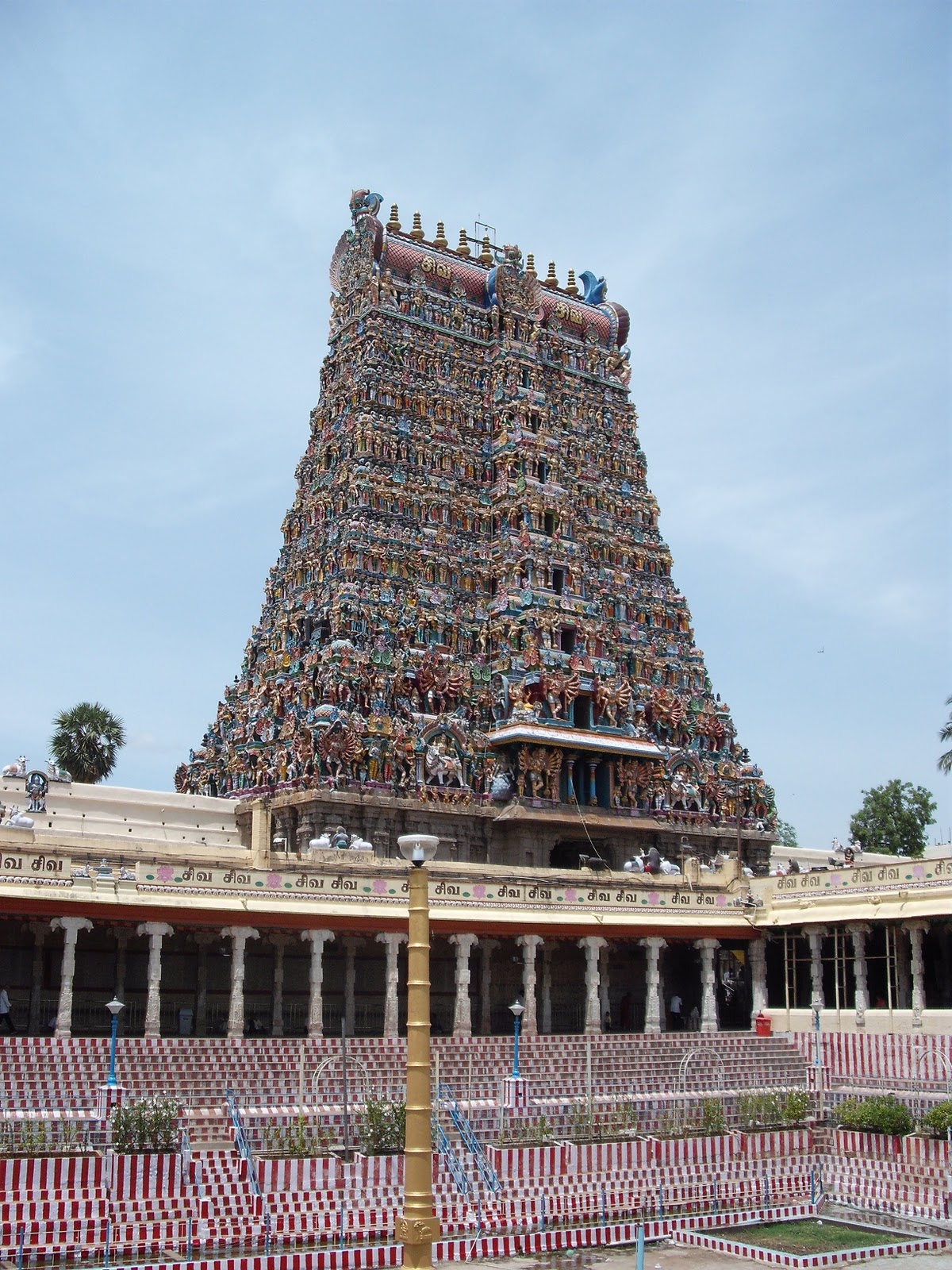
The temple is, four square, like the heavenly Jerusalem, and girt with a high wall.in the middle of each side is the pylon or gopuram, but far taller than usual, and all crusted with idols; four towers that crown the city like the tiaras upon the fourfold brows of Brahma.

M.Temple

The great pile of the gate head is plastered thick with images, which stand se before its innumerable storied, lessening cells, like an enormous and splendid swarms of bees; all the mystic and many weaponed persons of the Siva pantheon, infinitely multiplied and repeated and reduced, and carried in rising ranks, and receding tiers, up to the horns and scrolls of the topmost roof.

There, and yonder, he appears as Nataraja, the dancer, his polyp arms spread round him like an aureole, as he weaves the mystic dance of the worlds, the universal and eternal dance of life, which is the pastime of god. Near him, with arms as many, and a whole brigade of heads, Skanda, the War God, Siva’s first born, rides upon his peacock, a fine image of the pomp and circumstance of Asian war. Nor is the figure of his brother Ganapati, round bellied, elephant faced, the people’s darling fetish, less conspicuous and frequent along the ranks of his pyramid of idols, and plastic pandemonium.

Immediately within, and all about the eastern gates of the god and goddess, there is a gloomy labyrinth of arcades and corridors, solemn indeed and lofty, but choked with shops and stalls of food and fruit and sweets, garlands, toys and various glittering knacks whose nature and use I have forgotten, save that they seemed to have little to do with the temple worship. But sculptured saints stood with joined hands among the confectionery, hoar dragons guarded the trash of the toy shops, and cheap cutlery from Birmingham.

From this imposing den of thieves we pass into the outer court, which is here confined and crowded with various porches of similar architecture, but elsewhere spreads, uneventful and empty, between the sanctuaries and outer wall. We are now directly before the temple of god; we find ourselves within the cloister of the Golden Lily Pool, which lies opposite her ancient shrine.

The pool and its colonnade, and especially the chain of porticos before Minakshi’s shrine, are always the most crowded and lively portions of the temple. The steps and water are constantly thronged with bathers and visited of housewives bearing brazen pitchers; the cloisters full of naked, sleek and shaven Brahmins, lounging, chatting, meditating, waiting to minister, for a fee, to the spiritual needs of the pilgrims. One chants a spell for a pair of rustics, which seems chiefly concerned with the business of informing God, not only of the name, parentage and present address (in a geography no longer recognisable) of the persons on whose behalf it is recited, but also of the particular point and minute of eternity, the hour and year, and aeon (he species the Kaliyuga, as we perhaps might say, the iron age) in which the service is performed and reward expected; a formula crude perhaps in some respects, but calculated to a degree not often found, I cannot help thinking, in our own liturgies, to make a simple fellow realise his own littleness, and the metaphysical mystery of the universe.

-images-city-134-Meenakshi temple

(His description continues for a few more pages; he describes Thousand Pillar Hall, Tirumalai Nayak Palace etc. and concludes with the following paragraph)

I am constrained to close upon a note of apprehension. You may buy little gods in the Madura bazaars, akin apparently to the temple sculpture, and steeped in odour of old sanctity. Too often nowadays they prove to be forgeries, new ware made rough, buried a while, dug up and kept for sale as old brass to the Americans. For these have discovered Madura before ourselves, who have lived there for a hundred years. Consequently, though there is still no city in South India, where you can to more advantage study the real religion of antiquity, there is none where you can more easily buy false god, or as some would say, gods doubly false (unless two wrongs should make a right) than in Madura, the city of Minakshi may it be long ere the dissolvent curiosity, or blasting disapproval of the West goes deeper”.

Year of Publication in London — 1924.

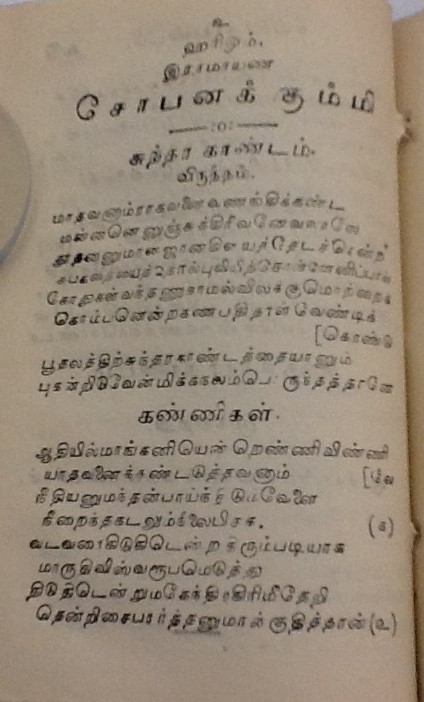
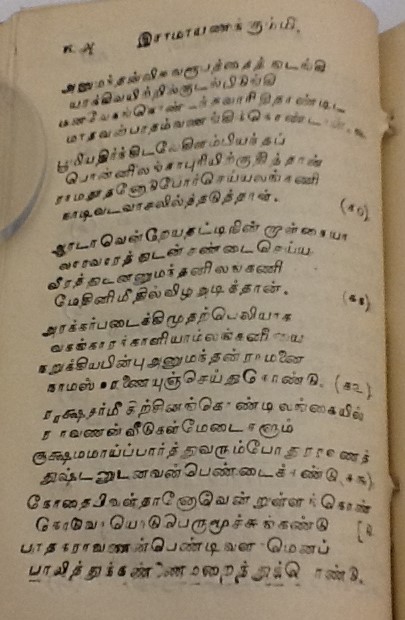
300 ராமாயணமா? 3000 ராமாயணமா? –Part 3

S kanda 9

DON’T REBLOG IT AT LEAST FOR A WEEK!  DON’T USE PICTURES; THEY ARE COPYRIGHTED BY SOMEONE.


Research Article: Written by London swaminathan

Date: 21 September 2015

Post No: 2177

Time uploaded in London :– 15-45

(Thanks  for the pictures) 

First part was uploaded on 15th September, 2015

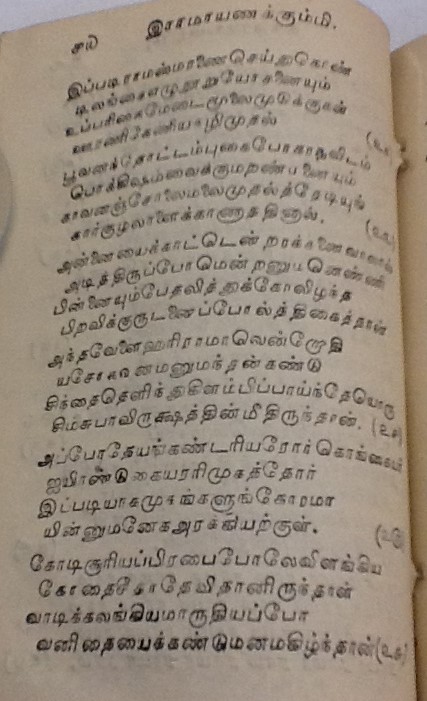
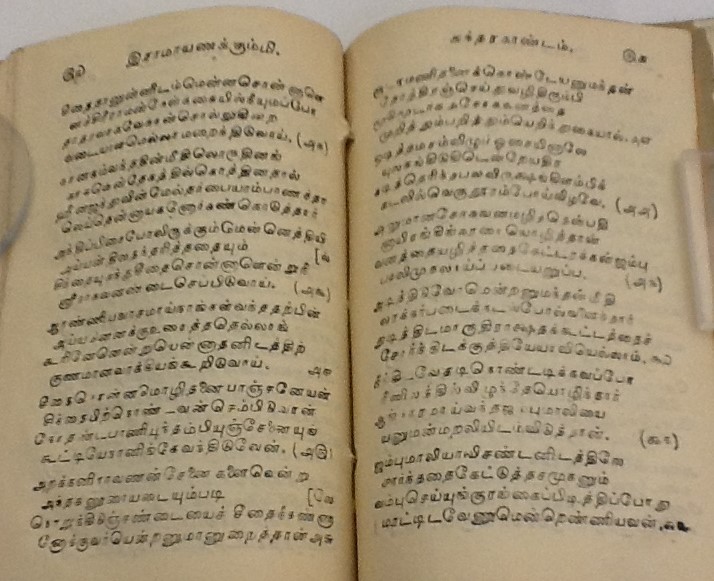
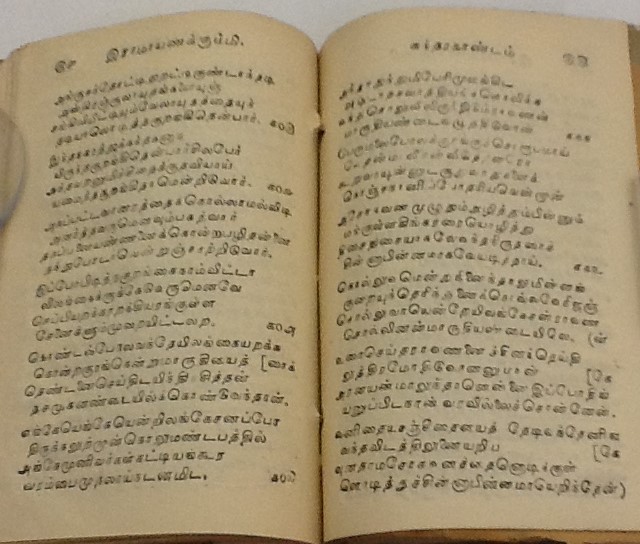
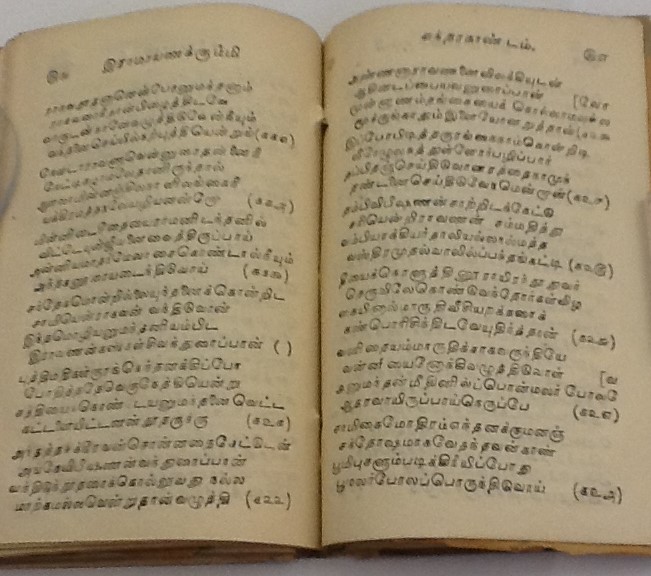
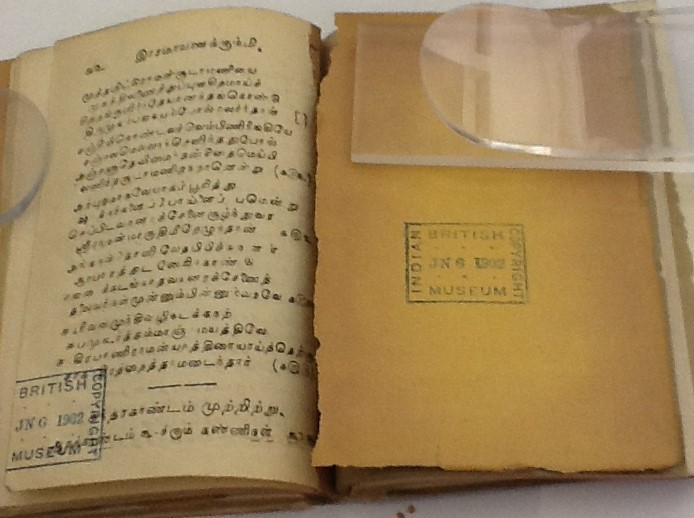
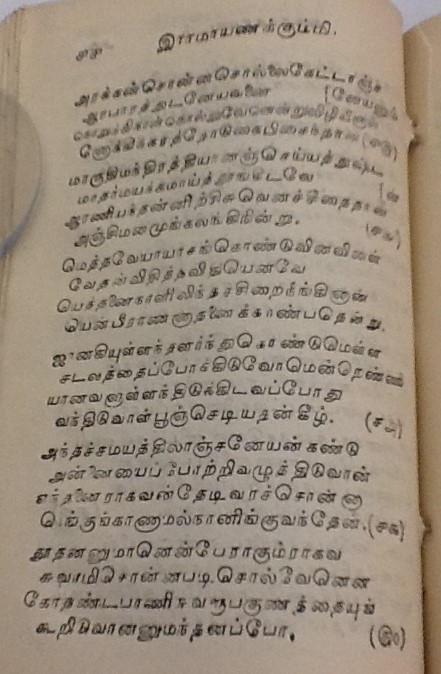
சுந்தர காண்டம் வரையே லண்டன் பிரிட்டிஷ் லைப்ரரியில் கிடைத்தது.

 S kanda 4

ஒவ்வொரு பக்கம் மீதும் “க்ளிக்” செய்தால் பக்கம் பெரிதாகும். இவ்வாறு “ஸூம்” செய்து படிக்கவும்.

IMG_3437 (2)

IMG_3438 (2)

IMG_3440 (2)

IMG_3441 (2)

IMG_3443 (2)

IMG_3444 (2)

IMG_3447 (2)

IMG_3449 (2)

IMG_3450 (2)

IMG_3451 (2)

IMG_3452 (2)

IMG_3454 (2)

IMG_3455 (2)

IMG_3456 (2)IMG_3459 (2) IMG_3462 (2)

IMG_3465 (2)IMG_3468 (2)

IMG_3471 (2)

IMG_3472 (2)

IMG_3473 (2) IMG_3474 (2)

IMG_3475 (2)

சுந்தர காண்டம் முற்றும்.

இராமாயண கும்மி முற்றும்.

-சுபம்-

வள்ளுவராலும் பதில் சொல்ல முடியாத கேள்வி!

 IMG_5749 (2)

Article written by S NAGARAJAN

Date: 21  September 2015

Post No: 2176

Time uploaded in London :– 7-52 am

(Thanks  for the pictures) 


By .நாகராஜன்


மன்றம் கூடியது


சில நிமிடங்களில் ஊர் மன்றம் கூடி விட்டது! ஏன்?

வள்ளுவர் வந்திருக்கிறாராம்!

வள்ளுவர் வந்திருக்கிறாராம்!

செய்தி அதிக வேகத்தில் பரவவே, பறக்கவே அனைவரும் ஊர் மன்றமான ஆலமரத்தடியில் கூடி விட்டனர். ஆலமரத்தைச் சுற்றியுள்ள மேடையில் அமர்ந்திருப்பவர் நிஜமாகவே வள்ளுவர் தான்!

அவரை வணங்கினர்; தொழுதனர்; கை கட்டி, வாய் மூடி உற்றுப் பார்த்து தங்களின் தரிசன பாக்கியத்தை நினைத்து மகிழ்ந்தனர்.

இன்று முழித்த வேளை நல்ல வேளை!

மெதுவாக ஊர்ப் பெரியவர் ஒருவர் எழுந்தார். ‘பெரிசு’ ஏதாவது பொருள் பொதிந்த ஒன்றைத் தான் கேட்கும்! அனைவரும் ‘பெரிசையும்’ அதற்கு வள்ளுவர் என்ன சொல்லப் போகிறார் என்பதையும் ஆவலுடன் எதிர் நோக்கினர்.

அப்போது கூட்டமாகக் கூடி இருக்கும் கூட்டத்தைப் பார்த்து பிச்சை எடுக்கும் வறியவன் ஒருவனும் ஓரமாக வந்து நின்றான்.

caoin valluvar2

பத்துக் கேள்விகள்

பெரியவர் கேட்டார்: “வள்ளுவரே! வணக்கம். உங்கள் அருளை நாடி நிற்கிறோம். அருள் அல்லாதது யாது?

வள்ளுவர் அவரைக் கனிவுடன் நோக்கினார். பின்னர் கூறினார்:-

“அருள் அல்லது யாதெனின் கொல்லாமை கோறல்

பொருள் அல்லது அவ்வூன் தினல்             (குறள் 254)

ஒரு கேள்வி; அதற்கு அற்புதமாக இரண்டு விஷயங்களைப் பதிலாகப் பெற முடிந்தது. ஒரு உயிரையும் கொல்லாமல் இருப்பதே அருள்; அந்த மாமிசத்தை வாங்கித் தின்னுவதே பொருள் அற்றது.

ஊர் மக்கள் சைவ உணவை மட்டும் உண்ணத் தீர்மானித்து விட்டனர்.

ஒரு கேள்வி கேட்டு பதிலும் வந்ததால் அடுத்தவர் மெல்ல எழுந்தார்.

“வாய்மை எனப்படுவது யாது?”

“வாய்மை எனப்பதுவது யாதெனின் …..

யாதெனின்?!

“யாதொன்றும் தீமை இலாத சொலல்”   (குறள் 291)

ஆஹா! எளிமையான சுருக்கமான சூத்திரமாக இருக்கிறதே! பிற உயிருக்குத் தீமை பயக்காத சொற்களைச் சொல்லுவதே வாய்மை!

மூன்றாமவர் எழுந்தார்:-“ அறவினை யாது?”

“அறவினை யாதெனின் கொல்லாமை கோறல்

பிறவினை எல்லாம் தரும்”            (குறள் 321)

தான் முதலில் சொன்னதை மீண்டும் வலியுறுத்தி வள்ளுவர் கூறியதை அனைவரும் பக்தியுடன் மனதில் குறித்துக் கொண்டனர். பிற உயிரைக் கொல்லாமல் இருப்பதே அறவினை. அப்படிக் கொல்வோருக்கு அறமற்ற பிற தீவினைகள் சேரும்.

கூட்டத்தில் அஹிம்சையைப் பின்பற்றுபவருக்கு ஒரே சந்தோஷம். மனதிற்குள் உருகினார்.

இன்னொருவர் கேட்டார்:- “நல் ஆறு யாது?”

நல்ல வழி எது என்றா கேட்கிறீர்கள்?

வள்ளுவர் கூறினார்:-“ நல் ஆறு எனப்படுவது யாதெனின்  யாதொன்றும் கொல்லாமை சூழும் நெறி”    (குறள் 324)

அட, அதே கருத்து! திருப்பித் திருப்பி வலியுறுத்துகிறாரே! சொல் சிக்கனம் உடைய வள்ளுவர் ஆழ்ந்த கருத்தை வலியுறுத்தி, எந்த உயிரையும் கொல்லாமல் இருப்பதே நல் ஆறு என்கிறாரே!

கையிலுள்ள பணம் சுருங்கக் கூடாது; குறையக் கூடாது என்ற கவலையில் இருந்தவர் கேட்டார்:- : செல்வத்திற்கு அஃகாமை யாது?

வள்ளுவர் சிரித்தார்:- “அஃகாமை செல்வத்திற்கு யாதெனின் வெஃகாமை வேண்டும் பிறன் கைப் பொருள்”   (குறள் 178)

பிறர் கைப்பொருளைக் கவரக் கூடாது என்று இருத்தலே தன் கைப்பொருள் சுருங்காமல் இருக்கும் வழி!

மோசமான அரசியல்வாதிகள் எல்லாம் அங்கு தலையைக் குனிந்து கொண்டனர்.

நண்பர்கள் இருவர் எழுந்தனர்: ஒருவர் கேட்டார்:-“நட்பிற்குச் சிறந்த நிலை யாது?”

பதில் உடனே வந்தது: “நட்பிற்கு வீற்றிருக்கை யாதெனின் கொட்பின்றி ஒல்லும் வாய் ஊன்றும் நிலை”   (குற:ள் 789)

நட்பிற்கு வீற்றிருக்கை – சிறந்த நிலை – மாறுபாடின்றி முடிந்த போதெல்லாம் உதவி செய்து தாங்கிக் கொண்டிருப்பதே ஆகும்.

அடுத்த நண்பர் பளிச்சென்று உடனே கேட்டார்:-“ பழைமை எனப்படுவது யாது?”

“பழைமை எனப்படுவது யாதெனின் யாதும்

கிழமையைக் கீழ்ந்திடா நட்பு”    (குறள் 801)

பழகிய நட்பு, அதாவது பழைமை எனப்படுவது யாதெனில் பழகிய நண்பர் உரிமையாய் செய்யும் எந்தச் செயலையும் அவமதிக்காது ஏற்றுக் கொள்வதேயாகும்.

நண்பர்கள் இருவரும் மகிழ்ந்தனர்.

punul valluvar

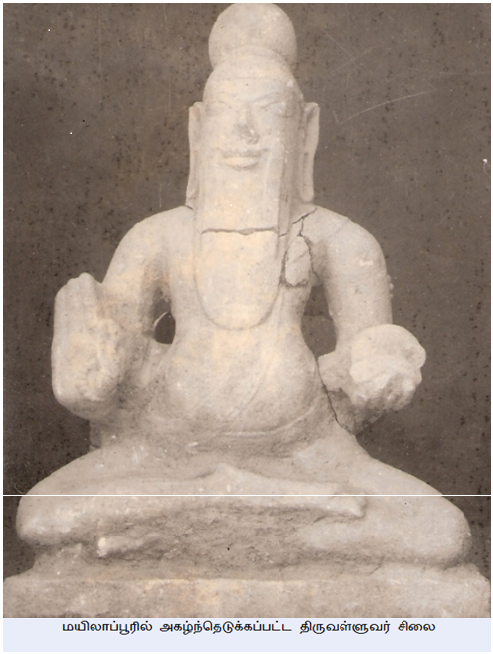
பூணூலணிந்த, அபூர்வ வள்ளுவர் சிலை

அடுத்தவர் எழுந்தார்: “பேதைமை என்பது யாது?”

“பேதைமை அதாவது அறியாமை யாது என்று தானே கேட்கிறீர்கள்?

பேதைமை என்பதொன்று யாதெனின் ஏதங்கொண்டு

ஊதியம் போக விடல்    (குறள் 831)

அறியாமை என்று சொல்லப்படுவது யாதென்றால், தனக்குக் கேடு விளைவிப்பனவற்றைக் கைக்கொண்டு நன்மை தருபனவற்றைக் கை நழுவி விடச் செய்வதாகும்!

இன்னொருவர் எழுந்தார்:-“ வெண்மை எனப்படுவது யாது?”

“வெண்மை எனப்படுவது யாதெனின் ஒண்மை

உடையம் யாம் என்னும் செருக்கு” (குறள் 844)

வெண்மை அதாவது புல்லறிவு – கீழான அறிவு எதுவெனில் யாம் நிறைந்த அறிவு உடையோம் என்று தம்மைத் தாமே மதித்துக் கொண்டிருக்கும் செருக்கு-  அகம்பாவம் – தான்!

கூட்டத்தினர் அகம் மிக மகிழ்ந்தனர். எத்தனை ‘யாதெனின்?’ கேள்விகள். அத்தனைக்கும் உடனுக்குடன் பதில்!

வள்ளுவர் எட்டிப் பார்த்தார். ஓரத்தில் இருந்த பிச்சைக்காரன் முண்டியடித்துக் கொண்டு முன்னே வந்தான்.

வள்ளுவர் அவனுக்கு வழி விடுமாறு சைகை காட்டவே அனைவரும் ஒதுங்கினர்.

அவன் முன்னே வந்தான். “ஐயா! வணக்கம். இன்மையின் இன்னாதது யாது?”

தான் எடுக்கும் இந்த பிச்சையை விடக் கொடியது ஏதாவது இருக்கிறதா?

மனம் கலங்கி இருக்கும் அவனைப் பார்த்த வள்ளுவர் எழுந்தார். அனைவரும் எழுந்தனர்.

இன்மையின் இன்னாதது யாதெனின்..

அனைவரும் வள்ளுவரையே கவனித்தனர். இன்மையின் இன்னாதது யாதெனின்..

யாதெனின்..

வள்ளுவராலும் பதில் சொல்ல முடியாத கேள்வி என்று கூட ஒன்று உண்டா, என்ன?

யாதெனின்;;

என்ன, வள்ளுவர் தடுமாறுகிறார். உடனுக்குடன் பதில் அளித்த வள்ளுவரா, யோசிக்கிறார், தடுமாறுகிறார், பதிலுக்காகத் தவிக்கிறார்.

கூட்டம் வியந்தது; பிரமித்தது.

தன் நிலையை அடைந்த வள்ளுவர் கூறினார்:-

“இன்மையின் இன்னாதது யாதெனின் இன்மையின்

இன்மையே இன்னா தது”    (குறள் 1041)

வறுமையை விடக் கொடியது என்னவென்றால்,..   என்னவென்றால் .. வறுமையைப் போலக் கொடியது வறுமையே தான்!

வள்ளுவரும் கலங்கி நின்றதைப் பார்த்த மன்றமே கலங்கியது.

பிச்சைக்காரன் கண்ணைத் துடைத்துக் கொண்டான்.

வள்ளுவரின் சாபம்

வள்ளுவர் சற்று உரத்த குரலில் கூறினார்:-

“இரந்தும் உயிர் வாழ்தல் வேண்டின் பரந்து கெடுக உலகியற்றியான்” (குறள் 1062)

பிச்சை எடுத்தும் உயிர் வாழுமாறு சிலரைப் படைத்திருந்தால் அந்த உலகை இயற்றியவன் அதே போல பிச்சை எடுத்து அலைந்து திரியட்டும்!

பிச்சைக்காரனின் தோள் மீது கையைப் போட்டுக் கொண்டார் வள்ளுவர். அனைவரும் அவர் மேலே நடக்க வழியை விட்டனர்.

வள்ளுவரின் சாபத்தைக் கேட்ட இறைவன் சிரித்தான். ‘அடடா, என்ன கருணை நெஞ்சம், தெய்வப் புலவருக்கு!’

அருகிலிருந்த அன்னையைப் பார்த்துக் கண் சிமிட்டினான். மதுரையில் பொற்றாமரை ஏறிய ‘பொய்யில் புலவன்’ சாபம் கொடுத்து விட்டான், தேவியே! அதை சிரமேற்கொண்டு நிறைவேற்ற வேண்டாமா?”

தேவியும் சிரித்தாள்.

“வைகை தான் பெருக்கோடுகிறது. வந்தியோ அழைக்கிறாள். பிட்டுக்காவது மண் சுமந்து உங்கள் திருவிளையாடலைத் தொடங்குங்களேன்!”

பத்தே பத்து –  ‘யாதெனின்’ குறள்கள்!

பத்து, நூறு, ஆயிரம் அறிஞர்களும் நூல்களும் சேர்ந்தாலும் விளக்க முடியாத அரிய கருத்துக்கள்,

இல்லையா?

குறள் வாழ்க! தமிழ் வாழ்க!! குறள் நெறி வாழ்வோர் எவரானாலும் எங்கிருந்தாலும் வாழ்க!

****************