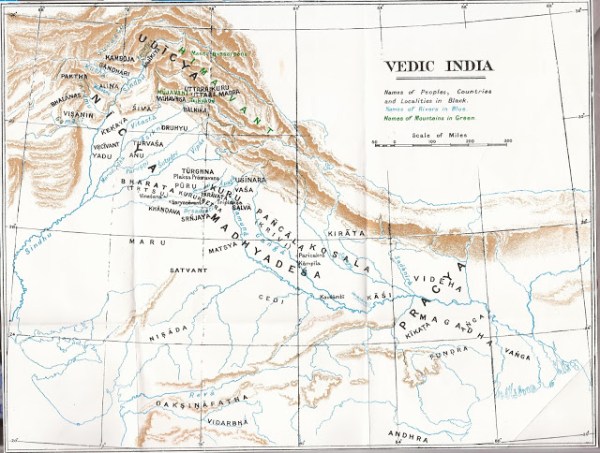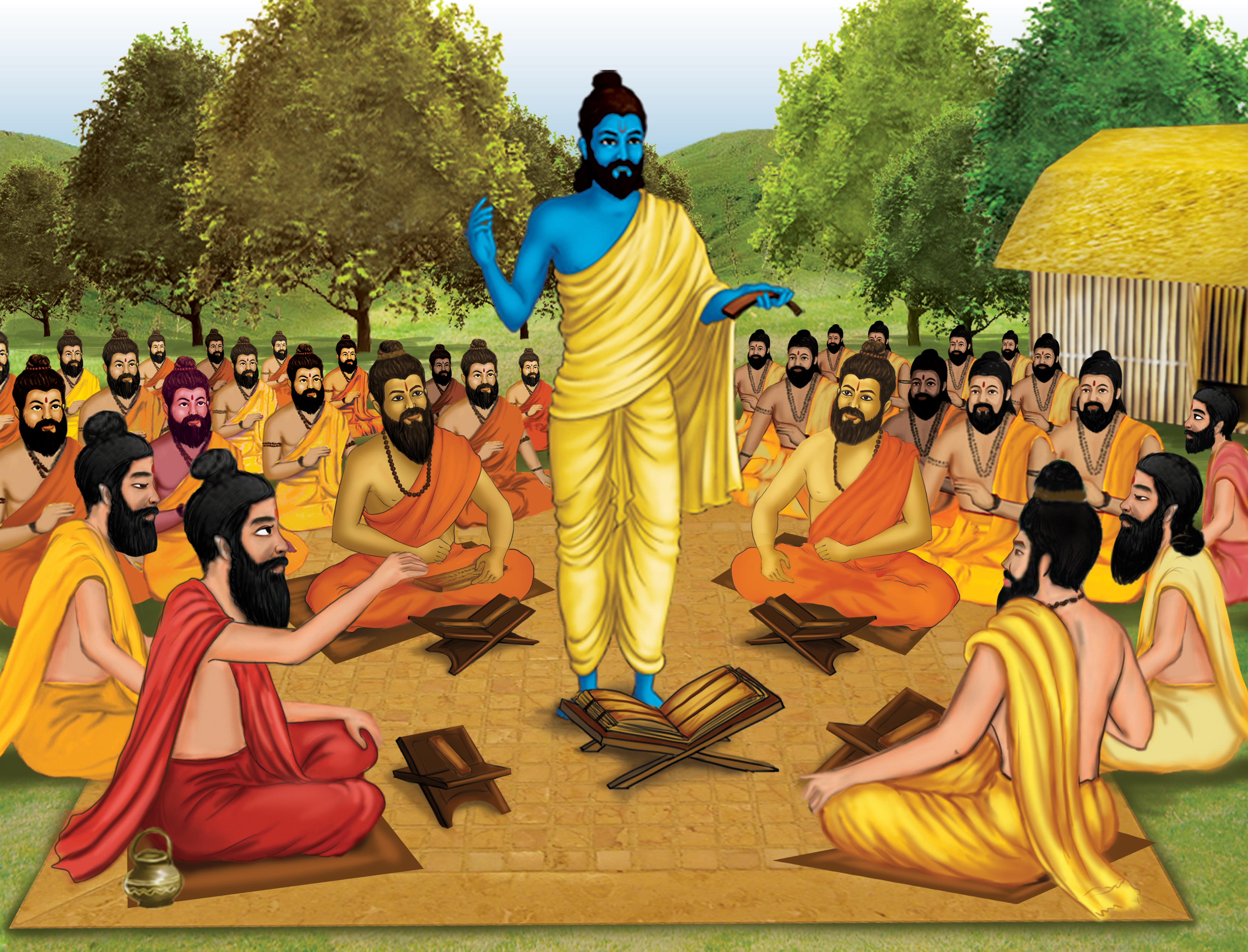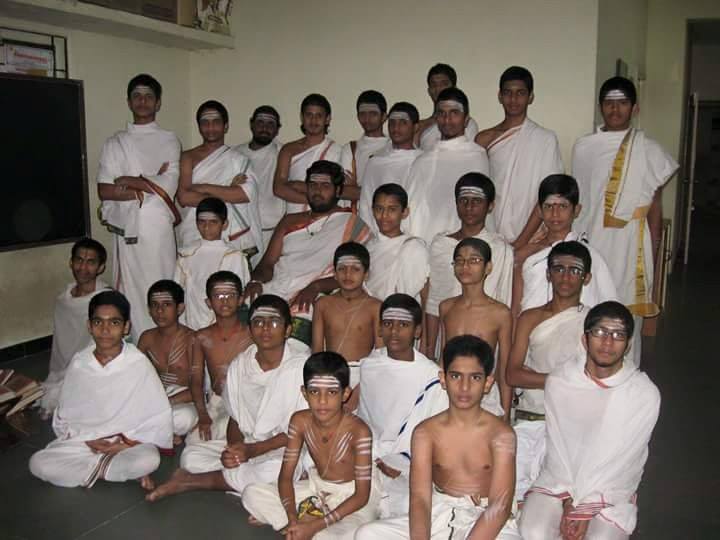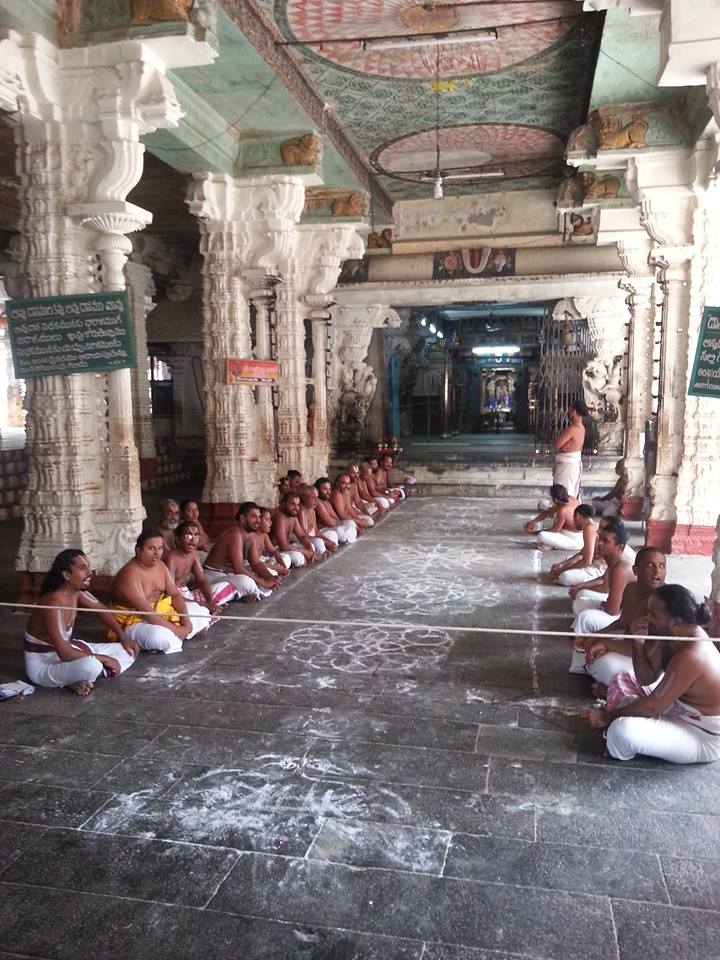
ரிக் வேதத்தில் பத்து ராஜா யுத்தம் !

fdabc-om2bdeepam

ஆராய்ச்சிக் கட்டுரை எண்: 1905

எழுதியவர்- லண்டன் சுவாமிநாதன்

தேதி: 2 ஜூன் 2015

லண்டன் நேரம்: காலை 10-58

உலகின் மிகப் பழைய நூலான ரிக் வேதத்தில் ஒரு முக்கியமான வரலாற்று விஷயம் இருக்கிறது. மஹாபாரத யுத்தம்தான் உலகில் முதல் முதலில் அதிக நாடுகள் கலந்து கொண்ட யுத்தம். அந்தப் போரில் 29 நாடுகள் கலந்து கொண்டன. ஆனால் அதற்கும் முன்னதாக ஒரு பெரிய யுத்தம் நடந்தது. அதை வேதத்தை மொழி பெயர்த்த 20 வெளிநாட்டு “அறிஞர்கள்” மூடி மறைத்துவிட்டனர். ஆனால் இது பற்றி ரிக்வேதத்தில் நிறைய இடங்களில் வருகிறது.

எப்படி அர்ஜுனனும், கிருஷ்ணனும் காண்டவ வனத்தை எரித்தவுடன் மய தானவன் தலைமையில் ஒரு பெரிய அணி தென் அமெரிக்காவிலுள்ள பல இடங்களுக்குச் சென்று மாயா நாகரீகத்தைத் துவக்கினார்களோ அதே போல பத்து ராஜா யுத்தத்துக்குப் பிறகு நம்மவர்கள் ஈரான், கிரீஸ் வரை சென்று நாகரீகத்தைப் பரப்பினர். காண்டவ வனம் எரிப்புக்குப் பின்னர் , பாரதத்திலேயே தங்கியோர் கோண்டு இன மலைஜாதி மக்கள் ஆவர். அவர்கள் இருக்கும் இடம் கோண்டுவானா பிரதேசம் என்று இன்றும் அழைக்கப்படுகிறது. கோண்ட் பழங்குடிகளின் பெயர், கோண்ட்வானா (காண்டவ வனா) பிரதேசம் ஆகியன எல்லாம் காண்டவ வனம் என்னும் சொல்லிலிருந்து வந்தது என்பது கூட பலருக்குத் தெரியாது.

தச ராக்ஞ யுத்தம்

ராஜா என்ற சொல் இன்று வரை இமயம் முதல் இலங்கையின் தென் கோடி வரை எல்லா மொழிகளிலும் வழங்கிவருகிறது. தமிழில் “ர” என்ற எழுத்தில் சொற்கள் துவங்கக் கூடாது என்று தொல்காப்பியர் தடை போட்டதால் ராஜாவை “அரசன்” என்று ஆக்கி சங்க காலம் முதல் தமிழர்களும் சம்ஸ்கிருதச் சொல்லைப் பயன்படுத்தி வருகிறோம். ஆனால் வேத காலத்தில் பத்து அரசர்கள் இருந்ததாகச் சொன்னால் தங்களுடைய ஆரிய-திராவிட இனவெறிக் கொள்கை எல்லாம் தவிடு பொடியாகி விடும் என்று பயந்து பத்துப் பேரும் பழங்குடி இனக் குழுக்களின் தலைவர்கள் என்று வெளிநாட்டினர் முத்திரை குத்தி இதை அடியோடு மறைத்துவிட்டனர். இந்திய வரலாறு படித்த எவருக்கும் வேதத்தில் ஏராளமான இடங்களில் இந்த பத்து ராஜா யுத்தம் வருவதும் அவர்கள் கிரேக்கம் வரை சென்று நாகரீகத்தை நிறுவியதும் தெரியாது.
ad4fe-lamp2bsara2bvilakku

எல்லோரும் கால்டுவெல் பாதிரியார் சொன்னமாதிரி தமிழர்கள், வடமேற்கு திசையிலிருந்து (துருக்கி) இந்தியாவில் புகுந்தனர், மாக்ஸ் முல்லர் சொன்ன மாதிரி ஆரியர்கள் மத்திய ஆசியாவில் இருந்து இந்தியாவுக்குள் புகுந்தனர் என்று எண்ணி ஏமாந்திருந்தனர். இளிச்சவாயனைக் கண்டால் எருதும் மச்சான் முறை கொண்டாடும் – என்பது தமிழ்ப் பழமொழி. இங்கிலாந்தில் ரவுடி என்று பெயர் எடுத்து தற்கொலை செய்துகொள்ளப் போன ராபர்ட் கிளைவ் இங்கு கைப்பிடி ஆட்களுடன் ஒரு பெரிய சாம்ராஜ்யத்தையே நிறுவியவுடன் இந்துக்கள் ஒற்றுமையற்ற நெல்லிக்காய் மூட்டை என்றும் இளிச்சவாயர்கள் என்றும் கண்டு கொண்டனர். ஆக 20 வெளிநாட்டு “அறிஞர்களும்’ மனம் போன போக்கில் வேதத்தை மொழி பெயர்த்தனர். நம்மவர்களுக்கோ தமிழும் தெரியாது, சம்ஸ்கிருதமும் தெரியாது. ஆங்கிலமும் தெரியாது. ஆக ஆங்கிலத்தில் எதையும் எதிர்த்து எழுதவில்லை.

ஆங்கிலத்தில் இரண்டு கடிகாரங்கள் எப்பொழுதும் ஒரே நேரத்தைக் காட்டாது – என்று ஒரு பழமொழி உண்டு. அது போல இரண்டு வெள்ளைக்காரர்கள் வேதம் பற்றி ஒரே மொழி பெயர்ப்பை வெளியிடவில்ல. ஆயினும் வெள்ளைத் தோல் அறிஞர்கள் அனைவரும் ஒப்புக் கொண்ட விஷயம் வடக்கத்தியானும் தமிழனும் வெளிநாட்டிலிருந்து வந்தவர்களே என்று.

மேலும் உலகம் கி.மு4004ல் அக்டோபர் 23ம் தேதி காலை ஒன்பது மணிக்குக் கடவுளால் படைக்கப்பட்டது என்று பைபிள் பிரசாரகர்கள் உரத்த குரலில் பிரசாரம் செய்வதை இவர்கள் மனதார நம்பினர். ஆகையால் யூத, கிறிஸ்தவ, இஸ்லாமிய மதங்களைக் குறைகூறி ஒரு வரி கூட எழுதவில்லை. இத்தனை வெளிநாட்டோர் வேதங்களை அக்கு வேறு ஆணி வேறாக அலசி ஆராய்ந்தும் மற்ற மதங்களைத் தொடவே இல்லை.

கிரேக்கர்கள்தான் நாகரீகத்தின் சிகரத்தைத் தொட்டவர்கள் என்று அவர்களை இந்திரனே சந்திரனே என்று புகழ்ந்து தள்ளினர். ஏனெனில் கிரேக்க நாட்டை இவர்கள் அடிமைப் படுத்த முடியவில்லை.

இதுமட்டுமின்றி இந்தியர்களை மட்டமும் தட்டினர். எகிப்தியர்களுக்கு கி.மு.3100 முதல் அரசர்கள் உண்டு

சுமேரியர்களுக்கு கி.மு.3100 முதல் அரசர்கள் உண்டு

சீனர்களுக்கு கி.மு.3100 முதல் அரசர்கள் உண்டு

மாயா இனத்தினருக்கு கி.மு.3100 முதல் அரசர்கள் உண்டு. ஆனால் இந்தியாவில் மட்டும் புத்தர் காலத்துக்குப் பின்னர்தான் (கி.மு.600) அரசர்கள் உண்டு. சிந்து சமவெளி நாகரீகத்தில் கூடக் கிடையாது என்று புத்தகம் எழுதினர். அதை இன்று வரை நாம் படித்துக் கொண்டும் இருக்கிறோம். அவர்களுக்குத் தெரியும் இது சுய மரியாதை கெட்ட இனம். அப்படி சுயமரியாதையுடன் யாராவது குரல் கொடுத்தால், 2 திராவிடங்களையும் மார்க்சிஸ்டுகளையும் காசு கொடுத்து ஏவி விடலாம் என்று.

வெள்ளைக்காரன் சதி இன்றும் நடக்கிறது. யாராவது இந்துமததை எதிர்த்து கதை எழுதினால் அதை ஆங்கிலத்தில் மொழி பெயர்த்து வெளியிட்டு அவனுடைய வங்கிக் கணக்கில் ஒரு மில்லியன் டாலரைப் ‘பம்ப்’ செய்வர். ஏதேனும் புறச்சூழல் பற்றி கிளர்ச்சிகளைத் தூண்டிவிட்டு அவர்களுக்கு நிதி உதவி செய்வர். இதை எல்லாம் லண்டனில் உடகார்ந்து கொண்டு பார்க்கையில் தெளிவாகக் காண முடிகிறது.வெறும் திகிடுதத்தங் களையும், புறம்போக்குகளையும் திரைக்குப் பின்னால் இருந்து இயக்குவர்.
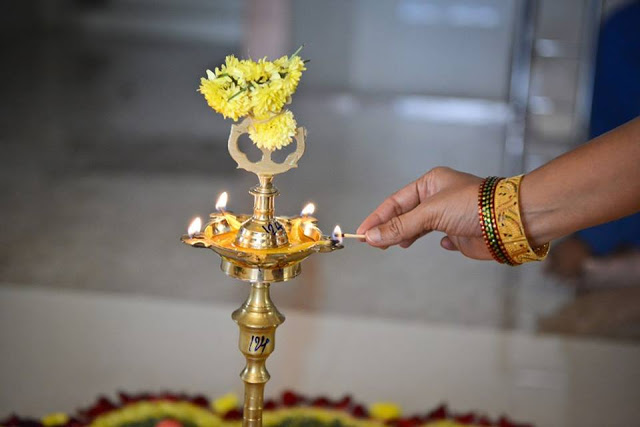
44971-deepa2bmangala

இப்பொழுது பத்து ராஜா யுத்தத்துக்கு வருவோம்:

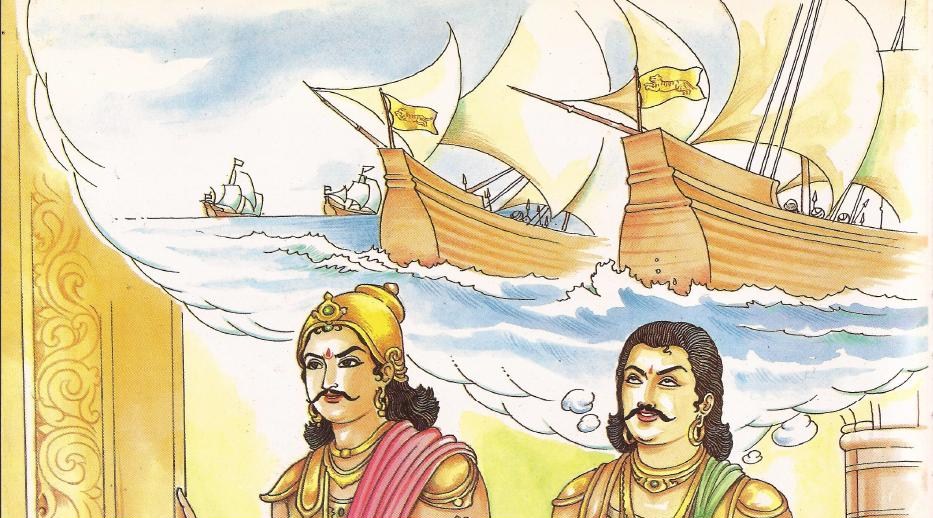
சுதாஸ் என்று ஒரு மன்னன் இருந்தான். அவன் பரத ராஜ்யத்தை ஆண்டு வந்தான் அவனுக்கு விஸ்வாமித்ரர் குல குரு. அவரது ஆலோசனையில் படை எடுத்துச் சென்று விபாஸ், சுதுத்ரி நதிக்கரைகளில் சில அரசர்களை வென்றான். பின்னர் விஸ்வாமித்ரருடன் கருத்து வேறுபாடு ஏற்படவே அவரைப் பதவி நீக்கம் செய்துவிட்டு வசிஷ்டரை குல குருவாக நியமித்தான். இதனால் வசிட்டர்-விசுவாமித்திரர் இடையே நிரந்தரப் பகைமை ஏற்பட்டது.

விசுவாமித்திரர், பத்து ராஜ்யங்களின் அரசர்களைக் கூட்டிக் கொண்டு வந்து சுதாஸைத் தாக்கினார். ஆனால் அந்தப் பத்துப் பேரையும் சுதாஸ், மண்ணைக் கவ்வ வைத்தான். வந்த பத்து அரசர்களில் இரண்டு பேர் நதியில் மூழ்கி இறந்தனர். மற்றொருவர் போர்க்களத்தில் வீர மரணம் அடைந்தார். ஏனையோர் ஓடிப்போனார்கள் என்று சொல்லத் தேவை இல்லை. இது பாருஸ்னி நதிக் கரையில் நடந்தது.

இதற்குப் பின்னர் மேலும் மூவர் அவருடன் யமுனைக் கரையில் மோதினான். அவர்களுக்கும் அதே கதி—அதாவது சகதி!

சுதாசுடன் மோதிய பத்து ராஜாக்கள்: புரு, யது, துர்வாச, அனு, த்ருஹ்யு, பலனஸ், அலின, பக்து, சிவா, விஸ்வானின்

இவர்களை நான் அரசர்கள் என்று சொல்லுவதற்குக் காரணம் என்ன?

1.வேதத்தின் பழைய பகுதிலேயே கங்கைச் சமவெளி பற்றி பாடப் பட்டுள்ளது. கங்கை முதல் ஈரான் வரை பரவியிருந்த உலகின் அப்போதைய மிகப் பெரிய நாட்டில் பல ராஜாக்கள் இருப்பது இயல்பே. இதே போல பாபிலோனியாவில் ஒரே நேரத்தில் ஆறு ஏழு ராஜ்யங்கள் இருந்ததைக் காண்கிறாம். கிரேக்க நாட்டில் ஒவ்வொரு நகரமும் ஒரு நாடு. சுதாஸ் காலத்திலேயே யமுனைக் கரையிலும் ஒரு போர் நிகழ்ந்தது.

2.ரிக் வேததை அடுத்துள்ள வேதங்களிலேயே அஸ்வமேத யக்ஞம் பற்றி வருகிறது. இது சிறு பிள்ளை விளையாடும் அம்மா, அப்பா விளையாட்டல்ல. மாபெரும் சாம்ராஜ்யங்களை உருவாக்க பக்கத்து நாடுகளில் குதிரையை உலவவிட்டு அதை எல்லாம் வென்ற கதை இது. அப்படிச் செய்த மன்னர்களின் பட்டியல் சதபத பிராமணத்தில் உள்ளது.

  1. மேலும் புத்தர் காலத்திலேயே 16 பெரிய நாடுகள் இருந்தது உறுதியாகத் தெரிகிறது. மாபாரதக் கதையில் 29 நாடுகள் வருகின்றன. இவை எல்லாம் ஓரிரவில் ஆகாசத்திலுந்து குதிக்க முதியாது.
  1. இதை விட பெரிய சான்று ரிக் வேதத்தில் குறிப்பிடப்படும் சபா, சமிதி என்ற் அமைப்புகளில் உள்ளன. ரிக் வேத சபை என்ற சம்ஸ்கிருதச் சொல்லை இன்றுகூட தமிழர்கள் அவை என்று பயன்படுத்துகிறோம். ச என்னும் எழுத்தை தமிழர்கள் பயன்படுத்தக் கூடாது என்று தொல்காப்பியர் தடை போட்டதால் சபை என்பதை அவை என்று மாற்றிக் கொண்டோம். சமிதி என்பது இன்றும் ஆங்கிலத்தில் கமிட்டி என்ற பெயரில் புழங்குகிறது. இந்த இரண்டு சபைகளும் அரசனுக்கு ஆலோசனை வழங்கியது வேதங்களில் வருகிறது. உலகின் முதல் ஜனநாயக அமைப்பு இவைதான். ஆக வேத காலத்திலேயே அரசன் இருந்தது மட்டும் அல்ல. அரசனுக்கு ஆலோசனை வழங்கும் பொது மக்கள் அமைப்பும் இருந்தன. இந்த விஷயம் எல்லாம் ஆரிய-திராவிட இனவெறிக் கொள்கையைப் பரப்புவோர் வயிற்றில் புளி கரைத்தது. ஆக பத்து ராஜா யுத்தம் சின்னப் பயல்கள் சண்டை என்று எழுதிவிட்டனர்.

பத்துராஜா யுத்தத்துக்குப் பின்னர் பேட என்ற மன்னன் தலைமையில் அஜஸ், சிக்ருஸ், யக்சுஸ் ஆகிய மூன்று நாட்டு மன்னர்கள் சுதாசைத் தாக்கி தோல்வி கண்டனர்.
5c3af-lamp2bdeepa

இதில் யக்சுஸ் எனப்படும் யக்ஷர்கள் கி.மு 1800 ல் எகிப்தைத் தாக்கி நீண்ட காலம் எகிப்தை ஆண்டனர். அவர்கள்தான் முதல் முதலில் எகிப்தில் குதிரைகளைப் போரில் பயன்படுத்தி எகிப்தியர்களுக்கும் குதிரைப் படை பற்றி கற்றுத்தந்தனர். த்ருஹ்யூ எற நாட்டில் இருந்து சென்றோர் ட்ரூய்ட்ஸ் என்ற பெயரில் ஐரோப்பா முழுவதும் சூரிய வழிபாட்டைப் பரப்பினர்.

முழுப் பூசனிக்காயை சோற்றில் மறைக்கமுடியுமா? இப்பொழுது ஸ்ரீகாந்த் தலகரி போன்ற அறிஞர்கள் வெளி நாட்டு அறிஞர்களைச் சமைத்து புளிக்கறி வைக்கின்றனர். அது என்ன? தலகரி செய்யும் புளிக்கறி? ஆக உலகம் முழுதும் வேத கால நாகரீகத்தைப் பரப்பிய புகழ் இந்த பத்து நாட்டு மக்களியே சேரும்.

ப்ருதுஸ் அல்லது பார்த்தவாஸ்

பரசுஸ் அல்லது பார்ஸ்வாஸ்

பக்தஸ், பக்தூன்ஸ்

பலனாஸ்/பலூசிஸ்

சிவாஸ் (சிபி முதலியோர்/சோழர்களின் மூதாதையர்)

விசானின்ஸ்/பைசாசாஸ்

சிம்யூஸ்/ அல்பேனியார்கள்

அலைனஸ்- ஹெல்லனீஸ்/ கிரேக்கர்

ப்ருகுஸ்- துருக்கியர்.

ஒரு நாட்டு மக்கள் அந்த நாட்டின் பெயரால் அழைக்கப்படுவது தொன்றுதொட்டு இருந்து வரும் பழக்கம். சோழ நாட்டு பிராமணர்கள் சோழியா என்றும் குஜராத்துக்குப் பாண்டிய நாட்டிலிருந்து சென்ற பிராமணர் பாண்டியா என்றும், தெலுங்கு தேசத்தில் இருந்து சென்றோர் தில்லான் (த்ரிலிங்க தேச=தில்லன்) என்றும், சரஸ்வதி நதிதீரத்தில் இருந்து சென்றவர்கள் சாரஸ்வத பிராமணர் என்றும், திராவிட (தென்) பகுதிலிருந்து சென்றவர்கள் திராவிட் என்றும் அழைக்கப்படுகின்றனர். இவை இனப் பெயர்கள் இல்லை; நாட்டின் பெயர்கள்.

Prthus or Parthavas (RV 7-83-1) Parthians

Parsus or Parsvas (7-83-1) Persians

Pakthas (7-18-7) Paktoons

Bhalanas (7-18-7) Baluchis

Sivas (7-18-7) Kivas

Visanins  (7-18-7) Pisachas/Dards

Simyus (718-5) Sarmatians(ancient Albanians)

Alinas (7-18-7) Alans /Hellennes/ Ancient Greeks

Bhrgus (7-18-6) Phyrgians

ஆக வெள்ளைக்காரன் எழுதியதெல்லாம் பொய்யாய்ப் பழங்கதையாய்ப் போய்விட்டன.
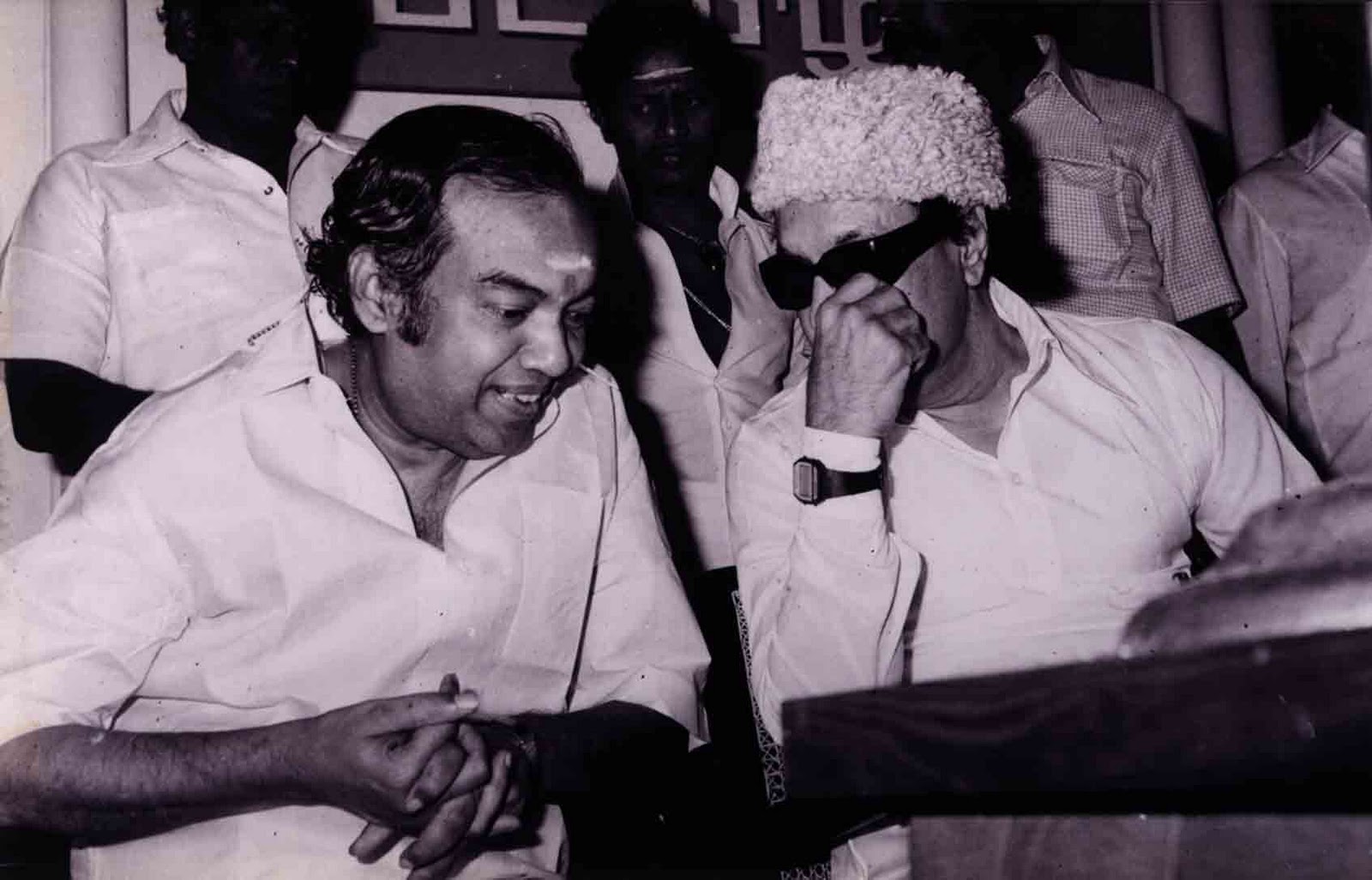
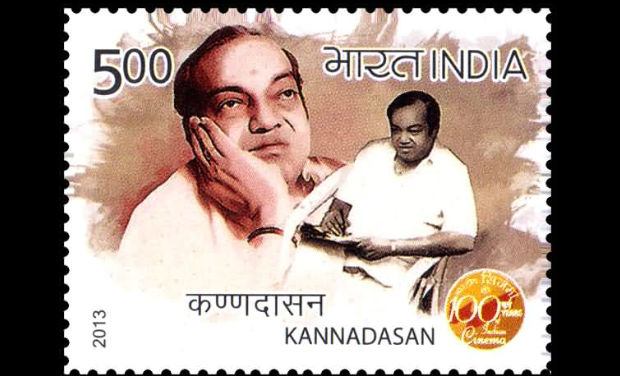
கண்ணதாசனின், இரு சொல் விந்தைகள்!

kannadasan-mgr

எம்.ஜி.ஆருடன் கண்ணதாசன்

Written by S.NAGARAJAN

Article No.1904;

Dated 2 June 2015.

Uploaded at London time: 6-21 am

By ச.நாகராஜன்

தமிழில் சுருங்கச் சொல்லி விளங்க வைத்தல்!

தமிழின்  ஏராளமான சிறப்புக்களில் ஒன்று, எதையும் சுருங்கச் சொல்லி விளங்க வைத்தல். நுட்பமான கருத்துக்களை, ஆழ்ந்த தத்துவங்களை சிறு சொற்களால் கூறி விளங்க வைக்கும் மொழி உலக மொழிகளிலேயே இது ஒன்று தான். ஏன், வடமொழி, ஆங்கிலம் மற்றும் இதர மொழிகள் இதனுடன் இப்படிப் போட்டி போட முடியாதா என்ற கேள்வி எழுவது இயல்பே! இந்த மொழிகளிலும் இப்படிச் சுருங்கச் சொல்லும் வார்த்தைகள் உண்டு; சூத்திரங்கள் உண்டு. ஆனால் ஒன்றுடன் ஒன்று பின்னிப் பிணைய வைக்கும் வேர்ச் சொற்களும் ஒரு சொல்லுக்கு ஏராளமான பொருள்களும் தமிழில் மட்டுமே உண்டு.

இனிமையும் நீர்மையும் தமிழ் எனல் ஆகும்!

ஒவ்வொரு சொல்லும் இனிமையானது; ஒவ்வொரு சொல்லும் அழகானது! இதுவே தமிழுக்கு உள்ள தனிச் சிறப்பு.

இதில் இரு சொற்களில் ஏராளமான கருத்துக்களையும் உணர்ச்சிகளையும் அடக்கிக் காட்டியவர் கண்ணதாசன்! இது அவர் அப்பன், பாட்டன், முப்பாட்டனிடமிருந்து அவர் பெற்ற சொத்து! தமிழ்ச் சொத்து!

வள்ளுவனின் இரு சொல் விளையாட்டு

எடுத்துக் காட்டாக வள்ளுவரின் குறளை எடுத்துக் கொள்வோம். அவர் கடலை (கடல் போன்ற அளவு கருத்துக்களை) குறுக இரு சொற்களில் அடக்கிக் காட்டியவர்.

கற்கக் கசடற – குறள் 391

செய்க பொருளை – குறள் 759

என்னைமுன் நில்லன்மின் – குறள் 771

உண்ணற்க கள்ளை – குறள் 922

இருநோக்கு இவளுன்கண் – குறள் 1091

நினைத்தொன்று சொல்லாயோ – குறள் 1241

காண்கமன் கொண்கனை – குறள் 1265

வருகமன் கொண்கன் – குறள் 1266

பெரும் சிறப்புகளை அடக்கிய இந்த இரு சொல் காவியங்கள் தமிழில் மட்டுமே உள்ளன.

இளங்கோவடிகளின் இரு சொல் அறிவுரை

அடுத்து சிலப்பதிகாரத்தை எழுதிய இளங்கோவடிகள் காப்பிய முடிவில் மனித குலத்திற்கே மாபெரும் செய்தியைச் சுருக்கமாகச் சொல்கிறார் – இரு இரு சொற்களால்! இதை மிஞ்சிய அறவுரையை, அறிவுரையை யாரும் தர முடியாது.

வஞ்சிக் காண்டத்தில், வரந்தரு காதையில் 186 முதல் 202 முடிய உள்ள வரிகளைப் படித்தால் இளங்கோவடிகளின் அற்புத தவமும் தமிழின் சிறப்பும் புரியும், இதில் சில இரு சொற் ஓவியங்கள் இதோ:-

தெய்வம் தெளிமின்; தெளிந்தோர்ப் பேணுமின்

பொய்யுரை அஞ்சுமின்; புறஞ்சொல் போற்றுமின்;

ஊனூண் துறமின்; உயிர்க்கொலை நீங்குமின்;

தானம் செய்ம்மின்: தவம்பல தாங்குமின்;

செய்ந்நன்றி கொல்லன்மின்; தீநட்பு இகழ்மின்;

பொய்க்கரி போகல்மின்; பொருள்மொழி நீங்கல்மின்;

அருமையான தமிழ் மொழியின் விந்தைகளை இரு சொற்களில் எப்படி பார்க்க முடிகிறது, பார்த்தீர்களா!

இப்படி தேவார திருவாசகம், நாலாயிர திவ்ய பிரபந்தம்,சங்க இலக்கியம், சமீப கால நூல்கள் போன்ற அனைத்திலுமே இந்த இரு சொல் விந்தை ஏராளம் உண்டு.

பாரதியாரின் இரு சொல் மந்திரம்

கடைசியாக மஹாகவி பாரதியார் இதில் ஆற்றிய விந்தைகள் ஏராளம் உண்டு; இடம் கருதி சிலவற்றை மட்டும் சுருக்கமாக இங்கே பார்க்கலாம்.

வாழிய செந்தமிழ்!

சுடரே போற்றி!

விதியே வாழி!

செய்க தவம்!

சாகாவரம் அருள்வாய்!

வந்தேமாதரம் என்போம்!

நெஞ்சு பொறுக்குதிலையே!

ஆயிரக் கணக்கில் இப்படி இரு சொல் ஓவியங்களைத் தமிழில் எடுக்க முடியும்; வேறு மொழிகளில் இனிமையும் நீர்மையும் கொண்டுள்ள உவமைகளைக் காண்பது அரிது!

கண்ணதாசனின் இரு சொல் திரை ஓவியங்கள்

இந்த பாரம்பரியத்தில் வந்த கண்ணதாசனுக்குக் காலம் கை கொடுத்தது; திரைப்படத் துறை மின்னி மின்னி முன்னேறும் பருவத்தில் அவர் பாடலாசிரியராக பல்வேறு வாழ்க்கை நிலைக் களன்களுக்காக பாடல் எழுத வேண்டிய சூழ்நிலையை இறைவன் உருவாக்கி இருந்தான்.

கலங்காதிரு மனமே என்ற இரு சொல் முத்திரையுடன் தன் காலடித் தடத்தை திரைப்படப் பாடல் துறையில் அவர் பதித்தார். இது தான் அவர் இயற்றிய முதல் திரைப்படப் பாடல்.கன்னியின் காதலி என்ற திரைப்படத்தில் இடம் பெற்றது இந்தப் பாடல்!

கலங்காதிரு மனமே! – நீ

கலங்காதிரு மனமே!  – உன்

கனவெல்லாம் நனவாகும்

ஒரு தினமே!

இனி பல சொல்லோவியங்களை இரு சொற்களில் படைத்து திரையுலகப் பாடல்களில் ஒரு தனி ஏற்றத்தைத் தந்த கண்ணதாசனின் பாடல்களைத் தொகுத்து அவற்றின் சிறப்பை எழுத ஒரு தனி நூல் தேவையாயிருக்கும் என்பதால் சில பாடல்களை மட்டும் இங்கே சுட்டிக் காட்டி முடிக்கலாம்! வாசகர்கள் அசை போட்டு அதன் சிறப்புகளை மனதில் ஏற்றி மகிழ முடியும்!

பாடலும் படமும்!

கங்கைக்கரைத் தோட்டம்

கன்னிப் பெண்கள் கூட்டம் –ஓ

கண்ணன் நடுவினிலே

காலை இளங்காற்று

பாடிவரும் பாட்டு

எதிலும் அவன் குரலே   – படம் : வானம்பாடி

அழகு ரசிப்பதற்கே

அறிவு கொடுப்பதற்கே

மனது நினைப்பதற்கே – ஆஹா!

வாழ்க்கை வாழ்வதற்கே   – படம்  வாழ்க்கை வாழ்வதற்கே

வரவு எட்டணா

செலவு பத்தணா

அதிகம் இரண்டனா –

கடைசியில் துண்டனா     படம் பாமா விஜயம்

பாட்டுப் பாடவா

பார்த்துப் பேசவா

பாடம் சொல்லவா

பறந்து செல்லவா       படம்  தேன்நிலவு

பேசுவது கிளியா – இல்லை

பெண்ணரசி மொழியா

கோவில்கொண்ட சிலையா

கொத்து மலர்க்கொடியா

பாடுவது கவியா – இல்லை

பாரிவள்ளல் மகனா

சேரனுக்கு உறவா

செந்தமிழர் நிலவா     படம் : பணத்தோட்டம்

கண்ணெதிரே தோன்றினாள்

கனிமுகத்தைக் காட்டினாள்

நேர்வழியில் மாற்றினாள்

நேற்றுவரை ஏமாற்றினாள்           படம்  இருவர் உள்ளம்

நீ என்பதென்ன

நான் என்பதென்ன                 படம் வெண்ணிற ஆடை

தோட்டத்து மாப்பிள்ளை

வீட்டைத் தேடிவந்தால்

சும்மா வரலாமா                   படம்   இதயத்தில் நீ

களங்கமில்லா காதலிலே

காண்போம் இயற்கையெலாம்          படம்   இல்லறஜோதி

பொன்னென்பேன் சிறு

பூவென்பேன் – காணும்

கண்ணெண்பேன் வேறு

என்னென்பேன்?!                  படம் போலீஸ்காரன் மகள்

kanna2

நூற்றுக்கணக்காக உள்ள இரு சொற்பாடல்களில் மேலே பத்தைப் பார்த்தோம்.

இவற்றில் நவரஸங்களும் ததும்பும்; உணர்ச்சிகள் பொங்கும்; தமிழ் சுருக்கமாக விளையாடும்; விரிவாக அர்த்தத்தைத் தரும்.

இவற்றைத் தொகுத்துப் பாடினாலே

வரும் சுகம்

இது நிஜம்!

மூன்று சொல் கவிதைகளுக்குள் மூழ்க வேண்டுமெனில் அது ஒரு கடல் அல்லவா! அங்கு முத்தும் பவழமும் சங்கும் – இன்னும் விலை மதிப்பில்லா மணிகள் அனைத்தும் அல்லவா கிடைக்கும்.

கவியரசின் அனுபவி ராஜா அனுபவி படத்தின் முத்தான வார்த்தைகள் நினைவுக்கு வருகிறதா –   முத்துக் குளிக்க வாரீகளா!!

-தொடரும்


Battle of Ten Kings in Vedic Times

Compiled by London swaminathan

Article No.1903; Dated 1 June 2015.

Uploaded at London time: 22-13

The first great war in Indian History is not the Mahabharata war. Nowhere in the ancient history we have wars where many kingdoms participated. As we know from Vyasa’s Mahabharata, over 29 kingdoms are named in the Mahabharata. They took part in the war directly or indirectly. This is unique in the world history. Whether we believe the traditional date, just before Kaliyuga, i.e. 3102 BCE, or the majority of the scholar’s date 1500 BCE, we have no parallel in the world history. But before the Mahabharata war, there was another great war where ten kingdoms participated. It is mentioned in the Vedas several times.

But the foreign translators couldn’t believe that Hindus had ten kingdoms during Vedic times and so they dubbed them as tribal chiefs!!! But immediately after the Vedic Samhitas we read about Asvamedha Yajnas conducted by emperors to win the neighbouring countires/kingdoms. The change couldn’t have happened overnight. So the fact of the matter is Dasa Rajna Yuddha (Ten Kings War) is really a war between ten kingdoms. The reason for this is that the 20 plus foreigners who translated the Vedas into European languages strongly believed that the world was created at 9 am on 23rd October 4004 BCE. All the foreigners who scrutinised the Rig Veda never said a single world about Semetic (Abrahamic ) religions.

All through their translations they translated the Rajna as tribal chief. But till this day the Raja is used only for kings from the Himalayas to the southernmost point of Sri Lanka. Foreigners believed that Egyptians can have kings and big kingdoms from 3100 BCE, Sumerians can have several kingdoms in the Midlle East from 3100 BCE, Chinese can have kingdoms from 3000 BCE but stupid slaves, Hindus, couldn’t have kings until Buddha’s time, sixth century BCE!!!!!. According to them there was no king in India until Buddha’s time, not even in Indus Valley. Even Mayans can have kings in South America. But Indians couldn’t have kings! They have a reason to believe so because a person who was considered a scoundrel in England, Robert Clive, came with a handful of people and established an empire in India. If Indians were that stupid then there couldn’t be any king in ancient times! They believed Greece and Greek literature because they were not able to rule them. And so they commanded respect.

Had they been petty tribal chiefs the story would not have survived for this long period.

Now let us look at the details of the Ten Kings War.

The Dasarajna or the Battle of the Ten Kings, is an important historical event alluded to in various hymns of the Rig Veda.

Sudas was the king of Bharata Kingdom. He belonged to Trstu family. At first Visvamitra was their priest. He led him to victorious campaigns on the banks of Vipas and Sutudri. Later there was some misunderstanding and Vasistha was appointed as the priest and Visvamitra was sacked. Thereupon a long and bitter rivalry ensued between the two priests and, in revenge, Visvamitra led ten kings against the Bharata kingdom.

The ten kings were from the kingdoms of Puru, Yadu, Turvasa, Anu and Drhyu, Alina, Paktha, Bhalanas, Siva and Visvanin. In the bloody and decisive battle on the banks of River Parusni, the Bharats emerged victorious, utterly routing the ten kings. The kings of Anu and Druhyu kingdoms were drowned, while Purukutsa, King of the Puru Kingdom met his death.

There was another battle in which Sudas fought with Ajas, Sigrus and Yaksus who had united under King Bheda; but these new assailants also met the same fate and were defeated, being slaughtered on the River Jamuna.

By the time of this war, the Vedic Hindus covered a vast territory, from the banks of Jamuna to Iran in in the west. In modern terms it covers the North India ,Pakistan ,Afghanistan and Iran! The earliest part of the Rig Veda sings about Ganges. So the ten people can’t be tribal chiefs. When it comes to Chera, Choza and Pandyas of Tamil kingdoms we don’t dub them as tribal chiefs. There were umpteen tribals and chieftains, but yet these three were called kingdoms. In the same way all the ten names gave big dynasties in India. Even Morton Smith’ conservative estimate gives a long list of Yadava (Yadu) kings from 1800 BCE and Puru Kings from 1800 BCE. Even when he placed Krishna around 1000 BCE and Rama around 1060 BCE, other dates are pushed back; the earlier kings from 1800 BCE. If we believe in the traditional dates the Vedic kings must have ruled several thousand years before our time.

All the foreign authors wrote only piece meal histories. If we put all the twenty plus foreigners’ statements together we would know that they were just bluffing. No two clocks agree; no two foreigners agreed! They believed in only one thing, that all of us came from outside, that there was no king in India from Indus valley time! Even at the rate of five kings per century Indus valley alone should have at least 100 kings for 2000 years! As we know the world history now, each “territory” had one king. In the Middle East six or seven kings were ruling different territories at the same time. Indian tradition says there were 56 kingdoms. By the time Buddha 16 emperors were in India. They could not have jumped from heaven. There is a long tradition of kingship which is confirmed by the Sabhas and Samitees in the Rig Veda (corrupted as committee in English). In my earlier article on Sabhas and samitees I have explained they helped the kings to run the administration efficiently.

Migration from India after the Ten Kings War

All the names of these people were found in Iran, Afghanistan, Turkey, Albania, Greece and many more countries. They all migrated after the defeat at hands of Sudas. Shrikant talgeri gives the following list in his book  The Rig Veda- A Historical Analysis:–

Iranian:

Prthus or Parthavas (RV 7-83-1) Parthians

Parsus or Parsvas (7-83-1) Persians

Pakthas (7-18-7) Paktoons

Bhalanas (7-18-7) Baluchis

Sivas (7-18-7) Kivas

Visanins  (7-18-7) Pisachas/Dards

Simyus (718-5) Sarmatians(ancient Albanians)

Alinas (7-18-7) Alans /Hellennes/ Ancient Greeks

Bhrgus (7-18-6) Phyrgians

In Tamil, the people of Pandya country are called Pandyas and Choza country as Chozas. In the same way these people were called after the country of their origin. For instance Brahmins who migrated from Saraswati River are called Sarasvats even today. Brahmins from Telugu Desa are called Dhillons, Dravida desas are called Dravids, Brahmins from Pandya desa are called Pandyas (in Gujarat), Choza Desa are called Chozias. These are few examples to show that they are the names of territories but not tribal names.

இந்தப் பூவுலகில் யாராலும் வேதங்களின் காலத்தை சொல்லமுடியாது: மாக்ஸ்முல்லர்

சிந்துவெளி ஆண் மிருகங்கள்

சிந்து வெளி முத்திரைகளில்,  ஆண் மிருகங்களின்  ஆதிக்கம்

Compiled by London swaminathan

Article No.1902; Dated 1 June 2015.

Uploaded at London time: 9-23 am

தொன்று நிகழ்ந்தது அனைத்தும் உணர்ந்திடும்

சூழ்கலை வாணர்களும் — இவள்

என்று பிறந்தவள் என்றுணராத

இயல்பினளாம் எங்கள் தாய்.


நாவினில் வேதம் உடையவள் கையில்

நலந்திகழ் வாளுடையாள் – தனை

மேவினர்க்கு இன்னருள் செய்பவள் தீயரை

வீழ்த்திடும் தோளுடையாள். –பாரதியார்


பாரத அன்னையைப் புகழ்ந்த பாரதியார், உடனே அவள் நாவினில் வேதம் உடையவள் என்று சொல்லி, பாரதம் எவ்வளவு பழமையானதோ, அவ்வளவு பழமையானது வேதமும் என்பதை உறுதிபடக் கூறுகிறார்.

எக்காலத்தும் இந்தியாவுக்கே வராமல், இங்கிலாந்தில் இருந்துகொண்டே வேதத்தை மொழிபெயர்த்த ஜெர்மானியர் மாக்ஸ் முல்லர், வேதங்களின் காலம் கி.மு.1200–க்கு முன்னதாக இருக்கலாம் என்று சொன்னார். உடனே அதை எதிர்த்து அறிஞர் உலகம் போர்க்கொடி உயர்த்தியது. இப்படி போர்க்கொடி உயர்த்தியவர்களும் மேலை நாட்டவரே! வில்சன், பார்த்தலேமி, செயின்ட் ஹில்லேர், விட்னி, கோல்ட்ஸ்டக்கர் (Wilson, Barthelemy, St.Hillaire, Whitney, Goldstucker)

போன்றோர் மாக்ஸ் முல்லர் கருத்தை ஏற்கவில்லை. உடனே மாக்ஸ்முல்லர் ஜகா வாங்கினார். அறிஞர்கள் அனைவர் சொல்லுவதையும் நான் அப்படியே ஏற்கிறேன். நான் கி.மு.1200–க்கும் கீழாக யாரும் வேதத்தைக் கொண்டுவரக்கூடாது என்று சொன்னேனே தவிர, அதுதான் வேதத்தின் காலம் என்று சொல்லவில்லை என்றார்.

ரிக் வேதத்தில் இருக்கும்  வான சாத்திரக் குறிப்புகளைக் கொண்டு, மாக்ஸ் முல்லருக்கு நீண்ட நெடுங்காலம் முன்னரே ஆராய்ச்சி மேற்கொண்ட, இந்திய சுதந்திரப் போராட்ட வீரர் திலகரும், ஜெர்மன் அறிஞர் ஜாகோபியும் (Tilak 1904, Jacobi 1894) வேத காலத்தை கி. மு 4000 என்று காட்டினர்.

17ef9-vedapatam

Max Muller:–

I need hardly say that I agree with every word of my critics. I have repeatedly dwelt on the hypothetical character of the dates., which I ventured to assign to the first periods of Vedic literature; all I have claimed for them has been that they are the minimum dates………………

If now we ask how we can fix the dates of these three periods, it is quite clear that we cannot hope to fix a terminum a qua. Whether the Vedic hymns were composed 1000 or  1500 or  2000 or 3000 years BC, NO POWER ON EARTH WILL EVER DETERMINE” (Max Muller 1890)

ஆனால் ஆரிய-திராவிட இனவெறிக் கொள்கையைப் பின்பற்றுவோர், ஆரியர்கள் வந்து, கறுப்புத் தோலுடைய பூர்வ குடிமக்களை விரட்டி விட்டதாக நீண்ட நெடுங்காலமாகப் பிரசாரம் செய்துவந்தனர். இந்தப் பிரசாரம் 200 வருடங்கள் நடந்தபின்னர் 1920 ஆம் ஆண்டுக்குப் பின், சிந்து வெளியில் இரண்டு நகரங்கள் கண்டுபிடிக்கப்பட்டன. “வேதாளம் மீண்டும் முருங்கை மரத்தில் ஏறியது”. பார்த்தீர்களா, நாங்கள் அன்றே சொன்னோம். ஆரியர்கள் வந்து இந்த மக்களை விரட்டினார்கள் என்று. இது உண்மையானது என்பதற்கு சான்று கிடைத்துவிட்டது என்றனர். ஆக மீண்டும் எல்லோரும் வேதத்தின் காலம் கி.மு. 1200 என்று எழுதத் துவங்கினர். இப்பொழுது இது எல்லாம் பொய்யாய் பழங்கதையாய்ப் போய்விட்டது.

காரணம்?

சிந்து சமவெளியில் ஒரு திராவிடர் எலும்புக்கூடு கூட கிடைக்கவில்லை! கிடைத்தது எல்லாம் ஆரிய எலும்புக்கூடுகளே. அதுவரை ஆகாசத்துக்கும் பூமிக்கும் குதித்தவர்கள் எலும்புக்கூடு விஷயத்தில் கப்புச்சிப்பு என்று வாய் மூடி மௌனம் ஆகிவிட்டனர். கிடைத்த எலும்புக்கூடுகள் எல்லாம் பஞ்சாபியரை போல அந்த இடத்து மக்களின் உடல் ஆகிருதி உடையவர்கள். வேறு சிலவும் உண்டு. ஆனால் திராவிடம் இல்லை. கிடைத்த எலும்புக்கூடுகளும் மிகச் சில. ஆரியர்கள் படுகொலை நடத்தியிருந்தால். பல்லாயிரம் திராவிட எலும்புக்கூடுகள் இருக்க வேண்டுமே என்று யாரவது ஒரு சிலர் கேட்டு விடப் போகிறார்களே என்று எண்ணி, திராவிடர்கள், பயந்துகொண்டு 3000 மைல்களுக்கு ஓடிப் போய் தமிழ் நாட்டில் உகார்ந்து கொண்டனர் என்று சொல்லி திராவிடர்களுக்கு அதி பயங்கரக் கோழை என்று பட்டமும் சூட்டினர்.

சிந்து சமவெளிப் பகுதியில் ஆராய்சி நடத்திய ஜான் மார்ஷல் போன்றவர்களை ஆராய்ச்சியாளர்கள் என்று சொல்லுவதா, மதப் பிரசாரகர்கள் என்று சொல்லுவதா என்று கூட எண்ணத் தோன்றுகிறது ஆராய்ச்சியாளர்கள் யாரும் 30 எலும்புக்கூடுகளைப் பார்த்துவிட்டு இந்திரன் குற்றவாளி என்று சொல்லமாட்டார்கள். ஒரு ஆரய்ச்சியளனுக்குள்ள மனப் பக்குவம் இல்லாத இனவெறியன் என்பது இதன் மூலம் சொல்லாமலே விளங்கும்!

vedic fire altar.chattisgarh

வேத யாக குண்டம், சட்டிஷ்கர்

மேலும் இப்பொழுது சிந்துவெளி முத்திரைகளில் காணப்படும் மர்மச் சின்னம் சோம ரசம் வடிகட்டும் பாத்திரம் என்றும் ஆராய்ச்சியாளர்கள் ஒப்புக் கொள்கின்றனர். இதுவரை சிறிதும் பெரிதுமாக 2000 சிந்து வெளி நகர, கிராமங்கள் கண்டுபிடிக்கப்பட்டு விட்டன. மேலும் சரஸ்வதி நதியின் காலமும் அது மறைந்த காலமும் தெரிந்துவிட்டதால், வேதங்களின் பழமையும் குறைந்தது கி.மு 1700 என்று இந்துமத எதிரிகளும் ஒப்புக்கொள்ளத் துவங்கி விட்டனர்.
மொஹஞ்சதாரோ ஹரப்பாவில் பெரிய அகலமான மதில் சுவர்கள் கி.மு 2000 வாக்கிலேயே உள்ளன. இவர்கள் யாரைக் கண்டு பயந்து கி.மு 2000 வாக்கில் அவ்வளவு பெரிய மதில் சுவர்களை எழுப்பினர்? ஒரு வேளை சேர, சோழ, பாண்டியர்கள் 1800 ஆண்டுகளுக்குத் தொடர்ந்து மோதிக் கொண்டது போல ஹரப்பாவும், மொஹஞ்சதாரோவும் சண்டை போட்டார்களா?
மேலும் காலிபங்கன், லோதல், டோலவீரா முதலிய பல இடங்களில் யாக குண்டங்கள், கருகிய ஹோம சாம்பல் ஆகியனவும் கிடைத்திருக்கின்றன.
எல்லா இடங்களிலும் ஏன் முத்திரைகள் கிடைக்கவில்லை? கிடைத்த எல்லா முத்திரைகளிலும் மிருகங்களின் ஆண் வகை மட்டும் காணப்படுகிறதே? இவர்கள் பெண்களை எதிர்க்கும் அல்லது மட்டம் தட்டும் கும்பலா? ஆயிரத்துக்கும் அதிகமான சின்னங்களில் காளைச் சின்னத்தைப் பொறித்த மக்கள் ஏன் பசுமாட்டைப் பொறிக்கவில்லை? ஒருவேளை புனிதச் சின்னம் என்பதால் பசுவை விட்டு விட்டனரா? குதிரை எலும்புகள் கிடைத்தபோது மட்டும் அது மேல் மட்டத்தில் கிடைத்தது என்று சொல்லிவிட்டு, முழு ஒட்டக எலும்புக்கூடு கிடைதது பற்றி மௌனம் சாதிப்பது ஏன்? இப்படிப் பல கேள்விகள் எழுந்து கொண்டே இருக்கின்றன.

ஒட்டுமொத்த முடிவுரை:

1அங்கு வாழ்ந்தவர்கள் ஆரியர்களும் இல்லை, திராவிடர்களும் இல்லை. வேதகால இந்துக்கள்.

2.அவர்களில் இப்பொழுது இந்து மதத்தில் இருப்பது போலவே பலதரப்பட்ட மக்கள் இருந்தனர். சிலர் கிராமதேவதைகளை வழிபடுவது போல பெண் தெய்வங்களையும் மற்றும் பலர் ஆண் தெய்வங்களையும் வணங்கினர்.

3.ஒர்புறம் கந்தர்வர்கள் ஆதிக்கம் இருந்ததால் இசை, நடனம் ஆகியன வளர்ந்தன.

4.உலகிலுள்ள எல்லா பழைய நாகரீகங்களிலும் பெரிய கோவில்கள்/ வழிபாட்டு இடங்கள் இருக்கின்றன. ஆனால் சிந்து வெளியில் அப்படி இல்லை. ஆகவே அது வேத காலத்தை ஒட்டிய– பெரிய கோவில்கள் இல்லாத நாகரீகமே

5.ஹரப்பா நகரத்தில் பல இன மக்கள் வசித்தது குறித்து 2013-ல் நேஷனல் ஜியாக்ரபிக் மேகஸின் ஒரு ஆரய்ச்சிக் கட்டுரையையும் வெளியிட்டு இருக்கிறது.

Views of Indian Scholars on Translations of the Vedas

vedavyasa2

Compiled by London swaminathan

Article No.1901; Dated 31 May 2015.

Uploaded at London time: 18-18

“The Rigveda is not only the oldest and hoariest religious text of the oldest living religion in the world today- Hinduism, but also the most authentic record of the Vedic Hindus.

The entire text was kept alive over a long period, almost without change of a tone or a syllable, in oral form recited and memorised from generation to generation. A text which is alive in this manner, as part of a living tradition, cannot be analysed without reference to what that tradition has to say about it”.

About twenty foreign scholars tried their hands on translating the Vedas into European languages from Sanskrit. All of them failed miserably. Indian scholars are able to identify the blunders in foreign translations. Since the foreign “scholars” were not sons of the soil, they could not understand the culture. They came with a motive to undermine the country and Hindu religion. And they believed that the world was created at 9 am on 23rd October 4004 BCE!!!

To understand the foreign psyche, one must read the estimate of Indian scholars:

P Subrahmanya Aiyer, Sanskrit Curator, King’s Library, Bangkok, Siam (Thailand)

Today when the Vedic literature, though venerable as ever, has ceased to offer solace and inspiration to suffering millions, ignorant as they are of its language; when the western scholarship alone – all honour be to them – have taken the trouble of explaining our religious scriptures , imperfectly of course owing to their lack of faith in it , and still more because of their defiance for such accredited scholars as the great Sayana and others; when the weight of controversial religious literature and meaningless babbling for reforms embarrass every sensible man , your translations of a  religious literature which needs no expatiation upon it, marks, I swear with truth, a red letter day in our national history.

(Sent on the occasion of publication Vidhyanandatirtha Maharishi’s Translation of Rig Veda into Tamil, Year 1937).

Following extract is taken from The Rigveda- A Historical Analysis by Shrikant G.Talageri :–

About B K Gosh: The first Mandala falls naturally into two parts: the first fifty hymns have the Kanvas as authors like the eighth Mandala……

Actual fact: 1-1-12, 24-30 (nineteen hymns) are by Viswamitras

1-31-35 (five hymns) are by Angirases

1-12-23, 36-50 (26 hymns ) are by Kanvas

About D D Kosambi: The principal Vedic God is Agni, the god of fire; more hymns are dedicated to him than to any other. Next in importance comes Indra”

Actual fact: The ratio between number of hymns and verses to the two gods, by any count is Indra: Agni=3:2

About Maurice Bloomfield: Under the title “Untrustworthiness of Anukramani statements shown by the repetitions”, Bloomsfield remarks that the statements of sarvanukramani….. betray the dubiousness of their authority in no particular more than in relation to the repetitions………………….

However, the repetitions do not disprove the authenticity of the Anukramanis. The repetitions in the Rigveda are representative of a regular phenomenon in classical and liturgical literature throughout the world.

About Rajesh Kochar: There is even an extreme lunatic fringe which would like to suggest that the Ganga and Yamuna of the Rig Veda are rivers in Afghanistan. A political ‘scholar’, Rajesh Kochar, as part of a concerted campaign to show that the events in the Ramayana took place in Afghanistan, transfers the entire locale of the epic to Afghanistan: Ravana’s Lanka can be a small island in the midst of River Indus…by Vindhyas is meant Baluch Hills, and by sea the Lower Indus. He does this under the cover of examining the geography of the Rig Veda.

mahati vedapatasala

About Griffith’s blunders

Jahnavi is another name of River Ganges. Griffith translates it as as Jahnu’s children (1-116-19) and the house of Jahnu (3-58-6)

The evidence, however, admits only one interpretation. It is River Ganga.

In RV 7-5-3, Griffith mistranslates the name of the River Asikni as dark hued people, thereby killing two birds with one stone: the people of Askini become the dark hued races, thereby wiping out the sense of direction inherent in the reference, while at the same time introducing the racial motif.

Griffith again mistranslates names of the tribes as “armed with broad axes” and the word “praca” as “forward”

(In my post “Conspiracy of Foreign Scholars”, posted on 18th April, 2015, I have given more details of T H Griffith’s mistranslation of the word Arya in Valmiki Ramayana)

Griffith in his foot note to RV 6-61-2, suggests that perhaps Sarasvati is also another name of Sindhu or the Indus.

Griffith, in his footnote to 10-75-5, takes pains to suggest that the poet addresses first, the most distant rivers.  Actual fact is the Eastern most river (Ganga) is the first river.

Bhagwan Sing in his book “ Vedic Harappans”

“No commentator or translator of the Rigveda can be relied upon blindfold; this is more so because both traditional and modern scholars have committed serious blunders in determining the socio- cultural milieu of the Rigveda which had a great bearing on the correct interpretation of a passage. Traditional commentators, working in an age when the social position of merchants had played a hegemonistic role. Western translators could not get reconciled to the fact that a civilization we meet in the disruptions of the Rigveda could have prospered at such an early period. They therefore started with  reductive interpretations—a mistake which was not rectified even after the discovery of Harappan civilization.

VEDAPARAYAN

Marxist View of Indian History

The trouble with some of the Marxist scholars was that they lifted abstract and absolutist theories from Marxist text books and thrust them on the Vedic society without attaching any importance to the specific character and exclusive features of that society. Before lifting extracts from Morgan and others it should have been seen how many tribal societies governed by chiefdoms had created and cared to preserve in bulk a literature approximating the level of the Rigveda or how many of them had cared to remember the poets of each of the compositions popular in their society, or how many of them living on predatory enterprise had evolved a moral code in which a theft, violence, aggressiveness, arrogance, dependence on unearned income, lying, immodesty in speech and behaviour including even the sins contemplated but not committed, are condemned in the most disparaging terms and propitiated by conscientious persons.

No doubt the Vedic language is terse and almost fossilised. But its terseness is more due to misconceived notions in regard to the cultural level of its authors. If Max Muller wanted to read “the first beginnings of our society” and “the earliest deposit of the Aryan speech” in it, he had on the one hand to treat it as a product of early childhood of our society which it is not, and on the other to eulogize it –“few understand children and still fewer understand antiquity” – and finally to hold that “large number of the Vedic hymns are childish in the extreme; tedious, low, commonplace” as well as “ dead letter to us”.

An overdose of poetry in history can ruin the charm of both. But we do agree with Max Muller when he says that, “No translation in any modern language can do them justice”, and adds that translation in a foreign tongue, and more so in metrical limitations, can compound the plight by new dimensions to inaccuracy.

But the Rigveda is neither a dead letter nor a living word one has to grapple with the text with the help of Sayana and modern translators, though both of them fall short of  our requirement as we have stated at the outset. We find even key words like Devata and Rsi to have been misinterpreted by scholars like Macdonell who had also translated the Brhatdevata in which the terms have been defined.

yajur veda

According to Saunaka, he who speaks in a dialogue is rsi of that verse. In other words Rsi is not necessarily the poet but the character, whether human or sub human or superhuman who is made to utter the dialogue.

Likewise Devata is not a divinity but the subject of the verse, and so it could be a deity, or an action, or an object, or even a vice. That is why we have such entities in the list of rsi names as Indra, Garuda, Vaisvanara, Sarama the dog, Vrsakapi, Indrani, Masa, marbles for gambling, Panis, Atma or soul, Jara or paramour, rivers, fish, Yama, Yami Saptarsi, Snake/sarpa, Sarparajni/chief  female snake, Soma etc. likewise we find in the list of Devatas such objects as Isu/arrow, Jya/bow string, Varma/armour, Grava/pressing stone, Ulukhala/mortar, Musala/pestle, Krsi/agriculture, Dhanu/bow, Asva/horse etc.

If Macdonell mistook them for divinities or gods, we can well understand the state of Vedic studies and the limitations of modern scholars. Likewise, we find in Griffith translating Samudra as ‘flood’ even in contexts where it clearly means ocean, ‘sena’ as host and bhisag as leech. We can imagine how misleading the translations may be, if we do not our selves read the original carefully.

In most of the studies, scholars ignore information which is inconvenient to them lest their thesis gets demolished. Sometimes they dismiss an entire development in one sentence without going into its merits.

So reconciliation of all the crucial points is the real challenge and there lies the key to correct conclusions.

–SUBAM—

இசைப்பாடலிலே என் உயிர்த்துடிப்பு, நான் பார்ப்பதெல்லாம் அழகின் சிரிப்பு

Kanna_01

Compiled by S NAGARAJAN

Article No.1900; Dated 31 May 2015.

Uploaded at London time: 6-52 am 


இலக்கியப் பணியில் கண்ணதாசன்! – 3

By ச.நாகராஜன்

சாவுக்குப் பயப்படவில்லைகவிஞர்!

பொன்னுடன் பிறந்தேன்பகுதியில், ‘சாவை மகிழ்ச்சியோடு வரவேற்கும் என்னை விட்டு, சாகவே விரும்பாத அவரைக் கொண்டு போய் விட்டார்எனக் கூறும் தாங்கள், ‘ஶ்ரீ கிருஷ்ணகாந்தன் பாமாலைப்பகுதியில்,

கனிவுடைய வயதிலொரு எழுபது கொடுத்தென்னைக் காத்தருள் கிருஷ்ண காந்தாஎன்றும்,

பதி நினது கதை புகல உடல் நிலையை நீ கொஞ்சம் பார்த்தருள் கிருஷ்ண காந்தாஎன்றும்,


விவரமறியாத எனை பல வயது வாழ விடு விமலனே கிருஷ்ணகாந்தா

என்றும், முரண்பாடாகக் கூறி இருப்பது ஏன்?

இப்படி உரிமையோடு கேள்வியைக் கேட்ட அன்பரின் பெயர் இர.இலாபம் சிவசாமி.

புங்கம்பட்டியைச் சேர்ந்தவர்.


அதற்கு கண்ணதாசன் ஜனவரி 1978 இதழில் கவிஞர் இப்படி பதில் அளிக்கிறார்:-


நான் வயது கேட்கிறேன். ஆரோக்கியத்தைக் கேட்கிறேன். ஆனால் மரணம் வந்து விடுமோ என்று அஞ்சுவதில்லை. நான் இறந்துவிட நேர்ந்து விடும் என்று தோன்றும் போது, மரணத்தை மகிழ்ச்சியோடு ஏற்றுக் கொள்ளத் தயாராகி விடுவேன். சுருங்கச் சொன்னால் ஆரோக்கியமாக நடமாட விரும்புகிறேன்; சாவுக்குப் பயப்படவில்லை.


நான் நிரந்தரமானவன். எந்த நிலையிலும் எனக்கு மரணமில்லை!

தனது வாக்குமூலமாக அவர் படைத்த ஒரு பாடலில்

ஒரு கோப்பையிலே என் குடியிருப்பு                                                                       

ஒரு கோலமயில் என் துணையிருப்பு                                            

இசைப்பாடலிலே என் உயிர்த்துடிப்பு                                                      

நான் பார்ப்பதெல்லாம் அழகின் சிரிப்பு                                                

ஒரு கோப்பையிலே என் குடியிருப்பு   


காவியத் தாயின் இளைய மகன்                                                          

காதல் பெண்களின் பெருந்தலைவன்நான்

காவியத் தாயின் இளைய மகன்                                                          

காதல் பெண்களின் பெருந்தலைவன்

பாமர ஜாதியில் தனி மனிதன்நான்                                             

படைப்பதனால் என் பேர் இறைவன்


ஒரு கோப்பையிலே என் குடியிருப்பு                                                                       

ஒரு கோலமயில் என் துணையிருப்பு                                            

இசைப்பாடலிலே என் உயிர்த்துடிப்பு                                                       

நான் பார்ப்பதெல்லாம் அழகின் சிரிப்பு                                                 

ஒரு கோப்பையிலே என் குடியிருப்பு                                                                       

மானிட இனத்தை ஆட்டி வைப்பேன்அவர்                                   

மாண்டு விட்டால் அதைப் பாடி வைப்பேன்நான்


மானிட இனத்தை ஆட்டி வைப்பேன்அவர்                                   

மாண்டு விட்டால் அதைப் பாடி வைப்பேன்நான்                                  

நிரந்தரமானவன் அழிவதில்லைஎந்த                                              

நிலையிலும் எனக்கு மரணமில்லை


ஒரு கோப்பையிலே என் குடியிருப்பு                                                                       

ஒரு கோலமயில் என் துணையிருப்பு                                             

இசைப்பாடலிலே என் உயிர்த்துடிப்பு                                                      

நான் பார்ப்பதெல்லாம் அழகின் சிரிப்பு                                                   

ஒரு கோப்பையிலே என் குடியிருப்பு                                                                        


நான் நிரந்தரமானவன் அழிவதில்லைஎந்த நிலையிலும் எனக்கு மரணமில்லைஎன்று முத்தாய்ப்பாகக் கூறிய கவியரசர் இசைப்பாடலில் தன் உயிர்த்துடிப்பு இருப்பதாகத் தன்னிலை விளக்கம் அளித்து விட்டார்.


ஆக கண்ணதாசனின் பாடல்கள் இருக்கும் வரை, எங்கேனும் ஓரிடத்தில் ஒலிக்கும் வரை அந்த உயிர்த்துடிப்பு இருப்பதாகத் தான் அர்த்தம். அந்தப் பாடல் ஒலிக்கும் வரையில் அவர் நிரந்தரமானவர்.

அந்த நிலையினில்அவருக்கு மரணமில்லை! ரத்த திலகத்தில் திலகமான பாடலைத் தானே பாடினார் கவியரசர்.


 அவரே பாடியுள்ள அந்தக் காட்சியில்எந்த நிலையிலும் எனக்கு மரணமில்லைஎன்ற வரியைப் பாடும் போது மட்டும் அவர் இமைகளை மூடிக் கொண்டு கைகளை ஆட்டுவதைப் பார்க்கலாம்!

கண்களை மூடினாலும்காலமெல்லாம் ஜீவித்திருப்பதைசிம்பாலிக்காகஉணர்த்தி விட்டாரோ, என்னவோ!

 kanna4

கண்ணனருள் கை கூட கண்ணதாசனின் பாடல்கள்!

நீண்ட ஆயுளைக் கேட்டவர்; அதில் ஆரோக்கியமான வாழ்வைக் கேட்டவர்; அதில் பரமனின் புகழையும் தெள்ளு தமிழ்க் காவியங்களையும் பாட ஆசைப்பட்டவர். இதற்குஆகாத தொடர்பையெல்லாம் அறுக்கஇறைவனை வேண்டியவர் என்ற அளவில் பலப்பல பாடல்களைப் பாடியவர் கண்ணனின் லீலைகளைத் தான் பாடியதைக் கற்றோர்க்கு கண்ணன் அருள் கை கூடும் என்கிறார்:-


வடமொழியின் கீதத்தைத் தமிழினிலே வரைகின்றேன்                                   

கீத கோவிந்தமிதைக் கிருஷ்ணனது லீலைகளை                                      

நாதமொழி விளையாடும் நல்ல மணிப் பாடல்களை                             

சொல்லோடு பொருளழகு தோய்ந்து வரும் கவிதைகளை                            

கற்றோர்க்கும் மற்றோர்க்கும் கண்ணனருள் கைகூடும்!”

என்று அவரது கூற்று உண்மையே என்பதைகோபியர் கொஞ்சும் ரமணன்’ (ஜெயதேவரின் ரஸலீலா) என்ற அவரது காப்பியம் படிப்போர்க்குப் புலனாகும்.

 saraswathy ramanathan

டாக்டர் சரஸ்வதி ராமநாதன், கவிஞர் கண்ணதாசன் படல்கள் பற்றி ஆய்வு செய்து டாக்டர் பட்டம் பெற்றவர்.(நாங்களாண்டுதோறும் ஆகஸ்ட் 15 ஆம் தேதியன்று மதுரை தினமணி அலுவலகத்தில் நடத்திய மாபெரும் பட்டி மன்றங்களில் கலந்துகொண்டு எங்களை மகிழ்வித்தவர்)

இலக்கியப் பணிஒரு கண்ணோட்டம்

கண்ணதாசனின் இலக்கியப் பணியை

  • அரசியல் சார்ந்த பாடல்கள், கட்டுரைகள், கவிதைகள் (இதில் பெரும்பாலானவை அபத்தமானவை என்று அவரே பின்னால் கூறி விட்டார்)
  • திரை இசைப் பாடல்கள்
  • கதைகள் மற்றும் நாவல்கள்பொது
  • கட்டுரைகள்பொது
  • ஆன்மீக இலக்கியம் (அர்த்தமுள்ள இந்து மதம் உள்ளிட்டவை)
  • காப்பியங்கள்
  • சுய சரித்திரம் (இது மிக முக்கியமானதுஏனெனில் இதில் சமகால அரசியல் அடங்கி இருக்கிறது)
  • திரைக் கதை வசனம்
  • மேடைப் பேச்சுக்கள் மற்றும் கேள்விபதில்கள்
  • பொதுவான கவிதைகள்
  • பத்திரிகை மற்றும் அரசியல் அறிவிப்புகள் உள்ளிட்ட இதர எழுத்துக்களும் மொழி பெயர்ப்புகளும்

என்ற பல பெரும் பிரிவுகளில் பிரிக்கலாம்.

எப்படிப் பிரித்தாலும். இவற்றில் எதைப் படித்தாலும் அன்றாட நிர்வாக ரீதியில் அவர் எழுதியவை மற்றும் அரசியல் சார்ந்த தவறான கொள்கையின் அடிப்படையில் அமைந்த கட்டுரைகள் ஆகியவற்றைத் தவிர இதர இலக்கியப் பணியில் அவரது பணி மகத்தானது என்பதை உரத்த குரலில் ஓங்கிக் கூறலாம்.

Kannadasan_stamp

தனித் தனியே ஒவ்வொன்றையும் அலசி ஆராய்ந்தால் இந்த உண்மை தெரியவரும்.

ஈர்ப்புள்ள அன்பர்கள் அவர் இழுத்த இழுப்புக்கெல்லாம் போகலாம்; இறுதியில் கண்ணனைச் சேரலாம்!

  • தொடரின் இப்பகுதி முற்றும்

Dictionary of 10,000 Indian Kings – Part 20

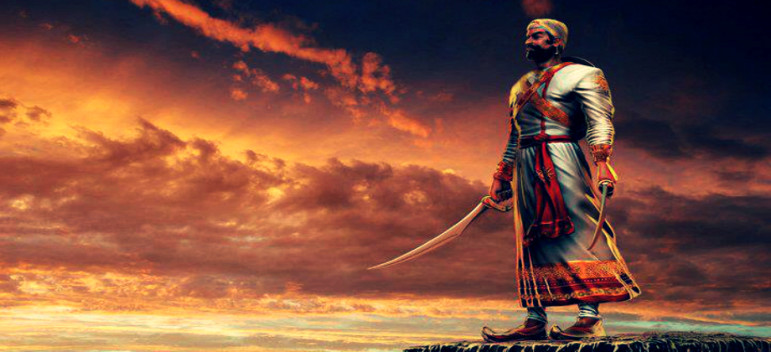
Map of Shivaji’s Maratha Empire

Compiled by London swaminathan

Article No.1899; Dated 30 May 2015.

Uploaded at London time: 17-35

Summary of Previous 19 Parts:–

160 Kings in Rig Veda published here on 23rd November 2014.

First part of the article –146 kings beginning with letter ‘A’.

Second part– 65 Pandya Kings of Madurai+ Puranic Kings

Third part — 122 kings beginning with letter ‘B’

Fourth Part- 43 Kings of Vijayanagara Empire + 34 Kings under letter C.

Fifth Part – 106 Kashmiri Hindu Kings

Sixth Part – 30 Satavahana  Kings  + 136 Kings under letter D.

Seventh Part –  35 Tamil Pandya Kings of Sangam Age.

Eighth Part – List of Chera (Kerala) 22 kings of Sangam Age+ Kings listed under E (3),G(37) & H(28)=68kings

Ninth Part- 39 Choza Kings of Tamil Nadu

Tenth Part- 104 kings from Cambodia, Champa, Sri Vjaya Kingdom of Indonesia and Pallava

11th part:Under ‘I’  13 kings+ Under ‘J’ 40 kings+ Under ‘K” 147 kings are listed.

12th Part:– 113 kings of various Indonesian kingdoms are listed.

13th Part –UNDER ‘L’ 14 + UNDER ‘M’ 72 + PANDYA II LIST 36=122 KINGS

14TH PART:Dynasties of Vishnukundina (10), Vakataka (16),Salankayana (4),Andra Ikshvaku (4) and Names under “N”(60)=94 kings.

15th Part:—-Kadamba dynasty – 14 kings, Badami Chalukya -10 kings, Rashtrakuta dynasty kings- 16

Western Chalukya kings – 14, Kakatiya dynasty – 16, Eastern Chalukya kings – 33, Ganga vamsa – 16, Kalachuri dynasty- 14,Pala vamsa -21, Chandela dynasty 34, Gurjara Pratihara -17

Hoysala-13, Alupa – 32 kings are listed = Total 226 kings

16th part – Under R—121 kings and 152 Kings of Nepal = 273 kings

In this 17th part, I have listed Kings under ‘S’

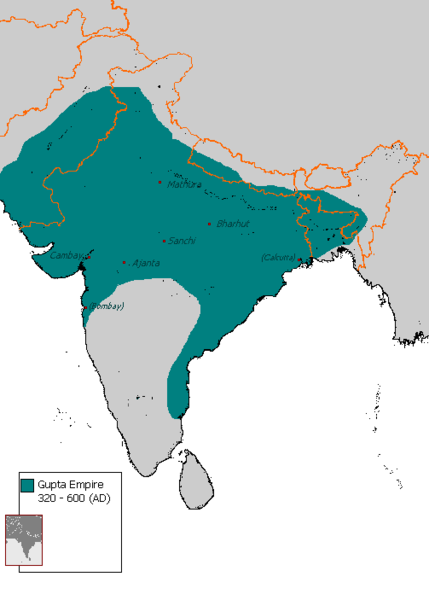
18th part I list the kings of Kushan (18), Gupta Dynasties(26) and Kings under the letter ‘T’ (38 kings).

19th Part- kings under ‘U’—39, under ‘V’—131 and Sri Lankan Kings 202= Total 2937

Today I list the kings under letters  ‘y’ from Dates and Dynasties in Earliest India by R.Morton Smith; all dates are BCE unless stated otherwise.

Y- 20 Kings+ Nanda- 9 kings+ Maurya- 9+Sunga—10+Saka—70 kings+Thanjavur Marathas -9 kings+ Jath/Deshmuk Rulers -12+Gaekward Rulers – 20=159 kings in Part 19.

TOTAL So far 3096 kings.

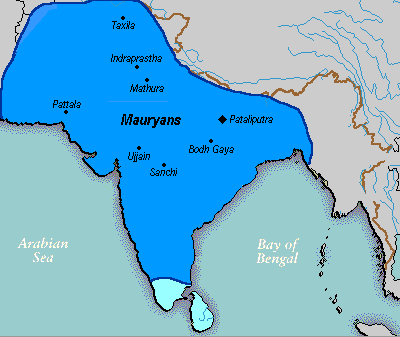
map-500bc

KINGS UNDER “Y”

Y1)Yadu Yauyateya 1660 BCE

Y2) Yadu Vasava Chaitya 1165 BCE

Y3) yajnasena Drupada Pancala 1000 BCE

Y4) Yanjasri Satakarni – 197 CE

Y5) Yajnavalkya of Br. Upanishad – 810 BCE

Y6) Yajnavalkya – Pupil of Vaisampayana -950 BCE

Y7) Yasodevi, wife of Brahan manas – 930 BCE

Y8) Yasodhra, wife of Hastin – 1120 BCE

Y9)Yati Nahusa – 1120

Y10)Yavinara Dvimidha – 1325

Y11)Yavinara Pancala -1220

Y12)Yayati Nahusa – 1800 BCE

Y13)Yuddhamusti Augrasainya -875

Y14)Yudhajit Varsni Yadava -1170

Y15)Yudhamsrausti, brother of Yudhamusti

Y16) Yudhitra Panadava -975

Y16)Yugandhara Yadava -1030

Y17)Yuwanasva Ardri Aikvakava I -1700

Y18)Yuvanasva Ranasva II -1520

Y19)Yuvanasva Ambarisa III- 1440

Y20)Yuyudhana Satyaki Yadava – 1100 BCE

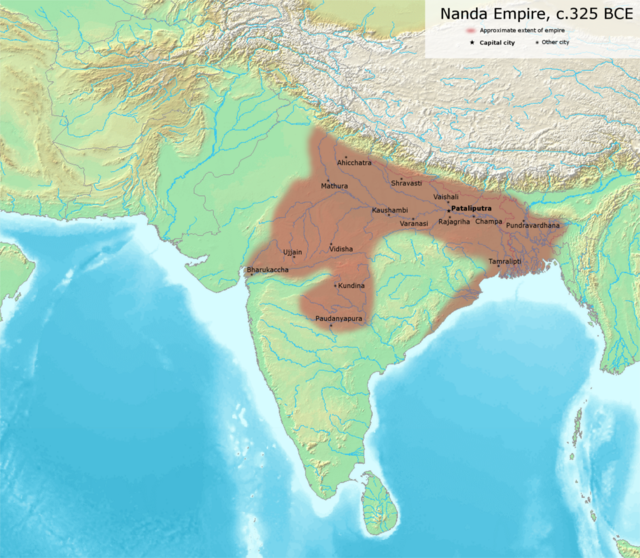
Nan1)Mahapadma Nanda (345 BCE)

Nan 2)Pandhuka Panghupati

Nan 3)Bhutapala

Nan 4)ashtrapala

Nan 5)Govishanaka

Nan 6)Dashasidhaka

Nan 7)Kaivarta

Nan 8)Mahendra

Nan 9)Dhana Nanda (Agrammes) (c. 329 BCE – 321 BCE)

Mauryan_Empire_Map

MAURYA

Mau 1)Chandragupta Maurya – 345 BCE

Mau2 )Bindusara

Mau 3)Ashoka

Mau 4)Dasaratha

Mau 5)Sampati

Mau 6)Salisuka

Mau 7)Devavarman

Mau 8)Satadhnavan

Mau 9)Brihadratha- 185 BCE

Nanda_Empire_c.325_BCE

SUNGA

Sun1)Pushyamitra Sunga (185–149 BCE)

Sun2) Agnimitra (149–141 BCE)

Sun3) Vasujyeshtha (141–131 BCE)

Sun4)Vasumitra (131–124 BCE)

Sun5) Andhraka (124–122 BCE)

Sun6) Pulindaka (122–119 BCE)

Sun7)Ghosha (?)

Sun8) Vajramitra (?)

Sun9)Bhagabhadra (?)

Sun10) Devabhuti (83–73 BCE)

SAKA (List is used from Wikipedia)= 70 Kings


Khyber-Pakhtunkhwa and Eastern Pakistan/ Ten Kings


Kshaharatas (Punjab, Pakistan and beyond) / Four Kings


Aprācas (BajaurKhyber-PakhtunkhwaPakistan) Six Kings

429px-Gupta_Empire_320_-_600_ad

Pāratas (BalochistanPakistan) /12 Kings

ParatarajaBhimajhunasa.
Yolamira, son of Bagareva (c. 125–150)

  • Bagamira, son of Yolamira (c. 150)
  • Ajuna, a second son of Yolamira (c. 150–160)
  • Hvaramira, a third son of Yolamira (c. 160–175)
  • Mirahvara, son of Hvaramira (c. 175–185)
  • Miratakhma, another son of Hvaramira (c. 185–200)
  • Kozana, son of Bagavharna (and perhaps grandson of Bagamira?) (c. 200–220)
  • Bhimajuna, son of Yolatakhma (and perhaps grandson of Ajuna?) (c. 220–235)
  • Koziya, son of Kozana (c. 235–265)
  • Datarvharna, son of Datayola I (possible grandson of Bhimajuna) (c. 265–280)
  • Datayola II, son of Datarvharna (c. 280–300)

“Northern Satraps” (Mathura area) /Six Kings

Minor local rulers/ Three Kings

Western Satraps / 29 Kings


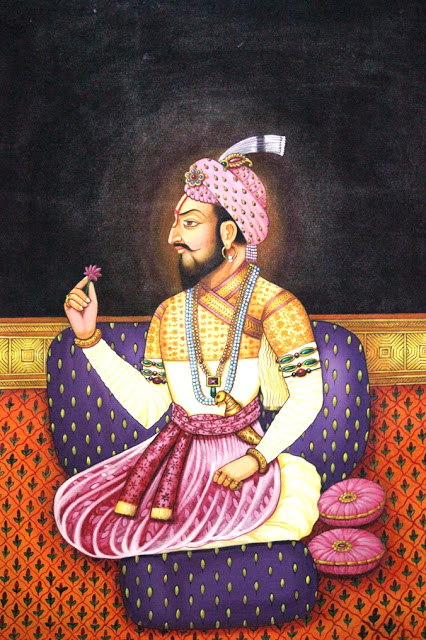
chatrapathi-shivaji-771x352

THE MARATHAS OF THANJAVUR (Nine Kings)

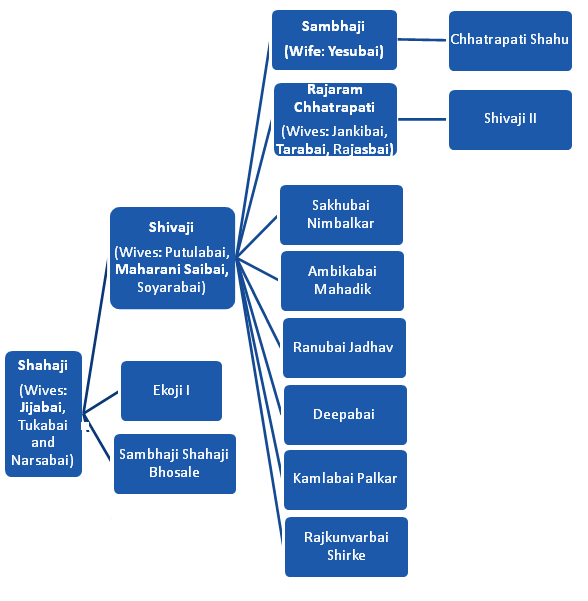
MALOJI BHONSLE

SHAHJI BHONSLE

SHIVAJI THE GREAT WHO ESTABLISHED HINDU SAMRAJYA

Tan 1)EKOJI 1676

Tan 2)SHAJJI i- 1684

Tan 3)SERFOJI I 1712

Tan 4)TUKOJI AKA Tulaja 1728

Tan 5)Pratapa simha – 1739

Tan 6)Tulaja II – 1763

Tan 7)Amarasimha 1787 (ruled from Thiruvidaimarudur)

Tan 8)Serfoji II -1798

Tan9) Shivaji – 1833

(Thanjavur annexed by the British)

Rulers of Jath (12 Rulers)


The rulers of Jath belonged to the Daphle dynasty and took the title of ‘Deshmukh’. The last ruler Vijayasingh Rao Ram Rao took the title of ‘Raja’

Deshmukhs

1686 – 1706 Satvaji Rao (b. 16… – d. 1706)

1706 – 1754 Yesu Bai “Au Sahib” (b. … – d. 1754)

1754 – 1759 Yeshwant Rao (b. … – d. 1759)

1759 – 1790 Amrit Rao I (b. … – d. 1790)

1790 – 1810 Khanji Rao (b. 17… – d. 1810)

1810 – 1822 Renuka Bai (b. … – d. 1822)

1822 – Dec 1823 Sali Bai (b. … – d. 1823)

Dec 1823 – Aug 1835 Ram Rao I Narayan Rao “Aba Sahib Daphle” (b. … – d. 1835)

Aug 1835 – 29 Jul 1846 Bhagirathi Bai (b. … – d. 1846)

29 Jul 1846 – 11 Jan 1892 Amrit Rao II “Rao Sahib Daphle” (b. 1835 – d. 1892)

13 Jan 1892 – 14 Aug 1928 Ram Rao II Amrit Rao “Aba Sahib Daphle” (b. 1886 – d. 1928)

14 Aug 1928 – 23 Jun 1936 Vijayasingh Rao Ram Rao “Baba Sahib Daphle

Shivaji-Maharaj-Family-Tree

Gaekwad Maharajas of Baroda (20 Kings)

Maharaja Sayajirao I

Nandaji Rao Gaekwad, died May 1721

Kerojirao

Jhingojirao

Pilaji Rao Gaekwad, reigned from 1721, died 14 May 1732

  1. Damajirao, Maharaja of Baroda, reigned from 1732, died 18 August 1768
  2. Sayajirao I, Maharaja of Baroda, reigned 1768–1778, died 1792

III. Fatehsinhrao I, Maharaja of Baroda, born before April 1751, reigned from 1778, died 26 December 1789

  1. Manajirao, Maharaja of Baroda, born before April 1751, reigned from 1789, died 27 July 1793
  2. Govindrao, Maharaja of Baroda, born 175?, reigned from 1793, died 19 September 1800
  3. Anandrao, Maharaja of Baroda, born 179?, reigned from 1800, died 2 October 1819
  4. Sayajirao II, Maharaja of Baroda, born 3 May 1800, reigned from 1819, died 28 December 1847

VII. Ganpatrao, Maharaja of Baroda, born 1816, reigned from 1847, died 1856

VIII. Khanderao, Maharaja of Baroda GCSI, born 1828, reigned from 1856, died 14 June 1870

  1. Malharrao, Maharaja of Baroda, born 1831, reigned 1870 – 19 April 1875, died in obscurity in 1882

Prataprao (d. 1737)

Kalojirao

Gabajirao

Bhikajirao

Kashirao (1832-1877)

Picture of Shamburaje

  1. Sayajirao III, Maharaja of Baroda GCSIGCIE, born 10 March 1863, reigned from 1875, died 6 February 1939

Yuvraja Fatehsinhrao (1883-1908)

  1. Pratapsinhrao, Maharaja of Baroda GCIE, born 29 June 1908, reigned from 1939, titular Maharaja from 1949, deposed 1951, died 19 July 1968

Covered Up to Independence in 1947.

We will look at the other Maratta dynasties in the next part.

பழங்கால இலக்கியங்களில் பாராசூட், மலை ஏறும் கருவிகள்

para7

Compiled by London Swaminathan

Article No.1898; Dated 30 May 2015.

Uploaded at London time 7-16 am


ஆல்பர்ட் ரைட், வில்பர் ரைட் ஆகிய இருவரும் அமெரிக்காவில் விமானத்தைப் பறக்க விடுவதற்கு முன்னால் நம்மவர் பம்பாயிலிருந்து விமானங்களைப் பறக்கவிட்டது பற்றி இந்த பிளாக்கில் இரண்டு ஆண்டுகளுக்கு முன்னர் ச.நாகராஜன் எழுதிய கட்டுரை வெளியானது. அதற்கு இரண்டு ஆண்டுகளுக்குப் பின்னர் ஒருவர் விஞ்ஞான மாநாட்டு துவக்க உரையில் அதைக் குறிப்பிட்டவுடன் எல்லாப் பத்திரிக்கைகளிலும் அது ஏதோ புதிய செய்தி போல வெளியானது.

இது போல ராமன் விமானம் அயோத்திக்குப் பறந்தது எப்படி? என்பதை நான் லண்டன் விஞ்ஞான சஞ்சிகைக் கட்டுரை அடிப்படையில் எழுதினேன். இதுவும் ஒரு காலத்தில் பத்திரிக்கைகளில் தலைப்புச் செய்தியாக வரலாம். பிரம்மாஸ்திரம் என்பது அணு ஆயுதம் என்று 2005 ஆம் ஆண்டில் லண்டன் சவுத் இந்தியன் சொசைட்டி (south Indian Society)  மலரில் எழுதி, பின்னர் இந்த பிளாக்கில் 2011ல் வெளியான கட்டுரையையும் பலரும் பயன்படுத்தி வருகின்றனர். மிக்க மகிழ்ச்சி.

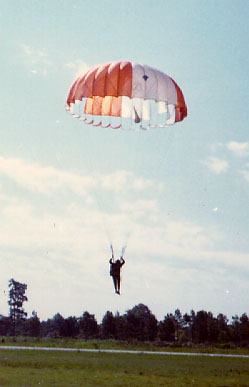
இங்கே, ஆரிய தரங்கிணி (Arya Tarangini by A Kalyanaraman) என்ற ஆராய்ச்சி நூலை எழுதிய ஏ.கல்யாணராமன் கண்டுபிடித்த ஒரு விஷயத்தை உங்களுடன் பகிர்ந்து கொள்ள ஆசை. இப்பொழுது மிகவும் சர்வ சாதாரணமாகிவிட்ட பாராசூட், மலையேறும் கருவிகள் 2000 ஆண்டுகளுக்கு முன்னர் இந்தியாவில் பயன்படுத்தப்பட்டதை சம்ஸ்கிருத ,பாலி மொழி நுல்களில் காண முடியும்.

அந்தக் காலத்தில் கதைகள் எழுதுவதிலும் நம்மவரே முதலில் நின்றனர். இப்பொழுது சூப்பர் மேன், ஸ்பைடர் மேன், ஹாரி பாட்டர், (Superman, Spiderman, Harry potter) இதற்கும் முந்தைய அராபிய இரவுக் கதைகள், கல்லிவரின் லில்லிபுட் பயணம், பேய்க்கதைகள், ஈசாப் கதைகள், ஏசு சொன்ன உபமானக் கதைகள் ஆகியன எல்லாம் நம்மவர் எழுதிய நூல்களில் இருந்து சென்றவையே என்றும் முன்னரே காட்டியுள்ளேன்.

பாணினி என்பவர் உலகின் முதலாவது இலக்கணப் புத்தகத்தை 2700 ஆண்டுகளுக்கு முன்னர் எழுதினார். அவருக்கு 200 ஆண்டுகளுக்குப் பின்னர் வந்த காத்தியாயனர் என்பவர் வார்த்திகா என்ற விளக்க உரை எழுதினார். அதில் பலவகையான பாதைகள் குறிப்பிடப்படுகின்றன:-

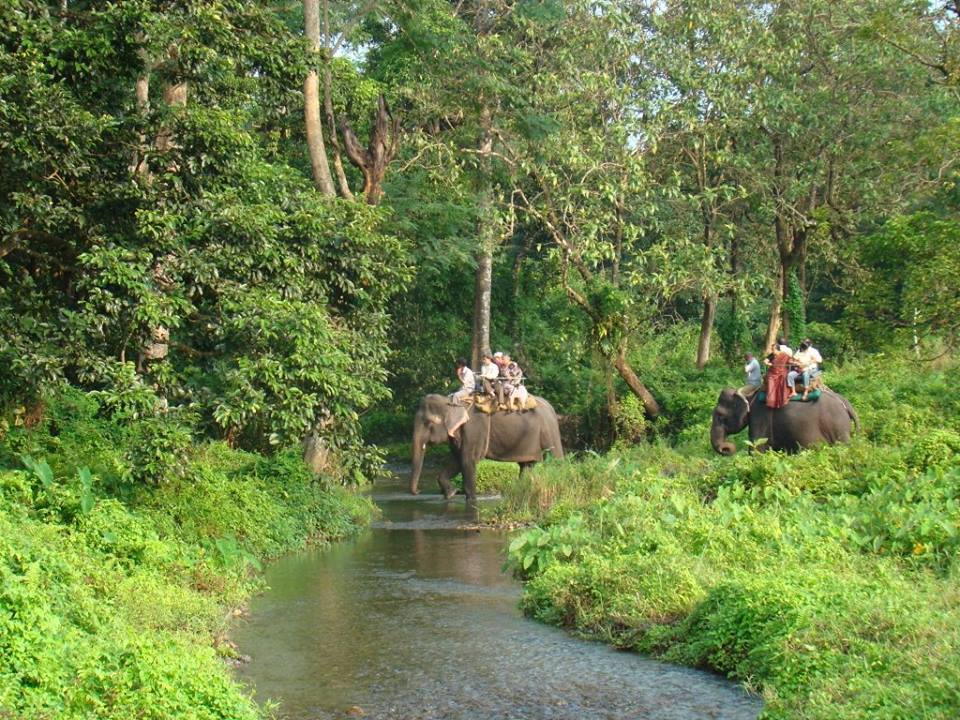
elephant ride

வாரிபத= கடல் வழி (கப்பல் போக்குவரத்து)

கரிபத= யானைப் பாதை

அஜபத=ஆட்டுப் பாதை (ஆடு செல்லும் ஒற்றையடி பாதை)

சங்குபத=மலை ஏறுதல் (மலை ஏறும் கருவிகளைப் பயன்படுத்தி)

ஹம்சபத= வான் வழி (உ.ம். ராமர், குபேரர், ராவணன், உபரிசாரன்)

தேவபத= விண்வெளிப் பயணம் (உ.ம்.நாரதர், மாதலி).

சம்ஸ்கிருதச் சொல்லான ‘பத’ என்பதில் இருந்தே ஆங்கிலச் சொல்லான Path பாத், தமிழ்ச் சொல்லான பாதை என்பன வந்தன.

பழங்காலத்தில் நம்மவர்கள் போக்குவரத்தில் மிகவும் முன்னேறி இருந்ததை பல நிகழ்ச்சிகள் காட்டுகின்றன. கிருஷ்ணனும் பலராமனும் அடிக்கடி உத்தரப் பிரதேச மதுரா நகரிலிருந்து குஜராத் கடற்கரை ஓரமுள்ள துவாரகாவுக்கு வந்து சென்றார்கள். பரதன் கேகய (Afghan) நாட்டிலிருந்து அயோத்திக்கு வந்து போனான். ராவணனும் அவனது உறவினர்களும் கோதாவரி பிராந்தியத்தில் வந்து விளையாடிச் சென்றார்கள், இமயமலை வரை சென்று அவன் கயிலாயத்தையே ஆட்டப் பார்த்தான்.

பருவக் காற்று ரகசியங்கள் இந்துக்களுக்குத் தெரியுமாதலால் ஒரே வாரத்தில் இலங்கையிலிருந்து மேற்கு வங்க மாநிலத்துக்கு வந்து கங்கை நதி வழியாக இமய மலை வரை சென்றனர். இதை ருசுப்பிக்கும் செய்திகள் மஹாவம்சத்தில் உள்ளன. மேலும் கரிகால் சோழனின் முன்னோர்கள் பருவக் காற்றைப் பயன்படுத்தியதைப் புறநனூறு குறிப்பிட்டுச் சொல்கிறது. இந்தப் பின்னணியில் பார்த்தால் எந்தச் செய்தியும் வியப்பை ஏற்படுத்தாது.

பாலி மொழி “நித்தேச”, சம்ஸ்கிருத பிருஹத் கதா, புத்த ஜாதகக் கதைகள் முதலியன பல வீர தீரக் கதைகளைச் சொல்லுகின்றன. சௌதாச என்பவன் அசேர என்னும் மன்னனுடன் கடல் வழிப் பயணம் மேற்கொள்கிறான். சுவர்ணபூமிக்குச் சென்று தங்கம் கொண்டுவர அவர்கள் புறப்பட்டனர். அவர்கள் போன பாதைகள் பின்வருமாறு:–

chola-flag-2

வாரி பத; கடல் பயணம்

வேத்ர பத: டார்ஜான் படத்தில் பார்ப்பது போல மரத்தில் இருந்து தொங்கும் ராட்சதக் கொடிகளைப் பிடித்துக் கொண்டு பாறைக்குப் பாறை அல்லது மரத்துக்கு மரம் தாவிச்சென்றனர்.

வம்ச பத: காட்டுவழியில் மூங்கில் கழிகளைப் பயன் படுத்திச் செல்லுதல்

சங்கு பத: மலை ஏறுதல். ஒரு தோலில் ஆன கயிற்றில் கொக்கியை மாட்டி மலை மேல் வீசுதல். அது மாட்டிக் கொண்டவுடன் அதைப் பிடித்து மலை ஏறுதல். அங்கு வைர ஊசியால் துளை செய்து ஒரு ஈட்டியை நட்டு மீண்டும் தோல் கயிற்றை மேலே எறிந்து மேலும் மேலும் சென்றனர்.

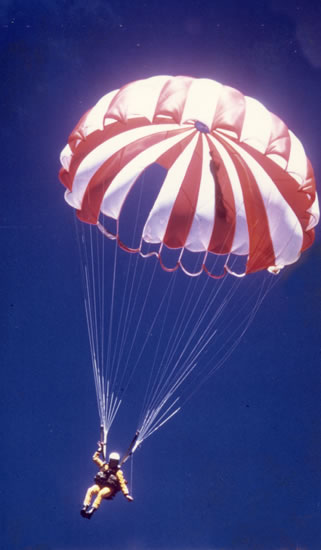
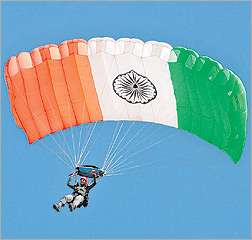
பாராசூட் (சாத்ர பத)

அஜ பத:- மலையில் கிராதர்கள் எனப்படும் வேட்டுவ இன மக்களிடம் ஆடுகலை விலைக்கு வாங்கி அதன் மீது மலைகளில் ஒற்றையடிப் பாதையில் பயணம் செய்தனர்.

பின்னர் பள்ளத்தாக்குகளைக் கடப்பதற்காக அந்த ஆடுகளைக் கொன்று ரத்தம் படிந்த தோலை மேலே போர்த்திக் கொண்டனர்.

சகுனபத (பறவைப் பாத): உடனே ராட்சதக் கழுகுகள், ஆட்டுத்தோல் போர்த்திய மனிதர்களை மாமிச பிண்டம் என்று கருதி கொத்திச் செல்லும். அது மாமிசம் அல்ல , மனிதன் என்று தெரிந்தவுடன் பள்ளத்தாக்கில் போட்டுவிடும். அவர்கள் அங்கேயுள்ள தங்கத்தை எடுத்துக் கொண்டு வேறு வழிகளில் திரும்புவர்.

இந்த பாத, பத என்ற சொற்கள் ரிக் வேதத்திலேயே உள்ளன. மேலும் கழுகு மூலம் சோமலதா என்படும் கொடியைக் கொண்டு வருதல் முதலியன ரிக் வேதத்திலும், மரகதக் கற்களை எடுப்பது சம்ஸ்கிருத நூல்களிலும் உள்ளன.

இதற்குப் பின்னர் ஊர்ந்து செல்லும் ஜானு பத, மலையில் குகை ஏற்படுத்தி, சுரங்கம் தோண்டி வெளியே வரும் தாரிபத, மூஷிகபத (எலி வழி) முதலியனவும் உள்ளன.

சாத்ர பத என்பது குடை போன்ற ஒரு கருவியில் மெல்லிய தோலைப் போர்த்தி அதைப் பிடித்துக் கொண்டு மலை உச்சியிலிருந்து இறங்குதல். இதை இன்று பாரச்சுட் என்று அழைக்கிறோம். இதை விமானத்தில் இருந்து அவசரமாக இறங்க அல்லது குதிக்க இன்று பயன்படுத்துகிறோம்.

Paracommander2

வணிக பத, வாரி பத

எப்படி பத (பாதை) என்பதை எல்லா இந்திய மொழிகளும் பயன்படுத்துகின்றனவோ, அதே போல ரிக் வேதச் சொல்லான வணிக (வியாபாரம்) என்பதையும் எல்லோரும் பயன்படுத்து கிறோம்.வேதத்தில் வாரி பத, வணிக பத என்ற வழிகள் பாடப்படுகின்றன. பல்வேறு வழிகளை தோண்டிக் கொடுத்ததற்காக, பாதைகளை வகுத்துக் கொடுத்ததற்காக இந்திரனைப் பாராட்டும் துதிகளும் உண்டு. பூஜ்யு (Bhujyu) என்பவரை நடுக்கடலில் இருந்து அஸ்வினி தேவர்கள் காப்பாற்றிய பாடல்களும் உண்டு.

முப்பது நதிகளைப் பற்றிய ஏராளமான துதிகளும் அவர்களுக்கு நீர்ப் போக்குவரத்தின் (Water Transport) மீதான ஆர்வத்தைக் காட்டும். உலகில் வேறு எந்த நாட்டுப் பழங்கால இலக்கியத்திலும் ஒரே புத்தகத்தில் இவ்வளவு பாடல்களைக் காண முடியாது.

நீர் என்ற சொல் ரிக் வேதத்தில் வருகிறது. இதைத் தமிழ்ச் சொல் என்று பலரும் எண்ணினர். ஆனால் இதுவும் வடமொழிச் சொல்லே. ஏனெனில் நீர்த் தேவதைகளான நீரெய்ட்ஸ் (Nereids) பற்றி கிரேக்க மொழியிலும் மிகப் பழங்காலத்தில் வழங்கி வருவதால் இது தமிழ்ச் சொல் இல்லை என்பது தெரிகிறது. நாராயண என்பவருக்கு நீரின் மேல் மிதப்பதால் அப்பெயர் வந்ததையும் புராணங்கள் எடுத்துக் காட்டும்.

para2

எல்லாவற்றிற்கும் மேலாக மனுவின் (Floods) பிரளயம்- கப்பல் கதை உலகில் எல்லா பழைய இலக்கியங்களிலும் பேசப்படுகின்றன. பைபிளில் இக்கதையில் வரும் நோவா (Nova) என்பதும் சம்ஸ்கிருதச் சொல்லாக இருப்பதால் இந்தக் கதை இந்தியாவில் சென்றது கண்கூடு. நோவா என்றால் கப்பல் (நாவ்). நவ என்றால் புதிய — இந்த இரண்டு அர்த்தங்களுமே அந்தக் கதையில் பொருந்தும். கப்பல் சம்பந்தமான நேவி ( Navy கடற்படை) முதலிய சொற்கள் இன்று ஐரோப்பிய மொழிகள் அனைத்திலும் புழங்குகின்றன.

Rama in Indian Grama!

guha's boat

British Museum, London

Compiled by London Swaminathan

Research Article No.1897; Dated 29 May 2015.

Uploaded at London time 20-20

We know a lot about Rama in Dramas enacted on the stages around the world, particularly in Indonesia, the largest Muslim country in the world. But many of us don’t know much about the Rama in Indian Gramas. Grama is a Sanskrit word used for village in India from Himalayas to Kanyakumari. This is a word found in the oldest book the Rig Veda, but used until today!

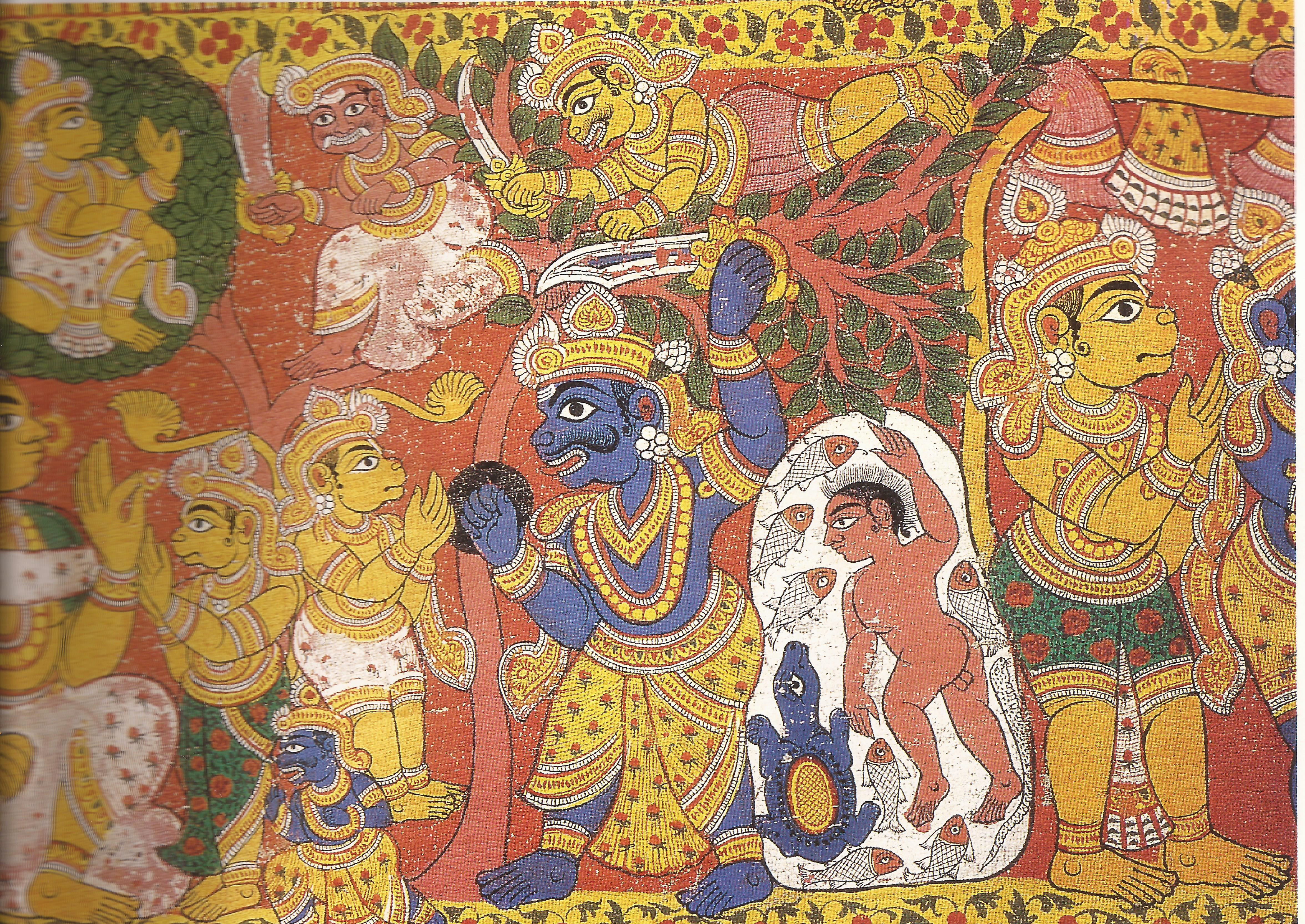
Recently I read a book titled, ‘Picture Showmen, Insights into the Narrative Tradition in India Art’, edited by Jyotindra Jain (Marg Publications, 1998). It gives a lot of information about the role of picture showmen visiting villages and showing pictures of Hindu Gods and Goddesses and other local heroes. They narrate the story to the villagers in their own style and the villagers are eagerly watching it. Though they cover various subjects like the reign of Yama, the sceneries from the hell etc, I have collected the details of Ramayana pictures from the book.

We have already read that there are 300 different Ramayanas. If we collect all the village Ramayanas, the number of versions would definitely be higher!

Indian traditions of storytelling, often accompanied by painted panels or scrolls, can be traced back though literary evidence to at least 2nd century BCE and are known to have existed almost all over the subcontinent.

(My comments: We know the story telling existed during Ramayana Times were Lava and Kusa told the story of Rama and Sanjaya narrated the war to Dhritarashtra. But they did not have the picture scrolls and the audience was not the villagers)

Jyotindra Jain adds that the narrative scroll paintings are still produced in Rajasthan, Gujarat, Bengal, and Bihar and a few Deccani scroll paintings are also known.

asutosh museum,guha's boat 2

Ramayana in Bengal

In Bengal, parts of scroll paintings on paper, made up of narrative panels one following the other, have for many centuries been used by travelling story tellers to accompany recitation- just as in many other parts of India. Today, they are made for sale as curios only. The popularity of the cinema had a deleterious effect on the status of storytelling.

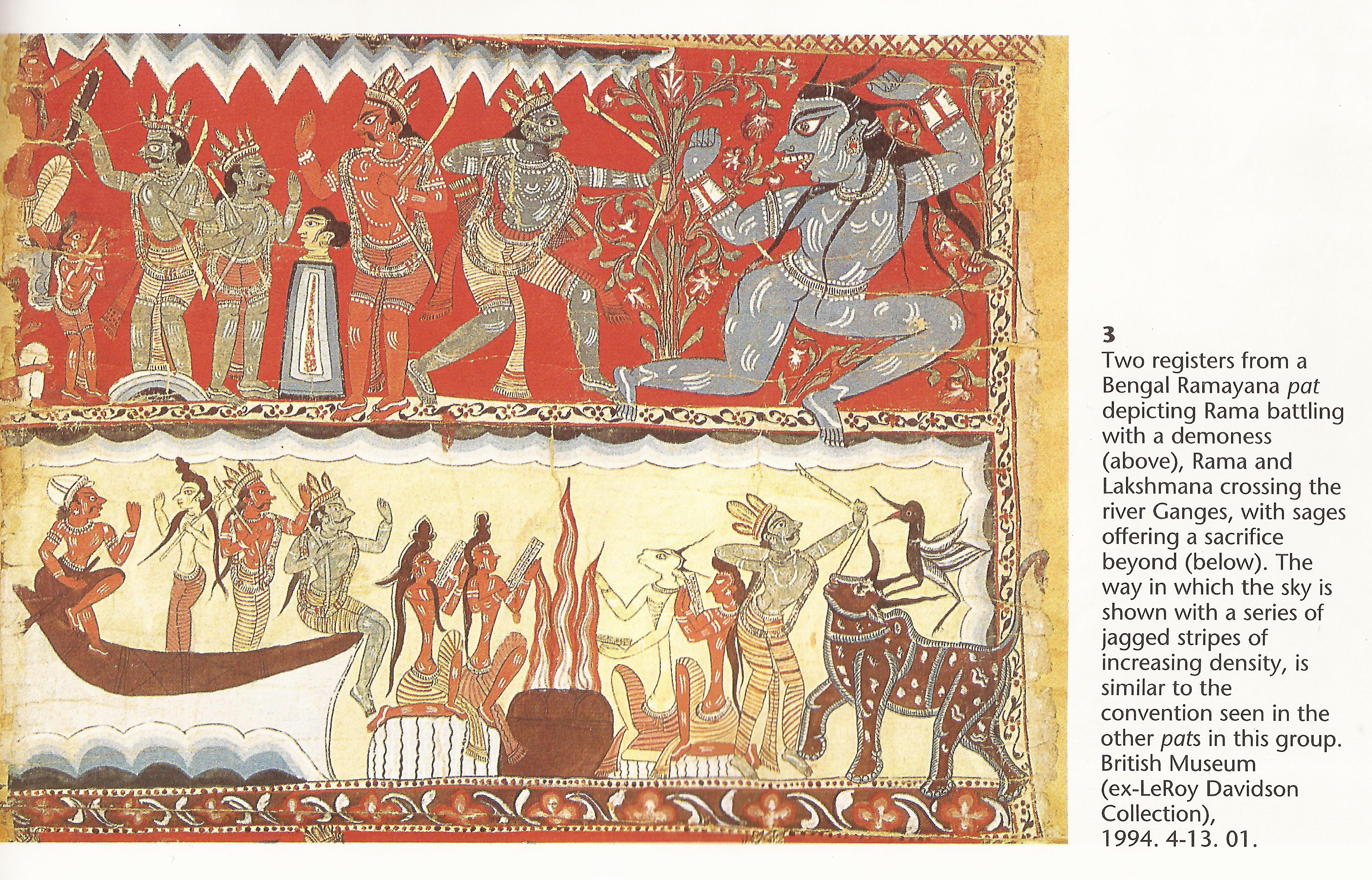
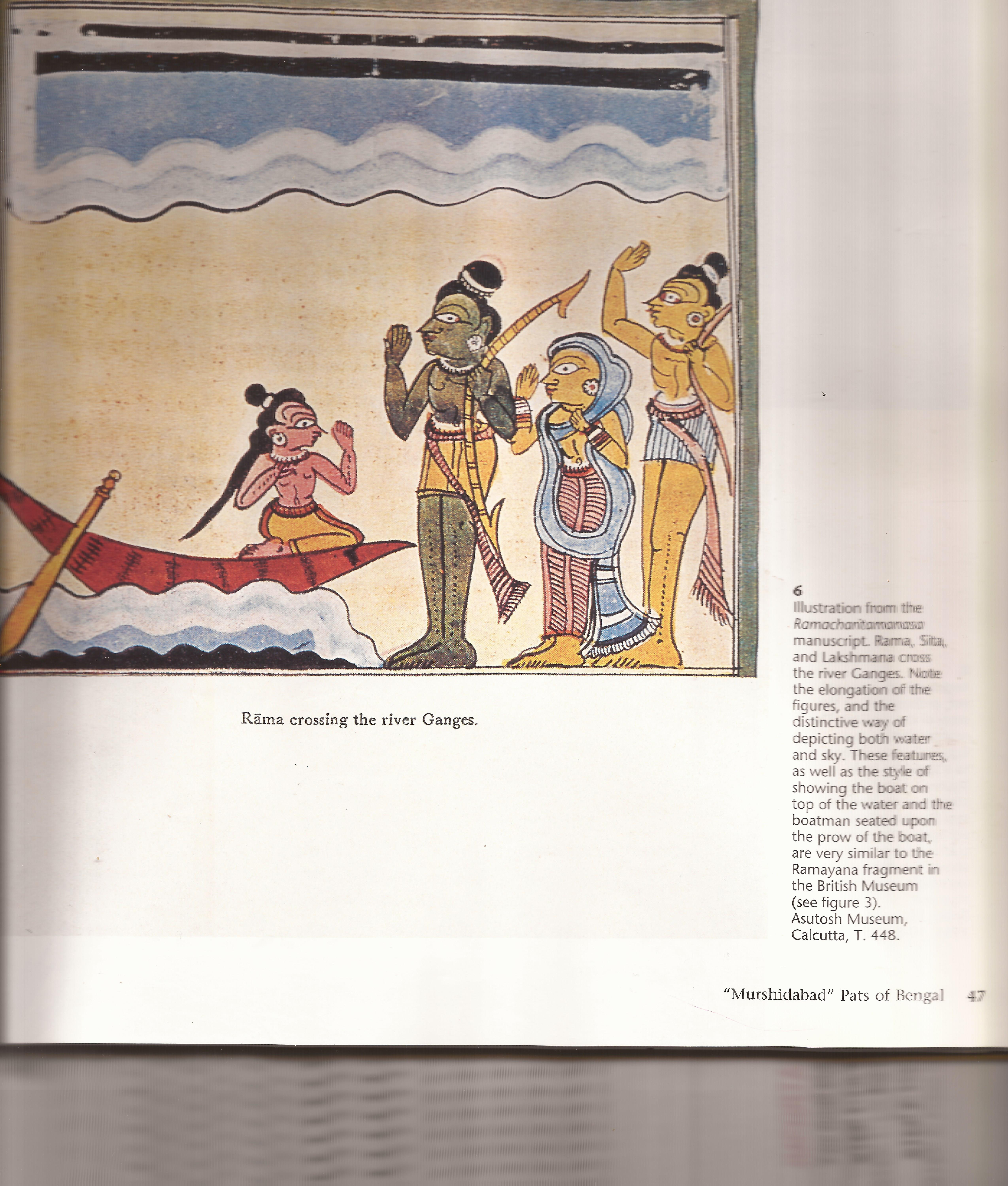
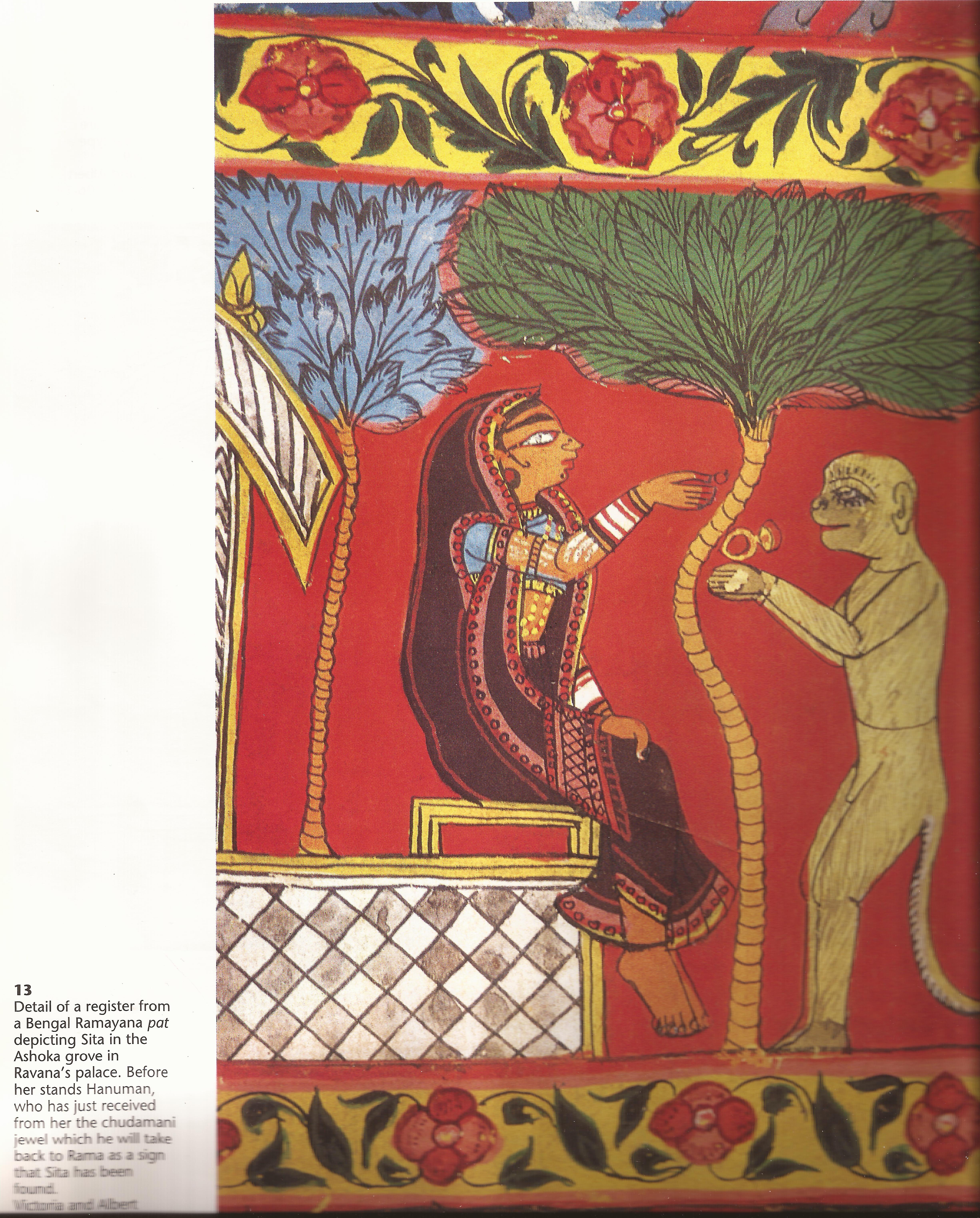
Wide ranging  collections of ‘pats’ in Bengal are in the Indian Museum, the Asutosh Museum of the University of Calcutta and the Gurusaday Dutt Museum, all in Calcutta. Both the British Museum and the Victoria and Albert Museum in London, have a considerable number of Bengal ‘pat’s. Scenes from Ramayana are also included in the collections.

At the British Museum, a further historic pat of the Ramayana was acquired in 1994 from the disbursement of the collection of the American scholar LeRoy Davidson. Asutosh Museum, Calcutta has an illustrated manuscript of Ramacharitamanasa of Tulasidasa.

ramayana, telengana

Picture of Ramayana from Telengana

Scrolls illustrating episodes from the Mahabharata and the Ramayana, shown to Bhois (herdsmen and domestic helpers) of Andhra Praadesh, Telengana region are in Jagadish and Kamala Mittal Museum of Indian Art in Hyderabad.

The onslaught of television and cinema in Indian villages has diminished all a patronage to the wandering performers who narrate stories with scroll paintings.

Chitrakathis were the village artists from Karanataka- Maharashtra border. R V Russel in his Tribes and Castes of the Central Province of India, writes as follows: The name is derived from chitra, a picture, and katha, a story and the professional occupation of the caste is to travel about exhibiting pictures of heroes, gods and telling stories about them. R E Einthoven’s Tribes and Castes of Bombay says, they are wandering beggars who claim to be Marathas by origin. The chief occupation of the caste is exhibiting pictures of Gods and the heroes reciting their stories in song and verse. They also exhibit wooden dolls which are made to dance and fight in imitation of the contests between heroes and demons”

bengal ramayan 1

From Victoria and Albert Museum, London

In Gujarat

The Garoda tradition of narrating sacred legends with the aid of tipanu or scroll paintings was once widely popular in Gujarat. Garoda story tellers moved from village to village carrying illuminated paper scrolls. They gathered audiences around them and related stories in prose and verse. The picture scrolls of the Garoda are called tipanu or tippan.

Various states in India have story tellers and many of them do it without pictures. All over India we have people who give discourses on Hindu epics and Puranas.

கண்ணதாசனும் தி.ஜ.ர.வும்

kannadasan

Written by S NAGARAJAN

Research Article No.1896; Dated 29 May 2015.

Uploaded at London time 5-56 am

By ச.நாகராஜன்

தமிழின் நடை வளம்!

தமிழின் சிறப்புகள் ஏராளம்; அவற்றில் ஒன்று எந்த நடைக்கும் ஏற்றபடி நெகிழ்ந்து கொடுக்கும் அதன் தன்மை.

தமிழ் தனது – ஒரு நடையில் உருக்கும்; ஒரு நடையில் மயக்கும்; ஒரு நடையில் குதூகலப்படுத்தும்; ஒரு நடையில் ஆட வைக்கும்.. இப்படி பல வடிவங்களை எடுக்க வல்ல தெய்வ மொழி தமிழ்.

நடைகளின் வடிவங்களுக்கு உதாரணங்களாக ஆயிரம் நடைகளைச் சொல்லலாம். இடம் கருதி சமீப கால ‘நடை மன்னர்கள்’ சிலர் பெயரை மட்டும் இங்கு குறிப்பிடுவோம்.

உ.வே.சாமிநாதையர். தமிழ் தாத்தா. அழகிய ஆற்றொழுக்கு போன்ற நடை. பேசுவது போல இருக்கும். உம் உம் என்று உம் கொட்டி, சிறு குழந்தைகள் அடுத்து என்ன என்று கேட்பது போல ஆர்வமூட்டுவதாக இவர் நடை இருக்கும்.

மஹாகவி பாரதியார் நடை. சின்னச் சின்ன வாக்கியங்கள். வலிமையும் ஆழமும் நிறைந்திருக்கும். வேத சப்தங்கள் போல! நிறுத்தி, நிதானித்துப் பல முறை படித்து உத்வேகம் பெற முடியும். அதில் எழும் உணர்ச்சி பல காலம் நம்மை விட்டுப் போகாது.

கல்கி கிருஷ்ணமூர்த்தி நடை. ஜில்லென்ற தென்றல் காற்று போல மேலே வந்து குளிர்விக்கும் நடை. எந்த இடத்தில் தொட்டாலும் ஒரு ஜில்லிப்பு. எடுத்த புத்தகத்தைக் கீழே வைக்க மனமே வராது. பொன்னியின் செல்வனைத் தொட்டவர்கள் தொட்டவர்களே. அதன் நடையழகிலும் கதையழகிலும் ஈடுபட்டவர்கள் பட்டவர்களே!

தி... நடை

இதையெல்லாம் தாண்டி இன்னொரு நடை. திஜர நடை. மஞ்சரி ஆசிரியராகப் பல காலம் பணி புரிந்த தி.ஜ.ரங்கநாதன் சிறு சிறு வாக்கியங்களாக அழகாக எழுதுவார். படிப்போரின் மனதில் எளிதாக அவர் சொல்வது ஆழப் பதியும்.

எடுத்துக்காட்டாக அவர் தன் கதைகளைப் பற்றிச் சொல்லும் சில வாக்கியங்களை இங்கே பார்ப்போம்:-

கதைகளை எல்லாம் பொதுப்படையாக இரண்டு பிரிவாகப் பிரிக்கலாம்; ஒன்று, பிரத்தியட்ச வாழ்க்கைச் சித்திரம். மற்றது அமானுஷ்ய கற்பனை. மேதைகள் தாம் சுவைக்குறைவு இல்லாத அமானுஷ்ய கற்பனைகளைப் படைக்க முடியும். என்னைப் போன்றவர்களுக்கு பத்திரமான வழி, பிரத்தியட்ச வாழ்க்கைச் சித்திரங்களே. எங்களைச் சூழ்ந்த உலக அரங்கத்தை நாங்கள் போட்டோ எடுப்போம். எங்களுடைய வாழ்க்கை ஆதர்சங்களும் லட்சியங்களும் அந்தப் போட்டோவுக்கு மெருகு கொடுக்கும்.


 thi.ja.ra-1

கண்ணதாசனும் தி...வும்

தி..ரவுடன் நெடுங்காலம் நெருங்கிப் பழகிய ஒருவர் ராஜரங்கன் (எம்.ஆர். ரங்கராஜன் என்ற 17 வயது பையன் திஜரவுடன் பழக ஆரம்பித்த போது அவருக்கு வயது 55. அவருக்கு ராஜரங்கன் என்ற பெயரைத் தந்தவரே திஜரதான்!)

அவர், “தி...- மறவாக் கணங்கள்என்று ஒரு நூற்றாண்டு அஞ்சலிக் கட்டுரையை மஞ்சரி டிசம்பர் 2001 இதழில் எழுதியுள்ளார்அவர் விவரிக்கும் ஒரு சுவையான சம்பவத்தை அவர் எழுத்துக்களிலேயே பார்ப்போம்:-


குழந்தை போல மகிழ்ச்சிப் புன்முறுவலோடு ஒரு நாள் தி... என்னை மவுண்ட்ரோடுக்கு அழைத்துப் போனார். ஆயிரம் விளக்கு மசூதிக்கு எதிர்ப்புறத்தில் ஒரு கட்டிடத்தின் மாடியில், கவிஞர் கண்ணதாசன் நடத்தி வந்த தென்றல் பத்திரிகைக் காரியாலயம் இருந்தது.

வா, கண்ணதாசன் இருக்காரோ பார்ப்பாம்என்று விடுவிடுவென்று ஏறினார்.

கவிஞர் ஊரில் இல்லை. அவர் உதவியாளரிடம், “கல்கி நினைவாக சமீபத்தில் கண்ணதாசன் ஒரு தலையங்கம் எழுதினாராமே. அது இருக்கோ?” என்று கேட்டார்.


அதை வாங்கி,”இதைப் பார்என்று காண்பித்தார். கண்ணதாசனுக்கு தி...வின் எளிமையான தமிழ்நடையின் மேல் பெரு மதிப்பு. சிறு சிறு வாக்கியங்களாக அவர் எழுதத் தொடங்கியதே கூட அந்த பாதிப்பு தான் என்று கூறலாம். கல்கியைப் பற்றி எழுத வந்த அந்தத் தலையங்கத்தில் அவர் தி..ரவைப் பாராட்டி, அவர் தமிழ் நடையை மனமாரப் புகழ்ந்திருப்பதை, “பார்த்தாயா? எவ்வளவு பிரியமாய் சொல்லியிருக்கார்என்று ஒரு குழந்தையின் குதூகலத்துடன் சொன்னார். காழ்ப்பு நிறைந்த உலகத்தில் கள்ளமில்லாத பாராட்டை ரசிக்கும் வெள்ளை மனத்தின் வெளிப்பாடு இது.”


தி.ஜர.வைத் தன் எழுத்து நடைக்கு குருவாக கண்ணதாசன் கொண்டிருந்தார். கள்ளமில்லாமல் வெளிப்படையாக தி...வை அவர் பாராட்டி தன் நன்றியை வெளிப்படுத்தி இருக்கிறார் அந்தக் கட்டுரையில்.


சிறு சிறு வாக்கியங்கள்சிறப்பான கருத்துக்கள்!

கவிஞர் கண்ணதாசனின் நடை பளீர் பளீரென இருக்கும். இதற்கு சிறந்த எடுத்துக்காட்டு செப்பு மொழி பதினெட்டு. சின்னச் சின்ன வாக்கியங்கள். நகைச்சுவையுடன் கூடிய ஆழ்ந்து சிந்திக்க வைக்கும் வைர வரிகள்.


நகைச்சுவைக்கு ஒரு எடுத்துக்காட்டு:-

காற்றடிக்கும் போது தென்னை மரம் கூட ஏன் ஆடுகிறது என்று வெகு நாட்கள் யோசித்துப் பார்த்தேன். பிறகு தான் விபரம் புரிந்ததுதென்னையில் இருந்து தானே கள் வருகிறது!” (கண்ணதாசன் ஜூன் 1976 இதழில் செப்பு மொழிகள் பகுதியில்)

இரண்டிரண்டு வார்த்தைகளில் பெரும் கருத்துக்களையும் சந்தோஷத்தையும் அடக்கியிருக்கும் இவரது திறமைக்கு நூற்றுக்கணக்கான பாடல்களை எடுத்துக் காட்டாகத் தரலாம். அதற்கு தனி கட்டுரை!

**********