Ayodhya Kanda of Ramayana in Pictures

Compiled by London swaminathan

Date: 20th April 2015; Post No: 1815

Uploaded in London at 15–12

I have already posted the pictures from Balakanda of Valmiki Ramayana. Today I am posting all the pictures from Ayodhya Kanada of Ramayana. Source: Picture Ramayana by Bhavarao Shrinivas Rao, Bombay, Year 1916

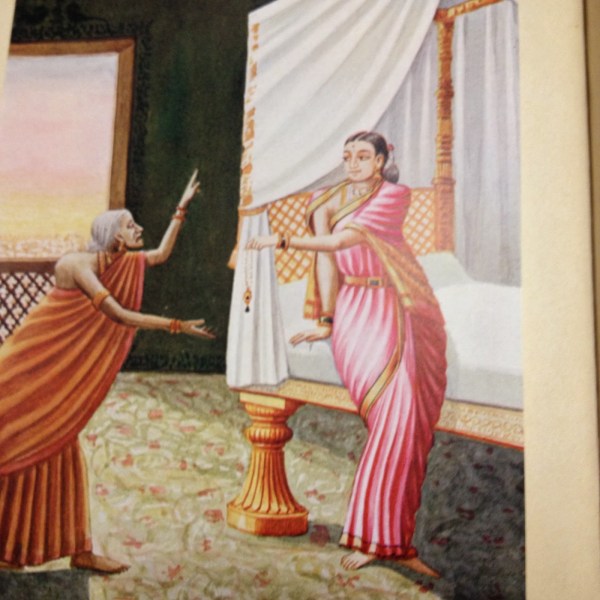
Manthara, a hunch back woman is giving wrong advice to Kaikeyi, the queen in the picture.When Manthara told that Rama is going to be the next king, intermediately Kaikeyi gave her a gem studded necklace, for giving good news.But Manthara threw it and told Kikeyi that Bharata should be the king, otherwise Rama woud endanger the life of Bharata. This poisoned Kaikeyi’s mind. At that time, Bharata went to Kekaya country which is in Afghanistan-Iran border. In those days handicapped people like hunch backs, very short people, lame people were employed in the palaces. Manthara was one of them.

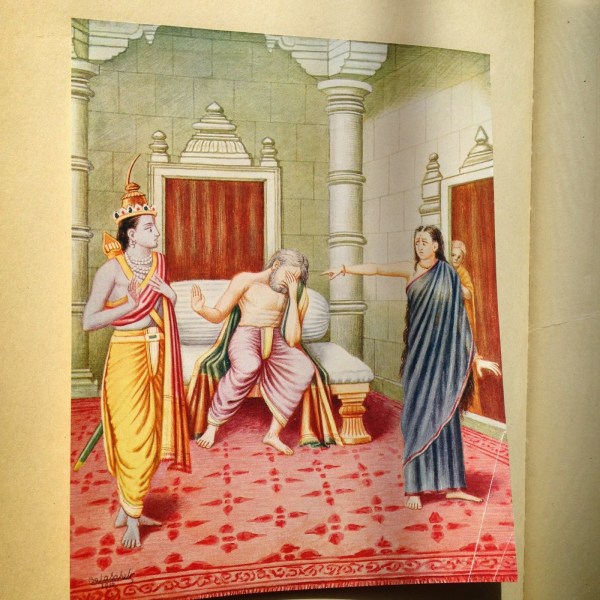
Pretending Kaikeyi: After Manthara poisoned Kaikeyi’s mind, she wrapped herself in an old soiled robe, threw away her jewellery into the corner of the room. When Dasaratha asked for the reason, she told him that he must fulfil her wish. When Dasaratha said Yes, I gave you two boons. Ask anything you want. But she threw bombshells which Dasaratha never expected 1.Rama should go to forest for 14 years 2. Bharata should be crowned as the king.King Dasaratha was upset and summoned Rama. ((Kaikeyi was a brave woman and she took Dasaratha to warfront in her chariot several years back. Dasaratha won the war against Shambara and gave her two boons (wishes) . Such a beautiful woman suddenly changed into a rude adamant queen)).

Kaikeyi and Rama: Rama was summoned by Kaikeyi. Dasaratha told him that Kaikeyi tricked him and trapped him. Kaikeyi told that according to the two boons granted by Dasaratha Rama should go to the forest for 14 years and Bharata must become the king. If he did not obey it, Dasaratha would go to hell for violating the truth. Hinduism is based on Truth. Rama is Embodiment of Truth = Satya Dharma Parakraman. Rama said, Mother,I shall start for the forest at this very moment.

கோசலியிடம்+விடை.JPG (1600×1600)

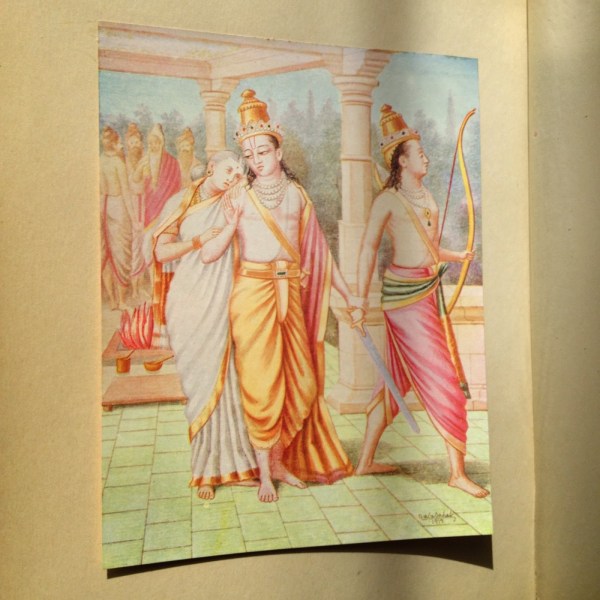
Good Bye to Kausalya: Rama went to his mother KAUSALYA to get permission to go to the forest. She is a believer is astrology. At that time she was doing some puja (offering) to avert the evil influence of stars and planets. When Rama broke the news she was very upset. Then she said, Go ahead, Dharma (Righteousmess) will protect you. Lakhmana was dead angry. He asked Rama’s permission to kill everyone so that he can place Rama on the throne. But Rama calmed him down and then allowed Lakshmana to come to forest with him for FOURTEEN YEARS! What a sacrifice! Lakshmana was also newly married! But Rama was his God. He sacrificed everything for Rama! This is why Ramayana is timeless. Full of sacrifices: Bharata, Sita, Lakshmana, Rama = all embodiments incredible virtues. Nowhere in the world can one see such people of sacrifice. 1000 times greater than the sacrifice of Sydney Carton of Tale of Two Cities of Charles Dickson.

Rama comforts Sita: When Sita saw Rama without Royal insignia, coming towards her apartments, she was surprised. When Rama told her that the king had banished him for fourteen years, she wept. Rama told her to look after his mother. But she insisted that he should take her to the forest. Rama agreed after a long discussion where he explained all the hardships in the forest.

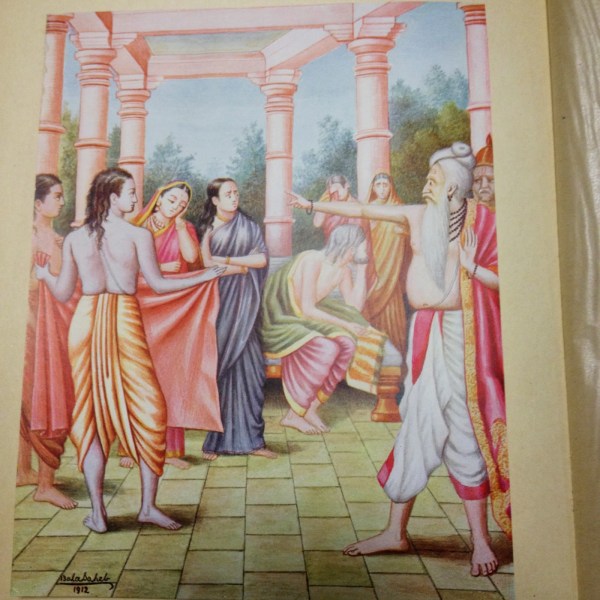
Vasistha curses Kaikeyi: Rama was given bark garments by Kaikeyi. But Sita did not know how to wear them. Dasaratha expressed his last desire: Let Sita go in her silk garments. Kula Guru Vasistha was very angry with Kaikeyi and he cursed her. “This device of yours will never lead to your welfare” – said Vasistha to Kaikeyi.

Rama goes to forest:- Sumantra , the minister, brought the chariot. Rama with his brother Lakshmana ,wife Sita mounted the chariot and set out to forest. All the citizens followed his chariot. Some criticised Dasaratha, some abused Kaikeyi, while others blamed innocent Bharata. When the chariot reached the banks of River Tamasa, Rama begged to the citizens to go back to Ayodhya.

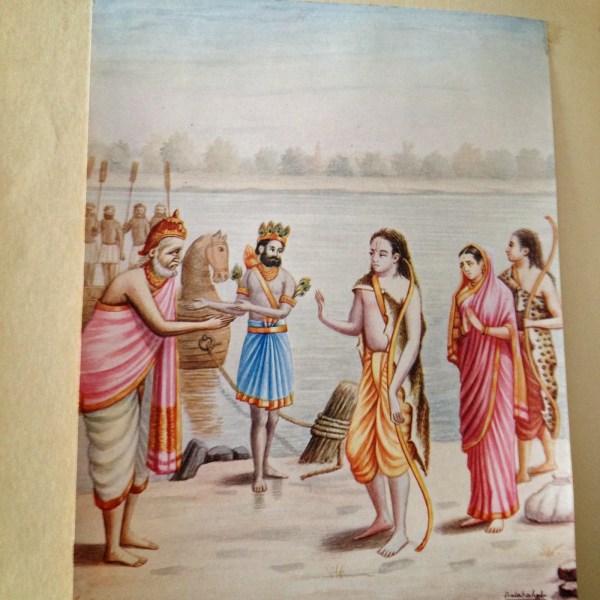
Good Bye to Sumantra:– Rama left Ayodhya. Guha, King of the hunter tribe (Nishadas) helped them to cross the river. Rama instructed minister Sumantra to take good care of the king. Meanwhile King Dasaratha died of grief. Vasistha brought back Bharata back to Ayodhya. But Bharata rebuked his mother and flatly refused to to occupy the throne. He set out on foot to see Rama. Probably the first organised Padayatra in history!! With him went three queens, Vasistha and the VIPs of the country.

பரதனுக்கு்பாதுகைக.JPG (1600×1600)

Bharata meets Rama at Chitrakuta, begged him to return to Ayodhya. Rama said to him that he wanted to keep his promise. Then Bharata begged, with tears in his eys, to allow him to take at least the sandals of Rama to Ayodhya. Rama consented. Bharata placed them on the throne and ruled from outside Ayodhya for fourteen years. This is a unique in World History!! Shoes on throne representing the king! Very Unique!! From that day onwards the sandal worship started in Bharat. Even today we worship the sandals of great people.Buddhists also followed it.

Next comes Aranya Kanda.

இளங்கோ, பீஷ்மர், தேவாபி செய்த மாபெரும் தியாகம்!

எழுதியவர்-லண்டன் சுவாமிநாதன்

ஆய்வுக் கட்டுரை எண் 1814;

தேதி: 20 ஏப்ரல் 2015

இலண்டனில் பதிவு எற்றிய நேரம் – காலை 9–31

This is already published in English by me.

பீஷ்மர் செய்த தியாகம் எல்லோரும் அறிந்ததே. மகத்தான தியாகம். எப்போதும் குடும்ப சுகம் அனுபவிக்க இளைஞர்களுக்கு பெரியோர்கள் எப்படியாவது உதவுவர். யாருக்காவது திருமணம் ஆகாமல் இருந்தலோ , குழந்தைகள் பிறக்காமல் இருந்தாலோ அந்த இளம் உள்ளங்களுக்காக மனதார கோவில் தோறும் சென்று பிரார்த்திப்பர். ஆனால் இதற்கு நேர் மாறாக நடந்தது மஹாபாரதத்தில்! சத்யவதி மீது சந்தனு என்ற மன்னனுக்கு ஏற்பட்ட திடீர் காதலாலும் அவளுடைய தந்தை போட்ட நிபந்தனையாலும் தேவ விரதன் என்ற பீஷ்மர் தனது வாழ்நாள் முழுதும் பிரம்மசர்யத்தைக் கடைப்பிடிக்க சபதம் செய்தார்.

ஒரு இளைஞன், தனது குடும்ப சுகத்தையே, தனது தந்தையின் குடும்ப (செக்ஸ்) சுகத்துக்காக தியாகம் செய்தது உலக இலக்கியத்தில் வேறு எங்கும் காணக் கிடைக்காத தியாகம். மஹத்தான தியாகம்! இதைக் கண்ட தேவர்கள் வியந்து பீஷ்ம, பீஷ்ம என்று கூச்சல் இட்டனர். “அதி பயங்கரமான சபதம்” என்று இதற்குப் பொருள். அதாவது நம்ப முடியாத அதிசய சபதம். இதனால்தான் ஆண்டுதோறும் பீஷ்மாஷ்டமி அன்று உலக இந்துக்கள் அனைவரும் அவருக்கும் அவரைப் போன்று இறந்த புண்ய பிரம்மசாரிகளுக்கும் தர்ப்பணம் செய்கின்றனர். இனி வருங் காலத்திலும் கூட இப்படி ஒரு அதிசயம் நிகழாது.

இதற்கு இணையான தியாகம் தமிழ் கூறு நல்லுலகத்தில் நடந்தது. சேர மாமன்னன் இமயவரம்பன் நெடுஞ்சேரலாதன் அரசவையில் வீற்றிருந்த காலத்தில் ஒரு சோதிடன் வந்து சேர்ந்தான். மன்னர் குடும்ப ஜாதகத்துப் படி அவர் மூத்த மகன் செங்குட்டுவன் மன்னன் ஆக முடியாது என்றும் “இளையவர்தான்” —இளங்கோ தான் — மன்னர் ஆவார் என்றும் சொல்லிவிட்டார். இளங்கோவின் உண்மைப் பெயர் கூட நமக்கு இன்று வரை தெரியாது. இளங்கோ என்றால் இளவரசர் என்று பொருள் (இதே போல மாணிக்கவாசகர் பெயரும் நமக்குத் தெரியாது. அவர் மாணிக்கம் போன்ற ரத்தினச் சொற்களை உதிர்த்ததால் வந்த காரணப் பெயரை மட்டுமே நாம் அறிவோம்).

உடனே இளவரசர் துறவறம் பூண்டார். இந்துக்கள் கணக்குப்படி ஒருவர் துறவறம் பூண்டால் அது மறு ஜன்மம் போல. துறவி என்பதால் அவர் அரசராக முடியாது என்பது மட்டுமல்ல;பின்னர் செங்குட்டுவன் மன்னரானார். ஆதி சங்கரரின் கால்களை முதலை பிடித்தபோது இந்த ஜன்மம் தனக்கு முடிந்துவிட்டதால் சந்யாசம் வாங்க சம்மதித்தால் முதலை காலை விட்டுவிடும் என்றார். அதாவது விதியை வெல்ல – சோதிட விதிகளை மீற – இப்படிச் சில சுருக்கு வழிகள் (ஷார்ட் கட்) உண்டு. இதே போல வித்யாரண்யர் அதிக செல்வம் வேண்டி தவம் இருந்தார். லெட்சுமிதேவி அவர் முன் தோன்றி, ‘டன்’ கனக்கில் தங்கம் தர முடியும் என்றும் ஆனால் இந்த ஜன்மத்தில் அதற்கான யோக ஜாதகம் அவரிடம் இல்லாததால் அடுத்த ஜன்மத்தில் தருவதாகவும் லெட்சுமிதேவி சொன்னார்.

வித்யரண்யரும் ஏமாந்து போய் ‘சரி’ என்று சொல்லிவிட்டார். பின்னர் ஆலோசித்துவிட்டு, இந்த ஜன்மத்திலேயே செல்வம் கிடைப்பதற்காக துறவறம் பூண்டார். லெட்சுமியும் தங்கம் கொடுத்தாள். ஆனால் மலை போலக் குவிந்த தங்கத்தை அவரால் தொடக்கூட முடியவில்லை. ஏனெனில் சந்யாசிகள் தங்கத்தைத் தொடக்கூடாது. அடடா, இவ்வளவு தங்கத்தையும் நான் என்ன செய்யப் போகிறேன் என்று தத்தளித்த போது, படை யெடுத்து வந்த வெளித்தேச முஸ்லீம்களின் ஆட்சியை அடியோடு ஒழித்து விஜய நகர சாம்ராஜயம் எழுவதற்கு அந்தப் பணத்தைக் கொடுத்தார். இதுபோலவே இளங்கோவும் சந்யாசியானவுடன் அவர் அண்ணன் செங்குட்டுவனுக்கு அரசு கட்டில் கிடைத்தது. இளங்கோ சந்யாசம் வாங்கியதால் செங்குட்டுவனுக்கு ஒரு தம்பி இருந்ததாகவே பொருள் இல்லை. அப்போது ஒரே மகன் என்ற பெயரில் செங்குட்டுவனுக்கு பதவி கிடைத்துவிடும்.

இளங்கோ அடிகள் படம்

தேவாபி செய்த தியாகம்

சந்தனுவின் அண்ணன் உலக வாழ்வைத் துறந்து கானகம் சென்றார். இதனால் சந்தனுவுக்கு ஹஸ்தினாபுர அரச பதவி கிடைத்தது என்ற செய்தி மஹாபாரத ஆதி பர்வத்தில் உள்ளது. ரிக்வேதத்திலும் (10-98). அந்த நாட்டில் நீண்ட காலத்துக்கு வறட்சி நிலவியபோது, தேவாபி ஒரு புரோகிதர் போல செயல்பட்டு யாக யக்ஞங்களை ஏற்பாடு செய்து மழை பெய்ய வைத்ததாகவும் சொல்லப்படுகிறது. யாஸ்கர் எழுதிய நிருக்தத்திலும் (2-10) தேவாபி கதை உள்ளது. தேவாபிக்கு தோல் நோய் இருந்ததால் அவர் ஆட்சிப் பொறுப்பை ஏற்கவில்லை என்று ‘’பிருஹத்தேவதா’’ கூறுகிறது.ஆனால் பல சந்தனுக்கள், பல தேவாபிகள் இருக்க வாய்ப்பு உண்டு. ஆகவே தீர ஆராய்ந்து எந்த தேவாபி என்று கண்டுபிடிக்க வேண்டும்.

இதுதவிர முறை தவறிய ஆட்சி காரணமாக துஸ்தாரிது பௌம்சாயன என்ற மன்னன் ஆட்சி துறந்ததாக சதபத பிராமணம் என்னும் நூல் சொல்லுகிறது (12-9-3-1).

கலிங்க- வங்க நாடுகளை ஆண்டு வந்த விஜயன், முறை தவறிய ஆட்சி செய்த்ததால், நாடு கடத்தப் பட்டதும் அவன் இலங்கையில் போய் இறங்கி புதிய ஆட்சியைத் துவக்கியதையும் நாம் அறிவோம். இது போல நஹுஷன், வேனன், நந்த வம்சத்து அரசர்கள் ஆகியோரும் பதவியிலிருந்து தூக்கி எறியப்பட்டனர். அவை தியாகம் என்னும் வரம்பிற்குள் வாரா.

ஆதி சங்கரர்

வித்யாரண்யருக்கு தங்க மழை

Baffling Questions and Beautiful Answers in Spirituality Part IV

2012-Swami-Vivekananda

Article No.1813; Date: 20th April 2015

Written by S NAGARAJAN

Uploaded from London at 5-49 am

By Santhanam Nagarajan

Here is a new Question – Answer series for the benefit of all.

From time to time we have baffling questions.  But there is nobody to answer them. But here is an effort to compile the answers from the great scholars, sages and saints of India. Some beautiful answers are found in the ancient Hindu epics and scriptures.  This is an effort to compile them.  This is in continuation of the earlier article.

vivek

07) What is the most wonderful thing in the world?

Day after day, there enter into the Temple of Death, countless lives.  Looking at this spectacle, the rest of them those who remain, believe themselves to be permanent, immortal.  Can anything be more wonderful than this?

The Yaksha asked certain questions to Dharma the eldest of the Pandavas.  He gave fitting replies to all the questions.  One among the questions is given above.  As usual Dharma gave a fitting reply.

08) What is the peculiarity of the Vedas?

One peculiarity of the Vedas is that they are the only Scriptures that again and again declare that you must go beyond them.  The Vedas say that they were written just for the child mind; and when you have grown, you must go beyond them.

The above question was put forth to Swami Vivekananda at the Twentieth Century Club of Boston, United States of America. Swami gave a fitting reply to the question.

Swami-vivekananda-400x395

09) How one can get rid of the fear of hell?

For a clever and a hard working agriculturist there cannot be any scare of famine and for an individual regularly performing Japa (mental recitation of Holy names and Mantras), there cannot be any fear of hell.

Summary

07) What is the most wonderful thing in the world?  08) What is the peculiarity of the Vedas?   09) How one can get rid of the fear of hell?  King Dharmaputra, Swami Vivekananda and Subashitha answer the questions.

********

Advanced Grammar and Linguistics in Vedic India!

Research Article No.1812; Date: 19th April 2015

Written by London swaminathan

Uploaded from London at 21-24

When the sages formed the Speech with their mind

Straining it, as they strain flour with sieve

Therein have friends discovered bonds of friendship

Whose holy beauty lies hidden in that Speech.


With worship they followed the steps of the Speech

And found it installed in the hearts of sages

They acquired it and gave it at many places

And seven singers intone it together.


There is a man who sees but has not seen Vak

There is the man who hears but not has heard her

But to another she reveals her lovely form

Like a loving wife, finely robed, to her husband

—Rig Veda 10-71

One who studies Vedas ‘subject wise’ will be amazed to see the level of knowledge in all the faculties at such an early age. They have reached the highest level in Grammar and Linguistics. Nowhere in the world were grammar and etymology part of regular education in religious institutes. I am talking about a period between 1000 BCE and 1700 BCE. Max Muller said no one can date the Vedas under 1200 BCE. The latest research in Sarasvati River basin and History of Rig Veda show that it can be safely dated to at least 1700 BCE. For Brahmanas (not Brahmin caste, but literature) even if we accept Max Muller’s date it would be 1000 BCE.

Let us look at what  Vedic literature say about grammar, etymology, linguistics in general:-

Hindus were the first to write a grammar book. We have Panini’s Ashtadyayi dated to seventh century BCE by Goldstucker and other great Sanskrit scholars of India.

Hindus were the first in the world to do an Index. They compiled an index for the Vedas: Vedic Anukramani

Hindus were first in installing a chair for the study of words (Nirukta) in all Vedic Educational Institutes in ancient India.

1.The Rig Veda celebrates Vac ( personified speech) as a Goddess (RV 10—125). For the Hindus all that is good is feminine, as affectionate as a mother. So they named all the Vedic metres after women starting from Gayatri metre (24 syllables) and the speech as Vac or Sarasvati or Bharati. Some stanzas of the RV are capable of giving grammatical explanation. Expressions like ‘catvari srnga’ and ‘sapta sindhavah’ have been interpreted by Patanjali in terms of four parts of speech and seven cases.

2.There are speculations on letters, syllables and words in the Brahmanas as also terms like Aksara, Varna and Vibhakti which Panini has used without definition. In the Satapata Brahmana (SB 13-3-1-18) we meet with names for singular ad plural.

3.In the Chandogya Upanishad we find classification of letters and technical terms such as Svara (vowels), sparsa (consonants) and women (sibilants).

4.The next land mark was reached when  the Samhita texts were reduced to pada-patha where in each word is exhibited separately in its individual grammatical form followed by word signs like ‘iti’ and also symbols by avagraha etc. to distinguish case terminations to analyse compounds and to mark out a few special cases of accentuation.

5.Yaska (at least 8th century BCE) distinguishes a Northern and an Eastern school of grammarians and mentions nearly twenty predecessors such as Sakatayana, Pargya, Sakalya. The theory of verbal origin of nouns stressed by Yaska may be said to be the foundation of the whole system of Panini.

6.Yaska states that there are four parts of speech : naman (noun) akhyata (verb), upasarga (preposition) and nipata (particle)  — terms later used by Panini.

64 Grammarians before Panini!

7.Of the sixty four grammarians, referred to as the predecessors of Panini’s ,few must have belonged to the Vedic age (Cultural Heritage of India I (281 -283)

(My comments: Brahmanas themselves belong to 1000 BCE. Yaska mentioned 20 grammarians before 8th century BCE. Panini mentioned 64 grammarians before seventh century BCE. This big number of grammarians show that the civilization  has reached a very high standard during the Vedic times. Only when peace prevails, this is possible.

8.VAC:-Personified speech is celebrated in one hymn of the Rig Veda (10-12-5) in which she describes herself. She accompanies all the gods and supports Mita-Varuna, Indra-Agni and the Asvins. She bends Rudra’s bow against the unbeliever. Her place is in the waters, the sea. She encompasses all beings. In another passage she is called the queen of the gods and divine.

9.A legend of Vac frequently referred to in the Brahmanas is that of Soma being brought back from the Gandharvas at the price of Vac transformed into a woman. (AB 1-27).

My comments: It may be a symbolical story to convey certain thing. We do not know the meaning now.

Riddles in the Vedas

10.Riddle poetry was very popular with the Vedic Hindus. The Rig Veda contains a large number of riddles (RV. 1-114) such as ,seven harness a one wheeled cart; it is drawn by one horse with seven names; three naves have the immortal never-stopping wheel, on which all these beings stand’

11.In content, the Kuntapa hymns (AV20-127-36) are partly riddles and their solutions are partly obscene songs and coarse jokes.

12.The Vajasaneyi Samhita contains a number or riddles with which the priests amused themselves at the horse sacrifice. These riddle games form an equallay imporatant part of the prayers and sacrificial formulae.

13.The Vedic texts frequently assure us that gods wish to be not only fed but entertained as well as they take a particular pleasure in the mysterious and the enigmatic.

Spoken Language

  1. Spoken language was known as ‘Bhasa’. Vedic Sanskrit has grown out of the spoken tongue of the times as its root. The point is discussed by Yaska in the Nirukta (i-16). Those who do not speak a refined language are referred to in the Rig Veda as ‘mrdhravac’ 5-29-10; 5-32-8).

Even in the oldest Tamil book , ‘Kotun thamiz’ (rustic language) is referred to as the language spoken by some people. They were also Tamils living in border areas. When the same was said in the Vedas, they brought in the racist Aryan-Dravidian theory. Even the Greeks called other language speakers as barbarians. Sangam Tamil literature also describe the Yavanas (Greeks/Romans/Arabians) as speakers of a rude language. For any language speaker, another language is a Mrdhra vac. Even Telugus called Tamils Aravas. When such a thing existed in all parts of the world at all times, foreign scholars distorted the image of the Vedic society.

If we make a list of what one community called another community or their language, we will have a long list of insults. There is no race involved. I see lot of phrases about Irish, English, Scottish and Welsh in London.

15.The Satapata Brahmana (SB 3-2-1, 23-24) refers to barbarisms in speech which are to be avoided. Scholars think that it is a reference to Vratyas (please read my article on Vratyas), who are Hindus but did not practice the rituals, leading a nomadic life. We have parallels in Tamil Siddhas, who were high philosophers, but against the rituals.

16.Panchavimsa Brahmana (17-1-9) describes Vratyas as speaking the language of the initiated by the uninitiated people as they felt it difficult to utter.

Metrics

  1. In the Rig Veda (10-14-16), 10-130-4.5) we meet with several terms which later became well known as technical designations of metres.

Gayatri is said to born of Agni, Usnih of Savitr, Anutubh of Soma, Brahati of Brhaspati, and Virat of Mitra Varuna. Indra, the god praised most often, invented the Tristubh, the metre employed most often. The Visvedevas created Jagati.

A hymn in the eighth Kanda of Atharva Veda gives the number of syllables in these seven chief metres of Vedic poetry by increasing by four successively i.e. from 24 in Gayatri to 48 in Jagati. These seven metres are referred to in several hymns. Fascinated by the charming rhythm of metres, the authors of the Brahmanas ingeniously show that their harmony is, in some mystical and mysterious fashion the fundamental cause of the harmony of the world.

18.Among the five or six extant Indices (anukramanis), the chandonukramani enumerates the metres of the Rig Vedic hymns and states the number of verses in each metre.

These Indices, metres and the care with which they have compiled the statistics show that the civilization was very advanced in literature and mathematics. We don’t see such things in the contemporary Egyptian or Sumerian civilizations.

19.The Satapata Brahmana (8-1-1-2) tells us that metres, like other beings,  were created by Prajapati. In 3-9-4-10. It mentions gayatri as a mystical name of Agni who carries off Soma. Gayatri, in the form of a bird, fetches the Soma from heaven. In the Brahmana and Upanishadic speculations on the mystical significance of metres, numbers play a great part. The Brhadaranyaka Upanishad (5-15) says, “The word Bhumi, Antariksha and Dyu make up eight syllables; a gayatri pada (foot) contains eight syllables, therefore he knows the gayatri gains the three worlds

In other scriptures we have lot of things said about these metres. This shows their obsession with metres, prosody, their number and the mathematics behind it. The Vedic society was very scientific and much more advanced than Sumer and Egypt.

maheswara-sutrani.jpg (300×275)

Etymology

20.Nirukta of Yaska states, “without this science there can be no understanding of the Vedic mantras (1-15). However it is a commentary on an older list of Vedic words, called the Nighantu or Naighantuka, to each of which one of the more illustrative Vedic passages ought to be understood as attached. Yaska himself mentions earlier Niruktakaras. The Brahmanas, Aranyakas, Upanishads offer as many as 600 etymologised words, through proper etymologies, synonymous expression, explanation of one Vedic word by another and brief annotations of whole verses and hymns.

Yaskas borrowing from earlier works is quite evident though he was the first one to formulate general principles of etymology. When we consider that he lived around 850 BCE and many more etymologists lived before him, the science of etymology must have advanced to a high degree around 1000 BCE. This is a big difference from other civilisations. They did not advance in literature or its allied branches. Only a peaceful and prosperous society could make some progress in this area.

21.The Taiitiriya Samhita and Maitrayani Samhita have got the largest number etymologised  of the Rig Vedic words. Among the Brahmanas, satapata Brahmana and Aitareya Brahmana, and among the Aranyakas, the Aitareya is notable in this respect. Among the Upanishads Brhadaranyaka and Chandogya Upanishads occasionally take to etymologising on the basis of etymologising principles formulated by Yaska.

  1. Anecdotal etymologies are copious in Brahmana literature. Thus the etymologies of Agni, Asva, Udumbara, Vidyut, Prithivi etc., are connected with the legend of Prajapati; those of Ashada, Aparajita etc., with the legend of Devasura contest; and that of Puskara and Sakvari with the legend of Indra- Vritra fight in the Brahmanas.

23.Vedic language had become antique with obsolete words by the time of Yaska. He counts more than 400 words of which he did not know the meaning.  This shows the big gap between the time of Yaska and the Samhitas.

24.In the Atharva Veda (8-10-5), there is a reference to Vak on incantation for acquiring extraordinary charm of speech and manner. Social prestige through intelligent speech is vouchsafed in the Rig Veda (10-71-10). Success in assembly and triumph in debate, were greeted with joy by the friends of equal mind. At the later Vedic ae Hindus had even invented a prescription for procuring a son not only attending the assembly or conference, but also having naturally cultured speech as ‘susruta vak’ by learning in the lore’s, clearly noted in Brahadaranyaka Upanishad (6-4-17)

All the above quotes point out that the Vedic Hindus cared so much about their speech and such a thing is possible only in a civilized society.

Souce: Cultural History of India; A Cultural Index to Vedic Literature by N N Bhattacharya and Sri Aurobindo’s Vedic Glossary.

Swami_48@yahoo.com
சகுனமும் ஆரூடமும்: வேத கால நம்பிக்கைகள்

prasnam

(பிரஸ்னம், கேரளம்)

Research Article No.1811; Date: 19th April 2015

Written by London swaminathan

Uploaded from London at 6—45 AM
(This is already published in English)

இமயம் முதல் குமரி வரை ஒரே நம்பிக்கைகளை உடையது ஏக பாரதம். 2000 ஆண்டுகளுக்கு முன்னர் உலகிலேயே பெரிய நாடு பாரதம் என்பதால் பிராந்தியத்துக்கு பிராந்தியம் கொஞ்சம் வேறு பாடு இருந்திருக்கும். தமிழ் மொழியும் அதன் சகோதர மொழிகளும் பேசப்பட்ட தமிழ் நாட்டில் பரத நாட்டியமும், ஆந்திரத்தில் குச்சிப்புடியும், கேரளத்தில் கதகளியும் கர்நாடகத்தில் யக்ஷகானமும் இருந்தன. இதற்காக அவர்களை வேறு வேறு இனம் என்று வேறு படுத்திப் பார்ப்பதில்லை. உலகிலேயே நீண்டகாலம் உட் சண்டை போட்ட இனம் தமிழ் இனம். சேர சோழ் பாண்டியர்கள் ஒருவரோடு ஒருவர் சண்டை போட்டு தமிழ் நாட்டையே பாழாக்கினர்! இதற்காக அவர்களில் ஒருவர் ஆரியர், மற்றொருவர் திராவிடர் என்று சிண்டு முடியவில்லை.

ஆனால் வெளி நாட்டினர் ஆராய்ச்சி என்ற பெயரில் ஆரிய-திராவிட விஷ விதைகளை ஊன்றினர். இங்கே காழ்ப்புணர்ச்சி கொண்ட சுயநலமிகள் அதற்கு “ஆமாம்சாமி” போட்டனர். ஆனால் ஹரிஜன தலைவர் அம்பேத்கர், மஹாத்மா காந்தி, சுவாமி விவேகாநந்தர், அரவிந்தர் போன்றோர் அந்த இனவெறிக் கொள்கைக்கு ஆப்பு வைத்தனர். ஹிட்லர் மட்டும் இந்த ஆரிய இன வெறிக் கொள்கையை நம்பி தான் தூய ஆரியன் என்று சொல்லிக்கொண்டு இரண்டு கோடி மக்கள் இறக்கக் கரணமானான் (காண்க: ஹிட்லரின் சுய சரிதை மெய்ன் கெம்ப்).

oxford-water-diviner

தண்ணீர், புதையல் கண்டுபிடித்தல், ஆக்ஸ்போர்ட், இங்கிலாந்து

சகுனம், ஆரூடம் விஷயங்களில் பாரதம் முழுதும் ஒரே கொள்கைதான். காக்கை முதலிய பறவைகள் இடம் போனால் என்ன, வலம் போனால் என்ன, நரி முதலிய மிருகங்கள் இப்ப்டிப் போனால் என்ன, தும்மல், பல்லி சொல்லுக்கு என்ன பலன், வானத்தில் தோன்றும் வால் நட்சத்திர முதலியவற்றால் என்ன ஏற்படும்? இப்படி நூற்றுக்கணக்கான விஷயங்கள் சங்க இலக்கியத்தில் நூற்றுக்கும் மேலான இடங்களில் வருகின்றன. அதற்கு முன்னரே இது வேத கால இலக்கியங்களில் இருக்கின்றன.

காகம் பற்றிய சங்க இலக்கிய குறிப்புகள், வராஹமிஹிரரின் பிருஹத் சம்ஹிதைக் குறிப்புகளை ஏற்கனவே கொடுத்துவிட்டேன். இப்பொழுது வேத கால இலக்கியங்களில் இருப்பதை சுமேரிய மற்றும் இதாலிய எட்ருஸ்கன் நாகரீகங்களுடன் ஒப்பிட்டு ஆராய்வோம்.

சங்க கால இலக்கியம் 2000 ஆண்டுகளுக்கு முந்தியவை. வேத கால இலக்கியம் 3700 ஆண்டுகளுக்கு முந்தியவை. ஆகையால் வேத காலத்தை சங்க காலத்துடன் ஒப்பிடுகையில் குறைந்தது 1700 ஆண்டு இடைவெளி இருக்கிறது என்பதை நினைவிற் கொள்ளுதல் சாலப் பொருத்தம்.இந்துக்களின் பல நம்பிக்கைகளை விஞ்ஞானமும் ஒப்புக்கொள்கிறது. பூகம்பம், சுனாமி, கிரகணம், இனி வரப்போகும் பருவக் காற்று, சூறாவளி முதலிய காலங்களில் பிராணிகள் முன்கூட்டியே செயல்படுகின்றன.

கேரளத்தில் ஆண்டுதோறும் ஜூன் முதல் வாரத்தில் பருவ மழை துவங்கும் முன் ஒரு குறிப்பிட்ட பறவை வரும் “யானை வரும் பின்னே மணி ஓசை வரும் முன்னே – என்ற பழமொழி போல இந்தப் பறவை  வரும் முன்னே—தென்மேற்குப் பருவமழை வரும் பின்னே” – என்று புது மொழி சொல்லுவார்கள்.

dowsing rod

காகம் பற்றி கௌசீதகீ பிராமணம்:

ஒரு பெண்ணுக்கு உரிய மாப்பிள்ளை எந்த திசையில் இருந்து வருவான்? எந்த திசையில் பெண் வீட்டார் முதலில் காகங்களைப் பார்க்கின்றனரோ அந்த திசையில் இருந்து ஒருவன் இந்தப் பெண்ணை மணம் புரிய வருவான்  ( KB 34-24). புது மொழி: காகம் வரும் முன்னே, மாப்பிள்ளை வருவார் பின்னே!!

பசுமாடுகள் பற்றி சதபத பிராமணம்

சோமயாகம் செய்கையில் பசுமாட்டின் செயல்பாடு யாகம் செய்பவரின் அதிர்ஷ்டம் எப்படி என்பதைக் காட்டும்  ( SB 4-5-8-11) புது மொழி: பசு மாடு ஆடும் முன்னே; ஐயர் குடுமி ஆடும் பின்னே!!

ஆந்தைகள் பற்றி ஹிரண்யகேசி க்ருஹ்யசூத்ரம்

ஊரைச் சுற்றி ஆந்தை பறந்து வந்து வருங்காலத்தை உரைக்கட்டும்; இந்தப் பறவை இறைவனின் இருப்பிடம் வரை செல்பவை. ரிக்வேத காலத்திலேயே இந்த நம்பிக்கை இருந்தது (HGS 1-17-1)

ஆந்தைகள் லெட்சுமியின் வாஹனம். மேலை நாடுகளில் பெரும்பாலான பள்ளிக்க்கூடங்கள், பல்கலைக் கழகங்கள் சின்னங்களில் ஆந்தை இருக்கும். அது அறிவின் சின்னம்.அதீனா என்னும் கிரேக்க நாட்டு சரஸ்வதிக்கு இவள் வாஹனம்.(எனது வாஹனங்கள் பற்றிய ஆராய்ச்சிக் கட்டுரைகளில் முழு விவரம் காண்க)

babylonian liver.jpg1900 BCE sippar,iraq

கல்லீரல் ஜோதிடம் (பாபிலோனியா)

பெண்ணும் மண்ணும்: கோபில க்ருஹ்யசூத்ரம்

ஒரு பெண் பல்வேறு இடங்களுக்குச் செல்ல வேண்டும். விரும்பிய மண் வகை உருண்டைகளைக் கொண்டு வரவேண்டும். அதை வைத்து அவளை அறிந்து விடலாம் (G G S 2-1-3ff)

ஆங்கிலத்தில் “உன் நண்பர்கள் பெயரைச் சொல்; நீ எப்படிப்பட்டவன் என்று சொல்லி விடுகிறேன்” — என்பார்கள்.

“நீ படிக்கும் புத்தகங்களின் பெயர்களைச் சொல்; நீ யார் என்று சொல்லி விடுகிறேன்” — என்பர். இவை எல்லாம் பழமொழிகள்.

புது மொழி: மண் வாசனை பெண் வாசனையைக் காட்டிவிடும்!!

பிறக்கப் போகும் குழந்தை ஆணா, பெண்ணா?

ஒரு பிராமணக் குழந்தை தன்னிச்சையாக ஒரு பெண்ணின் எந்த உடல் பகுதியில் கை வைக்கிறதோ, அந்த உடற் பகுதிக்கு, உடல் உறுப்புக்கு என்ன பெயரோ அதை வைத்து ஆணா, பெண்ணா என்று ஆரூடம் சொல்லும் வழக்கம் வேதகாலத்தில் இருந்ததாக வேத இண்டெக்ஸ் எழுதிய கீத் கூறுகிறார் (Keith 390-1)

சம்ஸ்கிருதத்தில் ஒவ்வொரு சொல்லுக்கும் ஆண், பெண் என்ற ‘பால் பகுப்பு’ உண்டு.

புது மொழி: தொட்டால் தெரியும் ஆணா, பெண்ணா!

மதுரை நகரில் மில்லியன் மக்கள் கூடும் சித்திரைத் திருவிழா ஆண்டுதோறும் நடக்கும். அப்பொழுது கள்ளழகர் (பெருமாள்) என்ன ‘கலர்/ வண்ணப் பட்டு’ ஆடை உடுத்தி வைகை ஆற்றி இறங்குகிறார் என்பதை விவசாயிகள் ஆவலுடன் பார்ப்பர்.ஏனெனில் அந்தக் கலரைப் பொறுத்து அந்த வருட மழையும் அறுவடையும் இருக்கும் என்பது மதுரை ஜில்லா நம்பிக்கை.

Piacenza_Bronzeleber.jpgEtruscan

எட்ருஸ்கன் கல்லீரல் வரை படம்

பாபிலோனிய, சுமேரிய நம்பிக்கைகள்

இதாலி நாட்டில் இருந்த எட்ருஸ்கன் நாகரீகம் இந்துக்கள் போலவே பறவைகள் சகுனத்தில் நம்பிக்கை வைத்தனர். தமிழர்கள் புள் (பறவை) என்பர்; அவர்கள் புலோன் என்பர்.

எட்ருஸ்கன், சுமேரியர், பாபிலோனிய முதலியோர் ஆடு, மாடு முதலியவற்றின் உடல் உறுப்புகளை எடுத்து அதன் நிலையைக் கண்டு சோதிடம் சொன்னார்கள். 3000 ஆண்டுக்கு முந்தைய ஆடுகளின் கல்லீரல் வரைபடம், களிமண் மாதிரிகள் கிடைத்திருக்கின்றன. இந்துக்கள் வாஸ்து சாஸ்திர கட்டம் போடுவது போல அந்த கல்லீரல் உறுப்பின் மீது இவர்கள் கட்டம் போட்டு ஆரூடம் சொன்னார்கள். நுரையீரல், மற்றும் குடல் சுற்றி இருக்கும் நிலை ஆகியவற்றைக் கொண்டும் சோதிடம் சொன்னார்கள்.

மஹாபாரதத்தில் போர் துவங்கும் முன் வானத்தில் தோன்றிய அறிகுறிகள் பற்றியும், புறநானூற்றில், சேர மன்னன் இறப்பதற்கு முன் தோன்றிய வால் நட்சத்திரம் பற்றியும் சொல்லப் பட்டிருக்கின்றன. இது போலவே மத்திய கிழக்கிலும் (சுமேரிய/பாபிலோனிய) நம்பிக்கைகள் இருந்தன. இந்துக்களைப் போலவே அரசனின் உடல் நலம்/ஆயுள், படை எடுப்பில் வெற்றியா தோல்வியா, கோவில் கட்டுவது எப்போது, அதிர்ஷ்டம் அடிக்குமா? அடிக்காதா? என்பது போன்ற பல விஷயங்களை அவர்கள் சொன்னார்கள்.

துருக்கி நாட்டவர் வயதான பெண்களைக் கொண்டு குறி சொன்னார்கள். இந்த வழக்கம் தமிழர்—கிரேக்கர் இடையே இருப்பதை ஏற்கனவே ஒரு ஆராய்ச்சிக் கட்டுரையில் சொல்லி இருக்கிறேன்.

இந்தியாவில் தென் குமரி முதல் வடவிமயம் வரையுள்ள பிரஸ்னம், கயிறு சோதிடம், நாடி சோதிடம், ஜாதக் கட்டு என்ற எல்லாவற்றையும் தொகுத்துப் பார்த்தால் ஜோதிட வகைகளிலும் நாமே ‘கின்னஸ் சாதனைப் புத்தக’த்தில் இடம் பெறுவோம்!!

ashtamangalya+prasnam+at+triprayar

Read also my articles:

Can Birds Predict Your Future? (Posted on 22 July 2012)

Beware of Wagtail Birds: Prediction by Varahamihira (19 February 2015)

How to find water in the Desert? Varahamihira on Water Divination (Posted on 16 February 2015)

Tamil Astrology: Rope Trick for Predictions (Posed on 27 February 2013)

Two Tamil Articles posted on 12 April 2012 on Greek Delphi Oracles and Tamils

Birds and Gods.

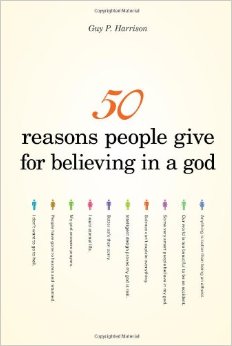
50 reasons people give for believing in a God

50 reasons

Old Book Review by S Nagarajan

Post No:- 1810; Date 19th April 2015

Time uploaded in London: 6-36 am
50 reasons people give for believing in a God by Guy P.Harrison

Guy P.Harrison is a columnist and travel writer for a national newspaper. He has won several international awards for his writing.

The book under review has 50 chapters. There are about 50 reasons to believe God or not. All the views are put in a perspective manner by the author.

He has visited many countries and interviewed almost all great followers of Hinduism, Buddhism, Christianity, Islam, Scientology etc.

Why should one believe God? Fear was the first thing on Earth to make Gods. Whether He exists or not, play it safe. The author humorously points out that some gods are very jealous and they don’t condone any worshipping of rival gods!

Guy Harrison appreciates Hinduism very much. It is the only religion appears united to outsiders because it is one of the world’s most flexible, open and accommodating religions by far. Hindus are told that everybody on earth is born a Hindu. That is why they are not trying to convert anybody into their fold.

As a journalist Guy Harrison interviews famous soccer player Pele, Nobel Peace Prize winner and the father of the H-Bomb.

He once interviewed a man who was in the Berlin Bunker with Adolf Hitler during the final days of the Third Reich.

Guy_May13

Picture of Guy Harrison

His vast experience made him to write this book on God!

He treats all religions equally and he has given a place for atheists also.

He has scrutinized miracle makers and caution us that these could be explained scientifically.

Believing in God does not hurt anyone. No one has ever disproved the existence of God. Without religion society would fall apart. Religion brings people together. Under these headings he is giving a number of anecdotes to prove his points.

We come across Michael Shermer who was a born Christian turned now as a non-believer.

An interesting investigation is ongoing about the possible natural roots of religion in the human mind and DNA. Some researchers think that we may be biologically “hardwired” for religion. They suggest that our brains are structured in a way that makes religious belief not only possible but virtually inevitable.

One chapter is devoted for intelligent design. The author points out that there are three primary problems with intelligent design. First, it has no evidence to support it. Second, intelligent design doesn’t say anything about how life was created. Third, intelligent design encourages us to give up on seeking answers because some mysteries of life are too complex to have a natural explanation.

Why god punishes innocent people? Take the case of tsunami, on December 26, 2004 which killed many thousand innocent people. 37 percent of the people killed were under the age of eighteen. Why they were punished?

The book makes an interesting reading. All about God packed in a single book!

But even though the author had extensively travelled throughout the world, he did not meet any great soul like Ramana or Sri Sathya Saibaba, Had he encountered some great souls, he could have got answers for all of his questions!

I wish that who are interested in knowing god from different perspectives, may go in for this book.

Summary

The book under review has 50 chapters. There are about 50 reasons to believe God or not. All the views are put in a perspective manner by the author. The author, Guy P.Harrison is a columnist and travel writer for a national newspaper. He has won several international awards for his writing.

Conspiracy of Foreign Scholars!

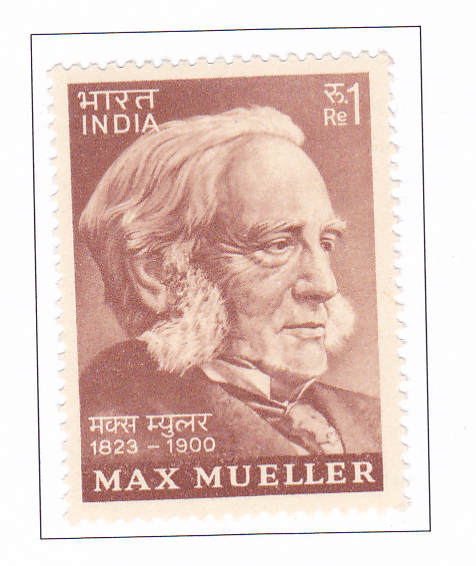
max muller

Post No.1809; Date: 18th April 2015

Compiled by London swaminathan

Uploaded from London at 18-45

Foreign scholars are  trickier than liars. Once we identify the liars, we isolate them or simply ignore their views. But foreign broadcasting organisations, newspapers and academicians will tell you half-truths and mislead you or confuse you and make you doubt your own father and mother. They will make you think that you are a bastard.  The best example for this is the Aryan Dravidian Racist theory. It is nowhere found in Sanskrit or Sangam Tamil literature. But they even made Hitler to believe in the pure Aryan race and provoked him to kill twenty million people! They will tell you fifty percent truth and sow poisonous weeds of doubts in your mind. Today I came across some examples in the book “History Revealed by Ramayana Astronomy” written by Puspendu Chaudhury (Calcutta, 1998). I wanted to share some of the points he discussed in his book

1.In the Bhagavad Gita (2-2), Sri Krishna reproached Arjuna using the words ‘Anaryajustam’ to mean like an ‘Anarya’ where ‘Anarya’ meant uncivilized. In Ramayana Vali was addressed ‘Aryaputra’ by his wife Tara. Ravana was addressed ‘Aryaputra’ by his door keepers; but these words were NOT  translated by the Western Scholar T H Griffith, though he used the word ‘vile’ in translating the word ‘Anarya’ used by Dasaratha in scorning Kaikeyi in the same book, ‘The Ramayana of Valmiki’ just because it would go against the ‘theory of the Aryan Invasion’ (though Max Muller had at last to retreat from the theory).

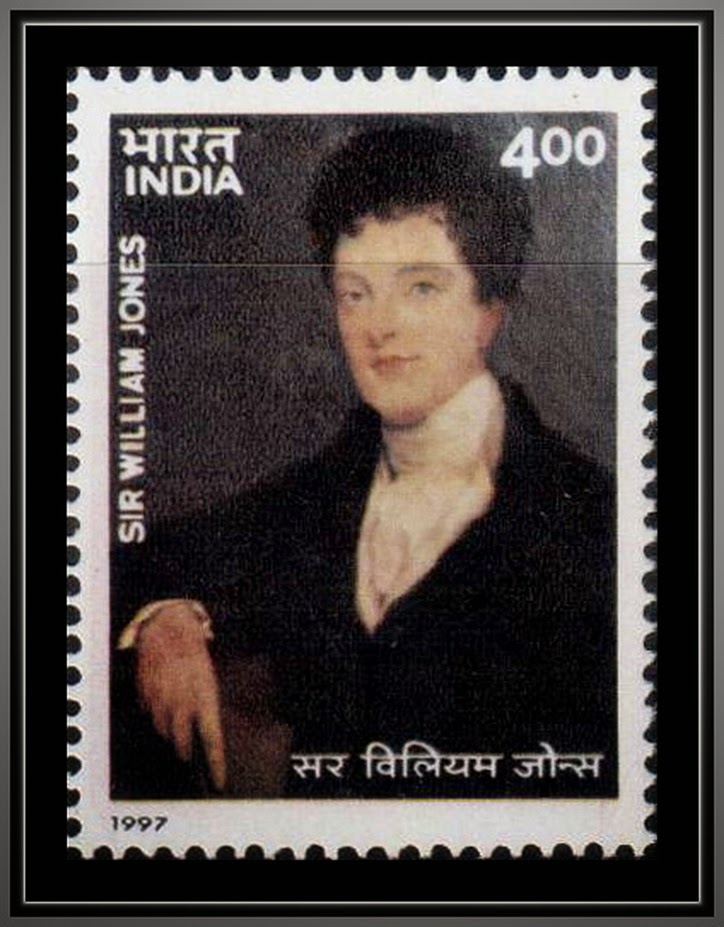
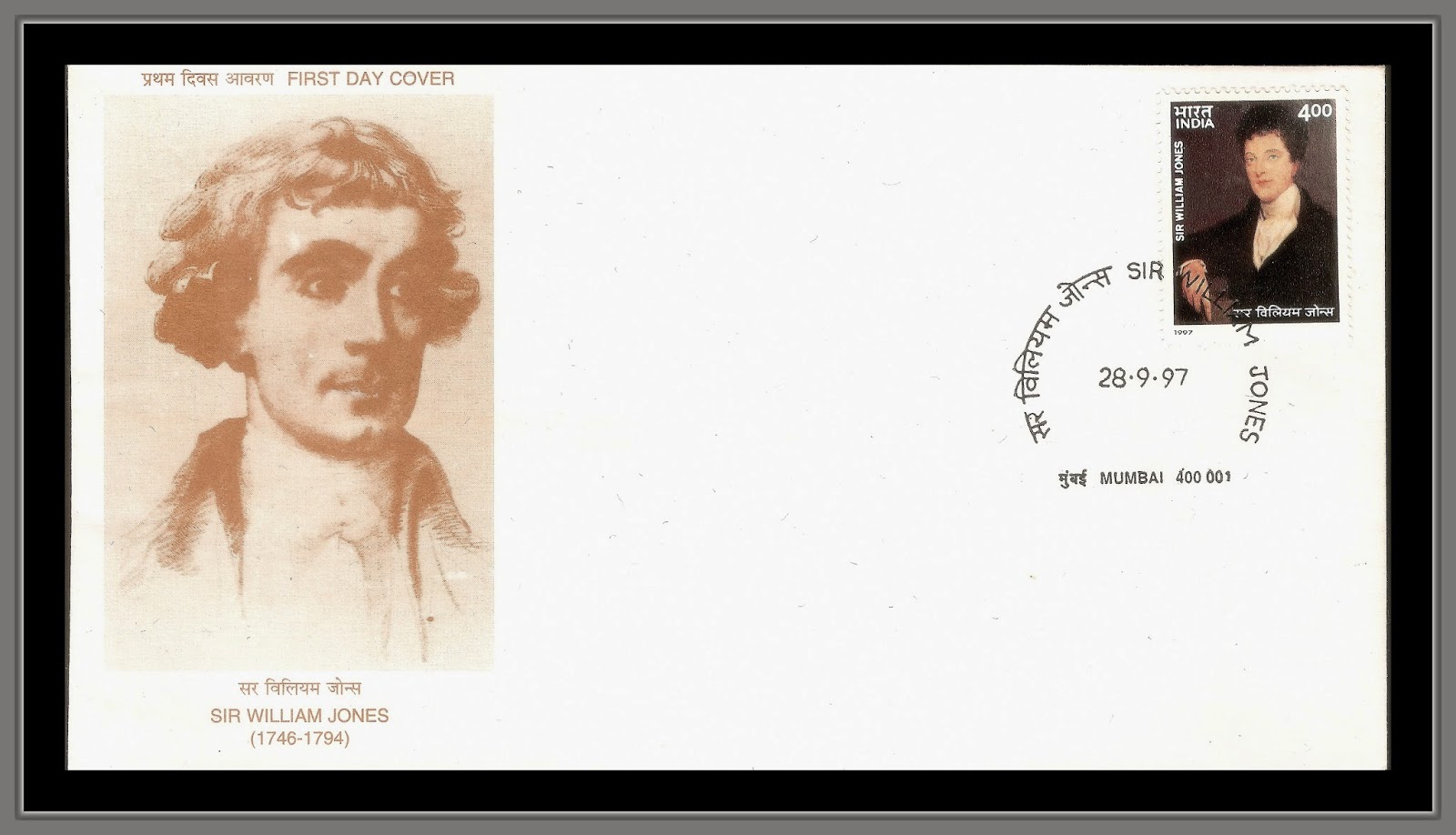
2.The religious bias of many Western scholars may be understood from the fact that Sir William Jones fixed the time of Manu B.C.4006 i.e the time of creation of the earth according to the Bible and that of Rama B.C.2029, quite ignoring the Bharatiya Puranic tradition.

jones stamp

ERAN STONE INSCRIPTION
3.Western scholars have tried to prove, as far as possible  a late date for our civilization and they picked up the pen with a questionable motive to cast doubts upon facts which constitute an object of pride to Indians. And such motive is reflected when the Eran Stone Pillar Inscription  reading ‘trayodasyam suraguror divase’ offered by James Prinsep (who first deciphered the Brahmi scripts)  was changed by putting ‘Dva’ in place of ‘Trayo’ by John F Fleet  to make the tithi of offer  of the stone pillar (as a Victory Pillar = dwaj sthamba) Dvadasi in place of Trayodasi so that the date could be available in 484 AD (June 21 Thursday) while Trayodasi could be available in 150 BC (Thursday, June 1)

Dvadasi is not a favourable tithi for holy ritual of offer of Vijaya Dhvaja (Victory Tower) to God Vishnu, while Sukla Trayodasi causes a nectar like benevolent combination .Knowledge of Indian astrology is, therefore, necessary for correct dating of such events. Rama attacked Lanka fort of Ravana in Sukla Trayodasi

jones fdc

  1. Distortion of Ramayana by Michael Madhusudan in his Meghanadhavadha Kavya:- “Lakshmana killed weapon less Indrajit against moral code of war. The idea of Ravana elevates and kindles my imagination. He was a grand fellow. Though as a jolly Christian youth, I don’t care a pin’s head for Hinduism … it is my ambition to engraft the exquisite graces of the Greek mythology on our own” (But according to Ramayana both Indrajit and Lakshmana bitterly fought with each other. Indrajit was killed by Lakshmana. Indrajit was an immoral warrior who broke the code of war by keeping himself disguised behind the cloud created by him with the Nikumbhila Yajna technology)

NPG Ax18290; Sir Monier Monier-Williams by Hills & Saunders

Monier Williams

5.”It may, however, be mentioned that the motive behind such work of the Western scholars in general was, as pointed out by Mr Steve Rosen, the religious bias for Christianity, while he discussed the matter in his book ‘Archaeology and the Vaishnava Tradition” (pages 18 to 28). The motive was delineated by Prof Monier-Williams: “ I am only the second occupant of the Bolden Chair, and that its founder, Colonel Bolden, stated most explicitly in his will (dated August 15, 1811) that the special object of his munificent bequest was to promote the translation of scriptures from Sanskrit – so as to enable his countrymen to proceed in the conversion of the natives to the Christian religion”.

மதுரகவி திருப்புகழ்!

 bommai krishna

Post No.1808; Date: 18th April 2015

Written by S NAGARAJAN

Uploaded from London at 5-42 AM


By .நாகராஜன்


மதுரகவி ஶ்ரீநிவாச ஐயங்கார்

பிரமிக்க வைக்கும் புதியதொரு சந்த வகையைத் தந்து முருகனின் அருளுக்குப் பாத்திரமாக லட்சோப லட்சம் பக்தர்களை ஈர்த்து திருப்புகழ் பாட வைத்தவர் மகான் அருணகிரிநாதர்.

சொற்சுவையும் பொருள் சுவையும் சந்தமும் லயமும் பின்னிப் பிணைந்து ஒவ்வொரு பாடலிலும் அமுதூறும் தமிழை முருக பக்தியில் குழைத்தவர் அவர்.

அந்த வகையில் அரிய திருப்புகழ் சந்தத்தை இன்னொரு மகாகவியும் பின்பற்றி பல நூறு பாடல்களை இயற்றியுள்ளார்; ஆனால் அவை சற்று பிரபலமாகாமல் இருக்கின்றன; காரணம் நாம் அறிந்த ஒன்று தான்!

வாழ்ந்த காலத்தில் கவிஞர்களைத் தமிழர்கள்  கண்டு கொள்ள மாட்டார்கள்; யாராவது ஒருவர் வந்து – அதுவும் மேலை நாட்டைச் சேர்ந்த யாராவது ஒருவர் வந்து –  அந்தக் கவிஞனின் புகழைப் பாராட்டியவுடன் விழித்துக் கொள்வார்கள்!

மதுரைக்கு அருகில் கம்பம் பள்ளத்தாக்கில் உள்ள கிராமங்கள் தமிழ் கவிஞர்கள் வாழும் ஊர்கள். இயல்பாக ஊருக்குப் பல கவிஞர்கள் இந்த தமிழ் மண்ணில் தோன்றி வந்திருக்கின்றனர்.

இந்த கம்பம் பள்ளத்தாக்கிள் உத்தமபாளையத்தை அடுத்து அனுமன் – தன் – பட்டி என்ற அழகிய கிராமம் உள்ளது. ஊரில் அனுமனின் கோவில் ஒன்று உள்ளது. இந்த கிராமத்தில் வைணவ மரபில் வந்து உதித்த பெரியார் மதுரகவி ஶ்ரீநிவாச ஐயங்கார்.

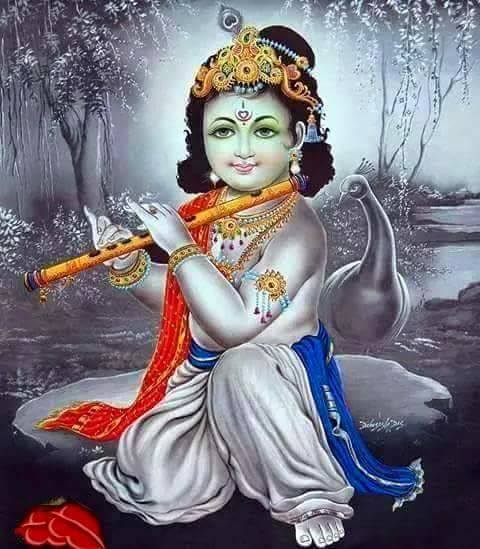
krishna flute

404 பாடல்கள் உள்ள திருமாலின் திருப்புகழ்


லட்சக்கணக்கான பாடல்களைத் தமிழில் இவர் யாத்துள்ளார். இவர் யாத்துள்ள சுமார் 62 நூல்களின் பட்டியல் நமக்கு இன்று கிடைத்துள்ளன. இந்த நூல்களில் ஒன்று மதுர கவி திருப்புகழ்.

இதில் 404 பாட;ல்கள் உள்ளன. 108 திவ்ய தேசங்களோடு மங்களாசாசனம் பெறாத திருப்பவள வண்ணம் என்ற இடத்தையும் சேர்த்து 109 திவ்ய தேசங்களை இதில் இவர் பாடியுள்ளார்.

இந்த திருப்புகழில் சோழநாட்டுத் தலங்கள் – 40, பாண்டிய நாடு -18, சேர நாடு – 13, நடு நாடு – 2, தொண்டை நாடு – 23, வடநாடு – 13, புராணத்தலத் திருப்பதிகள் – 21 என திருப்புகழ் துதிகள் ஏழு பிரிவுகளாக அமைக்கப்பட்டுள்ளன.

கரும்பாலையில் வீழ்ந்த பறவை போல தளர்வேனோ

உற்பா தப்பூ சற்பா பத்தால்

உட்டா பத்துக்              குளைவாகி

உற்றா லைபா கிற்சேர் புட்போல்

உற்றே கத்தித்             தளர்வேனோ

இற்பா சந்தா வித்தே நெக்கா

வெய்த்தா பத்திற்           படுவேனோ

எக்கா லப்பா லிற்போய் நற்கா

லிற்றாழ் வுற்றுத்           தணிவேனே

உற்பாத பூசல் உற்று பாபத்தால் உள் தாபத்துக்கு உளைவாகி உற்று ஆலைப்பாகில் சேர் புள் போல் உற்றே கத்தி தளர்வேனோ1

பொருள் : கொடுமைகள் நிறைந்த போரினால் உற்ற தீவினையால் மன வெம்மைக்கு ஆட்பட்டு ஆலைப்பாகில் விழுந்த பறவை போல் கதறித் தளர்வேனோ?

இற்பாசத்தாவித்தே  நெக்கா எய்த்து ஆபத்தில் படுவேனோ!

எக்கால் அப்பாலிற் போய் நற்காலில் தாழ்வுற்று தணிவேனே!

பொருள்: மனை ஆசையில் ஈடுபட்டு நெகிழ்ந்து இளைத்து இடரில் வீழ்வேனோ!எப்போது இந்த பாசமெனும் இடர்களுக்கு அப்பால் வந்து  நல்ல திருவடிகளில் தாழ்ந்து பணிந்து வணங்குவேன்?

சோழநாட்டு திவ்ய தேச திருப்புகழ் இது.

krishna yoga

ஆயர்பாடியில் சஞ்சரித்த கண்ணா!

இன்னொரு பாடல்:-

உதய பானு நேரான திகிரி சாபம் வாளாதி

ஒளிகொள் ஜோதி சூழேம                 முடையோனே

உதய ராக மோடாயர் மருவு பாடி யூடாடி

உரலி னேறி யளைதேடு                   மொருவோனே

சதன சீத மாறாத பதும லோச னாதேவர்

தமது தாபம் வாராது                       தகைவோனே

தரும ராச னீராழி யுலகை யாள  வேமோது

சமர்செய் சூத  னேதேவர்                   பெருமாளே

பொருள்: உதய சூரியனை ஒத்த சக்கரம், வில், கத்தி முதலிய சுடர் விடும் பிரகாசம் சூழ்ந்து சேமம் உடையவனே! பூபாள ராகத்துடன் ஆயர்கள் வாழும் ஆயர்பாடியில் சஞ்சரித்து உரல் மீது ஏறி நின்று வெண்ணெயைத் தேடுவோனே! நீரின் குளுமை மாறாத தாமரைக் கண்ணா! தேவர்கள் துன்பம் வாராமல் தடுப்பவனே! தருமபுத்திரர் நீர் சூழ்ந்த இந்த உலகை ஆள்வதற்காக பாரதப் போரில் பார்த்தனுக்கு தேர் ஓட்டியவனே! வானோர் தலைவனாகிய திருமாலே!

எடுத்த இடமெல்லாம் ராமாயணம், மஹாபாரதம் ஆகிய இதிஹாஸங்களிலிருந்து அற்புதமான நிகழ்ச்சிகள் சுட்டிக் காட்டப்படுவதைக் காணலாம்.

perumal chintadripet

நம்மாழ்வார் மீது பக்தி


நம்மாழ்வார் மீது பரம பக்தி கொண்டவர் கவிஞர் மதுரகவியார். அவரைப் பலபடியாகப் போற்றுவதையும் அநேகம் பாடல்களில் காண முடியும்!

இசைமேவு சந்தம் இயல்மேவு பந்தம்

இசைவான தொந்தம்                 இனிஓசை

எளிதான இன்ப நலம்நாடும் அன்பர்

இதையாச னங்கள்                   இடையேகி

அசை சீர் பொருந்து  கவியாயி ரங்கள்

அருள் மாறர் நெஞ்சம்                அமர்வாய் நீ

பொருள் :- கீதம் விளங்கும் பொலிவு, இயற்கையான கட்டுப்பாடு, பொருத்தமான தொடர்புடைய இனிய ஒலி, சுலபமான மகிழ்ச்சியில் நலம் நாடுகின்ற பக்தர்களின் இதய ஆசனங்களில் சென்று சீரும் அசையும் பொருந்திய ஆயிரம் பாசுரங்கள் வழங்கும் நம்மாழ்வார் உள்ளத்தில் அமர்வாய் நீ!

ஐம்படைகளோடாழி அழகாக அங்கையவரி மாமாயன்

எங்கள் தனி ஆழ்வார்கள் அன்பனுயர் சீர்பாட அரணாமே (கங்கை தரு என தொடங்கும் பாடல்)  என இப்படி எங்கள் ஆழ்வார்களின் ஒப்பற்ற அன்பனே உன் சீரைப் பாடினால் அதுவே எமக்கு காப்பு ஆகும் என மதுரகவியார் பகர்கிறார்!

கம்பனின் உரையுடன் கூடிய நூல்

மதுரகவியின் வழித்தோன்றல்களான வேதவல்லி- கோவிந்தராஜனின் பெரு முயற்சியால் இந்த நூல் வெளிவந்துள்ளது.

இதற்கு அருமையான உரையை கம்பன் என்ற புனைப் பெயரில் கேரளம் பரப்பனங்காடியைச் சேர்ந்த மு.கோ.ராமன் வழங்கியுள்ளார்.

திருமாலின் திருப்புகழைப் பாடப் பாட மெய் சிலிர்க்கும்; பக்தி பெருகும். தமிழ் அன்பர்கள் அனைவரும் படிக்க வேண்டிய அற்புத நூல் மதுரகவி திருப்புகழ்!

*************

நூல் கிடைக்கும் இடம் : வேதா பப்ளிகேஷன்ஸ், 8, நரசிம்மபுரம், மைலாப்பூர், சென்னை -4

சிந்து சமவெளியில் கந்தர்வர்கள்!!

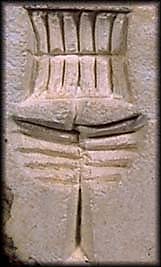
பிராணியின் கழுத்துக்குக் கீழே உள்ளது சோமரச வடிகட்டி

Research Paper No.1807; Date: 17th April 2015

Written by London swaminathan

Uploaded from London at 19-47

I have already published the English Version of this article.

கட்டுரைச் சுருக்கம்:

1.சிந்து சமவெளிக்கும் கந்தர்வர்களுக்கும் தொடர்பு உண்டு

.2.அங்கே அவர்கள் மற்ற இனத்துடன் வாழ்ந்தாலும் முக்கியப் பங்கு வகித்தனர்.

3.அவர்கள் சோமக் கொடி பயிர் செய்வதில் வல்லவர்கள். மலைகளில் வசித்ததால் அதை இந்து யாக யக்ஞாதிகளுக்கு சப்ளை செய்தனர். சிந்து வெளியில் சோமரச வடிகட்டி காட்டும் முத்திரைகள் கந்தர்வர்களுடையவை.

4.லவன், குசன், துர்யோதனன் நாகர்கள், இந்திரன் ஆகியோருடன் அவர்கள் சண்டை போட்டது பற்றி இதிஹாச புராணங்கள் கூறுவதால் சிந்து வெளியில் பலதரப்பட்ட மக்கள்– இன்றைய இந்து மதம் போலவே– கூடி வாழ்ந்தனர்.

5.அவர்கள் காதல் திருமணம் ஆடம்பர/செண்ட் போட்ட உடை, நாட்டியம், சங்கீதம் ஆகியவற்றில் விருப்பம் உடையவர்கள். சங்கீதத்துக்கு மறு பெயர் கந்தர்வ சாஸ்திரம்

6.இவர்களுக்கு தாவரம் பற்றிய அறிவு, கட்டிடக் கலை அறிவு மிகுதி. இந்த விஷயங்கள் எல்லாம் இந்துமத நூல்களில் உள்ளவை. வேதத்தில் எந்த இடங்களில் இவர்கள் பற்றி வருகின்றன என்பதை எனது ஆங்கிலக் கட்டுரையில் காணவும்.

கந்தர்வர்கள் பற்றி ராமாயணம் மஹாபாரதம், புராணங்கள், வேதங்கள் ஆகியவற்றில் சொல்லிய விஷயங்களை இன்னும் யாரும் முழுக்க ஆராயவில்லை. சிந்து சமவெளிக்கும் கந்தர்வர்களுக்கும் மிகவும் நெருக்கமான தொடர்பு உண்டு. இது பற்றி நான் எழுதிய நீண்ட ஆங்கிலக் கட்டுரையின் சுருக்கத்தை மட்டும் இங்கே தருகிறேன்.

soma filter

சிந்து சமவெளி சோமரச வடிகட்டி

1.கந்தர்வ மணம் என்பது காதல் கல்யாணம். இது மனு ஸ்ம்ருதி எனும் சட்டப் புத்தகம் கூறும், இந்துக்களின் எட்டு வகைத் திருமணங்களில் ஒன்று. மனு ஸ்ம்ருதி கூறியதை தொல்காப்பியரும் அப்படியே கூறுகிறார். இதன் விவரங்களை “இந்துக்களின் எட்டு வகைத் திருமணங்கள்” என்ற எனது கட்டுரையில் கொடுத்திருக்கிறேன்.

2.வேதங்களில் சோம ரசத்துக்குப் பாதுகாவலர்கள் கந்தர்வர்கள் என்றும் அவர்கள் வானத்தில் (உயரமான மலைகளில்) வசிப்பவர்கள் என்றும் அவர்கள் சோம ரச உற்பத்திக்குப் பெயர் எடுத்தவர்கள் என்றும் பல துதிகள் வருகின்றன.

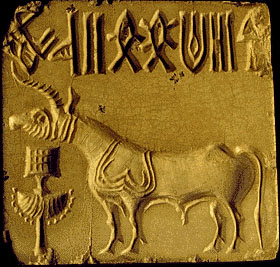
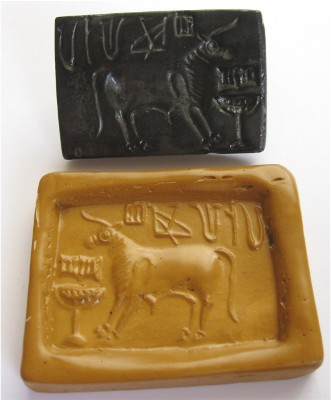
3.சிந்து சமவெளி முத்திரைகளில் பிராணிகளுக்குக் கீழே ஒரு மர்ம சின்னம் இருக்கிறது. இதுவரை அது என்ன என்பதற்கு உறுதியான ஆதாரம் கிடைக்கவில்லை. அது போலவே ஒற்றைக் கொம்பு மிருகத்துக்கும் விளக்கம் கிடைக்கவில்லை. சிலர் இது குதிரை என்பர். அது போலவே அந்த மர்ம வடிவம் சோம ரசத்தை வடிகட்டும் பாத்திரம் என்பர். இந்த குறிப்பிட்ட வகை முத்திரைகள் எல்லாம் கந்தர்வர்களுடையவை என்று நாம் கொண்டால் அந்த மர்ம பாத்திரம் சோம ரச வடிகட்டியாக இருக்கலாம். ஏனைய முத்திரைகளில் இவை இல்லாததற்குக் காரணம் அவை கந்தர்வர் இல்லாத வேறு குழுவினருடையவை என்று கொள்ளலாம். சிந்து நாகரீகத்தில் ஆரிய திராவிட இனவெறியைப் புகுத்தி அந்த ஆராய்ச்சியைக் குட்டிச் சுவராக்கிய மார்ட்டிமர் வீலர் போன்றவர்களை மறந்து விட்டு, அது பல இன குழுக்கள் நாகரீகம் என்று கொண்டால் எளிதில் அந்த எழுத்துக்களைப் படிக்கலாம்.

4.கந்தர்வர்கள் என்போர் — மனிதர், நாகர்கள், தேவர்கள், அசுரர்கள் எல்லோருடனும் வசித்ததை வேத துதிகள் உறுதி செய்கின்றன. அவர்கள் நாகர்களுடனும் சண்டை போட்டனர். இறுதியில் புருகுத்சர் என்பவர் விஷ்ணு அமசத்துடன் தோன்றியதாகவும் நாக குல பெண் நர்மதா புருகுத்சனுக்கு கந்தர்வர் ஒளிந்து கொண்டிருக்கும் பகுதியைக் காட்டி அவர்களை அழித்ததாகவும் புராணங்கள் கூறுகின்றன.

5.கந்தர்வர்கள் 27 பேர் என்று யஜுர் வேதமும் 6333 பேர் என்று அதர்வ வேதமும் கூறும். அந்தந்த இடத்தில் இந்த எண்களை வைக்கையில் சரியான பொருள் கொள்ள முடியும். ரோகிணி நட்சத்துடன் கந்த்ர்வர்களை தொடர்புபடுத்துவர். தமிழர்களும் வடக்கே இருந்தவர்களும் பழங்காலத்தில் ரோகிணியில் கல்யாணம் செய்துகொண்டதை அகநானூற்றில் காணலாம்.

6.வானவில், கானல் நீர் ஆகியவற்றுடன் கந்தர்வர்களைத் தொடர்புபடுத்தும் துதிகளும் உள.

தாய்லாந்து மியூசிய கின்னரர் சிலை

7.கந்தர்வர்களுக்கு தாவரங்கள் பற்றி நன்கு தெரியும் என்றும் விஸ்வவசு ஒரு முறை சோமக் கொடியைத் திருடியதாகவும் பின்னர் அது மீட்கப்பட்டது என்றும் அதர்வ வேதம் கூறும்

8.ஒரு இந்துப் பெண் கல்யாணம் முடிப்பதற்கு முன், அவள் அக்னி, சோம, கந்தர்வருக்கு சொந்தமாக இருந்தாள் என்றும் கூறப்படுகிறது

.9.கந்தர்வருடைய தோற்றம் பற்றியும் வேத மந்திரங்கள் வருணிக்கின்றன.

10.வராஹமிகிரர் எழுதிய ப்ருஹத் சம்ஹிதையில் கந்தர்வர்கள், ஆப்கனிஸ்தான-பாகிஸ்தானம் பகுதிகளைச் சேர்ந்தவர்கள் என்று சொல்கிறார். இது சிந்து சமவெளிப்பகுதிக்குள் வந்து விடுகிறது. அவர் சிந்து நதியின் இரு கரைகளில் உள்ள புஸ்கலவதியையும், தக்ஷசீலத்தையும் குறிப்பிடுகிறார்.

11.கந்தர்வரின் நகரங்களை மிகவும் அழகான நகரங்கள் என்று புராணங்கள் வருணிக்கின்றன இந்து சிந்துவெளி நகரங்களைப் பற்றியதாக இருக்கலாம்.

12.கந்தர்வர் பெயர்களில் “சித்ர” என்ற பெயர் மிகவும் அடிபடுகிறது. இந்த மூன்று எழுத்துக்களை சிந்துவெளி முத்திரைகளில் கண்டுபிடித்துவிட்டால அதைப் படிப்பது எளிதாக இருக்கும்.

13.சங்கத் தமிழ் இலக்கியத்தில் கங்கை, இமயம் பற்றி பல குறிப்புகள் உண்டு. ஆனால் சிந்து நதி அல்லது அந்தப் பிரதேசம் பற்றிய குறிப்புகள் இல்லை. ஆகவே “தமிழர்-சிந்துவெளி தொடர்பை” ஒதுக்கி வைத்துவிட்டு ஆராய்வது நலம் பயக்கும்.

14.கந்தர்வர்களை சுகந்த மணம் வீசும் ஆடைகளை அணிபவர்களாகவும் வேதங்கள் பாடுகின்றன.

15.சரஸ்வதி நதிதீரத்தில் 12 ஆண்டு வறட்சி ஏற்பட்டபோது பிராமணர்கள் எல்லோரும் வெளியேறிவிட்டனர் என்றும் 12 ஆண்டுகளில் அவர்கள் வேதங்களைக்க்கூட மறந்து விட்டனர் என்றும் மஹாபாரதம் கூறும். அதில் ததீசி முனிவரின் மகன் மட்டும்  அங்கேயே தங்கியதால் அவர் பெயர் சரஸ்வத என்றும் அவர் திரும்பிவந்த பிராமணர்களுக்கு வேதம் கற்பித்ததாகவும் கூறும். வெளியேறிய சாரஸ்வத பிராமணர்கள் இப்போது இந்தியாவில மேற்குக் கடற்கரையோர மாநிலங்களில் வசிக்கின்றனர். சிந்துவெளி-சரஸ்வதி தீர நாகரீகம் வறட்சி முதலிய இயற்கைக் காரணங்களால் அழிந்ததற்கு மஹாபாரதத்தில் தடயம் உள்ளது.

நான் முன்னரே ஆங்கிலக் கட்டுரை ஒன்றில் குறிப்பிட்டதை மீண்டும் நினைவு படுத்துகிறேன். சிந்துவெளியில் இன்றைய இந்தியாவைப் போலவே பல்வேறு தரப்பினர் ஒரே நேரத்தில் இருந்திருக்கலாம். ராமனின் மகன்கள் லவனும் குசனும் கந்தர்வர்களிடம் இருந்து சிந்துவெளி நகரங்களைக் கைப்பற்றியதை நான் ராமாயண ஆதாரங்களோடு எழுதினேன். இதை மகாபாரதமும் உறுதி செய்கிறது.

சந்தனுவுக்கும் சத்யவதிக்கும் சித்ராங்கதன் என்று ஒரு மகன் இருந்ததாகவும் அவன் அகந்தையால் அழிந்தான் என்றும் சரஸ்வதி நதிதீரத்தில் கந்தர்வர்களுக்கும் அவனுக்கும் நடந்த யுத்தத்தில் அவனுடைய பெயர் உடைய ஒருவனே அவனைக் கொன்றான் என்றும் மகாபாரத ஆதி பர்வம் கூறும் (1-101). ஆக சிந்துவெளியை கந்தர்வர்கள் ஆட்சிபுரிந்ததை இரு இதிஹாசங்களும் உறுதி செய்கின்றன. மகா பாரதம் ஜெயத்ரதன் என்ற மன்னனையும் சிந்து தேச அரசன் என்றே குறிப்பிடுகிறது.

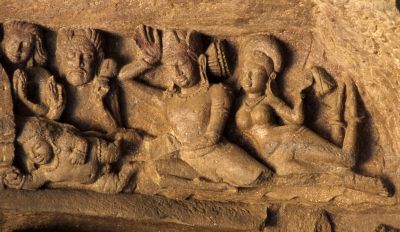
celestials.jpg (400×300)

மாமல்லபுரத்தில் கந்தர்வர்கள்

சித்ரரதன் யார்?

மஹாபாரதத்தில் சித்ரரதன் பற்றி இரண்டு விஷயங்கள் வருகின்றன. இவன் கந்தர்வ இனத் தலைவன். இவன் தலைமையில் இருந்த படைகள் கௌரவர் படையைத் தாக்கவே கர்ணன் போன்ற பெருந் தலைவர்கள் உயிருக்குப் பயந்து ஓடி விட்டனர். துரியோதனனை கந்தர்வர்கள் கைது செய்தனர். அர்ஜுனன் போய் சமாதானம் பேசி மீட்டு வந்தான். ஏனெனில் சித்ரரதன் அர்ஜுனனின் நண்பன்.

கந்தர்வர்கள், ஒரு குறிப்பிட்டவகை போர்ப் பயிற்சியில் வல்லவர்கள். இசைக் கலையிலும் மன்னர்கள். அவர்களுடைய மனைவியரான அப்சரஸ் என்னும் அழகிகள் நாட்டியக் கலையில் வல்லவர்கள் ஆகவே இந்தியாவில் இசை-நடனக் கலைக்குப் பெயர் கந்தர்வ வேதம். இது ஆய கலைகள் 64-இல் ஒன்று. சிந்து சமவெளியில் கிடைத்த நாட்டியப் பெண்ணின் சிலை, கந்தர்வர் தொடர்பை உறுதி செய்கிறது.

இப்போது ஒரு சந்தேகம் எழும். தேவ லோக கந்தர்வர்களுக்கும் பூலோக கந்தர்வர்களுக்கும் என்ன தொடர்பு? இதற்கு விடை என்னவென்றால் கந்தர்வர் என்னும் சொல்லும் கின்னரர் என்ற சொல்லும் பூவுலகில் வேறு பொருள் உடைத்து. இந்தியாவில் உள்ள எல்லா ஜாதிகளும், தாங்கள் கடவுள் அல்லது தேவர்களிடம் தோன்றியதாகக் கூறும். அதாவது தேவலோகம் வேறு, அவர்களுடன் தங்களை அடையாளம் காண விழையும் பூலோக வாசிகள் வேறு. இதனைப் புரிந்து கொண்டு இரு மட்டங்களில் – இரு வேறு தளங்களில் இந்தச் சொற்கள் பயன்படுத்தப்படுகின்றன என்பதைத் தெளிதல் வேண்டும். தமிழ் மன்னர்கள் கூட சூரியகுலம், சந்திர குலம் என்று சொல்லி தங்களை தேவலோகத்துடன் தொடர்பு படுத்துகின்றனர்.

சிந்து சமவெளி பற்றிய என்னுடைய முந்தைய 30 கட்டுரைகள்: Read my other 30 posts on Indus:

சிந்து சமவெளி பாடகர்கள்: ஹாஹா, ஹூஹூ!!  28-10-2014

சிந்து சமவெளி: பிராமணர் தொடர்பு, 10 மே 2014

சிந்து சமவெளியில் பேய் முத்திரை

சிந்து சமவெளியில் ஒரு புலிப் பெண்  Aug.23, 2012

கொடிகள்: சிந்து சமவெளி- எகிப்து இடையே அதிசய ஒற்றுமை

‘எள்’ மர்மம்: ரிக் வேதம் முதல் சிந்து சமவெளி வரை! Post No 755 dated 23/12/13

தேள்— ஒரு மர்ம தெய்வம்!
சிந்து சமவெளி & எகிப்தில் நரபலி1 November 2012

சிந்து சமவெளியில் செக்ஸ் வழிபாடு (26/7/13)
கொடி ஊர்வலம்: சிந்து சமவெளி – எகிப்து அதிசய ஒற்றுமை(15/10/12)

‘திராவிடர் கொலை வழக்கு: இந்திரன் விடுதலை’ Post-763 dated 28th Dec. 2013.
சிந்து சமவெளியில் அரசமரம்

சிந்து சமவெளி நாகரீகம் பெயரை மாற்றுக! march 29, 2014

1500 ஆண்டு பிராமண ஆட்சியின் வீழ்ச்சி 24-3-14

Bull Fighting: Indus Valley to Spain via Tamil Nadu (posted 21/1/12)
Human Sacrifice in Indus Valley and Egypt (posted on 31/10/12)
Ghosts in Indus Seals and Indian Literature

Flags: Indus Valley- Egypt Similarity

Tiger Goddess of Indus Valley: Aryan or Dravidian?

Indra on Elephant Vahana in Indus Valley

Indus Script Deciphered

Human sacrifice in Indus Valley and Egypt 0ct.31, 2012

Indus Valley Cities in Ramayana Dec.18, 2012

Open Sesame’: Password to Heaven Post No 756 dated 23rd December 2013

Change ‘’Indus’’ valley civilization to ‘’Ganges’’ valley civilization! Ulta! 29-3-2014

Indus Valley Case: Lord Indra Acquitted Post No 764 dated 28th Dec. 2013

‘Sex Worship’ in Indus Valley
Flags: Indus Valley – Egypt Similarity (15/1012)

The Sugarcane Mystery: Indus Valley and the Ikshvaku Dynasty
Vishnu in Indus Valley Civilization (posted on 19-10-11)
Serpent Queen: Indus Valley to Sabarimalai 18 June 2012

Fall of Brahmin Kingdoms in Pakistan and Afghanistan 23-3-14

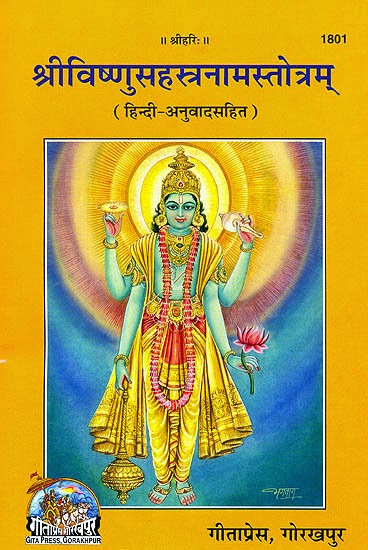
Three Books on a ‘Deity with a Thousand Names’: Vishnu Sahasranama

Compiled from London swaminathan

Post No 1806; Date 17th April 2015

Uploaded in London at 15-24

The first book review is from my old paper cuttings file; before I destroy the paper cuttings, I want others to read it. Published on 9-11-99; probably in The Hindu

Sree Vishnu Sahasranama – A Treatise: Kalluri Suryanarayana;Sankhyayana Vidhya Parishad, H No.2-12-34, Annapurna Colony, Uppal, Hyderabad- 500039, Rs.153

The religious importance of Vishnu Sahasranama can be gauged from the nearly forty commentaries by saints and scholars for this most popular hymn; three of them have been rendered by the leaders of the three different systems of Hindu philosophy.

Of them Adi Shankara’s was the first and a version says how when he wanted to write his commentary on another Sahasranama, this work was placed before him.

His was based on Advaita, while the Dwaita approach was by Sri Satya Sandha Tirtha whereas the “Bhagavad Guna Darpana” was by Parasara Bhattar as per Vishishtadwaita school. The entire work, as contained in the Mahabharata, refers to the glory of Vishnu.

The treatise by the author, with Sanskrit text and English annotation, explains the significance of the 1000 names. Since the English meaning of this hymn is given in this work, many in this country and those living abroad, will welcome it. The author points out that the commentary of Sankara is like that of River Ganges, of Bhattar’s like Yamuna of the Madhwa saint’s as Saraswati. Every name is a mantra by itself, some with two and some ranging up to eight words. The hymn is an antidote for all ills.

The author mentions the benefits which will accrue by  by reciting the various name of Vishnu. One gets immortal ecstasy by chanting the names.  He connects twenty four Bhijaksharas of Gayatri mantra to the 24 names of Vishnu. In his commentary, Sankara has explained the glory of Visnu in Saguna and Nirguna forms, fit for meditation to attain the merger of Jeeva with the Paramatma.

The brief meaning of each name is simple as for instance for “Kshamaya”, the author says that for devotees who could not realise him earlier, Vishnu will confer liberation immediately when they start meditating on Him. The hymn can be chanted by everyone and for this, , no special ritual is prescribed. The book will quench the thirst of people who wish to achieve progress in the realm of spiritualism. The name of Koorattazhwan has been mis-spelt in the book giving an unsavoury meaning—DVV

Two More Books on Sahasranama

Thousand Ways to the Transcendental by Swami Chinmayananda

Central Chinmya Trust, Mumbai -400 072, 2009, Price Rs 115

“There is a deep connection between the name and the named. The name brings to our mind the image of the person thought of and the more one thinks, the more consistent the impressions. Eg. When I say flower, you immediately conceive a mental picture of the flower. This is the sole principle behind association.

“The 1000 names of Lord Vishn are meant to invoke a sense of bonding with the Lord, who’s the most intimate one, whether we recognise it or not. Yet how often and how deeply do we call out to him? The meanings of the names given out here will help in understanding the magnitude and depth of Godhood.

Vishnu Sahasranama was taught by Bhisma lying on a Bed of Arrows to Yudhisthira. It bought joy and solace to both. May t do the same to you as well”

“In the Thousand Names, 90 names have been repeated; and of them 74 are repeated twice, 14 are repeated thrice, and again two of them repeated four times.

“There are exactly 1031 single “Names” of Lord in the 1000 Name Chant (Sahasranama). The extra 31 names to be considered each as an adjective qualifying (vishesana) the immediately following noun”.

(This book contains how to use the names in Archana)

SRI VISHNU SAHASRANAMAM by Swami Tapasyananda, Sri Ramakrishna Math, 16 Ramakrishna Math Road, Mylapore, Madras – 600 004

From Introduction:

Vishnu Sahasranama is part of the Santi Parva of the Mahabharata. Tradition says that it was composed by Sanaka, one of the Kumaras (eternal living youths) and was transmitted to Bhisma who recied in the presence of Sri Krishna to the Pandava brothers when he was questioned by Yudhisthira “Who is the Being who is the Supreme Lord of all and by praising and worshipping whom man gains what is good and attains salvation?” The Thousand Names of Mahavishnu is the answer Bhisma gives to this enquiry. Besides its inherent quality, the importance of the Stotra is enhanced by the fact that no less than a personage than the great Sri Sankaracharya thought it worthwhile to write a commentary on it, expounding the meanings of the various names that find a place in it.

My comments: Read Vishnu Sahasranama every day and solve all your problems the easy way!