கடலில் பெய்த மழையும் புத்தகத்திலுள்ள அறிவும் வீண்! வீண்! (Post No.2661)

old groom

Compiled by london swaminathan


Date: 25 March 2016


Post No. 2661


Time uploaded in London :–  11-10 AM


( Thanks for the Pictures)


DON’T REBLOG IT AT LEAST FOR A WEEK!  DON’T USE THE PICTURES; THEY ARE COPYRIGHTED BY SOMEONE.


(for old articles go to tamilandvedas.com OR swamiindology.blogspot.com)


Already published in English; Tamil Translation: London swaminathan

சம்ஸ்கிருதத்தில் பல அழகான ஸ்லோகங்கள் உள்ளன. கற்றறிந்த அறிஞர்களும், சான்றோர்களும் பேசிக்கொண்டிருக்கையில், அவைகள் தானானாகப் பொங்கி வரும். இதையே விவேக சிந்தாமணி என்ற, ஆசிரியர் பெயர் தெரியாத, நூலிலும் காண முடியும். இதுகுறித்து நான் ஏற்கனவே எழுதிய ‘பயன் இல்லாத ஏழும், உதவாத எட்டும்’ என்ற கட்டுரையில் காண்க (நவம்பர் 18, 2013). அதில் விவேக சிந்தமணி பாடல் ‘ஆபத்துக்குதவா பிள்ளை’— முதலிய பாடல்களைக் கொடுத்துள்ளேன்.


இனி சில சம்ஸ்கிருத பாக்கள்:

நாலு விஷங்கள்:–

அனப்யாச வித்யா- பயன்படுத்தப்பாடாத படிப்பு

அஜீர்ண போஜனம் – செமிக்காத உணவு

தரித்ர சபா- ஏழைகள் சபை

விருத்த தருணீ – வயதான மாப்பிள்ளைக்கு இளம் மணமகள்

அனப்யாஸோ விஷம் வித்யா அஜீர்ணே போஜனம் விஷம்

விஷம் சபா த்ரித்ரஸ்ய வ்ருத்தஸ்ய தருணீ விஷம்

–ஹிதோபதேசம்

Xxx


rain sea

வீண்போகும் 4 விஷயங்கள்:—


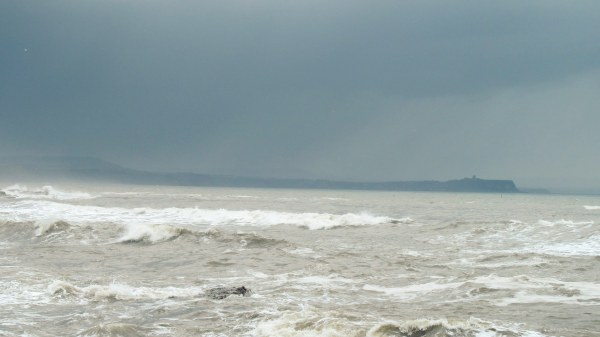
சமுத்ரேஷு வ்ருஷ்டி: – கடலில் பெய்யும் மழை

த்ருப்தஸ்ய போஜனம்- சாப்பிட்டவனுக்குப் போடும் சாப்பாடு

சமர்தஸ்ய தானம் – திறமையுள்ளவனுக்கு கொடுக்கப்படும் தானம்

திவா தீபா – பகலில் ஏற்றப்படும் விளக்கு

வ்ருதா வுருஷ்டி: சமுத்ரேஷு வ்ருதா த்ருப்தஸ்ய போஜனம்

வ்ருதா தானம் சமர்தஸ்ய வ்ருதா தீபோ திவாபி ச

-சுபாஷித ரத்ன பாண்டாகரம் 153-26

Xxx


கெட்டதைத் தட்டிக் கேட்காத முதியோர்

வ்ருத்தரஹித சபா- முதியோரில்லா சபை

தர்மாப்ரதிபாதகா வ்ருத்தா – நல்ல குணங்களை எடுத்துரைக்கா முதியோர்

சத்யரஹித தர்ம- உண்மையில்லாத வழிமுறைகள்

சலாப்யுபேதம் சத்யம் – உண்மையை தவறான விஷயங்களுக்குப் பயன்படுத்துவோர்

ந சா சபா யத்ர ந சந்தி வ்ருத்தா ந தே வ்ருத்தா யே ந வதந்தி தர்மம்

நாசௌ தர்மோ யத்ர ந சத்யமஸ்தி ந தத்சத்யம் யச்சலேனாப்யுபேதம்

–விதுரநீதி 3-58

Xxx


libraries

பயனற்ற நான்கு விஷயங்கள்:–

பராதீன ஜன்ம – மற்றவர்களை அண்டி வாழும் வாழ்க்கை

ப்ரஸ்த்ரீ சுக- மற்ற பெண்களிடத்தில் துய்க்கும் இன்பம்

பரகேஹே லக்ஷ்மீ –பிறர் வீட்டிலுள்ள செல்வம்

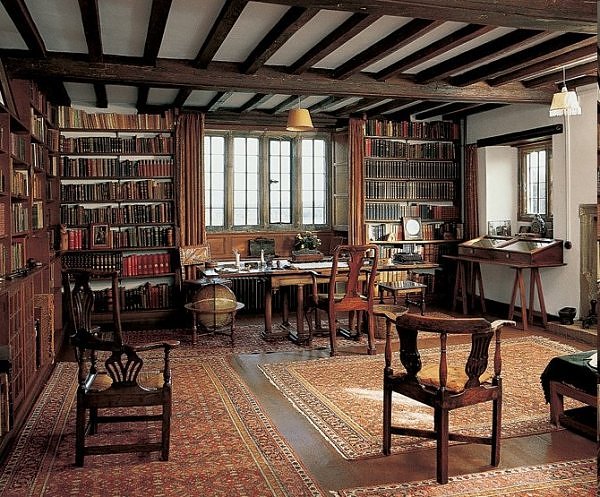
புஸ்தக வித்யா – நூல்களிலுள்ள அறிவு: ஏட்டுச் சுரைக்காய்

பராதீனாம் வ்ருதா ஜன்ம பரஸ்தீஷு வ்ருதா சுகம்

பரகேஹே வ்ருதா லக்ஷ்மீ: வித்யா யா புஸ்தகே வ்ருதா


Xxx

பயனிலா முடிவுடைய நான்கு:—

husbad wife

அஜயுத்தம்ருஷிராத்தம் ப்ரபாதே மேகடம்பரம்

தம்பத்யோ கலஹஸ்சைவ பரிணாமே ந கிஞ்சன

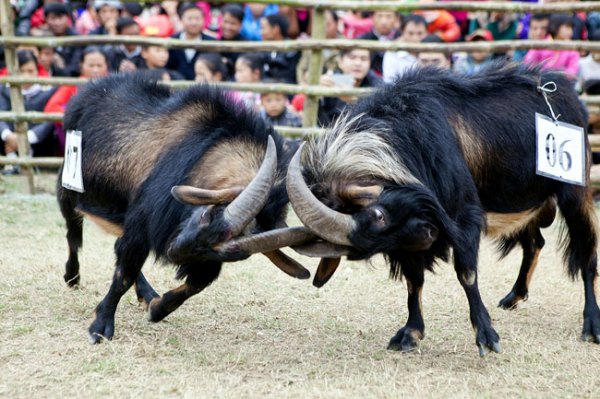
அஜயுத்தம் –ஆட்டுச் சண்டை

ரிஷி ஸ்ராத்தம் – ரிஷி முனிவர்களுக்குச் செய்யப்படும் ஸ்ராத்தம்

ப்ரபாதே மேகடம்பரம் – காலையில் இடியுடன் கூடிய மேகம்

தம்பதி கலஹம் – கணவன் –மனைவி சண்டை


–சுபம்–


எங்கும் நிறைகின்ற பொருளே! (Post No 2660)

Togan-volcano_1369656a

WRITTEN BY S NAGARAJAN


Date: 25 March 2016


Post No. 2660


Time uploaded in London :–  6-21 AM


( Thanks for the Pictures)


DON’T REBLOG IT AT LEAST FOR A WEEK!  DON’T USE THE PICTURES; THEY ARE COPYRIGHTED BY SOMEONE.


(for old articles go to tamilandvedas.com OR swamiindology.blogspot.com)


விவேகானந்த அமுதம்


எங்கும் நிறைகின்ற பொருளே!


ச.நாகராஜன்


viveka 15 p

கிழவியின் வலி!


பிட்டுக்கு மண் சுமந்த சிவபெருமானின் மீது வீழ்ந்த அடி எல்லோர் மீதும் பட்ட ‘பிட்டுக்கு மண் சுமந்த கதையை’ நாம் அறிவோம்.


எங்கும் இருப்பதை உணர்த்துபவன் இறைவன் மட்டுமல்ல. அந்த அனுபவத்தை தீர்க்கமாக உணர்ந்து அவனுடன் ஒன்றி விட்ட அடியார்களும் எங்கும் இருப்பதையும் எங்கும் நடப்பதையும் அறிய வல்லவர்கள்.


ஸ்வாமி விவேகானந்தர் வாழ்க்கையில் நடந்த இரு அற்புத சம்பவங்களைக் காண்போம்.


மேலை நாட்டில் ஓய்வின்றி உழைத்ததால் ஸ்வாமிஜியின் உடல் நலம் குன்றி இருந்தது. அவர் தாயகம் திரும்பியவுடன் அவர் ஓய்வெடுக்க வேண்டிய அவசியத்தை அனைவரும் வ்ற்புறுத்தினர். அதை ஏற்று ஸ்வாமிஜி டார்ஜிலிங் சென்றார்.

அங்கு ஒரு நாள் காலை நடைப்பயிற்சியின் போது ஒரு வயதான கிழவி தன்னால் சுமக்க முடியாத சுமையைச் சுமந்து செல்வதைக் கண்டு வேதனையுற்றார்.


அவருடன் கூடச் சென்றவர்கள் ஸ்வாமிஜி படும் துன்பத்தைக் கண்டு அவர்களும் வேதனைப்பட்டனர்.


திடீரென்று எதன் மீதோ  தடுக்கி அந்தக் கிழவி கீழே விழுந்தாள். அவளது விலா எலும்புகளில் சரியான அடி. அவள் வலி தாங்காமல் அலறினாள்.


அதே சமயம் ஸ்வாமிஜியும் அலறினார். “என்னால் நடக்க முடியாது. பயங்கரமான வலி”  – என்றார் அவர்.

கூட இருந்த சீடர்கள், “எந்த இடத்தில் வலிக்கிறது, ஸ்வாமிஜி?” என்று கேட்டனர்.


கிழவிக்கு அடிபட்ட அதே இடத்தை –  விலா எலும்புகளைக்-  காண்பித்த ஸ்வாமிஜி, “இங்கே தான்” என்றவர், அந்தக் கிழவிக்கு எப்படிப்பட்ட அடி தெரியுமா?” என்றார்.


அனைவரையும் தானாகவே பாவித்த ஸ்வாமிஜியின் இந்த வாழ்க்கைச் சம்பவம் அவர் எப்படிப்பட்ட இரக்க சுபாவம் உள்ளவர், யார் எங்கு துயருற்றாலும் உடனே அவர் மனம் என்ன பாடுபடும் என்பதைக் காட்டும் சம்பவம்!


ஸ்வாமிஜி தனியே இருக்கும் போது மனித குலம் படும் துன்பத்தக் கண்டு அழுவார். அப்படி ஒரு இரக்க மனோபாவம் அவருக்கு.


பிஜிக்கு அருகே வெடித்த எரிமலை!


பேலூர் மடத்தில்  ஸ்வாமிஜி தங்கி இருந்த போது அவருக்கு அடுத்த அறையில் ஸ்வாமி விஞ்ஞானானந்தா தங்கியிருந்தார்.

ஒரு நாள் இரவு இரண்டு மணிக்கு தன் அறையிலிருந்து வெளியே வந்த அவர் ஸ்வாமிஜி அமைதியின்றி தவித்தவாறே நடப்பதைக் கண்டார். ஆச்சரியப்பட்ட அவர் ஸ்வாமிஜியிடம், “ என்ன ஸ்வாமிஜி, தூங்கவில்லையா? தூக்கம் வரவில்லையா?” என்று கேட்டார்.


“நன்றாகத் தான் உறங்கிக் கொண்டிருந்தேன். திடீரென்று ஒரு அதிர்ச்சி. உடனே எழுந்து விட்டேன். நிச்சயமாக உலகில் எங்கோ ஒரு பெரிய விபத்து நேர்ந்திருக்கிறது.  அதில் ஏராளமானோர் உயிரை இழந்திருக்க வேண்டும்”.  என்றார் ஸ்வாமிஜி.


ஸ்வாமி விஞ்ஞானானந்தா இதைப் பெரிதாகப் பொருட்படுத்தவில்லை. இங்கே ஒரு சிறிய அறையில் படுத்திருப்பவருக்கு உலகில் நடக்கும் பெரிய விபத்து எப்படித் தெரிய முடியும்?


மறுநாள்  பேப்பர் வந்த போது தான் அவருக்கு ஆச்சரியம் காத்திருந்தது. பிஜிக்கு அருகில் ஒரு எரிமலை வெடித்து ஏராளமானோர் அதில் உயிரை இழந்திருந்தனர். ஸ்வாமிஜி எந்த நேரத்தில் விபத்து நேர்ந்ததாக உணர்ந்தாரோ சரியாக அதே நேரத்தில் அந்த எரிமலை வெடித்த விபத்து நேர்ந்திருந்தது!


ஸ்வாமிஜி எங்கும் நிறைகின்ற பொருளை உணர்ந்தவர். அதனால் அவரும் கூட எங்கும் நிறைகின்ற பொருளாக ஆனவர்!

********


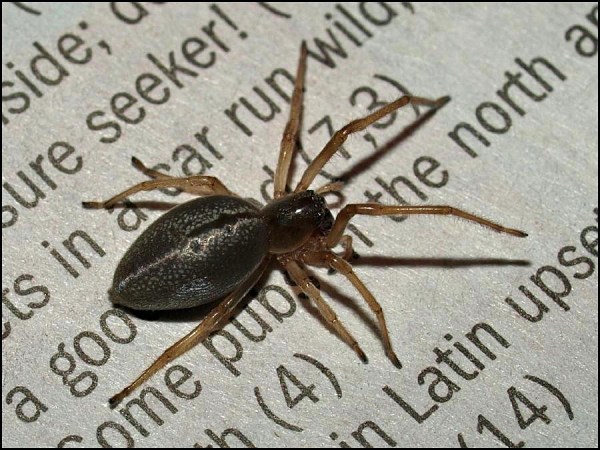
Spider in the Newspaper! 6 Interesting Advertising Anecdotes (Post No. 2659)

spider_on_newspaper

Compiled by london swaminathan


Date: 24 March 2016


Post No. 2659


Time uploaded in London :–  19-45


( Thanks for the Pictures)


DON’T REBLOG IT AT LEAST FOR A WEEK!  DON’T USE THE PICTURES; THEY ARE COPYRIGHTED BY SOMEONE.


(for old articles go to tamilandvedas.com OR swamiindology.blogspot.com)


During Mark Twain’s days as a newspaper man, he was editor of a small Missouri (USA) newspaper. One day he got a letter from a subscriber, stating that he had found a spider in his newspaper, and asking if this was an omen of good or bad luck.

Twain wrote, “Finding a spider in your paper is neither good luck nor bad. The spider was merely looking over our paper to see which merchant was not advertising so that he could go to that store, spin his web across the door and lead a life of undisturbed peace ever afterward.

Xxx


smoke-that-cigarette

I never smoked!

The famous tenor, Giovanni Martinelli, was once asked if he smoked.
Tobacco, “I would not think of it”, said the singer.
“But”, said one of the reporters, “didn’t you once endorse a cigarette and say that it didn’t irritate your throat.”

“Of course I endorsed it, and it is true that the cigarettes didn’t hurt my throat. I never smoked them”.

Xxx

“This” said the manager of the store,”is inferior grade of shoe. I am an honourable business man and I refuse to pass it off as anything better. Put in the window and mark it ‘A shoe fit for a queen’. A queen doesn’t have to do much walking”.

Xxxx

king george

What King?

One of the great press agents was the late Dexter Fellows who functioned in that capacity for Ringing Brothers and Barnum and Bailey. He knew he had the greatest show on earth. He once entered a newspaper office in the Mid West (USA) and announced without preliminaries
“I am the Dexterity Fellows of the circus”.
“What circus?”, someone asked
“Good Lord, man”, he  said with all the sacrilege on his face,
“If you were in London and a man say
God Save the King, would you interrupt him and ask what King?”

Xxx

dried fruits 2

Tit for Tat!

When the famous Pre Raphaelite painter Burne Jones visited the US he one day received a circular letter from a firm engaged in the sale of dried fruits, inviting him to compete for a prize to be given for the best design to be used in advertising their wares. Only one prize, the circular stated, was to be given, and all unsuccessful drawings were to become the property of the firm.
After reading the circular, and not to be outdone by the audacious request, Sir Philip sat down and wrote the following letter in reply

To

Manager, Dried Fruit Company,
Dear Sir, I am offering a prize of fifty cents for the best specimen of dried fruit, and should be glad to have you take part in the competition. Twelve dozen boxes of each kind of fruit should be sent and all fruit that is not adjudged not worthy of the prize will remain the property of the undersigned.

Xxx

vitamins

No Vitamins!

A certain small boy had been steeped in radio advertising, comic strip promotions, and general conversations on the subject of vitamins. His mother one day offered him some little candies.
These are good, the child said.
What vitamins do they have?
Oh, none in particular, replied his mother.
The child was astonished
Do you mean to say they are just for fun? He asked.

—Subham–

சிவபிரானின் தலையில் கங்கை இடம் பெற்ற காரணம் (Post No 2658)

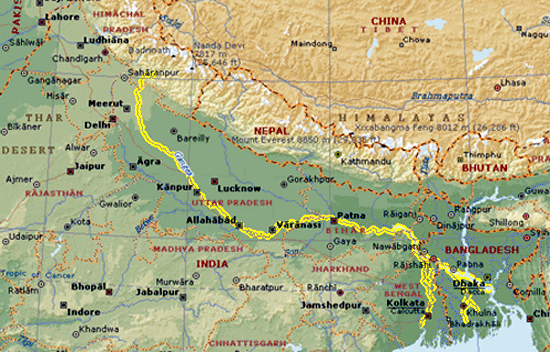
ganga-river-route

WRITTEN BY S NAGARAJAN


Date: 24 March 2016


Post No. 2658


Time uploaded in London :–  8-56 AM


( Thanks for the Pictures)


DON’T REBLOG IT AT LEAST FOR A WEEK!  DON’T USE THE PICTURES; THEY ARE COPYRIGHTED BY SOMEONE.


(for old articles go to tamilandvedas.com OR swamiindology.blogspot.com)


விவேகானந்தர் வழி


கங்கையின் புனிதம்!


ச.நாகராஜன்

ganga-dussera-23

பிரம்மானந்தர் வாக்கு


ஸ்ரீ ராமகிருஷ்ண பரமஹம்ஸரின் ஆன்மீக புத்திரன் (Spiritual son) என்று அவராலேயே கூறப்பட்டவர் சுவாமி பிரம்மானந்தர். ராக்கால் என்று பூர்வாசிரம பெயரைக் கொண்ட இவரே பரமஹம்ஸ சீடர்களுள் முதலாவதாக அவரை வந்து அடைந்தவர்.


ராமகிருஷ்ண மடத்தின் தலைவராக சுமார் 20 ஆண்டுகளுக்கும் மேலாக இருந்து வழி நடத்தியவர்.

அவர் கங்கையைப் பற்றிக் கூறிய கருத்துக்கள் ஆழ்ந்த பொருளைக் கொண்டிருக்கின்றன.


The water of Ganges is verily the holiest of all waters; it fulfils one’s desires and is a help to realizing the ishtam. Sri Ramakrishna has said” “The water of the Ganges, the holy prasadam of Jagannath (at Puri) and the sacred dust of Vrindavan are verily Brahman in reality.”


“கங்கையின் ஜலம் உலகிலுள்ள நீர்களிலெல்லாம் புனிதமானது. அது ஒருவனுடைய ஆசையைப் பூர்த்தி செய்கிறது அவனது இஷடத்தை உணர உதவுகிறது. ஸ்ரீ ராமகிருஷ்ணர் கூறியிருக்கிறார்: “கங்கையின் ஜலம். பூரி ஜகன்னாதரின் பிரசாதம், பிருந்தாவனத்தின் தூசி ஆகிய உண்மையில் பிரம்மமே.”


 ganga

சிவபிரானின் தலையில் கங்கை இடம் பெற்ற காரணம்


தேவலோகத்திலிருந்து பூமிக்கு வந்த கங்கை முதலில் சிவபிரானின் ஜடாமுடியில் விழுந்து, அதன் பிறகு பூமியில் நதியாக ஓடினாள் என்று ஒரு புராணக் கதை உண்டு. சுவாமி விவேகானந்தர் அதற்கான காரணத்தை புதுமையாக விளக்கினார் இப்படி:


“கங்கை வீழ்வதற்கு ஏன் சிவபெருமானின் தலையைத் தேர்ந்தெடுக்க வேண்டும்? ஏனெனில்  கங்கை என்றல்ல; அனைத்து நதிகளும் அருவிகளும் சிவ பக்தைகள், சிவ பெருமானை வழிபடுபவர்கள். புரண்டோடும் நதிகளும், உச்சியிலிருந்து விழும் அருவிகளும் என்ன பாடுகின்றன, என்ன பேசுகின்றன என்பதை உற்றுக் கேட்டால், அது ‘வ்யோம், வ்யோம், ஹர ஹர(வ்யோம் என்பது சிவ பெருமானின் பெயர்களில் ஒன்று. வ்யோம் என்றால் ஆகாயம் அல்லது வெளி. அவர் எங்கு நிறைந்தவர் என்பது இதன் பொருள்) சிவ பக்தையாக இருப்பதால் தான் கங்கை சிவ பெருமானின் தலையை முதல் இருப்பிடமாகத் தேர்ந்தெடுத்தாள்.”


எப்படி ஸ்வாமிஜியின் அருமையான விளக்கம்!


கங்கை மீது ஸ்வாமிஜியின் பக்தி


அவரவர் பக்குவத்திற்கும் கேள்வி கேட்கும் நிலைக்கும் ஏற்ப ஸ்வாமிஜியின் பதில் அமைவது வழக்கம்.

ஒரு முறை இளைஞன் ஒருவன் அவரிடம் வந்தான். “ஸ்வாமிஜி, இந்தியாவிலும் மேலை நாடுகளிலும் நீங்கள் புதிய மதம் ஒன்றைப் பிரசாரம் செய்கிறீர்களா” என்று கேட்டான் அவன்..

ஸ்வாமிஜி: “அது என்ன புதிய மதம்?


இளைஞன்: “கங்கையில் குளிப்பதால் முக்தி கிடைக்கும் என்பது போன்ற நம்பிக்கைகளை நீங்கள் ஏற்றுக் கொள்வதில்லை அல்லவா, அதைச் சொன்னேன்.”


ஸ்வாமிஜி: “அது என்ன பேச்சு, அப்பா! நானே தினமும் கங்கையில் தான் குளிக்கிறேன். குளிக்க முடியவில்லை என்றால் கங்கை நீரைத் தலையில் தெளிக்கவாவது செய்யாமல் நான் இருந்ததில்லை. தலையில் தெளித்துக் கொள்கிறேன். ஒரிரு துளிகளைப் பருகவும் செய்கிறேன்.”

வந்த இளைஞன் தெளிந்தான்.

இப்படித் தவறாகத் தம்மைப் புரிந்து கொள்பவர்களை உடனுக்குடன் அந்த இடத்திலேயே தெளிவு படுத்தி விடுவார் ஸ்வாமிஜி.

கங்கையின் புனிதம் பற்றி புனிதமே உருவான அவர் சொல்வதைக் கேட்பதே அனைவருக்கும் ஆனந்தம்!

Haridwar-Tourism-Holy-Ganga-1


கங்கையின் கிழக்குப் பகுதியும் மேற்குப் பகுதியும்


கங்கைக்குக் கிழக்குக் கரையில் அமைந்துள்ளது தட்சிணேஸ்வரம். கங்கையின் கங்கோத்ரியாக அமைந்திருப்பது மேற்குக் கரையில் அமைந்துள்ள பேலும் மடம்.


பரமஹம்ஸரின் அனைத்து அமுத மொழிகளையும் உலகிற்குத் தொகுத்து அளித்த மஹேந்திரநாத் குப்தா (எம் என்று அழைக்கப்படுபவர்) ஒரு முறை தனது சீடர்களிடம் சொன்னார் இப்படி: “கங்கையின் மேற்குப் பகுதி வாரணாசி எவ்வளவு புனிதமானதோ அவ்வளவு புனிதமானது.  சாதாரண சின்ன புண்ணியத்தின் பயனா என்ன அது?”


கங்கையின் புனிதம் பற்றி மகான்களின் அமுத வாசகங்களுக்கு எல்லையே இல்லை!

*********


What is Waste, Useless and Worthless? (Post No 2657)

rain in sea image

Compiled by london swaminathan


Date: 23 March 2016


Post No. 2657


Time uploaded in London :–  19-31


( Thanks for the Pictures)


DON’T REBLOG IT AT LEAST FOR A WEEK!  DON’T USE THE PICTURES; THEY ARE COPYRIGHTED BY SOMEONE.


(for old articles go to tamilandvedas.com OR swamiindology.blogspot.com)


rainseaImage1

Useless Fours  
Samudresu vrstih  Rain in the sea

Trptasya bhojanam Serving food to one who has already eaten

Samarthasya Danam  Charity to the skilled

Diva Dipa  Lamp Light during day time

Vrthaa vrstih samudresu vrthaa trptasya bhojanam
Vrthaa Danam samarthasya vrthaa dipo divaapi ca

Subhasita rat and bhandaagaarm 153-26

Xxx

House-of-Lords-SUM_2199718b

Worthless Four

Vrddhaarahita sabhaa. Assembly without old men

Dharmaapratipadakaah. Old men who do not speak of virtue

Satyarahita dharma. Virtue where truth does not exist

Chalaabhyupetam satyam. Truth where deceit pervades

Na saa sabhaa yatra na santi vrddhaa na te vrddhaa ye na vadanti dharmam

Naasau dharmo yantra na satyamasti na tatsatyam yachchalenaabhyupe

tam

Viduraniti 3-58

Xxx


study

Four Wastes

Paradihina Janma = Life dependent on others

Parastrii Sukha = Pleasure in other’s women

Parageha Lakshmi= Wealth of other’s houses

Pustaka vidyaa = Knowledge in books

Paraadhiinaam vrthaa Janma parastriisu vrthaa sukham
Paragehe vrthaa lakshmiih  vidyaa Yaa pustake vrthaa

Xxxx

Four Poisons

Anabhyaasa vidyaa= knowledge without practice

Ajiirna bhojanam = Food not digested

Daridra sabhaa = Learned assembly for the poor

Vrddhaa tarunii = Young girl for an old man

Anabhyaaso visam vidyaa ajiirne bhojanam visam
Visam sabhaa daridrasya vrddhasya tarunii visam

Xxx


goat fight

Four Fruitless Acts
Ajaayuddham = Goat fight

Rsi sraddham = Performance of sraddham to a Rsi

Prabhata megadambaram = Thunder of the clouds in the morning

Dampati Kalaham = Fight between husband and wife

Ajaayuddhamrsisraddham prabhate megadambaram
Dampatyo kalahascaiva pariname na kincana

Subhasita Ratna bhandaagaarm

–subham–
 

பார்வையற்ற முஸ்லீம் சிறுமி கூறும் பகவத் கீதை (Post No. 2656)

blind muslim

WRITTEN BY S NAGARAJAN


Date: 23 March 2016


Post No. 2656


Time uploaded in London :–  8-17 AM


( Thanks for the Pictures)


DON’T REBLOG IT AT LEAST FOR A WEEK!  DON’T USE THE PICTURES; THEY ARE COPYRIGHTED BY SOMEONE.


(for old articles go to tamilandvedas.com OR swamiindology.blogspot.com)


பாராட்டு


பார்வையற்ற முஸ்லீம் சிறுமி கூறும் பகவத் கீதை


ச.நாகராஜன்

o-MUSLIM-GIRL-facebook


நல்ல செய்திகளை அரிதாகவே கேட்க முடிகிறது. அதைப் பாராட்டுபவர்களையோ இன்னும் அரிதாகவே பார்க்க முடிகிறது.


நாம் நல்லதைப் பாராடுகின்ற அரியவர்கள் பட்டியலில் நம்மை இணைத்துக் கொள்ள ஒரு நல்ல வாய்ப்பு கிடைத்துள்ளது.

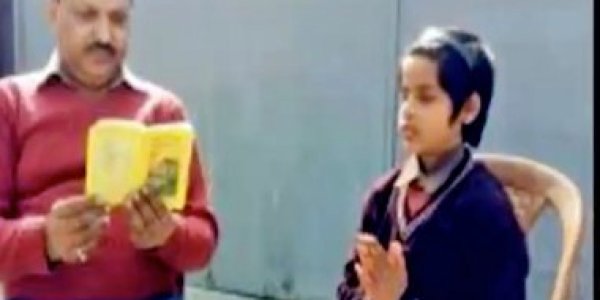
ரீடா ஜெஹ்ரா என்ற ஏழு வயது முஸ்லீம் சிறுமி கைகளைக் கூப்பியவாறே கீதை சொல்லும் அழகு அனைவரையும் வியப்பில் ஆழ்த்துகிறது.


மீரட்டில் வாழும் ரீடா கீதை நூலைக் கண்ணால் கண்டதில்லை. பிறக்கும் போதே 80 சதவிகிதம் பார்வையை இழந்த குழந்தை மூன்று வயதிலிருந்தே ஒரு பராமரிப்புப் பள்ளியில் இருந்து வருகிறாள். அவருடைய ஆசிரியர் அவளுக்கு கீதையைப் படித்துக் காண்பிக்க அவள் அதை மனதில் வாங்கிக் கொண்டு சொல்ல ஆரம்பித்து விட்டாள்.

இத்தனைக்கும் அவள் பார்வையற்றோருக்கான ப்ரெய்லி கூட கற்கவில்லை.


எந்தக் கடவுளாய் இருந்தால் என்ன, என்னால் பார்க்க முடியப் போவதில்லை. கீதையோ குர் ஆனோ அதைப் படித்து கடவுளை நான் துதிக்கிறேன்” என்று நம்மை நெகிழ வைக்கும் சொற்களைக் கூறும் ரீடா மீரட்டில் ஜாக்ரிதி விஹாரில் பார்வையற்றோருக்காக அமைந்துள்ள ப்ரிஜ் மோகன் பள்ளியில் மூன்றாவது வகுப்பு படிக்கிறாள். ரிடாவின் பெற்றோரும் உடன்பிறப்புகளும் லோஹியா நகரில் வசிக்கின்றனர். கோடை விடுமுறைக்கும் பண்டிகைகளுக்கும் தவறாமல் வீட்டுக்குச் சென்று விடுவாள் ரீடா.

அவளுடைய பள்ளி முதல்வர் ப்ரவீண் சர்மா, “2015ஆம் ஆண்டு குழந்தைகளுக்கான கீதை சொல்லும் போட்டி ஒன்று நடக்கவிருப்பது பற்றி அறிந்தேன். ஏன் நமது பள்ளிக் குழந்தைகளும் இதில் சேரக் கூடாது என்று நினைத்தேன். ரீடா கீதையை நன்கு கற்றுக் கொண்டாள்” என்று பெருமிதத்துடன் கூறுகிறார்.


ரீடாவின் பெற்றோருக்கு பாராட்டு. ரீடாவின் பிரின்ஸிபாலுக்கும் கீதையைக் கற்றுத் தந்த ஆசிரியருக்கும் பாராட்டு.


ரீடாவுக்கு…


நமது பாராட்டோ பாராட்டு.

குழந்தைக்குக் கண்ணனின் அருள் பரிபூரணமாகக் கிடைக்க கண்ணனை வேண்டுவோம்!


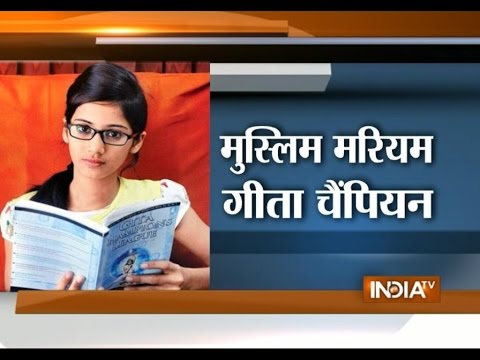
maryam

மரியம், என்ற பெண் கீதை போட்டியில் முதலாவது வந்தாள்.

**********

Positive thoughts help! (Post No 2655)

indra

Compiled by london swaminathan


Date: 22 March 2016


Post No. 2655


Time uploaded in London :– 17-20


(Thanks for the Pictures; they are taken from various sources)


DON’T REBLOG IT AT LEAST FOR A WEEK!  DON’T USE THE PICTURES; THEY ARE COPYRIGHTED BY SOMEONE.


(for old articles go to tamilandvedas.com OR swamiindology.blogspot.com)

indra in thailand

The God Indra, travelling one day through a forest, came upon a penitent who, during long terms of meditation and self-castigation, had almost changed himself into a tree stump.

(Penitent = a person who repents for his/her sins)

How long must I yet practise that I may be free, he asked the God SADLY.

Ten more years, said Indra.

Ten whole years? Sighed the sage, and for this complaint, was at once precipitated into hell.


Wandering on Indra came upon another penitent. This one was of slight spirituality and hoped to attain salvation by dancing around a tree. He asked the God the same question; but he asked them CHEERFULLY, in the midst of his dancing.


It will take you a hundred thousand years, said Indra smiling.

The foolish penitent gave a skip and hop

Only hundred thousand years!

And no sooner had the shout of joy left his lips than he rocketed up to heaven, a liberated soul.


Lord Krishna says in the Bhagavad Gita (6-5)

“Let a man lift himself by himself; let him not degrade himself; for the Self  (Atma) alone  is the friend of the self and the Self alone is the enemy of the self.”

–subham-


இளவரசர் ஹாரிக்கு ‘பஞ்ச கன்யா’ பெண்கள் வரவேற்பு (Post No 2654)

harry with kunkum

Written by london swaminathan


Date: 22 March 2016


Post No. 2654


Time uploaded in London :– 12-20


(Thanks for the Pictures; they are taken from various sources)


DON’T REBLOG IT AT LEAST FOR A WEEK!  DON’T USE THE PICTURES; THEY ARE COPYRIGHTED BY SOMEONE.


(for old articles go to tamilandvedas.com OR swamiindology.blogspot.com)

panchakanya 3

நேபாள நாட்டிற்குச் சென்ற பிரிட்டிஷ் இளவரசர் ஹாரிக்கு ஐந்து இளம்பெண்கள் வரவேற்பு கொடுத்தது பற்றி நேற்று லண்டன் பத்திரிக்கைகளில் நிறைய படங்களும் விரிவான செய்தியும் வந்துள்ளன. அவைகள் மூலம் பல இந்துமத வழக்கங்களை நேபாளியர், அர்த்தம் தெரியாமலேயே பின்பற்றுவது தெரிந்தது.


எல்லா ஆங்கிலப் பத்திரிக்கைகளும் ‘பஞ்ச கன்யா’ என்பதை, ‘ஐந்து கன்னிப் பெண்கள்’ என்றும் ‘ஐந்து திருமணமாகாத பெண்கள்’ என்றும் ஆங்கிலத்தில் மொழிபெயர்த்ததோடு ஐந்து என்பது நேபாளியருக்கு அதிர்ஷ்டகர எண் என்றும் எழுதியுள்ளன. ஆனால் மேற்கொண்டு எந்த விளக்கமும் இல்லை.


‘பஞ்சகன்யா’ என்பது இந்து மதத்தில் ஐந்து பதிவ்ரதைகளைக் குறிக்கும். அந்தக் காலத்தில் எல்லோரும் காலையில் எழுந்தவுடன் ‘பிராத ஸ்மரனம்’ என்ற புனிதர் பட்டியலை வாசிப்பார்கள்- அதாவது மனப்பாடமாக குளிக்கும்போதோ, பெண்கள் சமைக்கும்போதோ சொல்லுவார்கள். இப்பொழுது அதை, ஆர்.எஸ்.எஸ். இயக்க ஷாகாக்களில் மட்டுமே கேட்க முடிகிறது.


அஹல்யா, த்ரௌபதீ,சீதா,தாரா மண்டோதரி ததா

பஞ்சகன்யா ஸ்மரேன் நித்யம் சர்வ பாப விநாசனம்

–என்பது அந்த வடமொழி பாட்டின் வரிகள்.

இந்த ஐந்து பெண்களின் கதை தெரியாதோர் பாரத நாட்டில் இல்லை. சம்ஸ்கிருத ஸ்லோகம் தெரிகிறதோ, புரிகிறதோ என்பதைச் சொல்ல முடியாது. ஆனால் இந்த ஐந்து பெண்களின் மகத்துவத்தை அறியாதோர் இல்லை.அவர்களை நினைத்த மாத்திரத்தில் எல்லா பாபங்களும் அழிந்துவிடும் என்று கடைசி வரி கூறுகிறது.

prince-harry-nepal_3597889b

சங்க இலக்கிய நூலான பரிபாடலில், மதுரை திருப்பறங்குன்றத்துக்கு வந்த கணவன் மனைவி இந்திரன் – அஹல்யை-கௌதம மகரிஷி ஓவியத்தைக் கோவில் சுவரில் கண்டு விவாதித்ததை முன்னொரு கட்டுரையில் கண்டோம்.


இங்கே இந்த ஐந்து பேரின் வரலாற்றை எழுதப்போவதில்லை. இதிலுள்ள இரண்டு சூட்சுமங்களை மட்டும் ஆராய்வோம். பட்டியலிலுள்ள அகல்யை, திரவுபதி, சீதை, தாரா, மண்டோதரி – யாருமே கன்னிப் பெண் அல்ல. எல்லோரும் திருமணமானவர்கள். பின்னர் ஏன் பஞ்சகன்யா என்று சொல்லுகிறோம்? அவர்கள், மனதளவில் ஒரு கன்னிப் பெண் போல தூய்மையானவர்கள். வேறு ஆடவரை எண்ணாதவர்கள்; ‘செக்ஸ்’ என்பதை, சிற்றின்பக் கருவியாகப் பயன்படுத்தாமல் வம்ச விருத்திக்கு மட்டுமே பயன்படுத்துபவர்கள். அகல்யைகூட இந்திரனால் ஏமாற்றப்பட்டவளே தவிர தானாக அவனை நாடிச் செல்லவில்லை. மேலும் அஹல்யை கதையில், பாபம் செய்தோருக்கும் விமோசனம் உண்டு என்ற தாத்பர்யமும் – உட்கருத்தும் – பொதிந்துள்ளது.

இரண்டாவது சூட்சுமம்- ஆரிய,திராவிட வாதத்துக்கு செமை அடி கொடுக்கும் பாடல் இது. இந்துமத புராணங்களில் அசுரர்களும், தேவர்களும் காச்யப ரிஷியின் பிள்ளை என்று சொன்னபோதிலும், வெள்ளைக்காரர்களும், அவர்களுக்கு அடிவருடிய திராவிட இயக்கங்களும் அசுரர்களை திராவிடர் என்றும் தேவர்களை ஆரியர் என்றும் முத்திரை குத்தி எழுதிவருகின்றனர். மேற்கண்ட பட்டியலில் மண்டோதரி என்பார், ராட்சச ராவணனின் மனைவி! தாரா என்பவளோ, குரங்கின அரசன் வாலியின் மனைவி. இவர்களை, தினமும் நினைக்கவேண்டிய புனிதர் பட்டியலில் பழங்காலத்திலேயே சேர்த்து வேற்றுமை பாராட்டாது எல்லாப் பெண்களும் சொல்லிவருவது, ஆரிய-திராவிட இனவெறிப் பிதற்றல்வாதிகளின் மூஞ்சியில் கரி பூசுகிறது.


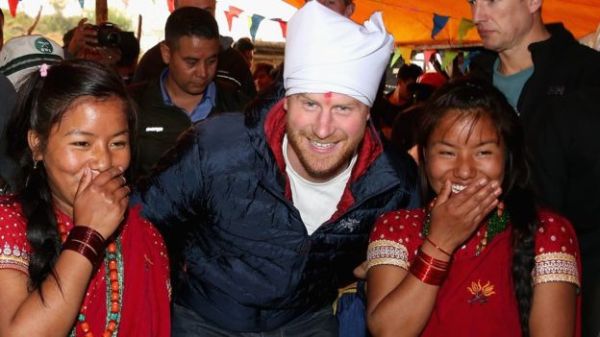
ஆக, நேபாளத்தில் கொடுக்கப்பட்ட பஞ்சகன்யா வரவேற்பு, இது எல்லாவற்றையும் நினைவுபடுத்தும். நேபாளத் தலைநகரான காட்மண்டில் ஒரு புத்தர் கோவில் உட்புறம் முழுதும் தங்கத் தகடால் மூடப்பட்டுள்ளதால் அதையும் பொற்கோவில் என்றழைப்பர் (எல்லோரும் அறிந்த பொற்கோயில் சீக்கியர்களின் அமிர்தசரஸில் உளது; அதைவிட அதிக தங்கம் உடைய கோவில் வேலூர் ஸ்ரீபுரம் தங்கக் கோவில்; என் முந்தைய கட்டுரைகளில் விவரம் காண்க). நேபாளத்தில் இந்த புத்தர் கோவிலுக்கும் ஹாரி சென்றுவிட்டு மஞ்சள் துண்டு, செங் குங்குமப்பொட்டு ஆகியவறுடன் கூர்க்கா வீடுகளுக்குச் சென்றார்.

ஆக இளவரசர் ஹாரியின் விஜயம், பஞ்சகன்யா பெருமையை அனைவருக்கும் நினைவுபடுத்தும்.


–சுபம்–


பாதிரியாருக்குத் தக்க பாடம் புகட்டிய விவேகானந்தர்! (Post No 2653)

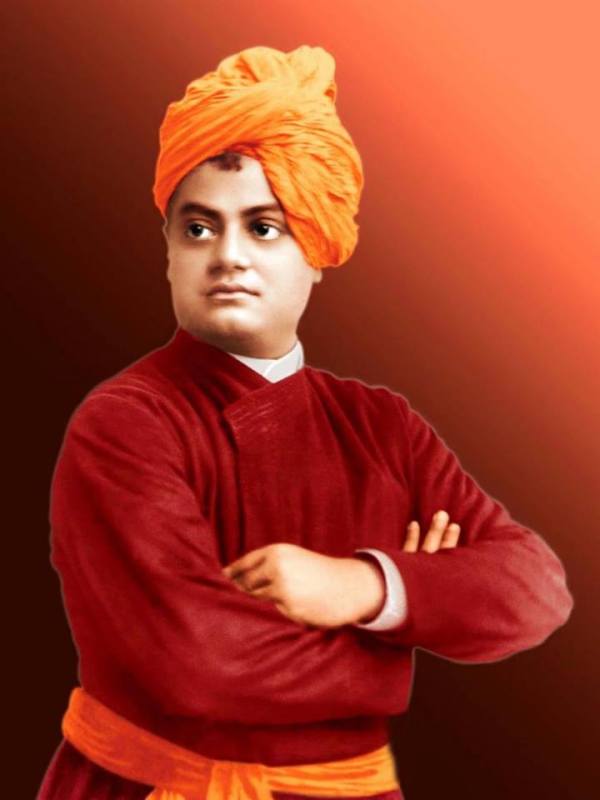
vivekananda saffron

WRITTEN BY S NAGARAJAN


Date: 22 March 2016


Post No. 2653


Time uploaded in London :–  6-07 AM


( Thanks for the Pictures)


DON’T REBLOG IT AT LEAST FOR A WEEK!  DON’T USE THE PICTURES; THEY ARE COPYRIGHTED BY SOMEONE.


(for old articles go to tamilandvedas.com OR swamiindology.blogspot.com)


விவேகானந்தர் வழி


பாதிரியாருக்குத் தக்க பாடம் புகட்டிய விவேகானந்தர்!


ச.நாகராஜன்


கல்கத்தாவில் தன்னைச் சந்திக்க வந்த சிஷ்யர் பிரியநாத் சின்ஹாவிடம், ‘ஒரு மனிதன் தன் ம்தத்தை உண்மையாக நேசிக்கையில் அவன் தைரியசாலியாகவும்  துணிச்சலுடனும் திகழ்வான். அப்படிப்பட்ட தைரியம் ஒற்றுமையை உருவாக்கும்.

அது தான் ஹிந்துக்களிடையே இல்லை’ என்று ஸ்வாமி விவேகானந்தர் கூறினார்.


இதைத் தொடர்ந்து தனது அனுபவம் ஒன்றையும் அவர் கூறலானார்.


அவர் மேலை நாட்டுக்குச் செல்கையில் கடற்பயணத்தின் போது இரு பாதிரியார்கள் அவ்ரிடம் வந்து கிறிஸ்தவ மதம் ஹிந்து மதம் ஆகிய இரு மதங்களுக்கிடையே உள்ள நல்ல் அம்சங்கள் மற்றும் தீய அம்சங்களைப் பற்றி விவாதிக்க வலியுறுத்தினர். வாதம் ஆரம்பமானது.


தங்கள் பக்கம் தோல்வி நிச்சயம் என்ற சூழ்நிலையில் அந்த பாதிரிமார்கள் இருவரும் மிக மோசமாக ஹிந்து மதத்தையும் ஹிந்துக்களையும் திட்ட ஆரம்பித்தனர். ஸ்வாமிஜி பொறுத்துப் பார்த்தார்.


வசை பாடல் தொடர்ந்தது. ஸ்வாமிஜியால் பொறுக்க முடியாத சூழ்நிலை. ஸ்வாமிஜி இருவரில் ஒருவரின் காலரைப் பற்றினார்.

சிரித்தவாறே ஆனால் மிகவும் தீவிரமான தொனியில் , :”இனியும் என் மதத்தைப் பற்றி தூஷித்தால் இந்தக் கடலில் உங்களைத் தூக்கி வீசி எறிந்து விடுவேன்” என்றார்.


ஸ்வாமிஜியின் கட்டுமஸ்தான உடல் வாகு அனைவரும் அறிந்ததே!


நடுநடுங்கிப் போன பாதிரியார், “ஐயா! என்னை விட்டு விடுங்கள். நான் போகிறேன்.இனிமேல் இப்படிப் பேச மாட்டேன்” என்று கெஞ்சலானார்.


ஸ்வாமிஜி அவரை விடுவித்தார். அன்று முதல் அந்த்ப் பயணம் முழுவதும் ஸ்வாமிஜியிடம் அந்தப் பாதிரியார் மிகுந்த மரியாதையுடன் நடக்கலானார்.இதைக் கூறி முடித்த ஸ்வாமிஜி பிரியநாத்திடம், “உன்னிடம் உன் தாயாரைப் பற்றி ஒருவர் தூஷித்தால் நீ என்ன செய்வாய்?” என்று கேட்டார்.

“அவன் கழுத்தைப் பிடித்து அவனுக்குத் தக்க பாடம் கற்பிப்பேன்” என்றார் பிரியநாத்.


அந்த பதிலால் ஸ்வாமிஜி மிகுந்த மகிழ்ச்சி அடைந்தார்.

“நன்றாய் சொன்னாய், சின்ஹா! நீ இப்படி அசைக்க முடியாத நம்பிக்கையை உன் ம்தத்தின் மீது கொண்டால், இந்த பாரத நாட்டின் மீது கொண்டால், உன் சகோதர ஹிந்துக்களை இந்த பாதிரிமார்கள் மதமாற்றம் செய்வதைக் காணப் பொறுக்கமாட்டாய்.. ஒவ்வொரு நாளும் இந்த மதமாற்றம் நடந்து கொண்டிருக்கிறது. என்றாலும் கூட நீ சும்மாதான் இருக்கிறாய்? எங்கே உன் மதப்பற்று? எங்கே உன் தேசபக்தி? ஒவ்வொரு நாளும் கிறிஸ்தவ பிரசாரகர்கள் உன் கண் முன்னாலேயே ஹிந்து மதத்தை இழிவு படுத்திப் பேசிக்கொண்டே இருக்கிறார்கள். அதைக் கண்டித்து ஹிந்து மதத்தைக் காப்பாற்றும் வகையில் எத்தனை பேர் முன் வருகிறார்கள்?” என்று கேட்டார்.


ஸ்வாமிஜி எல்லா மதத்தையும் மதிக்க வேண்டும் என்று சொன்ன அதே தருணம் நம் மதத்தை நேசித்துப் போற்றுதல் மட்டும் போதாது; மதமாற்றம் என்று வரும் போது அதைத் தடுக்க வேண்டும் என்பதை ஆணித்தரமாக வலியுறுத்தினார்.

அதற்குத் தானே உதாரணமாக இருந்ததை தன் கடல் பயண சம்பவம் மூலம் உணர்த்தினார்.


ஸ்வாமிஜி கூறிய வழியில் நடக்க வேண்டியது நமது கடமை!

************


Hindu Welcome to Prince Harry in Nepal (Post No 2652)

panchakanya 3

Compiled by london swaminathan


Date: 21 March 2016


Post No. 2652


Time uploaded in London :– 18-40


(Thanks for the Pictures; they are taken from various sources)


DON’T REBLOG IT AT LEAST FOR A WEEK!  DON’T USE THE PICTURES; THEY ARE COPYRIGHTED BY SOMEONE.


(for old articles go to tamilandvedas.com OR swamiindology.blogspot.com)


panchakanya 2

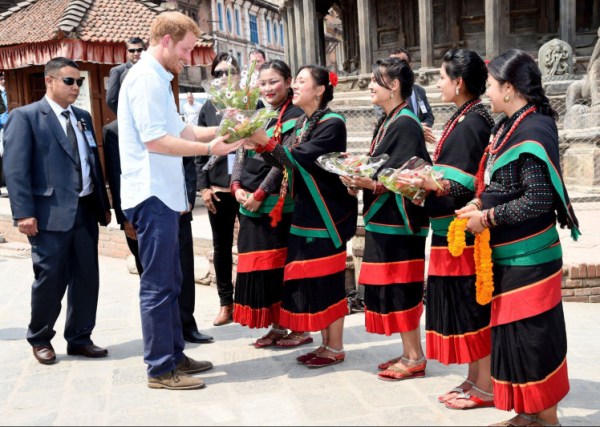
Prince Harry was given a traditional Nepalese welcome yesterday in Kathmandu, Capital of Nepal. Five Virgins, known as Pancha Kanya gave him the welcome by garlanding him. Till recently, Nepal was a Hindu Kingdom. Now they have dropped that claim when they framed a new constitution. Governments may change, constitutions may change. But people’s belief remains the same.

Hindu women remember Five Great Women every day in the morning. They recite a sloka/couplet in Sanskrit that contains the five names. This couplet itself is very significant because it explodes the Aryan- Dravidian myth to pieces. Though our scriptures clearly say that the Asuras or Rakshasas are cousins of Devas, jaundice eyed foreigners deliberately write that they belong to different races. This sloka also is a proof to show that good people are praised and remembered, irrespective of Rakshasa or Deva or Monkey race.


Five women praised in the Sanskrit couplet are Ahalya (wife of a seer, Gautama),Draupadi (Wife of Panadava brothers), Sita (wife of Rama), Tara (Wife of Monkey King Vali) and Mandodari (wife of Demon king Ravana).

All the five were featured in the great Hindu epics Mahabharata and Ramayana.
prince-harry-nepal_3597889b

In Nepal the Panchakanya are virgins or not married; but the above five were married. But here the virgin stands for their virgin minds – ever pure! For them sex was an act used for procreation and not for sexual gratification. That is why every Hindu woman remember them every morning. Those who don’t recite such a couplet also know the stories of five women and their contribution to Hindu culture.

Traditional Sanskrit couplet, part of Pratasmaran (Morning Prayer) runs like this:

Ahalyaa, Draupadii, Seetaa, Taaraa, Mandodari tathaa

Panchakanyaah smaren nityam sarva mahaapaataka nasanam


Meaning:

By remembering the Five Pure Women Ahalya, Draupadi, Sita, Tara and Mandodari all the great sins are wiped out or destroyed.

This sloka explains all that Hindu women stand for. Draupadi fought for her rights. Sita was ready to undergo all the hardships that her husband went for. Tara established her right by making her son Angada the next king of Kishkinda. Ahalya , a sinner, was reformed and proved that every sinner has a future. Mandodari, a chaste woman, but married to a demon Ravana advised him to send back Sita to Rama.
prince-harry-nepal_3597891b

Report from Nepal according to London Newspapers:

Prince Harry’s visit to Nepal began with a ceremony signifying luck and purity – a welcome from five virgins.

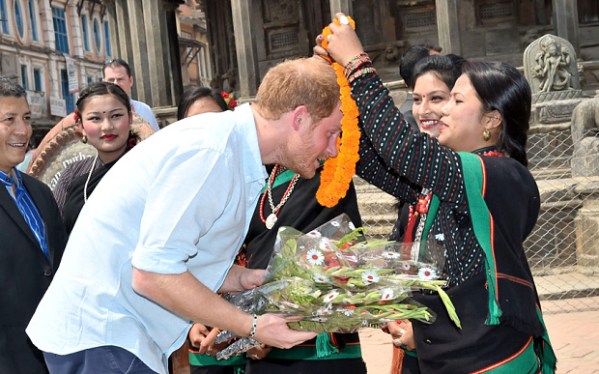
The young women greeted their special guest with gifts of flowers and placed a garland around his neck.

He was given flowers by Ujala Maharjan, 18, Alisha Awale, 18, Reju Maharjan, 19, and Nafisa Dangol, 17, before Maiya Maharjan, 25, put a garland or orange flowers around his neck.


The group of five young women – a lucky number in Nepalese culture – with their status as virgins representing purity, greeted their special guest with gifts of flowers and placed a garland of marigolds around his neck.


Harry was left in awe of the magnificent Hanuman Dhoka Palace complex, named in honour of the monkey god, Hanuman, with its impressive galleried courtyards, featuring beautiful carvings.


Much of the monument was built by King Pratap Malla in the 17th century but a 1934 earthquake which struck Nepal destroyed a large amount of the structure.
harry with kunkum

The prince lit a large candle, or lamp, in a metal cup and handed it to a priest guarding the icon at the 600-year-old Golden Temple. The offering of a burning lamp symbolises the impermanence of life.


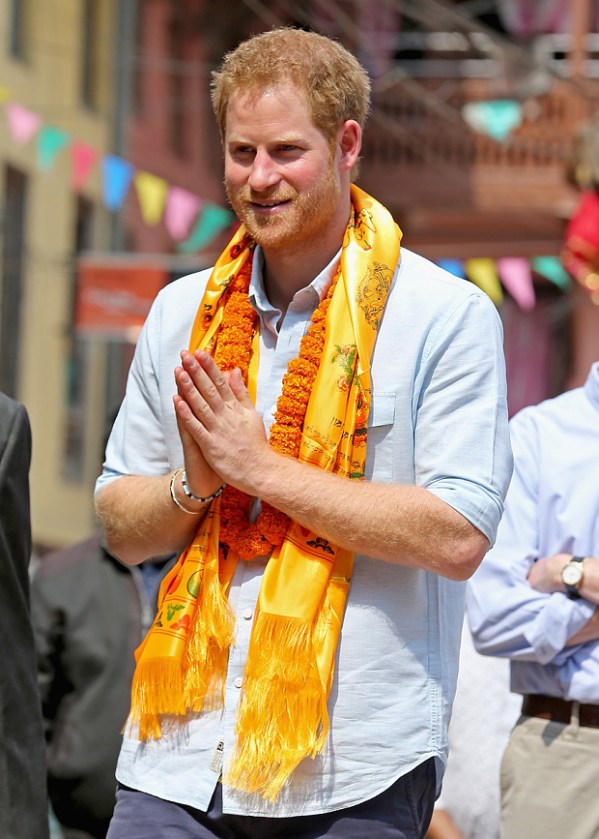
When he arrived Harry was greeted by the temple’s chief abbot, 94-year-old Turtha Raj Shakya, who gave him a gift of an orange holy scarf decorated with eight auspicious symbols of Buddhism.


Already wearing a garland of orange flowers given to him by the five young women, the prince said: “Orange is the colour of the day.”


Golden Temple of Nepal


He was then taken into the tiny main courtyard of the temple, no bigger than half a tennis court, in which stood a large pagoda-style shrine as well as the shrine of the Buddha – covered in gold leaf, giving the temple its name.

As the prince stooped through a low doorway to enter the courtyard, he looked around him and said “Wow”.


Local conservationist Anil Chitraker showed him around the building, explaining the significance of prayer wheels, bronze statues of monkeys and elephants that relate to stories told by the Buddha, and the importance of the temple itself, which serves as a religious and community hub for 5,000 people.

After lighting the lamp, the prince gave it to Sujan Shakya, 32, one of two priests guarding the shrine of the Buddha.


The chief priest, or baphaca, in the temple is 10-year-old Sumit Shakya, who is serving one month as guardian of the shrine. Tradition dictates that the job must always be done by a boy aged under 12, who must not leave the temple for the month that he is in charge.


The temple was built in 1409 on the site of a 12th century Buddhist monastery, and only survived last year’s earthquake because of just-completed work to replace all of its rotting wooden beams.


Mr Chitraker said of the lamp-lighting ceremony: “In the Buddhist tradition, all this knowledge needs to spread, so when you light one lamp with the other lamp it symbolises how knowledge and wisdom spreads around the world.

“The butter that is being used to fuel the lamp ultimately runs out so it also symbolises the impermanence of life.”


He went on: “The earthquake was devastating, so between the palace he has seen and the Golden Temple, it shows how a 2,600-year-old institution established by Buddha comes to life when there is a disaster.


“The people pooled their food, they pooled their fuel, they cooked for 800 people at the same time and they took care of their houses. Five days after the earthquake some people were already moving back into their houses.”

–subham-