உயிரின் மர்மம் துலங்க ஒரு விண்வெளிப் பயணம்! (Post No.3233)

osiris

Written by S. NAGARAJAN

Date: 9 October 2016

Time uploaded in London: 6-44 AM

Post No.3233

Pictures are taken from various sources; thanks

Contact :– swami_48@yahoo.com


பாக்யா 30-9-2016 இதழில் அறிவியல் துளிகள் தொடரின் 295வது அத்தியாயமாக வெளியாகியுள்ள கட்டுரை

 உயிரின் மர்மம் துலங்க ஒரு விண்வெளிப் பயணம்!

ச.நாகராஜன்

கவலைப்பட வேண்டாம், டைனோஸர் இனத்தை அழித்த ஒரு விண்கல் மோதல் போல இன்னும் ஒரு மோதல் பூமி மீது ஏற்பட இன்னும் 150 லட்சம் வருடங்கள் ஆகும்.                                                                                 

                                     – எல். நீல் ஸ்மித் 


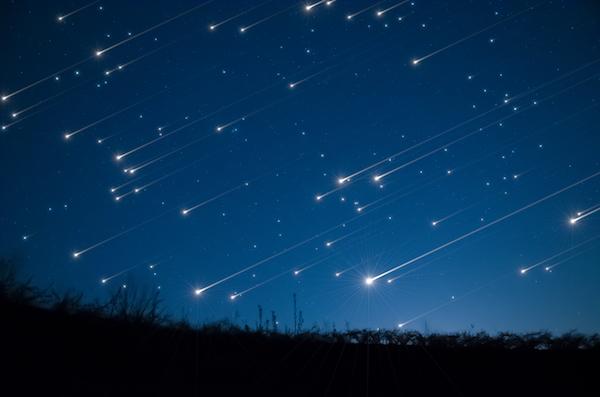
meteor_shower-shooting_stars-istock_81472339

12 ஆண்டுகளுக்கு முன்னர் 2004இல் நடந்த சம்பவம் இது. அமெரிக்காவில் டக்ஸன் நகரில் உள்ள அரிஜோனா பல்கலைக் கழகத்தில் தாந்தே லாரட்டா என்ற விண்கற்களை ஆராயும் ஒரு விஞ்ஞானி பெரிய ஒரு கண்டுபிடிப்பைக் கண்டுபிடிக்கும் தருணத்தில் இருந்தார். கார்பன் அதிகம் உள்ள எரிகற்களை ஆராய்ந்து வந்த அவர் உயிர் வாழ்க்கையின் தோற்றத்திற்குக் காரணமான ட்ரைபாஸ்பேட் என்னும் அணுத்துகளை எரிகல்லில் கண்டு பிடித்தார். ஆனால் அவரால் எதையும் உறுதிப் படுத்த முடியவில்லை. ஏனெனில் விண்வெளியில் இருந்த அசுத்தத்தால் அந்த அணுத்துகளை அவரால் சரியாக ஆராய முடியவில்லை.


உடனடியாக அந்த விஷயத்தைத் தன் பேராசிரியரான மைக்கேல் மார்டினிடம் தெரிவித்தார். இதில் தீவிர கவனம் செலுத்திய மார்டின் நாஸாவை நாடி இதற்காகத் தனியே ஒரு விண்கலத்தை விண்ணில் ஏவி ஒரு புதிய சாம்பிளை விண்கல் ஒன்றிலிருந்து எடுத்து வர வேண்டும் என்று வேண்டுகோள் விடுத்தார்.

லாரெட்டாவும் மார்டினும் விரும்பிய படி உயிரின் மர்மத்தைத் துலங்கிக் கொள்ள விண்வெளியில் ஒரு நீண்ட ஏழாண்டு காலப் பயணத்தை மேற்கொண்டுள்ளது ஒரு விண்கலம்.


இந்த விண்கலம் சமீபத்தில் 2016, செப்டம்பர் 8ஆம் தேதி விண்ணில் ஏவப்பட்டிருக்கிறது.

நூறு கோடி டாலர் என்ற பிரம்மாண்டமான பட்ஜெட் செலவில் விண்ணில் செலுத்தப்பட்டுள்ள இந்த விண்கலத்தின் பெயர் சற்று விசித்திரமானது, நீளமானதும் கூட!

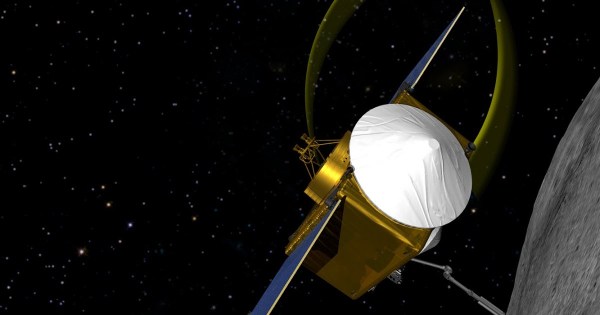
இதன் பெயர் – ஆரிஜின்ஸ் ஸ்பெக்ட்ரல் இண்டர்ப்ரடேஷன் – ரிஸோர்ஸ் ஐடெண்டிஃபிகேஷன்- செக்யூரிட்டி ரிகோலித் எக்ஸ்ப்ளோரர் (Origins – Spectral Interpretation- Resource Identification –Security- Regolith-Explorer – OSIRIS  -REx)  என்பதாகும்.


இந்தப் பெயரைப் பார்த்து ஏகத்திற்குக் கிண்டலடிக்கின்றனர் பலரும். இவ்வளவு பெரிய பெயர் தேவையா? கடைசியில் ரெக்ஸ் என்பதில் ஒரு ஸ்மால் எக்ஸ் வேறு ஒரு கேடா? என்ற கிண்டலைத் தாங்கி இது விண்ணில் பறக்கிறது. ஆனால் பெயரில் இருக்குது எல்லாமே என்று இதைப் போற்றுவாரும் உண்டு!


இது பென்னு (Bennu) என்ற அரைக் கிலோமீட்டர் அகலமுள்ள விண்கல்லை நோக்கிப் போகிறது. ஆகஸ்ட் 2018இல் இது பென்னுவைச் சென்றடையும். இது 240 மீட்டர் உயரத்திலிருந்து அதைக் கண்காணித்து ‘யார்கோவ்ஸ்கி விளைவு என்பதைப் பற்றி முதலில் ஆராயும்.


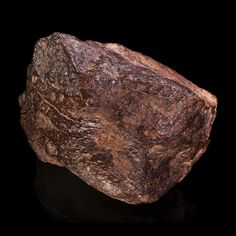
meteorite

ஒரு சிறிய விண்கல் சூரியனால் வறுத்தெடுக்கப்பட்டு விட்ட போது அதிலிருந்து வெளியாகும் போட்டான்கள் ஒரு சிறிய விசையை வெளிப்படுத்தி அதன் சுழற்சிப் பாதையைச் சற்று மாற்றும். இதை விஞ்ஞானிகள் ஆராயப் பெரிதும் விரும்புகின்றனர். பென்னு பல லட்சம் கோடி வருடங்களுக்கு முன்னர் உருவாகியிருக்கக் கூடும் என்பது விஞ்ஞானிகளின் கணிப்பு!


மேலிருந்து ஆராயும் விண்கலம் 12 இடங்களை சாம்பிளைச் சேகரிப்பதற்காகத் தேர்தெடுக்கும். லாரட்டாவின் குழுவினர் இந்த 12 இடங்களில் பாதுகாப்பு, அணுக எளிதாக இருத்தல் போன்றவற்றின் அடிப்படையில் ஒரு இடத்தைத் தேர்ந்தெடுப்பர். சிலர் விண்கல்லின் உள்பாகத்தின் மாதிரி வேண்டும் என்று ஆசைப்படுகின்றனர். சிலரோ மேற்பரப்பு சாம்பிள் கூடப் போதும் என்கின்றனர்.

ஆஸிரிஸ் – ரெக்ஸ் விண்கல்லான பென்னுவில் இறங்காது. விசேஷமாக வடிவமைக்கப்பட்ட ஒரு கரத்தை விண்கலத்திலிருந்து நீட்டி அதன்  மேற்பரப்பைத் தொட்டு மூன்று முதல் ஐந்து வினாடிகளில் நைட்ரஜனைப் பயன்படுத்தி ஒரு பெரிய வெடிப்பை ஏற்படுத்தும்.

உடனேயே வெடிப்பினால் அதிலிருந்து கிளம்பும் மாதிரிகள் சேகரிக்கப்படும். இந்த தூசி அறுவடை (Dust Harvest)  சுமார் 60  முதல் 300 கிராம் எடையுள்ள சாம்பிள்களைச் சேகரிக்கும்.


இதற்குத் தான் இத்தனை பாடா என்று வியக்கிறோம். ஆனால் இது பெரிய விஷயம் என்கின்றனர் விஞ்ஞானிகள்.

இந்த மாதிரிகளை ஆராய்ந்தால் உயிரின் தோற்றம் பற்றிய மர்மத்தை விடுவித்து விடுவோம் என்கின்றனர் விஞ்ஞானிகள்!

மாதிரிகளைச் சேகரிப்பது ஒரு புறம் இருக்கட்டும் அவற்றை அப்படியே பத்திரமாகத் திருப்பிப் பூமிக்குக் கொண்டு வருவதில் தான் உண்மையான சவால் இருக்கிறது என்கின்றனர் விஞ்ஞானிகள்.
 

Meteor Outburst

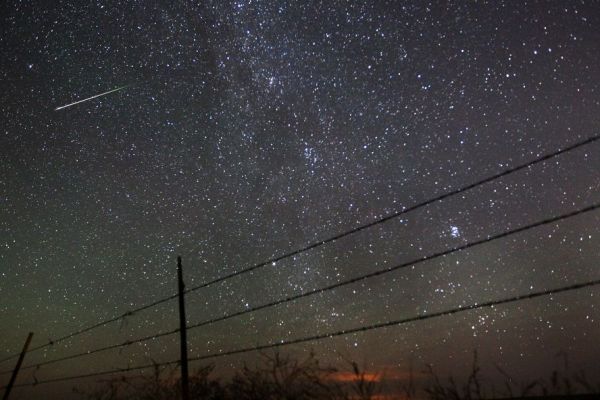
FILE – In this early morning, Aug. 13, 2013 file photo, a meteor streaks past the faint band of the Milky Way galaxy above the Wyoming countryside north of Cheyenne, Wyo., during a Perseids meteor shower. On Thursday night, Aug. 11, 2016 into early Friday morning, the Perseid meteor shower is expected to peak with double the normal number of meteors. Scientists call this an outburst, and they say it could reach up to 200 meteors per hour. (AP Photo/The Wyoming Tribune Eagle, Blaine McCartney)

2023ஆம் ஆண்டு வாக்கில் இந்த விண்கலம் பூமிக்குத் திரும்பி வந்து உடா பாலைவனத்தின்  மேற்குப் பகுதியில் இறங்கும்.

இதற்கு முன்னர் ஜப்பான் விண்கல்லை ஆராய்வதெற்கென ஒரு விண்கலத்தை ஏவியுள்ளது. அதன் பெயர் ஹயபுஷா-2 . அது 2014இல் ஏவப்பட்டது. 2020ஆம் ஆண்டு 100 மில்லிகிராம் விண்கல் சாம்பிளுடன் அது பூமியில் இறங்கும்.


இதில் வெற்றி யாருக்கு? ஜப்பானுக்கா, அமெரிக்காவிற்கா? விஞ்ஞானிகள் சிரிக்கின்றனர்.  இரண்டு விண்கலங்களின் சாம்பிள்களையும் ஆராய்ந்த பின்னர் அந்த முடிவுகளை ஒப்பிட்டுப் பார்த்தால் உண்மை இன்னும் துல்லியமாக விளங்குமே, இதில் போட்டி எங்கே இருக்கிறது என்கின்றனர் அவர்கள்!

சபாஷ், சரியான அணுகுமுறை! உயிர் எப்படித் தோன்றியது என்பது பற்றிய உண்மையை அறிய உலகமே ஆவலுடன் காத்திருக்கிறது!
normna-weiner

அறிவியல் அறிஞர் வாழ்வில் ..  

பிரபல  அமெரிக்க கணித மேதையான நார்மன் வெய்னர் (Norman Weiner தோற்றம் 26-11-1894 மறைவு 18-3-1964)  ஒரு மறதி மன்னர். அத்தோடு அவருக்கு கண்பார்வைக் கோளாறும் உண்டு. தூரத்திலிருக்கும் எதுவும் அவருக்குத் தெரியாது. ஒரு நாள் பிரான்ஸை சேர்ந்த ஒரு கணித மேதை மசாசூஸெட்ஸ் இன்ஸ்டிடியூட் ஆஃப் டெக்னாலஜிக்கு வருகை புரிந்தார். அவரை அருகில் ஒரு இடத்தில் நடந்த பார்ட்டிக்கு வெய்னர் தன்னுடன் வருமாறு அழைத்தார். காரில் ஏறிக் கொண்ட அந்த மேதைக்கு ஆபத்து கை மேல் காத்திருந்தது. வெய்னர் காரை ஓட்டும் போது படு பயங்கரமான மயிரிழையில் பிழைத்த மோதல்களைக் கண்டு திகைத்த அவர் இன்று நமக்கு நேரம் சரியில்லை என்று நினைக்க ஆரம்பித்தார்.இறுதியில் கார் ஒரு டெலிபோன் கம்பத்தின் மீது மோதி நின்றது. தப்பித்தோம் பிழைத்தோம் என்று கீழே இறங்கி ஓடிய் அந்த மேதை ஒரு வழியாக பார்ட்டி நடக்கும் இடத்தைச் சென்றடைந்தார். இரண்டு மணி நேரம் பார்ட்டியில் ரிலாக்ஸாகக் கழிந்தது. திடீரென அவர் தோள் மீது ஒரு கை விழுந்தது. திரும்பிப் பார்த்தார் அவர் – வெய்னர் தான் அவரை அன்புடன் அரவணைத்தது!


கையில் ஒரு கிளாஸுடன் புன்சிரிப்புடன் அவரை நோக்கிய வெய்னர், “கவலைப்பட ஒன்றுமில்லை, இன்னொரு காரைக் கடன் வாங்கி இங்கே வந்து விட்டேன். எப்போது உங்களுக்குத் திரும்ப வேண்டுமோ அப்போது சொல்லுங்கள், உங்களை உங்கள் இடத்தில் கொண்டு போய் விட்டு விடுகிறேன்” என்றார்!

பிரஞ்சு கணித மேதை எப்படி பயந்திருப்பார் என்பதை யாரும் எளிதில் ஊகித்துக் கொள்ளலாம்!

**********


பண்டித மோதிலாலை பறிகொடுத்தோமே! பரிதவித்தோமே! (Post No.3232)

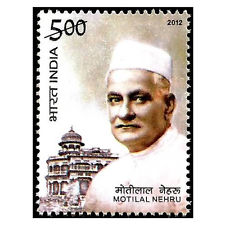
438_motilal_nehru

Written by London Swaminathan


Date: 8 October 2016


Time uploaded in London: 13-57


Post No.3232


Pictures are taken from various sources; thanks.


மொழி என்பதற்கு எத்தனை சொற்கள்?(Post No.3233)


அமரகோஷம் என்னும் புகழ்பெற்ற சம்ஸ்கிருத  நிகண்டு மொழிக்கான சொற்களின் பட்டியலைத் தருகிறது:-


வாக் வர்க:

ப்ராஹ்மி து பாரதீ பாஷா கீர்வாக்வாணீ சரஸ்வதீ

வ்யாஹார உக்திர்  லபிதம் பாஷிதம் வசனம் வச:


உரைகாரர்கள் கொடுக்கும் அர்த்தங்கள்:–

ப்ராம்மி- பிரம்மாவைச் சேர்ந்தவள் (சரஸ்வதீ);

பாரதீ- உலகிலுள்ள எல்லாப் பொருட்களிலும் பரந்து இருப்பதால் (எல்லாப் பொருட்களையும் சொல்லால் விளக்குவதால்); பிரம்மனுக்குத் துணையானதால்; (பரத= பிரம்மா, ஆதித்யம்)

பாஷா = பேசுவதால் பாஷை

கீர்- பாடப்படுவதால் கீர்; பாடப் பயன்படுவதால்;உச்சரிப்புகள் வெளிவருவதால்;

வாக்- சொல்லப்படுவதால்

வச: – சொல்லுவதால் (வாக்கியம்)

சரஸ்வதீ- எங்கும் ஓடுவதால் (எங்கும் செல்லுபடியாவதால்; பயன்படுவதால்)

வ்யாஹார: – சொல்லப்படுவதால்

உச்யா – உரைக்க படுவதால்

லபிதம் = சொல்லுவதால்

பாஷிதம் – பாசிப்பதால்/பேசுவதால்


xxx


அபப்ராம்சோ அபசப்த: ச்யாத் சாஸ்த்ரே சப் தஸ்து வாசக:

திங்சுபந்தசயோ வாக்யம் க்ரியா வா காரகான்விதா


உரைகாரர்கள் கொடுக்கும் அர்த்தங்கள்:–

அபப்ராம்சோ – கொச்சையான மருவிய மொழி

அபசப்த-  ப்ரஷ்டமான சப்தம்; ஏற்றுக்கொள்ளப்படாத சப்தம்


வாக்யம் – பொருளுடைய சொற்றொடர்

திங்சுபந்தம்- திகந்தம்+ சுபந்தம் (வினை+ பெயர்ச் சொல்)

காரகன் – எழுவாய்

motilal-2


அபசப்தம்: = சபையில் சொல்லக்கூடாத சொற்கள்


ஒரு முறை மதுரை தினமணி அலுவலகத்தில் ஆகஸ்ட் 15 ஆம் தேதி சுதந்திர தினம் கொண்டாடப்பட்டது. ஆண்டுதோறும் ஆகஸ்ட் 15 என்பது அலுவலகம் மூடப்பட்டதால் பெரிய அளவில் சுதந்திர தினம், கலை நிகழ்ச்சிகள், பட்டிமன்றம் ஆகியன நடை பெறும். நாட்டிற்குச் சுதந்திரம் கிடைத்து நாலைந்து ஆண்டுகளில் மதுரையில் தினமணிப் பதிப்பு துவங்கப்பட்டது.

விழா நாளன்று பிரார்த்தனை பாட கூப்பிடப்பட்ட ஆள் வராததால் பிரார்த்தனை என்று அறிவித்தவுடன் ஒரே அமைதி. திடீரென்று அதிகம் படித்தறியாத ஒரு கம்பாசிட்டர் (compositor) மேடைக்கு வந்தார். மைக் முன்னர் தைரியமாக நின்றார்; முழங்கினார்:


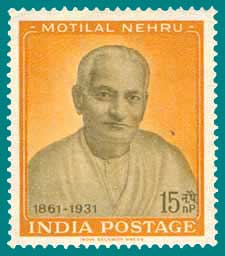
பண்டித மோதிலாலை பறிகொடுத்தோமே, பரிதவித்தோமே

பண்டித மோதிலாலை பறிகொடுத்தோமே, பரிதவித்தோமே


கூட்டத்தில் ஒரு பக்கம் சிரிப்பு; இன்னொரு பக்கம் அதிர்ச்சி. இரண்டு மூன்று பேர் மேடைக்கு ஓடிப்போய் “டேய் நிறுத்தடா; பிரார்த்தனை என்றால் ஒப்பாரி வைக்கிறாயே” என்று அவனை அதட்டி விரட்டினர். பாவம் அறியாமையினால் வந்த விளைவு. அந்தக் காலத்தில் சுதந்திர தினம் என்றால் இப்படி பழைய, காலஞ்சென்ற தலைவர்கள் குறித்து பாடுவது பழக்கம். அதையொட்டி அந்த ஆளும் பாடிவிட்டார். ஆனால் இது பிரார்த்தனை அல்ல; பிலாக்கணம் என்பது அவருக்குப் புரியவிலை.


நான் தினமணிப் பத்திரிக்கையில் (1971) சேர்ந்து சப் எடிட்டராகப் பணியாற்றிய போதும் கம்பாசிடர் ஆறுமுகம் பணியாற்றினார். அவர் எங்கள் மேஜையில் ‘புரூப்’புகளை வைத்துவிட்டு உள்ளே சென்ற பின்னர் நாங்கள் எல்லாம் ஒருவரை ஒருவர் பார்த்து பண்டித மோதி லாலை பறிகொடுத்தோமே! பரிதவித்தோமே என்று பாடி சிரிப்போம்.


இதே போல இன்னொரு சம்பவம்– மதுரை மீனாட்சி கோவிலில் நடந்தது. ஆடிவீதியில் அனந்தராம தீட்சிதரின் ராமாயண உபந்யாசம் ஏற்பாடாகி இருந்தது. ஊர்ப் பிரமுகர் ஒருவர் நிறைய நன்கொடை வழங்கியதால் அவரை மேடைக்கு அழைத்து கவுவித்துவிட்டு ஓரிரு வார்த்தைகள் சொல்லுங்கள் என்று பணித்தனர். அவர் தனது உரையில் இரண்டு மூன்று தடவை ராமயானம், ராமயானமென்று சொல்லியவுடன் கூட்டத்தில் ஒரே சிரிப்பு! என்ன என்ன ஆயிற்று? என்று அவர் திரும்பித் திரும்பி பார்க்கிறார். உடனே மேடையில் இருந்த ஒருவர் அவரிடம் ராமாயணம் என்று உச்சரிக்க வேண்டும் என்றார். அவர் மீண்டும் பேச்சைத் தொடர்ந்தார். அப்போதும் ராமயானம் என்று சொல்லவே கூட்டத்தில் முன்னைவிட பெரிய சிரிப்பொலி. அவர் பார்த்தார். தனக்கு ராமாயணமும்   வராது; கீமாயணமும் வராது என்று தெரிந்து கொண்டார். அடுத்த முறை ராமயானம் என்று சொல்லிவிட்டு; இப்படியும் சொல்லலாம்; ஐயர் சொன்ன மாதிரியும் சொல்லலாம் என்று சமாளித்தார் (ஐயர்= அனந்தராம தீக்ஷிதர்)


xxxx

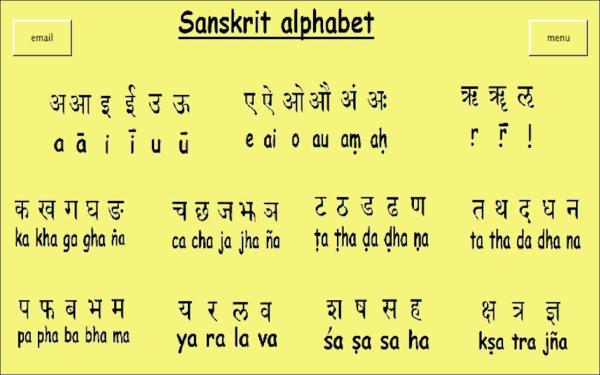
skt-alphabet

ச்ருதி: (ஸ்த்ரீ) வேத ஆம்நாய த்ரயீ தர்மஸ்து தத்விதி:

ஸ்ச்த்ரீயாம்ருக் சாம யஜுஷீ இதி வேதாஸ்ரயஸ்த்ரயீ

சிக்ஷோத்யாதி ச்ருதேரங்க ஓம்கார ப்ரணவௌ சமௌ

உரைகாரர்கள் கொடுக்கும் அர்த்தங்கள்:–


வேதத்தின் மற்ற பெயர்கள்:-

ச்ருதி-காதால் கேட்கப்படுவதால் ச்ருதி; தர்மம் எது, அதர்மம் எது என்பதைக் காட்டுவதால் ச்ருதி;


வேத: –ஞானத்தைக் கொடுப்பதால் வேதம்; வேதம் என்பது அறிவு

ஆம்நாய:– விதி, கட்டளை, பரம்பரையாக வரும் விதிகள்

த்ரயீ- ருக், யஜுர், ஸாமம் எ ம் முன்று வேதங்களை

உடையதால் த்ரயீ;


சிக்ஷதி- எழுத்துமுறைகளைப் போதிக்கும் சிக்ஷா இதன் ஒரு அங்கம்

சிக்ஷா – தண்டனை; வேதத்தின் ஆறு அங்கங்களின் ஒரு அங்கம்


தர்ம: — வேதமே தர்மம்

“தாரயதி ஜகந்தி இதி தர்ம:” = இந்த உலகங்களைத் தாங்குவது தர்மமே:

அறநெறி வாழ்க்கை தர்மம் எனப்படும்; நீதி நெறியற்ற வாழ்க்கை நிலவுமானால் மோதல்கள் ஏற்பட்டு போர், இரத்தக்களரியில் உலகம் அழியும்.


ரிக்- ருச்யதே, ஸ்தூயதே (துதிக்கப்படுவதால் ரிக்

பாபத்தை அழிப்பதால் சாமம் எனப்படும்

யஜூர்- வேள்வி வேட்பதால் யஜூர்;தேவ பூஜனம், இஷ்டி பூர்த்தி, வரவேற்றல் என்ற பொருளும் உண்டு


ஓம்காரம் – வேதத்தின் இன்னொரு பெயர்; எல்லா மந்திரங்களும் ஓம்காரத்துடன் துவங்குவதால்; ஓம் என்பதன் பொருளை விளக்குவதால்


பிரணவம் = ஓம்காரத்தின் இன்னொரு பெயராதலால் வேதத்திற்கும் ஆகுமாம்.


–Subham–


இந்திரன் என்பது விஞ்ஞான சக்தி: பாரதியார் (Post No.3231)

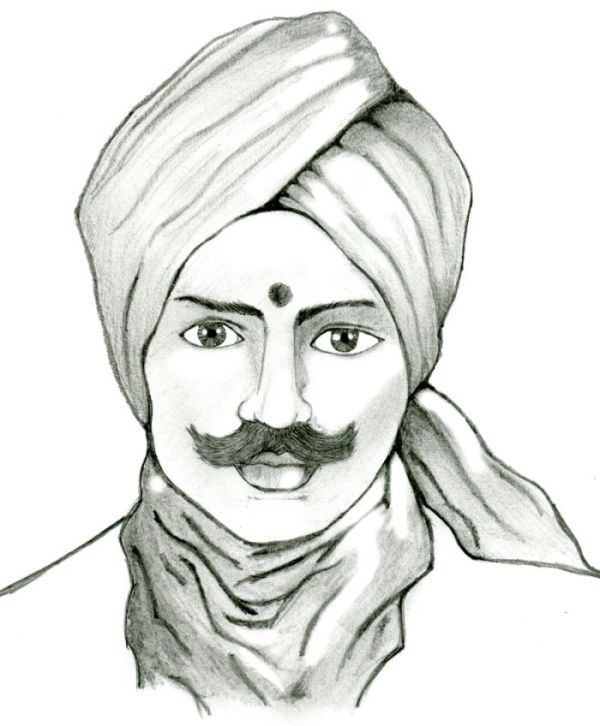
bharati-drawing

Compiled by London Swaminathan


Date: 8 October 2016


Time uploaded in London: 8-44 AM


Post No.3231


Pictures are taken from various sources; thanks.


img_8280

பாரதியாரின் அற்புத வேத மொழிபெயர்ப்பு-  Part 2


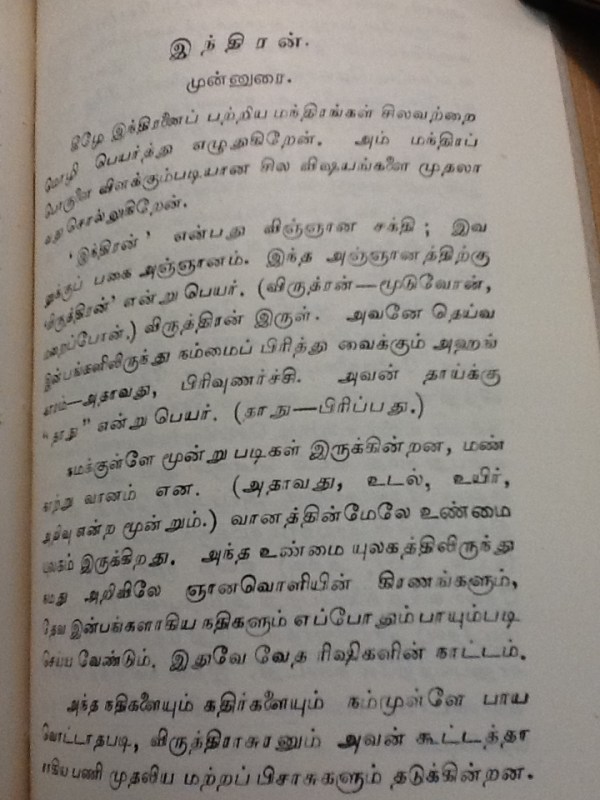
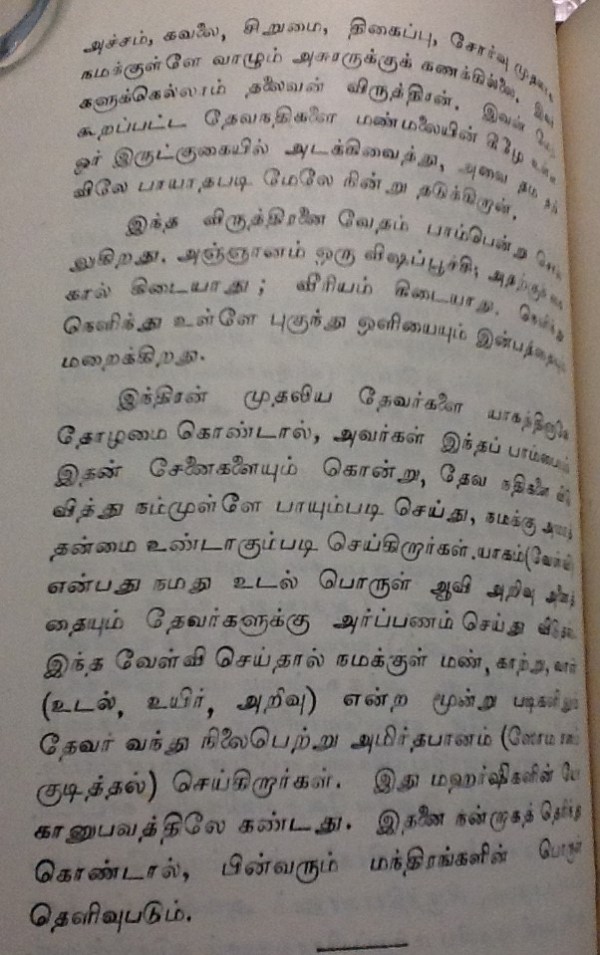
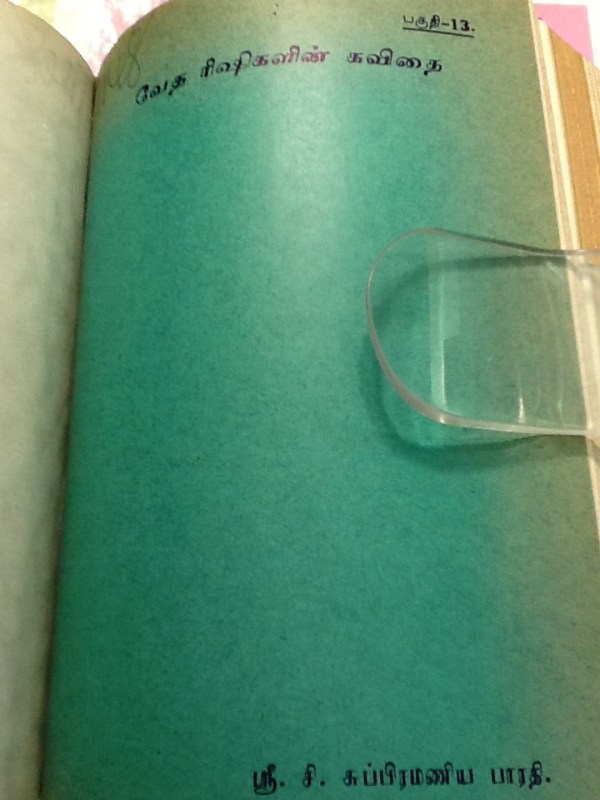
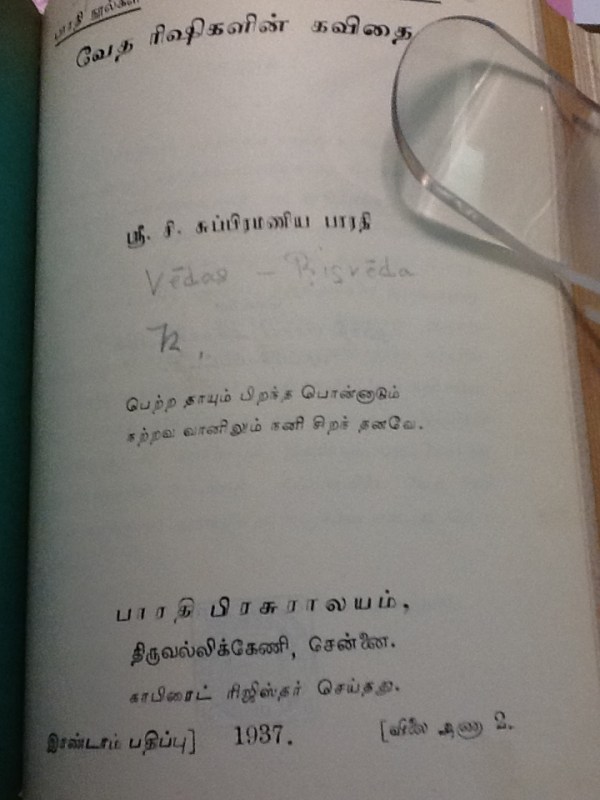
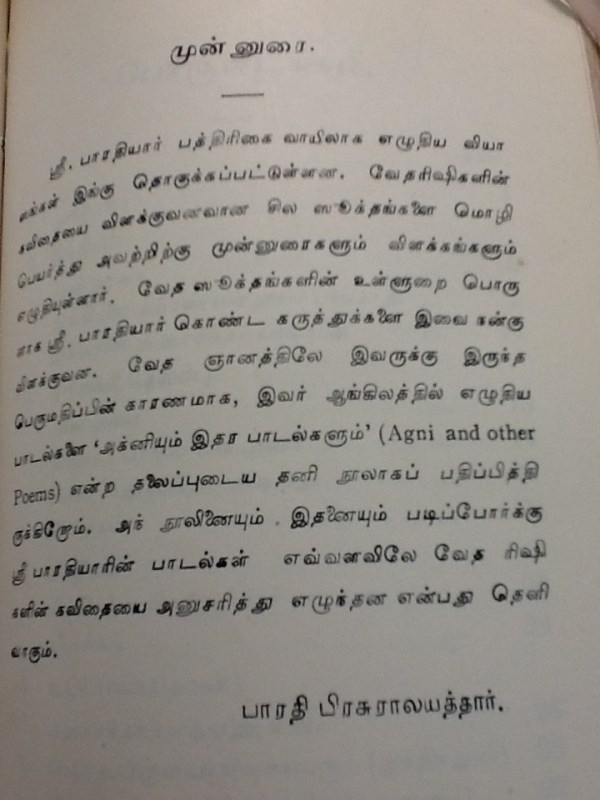
ரிக் வேதத்தின்   சில சூக்தங்களை மொழிபெயர்த்த பாரதியார், இந்திரன் என்பது விஞ்ஞான சக்தி என்றும் விருத்திரன் என்பது இருள் என்றும் விளக்குகிறார். அவருக்கு 100 ஆண்டுகளுக்கு முன் வேதத்தை மொழிபெயர்க்கத் துவங்கிய வெள்ளைக்காரர்களுக்கு நமது கலாசாரத்தில் தொடர்பு இல்லையாதலால், விருத்திரன் என்பது பாம்பு என்றும், அவர்கள் இந்தியாவை ஆண்ட பூர்வகுடிமக்கள் என்றும் தத்துப் பித்து என்று உளறி வைத்துள்ளனர். வேதத்தின் முழு சூக்தத்தைப் படிப்போருக்கு உண்மைப் பொருள் எளிதில் விளங்கும்.


நல்ல சக்திகளை ஒளி என்றும் தீய சக்திகளை இருள் என்றும் பாம்பு என்றும் வருணிப்பது பல கலாசாரங்களில் இருக்கிறது. இது தெரியாத வெளிநாட்டு “அறிஞர்கள்” விருத்திரன், அஹி என்பதை நாகர்களாகவும் இந்தியாவின் பூர்வ குடிகளகவும் சித்தரித்தனர். இன்னும் சிலர் இந்திரன் என்பது ஒரே ஆளையோ தெய்வத்தையோ குறிக்கும் என்று மொழிபெயர்த்தனர்.


பாரதியாரின் அருமையான மொழிபெயர்ப்பு இதோ:-


img_8289img_8290

img_8291img_8292


img_8293

img_8294

img_8295


img_8296


–suBham–


Tamils are Devil Worshippers: Caldwell’s Bluff- Part 2 (Post No.3230)

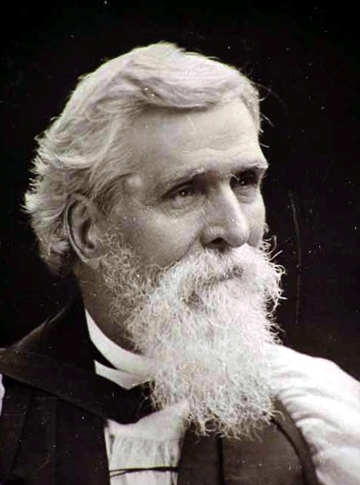
robert_caldwell

Compiled by London Swaminathan


Date: 8 October 2016


Time uploaded in London: 6-58 AM


Post No.3230)


Pictures are taken from various sources; thanks.


 Please read the first part of this article posted yesterday and then continue here.


“This teaches us two things. First, that demonolatry may surround deities that were originally good, — human passions and fears may change a good into an evil spirit. Second, the true meaning of the word Pey or Pennu is not ‘devil’ but ‘light’.


But Dr Caldwell asserts that the word is neither Sanscrit nor related to Sanscrit. This is a strange error. Before Caldwell wrote, it had been frequently noted  that the Dravidian Pe or Pey is identified with the root pi-sacha, meaning a devil, a malevolent being. The words are interchangeable. There is no reason to suppose  that the Tamil word is derived from Sanscrit or vice versa, yet the roots are identical.  But Sanscrit authorities ascribe Pi-sacha to a root pis, to adorn, and this, as given by Benfey, has the parallel form pimsa from the root pims to shine.  This exact coincidence in both Dravidian and Sanscrit forms proves their identity beyond a doubt. The Sanscrit forms just quoted  probably belong to  the great cluster of important roots that has its centre in Bha, to shine. Thus the Tamil Pey and the Khond Pennu find their exact equivalents  in the Greek Phao and phaino from the root pha. The same derivative appears in the gods Pjanos and Phaethon.


But the Dravidian tongues do not need these foreign analogies to show Pey, a devil, comes from a root meaning light. In Madi pey-al, in Rutluk piy-al, in Madia biy-ar, I Tamil pag-al, in Tuluva pag-il, all mean day, the light time.  Al and il are merely substantive terminations. In ancient Tamil pi-rei was te moon and vey-il is the sunlight. In another dialect peymaro is the light. A hundred other examples may be given, proving beyond doubt that the Tamil pey originally meant the bright one, that is, the deity. As some Khond tribes made Pennu the god of light a devil, so some of the Tamils, when cut off from the better teaching of the fathers of their races, degenerated in their worship and degraded their deity to match their superstition.


It has always been easy to change a god into a devil.  The last word used in an illustration, for devil is a clear derivative from deva, and is closely related to Deity? Opposing nations have ever called the gods of their adversaries, devils. But enemies are needed for this change. Ignorant sinful man must ever look upon god as a being to be propitiated rather than loved, and when such propitiation becomes an instrument in the hands of ignorant and poor but greedy priests, it pays well to make the deity as dreadful as possible, that offerings may be the more readily made to appease it. Out of Hinduism came the devilry of sakti. Kali the protector and avenger is now Durga the devil.


The name of the devil god of Tinnelvelly, when thus carefully examined, proved the exact of what Caldwell would learn from it. He asserts, — “of elementary worship there is no trace whatever in the ,,,,,,,,,,,,,,,, in the usage of any portion of the Tamil people.”. the word shows, in reality, that the demonolatry is corrupted from an early worship of the element light. In the Khond country all the elements are worshipped.  Caldwell asserts tha the Tamils are not related to the Aryan race, and adduces the name and the worship of devils as evidence.  The name proves that the deity is Aryan, and there is every reason to elieve the worship to be but one example of a process that happened in many Ara races. Caldwell employs the facts under notice to prove the Turanian origin of the people. Their evidence is on the other side, though by no means conclusive either way.


The composer, teachers and generally the singers of the songs belongs to distinct class in the Hindu society”.

benu_sml

MY COMMENTS

1.Letters M and V are interchangeable in Tamil and other Indian languages (E.g.Muzi, Vizi= pupil in the eye) at least in the spoken form. I have given several examples in my research papers posted here. If you apply the same rule deVan can easily change into demon. It goes with E Gover’s argument (pey, Deva all meant Light in the beginning). Even the word ASURA in the Vedas is used with good and bad connotations. Even today we use in Tamil he has the strength of an Asura (Asura Balam) in good contexts. This is to show in course of time spellings and meaning change.


2.Pennu in Khond context means Light. Mani Smrit and Tamil Purananuru describe Pennu (woman) as the light of the house. So Pen in Tamil might have meant light. Pen in Tamil may mean one who raises/supports (PENU) the family.


3.Bishop Caldwell has done many blunders in his work. Even the Tamil fanatics in their commentaries on Tolkappiam had refuted Caldwell’s staements. I have already written about in this blog.

EGYPT-KHOND CONNECTION!!!

3.Pennu in Khond Gods mean light. Bella Pennu is Sun God. This gives support to my argument that civilization moved to West from India. All the key words in old languages can be traced to Sanskrit or Tamil (Eg. Numbers Eight and One are same in Tamil Ettu, Onnu). In the word Bella Pennu Bella is Tamil Vella=White’ linguists know that B and V are interchangeable; Eg. Bengal=Vanga; Bihar=Vihara/Buddha)

To my surprise I found the word BENU in the Egyptian God Lis with the same meaning LIGHT, SUN GOD!

Following is the excerpts from the book Encyclopedia of Gods by Michael Jordan:


Boora Pennu

God of light. Indian, Khond.

A local deity in Orissa province who created the earth goddess Tari Pennu as his consort and through her engendered the other great gods. Until recently this deity was the subject of sacrifice in notorious ‘meriah’ rituals which involved violent human sacrifice.


Even in this passage Tari is TARAI in Tamil, DHARANI in Sanskrit, TERRA in Greek and other languages; all mean the earth, floor.

Even the word Meriah is derived from Mrt=Mortal=Death.

Mrt is the Sanskrit word for death.

So all the words in ancient languages can be traced to Tamil and Sanskrit. This even will show the missing link in the old languages.

fenix_bennu

4.Now compare it with the Egyptian God:-

BENU:

Transmuted bird like form of a Sun God.

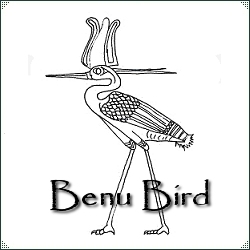
Egyptian (Upper); a deity mentioned in the Pyramid Texts (circa 25th century BCE) and linked with the sun god of Helio polis (corrupted form of the Sanskrit word Surya Puri), Atum (corrupted form of Sanskrit word Sun=Aditya in Sanskrit and Adhavan in Tamil).


He is also said to have been self-created from the primeaval ocean and is sometimes a symbol of rebirth and after life. Benu may have augumented the Greek classical tradition of the Phoenix . he appears in the Old Kingdom as a yellow wagtail but later becomes a heron, wearing the conical white crown of Upper Egypt with two slender feathers pointing backwards from its crest.


(This can be compared with the Bird Suparna in the Vedas which became the Vahana of Vishnu in the later period)


We may conclude that the word Bennu meaning Light travelled from India to Egypt.(It must be seen in the background of my other articles Connecting Egypt and India)

Egyptians also use lot of symbolism like the Hindu Vedic seers.

Also read my article:

Very Important Date 23rd October 4004 BC, posted on 30 January 2014.


–Subham–


‘மணி’யான உபந்யாசம் (Post No.3229)

templ1

Written by S. NAGARAJAN

Date: 8 October 2016

Time uploaded in London: 5-37 AM

Post No.3229

Pictures are taken from various sources; thanks


நடைச்சித்திரம்

‘மணியான உபந்யாசம்

ச.நாகராஜன்


 money

ஹனுமார் கோவில்.


கூட்டம் பரவாயில்லை என்று சொல்வார்களே அந்த ரகம். பொதுஜன அபிப்ராயம் எப்படி உருவாகப் போகிறதோ என்று உபந்யாசத்தை ஏற்பாடு செய்த ஹரிஹரனுக்குக் கவலை. சாஸ்திரிகளுக்கும் தான்! சாஸ்திரிகள் யார் என்கிறீர்களா?

சுப்புணி சாஸ்திரிகள் ராமாயண உபந்யாசம் செய்கிறார். அவருக்குத் தான் ரொம்பக் கவலை. இந்த உப்ந்யாசத்திலாவது ஏதேனும் “கொஞ்சம்” வந்தால் மாதச் செலவை ஈடு கட்டி விடலாம்.


இராமனே துணை!


இன்று முக்கியமான கட்டம். திரிஜடைக்கு சுப ஸ்வப்னம். அதனால் சீதா பிராட்டிக்கும் சுப சகுனம்!

கதையை ஆரம்பிக்கலானார்.


“ஆதௌ கீர்த்தனாம்பரத்திலே இராமயணத்திலே இன்று ஒரு சுபமான இடம். சீதா பிராட்டியின்  மனக் கவலை தீர திரிஜடை அன்னையிடம் வந்து என்ன சொல்றாள்னா….”


திடீரென்று ஒரு சலசலப்பு கூட்டத்தில். தள்ளுங்கோ தள்ளுங்கோ என்று கட்டைக் குரலில் ஹரிஹரன் கத்திக் கொண்டே முன்னே வர பின்னால் ஒருவர் – அவரைப் பார்த்தால் பெரிய மனுஷராய்த்தான் இருக்க வேண்டும். சாஸ்திரிகளுக்கு ஒருவரின் தோரணையைப் பார்த்தால் தெரியாதா என்ன?

சற்று நிறுத்தினார்.

ஹரிஹரன் வந்தவரை முன்னால் சௌகரியமாக் அமர வைத்தார்.


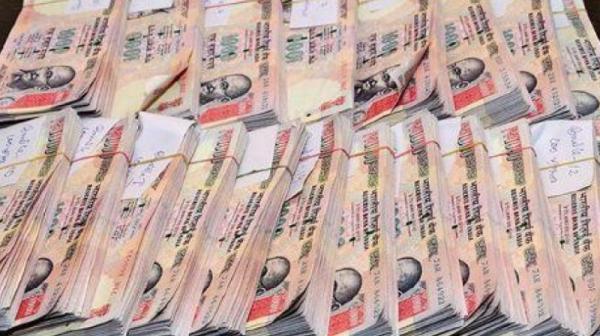
சாஸ்திரிகளிடம் வந்தார். “இவர் தான் ஊர் பெரிய மனுஷர். இந்த கோவிலையே கட்டியவர். பேர் மணி. மணியானவர்.” மீண்டும் ஹரிஹரன் அழுத்திச் சொன்னார். “MONEY ஆனவர். இவர் வந்தாலே எனக்கு சம்பாவனையைப் பற்றிய கவலை தீர்ந்தது”

சாஸ்திரிகளுக்கு விஷயம் புரிந்து விட்டது.


MONEY ஆனவரா?


வாங்கோ வாங்கோ என்று இரு கரம் கூப்பி அவரை வரவேற்றார்.

மணியானவருக்கு இந்த உபசாரத்தால் உச்சி குளிர்ந்தது. அனைவரின் பார்வையும் அவர் பக்கம்.

எல்லோரும் எப்படி மதிக்கிறார்கள்!

சாஸ்திரிகள் மீண்டும் ஆரம்பித்தார்.


“ஆதௌ கீர்த்தனாம்பரத்திலே இராமயணத்திலே இன்று ஒரு சுபமான இடம். சீதா பிராட்டியின்  மனக் கவலை தீர திரிஜடை அன்னையிடம் வந்து என்ன சொல்றாள்னா….”

ஊர்ப் பெரியவர் ஹரிஹரனை ஏதோ சைகை காட்டி அழைத்தார்.

அவரும் அவர் அருகே ஓடி வந்தார். தன் இடுப்புத் துண்டை வாயினால் பொத்தி அதன் மீது கையை வைத்துக் கொண்டு உன்னிப்பாகக் கேட்டார்.

என்ன நடக்கிறது.?


சாஸ்திரிகள் ஒரு நிமிடம் நிறுத்தினார்.

அடுத்த கணம் ஹரிஹரன் மேடை முன்னால் வந்து சாஸ்திரிகளிடம் ஒரே ஒரு நிமிஷம் என்றார்.

பின்னர் பேச ஆரம்பித்தார்.

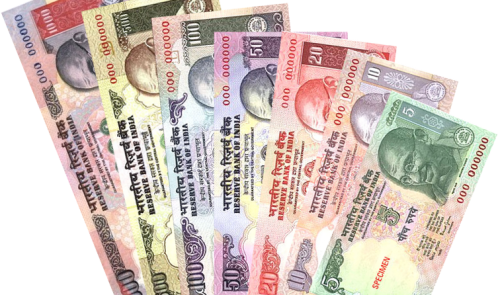
indian_rupees-498x295

“பெரியோர்களே, தாய்மார்களே. இராமபிரான் அருளால் நமக்கு நல்லது நடக்கும் என்பது ஸ்பஷ்டமாகத் தெரிகிறது. இதோ எந்தக் கூட்டத்திலும் பேச அழைத்தாலும் பேசாத அடக்க புருஷர் இப்போது சாஸ்திரிகளைப் பற்றி  ஓரிரு வார்த்தைகள் சொல்ல இசைந்திருக்கிறார். நம் பாக்கியம்!”


பெரியவர் வந்தார். கன குஷியாக ஆரம்பித்தார். இராமாயணம் எப்படி உலகின் மகத்தான் காவியம் என்பதில் ஆரம்பித்த அவர் நேராக சுப்புணி சாஸ்திரிகளுக்கே வ்ந்து விட்டார்.

அடடா, சாஸ்திரிகளின் உபந்யாசத்தில் தான் என்ன ஒரு நயம்! பதினெட்டு புராணங்களையும் ஆங்காங்கே மேற்கோள் காட்டி இனிய சாரீரத்துடன் அவ்வப்பொழுது கானம் செய்து சுலோகங்களை முறைப்படி சொல்லும் அவர் பாணியே தனி!

சாஸ்திரிகள் ஒரு கணம் மலைத்தார்.


தான் தான் அப்படிச் சொல்கிறோமா? கந்தர்வ கானம் இசைக்கிறோமா?

இன்று என்ன நடக்கிறது.!!


கூட்டத்தினர் ஆரவார கரகோஷம் செய்தனர்.

அரை மணி நேரம் வெளுத்து வாங்கிய ‘மணி’ ஆனவர் முக்கிய விஷயத்திற்கு வந்தார்.


“இந்த நல்ல நாளிலே இந்தக் கூட்டத்தில் வந்திருக்கும் பாக்கியவான்கள் அனைவருக்கும் இப்போதே என் கையெழுத்திட்ட கூப்பன்களை விநியோகிக்கப் போகிறேன். ஆண், பெண், குழந்தை என்ற பேதமில்லாமல் நாளைக்கே நம் கடைத் தெருவில் இருக்கும் என் ஜவுளிக்கடைகளில் உங்களுக்குத் தேவையான ரவிக்கைத் துணி, வேஷ்டி, குழந்தை சட்டை என ஆளுக்கு ஒன்றை தேர்ந்தெடுத்துப் பெற்றுக் கொள்ளலாம். நாளைக்கு வர முடியாதவர்கள் இந்த உபந்யாசம் முடியும் நாள் வரை இந்த சலுகையை அனுபவிக்க்லாம். ஆனால் உப்ந்யாசத்திற்கு நீங்கள் கட்டாயம் வர வேண்டுமென்பதால் மாலை ஏழு மணி முதல் இந்த சலுகையைப் பெற முடியாது. காலை முதல் மாலை வரை கடைக்கு வாருங்கள்” கூட்டத்தினரின் ஆரவாரம் விண்ணைப் பிளந்தது.

ஹரிஹரன் ராமா ராமா என்று கூவினார்.


சாஸ்திரிகளுக்கு ஒரே மகிழ்ச்சி. கூட்டத்தினர் ஒரு  க்யூவாக நின்றனர். கையில் இருந்த பேப்பர் ஸ்லிப்பில் கையெழுத்திட்டு ஒவ்வொருவருக்கும் கூப்பனை அயராமல் கொடுத்துக் கொண்டிருந்த பெரியவர் கோவில் பட்டரைக் கூப்பிட்டு ஏதோ சொன்னார். அவர் பெரிதாகத் தலையாட்டி விட்டு ஓடினார்.

நாற்பத்தைந்து நிமிடத்தில் அனைவரின் முகத்திலும் மலர்ச்சி காணப்பட்டது. அனைவருக்கும் கூப்பன் வந்து விட்டது போலும்!

சாஸ்திரிகள் சற்று சாந்தமடைந்தார்.

மீண்டும் ஆரம்பித்தார்.


“ஆதௌ கீர்த்தனாம்பரத்திலே இராமயணத்திலே இன்று ஒரு சுபமான இடம். சீதா பிராட்டியின்  மனக் கவலை தீர திரிஜடை அன்னையிடம் வந்து என்ன சொல்றாள்னா….”

மக்கள் அவரைக் கவனிக்கத் தொடங்கிய அதே வேளையில் ‘நகரு நகரு’ என்று ஒரு பெரிய கோஷம் கேட்டது.

அண்டா அண்டாவாக வெண் பொங்கல், சர்க்கரைப் பொங்கள், புளியோதரை  . அத்தோடு பெரிய பெரிய தொன்னைகள் வேறு.

சாஸ்திரிகள் முழித்தார். அவருக்கு உதவ ஹரிஹரன் ஓடோடி வந்தார்.


“அண்ணா, வேறொண்ணுமில்லை. பெரியவர் இன்று பிரசாதம் தன் உபயம்னு சொல்லி தடபுடலாக எற்பாடு பண்ணிட்டார். கூப்பன் கொடுக்கற்துக்குள்ளே ஸ்பெஷல் அடுப்புகள் மூட்டி எல்லாம் ரெடி!. டைம் ஆறது. பஸ்ஸிலே போறவாளுக்கு பஸ் கிடைக்கணும். முதல்லே நைவேத்யம் பண்ணிடுங்கோ” கூட்டத்தில்  முன் வரிசையில் இதைக் கேட்டவர்கள் தலையை ஆட்டி அதை ஆமோதித்தனர். விவரம் காதோடு கிசு கிசுவென்று பரவ கூட்டம் மொத்தமும் கலகலப்பாகக் கை தட்டியது.

நைவேத்யம் நடந்தது.


இவர்களுக்கு விநியோகம் நடக்க ஒரு முக்கால் மணி நேரமாவது ஆகும்!

அனைவரும் வரிசையாக நின்றனர்.

கூட்டத்தில் நிற்பவர்கள் சும்மாவா நிற்பார்கள்! ஒருவருக்கொருவர் – சாஸ்திரிகள் காது படவே தான் – பேசிக் கொண்டனர்.


“இந்த மாதிரி உபந்யாசம் இது வரை கேட்டதே இல்லை. எவ்வளவு படித்தவா! எத்தனை பெரியவர்! சுப சகுனம் என்று ஆரம்பித்தார் பாரு, வேஷ்டி, ரவிக்கை, சட்டைன்னு ஒவ்வொருவருக்கும் கூரையிலேர்ந்து கொட்டறது. இவர் சொன்னா எதுவும் நடக்கிற மஹிமை இவர்ட்ட இருக்கு!”

“அட அதை விடு! இங்க பாரு! பெரிய தொன்னைலே வயிற்றுக்கு நிறைய வெண் பொங்கல், மூட நெய் முழங்கை வழி வார நெய் மிதக்கும் சர்க்கரைப் பொங்கல், புளியோதரை….”


தாய்க்குலம் சாஸ்திரிகளை நமஸ்கரித்து மகிழ்ந்தது. அன்று வீட்டில் சமைக்க வேண்டாம் என்பதாலோ!

கடைசி வரைக்கும் திரிஜடை சீதையிடம் சொன்னது என்ன என்று சாஸ்திரிகளால் சொல்ல முடியவில்லை.

ஆனால் மணியான பிரசங்கம் என்று பெயர் கிடைத்து விட்டதே! இதற்கு மேல் என்ன ஸார் வேணும்!


MONEY ஆன பிரசங்கம் சார் அது! ஒப்புக் கொள்கிறீர்களா!

**********


பாரதியாரின் அற்புத வேத மொழிபெயர்ப்பு-1 (Post No.3228)

img_8280

Compiled by London Swaminathan


Date: 7 October 2016


Time uploaded in London: 17-49


Post No.3228


Pictures are taken from various sources; thanks.


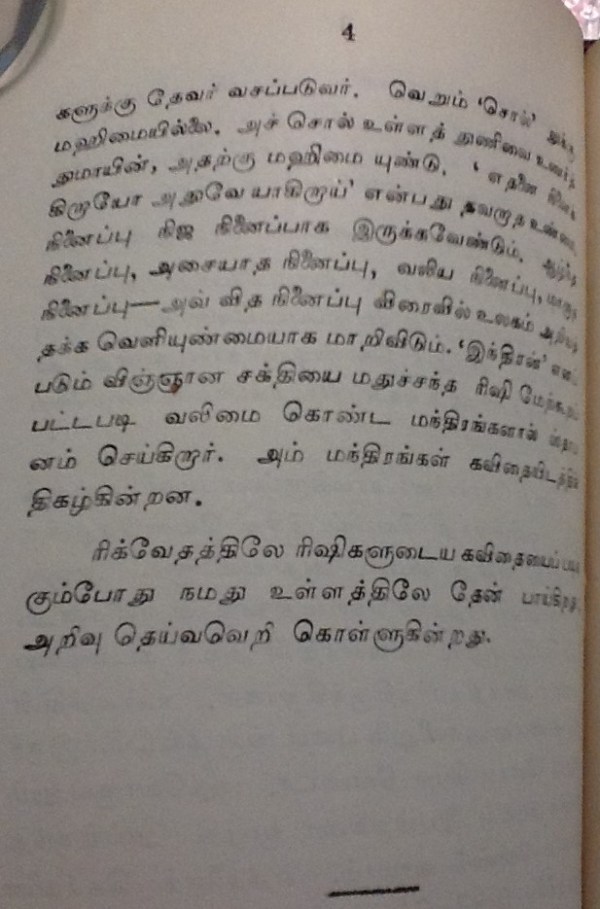
இந்திரன் என்பதற்கு பரதியார் கொடுக்கும் விளக்கம் அற்புதமனது.ரிக்வேத முனிவர்களின் பெயர்களை தேனிசை, தங்கத் தூண் என்று தமிழ்ப் படுத்தியது இன்னிசையாக காதில் பாய்கிறது. பகுதி, பகுதியாக வெளியிடுகிறேன். இது முதல் பகுதி:–


img_8281


img_8282

img_8283


img_8284


img_8285


img_8286img_8287


img_8288

bharati-drawing


To be continued…………………………

Tamils are Devil Worshippers: Caldwell’s Bluff- Part 1 (Post No.3227)

caldwell

Compiled by London Swaminathan


Date: 7 October 2016


Time uploaded in London: 17-05


Post No.3227


Pictures are taken from various sources; thanks.


From the book

The folk songs of Southern India

By

Charles E.Gover

Member of Royal Asiatic society and of the Society of arts, Fellow of the Anthropological Society, Year 1871.


“Since the learned book by Dr Caldwell- Comparative Grammar of the Dravidian Languages – was issued, it has been taken for granted that the Tamils & c , are a Turanian People. The progress of philogical enquiry and the new means of analysis furnished by the great German writers on languages have shown the error of this classification. Driven at a very early period into the extreme south , and cut off by vast oceans from intercourse with other peoples, the Dravidian nations have preserved with singular purity the vocabulary they brought with them; and it is probably not extravagant or untrue to say that there is not one single true Dravidian root common to the three great branches, Tamil, Telugu and Canarese, that cannot be clearly shown to be Aryan.as an interesting example both of the true character of the language and linguistic progress made since the publication of Dr Caldwell’s book,, it may be noted that the learned doctor gives an appendix containing considerable number of Dravidian words which he asserts to be Scythian, and most efficient witnesses to prove the Turanian origin of the language. It is now known every word in this list is distinctly Aryan, although some of them have representatives in the Finnish group of Turanian tongues – the group which has been most constantly exposed to Aryan influences. The greater portion of them are included in Fick’s Indogermanischen Grundsprache as Aryan roots, although Fick does not appear to have seen Caldwell’s work.


This however is a digression. The songs do not touch the question of roots or derivatives. On another side of the same argument their evidence is decisive. It has been always noted that the true Turonian peoples are inferior to the Aryan in everything connected with the moral nature of the man. One recent writer lays it down as a rule that the Turanian peoples display “an utter want of moral elevation”.

caldwell-four


Caldwell grouped Tamils with Murderers!

Mr Farrar, the learned and eloquent author of Families of Speech asserts (page 155), “We may say generally that a large number of them (the Turanian peoples; – he has previously stated that the exceptions are Chinese, Finns, Magyars and Turks) belong to the lowest paleozoic starta of humanity………….. peoples whom no nation acknowledges as its kinsmen, whose languages, rich in words for all that can be eaten or handled, seem absolutely incapable of expressing the reflex conceptions of the intellect or higher forms of the consciousness, whose life seems confined to the glorification of the animal wants, with no hope in the future and no pride in the past.  They are for most part peoples without a literature and without a history, and many of them apparently as imperfectible as the Ainos of Jesso or the Veddahs of Ceylon – perhaps whose tongues in some instances have twenty name of murder, but no name for love, no name for gratitude, no name for God.


This is but a fair description of the class to which are said to belong the writers and learners of the songs this book contains. It will be seen that the Dravidian peoples possess one of the noblest literatures, from a moral point of view, the world has seen. Compare with the above, the remarks of the Rev. P Percival, in his excellent book – The Land of the Veda – perhaps no language combines greater force with equal brevity, and it may be asserted that no human speech is more close to and philosophic in its expression as an exponent of mind……. The language, thus specific, gives to the mind a readiness and clearness of conception while its terseness and philosophic idiom afford equal means of lucid utterance. The Rev W Taylor says about Tamil language, “it is one of the most copious, refined and polished language spoken by man. And again in his Catalogue Raisonne of Oriental Mss (Vol.1 p.v), “It is desirable that the polish of the Telugu and Tamil poetry should be better known in Europe; that no competent judges might determine whether the high distinction accorded to Greek and Latin poetry, as if there were nothing like it in the world, is perfectly just”.


Dr Caldwell asserts – “It is the only vernacular literature in India which has not been content with imitating the Sanskrit, but honourably attempted to emulate and outshine it. In one department, at least, that of ethical epigrams, it is generally maintained, and I think must be admitted, that the Sanskrit has been outdone by the Tamil.” Three such witnesses, added to hundred this book contains, suffice to show that, whether as regards literature or morals, the Dravidian people are deserving of entited to the honor of omission from the Turanian family.


This is no unimportant matter. Looking to the necessity that the governing race should not be disqualified from performing its noble task by labouring under a complete mistake as to the nationality, aspirations, feelings and errors of the people

It rules; seeing that the Dravidian peoples distinctly claim unity of race and origin with the yet more cultivated Sanscrit nation that has settled among them; knowing that Orientals look as much to points of etiquette, which require in their observer an accurate knowledge of popular social ideas, as to matters of stern fact – would as soon be robbed as loose title; it is indisputable that there can scarcely be a more serious and interesting question that that which would enquire of the true character and position of the subject nation.  All this is over and above that interest and value which is everywhere inherent in all attempts t learn the true life and inner feelings of any portion of the great human brotherhood.

caldwell-book

TAMIL DEVILS AND DEMONS

Toshow how a simple error in such matters may lead to gigantic mistakes, and because the subject has a close connection with the question under discussion, it will be profitable to examine one feature of the theory started by Dr Caldwell regarding the South Indian DEMONOLATRY.  He shows truly enough that the Shanars worship malignant beings, pure devils and proceeds to note that  that there is ample proof that the Shanars, and the argument includes Tamils also, cannot be related to the Sanscrit race.


He says, “Every word used in the Tamil country relative to the Brahmanical religions, the names of the gods and the words applicable to their worship, belong to the Sancrit, the Brahmanical tongue; whilst the names of demons worshipped by the Shanars in the South, the common term for “devil” and the various words used with reference to devil worship are as uniformly Tamil………….. The words used with reference to devil-worship being exclusively tamil, we are obliged to assign to this superstition a high antiquity, and refer its establishment in the arid plains in the plains of Tinnelvelly and amongst the Travancore jungles and hills., to a period long anterior to the influx of the Brahmans and their civilization of the primitive Tamil tribes”.


The most important word thus noted is Pe or as Ziegenbalg correctly writes it Pey. It means a devil. The places of worship are called Pe- Coils. Another form of the word in Tamil is Penam, a devil. Now let us follow up this word. It appears in Khond as Pennu, the name of the deity. But the object of worship is the Sun or Light. Macpherson says – “There is one Supreme Being, self-existing, the source of good, and Creator of the Universe” This divinity is sometimes called, “the God of Light”, by others “ the Sun-God and the sun and the places from which it rises beyond the sea, are the chief seats of his presence”. Again Macpherson says, “The Supreme being and the Sole Source of Good is styled the God of Light”. It is true there are other gods to whom the name Pennu is generically given, and even the Sun god takes prename and is known as Bella Pennu, literally the Light of the Sun”. But this, it is clear, does not touch the question, for there are kinds of light which require an adjective off defentin. Then subordinate deities arose, to whom, though not representing ligh, the name was attached. This has happened everywhere. The Sanscrit word Deva means deity. But there are Sibva Deva, Vishnu Deva, Agni Deva and so on. Pennu exactly corresponds with Deva and both mean “the light”.


caldwell-book-2

But how came Pennu or its root form Pey to be reduced till it mean a devil? Macphersn again gives the answer. He distinctly states that this worship of light is common to all the tribes. But the Khonds are divided into north, middle and south confederations. The former had degraded its worship into a demonolatry.  The deity exhibits nothing but pure malevolence towards man, and they believe that while no observances or course of conduct can change her malignant aspect into benignity, her malevolence mat still be placed in partial or complete abeyance by the sacrifice of human life, which has expressly ordained”. He describes the rites of this horrid superstition and they are the exact counterpart of the Shanar devilry, where, by the way, the male god has also been changed into a female devil.  The Khonds of the middle region have maintained the true and earlier doctrine. Macpherson says of their deities the same as those worshipped in the north – “No malevolence towards mankind is ascribed to them.  On the contrary they are merciful and benign towards those who observe their ordinances and discharge their rites.  Instead of delighting in cruel offerings they abhor the inhuman ritual of the northern, southern and western districts; and they would resent with detestation any semblance of participation in it by their worshippers.”


To be continued……………………………

(In the Second part I will give the argument of E Gover and the strange link between the Bella Pennu and Egyptian deity Benu of 2500 BCE)

பேயை வணங்குவோர் தமிழர்கள்! பிஷப் கால்டுவெல் உளறல்! (Post No.3226)

caldwell-four

Written by London Swaminathan


Date: 7 October 2016


Time uploaded in London: 11-12 AM


Post No.3226


Pictures are taken from various sources; thanks.


caldwell

கால்டுவெல் பாதிரியார் (BISHOP CALDWELL) அதிபயங்கர உளறல் பேர்வழி. திராவிட மொழிகளின் ஒப்பிலக்கணம் என்ற அவருடைய நூலுக்கு எவ்வளவு பாராட்டுதல்கள் கிடைத்ததோ அவ்வளவுக்கு மறுப்புரைகளும் எழுந்தன. ஆனால் இரண்டையும் படித்தறியாத அசடுகள் இன்று வரை அவரைப் புகழ்ந்துகொண்டு நிற்கும்.


கால்டுவெல்லின் மிகப்பெரிய உளறல் சம்ஸ்கிருதம் பற்றியதாகும். அவரது நூலை வெளியிட்ட எல்லோரும் அடிக்குறிப்பில் மன்னிப்புக் கேட்கும் தொனியில் “இது கால்டுவெல்,அறியாமையின் காரணமாக எழுதியது” என்று எழுதிச் சேர்த்துள்ளனர். சம்ஸ்கிருதத்தில் இலக்கியம் எதுவும் இல்லை என்று அந்த அசடு உளறி வைத்தது. ஒரு பானை சோற்றுக்கு ஒரு சோறு பதம். பிஷப் கால்டுவெல்லின் அறியாமைக்கு வேறு உதாரணங்களும் தருவேன். சாணார் ஜாதியினர் பேயை வணங்கு கின்றனர் என்றும் தமிழர்கள் அனைவரும் பேயை வனங்குவோர் என்றும் ஆரியர்   னைவரும் தெய்வங்களை வணங்குவோர் என்றும் அது எழுதிவைத்துள்ளது.


சம்ஸ்கிருதத்திலுள்ள எல்லா கடவுள் பெயர்களும் தெய்வத்தைக் குறிக்கும் பெயர்கள் என்றும்  தமிழில் உள்ள எல்லா தெய்வப் பெய ர்களும் “பேய்” அடிப்படையில் அமைந்தவை என்றும்  இதை திருநெல்வேலி சாணார் வழிபாட்டின் மூலம் கண்டுபிடித்ததாகவும் கால்டுவெல் பாதிரியார் ‘திருவாய் மலர்ந்து அருளி’ இருக்கிறார். இதை அவர் எழுதிய சில வருடங்களுக்குள்ளேயே ஈ. கோவர் (E Gower) என்ற வெள்ளைக்காரர் அவருக்கு சம்மட்டி அடி கொடுத்துவிட்டார். தென்னிந்திய நாட்டுப்புற பாடல்களை எல்லாம் தொகுத்து 1871 ஆம் ஆண்டில் கோவர் வெளியிட்ட நூலின் முன்னுரையில் செமை அடி — சொல்லடிதான் — கல்லடி அல்ல — கொடுத்து இருக்கிறார்.


பேய் என்பது “பே, பிணம்” என்பதுடன் தொடர்புடைய சொல் என்றும் ஆனால் ஆரியர்களின் “தெய்வ என்பது தேவ” என்ற சொல்லுடன் தொடர்புடையதென்றும் கால்டுவெல் பிதற்றினார்.


கோவர் மறுப்புரையில் பேய் என்பது “பை—சாச” என்ற சம்ஸ்கிருதச் சொல்லில் இருந்து பிறந்தது என்றும் பெண், பெண்ணு என்பது ஒளியைக் குறிக்கும் என்றும் எழுதினார். கோண்ட் இனப் பழங்குடியினர் “பூரா பெண்ணு, பெல்லா பெண்ணு, தாரி பெண்ணூ” என்றெல்லாம் கடவுள் பெயர்கள் வைத்துள்ளனர். அதில் பெண்னு என்பது ஒளி என்பதாகும் பெல்லா பெண்ணு என்பது சூரியனைக் குறிக்கும் என்றும் கோவர் எழுதினார்.


அத்தோடு நில்லாமல் கால்டுவெல் தூய தமிழ்ச் சொல் என்று கொடுத்துள்ள பட்டீயல் முழுதும் வடமொழிப் பெயர்கள் என்பதை வேறு ஒரு வெள்ளைக்காரர் மறுத்து எழுதியிருப்பதையும் அவர் சுட்டிக்காட்டினார்.


தேவன் DEVA (கடவுள்)  என்பதும் டீமன் DEMON (பேய்) என்பதும் ஒன்றுடன் ஒன்று தொடர்புடைய சொல்லே. ஒன்றிற்குப் பதிலாக மற்றொன்றைப் பயன்படுத்தலாம் (INTER CHANGEABLE); இரண்டும் ஒளி எனப் பொருள்படும் என்பதும் அவரது துணிபு.

“பா” என்ற சம்ஸ்கிருதச் சொல் ஒளியைக் குறிக்கும்.

 caldwell-book

எனது கருத்து

நான் கோண்டு இன ஆராய்ச்சியில் இறங்கியிருக்கும் தருணத்தில் எனக்கு கோவரின் 1871ஆம் ஆண்டு புத்தகம் கிடைத்தது வியப்பை உண்டாக்கியது. ஏனெனில் எனது கருத்தை வலுப்படுத்துல் சில வாக்கியங்களை அதில் கண்டேன். அவர் சம்ஸ்கிருதத்திலிருந்து இவை தமிழுக்கு வந்ததா? அல்லது தமிழில் இருந்து சம்ஸ்கிருதத்துக்குப் போனதா என்று தெரியாது என்று எழுதியுள்ளார்.


நான் சிவனின் உடுக்கை ஒலியின் ஒரு புறத்திலிருந்து சம்ஸ்கிருதமும் மற்றொரு புறத்திலிருந்து தமிழும் வந்ததாகவும் அதனால்தான் வட இமய வெள்ளிப் பனித் தலையனான அகத்தியனை தமிழுக்கு இலக்கணம் எழுத சிவன் அனுப்பினான் என்றும் எழுதினேன். அது மட்டுமல்ல; தமிழுக்கும் சம்ஸ்கிருதத்துக்கும் மூல மொழி ஒன்று உண்டென்றும் உ லகிலுள்ள பழைய மொழிச் சொற்கள் அனைத்தும் இந்தியர்கள் கற்பித்ததே என்றும் எனது ஆராய்ச்சி முடிபை எழுதினேன். இதனால்தான் ஆங்கிலத்தில் ஆயிரக்கணக்கான தமிழ்ச் சொற்கள் இருக்கிறது என்றும் எழுதினேன். அது எல்லாம் இப்பொழுது வலுப்பட்டு வருகிறது.


இதை எல்லாம் ஆராயும் போது இன்னொரு பேருண்மை வெளிச்சத்துக்கு வந்தது. எகிபது நாட்டின்ன பிரமிடுகளில்  திருமூலர் கருத்துகள் இருப்பதை ஒரு கட்டுரையில் தந்தேன். வேத மந்திரங்களின் மொழி பெயர்ப்பு இருப்பதி ந்னும் சில கட்டுரைகளில் ஹந்தேன். எகிப்திய பிரமிடு கட்டினோர் சூத்ர (நூல் பிடித்தல்) முறை கொண்டு கோணததை அலந்தௌ வடமொழியில் இருப்பதை எல்லாம் ஆதாரம் காட்டினேன். கோவர் கட்டுரையை படித்துவிட்டு கடவுள் பெயர் கலைக் களஞ்சியத்தைத் திரந்து பார்த்தால் அங்கேயும் பெண்ணு என்ற கடவுள் ஒளிக்கடவுள்– சூரியனைக் குறிப்பது- என்று என்சைக்ளோபீடியா சொல்கிறது.


பேனு

எகிப்தியரின் சூரிய கடவுள்.— கி.மு. 2500 வாக்கில் எகிப்திய பிரமிடுகளில் காணப்படும் பெயர். — பறவை வடிவத்தில் குறிக்கப்படுகிறது.— ஹீலியோபாலிஸில் (Heliopolis) ஆதம் ATUM என்ற சூரியக்கடவுளுடன் தொடர்பு படுத்தபடும் சொல்.  ஆதிகா ல கடலில் இருந்து படைக்கப்பட்டது. மறுபிறப்பையும் பரலோக வாழ்வவையும் குறிப்பது. ஒருவேளை தீயிலிருந்து மீண்டும் உயிர்த்தெ ழும் பீனிக்ஸ்  PHOENIX என்ற பறவைக் கதை இதிலிருந்துதான் உருவானது போலும். ஏனெனில்  முதலில் வாலாட்டிக் குருவிப் பறவையாகவும், பின்னர் நாரையாகவும் காட்டப்படுகிறது. UPPER EGYPT  “மேல் எகிப்து” மன்னர் கிரீடத்தில் இரண்டு இறக்கைகளாகக் காட்டப்படுகிறது.

caldwell-book-2

பூரா பெண்ணு

இது ஒரிஸ்ஸா மாநிலத்தில் கோண்ட் இன மக்களின் ஒளிக்கடவுள். பூமிக்கடவுளான தாரிப்  (தரை = தரணி == தாரி=Terra = Terrain) பெண்ணையும் பல கடவுளரையும் உண்டாக்கியது. மரியா என்னும் சடங்கில் நரபலி கொடுக்கப்பட்ட தெய்வம் இது.


இவை இரண்டும் கடவுள் பெயர் என்சைக்ளோபீடியாவிலிருந்து (Encyclopaedia)  எடுக்கப்பட்டவை. எல்லா விஷயங்களும் வேதத்திலும் தமி ழிலிலும் உள்ள சொற்கள்.

வேதத்தில் ‘சுபர்ண’ SUPARNA என்ற பொன்னிறப் பறவையை சூரியனுடன் ஒப்பிடுவர். அதுவே பிற்காலத்தில் விஷ்ணுவின் வாஹனம் ஆகியது.


பெண் என்பவளை “மனைக்கு விளக்கு” என்று புறநானூறு  ம் மனு தர்ம சாத்திரமும் போற்றுகின்றன. பெண் என்பதை விளக்கு, ஒளி என்று இந்துமதமும் பாராட் டுகிறது. “பெண்”ணு என்பது பேணுதல் என்ற சொல்லிலிருந்து வந்ததாகவும் கருதலாம்.


எது எப்படியாகிலும் பெண்ணு என்பது ஒளி என்பது கோண்ட் இனத்திலும் எகிப்திலும் இருக்கி ற து. மரியா என்ற சொல் ம்ருத்=மரணம் MORTAL என்பதுடன் தொடர்புடையதால் நரபலிக்கு கோண்ட் இன மக்கள் ‘மரியா’ சடங்கு என்பர். அவர்களை திராவிட இனம் என்று வெள்ளைக்கார எழுதுவர். சிந்து சமவெளி, எகிப்து நரபலி முதலியன குறித்து நான் எழுதிய விஷ்யங்களையும் படித்து ஒப்பிடுக.


கால்டுவெல் எழுதிய தூய தமிழ் சொற்கள் எப்படி வடமொழிச் சொறள் என்று நிரூபிக்கப்பட்டதோ அதே போல பைபிளிலுள்ள  கபி, துகி என்பன தமிழ்ச் சொற்கள் என்று கென்னடி கூறியது தவறு என்று நானும் நிரூபித்து கட்டுரை எழுதினேன். நீர் என்ற ரிக்வேதச் சொல் கிரேக்கத்திலும் இருப்பதால் அது தமிழ் சொல் என்று சுநீத் குமார் சாட்டர்ஜி எழுதியது தவறு என்றும் ஒரு கட்டுரையில் காட்டினேன்.


இப்பொழுது எல்லாவற் றை யும் மறந்துவிட்டு உலக மொழிகள் அனைத்தும், தமிழ்–சம்ஸ்கிருத மூல மொழியில் இருந்து வந்தன என்று பார்த்தால் அதுவே சரி என்று தோன்றுகிறது. கி.மு 2500ஆம் ஆண்டிலேயே எகிப்திய பிரமிடுகளில் “பெண்ணு” இருப்பதால் என் கருத்து மேலும் வலுப்படுகிறது.


–subham—


Human Sacrifice practised by the Kondhs! (Post No3225)

pic-gaund

Compiled by London Swaminathan


Date: 7 October 2016


Time uploaded in London: 6-01 AM


Post No.3225


Pictures are taken from various sources; thanks.


(Following is a piece from Arthur Mile’s book about the customs of the Kondh Tribes whom he described the DRAVIDIANS!)

The Kondhs live in dread of witchcraft, and are for ever watching for signs of it. In this connection the Madras Police Report records a case in the Vizagapatnam hill districts. The younger of the the three brothers died of fever, and when the body was cremated the upper portion did not burn. The surviving brothers therefore concluded that death had been caused by the witchcraft of a certain Kondh, and they attacked the man and killed him. After cutting their victim’s body into halves, they took the upper part to their village and threw it on the spot where the deceased brothers body had refused to burn. For their crime they were arrested and sentenced to death.


When cholera breaks out in a village, they smear their bodies with pig’s fat which has been liquefied and they continue to do this until the disappearance of the epidemic. It is believed that the cholera Goddess is driven away by the smell of the fat. They also attempt to prevent the approach of the goddess by barricading the paths to the village with ditches, which they fill with thorns and pots stinking oil.


pic-gond

Friendship Oath!

The Kondhs have a friendship oath, which in some way resembles the blood covenant of the Hebrews. Friendship is sworn on sacred rice, which has been consecrated to the god of Jagannath of Puri. Pilgrims visiting Puri get a quantity of this rice, and distribute it to those who ask for it. It is supposed that one cannot utter a lie, or have an evil thought, while holding the rice in the hand. Instances are known of friendship, sworn on the rice, being contracted between towns-men and the poor village peasants; even between a Brahman woman and a Sudra servant. Bound by such friendship, two people allow no festival to pass without an exchange of presents the house of one presents, and no ceremony goes on at the house of one unless the other is invited. If one party dies, the survivor does not consider the bond disconnected but continues to make gifts to the family of the deceased. This friendship is called songatho, and it increases with the barbarity of the division. Among the wilder tribes there are splendid examples of Songatho which have lasted for generations. One hill tribe takes an oath on a leopard’s skin, or while holding a peacock feather in the hand.


Origin of the Kondhs
The legend of the origin of the Kondhs is a story of human sacrifice.

In the beginning, when the ground was all wet, there were only two women living on the earth, and in due course each one was blessed with a son. The two women and their children came from the interior of the earth, bringing with them two plants which were their food. One day, when one of the women was cutting one of the plants, she accidentally cut her finger and the blood dropped on the ground, and instantly the wet earth became dry. The woman cooked the plant and gave it to her son to eat, who asked her why it tasted so much sweeter than usual. She told him that she did not know, but that that night she expected to have a dream and would let him know. The next morning the woman made her son promise to do as she told him if he would prosper in the world. He must forget that she was his mother, and cut flesh from her back and bury it in the ground. This her son did, whereupon the wet soil dried up and became hard, and the animals, trees, and birds came into existence. A partridge then scratched the ground, and millet and rice grew.


The two brothers agreed that, as the sacrifice of the woman brought forth abundance from the ground, they must sacrifice a human being once a year. A god by the name of Boora Panoo, together with his daughters, came to live with the brothers, and, marrying the daughters, the brothers begat children. When the children grew up, there was a dispute as to which one should be sacrificed, and, not being able decide the point, the brothers sacrificed a monkey instead. The goddess of the earth in consequence was very angry, and ordered the proper offering of a human being. The two men sought for ten years for a victim, and finally they found a man with a son five years old. They bought the son from the father, with permission to sacrifice him.


The boy was fettered to prevent his running away, toddy was made from grain, and a post was erected at which a pig was sacrificed. Two days before being offered the boy was tied to the post. On the night before the sacrifice the priest took a stick and poked it into the earth until the earth god answered, and round the hole from whence the goddess had spoken, pieces of wood were arranged lengthways and cross ways and an egg was placed the on the sacrificial day the boy was conducted to the wood, made to lie on it face downward. Pieces of flesh were then removed from his back, and buries at the caste’s place of worship. While other portions were put into the ground near  a drinking well to increase the water. The remainder of the corpse was burnt on the pile of wood. On the next day a buffalo was sacrificed, and a feast given.

gond-women-grinding-corn

The following verse (which was intended to be uttered over human sacrifice) is now recited by the Janni (priest) at the buffalo sacrifice. Come, male slave, come, female slave, what do you say? What do you call out for? You have been brought, ensnared by the Haddi. You have been called, ensnared by the Domba. What can I do, even if you are my child? You are sold for a pot of food


–Subham–


Statistics Anecdotes (Post No.3224)

introstats

Written by London Swaminathan


Date: 6 October 2016


Time uploaded in London: 18-42


Post No.3224


Pictures are taken from various sources; thanks.


Contact swami_48@yahoo.com


In the course of a Parliamentary debate, an opponent of Disraeli government was supporting his arguments and charges with a ponderous and bewildering barrage of statistics. Instead of scurrying around for similar ammunition to refuse these arguments, Disraeli rose and commented dryly,

Gentlemen, there are three kinds of lies: lies, damned lies, and statistics.


Xxx


Louis Sterne of London tells this story of his father Simon Sterne who, while dining with Chauncey Depew and Edward Atkinson, was appealed to by the latter:

Now, Sterne, you can bear me out in this; you know

(Quoting certain statistics)

And that figures never lie.

Never, said Mr Sterne gravely, except when liars figure.


–Subham–