ஜெயலலிதா சொன்ன யானைக் கதை(Post No.3422)

Compiled by London swaminathan


Date: 6 December 2016


Time uploaded in London: 5-58 am


Post No.3422


Pictures are taken from various sources; thanks.


contact; swami_48@yahoo.com


Jayalalitha’s Strange Elephant Story (Dinamani 6-12-2016)


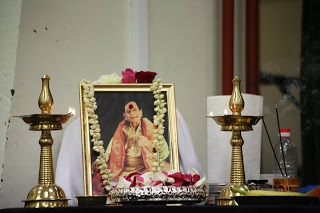
காலஞ்சென்ற முதலமைச்சர் செல்வி ஜெயலலிதா கேட்ட கதை தினமணி பத்திரிகையில் வெளியானது. இது போல யானைகளின் அபார, அபூர்வ அறிவு பற்றிய கதைகளை நான் வெளியிட்டுள்ளேன். உ. வே.சாமிநாத அய்யர் எழுதிய கதையையும், காஞ்சி பரமாசார்ய சுவாமிகள் யானையை சமாதானப் படுத்திய கதையையும் வெளியிட்டேன். ஆகவே இந்தக் கதையில் உண்மை இருக்கும்:–


யானைகளின் மனதையும் அறிந்தவராக முதல்வர் ஜெயலலிதா திகழ்ந்தார். ஆண்டுதோறும் யானைகளுக்கு புத்துணர்வு முகாம் நடத்த உத்தரவிட்டார். யானைகள் தனக்கு மிகவும் பிடித்தமானவை என்பது குறித்து ஜெயலலிதாவே கூறியதாவது:
நீரும் நெருப்பும் திரைப்படத்தின் படப்பிடிப்புக்காக முதுமலை காட்டுக்குச் சென்றிருந்தேன். அந்தப் படத்தில் எம்ஜிஆர் கதாநாயகன். நாங்கள் இருவரும் நடித்த ஒரு காதல் காட்சியில் நிறைய யானைகள் இடம் பெற்றன. முதுமலைக் காட்டில் மரங்களை வீழ்த்துவது, அந்த மரங்களை வெட்டும் இடத்துக்கு கொண்டு சேர்ப்பது, வெட்டிய மரத் துண்டுகளை வரிசையாக அடுக்கி வைப்பது, பின்னர் அவற்றை லாரிகளில் ஏற்றுவது போன்ற பணிகளுக்காக யானைகள் பயன்படுத்தப்பட்டன.
அந்த யானைகளுக்கு பயிற்சி அளிக்கப்பட்டு, நன்றாகப் பழக்கப்படுத்தப்பட்டு மிகவும் சாதுவாக இருந்தன. அங்கே அவற்றில் மிகப்பெரிய யானை ஒன்று என் கவனத்தைஈர்த்தது.

 
அந்த யானை குறித்து பாகன் சொன்னவை:
அந்தப் பாகனுக்கு மிகவும் அழகான இளம் மனைவி இருந்தாளாம். ஆனால், அவள் மிகவும் முன் கோபியாம். அண்மையில் பாகனுக்கும், அவரது மனைவிக்கும் இடையே ஏதோ மனப் பூசல் ஏற்பட, இருவருக்கும் இடையே வாய்ச்சண்டை வலுத்தது. இதனால், கோபம் அடைந்த பாகனின் மனைவி வீட்டைவிட்டு வெளியேறி, தனது பிறந்த வீட்டுக்குச் சென்றுவிட்டாள். அவளைச் சமாதானம் செய்வதற்காக எத்தனையோ முறை அங்கு சென்று பாகன் அவளைத் தன்னுடன் திரும்பி வருமாறு மன்றாடிக் கேட்டுக் கொண்ட போதிலும், அந்தப் பெண் பிடிவாதமாக வர மறுத்துவிட்டாள். இதனால், சோகத்துடன் பாகன் இருந்து வந்துள்ளான்.
ஓர் இரவு எப்படியோ அந்த யானை, பூட்டப்பட்டிருந்த சங்கிலியை அறுத்துக் கொண்டு, யாருக்கும் தெரியாமல், 15 மைல் தொலைவில் இருக்கும் பாகனின் மனைவி ஊருக்குப் புறப்பட்டுவிட்டது. நேராக அந்த ஊருக்குச் சென்று, பாகன் மனைவி இருக்கும் வீட்டை உடைத்து, அவன் மனைவியைத் தூக்கிக் கொண்டு வந்துவிட்டதாம்.
யானை என்பது அதிசயப் பிறவி. விலங்குகளில் ராஜா யானைதான் என்று குறிப்பிட்டார்ஜெயலலிதா.
குருவாயூர் உள்ளிட்ட பல கோயில்களுக்கு யானைகளை முதல்வர் ஜெயலலிதா தானமாக வழங்கியுள்ளார் என்பது குறிப்பிடத்தக்கது.


TRUE ELEPHANT STORIES posted by me in my blogs

திருமூலர் சொன்ன யானைக் கதை: தெரிந்த கதை, தெரியாத உண்மைகள்! Posted on 14-3-2014

ஒரு யானையின் சோகக் கதை!(Post No.3379)-posted on 22-11-2016

செய்நன்றி:- நன்றியுள்ள யானையும், குடிகாரப் பாம்பும்! Posted on 12 July 2015

யானையின் பெயர்கள் Posted on 25-11-2014

மகாவம்சத்தில் அற்புதச் செய்திகள்”  Posted on 12 Sept.2014

யானை பற்றிய நூறு பழமொழிகள் (posted on 5 June 2012)

யானையை விழுங்கிய மலைப்பாம்புகள் 7 மார்ச் 20114


Elephant Miracles


45 Words for Elephant


xxxxx


சுவர்க்கமும் நரகமும்- குட்டிக் கதை (Post No.3421)

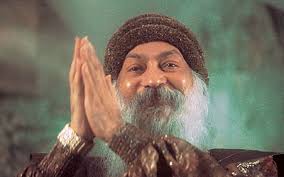
Picture of Osho

Written by S NAGARAJAN


Date: 6 December 2016


Time uploaded in London: 5-01 AM


Post No.3421


Pictures are taken from different sources;thanks.


contact; swami_48@yahoo.com


ஒரு ஜென் குட்டிக் கதை

சுவர்க்கமும் நரகமும் !


ச.நாகராஜன்


ஒஷோ என்று உலகில் பிரபலமான ஆசார்ய ரஜனீஷ் ஏராளமான ஜென் குட்டிக் கதைகளைக் கூறியுள்ளார். அவற்றில் ஒரு குட்டிக் கதை இது.


ஜப்பானிய மன்னன் ஒருவன் பலரையும் அணுகி சுவர்க்கம் என்றால் என்ன நரகம் என்றால் என்ன என்ற கேள்விகளைக் கேட்டு வந்தான். யாரிடமிருந்தும் அவனுக்குச் சரியான பதில் கிடைக்கவில்லை.


மன்னனின் மந்திரி, “ஒரு ஜென் மாஸ்டர் இருக்கிறார். அவர் அனைத்தையும் உணர்ந்தவர். அவரிடம் நீங்கள் சென்று கேட்டால் உங்களுக்குத் திருப்தியான பதில் கிடைக்கும்” என்றார்.

மன்னனும் அந்த ஜென் மாஸ்டரிடம் சென்று தனது வழக்கமான கேள்விகளைக் கேட்டான்.


ஜென் மாஸ்டர் ஒரு நிமிடம் மௌனமாக இருந்தார்.

பின்னர் மன்னனை நோக்கி,” என்ன முட்டாள்தனமான கேள்விகளைக் கேட்கிறாய் நீ! அகம்பாவம் பிடித்தவனே! உன்னைப் போன்ற ஒரு முட்டாளையும் நான் பார்த்ததில்லை; அவலட்சணமானவனையும் நான் பார்த்ததில்லை” என்று வெறுப்புத் தொனிக்கும் குரலில் கூறினார்.


மன்னன் அதிர்ச்சியுற்றான். அவனிடம் இப்படி யாருமே பேசியதில்லை. கோபம் உச்சத்திற்கு ஏறியது.

“ அட மடையனே, என்னையா இப்படிச் சொல்கிறாய்” என்று கூவியவாறே தன் வாளை உருவினான். ஓங்கினான்.

இப்போது ஜென் மாஸ்டர் உரத்த குரலில் கூவினார்: “நில்! இது தான் நரகத்திற்குப் போகும் வழி. தெரிந்து கொண்டாயா?” என்றார்.


அவரது நில் என்ற கம்பீரமான சப்தத்தால் வாளை ஓங்கிய மன்னன் அப்படியே நின்றான். அவரது பதிலில் இருந்த உண்மையை அறிந்து கொண்டு அவர் காலில் விழுந்து பணிந்து தன்னை மன்னிக்குமாறு உருக்கமுடன் வேண்டினான்.

“ மன்னா! எழுந்திரு! இது தான் சுவர்க்கத்திற்குப் போகும் வழி! என்ன ஆச்சரியம், ஒரு நிமிடத்தில் நரகத்திற்குப் போகும் வழியையும் தெரிந்து  கொண்டாய்! சுவர்க்கத்திற்குப் போகும் வழியையும் தெரிந்து கொண்டாயே” என்று கூறிய ஜென் மாஸ்டர் அவனை ஆசீர்வதித்தார்.


மன்னனும்  மகிழ்ந்து அவரது சீடரானான்.


கோபம் நரகத்திற்கு வழி: பணிவு சுவர்க்கத்திற்கு வழி!


**********

A Brief Introduction to Tamil (Post No.3420)

Compiled by London swaminathan


Date: 5 December 2016


Time uploaded in London: 13-53


Post No.3420


Pictures are taken from the Conference booklet;thanks.


contact; swami_48@yahoo.com


1981 World Tamil Conference Procession in Madurai -Part 1


MOTHER TAMIL

Tamil is one of the classical languages of the world. It is the most ancient language among all the languages of the Dravidian family. It is endowed with rich vocabulary, beautiful diction, rhythm and melody. The  ancient Tamils, who have been fascinated by the greatness, grandeur and glory of their mother tongue, have personified her as Mother Goddess and showered all praise and honour on her.


It is a convention to describe some of the classical epics of Tamil language as the ornaments worn by the Mother Goddess Tamil. Silappathikaram is hailed as her anklet, Valayapathi as her bracelet, Manimekalai as her waist belt studded with gems, Chintamani as her necklace, Kuntalakesi as her ear-ring and Chutamani as the jewel worn on her forehead. She is also portrayed as a queen holding in her hand Thirukkural as the sceptre the symbol of her righteous rule.


The Tamil poets of yore have glorified their mother tongue as the first language of the human race. Its ancient grammatical treatises such as Tholkappiyam and  Irayanar Kalavijal bear testimony to its rich legacy of literature and continuity of literary tradition from a hoary past. Here is a tableau which depicts Tamil language as Mother Goddess.


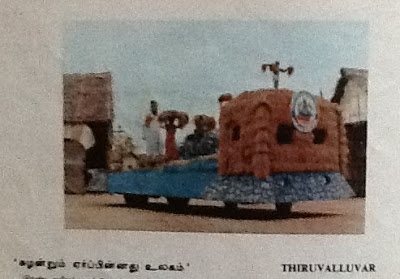
THIRUVALLUVAR

Thiruvalluvar was a profound scholar, philosopher and poet, who lived in Tamil Nadu two thousand years ago. His magnum opus THIRUKKURAL or the sacred couplets, is an ethical work which speaks about the greatness of righteousness (Aram), polity and economy (Porul) and domestic happiness (Inpam) in 1330 couplets. This work is a great human heritage which has transcended the linguistic, racial and religious barriers in its presentation of the ethical codes. Among the Indian classics it is the only book which has been translated into nearly two and a half dozens of languages. The modern Tamil year is calculated beginning with the birth of Thiruvalluvar. Since agriculture formed the basis of the economy of the ancient Tamils, Thiruvalluvar has devoted one chapter to this noble profession. The float depicts an agricultural scene, so well portrayed by Thiruvalluvar.


AVVAIYAR

In the portrayal of various internecine and intertribal wars which were waged for various political motives, the Sankam literatures introduce Avvaiyar, a poetess of the Sankam age, as a peace maker between two warring kings. Thontaiman plans a war against Athiyaman. Avvaiyar, wishing to stop the war, meets Thontaiman. Contrasting his decorated weapons with those of Athiyaman, so frequently used in battles, she brings home to Thontaiman, the latter’s superiority in warfare. A war is thus averted.


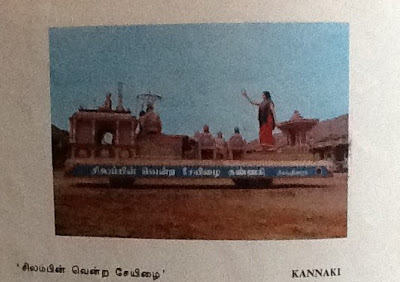
KANNAKI
in SILAPPATHIKARAM

Silappathikaram is the earliest among the available Tamil epics. Kannaki came to Madurai along with her husband Kovalan to sell her anklet and start a new life. But, her husband was unjustly accused of stealing the anklet of the Queen and was killed under the orders of the King. To prove the innocence of her husband, and expose the heinous crime of the Great Pandya King, Kannaki went to his court with one of her anklets. She accused the King of having ordered the death of her husband without conducting proper trial. The Queen’s anklet had pearls whereas the anklet of Kannaki had gems inside. She broke her anklet in the presence of the king and proved that her husband  Kovalan was not guilty. She is worshipped in Tamil Nadu as the Goddess of Chastity. The scene where Kannaki accused the King and broke her anklet is depicted in this tableau.


to be continued………………………

கஷ்டம் வந்தால் கவிதை பிறக்கும்: பால முரளி கிருஷ்ணா அனுபவம் (Post No.3419)

Picture of Sri Balamurali Krishna


Written by London swaminathan


Date: 5 December 2016


Time uploaded in London: 9-24 AM


Post No.3419


Pictures are taken by ADITYA KAZA; thanks.


contact; swami_48@yahoo.com


பாலமுரளி கிருஷ்ணாவின் மறைவை ஒட்டி, அவருக்கு அஞ்சலி செலுத்த லண்டனில் 3-12- 2016ல் ஒரு அஞ்சலிக் கூட்டம் நடந்தது. அதில் சிறப்புரை ஆற்ற என்னையும் அழைத்திருந்தனர். முதலில் அதில் கேட்ட, பிறர் சொன்ன சுவையான விஷயங்களைச் சொல்லுகிறேன்.


பாரதியார் மற்றும் சங்கீத மும்மூர்த்திகளின் வாழ்க்கை வரலாற்றைப் படிக்கும்போதெல்லாம் அவர்கள் கஷ்டப்பட்டபோதெல்லாம் இறைவனை நினைத்து கவிகளையும், கீர்த்தனைகளையும், கிருதிகளையும் இயற்றியதைப் படிக்கிறோம்.


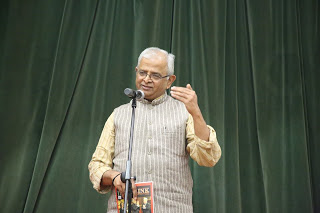
லண்டன் கூட்டத்தில் சிறப்புரை ஆற்றிய பாரதீய வித்யா பவன் டைரக்டர்  டாக்டர் நந்த குமாரா சொன்னதாவது:

“ஒரு முறை சங்கீத மாமேதை பாலமுரளி கிருஷ்ணா, ரஷ்யாவில் சுற்றுப் பயணம் செய்தார். ஹோட்டலில் நான்கு நாட்கள் தனியாகத் தங்கி இருந்தார். அங்கு மரக்கறி (சைவ) உணவு கிடைப்பது அபூர்வமாக இருந்தது. ஒரு புறம் தனிமை; மறுபுறம் வயிற்றைக்கிள்ளும் பசி; ஹோட்டல்காரர் களிடம், ‘ அப்பா! கொஞ்சம் தயிராவது கொடேன் என்று பாலமுரளி சொன்னார். உணவு விடுதிக்காரரும் மறுநாள் நல்ல கெட்டித் தயிர் கொண்டுவந்தார்.

“ஒரே ஆச்சரியம். அட இந்த உறைபனி வெப்ப நிலையிலும் இப்படி வெண்ணை போலத் தயிர் கொண்டு வந்துவிட்டீர்களே! என்றார் பாலமுரளி

Dr Nandakumara, Director, B V Bhavan, London Kendra

அந்த உணவுவிடுதிக்காரர் சொன்னார், “அது ரொம்ப எளிது, ஸார். நாங்கள் விரைவில் தயிர் ஆக அதில் ஒரு மீனைப் போட்டுவிடுவோம் என்றார். இதைக் கேட்ட பாலமுரளி கிருஷ்ணா, நொந்து போய், மனம் வெந்து போய் அதை நைஸாக ஒரு ஓரத்தில் ஒதுக்கிவைத்து விட்டு ஜன்னல் வழியாக வெட்ட வெளியைப் பார்த்தார். நள்ளிரவு. ஆனாலும் சூரியன் தெரிந்தது (துருவத்தை ஒட்டி, வட அட்ச ரேகைகளில் இருக்கும் நாடுகளில் நள்ளிரவிலும் சூரியனைப் பார்க்கலாம்.) உடனே அவருக்கு ஒரு கவிதை (க்ருதி) பிறந்தது. இறைவா! சூரியனே நீதான் எங்கு போனாலும் எனக்குத் துணை” என்று.


(என் கருத்து: நமக்குக் கஷ்டங்கள் வந்தால் கோபப் படுவோம். இறைவன் மீது கூட அந்த சினம் பாயும் . ஆனால் பெரியோர்களுக்குக் கஷ்டம் வந்தாலோ அது பாட்டாக மலரும்)


அடுத்ததாக லண்டனிலுள்ள சீனியர் மிருதங்க வித்துவான் திரு கிருஷ்ண மூர்த்தி பேசினார்; அவர் சொன்னதாவது:


ஒரு முறை என் குருநாதருக்கு உடம்பு சரியில்லை. ஆகையால் அவருக்கு வந்த எல்லா மிருதங்கக் கச்சேரிப் பணிகளையும் ரத்து செய்துவிட்டார். ஆனால் பாலமுரளி கிருஷ்ணாவுக்கு வாசிக்க ஒப்புக்கொண்டது மறந்து போயிற்று. எதேச்சையாக சபா காரியதரிசி என் குரு நாதரைப் பார்த்து “நாளை கச்சேரி; அதான் உங்களைப் பார்த்துவிட்டுப் போகலாம்” என்று வந்தேன் என்று சொல்ல, என் குருநாதர் “முடியவே முடியாது என் உடல் நிலை மிகவும் மோசமாக இருக்கிறது” என்று சொல்லிவிட்டார்.

சபா காரியதரிசியோ, இவ்வளவு கடைசி நேரத்தில் நான் போய் யாரைக் கேட்டாலும் வர மாட்டார்கள்; உங்கள் சிஷ்யன் கிருஷ்ணமூர்த்தியை (என்னை) வாசிக்கச் சொல்லுங்களேன் என்றார். அதற்கு என் குருநாதர் எனக்கு ஒரு ஆட்சேபணையும் இல்லை, பாலமுரளி ஸார் ஒத்துக்கொள்ள வேண்டுமே என்றார்.

Senior Mridangist Mr Krishnamurthy (first in the row)

சபா காரியதரிசி பாலமுரளி கிருஷ்ணாவைக் கேட்டவுடன் அவர் இசைவு தெரிவித்தார். மறு நாள், நான் பயந்துகொண்டே போய் வாசித்தேன். அவர் எனக்கு மிகவும் ஆதரவு கொடுத்துப் பாடினார் — என்றார் திரு கிருஷ்ணமூர்த்தி


இதற்குப் பின், நான் பேசினேன்.

என் சிற்றுரை:

கூட்டத்தில் நான் (லண்டன் சுவாமிநாதன்) பேசியதாவது.


என்னைப் பேச அழைத்த வயலின் வித்வான் திரு நாகராஜு அவர்களுக்கு நன்றி.

டாக்டர் நந்தகுமாரா பேசி முடித்தவுடன் இதையெல்லாம் புத்தகமாக எழுதுங்கள் உங்கள் அனுபவம் எல்லாம், எதிர்கால சந்ததியினருக்குப் பயன்படும் என்றேன். அது போல கிருஷ்ணமூர்த்தி ஸாரும் அவரது அனுபவங்களை எழுத வேண்டும். அவர் நீண்ட காலத்துக்கு முன்னர் எதிர்பாராத விதமாக பாலமுரளிக்கு வாசித்தபோது அவர் எவ்வளவு ஆதரவு கொடுத்தாரோ அதை பாலமுரளி கிருஷ்ணா கடைசி வரை செய்து வந்ததை நான் FACE BOOK பேஸ் புக் மூலம் அறிவேன். தினமும் யாராவது ஒரு இளம் கலைஞர் பாலமுரளிகிருஷ்ணா அவர்களிடம் ஆசி பெறுவது போல படஙகள் வரும். நமக்குத் தெரியும்; பிரபல பாடகி சுதா ரகுநாதன் முதல் புதிய கலைஞர்கள் வரை அனைவரும் அவரது ஆசியையும் ஆதரவையும் பெற்றவர்கள் என்பது.


நான் ஒரு திரைப்படப் பாடல், இரண்டு சம்பவங்கள் , மூன்று திருக்குறள்கள் சொல்லி அதில் அவரது வாழ்வு எப்படிப் பின்னிப் பிணைந்துள்ளது என்று காட்ட விழைகிறேன்.


திருவிளையாடல் என்ற திரைப்படத்தில் ஒரு நாள் போதுமா என்ற அருமையான பாட்டு பாலமுரளி குரலில் ஒலித்தது. அதை எழுதியவர் கவிஞர் கண்ண்ணதாசன். கவிஞர்களின் வரிகள் எப்போதுமே தீர்க்கதரிசனம் உடைய வரிகள். அவர் பாலமுரளியின் வாய் மூலம் வரவழைத்த ஒவ்வொரு வரியும் எப்படி அவருக்குப் பொருந்துகிறது என்று பாருங்கள் (நான் ஆங்கிலத்தில் பேசியதால் ஒவ்வொரு வரியையும் தமிழில் சொல்லி ஆங்கிலத்தில் மொழிபெயர்த்தேன்).

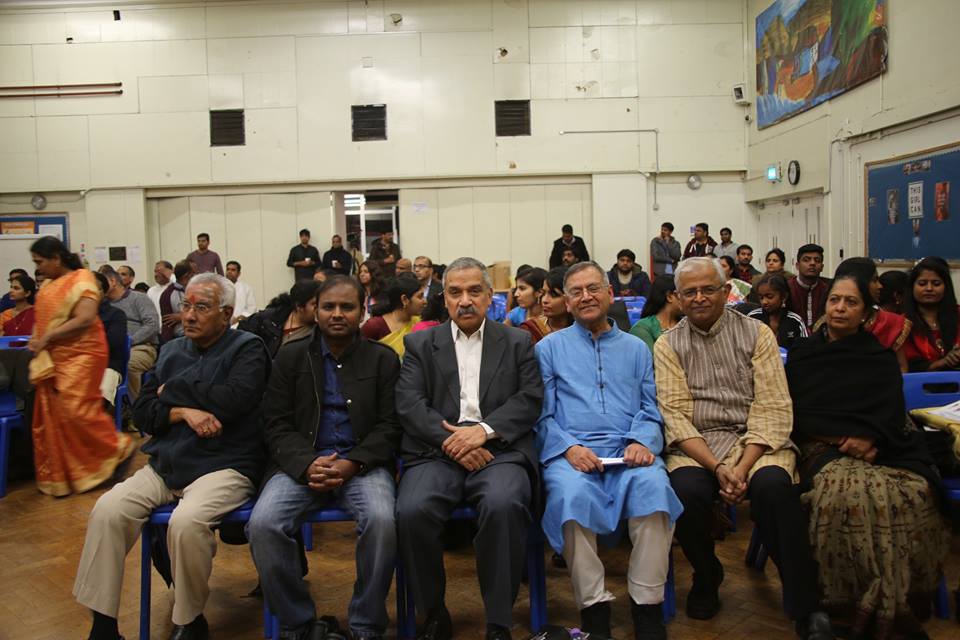
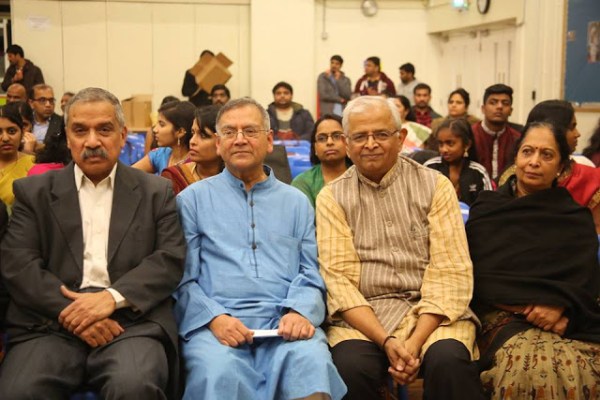
Mr Prabhakar Kaza, London swaminathan and Dr Nandakumara with his wife.

பாடல்: ஒருநாள் போதுமா? இன்றொரு நாள் போதுமா?
திரைப்படம்: திருவிளையாடல் (ஆண்டு 1965)
பாடியவர்: M. பாலமுரளிகிருஷ்ணா
இயற்றியவர்: கவிஞர் கண்ணதாசன்
இசை: K.V. மஹாதேவன்

ஓரு நாள் போதுமா இன்றொரு நாள் போதுமா?
நான் பாட இன்றொரு நாள் போதுமா?

………………………………….

………………………….
ராகமா சுகராகமா கானமா தேவகானமா? – என்
கலைக்கிந்தத் திருநாடு சமமாகுமா? – என்
………………………………………
குழலென்றும் யாழென்றும் சிலர் கூறுவார் – என்
குரல் கேட்ட பின்னாலே அவர் மாறுவார்
அழியாத கலையென்று எனைப் பாடுவார் ஆ..
அறியாமல் எதிர்ப்போர்கள் எழுந்தோடுவார் –

இசை கேட்க எழுந்தோடி வருவாரன்றோ?

……………………………….
கானடா.. ஆ.. என் பாட்டு தேனடா இசை தெய்வம் நானடா


கண்ணதாசன் வரிகளில் வந்தது போல பால முரளியின் கானம் தேவ கானம், அவருடைய பாட்டுக்கு இந்த நாடே இணையாகாது, அவரது பாட்டைக் கேட்க எல்லோரும் எழுந்தோடி வந்தனர்; அவர் சொன்னது போலவே அவர் இசைத் தெய்வம். எனக்கு முன்னே பேசியோரும் பாலமுரளியை சங்கீத சார்வபௌமன் என்றும் அவதாரம் என்றும் போற்றினர். எவ்வளவு உண்மை! எவ்வளவு உண்மை!

நான் சொல்ல விரும்பும் இரண்டு சம்பவங்களும் விக்கிபீடியாவில் உள்ள விஷயங்கள்தான். தந்தை விரும்பாதபோதும் எப்படி அவர் தானே ஒரு வயலின் செய்து வாசித்து தந்தையையும் இணங்க வைத்தார் என்பதும், அபூர்வ ராகங்கள் என்ற படத்திற்கு அவர் எப்படி மஹதி ராகத்தில் அதிசய ராகம் பாடல் எழுதினார் என்பதும் இரண்டு சம்பவங்கள் (விக்கி பீடியாவில் காண்க)


அடுத்ததாக மூன்று திருக்குறள்கள்; அவை எப்படி அவருக்குப் பொருந்துகிறது என்பதைச் சொல்கிறேன்.

Mr Nagaraju playing on violin

-தொடரும்…………………….


அரவிந்தரின் கண்களில் அரும்பிய நீர்! (Post No.3418)

Article Written by S NAGARAJAN


Date: 5 December 2016


Time uploaded in London: 5-59 AM


Post No.3418


Pictures are taken from various sources; thanks. They are representational.


contact; swami_48@yahoo.com


சென்ற வார பாக்யா இதழில் வெளிவந்த கட்டுரை

மகாகவி பாரதியார் பிறந்த தேதி டிசம்பர் 11. மஹரிஷி அரவிந்தர் மறைந்த தேதி டிசம்பர் 5. இருவரின் அழியா நட்பும் ஆன்மீக ரீதியிலானது. இந்த இருவரையும் பற்றிய சிறப்புக் கட்டுரை.


அரவிந்தரின் கண்களில் அரும்பிய நீர்!


ச.நாகராஜன்


விடுதலைப் போரில் ஈடுபட்டு அலிபூர் சிறையில் உயரிய ஆன்மீக அனுபவம் பெற்ற பின்னர் மஹரிஷி அரவிந்தரின் மனம் ஆன்மீக சிந்தனையில் ஊறித் திளைத்தது. ஒரு புதிய அரும் பெரும் சக்தியை பூவுலகில் இறக்குவதற்கான யோகத்தில் அவர் மனம் விழைந்தது.

இதையொட்டி அவர் உள் மனதில் ஒரு குரல் ஒலித்தது: ‘பாண்டிச்சேரிக்குப் போ’ என்று.!

அந்தக் குரலின் கட்டளையை ஏற்று அரவிந்தர் புதுவைக்கு ஒரு படகில் விரைந்தார்.

அப்போது புதுவையில் இருந்த சுதேசிகளான மகாகவி பாரதியார், ஸ்ரீநிவாசாச்சாரி, கிருஷ்ணமாச்சாரி ஆகியோருக்கு அரவிந்தர் வருகை இரகசியமாக ஒருவர் மூலமாக அறிவிக்கப்பட்டது.

ஆனால் அவர்கள் அந்த தூதர் கொண்டு வந்த செய்தியை நம்பவில்லை.

ஆங்கிலேய் அரசின் சூழ்ச்சிகளில் இதுவும் ஒரு திட்டமே என நம்பினர்.

இருந்தாலும் கூட அவர் ஒருவேளை வந்து விட்டால் அவர் தங்குவதற்கென சர்க்கரை செட்டியார் என்ற அன்பரின் வீடு ஏற்பாடு செய்யப்பட்டது.

அரவிந்தர் 1910ஆம் ஆண்டு ஏப்ரல் 4ஆம் தேதி புதுவை வந்து சேர்ந்தார். பாரதியார் அவரை வரவேற்றார்.

அன்றிலிருந்து ஒரு அற்புதமான நட்பின் அபூர்வ விளைவுகளாக வேத ஆராய்ச்சி, அரவிந்தர் தமிழ்க் கவிதைகளை இரசித்து, ஆண்டாள், பாசுரத்தை (To the Cuckoo, I dreamed a dream) ஆங்கிலத்தில் மொழி பெயர்த்தது, பாரதியார் அவரை  தினமும் சந்தித்துப் பல்வேறு விஷயங்கள் குறித்து விவாதிததது என்று ஏராளமான நற் பணிகள் நடைபெற ஆரம்பித்தன.

அரவிந்தர் மேல் பேரன்பு கொண்டிருந்த மகாகவி, அவரைப் புகழ்ந்து,

“ஆதிசிவன் மேலிருக்கும் நாகப் பாம்பே  – எங்கள்

அரவிந்தப் பேர் புனைந்த அன்புப் பாம்பே!

சோதிப்படத் தூக்கி நட மாடி வருவாய்! – அந்தச்

சோலை நிழலால் எமது துன்பம் ஒழிவோம்!”

என்று பாடினார்.


ஒரு நாள் மண்டயம் ஸ்ரீநிவாஸாசசாரியார் வீட்டிற்கு வந்த பாரதியார் சரஸ்வதி ஸ்தோத்திரமான எங்ஙனம் சென்றிருந்தீர் என்று தான் புனைந்த பாடலை பாடிக் காட்டினார். அப்போது அங்கு வ.வே.சு ஐயரும் வந்தார்.

அப்போது நடந்த உரையாடலை ஸ்ரீநிவாஸாசசாரியாரின் புதல்வியான யதுகிரி அம்மாள் ‘பாரதி நினைவுகள்’ என்ற தனது நூலில் இப்படிக் குறிப்பிடுகிறார்:

ஸ்ரீநிவாஸாசசாரியார் : ஒரு பதத்தில் நூறு பொருள்களை அடக்கும் சக்தி பாரதி தவிர வேறு யாருக்கும் வராது.

பாரதி: நம் நால்வருக்குள் நம் குண விசேஷங்கள் அடங்கி விட்டன. நான் நன்றாகப் பாடுகிறேன் என்கிறீர் நீர். உம்மைப் போன்ற எழுத்தாளர் இல்லை என்கிறேன் நான். ஐயரைப் போன்று மொழிபெயர்ப்பு நிபுணர் கிடையாது என்று நாம் சொல்கிறோம். பாபுவைப் போல் (அரவிந்தரைப் போல்) பழைய வேதங்களை இங்கிலீஷில் மொழிபெயர்த்து அடுக்குபவர் கிடையாது என்கிறோம். நாலு பேர் நாலு பக்கத்திற்கு.

ஸ்ரீநிவாஸாசசாரியார் : காலம் வரும். அவசரப்பட வேண்டாம். இது சோதனைக் காலம்.

ஐயரும் ஆறுதல் கூறினார் பாரதியாருக்கு. மஹாகவியாக இருந்தும் வறுமையில் ஆழ்ந்திருந்தது, உலகினர் தன்னை அறியாதிருந்தது அவரை வேதனைப் படுத்தியது.

புதுவையில் அடிக்கடி ஆங்கிலேயரின்  சூழ்ச்சித் திட்டங்கள் அரங்கேறும்.

இந்த சூழ்ச்சியின் ஒரு பகுதியாக புதுவையை ஆங்கிலேயருக்கு பிரெஞ்சுக்காரர்கள் விற்று விடுவதாகப் பேச்சு நடந்தது. அதைப் பற்றி பாரதியாரின் புதல்வியான சகுந்தலா பாரதி, ‘என் தந்தை’ என்ற நூலில் விவரமாகக் குறிப்பிடுகிறார் இப்படி:

“ ஒரு சமயம் புதுவை நகரை பிரெஞ்சுக்காரர்கள் ஆங்கிலேயருக்கு விற்றுவிடுவதாகப் பேச்சு நடந்தது. அப்பொழுது அங்கிருந்த ‘ஸ்வதேசிகளை’ ஆங்கிலேயரிடம் காட்டிக் கொடாமல், பிரெஞ்சுக்காரருக்குச் சொந்தமான அல்ஜேரியாவுக்கு அனுப்புவதாக பிரெஞ்சு கவர்னர் ஒப்புக்கொண்டார். அவ்வாறே போவதற்கு ஸ்ரீ வ.வே.சு. ஐயர், ஸ்ரீ அரவிந்தர், ஸ்ரீ ஸ்ரீநிவாஸாசசாரியார்  எல்லோரும் சம்மதித்து விட்டார்கள். என் தந்தை மட்டும், தன் மனைவி மக்களையும் தன்னுடன் வர அனுமதித்தால் தான் போக முடியும். இல்லாது போனால் விதிப்படி நடக்கட்டுமென்று ‘நான் புதுவையிலேயே தங்கியிருப்பேன்’ என்று கூறினார். அவ்வாறே அனுப்பவும் பிரெஞ்சுக்காரர்கள் சம்மதித்து விட்டார்கள். கடவுளின் அருளால் புதுவையை விற்கவுமில்லை. நாங்கள் பாலைவனத்திற்குப் போக வேண்டிய அவசியமும் நேரவில்லை”


இந்தக் கால கட்டத்தில் தினமும் பாரதியார் சகுந்தலாவிற்கு பாலைவனக் கதைகள் சொல்வாராம்

ஆனால் நல்ல வேளையாக அல்ஜீரியா பாலைவனத்திற்கு அரவிந்தர், பாரதியார் உட்பட்ட யாரும் போகவில்லை.

புதுவை வாழ்க்கை சகிக்க முடியாத ஒரு நிலை ஏற்படவே பாரதியார் சென்னைக்குத் திரும்ப முடிவு செய்தார்.

கடைசியாக அரவிந்தரிடமிருந்து விடை பெறும் நாளும் வந்தது.

அந்த நாளைப் பற்றி சகுந்தலா பாரதி தனது நூலில் இப்படி விவரிக்கிறார்:

“ஸ்ரீ அரவிந்தரிடம் என் தந்தை விடை பெறுவதற்காகச் சென்றார். நாங்களும் போயிருந்தோம். அந்தாளில் ஸ்ரீ அரவிந்தரின் ஆஸ்ரமத்திற்கு இப்போதுள்ளது போன்ற கட்டுக் காவல் கிடையாது. எங்களுக்கு விருப்பமானபோதெல்லாம்,ஸ்ரீ அரவிந்தரின் மாளிகைக்குச் செல்வதுண்டு. அங்கு ஸ்ரீ அரவிந்தரும், என் தந்தையாரும், ஸ்ரீ வ.வெ.சு ஐயரும் பல விஷயங்களைச் சம்பாஷிப்பார்கள். குழந்தைகளாகிய நாங்கள் சிறிது நேரம் கேட்டிருப்போம். பின்பு அவரது மாளிகையைச் சூழ்ந்த விசாலமான தோட்டத்தில் விளையாடியும், ஸ்ரீ அரவிந்தருடன் வசித்து வந்த அவரது சிஷ்யர்களுடன் பேசியும் சில நேரம் கழிப்போம்……

கடைசிமுறையாக் என் தந்தை அரவிந்தரிடம் விடை பெறப் போனபோது அவர்கள் தனியறையில் சம்பாஷணை நடத்தியதால் அதன் விவரம் எனக்குத் தெரியாது. ஆனால் விடைபெற்றுத் திரும்புகையில் ஸ்ரீ அரவிந்தரின் சாந்தி நிறைந்த ஞானவொளி வீசும் கண்கள் கண்ணீரால் மங்கியிருந்தன. என் தந்தையின் வீர விழிகளில் கண்ணீர் ததும்பி நின்றது. அது மட்டும் தான் நான் கண்டேன்.

ஸ்ரீ அரவிந்தரது ஆசீர்வாதத்தைப் பெற்று வீடு திரும்பினோம். அவரது சீடர்கள் எங்களுடன் வீடு மட்டும் வந்தார்கள்.நண்பர்கள் யாவரையும் பிரிய மனமில்லாமல் பிரிந்து புதுவையிலிருந்து புறப்பட்டோம்.”

சகுந்தலா பாரதியின் புதுவை வாசம் இப்படி உருக்கமுடன் கண்ணீருடன் முடிகிறது.


ஆங்கில சாம்ராஜ்யத்தையே ஆட்டுவித்த மகாவீரர், ஆன்மீக சிகரத்தில் ஏறி புதிய யோக சக்தியைப் பூவுலகில் இறக்கியவர் அரவிந்தர்.

தன் பாட்டுத்திறத்தாலே இந்த வையத்தைப் பாலித்திட வந்தவர் தமிழ்க் கவிஞர் பாரதியார். வாராது வந்த மாமணி. வீயாச் சிறப்புடையவர்.

இவர்களின் கண்களில் பிரிவினால் அரும்பியது நீர் என்றால் அது புனித நீர் அல்லவா!

கொடுத்த வைத்த புதுவை பூமி சரித்திரத்தில் புனித பூமியாக நிரந்தர இடம் பெற்று விட்டது!

******


A Fish Inspired Balamurali Krishna to compose a Krti (song)! (Post No.3417)

Written by London swaminathan


Date: 4 December 2016


Time uploaded in London: 15-13


Post No.3417


Pictures are taken by ADITYA KAZA; thanks.


contact; swami_48@yahoo.com
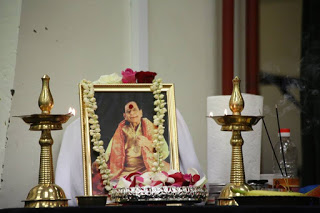


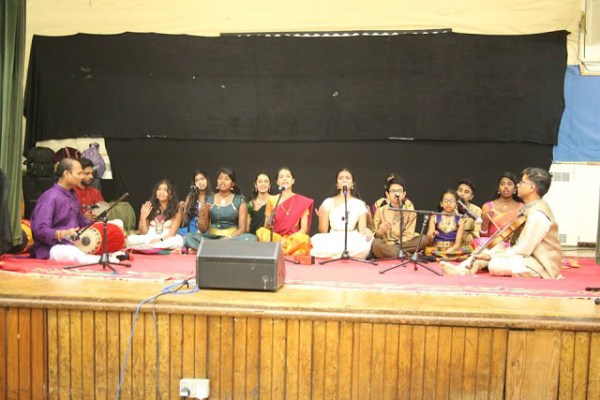
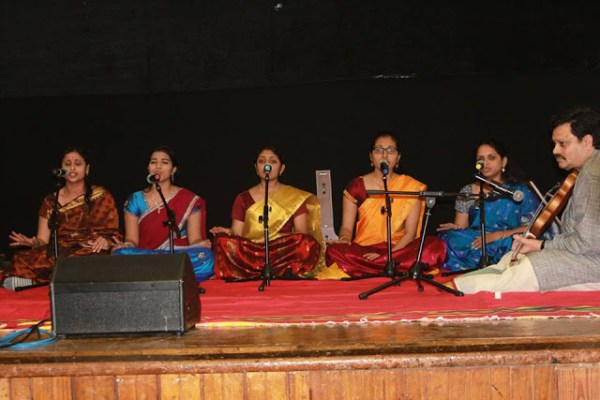
A Sraddhanjali meeting was organised by Violinist Mr Nagaraju and his team in London yesterday to pay homage to the departed musician Dr Balamurali Krishna. All the famous musicians of London were present and paid homage to the departed musician by singing his krtis. Dr Nandakumara, Director of London Bharatiya Vidhya Bhavan was the main speaker. Violinist Nagaraju, Mrdangist Karaikudi, Krishnamurthy London Swaminathan, Mr Prabhakar Kaza and Jagatheeswaran Pillai spoke on the occasion. Ms Bhanu sistla compered the programme. Young and budding artistes also participated in the event.


Now I give a gist of what I (London Swaminathan) said in my speech: –


Good Evening, Namste, Vanakkam, Namskaram


I recite Vishnu Shasranama everyday and my wife plays Lalitha Sahsranama everyday while she cooks. Today I listened to the Balamuralkrishna “Ashtottarm” (108 names) for the first time! Mr Nagaraju has ‘recited’ (actually recalled) all the titles of the great master Balamurai—so many titles and awards! – it is like an ashtottaram on a god! That shows how great he was.


Thank you Mr Nagaraju for inviting me to this event. I am neither a musician like Mridangist Krishnamurthy sir nor a musicologist like Dr Nandakumara. They gave us very interesting anecdotes though their personal contacts (the interesting titbits are at the end of this article). I am going to approach this matter as a layman. I will tell you one film song, two anecdotes and three couplets from the Tamil Veda Tirukkural and see where and how Dr Balamurali fits into it.


Dr Balamurali Krishna was known to every music lover in Tamil Nadu, but not to laymen. When his song Oru Nal Pothuma (Is one day enough) came in the Tamil Film TIRU VILAIYADAL, he became very famous and popular. A great lyricist Kannadasan wrote this film song and was sung by Blamurali Krishna. The lines in the song have come true today. Knowingly or unknowingly Kannadasan put some words in the mouth of Balamurali Krishna. Here are some lines from the song:-
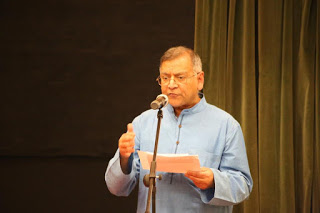
Tamil Film Song Lines:
OrunaaLpothumA? Is a day enough?
Indr-oru naaL pothumA? Is this day enough?
Naan paada indr-oru naal pothumA?
Is this day enough for me to sing?
………

……….

Gaanam- ah? Deva gaanam-Ah?
Song? is it a heavenly song?

My comments: Very True. His songs are heavenly songs

Enn Kalai-kk indha thiru naadu samam aagumA?
Will this country ever be equal to my art?
Enn kalai-kk indha thir naadu samam aagum-ah?
Will this country ever be equal to my art?

My comments: Very true. Not even a country will be equal to his songs
KuLaL endrum yaaLl endrum silar kuruvar
Some describe it (voice) as a flute or YaLl
Enn kuraL kay-ta pinnalay avar maaruvar
They change (their opinion) after they  hear my voice
My comments: I am going to refer these lines in the Tirukkural next. Neither flute nor lute will come nearer to his divine voice.
ALiyatha kallai endru ennai paduvar
They praise me as an indestructible art
Isai kett-ka eLinth-thodi varuvarr endro
To hear (my) music (people) come running
ELinth-thodi varuvarr endro —- Come running
My comments: These lines also came true. He was listened to by thousands of people wherever he went. And Balamurali finished his gong in the film by saying ,

Issai theivam naan aDa           I am the god of music!


It is very true. Earlier speakers described Balamurali as an avatar (incarnation) and a Sangeetha Sarvapauman.
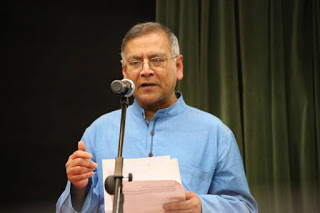
 

Now to the episodes which I read in Wikipedia


Balamuralikrishna learnt violin by listening to his father playing the instrument.

“Since my father was against me playing violin, I created my own instrument. Once I summoned courage and played his instrument in his absence. When questioned by my father I admitted and played Bhairavi ata thala varnam.  My father was impressed and allowed me to play the instrument,” he had recalled in his biography Sangita Perunkadal, penned by Ranimynthan.


When K. Balachander directed Apoorva Ragangal, he told M.S. Viswanthan to compose a song in a rare raga to justify the title of the film. It was Balmuralikrishna who helped him compose the song Athisaya Ragam in raga Mahathi. His other creations are raga Sarvashri, Lavangi, and Sumukham.

He also scored music for the first Sanskrit film Adi Sankarar


I wanted to quote

Three couplets from the Tamil Veda- Tirukkural written by Tiru Valluvar:-


1.ONLY THOSE WHO HAVE NOT HEARD THE MELODY OF THEIR CHILDREN’S LISPING PRATTLE, WILL SAY THE MUSIC OF FLUTE AND LUTE IS SWEET -66


2.THE JUST AND THE UNJUST COME TO BE KNOWN BY THE REPUTATION THEY LEAVE BEHIND -114


3.IF ONE TAKES BIRTH IN THIS WORLD ONE SHOULD COME WITH QUALITIES WHICH BRING FAME; IF NOT IT IS BETTER NOT TO APPEAR AT ALL -236


Let us see how great he is in the background of these 3 couplets:

He lived for 86 years. He learnt music when he was six and gave his first concert when he was nine years old! That means he dedicated 80 years of his life for music—for the development of classical music. We cant find a parallel to it in the music world.


He has garnered two National Film awards, the Sangeet Nataka Academy award and Padmavibhushan and many more awards. He gave 25,000 concerts in his life time which are available on records, tapes and You Tube. It will inspire generations to come. He spoke many languages in addition to his mother tongue Telugu.


WHAT DID HE LEVE US

Balamuralikrishna had over 400 compositions to his credit and is one of the very few people to have composed in all the 72 Melakarta Ragas and has created several ragas, with 4 notes and 3 notes and also has invented a new Tala system. His compositions encompass every facet in Carnatic Music that includes Varnas, Krithis, Thillanas.


So like Valluvar said, a man’s greatness is decided on the basis of what he leaves behind. He left us a big treasure. Valluvan said if you are born, lead a glorious life which Balamurali did.

People who listened to him wont praise flute or lute. Thus he justified the three couplets from Tirukkural.


Dr Nanda Kumara and Krisnamurthy (sir) told us interesting anecdotes. As soon as Dr Nandakumara finished his speech I requested him to write a book with these inspiring anecdotes for the benefit for the future generation. I request Sri Krishnamurthy sir also to write his experience.
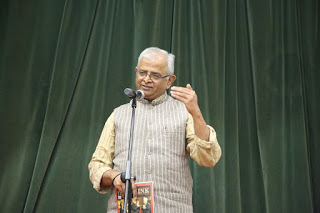
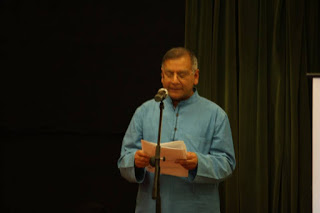
Picture: Dr Nandakumara speaking


Fish Yogurt inspired Balamurali Krishna!

Dr Nandakumara told the gathering the following interesting anecdote:-

Dr Balamurali Krishna travelled in Russia at one time. He could not have any proper vegetarian food for four days. He was staying in a hotel all alone. One day he asked the restaurant to give him at least curd (yogurt). At last they brought him Yogurt. He was surprised to see a thick fermented yogurt. He wondered how they were able to achieve it in that cold temperature. They told him,

“It is very simple sir. We put a fish in it for fermentation (as a curdling agent)!

Immediately Balamurali pushed it to one side and prayed to God.

He looked at outside through the window in the mid night. Sun shines during mid night in the northern most latitudes. When he looked at the sun he composed a Krti, Oh, Sun God you are my companion and helper (for ever).

Thus Fish Yogurt (curd) inspired Balamurali Krishna to compose a new song. Dr Nandakumara related many more anecdotes.
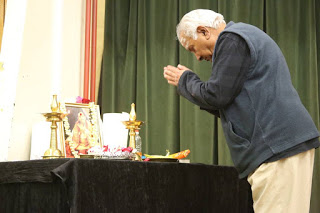
Picture: Mr Krishnamurthy paying homage

Mr Krishnamuthy was learning Mridangam under his Guru. His guru took many assignments but could not fulfil them due to poor health. He cancelled all those in time, but forgot his accompaniment for Dr Balamurali. The Sabha secretary came to him casually to remind him about the next day concert. My Guru told him that he could not come. When the Sabha secretary told that it was too late to approach anyone and asked whether me (MR Krishnamurthy) could accompany Balamurali on Mridang. My Guru told him that he had no objection but Balamurali must give his consent. Sabha (Music association) secretary came with the good news that I could play Mridangam for Balamurali sir. But I survived only with his (Balamurali’s) support on that day.


My comments

Later I also referred to it and said that Balamurali was a great supporter of young and budding artistes. Every day I see in Facebook one or the other, from great singers like Sudha Ragunathan to youngest artists pose with Balamurali sir and getting his blessings.


Thank you for the opportunity given to me to pay my respects.

Thank you.
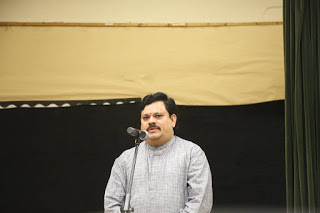
 

Picture: Men behind the event: Violinist Mr Nagaraju and Mr Prabhakar Kaza.

–Subham–


Will Power, Worrying, Appearance Anecdotes (Post No.3416)

Compiled by London swaminathan


Date: 4 December 2016


Time uploaded in London: 7-57 am


Post No.3416


Pictures are taken from various sources; thanks. They are representational.


contact; swami_48@yahoo.com


Will power Anecdote

A young man contemplating marriage, was almost shocked out of his future state by overhearing the following conversation

Several young women, discussing their husbands, were talking of their men’s vices and how they have succeeded in curing them.

“Incidentally, said one of them to a very young thing standing by, I hear that John has given up smoking. He used to smoke a great deal. That must have taken a strong wil”l.

In contrast to her frail prettiness, the young woman was heard to say,

“It certainly did. But that’s the kind of will I have got”.


Xxx

Worrying anecdote

Secretary of the Treasury Chase happened to remark

“Oh, I am so sorry that I didn’t write a letter to Mr So and so before I left home”.

President Lincoln promptly responded,

“Chase never regret what you don’t write; it is what you do write that you are often called upon to feel sorry for”.

xxx

Physical Characteristics Anecdote 

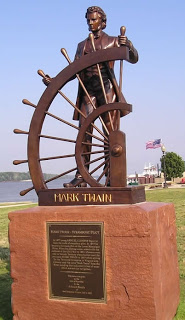
Mark Twain often received photographs from men whose friends had made them believe that they looked like him. Discovering that his house was beginning to run over with pictures of these aspirants to fame, mark determined to relieve himself of the burden of answering the heavy correspondence, and so had his printer strike off a few hundred copies of the following from letter,


“My dear Sir,

I thank you very much for your letter and your photograph. In my opinion you are more like me than any other of numerous doubles I may even say that you resemble me more closely than I do myself. In fact, I intend to use your picture to shave by”.

Yours thankfully,

S Clements

—Subham–


அப்பா போல பிள்ளை! காளிதாசன், வள்ளுவன் உவமைகள்! (Post No.3415)

Written by London swaminathan


Date: 4 December 2016


Time uploaded in London: 7-07 am


Post No.3415


Pictures are taken from various sources; thanks. They are representational.


contact; swami_48@yahoo.com


ஒரு மகன், அவனது தந்தையின் நல்ல குணங்களை பின்பற்றவேண்டும். மகன் என்பவன், தந்தையின் மறு அச்சு என்று சம்ஸ்கிருத  நூல்கள், கூறுகின்றன. பிரம்மாவுக்கு எப்படி அத்ரி மகரிஷி நல்ல புத்திரனாக இருந்தாரோ, சந்திரன் எப்படி அத்ரிக்கு நல்ல புத்திரனாக இருந்தாரோ , புதன் எப்படி சந்திரனுக்கு நல்ல புத்திரனாக இருந்தாரோ, புரூருவசு மன்னன் எப்படி புதனுக்கு நல்ல புத்திரனாக இருந்தாரோ அப்படி ஆயுஸ் என்ற புதல்வன் அவன் தந்தைக்கேற்ற மகனாகப் பிறந்தான்.

பிரம்மா, அத்ரி, சந்திரன், புதன், புரூருவஸ் – என்று அழகாக ஐந்து தலைமுறைகளை அடுக்குகிறான் காளிதாசன்.

அமர முனி: இவ அத்ரி:ப்ரம்மண: அத்ரே: இவ இந்து:புத: இவ சசினாம்சோ: போதனஸ்ய ஏவ தேவ: பவ : பிது:அனுஸ்த்ரூப: த்வம்

குணை: லோக காந்தை: அதிசயினி சமாப்தா வம்சஏவாசிஷஸ்தே

–விக்ரமோர்வசீயம் 5-21

ரகுவம்சம்


ரகு வம்சத்திலும் மகன்கள் பற்றிய அழகிய பாடல்கள் வருகின்றன:-

அத நயன சமுத்தம் ஜ்யோத்ரத்ரேரிவ த்யௌ:

சுரசரிதிவ தேஜோ வன்னிநிஷ்டயூதமைசம்

நரபதி குல மூர்த்யை கர்பமாதத்த ராக்ஞோ

குருபிரபிநிவிஷ்டம் லோகபாலானுபாவ:

–ரகுவம்சம் 2-75


பொருள்:

பிறகு ஆகாசம், அத்ரி மகரிஷியின் கண்களிலிருந்து எழுந்த ஒளியாகிய சந்திரனை தரித்தது போலும், கங்கா நதி அக்னி தேவனால் கொடுக்கப்பட்ட பரமசிவனுடைய தேஜசாகிய சுப்ரமண்யனை (தரித்தது) போலும், அரசியான சுதக்ஷிணை ராஜகுலத் தின் க்ஷேமத்தின் பொருட்டு அதிகமான லோகபாலகர்ளின் அம்சங்களினால் பிரவேசிக்கப்பட்ட கர்ப்பத்தைத் தரித்தாள்.


லோகபாலகர்களின் அம்சம்: இந்திரன், அக்னி, யமன், நிருதி, வருணன், வாயு, குபேரன், ஈசானன் என எண்மர். இவர்களுடைய சக்தி அரசனிடம் பிரவேசிப்பதாக மனு கூறுகிறார். தமிழ் இலக்கியமும் மன்னர்களை இந்திரன் என்றும், அக்கினி என்றும், வாயு என்றும், எதிரிகளுக்கு எமன் என்றும் புகழ்கின்றன.


அத்ரியின் கண்களிலிருந்து விழுந்த நீர்த்துளிகளை திக் தேவதைகள் தாங்கவே அது சந்திரனாக மாஇறியது.


பரமசிவனுடைய கண்களிலிருந்து விழுந்த ஆறு தீபொறிகளை கங்கை தாங்கவே அது சுப்பிரமணியனாக உருவாகியது என்பது புராணச் செய்திகள்.

தமிழ்ப் புலவர் திருவள்ளுவரும் மகன் தந்தைக்குள்ள உறவைப் பற்றி பேசுகிறார்:


மகன் தந்தைக்கு ஆற்றும் உதவி இவன் தந்தை

என்னோற்றான் கொல் எனுஞ் சொல் (குறள் 70)


அதாவது ஒரு மகன் அவனுடைய தந்தைக்கு எப்படி நன்றி செலுத்துவது? இப்படிப்பட்ட ஒரு நல்ல பிள்ளையைப் பெற இவன் தந்தை என்ன தவம் செய்தானோ? என்னென்ன நோன்புகளைக் கடைப்பிடித்தானோ?


ஒரு இந்துவானவன் நல்ல பிள்ளை கிடைக்க கடவுளை வேண்டுவான். மகன், வாழ்நாள் முடியும்வரை தந்தைக்கு சாப்பாடு போட வேண்டும், கை கால் பிடித்துவிட வேண்டும் என்றெல்லாம் வள்ளூவன் சொல்லவில்லை. அவன் தந்தையை விட அறிவாளியாகவும், தந்தையைப் போல குணவானாகவும் இருப்பதே பெரிய கைம்மாறு! இதனால்தான் காளிதாசனும் பிரம்மா முதல் ஐந்து தலைமுறைகளைப் புகழ்ந்து அப்படிக் குணவானாக இருந்தான் அந்தப் பிள்ளை என்கிறான்.


ஏனைய இடங்களில் வள்ளுவன் கூறும் கருத்துகளும் சிறப்புடைத்து. பெற்றபோது இருந்த இன்பத்தைவிட, ‘உன் மகன் அறிஞன்’ என்று சொல்லும்போது தாயார் கூடுதலாக மகிழ்வாளாம் (குறள் 69). ஒரு தந்தையினுடைய கடமை, பிள்ளையை நல்ல பள்ளியில் சேர்த்து அவனை வகுப்பில் முதல் மாணவனாகக் கொண்டுவரவேண்டும் என்றும் வள்ளுவன் வலியுறுத்துவான்.


தந்தை மகற்கு ஆற்றும் நன்றி அவையத்து

முந்தியிருப்பச் செயல் (குறள் 67)

ஒரு மகனுக்கு தந்தை செய்யக்கூடிய நன்மை யாதெனில் கற்றோர் உள்ள சபையில் தன் மகன் அறிவாளி என்று புகழப்படும் அளவுக்குக் கல்வியை அளிப்பதாகும்.


இதே கருத்தை பெரியாழ்வார் திவ்வியப்பிரபந்தத்திலும், திருத்தக்க தேவர் சீவக சிந்தாமணியிலும், கம்பன், ராமாயணத்திலும் கூறுவது ஒப்பிட்டுப் பார்த்து ரசிக்க வேண்டிய பகுதிகளாம்:-


என்ன நோன்பு நோற்றாள் கொலோ

இவனைப் பெற்ற வயிறுடையாள்

என்னும் வார்த்தை எய்துவித்த இருடீகேசா

–பெரியாழ்வார் 2.2-6


எத்துணைத் தவம் செய்தான் கொல்

என்று எழுந்துலகம் ஏத்த — சீவக.2567


வல்லை மைந்தவம் மன்னையும் என்னையும்

எல்லையில் புகழ் எய்துவித்தாய் என்றான்

–கம்ப, சடாயுகாண் படலம் 41


–சுபம்–


அதிசய புத்த துறவி ஸு யுன்! – 20 (Post No.3414)


Article Written by S NAGARAJAN


Date: 4 December 2016


Time uploaded in London: 5-43 AM


Post No.3414


Pictures are taken from various sources; thanks. They are representational.


contact; swami_48@yahoo.com


100 வயது வாழ்ந்த பெரியோர்


120 வயது வாழ்ந்த அதிசய புத்த துறவி ஸு யுன்! – 20

ச.நாகராஜன்


Picture sent by Dr Carani Sanjeevi

சரணாகதி அடைவதற்கான காலம் இல்லை என்று

வூ அழுத்தம் திருத்தமாகக் கூறி நிறுத்த அங்கு அமைதி நிலவியதைத் தொடர்ந்து ஸு யுன் சாந்தமாக வூவைப் பார்த்தார்.


வூவின் ஆவேசமான உரைக்கு பதிலாக ஸு யுன் கூறலானார் : “தயவு செய்து என்னைத் தவறாகப் புரிந்து  கொள்ள வேண்டாம்.மத்திய அரசின் முக்கியமான அதிகாரி டாங். அவருக்கு உங்களுடன் சமாதானம் பேச எல்லா அதிகாரமும் உண்டு. அப்படி சமாதானம் எற்பட்டால் பீஜிங்கின் அதிகாரபூர்வமான அதிகாரிகளுள் ஒருவராக நீங்களும் ஆகி விடுவீர்கள். இது வரை இறந்து போன உங்களின் வீரர்களைப் பற்றி என்னால் செய்ய முடிவது அவர்களுக்கு உரிய  முறையில் இறுதிச் சடங்குகளைச் செய்வது தான். சிறைப்பிடிக்கப்பட்டு சிறையில் இருப்பவர்கள் பற்றி டாங்குடன் பேசி அவர்களை விடுவிக்கச் சொல்கிறேன். இந்த என் பேச்சை நீங்கள் கேட்கவில்லை என்றால் பகை இன்னும் தொடரும். உங்களிடமும் படைபலம் உண்டு.டாங்கிடமும் அது இருக்கிறது.

உங்களுடைய பலம் குறைவு என்பதால் டாங்கின் பண பலம், படைபலம் இவற்றுடன் பீஜிங்கின் அதிகார பலத்தின் துணையும் டாங்கிற்கு வரும். என்னிடம் அதிகார பலம் இல்லை. ஆனால் என் சொல்லின் மூலம் பகையை முடித்து நாட்டிற்கும்  மக்களுக்கும் நல்லது செய்ய முடியும் என்று நினைக்கிறேன்.”

இந்த ஸு யுன்னின் உரையைக் கேட்டு வூவும் அவனது சகாவும் நெகிழ்ந்து போனார்கள்.


வூ  தன் சார்பில் ஸு யுன் பேசலாம் என்று கூறினான்.

தனது சார்பில் ஆறு நிபந்தனைகளைச் சொல்ல வேண்டுமென்று வூ சொல்ல அதை கவனமாக ஸு யுன் கேட்டார்.

1)சிறைப்பிடிக்கப்பட்டிருக்கும் வூவின் ஆட்கள் அனைவரும் உடனடியாக விடுவிக்கப்பட வேண்டும்.2) வூவின் படையைக் கலைக்க நிர்ப்பந்திக்கக் கூடாது. 3) வூவின் ராணுவ அந்தஸ்தைக் கீழிறக்கக் கூடாது 4) தனது படையை கமாண்ட் செய்ய வூவுக்கு உரிமை உண்டு 5) கடந்த காலச் செயல்களைப் பற்றி எந்த விதமான் விசாரணையும் செய்யக் கூடாது  6) இரண்டு படைகளும் சம உரிமை பெற்றவையாக் இருத்தல் வேண்டும்.


ஸு யுன் கூறினார்: “இதற்கு டாங் சம்மதிப்பார் என்றே நம்புகிறேன். அவருடன் நான் பேசிய பின் அவரது பிரதிநிதிகள் இது  பற்றி முழுவதுமாக உங்களுடன் பேச்சு வார்த்தை நடத்துவார்கள்.”

வூ : “பூஜ்யரே! உங்களைத் தகாத விதத்தில் நடத்தியதற்கு மிகவும் வருத்தப்படுகிறேன். இந்த விஷயத்தை  மட்டும் நீங்கள் கூறியபடி முடித்து வைத்தால் உங்களுக்கு எப்போதுமே நன்றிக் கடன் பட்டவர்களாக இருப்போம்.”.


ஸு யுன் : “ஐயோ அந்தப் பெரிய வார்த்தை எல்லாம் வேண்டாம். எனக்கும் இது நன்மையைச் செய்வ்தால் தானே நான் இதைச் செய்கிறேன்.”


வூவும் அவனது ச்காவும் மிகுந்த மரியாதையுடன் ஸு யுன்னை நடத்தினர். சில நாட்கள் தங்களுடன் இருக்குமாறு அவர்கள் கூறியதை பணிவுடன் ஸு யுன் மறுத்தார்.

பயணத்திற்கான பணம், உணவு, வண்டி, கூட வழிகாட்டி துணைக்கு வருவதற்கான படை வீரர் ஆகிய அனைத்திற்கான ஏற்பாடுகளையும் வூ செய்வதாகக் கூற் அதெல்லாம் வேண்டாம் என்று கூறிய் ஸு யுன் கொஞ்சம் உணவை மட்டும் ஏற்றுக் கொண்டார்.


அவர்களிடம் விடை பெற்றுக் கொண்ட ஸு யுன் தன் வழியில் பயணப்பட்டார்.

சிறிது தூரத்தில் வூவின் ஆட்களில் பலர் ஸு யுன்னை எதிர்கொண்டு அவர் காலில் விழுந்து வணங்கினர்.

அவர்கள் தான் முதலில் ஸு யுன்னைப்  பிடித்து அடித்தவர்கள்.

அவர்க்ள் கண்களில் இப்போது கண்ணீர். “போதிசத்வர் எங்களை மன்னிப்பாரா” என்று அவர்கள் புலம்ப ஸு யுன் அவர்களுக்கு ஆறுதல் அளித்துத் தேற்றினார்.


குன்மிங் நகருக்கு வந்த ஸு யுன்னுக்கு வரவேற்பு பிரமாதமாக் இருந்தது.டாங் அவரை  ம்டாலயம் வந்து சந்தித்தார்.

“உங்களைப் பல காலமாகச் சந்திக்கவில்லை.எனது பாட்டி, தந்தை,மனைவி, சகோதரன் ஆகியோர் ஒருவர் பின் ஒருவராக இறந்தனர். நான் மிகுந்த மனச்சோர்வுட்ன் இருக்கிறேன்.போதாதற்கு நாடெங்குக் கொள்ளைக்காரர்கள் பெருகி விட்டனர். “ என்று டாங் கூறினார்


அதைக் கேட்ட ஸு யுன், “இறந்த அனைவரின் ஆத்மாவும் சாந்தி அடைய புத்தமத இறுதிச் சடங்குகளை நடத்தித் தருதல்,  யுயான் டாங்கில் உள்ள மடாலயத்தை விரிவுபடுத்திப்  பெரிதாக்குதல், புத்த தர்மத்தைப் ப்ரப்பி துயர்படுவோரின் துயரை நீககுதல் ஆகிய மூன்று பணிகளையும் தான் செய்ய விழைவதாகக் கூறினார்.

டாங்  ஸு யுன்னிடம், “முதல் மற்றும் கடைசி பணியைச் செய்வது சுலபம். இரண்டாவது பணிக்கு அரசின் நீதித் துறையின் ஆணை வேண்டும்” என்றார்.


“நீதித் துறையுடன் நீங்கள் பேசினால் எல்லாம் நல்லபடியாக நடக்கும். இந்தக் கொள்ளைக்காரகள் பற்றிய விஷயத்திற்கு வருவோம். அந்தக் கூட்டத்தின் இரு தலைவர்களுடன் நான் பேசினேன். அவர்க்ள் சமாதானத்திற்குத் தயார். அவர்களுக்கு நீங்கள் பொது மன்னிப்பு வழங்க வேண்டும்” என்று ஆரம்பித்த ஸு யுன் அனைத்து விஷயங்களையும் விவரமாகக் கூறினார்.


இதையெல்லாம் கேட்ட டாங் பெருமகிழ்ச்சி அடைந்தார்.

உடனே உரிய அரசு உயர் அதிகாரிகளுடன் பேச்சு வார்த்தை நடத்தப்பட்டது. பொது மன்னிப்பும் வழங்கப்பட்டது.

எல்லாம் சுபமாக முடிந்தது. கொள்ளையடிப்பதும் போர் நடப்பதும் ஒருவழியாக முடிவுக்கு வந்தது.

அந்த வருடமோ முடிவை நெருங்கிக் கொண்டிருந்தது. ஷாங்காயில் உள்ள தர்ம மையத்திற்கு நிது திரட்டுவதும் மும்முரமாக ஆரம்பிக்கப்பட்டது.


குன்மிங் நகரில் ஸு யுன் தன் புது வருட ஆரம்ப நாளைக் கழித்தார்.

ஸு யுன்னுக்கு 79ஆம் வயதும் முடிந்தது.

******* தொடரும்


Mirror Images in Hindu Literature (Post No.3413)

Research Article Written by London swaminathan


Date: 3 December 2016


Time uploaded in London:12-20


Post No.3413


Pictures are taken from various sources; thanks. They are representational.


contact; swami_48@yahoo.com


Tamil version of this article is also posted.


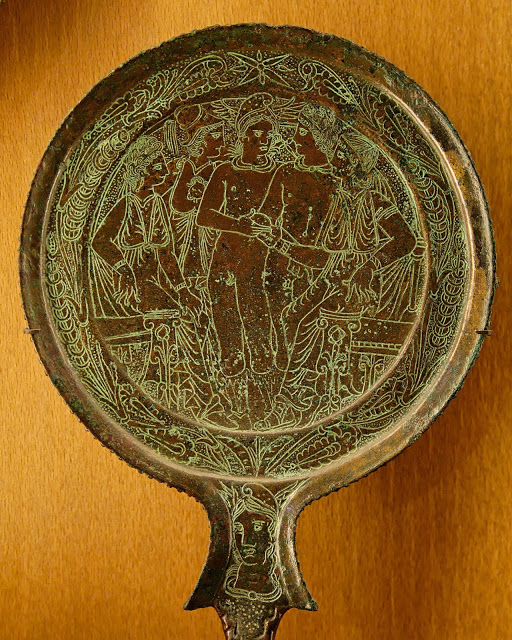
Mirrors have been used by us from time immemorial. it is found in all the ancient civilizations. Etruscan mirrors are famous for their engraved mythological scenes on the back of the mirror. In ancient Mexico Aztec god Tezcatlipoca was called smoking mirror.


The mirror has got special significance in the Shinto tradition of Japan. It is an attribute of the sun goddess Amaterasu. A sacred mirror is handed to each new emperor.


According to one tradition, the mirror bears the Hebrew inscription of “I am who am”.

Psychologists have different interpretations for mirror images.

In Hinduism mirror is considered one of the auspicious objects. As soon as they get up in the morning they look at their right-hand palm or a mirror. Young girls are invited to homes and mirror, comb and Kumkum are distributed them during Navratri festival period. On the new year day, they look at the mirror when they wake up. When the god’s statue is taken in palanquin procession through the city streets, a mirror is placed in front of the idol so that people can see it from different angles. If mirror is broken by fall they consider it as an ill omen.


Mirror in Gita and Kalidasa

Mirror is used as simile from the days of Mahabharata. Krishna, Adi Sankara, great poet Kalidasa, Tamil poets Tiruvalluvar, Tolkappiar, Kapilar and many more use it for imagery.


They send various messages through mirror imagery.

Lord Krishna says in Bhagavd Gita (3-38):

“As fire is enveloped by smoke, as a mirror by dust, as an embryo by the womb, so this wisdom is enveloped by that (desire or anger)”.


Swami Chinmayananda gave a detailed commentary on this couplet. He says though they look similar, they are not. Repetition is an unpardonable crime against the scriptural style and the Gita faithfully follows the immortal style common to all religious books. There is no redundancy or wasteful repetition in the Divine Song.

The first image ‘fire by smoke’ is sattvic/good. Even the sattvic desires veil the infinite glory of the Spirit.

The second image ‘ as dust on a mirror” illustrates the veiling  caused by agitations that cover the purer intellect due to our thick desires for glory and power. So it is Rajasic/passionate.


The last imagery, as the foetus in the womb imagery, is tamasic/bad. This is an illustration to show how completely the Diviner aspect in us is screened off by the low animal appetites and the vulgar desires for the sensuous.

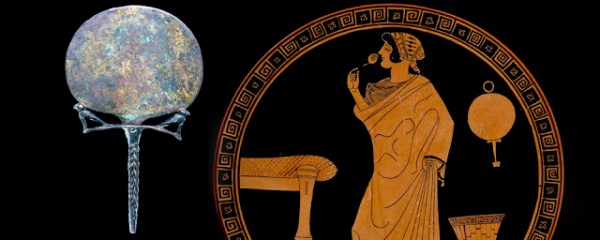
Picture of Greek Mirror

Kalidasa

In the Raghu vamsa, Kalidasa imagines the face of Indumati (7—68) to be like a mirror. The face of Indumati shone with joy when freed from the sadness arising from the adversary. The mirror also resumes its brightness by the disappearance of moisture.


When the wind, charged with rain drops blows, a mist like moisture gathers on the surface of the mirror which obscures in transparency, similarly the infamy of the acceptance of Vaidehi who had dwelt in the house of Ravana which is a stain now come upon the royal family sprung from the sun and pure by virtues of good conduct (Raghu vasa 14-37).

in Sakuntam drama also Kalidasa used this image (AS 7-32)


Adi Shankara says in his Viveka Cudamani (291):-

That in which there is this refection of the universe, as of a city in a mirror – that Brahman are you; knowing this you will attain the consummation of your life.


This refection of a big city or some object in a small mirror has been used by Tamil Poets Kapilar, Tolkappiar and Tiruvalluvar. It looks like it is popular imagery.


Famous Tamil poet Kabilar, in the laudatory verse Tiruvalluva malai, praised the book Tirukkural and compared it to a small dew drop on a grass tip reflecting a big tree nearby. Every couplet of Tirukkural reflects big things like this.

Picture of Etruscan Mirror

Face is the index of the mind!


Tiruvalluvar himself used the mirror image in his work Tirukkural:-

The mirror reflects nearby objects; even so the face indicates emotions throbbing in the mind (Kural 706).


Tolkapiyam, oldest Tamil book, also used similar image. When the author Tolkappiyar explained what a Sutra (an aphorism) is he used this beautiful simile (1425)

A sutra is like a big mountain reflected In a mirror, shows/explains everything.

There are innumerable works where we come across mirror or looking glass in Tamil and Sanskrit works. I have already written about the Mirror Temple constructed by Sri Narayana Guru, a social reformer of Kerala. Big temples in Tamil Nadu has a beautiful mirror room for god where the idol is reflected thousands of times. Though God is one we see him in 330 million ways- that is the message these mirror rooms convey.


Mirror Temples! Hindu Wonders!! (Posted on 3 October 2013)

—Subham–