குரு தேக் பகதூரின் ஒப்பற்ற தியாகம்! (Post No.5136)

Written by S NAGARAJAN


Date: 22 JUNE 2018


Time uploaded in London –  5-23 am  (British Summer Time)


Post No. 5136


Pictures shown here are taken from various sources such as Facebook friends, Books, Google and newspapers; thanks. Pictures may be subject to copyright laws.


குரு தேக் பகதூரின் ஒப்பற்ற தியாகம்!


ச.நாகராஜன்

1

பாரதத்தின் வரலாற்றை சரியாக எழுத வேண்டிய அவசியம் முன் எப்போதையும் விட இப்போது அவசியமாகிறது; இது அவசரத் தேவையும் கூட.

செகுலரிஸம் என்ற போர்வையில் கிறிஸ்தவ பாதிரியின் கல்லறையில் அவர் தமிழ் மாணவன் என்று பொறித்திருக்கிறார் என்று சிறு பிள்ளைகளின் பாட புத்தகத்தில் பொய்யும் புரளியுமாக எழுதி வைப்பது; குரு தேக் பகதூரின் ஒப்பற்ற அற்புதமான தியாகத்தைக் கொச்சைப் படுத்துவது அதை NCERT மூலமாகப் பரப்புவது போன்ற பல அபாயகரமான அசிங்கமான பல நூறு “செகுலரிஸ வித்தைகளைப்” பார்த்து விட்டோம்.
(“தேசிய கல்வி ஆராய்ச்சி மற்றும் பயிற்சிக் குழு” இந்தியாவில் தில்லியைத் தலைமையிடமாகக் கொண்டு செயல்படும் குழு ஆகும். இது மத்திய, மாநில அரசுகளுக்குக் கல்வி குறித்த ஆலோசனை மற்றும் உதவிகள் வழங்கும் குழுவாக செயல்பட்டு வருகிறது. –

The National Council of Educational Research and Training (NCERT) is an autonomous organisation set up in 1961 by the Government of India to assist and advise the Central and State Governments on policies and programmes for qualitative improvement in school education.)

செகுலரிஸ போர்வையில் கம்யூனிஸ்டுகளும், வெறிபிடித்த மதமாற்றப்  பாதிரிகளும், இஸ்லாமிய தீவிரவாதிகளும், ஐந்தாம்படை வேலை பார்க்கும் போலி ஹிந்துக்களும் உலவுவதும் அறிஞர்கள் போல ஆய்வு என்ற பெயரில் விஷக் கருத்துக்களைத் திணிப்பதும் வாடிக்கையாகி வருகிறது.

குரு தேக்பகதூரைப் பற்றி Guru Tegh Bahadur’s martyrdom

– Satish Chandra என்ற சதிஷ் சந்திராவின் கட்டுரையும் அதற்கு உரிய பதிலடிக் கட்டுரையாக , An untenable attempt என்று Gurtej Singh எழுதிய அழகிய கட்டுரையையும் ஹிந்து நாளேடு பிரசுரித்தது.

இணையதளத்தில் கீழ்க்கண்ட தொடுப்புகளில் அன்பர்கள் கட்டுரைகளை முழுதுமாகப் படிக்கலாம். (16-10-2001 மற்றும் 13-11-2001 இதழ்களில் வெளியானவை)

http://www.thehindu.com/2001/10/16/stories/05162524.htm


http://www.thehindu.com/thehindu/op/2001/11/13/stories/2001111300020100.htm


2

நமது நாட்டின் சேவையில் சீக்கியர்களின் சேவை மகத்தானது.

இவர்களைத் தரம் தாழ்த்திப் பேசுவதும், இவர்களின் பணியை கொச்சைப் படுத்துவதும் இவர்களை தேசீய நீரோட்டத்திலிருந்து பிரித்து பிரிவினையை ஏற்படுத்தும் தீய எண்ணத்தின் அடிப்படையிலானது.

இந்திய சுதந்திரப் போரில் பிரிட்டிஷ் பாதக அரசால் தூக்கிலிடப்பட்ட 124 வீரர்களில் 71 பேர்கள் சீக்கியர்கள். ஒரே ஒருவர் தான் முஸ்லீம். அவரும் கூட கைபர் பிராந்தியத்தைச் சேர்ந்த பத்தான். ஆயுள் தண்டனை தரப்பட்ட 3500 சுதந்திரப் போர் தியாகிகளில் 2200 பேர்கள் சீக்கியர்கள்.

1919ஆம் ஆண்டு புனிதத் தலமான அமிர்தசரஸில் நிராயுதபாணிகளாக இருந்தவர்களை பிரிட்டிஷ் அரசு வக்கிரமாக ஈவிரக்கமின்றி வதை செய்தது; அதில் 1301 பேர்கள் பலி ஆயினர். அவர்களுள் 799 பேர்கள் சீக்கியர்கள். ஒருவர் கூட முஸ்லீம் இல்லை! இப்படி சொல்லிக் கொண்டே போகலாம்.

ஆக வரலாறு நெடுக ஹிந்துக்களும் சீக்கியர்களும் தங்கள் இன்னுயிரைத் தேசத்திற்காக தியாகம் செய்ததில் சளைத்ததே இல்லை.
 

3

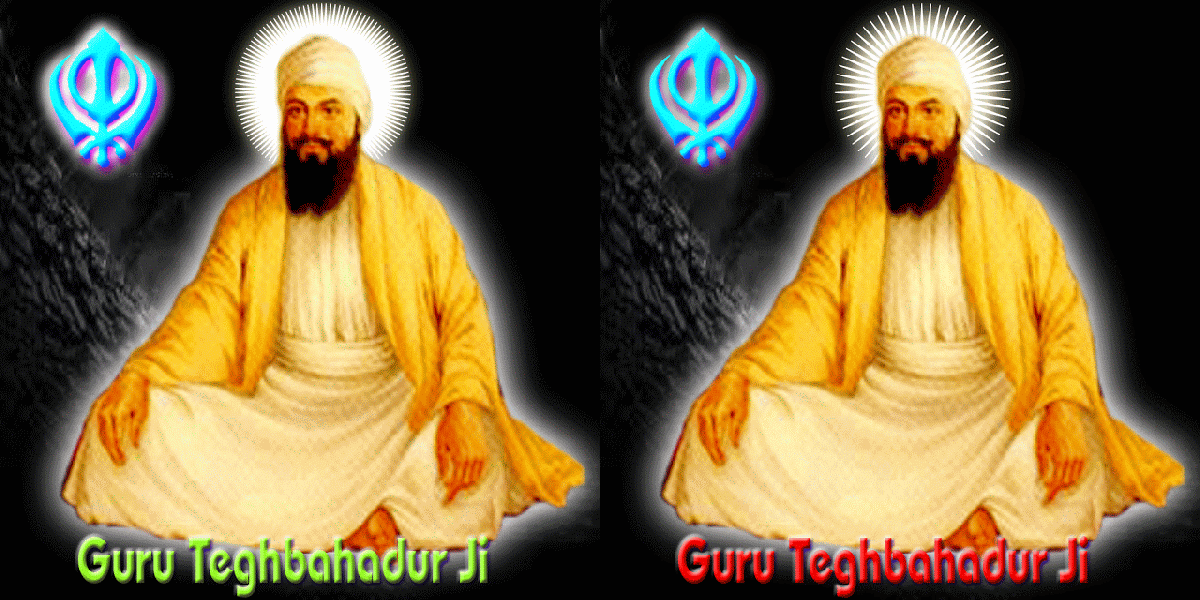
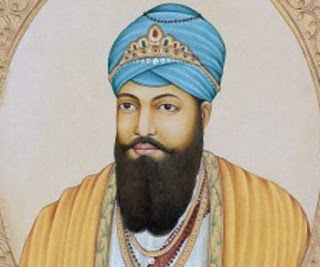
குரு தேக் பகதூர் (Guru  Tegh Bahadur) பத்து சீக்கிய குருக்களில் ஒன்பதாம் நானக் குருவாவார். (தோற்றம் 1-4-1621 மறைவு 24-11-1675). சீக்கிய குருக்களில் முதல் குருவான குரு நானக் அவர்களின் ஆவி இவர் மீது ஆவிர்பவித்ததாக நம்பப் படுகிறது.

குரு கிரந்த் சாகிப்பில் இவரது 115 கவிதை நடையிலான இறைப் பாடல்கள் இடம் பெற்றுள்ளன.

இவரது பெருமை அளப்பரியது.

பல்கலை வித்தகர் இவர். வில்வித்தை, கத்திச் சண்டையில் நிபுணர். குதிரையேற்றத்தில் வல்லவர். பழைய இதிஹாஸ நூல்களில் அவற்றின் ஆழம் கண்டவர்.

பதினான்காம் வயதிலேயே முகலாயரை போரில் எதிர்கொண்ட அஞ்சா நெஞ்சர் இவர்.

பகலா என்னும் இடத்தில் 26 வருடங்கள் 9 மாதங்கள் 13 நாட்கள் இவர் தவத்தில் இருந்தார். குடும்ப பொறுப்பை விட்டு விட்டு அதிகமாக தவத்தில் ஈடுபட்ட காலம் இது.

காஷ்மீரி ஹிந்து பண்டிட்களை கட்டாயமாக இஸ்லாமிற்கு மாற்றும் அநியாயத்தைத் தட்டிக் கேட்டார் இவர்.

ஹிந்துக்களையும் சீக்கியர்களையும் இஸ்லாமிற்கு மாற்றும் முகலாய அரசின் போக்கை வன்மையாகக் கண்டித்து தைரியமாகப் போர்க்கொடி உயர்த்தினார்.

அனந்தபூர் சாஹிப் என்னும் அழகிய நகரை பஞ்சாப் மாகாணத்தில் நிறுவினார். பிலாஸ்பூர் ராணியான சம்பாவிடமிருந்து 500 ரூபாய் கொடுத்து இதற்கான இடத்தை இவர் வாங்கினார். பாடியாலா நகரையும் இவரே தான் நிறுவினார்.

ஜிஹாங்கீர் அநியாயமாக ஐந்தாம் சீக்கிய குருவான அர்ஜுன் சிங்கைக் கொலை செய்ததன் காரணமாக, இவருக்கு பலத்த பாதுகாப்பை இவரது மெய்காப்பாளர்கள் தந்தனர்.

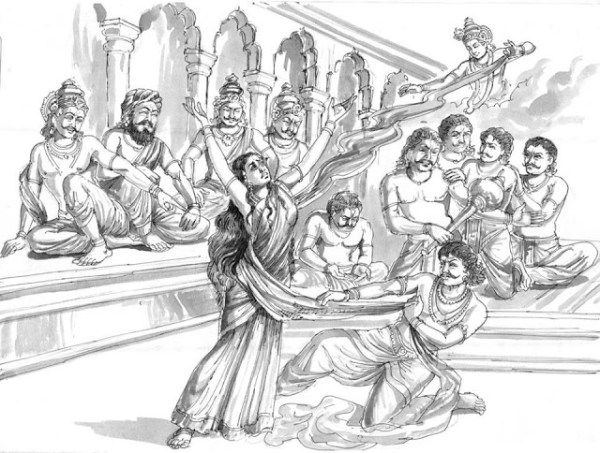
ஆனால் ஔரங்கசீப் இவரைப் பிடித்து வந்து இஸ்லாமிற்கு மாறு; இல்லையேல் உயிரை எடுப்பேன் என்று கூறிய போது ஒருக்காலும் இஸ்லாமிய மதத்தை ஏற்க மாட்டேன். சாவதே மேல் என்று முழங்கினார்.


அனைவருக்கும் முன்பாக 1675-ல் இவர் தலை துண்டிக்கப்பட்டது. இவர் இறந்த இடம் குருத்வாரா சிஸ் கஞ்ச் சாஹிப். இவர் உடல் எரிக்கப்பட்ட இடம் குருத்வாரா ராகெப் கஞ்ச் சாஹிப்.

தனது இன்னுயிரை ஈந்து தன் மானத்தைக் காத்த மாபெரும் வீரரான இவரைக் கொச்சைப் படுத்துவதும் ஔரங்கசீப்பை புகழ்வதும் தேசப்பற்றில்லாதவர்கள் மட்டுமே செய்யக்கூடிய செயலாகும்.

இவரைப் பற்றிய ஏராளமான சம்பவங்கள் உள்ளன. நாடு முழுவதும் இவர் சுற்றி வந்ததால் மக்களின் அளவிலா அன்பையும் மதிப்பையும் சம்பாதித்தார்.

குரு தேக் பகதூரைப் போற்றுவோர் பாரத தேச பக்தர்கள்; இவரது வரலாற்றை மாற்றத் துணிவோர் இந்த தேசத்தின் துரோகிகள்!

குரு தேக் பகதூரை வணங்குவோம்; போற்றுவோம்!

***
மாமன்னன் அசோகன் அமைத்த மருந்துத் தொட்டிகள்! (Post No.5135)

Written by LONDON SWAMINATHAN


Date: 21 JUNE 2018


Time uploaded in London –  14-01  (British Summer Time)


Post No. 5135


Pictures shown here are taken from various sources such as Facebook friends, Wikipedia, Books, Google and newspapers; thanks. Pictures may be subject to copyright laws.


மாமன்னன் அசோகன் அமைத்த மருந்துத் தொட்டிகள்! (Post No.5135)


சம்ஸ்க்ருதத்தில் உள்ள உலகப் புகழ்பெற்ற சரக ஸம்ஹிதை, சுஸ்ருத ஸம்ஹிதை போன்ற ஆயுர்வேத நூல்களை நாம் அறிவோம். ஆனால் பாலி மொழியில் உள்ள பௌத்த மத நூல்களில் இருக்கும் மருத்துவக் குறிப்புகளை உலகம் அறியாது. புத்தரோ பௌத்தர்களோ மருத்துவ நூல்களை எழுதவில்லை ஆயினும் 2600 ஆண்டுகளுக்கு முன்னர் நிலவிய மருத்துவக் குறிப்புகள் அந்த நூல் ல்களிலும் உண்டு.

சில சுவையான செய்திகளை மட்டும் தருவேன்

ஒரு முறை புத்தர் நோய்வாய்ப்பட்டார். உடனே தேவஹித என்ற பிராஹ்மணனிடம் சென்று சுடு நீர் வாங்கி வரும்படி உபவன என்ற சிஷ்யரை அனுப்பி வைத்தார். உடனே அந்தப் ப்ராஹ்மணன் , புத்தரிடம் வந்து அவரை வெந்நீரில் குளிக்கச் சொன்னார். புத்தர் குளித்தவுடன் அவருக்கு வெல்லப்பாகு கலந்த சுடு நீரை சாப்பிட அருளினார். அதைக் குடித்தவுடனே  வாத, பித்த, கப தோஷ வியாதி போயிற்று.

முதலில் மனிதர்களுக்கு ஆசை மூப்பு, பசி என்ற மூன்று நோய்கள் மட்டும் இருந்தன. பின்னர் இது காலப்போக்கில் 96 நோய்களாகப் பல்கிப் பெருகின என்று சுத்தனிபாத என்ற நூல் செப்பும். சிலர் 98 என்றும் பகர்வர்.

புத்தர் காலத்தில் மகத சாம்ராஜ்யத்தை ஆண்ட மன்னன் பிம்பிசாரன். அவனிடம் புகழ்பெற்ற மருத்துவர் ஜீவகன் இருந்தார். அவர் தக்ஷசீல பல்கலைக் கழகத்தில் டாக்டர் பட்டம் வாங்கினார். அப்போது மகத சாம்ராஜ்யத்தை ஆட்டிப்படைத்த நோய்கள் குஷ்ட ரோகம், க்ஷய ரோகம் (டி.பி.) , இழுப்பு, ஜூரம் முதலியன ஆகும்


கொப்புளங்கள் வந்தால் அதன் மீது கடுகுத் தூளைத் தூவி கட்டுப் போட்டனர்.

தலைவலி தீர பலவித மூலிகை எண்ணைகள் பயன்படுத்தப்பட்டன. மேலும் மூக்கு வழியாக குழாய் மூலம் மருந்து கொடுத்தனர். இரட்டைக் குழாய் வழியாக நாசியின் இரு த்வாரங்கள் வழியே மருந்து தந்தனர். குழாய் வழியாக மருந்துப் புகையும் செலுத்தினர்.


மஞ்சள் காமாலை நோய்க்கு பசுமாட்டின் மூத்திரம் கலந்த கஷாயம் தந்தனர்.

மூட்டுவலி முதலிய நோய்களுக்கு ஆவிச் சிகிச்சை தரப்பட்டது. ஆறு அடி குழி ஒன்றில் கரியை நிரப்பினர். அதன்மீது மணலைப் பர்ப்பி அதன் மீது மண்ணாலும் களி மண்ணாலும் பூசினர் அதன் மீது மூலிகைகள் போடப்பட்டன. அதிலிருந்து வரும் புகையில் கை, கால் முதலிய உறுப்பைக் காட்ட வைத்தனர். உடலின் எல்லா உறுப்புகளையும் காட்டி புகை பிடிக்க வைத்தனர்.

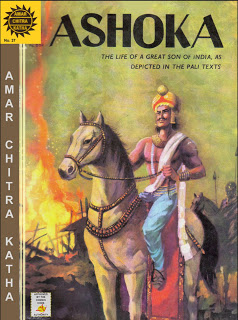
அசோகர் காலத்தில் ஒரு புத்த பிக்ஷுவுக்கு நோய் வந்தது. மருந்து கிடைக்காமல் அவர் இறக்க நேரிட்டது. உடனே பாடலிபுத்திர நகரத்தின் நான்கு வாயில்களிலும் நான்கு பெரிய தொட்டிகள் முழுக்க மருந்துகளை நிரப்பி அனைவருக்கும் மருந்து கிடைக்க அசோகர் வசதி செய்தார். புத்தகோசரின் சமந்தபாஸாதிக என்ற புஸ்தகம் இத்தகவலைத் தருகிறது. அவரது கல்வெட்டு ஒன்று மனிதர்களுக்கும், விலங்குகளுக்கும் தனித்தனியே ஆஸ்பத்திரிகள் இருந்த செய்தியைத் தெரிவிக்கின்றன

–SUBHAM–

EMPEROR ASOKA’S FOUR TANKS OF MEDICINES AT FOUR GATES! (Post No.5134)

Written by LONDON SWAMINATHAN


Date: 21 JUNE 2018


Time uploaded in London –  7- 16 am  (British Summer Time)


Post No. 5134


Pictures shown here are taken from various sources such as Facebook friends, Wikipedia, Books, Google and newspapers; thanks. Pictures may be subject to copyright laws.

EMPEROR ASOKA’S FOUR TANKS OF MEDICINES AT FOUR GATES! (Post No.5134)

2300 Years ago, Emperor Asoka installed four tanks filled with medicines in four gates of the city (Pataliputra) according to Buddhgosa’s Samantapasadika.

Why?


A Buddha Bikshu died for want of medicines. Immediately Asoka took this drastic step. According to the rock edicts of Asoka, two kinds of medical treatments were available in his kingdom- 1.medical treatment of man and 2.medical treatment of animals.

In later Pali work Culavamsa (Chapter 73) we find Kittisirirajasiiha (Kirti Sri Raja Simha of Sri Lanka) appointed two physicians well versed in medicines and nurses for the bikshus. They were given yearly a big sum for the medicines from the Royal Treasury.

The king gave the best treatment for Upali when he was suffering from a disease in the nose.

Sri Lankan King ParakramabahuI had a big hall built for sick people and he gave to each sick person a special slave and a female slave to prepare medicines day and night, according to need, medicines and food, solid and liquid (Culavamsa, Chapter 76).

Treatment for Poison

Parakramabahu collected different types of medicines and preserved them in cow horns. This was to cure the wounds caused by the poisonous arrows. He also collected iron pincers for extracting arrow heads. He engaged many skilful physicians.


Snake Bites

To cure the snake bites, they used four materials: Cow dung, urine, ashes and clay. One physician used drugs made up of vegetables and cured a person even after the poison affected all limbs.

XXX

Hemp water was used as medicine (Mahavagga 6-14-3

To cure constipation, a decoction made up of ashes of burnt rice was administered.

For the wind troubles in stomach salt sour gruel or teka-kula was given which contains ginger and two kinds of pepper.

Following Eye ointments were mentioned in the Buddhist works:

Black Collyrium

Rasa ointment (made with vitriol_

Ointment made with antimony

Geruka (yellow ochre)

Kapalla (soot taken from a lamp)

In case of internal complaint, hot water with fruit juice was given.


Plague in RajagrAha

The Dhammapda commentary mentioned two diseases in bankers’ houses.

Bhaddavatiya , a banker got an intestinal disease. When this disease broke out, the first to die were the flies, then insects, then mice, domestic fowls, swine, cattle, slaves, both male and female, and last of all, the members of the household.
The banker with his wife and daughter fled away from the house. The same work also refers to the outbreak of plague in the house of the chief a banker of the Rajagraha with the result that many animals, slaves ,masters and mistresses of the household and the chief treasurer with his wife fell a victim to this disease.

A peculiar kind of disease known as Ahivataroga or snake- wind disease broke out in a Savaththian family.


Besides the diseases mentioned above, a list of diseases is also given:-
Sota Roga = Disease of hearing
Jihva Roga = Disease of tongue
Kaya Roga = Disease  of body
Mukha Roga = Disease of mouth
Dant Roga = Disease of teeth
Kaba =cough
Sasa =asthma
Pinasa= cold in the head
Daha = burning
Kucchi Roga = Disease abdominal trouble
Muchchaa = hysteria
Pakkhandika=  diarrhoea
Suula = acute pain
Visucikaa = cholera
Kilaasa Roga = a cutaneous Disease
Apasmaara = epilepsy
Daddu=  ringworm
vitachchikaa=  scabies
Madhu meha=  diabetes
Lohitapitta=  bile with blood
Bhagandala = fistula
Sannipaatikaa = union of humours
Utuparinaamajaaabaadhaa = change of season disease

In the medicine list we find the usual Ayurvedic ingredients.
Among the non vegetarian ingredients, fat of bear, fish alligator, swine and ass have been prescribed with oil.

It is interesting to note that pulverised ointments were put into pots and saucers.
Boxes were used for ointments.


Summarised from Dr Bimala Churn Law’s article, Calcutta, Year 1940

–SUBHAM–


காலத்தை உறைய வைக்கும் புகைப்பட நிபுணர்! – 3 (Post No.5133)

Written by S NAGARAJAN


Date: 21 JUNE 2018


Time uploaded in London –  6-45 am  (British Summer Time)


Post No. 5133


Pictures shown here are taken from various sources such as Facebook friends, Books, Google and newspapers; thanks. Pictures may be subject to copyright laws.


பாக்யா 22-6-18 இதழில் அறிவியல் துளிகள் தொடரில் வெளியாகியுள்ள (எட்டாம் ஆண்டு பதினாறாம்) கட்டுரை

காலத்தை உறைய வைக்கும் அதிசய அறிவியல் புகைப்பட நிபுணர்! – 3

.நாகராஜன்


மனிதனின் புலன்கள் வழியாக அவன் பெறும் அறிவு மிகவும் குறைவு என்று கூறுகிறார் மக்யார். அவர்கள் எப்படி சூழ்நிலைக்குத் தக்கபடி இருக்கிறார்கள் என்பதை அவர் உன்னிப்பாகக் கவனித்தார். எதைச் செய்தாலும் கூட நமது அறிவு மிக மிகக் குறைந்த அளவாகவே இருக்கிறது என்பது அவரது அனுபவ உரை.

தனது ஸ்கேனர், கேமரா ஆகியவற்றை அவரே தயாரித்துக் கொள்ள ஆரம்பித்தார். ஒரு மனிதரின் உடல் பாகங்களை பல முறை துண்டு துண்டாகப் போட்டோ எடுத்து அதைப் பின்னர் முழு மனிதனாக அசெம்பிள் செய்ய ஆரம்பித்தார். மக்கள் கூட்டம் அலை அலையாக ஊர்ந்து செல்லும் போது அவரது ஸ்கேனரும் கேமராவும் விளையாட ஆரம்பித்தது.

ஒலிம்பிக் போட்டிகளில் இறுதியாக வென்றவரைக் கண்டு பிடிக்கும் ‘ஸ்லிட் ஸ்கேன்’ கேமரா பல்லாயிரம் டாலர் விலை கொண்டது. இதைத் தானே தயாரிக்க எண்ணினார் மக்யார். மீடியம் ஃபார்மட் கேமரா லென்ஸுடன் இன்னொரு சென்ஸரை இணைத்து அதற்கான கணினியின் மென்பொருளைத் தானே எழுதித் தயாரித்தார் அவர். மொத்தச் செலவு ஐம்பதே டாலர் தான்!

ஸ்கேன் செய்ய வேண்டிய ஒரு ஆவணத்தை ஸ்கேனரில் நிலையாக வைத்து விட்டு ஸ்கேனர் அந்த ஆவணத்தின் மீது ஊர்ந்து செல்லும். இது தான் சாதாரணமான ஸ்கேனரின் செயல்பாட்டு முறை. ஆனால் மக்யாரோ இதை மாற்றி, சென்ஸரை நிலையாக வைத்து ஸ்கேன் செய்யப்பட வேண்டிய விஷயத்தை இயக்கத்தில் இருக்கும் படி மாற்றினார்.

ஷாங்காய் நகரத்தில் அவர் சாலை வழியே செல்லும் பயணிகளை இப்படி ஸ்கேன் செய்ய ஆரம்பித்தார். ஒரு லட்சம் தொடர் காட்சிகளை துண்டு துண்டாக எடுத்து அதை ஒரு முழுப் புகைப்படமாக்கினார். இதன் விளைவாக அர்பன் ஃப்ளோ (Urban Flow) என்ற ஒரு அடி உயரமும் எட்டு அடி நீளமும் உள்ள போட்டோக்கள் உருவாக ஆரம்பித்தன. இதில் வேகமாகச் செல்லும் பஸ்கள் கார்களாக சுருங்கின. பஸ்களோ மெட்ரோ ரயில் போல நீளமானது. மெதுவாக நடந்த மனிதர்களின் கால்கள் பெரிதாக ஆனது.

ஷாங்காய் நகரில் மக்யாரைச் சந்தித்த தோர்குல் என்பவர் இப்படிப்பட்ட போட்டோ விசித்திரங்களைக் கண்டு மயங்கிப் போனார். மக்களோ அசத்தலான போட்டோக்களை போட்டி போட்டு வாங்கலாயினர். நம்ப முடியாத விலையான 700 டாலர் (சுமார் 46900 ரூபாய்கள்) முதல் 1400 டாலர் வரை கொடுத்து ஒவ்வொரு போட்டோவையும் அனைவரும் வாங்கினர்.

இதனால் உற்சாகமடைந்த மக்யார் தனது அடுத்த ப்ராஜெக்டாக ஸ்டெயின்லெஸ் என்ற திட்டத்தைத் தொடங்கி பாரிஸ், டோக்யோ, நியூயார்க் முதலிய நகரங்களில் உள்ள சப்-வே ஸ்டேஷன்களில் படம் எடுக்கலானார். இதில் பிரம்மாண்டமானஒரு உண்மை வெளியானது. எந்த நாடானாலும் சரி, எந்த ஸ்டேஷனாலும் சரி மக்கள் ஒரே விதமான உருவத்துடனும், ஒரே விதமான முக பாவத்துடனும், அணுகு முறையுடனும் இருக்கின்றனர். நாடு, இனம்.மொழி இவற்றிற்கு அப்பாற்பட்ட ஒற்றுமையைக் காண முடிகிறது என்பதே அந்த உண்மை!

தனது படப்பிடிப்பிற்காக சரியான வெளிச்சத்தை நிர்ணயிக்க தனது லைட்-மீட்டருடன் 290 ஸ்டேஷன்களிலும் அவர் ஒரு வாரம் அலைந்தார். ஐந்து ஸ்டேஷன்களில் மட்டுமே ஹை – ஃப்ரீக்வென்ஸி லைட் இருந்தது.அங்கு தன் வேலையை அவர் தொடங்கினார். ரயிலுக்குள் அவரது போட்டோவிற்கான போதுமான வெளிச்சம் இல்லை; அதற்காக மூன்று மாத காலம் ஆராய்ந்து ஒரு மென்பொருளைத் தயாரித்தார். பிறகு வெற்றி பெற்றார். இவரது நலம் விரும்பியான தோர்குல், “ ஜென் புத்தமதப் பிரிவில் ஐந்து வருட காலப் பயிற்சிக்குப் பின்னரே ஒரு அம்பை குறி பார்த்து விட அனுமதி கிடைக்கும். ஐந்து வருட காலம் குறி பார்த்துக் கொண்டே இருக்க வேண்டியது தான்! அதுவரை பயிற்சி பெற வேண்டியது தான்!! அது போலத்தான் மக்யாரும்! நன்கு தயாரான பின்னரே அவர் களத்தில் இறங்குவார்” என்கிறார்.

தனது ஸ்டெயின்லெஸ் திட்டத்திற்கு அடுத்தபடியாக ஜெர்மானிய கேமரா உற்பத்தியாளரான ஆப்ட்ரானிஸ் என்ற நிறுவனத்தை அணுகிய மக்யார் 16000 டாலர் பெறுமான ஒரு இண்டஸ்ட்ரியல் வீடியோ கேமராவைக் கடனாகத் தருமாறு கேட்டார். ஆப்ட்ரானிஸ் நிறுவனக் கேமராக்கள் ஒரு வினாடிக்கு ஒரு லட்சம் ப்ரேம்களை எடுக்கும் வேகத் திறன் படைத்தவை. சாதாரண கேமராக்களால் ஒரு வினாடிக்கு 24 ப்ரேம்கள் மட்டுமே எடுக்க முடியும்.

அதை வைத்து படங்களை எடுத்தார். மக்யார் சாதாரண வேகத்தை விட 56 மடங்கு அதிக வேகத்தில் தனது படங்களைப் பிடிப்பது வழக்கம். இதனால் 12 வினாடி படங்களை 12 நிமிட படங்களாக நீட்டிக்க முடியும். போனை உதடுக்குக் கொண்டு செல்லும் போது உதடு சுழலும் அசைவு கூட அவரது கேமராவில் துல்லியமாகப் பதியும்.

மில்லி செகண்ட் படப்பிடிப்பு அவருடையது. நிகழ்காலத்தை தத்ரூபமாகக் காட்டுகிறேன் என்கிறார் அவர்.

இப்போது அவரது படங்கள் ஒவ்வொன்றும் 14000 டாலர் (சுமார் 9,24000 ரூபாய்) என்ற விலையை எட்டி விட்டது.

காலத்தை உறைய வைத்து அனைவரையும் குதூகலப்படுத்தும் அற்புத புகைப்பட நிபுணராக இருக்கும் மக்யார் இன்னும் பல சாதனைகளை நிகழ்த்துவார் என்பதில் ஐயமில்லை!


அறிவியல் அறிஞர் வாழ்வில் .. ..

வில்லியம் ஹால்ஸ்டெட் (William Halsted) என்பவர் அமெரிக்காவில் ஜான் ஹாப்கின்ஸ் மெடிகல் ஸ்கூலில் தலைமை அறுவைசிகிச்சை நிபுணராகப் பணியாற்றி வந்தார். 33 ஆண்டு அனுபவத்தால் அனைவராலும் மதிக்கப்பட்டு வந்த அவர் சற்று கண்டிப்பானவர். நர்ஸ்கள் மற்றும் டாக்டர்கள் அனைவரும் மருத்துவ மனையில் பணியாற்றும் சமயம் தங்கள் கைகளை மெர்குரிக் க்ளோரைட் கரைசலால் நன்கு கழுவிக் கொண்டே ஆபரேஷன் செய்யத் தயாராக வேண்டும் என்று அறிவுறுத்தி வந்தார். ஆபரேஷன் செய்யப்படும் நோயாளிகளுக்கு இவர்கள் மூலமாக எந்த விதமான தொற்றும் ஏற்பட்டு விடக் கூடாது என்பதாலேயே அவர் இதை வற்புறுத்தி வந்தார்.

1889ஆம் ஆண்டு ஒரு நாள் கரோலின் ஹாம்ப்டன் என்ற நர்ஸ் தனக்கு அந்த கரைசலைப் பயன்படுத்தினால் கையில் அரிப்பு ஏற்படுகிறது என்று அவரிடம் வந்து புகார் செய்தார். உடனே ஹால்ஸ்டெட் குட் இயர் ரப்பர் கம்பெனியிடம் ஒரு ரப்பர் க்ளவ்ஸை – கையுறையை – தயாரித்துத் தருமாறு கேட்டுக் கொண்டார். கையுறையும் வந்தது. நர்ஸின் பிரச்சினையும் தீர்ந்தது.

இதைப் பார்த்த மற்ற நர்ஸ்கள் அனைவரும் தங்களுக்கும் அது போன்ற க்ளவ்ஸ் தேவை என்றனர். ஆகவே ஹால்ஸ்டெட் அனைவருக்கும் அதை ஆர்டர் செய்து வாங்கித் தந்தார். இந்தப் பழக்கம் தொடர ஆரம்பித்தது. இதை அறிந்த ஏனைய மருத்துவ மனைகளும் இந்த நடைமுறையைப் பின்பற்ற ஆரம்பித்தன.

சர்ஜிகல் க்ளவ்ஸ் நாளடைவில் பிரசித்தமாயிற்று. இன்றோ ரப்பர் க்ளவ்ஸ்கள் ஆம்புலன்ஸ் ஊழியர்கள், பல் டாக்டர்கள், சாதாரண நோயாளிகளுக்குச் சிகிச்சை தரும் டாக்டர்கள் என்று அனைவராலும் பயன்படுத்தப்படும்  இன்றியமையாத ஒன்றாக ஆகி விட்டது!

***
 

96 Diseases in Buddhist Works! (Post No.5132)


Written by LONDON SWAMINATHAN


Date: 20 JUNE 2018


Time uploaded in London –  15-02  (British Summer Time)


Post No. 5132


Pictures shown here are taken from various sources such as Facebook friends, Wikipedia, Books, Google and newspapers; thanks. Pictures may be subject to copyright laws.


We come to know about ancient Indian medical system through Buddhist works in Pali language. The Charaka Samhita and Susruta Samhita books are ancient medical treatises in Sanskrit language. If one collect and compare the details from both the sources, we get a very good picture of ancient Hindu medical system that existed 2600 years. One must remember neither Buddha nor Buddhist scholars wrote any medical books. They only narrate what existed in those days. So we can broadly classify them as Hindu Medical system.


Here are some interesting facts:-

In the days of Buddha, 2600 years ago, Magadha Empire (Modern Bihar and surrounding states) suffered from five diseases; they were leprosy, dry leprosy, boils , consumption (T.B) and fits.


Emperor Bimbisara had Jeevaka , the most famous physician of those days. He got a medical degree from the Taxila (Thatchaseelam) University.

The boils were cut and mustard powder was applied. Bandages were used to cover the boils. Decoctions of herbs and lime (calcium) were used.


For headaches oil was used. Nose spoon and double nose spoon were used to give medicine through nose. A pipe was used to send aromatic vapour. Administration of medicine through nose was mentioned in Brahmajaala Sutta of the Digha Nikaya.

Cow’s Urine

For jaundice, a decoction (Kashaaya) made with cows urine was given. For skin diseases, oil was massaged on the body. Purgatives were also used.

A Brahmin named Mogharaaja (Maharaja) had pimples. As he knew that the house was infected he took shelter in the fields though it was winter. A Brahmin named Samitigutta was attacked by leprosy and his limbs were crumbling.


Steam bath

In case of acute rheumatism, steam bath was prescribed. A pit six feet deep was filled with charcoal and covered with a coating of sand. Some herbs were spread over it. The patient’s affected limbs were applied with herbal oil and asked to show it over the charcoal pit.  They were asked to turn over and over until the whole body was steamed.

In case of fever blood is let out with the help of a horn.


Buddha was treated by a Brahmana Doctor!

Once the Exalted Buddha suffered from disorderly humours (Vaata, Pitta, Kapha) and sent Elder Upavaana to Brahmin Devahita for hot water. The Elder caused Buddha to bathe in hot water and then mixing the molasses with hot water gave it to the Exalted Buddha to drink. He got better soon.

The word Roga denoting various diseases has been defined in the Buddhist commentaries. The diseases were enumerated and classified with reference to the parts of the body affected by them e.g. Diseases of the eye, ear etc.


A’ gaathaa’ in the Sutta Nipata says at first there were three diseases, namely Iccha (Desire) anasana (Hunger) and Jaraa (Aging). The diseases , gradually increased in number and the gaathaa fixing the total number as ninety eight. But the editors of Pali-English could not find all the 98 diseases. Dhammapala in his commentary on the Mahaaniddesa speaks of 96 diseases the roots of which lie in the three humours Vaata, Pitta, semhaa (kapha). Out of the 96, thirty two kinds arise from each humour.

Source:- Dr Bimala Churn Law, Calcutta, Year 1940


–SUBHAM–


ஜப்பானில் பிராமண குரு- மகத்தான வரவேற்பு! (Post No.5131)

Written by LONDON SWAMINATHAN


Date: 20 JUNE 2018


Time uploaded in London –  8-45 am  (British Summer Time)


Post No. 5131


Pictures shown here are taken from various sources such as Facebook friends, Wikipedia, Books, Google and newspapers; thanks. Pictures may be subject to copyright laws.


லோகேஷ் சந்திராவின் ஜப்பான்- இந்திய உறவு பற்றிய ஆங்கிலப் புஸ்தகத்தில் 400 பக்கமும் சுவைமிகு அதிசயச் செய்திகள்!

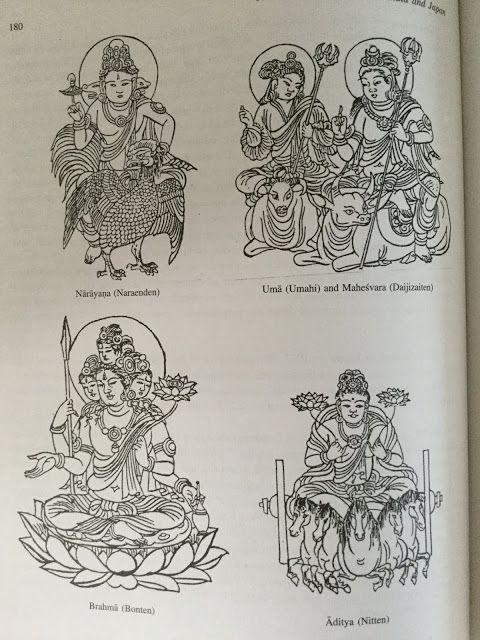
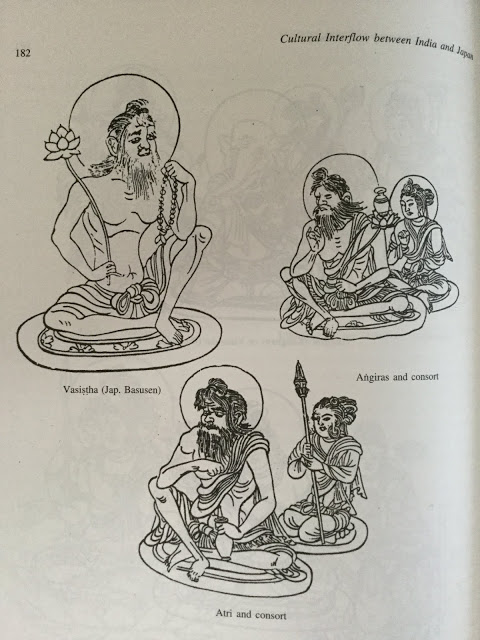
ஜப்பானில் பிள்ளையார் கோவில், ஸரஸ்வதி ஆலயம், ஸம்ஸ்க்ருத கல்வெட்டுகள், தர்மபோதி பொம்மைகள், நவக்ரஹ வழிபாடு, வேத கால தெய்வங்கள் முதலியன பற்றி நாலைந்து கட்டுரைகள் எழுதிவிட்டேன். கடலில் விழுந்த ஒருவர் ஜப்பானுக்கு பருத்தித் துணியைக் கொண்டு வந்ததையும் பிராமணர் ஒருவருக்கு மஹத்தான வரவேற்பு கிடைத்ததையும் இன்று காண்போம்.


49 அடி வெண்கல புத்தர்

காமகுரா  டாய் புட்சு ( KAMAKURA DAIBUTSU AT HASE) ஹேஸி என்னும் இடத்தில் உள்ளது. இந்து 49 அடி வெண்கல புத்தர்; ஜப்பானின் சின்னமாகத் திகழ்கிறது. 1232ல் சுஹாவதி (SUHAAVATI)  பிரிவினர் கொடுத்த காணிக்கையால் உருவாக்கப்பட்டது; 500 ஆண்டுகளுக்கு முன்னர் ஒரு சுனாமி பேரலை வந்து மண்டபத்தை அடித்துச் சென்றது. இன்று வெட்டவெளியில் கருணா மூர்த்தியாக கீழ் நோக்கிய பார்வையுடன் அருள் பொழிகிறார் அமிதாப புத்தர்.


ஆப்கனிஸ்தானில் பாமியன் (BAMIYAN) என்னுமிடத்தில் இருந்த பிரம்மாண்டமான கல் புத்தர்களை இந்த வெண்கல புத்தர் நினைவுபடுத்தும்.


( ஆப்கனிஸ்தானில் இருந்த 174 அடி உயர புத்தர் சிலைகளை துலுக்க வெறியர்கள் 2001-ம் ஆண்டில் வெடி குண்டு வைத்து தகர்த்துவிட்டனர்)


கடலில் வந்த பருத்தித் துணி

ஜப்பானில் மிகாவா(MIKAWA) மாகாணத்தில் கி.பி.799-ல் நடந்தது இது.

கடலில் விழுந்த ஒரு இந்தியர், கடல் அலைகளால் கரைக்கு அடித்து வரப்பட்டார். அவருக்கு இருபது வயது. அரை நிர்வாண கோலத்தில் இருந்தார். அவர் பேசிய பேச்சு எவருக்கும் புரியவில்லை. தவியாய்த் தவித்தார். நீண்டகாலத்துக்குப் பின்னர் ஜப்பானிய மொழியைப் புரிந்து கொண்டார்; தான் இந்தியாவிலிருந்து வந்ததாகச் செப்பினார். அவர் பருத்தி விதைகள் உள்ள ஒரு பை வைத்திருந்தார். நரா நகரில் கவடெரா கோவிலில் ( KAWADERA TEMPLE  AT NARA) தஞ்சம் புகுந்து வசித்து வந்தார். அவர்தான் பிற்காலத்தில் ஜப்பானியர்கள் மிகவும் விரும்பி அணிந்த பருத்தித் துணியை ஜப்பானியர்களுக்கு அறிமுகப்படுத்தினார். அவர் மூலம் பருத்தி சாகுபடி துவங்கியது. இந்த விஷயம் எல்லாம் நிஹோன் கோகி, ருய்ஜு  (NIHON-KOKI AND RUIJU-KOKUSHI) புஸ்தகங்களில் இடம்பெற்றுள்ளன ஜப்பானியர்கள்  பருத்தி(துணி)யை ஹட (HATA OR VATA) அல்லது வட என்பர். ஸம்ஸ்க்ருத மொழியில் பட (PATA)  என்பது துணியைக் குறிக்கும் அதிலிருந்து பிறந்தது ஜப்பானியச் சொல்.


புத்த மத வரலாறு

ஜப்பானிய சக்ரவர்த்தி கிம்மெய் (Emperor Kimmei) என்பவருக்கு கி.பி.552-ல் பெக்செ (குடார= கொரியா; Paekche- Kudara) மன்னர் சில பரிசுகளை அனுப்பினார். அவற்றில் சாக்யமுனி புத்தரின் சிலையும் நூல்களும் இருந்தன. இது போன்ற ஒரு தத்துவ போதனையை நான் யாங்கனுமே கேட்டதில்லை என்று அவர் வியந்தார்.


கி.பி.577-ல் புத்த மத குருமார்களை கொரியா அனுப்பிவைத்தது.

கி.பி.584-ல் குடார (கொரியா) நாட்டிலிருந்து பெரிய கல் புத்தர் சிலை கொணரப்பட்டது.


ஆறாம் நூற்றாண்டின் மத்தியில், புகழ்மிகு தர்மபோதி (Dharmabodhi)  சீனா வழியாக ஜப்பானுக்கு வந்து ஹொக்கேசான் என்னும் இடத்தில் வாசம் செய்தார். ஆயிரம் கையுடைய அவலோகிச்வரர் சிலையின் சிறு வடிவம் அவரிடம் இருந்தது. அப்போது சக்ரவர்த்திக்கு தீராத நோய். கூன் பாண்டியன் நோயை ஞான சம்பந்தர் விபூதி மூலம் குணப்படுத்தியது போல அப்பர் பெருமானின் நோயை அவரது தமக்கை திலகவதியார்  விபூதி மூலம் குணப்படுத்தியது போல, தர்மபோதியும் மன்னர் நோயை , குணப்படுத்தினார்.


கி.பி.651-ல் த்ரிபீடக (மூன்று பெட்டி) திருவிழாவை அறிமுகப் படுத்தினார். ஏழு நாட்களுக்கு அரண்மனையில் பேருரை ஆற்றினார். இளவரசர்கள் அனைவரும் அவர் தாள் பணிந்தனர்.


இந்தியாவுக்கு வந்து சென்ற சீன யாத்ரீகர் யுவாங் சுவாங்கிடம் தியானம் கற்பதற்காக தோஷோ (629-700) சீனாவுக்குச் சென்றார். அவரிமிருந்து தோஷோ (Dosho) அரிய மருந்துப் புட்டிலையும், புத்தமத சூத்ரங்களையும் கொணர்ந்தார். இந்திய முறை தஹனக் கிரியைகளையும் அறிமுகப்படுத்தினார். இதன் பிறகு டாய்ச்சோ (Taicho)  முதலிய பல குருமார்கள் தோன்றினர்.

பிராமண குரு (The Brahmin Archbishop)

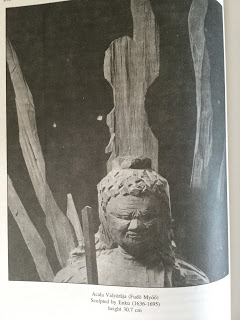
டோடைஜி (Totaiji Temple) கோவிலில் மஹா புத்தர் மணிமண்டபம் (Dai Butsu Den)  உளது. எட்டாம் நூற்றாண்டு முதல் ரோசன புத்தரின் விராட ஸ்வரூபம் (Virat rupa of Rocana) பிரம்மாண்டமாக காட்சி தருகிறது. புத்தரின் சக்தியை உலகிற்கு பறை அறிவிக்க சக்ரவர்த்தி ஷோமு(Emperor Shomu) இந்தச் சிலையை 48 அடிக்கு உயர்த்த திட விரதம் பூண்டார். 12 ஆண்டுகளுக்கு ஏராளமான பொருட்செலவு, உடல் உழைப்பு மூலம் கனவு (Dai Butsu) நனவாகியது. கி.பி. 752 ஏப்ரல் 9ம் தேதிக்கு புனித நீராட்டு விழாவுக்கு நாள் குறிப்பிடப்பட்டது. போதி ஸேனர் (Bodhisena) என்ற பிராஹ்மணர் அதை நடத்திவைத்தார். இதுதான் வரலாறு பூர்வமான முதல் விஜயம். ஏனையவை பலவித இலக்கிய ஆதாரங்களில் இருந்து எடுக்கப்பட்டவை.


இந்த பிராஹ்மணன் பாரத்வாஜ கோத்ரத்தை சேர்ந்தவர் என்றும் அவர் மஞ்சுஸ்ரீ புத்தரின் பெருமைதனை அறிந்து சீனாவிலுள்ள  வெட்டய் ஷான் (Wu-t-ai shan) மலைக்குச் சென்று இருந்ததாகவும், ஜப்பானிய சக்ரவர்த்தியின் அழைப்பின் பேரில் அந்த பிராஹ்மண ஆர்ச் பிஷப் (மஹா குரு) எழுந்தருளினார் என்றும் வரலாற்றுக் குறிப்புகள் செப்பும். கி.பி.736-ல் அவரது திருப்பாதங்கள் ஜப்பானிய மண்ணை மிதித்தன. மஹத்தான வரவேற்பு நல் கப்பட்டது. மக்கள்  அவரை பர்மன் (பிராஹ்மன்) மஹா குரு என்றே அழைத்தனர்.


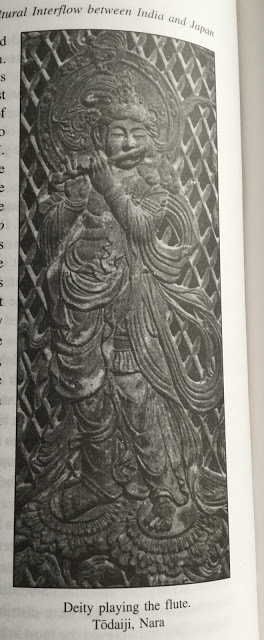
கி.பி.760 பிப்ரவரி 25-ல் அவர் மஹா சமாதி அடைந்தார். பிறகு அவரது சிஷ்யர்கள் அவரது கொள்கைகளைப் பரப்பினர். பிராஹ்மண மஹா குருவால் புனிதம் செய்யப்பட்ட தோடைஜி கோவிலில் கிருஷ்ணர் போல புல்லாங்குழல் வாசிக்கும் மூர்த்தி,  இந்திரன், ஸூர்யன், சந்திரன், ஸரஸ்வதி, மஹா தேவி, 4 லோகபாலர்கள் சிற்பங்கள் உள. ஒரு பெரிய தீவிபத்து நடந்த பின்னரும் தப்பிப்பிழைத்த சிற்பங்கள் இவை!

இந்த மஹத்தான மணி மண்டபத்தில் 1200 ஆண்டுப் பழமையான எண்கோண வெண்கல விளக்கும் உளது. அதில் தேவலோக இசைவாணர்கள் சித்தரிக்கப்பட்டுள்ளனர்.


பரீக்ஷைகளில் நல்ல மார்க் வாங்க மாணவ, மாணவிகள் போதிசேனரின் த லையைத் தொடும் காட்சியை இங்கே காணலாம். ஜப்பானியர்களின் இதயத்தில் அழியா இடம்  பிடித்துவிட்டார் இந்த பிராஹ்மண மஹா குரு.


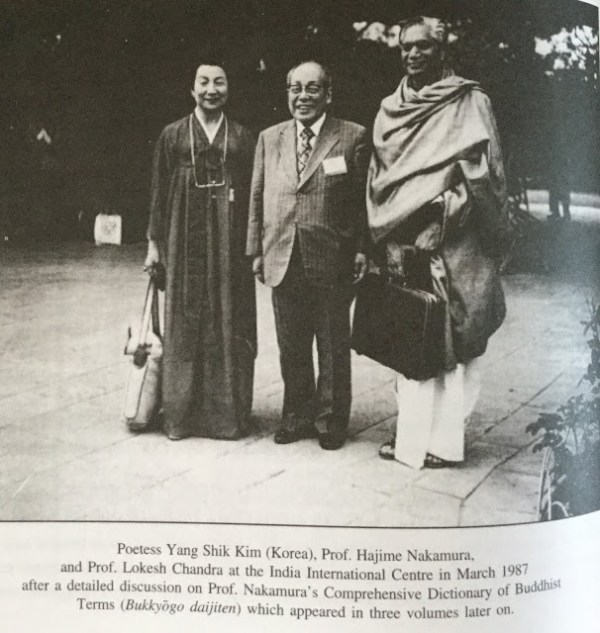
லோகேஷ் சந்திராவின் தந்தை டாக்டர் ரகுவீரா, லண்டன் புஸ்தக் கடை ஒன்றில் தொங்கிய ஜப்பானியப் படத்தினால் ஈர்க்கப்பட்டு லண்டனில் ஜப்பானிய மொழி பயின்று மாபெரும் ஆராய்ச்சி செய்து அத்தனையையும் அவரது மகன் லோகேஷ் சந்திராவிடம் விட்டுச் சென்றார். இருவரும் ஜப்பானில் பல்லாண்டுக் காலம் வசித்ததாலும் ஸம்ஸ்க்ருதத்தில் புலமை பெற்றிருந்தமையாலும் புஸ்தகத்தின் 400 பகங்களில் தகவல் மழை பொழிந்துள்ளனர். ஜப்பான் இந்து மதத்தை எளிதில் தழுவும்!! பிராசரகர்கள் தேவை!!!

-சுபம், சுபம்–

பாரதியார் பற்றிய நூல்கள் – 51 (Post No.5130)

Written by S NAGARAJAN


Date: 20 JUNE 2018


Time uploaded in London –  7-31 am  (British Summer Time)


Post No. 5130


Pictures shown here are taken from various sources such as Facebook friends, Books, Google and newspapers; thanks. Pictures may be subject to copyright laws.


பாரதி இயல்


மஹாகவி பாரதியார் பற்றிய நூல்கள் – 51

மது.ச.விமலானந்தம் அவர்களின் ‘பாரதி சபதம்


ச.நாகராஜன்


1

பாரதி ஆர்வலர் மது.ச.விமலானந்தம் அவர்கள் தஞ்சாவூரில் சரபோசி மன்னர் கல்லூரியில் தமிழ் விரிவுரையாளராகப் பணியாற்றியவர். அவர் பாஞ்சாலி சபதத்தை ஆய்வு செய்து எழுதிய நூல் இது. முதற் பதிப்பு 1963ஆம் ஆண்டு டிசம்பர் மாதம் தஞ்சவூர் பைந்தமிழ்ப் பண்ணை வெளியீடாக வெளி வந்தது. 122 பக்கங்கள் கொண்ட இந்த நூலை காரைக்குடி வி.ஆர்.எம் செட்டியார்,அவ்வை டி.கே.சண்முகம், பாரதியாரின் பேத்தி திருமதி விஜய பாரதி, தமிழ்ப் பேராசிரியர் புலவர் வி..அரங்கசாமி ஆகியோர் பாராட்டியுள்ளனர்.


“In his interesting criticism amounting to research, there is a vivid clarity of presentation, emphasizing the acme of central dramatic situations, the glory of the characterization, and the changing medium of expression.”என்று

நூலாசிரியரை வி.ஆர்.எம் செட்டியார் புகழ்ந்துரைக்கிறார்.

தேசியத் திருக்காப்பியம் என்றும், எக்காலத்திற்கும் ஏற்றதற்காலத் தன்மை வாய்ந்தது என்றும், ‘பாஞ்சாலி சபதம் என்பது பாரதியின் சபதமே என்றும் ஆசிரியர் மெய்ம்மறந்து பாராட்டும் பண்பு சுவைக்கத் தகக்து என்று அவ்வை டி.கே.சண்முகம் பாராட்டுகிறார்.


திருமதி விஜயபாரதி ஆசிரியரைப் பாராட்டுவதுடன் அவர் பாஞ்சாலியின் சபதம் பாரதியின் சபதமே என்று கூறுவதை ஏற்றுக் கொள்ள இயலாது என்பதையும் நாசுக்காகத் தெரிவிக்கிறார்.


 ஆக, பலரது பாராட்டையும் பெற்ற இந்த நூல் தகுதியுடைய ஆராய்ச்சி நூலாக மிளிர்கிறது.


2

நூலாசிரியர் வியாச பாரதத்தையும் வில்லி பாரதத்தையும் நன்கு ஆய்ந்து படித்தவர். பாஞ்சாலி சபதத்தைக் கரைத்துக் குடித்தவர்.


வியாச பாரதத்தில் உள்ள குறைகளாக ஐந்து குறைகளை அவர் சுட்டிக் காட்டுகிறார்.


1)வஞ்சனையே உருவான சகுனி துரியோதனனுக்கு பாண்டவர் குறித்து பொறாமை கொள்ளலாகாது என்று கூறுகிறான். வஞ்சக சகுனி இப்படி உரைப்பானா?


2)திருதராஷ்டிரன் சூதாட்ட சமயத்தில் திரௌபதியை பணையமாக வைக்கப்பட்ட போது வென்றாகி விட்டதா என்று பலமுறை கேட்டதாக வியாசர் கதையை அமைத்திருக்கிறார்.சூதாட வேண்டாம் என்று துரியோதனனுக்கு நல்லறிவு சொன்ன முதியவரா இப்படிக் கேட்டிருப்பார்?


3) தர்மன், ‘திரௌபதி மாதவிடாயாய் இருப்பதால் அவள் ஒற்றாடை அணிந்து வரட்டும்; அதைப் பார்த்து அவையோர் துரியோதனனைத் தூற்றட்டும் என்று ஒருவன் மூலம் சொல்லி அனுப்புவதாக வியாசர் கூறுகிறார். எந்த கணவனாவது இப்படிச் சொல்லி அனுப்புவானா?


4) தேர்ப்பாகன் – ஒரு ஏவலன் – திரௌபதியைச் சென்று அழைக்கிறான். இது நடக்கக் கூடிய ஒன்றா?


5) தேர்ப்பாகனான பிரதிகாமியையும் துச்சாதனனையும் நோக்கி, ‘பாண்டவர்களைக் கண்டு பயப்படுகிறீர்களா, பயப்பட வேண்டாம், அவர்கள் யாது செய்வர்? என்கிறான் துரியோதனன்.இது துரியனின் ஆற்றலுக்கு இழுக்கு சேர்வதாக அல்லவா அமைகிறது.

ஆக இந்த ஐந்து குறைகளையும் வியாசர் குறைகளாகக் காண்கிறார் நூலாசிரியர்.

வில்லிப்புத்தூராரின் நான்கு குறைகளையும் சுட்டிக் காட்டுகிறார் நூலாசிரியர்.


3

“அடுத்து பாரதி சபதம் – பாஞ்சாலி சபதம் என்ற அத்தியாயத்தில் தமிழ்த் திறத்தால் நாட்டுப் பற்றை ஊட்டியவர், கண்ணன் புகழ் பாடியவர், பெண்ணின் பெருமையைப் பேசியவர் பாரதியார்.

இந்த மூன்றையும் தனித்தனியே பாடிப் போந்த பாரதிக்கு மூன்றையும் இணைத்துப் பாடும் வாய்ப்பு பாரதக் கதை மூலம் கிடைத்தது.


“பாஞ்சாலி சபதம் பாரதி சபதமே என்பதற்கு ஒரு எடுத்துக்காட்டு: தருமன், பாஞ்சாலியைப் பணையப் பொருளாக வைத்துச் சூதாடிய கொடுமையைப் பொறுக்காது பொங்கி எழுந்தான் வீமன். அங்கே பாரத அன்னையை மனதில் எண்ணிய பாரதியின் வெகுளி தலை காட்டுதல் காணலாம்.


   இரு பகடை என்றாய் – ஐயகோ!

       இவர்க் கடிமை யென்றாய்!

   இது பொறுப்ப தில்லை – தம்பி!

       எரி தழல் கொண்டு வா

   கதிரை வைத் திழந்தான் – அண்ணன்

       கையை எரித்திடுவோம்


என்பதில் பொருளும் சொல்லும் பழையதாகலாம். ஆனால் பொருளோடு பொருந்திய தொனியும், சொல்லோடு அமைந்த துடிப்பும் அங்கே சீற்றமுற்றுச் சாற்றியது வீமன் அல்லன், வரகவியே என விளங்கும்.


“பாரதிக்குக் கண்ணனும் பெண்மையும் இரு கண்கள்; வலக்கண் ஆற்றல் நிலையது – அது தான் ஞாயிறு – வெம்மையது. அதுவே கண்ணன். இடக்கண் அமைதி நிலையது – அது தான் திங்கள் – தண்மையது – அதுவே பெண்.

இரண்டும் வேண்டும். ஆற்றலும் வேண்டும்; அமைதியும் வேண்டும். இதனைத் தான் ‘பாஞ்சாலி சபத வாயிலாக பாரதி உணர்த்துகின்றார்.


இப்படி பல விதமாக பாஞ்சாலி சபதத்தை ஆய்வுக் கண்ணுடன் அலசி தன் கருத்துக்களைத் தருகிறார் விமலானந்தம்.


4

இப்படி நூலை நுணுகி ஆராய்ந்து பல்வேறு மேற்கோள்களைச் சுட்டிக் காட்டி பாரத அன்னையை மனதில் வைத்து எழுதப்பட்ட  பாஞ்சாலி சபதம் உண்மையில் பாரதியின் சபதமே என்று நிறுவுகிறார் நூலாசிரியர்.

மறுக்க முடியாது.


“பாஞ்சாலி சபதம் தரும் இன்பம் இணையற்றது; துயர நிகழ்ச்சி தான்; துயரவுணர்வு தான்; ஆயினும் அந்நிகழ்ச்சியை அனுபவிப்பதால் வரும் இலக்கிய இன்பத்திற்கோ ஈடில்லை

‘பாஞ்சாலி சபதத்தைப் படித்தேன். தேனுண்டேன். தேனுண்ணும் வண்டாகவே நின்றிருக்கலாம். தேனுண்ட மயக்கில் தேனிலேயே வீழ்ந்து விட்டேன். ஆனாலும் திளைத்தேன். அந்தக் கிறுக்கில் தோன்றிய உளறு மொழிகளைத் தான் உங்கள் முன் கொட்டினேன். என்கிறார் மது.ச.விமலானந்தம்.

கிறுக்கு மொழிகளாக இருப்பினும் தேன் மொழிகளாகவே அமைகிறது.


பாரதியின் பாஞ்சாலி சபதத்தை பாரதத்துடன் இணைத்துக் காணும் ஆய்வு நூல் இது.

பாரதி அன்பர்கள் விரும்பி ஏற்கும் நூலாகவும் இது அமைகிறது.


படியுங்கள்; பாஞ்சாலி சபதத்தை ரசியுங்கள்.

***
MANU’S STRANGE RULES ON HOSPITALITY! (Post No.5129)

Written by LONDON SWAMINATHAN


Date: 19 JUNE 2018


Time uploaded in London –  21-08  (British Summer Time)


Post No. 5129


Pictures shown here are taken from various sources such as Facebook friends, Wikipedia, Books, Google and newspapers; thanks. Pictures may be subject to copyright laws.


Manu Smrti- Third Chapter continued….

My Comments

1.Hospitality is a unique feature of Hindu culture. It is found in Sanskrit and Tamil scriptures with equal emphasize only among the ancient languages. Sita of Ramayana and Kannaki of Tamil epic Silappadikaram worried about their inability to feed and honour the guests. The concept of feeding complete strangers to get religious merits is unknown in other ancient cultures. This shows that Hindus are the sons of the soil and they developed the culture in their own land. This explodes the theory of Vedic Hindus coming from outside.

Another aspect coming to light in the slokas is that the culture and the values were same from Kanyakumari Kashmir. It is equally empahsized in both Sanskrit and Tamil scriptures.

2.Manu Smrti is the oldest law book, older than Hammurabi’s (I have pointed out the reasons for my conclusion already). Here is one more point: The Vedic deities are mentioned in the slokas quoted here. If it is composed in second century BCE we would not have come across Vedic Kuhu and Anumati

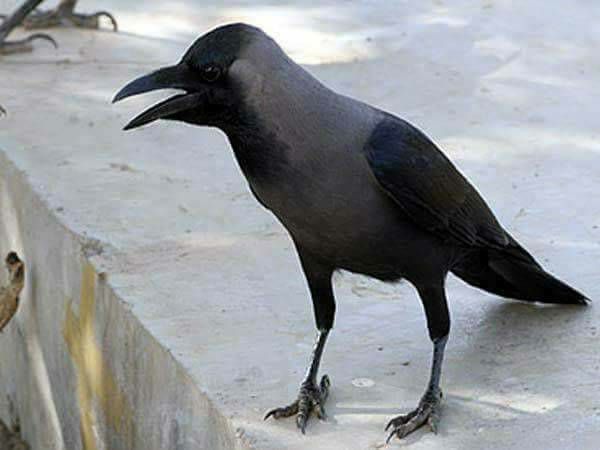
  1. The five sacrifices given to five groups include trees, dogs, crows and people of Four Castes. That shows Manu is compassionate towards all living beings. Feeding dogs and crows as part of religious sacrifice is unknown in other cultures. This shows the uniqueness of Hindu culture. Feeding the crows and watering the plants as sacred thing is found in ancient Tamil books; it is one more proof to show that the culture in one from Kanyakumari to Kashmir.
  2. Sacrificing to goblins along with Vedic deities is also strange. But when we consider trees, crows and dogs are included in the list, it is not strange.


5.Manu asked the Hindus to give four things: Mat, Water, Room and KIND WORDS. It shows his high thoughts.

6.His definition of a GUEST is good; those who stay one night only are considered guests; he asks everyone to feed all the four castes; This does not correlate with the 40 or odd slokas/couplets which the Dravidians and Marxists use for their Anti Manu propaganda. They are later interpolations.

  1. Another strange thing is ‘newly married’ get priority in eating; he wants them to enjoy life fully!

8.Manu says the householder can eat only after feeding kinsmen, servants and the guests! This is unknown in any part of the world except the Hindus from Kanyakumari to Kashmir.

  1. Ancient Tamil literature also confirm all the oblations to manes who live in SOUTHERN Direction. So Tamils were ardent Hindus as others in the North. It is in Tirukkural and Purananuru. This explodes the theory of half -baked theories of Vedic Hindus coming from outside India. No other ancient culture has such belief about SOUTH or daily oblations to manes with WATER. Use of water in every ceremony shows that it is a tropical culture.
  2. He who prepares food for himself is a sinner is in Manu and Bhagavad Gita.
  3. Last but not the least, Manu asks to honour people who comes once a year! Good Advice!!


Third Chapter continues……………………..

Sacrifice to Vedic Deities

3-83. Let him feed even one Brahmana in honour of the manes at the Sraddha which belongs to the five great sacrifices; but let him not feed on that occasion any Brahmana on account of the Vaisvadeva offering.

3-84. A Brahmana shall offer according to the rule (of his Grihya-sutra a portion) of the cooked food destined for the Vaisvadeva in the sacred domestic fire to the following deities:

3-85. First to Agni, and next to Soma, then to both these gods conjointly, further to all the gods Visve Devah, and then to Dhanvantari,

3-86. Further to Kuhu (the goddess of the new-moon day), to Anumati (the goddess of the full-moon day), to Pragapati (the lord of creatures), to heaven and earth conjointly, and finally to Agni Svishtakrit (the fire which performs the sacrifice well).

  1. After having thus duly offered the sacrificial food, let him throw Bali offerings in all directions of the compass, proceeding (from the east) to the south, to Indra, Yama, Varuna, and Soma, as well as to the servants (of these deities).


To the Trees

3-88. Saying, ‘Adoration to the Maruts,’ he shall scatter some food near the door, and some in water, saying, ‘Adoration to the waters;’ he shall throw some on the pestle and the mortar, speaking thus, ‘Adoration to the trees.’

  1. Near the head of the bed he shall make an offering to Sri fortune, and near the foot of his bed to Bhadrakali; in the centre of the house let him place a Bali for Brahman and for Vastoshpati (the lord of the dwelling) conjointly.


Goblins- Ghosts

3-90. Let him throw up into the air a Bali for all the gods, and in the day-time one for the goblins roaming about by day, and in the evening one for the goblins that walk at night.

  1. In the upper story let him offer a Bali to Sarvatmabhuti; but let him throw what remains from these offerings in a southerly direction for the manes.


To the Crows

3-92. Let him gently place on the ground (some food) for dogs, outcasts, Candalas (Svapak), those afflicted with diseases that are punishments of former sins, crows, and insects.

  1. That Brahmana who thus daily honours all beings, goes, endowed with a resplendent body, by a straight road to the highest dwelling-place (i.e. Brahman).
  2. Having performed this Bali offering, he shall first feed his guest and, according to the rule, give alms to an ascetic (and) to a student.


Equal to Cow Donation/ Go Daana

3-95. A twice-born householder gains, by giving alms, the same reward for his meritorious act which (a student) obtains for presenting, in accordance with the rule, a cow to his teacher.

  1. Let him give, in accordance with the rule, to a Brahmana who knows the true meaning of the Veda, even a small portion of food as alms, or a pot full of water, having garnished the food with seasoning, or the pot with flowers and fruit.
  2. The oblations to gods and manes, made by men ignorant (of the law of gifts), are lost, if the givers in their folly present (shares of them) to Brahmanas who are mere ashes.
  3. An offering made in the mouth-fire of Brahmanas rich in sacred learning and austerities, saves from misfortune and from great guilt.
  4. But let him offer, in accordance with the rule, to a guest who has come (of his own accord) a seat and water, as well as food, garnished (with seasoning), according to his ability.
  5. A Brahmana who stays unhonoured (in the house), takes away (with him) all the spiritual merit even of a man who subsists by gleaning ears of corn, or offers oblations in five fires.

Give Four Things!

  1. Grass, room for resting, water, and fourthly a kind word; these (things) never fail in the houses of good men.


One Night Stay is a Guest

  1. But a Brahmana who stays one night only is declared to be a guest (atithi); for because he stays (sthita) not long (anityam), he is called atithi (a guest).
  2. One must not consider as a guest a Brahmana who dwells in the same village, nor one who seeks his livelihood by social intercourse, even though he has come to a house where there is a wife, and where sacred fires are kept.
  3. Those foolish householders who constantly seek (to live on) the food of others, become, in consequence of that (baseness), after death the cattle of those who give them food.
  4. A guest who is sent by the setting sun in the evening, must not be driven away by a householder; whether he have come at supper- time or at an inopportune moment, he must not stay in the house without entertainment.

Hospitality to Guests

  1. Let him not eat any dainty food which he does not offer to his guest; the hospitable reception of guests procures wealth, fame, long life, and heavenly bliss.
  2. Let him offer to his guests seats, rooms, beds, attendance on departure and honour while they stay, to the most distinguished in the best form, to the lower ones in a lower form, to equals in an equal manner.
  3. But if another guest comes after the Vaisvadeva offering has been finished, the householder must give him food according to his ability, but not repeat the Bali offering.

Non Brahmin Guests

  1. A Brahmana shall not name his family and (Vedic) gotra in order to obtain a meal; for he who boasts of them for the sake of a meal, is called by the wise a foul feeder (vantasin).
  2. But a Kshatriya who comes to the house of a Brahmana is not called a guest (atithi), nor a Vaisya, nor a Sudra, nor a personal friend, nor a relative, nor the teacher.
  3. But if a Kshatriya comes to the house of a Brahmana in the manner of a guest, (the house-holder) may feed him according to his desire, after the above-mentioned Brahmanas have eaten.


Feed all the Four Castes

  1. Even a Vaisya and a Sudra who have approached his house in the manner of guests, he may allow to eat with his servants, showing (thereby) his compassionate disposition.
  2. Even to others, personal friends and so forth, who have come to his house out of affection, he may give food, garnished with seasoning according to his ability, at the same time with his wife.

Newly Married Get Priority

  1. Without hesitation he may give food, even before his guests, to the following persons, (viz.) to newly-married women, to infants, to the sick, and to pregnant women.
  2. But the foolish man who eats first without having given food to these (persons) does, while he crams, not know that (after death) he himself will be devoured by dogs and vultures.
  3. After the Brahmanas, the kinsmen, and the servants have dined, the householder and his wife may afterwards eat what remains.
  4. Having honoured the gods, the sages, men, the manes, and the guardian deities of the house, the householder shall eat afterwards what remains.
  5. He who prepares food for himself (alone), eats nothing but sin; for it is ordained that the food which remains after (the performance of) the sacrifices shall be the meal of virtuous men. (It is in Bhagavad Gita)


Once a Year!

  1. Let him honour with the honey-mixture a king, an officiating priest, a Snataka, the teacher, a son-in-law, a father-in-law, and a maternal uncle, (if they come) again after a full year has elapsed since their last visit.
  2. A king and a Srotriya, who come on the performance of a sacrifice, must be honoured with the honey-mixture, but not if no sacrifice is being performed; that is a settled rule.

to be continued………………….

ஜப்பானில் பிள்ளையார் & ஸரஸ்வதி கோவில்கள்! (Post No.5128)

Written by LONDON SWAMINATHAN


Date: 19 JUNE 2018


Time uploaded in London –  11-55 am (British Summer Time)


Post No. 5128


Pictures shown here are taken from various sources such as Facebook friends, Wikipedia, Books, Google and newspapers; thanks. Pictures may be subject to copyright laws.


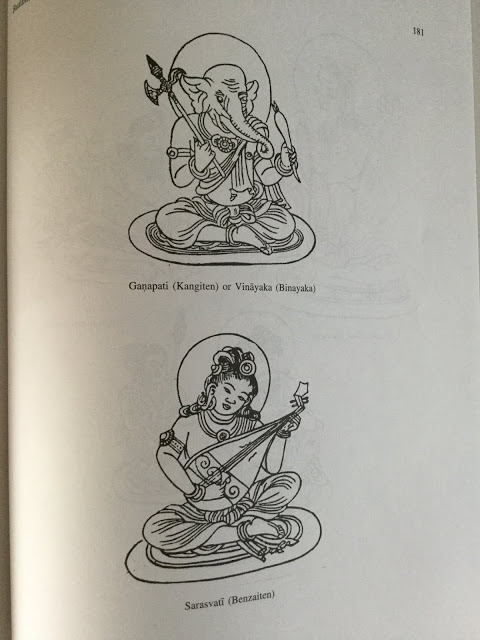
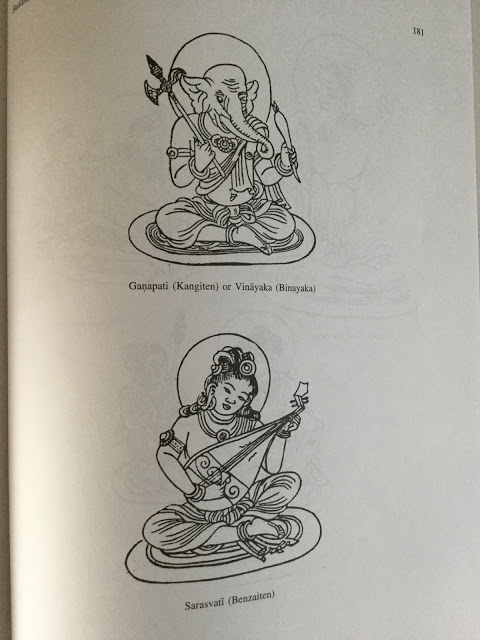
ஜப்பானில் 131 ஸரஸ்வதி கோவில்கள் இருக்கின்றன. டோக்கியோ, கொயசான், டகாவோ முதலிய இடங்களில் கணபதி (பிள்ளைஐயார்) கோவில்கள் இருக்கின்றன.


ஜப்பானில் எடொ (Edo) என்னும் ஊரில் ஜெர்மன் டாக்டர் பிலிப் ப்ரன்ஸ் வோன் சீபோல்ட் (1823-28) வாழ்ந்தார். அங்கு கணபதி என்னும் கடவுள் எவ்வளவு பிரஸித்தமானவர் என்று அவர் எழுதிய ஜப்பானிய கடவுள்கள்  (1832) என்ற நூலில் எழுதியுள்ளார். கணபதிக்குப் பல கோவில்கள் இருந்தமை குறித்தும் ஒரு பேட்டை அவர் பெயரில் ஷோடன் சோ என்று அழைக்கப்படாதாகவும் எழுதுகிறார்.

1970 ஆம் ஆண்டில் அந்த கோவிலுக்கு லோகேஷ் சந்திரா என்ற இந்திய-ஜப்பானிய அறிஞர் சென்றார். அப்பொழுதும் அங்கு வழிபாடு நடந்தது. 1200 ஆண்டுகளாகத் தொடர்ந்து வழிபாடு நடக்கிறது. அந்த ஒன்பதாம் நூற்றாண்டு ஆலயத்தில்!


லோகேஷ் சந்திரா அங்கு சென்றபோது ஏராளமான தம்பதியர் இல்லற இன்பம் வேண்டியும், மூத்தவர்கள் சந்தோஷத்தையும் வணிகத்தில் வெற்றியையும் நாடி வந்தனர் என்றும் கூறுகிறார். அவரை நந்திகேஸ்வரர் (காங்கிடென்) என்றும் சொல்லுவர்.


ஸரஸ்வதி தேவிக்கு 131 கோவில்கள் உள. ஜெர்மானிய புஸ்தகத்தை மொழிபெயர்த்தால் அக்கலத்தில் அங்கு இருந்த உயிர்த் துடிப்புள்ள பௌத்த, இந்து சமய வழிபாடுகளை அறியலாம்.


புயற்காற்றுத் தாகுதல்களைத் தடுக்க 1836-ல் வருண பகவானுக்கு ஒரு ஆலயம் சமைக்கப்பட்டதாம். அரசு வேலையில் உயர பிரம்மாவையும், மழைக்காக வருணனையும், விஷ முறிவுக்காக கருடனையும், நல்ல வர்த்தகம்- போர் வெற்றிக்காக மஹா காலனையும் அவர்கள் வழிபட்டதாக எழுதியுள்ளார். இந்தியாவுக்கு வெளியேயுள்ள பிள்ளையார் கோவில்களில் மிகவும் பழமையானது எடோ நகர கோவில்தான்.

தத்துவ வித்தகர்களுக்கு கோவில்கள்

நரா என்னும் இடத்தில் இந்தியாவின் புகழ்பெற்ற தத்துவ வித்தகர்களுக்கு  சிலைகள் உள்ளன. 1208ல் புகழ்பெற்ற சிற்பி உன்கேய் (Unkei) செதுக்கிய வசு பந்துவின் சிலையும், ஆசங்கரின் சிலையும் அங்கே உள்ளன. அவற்றின் ஜப்பானிய பெயர்கள்- செய்ஷின், முசாக்கு


நாளந்தா ஈ அற்புதம்!

818 ஆம் ஆண்டில் கோங்கோ சம்மை (வஜ்ரஸமாதி), சீனா வழியாக நாளந்தாவுக்கு வந்தார். பீஹார் மாநிலத்திலுள்ள நாளந்தாவில் சாப்பாடு அறைகளில் லட்சக் கணக்கில் ஈக்கள் இருக்கும் என்றும் ஆனால் புத்த பிக்ஷுக்கள் வந்து சாப்பிடத் துவங்கியவுடன் அவை மாயமாய் மறைந்து விடும் என்றும் எழுதி வைத்துள்ளார்.


ஜப்பானில் மஹாபாரதம்

ரிஷ்யஸ்ருங்கர் கதை ஜப்பானில் நடித்துக் காட்டப்படுகிறது (kabuki drama Naru-kami) . இது சீனா  வழியாக ஜப்பான வந்தது. ஒரு பிரெஞ்சு ஆசிரியரின்  (Edouard Chavanes ) மொழிபெயர்ப்பு இதற்கு அடிப்படையாக அமைந்தது. அவர் ஏக ஸ்ருங்க என்ற (இக்காகு சென்னின்) மஹாபாரதக் கதையை ஜப்பானிய மொழியில் மொழிபெயர்த்தார். 1400 ஆண்டுகளுக்கு முன்னர் இந்தியாவுக்கு வந்த சீன யாத்ரீகன் யுவாங் சுவாங்கும் காந்தாரத்திலுள்ள ஏக ஸ்ருங்க ஆஸ்ரமத்தைப் பற்றி எழுதினார். இது காந்தாரத்தில் ஸ்வாட் மலை அடிவாரத்திலுள்ளது.


ஹோம குண்டம் படம்


டோஜி மடாலயத்தில் ஹோம குண்டம் படம் உள்ளது. நவக்ரஹங்களையும் 28 நக்ஷத்ரங்களையும் வழிபட பல்வேறு வகை ஹோமங்கள் ஒரு சுவடியில் காணப்படுகின்றன. இது ஒன்பதாம் நூற்றாண்டு சுவடி.


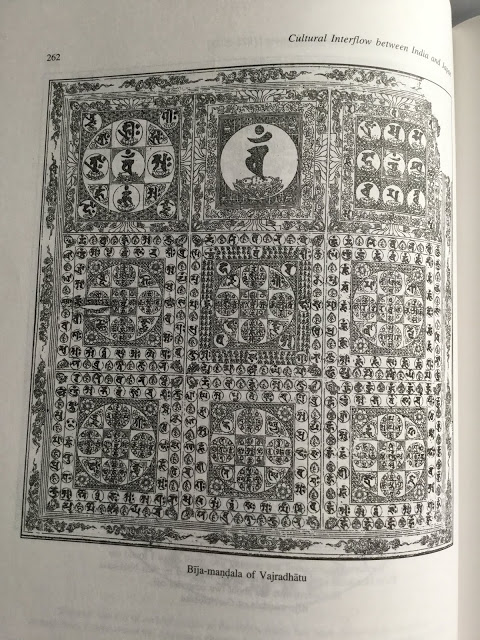
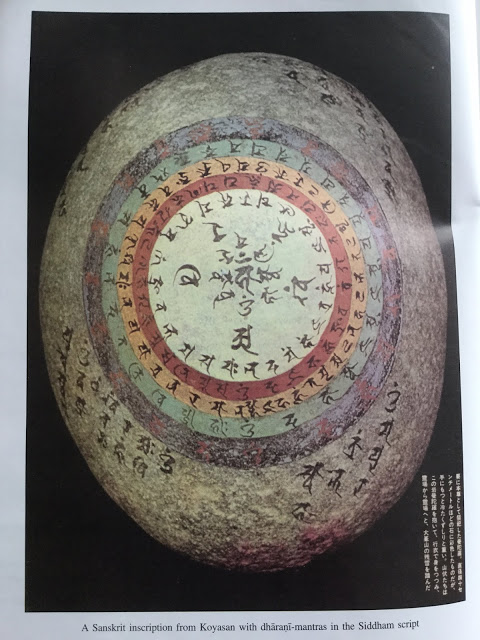
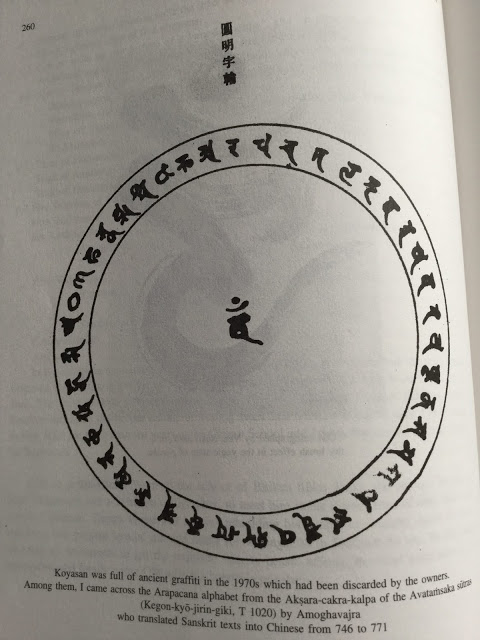
சாலையில் ஒரு பிரம்மாண்டமான வட்ட வடிவப் பாறையில் நவக்ரஹங்களுக்கான பீஜாக்ஷர மந்திரம் பொறிக்கப்பட்டுள்ளது. ஸம்ஸ்க்ருத ஓரெழுத்தான ரோ இதில் உள்ளது. இதை நமது ஆசிரியர் பார்த்துக் கொண்டு இருக்கையில் ஒரு நவீன உடை அணிந்த இளம் பெண் வந்து ஒரு காகிதத்தை வைத்து அதன் மீது ஒரு ஆரஞ்சுப் பழத்தை வைத்து நைவேத்யம் செய்ததைக் கண்டார்.

புகாகு, ஜிகாகு

ஜப்பானில் ஒரு  ஏரியின் பெயர் பீவா; இதன் பொருள் வீணை. அது வீணை வடிவில் இருப்பதால் அந்தப் பெயர். இதே போல ஜிகாகு புகாகு என்ற நாட்டிய வகைகளில் இந்தியக் கதைகளும் நகைச் சுவைக் கதைகளும் இடம் பெறுகின்றன. இந்தக் கதைகள் பாரத நாட்டுக் கதைகள் என்பதால் அதன் தாக்கம் நன்றாகத் தெரிகிறது.


–SUBHAM–


ஜப்பானில் க, கா, கி, கீ, கு, கூ…..(Post No.5127)

Written by LONDON SWAMINATHAN


Date: 19 JUNE 2018


Time uploaded in London –  7-01 AM  (British Summer Time)


Post No. 5127


Pictures shown here are taken from various sources such as Facebook friends, Wikipedia, Books, Google and newspapers; thanks. Pictures may be subject to copyright laws.


உலகில் உள்ள இரண்டு பழைய மொழிகள் ஸம்ஸ்க்ருதமும் தமிழும்.


தமிழ் மொழிக்கு ஸம்ஸ்க்ருதத்தை விட நெருங்கிய மொழி எதுவும் இல்லை. வேற்றுமை உருபுகள், அகர வரிசை, சொற்கள், மொழி அமைப்பு, சந்தி முதலியன இவற்றைக் காட்டி நிற்கும்! ஆகையால் இவ்விரண்டு மொழிகளும் சிவ பெருமானின் உடுக்கை ஒலியின் வெவ்வேறு பக்கத்தில் எழுந்த இரு வேறு மொழிகள் என்பது உறுதியாகிறது. இதை நிரூபிக்க பல ஆராய்ச்சிக் கட்டுரைகள் எழுதிவிட்டேன் ஆகையால் அரைத்த மாவையே அரைக்காமல் அடுத்த கட்டத்துக்குப் போகிறேன். அகஸ்த்ய மஹரிஷியை, தமிழுக்கு இலக்கணம் வகுத்த சிவபெருமான் அனுப்பிய சான்று ஒன்று போதுமே!

இப்பொழுது லோகேஷ் சந்திரா எழுதிய இந்திய ஜப்பானிய உறவு பற்றிய 400 பக்க புத்தகத்தைப் படித்துக் கொண்டிருக்கிறேன். எந்தப் பக்கம் எடுத்தாலும் ஒரு புதிய, சுவை மிகு தகவல்.


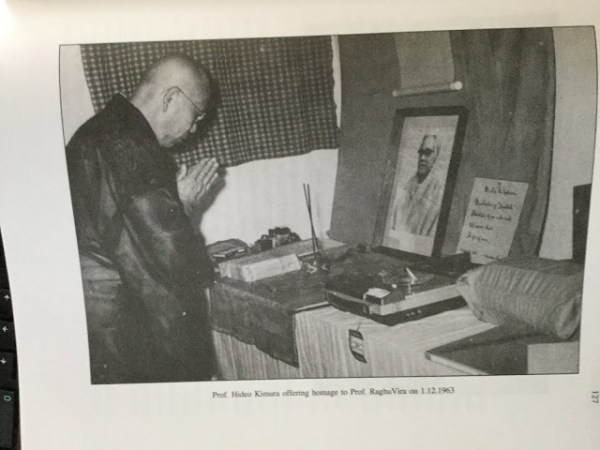
ஜப்பானியர்களும் க, கா, கி, கு, கூ……………… என்று நமது ஸம்ஸ்க்ருத-தமிழ் அகர வரிசைப்படியே மொழி பயில்கின்றனராம். லோகேஷ் சந்திராவும் அவரது தந்தை டாக்டர் ரகுவீராவும் பெரிய மேதைகள். இந்திரா காந்தி தனக்கு வந்த ஜப்பானியப் பரிசுப் பொருட்களின் மேலுள்ள எழுத்துக்களுக்கு பொருள் தெரிய இவரிடம் அனுப்புவாராம். எவராவது வந்து இந்திய- ஜப்பானிய உறவு பற்றிக் கேள்வி கேட்டாலும் லோகேஷ் சந்திரவிடம் அனுப்பிவிடுவாராம். இதையெல்லாம் ஆதாரத்துடன் எழுதியுள்ளார் புஸ்தகத்தில்.– நிற்க.


ஜப்பானிய மொழியை கஞ்சி (KANJI) லிபியில் எழுதுகின்றனர். இது இந்திய எழுத்து முறையுடன் ஆழ்ந்த தொடர்பு உடைத்து.


ஜப்பானிய குழந்தைகள் பள்ளிக்குப் போனவுடன் தொடக்க வகுப்பிலேயே ஒரு பாடலைக் கற்க வேண்டும் இதில் 50 ஜப்பானிய எழுத்துக்களும், ஒலிகளும் வந்துவிடும். அது பொருள் பொதிந்த ஒரு ஸம்ஸ்க்ருதப் பாடலின் மொழிபெயர்ப்பு!


இரொஹா (IROHA) கவிதை என அழைக்கப்படும் இந்த முதல் பாடத்திலேயே நாம் திருக்குறளிலும் நாலடியாரிலும் படிக்கும் ‘நிலையாமை’ என்னும் டாபிக் (TOPIC) வந்து விடுகிறது!

பாடலின் சுருக்கம் இதோ:-

“அழகான வண்ணங்கள், எப்படி அடித்துச் செல்லப்பட்டன!

இந்த உலகில் யார் நிலையாய் வாழ்பவர்?

நிலையற்ற வாழ்வு மலை போல நிற்கிறது.

இன்றைய நாளைக் கழித்துவிட்டோம்.

பொருளற்ற கனவுகள் இனியும் வேண்டாம்;

மாய மயக்கத்தில் (போதையில்) உழல மாட்டோம்.”

KRISHNA( ??) IN JAPAN

ஏதோ  ஆதிசங்கரர் எழுதிய விவேக சூடாமணியைப் படிப்பது போலத் தோன்றும். முதல் வகுப்பிலேயே இந்திய தத்துவத்தின் உயர்ந்த கருத்துக்களை மனதில் பதித்து விடுகின்றனர். குழந்தையைப் பொறுத்தமட்டில் அது ஒரு செர்ரிப் பழ மரத்தைப் (CHERRY FRUIT TREE) பார்த்துப் பாடும் பாடல் இது. அதன் இலைகள் உதிர்வதைப் பார்த்துப் பாடும் பாடல்.  ஆனால் வயது முதிர முதிர,  நாம் பாடியது நமது வாழ்க்கை பற்றியதன்றோ என்ற சிந்தனை எழும்!

வள்ளுவன் சொல்ல வில்லையா? இன்றிருப்போர் நாளைள இல்லை என்ற சிறப்புடைத்து இவ்வுலகம் என்று! (காண்க– நெருநல்   உளன் ஒருவன் –குறள் 336) மஹாபாரதத்தின் யக்ஷப் ப்ரஸ்னத்திலும் உலக மஹா கவி காளிதாஸனின் ரகு வம்ச காவ்யத்திலும் இக்கருத்து உண்டு.


லோகேஷ் சொல்கிறார்:

இந்தப் பாடல் ஒரு ஸம்ஸ்க்ருதப் பாடலின் மொழிபெயர்ப்பு என்று!


ஸர்வே ஸம்ஸ்காராஹா அநித்யாஹா உத்பாத வ்யய தர்மினஹ

தேஷாம் வ்யுப சமாஹா சுகம் அவதத் மஹா ஸ்ரமணஹ


இது ‘மஹா பரிநிர்வாண சூத்ர’த்தின் ஸம்ஸ்க்ருதப் பாடல் என்றும் இதையே ஜப்பானியக் குழந்தைகள் முதலில் இரோஹா கவிதை என்று கற்கிறதென்றும் சொல்கிறார். மத்தியகாலத்தில் இந்தியா மீது படையெடுத்த காட்டுமிராண்டிகள் புத்தமத மடாலயங்களை அழித்துவிட்டதால்  இந்தியாவில் இது கருகிச் சாம்பல் ஆகிவிட்டது; ஜப்பானில் இன்றும் உயிர்த் துடிப்புடன் உளது என்று நுவல்கிறார் லோகேஷ் சந்திரா!

(முஸ்லீம்கள் நாளந்தா பல்கலைக் கழகம் முதலியவற்றைத் தீயிட்டுக் கொளுத்தியதைக் குறிப்பிடுகிறார் இந்தப் பேரறிஞர்).


–சுபம்–